Buy Sporanox (Itraconazole) Online — Broad-Spectrum Triazole Antifungal for Histoplasmosis, Sporotrichosis & Nail Fungus

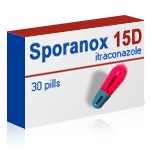
Sporanox is one of the most clinically important broad-spectrum antifungal medications in modern infectious disease practice — the original brand-name formulation of Itraconazole, a foundational triazole antifungal developed by Janssen Pharmaceutica and FDA-approved in 1992. With activity extending well beyond what fluconazole can cover, Sporanox is the established therapy for several serious fungal infections including histoplasmosis, blastomycosis, sporotrichosis, and selected forms of aspergillosis.
The active ingredient is Itraconazole, which works by selectively inhibiting fungal cytochrome P450 14α-demethylase — the enzyme essential for biosynthesis of ergosterol, the critical sterol of fungal cell membranes. While Itraconazole shares this mechanism with fluconazole and ketoconazole, its unique molecular structure provides distinctly broader spectrum activity — effective against dimorphic fungi (Histoplasma, Blastomyces, Sporothrix), Aspergillus species, and many fungi that fluconazole cannot treat.
Sporanox is FDA-approved for treatment of blastomycosis, histoplasmosis, aspergillosis (in patients intolerant of amphotericin B), onychomycosis (fingernail and toenail fungal infections), oropharyngeal candidiasis (especially in HIV-positive patients), and esophageal candidiasis. Off-label, it is widely used for sporotrichosis, coccidioidomycosis, and other endemic mycoses.
One of the most distinctive applications of Sporanox is onychomycosis pulse therapy — a regimen of 200 mg twice daily for 1 week per month, repeated for 2-3 months (fingernails) or 3-4 months (toenails). This convenient regimen takes advantage of Itraconazole's strong concentration in nail keratin, where it persists for months providing sustained antifungal effect.
Available as 100 mg capsules, 10 mg/mL oral solution, and intravenous formulation, Sporanox provides flexibility across outpatient and hospital settings. Important note: capsules require gastric acidity for absorption (take with food), while oral solution is taken on an empty stomach. Affordable generic Itraconazole is widely available and is listed on the WHO Model List of Essential Medicines.
Free prescription
Discrete packaging
Have questions?
Quality Assurance

- HIV Histoplasmosis: For lifelong maintenance therapy in AIDS patients with disseminated histoplasmosis until immune reconstitution;
- Blastomycosis: Standard treatment for non-CNS blastomycosis — especially pulmonary and cutaneous forms;
- Sporotrichosis: Primary therapy for cutaneous and lymphocutaneous sporotrichosis — the "rose gardener's disease";
- Aspergillosis: For selected forms of aspergillosis when patients cannot tolerate amphotericin B or voriconazole;
- ABPA: For allergic bronchopulmonary aspergillosis in asthma and cystic fibrosis patients with Aspergillus hypersensitivity;
- Chronic Pulmonary Aspergillosis: For chronic cavitary and necrotising pulmonary aspergillosis in immunocompetent patients;
- Onychomycosis Pulse: For fingernail and toenail fungal infections using convenient intermittent pulse dosing regimen;
- Pulse Nail Therapy: 1-week-per-month dosing for 2-3 months convenient regimen for nail fungus management;
- Coccidioidomycosis: For pulmonary and disseminated coccidioidomycosis — alternative to fluconazole in valley fever;
- Paracoccidioidomycosis: For South American blastomycosis acquired in Central and South America;
- Chromoblastomycosis: For chronic cutaneous and subcutaneous fungal infections in tropical regions;
- Penicilliosis: For maintenance therapy after induction in HIV-associated Southeast Asian disseminated penicilliosis;
- Talaromycosis: For Talaromyces marneffei infections in HIV-positive patients in Southeast Asia;
- HIV Oral Thrush: For oral candidiasis in HIV-positive patients, particularly fluconazole-refractory cases;
- HIV Esophageal Candidiasis: For Candida esophagitis in HIV and other immunocompromised patients;
- Refractory Vaginal Yeast: For refractory or non-albicans Candida vaginal infections;
- Cryptococcal Maintenance: Alternative maintenance therapy after fluconazole consolidation in cryptococcal infection;
- Resistant Tinea Capitis: For scalp ringworm resistant to griseofulvin or terbinafine.
- Less Cough: Reduces persistent cough in chronic pulmonary aspergillosis and ABPA;
- Better Breathing: Improves dyspnea associated with pulmonary fungal infections;
- Clear Nail Appearance: Gradual restoration of healthy nail color and thickness through pulse dosing therapy;
- Less Skin Lesions: Resolution of cutaneous sporotrichosis lesions and chromoblastomycosis plaques;
- Less Spreading: Effective treatment prevents progression of disseminated fungal infections;
- Lifesaving Recovery: Foundation of treatment for life-threatening endemic mycoses including histoplasmosis and blastomycosis;
- Better Immune Recovery: Supports immune reconstitution in HIV patients with fungal opportunistic infections;
- Resolution Comfort: Eliminates discomfort from oral thrush, esophageal pain, and other fungal-induced symptoms;
- Better Quality of Life: Restoration of normal function as endemic mycoses and chronic fungal infections resolve;
- Brand Sporanox: Original brand-name Itraconazole from Janssen with established clinical reputation since 1992;
- Generic Itraconazole: Affordable generic versions of Sporanox expand global access to broad-spectrum antifungal therapy;
- Broad Spectrum Triazole: Broader activity than fluconazole — adds Aspergillus, dimorphic fungi, and resistant Candida coverage;
- Dimorphic Fungi Antifungal: Effective against Histoplasma, Blastomyces, Sporothrix, Coccidioides, and Paracoccidioides;
- Aspergillus Activity: Treats selected Aspergillus infections including ABPA and chronic pulmonary aspergillosis;
- Onychomycosis Pulse Dosing: 1 week per month for 2-3 months — reduces total drug exposure and improves adherence;
- Strong Keratin Concentration: Persists in nails for 6-9 months after last dose — supports the pulse dosing strategy;
- Multiple Formulations Antifungal: Capsules, oral solution, and IV — flexibility across outpatient, hospital, and pediatric settings;
- Cyclodextrin Solution: Liquid formulation overcomes capsule absorption variability in achlorhydric and post-gastrectomy patients;
- IV Itraconazole: Available for emergency department, ICU, and inpatient management of serious systemic mycoses;
- Sporotrichosis Standard: The preferred oral therapy for sporotrichosis acquired from rose gardening, hay, and sphagnum moss exposure;
- Histoplasmosis Standard: Foundation of treatment for histoplasmosis in endemic Midwest and Mississippi River Valley regions;
- Blastomycosis Standard: Standard oral therapy for non-CNS blastomycosis including pulmonary and cutaneous forms;
- ABPA Treatment: Foundation of allergic bronchopulmonary aspergillosis management in asthma and cystic fibrosis patients;
- Endemic Mycoses Therapy: Lifesaving foundation of treatment for histoplasmosis and blastomycosis in endemic regions;
- HIV Patient Antifungal: Essential for histoplasmosis, penicilliosis, and refractory Candida in immunocompromised AIDS patients;
- Hospital To Outpatient Bridge: IV-to-oral conversion supports discharge from acute care to home-based long-term therapy;
- Therapeutic Drug Monitoring: Serum levels can be measured to optimise efficacy in serious infections;
- Pediatric Liquid Antifungal: Oral solution supports weight-based dosing in pediatric endemic mycoses and aspergillosis;
- Tropical Mycoses Care: For chromoblastomycosis, paracoccidioidomycosis, and penicilliosis acquired in tropical regions;
- Refractory Candida Activity: Useful for fluconazole-resistant Candida glabrata and selected non-albicans species;
- IDSA Guidelines Antifungal: Recommended in IDSA guidelines for blastomycosis, histoplasmosis, sporotrichosis, and aspergillosis;
- Long Term Suppressive Antifungal: Suitable for indefinite suppressive therapy in HIV-related disseminated mycoses;
- Fatty Meal Capsule Absorption: Take capsules with food and acidic beverage for optimal absorption;
- Empty Stomach Solution: Oral solution taken on empty stomach has better bioavailability than capsules;
- WHO Essential Medicine: Listed on the WHO Model List of Essential Medicines for endemic mycoses globally;
- 30 Plus Year History: Extensive real-world safety and efficacy data since 1992;
- Stable Storage: No refrigeration required for oral formulations — convenient for travel and humanitarian distribution;
- Globally Available: Widely stocked across international markets in branded (Sporanox) and generic forms.
Generic Sporanox (Itraconazole 100 mg) Medication guide:
💊 What is Sporanox (Itraconazole)
Itraconazole - a second-generation triazole antifungal developed by Janssen Pharmaceutica (Belgium) and approved by FDA in 1992. Broader spectrum than ketoconazole (covers Aspergillus), used primarily for systemic fungal infections and onychomycosis pulse therapy.
Sporanox occupies a specific niche in modern antifungal therapy. Where ketoconazole was largely retired from systemic use after its 2013 black box, itraconazole stepped into the broader-spectrum role - particularly for mold infections like aspergillosis, endemic mycoses, and onychomycosis. The medication has its own significant safety concerns (heart failure boxed warning, extensive drug interactions), but the risk-benefit favors it for several specific indications where alternatives are limited.
📋 Sporanox at a glance
Sporanox is a specialist antifungal for situations where its broader spectrum or specific tissue penetration matters - particularly nail infections (pulse therapy), Aspergillus, and endemic mycoses (histoplasmosis, blastomycosis, sporotrichosis). For routine dermatophyte tinea, Lamisil is usually preferred. For Candida, fluconazole. Sporanox's role is the indications between - where azole spectrum is needed AND ketoconazole is too dangerous.
🇧🇪 Janssen's second azole - the Sporanox heritage
Sporanox is Janssen Pharmaceutica's second major azole antifungal. After Nizoral (ketoconazole) opened the azole era in 1981, Janssen scientists worked on overcoming the imidazole's limitations - the narrow effective spectrum, the variable absorption, the hormonal side effects. The result was itraconazole, a triazole compound that addressed several ketoconazole shortcomings while preserving the basic ergosterol-synthesis mechanism.
When Sporanox arrived in 1992, it was positioned as the next-generation azole. Better spectrum (including Aspergillus). Better tissue distribution (including nails). Fewer hormonal effects. But itraconazole also brought new problems - the heart failure concern that would lead to a 2002 FDA boxed warning, ongoing significant drug interactions through CYP3A4, and complex absorption pharmacology requiring careful counseling.
⏱️ Itraconazole development timeline
💊 Sporanox products today
🧬 Triazole advantage - itraconazole vs ketoconazole
Itraconazole was specifically designed to fix ketoconazole's biggest problems. The triazole chemistry (three nitrogen atoms in the ring vs two for imidazoles) creates a molecule with several practical advantages while keeping the basic ergosterol-blocking mechanism.
⚖️ Imidazole vs triazole - chemistry to clinical
- 🧬 2 nitrogens in azole ring
- 🍽️ Acidic stomach required
- 🎯 Narrower spectrum (poor mold activity)
- 🏥 Strong adrenal suppression
- 🍄 Gynecomastia (anti-androgen)
- 🫀 Major hepatotoxicity
- 🧬 3 nitrogens in azole ring
- 🍽️ Capsule with food OR solution empty stomach
- 🎯 Broader spectrum (includes Aspergillus)
- 🏥 Minimal adrenal effects
- 🍄 No gynecomastia
- 🫀 Less hepatotoxic than ketoconazole
✅ Four key triazole advantages
Activity against Aspergillus, which ketoconazole essentially lacked. Also better activity against endemic mycoses (histoplasmosis, blastomycosis). Opened new indications previously requiring amphotericin B.
Higher selectivity for fungal vs human CYP enzymes. Less effect on cortisol synthesis and androgen production. Eliminates the gynecomastia and adrenal suppression that plagued long-term ketoconazole use.
Tissue distribution into nail keratin is far better than ketoconazole. Made oral antifungal nail therapy practical - particularly the pulse-therapy regimens that defined Sporanox's main dermatologic role.
Significantly lower hepatotoxicity than ketoconazole at routine clinical doses. Still capable of liver injury - just at much lower frequency. This is part of why Sporanox kept its broader indications when oral ketoconazole was restricted in 2013.
📋 Same Janssen company, different modern roles
💠 The ergosterol mechanism with broader spectrum
Itraconazole works through the same molecular target as ketoconazole - the fungal enzyme CYP51 (14-alpha-demethylase) that converts lanosterol to ergosterol. What differs is HOW WELL the molecule binds the fungal enzyme across different species, and how much it avoids binding the human counterpart enzymes. Triazoles do both better.
The result is a medication that maintains the broad anti-fungal action of the azole class while extending coverage to organisms (notably Aspergillus and several endemic mycoses) that ketoconazole could not effectively treat. The selectivity improvements also mean fewer human-side effects from off-target enzyme inhibition.
🔍 Mechanism in 4 steps
📊 Spectrum across major fungal pathogens
The spectrum profile explains Sporanox's modern role: it's the right choice for endemic mycoses (where it's first-line) and for certain situations where other azoles fail or aren't accessible. For Aspergillus, voriconazole and isavuconazole have largely taken over the first-line position. For Cryptococcus or Mucor, Sporanox isn't appropriate at all.
🍞 Capsule vs oral solution - the absorption distinction
This is one of Sporanox's most clinically important practical points. The two formulations have completely different absorption requirements and bioavailability. Switching one for the other without dose adjustment can produce treatment failure or unexpected side effects.
Itraconazole absorption depends heavily on the formulation. Capsules need acidic stomach pH AND food to dissolve properly. Oral solution uses cyclodextrin to enhance dissolution and absorbs better in fasting state. This difference is unique among common antifungals and causes ongoing prescriber-pharmacist-patient communication issues.
⚖️ The two formulations compared
- 🍽️ TAKE WITH FOOD - full meal best
- 🥤 Acidic drink helps - cola, orange juice
- ❌ NOT with antacids, H2 blockers, PPIs
- 📊 Bioavailability ~55% with food
- 🎯 First-line for onychomycosis pulse therapy
- 🎯 First-line for endemic mycoses
- 🍽️ TAKE EMPTY STOMACH - 1 hour before food
- 🥤 Cyclodextrin-based - improves dissolution
- ✅ Acid suppression OK - doesn't matter
- 📊 Bioavailability ~85% fasting
- 🎯 Better for oropharyngeal candidiasis
- 🎯 Better when capsule absorption uncertain
📋 When each is preferred
💡 Practical absorption tips
- 🌭 For capsules: take with the largest meal of the day; cola or orange juice as drink boosts absorption further
- 🍄 Avoid antacids for at least 2 hours before/after capsule dose
- ❌ PPIs and H2 blockers meaningfully reduce capsule absorption - switch to oral solution instead
- 📋 For oral solution: 1 hour before food OR 2 hours after food; the cyclodextrin works best in empty stomach
- 🍽️ Don't mix formulations - if switching, recalculate dose with prescriber (solution typically ~70% the dose of capsule for same effect)
- 📊 Drug level monitoring is sometimes available for serious mycoses - confirms adequate absorption
🦶 Sporanox for onychomycosis - pulse therapy
Onychomycosis is Sporanox's defining dermatologic indication. The medication's excellent keratin penetration and the convenience of pulse therapy made itraconazole the alternative to Lamisil for nail fungus treatment. Pulse therapy means taking the medication for one week per month rather than continuously - a dosing strategy that takes advantage of itraconazole's tissue persistence.
A dosing regimen where the medication is taken intensively for a brief period, then stopped, then restarted. For Sporanox in onychomycosis: 200 mg twice daily for 1 WEEK per month, repeated for 2-3 months total. Itraconazole concentrates in nail keratin and persists for weeks after stopping - so monthly pulses keep adequate drug in the growing nail without continuous daily exposure.
📅 The Sporanox pulse schedule
📊 Onychomycosis cure rates with Sporanox pulse therapy
📋 Pulse vs continuous - which to use
❔ Common patient questions about pulse therapy
Itraconazole concentrates in nail keratin and PERSISTS there for weeks after each dose. Concentrations in nail bed remain therapeutic for 3-4 weeks following a one-week pulse. The fungus is exposed to adequate drug levels continuously even though you take pills only 7 days per month.
Pulse therapy delivers similar cure rates with less total drug exposure - less systemic side effects, less drug interaction window, less hepatotoxicity risk. The convenience is a major benefit. Continuous daily dosing IS sometimes used but the safety advantages of pulse therapy make it preferred for nail indications.
Visible improvement starts 3-4 months after treatment begins - usually AFTER all pulses are complete. Toenails take 12-18 months for full visible regrowth because the infected nail must grow out completely. The drug works from the first pulse; what you see externally lags behind.
🌫️ Sporanox for aspergillosis
Aspergillosis - infection caused by Aspergillus mold species - represents the territory where Sporanox opened new clinical possibilities in the 1990s. Before itraconazole, oral therapy for Aspergillus infections was essentially unavailable; patients required IV amphotericin B with its substantial toxicity. Sporanox provided the first reasonable oral option for many aspergillus situations.
Voriconazole (approved 2002) and isavuconazole (approved 2015) subsequently displaced itraconazole as first-line therapy for invasive aspergillosis. Sporanox retains a role in step-down therapy, allergic bronchopulmonary aspergillosis (ABPA), and specific niches where newer azoles aren't appropriate or available.
🧬 Aspergillosis - the disease spectrum
Hypersensitivity reaction in asthmatics or cystic fibrosis. Sporanox reduces fungal burden + corticosteroid sparing. Itraconazole still first-line oral therapy.
Aspergilloma (fungal ball), chronic cavitary form. Long-term oral itraconazole common; alternative to surgery. Sporanox often first-line oral.
Life-threatening in immunocompromised. Voriconazole or isavuconazole first-line now; Sporanox for step-down therapy or when newer agents unavailable.
Rare skin manifestation, usually immunocompromised. Sporanox active; specialist management.
📋 Sporanox dosing for aspergillosis
💡 The therapeutic drug monitoring consideration
For serious aspergillus infections, itraconazole serum levels are sometimes monitored. Adequate trough levels (typically >1 mcg/mL) correlate with treatment success. Inadequate levels - often due to capsule absorption failure - predict treatment failure. For high-stakes invasive infections, oral solution (better absorption) or IV may be preferred over capsules even with food.
The current clinical reality: Sporanox for aspergillosis is a "second wave" choice - used either in less-severe forms (ABPA), as step-down therapy after initial voriconazole, or when newer azoles aren't available. Initial first-line therapy for invasive aspergillosis is now almost always voriconazole or isavuconazole.
🌍 Sporanox for endemic mycoses (histo, blasto, sporotrichosis)
Endemic mycoses are systemic fungal infections caused by organisms restricted to specific geographic regions. Histoplasmosis (Mississippi/Ohio Valley, Latin America), blastomycosis (North America), sporotrichosis (worldwide), coccidioidomycosis (US Southwest), and paracoccidioidomycosis (Latin America) make up this category. Sporanox is first-line oral therapy for several of these conditions - one of its most clearly established and important modern uses.
🌍 The four endemic mycoses where Sporanox is first-line
Histoplasma capsulatum. Inhaled from soil contaminated with bird/bat droppings. Endemic Mississippi/Ohio River valleys + Central/South America. Sporanox first-line for mild-moderate and chronic forms. 200 mg twice daily.
Blastomyces dermatitidis. Inhaled from decaying wood, soil. Endemic Great Lakes, Midwest, Southeast US, parts of Canada. Sporanox first-line oral. 200 mg twice daily.
Sporothrix schenckii. "Rose gardener's disease" - inoculation through thorns/wood. Worldwide. Sporanox first-line for cutaneous and lymphocutaneous forms. 200 mg daily.
Coccidioides immitis/posadasii. "Valley fever" - inhaled from desert soil. Southwestern US, northern Mexico, parts of Latin America. Sporanox or fluconazole first-line for non-meningeal forms.
📋 Endemic mycoses treatment specifics
For most adult patients with histoplasmosis, blastomycosis, sporotrichosis, or non-meningeal coccidioidomycosis, Sporanox is the first-line oral therapy. Treatment courses are long - typically months. Drug level monitoring may be useful to confirm adequate absorption. For severe or CNS-involving forms, initial amphotericin B is given with itraconazole used as oral step-down therapy. This is Sporanox's most clearly indicated current role.
🦵 Sporanox for severe dermatophyte infections
For most dermatophyte infections (tinea pedis, corporis, cruris), Lamisil (terbinafine) is now first-line oral therapy. Sporanox keeps a role in specific situations where terbinafine doesn't work, isn't tolerated, or has limitations. Understanding when to choose Sporanox vs Lamisil for dermatophyte infections is the practical decision.
⚖️ Sporanox vs Lamisil for dermatophyte tinea
- ❌ Lamisil intolerance (taste loss, hepatotoxicity history)
- 🌟 Pulse therapy convenience preferred over daily continuous
- 💧 Concurrent Candida component (Sporanox covers both)
- 👻 Mixed infection with mold or yeast
- 🌻 Non-dermatophyte mold suspected in nail (Aspergillus, etc.)
- ✅ Standard adult dermatophyte infections
- 🫀 Less hepatotoxicity history
- 🔄 Fewer drug interactions
- ❤️ No heart failure concern (Sporanox has boxed warning)
- 💊 Patient on multiple medications (less CYP3A4 inhibition)
📋 Sporanox dosing for dermatophyte infections
🔍 The unique advantage - mixed infections
Sporanox has one clear advantage over Lamisil for dermatophyte infections: broader spectrum covers concurrent Candida, Malassezia, or non-dermatophyte mold. In situations where the infection is mixed (dermatophyte plus yeast, common in body folds; or non-dermatophyte mold contaminating dystrophic nails), Sporanox can address both pathogens in one course. Lamisil would only handle the dermatophyte component.
This advantage is most relevant for: nail infections where culture reveals dermatophyte plus non-dermatophyte mold (relatively common in toenails of older adults), intertriginous infections where Candida and dermatophyte coexist, and immunocompromised patients with mixed or atypical fungal flora.
📋 Standard Sporanox dosing schedules
Sporanox dosing varies more than most antifungals because the indications themselves vary - from a brief pulse therapy for nails to multi-year maintenance for chronic mycoses. The base unit is 200 mg (two 100 mg capsules or 20 mL of oral solution). Frequency (daily vs twice daily) and duration depend entirely on what you're treating.
📋 Adult dosing by indication
👶 Pediatric dosing
- 📏 Weight-based: 3-5 mg/kg/day typically
- 💧 Oral solution preferred over capsules in young children
- 🍽️ Same absorption rules: solution empty stomach, capsules with food
- ⚠️ Not approved for pediatric use in most countries - off-label specialist use
- 👥 Pediatric ID consultation recommended for systemic mycoses in children
💡 Absorption reminders (always)
- 🍽️ Capsules with food - always; meal-bound absorption
- 💧 Solution empty stomach - always; 1 hour before food
- ❌ Avoid PPIs and H2 blockers when on capsules
- 🥤 Acidic drinks help capsule absorption (cola, OJ)
- 📝 Drug level monitoring available for serious systemic indications
- 🌍 Long courses for mycoses - plan refills carefully, especially for travel
⏱️ The Sporanox treatment timeline
Sporanox treatment timelines span a wide range depending on indication. Skin infections clear in weeks. Nail recovery takes the usual 6-18 months because nails grow slowly. Endemic mycoses require months to years of maintenance. Understanding the expected timeline for your specific indication prevents premature discontinuation and unrealistic frustration.
📅 Expected timeline by indication
💡 The pulse-therapy gap
Patients often confuse "treatment duration" with "time to clinical cure". For toenail pulse therapy, treatment is 3 months (3 weekly pulses). But visible nail recovery takes 12-18 months because the infected toenail must grow out. The drug works from the first pulse - what you see externally lags many months behind. Don't judge treatment success until at least 9-12 months after the last pulse.
❔ Common timeline questions
Most likely yes - this is expected. Visible improvement starts 3-4 months after the last pulse. Full toenail replacement takes 12-18 months. The medication concentrated in your nail bed during the pulses continues to protect new nail growth for many months after you stop taking pills. Continue waiting - reassess at 12 months post-treatment.
Most patients with chronic histoplasmosis feel better within weeks - reduced cough, less fatigue, weight stabilizing. But the medication continues for many months to fully eradicate the infection. Treatment courses of 12+ months are normal. Don't stop early - relapse is common with truncated treatment.
For skin tinea, expect noticeable improvement in 1-2 weeks. For systemic mycoses, watch for clinical improvement (less cough, less fever, weight gain) in 2-4 weeks. For nails, slow visible progress is expected. Lack of ANY improvement at 4-6 weeks for skin or systemic disease suggests something wrong - reconsider diagnosis, check drug levels (capsule absorption failure common), look for resistance.
🚫 What Sporanox does NOT treat
Despite Sporanox's broad spectrum, several common and uncommon fungal infections fall outside its effective coverage. Using Sporanox for these conditions wastes weeks-to-months of treatment, allows the actual infection to progress, and exposes patients to drug interactions and side effects without benefit.
🎯 What Sporanox does and does NOT cover
- 🦶 Onychomycosis (pulse or continuous)
- 💨 Histoplasmosis
- 🍃 Blastomycosis
- 🌺 Sporotrichosis
- 🌪️ Coccidioidomycosis (non-meningeal)
- 🌬️ Aspergillosis (selected forms)
- 🌺 Candida species
- 🦵 Dermatophyte tinea
- 🩶 Cryptococcus - poor CNS penetration (use fluconazole)
- 🍄 Mucor / Rhizopus (mucormycosis) - inactive (need amphotericin)
- 👋 Fusarium - limited (voriconazole)
- 🌪️ Coccidioides meningitis - fluconazole preferred
- 💦 Pneumocystis pneumonia - not a true fungus; bactrim
- 🔥 Acute invasive aspergillosis - voriconazole first-line
- 🌈 Non-fungal skin conditions (eczema, psoriasis)
🧬 Why Sporanox fails on these
- 🧠 CNS penetration limited. Cryptococcal meningitis, coccidioides meningitis - the brain barrier blocks itraconazole. Fluconazole crosses much better.
- 🧬 Wrong target enzyme structure. Mucor/Rhizopus species have different CYP51 that doesn't bind itraconazole well. Need amphotericin or posaconazole instead.
- 🌍 Higher MIC for some organisms. Fusarium and some non-Aspergillus molds need newer azoles with better in-vitro potency.
🔍 Look-alike misdiagnoses that lead to wrong Sporanox prescription
For uncommon mycoses, getting the specific diagnosis right - through culture, biopsy, or specialty antibody testing - matters enormously before committing to months of antifungal therapy. Empirical Sporanox for an undiagnosed condition is rarely a good strategy because the duration is so long and the side effect / drug interaction burden is so substantial.
🔗 Combining Sporanox with other antifungals
Sporanox is sometimes combined with other antifungals - either sequentially (one drug then another) or, less commonly, concurrently for severe infections. The decision to combine depends on the specific clinical scenario, the severity of infection, and the limitations of single-agent therapy.
🔗 Four common combination scenarios
Severe systemic mycoses. Initial IV amphotericin for life-threatening disease, transitioned to oral Sporanox once stabilised. Standard for severe blastomycosis, histoplasmosis with significant illness.
Invasive aspergillosis. Initial voriconazole IV/PO for invasive disease, transition to Sporanox for prolonged maintenance therapy. Reduces voriconazole side effect burden long-term.
Onychomycosis adjunct. Adding topical ciclopirox or efinaconazole lacquer can improve overall cure rates. Some clinicians routinely combine for difficult nail cases.
NOT done. Combining Sporanox with fluconazole, voriconazole, or another azole is not standard practice - same mechanism, no synergy, additive toxicity. Sequence them, don't combine.
📋 Combination quick reference
When transitioning from voriconazole to Sporanox (or amphotericin to Sporanox), the CYP3A4 inhibition profile changes. Other medications the patient takes - immunosuppressants, anticoagulants, statins - may need dose adjustments when switching between azoles. The handoff between antifungals is itself a clinical event worth careful management.
👶 Sporanox in children
Sporanox use in children is largely off-label. The medication is not FDA-approved for pediatric indications in most countries, but specialist physicians (pediatric infectious disease, pediatric oncology, dermatology) use it when appropriate - particularly for systemic mycoses, immunocompromised mycosis prophylaxis, and rare onychomycosis cases.
Routine pediatric tinea infections should be treated with topical antifungals or Lamisil (FDA-approved age 4+). Sporanox for children is appropriate only for specific systemic indications where other options are limited or contraindicated. Pediatric infectious disease or pediatric dermatology consultation is the norm.
👶 When pediatric Sporanox is appropriate
Endemic mycoses in children - itraconazole is the standard oral therapy. Pediatric ID involvement essential. Weight-based dosing.
Sporotrichosis acquired through outdoor activity (thorns, wood). Itraconazole effective in children with adjusted dosing.
Pediatric oncology patients, transplant recipients, chronic granulomatous disease. Itraconazole as Aspergillus prophylaxis during high-risk periods.
When griseofulvin or Lamisil aren't effective or available, Sporanox can be used. Not first-line but valid in difficult cases.
📋 Pediatric dosing
❔ Parent considerations
For specific indications - endemic mycoses, sporotrichosis, prophylaxis in immunocompromised children - it is appropriate under specialist supervision. For routine fungal infections of childhood (skin tinea, ringworm), topical antifungals or Lamisil are better choices.
Yes - typically baseline + periodic LFTs, EKG for cardiac risk assessment, and clinical monitoring for side effects. The specialist managing the case will arrange appropriate monitoring schedule.
Three reasons: (1) easier dosing flexibility for weight-based regimens, (2) more reliable absorption in children whose meal patterns are inconsistent, (3) easier to swallow than capsules for young children.
👴 Sporanox in older adults
Older adults are particularly vulnerable to Sporanox's specific safety concerns - the heart failure boxed warning is more clinically relevant in elderly patients (higher baseline rates of cardiac dysfunction), drug interactions are amplified by polypharmacy, and overall organ reserve is reduced. Pre-prescription cardiac and medication assessment is essential.
🔍 Four elderly-specific concerns
Baseline heart failure rates rise sharply over 65. Sporanox's negative inotrope effect can decompensate previously compensated systolic dysfunction. Pre-treatment cardiac assessment essential.
Average elderly patient on 5+ medications. Sporanox is a strong CYP3A4 inhibitor - many common elderly meds (statins, anticoagulants, antiarrhythmics) interact significantly.
Liver function and reserve decline with age. Itraconazole hepatotoxicity (already a concern at all ages) is more impactful in elderly. LFT monitoring more frequent.
Atrophic gastritis, PPI use, reduced appetite all reduce Sporanox capsule absorption in elderly. Drug levels may be subtherapeutic without recognition. Solution form often preferred.
📋 Elderly medications that interact with Sporanox
❤️ Cardiac focus in elderly
- ❤️ Baseline EKG with QTc measurement
- 📊 Echocardiogram if any history of CHF, CAD, or symptoms
- 📋 BNP/NT-proBNP if dyspnea or edema present
- 🍄 Review for additive QT-prolonging medications
- 🔍 Symptoms screening: dyspnea on exertion, leg edema, fatigue, weight gain
- 💧 Volume status assessment
For older adults with significant cardiovascular disease, the risk-benefit of Sporanox often shifts in favor of alternatives. Lamisil for nail/dermatophyte indications has no cardiac warning. Fluconazole for Candida indications has minimal cardiac concern. Sporanox in elderly should be reserved for situations where its specific spectrum (endemic mycoses, ABPA) is essential.
🚨 Sporanox Side Effects Overview
🚨 Side Effects Overview
Sporanox's safety profile is shaped by three distinctive concerns: heart failure (the boxed warning), hepatotoxicity (less severe than Nizoral but real), and the broad CYP3A4 interaction profile.
Most patients tolerate Sporanox reasonably well for short courses. The clinical concern grows with longer durations and higher cumulative doses - exactly the situation in endemic mycoses treatment lasting months to years. Three severity categories help structure how to think about Sporanox side effects.
📊 Prevalence at a glance
🎯 Three severity tiers
Most patients. Nausea, GI upset, headache, rash, fatigue. Usually transient or manageable. Don't require treatment interruption.
Few patients. Edema, hypertension, hypokalemia, hepatic enzyme rise, QT prolongation. Require attention, sometimes dose adjustment or holding.
Rare but important. Heart failure (boxed warning), serious hepatotoxicity, hearing loss, severe arrhythmia, severe skin reactions. Stop treatment and evaluate.
🔍 Sporanox-distinctive concerns
- ❤️ Heart failure (boxed warning) - section 18. The signature concern that distinguishes Sporanox from other azoles.
- 👂 Hearing loss - section 22. Rare but documented; can be irreversible. Unique to itraconazole among common antifungals.
- 💨 Edema and hypertension - related to negative inotrope effect; early heart failure signal.
- 🍄 Hypokalemia - unique among azoles. Mineralocorticoid effect can lower serum potassium with longer courses.
The rest of this batch covers each major concern individually: common side effects (S17), heart failure (S18), contraindications (S19), hepatotoxicity (S20), QT prolongation (S21), and hearing loss (S22).
🟢 Common Sporanox side effects
For most patients on Sporanox, common side effects are mild GI symptoms, occasional headache, and skin manifestations. These rarely require stopping treatment but should be tracked because they can sometimes signal more serious concerns (edema as early heart failure sign, persistent nausea as early hepatotoxicity).
📋 Common Sporanox side effects
⚖️ Manage at home vs see provider
- Mild nausea responding to food
- Occasional headache
- Mild localized rash
- Mild transient dizziness
- Mild fatigue
- Leg swelling, especially with shortness of breath
- Sudden weight gain (>2 kg in week)
- Yellow skin or eyes (jaundice)
- Dark urine or pale stools
- Widespread rash or mucosa involvement
- Hearing changes or tinnitus
- Severe persistent symptoms
Of all Sporanox side effects, leg swelling (edema) most commonly signals the serious heart failure concern. Even modest ankle/foot edema in a patient newly started on Sporanox warrants cardiac evaluation - particularly weight gain, shortness of breath, or fatigue with exertion. Don't dismiss leg swelling as "just from sitting all day" - report it.
❤️ Heart failure warning - the boxed concern
Itraconazole has a negative inotrope effect - meaning it reduces the heart's pumping strength. In patients with existing systolic dysfunction (even mild or compensated), this can precipitate clinically apparent heart failure. The 2002 FDA boxed warning specifically requires assessment of cardiac function before prescribing.
This is Sporanox's signature safety concern - the feature that most distinguishes its safety profile from other oral azoles. Unlike Nizoral's main concern (hepatotoxicity) or Lamisil's (also hepatotoxicity), Sporanox's biggest red flag is cardiac. The mechanism is direct and dose-dependent rather than idiosyncratic.
🧬 The mechanism
Itraconazole appears to reduce cardiac contractility through a direct negative inotrope effect. The exact molecular pathway isn't fully characterised, but the clinical observation is well-documented: animal studies show reduced ventricular ejection fraction during itraconazole exposure, and human case series document new-onset or worsening heart failure during treatment. The effect is reversible on stopping the drug in most cases - but recovery can take weeks to months.
🔍 Risk factors elevating heart failure probability
- ❤️ Pre-existing systolic dysfunction (EF below 40%) - highest risk; usually contraindicated
- 👻 Symptomatic heart failure (NYHA II-IV) - generally avoid Sporanox
- 📜 History of prior CHF episode - even resolved CHF increases recurrence risk
- 👸 Significant CAD or prior MI
- 🍄 Severe COPD or pulmonary hypertension
- 👴 Age over 65 - background CHF rates higher
- 📏 Higher doses (400 mg/day or more) - dose-dependent effect
- 📅 Longer treatment durations - cumulative exposure
- 💊 Concurrent negative inotropes (some calcium blockers, beta-blockers)
📋 Pre-treatment cardiac assessment
🔍 Symptoms suggesting Sporanox-related heart failure
- 💨 Shortness of breath - especially with exertion or lying flat
- 🦵 Leg swelling - new or worsening
- ⚖️ Sudden weight gain - 2 kg or more in a week
- 😴 Severe fatigue - beyond what's expected from underlying infection
- 🌙 Orthopnea - shortness of breath when lying down
- 🤯 Paroxysmal nocturnal dyspnea - waking gasping for air
- 📜 New-onset palpitations
- 📉 Reduced exercise tolerance
📏 What to do if heart failure develops
- 🛑 Stop Sporanox immediately
- 🏥 Cardiology evaluation - echocardiogram, BNP, EKG
- 💊 Start heart failure therapy if confirmed - diuretics, ACE inhibitors as appropriate
- 📝 Find alternative antifungal - voriconazole, posaconazole, or amphotericin depending on indication
- ⏱️ Recovery is gradual - cardiac function typically improves over weeks-months after stopping
The cardiac concern is the main reason Sporanox today is a specialist drug rather than first-line for routine antifungal indications. For most fungal infections - skin tinea, simple nail infections, uncomplicated candidiasis - safer alternatives (Lamisil, fluconazole, voriconazole) don't carry this cardiac liability and are preferred.
⛔ Sporanox Contraindications and Warnings
⛔ Contraindications and Warnings
Sporanox has several absolute contraindications centered on cardiac safety and dangerous drug interactions. The list is meaningfully longer than other azoles because of the boxed heart failure warning.
⛔ Absolute contraindications
⛔ Contraindicated drug combinations
- ❌ Cisapride - severe QT/arrhythmia (also withdrawn)
- ❌ Pimozide - QT prolongation, cardiac arrest
- ❌ Dofetilide - QT additive
- ❌ Quinidine - QT additive
- ❌ Simvastatin, lovastatin - rhabdomyolysis
- ❌ Triazolam, oral midazolam - severe sedation
- ❌ Ergot alkaloids - ergotism
- ❌ Methadone - QT + respiratory depression
- ❌ Conivaptan - hyponatremia
- ❌ Eliglustat, lurasidone - toxicity
⚠️ Relative contraindications (caution)
✅ Pre-prescription checklist
- ❤️ Cardiac status - history of CHF, current symptoms, EF if available
- 📊 Baseline EKG - QT interval, structural clues
- 🫀 Baseline LFTs - all patients before treatment
- 📋 Complete medication list - check every drug for interactions
- 🤰 Pregnancy status - confirm in reproductive age
- 🍺 Alcohol use - hepatic risk factor
- 📝 Patient education - heart failure symptoms to report immediately
🫀 Hepatotoxicity with Sporanox
Itraconazole can cause liver injury - mild LFT elevation in ~5% of patients, clinically significant hepatotoxicity in <1%, rare cases of severe liver failure. Less frequent and less severe than ketoconazole hepatotoxicity, but real enough to warrant baseline LFTs and ongoing monitoring during extended courses.
Sporanox doesn't carry a boxed warning for hepatotoxicity (unlike Nizoral), but the FDA label does warn about it and recommends monitoring. The pattern is typically idiosyncratic - unpredictable timing in susceptible individuals - rather than purely dose-dependent. Most hepatotoxicity is reversible if Sporanox is stopped promptly.
🔍 Risk factors
- 🫀 Pre-existing liver disease - hepatitis B/C, fatty liver, alcoholic liver
- 💊 Concurrent hepatotoxic medications - acetaminophen high-dose, isoniazid, methotrexate
- 🍺 Heavy alcohol use
- 📅 Long treatment duration - cumulative risk rises after first month
- 📏 High doses - 400 mg/day or more
- 👴 Older age
📅 Monitoring schedule
📈 LFT threshold interpretation
Acceptable to monitor with continued treatment if asymptomatic.
Closer monitoring; consider holding treatment; investigate cause.
STOP Sporanox. Hepatology evaluation. Especially if jaundice or symptoms.
- 🟡 Yellow skin or eyes (jaundice)
- 🍴 Dark urine (tea-colored)
- 💩 Pale or clay-colored stools
- 🤢 Severe nausea or vomiting
- 🫀 Right upper abdominal pain
- ✋ Unexplained itching
- 😴 Severe fatigue without other explanation
Comparing across antifungals: Lamisil and Sporanox have broadly similar hepatotoxicity rates (1 in 50,000-120,000 for serious cases). Both are significantly safer than oral ketoconazole. For patients with intact liver function and no other risk factors, both can be used safely with appropriate monitoring.
💓 QT prolongation and arrhythmia concerns
Like other azoles, itraconazole can prolong cardiac QT interval, raising the risk of torsades de pointes (TdP) - a potentially fatal ventricular arrhythmia. The risk is amplified by combinations with other QT-prolonging medications or with strong CYP3A4 inhibitors raising itraconazole levels.
🧬 Mechanism
Itraconazole blocks cardiac potassium channels (hERG channels) responsible for ventricular repolarisation. Blocked potassium efflux prolongs the action potential and lengthens the QT interval visible on ECG. The QT prolongation is usually modest (10-20 ms), but in susceptible patients or with additive QT drugs, it can become clinically significant.
📊 QT prolongation - by the numbers
🔍 Risk factors for clinically meaningful QT prolongation
- 👨⚕️ Female sex - longer baseline QT
- 👴 Older age - QT lengthens with age
- 📜 Congenital long QT syndrome
- ❤️ Structural heart disease (HF, prior MI, hypertrophy)
- 🍄 Hypokalemia, hypomagnesemia - electrolyte abnormalities
- 💊 Other QT-prolonging drugs
- 💊 Strong CYP3A4 inhibitors raising Sporanox levels
- 📏 Higher Sporanox doses or accumulation
⚠️ QT-prolonging drugs - dangerous combinations
📋 Cardiac monitoring approach
- 📊 Baseline EKG with QTc measurement (Bazett or Fridericia correction)
- 🔍 Family history of sudden cardiac death or syncope
- 📑 Medication review for QT-prolonging drugs
- 📊 Electrolyte panel - correct any low K, Mg before starting
- ❤️ Symptoms history - palpitations, syncope, presyncope
- 📝 Patient counseling - report any new palpitations or syncope
- QTc rises above 500 ms during treatment
- QTc rises more than 60 ms from baseline
- New palpitations or syncope
- Confirmed torsades de pointes
- New QT-prolonging medication started
👂 Hearing loss - the rare otologic concern
Among common antifungals, itraconazole stands out for documented cases of hearing loss - sometimes irreversible. This is rare (under 1% of treated patients), but worth specific awareness because it's almost unique to Sporanox in this drug class and because early recognition may prevent permanent damage.
Reports of itraconazole-associated hearing loss have accumulated since the late 1990s. Both temporary and permanent cases have been documented. The pattern is typically gradual onset during treatment - tinnitus, then progressive sensorineural hearing loss. Some cases resolve when treatment stops; others do not. This is a low-frequency but clinically significant adverse effect.
🔍 What patients may experience
- 👂 Tinnitus (ringing or buzzing) - often the first sign
- 🔇 Gradual hearing reduction - typically bilateral
- 📞 Difficulty understanding speech - especially in noise
- 📺 Need to raise volume on TV, phone, music
- 💬 Family members noticing increased "what?" responses
- 💨 Sometimes accompanied by vertigo or imbalance
🧬 The proposed mechanism
The exact mechanism isn't fully characterised. Several hypotheses exist: itraconazole may directly affect cochlear hair cells, may reduce blood flow to inner ear via vasoconstriction, or may cause idiosyncratic ototoxic damage. The hair cell damage hypothesis is supported by similarities to known ototoxic drugs (aminoglycosides, loop diuretics). The vasoconstriction hypothesis links to itraconazole's cardiac effects - both might share an underlying vascular tone mechanism.
📊 What we know about the risk
📝 What to do if hearing changes develop
- 🛑 Report immediately to prescribing physician - don't wait or assume it's age-related
- 🛑 Stop Sporanox pending evaluation (in consultation with prescriber)
- 🏥 Audiology referral for formal hearing assessment
- 🔍 ENT consultation if concerned
- 🔁 Find alternative antifungal if Sporanox stopping is the cause
- ⏱️ Recovery may take weeks-months if reversible; some hearing loss may be permanent
💡 Practical counseling for Sporanox patients
Patients starting Sporanox should be told to report any hearing changes, tinnitus, or balance problems immediately. This is particularly important for patients on extended courses (months for endemic mycoses) where slow-onset hearing loss can creep in unnoticed. Family members can sometimes detect changes the patient doesn't.
For patients with pre-existing hearing impairment or significant noise exposure, baseline audiometry before starting extended Sporanox courses may be reasonable - establishing a baseline against which any change can be measured. This isn't routine practice but may be worth considering for patients facing 6-12 month treatment courses.
🤰 Sporanox during pregnancy
Sporanox during pregnancy requires careful indication-based decision making. The medication has documented teratogenicity in animal studies and limited human data. Most fungal infections that might tempt Sporanox use during pregnancy have safer alternatives - the question is rarely about Sporanox vs nothing, but Sporanox vs another option.
The FDA specifically labels Sporanox onychomycosis use as contraindicated in pregnancy - the risk-benefit clearly favors deferring nail treatment until after delivery. Onychomycosis is not urgent; the risk to fetus outweighs cosmetic benefit.
⚖️ Indication-by-indication approach
📋 Reproductive considerations for women
- 🧪 Pregnancy test before starting Sporanox in reproductive-age women
- 🛡️ Reliable contraception throughout treatment
- ⏱️ Continue contraception 2 months after stopping - itraconazole has long tissue persistence
- 📝 If pregnancy occurs during treatment - stop immediately, OB consultation, counseling about animal teratogen data and limited human evidence (most exposed pregnancies have proceeded normally but data is limited)
- 🤔 Pre-conception planning - complete Sporanox course before attempting pregnancy when feasible
For most pregnant women, the practical answer is: defer Sporanox treatment. Skin tinea waits or uses topical. Onychomycosis waits. Endemic mycoses needing treatment during pregnancy typically get amphotericin B (the established gold standard for serious fungal infection in pregnancy). Sporanox during pregnancy is essentially limited to specialist scenarios with no other option.
🤱 Sporanox during breastfeeding
Itraconazole is excreted into breastmilk at low but measurable levels. Limited data exists on infant outcomes during maternal Sporanox treatment. Most authoritative sources (LactMed, similar references) recommend caution rather than absolute avoidance - the practical guidance varies by indication and infant age.
📋 Recommendations by clinical situation
💡 Practical considerations
- 👶 Watch for infant signs - irritability, GI symptoms, unusual rashes during maternal treatment
- 📝 Inform pediatrician that mother is on Sporanox
- ⏱️ Timing considerations - itraconazole peak plasma is ~3 hours after dose; breastfeeding just before mom's dose may slightly reduce infant exposure
- 🍼 If temporary weaning - pump and discard during treatment + 1-2 days after
- 🚫 Avoid topical Sporanox on breast/nipple area if any concentration product used
The bottom-line is that most breastfeeding mothers with fungal infections don't actually need Sporanox - the indications where it's preferred over alternatives (endemic mycoses, severe aspergillosis) are themselves uncommon. For typical fungal infections during breastfeeding, topical agents or safer alternatives (Lamisil if oral really needed) handle the situation without Sporanox's complications.
🫁 Sporanox with kidney impairment
Sporanox's relationship with kidney function depends critically on the formulation. Capsules are generally safe in renal impairment because itraconazole itself isn't renally cleared. The oral solution, however, contains cyclodextrin (an excipient that helps dissolution) which DOES accumulate with reduced kidney function and can be toxic at high levels.
⚖️ Capsule vs solution in kidney disease
- 💊 Itraconazole not renally cleared
- 📏 Standard dose typically works
- 🫁 Even hemodialysis: standard dose
- ✅ Among easier antifungals in CKD
- 🔍 Monitor still for clinical response
- 💧 Contains cyclodextrin excipient
- 🫁 Cyclodextrin accumulates with low CrCl
- 📉 Avoid solution if CrCl < 30 mL/min
- 🔁 Switch to capsules if able to absorb
- ⚠️ Caution moderate impairment too
📋 Practical dosing by renal function
The Sporanox oral solution contains hydroxypropyl-beta-cyclodextrin to improve itraconazole solubility. This cyclodextrin is normally cleared through the kidneys. In severe renal impairment, cyclodextrin accumulates and has been associated with thrombotic events and other toxicity in case reports. The itraconazole itself isn't the problem - it's the carrier molecule. Capsules don't contain cyclodextrin (use solid lipid formulation instead).
🫀 Sporanox with liver impairment
Liver function matters substantially for Sporanox because (1) itraconazole is hepatically metabolised so impaired liver slows clearance, and (2) itraconazole can cause hepatotoxicity so an already-compromised liver is more vulnerable. The severity-based approach mirrors what's true for most azole antifungals.
🎯 Severity tiers and approach
Mild elevated LFTs, fatty liver, resolved hepatitis with normal current LFTs.
Standard dosing with closer LFT monitoring (baseline + every 2-4 weeks). Consider alternatives if other concerns.
Chronic hepatitis B/C, compensated cirrhosis, alcoholic liver without decompensation.
Use only if benefits clearly outweigh risks. Consider dose reduction. Hepatology consult appropriate. Alternatives often preferred.
Decompensated cirrhosis, hepatic encephalopathy, liver failure.
Absolute contraindication. Don't use Sporanox. Find alternative or, if no alternative, hepatology + ID specialist co-management.
Viral, drug-induced, autoimmune hepatitis in active phase.
Absolute contraindication. Delay treatment until acute process resolves. Use alternative if treatment urgent.
📊 LFT monitoring schedule for Sporanox
⚖️ Considering alternatives for liver-impaired patients
(See section 20 for the deep dive on Sporanox hepatotoxicity mechanism, warning signs, and management.)
🔄 CYP3A4 inhibition - the interaction profile
Itraconazole inhibits the same liver enzyme (CYP3A4) that processes about half of all clinically prescribed medications. When Sporanox is given, every other CYP3A4-substrate medication the patient takes can accumulate to higher than expected levels - causing dose-dependent side effects, toxicity, and in extreme cases dangerous interactions.
The interaction profile is similar to oral ketoconazole's (also a strong CYP3A4 inhibitor) but somewhat more complete characterisation exists for itraconazole because the drug has been in continuous routine use. The 2002 FDA boxed warning specifically cited drug interactions among the concerns, alongside heart failure.
📊 CYP3A4 inhibition by the numbers
🔀 The interaction process
📚 Four categories of dangerous CYP3A4 substrates
- Simvastatin, lovastatin (rhabdo)
- Amiodarone, dronedarone (QT)
- Calcium blockers (felodipine)
- Digoxin (toxicity)
- Apixaban, rivaroxaban (bleeding)
- Triazolam, oral midazolam
- Carbamazepine
- Buspirone
- Quetiapine (QT)
- Methadone (QT + respiratory)
- Cyclosporine
- Tacrolimus
- Sirolimus, everolimus
- (transplant patients high risk)
- Sildenafil, tadalafil
- Colchicine
- Eletriptan
- Many oncology agents
- Some antiretrovirals
- ❌ Cisapride, pimozide, dofetilide, quinidine
- ❌ Simvastatin, lovastatin (rhabdomyolysis)
- ❌ Triazolam, oral midazolam
- ❌ Ergot alkaloids (ergotism)
- ❌ Methadone
- ❌ Eliglustat, lurasidone
- ❌ Conivaptan
Before prescribing Sporanox, every concurrent medication should be reviewed against the CYP3A4 substrate list. Many cases require either switching the antifungal (Lamisil has cleaner interaction profile) or temporarily switching/dose-adjusting the concurrent medication.
💉 Sporanox and statins
Combining Sporanox with simvastatin or lovastatin can cause severe rhabdomyolysis - massive muscle breakdown leading to acute kidney injury and potentially death. These specific combinations are absolutely contraindicated. Other statins require dose reduction or careful monitoring.
The interaction works through Sporanox's CYP3A4 inhibition. Statins that are heavily CYP3A4-metabolized accumulate to dangerous blood levels, damaging muscle cells which release myoglobin into circulation, overwhelming kidney filtration. Severe rhabdomyolysis can require dialysis and has caused deaths in documented case series.
📋 Statins by Sporanox interaction severity
- 💠 Simvastatin (Zocor)
- 💠 Lovastatin (Mevacor)
Heavily CYP3A4-dependent. Severe rhabdomyolysis documented. Switch statin OR change antifungal.
- 💠 Atorvastatin (Lipitor) - max 20 mg/day during Sporanox
- 💠 Pitavastatin (Livalo)
Partial CYP3A4 metabolism. Use lowest dose, monitor for muscle symptoms.
- 💠 Rosuvastatin (Crestor)
- 💠 Pravastatin (Pravachol)
- 💠 Fluvastatin (Lescol)
Not significant CYP3A4 substrates. Safer choices during Sporanox course.
🔍 Warning signs of statin-related muscle injury
- 💪 Severe muscle pain or weakness
- 🍴 Dark urine (cola-colored = myoglobinuria)
- 😴 Fatigue beyond normal
- 🤮 Nausea / vomiting
- 🔥 Fever
- 💧 Decreased urination (kidney injury)
📋 Management when both drugs are essential
- 🔁 Switch antifungal - Lamisil is NOT a strong CYP3A4 inhibitor; minimal statin interaction
- 🔁 Switch statin - to rosuvastatin or pravastatin during antifungal course
- ⏸️ Pause statin temporarily - for short courses, brief holiday acceptable
- 📏 Reduce statin dose - if continuing same statin, reduce 50% with weekly muscle symptom check
For the typical situation where a patient on a statin needs antifungal treatment, the cleanest solution is choosing Lamisil instead of Sporanox. This avoids the interaction entirely. Sporanox + statins requires careful planning and is best avoided when alternatives work.
🇸 Sporanox and warfarin
Sporanox significantly increases warfarin's anticoagulant effect through CYP3A4 inhibition. INR rises within days of starting Sporanox - sometimes dramatically. Without monitoring and dose adjustment, bleeding complications can occur.
INR typically rises 40-50% within the first 1-2 weeks. Without dose reduction of warfarin, bleeding risk increases substantially. Frequent INR monitoring (every 3-7 days during initial 2 weeks) is essential.
⚖️ Antifungal-warfarin interaction comparison
📅 INR monitoring with Sporanox + warfarin
📝 Practical approach
- 📊 Inform anticoagulation clinic before starting Sporanox - they plan monitoring
- 📉 Reduce warfarin dose preemptively - 25-30% reduction with Sporanox start is reasonable
- 📅 Frequent INR checks - twice weekly initially, then weekly
- 🔍 Watch for bleeding signs - bruising, nosebleeds, gum bleeding, blood in urine/stool
- 🔁 When stopping Sporanox - INR will fall; warfarin dose needs to go back up over 2-4 weeks
- 🥋 Lamisil alternative - if dermatophyte indication and patient on warfarin, Lamisil has much smaller interaction
Many anticoagulation specialists prefer Lamisil for fungal infections in patients on warfarin specifically to avoid this management complexity. When Sporanox is unavoidable (endemic mycoses, aspergillosis, etc.), intensive INR monitoring is mandatory.
🆚 Sporanox vs Lamisil for onychomycosis
Sporanox and Lamisil are the two main oral antifungal options for onychomycosis. Both work, but they have different mechanisms, different cure rates, different drug interaction profiles, and different safety concerns. Choosing between them depends on the specific patient and the type of nail infection.
⚖️ Head-to-head comparison
- 🧬 Mechanism: Ergosterol blockade (azole)
- 🧍 Activity: Fungistatic
- 📅 Treatment: Pulse therapy (1 wk/month)
- 🎯 Broader spectrum (covers Candida + non-derm molds)
- ❤️ Heart failure boxed warning
- 🔄 Strong CYP3A4 inhibitor (many interactions)
- 📊 Cure rate (toenail): ~60%
- 🧬 Mechanism: Squalene epoxidase (allylamine)
- 💀 Activity: Fungicidal
- 📅 Treatment: Continuous daily (12 weeks toes)
- 🎯 Narrower spectrum (dermatophytes primarily)
- ✅ No cardiac warning
- 🔄 CYP2D6 inhibitor (fewer interactions)
- 📊 Cure rate (toenail): ~70%
📊 Cure rate comparison
🎯 When each is preferred
For most adult onychomycosis patients, Lamisil is the standard first choice. Sporanox is the second-line option that becomes preferred when specific factors (broader spectrum, taste loss avoidance, pulse convenience) tip the decision.
🆚 Sporanox vs fluconazole (Diflucan)
Sporanox and fluconazole (Diflucan) are both triazole antifungals - same class, similar mechanism. But their clinical niches barely overlap because each excels at different things. Fluconazole owns systemic candidiasis and cryptococcal infections. Sporanox owns endemic mycoses and onychomycosis pulse therapy.
⚖️ Two triazoles compared
- 🧬 Triazole; lipophilic
- 🍽️ Complex absorption (capsules vs solution)
- 🎯 Best for endemic mycoses
- 🦶 Onychomycosis pulse therapy niche
- ❤️ Heart failure boxed warning
- 🔄 Strong CYP3A4 inhibitor (many interactions)
- 🩶 Poor CNS penetration
- 🧬 Triazole; hydrophilic
- 🍽️ Food-independent reliable absorption
- 🎯 Best for Candida and Cryptococcus
- 🌺 Single-dose vaginal candidiasis
- ✅ No cardiac boxed warning
- 🔄 Moderate CYP inhibitor (fewer interactions)
- 🧠 Excellent CNS penetration
🎯 Indication preference
The clinical reality is that Sporanox and fluconazole rarely "compete" because their preferred indications barely overlap. The few situations where either could work (non-meningeal coccidioidomycosis, certain Candida species, tinea versicolor) usually favor fluconazole for ease of use and safety.
🆚 Sporanox vs voriconazole and newer azoles
The triazole class kept evolving after itraconazole. Voriconazole (2002), posaconazole (2006), and isavuconazole (2015) brought further improvements - broader spectrum, better safety profiles, simpler dosing. These newer azoles have displaced Sporanox from several first-line positions, particularly for invasive aspergillosis.
⚖️ Sporanox vs voriconazole - the displacement
- 🌬️ Active vs Aspergillus but suboptimal
- 🍽️ Complex absorption
- ❤️ Heart failure concern
- 🩶 Poor CNS penetration
- 📊 Variable serum levels
- 💰 Cheaper as generic
- 🌬️ Better activity vs Aspergillus
- 🍽️ Reliable absorption
- 👁️ Visual disturbances (distinctive side effect)
- 🧠 Good CNS penetration
- 📊 Drug level monitoring established
- 💰 More expensive
📚 Newer azole class overview
🎯 Where Sporanox stays preferred despite newer agents
- 💨 Histoplasmosis - itraconazole still first-line
- 🍃 Blastomycosis - itraconazole still first-line
- 🌺 Sporotrichosis - itraconazole still first-line
- 🌬️ ABPA - itraconazole still preferred
- 🦶 Onychomycosis pulse therapy - itraconazole's unique pulse role
- 💰 Cost-sensitive settings - generic itraconazole cheaper than newer azoles
🎯 Where newer azoles now take over
- 🔥 Invasive aspergillosis (first-line) - voriconazole or isavuconazole
- 🍄 Mucormycosis - posaconazole or isavuconazole (Sporanox inactive)
- 👋 Fusarium infections - voriconazole
- 🌟 Antifungal prophylaxis in hematology - posaconazole often preferred
- ❤️ Patients with cardiac concerns - newer azoles lack heart failure warning
- 🔄 Patients on complex polypharmacy - newer azoles have varying interaction profiles
The clinical picture today: Sporanox is the established, lower-cost azole for specific endemic mycoses and onychomycosis. Voriconazole/isavuconazole are the premium newer agents for serious invasive infections. The choice depends entirely on indication, patient factors, and resource availability.
⚠️ When Sporanox treatment fails
Sporanox treatment can fail for several reasons - some unique to the medication (absorption variability, capsule vs solution issues), some shared with all antifungals (wrong diagnosis, resistance, reinfection). Understanding why apparent failure happens guides the right next step.
🔍 Four common failure causes
Most common Sporanox-specific failure cause. Capsule taken without food, with antacids or PPIs, in patient with reduced gastric acid. Drug doesn't reach therapeutic blood levels despite "taking" the medication. Switch to oral solution or address food/acid issues.
The condition isn't actually what was thought. "Onychomycosis" turns out to be psoriasis or trauma. "Histoplasmosis" turns out to be TB or sarcoidosis. Antifungal does nothing for non-fungal disease.
Some Aspergillus, Candida, or non-dermatophyte mold species have intrinsic or acquired resistance to itraconazole. Culture-confirmed species identification and sometimes susceptibility testing guide switching agents.
Treatment course not completed because patient felt better. Or source of reinfection (contaminated environment, immune suppression) not addressed. Cure followed by reinfection looks like treatment failure.
✅ Troubleshooting checklist
🥋 When to escalate / switch
- 🌬️ Failure with aspergillosis: escalate to voriconazole or isavuconazole
- 💨 Failure with histoplasmosis: consider amphotericin B, then re-attempt with confirmed level
- 🦶 Failure with onychomycosis: switch to Lamisil; consider topical adjunct
- 👻 Failure with cryptic infection: mycology specialist consult; susceptibility testing
- 📚 Failure due to absorption: oral solution or IV formulation
📅 If you miss a dose of Sporanox
Sporanox dosing depends on indication - some patients take it once daily, some twice daily, some only one week per month (pulse therapy). The missed-dose response varies slightly by regimen. The general principle remains: don't double up, take if reasonably close to usual time, otherwise skip.
🔍 Common missed-dose scenarios
Take with food (capsule) or on empty stomach (solution) as soon as remembered. Resume normal schedule tomorrow.
Take the missed dose with food. May shift the second dose timing slightly to maintain ~12 hour spacing if needed.
Skip the missed dose. Take the next scheduled dose as usual. Don't double up. Continue normal schedule.
Take the dose as soon as remembered. If discovered next day, take a single dose that day and continue pulse normally. Don't double up. Consider extending pulse by 1 day if more than 1 dose missed.
📋 When patterns matter
If you miss a capsule dose and remember at an unusual time (e.g., late evening), you still need food for absorption. Don't take a "catch-up" capsule on empty stomach - it won't absorb properly. Either take with a snack containing some fat, or skip and resume normally next day. The solution form is more forgiving with timing because it absorbs better in fasting state.
🧊 Storing Sporanox safely
Sporanox products have straightforward storage requirements. Capsules and oral solution are both room-temperature-stable in most situations. The main concerns are practical - keeping away from children, avoiding heat/humidity extremes, using before expiration.
🏠 Home storage
- 🌡️ Room temperature (15-30°C / 59-86°F)
- 📦 Keep in original container with label
- 👶 Keep out of reach of children
- 📅 Check expiration periodically
- 🔌 Replace cap tightly after use (solution)
- 💡 Dry, dark location preferred
- ☀️ Direct sunlight or near windows
- 🔥 Near heat sources (radiators)
- 🛁 Bathroom (humidity, capsule degradation)
- ❄️ Freezing temperatures
- 👥 Sharing with other people
- 📝 Transferring to unmarked containers
📅 Shelf life
✈️ Travel tips
Keep prescription label visible. Avoids customs questions. Bring prescription or doctor's letter for international travel.
Never pack in checked baggage - temperature extremes, loss risk. Carry-on keeps medication accessible and stable.
For endemic mycoses treatments lasting months, bring 25-50% more than needed. Refills abroad can be complicated.
Capsules need food for absorption. On long flights, time-zone changes, irregular meals - plan when you'll take doses around expected meal times.
♻️ Disposal
Unused Sporanox should be disposed of properly. Return to pharmacy take-back programs when available. Do not flush down toilet (environmental pharmaceutical contamination concerns). Do not throw in regular trash where children or pets could access. Many pharmacies and police stations have medication disposal programs.
Sporanox capsules and solution are very rarely prescribed for short courses - most courses are weeks to months. So having leftover medication is uncommon. If treatment was stopped early due to side effects, the unused supply should be disposed of - don't save it for future use without medical guidance.
Sporanox — Frequently Asked Questions
-
What is Sporanox (Itraconazole)?
Sporanox is an antifungal medication containing Itraconazole, designed to treat various fungal infections affecting different parts of the body. -
How Does Sporanox Work?
Sporanox works by inhibiting the growth of fungi, disrupting their cell membranes and preventing the spread of the infection. -
What Conditions Does Sporanox Treat?
Sporanox is commonly prescribed for fungal infections like aspergillosis, blastomycosis, histoplasmosis, and certain types of nail and skin infections. -
Is Sporanox Effective for Nail Fungus?
Sporanox is known for its efficacy in treating fungal nail infections, providing a systemic approach to address the underlying issue. -
How Long Until Sporanox Shows Results?
Improvement is generally noticeable within a few weeks, but the duration may vary based on the specific infection and its severity. -
Can Sporanox Be Used for Systemic Fungal Infections?
Sporanox is suitable for systemic infections and is available in both oral and intravenous forms, depending on the severity of the condition. -
In What Forms is Sporanox Available?
Sporanox is available in oral capsule and solution forms, as well as intravenous formulations for more severe cases.
See all Sporanox questions (30)
📚 Drug Description Sources:
Information on itraconazole (the active ingredient in Sporanox) is drawn from regulatory approvals across major markets, infectious disease and mycology treatment guidelines, EORTC/MSGERC mycology research consortium publications, and clinical experience accumulated since the medication's approval in 1992. Sporanox was developed by Janssen Pharmaceutica (Belgium, now part of Johnson & Johnson) as the triazole successor to ketoconazole - intended to deliver broader spectrum and improved safety while preserving azole's clinical utility.
- U.S. FDA - Sporanox approved 1992 for systemic mycoses and onychomycosis
- FDA Boxed Warning - Heart failure risk; cardiac function considered before prescribing
- European Medicines Agency (EMA) - Approved across EU member states
- UK MHRA - Regulatory oversight; cardiac monitoring requirements
- Health Canada, Australia TGA, Japan PMDA - Major global regulators
- Belgian medicines agency (FAGG/AFMPS) - Country of origin regulator
- WHO Essential Medicines List - Listed for systemic fungal infections
- Janssen / Johnson & Johnson - Original developer and brand holder
- IDSA (Infectious Diseases Society of America) - Aspergillosis, histoplasmosis, blastomycosis, sporotrichosis guidelines
- EORTC/MSGERC consensus - European mycology research treatment standards
- American Academy of Dermatology - Onychomycosis pulse therapy recommendations
- British Association of Dermatologists - UK onychomycosis standards
- CDC fungal disease guidance - Endemic mycoses management
- European Heart Failure Association - Itraconazole-related cardiac safety
- ECIL (European Conference on Infections in Leukaemia) - Antifungal prophylaxis in immunocompromised
- 30+ years of clinical experience with systemic and dermatologic indications
- Pivotal onychomycosis trials - Established pulse therapy efficacy
- Cochrane systematic reviews - Itraconazole vs alternatives for various indications
- EORTC/MSG aspergillosis trials - Itraconazole role in mold infections
- Heart failure case series - Led to 2002 FDA boxed warning
- UpToDate, DynaMed, BNF - Clinical decision support databases
- FDA FAERS, EMA EudraVigilance - Post-marketing surveillance
- LiverTox (NIH) - Drug-induced liver injury resource
Note: brand Sporanox and generic itraconazole products are bioequivalent in capsule form. The oral solution formulation has different absorption pharmacokinetics and is not interchangeable mg-for-mg with capsules.
🩺 Medical Expert Review:
The Medication Guide content for Sporanox reflects published research and clinical guidance from internationally recognised authorities in infectious diseases and medical mycology. The expert panel emphasises mycologists and infectious disease specialists with deep experience in systemic fungal infections - the conditions where Sporanox has its most important clinical role.
Weill Cornell Medical College - New York, USA
Henry Schueler Foundation Scholar in Mycology Research. Internationally recognised authority on invasive fungal infections, antifungal therapy, and pediatric mycology. Past President of the Medical Mycological Society of the Americas. Extensive publications on itraconazole clinical use across the full spectrum of mycoses.
University of Cologne, CECAD - Cologne, Germany
Professor of Translational Research. Co-chair of EORTC Infectious Diseases Group. Major contributor to European antifungal treatment guidelines. Past Coordinator of ECMM (European Confederation of Medical Mycology). Extensive trial work on itraconazole and newer azoles.
Medical University of Innsbruck - Innsbruck, Austria
Director of the Institute of Hygiene and Medical Microbiology. Past President of the European Confederation of Medical Mycology (ECMM). Major researcher in azole antifungal susceptibility testing and clinical mycology including itraconazole resistance patterns.
Federal University of Rio de Janeiro - Rio de Janeiro, Brazil
Professor of Hematology and Medical Mycology. Internationally recognised authority on invasive fungal infections in immunocompromised patients. Major contributor to Latin American antifungal therapy research and ISHAM (International Society for Human and Animal Mycology) leadership.
University Children's Hospital Münster - Münster, Germany
Head of the Infectious Disease Research Program in Pediatric Hematology/Oncology. Major authority on pediatric invasive mycology and itraconazole use in immunocompromised children. Contributor to ECIL pediatric antifungal guidelines and EORTC research.
Note: this panel reflects published evidence and guidance from the listed authorities; it does not imply individual endorsement of this specific medication guide.
More Anti-Fungal Medications