Buy Grisactin (Griseofulvin) Online — Essential Oral Antifungal for Pediatric Scalp Ringworm & Tinea Infections

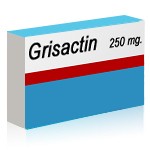
Grisactin is one of the most established brand names of Griseofulvin — a foundational oral antifungal medication that has been a cornerstone of dermatology practice for over six decades. Specifically designed to treat dermatophyte infections such as ringworm, athlete's foot, and especially scalp ringworm in children, Grisactin remains an essential medication in modern pediatric and adult dermatology worldwide.
The active ingredient is Griseofulvin, originally isolated from the mould Penicillium griseofulvum and FDA-approved in 1959. As an antifungal antibiotic, Griseofulvin works through a unique mechanism distinct from triazole or echinocandin agents: it binds to fungal microtubule protein (tubulin), disrupting mitotic spindle formation and halting fungal cell division. After absorption, Griseofulvin concentrates in keratin-rich tissues — skin, hair, and nails — where dermatophytes live, creating a fungistatic environment that eliminates infection as infected keratin is shed and replaced with healthy tissue.
Grisactin has narrow but highly specific activity against the three dermatophyte genera: Trichophyton, Microsporum, and Epidermophyton. It is not effective against Candida species, yeasts, or systemic mycoses — making it a specialised therapy for tinea infections rather than a broad-spectrum antifungal.
A signature application of Grisactin is pediatric tinea capitis (scalp ringworm), where it has been the long-standing standard treatment for school-age outbreaks. The medication is also used for tinea corporis (body ringworm), tinea cruris (jock itch), tinea pedis (athlete's foot), tinea barbae (beard fungus), and tinea manuum (hand ringworm) — particularly when topical therapy fails or infections are extensive.
Available in microsize and ultramicrosize tablet forms plus pediatric oral suspension, Grisactin must be taken with a fatty meal to maximise absorption. Treatment courses are notably long — 4-8 weeks for skin tinea, 6-12 weeks for scalp ringworm — matching the slow renewal of keratinous tissues. Generic Griseofulvin is widely available globally and is included on the WHO Model List of Essential Medicines.
Free prescription
Discrete packaging
Have questions?
Quality Assurance

- Black Dot Tinea: For the endothrix form of scalp ringworm with hair shaft fragmentation at scalp level, common in Trichophyton tonsurans infection;
- Inflammatory Kerion: For the boggy inflammatory scalp form of tinea capitis with secondary bacterial superinfection;
- Favus: For the chronic crusted form of tinea capitis with permanent hair loss risk if untreated;
- Adolescent Tinea: For teenage patients with extensive or treatment-resistant tinea infections;
- Extensive Body Ringworm: For widespread tinea corporis where topical therapy alone is impractical;
- Persistent Jock Itch: For chronic or recurring tinea cruris unresponsive to topical antifungal regimens;
- Moccasin Athletes Foot: For the chronic hyperkeratotic plantar form of tinea pedis particularly resistant to topical therapy;
- Beard Tinea: For tinea barbae acquired from agricultural animal exposure such as cattle and livestock;
- Hand Tinea: For tinea manuum — often associated with the "one hand, two feet" pattern of combined infection;
- Face Ringworm: For facial dermatophyte infections particularly when chronic or unresponsive to topical creams;
- Tinea Imbricata: For the concentric ring pattern dermatophyte infection caused by Trichophyton concentricum in Pacific regions;
- Tinea Incognito: For tinea infections atypically presenting after inappropriate topical corticosteroid use;
- Wrestler Tinea: For tinea gladiatorum outbreaks in contact-sport teams — rapid treatment supports tournament eligibility;
- Refractory Onychomycosis: For dermatophyte nail infections when terbinafine or itraconazole are contraindicated or have failed;
- Resistant Tinea: For dermatophyte infections that have failed standard topical antifungal courses;
- Household Outbreak: For families with simultaneous multiple-member dermatophyte infections requiring coordinated systemic therapy;
- Pet Acquired Ringworm: For zoophilic dermatophyte infections from infected cats, dogs, or rabbits, particularly in children handling animals;
- Veterinary Tinea: For agricultural workers and veterinarians with dermatophyte infections from livestock contact.
- Less Hair Loss: Reduces hair loss progression in scalp ringworm and prevents scarring alopecia complications;
- Better Hair Health: Documented restoration of normal hair growth in pediatric tinea capitis after successful courses;
- Less Inflammation: Reduces inflammatory swelling and boggy lesions in kerion presentations;
- Better Skin Texture: Returns skin to normal smooth appearance as dermatophyte infections clear;
- Clear Patches: Resolution of characteristic ring-shaped lesions in body, groin, and face tinea;
- Less Spreading: Treated patients become non-infectious within days — benefits family, school, and athletic communities;
- Resolution Comfort: Effective treatment eliminates discomfort from inflammatory lesions and pruritic dermatophyte rashes;
- Better Nail Appearance: For onychomycosis — supports gradual clearance of nail discoloration and thickening;
- Less Embarrassment: Resolution of visible scalp and skin lesions reduces social discomfort in children and adults;
- Better Sleep: Reduced nighttime scalp itching supports restful sleep particularly in pediatric tinea capitis;
- Brand Grisactin: Established brand-name Griseofulvin with long-standing pediatric dermatology reputation;
- Generic Griseofulvin: Affordable generic versions of Grisactin expand global access to dermatophyte therapy;
- Antifungal Antibiotic: Naturally derived from Penicillium griseofulvum mould — unique among antifungals as a true antibiotic-class agent;
- Penicillium Derived: Originally isolated from Penicillium mould — one of few naturally-sourced antifungals in modern medicine;
- Tubulin Binding Mechanism: Unique microtubule-targeting mechanism — no cross-resistance with azoles, echinocandins, or allylamines;
- Dermatophyte Targeting: Specific activity against the three tinea-causing fungal genera — precision tool for dermatophyte infections;
- Keratin Tissue Concentration: Selectively delivers high antifungal levels exactly where dermatophytes live — in keratinised skin, hair, and nails;
- Pediatric Tinea Standard: One of the longest-standing oral antifungals for childhood scalp ringworm with extensive safety data;
- Pediatric Liquid Antifungal: Oral suspension supports accurate weight-based dosing in toddlers and preschool children;
- Microsize Tablet: Standard particle-size formulation supporting individualised dosing decisions;
- Ultramicrosize Tablet: Improved oral absorption variant allowing lower-dose equivalent therapy;
- Black Dot Treatment: Particularly important for the endothrix form of tinea capitis with broken hairs at scalp level;
- Kerion Therapy: Cornerstone of therapy for the inflammatory boggy form of tinea capitis with secondary bacterial superinfection;
- Outbreak Containment: Rapid treatment supports interruption of family, school, and community tinea capitis outbreaks;
- Sports Team Antifungal: Cornerstone of tinea gladiatorum outbreak management in wrestling and combat sports teams;
- Pet Exposure Therapy: Reliable treatment for tinea infections from cat, dog, cattle, and other animal exposure;
- Veterinary Source Care: Effective for agricultural workers and veterinarians with zoophilic dermatophyte infections;
- Multi Site Tinea Therapy: Single oral course treats simultaneous tinea infections at multiple body sites — simpler than separate topical regimens;
- Long Treatment Course: Suitable for 6-12 week courses required to clear slow-turnover scalp and nail keratin;
- Fatty Food Absorption: Taking with whole milk, ice cream, or fatty foods substantially improves bioavailability;
- Hair Recovery Antifungal: Effective treatment of tinea capitis prevents scarring alopecia and supports normal hair regrowth;
- WHO Essential Medicine: Listed on the WHO Model List of Essential Medicines for global dermatology and pediatric care;
- 65 Plus Year History: Griseofulvin has one of the longest continuous clinical experience records of any antifungal medication;
- Stable Storage: Room-temperature stable — convenient for home, school health office, and travel storage;
- Globally Available: Widely supplied internationally in branded and generic forms supporting continuity of dermatophyte care worldwide.
Generic Grisactin (Griseofulvin 250 mg) Medication guide:
💊 What is Grisactin (Griseofulvin)
Grisactin is a brand name for griseofulvin, one of the oldest oral antifungal medications still in clinical use. Originally manufactured by Wyeth-Ayerst (now part of Pfizer), Grisactin was among the first branded griseofulvin products to reach the U.S. market after FDA approval in 1959. The medication treats dermatophyte (ringworm) infections of skin, hair, and nails through a unique mechanism distinct from all other antifungal classes.
Four things to know about Grisactin
Effective only against dermatophyte fungi (Trichophyton, Microsporum, Epidermophyton). Does NOT treat Candida, Cryptococcus, or any non-dermatophyte fungus.
Disrupts fungal cell division through microtubule binding. Completely different mechanism from azole antifungals or terbinafine.
Treatment lasts weeks for skin infections, months for hair and nails. The medication works by making new tissue resistant - infected tissue must grow out.
Absorption depends on dietary fat. Taking Grisactin without fatty food leads to inadequate blood levels and treatment failure.
Grisactin at a glance
Grisactin is griseofulvin - a specialised antifungal for dermatophyte infections. It is NOT a broad-spectrum antifungal. For the right indication (particularly tinea capitis in children), Grisactin has decades of established efficacy and safety. Used for the wrong indication (yeast infections, non-dermatophyte fungi), it simply does not work.
🏭 Wyeth-Ayerst and the Grisactin heritage
Grisactin's history traces back to one of the earliest established American pharmaceutical companies. Wyeth-Ayerst Laboratories - eventually merging into Wyeth and then becoming part of Pfizer in 2009 - developed and marketed Grisactin as one of the original branded griseofulvin formulations. Understanding this heritage provides context for why Grisactin remains a recognised name in dermatology despite the medication itself being broadly genericised today.
The Grisactin timeline
The dermatology revolution
When Grisactin entered the market in 1959, it represented a revolution in dermatology. Before griseofulvin, there was no effective oral treatment for dermatophyte infections. Patients with extensive tinea capitis, severe ringworm, or fungal nail involvement had to rely on topical preparations that often failed for deep or hair-follicle infections. Some severe tinea capitis cases required harsh historical treatments including x-ray epilation - a method now recognised as carcinogenic.
Grisactin offered an alternative that was both more effective and dramatically safer. Patients could be treated orally over weeks rather than enduring damaging topical regimens for months. Tinea capitis - which had previously left permanent scarring and hair loss in many children - could be cured. The medication transformed dermatology practice for fungal infections.
The transition to generic era
By the 1980s, generic griseofulvin had become available, and over subsequent decades the branded Grisactin lost market share to generic equivalents. The medication itself remained essentially the same; only the branding and pricing changed. By the 2000s, generic griseofulvin was dramatically more affordable than branded Grisactin, and most patients receive a generic version.
Grisactin and other branded griseofulvin products contain the same medication as generic griseofulvin. The active ingredient, dosing, side effects, and clinical effectiveness are identical. Choice between brand and generic typically comes down to availability and cost rather than therapeutic difference.
🌍 Where Grisactin fits in modern antifungal practice
With newer antifungals like terbinafine and itraconazole widely available, Grisactin's role in modern dermatology has narrowed but not disappeared. Specific clinical situations retain griseofulvin as a guideline-recommended or even preferred option. Understanding where Grisactin fits today helps clinicians and patients make appropriate treatment choices.
Three situations where Grisactin remains current
Decades of safety data in children. Particularly effective against Microsporum species. Oral suspension form available for young children. Guideline-recommended option in pediatric dermatology.
Adults with contraindications to terbinafine or azoles. Patients with specific drug interactions affecting alternatives. Provides a different mechanism pathway when others are unsuitable.
Resource-limited healthcare systems and uninsured patients. Generic griseofulvin remains affordable. WHO Essential Medicines listing reflects its role in global health.
Where Grisactin is NOT appropriate
It is equally important to know when Grisactin is the wrong choice. The narrow spectrum means many fungal infections respond to other medications but not to griseofulvin.
Grisactin works for dermatophyte infections only. For confirmed tinea (ringworm), it is a reasonable option. For yeast infections (Candida) or non-dermatophyte fungi, it is the wrong medication. When uncertain about whether an infection is dermatophyte, fungal culture provides confirmation before treatment selection.
🔬 The molecular mechanism - microtubule disruption
Grisactin works through a mechanism unique among antifungal medications: disruption of fungal microtubules. While azole antifungals target ergosterol synthesis and echinocandins target the cell wall, griseofulvin binds to microtubule proteins and interferes with fungal cell division. This unusual mechanism explains both the narrow spectrum (dermatophytes specifically susceptible) and the long treatment courses required (keratin tissues must be replaced).
How Grisactin reaches the infection
What happens at the fungal cell level
When dermatophyte fungi attempt to grow into keratinised tissue containing griseofulvin, the drug binds to fungal microtubule proteins. Microtubules are essential cellular structures - they form the spindle that separates chromosomes during cell division. Without functional microtubules, fungal cells cannot divide properly. The infection cannot expand into new tissue.
Importantly, griseofulvin is fungistatic rather than fungicidal - it stops fungal growth but does not directly kill the fungus. The patient's immune system clears the now-non-growing fungus over time. This is why immunocompromised patients sometimes need longer courses or higher doses than immunocompetent patients.
Pharmacokinetic profile
Two factors limit Grisactin's spectrum to dermatophytes. First, the drug concentrates specifically in keratin-containing tissues (skin epidermis, hair shafts, nail beds) and does not reach effective concentrations at other sites where Candida or Cryptococcus typically cause infection. Second, even where drug reaches tissue, non-dermatophyte fungi are less susceptible to microtubule disruption than dermatophytes are.
Grisactin's keratin-targeting mechanism is unique among antifungals. It explains why the drug works for dermatophyte infections, why it does not work for non-keratin infections, and why treatment must continue until new healthy tissue has grown to replace infected old tissue. The mechanism is the medication's identity.
📏 Microsize vs ultra-microsize - choosing the right form
Grisactin and other griseofulvin products come in two distinct pharmaceutical forms that differ in particle size and absorption: microsize (microcrystalline) and ultra-microsize. These are not just different brand names - they are physically different formulations that require different doses. Understanding the difference matters for proper dosing and avoiding under- or over-treatment.
The two forms compared
- Particle size: ~4 micrometers
- Original formulation from 1959
- Tablet strengths: 250 mg, 500 mg
- Absorption: More variable
- Fatty food dependence: Strong
- Oral suspension: Available (125 mg/5 mL)
- Particle size: ~1 micrometer
- Later formulation with improved absorption
- Tablet strengths: 125, 165, 250, 330 mg
- Absorption: ~1.5x better than microsize
- Fatty food dependence: Still helpful but less critical
- Oral suspension: Less common
Dose equivalence between forms
Because ultra-microsize absorbs more efficiently, doses are NOT mg-for-mg equivalent. A smaller mg dose of ultra-microsize produces blood levels similar to a larger mg dose of microsize. This is the key practical point - substituting one form for the other without dose adjustment leads to incorrect dosing.
If your pharmacy substitutes one form for the other, confirm the dose conversion before taking. A patient prescribed 500 mg microsize who is given 500 mg ultra-microsize receives approximately 1.5 times the intended dose. The active ingredient is the same; the absorption is different.
How to know which form you have
The medication bottle or packaging should clearly state whether the product is microsize/microcrystalline or ultra-microsize. Common indicators include "ultra-microsize" written on the label, tablet strengths in the 125-330 mg range (suggesting ultra-microsize), or brand name (Gris-PEG is ultra-microsize; original Grisactin tablets were microsize though formulations have evolved).
When in doubt, ask the pharmacist directly: "Is this microsize or ultra-microsize griseofulvin?" The pharmacist can verify and adjust dosing if needed. For oral suspension, the package will indicate which form was used in compounding.
For children, the difference matters even more because pediatric dosing is weight-based. The standard ranges are 20-25 mg/kg/day for microsize and 10-15 mg/kg/day for ultra-microsize. A child prescribed weight-based dosing for one form who receives the other form at the same mg amount will be either substantially under- or over-dosed.
Always verify which Grisactin form your prescription specifies. The two forms have different equivalent doses and are not interchangeable mg-for-mg. If your pharmacy substitutes, have them confirm the dose conversion before you take the medication. Both forms work clinically when properly dosed.
👨🦲 Grisactin for tinea capitis - the primary indication
Tinea capitis - dermatophyte infection of the scalp and hair follicles, commonly called "scalp ringworm" - is the most important current indication for Grisactin. It primarily affects children aged 3-12 years and can cause patchy hair loss, scaling, broken hairs, and sometimes inflammatory plaques (kerions). Topical antifungals cannot penetrate hair follicles effectively, so oral systemic treatment is required - and griseofulvin remains a guideline-recommended choice particularly for Microsporum infections.
The four-step approach to pediatric tinea capitis
KOH preparation or fungal culture. The differential includes seborrheic dermatitis, alopecia areata, and psoriasis - none respond to Grisactin.
Weight-based dose: 20-25 mg/kg/day microsize or 10-15 mg/kg/day ultra-microsize. Always with whole milk, ice cream, or peanut butter for absorption.
Selenium sulfide 2.5% or ketoconazole 2% shampoo 2-3 times weekly. Reduces transmission to family and classmates.
Treatment until clinical resolution: no scaling, hair regrowing, no broken hairs. Stopping early causes recurrence.
Response by pathogen species
Common parent questions about tinea capitis treatment
Yes, once oral antifungal treatment has started and antifungal shampoo is being used. The combination reduces fungal transmission significantly. Specific policies vary by school district.
Yes. Tinea capitis is highly contagious within households. Examine other family members for similar symptoms; treat affected contacts; decontaminate shared combs, hats, bedding.
New hair growth becomes visible 6-8 weeks into treatment. Complete hair regrowth takes 8-12 weeks or longer. The medication is working from the start even before regrowth is visible.
Pediatric tinea capitis is the indication where Grisactin remains most clearly established. Treatment requires patience - weeks to months until clinical cure with hair regrowth. Take with fatty food, complete the full course, treat affected family members, and use antifungal shampoo to reduce transmission.
🦵 Grisactin for body and skin dermatophyte infections
Tinea corporis (body ringworm) and tinea cruris (jock itch) are dermatophyte infections of body skin and the groin area respectively. Both typically respond well to topical antifungal creams - which are the first-line treatment. Oral Grisactin becomes appropriate when topical treatment fails, when infection is extensive, or when difficult-to-reach areas are involved.
When oral Grisactin makes sense for skin tinea
Multiple body areas affected; large surface area; lesions across trunk, extremities, intertriginous areas.
Adequate 2-4 week course of topical antifungal cream has not produced clearance.
Tinea barbae (beard area) or extensive body hair involvement where topical cannot reach follicles effectively.
Diabetes, immunosuppression, or other conditions where eradication is essential and topical alone may not suffice.
Standard dosing for body and groin tinea
- Adults: 500 mg microsize (or 330 mg ultra-microsize) daily
- Children: 10-15 mg/kg/day ultra-microsize or 20-25 mg/kg/day microsize
- Duration: 2-4 weeks for typical body skin infections
- Always with fatty meal
- Continue 1 week after clinical resolution
Topical addition for extensive disease
Tinea cruris specific considerations
Tinea cruris (jock itch) recurs frequently in some patients due to environmental factors - heat, moisture, and friction in the groin area create conditions favourable for fungal regrowth. Treating the active infection with Grisactin should always be combined with preventive measures: thorough drying after bathing, loose breathable underwear, antifungal powder for shoes if concurrent tinea pedis exists, and treatment of any tinea pedis since the same fungus often spreads between feet and groin.
For limited tinea corporis or cruris, topical antifungal alone is sufficient. Reserve oral Grisactin for extensive disease, treatment failures, follicular involvement, or specific patient situations. Whatever treatment is chosen, address environmental and lifestyle factors that contribute to recurrence - particularly important for jock itch.
🦶 Grisactin for athlete's foot (tinea pedis)
Tinea pedis (athlete's foot) is one of the most common fungal infections affecting humans - up to 15% of adults at any given time. Most cases respond well to topical antifungals, and Grisactin is rarely first-line. However, severe or extensive tinea pedis sometimes warrants oral antifungal treatment, where Grisactin remains an option alongside the more commonly used terbinafine.
Types of tinea pedis and treatment approach
Standard Grisactin dosing for tinea pedis
- Adults: 500 mg microsize (or 330 mg ultra-microsize) daily
- Severe disease: Up to 1000 mg microsize daily
- Duration: 4-8 weeks; longer for moccasin-type
- Always with fatty food
- Topical antifungal cream may be added during oral treatment
The moccasin tinea pedis challenge
One particularly challenging form is moccasin-type tinea pedis - chronic hyperkeratotic infection of the soles and sides of the feet, predominantly caused by Trichophyton rubrum. The thick keratin layer of the soles is particularly difficult for topical antifungals to penetrate, and infection often persists despite seemingly appropriate topical treatment. Oral antifungal treatment with longer courses is typically needed.
For moccasin-type tinea pedis specifically, terbinafine is often preferred over Grisactin because of better cure rates against T. rubrum. However, when terbinafine cannot be used or is unavailable, Grisactin remains an option with 6-8 week treatment courses. Combining oral medication with urea-containing keratolytic preparations to thin the hyperkeratotic soles can improve outcomes.
Prevention measures alongside medication
Particularly between toes after bathing or swimming. Moisture promotes fungal regrowth.
Avoid airtight shoes and synthetic socks. Choose materials that wick moisture and allow air flow.
Each pair should dry completely between uses. Wearing the same shoes daily traps moisture.
Communal damp areas - gym showers, swimming pool decks - are common sources. Wear shower shoes.
For most tinea pedis, topical treatment plus foot care is sufficient. Oral Grisactin is reserved for extensive, severe, or treatment-resistant cases. When oral treatment is needed, terbinafine is often preferred; Grisactin is an alternative when terbinafine cannot be used. Address lifestyle factors regardless of drug choice.
📅 Grisactin for fungal nail infections - the nail expert view
Fungal nail infections (onychomycosis) are notoriously difficult to treat. Grisactin was historically used for this indication when no better alternatives existed, but it has been largely replaced by terbinafine and itraconazole due to better cure rates with those drugs. Grisactin remains an option for nail infections in specific situations but is rarely the first choice today.
Why nail infections are so difficult to cure
Nails grow slowly. A completely infected toenail takes 12-18 months to grow out entirely - which is how long Grisactin treatment must continue. Any antifungal medication must reach therapeutic concentration in the nail matrix where new nail forms. Grisactin's keratin-incorporation mechanism is conceptually well-suited to this, but in practice the concentrations achieved in nail bed are modest compared to terbinafine.
Treatment options compared
Standard Grisactin dosing for nail infections
- Fingernail infections: 500-1000 mg microsize daily for 6-9 months
- Toenail infections: 500-1000 mg microsize daily for 12-18 months
- Take with fatty food consistently throughout
- Continue until entire infected nail has grown out
- Cure rates modest - terbinafine generally superior when available
Nail infection treatment with Grisactin requires patience and realistic expectations. Cure rates are 30-50% - meaningful but lower than alternatives. Visible improvement takes many months because the existing nail must grow out. Recurrence after successful treatment is common. For most adults with onychomycosis, terbinafine is the preferred first-line oral treatment.
When Grisactin is still chosen for nails
Despite the modest cure rates, Grisactin is reasonable in specific situations. When terbinafine cannot be used (severe liver disease, contraindicated drug interactions, hypersensitivity), when itraconazole and fluconazole are also unsuitable, when Grisactin is the only available antifungal in resource-limited settings, or for pediatric onychomycosis (rare but it occurs) where Grisactin's long pediatric safety record may be preferred.
For most adults with onychomycosis, terbinafine is the preferred first-line oral treatment. Grisactin's lower cure rates and longer courses make it a backup option rather than primary choice. If Grisactin is being used, ensure good adherence with consistent fatty food and patience - many months of treatment for modest cure rates.
🚫 What Grisactin does NOT treat - the spectrum limit
One of the most important things to understand about Grisactin is what it does NOT treat. Griseofulvin's narrow spectrum makes it specifically effective against dermatophyte fungi but ineffective against many other fungi that cause human disease. Using Grisactin for the wrong infection means no improvement plus delayed appropriate treatment.
Vaginal yeast infections, oral thrush, esophageal candidiasis, and other Candida infections are NOT treated by Grisactin. These require fluconazole or other azole antifungals. If you have a yeast infection, Grisactin will not help - you need different medication.
What Grisactin treats vs does NOT treat
- Tinea capitis (scalp ringworm)
- Tinea corporis (body ringworm)
- Tinea cruris (jock itch)
- Tinea pedis (athlete's foot)
- Tinea manuum (hand ringworm)
- Tinea barbae (beard area)
- Onychomycosis from dermatophytes
- Vaginal yeast infections (Candida)
- Oral thrush (Candida)
- Esophageal candidiasis
- Cryptococcal infections
- Aspergillosis
- Mucormycosis
- Tinea versicolor (Malassezia, not dermatophyte)
- Intertrigo from Candida
Common diagnostic confusions
The diagnostic mistake to avoid
Some rashes that look like ringworm are not actually fungal at all - eczema, psoriasis, granuloma annulare, contact dermatitis, and other conditions can mimic dermatophyte tinea. Some yeast infections in skin folds (intertrigo) can look superficially similar to dermatophyte tinea but are caused by Candida instead. Grisactin will not work for any of these.
If a presumed tinea infection does not improve with appropriate Grisactin treatment, the diagnosis should be reconsidered. KOH preparation of skin scrapings or fungal culture can confirm whether dermatophyte is actually present. Treatment of misdiagnosed conditions with an inappropriate antifungal wastes time, money, and may delay proper care.
If your provider has diagnosed a confirmed dermatophyte infection (tinea, ringworm), Grisactin may be appropriate. For Candida or other non-dermatophyte fungal infections, Grisactin is the wrong medication. When uncertain about the type of fungus causing infection, fungal culture can confirm the diagnosis and guide treatment selection.
📋 Standard Grisactin dosing across indications
Grisactin dosing depends on the form (microsize vs ultra-microsize), the indication, patient age and weight, and treatment duration. Unlike fluconazole which has a single-dose option for some indications, all Grisactin treatment courses require multi-week or multi-month durations. Getting the dosing right - and maintaining it consistently with fatty food - is essential for treatment success.
Adult dosing summary
- Microsize: 500-1000 mg daily, can be divided into two doses
- Ultra-microsize: 330-660 mg daily, can be divided into two doses
- Take with fatty food at every dose for absorption
- Treatment duration varies by indication (see below)
Pediatric dosing summary
- Microsize: 10-25 mg/kg/day, divided once or twice daily
- Ultra-microsize: 5-15 mg/kg/day, divided once or twice daily
- Higher doses for tinea capitis (20-25 mg/kg/day microsize)
- Maximum: Generally not exceeding 1 gram microsize daily
- Always with fatty food - whole milk or ice cream works well
Dosing by indication
Three principles that guide all dosing
This is non-negotiable. Without dietary fat, absorption is dramatically reduced and treatment can fail entirely.
Treatment goes until cure, not just until symptoms improve. Stopping early causes recurrence even when the skin looks better.
Pediatric weight-based dosing should be recalculated as children grow during long treatment courses.
When to adjust dosing
Several situations may warrant adjustment from standard recommendations. Pediatric weight-based dosing should be recalculated periodically as children grow during long treatment courses - a child who started at 25 kg may be 30 kg six weeks later. Patients with significant hepatic impairment may need lower doses due to reduced clearance. Patients on enzyme-inducing medications may need higher doses, though this is uncommon. Treatment failure despite adequate dosing should prompt reconsideration of diagnosis, adherence, or whether fatty food has been consistently taken with doses.
Follow your specific prescription. Verify which form (microsize or ultra-microsize) you have and the corresponding dose. Always take with fatty food. Complete the full course - typically weeks to months depending on indication. For pediatric treatment, recalculate dose as the child grows during a long course.
🍔 The fatty food rule - critical for absorption
One of Grisactin's most distinctive practical requirements is the absolute need for fatty food at every dose. Griseofulvin absorption from the gut depends critically on the presence of dietary fat. Taking the medication on an empty stomach or with low-fat food results in dramatically reduced drug absorption and treatment failure. This single practical point is the most common reason Grisactin appears not to work.
Grisactin without fatty food is not just less effective - it may not work at all. Patients who take Grisactin on empty stomach or with low-fat foods routinely experience treatment failure. This is the single most common reason for apparent griseofulvin resistance.
Why fat matters so much
Griseofulvin is highly lipophilic (fat-soluble) and very poorly water-soluble. In the gut, it dissolves into dietary fat much more effectively than into aqueous gastric contents. The fat-dissolved drug is then absorbed through the intestinal wall along with fat absorption pathways - much more efficiently than the small amount that would dissolve without dietary fat.
What works vs what does NOT work
- Whole milk (excellent for children)
- Ice cream (popular pediatric option)
- Peanut butter sandwich
- Avocado
- Cheese
- Eggs cooked with oil or butter
- Nuts or nut butters
- Fatty fish (salmon, mackerel)
- Olive oil on bread or salad
- Empty stomach
- Skim or non-fat dairy alone
- Dry toast or plain crackers
- Fat-free yogurt
- Fruit alone
- Vegetables without dressing/oil
- Plain rice or pasta without sauce
- Lean meat without fat
- Water or juice alone
Four practical strategies
Take Grisactin at the same fatty meal each day. Breakfast with eggs and cheese, or lunch with a peanut butter sandwich, builds an automatic routine.
Children's medication with whole milk works well. Ice cream as an evening treat also works. Avoid mixing Grisactin into juice or water alone.
Even if you remember a missed dose at an awkward time, take it with at least a small fatty snack (cheese, nuts, peanut butter) rather than nothing.
Routines disrupt during weekends, travel, and special occasions. Plan ahead - keep a small fatty snack option (nuts, cheese sticks) available for medication time.
Always take Grisactin with fatty food. This is the single most important practical aspect of using the medication effectively. If you forget and take it without food, take the next dose at the next meal with fat. Pair the medication with a specific fatty meal each day to make consistent dosing automatic.
⏱️ The Grisactin timeline - when to expect results
Patients starting Grisactin often expect quick results similar to most other medications. The reality is different. Grisactin works through a unique keratin-replacement mechanism - it does not directly kill existing fungal infection in already-infected tissue. Instead, it makes newly-formed skin, hair, and nail resistant to fungal infection. The infected old tissue must grow out before the cure becomes visible. This takes weeks for skin and many months for hair and nails.
Treatment timeline at a glance
Expected timeline by indication
Common patient questions about timeline
For nail infections, no visible change is expected for 2-3 months (fingernails) or 3-4 months (toenails). The medication is working from the first dose - you just cannot see the result until enough new healthy nail has grown to replace the old infected portion. Continue treatment as prescribed.
No. The scaling improving means inflammation is resolving, but hair regrowth takes additional weeks. Continue the full course until cure (6-12 weeks). Hair regrowth becomes visible 6-8 weeks into treatment.
For skin tinea, expect noticeable improvement in 1-2 weeks. Lack of any improvement at 4 weeks suggests a problem - check that you are taking with fatty food, reconsider the diagnosis, or contact your provider. For nails, slow visible progress is expected; this is not failure.
When to worry about non-response
For skin infections, expect noticeable improvement within 2-3 weeks. If symptoms are unchanged after 4 weeks of properly-taken Grisactin, several possibilities should be considered: incorrect diagnosis (the rash may not be fungal), inadequate dosing, lack of fatty food with doses (very common cause), poor adherence, or genuine resistance.
Set realistic expectations from the start. Skin infections: improvement within weeks. Hair regrowth: not for 6-8 weeks. Nail replacement: many months. The medication works from the first dose; you just cannot see the result until enough new tissue has grown. Patience plus consistent fatty food at every dose are essential for success.
🧴 Combination therapy - Grisactin plus topicals
Adding topical antifungal treatment to oral Grisactin can accelerate clinical improvement and address aspects of infection that systemic medication does not reach as effectively. For tinea capitis in particular, combining oral Grisactin with antifungal shampoo is standard practice for reducing transmission risk. For other indications, combination treatment is often optional but commonly used for extensive disease.
Four situations where combination treatment helps
Antifungal shampoo (selenium sulfide or ketoconazole) reduces surface spores and transmission. Standard practice with oral Grisactin.
Topical clotrimazole, terbinafine, or miconazole cream alongside oral. Speeds clinical improvement of widespread lesions.
Urea-containing keratolytic helps thin hyperkeratotic soles, allowing better penetration of antifungal medication.
Antifungal foot powder or drying agents address moisture as recurrence factor. Important alongside oral treatment.
Combination by indication
Antifungal shampoos for tinea capitis
- Selenium sulfide 2.5% shampoo, 2-3 times weekly
- Ketoconazole 2% shampoo, 2-3 times weekly
- Leave on scalp 5-10 minutes before rinsing for full effect
- Continued throughout oral treatment
- Family members may use preventively
Family and environmental measures
Beyond combination drug treatment, environmental measures matter for preventing recurrence and limiting transmission. For tinea capitis, decontamination of shared combs, brushes, hats, and bedding helps protect family members. For tinea pedis, thorough drying of feet, breathable footwear, and antifungal foot powder reduce recurrence risk. For tinea cruris, the same drying and moisture-management measures apply.
For tinea capitis, combine Grisactin with antifungal shampoo as standard practice. For other indications, combination with topical treatment is often optional but commonly useful for extensive or treatment-resistant disease. Address environmental factors regardless of medication strategy.
👶 Grisactin in children - the pediatric perspective
Grisactin has been used in children for more than 60 years, making it one of the most well-established antifungal medications for pediatric use. The primary pediatric indication is tinea capitis (scalp ringworm), which is overwhelmingly a disease of children aged 3-12 years. Grisactin's long safety record, established weight-based dosing, availability as oral suspension, and lower cost compared to newer alternatives make it a guideline-recommended treatment for pediatric tinea capitis.
Why pediatric tinea capitis is the main use
Four kid-friendly fatty foods that work
Excellent for absorption; widely accepted by children; works for any age. Mix the suspension or take tablet with a glass.
Popular reward-style approach. Adequate fat content and very acceptable to children. Evening medication can become a treat.
Convenient lunchtime option; very high fat content; portable for school days or travel.
Quick options for picky eaters. Small portions provide enough fat. Avoid fat-free yogurt - it does not provide absorption help.
Pediatric dosing by age group
Common parent questions
Yes - any food with significant fat content works. Cheese, eggs cooked with butter, avocado, nuts, or full-fat yogurt all work. The key is meaningful fat, not specific foods.
For typical 6-8 week pediatric courses, no specific laboratory monitoring is usually required. Liver function tests may be considered for children with risk factors or for extended courses beyond 12 weeks.
Generally no, once oral antifungal treatment has started and antifungal shampoo is being used. The combination reduces fungal transmission significantly. Specific policies vary by school district.
Grisactin is an excellent choice for pediatric tinea capitis. Use weight-based dosing, ensure fatty food at each dose (whole milk works well), commit to the 6-8 week minimum treatment course, and combine with antifungal shampoo to reduce transmission. Decades of pediatric experience support its safety and efficacy.
🚨 Grisactin Side Effects Overview
Side Effects Overview
What to expect from Grisactin in routine use.
Grisactin is generally well-tolerated, particularly in children where decades of use have characterised the safety profile thoroughly. The most common side effects are mild gastrointestinal effects and headache, typically transient and not requiring treatment interruption. Less common effects include photosensitivity and skin reactions. Serious side effects are uncommon but include rare hepatotoxicity and very rarely blood cell abnormalities or lupus-like reactions.
Prevalence at a glance
Three categories of side effects
Headache (most common). Affects about 1 in 7 patients on multi-week courses. Typically mild and resolves with continued treatment.
Nausea, abdominal pain, diarrhea, rash, photosensitivity, taste disturbance, fatigue, dizziness. Usually mild and self-limiting.
Severe hepatotoxicity, leukopenia, lupus-like syndrome, severe skin reactions, worsening of porphyria. Require attention.
Grisactin's distinctive concerns
Several aspects of Grisactin side effects deserve specific attention beyond the typical antifungal medication profile. Photosensitivity is more pronounced than with most other antifungals - patients need active sun protection during treatment. Disulfiram-like reactions with alcohol can occur and patients should avoid alcohol throughout treatment. Worsening of porphyria can be triggered in susceptible patients, making porphyria an absolute contraindication. These specific issues are covered in detail in subsequent sections.
Despite the long list of possible side effects, most patients on Grisactin experience no significant problems. Children in particular tend to tolerate it well. Awareness of specific concerns like photosensitivity, alcohol interaction, and the rare serious effects helps catch problems early. Complete the treatment course as prescribed - most concerns are manageable.
🟢 Common Grisactin side effects in practice
This section covers the day-to-day side effects most Grisactin patients may notice. Most are mild, develop early in treatment, and either improve with time or do not require treatment interruption. Understanding each one - what it feels like, why it happens, and what helps - prevents unnecessary worry and supports completing the prescribed course.
Common side effects and what helps
This deserves specific attention. Grisactin can cause exaggerated sunburn-like reactions on exposed skin even with modest sun exposure that would normally be tolerated. Daily sun protection is not optional during treatment - it is essential.
Four practical sun protection steps
Broad-spectrum sunscreen on all exposed skin every morning, even on cloudy days. Reapply every 2 hours when outdoors.
Long sleeves and pants when practical. Wide-brim hat for face, ears, and neck protection. UV-blocking sunglasses for eyes.
Limit outdoor time during peak sun hours (10am-4pm) when UV intensity is highest. Schedule activities early morning or late afternoon.
Tanning beds emit concentrated UV - avoid entirely during Grisactin treatment and for several days after stopping.
When to call vs manage at home
Most common side effects are manageable and not reasons to stop treatment. The exception is severe reactions - widespread rash with blistering, severe sunburn, persistent severe GI symptoms, or any sign of liver or blood abnormality warrants stopping and provider contact. For routine mild effects, continue treatment while managing symptoms.
🟡 Less common and rare side effects to watch for
Beyond the common side effects, Grisactin can cause less frequent but more serious reactions. Some of these are specific to griseofulvin and uncommon with other antifungals. These rare effects are the reason for monitoring during longer treatment courses and patient awareness of warning signs.
Less common side effects (under 1% of patients)
Peripheral neuritis - numbness, tingling, or burning sensations in hands and feet - is one of the more concerning less-common effects. It usually develops gradually during extended treatment and is reversible if Grisactin is stopped promptly. Patients should report any new sensory changes in extremities.
Rare but serious side effects
Several rare but clinically significant effects deserve attention. Severe hepatotoxicity can occur, particularly in patients with pre-existing liver disease or on hepatotoxic medications. Liver function monitoring during extended treatment helps catch this early. Hematologic effects including leukopenia and neutropenia have been reported - very rare but documented. Lupus-like syndrome can occur and may unmask underlying systemic lupus erythematosus.
Severe allergic reactions including Stevens-Johnson syndrome and toxic epidermal necrolysis are very rare but possible. These require immediate hospitalisation. Worsening of porphyria is well-documented and is the reason porphyria is an absolute contraindication.
- Yellow skin or eyes (jaundice) - possible severe hepatotoxicity
- Dark urine or pale stools - may indicate liver injury
- Unusual bruising or bleeding - possible blood cell abnormality
- Recurrent infections or unusual fatigue - possible leukopenia
- Joint pain with rash (especially on face) - possible lupus-like reaction
- Widespread rash with mucous membrane involvement - possible SJS/TEN
- New numbness or tingling in hands/feet - possible peripheral neuritis
- Severe abdominal pain - possible porphyric crisis (see section 22)
Why rare effects matter
Even though serious side effects are uncommon, they are the reason for monitoring during Grisactin treatment - particularly extended courses. Patients on multi-month treatment (nail infections, some tinea capitis cases) should have periodic liver function and blood count monitoring. Patients with risk factors for any of the rare effects should be monitored more closely.
The clinical experience is that most patients who develop serious side effects had warning signs before the severe phase appeared. Trust your sense that "something feels different" and contact your provider rather than dismissing subtle symptoms. Early detection allows the medication to be stopped while problems are still reversible.
For brief Grisactin courses (2-4 weeks for skin tinea), no specific monitoring is usually needed - the duration is too short for delayed effects to develop. For extended courses (multi-month for tinea capitis or nail infections), periodic liver function tests, blood counts, and clinical assessment catch problems early. The system works when patients participate by reporting symptoms.
🚫 Grisactin Contraindications and Warnings
Contraindications and Warnings
Who must NOT take Grisactin - and when extra caution applies.
Grisactin has several important contraindications - some absolute (must never use) and some relative (use with caution). The absolute contraindications include conditions where Grisactin can cause serious harm: pregnancy (teratogenic), porphyria (can precipitate acute attack), severe liver disease, and hypersensitivity. These are bright-line rules that determine whether Grisactin can be used at all.
Five absolute contraindications
Established teratogen with documented congenital malformations in animal studies and human case reports. Absolute contraindication.
Can precipitate acute porphyric attack - severe and potentially life-threatening. Both personal and family history must be screened.
Significant hepatotoxicity risk in already-compromised livers. Decompensated cirrhosis and hepatic failure are absolute contraindications.
Known allergy to griseofulvin. Risk of serious allergic reaction including potentially Stevens-Johnson syndrome.
Active systemic lupus erythematosus can be exacerbated. Lupus-like syndrome may also emerge in predisposed individuals.
Relative contraindications
These situations require caution, additional monitoring, or careful weighing of risks versus benefits.
Pre-treatment screening checklist
- Pregnancy status - confirmed not pregnant in women of reproductive age; reliable contraception in place
- Porphyria screening - personal or family history; symptoms suggestive
- Liver function - baseline LFTs especially for extended courses
- Current medications - warfarin, OCPs, other CYP-affected drugs
- Allergy history - griseofulvin, penicillin (theoretical cross-reactivity)
- Lupus or autoimmune history
- Photosensitivity considerations - typical sun exposure for patient
- Patient education - what to watch for, alcohol avoidance, sun protection
Pregnancy and porphyria are absolute contraindications to Grisactin. There are no exceptions, no "in some cases", no patient-specific risk-benefit analyses that justify exposure. Both require explicit screening before treatment, and women of reproductive age require reliable contraception throughout treatment and for some months afterward.
🤰 Pregnancy and Grisactin - the teratogenic warning
Grisactin is an established teratogen - it can cause birth defects in offspring of women who take it during pregnancy. The medication is absolutely contraindicated in pregnancy and requires reliable contraception in women of reproductive age throughout the treatment course and for some time afterward. This is one of the most important safety considerations for Grisactin and differs from most other antifungals.
Animal studies have shown teratogenicity. Human case reports have documented congenital malformations in offspring of women exposed during early pregnancy. Pregnancy testing before treatment, reliable contraception during treatment, and a washout period before conception are all essential. Both women AND men taking Grisactin should use effective contraception.
Key contraception requirements
The male fertility consideration
An unusual aspect of Grisactin's pregnancy concern is that it applies to men as well as women. Animal studies have shown that griseofulvin can affect sperm during spermatogenesis - the process of sperm cell formation. Sperm produced during a man's Grisactin treatment may carry abnormalities that could affect a developing pregnancy if fertilization occurs.
For this reason, men taking Grisactin are advised to use effective contraception throughout treatment and for several months afterward. The recommendation typically is at least 6 months after stopping Grisactin before attempting conception. This recognises the timeline of spermatogenesis and ensures that sperm conceived after exposure have time to be replaced by sperm produced after the drug has cleared.
Four reliable contraception options during treatment
Reliable; not affected by Grisactin's CYP induction. Good choice for short to medium courses.
Generally reliable; not significantly affected by Grisactin. Good choice for long treatment courses.
Reliable and not significantly affected. Suitable for extended treatment.
NOT adequate. Grisactin decreases OCP effectiveness. Either add barrier method or switch to non-oral method.
Situations and recommendations
Grisactin's pregnancy contraindication is absolute. Women of reproductive age need reliable non-oral contraception throughout treatment and one month after. Men need effective contraception throughout treatment and six months after. Couples actively trying to conceive should use a different antifungal. The teratogenic risk is documented and serious.
🫀 Liver safety with Grisactin
Like many antifungal medications, Grisactin can occasionally affect liver function. Hepatotoxicity is uncommon at standard doses but more common with longer treatment courses, in patients with pre-existing liver disease, and when combined with other hepatotoxic medications. Liver function monitoring becomes important during extended Grisactin treatment - particularly the multi-month courses used for tinea capitis or onychomycosis.
Understanding LFT ranges
LFT monitoring schedule by situation
No specific monitoring needed in most patients. Consider baseline LFTs in patients with risk factors.
Baseline LFTs; recheck if symptoms develop. Adequate for most tinea capitis courses.
Baseline plus every 4-8 weeks during treatment. Required for nail infection courses.
More frequent monitoring throughout. Consider alternatives. Severe liver disease is contraindication.
Warning signs of liver injury
Symptoms of significant hepatotoxicity can develop gradually. Patients should be aware of and report immediately: yellow skin or eyes (jaundice), dark urine, pale stools, unusually severe nausea or vomiting, right upper abdominal pain, and significant fatigue or feeling unwell beyond what would be expected from the underlying infection. Any of these warrant prompt provider contact rather than waiting.
- ALT or AST greater than 5 times upper normal limit
- Clinical hepatitis symptoms (jaundice, RUQ pain, dark urine)
- Rising trend across multiple checks even if each is mild
- Bilirubin elevation beyond mild
- Worsening of any underlying liver condition
Alcohol and Grisactin
One distinctive aspect of Grisactin's liver safety is the recommendation to avoid alcohol during treatment. This is not primarily because of additive hepatotoxicity (though that contributes), but because of a disulfiram-like reaction that can occur. Alcohol use with Grisactin can produce both this acute reaction and longer-term liver concerns. Avoid alcohol throughout the treatment course and for several days after stopping.
- Pre-existing liver disease (hepatitis B/C, fatty liver, alcoholic liver)
- Concurrent hepatotoxic medications (high-dose acetaminophen, isoniazid, methotrexate)
- Higher Grisactin doses (1000+ mg daily)
- Longer treatment durations (months for nails or extended tinea capitis)
- Older age and advanced underlying illness
Most Grisactin patients have no detectable liver effects. Extended treatment courses warrant periodic LFT monitoring. Avoid alcohol during treatment. Most hepatic problems are detected early through monitoring and reversible by stopping the medication. The risk is manageable with appropriate vigilance.
⚠️ Porphyria - absolute contraindication
Porphyria represents one of the most important and least-known absolute contraindications to Grisactin. The medication can precipitate acute porphyric attacks in susceptible patients - severe episodes that can cause neurological symptoms, autonomic instability, and in extreme cases be life-threatening. Both personal and family history of porphyria must be screened before starting Grisactin.
Grisactin is well-documented as a porphyrogenic medication - capable of precipitating acute porphyric attacks. Patients with porphyria (any subtype) or strong family history of porphyria must not receive Grisactin. The reaction can develop suddenly and is potentially severe.
What is porphyria
Porphyria refers to a group of rare metabolic disorders affecting heme synthesis - the biological pathway that produces the heme component of hemoglobin and many enzymes. Different porphyrias result from deficiencies of different enzymes in this pathway. Many medications can trigger acute attacks in susceptible patients - and Grisactin is well-established as one of these triggers.
How Grisactin triggers porphyric attacks
Griseofulvin appears to induce hepatic cytochrome P450 enzymes that increase demand for heme synthesis. In patients with the enzyme deficiencies of porphyria, this increased demand cannot be met normally, and toxic pathway intermediates accumulate. The result is an acute porphyric attack with severe symptoms developing over hours to days after Grisactin exposure.
Symptoms of acute porphyric attack
Often without obvious cause; can be severe enough to suggest surgical emergency.
Severe GI symptoms accompany the abdominal pain.
Autonomic instability with sympathetic surge.
Weakness, sensory changes, can progress to severe neurological involvement.
Confusion, hallucinations, anxiety, agitation. Sometimes misdiagnosed initially.
Characteristic finding suggesting porphyria. Often noticed by patient.
Screening before Grisactin
- Stop Grisactin immediately
- Emergency department evaluation - this is a medical emergency
- Specialised treatment may include IV hemin, glucose loading, supportive care
- Do not restart Grisactin - confirmed porphyria is absolute contraindication
- Identify safe alternative antifungals (terbinafine is safe in porphyria)
Porphyria is rare but the consequences of precipitating an attack with Grisactin can be severe. Screen with appropriate questions before treatment. When in doubt about whether porphyria might be present, choose a different antifungal rather than risk an acute attack. Terbinafine and other alternatives are not porphyrogenic.
🤱 Grisactin during breastfeeding
Grisactin use during breastfeeding is generally not recommended. Griseofulvin passes into breastmilk and infant safety data is limited. For breastfeeding mothers requiring antifungal treatment, alternative approaches that allow continued safe breastfeeding are preferred when possible. When Grisactin is essential for a serious dermatophyte infection in a nursing mother, individual discussion of risks and alternatives is needed.
- Griseofulvin passes into breastmilk in detectable amounts
- Long treatment courses mean prolonged infant exposure
- Limited infant safety data
- The same teratogenic concerns that contraindicate pregnancy raise questions about exposure during the rapidly developing infancy period
- Alternative antifungals usually preferred during breastfeeding
Four breastfeeding-compatible alternatives
Clotrimazole, miconazole, terbinafine cream all have minimal systemic absorption. Generally considered compatible with breastfeeding for most maternal skin tinea.
Has more breastfeeding safety data than griseofulvin. May be preferred when oral antifungal needed during nursing.
For mild scalp involvement; not curative for tinea capitis but reduces fungal load while alternatives are arranged.
For mild dermatophyte infections that are not urgent, treatment can sometimes be deferred until breastfeeding ends, especially for cosmetic nail concerns.
Common breastfeeding questions
Topical antifungal cream (clotrimazole, miconazole, or terbinafine cream) is the first choice during breastfeeding for limited skin tinea. Apply only to affected areas, not breasts. Most cases resolve with topical treatment alone.
Yes - the child needs treatment for tinea capitis. The maternal medication question is separate. Treat the child with appropriate pediatric Grisactin or terbinafine; if you (the mother) need antifungal treatment, alternatives or temporary weaning would be discussed separately.
Discuss with both your provider and the pediatrician. Terbinafine has better breastfeeding data than griseofulvin. For some situations, temporary weaning during a short Grisactin course is appropriate. For others, alternative antifungals work without weaning.
During breastfeeding, prefer topical antifungals over Grisactin for most dermatophyte infections. If oral treatment is needed, terbinafine generally has more breastfeeding safety data. Reserve Grisactin for situations where alternatives are not feasible, with appropriate discussion of risks and possible temporary weaning.
👴 Grisactin in older adults
Grisactin can be used in older adults but warrants attention to several considerations that become more important in this age group: polypharmacy and drug interactions, mental status changes, increased side effect sensitivity, and the relevance of the indication for which Grisactin is being prescribed. For many older adults with dermatophyte infections, alternative antifungals are often better choices.
Four key concerns in older adults
Average older adult takes 5+ medications. The CYP induction by Grisactin affects warfarin, OCPs (less relevant in this age group), and various other CYP-metabolised drugs.
Documented in elderly patients on Grisactin. More common than in younger ages. Family should watch for unexplained changes in mental status during treatment.
Headache, GI symptoms, and fatigue can be more disruptive in older adults. Photosensitivity has greater impact on fragile skin.
More common with age. Mild-to-moderate impairment warrants closer LFT monitoring; severe is contraindication.
Medications to review before Grisactin in older adults
The indication consideration
Tinea capitis - Grisactin's main current indication - is rare in older adults. Most Grisactin use in this age group is for chronic dermatophyte infections of nails, feet, or skin. For these indications, alternatives often have better outcomes in older adults. Terbinafine may have shorter treatment courses for nail infections. Topical antifungals work well for limited skin involvement. The risk-benefit of long systemic Grisactin treatment in older adults should be carefully considered.
For older adults with dermatophyte infections, alternatives to Grisactin often suit better - topical for limited disease, terbinafine for nail involvement. When Grisactin is used, comprehensive medication review, baseline labs, and family awareness of possible mental status changes all matter. The decades-old "standard" status of griseofulvin should not override individual assessment.
🪷 Grisactin with kidney or liver impairment
Grisactin's elimination is primarily hepatic rather than renal. This affects how dose adjustments work in patients with organ impairment. Kidney disease has minimal effect on Grisactin dosing because the kidneys do not clear much of the drug. Liver disease matters substantially because hepatic metabolism is the main elimination route - and because hepatotoxicity risk is higher in already-compromised livers.
Kidney vs liver impairment - opposite implications
- Minimal effect on Grisactin dosing
- Not significantly renally cleared
- Standard dosing for most patients
- Even hemodialysis: standard dose
- One of the easier antifungals to use in CKD
- Major concern - both clearance and toxicity
- Hepatic metabolism is main elimination route
- Higher hepatotoxicity risk in compromised livers
- Severe disease is absolute contraindication
- More frequent monitoring even in mild disease
Why this differs from fluconazole
The contrast with fluconazole and other azoles is instructive. Fluconazole is renally cleared and requires dose adjustment in kidney impairment but is relatively safe even in moderate liver disease. Grisactin is opposite: it tolerates kidney disease well but is more affected by liver disease both pharmacologically (slower clearance) and safety-wise (greater hepatotoxicity risk). Patients should not assume what they know about one antifungal applies to another.
Liver impairment severity tiers
Why liver matters more than kidney
Several considerations apply. First, the impaired liver is more vulnerable to drug-induced hepatotoxicity - the safety margin is narrower. Second, although griseofulvin has hepatic metabolism, impaired liver function can slow clearance. Third, liver disease often comes with other systemic problems (renal dysfunction in hepatorenal syndrome, ascites affecting drug distribution) that complicate medication use.
The clinically important issue is hepatotoxicity risk - not so much that Grisactin needs major dose reduction in liver disease, but that the underlying liver is less able to tolerate any further injury. The same severity of drug-induced hepatitis that would be self-limiting in a healthy liver could push a marginal cirrhotic patient into decompensation.
Grisactin is one of the few antifungals where kidney impairment is not a significant concern - standard dosing works regardless of renal function. Liver impairment matters substantially - both for clearance and for hepatotoxicity risk. Severe liver disease is an absolute contraindication; milder degrees require monitoring.
🍺 Grisactin and alcohol - what happens
Grisactin and alcohol do not mix well. The combination can produce a disulfiram-like reaction with flushing, rapid heartbeat, headache, nausea, and other symptoms - similar to what happens when patients on disulfiram (Antabuse) drink alcohol. This effect is uncommon with other antifungals but well-established with griseofulvin. Patients on Grisactin should avoid alcohol throughout treatment.
The disulfiram-like reaction is uncomfortable, potentially significant, and entirely preventable. The advice is straightforward: no alcohol during treatment and for several days after stopping. This applies to all forms of alcohol including wine, beer, and spirits, as well as alcohol-containing products like some mouthwashes and cough syrups.
Reaction timeline at a glance
What the reaction feels like
Reddening of face and neck
Rapid heartbeat sensation
Can be significant
Often prominent
Diaphoresis with the flush
Mild; usually not dangerous
Alcohol-containing products to avoid
The disulfiram-like reaction is one of Grisactin's distinctive features among antifungals. Other antifungals do not have this concern. If alcohol abstinence during a long treatment course is impractical for a patient, alternative antifungals (terbinafine, fluconazole) do not have this interaction and may be preferable.
💉 Grisactin and warfarin - the decreased anticoagulant effect
The interaction between Grisactin and warfarin is clinically important but in the opposite direction from most antifungal-warfarin interactions. While fluconazole and azole antifungals increase warfarin effect (raising INR and bleeding risk), Grisactin decreases warfarin effect through CYP enzyme induction. This creates clot risk rather than bleeding risk, and the management is different.
Unlike fluconazole which raises INR, Grisactin reduces warfarin's anticoagulant effect. INR drops, and the risk is inadequate anticoagulation leading to potential clotting (DVT, pulmonary embolism, stroke depending on the indication for anticoagulation). The direction is opposite to other antifungals.
The warfarin transition timeline
Why the direction differs
The opposite direction reflects griseofulvin's pharmacological action: it induces hepatic cytochrome P450 enzymes (particularly CYP2C9, which metabolises warfarin). Increased enzyme activity means warfarin is broken down faster, blood levels drop, and the anticoagulant effect decreases. INR falls into sub-therapeutic range without dose increase.
This is the mirror image of how fluconazole works - fluconazole inhibits the same CYP2C9 enzyme, slowing warfarin breakdown and increasing levels. The two antifungals affect warfarin in opposite directions for the same biological reason - CYP2C9 modulation - but in opposite ways.
Clinical management
Any patient on warfarin starting Grisactin should explicitly inform both the prescribing physician and the anticoagulation clinic. The pharmacy interaction-check should catch this, but verbal communication ensures the relevant team knows about the interaction and can plan INR monitoring appropriately. The transition periods - both starting and stopping Grisactin - require active management.
Grisactin and warfarin can be used together, but it requires deliberate INR monitoring and willingness to adjust warfarin dose in BOTH directions - upward when Grisactin starts, downward when it stops. The interaction is the opposite direction from azole antifungals. Verify both your provider and pharmacy know about both medications.
💊 Grisactin and oral contraceptives
Grisactin decreases the effectiveness of oral contraceptives. Through its CYP-inducing activity, the medication accelerates the metabolism of hormonal contraceptive components, leading to lower blood levels and reduced contraceptive protection. This is a clinically significant interaction with potentially major consequences - unintended pregnancy in a teratogenic-medication context.
Patients on combined oral contraceptives or progestin-only pills should use additional contraception methods (barrier methods, IUD, etc.) throughout Grisactin treatment and for at least one month after stopping. This is particularly important because Grisactin is a teratogen - the consequence of contraceptive failure during Grisactin use is potentially devastating for any resulting pregnancy.
Four contraception strategies that work
Condoms or diaphragm. Reliable; not affected by Grisactin's CYP induction. Good choice for short to medium treatment courses.
Reliable; minimally affected because does not depend on systemic hormone levels. Excellent choice for long treatment courses.
Implants and Depo-Provera injection generally reliable during Grisactin treatment. Good for extended courses where daily pill burden is undesirable.
If continuing existing OCP, add reliable barrier method throughout Grisactin treatment and for one month after stopping.
Practical management by situation
The dangerous combination
The OCP interaction is particularly concerning because of Grisactin's pregnancy contraindication. If contraceptive failure leads to pregnancy during Grisactin treatment, the fetus is exposed to a documented teratogen. The combination of teratogenic drug plus reduced contraceptive effectiveness creates an unacceptable risk that requires explicit management. Pre-treatment counseling should specifically address this. Women of reproductive age should understand both the pregnancy contraindication and the OCP interaction before starting Grisactin.
Grisactin and oral contraceptives don't mix well. Women on OCPs who need Grisactin must use additional contraception (barrier methods) or switch to non-oral methods. The combination of contraceptive failure plus Grisactin's teratogenic potential makes this a particularly important interaction to manage carefully.
🔄 Grisactin drug interactions through CYP induction
Beyond warfarin and oral contraceptives, Grisactin interacts with several other medications through its CYP-inducing mechanism. This is the opposite direction from fluconazole and azole antifungals (which are CYP inhibitors). Where fluconazole raises blood levels of other drugs, Grisactin lowers them. Awareness of this directional difference is important for managing patients on multiple medications.
The directional difference
- CYP INDUCER
- Increases enzyme activity
- Decreases blood levels of CYP-substrate drugs
- Warfarin: INR falls
- OCPs: less effective
- CYP INHIBITOR
- Decreases enzyme activity
- Increases blood levels of CYP-substrate drugs
- Warfarin: INR rises
- OCPs: minimal effect
Medications affected by Grisactin induction
Alcohol - separate from CYP
Beyond CYP induction, Grisactin has a separate interaction with alcohol producing disulfiram-like reactions (covered in section 26). This is a distinct mechanism unrelated to CYP enzymes - it appears to involve inhibition of acetaldehyde metabolism. The practical implication is the same: avoid alcohol during Grisactin treatment.
Practical management principles
- List all current medications, supplements, and OTC products
- Check for warfarin, OCPs, immunosuppressants, anticonvulsants
- Check for alcohol-containing products (mouthwash, cough syrup)
- Review hepatic function and concurrent hepatotoxic medications
- Confirm contraception plan if applicable
- Plan monitoring intensity for interacting medications
Grisactin is a CYP inducer - the opposite of fluconazole's CYP inhibition. This affects warfarin (decreased effect), oral contraceptives (decreased effectiveness), and various other medications. Comprehensive pre-treatment review and willingness to adjust dosing of interacting medications throughout the course are essential for safe Grisactin use.
🆚 Grisactin vs terbinafine for adult patients
Terbinafine (Lamisil) is the most important alternative to Grisactin for most dermatophyte indications. Approved in 1993, terbinafine has largely replaced griseofulvin as first-line therapy for adult dermatophyte infections. The two medications work through different mechanisms, have different safety profiles, and suit different patients. Understanding the comparison helps clarify when each is appropriate.
Mechanism contrast at a glance
- Mechanism: Microtubule disruption
- Activity: Fungistatic (stops growth)
- FDA approval: 1959
- Treatment: Long courses
- Pregnancy: Absolute contraindication
- Food: Fatty food essential
- Alcohol: Disulfiram-like reaction
- Mechanism: Squalene epoxidase inhibition
- Activity: Fungicidal (kills)
- FDA approval: 1993
- Treatment: Shorter courses
- Pregnancy: Generally acceptable
- Food: No specific requirement
- Alcohol: No specific interaction
Detailed comparison
When each is preferred
For most adult dermatophyte infections, terbinafine is now the preferred choice. Grisactin retains specific advantages in pediatric tinea capitis (particularly Microsporum), in cost-sensitive situations, and in patients who cannot use terbinafine. Both are well-established medications; the choice depends on the specific clinical situation.
🆚 Grisactin vs azole antifungals
Beyond terbinafine, the other main alternatives to Grisactin are the azole antifungals - fluconazole, itraconazole, and (occasionally) ketoconazole. These work through ergosterol synthesis inhibition (different from both Grisactin's microtubule mechanism and terbinafine's squalene epoxidase inhibition). The azoles have broader spectrum than Grisactin and different practical profiles.
Three-way comparison
Four features distinguishing Grisactin from azoles
Grisactin INDUCES CYP enzymes (lowering other drug levels). Azoles INHIBIT (raising other drug levels). Opposite directions for the same biological reason.
Grisactin produces disulfiram-like reaction with alcohol. Azoles have no specific alcohol concern. Affects patient lifestyle considerations.
Grisactin is more absolutely contraindicated in pregnancy than azoles. Azoles have nuanced dose-dependent risk; Grisactin is established teratogen.
Azoles cover much more than dermatophytes - Candida, Cryptococcus, molds. Grisactin only treats dermatophytes. For mixed or uncertain infections, azoles are more versatile.
Fluconazole and itraconazole offer broader spectrum and avoid several of Grisactin's specific concerns (alcohol interaction, fatty food requirement, porphyria, OCP interaction). For specific dermatophyte indications where these features matter, azoles may be preferable. For pediatric tinea capitis specifically, Grisactin retains a guideline-supported role.
⚠️ When Grisactin treatment fails
Sometimes Grisactin treatment does not produce the expected improvement. Apparent treatment failure has several possible causes - some that can be corrected, others that require switching medications. Understanding the differential diagnosis of non-response helps determine the right next step rather than simply assuming the medication has failed.
Four most common causes of apparent failure
The most common cause. Without dietary fat, absorption is dramatically reduced and apparent treatment failure is actually inadequate drug levels. Easy to fix once recognised.
The rash is not actually a dermatophyte infection. Could be eczema, psoriasis, granuloma annulare, Candida, or other condition. No antifungal will fix the wrong diagnosis.
Particularly weight-based dosing in growing children, or stopping when symptoms improve but before full cure. Verify dose calculation and duration against indication.
Untreated family contacts, contaminated combs/hats/footwear, or repeated exposure. Treatment success requires source control.
Common patient questions about failure
First, confirm you have been taking Grisactin with fatty food at every dose. If not, restart the practice and re-evaluate in 2 weeks. If yes, contact your provider for diagnostic reconsideration (KOH or culture) and possible switch to terbinafine.
Most commonly: treatment was stopped too early (before mycological cure), or reinfection from family contacts or shared items (combs, hats, bedding). Treat family contacts; decontaminate shared items; complete full courses.
Evaluating apparent failure - checklist
Apparent Grisactin failure is most often due to inadequate absorption (taking without fatty food), incorrect diagnosis, or insufficient treatment duration - all correctable. True resistance is uncommon. When non-response persists despite addressing common issues, switch to terbinafine or another antifungal and reconsider the diagnosis.
☀️ Photosensitivity and sun precautions
Grisactin causes photosensitivity - increased skin sensitivity to sun exposure - more frequently and more pronouncedly than most other oral medications. Patients on Grisactin can develop exaggerated sunburn-like reactions on exposed skin even with modest sun exposure that would normally be tolerated. Sun protection during treatment is not optional; it is an essential part of safe Grisactin use.
The photosensitivity is real and significant. Patients have developed severe sunburn reactions from sun exposure that would normally cause minimal effect. Children playing outdoors, adults working outside, beach vacations, and skiing are all higher-risk situations. Plan sun protection from the start of treatment.
Four key sun protection strategies
Broad-spectrum sunscreen on all exposed skin every morning, even on cloudy days. Reapply every 2 hours when outdoors; more often if sweating or swimming.
Long sleeves and long pants when practical. Wide-brim hat for face, ears, and neck. UV-blocking sunglasses for eyes.
Limit outdoor time during peak sun hours (10am-4pm) when UV intensity is highest. Schedule activities early morning or late afternoon.
Tanning beds emit concentrated UV - avoid entirely during Grisactin treatment and for several days after stopping.
Special populations needing extra attention
Several patient populations need particular attention to photosensitivity. Children on Grisactin for tinea capitis are often playing outdoors and may not consistently use sun protection - parents and caregivers need to enforce sunscreen use. Outdoor workers face cumulative exposure throughout the workday. Patients with light skin are at higher baseline sun-damage risk and have proportionally greater Grisactin enhancement. Beach or pool vacations coinciding with Grisactin treatment require extra caution.
Reaction severity and management
Photosensitivity is a real and frequent side effect of Grisactin that warrants active prevention rather than reaction. Daily sunscreen, protective clothing, hat use, and sun avoidance during peak hours should be standard practice throughout treatment. Educate children and caregivers; address outdoor occupation considerations; plan accordingly for sunny vacations.
📅 If you miss a dose of Grisactin
What to do when you miss a dose of Grisactin follows the general missed-dose principles: take it when remembered if within reasonable time, skip and continue normally if too close to the next dose, never double up. Because Grisactin treatment courses are long (weeks to months), occasional missed doses have minimal long-term impact. Pattern problems and consistently taking without fatty food matter more than single events.
Simple rules
- If you remember within a few hours of your usual time, take the dose with fatty food
- If you remember close to the next scheduled dose, skip the missed one and take the next at the usual time
- Never take two doses in the same day to "make up" for a missed one
- Continue the course as scheduled even after a missed dose
- Remember the fatty food requirement when taking any dose
Four common missed-dose scenarios
"I usually take it at breakfast, forgot, it's now noon." ? Take it now with adequate fatty food (cheese, peanut butter, etc.). Resume normal schedule tomorrow.
"I forgot today's dose and I'm going to bed." ? Take it before bed with a small fatty snack (cheese, ice cream). Resume normal schedule tomorrow.
"I forgot yesterday's dose entirely." ? Take today's normal dose at usual time. Do not double up. Continue normally.
This is worse than missed doses. May not be absorbing adequately. Restart fatty food practice; discuss with provider whether treatment duration should be extended.
The bigger picture
Most Grisactin indications require weeks to months of treatment. One missed dose in a 6-week tinea capitis course has minimal clinical impact - the keratin-incorporation mechanism builds drug levels over many doses and is forgiving of occasional gaps. Similarly, one missed dose in an 18-month nail treatment course is essentially insignificant.
The clinical concern is not isolated missed doses but patterns of missed doses. Patients who consistently miss 2-3 doses per week may have inadequate drug exposure for treatment success. Patients who frequently take doses without fatty food have similarly compromised absorption regardless of whether technically they took the medication.
Situation guide
Occasional missed Grisactin doses have minimal impact on treatment success. The bigger problem is consistently taking the medication without adequate fatty food, which can compromise absorption and lead to apparent treatment failure even when "all" doses are technically taken. Address adherence patterns and fatty-food consistency together.
🧊 Storing Grisactin safely
Grisactin is a stable medication with no special storage requirements beyond standard pharmaceutical storage. Tablets and the oral suspension have somewhat different storage considerations. This section covers practical guidance for storing the medication at home, traveling with it, and handling expiration and disposal.
Storage do and don't
- Keep in original container with intact label
- Store at room temperature (15-30°C / 59-86°F)
- Keep out of reach of children
- Check expiration date periodically
- Use weekly pill organiser for multi-month courses
- Tell family members where it is stored
- Bathroom storage (humidity from shower)
- Hot windowsills or near radiators
- Unmarked containers (identification problems)
- Using expired tablets
- Sharing with anyone else
- Direct sunlight exposure
Shelf life by formulation
Four travel tips for Grisactin
With prescription label visible. Avoids customs and security questions. Bring a copy of prescription or doctor's letter for international travel.
Pack in carry-on, never checked baggage. Checked bags can be lost, delayed, or exposed to temperature extremes.
For multi-month courses, bring more than needed to cover unexpected delays. Refills abroad can be complicated.
Travel to sunny destinations during Grisactin treatment requires extra sun protection. Pack sunscreens, protective clothing, hats. Schedule sun-intensive activities for early morning or late afternoon.
Expiration and disposal
Grisactin tablets typically have a 2-3 year shelf life when stored properly. Check the expiration date before each use. Do not use expired tablets - potency may have declined. The oral suspension has much shorter shelf life once mixed (typically 14 days at refrigerator temperature).
For disposal of unused Grisactin, return to a pharmacy or medication take-back program. Do not flush down the toilet (environmental concerns about pharmaceutical contamination). Do not throw in regular trash where children or pets could access. Many pharmacies have medication disposal programs.
Proper storage protects both the medication's effectiveness and others around you. For tablets, simple room-temperature storage in the original container is all that is needed. For the oral suspension, follow the refrigeration and shelf-life instructions on the bottle. Whatever the formulation, completing the prescribed course - with consistent fatty food - matters more than storage perfection.
Grisactin — Frequently Asked Questions
-
What is Grisactin (Griseofulvin)?
Grisactin is an antifungal medication utilized to treat fungal infections of the skin, hair, and nails by inhibiting the growth of fungi. -
How Does Grisactin Work?
Grisactin interferes with the fungal cell's division process, preventing the spread and growth of the infection. -
What Types of Fungal Infections Does Grisactin Address?
Grisactin is commonly prescribed for conditions like ringworm, athlete's foot, and jock itch. -
Is Grisactin Effective for Nail Fungus?
Grisactin may be prescribed for nail fungus, but its efficacy can vary. Consult your healthcare provider for personalized advice. -
How Long Does it Take for Grisactin to Show Results?
Improvement is often noticed within weeks, but the duration can vary depending on the severity of the infection. -
Can Grisactin Be Used for Systemic Fungal Infections?
Grisactin is primarily designed for superficial infections and may not be suitable for systemic conditions. Consult your doctor for proper guidance. -
In What Forms is Grisactin Available?
Grisactin is commonly available in oral tablet form for systemic administration.
See all Grisactin questions (30)
📚 Drug Description Sources:
Information on griseofulvin (the active ingredient in Grisactin) is drawn from regulatory approvals across major markets, dermatology and infectious disease treatment guidelines, and clinical experience spanning more than 60 years. Grisactin was originally manufactured by Wyeth-Ayerst (later Wyeth, now Pfizer) as one of the early branded griseofulvin products, and remains in use today particularly for tinea capitis in children and dermatophyte nail infections.
- U.S. FDA - Griseofulvin first approved 1959 as the first oral systemic antifungal for dermatophyte infections
- European Medicines Agency (EMA) - Widely approved across EU member states for dermatophyte indications
- UK MHRA, Health Canada, Australia TGA - All major Western regulators recognise griseofulvin
- WHO Essential Medicines List - Griseofulvin remains listed for dermatophyte infections in resource-limited settings
- DCGI (India) - Indian regulatory body for generic griseofulvin
- Original brand heritage - Wyeth-Ayerst (now Pfizer) developed Grisactin as one of the original branded griseofulvin formulations
- American Academy of Dermatology guidelines - Dermatophyte infection management
- British Association of Dermatologists guidelines - Tinea infection treatment standards
- European dermatology guidelines - Tinea capitis management approaches
- CDC fungal disease guidance - U.S. Centers for Disease Control recommendations
- WHO neglected tropical disease guidance - Dermatophyte management worldwide
- Pediatric dermatology guidelines - Tinea capitis in children (the main current indication)
- 60+ years of clinical experience - extensive established use in dermatophyte infections
- Cochrane systematic reviews - Multiple meta-analyses comparing griseofulvin to terbinafine and other antifungals
- Pediatric clinical trials - Substantial evidence for safety and efficacy in children
- UpToDate, DynaMed - Clinical decision support databases
- FDA FAERS, EMA EudraVigilance - Post-marketing safety surveillance
- Teratogenicity research - Established teratogenic risk; basis of pregnancy contraindication
- Drug interaction studies - Well-characterised CYP induction profile
Note: Grisactin and other griseofulvin brands are bioequivalent. The clinical evidence base applies equally to all griseofulvin products.
🩺 Medical Expert Review:
The Medication Guide content for Grisactin reflects published research and clinical guidance from internationally recognised authorities in dermatology, pediatric dermatology, and nail-related mycology. All listed experts have substantial peer-reviewed publication records on antifungal therapy or related dermatology.
University of California San Diego / Rady Children's Hospital - San Diego, USA
Professor of Dermatology and Pediatrics at UC San Diego. Internationally recognised authority on pediatric dermatology including tinea capitis - the main current indication for griseofulvin. Past President of the Society for Pediatric Dermatology. Major contributor to clinical guidelines and trials of antifungal therapy in children.
George Washington University School of Medicine - Washington DC, USA
Professor and Chair of Dermatology at George Washington University. Active researcher and clinical educator on dermatologic infectious diseases including dermatophyte management. Frequent contributor to dermatology guidelines and educational content for practitioners.
Nail Disease Center - Cannes, France
Internationally recognised world authority on nail disorders including onychomycosis. Founder of the Nail Disease Center in Cannes. Author of foundational textbooks on nail disease. Decades of research on antifungal therapy for nail infections - one of the indications where griseofulvin retains historical importance.
Oregon Health and Science University - Portland, USA
Clinical Adjunct Professor of Dermatology at Oregon Health and Science University and Director of the Oregon Dermatology and Research Center. Leading nail dermatology researcher with extensive work on onychomycosis treatment and antifungal clinical trials.
University of Iceland - Reykjavik, Iceland
Professor of Dermatology at the University of Iceland and major contributor to onychomycosis research worldwide. Lead author of multiple landmark trials comparing antifungal therapies for nail infections. Long-term studies of treatment outcomes and recurrence patterns.
Note: this panel reflects published evidence and guidance from the listed authorities; it does not imply individual endorsement of this specific medication guide.
More Anti-Fungal Medications