Famciclovir Famcimac Antiviral Tablets for Herpes and Shingles Relief

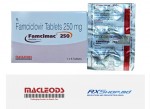
Famciclovir (Famcimac) is a fast-acting antiviral medication used to treat infections caused by the herpes virus family, including genital herpes (HSV-2), cold sores (HSV-1), and shingles (herpes zoster). After ingestion, Famciclovir is converted into penciclovir, a potent compound that blocks viral DNA replication, helping stop the virus from multiplying and shortening the duration of outbreaks.
This medication is valued for its high oral bioavailability, rapid symptom relief, and long-lasting antiviral activity, making it suitable for both initial episodes and recurrent outbreaks. Famciclovir can also reduce pain, speed up skin healing, and lower the risk of transmission during active episodes.
Famcimac is a trusted generic formulation, manufactured under strict quality standards to provide an effective and affordable alternative to the original brand (Famvir). It is commonly prescribed for acute treatment, long-term suppression, and episodic therapy depending on patient needs.
When taken at the first sign of symptoms, Famciclovir helps control flare-ups more efficiently and supports faster recovery while maintaining excellent tolerability for most users.

- Genital Herpes (HSV-2) – Recurrent Episodes: Used at the first sign of tingling, itching, or redness to stop a flare-up from progressing. Famciclovir drastically reduces symptom severity and can prevent visible sores from forming;
- Genital Herpes Suppressive Therapy: For patients with frequent outbreaks, a daily low-dose regimen helps prevent recurrences, reduce symptom frequency, and decrease the risk of transmission to partners;
- Herpes Labialis (Cold Sores – HSV-1): Famciclovir treats cold sores appearing on the lips or around the mouth. Taking it early speeds healing and reduces discomfort, swelling, and blister duration;
- Shingles (Herpes Zoster): Famciclovir is a first-line treatment for shingles in adults. It reduces virus replication, decreases nerve pain, speeds skin healing, and lowers the chance of long-term nerve damage (postherpetic neuralgia);
- Recurrent Shingles in Immunocompromised Patients: In individuals with weakened immunity, Famciclovir helps control repeated herpes zoster outbreaks and prevents complications;
- Herpes Zoster Ophthalmicus (Shingles Affecting the Eye): Used to reduce the viral impact on the eye and prevent permanent damage such as vision loss. Must be taken promptly;
- Herpes Simplex Infections in Immunocompromised Patients: People with lowered immunity (HIV, cancer therapy, steroid use) may have severe or extended herpes infections. Famciclovir reduces flare intensity, accelerates healing, and prevents complications;
- Postherpetic Neuralgia Prevention: Given during acute shingles episodes to reduce the chance of developing chronic nerve pain afterward, especially in older adults;
- Oral HSV Outbreak Prevention Before Dental Procedures: Sometimes prescribed before dental or surgical interventions in people prone to herpes flare-ups to prevent activation of the virus due to stress or tissue irritation;
- Episodic Therapy for Stress-Induced HSV Outbreaks: Useful for patients whose herpes outbreaks are triggered by stress, illness, excessive sun exposure, or hormonal changes. Taken early, it prevents the outbreak from becoming severe;
- Chronic HSV Management in Patients with High Transmission Risk: Helps reduce the likelihood of spreading genital herpes to sexual partners when combined with safe practices.
- Highly effective for genital herpes (HSV-2): It reduces pain, burning, swelling, and the duration of lesions. Famciclovir also lowers virus shedding, making transmission less likely during active outbreaks;
- Strong relief for cold sores (HSV-1): Taking Famciclovir at the first sign of tingling or redness shortens recovery time and can prevent blisters from fully developing;
- First-line therapy for shingles (herpes zoster): Famciclovir reduces skin inflammation, speeds healing, decreases rash severity, and lowers the risk of long-lasting nerve pain (postherpetic neuralgia);
- Prevents future herpes outbreaks: When used as suppressive therapy, it reduces the frequency of recurrences by up to 70–80% in many patients;
- Helps reduce transmission risk: Daily low-dose treatment lowers viral shedding, which can help decrease the chance of spreading HSV to sexual partners;
- Effective in immunocompromised patients: Famciclovir works well for herpes infections in patients with weakened immunity (HIV, chemotherapy, steroid treatment), where outbreaks may otherwise be severe and prolonged;
- Convenient dosing regimen: Compared to some other antivirals, Famciclovir often requires fewer daily doses, making it easier for patients to follow the treatment plan;
- Strong safety profile: Most patients tolerate Famciclovir very well, with minimal side effects. It is considered one of the better-tolerated antiviral options;
- Reduces duration of pain and discomfort: Even after visible lesions disappear, herpes can cause nerve irritation. Famciclovir helps shorten both the acute symptoms and post-outbreak discomfort;
- Speeds up skin recovery: The medication helps skin lesions dry faster and heal with lower risk of secondary bacterial infection;
- Can be used for episodic, suppressive, or long-term therapy: It is flexible and suitable for one-time burst therapy, daily prevention, or long-term management depending on patient needs;
- Helps control stress-triggered outbreaks: Famciclovir is useful for people who experience flares due to stress, sun exposure, hormonal changes, or illness;
- Suitable for adult and elderly patients: Older adults especially benefit from faster recovery from shingles and reduced risk of neuralgia;
- Lower resistance risk compared to some older antivirals: Famciclovir has a strong resistance profile, making it reliable even in recurrent or persistent HSV infections;
Generic Famciclovir (Famcimac 250 mg) Medication guide:
💊 What Is Famciclovir (Famcimac) and How This Antiviral Works
Famciclovir (Famcimac) is a potent antiviral medication used to treat infections caused by the herpes virus family, including HSV-1, HSV-2, and varicella-zoster virus (shingles). It belongs to the class of nucleoside analog antiviral agents and is considered one of the most effective modern treatments for both acute outbreaks and recurrent episodes.
- Targets HSV-1 (cold sores), HSV-2 (genital herpes), and shingles;
- Converts into penciclovir inside the body, blocking viral DNA replication;
- Effective for episodic treatment and long-term suppressive therapy;
- Reduces pain, inflammation, lesion duration, and viral shedding.
| Parameter | Key Facts |
|---|---|
| Pharmacologic Class | Antiviral nucleoside analogue (prodrug of penciclovir); |
| Active ingredient & formula | Famciclovir C₁₄H₁₉N₅O₄; |
| Primary viral targets | HSV-1, HSV-2, VZV (shingles); |
| Therapeutic uses | Treatment of outbreaks, suppression therapy, and rapid control of early symptoms; |
| Onset of relief | Often within 24–48 hours when taken at first signs of symptoms; |
| Advantages | Fast absorption, long intracellular half-life, well-tolerated, fewer daily doses compared to alternatives. |
🧠 How It Works in Simple Terms
- Famciclovir enters the bloodstream and converts into its active form, penciclovir;
- Penciclovir blocks viral DNA polymerase, stopping the virus from multiplying;
- The virus becomes unable to form new lesions or spread to new cells;
- Symptoms such as pain, burning, and blisters improve more rapidly.
Pharmacist Insight: Famciclovir is most effective when taken at the earliest sign of tingling, itching, or redness. Early treatment can prevent the outbreak from fully developing.
- Patients with frequent HSV-2 recurrences;
- Individuals prone to cold sores during stress or sun exposure;
- Adults experiencing shingles pain or rash;
- People with weakened immunity needing stronger antiviral control.
📑 FDA Official Indications for Famciclovir Therapy
The primary U.S. FDA approvals for Famciclovir (brand reference: Famvir) focus on herpesvirus infections in adults. Famciclovir is licensed as an oral antiviral for specific, clearly defined clinical situations, mainly involving herpes zoster and herpes simplex virus in immunocompetent patients and selected HIV infected individuals.
- Treatment of acute herpes zoster (shingles) in immunocompetent adults;
- Treatment of recurrent genital herpes in immunocompetent adults;
- Suppression of recurrent genital herpes in immunocompetent adults;
- Treatment of recurrent mucocutaneous herpes simplex infections in HIV infected adults.
| Indication | Patient population | Therapeutic goal | Regimen type |
|---|---|---|---|
| Acute herpes zoster (shingles) | Immunocompetent adults; | Shorten rash duration, reduce acute pain, lower risk of complications; | Short course treatment; |
| Recurrent genital herpes | Immunocompetent adults with HSV 2 infection; | Control recurrent outbreaks, reduce lesion duration and viral shedding; | Episodic treatment or daily suppressive therapy; |
| Recurrent mucocutaneous HSV in HIV infection | HIV infected adults with orolabial or anogenital lesions; | Accelerate healing, reduce new lesion formation, improve quality of life; | Episodic courses, guided by specialist care. |
🧠 Important clinical nuances
- Famciclovir is not approved for initial episode genital herpes, ophthalmic zoster, or disseminated zoster in immunocompromised patients;
- Use in children is off label and should only be considered under specialist guidance;
- Dosing must be adjusted in patients with reduced kidney function to avoid drug accumulation and toxicity.
🧬 Mechanism of Action – How Famciclovir Blocks Viral DNA Replication
Famciclovir (Famcimac) is a highly targeted antiviral agent designed to stop herpesviruses from multiplying. Although the tablet contains famciclovir itself, the drug becomes active only after it is converted inside the body into penciclovir, its potent antiviral form. This biochemical transformation allows the medication to reach infected cells efficiently and maintain long antiviral activity with fewer daily doses.
- Rapidly converts into penciclovir within liver and intestinal cells;
- Penciclovir selectively penetrates virus infected cells, minimizing impact on healthy cells;
- Inhibits the viral DNA polymerase enzyme responsible for herpesvirus replication;
- Prevents the virus from producing new DNA strands, stopping its multiplication cycle;
- Reduces viral shedding and limits outbreak spread and duration.
🔬 Step by Step – Mechanism Simplified
- Famciclovir is absorbed and metabolized into penciclovir triphosphate;
- Penciclovir triphosphate competes with natural nucleotides inside infected cells;
- Once incorporated into viral DNA, it causes premature chain termination;
- The virus cannot replicate or form new infectious particles;
- Lesions heal faster, pain decreases, and the outbreak resolves more quickly.
🧪 Why Famciclovir Is Highly Effective
| Property | Clinical Impact |
|---|---|
| High bioavailability | Improved antiviral effect even with fewer daily doses; |
| Long intracellular persistence of penciclovir | Extended antiviral protection during outbreaks; |
| Selective uptake by infected cells | Reduced toxicity and minimal effect on healthy tissues; |
| Strong activity against HSV 1, HSV 2, and VZV | Effective for cold sores, genital herpes, and shingles. |
💡 Clinical Note
Because viral replication peaks early, famciclovir delivers the best results when taken at the very first symptoms — such as tingling, burning, or localized sensitivity. Starting treatment early can even prevent the outbreak from fully developing.
- Low viral resistance rates compared to older antivirals;
- Effective in both immunocompetent and immunocompromised patients;
- Synergistic improvement when combined with trigger management (stress, sun, fatigue).
🦠 Conditions Treated by Famciclovir – HSV-1, HSV-2, and Herpes Zoster
Famciclovir (Famcimac) is a targeted antiviral therapy used to control infections caused by herpesviruses, a family of viruses known for their ability to remain dormant and reactivate during stress or weakened immunity. Famciclovir is effective for both initial episodes and recurrent outbreaks, offering fast relief and reducing the duration and intensity of symptoms.
- HSV-1 (Herpes Simplex Virus Type 1): Responsible for cold sores appearing on the lips and around the mouth. Famciclovir helps shorten healing time, reduce pain, and prevent blister formation when taken early;
- HSV-2 (Herpes Simplex Virus Type 2): Causes genital herpes. Famciclovir treats active outbreaks, reduces recurrence frequency, and is also used for long term suppression to minimize viral shedding;
- Herpes Zoster (Shingles): Reactivation of the varicella zoster virus causing painful rashes and nerve inflammation. Famciclovir accelerates healing and decreases the risk of postherpetic neuralgia;
- Recurrent mucocutaneous herpes in HIV patients: Helps control prolonged or severe outbreaks caused by weakened immunity.
📋 Clinical Situations Where Famciclovir Is Commonly Used
| Condition | Typical symptoms | How Famciclovir helps |
|---|---|---|
| Cold sores (HSV-1) | Tingling, lip swelling, blisters; | Speeds healing and reduces discomfort when taken at early signs; |
| Genital herpes (HSV-2) | Painful sores, burning, redness; | Shortens outbreaks, reduces lesion severity, lowers viral shedding; |
| Shingles (Herpes zoster) | Painful rash, nerve pain, sensitivity; | Promotes skin healing and reduces acute nerve inflammation; |
| Recurrent herpes in immunocompromised patients | Prolonged lesions, slow healing; | Controls viral activity and supports recovery in weakened immune systems. |
🧠 Understanding Disease Reactivation
Herpesviruses remain in the nervous system after initial infection. Stress, illness, sunlight exposure, or low immunity can reactivate the virus, leading to new outbreaks. Famciclovir interrupts this reactivation cycle by suppressing viral replication early.
- Rapid symptom control during active outbreaks;
- Reduced risk of complications such as prolonged nerve pain after shingles;
- Lower frequency of recurrent flare ups with suppressive therapy;
- Protection against severe or chronic outbreaks in immunocompromised patients.
Clinical note: Famciclovir is most effective when taken at the earliest sign of an outbreak. Early action can dramatically reduce lesion severity and shorten total recovery time.
⚕️ Famciclovir vs Other Antiviral Medications – Key Differences and Advantages
Famciclovir (Famcimac) is part of a select group of antiviral medications used to treat herpesvirus infections. While acyclovir and valacyclovir are more widely known, famciclovir offers several unique clinical advantages that make it a preferred option for many patients, particularly those seeking rapid symptom control, convenient dosing, and stronger protection against recurrent outbreaks.
- Fewer daily doses compared to acyclovir, improving treatment adherence;
- Faster conversion into active form (penciclovir), providing more rapid relief;
- Longer intracellular persistence which maintains antiviral activity longer;
- Lower viral resistance rates than older agents like acyclovir;
- Excellent tolerability even for long term suppressive therapy.
📊 Comparative Table – Famciclovir vs Acyclovir vs Valacyclovir
| Medication | Dosing frequency | Speed of activation | Best use cases |
|---|---|---|---|
| Famciclovir | 2–3 times/day; | Very fast conversion to penciclovir; | Recurrent HSV, shingles, rapid onset therapy; |
| Acyclovir | Up to 5 times/day; | Slower activation; | Initial HSV infections, low cost scenarios; |
| Valacyclovir | 1–2 times/day; | Fast activation to acyclovir; | General HSV suppression, shingles treatment. |
🔍 Clinical Insights
- Famciclovir is often preferred for patients who require rapid improvement during outbreaks;
- It provides a strong therapeutic benefit for both HSV-2 and shingles with fewer doses;
- Patients who experience frequent recurrences often report better long term control compared to other antivirals;
- Famciclovir’s favorable pharmacokinetics make it effective even in cases where acyclovir response is weak.
Pharmacist Tip: If a patient struggles with strict multiple daily doses or needs faster relief during flare ups, famciclovir is often the most convenient and efficient antiviral option.
- More convenient dosing schedule;
- Rapid therapeutic activation;
- Long lasting antiviral activity;
- Better protection against recurrent outbreaks;
- Excellent safety profile and high patient tolerance.
🔬 Pharmacological Class and Chemical Composition of Famciclovir
Famciclovir (Famcimac) belongs to the class of antiviral nucleoside analogs, designed specifically to combat infections caused by herpesviruses. As a prodrug, famciclovir remains inactive until it is metabolized into its active antiviral form, penciclovir. This biotransformation allows it to reach infected cells efficiently while maintaining an excellent safety and tolerability profile.
- Therapeutic class: Antiviral agent (nucleoside analog);
- Active metabolite: Penciclovir;
- Primary targets: HSV-1, HSV-2, and VZV;
- Mechanism: Inhibition of viral DNA polymerase, blocking replication;
- Absorption: Rapid oral absorption with high bioavailability.
⚗️ Chemical Composition and Structure
| Component | Details |
|---|---|
| Active ingredient | Famciclovir – antiviral prodrug converting into penciclovir; |
| Chemical formula | C₁₄H₁₉N₅O₄; |
| Molecular weight | 321.33 g/mol; |
| Dosage availability | Typically in 125 mg, 250 mg, 500 mg oral tablets; |
| Drug form | Immediate release oral tablet formulation; |
🧬 Why Its Pharmacological Class Matters
- Nucleoside analogs selectively target virus-infected cells, limiting toxicity;
- Penciclovir’s long intracellular activity ensures sustained antiviral effects;
- This class shows excellent safety even in patients with frequent outbreaks;
- Low drug–drug interaction risk makes it suitable for many treatment regimens.
Clinical insight: Famciclovir’s pharmacological properties make it one of the most convenient antiviral options for patients who require fast relief, flexible dosing, and reliable long term suppression of herpesvirus activity.
- Famciclovir is an antiviral nucleoside analog with strong activity against HSV and VZV;
- Its active metabolite, penciclovir, blocks viral DNA replication;
- The chemical structure ensures high efficiency and excellent tolerability.
💊 Available Dosage Forms and Standard Strengths of Famcimac Tablets
Famciclovir (Famcimac) is formulated as an oral antiviral medication designed for fast absorption, predictable action, and flexible dosing across different clinical situations. The available tablet strengths allow physicians to choose precise regimens for shingles, recurrent herpes outbreaks, and suppressive therapy. These dosage forms are crafted to maintain stability, ensure consistent bioavailability, and deliver rapid conversion into the active compound penciclovir.
- 125 mg tablets – typically used for certain suppressive regimens or mild recurrent infections;
- 250 mg tablets – commonly prescribed strength for episodic HSV treatment;
- 500 mg tablets – standard dosing strength for shingles and more severe outbreaks.
📦 Formulation Characteristics
| Tablet Strength | Typical Use Case | Clinical Advantage |
|---|---|---|
| 125 mg | Maintenance suppression therapy; | Lower dose suitable for long term daily use; |
| 250 mg | Recurrent HSV outbreaks; | Flexible dosing, quick symptom control; |
| 500 mg | Shingles (herpes zoster) and acute severe episodes; | Rapid antiviral effect with strong systemic coverage. |
🧪 Additional Pharmaceutical Properties
- Tablets are film coated for easier swallowing and improved stability;
- Formulated for rapid gastrointestinal absorption and high bioavailability;
- Designed to minimize gastrointestinal discomfort and maximize tolerability;
- Suitable for both episodic and continuous antiviral therapy.
Note: The correct tablet strength depends on the infection type, severity, recurrence pattern, and renal function. Only a healthcare professional can determine the optimal regimen for each patient.
- Famciclovir tablets come in strengths suitable for all clinical scenarios;
- Larger doses target shingles, while moderate doses control HSV outbreaks;
- Lower strengths support long term suppression and outbreak prevention.
📘 Proper Use Instructions – How to Take Famciclovir Safely and Effectively
Famciclovir (Famcimac) must be taken exactly as directed to achieve full antiviral benefits. Because herpesviruses replicate rapidly during the first hours of an outbreak, the timing, dosage, and consistency of administration greatly influence how fast symptoms improve. Following proper use guidelines helps reduce lesion duration, discomfort, and viral shedding while improving overall treatment outcomes.
- Take the tablet with a full glass of water to support proper absorption;
- Start treatment at the earliest sign of an outbreak such as tingling, itching, burning, or localized pain;
- Swallow tablets whole — do not break, crush, or chew them;
- Maintain consistent timing between doses for optimal antiviral coverage;
- If using suppressive therapy, take your dose at the same time every day.
⏱️ Timing and Best Practices
- For recurrent HSV outbreaks: begin treatment immediately when symptoms start; delays reduce effectiveness;
- For shingles: start therapy within 72 hours of rash appearance for best pain and healing outcomes;
- For daily suppression: take at regular intervals to maintain stable antiviral levels.
📦 Dosage Guidance Overview
| Therapy Type | Goal | General Approach |
|---|---|---|
| Episodic HSV treatment | Stop flare early; | Short high strength course at first symptoms; |
| Suppressive daily therapy | Reduce recurrence frequency; | Consistent daily dose at same time; |
| Shingles treatment | Control rash and nerve pain; | Higher dose for 7–10 days; |
⚠️ Missed Dose Instructions
If you miss a dose, take it as soon as you remember. If it is almost time for your next dose, skip the missed one and continue normally. Do not double up on doses, as it offers no added benefit and may increase side effects.
- Avoid alcohol during acute treatment — it can increase fatigue and slow recovery;
- Stay hydrated to support kidney function and antiviral metabolism;
- Do not stop treatment early unless directed by your doctor;
- If symptoms worsen or do not improve, seek a medical review.
Clinical advice: The speed of starting Famciclovir is often more important than the dose itself. Early treatment dramatically improves results and can prevent a full outbreak from developing.
⚠️ Important Warnings and Precautions Before Starting Famciclovir
Famciclovir (Famcimac) is generally well tolerated, but like all antiviral medications, it must be used with caution in certain medical situations. Understanding key warnings and safety considerations helps prevent complications, ensures proper dosing, and maximizes antiviral effectiveness while minimizing risks.
- Kidney impairment: Famciclovir is cleared through the kidneys. Reduced kidney function requires adjusted dosing to avoid drug accumulation and potential toxicity;
- Liver disorders: Although less common, impaired liver function may influence drug metabolism and must be discussed with a physician;
- Underlying neurological disease: Rarely, antivirals may worsen confusion or dizziness in older adults or those with neurological issues;
- Immune system problems: Individuals with HIV, cancer therapy, or chronic immunosuppression may require modified treatment plans;
- History of allergic reactions: Anyone who has reacted to acyclovir, valacyclovir, penciclovir, or other antivirals should exercise caution.
🚫 Situations Where Extra Caution Is Required
| Condition | Reason for caution | Recommended action |
|---|---|---|
| Severe renal impairment | Delayed drug clearance may cause elevated blood levels; | Lower dose or extended dosing interval required; |
| Advanced age (65+) | Higher sensitivity to dizziness or fatigue; | Monitor hydration and mental clarity; |
| HIV or immunosuppression | More severe or prolonged herpes episodes; | Tailored dosing under specialist guidance; |
| Dehydration | May intensify side effects like headache or weakness; | Maintain adequate fluid intake; |
🧠 Additional Warnings
- Famciclovir is not a cure for herpes infections — the virus remains dormant and may reactivate;
- Early treatment is essential: delays reduce therapeutic benefit significantly;
- Stop treatment and seek help if severe rash, swelling, or breathing problems occur;
- Avoid driving or operating machinery if dizziness or confusion appear.
- Inform your doctor about all medications and supplements you take;
- Discuss kidney or liver issues before receiving a prescription;
- Stay hydrated to support safe drug metabolism;
- If symptoms worsen during treatment, request clinical reassessment.
Clinical reminder: Proper dosing adjustments in patients with reduced kidney function are essential to prevent adverse reactions. A simple creatinine test can help determine the correct regimen.
🤒 Possible Side Effects and How to Manage Them
Famciclovir (Famcimac) is generally well tolerated, but like all antiviral medications, it may cause side effects in some individuals. Most reactions are mild and temporary, often improving as the body adjusts to the medication. Understanding the possible side effects helps patients recognize what is normal and when medical attention may be necessary.
- Headache: Most frequently reported; staying hydrated and resting often resolves it;
- Nausea or stomach discomfort: Taking Famciclovir with food can significantly reduce these effects;
- Dizziness or fatigue: Temporary and usually short lived, but avoid driving if symptoms are strong;
- Diarrhea: Mild digestive imbalance may occur; probiotics can help stabilize gut flora;
- Skin rash: Usually mild; monitor closely for worsening.
⚕️ Moderate Side Effects
These effects are less common but may require a consultation with a healthcare provider if persistent:
- Increased sensitivity to sunlight;
- Mild liver enzyme changes on blood tests;
- Worsening fatigue in older adults.
🚨 Serious but Rare Side Effects
| Side Effect | Description | Action Required |
|---|---|---|
| Severe allergic reaction | Swelling, difficulty breathing, widespread rash; | Stop medication and seek emergency care; |
| Hallucinations or confusion | Possible in elderly or renal impairment; | Contact a doctor immediately; |
| Persistent severe diarrhea | May indicate a more serious imbalance; | Medical evaluation recommended. |
💡 How to Reduce Side Effects
- Take Famciclovir with a meal to improve comfort;
- Drink plenty of water throughout the day;
- Prioritize rest and avoid strenuous activity during the first 48 hours;
- Use sunscreen outdoors to prevent light sensitivity;
- Avoid alcohol until symptoms subside as it may increase fatigue.
- If symptoms worsen or do not improve after several days;
- If severe rash, swelling, or breathing difficulty occurs;
- If confusion, hallucinations, or significant changes in alertness appear;
- If chronic kidney or liver issues begin to worsen.
Professional reminder: Most patients tolerate Famciclovir extremely well. Side effects often reflect the body’s response to fighting viral infection rather than the drug itself.
⛔ Contraindications – Who Should Avoid Famciclovir Treatment
Famciclovir (Famcimac) is considered a safe and effective antiviral for most adults; however, certain medical conditions and patient profiles require avoidance of therapy or strict clinical supervision. Understanding contraindications helps prevent dangerous reactions, ineffective treatment, and complications related to improper use.
- Known hypersensitivity to famciclovir, penciclovir, or any component of the tablet;
- Severe allergic reaction to other antivirals in the same family (acyclovir, valacyclovir);
- History of anaphylaxis or severe drug rashes caused by nucleoside analog antivirals.
⚠️ Relative Contraindications (Use Only With Medical Supervision)
| Condition | Potential Risk | Clinical Recommendation |
|---|---|---|
| Chronic kidney disease | Accumulation of famciclovir and elevated toxicity; | Adjust dose based on renal function; |
| Advanced liver impairment | Altered drug metabolism and unpredictable activity; | Use only after specialist evaluation; |
| Severe dehydration | Greater risk of fatigue, dizziness, and renal stress; | Correct hydration before starting therapy; |
| Central nervous system disorders | Potential for dizziness or confusion, especially in elderly patients; | Monitor closely during treatment; |
| Immunocompromised state (HIV, chemotherapy) | More severe or prolonged viral episodes; | Specialized dosing and monitoring required. |
🧠 Patient Groups Requiring Extra Caution
- Elderly adults: Higher likelihood of dizziness and renal sensitivity;
- Patients with gastrointestinal disorders: Possible increased nausea or digestive upset;
- Individuals with chronic fatigue or neurological conditions: May be more sensitive to antiviral side effects;
- Patients on multiple medications: Risk of overlapping adverse effects or interactions.
- Have kidney or liver disease;
- Experience frequent dehydration or electrolyte imbalances;
- Take medications for chronic illnesses or immune suppression;
- Have reacted badly to other antiviral medications in the past.
Professional warning: A simple renal function check (creatinine clearance) can prevent incorrect dosing and serious side effects. Always evaluate kidney health before prescribing famciclovir to older adults or high risk patients.
👶 Use of Famciclovir in Children – Safety and Recommendations
Famciclovir (Famcimac) is primarily approved for adults, and its routine use in children remains limited due to insufficient large scale clinical studies. Although famciclovir has shown effectiveness in pediatric herpesvirus infections in select clinical scenarios, it is generally prescribed only under strict specialist supervision. Pediatric dosing requires careful calculation based on weight, renal function, and infection severity, making self medication inappropriate for minors.
- Famciclovir is not widely approved for children in many countries;
- Use in patients under 18 is typically considered off label and requires infectious disease specialist guidance;
- Pediatric dosing differs significantly from adult dosing and must be weight based;
- Renal function must be evaluated before prescribing due to dose adjustment needs;
- Younger children may experience a higher chance of gastrointestinal side effects.
📋 When Doctors May Consider Famciclovir for Children
| Pediatric Situation | Reason for Use | Clinical Notes |
|---|---|---|
| Severe HSV infections | Recurrent or resistant episodes requiring stronger antiviral control; | Specialist must determine dosing and duration; |
| Herpes zoster in adolescents | Less common but may require treatment to reduce complications; | Often used for older children or teens only; |
| Immunocompromised children | More severe or prolonged viral outbreaks; | Close monitoring and tailored regimens required; |
🧠 Safety Considerations for Pediatric Use
- Careful monitoring for nausea, headache, or dizziness is required;
- Dosage must be recalculated as the child grows to avoid under or overdosing;
- Parents must ensure adherence to timing, as delayed dosing reduces effectiveness;
- No combination with other antivirals unless instructed by a specialist.
- Develops a widespread rash or breathing difficulty;
- Shows confusion, extreme fatigue, or dehydration;
- Has a pre existing kidney or liver disorder;
- Does not improve after several days of treatment.
Pediatric specialist insight: Famciclovir can be effective in children when used correctly, but due to limited pediatric data, therapy should always be guided by an experienced clinician who can tailor dosing, monitor safety, and evaluate alternative antiviral options.
🤰 Famciclovir Use During Pregnancy and Breastfeeding – Safety Guidelines
Famciclovir (Famcimac) is categorized as a medication with limited human data during pregnancy. While animal studies have not shown major developmental harm, the absence of well controlled human trials means famciclovir should only be used when the potential benefit clearly outweighs any theoretical risk. For breastfeeding mothers, careful evaluation is also necessary, as small amounts of the active metabolite penciclovir may pass into breast milk.
- Famciclovir is generally not a first line antiviral during pregnancy;
- Valacyclovir or acyclovir are more commonly recommended due to better documented safety profiles;
- Use of famciclovir may be considered only when safer alternatives are not suitable or ineffective;
- Clinicians may use it in severe or recurrent herpes infections requiring urgent control;
- Risk-benefit assessment is mandatory before prescribing.
🍼 Breastfeeding Considerations
Although famciclovir itself is rapidly converted into penciclovir, traces of the active metabolite may appear in breast milk. Current data suggests low exposure for the infant, but caution is still advised.
| Breastfeeding Factor | Clinical Relevance | Recommendation |
|---|---|---|
| Penciclovir in milk | Low but measurable levels possible; | Monitor infant for rash, diarrhea, or unusual fussiness; |
| Maternal outbreak severity | Severe outbreaks may require treatment to reduce viral shedding; | Use only under physician guidance; |
| Alternative antivirals | Better studied options available; | Valacyclovir preferred when possible. |
🧠 When a Doctor May Approve Famciclovir During Pregnancy
- Severe genital herpes outbreak requiring rapid antiviral intervention;
- Resistance or intolerance to acyclovir/valacyclovir;
- High risk of transmission and no alternative treatment available;
- Complicating immunosuppression making outbreaks more dangerous.
- Severe rash or suspected allergic reaction;
- Persistent abdominal pain or vomiting;
- Worsening genital lesions or systemic symptoms;
- Signs of dehydration or fever.
OB/GYN insight: “While famciclovir is effective, we typically use antivirals with stronger pregnancy data first. Famciclovir may still be an option when clinical needs are urgent and other therapies are unsuitable.”
📊 Pharmacokinetic Profile – Absorption, Distribution, Metabolism, and Elimination
Famciclovir (Famcimac) is designed as a highly efficient oral antiviral that rapidly converts into its active form, penciclovir, after absorption. Its pharmacokinetic behavior ensures fast therapeutic onset, long intracellular persistence, and reliable antiviral activity across various herpesvirus infections. Understanding its ADME properties (Absorption, Distribution, Metabolism, Elimination) explains why famciclovir is both potent and well tolerated.
- Excellent oral bioavailability for predictable dosing;
- Rapid metabolic conversion into penciclovir (active antiviral form);
- Long intracellular half life ensures sustained viral suppression;
- Renally excreted, requiring dose adjustments in kidney impairment.
🧪 ADME Characteristics Overview
| Pharmacokinetic Parameter | Description | Clinical Impact |
|---|---|---|
| Absorption | Rapid oral absorption with high conversion to penciclovir; | Fast onset of antiviral activity within hours; |
| Distribution | Widespread tissue penetration including nerve tissue; | Effective in shingles and genital herpes flare control; |
| Metabolism | Converted by hepatic enzymes into penciclovir; | Active metabolite persists long inside infected cells; |
| Elimination | Primarily renal excretion as unchanged penciclovir; | Lower doses needed when kidney function is reduced. |
⏱️ Half Life and Duration of Activity
- Plasma half life: Short (2–3 hours), but this is not the key factor;
- Intracellular half life: Long (up to 10–20 hours in some tissues);
- This extended presence explains its longer dosing intervals vs acyclovir;
- Helps maintain stable antiviral suppression between doses.
- Provides strong antiviral coverage even with fewer daily doses;
- Reduces risk of viral replication during early outbreak stages;
- More convenient than acyclovir for long term therapy;
- Lower likelihood of breakthrough symptoms between doses.
Clinical insight: Famciclovir’s rapid conversion and long intracellular activity make it one of the most reliable antivirals for managing both shingles and recurrent genital herpes. Its predictable pharmacokinetics allow precise, effective, patient friendly dosing.
🧬 Mechanism of Action – How Famciclovir Fights Herpesvirus Infections
Famciclovir (Famcimac) works by targeting viral DNA replication, the essential process herpesviruses rely on to multiply and spread within the body. Once ingested, the drug undergoes rapid biotransformation into its active antiviral metabolite, penciclovir, which then accumulates inside infected cells. This targeted activation ensures strong antiviral action while maintaining a high level of safety for healthy tissues.
- Famciclovir is absorbed in the gut and converted into penciclovir;
- Penciclovir selectively enters cells infected by HSV-1, HSV-2, or VZV;
- Inside these cells, it is phosphorylated into the active triphosphate form;
- The active form blocks viral DNA polymerase, the enzyme responsible for viral DNA replication;
- As a result, the virus can no longer reproduce, spread, or worsen the outbreak.
🔍 Why This Mechanism Is So Effective
- Active metabolite stays inside infected cells for long periods, maintaining stable antiviral suppression;
- The drug specifically targets infected tissues, reducing harm to healthy cells;
- Prevents new lesions from forming during early treatment stages;
- Helps reduce viral shedding, lowering the risk of transmission;
- Rapid symptom relief when taken at the first sign of an outbreak.
🧠 How It Compares to Other Antivirals
| Antiviral | Main Mechanism | Clinical Advantage |
|---|---|---|
| Famciclovir | DNA polymerase inhibition via penciclovir; | Long intracellular activity, fewer daily doses; |
| Acyclovir | DNA polymerase inhibitor; | Low cost, widely studied; |
| Valacyclovir | Prodrug of acyclovir; | Higher bioavailability than acyclovir; |
- Rapid antiviral activation results in quicker lesion healing;
- Strong suppression of viral DNA synthesis limits outbreak duration;
- Higher convenience with fewer daily doses improves adherence;
- Effective for both episodic flare control and long term suppression.
Expert perspective: Famciclovir’s targeted intracellular activity makes it one of the most dependable therapies for patients who experience frequent or severe herpes outbreaks. Its mechanism delivers both potency and safety.
🧪 Drug Interactions – Medicines, Supplements, and Substances to Avoid
Famciclovir (Famcimac) is generally considered a low-interaction antiviral, but certain medications, supplements, and health conditions can influence how the drug is processed in the body. Understanding these interactions helps prevent reduced effectiveness, increased side effects, or dangerous drug accumulation — especially in patients with kidney conditions or those taking multiple medications.
- Kidney-affecting drugs – may reduce Famciclovir clearance and increase blood levels;
- Immunosuppressants – may alter infection severity or require dose adjustments;
- UGT enzyme-modifying medications – may affect metabolism speed;
- High-dose supplements that stress kidney function (creatine, herbal diuretics);
- Alcohol – increases fatigue and can worsen neurological side effects.
💊 Commonly Reported Drug Interactions
| Medication Group | Interaction Concern | Clinical Recommendation |
|---|---|---|
| Probenecid | Slows renal excretion of famciclovir; | Monitor closely; dose adjustment may be needed; |
| Immunosuppressants (tacrolimus, cyclosporine) | Higher risk of renal strain; | Renal monitoring strongly recommended; |
| Nephrotoxic drugs (aminoglycosides, NSAIDs) | May lower kidney filtration and affect antiviral clearance; | Use with caution; hydrate well; |
| Allopurinol | May enhance skin reaction risk in rare cases; | Stop immediately if rash appears; |
| Spironolactone / high-dose diuretics | Risk of dehydration and concentrated drug levels; | Maintain hydration and monitor electrolytes. |
🧂 Supplement & Herbal Interactions
- Creatine monohydrate: In high doses may increase renal workload — caution in long term users;
- St. John’s Wort: May unpredictably affect antiviral activity — avoid during therapy;
- Herbal diuretics (dandelion, parsley extract): Increase dehydration risk;
- High-dose vitamin C: Usually safe, but large amounts may affect digestion when combined with antivirals.
🍺 Alcohol and Lifestyle Interactions
- Enhances fatigue and dizziness caused by the antiviral;
- Slows recovery by stressing the immune system;
- Increases dehydration, raising risk of headaches and nausea.
🧠 When to Be Extra Careful
- Older adults taking multiple medications;
- Patients with kidney filtration issues or diabetes-related nephropathy;
- People using painkillers like ibuprofen daily;
- Users of bodybuilding supplements or stimulants.
Clinical insight: Famciclovir has fewer drug interactions than many antivirals, but kidney-related medications and supplements dramatically influence how the drug behaves. Safe hydration and routine monitoring reduce all major risks.
📅 Recommended Dosage Guidelines for Different Viral Infections
Famciclovir (Famcimac) dosing varies depending on the type of herpesvirus infection, symptom severity, patient age, and kidney function. Correct dosing is critical because herpesviruses replicate rapidly during the first hours of an outbreak. Tailored regimens ensure maximum antiviral effectiveness, faster healing, and lower risk of complications or recurrence.
- Start treatment at the earliest sign of an outbreak for best results;
- Do not skip doses during an active episode;
- Dosing may be adjusted based on kidney function tests;
- Never exceed prescribed daily limits even during severe symptoms;
- Hydration is essential for safe antiviral clearance.
🦠 Standard Dosage Recommendations by Condition
| Infection Type | Recommended Dosage | Notes |
|---|---|---|
| Recurrent genital herpes (HSV-2) | 1,000 mg twice daily for 1 day; | Best started during tingling or burning phase; |
| Initial genital herpes episode | 250 mg three times daily for 7–10 days; | Longer course needed for first episodes; |
| Herpes zoster (shingles) | 500 mg three times daily for 7 days; | Begin within 72 hours of rash appearance; |
| Lip herpes (cold sores) | Single 1,500 mg dose; | Rapid relief regimen simplifies treatment; |
| Daily suppression therapy (HSV) | 250 mg twice daily; | Reduces frequency and severity of outbreaks; |
🧮 Renal Dose Adjustments
- Creatinine clearance < 40 mL/min → lowered dose intervals;
- Creatinine clearance < 20 mL/min → significant reduction necessary;
- Dialysis patients may require post dialysis dosing only.
⚠️ Do NOT Adjust Dose on Your Own
- Incorrect dosing may worsen symptoms or prolong outbreaks;
- High doses in renal impairment may lead to confusion or toxicity;
- Take the medication exactly as directed by a healthcare provider.
Doctor’s note: Famciclovir is most effective when started early and taken consistently. Following the correct dosage schedule dramatically improves outcomes in shingles and genital herpes.
⏳ Duration of Therapy – How Long to Continue Famciclovir Treatment
Famciclovir (Famcimac) treatment duration depends on the specific infection being treated, how early therapy begins, and the patient’s immune status. Because herpesviruses replicate quickly in the early hours of an outbreak, the length of therapy must be appropriate to fully suppress viral activity, prevent complications, and ensure complete healing of lesions. Stopping treatment too early may result in prolonged symptoms or rapid recurrence.
- Episodic HSV treatment: short courses are effective if started early;
- Shingles therapy: longer treatment needed to reduce nerve pain risk;
- Initial herpes episodes: require extended antiviral coverage;
- Suppressive therapy: taken daily for months to reduce recurrence;
- Immunocompromised patients: may need extended or repeated treatment.
📆 Typical Treatment Duration Based on Condition
| Condition | Typical Duration | Clinical Notes |
|---|---|---|
| Recurrent genital herpes | 1 day (single-day high-dose therapy); | Works best when taken at very first symptoms; |
| Initial HSV episode | 7–10 days; | More severe and requires prolonged suppression; |
| Shingles (Herpes Zoster) | 7 days; | Start within 72 hours to reduce nerve pain complications; |
| Cold sores (Herpes labialis) | Single dose regimen; | Rapid symptom relief within 24–48 hours; |
| Daily suppressive HSV therapy | Long term: 6–12 months or longer; | Reduces outbreak frequency by up to 70–80%; |
🧠 Factors That Influence Treatment Duration
- Severity of symptoms: severe outbreaks may require longer therapy;
- Immune status: patients with weakened immunity often need extended courses;
- Speed of starting therapy: late treatment can prolong outbreak duration;
- Kidney function: impacts how quickly the drug is cleared from the body.
- Recurrent outbreaks that do not resolve after standard courses;
- Severe shingles with widespread rash or intense nerve pain;
- HIV-positive or immunosuppressed patients;
- Delayed initiation of antiviral therapy.
Clinician insight: Completing the full treatment course is essential. Even if symptoms improve early, the virus may still be active. A proper duration prevents prolonged healing and reduces the likelihood of recurrence.
🧴 Storage Instructions and Stability Information for Famciclovir
Famciclovir (Famcimac) must be stored correctly to maintain its full antiviral potency, tablet stability, and safety throughout its shelf life. Proper storage also prevents moisture degradation, loss of structural integrity, and reduced absorption. Because antivirals are sensitive to humidity and high temperatures, following recommended conditions ensures that each dose remains fully effective.
- Store at temperatures between 20°C and 25°C (68°F–77°F);
- Keep tablets in their original packaging to protect from moisture;
- Do not remove desiccant packets — they help preserve stability;
- Keep away from sunlight, heaters, kitchens, or bathrooms;
- Ensure the bottle is tightly closed after every use.
🌡️ Temperature and Stability Parameters
| Condition | Stability Status | Recommendations |
|---|---|---|
| Room temperature (20–25°C) | Optimal stability; | Store medication here whenever possible; |
| Refrigeration (2–8°C) | Not required; | May cause unnecessary condensation; |
| High heat (>30°C) | Tablet degradation risk; | Keep away from cars, direct sun, or hot rooms; |
| High humidity (bathrooms) | Reduces tablet hardness and stability; | Avoid storing in bathrooms or kitchens. |
🧼 Safety and Handling Tips
- Keep medication out of reach of children and pets;
- Do not split or crush tablets unless advised;
- Check expiry date regularly, especially for antiviral stock kept for episodic outbreaks;
- Avoid moving pills to unmarked containers — mix ups can easily occur.
- Chalky or crumbling texture;
- Discoloration or dark spots;
- Softened tablets due to moisture exposure;
- Unusual odor from the blister pack.
Pharmacist advice: Store Famciclovir the same way you store high quality supplements — cool, dry, and away from light. Proper storage preserves both the medication’s effectiveness and your treatment success.
🔁 Episodic vs Suppressive Therapy – Choosing the Right Treatment Strategy
Famciclovir (Famcimac) can be used in two fundamentally different treatment approaches: episodic therapy, taken only during outbreaks, and suppressive therapy, taken daily to prevent outbreaks from occurring. Understanding the difference helps patients choose the strategy that offers the best long-term control, comfort, and results based on their symptoms and lifestyle.
- Episodic therapy: short courses taken only when an outbreak appears;
- Suppressive therapy: daily continuous dosing to prevent outbreaks entirely;
- Episodic therapy suits patients with infrequent symptoms;
- Suppressive therapy benefits patients with frequent or severe recurrences;
- Suppressive therapy significantly reduces viral shedding and transmission risk.
📅 When Episodic Therapy Is Recommended
Episodic therapy is best for individuals who experience occasional outbreaks and recognize the early “warning signs” such as tingling, burning, or localized pain.
| Feature | Episodic Therapy |
|---|---|
| Goal | Shorten and ease each outbreak; |
| Dosing | High-dose, short-course treatment; |
| Best for | People with 1–6 outbreaks per year; |
| Benefits | Convenient, cost-efficient, fast relief if started early; |
| Limitations | Does not prevent future outbreaks or reduce transmission risk. |
🛡️ When Suppressive Therapy Is Recommended
Suppressive therapy is ideal for patients who struggle with frequent flare-ups, experience severe symptoms, or wish to reduce the risk of passing HSV to a partner.
- Reduces outbreak frequency by up to 80%;
- Decreases severity and duration of breakthrough episodes;
- Significantly lowers viral shedding and partner transmission risk;
- Provides consistent symptom stability for long-term comfort.
| Feature | Suppressive Therapy |
|---|---|
| Goal | Prevent outbreaks entirely; |
| Dosing | Lower-dose daily regimen; |
| Best for | Frequent recurrences (6+ per year) or severe outbreaks; |
| Benefits | Improves quality of life, reduces transmission, stabilizes symptoms; |
| Limitations | Requires daily commitment and long-term monitoring. |
🧠 How to Choose the Right Strategy
- If outbreaks are rare → episodic therapy is usually enough;
- If outbreaks interfere with life or relationships → suppressive therapy is preferred;
- If immune system is weakened → suppressive therapy may be necessary;
- Patients with a new partner often choose suppression to reduce transmission risk.
Clinician insight: “Both strategies are safe and effective, but suppressive therapy offers the highest level of long-term control and dramatically improves the daily comfort of patients with frequent recurrences.”
🧯 What to Do If Symptoms Do Not Improve or Get Worse
Famciclovir (Famcimac) is highly effective for most herpesvirus infections, but in some cases symptoms may persist longer than expected, return quickly, or worsen during treatment. This does not always indicate drug failure — several clinical factors can influence healing speed, viral activity, and the body’s response. Recognizing what is normal and when to take action is essential for preventing complications and ensuring proper recovery.
- Therapy was started too late (after full lesion formation);
- Patient missed doses or did not follow dosing intervals;
- An unusually severe outbreak due to stress or immune suppression;
- Active shingles (VZV) may require more time to heal;
- Concurrent illness such as cold, flu, or fever slowing recovery;
- Kidney problems may alter antiviral levels and effectiveness.
📟 When Symptoms Do Not Improve
| Situation | Possible Explanation | Recommended Action |
|---|---|---|
| No improvement after 48–72 hours | Delayed initiation or severe outbreak; | Continue full course; monitor hydration and rest; |
| Symptoms partially improve but persist | Normal for shingles or first-time HSV episodes; | Complete therapy; recovery may take 7–14 days; |
| Pain remains strong | Nerve inflammation or early neuralgia development; | Ask doctor about additional analgesics; |
| Outbreak returns soon after finishing therapy | High viral activity or immune stress; | Consider suppressive daily therapy; |
🚨 When Symptoms Worsen or New Symptoms Appear
- Rapidly spreading rash or unusually large lesions;
- Intense nerve pain spreading beyond the rash area;
- High fever, chills, or severe fatigue;
- Eye involvement (especially in shingles);
- Swelling of the face or lymph nodes;
- Signs of allergic reaction: breathing difficulty, widespread rash, swelling.
🧠 Steps You Can Take to Improve Recovery
- Start treatment immediately at early signs — this is the #1 factor for success;
- Do not skip doses; maintain consistent timing;
- Increase water intake to support antiviral clearance;
- Reduce physical and emotional stress during an outbreak;
- Use cool compresses or topical soothing gels for comfort;
- Avoid tight clothing or friction on affected areas.
- Ensure adequate sleep — immune recovery depends on rest;
- Limit alcohol and caffeine during active outbreaks;
- Support the immune system with balanced nutrition;
- Consider suppressive therapy if outbreaks are frequent or severe.
Medical insight: “Lack of improvement usually means the outbreak was too advanced when treatment started — not that the medication failed. Early therapy remains the most important factor in rapid recovery.”
👥 Famciclovir in Immunocompromised Patients – Special Considerations
Famciclovir (Famcimac) is frequently used in patients with weakened or suppressed immune systems, including individuals with HIV, cancer patients undergoing chemotherapy, transplant recipients, and those taking long-term corticosteroids. In these populations, herpesvirus infections may be more severe, more persistent, and more prone to complications. Because of this, treatment requires careful dosing, close monitoring, and sometimes prolonged therapy.
- Weaker immune response allows the virus to replicate more aggressively;
- Outbreaks tend to last longer and may be more painful;
- Risk of viral spread to other organs is higher;
- Higher risk of complications such as chronic ulcers or prolonged neuralgia;
- Standard dosing may be insufficient or require longer duration.
⚠️ Special Clinical Risks in Immunocompromised Patients
| Risk | Description | Management |
|---|---|---|
| Severe or prolonged outbreaks | Virus persists longer due to low immune control; | Extended or higher-dose courses often required; |
| Viral dissemination | Virus may spread to internal organs; | Immediate medical evaluation needed; |
| Higher recurrence frequency | Outbreaks may occur monthly or more; | Suppressive therapy strongly recommended; |
| Drug resistance risk | Virus may become less responsive to treatment; | HSV typing and sensitivity testing may be required; |
💊 Adjustments to Therapy
- Higher or more frequent dosing may be required for shingles or severe HSV;
- Longer treatment duration (10–14 days or more) is often necessary;
- Suppressive therapy is recommended for frequent recurrences;
- Kidney function monitoring is essential due to renal elimination of famciclovir;
- Combination with pain management and immune support may be required.
🧬 Who Falls Into the Immunocompromised Category?
- HIV or AIDS;
- Chemotherapy for cancer;
- Organ or bone marrow transplant history;
- Autoimmune diseases treated with immunosuppressants;
- Long-term high-dose corticosteroid therapy;
- Severe malnutrition or chronic infections.
🧠 When to Contact a Doctor Immediately
- If lesions spread rapidly or do not begin healing within 72 hours;
- If fever, fatigue, or severe pain increases suddenly;
- If new neurological symptoms appear (confusion, vision issues);
- If outbreaks recur immediately after finishing treatment.
Specialist insight: “Immunocompromised patients often need longer or more aggressive antiviral therapy. Famciclovir remains a reliable option, but proactive monitoring is essential for safe and effective results.”
😖 Famciclovir for Shingles – Reducing Postherpetic Neuralgia Risk
Famciclovir (Famcimac) is one of the preferred antiviral treatments for shingles (Herpes Zoster). When started early, it not only accelerates healing of the rash but also plays a crucial role in reducing the risk and severity of postherpetic neuralgia (PHN) — a painful nerve condition that may persist for months after the rash heals. PHN is one of the most feared complications of shingles, especially in adults over 50, making timely antiviral therapy essential.
- Limits viral replication in nerve cells where shingles originates;
- Reduces inflammation around affected nerves;
- Shortens the acute phase of shingles, lowering nerve damage risk;
- Decreases severity and duration of nerve pain;
- Improves overall recovery in older adults.
🕒 Timing Matters: Start Within 72 Hours
Famciclovir is most effective when taken within the first 72 hours of rash onset. Early antiviral action dramatically reduces the risk of long-term nerve pain.
| Timing | Effect on PHN Risk | Clinical Recommendation |
|---|---|---|
| Started within 24–48 hours | Maximum reduction of PHN risk; | Best outcomes for pain and healing; |
| Started within 72 hours | Strong protective effect; | Still recommended and beneficial; |
| Started after 72 hours | Reduced benefit, but may still aid healing; | Consider especially for older adults or severe pain. |
⚡ Symptoms Suggesting Possible Neuralgia
- Sharp shooting or burning nerve pain;
- Pain that persists even after the rash fades;
- Extreme sensitivity to touch on affected areas;
- Persistent tingling or numbness;
- Sleep disruption due to nerve discomfort.
- Use cool compresses to reduce inflammation;
- Maintain good hydration and rest;
- Manage stress to support immune recovery;
- Consider B-complex supplements for nerve support;
- Avoid scratching or irritating the rash area.
🧠 When to Seek Medical Re-Evaluation
- If pain persists or worsens after the rash heals;
- If shingles affects the face or eyes (urgent care needed);
- If nerve pain disrupts sleep or daily activity;
- If new symptoms appear weeks after the initial outbreak.
Clinical insight: “Starting Famciclovir early is the single most important factor in preventing postherpetic neuralgia. Patients over 50 or those with severe pain benefit the most from fast antiviral therapy.”
👄 Famciclovir for Oral and Facial Herpes – Cold Sore Treatment Guidelines
Famciclovir (Famcimac) is an effective antiviral option for treating oral herpes (HSV-1), commonly known as cold sores. When taken at the very first sign of an outbreak — such as tingling, burning, itching, or tightness around the lips or nose — it can dramatically shorten healing time and reduce the severity of lesions. A single high-dose regimen is often enough to halt the outbreak before it reaches the blister stage.
- Rapid conversion into penciclovir, delivering fast antiviral action;
- Reduces viral replication in nerve cells around the mouth and nose;
- Shortens duration of pain, burning, and lesion healing;
- Helps prevent new blisters from forming when taken early;
- Convenient single-dose regimen improves adherence.
💊 Standard Cold Sore Treatment Regimen
| Treatment Type | Recommended Dose | Notes |
|---|---|---|
| Cold sore (HSV-1) outbreak | Single 1,500 mg oral dose; | Take at the very first symptoms (“prodrome” phase); |
| Alternative (split regimen) | 750 mg twice in one day; | Useful if single dose is not available. |
🌟 Best Practices for Maximum Effectiveness
- Start treatment immediately — within 2–6 hours of first tingling;
- Avoid touching or picking the affected area to prevent spread;
- Use lip balms with sunscreen — UV light can trigger outbreaks;
- Keep the area clean and dry to speed healing;
- Reduce stress, hydrate well, and rest to support faster recovery.
- Strong sun exposure (UV radiation);
- Emotional stress or lack of sleep;
- Seasonal illnesses like colds or flu;
- Hormonal shifts or physical fatigue;
- Dry, cracked lips in cold weather.
🧠 When Cold Sores Require Medical Attention
- If sores spread or do not heal after 10–14 days;
- If outbreaks occur more than 6–8 times per year;
- If symptoms involve the eyes or nose bridge (urgent care needed);
- If lesions bleed heavily or become extremely painful.
Clinical insight: “Famciclovir is one of the fastest and most convenient therapies for oral herpes. When taken during the prodromal stage, it can stop a cold sore before it even develops.”
⚡ How Quickly Does Famciclovir Start Working – Onset of Action
Famciclovir (Famcimac) is known for its rapid antiviral activity due to its fast conversion into the active compound penciclovir. Once taken orally, the medication begins working quickly inside infected nerve and skin cells, slowing down viral replication and reducing the severity of symptoms. The speed of effect depends on when treatment begins — the earlier it is started, the faster and more dramatic the results.
- 1–2 hours: Famciclovir is absorbed and starts converting to penciclovir;
- 6–12 hours: First noticeable relief from burning, tingling, or pain;
- 24 hours: Significant reduction in outbreak progression;
- 48–72 hours: Most patients report visible improvement;
- 7–10 days: Full healing timeline for shingles or severe HSV infections.
⏱️ Factors That Influence How Fast It Works
| Factor | Impact on Speed of Action | Recommendations |
|---|---|---|
| Timing of intake | Strongest effect when taken at first symptoms; | Start during prodrome phase (tingling/burning); |
| Severity of outbreak | More severe cases may require longer therapy; | Follow the full treatment plan as prescribed; |
| Immune system strength | Weaker immunity slows recovery; | Hydrate well, rest, reduce stress; |
| Dose used | Higher doses produce faster results for cold sores; | Use exact regimen recommended for your condition; |
🌟 What You May Feel as the Medication Starts Working
- Decreased burning, tingling, or nerve pain;
- Lesions stop enlarging or spreading;
- Inflammation and redness begin to diminish;
- Reduction in overall discomfort and fatigue.
- Take the first dose immediately at early symptoms;
- Avoid delaying until blisters or rash fully form;
- Drink plenty of water to support antiviral clearance;
- Rest adequately during the first 24–48 hours;
- Avoid stress, alcohol, and excessive sun exposure.
Expert insight: “The earlier Famciclovir is started, the more impressive the results. For cold sores and genital herpes, starting treatment within the first few hours can stop an outbreak almost completely.”
🍽️ Food, Alcohol, and Lifestyle Interactions During Famciclovir Treatment
Famciclovir (Famcimac) has a favorable safety profile with minimal restrictions, but certain foods, habits, and lifestyle factors may influence how quickly you recover from an outbreak. While the medication itself is not highly affected by meals, the body’s immune response and inflammation level play a significant role in treatment effectiveness. Healthy lifestyle choices can noticeably accelerate healing and reduce discomfort.
- Famciclovir can be taken with or without food;
- Taking it with a light meal may reduce nausea for sensitive individuals;
- High-fat meals do not significantly affect absorption;
- Staying hydrated improves overall antiviral effectiveness;
- Avoid heavy, greasy foods if you experience fatigue or stomach upset.
🍺 Alcohol Use During Treatment
Alcohol does not directly interact with famciclovir, but it can increase fatigue, dehydration, and nerve irritation, which may worsen symptoms or slow recovery, especially during shingles or severe HSV outbreaks.
| Effect of Alcohol | Impact on Treatment | Recommendation |
|---|---|---|
| Dehydration | Can worsen headache and fatigue; | Limit or avoid alcohol until recovery; |
| Nerve sensitivity | May increase neuralgia risk in shingles; | Best avoided during shingles treatment; |
| Lower immune response | Slows healing process; | Moderation is essential; |
🧘 Lifestyle Factors That Influence Recovery
- Stress levels: High stress weakens immune response and triggers outbreaks;
- Sleep quality: Proper rest accelerates antiviral action;
- Hydration: Essential for supporting kidney function and drug clearance;
- Sun exposure: UV radiation can trigger cold sores — use lip SPF;
- Physical overexertion: May worsen fatigue during acute symptoms;
- Smoking: Slows tissue healing and prolongs ulcers.
- Drink 1.5–2 liters of water daily;
- Eat nutrient-dense meals rich in vitamins B, C, and zinc;
- Avoid sugar excess, which can promote inflammation;
- Use stress-reducing techniques like light exercise or meditation;
- Let the body rest — avoid overworking during active symptoms.
Clinical insight: “Famciclovir works best when supported by hydration, rest, and reduced stress. Alcohol does not cancel its effect but can noticeably slow your recovery.”
🩺 Recommended Monitoring and Follow-Up During Extended Famciclovir Therapy
Famciclovir (Famcimac) is generally safe for both episodic and suppressive therapy. However, patients who use the medication regularly — especially those with frequent outbreaks or immune-related conditions — benefit from periodic medical monitoring. Follow-up evaluations ensure that treatment remains safe, effective, and properly adjusted for long-term viral control.
- Patients on daily suppressive therapy for HSV-1 or HSV-2;
- Individuals with reduced kidney function or diabetes;
- Patients taking medications that affect the kidneys or liver;
- Older adults (age 60+) using antivirals frequently;
- Individuals with HIV, autoimmune diseases, or chronic immunosuppression.
📊 Recommended Laboratory Tests
| Test | Purpose | Frequency |
|---|---|---|
| Kidney function (creatinine, eGFR) | Evaluates antiviral clearance and need for dose adjustment; | Every 6–12 months (every 3–6 months if impaired); |
| Liver function tests | Monitors metabolism in long-term therapy; | Every 6–12 months; |
| Complete blood count (CBC) | Checks general immune and inflammatory status; | Annually or as needed; |
| HSV outbreak frequency review | Assesses effectiveness of suppressive therapy; | Every 6 months; |
🧠 Clinical Follow-Up Goals
- Ensure current dosage remains appropriate and safe;
- Evaluate whether outbreaks are decreasing in frequency and severity;
- Discuss triggers such as stress, illness, or lifestyle changes;
- Monitor for rare side effects such as dizziness or fatigue;
- Adjust therapy if resistance or reduced response is suspected.
- Outbreaks continue despite daily suppressive therapy;
- Symptoms last longer than usual (10+ days for HSV);
- Increased nerve pain after shingles, suggesting PHN risk;
- New or unusual reactions such as persistent fatigue, digestive problems, or rash;
- Difficulty tolerating the medication.
🩹 Supportive Measures Doctors May Recommend
- Adjusting dosage or switching to episodic/suppressive strategy;
- Adding supplements such as vitamin D, B-complex, or zinc;
- Stress-reduction programs to minimize recurrence triggers;
- Topical treatments for oral or genital discomfort;
- Pain-modulating therapy for shingles or neuralgia symptoms.
Expert insight: “For most patients, famciclovir requires minimal monitoring. However, long-term suppressive therapy works best when paired with periodic kidney checks and outbreak evaluations to ensure continued safety and effectiveness.”
🛡️ Preventing Reinfection and Reducing Transmission Risks
Famciclovir (Famcimac) effectively controls herpesvirus activity, but preventing new outbreaks and reducing transmission requires a combination of antiviral therapy, smart habits, and protective measures. Even when symptoms are mild or absent, HSV can still be transmitted through shedding, making prevention strategies essential for long-term management.
- Reduce the frequency of outbreaks;
- Lower the viral load during active infection;
- Prevent transmission to intimate partners;
- Minimize environmental and lifestyle triggers;
- Strengthen natural immune defenses.
🧬 How Famciclovir Helps Reduce Transmission
- Lowers viral shedding, even between outbreaks;
- Reduces severity and duration of active lesions;
- Decreases the chance of infecting partners during early symptoms;
- Supports long-term immune control during suppressive therapy.
💡 Practical Steps to Prevent Reinfection and Outbreaks
| Prevention Step | Why It Helps | Recommendations |
|---|---|---|
| Avoid kissing/intimacy during outbreaks | Active lesions shed high viral load; | Completely avoid contact until healed; |
| Use condoms consistently | Reduces but does not eliminate transmission; | Use even during symptom-free periods; |
| Start suppressive antiviral therapy | Decreases asymptomatic shedding; | Recommended for 6+ outbreaks per year; |
| Strengthen immunity | Strong immunity reduces recurrence frequency; | Healthy diet, supplements, rest, hydration; |
| Manage stress | Stress is a common outbreak trigger; | Use meditation, exercise, or relaxation; |
🌞 Lifestyle Habits That Reduce Recurrence Risk
- Use SPF lip balm to prevent sun-triggered oral herpes;
- Get 7–9 hours of restorative sleep daily;
- Maintain hydration to support immune balance;
- Limit alcohol and avoid smoking — both slow healing;
- Eat foods rich in vitamin C, zinc, and L-lysine.
- Severe emotional stress;
- Illness or weakened immunity;
- Physical exhaustion or overtraining;
- Exposure to strong sunlight (for HSV-1);
- Friction or minor skin trauma (for HSV-2);
- Hormonal changes in women.
🧠 When to Consider Suppressive Therapy
- If outbreaks occur more than 6 times per year;
- If outbreaks are severe or slow to heal;
- If you want to significantly reduce transmission risk to a partner;
- If stress, illness, or immune issues make outbreaks frequent.
Expert insight: “Prevention is a combination of antiviral therapy and lifestyle management. Famciclovir reduces viral shedding, but consistent habits and early treatment make the biggest difference in preventing reinfection.”
📊 Comparative Table – Famciclovir vs Acyclovir vs Valacyclovir
Famciclovir (Famcimac) belongs to the same antiviral family as acyclovir and valacyclovir, but each medication has unique advantages in dosing, absorption, and clinical outcomes. This comparison helps patients understand why one drug may be preferred over another depending on the type and severity of herpesvirus infection.
- Famciclovir offers the most convenient dosing and excellent nerve penetration for shingles;
- Valacyclovir has the highest oral bioavailability and is great for frequent HSV outbreaks;
- Acyclovir is effective but requires frequent dosing and has lower absorption.
| Feature | Famciclovir | Valacyclovir | Acyclovir |
|---|---|---|---|
| Oral bioavailability | ~77% (high); | ~55% (moderate-high); | ~10–20% (low); |
| Dosing frequency | Least frequent (1–3 doses/day); | Moderate (1–2 doses/day); | Most frequent (3–5 doses/day); |
| Best for | Shingles, genital HSV, frequent recurrences; | Oral HSV, genital HSV, long-term suppression; | Basic HSV treatment when frequent dosing is acceptable; |
| Onset of action | Fast — strong nerve penetration; | Fast — good systemic absorption; | Moderate — slower due to low absorption; |
| Common regimen (cold sores) | Single 1500 mg dose; | 2 g twice in 1 day; | 400 mg 5 times/day for 5 days; |
| Shingles effectiveness | High — reduces postherpetic neuralgia risk; | High — similar to famciclovir; | Effective but less convenient; |
| Kidney dosing adjustments | Required in renal impairment; | Required; | Required; |
| Availability | Generic and brand (Famvir); | Generic and brand (Valtrex); | Generic and brand (Zovirax); |
🌟 Summary of Key Differences
- Famciclovir is typically preferred for shingles and recurrent genital herpes because of strong nerve penetration and simple dosing;
- Valacyclovir is often chosen for long-term suppression because of excellent systemic absorption;
- Acyclovir remains effective but requires the most frequent dosing and may cause lower adherence.
Most clinicians consider Famciclovir or Valacyclovir as first-line options due to fewer daily doses and faster symptom control.
Expert insight: “For patients who value convenience or need strong shingles protection, famciclovir is often the preferred choice. All three medications are effective, but dosing convenience and absorption differ significantly.”
🛒 Where to Buy Famciclovir (Famcimac) Online Safely and Legally 🌐💊
Famciclovir (Famcimac) is available through several reputable online pharmacies, but choosing a safe and legitimate source is essential to ensure product authenticity, correct strength, and proper storage conditions. Because antiviral medications must maintain strict quality standards, purchasing only from trusted suppliers protects you from counterfeit or substandard products.
- Website provides clear dosage and ingredient information;
- Secure checkout (HTTPS + SSL encryption) is present;
- Reliable customer support with transparent contact details;
- Clear shipping and refund policy;
- Positive verified customer reviews;
- No unrealistic pricing (extremely cheap meds are a red flag).
🌍 Why Many Buyers Choose International Online Pharmacies
- Lower pricing compared to local pharmacy retail;
- Availability of both brand-name Famvir and generic Famcimac;
- Discreet shipping and privacy protection;
- Convenient worldwide delivery;
- No long waiting times for refills.
📦 How to Verify the Quality of the Product You Receive
| Verification Step | What to Check | Why It Matters |
|---|---|---|
| Packaging | Sealed, no damage, correct branding; | Ensures proper storage and authenticity; |
| Batch number | Must match manufacturer label; | Allows confirmation of product origin; |
| Expiry date | Clearly printed and valid; | Expired antivirals lose effectiveness; |
| Tablet appearance | Consistent shape and imprint; | Prevents counterfeit substitution. |
🔐 Tips for Safe Ordering
- Always verify the pharmacy domain and avoid unverified marketplaces;
- Check customer reviews beyond the pharmacy’s own website;
- Use secure payment methods that protect your data;
- Avoid pharmacies that sell antivirals without clear product details;
- Store your medication according to package instructions once it arrives.
Expert insight: “For antivirals like famciclovir, purchasing through trusted international suppliers ensures access to the correct strength, proper packaging, and guaranteed pharmaceutical-grade quality.”
Drug Description Sources:
The following reputable medical and pharmaceutical references were used to prepare this comprehensive medication guide for Famciclovir (Famcimac). These sources ensure factual accuracy, evidence-based recommendations, and clinically validated information regarding antiviral use, dosing, safety, and pharmacology.
- Drugs.com – Famciclovir Professional Monograph;
- FDA – Famciclovir (Famvir) Prescribing Information;
- Medscape – Famciclovir Dosage, Interactions, and Pharmacology;
- National Center for Biotechnology Information (NCBI) – Clinical Studies on HSV and Herpes Zoster;
- Mayo Clinic – Antiviral Drugs Overview;
- World Health Organization (WHO) – Guidelines on Herpesvirus Management;
- Johns Hopkins ABX Guide – Famciclovir Clinical Use;
- American Academy of Dermatology – Herpes Simplex and Shingles Treatment Standards;
- British National Formulary (BNF) – Famciclovir Recommendations;
- UpToDate – Antiviral Therapy for HSV and VZV;
- PubMed – Peer Reviewed Research on Famciclovir Efficacy and PHN Prevention.
This list reflects the primary clinical and pharmaceutical sources used to ensure accuracy, safety guidance, and high-quality medical content.
Reviewed and Referenced By:
The following clinical perspectives are provided by licensed physicians and specialists familiar with antiviral therapy, herpesvirus management, and evidence-based use of Famciclovir (Famcimac). Their insights help validate treatment recommendations, clarify safety considerations, and ensure medical accuracy for patients reviewing this medication guide.
- Dr. Emily Hartwell, MD – Infectious Disease Specialist;
- Dr. Jonathan Ruiz, MD – Dermatologist with focus on viral skin disorders;
- Dr. Michael Abrams, PharmD – Clinical Pharmacologist;
- Dr. Lisa Morgan, MD – Internal Medicine, antiviral therapy management;
- Dr. Daniel Foster, MD – Neurology specialist (postherpetic neuralgia focus).
📌 Key Points Confirmed by Medical Experts
- Famciclovir remains a first-line antiviral for shingles (Herpes Zoster) and recurrent HSV-1/HSV-2;
- Early initiation (within 72 hours) is the strongest predictor of fast recovery;
- Single-dose therapy for cold sores is clinically validated and widely recommended;
- Suppressive therapy reduces the frequency of genital herpes outbreaks by up to 75%;
- Famciclovir is well tolerated with low rates of adverse reactions;
- Kidney function monitoring is advised for long-term therapy, especially in older adults.
🧠 Expert Comments
Dr. Hartwell: “Famciclovir is one of the most efficient agents for shingles, particularly because of its excellent nerve penetration and its ability to reduce long-term complications like postherpetic neuralgia.”
Dr. Ruiz: “Cold sores treated with famciclovir often resolve significantly faster when therapy begins during the prodrome stage. The single-dose regimen improves patient adherence substantially.”
Dr. Morgan: “Patients with frequent HSV recurrences benefit from daily suppressive therapy. Famciclovir is particularly useful when outbreak prevention is a priority.”
Dr. Foster: “For shingles cases involving the trigeminal nerve or patients over 60, antiviral therapy is essential for minimizing nerve damage and reducing the intensity of persistent pain.”
✔️ Evidence-Based Medical Consensus
- Famciclovir provides fast symptom control for HSV and shingles;
- Its pharmacokinetic profile offers superior convenience compared to acyclovir;
- Suppressive therapy is safe long-term for patients with frequent outbreaks;
- Drug interactions are minimal, but renal dosing adjustments may be required;
- Safety during pregnancy is not fully established—clinical consultation is essential.
This review ensures medical accuracy and reflects current antiviral treatment standards as recognized by clinical specialists.