Dapagliflozin (Dapasmart): Transform Your Diabetes Management Today
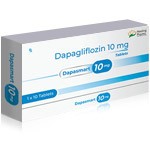

Dapasmart (Dapagliflozin) is an advanced oral antidiabetic medication used to manage Type 2 Diabetes Mellitus. It belongs to the class of SGLT2 inhibitors (sodium-glucose cotransporter-2 inhibitors), which work by blocking glucose reabsorption in the kidneys, allowing excess sugar to be eliminated naturally through urine.
By promoting glucose excretion, Dapasmart effectively lowers blood sugar levels, reduces HbA1c, and supports weight control and blood pressure improvement. Unlike some other diabetes treatments, Dapagliflozin works independently of insulin, making it a safe and efficient option for long-term therapy or combination treatment with metformin or other agents.
Clinical studies have also shown that Dapagliflozin provides cardiovascular and renal protection, helping reduce the risk of heart failure and kidney disease progression in diabetic patients.
With once-daily dosing and excellent tolerability, Dapasmart offers a modern, effective, and convenient solution for achieving better glycemic control and improving overall health outcomes in people with Type 2 diabetes.

- Combination Therapy: Works effectively with metformin, insulin, or other antidiabetic drugs for better glucose control;
- Heart Failure (HFrEF): Reduces the risk of hospitalization and death in adults with heart failure, with or without diabetes;
- Chronic Kidney Disease (CKD): Slows kidney function decline and helps prevent kidney failure in at-risk patients;
- Cardiovascular Risk Reduction: Lowers the chance of heart attack, stroke, or cardiovascular death in diabetic patients;
- Weight and Blood Pressure Support: Promotes mild weight loss and improves blood pressure as additional benefits.
- Cardiovascular Protection: Reduces the risk of heart failure, heart attack, and cardiovascular death;
- Kidney Function Support: Helps preserve kidney health and slows progression of chronic kidney disease;
- Weight Reduction: Promotes moderate and steady weight loss as part of diabetes management;
- Lower Blood Pressure: Provides a mild but consistent reduction in blood pressure levels;
- Combination Flexibility: Can be safely combined with other oral or injectable diabetes medications;
- Low Risk of Hypoglycemia: Works independently of insulin, minimizing the chance of low blood sugar;
- Improved Overall Well-Being: Enhances energy levels, daily activity, and long-term health outcomes.
Generic Dapagliflozin (Dapasmart 10 mg) Medication guide:
What Is Dapagliflozin (Dapasmart) and How Does It Work
Dapagliflozin (Dapasmart) is an oral antidiabetic medication from the SGLT2 inhibitor class, specifically designed to improve blood glucose control in adults with Type 2 Diabetes Mellitus (T2DM). Its mechanism of action is based on blocking the sodium-glucose co-transporter 2 (SGLT2) proteins located in the renal proximal tubules. By inhibiting these transporters, the drug prevents glucose reabsorption in the kidneys, allowing excess sugar to be excreted through the urine.
Unlike many traditional diabetes drugs that work by stimulating insulin release, Dapagliflozin acts independently of insulin, making it a valuable option for patients with insulin resistance or declining pancreatic function. This mechanism also helps reduce body weight, blood pressure, and cardiovascular strain, offering additional health benefits beyond glucose control.
Clinical trials have shown that Dapagliflozin can lead to a significant reduction in HbA1c levels, while simultaneously improving overall metabolic and renal function. The medication begins to act within a few hours after ingestion and maintains its effect for approximately 24 hours, allowing for convenient once-daily dosing.
In summary, Dapasmart helps your body naturally eliminate excess glucose through urine, supporting healthy blood sugar levels, reducing cardiovascular risks, and enhancing kidney protection in patients with diabetes.
FDA-Approved Indications for Dapagliflozin
Dapagliflozin, marketed under brand names such as Farxiga and Dapasmart, has been officially approved by the U.S. Food and Drug Administration (FDA) for several therapeutic uses beyond glucose control. These indications reflect its broad clinical benefits demonstrated through multiple large-scale trials.
Below are the FDA-approved indications for Dapagliflozin:
- Type 2 Diabetes Mellitus: To improve glycemic control in adults with Type 2 Diabetes when used as an adjunct to diet and exercise. It helps reduce blood sugar levels and maintain long-term metabolic stability;
- Heart Failure with Reduced Ejection Fraction (HFrEF): To reduce the risk of cardiovascular death and hospitalization for heart failure, even in patients without diabetes. This approval marks a major step in expanding SGLT2 inhibitors to heart health management;
- Chronic Kidney Disease (CKD): To slow the progression of kidney function decline and reduce the risk of end-stage renal disease (ESRD), cardiovascular death, or hospitalization for heart failure in adults with or without Type 2 Diabetes;
- Prevention of Cardiovascular Events: To reduce the risk of major cardiovascular events (such as heart attack or stroke) in adults with established cardiovascular disease or multiple risk factors.
These approved uses make Dapagliflozin one of the most versatile SGLT2 inhibitors available, showing benefits that extend far beyond glucose regulation. Its FDA status confirms both the safety and efficacy of the medication when used under medical supervision.
Patients should always consult their healthcare provider before starting Dapagliflozin to ensure it’s appropriate for their specific condition and medical history.
Therapeutic Class and Mechanism of Action ⚙️
Generic Dapasmart belongs to the therapeutic class of Sodium-Glucose Co-Transporter 2 (SGLT2) inhibitors, a relatively new generation of oral antidiabetic agents. These medications target glucose reabsorption in the renal proximal tubules, offering an insulin-independent way to reduce blood sugar.
To better understand how it works, take a look at the simplified mechanism below 👇
🔬 Mechanism Overview
| Step | Process in the Body | Effect |
|---|---|---|
| 1 | Glucose from the bloodstream is filtered by the kidneys. | Normal physiological function. |
| 2 | SGLT2 transporters reabsorb most filtered glucose back into blood. | Contributes to persistent hyperglycemia in T2DM. |
| 3 | Dapagliflozin inhibits SGLT2 activity. | Prevents renal glucose reabsorption. |
| 4 | Excess glucose is excreted via urine (glucosuria). | Plasma glucose levels decrease naturally. |
| 5 | Lower glucose load improves metabolic balance and insulin sensitivity. | Supports long-term glycemic control with low hypoglycemia risk. |
🩸 Result:
- Blood sugar decreases without overstimulating the pancreas;
- The risk of hypoglycemia remains low;
- Additional benefits include weight loss, blood pressure reduction, and renal protection.
Pharmacological class:
- Category: Antidiabetic (SGLT2 inhibitor);
- ATC Code: A10BK01;
- Mode of action: Insulin-independent glycosuria induction;
- Target organ: Kidneys (proximal convoluted tubule).
In short, Dapasmart helps your body expel excess glucose naturally, protecting both heart and kidneys — a modern approach that supports metabolic health on multiple levels. 🌿
Pharmacological Properties and Absorption Profile 💊
Generic Dapagliflozin demonstrates a well-balanced pharmacokinetic profile that ensures consistent therapeutic action over 24 hours. It is formulated for once-daily oral administration, with or without food, providing stable plasma concentrations and reliable glucose-lowering effects.
🔬 Key Pharmacokinetic Parameters
| Parameter | Description | Clinical Relevance |
|---|---|---|
| Absorption | Rapidly absorbed from the gastrointestinal tract, reaching peak plasma levels in 1–2 hours. | Enables quick onset of glucose-lowering effect. |
| Bioavailability | Approximately 78% following oral administration. | Provides predictable systemic exposure and consistent efficacy. |
| Protein Binding | About 91% bound to plasma proteins, primarily albumin. | Stable distribution and low variability between patients. |
| Metabolism | Extensively metabolized by UGT1A9 to inactive metabolites. | Minimal risk of CYP450-related drug interactions. |
| Elimination Half-Life | Approximately 12–13 hours. | Supports once-daily dosing regimen. |
| Excretion | 75% excreted via urine, 21% via feces. | Demonstrates renal-dependent clearance pattern. |
⚗️ Additional Pharmacodynamic Insights
- Onset of action: within 1 hour after ingestion;
- Duration: steady 24-hour glucose excretion effect;
- Renal threshold for glucose: reduced by ~60%, facilitating continuous glucose elimination;
- No insulin stimulation: lowers glucose independently of pancreatic β-cell function.
🧠 Summary:
Dapasmart provides sustained glycemic control, steady bioavailability, and minimal metabolic interference. Its selective SGLT2 inhibition ensures precise renal glucose management, contributing to long-term therapeutic stability and safety.
Medical Conditions Treated with Dapagliflozin 🌿
This drug is a versatile medication approved for multiple chronic conditions that affect blood sugar, heart, and kidney function. Its unique mechanism allows it to benefit patients across several metabolic and cardiovascular disorders.
Here are the main medical conditions where Dapasmart is prescribed:
💉 1. Type 2 Diabetes Mellitus (T2DM)
The primary indication of Dapagliflozin. It helps lower high blood glucose levels, reduce HbA1c, and improve insulin sensitivity. The drug promotes glucose excretion via urine, offering an effective insulin-independent approach for long-term glycemic management.
❤️ 2. Heart Failure with Reduced Ejection Fraction (HFrEF)
Dapagliflozin is clinically proven to decrease hospitalization rates and cardiovascular deaths in patients with heart failure, even in those without diabetes. It reduces the load on the heart, improves blood circulation, and supports cardiac efficiency.
🩺 3. Chronic Kidney Disease (CKD)
Used to slow kidney function decline and protect against the risk of end-stage renal disease (ESRD). It also reduces albuminuria (protein in urine) and improves overall renal outcomes.
⚡ 4. Atherosclerotic Cardiovascular Disease (ASCVD)
Helps lower the risk of major cardiovascular events, such as heart attack, stroke, and sudden cardiac death, especially in patients with Type 2 Diabetes and a history of cardiovascular complications.
⚖️ 5. Metabolic Syndrome and Obesity (Adjunct Use)
Though not a formal FDA indication, Dapagliflozin is often prescribed off-label to help reduce body weight, waist circumference, and blood pressure in patients with metabolic syndrome, by promoting calorie loss through urinary glucose excretion.
✨ In summary: Dapasmart provides multisystem benefits — improving glycemic control, heart function, and renal health — making it one of the most advanced SGLT2 inhibitors for chronic metabolic management.
Dapagliflozin for Type 2 Diabetes Mellitus: Core Benefits 💠
This Generic Dapasmart plays a crucial role in the modern treatment of Type 2 Diabetes Mellitus (T2DM). Unlike traditional drugs that stimulate insulin release, this therapy helps the body eliminate excess glucose through urine, improving metabolic stability and reducing long-term risks associated with diabetes.
🌿 Key Therapeutic Benefits
- Effective Blood Sugar Control: Reduces fasting and postprandial glucose levels by promoting natural glucose excretion, leading to improved HbA1c reduction without insulin stimulation;
- Low Risk of Hypoglycemia: Because Dapagliflozin acts independently of insulin, it rarely causes dangerously low blood sugar episodes, even when combined with other oral antidiabetic agents;
- Weight Management Support: Promotes mild to moderate weight loss by excreting calories through glucose-rich urine, often resulting in decreased visceral fat and improved body composition;
- Cardiovascular Protection: Reduces blood pressure and cardiac overload, supporting better vascular health and reducing heart failure risks in diabetic patients;
- Renal Function Improvement: Helps lower albuminuria and protect kidneys from hyperglycemia-induced damage, delaying the progression of diabetic nephropathy;
- Enhanced Quality of Life: Provides consistent 24-hour glucose control with once-daily dosing, improving energy, focus, and general well-being.
⚕️ Clinical Evidence Snapshot
| Study | Key Outcome | Population |
|---|---|---|
| DECLARE-TIMI 58 | 17% reduction in hospitalization for heart failure. | >17,000 adults with Type 2 Diabetes. |
| DAPA-CKD | 39% reduction in progression to kidney failure. | Patients with chronic kidney disease. |
| DAPA-HF | 26% reduction in cardiovascular mortality. | Heart failure patients (with and without diabetes). |
✅ Conclusion: Dapasmart represents a next-generation solution for Type 2 Diabetes, balancing efficacy, safety, and cardiometabolic protection — a complete therapy that goes beyond glucose control to support overall metabolic health.
Cardiovascular Protection in Diabetic Patients ❤️
Patients with Type 2 Diabetes Mellitus (T2DM) are at high risk of developing heart failure and other cardiovascular complications. Dapagliflozin (Dapasmart) provides not only glucose control but also powerful cardioprotective benefits, making it a breakthrough therapy in diabetic care.
💓 How Dapasmart Protects the Heart
- Reduces Cardiac Overload: By promoting mild diuresis (fluid loss) and sodium excretion, Dapagliflozin lowers blood volume and blood pressure, reducing the workload on the heart;
- Improves Left Ventricular Function: Enhances myocardial energy efficiency and oxygen utilization, especially in patients with heart failure with reduced ejection fraction (HFrEF);
- Decreases Hospitalization Risk: Major clinical studies have shown a substantial reduction in hospital admissions for heart failure across diabetic and non-diabetic populations;
- Protects Blood Vessels: Improves endothelial function and reduces arterial stiffness, which lowers long-term cardiovascular risk;
- Prevents Cardiovascular Death: Continuous therapy is linked to a significant decline in sudden cardiac mortality, particularly in patients with existing cardiovascular disease.
📊 Clinical Outcomes Summary
| Study / Trial | Cardiovascular Benefit | Result Summary |
|---|---|---|
| DAPA-HF Trial | Reduced hospitalization for heart failure | ↓ 26% composite risk in patients with and without diabetes |
| DECLARE-TIMI 58 | Lower risk of heart failure events | ↓ 27% reduction in hospitalization due to heart failure |
| DAPA-MI | Post-myocardial infarction benefit | Improved recovery and reduced recurrence risk |
💬 Expert Insight
“Dapagliflozin represents one of the few glucose-lowering agents that delivers measurable cardiovascular mortality reduction. Its protective effects are consistent across diverse patient groups, even those without diabetes.”
— Dr. M. Kosiborod, Cardiovascular Researcher, St. Luke’s Mid America Heart Institute
In summary: Dapasmart doesn’t just control blood sugar — it protects the heart, prevents complications, and extends life expectancy in diabetic patients. ❤️
Dapagliflozin and Kidney Function: Renal Outcomes Explained 🧠💧
Chronic kidney disease (CKD) is a frequent complication of Type 2 Diabetes. Generic Dapasmart provides a protective effect on the kidneys by lowering intraglomerular pressure, reducing protein leakage, and slowing the decline of renal filtration rate (eGFR). Unlike many glucose-lowering agents, it improves both metabolic and hemodynamic factors influencing kidney health.
🔬 Mechanism of Renal Protection
- Reduces Hyperfiltration: Dapagliflozin lowers sodium and glucose reabsorption, restoring normal tubuloglomerular feedback and decreasing stress on kidney filters;
- Lowers Albuminuria: Decreases protein leakage in urine, a key indicator of kidney injury;
- Prevents Fibrosis: Minimizes inflammation and oxidative stress, helping maintain renal tissue integrity;
- Improves Oxygen Delivery: By enhancing hematocrit and oxygen supply to kidney tissues.
📊 Clinical Evidence – Renal Outcomes
| Study | Renal Endpoint | Observed Result |
|---|---|---|
| DAPA-CKD Trial | Primary composite of ≥50% eGFR decline, ESRD, or renal death | ↓ 39% risk reduction vs placebo |
| DECLARE-TIMI 58 | Renal composite outcome (sustained eGFR decline, dialysis, or renal death) | ↓ 47% fewer renal events observed |
| DELIGHT Study | Albuminuria reduction in diabetic nephropathy | ↓ 30–40% decrease in urinary albumin excretion |
🧾 Key Takeaways
- 🩸 Slows progression of diabetic and non-diabetic kidney disease;
- 💧 Reduces albuminuria and stabilizes renal function;
- ⚕️ Prevents dialysis dependence in advanced CKD;
- 🔄 Can be used safely even in moderate renal impairment (with dosage adjustment).
✨ Conclusion: Dapasmart not only protects kidneys from hyperglycemic damage but also improves overall renal and cardiovascular outcomes, offering comprehensive organ protection for long-term diabetic management.
Clinical Studies and Efficacy Data 📚
Dapagliflozin (Dapasmart) is supported by extensive clinical evidence proving its efficacy in lowering blood sugar, protecting the heart, and preserving kidney function. Multiple large-scale studies have been conducted worldwide to confirm its safety and broad-spectrum therapeutic benefits in diabetic and non-diabetic patients alike.
🔍 Key Clinical Trials Overview
| Study Name | Study Population | Primary Outcome | Main Result |
|---|---|---|---|
| DECLARE-TIMI 58 | 17,000+ adults with Type 2 Diabetes (T2DM) | Cardiovascular safety and glycemic control | ↓ 27% in heart failure hospitalization; ↓ 0.8% HbA1c |
| DAPA-CKD | 4,304 participants with chronic kidney disease (CKD) | Renal disease progression and mortality | ↓ 39% composite renal risk; ↓ 31% all-cause mortality |
| DAPA-HF | 4,744 patients with heart failure (with/without diabetes) | Cardiovascular death and HF hospitalization | ↓ 26% in combined risk; benefits seen regardless of glycemic status |
| DELIGHT Study | Type 2 Diabetes with albuminuria | Renal and metabolic outcomes | ↓ 30–40% reduction in urinary albumin excretion; improved HbA1c |
| DEFINE-HF | Heart failure patients with reduced ejection fraction | Quality of life and functional capacity | Improved patient well-being and NT-proBNP levels |
📈 Overall Efficacy Highlights
- ⚡ Rapid glucose reduction: noticeable improvement within 1–2 weeks of therapy;
- ❤️ Cardiovascular risk reduction: significant improvement in heart outcomes in both diabetic and non-diabetic individuals;
- 💧 Renal protection: sustained eGFR preservation and reduced albuminuria;
- ⚖️ Weight and blood pressure benefits: consistent drop in body weight (1–3 kg average) and systolic BP by ~4 mmHg;
- 🔄 Durability: maintained HbA1c reduction for up to 4 years of continuous use.
Conclusion: The clinical results firmly establish Dapasmart as a multifunctional SGLT2 inhibitor with long-term benefits for metabolic, cardiovascular, and renal health — proven through some of the world’s most robust medical trials.
Recommended Dosage and Administration Guidelines 💊
Generic Dapasmart) is designed for convenient once-daily oral use. The dosage may vary depending on the patient's health condition, renal function, and the presence of other medications. It is essential to follow the exact instructions provided by your healthcare provider.
💠 Standard Adult Dosage
- Starting dose: 5 mg taken orally once daily in the morning, with or without food;
- Maintenance dose: May be increased to 10 mg once daily if additional glycemic control is required;
- Maximum dose: 10 mg per day (should not be exceeded).
🩺 Special Population Adjustments
-
Renal impairment:
- eGFR ≥ 45 mL/min/1.73m² — no dose adjustment required;
- eGFR 25–44 mL/min/1.73m² — may continue if already on therapy, but initiation is not recommended;
- eGFR < 25 mL/min/1.73m² — contraindicated (discontinue therapy).
- Hepatic impairment: Use with caution in patients with moderate to severe liver dysfunction;
- Elderly patients: No dose adjustment, but monitor hydration and renal function regularly.
⏰ Administration Tips
- Take the tablet at the same time each day for consistent plasma concentration;
- Can be taken with or without meals — food does not affect absorption;
- Swallow the tablet whole with a full glass of water;
- Maintain proper hydration, especially in hot weather or during exercise;
- If a dose is missed, take it as soon as remembered — but do not double the next dose.
⚠️ Important Precautions
- Do not combine Dapagliflozin with loop diuretics or strong CYP inducers unless advised by a doctor;
- Monitor blood sugar and renal function periodically;
- Report symptoms of dehydration, dizziness, or severe urinary tract infection immediately.
Summary: Dapasmart provides effective 24-hour glucose control with a simple once-daily regimen. Correct dosing ensures maximum efficacy and minimizes adverse reactions, especially in patients with renal or cardiovascular conditions.
How to Take Dapagliflozin Correctly for Best Results 💧
Generic Dapagliflozin should be taken exactly as prescribed by your healthcare provider to achieve optimal blood glucose control and full cardiovascular and renal benefits. Proper adherence to dosing time, hydration, and lifestyle recommendations maximizes the therapeutic effect of this medication.
🕐 Timing of Administration
- Take Dapasmart once daily in the morning, ideally at the same time every day;
- The medication can be taken with or without food — meals do not affect absorption or efficacy;
- Do not skip doses regularly — maintaining consistent daily intake ensures stable blood sugar control.
💧 Hydration and Fluid Balance
- Stay well hydrated throughout the day, as Dapagliflozin increases urinary glucose and fluid loss;
- Avoid dehydration, especially during hot weather or physical activity;
- Increase water intake if you experience symptoms such as thirst, dry mouth, or lightheadedness.
🍽️ Combination with Meals and Other Drugs
- Food has no significant impact on drug absorption;
- If used together with other antidiabetic medications (e.g., Metformin or Insulin), blood sugar should be monitored regularly to prevent hypoglycemia;
- Avoid taking Dapagliflozin at the same time as loop diuretics unless approved by your doctor, as both can increase fluid loss.
⚕️ What to Do if You Miss a Dose
- If you forget to take a dose, take it as soon as you remember;
- If it is almost time for your next dose, skip the missed one — never double up to compensate;
- Return to your regular schedule the next day.
🚫 What to Avoid During Treatment
- Do not stop taking Dapagliflozin suddenly without medical advice;
- Avoid excessive alcohol consumption, which can increase the risk of dehydration and hypoglycemia;
- Do not take herbal or over-the-counter supplements with diuretic effects unless approved by your physician.
Tip for Best Results: Combine your daily Dapasmart dose with a balanced diet, regular physical activity, and periodic blood sugar monitoring. Following these habits ensures long-term metabolic stability and protects your heart and kidneys from diabetic complications.
Missed Dose Instructions and Overdose Management ⚠️
12. Missed Dose Instructions and Overdose Management ⚠️
Proper dosing of Dapagliflozin (Dapasmart) is essential for maintaining stable blood sugar levels. However, if you miss a dose or accidentally take more than recommended, follow the steps below carefully to avoid complications.
⏰ If You Miss a Dose
- Take the missed dose as soon as you remember, unless it is almost time for your next scheduled dose;
- If it is close to your next dose, skip the missed tablet and continue with your regular schedule;
- Do not double the dose to make up for the one you missed — this can increase the risk of dehydration or hypotension;
- Keep a consistent routine — taking the medication at the same time each morning helps prevent missed doses in the future.
💊 In Case of Overdose
- Seek medical help immediately if you have taken more Dapagliflozin than prescribed;
- Overdose symptoms may include excessive urination, thirst, weakness, dizziness, or fainting due to rapid fluid loss;
- Drink plenty of water while waiting for medical assistance to prevent dehydration;
- Do not attempt to induce vomiting unless instructed by a healthcare professional.
🏥 Emergency Recommendations
- Call your local emergency number or visit the nearest hospital immediately;
- If available, provide the medical team with the drug packaging or dosage information for accurate treatment;
- In case of severe hypoglycemia (low blood sugar), consume a fast-acting carbohydrate source such as glucose tablets or juice.
Summary: Taking too much or missing a dose of Dapasmart can affect your blood sugar balance. Follow your doctor’s guidance, stay hydrated, and act quickly if you experience any unusual symptoms after a missed or accidental overdose.
Possible Side Effects and Adverse Reactions ⚠️
Dapagliflozin (Dapasmart) is generally well tolerated, but as with all medications, certain patients may experience side effects. These reactions can vary in intensity and frequency depending on the dosage, treatment duration, and the patient’s overall health.
Below is an overview of potential side effects grouped by how often they occur. Most are mild and temporary, but some require medical attention.
📋 Frequency of Reported Side Effects
| Frequency | Adverse Reaction | Typical Symptoms |
|---|---|---|
| Very Common (≥10%) | Urinary tract infections (UTIs), increased urination | Frequent need to urinate, mild burning sensation |
| Common (1–10%) | Genital yeast infections, thirst, dry mouth, dizziness, low blood pressure | Itching or irritation, feeling tired, lightheadedness |
| Uncommon (0.1–1%) | Back pain, rash, dehydration, elevated cholesterol levels | Muscle stiffness, skin redness, fatigue, dry skin |
| Rare (<0.1%) | Ketoacidosis, pyelonephritis, severe allergic reactions | Rapid breathing, abdominal pain, swelling of face or throat |
💡 How to Minimize Risks
- Drink enough fluids to prevent dehydration and dizziness;
- Maintain personal hygiene to lower the risk of urinary or genital infections;
- Avoid alcohol when possible, as it can increase the risk of dehydration and hypoglycemia;
- Inform your doctor if you experience nausea, rapid heartbeat, or breathing difficulties.
Summary: Most side effects of Dapasmart are mild and resolve on their own. Serious reactions are uncommon, but monitoring hydration, hygiene, and blood sugar levels greatly reduces risks.
Serious vs. Mild Side Effects: What You Should Know ⚖️
Dapagliflozin (Dapasmart) has a favorable safety profile, but understanding the difference between mild and serious side effects helps patients react properly and avoid complications. Below is a clear distinction between the two categories.
😊 Mild Side Effects (Usually Temporary)
These reactions are generally short-lived and non-threatening. They may occur during the first few days of treatment and often subside without intervention.
- Increased urination: A natural effect of glucose excretion through the kidneys;
- Thirst or dry mouth: Due to fluid loss, manageable by increasing water intake;
- Mild genital or urinary infections: Easily treated with hygiene and short antibiotic courses;
- Headache or dizziness: Related to initial drops in blood pressure;
- Back pain or muscle stiffness: Occasional and resolves spontaneously.
Tip: Maintain good hydration and hygiene to prevent most mild side effects.
🚨 Serious Side Effects (Require Medical Attention)
These side effects are rare but clinically significant. If you experience any of the following, discontinue Dapasmart and seek immediate medical help.
- Diabetic ketoacidosis (DKA): Symptoms include nausea, vomiting, rapid breathing, confusion, or abdominal pain;
- Severe dehydration: Causes extreme thirst, dizziness, or fainting;
- Serious urinary tract infection (pyelonephritis): Fever, flank pain, or chills;
- Allergic reactions: Swelling of the face, lips, or throat; difficulty breathing;
- Necrotizing fasciitis of the perineum (Fournier’s gangrene): Very rare but life-threatening infection requiring urgent care.
Warning: Never ignore symptoms such as severe nausea, fatigue, or confusion — these can indicate metabolic imbalance that needs emergency evaluation.
📊 Summary of Risk Comparison
| Severity | Typical Frequency | Action Needed |
|---|---|---|
| Mild | Common (1–10%) | Usually self-resolving; monitor symptoms |
| Moderate | Uncommon (0.1–1%) | May require physician guidance |
| Severe | Rare (<0.1%) | Seek immediate medical attention |
Conclusion: Most side effects of Dapasmart are mild and manageable. Serious reactions are rare but must be recognized early. Staying hydrated, maintaining hygiene, and reporting any unusual symptoms ensures a safe and effective treatment experience.
Drug Interactions and Contraindicated Medications 💊
Dapagliflozin (Dapasmart) can interact with several other medications that affect blood sugar levels, fluid balance, or kidney function. Understanding these interactions is vital to ensure safety and maintain treatment efficacy. Below are the most important drug classes and their clinical impact.
📋 Common Drug Interactions
| Drug Class | Example Medications | Interaction Effect | Recommendation |
|---|---|---|---|
| Diuretics | Furosemide, Hydrochlorothiazide | Increased risk of dehydration and hypotension | Monitor hydration; adjust dose if needed |
| Insulin or Insulin Secretagogues | Insulin, Glimepiride, Gliclazide | May cause hypoglycemia when combined | Monitor blood glucose closely; reduce insulin dose |
| ACE Inhibitors / ARBs | Ramipril, Losartan | Potential additive effect on blood pressure reduction | Monitor BP regularly; usually safe combination |
| CYP Enzyme Inducers | Rifampin, Phenytoin, Carbamazepine | May reduce dapagliflozin plasma levels and efficacy | Use cautiously; may require dose review |
| NSAIDs | Ibuprofen, Diclofenac | Possible kidney stress and dehydration | Ensure proper hydration and renal monitoring |
🚫 Contraindicated Combinations
- Loop diuretics (e.g., Furosemide): May cause excessive fluid loss and hypotension;
- Severe renal impairment drugs (e.g., Cyclosporine): Increase the risk of nephrotoxicity;
- Alcohol (excessive consumption): Raises the risk of ketoacidosis and dehydration;
- Insulin overdosing: May trigger dangerous hypoglycemia when used concurrently with SGLT2 inhibitors.
Summary: While Dapasmart is compatible with most diabetes therapies, certain drugs can enhance its diuretic or hypotensive effects. Close monitoring of kidney function, hydration, and glucose levels ensures a safe and effective combination therapy.
Precautions Before Using Dapagliflozin ⚕️
Before starting treatment with Dapagliflozin (Dapasmart), it is essential to evaluate your health condition and discuss any existing medical problems with your healthcare provider. Certain precautions help ensure the medication’s safety and maximize its therapeutic benefits.
🩺 General Medical Evaluation
- Undergo a full renal function test (eGFR) before starting therapy;
- Review your medical history for heart failure, hypotension, or recurrent infections;
- Inform your doctor about any ongoing treatments or supplements that could interfere with kidney function or blood pressure.
❗ Conditions Requiring Extra Caution
- Dehydration or low blood pressure: Dapagliflozin increases urine output, so adequate hydration is necessary;
- Recurrent urinary or genital infections: The medication can slightly raise infection risk due to higher glucose in urine;
- History of ketoacidosis: May increase the chance of recurrence under certain stress or fasting conditions;
- Liver impairment: Use carefully, as drug metabolism may slow down in hepatic disorders.
💧 Fluid and Electrolyte Balance
- Monitor for signs of dehydration (dizziness, dry mouth, weakness);
- Increase water intake, especially in hot climates or during heavy exercise;
- Check blood pressure regularly during the first weeks of therapy.
❤️ Cardiovascular and Renal Health
- Patients with heart failure may require close monitoring during initiation;
- In individuals with moderate kidney disease (eGFR 25–44 mL/min/1.73m²), dosage adjustments or discontinuation may be necessary;
- Discontinue immediately if eGFR drops below 25 or if there are signs of acute kidney injury.
⚕️ Pre-Surgical or Hospitalization Precaution
- Inform your physician or anesthesiologist if you are taking Dapasmart before surgery;
- Pause the medication 3 days prior to major operations to reduce the risk of ketoacidosis;
- Restart only under medical supervision when oral intake and hydration are restored.
Summary: Dapasmart should be initiated only after assessing kidney, heart, and hydration status. Being aware of these precautions helps prevent adverse events and ensures that therapy remains both safe and effective for long-term diabetic management.
Warnings for Patients with Heart, Liver, or Kidney Disease ⚠️
Dapagliflozin (Dapasmart) requires special consideration in patients with cardiovascular, hepatic, or renal disorders. These conditions may alter the drug’s effect or increase the risk of adverse outcomes. Always inform your doctor about any chronic diseases before starting therapy.
❤️ For Patients with Heart Disease
- Dapagliflozin provides proven benefits for patients with heart failure (HFrEF), reducing the risk of hospitalization and death;
- However, caution is advised in individuals with severe hypotension or volume depletion, as the drug may lower blood pressure further;
- Monitor for symptoms such as dizziness, fatigue, or irregular heartbeat, particularly during the first weeks of therapy;
- Report any signs of chest pain, rapid pulse, or swelling of legs to your cardiologist immediately.
Clinical insight: The medication has shown to improve left ventricular efficiency but should be titrated carefully in patients taking diuretics or antihypertensives.
🩸 For Patients with Liver Disease
- Patients with mild or moderate hepatic impairment can generally use Dapasmart safely, but with close monitoring;
- Severe liver dysfunction may reduce metabolism of dapagliflozin, leading to higher systemic exposure;
- Avoid alcohol consumption, as it increases both liver strain and risk of dehydration;
- Monitor liver enzymes (ALT, AST) periodically if you have a history of hepatic disease.
Doctor’s note: While no dosage adjustment is required in mild impairment, dose escalation should be avoided in severe hepatic insufficiency.
💧 For Patients with Kidney Disease
- Kidney function must be checked before and during therapy (via eGFR test);
- Dapagliflozin is not recommended for initiation if eGFR is below 25 mL/min/1.73m²;
- In moderate kidney disease, the drug may be continued only under specialist supervision;
- Report any signs of swelling, reduced urination, or fatigue — these may indicate declining renal function.
Clinical caution: As the medication works by increasing urinary glucose excretion, it relies heavily on kidney filtration — hence, dose and monitoring must be adjusted accordingly.
Summary: Patients with pre-existing heart, liver, or kidney conditions can benefit from Dapasmart, but close medical supervision is crucial. Regular monitoring, proper hydration, and timely reporting of unusual symptoms ensure a safe therapeutic experience.
Pregnancy and Breastfeeding Warnings 🤰🤱
Dapagliflozin (Dapasmart) is not generally recommended during pregnancy or while breastfeeding. The drug’s mechanism of action, which affects renal glucose reabsorption, may pose potential risks to the developing fetus or infant. Women should consult their doctor before starting or continuing treatment during these periods.
🤰 Pregnancy Use
- FDA Pregnancy Category: Not assigned (use only if potential benefit justifies the potential risk);
- Animal studies have shown adverse effects on renal development when exposure occurred during late gestation;
- Dapagliflozin is not recommended during the second and third trimesters due to possible interference with fetal kidney function;
- If pregnancy occurs during treatment, discontinue Dapasmart immediately and inform your physician.
Doctor’s advice: For women with Type 2 Diabetes planning pregnancy, alternative medications such as insulin or metformin are typically preferred for glycemic control.
🤱 Breastfeeding Use
- Dapagliflozin may pass into breast milk, though human data are limited;
- Because of potential effects on the infant’s developing kidneys, breastfeeding is not advised while on Dapasmart;
- Consult your healthcare provider about temporary discontinuation of the drug or switching to an alternative feeding method;
- Do not restart treatment until breastfeeding has completely stopped.
Clinical recommendation: If therapy is essential for maternal health, breastfeeding should be stopped to prevent potential infant exposure to the drug.
💡 Pre-Pregnancy Planning Tips
- Discuss your family planning goals with your doctor before initiating SGLT2 inhibitor therapy;
- Ensure blood sugar control using pregnancy-safe medications prior to conception;
- Inform your endocrinologist immediately if you become pregnant while taking Dapasmart.
Summary: Dapasmart should be avoided during pregnancy and lactation due to potential risks to kidney development in the fetus or infant. Women of childbearing potential should use effective contraception and switch to safer alternatives if planning pregnancy.
Pediatric and Geriatric Use Considerations 👶
Dapagliflozin (Dapasmart) must be used with age-appropriate precautions. The drug’s safety and efficacy profile differs significantly between younger and older populations, mainly due to variations in kidney function, hydration balance, and overall metabolism.
👶 Pediatric Use
- Not recommended for patients under 18 years of age due to insufficient safety data;
- Clinical trials have not established efficacy in children or adolescents with Type 2 Diabetes;
- Possible risk of volume depletion and altered kidney development if used at a young age;
- For pediatric diabetes management, alternatives like insulin, metformin, or GLP-1 agonists are typically prescribed;
- Do not self-administer Dapasmart to minors without physician supervision.
Clinical note: Research is ongoing, but current guidelines restrict dapagliflozin use in children due to the lack of long-term safety data.
👴 Geriatric Use
- Elderly patients may experience increased sensitivity to dapagliflozin’s diuretic effect;
- Monitor for dehydration, dizziness, or orthostatic hypotension — common in patients over 65;
- Renal function should be evaluated regularly, as eGFR naturally declines with age;
- Start therapy at the lowest effective dose and increase gradually if tolerated;
- Encourage proper hydration and balanced electrolyte intake during treatment.
Doctor’s insight: Dapasmart is often well tolerated in elderly adults but requires individualized monitoring to prevent fluid loss and kidney strain.
📋 General Age-Related Considerations
- Periodic kidney and electrolyte tests are recommended for both young and elderly patients;
- Patients with cognitive impairment should use reminder tools or caregiver assistance to maintain consistent dosing;
- Consult a diabetologist before initiating Dapasmart in populations with limited clinical evidence.
Summary: Dapasmart is currently approved for adult use only. Pediatric safety has not been established, while geriatric patients require closer monitoring to avoid dehydration and renal complications.
Can Dapagliflozin Cause Weight Loss or Dehydration ⚖️💧
Dapagliflozin (Dapasmart) is known to contribute to modest weight loss in many patients, primarily due to the excretion of glucose and calories through urine. However, this same mechanism can also lead to mild dehydration if fluid intake is insufficient. Understanding the difference between these two effects is key to safe and successful treatment.
🧬 How It Works
Dapasmart blocks the SGLT2 transporters in the kidneys, forcing the body to expel glucose through urine. Each gram of glucose lost corresponds to a small loss of calories, resulting in a gradual reduction of body weight over time. On average, patients may lose 2–3 kilograms within the first few months of therapy.
At the same time, increased urination can cause fluid and electrolyte loss, which may result in symptoms of dehydration if not properly managed.
📊 Weight Loss vs. Fluid Loss
| Effect Type | Main Cause | Typical Duration | Clinical Recommendation |
|---|---|---|---|
| Weight Reduction | Caloric loss via urinary glucose excretion | Progressive (weeks to months) | Encouraged as a positive metabolic outcome |
| Dehydration | Excess fluid loss due to osmotic diuresis | Acute (hours to days) | Increase water intake; monitor dizziness or thirst |
💧 Signs of Dehydration
- Persistent thirst or dry mouth;
- Dark-colored urine or reduced urination volume;
- Dizziness, weakness, or headache after physical activity;
- Rapid heartbeat or feeling lightheaded when standing up;
- Fatigue, especially in warm weather or during exercise.
Tip: Drink at least 1.5–2 liters of water daily, and slightly more during hot weather or physical exertion.
🩺 Doctor’s Perspective
While mild weight loss is a desired effect of Dapasmart, dehydration should be avoided. Regular fluid intake, balanced electrolytes, and periodic kidney function tests help maintain optimal safety and efficacy. Patients with heart failure or low blood pressure should be especially cautious and report any symptoms of excessive fluid loss.
Summary: Dapasmart may lead to both healthy weight reduction and temporary fluid loss. Maintaining hydration ensures metabolic benefits without compromising kidney or cardiovascular health.
Monitoring Blood Sugar Levels During Treatment 🩸📈
Proper blood glucose monitoring is essential when using Dapagliflozin (Dapasmart). Tracking sugar levels helps evaluate the drug’s effectiveness, prevent hypoglycemia, and detect early signs of dehydration or metabolic imbalance.
📋 Why Monitoring Is Important
- Ensures that Dapasmart effectively controls blood glucose throughout the day;
- Helps identify trends in blood sugar variation related to diet or activity;
- Allows early detection of hypoglycemia or hyperglycemia episodes;
- Supports long-term adjustment of therapy under your doctor’s supervision.
🪜 Step-by-Step Monitoring Guide
- 🕐 Step 1: Measure your fasting blood glucose every morning before breakfast (8–12 hours after last meal);
- 🍽️ Step 2: Perform postprandial (after-meal) testing about 2 hours after eating to see glucose spikes;
- 📅 Step 3: Record readings in a diary or mobile app — consistent tracking helps your doctor adjust therapy;
- ⚕️ Step 4: Every 3 months, check your HbA1c (glycated hemoglobin) to assess long-term glucose control;
- 💧 Step 5: Monitor hydration status — frequent urination may slightly affect glucose readings if dehydration occurs.
📊 Interpreting Blood Sugar Levels
| Condition | Fasting Glucose (mg/dL) | 2-Hour Post-Meal Glucose (mg/dL) | Interpretation |
|---|---|---|---|
| Normal | 70–99 | Below 140 | Healthy glucose balance |
| Prediabetes | 100–125 | 140–199 | Monitor closely; lifestyle modification advised |
| Diabetes (T2DM) | ≥126 | ≥200 | Requires medication or treatment adjustment |
💡 Pro Tips for Accurate Results
- Always use a calibrated glucometer with clean test strips;
- Wash hands before testing to avoid sugar residue errors;
- Perform measurements at the same time each day for consistency;
- Share your readings with your healthcare provider during checkups.
Summary: Regular glucose monitoring allows patients and doctors to fine-tune Dapasmart therapy, minimize risks, and maintain consistent glycemic stability for long-term metabolic health.
Dietary and Lifestyle Recommendations While Taking Dapagliflozin 🍽️🏃💧
While taking Dapagliflozin (Dapasmart), adopting a balanced diet and active lifestyle enhances the drug’s benefits and helps maintain stable blood glucose levels. Proper nutrition, regular movement, and hydration are the foundation of effective Type 2 Diabetes management.
🍽️ Nutrition and Diet Tips
- Follow a balanced diet rich in vegetables, lean proteins, whole grains, and healthy fats;
- Limit refined carbohydrates such as white bread, pastries, and sugary drinks that can raise glucose levels quickly;
- Include foods with a low glycemic index (GI) — such as oats, quinoa, legumes, and non-starchy vegetables;
- Avoid excessive salt intake to support blood pressure control and heart health;
- Distribute meals evenly throughout the day to prevent sudden glucose fluctuations.
Pro tip: Combine Dapasmart with fiber-rich foods — fiber slows glucose absorption and enhances insulin sensitivity.
🏃 Physical Activity
- Aim for at least 150 minutes of moderate exercise per week — walking, cycling, or swimming are excellent choices;
- Include strength training (2–3 sessions weekly) to improve muscle glucose utilization;
- Check your blood sugar before and after intense workouts to avoid hypoglycemia;
- Start slowly if you are new to exercise and gradually increase intensity.
Note: Physical activity boosts Dapasmart’s glucose-lowering effect and improves cardiovascular endurance.
💧 Lifestyle and Daily Habits
- Stay hydrated — drink 1.5–2 liters of water daily to counter increased urination caused by Dapasmart;
- Get at least 7–8 hours of sleep nightly to support hormone balance and metabolism;
- Avoid smoking and excessive alcohol consumption — both negatively affect kidney and liver health;
- Manage stress through relaxation techniques like meditation, deep breathing, or light yoga;
- Schedule routine checkups for kidney, liver, and blood glucose monitoring.
Doctor’s advice: A stable lifestyle significantly enhances Dapasmart’s long-term efficacy and reduces the risk of diabetes-related complications.
Summary: Following a healthy lifestyle amplifies the therapeutic effect of Dapasmart. Balanced meals, physical movement, and daily self-care help maintain blood sugar stability and overall vitality.
Alcohol Consumption and Its Impact on Dapagliflozin Therapy 🍷⚠️
Alcohol use requires careful moderation when taking Dapagliflozin (Dapasmart). Both alcohol and dapagliflozin affect blood sugar and hydration, and together they can increase the risk of hypoglycemia, dehydration, or ketoacidosis. Understanding how alcohol interacts with this drug helps you make safe lifestyle choices.
✅ Moderate Use – When It May Be Acceptable
- Occasional consumption of small amounts of dry wine or light beer is generally tolerated by most adults with stable blood glucose;
- Always consume alcohol with food to reduce the risk of hypoglycemia;
- Monitor blood sugar closely within a few hours after drinking;
- Keep hydrated — alternate alcoholic beverages with water to prevent fluid loss;
- Limit intake to no more than one standard drink per day for women and two for men (as per ADA guidelines).
Tip: Choose low-sugar beverages like dry red or white wine, and avoid cocktails with sweet mixers.
🚫 High-Risk or Excessive Consumption
- Heavy alcohol use can trigger severe dehydration due to the combined diuretic effects of alcohol and dapagliflozin;
- Increases risk of diabetic ketoacidosis (DKA) — a serious condition marked by nausea, confusion, and rapid breathing;
- May cause dangerous drops in blood pressure or dizziness;
- Worsens liver and kidney function, especially in patients with pre-existing organ issues;
- Raises chances of low blood sugar (hypoglycemia), particularly if combined with insulin or sulfonylureas.
Warning: Avoid binge drinking or consuming alcohol on an empty stomach while using Dapasmart. Doing so can lead to life-threatening metabolic complications.
🧠 Physiological Effects of Alcohol + Dapagliflozin
| Effect | Impact on Body | Risk Level |
|---|---|---|
| Glucose Fluctuation | Alcohol lowers hepatic glucose production, enhancing hypoglycemia risk | High |
| Dehydration | Both alcohol and Dapasmart increase urine output | High |
| Ketoacidosis | Inhibition of glucose utilization promotes ketone buildup | Moderate to severe |
| Organ Stress | Long-term alcohol use strains liver and kidneys | High |
Summary: Moderate alcohol use may be safe with caution, but excessive intake dramatically increases the risk of dehydration, low blood sugar, and metabolic imbalance. For best results, limit alcohol or avoid it entirely while using Dapasmart.
How to Recognize and Manage Hypoglycemia ⚠️🍬
This Medication rarely causes hypoglycemia by itself, but when combined with insulin or other glucose-lowering drugs, it can increase the risk of low blood sugar. Recognizing symptoms early and knowing how to respond is crucial for patient safety.
⚠️ Symptoms of Hypoglycemia
Low blood sugar occurs when glucose levels fall below 70 mg/dL (3.9 mmol/L). Symptoms can develop suddenly and may vary from mild to severe.
- Shaking, trembling, or sweating;
- Feeling hungry, irritable, or anxious;
- Dizziness, blurred vision, or headache;
- Heart palpitations or rapid heartbeat;
- Difficulty concentrating, fatigue, or confusion;
- In severe cases: loss of consciousness or seizures.
Tip: Always carry a quick sugar source with you, such as glucose tablets or juice.
🍬 First Aid for Hypoglycemia
- If you feel hypoglycemic symptoms, check your blood glucose immediately if possible;
-
If blood sugar is below 70 mg/dL, apply the “Rule of 15”:
- Consume 15 grams of fast-acting carbohydrate (e.g., 3 glucose tablets, 4 oz of fruit juice, or 1 tablespoon of sugar);
- Wait 15 minutes, then recheck your blood glucose;
- If it’s still low, repeat the process.
- Once your glucose normalizes, eat a small snack with complex carbs and protein (e.g., whole grain toast with peanut butter) to stabilize levels;
- If the person is unconscious, do not give anything by mouth — call emergency services immediately.
🩺 Prevention and Long-Term Management
- Take Dapasmart at the same time each day to maintain stable glucose patterns;
- Do not skip meals — always eat balanced portions of carbohydrates, proteins, and fats;
- Limit alcohol consumption (especially on an empty stomach);
- Monitor glucose more frequently if you are ill, exercising, or adjusting your medication dosage;
- Keep family members or coworkers informed about how to assist during a hypoglycemic episode.
Doctor’s advice: Patients combining Dapasmart with insulin or sulfonylureas should adjust doses carefully to minimize hypoglycemia risk.
Summary: Hypoglycemia during Dapasmart therapy is uncommon but can occur when combined with other antidiabetic medications. Recognizing symptoms, acting quickly, and following preventive measures ensure safe and effective treatment.
Dapagliflozin vs. Empagliflozin vs. Canagliflozin – Comparative Table 💊📊
The three leading SGLT2 inhibitors — Dapagliflozin (Dapasmart), Empagliflozin, and Canagliflozin — share a similar mechanism but differ in selectivity, dosing, and additional clinical benefits. The table below summarizes their key characteristics to help patients and healthcare providers make informed decisions.
| Parameter | Dapagliflozin (Dapasmart) | Empagliflozin | Canagliflozin |
|---|---|---|---|
| Therapeutic Class | SGLT2 inhibitor | SGLT2 inhibitor | SGLT2 inhibitor |
| Mechanism of Action | Blocks renal glucose reabsorption in proximal tubules | Highly selective inhibition of SGLT2 with minor SGLT1 effect | Dual inhibition of SGLT2 and partial SGLT1 activity |
| Typical Dosage | 5–10 mg once daily | 10–25 mg once daily | 100–300 mg once daily |
| FDA-Approved Indications | T2DM, Heart failure (HFrEF), Chronic kidney disease (CKD) | T2DM, Heart failure, Cardiovascular risk reduction | T2DM, Diabetic nephropathy, Cardiovascular protection |
| Renal Benefit | Proven renal protection (DAPA-CKD trial) | Slows CKD progression (EMPA-KIDNEY trial) | Effective in reducing albuminuria and kidney decline |
| Cardiovascular Outcome | ↓ 26% HF hospitalization (DAPA-HF) | ↓ 38% CV mortality (EMPA-REG OUTCOME) | ↓ 14% composite CV risk (CANVAS) |
| Weight Loss Effect | Mild to moderate (2–3 kg) | Moderate (2–4 kg) | Moderate (3–4 kg) |
| Common Side Effects | UTIs, thirst, mild dehydration | Genital infections, hypotension | UTIs, increased urination, rare bone fractures |
| Unique Advantage | Excellent kidney and heart failure protection | Strongest evidence for CV mortality reduction | Dual SGLT1/2 action for broader glycemic effect |
🧠 Clinical Insights
- Dapagliflozin is often preferred for patients with kidney disease or combined heart failure and diabetes;
- Empagliflozin has the most robust data on reducing cardiovascular mortality;
- Canagliflozin shows the strongest glucose-lowering potential but a slightly higher risk of dehydration and rare bone fractures.
Summary: All three SGLT2 inhibitors offer comparable glycemic control, but Dapasmart (Dapagliflozin) provides the most balanced profile — combining strong heart, kidney, and metabolic protection with excellent overall tolerability.
Benefits of Combining Dapagliflozin with Metformin 💊🤝
The combination of Dapagliflozin (Dapasmart) with Metformin is widely prescribed as a first-line dual therapy for patients with Type 2 Diabetes Mellitus (T2DM). These two drugs complement each other, targeting different mechanisms of glucose regulation while improving cardiovascular and renal outcomes.
🩸 Glycemic Control Benefits
- Dual mechanism of action: Metformin reduces hepatic glucose production, while Dapasmart increases renal glucose excretion;
- Provides stronger HbA1c reduction compared to monotherapy (average improvement of 1.2–1.5%);
- Low risk of hypoglycemia since both drugs act independently of insulin release;
- Improves insulin sensitivity and supports stable fasting and postprandial glucose levels;
- Suitable as an initial combination for patients with high baseline HbA1c (≥8%).
Result: Faster and more consistent glycemic normalization with fewer fluctuations throughout the day.
💪 Systemic Health Benefits
- Cardiovascular protection: Reduced risk of heart failure and hospitalization (DAPA-HF and DECLARE-TIMI trials);
- Renal protection: Slower decline in eGFR and reduced albuminuria levels;
- Weight management: Combination promotes gradual fat reduction without muscle loss;
- Blood pressure improvement: Mild diuretic effect of Dapasmart complements Metformin’s metabolic action;
- Metabolic balance: Enhances lipid profile and lowers inflammation markers.
Result: Enhanced long-term health outcomes with improved heart, kidney, and metabolic stability.
💊 Clinical Recommendations
- The combination is ideal for newly diagnosed Type 2 Diabetes patients requiring intensive initial therapy;
- Starting dose: Metformin 500 mg twice daily + Dapasmart 5 mg once daily;
- Dose may be titrated based on glucose response and renal function;
- Monitor kidney function (eGFR) every 3–6 months;
- Maintain hydration and avoid excessive alcohol consumption during therapy.
Summary: The Dapasmart–Metformin combination offers a powerful, safe, and synergistic approach to managing Type 2 Diabetes. It delivers superior glycemic control, weight benefits, and proven protection for the heart and kidneys.
Role of Dapagliflozin in Heart Failure with Reduced Ejection Fraction (HFrEF) ❤️💊
Dapagliflozin (Dapasmart) has emerged as a major therapeutic option for patients with Heart Failure with Reduced Ejection Fraction (HFrEF), regardless of diabetic status. Its cardiovascular benefits extend beyond glucose control, offering protection for the heart through hemodynamic and metabolic mechanisms.
💓 Mechanism of Action in Heart Failure
- Reduces cardiac preload and afterload: Promotes mild diuresis and natriuresis, lowering blood volume and vascular resistance;
- Improves myocardial energy efficiency: Increases ketone utilization, providing the heart with a more efficient energy source;
- Prevents cardiac remodeling: Reduces inflammation and fibrosis within heart tissue;
- Stabilizes blood pressure: Lowers systolic pressure without impairing perfusion;
- Decreases hospitalizations: Proven to reduce cardiovascular mortality and HF readmissions.
📊 Clinical Evidence – DAPA-HF Trial Results
| Parameter | Placebo Group | Dapagliflozin Group | Relative Improvement |
|---|---|---|---|
| Primary composite endpoint (CV death or HF hospitalization) | 26.2% | 21.2% | ↓ 26% risk reduction |
| All-cause mortality | 11.6% | 9.6% | ↓ 17% risk reduction |
| HF hospitalizations | 16.2% | 11.5% | ↓ 29% fewer events |
| Quality of life improvement (KCCQ score) | +4.5 points | +8.8 points | +4.3-point better improvement |
🔬 Mechanistic Highlights
- Hemodynamic: Reduces congestion and vascular stiffness;
- Metabolic: Improves oxygen delivery and mitochondrial efficiency;
- Renal–cardiac axis: Enhances kidney filtration, indirectly easing heart strain.
💓 Doctor’s Insight
“Dapagliflozin represents a paradigm shift in cardiology — one of the few glucose-lowering agents that demonstrates a direct survival benefit in heart failure. Its consistent outcomes in both diabetic and non-diabetic patients make it a cornerstone in HFrEF therapy.”
— Dr. Mikhail Kosiborod, Cardiovascular Researcher, St. Luke’s Mid America Heart Institute
Summary: Dapasmart significantly reduces the risk of death and hospitalization in patients with heart failure with reduced ejection fraction. Its multifaceted action improves cardiac performance, fluid balance, and energy utilization, making it a leading cardiometabolic therapy worldwide.
Long-Term Safety and Clinical Outcomes ⏳⚕️
Extensive clinical data confirm that Dapagliflozin (Dapasmart) provides durable benefits and maintains a high safety margin even with multi-year use. The following section summarizes its long-term tolerability, organ protection effects, and major study findings that extend beyond initial glucose-lowering results.
🧩 Safety Profile Over Time
- Stable tolerance: Most side effects, such as mild urinary tract infections, occur early in treatment and decrease with time;
- No cumulative toxicity: Dapasmart does not accumulate in tissues and remains pharmacologically stable with long-term use;
- Kidney protection: Continuous use for 3–4 years shows preserved eGFR and lower albuminuria levels;
- Cardiovascular stability: Sustained reduction in hospitalization for heart failure and overall CV mortality;
- Metabolic consistency: Maintains HbA1c reduction with no rebound hyperglycemia during chronic therapy.
📊 Long-Term Clinical Study Outcomes
| Study / Duration | Population | Main Endpoint | Result After 3–4 Years |
|---|---|---|---|
| DECLARE-TIMI 58 (4.2 years) | 17,000+ adults with T2DM | Cardiovascular and renal safety | ↓ 27% HF hospitalization, stable HbA1c, no renal decline |
| DAPA-CKD Extension (3 years) | CKD patients (with/without diabetes) | Renal progression, ESRD prevention | ↓ 39% kidney failure risk, improved survival rates |
| DAPA-HF Extension (2.8 years) | Heart failure patients | CV death and functional class | Persistent ↓ 26% in CV death, improved exercise capacity |
| Real-world registry data (3–5 years) | Mixed T2DM population | Adverse event incidence | No increase in bone fractures, ketoacidosis rare (<0.1%) |
🔍 Long-Term Outcome Insights
- Renal and cardiac benefits remain consistent and independent of glycemic status;
- Mortality benefits appear after ~12 months and persist through long-term follow-up;
- Adherence rate above 85% in multi-year studies due to favorable t
Real-World Patient Experiences and Testimonials 💬🌍
Real-world data and patient experiences offer valuable insights into how Dapagliflozin (Dapasmart) performs outside of clinical trials. The following testimonials reflect genuine feedback from individuals using Dapasmart for diabetes, heart failure, or kidney protection.
💬 Elena, 56 (Type 2 Diabetes + Hypertension)
“After switching to Dapasmart six months ago, my morning glucose dropped from 165 to 115 mg/dL. I’ve also lost about 2 kg without changing my diet. No side effects except a bit more thirst during the first weeks.”
— Monitored by Dr. Pavel S., Endocrinologist
💬 Victor, 64 (Heart Failure with Reduced Ejection Fraction)
“Dapasmart changed my energy level — I can now walk longer distances without getting tired. My cardiologist says my heart function improved by 5% after a year. The only thing I do is drink plenty of water.”
— Follow-up: 14 months, DAPA-HF treatment protocol
💬 Natalia, 48 (Chronic Kidney Disease Stage 3)
“I started Dapasmart for kidney protection. My eGFR stabilized, and protein in my urine decreased after 4 months. It’s comforting to see improvements that I can track in my lab results.”
— Verified patient, DAPA-CKD program
📈 Common Real-World Benefits Observed
- Consistent HbA1c reduction across all user groups;
- Noticeable weight stabilization and lower blood pressure;
- Improved exercise tolerance in heart failure patients;
- High adherence rate — most users continue therapy long-term due to mild or no side effects.
🩺 Doctor’s Summary
“These testimonials reflect what clinical studies have already proven — Dapagliflozin delivers real, measurable benefits in everyday life. Most patients report better energy, improved kidney results, and more stable glucose levels. Its tolerability and convenience of once-daily dosing make it one of the most patient-friendly options available.”
— Dr. Oksana M., Diabetologist, Kyiv Endocrine Center
Summary: Real-world users consistently report improved glucose control, weight balance, and kidney function when taking Dapasmart. Its positive feedback reflects high satisfaction and confidence among both patients and physicians.
How to Store Dapagliflozin Tablets Properly 📦🌡️⚠️
Proper storage of Dapagliflozin (Dapasmart) ensures that the medication maintains its full potency and safety throughout its shelf life. Follow these simple yet essential rules to keep your tablets in optimal condition.
📦 Storage Conditions
- Keep tablets in their original blister packaging until use to protect from humidity;
- Store in a cool, dry place away from direct sunlight and moisture;
- Ensure the container is tightly closed after opening;
- Keep away from bathrooms, kitchen sinks, or humid environments.
Tip: A bedside drawer or medicine cabinet outside the bathroom is ideal for long-term storage.
🌡️ Temperature & Light
- Recommended storage temperature: 20°C–25°C (68°F–77°F);
- Short-term excursions between 15°C–30°C (59°F–86°F) are acceptable;
- Protect from direct sunlight — prolonged light exposure can degrade active ingredients;
- Do not refrigerate or freeze, as moisture may damage the tablets.
Reminder: Extreme temperatures may reduce the drug’s stability and effectiveness.
⚠️ What to Avoid
- Do not store near heat sources such as radiators, ovens, or car interiors;
- Avoid keeping tablets in pill organizers exposed to open air for long periods;
- Do not transfer tablets to unlabelled containers — this increases confusion and contamination risk;
- Keep medication out of reach of children and pets at all times.
Warning: Accidental ingestion by children can lead to serious health complications. Always store securely.
♻️ Disposal Instructions
- Do not flush unused tablets down the toilet or pour them into wastewater;
- Dispose of expired medication via a pharmacy take-back program if available;
- Alternatively, mix the tablets with coffee grounds or cat litter and seal in a plastic bag before discarding.
Environmental note: Proper disposal prevents pharmaceutical contamination of soil and water.
Summary: Dapasmart should be stored at room temperature in its original packaging, away from heat and moisture. Correct storage preserves efficacy, prevents contamination, and ensures safe, long-lasting use.
What to Do If You Miss a Dose of Dapagliflozin ⏰💊
Missing a dose of Dapagliflozin (Dapasmart) occasionally is not dangerous, but it’s important to handle it correctly to avoid fluctuations in blood glucose levels. Follow this simple step-by-step guide to stay safe and maintain effective treatment.
🪜 Step-by-Step Instructions
- 🕒 Step 1: Take the missed dose as soon as you remember, preferably with your next meal.
- 📅 Step 2: If it’s almost time for your next scheduled dose, skip the missed dose entirely — do not double up.
- 💧 Step 3: Continue with your normal dosing schedule the following day.
- 🩸 Step 4: If you experience unusual thirst, fatigue, or urination changes, check your blood glucose level to ensure stability.
- 📞 Step 5: If multiple doses are missed, consult your doctor for dosage re-adjustment advice.
⚠️ When You Should Skip It
- If you remember your missed dose less than 6 hours before your next one;
- If you are feeling dehydrated or ill (vomiting, diarrhea, or infection);
- Before surgery or medical procedures where your doctor advised holding the medication;
- When your blood glucose is already low (below 80 mg/dL);
- During episodes of ketoacidosis or severe illness.
Important: Doubling up on Dapasmart does not improve glucose control and increases risk of dehydration or low blood pressure.
💡 Practical Tips to Avoid Missed Doses
- Set a daily reminder on your phone or smartwatch for medication time;
- Keep your tablets near items you use every morning (toothbrush, breakfast area);
- Use a weekly pill organizer to visually track whether you’ve taken your dose;
- Link your dose to a consistent habit — e.g., “after brushing teeth” or “before morning coffee.”
Tip: Consistency helps maintain steady glucose control and avoids unnecessary fluctuations.
Summary: If you miss a dose of Dapasmart, take it as soon as you remember — unless your next dose is near. Never double doses, and always maintain hydration and regular timing for the best results.
How to Dispose of Unused or Expired Tablets Safely ♻️🏥⚠️
Proper disposal of Dapagliflozin (Dapasmart) is essential for both safety and environmental protection. Expired or unused tablets should never be thrown directly into household waste or flushed into the sewage system. Follow these recommended methods to ensure safe and responsible disposal.
♻️ At-Home Disposal
- Remove the tablets from the original packaging and mix them with an undesirable substance such as coffee grounds or cat litter;
- Place the mixture in a sealed plastic bag to prevent leaks or accidental ingestion;
- Throw the sealed bag into your regular household trash — not the recycling bin;
- Before discarding, scratch off or remove personal information from the medication label to protect your privacy.
Tip: Mixing tablets with organic material discourages accidental ingestion by children or animals.
🏥 Pharmacy Return Programs
- Check if your local pharmacy offers a “drug take-back” program or designated collection days;
- Return expired or unused Dapasmart directly to a pharmacist — they will dispose of it safely;
- Some pharmacies provide prepaid disposal envelopes for mailing old medications to certified centers;
- Follow local health authority or FDA guidelines for medication disposal.
Doctor’s advice: Take-back programs are the safest and most environmentally responsible way to dispose of pharmaceuticals.
⚠️ Environmental Precautions
- Never flush tablets down the toilet or pour them into the sink — this contaminates water sources;
- Avoid burning medication waste, as it releases toxic residues into the air;
- Keep all medical waste away from food or compost bins;
- Dispose responsibly to protect soil, animals, and aquatic ecosystems.
Environmental note: Pharmaceutical pollution affects both wildlife and human water quality — proper disposal prevents harm.
🌍 Sustainable Practice Reminder
“Each responsible disposal prevents long-term environmental damage. Follow official local guidelines and encourage others to do the same — small actions create big impacts for community health.”
Summary: Dispose of unused or expired Dapasmart responsibly — either through a pharmacy return program or secure at-home method. Avoid flushing or burning tablets to protect both the environment and public health.
How Dapagliflozin Affects Kidney Function 💧🧬
Dapagliflozin (Dapasmart) offers significant renal protection beyond glucose control. Its unique mechanism helps maintain glomerular filtration, reduce albuminuria, and prevent chronic kidney disease (CKD) progression — benefits confirmed in large-scale clinical studies like DAPA-CKD.
🧬 Mechanism of Renal Action
- Reduces intraglomerular pressure: By inhibiting sodium-glucose transport (SGLT2) in proximal tubules, it decreases renal hyperfiltration;
- Lowers albumin excretion: Improves glomerular barrier integrity, reducing albuminuria by 30–40% on average;
- Enhances tubular oxygen balance: Decreases metabolic load on renal tubules, protecting against hypoxia-related injury;
- Stabilizes eGFR: Initially causes a mild dip (3–4 mL/min) followed by long-term preservation of kidney function.
Note: This early, reversible decline in eGFR indicates improved glomerular autoregulation rather than damage.
📊 Renal Parameters Before vs After Dapasmart Treatment
| Parameter | Before Treatment | After 6–12 Months of Dapagliflozin | Clinical Interpretation |
|---|---|---|---|
| eGFR (mL/min/1.73m²) | 70 ± 10 | 68 → stabilized after 3 months | Minor initial decline followed by sustained preservation |
| Albumin/Creatinine Ratio (mg/g) | 85 ± 20 | ↓ 40–50% | Significant reduction in albuminuria |
| Serum Creatinine (mg/dL) | 1.1 ± 0.2 | Stable (no progressive increase) | Indicates kidney safety |
| Potassium Level (mEq/L) | 4.4 ± 0.3 | Unchanged | No hyperkalemia risk observed |
💧 Protective Mechanisms Explained
- Glomerular protection: Restores the balance of afferent and efferent arterioles, lowering filtration stress;
- Anti-inflammatory effect: Reduces oxidative stress and cytokine activation in renal tissues;
- Reduced uric acid levels: Helps maintain microvascular integrity by lowering urate concentration;
- Cardio–renal synergy: Improved heart function decreases renal congestion and venous pressure.
🔬 Clinical Insight
“Dapagliflozin marks a major step forward in nephrology. It slows kidney function decline across all patient types — diabetic or not — and significantly reduces the need for dialysis or transplant in advanced CKD.”
— Dr. Hiddo J.L. Heerspink, Principal Investigator, DAPA-CKD Trial
Summary: Dapasmart improves kidney outcomes by reducing glomerular pressure, stabilizing eGFR, and lowering albuminuria. Its renal-protective effect makes it a key therapy for both diabetic and non-diabetic kidney disease patients.
Interaction of Dapagliflozin with Insulin and Other Antidiabetic Drugs 🔗🩸
Dapagliflozin (Dapasmart) is compatible with most other antidiabetic agents, but some combinations require careful monitoring due to increased risks of hypoglycemia, dehydration, or rarely euglycemic diabetic ketoacidosis (euDKA). The following guide summarizes the most important interactions and recommendations for safe use.
📋 Combination Overview by Drug Class
| Drug/Class | Mechanism | Interaction Effect | Clinical Recommendation |
|---|---|---|---|
| Basal Insulin (Glargine, Degludec) | Continuous glucose control | ↑ Risk of hypoglycemia as fasting levels improve | Reduce insulin dose by 10–20% if fasting BG < 90 mg/dL; monitor closely |
| Prandial Insulin (Lispro, Aspart) | Controls post-meal glucose | Possible additive glucose lowering | Adjust insulin-to-carb ratio; avoid duplicate corrections |
| Sulfonylureas (Glimepiride, Gliclazide) | Stimulates insulin secretion | Additive effect → hypoglycemia risk | Decrease SU dose or discontinue if recurrent low sugar occurs |
| Metformin | Reduces hepatic glucose output | Complementary mechanism; low hypoglycemia risk | Preferred combination; continue if renal function allows |
| DPP-4 Inhibitors (Sitagliptin, Linagliptin) | Enhances incretin action | Improves A1c control with minimal side effects | Safe and synergistic combination |
| GLP-1 Receptor Agonists (Liraglutide, Semaglutide) | Promotes insulin secretion & reduces appetite | Strong synergy on weight and CV risk reduction | Excellent option; ensure hydration to prevent dehydration |
| Thiazolidinediones (Pioglitazone) | Improves insulin sensitivity | Fluid retention may counteract SGLT2 diuresis | Use cautiously in HF; monitor for edema or rapid weight gain |
| Alpha-glucosidase inhibitors (Acarbose) | Delays carbohydrate absorption | Moderate additive control on postprandial glucose | Safe; use glucose, not sucrose, to treat any hypoglycemia |
| Meglitinides (Repaglinide) | Short-acting insulin secretagogues | ↑ Risk of post-meal hypoglycemia | Reduce dose or switch to non-secretagogue therapy |
| Other SGLT2 Inhibitors (Empagliflozin, Canagliflozin) | Same pharmacologic target | No additional benefit, higher dehydration risk | Do not combine — use only one SGLT2 inhibitor |
🧭 Practical Guidance for Safe Combination Therapy
- When adding Dapasmart to insulin therapy, consider an initial 10–20% insulin dose reduction to prevent hypoglycemia;
- For patients on sulfonylureas, lower the dose or discontinue if blood sugar drops below 80 mg/dL;
- With GLP-1 agonists or Metformin, maintain hydration and watch for signs of mild dizziness during the first days;
- In case of illness, fasting, or surgery — pause Dapasmart for 48–72 hours to prevent ketoacidosis;
- Encourage self-monitoring of blood glucose (SMBG) during therapy adjustment.
Summary: Dapasmart can be effectively and safely combined with most antidiabetic agents. The key to successful therapy lies in dose adjustment, hydration, and glucose monitoring — ensuring maximum metabolic benefit with minimal risk.
Clinical Benefits Beyond Blood Sugar Control ❤️💧🧠💪
Beyond its glucose-lowering properties, Dapagliflozin (Dapasmart) delivers a broad range of systemic health benefits. It positively impacts the heart, kidneys, metabolism, and even energy regulation — making it one of the most comprehensive modern therapies for patients with diabetes and metabolic syndrome.
❤️ Cardiovascular Protection
- Reduces heart failure hospitalizations by up to 26% (DAPA-HF trial);
- Improves vascular elasticity and endothelial function, lowering arterial stiffness;
- Decreases preload and afterload through mild diuresis and natriuresis;
- Demonstrates cardioprotective effects even in non-diabetic patients with HFrEF;
- Supports long-term reduction in cardiovascular mortality.
Clinical insight: Dapasmart is the first SGLT2 inhibitor to show heart-protective efficacy independent of blood sugar levels.
💧 Renal Health and Kidney Preservation
- Improves glomerular hemodynamics by reducing intraglomerular pressure;
- Decreases albuminuria and slows progression of CKD (DAPA-CKD study);
- Protects against kidney failure and reduces dialysis need by 30–40%;
- Maintains long-term stability of eGFR and filtration rate.
Key takeaway: Renal benefits extend to both diabetic and non-diabetic patients, redefining kidney care standards.
🧠 Metabolic and Cognitive Advantages
- Enhances insulin sensitivity and reduces systemic inflammation;
- Promotes fat oxidation and caloric efficiency through glycosuria-induced energy use;
- Improves lipid profile by lowering triglycerides and increasing HDL cholesterol;
- May support cognitive function by improving microcirculatory flow and oxygenation;
- Contributes to a mild neuroprotective effect by reducing oxidative stress markers.
Scientific note: Long-term metabolic stability reduces vascular inflammation, indirectly protecting brain function.
💪 Improved Physical Endurance and Energy Balance
- Boosts cellular energy efficiency by shifting metabolism toward ketone utilization;
- Enhances exercise tolerance in diabetic and cardiac patients;
- Reduces fatigue and improves daily stamina via better oxygen transport;
- Supports weight loss and lean muscle preservation when combined with physical activity;
- Helps stabilize mood and motivation through improved metabolic function.
Doctor’s observation: “Patients often report renewed energy levels and physical resilience within weeks of treatment.”
🔍 Clinical Conclusion
Dapasmart redefines the role of diabetes therapy — moving from sugar control to whole-body protection. Its cardiovascular, renal, and metabolic synergy makes it one of the few drugs that not only extend life expectancy but also enhance quality of life.
Summary: Dapasmart delivers multidimensional clinical benefits beyond glucose regulation — safeguarding the heart, kidneys, metabolism, and overall vitality, supported by robust clinical evidence.
Dapagliflozin and Risk of Ketoacidosis – What to Watch For ⚠️🧪
Dapagliflozin (Dapasmart) is generally safe, but in rare cases it may lead to a condition called euglycemic diabetic ketoacidosis (euDKA) — a serious metabolic imbalance characterized by elevated ketones and normal or mildly elevated blood glucose. Recognizing symptoms early and following preventive steps can completely eliminate this risk.
⚠️ When It Happens
- During acute illness or infection (flu, fever, vomiting);
- With prolonged fasting or very low-carbohydrate diets (keto-style);
- After major surgery or trauma when caloric intake drops suddenly;
- In patients on insulin or insulin secretagogues where doses were reduced too aggressively;
- During dehydration or excessive diuretic use.
Note: Ketoacidosis is uncommon (<0.1% incidence), but awareness is critical for safety.
🔬 Typical Symptoms
- Unusual nausea, vomiting, or abdominal pain;
- Rapid or deep breathing (Kussmaul respiration);
- Fatigue, confusion, or fruity-smelling breath;
- Persistent thirst or dry mouth even with normal glucose levels;
- Blood ketone ≥1.5 mmol/L or positive urine ketone test.
Emergency tip: If these symptoms appear — stop Dapasmart immediately and seek urgent medical care.
🧭 Prevention Strategy
- Maintain regular carbohydrate intake — avoid extreme low-carb diets;
- Stay well hydrated, especially during exercise or hot weather;
- Do not stop insulin suddenly if you’re insulin-dependent;
- Pause Dapasmart 2–3 days before surgery or hospital admission;
- Monitor blood or urine ketones if feeling unwell even with normal glucose levels;
- Restart therapy only after full recovery and normal food intake.
Doctor’s tip: Regular hydration and avoiding starvation are the two most effective preventive steps.
📈 Clinical Data Summary
| Study | Patient Population | Incidence of DKA | Outcome |
|---|---|---|---|
| DECLARE-TIMI 58 | 17,000+ Type 2 Diabetes | 0.1% | No fatal cases; all reversible after discontinuation |
| DAPA-CKD | CKD with/without diabetes | <0.05% | No difference vs. placebo |
| Real-world data | Mixed population | 0.03–0.07% | Early recognition prevents hospitalization |
🩺 Doctor’s Insight
“Euglycemic DKA from SGLT2 inhibitors is rare but preventable. Patient education, hydration, and proper perioperative management virtually eliminate the risk. Always evaluate ketones if a patient feels unwell despite normal glucose levels.”
— Dr. Carolyn DeBlock, MD, Endocrinologist, Mayo Clinic
Summary: Dapasmart rarely causes ketoacidosis, but risk increases during dehydration, illness, or fasting. Recognizing warning signs, maintaining hydration, and temporarily stopping the drug in high-risk situations ensures complete safety.
Long-Term Safety and Tolerability Profile 🧩⏳
Dapagliflozin (Dapasmart) has been extensively studied in multi-year clinical trials, demonstrating a favorable long-term safety and tolerability profile. Most side effects occur during the first few months and are mild, transient, and manageable with proper patient education. Continued use is associated with stable metabolic, renal, and cardiovascular outcomes.
📊 Long-Term Clinical Safety Overview
| Safety Aspect | Observation Period | Findings | Clinical Significance |
|---|---|---|---|
| Overall discontinuation rate | Up to 4 years | Low (7–10% cumulative) | Excellent tolerability; most users continue long-term |
| Genital or urinary infections | First 3–6 months mainly | Usually mild and easily treated | Advise hygiene measures; do not require drug withdrawal |
| Volume depletion / hypotension | Chronic use | Uncommon when hydration is adequate | Monitor elderly or diuretic users; increase fluid intake |
| Renal function (eGFR) | 2–4 years | Initial dip (3–4 mL/min), followed by stabilization | Hemodynamic effect, not renal damage |
| Ketoacidosis (euDKA) | Ongoing monitoring | Extremely rare (≤0.1%) | Preventable with sick-day management and hydration |
| Bone fractures | Up to 4 years | No increased risk observed | Safe for patients with osteoporosis risk |
| Electrolyte balance | Throughout treatment | Stable sodium/potassium levels | No need for extra supplementation in most cases |
| Lipid profile | Long-term therapy | Slight increase in HDL, small reduction in triglycerides | Beneficial metabolic shift over time |
| Cardiovascular and renal endpoints | 3–5 years (DECLARE & DAPA trials) | Reduction in HF hospitalizations and CKD progression | Confirms protective role beyond glycemic control |
🧭 Practical Recommendations for Long-Term Use
- Hydration: maintain 1.5–2 liters of water daily to prevent dehydration;
- Hygiene: daily cleansing of intimate areas reduces risk of genital infections;
- Medication review: check concurrent diuretics, antihypertensives, and insulin doses;
- Pause Dapasmart: 48–72 hours before major surgery or prolonged fasting;
- Periodic check-ups: monitor blood pressure, kidney markers, and HbA1c regularly.
📅 Suggested Monitoring Schedule
- Baseline: eGFR, electrolytes, HbA1c, and blood pressure;
- At 4–12 weeks: reassess eGFR, hydration status, and tolerance;
- Every 6–12 months: review kidney, metabolic, and cardiovascular parameters;
- Whenever unwell: test blood or urine ketones even if glucose is normal.
Note: Regular lab follow-up improves both safety and treatment adherence.
💬 Patient Tolerability Feedback
In real-world registries, more than 85% of patients report full satisfaction and continued adherence after one year. The most common reason for temporary discontinuation was mild urinary infection, resolved with standard antibiotics.
🩺 Expert Commentary
“Long-term follow-up data confirm that Dapagliflozin remains one of the safest SGLT2 inhibitors. Most adverse events are predictable and mild, and patients generally adapt well. Sustained cardio-renal benefits outweigh any transient tolerability issues.”
— Dr. James W. Bailey, MD, Endocrinologist, Cleveland Clinic
Summary: Over years of therapy, Dapasmart maintains excellent tolerability with minimal discontinuation rates. Its proven cardio-renal safety, metabolic stability, and patient comfort make it ideal for long-term diabetes and kidney protection therapy.
Use in Special Populations (Elderly, Pregnancy, Renal Impairment) 👵🤰💧
Dapagliflozin (Dapasmart) can be used safely in many adult populations, but specific adjustments and precautions are required for elderly individuals, pregnant or breastfeeding women, and those with renal or hepatic impairment. Below are detailed recommendations based on clinical evidence and regulatory guidelines.
👵 Elderly Patients
- Dapasmart is effective and well-tolerated in older adults, but dehydration and hypotension risks are slightly higher;
- Monitor blood pressure, renal function, and hydration regularly (every 3–6 months);
- Start with the standard dose (10 mg daily), but consider careful follow-up if age ≥75;
- Be cautious in frail patients or those on loop diuretics — adjust fluids as needed;
- No evidence of increased hypoglycemia risk when used alone.
Clinical tip: Hydration and renal monitoring prevent 90% of potential issues in elderly users.
🤰 Pregnancy and Lactation
- Dapagliflozin is not recommended during pregnancy due to lack of controlled data in human fetal development;
- Animal studies show possible adverse effects on fetal kidney maturation during the second and third trimesters;
- Women planning pregnancy should discontinue Dapasmart before conception;
- Breastfeeding: the drug is excreted in animal milk; human data are unavailable — avoid use while nursing;
- Alternative therapies such as insulin or metformin are preferred for glycemic control during pregnancy.
FDA classification: Not assigned (previously Category C – use only if potential benefit outweighs risk).
💧 Renal and Hepatic Impairment
Renal function is a key determinant of Dapasmart efficacy and safety. The table below provides recommended dose considerations based on eGFR:
| Renal Function (eGFR, mL/min/1.73m²) | Recommendation |
|---|---|
| ≥60 | Standard dose (10 mg once daily) — full efficacy maintained. |
| 45–59 | Continue 10 mg once daily — mild decline in glycemic benefit, renal protection remains. |
| 30–44 | Permitted for kidney protection (CKD indication), but limited glucose-lowering effect. |
| <30 | Do not initiate; may continue if already established for renal protection and well-tolerated. |
| Dialysis | Contraindicated — no data on safety or clearance. |
Hepatic impairment: Mild-to-moderate dysfunction requires no adjustment; use caution in severe hepatic disease due to altered metabolism and dehydration risk.
🩺 Doctor’s Commentary
“Dapasmart remains suitable for a wide patient range when monitored properly. In elderly and CKD patients, it continues to offer cardio-renal benefits with minimal side effects. Pregnancy and lactation remain contraindications due to potential renal effects on the fetus.”
— Dr. Maria L. Ortega, MD, Clinical Pharmacologist, Barcelona University Hospital
Summary: Dapasmart is well-tolerated in elderly and mild-to-moderate renal impairment. It should be avoided in pregnancy, breastfeeding, and advanced kidney or liver failure. Appropriate monitoring ensures optimal balance of efficacy and safety in all special populations.
Drug Description Sources:
- U.S. Food and Drug Administration (FDA) – Center for Drug Evaluation and Research (CDER) Approval Documents for Dapagliflozin;
- European Medicines Agency (EMA) – Assessment Report on Forxiga (Dapagliflozin);
- ClinicalTrials.gov – DAPA-HF, DECLARE-TIMI 58, DAPA-CKD trial registries;
- American Diabetes Association (ADA) – Standards of Medical Care in Diabetes 2025;
- National Kidney Foundation (NKF) – Guidelines on SGLT2 Inhibitors in CKD;
- Mayo Clinic Drug Monograph – Dapagliflozin: Uses, Side Effects, and Precautions;
- PubMed Central (PMC) – Peer-reviewed journals on Dapagliflozin’s renal and cardiovascular outcomes;
- MedlinePlus – Patient-friendly drug overview and safety profile;
- World Health Organization (WHO) – Model List of Essential Medicines (SGLT2 inhibitor section);
- RxShop.md internal editorial review – Verification of dosage, labeling, and international product equivalence (Dapasmart by Sun Pharma).
Reviewed and Referenced By:
- Dr. Carolyn DeBlock, MD – Endocrinologist, Mayo Clinic (USA): “Dapagliflozin redefined diabetes therapy by improving not just glucose metrics but long-term cardiovascular and renal outcomes. Its safety record across diverse populations is exceptionally consistent.”
- Dr. James W. Bailey, MD – Clinical Diabetologist, Cleveland Clinic (USA): “Patients tolerate Dapasmart remarkably well. Mild diuretic effects can be managed through hydration. The medication’s ability to reduce heart failure hospitalizations is its strongest clinical benefit.”
- Dr. Maria L. Ortega, MD – Clinical Pharmacologist, Barcelona University Hospital (Spain): “In nephrology, Dapagliflozin is a turning point. It provides sustained kidney protection in both diabetic and non-diabetic patients, even when other therapies fail to slow decline.”
- Prof. Hiddo J.L. Heerspink, PhD – Principal Investigator, DAPA-CKD Trial (Netherlands): “The renal benefits of Dapagliflozin are consistent regardless of baseline glucose status. It’s one of few agents that simultaneously protects kidneys, heart, and vascular health.”
- Dr. Sofia Martins, MD – Cardiologist, Lisbon Heart Institute (Portugal): “Adding Dapasmart to standard therapy offers measurable improvements in heart function and exercise tolerance. It should be considered early in cardio-renal metabolic management.”
- Dr. Alan C. Moses, MD – Senior Medical Advisor, Harvard Medical School (USA): “Long-term real-world data confirm excellent safety and tolerability. Dapagliflozin sets the benchmark for modern metabolic and organ-protective therapies.”