Obestat 15mg Sibutramine by Cipla: Why It Was Withdrawn and Which Weight Loss Options You Can Order Online Instead

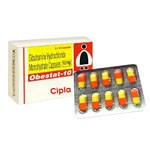
Obestat (Sibutramine 15mg) represents the serotonin-norepinephrine reuptake inhibitor (SNRI) weight loss medication providing central appetite suppression through modulation of brain neurotransmitters. Originally developed by Knoll Pharmaceuticals (later Abbott) and FDA-approved as Meridia in 1997 (also marketed as Reductil in Europe), sibutramine was a widely used weight loss medication for over a decade. IMPORTANT REGULATORY STATUS: Following the SCOUT Trial (Sibutramine Cardiovascular Outcomes) demonstrating 16 percent increased cardiovascular events (myocardial infarction, stroke, resuscitated cardiac arrest, cardiovascular death), sibutramine was withdrawn from the European market in January 2010 by EMA recommendation and voluntarily withdrawn from the US market in October 2010 by Abbott. Currently, no major regulatory authority approves sibutramine, though generic formulations continue production in India (as Obestat by Cipla) for select markets. This product requires careful cardiovascular risk assessment, baseline evaluation, and blood pressure monitoring throughout any treatment attempt.
Sibutramine works through serotonin-norepinephrine reuptake inhibition — similar mechanism to SNRI antidepressants (venlafaxine, duloxetine) but with weight loss as primary therapeutic effect. First, sibutramine enhances central satiety signaling through increased serotonin and norepinephrine in appetite regulation centers. Second, it reduces food intake by increasing feeling of fullness with smaller portions. Third, sibutramine produces modest thermogenic effect increasing metabolic rate. Fourth, it may improve lipid profile and glycemic control beyond direct weight loss effects. Clinical trials demonstrated 5-10 percent weight loss over 1 year with improved metabolic parameters.
Obestat was originally indicated for obesity treatment (BMI over 30) and overweight (BMI over 27) with comorbid conditions. Given the regulatory withdrawal status and cardiovascular safety concerns, current use requires careful patient selection with no cardiovascular disease history and comprehensive baseline evaluation. Safer alternatives including Lodonak BP (naltrexone-bupropion, FDA-approved 2014), GLP-1 agonists (Wegovy, Saxenda), and orlistat should be considered first-line.
Obestat dosed 10-15 mg once daily in morning. Requires baseline cardiovascular evaluation. Blood pressure and heart rate monitoring mandatory. Discontinue if BP or HR sustained increase. Contraindicated with cardiovascular disease.

Free prescription
Discrete packaging
Have questions?
Quality Assurance
- Obesity Treatment: BMI over 30 in adults - originally approved indication before regulatory withdrawal;
- Overweight with Comorbid Conditions: BMI over 27 with cardiovascular risk factors dyslipidemia or type 2 diabetes;
- Appetite Suppression: Central serotonin-norepinephrine reuptake inhibition reduces appetite and food intake;
- Satiety Enhancement: Enhanced feeling of fullness with smaller portions supporting reduced-calorie diet compliance;
- Cholesterol Normalization: Improved lipid profile documented in clinical trials beyond weight loss effects;
- Metabolic Parameter Improvement: Improved lipids glucose and insulin sensitivity as secondary weight loss effects;
- Type 2 Diabetes with Obesity: Weight reduction in diabetic patients improving HbA1c and cardiovascular risk profile;
- Dyslipidemia with Obesity: Weight loss adjunct improving lipid abnormalities in obese patients;
- Failed Lifestyle Intervention Patients: Patients who have exhausted diet and exercise interventions without adequate weight reduction;
- SNRI Weight Loss Class: Unique mechanism as serotonin-norepinephrine reuptake inhibitor with weight loss indication;
- Central Appetite Suppression: Direct central nervous system modulation of appetite regulation centers through neurotransmitter enhancement;
- Portion Control Support: Enhanced satiety enables easier portion control during reduced-calorie diet;
- Thermogenic Effect: Modest increase in metabolic rate contributing to energy expenditure;
- Non Amphetamine Appetite Suppressant: Different mechanism from amphetamine-type appetite suppressants without stimulant abuse potential;
- Long Term Weight Management: Sustained therapy supports weight maintenance beyond initial loss period;
- Metabolic Syndrome Component: Weight loss addresses metabolic syndrome multiple risk factors;
- HbA1c Reduction in Diabetics: Improved glycemic control observed in type 2 diabetes with weight loss;
- Waist Circumference Reduction: Reduced central adiposity contributing to cardiovascular risk reduction;
- Generic Sibutramine Therapy: Bioequivalent Cipla generic alternative to withdrawn brand Meridia/Reductil at accessible cost.
- Normalizes Cholesterol Level: Improved lipid profile documented in clinical trials beyond weight loss effects providing cardiovascular benefits;
- Better Appetite Suppression: Central SNRI mechanism enhances satiety making adherence to reduced-calorie diet easier and more sustainable;
- Better Satiety Enhancement: Enhanced feeling of fullness with smaller portions supports natural reduction in food intake;
- Better Portion Control: Reduced appetite enables easier portion control and adherence to dietary recommendations;
- Better Thermogenic Effect: Modest increase in metabolic rate contributes additional energy expenditure supporting weight loss;
- Non Amphetamine Approach: Different mechanism from stimulant appetite suppressants without amphetamine-type abuse potential;
- Better HbA1c Improvement: Improved glycemic control in diabetic patients providing dual metabolic benefit beyond weight loss;
- Better Metabolic Parameter Improvement: Comprehensive improvement in metabolic parameters including lipids glucose and insulin sensitivity;
- Better Waist Circumference Reduction: Reduced central adiposity beyond overall weight loss addressing cardiovascular risk from visceral fat;
- Better Once Daily Dosing: Simple once daily morning dosing schedule improves treatment adherence during weight loss protocols;
- Better Comprehensive Obesity Approach: Combined with diet and exercise provides comprehensive weight loss support beyond lifestyle alone;
- Better SNRI Mechanism: Unique serotonin-norepinephrine reuptake inhibition mechanism different from combination or single-mechanism weight loss drugs;
- Better Long Term Weight Management: Sustained therapy supports maintenance of weight loss when tolerated and appropriate;
- Better Diabetic Weight Loss Component: Particularly beneficial for type 2 diabetics where weight reduction improves multiple diabetes parameters;
- Better Reduced Insulin Resistance: Weight loss improves insulin sensitivity providing benefit for prediabetic and diabetic patients;
- Better Serotonergic Satiety Enhancement: Serotonin pathway modulation particularly effective for reducing carbohydrate cravings and emotional eating;
- Better Failed Lifestyle Intervention Alternative: Pharmacological support for patients whose diet and exercise interventions alone have proven inadequate;
- Better Cipla Manufacturing Quality: WHO-GMP US FDA-inspected facilities ensure consistent bioequivalent generic quality standards;
- Better Quality of Life: Successful weight loss dramatically improves quality of life when achieved without cardiovascular adverse events.
More Weight Loss Medications