Buy Acomplia (Rimonabant 20mg) Online - Novel CB1 Cannabinoid Receptor Antagonist for Weight Loss Obesity Treatment

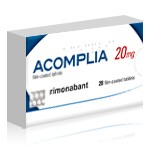
Acomplia (Rimonabant 20mg) represents the first-in-class selective CB1 (cannabinoid-1) receptor antagonist — a unique-mechanism weight loss medication that targets the endocannabinoid system rather than sympathetic nervous system, lipase enzymes, or GLP-1 receptors like other weight loss therapies. Originally developed by Sanofi-Aventis (France) and approved in the European Union in 2006, Acomplia was the first medication in a novel pharmacological class targeting the endocannabinoid system for obesity treatment. IMPORTANT REGULATORY STATUS: Following concerning post-market surveillance data regarding psychiatric adverse effects including depression and suicidal ideation, Sanofi voluntarily withdrew Acomplia from the European market in November 2008 after EMA recommendations for suspension. The FDA had previously rejected US approval in 2007 due to similar safety concerns. Currently, no major regulatory authority approves rimonabant, though generic formulations continue production in India for select markets. This product requires very careful risk-benefit assessment, comprehensive psychiatric screening before use, and close mental health monitoring during any treatment attempt.
Rimonabant works through selective inhibition of cannabinoid-1 (CB1) receptors in the endocannabinoid system. First, rimonabant blocks CB1 receptors in the hypothalamus reducing appetite and food intake through altered reward pathway signaling. Second, it inhibits peripheral CB1 receptors in adipose tissue, liver, and muscle affecting lipid metabolism and glucose homeostasis. Third, rimonabant demonstrates metabolic effects including improved lipid profile with increased HDL and reduced triglycerides. Fourth, effects on waist circumference and insulin sensitivity have been documented. Clinical trials demonstrated modest weight loss of approximately 5-8 percent over 1 year with improved cardiovascular risk factors in obese patients.
Acomplia was originally indicated for obesity (BMI over 30) and overweight (BMI over 27) with cardiovascular risk factors including dyslipidemia and Type 2 diabetes. Given the regulatory withdrawal status and serious psychiatric adverse effect risks, current use requires careful patient selection with no history of depression or mental health concerns, and access to psychiatric monitoring throughout treatment.
Acomplia dosed 20 mg once daily in the morning. Requires baseline psychiatric screening and monitoring for depression/suicidal ideation. Discontinue immediately if psychiatric symptoms develop. Consider safer alternatives including orlistat, GLP-1 agonists, or bariatric surgery for appropriate candidates.
Free prescription
Discrete packaging
Have questions?
Quality Assurance

- Overweight with Risk Factors: BMI over 27 with cardiovascular risk factors including dyslipidemia hypertension or type 2 diabetes;
- Weight Loss Adjunct Therapy: Adjunct to reduced-calorie diet and increased physical activity for comprehensive weight management approach;
- Metabolic Syndrome Component: Weight loss component in patients with metabolic syndrome and multiple cardiovascular risk factors;
- Type 2 Diabetes with Obesity: Weight reduction in diabetic patients where obesity contributes to insulin resistance and glycemic control problems;
- Dyslipidemia Adjunct Weight Loss: Weight loss component in patients with dyslipidemia where obesity contributes to lipid abnormalities;
- Failed Lifestyle Intervention Patients: Patients who have exhausted diet and exercise interventions without adequate weight reduction outcomes;
- Appetite Suppression Therapy: Endocannabinoid system modulation for appetite reduction different mechanism from sympathomimetic appetite suppressants;
- CB1 Receptor Antagonism: Unique mechanism targeting cannabinoid-1 receptors in endocannabinoid system for metabolic effects;
- Endocannabinoid System Modulation: Pharmacological modulation of endocannabinoid signaling for weight loss and metabolic outcomes;
- Waist Circumference Reduction: Documented reduction in waist circumference beyond overall weight loss reducing central adiposity;
- Central Obesity Treatment: Preferential visceral fat reduction addressing cardiovascular risk associated with abdominal obesity;
- HDL Cholesterol Improvement: Improved HDL cholesterol levels documented in clinical trials beyond weight loss effects;
- Triglyceride Reduction: Reduced triglyceride levels observed in clinical trials contributing to cardiovascular risk reduction;
- Insulin Sensitivity Improvement: Improved insulin sensitivity documented in obese patients including those with type 2 diabetes;
- HbA1c Reduction in Diabetics: Improved glycemic control with modest HbA1c reduction in type 2 diabetes patients;
- Alternative to Sympathomimetics: Non-sympathomimetic mechanism for patients unable to tolerate stimulant appetite suppressants;
- Failed Orlistat Alternative: Alternative approach for patients unable to tolerate orlistat GI side effects;
- Novel Weight Loss Drug Class: Only medication in unique CB1 antagonist class ever approved for clinical use;
- Generic Rimonabant Therapy: Bioequivalent generic alternative to original brand Acomplia with same active ingredient pharmacology.
- Appetite Suppression: Central CB1 antagonism in hypothalamus reduces subjective appetite and food intake through altered reward pathway signaling;
- Better Waist Circumference Reduction: Preferential visceral fat reduction beyond overall weight loss addressing cardiovascular risk from central obesity;
- Better HDL Cholesterol Levels: Improved HDL cholesterol documented in clinical trials providing cardiovascular benefits beyond weight loss alone;
- Less Triglycerides: Reduced triglyceride levels contributing to improved cardiovascular risk profile in obese patients;
- Better Insulin Sensitivity: Improved insulin sensitivity documented in obese patients particularly beneficial for those with type 2 diabetes;
- Better HbA1c Control in Diabetics: Modest HbA1c reduction observed in type 2 diabetes patients providing dual metabolic benefit;
- Better Metabolic Profile: Comprehensive improvement in metabolic parameters including lipids glucose and insulin sensitivity;
- Non Sympathomimetic Mechanism: Different mechanism from stimulant appetite suppressants without cardiovascular concerns of sympathomimetics;
- Non Lipase Inhibitor Mechanism: Different mechanism from orlistat without gastrointestinal side effects of lipase inhibition;
- Novel CB1 Antagonism: Unique pharmacological approach through endocannabinoid system modulation not available in other weight loss medications;
- Peripheral Metabolic Effects: Direct effects on adipose tissue liver and muscle beyond central appetite suppression providing multi-target action;
- Once Daily Dosing Convenience: Simple once daily oral dosing schedule improves treatment adherence during weight loss protocols;
- Better Reduced Adipose Tissue Effect: Direct effects on adipose tissue metabolism beyond central appetite effects contributing to weight reduction;
- Better Comprehensive Obesity Approach: Combined with diet and exercise provides comprehensive obesity management addressing multiple metabolic factors;
- Better Diabetic Weight Component: Particularly beneficial for type 2 diabetics where weight reduction improves multiple diabetes parameters;
- Better Cardiovascular Risk Factor Reduction: Multiple cardiovascular risk factors improve including weight lipids glucose and waist circumference;
- Better Failed Lifestyle Intervention Alternative: Pharmacological support for patients whose diet and exercise interventions alone have proven inadequate;
- Better Unique Mechanism: Only medication in CB1 antagonist class provides mechanism unavailable with any other weight loss medication;
- Better Quality of Life: Successful weight loss improves quality of life through cardiovascular risk reduction diabetes control and psychological wellbeing when tolerated.
Generic Acomplia (Rimonabant 20 mg) Medication guide:
CRITICAL REGULATORY WARNING: Acomplia (rimonabant) was WITHDRAWN from the European Union market in November 2008 by Sanofi-Aventis following EMA (European Medicines Agency) safety review recommending suspension due to serious psychiatric adverse effects including depression and suicidal ideation. Rimonabant was NEVER approved by the FDA - the US FDA advisory committee voted 13-0 against approval in 2007 due to psychiatric safety concerns. Currently NO major regulatory authority (US, EU, UK, Canada, Australia) approves rimonabant. Generic formulations continue production in India for select markets. This medication requires very careful risk-benefit assessment, comprehensive psychiatric screening before use, and close mental health monitoring throughout any treatment attempt. Consider safer alternative weight loss therapies including orlistat, GLP-1 receptor agonists (Saxenda/Wegovy), or bariatric surgery for appropriate candidates.
PSYCHIATRIC SAFETY WARNING - DEPRESSION AND SUICIDAL IDEATION: Rimonabant carries substantial risk of new-onset or worsening depression, anxiety, aggressive behavior, and suicidal ideation - particularly in patients with any prior mental health history. Clinical trials demonstrated approximately 2x increased incidence of depression versus placebo and statistically significant increase in suicidal ideation. Discontinue immediately if any psychiatric symptoms develop including depression, anxiety, mood changes, aggressive behavior, or suicidal thoughts. Baseline psychiatric screening mandatory. Monthly psychiatric evaluation required throughout therapy. Family members and close contacts should be aware of warning signs. Access to mental health support essential.
Acomplia (Rimonabant 20mg) represents the first-in-class selective CB1 (cannabinoid-1) receptor antagonist and the only medication of this pharmacological class ever approved for clinical use. Originally developed by Sanofi-Aventis (France) and approved in the European Union in 2006, Acomplia was withdrawn from the EU market in November 2008 due to serious psychiatric adverse effects. This comprehensive medication guide covers every aspect of Acomplia therapy including critical regulatory history, complete safety warnings, endocannabinoid system pharmacology, unique CB1 antagonism mechanism, absolute contraindications for psychiatric history, comprehensive baseline screening and monthly monitoring protocols, modest clinical efficacy versus significant safety concerns, and detailed discussion of safer alternative weight loss therapies that should be considered first-line before considering rimonabant.
💊 Introduction to Acomplia
Acomplia is an oral medication containing rimonabant as its active ingredient in 20 mg tablet form. Rimonabant is a selective cannabinoid-1 (CB1) receptor antagonist/inverse agonist — the first and only medication of this unique pharmacological class ever approved for clinical use worldwide. Rimonabant was developed by Sanofi-Aventis (French pharmaceutical company) and received European Union approval as Acomplia in June 2006 for the treatment of obesity, becoming the first novel-mechanism weight loss medication introduced in over a decade.
Despite the initial regulatory approval, rimonabant faced substantial safety concerns from post-marketing surveillance and clinical trial data revealing significant psychiatric adverse effects — particularly depression, anxiety, and suicidal ideation — that ultimately led to global regulatory withdrawal. The US FDA rejected approval in June 2007 when an advisory committee voted 13-0 against approval citing serious psychiatric safety concerns. In October 2008, the European Medicines Agency (EMA) reviewed post-marketing surveillance data and recommended suspension of marketing authorization. In November 2008, Sanofi voluntarily withdrew Acomplia from all European markets. All ongoing clinical trials with rimonabant were subsequently halted worldwide.
Currently, no major regulatory authority approves rimonabant for clinical use. Generic rimonabant formulations continue to be produced in India (notably as Slimona by Sun Pharmaceutical Industries) and remain available through select international pharmacies. Given the regulatory withdrawal status and documented psychiatric safety concerns, use of rimonabant requires very careful patient selection excluding those with any mental health history, comprehensive baseline psychiatric screening, ongoing monthly psychiatric monitoring throughout treatment, and immediate discontinuation upon any psychiatric symptom emergence. Multiple safer alternative weight loss therapies with established regulatory approval status should be considered as first-line options.
📅 Regulatory History Timeline
Complete rimonabant regulatory history:
- 1990s: Rimonabant discovered as SR141716 by Sanofi Research
- Early 2000s: Extensive preclinical and clinical development
- June 2006: European Medicines Agency (EMA) approves Acomplia for obesity
- 2006-2007: Rimonabant marketed in multiple EU countries
- June 2007: FDA advisory committee reviews rimonabant for US approval - 13-0 vote against approval due to psychiatric safety concerns
- June 2007: Sanofi withdraws US New Drug Application
- October 2008: EMA post-marketing review reveals psychiatric concerns - recommends suspension of marketing authorization
- November 2008: Sanofi voluntarily withdraws Acomplia from EU markets
- 2008-2009: All ongoing rimonabant clinical trials worldwide halted
- 2009-Present: No major regulatory authority approves rimonabant
- Ongoing: Generic rimonabant continues production in India (Slimona) and available in select markets
Why Regulatory Authorities Withdrew Rimonabant
The regulatory withdrawal reflected accumulating evidence of concerning psychiatric adverse effects:
- Approximately 2x increase in depression incidence versus placebo in clinical trials
- Statistically significant increase in suicidal ideation
- 14 completed suicides reported during clinical trials (higher than placebo)
- Anxiety disorders significantly elevated
- Aggressive behavior reported
- Sleep disturbances and insomnia common
- Post-marketing psychiatric hospitalization reports
- Risk-benefit assessment: Modest weight loss benefits deemed insufficient given serious psychiatric risks
🧬 Understanding the Endocannabinoid System
Understanding the endocannabinoid system is essential for appreciating how rimonabant produces its weight loss effects and why psychiatric adverse effects occur.
What Is the Endocannabinoid System
Endocannabinoid system overview:
- Endogenous cannabinoids: Anandamide (AEA) and 2-arachidonoylglycerol (2-AG) - naturally occurring lipid signaling molecules
- CB1 receptors: Primarily in central nervous system particularly hypothalamus, reward pathway, cortex
- CB2 receptors: Primarily in immune cells and peripheral tissues
- Functions regulated: Appetite, mood, pain sensation, memory, stress response, reward
- Metabolic effects: Influences lipid metabolism, glucose homeostasis, energy balance
- Same receptor system: That THC (marijuana) activates - explaining appetite-stimulating effect of cannabis
CB1 Receptor and Weight Regulation
The CB1 receptor plays central role in appetite and metabolic regulation:
- Hypothalamic CB1 receptors: Regulate hunger and satiety signaling
- Reward pathway CB1: Involved in food reward and craving
- Peripheral CB1 in adipose tissue: Affects lipid metabolism
- Hepatic CB1: Influences glucose homeostasis
- Cortical CB1: Involved in mood regulation - explains psychiatric side effects
- Same receptor mediates: Both weight loss benefit and psychiatric harm - inherent limitation
🧪 Chemistry and Mechanism of Action
Rimonabant has the chemical formula C22H21Cl3N4O with molecular weight approximately 463.8 g/mol. Chemically, rimonabant is a synthetic diarylpyrazole compound designed as selective CB1 receptor antagonist through structure-based drug design targeting the CB1 binding pocket.
Mechanism of Action
Rimonabant mechanism at cellular level:
- Selective CB1 binding: Rimonabant binds CB1 cannabinoid receptors as competitive antagonist/inverse agonist
- Endocannabinoid blockade: Prevents anandamide and 2-AG from activating CB1 receptors
- Hypothalamic satiety enhancement: Blocking hypothalamic CB1 receptors reduces appetite drive
- Reduced food reward: Blocking reward pathway CB1 reduces food-related pleasure signaling
- Peripheral adipose effects: CB1 blockade in fat cells affects lipid storage and metabolism
- Hepatic effects: Improves insulin sensitivity and glucose homeostasis
- Cortical effects: SAME CB1 blockade causes psychiatric adverse effects (depression, anxiety)
- Inseparable dual effect: Weight loss benefit and psychiatric harm mediated through same mechanism
Pharmacokinetic Profile
| Parameter | Value | Clinical Significance |
|---|---|---|
| Oral bioavailability | Approximately 6 percent | Low but consistent |
| Time to peak (Tmax) | 2-3 hours | Peak plasma concentration |
| Half-life | 6-9 days | Long half-life supports once daily dosing |
| Protein binding | 99.9 percent | Very highly protein bound |
| Metabolism | Hepatic CYP3A4 primarily | Multiple drug interactions |
| Elimination | Biliary and renal metabolites | Mixed elimination |
| Food effect | Minimal effect on absorption | Can take with or without food |
| Steady state | 4-6 weeks | Full effect requires weeks |
| Onset of weight loss | Gradual over weeks-months | Modest cumulative effect |
🎯 Historical Approved Indications
When Acomplia was approved in the EU (2006-2008), the following indications applied:
Primary Approved Indications
- Obesity treatment - BMI over 30 kg/m² in adults
- Overweight with cardiovascular risk factors - BMI over 27 kg/m² with dyslipidemia or type 2 diabetes
- Adjunct to reduced-calorie diet and increased physical activity
- Not for cosmetic weight loss in normal-weight individuals
Specific Population Considerations
- Type 2 diabetes with obesity - dual metabolic benefit
- Dyslipidemia with obesity - lipid improvement documented
- Metabolic syndrome - multiple risk factors improvement
- Post-lifestyle intervention failure - patients requiring pharmacological support
🎯 Patient Selection - CRITICAL SCREENING
Absolute Contraindications
ABSOLUTE contraindications - do NOT use in these patients:
- Current major depressive disorder
- History of major depressive disorder
- Current or history of suicidal ideation or attempts
- Current anxiety disorder
- History of anxiety disorders
- Current or history of psychosis or bipolar disorder
- Concurrent SSRI/SNRI antidepressant use
- Concurrent antipsychotic medications
- Pregnancy - insufficient safety data
- Breastfeeding - insufficient safety data
- Children under 18 - not established, higher psychiatric risk
- Elderly with cognitive impairment - higher risk of adverse psychiatric events
- Hypersensitivity to rimonabant or excipients
- Severe hepatic impairment
- Severe renal impairment
Comprehensive Baseline Psychiatric Screening Protocol
Required baseline screening before initiating rimonabant:
- Detailed psychiatric history - depression, anxiety, mood disorders, substance abuse
- Standardized depression screening - PHQ-9 or equivalent depression rating scale
- Anxiety screening - GAD-7 or equivalent anxiety rating scale
- Suicidal ideation assessment - Columbia Suicide Severity Rating Scale or equivalent
- Family psychiatric history - genetic vulnerability assessment
- Current stressors and support systems evaluation
- Medication history review - current antidepressants, antianxiety medications
- Alcohol and substance use assessment
- Cognitive function screening - particularly elderly patients
- Written informed consent - patient understanding of psychiatric risks
- Family/friend awareness - warning signs education
- Access to psychiatric support - identify mental health resources
Only Consider Rimonabant When
- No current or history of psychiatric conditions
- No family history of depression or suicide
- Adequate psychosocial support system
- Access to prompt psychiatric evaluation if needed
- Patient fully understands psychiatric risks
- Comprehensive baseline screening negative for concerns
- Alternative safer weight loss options considered and appropriate
- Regular monthly follow-up feasible for the patient
- Family members educated about warning signs
💉 Dosage and Administration
Standard Dosing Protocol
Rimonabant standard dosing:
- Dose: 20 mg once daily
- Timing: Morning administration recommended
- Food effect: Can be taken with or without food
- Duration: Not established - original approval up to 2 years
- Reassess: Every 3-6 months for continued need and safety
- No dose escalation: Single approved 20 mg dose - no higher doses studied
Administration Guidelines
- Take at consistent time each morning
- Swallow tablet whole with water
- Do not chew or crush
- Combine with reduced-calorie diet
- Combine with increased physical activity
- Monitor mood daily and report changes immediately
- Attend monthly follow-up appointments
- Report any psychiatric symptoms immediately
- Discontinue if pregnancy suspected
- Discontinue if severe adverse effects develop
Monthly Psychiatric Monitoring Protocol
Mandatory monthly monitoring while on rimonabant:
- Depression screening: Repeat PHQ-9 or equivalent at each visit
- Anxiety screening: Repeat GAD-7 or equivalent
- Suicidal ideation assessment: Direct questioning at each visit
- Mood changes: Any subjective mood changes assessed
- Sleep quality: Insomnia is common early warning sign
- Behavioral changes: Aggression, irritability, agitation
- Weight and metabolic parameters: Weight loss progress and lipid/glucose changes
- Adverse event assessment: All physical and psychological symptoms
- Family/friend reports: Third-party observations of patient behavior
- Immediate discontinuation criteria: Any psychiatric symptom development
📊 Clinical Effectiveness Data
| Metric | Response Data |
|---|---|
| Weight loss at 1 year | Approximately 5-8 percent body weight |
| Weight loss versus placebo | Approximately 4-5 kg additional |
| Waist circumference reduction | 4-6 cm additional versus placebo |
| HDL cholesterol increase | Approximately 8-9 percent |
| Triglyceride reduction | Approximately 12-15 percent |
| HbA1c reduction in diabetics | Approximately 0.5-0.7 percent |
| Weight regain after discontinuation | Substantial - typical rebound weight gain |
| Comparison to modern GLP-1 agonists | Substantially less effective than semaglutide (Wegovy 15% loss) |
⚠️ Psychiatric Adverse Events - PROMINENT
Depression Risk
Depression - most concerning adverse event:
- Incidence: Approximately 2x placebo in clinical trials
- Onset: Can occur at any time during treatment - most common first 1-3 months
- Severity: Can range from mild depressed mood to severe major depression
- Contributing factor: CB1 blockade in cortical mood circuits
- Higher risk: Any prior depression history dramatically increases risk
- Warning signs: Sad mood, hopelessness, loss of interest, energy changes, sleep disturbance
- Management: Discontinue immediately if depression develops
- Reversibility: Usually reversible after discontinuation but ongoing concern
Suicidal Ideation Risk
Suicidal ideation - critical safety concern:
- Statistically significant increase versus placebo documented
- 14 completed suicides reported during clinical trials
- Reason for FDA rejection and EU market withdrawal
- Warning signs: Thoughts of death, self-harm, wanting to die, suicide planning
- Immediate discontinuation if any suicidal thoughts develop
- Emergency psychiatric evaluation if severe symptoms
- Family/friend awareness essential for recognition
- Contact suicide prevention resources if needed
Anxiety and Other Psychiatric Effects
Other significant psychiatric effects:
- Anxiety disorders: New onset or worsening - significant increase in trials
- Panic attacks: Reported in some patients
- Aggressive behavior: Increased irritability, agitation, aggression
- Sleep disturbance: Insomnia very common (10-15% of patients)
- Vivid dreams or nightmares: Reported
- Concentration difficulty: Cognitive changes
- Memory problems: Some patients report
- Emotional lability: Mood swings
⚠️ Other Adverse Events
Common Non-Psychiatric Side Effects
- Nausea: Very common (20-25 percent) - often improves after first weeks
- Dizziness: Common
- Diarrhea: Common
- Vomiting: Occasional
- Headache: Common
- Fatigue: Common
- Upper respiratory infections: Slight increase
- Tendinopathy: Reported rarely
- Seizures: Rare but reported
🔄 Drug Interactions
| Drug/Substance | Interaction |
|---|---|
| SSRI/SNRI antidepressants | CONTRAINDICATED - additive psychiatric risk |
| MAOIs | Avoid concurrent use |
| Antipsychotics | Contraindicated - psychiatric risk overlap |
| Benzodiazepines | Complex interactions - avoid combination |
| CYP3A4 inhibitors (ketoconazole, ritonavir) | Increased rimonabant levels - monitor |
| CYP3A4 inducers (rifampin, phenytoin) | Decreased rimonabant levels - reduced efficacy |
| Cannabis (THC) | Pharmacological antagonism - opposite effects |
| Alcohol | May potentiate psychiatric effects |
| Warfarin | Weight loss may affect anticoagulation - monitor INR |
| Diabetes medications | Insulin sensitivity improvement may reduce needs |
🛡️ Special Populations
- Depression/Mental Health History
- ABSOLUTELY CONTRAINDICATED. Any history of depression, anxiety, or other mental health conditions substantially increases psychiatric adverse event risk. Alternative weight loss therapies without psychiatric risks preferred.
- Elderly Patients Over 65
- Higher risk of psychiatric adverse events. Cognitive impairment risk. Use with extreme caution. Alternative weight loss approaches strongly preferred.
- Pregnancy
- Contraindicated. Insufficient safety data. Discontinue immediately if pregnancy suspected.
- Lactation
- Contraindicated. Insufficient safety data for nursing infants.
- Children/Adolescents Under 18
- Not established. Higher psychiatric risk in adolescents makes use particularly concerning.
- Hepatic Impairment
- Severe hepatic impairment contraindicated. Mild-moderate requires careful monitoring.
- Renal Impairment
- Severe renal impairment contraindicated. Mild-moderate requires monitoring.
- Cannabis Users
- Pharmacological antagonism with THC - opposite effects. Discontinuation of cannabis use recommended. May experience cannabis withdrawal symptoms initially.
- Alcohol Users
- Alcohol may potentiate psychiatric effects and increase adverse event risk. Minimize alcohol use during therapy.
- Diabetic Patients
- Insulin sensitivity may improve - monitor blood glucose and adjust diabetes medications. Some benefit for HbA1c but modest.
- Cardiovascular Disease Patients
- Weight loss and lipid improvements potentially beneficial but psychiatric risk complicates. Newer therapies (GLP-1 agonists) preferred.
🛑 When to Discontinue Immediately
Immediate discontinuation required for:
- Any suicidal ideation - even fleeting thoughts
- Depressive symptoms: Sad mood, hopelessness, loss of interest
- Severe anxiety or panic attacks
- Aggressive behavior or hostility
- Severe insomnia not managed with sleep hygiene
- Emotional lability or mood swings
- Cognitive changes or confusion
- Any suggestion of psychosis: Hallucinations, delusions
- Suspected pregnancy
- Severe allergic reactions
- Severe adverse effects
- Family/friend concerns about patient behavior
🔄 Safer Alternatives to Consider First
Safer weight loss therapies with established regulatory approval:
- GLP-1 agonists (Saxenda, Wegovy - semaglutide, liraglutide): Modern first-line therapy with 15-20% weight loss and cardiovascular benefits
- Orlistat (Xenical, Alli): Lipase inhibitor - reduces fat absorption, no psychiatric concerns
- Phentermine: Sympathomimetic - established short-term therapy
- Naltrexone-bupropion (Contrave): Combination therapy with different mechanism
- Bariatric surgery: Most effective for BMI over 35 or over 40 - substantial and sustained weight loss
- Comprehensive lifestyle intervention: Structured programs with diet, exercise, behavioral therapy
- Bariatric endoscopy: Newer minimally invasive options
📆 Long-Term Follow-Up
Long-term monitoring considerations:
- Monthly psychiatric assessment mandatory throughout treatment
- Weight and metabolic monitoring monthly initially
- Reassess need every 3-6 months for continued rimonabant use
- Weight regain expected after discontinuation
- Consider transition to safer alternatives at any point
- Bariatric surgery evaluation for BMI over 35 patients
- Cardiovascular risk monitoring throughout
- Long-term psychiatric surveillance may be needed even after discontinuation
📦 Storage and Handling
- Store at room temperature between 15°C and 30°C (59°F and 86°F)
- Protect from moisture and light
- Keep tablets in original packaging
- Keep out of reach of children and pets
- Do not use past expiration date
- Do not share medication with others
- Return unused medication to pharmacy for proper disposal
👨⚕️ When to Contact Your Doctor
- ANY psychiatric symptoms - depression, anxiety, mood changes, suicidal thoughts
- ANY suicidal ideation - even fleeting or brief thoughts
- Severe or persistent nausea affecting adherence
- Signs of allergic reaction
- Severe headache or dizziness
- Sleep disturbance not manageable with sleep hygiene
- Behavioral changes noted by family/friends
- Concerns about cognitive function
- Suspected pregnancy - discontinue immediately
- Development of new medical conditions
- Starting or stopping any other medications
- Alcohol or cannabis use questions
- Weight loss plateau or continued weight gain
- Persistent metabolic parameter abnormalities
- Time for scheduled monthly monitoring
- Any concerns about continuing therapy
- Interest in transitioning to alternative weight loss therapy
🌟 Key Takeaways
Essential points about Acomplia (rimonabant) therapy:
- Acomplia is generic rimonabant 20 mg tablets - first-in-class CB1 receptor antagonist
- Only medication in this pharmacological class ever approved
- WITHDRAWN from European market November 2008 due to psychiatric safety concerns
- NEVER approved by FDA - US advisory committee 13-0 against approval 2007
- Currently no major regulatory authority approves rimonabant
- Generic production continues in India (Slimona by Sun Pharma)
- Unique mechanism blocking endocannabinoid CB1 receptors
- Modest weight loss efficacy: 5-8 percent over 1 year
- SERIOUS PSYCHIATRIC ADVERSE EVENTS: Depression 2x placebo, suicidal ideation increase
- 14 completed suicides reported in clinical trials
- CONTRAINDICATED with any history of depression, anxiety, or mental health conditions
- CONTRAINDICATED with SSRI/SNRI antidepressants
- Baseline psychiatric screening MANDATORY before starting
- Monthly psychiatric monitoring MANDATORY throughout treatment
- Immediate discontinuation required for any psychiatric symptoms
- 20 mg once daily morning dosing
- Common non-psychiatric effects: nausea, dizziness, diarrhea, headache
- SAFER ALTERNATIVES SHOULD BE CONSIDERED FIRST: GLP-1 agonists, orlistat, bariatric surgery
- Weight regain expected after discontinuation
- Comprehensive informed consent about risks essential
- Family/friend awareness of warning signs important
CRITICAL Medical Disclaimer: This medication guide provides general information about Acomplia (rimonabant 20 mg tablets) and does not constitute individualized medical advice. Acomplia (rimonabant) was WITHDRAWN from the European Union market in November 2008 by Sanofi-Aventis due to serious psychiatric adverse effects including depression and suicidal ideation. The FDA REJECTED US approval in 2007 with a 13-0 advisory committee vote against approval citing psychiatric safety concerns. Currently no major regulatory authority (US, EU, UK, Canada, Australia) approves rimonabant for clinical use. Generic rimonabant continues production in India for select markets. This medication carries substantial risk of new-onset or worsening depression, anxiety, aggressive behavior, and suicidal ideation particularly in patients with any prior mental health history. ABSOLUTELY CONTRAINDICATED in patients with any current or historical major depressive disorder, anxiety disorders, suicidal ideation history, current SSRI/SNRI use, pregnancy, breastfeeding, or age under 18. Baseline comprehensive psychiatric screening and monthly psychiatric monitoring throughout treatment are MANDATORY. Discontinue immediately if any psychiatric symptoms develop including depression, anxiety, mood changes, aggressive behavior, or ANY suicidal thoughts. Family members and close contacts should be aware of warning signs. Access to prompt psychiatric evaluation essential. SAFER ALTERNATIVE WEIGHT LOSS THERAPIES with established regulatory approval status should be considered as first-line options including GLP-1 receptor agonists (Saxenda, Wegovy with 15-20 percent weight loss and cardiovascular benefits), orlistat (Xenical without psychiatric concerns), bariatric surgery for BMI over 35, and comprehensive lifestyle intervention programs. Discuss risks and alternatives with your healthcare provider before considering rimonabant. If you experience concerning symptoms particularly psychiatric symptoms contact your healthcare provider or emergency services immediately. If experiencing suicidal thoughts contact suicide prevention resources or emergency services immediately. The information provided here should complement but never replace direct professional medical guidance and comprehensive risk-benefit assessment.
More Weight Loss Medications