Buy Amoxicillin Online — Foundational Aminopenicillin Antibiotic for Ear, Throat, Sinus & Bacterial Infections

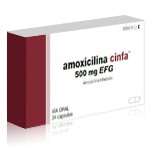
Amoxicillin is one of the most widely-prescribed antibiotics in the world — a foundational aminopenicillin β-lactam antibiotic used to treat a broad range of bacterial infections across all age groups. Originally introduced in 1972 as the brand-name Amoxil by Beecham, Amoxicillin remains the gold-standard first-line antibiotic for many common bacterial infections, particularly in pediatric practice where its excellent safety profile and pleasant-tasting suspensions make it the most-recommended antibiotic for children worldwide.
Amoxicillin works by inhibiting bacterial cell wall synthesis. It binds to penicillin-binding proteins (PBPs) on the bacterial cell membrane, blocking the cross-linking of peptidoglycan layers. Without intact cell walls, bacterial cells lyse and die. This mechanism is selectively toxic to bacteria because human cells lack cell walls — supporting an excellent safety profile that makes Amoxicillin one of the safest antibiotics ever developed.
Amoxicillin is FDA-approved for treatment of otitis media (ear infections), acute sinusitis, streptococcal pharyngitis (strep throat), tonsillitis, community-acquired pneumonia, skin and soft tissue infections, urinary tract infections, and dental infections. It is also used as part of triple therapy for Helicobacter pylori eradication, early Lyme disease treatment, and bacterial endocarditis prophylaxis before dental procedures in high-risk patients.
The medication is available in multiple formulations: 250 mg and 500 mg capsules, 500 mg and 875 mg tablets, oral suspensions (125 mg/5 mL through 400 mg/5 mL), and 200 mg and 400 mg chewable tablets. The pleasant taste of pediatric formulations is particularly important for children's adherence. Standard adult dosing is typically 500 mg every 8 hours or 875 mg every 12 hours.
The most common side effect is mild diarrhea. Allergic reactions occur in 1-5% of patients — Amoxicillin allergy is one of the most commonly reported drug allergies. Patients with mononucleosis often develop a characteristic rash. Amoxicillin is widely available worldwide as one of the most affordable antibiotics and is listed on the WHO Model List of Essential Medicines.
Free prescription
Discrete packaging
Have questions?
Quality Assurance


- Acute Sinusitis: First-line antibiotic therapy for acute bacterial sinusitis with persistent or worsening symptoms;
- Strep Throat: For streptococcal pharyngitis caused by Group A Streptococcus — prevents rheumatic fever complications;
- Tonsillitis: For bacterial tonsillitis particularly when caused by Streptococcus species;
- Pharyngitis: For bacterial throat infections in children and adults with positive strep test;
- Community Acquired Pneumonia: First-line outpatient treatment for community-acquired pneumonia in healthy adults and children;
- Pediatric Pneumonia: First-line antibiotic for pediatric community-acquired pneumonia per international guidelines;
- Skin Infections: For mild-to-moderate bacterial skin and soft tissue infections caused by susceptible organisms;
- Cellulitis: For non-MRSA cellulitis with streptococcal or sensitive staphylococcal involvement;
- Urinary Tract Infection: For uncomplicated UTIs caused by susceptible organisms — particularly E. coli sensitive strains;
- Dental Infections: First-line antibiotic for dental abscesses, periapical infections, and odontogenic infections;
- H Pylori Eradication: As part of triple/quadruple therapy with PPI and clarithromycin for Helicobacter pylori treatment;
- Early Lyme Disease: For early localized Lyme disease in pregnant women and children where doxycycline is contraindicated;
- Endocarditis Prophylaxis: Before dental procedures in patients with high-risk cardiac conditions per AHA guidelines;
- Pediatric Bacterial Infections: The most-recommended antibiotic in pediatric infectious disease practice;
- Bronchitis: Selective use in acute bacterial bronchitis with documented bacterial cause;
- Anthrax Prophylaxis: For post-exposure anthrax prophylaxis particularly in pediatric and pregnant populations;
- COPD Exacerbation: For acute exacerbations of COPD with bacterial component when susceptible organisms suspected;
- Pediatric Pregnancy Safe: Considered safe and first-line for bacterial infections during pregnancy and in young children;
- Mass Antibiotic Programmes: Used in WHO trachoma elimination and other community-wide antibiotic programmes.
- Less Pain: Reduction in pain associated with ear infections, sore throat, sinusitis, and skin infections;
- Less Cough: Resolution of productive cough in bacterial pneumonia and bronchitis;
- Better Breathing: Improvement in dyspnea and respiratory symptoms as pneumonia resolves;
- Better Energy: Recovery from fatigue and malaise as bacterial infection clears;
- Better Appetite: Restoration of normal appetite as systemic infection resolves;
- Better Sleep: Resolution of pain and discomfort supports restful sleep during recovery;
- Less Ear Pain: Rapid relief from otitis media pain in children;
- Less Throat Pain: Resolution of strep throat pain enabling return to normal activities;
- Less Sinus Pain: Reduction in facial pressure and pain of sinusitis;
- Better Wound Healing: Skin infections heal as bacterial colonization clears;
- Less Tooth Pain: Resolution of dental abscess pain following antibiotic therapy;
- Faster Recovery: Most patients show clinical improvement within 48-72 hours of starting therapy;
- Better Daily Function: Return to work, school, and normal activities as infection resolves;
- Generic Amoxicillin: Affordable generic across multiple manufacturers expanding global access to first-line antibiotic therapy;
- Amoxil Equivalent: Same active molecule as the original branded Amoxil — bioequivalent therapeutic profile;
- Aminopenicillin Antibiotic: Broad-spectrum aminopenicillin class with improved oral bioavailability over older penicillins;
- Beta Lactam Antibiotic: Foundational β-lactam mechanism — safe and effective bacterial cell wall inhibitor;
- First Line Pediatric Antibiotic: Most-recommended antibiotic in pediatric practice across multiple international guidelines;
- Pediatric Suspension Antibiotic: Pleasant-tasting liquid formulations support accurate weight-based dosing in young children;
- Chewable Pediatric Antibiotic: 200 mg and 400 mg chewable tablets for school-age children;
- High Oral Bioavailability: Approximately 95% oral absorption supports reliable oral therapy without parenteral administration;
- Ear Infection Treatment: First-line for acute otitis media in pediatric practice — most common bacterial infection in children;
- Strep Throat Treatment: First-line for streptococcal pharyngitis — prevents rheumatic fever and post-streptococcal complications;
- Sinusitis Treatment: First-line antibiotic for acute bacterial sinusitis per international rhinology guidelines;
- Pneumonia Treatment: First-line outpatient therapy for community-acquired pneumonia in adults and children;
- Dental Antibiotic: First-line for dental abscesses and odontogenic infections per dental association guidelines;
- H Pylori Triple Therapy: Foundation component of PPI-based triple therapy for Helicobacter pylori eradication;
- Pregnancy Safe Antibiotic: Considered safe and first-line for bacterial infections during pregnancy when therapy is needed;
- Breastfeeding Safe Antibiotic: Safe during lactation in routine clinical practice;
- Endocarditis Prophylaxis Therapy: Standard pre-dental procedure antibiotic for high-risk cardiac patients;
- WHO Essential Medicine: Listed on the WHO Model List of Essential Medicines as a foundational antibiotic;
- 50 Plus Year Antibiotic History: Extensive real-world safety and efficacy data since 1972 across billions of patient courses;
- Most Affordable Antibiotic: One of the most cost-effective antibiotics ever developed;
- Multiple Formulations Antibiotic: Capsules, tablets, chewables, and suspensions support all patient ages and preferences;
- Generally Well Tolerated: Most patients tolerate well — mild diarrhea is the most common side effect;
- Stable Storage: Capsules and tablets stable at room temperature — oral suspension requires refrigeration after reconstitution;
- Globally Available: One of the most internationally recognised antibiotics, familiar to clinicians worldwide.
Generic Amoxil (Amoxicillin 250 mg) Medication guide:
📖 What is Amoxicillin - the aminopenicillin antibiotic
Amoxicillin is a semi-synthetic aminopenicillin antibiotic in the broader beta-lactam family. It is one of the most widely prescribed antibiotics in the world, listed by the World Health Organization on the Essential Medicines List since 1977 and classified in the WHO AWaRe categorisation as an Access tier antibiotic — a designation reserved for first-line agents that should be widely available and preferentially used over broader-spectrum alternatives. Globally, amoxicillin and amoxicillin-clavulanate together account for hundreds of millions of prescriptions annually.
Amoxicillin was developed at Beecham Research Laboratories in the United Kingdom by Sutherland, Croydon, and Rolinson in the early 1970s and first described in the British Medical Journal in 1972. The drug was designed as an improvement on ampicillin, the original aminopenicillin, with the goals of better oral absorption, less gastrointestinal upset, and a more convenient dosing schedule. Both objectives were achieved — amoxicillin has bioavailability of approximately 90% (versus 40% for ampicillin) and produces significantly less diarrhoea, which together made it the preferred oral aminopenicillin almost immediately upon release.
- Drug class
- Aminopenicillin (semi-synthetic penicillin); bactericidal beta-lactam antibiotic acting by inhibition of bacterial cell wall synthesis
- Original manufacturer
- Beecham Research Laboratories (United Kingdom); subsequently Beecham Pharmaceuticals, SmithKline Beecham, and GlaxoSmithKline; generic amoxicillin available globally from many manufacturers
- FDA approval
- Amoxil capsules: NDA 050542 (1974); subsequent NDAs for suspension, chewable tablets, and extended-release formulations
- Oral bioavailability
- Approximately 90% — substantially better than ampicillin (40%) and one of the key features distinguishing amoxicillin from its predecessor
- Half-life
- Approximately 1 to 1.3 hours in adults with normal renal function; extended in renal impairment due to predominant renal clearance
- Standard strengths
- 250 mg and 500 mg capsules; 500 mg, 875 mg tablets; 125 mg, 200 mg, 250 mg, 400 mg per 5 mL oral suspensions; 125 mg, 200 mg, 250 mg, 400 mg chewable tablets
The therapeutic positioning of amoxicillin is as a first-line oral antibiotic for a wide range of common bacterial infections including acute otitis media in children, acute bacterial sinusitis, community-acquired pneumonia in selected populations, group A streptococcal pharyngitis, urinary tract infections in some scenarios, dental and endocarditis prophylaxis, and Helicobacter pylori eradication as part of multi-drug regimens. The breadth of these indications combined with the established safety record, the low cost, and the predictable spectrum makes amoxicillin one of the most clinically useful antibiotics ever developed.
The widespread global availability of amoxicillin means patients receive the drug across a wide range of healthcare settings — primary care, urgent care, paediatric clinics, dental offices, emergency departments. Understanding how amoxicillin works, when it is appropriate, and how to use it responsibly is therefore valuable knowledge for patients as well as clinicians.
🕰️ Amoxicillin heritage - the Beecham 1972 discovery
The story of amoxicillin is part of the larger story of penicillin development that transformed medicine in the twentieth century. The original penicillin was discovered by Alexander Fleming at St Marys Hospital in London in 1928, isolated and produced in clinically usable quantities by Howard Florey and Ernst Chain at Oxford in the early 1940s, and brought into widespread clinical use during World War II. The semi-synthetic penicillin programme that produced amoxicillin emerged from Beecham Research Laboratories at Brockham Park in Surrey, England, in the 1960s and 1970s.
The Beecham team identified that the natural penicillin nucleus (6-aminopenicillanic acid, 6-APA) could be chemically modified to produce derivatives with improved properties: broader spectrum, better oral absorption, resistance to gastric acid, and resistance to bacterial beta-lactamases. The most successful product of this programme was ampicillin in 1961, the first aminopenicillin, which extended the penicillin spectrum to many gram-negative bacteria. Amoxicillin, developed a decade later, was an oral-absorption optimisation of the ampicillin structure.
Key milestones in amoxicillin development and adoption
| Year | Milestone |
|---|---|
| 1928 | Alexander Fleming discovers penicillin at St Marys Hospital, London |
| 1941-1945 | Florey and Chain develop clinical production at Oxford; mass production for World War II |
| 1959 | 6-aminopenicillanic acid (6-APA) isolated at Beecham, enabling semi-synthetic penicillin development |
| 1961 | Ampicillin launched by Beecham — first aminopenicillin, broader spectrum than penicillin G |
| 1972 | Sutherland R, Croydon EA, Rolinson GN publish the introductory paper: "Amoxycillin: a new semi-synthetic penicillin" in the British Medical Journal 3(5819):13-16 |
| 1974 | Amoxil capsules approved by the FDA as NDA 050542; launched in the United States |
| 1977 | Amoxicillin added to the World Health Organization Essential Medicines List — recognition of its place in basic global pharmacotherapy |
| 1981 | Amoxicillin chewable tablets approved (FDA NDA 050897), expanding pediatric use |
| 1981 | Amoxicillin-clavulanate (Augmentin) launched by Beecham — addition of the beta-lactamase inhibitor clavulanic acid extending the amoxicillin spectrum to beta-lactamase-producing organisms |
| 1980s-2000s | Generic amoxicillin manufacturing expands worldwide; the drug becomes one of the lowest-cost prescription antibiotics globally |
| 2011 | Moxatag extended-release tablet (NDA 050813) approved for streptococcal pharyngitis; subsequently discontinued from the US market |
| 2017 | WHO AWaRe categorisation places amoxicillin in the "Access" tier — the priority first-line antibiotic category |
The commercial heritage of amoxicillin traces from Beecham Research Laboratories through SmithKline Beecham (the 1989 merger that created SmithKline Beecham plc) to GlaxoSmithKline (the 2000 merger that created GSK). The original Amoxil branding persisted in many markets for decades and remains a recognised heritage brand even where generic amoxicillin now dominates dispensing. Patients prescribed amoxicillin today are using a drug whose chemistry and indications were established in the same UK laboratories that produced ampicillin and the original ground-breaking semi-synthetic penicillin programme.
The contemporary positioning of amoxicillin is shaped by two parallel forces. On one hand, the drug remains a foundational first-line antibiotic for common infections, supported by extensive trial evidence and regulatory endorsement across multiple specialties. On the other hand, the growing recognition of antimicrobial resistance and the antimicrobial stewardship movement have refined how amoxicillin should be used — shorter courses for many indications, narrower spectrum preferred over broader, and avoidance of prescribing for viral infections where antibiotics provide no benefit.
🧬 How amoxicillin works - PBP inhibition and cell wall blockade
Amoxicillin exerts its bactericidal effect by inhibiting bacterial cell wall synthesis, the same fundamental mechanism shared by all beta-lactam antibiotics. The drug binds to and inactivates a class of bacterial enzymes called penicillin-binding proteins (PBPs), which catalyse the cross-linking of peptidoglycan strands that gives the bacterial cell wall its structural integrity. Without functional PBPs, the bacterium continues to synthesise peptidoglycan precursors but cannot assemble them into the rigid cross-linked structure required to resist osmotic pressure. The cell wall weakens, fails, and the bacterium lyses.
The molecular target is the transpeptidase domain of PBPs, which catalyses the formation of peptide bonds between adjacent peptidoglycan strands. The beta-lactam ring of amoxicillin resembles the natural substrate (the terminal D-Ala-D-Ala peptide of the precursor) closely enough that the PBP transpeptidase binds amoxicillin in place of the natural substrate. Unlike the natural substrate, however, amoxicillin forms an irreversible covalent bond with the PBP active site, permanently inactivating the enzyme. The bacterium cannot synthesise functional cell wall while bound amoxicillin is present.
Penicillin-binding protein targets relevant to amoxicillin
| PBP | Function | Effect of amoxicillin binding |
|---|---|---|
| PBP 1a, 1b | Transpeptidase and transglycosylase activity | Loss of cell wall synthesis; rapid bacterial lysis |
| PBP 2 | Maintenance of rod shape | Cells lose shape and become spherical (round cells) |
| PBP 3 | Septum formation during cell division | Filamentous cells unable to divide |
| PBP 4, 5, 6 | D-Ala-D-Ala carboxypeptidase activity | Lower priority targets; less affected at clinical concentrations |
The effect is bactericidal rather than bacteriostatic — meaning amoxicillin actively kills susceptible bacteria rather than merely arresting their growth. This is an important distinction because bactericidal activity is required in some clinical scenarios such as endocarditis, meningitis, and immunocompromised patients where the host immune response cannot reliably clear bacteria that are simply prevented from multiplying. Bactericidal activity is also part of why amoxicillin can be effective with relatively short courses for common infections — the drug actively destroys the bacterial population rather than waiting for the immune system to remove growth-arrested organisms.
The pharmacokinetic profile of amoxicillin is straightforward and favourable for oral therapy. Absorption from the gastrointestinal tract is rapid and nearly complete, with bioavailability of approximately 90% regardless of food intake (a useful practical feature that distinguishes amoxicillin from many other antibiotics). Peak plasma concentrations occur within 1 to 2 hours of an oral dose. Distribution is wide, reaching most body tissues including middle ear fluid, sinus secretions, lung tissue, and urine at concentrations exceeding the typical minimum inhibitory concentrations for susceptible organisms. Protein binding is low at approximately 20%. Excretion is predominantly renal as unchanged drug, with the half-life of approximately 1 hour extending in patients with renal impairment.
The pharmacodynamic parameter that best predicts amoxicillin efficacy is the time above MIC — the percentage of the dosing interval during which plasma amoxicillin concentrations remain above the minimum inhibitory concentration of the target organism. Maintaining time above MIC of approximately 40 to 50% of the dosing interval is generally adequate for cure. This pharmacodynamic feature explains why amoxicillin is dosed multiple times daily for severe infections (to maintain continuous exposure) and why some experts favour three-times-daily dosing over twice-daily even when total daily dose is equivalent.
🦠 The bacterial spectrum of amoxicillin
The antibacterial spectrum of amoxicillin includes most gram-positive bacteria, many gram-negative bacteria, and a limited subset of anaerobic organisms. The spectrum is broader than penicillin G and penicillin V (which are essentially gram-positive only) but narrower than later beta-lactams such as the third-generation cephalosporins. Understanding which organisms amoxicillin reliably treats and which it does not is essential for appropriate empiric prescribing.
Amoxicillin antibacterial spectrum
| Group | Reliably susceptible | Variable susceptibility | Resistant |
|---|---|---|---|
| Gram-positive cocci | Streptococcus pyogenes (Group A), Streptococcus pneumoniae (most strains), Streptococcus agalactiae (Group B), viridans streptococci, Enterococcus faecalis (most strains) | S. pneumoniae penicillin-non-susceptible strains; geographic variation | Methicillin-resistant Staphylococcus aureus (MRSA); Staphylococcus aureus (most strains, because of beta-lactamase production) |
| Gram-positive bacilli | Listeria monocytogenes, Bacillus anthracis (most), Corynebacterium diphtheriae (most) | Lactobacillus species | Mycobacteria; Nocardia |
| Gram-negative cocci | Some Neisseria meningitidis | Neisseria gonorrhoeae (resistance increasingly common) | Moraxella catarrhalis (most, beta-lactamase producers) |
| Gram-negative bacilli | Helicobacter pylori (susceptibility decreasing in many regions) | Escherichia coli (resistance varies by region; commonly 20-40%); Haemophilus influenzae (40% beta-lactamase producers in many regions); Proteus mirabilis; some Salmonella and Shigella | Pseudomonas aeruginosa; Klebsiella; Enterobacter; Serratia; Acinetobacter; most ESBL producers |
| Anaerobes | Most oral anaerobes (Peptostreptococcus, Fusobacterium, most Prevotella) | Some Clostridium species | Bacteroides fragilis group (beta-lactamase producers) |
| Atypical bacteria | None | None | Mycoplasma, Chlamydia, Legionella (no cell wall or atypical wall; amoxicillin inactive) |
Several features of the amoxicillin spectrum deserve emphasis. Streptococcus pneumoniae remains the most important target organism for the common amoxicillin indications (otitis media, sinusitis, pneumonia, meningitis), and amoxicillin susceptibility of S. pneumoniae remains high in most geographies despite worldwide concern about penicillin-non-susceptible strains. High-dose amoxicillin (90 mg/kg/day in children, 1 g three times daily in adults) overcomes most intermediate-resistance pneumococcus strains, which is the rationale behind the high-dose pediatric and adult amoxicillin regimens used for these indications.
Staphylococcus aureus is broadly resistant to amoxicillin because most strains produce beta-lactamase that hydrolyses the beta-lactam ring before it can reach the PBP target. This was the rationale behind the development of amoxicillin-clavulanate (Augmentin) — clavulanic acid is a beta-lactamase inhibitor that protects amoxicillin from enzymatic destruction and extends the spectrum to include most methicillin-sensitive S. aureus strains. MRSA uses a different resistance mechanism (altered PBP2a with low beta-lactam affinity) and is not covered even by amoxicillin-clavulanate.
The "atypical" bacteria (Mycoplasma pneumoniae, Chlamydia pneumoniae, Legionella) are intrinsically resistant because they lack the standard peptidoglycan cell wall that amoxicillin targets. This is clinically important in community-acquired pneumonia where atypical pathogens account for a substantial fraction of cases; pure amoxicillin coverage misses these organisms. Combination therapy or alternative agents (macrolides, tetracyclines, fluoroquinolones) are needed when atypical pathogens are suspected or empirically important.
🛡️ Bacterial resistance - beta-lactamase mechanisms
Bacterial resistance to amoxicillin and other beta-lactam antibiotics is one of the most important contemporary themes in infectious diseases. The mechanisms of resistance are well characterised, the global epidemiology is increasingly worrying, and the implications for clinical practice include both empirical antibiotic selection and the broader antimicrobial stewardship efforts that aim to preserve amoxicillin and similar first-line agents for future generations.
The three principal mechanisms by which bacteria resist amoxicillin are beta-lactamase production, altered penicillin-binding proteins, and reduced permeability or active efflux. Each mechanism appears in different bacterial species, and understanding which mechanism applies in a given pathogen helps explain why amoxicillin succeeds or fails clinically.
- Beta-lactamase enzymes
- Most common mechanism. Bacterial enzymes hydrolyse the four-membered beta-lactam ring of amoxicillin before it can reach the PBP target. The enzyme is produced constitutively in some organisms (Staphylococcus aureus, Moraxella catarrhalis) and inducibly in others (some Enterobacteriaceae). Clavulanic acid, sulbactam, and tazobactam are beta-lactamase inhibitors that bind and inactivate these enzymes, protecting the partner beta-lactam — this is the rationale for amoxicillin-clavulanate.
- Altered penicillin-binding proteins
- Some bacteria express modified PBPs with reduced affinity for amoxicillin. Streptococcus pneumoniae with reduced penicillin susceptibility has altered PBP2x and PBP2b. MRSA expresses PBP2a (encoded by mecA), which has low affinity for essentially all beta-lactams including amoxicillin and amoxicillin-clavulanate. Beta-lactamase inhibitors do not help against altered-PBP resistance — the drug never reaches the modified target effectively.
- Reduced membrane permeability and efflux pumps
- Gram-negative bacteria have an outer membrane that beta-lactams must traverse to reach the PBPs in the periplasm. Reduced expression of porin channels (OmpF, OmpC in E. coli) lowers amoxicillin access. Active efflux pumps remove the drug after it has entered. These mechanisms contribute to the intrinsic resistance of Pseudomonas and the acquired resistance of some Enterobacteriaceae.
- Extended-spectrum beta-lactamases (ESBLs)
- ESBLs are beta-lactamases that hydrolyse not only amoxicillin but also the third-generation cephalosporins (ceftriaxone, ceftazidime, cefotaxime). ESBL-producing E. coli and Klebsiella are increasingly prevalent globally, particularly in healthcare-associated infections, urinary tract infections in patients with prior antibiotic exposure or travel, and in regions with high antibiotic use. ESBL strains are resistant to amoxicillin, amoxicillin-clavulanate, and most penicillin-cephalosporin agents — carbapenems are typically the treatment of choice.
The global epidemiology of amoxicillin resistance varies substantially by organism, geography, and clinical setting. Some patterns of clinical importance:
- Streptococcus pneumoniae: in most developed countries, over 90% of strains remain susceptible to amoxicillin at standard or high doses. Regional variation exists, with higher resistance rates in Southeast Asia, parts of Eastern Europe, and selected populations
- Haemophilus influenzae: approximately 30 to 40% of strains in many regions produce beta-lactamase, requiring amoxicillin-clavulanate rather than amoxicillin alone
- Escherichia coli: amoxicillin resistance commonly 30 to 50% in community urinary isolates; trimethoprim-sulfamethoxazole or nitrofurantoin often preferred
- Helicobacter pylori: amoxicillin resistance was historically rare but has been increasing in some regions, particularly those with extensive antibiotic use; resistance testing increasingly recommended in eradication failure
- Neisseria gonorrhoeae: now essentially universally resistant; amoxicillin is not appropriate for gonorrhoea
The response to amoxicillin resistance at the clinical and policy level includes several interlocking strategies: antimicrobial stewardship programmes that promote appropriate prescribing and minimise unnecessary antibiotic exposure, local antibiograms that inform empiric therapy choices based on regional susceptibility patterns, diagnostic stewardship that improves the precision of antibiotic targeting through better microbiologic testing, and public health education about appropriate antibiotic use. None of these eliminates resistance, but together they slow the trajectory and preserve amoxicillin for the indications where it remains effective.
🎯 FDA-approved indications and clinical uses
The FDA-approved indications for amoxicillin span a wide range of bacterial infections. The current labelling reflects more than four decades of accumulated evidence and regulatory updates, with the spectrum of indications steadily refined as antimicrobial resistance patterns evolve and antimicrobial stewardship principles reshape clinical practice.
Respiratory tract infections
- Acute otitis media in children — first-line therapy per AAP Lieberthal 2013 guideline when antibiotic treatment is indicated
- Acute bacterial sinusitis — both adult and pediatric, per IDSA Chow guideline (with or without clavulanate depending on risk factors)
- Community-acquired pneumonia — outpatient adult therapy in otherwise healthy patients without comorbidities, per IDSA/ATS 2019 guidelines; pediatric CAP per PIDS/IDSA guidelines
- Streptococcal pharyngitis — preferred alternative to penicillin V per IDSA Shulman guidelines
- Acute exacerbations of chronic bronchitis — in selected patients with suspected bacterial etiology
Genitourinary tract infections
- Uncomplicated urinary tract infections — secondary choice in settings with low E. coli resistance; not a first-line option in most current guidelines
- Asymptomatic bacteriuria in pregnancy — treatment when indicated; amoxicillin remains a reasonable option when susceptibility allows
- Gonorrhoea — historically used but no longer recommended due to resistance
Other infectious indications
- Helicobacter pylori eradication — as part of triple or quadruple regimens with proton pump inhibitor and additional antibiotics, per Maastricht VI consensus
- Endocarditis prophylaxis for dental procedures in high-risk patients — per American Heart Association guidelines (2 g oral 30 to 60 minutes before procedure)
- Lyme disease — early localised stage in adults and children; per IDSA Lyme guidelines
- Anthrax post-exposure prophylaxis and treatment in susceptible strains
- Listeria monocytogenes infections in some settings
- Skin and soft tissue infections — selected mild cases caused by Streptococcus species; not appropriate for staphylococcal infections without clavulanate
Amoxicillin is NOT appropriate for several common conditions where it is sometimes inappropriately prescribed:
- Viral upper respiratory tract infections (common cold, viral pharyngitis, viral bronchitis) — antibiotics provide no benefit and contribute to resistance and adverse effects
- Most cases of acute uncomplicated bronchitis in otherwise healthy adults — viral aetiology in over 90% of cases
- Viral acute otitis media — current guidelines support observation rather than antibiotic in selected children; viral cases do not respond to amoxicillin
- Most mild self-limited diarrhoeal illness — antibiotics not indicated and may worsen some pathogens
- Methicillin-resistant Staphylococcus aureus (MRSA) infections — not active against MRSA
- Atypical pneumonia (Mycoplasma, Chlamydia, Legionella) — no cell wall target for amoxicillin
- Pseudomonas, Klebsiella, Enterobacter infections — intrinsic or near-universal resistance
The principle of appropriate antibiotic use requires matching the agent to the suspected pathogen and the clinical scenario. Amoxicillin remains a foundational first-line antibiotic for the indications listed above, but only when the indication is correct. The harm of inappropriate prescribing includes adverse effects to the individual patient, contribution to community resistance, and unnecessary cost without benefit.
💊 Standard adult dosing across indications
Standard adult dosing of amoxicillin varies by indication, reflecting the different bacterial targets, infection sites, and tissue penetration requirements across the spectrum of approved uses. The doses below reflect contemporary IDSA and other society guideline recommendations rather than older lower-dose conventions that have been superseded by experience with antimicrobial resistance.
Standard adult amoxicillin dosing by indication
| Indication | Adult dose | Frequency | Duration |
|---|---|---|---|
| Acute bacterial sinusitis | 500 mg or 1 g | Three times daily | 5 to 7 days |
| Community-acquired pneumonia (outpatient) | 1 g | Three times daily | 5 days (per IDSA/ATS 2019, often shorter than historical) |
| Streptococcal pharyngitis | 500 mg | Twice daily, or 1 g once daily | 10 days for streptococcal eradication |
| Acute exacerbations of chronic bronchitis | 500 mg or 875 mg | Twice or three times daily | 5 to 7 days |
| Uncomplicated urinary tract infection | 500 mg | Three times daily | 3 to 7 days depending on severity |
| Endocarditis prophylaxis (dental) | 2 g | Single dose 30-60 minutes before procedure | Single dose |
| Helicobacter pylori (triple therapy) | 1 g | Twice daily with PPI and clarithromycin | 10 to 14 days |
| Early localised Lyme disease | 500 mg | Three times daily | 14 to 21 days |
The principle of dosing follows the pharmacodynamics discussed earlier: time above MIC is the predictor of efficacy, so dosing intervals shorter than the half-life would extend (with renal impairment, accumulation reduces frequency) but typically follow the 8-hour or 12-hour pattern. Three-times-daily dosing maintains time above MIC of approximately 50% of the dosing interval for typical pneumococcal MICs at standard doses. Twice-daily dosing achieves similar pharmacodynamic exposure when individual doses are increased, and twice-daily regimens improve adherence at modest cost in pharmacodynamic efficiency.
The high-dose amoxicillin regimen (1 g three times daily, total 3 g per day) is used for indications where penicillin-non-susceptible S. pneumoniae is a concern, particularly in adult community-acquired pneumonia and as an alternative for selected sinusitis cases. The high-dose strategy overcomes most intermediate-susceptibility pneumococcus strains and is the rationale behind the move away from the older 500 mg three times daily standard for outpatient adult pneumonia.
Dosing in renal impairment requires adjustment because amoxicillin is predominantly renally cleared. The typical adjustments:
| Creatinine clearance (mL/min) | Dose adjustment |
|---|---|
| >30 | No adjustment needed |
| 10-30 | 500 mg twice daily, or extend interval to every 12 hours |
| <10 | 500 mg once daily; consider dose-after-dialysis for haemodialysis patients |
| Haemodialysis | 500 mg every 24 hours; supplemental dose after dialysis |
| Peritoneal dialysis | 500 mg every 24 hours |
Amoxicillin can be taken with or without food — bioavailability is essentially unchanged by meals, which is a practical advantage over some other antibiotics. Patients may find that taking amoxicillin with food reduces the mild gastrointestinal upset that some experience, but this is a comfort consideration rather than a pharmacokinetic requirement.
👶 Standard pediatric dosing and weight-based calculations
Pediatric amoxicillin dosing is one of the most frequently encountered prescription decisions in primary care and pediatrics. Children receive amoxicillin for otitis media, sinusitis, pneumonia, streptococcal pharyngitis, and other common bacterial infections at rates that make this the most prescribed antibiotic in the pediatric outpatient setting. Getting the dose right matters for both efficacy and avoidance of underdosing-driven resistance.
The contemporary pediatric amoxicillin dosing recommendations come primarily from the AAP Red Book Committee on Infectious Diseases edited by John Bradley and colleagues, and from condition-specific society guidelines including the AAP Lieberthal 2013 acute otitis media guideline. The dose ranges are weight-based and reflect the high-dose strategy adopted in response to penicillin-non-susceptible pneumococcus prevalence.
Standard pediatric amoxicillin dosing
| Indication | Dose | Frequency | Duration |
|---|---|---|---|
| Acute otitis media | 80 to 90 mg/kg/day | Divided every 12 hours | 5 to 10 days (age- and severity-dependent per Lieberthal 2013) |
| Acute bacterial sinusitis | 80 to 90 mg/kg/day | Divided every 12 hours | 10 to 14 days |
| Community-acquired pneumonia (mild-moderate) | 90 mg/kg/day | Divided every 12 hours (BID or TID) | 5 to 10 days per PIDS/IDSA guidelines |
| Streptococcal pharyngitis | 50 mg/kg/day (max 1 g/day) | Once or twice daily | 10 days for streptococcal eradication |
| Endocarditis prophylaxis | 50 mg/kg/dose (max 2 g) | Single dose 30-60 minutes before procedure | Single dose |
| Early Lyme disease | 50 mg/kg/day (max 1.5 g/day) | Divided three times daily | 14 to 21 days |
The shift to high-dose amoxicillin for AOM (80 to 90 mg/kg/day) reflects the AAP Lieberthal 2013 guideline response to penicillin-non-susceptible S. pneumoniae. The earlier standard of 40 to 45 mg/kg/day proved insufficient against intermediate-susceptibility strains, while the higher dose achieves middle ear fluid concentrations adequate to treat most resistant pneumococcus. The high-dose strategy is now standard for all three high-pneumococcus indications — AOM, sinusitis, and pneumonia.
Practical dosing calculations: amoxicillin suspension comes in concentrations of 125, 200, 250, and 400 mg per 5 mL. The 400 mg/5 mL concentration is most useful for high-dose AOM in larger children because it minimises the volume the child must swallow. Pharmacists routinely round amoxicillin doses to convenient measurement volumes (e.g., 5 mL, 7.5 mL, 10 mL rather than 4.3 mL, 7.6 mL, etc.) without meaningful loss of efficacy.
Example calculation for a 20 kg child with AOM:
- Target daily dose: 80 mg/kg/day × 20 kg = 1,600 mg/day
- Divided BID: 800 mg per dose, twice daily
- Using 400 mg/5 mL suspension: 10 mL twice daily
- Alternatively, two 400 mg chewable tablets twice daily
Adherence considerations matter for pediatric amoxicillin. Twice-daily dosing is preferred to three-times-daily where pharmacodynamically adequate because school-age children can take morning and evening doses without needing a midday dose at school. The pleasant flavour of most amoxicillin suspensions (bubble gum, fruit, banana) supports adherence in younger children. Reconstituted suspension must be refrigerated and used within 10 to 14 days — the prescribing duration should be calibrated to the suspension stability so that the bottle does not need to be discarded mid-course.
For very young infants (under 3 months), amoxicillin dosing follows different paediatric ID guidance and is generally managed by specialist consultation. Neonatal dosing and the role of intravenous antibiotics in serious infections fall outside the scope of routine outpatient pediatric amoxicillin use.
📋 Amoxicillin formulations - tablets, capsules, suspensions, chewables
Amoxicillin is available in multiple formulations reflecting the breadth of patient populations and clinical scenarios. The choice among capsules, tablets, chewables, suspensions, and the now-discontinued extended-release form depends on patient age, ability to swallow, dosing convenience, and economic considerations. Understanding the formulation options helps clinicians prescribe practically and helps patients use the medication effectively.
| Formulation | Available strengths | Typical population | Practical notes |
|---|---|---|---|
| Capsules | 250 mg, 500 mg | Adults and older children able to swallow capsules | Cannot be split; contents may be sprinkled on food in selected scenarios |
| Tablets (immediate-release) | 500 mg, 875 mg | Adults; high-dose indications | 875 mg tablets convenient for BID dosing; may be split |
| Chewable tablets | 125 mg, 200 mg, 250 mg, 400 mg | Children able to chew; alternative to suspension | Better stability than suspension; convenient for school-age children |
| Oral suspension | 125, 200, 250, 400 mg per 5 mL | Infants and young children; adults unable to swallow tablets | Refrigerate after reconstitution; discard after 10-14 days; flavoured (bubble gum, fruit) |
| Pediatric drops | 50 mg per mL concentrate | Very young infants | Concentrated form for small-volume administration; not all manufacturers |
| Extended-release tablet (Moxatag) | 775 mg | Adults with streptococcal pharyngitis | FDA-approved 2008 for once-daily strep throat treatment; discontinued from US market subsequently |
The oral suspension deserves particular discussion because it is the most commonly used pediatric formulation and has specific preparation and storage requirements. The pharmacy reconstitutes the manufacturer-supplied powder with a precise volume of purified water to produce the labelled concentration. Once reconstituted, the suspension must be refrigerated to maintain potency and shaken thoroughly before each dose to redistribute the active ingredient that settles during storage. The reconstituted suspension is stable for 10 to 14 days depending on manufacturer; doses beyond this period should not be used.
The chewable tablet is an underused alternative for school-age children. Chewables avoid the refrigeration and shake-before-use requirements of suspensions, can be taken without water in many situations, and maintain potency throughout the prescription period without special storage. Children old enough to chew (typically 4 years and older) often accept chewables as readily as suspensions and the practical advantages favour this form when age-appropriate.
The extended-release tablet (Moxatag) was developed by MiddleBrook Pharmaceuticals and FDA-approved in 2008 for streptococcal pharyngitis. The Moxatag tablet provided once-daily dosing of 775 mg amoxicillin equivalent to standard 500 mg twice daily for strep throat. The product was subsequently discontinued from the US market for commercial reasons rather than safety or efficacy. The development illustrates that the basic immediate-release amoxicillin remains the dominant clinical workhorse despite repeated attempts to develop extended-release alternatives.
Practical formulation choice principles
- Adults and children 12+: capsules or tablets in appropriate strength; 875 mg tablet for BID high-dose regimens
- Children 4 to 12 years: chewable tablets if accepted; suspension if not
- Infants and young children under 4: oral suspension at appropriate concentration
- Patients with swallowing difficulties: suspension regardless of age
- Patients with limited refrigeration: chewable tablets or capsules; suspension stability requires refrigeration
- Once-daily prescribing for adherence: Moxatag historically; now no FDA-approved once-daily oral amoxicillin in the US market
The generic availability of all amoxicillin formulations across all major markets means cost is rarely a barrier to formulation choice. Branded Amoxil persists in some markets as a heritage option but the generic versions are bioequivalent and substantially less expensive.
⚖️ Amoxicillin alone vs Augmentin - the clavulanate addition
Amoxicillin-clavulanate (brand names Augmentin in many markets, Clavamox veterinary, Co-amoxiclav in some) combines amoxicillin with the beta-lactamase inhibitor clavulanic acid. The combination, launched by Beecham in 1981, extends the amoxicillin spectrum to include beta-lactamase-producing bacteria that the amoxicillin component alone cannot reach. The choice between amoxicillin alone and amoxicillin-clavulanate is one of the most common antibiotic prescribing decisions in primary care.
Clavulanic acid has minimal antibacterial activity in its own right; its role is to bind and inactivate bacterial beta-lactamases before they can hydrolyse the amoxicillin partner. By protecting amoxicillin from enzymatic destruction, clavulanic acid extends the spectrum to include most beta-lactamase-producing Staphylococcus aureus, Haemophilus influenzae, Moraxella catarrhalis, and some Enterobacteriaceae. The trade-off is an increase in adverse effects, particularly diarrhoea, attributable to the clavulanic acid component.
| Feature | Amoxicillin alone | Amoxicillin-clavulanate (Augmentin) |
|---|---|---|
| Spectrum | Susceptible streptococci, susceptible H. influenzae, susceptible E. coli, no MSSA coverage | Above plus beta-lactamase-producing H. influenzae, MSSA, M. catarrhalis, more Enterobacteriaceae |
| Standard strengths | 500 mg, 875 mg tablets | 500/125, 875/125 mg tablets; 1000/62.5 mg extended-release |
| Pediatric suspension | 125, 200, 250, 400 mg per 5 mL | 200/28.5, 400/57 mg per 5 mL (and others) |
| Adverse effects | Mild diarrhoea uncommon; allergy as discussed | Diarrhoea substantially more frequent (10-30% of patients) |
| Cost | Lower — widely generic | Modestly higher despite generic availability |
| C. difficile risk | Lower than broader agents | Higher than amoxicillin alone but still less than many alternatives |
When to use amoxicillin-clavulanate rather than amoxicillin alone
- Acute bacterial sinusitis in adults with risk factors for resistant pathogens: recent antibiotic exposure, severe symptoms, immunocompromise, healthcare exposure
- Pediatric acute sinusitis with similar risk factors per AAP guidelines
- Community-acquired pneumonia with risk factors for beta-lactamase-producing H. influenzae
- Acute exacerbation of chronic bronchitis with risk factors for H. influenzae or M. catarrhalis
- Animal bite wound infections — Pasteurella multocida coverage from amoxicillin plus anaerobe coverage from clavulanate
- Diabetic foot infections in selected mild-to-moderate cases
- Aspiration pneumonia in selected outpatient cases
- Failed amoxicillin therapy with suspicion of beta-lactamase-producing organism
When to prefer amoxicillin alone:
- Streptococcal pharyngitis — group A streptococcus does not produce beta-lactamase; amoxicillin alone is appropriate and preferable
- Pediatric acute otitis media uncomplicated — first-line per AAP Lieberthal 2013; amoxicillin-clavulanate reserved for treatment failure or specific risk factors
- Endocarditis prophylaxis — amoxicillin 2 g oral per AHA recommendation; no need for clavulanate
- Helicobacter pylori eradication — amoxicillin is the appropriate component in triple/quadruple regimens; H. pylori does not produce significant beta-lactamase
- Lyme disease early stage — amoxicillin alone is the per-guideline choice
- Endemic streptococcal infections where amoxicillin remains broadly effective and clavulanate adds no spectrum benefit
The antimicrobial stewardship principle is to use the narrowest effective spectrum. Where amoxicillin alone is adequate, adding clavulanate broadens the spectrum unnecessarily, increases adverse effects, raises cost, and contributes incrementally to resistance pressure on the clavulanate component. The default should be amoxicillin alone unless specific clinical features justify the broader-spectrum combination.
The clavulanate adverse effect: diarrhoea from amoxicillin-clavulanate affects approximately 10 to 30% of recipients, substantially more than the modest GI effects of amoxicillin alone. The mechanism appears to involve clavulanate effects on gut motility and microbiome rather than direct cytotoxicity. Most diarrhoea is mild and resolves with completion of the course or earlier with probiotics, but a small subset of patients require discontinuation due to severity. The risk is one of the practical considerations favouring amoxicillin alone whenever clinically adequate.
👂 Otitis media in children - amoxicillin as first-line
Acute otitis media (AOM) in children is the single most common reason for amoxicillin prescribing in pediatric practice. The American Academy of Pediatrics Clinical Practice Guideline by Lieberthal and colleagues, published in Pediatrics in 2013, established the contemporary framework for AOM management and positioned amoxicillin as the preferred first-line antibiotic when antibiotic therapy is indicated. Understanding this guideline is essential for evidence-based amoxicillin prescribing in pediatric practice.
The guideline distinguishes between cases that should receive immediate antibiotics and cases that may be managed with observation with antibiotic prescription provided if symptoms do not improve within 48 to 72 hours. The decision depends on age, severity, and laterality.
AAP Lieberthal 2013 guideline framework for AOM management
| Age | Bilateral AOM | Unilateral AOM, non-severe | Severe AOM (any laterality) |
|---|---|---|---|
| 6 months to 23 months | Antibiotic | Antibiotic or observation | Antibiotic |
| 24 months and older | Antibiotic or observation | Antibiotic or observation | Antibiotic |
"Severe AOM" in the guideline is defined as moderate to severe otalgia, otalgia for at least 48 hours, or temperature 39 degrees Celsius (102.2 F) or higher. Observation is appropriate when the diagnosis is reasonably certain, the family can be relied upon to monitor for symptom progression, and follow-up or a safety-net antibiotic prescription is available.
When antibiotics are prescribed, amoxicillin is the preferred first-line agent for most patients. The high-dose regimen of 80 to 90 mg/kg/day divided every 12 hours addresses the penicillin-non-susceptible Streptococcus pneumoniae strains that were the rationale for moving away from the older 45 mg/kg/day standard. Amoxicillin covers the three principal AOM pathogens — S. pneumoniae, beta-lactamase-negative Haemophilus influenzae, and Moraxella catarrhalis at moderate doses.
| Scenario | Preferred antibiotic |
|---|---|
| First episode, no recent antibiotic exposure, no penicillin allergy | Amoxicillin 80-90 mg/kg/day divided BID |
| Recent amoxicillin within 30 days, concurrent purulent conjunctivitis, or failure of amoxicillin | Amoxicillin-clavulanate 90 mg/kg/day amoxicillin component divided BID |
| Penicillin allergy, non-anaphylactic | Cefdinir, cefuroxime, or cefpodoxime |
| Penicillin allergy, anaphylactic | Azithromycin or clarithromycin (with awareness of macrolide resistance) |
| Treatment failure after 48-72 hours of amoxicillin | Amoxicillin-clavulanate; ceftriaxone IM if oral therapy not feasible |
The duration of therapy is age-dependent per the guideline:
- Children under 2 years and those with severe symptoms: 10 days
- Children 2 to 5 years with mild-to-moderate symptoms: 7 days
- Children 6 years and older with mild-to-moderate symptoms: 5 to 7 days
The shorter durations in older children with milder disease reflect the principle of using the shortest effective course. This avoids unnecessary antibiotic exposure, reduces adverse effects, lessens resistance pressure, and improves adherence. Treatment failures are uncommon at shorter durations in appropriately selected children, and the failure rate must be weighed against the benefits of shorter courses across the broader population.
The practical clinical workflow for amoxicillin in pediatric AOM:
- Confirm AOM diagnosis (purulent middle ear fluid plus signs of acute inflammation), not just acute otalgia
- Apply the Lieberthal decision framework based on age, laterality, and severity
- Discuss observation versus immediate antibiotic with family if observation is an option
- If antibiotic prescribed, default to amoxicillin 80-90 mg/kg/day BID unless contraindicated
- Select duration appropriate to age and severity
- Provide return advice if symptoms persist beyond 48-72 hours or worsen
- Document the indication, the choice, and the duration to support stewardship feedback
The Lieberthal 2013 guideline framework remains the standard of care in the United States and broadly informs international pediatric AOM practice. Subsequent updates may refine specific recommendations, but the foundational role of amoxicillin as first-line therapy is well established.
😍 Acute bacterial sinusitis
Acute bacterial sinusitis is one of the most common reasons adults present to primary care with respiratory symptoms, yet only a small fraction of cases of "sinus infection" actually represent bacterial infection requiring antibiotic therapy. The vast majority of acute rhinosinusitis is viral and self-limited. The IDSA Clinical Practice Guideline by Chow and colleagues provides the framework for distinguishing bacterial from viral sinusitis and prescribing amoxicillin or amoxicillin-clavulanate when truly indicated.
The IDSA guideline defines acute bacterial sinusitis by symptom pattern rather than imaging or microbiologic testing. Three clinical presentations support the bacterial diagnosis:
- Persistent symptoms
- Nasal symptoms (purulent discharge, nasal congestion) or facial pain persisting 10 days or more without clinical improvement. This duration distinguishes bacterial from typical viral upper respiratory infection, which usually improves within 7 to 10 days.
- Severe symptoms
- High fever (over 39 degrees Celsius / 102.2 F) AND purulent nasal discharge or facial pain lasting at least 3 to 4 consecutive days at the start of illness. The combination of high fever and purulent discharge from initial presentation is more characteristic of bacterial than viral sinusitis.
- "Double sickening"
- Worsening of symptoms or new onset of fever, headache, or increase in nasal discharge after an initial viral upper respiratory infection that had been lasting 5 to 6 days and seemed to be improving. The biphasic pattern is the classical presentation of secondary bacterial sinusitis complicating a preceding viral infection.
When the bacterial diagnosis is made, amoxicillin or amoxicillin-clavulanate is recommended as first-line therapy per the IDSA Chow guideline. The choice between the two depends on risk factors for resistant pathogens.
| Patient population | Preferred first-line | Rationale |
|---|---|---|
| Healthy adults, no risk factors | Amoxicillin-clavulanate 875/125 mg PO BID OR Amoxicillin 1 g PO TID | Either is reasonable; many guidelines now favor amoxicillin-clavulanate due to H. influenzae beta-lactamase prevalence |
| Adults with risk factors for resistance | Amoxicillin-clavulanate 2000/125 mg PO BID (high-dose) | Risk factors: severe symptoms requiring hospital admission, age over 65, immunocompromise, recent antibiotic within 30 days, recent hospitalisation |
| Children | Amoxicillin 80-90 mg/kg/day divided BID, or amoxicillin-clavulanate at equivalent amoxicillin dose | Per AAP pediatric sinusitis guidance |
| Penicillin allergy, non-anaphylactic | Doxycycline or respiratory fluoroquinolone | Avoid beta-lactams; doxycycline preferred for stewardship reasons |
| Penicillin allergy, anaphylactic | Doxycycline or respiratory fluoroquinolone | Same as above |
The duration of therapy for acute bacterial sinusitis has been progressively shortened in line with the "shorter is better" antimicrobial stewardship movement:
- Adults: 5 to 7 days for uncomplicated cases (older standards of 10 to 14 days now considered excessive)
- Children: 10 to 14 days (longer than adults due to slower bacterial clearance from pediatric sinuses)
Several scenarios deserve emphasis:
- Viral rhinosinusitis (symptoms less than 10 days, improving by day 7, no fever-discharge combination) should NOT receive antibiotics. Symptomatic management with saline nasal irrigation, decongestants, and analgesics is appropriate
- Frontal sinusitis with severe pain, periorbital cellulitis, or neurologic symptoms may indicate complications and warrants urgent evaluation rather than outpatient amoxicillin alone
- Recurrent sinusitis (four or more episodes per year) warrants ENT evaluation for underlying anatomic, allergic, or immunologic factors
- Treatment failure after 3 to 5 days of amoxicillin or amoxicillin-clavulanate warrants reassessment, consideration of alternative agents, and possible imaging or sinus aspiration in resistant cases
The principles of antimicrobial stewardship apply strongly to sinusitis. The high frequency of viral aetiology, the modest spontaneous resolution rates, and the limited additional benefit of antibiotics in many bacterial cases together mean that careful patient selection is essential. Amoxicillin and amoxicillin-clavulanate prescribing for sinusitis should follow the diagnostic criteria above rather than reflexively responding to "sinus symptoms" of any duration.
🫁 Community-acquired pneumonia (CAP)
Community-acquired pneumonia (CAP) is one of the most common infectious causes of adult morbidity and mortality worldwide. The contemporary framework for outpatient CAP management comes from the IDSA/ATS Clinical Practice Guideline by Metlay and colleagues, published in the American Journal of Respiratory and Critical Care Medicine in 2019 (volume 200, pages e45-e67). This guideline established the current positioning of amoxicillin in outpatient adult CAP, with significant changes from prior recommendations.
The 2019 guideline departed from earlier practice in several important ways. The previous default of macrolide monotherapy (azithromycin or clarithromycin) for outpatient adult CAP was rejected because of high macrolide resistance among S. pneumoniae in most US regions. Instead, the guideline established a tiered approach distinguishing patients without comorbidities from those with comorbidities, and placed high-dose amoxicillin as first-line monotherapy for healthy adults.
IDSA/ATS 2019 outpatient adult CAP recommendations
| Patient category | Preferred first-line |
|---|---|
| Healthy adults, no comorbidities | Amoxicillin 1 g three times daily OR doxycycline 100 mg twice daily OR macrolide (only if local pneumococcal resistance under 25%) |
| Adults with comorbidities (chronic heart, lung, liver, renal disease; diabetes; alcoholism; immunosuppression) | Combination beta-lactam plus macrolide: amoxicillin-clavulanate 875/125 mg twice daily OR cefpodoxime OR cefuroxime, plus azithromycin or clarithromycin or doxycycline |
| Penicillin allergy | Respiratory fluoroquinolone (levofloxacin or moxifloxacin) as monotherapy; or doxycycline plus macrolide |
The high-dose amoxicillin regimen (1 g three times daily, total 3 g per day) is the heart of the 2019 IDSA outpatient strategy for healthy adults. The pharmacodynamic rationale is to achieve plasma and tissue concentrations adequate to treat penicillin-intermediate S. pneumoniae strains that cause CAP in the community. The 1 g dose at 8-hour intervals maintains time above MIC at the level needed for cure of typical pneumococcal CAP without requiring broader-spectrum coverage.
The limitation of amoxicillin monotherapy in CAP is the lack of coverage for atypical pathogens — Mycoplasma pneumoniae, Chlamydia pneumoniae, and Legionella species. These organisms lack the standard peptidoglycan cell wall that amoxicillin targets and are intrinsically resistant. The 2019 guideline accepted this limitation in healthy adults because atypical CAP in this population is generally mild and often self-limited, and the broader macrolide or fluoroquinolone monotherapy alternatives carry their own significant trade-offs (macrolide resistance, fluoroquinolone toxicity).
For patients with comorbidities, the guideline recommends combination beta-lactam plus macrolide or doxycycline to cover both typical and atypical pathogens. The beta-lactam component (amoxicillin-clavulanate, cefpodoxime, or cefuroxime) handles S. pneumoniae and beta-lactamase-producing H. influenzae; the macrolide or doxycycline component handles atypicals. The combination is broader-spectrum but appropriate for higher-risk patients where missed atypical infection would have larger consequences.
The duration of CAP therapy has been progressively shortened. Current evidence supports 5 days of therapy for most outpatient adult CAP cases, with extension to 7 days reserved for patients who are clinically unstable at day 5 or have complications. The historical 10-to-14-day courses are no longer recommended for uncomplicated outpatient CAP and represent unnecessary antibiotic exposure that contributes to resistance without improving cure rates.
| Clinical scenario | Recommended duration |
|---|---|
| Uncomplicated outpatient CAP, clinically stable by day 5 | 5 days total |
| Slow clinical response or complications | 7 days |
| Severe CAP, immunocompromised, structural lung disease | 7 to 10 days, individualised |
| Documented complications (empyema, lung abscess) | Extended courses guided by specialist input |
The practical clinical workflow for outpatient adult CAP:
- Confirm CAP diagnosis with imaging (typically chest X-ray) when available; rule out viral aetiology if uncertain
- Assess severity: outpatient appropriate vs needs hospital admission (use CURB-65 or similar)
- Stratify by comorbidities to select the appropriate guideline tier
- For healthy adults without comorbidities: amoxicillin 1 g TID for 5 days is first-line
- For adults with comorbidities: combination therapy for 5 to 7 days
- Reassess at 48 to 72 hours; consider treatment failure if no improvement
- Document the indication, choice, and duration for stewardship feedback
😶🌫️ Group A streptococcal pharyngitis
Group A streptococcal (GAS) pharyngitis — commonly called "strep throat" — is the most common bacterial cause of sore throat in children and adolescents and an important indication for amoxicillin. The contemporary framework comes from the IDSA Practice Guidelines for the Diagnosis and Management of Group A Streptococcal Pharyngitis by Shulman and colleagues. Amoxicillin and penicillin V are the preferred first-line agents because Streptococcus pyogenes remains essentially universally susceptible to penicillin worldwide despite decades of clinical use.
The clinical challenge is distinguishing streptococcal pharyngitis from viral pharyngitis, which accounts for the vast majority of sore throat presentations. The Centor criteria (subsequently modified by McIsaac with age weighting) provide a clinical decision rule for selecting patients who warrant rapid antigen testing or throat culture.
Modified Centor (McIsaac) criteria for streptococcal pharyngitis probability
| Criterion | Points |
|---|---|
| Tonsillar exudate or swelling | 1 |
| Tender anterior cervical lymphadenopathy | 1 |
| History of fever (over 38 C / 100.4 F) | 1 |
| Absence of cough | 1 |
| Age 3 to 14 years | +1 |
| Age 15 to 44 years | 0 |
| Age 45 or older | -1 |
The McIsaac score correlates with the probability of true streptococcal pharyngitis. Scores of 0 or 1 do not require testing or empiric antibiotic; scores of 2 or 3 warrant rapid antigen detection testing (RADT) or throat culture; scores of 4 or higher in adults may warrant empiric treatment although testing remains preferred. In children, testing is recommended for any clinically suspected case because of higher pre-test probability and lower clinical reliability.
When streptococcal pharyngitis is confirmed by RADT or culture, amoxicillin or penicillin V is the preferred first-line antibiotic. The Shulman guideline lists multiple acceptable regimens.
| Population | Preferred regimen | Duration |
|---|---|---|
| Children | Amoxicillin 50 mg/kg/day (max 1 g/day) once or twice daily | 10 days |
| Children | Penicillin V 250 mg twice or three times daily (under 27 kg); 500 mg twice or three times daily (over 27 kg) | 10 days |
| Adults | Amoxicillin 500 mg twice daily, or 1 g once daily | 10 days |
| Adults | Penicillin V 250 mg four times daily, or 500 mg twice daily | 10 days |
| Penicillin allergy, non-anaphylactic | Cefadroxil 30 mg/kg/day (children) or 1 g daily (adults) | 10 days |
| Penicillin allergy, anaphylactic | Clindamycin or azithromycin (with awareness of macrolide resistance) | 10 days (clindamycin) or 5 days (azithromycin) |
The 10-day duration for streptococcal pharyngitis is one of the few amoxicillin indications where the conventional course has not been shortened by stewardship-driven trials. The rationale is the prevention of acute rheumatic fever rather than just the resolution of acute symptoms — the 10-day duration is the duration that ensures streptococcal eradication adequate to prevent the post-streptococcal sequela. Shorter courses might cure the sore throat without fully eradicating the organism, leaving residual rheumatogenic risk.
Amoxicillin advantages over penicillin V for streptococcal pharyngitis include better taste of the suspension (relevant to pediatric adherence), once or twice daily dosing options that improve adherence, and the broader spectrum that covers occasional coincident H. influenzae infections without disadvantage. The IDSA Shulman guideline accepts amoxicillin as fully equivalent to penicillin V for this indication.
Several scenarios deserve emphasis:
- Viral pharyngitis (clinical features suggesting cold or other viral illness) should NOT receive antibiotics. Cough, rhinorrhoea, conjunctivitis, hoarseness, oral ulcers, or vesicular lesions point away from streptococcal aetiology
- Asymptomatic streptococcal carriage (positive RADT or culture without acute symptoms) does NOT warrant treatment in most situations; the bacterial isolation reflects carriage rather than active infection
- Recurrent streptococcal pharyngitis warrants evaluation for chronic carriage versus repeated infection and consideration of decolonisation regimens in selected cases
- Post-streptococcal sequelae (rheumatic fever, glomerulonephritis) are now uncommon in developed countries due to widespread access to first-line antibiotics but remain important globally; appropriate amoxicillin treatment contributes to prevention
The principle of treatment for prevention of sequelae is what differentiates streptococcal pharyngitis from viral pharyngitis from a public health standpoint. Sore throat itself usually resolves in days regardless of treatment; the value of amoxicillin therapy lies in eradicating the organism to prevent acute rheumatic fever and reduce transmission, not in dramatically accelerating recovery from the sore throat itself.
💧 Urinary tract infections - role and limits
The role of amoxicillin in urinary tract infections (UTIs) has substantially diminished over the past two decades because of rising Escherichia coli resistance to amoxicillin in community urine isolates. The 2010 IDSA Clinical Practice Guideline by Gupta and colleagues on uncomplicated UTI explicitly positioned amoxicillin as a less preferred option compared to nitrofurantoin, trimethoprim-sulfamethoxazole, and fosfomycin for empiric therapy. Amoxicillin still has limited specific roles but is no longer a routine first-line agent for most uncomplicated cystitis or pyelonephritis cases.
The fundamental problem is community E. coli resistance. In most US regions and many international healthcare systems, 30 to 50% of E. coli isolates from community urinary samples are resistant to amoxicillin. Empiric amoxicillin therapy for uncomplicated UTI therefore has an unacceptable failure rate. Susceptibility testing-guided therapy with amoxicillin is reasonable when culture confirms a susceptible organism, but empiric prescribing has been displaced by agents with more reliable activity.
IDSA Gupta 2010 preferred agents for uncomplicated UTI in women
| Agent | Dose and duration | Position |
|---|---|---|
| Nitrofurantoin monohydrate/macrocrystals | 100 mg twice daily for 5 days | First-line for cystitis where eCrCl >30 |
| Trimethoprim-sulfamethoxazole | 160/800 mg twice daily for 3 days | First-line if local resistance under 20% and no recent use |
| Fosfomycin | 3 g single dose | Single-dose convenience; first-line in some practices |
| Pivmecillinam | 400 mg twice daily for 3-7 days | First-line in some European markets; not US-available |
| Fluoroquinolones (ciprofloxacin, levofloxacin) | 3-day courses | Reserved for pyelonephritis or complicated UTI; not first-line for uncomplicated cystitis |
| Amoxicillin or amoxicillin-clavulanate | 500 mg TID or 875/125 BID for 5-7 days | Acceptable only with documented susceptibility; not preferred empirically |
The specific UTI scenarios where amoxicillin retains a meaningful role:
- Asymptomatic bacteriuria in pregnancy — treatment is indicated to prevent pyelonephritis and adverse pregnancy outcomes. Amoxicillin remains a reasonable choice when local susceptibility allows, given its established pregnancy safety profile
- Uncomplicated UTI with culture-confirmed amoxicillin-susceptible organism — targeted therapy with amoxicillin is appropriate, particularly if alternatives are contraindicated
- Enterococcal UTI — Enterococcus faecalis remains broadly amoxicillin-susceptible (unlike its general inactivity against beta-lactamase-producing organisms); amoxicillin is appropriate
- Pediatric UTI caused by susceptible organisms — amoxicillin or amoxicillin-clavulanate per pediatric guidelines, particularly in younger children where suspension administration is needed
- UTI prophylaxis in selected scenarios — though nitrofurantoin or trimethoprim are more commonly used
The practical decision framework for choosing whether amoxicillin is appropriate in a given UTI case:
- Is this empiric or culture-directed therapy? Empiric: avoid amoxicillin in most cases due to resistance. Culture-directed: amoxicillin appropriate if isolate susceptible
- Is the patient pregnant? Amoxicillin pregnancy safety supports its use when susceptibility allows
- Is this enterococcal UTI? Amoxicillin appropriate
- Is the patient allergic to or intolerant of preferred agents? Amoxicillin may be the practical alternative
- What is local E. coli amoxicillin susceptibility from the regional antibiogram? Higher local susceptibility favours empiric amoxicillin if needed
The decline of amoxicillin in UTI therapy illustrates one of the broader patterns in antimicrobial stewardship: shifting resistance changes positioning. A drug that was a reliable first-line agent in the 1970s may become a third-line option in the 2020s purely because the bacterial population it once treated has acquired resistance. The molecule has not changed; the practical clinical role has, and contemporary guidelines reflect the new reality.
For pyelonephritis (upper UTI involving the kidneys), amoxicillin alone is not a recommended outpatient empiric choice. The IDSA guideline recommends fluoroquinolones for outpatient pyelonephritis or beta-lactam-aminoglycoside combinations for hospital management. Amoxicillin-clavulanate is an acceptable oral step-down for culture-susceptible pyelonephritis after parenteral initiation, but is not the empiric first choice.
🦷 Endocarditis prophylaxis before dental procedures
Endocarditis prophylaxis with amoxicillin before dental procedures is one of the most narrowly defined and stewardship-restricted amoxicillin indications. The American Heart Association Guideline by Wilson and colleagues, published in Circulation in 2007 (volume 116, pages 1736-1754), substantially restricted the conditions for which prophylaxis is recommended. The 2007 update marked a paradigm shift from the previously broad practice of prophylaxis for many cardiac conditions to a much narrower approach focused on patients at the very highest risk of adverse endocarditis outcomes.
The principle underlying the 2007 revision was that the cumulative risk of endocarditis from random daily bacteremia (during eating, tooth brushing, gum manipulation) far exceeds the risk from any single dental procedure. The historical practice of prophylaxis assumed that procedural bacteremia was the dominant risk; the contemporary understanding is that everyday bacteremia is the dominant risk and that procedure-related bacteremia adds little to the cumulative exposure. The implication is that prophylaxis cannot meaningfully reduce overall endocarditis risk except in patients with extremely high adverse-outcome risk.
AHA 2007 cardiac conditions warranting endocarditis prophylaxis
- Prosthetic cardiac valve or prosthetic material used for cardiac valve repair
- Previous infective endocarditis
- Congenital heart disease (CHD) only in the following categories:
- Unrepaired cyanotic CHD including palliative shunts and conduits
- Completely repaired congenital heart defect with prosthetic material or device for first 6 months after procedure
- Repaired CHD with residual defects at site or adjacent to site of prosthetic patch or device
- Cardiac transplantation recipients who develop cardiac valvulopathy
Patients with conditions NOT listed above — including mitral valve prolapse, bicuspid aortic valve, calcified aortic stenosis, mild valve insufficiency from any cause, and "valve replacement risk" — do NOT require endocarditis prophylaxis under the 2007 AHA framework. This is a substantial departure from earlier practice and many patients who once routinely received antibiotic prophylaxis for dental procedures should no longer receive it.
For patients who DO meet the AHA criteria, the procedures warranting prophylaxis are:
- Dental procedures involving manipulation of gingival tissue, the periapical region of teeth, or perforation of the oral mucosa
- Respiratory tract procedures involving incision or biopsy of the respiratory mucosa
- Procedures on infected skin or musculoskeletal tissue
Routine dental cleanings, simple fillings without gingival manipulation, taking dental impressions, and orthodontic appliance placement do NOT require prophylaxis even in high-risk patients. The threshold is procedures with substantial expected bacteremia, not all dental contact.
AHA 2007 endocarditis prophylaxis regimen
| Situation | Drug | Adult dose | Pediatric dose |
|---|---|---|---|
| Standard oral regimen | Amoxicillin | 2 g 30-60 min before procedure | 50 mg/kg (max 2 g) 30-60 min before procedure |
| Unable to take oral medication | Ampicillin, cefazolin, or ceftriaxone | 2 g IM/IV 30 min before procedure | 50 mg/kg IM/IV 30 min before procedure |
| Penicillin allergy, non-anaphylactic | Cephalexin, clindamycin, or azithromycin/clarithromycin | 2 g cephalexin, 600 mg clindamycin, or 500 mg azithromycin/clarithromycin | 50 mg/kg cephalexin, 20 mg/kg clindamycin, or 15 mg/kg azithromycin/clarithromycin |
| Penicillin allergy, anaphylactic, unable to take oral | Clindamycin IM/IV | 600 mg IM/IV 30 min before procedure | 20 mg/kg IM/IV 30 min before procedure |
The single 2 g oral amoxicillin dose 30 to 60 minutes before the procedure is the standard for adults at risk. No repeat doses are required. The timing matters — the goal is therapeutic plasma concentrations during the period of expected bacteremia. Doses given more than 60 minutes before the procedure may have declining plasma levels during the procedure; doses given after the procedure has begun do not achieve the goal of preventing initial bacterial colonisation of the at-risk cardiac structure.
The practical workflow for endocarditis prophylaxis:
- Confirm the patient meets the AHA 2007 criteria for prophylaxis — do NOT prescribe for excluded conditions
- Confirm the procedure warrants prophylaxis — not all dental work qualifies
- Check for penicillin allergy
- Prescribe amoxicillin 2 g (50 mg/kg in children) to be taken 30-60 minutes before procedure
- Document the cardiac condition and procedure that justify the prophylaxis
- Educate the patient that ongoing daily oral hygiene is far more important for endocarditis prevention than any single procedural antibiotic dose
The 2007 AHA guideline has been updated by subsequent statements maintaining the same general restrictive framework. Other societies including the European Society of Cardiology and the UK National Institute for Health and Care Excellence have produced parallel guidelines with similar (in some cases even more restrictive) approaches to endocarditis prophylaxis. The era of universal "dental antibiotic prophylaxis" for any heart murmur is gone, and amoxicillin prophylaxis is now reserved for narrowly defined high-risk patients.
🦠 Helicobacter pylori - the triple and quadruple therapy role
Helicobacter pylori is a gram-negative spiral bacterium that colonises the gastric mucosa and causes chronic gastritis, peptic ulcer disease, and increases the risk of gastric adenocarcinoma and MALT lymphoma. The eradication of H. pylori is one of the most important contemporary roles for amoxicillin, typically as a component of multi-drug eradication regimens guided by the Maastricht VI / Florence Consensus on H. pylori management.
H. pylori cannot be cured by single-drug therapy. Combination regimens of two or more antibiotics plus an acid-suppressing agent are required for adequate eradication rates. The choice of combination depends on local clarithromycin resistance prevalence, prior antibiotic exposure, and patient factors. Amoxicillin features in essentially all first-line regimens because of its activity against H. pylori, its predictable pharmacokinetics, and the low rate of acquired amoxicillin resistance historically (though this is rising in some regions).
H. pylori eradication regimens containing amoxicillin
- Standard triple therapy (clarithromycin-based)
- PPI (e.g., omeprazole 20 mg twice daily) + clarithromycin 500 mg twice daily + amoxicillin 1 g twice daily. Duration: 14 days. Reserved for regions with clarithromycin resistance under 15%; first-line in many parts of Northern Europe.
- Bismuth quadruple therapy
- PPI twice daily + bismuth subcitrate 120 mg four times daily + tetracycline 500 mg four times daily + metronidazole 500 mg three or four times daily. Duration: 14 days. Does not contain amoxicillin but is the alternative when amoxicillin is not tolerated or contraindicated.
- Concomitant (non-bismuth quadruple) therapy
- PPI twice daily + amoxicillin 1 g twice daily + clarithromycin 500 mg twice daily + metronidazole 500 mg twice daily. Duration: 14 days. Preferred in regions with clarithromycin resistance over 15%; commonly first-line in the United States.
- High-dose dual therapy
- PPI twice daily (high-dose) + amoxicillin 750-1000 mg three or four times daily. Duration: 14 days. Increasingly studied alternative; relies on dose-intensive amoxicillin and acid suppression rather than multi-drug combination.
- Levofloxacin triple therapy (rescue)
- PPI twice daily + amoxicillin 1 g twice daily + levofloxacin 500 mg once daily. Duration: 10-14 days. Used after clarithromycin-based regimen failure when fluoroquinolone resistance is low.
The amoxicillin dose for H. pylori (1 g twice daily) is higher than the standard amoxicillin dose for many other infections. The rationale is the need for adequate amoxicillin exposure in the gastric mucosa where H. pylori resides, combined with the importance of preventing intra-regimen resistance development. Doses below 750 mg twice daily are associated with lower eradication rates and should not be used for H. pylori.
The 14-day duration for first-line H. pylori regimens reflects evidence that 14 days produces higher eradication rates than 7 or 10 days for the same combination. The longer duration is one of the differentiating features of H. pylori therapy compared to most other amoxicillin indications where shorter courses are preferred. The eradication-rate benefit at 14 days outweighs the modest additional adverse effects of the longer course.
The clarithromycin resistance issue is the critical determinant of regimen choice. In regions where clarithromycin resistance among H. pylori isolates exceeds 15%, standard triple therapy (PPI + clarithromycin + amoxicillin) has unacceptable eradication rates and should not be used as first-line. The Maastricht VI consensus recommends bismuth quadruple therapy or non-bismuth quadruple (concomitant) therapy in high-resistance regions. The United States, Spain, Italy, Portugal, and several other countries are in the high-resistance category; Northern Europe is generally below the threshold.
The practical clinical workflow for H. pylori eradication:
- Confirm H. pylori infection by urea breath test, stool antigen, or histology
- Confirm indication for eradication (peptic ulcer disease, MALT lymphoma, dyspepsia in select cases, family history of gastric cancer, long-term NSAID or low-dose aspirin therapy)
- Assess local clarithromycin resistance and prior antibiotic exposure
- Select first-line regimen from the Maastricht VI / Florence options
- Prescribe full 14-day course with explicit instructions on adherence
- Verify eradication at least 4 weeks after completion of therapy and at least 2 weeks off PPI — urea breath test or stool antigen, NOT serology
- If eradication failed, choose second-line regimen that does NOT repeat clarithromycin and addresses the apparent resistance pattern
Adherence to the multi-drug 14-day regimen is challenging. Patient education about the importance of completing the full course, taking each agent at the prescribed time, and avoiding alcohol with metronidazole when included is essential. Eradication failure is often due to incomplete adherence rather than antimicrobial resistance, and addressing the adherence factor matters as much as choosing the right combination.
🚨 Side Effects Overview - amoxicillin safety profile
The side effect profile of amoxicillin is one of the most favourable among antibiotics in widespread clinical use. Five decades of post-marketing surveillance have characterised the adverse effects comprehensively, with most reactions falling into three categories: gastrointestinal effects (mild diarrhoea, nausea, abdominal discomfort), cutaneous reactions (rashes ranging from mild benign maculopapular eruptions to rare severe hypersensitivity), and allergic reactions (the spectrum of IgE-mediated and non-IgE-mediated immune responses).
The frequency descriptors below follow the CIOMS/MedDRA convention: very common (over 10% of patients), common (1 to 10%), uncommon (0.1 to 1%), rare (0.01 to 0.1%), very rare (under 0.01%). Frequencies derive from pooled clinical trial data, post-marketing surveillance from FDA and international regulators, and large observational cohorts.
| Frequency | Adverse events |
|---|---|
| Very common | Diarrhoea (mild, usually self-limited) |
| Common | Nausea, vomiting, abdominal discomfort, maculopapular rash (benign), urticaria, vulvovaginal candidiasis, headache |
| Uncommon | Significant rash, urticaria with systemic symptoms, eosinophilia, hepatic enzyme elevation, agitation, anxiety, dizziness, insomnia |
| Rare | Clostridioides difficile-associated diarrhoea, interstitial nephritis, haemolytic anaemia, leucopenia, thrombocytopenia, anaphylaxis, severe cutaneous adverse reactions (Stevens-Johnson syndrome, toxic epidermal necrolysis, DRESS syndrome) |
| Very rare | Acute generalised exanthematous pustulosis (AGEP), serum sickness-like reaction, cholestatic hepatitis |
Several features of the amoxicillin side effect profile distinguish it from other commonly prescribed antibiotics:
- Lower diarrhoea rate than amoxicillin-clavulanate — clavulanate is responsible for the majority of GI effects of Augmentin; amoxicillin alone is much better tolerated gastrointestinally
- Lower C. difficile risk than broader-spectrum antibiotics — amoxicillin spectrum is narrower than fluoroquinolones, cephalosporins, or clindamycin, with correspondingly lower disruption of protective gut flora
- Rash with mononucleosis — the classical phenomenon of widespread non-allergic rash when amoxicillin is given to patients with active Epstein-Barr virus mononucleosis; addressed specifically in section 22
- Penicillin allergy reporting versus reality — approximately 10% of patients self-report penicillin allergy but evaluation suggests true IgE-mediated allergy is much less common; addressed in section 23
- Pregnancy and breastfeeding safety — amoxicillin has one of the most favourable pregnancy safety profiles among antibiotics, addressed in section 24
Patient and family education matters. Patients prescribed amoxicillin should be told to expect possible mild diarrhoea and nausea, to recognise that rash with symptoms (fever, mucous involvement, blisters, peeling) requires immediate medical attention rather than continuing therapy, to complete the full prescribed course unless a clearly significant adverse effect emerges, and to be specifically aware of the C. difficile risk that can present as severe persistent diarrhoea after completion of therapy.
A particularly important clinical point: most "penicillin allergy" labels are wrong. Studies show that approximately 90% of patients who carry a penicillin allergy label do not have true IgE-mediated penicillin allergy when formally tested. The implications are significant because false penicillin allergy labels lead to use of broader, more toxic, more expensive antibiotic alternatives. The penicillin allergy delabelling movement (discussed in section 23) aims to address this through evaluation, testing where indicated, and removal of incorrect allergy labels.
💩 Diarrhoea and Clostridioides difficile risk
Clostridioides difficile infection (CDI) is the most clinically important antibiotic-associated complication and the leading cause of healthcare-associated diarrhoea worldwide. While amoxicillin carries lower CDI risk than broader-spectrum agents (clindamycin, fluoroquinolones, third-generation cephalosporins), it is not zero risk, and amoxicillin and amoxicillin-clavulanate together account for a meaningful share of community-onset CDI cases. Understanding the CDI risk associated with amoxicillin is essential for stewardship-conscious prescribing.
The mechanism of antibiotic-associated CDI is well established. Antibiotic disruption of normal gut flora removes the colonisation resistance that ordinarily keeps C. difficile in check, allowing endogenous or exogenous C. difficile to proliferate and produce toxins A and B that cause the colitis syndrome. Different antibiotics produce different degrees of flora disruption, and the CDI risk approximately tracks the spectrum and the duration of exposure.
Relative CDI risk by antibiotic class (approximate)
| Risk tier | Antibiotic classes |
|---|---|
| Highest risk | Clindamycin, fluoroquinolones (ciprofloxacin, levofloxacin, moxifloxacin), third-generation cephalosporins (ceftriaxone, cefotaxime), broad-spectrum beta-lactams |
| Moderate risk | Amoxicillin-clavulanate, ampicillin-sulbactam, second-generation cephalosporins, macrolides |
| Lower risk | Amoxicillin, penicillin V, doxycycline, narrow-spectrum agents |
| Lowest risk | Vancomycin, daptomycin (limited gut absorption); some niche agents |
The clinical presentation of CDI typically includes:
- Diarrhoea — typically watery, may be foul-smelling, frequency three or more loose stools per day for 24 hours or more
- Onset — classically 5 to 10 days after starting antibiotics but can range from during therapy to 8 to 10 weeks after completion
- Abdominal pain — cramping, sometimes severe in pseudomembranous colitis
- Fever and leucocytosis — common in moderate to severe disease
- Distention and ileus — suggest severe or fulminant CDI
- Severity range — from mild self-limited diarrhoea to fulminant colitis with toxic megacolon, perforation, and death
Risk factors for amoxicillin-associated CDI include:
- Older age (over 65 years), particularly with comorbidities
- Recent hospitalisation or healthcare exposure
- Prior CDI episode (highest predictor of recurrence)
- Inflammatory bowel disease, immunosuppression, advanced cancer
- Concurrent proton pump inhibitor or H2 receptor antagonist use
- Prolonged antibiotic duration; multiple recent antibiotic courses
- Healthcare-associated C. difficile exposure
The diagnostic approach requires laboratory confirmation. Stool testing using a combination of glutamate dehydrogenase (GDH) antigen plus toxin enzyme immunoassay, or polymerase chain reaction (PCR) for toxin genes, is the standard. Empiric treatment without testing is generally not appropriate because alternative causes of post-antibiotic diarrhoea (osmotic effect of unabsorbed antibiotic, dietary change, viral) are far more common than true CDI.
The management of CDI follows the IDSA/SHEA guidelines and depends on severity:
| Severity | Definition | First-line therapy |
|---|---|---|
| Non-severe (mild-moderate) | WBC under 15,000; creatinine under 1.5 mg/dL; tolerating oral intake | Fidaxomicin 200 mg twice daily for 10 days OR oral vancomycin 125 mg four times daily for 10 days |
| Severe | WBC 15,000 or higher; creatinine 1.5 or higher | Fidaxomicin OR oral vancomycin (preferred over metronidazole) |
| Fulminant | Hypotension, shock, ileus, megacolon | Hospital admission; oral vancomycin 500 mg four times daily plus IV metronidazole; surgical consultation |
| First recurrence | Documented relapse after initial cure | Fidaxomicin or pulsed-tapered vancomycin |
| Multiple recurrences | Two or more recurrences | Fecal microbiota transplantation (FMT); bezlotoxumab; specialist referral |
The prevention strategies for antibiotic-associated CDI center on antimicrobial stewardship:
- Use the narrowest effective antibiotic spectrum
- Use the shortest effective duration
- Avoid antibiotics for viral infections where they provide no benefit
- Discontinue unnecessary acid suppression therapy in high-risk patients
- Probiotics (Saccharomyces boulardii, Lactobacillus species) have modest evidence for CDI prevention in some populations
- Hand hygiene with soap and water (not alcohol-based hand sanitiser, which does not reliably kill C. difficile spores)
The relationship between amoxicillin prescribing and C. difficile risk illustrates the broader point that no antibiotic is without consequence. Even relatively narrow-spectrum agents disrupt the gut microbiome and create opportunities for opportunistic pathogens. The decision to prescribe amoxicillin should always include consideration of whether the expected benefit justifies the unavoidable microbiome disruption and the associated risks.
💢 Allergic reactions - the hypersensitivity spectrum
Allergic reactions to amoxicillin and other penicillins span a broad spectrum from mild benign rashes to life-threatening anaphylaxis. The category of "penicillin allergy" is widely overused and frequently inaccurate — the realities of immunologically mediated penicillin reactions differ substantially from the clinical impressions that lead to penicillin allergy labelling in medical records. Understanding the spectrum of true penicillin allergic reactions guides both safe prescribing and the contemporary penicillin allergy delabelling movement.
Penicillin allergic reactions are classified by the timing of onset and the immunological mechanism. The two major categories are immediate reactions (Type I, IgE-mediated) occurring within minutes to a few hours of exposure, and delayed reactions (typically Type IV, T-cell mediated) occurring hours to days after exposure.
- Immediate (Type I, IgE-mediated) reactions
- Onset within minutes to 1-2 hours of exposure. Mediated by IgE antibodies cross-linking on mast cell surfaces, triggering histamine and other mediator release. Manifestations include urticaria, angioedema, bronchospasm, hypotension, and the systemic syndrome of anaphylaxis. True immediate IgE-mediated penicillin allergy occurs in approximately 0.5-1% of penicillin courses despite the much higher rate of self-reported "allergy". Anaphylaxis specifically is rare at approximately 1 to 4 cases per 10,000 courses.
- Delayed maculopapular rash (typically benign)
- Onset 4 to 14 days after starting therapy. Diffuse maculopapular eruption without systemic symptoms. Usually a T-cell mediated reaction. Most of these are NOT true IgE-mediated allergy and do NOT predict future anaphylaxis. Patients with this history can often be safely rechallenged with penicillins under appropriate evaluation, although referral to allergy specialist is reasonable. Some clinicians treat through the rash if the antibiotic is essential and symptoms are mild.
- Severe cutaneous adverse reactions (SCAR)
- Onset days to weeks after starting therapy. Include Stevens-Johnson syndrome (SJS), toxic epidermal necrolysis (TEN), drug reaction with eosinophilia and systemic symptoms (DRESS), and acute generalised exanthematous pustulosis (AGEP). Mucous membrane involvement, fever, lymphadenopathy, blistering, peeling, organ involvement, or systemic illness distinguish SCAR from benign rashes. These are rare but life-threatening; future avoidance of the implicated drug class is mandatory.
- Serum sickness-like reaction
- Onset 1 to 3 weeks after starting therapy. Fever, urticaria or rash, arthralgia, lymphadenopathy. Resolves spontaneously after discontinuation. Pediatric cases sometimes confused with rheumatic fever post-streptococcal pharyngitis.
- Drug-induced haematologic reactions
- Onset days to weeks. Haemolytic anaemia, thrombocytopenia, neutropenia. Rare; require discontinuation and avoidance of future exposure.
The practical clinical distinction that matters most is between true IgE-mediated allergy (urticaria, angioedema, anaphylaxis within hours of exposure) and benign delayed maculopapular rash (rash appearing several days into therapy without systemic features). The first warrants strict avoidance of all penicillins without specialist allergy evaluation; the second can often be evaluated and the patient sometimes safely returned to penicillin use.
| Reaction history | Implication for amoxicillin use |
|---|---|
| Childhood "penicillin rash" without details, occurring more than 10 years ago | Most likely benign; consider penicillin allergy testing or supervised challenge |
| Urticaria or angioedema within hours of penicillin | True IgE allergy until proven otherwise; allergy specialist referral |
| Anaphylaxis to any penicillin | Strict avoidance of all penicillins; allergy specialist referral; cephalosporins generally avoided also |
| Maculopapular rash appearing days into a penicillin course, no systemic symptoms | Likely benign; future penicillin use after evaluation often acceptable |
| Stevens-Johnson, TEN, DRESS, AGEP history | Absolute lifetime avoidance of the implicated drug and any chemically related agent |
| "Stomach upset" or diarrhoea attributed to penicillin | Not an allergy; not a contraindication to future penicillin use |
| Family history of penicillin allergy | Not a contraindication; allergy is not strongly heritable |
The management of suspected acute allergic reaction during amoxicillin therapy includes immediate discontinuation, emergency evaluation if systemic features present, and appropriate supportive care. Anaphylaxis requires intramuscular epinephrine and emergency department transport. Mild urticaria may be managed with antihistamines and observation. The allergy event should be documented in the medical record with sufficient detail to inform future prescribing decisions.
The cross-reactivity between penicillins and cephalosporins is lower than historically taught. Contemporary estimates suggest 1-2% cross-reactivity between penicillins and first-generation cephalosporins, less for second and third generation. The classic 10% cross-reactivity figure reflected older studies confounded by penicillin contamination of early cephalosporin preparations. For patients with non-anaphylactic penicillin allergy history, second and third generation cephalosporins are generally safe alternatives.
⛔ Contraindications and Warnings
The contraindications and precautions for amoxicillin reflect both the immunological reactions discussed in the previous section and the broader considerations relevant to safe antibiotic prescribing. Both absolute and relative contraindications should be reviewed at each prescription, with attention to changes in patient status (renal function, infectious mononucleosis status, prior antibiotic exposure) that may shift the risk-benefit calculation.
Absolute contraindications to amoxicillin
- History of immediate hypersensitivity reaction (urticaria, angioedema, anaphylaxis, bronchospasm) to amoxicillin, ampicillin, penicillin V, penicillin G, or any other penicillin
- History of severe cutaneous adverse reaction (Stevens-Johnson syndrome, toxic epidermal necrolysis, DRESS syndrome, acute generalised exanthematous pustulosis) to any penicillin
- History of drug-induced haemolytic anaemia to penicillins
- Known severe hypersensitivity to clavulanic acid (relevant when amoxicillin-clavulanate is being considered as an alternative)
Relative contraindications and special precautions
- History of non-immediate, non-severe rash with a penicillin — potential allergy delabelling evaluation appropriate; use alternative agent in the interim
- Active infectious mononucleosis (Epstein-Barr virus infection) — high risk of non-allergic widespread rash; section 22 discusses this in detail
- Renal impairment (eGFR under 30) — dose adjustment required as detailed in section 7
- Prior antibiotic-associated colitis — particularly recent C. difficile infection; use only when no narrower alternative is appropriate
- Concurrent allopurinol — increased risk of rash; not a contraindication but warrants patient education about rash recognition
- Active phenylketonuria (PKU) — amoxicillin chewable tablets contain phenylalanine; use suspension or capsules instead
- Atopic constitution with multiple drug allergies — cautious use with monitoring
- Pregnancy and breastfeeding — amoxicillin is one of the safer antibiotics in pregnancy; no contraindication but discussed in detail in section 24
- Pediatric use including neonates — weight-based dosing and consideration of immature hepatic and renal function in very young infants
- Patients planning to start methotrexate — amoxicillin may modestly increase methotrexate levels; monitor in patients on chronic methotrexate
The most clinically important interactions and precautions deserve specific emphasis. Active mononucleosis is the most common cause of confusion between true allergy and non-allergic reaction — up to 95% of patients with mononucleosis develop widespread non-pruritic rash if given amoxicillin or ampicillin during the active EBV infection, but this is not allergic and does not predict future penicillin intolerance. Section 22 addresses this phenomenon in detail because the consequences of mislabelling these patients as "penicillin allergic" are significant.
The renal dose adjustment is straightforward but important. Patients with eGFR under 30 should not receive standard amoxicillin doses because plasma levels accumulate to potentially toxic concentrations. The dose reductions outlined in section 7 should be applied. Patients on haemodialysis require supplemental dosing after dialysis because amoxicillin is removed by the procedure.
The allopurinol interaction is incompletely characterised but well documented. Patients on allopurinol who receive amoxicillin or ampicillin develop maculopapular rash at approximately three times the baseline rate. The rash is benign in most cases but can be confused with hypersensitivity, leading to inappropriate penicillin allergy labelling. Patients on chronic allopurinol should be counselled about this risk before starting amoxicillin.
The methotrexate interaction can be clinically significant in patients on methotrexate for rheumatoid arthritis, psoriasis, or oncology indications. Amoxicillin and other penicillins compete with methotrexate for renal tubular secretion, potentially increasing methotrexate levels and producing methotrexate toxicity (myelosuppression, mucositis, hepatic and renal effects). For short antibiotic courses, monitoring may suffice; for longer courses, methotrexate dose reduction may be needed in consultation with the prescribing specialist.
Penicillin allergy reassessment: patients carrying penicillin allergy labels from many years ago, particularly childhood "rash" episodes without details, are candidates for allergy delabelling evaluation. The clinical and economic value of preserving amoxicillin and other penicillins as first-line options is substantial. Section 23 of this guide addresses the delabelling process specifically.
🧑⚖️ The mononucleosis rash phenomenon
One of the most clinically distinctive phenomena associated with amoxicillin is the widespread maculopapular rash that develops in patients with active infectious mononucleosis (Epstein-Barr virus infection) when given amoxicillin or ampicillin. The rash affects an estimated 70 to 95% of mononucleosis patients exposed to these aminopenicillins, a striking incidence compared to the baseline 5 to 10% rash rate in non-mononucleosis patients. The phenomenon has been recognised for over 50 years but its mechanism remains incompletely understood.
The clinical pattern is well characterised. The rash typically appears 5 to 7 days after starting amoxicillin or ampicillin, presents as widespread maculopapular eruption affecting trunk and extremities, is often non-pruritic or only mildly itchy, and resolves spontaneously over days to weeks after discontinuation. Importantly, the rash does not predict future penicillin allergy — patients who develop the mononucleosis-amoxicillin rash can later receive penicillins without expected reaction.
- Clinical features of the EBV-amoxicillin rash
- Widespread maculopapular or sometimes morbilliform eruption on trunk and extremities. Typically non-pruritic or only mildly so. No mucous membrane involvement. No fever beyond that already present from mononucleosis itself. No blistering or peeling. Onset 5 to 7 days after amoxicillin started.
- Distinction from true penicillin allergy
- True IgE-mediated penicillin allergy presents within hours of exposure with urticaria, angioedema, or anaphylaxis. The EBV-amoxicillin rash is delayed (5-7 days) and morphologically maculopapular rather than urticarial. The mechanism is not IgE-mediated. Patients with the EBV rash can later receive penicillins safely in the vast majority of cases.
- Mechanism (incompletely understood)
- The current understanding involves transient EBV-induced immune dysregulation that produces increased reactivity to drug-related antigens. The phenomenon resolves with the EBV illness and patients return to baseline non-reactivity. The mechanism is NOT classical penicillin allergy and may involve T-cell rather than IgE pathways.
- Patients who develop the rash
- Up to 95% of mononucleosis patients exposed to amoxicillin or ampicillin during the active infection develop the rash. The phenomenon is essentially specific to aminopenicillins (amoxicillin and ampicillin); other penicillins and cephalosporins do not produce this rash with EBV.
- Management
- Discontinue the amoxicillin. The rash resolves spontaneously over days to weeks. Symptomatic relief with antihistamines if pruritus is significant. Do NOT label the patient as penicillin allergic unless evaluation confirms true allergy. The mononucleosis-amoxicillin rash is a distinct phenomenon that does not warrant the allergy label.
The clinical implications of this phenomenon are significant. Streptococcal pharyngitis is on the differential diagnosis for many patients who turn out to have mononucleosis, and rapid antigen testing or culture may be positive in some mononucleosis patients due to streptococcal carriage. A patient with mononucleosis who is prescribed amoxicillin for presumed streptococcal pharyngitis will commonly develop the characteristic rash, leading to potential mislabelling as penicillin allergic. This is a leading cause of incorrect penicillin allergy labels in young adults.
The diagnostic clues that suggest mononucleosis rather than simple streptococcal pharyngitis include:
- Pharyngitis with prominent tonsillar enlargement and exudate AND posterior cervical lymphadenopathy (mononucleosis-specific) rather than just anterior
- Splenomegaly on examination
- Generalised malaise and fatigue out of proportion to typical pharyngitis
- Atypical lymphocytes on blood smear
- Positive heterophile antibody (monospot) or EBV-specific serology
- Age in the typical mononucleosis range (teenagers and young adults)
- Hepatic enzyme elevation
When mononucleosis is suspected, amoxicillin should be deferred pending confirmation of streptococcal coinfection requiring treatment. If amoxicillin has already been started and the characteristic rash develops, the appropriate clinical response is to discontinue amoxicillin, manage symptoms, document the mononucleosis-amoxicillin rash specifically (NOT as "penicillin allergy"), and reassure the patient that future penicillin use is unlikely to be problematic.
Critical documentation point: when documenting the EBV-amoxicillin rash in the medical record, use language such as "non-allergic rash with infectious mononucleosis" or "EBV-amoxicillin rash — not a true allergy". Generic "penicillin allergy" labelling locks the patient out of penicillin therapy potentially for life and forces use of inferior, broader, more toxic alternatives. The specific documentation matters because future clinicians reading the chart will base prescribing decisions on what is documented.
🔍 Penicillin allergy testing and delabelling
Penicillin allergy delabelling is one of the most important contemporary movements in antimicrobial stewardship. Approximately 10% of the population in many healthcare systems carries a penicillin allergy label in their medical record, yet formal allergy evaluation reveals that over 90% of these patients are not truly allergic. The mismatch matters because penicillin allergy labels force the use of broader, more toxic, and more expensive antibiotic alternatives, contribute to community resistance, and produce measurable worse outcomes for the patients themselves.
The delabelling movement has gained substantial momentum over the past decade through publications from allergy, infectious diseases, and stewardship specialists. The contemporary framework distinguishes patients who can be safely delabelled through history alone, those who warrant skin testing, those who can proceed to graded oral challenge, and the small subset requiring strict avoidance.
The PEN-FAST score for risk stratification
Validated by Trubiano and colleagues (JAMA Internal Medicine 2020;180:745-752), the PEN-FAST score uses five readily available features to predict the probability of a positive penicillin allergy test.
| Feature | Points |
|---|---|
| Penicillin allergy reported by patient | Required for assessment |
| Five years or less since reaction (5) | 2 |
| Anaphylaxis or angioedema (A) | 2 |
| Severe cutaneous adverse reaction (S) | 2 |
| Treatment required for reaction (T) | 1 |
Score interpretation: 0 points = very low risk (under 1% positive testing rate); 1-2 points = low risk; 3 points = moderate risk; 4-5 points = high risk. Patients with PEN-FAST 0-2 are candidates for direct oral challenge or simplified evaluation in many programmes.
The three principal delabelling pathways:
- History-based delabelling
- Detailed allergy history identifies reactions that are clearly not true penicillin allergy — gastrointestinal upset misclassified as allergy, family history of penicillin allergy in a patient who has never personally reacted, "rash as a child" with no details and many years elapsed, the mononucleosis-amoxicillin rash phenomenon (section 22). These patients can be delabelled by history alone in many programmes without further testing.
- Direct oral challenge
- For low-risk patients (PEN-FAST 0-2, no severe reaction history, no anaphylaxis), supervised single-dose or graded oral challenge with penicillin or amoxicillin is increasingly the standard approach. Performed in monitored settings with epinephrine and emergency equipment available. Patient observed for 1-2 hours after each test dose. Negative challenge supports delabelling. This pathway has expanded substantially as evidence has shown excellent safety for properly selected patients.
- Skin testing followed by oral challenge
- For moderate-risk patients, traditional penicillin skin testing with major and minor determinants followed by oral challenge if skin testing is negative. Performed in allergy specialty settings. The combined approach has been the gold standard but is increasingly being replaced by direct oral challenge for low-risk patients.
Patients who should NOT undergo delabelling (strict avoidance maintained):
- History of anaphylaxis with documented features of true anaphylaxis
- History of severe cutaneous adverse reaction (Stevens-Johnson syndrome, toxic epidermal necrolysis, DRESS syndrome, acute generalised exanthematous pustulosis)
- History of drug-induced organ injury (interstitial nephritis, hepatitis, haematologic) attributed to penicillin
- History of serum sickness with significant systemic features
- Pregnant patients (defer evaluation to post-partum in most cases)
- Patients with active acute illness (defer to recovery)
The practical clinical workflow for amoxicillin in patients with penicillin allergy labels:
- Take a detailed allergy history: what drug, what reaction, what timing, what treatment was needed, how long ago
- Calculate or estimate the PEN-FAST score
- If reaction features clearly suggest non-allergic mechanism (e.g., GI upset, mononucleosis rash), document and treat with amoxicillin if appropriate
- If PEN-FAST is 0-2 and amoxicillin is the preferred antibiotic, consider supervised oral challenge or refer to allergy/ID for evaluation
- If PEN-FAST is 3+ or history suggests severe reaction, use alternative antibiotic and refer for formal evaluation when clinical situation allows
- Update the medical record after evaluation: remove the inappropriate label if delabelling is achieved, or refine the documentation to specify the reaction
- Communicate the result to the patient and provide a delabelling card or letter for future medical encounters
The system-level value of penicillin allergy delabelling is substantial. Stewardship programmes report that delabelling enables first-line amoxicillin and penicillin use, reduces fluoroquinolone and clindamycin exposure, lowers C. difficile rates, decreases healthcare costs, and improves outcomes for many infections. The investment in allergy specialist time and the protocols for safe delabelling produces measurable returns at population scale.
The delabelling movement has been endorsed by IDSA, the American Academy of Allergy Asthma and Immunology (AAAAI), the British Society for Allergy and Clinical Immunology, and parallel specialty societies internationally. The combination of evidence, advocacy, and protocol development has moved penicillin allergy from a fixed lifetime label to an evaluable clinical condition that can often be reversed with appropriate assessment.
🤰 Pregnancy and breastfeeding
Amoxicillin has one of the most favourable pregnancy and breastfeeding safety profiles among antibiotics in widespread clinical use. The drug has been used in millions of pregnancies over five decades with extensive observational data, no clear pattern of teratogenicity, and a long-established place in obstetric and maternal medicine. The pregnancy considerations for amoxicillin are therefore principally about when to use it rather than whether it is safe.
The FDA pregnancy category system has been replaced by the Pregnancy and Lactation Labeling Rule (PLLR), but for clinicians familiar with the older system, amoxicillin was a Category B medication — animal studies showed no fetal risk and human data, while limited in randomised form, did not suggest harm. The contemporary PLLR-style assessment supports the same conclusion: amoxicillin is considered appropriate for use in pregnancy when an infection requires antibiotic treatment.
- Pregnancy considerations
- Amoxicillin crosses the placenta. Extensive human exposure data over more than five decades show no clear association with congenital malformations. The drug is widely used in pregnancy for urinary tract infections, asymptomatic bacteriuria, group B streptococcal prophylaxis (parenteral penicillin G or ampicillin preferred for that indication), respiratory infections, and other common bacterial infections. Standard adult doses are appropriate; no specific dose adjustments for pregnancy.
- Asymptomatic bacteriuria in pregnancy
- Pregnant women undergo routine screening for asymptomatic bacteriuria, which carries elevated risk of progression to pyelonephritis with adverse pregnancy outcomes. Amoxicillin 500 mg three times daily for 3 to 7 days is an appropriate treatment when the urinary isolate is susceptible. Other agents (nitrofurantoin, fosfomycin, cephalexin) are also acceptable depending on susceptibility and trimester.
- Breastfeeding considerations
- Amoxicillin is excreted in breast milk in small amounts. The infant exposure through breast milk is well under therapeutic doses and is generally considered compatible with breastfeeding. The American Academy of Pediatrics lists amoxicillin among medications usually compatible with breastfeeding. Possible effects in the breastfed infant include alteration of bowel flora producing soft stools or diarrhoea, and rare allergic sensitisation. None of these are sufficient to contraindicate maternal amoxicillin use during lactation.
- Trimester considerations
- Amoxicillin can be used throughout pregnancy without trimester-specific restrictions. Unlike some other antibiotics (tetracyclines avoided after the first trimester, sulfonamides avoided near term, fluoroquinolones generally avoided throughout), amoxicillin has no trimester-specific concerns. This consistency makes it a convenient choice for pregnant patients who may need antibiotic therapy at any point in the pregnancy.
The amoxicillin advantage in pregnancy and lactation derives from the combination of extensive safety data, broad spectrum sufficient for common pregnancy-related infections, oral administration (no need for parenteral access), pleasant flavour suspensions for infants and children of the mother who may need maternal antibiotic, and compatibility with breastfeeding. Few antibiotics combine these features as completely.
The few cautions in pregnant or lactating patients are the same as in non-pregnant patients: history of penicillin allergy warrants alternative agent or evaluation, severe renal impairment requires dose adjustment, and the standard amoxicillin contraindications apply. Pregnancy itself does not add to the contraindication list.
For women who develop amoxicillin allergy during pregnancy (rare), the appropriate response is discontinuation, treatment of the reaction, and alternative antibiotic selection. Penicillin allergy delabelling is generally deferred until after pregnancy because of the small but real risk of severe reactions during testing and the higher tolerance for risk in non-pregnant evaluation.
The maternal-fetal medicine consultation is appropriate for complex obstetric infections (chorioamnionitis, intra-amniotic infection, postpartum endometritis with complications) where amoxicillin alone may be insufficient and combination therapy or parenteral broader-spectrum agents are needed. For straightforward outpatient pregnancy-related infections amenable to amoxicillin, primary obstetric or family medicine management is appropriate.
📉 Renal dose adjustment
Amoxicillin is predominantly cleared by the kidneys as unchanged drug, with approximately 60 to 70% of an oral dose excreted unchanged in the urine. This pharmacokinetic feature means that renal impairment significantly extends the plasma half-life and elevates plasma concentrations at any given dose. Patients with reduced renal function require dose adjustment to avoid accumulation, with the degree of adjustment determined by the estimated creatinine clearance or estimated glomerular filtration rate.
The contemporary dosing recommendations use the estimated creatinine clearance (eCrCl) by Cockcroft-Gault or the estimated glomerular filtration rate (eGFR) calculated from serum creatinine and patient demographics. Most clinical laboratories provide eGFR automatically with serum creatinine reports.
Amoxicillin dose adjustment by renal function
| eCrCl or eGFR (mL/min) | Renal stage | Dose adjustment | Maximum frequency |
|---|---|---|---|
| Over 30 | Normal to mild impairment | No adjustment needed | Standard dosing |
| 10 to 30 | Moderate to severe impairment | Standard dose every 12 hours | Twice daily maximum |
| Under 10 (not on dialysis) | End-stage renal disease | Standard dose every 24 hours | Once daily |
| Haemodialysis | ESRD on HD | Standard dose every 24 hours; supplemental dose after each dialysis session | Once daily plus post-dialysis |
| Peritoneal dialysis | ESRD on PD | Standard dose every 24 hours | Once daily |
| Continuous renal replacement therapy | ICU CRRT | Individualised; typically standard dose every 8-12 hours depending on modality | Per ICU pharmacy |
Several practical implications follow from the amoxicillin renal handling:
- Pediatric considerations: weight-based dosing already accounts for body size; renal function in healthy children is generally adequate for standard dosing. Specific pediatric renal impairment requires individualised dose calculation typically with pediatric nephrology input
- Older adults: estimated renal function declines with age even in the absence of overt kidney disease. Patients over 65 with normal serum creatinine may have eGFR in the 30-60 range and warrant dose review, particularly for prolonged courses
- Acute illness with dehydration: pre-renal volume depletion temporarily reduces eGFR. Standard dosing during acute illness with hydration support is generally fine for short courses, but extended therapy in dehydrated patients may need adjustment as renal function recovers
- Dialysis timing: amoxicillin is removed by haemodialysis (approximately 50% removal per session). The post-dialysis supplemental dose maintains therapeutic plasma levels. The principal daily dose is generally given after dialysis on dialysis days to avoid loss during the procedure
- Concurrent nephrotoxic agents: amoxicillin alone is not nephrotoxic, but the rare interstitial nephritis associated with penicillins can be confounded by concurrent NSAIDs, contrast media, or other nephrotoxins. Monitor renal function during longer courses when multiple potential nephrotoxins are present
The practical clinical workflow for amoxicillin in renal impairment:
- Check baseline serum creatinine and eGFR before starting therapy in patients with known or suspected renal impairment
- Apply the dose adjustment table based on eGFR
- For prolonged courses (over 7 days) in patients with eGFR under 60, monitor renal function during therapy
- Adjust dose if renal function changes during therapy
- For dialysis patients, coordinate dose timing with dialysis schedule
- If acute kidney injury develops on therapy, evaluate for interstitial nephritis or other amoxicillin-related causes; consider discontinuation
The tolerance margin for amoxicillin in renal impairment is favourable because the drug itself has low intrinsic toxicity. The main concerns with overdose from inadequate renal adjustment are nausea, vomiting, diarrhoea, and rare neurologic effects (encephalopathy, seizures) at very high accumulated plasma levels. Severe accumulation typically requires both severe renal impairment and prolonged dosing without adjustment.
For most outpatient amoxicillin prescribing, the practical approach is to note the eGFR if known, apply standard dosing if eGFR is over 30, and consult appropriate references or pharmacy if eGFR is 30 or under. Short courses (5-7 days) in patients with stable moderate renal impairment usually do not require formal dose adjustment if the patient is otherwise well, but longer courses or unstable renal function warrant more careful dosing.
🌐 Drug interactions overview
Amoxicillin has a relatively favourable drug interaction profile compared to many antibiotics. The drug does not significantly inhibit or induce cytochrome P450 enzymes, has minimal protein binding, and undergoes principally renal clearance without major hepatic metabolism. The interactions that do exist are well characterised and clinically manageable in most cases.
Amoxicillin drug interactions grouped by mechanism
| Interaction class | Specific agents | Clinical effect and management |
|---|---|---|
| Renal tubular secretion competition | Probenecid, methotrexate | Probenecid blocks renal secretion of amoxicillin, raising amoxicillin levels (historically used therapeutically to extend amoxicillin duration). Methotrexate levels may rise with co-administered amoxicillin, increasing methotrexate toxicity risk in chronic methotrexate therapy. |
| Allopurinol | Allopurinol (xanthine oxidase inhibitor) | Increased frequency of maculopapular rash when amoxicillin or ampicillin given to patients on allopurinol. Mechanism unclear; rash is usually benign and not predictive of future penicillin allergy. Counsel patients about the higher rash risk. |
| Warfarin | Warfarin and other vitamin K antagonists | Theoretical increase in INR through gut flora alteration reducing vitamin K production. Clinical effect inconsistent and usually small. Monitor INR more frequently during longer amoxicillin courses; significant interaction is uncommon. |
| Oral contraceptives | Combined oral contraceptive pills | Theoretical reduction in contraceptive efficacy through enterohepatic recirculation interruption. Clinical evidence supporting this interaction is weak; meta-analyses do not show meaningful increase in contraceptive failure rate. Counselling about backup contraception is no longer routinely recommended but may be considered for short courses in patients particularly concerned. |
| Live oral typhoid vaccine | Live Salmonella typhi Ty21a vaccine (Vivotif) | Amoxicillin inactivates the live oral typhoid vaccine. Vaccine should not be given within 72 hours before or 3 days after amoxicillin. Inactivated parenteral typhoid vaccine is unaffected. |
| Tetracyclines and macrolides | Bacteriostatic antibiotics combined with bactericidal amoxicillin | Theoretical antagonism between bactericidal beta-lactams (which require active bacterial growth) and bacteriostatic agents (which arrest growth). Clinical significance is limited and combinations are widely used in practice (e.g., amoxicillin plus azithromycin in CAP), but mechanistic awareness informs choice. |
| Other antibiotic combinations | Aminoglycosides (gentamicin, tobramycin) | Amoxicillin and aminoglycosides are synergistic against enterococci, used together in serious enterococcal infections. Aminoglycosides should not be mixed in the same IV line with amoxicillin (precipitate). |
| Probenecid (historical) | Probenecid | Historically combined with penicillin to extend duration of action via blocked renal secretion. Less commonly used now with better antibiotics and dosing options. |
The most clinically important interactions for routine outpatient amoxicillin prescribing:
- Methotrexate: patients on chronic methotrexate for rheumatoid arthritis, psoriasis, or oncology indications may experience methotrexate toxicity (myelosuppression, mucositis, hepatic) with concurrent amoxicillin. For short antibiotic courses, monitoring may suffice; longer courses may warrant methotrexate dose adjustment in consultation with the prescribing specialist
- Allopurinol: patients on chronic allopurinol who develop maculopapular rash on amoxicillin should be reassured that this is likely the allopurinol interaction rather than true penicillin allergy. The label should reflect the interaction context rather than generic "penicillin allergy"
- Warfarin: monitor INR more closely during amoxicillin courses of more than 5 days; significant INR shifts are uncommon but can occur, particularly in patients with marginal baseline anticoagulation control
- Oral typhoid vaccine: travellers receiving live oral typhoid vaccine before international travel must space the vaccination from any amoxicillin use; the parenteral inactivated alternative avoids this issue
The interactions that are NOT a major issue with amoxicillin:
- Most cardiovascular medications: ACE inhibitors, ARBs, beta blockers, calcium channel blockers, statins — no significant amoxicillin interactions
- Antidiabetic medications: metformin, sulfonylureas, insulin — no significant interactions; antibiotics may indirectly affect blood glucose through illness or appetite changes but not via direct drug interaction
- Proton pump inhibitors: no significant amoxicillin interaction; PPIs are routinely co-prescribed in H. pylori eradication
- Most antidepressants and psychiatric medications: no significant interactions
- Most thyroid medications, asthma medications, immunosuppressants other than methotrexate: no major interactions
The practical reality is that amoxicillin is well tolerated alongside the vast majority of chronic medications patients take. The relatively clean interaction profile is one of the practical advantages that contributes to amoxicillin being a workhorse first-line antibiotic across diverse patient populations.
For patients on complex polypharmacy (multiple chronic medications), a pharmacy review or interaction check tool is appropriate before starting any new antibiotic. The amoxicillin-specific interactions are typically minor and easily managed, but the broader principle of medication reconciliation applies to all antibiotic prescribing in older or complex patients.
🔊 Amoxicillin vs other penicillins - ampicillin, penicillin V
Amoxicillin is one member of the broader penicillin family, which includes natural penicillins (penicillin G, penicillin V), aminopenicillins (ampicillin, amoxicillin), antistaphylococcal penicillins (nafcillin, oxacillin, methicillin historically), antipseudomonal penicillins (piperacillin, ticarcillin), and beta-lactamase inhibitor combinations (amoxicillin-clavulanate, ampicillin-sulbactam, piperacillin-tazobactam). Understanding how amoxicillin compares to its closest relatives clarifies why amoxicillin remains the most-prescribed penicillin globally.
| Agent | Spectrum | Oral bioavailability | Typical adult dose | Clinical positioning |
|---|---|---|---|---|
| Penicillin G (benzylpenicillin) | Gram-positive streptococci, some anaerobes, T. pallidum (syphilis) | Poor oral; parenteral only | 1-4 million units IM/IV every 4-6 hours | Parenteral therapy for severe streptococcal infections, syphilis, meningitis |
| Penicillin V (phenoxymethylpenicillin) | Same spectrum as penicillin G | Modest (40-50%); food affects absorption | 250-500 mg four times daily | Strep throat, dental infections, prophylaxis; cheaper than amoxicillin but four-times-daily dosing |
| Ampicillin | Extended spectrum: streptococci, enterococci, susceptible H. influenzae, susceptible E. coli | Poor (40%); food significantly reduces absorption | 500 mg-1 g four times daily oral; 1-2 g every 4-6 hours IV | Largely replaced by amoxicillin orally; remains useful parenterally |
| Amoxicillin | Same as ampicillin | Excellent (90%); food does not affect | 500 mg-1 g two or three times daily | The workhorse oral aminopenicillin; first-line for most aminopenicillin indications |
| Amoxicillin-clavulanate | Amoxicillin plus beta-lactamase-producing organisms (MSSA, beta-lactamase H. influenzae) | Excellent | 500/125 or 875/125 mg twice daily | Broader respiratory coverage, animal bites, treatment failure on amoxicillin |
| Nafcillin / oxacillin | Methicillin-sensitive Staphylococcus aureus (MSSA); not significantly broader | Poor; parenteral only | 1-2 g every 4-6 hours IV | Severe MSSA infections; cellulitis, bacteraemia, endocarditis |
| Dicloxacillin | MSSA | Acceptable for oral therapy | 250-500 mg four times daily | Outpatient MSSA cellulitis or skin infections |
| Piperacillin-tazobactam | Very broad including Pseudomonas, anaerobes, ESBLs (variable) | Parenteral only | 3.375-4.5 g every 6 hours IV | Hospital-acquired infections; serious gram-negative coverage |
- Why amoxicillin over ampicillin orally
- Better oral bioavailability (90% vs 40%); twice or three times daily dosing vs four times daily; food does not affect absorption; substantially less diarrhoea. These practical advantages led to amoxicillin almost completely displacing ampicillin in outpatient oral therapy soon after introduction.
- When ampicillin parenterally instead of amoxicillin
- Ampicillin remains the parenteral agent of choice for many of the indications shared with amoxicillin: group B streptococcal prophylaxis during labour, intra-amniotic infection, listeriosis, enterococcal infections. The aminopenicillin spectrum applies; the choice is form of administration rather than spectrum.
- When penicillin V instead of amoxicillin
- Penicillin V is appropriate for narrow streptococcal indications where the wider amoxicillin spectrum adds nothing — specifically streptococcal pharyngitis and selected dental indications. The cost is modestly lower but the four-times-daily dosing reduces adherence. Most US practice now favours amoxicillin for these indications despite the historical penicillin V tradition.
- When amoxicillin-clavulanate instead of amoxicillin
- When the clinical scenario requires coverage of beta-lactamase-producing organisms: animal bites, mixed-flora infections, sinusitis with risk factors, acute exacerbations of chronic bronchitis in selected patients, MSSA cellulitis as an alternative to dicloxacillin. The clavulanate addition has real adverse effect cost (diarrhoea) and should be used only when the broader spectrum is genuinely needed.
- When narrower-spectrum penicillin instead of amoxicillin
- For confirmed Staphylococcus aureus infections, the antistaphylococcal penicillins (nafcillin, oxacillin, dicloxacillin) are preferred over amoxicillin-clavulanate when clinical context allows, because they target the actual pathogen without the broader spectrum implications of clavulanate. For MSSA cellulitis, dicloxacillin orally or nafcillin/oxacillin parenterally are appropriate.
The clinical positioning of amoxicillin within the penicillin family reflects its unique combination of features: aminopenicillin spectrum extending to important gram-negative pathogens; excellent oral bioavailability supporting outpatient therapy; convenient twice or three times daily dosing; tolerable adverse effect profile; broad regulatory approval and global generic availability; established pediatric formulations. No other oral penicillin combines all these features to the same degree.
The contemporary direction in stewardship-conscious practice is to use the narrowest effective penicillin for each indication. Penicillin V for strict streptococcal pharyngitis is narrower than amoxicillin and is preferred in some traditions. Dicloxacillin for confirmed MSSA cellulitis is narrower than amoxicillin-clavulanate. The wider use of amoxicillin reflects its convenience and adequacy across many indications, not a recommendation that it should always be preferred over narrower alternatives.
💡 Antimicrobial stewardship - shorter courses and right-sizing
Antimicrobial stewardship is the coordinated effort to optimise antibiotic use across healthcare systems to improve patient outcomes, reduce resistance, and minimise adverse effects. Amoxicillin sits at the centre of contemporary stewardship efforts because it is one of the most prescribed antibiotics globally and because thoughtful amoxicillin prescribing produces measurable system-level benefits. The contemporary stewardship principles include shorter courses, narrower spectrum where adequate, and avoidance of unnecessary prescribing.
The "shorter is better" movement, advanced significantly by Brad Spellberg and colleagues at USC and elsewhere, has produced compelling evidence that conventional 10 to 14-day antibiotic courses for many infections are unnecessarily long. Randomised trials and observational evidence consistently show that shorter courses produce comparable cure rates with less adverse effects, less resistance pressure, and lower cost. The implications for amoxicillin prescribing are substantial because many traditional amoxicillin courses have been shortened by these stewardship findings.
Evidence-supported amoxicillin course durations (contemporary)
| Indication | Older standard | Current evidence-based duration |
|---|---|---|
| Adult outpatient CAP | 10-14 days | 5 days for clinically stable patients (IDSA/ATS 2019) |
| Acute bacterial sinusitis (adult) | 10-14 days | 5-7 days for uncomplicated cases |
| Acute bacterial sinusitis (pediatric) | 10-14 days | 10-14 days still standard (slower bacterial clearance) |
| Acute otitis media in older children | 10 days universally | 5-7 days in children over 5 with mild-to-moderate disease (Lieberthal 2013) |
| Acute otitis media in young children | 10 days | 10 days still standard for under 2 years and severe cases |
| Streptococcal pharyngitis | 10 days | 10 days still standard (rheumatic fever prevention) |
| Uncomplicated UTI | 7-14 days | 3-7 days depending on agent (nitrofurantoin 5 days, fosfomycin single dose) |
| H. pylori eradication | 7-10 days | 14 days (longer course produces higher eradication rates) |
| Endocarditis prophylaxis | Variable | Single dose 30-60 min pre-procedure |
The shortened durations reflect rigorous trial evidence rather than empirical reduction. The Spellberg group and others have systematically tested shorter courses in randomised trials and consistently found non-inferiority compared to historical durations. The bacterial eradication that older 10-day courses were thought to require is generally achieved much sooner; extended therapy primarily produces extended adverse effect exposure and resistance pressure without clinical benefit.
The narrower-spectrum principle applies whenever clinical scenario allows. Amoxicillin alone is generally preferred over amoxicillin-clavulanate when the suspected pathogens are within amoxicillin spectrum. Amoxicillin alone is preferred over cephalosporins for indications where aminopenicillin coverage is adequate. The narrowest effective agent reduces collateral disruption to the patient microbiome, lowers C. difficile risk, and minimises selection pressure for resistance.
The "do not prescribe" stewardship category is equally important to "what to prescribe". Common scenarios where antibiotics including amoxicillin are inappropriate:
- Viral upper respiratory tract infections — antibiotics provide no benefit
- Most cases of acute bronchitis in otherwise healthy adults — over 90% viral
- Asymptomatic bacteriuria in non-pregnant adults — treatment provides no benefit and may cause harm
- Acute uncomplicated diarrhoea — usually viral, sometimes bacterial but self-limited, antibiotic may worsen some pathogens
- Tonsillar exudate without RADT confirmation in adults at low risk — most are viral
- Persistent cough alone without other features of pneumonia — antibiotics rarely indicated
The CDC "Be Antibiotic Aware" campaign, led by Lauri Hicks and colleagues at the CDC Office of Antibiotic Stewardship, has been the national-level effort in the United States to promote appropriate antibiotic prescribing including amoxicillin. The campaign provides patient materials, prescriber resources, and outpatient practice tools designed to reduce inappropriate prescribing while preserving access for genuine bacterial infections.
The systems-level investment in antimicrobial stewardship produces measurable returns:
- Reduced C. difficile rates with narrower spectrum and shorter courses
- Lower fluoroquinolone use with appropriate amoxicillin substitution
- Reduced adverse drug events from unnecessary or inappropriate antibiotics
- Slower trajectory of community antibiotic resistance
- Lower healthcare costs from inappropriate prescribing
- Better outcomes for patients with genuine bacterial infections through more appropriate empiric selection
The individual clinician role in stewardship is to make each prescribing decision with awareness of the broader context: matching the antibiotic to the indication, using the shortest evidence-supported duration, choosing the narrowest effective spectrum, considering the C. difficile and resistance implications, and avoiding antibiotic use for non-bacterial conditions. Amoxicillin features prominently in this framework because it remains a first-line agent for so many indications when used appropriately.
🚫 Resistance and when amoxicillin fails
When amoxicillin therapy fails to produce clinical improvement, several distinct possibilities must be considered: incorrect diagnosis (the condition is not bacterial, or the pathogen is outside amoxicillin spectrum), resistance (the pathogen is amoxicillin-resistant), inadequate dose or duration, poor adherence, complications requiring source control, and concurrent factors (immunosuppression, foreign body). The diagnostic and therapeutic response depends on which factor predominates.
The general timeline for assessing amoxicillin response is 48 to 72 hours for most outpatient indications. Patients who are clinically improving by this point usually complete the prescribed course successfully. Patients who are not improving warrant clinical reassessment.
Differential diagnosis of amoxicillin treatment failure
- Wrong diagnosis
- The condition may be viral (common cold mistaken for bacterial sinusitis), allergic (allergic rhinitis with secondary sinus pressure), inflammatory (vasomotor, irritant), or structural. Reassessment of the original diagnosis with imaging, microbiologic testing, or specialist referral may be needed. This is one of the most common reasons for apparent amoxicillin failure.
- Wrong pathogen
- The infection is bacterial but the organism is outside amoxicillin spectrum: atypical pneumonia (Mycoplasma, Chlamydia, Legionella) for amoxicillin used in CAP; Pseudomonas aeruginosa in respiratory infection in immunocompromised; MRSA in suspected staphylococcal infection; ESBL-producing Enterobacteriaceae in UTI. Switch to an agent with appropriate spectrum.
- Resistant organism within typical spectrum
- Beta-lactamase-producing H. influenzae in sinusitis or CAP — switch to amoxicillin-clavulanate. Penicillin-non-susceptible S. pneumoniae — verify high-dose amoxicillin is being used; consider respiratory fluoroquinolone if high-dose has failed. Beta-lactamase-producing E. coli in UTI — switch to nitrofurantoin, fosfomycin, or based on susceptibility.
- Inadequate dose or duration
- Below-target plasma concentrations for the pathogen MIC: standard 500 mg three times daily may be inadequate for high-MIC pneumococcus where 1 g three times daily would suffice; pediatric AOM with 45 mg/kg/day rather than the contemporary 80-90 mg/kg/day. Verify the dose matches the contemporary guideline standard.
- Poor adherence
- The most common cause of treatment failure in real-world practice. Missed doses, taking with incompatible substances, premature discontinuation. Direct questioning, pharmacy refill data, and adherence counselling often reveal adherence as the underlying issue. Re-prescription with adherence support may succeed where the first course did not.
- Source control failure
- Some bacterial infections require physical intervention in addition to antibiotic therapy: drainage of empyema or abscess in pneumonia; sinus surgery in refractory chronic sinusitis; foreign body removal in implant infections; removal of obstruction in UTI. Pharmacological therapy alone cannot succeed without addressing the source.
- Host factors
- Immunosuppression (HIV, chemotherapy, immune modulators), poorly controlled diabetes, structural lung disease, anatomic abnormalities — all reduce the effectiveness of any antibiotic. Treatment of these underlying issues may be needed alongside antibiotic optimisation.
The practical clinical workflow when amoxicillin appears to be failing:
- Re-evaluate the diagnosis: is this bacterial, viral, allergic, or something else?
- Consider obtaining microbiologic data: throat culture, urine culture, sputum culture, blood cultures depending on the infection site
- Verify dose and duration match contemporary guidelines for the indication
- Assess adherence specifically: missed doses, completion of course, timing
- Consider complications requiring source control (imaging may be needed)
- Evaluate for host factors: immunosuppression, comorbidity decompensation
- Switch antibiotic if clinical evaluation supports an organism or resistance pattern outside amoxicillin spectrum
- Refer to specialist (infectious diseases, ENT, urology, etc.) if multiple potential factors are present or if the diagnosis remains uncertain
The specific switch agents by failure scenario:
| Failure scenario | Alternative agent |
|---|---|
| Sinusitis or CAP not responding to amoxicillin alone | Amoxicillin-clavulanate (cover beta-lactamase H. influenzae) |
| CAP with suspected atypical pathogens | Add azithromycin or doxycycline; or switch to respiratory fluoroquinolone |
| AOM treatment failure | Amoxicillin-clavulanate; or ceftriaxone IM single dose if oral not feasible |
| UTI with E. coli resistance | Nitrofurantoin, TMP-SMX, fosfomycin, or fluoroquinolone per susceptibility |
| Streptococcal pharyngitis treatment failure | Reassess diagnosis; consider cefadroxil or clindamycin; rare for true GAS |
| H. pylori failed eradication | Switch to non-clarithromycin regimen (bismuth quadruple) or levofloxacin-based salvage |
Apparent amoxicillin failure is often actually appropriate amoxicillin clinical use complicated by a different problem: viral coinfection, adherence issue, source control need, or host factor. Thoughtful reassessment usually clarifies the situation and guides appropriate next steps rather than mechanical switching to broader-spectrum agents.
💧 Suspension preparation, reconstitution, and refrigeration
The amoxicillin oral suspension is one of the most commonly prepared and dispensed antibiotic formulations in community pharmacy practice. Suspensions enable pediatric dosing, support patients unable to swallow tablets, and provide flexible weight-based dose adjustment. The practical aspects of reconstitution, storage, administration, and stability are essential knowledge for clinicians and patients using this formulation.
Amoxicillin suspension concentrations
| Concentration | Use case | Volume considerations |
|---|---|---|
| 125 mg per 5 mL | Younger children, lower doses | Larger volume per dose; better for smaller children |
| 200 mg per 5 mL | Intermediate strengths | Useful for many pediatric doses |
| 250 mg per 5 mL | Standard older formulation | Modest volume per dose |
| 400 mg per 5 mL | High-dose pediatric AOM, sinusitis, pneumonia | Smallest volume per dose at high pediatric weights; preferred for the high-dose regimens |
The reconstitution process happens at the dispensing pharmacy. The manufacturer supplies a bottle containing amoxicillin powder and the pharmacist adds a precisely measured volume of purified water to produce the labelled concentration. The powder must be fully wet and dispersed by vigorous shaking after water addition. The labelled "shake well before use" instruction is essential because amoxicillin settles during storage and the active ingredient must be redistributed before each dose to ensure accurate dosing.
Suspension storage and stability requirements
- Refrigerate after reconstitution at 2 to 8 degrees Celsius. Room temperature storage accelerates degradation and is not recommended for the full shelf life
- Use within 10 to 14 days of reconstitution per manufacturer instructions (varies by manufacturer)
- Shake well before each dose to redistribute the active ingredient that settles during storage
- Discard any unused suspension after the prescribed course or the stability window, whichever comes first
- Do not freeze — freezing damages the suspension and degrades active ingredient
- Keep tightly capped when not in use to prevent contamination and moisture exchange
The practical dosing technique for parents and caregivers:
- Shake the bottle vigorously for 15 to 30 seconds before drawing each dose; the suspension should appear uniform and opaque without sediment at the bottom
- Use the oral syringe or measuring cup provided by the pharmacy — do NOT use household teaspoons, which vary substantially in volume and produce inaccurate doses
- Measure the dose at eye level on a flat surface, with the syringe or cup vertical
- Place the oral syringe in the side of the child mouth and slowly depress the plunger, allowing the child to swallow as the liquid is delivered
- For toddlers and infants who resist, small amounts may be mixed with a small volume of milk or fruit juice — but the full dose mixture must be consumed to ensure correct dose delivery
- Return the bottle to the refrigerator immediately after each dose
- Track each dose administered to support adherence and avoid missed or duplicate doses
The flavour formulations of amoxicillin suspension — bubble gum, strawberry, banana, fruit medley — are designed to improve pediatric acceptance. The flavouring is part of why amoxicillin suspension is generally well accepted by children. Patients who reject one flavour formulation may accept another; pharmacy substitution between generic manufacturers can sometimes solve a palatability problem.
The practical adherence challenges with suspension therapy:
- Refrigeration requirement — complicates daycare administration, travel, and school dosing
- Limited stability (10-14 days) — longer courses may require a second bottle dispensed mid-course
- Shake-before-use requirement — sometimes forgotten, producing under-dosing or over-dosing depending on where in the bottle the dose is drawn
- Measurement accuracy — household spoons are inaccurate; oral syringes or measuring cups are essential
- Bottle exhaustion timing — pharmacy must dispense a sufficient bottle to complete the course or arrange a refill within the stability window
The chewable tablet alternative avoids most of these suspension-specific challenges and is appropriate for children old enough to chew (typically age 4 and above). Chewables maintain potency without refrigeration, can be taken without water in many situations, and do not require shaking or measurement accuracy. For school-age children especially, the chewable form is often more practical than the suspension.
💰 Cost considerations - generic availability worldwide
Amoxicillin is one of the lowest-cost prescription antibiotics in essentially every market where it is available. The cost has been driven to minimal levels by the widespread availability of generic manufacturers, the simplicity of the manufacturing process, the lack of patent protection for many decades, and the high volume of global production. The drug ranks among the most cost-effective interventions in modern medicine on any reasonable accounting.
In the United States, generic amoxicillin capsules and tablets cost typically under $20 for a standard course at retail pharmacies without insurance, often substantially less with insurance or discount programmes. Pediatric suspensions are similarly inexpensive. Branded Amoxil persists in some markets at modest premiums but the generic versions are universally bioequivalent and substantially less expensive.
| Market | Approximate cost per standard course | Notes |
|---|---|---|
| United States retail | $5 to $20 without insurance | Substantially lower with insurance, GoodRx, or pharmacy discount programmes; one of the cheapest prescription drugs |
| United Kingdom (NHS) | NHS prescription charge (under 10 GBP) or free for exempt patients | NHS pays approximately 1-3 GBP for the medication itself |
| European Union (Western) | 2 to 10 euros per course | Varies by national reimbursement system |
| India and other low-cost markets | 50 cents to $2 per course | Extensive generic manufacturing produces extremely low prices |
| Brand Amoxil (where available) | 2-5x generic cost | Largely displaced by generic in most markets |
Factors that influence the real cost of amoxicillin therapy
- Generic vs branded — generic is essentially always preferred; bioequivalence is established
- Insurance formulary placement — generic amoxicillin is typically on lowest copay tier
- Pharmacy choice — discount pharmacy programmes (Walmart $4, Costco, GoodRx, Mark Cuban Cost Plus) often have amoxicillin at minimal cost
- 90-day supplies for long courses are typically more economical than 30-day refills
- Formulation choice — capsules generally cheaper than chewable tablets; suspension may be modestly more expensive due to pharmacy compounding time
- International pharmacy — substantial cost differences across markets, but importation regulations vary
The cost-effectiveness of amoxicillin is extraordinary when considered as cost per cured infection or cost per quality-adjusted life year. For a few dollars of drug cost, the medication produces cure of bacterial infections that historically caused substantial morbidity and mortality. The economic case for amoxicillin in appropriate indications is overwhelmingly favourable.
The cost-effectiveness of amoxicillin-clavulanate compared to amoxicillin alone is more nuanced. The clavulanate addition adds modest drug cost plus higher rates of diarrhoea (which has its own indirect costs) but enables coverage of beta-lactamase-producing organisms. When the clinical scenario truly requires the broader spectrum, the cost-effectiveness remains favourable. When narrow-spectrum amoxicillin alone would suffice, the broader agent represents unnecessary cost and adverse effect burden without compensating benefit.
The cost considerations relative to alternative antibiotics are also important. Many of the antibiotics used as alternatives to amoxicillin in penicillin-allergic patients (cephalosporins, macrolides, fluoroquinolones, clindamycin) are substantially more expensive than amoxicillin. The penicillin allergy delabelling movement (section 23) produces measurable system-level cost savings by enabling appropriate amoxicillin use in patients who were carrying inappropriate allergy labels.
For patients without prescription insurance, amoxicillin remains affordable in most settings. The $4 Walmart generic programme, the $5 Kroger generic programme, the Costco pharmacy at low cost, GoodRx and equivalent discount cards, and the various pharmacy compounding programmes all support patient access to amoxicillin at minimal out-of-pocket cost. In healthcare systems with universal coverage (NHS, single-payer systems), amoxicillin is generally free or available at the standard prescription charge.
The economic argument for stewardship-conscious amoxicillin prescribing is partly the avoided cost of broader antibiotics, partly the avoided cost of adverse events (C. difficile, hospital admission for severe diarrhoea, allergic reaction management), and partly the avoided cost of resistance-driven future treatment failures. Each appropriate amoxicillin prescription represents not only direct cost-effectiveness but also preservation of the antibiotic for future use across the patient population.
⏰ If you miss a dose of amoxicillin
Missing a dose of amoxicillin is a common occurrence during the typical 5 to 10 day antibiotic course. The appropriate response depends on how much time has passed since the missed dose and how close the next scheduled dose is. The general principle is straightforward: do not double up to make up for missed doses, but maintain the regular schedule as closely as possible to preserve continuous antibiotic exposure.
- Within 2 hours of the missed dose
- Take the missed dose immediately. Continue the rest of the schedule unchanged. The brief delay produces minimal impact on plasma exposure.
- More than 2 hours past the missed dose, next dose is more than 2 hours away
- Take the missed dose now. Adjust the rest of the days schedule forward modestly to maintain reasonable interval before the next dose. Resume the standard schedule the following day.
- More than 2 hours past the missed dose, next dose is within 2 hours
- Skip the missed dose. Take the next scheduled dose at the regular time. Do NOT take a double dose — this produces a high plasma peak without compensating coverage benefit.
- A full day of doses missed
- Resume the regular schedule with the next dose. The course duration may need to be extended by the missed day at the prescribing clinician discretion. For amoxicillin specifically, a single missed day usually does not require extending the course.
- Multiple consecutive days missed
- Contact the prescribing clinician. Significant interruption in antibiotic exposure may require restarting the course, switching to a different agent, or other modification. Do not simply resume from where you left off without clinical guidance.
The specific scenarios that matter most for amoxicillin missed doses:
- Streptococcal pharyngitis: missed doses risk inadequate eradication and potential rheumatic fever sequela. Particular attention to adherence is warranted for this indication; missed doses should be made up where practical
- H. pylori eradication: missed doses in a multi-drug regimen substantially reduce eradication rates. Adherence to all components of the regimen at scheduled times matters more than for monotherapy regimens. Patients should be specifically counselled about the importance of completing all 14 days as prescribed
- Endocarditis prophylaxis: this is a single pre-procedure dose. If the dose is missed before the procedure, the procedure should ideally be deferred to allow appropriate prophylaxis. If the procedure has begun, the dose should be given as soon as recognised; partial prophylaxis is better than none
- Pediatric AOM, sinusitis, pneumonia: occasional missed doses in the typical 5-10 day pediatric courses generally do not jeopardise the course outcome. Family adherence patterns should be reinforced
- Adult outpatient CAP: the 5-day course requires reasonable adherence; missed doses concentrated in the first 2-3 days may compromise efficacy more than later missed doses
The strategies to reduce missed doses:
- Pair amoxicillin with consistent daily activities: with morning brushing, with meals, with bedtime routine
- Smartphone reminder apps: many medication reminder apps support antibiotic course tracking
- Pill organisers for adults, particularly with multiple medications
- Visible placement of the medication bottle in a frequently used location (kitchen counter, bedroom dresser, bathroom near the toothbrush)
- Engagement of family members for pediatric and cognitively impaired patients
- Pharmacy refill synchronisation to avoid running out mid-course
- Written dose log for caregivers administering pediatric suspension
The completion of the prescribed course remains generally recommended despite the broader stewardship principle that "shorter is better" for many indications. The "complete the course" advice reflects the duration the prescribing clinician selected as adequate for cure. Stopping early because the patient feels better often leads to inadequate bacterial eradication and possible relapse. The exception is when adverse effects warrant discontinuation, in which case the patient should contact the prescribing clinician rather than simply stopping.
When to call rather than self-manage: if the prescribed antibiotic course has been interrupted by significant adverse effects, by misunderstanding of the schedule, or by missed doses that exceed the simple "skip one dose" scenario, contact the prescribing clinician. A brief phone call resolves most situations without requiring an in-person visit and ensures appropriate management of the antibiotic course.
📦 Storing amoxicillin safely
Proper storage of amoxicillin preserves potency throughout the prescription period and ensures that each dose delivered is therapeutically effective. The storage requirements vary by formulation, with the oral suspension having particular requirements that capsules, tablets, and chewables do not.
Amoxicillin storage by formulation
| Formulation | Temperature | Light/humidity | Special considerations |
|---|---|---|---|
| Capsules and tablets | Below 25-30 degrees Celsius (77-86 F); room temperature acceptable | Protect from light and excessive moisture | Standard medication storage; bathroom medicine cabinet acceptable if not excessively humid |
| Chewable tablets | Below 25-30 degrees Celsius; room temperature acceptable | Protect from light and excessive moisture | Like standard tablets; no refrigeration needed |
| Oral suspension before reconstitution (powder) | Below 25-30 degrees Celsius; room temperature acceptable | Protect from light and excessive moisture | Stable for the manufacturer-labelled expiration if unopened |
| Oral suspension after reconstitution | Refrigerate at 2-8 degrees Celsius (36-46 F) | Protect from light; keep tightly capped | Use within 10-14 days of reconstitution; discard remaining suspension after course completion or stability window |
The capsule and tablet forms are relatively forgiving with storage. The medication remains stable at room temperature for the entire labelled shelf life if kept in the original container away from extreme heat, direct sunlight, and excessive humidity. Patients should not transfer amoxicillin tablets or capsules to unmarked containers that obscure the medication identity, particularly when the bottle is shared between household members or when emergency identification of the medication might be needed.
The oral suspension requires more attention. The active amoxicillin in solution degrades faster than in the dry powder form, which is why the reconstituted suspension has only 10-14 day stability while the unreconstituted powder is stable for years. The refrigeration requirement slows the degradation; sustained room-temperature storage produces meaningful loss of potency over days.
Several common storage mistakes deserve specific mention:
- Leaving the suspension at room temperature after reconstitution — reduces potency progressively; therapeutic effect may be inadequate by late in the course
- Freezing the suspension — damages the formulation and degrades active ingredient; do not freeze
- Storing in vehicles or in direct sunlight — extreme temperatures degrade active ingredient in any formulation; particularly problematic in summer months
- Storing in bathroom medicine cabinets near hot showers — humidity fluctuations can affect capsules and tablets over time; bedroom or kitchen storage often preferable
- Continuing to use suspension beyond the stability window — potency may be inadequate; new course may be needed if the suspension is over 14 days old
- Mixing suspension with hot or warm liquids — may degrade the active ingredient; mix with room-temperature or cool liquids only if mixing is needed for administration
- Storing in the original bottle improperly capped — moisture and air exposure accelerate degradation; cap firmly after each use
The travel considerations for amoxicillin therapy:
- Keep medication in carry-on baggage when flying — checked baggage temperatures can be extreme; loss or delay of checked baggage interrupts therapy
- For suspension, use an insulated bag with cold packs for transport — the refrigeration is more critical for the suspension than for solid forms
- Carry the prescription label or pharmacy receipt — documents the medication identity for security and customs purposes
- Account for time zone changes by maintaining approximate dose intervals rather than rigid clock times
- Bring extra doses if travel duration is uncertain; running out mid-course in an unfamiliar location is more problematic than carrying excess
- For international travel, confirm that the medication can be brought across borders — amoxicillin is universally available but documentation may be requested
The climate considerations: patients in hot climates should not store amoxicillin in vehicles, in direct sunlight, or in poorly ventilated areas during summer months. The solid forms (capsules, tablets, chewables) tolerate room temperature for short periods but sustained heat exposure degrades the active ingredient. Air-conditioned home storage is appropriate; intermittent transport in hot weather is generally fine for solid forms.
The disposal of unused amoxicillin:
- Capsules and tablets: dispose through pharmacy take-back programmes where available; if not available, follow local guidance (often the FDA flush list for those with high abuse potential, or household trash mixing with inedible material like coffee grounds)
- Suspension: pour into a sealed container with inedible material before disposing in household trash; do not flush into household plumbing where local guidelines prohibit it
- Do not save for future use: incomplete antibiotic courses should be completed; "saving for next time" defeats the purpose of antibiotic stewardship and risks underdosing future infections
- Do not share with family members: each course is prescribed for the specific patient and indication; sharing introduces resistance and adverse effect risk without medical evaluation
✋ Allergy versus intolerance - the practical distinction
One of the most important practical distinctions in amoxicillin prescribing is the difference between true allergy (an immunologically mediated reaction) and intolerance (a non-immune adverse effect). The two are routinely conflated in patient self-reporting and in medical record documentation, with consequences for future antibiotic selection. Understanding the distinction and documenting it accurately is essential for stewardship-conscious practice.
True allergy involves immune recognition of the drug or its metabolites as a foreign antigen, with subsequent immune-mediated tissue injury. The reactions are unpredictable, reproducible on re-exposure, and may escalate in severity with repeated exposures. Mechanisms include IgE-mediated (immediate) reactions, T-cell mediated (delayed) reactions, immune complex (Type III), and antibody-mediated cytotoxic (Type II) reactions.
Intolerance involves predictable pharmacological effects of the drug that are uncomfortable for the patient but not immunologically mediated. The effects are typically dose-related, often improve with continued exposure or dose reduction, and do not predict severe reactions on re-exposure. Common amoxicillin intolerances include mild nausea, diarrhoea, abdominal discomfort, and headache.
| Feature | True allergy | Intolerance |
|---|---|---|
| Mechanism | Immune-mediated | Pharmacologic; not immune |
| Predictability | Unpredictable in unexposed individuals | Predictable based on drug pharmacology |
| Dose dependence | Usually not dose-dependent | Typically dose-related |
| Re-exposure | May reproduce or escalate; can be severe | Usually reproducible at similar dose; not escalating |
| Examples | Urticaria, angioedema, anaphylaxis, severe rash, SCAR | GI upset, mild diarrhoea, headache, candidiasis |
| Implication for future use | Avoid; require specialist evaluation | Can use again, possibly with dose adjustment or supportive measures |
| Documentation language | "Allergic to" or "hypersensitivity to" | "Intolerant of" or "side effect with" |
Common confusion scenarios resolved by careful history
- "I am allergic to penicillin because it gave me diarrhoea"
- This is intolerance, not allergy. Diarrhoea is a common pharmacological effect of antibiotics through gut flora disruption. The patient can almost certainly take penicillins again with diarrhoea as the expected modest side effect rather than as evidence of allergy. Document as "intolerance with diarrhoea" rather than "allergy".
- "I am allergic to penicillin because I got a rash as a child but I do not remember the details"
- Insufficient information to maintain a strict avoidance label. Most childhood "penicillin rashes" were benign maculopapular reactions, mononucleosis-amoxicillin rashes, or non-specific viral exanthemas attributed to the antibiotic. Allergy evaluation (PEN-FAST scoring, possibly skin testing or oral challenge) is appropriate.
- "I am allergic to penicillin because my mother is"
- Family history is not a contraindication. Penicillin allergy is not strongly heritable. Document the family history if relevant to clinical context but do NOT label the patient as allergic based on family history alone.
- "I am allergic to penicillin because I felt nauseous and had a stomach ache"
- This is intolerance, not allergy. Nausea is a common pharmacological effect. Document as "intolerance" and proceed with penicillin use if appropriate, considering with-food administration and possible antiemetic support.
- "I had a yeast infection after penicillin"
- This is the expected pharmacologic effect of antibacterial therapy reducing normal Lactobacillus flora and allowing Candida overgrowth. Not an allergy. Future penicillin use is fine; consider prophylactic antifungal in patients with strong history.
The practical implications of careful allergy versus intolerance documentation:
- Patients labelled as "penicillin allergic" who actually have intolerance are forced to receive broader, more expensive, more toxic alternatives unnecessarily
- Stewardship programmes report that intolerance reclassification (separate from true allergy) opens substantial first-line antibiotic options for many patients
- Healthcare systems benefit from accurate categorisation through lower antibiotic costs, lower C. difficile rates, and better treatment outcomes
- Individual patients benefit by access to the most appropriate antibiotic for their specific infection
- Reduction in fluoroquinolone use, which has substantial toxicity and resistance concerns, often follows accurate intolerance reclassification
The clinical workflow for distinguishing allergy from intolerance:
- For any patient with a penicillin allergy label, take a detailed history of the reaction: what drug, what symptoms, what timing relative to drug administration, what treatment was needed
- Identify whether the reaction features support immune-mediated injury (urticaria, angioedema, anaphylaxis, severe rash with systemic features, SCAR features) or pharmacological side effect (GI upset, diarrhoea, headache, vaginal candidiasis)
- If pharmacological side effect only, document as "intolerance" rather than "allergy" and remove the strict allergy label
- If features are unclear or immune-mediated injury suspected, consider PEN-FAST scoring and allergy specialist referral for formal evaluation
- If true allergy confirmed, maintain strict avoidance with appropriate alternative antibiotic when needed
- Update the medical record with the specific reaction features and the implication for future antibiotic use
The cultural shift from "patient says allergic so we avoid the drug forever" to "patient says reaction, we evaluate and document accurately" is one of the most consequential stewardship developments of the past decade. Amoxicillin is the antibiotic that benefits most from accurate distinction because it is the workhorse first-line agent that would be available to many more patients if the inappropriate allergy labels were corrected.
📊 Long-term outlook on amoxicillin therapy
The long-term outlook on amoxicillin therapy reflects both the durable clinical value of the drug and the broader trajectory of antimicrobial resistance and stewardship. After more than five decades of widespread global use, amoxicillin remains a foundational first-line antibiotic for common bacterial infections. The drug has not been displaced by newer agents in the indications where it works, and contemporary practice positions it more consciously rather than less prominently than in earlier decades.
The features that have made amoxicillin durable are the same features that supported its initial success: good oral bioavailability, appropriate spectrum for common community-acquired pathogens, established safety profile, low cost, simple dosing, multiple available formulations. None of these has been superseded. Newer antibiotics extend the spectrum or address specific resistance challenges, but for the core indications where amoxicillin is appropriate, it remains as useful as ever.
The contemporary role of amoxicillin (2026 perspective)
- First-line for several specific indications
- Acute otitis media in children (AAP Lieberthal 2013), acute bacterial sinusitis in adults and children, outpatient adult community-acquired pneumonia in healthy patients (IDSA/ATS Metlay 2019), streptococcal pharyngitis (IDSA Shulman), endocarditis prophylaxis for dental procedures in high-risk patients (AHA Wilson 2007), and Helicobacter pylori eradication as part of combination regimens (Maastricht VI).
- Diminished but not eliminated role in UTI
- Generic E. coli resistance has displaced amoxicillin as first-line for uncomplicated cystitis (IDSA Gupta 2010), but the drug retains specific niches in asymptomatic bacteriuria in pregnancy, enterococcal UTI, and culture-directed therapy when isolate is susceptible.
- Stewardship-conscious prescribing
- Shorter courses than historically used (5 days for adult CAP, 5-7 days for sinusitis, age-stratified duration for AOM). Preference for amoxicillin alone over amoxicillin-clavulanate when clinical scenario allows. Avoidance of antibiotic prescription for viral conditions.
- Penicillin allergy delabelling
- The contemporary emphasis on evaluating and removing inappropriate penicillin allergy labels has expanded amoxicillin access to many patients previously locked out of first-line therapy. This trend continues and produces measurable system-level benefits.
The resistance trajectory for amoxicillin is mixed. Streptococcus pneumoniae susceptibility to amoxicillin remains high in most geographies despite penicillin-non-susceptibility concerns — high-dose amoxicillin overcomes most clinically relevant resistance. Haemophilus influenzae beta-lactamase production has stabilised at approximately 30-40% in many regions, manageable with amoxicillin-clavulanate as the alternative. Escherichia coli amoxicillin resistance continues to rise, displacing amoxicillin from first-line UTI therapy. Helicobacter pylori amoxicillin resistance, historically rare, is increasing in some regions and is starting to affect eradication regimens.
The antibiotic stewardship movement has been the most important development of the past two decades affecting amoxicillin prescribing. The "shorter is better" trials by Spellberg and others, the CDC "Be Antibiotic Aware" campaign led by Hicks, the IDSA stewardship advocacy under leaders including Boucher, and parallel efforts internationally have collectively shifted practice toward more thoughtful, narrower-spectrum, shorter-duration antibiotic use. Amoxicillin features prominently in this framework as the model first-line agent.
The practical patient perspective on amoxicillin in 2026:
- When prescribed amoxicillin for an appropriate indication, expect the drug to work effectively and to produce minimal adverse effects in the majority of cases
- The "penicillin allergy" label deserves reassessment if it dates from childhood, is poorly characterised, or describes intolerance rather than true allergy — the delabelling process opens access to first-line therapy
- Shorter courses than historically used reflect contemporary evidence rather than corner-cutting — complete the prescribed course and recognise that 5-7 days is often appropriate where 10-14 days was the older norm
- The drug remains affordable and widely available globally — cost should rarely be a barrier to appropriate amoxicillin therapy
- The combination of safety, efficacy, simplicity, and cost-effectiveness makes amoxicillin one of the most successful pharmaceutical interventions in modern medicine
The future of amoxicillin in clinical practice is broadly secure for the foreseeable horizon. New antibiotic development continues but has focused largely on resistant gram-negative pathogens, novel mechanisms for difficult organisms, and specific niche indications — not on agents that would displace amoxicillin from its core role. The drug discovered at Beecham Research Laboratories in 1972 by Sutherland, Croydon, and Rolinson continues to serve patients across more than 50 countries as one of the most consequential antibiotics in the history of medicine.
This concludes the comprehensive medication guide for amoxicillin. The drug embodies the practical principles of effective antibiotic therapy: appropriate spectrum matched to common indications, predictable pharmacokinetics enabling reliable dosing, established safety with widespread global experience, low cost supporting universal access, and ongoing relevance despite five decades of widespread use. With thoughtful prescribing, stewardship-conscious duration and selection, and ongoing patient education, amoxicillin will continue to be one of the most clinically valuable antibiotics in modern medicine.
Amoxil — Frequently Asked Questions
-
What is Amoxil (Amoxicillin)?
Amoxil is a prescription antibiotic medication containing amoxicillin, belonging to the penicillin class, used to treat various bacterial infections. -
How Does Amoxil Work?
Amoxil works by inhibiting the growth of bacteria, preventing the formation of their cell walls, and ultimately leading to their destruction. -
What Infections Does Amoxil Treat?
Amoxil is commonly prescribed for respiratory tract infections, ear infections, urinary tract infections, skin infections, and other bacterial infections. -
Is Amoxil Effective Against Viral Infections?
Amoxil is specifically designed to treat bacterial infections and is not effective against viral infections like the common cold or flu. -
When Should I Take Amoxil?
Take Amoxil as prescribed by your healthcare provider, typically with or without food, and at evenly spaced intervals. -
Can Amoxil Be Used for Dental Infections?
Amoxil is often prescribed for dental infections, including gum abscesses and dental abscesses, caused by susceptible bacteria. -
Can Amoxil Be Used During Pregnancy?
Amoxil is generally considered safe during pregnancy, but it's crucial to consult with a healthcare provider to assess individual risks and benefits.
📚 Drug Description Sources:
This Amoxicillin medication guide draws on the original Beecham Research Laboratories discovery papers, the FDA approval documentation for the Amoxil product family, the World Health Organization Essential Medicines positioning, and the contemporary infectious diseases society guidelines that direct amoxicillin clinical use across multiple indications. The sources below are specifically selected for their direct relevance to aminopenicillin therapy in bacterial infections.
🏛️ Regulatory and official labeling references
- FDA NDA 050542 — original Amoxil capsules approval (1974) and current immediate-release amoxicillin prescribing information
- FDA NDA 050760, 050897 — Amoxil suspension and chewable tablet approvals enabling pediatric use
- WHO Essential Medicines List — amoxicillin classified as an "Access" tier antibiotic in the WHO AWaRe (Access, Watch, Reserve) categorisation; on EML continuously since 1977
- EMA monograph for amoxicillin — European Medicines Agency assessment and pharmacovigilance documentation
- MHRA Summary of Product Characteristics — UK regulatory documentation for amoxicillin formulations
- CDC Antibiotic Stewardship Program — "Be Antibiotic Aware" guidance on appropriate amoxicillin use
📚 Clinical reference databases and prescribing tools
- Sanford Guide to Antimicrobial Therapy — clinician reference covering amoxicillin dosing and indications across infection sites
- UpToDate "Penicillins, cephalosporins, and other beta-lactam antibiotics" — comprehensive clinical topic on amoxicillin and aminopenicillin pharmacology
- IDSA practice guidelines — Infectious Diseases Society of America guidelines covering CAP, sinusitis, pharyngitis, endocarditis prophylaxis, and other amoxicillin indications
- AAP Red Book — American Academy of Pediatrics Report of the Committee on Infectious Diseases, covering amoxicillin pediatric dosing in otitis media, pneumonia, pharyngitis
- Cochrane reviews — systematic reviews of amoxicillin for otitis media, sinusitis, pneumonia, and other respiratory infections
💊 Foundational amoxicillin pharmacology literature
- Sutherland R, Croydon EA, Rolinson GN. 1972. "Amoxycillin: a new semi-synthetic penicillin" (British Medical Journal 3(5819):13-16) — the landmark Beecham paper that introduced amoxicillin to clinical medicine
- Neu HC. 1979. Comprehensive amoxicillin pharmacology reviews including comparative pharmacokinetics versus ampicillin
- "Mandell, Douglas, and Bennetts Principles and Practice of Infectious Diseases" (Elsevier) — standard reference textbook with detailed chapters on beta-lactam antibiotics
- "Goodman and Gilmans The Pharmacological Basis of Therapeutics" (McGraw Hill) — penicillin pharmacology and the rationale for the aminopenicillin spectrum extension
- Bush K and Bradford PA reviews on beta-lactamases — comprehensive coverage of the resistance mechanisms that shape amoxicillin clinical use
🩺 Indication-specific clinical guidelines
- AAP Clinical Practice Guideline for Acute Otitis Media (Lieberthal AS et al., Pediatrics 2013;131:e964-e999) — amoxicillin as first-line therapy for pediatric AOM
- IDSA Clinical Practice Guideline for Acute Bacterial Rhinosinusitis (Chow AW et al.) — amoxicillin role in adult and pediatric sinusitis
- IDSA/ATS Community-Acquired Pneumonia Guidelines (Metlay JP et al., Am J Respir Crit Care Med 2019;200:e45-e67) — high-dose amoxicillin recommendations for outpatient CAP
- IDSA Practice Guidelines for Group A Streptococcal Pharyngitis (Shulman ST et al.) — amoxicillin as preferred therapy alongside penicillin V
- American Heart Association Endocarditis Prophylaxis Guidelines (Wilson WR et al., Circulation 2007;116:1736-1754) — amoxicillin 2 g oral for dental prophylaxis
- Maastricht VI/Florence Consensus on Helicobacter pylori Management — amoxicillin role in triple and quadruple eradication therapy
🩺 Medical Expert Review:
Helen W. Boucher, MD, FIDSA, FACP — Chair of the Department of Medicine, Tufts Medical Center, Boston; Professor of Medicine, Tufts University School of Medicine; Past President, Infectious Diseases Society of America (IDSA).
Prof. Boucher is one of the foremost authorities on antimicrobial stewardship, antibiotic resistance, and the appropriate clinical use of aminopenicillins including amoxicillin. As IDSA Past President she has led national-level advocacy on antibiotic appropriate-use policies, which directly inform the contemporary positioning of amoxicillin as a first-line agent in multiple respiratory infections.
Expertise: Antimicrobial stewardship · Antibiotic resistance policy · IDSA leadership
John S. Bradley, MD — Director of the Division of Infectious Diseases, Rady Childrens Hospital San Diego; Distinguished Professor of Pediatrics, University of California San Diego School of Medicine; Editor, AAP Red Book Committee on Infectious Diseases.
Prof. Bradley is the principal pediatric infectious diseases voice in the United States and a senior editor of the AAP Red Book, which sets the standard for pediatric amoxicillin dosing in otitis media, pneumonia, streptococcal pharyngitis, and other common infections. His decades of pediatric ID practice have shaped how clinicians worldwide prescribe amoxicillin for children.
Expertise: Pediatric infectious diseases · AAP Red Book editor · Pediatric amoxicillin dosing
Lauri A. Hicks, DO — Director, Office of Antibiotic Stewardship, Division of Healthcare Quality Promotion, Centers for Disease Control and Prevention (CDC), Atlanta; medical epidemiologist.
Dr. Hicks leads the CDC "Be Antibiotic Aware" national campaign and directs federal antibiotic stewardship programmes that directly target appropriate amoxicillin prescribing. Her work informs primary care, urgent care, and outpatient clinical practice on the conditions for which amoxicillin remains first-line and the situations in which prescribing should be avoided.
Expertise: CDC antibiotic stewardship · "Be Antibiotic Aware" lead · Outpatient antibiotic appropriate use
Brad Spellberg, MD — Chief Medical Officer, Los Angeles County + USC Medical Center; Professor of Clinical Medicine, Keck School of Medicine of USC, Los Angeles.
Prof. Spellberg has published landmark research on "shorter is better" antibiotic courses including amoxicillin durations for common respiratory infections, work that has substantially shortened the conventional 10-day amoxicillin course for many indications. His evidence-based advocacy on antibiotic course duration directly shapes contemporary amoxicillin prescribing.
Expertise: Shorter antibiotic courses · Antimicrobial resistance · Evidence-based prescribing
Mark H. Wilcox, MD, FRCPath — Professor of Medical Microbiology, University of Leeds, United Kingdom; National Lead for Clostridioides difficile, UK Health Security Agency.
Prof. Wilcox is the United Kingdom national authority on Clostridioides difficile infection — the most important antibiotic-associated complication relevant to amoxicillin prescribing. His research on the relationship between broad-spectrum antibiotic exposure and C. difficile risk informs the antimicrobial stewardship framework that contextualises amoxicillin use, including the preference for amoxicillin over broader agents when clinically appropriate.
Expertise: Clostridioides difficile · Antibiotic resistance · Antimicrobial stewardship
More Antibiotics Medications