Buy Bactrim (Sulfamethoxazole/Trimethoprim) Online — Synergistic Combination Antibiotic for UTI, PCP & MRSA Infections

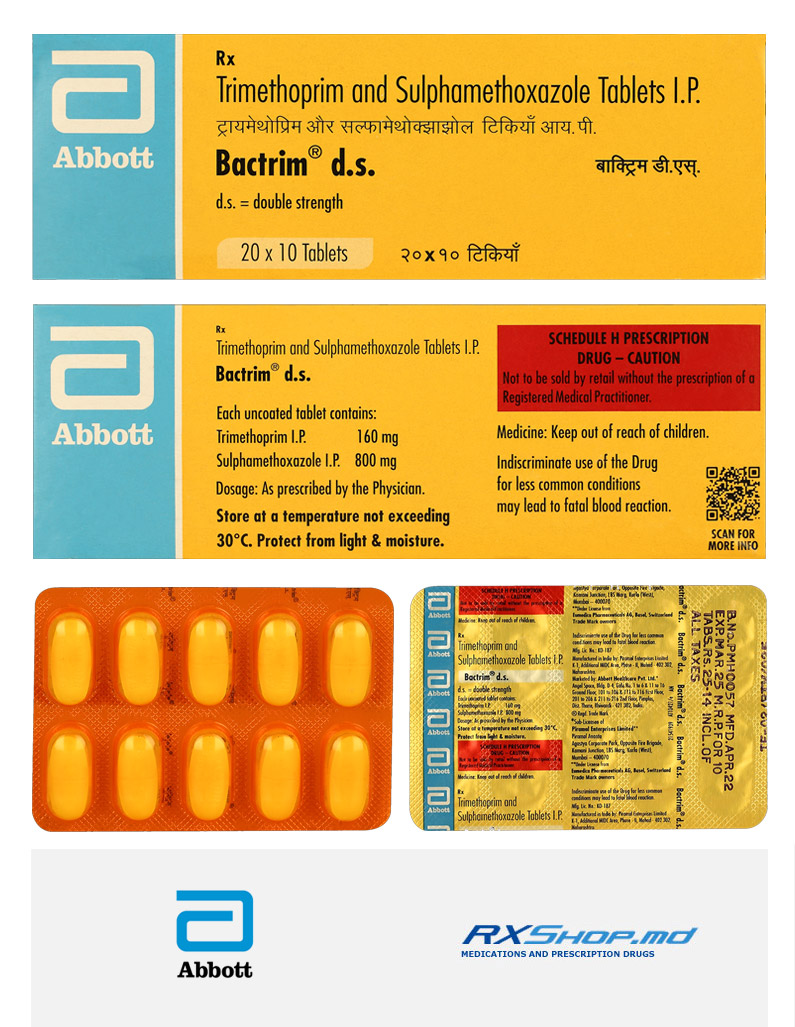
Bactrim is the original brand-name formulation of Sulfamethoxazole + Trimethoprim — one of the most clinically important combination antibiotics in modern medicine. Developed by Roche and FDA-approved since 1973, Bactrim combines two antibiotics that work synergistically by blocking sequential steps in bacterial folate synthesis, providing dual-action antibacterial activity exceeding either component alone.
The active ingredients are Sulfamethoxazole (a sulfonamide that inhibits dihydropteroate synthase) and Trimethoprim (which inhibits dihydrofolate reductase). Together they block two essential steps in bacterial folate metabolism — depleting tetrahydrofolate that bacteria need to synthesise DNA, RNA, and proteins. This synergistic mechanism provides bactericidal activity and reduces resistance development compared to either component alone.
Bactrim is FDA-approved for a wide range of bacterial infections including urinary tract infections (one of the most common uses), acute otitis media in children, acute bronchitis, traveler's diarrhea, and shigellosis. Crucially, Bactrim is the agent of choice for both treatment and prophylaxis of Pneumocystis jirovecii pneumonia (PCP) — a life-threatening opportunistic infection in HIV-positive patients and other immunocompromised hosts. It is also used for toxoplasmosis prophylaxis in advanced HIV disease.
Beyond approved indications, Bactrim is widely used for community-acquired methicillin-resistant Staphylococcus aureus (MRSA) skin infections, certain unusual bacterial infections (Nocardia, Stenotrophomonas, Burkholderia), and as part of treatment regimens for several rare diseases.
The medication is available in standard strength tablets (400/80 mg), double-strength DS tablets (800/160 mg), oral suspension, and IV formulation. Standard adult dosing is one DS tablet twice daily for most indications.
Important safety considerations include sulfa allergy (causing rash, Stevens-Johnson syndrome in severe cases), hyperkalemia, renal effects, bone marrow suppression, and contraindication in late pregnancy and young infants due to kernicterus risk. Generic Sulfamethoxazole/Trimethoprim is widely available worldwide and listed on the WHO Model List of Essential Medicines.
Free prescription
Discrete packaging
Have questions?
Quality Assurance

- Acute Pyelonephritis: For acute kidney infection caused by susceptible Gram-negative organisms;
- Recurrent UTI Prophylaxis: Low-dose daily or post-coital dosing for recurrent UTI prevention in women;
- PCP Pneumonia: First-line agent of choice for Pneumocystis jirovecii pneumonia in HIV and immunocompromised patients;
- PCP Prophylaxis: Standard prophylaxis in HIV patients with CD4 below 200 and other immunocompromised conditions;
- Toxoplasmosis Prophylaxis: For toxoplasmosis prophylaxis in advanced HIV with positive Toxoplasma serology;
- MRSA Skin Infection: First-line oral antibiotic for community-acquired MRSA skin and soft tissue infections;
- CA MRSA Abscess: For drainage and antibiotic management of community-acquired MRSA skin abscesses;
- Acute Otitis Media: Alternative for pediatric otitis media in penicillin-allergic children;
- Acute Bronchitis: For acute bacterial exacerbations of chronic bronchitis caused by susceptible organisms;
- Traveler Diarrhea: For bacterial traveler's diarrhea caused by susceptible E. coli and Shigella species;
- Shigellosis: For Shigella dysentery caused by susceptible organisms;
- Stenotrophomonas Infection: Drug of choice for Stenotrophomonas maltophilia infections — few alternatives exist;
- Burkholderia Cepacia: For Burkholderia cepacia complex infections particularly in cystic fibrosis patients;
- Nocardiosis: First-line therapy for Nocardia infections — particularly important in immunocompromised hosts;
- Whipple Disease: For long-term maintenance therapy in Whipple disease following initial ceftriaxone or other induction therapy;
- Pertussis Prophylaxis: Alternative for pertussis post-exposure prophylaxis in macrolide-allergic patients;
- Granuloma Inguinale: For granuloma inguinale (donovanosis) caused by Klebsiella granulomatis;
- Pediatric Bacterial Infections: For susceptible bacterial infections in children with appropriate weight-based dosing;
- HIV Opportunistic Prevention: Foundation of opportunistic infection prophylaxis in advanced HIV disease.
- Less Urinary Urgency: Resolution of frequent urination and urgency as UTI clears;
- Better Bladder Comfort: Restoration of normal bladder function and comfort following infection;
- Less Fever: Resolution of fever as bacterial infection responds to therapy;
- Better Breathing: Improvement in respiratory function as PCP pneumonia responds to treatment;
- Less Cough: Resolution of cough in PCP pneumonia and bronchitis;
- Better Wound Healing: Resolution of MRSA skin infections as bacteria clear;
- Less Pain: Reduction in pain associated with various bacterial infections;
- Better Energy: Recovery from systemic infection-related fatigue;
- Faster Recovery: Resolution of UTI symptoms typically within 3 days of treatment initiation;
- Less Diarrhea: Resolution of bacterial traveler's diarrhea following effective therapy;
- Better HIV Outcomes: PCP prophylaxis prevents life-threatening opportunistic pneumonia in advanced HIV;
- Brand Bactrim: Original Roche brand of Sulfamethoxazole/Trimethoprim with established global clinical reputation since 1973;
- Generic Sulfamethoxazole Trimethoprim: Affordable generic versions expand global access to essential combination antibiotic;
- Septra Equivalent: Same active ingredients as branded Septra with bioequivalent therapeutic profile;
- Cotrimoxazole: International common name for the Sulfamethoxazole/Trimethoprim combination;
- Sulfonamide Antibiotic: Foundational sulfonamide class antibiotic with sulfonamide + DHFR inhibitor combination;
- Synergistic Folate Blockade: Sequential blockade of bacterial folate synthesis — synergistic activity exceeds either component;
- Folate Pathway Inhibitor: Targets bacterial folate metabolism — essential for DNA, RNA, and protein synthesis;
- UTI First Line: First-line oral antibiotic for uncomplicated UTI in regions with low E. coli resistance;
- PCP Treatment Standard: Agent of choice for Pneumocystis jirovecii pneumonia treatment in HIV and immunocompromised;
- PCP Prophylaxis Standard: Standard prophylaxis in HIV patients with CD4 below 200 — prevents life-threatening pneumonia;
- MRSA Oral Treatment: First-line oral antibiotic for community-acquired MRSA skin and soft tissue infections;
- HIV Patient Antibiotic: Foundation of HIV opportunistic infection management for decades;
- Stenotrophomonas Treatment: Drug of choice for Stenotrophomonas maltophilia infections in immunocompromised patients;
- Nocardia Treatment: First-line therapy for Nocardia infections including pulmonary and disseminated forms;
- Bactrim DS: Double-strength 800/160 mg tablets support twice-daily dosing with reduced pill burden;
- Pediatric Suspension Antibiotic: Oral suspension supports accurate weight-based pediatric dosing;
- IV Bactrim: Intravenous formulation available for severe PCP and serious systemic infections;
- Twice Daily Antibiotic: Simple twice-daily dosing supports good outpatient adherence;
- Outpatient MRSA Antibiotic: Effective oral therapy for outpatient MRSA skin infection management;
- WHO Essential Medicine: Listed on the WHO Model List of Essential Medicines — critical for global HIV care;
- 50 Plus Year History: Extensive real-world safety and efficacy data since 1973 across billions of patient courses;
- Affordable Combination Antibiotic: Highly affordable globally — supports HIV programmes in low and middle-income countries;
- Sulfa Allergy Warning: Causes hypersensitivity reactions in 1-3% of patients including Stevens-Johnson syndrome risk;
- Avoid Late Pregnancy: Contraindicated in late pregnancy and young infants due to kernicterus risk;
- Renal Monitoring: Periodic creatinine and potassium monitoring during prolonged therapy;
- Drug Interactions: Significant interactions with warfarin, methotrexate, ACE inhibitors, and other medications;
- Globally Available: Widely stocked across international markets in branded (Bactrim, Septra) and generic forms.
Generic Bactrim (Trimethoprim 480 mg) Medication guide:
📖 What is Bactrim - the trimethoprim-sulfamethoxazole combination
Bactrim is the original brand-name formulation of trimethoprim-sulfamethoxazole (TMP-SMX, also called co-trimoxazole in UK and many European markets), a fixed-dose combination antibiotic that has been in continuous global use since 1973. The combination represents one of the most successful examples of rational drug design in pharmaceutical history — deliberately engineered to produce synergistic bacterial killing through sequential blockade of the bacterial folate synthesis pathway. The two component drugs together produce bactericidal effect that neither achieves alone, with the combination remaining clinically valuable nearly six decades after introduction.
The contemporary clinical role of Bactrim spans several distinct indication categories. For uncomplicated urinary tract infection, TMP-SMX remains an IDSA-recommended first-line option where local Escherichia coli resistance allows. For community-acquired MRSA skin and soft tissue infections, TMP-SMX is one of the preferred oral agents per IDSA Stevens 2014 guidelines. For Pneumocystis pneumonia (PCP) in HIV-positive patients and other immunocompromised hosts, TMP-SMX is the unrivalled first-line drug for both treatment and prophylaxis — the indication that has positioned the combination as a foundational agent in HIV-related infectious diseases since the 1980s. For toxoplasmosis prevention in HIV-positive patients, TMP-SMX provides reliable prophylaxis. For shigellosis, listeria, nocardia, and selected other infections, TMP-SMX has documented utility in specific clinical scenarios.
- Drug class
- Folate synthesis inhibitor combination (sulfonamide + dihydrofolate reductase inhibitor); bactericidal antibiotic acting through sequential blockade of bacterial tetrahydrofolate production
- Original manufacturers
- Bactrim originally marketed by Roche; Septra marketed by Burroughs Wellcome (now GSK); generic trimethoprim-sulfamethoxazole now widely available from many manufacturers globally
- International brand names
- Bactrim (US, EU, much of the world); Septra (US); Septrin (UK); Co-trimoxazole (UK BNF generic designation); Cotrim (various markets); various local brand names
- FDA approval
- Bactrim tablets: NDA 017315 (1973); Septra tablets: NDA 050560; intravenous: NDA 050626; multiple subsequent generic approvals since the 1990s
- Standard ratio
- Fixed 1:5 ratio of trimethoprim to sulfamethoxazole — the dose ratio designed to produce optimal sequential folate blockade and synergistic killing
- Half-life
- Trimethoprim approximately 8-10 hours; sulfamethoxazole approximately 10-12 hours; supports twice-daily dosing
- Standard strengths
- Single strength (SS) 80/400 mg tablets; double strength (DS) 160/800 mg tablets; oral suspension 40/200 mg per 5 mL; intravenous 80/400 mg per 5 mL ampule
The WHO Essential Medicines List includes TMP-SMX in the Access tier of the WHO AWaRe categorisation — the priority tier reserved for first-line antibiotics that should be widely available and preferentially used over broader-spectrum alternatives. The agent has remained on the EML continuously since 1977. The combination of effectiveness for specific indications, broad global availability as generic, low cost, and well-characterised safety profile makes TMP-SMX a foundational antibiotic across diverse healthcare settings.
The distinguishing features of Bactrim among contemporary antibiotics include its synergistic combination mechanism, its specific clinical positioning across UTI, MRSA SSTI, and PCP indications, its place in HIV-related opportunistic infection management, its modest cost, and the substantial safety considerations (sulfa allergy, severe cutaneous adverse reactions, hyperkalemia, renal effects) that require attention at prescription. The combination remains valuable for the specific indications where it works while requiring stewardship-conscious selection in the context of rising bacterial resistance and the alternative agents available for many indications.
🕰️ Heritage - Hitchings, Elion, and the Nobel Prize for rational drug design
The development of trimethoprim-sulfamethoxazole is one of the most significant achievements in twentieth-century antimicrobial pharmaceutical history. The combination emerged from systematic research on folate antagonists conducted by George H. Hitchings and Gertrude B. Elion at Burroughs Wellcome Research Laboratories from the 1940s through the 1970s. Their work on understanding how to selectively inhibit bacterial and parasitic folate metabolism while sparing human folate enzymes produced trimethoprim and several other clinically important drugs. The Hitchings and Elion programme was recognised with the Nobel Prize in Physiology or Medicine in 1988 — one of the few Nobel Prizes awarded specifically for pharmaceutical drug discovery work.
The sulfonamide component traces back even further. Sulfanilamide, discovered by Gerhard Domagk in 1932 as Prontosil, was the first synthetic antibacterial drug and earned Domagk the Nobel Prize in 1939. The sulfonamides work by competitively inhibiting dihydropteroate synthase (DHPS), the bacterial enzyme that incorporates para-aminobenzoic acid (PABA) into the folate biosynthesis pathway. Sulfamethoxazole is one of many sulfonamide derivatives developed in the decades following the original Prontosil discovery, selected for the TMP-SMX combination because its pharmacokinetics matched well with trimethoprim.
Key milestones in TMP-SMX development
| Year | Milestone |
|---|---|
| 1932 | Gerhard Domagk discovers Prontosil (sulfanilamide); the first synthetic antibacterial drug; Nobel Prize 1939 |
| 1940s | George Hitchings joins Burroughs Wellcome and begins systematic work on folate antagonist drug design |
| 1950 | Gertrude Elion joins Hitchings team at Burroughs Wellcome; the partnership produces multiple landmark drugs over subsequent decades |
| 1956 | Hitchings group synthesises trimethoprim as part of systematic folate antagonist programme |
| 1959 | Trimethoprim antimalarial activity recognised |
| 1965 | Hitchings GH, Burchall JJ publish foundational mechanism paper "Inhibition of folate biosynthesis and function as a basis for chemotherapy" (Advances in Enzymology 27:417-468) |
| 1968 | Bushby SR, Hitchings GH publish landmark paper "Trimethoprim, a sulphonamide potentiator" (British Journal of Pharmacology and Chemotherapy 33:72-90) introducing the combination concept and the synergistic mechanism |
| 1968-1973 | Clinical development of TMP-SMX combination by Burroughs Wellcome and Roche |
| 1973 | Bactrim FDA approval as NDA 017315 (Roche); Septra approval shortly thereafter (Burroughs Wellcome) |
| 1977 | TMP-SMX added to WHO Essential Medicines List |
| 1981 | HIV/AIDS pandemic begins; Pneumocystis pneumonia emerges as principal opportunistic infection |
| 1980s-1990s | TMP-SMX established as gold standard for Pneumocystis pneumonia treatment and prophylaxis; transforms HIV care |
| 1988 | George H. Hitchings, Gertrude B. Elion, and James W. Black share the Nobel Prize in Physiology or Medicine for "their discoveries of important principles for drug treatment" — specifically the rational drug design approach that produced trimethoprim, allopurinol, azathioprine, acyclovir, and other agents |
| 2000s | Generic TMP-SMX dominates global dispensing; combination remains foundational |
| 2010s-2020s | TMP-SMX position evolves as community E. coli resistance rises in some regions; community MRSA SSTI role expands; restricted UTI use in high-resistance areas |
The 1988 Nobel Prize Lecture by George Hitchings, titled "Selective Inhibitors of Dihydrofolate Reductase," provides a comprehensive description of the scientific reasoning that produced trimethoprim. The Hitchings approach involved careful structural analysis of the folate enzyme active sites to identify modifications that would preferentially inhibit bacterial enzymes while sparing human counterparts. This rational drug design methodology — the explicit use of biochemical understanding to guide drug development rather than random screening — was transformative for the pharmaceutical industry and laid the groundwork for modern structure-based drug discovery.
The Bushby and Hitchings 1968 paper introducing the combination remains a foundational citation. The paper documented that trimethoprim and sulfamethoxazole, given together at appropriate ratios, produced bactericidal effect (kill bacteria) while either agent alone is only bacteriostatic (prevents growth) at clinically achievable concentrations. The synergy arises because the two drugs block consecutive enzymatic steps in folate biosynthesis — sulfamethoxazole inhibits dihydropteroate synthase (DHPS), trimethoprim inhibits dihydrofolate reductase (DHFR). Sequential blockade produces complete pathway inhibition rather than partial inhibition, with the consequent bactericidal effect.
The commercial heritage traces from Burroughs Wellcome (Septra) and Roche (Bactrim) through SmithKline Beecham and GlaxoSmithKline (Septra heritage) and through Roche corporate history (Bactrim). Generic manufacturing began with patent expiration and now dominates dispensing globally. The original brand names persist in many markets as heritage products, but the active ingredient and clinical activity are identical across all generic versions.
🧬 How Bactrim works - sequential folate synthesis blockade
Bactrim exerts its bactericidal effect through sequential blockade of bacterial folate (tetrahydrofolate) biosynthesis. Folate is essential for bacterial DNA synthesis — it provides the one-carbon transfer reactions required for purine and pyrimidine synthesis, and consequently for DNA replication, RNA synthesis, and bacterial cell division. By blocking two consecutive enzymatic steps in folate biosynthesis with two complementary drugs, TMP-SMX produces complete pathway inhibition that neither component achieves alone. The result is bactericidal killing rather than the bacteriostatic effect of either drug alone.
The folate biosynthesis pathway involves several enzymatic steps. The two specifically targeted by TMP-SMX:
- 🧬 Step 1: PABA + pteridine to dihydropteroate
- Enzyme blocked: Dihydropteroate synthase (DHPS)
- Inhibitor: Sulfamethoxazole
- Mechanism: Sulfamethoxazole structurally resembles PABA (para-aminobenzoic acid) and competitively inhibits DHPS; bacteria cannot incorporate PABA into folate
- 🧬 Step 2: Dihydrofolate to tetrahydrofolate
- Enzyme blocked: Dihydrofolate reductase (DHFR)
- Inhibitor: Trimethoprim
- Mechanism: Trimethoprim binds the bacterial DHFR active site with much higher affinity than the human DHFR active site; selective bacterial DHFR inhibition is the key to therapeutic selectivity
The selectivity for bacterial folate metabolism over human folate metabolism is the key to TMP-SMX therapeutic safety. Humans do NOT synthesise folate — we acquire folate from dietary sources, then use the same downstream enzymes (DHFR) to convert dietary dihydrofolate to tetrahydrofolate. Bacteria, in contrast, must synthesise folate de novo from PABA precursors because they cannot transport folate across their cell membrane. This fundamental biochemical difference means sulfamethoxazole has NO human folate metabolism target (humans do not synthesise folate so DHPS does not exist in humans). Trimethoprim binds bacterial DHFR thousands of times more strongly than human DHFR, providing selective bacterial DHFR inhibition while preserving human folate metabolism.
- 💡 Synergistic killing mechanism
- Sulfamethoxazole alone is bacteriostatic (prevents bacterial growth but does not kill). Trimethoprim alone is also bacteriostatic. Together, the two drugs produce bactericidal effect because complete pathway blockade depletes tetrahydrofolate pools (the active form needed for DNA synthesis) faster than the bacteria can adapt. The 1:5 ratio of TMP to SMX (160:800 mg in DS tablet) is chosen to produce optimal plasma concentrations for the synergistic effect at typical bacterial MICs.
- 💡 Pharmacokinetic profile
- Both drugs have similar pharmacokinetics that allow co-administration. Oral bioavailability over 90% for both. Time to peak 1-4 hours for both. Half-life trimethoprim ~8-10 hours, sulfamethoxazole ~10-12 hours — allows twice-daily dosing. Distribution wide including CSF (acceptable for selected indications), prostate, sputum, ear, urinary tract. Protein binding trimethoprim ~45%, sulfamethoxazole ~70%. Renal excretion dominant for both — dose adjustment needed in renal impairment.
- 💡 Resistance mechanisms
- Bacterial resistance can develop through several pathways: altered DHPS with reduced sulfamethoxazole affinity (sul1, sul2, sul3 gene variants); altered DHFR with reduced trimethoprim affinity (dfrA gene family); overexpression of DHPS or DHFR compensating for inhibition; plasmid-mediated PABA overproduction overwhelming sulfamethoxazole competition. Combined resistance requires multiple mechanisms but emerges over time with sustained exposure.
- 💡 Bactericidal vs bacteriostatic
- The bactericidal effect of the combination is one of the practical advantages over either alone. Bactericidal antibiotics actively kill bacteria; bacteriostatic antibiotics merely halt growth and rely on host immune system to clear the organisms. For serious infections (PCP, severe bacteremia), bactericidal activity matters. For routine outpatient infections (uncomplicated UTI), bacteriostatic activity alone is often sufficient but bactericidal effect is preferable.
The tissue distribution of TMP-SMX is favourable for many infection sites. Excellent penetration into the urinary tract supports the UTI indication (urinary concentrations far exceed plasma). Adequate penetration into prostate tissue supports the prostatitis indication. Good CSF penetration supports use in selected meningitis scenarios. Adequate sputum penetration supports the PCP indication. Excellent skin and soft tissue penetration supports the MRSA SSTI indication. The intracellular distribution allows activity against intracellular pathogens including Pneumocystis jirovecii and Toxoplasma gondii.
The practical pharmacodynamic principles for TMP-SMX dosing reflect the synergistic mechanism. The combination performs best with sustained plasma concentrations of both components at the appropriate ratio. Twice-daily dosing maintains both components above their MICs for typical susceptible organisms throughout the dosing interval. Higher doses (used for PCP treatment) maintain higher concentrations needed for activity against Pneumocystis. Dose adjustment in renal impairment preserves the ratio while preventing accumulation toxicity.
🦠 The bacterial spectrum of TMP-SMX
The bacterial spectrum of TMP-SMX includes a broad range of gram-positive cocci, gram-negative organisms, and several specific atypical and intracellular pathogens. The spectrum has narrowed in some indications over the past 30 years due to resistance development, particularly in community-acquired Escherichia coli. Understanding which organisms remain reliably susceptible and which have developed substantial resistance is essential for appropriate TMP-SMX selection.
TMP-SMX antibacterial spectrum by organism group
- 🦠 Gram-positive cocci
- Susceptible: Methicillin-sensitive S. aureus (MSSA); methicillin-resistant S. aureus (MRSA) including community-acquired; many coagulase-negative staphylococci; Streptococcus pneumoniae (variable; rising resistance).
- Resistant: Enterococcus (clinically unreliable); Group A streptococcus (intrinsic resistance).
- 🦠 Gram-positive bacilli
- Susceptible: Listeria monocytogenes (alternative to ampicillin in penicillin-allergic patients); Nocardia asteroides and other Nocardia species (TMP-SMX is drug of choice).
- Resistant: Mycobacteria; most anaerobes.
- 🦠 Gram-negative cocci
- Susceptible: Moraxella catarrhalis (most strains).
- Variable: Neisseria meningitidis.
- Resistant: Neisseria gonorrhoeae (resistance now essentially universal).
- 🦠 Gram-negative bacilli (Enterobacterales)
- Susceptible: Klebsiella pneumoniae (susceptible strains); Proteus mirabilis (susceptible); some Salmonella; some Shigella.
- Variable: Escherichia coli (community resistance 15-30% in many regions; up to 50% in some areas); Enterobacter.
- Resistant: Pseudomonas aeruginosa (intrinsically resistant); ESBL-producing organisms commonly resistant alongside cephalosporin resistance.
- 🦠 Anaerobes
- Resistant: Most anaerobes including Bacteroides fragilis — alternative agents needed for anaerobic infections.
- 🦠 Intracellular and atypical pathogens
- Drug of choice: Pneumocystis jirovecii (PCP); Stenotrophomonas maltophilia.
- Effective: Toxoplasma gondii (for prophylaxis); Burkholderia cepacia in selected cases.
- Resistant: Most Mycoplasma; most Chlamydia (no significant activity); Legionella (azithromycin or fluoroquinolones preferred).
The most clinically important organisms for routine TMP-SMX practice:
- Escherichia coli — the principal target for UTI use. Community resistance has risen from under 5% in the 1990s to 15-30% in many contemporary regions, with some areas exceeding 30-50%. The IDSA Gupta 2010 guideline recommends TMP-SMX first-line for uncomplicated cystitis only where local resistance is under 20%.
- Community-acquired MRSA — TMP-SMX is reliably MRSA-active and is one of the preferred oral agents for community MRSA SSTI per IDSA Stevens 2014. The MRSA-active property distinguishes TMP-SMX from beta-lactam alternatives.
- MSSA — reliable; supports use in MSSA SSTI, prosthetic device infections, and selected other staphylococcal infections.
- Pneumocystis jirovecii — the drug of choice for both PCP treatment (high-dose regimens) and prophylaxis (low-dose chronic). No alternative agent matches TMP-SMX for this fungal/protozoal pathogen.
- Toxoplasma gondii — effective for prophylaxis in HIV-positive patients at risk of toxoplasmic encephalitis.
- Listeria monocytogenes — TMP-SMX is the standard alternative to ampicillin in penicillin-allergic patients with Listeria infections including meningitis and bacteremia.
- Nocardia species — TMP-SMX is the drug of choice for nocardiosis treatment and prophylaxis.
- Stenotrophomonas maltophilia — the drug of choice for this multidrug-resistant hospital gram-negative pathogen; few alternatives available.
- Shigella species — documented utility for traveller diarrhoea due to Shigella in selected scenarios; resistance variable.
The important organisms NOT covered by TMP-SMX:
- Pseudomonas aeruginosa — intrinsically resistant; alternative agents needed
- Enterococcus species — generally clinically unreliable despite some in vitro susceptibility; alternative agents preferred
- Group A streptococcus (Streptococcus pyogenes) — intrinsic resistance through GAS-specific thymidine kinase that bypasses the folate inhibition; TMP-SMX is NOT appropriate for streptococcal pharyngitis
- Most anaerobes including Bacteroides fragilis — alternative agents needed for anaerobic infections
- Mycoplasma pneumoniae, Chlamydia pneumoniae, Legionella pneumophila — atypical pneumonia pathogens; macrolides or doxycycline appropriate
- ESBL-producing Enterobacterales — commonly TMP-SMX-resistant alongside cephalosporin resistance
- Treponema pallidum (syphilis), Neisseria gonorrhoeae, Trichomonas vaginalis — not effective
The spectrum reliability for the appropriate indications has remained relatively stable for several decades. MRSA, Pneumocystis, Toxoplasma, Listeria, Nocardia, and Stenotrophomonas susceptibility patterns have not significantly worsened. E. coli community resistance has been the principal area of erosion, affecting the UTI empirical use most prominently.
⚖️ The 1:5 ratio and synergy explained
The fixed 1:5 ratio of trimethoprim to sulfamethoxazole in Bactrim formulations is one of the distinctive design features of the combination. The ratio reflects deliberate pharmacokinetic engineering by the Burroughs Wellcome and Roche development teams in the late 1960s to produce optimal synergistic killing at typical bacterial MICs. Understanding the rationale clarifies why this specific ratio is used and why deviating from it would compromise the synergy.
The theoretical optimal ratio for synergy involves matching the plasma concentrations of trimethoprim and sulfamethoxazole to the ratio of their respective MICs against target bacteria. The MIC of trimethoprim against susceptible E. coli is typically 0.5-2 mcg/mL. The MIC of sulfamethoxazole against the same organism is typically 5-20 mcg/mL — about 10 to 20-fold higher. The mathematical optimal would be plasma concentrations producing 1:20 ratio of TMP to SMX. The clinical 1:5 dose ratio produces approximately 1:20 plasma concentration ratio because trimethoprim has higher protein binding (~45%) than sulfamethoxazole (~70%) and faster renal clearance — the dosed ratio translates into a different plasma free-drug ratio that approaches the optimal pharmacodynamic target.
1:5 dose ratio across Bactrim formulations
| Formulation | Trimethoprim | Sulfamethoxazole | Ratio |
|---|---|---|---|
| SS tablet (single strength) | 80 mg | 400 mg | 1:5 |
| DS tablet (double strength) | 160 mg | 800 mg | 1:5 |
| Oral suspension | 40 mg per 5 mL | 200 mg per 5 mL | 1:5 |
| Intravenous ampule | 80 mg per 5 mL | 400 mg per 5 mL | 1:5 |
- Why 1:5 not other ratios
- Higher ratios (more TMP relative to SMX) would not provide additional synergy at the target organism MICs and would expose patients to more TMP-specific adverse effects (hyperkalemia, methotrexate-like effects). Lower ratios (less TMP relative to SMX) would produce inadequate TMP concentrations for the synergistic effect and would expose patients to more sulfamethoxazole-specific adverse effects (sulfa allergy, severe cutaneous reactions). The 1:5 ratio represents the empirical optimum balancing synergistic effect against component-specific adverse effects.
- Synergistic vs additive vs antagonistic
- Two antibiotics combined can produce: additive effect (sum of individual effects), synergistic effect (greater than sum), or antagonistic effect (less than sum). TMP-SMX produces clear synergy in vitro and in clinical use, with the combination achieving bactericidal effect that neither agent achieves alone at clinical concentrations. The synergy arises from sequential pathway blockade rather than enhanced delivery or pharmacokinetic effects.
- Resistance impact on synergy
- When organisms develop resistance to one component (typically through altered DHFR for TMP or altered DHPS for SMX), the synergy is lost and the combination effectively behaves as monotherapy with the unaffected component. For E. coli with TMP-SMX resistance through altered DHFR, sulfamethoxazole alone provides only bacteriostatic effect. This is part of why E. coli TMP-SMX resistance is clinically significant despite the combination format.
- Pharmacokinetic mismatch limitations
- The half-lives of TMP (~8-10 hours) and SMX (~10-12 hours) are sufficiently similar to maintain ratio stability during routine dosing. In renal impairment, both drugs accumulate but at slightly different rates — SMX accumulates somewhat more than TMP due to greater renal clearance dependence. This can shift the plasma ratio in renal failure, although clinical impact at standard adjusted doses is modest.
The clinical significance of the 1:5 ratio for prescribers is that the same ratio is preserved across all formulations — SS, DS, suspension, IV. When calculating doses, the focus is typically on the trimethoprim component (the rate-limiting and lower-dose component): 160 mg TMP for adults is standard for UTI; pediatric dosing is calculated on trimethoprim mg/kg basis. The sulfamethoxazole automatically scales with the trimethoprim at the 1:5 ratio.
The historical alternatives to TMP-SMX with different ratios have been explored. Some research examined 1:10 or other ratios, but the 1:5 standard has remained the clinical formulation because of the optimal balance of synergistic activity and tolerability. Some markets (UK historically) have prescribed trimethoprim alone (without sulfamethoxazole) for uncomplicated UTI to reduce sulfonamide-specific adverse effects; this monotherapy approach trades synergy for tolerability and is appropriate in carefully selected patients where the sulfa component is contraindicated or poorly tolerated.
The practical implication for clinical prescribing is to use the standard 1:5 ratio formulations and dose by trimethoprim equivalents. Substituting trimethoprim monotherapy is acceptable in selected scenarios but generally not advantageous for indications where TMP-SMX is appropriate. The combination format and ratio have been clinically validated through five decades of widespread use.
🎯 FDA-approved indications
The FDA-approved and contemporary clinical indications for TMP-SMX span several distinct categories. The combination has a remarkably broad indication list for a single antibiotic, reflecting its utility against diverse organism classes (gram-positive cocci, gram-negative bacilli, Pneumocystis, Toxoplasma, Listeria, Nocardia). Understanding the indication-specific positioning and the contemporary stewardship-conscious selection framework is essential for appropriate prescribing.
Urinary tract infections
- Uncomplicated acute cystitis — IDSA Gupta 2010 first-line where local E. coli resistance is under 20%; one of the principal historical TMP-SMX uses
- Complicated UTI and pyelonephritis — in selected patients where susceptibility is confirmed or known to be predominant
- Asymptomatic bacteriuria in pregnancy — in selected scenarios; alternatives (nitrofurantoin, Augmentin) often preferred
- Catheter-associated UTI — based on susceptibility
- Prostatitis — chronic bacterial prostatitis where TMP-SMX excellent prostate penetration matters
Skin, soft tissue, and bone infections
- Community-acquired MRSA SSTI — per IDSA Stevens 2014, TMP-SMX is among the preferred oral agents for outpatient management of CA-MRSA cellulitis, abscess, furunculosis; the MRSA-active property is the key feature
- MSSA SSTI — reliable activity
- Diabetic foot infections with MRSA risk — in combination with anaerobic-active agent if needed
- Selected osteomyelitis — in step-down or chronic suppression scenarios
- Prosthetic device infections — in selected staphylococcal infections
Opportunistic infections in immunocompromised hosts
- Pneumocystis pneumonia (PCP) treatment — drug of choice for severe and mild-moderate PCP in HIV-positive and other immunocompromised patients; high-dose regimens IV or oral
- PCP prophylaxis — standard agent for primary and secondary PCP prophylaxis in HIV with low CD4, organ transplant recipients, certain immunosuppressed states, and cancer patients on selected chemotherapy regimens
- Toxoplasmosis prophylaxis — for HIV-positive patients at risk of toxoplasmic encephalitis; same regimen as PCP prophylaxis provides both
- Nocardiosis — drug of choice for Nocardia infections in immunocompromised and selected immunocompetent patients
Gastrointestinal infections
- Shigellosis — in regions with preserved susceptibility
- Traveler's diarrhoea — historically used; fluoroquinolones now generally preferred in adults
- Salmonella enteric fever — in selected susceptible isolates; alternative agents often preferred
- Whipple disease — chronic suppressive therapy after initial induction
Other indications
- Listeria infections in penicillin-allergic patients — alternative to ampicillin for meningitis and bacteremia
- Stenotrophomonas maltophilia infections — drug of choice for this multidrug-resistant hospital pathogen
- Burkholderia cepacia complex infections — in cystic fibrosis and selected scenarios
- Acute exacerbations of chronic bronchitis — historically; rarely first-line now
- Otitis media — historically; amoxicillin or Augmentin now preferred
- Travelers diarrhoea — less commonly now
The indications NOT appropriate for TMP-SMX in contemporary practice:
- Streptococcal pharyngitis — Group A streptococcus intrinsically resistant; amoxicillin or penicillin V appropriate
- Streptococcal pneumonia in healthy adults — amoxicillin or doxycycline preferred; TMP-SMX has limited evidence
- Pseudomonas infections — intrinsically resistant
- Anaerobic infections (Bacteroides, etc.) — alternative agents needed
- Atypical pneumonia (Mycoplasma, Chlamydia, Legionella) — no significant activity
- Viral upper respiratory tract infections — no antibiotic appropriate
- Most uncomplicated UTI in regions with high E. coli TMP-SMX resistance (over 20%) — nitrofurantoin or fosfomycin preferred
The contemporary stewardship principle for TMP-SMX is to use the combination for indications where it has unique value or where it is the appropriate first-line per current guidelines: PCP (unmatched first-line), MRSA SSTI (preferred oral option), uncomplicated UTI in low-resistance regions, Listeria in penicillin-allergic patients, Nocardia (drug of choice), Stenotrophomonas (drug of choice). For indications with multiple viable alternatives, the choice depends on local resistance, allergy history, and patient-specific factors.
The broader perspective on TMP-SMX positioning is that the combination has retained durable clinical value for its core indications across five decades of widespread use. The resistance development in E. coli has narrowed some uses (empirical UTI in high-resistance regions); the rise of community-acquired MRSA has expanded other uses (community MRSA SSTI). The combination remains a foundational antibiotic with substantial ongoing relevance in 2026.
💊 Standard adult dosing
Standard adult dosing of TMP-SMX is dose-by-indication, with dose strength varying substantially across the indication spectrum. The 1 DS tablet twice daily regimen is the most common adult outpatient prescription, used for uncomplicated UTI, MRSA SSTI, and other moderate infections. Higher-dose regimens are used for PCP treatment; lower-dose regimens for prophylaxis. Understanding the dose-by-indication framework supports appropriate prescribing.
Standard adult TMP-SMX dosing by indication
| Indication | Dose (TMP/SMX) | Frequency | Route | Duration |
|---|---|---|---|---|
| Uncomplicated cystitis (UTI) | 160/800 mg (1 DS) | Twice daily | Oral | 3 days (per IDSA Gupta 2010) |
| Complicated UTI / pyelonephritis | 160/800 mg (1 DS) | Twice daily | Oral | 10-14 days |
| Prostatitis (chronic bacterial) | 160/800 mg (1 DS) | Twice daily | Oral | 4-6 weeks |
| MRSA SSTI (mild-moderate) | 160/800 mg (1 DS) | Twice daily | Oral | 5-10 days; some 1 or 2 DS twice daily for higher dose |
| MRSA SSTI (higher dose for severe) | 320/1600 mg (2 DS) | Twice daily | Oral | 7-14 days |
| PCP treatment | 15-20 mg/kg TMP/day | Divided every 6-8 hours | IV or oral | 21 days |
| PCP prophylaxis | 160/800 mg (1 DS) | Once daily OR 3 times weekly | Oral | Chronic; until CD4 above 200 for 3+ months on ART or other criterion |
| Toxoplasmosis prophylaxis | 160/800 mg (1 DS) | Once daily | Oral | Chronic; same as PCP prophylaxis |
| Listeria meningitis (PCN allergy) | 5 mg/kg TMP every 6-8 hours | Q6-8h | IV | 21 days (treatment); longer for rhombencephalitis |
| Nocardiosis | 10-15 mg/kg TMP/day | Divided 2-4 times daily | Oral or IV | 6 months to 12 months depending on site |
| Stenotrophomonas maltophilia | 15 mg/kg TMP/day | Divided every 8 hours | IV or oral | 10-14 days |
| Shigellosis | 160/800 mg (1 DS) | Twice daily | Oral | 3-5 days |
The weight-based dosing for serious infections (PCP, Listeria, Nocardia, Stenotrophomonas) reflects the higher exposures needed to overcome these challenging pathogens. The PCP treatment regimen of 15-20 mg/kg of trimethoprim daily is one of the highest TMP-SMX doses in clinical use. A 70 kg adult would receive approximately 1050-1400 mg TMP daily, equivalent to 6-9 DS tablets per day, divided every 6-8 hours.
Renal dose adjustment for TMP-SMX
| eCrCl or eGFR (mL/min) | Renal stage | Dose adjustment |
|---|---|---|
| Over 30 | Normal to mild impairment | No adjustment |
| 15-30 | Moderate-severe impairment | Reduce dose by 50% (e.g., 1/2 DS twice daily for UTI dose) |
| Under 15 | End-stage renal disease | Generally avoid; if essential, further reduced doses with monitoring |
| Haemodialysis | ESRD on HD | Reduced dose; supplemental after dialysis |
The renal dose adjustment is essential because both TMP and SMX are predominantly renally cleared. In severe renal impairment, plasma concentrations rise substantially and the risk of hyperkalemia, renal effects, hematologic effects, and severe cutaneous reactions increases. The 50% dose reduction at eCrCl 15-30 mL/min represents a balance between maintaining therapeutic exposure and avoiding accumulation toxicity.
The practical administration considerations:
- Take with adequate hydration — maintaining good urine output reduces the rare risk of crystalluria from sulfamethoxazole; encourage 2-2.5 L fluid daily during therapy
- Take with or without food — bioavailability is unchanged by food, though some patients find food reduces GI upset
- Avoid concurrent folate supplements high-dose — theoretical concern with rescuing bacterial folate; standard multivitamin folate doses are acceptable
- Sun protection — photosensitivity is a class effect of sulfonamides; advise sun protection and limit excessive UV exposure
- Complete the prescribed course — especially for PCP prophylaxis and chronic suppressive therapy
The practical clinical workflow for TMP-SMX adult prescribing:
- Confirm appropriate indication and that TMP-SMX is first-line or appropriate alternative for this scenario
- Review sulfa allergy history and recent renal function
- Identify dose by indication from the table above
- Adjust for renal impairment if eGFR under 30
- Counsel about administration, hydration, sun protection, warning signs
- Consider drug interactions (warfarin, methotrexate, ACE inhibitors, diuretics — see section 23)
- Plan follow-up appropriate to indication
- Document indication, dose, duration
👶 Pediatric dosing and weight-based calculations
Pediatric TMP-SMX dosing is weight-based and follows established protocols across multiple pediatric indications. The combination is FDA-approved for children 2 months of age and older for most indications. The standard pediatric dose is 8-10 mg/kg/day of trimethoprim divided every 12 hours (equivalent to 40-50 mg/kg/day of sulfamethoxazole). Higher-dose regimens apply to PCP treatment; lower-dose regimens apply to prophylaxis.
Pediatric TMP-SMX dosing by indication
| Indication | TMP component dose | Frequency | Duration |
|---|---|---|---|
| Uncomplicated UTI | 8 mg/kg/day | Divided every 12 hours | 3-5 days uncomplicated; 7-10 days complicated |
| MRSA SSTI | 8-12 mg/kg/day | Divided every 12 hours | 5-10 days |
| Severe MRSA SSTI | 10-12 mg/kg/day | Divided every 12 hours | 7-14 days |
| PCP treatment (pediatric) | 15-20 mg/kg/day | Divided every 6-8 hours | 21 days |
| PCP prophylaxis (pediatric) | 5-10 mg/kg/day | Once daily 7 days/week OR 3 days/week consecutive | Chronic until immune reconstitution |
| Acute otitis media | 8 mg/kg/day (historically; rarely used now) | Divided every 12 hours | 10 days (uncommon indication now) |
| Shigellosis | 8-10 mg/kg/day | Divided every 12 hours | 5 days |
| Nocardiosis (pediatric) | 10-15 mg/kg/day | Divided 2-3 times daily | Extended (6-12 months) per indication |
Example calculation for a 20 kg child with MRSA SSTI:
- Target dose: 8-12 mg/kg/day trimethoprim
- At 8 mg/kg: 160 mg TMP/day; divided BID = 80 mg TMP per dose
- Using suspension (40 mg TMP per 5 mL): 10 mL twice daily
- Higher dose 10 mg/kg: 200 mg TMP/day = 100 mg per dose = 12.5 mL twice daily
- Pediatric formulation choice
- Suspension (40 mg TMP / 200 mg SMX per 5 mL) for infants and young children. Tablets (DS or SS) for older children able to swallow tablets — SS for smaller doses, DS for older children at standard adult-equivalent doses. The suspension is the principal pediatric formulation given the weight-based dosing flexibility it provides.
- Age restrictions
- FDA-approved for children 2 months and older for most indications. Infants under 2 months have immature glucuronidation and renal clearance; TMP-SMX accumulation can produce kernicterus risk. For neonatal indications, alternative agents are preferred.
- Pediatric considerations specific to TMP-SMX
- Pediatric tolerability is generally good. The same adverse effect profile as adults applies, though severe cutaneous reactions (SJS, TEN) may be slightly more frequent in pediatric populations. G6PD deficiency screening in regions with high prevalence may be appropriate (mediterranean, African ancestry populations). Pediatric folate supplementation is generally not needed for short courses.
- Suspension preparation and administration
- Standard pediatric suspension administration: shake well before each dose; use oral syringe or measuring cup (not household teaspoons); refrigerate after opening; complete the prescribed course. Pleasant flavours support pediatric acceptance.
- Renal adjustment in pediatric patients
- Same principles as adult renal adjustment, with weight-based dose reduction at eCrCl under 30 mL/min/1.73 m squared. Pediatric ICU or nephrology consultation appropriate for severe pediatric renal impairment requiring TMP-SMX.
The practical pediatric workflow:
- Confirm appropriate pediatric indication
- Confirm age over 2 months (avoid in younger infants)
- Calculate weight-based dose: 8-12 mg/kg/day TMP for most indications
- Select formulation: suspension for younger children; tablets for older
- Convert to mL per dose if using suspension
- Counsel parents on administration, hydration, sun protection, warning signs
- Counsel about completion of course
- For PCP prophylaxis in HIV-positive or transplant pediatric patients: pediatric ID input recommended
The contemporary role of pediatric TMP-SMX remains valuable for the specific pediatric indications where it provides unique benefit:
- Community MRSA SSTI — one of the preferred oral options
- UTI in regions with low E. coli resistance
- PCP prophylaxis in HIV-positive pediatric patients
- Selected immunocompromised pediatric scenarios
- Selected complex cases per pediatric ID input
The pediatric prescribing landscape is shaped by the broader stewardship considerations and the availability of pediatric-friendly alternatives for many traditional TMP-SMX indications. Pediatric AOM is now Augmentin/amoxicillin first-line, displacing the historical TMP-SMX role. Pediatric strep throat uses amoxicillin or penicillin V. Pediatric pneumonia uses amoxicillin or Augmentin. The contemporary pediatric TMP-SMX use is therefore focused on the specific indications where the agent provides unique value rather than as a general broad-spectrum pediatric antibiotic.
📋 Bactrim formulations - SS, DS, suspension, IV
TMP-SMX is available in four principal formulations that cover the spectrum of clinical scenarios: tablet single-strength (SS), tablet double-strength (DS), oral suspension, and intravenous. Each formulation maintains the same 1:5 trimethoprim-to-sulfamethoxazole ratio. The choice of formulation depends on indication, patient age, ability to swallow tablets, and treatment setting.
| Formulation | TMP/SMX content | Typical use | Practical notes |
|---|---|---|---|
| Bactrim SS tablet | 80 mg TMP / 400 mg SMX | Renal impairment dose adjustment; some pediatric scenarios; selected indications with lower-dose needs | Less commonly used in adults than DS |
| Bactrim DS tablet (double strength) | 160 mg TMP / 800 mg SMX | The standard adult oral dose; most outpatient prescribing | Most commonly dispensed adult formulation; 1 tablet twice daily for typical indications |
| Oral suspension | 40 mg TMP / 200 mg SMX per 5 mL | Pediatric use; adult patients unable to swallow tablets | Pleasant flavours support pediatric acceptance; refrigerate after opening |
| Bactrim IV | 80 mg TMP / 400 mg SMX per 5 mL ampule | PCP treatment (high-dose); inpatient initial therapy; patients unable to take oral medication | Infuse over 60-90 minutes; do not give IV push; dilute appropriately |
| Generic trimethoprim-sulfamethoxazole tablets | Same as brand | Same as brand Bactrim/Septra | Bioequivalent; substantially less expensive; dominant in dispensing |
| Generic suspension | Same as brand | Same as brand | Bioequivalent |
| Generic IV | Same as brand | Same as brand | Bioequivalent |
- DS tablet practical considerations
- The standard Bactrim DS (or generic) tablet contains 160 mg TMP and 800 mg SMX. One tablet provides the typical adult dose for UTI, MRSA SSTI, prophylaxis, and most other adult indications. Twice-daily dosing is standard. Tablets may be split for fractional dosing in selected scenarios. Take with adequate water for absorption and to support urinary clearance.
- IV administration specifics
- Dilution: each 5 mL ampule (80/400 mg) is diluted in 75-125 mL of D5W (5% dextrose in water); other diluents may precipitate the drug. Infusion duration: 60-90 minutes; do not infuse rapidly or as IV push. Stability: use within 2-6 hours of preparation depending on conditions. Indication primarily: PCP treatment (high-dose), Listeria meningitis in penicillin-allergic, inpatient initial therapy for serious infections.
- Suspension administration
- Standard pediatric administration: shake well before each dose; use oral syringe or dosing cup (not household teaspoons); refrigerate after opening; discard after expiration; complete the prescribed course. Pleasant flavours (typically cherry or fruit) support pediatric acceptance.
- Special formulation considerations
- Tablet manipulation: standard tablets may be split for fractional dosing if a tablet splitter is used. Crushing is generally acceptable for patients unable to swallow whole tablets, though suspension is the cleaner alternative. Coated tablets may have specific manipulation considerations per manufacturer labelling. Brand vs generic equivalence: well established; generic substitution is appropriate and dominates dispensing.
The formulation selection by clinical scenario:
- Adult uncomplicated UTI: 1 DS tablet twice daily for 3 days
- Adult MRSA SSTI: 1-2 DS tablets twice daily for 5-10 days
- Adult PCP prophylaxis: 1 DS tablet once daily or 3 times weekly
- Adult PCP treatment: 15-20 mg/kg/day TMP divided every 6-8 hours; IV initially, transition to oral
- Pediatric UTI or MRSA SSTI: weight-based dose suspension or appropriate tablet strength
- Inpatient initial therapy: IV form initially, transition to oral DS when patient improving
- Chronic suppressive therapy: 1 DS or SS daily depending on dose needed
The tablet manipulation for non-standard doses (e.g., for renal-adjusted dosing): the DS tablet can be split in half to provide half-DS (80 mg TMP / 400 mg SMX) equivalent. The SS tablet provides this dose directly without need for splitting. For very precise pediatric dosing, the suspension is preferred over tablet fractions.
The institutional pharmacy stocking typically includes generic TMP-SMX in DS tablet (most common), SS tablet (for renal-impaired patients), suspension (for pediatric), and IV (for inpatient use). Brand Bactrim or Septra may still be stocked in some institutions as heritage product but generic substitution is universal.
💧 Bactrim in uncomplicated UTI - IDSA first-line
Uncomplicated acute cystitis in adult women is one of the historical principal indications for TMP-SMX and remains a recommended first-line option in current IDSA guidelines where local resistance allows. The framework comes from the IDSA International Clinical Practice Guideline for Acute Uncomplicated Cystitis and Pyelonephritis by Gupta and colleagues, published in Clinical Infectious Diseases in 2011 (volume 52, pages e103-e120). The guideline positions TMP-SMX alongside nitrofurantoin and fosfomycin as first-line uncomplicated cystitis options, with the critical caveat that local E. coli TMP-SMX resistance must be under 20% for empirical use.
The 20% resistance threshold derives from outcome modeling that compares empirical antibiotic failure rates against the cost of obtaining culture-guided therapy. Above 20% resistance, the empirical failure rate becomes unacceptable; below 20%, empirical therapy is reasonable. Local antibiograms produced by the patient laboratory provide the most accurate data for empirical decisions. Many US regions and international settings now exceed the 20% threshold, restricting empirical TMP-SMX use in these areas. Other regions remain below 20% and TMP-SMX remains appropriate first-line.
IDSA Gupta 2010 first-line options for uncomplicated cystitis in adult women
| Agent | Dose | Duration | Considerations |
|---|---|---|---|
| Nitrofurantoin monohydrate/macrocrystals | 100 mg twice daily | 5 days | Preferred where eCrCl over 30; first-line for many uncomplicated cystitis patients |
| TMP-SMX (Bactrim DS) | 160/800 mg twice daily | 3 days | First-line if local E. coli resistance is under 20% AND patient has not had recent TMP-SMX use AND no sulfa allergy |
| Fosfomycin | 3 g single dose | Single dose | Single-dose convenience; first-line where appropriate |
| Pivmecillinam | 400 mg twice daily | 3-7 days | First-line in some European markets; not US-available |
- When TMP-SMX is preferred for uncomplicated UTI
- Local E. coli resistance is under 20%. Patient has no sulfa allergy or G6PD deficiency. Patient has not received TMP-SMX within prior 3 months. Patient has no contraindications (renal impairment, hyperkalemia risk, warfarin without monitoring, methotrexate concerns, late pregnancy). Patient prefers 3-day course over 5-day nitrofurantoin or single-dose fosfomycin.
- When alternative first-line preferred
- Local E. coli resistance over 20%: switch to nitrofurantoin (preferred), fosfomycin, or pivmecillinam where available. Sulfa allergy: nitrofurantoin or fosfomycin. Recent TMP-SMX exposure: alternative agent. Renal impairment with eCrCl 30-60: nitrofurantoin appropriate (avoid TMP-SMX). Pregnancy especially third trimester: avoid TMP-SMX; nitrofurantoin or cephalexin appropriate.
- Duration of therapy
- 3 days for uncomplicated cystitis is the recommended TMP-SMX duration per Gupta 2010. The shorter duration is supported by clinical trial evidence and produces comparable cure rates to longer courses with less adverse effect burden. The historical 7-10 day courses are no longer recommended.
- Treatment failure considerations
- If empirical TMP-SMX fails (symptoms persist at 48-72 hours), consider: resistant organism (obtain culture); upper tract involvement requiring pyelonephritis-level therapy; structural abnormality or complicating factor; alternative diagnosis (vaginitis, interstitial cystitis, urinary stones). Culture-guided therapy or empirical switch to alternative agent.
- Pregnancy-specific considerations
- For pregnant women with UTI or asymptomatic bacteriuria: avoid TMP-SMX in first trimester (folate antagonism may contribute to neural tube defects) and in third trimester near term (sulfamethoxazole kernicterus risk in neonate). Nitrofurantoin, Augmentin, or cephalexin generally preferred during pregnancy.
The practical clinical workflow for uncomplicated UTI with TMP-SMX:
- Confirm uncomplicated UTI diagnosis: dysuria, frequency, urgency in non-pregnant adult woman without fever or flank pain
- Review local E. coli antibiogram or estimate based on regional surveillance
- Confirm no sulfa allergy, G6PD deficiency, recent TMP-SMX, or renal impairment contraindication
- If TMP-SMX appropriate: 1 DS tablet twice daily for 3 days
- Counsel about hydration, sun protection, complete the course
- Reassess at 48-72 hours if symptoms persist; obtain culture
- Document indication, choice, duration, outcome
The contemporary positioning of TMP-SMX for uncomplicated UTI has narrowed compared to its peak use in the 1990s. Rising community E. coli resistance has displaced TMP-SMX from first-line empirical UTI in many regions, with nitrofurantoin emerging as the preferred uncomplicated cystitis agent in most contemporary practice. TMP-SMX remains appropriate for:
- Uncomplicated cystitis where local E. coli resistance is genuinely below 20%
- Culture-directed therapy where TMP-SMX-susceptible organism is confirmed
- Complicated UTI and pyelonephritis where the broader-tissue penetration matters and susceptibility allows
- Chronic suppressive UTI prophylaxis in selected scenarios
- UTI in patients without alternative options due to allergy or contraindication
The broader perspective on TMP-SMX in UTI is that the drug has retained its utility for the specific clinical scenarios where it works appropriately. The framework requires more careful patient-specific assessment than during its peak use, but the indication remains valuable when the conditions are met. The IDSA Gupta 2010 framework continues to guide appropriate selection in 2026 with regional resistance data informing the empirical choice.
💧 Bactrim in complicated UTI and pyelonephritis
Complicated urinary tract infections — including pyelonephritis, UTI in pregnancy, UTI with structural abnormalities, and UTI in patients with significant comorbidities — require more intensive antibiotic therapy than uncomplicated cystitis. TMP-SMX has a role in this spectrum, primarily as culture-directed therapy for confirmed susceptible organisms and as step-down oral therapy after initial intravenous parenteral treatment. The empirical use is more restricted than for uncomplicated cystitis because of the higher stakes and the wider organism spectrum.
Complicated UTI and pyelonephritis antibiotic options including TMP-SMX
| Clinical scenario | Empirical first-line | TMP-SMX role |
|---|---|---|
| Outpatient pyelonephritis (mild, no comorbidities) | Fluoroquinolone (ciprofloxacin or levofloxacin) OR TMP-SMX DS twice daily for 14 days | Acceptable empirical if local E. coli resistance under 20%; culture-directed when susceptibility confirmed |
| Inpatient pyelonephritis | Ceftriaxone or fluoroquinolone IV initial; step-down to oral when improving | Step-down oral therapy if susceptibility confirmed |
| Pyelonephritis with sepsis | Broader IV initial regimen; ESBL coverage if risk factors | Not appropriate for severe sepsis empirically; culture-directed only |
| UTI with stones or structural abnormality | Culture-directed therapy; antibiotic course depends on intervention plan | Culture-directed; consider source control |
| Catheter-associated UTI | Susceptibility-directed; remove or replace catheter if possible | Culture-directed when susceptible |
| UTI in pregnancy | Augmentin, cephalexin, fosfomycin | Generally avoided in pregnancy; especially in first trimester and near term |
| Pediatric UTI | Amoxicillin, Augmentin, or cefdinir per pediatric guidelines | TMP-SMX option per pediatric protocols if susceptibility supports |
- Outpatient pyelonephritis specifics
- For mild outpatient pyelonephritis (no sepsis, no obstruction, otherwise healthy adult), oral therapy can be appropriate. TMP-SMX 1 DS twice daily for 14 days is a recommended option when local E. coli resistance is under 20%. The 14-day duration reflects the upper tract involvement requiring longer therapy than the 3-day uncomplicated cystitis duration. Fluoroquinolones (ciprofloxacin, levofloxacin) are the alternative outpatient pyelonephritis option with shorter durations of 5-7 days.
- Step-down therapy after IV
- For hospitalised pyelonephritis patients improving on initial IV ceftriaxone or fluoroquinolone, step-down to oral TMP-SMX is acceptable when culture confirms TMP-SMX susceptibility. The good tissue penetration and twice-daily oral dosing support outpatient completion of the course after initial inpatient therapy.
- Prostatitis
- For chronic bacterial prostatitis, TMP-SMX is one of the agents with reliable prostate penetration. The standard regimen is 1 DS twice daily for 4-6 weeks. Prostate penetration is favorable for TMP-SMX and trimethoprim alone; many other antibiotics have poor prostate penetration which limits chronic prostatitis treatment options. Fluoroquinolones are the principal alternative with similar prostate penetration but greater safety concerns.
- Chronic suppressive UTI prophylaxis
- For recurrent UTI in women requiring chronic prophylaxis, TMP-SMX at 1/2 SS tablet (40 mg TMP / 200 mg SMX) once daily or post-coital can reduce UTI frequency. The chronic exposure introduces additional considerations (sulfa allergy risk, resistance development, periodic monitoring) and is appropriate only for selected patients with documented recurrent UTI patterns.
- ESBL considerations
- For ESBL-producing E. coli or Klebsiella, TMP-SMX is commonly resistant alongside cephalosporin resistance. Empirical TMP-SMX is not appropriate when ESBL is suspected. Carbapenems or other appropriate agents per susceptibility are needed for confirmed ESBL infections.
The practical clinical workflow for TMP-SMX in complicated UTI:
- Confirm complicated UTI diagnosis and characterise: pyelonephritis vs structural vs catheter-associated
- Assess severity: outpatient vs inpatient management
- Obtain culture and susceptibility — essential for complicated UTI
- Start empirical therapy based on local antibiogram and patient risk factors
- For outpatient pyelonephritis with local E. coli resistance under 20%: TMP-SMX DS twice daily for 14 days acceptable
- For inpatient: ceftriaxone or fluoroquinolone IV initially; step-down to oral TMP-SMX if susceptibility confirms
- For prostatitis: TMP-SMX DS twice daily for 4-6 weeks; prostate penetration favourable
- For ESBL risk: avoid TMP-SMX empirically; carbapenem-based therapy
- Document indication, regimen, duration, follow-up plan
The contemporary role of TMP-SMX in complicated UTI remains valuable for the specific scenarios where the susceptibility pattern allows. Culture-directed use when E. coli or Klebsiella susceptibility is confirmed produces good outcomes. Chronic prostatitis where the prostate penetration matters favours TMP-SMX over agents with poor prostate access. Outpatient pyelonephritis in regions with preserved susceptibility maintains TMP-SMX as a useful oral option with the once-twice-daily convenience over the alternative fluoroquinolones with their substantial safety considerations.
🧍 Bactrim in MRSA SSTI - the community-acquired role
Community-acquired MRSA skin and soft tissue infections represent one of the most important contemporary indications for TMP-SMX. The rise of community-acquired MRSA over the past 25 years has created a substantial outpatient management challenge: cellulitis and abscess that historically responded to beta-lactam antibiotics now frequently involve methicillin-resistant pathogens requiring different antibiotic selection. TMP-SMX has emerged as one of the principal oral options for community MRSA SSTI per the IDSA Clinical Practice Guideline for Skin and Soft Tissue Infections by Stevens and colleagues, published in Clinical Infectious Diseases in 2014 (volume 59, pages 147-159).
The contemporary research base for TMP-SMX in community MRSA SSTI includes pivotal clinical trials led by Loren Miller at UCLA Lundquist Institute and parallel investigators. The trials have established TMP-SMX as effective oral therapy for community MRSA cellulitis, abscess, and furunculosis, comparable to clindamycin and superior to placebo for many endpoint measures.
IDSA Stevens 2014 SSTI antibiotic recommendations including TMP-SMX
| SSTI scenario | Preferred oral options | TMP-SMX role |
|---|---|---|
| Community MRSA cellulitis (purulent) | TMP-SMX, clindamycin, doxycycline, linezolid | First-line option; provides MRSA + streptococcal coverage |
| Community MRSA abscess | I&D essential; TMP-SMX or alternative oral antibiotic if antibiotic indicated | First-line option with I&D |
| Community MRSA furunculosis | TMP-SMX, doxycycline, clindamycin | First-line option |
| Non-purulent cellulitis (likely streptococcal, MSSA) | Cephalexin, dicloxacillin | Less commonly used; cephalosporins typically preferred when MRSA is not suspected |
| Severe SSTI requiring hospital admission | IV vancomycin, daptomycin, linezolid | Step-down to oral TMP-SMX possible |
| Diabetic foot infection with MRSA | TMP-SMX or doxycycline plus anaerobic-active agent if needed | Appropriate option per Lipsky guidelines |
- Standard adult MRSA SSTI dose
- 1-2 DS tablets twice daily for 5-10 days. Some clinicians use 2 DS twice daily (320/1600 mg) for higher exposure in severe outpatient MRSA SSTI; 1 DS twice daily is acceptable for mild-moderate cases. Duration depends on severity: 5-7 days for uncomplicated; 10-14 days for more substantial tissue involvement.
- Coverage advantages of TMP-SMX for SSTI
- MRSA active: reliable activity against community-acquired MRSA. MSSA active: covers methicillin-sensitive strains alongside MRSA. Once-twice daily oral convenience. Cost effective: one of the cheapest oral MRSA-active agents.
- Coverage limitations of TMP-SMX for SSTI
- NOT reliable for streptococcal infections: Group A streptococcus is intrinsically resistant. For pure streptococcal cellulitis (non-purulent), cephalexin or dicloxacillin are preferred over TMP-SMX. For mixed SSTI where both staphylococcal and streptococcal pathogens are possible, the addition of cephalexin or use of clindamycin (active against both) may be considered. Some clinicians add cephalexin to TMP-SMX for empirical coverage of both potential pathogens in unclear cases.
- Source control essential for abscess
- For MRSA abscess, incision and drainage (I&D) is essential. Antibiotic therapy alone without I&D often fails. TMP-SMX provides systemic antibiotic coverage; the I&D removes the source. The combination of I&D plus TMP-SMX is the standard outpatient management for community MRSA abscess.
- Pediatric SSTI
- For pediatric community MRSA SSTI, TMP-SMX at 8-12 mg/kg/day TMP component (divided BID) is appropriate per pediatric ID guidelines. Same principles apply: I&D for abscess; antibiotic therapy when indicated; counsel about completion of course.
The practical clinical workflow for community MRSA SSTI with TMP-SMX:
- Examine the SSTI: distinguish purulent (suggests MRSA) from non-purulent (typically streptococcal) cellulitis
- For purulent infections (abscess, furunculosis): incision and drainage essential
- For cellulitis: assess severity and need for hospitalisation; outpatient management appropriate for mild-moderate without systemic toxicity
- For community MRSA-likely outpatient SSTI: TMP-SMX 1-2 DS twice daily appropriate
- For non-purulent cellulitis (suspected streptococcal): cephalexin or dicloxacillin preferred over TMP-SMX
- For mixed unclear coverage needs: TMP-SMX + cephalexin combination, or clindamycin monotherapy
- Counsel about wound care, completion of antibiotic, signs of worsening
- Follow-up at 48-72 hours; longer for complicated infections
- For severe infections requiring hospital admission: IV vancomycin or daptomycin; step-down to oral TMP-SMX when improving
- Document indication, choice, duration, source control plan
The broader perspective on community MRSA SSTI is one of the most significant evolutions in outpatient antibiotic prescribing of the past 25 years. The pre-MRSA-era cephalexin-first-line approach has been substantially modified to incorporate MRSA-active oral options for purulent or otherwise MRSA-likely SSTI. TMP-SMX has emerged as one of the principal oral options alongside doxycycline, clindamycin, and linezolid. The Loren Miller research portfolio at UCLA Lundquist has produced much of the contemporary trial evidence supporting this positioning.
The continued role of TMP-SMX in MRSA SSTI reflects the agent specific clinical fit: oral availability, MRSA activity, low cost, twice-daily dosing convenience, manageable adverse effect profile in appropriate patients. For the specific indication where these features align, TMP-SMX provides excellent value as outpatient therapy.
🫁 Bactrim in Pneumocystis pneumonia treatment
🛡️ Bactrim for PCP prophylaxis in immunocompromised
🦠 Other indications - shigellosis, listeria, nocardia, toxoplasmosis
🚨 Side Effects Overview - the TMP-SMX safety profile
💢 Sulfa allergy - the prominent class concern
💥 Stevens-Johnson syndrome and severe cutaneous reactions
🧂 Hyperkalemia - the trimethoprim effect
🩸 Renal effects - creatinine elevation and AKI
🩸 Hematologic effects - cytopenias and hemolysis
⛔ Contraindications and Warnings
🌐 Drug interactions - warfarin, methotrexate, ACE inhibitors
🤰 Pregnancy considerations - first trimester and late pregnancy
👶 Pediatric considerations
🩸 G6PD deficiency screening considerations
🚫 Resistance patterns and the global trajectory
❌ When TMP-SMX fails - next steps
💡 Antimicrobial stewardship considerations
💰 Cost considerations - one of the cheapest antibiotics
📦 Storage and stability
⏰ If you miss a dose of Bactrim
✋ Bactrim as a penicillin allergy alternative
📅 Long-term suppressive therapy considerations
📊 Long-term outlook on TMP-SMX therapy
Bactrim — Frequently Asked Questions
-
What is Bactrim (Trimethoprim)?
Bactrim, containing trimethoprim, is a combination antibiotic used to treat various bacterial infections, including urinary tract infections, respiratory infections, and traveler's diarrhea. -
How Does Bactrim Work?
Bactrim works by inhibiting the production of folic acid in bacteria, a crucial component for their growth and replication. -
What Infections Does Bactrim Treat?
Bactrim is commonly prescribed for urinary tract infections, ear infections, bronchitis, and other bacterial infections. -
Is Bactrim Effective Against Viral Infections?
Bactrim specifically targets bacterial infections and is not effective against viral infections like the flu or common cold. -
When Should I Take Bactrim?
Take Bactrim as directed by your healthcare provider, typically with a full glass of water and with or without food. -
Can Bactrim Be Used for Skin Infections?
Bactrim is sometimes prescribed for skin infections caused by susceptible bacteria. Consult your healthcare provider for proper guidance. -
Can Bactrim Be Used During Pregnancy?
Bactrim may pose risks during pregnancy, and consultation with a healthcare provider is crucial to assess potential benefits and risks.
See all Bactrim questions (32)
📚 Drug Description Sources:
This Bactrim medication guide draws on the foundational Hitchings and Elion publications on folate antagonist drug design (work recognised with the Nobel Prize in Physiology or Medicine in 1988), the FDA approval documentation for the trimethoprim-sulfamethoxazole combination, the contemporary infectious diseases society guidelines that direct co-trimoxazole clinical use across multiple indications, and the substantial literature on Pneumocystis pneumonia treatment and prophylaxis. The sources below are specifically selected for their direct relevance to trimethoprim-sulfamethoxazole therapy.
🏛️ Regulatory and official labeling references
- FDA NDA 017315 — Bactrim tablets (Roche) original approval (1973) and current trimethoprim-sulfamethoxazole prescribing information
- FDA NDA 050560 — Septra (Burroughs Wellcome, now GSK) tablet approval
- FDA NDA 050626 — intravenous Bactrim approval
- EMA monograph for co-trimoxazole — European Medicines Agency assessment
- MHRA UK Summary of Product Characteristics — co-trimoxazole prescribing reference in the UK
- WHO Essential Medicines List — trimethoprim-sulfamethoxazole classified as "Access" tier antibiotic in the WHO AWaRe categorisation; on EML since 1977
📚 Clinical reference databases and prescribing tools
- Sanford Guide to Antimicrobial Therapy — clinician reference covering TMP-SMX dosing and indications
- UpToDate "Trimethoprim-sulfamethoxazole: An overview" — comprehensive clinical topic on the combination
- IDSA practice guidelines covering uncomplicated UTI, complicated UTI, pyelonephritis, SSTI, Pneumocystis pneumonia, and other TMP-SMX indications
- AAP Red Book — pediatric TMP-SMX dosing in selected scenarios
- Cochrane reviews — systematic reviews of TMP-SMX for various indications including UTI and Pneumocystis prophylaxis
💊 Foundational folate antagonist pharmacology literature
- Bushby SR, Hitchings GH. 1968. "Trimethoprim, a sulphonamide potentiator" (British Journal of Pharmacology and Chemotherapy 33:72-90) — the landmark paper introducing the trimethoprim-sulfamethoxazole combination and the rationale for sequential folate synthesis blockade
- Hitchings GH and Burchall JJ. 1965. "Inhibition of folate biosynthesis and function as a basis for chemotherapy" (Advances in Enzymology and Related Areas of Molecular Biology 27:417-468) — foundational mechanism paper
- Hitchings GH and Elion GB. 1988 Nobel Lectures — "Selective Inhibitors of Dihydrofolate Reductase" (Hitchings) and "The Purine Path to Chemotherapy" (Elion) recognising the rational drug design approach that produced trimethoprim, allopurinol, azathioprine, and other agents
- "Mandell, Douglas, and Bennetts Principles and Practice of Infectious Diseases" — standard reference textbook covering TMP-SMX in detail
- "Goodman and Gilmans The Pharmacological Basis of Therapeutics" — folate antagonist pharmacology chapters
🩺 Indication-specific clinical guidelines
- IDSA International Clinical Practice Guideline for the Treatment of Acute Uncomplicated Cystitis and Pyelonephritis (Gupta K et al., Clinical Infectious Diseases 2011;52:e103-e120) — TMP-SMX as first-line option for uncomplicated cystitis where local resistance under 20%
- IDSA Asymptomatic Bacteriuria Guidelines (Nicolle LE et al.) — including TMP-SMX positioning
- IDSA Clinical Practice Guidelines for Skin and Soft Tissue Infections (Stevens DL et al., Clinical Infectious Diseases 2014;59:147-159) — TMP-SMX for community-acquired MRSA SSTI
- HHS/IDSA Guidelines for Prevention and Treatment of Opportunistic Infections in HIV-Infected Adults and Adolescents — TMP-SMX for Pneumocystis pneumonia treatment and prophylaxis; toxoplasmosis prevention
- HHS/IDSA Pediatric Opportunistic Infections Guidelines — pediatric TMP-SMX use in HIV-positive children
- ASCO/IDSA Opportunistic Infection Prevention in Cancer Patients — TMP-SMX prophylaxis in oncology patients including stem cell transplant
🩺 Medical Expert Review:
Kalpana Gupta, MD, MPH
Boston University School of Medicine; VA Boston Healthcare System — Boston, USA
Prof. Gupta led the development of the IDSA International Clinical Practice Guideline for Acute Uncomplicated Cystitis and Pyelonephritis (Clinical Infectious Diseases 2011;52:e103-e120), which positions trimethoprim-sulfamethoxazole as a first-line option for uncomplicated cystitis where local resistance rates allow. Her research on urinary tract infection epidemiology and antibiotic appropriateness directly informs the contemporary clinical use of TMP-SMX.
Thomas M. Hooton, MD
University of Miami Miller School of Medicine, Division of Infectious Diseases — Miami, USA
Prof. Hooton has authored extensively on urinary tract infection epidemiology, antibiotic resistance trends, and clinical management. His research has directly informed the contemporary positioning of TMP-SMX in UTI therapy including the threshold of local E. coli resistance at which TMP-SMX is no longer first-line. His clinical work has shaped how primary care and infectious diseases clinicians approach UTI management.
Lindsay E. Nicolle, MD, FRCPC
University of Manitoba — Winnipeg, Canada
Prof. Nicolle led the development of the IDSA Guidelines for Asymptomatic Bacteriuria in Adults and has authored multiple additional UTI-related guidelines. Her work on asymptomatic bacteriuria has shaped contemporary stewardship-conscious decisions about when to treat positive urine cultures, including appropriate selection of TMP-SMX when treatment is indicated.
Henry Masur, MD
NIH Clinical Center, Critical Care Medicine Department — Bethesda, USA
Dr. Masur is one of the principal authorities on Pneumocystis pneumonia treatment and prophylaxis, the indication that has positioned TMP-SMX as a foundational drug in HIV-related infectious diseases since the 1980s. His research has shaped how clinicians use TMP-SMX for both acute PCP treatment (high-dose IV regimens) and chronic prophylaxis in immunocompromised hosts.
Loren G. Miller, MD, MPH
David Geffen School of Medicine at UCLA; Lundquist Institute at Harbor-UCLA — Los Angeles, USA
Prof. Miller has led pivotal clinical trials on community-associated MRSA infections including the role of trimethoprim-sulfamethoxazole as oral therapy for community MRSA skin and soft tissue infections. His work has informed the contemporary positioning of TMP-SMX as an effective oral agent for outpatient management of CA-MRSA infections.
More Antibiotics Medications