Buy Minomycin (Minocycline) Online — Second-Generation Tetracycline Antibiotic for Inflammatory Acne, Rosacea & MRSA Skin Infections

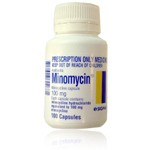
Minomycin is the brand-name formulation of Minocycline — a second-generation tetracycline antibiotic distinguished from Doxycycline by superior skin penetration and unique applications in dermatology, particularly inflammatory acne and rosacea. Marketed internationally by Wyeth (Pfizer) since 1971, Minomycin and other Minocycline brands (Minocin, Solodyn, Dynacin) have been the foundational dermatologic antibiotic for over five decades.
The active ingredient is Minocycline, which works by binding the 30S ribosomal subunit of susceptible bacteria — blocking bacterial protein synthesis. Compared to other tetracyclines, Minocycline is uniquely lipophilic, providing superior penetration into skin tissue and sebum, crossing the blood-brain barrier into cerebrospinal fluid, and reaching meningeal carriage sites where it eradicates Neisseria meningitidis colonization. These pharmacokinetic advantages drive Minocycline's distinctive clinical applications.
Minocycline provides broad-spectrum activity against Gram-positive bacteria (including some community-acquired MRSA strains), Gram-negative bacteria, atypical organisms (Mycoplasma, Chlamydia, Rickettsia), several mycobacterial species, Acinetobacter species, and others. It also has notable anti-inflammatory and immunomodulatory effects independent of antibacterial activity.
Minomycin is widely used for treatment of moderate-to-severe inflammatory acne vulgaris (the most common indication), rosacea, skin and soft tissue infections including community-acquired MRSA, eradication of meningococcal carrier state, atypical mycobacterial infections, leprosy (combination therapy), multidrug-resistant Acinetobacter infections including CNS involvement, and off-label use in rheumatoid arthritis.
The medication is available as 50 mg, 75 mg, and 100 mg capsules and tablets, extended-release Solodyn for acne (multiple weight-based strengths), and intravenous formulation. Standard adult dosing for acne is 50-100 mg twice daily. Treatment courses for acne typically extend 3-6 months.
Important warnings include vestibular side effects (dizziness, vertigo — more common than other tetracyclines), skin and tooth hyperpigmentation with prolonged use, autoimmune effects (drug-induced lupus, autoimmune hepatitis), photosensitivity, contraindication in pregnancy and children under 8, and rare risk of pseudotumor cerebri.
Free prescription
Discrete packaging
Have questions?
Quality Assurance

- Cystic Acne: For severe nodular and cystic acne requiring extended oral antibiotic therapy;
- Adult Female Acne: For persistent adult female acne not responsive to topical therapy alone;
- Hormonal Acne Adjunct: As adjunct to hormonal therapy for women with persistent acne;
- Acne Long Term Therapy: For long-term acne management with 3-6 month treatment courses;
- Acne Maintenance: For maintenance therapy following initial acne flare control;
- Rosacea: For inflammatory rosacea with papulopustular lesions — oral antibiotic therapy;
- Hidradenitis Suppurativa Off Label: Off-label use for hidradenitis suppurativa as part of long-term antibiotic therapy;
- Meningococcal Carrier Eradication: For elimination of asymptomatic Neisseria meningitidis nasopharyngeal carriage — signature unique use;
- Asymptomatic Meningococcal Carriers: For close contacts of meningococcal disease cases requiring carrier eradication;
- CA MRSA Skin Infection: Alternative oral therapy for community-acquired MRSA skin and soft tissue infections;
- Skin Soft Tissue Infection: For skin infections caused by susceptible Gram-positive organisms;
- Mycobacterium Marinum: For Mycobacterium marinum skin infections (fish tank granuloma) — signature mycobacterial use;
- Mycobacterium Fortuitum: For Mycobacterium fortuitum and other rapidly growing mycobacterial infections;
- Leprosy Combination Therapy: Component of leprosy multidrug therapy with rifampin and dapsone;
- Nocardia: Alternative therapy for Nocardia infections in sulfa-allergic patients;
- Multidrug Resistant Acinetobacter: For multidrug-resistant Acinetobacter baumannii infections including CNS involvement;
- CNS Acinetobacter: Selective use in CNS Acinetobacter infections due to blood-brain barrier penetration;
- Rheumatoid Arthritis Off Label: Off-label use for rheumatoid arthritis — exploits anti-inflammatory and disease-modifying effects;
- Periodontal Pocket Therapy: Local Arestin microspheres for periodontal pocket bacterial reduction;
- Chlamydial Infection Alternative: Alternative for Chlamydia trachomatis infections in non-pregnant adults;
- Atypical Pneumonia Selective: Selective use for atypical pneumonia where tetracycline therapy is preferred;
- Anti Inflammatory Off Label: Off-label use exploiting Minocycline's anti-inflammatory properties in various conditions.
- Less Nodules: Reduction in deep nodular and cystic acne lesions over 3-6 months;
- Less Skin Inflammation: Anti-inflammatory effect reduces redness and irritation in inflammatory acne;
- Less Facial Redness: Reduction in rosacea-associated facial erythema and inflammation;
- Less Pustules: Reduction in rosacea-associated pustules and papules;
- Better Skin Texture: Improvement in skin texture and appearance with sustained acne therapy;
- Less Acne Scarring: Early effective therapy reduces risk of permanent acne scarring;
- Less Skin Cysts: Reduction in cystic acne lesions with extended therapy;
- Better Self Esteem: Resolution of visible acne improves psychosocial wellbeing;
- Better Wound Healing: Resolution of MRSA and other bacterial skin infections;
- Less Drainage: Resolution of purulent drainage from infected skin lesions;
- Less Joint Stiffness: Off-label anti-inflammatory benefit in rheumatoid arthritis — reduced joint stiffness;
- Better Daily Function: Return to school, work, and normal activities;
- Brand Minomycin: International Wyeth brand of Minocycline with established clinical reputation since 1971;
- Generic Minocycline: Affordable generic versions expand global access to second-generation tetracycline therapy;
- Minocin Equivalent: Same Minocycline molecule as original Lederle/Pfizer brand Minocin;
- Solodyn ER: Extended-release weight-based formulation specifically for inflammatory acne treatment;
- Tetracycline Antibiotic: Foundational tetracycline class antibiotic with established mechanism and broad clinical applications;
- Second Generation Tetracycline: Significant improvements over original tetracycline with superior skin penetration;
- 30S Ribosomal Inhibitor: Inhibits bacterial protein synthesis at the 30S ribosomal subunit;
- Most Lipophilic Tetracycline: Highest lipophilicity in tetracycline class — superior tissue penetration;
- Lipophilic Skin Penetration: Excellent penetration into skin and sebaceous tissue — key for acne therapy;
- Blood Brain Barrier Tetracycline: Crosses blood-brain barrier — unique among tetracyclines for CNS use;
- Anti Inflammatory Tetracycline: Anti-inflammatory and immunomodulatory effects independent of antibacterial activity;
- Acne Oral Antibiotic Standard: Most-prescribed oral antibiotic for moderate-severe acne in dermatology practice;
- Rosacea Standard Therapy: Standard oral therapy for inflammatory rosacea with papulopustular lesions;
- Meningococcal Carrier Therapy: Standard therapy for eradicating asymptomatic meningococcal nasopharyngeal carriage;
- CA MRSA Coverage: Active against community-acquired MRSA strains — oral skin infection alternative;
- Mycobacterium Marinum Coverage: Distinctive activity against M. marinum — key for fish tank granuloma therapy;
- Leprosy Therapy: Component of leprosy multidrug therapy regimens worldwide;
- Acinetobacter Coverage: Active against multidrug-resistant Acinetobacter baumannii including CNS infections;
- Twice Daily Antibiotic: Twice-daily dosing supports good adherence in long-term acne therapy;
- Long Term Acne Tolerable: Generally well-tolerated for extended 3-6 month acne treatment courses;
- IV Acinetobacter Therapy: IV formulation available for serious Acinetobacter infections requiring parenteral therapy;
- WHO Essential Medicine: Listed on the WHO Model List of Essential Medicines as foundational tetracycline;
- 50 Plus Year Tetracycline History: Extensive real-world safety and efficacy data since 1971 across millions of patient courses;
- Vestibular Side Effects: More common than other tetracyclines — dizziness, vertigo, especially in initial weeks;
- Skin Hyperpigmentation: Distinctive blue-grey skin pigmentation with prolonged use — may be permanent;
- Tooth Discoloration Long Term: Slate-grey tooth discoloration with prolonged use in adults;
- Autoimmune Effects Warning: Drug-induced lupus, autoimmune hepatitis — monitor with prolonged therapy;
- Photosensitivity: Use sunscreen and avoid prolonged sun exposure during therapy;
- Avoid In Pregnancy: Contraindicated in pregnancy due to fetal bone and teeth effects;
- Avoid Children Under 8: Contraindicated in children under 8 due to permanent teeth discoloration;
- Avoid With Antacids Dairy: Calcium, magnesium, aluminum, iron, and zinc reduce absorption — separate dosing by 2-3 hours;
- Stable Storage: Capsules stable at room temperature — convenient for long-term therapy.
Generic Minomycin (Minocycline 50 mg) Medication guide:
📖 What is Minomycin and where minocycline fits in modern practice
Minomycin is a brand of minocycline, a second-generation tetracycline antibiotic. Minocycline was developed in the late 1960s and received FDA approval in 1971. Since then it has become one of the most widely used oral antibiotics for inflammatory acne, community skin infections with MRSA, and several less common infections.
🔑 Key facts at a glance
- Class: second-generation tetracycline
- Mechanism: blocks bacterial protein synthesis at the ribosome
- Standard dose: 100 mg by mouth twice daily for infection; lower doses for acne
- Half-life: 15 to 23 hours (long, supports twice-daily dosing)
- Absorption: good oral bioavailability; less affected by food than doxycycline
- Tissue penetration: excellent because minocycline is highly fat-soluble
- Pregnancy: Category D — contraindicated
- Children under 8: contraindicated because of permanent tooth discoloration
What makes minocycline distinctive within the tetracycline family is the strongest tissue penetration, including into skin sebaceous glands (relevant for acne), central nervous system (relevant for some infections), and other body compartments where other tetracyclines reach lower levels. This tissue distribution supports its main uses.
✅ What minocycline is used for today
- Moderate to severe inflammatory acne (often for months)
- Community skin and soft tissue infection with methicillin-resistant Staphylococcus aureus
- Rickettsial infections (Rocky Mountain spotted fever and related conditions)
- Atypical pneumonia caused by Mycoplasma or Chlamydia
- Nocardia infection (as part of combination therapy)
- Rheumatoid arthritis (older off-label use, less common now)
- Meningococcal carrier eradication (historical use before ciprofloxacin)
⚠️ Serious side effects to know before starting
- Dizziness and balance problems that are more common with minocycline than other tetracyclines
- Blue-gray skin, tooth, and gum discoloration with prolonged use over months
- Severe allergic reactions including DRESS syndrome
- Autoimmune-like liver inflammation with long-term use
- Drug-induced lupus symptoms in some patients on long-term therapy
- Increased pressure inside the skull causing headache and vision changes
🕑 History: 1971 approval and the semi-synthetic tetracycline story
Minocycline was developed by Lederle Laboratories (later Wyeth) as a semi-synthetic modification of the natural tetracycline structure. The chemical changes gave the new drug better fat solubility, longer half-life, and improved tissue penetration compared with the original tetracycline.
| Year | Milestone |
|---|---|
| Late 1960s | Lederle Laboratories develops minocycline as a semi-synthetic tetracycline improvement |
| 1971 | FDA approves Minocin (minocycline) for a wide range of tetracycline-class indications |
| 1970s to 1980s | Minocycline becomes widely used for acne because of excellent skin penetration and lower food interaction |
| 1980s to 1990s | Recognition of drug-induced lupus, autoimmune hepatitis, and skin pigmentation with prolonged acne use |
| 1990s | Minocycline explored for rheumatoid arthritis (small studies show modest benefit) |
| 2000s | Rising community MRSA leads to increased use of minocycline for skin and soft tissue infection |
| 2006 | Extended-release Solodyn approved for acne with weight-based dosing to reduce dizziness |
| 2011 | IDSA MRSA guidelines position minocycline and doxycycline as oral options for community MRSA skin infection |
| 2016 | AAD acne guidelines list tetracycline class including minocycline as oral option for moderate to severe inflammatory acne |
| 2018 | Sarecycline approved as narrow-spectrum tetracycline specifically for acne with reduced gastrointestinal collateral effects |
| Present | Multiple generic manufacturers produce minocycline internationally, including Minomycin brand |
🧪 Why minocycline succeeded as an acne drug
Acne is not really a bacterial infection in the classical sense — it is inflammation involving the skin sebaceous glands, with the bacterium Cutibacterium acnes contributing but not being the sole cause. Minocycline works for acne through a combination of moderate antibacterial activity plus a genuine anti-inflammatory effect that is independent of killing bacteria. This dual action explains why acne responds even at low doses that would be too low to kill many bacteria.
⚙️ Mechanism: 30S ribosomal subunit binding
Minocycline blocks bacterial growth by binding to the smaller (30S) unit of the bacterial ribosome, the machine that makes proteins. When it binds, new amino acids cannot be added to growing proteins, and bacterial protein production stops. Without new proteins, bacteria cannot grow or divide.
🧬 How the drug reaches its target
- Minocycline is absorbed after taking by mouth
- It moves into bacterial cells through pores in the outer wall
- Inside bacteria it binds to the small ribosomal unit
- This binding blocks a specific step in protein synthesis
- Bacterial growth stops
- The immune system clears the infection over time
🔬 Anti-inflammatory effects beyond bacteria
Minocycline has effects on human cells that are separate from its antibacterial action. It:
- Reduces activity of matrix metalloproteinases (enzymes involved in tissue inflammation)
- Reduces production of pro-inflammatory chemicals
- Blocks neutrophil activity in inflammation
- Reduces angiogenesis (new blood vessel formation) in inflamed skin
These effects explain why minocycline works for acne (which is an inflammatory condition) even at doses below what would kill bacteria, and why it has been explored for autoimmune conditions.
✅ Why the bacterial growth arrest is enough
Minocycline is bacteriostatic — it stops bacteria from growing rather than directly killing them. For most conditions where minocycline is used (acne, mild skin infection, atypical pneumonia), this is sufficient because the immune system handles the arrested bacterial population. Bactericidal killing is not required for a good outcome in these settings.
🔴 Resistance mechanisms
- Efflux pumps that push tetracyclines out of bacterial cells — the most common mechanism
- Ribosomal protection proteins that shield the binding site
- Enzymatic modification of the drug (uncommon)
- Most resistance mechanisms are shared across the tetracycline class, so bacteria resistant to tetracycline are usually resistant to doxycycline and minocycline as well — but not always
🧬 Where minocycline sits among the tetracyclines
The tetracycline family has several members. Understanding how minocycline compares to its cousins helps guide clinical decisions.
| Tetracycline | Generation | Main use today |
|---|---|---|
| Tetracycline (Sumycin) | First (original) | Largely replaced by newer members; still used for H. pylori regimens |
| Doxycycline (Vibramycin) | Second | Wide use: acne, respiratory infection, tick-borne disease, community MRSA skin, malaria prevention |
| Minocycline (Minomycin, Minocin) | Second | Acne, community MRSA skin, atypical pneumonia, off-label rheumatoid arthritis |
| Tigecycline (Tygacil) | Third (glycylcycline) | Intravenous only, hospital use for resistant infections |
| Sarecycline (Seysara) | Newer narrow-spectrum | Specifically for acne only, reduced gut and antimicrobial resistance effects |
| Omadacycline (Nuzyra) | Third (aminomethylcycline) | Newer agent for pneumonia and skin infection |
| Eravacycline (Xerava) | Third | Intravenous, hospital use for complicated intra-abdominal infection |
🔗 Where minocycline stands out from doxycycline
- Better tissue penetration especially into skin and central nervous system
- Less affected by food and dairy than doxycycline (though still recommended to take with water)
- Longer half-life supports twice-daily dosing
- Higher rate of dizziness and vestibular effects
- Blue-gray skin pigmentation can develop with prolonged use (rare with doxycycline)
- More expensive in some markets
- Both are effective for acne with similar clinical outcomes overall
✅ When each fits best
For most inflammatory acne, doxycycline is preferred because of similar efficacy and lower rates of the specific minocycline problems (dizziness, pigmentation, lupus-like syndrome). Minocycline may be preferred when doxycycline has caused significant photosensitivity or gastric upset that limits its use, or when its better tissue penetration is desired for specific infections.
🦠 Spectrum: gram-positives, atypicals, and rickettsial coverage
Minocycline has a broad but not universal spectrum of activity. It covers many gram-positive bacteria, several important gram-negative bacteria, and several atypical or intracellular organisms that other antibiotics do not reach well.
✅ Reliable coverage
- Cutibacterium acnes — the bacterium associated with inflammatory acne
- Community-acquired methicillin-resistant Staphylococcus aureus — often, though susceptibility should be confirmed for serious infection
- Methicillin-sensitive Staphylococcus aureus
- Streptococcus pneumoniae — where susceptible
- Haemophilus influenzae — where susceptible
- Moraxella catarrhalis
- Mycoplasma pneumoniae — atypical respiratory infection
- Chlamydia pneumoniae and Chlamydia trachomatis
- Legionella pneumophila
- Rickettsia species — Rocky Mountain spotted fever, typhus, others
- Ehrlichia and Anaplasma species — tick-borne infections
- Borrelia burgdorferi — Lyme disease alternative
- Nocardia species — part of combination therapy
- Mycobacterium marinum — skin infection from fish tank exposure
- Vibrio vulnificus — wound infection from marine exposure
⛔ No reliable coverage
- Enterococcus species — variable, unreliable
- Enterobacter, Serratia, and other resistant Enterobacteriaceae
- Pseudomonas aeruginosa
- Anaerobes below the diaphragm (Bacteroides fragilis)
- Escherichia coli in urinary tract infection — often resistant
- Proteus species
- Fungi and parasites
🧪 The atypical and intracellular niche
A signature strength of the tetracycline class is coverage of atypical and intracellular bacteria. Mycoplasma, Chlamydia, Legionella, Rickettsia, Ehrlichia, and Borrelia all live inside human cells or have unusual cell structures that make them resistant to beta-lactam antibiotics. Minocycline penetrates well into human cells and reaches these organisms. This is why the tetracycline class is first-line for many tick-borne infections and part of the standard therapy for atypical pneumonia.
💉 Highly lipophilic tissue penetration profile
Minocycline's absorption and distribution are the main reason it succeeds where other antibiotics fail. It is the most fat-soluble tetracycline, which lets it reach body compartments that other antibiotics cannot.
| Feature | Value |
|---|---|
| Oral absorption | Good (90 to 100 percent) |
| Effect of food | Modestly reduced by food; can still be taken with meals to reduce nausea |
| Effect of dairy or calcium | Reduces absorption; space at least 2 hours apart |
| Time to peak blood level | 1 to 4 hours |
| Half-life | 15 to 23 hours (long) |
| Protein binding | 70 to 75 percent |
| Elimination | Both liver and kidney routes; less affected by kidney disease than doxycycline |
| Dosing frequency | Twice daily |
🌐 Where the drug reaches in the body
- Skin and sebaceous glands — excellent penetration; foundation of acne efficacy
- Central nervous system — among the best tetracycline penetrators; supports some brain-related uses
- Bone and joint tissue — good penetration
- Prostate — adequate
- Sputum and lung tissue — adequate for atypical pneumonia
- Saliva and tears — supports meningococcal carrier eradication historically
- Placenta and fetus — crosses in pregnancy (part of why pregnancy is contraindicated)
- Breast milk — present in small amounts
🧪 The dual elimination advantage
Unlike doxycycline which is heavily cleared by the intestine, minocycline is cleared by both liver and kidney routes. This means kidney disease has less effect on minocycline blood levels than on many other drugs. Dose adjustment for mild to moderate kidney impairment is usually not needed. Severe kidney failure requires attention but the drug is not typically avoided outright.
🏥 FDA-approved indications
Minocycline's original FDA labeling covers many tetracycline-class indications. In modern practice, only a subset is used routinely because doxycycline is often preferred for the shared indications and the specific concerns with minocycline (dizziness, pigmentation) reduce its use for others.
🎯 FDA-approved indications
- Respiratory tract infections caused by Streptococcus pneumoniae, Haemophilus influenzae, Klebsiella, and other susceptible organisms
- Skin and soft tissue infections
- Chlamydia infections including uncomplicated urethritis and cervicitis
- Mycoplasma pneumoniae infection
- Lymphogranuloma venereum
- Nongonococcal urethritis
- Trachoma
- Q fever, Rocky Mountain spotted fever, and other rickettsial diseases
- Uncomplicated urethral, endocervical, and rectal infections caused by Chlamydia trachomatis
- Extended-release form (Solodyn) specifically approved for inflammatory acne
🩹 Common off-label uses
- Inflammatory acne (immediate-release)
- Most common use in practice, though the immediate-release form is off-label for this indication. Extended-release Solodyn is on-label.
- Community MRSA skin infection
- Off-label but supported by IDSA MRSA guidelines as oral option.
- Rheumatoid arthritis
- Off-label use with modest evidence; less common in modern rheumatology practice.
- Nocardia infection
- Component of combination therapy for pulmonary or disseminated nocardiosis.
- Mycobacterium marinum skin infection
- Fish tank granuloma treatment.
- Meningococcal carrier eradication
- Historical use; largely replaced by ciprofloxacin.
🧴 Acne vulgaris: chronic anti-inflammatory role
Inflammatory acne is the most common reason minocycline is prescribed. Courses typically run for months, which shapes the risk profile and why some newer alternatives (sarecycline, doxycycline sub-antimicrobial dose) are increasingly considered.
✅ Why minocycline works for acne
- Excellent penetration into sebaceous glands where acne inflammation happens
- Activity against Cutibacterium acnes bacteria on the skin
- Anti-inflammatory effect independent of bacterial killing
- Long half-life supports twice-daily dosing
- Well-tolerated by most patients on short courses
| Acne severity | Approach |
|---|---|
| Mild acne | Topical retinoid and benzoyl peroxide; oral antibiotic not typically needed |
| Moderate inflammatory acne | Oral tetracycline (doxycycline or minocycline) plus topical retinoid and benzoyl peroxide |
| Severe inflammatory acne | Oral tetracycline as bridge; consideration of isotretinoin |
| Nodulocystic or scarring acne | Isotretinoin often preferred over prolonged antibiotic |
📋 Standard acne dosing
- Immediate-release: 50 to 100 mg twice daily, or 100 mg once daily
- Extended-release Solodyn: weight-based dosing (1 mg per kilogram once daily), reduces vestibular effects
- Take with a full glass of water to avoid esophageal irritation
- Continue for 3 to 6 months typically, then reassess
- Always combined with topical retinoid and benzoyl peroxide for best result
⚠️ Duration matters — do not go longer than needed
Modern dermatology guidelines limit oral antibiotic use for acne to 3 months typically, up to 6 months in specific cases. Longer use increases the risk of skin pigmentation, drug-induced lupus, autoimmune hepatitis, and antibiotic resistance in skin bacteria without proportional benefit. If acne is not controlled after 3 months, the plan should be reassessed rather than extending the antibiotic course.
🩹 Community-acquired MRSA skin infection
Community-acquired MRSA (methicillin-resistant Staphylococcus aureus) skin and soft tissue infection has become one of the most common reasons for outpatient antibiotic prescribing. Minocycline is an oral option supported by IDSA guidelines alongside doxycycline, TMP-SMX, and clindamycin.
| Presentation | Approach |
|---|---|
| Small abscess | Incision and drainage often sufficient without antibiotic |
| Larger abscess or with cellulitis | Drainage plus oral minocycline, doxycycline, TMP-SMX, or clindamycin |
| Purulent cellulitis with MRSA suspicion | Oral MRSA-active antibiotic; minocycline acceptable option |
| Non-purulent cellulitis | Cephalexin or dicloxacillin (streptococcal coverage) — MRSA less likely |
| Severe cellulitis or systemic illness | Intravenous therapy in hospital; minocycline not appropriate |
📋 Standard dosing for MRSA skin infection
- 200 mg loading dose, then 100 mg twice daily
- Course typically 5 to 10 days depending on response
- Combined with incision and drainage of any abscess
- Follow-up in 2 to 3 days to confirm improvement
- Switch to alternative if no improvement or worsening
🧪 Comparison with other MRSA options
All four IDSA-endorsed oral options (minocycline, doxycycline, TMP-SMX, clindamycin) have similar clinical outcomes for uncomplicated MRSA skin infection. Selection depends on patient factors: minocycline may be preferred over doxycycline for less food interaction, over TMP-SMX for sulfa allergy or warfarin patients, or over clindamycin for lower colitis risk. Doxycycline is often the default because of similar efficacy without the specific minocycline concerns.
⚠️ What minocycline does NOT do
Minocycline is not appropriate for necrotising fasciitis, MRSA bacteremia, MRSA pneumonia (except as alternative), or serious deep tissue infection. These require IV therapy in hospital, typically vancomycin or daptomycin. Minocycline is an oral outpatient option for uncomplicated skin and soft tissue MRSA infection, not for serious systemic disease.
🫁 Atypical pneumonia and respiratory infections
Atypical bacterial pneumonia is caused by organisms such as Mycoplasma pneumoniae, Chlamydia pneumoniae, and Legionella pneumophila. These bacteria live inside human cells and are not reached by penicillin-class antibiotics. The tetracycline class including minocycline covers them well.
✅ When atypical pneumonia is suspected
- Younger adults (teens and young adults especially)
- Gradual onset over days rather than sudden
- Prominent cough, often dry
- Chest imaging shows patchy infiltrates rather than clear consolidation
- Low-grade fever and mild systemic illness
- Winter or fall seasonal pattern
- Family or community cluster of similar illness
| Pneumonia scenario | Minocycline role |
|---|---|
| Outpatient healthy adult with typical presentation | Amoxicillin first-line; minocycline alternative |
| Outpatient with suspected atypical pathogen | Doxycycline preferred; minocycline acceptable alternative |
| Outpatient with comorbidities | Combination beta-lactam plus tetracycline or macrolide |
| Inpatient non-severe pneumonia | Ceftriaxone plus macrolide standard; minocycline can substitute |
| Severe pneumonia requiring intensive care | Intravenous therapy; minocycline not appropriate |
📋 Standard dosing for pneumonia
- 200 mg loading dose, then 100 mg twice daily
- Course typically 7 to 10 days
- Take with plenty of water
- Follow up in 2 to 3 days to confirm response
- Chest X-ray follow-up as clinically indicated
🧪 Why doxycycline is usually preferred over minocycline for pneumonia
For atypical or typical outpatient pneumonia, doxycycline is generally preferred over minocycline. Both cover the target organisms similarly. Doxycycline has less problem with dizziness and skin pigmentation and is more widely stocked. Minocycline's advantages (better tissue penetration) are less relevant for pneumonia where doxycycline reaches lung tissue adequately.
🐜 Rickettsial infections
Rickettsial diseases are a group of infections caused by rickettsia bacteria that live inside human cells and are typically transmitted by ticks, fleas, mites, or lice. They include Rocky Mountain spotted fever, ehrlichiosis, anaplasmosis, Mediterranean spotted fever, typhus, and others. All respond to tetracycline-class antibiotics.
🔴 Why prompt treatment matters
- Rocky Mountain spotted fever can be fatal if not treated within the first week
- Delaying treatment while waiting for laboratory confirmation increases death rate
- Early clinical suspicion should trigger empiric tetracycline treatment
- The characteristic rash may develop late or not at all in some patients
✅ Clinical clues suggesting rickettsial disease
- Recent tick exposure or history of hiking, camping, or outdoor activity
- Fever (often high) with headache and muscle aches
- Rash starting on wrists and ankles, spreading to trunk (Rocky Mountain spotted fever pattern)
- Confusion or altered mental status in advanced cases
- Living in or travel to a rickettsial endemic area
- Laboratory: low platelets, low sodium, elevated liver enzymes
| Rickettsial infection | Minocycline role |
|---|---|
| Rocky Mountain spotted fever | Doxycycline first-line (even in children); minocycline alternative |
| Human granulocytic anaplasmosis | Doxycycline first-line; minocycline alternative |
| Ehrlichiosis | Doxycycline first-line; minocycline alternative |
| Typhus (endemic and epidemic) | Doxycycline first-line; minocycline alternative |
| Q fever | Doxycycline first-line; minocycline alternative |
| Mediterranean spotted fever | Doxycycline first-line; minocycline alternative |
📋 Standard dosing
- 200 mg loading, then 100 mg twice daily
- Continue until fever resolves and clinical improvement for at least 3 days
- Typical course 7 to 14 days
- Longer courses for Q fever endocarditis (specialist care)
🧪 Why doxycycline is first-line even in children
CDC recommends doxycycline for suspected Rocky Mountain spotted fever even in children under 8, despite the historical concern about tooth staining. This is because the disease can be fatal if untreated and short courses of doxycycline have been shown safe for tooth development. Minocycline is generally reserved as an alternative when doxycycline is not tolerated or available.
🩺 Off-label uses: rheumatoid arthritis, Nocardia, and others
Beyond the main indications, minocycline has several off-label uses supported by varying evidence. Some are established niches; others are areas of research.
🩺 Established off-label uses
- Nocardia species infection
- Combined with sulfonamide or other agents for pulmonary or disseminated nocardiosis. Long courses of months.
- Mycobacterium marinum
- Skin infection from fish tank or marine exposure, treated with 100 mg twice daily for 3 months.
- Vibrio vulnificus wound infection
- Wound infection from saltwater exposure or raw seafood; often combined with cephalosporin.
- Melioidosis maintenance
- Alternative maintenance phase agent for this tropical infection after initial intensive therapy.
- Rosacea
- Similar to acne, minocycline can help inflammatory rosacea though doxycycline is more commonly used.
🧪 Historical and declining uses
- Rheumatoid arthritis
- Small studies from the 1990s showed modest benefit for mild to moderate rheumatoid arthritis, possibly through anti-inflammatory effects. Less commonly used now as newer disease-modifying drugs have improved outcomes.
- Meningococcal carrier eradication
- Minocycline was historically used to clear meningococcus from throat before quinolones became first-line for this indication.
- Neurological research uses
- Minocycline crosses the blood-brain barrier well and has been explored in research for stroke, spinal cord injury, and neurodegenerative disease based on anti-inflammatory effects. Clinical trial results have been mixed and this is not established therapy.
⚠️ Long-term use amplifies risks
All extended minocycline use for months to years (rheumatoid arthritis, Nocardia, some acne) substantially raises the risk of skin pigmentation, drug-induced lupus, autoimmune hepatitis, and vestibular effects. When considering prolonged therapy, patients should be counselled on these risks and monitored appropriately. In many cases, if long-term antibiotic is truly needed, doxycycline may be safer.
💊 Adult dosing: 100 mg twice daily for infection
Adult minocycline dosing is simple and depends on the reason for treatment. Infection doses are higher; acne doses are lower.
| Reason for treatment | Dose | Duration |
|---|---|---|
| Bacterial infection standard | 200 mg loading dose then 100 mg twice daily | 7 to 14 days |
| Community MRSA skin infection | 200 mg loading then 100 mg twice daily | 5 to 10 days |
| Atypical pneumonia | 100 mg twice daily | 7 to 10 days |
| Rickettsial infection | 200 mg loading then 100 mg twice daily | 7 to 14 days (until fever gone plus 3 days) |
| Inflammatory acne (immediate-release) | 50 to 100 mg twice daily, or 100 mg once daily | 3 to 6 months typically |
| Inflammatory acne (extended-release Solodyn) | 1 mg per kilogram once daily | 3 to 6 months |
| Nocardia infection | 100 mg twice daily (combination therapy) | Months |
🍴 How to take Minomycin correctly
- Take with a full glass of water to avoid throat and esophageal irritation
- Do NOT take with dairy products, calcium, or iron supplements (space at least 2 hours apart)
- Do NOT take at bedtime immediately before lying down — risk of esophageal irritation
- Take with food if stomach upset, otherwise fine on empty stomach
- Take at approximately the same times each day
- Complete the full course even if symptoms improve
⚠️ Warning signs during treatment
- Sudden severe headache with vision changes — possible pressure inside the skull
- Yellow skin or eyes, dark urine, right upper belly pain — possible liver reaction
- Joint pain, fever, unusual fatigue with skin rash — possible autoimmune reaction
- Blue-gray discoloration of skin, teeth, or gums — long-term pigmentation
- Severe dizziness or balance loss — contact prescriber
- Widespread rash, blistering, mouth sores — emergency care
- Severe or bloody diarrhea — possible colitis
🔬 Renal and hepatic considerations
Minocycline is eliminated through both liver and kidney routes, which makes it less affected by kidney disease than other tetracyclines. This is a practical advantage over doxycycline in some patients.
| Situation | Dose adjustment |
|---|---|
| Normal kidney function | Standard dose |
| Mild to moderate kidney impairment | Usually no adjustment needed for short courses |
| Severe kidney impairment | Reduce dose or extend interval; monitor for accumulation |
| Dialysis | Minimal removal by dialysis; standard dose acceptable with monitoring |
| Mild liver impairment | No adjustment |
| Moderate to severe liver impairment | Reduce dose or use alternative agent |
⚠️ The anti-anabolic effect
All tetracyclines including minocycline have an unusual effect on protein metabolism that can raise blood urea nitrogen (BUN) without actually damaging the kidney. This is not true kidney injury but can be mistaken for it on blood tests. It resolves after the drug is stopped. In patients with pre-existing severe kidney disease, this effect can push urea further up.
✅ Advantage over doxycycline
Doxycycline dosing does not change with kidney function because it is cleared mainly by the intestine. Minocycline is similar — the dual clearance means kidney disease has modest effect. This makes minocycline usable across a wide range of kidney function without the elaborate dose adjustments needed for many other antibiotics.
💛 Liver monitoring for prolonged use
For minocycline courses over 3 months (chronic acne, off-label rheumatoid arthritis, Nocardia therapy), baseline and periodic liver function tests are prudent. Autoimmune-like liver inflammation is a documented risk with prolonged use. Any new fatigue, appetite loss, yellow eyes, or dark urine warrants immediate liver testing and drug review.
💥 Drug interactions and food chelation
Minocycline has several important drug and food interactions that all patients should understand before starting therapy.
🔴 Chelation with metals reduces absorption
These metals bind to minocycline in the stomach and prevent it from being absorbed. Space at least 2 hours before or after minocycline:
- Calcium supplements and calcium-fortified foods
- Iron supplements (ferrous sulfate and similar)
- Magnesium-containing antacids and supplements
- Aluminum-containing antacids
- Zinc supplements
- Sucralfate
- Bismuth-containing products (Pepto-Bismol)
- Dairy products (though minocycline is less affected than tetracycline)
| Interaction | Effect and management |
|---|---|
| Warfarin | Can increase INR; monitor day 3 to 5 during and after therapy |
| Digoxin | May increase digoxin levels through gut flora changes; monitor |
| Oral contraceptives | Theoretical reduction in effectiveness; modern evidence suggests effect is small but additional contraception during course is prudent |
| Isotretinoin (Accutane) | Do not combine — both can cause increased pressure inside the skull |
| Ergot medications | Increased risk of ergotism; avoid combination |
| Methotrexate | May increase methotrexate toxicity; monitor |
| Live oral typhoid vaccine | May inactivate vaccine; space at least 3 days after minocycline |
| Penicillins | Theoretical antagonism (bacteriostatic drug plus bactericidal drug); rarely clinically important |
🍴 Food and supplement timing
- Minocycline can be taken with food to reduce nausea (unlike tetracycline)
- Avoid dairy at the same time as the dose
- Space calcium, iron, and multivitamins 2 hours before or after doses
- A morning dose before breakfast (with water) and evening dose 2 hours after dinner works well for many patients
🚫 Pregnancy category D and lactation
Minocycline is FDA Pregnancy Category D and is generally contraindicated in pregnancy. It also causes permanent tooth discoloration if taken by children under 8 years old.
⛔ Why minocycline is contraindicated in pregnancy
- Permanent tooth discoloration in the developing fetus (yellow-gray-brown color of primary and permanent teeth)
- Bone growth inhibition in the developing fetus
- Rare but reported severe liver injury in pregnant women receiving high-dose intravenous tetracyclines
- Alternative antibiotics are available for essentially all pregnancy indications
| Situation | Guidance |
|---|---|
| Planning pregnancy | Discontinue minocycline; use alternative for acne |
| Any trimester of pregnancy | Contraindicated for most indications |
| Serious tick-borne infection in pregnancy | Doxycycline still preferred in life-threatening rickettsial disease because the benefit outweighs risk; minocycline could substitute in this scenario |
| Breastfeeding | Passes into breast milk in small amounts; short courses may be acceptable; extended acne courses better avoided |
👶 Children under 8
Minocycline is contraindicated in children under 8 years old for most uses because of the risk of permanent tooth discoloration (yellow-gray-brown color) and interference with bone growth. The one exception is life-threatening rickettsial disease (Rocky Mountain spotted fever), where doxycycline is now recommended even in young children because the short course does not cause meaningful tooth staining and the disease can be fatal without treatment.
👩 Alternative agents for women of childbearing age
For acne treatment in women who may become pregnant, discuss reliable contraception before starting minocycline. Consider alternatives that are safer if unplanned pregnancy occurs: benzoyl peroxide, topical retinoids (avoid oral isotretinoin for the same reason), azelaic acid. For acne in women actively planning pregnancy, non-antibiotic approaches (topical treatments, azelaic acid, light therapy) are preferred.
🤔 Common adverse effects
Common side effects during a short minocycline course are usually mild. The more serious effects that get most attention (dizziness, pigmentation, autoimmune effects) become more likely with longer treatment.
| Side effect | How often | What to do |
|---|---|---|
| Nausea | 5 to 10 percent | Take with food; usually mild |
| Dizziness or lightheadedness | 5 to 30 percent (higher than other tetracyclines) | Take at bedtime; fall precautions; may need to switch drug |
| Vertigo (spinning sensation) | 5 to 10 percent | See section 19 |
| Headache | 2 to 5 percent | Usually mild; if severe, evaluate for pressure inside skull |
| Diarrhea | 2 to 5 percent | Hydration; watch for severe or bloody diarrhea |
| Photosensitivity (sunburn easily) | Uncommon (less than doxycycline) | Sun protection; see section 21 |
| Skin rash | 1 to 3 percent | Contact prescriber; may indicate serious reaction |
| Yeast infections | 2 to 4 percent (women) | Topical antifungal or single-dose oral |
| Discoloration of teeth in children | In children under 8 — contraindicated | Do not use in this age group |
| Injection site reaction (if IV) | Uncommon | Rotate injection sites |
⚠️ Symptoms warranting immediate discontinuation
- Severe dizziness or balance loss that prevents daily activity
- Severe headache with vision changes
- Yellow skin or eyes, dark urine, right upper belly pain
- Widespread rash, blistering, mouth sores, fever
- Joint pain, muscle pain, fatigue with rash
- Blue-gray skin discoloration developing
- Difficulty breathing, throat tightness, hives
- Severe or bloody diarrhea
✅ Duration limits toxicity
The safety profile of minocycline is generally good for short courses of days to weeks. The unusual and serious effects (blue-gray pigmentation, drug-induced lupus, autoimmune hepatitis, pseudotumor cerebri) accumulate with prolonged use. This is why acne courses are limited to 3 to 6 months and reassessed regularly.
🔗 Minomycin versus doxycycline and tetracycline
The three most commonly used tetracyclines are minocycline, doxycycline, and tetracycline. Understanding when each fits helps guide clinical decisions.
| Feature | Minocycline | Doxycycline | Tetracycline |
|---|---|---|---|
| Half-life | 15 to 23 hours | 18 to 22 hours | 6 to 12 hours |
| Dosing frequency | Twice daily | Once or twice daily | Four times daily |
| Food effect | Modest | Modest | Substantial (empty stomach) |
| Skin penetration | Best | Good | Moderate |
| CNS penetration | Best of class | Fair | Poor |
| Photosensitivity | Less common | Common | Common |
| Dizziness | Common | Rare | Rare |
| Skin pigmentation with long use | Blue-gray discoloration | Not typical | Not typical |
| Drug-induced lupus | Yes (rare) | Very rare | Very rare |
| Kidney impairment tolerance | Good | Best | Poor (avoid) |
| Cost | Modest | Very low | Very low |
🎯 Practical selection
- Doxycycline is the default choice for most tetracycline indications: lower cost, less dizziness, wider availability, once or twice-daily dosing
- Minocycline is preferred when doxycycline photosensitivity is a problem, when better skin or CNS penetration is desired, or when doxycycline has been tried and did not work
- Tetracycline is now used mainly for H. pylori regimens (specific indication) and less commonly as first-line
😰 Vestibular effects: the unique minocycline signature
Dizziness, spinning sensation, and balance problems are the signature side effects of minocycline. These vestibular effects occur far more often with minocycline than with doxycycline or tetracycline — up to 5 to 30 percent of patients experience some vestibular symptom.
😰 What patients experience
- Lightheadedness when standing or with movement
- Vertigo — spinning sensation of the room
- Ataxia — unsteady walking
- Nausea from the vestibular symptoms
- Blurred vision during movement
- Ringing in ears in some cases
- Onset typically within first 1 to 3 days of therapy
- Usually improves after several days or resolves after stopping the drug
🔬 Why this happens
Minocycline penetrates the inner ear where balance organs are located. Its effect on these structures is thought to cause the vestibular symptoms. Because doxycycline penetrates the ear less well, it causes these symptoms much less often. The high fat solubility that makes minocycline useful for skin also makes it reach the inner ear more effectively.
👤 Who is at higher risk
- Women more than men (2 to 3 times higher rates)
- Higher doses (200 mg twice daily worse than 100 mg twice daily)
- Rapid absorption (empty stomach vs with food)
- Pre-existing balance or ear problems
- Elderly patients
- Patients starting the medication for the first time
🩹 How to manage vestibular symptoms
- If symptoms are mild, take doses at bedtime so patient can sleep through the peak
- Take with food to slow absorption
- Fall precautions particularly for elderly
- Avoid driving until symptoms settle
- If symptoms are moderate to severe, switch to doxycycline or alternative
- Extended-release Solodyn causes fewer vestibular symptoms due to slower rise in blood levels
- Symptoms typically resolve within 24 to 72 hours after stopping
⚠️ When to stop the drug
Severe dizziness that prevents work, driving, or daily activity warrants stopping minocycline and switching to an alternative. Falls in elderly patients are a serious safety concern. Vertigo severe enough to cause vomiting is another reason to stop. Minor lightheadedness usually settles within days.
🟦 Skin, tooth, and gum pigmentation with prolonged use
Prolonged minocycline use can cause blue-gray, brown, or black discoloration of skin, teeth, gums, nails, and other tissues. This is one of the most distinctive minocycline side effects and is unique among modern antibiotics.
🟦 Three types of skin pigmentation
- Type 1 (blue-black macules in old acne scars)
- Blue-black spots appear at sites of previous acne, cystic lesions, or inflammation. Can develop after weeks to months of use.
- Type 2 (blue-gray discoloration of shins and arms)
- Diffuse blue-gray color on the lower legs, forearms, or other areas without prior inflammation. Develops over months.
- Type 3 (generalised muddy-brown skin color)
- More diffuse tan or brown color in sun-exposed areas that looks like a persistent tan. Develops with long-term use.
🔬 Other sites affected by pigmentation
- Teeth and gums — blue-gray staining, particularly in adults on long courses (different from the yellow tooth staining in children)
- Fingernails and toenails — brown or blue-gray discoloration
- Bones — visible at surgery but not clinically important
- Thyroid gland — visible only at autopsy or surgery
- Oral mucosa — palate and lips
- Sclera (whites of eyes) — rarely reported
👤 Risk factors
- Duration of treatment is the biggest factor — over 3 to 6 months substantially raises risk
- Higher daily dose
- Concurrent NSAIDs (may accumulate in inflamed skin)
- Sun exposure (Type 3 pattern especially)
- Prior acne with inflammation (Type 1 pattern)
- Reported at any age but most common in adults on chronic acne therapy
🩹 Management
- Stop minocycline immediately when pigmentation is noticed
- Switch to alternative agent if antibiotic therapy still needed
- Type 1 (blue-black spots) fades slowly over months to years, sometimes incompletely
- Type 2 (blue-gray areas) may improve slowly, often incompletely
- Type 3 (diffuse brown) usually fades over months
- Tooth discoloration may improve with dental cleaning but often persists
- Laser treatment can help in some cases (Q-switched laser)
- Sun protection to prevent worsening of Type 3 pattern
📋 Prevention
The best prevention is keeping courses short. Acne courses of 3 months or less rarely cause visible pigmentation. Extended courses beyond 6 months substantially raise the risk. Reassess the need for continued minocycline every 3 months in prolonged acne treatment.
☀️ Photosensitivity
Photosensitivity is a class effect of tetracyclines, but minocycline causes it far less often than doxycycline or tetracycline. This is one of minocycline's clinical advantages.
☀️ What photosensitivity looks like
- Exaggerated sunburn from ordinary sun exposure
- Red, hot, painful skin in sun-exposed areas
- Blistering in severe cases
- Onset within hours of sun exposure
- Sun-exposed areas only (face, arms, hands, neck)
- Nails may develop brownish discoloration in some patients
| Tetracycline | Photosensitivity rate |
|---|---|
| Doxycycline | Common (10 to 20 percent with sun exposure) |
| Tetracycline | Common |
| Minocycline | Uncommon (2 to 5 percent) |
| Sarecycline (newer) | Uncommon |
✅ Sun protection during treatment
- Broad-spectrum sunscreen SPF 30 or higher when outdoors
- Protective clothing, wide-brim hats
- Avoid sunbeds and tanning devices
- Reapply sunscreen every 2 hours during outdoor activity
- Continue sun protection for a week after finishing the course
- Especially important for outdoor workers, athletes, and summer users
⚠️ The pigmentation connection
Sun exposure during prolonged minocycline use can worsen the diffuse brown skin discoloration (Type 3 pigmentation). Sun protection is especially important for patients on long-term minocycline for acne, even though acute photosensitivity is uncommon. Skin discoloration from sun exposure on minocycline may not fade fully after stopping the drug.
❗ Severe adverse effects reference
Serious side effects with minocycline are uncommon but important to recognise. Most concentrate around the unique minocycline effects (vestibular problems, blue-gray pigmentation, autoimmune reactions, increased pressure inside the skull) plus the general concerns shared with other antibiotics.
🔴 Serious side effects requiring immediate discontinuation
- Anaphylaxis or severe allergic reaction
- Hives, throat tightness, wheezing, low blood pressure. Emergency care.
- DRESS syndrome
- Widespread rash, facial swelling, fever, organ involvement. See section 23.
- Stevens-Johnson syndrome or toxic epidermal necrolysis
- Skin sloughing with mouth and eye involvement. Emergency burn-centre care.
- Severe vestibular symptoms
- Severe dizziness or vertigo preventing daily activity. See section 19.
- Skin, tooth, or gum pigmentation
- Blue-gray discoloration developing during prolonged use. See section 20.
- Autoimmune hepatitis
- Yellow skin or eyes, elevated liver enzymes with prolonged use. See section 24.
- Drug-induced lupus
- Joint pain, muscle pain, fever, rash, fatigue during prolonged use. See section 25.
- Pseudotumor cerebri (increased pressure inside the skull)
- Severe headache, vision changes, ringing in ears. See section 26.
- Clostridioides difficile colitis
- Severe watery or bloody diarrhea. Emergency care.
- Serum sickness-like reaction
- Fever, joint pain, rash 1 to 3 weeks into therapy. Discontinuation resolves in most cases.
- Pancreatitis
- Severe upper belly pain radiating to back with nausea. Rare but reported.
📋 Warning symptoms every patient should know
- Hives, throat tightness, difficulty breathing — emergency care
- Widespread rash with fever or facial swelling — stop drug urgently
- Severe headache with vision changes — stop drug, urgent evaluation
- Yellow skin or eyes, dark urine, right upper belly pain
- Blue-gray skin, tooth, or gum discoloration
- Joint pain, muscle pain, fatigue with rash — possible autoimmune reaction
- Severe dizziness preventing daily activity
- Severe or bloody diarrhea
- Severe upper belly pain radiating to back
🧪 Overall safety context
For short antibiotic courses (up to 14 days), minocycline is generally well-tolerated. The unique serious effects concentrate on patients receiving prolonged therapy for acne, rheumatoid arthritis, Nocardia, or other chronic conditions. This is why acne courses are limited to 3 to 6 months and reassessed regularly, and why doxycycline is often preferred when chronic tetracycline therapy is needed.
🔴 DRESS syndrome and severe hypersensitivity
DRESS syndrome (drug reaction with eosinophilia and systemic symptoms) is a rare but potentially life-threatening reaction to minocycline. It develops 2 to 8 weeks after starting the drug and involves multiple organ systems.
🔴 The classic features of DRESS
- Widespread rash often with facial swelling, sometimes with pustules
- High fever (often above 38.5 degrees Celsius)
- Enlarged lymph nodes in neck, armpits, groin
- Liver involvement with elevated liver enzymes
- Elevated eosinophils on blood count
- Atypical lymphocytes visible on blood smear
- Kidney inflammation in some patients
- Heart, lung, thyroid involvement possible
- Onset 2 to 8 weeks after starting the drug
🔬 Why it happens
DRESS is an immune reaction to a drug, driven by the immune system recognising the drug or its metabolites as foreign. Some patients have genetic predispositions that increase risk. Reactivation of dormant viral infections (particularly HHV-6) often accompanies DRESS and contributes to the multi-organ nature of the reaction. Minocycline is one of the more commonly reported causes of DRESS, along with anticonvulsants and some other drugs.
🩹 Emergency management
- Stop minocycline immediately
- Hospital admission for evaluation and monitoring
- Blood tests including complete blood count with differential, liver function, kidney function
- Skin biopsy may confirm the pattern
- Systemic corticosteroids for moderate to severe cases
- Monitor for delayed organ complications (weeks to months)
- Ophthalmology and cardiology follow-up as needed
- Recovery over weeks to months in most cases
- Lifetime avoidance of minocycline and related tetracyclines
⚠️ The rebound risk
DRESS can have delayed complications weeks after the initial reaction, particularly if steroids are tapered too quickly. Thyroid autoimmune disease, diabetes, and other autoimmune conditions have been reported months after DRESS resolves. Close follow-up for at least 6 months after the acute event is standard.
💛 Autoimmune hepatitis with prolonged use
Minocycline can cause an autoimmune-like liver inflammation with prolonged use, most often in patients treated for acne over months to years. This is different from simple drug-induced liver injury — it looks like autoimmune hepatitis on testing and may not fully resolve when the drug is stopped.
💛 Presentation
- Fatigue and reduced appetite (often the first symptoms)
- Yellow skin or eyes (jaundice)
- Dark urine, pale stools
- Right upper belly discomfort
- Weight loss
- Elevated liver enzymes on blood testing
- Autoimmune markers can be positive (antinuclear antibody, smooth muscle antibody)
- Similar biopsy pattern to autoimmune hepatitis
- Onset typically after 1 to 4 years of chronic minocycline use
👤 Higher risk groups
- Female patients (women affected more often)
- Young adults on prolonged acne therapy
- Patients with prior autoimmune conditions
- Genetic factors (HLA associations)
- Duration is the primary factor — risk rises with cumulative months of exposure
🩹 Management
- Stop minocycline immediately
- Complete liver function testing including autoimmune markers
- Rule out other causes: viral hepatitis, alcohol, other medications
- Liver specialist evaluation
- Corticosteroid treatment often needed if autoimmune features are prominent
- Some patients recover completely; others develop persistent autoimmune hepatitis requiring ongoing treatment
- Follow-up liver function testing over months
- Lifetime minocycline avoidance
📋 Prevention through duration limits
Autoimmune-like hepatitis is essentially a consequence of prolonged minocycline use. The modern dermatology practice of limiting acne courses to 3 to 6 months substantially reduces this risk. Regular reassessment prevents extended courses beyond what is truly needed. Baseline and periodic liver function testing during acne treatment beyond 3 months is prudent.
🧬 Drug-induced lupus syndrome
Minocycline can cause a lupus-like syndrome in some patients on prolonged therapy. This is different from true systemic lupus erythematosus but shares many features. It typically resolves after stopping the drug but symptoms can persist for months.
🧬 What the syndrome looks like
- Joint pain and swelling (arthralgia and arthritis)
- Muscle pain
- Fatigue that is persistent and severe
- Fever often low-grade
- Skin rash, sometimes in butterfly pattern on face
- Positive antinuclear antibody (ANA) blood test
- Positive anti-histone antibodies
- Elevated liver enzymes possible
- Onset typically after 1 to 2 years of minocycline
👤 Higher risk groups
- Female patients (women affected far more often)
- Young adults on prolonged acne therapy
- Genetic predisposition
- Duration of treatment is the primary factor
- Higher cumulative dose increases risk
🩹 Management
- Stop minocycline immediately
- Rheumatology or internal medicine evaluation
- Blood tests including ANA and anti-histone antibodies
- Rule out true systemic lupus (dsDNA antibody usually negative in drug-induced form)
- NSAIDs for symptom relief
- Short-course corticosteroids for severe cases
- Symptoms typically improve over weeks to months after stopping the drug
- Complete resolution in most patients
- Lifetime minocycline avoidance
✅ Distinguishing from true lupus
Drug-induced lupus from minocycline usually has positive ANA and anti-histone antibodies, but not the anti-dsDNA antibodies that are typical of true systemic lupus. Kidney and central nervous system involvement is rare in drug-induced form. Symptoms improve after stopping the drug, unlike true lupus which persists.
🧠 Pseudotumor cerebri (benign intracranial hypertension)
Pseudotumor cerebri (also called benign intracranial hypertension) is increased pressure inside the skull without a tumor. It causes severe headache and can permanently damage vision if not recognised and treated. Minocycline is one of the drugs associated with this condition.
🧠 Warning symptoms
- Severe headache that does not respond to usual pain medication
- Blurred vision or brief episodes of vision loss
- Ringing in ears (pulsatile tinnitus)
- Double vision (sixth nerve palsy)
- Nausea and vomiting
- Neck or shoulder pain
- Enlarged optic disc on eye examination (papilledema)
- Onset within weeks to months of starting minocycline
👤 Higher risk groups
- Young women of childbearing age (highest risk group overall)
- Overweight patients (independent risk factor for pseudotumor)
- Concurrent isotretinoin (Accutane) — additive risk
- Concurrent oral contraceptives
- Recent weight gain
- History of pseudotumor cerebri from any cause
🩹 Emergency evaluation
- Stop minocycline immediately at first suspicion
- Urgent ophthalmology evaluation for optic disc swelling
- Brain imaging (usually MRI) to rule out tumor or other cause
- Lumbar puncture to measure pressure and confirm diagnosis
- Weight loss if applicable
- Diuretic medications (acetazolamide) if pressure needs to be reduced
- Serial vision testing to detect vision loss
- Neurosurgery referral if severe or worsening
👁️ Vision preservation is the priority
Delayed recognition of pseudotumor cerebri can cause permanent vision loss from optic nerve damage. Any patient on minocycline reporting severe headache with vision changes needs urgent evaluation, not routine follow-up. Vision testing including visual field assessment is standard for suspected cases.
✅ Recovery outlook
Most patients recover fully after minocycline is stopped, especially if the diagnosis is made early. Vision usually returns to normal. Severe cases with prolonged pressure elevation can have permanent partial vision loss. This is why patient education about warning signs and prompt response matter.
⚖️ Minocycline versus doxycycline for acne
The most important comparison for minocycline is against doxycycline for inflammatory acne. Both are effective; the differences lie in side effect profiles.
| Feature | Minocycline | Doxycycline |
|---|---|---|
| Acne effectiveness | Excellent | Excellent |
| Dosing frequency | Twice daily (or once daily extended-release) | Once or twice daily |
| Photosensitivity | Uncommon | Common |
| Dizziness | Common | Rare |
| Blue-gray skin pigmentation | Reported with prolonged use | Not typical |
| Drug-induced lupus | Reported | Very rare |
| Autoimmune hepatitis | Reported with prolonged use | Very rare |
| Pseudotumor cerebri | Reported | Reported (less common) |
| Stomach upset | Modest | Modest |
| Cost | Higher | Very low |
🎯 Bottom line for acne
Doxycycline is generally preferred as the first-line oral tetracycline for acne because of similar effectiveness with lower rates of the specific minocycline problems (dizziness, blue-gray pigmentation, drug-induced lupus, autoimmune hepatitis). Minocycline is preferred when doxycycline has failed, caused significant photosensitivity limiting outdoor activity, or is not tolerated for other reasons.
⚖️ Minocycline versus doxycycline for CA-MRSA skin
For community MRSA skin infection, minocycline and doxycycline are both IDSA-endorsed oral options. Clinical outcomes are similar; selection depends on patient factors.
| Feature | Minocycline | Doxycycline |
|---|---|---|
| MRSA effectiveness | Comparable | Comparable |
| Skin penetration | Slightly better | Good |
| Standard dose | 200 mg loading then 100 mg twice daily | 100 mg twice daily |
| Course length | 5 to 10 days | 5 to 10 days |
| Short course side effect burden | Dizziness a common early problem | Photosensitivity, less dizziness |
| Cost | Higher | Very low |
| Availability | Widely available | Universally available |
🎯 When each fits for MRSA skin
- Doxycycline preferred as default because of lower cost, wider availability, and less dizziness for outpatients who need to work or drive
- Minocycline appropriate when doxycycline photosensitivity is a concern (summer months, outdoor workers), when better skin penetration is desired for deep tissue involvement, or when the specific patient factors favor it
- Both share the same acceptance level in IDSA MRSA guidelines
⚖️ Minocycline versus sarecycline (narrow-spectrum acne)
Sarecycline (Seysara) is a newer narrow-spectrum tetracycline approved specifically for inflammatory acne. It represents an attempt to reduce the collateral effects of broader tetracyclines like minocycline.
| Feature | Minocycline | Sarecycline |
|---|---|---|
| FDA approval year | 1971 | 2018 |
| Approved use | Broad (multiple infections) | Acne only |
| Spectrum | Broad | Narrow (targets acne bacteria) |
| Effect on gut bacteria | Broader disruption | Minimal |
| Antimicrobial resistance impact | Broader | Reduced |
| Dizziness | Common | Uncommon |
| Skin pigmentation risk | Reported | Not established |
| Cost | Modest | High (on patent) |
| Dosing | Twice daily | Once daily (weight-based) |
🧪 Why sarecycline is stewardship-friendly
Sarecycline was designed to be more targeted to acne-relevant bacteria while causing less collateral effect on gut, skin, and respiratory bacteria. This narrower spectrum reduces the risk of driving antibiotic resistance and preserves overall body microbiome. For chronic acne treatment that may run months, this is a real advantage over minocycline's broader effects.
🎯 Practical selection
Sarecycline is preferred for chronic acne when cost is not a barrier, particularly for young patients who may need extended treatment and for whom stewardship considerations matter. Minocycline remains widely used because of decades of experience, availability of generics, and lower cost. Sarecycline for now is often reserved for patients where standard tetracyclines have failed or caused side effects.
⚖️ Minocycline versus TMP-SMX for CA-MRSA
For community MRSA skin infection, TMP-SMX (Bactrim) is another oral option alongside minocycline. Both are IDSA-endorsed choices with different profiles.
| Feature | Minocycline | TMP-SMX (Bactrim) |
|---|---|---|
| CA-MRSA effectiveness | Excellent | Excellent |
| Streptococcus coverage (co-pathogen in cellulitis) | Some | Poor |
| Dosing | 100 mg twice daily | 1 to 2 double-strength tablets twice daily |
| Sulfa allergy | Safe | Contraindicated |
| Warfarin interaction | Modest | Strong (INR rises) |
| Renal effects | Modest anti-anabolic BUN rise | Creatinine rise, hyperkalemia possible |
| Photosensitivity | Uncommon | Uncommon |
| Pregnancy | Contraindicated | Avoid first trimester and near term |
| Cost | Modest | Very low |
🎯 When each fits
- Minocycline preferred: sulfa allergy, warfarin patient, elderly with borderline kidney function, patient who has failed TMP-SMX
- TMP-SMX preferred: uncomplicated abscess after drainage, cost priority, patient without sulfa allergy, non-pregnant adult
- For purulent cellulitis with possible streptococcal component, adding cephalexin to TMP-SMX or using minocycline may cover better than TMP-SMX alone
- Both are IDSA-endorsed first-line oral options; either is acceptable
🔄 When to choose an alternative
Minocycline is often not the first choice even when a tetracycline is appropriate. Understanding when to prefer an alternative helps guide better decisions.
⛔ Do not use minocycline
- Prior anaphylaxis to tetracycline class
- Prior DRESS syndrome from any drug
- Prior minocycline-induced drug-induced lupus, autoimmune hepatitis, or pseudotumor cerebri
- Prior blue-gray pigmentation from minocycline
- Any pregnancy or planning pregnancy
- Children under 8 years old
- Concurrent isotretinoin (Accutane)
- Known severe liver disease
🟡 Reconsider minocycline
- For acne when doxycycline is acceptable — doxycycline is often preferred for lower risk of specific minocycline problems
- Patient with occupation requiring good balance (pilots, drivers, athletes) because of dizziness risk
- Elderly patient with fall risk
- Patient planning prolonged therapy (over 6 months) — consider sarecycline or non-antibiotic approach
- Patient with concerns about skin pigmentation
- Woman with prior autoimmune condition or family history of lupus
- Overweight young woman (pseudotumor cerebri risk)
- Recent significant weight gain
- Patient unable to protect from sun (outdoor worker in summer — less relevant for minocycline but still)
✅ Where minocycline still fits
Community MRSA skin infection when doxycycline is not appropriate, atypical pneumonia when better tissue penetration is desired, moderate acne when doxycycline has caused significant photosensitivity, Nocardia infection as combination therapy, Mycobacterium marinum skin infection, and specific niche uses where its unique tissue penetration is genuinely helpful. Short courses of days to weeks have generally acceptable safety.
📦 Storage and stability
Minomycin capsules and tablets have simple storage requirements.
| Formulation | Storage | Shelf life |
|---|---|---|
| 50, 100 mg capsules | Room temperature 15 to 25 C, dry | Until printed expiry |
| Extended-release tablets (Solodyn and similar) | Room temperature | Until printed expiry |
| Oral suspension (if used) | Refrigerated after reconstitution | Per pharmacy label |
📦 Storage rules
- Store in original bottle to protect from moisture and light
- Do not use expired tetracyclines — expired tetracycline can cause kidney damage (this is why tetracycline expiry dates are strictly observed)
- Keep out of reach of children
- Do not transfer to unlabeled bottles
- Discard if capsules appear damaged or discolored
⚠️ Expired tetracyclines are dangerous
Tetracyclines that have expired can degrade to compounds that damage kidney tubules and cause a serious condition called Fanconi syndrome. Always check the expiry date and dispose of expired capsules properly through pharmacy take-back programs. This is one of the few antibiotic classes where expiry date compliance is truly critical.
⏰ Missed dose management
Minocycline missed dose management is straightforward given the long half-life.
⏰ Missed dose rule
- Twice daily regimen: if less than 6 hours late
- Take the missed dose with a full glass of water. Continue next scheduled dose at usual time.
- Twice daily regimen: if more than 6 hours late
- Skip the missed dose. Take next scheduled dose. Do not double-dose.
- Once daily regimen: if less than 12 hours late
- Take the missed dose as soon as remembered.
- Once daily regimen: if more than 12 hours late
- Skip the missed dose. Take next scheduled dose.
⚠️ Do not double-dose
Taking two capsules together does not improve outcome and can worsen dizziness or stomach symptoms. Continue with single-dose schedule.
💡 Tips for staying on schedule
- Take at the same times each day
- Set phone alarms for morning and evening doses
- Anchor to routine meal times but avoid dairy at the same time
- Keep the medication where routine happens (bathroom, kitchen counter)
- For long acne courses, use a pill organiser
- Complete the full course as prescribed
👵 Geriatric considerations
Older adults face specific challenges with minocycline. Some of the drug's common effects (dizziness, balance problems) can be particularly dangerous in this population.
👵 Amplified risks in older adults
- Dizziness and vertigo can cause falls, hip fractures, and hospitalisation
- Balance changes may not resolve quickly enough for elderly patients
- Confusion from vestibular symptoms harder to distinguish from other causes
- Kidney function decline may not be obvious — anti-anabolic BUN rise can be misleading
- Drug interactions more common because of polypharmacy
- Autoimmune reactions can be difficult to distinguish from other conditions
- Photosensitivity may be more consequential in patients with less mobility
✅ Advantages that still apply
- No dose adjustment needed for mild to moderate kidney impairment (unlike many antibiotics)
- No QT prolongation on the heart
- No serious interaction with warfarin (compared with fluoroquinolones)
- Lower rate of Clostridioides difficile colitis than some alternatives
- Available generically
| Elderly prescribing check | Action |
|---|---|
| Estimate kidney function | Calculate creatinine clearance; usually no adjustment but monitor |
| Baseline balance and fall risk assessment | Consider bed and shower safety; caregiver awareness |
| Review medication list | Check for dairy timing, calcium supplements, warfarin, isotretinoin |
| Start with lower dose if concerned | 100 mg twice daily standard; consider once daily initially if dizziness is a concern |
| Bedtime dosing consideration | Take at bedtime so patient sleeps through peak dizziness |
| Counsel on warning signs | Dizziness, headache, vision changes, yellow eyes |
| Consider doxycycline instead | Often preferred in elderly for lower dizziness rate |
📋 Bottom line for older adults
For most tetracycline indications in older adults, doxycycline is often preferred over minocycline because of the substantially lower dizziness rate. When minocycline is genuinely needed, careful counselling about warning signs, fall precautions, and taking the drug at bedtime helps manage the risks.
💰 Cost, generic availability, and future outlook
Generic minocycline is widely available and modestly priced. The various brand and formulation options span a range from very affordable to expensive.
| Product | Typical monthly cost USD |
|---|---|
| Minocycline generic (Minomycin, others) | 20 to 60 |
| Minocin (original brand) | 100 to 300 |
| Solodyn (extended-release) | 400 to 800 |
| Doxycycline generic | 10 to 40 |
| Sarecycline (Seysara) | 1000 to 1500 |
🔭 Future outlook
- Continued acne role
- Minocycline remains a valuable oral acne option though doxycycline is often preferred as first-line and newer sarecycline for cases where cost is not a barrier and narrow-spectrum advantage matters.
- Duration limits enforcement
- Modern dermatology practice increasingly enforces 3 to 6 month limits on oral antibiotic acne treatment, reducing the extended courses that drove much of the classical minocycline toxicity.
- MRSA skin infection role
- Minocycline remains an IDSA-endorsed oral option for community MRSA skin infection. This role will continue.
- Neurological research interest
- Minocycline continues to be studied for stroke, spinal cord injury, HIV neurologic effects, and neurodegenerative conditions based on its blood-brain barrier crossing and anti-inflammatory effects. Clinical trial results have been mixed.
- Rickettsial disease reserve
- Doxycycline is first-line for rickettsial infections. Minocycline remains an alternative when doxycycline is unavailable or not tolerated.
⛔ Absolute contraindications and precautions
Final consolidation of all situations where Minomycin must not be used, or must be used only with specific safeguards.
⛔ Absolute contraindications
- Prior anaphylaxis to any tetracycline
- Lifetime avoidance of the entire class.
- Prior DRESS syndrome from minocycline
- Lifetime avoidance.
- Prior drug-induced lupus from minocycline
- Lifetime avoidance.
- Prior autoimmune hepatitis from minocycline
- Lifetime avoidance.
- Prior pseudotumor cerebri from minocycline
- Lifetime avoidance.
- Pregnancy
- Contraindicated except for life-threatening rickettsial infection without alternative.
- Children under 8 years old
- Permanent tooth discoloration and bone growth interference; exception for life-threatening rickettsial disease where doxycycline preferred.
- Concurrent isotretinoin (Accutane)
- Both drugs increase risk of pressure inside the skull; do not combine.
- Prior severe skin reaction (Stevens-Johnson syndrome, TEN)
- Lifetime tetracycline avoidance.
🟡 Relative contraindications
- Severe liver disease
- Reduce dose or use alternative; monitor liver function.
- Severe kidney impairment
- Use with caution; anti-anabolic effect can raise urea.
- Pre-existing balance disorders
- Higher vestibular effect risk; use alternative if possible.
- Occupation requiring good balance
- Pilots, drivers, athletes — consider doxycycline instead.
- Overweight young women
- Higher pseudotumor cerebri risk.
- Prior autoimmune condition or family history of lupus
- Higher risk of drug-induced lupus; monitor closely.
- Planned prolonged therapy over 6 months
- All chronic toxicities amplified; consider alternative or duration limits.
- Concurrent warfarin
- Modest interaction; monitor INR.
- Concurrent oral contraceptives
- Small theoretical reduction in effectiveness; additional contraception during course prudent; higher pseudotumor risk when combined.
- Breastfeeding
- Short courses may be acceptable; extended courses better avoided.
- Older adult with fall risk
- Dizziness risk amplifies fall risk; consider doxycycline.
| Warning sign during therapy | Action |
|---|---|
| Hives, throat tightness, difficulty breathing | Emergency care; stop drug |
| Widespread rash with fever or facial swelling | Stop drug urgently; evaluate for DRESS or SJS |
| Severe headache with vision changes | Stop drug; urgent eye and neurologic evaluation |
| Yellow skin or eyes, dark urine, right upper belly pain | Stop drug; liver function testing |
| Joint pain, muscle pain, fatigue with rash | Stop drug; possible drug-induced lupus; rheumatology evaluation |
| Blue-gray discoloration of skin, teeth, or gums | Stop drug; evaluate pattern |
| Severe dizziness preventing daily activity | Stop drug or switch to alternative |
| Severe or bloody diarrhea, fever | Stop drug; stool testing for colitis |
| Severe upper belly pain radiating to back | Stop drug; evaluate for pancreatitis |
| Photosensitivity reaction | Sun protection; stop if severe |
📋 Populations requiring extra vigilance
- Young women on prolonged acne therapy (all long-term toxicities amplified)
- Overweight young women (pseudotumor cerebri risk)
- Patients with prior autoimmune conditions or family history
- Older adults with fall risk
- Patients on prolonged therapy over 6 months
- Patients on concurrent isotretinoin
- Patients on concurrent warfarin or oral contraceptives
- Patients with severe liver or kidney disease
- Patients with pre-existing balance disorders
Used within these boundaries, minocycline remains a valuable antibiotic for specific niches: community MRSA skin infection, moderate to severe inflammatory acne when doxycycline is not appropriate, atypical pneumonia when better tissue penetration is desired, and several less common indications. Short courses of days to weeks have generally acceptable safety. Prolonged use for months to years substantially raises the risk of the unique minocycline toxicities (dizziness, blue-gray pigmentation, autoimmune reactions, pseudotumor cerebri) and warrants careful patient selection, monitoring, and duration limits.
Minomycin — Frequently Asked Questions
-
What is Minomycin (Minocycline)?
Minomycin is a tetracycline antibiotic used to treat a wide range of bacterial infections. -
How does Minomycin work?
It works by inhibiting bacterial protein synthesis, which stops bacterial growth. -
What types of infections can Minomycin treat?
It's effective against acne, respiratory infections, urinary tract infections, and certain STDs. -
How should Minomycin be taken?
Follow your doctor's instructions, usually once or twice daily. It's best taken on an empty stomach, 1 hour before or 2 hours after meals. -
Can Minomycin be taken with food?
While it's best taken on an empty stomach, if it causes stomach upset, take it with food or milk. -
What are common side effects of Minomycin?
Common side effects include nausea, vomiting, diarrhea, dizziness, and tiredness. -
Are there any severe side effects of Minomycin?
Severe side effects can include allergic reactions, liver damage, and increased pressure inside the skull.
See all Minomycin questions (32)
📚 Drug Description Sources:
Evidence supporting Minomycin (minocycline) draws on FDA regulatory documentation from the 1971 approval, American Academy of Dermatology acne guidelines, IDSA MRSA and skin infection guidelines, rickettsial disease treatment frameworks, and multiple safety epidemiology studies characterising vestibular effects, hyperpigmentation, drug-induced lupus, and autoimmune hepatitis with prolonged use. Every citation below documents an aspect referenced in this medication guide.
🏛️ Regulatory documentation
- FDA NDA 050444 Minocin (minocycline), Wyeth/Lederle, 1971.
- WHO Essential Medicines List Access group inclusion for tetracycline class.
- Multiple international generic manufacturers approved since patent expiration.
- US Package Insert with warnings for pregnancy (Category D), pediatric use restrictions (permanent tooth discoloration in children under 8), and prolonged use complications.
- FDA post-marketing surveillance documenting DRESS syndrome, drug-induced lupus, autoimmune hepatitis, and pseudotumor cerebri.
- Extended-release formulation (Solodyn) approval for acne with weight-based dosing designed to reduce vestibular effects.
📚 Clinical guidelines
- American Academy of Dermatology Acne Guidelines (Zaenglein et al 2016) — minocycline as one of several oral tetracycline options for moderate to severe inflammatory acne.
- IDSA MRSA Treatment Guidelines (Liu et al 2011) — tetracycline class (minocycline and doxycycline) as oral options for community-acquired MRSA skin infection.
- IDSA Skin and Soft Tissue Infection Guidelines (Stevens et al) — minocycline as alternative for purulent skin infection with MRSA suspicion.
- CDC Rickettsial Diseases Guidelines — doxycycline preferred; minocycline as alternative.
- ATS-IDSA Community-Acquired Pneumonia Guidelines 2019 — tetracycline class as option for atypical coverage.
🧪 Pharmacology and clinical research
- Saivin S, Houin G. Foundational minocycline pharmacokinetic characterisation showing high oral bioavailability and long half-life.
- Anti-inflammatory properties of tetracyclines beyond antibacterial effect — the mechanistic basis for acne efficacy independent of Cutibacterium acnes killing.
- Comparative trials for inflammatory acne treatment across tetracycline agents.
- Minocycline for community-acquired MRSA skin infection observational studies.
- Extended-release Solodyn weight-based dosing trials for acne with reduced vestibular effect signal.
🩺 Safety epidemiology research
- Sturkenboom MC et al. Minocycline drug-induced lupus and autoimmune hepatitis case series and cohort characterisation.
- Angulo JM et al. Minocycline hyperpigmentation patterns (three types) and reversibility characterisation.
- Fanning WL et al. Minocycline-induced pseudotumor cerebri case series in acne patient populations.
- Multiple DRESS syndrome case reports and time-to-onset patterns.
- Vestibular effect epidemiology in chronic acne use documenting frequency and reversibility.
- Photosensitivity comparative studies across tetracycline class members.
🩺 Medical Expert Review:
Below are five clinicians and researchers whose peer-reviewed work directly informs the modern use of minocycline: acne treatment guidelines, tetracycline pharmacology, rickettsial disease management, and comparative dermatology research.
Hilary E. Baldwin, MD
Rutgers Robert Wood Johnson Medical School, Acne Treatment Research Group — Brooklyn, New York, USA
Dr Baldwin founded the Acne Treatment Research Group and is one of the world's leading dermatology researchers on oral tetracycline treatment for inflammatory acne. Her work has shaped the modern framework where minocycline and doxycycline serve as first-line oral agents for moderate to severe acne, with attention to duration limits, adverse effect monitoring, and combination with topical retinoids for optimal outcomes.
James Q. Del Rosso, DO, FAOCD, FAAD
JDRx Dermatology, Las Vegas Skin and Cancer Clinics, Touro University Nevada — Las Vegas, Nevada, USA
Dr Del Rosso is one of the most published US dermatologists on tetracycline pharmacology and adverse effect epidemiology. His work has characterised the differences between minocycline, doxycycline, and newer narrow-spectrum sarecycline for acne treatment, informing individualised prescribing decisions based on efficacy, tolerability, and antimicrobial stewardship considerations.
David H. Walker, MD
University of Texas Medical Branch, WHO Collaborating Center for Tropical Diseases — Galveston, Texas, USA
Dr Walker is one of the world's foremost authorities on rickettsial diseases including Rocky Mountain spotted fever, ehrlichiosis, anaplasmosis, and typhus. His research has established the tetracycline class as first-line for these serious tick-borne and other rickettsial infections, with minocycline as an acceptable alternative when doxycycline is contraindicated or unavailable.
Guy F. Webster, MD, PhD
Sidney Kimmel Medical College at Thomas Jefferson University (Emeritus), Webster Dermatology — Hockessin, Delaware, USA
Prof Webster is one of the most respected US dermatology researchers on acne and rosacea pathophysiology and treatment. His work established the anti-inflammatory mechanisms of tetracyclines that are independent of antibacterial killing, supporting the sub-antimicrobial dose approach and informing why minocycline remains effective for acne even as antibiotic resistance rises.
Diane Thiboutot, MD
Penn State College of Medicine, Penn State Health Milton S. Hershey Medical Center — Hershey, Pennsylvania, USA
Prof Thiboutot co-led the American Academy of Dermatology 2016 Acne Guidelines and has spent her career researching acne pathogenesis and treatment optimisation. Her work informs the current framework where oral tetracyclines including minocycline are used for moderate to severe inflammatory acne with attention to duration limits (3 months typically) and combination with topical therapy to reduce total antibiotic exposure.
More Antibiotics Medications