Buy Ceclor (Cefaclor) Online — Second-Generation Cephalosporin Antibiotic for Otitis Media, Sinusitis & Respiratory Infections

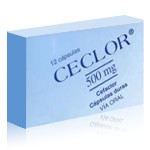
Ceclor is the original brand-name formulation of Cefaclor — one of the most widely-used second-generation cephalosporin antibiotics in pediatric and adult outpatient practice. Developed by Eli Lilly and FDA-approved since 1979, Ceclor has been a foundational antibiotic for common bacterial infections — particularly otitis media in children, sinusitis, pharyngitis, and lower respiratory tract infections — for over four decades.
The active ingredient is Cefaclor, a second-generation oral cephalosporin that works by inhibiting bacterial cell wall synthesis through binding to penicillin-binding proteins (PBPs). This β-lactam mechanism is selectively toxic to bacteria because human cells lack cell walls. Compared to first-generation cephalosporins, Cefaclor offers expanded Gram-negative coverage particularly against common respiratory pathogens including Haemophilus influenzae and Moraxella catarrhalis, while maintaining strong activity against Gram-positive organisms (S. pneumoniae, S. pyogenes, MSSA).
Ceclor is FDA-approved for treatment of otitis media (one of the most common pediatric uses), acute maxillary sinusitis, pharyngitis and tonsillitis, lower respiratory tract infections including acute bacterial exacerbations of chronic bronchitis, urinary tract infections, and uncomplicated skin and skin structure infections. Its broad spectrum and excellent pediatric tolerability make it particularly valuable in pediatric practice.
The medication is available in multiple formulations: 250 mg and 500 mg immediate-release capsules, Ceclor CD 375 mg and 500 mg extended-release tablets, and multiple pediatric suspension strengths. Standard adult dosing is 250-500 mg every 8 hours, while pediatric dosing is weight-based at 20-40 mg/kg/day in divided doses.
Common side effects include diarrhea, rash, and gastrointestinal upset. A distinctive adverse effect of Cefaclor is the serum sickness-like reaction (fever, rash, joint pain), most commonly seen in children after repeated courses. Cross-reactivity with penicillin allergy is approximately 10%. Generic Cefaclor is widely available worldwide.
Free prescription
Discrete packaging
Have questions?
Quality Assurance

- Pediatric Otitis Media: For pediatric acute otitis media with H. influenzae or M. catarrhalis suspicion;
- Recurrent Otitis Media: For children with recurrent ear infections where broader Gram-negative coverage is needed;
- Acute Maxillary Sinusitis: FDA-approved for acute bacterial maxillary sinusitis in adults and children;
- Pediatric Sinusitis: For pediatric acute bacterial sinusitis as penicillin alternative;
- Pharyngitis: For bacterial pharyngitis particularly when caused by S. pyogenes;
- Tonsillitis: For bacterial tonsillitis as cephalosporin alternative to penicillins;
- Strep Throat: For Group A Streptococcus throat infections in penicillin-allergic patients without severe allergy;
- Acute Bronchitis Exacerbation: FDA-approved for acute bacterial exacerbations of chronic bronchitis;
- COPD Exacerbation: For mild-to-moderate COPD exacerbations with H. influenzae or M. catarrhalis;
- Outpatient Pneumonia: For mild outpatient community-acquired pneumonia caused by susceptible organisms;
- Bronchopneumonia: For mild bronchopneumonia in outpatient settings with susceptible bacterial organisms;
- Urinary Tract Infection: FDA-approved for UTIs caused by susceptible E. coli, Klebsiella, Proteus, and S. saprophyticus;
- Cystitis: For acute bacterial cystitis in adults and children with susceptible organisms;
- Skin Soft Tissue Infection: For uncomplicated skin and skin structure infections caused by susceptible organisms;
- Cellulitis: For mild cellulitis caused by Streptococcus or MSSA in outpatient settings;
- Pediatric Skin Infection: For pediatric skin infections requiring cephalosporin coverage with pediatric-friendly suspension;
- H Influenzae Infection: For Haemophilus influenzae infections requiring expanded Gram-negative β-lactam coverage;
- M Catarrhalis Infection: For Moraxella catarrhalis respiratory infections;
- Pediatric Respiratory Antibiotic: Widely used pediatric antibiotic for common respiratory bacterial infections.
- Less Ear Pain: Rapid relief from otitis media pain in children;
- Less Throat Pain: Resolution of pharyngitis and tonsillitis pain;
- Less Sinus Pain: Reduction in facial pressure and pain of acute sinusitis;
- Less Cough: Resolution of productive cough in bronchitis exacerbations;
- Better Breathing: Improvement in respiratory symptoms as bacterial bronchitis or pneumonia clears;
- Less Burning Urination: Resolution of dysuria in UTI within 24-48 hours;
- Better Bladder Comfort: Restoration of normal urination as cystitis resolves;
- Better Wound Healing: Skin infections heal as bacterial colonization clears;
- Better Sleep: Resolution of nighttime ear pain in children — valuable for parents and child;
- Better Energy: Recovery from systemic infection-related fatigue;
- Better Appetite: Restoration of normal appetite as infection resolves;
- Faster Recovery: Most patients show clinical improvement within 48-72 hours of starting therapy;
- Better Daily Function: Return to school, work, and normal activities;
- Brand Ceclor: Original Eli Lilly brand of Cefaclor with established global clinical reputation since 1979;
- Generic Cefaclor: Affordable generic versions expand global access to second-generation cephalosporin therapy;
- Ceclor CD: Extended-release formulation provides twice-daily dosing for improved patient adherence;
- Distaclor Equivalent: Same Cefaclor molecule as UK brand Distaclor — widely used internationally;
- Second Generation Cephalosporin: Expanded Gram-negative coverage beyond first-generation cephalosporins;
- Beta Lactam Antibiotic: Foundational β-lactam mechanism — safe and effective bacterial cell wall inhibitor;
- Expanded Gram Negative Coverage: Active against H. influenzae and M. catarrhalis — key respiratory pathogens;
- Penicillin Allergic Alternative: Alternative for patients with mild penicillin reactions — not for severe penicillin allergy;
- Pediatric Cephalosporin: Widely-used pediatric cephalosporin with pediatric-friendly suspension formulations;
- Pediatric Suspension Cephalosporin: Multiple suspension strengths (125, 187, 250, 375 mg/5 mL) for accurate pediatric weight-based dosing;
- Otitis Media Cephalosporin: Established cephalosporin choice for pediatric ear infections;
- Sinusitis Cephalosporin: Established cephalosporin choice for acute bacterial sinusitis;
- Bronchitis Cephalosporin: For COPD bronchitis exacerbations with H. influenzae or M. catarrhalis;
- UTI Cephalosporin: For uncomplicated urinary tract infections caused by susceptible Gram-negative organisms;
- MSSA Skin Coverage: Effective against methicillin-sensitive Staphylococcus aureus skin infections;
- Three Times Daily Antibiotic: Standard 8-hourly dosing supports steady drug levels throughout treatment course;
- Pediatric Weight Based Dosing: Established pediatric dosing protocols (20-40 mg/kg/day) for accurate children's therapy;
- Penicillin Allergic Pediatric: Pediatric alternative for non-severe penicillin allergies in common bacterial infections;
- 45 Plus Year History: Extensive real-world safety and efficacy data since 1979 across decades of pediatric and adult use;
- Affordable Cephalosporin: Cost-effective oral cephalosporin globally — supports access in resource-limited settings;
- Serum Sickness Warning: Distinctive Cefaclor adverse effect — fever, rash, joint pain especially in children after repeated courses;
- Penicillin Cross Reactivity: Approximately 10% cross-reactivity with penicillin allergy — avoid in severe penicillin allergy;
- Renal Adjustment Available: Established renal dose adjustment protocols support use in chronic kidney disease;
- Take With or Without Food: Can be taken with or without meals — food may reduce GI side effects;
- Stable Storage: Capsules stable at room temperature — oral suspension requires refrigeration after reconstitution;
- Globally Available: Widely supplied in international markets in branded (Ceclor, Distaclor) and generic forms.
Generic Ceclor (Cefaclor 250 mg) Medication guide:
📖 What is Ceclor - the second-generation oral cephalosporin antibiotic
Ceclor is the original brand name of cefaclor, a second-generation oral cephalosporin antibiotic developed and originally marketed by Eli Lilly. Ceclor received FDA approval in 1979 and has been in continuous global clinical use for more than four decades. The drug is now also widely available as generic cefaclor from numerous manufacturers worldwide and as the extended-release formulation Ceclor CD (approved 1996).
Within the cephalosporin family, cefaclor occupies a specific niche as a second-generation oral agent with broader gram-negative coverage than the first-generation cephalosporins (cephalexin, cefadroxil) while retaining adequate gram-positive activity. The drug has been particularly valuable historically in pediatric otitis media, sinusitis, and pharyngitis as an alternative to first-line amoxicillin or for penicillin-allergic patients.
📌 Quick clinical positioning
Ceclor = oral cephalosporin antibiotic for outpatient bacterial infections (otitis media, sinusitis, pharyngitis, bronchitis, UTI, skin). Common pediatric and adult use for community-acquired bacterial infections where amoxicillin is unsuitable or alternative coverage needed.
- 💊 Drug class
- Second-generation oral cephalosporin (beta-lactam antibiotic); bactericidal via inhibition of bacterial cell wall synthesis through penicillin-binding protein (PBP) binding.
- 🏢 Original manufacturer
- Ceclor originally developed and marketed by Eli Lilly (US-based pharmaceutical company); generic cefaclor now available from numerous manufacturers globally including Sandoz, Teva, Mylan, Sun Pharma, Cipla.
- 🌍 International brand names
- Ceclor (US, Canada, EU, most markets); Ceclor CD (extended-release); Distaclor (UK); Panoral; Keflor; multiple regional names. Generic cefaclor available worldwide.
- 📜 FDA approval
- Ceclor capsules and suspension: NDA 050521 (1979); Ceclor CD extended-release: NDA 050674 (1996); multiple generic cefaclor approvals since the 1990s.
- 📏 Available strengths
- Immediate-release capsules: 250 mg and 500 mg. Extended-release tablets (Ceclor CD): 375 mg and 500 mg. Oral suspension: 125 mg, 187 mg, 250 mg, and 375 mg per 5 mL.
- ⏱️ Half-life
- Approximately 0.6-0.9 hours (very short). Supports three-times-daily dosing for immediate-release formulation; the extended-release Ceclor CD supports twice-daily dosing.
- 🌎 WHO Essential Medicines status
- Cephalosporins are included on the WHO Essential Medicines List in the Access tier of the AWaRe categorisation, indicating priority antibiotics for first-line use across common community infections.
The distinguishing features of Ceclor among contemporary antibiotics include its second-generation cephalosporin spectrum (better gram-negative than first-generation while retaining gram-positive), pediatric-friendly oral suspension formulations across multiple strengths, extensive established safety record from over four decades of clinical use, the distinctive serum sickness-like reaction profile that distinguishes cefaclor from other cephalosporins, and the availability of both immediate-release and extended-release Ceclor CD formulations.
The contemporary positioning of Ceclor is as a second-line or alternative option for community-acquired bacterial infections - amoxicillin or amoxicillin-clavulanate is typically first-line for most pediatric otitis media, sinusitis, and pharyngitis indications, with Ceclor reserved for penicillin-allergic patients, treatment failures, or where the broader gram-negative coverage of a second-generation cephalosporin is preferred. The research foundation includes pivotal pediatric clinical trials by Stan Block and colleagues on AOM, Michael Pichichero meta-analyses on cephalosporin pharyngitis therapy, and the substantial AAP and IDSA guideline framework that positions cefaclor within the broader antibiotic decision algorithm.
🕰️ Ceclor heritage - from 1979 Eli Lilly approval to global generic
The development of cefaclor (Ceclor) by Eli Lilly in the 1970s was part of the broader cephalosporin family expansion that transformed antibiotic therapy in the second half of the twentieth century. The original cephalosporin compound was discovered by Giuseppe Brotzu at the University of Cagliari in Sardinia in 1948 from the fungus Cephalosporium acremonium isolated near a sewage outflow. Subsequent decades of pharmaceutical chemistry produced successive generations of cephalosporins with progressively improved spectrum and pharmacokinetics.
The second-generation cephalosporin development in the 1970s aimed to extend the gram-negative coverage of the first-generation agents (cephalexin, cephalothin) while retaining their gram-positive activity. The structural modifications focused on the side chains attached to the cephalosporin nucleus to improve beta-lactamase stability and broaden bacterial spectrum. Cefaclor (Eli Lilly), cefuroxime (Glaxo), cefprozil (Bristol-Myers Squibb), and cefoxitin (Merck) all emerged from this generation.
Timeline of cefaclor development:
1948
Giuseppe Brotzu discovers Cephalosporium acremonium in Sardinian sewage outflow; the fungus produces compounds with antibacterial activity. The foundation of the entire cephalosporin family.
1960s
First-generation cephalosporins introduced clinically: cephalothin (1964), cephaloridine, cephalexin (1971). Established the therapeutic value of the cephalosporin scaffold.
1970s
Eli Lilly cefaclor development programme - structural modifications of the cephalosporin nucleus to broaden gram-negative spectrum while preserving gram-positive activity. Pivotal Phase III clinical trials in respiratory tract infections, otitis media, and urinary tract infections.
1979 FDA Approval
FDA approval of Ceclor (NDA 050521) for community-acquired bacterial infections including otitis media, pharyngitis, sinusitis, bronchitis, urinary tract infections, and skin and soft tissue infections.
1980s
Ceclor becomes widely adopted for pediatric otitis media and other community infections. Pediatric oral suspension formulations introduced in multiple strengths to support weight-based dosing. Ceclor was one of the most prescribed pediatric antibiotics during this era.
1980s-90s Safety signal
Serum sickness-like reaction recognition. Case series and surveillance reports characterise the distinctive cefaclor-associated serum sickness-like reaction (joint pain, rash, fever) occurring particularly in pediatric patients. The reaction is now well-described as a specific adverse effect of cefaclor distinct from other cephalosporins.
1990s
Stan Block, Michael Pichichero, and colleagues publish pivotal pediatric clinical trials on cefaclor and other cephalosporins for acute otitis media. The trials inform contemporary AOM antibiotic positioning.
1996 CD Formulation
Ceclor CD extended-release approval (NDA 050674) by Eli Lilly. Twice-daily dosing for selected indications providing improved adherence over thrice-daily immediate-release.
2000s
Generic cefaclor proliferates globally. Cost reduction makes cefaclor accessible for wider patient populations. Eli Lilly continues to market the branded products but generic versions dominate dispensing.
2012-2013
Updated AAP/IDSA pediatric guidelines. Lieberthal AOM guideline (2013) and Wald sinusitis guideline (2013) position cefaclor and other cephalosporins as alternatives to first-line amoxicillin, particularly for penicillin-allergic patients or treatment failures.
2020s
Contemporary positioning settled. Cefaclor remains a useful but no longer first-line antibiotic for most pediatric community infections. Amoxicillin and Augmentin dominate first-line use; cefaclor retains a defined alternative role.
The commercial heritage of Ceclor traces from Eli Lilly through to current global generic dominance. Eli Lilly retained brand-name rights for many years; generic competition since the 1990s has substantially reduced brand share. The cefaclor active ingredient is identical across brand and generic versions; FDA-approved generics are interchangeable with brand Ceclor.
The contemporary role of cefaclor reflects its specific clinical position: a useful second-line oral cephalosporin for community infections with established pediatric experience and a long safety record. The rise of amoxicillin-clavulanate (Augmentin) for many traditional cefaclor indications, and the broader stewardship trend toward narrower-spectrum first-line agents (amoxicillin) where appropriate, has restricted cefaclor empirical use somewhat. However, the drug retains meaningful clinical value for penicillin-allergic patients, treatment failures, and specific clinical scenarios where its second-generation profile is preferred.
🧬 How cefaclor works - beta-lactam PBP inhibition mechanism
Cefaclor (Ceclor) is a beta-lactam antibiotic that exerts its bactericidal effect through inhibition of bacterial cell wall synthesis. The mechanism is fundamentally identical to other beta-lactam antibiotics (penicillins, all cephalosporins, carbapenems, monobactams): the drug binds to bacterial enzymes called penicillin-binding proteins (PBPs) that normally synthesise peptidoglycan, the structural component of bacterial cell walls. When PBPs are inhibited, the bacterial cell wall cannot be properly formed or maintained, and the bacterium dies through osmotic lysis.
💡 Why this mechanism produces bactericidal effect
Bacteria need an intact cell wall to survive osmotic pressure. Without proper cell wall synthesis, the bacterium cannot withstand the osmotic gradient between its interior and the external environment. The cell ruptures and dies. This contrasts with bacteriostatic antibiotics (like macrolides) that halt bacterial growth but rely on the host immune system to clear the organisms.
Mechanism details:
- 🧬 PBP binding
- Cefaclor binds preferentially to specific PBPs (PBP-1, PBP-3, others depending on the bacterial species). Different PBPs perform different functions in cell wall synthesis - blocking them produces different effects on bacterial cell morphology and survival.
- 💥 Cell wall synthesis disruption
- PBPs catalyse the transpeptidation reaction that crosslinks peptidoglycan strands forming the cell wall. With PBPs inhibited, peptidoglycan synthesis is incomplete, the cell wall is weakened, and the bacterium becomes osmotically vulnerable.
- 💧 Bacterial autolysis
- Many susceptible bacteria activate their own autolytic enzymes when stressed by cell wall synthesis inhibition. The combination of weakened wall and autolysis produces rapid bactericidal effect within hours of adequate drug exposure.
- 🏛️ Selectivity for bacterial PBPs
- Human cells do not have peptidoglycan cell walls or PBPs. Cefaclor binds only bacterial targets, providing therapeutic selectivity with minimal direct host cell toxicity.
- 🔍 Beta-lactamase considerations
- Some bacteria produce beta-lactamases - enzymes that hydrolyse the beta-lactam ring of cephalosporins and inactivate them. Cefaclor has moderate beta-lactamase stability compared to first-generation cephalosporins, providing some but not complete protection against beta-lactamase-producing organisms. This is one of the principal limitations of cefaclor activity against beta-lactamase-positive H. influenzae and other gram-negative organisms.
Time-above-MIC pharmacodynamic principle:
📘 Time-above-MIC drives efficacy
Like all beta-lactam antibiotics, cefaclor demonstrates time-above-MIC (time during which free drug concentration exceeds the minimum inhibitory concentration) as the principal pharmacodynamic predictor of efficacy. This means: maintaining cefaclor concentrations above MIC for the target pathogen across a substantial fraction of the dosing interval is the goal. Brief peak concentrations do not contribute additional kill - sustained exposure does.
Practical pharmacodynamic implications for cefaclor dosing:
- The short half-life (0.6-0.9 hours) of cefaclor means concentrations decline rapidly between doses
- Three-times-daily (every 8 hours) dosing of immediate-release maintains adequate time-above-MIC for typical susceptible respiratory pathogens
- Twice-daily dosing of Ceclor CD extended-release provides sustained release that maintains time-above-MIC over the 12-hour interval
- Missing doses creates significant gaps where concentrations drop below MIC, reducing antibacterial pressure
- Adherence to scheduled dosing is particularly important for short-half-life beta-lactams like cefaclor
The practical clinical message from the mechanism is that cefaclor is a true beta-lactam antibiotic with all the strengths and limitations of the class: bactericidal effect against susceptible organisms, no activity against organisms with significant beta-lactamase production (without inhibitor) or altered PBPs, time-above-MIC pharmacodynamic requirements, and the standard beta-lactam safety profile including hypersensitivity reactions.
💊 The cephalosporin generations - where cefaclor fits in the class
Cephalosporin antibiotics are organised into five generations based on their introduction timeline and antibacterial spectrum. The generations reflect progressive development of agents with broader gram-negative coverage and improved beta-lactamase stability, while sometimes sacrificing some gram-positive activity. Understanding where cefaclor fits in this classification clarifies its clinical positioning relative to other cephalosporins available to prescribers.
The cephalosporin generations:
First Generation 1960s-1970s GRAM-POSITIVE
Members: Cephalexin (Keflex), cefadroxil (Duricef), cephalothin, cefazolin (IV).
Spectrum: Strong gram-positive coverage (streptococci, MSSA); modest gram-negative coverage (E. coli, Klebsiella, Proteus). Common uses: skin/soft tissue infections, uncomplicated UTI, pre-surgical prophylaxis. Limited respiratory infection use due to suboptimal H. influenzae coverage.
Second Generation 1970s-1980s BROADER G-NEG This guide
Oral members: Cefaclor (Ceclor), cefuroxime axetil (Ceftin), cefprozil (Cefzil), loracarbef. IV/IM members: cefuroxime (Zinacef), cefoxitin (Mefoxin - cephamycin subclass).
Spectrum: Retained gram-positive coverage; broader gram-negative (H. influenzae, M. catarrhalis, Neisseria, E. coli, Klebsiella, Proteus). Common uses: respiratory tract infections, otitis media, sinusitis, selected UTI, skin/soft tissue infections. The traditional niche of cefaclor.
Third Generation 1980s-1990s EXTENDED G-NEG
Oral members: Cefixime (Suprax), cefpodoxime (Vantin), cefdinir (Omnicef), ceftibuten. IV/IM members: ceftriaxone (Rocephin), cefotaxime (Claforan), ceftazidime (Fortaz).
Spectrum: Greatly extended gram-negative coverage including some Pseudomonas (ceftazidime) and resistant Enterobacterales; reduced gram-positive activity except some retained S. pneumoniae. Common uses: severe community and hospital infections, meningitis (ceftriaxone), gonorrhoea (ceftriaxone IM), pyelonephritis, complicated infections.
Fourth Generation 1990s-2000s IV ONLY
Members: Cefepime (Maxipime) - IV/IM only, no oral equivalent.
Spectrum: Broad gram-negative including Pseudomonas, retained gram-positive activity, better beta-lactamase stability than third-generation. Common uses: hospital-acquired infections, neutropenic fever, severe gram-negative infections.
Fifth Generation (Anti-MRSA cephalosporins) 2010s ANTI-MRSA
Members: Ceftaroline (Teflaro) - IV only; ceftolozane-tazobactam (Zerbaxa).
Spectrum: Activity against MRSA (unique among cephalosporins), expanded gram-negative coverage. Common uses: MRSA pneumonia, complicated skin infections, selected severe infections.
📘 Where cefaclor fits
Cefaclor is a second-generation ORAL cephalosporin. It provides broader gram-negative coverage than first-generation oral agents (cephalexin) while retaining gram-positive activity. Within the second-generation oral group, cefaclor is somewhat older than cefuroxime axetil and cefprozil, with somewhat lower beta-lactamase stability against H. influenzae beta-lactamase-positive strains. Cefuroxime axetil and cefprozil have generally displaced cefaclor for new prescribing in many settings, but cefaclor retains a clinical role.
Practical clinical positioning of generations:
- First-generation oral (cephalexin): SSTI, uncomplicated UTI, surgical prophylaxis
- Second-generation oral (cefaclor, cefuroxime axetil, cefprozil): respiratory infections (otitis media, sinusitis, bronchitis), selected SSTI - where amoxicillin is unsuitable
- Third-generation oral (cefixime, cefpodoxime, cefdinir): more severe community infections, pediatric AOM treatment failures, complicated UTI in selected cases
- IV cephalosporins (ceftriaxone third-gen, cefepime fourth-gen, ceftaroline fifth-gen): hospital and severe community infections
The generation classification is a useful shorthand but not absolute - some agents have spectra that bridge generations, and individual organism susceptibility patterns matter more than generational classification for specific clinical decisions. For cefaclor specifically, the second-generation positioning means it covers most outpatient respiratory pathogens while having predictable limitations for resistant organisms (beta-lactamase-positive H. influenzae, MRSA, Pseudomonas).
🦠 Ceclor bacterial spectrum - what it covers and what it does not
The bacterial spectrum of cefaclor reflects its second-generation cephalosporin character: broader gram-negative coverage than first-generation agents while retaining gram-positive activity. Understanding the organisms cefaclor reliably covers (and those it does not) is essential for appropriate prescribing decisions.
- 🦠 Gram-positive cocci
- Susceptible: Streptococcus pneumoniae (susceptible strains; resistance variable by region), Group A streptococcus (Streptococcus pyogenes), Group B streptococcus, methicillin-sensitive Staphylococcus aureus (MSSA), beta-hemolytic streptococci.
- Resistant: Methicillin-resistant Staphylococcus aureus (MRSA) - generally resistant; Enterococcus species (intrinsic resistance to cephalosporins as a class).
- 🦠 Gram-negative bacilli - Enterobacterales
- Susceptible: Escherichia coli (most non-ESBL strains), Klebsiella pneumoniae (susceptible strains), Proteus mirabilis, some other Enterobacterales.
- Variable/Resistant: Enterobacter, Citrobacter, Serratia (AmpC beta-lactamase producers); ESBL-producing Enterobacterales; carbapenem-resistant Enterobacterales.
- 🦠 Respiratory gram-negative organisms
- Susceptible: Haemophilus influenzae (non-beta-lactamase-producing strains; one of cefaclor strengths versus first-generation), Moraxella catarrhalis (reliable for non-beta-lactamase strains), Neisseria species.
- Variable: Beta-lactamase-producing H. influenzae (cefaclor has only moderate beta-lactamase stability compared to second-generation alternatives like cefuroxime axetil).
- 🦠 Other gram-negative
- Resistant: Pseudomonas aeruginosa (intrinsic resistance - no cephalosporin coverage until third-generation ceftazidime or fourth-generation cefepime); Acinetobacter species; Stenotrophomonas; Burkholderia.
- 🦠 Atypical respiratory pathogens
- NOT covered: Mycoplasma pneumoniae, Chlamydia pneumoniae, Legionella pneumophila - none of these are covered by cefaclor (or any beta-lactam antibiotic). If atypical coverage is needed, macrolide or doxycycline must be added.
- 🦠 Anaerobes
- Limited activity: Some upper respiratory anaerobes (e.g., Peptostreptococcus); not reliable for serious anaerobic infections including Bacteroides fragilis abdominal infections.
- 🦠 Atypical mycobacteria, mycobacteria, intracellular organisms
- NOT covered. Cefaclor has no significant activity against mycobacteria, Chlamydia, Mycoplasma, Rickettsia, or other intracellular pathogens.
Most clinically important organisms for routine cefaclor practice:
- Streptococcus pneumoniae - principal target for respiratory infections. Susceptibility varies by region (penicillin-non-susceptible strains often co-resistant to second-generation cephalosporins).
- Haemophilus influenzae - common respiratory pathogen. Cefaclor reliable for non-beta-lactamase strains; less reliable for beta-lactamase-positive isolates.
- Moraxella catarrhalis - common upper respiratory pathogen. Reliable coverage for non-beta-lactamase strains.
- Group A streptococcus - pharyngitis pathogen. Universally susceptible to cefaclor (and all cephalosporins).
- MSSA - common SSTI pathogen. Reliable cefaclor coverage; MRSA NOT covered.
- E. coli (susceptible strains) - common uncomplicated UTI pathogen. Cefaclor adequate for non-ESBL strains.
- Klebsiella pneumoniae (susceptible strains) - selected respiratory and UTI infections.
Important organisms NOT covered by cefaclor:
❌ Pathogens requiring alternative agents
- MRSA - methicillin-resistant Staphylococcus aureus; vancomycin, linezolid, TMP-SMX, doxycycline alternatives
- Pseudomonas aeruginosa - intrinsically resistant; anti-Pseudomonal agents required
- Enterococcus - intrinsic cephalosporin resistance; ampicillin or vancomycin alternatives
- Atypical respiratory pathogens (Mycoplasma, Chlamydia, Legionella) - macrolide or doxycycline required
- Mycobacterium tuberculosis - not effective; rifampin/isoniazid based regimens needed
- ESBL-producing organisms - carbapenem-based regimens needed
- Anaerobic infections (Bacteroides) - metronidazole or beta-lactam/inhibitor needed
- Beta-lactamase-positive H. influenzae (significant subset) - cefuroxime axetil, Augmentin, or alternative preferred
The spectrum reliability for typical outpatient community infections varies by region. In areas with high pneumococcal penicillin/cephalosporin resistance or high beta-lactamase-positive H. influenzae rates, cefaclor empirical efficacy may be suboptimal and alternative agents (Augmentin, cefuroxime axetil) may be preferred. Local antibiogram review supports appropriate empirical selection.
📊 Pharmacokinetics of cefaclor - absorption and elimination
Cefaclor pharmacokinetics are characterised by rapid oral absorption, short half-life, predominantly renal elimination, and minimal tissue accumulation. These properties drive the standard dosing requirements (three-times-daily for immediate-release, twice-daily for Ceclor CD extended-release) and explain why renal function affects cefaclor clearance significantly.
Key pharmacokinetic parameters:
- 📏 Oral bioavailability
- Approximately 90-95% for immediate-release cefaclor when taken on an empty stomach. Food reduces peak concentrations and slightly delays absorption but does not significantly affect total AUC. The high bioavailability is one of the practical advantages of cefaclor as an oral agent.
- ⏱️ Time to peak (Tmax)
- Approximately 30-60 minutes for immediate-release on empty stomach. Extended-release Ceclor CD: 2-4 hours (delayed and prolonged absorption profile).
- ⏳ Half-life
- 0.6-0.9 hours - one of the shortest half-lives among oral cephalosporins. This very short half-life is the principal reason for the standard t.i.d. (every 8 hours) dosing of immediate-release cefaclor and limits the extended-release Ceclor CD to twice-daily rather than once-daily.
- 📊 Peak plasma concentration (Cmax)
- After 500 mg oral dose immediate-release: approximately 13 mcg/mL. After 250 mg dose: approximately 7 mcg/mL. These levels exceed MICs of typical susceptible respiratory pathogens.
- 🧪 Protein binding
- Approximately 25% (low protein binding); 75% of cefaclor in plasma is free drug available for tissue distribution and antibacterial activity.
- 📍 Tissue penetration
- Excellent: middle ear fluid (3-5 fold plasma in selected studies), sinus mucosa, tonsillar tissue. Adequate: bronchial mucosa, skin, urinary tract. Poor: CSF (not adequate for meningitis), bone (limited).
- 🧬 Metabolism
- Cefaclor is not significantly metabolised by the liver - approximately 60-85% is excreted unchanged in urine. The minimal hepatic metabolism means CYP450 drug interactions are not a major concern (unlike clarithromycin).
- 💧 Elimination
- Renal: approximately 60-85% of an oral dose appears in urine as unchanged drug within 8 hours. Both glomerular filtration and tubular secretion contribute. Hepatic: minor route; approximately 10-15% via hepatic/biliary clearance.
- 🎯 Renal dose adjustment
- Required at significant renal impairment (eCrCl below 30 mL/min). At lower clearances, half-life extends 2-3 fold and dose interval should be lengthened. See Section 18 for specific renal dosing.
💡 Time-above-MIC implications
The very short half-life of cefaclor (0.6-0.9 hours) means concentrations decline rapidly. After a typical 250-500 mg dose, plasma levels exceed MIC of susceptible respiratory pathogens for approximately 4-5 hours. Three-times-daily dosing (every 8 hours) is needed to maintain time-above-MIC across the dosing interval. This explains the dosing schedule requirements.
Food effect on cefaclor:
- Immediate-release cefaclor
- Food reduces peak concentrations by approximately 25-50% and slightly delays absorption time. Total AUC is preserved. Take on empty stomach (1 hour before or 2 hours after meals) for optimal peak concentrations; or take with food if GI upset is an issue (slight peak reduction is acceptable).
- Ceclor CD extended-release
- Take with food - the extended-release formulation absorption is improved with food, similar to other extended-release oral antibiotics. Food increases peak concentrations and AUC compared to fasted administration.
Practical pharmacokinetic implications:
- Strict adherence to dosing schedule matters more for cefaclor than for long half-life antibiotics. Missing doses creates significant gaps in antibacterial pressure.
- Three-times-daily dosing (every 8 hours) is standard for immediate-release - typically morning, mid-day, evening with appropriate spacing.
- Twice-daily Ceclor CD provides simpler adherence pattern when indication and severity allow.
- Renal dose adjustment mandatory at eCrCl below 30 mL/min; minimal hepatic interaction concerns.
- Drug interaction profile is favorable (minimal CYP450 metabolism) compared to clarithromycin or other CYP3A4 substrates.
- Food timing: immediate-release best on empty stomach; Ceclor CD with food. Communicate this clearly at prescription.
🕑 Ceclor CD extended-release - twice-daily formulation
Ceclor CD is the extended-release formulation of cefaclor, approved by FDA in 1996 (NDA 050674). The formulation provides twice-daily dosing compared to the three-times-daily immediate-release Ceclor, improving outpatient adherence for selected adult indications. Like other extended-release antibiotics, Ceclor CD has specific food requirements and tablet integrity constraints that affect appropriate prescribing.
Ceclor CD vs immediate-release Ceclor:
💊 Immediate-release Ceclor
- Available strengths
- 250 mg and 500 mg capsules; oral suspension (multiple strengths)
- Dosing frequency
- Three times daily (every 8 hours)
- Food requirement
- Empty stomach preferred (food reduces peak by 25-50%); can be taken with food if needed for tolerability
- Tablet manipulation
- Capsules can be opened; suspension flexible
- FDA indications
- Full range: pediatric and adult; AOM, sinusitis, pharyngitis, bronchitis, UTI, SSTI
- Pediatric use
- Approved with weight-based dosing (typically 20-40 mg/kg/day divided t.i.d.)
🕑 Ceclor CD (extended-release)
- Available strengths
- 375 mg and 500 mg extended-release tablets only
- Dosing frequency
- Twice daily (every 12 hours)
- Food requirement
- Take with food (improves extended-release absorption)
- Tablet manipulation
- Must swallow whole; do NOT crush, split, or chew
- FDA indications
- Restricted: AECB (acute bacterial exacerbations of chronic bronchitis), acute bacterial sinusitis, secondary bacterial infections of acute bronchitis, skin and soft tissue infections, pharyngitis/tonsillitis (adults)
- Pediatric use
- NOT approved for pediatric patients (use immediate-release Ceclor for children)
🚨 Critical Ceclor CD warnings
- Do NOT crush, split, or chew Ceclor CD tablets - destroys extended-release matrix
- Take with food - empty stomach administration reduces absorption
- Adult indications only - not approved for pediatric patients
- Specific approved indications - not for all infections cefaclor IR covers
When to choose Ceclor CD vs immediate-release:
✅ Ceclor CD appropriate when
- Adult patient with approved indication (AECB, sinusitis, pharyngitis, SSTI, secondary bronchial infections)
- Twice-daily dosing convenience valuable
- Patient can take with food consistently
- Patient can swallow whole tablets
- Course duration adequate (typically 7-10 days)
❌ Immediate-release Ceclor instead
- Pediatric patient (CD not approved)
- Indication not on CD approved list (e.g., otitis media in adults, UTI)
- Patient cannot take with food consistently
- Patient cannot swallow whole tablets
- Need dosing flexibility (capsules can be opened; suspension available)
- Renal dose adjustment may require more dose granularity
Common dosing for adult indications:
| Indication | Immediate-release Ceclor | Ceclor CD |
|---|---|---|
| AECB | 250-500 mg t.i.d. x 7-10 days | 500 mg b.i.d. x 7 days |
| Acute bacterial sinusitis | 500 mg t.i.d. x 10-14 days | 500 mg b.i.d. x 10 days |
| Pharyngitis | 250 mg t.i.d. x 10 days | 375 mg b.i.d. x 10 days |
| SSTI | 250-500 mg t.i.d. x 7-10 days | 375-500 mg b.i.d. x 7-10 days |
| UTI | 250-500 mg t.i.d. x 7 days | Not approved indication |
| Otitis media (adults) | 500 mg t.i.d. x 10 days | Not approved indication |
The practical adoption of Ceclor CD has been moderate. Twice-daily versus three-times-daily is a meaningful convenience improvement, but other competing antibiotics offer once-daily dosing (azithromycin, cefdinir, levofloxacin) or comparable convenience profiles. Generic immediate-release cefaclor remains widely used, especially in pediatric practice where the suspension formulation and capsule flexibility are valuable. Ceclor CD has a defined niche in adult outpatient respiratory infection management.
🎯 FDA-approved indications for Ceclor
Cefaclor has a substantial list of FDA-approved indications across community-acquired bacterial infections, including respiratory tract, urinary tract, and skin and soft tissue infections. The approved indications reflect the second-generation cephalosporin spectrum and the historical clinical trial programme conducted by Eli Lilly. Understanding the full indication range supports appropriate prescribing.
FDA-approved indications for cefaclor:
🫁 Respiratory tract infections
- Acute otitis media (AOM)
- Caused by S. pneumoniae, H. influenzae, S. pyogenes, M. catarrhalis, staphylococci. Historically important pediatric indication.
- Acute bacterial sinusitis
- Caused by S. pneumoniae, H. influenzae, M. catarrhalis. Alternative to first-line Augmentin in penicillin-allergic.
- Acute exacerbations of chronic bronchitis (AECB)
- Caused by H. influenzae, M. catarrhalis, S. pneumoniae.
- Streptococcal pharyngitis and tonsillitis
- Caused by Group A streptococcus. Alternative to penicillin in penicillin-allergic patients.
- Lower respiratory tract infections
- Including pneumonia caused by susceptible community pathogens.
🧫 Urinary tract infections
- Uncomplicated UTI
- Caused by susceptible E. coli, Klebsiella, Proteus. Alternative to nitrofurantoin or TMP-SMX where those agents are unsuitable.
- Complicated UTI
- In selected patients where susceptibility supports cefaclor use.
🩹 Skin and soft tissue infections
- Cellulitis and skin infections
- Caused by S. aureus (MSSA), S. pyogenes. Alternative to cephalexin or dicloxacillin.
- Wound infections
- In selected community-acquired wound infections with susceptible pathogens.
Indications NOT appropriate for cefaclor:
❌ Use alternative agent
- MRSA infections - generally resistant; vancomycin, linezolid, TMP-SMX needed
- Pseudomonas infections - intrinsically resistant; anti-Pseudomonal agents required
- Hospital-acquired pneumonia - broader-spectrum agents needed
- Severe sepsis or septic shock - intravenous broad-spectrum agents required
- Meningitis - poor CSF penetration; ceftriaxone or vancomycin/ceftriaxone combination needed
- Atypical pneumonia (Mycoplasma, Chlamydia, Legionella) - macrolide or doxycycline needed
- Tuberculosis - rifampin/isoniazid based regimens required
- Anaerobic infections (Bacteroides) - metronidazole or beta-lactam/inhibitor combinations
- Gonorrhoea - ceftriaxone IM single-dose (third-generation) preferred
- ESBL-producing organisms - carbapenem-based regimens
- Enterococcal infections - intrinsic cephalosporin resistance
Contemporary positioning of cefaclor:
Within the broad indication list, cefaclor occupies a specific clinical role:
- NOT typically first-line for most indications - amoxicillin or amoxicillin-clavulanate is usually preferred for respiratory infections; cephalexin for SSTI; nitrofurantoin for UTI
- Useful alternative in penicillin-allergic patients (with appropriate cephalosporin cross-reactivity assessment)
- Treatment failure scenarios where first-line agents have not worked
- Patient-specific factors favouring cephalosporin therapy (allergy patterns, prior antibiotic exposure)
- Historical pediatric AOM indication retains some current use, particularly with penicillin allergy
- Adult respiratory infections where second-generation cephalosporin spectrum matches need
📘 The stewardship principle
Choose cefaclor when its spectrum specifically matches the clinical need - not as a default broader-spectrum option. For most community infections, narrower-spectrum agents (amoxicillin, cephalexin, nitrofurantoin) are preferred where they would be effective. Cefaclor as an empirical choice is appropriate when the specific second-generation cephalosporin coverage is genuinely needed.
👅 Acute otitis media (AOM) - historical pediatric Ceclor role
Acute otitis media (AOM) is historically one of the most important cefaclor indications, particularly in pediatric practice during the 1980s and 1990s. The framework for contemporary AOM management comes from the American Academy of Pediatrics Clinical Practice Guideline for the Diagnosis and Management of Acute Otitis Media led by Lieberthal and colleagues (Pediatrics 2013;131:e964-e999), which positions amoxicillin as first-line with cefaclor and other cephalosporins as alternatives.
📘 Lieberthal 2013 AAP/IDSA AOM guideline
First-line: High-dose amoxicillin (80-90 mg/kg/day divided BID). If amoxicillin recently used or in penicillin allergy: Augmentin (amoxicillin-clavulanate) or cephalosporins including cefaclor, cefuroxime, cefdinir, cefpodoxime. If treatment failure: alternative cephalosporin or ceftriaxone IM 3-day course.
AOM pathogens and cefaclor activity:
- 🦠 Streptococcus pneumoniae (40-50% of cases)
- Principal AOM pathogen. Cefaclor susceptibility variable; some pneumococcal strains with reduced penicillin susceptibility may also have reduced cefaclor susceptibility. High-dose amoxicillin generally preferred over cefaclor for empirical AOM.
- 🦠 Haemophilus influenzae (20-30% of cases)
- Second most common AOM pathogen. Cefaclor reliable for non-beta-lactamase-producing strains; less reliable for beta-lactamase-positive strains (approximately 30-40% of H. influenzae in some regions). Augmentin or cefuroxime axetil generally preferred for confirmed H. influenzae.
- 🦠 Moraxella catarrhalis (5-10% of cases)
- Common in younger pediatric AOM. Cefaclor reliable for non-beta-lactamase strains.
- 🦠 Streptococcus pyogenes (occasional)
- Universally susceptible to cefaclor and all cephalosporins.
Cefaclor positioning in AOM:
✅ When cefaclor appropriate for AOM
- Penicillin allergy (non-severe) where cephalosporin is acceptable alternative
- Recent amoxicillin treatment failure
- Recent amoxicillin exposure within 30 days
- Where Augmentin is unsuitable due to side effect history
- Children unable to tolerate amoxicillin GI effects
⚠️ Consider alternative cephalosporin
- Suspected H. influenzae beta-lactamase-positive: cefuroxime axetil or Augmentin preferred
- Severe AOM with high fever or systemic symptoms: stronger empirical agent
- AOM treatment failure after empirical cefaclor: alternative cephalosporin (cefuroxime, cefdinir) or ceftriaxone IM
❌ NOT first-line
Cefaclor is no longer routinely first-line empirical for pediatric AOM. High-dose amoxicillin is preferred when patient is not penicillin-allergic and has not had recent amoxicillin.
Cefaclor dose for AOM:
👶 Pediatric AOM dose
20-40 mg/kg/day divided three times daily for 10 days. Maximum 1 gram per day. Higher doses (40 mg/kg/day) for severe disease or suspected resistance. Adult AOM: 250-500 mg three times daily for 10 days.
Practical clinical workflow for AOM with cefaclor:
- Confirm AOM diagnosis: tympanic membrane bulging, severely impaired mobility, or otorrhea (not just middle ear effusion alone)
- Apply observation criteria (watchful waiting) per AAP - certain age groups with non-severe symptoms can be observed 48-72 hours before antibiotic initiation
- Determine antibiotic appropriateness based on age, severity, prior treatment
- For non-allergic patient without recent amoxicillin: high-dose amoxicillin first-line
- For penicillin allergy or recent amoxicillin: cefaclor or other cephalosporin appropriate alternative
- Pediatric dose: 20-40 mg/kg/day cefaclor divided t.i.d. for 10 days
- Adult dose: 250-500 mg cefaclor t.i.d. for 10 days
- Counsel about: GI tolerability, complete the course, return if no improvement at 48-72 hours, watch for serum sickness-like reaction
- Follow-up at 48-72 hours if no improvement
- For treatment failure: switch to alternative agent per Lieberthal guideline (Augmentin, cefdinir, ceftriaxone IM)
- Document diagnosis criteria, allergy history, antibiotic choice rationale, follow-up plan
⚠️ Serum sickness-like reaction watch
Cefaclor has a distinctive association with serum sickness-like reaction (joint pain, rash, fever) particularly in pediatric patients. Counsel caregivers about this possibility and advise prompt evaluation if symptoms develop within 1-3 weeks of starting cefaclor. See Section 23 for details.
🐸 Acute bacterial sinusitis with Ceclor
Acute bacterial sinusitis is a long-standing FDA-approved indication for cefaclor and remains an appropriate option for selected patients. The contemporary framework comes from the IDSA Clinical Practice Guideline for Acute Bacterial Rhinosinusitis (Chow et al, Clinical Infectious Diseases 2012) for adults and the AAP Clinical Practice Guideline for Pediatric Sinusitis (Wald et al, Pediatrics 2013) for children. Both guidelines position amoxicillin-clavulanate (Augmentin) as first-line with cefaclor and other cephalosporins as alternatives.
📘 Sinusitis antibiotic stewardship principle
Most acute sinusitis is VIRAL and does not require antibiotics. Antibiotic therapy is appropriate only for confirmed bacterial sinusitis: symptoms over 10 days, severe initial symptoms with fever and purulent discharge, OR worsening after initial improvement ("double sickening"). Even when antibiotics are appropriate, the duration is typically 10-14 days.
Sinusitis pathogens and cefaclor activity:
- 🦠 Streptococcus pneumoniae (30-40% of bacterial cases)
- Susceptible to cefaclor in most regions; resistance rising in some areas. High-dose Augmentin generally preferred for empirical sinusitis where pneumococcal coverage is critical.
- 🦠 Haemophilus influenzae (20-35% of bacterial cases)
- Cefaclor reliable for non-beta-lactamase strains; variable for beta-lactamase-positive strains. Augmentin covers beta-lactamase-positive H. influenzae more reliably.
- 🦠 Moraxella catarrhalis (5-10% of bacterial cases)
- Cefaclor adequate for non-beta-lactamase strains.
- 🦠 Staphylococcus aureus (uncommon)
- MSSA susceptible; MRSA resistant.
Cefaclor positioning in sinusitis:
📖 First-line: Amoxicillin-clavulanate
Augmentin 875/125 mg twice daily for 10-14 days (adult); 45 mg/kg/day amoxicillin component divided BID for 10 days (pediatric). Broad coverage including beta-lactamase-positive H. influenzae. First-line per Chow 2012 IDSA and Wald 2013 AAP guidelines.
💈 Alternative: Cefaclor
Adult: 500 mg t.i.d. (IR) or 500 mg b.i.d. (Ceclor CD) for 10 days. Pediatric: 20-40 mg/kg/day divided t.i.d. for 10 days. Appropriate when Augmentin is unsuitable due to penicillin allergy, recent exposure, C. difficile risk.
📝 Other alternatives
- Cefuroxime axetil - better beta-lactamase-positive H. influenzae coverage than cefaclor
- Cefpodoxime or cefdinir - third-generation alternatives
- Doxycycline 100 mg twice daily for 10 days (adults) - good atypical coverage too
- Levofloxacin or moxifloxacin 500 mg once daily - reserved for treatment failures
Practical workflow for sinusitis with cefaclor:
- Confirm bacterial sinusitis diagnosis: symptoms over 10 days OR severe initial symptoms with high fever and purulent discharge OR "double sickening"
- Distinguish from viral rhinosinusitis (most cases under 10 days are viral)
- Assess for penicillin allergy or contraindications to first-line Augmentin
- If first-line not contraindicated: Augmentin 875/125 mg b.i.d. (adult) or 45 mg/kg/day amox component (pediatric) preferred
- If penicillin allergy or other reason: cefaclor 500 mg t.i.d. (adult) or 20-40 mg/kg/day (pediatric) for 10 days
- Consider local resistance patterns - cefuroxime axetil may be preferred over cefaclor where H. influenzae beta-lactamase rates are high
- Counsel about GI tolerability, completion of course, serum sickness-like reaction watch
- Follow-up if no improvement at 48-72 hours, worsening symptoms, severe headache, vision changes, or systemic symptoms
- Document indication confirmation, antibiotic choice rationale, follow-up plan
🫁 Lower respiratory tract infections (CAP, AECB)
Cefaclor is FDA-approved for lower respiratory tract infections including community-acquired pneumonia (CAP) and acute exacerbations of chronic bronchitis (AECB). However, contemporary positioning has shifted: cefaclor is no longer a first-line empirical choice for most LRTI but retains a role in specific scenarios. Understanding the changing landscape supports appropriate selection.
Community-acquired pneumonia (CAP):
📘 CAP guideline framework
Mandell 2007 / Metlay 2019 IDSA/ATS CAP guidelines: First-line outpatient CAP is amoxicillin OR doxycycline OR macrolide (in low-resistance regions). Cefaclor is NOT specifically recommended in current CAP guidelines - it has been displaced by amoxicillin, doxycycline, and respiratory fluoroquinolones for empirical CAP. Cefaclor may be considered in selected patients where its specific spectrum matches needs.
Why cefaclor has been displaced from first-line CAP:
- No atypical pathogen coverage - cefaclor does NOT cover Mycoplasma, Chlamydia, Legionella (10-25% of CAP). Macrolide or doxycycline needed for atypical coverage.
- Pneumococcal coverage adequate but not optimal - high-dose amoxicillin or respiratory fluoroquinolone preferred for pneumococcus
- Beta-lactamase-positive H. influenzae limitation
- Three-times-daily dosing inconvenient vs once-daily azithromycin or twice-daily Augmentin
- Newer agents with comparable efficacy and better adherence profiles
When cefaclor may still be appropriate for CAP:
- Penicillin-allergic patient where macrolide is unsuitable (drug interactions, resistance, etc)
- Documented susceptible bacterial pneumonia (not atypical)
- Specific patient factors favouring cephalosporin therapy
Acute exacerbations of chronic bronchitis (AECB):
🪴 AECB - more current cefaclor role
For AECB in mild-to-moderate COPD, cefaclor (especially Ceclor CD 500 mg twice daily) is an appropriate alternative when Augmentin is unsuitable. The H. influenzae and M. catarrhalis coverage matches the principal AECB pathogens. Anthonisen criteria apply for antibiotic decision (treat when 2+ of: increased dyspnoea, increased sputum volume, increased sputum purulence).
AECB pathogens and cefaclor activity:
- Haemophilus influenzae (30-50%)
- Most common AECB pathogen. Cefaclor reliable for non-beta-lactamase strains.
- Moraxella catarrhalis (15-25%)
- Reliable cefaclor coverage.
- Streptococcus pneumoniae
- Reliable cefaclor coverage for susceptible strains.
- Pseudomonas aeruginosa (advanced COPD)
- Cefaclor does NOT cover Pseudomonas - patients with severe COPD, frequent exacerbations, or recent broad-spectrum exposure need anti-Pseudomonal coverage (fluoroquinolones or other classes).
Cefaclor dose for LRTI:
| Indication | Dose | Duration |
|---|---|---|
| CAP (selected outpatient adult) | 500 mg t.i.d. (IR) OR 500 mg b.i.d. (CD) | 7-14 days |
| AECB (adult) | 500 mg t.i.d. (IR) OR 500 mg b.i.d. (CD) | 7-10 days |
| Bronchitis (pediatric) | 20-40 mg/kg/day divided t.i.d. | 7-10 days |
Practical workflow for LRTI with cefaclor:
- Confirm bacterial LRTI diagnosis (CAP: clinical + radiographic; AECB: Anthonisen criteria)
- Assess severity - mild/moderate appropriate for outpatient management
- For CAP: standard first-line is amoxicillin, doxycycline, or macrolide - cefaclor not typically first choice
- For AECB: Augmentin first-line; cefaclor appropriate alternative if Augmentin unsuitable
- Review drug interactions (cefaclor has minimal CYP450 interaction concerns)
- Consider risk factors for Pseudomonas in AECB (severe COPD, frequent exacerbations)
- Counsel about: GI tolerability, complete the course, serum sickness-like reaction watch
- Follow-up at 48-72 hours; reassess if no improvement
- Document indication, regimen, follow-up plan
👄 Streptococcal pharyngitis (penicillin allergy)
Streptococcal pharyngitis (Group A streptococcal pharyngitis, "strep throat") is an FDA-approved indication for cefaclor in the specific context of penicillin allergy. For non-allergic patients, penicillin V or amoxicillin remains the universal first-line treatment per the IDSA Clinical Practice Guideline (Shulman et al, Clinical Infectious Diseases 2012;55:e86-e102). Cefaclor and other cephalosporins are appropriate alternatives for penicillin-allergic patients.
📘 The penicillin-first principle
For non-allergic patients, penicillin V or amoxicillin is universally first-line. Penicillin remains the gold standard for streptococcal pharyngitis with: (1) reliable Group A streptococcal susceptibility (no penicillin-resistant Group A strep ever documented), (2) bactericidal activity, (3) narrow spectrum, (4) low cost, (5) decades of safety data, (6) proven rheumatic fever prevention. Use penicillin/amoxicillin first when possible.
Treatment hierarchy for Group A streptococcal pharyngitis:
- 💊 First-line: Penicillin V or amoxicillin (non-allergic)
- Penicillin V 500 mg twice or three times daily for 10 days; OR amoxicillin 500 mg twice daily or 1000 mg once daily for 10 days; Pediatric: 50 mg/kg/day divided BID for 10 days. Reliable rheumatic fever prevention.
- 💡 Non-severe penicillin allergy (rash only): First-generation cephalosporin
- Cephalexin 500 mg twice daily for 10 days; OR cefadroxil; OR cefuroxime axetil. First-generation cephalosporins have minimal cross-reactivity with penicillin in non-severe allergy.
- 💊 Non-severe penicillin allergy: Second-generation cephalosporin (cefaclor)
- Cefaclor 250 mg three times daily for 10 days (adult); 20 mg/kg/day divided t.i.d. for 10 days (pediatric). Cefaclor is an appropriate alternative; cefuroxime axetil and cephalexin are also acceptable.
- 💊 Severe penicillin allergy (anaphylaxis, SJS, TEN): Non-beta-lactam
- Clindamycin 300 mg three times daily for 10 days; OR clarithromycin/azithromycin (where macrolide resistance allows). Cefaclor and other cephalosporins are NOT appropriate for severe penicillin allergy due to potential cross-reactivity.
⚠️ Penicillin allergy cross-reactivity considerations
Historical estimates suggested 10% penicillin-cephalosporin cross-reactivity but contemporary data suggests substantially lower rates (under 1% for first-generation cephalosporins; even lower for second/third generation). However, for documented severe penicillin allergy (anaphylaxis, SJS/TEN), avoid all cephalosporins including cefaclor - use non-beta-lactam alternatives. See Section 25 for details.
Why cefaclor 250 mg rather than higher dose for pharyngitis:
Group A streptococcus MIC for cefaclor is very low (typically under 0.5 mcg/mL when susceptible). The 250 mg three-times-daily dose produces tonsillar tissue concentrations far exceeding MIC for the full dosing interval. Higher doses (500 mg t.i.d.) do not add efficacy and increase adverse effect burden. The 10-day duration is essential for reliable streptococcal eradication and rheumatic fever prevention.
Macrolide resistance consideration for Group A strep:
In regions where macrolide resistance is high in Group A streptococcus (over 15%), cephalosporins including cefaclor are preferred over macrolides as the alternative to penicillin. Cefaclor remains reliable for Group A strep even where macrolide resistance is significant.
Practical workflow for Group A streptococcal pharyngitis:
- Confirm Group A streptococcus diagnosis with rapid antigen test or throat culture (do not treat viral pharyngitis)
- Review penicillin allergy history - clarify severity
- Non-allergic patient: penicillin V or amoxicillin first-line for 10 days
- Non-severe penicillin allergy (rash): cephalexin or cefaclor 250 mg t.i.d. for 10 days
- Severe penicillin allergy: avoid cefaclor; use clindamycin or macrolide
- Pediatric dose: weight-based (50 mg/kg/day amox for non-allergic; 20 mg/kg/day cefaclor t.i.d. for allergic)
- Counsel about: complete full 10-day course (essential for rheumatic fever prevention), serum sickness-like reaction watch with cefaclor
- Follow-up if symptoms persist beyond 48-72 hours
- Document indication, allergy assessment, antibiotic choice rationale
📘 Stewardship for pharyngitis
Most pharyngitis is viral - Group A strep accounts for only 5-15% of adult cases and 15-30% of pediatric cases. Rapid antigen testing or throat culture should confirm bacterial etiology before antibiotic initiation. Even when Group A strep is confirmed, the contemporary trend is toward judicious selection (penicillin first; cephalosporins reserved for penicillin-allergic).
🧫 Urinary tract infections - uncomplicated cystitis
Cefaclor has an FDA-approved indication for urinary tract infections caused by susceptible organisms, primarily E. coli, Klebsiella, and Proteus mirabilis. However, contemporary UTI guidelines from IDSA position other agents as first-line (nitrofurantoin, TMP-SMX, fosfomycin) with cefaclor and other oral cephalosporins as alternatives. Understanding the contemporary positioning supports appropriate empirical selection.
📘 IDSA uncomplicated UTI framework
Gupta 2010 IDSA Guideline: First-line for acute uncomplicated cystitis is nitrofurantoin, TMP-SMX (where E. coli resistance under 20%), or fosfomycin. Beta-lactams including cefaclor are positioned as second-line alternatives - generally less effective than first-line agents but appropriate when first-line is unsuitable.
Cefaclor positioning in UTI:
✅ When cefaclor appropriate for UTI
- Patient with known nitrofurantoin or TMP-SMX intolerance
- Known E. coli resistance to TMP-SMX (over 20% in region)
- Renal impairment limiting nitrofurantoin use (eCrCl under 60)
- Pregnancy (cefaclor preferred over fluoroquinolones; nitrofurantoin caution near term)
- Selected complicated UTI where susceptibility supports cefaclor
⚠️ Limitations for UTI
- Beta-lactams have lower cure rates than first-line UTI agents in some trials
- Shorter duration courses (3-day) less reliable than for nitrofurantoin/TMP-SMX
- Does not cover ESBL-producing organisms (carbapenems needed)
- Does not cover Pseudomonas (anti-Pseudomonal needed)
Cefaclor dose for UTI:
🧫 UTI dosing
Adult uncomplicated cystitis: 250 mg three times daily for 7 days. Complicated UTI: 500 mg three times daily for 7-14 days. Pediatric UTI: 20-40 mg/kg/day divided three times daily.
Practical workflow for UTI with cefaclor:
- Confirm UTI diagnosis (dysuria, frequency, urgency; consider urinalysis or culture per clinical context)
- Distinguish uncomplicated from complicated UTI (catheter, structural abnormality, men, pregnancy, immunocompromised, etc)
- Review local E. coli resistance to first-line agents (nitrofurantoin, TMP-SMX)
- For uncomplicated cystitis: first-line agents generally preferred over cefaclor
- If cefaclor appropriate: 250 mg t.i.d. for 7 days (uncomplicated); higher dose and longer duration for complicated
- Counsel about completing course, hydration, return if symptoms persist
- Document indication, antibiotic choice rationale
🩹 Skin and soft tissue infections
Cefaclor is FDA-approved for skin and soft tissue infections caused by Staphylococcus aureus and Streptococcus pyogenes. However, in contemporary practice, cephalexin (first-generation) is generally preferred for typical SSTI given equivalent gram-positive coverage and simpler dosing. Cefaclor retains a role for selected scenarios.
SSTI pathogens and cefaclor activity:
- 🦠 Methicillin-sensitive Staphylococcus aureus (MSSA)
- Most common SSTI pathogen. Reliable cefaclor coverage.
- 🦠 Streptococcus pyogenes (Group A streptococcus)
- Common cellulitis pathogen. Universally cefaclor-susceptible.
- 🦠 MRSA (methicillin-resistant S. aureus)
- NOT covered by cefaclor. For purulent SSTI or risk factors for MRSA, alternative agents needed (TMP-SMX, doxycycline, clindamycin).
- 🦠 Anaerobes (cellulitis from bites, diabetic foot)
- Cefaclor has limited anaerobic activity. For bite wounds or diabetic foot infections, Augmentin or alternative agents preferred.
SSTI treatment hierarchy:
💊 First-line for non-purulent cellulitis (streptococcal)
Cephalexin 500 mg four times daily for 5-10 days, OR penicillin V, OR dicloxacillin. Cefaclor is an acceptable alternative but cephalexin is generally preferred (lower cost, longer experience).
💊 Purulent SSTI (MRSA risk)
Cefaclor NOT appropriate as monotherapy for purulent SSTI where MRSA is a concern. Use TMP-SMX, doxycycline, or clindamycin per IDSA Stevens 2014 guideline.
❌ Bite wounds, diabetic foot infections
Cefaclor anaerobic coverage inadequate. Use Augmentin (amoxicillin-clavulanate) which covers anaerobes plus typical gram-positive pathogens.
Cefaclor dose for SSTI:
🩹 SSTI dosing
Adult mild SSTI: 250-500 mg three times daily for 7-10 days. Pediatric: 20-40 mg/kg/day divided t.i.d. for 7-10 days.
Practical workflow for SSTI with cefaclor:
- Confirm SSTI diagnosis and assess severity
- Distinguish purulent (suspect MRSA) from non-purulent (likely streptococcal/MSSA)
- Check for risk factors for resistant organisms (recent hospitalisation, IV drug use, diabetes, etc)
- For non-purulent mild cellulitis (likely streptococcal): cephalexin or cefaclor both appropriate
- For purulent SSTI with MRSA risk: AVOID cefaclor - use MRSA-active agent
- For bite wounds or diabetic foot: AVOID cefaclor - use Augmentin or alternative with anaerobic coverage
- Counsel about wound care, complete the course, return if worsening
- Document indication, choice rationale, follow-up plan
💊 Standard adult Ceclor dosing
Standard adult cefaclor dosing is 250-500 mg three times daily for immediate-release, or 375-500 mg twice daily for Ceclor CD extended-release. The dose and duration vary by indication. The standard t.i.d. dosing of immediate-release reflects the short half-life and time-above-MIC pharmacodynamic requirement.
Adult cefaclor dosing by indication:
| Indication | Immediate-release | Ceclor CD |
|---|---|---|
| Pharyngitis/tonsillitis | 250 mg t.i.d. x 10 days | 375 mg b.i.d. x 10 days |
| Acute bacterial sinusitis | 500 mg t.i.d. x 10-14 days | 500 mg b.i.d. x 10 days |
| Acute exacerbations of bronchitis | 250-500 mg t.i.d. x 7-10 days | 500 mg b.i.d. x 7 days |
| Otitis media (adult) | 500 mg t.i.d. x 10 days | Not approved indication |
| Lower respiratory tract infections | 500 mg t.i.d. x 7-14 days | 500 mg b.i.d. x 7-10 days |
| Uncomplicated UTI | 250 mg t.i.d. x 7 days | Not approved indication |
| Skin and soft tissue infections | 250-500 mg t.i.d. x 7-10 days | 375-500 mg b.i.d. x 7-10 days |
| Maximum daily dose | 4 grams per day | 1 gram per day |
🕑 IR vs CD selection
Immediate-release Ceclor (three-times-daily) provides dosing flexibility for all FDA indications and pediatric use. Ceclor CD (twice-daily) provides adherence advantage for adult AECB, sinusitis, pharyngitis, and SSTI - but is not approved for AOM, UTI, or pediatric use.
Practical administration considerations:
- Immediate-release timing
- Take on empty stomach (1 hour before or 2 hours after meals) for optimal absorption. Take with food if GI upset develops (small bioavailability decrease is acceptable trade-off).
- Ceclor CD timing
- Take with food. Food improves CD absorption. Swallow whole - do not crush, split, or chew.
- Dose spacing
- For t.i.d.: every 8 hours (e.g., 8 AM, 4 PM, midnight). For b.i.d.: every 12 hours (e.g., 8 AM, 8 PM). Spacing matters for time-above-MIC.
- Hydration
- Maintain adequate fluid intake (1.5-2 L daily) during therapy.
- Complete the course
- Critical for streptococcal pharyngitis (rheumatic fever prevention) and to prevent resistance emergence.
Practical workflow for adult cefaclor prescribing:
- Confirm appropriate indication for cefaclor
- Review patient drug interactions (cefaclor has favorable profile compared to clarithromycin; review warfarin, oral contraceptives)
- Review allergy history (penicillin allergy severity)
- Review renal function (eCrCl) - dose adjust below 30
- Choose formulation: IR (more dosing flexibility) or CD (adherence advantage)
- Prescribe dose by indication from table above
- Counsel about: dosing schedule, food timing (IR empty stomach; CD with food), complete course, common adverse effects, serum sickness-like reaction watch
- Plan follow-up appropriate to indication
- Document indication, dose, duration, drug interaction review
👶 Pediatric Ceclor dosing - weight-based protocols
Pediatric cefaclor dosing is weight-based and one of the historical strengths of Ceclor compared to other antibiotics. The combination is FDA-approved for children 1 month of age and older. The standard pediatric dose is 20-40 mg/kg/day divided three times daily for most indications, with maximum 1 gram per day.
👶 Pediatric cefaclor key facts
Approved age: 1 month and older. Standard formulation: oral suspension in multiple strengths (125, 187, 250, 375 mg per 5 mL). Standard dose: 20-40 mg/kg/day divided t.i.d. Maximum: 1 gram per day. Ceclor CD: NOT approved for pediatric patients.
Pediatric cefaclor dosing by indication:
| Indication | Dose | Duration |
|---|---|---|
| Acute otitis media | 40 mg/kg/day divided t.i.d. (max 1 g/day) | 10 days |
| Acute bacterial sinusitis | 40 mg/kg/day divided t.i.d. (max 1 g/day) | 10 days |
| Pharyngitis/tonsillitis | 20 mg/kg/day divided t.i.d. (max 500 mg/day) | 10 days |
| Skin/soft tissue infection | 20-40 mg/kg/day divided t.i.d. | 7-10 days |
| Lower respiratory tract | 40 mg/kg/day divided t.i.d. | 7-10 days |
| UTI | 20-40 mg/kg/day divided t.i.d. | 7 days |
🧮 Example calculation: 20 kg child with AOM
- Target dose: 40 mg/kg/day for AOM
- At 40 mg/kg: 800 mg/day total; divided t.i.d. = approximately 267 mg per dose
- Round to practical dose: 250 mg per dose, three times daily
- Using 250 mg/5 mL suspension: 5 mL three times daily
- Using 125 mg/5 mL suspension: 10 mL three times daily
- Duration: 10 days
Pediatric-specific clinical considerations:
- Age 1 month to under 6 months
- FDA-approved but less commonly used; pediatric ID input appropriate for serious infections in this age range. Consider whether the indication truly requires cefaclor vs alternatives.
- Age 6 months to 12 years
- Standard pediatric use; suspension is dominant formulation. Calculate weight-based dose carefully and verify with caregivers.
- Adolescents and older children
- Can transition to capsules when able to swallow. Adult dosing applies for adolescents over 40 kg.
- Serum sickness-like reaction
- Distinctive cefaclor concern more common in pediatric patients. Counsel caregivers explicitly about warning signs (joint pain, rash, fever 1-3 weeks after starting). See Section 23.
- Renal function
- Use weight-based eGFR estimation for pediatric dose adjustment if needed. Significant pediatric renal impairment is uncommon but warrants attention.
Pediatric workflow:
- Confirm appropriate pediatric indication (AOM, sinusitis, pharyngitis, SSTI, UTI)
- Confirm age 1 month or older
- Calculate weight-based dose: 20-40 mg/kg/day per indication; verify max 1 g/day
- Select suspension strength for practical mL per dose
- Counsel caregivers on administration (oral syringe, complete course, shake suspension)
- Discuss serum sickness-like reaction warning signs explicitly
- Discuss GI tolerability and common AEs
- Plan follow-up 48-72 hours if clinical response uncertain
- Document weight, dose, indication, counselling
🍼 Cefaclor oral suspension - the pediatric standard
Cefaclor oral suspension is the dominant pediatric formulation and one of the practical strengths of the Ceclor product family. The suspension is available in multiple strengths (125, 187, 250, 375 mg per 5 mL) supporting flexible weight-based dosing. Proper reconstitution, storage, and administration are essential for therapeutic effect.
Available suspension strengths:
| Concentration | Typical use |
|---|---|
| 125 mg per 5 mL | Smaller children, lower-dose indications (pharyngitis) |
| 187 mg per 5 mL | Intermediate strength for specific weight-dose combinations |
| 250 mg per 5 mL | Common strength for AOM, sinusitis in older children |
| 375 mg per 5 mL | Higher dose for larger children with significant infections |
Reconstitution and preparation:
- Pharmacist preparation
- Cefaclor suspension is reconstituted by the pharmacist at the time of dispensing. Dry granules are mixed with water in specified amount to produce ready-to-use suspension.
- Final volume
- Reconstituted suspension volume varies by strength and bottle size (typical 50, 75, 100, or 150 mL). Verify the volume matches expected dose-day calculation for the prescribed course.
- Mixing
- The pharmacist shakes vigorously after adding water to ensure uniform suspension. Resuspension should be smooth without obvious lumps.
Storage of reconstituted suspension:
🍴 CRITICAL: Refrigerate after reconstitution
Cefaclor reconstituted suspension MUST be refrigerated (different from clarithromycin suspension which is room temperature). Stable for 14 days refrigerated after reconstitution. Discard any unused suspension after 14 days.
Administration to children:
- Shake well before each dose
- Vigorously shake the bottle to ensure uniform drug distribution. Suspended particles can settle during storage.
- Measure accurately
- Use the dosing syringe or measuring cup provided by the pharmacy. Do NOT use household teaspoons - they vary by 50-100% in volume and are unsafe for medication dosing.
- Administer to child
- Oral syringe is preferred for infants and young children - allows accurate small-volume dosing. Aim syringe toward cheek (not back of throat) to prevent gagging or aspiration.
- Pair with routine
- Pair dosing with consistent daily activities (meals, before/after specific tasks) to support adherence.
- Complete the course
- Essential for streptococcal pharyngitis (rheumatic fever prevention) and to prevent resistance.
🍼 Palatability tips
Cefaclor suspension is generally well-tolerated by children with strawberry or similar fruit flavouring. If a child resists the medication: try mixing a small amount with apple sauce or a small spoonful of pudding (do not mix in entire meal - if child does not finish, full dose is not delivered). Have a sweet chaser (juice) immediately after for any aftertaste.
Common suspension mistakes:
- Not refrigerating - cefaclor suspension MUST be refrigerated (different from many other antibiotic suspensions)
- Using household teaspoons - unreliable measurement; use the provided syringe or measuring cup
- Not shaking well - drug particles settle; uneven dosing results
- Mixing into full meals - if child does not finish meal, full dose not delivered
- Storing too long - 14 days is the maximum; discard older suspension
- Reusing bottles for different prescriptions - always use fresh bottle for new course
🔥 Renal dose adjustment for cefaclor
Cefaclor is predominantly renally cleared - approximately 60-85% of an oral dose appears in urine as unchanged drug within 8 hours. In significant renal impairment, cefaclor accumulates, with extended half-life and increased risk of adverse effects. Dose reduction is required at eCrCl below 30 mL/min.
Renal function thresholds for cefaclor dosing:
eCrCl above 50
Standard cefaclor dosing. No adjustment needed. Normal or mildly reduced kidney function.
eCrCl 30-50
Standard dosing usually acceptable. Monitor for adverse effects. Consider 50% dose reduction for severe infections or prolonged courses.
eCrCl 10-30
Reduce dose by 50% (e.g., 250 mg t.i.d. instead of 500 mg t.i.d.) OR extend dosing interval to b.i.d. instead of t.i.d.
eCrCl below 10
Substantial reduction needed. Reduce to 250 mg once or twice daily; consider whether cefaclor is the best choice or whether alternative agent appropriate. Renal/ID specialist input recommended.
Pharmacokinetic basis for renal adjustment:
- Cefaclor renal clearance
- 60-85% of dose excreted unchanged in urine. Both glomerular filtration and tubular secretion contribute. With reduced renal function, clearance falls proportionally.
- Half-life extension in renal impairment
- Normal half-life 0.6-0.9 hours. In severe renal impairment (eCrCl below 10), half-life can extend to 3-5 hours. This affects steady-state accumulation and dose interval considerations.
- Adverse effect risk
- Accumulated drug increases risk of GI adverse effects, hypersensitivity reactions, and rare hematologic effects. Renal dose reduction prevents excessive exposure.
- Hemodialysis considerations
- Cefaclor is removed by hemodialysis. For dialysis patients, supplemental dose after dialysis is generally not required but may be considered for severe infections. Ceclor CD is generally not preferred in dialysis patients due to dosing inflexibility.
Special pediatric renal considerations:
- Use weight-based eGFR estimation (Schwartz formula) for pediatric renal assessment
- Significant pediatric renal impairment is uncommon but warrants attention
- Reduce pediatric dose proportionally if eGFR below 50 mL/min/1.73 m squared
- Pediatric ID/nephrology consultation appropriate for complex cases
🍔 Hepatic considerations
Cefaclor has a favourable hepatic profile compared to many other antibiotics - the drug is not significantly metabolised by the liver and rare hepatic adverse effects occur. Cefaclor does not require significant dose adjustment in hepatic impairment (unlike clarithromycin or other heavily-metabolised agents). However, some monitoring considerations apply for patients with pre-existing liver disease.
💚 Favourable hepatic profile
Cefaclor is predominantly renally eliminated (60-85% unchanged in urine) with minimal hepatic metabolism. This makes cefaclor a relatively favourable choice for patients with pre-existing liver disease compared to heavily-metabolised antibiotics. Dose adjustment for hepatic impairment alone is generally not needed.
Hepatic considerations summary:
- Mild to moderate hepatic impairment
- No dose adjustment needed. Standard cefaclor dosing appropriate.
- Severe hepatic impairment
- Generally no specific dose adjustment for cefaclor alone. However, if patient also has renal impairment (common in severe hepatic disease), renal-based dose adjustment applies.
- Combined hepatic + renal impairment
- Renal dose adjustment based on eCrCl is the principal consideration. Hepatic component does not require additional reduction.
- Pre-existing liver disease
- No specific cefaclor contraindication. Monitor liver function during prolonged therapy as for any antibiotic.
Rare hepatic adverse effects (uncommon):
📊 Mild transaminase elevation
Frequency: 1-2% of patients. Pattern: Modest ALT/AST elevation, usually asymptomatic, resolves with completion or discontinuation. No specific intervention needed.
📈 Cholestatic hepatitis (rare)
Frequency: Very rare. Pattern: Jaundice, elevated alkaline phosphatase, pruritus. Typically resolves with discontinuation. Pediatric serum sickness-like reaction (Section 23) can include hepatic involvement.
Warning signs of hepatic adverse effects:
- Unexplained nausea, vomiting, fatigue
- Jaundice (yellow skin or eyes)
- Dark urine
- Right upper quadrant pain
- Pruritus (itching) without other explanation
📘 Patient counselling
Counsel patients on cefaclor to contact prescriber if they develop jaundice, dark urine, severe nausea, or right upper abdominal pain during therapy. These warning signs warrant evaluation. Most hepatic effects from cefaclor are mild and resolve with therapy completion.
Monitoring recommendations:
- Routine short-course therapy (7-14 days): no routine liver function monitoring needed for healthy patients
- Pre-existing liver disease: consider baseline LFTs if extended course planned
- Concurrent hepatotoxic medications: more cautious monitoring
- Symptoms of hepatic adverse effect: immediate LFT evaluation
⚠️ Drug interactions with cefaclor
Cefaclor has a favourable drug interaction profile compared to many other antibiotics. The drug is minimally metabolised (no significant CYP450 involvement) and primarily renally excreted. This means cefaclor does NOT have the substantial drug interaction burden of macrolides like clarithromycin (which strongly inhibits CYP3A4). However, several clinically relevant interactions warrant attention.
💚 Favourable interaction profile
Cefaclor does NOT significantly inhibit or induce CYP450 enzymes. This makes it a more interaction-friendly choice than clarithromycin or other heavily-metabolised antibiotics. For patients on multiple CYP3A4 substrate medications (statins, anticoagulants, immunosuppressants), cefaclor may be preferable to clarithromycin.
Clinically relevant cefaclor interactions:
⚠️ Warfarin (warfarin sodium)
Mechanism: Cefaclor can disrupt gut flora producing vitamin K, leading to enhanced warfarin effect. Also possible direct effect on prothrombin activity. Action: Monitor INR during cefaclor therapy; expect potential INR rise. Adjust warfarin dose as needed.
⚠️ Probenecid
Mechanism: Probenecid blocks renal tubular secretion of cefaclor, prolonging cefaclor half-life and raising plasma concentrations. Action: Avoid combination where possible. If essential, monitor for adverse effects and consider dose reduction.
📝 Oral contraceptives
Mechanism: Theoretical concern about cefaclor disrupting gut flora and reducing oral contraceptive enterohepatic recirculation. Current evidence: Clinically significant interaction is unlikely for most patients. However, advise additional contraception during antibiotic therapy and 1 week after as conservative practice.
📝 Aminoglycosides
Mechanism: Theoretical additive nephrotoxicity. Action: Avoid combination where possible. If essential, monitor renal function carefully.
📝 Antacids and H2 blockers
Mechanism: Antacids may modestly reduce cefaclor absorption. Action: Space cefaclor doses 1-2 hours away from antacid doses if both are used.
📝 Diuretics (loop diuretics)
Mechanism: Theoretical additive nephrotoxicity, particularly in patients with already-reduced renal function. Action: Monitor renal function in patients on loop diuretics receiving cefaclor.
What cefaclor does NOT significantly interact with:
- Statins - no significant CYP3A4 interaction (unlike clarithromycin)
- Direct oral anticoagulants (DOAC) apixaban, rivaroxaban - no significant interaction (though warfarin requires monitoring)
- Calcium channel blockers - no significant interaction
- Immunosuppressants (tacrolimus, cyclosporine) - no significant CYP3A4 interaction
- Antiretroviral therapy - minimal interactions; check specific agents
- Benzodiazepines - no significant interaction
- SSRI/SNRI antidepressants - no significant interaction
- QT-prolonging medications - cefaclor does not significantly prolong QT
💡 Comparison to other antibiotics
Cefaclor drug interaction burden is substantially less than clarithromycin (strong CYP3A4 inhibitor with many major interactions), fluoroquinolones (multiple interactions plus QT effects), and other heavily-metabolised antibiotics. For patients with significant polypharmacy, cefaclor may be preferable to alternatives with greater interaction risk. This is one of the practical strengths of cefaclor as a community antibiotic.
Practical interaction management:
- Review patient medication list at cefaclor prescription
- Identify warfarin use - plan INR monitoring during therapy
- Identify probenecid - consider alternative or dose adjustment
- For oral contraceptive users: counsel about backup contraception (conservative recommendation)
- For patients on aminoglycosides or loop diuretics with renal concerns: monitor renal function
- For patients on antacids: space dosing appropriately
- Document interaction screening review
🤰 Pregnancy and lactation - Ceclor safety profile
Cefaclor has a favourable pregnancy and lactation safety profile based on decades of clinical experience. The drug is classified as Pregnancy Category B (under the historical FDA classification system) - animal reproduction studies have not demonstrated risk and there are no adequate well-controlled studies in pregnant women, but human exposure data is generally reassuring. Cefaclor is among the antibiotics considered acceptable for use during pregnancy when indicated.
💚 Pregnancy Category B
Cefaclor (and most cephalosporins) is among the antibiotics with the most reassuring pregnancy safety profile. Beta-lactam antibiotics including cephalosporins have decades of pregnancy use without significant teratogenicity signal. For bacterial infections requiring antibiotic therapy during pregnancy, cefaclor is generally appropriate.
Trimester-specific considerations:
- First trimester (weeks 1-13)
- Acceptable for use when indicated. Decades of clinical experience without significant teratogenicity signal. The pregnancy-related antibiotic safety hierarchy generally places cephalosporins (including cefaclor) among the safer choices.
- Second trimester (weeks 14-27)
- Acceptable for use when indicated. Same safety profile as first trimester.
- Third trimester (weeks 28-40)
- Acceptable for use when indicated. No specific late-pregnancy concerns. Standard precautions apply.
- Lactation (postpartum)
- Cefaclor is excreted in breast milk in small amounts (under 1% of maternal dose). Generally compatible with breastfeeding (LactMed L2). Monitor breastfed infant for GI symptoms (diarrhoea), thrush, or rash. Most infants tolerate maternal cefaclor without adverse effects.
Specific clinical scenarios in pregnancy:
🐸 Pregnant patient with acute sinusitis
First-line: amoxicillin or Augmentin. If penicillin-allergic: cefaclor is appropriate alternative (assuming no severe penicillin allergy with cross-reactivity concern). Provides safer profile than fluoroquinolones during pregnancy.
🧫 Pregnant patient with UTI
First-line: nitrofurantoin (avoid late third trimester near term) or Augmentin or cephalexin. Cefaclor is an appropriate alternative particularly when nitrofurantoin or first-line agents are unsuitable. Avoid TMP-SMX in first trimester and near term; avoid fluoroquinolones throughout pregnancy.
🫁 Pregnant patient with respiratory infection
First-line by indication varies. Cefaclor is appropriate for indications where it would be used in non-pregnant adults. Avoid macrolides in first trimester where possible (azithromycin preferred if macrolide needed); avoid fluoroquinolones throughout pregnancy.
🩹 Pregnant patient with cellulitis
First-line: cephalexin or dicloxacillin. Cefaclor is appropriate alternative. Avoid TMP-SMX in first trimester and near term.
🍼 Lactation specifics
- Compatibility
- Generally compatible with breastfeeding per major lactation references (LactMed L2).
- Infant exposure
- Less than 1% of maternal dose appears in breast milk. Infant systemic exposure is very low.
- Monitor infant for
- GI symptoms (diarrhoea), thrush (oral candidiasis), rash. Most infants tolerate maternal cefaclor without adverse effects.
Patient counselling for pregnant/lactating patients:
- Cefaclor has a favourable pregnancy safety profile based on decades of experience
- Used when indicated for bacterial infections during pregnancy
- Generally compatible with breastfeeding; monitor infant for GI symptoms
- Complete the prescribed course unless severe adverse effects
- Standard counselling about adverse effects, drug interactions applies
- Document indication, pregnancy/lactation discussion, treatment plan
🤢 Common adverse effects of cefaclor
Cefaclor is generally well-tolerated with adverse effects similar to other oral cephalosporins. The most common adverse effects are gastrointestinal (mild nausea, diarrhoea, abdominal discomfort). Cefaclor has one distinctive adverse effect that warrants special attention: the serum sickness-like reaction (covered in detail in Section 23). Most common effects are mild and resolve without specific intervention.
Tolerability overview:
| Adverse effect | Frequency | Severity |
|---|---|---|
| Diarrhoea | 3-5% | Mild to moderate |
| Nausea | 2-3% | Mild |
| Abdominal pain | 1-2% | Mild |
| Vomiting | 1-2% | Mild |
| Rash (mild) | 1-2% | Mild |
| Pruritus | 1% | Mild |
| Headache | 1% | Mild |
| Vaginal candidiasis | 1-3% (women) | Mild |
| Elevated liver enzymes | 1-2% | Usually asymptomatic |
| Serum sickness-like reaction | 0.024-0.5% (higher in children) | Moderate (see Section 23) |
👅 Generally well-tolerated
Cefaclor has a tolerability profile typical of oral cephalosporins. The distinctive concern (serum sickness-like reaction) is uncommon but warrants explicit patient counselling especially in pediatric use. Most adverse effects are mild and self-limited.
GI adverse effects management:
- Mild diarrhoea
- Often related to gut microbiota disruption from beta-lactam therapy. Encourage hydration; usually self-limiting and resolves with completion of therapy. Probiotics may help in some patients.
- Nausea and abdominal discomfort
- Taking immediate-release cefaclor with food may reduce GI upset (slight bioavailability decrease is acceptable trade-off). Ceclor CD requires food anyway.
- Severe persistent diarrhoea
- Concerning for C. difficile colitis. Watery diarrhoea, abdominal cramping, or fever during/after therapy warrants evaluation.
- Vomiting
- Less common; usually mild. If significant, consider whether alternative agent or formulation appropriate. Vomiting may also compromise absorption.
Dermatologic adverse effects:
- Mild rash
- Maculopapular rash; commonly during the second week of therapy. Mild rash often resolves without discontinuation, but evaluation appropriate to distinguish from more serious reactions.
- Urticaria
- Hive-like reaction; may indicate hypersensitivity. Consider discontinuation and alternative agent.
- Pruritus
- Itching with or without rash. Mild and isolated cases may not require intervention; more severe pruritus or with mucosal involvement warrants evaluation.
Patient counselling for common adverse effects:
- Expect mild GI effects (diarrhoea, nausea); generally not dangerous
- Take immediate-release with or without food (with food reduces GI upset slightly)
- Take Ceclor CD with food (required for absorption)
- Maintain hydration during therapy
- Complete the prescribed course unless severe adverse effects
- Watch for serum sickness-like reaction (joint pain, rash, fever) within 1-3 weeks of starting cefaclor - see Section 23
- Contact prescriber for: severe persistent diarrhoea, fever with rash, severe abdominal pain, joint swelling, severe rash, difficulty breathing
- For pediatric patients: caregivers should observe for late reactions even after course completion
Comparison to other antibiotics:
| Antibiotic | Common AE profile |
|---|---|
| Cefaclor | Mild GI + rare serum sickness-like reaction |
| Cephalexin (1st gen) | Similar to cefaclor; no serum sickness-like |
| Amoxicillin | Mild GI; rash (especially viral coinfection); diarrhoea |
| Augmentin | Significantly more GI side effects (diarrhoea common) |
| Clarithromycin | Taste disturbance (metallic 5-15%); GI; many drug interactions |
| Azithromycin | Generally better GI tolerability; less taste effect |
| TMP-SMX | Rash (more common); rare severe cutaneous reactions; hyperkalemia |
The practical tolerability message for cefaclor: generally well-tolerated for most patients with mild side effects. The distinctive concern requiring patient counselling is the serum sickness-like reaction. Routine GI effects are manageable. Complete the course unless serious adverse effects develop.
🚨 Serum sickness-like reaction - the distinctive cefaclor concern
The serum sickness-like reaction is a distinctive adverse effect associated specifically with cefaclor - more so than with other cephalosporins. The reaction was first recognised in the 1980s through pediatric case series and surveillance reports. It is uncommon (frequency under 0.5%) but warrants explicit patient counselling because: (1) it can be alarming for patients and caregivers, (2) recognition matters for prompt discontinuation, and (3) the reaction is particularly associated with pediatric cefaclor use.
🚨 Cefaclor distinctive adverse effect
Serum sickness-like reaction is more common with cefaclor than with most other antibiotics. The reaction typically develops 1-3 weeks after starting therapy (sometimes even after course completion). Counsel every patient (especially pediatric) explicitly about warning signs.
What is serum sickness-like reaction?
- Clinical presentation
- Triad of symptoms: joint pain or swelling (arthralgia/arthritis), skin rash (urticaria or erythema), and fever. Additional features may include lymphadenopathy, malaise, and rarely visceral involvement.
- Timing
- Typically develops 1-3 weeks after starting cefaclor (median 7-10 days). Can occur even after the course is completed. The delayed onset distinguishes from typical immediate hypersensitivity reactions.
- Mechanism
- Type III hypersensitivity (immune complex deposition) is thought to be involved, though the mechanism is not fully understood. Cefaclor metabolites may form immune complexes with antibodies, depositing in joints and skin to produce symptoms.
- Differentiation from true serum sickness
- "Serum sickness-LIKE" emphasises the clinical similarity to classical serum sickness without identical immunological features. Complement levels and renal involvement (typical of true serum sickness) are usually absent.
- Resolution
- Symptoms typically resolve within 1-2 weeks after discontinuing cefaclor. Most cases resolve completely without long-term consequences.
Warning signs for patients and caregivers:
📝 What to watch for during and after cefaclor therapy
- Joint pain or swelling (knees, ankles, wrists, fingers most commonly)
- Difficulty walking or limping from joint involvement (particularly in children)
- Skin rash - hives, raised red areas, or widespread erythema
- Fever (above 38 C, especially if higher)
- Swollen lymph nodes
- Generalised malaise or fatigue out of proportion
Management of serum sickness-like reaction:
- Discontinue cefaclor immediately
- Stop the antibiotic at first recognition of the reaction. Do not continue the course "to see if it passes." Discontinuation is essential for resolution.
- Supportive care
- Antipyretics for fever (acetaminophen typically). Antihistamines for urticarial symptoms. NSAIDs for joint pain in adults (use caution in children). Adequate hydration.
- Corticosteroids
- Reserved for moderate to severe cases - oral prednisone short course can speed resolution of symptoms. Most mild cases resolve without corticosteroids.
- Medical evaluation
- Evaluation appropriate to characterise the reaction, distinguish from more serious conditions, and document the adverse drug reaction.
- Future cefaclor avoidance
- Patient should avoid cefaclor in future. Cross-reactivity with other cephalosporins is uncommon but conservative practice avoids related agents and uses non-cephalosporin alternatives going forward.
📘 Counselling at the time of prescribing
When prescribing cefaclor (especially to children or to parents giving medication to children), explicitly counsel about the serum sickness-like reaction. Provide written warning signs. Instruct patients to contact the prescriber if joint pain, rash, or fever develops during or within 3 weeks after the course. Most patients will not experience this; awareness helps the few who do.
Pediatric particular concern:
Serum sickness-like reaction appears more common in pediatric patients receiving cefaclor than in adults. The reasons are not fully understood but may relate to immune system features at different developmental stages. The reaction has been reported in children receiving cefaclor for routine indications like otitis media. This is one of the considerations that has narrowed cefaclor pediatric use compared to its peak in the 1990s.
👶 Pediatric counselling
For parents/caregivers giving cefaclor to a child: instruct them to watch for joint pain (child may limp, refuse to walk, or cry when joints are touched), unusual rash, or unexplained fever during the course AND for 2-3 weeks after completion. If any of these develop, contact the prescriber immediately. Most children will not experience this reaction, but recognition matters.
Frequency perspective:
- Population frequency: approximately 0.024-0.5% of cefaclor courses
- Higher in pediatric than adult populations
- Higher in repeated cefaclor exposures than first courses
- Most patients will NOT experience serum sickness-like reaction
- Awareness and prompt recognition prevents prolonged distress when reaction does occur
❌ Severe adverse reactions - rare but important
While cefaclor is generally well-tolerated, several rare but serious adverse reactions warrant awareness for safe prescribing. Severe reactions are uncommon (typically under 1% frequency) but recognition matters because early identification and discontinuation reduces severity and improves outcomes.
🚨 Severe reactions requiring immediate action
Stop cefaclor and seek immediate medical attention for: severe persistent diarrhoea, jaundice, anaphylaxis, severe skin reaction, serum sickness-like reaction (see Section 23).
Major severe adverse reactions:
💥 Clostridioides difficile colitis
Frequency: Less than 1% with cephalosporins (lower than fluoroquinolones or clindamycin). Presentation: Watery diarrhoea (3+ unformed stools per day for 2+ days), abdominal cramping, fever during or up to 8 weeks after antibiotic therapy. Action: Stop cefaclor, obtain stool C. difficile testing, supportive care, specific treatment (oral vancomycin or fidaxomicin) per IDSA guidelines.
🎈 Anaphylaxis
Frequency: Very rare. Presentation: Rapid-onset urticaria, angioedema, bronchospasm, hypotension within minutes to hours of dose. Action: Immediate epinephrine, airway management, emergency care. Avoid all cephalosporins in future; consider penicillin allergy cross-reactivity considerations (see Section 25).
💡 Severe cutaneous adverse reactions (SCAR)
Frequency: Very rare. Includes: Stevens-Johnson syndrome (SJS), toxic epidermal necrolysis (TEN), DRESS syndrome, acute generalised exanthematous pustulosis. Presentation: Spreading rash with mucosal involvement, fever, systemic symptoms. Action: Immediate discontinuation, dermatology consultation, supportive care typically in hospital.
🧬 Severe hepatotoxicity
Frequency: Very rare. Presentation: Jaundice, dark urine, severe nausea, right upper quadrant pain. Action: Discontinue cefaclor, hepatology consultation. Cholestatic pattern more common than hepatocellular for cephalosporins.
🧪 Hematologic effects (rare)
Frequency: Very rare. Includes: Eosinophilia, thrombocytopenia, neutropenia, hemolytic anemia. Action: Discontinue if cytopenia develops; hematology consultation if severe. Most cases resolve with discontinuation.
🧐 Serum sickness-like reaction
Frequency: 0.024-0.5% (higher than other cephalosporins). The signature cefaclor adverse effect - see dedicated Section 23 for full discussion. Discontinue and provide supportive care.
📘 Patient counselling about severe reactions
Provide patients with clear written instructions: Stop cefaclor and contact prescriber/seek emergency care for: severe diarrhoea with fever or blood, jaundice, joint pain with rash and fever (serum sickness-like), spreading rash or mucosal blistering, difficulty breathing, swelling of face/tongue.
Risk perspective:
For most patients prescribed short-course (7-14 day) cefaclor, severe adverse reactions are very uncommon. The risk-benefit balance strongly favours antibiotic therapy when the indication is appropriate. Awareness of severe reactions matters because prompt recognition saves lives. The serum sickness-like reaction is the most notable cefaclor-specific concern requiring counselling at every prescription.
💊 Penicillin allergy cross-reactivity considerations
Penicillin-cephalosporin cross-reactivity is one of the most discussed antibiotic allergy topics in clinical practice. Historical estimates suggested 10% cross-reactivity but contemporary evidence has substantially revised this estimate downward. For cefaclor specifically (and second-generation cephalosporins generally), cross-reactivity with penicillin allergy is much lower than the historical figure - allowing cefaclor use in many patients with non-severe penicillin allergy.
📘 Contemporary cross-reactivity estimates
Recent meta-analyses estimate penicillin-cephalosporin cross-reactivity at: under 2% for first-generation cephalosporins; under 1% for second-generation including cefaclor; essentially zero for third-generation and beyond. The historical 10% figure was based on early studies that did not control for impurities, did not distinguish allergy severity, and included now-recognised confounding factors.
Penicillin allergy severity stratification for cefaclor decision:
✅ Non-severe penicillin allergy - cefaclor acceptable
Examples: mild rash (no systemic involvement), GI upset attributed to allergy, vague "allergy" history without specific reaction details.
Cefaclor acceptable per contemporary cross-reactivity data. Risk of allergic reaction with cefaclor is under 1% in non-severe penicillin allergy. Many patients labeled "penicillin allergic" can safely receive cephalosporins including cefaclor.
⚠️ Moderate penicillin allergy - caution
Examples: documented urticaria/hives with penicillin, mild angioedema (without anaphylaxis), reported drug-induced rash with systemic features.
Cefaclor use possible but with caution. Consider non-beta-lactam alternatives (macrolide, doxycycline) for non-emergent indications. If cefaclor is needed and clinical situation allows, can proceed with patient counselling about possible reaction and access to emergency care if needed.
❌ Severe penicillin allergy - AVOID cefaclor
Examples: anaphylaxis with penicillin (any severity), Stevens-Johnson syndrome, toxic epidermal necrolysis, DRESS syndrome, drug-induced hemolytic anemia, severe drug-induced hepatitis.
AVOID cefaclor and all cephalosporins. Use non-beta-lactam alternatives. The small cross-reactivity risk is unacceptable given catastrophic potential of recurrent severe reaction.
Clarifying patient penicillin allergy history:
- What to ask
- "What happened when you took penicillin?" Get specific details: type of reaction, timing after dose, severity, treatment needed, hospitalisation, how long ago. Many "penicillin allergies" are vague history without specific reaction details.
- Common misattributions
- Many patients label "penicillin allergic" for: GI upset (not actually allergy), childhood rash that resolved (often not penicillin-related), family history of penicillin allergy (not patient personal allergy), vague unease about penicillin without specific reaction.
- True severe allergy
- Anaphylaxis, hives requiring epinephrine, SJS/TEN, DRESS syndrome - these are true severe allergies that warrant avoiding cephalosporins.
- Allergy testing
- For complex cases, allergy testing (skin testing, drug challenge under supervision) can clarify true allergy status. Many "penicillin allergic" patients found on testing to not actually be allergic - allowing safer broader antibiotic options.
💡 The "penicillin allergy delabeling" movement
Contemporary stewardship recognises that the "penicillin allergy" label restricts patient access to first-line antibiotics and forces use of broader-spectrum or less effective alternatives. The trend is toward active investigation of reported penicillin allergies - history clarification, allergy testing where appropriate, and "delabeling" patients found to not have true allergy. This benefits both individual patient care and antibiotic stewardship.
Practical workflow for cefaclor in penicillin-allergic patients:
- Get specific penicillin allergy history - what happened, when, how severe
- Categorise: non-severe, moderate, or severe based on details
- For non-severe allergy: cefaclor acceptable; counsel about low residual risk
- For moderate allergy: consider non-beta-lactam alternatives; cefaclor possible with caution
- For severe allergy: AVOID cefaclor; use non-cephalosporin alternative
- For unclear history: more cautious choice initially; consider allergy referral for future clarification
- Document allergy assessment, decision rationale, and any counselling provided
- If reaction occurs: stop immediately, treat as needed, document for future reference
🛡️ Resistance considerations for cefaclor
Cefaclor susceptibility patterns have evolved over its four decades of clinical use. The principal resistance concerns for cefaclor are beta-lactamase production (especially in H. influenzae), pneumococcal penicillin resistance (often associated with reduced cephalosporin susceptibility), and broader Enterobacterales resistance (ESBL producers). Understanding contemporary resistance patterns supports appropriate empirical use.
Resistance mechanisms affecting cefaclor:
- Beta-lactamase production
- Bacteria produce enzymes (beta-lactamases) that hydrolyse the beta-lactam ring, inactivating cefaclor. Cefaclor has moderate beta-lactamase stability - better than first-generation cephalosporins but less than cefuroxime axetil among second-generation. Beta-lactamase-positive H. influenzae and M. catarrhalis are common contributors to cefaclor failure in respiratory infections.
- Altered penicillin-binding proteins (PBPs)
- Pneumococcal resistance to cephalosporins often involves altered PBPs with reduced binding affinity. Pneumococcus with reduced penicillin susceptibility (PRSP) frequently has reduced cefaclor susceptibility too. High pneumococcal cephalosporin resistance regions affect cefaclor empirical reliability.
- Extended-spectrum beta-lactamases (ESBL)
- Enterobacterales producing ESBLs hydrolyse most cephalosporins including cefaclor. ESBL prevalence varies regionally; in healthcare-exposed patients or specific geographic areas, ESBL E. coli and Klebsiella have substantial prevalence.
- Efflux and porin changes
- Some gram-negative organisms have membrane changes affecting cefaclor uptake. Less common cause of resistance but contributes to resistance patterns.
Contemporary resistance rates for cefaclor targets:
🦠 Haemophilus influenzae - rising resistance
US: 25-40% beta-lactamase-positive (cefaclor-resistant). EU/Asia: Variable 20-50%. Clinical impact: Empirical cefaclor for H. influenzae-likely infections (otitis media, sinusitis, AECB) increasingly suboptimal. Cefuroxime axetil or Augmentin preferred for H. influenzae empirical coverage.
🦠 Streptococcus pneumoniae - variable
Penicillin-susceptible strains: Reliable cefaclor susceptibility. Penicillin-non-susceptible strains: Frequently co-resistant to cefaclor. Regions with high pneumococcal resistance affect cefaclor empirical reliability.
🦠 Group A streptococcus - preserved
Universally susceptible to cefaclor. No documented penicillin or cephalosporin resistance in Group A strep. Reliable for pharyngitis indication.
🦠 Moraxella catarrhalis - preserved
Generally susceptible to cefaclor (though beta-lactamase-positive strains exist). Reliable for sinusitis and AECB coverage.
🦠 E. coli (UTI) - variable
Susceptibility varies by region. Non-ESBL strains generally susceptible; ESBL prevalence (5-20% in many regions) affects empirical reliability for UTI.
📘 The resistance positioning of cefaclor
Cefaclor was developed when bacterial resistance was much less common. Decades of broad use have selected for resistance in some target organisms (particularly beta-lactamase-positive H. influenzae). In regions with high resistance rates, cefaclor empirical reliability is compromised. Cefuroxime axetil (second-generation with better beta-lactamase stability) and Augmentin (amoxicillin-clavulanate covers beta-lactamase-positive organisms) have largely displaced cefaclor for empirical respiratory infection use in many settings.
Stewardship implications for cefaclor:
- Use cefaclor where its spectrum genuinely matches the suspected pathogens and local resistance is acceptable
- For empirical respiratory infections where beta-lactamase-positive H. influenzae is likely: Augmentin or cefuroxime axetil generally preferred over cefaclor
- For confirmed susceptible pathogens (Group A strep, susceptible S. pneumoniae): cefaclor remains appropriate
- Review local antibiogram before empirical use in high-resistance regions
- Document indication and antibiotic choice rationale
- Complete prescribed courses - incomplete courses drive resistance
⚖️ Comparison to amoxicillin
Amoxicillin and cefaclor are both commonly used oral antibiotics for community-acquired bacterial infections in adults and children. Both are beta-lactam antibiotics with similar mechanisms but distinct spectra, drug interaction profiles, and clinical positioning. Understanding the comparison clarifies when each is appropriate.
Head-to-head comparison:
💊 Amoxicillin - strengths
- First-line for most pediatric AOM, sinusitis, pharyngitis, CAP per current guidelines
- Lower cost - one of the cheapest oral antibiotics globally
- Better pneumococcal coverage particularly high-dose (80-90 mg/kg/day pediatric) for penicillin-non-susceptible strains
- Pregnancy safety - Category B with decades of pregnancy use experience
- Twice or three-times daily dosing
- Pediatric formulations available across multiple strengths
💊 Cefaclor - strengths
- Penicillin-allergic alternative (for non-severe penicillin allergy)
- Broader gram-negative coverage than amoxicillin - some H. influenzae (non-beta-lactamase) and Klebsiella covered
- Useful when amoxicillin recently used (different resistance selection)
- Useful in amoxicillin treatment failures
- Extended-release Ceclor CD available for twice-daily adult dosing
Indication-specific preference:
| Indication | Preferred |
|---|---|
| Pediatric AOM (non-allergic) | Amoxicillin high-dose first-line |
| Pediatric AOM (PCN-allergic non-severe) | Cefaclor or other cephalosporin |
| Streptococcal pharyngitis (non-allergic) | Amoxicillin or penicillin V first-line |
| Streptococcal pharyngitis (PCN-allergic) | Cefaclor or cephalexin |
| Acute bacterial sinusitis | Augmentin first-line; amoxicillin alternative; cefaclor third |
| Lower respiratory tract infection | Amoxicillin first-line for adult CAP |
| Uncomplicated UTI | Nitrofurantoin/TMP-SMX first-line; amoxicillin/cefaclor alternatives |
| Pregnancy | Amoxicillin or cefaclor - both acceptable Pregnancy Category B |
Pharmacokinetic comparison:
| Parameter | Amoxicillin | Cefaclor |
|---|---|---|
| Dosing | BID or TID | TID (IR) or BID (CD) |
| Bioavailability | ~75-90% | ~90-95% |
| Half-life | 1-1.5 hours | 0.6-0.9 hours |
| Pneumococcal coverage | Strong (especially high-dose) | Adequate |
| H. influenzae coverage | Limited beta-lactamase-positive | Better non-beta-lactamase |
| Drug interactions | Minimal | Minimal |
| Cost | Very low | Low |
📘 Practical decision framework
For most pediatric and adult community respiratory infections without penicillin allergy, amoxicillin is first-line - cheaper, well-established, reliable. Cefaclor is appropriate as alternative when: penicillin allergy (non-severe), recent amoxicillin treatment failure, or specific scenarios where second-generation cephalosporin spectrum matches need. The choice is rarely cefaclor over amoxicillin in non-allergic patients without specific indication-driven reason.
⚖️ Comparison to amoxicillin-clavulanate (Augmentin)
Amoxicillin-clavulanate (Augmentin) is amoxicillin combined with the beta-lactamase inhibitor clavulanate. The combination provides extended coverage of beta-lactamase-producing organisms that escape both amoxicillin and cefaclor. Augmentin has become first-line for many indications previously served by cefaclor (sinusitis, AECB, otitis media in selected scenarios).
Head-to-head comparison:
💊 Augmentin - strengths
- Broad beta-lactamase coverage via clavulanate inhibition
- Reliable for beta-lactamase-positive H. influenzae and Moraxella
- Anaerobic coverage - useful for bite wounds, diabetic foot infections
- First-line per current guidelines for acute bacterial sinusitis, complicated SSTI
- Twice-daily dosing for adults
⚠️ Augmentin - drawbacks
- GI side effects more common than amoxicillin or cefaclor (diarrhoea 10-30%)
- Higher rate of C. difficile colitis than narrower agents
- Higher cost than amoxicillin or cefaclor
- Penicillin allergy - same restrictions as amoxicillin
💊 Cefaclor - strengths vs Augmentin
- Penicillin-allergic alternative (for non-severe allergy)
- Better GI tolerability than Augmentin
- Lower C. difficile risk than Augmentin
- Lower cost than branded Augmentin
Indication-specific preference:
| Indication | Preferred |
|---|---|
| Acute bacterial sinusitis | Augmentin first-line per Chow 2012 IDSA |
| Acute bacterial sinusitis (PCN-allergic) | Cefaclor or other cephalosporin alternative |
| Pediatric AOM (high-dose) | High-dose amoxicillin first; Augmentin for treatment failures or recent amoxicillin |
| AECB | Augmentin first-line; cefaclor alternative if PCN-allergic |
| Bite wounds (anaerobic coverage) | Augmentin (cefaclor inadequate anaerobic coverage) |
| Diabetic foot infections | Augmentin (cefaclor inadequate anaerobic coverage) |
| SSTI (non-anaerobic) | Cephalexin or cefaclor both acceptable |
| Penicillin-allergic patient (most indications) | Cefaclor or cephalexin |
| Patient with prior C. difficile | Cefaclor preferred over Augmentin |
| GI-sensitive patient | Cefaclor better tolerated |
📘 The decision framework
Augmentin wins when the indication needs anaerobic coverage (bite wounds, diabetic foot) or beta-lactamase-positive H. influenzae coverage is critical (sinusitis), and patient is not penicillin allergic. Cefaclor wins when patient has penicillin allergy (non-severe), or GI tolerability is a major concern, or cost matters. For many community infections both are reasonable choices; patient-specific factors guide selection.
⚖️ Comparison to first-generation cephalosporins (cephalexin)
Cephalexin (Keflex) is a first-generation oral cephalosporin and a common alternative to cefaclor for many indications. The choice between cephalexin (first-generation) and cefaclor (second-generation) depends on the specific clinical scenario - cephalexin is generally preferred for skin/soft tissue and UTI, while cefaclor offers broader gram-negative respiratory coverage.
Head-to-head comparison:
💊 Cephalexin (Keflex, 1st gen) - strengths
- Strong gram-positive coverage (MSSA, streptococci) - reliable for SSTI
- Excellent uncomplicated UTI coverage (susceptible E. coli)
- No serum sickness-like reaction association (unlike cefaclor)
- Lower cost than cefaclor in many markets
- Longer clinical experience (1971 approval; 50+ years)
- Reliable QID or QID dosing options
💊 Cefaclor (2nd gen) - strengths vs cephalexin
- Broader gram-negative coverage - some H. influenzae (non-beta-lactamase), better Klebsiella, M. catarrhalis
- Useful for respiratory infections where cephalexin H. influenzae coverage is suboptimal
- Three-times-daily (slightly less frequent than cephalexin QID)
- Ceclor CD extended-release for twice-daily adult convenience
Indication-specific preference:
| Indication | Preferred |
|---|---|
| Cellulitis (non-purulent) | Cephalexin (standard SSTI choice) |
| Skin and soft tissue (MSSA-likely) | Cephalexin (more established) |
| Uncomplicated UTI | Cephalexin (when not using first-line nitrofurantoin/TMP-SMX) |
| Acute otitis media (pediatric) | Cefaclor (better H. influenzae coverage) |
| Acute bacterial sinusitis (PCN-allergic) | Cefaclor (better respiratory pathogen coverage) |
| AECB (PCN-allergic) | Cefaclor (better H. influenzae coverage) |
| Streptococcal pharyngitis (PCN-allergic) | Either; cephalexin often preferred (no serum sickness-like) |
| Surgical prophylaxis (non-allergic) | Cephalexin or cefazolin (IV) |
| Pediatric with concern about serum sickness | Cephalexin (no serum sickness-like association) |
Adverse effect comparison:
- Common adverse effects
- Both cefaclor and cephalexin have similar mild GI adverse effect profiles. Both are generally well-tolerated.
- Serum sickness-like reaction
- Cefaclor distinctive concern - 0.024-0.5% incidence. Cephalexin has NO significant serum sickness-like reaction association. This is one of the practical advantages of cephalexin for routine pediatric use.
- Severe reactions
- Similar profiles for SCAR, C. difficile, anaphylaxis. Both first-generation and second-generation cephalosporins have generally favorable safety records.
📘 The simple rule
For SSTI and UTI: cephalexin preferred (gram-positive focus matches need; no serum sickness-like concern). For respiratory infections (otitis media, sinusitis, AECB): cefaclor preferred when cephalosporin is appropriate (better H. influenzae coverage). Match the spectrum to the indication.
🤔 When to choose another antibiotic over Ceclor
Cefaclor is appropriate for specific indications and patient profiles but has clear limitations that make alternative antibiotics preferable in many clinical scenarios. Understanding when NOT to choose cefaclor prevents inappropriate prescribing and directs patients to better-matched therapy.
When to choose an alternative - clear decision points:
🚫 Cefaclor contraindicated or wrong choice
- Documented severe penicillin allergy (anaphylaxis, SJS/TEN) - avoid all cephalosporins
- Prior cefaclor serum sickness-like reaction - avoid cefaclor (other cephalosporins may be acceptable)
- Documented cefaclor allergy of any kind
- Severe renal impairment (eCrCl below 10) without dose reduction
⚠️ Alternative strongly preferred
- Indication is SSTI - cephalexin preferred over cefaclor
- Indication is uncomplicated UTI - nitrofurantoin or TMP-SMX preferred
- Indication is anaerobic infection - metronidazole or Augmentin needed
- Suspected beta-lactamase-positive H. influenzae - Augmentin or cefuroxime axetil preferred
- Suspected MRSA - cefaclor inadequate; TMP-SMX, doxycycline, clindamycin alternatives
- Aspiration pneumonia - broader anaerobic coverage needed
📘 Wrong indication for cefaclor or cephalosporin class
- Pseudomonas infections - intrinsic cephalosporin resistance (until third-gen ceftazidime IV)
- Enterococcal infections - intrinsic cephalosporin resistance
- Atypical respiratory pathogens (Mycoplasma, Chlamydia, Legionella) - macrolide or doxycycline required
- Tuberculosis - rifampin/isoniazid based regimens needed
- Meningitis - poor CSF penetration; alternative agents needed
- ESBL-producing organisms - carbapenem-based regimens
- Severe sepsis or septic shock - intravenous broad-spectrum agents
- Gonorrhoea - ceftriaxone IM single-dose preferred
Specific alternative recommendations:
| Clinical scenario | Preferred alternative |
|---|---|
| Pediatric AOM (non-allergic) | Amoxicillin high-dose |
| Pediatric AOM (PCN-allergic) | Cefdinir, cefuroxime, or cefaclor acceptable |
| Acute bacterial sinusitis | Augmentin first-line |
| Streptococcal pharyngitis (non-allergic) | Penicillin V or amoxicillin |
| Streptococcal pharyngitis (PCN-allergic, non-severe) | Cephalexin or cefaclor; cefaclor with serum sickness caution |
| Cellulitis (MSSA/strep) | Cephalexin or dicloxacillin |
| Purulent SSTI (MRSA risk) | TMP-SMX, doxycycline, or clindamycin |
| Uncomplicated UTI | Nitrofurantoin or TMP-SMX |
| Bite wound | Augmentin (anaerobic coverage) |
| Diabetic foot infection | Augmentin or broader-spectrum |
| CAP (most cases) | Amoxicillin, doxycycline, or azithromycin |
| Pregnancy respiratory | Amoxicillin or cephalexin (both Category B) |
| Pseudomonas pneumonia | Piperacillin-tazobactam or fluoroquinolones |
Stewardship-conscious approach:
- Confirm the indication actually requires antibiotic therapy (many upper respiratory and bronchitis cases are viral)
- Choose narrowest appropriate spectrum for likely pathogen
- Consider patient-specific factors: allergies, renal function, drug interactions (cefaclor has favorable profile), prior antibiotics
- Review local resistance patterns
- For most non-allergic patients with respiratory infections: amoxicillin first-line
- For penicillin-allergic patients: cefaclor (non-severe) or non-beta-lactam (severe)
- Reserve cefaclor for indications where its specific properties match - penicillin allergy alternative, broader respiratory gram-negative coverage
- Document indication-appropriate selection
💡 Cefaclor remains valuable when
Penicillin-allergic patient (non-severe) needing respiratory infection coverage. Otitis media or sinusitis where amoxicillin recently failed. AECB in patient unable to take Augmentin (penicillin allergy, GI intolerance). Adult with respiratory infection preferring twice-daily Ceclor CD dosing. For these specific scenarios, cefaclor provides appropriate antibiotic therapy with manageable side effects and a long safety record.
📦 Storage and stability of Ceclor formulations
Cefaclor storage requirements differ significantly between formulations - capsules at room temperature, reconstituted suspension under refrigeration. Following storage guidelines preserves drug potency and clinical effectiveness through the labelled expiration date.
Storage requirements by formulation:
💊 Capsules (250 mg, 500 mg) and Ceclor CD tablets
- Store at controlled room temperature 15-30 degrees C (59-86 degrees F)
- Protect from excessive heat
- Protect from moisture (keep in original container)
- Discard at labelled expiration date
- Keep out of reach of children
🍼 Oral suspension - dry granules (before reconstitution)
- Room temperature 15-30 degrees C
- Protect from moisture
- Discard at labelled expiration date
🧊 Oral suspension - reconstituted (CRITICAL)
- REFRIGERATE (2-8 degrees C) after reconstitution
- Do NOT freeze
- Stable for 14 days refrigerated after reconstitution
- Discard any unused suspension after 14 days
- Shake well before each dose
⚠️ Important: Cefaclor suspension MUST be refrigerated
Unlike some other antibiotic suspensions (e.g., clarithromycin suspension which is room temperature), cefaclor reconstituted suspension MUST be refrigerated. Room temperature storage of cefaclor suspension shortens stability significantly. Always counsel parents/caregivers explicitly about refrigeration.
Common storage mistakes to avoid:
- Not refrigerating suspension
- Common mistake especially with first-time pediatric prescriptions. Explicitly tell caregivers "Keep in the refrigerator" for cefaclor suspension - different from some other antibiotic suspensions they may have used.
- Storing capsules in bathroom
- Bathroom moisture and temperature fluctuations are not ideal. Store capsules in kitchen cabinet or bedroom drawer.
- Saving leftover suspension
- Reconstituted suspension cannot be saved beyond 14 days. Do not save partial bottles for future infections.
- Mixing suspension with other liquids for storage
- Suspension should be stored in its original bottle. Mixing with juice or other liquids changes stability and is not recommended.
Travel considerations:
- Capsules: Carry in original packaging in carry-on luggage; protect from heat extremes
- Suspension during travel: Use insulated cool packs to maintain refrigeration; plan around availability of refrigeration at destination
- Short trips (under a day): Suspension can be at room temperature for a few hours during travel; return to refrigeration as soon as practical
- International travel: Bring prescription documentation; consider whether capsules vs suspension is more practical for travel
Disposal:
- Best: Drug take-back programmes at pharmacies or designated collection events
- Acceptable: Mix unused medication with unpalatable substance (used coffee grounds, kitty litter), seal in container, dispose in household trash
- Do NOT flush down toilet - environmental antibiotic resistance pressure
- Do NOT share unused medication or save partial courses
⏰ If you miss a dose of Ceclor
Cefaclor missed dose handling depends on the formulation (three-times-daily IR vs twice-daily CD) and timing relative to the next scheduled dose. The short half-life of cefaclor means missed doses can produce significant gaps in antibacterial pressure - adherence matters.
General missed dose principle:
⏰ The cefaclor rule
Take the missed dose as soon as you remember, unless it is close to the time for the next scheduled dose. Do NOT double up by taking two doses at once.
Specific guidance by formulation:
- Immediate-release Ceclor (three-times-daily)
- Dosing interval is 8 hours. If you remember within 4 hours of the missed dose time, take it. If more than 4 hours have passed (closer to next dose), skip it and continue normal schedule. The short half-life means brief missed doses create exposure gaps.
- Ceclor CD extended-release (twice-daily)
- Dosing interval is 12 hours. If you remember within 6 hours of the missed dose time, take it with food. If more than 6 hours have passed, skip it and continue. Remember Ceclor CD must be taken with food.
- Pediatric suspension
- Apply the same 8-hour interval rule as immediate-release capsules. If within 4 hours of missed dose time, give. If more than 4 hours, skip and continue normal schedule.
- Multiple consecutive missed doses
- If patient has missed several doses (e.g., a full day), contact prescriber for guidance. May need to restart timing or extend course depending on circumstances.
What NOT to do:
- Do NOT take double doses to "catch up" - increases adverse effect risk (especially GI)
- Do NOT crush or modify Ceclor CD tablets to compensate
- Do NOT take Ceclor CD without food just to make up for a missed dose
- Do NOT extend the course beyond what was prescribed
- Do NOT stop the course early because you missed several doses
📝 When to contact the prescriber
- Multiple consecutive missed doses
- Significant difficulty maintaining the dosing schedule
- For critical indications like streptococcal pharyngitis where suboptimal adherence affects rheumatic fever prevention
- If you took cefaclor and developed concerning symptoms
Adherence support strategies:
- Set phone alarms for each dose time (especially three-times-daily IR)
- Pair with daily routines - meals work well (breakfast, lunch, dinner for TID)
- Pill organisers for weekly tracking of capsules
- Medication apps for adherence reminders
- Once-daily Ceclor CD for simpler schedule when indication allows
- Caregiver involvement for pediatric or cognitively impaired patients
- Travel preparation - bring medication and plan timing
Practical importance of completion:
Incomplete antibiotic courses drive resistance development and may produce treatment failure. For cefaclor specifically: streptococcal pharyngitis requires the full 10-day course for reliable Group A strep eradication and rheumatic fever prevention. Complete the prescribed course unless severe adverse effects warrant discontinuation under prescriber guidance.
📘 Pediatric adherence support
For pediatric cefaclor courses, caregiver adherence support is essential. The three-times-daily IR schedule can be challenging - school-aged children may need a dose at midday during school. Strategies: morning before school (with breakfast), after-school snack, bedtime dose. Communicate with school nurse if necessary. Suspension formulation makes dosing flexible.
👵 Geriatric considerations for cefaclor
Cefaclor use in older adults has a generally favorable profile compared to many other antibiotics. The favorable drug interaction profile (minimal CYP450 involvement), reasonable safety record, and oral cephalosporin spectrum make cefaclor an option in elderly patients. However, age-related renal decline and other considerations warrant attention.
👵 Geriatric profile
Cefaclor has a relatively favorable geriatric prescribing profile compared to many other antibiotics. Minimal drug interactions, modest cardiac effects (no QT prolongation), and an established safety record support use in older adults when the indication is appropriate.
Geriatric considerations for cefaclor:
📉 Subclinical renal decline
Most adults over 70 have reduced eGFR even with normal serum creatinine. Always calculate eGFR with patient age and weight. Many elderly patients fall into eCrCl 30-60 range. Cefaclor standard dose acceptable at this range; reduce to b.i.d. or lower at eCrCl below 30.
💊 Polypharmacy advantage
Cefaclor has minimal drug interactions compared to clarithromycin or fluoroquinolones. For elderly patients on multiple medications, cefaclor often has better interaction profile. Main concerns: warfarin (monitor INR), probenecid.
💓 Minimal cardiac concerns
Cefaclor does not significantly prolong QT interval (unlike clarithromycin, fluoroquinolones). This is an advantage in elderly patients with cardiac comorbidities.
🧬 C. difficile susceptibility
Elderly patients have higher C. difficile colitis risk with any antibiotic. Cefaclor C. difficile risk is lower than Augmentin or fluoroquinolones but not negligible. Monitor for severe diarrhoea during and after therapy.
👅 Dosing schedule challenges
Three-times-daily IR dosing may be challenging for elderly patients with cognitive impairment or polypharmacy fatigue. Ceclor CD twice-daily option may be more practical for selected adult indications. Caregiver involvement helps for complex regimens.
Practical geriatric prescribing approach:
- Calculate eGFR for every elderly patient
- Review complete medication list including OTC products and supplements
- Verify warfarin status - plan INR monitoring during cefaclor therapy
- Assess swallowing - capsules vs suspension if difficulty
- Choose dosing schedule appropriate to patient (TID IR or BID CD if applicable)
- Counsel about: complete the course, warning signs (severe diarrhoea, joint pain, rash, allergy symptoms), warfarin INR monitoring if applicable
- Plan follow-up appropriate to patient complexity
- Document indication, dose, drug interaction review
📘 Why cefaclor may be preferable in elderly
Compared to clarithromycin (many CYP3A4 interactions, QT prolongation), fluoroquinolones (multiple interactions, QT, tendon risk in elderly, C. difficile), Augmentin (more GI side effects), or TMP-SMX (hyperkalemia risk, drug interactions) - cefaclor often has a favorable elderly profile. For indications where cefaclor is appropriate (penicillin-allergic respiratory infections, selected UTI), it may be preferable to alternatives with more elderly-specific concerns.
💰 Cost and generic availability of cefaclor
Generic cefaclor has been available since the 1990s and is widely produced by multiple manufacturers globally. Generic cefaclor is bioequivalent to brand Ceclor with the same active ingredient, same dose strengths, same indications, and the same clinical effectiveness. Generic substitution is universal in most markets.
Cost comparison overview:
| Formulation | Brand Ceclor (USD approx) | Generic cefaclor (USD approx) |
|---|---|---|
| 500 mg capsule (each) | USD 5-8 | USD 0.30-1.50 |
| 250 mg capsule (each) | USD 3-5 | USD 0.20-0.80 |
| 500 mg CD tablet (each) | USD 6-10 | USD 0.60-2.50 |
| Suspension 250 mg/5 mL (75 mL bottle) | USD 50-80 | USD 12-30 |
| 10-day course (500 mg TID, 30 capsules) | USD 90-240 | USD 9-45 |
Actual prices vary by region, pharmacy, insurance coverage, and discount programmes.
💰 Generic substitution is appropriate
For all clinical scenarios, generic cefaclor is appropriate and recommended. Cost savings are substantial (80-95%) without therapeutic compromise. Brand Ceclor is no longer commonly used in routine practice; generic cefaclor dominates dispensing.
Quality considerations for generic cefaclor:
- FDA-approved generic standards
- All US-marketed generic cefaclor must demonstrate bioequivalence to brand Ceclor through FDA-required studies. Approved generics are interchangeable.
- Manufacturer variation
- Multiple manufacturers produce generic cefaclor (Sandoz, Teva, Mylan, Sun Pharma, Cipla, others). Quality generally comparable among reputable manufacturers.
- Suspension formulations
- Generic suspensions are bioequivalent but may differ in flavouring. Patient preferences can guide selection between equivalent generics.
- Ceclor CD generics
- Generic extended-release cefaclor is available. FDA-approved generic CD formulations meet bioequivalence standards for the sustained-release profile.
Cost compared to alternatives:
| Antibiotic (10-day adult course) | Approximate generic cost (USD) |
|---|---|
| Cefaclor 500 mg t.i.d. | USD 9-45 |
| Amoxicillin 500 mg t.i.d. | USD 5-15 |
| Augmentin 875 mg b.i.d. | USD 20-40 |
| Cephalexin 500 mg q.i.d. | USD 5-15 |
| Doxycycline 100 mg b.i.d. | USD 10-30 |
| Azithromycin Z-Pak | USD 5-25 |
| Levofloxacin 500 mg daily x 7 days | USD 15-40 |
📘 Cost in selection
Generic cefaclor is moderately priced - more expensive than amoxicillin or cephalexin but less than Augmentin or branded alternatives. Cost is rarely the deciding factor in antibiotic selection; patient-specific factors (allergies, drug interactions, indication-specific advantages) typically matter more. Generic availability ensures affordability for most patients.
Insurance and assistance:
- Most insurance plans cover generic cefaclor with low copayment
- Discount programmes (GoodRx, Cost Plus) often bring out-of-pocket cost to USD 5-20 for typical course
- Brand Ceclor may have higher copayment; substitute generic if covered
- Pediatric suspensions may have specific insurance coverage considerations
Global access considerations:
- Cephalosporins are on the WHO Essential Medicines List Access tier
- Generic cefaclor available in most countries worldwide
- Pricing varies dramatically by region
- Affordable enough to be accessible across diverse healthcare settings
📈 Future of cefaclor in the cephalosporin era
Looking ahead from 2025-2030, cefaclor will likely retain a more focused but stable role in oral antibiotic prescribing. Several trends will shape the future positioning: continued resistance evolution, antimicrobial stewardship intensification, competition from other oral cephalosporins, and shifting first-line guidelines.
Key trends shaping the future:
📈 Beta-lactamase resistance continues rising
Beta-lactamase-positive H. influenzae prevalence is high and stable or rising in most regions. Cefaclor empirical reliability for H. influenzae-likely respiratory infections continues to decline. Cefuroxime axetil (better beta-lactamase stability) and Augmentin (clavulanate inhibition) further displace cefaclor for these indications.
🏛️ Stewardship favors narrower-spectrum first-line
Contemporary guidelines emphasise narrowest appropriate spectrum. High-dose amoxicillin (rather than second-generation cephalosporin) is first-line for pediatric AOM. Penicillin V remains first-line for streptococcal pharyngitis. These trends favour narrow-spectrum first-line over cefaclor for many indications.
📘 Penicillin allergy delabeling
Active investigation of reported penicillin allergies (allergy testing, history clarification) is delabeling many "penicillin allergic" patients. This reduces the population needing cefaclor as a penicillin alternative - patients found to not have true penicillin allergy can receive amoxicillin first-line.
🧪 Competition from other oral cephalosporins
Newer oral cephalosporins (cefdinir, cefpodoxime - third-generation) provide once-daily or twice-daily dosing for many cefaclor indications with comparable or better efficacy. These have largely displaced cefaclor for new prescribing in many practice settings.
Indications where cefaclor role likely preserved:
- Penicillin-allergic patients with respiratory infections
- Cefaclor remains useful for sinusitis, otitis media, AECB in penicillin-allergic patients where cephalosporin is acceptable alternative.
- Streptococcal pharyngitis (penicillin-allergic)
- Cephalosporins including cefaclor remain appropriate for non-severe penicillin-allergic patients.
- Selected pediatric otitis media
- Where amoxicillin has recently failed or in penicillin-allergic children.
- Resource-limited settings
- Where access to newer agents is limited, cefaclor remains a valuable oral cephalosporin option globally.
Indications where cefaclor role likely diminishes:
- First-line empirical for most pediatric AOM (amoxicillin preferred)
- First-line for acute bacterial sinusitis (Augmentin preferred)
- First-line empirical for SSTI (cephalexin preferred)
- First-line for CAP (amoxicillin/doxycycline/macrolide preferred)
- UTI (nitrofurantoin/TMP-SMX preferred where appropriate)
- Where alternative oral cephalosporins (cefdinir, cefpodoxime) provide once-daily convenience
🔮 The cefaclor niche by 2030
Cefaclor will likely transition from a broadly-used oral cephalosporin of the 1980s-1990s to a more specifically-positioned agent in the 2020s-2030s. Continued generic availability ensures accessibility. The specific role: penicillin-allergic alternative for respiratory infections where cephalosporin is appropriate, treatment failure scenarios, and resource-limited settings. The 45+ year safety and efficacy track record, the moderate cost, and the established prescriber familiarity support continued clinical relevance in this defined niche.
Practical implications for current clinicians:
- Continue using cefaclor for indications where it remains appropriate per current guidelines
- Stay current with regional resistance epidemiology
- Review updated guidelines (IDSA, AAP) periodically
- Consider whether amoxicillin or Augmentin would be equally or more appropriate
- Reserve cefaclor for the specific scenarios where its properties (penicillin-allergic alternative, second-generation cephalosporin spectrum) justify selection
- Counsel patients about serum sickness-like reaction (distinctive cefaclor concern)
- Document indication-appropriate selection
The broader perspective is that cefaclor transitions from a peak-use oral antibiotic of the 1980s-1990s to a more thoughtfully-positioned agent in contemporary practice. The drug remains clinically important for specific scenarios; the broader empirical use has been ceded to other agents with better-matched profiles for specific indications. Generic availability ensures continued affordability and accessibility.
For the FDA-approved indications in appropriate patient profiles, cefaclor continues to provide a clinically valid, well-established oral cephalosporin option with a long safety record. The continued role is more focused than peak use but remains meaningful in community antibiotic practice.
Ceclor — Frequently Asked Questions
-
What is Ceclor (Cefaclor)?
Ceclor, known generically as Cefaclor, is a second-generation cephalosporin antibiotic used to treat bacterial infections. -
How does Ceclor work against bacteria?
Ceclor works by inhibiting the synthesis of the bacterial cell wall, leading to the death of the bacteria. -
What types of infections can Ceclor treat?
It's effective against various bacterial infections, including pneumonia, strep throat, ear infections, and skin infections. -
How is Ceclor administered?
Ceclor is typically taken orally, available in capsules, extended-release tablets, or as an oral suspension. -
Can I take Ceclor with food?
Yes, Ceclor can be taken with or without food, but taking it with food might reduce stomach upset. -
What are common side effects of Ceclor?
Common side effects include nausea, vomiting, diarrhea, and possible allergic reactions. -
Are there any serious side effects of Ceclor?
Serious side effects can include severe allergic reactions, jaundice, and pseudomembranous colitis.
📚 Drug Description Sources:
This Ceclor medication guide draws on the foundational pharmacology literature on second-generation oral cephalosporins, the FDA approval documentation for cefaclor (Eli Lilly NDA, 1979), the IDSA and American Academy of Pediatrics clinical practice guidelines on pediatric acute otitis media and rhinosinusitis, and the substantial cefaclor clinical trial literature accumulated over more than four decades of clinical use. The sources below are specifically selected for their direct relevance to cefaclor therapy.
🏛️ Regulatory and official labeling references
- FDA NDA 050521 — Ceclor capsules and oral suspension (Eli Lilly) original approval (1979) and current cefaclor prescribing information
- FDA NDA 050674 — Ceclor CD extended-release tablet approval (1996) for twice-daily dosing
- FDA NDA 050480 — cefaclor for oral suspension (pediatric)
- EMA monograph for cefaclor — European Medicines Agency assessment
- MHRA UK Summary of Product Characteristics — cefaclor prescribing reference in the UK
- WHO Essential Medicines List — cephalosporins Access tier (AWaRe categorisation)
📚 Clinical databases and treatment guidelines
- Lieberthal AS, Carroll AE, Chonmaitree T, et al. The diagnosis and management of acute otitis media. Pediatrics 2013;131:e964-e999. LANDMARK AAP/IDSA pediatric AOM guideline positioning cephalosporins
- Wald ER, Applegate KE, Bordley C, et al. Clinical practice guideline for the diagnosis and management of acute bacterial sinusitis in children 1 to 18 years. Pediatrics 2013;132:e262-e280. AAP pediatric sinusitis guideline
- Chow AW, Benninger MS, Brook I, et al. IDSA clinical practice guideline for acute bacterial rhinosinusitis in children and adults. Clinical Infectious Diseases 2012;54:e72-e112
- Shulman ST, Bisno AL, Clegg HW, et al. Clinical practice guideline for the diagnosis and management of group A streptococcal pharyngitis. Clinical Infectious Diseases 2012;55:e86-e102
- UpToDate cefaclor monograph — clinical decision support synthesis
🧪 Pharmacology and mechanism literature
- Santoro J, Agarwal BN, Martinelli R, et al. Pharmacology of cefaclor in normal volunteers and patients with renal failure. Antimicrobial Agents and Chemotherapy 1978;13:951-954. Foundational PK reference
- Neu HC. Cefaclor: in vitro spectrum of activity and beta-lactamase stability. Postgraduate Medical Journal 1979;55 Suppl 4:9-14
- Stillerman M, Isenberg HD, Facklam RR. Streptococcal pharyngitis therapy: comparison of cefaclor, phenoxymethyl penicillin, and ampicillin. Pediatric Infectious Disease Journal 1986;5:649-653
- Norrby SR. Serum sickness-like reactions following cefaclor use. Multiple case series and reviews from 1980s-1990s characterising this distinctive cefaclor adverse effect
🩺 Pediatric and respiratory clinical references
- Block SL, Hedrick JA, Tyler R, et al. Increasing bacterial resistance in pediatric acute conjunctivitis (1997-1998). Multiple Block et al pediatric AOM clinical trials including cefaclor comparisons. Pediatric Infectious Disease Journal series 1990s-2000s
- Pichichero ME. Cephalosporin therapy of streptococcal pharyngitis: a meta-analysis. Pediatric Infectious Disease Journal 2005;24:909-917
- Brook I. Microbiology and antimicrobial therapy of upper respiratory tract infections. Multiple Brook publications on respiratory infection microbiology relevant to cefaclor positioning
- Kaplan SL, Mason EO Jr. Pediatric pneumococcal infections and antibiotic resistance trends. Multiple Kaplan publications providing context for second-generation cephalosporin use in pediatric infections
🩺 Medical Expert Review:
Ellen R. Wald, MD
University of Wisconsin School of Medicine and Public Health, Department of Pediatrics — Madison, USA
Prof. Wald led the American Academy of Pediatrics Clinical Practice Guideline for the diagnosis and management of acute bacterial sinusitis in children (Pediatrics 2013;132:e262-e280). She has published extensively on pediatric upper respiratory tract infections including the role of second-generation cephalosporins like cefaclor in penicillin-allergic patients and as alternatives to first-line amoxicillin.
Stan L. Block, MD, FAAP
Kentucky Pediatric and Adult Research, Bardstown — Bardstown, USA
Prof. Block has conducted dozens of pediatric clinical trials on acute otitis media including direct comparisons of cefaclor against other oral antibiotics. His research published throughout the 1990s and 2000s in Pediatric Infectious Disease Journal informed the positioning of cefaclor in pediatric AOM and contributed to the evidence base on resistance patterns and treatment outcomes.
Michael E. Pichichero, MD
Rochester General Hospital Research Institute, Center for Infectious Diseases and Immunology — Rochester, USA
Prof. Pichichero has published extensively on otitis media, streptococcal pharyngitis, and pediatric antibiotic therapy. His meta-analysis of cephalosporin therapy in streptococcal pharyngitis (Pediatric Infectious Disease Journal 2005;24:909) provided the evidence base supporting cefaclor and other cephalosporins as alternatives in penicillin-allergic pediatric patients.
Sheldon L. Kaplan, MD
Baylor College of Medicine, Texas Children Hospital, Pediatric Infectious Diseases — Houston, USA
Prof. Kaplan has led the U.S. Pediatric Multicenter Pneumococcal Surveillance Study Group and published extensively on pediatric bacterial infections. His research on pneumococcal disease, otitis media, and pediatric antibiotic resistance has informed the contemporary use of cefaclor and other oral cephalosporins in pediatric respiratory infections.
Itzhak Brook, MD, MSc
Georgetown University School of Medicine, Department of Pediatrics — Washington DC, USA
Prof. Brook has published hundreds of papers on respiratory tract infection microbiology, anaerobic infections, and the pharmacology of cephalosporins including cefaclor. His work on otitis media, sinusitis, and pharyngitis bacteriology has informed appropriate antibiotic selection including the positioning of cefaclor for these common community infections.
More Antibiotics Medications