Buy Pruquin (Prulifloxacin) Online — Once-Daily Fluoroquinolone Antibiotic for UTI & Acute Bronchitis Exacerbations

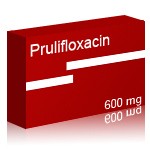
Pruquin is a generic version of Prulifloxacin — a third-generation fluoroquinolone antibiotic with convenient once-daily dosing developed originally in Japan and widely used in Italy, Spain, Japan, India, and other international markets for uncomplicated and complicated urinary tract infections, acute pyelonephritis, and acute exacerbations of chronic bronchitis. Approved in Japan in 2002 and Italy in 2003, Prulifloxacin offers the antibacterial spectrum of fluoroquinolones with the convenience of single daily dosing and short treatment courses.
The active ingredient is Prulifloxacin, a prodrug that is hydrolyzed in the body to its active form Ulifloxacin. This prodrug strategy provides better oral bioavailability than the active form alone while supporting convenient once-daily dosing. Ulifloxacin works through dual inhibition of bacterial enzymes essential for DNA replication: DNA gyrase (topoisomerase II) and topoisomerase IV. By blocking these enzymes, Ulifloxacin prevents bacteria from unwinding and replicating their DNA, leading to bacterial cell death.
Prulifloxacin/Ulifloxacin exhibits broad-spectrum activity against common urinary tract pathogens (E. coli, Klebsiella, Proteus, Enterobacter), respiratory tract pathogens (Haemophilus influenzae, Moraxella catarrhalis), atypical organisms (Mycoplasma, Chlamydia, Legionella), and some Pseudomonas aeruginosa strains.
Pruquin is approved in international markets for treatment of acute uncomplicated urinary tract infections (3-day course), complicated urinary tract infections (10-day course), acute uncomplicated pyelonephritis, and acute exacerbations of chronic bronchitis in COPD patients — particularly common in Italian and European prescribing practice. It is not FDA-approved in the United States but has extensive clinical experience across European, Japanese, and Asian markets.
The medication is supplied as 600 mg tablets. Standard adult dosing is 600 mg once daily — for 3 days in uncomplicated UTI, or 10 days for complicated infections.
Important boxed warnings include tendinitis and tendon rupture risk (especially Achilles), CNS effects, QT prolongation, photosensitivity, and C. difficile colitis. Avoid in pregnancy and patients under 18.
Free prescription
Discrete packaging
Have questions?
Quality Assurance

- Acute Cystitis Once Daily: For acute bacterial cystitis with once-daily dosing supporting adherence;
- Complicated UTI Once Daily: For complicated UTI with 10-day once-daily oral therapy;
- Acute Uncomplicated Pyelonephritis: For acute uncomplicated kidney infection with once-daily oral therapy;
- Recurrent Cystitis Short Course: Short-course therapy for recurrent cystitis episodes in women;
- UTI Treatment Failure: For UTI after first-line therapy failure with broader fluoroquinolone coverage;
- Acute Bronchitis Exacerbation: Common Italian/European indication for acute bacterial exacerbations of chronic bronchitis;
- COPD Exacerbation Once Daily: For acute bacterial exacerbations of COPD with convenient once-daily dosing;
- Smoker COPD Exacerbation: For bacterial COPD exacerbations in smokers and ex-smokers requiring oral antibiotics;
- Outpatient COPD Bronchitis: For outpatient management of COPD bronchitis exacerbations with once-daily dosing;
- Chronic Bronchitis Exacerbation: For acute bacterial exacerbations of chronic bronchitis caused by H. influenzae or M. catarrhalis;
- E Coli UTI: For UTI caused by susceptible E. coli — most common urinary pathogen;
- E Coli UTI Resistant: For UTI caused by E. coli resistant to first-line agents like Bactrim;
- Catheter Associated UTI Susceptible: For catheter-associated UTI with susceptible organisms;
- UTI Outpatient Convenient: Convenient outpatient UTI therapy with single daily oral dose;
- UTI Working Adult: For UTI in working adults where once-daily dosing fits busy schedules;
- UTI Elderly Once Daily: For UTI in elderly outpatients where once-daily dosing supports adherence;
- Adherence Friendly UTI: For patients with history of missed doses where once-daily dosing improves compliance;
- Travel Antibiotic Once Daily: Convenient travel antibiotic with simple once-daily dosing for UTI emergencies;
- Bacterial Respiratory Tract Infection: For mild-moderate bacterial respiratory tract infections caused by susceptible organisms;
- UTI Penicillin Allergic: Alternative for UTI in penicillin-allergic patients;
- UTI Sulfa Allergic: Alternative for UTI in sulfa-allergic patients where Bactrim cannot be used.
- Less Urinary Urgency: Resolution of frequent urination and urgency as UTI clears;
- Better Bladder Comfort: Restoration of normal bladder function as cystitis resolves;
- Less Pelvic Discomfort: Resolution of pelvic discomfort associated with cystitis;
- Less Flank Pain: Resolution of flank pain in acute pyelonephritis;
- Less Cough: Resolution of productive cough in COPD bronchitis exacerbation;
- Better Breathing: Improvement in dyspnea as COPD exacerbation responds to therapy;
- Less Chest Tightness: Resolution of bronchitis-related chest tightness;
- Less Fever: Resolution of fever as UTI or bronchitis responds to therapy;
- Better Energy: Recovery from systemic infection-related fatigue;
- Better Sleep: Resolution of nighttime urinary symptoms during recovery;
- Faster Recovery: Most UTI patients show clinical improvement within 48-72 hours;
- Less Treatment Disruption: Once-daily dosing fits naturally into morning or evening routine;
- Less Missed Doses: Single daily dose dramatically reduces missed doses compared to twice-daily regimens;
- Better Daily Function: Return to work and normal activities;
- Brand Pruquin: Affordable Indian generic Prulifloxacin with international quality manufacturing standards;
- Generic Prulifloxacin: Affordable generic Prulifloxacin expanding global access to once-daily fluoroquinolone therapy;
- Unidrox Equivalent: Same Prulifloxacin molecule as Italian brand Unidrox — familiar across European markets;
- Quisnon Equivalent: Same Prulifloxacin molecule as Japanese brand Quisnon — original market formulation;
- Fluoroquinolone Antibiotic: Third-generation broad-spectrum fluoroquinolone class with bactericidal activity;
- Prodrug Fluoroquinolone: Unique prodrug delivery hydrolyzed to active Ulifloxacin — improved oral bioavailability;
- Ulifloxacin Active Metabolite: Active form hydrolyzed from Prulifloxacin prodrug by intestinal esterases;
- DNA Gyrase Inhibitor: Inhibits bacterial DNA gyrase essential for DNA supercoiling and replication;
- Topoisomerase IV Inhibitor: Dual-enzyme target reduces resistance development compared to single-target antibiotics;
- Once Daily Fluoroquinolone: Convenient once-daily dosing supports excellent adherence in outpatient therapy;
- Three Day UTI Course: Short 3-day course for uncomplicated UTI — convenient treatment completion;
- Gram Negative Coverage: Broad activity against Enterobacteriaceae and other Gram-negative UTI pathogens;
- Atypical Coverage Antibiotic: Activity against Mycoplasma, Chlamydia, and Legionella — key atypical respiratory pathogens;
- Approved Japan Italy: Approved in Japan since 2002 and Italy since 2003 — established European/Asian clinical experience;
- UTI Once Daily Therapy: Standard once-daily UTI therapy across European and international markets;
- COPD Bronchitis Standard: Standard therapy for acute bacterial exacerbations of COPD bronchitis in Italian practice;
- Italian European Antibiotic: Widely used in Italian and Southern European prescribing practice for UTI and bronchitis;
- Pseudomonas Coverage Mild: Some activity against Pseudomonas aeruginosa for selected UTI cases;
- Outpatient UTI Convenient: Designed for outpatient UTI management with simplified once-daily oral dosing;
- Treatment Failure Rescue UTI: Effective when first-line UTI therapies have failed;
- 20 Plus Year International History: Extensive real-world safety and efficacy data since 2002 in international markets;
- Avoid In Pregnancy: Contraindicated in pregnancy due to potential cartilage toxicity;
- Avoid Under 18: Generally contraindicated in pediatric patients;
- Tendinopathy Risk: Boxed warning for tendinitis and tendon rupture — especially Achilles tendon;
- Avoid With Antacids: Antacids and mineral supplements (Ca, Mg, Al, Fe, Zn) reduce absorption significantly;
- QT Monitoring: Avoid in patients with QT prolongation risk or on QT-prolonging medications;
- Photosensitivity Warning: Use sunscreen and avoid prolonged sun exposure during therapy;
- Stable Storage: Tablets stable at room temperature — convenient for home and travel use;
- Internationally Available: Widely supplied in European (Italy/Spain), Japanese, Indian markets in branded and generic forms.
Generic Pruquin (Prulifloxacin 600 mg) Medication guide:
📖 What is Pruquin and where prulifloxacin fits in modern practice
Pruquin is a Cipla brand of prulifloxacin, a third-generation fluoroquinolone antibiotic. Prulifloxacin was first approved in Japan in 1997 and is now used in various European and Asian markets. It is not FDA approved in the United States. Pruquin is available as 600 mg tablets taken once daily.
🔑 Key facts at a glance
- Class: third-generation fluoroquinolone (prodrug)
- Active form: ulifloxacin (produced from prulifloxacin in the body)
- Standard dose: 600 mg once daily
- Half-life: 10 to 12 hours for the active metabolite (supports once daily dosing)
- Main uses: acute chronic bronchitis exacerbation, urinary tract infection, prostatitis
- Absorption: good oral bioavailability
- Pregnancy: avoid
Prulifloxacin's distinctive feature is that it is a prodrug — the substance in the tablet is inactive on its own but is quickly converted in the body to the active form called ulifloxacin. This active form has good tissue penetration and once-daily dosing thanks to its long half-life.
⚠️ FDA BLACK BOX WARNINGS (class-wide)
Prulifloxacin shares the fluoroquinolone class BLACK BOX WARNINGS. These apply to all fluoroquinolones including prulifloxacin:
- Tendon rupture and tendinitis
- Peripheral neuropathy (can be irreversible)
- Central nervous system effects (seizures, psychosis, delirium)
- Exacerbation of myasthenia gravis
- Aortic aneurysm and dissection
- Hypoglycemia in diabetic patients
- Mental health effects
🧪 Where prulifloxacin fits
In markets where prulifloxacin is approved, its main advantages over older fluoroquinolones are once-daily dosing convenience and good tissue penetration for respiratory and urinary infection. Class-wide safety concerns and rising resistance have narrowed its role. Modern use follows the same principles as other fluoroquinolones: reserved for indications where the benefit clearly outweighs the substantial adverse effect risks.
🕑 History: 1997 Japan approval and European expansion
Prulifloxacin was developed by Nippon Shinyaku Co. Ltd. in Japan and licensed to Meiji Seika Kaisha for commercialisation. Japan approved it in 1997 as Sword. Italy approved it in 2003 as Unidrox. Additional approvals in Spain, Portugal, and various Asian markets followed. Prulifloxacin has never been submitted for FDA approval in the United States.
| Year | Milestone |
|---|---|
| Early 1990s | Nippon Shinyaku Japan develops prulifloxacin as a prodrug of ulifloxacin |
| 1997 | Japanese approval of prulifloxacin as Sword (Meiji Seika Kaisha) |
| Late 1990s | Expansion into other Asian markets |
| 2003 | Italian approval of prulifloxacin as Unidrox (Angelini) |
| 2004 to 2010 | Spain, Portugal, and additional European approvals |
| 2008 | FDA BLACK BOX WARNING for tendon rupture applied to all fluoroquinolones including prulifloxacin (in markets where used) |
| 2013 | FDA BLACK BOX WARNING update for peripheral neuropathy |
| 2016 | FDA restricts fluoroquinolone use for uncomplicated ABECB, ABS, and uncomplicated UTI |
| 2018 | FDA hypoglycemia, mental health, and aortic aneurysm safety communications |
| Present | Multiple generic manufacturers produce prulifloxacin internationally including Cipla Pruquin brand |
🧪 Why prulifloxacin succeeded in Japan and Europe
Prulifloxacin offered once-daily dosing convenience combined with a broad fluoroquinolone spectrum. In markets where it received approval, this was an advantage over twice-daily older fluoroquinolones (ciprofloxacin, norfloxacin). The Italian and Spanish approvals particularly established prulifloxacin as an option for acute chronic bronchitis exacerbation, a common outpatient indication in European respiratory medicine.
🌐 International availability
Prulifloxacin is used in Japan, Italy, Spain, Portugal, and various Asian and Latin American markets. The absence of FDA approval limits US availability. Multiple manufacturers produce generic versions internationally, with Cipla Pruquin among the widely distributed brands.
⚙️ Mechanism: prodrug converted to active ulifloxacin
Prulifloxacin is a prodrug. The molecule that is swallowed does not directly kill bacteria. It must first be converted in the body to the active form called ulifloxacin. This active metabolite is what actually inhibits bacterial DNA replication.
🧬 From prodrug to active drug
- Prulifloxacin is absorbed from the stomach and small intestine
- Enzymes called paraoxon esterases in the blood and liver cleave the prulifloxacin molecule
- This releases ulifloxacin, the active antibacterial compound
- Ulifloxacin circulates in the bloodstream and enters tissues
- It binds to bacterial DNA gyrase and topoisomerase IV
- Bacterial DNA replication stops
- Bacteria die
🔬 Why the prodrug approach
Prodrug design in prulifloxacin was intended to improve absorption and produce a long-acting active form suitable for once-daily dosing. The active ulifloxacin has a longer half-life than the prulifloxacin parent molecule, and it can be given once daily instead of twice daily. This is a convenience advantage over some older fluoroquinolones.
🔬 The dual-target action of ulifloxacin
- DNA gyrase
- Main target in gram-negative bacteria. Introduces negative supercoils in DNA. Blocking this creates lethal DNA breaks.
- Topoisomerase IV
- Main target in gram-positive bacteria. Separates daughter chromosomes. Blocking this prevents proper cell division.
- Bactericidal action
- Trapped enzyme-DNA-drug complexes create lethal double-strand DNA breaks. Bacterial death is concentration-dependent.
🔴 Resistance mechanisms
- Chromosomal target mutations in gyrA, gyrB, parC, parE genes reduce drug binding
- Efflux pumps that push fluoroquinolones out of the cell before they can act
- Plasmid-mediated Qnr proteins that protect DNA gyrase from binding
- Cross-resistance with other fluoroquinolones is common because the mechanisms are shared
- Community fluoroquinolone resistance rates continue to rise, limiting empirical use
🧬 Prulifloxacin among the fluoroquinolone class
Prulifloxacin sits within the third generation of fluoroquinolones alongside levofloxacin and moxifloxacin. It shares most class-wide features but has some distinctive properties.
| Generation | Examples | Main features |
|---|---|---|
| First | Nalidixic acid | Narrow gram-negative; UTI only; largely historical |
| Second | Ciprofloxacin, norfloxacin, ofloxacin | Broader gram-negative; UTI, GI, systemic; twice daily |
| Third (respiratory) | Prulifloxacin, levofloxacin, moxifloxacin | Added pneumococcal and atypical coverage; once daily |
| Fourth | Trovafloxacin (withdrawn), gatifloxacin (restricted) | Broad including anaerobes; most withdrawn for safety |
🔗 Where prulifloxacin fits within third generation
- Once-daily dosing like levofloxacin and moxifloxacin
- Broad gram-negative and moderate gram-positive coverage
- Some atypical respiratory pathogen coverage
- Prodrug design distinct from levofloxacin or moxifloxacin
- Available in international markets, not FDA-approved in US
- Chronic bronchitis exacerbation, UTI, and prostatitis are its main uses
- Class-wide BLACK BOX warnings apply
⚖️ Prulifloxacin vs levofloxacin and moxifloxacin
- Levofloxacin: US-approved, widely available, strong pneumococcal coverage, respiratory FQ standard
- Moxifloxacin: US-approved, good anaerobe coverage, higher QT signal than prulifloxacin
- Prulifloxacin: European and Asian markets only, similar respiratory activity to levofloxacin
- All three share once-daily convenience and class-wide safety concerns
- Choice within third generation often driven by regional availability and formulary preferences
🔴 What earlier fluoroquinolones lost
The fluoroquinolone development history contains multiple withdrawn or restricted agents including temafloxacin (1992 hemolytic anemia), trovafloxacin (1999 hepatotoxicity), grepafloxacin (1999 QT prolongation), and gatifloxacin (2006 hypoglycemia). This history informs the current cautious framework around all surviving fluoroquinolones including prulifloxacin.
🦠 Spectrum: gram-negatives, respiratory, and atypicals
Prulifloxacin (via active ulifloxacin) has a broad spectrum covering gram-negative bacteria, some gram-positive bacteria, and atypical respiratory pathogens. This makes it useful for both respiratory and urinary infections.
✅ Reliable coverage (when susceptibility confirmed)
- Escherichia coli — main urinary pathogen
- Klebsiella pneumoniae
- Proteus mirabilis and other Proteus species
- Enterobacter species
- Citrobacter species
- Pseudomonas aeruginosa (moderate activity)
- Haemophilus influenzae — respiratory infection
- Moraxella catarrhalis — respiratory infection
- Streptococcus pneumoniae — respiratory infection
- Mycoplasma pneumoniae — atypical respiratory infection
- Chlamydia pneumoniae — atypical respiratory infection
- Legionella pneumophila
- Some Staphylococcus aureus strains — moderate
⛔ Poor or no coverage
- Methicillin-resistant Staphylococcus aureus (MRSA) — unreliable
- Enterococcus faecalis and faecium — unreliable
- Anaerobic bacteria including Bacteroides fragilis
- Extended-spectrum beta-lactamase producers often co-resistant
- Multi-drug resistant Enterobacteriaceae
- Fluoroquinolone-resistant strains (rising community rates)
🧪 The respiratory advantage over norfloxacin
Prulifloxacin covers respiratory pathogens (pneumococcus, H. influenzae, atypicals) that older fluoroquinolones like norfloxacin do not reliably cover. This third-generation feature makes prulifloxacin appropriate for respiratory infections while norfloxacin is limited to urinary use. However, prulifloxacin's respiratory role competes with better-established levofloxacin.
📈 Rising resistance
Community E. coli fluoroquinolone resistance now exceeds 20 to 30 percent in many regions. Pneumococcal fluoroquinolone resistance remains under 2 percent but has been rising. Local susceptibility patterns should inform prescribing decisions.
💉 Once-daily dosing and prodrug pharmacokinetics
Prulifloxacin's once-daily dosing is enabled by the long half-life of its active metabolite ulifloxacin. Understanding the pharmacokinetics helps explain why the drug is given the way it is.
| Feature | Value |
|---|---|
| Oral absorption | Good (about 60 to 70 percent absorbed) |
| Prodrug conversion | Rapid conversion to ulifloxacin in blood and liver |
| Time to peak (ulifloxacin) | 1 to 2 hours after taking prulifloxacin |
| Half-life of ulifloxacin | 10 to 12 hours — supports once daily dosing |
| Serum peak (600 mg dose) | 1.5 to 2.5 mcg/mL of ulifloxacin |
| Protein binding | 40 to 50 percent |
| Food effect | Modest; can be taken with or without food |
| Kidney excretion | 50 to 60 percent unchanged in urine |
| Biliary excretion | Some biliary route (contributes to intestinal levels) |
🌐 Where the drug goes
- Lung tissue and epithelial lining fluid
- Good penetration — foundation of respiratory infection efficacy
- Urinary tract
- High concentrations — effective for UTI
- Prostate tissue
- Good penetration — supports prostatitis role
- Bone and skin
- Moderate penetration
- Cerebrospinal fluid
- Poor without meningeal inflammation — not usable for meningitis
🧪 The once-daily advantage
Once-daily dosing simplifies patient adherence, particularly for longer courses like chronic bronchitis exacerbation (7 to 10 days) or complicated UTI. This is an advantage over twice-daily norfloxacin or ciprofloxacin. Levofloxacin and moxifloxacin also offer once-daily dosing and directly compete in this convenience niche.
💧 Kidney function matters
Because prulifloxacin/ulifloxacin is 50 to 60 percent cleared by the kidneys, dose adjustment is needed in kidney impairment. Elevated blood levels amplify tendon rupture, CNS effects, and QT risks. Every patient starting prulifloxacin should have kidney function assessed.
🏥 Approved indications internationally
Prulifloxacin is approved for a set of indications in the international markets where it is sold. These vary by country but generally include respiratory and urinary infections.
🎯 Main approved uses
- Acute bacterial exacerbation of chronic bronchitis in patients with COPD
- Uncomplicated urinary tract infection (cystitis)
- Complicated urinary tract infection
- Chronic bacterial prostatitis
- In some markets: community-acquired pneumonia (severity-limited)
- In some markets: acute bacterial sinusitis (declining approval)
⛔ FDA 2016 restriction framework applies
The FDA 2016 Safety Communication restricted fluoroquinolone use for uncomplicated urinary tract infection, acute bacterial sinusitis, and acute bacterial exacerbation of chronic bronchitis when alternative agents are available. This framework has been broadly adopted internationally and applies to prulifloxacin the same as other fluoroquinolones.
Preferred alternatives for uncomplicated UTI: nitrofurantoin, TMP-SMX, fosfomycin. For chronic bronchitis exacerbation: amoxicillin-clavulanate, doxycycline, macrolide.
🩹 Where prulifloxacin is currently reasonable
- Severe chronic bronchitis exacerbation with resistant pathogen risk
- Complicated UTI when susceptibility confirmed
- Chronic bacterial prostatitis
- Uncomplicated cystitis when other options unsuitable
- Specific patient factors where alternatives are ineffective or unsafe
⛔ NOT indicated for
- Uncomplicated bronchitis in patients without underlying lung disease
- Empirical use where alternatives are effective and safer
- Skin or soft tissue infection (poor coverage of MSSA/MRSA)
- Anaerobic infections
- Meningitis (poor CSF penetration)
- Bone infection (limited data)
- Pediatric use (contraindicated with rare exceptions)
- Pregnancy
🫁 Acute bacterial exacerbation of chronic bronchitis
Acute bacterial exacerbation of chronic bronchitis (ABECB) is one of prulifloxacin's main indications in the European markets where it is approved. Prulifloxacin is reserved for specific patient factors per modern respiratory guidelines rather than used empirically.
🫁 Anthonisen criteria for treatment decision
- Three cardinal symptoms: increased dyspnea, increased sputum volume, increased sputum purulence
- Antibiotic treatment appropriate for exacerbations with 2 or 3 cardinal symptoms plus purulent sputum
- Antibiotic treatment less clearly beneficial for mild exacerbations with only 1 cardinal symptom
- Selection of specific antibiotic depends on severity, prior microbiology, and comorbidities
| Patient factor | Suggested antibiotic approach |
|---|---|
| Mild exacerbation, no comorbidity, no prior antibiotic | Amoxicillin, doxycycline, or macrolide first-line; prulifloxacin not appropriate |
| Moderate exacerbation with comorbidity | Amoxicillin-clavulanate or fluoroquinolone (prulifloxacin acceptable) |
| Severe exacerbation, advanced COPD, frequent antibiotic use | Fluoroquinolone (prulifloxacin acceptable) for resistant pathogen coverage |
| Prior Pseudomonas exacerbation | Antipseudomonal fluoroquinolone (ciprofloxacin, levofloxacin) |
| Recent failure of first-line antibiotic | Consider fluoroquinolone if not tried; culture-guided |
📋 Standard dosing for ABECB
- 600 mg once daily for 7 to 10 days
- Take with or without food
- Do not take with dairy, calcium, iron supplements, or antacids (space 2 hours)
- Complete the full course
- Warn about tendon, neuropathy, aortic, CNS warning signs
⚠️ Stewardship perspective
Most acute bronchitis exacerbations in patients without underlying COPD do not require antibiotics. Patients with mild COPD exacerbations and no comorbidity respond well to safer alternatives (amoxicillin, doxycycline, macrolide). Prulifloxacin and other fluoroquinolones should be reserved for patients where safer alternatives are inadequate, not used as first-line empirical treatment.
🚻 Uncomplicated urinary tract infection
Uncomplicated urinary tract infection is another approved indication for prulifloxacin. Under modern stewardship principles, prulifloxacin is reserved for cases where alternatives cannot be used.
🎯 Definition of uncomplicated cystitis
- Non-pregnant woman with normal urinary tract
- No structural abnormality, catheter, or recent instrumentation
- Normal kidney function
- Dysuria, frequency, urgency, suprapubic discomfort
- No fever, flank pain, or systemic symptoms
| Cystitis treatment | Priority |
|---|---|
| Nitrofurantoin 100 mg twice daily for 5 days | First-line |
| TMP-SMX DS twice daily for 3 days (if resistance under 20 percent) | First-line alternative |
| Fosfomycin 3 g single dose | First-line alternative |
| Cephalexin or amoxicillin | Alternative when susceptible |
| Prulifloxacin 600 mg once daily for 3 days | Reserve when alternatives unsuitable |
📋 When prulifloxacin fits for uncomplicated cystitis
- Prior severe nitrofurantoin adverse effect (pulmonary, hepatic, neuropathy)
- Sulfa allergy plus fosfomycin unavailable
- Kidney impairment ruling out nitrofurantoin
- Susceptibility-confirmed prulifloxacin activity
- Once-daily dosing preference in specific patient scenarios
⚠️ Not for pregnancy
Prulifloxacin is contraindicated in pregnancy. For pregnancy cystitis, use nitrofurantoin (up to 36 weeks), amoxicillin, or cephalexin. See section 16.
🔴 Complicated urinary tract infection
Complicated urinary tract infection includes cystitis with structural abnormalities, catheters, kidney or ureteral disease, or in male patients. Prulifloxacin has established roles in complicated UTI where susceptibility is confirmed.
👤 What complicated UTI means
- Structural abnormality of the urinary tract
- Indwelling urinary catheter
- Recent urologic instrumentation
- Kidney disease
- Diabetic patient with poor glycemic control
- Male UTI (often has prostatic involvement)
- Immunosuppressed patient
- Recurrent UTI in anatomically abnormal urinary tract
| Complicated UTI scenario | Prulifloxacin role |
|---|---|
| Complicated cystitis with confirmed susceptibility | Acceptable |
| Acute pyelonephritis outpatient | Acceptable if susceptibility confirmed and regional FQ resistance under 10 percent |
| Catheter-associated UTI with systemic symptoms | Reserved; culture-guided |
| Male UTI with prostatic involvement | Acceptable given prostate penetration |
| Severe pyelonephritis with sepsis | Not appropriate; IV therapy needed |
| Cystitis after failure of first-line agents | Culture-guided; acceptable if susceptible |
📋 Standard dosing for complicated UTI
- 600 mg once daily for 7 to 10 days for complicated cystitis
- 600 mg once daily for 10 to 14 days for pyelonephritis
- Culture and susceptibility should guide therapy
- Follow up with urine culture 1 to 2 weeks after finishing to confirm cure
⚠️ When to escalate to IV therapy
Complicated UTI with fever, flank pain, sepsis physiology, or worsening on oral therapy needs hospitalization and IV therapy. Ceftriaxone IV is typical first-line for hospital-treated complicated UTI or pyelonephritis. Prulifloxacin is not appropriate for these severe presentations.
🫁 Community-acquired pneumonia in select markets
Community-acquired pneumonia (CAP) is approved as a prulifloxacin indication in some international markets. Modern respiratory infection guidelines position fluoroquinolones as reserved options for CAP rather than empirical first-line.
| CAP scenario | Prulifloxacin role |
|---|---|
| Outpatient healthy adult | Amoxicillin or doxycycline first-line; prulifloxacin not appropriate |
| Outpatient with comorbidities | Amoxicillin-clavulanate plus macrolide, or fluoroquinolone acceptable |
| Inpatient non-severe pneumonia | Ceftriaxone plus macrolide, or fluoroquinolone monotherapy |
| Severe pneumonia requiring intensive care | IV therapy; prulifloxacin not appropriate |
| Penicillin anaphylaxis with pneumonia | Fluoroquinolone acceptable |
✅ What CAP coverage prulifloxacin provides
- Streptococcus pneumoniae including some penicillin-resistant strains
- Haemophilus influenzae including beta-lactamase producing
- Moraxella catarrhalis
- Atypical pathogens: Mycoplasma pneumoniae, Chlamydia pneumoniae
- Some Legionella pneumophila activity
- Limited activity against fluoroquinolone-resistant pneumococcus (rising in some regions)
📋 Standard dosing for CAP
- 600 mg once daily for 7 to 10 days
- Take with or without food
- Follow up in 2 to 3 days to confirm improvement
- Chest X-ray follow-up as clinically indicated
⚠️ Levofloxacin preferred where available
For CAP, levofloxacin is generally preferred over prulifloxacin because of stronger pneumococcal coverage, more extensive clinical experience, and broader international guideline support. Prulifloxacin serves as an alternative in markets where it is available and levofloxacin is not the first choice for local reasons.
🍃 Chronic bacterial prostatitis
Chronic bacterial prostatitis is one of the enduring fluoroquinolone niches. Prulifloxacin has good prostate tissue penetration and can be used for confirmed cases with susceptibility documented.
| Chronic prostatitis regimen | Details |
|---|---|
| Standard dosing | 600 mg once daily for 4 to 6 weeks |
| Alternative fluoroquinolone | Ciprofloxacin or levofloxacin (established evidence) |
| Alternative non-FQ | TMP-SMX 6 to 12 weeks (if susceptible) |
| Failure or recurrence | Extended course; specialist referral |
🔬 Why fluoroquinolones for prostate infection
- Fluoroquinolones cross the physical barrier surrounding the prostate
- Prulifloxacin achieves adequate prostate concentrations
- Excellent oral bioavailability for extended outpatient treatment
- Once-daily dosing supports adherence over 4-6 weeks
- Coverage of dominant chronic bacterial prostatitis pathogens
⚠️ Extended course amplifies risks
- 4 to 6 week courses substantially increase cumulative tendon rupture risk
- Aortic aneurysm concern for older men on prolonged treatment
- Peripheral neuropathy risk with long exposure
- CNS effects concern with cumulative exposure
- QT prolongation risk in patients with cardiac disease
📋 Prescribing framework for prostatitis
- Confirm diagnosis with Meares-Stamey 4-glass or 2-glass test
- Culture-guided drug selection
- Discuss fluoroquinolone risks with patient explicitly
- Screen for tendon history, aortic disease, cardiac issues, mental health history
- Adequate hydration during treatment
- Warning about tendon pain and other class-specific symptoms
✅ When TMP-SMX may be preferred over prulifloxacin
For patients where fluoroquinolone class risks are particularly concerning (elderly, corticosteroid users, prior tendon problems, aortic disease), TMP-SMX may be preferred if susceptibility supports its use. TMP-SMX is a slower-acting alternative with different but generally lesser adverse effect profile for 6 to 12 week courses.
💊 Adult dosing: 600 mg once daily
Adult prulifloxacin dosing is 600 mg once daily. Course length depends on the indication: 3 days for uncomplicated cystitis, 7 to 10 days for complicated UTI or bronchitis, 4 to 6 weeks for chronic prostatitis.
| Indication | Dose | Duration |
|---|---|---|
| Uncomplicated cystitis | 600 mg once daily | 3 days |
| Complicated cystitis | 600 mg once daily | 7 to 10 days |
| Acute pyelonephritis outpatient | 600 mg once daily | 10 to 14 days |
| Acute chronic bronchitis exacerbation | 600 mg once daily | 7 to 10 days |
| Community-acquired pneumonia | 600 mg once daily | 7 to 10 days |
| Chronic bacterial prostatitis | 600 mg once daily | 4 to 6 weeks |
🍴 How to take Pruquin correctly
- Take once daily at the same time each day
- Can be taken with or without food
- Take with a full glass of water
- Drink plenty of fluids during the course
- Take at least 2 hours before or 2 hours after antacids, iron, calcium, or zinc supplements
- Complete the full course even if symptoms improve
- Do not exceed the prescribed dose
⚠️ Warning signs during treatment
- Tendon pain or swelling, especially Achilles — stop drug and rest
- Numbness, tingling, burning in hands or feet
- Sudden severe chest, back, or belly pain — emergency care
- Confusion, hallucinations, unusual thoughts, suicidal thoughts
- Palpitations, dizziness, fainting
- Muscle weakness (myasthenia gravis exacerbation)
- Severe or bloody diarrhea, fever
- Yellow skin or eyes, dark urine
- Low blood sugar symptoms in diabetic patients
- Extensive rash, blistering, mouth sores
- Sudden vision changes or floaters
🔬 Renal impairment adjustment
Prulifloxacin and its active metabolite ulifloxacin are cleared substantially by the kidneys. Dose adjustment is required for moderate to severe kidney impairment to avoid accumulation and increased adverse effect risk.
| Kidney function (CrCl) | Dose adjustment |
|---|---|
| Above 40 mL/min | Standard dose: 600 mg once daily |
| 20 to 40 mL/min | 600 mg every 48 hours |
| Below 20 mL/min | Avoid or reduce further; specialist consultation |
| Dialysis | Reduced dose; timing after dialysis |
| Mild liver impairment | No adjustment needed |
| Severe liver impairment | Use caution; prodrug conversion may be affected |
🔴 Why accumulation matters
When prulifloxacin accumulates in the blood due to kidney impairment:
- Higher blood levels increase CNS effects (confusion, tremor, seizure risk)
- Increased QT prolongation risk
- Higher tendon rupture risk
- Higher peripheral neuropathy risk
- Higher hypoglycemia risk in diabetic patients
📋 Practical framework
- Every patient starting prulifloxacin needs kidney function assessment
- Estimate creatinine clearance by Cockcroft-Gault formula in adults over 65
- Age-related kidney function decline often unrecognized
- Adjust dosing interval as shown above
- Repeat kidney function testing for extended courses (prostatitis)
💥 Drug interactions
Prulifloxacin has several important drug interactions similar to other fluoroquinolones. Understanding these helps prevent treatment failure and dangerous adverse effects.
🔴 Chelation interactions
These cations bind prulifloxacin in the gut and prevent absorption. Space at least 2 hours before or 2 hours after:
- Antacids containing aluminum, magnesium, or calcium
- Iron supplements
- Calcium supplements and dairy products
- Zinc supplements and multivitamins with minerals
- Sucralfate
- Bismuth-containing products
💓 QT prolongation interactions
Concurrent use with other QT-prolonging drugs additively increases torsades risk:
- Class IA and III antiarrhythmics
- Macrolide antibiotics: azithromycin, erythromycin, clarithromycin
- Antipsychotics: haloperidol, ziprasidone, thioridazine
- Citalopram at high doses
- Antifungals: fluconazole, voriconazole
- Ondansetron, methadone
| Other important interaction | Effect and management |
|---|---|
| Warfarin | May increase INR; monitor day 3 to 5 during and after therapy |
| NSAIDs | Additive CNS excitation, seizure risk; avoid combined use |
| Insulin, sulfonylureas | Hypoglycemia risk; monitor blood glucose closely |
| Corticosteroids | Amplified tendon rupture risk; avoid if possible |
| Theophylline | Modest increase in theophylline levels; monitor |
| Cyclosporine | Monitor cyclosporine levels |
| Probenecid | Reduces prulifloxacin renal excretion; monitor |
🧪 Practical framework
Review medication list before every prulifloxacin prescription. Screen especially for QT-prolonging drugs, warfarin, NSAIDs, and hypoglycemic agents. For patients on multiple interacting medications, consider whether an alternative antibiotic would be safer.
🤰 Pregnancy and pediatric avoidance
Prulifloxacin should be avoided in pregnancy and is generally not appropriate for pediatric use. Fluoroquinolones cause cartilage lesions in animal studies, which is the basis for restriction in these populations.
⛔ Pregnancy avoidance
- Fluoroquinolone class effect on developing cartilage in animal studies
- Human pregnancy data limited
- Alternative safer agents exist for essentially all indications
- Use only for life-threatening infections when no acceptable alternative
| Pregnancy indication | Preferred alternative |
|---|---|
| Cystitis | Nitrofurantoin (up to 36 weeks) or beta-lactam |
| Pyelonephritis | IV ceftriaxone or ampicillin-gentamicin |
| CAP | Beta-lactam plus macrolide |
| Chronic bronchitis exacerbation | Amoxicillin-clavulanate or macrolide |
👶 Pediatric use
- Generally not approved for children in most markets
- Concern about cartilage effects in developing joints
- Alternative agents preferred for pediatric infections
- Specific rare pediatric indications may exist per specialist consultation
👶 Lactation
Prulifloxacin passes into breast milk. Extended courses are best avoided during breastfeeding. Short courses may be acceptable with infant monitoring. Consider alternative agents for nursing mothers when possible.
👩 Planning pregnancy
Women planning pregnancy should switch to an alternative agent before conceiving. Women who become pregnant while on prulifloxacin should discuss with obstetrician; the exposure is unlikely to have caused harm at typical doses but ongoing use should transition to a safer alternative.
🤔 Common adverse effects
Common side effects with prulifloxacin overlap with other fluoroquinolones. Most are mild and manageable at standard doses.
| Side effect | How often | What to do |
|---|---|---|
| Nausea | 3 to 6 percent | Take with plenty of water; usually mild |
| Diarrhea | 3 to 5 percent | Hydration; watch for CDI signs (see section 20) |
| Headache | 3 to 5 percent | Usually mild; self-limited |
| Dizziness | 2 to 4 percent | Fall precautions; may signal CNS effect |
| Insomnia | 2 to 4 percent | Take earlier in day; may signal CNS effect |
| Anxiety, restlessness | 1 to 3 percent | Report to prescriber |
| Abdominal discomfort | 2 to 4 percent | Usually mild |
| Vaginal candidiasis | 2 to 4 percent (women) | Topical antifungal or oral fluconazole |
| Rash | 1 to 3 percent | Stop and evaluate if extensive |
| Photosensitivity | 1 to 3 percent | Sun protection (see section 21) |
⚠️ Symptoms warranting immediate discontinuation
- Tendon pain or swelling, especially Achilles
- Numbness, tingling, burning in extremities
- Confusion, hallucinations, unusual thoughts, suicidal thoughts
- Sudden severe chest, back, or belly pain
- Palpitations, dizziness, fainting
- Extensive rash, especially with fever or blistering
- Severe or bloody diarrhea (CDI concern)
- Muscle weakness or breathing difficulty (myasthenia)
- Yellow skin or eyes, dark urine
- Symptoms of low blood sugar in diabetic patients
- Sudden vision changes or floaters
🔗 Pruquin versus other prulifloxacin brands
Prulifloxacin is available under several brand names in international markets. All contain the same active ingredient at the same 600 mg strength.
| Brand | Manufacturer | Market |
|---|---|---|
| Pruquin | Cipla | India-based, international |
| Sword | Meiji Seika Kaisha | Original Japanese brand (1997) |
| Unidrox | Angelini | Italian market brand (2003) |
| Quinodis | Various | Some European markets |
| Prulifloxacin generic | Multiple international manufacturers | Widely available in approved markets |
🔗 What differs between brands
- Active ingredient identical: prulifloxacin 600 mg
- Tablet formulation may differ slightly (film coating, excipients)
- Cost and availability vary by region
- Regulatory approvals differ by country
🌐 Cipla Pruquin
Cipla is one of the largest Indian pharmaceutical manufacturers with a strong international generic portfolio. Pruquin is their prulifloxacin brand, widely distributed in international markets where prulifloxacin is approved. Cipla-brand generics are known for reliable quality and competitive pricing.
✅ Practical brand switching
Patients can switch between prulifloxacin brands at the same 600 mg strength without clinical difference. Bioequivalence is required by regulatory agencies. Differences are in excipients and tablet coating rather than active ingredient.
⚠️ Fluoroquinolone class BLACK BOX warnings
The fluoroquinolone class carries several FDA BLACK BOX WARNINGS. These are the most serious safety warnings the FDA issues. They apply to prulifloxacin as they do to other fluoroquinolones in markets where such warnings are applied.
🔴 Complete list of class BLACK BOX WARNINGS
- Tendon rupture and tendinitis (2008) — Achilles most commonly. Higher risk in older adults, on corticosteroids, or with organ transplant. Can occur during or up to months after finishing the course. See section 23.
- Peripheral neuropathy (2013) — numbness, tingling, burning, weakness in extremities. Can be irreversible. Can develop rapidly after starting the drug. See section 25.
- Central nervous system effects (2016) — confusion, agitation, tremor, seizures, hallucinations, psychosis, suicidal thoughts. Can develop even at low doses.
- Exacerbation of myasthenia gravis — can worsen muscle weakness, cause respiratory failure. Do not use in known myasthenia gravis.
- Aortic aneurysm and dissection (December 2018) — 2 to 3 fold increased risk shown in multiple large studies. Avoid in patients with known aneurysm, family history, or risk factors. See section 24.
- Hypoglycemia (July 2018) — in diabetic patients on hypoglycemic agents, sometimes severe or fatal.
- Mental health effects (July 2018) — delirium, psychosis, memory impairment.
⚠️ FDA 2016 disabling adverse effects language
"Fluoroquinolones have been associated with disabling and potentially permanent serious side effects that can occur together. These side effects can involve the tendons, muscles, joints, nerves, and central nervous system." This warning applies to all fluoroquinolones including prulifloxacin.
🚨 Onset can be unpredictable
- Some effects (peripheral neuropathy, CNS effects) can develop within hours of first dose
- Others (tendon rupture, aortic dissection) can develop weeks after finishing the course
- Some patients have effects on first-ever exposure; others tolerate multiple prior courses
- Duration of exposure does not eliminate risk — even short courses can cause disabling effects
📋 FDA recommendations to prescribers
- Reserve fluoroquinolones for infections where benefit clearly outweighs substantial risk
- Do not use for uncomplicated UTI, sinusitis, or bronchitis when alternatives are available
- Discuss the risks with patients before prescribing
- Discontinue at the first sign of tendon pain, nerve symptoms, or CNS effects
- Report suspected serious adverse events to the appropriate national pharmacovigilance system
- Recognize that some effects may persist after drug discontinuation
🧫 Diarrhea and Clostridioides difficile risk
Fluoroquinolones including prulifloxacin carry high risk of Clostridioides difficile infection (CDI). Along with clindamycin, cephalosporins, and carbapenems, fluoroquinolones are among the top CDI-triggering antibiotics.
| Antibiotic class | Relative CDI risk |
|---|---|
| Penicillin V | Low |
| Amoxicillin, nitrofurantoin | Low to moderate |
| 1st-generation cephalosporins | Moderate |
| 3rd-generation cephalosporins | High |
| Fluoroquinolones (Pruquin) | High |
| Clindamycin | Highest (BLACK BOX) |
🔴 Recognising CDI
- Watery diarrhea 3 or more loose stools per 24 hours
- Abdominal cramping
- Fever (variable, may be absent)
- Bloody diarrhea in severe cases
- Onset during course OR up to 8 weeks after finishing
- Elevated white cell count
- Rising creatinine may indicate severe disease
🩹 Management if CDI develops
- Stop prulifloxacin immediately if clinical situation permits
- Send stool for C. difficile toxin PCR or EIA
- Contact precautions if hospitalized
- Do not use loperamide — can worsen toxic megacolon
- Treat per IDSA 2021: fidaxomicin 200 mg twice daily for 10 days or oral vancomycin 125 mg four times daily for 10 days first-line
- Adequate hydration and electrolyte correction
- Surgical consultation for severe or fulminant disease
🧪 Prevention through stewardship
Because fluoroquinolones are a top CDI driver, avoiding unnecessary use has become a central hospital stewardship target. Individual prescribing decisions matter: each avoided fluoroquinolone course reduces institutional and community CDI burden. This reinforces the case for reserving prulifloxacin for indications where alternatives are unsuitable.
☀️ Photosensitivity considerations
Prulifloxacin can cause increased sensitivity to sunlight (photosensitivity), a fluoroquinolone class effect. The severity is generally modest with prulifloxacin compared with some other agents in the class.
☀️ Photosensitivity presentation
- Exaggerated sunburn from limited sun exposure
- Red, hot, painful skin in sun-exposed areas
- Blistering in severe cases
- Onset within hours of sun exposure
- Sun-exposed areas only (face, arms, hands, neck)
- Improves after sun avoidance and drug discontinuation
🧴 Sun protection strategy
- Minimise direct sun exposure during and for a week after the course
- Broad-spectrum sunscreen SPF 30 or higher when outdoors
- Protective clothing, wide-brim hats
- Avoid tanning beds and phototherapy devices
- Report exaggerated sunburn reactions — may require discontinuation
🔴 Other dermatologic effects
- Rash of any pattern (1 to 3 percent)
- Urticaria — may indicate hypersensitivity, stop drug
- Stevens-Johnson syndrome and TEN — rare but reported, emergency care
- DRESS syndrome — rare
- Erythema multiforme — rare
- Fixed drug eruption — rare
❗ Severe adverse effects reference
Serious side effects with prulifloxacin follow the fluoroquinolone class pattern. Awareness of these presentations allows early recognition, immediate drug discontinuation, and prompt evaluation.
🔴 Serious side effects requiring immediate discontinuation
- Anaphylaxis
- Rapid hives, angioedema, wheezing, hypotension. Epinephrine, emergency care.
- Tendon rupture and tendinitis (BLACK BOX)
- Achilles most common; also biceps, rotator cuff. Immediate discontinuation and rest. See section 23.
- Peripheral neuropathy (BLACK BOX)
- Numbness, tingling, pain, weakness in extremities. Can be irreversible. See section 25.
- CNS effects (BLACK BOX)
- Seizures, tremor, agitation, delirium, hallucinations, psychosis, suicidal ideation. See section 25.
- Aortic aneurysm and dissection (2018)
- Sudden severe chest, back, or belly pain. Emergency imaging. See section 24.
- QT prolongation and torsades
- Palpitations, syncope. Emergency ECG. See section 26.
- Hypoglycemia (2018)
- Sweating, tremor, confusion in diabetics on hypoglycemic agents. See section 26.
- Myasthenia gravis exacerbation (BLACK BOX)
- Worsening weakness, respiratory failure. Contraindicated in known myasthenia.
- C. difficile colitis
- Severe watery or bloody diarrhea. Can develop up to 8 weeks after course. See section 20.
- Hepatotoxicity
- Rare. Jaundice, elevated liver enzymes. Immediate discontinuation.
- Retinal detachment
- Sudden vision changes, floaters, curtain vision. Emergency ophthalmology.
- SJS, TEN, DRESS
- Rare but reported. Skin sloughing, mucous membrane involvement. Emergency care.
📋 Warning symptoms every patient should know
- Tendon pain, swelling, or a "snap" — especially Achilles — stop and rest
- Numbness, tingling, burning in hands or feet — stop drug
- Confusion, hallucinations, unusual thoughts, suicidal ideation — stop and urgent evaluation
- Sudden severe chest, back, or belly pain — emergency care
- Palpitations, dizziness, fainting — ECG evaluation
- Symptoms of low blood sugar in diabetic patients
- Muscle weakness or new breathing difficulty
- Severe watery diarrhea or bloody stools
- Yellowing of skin or eyes, dark urine
- Sudden vision changes or floaters
- Extensive rash, blistering, mouth sores
🧪 Overall safety context
Prulifloxacin's serious adverse effect burden is substantially higher than beta-lactams, nitrofurantoin, or TMP-SMX for most outpatient indications. This is the basis for the FDA restriction on fluoroquinolones for uncomplicated UTI, sinusitis, and bronchitis, applied internationally as well. When prulifloxacin is prescribed, informed consent about the class-specific risks should be part of every prescription. The risk-benefit calculation should be explicit, not assumed to favour treatment.
🦵 Tendon rupture and tendinitis
Tendon rupture and tendinitis are the original FDA BLACK BOX WARNING for the fluoroquinolone class, added in July 2008. The Achilles tendon is the most commonly affected, but rotator cuff, biceps, hand, and other tendons have all been reported.
🔴 FDA BLACK BOX language (2008)
"Fluoroquinolones are associated with an increased risk of tendinitis and tendon rupture in all ages. This risk is further increased in those over 60 years of age, in kidney, heart, and lung transplant recipients, and with the use of concomitant corticosteroid therapy."
| Risk factor | Effect on tendon rupture risk |
|---|---|
| Age over 60 | 2 to 3 fold increase |
| Concomitant corticosteroid | 4 to 6 fold increase |
| Solid organ transplant recipient | 3 to 5 fold increase |
| Renal impairment | 2 fold increase |
| Prior tendon disorder or rupture | Strong risk factor |
| Physical activity, sports | Moderate additive risk |
| Diabetes mellitus | Modest increase |
| Extended course (prostatitis 4 to 6 weeks) | Cumulative exposure amplifies risk |
🦵 Warning signs and immediate action
- New pain in the back of the heel, calf, shoulder, or upper arm
- Swelling around a tendon
- Feeling of a "snap" or "pop" with sudden pain
- Inability to bear weight on affected leg
- Bruising over the tendon area
- Onset can be during course, days after, or up to several months later
If any tendon warning sign occurs: STOP prulifloxacin immediately, avoid weight-bearing and exercise, apply ice, seek urgent orthopedic evaluation.
🔴 Corticosteroid combination — the highest-risk scenario
Concurrent use of prulifloxacin and corticosteroids amplifies tendon rupture risk 4 to 6 fold. This combination is particularly problematic in elderly patients on chronic prednisone for autoimmune disease or COPD. Alternative antibiotics should be strongly preferred in this population.
🔴 Aortic aneurysm and dissection risk
The FDA December 2018 Safety Communication added aortic aneurysm and dissection risk to the fluoroquinolone class labeling. Multiple large population cohort studies established the association.
🔴 The evidence base
- Lee CC et al 2015 Taiwan population cohort showed 2-fold increased aortic aneurysm risk within 60 days of fluoroquinolone exposure
- Pasternak B et al 2018 Danish and Swedish cohorts confirmed similar risk elevation
- Etminan M et al 2018 US cohort study replicating the association
- Meta-analyses consistently show 2 to 3 fold elevated risk in fluoroquinolone users versus comparator antibiotics
- Biological plausibility: fluoroquinolones inhibit matrix metalloproteinase collagen turnover in aortic wall
| High-risk population | FDA recommendation |
|---|---|
| Known aortic aneurysm | Avoid fluoroquinolones unless no alternative |
| Family history of aortic aneurysm | Prefer alternative agent |
| Marfan syndrome, Ehlers-Danlos | Avoid unless no alternative |
| Hypertension, atherosclerosis | Weigh risk-benefit carefully |
| Age over 65 | Prefer alternative when possible |
| Prior aortic surgery or endovascular repair | Prefer alternative agent |
🚨 Aortic dissection warning signs
- Sudden, severe pain in the chest, back, or belly — often described as tearing or ripping
- Pain radiating between shoulder blades
- Fainting or syncope
- Sudden shortness of breath
- Weakness or loss of pulse in one arm or leg
- New neurologic deficit
Any of these during or after prulifloxacin: EMERGENCY CARE.
📋 Practical framework
Before prescribing prulifloxacin to any patient over 65 or with cardiovascular risk factors, ask about family history of aortic disease and known aneurysm. In high-risk patients, alternative antibiotics should be strongly preferred. If prulifloxacin is necessary despite risk, patient must be explicitly counselled about aortic dissection warning signs and to seek immediate emergency care.
🧠 Peripheral neuropathy and CNS effects
Peripheral neuropathy and central nervous system effects are both fluoroquinolone BLACK BOX WARNINGS. Peripheral neuropathy can be irreversible; CNS effects can be severe but usually reversible.
🔴 Peripheral neuropathy
- Numbness or tingling in hands, feet, or both
- Burning pain in fingers and toes
- Weakness of grip, foot drop in severe cases
- Symmetric stocking-glove distribution often
- Can develop within hours of starting or later in a course
- Sometimes appears after a course completes
- Can be irreversible in some patients despite discontinuation
🔴 CNS effects spectrum
- Common (3 to 8 percent)
- Dizziness, headache, insomnia, mild anxiety, restlessness
- Moderate (0.5 to 2 percent)
- Tremor, agitation, nervousness, confusion, memory impairment, nightmares
- Serious (rare but reported)
- Seizures, delirium, hallucinations, psychosis, mania, paranoia, suicidal ideation and behavior
🧬 Mechanisms
Peripheral neuropathy from fluoroquinolones is thought to reflect direct nerve toxicity mediated by mitochondrial dysfunction. CNS effects reflect GABA-A receptor antagonism which lowers seizure threshold and disrupts inhibitory neurotransmission. Concurrent NSAIDs amplify CNS effects — a documented interaction.
👤 Highest-risk populations
- Prior peripheral neuropathy (any cause)
- Diabetes mellitus with existing neuropathy
- Prior seizure disorder
- Prior severe depression or psychiatric hospitalization
- Elderly, especially with cognitive impairment
- Renal impairment (accumulation)
- Concurrent NSAIDs
- Concurrent theophylline
- Alcohol use disorder
🩹 Management
- Stop prulifloxacin immediately at first symptoms
- Do not wait to see if symptoms progress
- Switch to alternative antibiotic based on target infection
- Refer to neurology for confirmation and workup
- Psychiatric evaluation for hallucinations, psychosis, or suicidal ideation
- Symptomatic pain management for painful neuropathy (gabapentin, pregabalin)
- Physical therapy for weakness and functional preservation
- Most CNS effects resolve days to weeks after stopping
- Lifetime fluoroquinolone avoidance for confirmed severe events
💓 QT prolongation and hypoglycemia
QT prolongation on the heart and hypoglycemia in diabetic patients are two additional class effects. Both can be severe and require attention to risk factors before prescribing.
💓 QT prolongation and torsades
- Modest QT interval prolongation compared with other fluoroquinolones
- Lower risk than moxifloxacin, similar to levofloxacin
- Amplifying factors: baseline QTc above 450 ms in women or 460 ms in men, uncorrected hypokalemia or hypomagnesemia, bradycardia, structural heart disease
- Concurrent QT-prolonging drugs additively increase risk
- Elderly at higher risk
- Female sex (women have longer baseline QT)
💓 QT warning symptoms
- Palpitations or sensation of racing heart
- Presyncope or syncope (fainting)
- Sudden dizziness with loss of consciousness
- Seizure-like activity (torsades can precipitate)
- Cardiac arrest
Any of these: emergency evaluation. Cardiac monitoring. Correct electrolytes.
🔴 Hypoglycemia (FDA 2018)
- Reported in diabetic patients on hypoglycemic agents
- Some fatal cases reported
- Higher risk with insulin, sulfonylureas, meglitinides
- Higher risk in elderly diabetic patients
- Higher risk with reduced kidney function
🍬 Hypoglycemia recognition
- Sweating, tremor, palpitations
- Confusion, dizziness, difficulty concentrating
- Hunger, weakness
- Loss of consciousness in severe cases
- Seizures in severe cases
- Onset can be within days of starting the drug
📋 Management framework
- Screen for QT risk factors and hypoglycemia risk factors before prescribing
- Baseline ECG in high-risk patients
- Review medications for QT-prolonging co-administrations
- Check baseline potassium and magnesium; correct if low
- In diabetics on hypoglycemic agents: increase blood glucose monitoring frequency
- Consider dose reduction of insulin or sulfonylureas during prulifloxacin course
- Ensure patient has fast-acting glucose available
- Consider alternative antibiotic if multiple high risk factors present
⚖️ Pruquin versus Cipro
Ciprofloxacin is the most widely used second-generation fluoroquinolone globally. Understanding the differences from prulifloxacin helps clarify when each fits.
| Feature | Pruquin (prulifloxacin) | Ciprofloxacin (Cipro) |
|---|---|---|
| Generation | 3rd (respiratory) | 2nd |
| Dosing frequency | Once daily | Twice daily |
| Standard dose | 600 mg | 500 mg (or 750 mg) |
| Pneumococcal coverage | Good | Poor |
| Atypical respiratory coverage | Good | Modest |
| Pseudomonas coverage | Moderate | Best in class |
| Global availability | International (not US) | Worldwide including US |
| Class BLACK BOX warnings | All apply | All apply |
| Cost | Modest | Low (generic) |
| Clinical experience | Moderate (limited markets) | Extensive (decades globally) |
🎯 When each fits
- Prulifloxacin: respiratory infection with pneumococcal or atypical suspicion, once-daily dosing preference, markets where available
- Ciprofloxacin: complicated UTI, pyelonephritis, Pseudomonas suspicion, GI infection, widely available and well-established
- Both share class-wide BLACK BOX warnings and modern restrictions on empirical use
⚖️ Pruquin versus Levaquin
Levofloxacin is the leading US and globally-used respiratory fluoroquinolone. Prulifloxacin is direct competitor in markets where both are available.
| Feature | Pruquin (prulifloxacin) | Levofloxacin (Levaquin) |
|---|---|---|
| Generation | 3rd (respiratory) | 3rd (respiratory) |
| Dosing frequency | Once daily | Once daily |
| Standard dose | 600 mg | 500 to 750 mg |
| Pneumococcal coverage | Good | Excellent |
| Atypical respiratory coverage | Good | Excellent |
| Prostate penetration | Good | Excellent |
| Global availability | International (not US) | Worldwide including US |
| Clinical trial evidence | Moderate | Extensive |
| Guideline endorsement | European guidelines | ATS-IDSA and international guidelines |
| Cost | Modest | Low (generic) |
🎯 When each fits
- Levofloxacin: default choice for respiratory infections requiring a fluoroquinolone in most markets; stronger clinical trial evidence and guideline endorsement
- Prulifloxacin: alternative in markets where available, particularly for chronic bronchitis exacerbation where local formulary supports its use
- Both share once-daily convenience and class-wide safety concerns
⚖️ Pruquin versus Norcin for UTI
Norfloxacin (Norcin) is a second-generation urinary fluoroquinolone. For UTI treatment, prulifloxacin offers advantages in some scenarios and disadvantages in others.
| Feature | Pruquin (prulifloxacin) | Norcin (norfloxacin) |
|---|---|---|
| Dosing frequency | Once daily | Twice daily |
| Tissue penetration | Good | Poor |
| Cystitis treatment | Effective | Effective |
| Pyelonephritis | Acceptable | Not usable |
| Chronic prostatitis | Effective | Effective |
| Respiratory infection role | Approved in some markets | Not appropriate |
| Adherence | Better (once daily) | Twice daily can be missed |
| Cost | Modest | Low |
🎯 When each fits
- Prulifloxacin: preferred for UTI when better tissue penetration matters (male UTI, prostate involvement, complicated presentation); once-daily convenience
- Norfloxacin: uncomplicated cystitis when cost is priority and susceptibility confirmed; not for pyelonephritis
- Both should be reserved rather than empirical first choice due to FDA 2016 restriction and class-wide safety concerns
🧪 Modern preference
For uncomplicated cystitis, non-fluoroquinolone alternatives (nitrofurantoin, TMP-SMX, fosfomycin) are strongly preferred over both prulifloxacin and norfloxacin. Between the two fluoroquinolones, prulifloxacin's once-daily dosing and better tissue penetration make it the more useful option when a fluoroquinolone is truly needed.
⚖️ Prulifloxacin in chronic bronchitis versus alternatives
For acute bronchitis exacerbations in patients with COPD, prulifloxacin competes with several alternatives. Modern guidelines emphasize antibiotic stewardship and reserved use of fluoroquinolones.
| Antibiotic | Role in ABECB |
|---|---|
| Amoxicillin | First-line for mild exacerbation without comorbidity |
| Doxycycline | First-line alternative; good tolerability |
| Macrolide (azithromycin, clarithromycin) | First-line alternative; convenient dosing |
| Amoxicillin-clavulanate | First-line for moderate exacerbation with comorbidity |
| Prulifloxacin, levofloxacin, moxifloxacin | Reserved for severe exacerbations, resistant pathogen risk, or prior antibiotic failure |
👤 Patient factors favoring fluoroquinolone in ABECB
- Advanced COPD (severe airflow limitation)
- Frequent exacerbations requiring antibiotic in the past year
- Prior culture showing fluoroquinolone-susceptible pathogen
- Failure of first-line antibiotic in current or recent exacerbation
- Bronchiectasis with prior Pseudomonas colonization
- Patient factors ruling out amoxicillin, doxycycline, macrolide
⛔ When fluoroquinolone is not the answer
- Mild exacerbation with no comorbidity — amoxicillin or doxycycline first-line
- First-time exacerbation in COPD patient without antibiotic exposure — safer alternatives preferred
- Patients over 65 with cardiovascular risk factors — class-wide adverse effect burden
- Patients on concurrent corticosteroids — tendon rupture amplified 4-6x
🧪 Stewardship perspective
Modern COPD care emphasizes that many acute bronchitis exacerbations are viral or non-bacterial and do not benefit from antibiotics. When antibiotics are needed, safer alternatives should be used first-line. Prulifloxacin and other fluoroquinolones should be genuine reserve options, not routine empirical treatment.
🔄 When to choose an alternative
Prulifloxacin's modern framework starts from the assumption that an alternative should be used whenever one exists. FDA restrictions and stewardship guidance reflect this.
⛔ Do not use prulifloxacin
- Prior fluoroquinolone-induced tendon rupture or tendinitis
- Prior fluoroquinolone-induced peripheral neuropathy
- Prior fluoroquinolone-induced seizure or severe CNS effect
- Prior fluoroquinolone-induced psychiatric adverse event
- Known myasthenia gravis (BLACK BOX contraindication)
- Prior anaphylaxis to any fluoroquinolone
- Prior QT prolongation with fluoroquinolone exposure
- Pregnancy
- Pediatric use (with rare exceptions)
- Any respiratory infection where amoxicillin, doxycycline, or macrolide is effective
🟡 Reconsider prulifloxacin
- Any patient over 65 with cardiovascular risk factors
- Patients on concurrent corticosteroids (tendon risk 4-6x)
- Patients with known aortic aneurysm or family history
- Patients with prior seizure disorder
- Patients with prior severe depression or psychiatric hospitalization
- Patients on multiple QT-prolonging medications
- Diabetics with prior hypoglycemic events on sulfonylureas
- Athletes and physically active adults (tendon rupture risk)
- Patients requiring extended courses (prostatitis 4-6 weeks) where cumulative exposure amplifies risk
✅ Where prulifloxacin still fits genuinely
Severe chronic bronchitis exacerbation with resistant pathogen risk, chronic bacterial prostatitis with confirmed susceptibility, complicated UTI where alternatives are unsuitable, uncomplicated cystitis in patients with sulfa allergy plus kidney impairment ruling out nitrofurantoin. Its role is narrower than a decade ago but focused use remains legitimate when the specific patient situation demands it.
🔄 Common alternatives
For uncomplicated cystitis: nitrofurantoin, fosfomycin, TMP-SMX. For pyelonephritis: ceftriaxone or ciprofloxacin. For chronic bronchitis exacerbation: amoxicillin, amoxicillin-clavulanate, doxycycline, macrolide. For CAP: amoxicillin-clavulanate plus macrolide, or levofloxacin. Culture-guided therapy is preferred when possible.
📦 Storage and stability
Pruquin tablets have straightforward storage requirements.
| Formulation | Storage | Shelf life |
|---|---|---|
| 600 mg film-coated tablets | Room temperature 15 to 30 C, dry | Until printed expiry |
📦 Storage rules
- Store tablets in original blister or bottle to protect from moisture and light
- Do not refrigerate
- Keep out of reach of children
- Discard past printed expiry date
- Do not use tablets with damaged coating
- In humid climates, be attentive to moisture damage
⏰ Missed dose management
Prulifloxacin is once daily. Missed dose management follows standard rules.
⏰ Missed dose rule
- If less than 12 hours late
- Take the missed dose as soon as remembered. Continue with next scheduled dose the next day at usual time.
- If more than 12 hours late (approaching next dose)
- Skip the missed dose. Take next scheduled dose at usual time. Do not double-dose.
⚠️ Do not double-dose
Taking two doses close together does not improve cure and can amplify tendon, CNS, and QT adverse effects. Continue with regular once-daily schedule.
💡 Adherence tips
- Take at the same time each day (morning is common)
- Set a daily phone alarm
- Take at least 2 hours away from meals and dairy
- Take at least 2 hours from any antacid, iron, calcium, or zinc supplement
- For chronic prostatitis 4-6 week courses: pill organizer and dose tracking
- Contact prescriber if multiple doses missed — may need to restart or modify treatment
👵 Geriatric considerations
Older adults face the highest fluoroquinolone adverse effect burden. Every class-associated risk (tendon rupture, aortic dissection, CNS effects, CDI, QT, peripheral neuropathy, hypoglycemia) rises with age.
🔴 Amplified risks in the elderly
- Tendon rupture risk 2-3x baseline, 4-6x with corticosteroids
- Aortic aneurysm and dissection risk 2-3x baseline
- C. difficile colitis risk amplified in nursing home populations
- CNS effects (delirium, hallucinations, falls) more common
- QT prolongation more likely with baseline cardiac disease and polypharmacy
- Peripheral neuropathy more common with diabetic and other pre-existing neuropathy
- Kidney function decline often unrecognized — risk of accumulation
- Hypoglycemia in diabetic elderly on sulfonylureas can be fatal
| Geriatric prescribing check | Action |
|---|---|
| Estimate creatinine clearance before prescribing | Use Cockcroft-Gault; adjust interval if needed |
| Screen for aortic disease | Ask about known aneurysm, family history, prior imaging |
| Review corticosteroid use | Concurrent steroids: strongly prefer alternative agent |
| Baseline QT status | ECG in patients with polypharmacy or known cardiac disease |
| Screen for prior tendon problems | Prior tendinopathy or rupture: avoid |
| Assess CDI history | Prior CDI: strongly prefer alternative |
| Review psychiatric and neurological history | Prior seizure, severe depression: avoid or extreme caution |
| Counsel on warning signs | Tendon pain, sudden severe chest/back pain, confusion, palpitations, numbness |
✅ Bottom line for older adults
For older adults with any fluoroquinolone risk factor, alternatives should be strongly preferred. Nitrofurantoin for cystitis (if kidney function permits), ceftriaxone for pyelonephritis, TMP-SMX for cystitis or prostatitis, amoxicillin-clavulanate or doxycycline for bronchitis exacerbation — all avoid the class-specific age-amplified risks. Prulifloxacin remains appropriate for specific niches but should not be empirical first choice in patients over 65.
💰 Cost, availability, and future outlook
Generic prulifloxacin is available internationally. Pruquin Cipla brand is among the low-cost options in markets where it is sold.
| Antibiotic (typical course) | Course cost USD |
|---|---|
| Prulifloxacin (Pruquin, generic) | 15 to 50 |
| Ciprofloxacin generic | 5 to 15 |
| Levofloxacin generic | 10 to 40 |
| Nitrofurantoin (Macrobid) | 10 to 30 |
| Amoxicillin-clavulanate | 10 to 40 |
| Doxycycline | 5 to 25 |
🔭 Future outlook
- Continued regional use
- Prulifloxacin remains a valid option in markets where it is approved and levofloxacin is not the local first choice. Its once-daily convenience keeps it competitive.
- FDA approval unlikely
- US FDA approval remains unlikely given availability of levofloxacin and moxifloxacin. Prulifloxacin's US market presence will remain minimal.
- Rising resistance
- Community fluoroquinolone resistance continues to rise. Empirical use for community infections is increasingly inappropriate.
- Continued stewardship pressure
- FDA restrictions and international stewardship programs continue to narrow fluoroquinolone use for uncomplicated indications. Prulifloxacin will remain restricted in this framework.
- Enduring niches
- Chronic bacterial prostatitis, complicated UTI, and severe chronic bronchitis exacerbation remain legitimate fluoroquinolone niches including for prulifloxacin.
✅ Overall value
Prulifloxacin provides a useful third-generation fluoroquinolone option in markets where it is approved, offering once-daily convenience and good tissue penetration. Its role has narrowed due to safety concerns and stewardship principles, but focused use for specific indications where the risk-benefit balance is favorable remains reasonable.
⛔ Absolute contraindications and precautions
Final consolidation of all situations where Pruquin must not be used, or must be used only with specific safeguards.
⛔ Absolute contraindications
- Prior anaphylaxis to any fluoroquinolone
- Lifetime class avoidance.
- Prior fluoroquinolone-induced tendon rupture or tendinitis
- Lifetime class avoidance.
- Prior fluoroquinolone-induced peripheral neuropathy
- Lifetime class avoidance — risk of irreversible recurrence.
- Prior fluoroquinolone-induced seizure or severe CNS effect
- Lifetime class avoidance.
- Prior fluoroquinolone-induced psychiatric adverse event
- Class caution; alternative preferred.
- Prior fluoroquinolone-induced hepatotoxicity
- Class avoidance.
- Myasthenia gravis (BLACK BOX)
- Absolute class contraindication — exacerbation risk.
- Prior QT prolongation with fluoroquinolone exposure
- Class avoidance.
🟡 Relative contraindications and cautions
- Known aortic aneurysm or family history
- Avoid unless no alternative available.
- Prior C. difficile infection
- Amplified recurrence risk; choose alternative if possible.
- Renal impairment CrCl below 40 mL/min
- Interval extension mandatory (see section 14).
- Concurrent corticosteroid therapy
- Tendon rupture risk 4-6x; strongly prefer alternative.
- Concurrent QT-prolonging drugs
- Class IA/III antiarrhythmics, macrolides, antipsychotics, methadone.
- Prior seizure disorder
- Elevated seizure risk; alternative preferred.
- Diabetes on hypoglycemic agents
- Monitor blood glucose closely; hypoglycemia risk.
- Concurrent NSAIDs
- Additive CNS excitation, seizure risk.
- Concurrent warfarin
- INR monitoring day 3 to 5 during and after therapy.
- Age over 65 with cardiovascular risk factors
- Amplified all-cause adverse effect risk; strongly prefer alternative when possible.
- Pregnancy
- Avoid except for life-threatening indications without alternatives.
- Pediatric use
- Generally avoided; specific indications only.
| Warning sign during therapy | Action |
|---|---|
| Hives, wheezing, throat tightness, hypotension | Stop drug immediately, epinephrine, emergency care |
| Tendon pain, swelling, or "pop" sensation | Stop drug, avoid weight bearing, orthopedic evaluation |
| Sudden severe chest, back, or belly pain | Emergency care; consider aortic dissection |
| Numbness, tingling, or burning in extremities | Stop drug immediately; neurology referral |
| Confusion, hallucinations, suicidal thoughts | Stop drug; urgent psychiatric evaluation |
| Seizure activity | Emergency care; benzodiazepine acute |
| Palpitations, fainting | ECG evaluation; consider torsades |
| Hypoglycemia symptoms (diabetic patient) | Glucose measurement; treat hypoglycemia |
| Muscle weakness or breathing difficulty | Consider myasthenia exacerbation; emergency care |
| Sudden vision changes, floaters, curtain | Emergency ophthalmology; retinal detachment risk |
| Severe or bloody diarrhea, fever | Stop drug; CDI stool test; avoid loperamide |
| Jaundice, dark urine, right upper belly pain | Stop drug; LFTs; hepatology if severe |
| Any warning sign up to 8 weeks after course | Take fluoroquinolone history seriously |
📋 Populations requiring extra vigilance
- Adults over 65 (all risks amplified)
- Patients on concurrent corticosteroids
- Patients with prior tendon disorder
- Patients with known aortic disease or family history
- Patients with prior seizure or severe psychiatric illness
- Diabetics on sulfonylureas or insulin
- Patients with prior C. difficile infection
- Patients on QT-prolonging medications
- Patients with renal impairment
- Pregnant and lactating women
- Pediatric patients (limited approved indications)
- Athletes and physically active adults
Used within these boundaries, prulifloxacin remains a useful third-generation fluoroquinolone option in markets where it is approved, offering once-daily convenience for chronic bronchitis exacerbations, complicated UTI, and chronic bacterial prostatitis. Its role has been narrowed by FDA restrictions, better-tolerated alternatives for uncomplicated indications, rising community resistance, and the class-wide fluoroquinolone safety concerns. When prescribed, informed consent about the class-specific BLACK BOX warnings and adverse effect burden should be explicit and documented.
Pruquin — Frequently Asked Questions
-
What is Pruquin?
Pruquin, containing Prulifloxacin, is a broad-spectrum antibiotic used to treat various bacterial infections. -
How does Pruquin work?
Pruquin works by inhibiting bacterial DNA gyrase, stopping bacterial replication and leading to bacterial death. -
What types of infections does Pruquin treat?
It's effective against urinary tract infections, respiratory infections, and certain gastrointestinal infections. -
How should Pruquin be taken?
Take Pruquin as prescribed, usually once daily, with or without food. -
Can Pruquin be taken with food?
Yes, it can be taken with or without food, but avoid dairy products and antacids close to dosing. -
What are common side effects of Pruquin?
These include nausea, diarrhea, headache, and dizziness. -
Are there any severe side effects?
Severe side effects can include tendon rupture, nerve damage, and severe allergic reactions.
See all Pruquin questions (32)
📚 Drug Description Sources:
Evidence supporting Pruquin (prulifloxacin) draws on Japanese, Italian, and European regulatory documentation, comparative clinical trials for acute bacterial exacerbation of chronic bronchitis and urinary tract infection, prodrug pharmacokinetic research, and the substantial safety epidemiology on fluoroquinolone class-wide adverse effects. Every citation below documents an aspect referenced in this medication guide.
🏛️ Regulatory documentation
- Original prulifloxacin approval in Japan by Meiji Seika Kaisha as Sword, 1997.
- Italian approval as Unidrox, 2003.
- Subsequent approvals in Portugal, Spain, and other European and Asian markets.
- Not FDA approved in the United States.
- Cipla manufactures and markets Pruquin brand for international markets.
- Available as 600 mg film-coated tablets.
- Class-wide fluoroquinolone regulatory concerns apply including FDA 2016 restrictions on fluoroquinolone use for uncomplicated indications and 2008/2013/2016/2018 BLACK BOX warnings.
📚 Clinical guidelines
- GOLD COPD Guidelines — fluoroquinolones reserved for severe exacerbations with resistant pathogen risk, prior antibiotic failure, or advanced airflow limitation.
- European Respiratory Society and European Society of Clinical Microbiology guidelines on chronic bronchitis exacerbation antimicrobial selection.
- IDSA Uncomplicated Cystitis Guidelines (Gupta K et al 2011) — fluoroquinolones reserved when alternatives are unsuitable.
- FDA 2016 Safety Communication restricting fluoroquinolones for uncomplicated urinary tract infection, sinusitis, and acute bacterial exacerbation of chronic bronchitis.
- European Association of Urology guidelines for chronic bacterial prostatitis and complicated UTI.
🧪 Pharmacology and clinical trial research
- Foundational prulifloxacin prodrug pharmacokinetic characterisation showing paraoxon esterase-mediated conversion to active ulifloxacin.
- Comparative studies of once-daily prulifloxacin versus twice-daily ciprofloxacin for acute bacterial exacerbation of chronic bronchitis showing comparable efficacy.
- Comparative trials in complicated urinary tract infection and pyelonephritis.
- Extended-course trials for chronic bacterial prostatitis.
- Bioavailability and food effect studies establishing convenient dosing recommendations.
🩺 Fluoroquinolone class safety epidemiology
- Etminan M et al fluoroquinolone class aortic aneurysm risk quantification (JAMA Internal Medicine 2015).
- Lee CC et al Taiwan population registry studies on fluoroquinolone-associated aortic events.
- Pasternak B et al Danish and Swedish cohort studies confirming tendon rupture epidemiology.
- Etminan M et al retinal detachment risk (JAMA 2012).
- Global surveillance documenting rising community fluoroquinolone resistance rates.
- Class-wide C. difficile colitis association studies establishing fluoroquinolones as major CDI driver.
🩺 Medical Expert Review:
Below are five international clinicians and researchers whose peer-reviewed work directly informs the modern use of prulifloxacin and related fluoroquinolones: COPD exacerbation management, respiratory infection guidelines, and urinary tract infection expertise.
Marc Miravitlles, MD, PhD
Vall d'Hebron University Hospital and Research Institute, Autonomous University of Barcelona — Barcelona, Spain
Prof Miravitlles is one of the world's leading authorities on chronic obstructive pulmonary disease and acute bronchitis exacerbations. His extensive research shapes the European framework where fluoroquinolones like prulifloxacin have defined roles for severe exacerbations with resistant pathogen risk. Spain is one of the markets where prulifloxacin has been approved and studied.
Jadwiga A. Wedzicha, MD, FRCP, FMedSci
National Heart and Lung Institute, Imperial College London — London, United Kingdom
Prof Wedzicha is one of the world's leading researchers on COPD exacerbation mechanisms, epidemiology, and treatment. Her work informs the framework where fluoroquinolones including prulifloxacin serve as one option for severe COPD exacerbations, balanced against antibiotic stewardship considerations and the class-wide safety concerns.
Antonio Anzueto, MD
University of Texas Health San Antonio, South Texas Veterans Health Care System — San Antonio, Texas, USA
Prof Anzueto has served on the GOLD Committee shaping global COPD treatment guidelines and has extensively researched respiratory infection outcomes. His work on antibiotic selection for chronic bronchitis exacerbations informs the framework where fluoroquinolones are reserved for specific patient factors rather than used empirically.
Francesco Blasi, MD, PhD
University of Milan, IRCCS Fondazione Ca Granda Ospedale Maggiore Policlinico — Milan, Italy
Prof Blasi is a leading Italian researcher on community-acquired pneumonia, chronic bronchitis, and atypical respiratory infections. Italy is where prulifloxacin has been widely studied and used since its 2003 approval. His work has helped establish the role of newer fluoroquinolones in respiratory infection treatment within European practice.
Kurt G. Naber, MD, PhD
Technical University Munich, School of Medicine — Munich, Germany
Prof Naber is one of Europe's foremost authorities on urinary tract infections, chronic prostatitis, and complicated UTI. His work has shaped European Association of Urology guidelines where fluoroquinolones including prulifloxacin retain roles for chronic bacterial prostatitis and complicated UTI while narrowing use for uncomplicated cystitis due to rising resistance and safety concerns.
More Antibiotics Medications