Buy Rixmin (Generic Rifaximin) Online — Gut-Selective Rifamycin Antibiotic with Eubiotic Effect for Travel, Liver & IBS Conditions


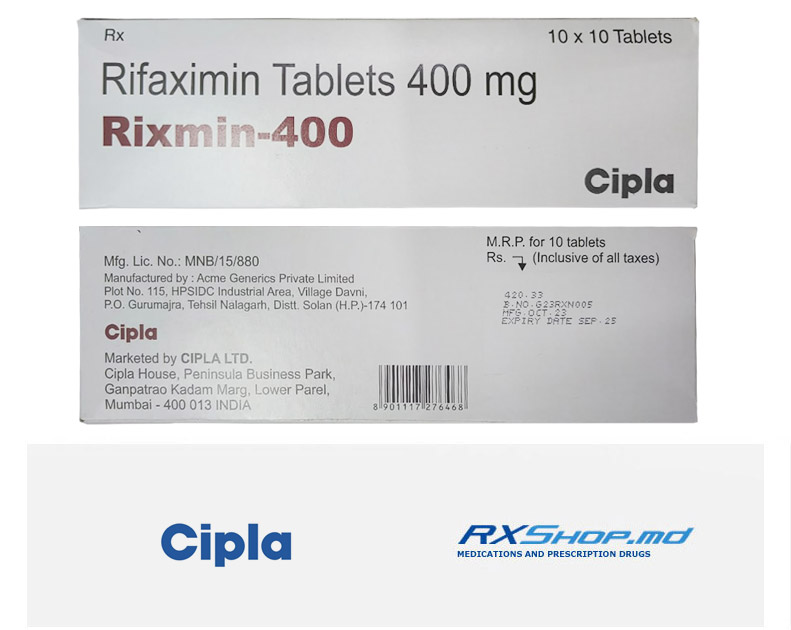
Rixmin is an affordable generic Rifaximin antibiotic — a uniquely gut-selective rifamycin offering potent local antibacterial activity within the gastrointestinal tract while sparing patients from systemic side effects, drug interactions, and resistance concerns associated with systemically absorbed antibiotics. With less than 0.4% systemic absorption, Rifaximin has carved out three FDA-approved indications across diverse clinical specialties — gastroenterology (IBS-D), hepatology (hepatic encephalopathy prevention), and travel medicine (traveler's diarrhea).
The active ingredient is Rifaximin, a semi-synthetic rifamycin antibiotic with a pyridoimidazole modification that confines its activity to the gut lumen. Rifaximin works by inhibiting bacterial DNA-dependent RNA polymerase through binding to the β-subunit — blocking bacterial RNA transcription and resulting in bactericidal activity against susceptible enteric pathogens.
Beyond direct antibacterial effects, Rifaximin demonstrates several additional gut-beneficial properties: it modulates the gut microbiome favorably (eubiotic effect), reduces gut bacterial translocation (key in cirrhosis), decreases mucosal inflammation, and lowers systemic endotoxin exposure. These pleiotropic effects support Rifaximin's wide range of clinical applications beyond simple bacterial killing.
Rixmin is indicated for treatment of traveler's diarrhea caused by non-invasive E. coli, reduction of hepatic encephalopathy recurrence in cirrhotic patients, and treatment of irritable bowel syndrome with diarrhea (IBS-D). It is also widely used off-label for small intestinal bacterial overgrowth (SIBO) initial therapy and maintenance cycling, chronic refractory IBS, post-travel persistent diarrhea, and various other gut-related conditions where modulation of gut microbiota provides clinical benefit.
The medication is available as 200 mg tablets (for traveler's diarrhea and IBS-D, dosed 200 mg three times daily for 3-14 days) and 550 mg tablets (for hepatic encephalopathy, dosed 550 mg twice daily long-term). Treatment can be taken with or without food.
Rifaximin is exceptionally well-tolerated due to its minimal systemic absorption. Headache, nausea, and mild abdominal discomfort are the most common side effects. Serious adverse events are rare, and clinically significant drug interactions are minimal — making Rixmin particularly suitable for polypharmacy patients.
Free prescription
Discrete packaging
Have questions?
Quality Assurance
- Backpacker Diarrhea: For backpackers and budget travelers exposed to bacterial gastroenteritis in developing regions;
- Cruise Ship Diarrhea: For acute bacterial diarrhea outbreaks during cruise ship travel;
- Adventure Travel Antibiotic: For adventure travelers in remote locations requiring self-treatment capability;
- Expat Family Pharmacy: For expat family medicine kit supplies covering common bacterial gastroenteritis;
- Hepatic Encephalopathy Recurrence Prevention: FDA-approved for reduction in risk of overt hepatic encephalopathy recurrence;
- ICU Hepatic Encephalopathy Adjunct: ICU adjunct for hepatic encephalopathy management combined with lactulose;
- Variceal Hemorrhage Prophylaxis: Selective use for esophageal variceal hemorrhage prophylaxis in cirrhotic patients;
- Refractory Ascites Adjunct: Adjunct for refractory ascites management in cirrhotic patients with bacterial translocation;
- Lactulose Intolerance Alternative: For HE management in cirrhotic patients intolerant to lactulose (severe diarrhea, dehydration);
- SIBO Initial Treatment: For initial treatment of small intestinal bacterial overgrowth — standard 14-day course;
- SIBO Maintenance Cycling: For maintenance cycling therapy in chronic recurrent SIBO with weekly or monthly cycles;
- Gastric Bypass SIBO: For SIBO complicating Roux-en-Y gastric bypass and other bariatric surgeries;
- Bariatric Surgery SIBO: For SIBO complicating bariatric surgical procedures with altered gut anatomy;
- Refractory IBS Diarrhea: For refractory IBS-D that has failed first-line therapy with dietary and antispasmodic approaches;
- IBS Mixed Type SIBO: For mixed-type IBS with SIBO component contributing to symptom heterogeneity;
- IBS Bloating Predominant: For bloating-predominant IBS with suspected bacterial overgrowth;
- Functional Bloating: For functional bloating with suspected bacterial overgrowth contribution;
- Diarrhea After Antibiotics: For antibiotic-associated diarrhea where C. difficile has been excluded;
- Acne Rosacea SIBO Adjunct: Off-label adjunct for rosacea with SIBO component — gut-brain-skin axis evidence;
- Pre Operative Bowel Prep: Selective use for pre-operative bowel preparation in colorectal surgery;
- Hepatorenal Syndrome Prevention: Selective use to reduce hepatorenal syndrome risk in cirrhotic patients with ascites;
- Pediatric SIBO Off Label: Off-label use for pediatric SIBO under specialist gastroenterologist supervision.
- Less Abdominal Cramping: Resolution of abdominal cramping in bacterial diarrhea and IBS-D;
- Less Bloating: Significant reduction in bloating associated with SIBO and IBS-D;
- Less Distention: Reduction in visible abdominal distention from gut bacterial overgrowth;
- Less Flatulence: Reduction in excessive gas associated with bacterial overgrowth;
- Less Urgency: Resolution of urgent bowel movements in IBS-D;
- Better Bowel Comfort: Restoration of normal bowel function and comfort;
- Better Microbiome: Favorable modulation of gut microbiome (eubiotic effect) supporting long-term gut health;
- Better Mental Clarity: Improvement in mental status as hepatic encephalopathy recurrence is prevented;
- Less HE Recurrence: Significant reduction in overt hepatic encephalopathy recurrence episodes;
- Fewer Hospitalizations: Long-term HE prophylaxis reduces hospitalisation rates in cirrhotic patients;
- Better Cognitive Function: Improvement in cognition for cirrhotic patients on Rifaximin maintenance;
- Better Daily Function: Improved cognitive function and gut comfort supporting return to normal activities;
- Faster Travel Recovery: Rapid resolution of traveler's diarrhea allowing continued travel and activities;
- Brand Rixmin: Affordable Indian generic Rifaximin with international quality manufacturing standards;
- Generic Rifaximin: Affordable generic Rifaximin expanding global access to gut-selective antibiotic therapy;
- Xifaxan Equivalent: Same Rifaximin molecule as original Salix/Bausch brand Xifaxan with bioequivalent therapeutic profile;
- Normix Equivalent: Same Rifaximin molecule as Alfasigma European brand Normix — familiar across European markets;
- Rifamycin Antibiotic: Foundational rifamycin class antibiotic with unique RNA polymerase inhibition mechanism;
- Gut Selective Antibiotic: Acts exclusively within the gut lumen — signature unique pharmacokinetic property;
- Eubiotic Effect: Favorable modulation of gut microbiome composition beyond simple antibacterial killing;
- Pleiotropic Gut Effects: Multiple gut-beneficial effects including microbiome modulation and reduced endotoxin exposure;
- Bacterial Translocation Reduction: Reduces bacterial translocation across gut wall — key benefit in cirrhotic patients;
- Minimal Systemic Absorption Antibiotic: Under 0.4% systemic absorption — supports excellent safety profile;
- Pyridoimidazole Modification: Structural modification of rifamycin that dramatically reduces systemic absorption;
- RNA Polymerase Inhibitor: Inhibits bacterial DNA-dependent RNA polymerase blocking DNA-to-RNA transcription;
- No CYP450 Induction: Unlike systemic Rifampicin — no CYP450 enzyme induction means few drug interactions;
- Polypharmacy Safe Antibiotic: Safe for polypharmacy patients due to minimal drug interactions;
- Traveler Diarrhea First Line: First-line oral therapy for non-invasive bacterial traveler's diarrhea per IDSA guidelines;
- Hepatic Encephalopathy Standard: FDA-approved standard for reduction in overt HE recurrence in cirrhotic patients;
- IBS D Standard Therapy: FDA-approved standard therapy for diarrhea-predominant IBS in adults since 2015;
- SIBO Standard Therapy: Most-prescribed gut antibiotic for small intestinal bacterial overgrowth management;
- SIBO Cycling Protocol: Supports cycling protocols for chronic recurrent SIBO maintenance;
- Lactulose Combination: Standard combination with lactulose for HE recurrence prevention;
- Cirrhosis Safe Antibiotic: Safe in cirrhotic patients due to minimal systemic exposure and gut-only activity;
- Travel Friendly Antibiotic: Stable storage and short course make Rifaximin ideal for travel medicine kits;
- No Phototoxicity: No photosensitivity concerns — safe sun exposure during travel therapy;
- Antibiotic Stewardship Friendly: Supports antibiotic stewardship by avoiding systemic resistance pressure;
- Affordable Gut Antibiotic: Significantly cheaper than branded Xifaxan for sustained therapy — expanded patient access;
- Generally Well Tolerated: Headache, nausea, and mild abdominal discomfort are the most common side effects;
- Stable Storage: Tablets stable at room temperature — convenient for home and travel use;
- Globally Available: Widely supplied in international markets in branded (Xifaxan, Normix, Targaxan) and generic forms.
Generic Rixmin (Rifaximin 400 mg) Medication guide:
📖 What is Rixmin and where rifaximin fits in modern practice
Rixmin is the Cipla brand of rifaximin, a unique antibiotic that stays almost entirely within the intestine. Rifaximin was originally developed by Alfa Wassermann in Italy in the 1980s and received FDA approval in 2004 for traveler's diarrhea. Additional FDA approvals followed in 2010 for hepatic encephalopathy and 2015 for irritable bowel syndrome with diarrhea (IBS-D).
🔑 Key facts at a glance
- Class: non-absorbable rifamycin (semisynthetic derivative)
- Mechanism: blocks bacterial RNA polymerase (like rifampin) but works locally in the gut
- Systemic absorption: less than 0.4 percent from intact intestinal mucosa
- Standard doses: 200 mg or 550 mg tablets depending on indication
- Main uses: traveler's diarrhea, hepatic encephalopathy prevention, IBS-D
- Pregnancy: Category C
- Drug interactions: minimal because it does not enter the bloodstream
What makes rifaximin distinctive is that it is a rifamycin that works only in the gut. The related drug rifampin (Rifadin) absorbs completely into the bloodstream and treats systemic infections like tuberculosis. Rifaximin has been chemically modified so that it barely absorbs from the intestine. This means it can reach very high concentrations at the site of gut infection without producing the systemic side effects that limit rifampin use.
✅ What non-absorbable means for patients
- Excellent safety profile — systemic side effects are essentially absent
- No orange-red body fluid discoloration unlike rifampin
- Minimal drug interactions because rifaximin does not enter the bloodstream where CYP450 enzymes act
- No dose adjustment for kidney or liver impairment in standard use
- Can be taken with meals without concern for absorption changes
- Well tolerated even for extended courses (months)
🧪 Where rifaximin fits in modern practice
Rifaximin's three main indications reflect its gut-only action: bacterial traveler's diarrhea where the target pathogens are enteric bacteria, hepatic encephalopathy prevention where reducing ammonia-producing gut bacteria improves brain function in cirrhosis, and IBS-D where modulating the gut microbiome improves symptoms in a subset of patients. Off-label uses in SIBO and other conditions further expand its clinical role.
🕑 History: 1985 discovery to 2004 FDA approval
Rifaximin was developed by Alfa Wassermann in Italy through chemical modification of rifamycin B in the early 1980s. The addition of a pyridoimidazole group substantially reduced intestinal absorption while preserving antibacterial activity. Italian approval as Normix followed in 1985. US FDA approval took nearly two more decades and expanded over three approval events between 2004 and 2015.
| Year | Milestone |
|---|---|
| Early 1980s | Alfa Wassermann Italy develops rifaximin as non-absorbable rifamycin derivative |
| 1985 | Italian approval as Normix for gastrointestinal infections |
| Late 1980s to 1990s | Expansion into other European markets |
| 2000s | Salix Pharmaceuticals licenses US rights |
| May 2004 | FDA approves Xifaxan (200 mg) for traveler's diarrhea in adults |
| March 2010 | FDA expands indication: Xifaxan 550 mg for hepatic encephalopathy recurrence reduction based on Bass NEJM 2010 pivotal trial |
| May 2015 | FDA expands indication: Xifaxan 550 mg for irritable bowel syndrome with diarrhea in adults based on TARGET 1 and TARGET 2 trials |
| 2015 onwards | Rapid expansion of rifaximin use for expanded indications |
| 2020s | Generic rifaximin enters some international markets; Cipla Rixmin brand widely distributed |
| Present | Xifaxan remains on patent in US through 2028+; international generic manufacturers active in other markets |
🧪 Why the three approval story matters
Rifaximin's FDA approval path is unusual: three separate indications approved based on separate large clinical trials over 11 years. Each expansion required strong evidence: traveler's diarrhea (multiple trials showing efficacy against E. coli), hepatic encephalopathy (Bass NEJM 2010 showing 58 percent recurrence reduction when added to lactulose), and IBS-D (TARGET 1 and TARGET 2 showing sustained symptom improvement after 2-week courses). This staged approval reflects the different clinical mechanisms in each indication despite the same underlying drug action.
🌐 International availability
Rifaximin is available in more than 30 countries worldwide. Xifaxan (Salix, now part of Bausch Health) is the US brand and dominates the US market. Multiple international manufacturers produce generic versions in markets where patent protection has expired. Cipla's Rixmin is among the widely distributed international generic brands.
⚙️ Mechanism: RNA polymerase inhibition locally in the gut
Rifaximin works by blocking bacterial RNA polymerase, the same mechanism as its parent drug rifampin. But because rifaximin barely enters the bloodstream, it only affects bacteria in the intestine. This gut-selective action is the drug's defining feature.
🧬 How rifaximin works locally
- Rifaximin is swallowed as a tablet
- Less than 0.4 percent absorbs from the intestine into the bloodstream
- Over 99 percent stays in the intestinal contents
- It reaches high concentrations in the gut lumen (small and large intestine)
- It binds bacterial RNA polymerase in gut bacteria
- Susceptible bacteria stop growing
- Rifaximin passes out of the body in stool
🔬 Beyond antibacterial action
Research suggests rifaximin has effects on gut biology that go beyond simply killing bacteria:
- Anti-inflammatory action on intestinal epithelial cells
- Effect on gut microbiome composition that can persist after treatment ends
- Reduced bacterial translocation across the intestinal wall (relevant for hepatic encephalopathy)
- Selective modulation of pro-inflammatory bacterial populations while preserving beneficial bacteria
- These effects may explain rifaximin's benefits in conditions like IBS-D and hepatic encephalopathy where the mechanism is not purely bactericidal
🧪 The eubiosis concept
In hepatic encephalopathy and IBS-D, rifaximin's benefit is thought to come from restoring a healthier gut microbiome balance called eubiosis. This is different from simply killing all bacteria (which would be more like broad-spectrum antibiotic action). Rifaximin selectively affects overgrown or pro-inflammatory populations while allowing beneficial bacteria to persist. This selective effect helps explain why rifaximin can be used for extended durations without disrupting overall gut health.
🔴 Why gut-only action matters for safety
- Systemic rifamycin side effects (hepatotoxicity, blood cell effects, hypersensitivity) essentially do not occur
- The extensive drug interactions of rifampin (through CYP450 induction) do not apply
- No orange-red body fluid discoloration (rifaximin does not reach body fluids)
- No dose adjustment needed for kidney disease
- Minimal dose adjustment for liver disease (relevant for hepatic encephalopathy use)
🧬 Rifaximin among the rifamycins
Understanding how rifaximin compares to other rifamycins helps clarify its unique niche. All rifamycins share the same underlying mechanism but have very different pharmacokinetic profiles that determine their clinical uses.
| Drug | Absorption | Main use |
|---|---|---|
| Rifampin (Rifadin) | Excellent (over 90 percent) | TB, MRSA combination, meningococcal prophylaxis |
| Rifabutin (Mycobutin) | Good | TB in HIV patients on ART; MAC prophylaxis |
| Rifapentine (Priftin) | Good | Latent TB (3HP weekly) |
| Rifaximin (Rixmin, Xifaxan) | Minimal (under 0.4 percent) | Traveler diarrhea, hepatic encephalopathy, IBS-D |
🔗 Where rifaximin stands out
- Gut-selective action — only rifamycin that stays in the intestine
- Excellent safety profile for extended use because there is no systemic exposure
- Minimal drug interactions because CYP450 enzymes are not induced systemically
- No systemic rifamycin side effects (hepatotoxicity, blood cell effects, orange fluids)
- Can be used for months in cirrhosis patients without cumulative toxicity concerns
- Complementary role — not competitive with rifampin (different indications)
🧪 What makes rifaximin non-absorbable
Chemists at Alfa Wassermann added a large pyridoimidazole group to the rifamycin backbone. This bulky modification substantially reduces intestinal absorption while preserving the ability to bind bacterial RNA polymerase. The result is a drug that works well in the gut lumen but essentially cannot cross into the bloodstream. This design is one of the most successful examples of pharmacology engineering for a specific tissue target.
🔴 Cross-resistance concerns
Because rifaximin shares its mechanism with rifampin, resistance to one may affect the other. This is theoretically a concern for TB treatment: could widespread rifaximin use in gut conditions promote TB resistance? Current evidence suggests this is not a major clinical problem because rifaximin does not select for systemic rifamycin resistance in the gut microbiome as strongly as feared. However, monitoring continues.
🦠 Focused spectrum on gut bacteria
Rifaximin has activity against a broad range of gut bacteria including both gram-positive and gram-negative organisms, and both aerobes and anaerobes. Its unique advantage is not spectrum breadth per se but rather the ability to act only where it is needed (the gut) without affecting bacteria elsewhere.
✅ Gut bacteria covered
- Enterotoxigenic Escherichia coli — main traveler diarrhea pathogen
- Other E. coli including some enteroinvasive strains
- Shigella species (variable susceptibility)
- Salmonella species (moderate activity)
- Klebsiella species
- Enterobacter species
- Proteus species
- Bacteroides fragilis and other anaerobes
- Clostridium species including C. difficile (some activity)
- Staphylococcus aureus in the gut
- Enterococcus species
- Streptococcus species
⛔ What rifaximin does NOT treat
- Any infection outside the intestine (no systemic action)
- Viral diarrhea (Norovirus, rotavirus, others)
- Parasitic diarrhea (Giardia, Cryptosporidium, amoeba)
- Invasive bacterial diarrhea with sepsis (systemic antibiotic needed)
- Campylobacter species (rifaximin has poor activity)
- Toxin-producing E. coli (EHEC, EPEC) — antibiotics generally avoided
- Cholera
- Any respiratory, urinary, or skin infection
🧪 Why local action changes the clinical picture
For gut infections, rifaximin's local concentrations are extraordinarily high (much higher than could be achieved with a systemic antibiotic). This makes rifaximin effective even against organisms that might appear only moderately susceptible in laboratory testing at typical serum concentrations. The dose that goes into the gut lumen is essentially the entire dose taken, giving unusually high local antibacterial pressure.
🔬 The gut microbiome modulation view
For hepatic encephalopathy and IBS-D, rifaximin's benefit may not come from killing specific bacteria but from reducing overall bacterial metabolic activity and shifting the balance toward less pro-inflammatory populations. This is why rifaximin can help even when specific target bacteria are not identified.
💉 Non-absorbable pharmacokinetics
Rifaximin's non-absorbable pharmacokinetic profile is its defining feature. Understanding this helps explain both its therapeutic benefits and its safety profile.
| Feature | Value |
|---|---|
| Systemic absorption from intact intestine | Less than 0.4 percent |
| Absorption from inflamed intestine | Modest increase but still very low |
| Serum peak concentration | Very low (approximately 10 ng per mL after 550 mg dose) |
| Intestinal luminal concentration | Very high (approximately 8000 mcg per gram of stool) |
| Half-life of the small absorbed fraction | 2 to 6 hours |
| Food effect on absorption | Minimal (can take with or without food) |
| Excretion of absorbed fraction | Biliary (recycled back to gut) |
| Excretion of non-absorbed fraction | In stool (over 99 percent of dose) |
✅ What non-absorbable means clinically
- Local gut concentrations 1000 times higher than blood levels
- No systemic side effects at typical doses
- No drug interactions through liver enzymes
- Safe for extended use (months in cirrhosis)
- Kidney and liver function do not affect dosing meaningfully
- Pregnancy safety concerns limited to theoretical risks
⚠️ Situations that increase absorption
- Severe inflammatory bowel disease where intestinal barrier is compromised
- Very extensive intestinal disease with damaged mucosa
- Post-surgical bowel with anastomosis
- Cirrhosis where intestinal permeability is often increased
- Even in these situations, absorption typically remains under 5 percent
🧪 Practical implications
For standard clinical use in traveler diarrhea, IBS-D, or hepatic encephalopathy, the non-absorbable profile means that side effects and interactions are essentially not concerns. This is fundamentally different from any systemic antibiotic and shapes how rifaximin can be prescribed. Patients with complex medication regimens who cannot tolerate additional drug interactions particularly benefit from rifaximin's clean profile.
🏥 FDA-approved indications
Rifaximin has three FDA-approved indications, each supported by pivotal clinical trials. Additional off-label uses are supported by clinical evidence and guidelines from various specialty societies.
🎯 FDA-approved indications
- Traveler's diarrhea caused by non-invasive strains of Escherichia coli in adults and children 12 years and older (200 mg tablet, 2004 approval)
- Reduction of hepatic encephalopathy recurrence in patients with advanced liver disease who have had prior episodes (550 mg tablet, 2010 approval)
- Treatment of irritable bowel syndrome with diarrhea in adults (550 mg tablet, 2015 approval)
🩹 Off-label but guideline-supported uses
- Small intestinal bacterial overgrowth (SIBO)
- Bacterial overgrowth in the small intestine causing bloating, abdominal pain, and altered bowel habits. Rifaximin is commonly used based on multiple clinical studies.
- Diverticulitis prevention
- Some evidence for reducing recurrent uncomplicated diverticulitis, though not universally endorsed.
- Pouchitis
- Inflammation of ileal pouch after ulcerative colitis surgery, refractory to metronidazole or ciprofloxacin.
- Chronic constipation with methanogen predominance
- Combined with neomycin or metronidazole for methane-producing bacterial overgrowth.
- C. difficile infection (recurrent)
- As chaser after vancomycin or fidaxomicin. Evidence mixed; specialist use.
⛔ NOT indicated for
- Any systemic infection (does not enter bloodstream in meaningful amounts)
- Diarrhea with fever or bloody stools (suggests invasive infection; use systemic antibiotic)
- Uncomplicated mild traveler's diarrhea (rehydration alone often adequate)
- Non-inflammatory bowel disorders where microbiome is not the driver
- Viral or parasitic diarrhea
- Chronic use for indications not supported by evidence
🌍 Traveler's diarrhea
Bacterial traveler's diarrhea affects millions of travelers annually. Rifaximin was FDA-approved in 2004 specifically for treating traveler diarrhea caused by non-invasive E. coli in adults and adolescents.
🌍 When rifaximin fits
- Non-invasive bacterial diarrhea in a traveler
- Watery diarrhea without fever, bloody stools, or systemic symptoms
- Travel to regions where E. coli dominates (Mexico, Latin America)
- Travel where fluoroquinolones may not be preferred due to resistance or safety concerns
- Adult or adolescent patient
- Uncomplicated presentation
| Region of travel | Preferred antibiotic |
|---|---|
| Mexico, Latin America | Rifaximin acceptable first-line (E. coli dominates) |
| Middle East, Africa | Ciprofloxacin or azithromycin |
| South and Southeast Asia | Azithromycin (Campylobacter resistant to FQ) |
| Any region with dysentery presentation | Systemic antibiotic (azithromycin or ciprofloxacin); rifaximin not appropriate |
📋 Standard dosing for traveler diarrhea
- 200 mg three times daily for 3 days
- Take with or without food
- Rehydration is equally important (oral rehydration solution)
- Loperamide can be added for symptomatic relief
- If no improvement in 24 to 48 hours or symptoms worsen, seek medical evaluation
- Do not extend beyond 3 days without medical advice
⛔ When rifaximin does NOT fit for traveler diarrhea
- Fever — suggests invasive infection needing systemic antibiotic
- Bloody diarrhea (dysentery) — suggests invasive infection
- Severe abdominal pain or signs of dehydration requiring medical care
- Travel to areas dominated by Campylobacter (Southeast Asia) where azithromycin is preferred
- Children under 12 — not approved
- Immunocompromised patients — specialist care advised
🧪 Modern travel counseling
Modern travel medicine emphasizes food and water safety education and rehydration for most cases of traveler diarrhea. Antibiotic prophylaxis is generally not recommended because most cases are self-limited. Rifaximin is well suited for reserve self-treatment in adult travelers who develop moderate to severe non-invasive diarrhea. Its excellent safety profile and minimal drug interaction concerns make it well suited for travelers who may be uncertain about specific medications.
🧠 Hepatic encephalopathy prevention
Hepatic encephalopathy is brain dysfunction caused by liver disease. Rifaximin is FDA-approved for reducing recurrence of hepatic encephalopathy in patients with cirrhosis who have already experienced prior episodes. The 2010 Bass NEJM trial showed a 58 percent reduction in recurrence when rifaximin was added to standard lactulose therapy.
🧠 What hepatic encephalopathy is
- Confusion, disorientation ranging from subtle to severe
- Personality changes, altered behavior
- Sleep-wake cycle disturbance
- Asterixis (flapping tremor) on examination
- Progression to lethargy, stupor, coma in severe cases
- Caused by ammonia and other toxins produced by gut bacteria that a diseased liver cannot clear
- Episodes are triggered by infections, GI bleeding, dehydration, constipation, medications
🔬 How rifaximin helps
- Rifaximin reduces the population of ammonia-producing bacteria in the gut
- Less ammonia is produced from dietary protein breakdown
- Less ammonia enters the bloodstream through the intestinal wall
- The diseased liver has less ammonia to clear
- Brain ammonia levels stay lower
- Encephalopathy episodes are less likely to recur
📋 Standard dosing for hepatic encephalopathy
- 550 mg twice daily
- Take with or without food
- Continue indefinitely as long as tolerated (chronic secondary prevention)
- Almost always combined with lactulose (not alone)
- No dose adjustment for cirrhosis severity
✅ The Bass NEJM 2010 pivotal trial
In the pivotal trial that led to 2010 FDA approval, 299 cirrhosis patients with prior hepatic encephalopathy episodes were randomized to rifaximin 550 mg twice daily plus lactulose vs placebo plus lactulose. Over 6 months, hepatic encephalopathy recurrence was 22 percent in the rifaximin arm vs 46 percent in placebo arm — a 58 percent relative reduction. Rifaximin also reduced hospitalizations. Adverse effects were similar to placebo, consistent with the non-absorbable profile.
🧪 Rifaximin plus lactulose is the modern standard
Lactulose alone was the historical standard for hepatic encephalopathy secondary prevention. It works by acidifying the colon and reducing ammonia absorption. Rifaximin was added to lactulose based on the Bass trial evidence. Rifaximin alone is not standard — both drugs work through complementary mechanisms and the combination is what has been proven effective.
⚠️ When treatment is not appropriate
Rifaximin is for secondary prevention of hepatic encephalopathy (after at least one prior episode). It is not approved for primary prevention (never had encephalopathy) or as sole acute treatment during an active episode. For active hepatic encephalopathy episode, lactulose is escalated and precipitating factors (infections, GI bleed) are addressed. Rifaximin is added or continued for prevention after the acute episode resolves.
🧫 Irritable bowel syndrome with diarrhea
Irritable bowel syndrome with diarrhea (IBS-D) is a common functional GI disorder affecting adults with abdominal pain, altered bowel habits, and diarrhea-predominant symptoms. Rifaximin was FDA-approved for IBS-D in 2015 based on the TARGET 1 and TARGET 2 trials led by Mark Pimentel.
🧫 IBS-D presentation
- Recurrent abdominal pain associated with defecation
- Change in stool frequency or form
- Loose or watery stools more than one-quarter of bowel movements
- Symptoms present for at least 6 months
- No organic cause identified (Rome IV diagnostic criteria)
- Often bloating, gas, urgency, incomplete evacuation
🔬 How rifaximin helps IBS-D
The mechanism is thought to involve modulation of the gut microbiome rather than direct killing of specific bacteria. Rifaximin reduces overgrown or pro-inflammatory bacterial populations in the small intestine, decreases gas production, and reduces intestinal inflammation. This translates to reduced abdominal pain, less bloating, and improved stool form in a subset of IBS-D patients.
📋 Standard dosing for IBS-D
- 550 mg three times daily for 14 days
- Take with or without food
- Effects can last months after finishing the 2-week course
- Retreatment can be given if symptoms return
- Up to 3 total retreatments considered acceptable per label
✅ The TARGET 1 and TARGET 2 evidence
In the pivotal TARGET 1 and TARGET 2 trials, over 1200 IBS-D patients were randomized to rifaximin 550 mg three times daily for 14 days vs placebo. Approximately 41 percent of rifaximin patients had adequate relief of global IBS symptoms and bloating for at least 2 of 4 weeks after treatment, vs 32 percent in placebo. The number needed to treat (NNT) was about 10. Response persisted for weeks to months in many responders. Retreatment was effective for symptom recurrence.
🧪 The retreatment concept
Unlike most antibiotics used for a single infection, rifaximin for IBS-D is used in 2-week pulses that can be repeated when symptoms recur. This unusual pattern reflects the drug's effect on gut microbiome balance rather than eradication of a specific pathogen. The extended duration of benefit after each course (weeks to months) makes intermittent use practical.
⚠️ When rifaximin is not appropriate for IBS-D
- IBS with constipation predominance (IBS-C)
- Suspected inflammatory bowel disease (Crohn's, ulcerative colitis)
- Alarm features suggesting organic disease (weight loss, blood in stool, family history of colon cancer, age over 50 with new symptoms)
- Post-infection IBS soon after acute gastroenteritis without ruling out chronic infection
- Patients who have not tried first-line IBS-D approaches (dietary modification, antidiarrheal, dicyclomine)
🩹 Off-label uses: SIBO and pouchitis
Beyond FDA-approved indications, rifaximin has established off-label roles in small intestinal bacterial overgrowth (SIBO) and pouchitis. Both conditions involve dysbiotic gut bacteria driving symptoms.
🧫 Small intestinal bacterial overgrowth (SIBO)
- Overgrowth of colonic-type bacteria in the small intestine
- Symptoms: bloating, abdominal distension, gas, altered bowel habits
- Diagnosed by breath testing (glucose or lactulose hydrogen or methane breath test)
- Causes: reduced small bowel motility, structural abnormalities, chronic proton pump inhibitor use, diabetes, cirrhosis, immune deficiency
- Overlaps substantially with IBS-D
📋 Standard rifaximin dosing for SIBO
- 550 mg three times daily for 10 to 14 days (similar to IBS-D)
- Alternative: 400 mg three times daily for 10 to 14 days
- For methane-predominant SIBO: consider adding neomycin or metronidazole (rifaximin monotherapy less effective)
- Symptom-triggered retreatment often needed as SIBO tends to recur
- Address underlying causes (motility disorders, PPI reduction if possible)
✅ Why rifaximin fits SIBO well
- Local action targets small bowel overgrowth directly
- Minimal effect on colonic beneficial bacteria (compared with systemic antibiotics)
- Well tolerated for the extended courses often needed
- Retreatable when symptoms recur
- No systemic side effects
- Evidence base includes multiple observational and controlled studies
🧫 Pouchitis
Pouchitis is inflammation of an ileal pouch, an intestinal reconstruction sometimes performed after removal of the colon for ulcerative colitis. Rifaximin has a role in refractory pouchitis:
- Standard first-line pouchitis treatment: metronidazole or ciprofloxacin
- Refractory or recurrent pouchitis: rifaximin as alternative
- Chronic pouchitis: rifaximin combined with other agents
- Standard dose: 400 to 550 mg three times daily for 2 to 4 weeks
- Coordinated with GI specialist
🧪 Emerging uses
Research is exploring rifaximin roles in additional conditions: primary sclerosing cholangitis, non-alcoholic fatty liver disease, portal hypertension complications, and various dysbiosis-related conditions. Evidence for these uses is preliminary and does not currently support routine practice. Ongoing trials may expand approved uses in coming years.
🔴 Clostridioides difficile role and controversies
Rifaximin has a controversial and evolving role in Clostridioides difficile infection (CDI). It is not FDA-approved for CDI but has been studied as a treatment adjunct or maintenance therapy in recurrent infections. Understanding the current framework helps clarify its use.
🔴 Not for primary CDI treatment
Rifaximin is not first-line therapy for C. difficile infection. Current IDSA guidelines specify fidaxomicin as first-line, with oral vancomycin as alternative. Rifaximin monotherapy has been studied but is not preferred because of resistance emergence concerns and inferior efficacy compared with fidaxomicin or vancomycin.
🩹 Rifaximin as CDI chaser
One evidence-supported role is rifaximin as "chaser" therapy after standard CDI treatment:
- Standard course of vancomycin or fidaxomicin for the CDI episode
- Followed by rifaximin 400 mg three times daily for 2 weeks
- Rationale: rifaximin reduces residual C. difficile spore burden and may prevent recurrence
- Evidence: modest reduction in CDI recurrence in some studies
- Reserved for patients with recurrent or difficult-to-manage CDI
🧪 The C. difficile paradox
Rifaximin has an unusual relationship with C. difficile. As an antibiotic, it could theoretically increase C. difficile risk by disrupting protective gut bacteria. But its narrow spectrum and gut-limited action mean it has substantially lower CDI risk than most other antibiotics. Some evidence suggests rifaximin may even help prevent CDI through microbiome modulation rather than direct C. difficile killing. This paradox reflects the drug's unique local action.
⚠️ Resistance concerns
- C. difficile can develop rifaximin resistance during treatment
- Resistance is uncommon in first exposure but rises with repeated use
- This limits rifaximin monotherapy value for CDI
- Chaser use after primary treatment does not have this concern as much
- Susceptibility testing is not routine
✅ Current framework
For first-time CDI: use fidaxomicin or vancomycin per IDSA. For recurrent CDI: consider fecal microbiota transplantation, extended fidaxomicin or vancomycin regimens. Rifaximin chaser therapy may be considered as adjunct in select patients. Rifaximin monotherapy for CDI is not standard practice.
💊 Adult dosing by indication
Rixmin dosing varies substantially by indication. The 200 mg tablet is used for traveler diarrhea; the 550 mg tablet is used for hepatic encephalopathy and IBS-D. Course duration also differs dramatically from 3 days to indefinite.
| Indication | Dose | Duration |
|---|---|---|
| Traveler diarrhea (adults, adolescents 12+) | 200 mg three times daily | 3 days |
| Hepatic encephalopathy recurrence prevention | 550 mg twice daily | Indefinite (chronic) |
| IBS-D | 550 mg three times daily | 14 days (retreatable) |
| SIBO (off-label) | 550 mg three times daily (or 400 mg) | 10 to 14 days |
| Pouchitis (off-label) | 400 to 550 mg three times daily | 2 to 4 weeks |
| CDI chaser therapy (off-label) | 400 mg three times daily | 2 weeks after standard CDI treatment |
🍴 How to take Rixmin correctly
- Can be taken with or without food (unlike rifampin which requires empty stomach)
- Take at approximately the same times each day
- Swallow tablets whole with a full glass of water
- Do not crush or chew tablets
- Complete the full course as prescribed
- For chronic hepatic encephalopathy use: continue indefinitely as long as tolerated
- For IBS-D: return to prescriber if symptoms recur for possible retreatment
✅ Adherence supports
- Set phone alarms for three times daily regimens
- Anchor to routine meals (breakfast, lunch, dinner) for TID dosing
- For chronic hepatic encephalopathy: pill organizer helps
- For IBS-D: complete the 14-day course even if symptoms improve early
- For traveler diarrhea: complete the 3-day course to prevent relapse
⚠️ When to contact prescriber
- Diarrhea worsens or new fever develops
- Bloody stools or severe abdominal pain
- Signs of dehydration despite treatment
- Symptoms unchanged after expected time (3 days for traveler diarrhea)
- New or worsening confusion in cirrhosis patient (encephalopathy episode)
- Allergic reaction symptoms (rash, itching, throat tightness)
🔬 Renal and hepatic considerations
Because rifaximin is essentially not absorbed, kidney disease and mild to moderate liver disease do not require dose adjustment. This is a substantial practical advantage. The one exception is severe liver disease where some considerations apply.
| Situation | Dose adjustment |
|---|---|
| Normal kidney function | Standard dose per indication |
| Any degree of kidney impairment | No adjustment needed |
| Dialysis | No adjustment needed (rifaximin not removed by dialysis) |
| Mild liver impairment (Child-Pugh A) | No adjustment needed |
| Moderate liver impairment (Child-Pugh B) | Standard dose acceptable; monitor |
| Severe liver impairment (Child-Pugh C) | Use with caution; monitor closely; small absorbed fraction may accumulate |
✅ The kidney advantage
Because rifaximin's tiny absorbed fraction is cleared through bile and not through the kidneys, even severe kidney disease including dialysis does not require dose adjustment. This is unusual for antibiotics and reflects the drug's non-absorbable nature. For elderly patients with age-related kidney function decline, this eliminates one common prescribing consideration.
💛 Cirrhosis considerations
Ironically, one of rifaximin's main uses (hepatic encephalopathy) is in patients with cirrhosis. In these patients:
- Intestinal permeability is often increased, allowing modestly higher rifaximin absorption
- Even so, systemic exposure remains very low compared with any systemic antibiotic
- Standard 550 mg twice daily dosing is used regardless of cirrhosis severity
- Extended use in severe cirrhosis has been extensively studied and appears safe
- The pivotal Bass NEJM 2010 trial included patients with advanced cirrhosis
🧪 Practical framework
For essentially all clinical scenarios, rifaximin is prescribed at the standard dose for the specific indication without kidney or liver function adjustment. This simplification is particularly valuable in cirrhosis patients where many other medications require dose reduction or avoidance.
💥 Drug interactions minimal
Rifaximin has an exceptionally clean drug interaction profile because it does not enter the bloodstream in meaningful amounts. Systemic CYP450 induction that makes rifampin so problematic essentially does not occur with rifaximin.
✅ What Rixmin does NOT interact with systemically
- Warfarin and other blood thinners
- Direct oral anticoagulants (DOACs)
- Oral contraceptives (unlike rifampin which reduces effectiveness)
- HIV antiretrovirals
- Immunosuppressants (cyclosporine, tacrolimus)
- Corticosteroids
- Statins
- Anticonvulsants
- Antidepressants (SSRIs, SNRIs, TCAs)
- Antipsychotics
- Cardiovascular medications
- Most other systemic drugs
💧 The very few interactions to know
- Warfarin (theoretical only)
- Some reports of INR changes with rifaximin, mechanism unclear (possibly through gut vitamin K flora effects). Monitor INR when starting or stopping rifaximin in warfarin patients, but effect is small compared with rifampin.
- P-glycoprotein substrates
- The small absorbed rifaximin fraction may inhibit intestinal P-glycoprotein, theoretically affecting some drugs. Clinically relevant interactions are uncommon; specific concerns should be discussed with pharmacist.
- Concurrent probiotics
- Probiotics may be reduced by rifaximin activity in the gut. Space at least 2 hours apart from doses if used together.
🧪 The clean profile advantage
For cirrhosis patients on complex medication regimens (multiple diuretics, beta blockers, statins, sometimes immunosuppressants for autoimmune liver disease), rifaximin is one of few antibiotics that essentially does not add interaction burden. This is why cirrhosis specialists prefer rifaximin over any systemic antibiotic when possible. For elderly patients on multiple medications, this same clean profile is a substantial practical advantage.
✅ Practical implications
Patients starting rifaximin do not need medication list review the way patients starting rifampin or fluoroquinolones do. The pharmacist consultation focus can shift to indication appropriateness rather than interaction management. This simplification is particularly valuable in complex patients where many other treatment options would require substantial medication regimen changes.
🤰 Pregnancy and lactation
Rifaximin is FDA Pregnancy Category C. Because it barely absorbs, systemic exposure to the fetus is very low. However, direct clinical safety data in pregnancy are limited, and use is generally avoided unless clinical need is clear.
🤰 Pregnancy considerations
- Category C based on animal studies showing some skeletal effects at high doses
- Human data limited but reassuring in reported cases
- Systemic exposure to fetus is very low because of poor absorption
- Use for traveler diarrhea in pregnancy: generally avoided; oral rehydration alone often adequate
- Use for hepatic encephalopathy in pregnancy: benefit-risk assessment with specialist input; encephalopathy itself is dangerous
- Use for IBS-D in pregnancy: generally avoided
✅ Alternatives in pregnancy
- Traveler diarrhea: rehydration, avoid unnecessary antibiotic; if antibiotic needed, azithromycin (Category B) preferred
- Hepatic encephalopathy: lactulose alone (Category B); rifaximin added if truly necessary with obstetric coordination
- IBS-D: dietary modification, loperamide (Category B for short courses), avoid rifaximin
👶 Breastfeeding
Because rifaximin barely absorbs, virtually none passes into breast milk. Breastfeeding is generally considered compatible with rifaximin when treatment is clinically needed. LactMed considers rifaximin acceptable for nursing mothers with proper indication. The nursing infant receives essentially no drug exposure.
👩 Planning pregnancy
Women planning pregnancy on chronic rifaximin (typically for hepatic encephalopathy) should discuss with both hepatology and obstetric specialists. In most cases, chronic rifaximin can be continued during pregnancy given the very low systemic exposure and the importance of preventing hepatic encephalopathy episodes. Discontinuation is individualized.
🤔 Common side effects
Rifaximin has one of the cleanest side effect profiles of any antibiotic. Because it does not enter the bloodstream in meaningful amounts, systemic side effects are essentially absent. The reported effects are mostly gastrointestinal and mild.
| Side effect | How often | What to do |
|---|---|---|
| Headache | 3 to 10 percent | Usually mild; self-limited |
| Nausea | 2 to 5 percent | Usually mild; take with food if bothersome |
| Bloating or abdominal discomfort | 3 to 5 percent | Usually mild; may improve with continued treatment |
| Flatulence (gas) | 3 to 5 percent | Usually mild; often improves with continued treatment |
| Constipation | 2 to 5 percent | Hydration; usually mild |
| Fatigue or dizziness | 1 to 3 percent | Usually mild |
| Rash | Uncommon | Evaluate if extensive or with systemic symptoms |
| Peripheral edema (with chronic use) | Uncommon | Evaluate; may relate to underlying cirrhosis |
✅ What is essentially absent
Because rifaximin does not enter the bloodstream, the systemic side effects that limit many other antibiotics are essentially not concerns:
- No hepatotoxicity from systemic rifamycin action
- No orange-red body fluid discoloration
- No blood cell effects (thrombocytopenia, hemolytic anemia)
- No kidney effects
- No CNS effects (unlike fluoroquinolones)
- No cardiac effects (unlike macrolides for QT)
- No tendon or nerve effects (unlike fluoroquinolones)
- Very low C. difficile risk (unlike broad-spectrum antibiotics)
⚠️ Rare symptoms warranting evaluation
- Extensive rash, especially with fever or blistering
- Signs of allergic reaction (hives, throat tightness, wheezing)
- Severe or bloody diarrhea (could indicate C. difficile despite rifaximin's protective role)
- Persistent severe symptoms that do not resolve within expected timeframe
- New peripheral edema or fluid retention
🧪 Perspective on tolerability
In placebo-controlled trials, rifaximin's side effect rates were similar to placebo for most measures. This is remarkable for an antibiotic and reflects the non-absorbable pharmacokinetic profile. Extended use for hepatic encephalopathy over months to years remains well tolerated in clinical experience.
🔗 Rixmin versus Xifaxan and other brands
Rifaximin is available under several brand names internationally. Xifaxan (Salix) is the dominant US brand and remains on patent through 2028+. In markets where patent protection has expired, multiple generic manufacturers produce rifaximin including Cipla's Rixmin.
| Brand | Manufacturer | Market |
|---|---|---|
| Rixmin | Cipla | India, international |
| Xifaxan | Salix Pharmaceuticals (Bausch Health) | US market brand (on patent) |
| Normix | Alfa Wassermann | Original Italian brand (since 1985) |
| Xifaxanta | Alfa Wassermann/Norgine | UK and European market brand |
| Rifagut | Various | Some Asian markets |
| Rifaximin generic | Multiple international manufacturers | Off-patent international markets |
🔗 What differs between brands
- Active ingredient identical: rifaximin at 200 mg or 550 mg
- Tablet coating and appearance may differ
- Excipients (inactive ingredients) may differ
- Cost differs dramatically between US (Xifaxan on patent) and international generic markets
- Regulatory approvals differ by jurisdiction
- Bioequivalence is required for generic approval
🌐 Cipla Rixmin
Cipla is one of the largest Indian pharmaceutical manufacturers with a strong international generic portfolio. Rixmin is their rifaximin brand, widely distributed in international markets where rifaximin is approved. Cipla-brand generics are known for reliable quality and competitive pricing, making Rixmin substantially more affordable than Xifaxan for patients paying out of pocket.
✅ Practical brand switching
Patients can switch between rifaximin brands at the same strength without clinical difference. All brands contain the same active ingredient at the same concentration. Bioequivalence testing is standard for generic approval. Cost is the main practical difference between Xifaxan (higher in US markets) and international generics like Rixmin (substantially lower).
⚖️ Comparison with systemic rifamycins
Understanding how rifaximin compares to the systemic rifamycins (rifampin, rifabutin, rifapentine) clarifies its unique niche and helps explain why it is used so differently.
| Feature | Rifaximin (Rixmin) | Rifampin (Rifadin) |
|---|---|---|
| Absorption | Under 0.4 percent | Over 90 percent |
| Systemic side effects | Essentially none | Substantial (hepatotoxicity, blood, hypersensitivity) |
| Drug interactions | Essentially none | Massive (CYP450 induction) |
| Orange-red body fluid discoloration | None | Universal |
| Kidney dose adjustment | None needed | Modest adjustment for severe impairment |
| Liver dose adjustment | Standard even in cirrhosis | Careful use; avoid severe impairment |
| Contraception effect | None | Reduces oral contraceptive effectiveness |
| Warfarin effect | Minimal (theoretical) | Substantial INR reduction |
| Uses | Traveler diarrhea, HE, IBS-D, SIBO | TB, MRSA combination, prophylaxis |
| Extended use safety | Excellent (months to years) | Requires close monitoring |
🔑 Two drugs, one mechanism, opposite pharmacokinetics
Rifampin and rifaximin share the exact same underlying antibacterial mechanism (RNA polymerase inhibition) but have opposite pharmacokinetic profiles (systemic vs gut-local). This makes them not interchangeable but rather complementary drugs with different clinical roles. Rifampin treats systemic infections; rifaximin treats gut conditions. The distinction is fundamental to how each is used.
🧪 Why understanding the difference matters
Patients sometimes assume rifaximin has the same concerns as rifampin because they are both "rifamycins." This is a common misconception. Patient counseling should emphasize that rifaximin's non-absorbable profile means the systemic rifamycin concerns do not apply. This is particularly important for cirrhosis patients on chronic rifaximin who may worry about long-term systemic effects.
🔬 Bacterial resistance considerations
Bacterial resistance to rifaximin can develop through the same mechanisms as rifampin resistance (rpoB gene mutations in bacterial RNA polymerase). However, the clinical impact of rifaximin resistance is different because of the drug's unique use pattern.
🔴 Resistance mechanisms
- rpoB gene mutations reducing rifaximin binding to bacterial RNA polymerase
- Efflux pumps that push rifaximin out of bacterial cells
- Cross-resistance with other rifamycins is theoretical concern
- Resistance can emerge during treatment courses
- Post-treatment, susceptibility often recovers as resistant strains lose fitness advantage without drug pressure
🔬 Why rifaximin resistance behaves unusually
Several features make rifaximin resistance less concerning than rifampin resistance:
- Very high local drug concentrations in the gut lumen suppress resistance emergence during treatment
- Absence of systemic exposure means resistant gut bacteria do not spread to distant sites
- Susceptibility recovery often occurs after treatment courses end
- Gut microbiome complexity means resistance in some bacteria does not always translate to overall treatment failure
- Clinical treatment failure due to resistance is uncommon in normal use
🔴 Cross-resistance concerns
Theoretical concern exists that widespread rifaximin use could select for rifamycin-resistant strains that might affect rifampin efficacy for TB treatment. Current evidence suggests this is not a major clinical problem, but ongoing surveillance is warranted. TB specialists should be aware of rifaximin exposure history in patients being treated for TB, though susceptibility testing usually shows normal rifampin susceptibility.
✅ Susceptibility not routinely tested
Unlike most antibiotics, rifaximin susceptibility testing is not routine for its clinical uses (traveler diarrhea, hepatic encephalopathy, IBS-D). The reasons include: local high concentrations often overcome moderate resistance, the drug is used empirically for microbiome modulation rather than pathogen-directed therapy, and clinical response is the practical guide to treatment success. Treatment failures usually prompt trying a different approach rather than susceptibility testing.
🧪 Stewardship principles
While rifaximin has an unusually clean safety profile that permits liberal use, stewardship principles still apply: use for evidence-supported indications, complete recommended courses, do not use for viral or self-limited conditions where antibiotic offers no benefit. This preserves rifaximin's effectiveness and reduces theoretical resistance concerns.
👶 Pediatric use
Rifaximin's use in children is limited to age 12 and older for traveler's diarrhea. Other indications are not FDA-approved for pediatric use, though some off-label pediatric use exists in specialized settings.
| Age group | Rifaximin use |
|---|---|
| Adults | All approved indications |
| Adolescents 12 to 17 years | Traveler diarrhea (approved); other indications off-label |
| Children 6 to 11 years | Not approved; specialty use only |
| Children under 6 years | Not approved; not established |
👶 Adolescent traveler diarrhea
- Approved for age 12 and older
- Standard dose: 200 mg three times daily for 3 days (same as adult dose)
- Take with or without food
- Same indications and contraindications as adults
- Same warnings about invasive diarrhea signs (fever, bloody stools)
🩹 Off-label pediatric considerations
- Pediatric hepatic encephalopathy in cirrhosis (rare): specialist decision; no established pediatric dose
- Pediatric SIBO: emerging use; specialist care
- Pediatric IBS-D: not established; alternative approaches preferred
- C. difficile chaser: not routine in pediatric patients
✅ Safety profile favors pediatric use where indicated
The non-absorbable profile makes rifaximin one of the safer antibiotics for pediatric use where an indication exists. Systemic side effects that limit some pediatric antibiotic use do not apply. This makes rifaximin appropriate for pediatric traveler diarrhea (approved) and select specialized pediatric indications with specialist input.
⚠️ When pediatric rifaximin is not appropriate
Children under 12 with traveler diarrhea are not candidates for rifaximin. Alternative approaches include: rehydration (usually adequate), azithromycin (well-established pediatric use), or supportive care alone. For pediatric infections outside gastrointestinal, rifaximin has no role (like all its adult uses).
❗ Severe adverse effects reference
Serious side effects with rifaximin are rare because the drug does not enter the bloodstream in meaningful amounts. The concerns that limit systemic antibiotic use do not apply. The severe reactions to know about are mostly allergic and local gastrointestinal.
🔴 Serious side effects requiring evaluation
- Severe allergic reaction (anaphylaxis)
- Extremely rare with rifaximin. Rapid hives, throat tightness, difficulty breathing, low blood pressure. Emergency care.
- Severe skin reaction (SJS, TEN, DRESS)
- Very rare. Widespread rash with fever, blistering, mucous membrane involvement. Emergency care.
- C. difficile colitis
- Uncommon with rifaximin due to its unique profile. Severe watery or bloody diarrhea, fever. Requires stool testing.
- Rare hepatic effects
- Very rare given minimal absorption. If jaundice, dark urine, or elevated liver enzymes develop, evaluate.
- Peripheral edema with chronic use
- Uncommon; often reflects underlying cirrhosis rather than rifaximin itself.
- Worsening hepatic encephalopathy despite treatment
- Not a rifaximin side effect but treatment failure; assess for precipitating factors and consider alternative or adjunct therapy.
- Failure to respond in IBS-D
- Not a side effect but incomplete response; discuss alternative approaches.
📋 Warning symptoms to report
- Hives, throat tightness, difficulty breathing — emergency care
- Widespread rash with fever or blistering — emergency care
- Severe or bloody diarrhea, especially with fever — evaluate for C. difficile
- Yellow skin or eyes, dark urine, right upper belly pain (rare with rifaximin) — liver testing
- New peripheral edema during chronic use — evaluate
- Worsening cirrhosis symptoms during chronic use — specialist evaluation
- New confusion or worsening in cirrhosis patient (encephalopathy episode) — specialist evaluation
✅ What is NOT a concern with rifaximin
- Systemic hepatotoxicity (unlike rifampin)
- Blood cell effects (unlike systemic rifamycins)
- Orange-red body fluid discoloration (unlike rifampin)
- Serious drug interactions (unlike rifampin)
- Kidney effects (unlike some antibiotics)
- CNS effects (unlike fluoroquinolones)
- Cardiac effects (unlike macrolides for QT)
- Tendon or nerve effects (unlike fluoroquinolones)
- Photosensitivity (unlike tetracyclines)
- Broad microbiome disruption (unlike broad-spectrum antibiotics)
🧪 Overall safety framework
Rixmin's safety profile is fundamentally different from any systemic antibiotic. The concerns that require careful patient selection for most antibiotics do not apply. Standard use for approved indications is generally safe for the vast majority of patients across a wide age range. This safety advantage is one of rifaximin's greatest values in clinical practice.
💧 Rare systemic absorption effects
Rifaximin's under 0.4 percent systemic absorption is remarkable but not zero. Understanding what can happen when the small absorbed fraction reaches the bloodstream helps clarify rare but reported effects.
💧 Situations that modestly increase absorption
- Advanced cirrhosis where intestinal barrier is compromised
- Severe inflammatory bowel disease with damaged mucosa
- Post-surgical bowel with anastomosis or short bowel
- Radiation-induced enteritis
- Even in these situations, absorption typically remains under 5 percent (still very low compared with any systemic antibiotic)
🔴 Rare reported systemic effects
- Mild transient liver enzyme elevation
- Uncommon; usually resolves without discontinuation; monitor if clinically concerning
- Rare hypersensitivity reactions
- Include rash, hives, urticaria; discontinue if allergic reaction develops
- Rare hematologic effects
- Very rare; blood cell counts typically unaffected in monitoring
- Rare peripheral edema
- Usually reflects underlying cirrhosis rather than rifaximin itself
- Rare vitamin K deficiency effects
- Theoretical from gut flora modulation; rare clinical significance
🧪 Perspective
Standard use of rifaximin for approved indications rarely produces systemic effects. The concerns listed above are for context and completeness. In clinical trials, rifaximin's side effect rates were similar to placebo across most measures, and extended use in cirrhosis patients (where systemic exposure might theoretically be higher) has been well tolerated for years.
✅ Practical monitoring
For patients on chronic rifaximin (typically for hepatic encephalopathy), periodic liver function testing is prudent but not strictly required from the drug itself. Cirrhosis patients need periodic liver function monitoring for their underlying disease regardless of rifaximin use. New symptoms during treatment should be evaluated on their merits, with rifaximin considered as an unlikely but possible cause.
🔴 Allergic reactions
Allergic reactions to rifaximin are rare but possible. Because rifaximin barely absorbs, systemic anaphylaxis is extremely uncommon. Most reactions are local mucosal or mild dermatologic.
🔴 Allergic reaction spectrum
- Mild rash
- Widespread pink or red rash, mild itching. Usually resolves; may allow continued treatment with monitoring.
- Urticaria (hives)
- Raised itchy welts. Discontinue; evaluate.
- Angioedema
- Swelling of face, lips, tongue, throat. Emergency care; discontinue.
- Anaphylaxis
- Extremely rare with rifaximin. Rapid hives, throat tightness, wheezing, low blood pressure. Emergency care.
- Stevens-Johnson syndrome (SJS)
- Very rare. Widespread rash with skin peeling and mucous membrane involvement. Emergency burn-centre care.
- DRESS syndrome
- Very rare. Widespread rash with fever, facial swelling, eosinophilia, organ involvement.
🔬 Why systemic anaphylaxis is so rare
Because rifaximin barely enters the bloodstream, the immune system has minimal exposure to circulating drug. This substantially reduces the risk of IgE-mediated systemic allergic reactions. Any allergic reactions that occur typically reflect local mucosal contact rather than systemic immune sensitization. This is another manifestation of the drug's unique non-absorbable profile.
🩹 Management
- For mild rash without systemic symptoms: consider continuing with monitoring and antihistamine
- For urticaria or spreading rash: discontinue rifaximin
- For angioedema or anaphylaxis: emergency care, epinephrine, lifetime avoidance
- For severe skin reactions (SJS, TEN, DRESS): emergency care, lifetime rifaximin and rifamycin class avoidance
- Rifamycin cross-reactivity is possible — document as rifamycin allergy in medical record
✅ Cross-reactivity considerations
A confirmed rifaximin allergic reaction should be documented as a rifamycin class allergy. This means rifampin, rifabutin, and rifapentine should also be avoided in future prescribing. This has particular implications for potential future TB treatment where rifamycins are core drugs. Coordination with allergist and TB specialists may be needed if TB later develops.
🧫 C. difficile and rifaximin: a paradoxical relationship
Rifaximin has a paradoxical relationship with Clostridioides difficile. As an antibiotic, it could theoretically increase C. difficile risk. But its unique local action and narrow spectrum make it one of the safest antibiotics regarding CDI, and it may even help prevent recurrence.
✅ Why rifaximin has low CDI risk
- Selective microbiome modulation rather than broad disruption
- Preserves beneficial gut bacteria populations that resist C. difficile colonization
- Does not enter bloodstream to affect gut flora indirectly
- Some activity against C. difficile itself in the gut lumen
- Multiple studies show CDI risk with rifaximin similar to or lower than placebo
- Even in extended chronic use (hepatic encephalopathy), CDI is uncommon
🩹 Rifaximin as CDI adjunct treatment
Some evidence supports using rifaximin as adjunct or chaser therapy for CDI:
- After standard fidaxomicin or vancomycin course completed for CDI episode
- Rifaximin 400 mg three times daily for 2 weeks
- Rationale: reduces residual C. difficile spore burden
- May prevent recurrence in some patients
- Evidence is not definitive; specialist decision
- Not routine practice but has established off-label role
🔴 But CDI can still occur
While rifaximin's CDI risk is low compared with most antibiotics, it is not zero. Any patient on rifaximin who develops severe diarrhea, especially with fever or bloody stools, needs evaluation for C. difficile. C. difficile can also emerge in patients who have received rifaximin plus other antibiotics for combined treatment scenarios.
🔬 The mechanism behind the paradox
Most antibiotics increase CDI risk through gut microbiome disruption. Broad-spectrum systemic antibiotics kill beneficial bacteria that normally prevent C. difficile colonization, allowing overgrowth. Rifaximin's selective action preserves the beneficial gut flora that resist C. difficile. Combined with rifaximin's modest activity against C. difficile itself, this produces the paradoxical protective pattern.
✅ Practical implications
For patients with prior CDI who need antibiotic treatment for any indication, rifaximin (when appropriate for the indication) may be preferred over most systemic antibiotics because of the lower CDI recurrence risk. This is a substantial practical advantage for cirrhosis patients, elderly patients, and others at higher CDI risk.
🕑 Long-term use safety profile
Rifaximin has been used for extended durations in cirrhosis patients for hepatic encephalopathy prevention. Multi-year use has been extensively studied and shows an excellent long-term safety profile that is uncommon among antibiotics.
✅ Long-term safety findings
- No cumulative hepatotoxicity in cirrhosis patients on chronic rifaximin (unlike some medications)
- Sustained gut microbiome benefits without dysbiosis
- No emergence of severe drug reactions with extended use
- Continued efficacy without tolerance development
- Well tolerated by fragile cirrhosis patient populations
- Cost and adherence typically limit duration, not safety
🕑 Duration considerations by indication
- Traveler diarrhea (3 days)
- Short course; long-term concerns not applicable
- IBS-D (14-day pulses)
- Intermittent courses with retreatment allowed; well tolerated
- SIBO (10-14 day courses)
- May be repeated for recurrent SIBO; consider addressing underlying cause
- Hepatic encephalopathy (indefinite)
- Chronic use for years is standard; well tolerated; continue as long as clinically indicated
- Pouchitis (2-4 week courses, may be repeated)
- Extended courses in refractory disease
🧪 Why extended use works safely
The non-absorbable profile means there is no accumulation of drug in the body over time. Each dose acts locally in the gut and passes out in stool without building up systemically. This is fundamentally different from systemic antibiotics where accumulation over months could produce cumulative toxicity. Rifaximin's pharmacokinetic profile makes it uniquely suited for indefinite use when clinically appropriate.
⚠️ Long-term considerations
While rifaximin is generally safe for long-term use, some practical considerations apply: cost of chronic therapy can be substantial (especially with US-brand Xifaxan); adherence over months to years requires attention; underlying disease progression (cirrhosis worsening) may require adjustment of treatment plan; periodic reassessment of ongoing need is prudent. Theoretical resistance concerns from extended use warrant ongoing research but have not translated to clinical treatment failures in typical use.
⚖️ Rixmin versus loperamide for traveler's diarrhea
For traveler diarrhea symptomatic management, loperamide is a widely used option that works differently from rifaximin. Understanding when each fits helps guide patient counseling for travelers.
| Feature | Rixmin (rifaximin) | Loperamide |
|---|---|---|
| Category | Antibiotic (non-absorbable rifamycin) | Antidiarrheal (opioid receptor agonist) |
| Mechanism | Kills gut bacteria | Slows gut motility |
| Prescription required | Yes | Over the counter |
| Treats underlying infection | Yes (bacterial) | No (symptomatic only) |
| Onset of relief | Within 24 to 48 hours | Within 1 to 2 hours |
| Course length | 3 days | As needed |
| Cost per course | Modest (international generic) to high (US Xifaxan) | Very low |
| Combination use | Can be combined for enhanced relief | Can be combined with rifaximin |
🎯 When each fits
- Loperamide alone: mild diarrhea, adequate symptomatic relief expected, short travel duration where diarrhea would resolve on its own
- Rifaximin alone: moderate to severe bacterial diarrhea where addressing the cause matters
- Rifaximin plus loperamide combination: moderate to severe diarrhea where both underlying treatment and rapid symptomatic relief are needed
- Neither: rehydration alone is often adequate for mild self-limited diarrhea
⚠️ When loperamide should NOT be used
- Bloody diarrhea or dysentery (loperamide can worsen invasive infection)
- Fever suggesting invasive bacterial or parasitic infection
- Severe abdominal pain
- Children under 2 years old
- Some inflammatory bowel disease exacerbations
🧪 Modern traveler counseling
Travel medicine specialists often provide travelers with self-treatment kits including both rifaximin and loperamide. For moderate to severe non-invasive traveler diarrhea, the combination provides both antibacterial treatment and rapid symptomatic relief. For mild cases, oral rehydration solutions alone often suffice without either drug.
⚖️ Rixmin versus azithromycin for traveler's diarrhea
Azithromycin is another antibiotic option for traveler diarrhea, particularly for regions where fluoroquinolone resistance in Campylobacter makes them ineffective. Comparing rifaximin and azithromycin helps clarify when each fits.
| Feature | Rixmin (rifaximin) | Azithromycin |
|---|---|---|
| Absorption | Under 0.4 percent | Complete (systemic) |
| Coverage of E. coli traveler diarrhea | Effective | Effective |
| Coverage of Campylobacter | Poor | Excellent |
| Coverage of Shigella | Variable | Good |
| Systemic side effects | Essentially none | Modest (QT prolongation, GI upset) |
| Course length | 3 days | Single dose (1 g) or 3 days (500 mg daily) |
| Pregnancy category | C | B (preferred in pregnancy) |
| Pediatric use | Approved 12+ | All ages |
🎯 When each fits by region
- Mexico, Latin America: rifaximin acceptable first-line (E. coli dominates); azithromycin also effective
- Middle East, Africa: azithromycin preferred (broader coverage); rifaximin acceptable if E. coli suspected
- South and Southeast Asia (Thailand, India, Nepal): azithromycin strongly preferred due to Campylobacter resistance to fluoroquinolones and less coverage from rifaximin
- Any region with bloody diarrhea or fever: azithromycin preferred over rifaximin (systemic action needed for invasive infection)
🌍 Regional guidance
Travel medicine specialists typically match antibiotic choice to travel region: rifaximin for Latin America (E. coli dominant), azithromycin for Asia and Africa (broader coverage needed). Some travelers carry both for optimal coverage across itineraries. When bloody diarrhea, fever, or dysentery symptoms develop, azithromycin is preferred regardless of region because rifaximin cannot treat invasive infection systemically.
⚖️ Rixmin versus lactulose for hepatic encephalopathy
For hepatic encephalopathy prevention, lactulose is the historical standard and rifaximin is added as adjunct. Understanding the two drugs together clarifies the modern treatment framework.
| Feature | Rixmin (rifaximin) | Lactulose |
|---|---|---|
| Category | Non-absorbable antibiotic | Non-absorbable disaccharide laxative |
| Mechanism | Kills ammonia-producing gut bacteria | Acidifies colon, reduces ammonia absorption, promotes elimination |
| Dosing | 550 mg twice daily | 15 to 45 mL 2 to 4 times daily titrated to 2-3 soft stools per day |
| Palatability | Tablets, well tolerated | Sweet syrup, some find unpleasant |
| Side effects | Very few | Bloating, gas, diarrhea, cramping |
| Adherence challenges | Simple twice-daily dosing | Frequent dosing, taste, GI effects |
| Cost | Moderate to high (US) / lower (international) | Very low |
| Standard use | Added to lactulose for recurrence prevention | First-line for acute and chronic HE |
🔑 Complementary mechanisms
Lactulose and rifaximin work through different mechanisms that complement each other. Lactulose reduces ammonia absorption from the colon and promotes elimination through its laxative effect. Rifaximin reduces ammonia production by decreasing the ammonia-producing bacterial population. Together they lower brain ammonia levels through independent pathways.
🎯 Standard treatment framework
- First episode of hepatic encephalopathy: lactulose alone often adequate for acute treatment; assess trigger factors
- After first episode: continue lactulose for prevention; monitor for recurrence
- After recurrent episodes: add rifaximin to lactulose for secondary prevention (Bass NEJM 2010 evidence)
- Lactulose intolerance: rifaximin monotherapy as alternative when lactulose cannot be tolerated
- Advanced cirrhosis with frequent episodes: dual therapy generally continued indefinitely
🧪 The Bass trial and its impact
Before Bass NEJM 2010, lactulose alone was standard. The addition of rifaximin reduced recurrence by 58 percent and reduced hospitalizations. Since then, rifaximin plus lactulose has become the standard secondary prevention approach for cirrhosis patients who have had prior encephalopathy episodes. The combination is generally continued indefinitely unless clinical circumstances change.
⚖️ Rixmin versus other IBS-D treatments
For IBS-D, rifaximin is one of several treatment options. Comparing its role with alternatives helps clarify when it fits best in the treatment sequence.
| IBS-D treatment | Mechanism | Role |
|---|---|---|
| Dietary modification (low-FODMAP) | Reduce fermentable carbohydrates | First-line lifestyle |
| Loperamide | Slows gut motility | Symptomatic diarrhea control |
| Antispasmodics (dicyclomine, hyoscyamine) | Reduce gut spasm | Post-prandial pain, cramping |
| TCAs (amitriptyline, nortriptyline) low-dose | Central pain modulation, gut motility | Pain-predominant IBS |
| Rifaximin (Rixmin, Xifaxan) | Modulates gut microbiome | Global IBS-D symptoms, retreatable |
| Eluxadoline (Viberzi) | Mixed opioid receptor action | FDA approved specifically for IBS-D |
| Alosetron (Lotronex) | Serotonin 5-HT3 antagonist | Severe IBS-D in women; restricted use |
| Probiotics | Modulate gut microbiome | Adjunct in some patients |
🎯 Where rifaximin fits in the IBS-D sequence
- Lifestyle: dietary modification (low-FODMAP), stress management, exercise
- Symptomatic: loperamide as needed for diarrhea; antispasmodics for pain
- If inadequate response: consider rifaximin 14-day course for global symptoms
- If pain-predominant: consider low-dose TCA
- If refractory: eluxadoline or specialty consultation
- Alosetron reserved for severe cases in women
- Retreat rifaximin as symptoms recur (up to 3 total courses per label)
✅ Rifaximin advantages for IBS-D
- Global symptom improvement (bloating, pain, stool form, not just diarrhea)
- Effect can last months after 14-day course
- Retreatable when symptoms return
- Very safe with minimal side effects
- No systemic drug interactions
- Well tolerated in older patients and those on complex regimens
⚠️ Rifaximin limitations for IBS-D
- Response rate approximately 41 percent vs 32 percent placebo (NNT about 10)
- Not effective in every patient
- Cost can be substantial (especially US brand Xifaxan)
- Duration of benefit varies
- Not appropriate for IBS-C (constipation-predominant)
- Not first-line before dietary modification and symptomatic measures tried
🔄 When to choose an alternative
Rifaximin has an unusually clean profile that permits liberal use compared with most antibiotics. Nonetheless, there are situations where an alternative is preferred or required.
⛔ Do not use rifaximin
- Prior anaphylaxis to rifaximin or any rifamycin
- Prior severe skin reaction (SJS, TEN, DRESS) from rifaximin or any rifamycin
- Invasive bacterial diarrhea (fever, bloody stools) — systemic antibiotic needed
- Any systemic infection (rifaximin does not treat outside the intestine)
- Viral or parasitic diarrhea
- Diarrhea in children under 12 (not approved)
- Non-inflammatory bowel disorders where microbiome is not the driver
🟡 Consider alternative
- Traveler diarrhea in South or Southeast Asia (Campylobacter resistance to rifaximin) — azithromycin preferred
- Traveler diarrhea in pregnancy — azithromycin or supportive care preferred
- Uncomplicated mild traveler diarrhea — rehydration alone often adequate
- Cost is a barrier (US Xifaxan expensive) — discuss financial assistance
- IBS-D where dietary modification and symptomatic measures have not been tried — first-line approaches first
- Uncomplicated primary CDI — fidaxomicin or vancomycin preferred first-line
✅ Where rifaximin genuinely fits
Traveler diarrhea in regions where E. coli dominates (Latin America, moderate for Africa/Middle East), hepatic encephalopathy recurrence prevention in cirrhosis, IBS-D global symptom improvement, SIBO treatment, refractory pouchitis, CDI chaser after standard treatment, and specific niche uses where its clean safety profile allows treatment where systemic antibiotics would be contraindicated. Its role continues to expand as evidence accumulates for additional gut microbiome-modulated conditions.
🔄 Common alternatives
For traveler diarrhea: azithromycin (broader coverage), oral rehydration, loperamide (symptomatic). For hepatic encephalopathy: lactulose alone if rifaximin unavailable. For IBS-D: dietary modification, loperamide, antispasmodics, TCAs, eluxadoline. For SIBO: metronidazole, neomycin (methanogen predominant). For CDI: fidaxomicin, vancomycin, fecal microbiota transplantation for recurrence.
📦 Storage and stability
Rixmin tablets have straightforward storage requirements.
| Formulation | Storage | Shelf life |
|---|---|---|
| 200 mg tablets | Room temperature 15 to 30 C, dry | Until printed expiry |
| 550 mg tablets | Room temperature | Until printed expiry |
📦 Storage rules
- Store tablets in original blister or bottle to protect from moisture and light
- Do not refrigerate
- Keep out of reach of children
- Discard past printed expiry date
- Do not use tablets with damaged coating
- Travel-friendly — standard temperatures acceptable for typical trips
⏰ Missed dose management
Missed dose management for rifaximin follows standard rules and is generally forgiving because the drug has minimal systemic effects.
⏰ Missed dose rules by regimen
- Three times daily (traveler diarrhea, IBS-D)
- If less than 4 hours late, take as soon as remembered. If more than 4 hours late, skip and take next dose at usual time.
- Twice daily (hepatic encephalopathy)
- If less than 6 hours late, take as soon as remembered. If more than 6 hours late, skip and take next dose at usual time.
- Multiple doses missed
- Resume regular schedule at next dose. For hepatic encephalopathy, contact prescriber if multiple doses missed as this affects prevention effectiveness.
⚠️ Do not double-dose
Taking two doses close together does not improve outcome. Continue with regular schedule after any missed dose.
💡 Adherence tips
- Anchor doses to routine activities (meals, morning routine, bedtime)
- Set phone alarms for TID regimens
- For hepatic encephalopathy chronic use: pill organizer especially helpful
- For IBS-D 14-day course: complete the full course even if symptoms improve early
- For traveler diarrhea: complete the 3-day course to prevent relapse
- Report multiple missed doses to prescriber for chronic use
👵 Geriatric considerations
Rifaximin is particularly well-suited for older adults because its clean profile avoids the systemic concerns that limit many antibiotic choices in the elderly.
✅ Why rifaximin fits older adults well
- No kidney dose adjustment despite age-related kidney function decline
- Minimal drug interactions even in polypharmacy
- No warfarin concerns unlike systemic rifamycins
- No fall risk from dizziness or CNS effects
- No cardiac effects (QT) unlike macrolides
- No orange body fluid discoloration
- Well tolerated for extended courses in cirrhosis patients (many of whom are elderly)
- Very low C. difficile risk despite this being a higher-risk group generally
👵 Considerations that still apply
- TID regimens may be challenging with cognitive impairment or complex daily schedules
- Chronic rifaximin cost can be substantial — check insurance coverage
- Complete the course despite symptomatic improvement
- Caregiver involvement for chronic hepatic encephalopathy use where cognitive impairment is often present
- Assess for underlying causes of diarrhea in elderly (medications, infection, malabsorption) before assuming IBS-D or SIBO
| Elderly prescribing check | Action |
|---|---|
| Confirm indication is appropriate | Do not use for non-bacterial diarrhea or non-approved uses |
| Simple medication list review | Minimal interaction concerns; typically no changes needed |
| Assess adherence capacity for TID or BID | Caregiver support if needed |
| Cost coverage check | Consider generic Rixmin over Xifaxan if available and affordable |
| Counsel on completing course | Explain that partial courses reduce effectiveness |
| Follow-up for chronic use | Periodic reassessment of ongoing need |
✅ Bottom line for older adults
Rifaximin is genuinely one of the safer antibiotics available for older adults. Its clean profile removes many of the concerns that complicate antibiotic prescribing in this population. When an appropriate indication exists, rifaximin can be prescribed with less concern than most systemic antibiotics would generate.
💰 Cost, availability, and future outlook
Rifaximin cost varies dramatically by market. Xifaxan (Salix) in the US remains on patent through 2028+ and is expensive. International generic rifaximin including Cipla Rixmin is substantially more affordable.
| Product | Typical monthly cost USD |
|---|---|
| Rixmin (Cipla, international generic) | 50 to 200 |
| Xifaxan (Salix, US brand) | 1500 to 2500 |
| Normix (European brand) | Varies |
| Traveler diarrhea course (3 days) | 50 to 300 (varies by brand and market) |
| Hepatic encephalopathy monthly (chronic) | 50 to 2500 (dramatic variation) |
| IBS-D 14-day course | 50 to 1500 (varies by brand) |
🔭 Future outlook
- Xifaxan patent expiration approaching
- Salix patent expires around 2028-2029. US generic rifaximin will substantially reduce costs and expand access.
- Emerging indications
- Research continues in non-alcoholic fatty liver disease, primary sclerosing cholangitis, portal hypertension complications. Some may expand approved uses.
- Retreatment guidance evolution
- Understanding of IBS-D retreatment optimization continues. Patient selection for who benefits most from rifaximin refinement.
- C. difficile role clarification
- Ongoing trials may better establish rifaximin's role in CDI treatment and prevention.
- Global TB implications monitored
- Continued surveillance for rifamycin cross-resistance concerns from widespread rifaximin use.
✅ Overall value
Rifaximin represents one of the most successful examples of tissue-targeted antibiotic engineering. Its unique gut-selective action provides substantial clinical benefits with a safety profile that is unmatched by systemic antibiotics. For approved indications, rifaximin offers valuable treatment options that would otherwise require systemic antibiotics with substantial side effect and interaction burden. The value proposition is particularly strong for older patients, those on complex medication regimens, and cirrhosis patients where systemic alternatives carry substantial risks.
⛔ Absolute contraindications and precautions
Final consolidation of all situations where Rixmin must not be used, or must be used only with specific safeguards.
⛔ Absolute contraindications
- Prior anaphylaxis to rifaximin or any rifamycin
- Lifetime class avoidance.
- Prior severe skin reaction (SJS, TEN, DRESS) from rifaximin
- Lifetime rifamycin class avoidance.
- Invasive bacterial diarrhea (fever, bloody stools, dysentery)
- Rifaximin cannot treat invasive infection; use systemic antibiotic.
- Any systemic infection
- Rifaximin does not enter bloodstream meaningfully; systemic antibiotic needed.
- Children under 12 for traveler diarrhea
- Not FDA approved in this age group.
- Any use in children under 12 for other indications
- Not established; specialty use only if considered.
🟡 Relative contraindications and cautions
- Pregnancy
- Category C; use only if clearly needed; alternatives generally preferred.
- Severe cirrhosis (Child-Pugh C)
- Standard dose acceptable but monitor; slightly higher absorption possible.
- Prior mild rifamycin allergic reaction
- Consider risk-benefit; alternative may be safer.
- Extensive inflammatory bowel disease
- Somewhat higher absorption; clinical significance uncertain; monitor.
- Travel to Campylobacter-prevalent regions (Southeast Asia)
- Azithromycin preferred as first-line.
- Uncomplicated mild diarrhea
- Rehydration alone often adequate; antibiotic unnecessary.
- Cost as barrier
- Xifaxan expensive; consider Rixmin generic where available and appropriate for insurance/geography.
| Warning sign during therapy | Action |
|---|---|
| Hives, throat tightness, difficulty breathing | Emergency care; stop drug |
| Widespread rash with fever or blistering | Emergency care; stop drug |
| New severe diarrhea during or after treatment | Evaluate for CDI; stool testing |
| Blood in stool or fever developing | Evaluate for invasive infection; consider systemic antibiotic |
| Symptoms unchanged after 24 to 48 hours (traveler diarrhea) | Seek medical evaluation; consider alternative diagnosis |
| Worsening hepatic encephalopathy in cirrhosis patient | Assess for precipitating factors; specialist consultation |
| No IBS-D improvement after 14-day course | Discuss alternative approaches with prescriber |
| Yellow skin or eyes, dark urine (rare) | Liver function evaluation |
| New peripheral edema during chronic use | Evaluate cirrhosis progression vs rare medication effect |
📋 Populations requiring extra care
- Pregnant women (generally avoid; alternatives preferred)
- Very young children (under 12; not approved)
- Advanced cirrhosis (Child-Pugh C; monitor)
- Travelers to Southeast Asia (Campylobacter resistance; azithromycin preferred)
- Patients with fever or bloody diarrhea (rifaximin cannot treat invasive infection)
- Patients with prior rifamycin allergy (class avoidance)
- Patients unable to afford Xifaxan branded pricing (explore Rixmin generic or alternatives)
Used within these boundaries, rifaximin remains one of the most useful and safest antibiotics in modern practice. Its non-absorbable pharmacokinetic profile provides substantial clinical benefits for gut-localized conditions with an unmatched safety profile compared with any systemic antibiotic. Traveler diarrhea in appropriate regions, hepatic encephalopathy recurrence prevention in cirrhosis, IBS-D global symptom improvement, SIBO treatment, refractory pouchitis, and specific off-label uses all benefit from rifaximin's unique clinical properties. When patients are matched to appropriate indications and dosing frameworks are followed, rifaximin delivers substantial benefits with minimal risk. Its role continues to expand as evidence accumulates for additional gut microbiome-related conditions, and its favorable safety profile makes it a valuable option in populations where systemic antibiotic choices are constrained.
Rixmin — Frequently Asked Questions
-
What is Rixmin (Rifaximin)?
Rixmin is an antibiotic used to treat certain bacterial infections in the intestines, such as travelers' diarrhea and irritable bowel syndrome with diarrhea (IBS-D). It is also used to prevent hepatic encephalopathy in people with liver disease. -
How does Rixmin work?
Rixmin works by inhibiting the growth of bacteria in the intestines. It acts locally in the gut, reducing bacterial overgrowth without being absorbed into the bloodstream. -
What conditions does Rixmin treat?
Rixmin treats gastrointestinal infections like travelers' diarrhea, IBS-D, and helps prevent hepatic encephalopathy, a condition that affects the brain due to liver disease. -
How should I take Rixmin?
Rixmin is typically taken orally, with or without food. The dosage and duration of treatment depend on the condition being treated and your doctors instructions. -
How long does it take for Rixmin to work?
Most patients begin to notice improvements within a few days, especially when treating diarrhea. For conditions like IBS-D and hepatic encephalopathy, results may take longer. -
Can Rixmin be used for IBS-D?
Yes, Rixmin is commonly prescribed for irritable bowel syndrome with diarrhea (IBS-D). It helps by targeting bacterial overgrowth in the intestines that may contribute to IBS symptoms. -
What are the benefits of taking Rixmin?
Rixmin offers localized action, effective treatment for gastrointestinal infections, symptom relief for IBS-D, and prevention of hepatic encephalopathy in liver disease patients.
📚 Drug Description Sources:
Evidence supporting Rixmin (rifaximin) draws on FDA regulatory documentation across three approval events (2004 travelers diarrhea, 2010 hepatic encephalopathy, 2015 IBS-D), American Gastroenterological Association guidelines, American Association for the Study of Liver Diseases guidelines, ACG IBS guidelines, and extensive safety and pharmacokinetic research demonstrating the non-absorbable profile that distinguishes rifaximin from systemic rifamycins.
🏛️ Regulatory documentation
- Original rifaximin approval in Italy by Alfa Wassermann as Normix, 1985.
- FDA NDA 021361 Xifaxan (rifaximin), Salix Pharmaceuticals, 2004 for travelers diarrhea.
- FDA 2010 expanded indication: hepatic encephalopathy recurrence reduction (Xifaxan 550 mg).
- FDA 2015 expanded indication: irritable bowel syndrome with diarrhea (IBS-D).
- Cipla manufactures rifaximin as Rixmin brand for international markets.
- Available as 200 mg and 550 mg tablets.
- Salix (subsidiary of Bausch Health) markets Xifaxan in US and various international markets.
📚 Clinical guidelines
- American Association for the Study of Liver Diseases (AASLD) Hepatic Encephalopathy Guidelines — rifaximin added to lactulose for hepatic encephalopathy recurrence prevention.
- American College of Gastroenterology IBS Guidelines — rifaximin as option for IBS-D global symptom improvement.
- American Gastroenterological Association IBS-D Guidelines — rifaximin conditional recommendation for IBS-D.
- International Society of Travel Medicine (ISTM) Traveler Diarrhea Guidelines — rifaximin as first-line self-treatment option for uncomplicated bacterial travelers diarrhea in low-resistance regions.
- WHO guidance on hepatic encephalopathy prevention.
🧪 Pivotal clinical trials
- Bass NM et al 2010 (NEJM) — rifaximin reduces hepatic encephalopathy recurrence by 58 percent when added to lactulose.
- Pimentel M et al 2011 (NEJM) — TARGET 1 and TARGET 2 trials showing rifaximin efficacy for IBS-D global symptom improvement.
- DuPont HL et al foundational studies establishing rifaximin as effective for E. coli-associated travelers diarrhea.
- Bajaj JS et al multiple studies on rifaximin pharmacokinetics and outcomes in cirrhosis populations.
- Lembo A et al 2016 (Gastroenterology) — rifaximin retreatment for IBS-D symptom recurrence.
🩺 Pharmacokinetic and safety research
- Studies demonstrating less than 0.4 percent systemic absorption from intact intestinal mucosa.
- Research showing systemic rifamycin drug interactions do not apply to rifaximin at recommended doses.
- Safety data across extended use in cirrhosis patients (months to years).
- Absence of significant clinical resistance emergence despite widespread use.
- Gut microbiome research showing rifaximin's selective effect on pro-inflammatory bacterial populations.
🩺 Medical Expert Review:
Below are five clinicians and researchers whose peer-reviewed work directly informs the modern use of rifaximin: hepatic encephalopathy management, irritable bowel syndrome, small intestinal bacterial overgrowth, hepatology, and cirrhosis outcomes.
Jasmohan S. Bajaj, MD, MS, FACG, AGAF
Virginia Commonwealth University School of Medicine, Central Virginia VA Health Care System — Richmond, Virginia, USA
Prof Bajaj is one of the world's leading authorities on hepatic encephalopathy and gut-liver axis research. His extensive research has characterised the role of rifaximin in reducing hepatic encephalopathy recurrence, informed the evidence base for adding rifaximin to lactulose therapy, and expanded understanding of how gut microbiome modulation affects cirrhosis complications.
William D. Chey, MD, AGAF, FACG
University of Michigan Medical School, Michigan Medicine — Ann Arbor, Michigan, USA
Prof Chey is one of the leading US authorities on irritable bowel syndrome, functional GI disorders, and gastrointestinal motility. His work has co-authored American College of Gastroenterology IBS guidelines that informed the framework where rifaximin serves as an option for IBS-D global symptom improvement, alongside other targeted therapies.
Mark Pimentel, MD, FRCPC, FACG
Cedars-Sinai Medical Center, MAST Program — Los Angeles, California, USA
Prof Pimentel is one of the leading US authorities on small intestinal bacterial overgrowth (SIBO) and IBS pathophysiology. He led the pivotal TARGET 1 and TARGET 2 clinical trials establishing rifaximin's efficacy for IBS-D and has extensively researched the small intestinal bacterial dysbiosis that connects IBS-D symptoms with the gut microbiome.
Kris V. Kowdley, MD, FACG, AGAF
Elson S. Floyd College of Medicine at Washington State University, Liver Institute Northwest — Seattle, Washington, USA
Prof Kowdley is a leading US hepatology researcher on chronic liver disease, cirrhosis complications, and hepatic encephalopathy. His work informs the clinical framework where rifaximin plays a role in secondary prevention of hepatic encephalopathy in cirrhosis patients who have experienced prior episodes, added to standard lactulose therapy.
Jennifer C. Lai, MD, MBA
University of California San Francisco School of Medicine, Division of Gastroenterology and Hepatology — San Francisco, California, USA
Prof Lai is a leading US researcher on cirrhosis outcomes, frailty in liver disease, and liver transplantation. Her research informs the framework where rifaximin's role in reducing hospitalizations for hepatic encephalopathy has substantial clinical and health economic implications for the growing population of patients with cirrhosis worldwide.
More Antibiotics Medications