Buy Levaquin (Levofloxacin) Online — Respiratory Fluoroquinolone for Community-Acquired & Healthcare-Associated Pneumonia

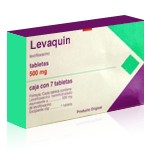
Levaquin is the brand-name formulation of Levofloxacin — one of the most clinically important "respiratory fluoroquinolones" in modern medicine. Developed by Johnson & Johnson and FDA-approved since 1996, Levofloxacin combines excellent activity against Streptococcus pneumoniae and atypical respiratory pathogens with convenient once-daily dosing — making it a cornerstone agent for community-acquired pneumonia, healthcare-associated pneumonia, and other serious respiratory tract infections.
The active ingredient is Levofloxacin, the biologically active L-isomer of Ofloxacin — providing twice the antibacterial activity of racemic Ofloxacin (Floxin). Levofloxacin works through dual inhibition of bacterial enzymes essential for DNA replication: DNA gyrase (topoisomerase II) and topoisomerase IV. By blocking these enzymes, Levofloxacin prevents bacteria from unwinding and replicating their DNA, leading to bacterial cell death.
Levaquin provides excellent activity against typical respiratory pathogens (Streptococcus pneumoniae including drug-resistant strains, H. influenzae, M. catarrhalis), atypical organisms (Mycoplasma, Chlamydia, Legionella), Gram-negative bacteria including Pseudomonas aeruginosa (slightly less active than Cipro), and Mycobacterium tuberculosis — making it a key agent in MDR-TB regimens.
Levaquin is FDA-approved for community-acquired pneumonia, hospital-acquired (nosocomial) pneumonia, acute bacterial sinusitis (restricted), acute exacerbations of chronic bronchitis (restricted), complicated UTI and acute pyelonephritis, chronic bacterial prostatitis, complicated and uncomplicated skin infections, inhalation anthrax (post-exposure), and plague treatment.
The standard dose is 250-750 mg once daily, taken orally or intravenously for 5-21 days depending on infection severity. The high-dose 750 mg short-course regimen (5 days) is approved for community-acquired pneumonia, providing intensive therapy with shorter duration. Levofloxacin should be avoided in pregnant women and patients under 18.
Important boxed warnings include tendinitis and tendon rupture (especially Achilles), peripheral neuropathy that can be permanent, CNS effects, aortic aneurysm/dissection, QT prolongation, and worsening of myasthenia gravis. The FDA has restricted fluoroquinolone use in uncomplicated infections. Generic Levofloxacin is widely available worldwide.
Free prescription
Discrete packaging
Have questions?
Quality Assurance
- Hospital Acquired Pneumonia: FDA-approved for hospital-acquired (nosocomial) pneumonia caused by susceptible organisms;
- Nosocomial Pneumonia: For nosocomial pneumonia where Gram-negative and atypical coverage is needed;
- Healthcare Associated Pneumonia: For healthcare-associated pneumonia bridging community and hospital pathogens;
- Ventilator Associated Pneumonia: Selective use in ventilator-associated pneumonia with susceptible organisms;
- Severe Pneumonia Hospital: For severe community-acquired pneumonia requiring hospital admission and broad coverage;
- CAP Outpatient Severe: For severe outpatient community-acquired pneumonia where ICU admission is not required;
- Pneumonia 5 Day Course: High-dose 750 mg short 5-day course approved for community-acquired pneumonia — intensive shorter duration;
- Drug Resistant S Pneumoniae: For pneumonia caused by drug-resistant Streptococcus pneumoniae;
- Macrolide Resistant Pneumococcus: Alternative for pneumococcal pneumonia where macrolide resistance is suspected;
- Penicillin Allergic CAP: For community-acquired pneumonia in penicillin-allergic patients;
- Acute Bacterial Sinusitis: FDA-restricted use — reserved for severe sinusitis where alternative antibiotics cannot be used;
- Chronic Bronchitis Exacerbation: FDA-restricted use for acute bacterial exacerbations of COPD requiring fluoroquinolone coverage;
- Complicated UTI Once Daily: Convenient once-daily oral therapy for complicated urinary tract infections;
- Acute Pyelonephritis Once Daily: Once-daily oral therapy for acute pyelonephritis with excellent kidney tissue penetration;
- Healthcare Associated UTI: For healthcare-associated UTI with broader Gram-negative coverage requirements;
- Chronic Bacterial Prostatitis Once Daily: Once-daily therapy for chronic bacterial prostatitis with excellent prostate tissue penetration;
- Complicated Skin Infection: For complicated skin and skin structure infections requiring fluoroquinolone coverage;
- Inhalation Anthrax: FDA-approved for inhalation anthrax post-exposure prophylaxis and treatment;
- Plague Treatment Prophylaxis: For Yersinia pestis infection including post-exposure prophylaxis and treatment;
- MDR Tuberculosis Component: Key component of multidrug-resistant tuberculosis treatment regimens worldwide;
- Pediatric Inhalation Anthrax: FDA-approved for pediatric inhalation anthrax post-exposure prophylaxis;
- Pelvic Inflammatory Disease Once Daily: Once-daily oral component of outpatient PID regimens with metronidazole;
- Bacterial Conjunctivitis Quixin: Quixin ophthalmic 0.5% solution for bacterial conjunctivitis;
- Corneal Ulcer Iquix: Iquix 1.5% ophthalmic for bacterial corneal ulcers requiring intensive therapy.
- Less Cough: Resolution of productive cough in community-acquired and hospital-acquired pneumonia;
- Better Breathing: Improvement in dyspnea and respiratory symptoms as pneumonia resolves;
- Less Chest Pain: Reduction in pleuritic chest pain associated with pneumonia;
- Better Lung Function: Improvement in oxygen saturation as bacterial pneumonia clears;
- Less Burning Urination: Resolution of dysuria in complicated UTI within 24-48 hours;
- Better Bladder Comfort: Restoration of normal bladder function as UTI resolves;
- Less Flank Pain: Resolution of flank pain in acute pyelonephritis;
- Less Perineal Pain: Reduction of perineal pain in chronic bacterial prostatitis;
- Less Sinus Pain: Reduction in facial pressure and pain of severe bacterial sinusitis;
- Better Wound Healing: Resolution of complicated skin infections with broader-spectrum coverage;
- Better Energy: Recovery from systemic infection-related fatigue;
- Better Appetite: Restoration of normal appetite as systemic infection resolves;
- Faster Recovery: Most pneumonia patients show clinical improvement within 72-96 hours;
- Better Daily Function: Return to work and normal activities as serious infection resolves;
- Less Treatment Disruption: Once-daily dosing fits naturally into morning or evening routine;
- Brand Levaquin: Original Johnson & Johnson brand of Levofloxacin with established clinical reputation since 1996;
- Generic Levofloxacin: Affordable generic versions expand global access to respiratory fluoroquinolone therapy;
- Tavanic Equivalent: Same Levofloxacin molecule as European Aventis brand Tavanic — familiar across global markets;
- Levaquin Quixin: Quixin ophthalmic 0.5% formulation for bacterial conjunctivitis;
- Iquix Ophthalmic: Iquix 1.5% high-concentration ophthalmic for bacterial corneal ulcers;
- Respiratory Fluoroquinolone: Excellent S. pneumoniae and atypical pathogen coverage — signature respiratory antibiotic;
- Once Daily Fluoroquinolone: True once-daily dosing supports excellent adherence in outpatient and inpatient therapy;
- Active L Isomer Ofloxacin: Twice the antibacterial activity of racemic Ofloxacin (Floxin) — purified active enantiomer;
- DNA Gyrase Inhibitor: Inhibits bacterial DNA gyrase essential for DNA supercoiling and replication;
- Topoisomerase IV Inhibitor: Dual-enzyme target reduces resistance development compared to single-target antibiotics;
- Streptococcus Pneumoniae Coverage: Excellent activity against drug-resistant S. pneumoniae causing community-acquired pneumonia;
- Atypical Coverage Antibiotic: Covers Mycoplasma, Chlamydia, and Legionella — key atypical respiratory pathogens;
- Pseudomonas Coverage FQ: Active against Pseudomonas aeruginosa — useful in hospital-acquired pneumonia;
- IV Oral Switch Antibiotic: Same 250-750 mg dose works orally and IV — supports hospital-to-home discharge;
- 5 Day Pneumonia Course: High-dose 5-day regimen for CAP — intensive shorter therapy improves adherence;
- MDR TB Standard: Key component of multidrug-resistant tuberculosis regimens worldwide;
- Drug Resistant Pneumococcus Therapy: First-line for drug-resistant Streptococcus pneumoniae respiratory infections;
- Penicillin Allergy Alternative Pneumonia: Alternative for community-acquired pneumonia in penicillin-allergic patients;
- Anthrax Antibiotic Standard: FDA-approved standard agent for anthrax post-exposure prophylaxis;
- Plague Antibiotic Standard: FDA-approved for Yersinia pestis infection including bioterrorism response;
- Hospital Antibiotic: Widely used in hospital settings for serious bacterial infections — signature respiratory FQ;
- WHO Essential Medicine: Listed on the WHO Model List of Essential Medicines for tuberculosis and respiratory infection therapy;
- Avoid In Pregnancy: Contraindicated in pregnancy due to potential cartilage toxicity;
- Avoid Under 18: Generally contraindicated in pediatric patients except for specific approved indications;
- Tendinopathy Risk: Boxed warning for tendinitis and tendon rupture — especially Achilles tendon;
- Aortic Aneurysm Warning: FDA warning for aortic aneurysm and dissection — avoid in high-risk patients;
- Avoid With Antacids: Antacids and mineral supplements (Ca, Mg, Al, Fe, Zn) reduce absorption significantly;
- QT Monitoring: Avoid in patients with QT prolongation risk or on QT-prolonging medications;
- FDA Use Restrictions: FDA has restricted fluoroquinolone use to reserve them for serious infections.
Generic Levaquin (Levofloxacin 250 mg) Medication guide:
📖 What is Levaquin and where levofloxacin fits in modern practice
Levaquin is the original brand name for levofloxacin, a third-generation respiratory fluoroquinolone antibiotic developed by Daiichi Sankyo and marketed in the US by Ortho-McNeil-Janssen from 1996 through the patent expiration in 2011. Levofloxacin is the L-isomer of ofloxacin and possesses roughly twice the antibacterial activity of the racemic mixture.
🔑 Key facts at a glance
- Class: respiratory (third-generation) fluoroquinolone
- Mechanism: DNA gyrase and topoisomerase IV inhibition, bactericidal
- Oral bioavailability: 99 percent — virtually equivalent to IV administration
- Half-life: 6 to 8 hours — supports once-daily dosing
- Standard doses: 500 mg or 750 mg tablets, once daily
- Renal excretion: 80 percent unchanged — dose adjustment required
- Pregnancy category: C — avoid unless benefit outweighs risk
⚠️ FDA BLACK BOX WARNINGS
Levaquin carries multiple FDA BLACK BOX WARNINGS shared across the fluoroquinolone class:
- Tendon rupture and tendinitis
- Peripheral neuropathy (can be irreversible)
- Central nervous system effects (seizures, psychosis, delirium)
- Exacerbation of myasthenia gravis
- Aortic aneurysm and dissection (FDA 2018)
- Hypoglycemia (FDA 2018)
- Mental health effects (FDA 2018)
Because of the collective adverse effect burden documented by post-marketing epidemiology, the FDA has progressively restricted fluoroquinolone use since 2016 to indications where the benefits outweigh the substantial risks, and specifically discouraged fluoroquinolone use for uncomplicated sinusitis, uncomplicated bronchitis, and uncomplicated UTI when alternative agents are available.
✅ Where levofloxacin retains a defined role
Community-acquired pneumonia in patients with comorbidities or requiring hospitalisation, hospital-acquired and ventilator-associated pneumonia empiric coverage, complicated UTI and acute pyelonephritis, chronic bacterial prostatitis, severe COPD exacerbation with resistant pathogen risk, and inhalational anthrax post-exposure prophylaxis are the modern niches where levofloxacin's risks are proportionate to expected benefits.
🕑 History: 1996 Janssen approval to today generic era
Levofloxacin was developed as the pure L-isomer of ofloxacin by Daiichi Sankyo (Japan) and licensed to Ortho-McNeil-Janssen for the US market. FDA approval followed in 1996 under NDA 020634 for Levaquin. It joined ciprofloxacin as one of the two dominant fluoroquinolones of the late 1990s and 2000s before FDA safety restrictions reshaped the class.
| Year | Milestone |
|---|---|
| Late 1980s | Daiichi Sankyo isolates the active L-isomer of ofloxacin, doubling potency |
| 1993 | Levofloxacin first approved in Japan (Cravit brand) |
| 1996 | FDA approval NDA 020634 for Levaquin (Ortho-McNeil-Janssen) |
| Late 1990s | Levaquin becomes dominant respiratory fluoroquinolone; joins ATS-IDSA CAP guidelines |
| 2004 | 750 mg once-daily short-course regimen approved |
| July 2008 | FDA BLACK BOX WARNING added for tendon rupture and tendinitis |
| 2011 | Levaquin US patent expires; generic levofloxacin enters market |
| August 2013 | FDA BLACK BOX WARNING update for peripheral neuropathy |
| May 2016 | FDA restricts fluoroquinolone use for uncomplicated ABS, ABECB, and uncomplicated UTI |
| 2017 | Johnson & Johnson (Janssen) discontinues brand-name Levaquin in the US market |
| July 2018 | FDA hypoglycemia and mental health safety communication |
| December 2018 | FDA aortic aneurysm and dissection safety communication |
| 2019 to present | Continued stewardship pressure reduces global fluoroquinolone prescribing |
🧪 A 25-year arc from blockbuster to reserved agent
Levaquin's trajectory illustrates the evolving understanding of fluoroquinolone class harms. Once one of the top-selling antibiotics globally, it moved from empiric first-line status across many indications to a reserved agent for specific niches. Generic levofloxacin remains widely available at low cost, but its use is now framed by explicit risk-benefit consideration in every prescription.
⚙️ Mechanism: DNA gyrase and topoisomerase IV inhibition
Levofloxacin, like all fluoroquinolones, works by inhibiting two essential bacterial enzymes: DNA gyrase (topoisomerase II) and topoisomerase IV. Both enzymes manage DNA supercoiling and chromosome separation. When both are inhibited simultaneously, bacterial DNA replication halts and the cell dies.
🧬 Dual-target mechanism
- DNA gyrase (topoisomerase II) — primary target in gram-negatives
- Introduces negative supercoils ahead of the replication fork so DNA can be unwound. Inhibition traps DNA-gyrase complex and creates double-strand breaks.
- Topoisomerase IV — primary target in gram-positives
- Separates linked daughter chromosomes at end of replication. Inhibition prevents chromosome segregation.
- Bactericidal action
- Trapped topoisomerase-DNA-drug complexes create lethal DNA breaks. Death is concentration-dependent and rapid.
🔬 PK/PD target: peak/MIC and AUC/MIC
Fluoroquinolone activity is concentration-dependent. Efficacy correlates with peak-to-MIC ratio (aim for ≥ 10) and 24-hour AUC-to-MIC ratio (aim for 100 to 125 for pneumococcal CAP). Once-daily dosing exploits this by maximising peak concentration. The 750 mg dose gives higher peak than 500 mg, enabling shorter 5-day courses for CAP.
Bacterial resistance to fluoroquinolones develops through several mechanisms, and unfortunately resistance rates have risen substantially over the past two decades:
🔴 Resistance mechanisms
- Chromosomal target mutations
- Point mutations in gyrA, gyrB, parC, parE genes reduce binding affinity. Stepwise accumulation of mutations increases resistance level.
- Efflux pumps
- Bacterial efflux systems (AcrAB in Enterobacteriaceae, NorA in staphylococci) actively pump fluoroquinolones out.
- Plasmid-mediated resistance
- Qnr proteins protect DNA gyrase from fluoroquinolone binding. AAC(6')-Ib-cr enzyme acetylates ciprofloxacin and norfloxacin.
- Porin loss
- Gram-negative bacteria lose outer membrane porins reducing fluoroquinolone entry.
📈 Resistance trends worth knowing
Community E. coli fluoroquinolone resistance now exceeds 20 to 30 percent in many US regions and higher internationally. Pneumococcal fluoroquinolone resistance remains under 2 percent but has been rising. Pseudomonas aeruginosa fluoroquinolone resistance in hospitalised patients often exceeds 20 to 30 percent. These trends have contributed to the narrower modern indication set.
🧬 Levofloxacin among the fluoroquinolones
The fluoroquinolone class has been developed across multiple generations, each adding spectrum but also, in most cases, adding safety concerns. Levofloxacin sits in the third generation as a respiratory fluoroquinolone with strong pneumococcal coverage.
| Generation | Examples | Primary use |
|---|---|---|
| 1st (quinolone) | Nalidixic acid | Uncomplicated UTI (historical) |
| 2nd | Ciprofloxacin, ofloxacin, norfloxacin | Gram-negative infection, UTI, GI infection |
| 3rd (respiratory) | Levofloxacin, moxifloxacin, gemifloxacin | Respiratory: CAP, HAP, ABECB, ABS |
| 4th | Trovafloxacin (withdrawn), gatifloxacin (restricted) | Broad spectrum with anaerobe coverage (mostly withdrawn) |
🔗 Where levofloxacin stands out
- Reliable pneumococcal coverage including penicillin-resistant strains — distinct advantage over ciprofloxacin
- Once-daily dosing from 6-to-8-hour half-life
- 99 percent oral bioavailability enabling IV-to-oral switch therapy
- Atypical coverage (Mycoplasma, Legionella, Chlamydia) makes CAP monotherapy possible
- Balanced spectrum: pneumococcus, gram-negatives, atypicals
- Lower QT prolongation signal than moxifloxacin
🔴 What each generation lost
The fluoroquinolone development history contains multiple withdrawn or restricted agents: temafloxacin (1992 — hemolytic anemia), trovafloxacin (1999 — hepatotoxicity), grepafloxacin (1999 — QT prolongation), gatifloxacin (2006 — hypoglycemia). This history informs the current cautious framework around the surviving members of the class.
🦠 Broad-spectrum activity but with important gaps
Levofloxacin has a broad but not universal spectrum: excellent against most respiratory pathogens including atypicals, strong against gram-negative Enterobacteriaceae, and moderate against gram-positives. Notable gaps include reliable MRSA coverage (weak) and anaerobes.
✅ Reliable coverage
- Streptococcus pneumoniae including penicillin-resistant and macrolide-resistant strains
- Haemophilus influenzae including beta-lactamase producing
- Moraxella catarrhalis
- Mycoplasma pneumoniae — atypical CAP
- Chlamydophila pneumoniae — atypical CAP
- Legionella pneumophila — atypical CAP, agent of choice
- Escherichia coli — where susceptible (falling rates)
- Klebsiella pneumoniae, Proteus, Enterobacter — where susceptible
- Pseudomonas aeruginosa — where susceptible (declining reliability)
- MSSA — moderate coverage; not first-line
- Bacillus anthracis — anthrax post-exposure and treatment
- Yersinia pestis — plague
⛔ No reliable coverage
- MRSA — unreliable, do not use as monotherapy
- Enterococcus faecalis and faecium — poor and unreliable
- Anaerobes below diaphragm (Bacteroides fragilis)
- Fluoroquinolone-resistant Enterobacteriaceae — rising rates
- ESBL-producing gram-negatives often carry co-resistance
- Multi-drug resistant Pseudomonas
- Carbapenemase-producing organisms
- Clostridioides difficile — and fluoroquinolones are a major CDI trigger
🧪 Coverage strategy
Levofloxacin's respiratory pathogen coverage is its defining strength — the combination of pneumococcus (including drug-resistant) plus atypicals plus gram-negatives makes it viable as CAP monotherapy where a narrow beta-lactam plus macrolide combination would otherwise be needed. Its rising resistance and adverse effect burden mean that this strength should be deployed selectively, not empirically.
💉 Near-IV oral bioavailability and once-daily dosing
Levofloxacin's pharmacokinetics are why it dominated the fluoroquinolone market for two decades: 99 percent oral bioavailability, food-independent absorption, wide tissue distribution, and predictable renal elimination.
| PK parameter | Value |
|---|---|
| Oral bioavailability | 99 percent — virtually IV-equivalent |
| Food effect | Modest — take without food when possible |
| Time to peak (Cmax) | 1 to 2 hours |
| Serum peak (500 mg) | 5 to 6 mcg/mL |
| Serum peak (750 mg) | 8 to 12 mcg/mL |
| Protein binding | 24 to 38 percent (low) |
| Volume of distribution | 1.1 to 1.4 L/kg (wide) |
| Serum half-life | 6 to 8 hours — supports once-daily dosing |
| Half-life in ESRD | 27 to 35 hours |
| Renal excretion | 80 percent unchanged in urine |
| Metabolism | Minimal hepatic; not major CYP substrate |
🌐 Tissue distribution highlights
- Lung tissue and epithelial lining fluid
- Concentrations 2 to 5 times serum — excellent respiratory tract penetration
- Alveolar macrophages
- High intracellular concentrations — effective against Legionella and intracellular pathogens
- Prostate tissue
- Excellent penetration — foundation for chronic prostatitis role
- Urine
- Concentrations 100 to 300 mcg/mL — ample for uropathogen coverage
- Bone
- 40 to 60 percent serum — useful for osteomyelitis (though safety concerns limit long courses)
- CSF
- 30 to 50 percent serum with inflamed meninges — some CNS activity
🔄 IV-to-oral switch
Because oral bioavailability approaches 100 percent, IV-to-oral switch of levofloxacin can be made without dose adjustment. This is a major hospital stewardship advantage — early switch reduces IV line days, length of stay, and IV-related complications. Switch as soon as the patient tolerates oral medications and is clinically improving.
🏥 FDA-approved indications and the 2016 label revisions
Levaquin's original FDA labelling covered a broad range of infections. The May 2016 FDA Safety Communication substantially restricted this scope by advising against fluoroquinolone use for uncomplicated indications when alternatives are available.
🎯 Currently supported FDA-approved indications
- Nosocomial (hospital-acquired) pneumonia — in combination or as directed by susceptibility
- Community-acquired pneumonia — outpatient with comorbidities and inpatient
- Complicated skin and skin structure infections
- Chronic bacterial prostatitis — 4 to 6 week courses
- Complicated urinary tract infections
- Acute pyelonephritis
- Inhalational anthrax — post-exposure and treatment
- Plague — treatment and prophylaxis
⛔ FDA-restricted indications (May 2016 Safety Communication)
The FDA advises AGAINST fluoroquinolone use for these indications when alternative agents are available:
- Uncomplicated urinary tract infection (cystitis) — nitrofurantoin, fosfomycin, TMP-SMX preferred
- Acute bacterial exacerbation of chronic bronchitis — amoxicillin, doxycycline, macrolide preferred
- Acute bacterial sinusitis — amoxicillin-clavulanate preferred
FDA position: "The serious side effects associated with fluoroquinolone antibacterial drugs generally outweigh the benefits for patients with acute sinusitis, acute bronchitis, and uncomplicated urinary tract infections who have other treatment options."
| FDA safety communication | Focus |
|---|---|
| July 2008 | BLACK BOX for tendon rupture and tendinitis |
| August 2013 | BLACK BOX update for peripheral neuropathy |
| May 2016 | Restricted use for uncomplicated ABS/ABECB/UTI |
| July 2016 | Disabling and potentially permanent side effects warning |
| July 2018 | Hypoglycemia and mental health effects |
| December 2018 | Aortic aneurysm and dissection risk |
🫁 Community-acquired pneumonia
Community-acquired pneumonia (CAP) is the indication where levofloxacin retains its most defined modern role. The 2019 ATS-IDSA CAP guideline (Metlay et al) lists respiratory fluoroquinolones as first-line for outpatient CAP with comorbidities and as inpatient monotherapy for non-ICU CAP.
| CAP scenario | Levofloxacin regimen |
|---|---|
| Outpatient CAP with comorbidities | 750 mg PO daily for 5 days monotherapy |
| Inpatient non-ICU CAP | 750 mg IV/PO daily for 5 to 7 days monotherapy |
| Severe CAP requiring ICU | Beta-lactam + macrolide preferred; levofloxacin + beta-lactam alternative |
| CAP with Pseudomonas risk | Antipseudomonal beta-lactam + levofloxacin 750 mg |
| CAP in penicillin-allergic patient | Levofloxacin 750 mg monotherapy acceptable |
✅ Why levofloxacin fits CAP monotherapy
- Reliable pneumococcal coverage including penicillin-resistant strains
- Atypical coverage (Mycoplasma, Legionella, Chlamydia) built in
- H. influenzae and Moraxella coverage
- Once-daily dosing supports outpatient adherence
- 99 percent oral bioavailability enables early IV-to-oral switch inpatient
- Legionella coverage is a distinct advantage — agent of choice for Legionella pneumonia
⚠️ Risk-benefit reality check
The 2019 ATS-IDSA CAP guideline still lists respiratory fluoroquinolones as first-line monotherapy in these scenarios, but explicitly acknowledges the growing preference for beta-lactam + macrolide combinations due to fluoroquinolone safety concerns. Individual prescribers should weigh patient-specific factors: tendon history, aortic disease, QT baseline, seizure risk, mental health history, glucose control, and pregnancy status.
🗓️ Duration matters
The 750 mg 5-day regimen (approved 2004) is preferred over the 500 mg 7-to-14 day regimen for CAP based on PK/PD (higher peak concentration meeting AUC/MIC target for pneumococcus). Shorter courses reduce fluoroquinolone exposure and adverse effect risk.
🏥 Nosocomial and ventilator-associated pneumonia
Hospital-acquired and ventilator-associated pneumonia (HAP/VAP) require broader empiric coverage than CAP because of frequent resistant gram-negative and multi-drug-resistant pathogens. Levofloxacin plays a defined role in empiric HAP/VAP regimens per ATS-IDSA 2016 guidelines (Kalil et al).
📋 Empiric HAP/VAP roles for levofloxacin
- Low-risk HAP monotherapy
- Levofloxacin 750 mg IV daily — acceptable if low risk of MDRO and low prior antibiotic exposure
- Standard HAP/VAP empirical regimen
- Antipseudomonal beta-lactam (pip-tazo, cefepime, meropenem) + levofloxacin 750 mg for double gram-negative coverage
- Anti-MRSA coverage addition
- Vancomycin or linezolid added when MRSA risk is present
- Legionella suspicion in nosocomial CAP
- Levofloxacin monotherapy or as component — agent of choice for Legionella
🧪 De-escalation strategy
Empiric levofloxacin in HAP/VAP is meant to be de-escalated within 48 to 72 hours based on culture results and susceptibility. If cultures are negative and clinical improvement is sustained, the fluoroquinolone component is often the first to drop. If susceptibility supports narrower coverage, switch to a beta-lactam or oral step-down. This limits total fluoroquinolone exposure and adverse effect risk.
| Nosocomial pathogen | Levofloxacin activity |
|---|---|
| Pseudomonas aeruginosa | Variable — 70 to 85 percent susceptible historically, dropping |
| Klebsiella pneumoniae | Susceptible if not ESBL or CRE |
| Enterobacter, Serratia | Susceptible if wild-type |
| Acinetobacter baumannii | Variable to poor |
| MSSA | Susceptible; not first-line |
| MRSA | Unreliable; do not use empirically |
| ESBL and carbapenemase producers | Frequently co-resistant to fluoroquinolones |
🔴 Local antibiogram matters
Empiric levofloxacin for HAP/VAP should reflect local hospital antibiogram. In institutions where Pseudomonas fluoroquinolone susceptibility is under 80 percent, alternative empiric coverage (aminoglycoside plus beta-lactam) may be more appropriate. Antimicrobial stewardship team input is standard for HAP/VAP empirics.
🖨️ Acute bacterial sinusitis role narrowed
Acute bacterial sinusitis (ABS) is one of the indications explicitly restricted by the May 2016 FDA Safety Communication. Levofloxacin is now reserved for ABS only when alternative agents are unsuitable, have failed, or when the patient has severe symptoms with resistance risk.
⛔ FDA position on ABS (2016)
"The serious side effects associated with fluoroquinolone antibacterial drugs generally outweigh the benefits for patients with acute sinusitis... who have other treatment options." First-line remains amoxicillin-clavulanate per IDSA. Fluoroquinolone reserved for treatment failure or specific patient factors.
| ABS scenario | Levofloxacin role |
|---|---|
| First-episode uncomplicated adult ABS | Not first-line; use amox-clav |
| Amox-clav failure at 48 to 72 hours | Acceptable second-line |
| Non-anaphylactic penicillin allergy | Doxycycline preferred over levofloxacin |
| Anaphylactic penicillin allergy | Levofloxacin or doxycycline acceptable |
| Complicated ABS with orbital involvement | Specialist care; IV levofloxacin or ceftriaxone |
| Recent antibiotic exposure with resistance risk | Consider levofloxacin second-line after amox-clav failure |
📋 If used, standard dosing
- 500 mg PO daily for 10 to 14 days
- Or 750 mg PO daily for 5 days
- Take without food when possible
- Warn about tendon, neuropathy, aortic, and CNS warning signs
🚻 Complicated UTI and acute pyelonephritis
Complicated UTI and acute pyelonephritis remain among the indications where levofloxacin retains a defined role — but rising community E. coli resistance and stewardship pressure have narrowed empiric use here as well. Uncomplicated cystitis is explicitly restricted by the FDA 2016 communication.
| UTI scenario | Levofloxacin role |
|---|---|
| Uncomplicated cystitis | Not first-line (FDA 2016 restricted) — use nitrofurantoin, fosfomycin, TMP-SMX |
| Complicated cystitis | Acceptable if susceptibility confirmed |
| Acute pyelonephritis outpatient | 750 mg PO daily for 5 days if regional E. coli FQ susceptibility > 90 percent |
| Acute pyelonephritis inpatient | IV ceftriaxone first-line; levofloxacin acceptable if susceptibility |
| Catheter-associated UTI | Susceptibility-guided; not empirical unless local rates support |
| Pregnancy UTI | Contraindicated — use beta-lactam or nitrofurantoin |
| Pediatric UTI | Not routine; used only when alternatives unsuitable |
🔬 Pyelonephritis 5-day regimen
The Talan et al 2000 trial and subsequent studies established that levofloxacin 750 mg PO daily for 5 days is equivalent to 10 to 14 days of standard regimens for uncomplicated acute pyelonephritis. This shortened course reduces cumulative fluoroquinolone exposure and is now the preferred outpatient regimen where susceptibility supports use.
🔴 Susceptibility-guided prescribing is essential
Empiric levofloxacin for community-acquired UTI is no longer supported in most US regions where E. coli fluoroquinolone resistance exceeds 20 percent. Culture and susceptibility should guide use. Empirical use is acceptable only where local resistance rates are documented under 10 percent for the target uropathogen.
🍃 Chronic bacterial prostatitis
Chronic bacterial prostatitis (CBP) is one of the classic fluoroquinolone niches. Levofloxacin's excellent prostatic tissue penetration and gram-negative coverage against E. coli (the dominant CBP pathogen) make it first-line where susceptibility supports use.
| Chronic prostatitis dosing | Details |
|---|---|
| Standard dosing | 500 mg PO daily for 4 to 6 weeks |
| Alternative | TMP-SMX 6 to 12 weeks (if isolate susceptible) |
| Failure or recurrence | Extended course to 3 months; specialist referral |
| Confirmed E. faecalis | Amoxicillin preferred over fluoroquinolone |
🔬 Why fluoroquinolones for prostate
- Prostate tissue concentration exceeds serum — the physical barrier that limits most antibiotics does not limit fluoroquinolones
- Reliable coverage of E. coli, Klebsiella, Proteus (dominant CBP pathogens)
- Excellent oral bioavailability supports extended outpatient courses
- Once-daily dosing supports adherence over 4-to-6 week duration
- Tissue penetration exceeds TMP-SMX for many patients
⚠️ Balancing 4-to-6 week exposure with FQ toxicity
Chronic prostatitis courses are 4 to 6 weeks — this substantially raises cumulative fluoroquinolone exposure and cumulative adverse effect risk compared with 5-to-14 day courses for other indications. Patient counselling about tendon, aortic, neuropathy, and CNS warning signs is particularly important for CBP courses. Baseline assessment of tendon health, aortic imaging history, and mental health status is prudent.
🗓️ Diagnostic confirmation
Chronic prostatitis diagnosis (NIH Category II) requires Meares-Stamey 4-glass or 2-glass test demonstrating leukocytes and bacteria in post-prostatic massage urine or expressed prostatic secretions. Empirical fluoroquinolone use for undifferentiated pelvic pain syndrome (Category III — chronic pelvic pain syndrome) is not supported and unnecessarily exposes patients to fluoroquinolone risks without proven benefit.
💊 Adult dosing: 500 mg vs 750 mg once daily
Adult levofloxacin dosing has two main forms: 500 mg once daily for standard courses and 750 mg once daily for high-peak short-course regimens supported by PK/PD modelling.
| Indication | Adult regimen | Duration |
|---|---|---|
| Outpatient CAP with comorbidities | 750 mg PO daily | 5 days |
| Inpatient non-ICU CAP | 750 mg IV/PO daily | 5 to 7 days |
| HAP/VAP empiric component | 750 mg IV daily | 7 to 14 days |
| Acute pyelonephritis (outpatient) | 750 mg PO daily | 5 days |
| Complicated UTI | 750 mg IV/PO daily | 5 to 10 days |
| Chronic bacterial prostatitis | 500 mg PO daily | 4 to 6 weeks |
| Complicated SSTI | 750 mg IV/PO daily | 7 to 14 days |
| Acute bacterial sinusitis (reserved) | 500 mg PO daily or 750 mg PO daily | 10 to 14 days or 5 days |
| Inhalational anthrax post-exposure | 500 mg PO daily | 60 days |
| Plague | 500 mg PO/IV daily | 10 to 14 days |
🤔 500 mg vs 750 mg — which to pick
- 750 mg once daily
- Higher peak concentration, better AUC/MIC targeting for pneumococcus, supports shorter 5-day courses for CAP and pyelonephritis. Approved 2004. Preferred where short-course is appropriate.
- 500 mg once daily
- Adequate exposure for extended-duration indications (chronic prostatitis 4 to 6 weeks). Also used when higher peak toxicity concerns predominate (elderly, renal impairment where 750 mg not appropriate).
🍴 Administration
- Take at least 2 hours before or 2 hours after antacids, iron, calcium, zinc, magnesium, sucralfate, or dairy products — chelation destroys absorption
- Take with or without food otherwise
- Swallow tablets whole with a full glass of water
- Complete the full course even if symptoms resolve early
- Stop and contact prescriber for tendon pain, unusual mood changes, or numbness
🔬 Renal impairment adjustment
Levofloxacin is predominantly renally eliminated (80 percent unchanged in urine). Dose adjustment is essential in moderate to severe renal impairment. Failure to adjust risks accumulation and amplifies the already substantial adverse effect burden.
| Creatinine clearance (mL/min) | 750 mg regimen adjustment | 500 mg regimen adjustment |
|---|---|---|
| Above 50 | 750 mg every 24 h (no adjustment) | 500 mg every 24 h (no adjustment) |
| 20 to 49 | 750 mg every 48 h | 500 mg initial, then 250 mg every 24 h |
| 10 to 19 | 750 mg initial, then 500 mg every 48 h | 500 mg initial, then 250 mg every 48 h |
| Hemodialysis or CAPD | 750 mg initial, then 500 mg every 48 h | 500 mg initial, then 250 mg every 48 h |
🔴 What accumulation causes
- QT prolongation and torsades risk increases with elevated serum concentrations
- CNS effects (delirium, seizures, tremor) more likely with accumulation
- Peripheral neuropathy may be more likely with extended high concentration
- Tendon rupture risk elevated with accumulation, especially in elderly
- Hypoglycemia in diabetics amplified with accumulation
📋 Practical renal prescribing
- Estimate CrCl by Cockcroft-Gault before every levofloxacin prescription in older adults
- Use the loading dose then interval extension approach in CrCl below 50
- Avoid 750 mg regimen in CrCl below 20 — use 500 mg loading with 250 mg maintenance
- For chronic prostatitis 4 to 6 weeks in renal impairment: consider alternative agent
- Hepatic impairment: no adjustment required
🧪 Elderly and renal function decline
Age-related GFR decline is often unrecognised. A serum creatinine at 1.0 mg/dL in a healthy 30-year-old means normal GFR; in an 85-year-old woman with low muscle mass, the same creatinine may correspond to CrCl of 30 to 40. Calculating estimated CrCl before every fluoroquinolone prescription in adults over 65 is prudent because the class's adverse effect burden falls disproportionately on this population.
💥 Drug interactions: chelation, warfarin, and QT
Levofloxacin has several important drug interactions despite minimal CYP metabolism. Chelation with divalent cations is the most common absorption problem, and QT prolongation with other QT-prolonging drugs is the most dangerous cardiovascular interaction.
🔴 Chelation interactions — absorption destroyed
These cations bind levofloxacin in the GI tract and prevent absorption. Space at least 2 hours before or 2 hours after:
- Antacids containing aluminum, magnesium, or calcium
- Iron supplements (ferrous sulfate, ferrous gluconate)
- Calcium supplements and dairy products (milk, yogurt, cheese)
- Zinc supplements and multivitamins with minerals
- Sucralfate
- Didanosine buffered formulations
- Bismuth-containing products
💓 QT prolongation interactions
Concurrent use of levofloxacin with other QT-prolonging drugs additively increases torsades risk. Consider ECG monitoring or alternative agent for:
- Class IA antiarrhythmics: quinidine, procainamide, disopyramide
- Class III antiarrhythmics: amiodarone, sotalol, dofetilide, dronedarone
- Macrolide antibiotics: azithromycin, erythromycin, clarithromycin
- Antipsychotics: haloperidol, ziprasidone, thioridazine, chlorpromazine
- Tricyclic antidepressants (some), citalopram, escitalopram at high doses
- Antifungals: fluconazole (dose-dependent), voriconazole
- Ondansetron, methadone, cocaine
| Other important interaction | Effect and management |
|---|---|
| Warfarin | May increase INR — monitor day 3 to 5 during and after therapy |
| NSAIDs | Additive CNS excitation, seizure risk — avoid combined use |
| Insulin, sulfonylureas | Hypoglycemia risk — monitor blood glucose closely, especially day 3 to 5 |
| Corticosteroids | Amplified tendon rupture risk — avoid concurrent use if possible |
| Theophylline | Increased theophylline levels — monitor and reduce theophylline dose |
| Cyclosporine | Elevated cyclosporine levels — monitor levels |
| Probenecid | Reduces levofloxacin renal excretion — monitor for toxicity |
🧪 Practical framework
Review medication list before every levofloxacin prescription. QT interactions in patients with baseline QTc > 450 ms, structural heart disease, or electrolyte disturbances (hypokalemia, hypomagnesemia) warrant either alternative agent or ECG surveillance. Warfarin patients need INR check during and after the course. Diabetic patients on hypoglycemic agents need glucose monitoring.
🤰 Pregnancy category C and avoidance
Levofloxacin is FDA Pregnancy Category C and generally avoided during pregnancy and breastfeeding. Fluoroquinolones cause cartilage lesions in animal studies. Human data are more reassuring but still recommend against routine use.
⛔ Pregnancy avoidance
- Category C — animal cartilage effects with unclear human significance
- Levofloxacin crosses the placenta at low concentrations
- Alternative safer agents exist for nearly all standard indications during pregnancy
- Use only when clearly indicated and no acceptable alternative is available (severe infections, resistant pathogens, life-threatening scenarios)
- Inhalational anthrax exposure is an acknowledged exception where fluoroquinolones remain appropriate in pregnancy
| Pregnancy indication | Preferred alternative to levofloxacin |
|---|---|
| UTI, cystitis | Beta-lactam or nitrofurantoin (2nd trimester) |
| Pyelonephritis | IV ceftriaxone, ampicillin-gentamicin |
| CAP | Beta-lactam + macrolide (azithromycin category B) |
| ABS | Amoxicillin or amox-clav |
| Inhalational anthrax post-exposure | Ciprofloxacin or levofloxacin acceptable (life-threatening indication) |
👶 Lactation
Levofloxacin passes into breast milk in low but detectable concentrations. LactMed lists levofloxacin as one to avoid or use with caution. Short courses may be acceptable with monitoring of the nursing infant for GI symptoms. Extended courses (chronic prostatitis) are best deferred or the infant weaned. For most infections in a lactating mother, safer alternative agents exist.
🤔 Common adverse effects
Levofloxacin's common adverse effects overlap with other fluoroquinolones. Most are mild and manageable; some warn of the more serious effects addressed in later sections.
| Adverse effect | Approximate frequency | Management |
|---|---|---|
| Nausea | 5 to 10 percent | Take without food; usually mild |
| Diarrhea | 5 to 10 percent | Hydration; watch for CDI signs (see next section) |
| Headache | 4 to 8 percent | Usually mild; self-limited |
| Dizziness | 3 to 5 percent | Fall precautions; may signal CNS effect |
| Insomnia | 3 to 5 percent | Take in the morning; may signal CNS effect |
| Constipation | 2 to 4 percent | Hydration; usually mild |
| Abdominal pain | 2 to 5 percent | Take with small food if severe |
| Vaginal candidiasis | 3 to 5 percent (women) | Topical azole or single-dose fluconazole |
| Rash | 2 to 4 percent | Stop and evaluate if extensive |
| Photosensitivity | 1 to 3 percent | Sun avoidance, SPF, protective clothing (see section 19) |
| Injection site reaction (IV) | Uncommon | Site rotation; monitor for phlebitis |
⚠️ Symptoms warranting immediate discontinuation and evaluation
- Tendon pain or swelling, especially Achilles — see section 23
- Numbness, tingling, burning, or weakness in extremities — see section 21
- Confusion, hallucinations, agitation, or suicidal thoughts — see section 25
- Sudden severe chest, back, or abdominal pain (aortic dissection) — see section 24
- Palpitations or syncope (QT prolongation) — see section 26
- Extensive rash, especially with fever or blistering (SJS/TEN, DRESS)
- Severe or bloody diarrhea (CDI) — see next section
- Symptoms of hypoglycemia in diabetic patients — sweating, tremor, confusion
🧫 Diarrhea and the elevated CDI risk
Levofloxacin, like all fluoroquinolones, carries a high risk of Clostridioides difficile infection. Along with clindamycin, cephalosporins, and carbapenems, fluoroquinolones are among the top CDI triggers in modern practice.
| Antibiotic class | Relative CDI risk |
|---|---|
| Penicillin V | Low |
| Amoxicillin | Low to moderate |
| 1st-gen cephalosporins | Moderate |
| 3rd-gen cephalosporins | High |
| Fluoroquinolones (Levaquin) | High |
| Clindamycin | Highest (BLACK BOX) |
🔴 Recognising CDI during or after therapy
- Watery diarrhea ≥ 3 loose stools per 24 hours
- Abdominal cramping
- Fever (variable, may be absent)
- Bloody diarrhea in severe cases
- Onset during course OR up to 8 weeks after finishing
- Elevated white cell count
- Rising creatinine may indicate severe disease
🩹 Management if CDI develops
- Stop levofloxacin immediately if clinical situation permits
- Send stool for C. difficile toxin PCR or EIA
- Isolation with contact precautions if hospitalised
- Do not use loperamide — can worsen toxic megacolon
- Treat per IDSA 2021: fidaxomicin 200 mg PO BID for 10 days or oral vancomycin 125 mg QID for 10 days first-line
- Adequate hydration and electrolyte correction
- Surgical consultation for severe or fulminant disease
🧪 Prevention through stewardship
Because fluoroquinolones are a top CDI driver, avoiding unnecessary use has become a central hospital stewardship target. Multiple US healthcare systems have reduced hospital-acquired CDI by 30 to 60 percent through targeted fluoroquinolone restriction. Individual prescribing decisions matter: each avoided fluoroquinolone course reduces institutional and community CDI burden.
☀️ Photosensitivity and dermatologic effects
Fluoroquinolones cause phototoxic and photoallergic reactions. Levofloxacin sits in the lower-risk end of the class (compared with lomefloxacin or sparfloxacin, both largely withdrawn for this reason). Nonetheless, sun protection counselling is standard.
☀️ Phototoxicity pattern
- Appears within hours of sun exposure
- Exaggerated sunburn appearance — erythema, oedema, sometimes blistering
- Sun-exposed areas only
- Not immune-mediated — dose-related and predictable
- Resolves days after sun avoidance and drug discontinuation
🌞 Photoallergic pattern
- Delayed onset (24 to 72 hours after exposure)
- Eczematous rash, sometimes spreading beyond sun-exposed areas
- Requires prior sensitisation
- Immune-mediated — may persist after drug stopped
- Rare with levofloxacin compared with earlier fluoroquinolones
✅ Sun protection counselling
- Minimise direct sun exposure during and for 1 week after the course
- Broad-spectrum SPF 30 or higher sunscreen when outdoors
- Protective clothing, wide-brim hats
- Avoid sunbeds and tanning devices
- Report exaggerated sunburn reactions — discontinuation may be needed
- Counsel especially patients on prolonged courses (chronic prostatitis 4 to 6 weeks) or during summer
💡 Other dermatologic effects to know
- Non-photosensitive rash (2 to 4 percent) — usually mild
- Urticaria — may indicate hypersensitivity, stop drug
- Fixed drug eruption — rare
- Stevens-Johnson syndrome and TEN — rare but reported, emergency discontinuation
- DRESS syndrome — rare with fluoroquinolones but possible
- Erythema multiforme — rare
⚠️ Fluoroquinolone-associated disabling adverse effects syndrome
Fluoroquinolone-associated disabling adverse effects (FQAD) is a syndrome recognised in the FDA July 2016 label revision. It describes clusters of severe, sometimes permanent, multi-system adverse effects that can develop during or after fluoroquinolone therapy.
⚠️ FDA 2016 language
"Fluoroquinolones have been associated with disabling and potentially permanent serious side effects that can occur together. These side effects can involve the tendons, muscles, joints, nerves, and central nervous system." This warning applies to all fluoroquinolones including levofloxacin.
🔬 Body systems affected in FQAD
- Tendons
- Tendinitis, tendon rupture, chronic tendonopathy (see section 23)
- Muscles
- Muscle pain, weakness, rhabdomyolysis
- Joints
- Arthralgia, cartilage effects (theoretical concern in pediatrics)
- Nervous system peripheral
- Peripheral neuropathy — sometimes irreversible (see section 21)
- Central nervous system
- Anxiety, depression, insomnia, memory impairment, psychosis, hallucinations, seizures (see section 25)
- Sensory
- Vision changes, hearing changes, ringing in ears, taste disturbance
🔴 Onset and course
- Can develop within hours to weeks of starting a fluoroquinolone
- Can develop after finishing a course — sometimes weeks later
- Single dose exposure can be sufficient in susceptible individuals
- Some effects may be permanent despite drug discontinuation
- Patient advocacy groups have documented cases where symptoms persist for years
📋 What the FDA advises prescribers
- Reserve fluoroquinolones for infections where the benefit outweighs the substantial risk
- Do not use for uncomplicated ABS, ABECB, or uncomplicated UTI when alternatives are available
- Discuss the risks with patients before prescribing
- Discontinue at the first sign of tendon pain, neuropathy, or CNS effects
- Report suspected FQAD to FDA MedWatch
- Recognise that some effects may persist after discontinuation
🧠 Peripheral neuropathy: irreversible in some cases
Peripheral neuropathy is one of the most concerning fluoroquinolone effects because it can be irreversible. The FDA August 2013 BLACK BOX WARNING update emphasised early recognition and immediate discontinuation.
🔴 Neuropathy presentation
- Pain in extremities — burning, aching, shooting
- Numbness or tingling in hands, feet, or both
- Weakness of grip, foot drop, muscle wasting in severe cases
- Altered sensation to touch, temperature, vibration, position
- Symmetric stocking-glove distribution often
- Can develop within hours of starting or later in a course
- Sometimes appears after a course completes
🧠 What makes fluoroquinolone neuropathy different
Unlike many drug-induced neuropathies that resolve after stopping the offending agent, fluoroquinolone-associated neuropathy can:
- Persist for months to years after discontinuation
- Sometimes be permanent
- Occur after brief exposure (single dose sufficient in some cases)
- Involve both small and large nerve fibres
- Include autonomic dysfunction in severe cases
📋 Management
- Stop levofloxacin immediately at first symptom — do not wait to see if symptoms progress
- Switch to alternative antibiotic based on the target infection
- Refer to neurology for confirmation and workup
- Nerve conduction studies and electromyography can confirm and quantify neuropathy
- Symptomatic management: gabapentin, pregabalin, duloxetine for neuropathic pain
- Physical therapy for weakness and functional preservation
- Lifetime fluoroquinolone avoidance
- Report to FDA MedWatch
⚠️ Amplified risk factors
Prior peripheral neuropathy (any cause), diabetes mellitus with existing neuropathy, chemotherapy exposure, alcohol use disorder, HIV, chronic kidney disease, elderly age, and prolonged fluoroquinolone courses (chronic prostatitis) all amplify neuropathy risk. In these populations, non-fluoroquinolone alternatives should be prioritised.
❗ Severe adverse effects reference
Severe adverse effects with levofloxacin are more numerous and consequential than with most other outpatient antibiotics. Awareness of these presentations allows early recognition, immediate drug discontinuation, and prompt evaluation.
🔴 Serious adverse effects requiring immediate discontinuation
- Anaphylaxis
- Rapid hives, angioedema, wheezing, hypotension. Epinephrine, emergency care. Lifetime class avoidance.
- Tendon rupture and tendinitis (BLACK BOX)
- Achilles tendon most common; also biceps, rotator cuff. Immediate discontinuation and rest. See section 23.
- Peripheral neuropathy (BLACK BOX)
- Numbness, tingling, pain in extremities. Can be irreversible. See section 21.
- CNS effects (BLACK BOX)
- Seizures, tremor, agitation, delirium, hallucinations, psychosis, suicidal ideation. See section 25.
- Aortic aneurysm and dissection (FDA 2018)
- Sudden severe chest, back, or abdominal pain. Emergency imaging. See section 24.
- QT prolongation and torsades
- Palpitations, syncope. Emergency ECG. See section 26.
- Hypoglycemia (FDA 2018)
- Sweating, tremor, confusion in diabetics on hypoglycemic agents. Some fatal cases reported.
- Myasthenia gravis exacerbation (BLACK BOX)
- Worsening weakness, respiratory failure. Contraindicated in known MG.
- C. difficile colitis
- Severe watery or bloody diarrhea. Can develop up to 8 weeks after course. See section 18.
- Hepatotoxicity
- Rare. Jaundice, LFT elevation. Immediate discontinuation.
- Retinal detachment (Etminan 2012 signal)
- Sudden vision changes, floaters, curtain vision. Emergency ophthalmology.
- SJS, TEN, DRESS
- Rare but reported. Skin sloughing, mucous membrane involvement. Emergency care.
📋 Warning symptoms — counsel every patient
- Tendon pain, swelling, or a "snap" — especially Achilles — stop and rest
- Numbness, tingling, burning in hands or feet — stop drug
- Confusion, hallucinations, unusual thoughts, suicidal ideation — stop and urgent evaluation
- Sudden severe chest, back, or abdominal pain — emergency care
- Palpitations, dizziness, fainting — ECG evaluation
- Symptoms of low blood sugar in diabetic patients
- Muscle weakness or new breathing difficulty
- Severe watery diarrhea or bloody stools
- Yellowing of skin or eyes, dark urine
- Sudden vision changes or floaters
- Extensive rash, blistering, mouth sores
🧪 Adverse effect context
Levofloxacin's serious adverse effect burden is substantially higher than beta-lactams, macrolides, tetracyclines, or TMP-SMX for most outpatient indications. This is the reason for progressive FDA restriction. When prescribed, informed consent about the class-specific risks should be part of every prescription. The risk-benefit calculation should be explicit, not assumed to favour treatment.
🦵 Tendon rupture: the classic FQ black box warning
Tendon rupture and tendinitis are the original FDA BLACK BOX WARNING for the fluoroquinolone class, added in July 2008. The Achilles tendon is the most common site, but rotator cuff, biceps, hand, and other tendons have all been reported.
🔴 FDA BLACK BOX language (2008)
"Fluoroquinolones are associated with an increased risk of tendinitis and tendon rupture in all ages. This risk is further increased in those over 60 years of age, in kidney, heart, and lung transplant recipients, and with the use of concomitant corticosteroid therapy."
| Risk factor | Effect on tendon rupture risk |
|---|---|
| Age over 60 | 2 to 3 fold increase |
| Concomitant corticosteroid | 4 to 6 fold increase |
| Solid organ transplant recipient | 3 to 5 fold increase |
| Renal impairment | 2 fold increase |
| Prior tendon disorder or rupture | Strong risk factor |
| Physical activity, sports | Moderate additive risk |
| Diabetes mellitus | Modest increase |
| Rheumatoid arthritis | Modest increase |
🦵 Warning signs and immediate action
- New pain in the back of the heel, calf, shoulder, or upper arm
- Swelling around a tendon
- Feeling of a "snap" or "pop" with sudden pain
- Inability to bear weight on affected leg
- Bruising over the tendon area
- Onset can be during course, days after, or up to several months later
If any tendon warning sign occurs: STOP levofloxacin immediately, avoid weight-bearing and exercise, apply ice, seek urgent orthopaedic evaluation.
🔴 Corticosteroid combination — the highest-risk scenario
Concurrent use of levofloxacin and corticosteroids amplifies tendon rupture risk 4 to 6 fold and represents the highest-risk fluoroquinolone-tendon scenario. This combination is particularly problematic in elderly patients on chronic prednisone for autoimmune disease or COPD. Alternative antibiotics should be strongly preferred in this population.
📋 Counselling
Every patient receiving levofloxacin should be counselled about tendon warning signs before starting. Instruct to rest if any joint or tendon discomfort develops during or after the course, and to avoid strenuous physical activity for at least the duration of the course and several days after.
🔴 Aortic aneurysm and dissection
The FDA December 2018 Safety Communication added aortic aneurysm and dissection risk to the fluoroquinolone class labelling. Multiple large population cohort studies established the association.
🔴 The evidence base
- Lee CC et al 2015 (JAMA Intern Med) — Taiwan population cohort showed 2-fold increased aortic aneurysm risk within 60 days of fluoroquinolone exposure
- Pasternak B et al 2018 (BMJ) — Danish and Swedish cohorts confirmed similar risk elevation
- Etminan M et al 2018 — US cohort study replicating the association
- Meta-analyses consistently show 2 to 3 fold elevated risk in fluoroquinolone users versus comparator antibiotics
- Biological plausibility: fluoroquinolones inhibit matrix metalloproteinase collagen turnover in aortic wall
| High-risk population | FDA recommendation |
|---|---|
| Known aortic aneurysm | Avoid fluoroquinolones unless no alternative |
| Family history of aortic aneurysm | Prefer alternative agent |
| Marfan syndrome, Ehlers-Danlos | Avoid unless no alternative |
| Hypertension, atherosclerosis | Weigh risk-benefit carefully |
| Age over 65 | Prefer alternative when possible |
| Prior aortic surgery or endovascular repair | Prefer alternative agent |
🚨 Aortic dissection warning signs
- Sudden, severe pain in the chest, back, or abdomen — often described as tearing or ripping
- Pain radiating between shoulder blades
- Fainting or syncope
- Sudden shortness of breath
- Weakness or loss of pulse in one arm or leg
- New neurologic deficit
Any of these during or after levofloxacin: EMERGENCY CARE. Do not delay for evaluation of infection.
📋 Practical framework
Before prescribing levofloxacin to any patient over 65 or with cardiovascular risk factors, ask about family history of aortic disease and known aneurysm. In high-risk patients, alternative antibiotics should be strongly preferred. If levofloxacin is necessary despite risk, patient must be explicitly counselled about aortic dissection warning signs and to seek immediate emergency care.
🤯 CNS effects: seizures, psychosis, delirium
Central nervous system effects are a recognised fluoroquinolone class effect and carry BLACK BOX WARNING status. The FDA July 2018 Safety Communication specifically strengthened the mental health warnings.
🔴 CNS effects spectrum
- Common (3 to 8 percent)
- Dizziness, headache, insomnia, mild anxiety, restlessness
- Moderate (0.5 to 2 percent)
- Tremor, agitation, nervousness, confusion, memory impairment, nightmares
- Serious (rare but reported)
- Seizures, delirium, hallucinations, psychosis, mania, paranoia, suicidal ideation and behavior
🧬 Mechanism
Fluoroquinolones bind and antagonise GABA-A receptors in the CNS. This lowers seizure threshold and disrupts inhibitory neurotransmission. Concurrent NSAIDs amplify this effect — a documented interaction. The mechanism explains why some patients develop severe effects even at standard doses without accumulation.
🔴 Highest-risk populations
- Prior seizure disorder or history of seizure
- Recent CNS trauma, stroke, or brain injury
- Prior psychiatric illness — depression, bipolar, schizophrenia
- Elderly, especially with baseline cognitive impairment
- Renal impairment (accumulation)
- Concurrent NSAIDs (lower seizure threshold additively)
- Concurrent theophylline (raised theophylline levels)
- Alcohol use disorder
📋 Management
- Stop levofloxacin immediately at first CNS warning sign
- Assess for seizure — consider benzodiazepine if active
- Psychiatric evaluation for hallucinations, psychosis, or suicidal ideation
- Alternative antibiotic based on target infection
- Most CNS effects resolve within days to weeks of stopping
- Some patients report persistent cognitive changes weeks to months later
- Lifetime fluoroquinolone avoidance for confirmed severe CNS effect
💡 Counselling every patient
Ask every patient before prescribing about prior seizure history, prior severe depression, psychiatric hospitalisation, and current concurrent medications (NSAIDs, theophylline). Counsel about unusual mood changes, new confusion, or thoughts of self-harm. Encourage prompt communication rather than waiting for symptoms to resolve.
💓 QT prolongation and torsades de pointes
Levofloxacin causes modest QT interval prolongation and, rarely, torsades de pointes. Among fluoroquinolones, levofloxacin sits between ciprofloxacin (lowest QT signal) and moxifloxacin (highest QT signal).
| Fluoroquinolone | Relative QT signal |
|---|---|
| Ciprofloxacin | Low |
| Levofloxacin | Moderate |
| Moxifloxacin | High |
| Gemifloxacin | Moderate |
| Sparfloxacin (withdrawn) | Very high |
🔴 Amplifying factors
- Baseline QTc > 450 ms in women or > 460 ms in men
- Uncorrected hypokalemia or hypomagnesemia
- Bradycardia or heart block
- Concurrent class IA/III antiarrhythmics
- Concurrent macrolides, antipsychotics, TCAs, methadone
- Structural heart disease, ischemia
- Renal impairment (accumulation)
- Elderly
- Female sex (women have longer baseline QT)
💓 Warning symptoms — and immediate action
- Palpitations or sensation of racing heart
- Presyncope or syncope (fainting)
- Sudden dizziness with loss of consciousness
- Seizure-like activity (torsades can precipitate)
- Cardiac arrest
Any of these: emergency evaluation. Cardiac monitoring. Correct electrolytes. Consider magnesium.
📋 Practical prescribing framework
- Screen for prior arrhythmias, structural heart disease, family history of sudden death
- Baseline ECG in high-risk patients before starting
- Review medications for QT-prolonging co-administrations
- Check baseline potassium and magnesium; correct if low
- Consider alternative antibiotic if QTc > 500 ms or high multiple risk factor burden
- If levofloxacin necessary despite risk: repeat ECG day 2 to 3
⚖️ Levaquin versus moxifloxacin for CAP
Levofloxacin and moxifloxacin are the two respiratory fluoroquinolones commonly used for CAP. Their differences shape which fits each patient.
| Dimension | Levofloxacin | Moxifloxacin |
|---|---|---|
| Pneumococcal coverage | Excellent | Excellent |
| Atypical coverage | Excellent | Excellent |
| Anaerobe coverage | Poor | Better (aspiration pneumonia niche) |
| Pseudomonas coverage | Moderate (variable) | Poor |
| UTI use | Acceptable (excreted in urine) | Not indicated (not urinary) |
| QT prolongation | Moderate | Higher |
| Renal dose adjustment | Required (80% renal) | Not required (hepatic) |
| Dosing | 750 mg once daily | 400 mg once daily |
| Cost | Very low (generic) | Very low (generic) |
🎯 Decision framework
Choose levofloxacin for CAP in patients with renal function you can adjust for, and when UTI role may also be relevant. Choose moxifloxacin for CAP with aspiration risk (anaerobe coverage), advanced renal impairment (no adjustment needed), or when Pseudomonas is definitely not in the picture. Both share the same class-wide adverse effect risks.
⚖️ Levaquin versus ceftriaxone-macrolide for CAP
The most important CAP comparison is between respiratory fluoroquinolone monotherapy and a beta-lactam + macrolide combination. Both are ATS-IDSA first-line options for inpatient CAP, with a growing preference for the combination approach.
| Dimension | Levofloxacin monotherapy | Ceftriaxone + azithromycin |
|---|---|---|
| Pneumococcus | Excellent | Excellent |
| Atypicals | Excellent | Excellent (macrolide) |
| Gram-negative coverage | Good (E. coli, Klebsiella) | Excellent (ceftriaxone) |
| Immunomodulation benefit | None | Macrolide immunomodulatory effect improves outcomes |
| CDI risk | High | Moderate to high |
| Tendon and CNS risk | Substantial | None from beta-lactam; azithromycin QT signal |
| QT prolongation | Moderate | Moderate (macrolide contribution) |
| Number of agents | Single agent monotherapy | Two agents |
| IV-to-oral switch | Same drug oral form | Switch to amox-clav + azithromycin |
| Course duration | 5 to 7 days | 5 to 7 days |
🧪 The growing preference for combination therapy
Multiple observational studies suggest beta-lactam + macrolide combinations produce better CAP outcomes than fluoroquinolone monotherapy in severe CAP, particularly bacteremic pneumococcal pneumonia and severe presentations requiring ICU. The macrolide immunomodulatory effect is a proposed explanation. This has shifted many US and international centres toward combination therapy as their preferred approach.
🎯 When each fits
Choose levofloxacin monotherapy for outpatient CAP with comorbidities where single-agent oral therapy is preferred, or for inpatient CAP with penicillin anaphylaxis (avoiding beta-lactam entirely). Choose ceftriaxone + azithromycin for inpatient CAP, especially severe presentations, and for patients with substantial fluoroquinolone risk factors (elderly, aortic disease, tendon history, mental health history).
⚖️ Levaquin versus Cipro for UTI
Levofloxacin and ciprofloxacin are both fluoroquinolones used for UTI. Their differences are meaningful for prescribing choice.
| Dimension | Levofloxacin | Ciprofloxacin |
|---|---|---|
| Pyelonephritis outpatient | 750 mg daily for 5 days | 500 mg BID for 7 days |
| Uncomplicated cystitis (FDA 2016 restricted) | Not first-line | Not first-line |
| Complicated UTI | 750 mg daily | 500 to 750 mg BID |
| Dosing frequency | Once daily | Twice daily |
| Pseudomonas UTI | Moderate | Better than levofloxacin |
| Pneumococcal coverage | Excellent | Poor |
| Chronic prostatitis | First-line | First-line alternative |
| QT signal | Moderate | Low |
| CDI risk | High | High |
🎯 UTI comparison bottom line
For uncomplicated pyelonephritis, levofloxacin 750 mg daily for 5 days is more convenient than ciprofloxacin 500 mg BID for 7 days. For complicated UTI with Pseudomonas risk (catheter-associated, urologic manipulation), ciprofloxacin has a slight edge due to better Pseudomonas activity. Both share class-wide adverse effect burden.
⚖️ Levaquin versus Bactrim for prostatitis
Chronic bacterial prostatitis (CBP) has two classic oral options: fluoroquinolones (levofloxacin, ciprofloxacin) and TMP-SMX. Both penetrate the prostate but differ in spectrum and safety profile.
| Dimension | Levofloxacin | Bactrim (TMP-SMX) |
|---|---|---|
| CBP dosing | 500 mg PO daily | DS BID |
| Duration | 4 to 6 weeks | 6 to 12 weeks |
| E. coli coverage | 70 to 80 percent susceptible (region variable) | 70 to 85 percent susceptible |
| Prostate tissue penetration | Excellent | Good |
| Enterococcus coverage | Unreliable | Variable |
| Tendon rupture risk | Substantial with 4-6 week exposure | None |
| CNS effects | Substantial with prolonged use | Minimal |
| CDI risk | High | Moderate |
| Renal and electrolyte effects | Modest | Creatinine rise, hyperkalemia |
| Sulfa allergy | Safe | Contraindicated |
| Cost | Very low | Very low |
🎯 CBP choice framework
Because CBP courses are 4 to 6 weeks or longer, cumulative fluoroquinolone exposure and adverse effect risk is substantial. Where susceptibility supports TMP-SMX (E. coli, Klebsiella), Bactrim is often the better first choice specifically for its lack of tendon and CNS class risk. Fluoroquinolone is reserved for sulfa allergy, TMP-SMX-resistant isolate, or when tissue penetration data favours it.
🔄 When to choose an alternative — increasingly restrictive
Levofloxacin's modern framework starts from the assumption that an alternative should be used whenever one exists. FDA restrictions and stewardship guidance reflect this. The remaining niches are defined and narrow.
⛔ Do not use levofloxacin — alternatives mandatory
- Prior fluoroquinolone-induced tendon rupture or tendinitis
- Prior fluoroquinolone-induced peripheral neuropathy
- Prior fluoroquinolone-induced seizure or severe CNS effect
- Prior fluoroquinolone-induced psychiatric adverse event
- Known myasthenia gravis (BLACK BOX contraindication)
- Known QT prolongation with prior fluoroquinolone exposure
- Prior anaphylaxis to any fluoroquinolone
- Pregnancy for most indications (Category C)
- Pediatric use except for specific indications (cystic fibrosis, anthrax exposure)
🟡 FDA 2016 restricted indications — alternatives preferred
- Uncomplicated cystitis — use nitrofurantoin, fosfomycin, or TMP-SMX
- Uncomplicated acute bacterial sinusitis — use amoxicillin-clavulanate first-line
- Acute bacterial exacerbation of chronic bronchitis (uncomplicated) — use amoxicillin, doxycycline, or macrolide
🟡 Reconsider levofloxacin — alternative often better
- Any patient over 65 with cardiovascular risk factors — consider beta-lactam + macrolide for CAP instead
- Patients on concurrent corticosteroids (tendon risk 4-6x)
- Patients with known aortic aneurysm or family history
- Patients with prior seizure disorder
- Patients with prior severe depression or psychiatric hospitalisation
- Patients on multiple QT-prolonging medications
- Diabetics with prior hypoglycemic events on sulfonylureas
- Athletes and physically active adults (tendon rupture risk)
- Patients requiring extended courses (chronic prostatitis) where cumulative exposure amplifies risk
✅ Where levofloxacin still fits genuinely
Community-acquired pneumonia in patients with comorbidities or requiring hospitalisation (as monotherapy or as component with beta-lactam), Legionella pneumonia (agent of choice), nosocomial pneumonia with appropriate coverage, acute pyelonephritis when regional susceptibility permits, complicated UTI, chronic bacterial prostatitis when TMP-SMX not appropriate, inhalational anthrax post-exposure and treatment, plague, and specific pediatric cystic fibrosis exacerbations.
📦 Storage and stability
Levofloxacin oral tablets and oral solution have straightforward storage requirements.
| Formulation | Storage | Shelf |
|---|---|---|
| 250, 500, 750 mg tablets | Room temperature 15 to 30 C, dry | Until printed expiry |
| Oral solution 25 mg/mL | Room temperature | Until printed expiry (no reconstitution needed) |
| IV solution | Room temperature; protect from light | Per package insert |
📦 Storage rules
- Store tablets in original bottle to protect from moisture and light
- Do not refrigerate solid oral forms
- Keep out of reach of children
- Discard past printed expiry date
- Do not use tablets with damaged coating
⏰ Missed dose management
Because levofloxacin is once-daily and has a 6-8 hour half-life, missed dose management is straightforward.
⏰ Missed dose rule
- If less than 12 hours late
- Take the missed dose as soon as remembered. Continue with next scheduled dose at the usual time.
- If more than 12 hours late (nearly time for next dose)
- Skip the missed dose. Take next scheduled dose. Do not double-dose.
⚠️ Do not double-dose
Taking two doses close together does not improve cure and can amplify tendon, CNS, and QT adverse effects. If two consecutive doses missed, resume single dosing and contact prescriber for indications where cumulative exposure matters (chronic prostatitis, anthrax prophylaxis).
💡 Adherence supports
- Take at the same time each day
- Set a daily phone alarm
- Take away from antacids, iron, calcium, dairy (2 hours before or after)
- For chronic prostatitis 4-6 week courses: pill organiser and dose tracking
👵 Geriatric considerations: heightened risk profile
Older adults face the highest fluoroquinolone adverse effect burden. Every class-associated risk (tendon rupture, aortic dissection, CNS effects, CDI, QT, peripheral neuropathy) rises with age.
🔴 Amplified risks in the elderly
- Tendon rupture risk 2-3x baseline, 4-6x with corticosteroids
- Aortic aneurysm/dissection risk 2-3x baseline
- C. difficile colitis risk amplified in nursing home populations
- CNS effects (delirium, hallucinations, falls) more common
- QT prolongation more likely with baseline cardiac disease and polypharmacy
- Peripheral neuropathy more common with diabetic and other pre-existing neuropathy
- Renal function decline often unrecognised — risk of accumulation
- Hypoglycemia in diabetic elderly on sulfonylureas can be fatal
| Geriatric prescribing check | Action |
|---|---|
| Estimate GFR before prescribing | Use Cockcroft-Gault; adjust dose per section 14 |
| Screen for aortic disease | Ask about known aneurysm, family history, prior imaging |
| Review corticosteroid use | Concurrent steroids: strongly prefer alternative agent |
| Baseline QT status | ECG in patients with polypharmacy or known cardiac disease |
| Screen for prior tendon problems | Prior tendinopathy or rupture: avoid |
| Assess CDI history | Prior CDI: strongly prefer alternative |
| Review psychiatric and neurological history | Prior seizure, severe depression: avoid or extreme caution |
| Counsel on warning signs | Tendon pain, sudden severe chest/back pain, confusion, palpitations, numbness |
✅ Bottom line for older adults
For older adults with any fluoroquinolone risk factor, alternatives should be strongly preferred. Beta-lactam + macrolide for CAP, ceftriaxone for pyelonephritis, TMP-SMX or nitrofurantoin for UTI, doxycycline for atypical pneumonia — all avoid the class-specific age-amplified risks. Levofloxacin remains appropriate for specific niches (Legionella, resistant pathogen scenarios) but should not be an empirical first choice in patients over 65.
💰 Cost, generic availability, and future safety outlook
Generic levofloxacin has been available since 2011 US patent expiry and is now among the least expensive respiratory antibiotics available.
| Antibiotic (typical CAP course) | Course cost USD |
|---|---|
| Levofloxacin (generic) | 15 to 40 |
| Moxifloxacin | 20 to 60 |
| Ceftriaxone IV + oral step down | 40 to 120 |
| Amoxicillin-clavulanate + azithromycin | 20 to 50 |
| Doxycycline | 10 to 30 |
🔭 Future outlook
- Continued stewardship pressure
- FDA restrictions, IDSA guideline updates, and hospital antibiotic stewardship programs all narrow fluoroquinolone use. This trend will continue.
- Rising resistance
- Community E. coli fluoroquinolone resistance now exceeds 20-30 percent in most US regions. Empirical use for community UTI is largely inappropriate.
- Enduring niches
- CAP with comorbidities, HAP/VAP, complicated UTI, chronic prostatitis, Legionella, anthrax, plague. These indications keep levofloxacin in the formulary but as a reserved agent.
- Ongoing safety signal research
- Post-marketing epidemiology continues to characterise fluoroquinolone class harms. Additional label updates may follow.
⛔ Absolute contraindications and precautions
Final consolidation of all situations where levofloxacin must not be used, or must be used only with specific safeguards.
⛔ Absolute contraindications — do not prescribe
- Prior anaphylaxis to any fluoroquinolone
- Lifetime class avoidance.
- Prior fluoroquinolone-induced tendon rupture or tendinitis
- Lifetime class avoidance.
- Prior fluoroquinolone-induced peripheral neuropathy
- Lifetime class avoidance — risk of irreversible recurrence.
- Prior fluoroquinolone-induced seizure or severe CNS effect
- Lifetime class avoidance.
- Prior fluoroquinolone-induced psychiatric adverse event
- Class caution; alternative preferred.
- Prior fluoroquinolone-induced hepatotoxicity
- Class avoidance.
- Myasthenia gravis (BLACK BOX)
- Absolute class contraindication — exacerbation risk.
- Prior QT prolongation with fluoroquinolone exposure
- Class avoidance.
🟡 Relative contraindications and cautions
- Known aortic aneurysm or family history
- Avoid unless no alternative available.
- Prior C. difficile infection
- Amplified recurrence risk; choose alternative if possible.
- Renal impairment CrCl below 50
- Dose adjustment mandatory (see section 14).
- Concurrent corticosteroid therapy
- Tendon rupture risk 4-6x; strongly prefer alternative.
- Concurrent QT-prolonging drugs
- Class IA/III antiarrhythmics, macrolides, antipsychotics, methadone.
- Prior seizure disorder
- Elevated seizure risk; alternative preferred.
- Diabetes on hypoglycemic agents
- Monitor blood glucose closely; hypoglycemia risk.
- Concurrent NSAIDs
- Additive CNS excitation, seizure risk.
- Concurrent warfarin
- INR monitoring day 3 to 5 during and after therapy.
- Age over 65 with cardiovascular risk factors
- Amplified all-cause adverse effect risk; strongly prefer alternative for indications with options.
- Pregnancy (Category C)
- Avoid except for life-threatening indications without alternatives (anthrax).
- Lactation
- LactMed advises caution; prefer alternative for extended courses.
- Pediatric use
- Generally avoid; reserved for specific indications (cystic fibrosis exacerbation, anthrax exposure).
| Warning sign during therapy | Action |
|---|---|
| Hives, wheezing, throat tightness, hypotension | Stop drug immediately, epinephrine, emergency care |
| Tendon pain, swelling, or "pop" sensation | Stop drug, avoid weight bearing, orthopaedic evaluation |
| Sudden severe chest, back, or abdominal pain | Emergency care; consider aortic dissection |
| Numbness, tingling, or burning in extremities | Stop drug immediately; neurology referral |
| Confusion, hallucinations, suicidal thoughts | Stop drug; urgent psychiatric evaluation |
| Seizure activity | Emergency care; benzodiazepine acute |
| Palpitations, fainting | ECG evaluation; consider torsades |
| Hypoglycemia symptoms (diabetic patient) | Glucose measurement; treat hypoglycemia |
| Sudden vision changes, floaters, curtain | Emergency ophthalmology; retinal detachment risk |
| Severe or bloody diarrhea, fever | Stop drug; CDI stool test; avoid loperamide |
| Jaundice, dark urine, RUQ pain | Stop drug; LFTs; hepatology if severe |
| Muscle weakness or breathing difficulty | Consider myasthenia exacerbation; emergency care |
| Any warning sign up to 8 weeks after course | Take fluoroquinolone history seriously |
📋 Populations requiring extra vigilance
- Adults over 65 (all risks amplified)
- Patients on concurrent corticosteroids
- Patients with prior tendon disorder
- Patients with known aortic disease or family history
- Patients with prior seizure or severe psychiatric illness
- Diabetics on sulfonylureas or insulin
- Patients with prior C. difficile infection
- Patients on QT-prolonging medications
- Patients with renal impairment
- Pregnant and lactating women
- Pediatric patients (limited approved indications)
- Athletes and physically active adults
Used within these boundaries, levofloxacin remains a valuable respiratory fluoroquinolone for specific indications — CAP with comorbidities, HAP/VAP empirical component, complicated UTI, chronic bacterial prostatitis, Legionella, anthrax post-exposure. Its safety profile, however, demands more careful risk-benefit evaluation than any other outpatient antibiotic. FDA restrictions, guideline evolution, and rising resistance have narrowed empirical use — and this narrowing is appropriate given the class's disabling and sometimes irreversible adverse effect burden documented over three decades of post-marketing experience.
Levaquin — Frequently Asked Questions
-
What is Levaquin (Levofloxacin)?
Levaquin is a broad-spectrum antibiotic in the fluoroquinolone class, used to treat a variety of bacterial infections. -
How does Levaquin work?
It works by inhibiting bacterial DNA gyrase and topoisomerase IV, essential enzymes for DNA replication, transcription, repair, and recombination. -
What infections can Levaquin treat?
Levaquin is effective against respiratory infections, urinary tract infections, skin infections, and more. -
How should I take Levaquin?
Take Levaquin exactly as prescribed, usually once daily. It can be taken with or without food. -
Can Levaquin be taken with food?
Yes, though taking it on an empty stomach can increase its absorption. -
What are common side effects of Levaquin?
Common side effects include nausea, diarrhea, headache, dizziness, and trouble sleeping. -
What are severe side effects of Levaquin?
Serious side effects include tendon rupture, nerve damage, severe allergic reactions, and psychiatric effects.
See all Levaquin questions (32)
📚 Drug Description Sources:
Evidence supporting Levaquin (levofloxacin) draws on FDA regulatory documentation dating to the 1996 Janssen approval, extensive fluoroquinolone safety epidemiology from the 2010s onwards, modern ATS-IDSA respiratory infection guidelines, and multiple FDA safety communications restricting fluoroquinolone use in scenarios with alternative agents. Every citation below documents an aspect referenced in this medication guide.
🏛️ Regulatory documentation and FDA safety communications
- FDA NDA 020634 Levaquin (levofloxacin) tablets and oral solution, Ortho-McNeil-Janssen Pharmaceuticals, 1996.
- FDA 2008 BLACK BOX WARNING for tendon rupture and tendinitis across the fluoroquinolone class.
- FDA 2013 BLACK BOX WARNING update for peripheral neuropathy.
- FDA May 2016 Safety Communication restricting fluoroquinolone use for acute bacterial sinusitis, acute bacterial exacerbation of chronic bronchitis, and uncomplicated UTI when alternative agents are available.
- FDA July 2016 label update requiring stronger disabling adverse effects warning.
- FDA July 2018 Safety Communication hypoglycemia and mental health adverse effects (delirium, psychosis, memory impairment).
- FDA December 2018 Safety Communication increased risk of aortic dissection and rupture.
- Multiple generic manufacturers approved since 2011 patent expiration.
📚 Clinical guidelines
- ATS-IDSA Community-Acquired Pneumonia Guidelines (Metlay et al, Am J Respir Crit Care Med 2019;200:e45) — respiratory fluoroquinolones as first-line for outpatient CAP with comorbidities and inpatient CAP monotherapy.
- ATS-IDSA HAP/VAP Guidelines (Kalil et al, Clin Infect Dis 2016) — levofloxacin as component of empiric HAP/VAP regimens for gram-negative coverage.
- IDSA Complicated UTI Guidelines — fluoroquinolone role in acute pyelonephritis and complicated cystitis.
- IDSA Acute Bacterial Sinusitis Guidelines — fluoroquinolone as second-line only after alternatives.
- American Urological Association chronic bacterial prostatitis guidance — fluoroquinolone 4 to 6 weeks first-line.
- GOLD COPD Guidelines and ERS/ESCMID exacerbation guidance — fluoroquinolone reserved role.
🧪 Pharmacology and PK/PD research
- Fish DN, Chow AT. Levofloxacin pharmacokinetic and pharmacodynamic profile. Clin Pharmacokinet 1997;32:101 — foundational PK/PD paper.
- Preston SL et al. AUC24/MIC target of 100 to 125 for pneumococcal CAP eradication.
- Drusano GL et al. Fluoroquinolone PK/PD-guided dosing rationale for 750 mg once daily regimen.
- Andes DR, Craig WA. Peak/MIC and AUC/MIC drivers for fluoroquinolone efficacy.
- Chien SC et al. Bioequivalence of 99 percent oral to IV formulations enabling switch therapy.
🩺 Safety epidemiology research
- Etminan M et al. Fluoroquinolone use and aortic aneurysm risk. JAMA Intern Med 2015 and subsequent studies establishing the 2-to-3 fold elevated risk.
- Lee CC et al. Fluoroquinolone-associated aortic aneurysm/dissection cohort studies from Taiwan population registry.
- Pasternak B et al. Danish population registry studies on fluoroquinolone tendon rupture epidemiology.
- Etminan M et al. Fluoroquinolone use and retinal detachment risk (JAMA 2012).
- Multiple CDC Emerging Infections Program studies on fluoroquinolone-associated CDI risk.
- ARLG (Antibacterial Resistance Leadership Group) work on fluoroquinolone stewardship pressure.
🩺 Medical Expert Review:
Below are five clinicians and researchers whose peer-reviewed work directly informs the modern use and increasing restriction of levofloxacin: community-acquired pneumonia, ventilator-associated pneumonia, chronic obstructive pulmonary disease exacerbations, and the fluoroquinolone safety epidemiology that has reshaped prescribing over the past decade.
Michael S. Niederman, MD, MACP, FCCP, FIDSA, FERS
Weill Cornell Medicine, NewYork-Presbyterian Hospital — New York, New York, USA
Dr Niederman is one of the leading US authorities on community-acquired and hospital-acquired pneumonia, having co-authored multiple ATS and IDSA pneumonia guidelines including the 2019 ATS-IDSA CAP guideline. His work defines the modern respiratory fluoroquinolone role for inpatient CAP monotherapy and outpatient CAP with comorbidities, and the current framework for reserving these agents to appropriate scenarios.
Richard G. Wunderink, MD, MS
Northwestern University Feinberg School of Medicine, Northwestern Memorial Hospital — Chicago, Illinois, USA
Dr Wunderink's research on hospital-acquired and ventilator-associated pneumonia informs the modern ATS-IDSA HAP/VAP framework where levofloxacin plays a defined role for gram-negative coverage in specific empiric regimens. His work on rapid diagnostic-guided antimicrobial stewardship has been central to reducing unnecessary fluoroquinolone exposure in hospitalised patients.
Sanjay Sethi, MD
University at Buffalo Jacobs School of Medicine, Veterans Affairs Western New York Healthcare System — Buffalo, New York, USA
Dr Sethi is a leading US authority on acute exacerbations of chronic bronchitis and COPD. His work informs the modern framework where respiratory fluoroquinolones including levofloxacin are reserved for severe exacerbations in patients with prior resistant pathogen colonisation, prior failure with narrower agents, or advanced airflow limitation.
Mahyar Etminan, PharmD, MSc (Epi)
University of British Columbia, Faculty of Medicine — Vancouver, British Columbia, Canada
Dr Etminan is one of the world's leading pharmacoepidemiologists studying fluoroquinolone safety. His research on aortic aneurysm and dissection risk, retinal detachment risk, and mental health adverse effects directly informed the FDA 2018 safety communications that reshaped the risk-benefit balance for levofloxacin and the wider fluoroquinolone class.
Grant W. Waterer, MBBS, PhD, FRACP
University of Western Australia, Royal Perth Hospital, Northwestern University Feinberg School of Medicine — Perth, Australia and Chicago, USA
Prof Waterer is a leading international authority on community-acquired pneumonia outcomes and severity stratification. His work on CAP severity scores and outcomes shapes the framework where respiratory fluoroquinolones fit as monotherapy for moderate-severity inpatient CAP and as combination therapy for severe cases requiring atypical coverage.
More Antibiotics Medications