Buy Suprax (Cefixime) Online — Once-Daily Third-Generation Cephalosporin Antibiotic for UTI, Pediatric Otitis Media & Sinusitis

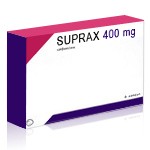
Suprax is the original brand-name formulation of Cefixime — a third-generation oral cephalosporin antibiotic distinguished from earlier generations by its convenient once-daily dosing and excellent Gram-negative coverage. Originally developed by Fujisawa Pharmaceutical (now Astellas) and marketed by Lupin Pharmaceuticals in the US, Suprax has been FDA-approved since 1989. As one of the first oral third-generation cephalosporins, Cefixime brought hospital-grade Gram-negative antibacterial activity into outpatient practice with the simplicity of once-daily oral dosing.
The active ingredient is Cefixime, which works by inhibiting bacterial cell wall synthesis through binding to penicillin-binding proteins (PBPs). This β-lactam mechanism is selectively toxic to bacteria because human cells lack cell walls. As a third-generation cephalosporin, Cefixime offers significantly expanded Gram-negative coverage compared to first or second-generation cephalosporins.
Cefixime provides excellent activity against E. coli, Klebsiella pneumoniae, Proteus mirabilis, β-lactamase producing Haemophilus influenzae, Moraxella catarrhalis, Neisseria gonorrhoeae (historical), Streptococcus pyogenes, and many other Gram-negative organisms. It has limited activity against Gram-positive cocci like Staphylococcus aureus and no activity against Pseudomonas aeruginosa or Enterococcus species.
Suprax is FDA-approved for treatment of uncomplicated urinary tract infections, acute bacterial otitis media, acute pharyngitis and tonsillitis, acute bronchitis exacerbations, and previously for uncomplicated gonorrhea (now affected by resistance concerns). It is particularly valuable for pediatric otitis media and urinary tract infections where once-daily dosing supports better adherence than multi-daily alternatives.
The medication is available as 200 mg and 400 mg tablets, 200 mg and 400 mg chewable tablets, and pediatric oral suspensions (100, 200, and 500 mg/5 mL). Standard adult dosing is 400 mg once daily or 200 mg twice daily for 7-14 days. Pediatric dosing is weight-based at 8 mg/kg/day in one or two divided doses.
Common side effects include diarrhea, nausea, and rash. Cross-reactivity with penicillin allergy is approximately 5-10%. Generic Cefixime is widely available worldwide as an affordable alternative.
Free prescription
Discrete packaging
Have questions?
Quality Assurance
- UTI Pregnancy: Pregnancy-safe third-generation cephalosporin for UTI during pregnancy;
- Pediatric UTI: For pediatric UTI with once-daily oral therapy supporting outpatient management;
- Pyelonephritis Outpatient: For outpatient acute uncomplicated pyelonephritis caused by susceptible Gram-negative organisms;
- Resistant E Coli UTI: For UTI caused by E. coli resistant to first-line agents like Bactrim or Cephalexin;
- Working Adult UTI: For UTI in working adults where once-daily dosing fits busy schedules without disrupting work;
- Elderly UTI Once Daily: For elderly UTI where once-daily dosing supports adherence in geriatric outpatients;
- Pediatric Otitis Media Once Daily: For pediatric acute otitis media with convenient once-daily oral suspension dosing;
- School Age Otitis Media: For school-age children with otitis media — once-daily dosing avoids midday school doses;
- Resistant Otitis Media Pediatric: For pediatric otitis media with β-lactamase producing H. influenzae or M. catarrhalis;
- Pediatric Sinusitis Once Daily: For pediatric acute bacterial sinusitis with once-daily oral therapy;
- Adult Acute Sinusitis: For adult acute bacterial sinusitis with simplified once-daily dosing;
- Pediatric Pharyngitis Once Daily: For pediatric streptococcal pharyngitis as cephalosporin alternative to penicillin;
- Adult Acute Bronchitis Once Daily: For adult acute bacterial bronchitis exacerbations with convenient once-daily dosing;
- COPD Bronchitis Exacerbation: For COPD bronchitis exacerbations with H. influenzae or M. catarrhalis;
- Typhoid Fever Treatment: For Salmonella Typhi infection in developing regions where Cefixime susceptibility is documented;
- Gonorrhea Historical: Historical use for uncomplicated gonorrhea — widespread resistance now limits this indication;
- Compliance Friendly Cephalosporin: For patients with history of missed doses where once-daily dosing improves adherence;
- Adherence Friendly Antibiotic: Once-daily dosing supports adherence in extended outpatient courses;
- Travel Antibiotic Convenient: Convenient travel antibiotic with simple once-daily dosing for UTI emergencies abroad;
- Outpatient Pediatric Therapy: Designed for outpatient pediatric infections with pediatric-friendly chewable and suspension formulations;
- Pediatric Chewable Cephalosporin: Chewable 200 mg and 400 mg tablets for school-age children unable to swallow capsules;
- Pediatric Suspension Cephalosporin: Multiple suspension strengths support accurate weight-based pediatric dosing.
- Less Urinary Urgency: Resolution of frequent urination and urgency as UTI clears;
- Better Bladder Comfort: Restoration of normal bladder function as cystitis resolves;
- Less Flank Pain: Resolution of flank pain in pyelonephritis as kidney infection clears;
- Less Ear Pain: Rapid relief from pediatric otitis media pain with once-daily dosing;
- Less Sinus Pain: Reduction in facial pressure and pain of acute sinusitis;
- Less Throat Pain: Resolution of pediatric streptococcal pharyngitis pain;
- Less Cough: Resolution of productive cough in bronchitis exacerbations;
- Better Breathing: Improvement in respiratory symptoms as bronchitis clears;
- Less Fever: Resolution of fever as bacterial infection responds to therapy;
- Better Sleep: Resolution of nighttime ear pain in children — valuable for parents and child;
- Better Energy: Recovery from systemic infection-related fatigue;
- Faster Recovery: Most patients show clinical improvement within 48-72 hours of starting therapy;
- Better Daily Function: Return to school, work, and normal activities;
- Less Treatment Disruption: Once-daily dosing fits naturally into morning or evening routine;
- Brand Suprax: Original Lupin/Lederle US brand of Cefixime — established global clinical reputation since 1989;
- Generic Cefixime: Affordable generic versions expand global access to once-daily third-generation cephalosporin therapy;
- Cefspan Equivalent: Same Cefixime molecule as Japanese Fujisawa brand Cefspan — original development brand;
- Zifi Equivalent: Same Cefixime molecule as Indian brand Zifi — familiar across Indian and global markets;
- Third Generation Cephalosporin: Expanded Gram-negative coverage beyond first or second-generation cephalosporins;
- Beta Lactam Antibiotic: Foundational β-lactam mechanism — safe and effective bacterial cell wall inhibitor;
- Once Daily Cephalosporin: Convenient once-daily dosing supports excellent adherence in outpatient therapy;
- Long Half Life Cephalosporin: Longer half-life supports convenient single daily dosing unlike older cephalosporins;
- Gram Negative Coverage: Excellent activity against Enterobacteriaceae — E. coli, Klebsiella, Proteus;
- Expanded Gram Negative Coverage: Active against β-lactamase producing H. influenzae and M. catarrhalis;
- Beta Lactamase H Influenzae Coverage: Reliable coverage against β-lactamase producing Haemophilus influenzae;
- UTI Once Daily Standard: Standard once-daily oral therapy for uncomplicated UTI in adults and children;
- Pediatric Otitis Once Daily Standard: Standard once-daily option for pediatric acute otitis media supporting parental adherence;
- Sinusitis Once Daily Therapy: Convenient once-daily therapy for acute bacterial sinusitis in adults and children;
- Cefixime Chewable Tablets: Pediatric chewable 200 mg and 400 mg tablets for school-age children;
- Pediatric Suspension Cefixime: Multiple suspension strengths support accurate weight-based pediatric dosing;
- Pediatric Weight Based Dosing: Established pediatric dosing protocols (8 mg/kg/day) for accurate children's therapy;
- Penicillin Allergic Alternative: Alternative for patients with mild non-anaphylactic penicillin allergies;
- School Friendly Antibiotic: Once-daily dosing avoids need for midday school doses in pediatric outpatients;
- Pregnancy Safe Cephalosporin: Pregnancy-safe oral cephalosporin for selected infections during pregnancy;
- Breastfeeding Safe Antibiotic: Safe during lactation for maternal bacterial infection treatment;
- Affordable Cephalosporin: Cost-effective oral third-generation cephalosporin globally;
- WHO Essential Medicine: Listed on the WHO Model List of Essential Medicines as foundational antibiotic;
- 35 Plus Year History: Extensive real-world safety and efficacy data since 1989 across decades of clinical use;
- Penicillin Cross Reactivity: Approximately 5-10% cross-reactivity with penicillin allergy — avoid in severe penicillin allergy;
- No Pseudomonas Coverage: Not active against Pseudomonas aeruginosa — not for Pseudomonas infections;
- No Enterococcus Coverage: Not active against Enterococcus species — not for enterococcal infections;
- Limited MSSA Coverage: Limited activity against methicillin-sensitive Staphylococcus aureus — not first-line for staph infections;
- Renal Adjustment Available: Established renal dose adjustment protocols support use in chronic kidney disease;
- Take With or Without Food: Can be taken with or without meals;
- Stable Storage: Tablets and chewables stable at room temperature — oral suspension requires refrigeration after reconstitution;
- Globally Available: Widely supplied in international markets (Suprax US, Cefspan Japan, Zifi India, Topcef) in branded and generic forms.
Generic Suprax (Cefixime 100 mg) Medication guide:
📖 What is Suprax cefixime third-generation cephalosporin
Suprax is a widely used brand name for cefixime, a third-generation oral cephalosporin antibiotic. First approved by the FDA in 1989, cefixime offers convenient once-daily dosing and reliable Gram-negative coverage that makes it useful for uncomplicated urinary tract infections, otitis media, sinusitis, pharyngitis, and typhoid fever. Suprax remains a widely prescribed oral cephalosporin globally, particularly in paediatric practice and in regions where enteric fever is endemic.
🔑 Core identity in one paragraph
Cefixime belongs to the third-generation cephalosporin class, sharing structural family with ceftriaxone, cefotaxime, and ceftazidime. Unlike those parenteral third-generation agents, cefixime is orally bioavailable, which makes it distinctive: extended Gram-negative coverage in an oral tablet or suspension form. This oral availability drives its clinical role in outpatient treatment of infections that historically required intramuscular or intravenous cephalosporin therapy.
| Attribute | Value |
|---|---|
| Generic name | Cefixime |
| Drug class | Third-generation oral cephalosporin (beta-lactam) |
| First FDA approval | 1989 (Suprax by Lederle, later Wyeth, now Lupin) |
| Originator | Fujisawa Pharmaceutical (Japan) — developed as Cefspan in Japan |
| Available formulations | 200 mg tablets, 400 mg tablets, chewable tablets, oral suspension |
| Typical adult dose | 400 mg once daily or 200 mg twice daily |
| Bactericidal vs bacteriostatic | Bactericidal via cell wall synthesis inhibition |
| Age range | 6 months and older (suspension); adults tablets |
| Pregnancy category | B (generally considered acceptable in pregnancy) |
🧪 Why cefixime is distinctive
Most third-generation cephalosporins (ceftriaxone, cefotaxime) are IV/IM only. Cefixime's oral bioavailability was a landmark development, allowing outpatient extended Gram-negative coverage without injection. This positioned it well for community-acquired UTIs, otitis media in children, and step-down therapy after IV cephalosporins. It also became historically important for oral gonorrhoea treatment before resistance eroded that role.
✅ Clinical role today
- Uncomplicated UTI caused by susceptible E. coli, Proteus mirabilis, Klebsiella
- Acute otitis media in children as beta-lactam alternative
- Acute bacterial sinusitis in beta-lactam-allergic patients (non-severe allergy)
- Streptococcal pharyngitis in penicillin allergy (non-severe)
- Typhoid fever uncomplicated cases in endemic regions
- Step-down therapy after IV ceftriaxone for various infections
- Gonorrhoea role has narrowed dramatically; now largely restricted to specific alternative regimens
🕰️ History and development of cefixime since 1989
Cefixime was developed by Fujisawa Pharmaceutical (Japan) and launched in Japan in 1987 as Cefspan. It received FDA approval in 1989 as Suprax, initially marketed by Lederle Laboratories. Multiple corporate transitions later, it is now primarily marketed in the US by Lupin Pharmaceuticals, alongside numerous global generic manufacturers.
📅 Development timeline
- Early 1980s — molecular design at Fujisawa
- Fujisawa chemists develop cefixime as an orally bioavailable third-generation cephalosporin. The chemical structure includes a vinyl group at position 3 and an aminothiazolyl oxyimino side chain characteristic of third-generation cephalosporins.
- 1987 — Japanese launch
- Launched in Japan as Cefspan (Fujisawa). First-in-class oral third-generation cephalosporin.
- 1989 — FDA approval as Suprax
- US approval by Lederle Laboratories. Marketed for respiratory tract infections, UTIs, and gonorrhoea.
- 1990s — global expansion
- Approved across Europe, Asia, Latin America, Middle East. Becomes a routine outpatient antibiotic. Widely adopted in paediatric practice through suspension formulations.
- 2003 — brief US market withdrawal by Wyeth
- Wyeth (which had acquired Lederle) discontinued Suprax marketing in the US for commercial reasons in 2003. This left a treatment gap for oral third-generation cephalosporin therapy.
- 2004 — relaunch by Lupin
- Lupin Pharmaceuticals (India) acquired US marketing rights and relaunched Suprax. This provided renewed access, particularly important for paediatric practice.
- 2007-2012 — gonorrhoea treatment failures documented
- Cases of cefixime treatment failure for N. gonorrhoeae reported first in Japan (Unemo and colleagues), then in Australia, Europe. Rising MICs prompt CDC to remove cefixime as recommended first-line for gonorrhoea in 2012.
- 2015 to present — ongoing role narrowing
- Extended-spectrum beta-lactamase (ESBL) rise in community E. coli reduces cefixime UTI reliability in some regions. Cefixime retains significant role in typhoid fever, paediatric otitis media, and specific outpatient settings. Also remains in select STI regimens as alternative to ceftriaxone.
🇯🇵 The Japanese connection
Fujisawa Pharmaceutical was a major player in cephalosporin chemistry, developing many first- and second-generation cephalosporins alongside cefixime. Japan's aggressive cephalosporin prescribing pattern in the 1990s and 2000s (including widespread outpatient cefixime use) is thought to have contributed to the emergence of cefixime-resistant N. gonorrhoeae in Japan first. This experience became an early warning that shaped global surveillance strategies.
✅ Why cefixime persisted despite gonorrhoea role loss
Even after gonorrhoea treatment failures narrowed its role in STI treatment, cefixime remains valuable for many other indications where its oral third-generation coverage is uniquely useful. Paediatric otitis media, uncomplicated UTI, and typhoid fever — particularly in outpatient and low-resource settings — all continue to use cefixime as a well-established option. Global generic availability keeps it broadly accessible.
🧬 How cefixime kills bacteria via cell wall
Cefixime, like all beta-lactam antibiotics, works by inhibiting bacterial cell wall synthesis. It binds penicillin-binding proteins (PBPs) that catalyse the final cross-linking of peptidoglycan strands, preventing formation of a strong cell wall. Without an intact cell wall, growing bacteria burst under osmotic pressure. This action is bactericidal.
🧬 Mechanism step by step
- Absorption and entry: cefixime crosses Gram-negative outer membrane through porin channels; readily accesses periplasmic space
- PBP binding: the beta-lactam ring binds specific penicillin-binding proteins (PBPs 1a, 1b, 3 primarily) at the bacterial cytoplasmic membrane
- Transpeptidase inhibition: bound PBP cannot catalyse the transpeptidation step that cross-links adjacent peptidoglycan strands
- Cell wall weakening: newly synthesised peptidoglycan is not cross-linked and does not have full mechanical strength
- Autolysin activation: the imbalance triggers bacterial autolysins that degrade cell wall material further
- Cell lysis: growing bacteria burst under internal osmotic pressure. Non-growing bacteria escape more slowly but eventually succumb.
🔬 Why the third-generation matters
Third-generation cephalosporins including cefixime were engineered with side chains that: (1) penetrate Gram-negative outer membranes more efficiently than earlier generations; (2) resist most narrow-spectrum beta-lactamases produced by common Enterobacteriaceae; and (3) maintain PBP binding in a range of pathogens. The trade-off is reduced Gram-positive activity compared with first- and second-generation cephalosporins.
| Mechanism feature | Clinical consequence |
|---|---|
| Bactericidal action | Kills growing bacteria directly; useful in serious infections |
| Beta-lactamase stability | Effective against many common Enterobacteriaceae producing narrow-spectrum enzymes |
| Time-dependent killing | Efficacy depends on time above MIC; twice-daily dosing may sometimes be preferred |
| Reduced Gram-positive activity | Not preferred for staph infections; limited pneumococcal reliability |
| No activity against Enterococcus | Cannot treat enterococcal infections |
| No activity against Pseudomonas | Ceftazidime or antipseudomonal alternative needed |
| Susceptibility to ESBL | Extended-spectrum beta-lactamases hydrolyse cefixime |
✅ Post-antibiotic effect
Cefixime demonstrates a modest post-antibiotic effect against susceptible Gram-negatives, meaning bacterial regrowth is briefly suppressed after drug concentrations fall below the MIC. This supports the practical efficacy of once-daily dosing despite time-dependent killing being the primary pharmacodynamic characteristic. For most indications, 400 mg once daily maintains adequate time above MIC.
🔬 Cephalosporin generations and Suprax placement
Cephalosporins are grouped into generations based on their spectrum, developed sequentially over decades. Cefixime is a third-generation member alongside injectable ceftriaxone and ceftazidime, but is one of relatively few third-generation drugs available in oral form.
| Generation | Representative members | Spectrum profile |
|---|---|---|
| First-generation | Cefazolin, cephalexin, cefadroxil | Strong Gram-positive; limited Gram-negative |
| Second-generation | Cefuroxime, cefaclor, cefprozil, cefoxitin | Balanced Gram-positive/negative; some anaerobic (cefoxitin) |
| Third-generation (Suprax here) | Ceftriaxone, cefotaxime, ceftazidime, cefixime, cefpodoxime, cefdinir | Extended Gram-negative; reduced Gram-positive; some anti-pseudomonal (ceftazidime) |
| Fourth-generation | Cefepime | Broad Gram-positive + Gram-negative + Pseudomonas |
| Fifth-generation (or advanced) | Ceftaroline, ceftobiprole | MRSA activity; retains third-generation Gram-negative |
| Novel beta-lactam/beta-lactamase inhibitor combinations | Ceftazidime-avibactam, ceftolozane-tazobactam | Extended activity against ESBL, some carbapenemase producers |
🔑 Where cefixime fits within third-generation cephalosporins
- Oral bioavailability
- Cefixime is one of few third-generation cephalosporins available as oral tablets or suspension. Others in this oral third-generation subgroup: cefpodoxime proxetil, cefdinir, cefditoren pivoxil, ceftibuten.
- Coverage comparison
- Similar Gram-negative spectrum to IV ceftriaxone but less potent overall. Reduced Gram-positive activity relative to ceftriaxone. No pseudomonal coverage (unlike ceftazidime).
- Half-life advantage
- 3 to 4 hours plasma half-life; adequate for once-daily or BID dosing for most indications. Ceftriaxone's much longer half-life (7 to 8 hours) allows once-daily IV/IM dosing.
- Clinical role
- Bridges outpatient practice with cephalosporin-level Gram-negative coverage. Historically used for gonorrhoea until resistance emerged.
🔬 Third-generation strengths
- Extended Gram-negative coverage (Enterobacteriaceae, Haemophilus, Neisseria)
- Resistance to many narrow-spectrum beta-lactamases
- Improved CNS penetration (relevant to IV ceftriaxone for meningitis; less relevant to cefixime)
- Convenient once-daily dosing (cefixime and ceftriaxone)
- Well-tolerated in most patients
⚠️ Third-generation weaknesses
Third-generation cephalosporins including cefixime have historically been strongly associated with C. difficile infection. They select for ESBL-producing Enterobacteriaceae and are among the antibiotic classes most implicated in this resistance mechanism's emergence. In antimicrobial stewardship programmes, third-generation cephalosporin use is a focus for reduction where narrower agents suffice.
🦠 Bacterial spectrum and pathogen coverage overview
Cefixime has a predominantly Gram-negative spectrum with modest Gram-positive activity. Its coverage pattern determines the appropriate indications and the pathogens for which it should not be relied upon.
✅ Reliable coverage
- Haemophilus influenzae (beta-lactamase producing and non-producing)
- Moraxella catarrhalis
- E. coli (non-ESBL-producing)
- Klebsiella pneumoniae (non-ESBL-producing)
- Proteus mirabilis
- Neisseria meningitidis
- Streptococcus pyogenes (Group A strep)
- Streptococcus pneumoniae (susceptible strains, regional variability)
- Salmonella enterica serovar Typhi (traditional strains)
- Shigella species (many)
🟡 Variable or reduced coverage
- Streptococcus pneumoniae with reduced penicillin susceptibility — regional variability
- Neisseria gonorrhoeae — rising MICs; treatment failures documented; no longer first-line
- ESBL-producing Enterobacteriaceae — resistant
- AmpC-producing organisms (some Enterobacter, Citrobacter) — variable
- Multidrug-resistant Salmonella Typhi (XDR strains in Pakistan and elsewhere) — resistant
🔴 Gaps: do not use for these
- Staphylococcus aureus (MSSA or MRSA) — limited activity even against MSSA; use cefazolin or cephalexin instead for MSSA
- Enterococcus (E. faecalis, E. faecium) — intrinsically resistant
- Pseudomonas aeruginosa — no activity
- Acinetobacter baumannii — no activity
- Anaerobes below the diaphragm (Bacteroides fragilis group) — limited activity
- Listeria monocytogenes — intrinsically resistant (avoid in listerial infection)
- Atypical respiratory pathogens (Mycoplasma, Chlamydia, Legionella) — no beta-lactam covers these
- Mycobacteria — not effective
🧪 Practical spectrum takeaway
Cefixime is best thought of as a good Gram-negative outpatient oral option particularly for community E. coli, Haemophilus, Moraxella, and Salmonella Typhi. It is not a good choice for staphylococcal or enterococcal infections (use different classes), for Pseudomonas (use antipseudomonal agents), or for typical CAP where atypical coverage matters (macrolide or doxycycline better as monotherapy). ESBL and XDR concerns in local populations increasingly limit its Gram-negative empirical role.
💊 Pharmacokinetics absorption distribution and elimination
Cefixime has a moderate oral bioavailability (approximately 40 to 50 percent), a half-life of 3 to 4 hours, and predominantly renal elimination. Absorption is minimally affected by food, which is a practical advantage over some other tetracycline-class or macrolide alternatives.
| PK parameter | Value / behaviour |
|---|---|
| Oral bioavailability | Approximately 40 to 50 percent |
| Effect of food | Modestly slows absorption but does not reduce overall bioavailability significantly; can be taken with or without food |
| Time to peak concentration (Tmax) | 3 to 5 hours after oral dose |
| Protein binding | Approximately 65 to 70 percent |
| Distribution volume | Moderate; adequate tissue penetration for target infections |
| CSF penetration | Poor — not adequate for CNS infections |
| Half-life | 3 to 4 hours (longer in renal impairment) |
| Metabolism | Minimal hepatic metabolism |
| Primary excretion route | Renal (approximately 50 percent unchanged) plus biliary |
| Renal impairment effect | Accumulation; dose reduction needed at CrCl below 60 mL/min |
| Haemodialysis | Modestly removed; dose after dialysis if applicable |
| Urinary concentrations | High concentrations achieved — useful for UTI |
🔬 What tissue distribution means clinically
Cefixime achieves adequate concentrations in urine, respiratory secretions, middle ear fluid, sinus mucosa, and bile. This supports its efficacy for UTI, respiratory tract infections, and otitis media. It does NOT penetrate CSF adequately, so cefixime is not appropriate for meningitis or other CNS infections — IV ceftriaxone or cefotaxime would be needed for those indications.
🕑 Practical dosing implications
- Once daily or twice daily both acceptable; 400 mg OD or 200 mg BID equivalent for most indications
- Take with or without food — convenience advantage
- Full course completion important given time-dependent killing
- Renal dose adjustment at CrCl below 60 mL/min (see dedicated section)
- Not for meningitis or CNS infection — use IV third-generation cephalosporin
- High urinary concentrations make cefixime a natural choice for cystitis and pyelonephritis where organism is susceptible
✅ Convenience advantage
Cefixime's once-daily dosing plus lack of strict food or timing rules make it one of the more convenient oral antibiotics available. This translates to good real-world adherence for outpatient courses. For a 7 to 14 day treatment for uncomplicated UTI, otitis media, or sinusitis, the practical burden on the patient is minimal compared with QID tetracyclines or TID amoxicillin regimens.
🚽 Uncomplicated urinary tract infections role
Uncomplicated urinary tract infection (UTI) in adult women is one of cefixime's main outpatient indications. Its Gram-negative spectrum covers the dominant pathogens (E. coli, Klebsiella, Proteus), and high urinary concentrations after oral dosing make it well-suited for lower urinary tract infection.
🚽 UTI treatment framework
- Uncomplicated cystitis first-line options
- Nitrofurantoin 100 mg BID for 5 days OR trimethoprim-sulfamethoxazole 160/800 mg BID for 3 days (if local resistance under 20 percent) OR fosfomycin 3 g single dose OR cefixime 400 mg daily for 7 days.
- Cefixime specific role
- Reasonable alternative when first-line agents are contraindicated or when a broader spectrum for potential upper tract involvement is desired. Once-daily dosing convenience.
- Uncomplicated pyelonephritis (outpatient)
- Fluoroquinolone (ciprofloxacin, levofloxacin) or trimethoprim-sulfamethoxazole where resistance permits. Cefixime as alternative in beta-lactam-appropriate cases; sometimes IV ceftriaxone loading dose then oral cefixime step-down.
- Complicated UTI
- IV therapy often needed; cefixime may serve as step-down oral after IV response.
- Male UTI
- Considered complicated; cefixime acceptable for 7 to 14 days depending on prostate involvement suspicion.
- Recurrent UTI
- Different approach; not typically cefixime; consider nitrofurantoin or trimethoprim prophylaxis.
| UTI scenario | Cefixime regimen | Duration |
|---|---|---|
| Uncomplicated cystitis in adult woman | 400 mg once daily | 7 days |
| Uncomplicated pyelonephritis (mild-moderate) | 400 mg once daily | 10 to 14 days |
| Male UTI (uncomplicated) | 400 mg once daily | 7 to 14 days |
| Pregnancy UTI (Category B) | 400 mg once daily | 7 to 10 days |
| Paediatric UTI (age 6 months+) | 8 mg/kg once daily (max 400 mg) | 7 to 10 days |
⚠️ ESBL resistance limits empirical use
Extended-spectrum beta-lactamase (ESBL) producing E. coli have spread substantially in community populations globally. In regions with community ESBL rates over 15 to 20 percent, empirical cefixime for UTI risks treatment failure. Local surveillance data should guide empirical choice. For patients with prior ESBL infection, recent hospitalisation, or foreign travel, cefixime may not be adequate and culture-directed therapy or broader coverage is preferred.
🧪 When cefixime is the right UTI choice
Uncomplicated cystitis in low-ESBL communities; pregnancy (Category B; safer than fluoroquinolones); paediatric UTI; step-down after IV ceftriaxone for pyelonephritis; when first-line agents (nitrofurantoin, trimethoprim-sulfamethoxazole) are contraindicated or intolerable. Cefixime BID 200 mg is also sometimes used for cystitis in patients with sensitive stomach as it may be better tolerated than 400 mg OD.
👂 Acute otitis media pediatric considerations
Acute otitis media (AOM) in children is a common cefixime indication, particularly as an alternative to amoxicillin-clavulanate. Cefixime's Gram-negative coverage (Haemophilus influenzae, Moraxella catarrhalis) and paediatric suspension formulation support its use in this indication.
👂 AOM treatment framework
- First-line: amoxicillin high-dose
- Amoxicillin 80 to 90 mg/kg/day divided BID or TID for 10 days in children under 2; shorter courses (5 to 7 days) in older children with mild disease. Pneumococcal and streptococcal coverage.
- Second-line: amoxicillin-clavulanate
- Same amoxicillin dose plus clavulanate. For treatment failure or severe presentation. Better coverage of beta-lactamase-producing H. influenzae and M. catarrhalis.
- Cefixime alternative
- Cefixime 8 mg/kg once daily for 10 days. Alternative for beta-lactam-tolerating patients where amoxicillin regimen has failed, in penicillin-allergic children (non-severe allergy), or where adherence with once-daily is beneficial.
- Cefixime advantages in AOM
- Excellent H. influenzae coverage including beta-lactamase producers. Once-daily convenience. Palatable suspension formulations. Age approved from 6 months.
- Cefixime limitations in AOM
- Limited pneumococcal activity compared with high-dose amoxicillin; therefore not first-line where pneumococcus dominates.
| Common AOM pathogen | Amoxicillin coverage | Cefixime coverage |
|---|---|---|
| Streptococcus pneumoniae | Excellent (high-dose) | Moderate (regional variability) |
| Haemophilus influenzae (non-beta-lactamase) | Good | Excellent |
| Haemophilus influenzae (beta-lactamase producing) | Reduced | Excellent |
| Moraxella catarrhalis | Reduced (beta-lactamase) | Excellent |
| Streptococcus pyogenes | Excellent | Good |
🔑 When cefixime fits AOM well
- H. influenzae-dominant AOM (fever, purulent otorrhoea, older children)
- Amoxicillin high-dose treatment failure at 48 to 72 hours
- Penicillin allergy (non-severe, non-anaphylactic)
- Adherence concerns favouring once-daily dosing
- Recurrent AOM despite amoxicillin courses
⚠️ When cefixime is not the best AOM choice
Regions with high pneumococcal resistance to cephalosporins; severe AOM presentations; children under 6 months (not FDA approved); anaphylactic penicillin allergy (avoid all beta-lactams). For most first-episode uncomplicated AOM without penicillin allergy, high-dose amoxicillin remains first-line. Cefixime step-up or alternative role fits specific situations.
👇 Acute bacterial sinusitis treatment options
Acute bacterial sinusitis is caused by similar pathogens to AOM (S. pneumoniae, H. influenzae, M. catarrhalis). Cefixime provides good coverage for H. influenzae and Moraxella and moderate coverage for pneumococcus, positioning it as a reasonable alternative in specific clinical scenarios.
👇 Acute bacterial sinusitis treatment framework
- First-line: amoxicillin-clavulanate
- High-dose amoxicillin 875 mg BID plus clavulanate for 5 to 10 days. Covers pneumococcus plus beta-lactamase-producing H. influenzae and Moraxella.
- Cefixime as alternative
- Cefixime 400 mg once daily or 200 mg BID for 5 to 10 days. Options for beta-lactam-appropriate patients with amoxicillin-clavulanate intolerance or as step-up therapy after amoxicillin monotherapy failure.
- Doxycycline alternative
- Doxycycline 100 mg BID for 5 to 10 days. Reasonable in penicillin allergy or where cephalosporins are declined.
- Fluoroquinolone reserved
- Levofloxacin or moxifloxacin reserved for treatment failure or specific clinical situations due to FDA black box warnings.
| Clinical scenario | Recommended agent |
|---|---|
| Uncomplicated adult sinusitis, no allergy | Amoxicillin-clavulanate first-line |
| Penicillin allergy (non-severe) | Cefixime or doxycycline |
| Penicillin allergy (severe, anaphylactic) | Doxycycline or macrolide (not cephalosporin) |
| Amoxicillin-clavulanate failure at 72 hours | Reassess diagnosis; consider fluoroquinolone or ENT referral |
| Paediatric sinusitis | Amoxicillin-clavulanate first-line; cefixime alternative |
| Pregnancy | Amoxicillin-clavulanate or cefixime (both Category B) |
🧪 Distinguishing viral from bacterial sinusitis matters
Most sinus symptoms are viral. Antibiotic treatment is not indicated for viral sinusitis. Bacterial sinusitis is suggested by: symptoms persisting more than 10 days without improvement; severe symptoms with high fever and purulent discharge lasting 3 to 4 days; symptoms that improved then worsened (double sickening). Only when bacterial sinusitis is suspected does cefixime or any antibiotic become an appropriate choice.
✅ Cefixime advantages in sinusitis
Once-daily dosing supports adherence over a 5 to 10 day course. Good tolerability with modest GI upset only. Adequate coverage of the two most common bacterial pathogens (H. influenzae and M. catarrhalis, both often beta-lactamase producing). Pregnancy-acceptable. Available in oral suspension for paediatric use.
🗣️ Pharyngitis and tonsillitis penicillin alternative
Streptococcal pharyngitis (strep throat) is primarily treated with penicillin V or amoxicillin. Cefixime serves as an alternative when penicillin allergy is documented (non-severe) or when convenient once-daily dosing is desired.
🗣️ Streptococcal pharyngitis treatment framework
- First-line: penicillin V or amoxicillin
- Penicillin V 500 mg BID for 10 days OR amoxicillin 500 mg BID or 1000 mg once daily for 10 days. Full 10-day course required for strep eradication and rheumatic fever prevention.
- Cefixime alternative (non-severe penicillin allergy)
- Cefixime 400 mg once daily for 10 days. Acceptable in non-severe penicillin allergy (rash but not anaphylaxis). Streptococcus pyogenes remains uniformly cefixime-susceptible.
- Severe penicillin allergy (anaphylaxis)
- Avoid cephalosporins including cefixime. Use clindamycin, macrolide (azithromycin, clarithromycin), or clindamycin.
- Cefixime advantages here
- Once-daily dosing (adherence advantage); no macrolide resistance issue (relevant in high-macrolide-resistance regions); pregnancy Category B; safe in children with suspension.
| Clinical scenario | Recommendation |
|---|---|
| Confirmed strep, no allergy | Penicillin V or amoxicillin first-line |
| Confirmed strep, non-severe penicillin allergy | Cefixime, cephalexin, or clindamycin |
| Confirmed strep, anaphylactic penicillin allergy | Clindamycin, macrolide (avoid all beta-lactams) |
| Recurrent strep | Reassess adherence; consider clindamycin or amox-clav for eradication |
| Pregnancy with penicillin allergy | Cefixime (Category B) or macrolide |
⚠️ Complete 10 days regardless of symptom resolution
Full 10-day antibiotic course is required for streptococcal eradication and prevention of post-streptococcal complications (rheumatic fever, acute glomerulonephritis). Stopping cefixime early after symptom improvement risks these serious sequelae. Some newer studies suggest shorter courses may work in specific settings but 10 days remains standard of care.
🧪 Testing before treatment
Most sore throats are viral. Rapid antigen detection tests (RADT) or throat culture confirm streptococcal aetiology before antibiotic prescription. Empirical antibiotic treatment for undifferentiated sore throat is not appropriate. Cefixime for pharyngitis should be reserved for confirmed streptococcal infection meeting the criteria above, not for empirical viral URI treatment.
💉 Gonorrhea historical role and current status
Gonorrhoea treatment with cefixime has a complicated history. It was once a first-line oral option; documented treatment failures and rising MICs led to its removal from CDC and WHO first-line recommendations. Cefixime now has a narrow, specific role in gonorrhoea treatment where ceftriaxone is unavailable.
🔴 Current CDC (2021) and WHO gonorrhoea framework
First-line uncomplicated gonorrhoea: ceftriaxone 500 mg IM single dose (higher dose than previously; increased from 250 mg due to resistance concerns). Doxycycline 100 mg BID for 7 days is added if chlamydia has not been excluded. Cefixime is no longer recommended as first-line for uncomplicated gonorrhoea.
💉 Historical timeline of cefixime in gonorrhoea
- 1989 to 2007 — cefixime 400 mg single dose was first-line
- Convenient oral single-dose option for uncomplicated gonorrhoea. Highly effective; nearly 100 percent cure rates in early years.
- 2007 to 2010 — treatment failures documented in Japan
- Unemo and colleagues report cefixime treatment failures for pharyngeal gonorrhoea. MICs to cefixime rising. Molecular characterisation of the F89 clone.
- 2010 to 2012 — similar reports from Europe, Australia
- Rising MICs and treatment failures across multiple settings. CDC and WHO note growing concern.
- 2012 — CDC removes cefixime as first-line
- CDC removes cefixime 400 mg from first-line for gonorrhoea. Ceftriaxone 250 mg IM plus azithromycin 1 g becomes dual therapy recommendation.
- 2015 to 2021 — further evolution
- Ceftriaxone dose increased to 500 mg IM. Azithromycin dual therapy dropped in some newer CDC guidance due to azithromycin resistance concerns. Cefixime retained as narrow alternative only when ceftriaxone truly unavailable.
- Present — cefixime remains a very limited option
- In settings without ceftriaxone availability, cefixime 800 mg oral (higher than historical 400 mg) plus azithromycin has been considered. Not preferred; not first-line.
⚠️ If cefixime must be used for gonorrhoea
- Only when ceftriaxone is truly not accessible
- Higher-dose (800 mg oral) is preferred over historical 400 mg
- Consider adding azithromycin 1 g single dose
- Confirm test of cure at 7 to 14 days (especially for pharyngeal)
- Culture and susceptibility testing before treatment where possible
- Report treatment to public health surveillance
- Contact tracing and partner treatment essential
🧪 Why gonorrhoea resistance evolves so rapidly
N. gonorrhoeae is naturally competent for transformation, readily incorporating resistance-encoding DNA from other bacteria. Once a resistance mechanism emerges anywhere, it can spread quickly through global sexual networks. Cefixime resistance emerged from mosaic penA gene alterations that also convey partial ceftriaxone resistance. This is why gonorrhoea treatment framework updates rapidly and why parallel drug development is a global priority.
✅ Practical clinical framework
If you are treating suspected or confirmed gonorrhoea in most settings, use ceftriaxone 500 mg IM (not cefixime). Cefixime should not be considered a substitute for the injectable option unless there is a very specific reason (documented allergy to injectable formulations, no IM access, resource limitations) and even then, expert consultation and follow-up testing are essential.
🌡️ Typhoid fever and enteric infections use
Typhoid fever (enteric fever) caused by Salmonella enterica serovar Typhi remains endemic across South Asia, sub-Saharan Africa, and Latin America. Cefixime plays an important role in oral treatment of uncomplicated typhoid, particularly where multidrug-resistant strains have eliminated traditional first-line options (chloramphenicol, cotrimoxazole, ampicillin) and fluoroquinolone resistance limits ciprofloxacin.
🌡️ Typhoid treatment framework
- Uncomplicated typhoid, susceptible strain
- Cefixime 20 mg/kg/day (max 400 mg BID) for 7 to 14 days OR ciprofloxacin 500 mg BID for 7 to 14 days OR azithromycin 500 mg to 1 g daily for 7 to 14 days.
- Multidrug-resistant typhoid (MDR)
- Resistant to older agents (chloramphenicol, cotrimoxazole, ampicillin) but susceptible to fluoroquinolones and cephalosporins. Cefixime 20 mg/kg/day BID for 14 days is a standard oral option.
- Fluoroquinolone non-susceptible strains
- Rising in South Asia. Cefixime 20 mg/kg/day for 14 days OR azithromycin 500 mg to 1 g daily.
- Extensively drug-resistant (XDR) typhoid
- Emerging particularly in Pakistan (H58 lineage). Resistant to first-line, fluoroquinolones, AND third-generation cephalosporins including cefixime. Azithromycin and carbapenems remain effective. Regional surveillance essential.
- Severe or complicated typhoid
- Hospitalisation, IV therapy needed. Ceftriaxone or azithromycin IV/PO. Cefixime not appropriate as monotherapy for severe disease.
| Typhoid scenario | Cefixime regimen | Duration |
|---|---|---|
| Adult uncomplicated typhoid | 400 mg BID | 7 to 14 days |
| Paediatric typhoid | 20 mg/kg/day divided BID | 7 to 14 days |
| MDR susceptible typhoid | 20 mg/kg/day BID | 14 days |
| Fluoroquinolone-non-susceptible | 20 mg/kg/day BID | 14 days |
| XDR strains | Not effective; use azithromycin or carbapenem | Per specialist |
| Chronic carrier state | Not cefixime; consider fluoroquinolone if susceptible, plus cholecystectomy in some cases | 4 to 6 weeks |
🔴 XDR typhoid emerging concern
Since 2016, XDR typhoid H58 lineage has spread from Sindh, Pakistan across South Asia. XDR strains are resistant to chloramphenicol, ampicillin, cotrimoxazole, fluoroquinolones, AND third-generation cephalosporins (including cefixime and ceftriaxone). Treatment requires azithromycin or carbapenems. This has major implications for regions with XDR spread — cefixime is not adequate empirical therapy where XDR is prevalent. Regional surveillance and travel history matter.
🧪 Response monitoring
Typhoid response is slower than most bacterial infections. Fever may persist for 4 to 7 days after starting effective therapy. Failure to defervesce by day 5 to 7 warrants reassessment of susceptibility and consideration of alternative therapy. Blood cultures ideally guide susceptibility. Repeat cultures at day 5 to 7 in poor responders help detect resistance.
✅ Public health context
Typhoid prevention through water, sanitation, and hygiene remains foundational. Typhoid conjugate vaccine (TCV) programmes are expanding in endemic settings (Pakistan, Malawi, others). Cefixime and other treatment options work best when combined with public health prevention. Individual cefixime treatment does not address the underlying disease burden; vaccination and infrastructure investments do.
💊 Adult dosing by clinical indication
Cefixime adult dosing is simple and consistent: a standard 400 mg total daily dose either as a single tablet once daily or split as 200 mg twice daily. This uniformity across most indications is a genuine practical advantage over dose-varying antibiotics.
| Indication | Adult regimen | Duration |
|---|---|---|
| Uncomplicated cystitis | 400 mg OD or 200 mg BID | 7 days |
| Uncomplicated pyelonephritis | 400 mg OD | 10 to 14 days |
| Male UTI (uncomplicated) | 400 mg OD | 7 to 14 days |
| Acute bacterial sinusitis | 400 mg OD or 200 mg BID | 5 to 10 days |
| Acute exacerbation chronic bronchitis | 400 mg OD or 200 mg BID | 5 to 7 days |
| Streptococcal pharyngitis (penicillin allergy) | 400 mg OD | 10 days |
| Typhoid fever adult | 400 mg BID | 7 to 14 days |
| Uncomplicated gonorrhoea (alternative only) | 800 mg single dose (higher dose than historical 400 mg) | Single dose plus test of cure |
| Step-down after IV ceftriaxone | 400 mg OD | Complete indication-specific course |
💊 Once daily versus twice daily — which to pick
Both regimens deliver the same total daily dose. Choice depends on practical factors:
- Once daily 400 mg: simpler adherence, single-alarm dosing, most patient preference
- Twice daily 200 mg: may be marginally better tolerated in patients prone to nausea; smoother steady-state; some prefer for typhoid where 400 mg BID at total 800 mg/day is used
- For serious infections (pyelonephritis, typhoid): BID often preferred for more consistent tissue levels
- For uncomplicated cystitis or sinusitis: once daily works fine
🕑 Practical administration tips
- Take with or without food — convenience advantage
- Full glass of water for standard swallowing
- Chewable formulation should be chewed thoroughly before swallowing
- Space BID doses approximately 12 hours apart
- Complete the full course even if symptoms resolve early
- Do not double doses if one is missed — see missed dose section
- For typhoid: 400 mg BID rather than 400 mg OD provides more reliable levels for this serious systemic infection
✅ Why the standard dose is 400 mg
The 400 mg total daily dose reflects the pharmacokinetic-pharmacodynamic properties of cefixime. Peak concentrations at this dose reliably exceed MICs for target organisms in urinary, respiratory, and soft tissue compartments. Higher doses (800 mg) are sometimes considered for gonorrhoea to overcome rising MICs, and for typhoid where 400 mg BID provides sustained tissue levels. Lower doses risk sub-therapeutic exposure and treatment failure.
👶 Pediatric dosing suspension and chewables
Cefixime has a strong paediatric role from age 6 months and older, supported by palatable oral suspension and chewable tablet formulations. Weight-based dosing simplifies prescribing in children.
| Age / weight | Cefixime dose |
|---|---|
| Under 6 months | Not FDA approved; safety not established |
| 6 months to 12 years (under 45 kg) | 8 mg/kg/day (max 400 mg) as single or divided BID |
| Over 12 years or over 45 kg | Adult regimen (400 mg OD or 200 mg BID) |
| Typhoid fever paediatric | 20 mg/kg/day divided BID for 7 to 14 days |
| Acute otitis media (age 6 months+) | 8 mg/kg/day for 10 days (younger); 5 to 7 days (older) |
| Paediatric UTI | 8 mg/kg/day for 7 to 10 days |
👶 Paediatric formulations
- Oral suspension (100 mg per 5 mL, 200 mg per 5 mL)
- Reconstituted with water. Strawberry flavour common in Suprax; palatability generally good. Refrigerate after reconstitution; use within 14 days.
- Chewable tablets
- Multiple strengths available. Chew thoroughly before swallowing. Palatable flavours. Convenient alternative to suspension.
- Tablets (200 mg, 400 mg)
- For children able to swallow tablets, typically age 8+ years.
✅ Paediatric practical tips
- Shake suspension well before each dose
- Measure with the provided dosing device (syringe or measuring cup) — NOT household teaspoons
- Refrigeration of suspension enhances taste palatability
- Give with or without food; food may improve tolerability
- Complete the full course — explain to parents that symptom improvement does not mean infection is cleared
- Watch for diarrhoea (common); severe diarrhoea warrants evaluation for CDI
- Report rash promptly (rare severe skin reactions possible)
🧪 Weight-based dosing worked examples
For a 15 kg child (approximately 3 years): 15 kg × 8 mg/kg = 120 mg/day. Round to nearest measurable dose: 100 mg suspension once daily, or 60 mg BID. For a 30 kg child (approximately 10 years): 30 kg × 8 mg/kg = 240 mg/day. Give 200 mg suspension once daily or 100 mg BID. For typhoid, use 20 mg/kg/day: 15 kg child = 300 mg/day (150 mg BID); 30 kg child = 600 mg/day (300 mg BID, near the adult 400 mg BID dose).
⚠️ When paediatric cefixime is NOT the right choice
Age under 6 months (not FDA approved); severe or complicated infection requiring IV therapy; suspected pneumococcal-dominant AOM where high-dose amoxicillin better; anaphylactic penicillin allergy (avoid all beta-lactams); prior severe cefixime reaction. For most first-episode uncomplicated paediatric AOM in low-macrolide-resistance regions, high-dose amoxicillin remains first-line.
🪀 Renal impairment dose adjustment considerations
Cefixime is predominantly renally eliminated. In kidney impairment, drug accumulation occurs and dose reduction is required at CrCl below 60 mL/min. Doxycycline and macrolides may be preferred when renal function is significantly reduced and either would work.
| Renal function (CrCl mL/min) | Cefixime dose adjustment |
|---|---|
| Over 60 (normal or mild) | Standard dose (400 mg OD) |
| 21 to 60 (moderate) | 300 mg OD (75 percent of standard) |
| Under 20 (severe) | 200 mg OD (50 percent of standard) |
| Haemodialysis | 200 mg OD; give after dialysis session |
| Peritoneal dialysis | 200 mg OD |
🧪 Why kidney disease affects cefixime
Cefixime is eliminated approximately 50 percent unchanged in urine, plus additional biliary excretion. In CKD, unchanged drug accumulates because glomerular filtration and tubular secretion are reduced. Standard dosing at CrCl below 60 mL/min can produce plasma levels above the therapeutic range, increasing adverse effect risk without additional efficacy benefit. Simple dose reduction addresses this.
✅ Practical prescribing in CKD
- Check recent creatinine and eGFR before prescribing
- Use 300 mg dose if CrCl 21 to 60 mL/min
- Use 200 mg dose if CrCl under 20 mL/min or on dialysis
- Time dose after dialysis session to avoid removing much of the dose
- Watch for GI adverse effects which may be more prominent with accumulation
- Watch for C. difficile which older CKD patients are more susceptible to
- Do not adjust further based on age alone if renal function is normal
| Hepatic impairment scenario | Action |
|---|---|
| Mild liver disease | Standard dose acceptable |
| Moderate hepatic impairment | Standard dose usually acceptable (cefixime not extensively metabolised) |
| Severe hepatic impairment | Standard dose usually acceptable; monitor |
| Concurrent renal and hepatic impairment | Adjust for renal function; monitor for accumulation |
🧪 Hepatic elimination is minor
Unlike tetracycline HCl (predominantly renal + biliary), macrolides (hepatic), and metronidazole (hepatic), cefixime is not extensively hepatically metabolised. This means liver disease alone rarely requires dose adjustment. However, combined kidney and liver disease can compound and reduce clearance more than either alone; monitor and consider dose modification if accumulation is suspected.
🔗 Drug interactions with anticoagulants and probenecid
Cefixime has a relatively clean drug interaction profile. Unlike macrolides (CYP3A4) or fluoroquinolones (chelation, QT), cefixime does not significantly interact with most common medications. The key interactions to know involve anticoagulants and probenecid.
| Interaction partner | Mechanism | Clinical action |
|---|---|---|
| Warfarin | Reduces vitamin K-producing gut flora; possible protein binding effects | Monitor INR; expect modest elevation |
| Direct oral anticoagulants (DOACs) | Minor; not significant | Standard monitoring |
| Probenecid | Inhibits renal tubular secretion of cefixime | Increases cefixime levels; can be used deliberately for higher exposure |
| Carbamazepine | Reports of increased carbamazepine levels | Monitor carbamazepine levels if concurrent |
| Oral contraceptives | Historical concern; modern data shows minimal effect | Reassuring; back-up not strictly needed but often advised for short courses |
| Aminoglycosides (concurrent) | Theoretical increased nephrotoxicity | Monitor kidney function if concurrent |
| Live oral typhoid vaccine (Ty21a) | Cefixime may inactivate vaccine | Space by 3 days minimum |
| Antacids and PPIs | Minimal effect on cefixime absorption | Can be taken together |
🔑 Warfarin interaction in practice
Cefixime, like most broad-spectrum antibiotics, can potentiate warfarin's anticoagulant effect. The mechanism is reduction of vitamin K-producing gut flora. INR elevation of 0.5 to 1.5 points during a course is not unusual. Check INR at 3 to 5 days after starting, and anticipate modest reduction in warfarin dose or more frequent monitoring. This is a class effect for many antibiotics; cefixime is not the worst offender but the interaction is real.
🧪 Probenecid interaction is sometimes intentional
Probenecid blocks renal tubular secretion of cefixime, roughly doubling plasma levels. This can be used deliberately in specific clinical situations to boost cefixime exposure — particularly historical gonorrhoea treatment and some cases of pyelonephritis. In modern practice this is uncommon; ceftriaxone IM or oral cefixime higher dose usually suffices. If probenecid is coincidentally on the medication list, cefixime dose reduction is generally not needed for short courses but monitoring is prudent.
✅ Clean interaction profile advantages
- No CYP3A4 concerns unlike clarithromycin, erythromycin
- No chelation issues unlike tetracyclines
- No QT prolongation concern unlike macrolides or fluoroquinolones
- No significant food restrictions
- Safe with common medications: statins, digoxin, most seizure medications, antihypertensives
- This clean profile makes cefixime a reasonable choice for polypharmacy patients when the indication fits
⚠️ One notable caution
If a patient is scheduled to receive live oral typhoid vaccine (Ty21a) for travel prophylaxis, cefixime taken within 72 hours can inactivate the vaccine bacteria. Space cefixime and vaccine by at least 3 days. This does not apply to injectable typhoid Vi vaccine, which is not affected by antibiotics.
🤰 Pregnancy and lactation safety considerations
Cefixime is FDA Pregnancy Category B — animal studies show no risk, and human data suggest no increased birth defect risk. It is one of the antibiotics considered generally acceptable during pregnancy when a suitable indication exists.
✅ Pregnancy safety considerations
- Animal reproductive studies
- No teratogenic effects observed at doses several-fold higher than human therapeutic doses.
- Human pregnancy data
- Registry data and epidemiological studies show no clear signal for increased birth defects. Cefixime shares the good pregnancy safety profile of the cephalosporin class as a whole.
- Placental transfer
- Cefixime crosses the placenta but concentrations in fetal circulation are modest.
- FDA Category B
- Cefixime is Category B (previously; older FDA categories still commonly cited). Adequate and well-controlled human studies not required to establish absence of risk given class experience.
| Pregnancy indication | Cefixime role |
|---|---|
| Uncomplicated cystitis | Reasonable choice; nitrofurantoin also acceptable (except last month) |
| Pyelonephritis in pregnancy | Often IV ceftriaxone initially; cefixime as step-down oral |
| Asymptomatic bacteriuria (screening positive) | Treatment recommended in pregnancy; cefixime acceptable |
| Streptococcal pharyngitis (penicillin allergy) | Reasonable choice |
| Acute sinusitis | Reasonable choice |
| Typhoid in pregnancy | Acceptable; azithromycin also often used |
| Gonorrhoea (any pregnancy status) | Ceftriaxone IM preferred; cefixime alternative only |
🍼 Lactation
Small amounts of cefixime transfer into breast milk (milk-to-plasma ratio approximately 0.1). Estimated infant dose is well below therapeutic levels. Cefixime is generally considered compatible with breastfeeding. Watch the breastfed infant for signs of diarrhoea, oral thrush, or rash; discontinuation of maternal treatment for these is rarely necessary.
🧪 Why cephalosporins are relatively pregnancy-safe
Beta-lactams including cephalosporins have decades of pregnancy use with reassuring safety data. Unlike tetracyclines (Category D, tooth staining, hepatotoxicity), fluoroquinolones (Category C, cartilage concerns), or sulfonamides (kernicterus concern in late pregnancy), cephalosporins have no established teratogenic risk. This makes them frequently prescribed during pregnancy when a beta-lactam antibiotic is appropriate.
✅ Pre-pregnancy and post-partum
Women of childbearing potential do not need special counselling about cefixime beyond the standard antibiotic consultation. If a patient becomes pregnant during a cefixime course, the exposure history is reassuring and continuation is typically appropriate to complete the necessary treatment. No special congenital anomaly screening is warranted.
⚠️ Common adverse effects overview and management
Cefixime is generally well tolerated. Adverse effects are mostly mild gastrointestinal upset. Serious adverse effects are uncommon in outpatient use, but C. difficile-associated diarrhoea is a class concern.
| Adverse effect | Frequency | Management |
|---|---|---|
| Diarrhoea (mild) | 10 to 20 percent | Symptomatic; watch for CDI if severe |
| Nausea, abdominal discomfort | 5 to 10 percent | Take with food; consider BID 200 mg over OD 400 mg |
| Flatulence, dyspepsia | 3 to 7 percent | Usually resolves after course |
| Skin rash (mild) | 2 to 5 percent | Discontinue if progressive; antihistamine if mild |
| Vaginal or oral candidiasis | 3 to 7 percent (women) | Antifungal treatment |
| Headache | 2 to 5 percent | Symptomatic |
| Transient LFT elevation | 1 to 3 percent | Usually resolves after stopping; monitor if significant |
| Dizziness, mild fatigue | 1 to 3 percent | Usually transient |
| Taste changes | Uncommon | Resolves after treatment |
✅ Practical management
- Diarrhoea: usually mild and self-limiting; if watery/frequent/bloody, evaluate for CDI (see dedicated section)
- Nausea: taking with a small snack helps without significantly affecting absorption; BID 200 mg often better tolerated than OD 400 mg for GI-sensitive patients
- Adequate hydration helps overall tolerability
- Mild rash: consider antihistamine; discontinue if progressive or systemic features
- Candidiasis: symptomatic treatment (topical antifungal); probiotic yoghurt separately timed may help
- Complete the course despite mild side effects when possible
⚠️ Cefixime diarrhoea is more common than average
Cefixime, like other third-generation cephalosporins, has a higher rate of dose-related diarrhoea than first-generation cephalosporins (cephalexin) or amoxicillin. The reason is broader Gram-negative activity that disrupts more of the gut flora. In some patient populations (particularly children), diarrhoea from cefixime can lead to interrupted courses. Counsel parents and patients that mild diarrhoea is expected but severe diarrhoea warrants medical review.
🧪 When to stop treatment
Most mild side effects allow completion of the course. Reasons to discontinue and reassess: progressive rash suggesting allergic reaction; severe watery or bloody diarrhoea suggesting CDI; jaundice or right upper quadrant pain; signs of hypersensitivity reaction; oesophageal symptoms of blistering skin reactions. Contact the prescriber — do not simply switch antibiotics without medical review.
⚔️ Cefixime versus other oral cephalosporins comparison
Several oral cephalosporins are available for outpatient practice. Cefixime is distinguished among them by its third-generation Gram-negative spectrum. Understanding the alternatives clarifies when cefixime is preferred.
| Feature | Cephalexin (1st gen) | Cefuroxime axetil (2nd gen) | Cefixime (3rd gen) | Cefpodoxime (3rd gen) |
|---|---|---|---|---|
| Streptococcus pneumoniae | Good | Good | Moderate | Good |
| Streptococcus pyogenes | Excellent | Excellent | Good | Good |
| Staphylococcus aureus MSSA | Excellent | Good | Poor | Moderate |
| Haemophilus influenzae | Poor | Good | Excellent | Excellent |
| Moraxella catarrhalis | Poor | Good | Excellent | Excellent |
| E. coli, Klebsiella | Modest | Better | Good (non-ESBL) | Good (non-ESBL) |
| Bioavailability | Approximately 90 percent | Approximately 40 to 50 percent | Approximately 40 to 50 percent | Approximately 50 percent |
| Dosing | QID | BID | OD or BID | BID |
| Food effect | Minor | Better absorbed with food | Minor | Better absorbed with food |
| Renal dose adjust | Yes | Yes | Yes | Yes |
✅ When cefixime is preferred among oral cephalosporins
- Uncomplicated UTI with E. coli or Klebsiella (non-ESBL)
- Otitis media or sinusitis where H. influenzae or Moraxella predominate
- Typhoid fever (specific approved indication)
- Streptococcal pharyngitis penicillin allergy where once-daily preferred
- Once-daily convenience is a priority
🔑 When other cephalosporins are preferred
- Cephalexin (1st gen): staph or strep skin/soft tissue infection; cellulitis without atypical concern
- Cefuroxime (2nd gen): balanced coverage where both Gram-positive and Gram-negative matters (Lyme disease, some sinusitis)
- Cefpodoxime (3rd gen): similar spectrum to cefixime but with slightly better pneumococcal activity in some settings
- Cefdinir (3rd gen): paediatric preferred by some for AOM due to palatable suspension
⚔️ Cefixime versus amoxicillin-clavulanate comparison
Amoxicillin-clavulanate is the most commonly prescribed beta-lactam for outpatient respiratory and UTI indications. Comparing it with cefixime clarifies when each fits.
| Feature | Amoxicillin-clavulanate | Cefixime |
|---|---|---|
| Class | Aminopenicillin + beta-lactamase inhibitor | Third-generation cephalosporin |
| Streptococcus pneumoniae (susceptible) | Excellent (high-dose) | Moderate |
| H. influenzae beta-lactamase producing | Excellent | Excellent |
| Anaerobes above diaphragm | Yes (dental, sinus) | Limited |
| Staphylococcus aureus MSSA | Excellent | Poor |
| Enterobacteriaceae (non-ESBL) | Good | Good |
| Dosing | BID or TID | OD or BID |
| GI tolerance | Moderate; clavulanate causes more diarrhoea | Good |
| C. difficile risk | Moderate to high (broad-spectrum) | Significant (third-generation cephalosporin) |
| Penicillin allergy compatibility | Contraindicated (penicillin allergy) | Non-severe penicillin allergy acceptable |
| Pregnancy | Category B | Category B |
| Cost | Low | Moderate |
✅ When amoxicillin-clavulanate is preferred
- Sinusitis or otitis media where pneumococcus needs full coverage
- Bite wounds requiring anaerobic and Staph coverage
- Dental infections
- Skin infections including cellulitis
- Aspiration pneumonia (mixed flora)
- Cost sensitivity in setting where both work
🔑 When cefixime is preferred over amoxicillin-clavulanate
- Non-severe penicillin allergy history
- Amoxicillin-clavulanate intolerance (diarrhoea, GI upset)
- Uncomplicated UTI where cephalosporin adequate
- Typhoid fever
- Once-daily dosing preferred over BID/TID for adherence
- Extended H. influenzae coverage in specific pulmonary infections
🧪 Clavulanate GI effect
Amoxicillin-clavulanate causes more diarrhoea than plain amoxicillin due to the clavulanate component's prokinetic effect on the intestines. In patients previously intolerant of amoxicillin-clavulanate for this reason, cefixime is a reasonable alternative when a beta-lactam is still appropriate. The extended H. influenzae coverage is comparable, and pneumococcal coverage is somewhat reduced — a trade-off worth considering based on suspected pathogen.
⚔️ Cefixime versus fluoroquinolones comparison
For UTI and some respiratory indications, fluoroquinolones (ciprofloxacin, levofloxacin) are the alternative. Since 2016 FDA black box warnings have limited fluoroquinolone use, restoring interest in cefixime as a safer alternative for uncomplicated UTI.
| Feature | Cefixime | Fluoroquinolones |
|---|---|---|
| Class | Third-generation cephalosporin | Fluoroquinolone |
| E. coli UTI coverage | Good (non-ESBL) | Excellent |
| Pseudomonas coverage | None | Ciprofloxacin excellent |
| Streptococcus pneumoniae CAP | Moderate | Respiratory FQ excellent |
| Atypical CAP coverage (Mycoplasma, Chlamydia, Legionella) | None | Excellent |
| Age restriction | 6 months+ | Not typically for children (cartilage concerns) |
| Pregnancy | Category B (acceptable) | Contraindicated (Category C, cartilage) |
| QT prolongation | Not a concern | Documented; moxifloxacin especially |
| Tendon rupture (black box) | Not a concern | Class black box warning |
| Aortic aneurysm/dissection (black box) | Not a concern | Class black box warning |
| Peripheral neuropathy (black box) | Not a concern | Class warning |
| C. difficile risk | Significant (cephalosporin class) | High |
| Cost | Moderate | Low (generics) |
✅ When cefixime is preferred over fluoroquinolones
- Pregnancy (Category B vs contraindicated)
- Children (approved from 6 months vs not typically used)
- Prior fluoroquinolone adverse reaction (tendinitis, dysglycaemia, neuropathy)
- Concurrent QT-prolonging medications
- History of aortic aneurysm or connective tissue disease
- Uncomplicated UTI where either would work
- Elderly patients with polypharmacy
🔑 When fluoroquinolones are preferred
- Complicated UTI requiring broader Gram-negative coverage including Pseudomonas
- Community-acquired pneumonia requiring monotherapy with pneumococcus + atypical coverage
- Prostatitis (better prostate tissue penetration)
- Legionella pneumonia (severe)
- Anthrax or plague empirical bioterrorism prophylaxis
🔴 FDA fluoroquinolone black box warnings
The FDA in 2016 and subsequent years added black box warnings to systemic fluoroquinolones covering: tendinitis and tendon rupture; peripheral neuropathy; CNS effects; aortic aneurysm/dissection risk; blood glucose disturbances. FDA recommends reserving fluoroquinolones for indications where alternatives are unsuitable. For uncomplicated cystitis specifically, FDA states fluoroquinolones should NOT be used as first-line when alternatives are available. This regulatory context has shifted uncomplicated UTI treatment back toward cefixime, nitrofurantoin, and trimethoprim-sulfamethoxazole.
🚨 Severe adverse effects comprehensive overview
Cefixime has several severe adverse effects that need recognition. Most cefixime courses are well tolerated, but the third-generation cephalosporin class carries specific safety concerns including C. difficile risk and hypersensitivity reactions.
🔴 Severe adverse effects to recognise
- Severe hypersensitivity reactions
- Anaphylaxis (rare but possible, especially in true penicillin-allergic patients); angioedema (rare); Stevens-Johnson syndrome / toxic epidermal necrolysis (very rare); DRESS syndrome (very rare). Any severe skin reaction requires immediate discontinuation.
- Clostridioides difficile-associated diarrhoea (CDI)
- Third-generation cephalosporins have historically been strongly associated with CDI. Severe watery or bloody diarrhoea during or after therapy warrants urgent evaluation. See dedicated section.
- Pseudomembranous colitis
- Severe C. difficile colitis. Persistent severe diarrhoea after treatment ends requires urgent evaluation.
- Hepatotoxicity
- Rare. Cholestatic hepatitis, transient LFT elevation, rare cases of hepatic failure. See dedicated section.
- Renal effects
- Rare interstitial nephritis (hypersensitivity mediated); dose-related accumulation in CKD if not adjusted.
- Haematologic effects
- Rare thrombocytopenia, neutropenia, haemolytic anaemia; rare Coombs-positive test. See dedicated section.
- Seizures
- Very rare with cefixime at usual doses; higher risk with impaired renal function and accumulation.
- Serum sickness-like reaction
- Fever, arthralgia, rash 1 to 3 weeks after starting. More common in children than adults for the cephalosporin class.
- Vitamin K deficiency and bleeding
- Rare from gut flora disruption; more common in malnourished or long-course patients.
⚠️ Warning signs requiring immediate medical attention
- Difficulty breathing, throat tightness, or wheezing
- Rapid swelling of face, lips, or tongue
- Widespread rash with blistering, mucosal involvement, or peeling skin
- Severe watery or bloody diarrhoea (during or after treatment)
- Yellow skin or eyes, dark urine, or right upper quadrant pain
- Reduced or absent urine output
- Unusual bleeding or bruising
- Fever, chills, sore throat during treatment
- Severe joint pain, rash, and fever 1 to 3 weeks after starting
- Confusion, altered consciousness, or seizure
🔑 Higher-risk patient groups for severe adverse effects
- Prior severe reaction to any cephalosporin or penicillin
- Prior CDI or ongoing high antibiotic exposure
- Older adults (higher CDI risk generally)
- Renal impairment (accumulation without adjustment)
- Immunocompromised patients
- Prolonged courses or repeat courses
- Very young infants
- Malnourished patients (vitamin K and hepatic concerns)
- Concurrent nephrotoxic medications
✅ Overall risk perspective
The vast majority of cefixime courses complete uneventfully with only mild GI symptoms as issues. Serious adverse effects listed here are important to know but statistically uncommon in appropriately selected patients. Recognition speed matters: identifying an evolving allergic reaction, severe diarrhoea suggesting CDI, or hepatic dysfunction early converts a potentially serious event into a manageable one. When in doubt, contact the prescriber rather than continuing through worsening symptoms.
🧪 Penicillin cross-reactivity clarified for cephalosporins
Penicillin cross-reactivity with cephalosporins has been historically overstated. Contemporary allergy research shows cross-reactivity depends far more on shared side chains than on the beta-lactam ring itself. For cefixime and other third-generation cephalosporins, the practical cross-reactivity rate with penicillin allergy is actually low.
🧪 The old teaching versus current understanding
- Old teaching (widely repeated)
- "10 percent of penicillin-allergic patients react to cephalosporins." This figure came from small early studies using contaminated first-generation cephalosporins containing trace penicillin.
- Modern understanding
- True cross-reactivity is approximately 1 to 2 percent for first-generation cephalosporins with penicillin allergy, and under 1 percent for second- and third-generation cephalosporins including cefixime.
- Why side chains matter more than the ring
- The IgE-mediated allergy response typically targets specific side chains, not the shared beta-lactam ring. First-generation cephalosporins share more side chains with penicillins (cephalexin shares the R1 side chain with amoxicillin). Third-generation cephalosporins including cefixime have very different side chains and rarely trigger cross-reactivity.
| Cephalosporin | Cross-reactivity with penicillin |
|---|---|
| Cephalexin (1st gen) | Higher (1 to 2 percent); shares side chain with amoxicillin |
| Cefazolin (1st gen, IV) | Very low; different side chain |
| Cefuroxime (2nd gen) | Low |
| Cefixime (3rd gen, Suprax) | Under 1 percent |
| Ceftriaxone (3rd gen, IV) | Under 1 percent |
| Cefepime (4th gen) | Under 1 percent |
✅ Practical framework for cephalosporin use in penicillin-allergic patients
- Documented penicillin allergy without anaphylaxis: cefixime (and other 2nd/3rd gen cephalosporins) are usually acceptable
- Documented penicillin allergy with anaphylaxis or severe cutaneous reaction: avoid all beta-lactams including cephalosporins
- Vague "penicillin allergy" history without documented reaction: consider allergy testing; the vast majority are not truly allergic
- Prior cephalosporin allergy: avoid the same cephalosporin; other cephalosporins with different side chains may be acceptable with specialist input
- Prior aminopenicillin (amoxicillin) allergy: avoid cephalexin and other cephalosporins sharing R1 side chain; cefixime is generally acceptable
🔬 Why the "10 percent" myth persists
The old 10 percent figure appeared in textbooks and medical training for decades and still influences prescribing. In fact, many patients labelled "penicillin-allergic" do not have true IgE-mediated allergy (childhood viral rash, medication side effects mislabelled as allergy, etc). Allergy delabelling programs at major hospitals have shown that up to 90 percent of "penicillin-allergic" patients can safely tolerate penicillins with proper evaluation. For cefixime specifically, the actual cross-reactivity risk in patients with documented penicillin allergy without anaphylaxis is very low.
🔴 The one clear exception
Prior anaphylaxis to penicillin or any beta-lactam should be treated as a lifetime avoidance for the entire beta-lactam class including cefixime, until formal allergist evaluation. Anaphylaxis has a 5 to 10 percent recurrence risk with class rechallenge in some studies. This is a specific clinical situation where the old "avoid all beta-lactams" rule remains sound.
🤕 Allergic reactions and hypersensitivity types
Allergic reactions to cefixime encompass a spectrum from mild rash to life-threatening anaphylaxis. Recognition and appropriate categorisation determines future antibiotic choices.
🔴 Allergic reaction spectrum
- Mild rash
- Diffuse maculopapular or urticarial. Usually appears within days of starting. May be non-allergic (e.g., serum sickness-like); careful history and examination distinguish.
- Urticaria (hives)
- Raised itchy welts. Discontinue and evaluate.
- Angioedema
- Swelling of face, lips, tongue. Emergency care; lifetime cephalosporin class avoidance for severe reactions.
- Anaphylaxis
- Rare with cefixime. Rapid hives, wheezing, throat swelling, hypotension. Emergency care; lifetime beta-lactam class avoidance.
- Stevens-Johnson syndrome / TEN
- Very rare. Widespread rash with skin peeling and mucosal involvement. Emergency burn-centre care; lifetime avoidance.
- DRESS syndrome
- Very rare. Widespread rash with fever, facial swelling, eosinophilia, organ involvement. Delayed onset (2 to 8 weeks).
- Serum sickness-like reaction
- More common in children with cephalosporins than most other antibiotics. Fever, arthralgia, urticarial rash 1 to 3 weeks after starting. Usually resolves with discontinuation.
- Acute interstitial nephritis
- Hypersensitivity-mediated kidney injury with fever, rash, eosinophilia. Rare but characteristic beta-lactam presentation.
🔑 Cross-reactivity within cephalosporin class
A confirmed severe allergic reaction to any one cephalosporin does not necessarily mean allergy to all cephalosporins. Reactions are typically side-chain specific. A reaction to cefixime does not automatically preclude use of cefazolin, ceftriaxone, or others with different side chains. However for severe reactions (anaphylaxis, SJS/TEN, DRESS), class avoidance is the safer approach until formal allergist evaluation clarifies specific triggers.
| Reaction severity | Action | Future cephalosporin use |
|---|---|---|
| Mild rash, self-limited | Consider stopping; document | Case-by-case; different side-chain cephalosporin may be acceptable |
| Urticaria, mild angioedema | Discontinue; document | Avoid same drug; specialist input for others |
| Anaphylaxis | Emergency; discontinue | Lifetime class avoidance |
| SJS, TEN, DRESS | Emergency; discontinue | Lifetime class avoidance |
| Interstitial nephritis | Discontinue; nephrology | Avoid class; document |
| Serum sickness-like | Discontinue; supportive care | Avoid same drug; other cephalosporins may be acceptable |
🧪 Distinguishing types of rash
Not all rashes during antibiotic therapy are allergic. Common non-allergic possibilities include: viral exanthem coincidental with treatment; drug-induced (non-immunologic) skin reaction; serum sickness-like reaction (more common in children); erythema multiforme; primary skin infection. Careful history (timing, associated symptoms, systemic features) and examination help distinguish. When in doubt, treat as potential allergy for that antibiotic and consider specialist evaluation.
✅ Documentation matters
A confirmed severe cefixime reaction should be documented in the patient's medical record with the specific reaction type and timing. Distinguishing rash from urticaria from angioedema from anaphylaxis matters for future clinical decisions. Vague "cefixime allergy" labels without detail restrict future antibiotic choices unnecessarily. If possible, refer for allergy evaluation and delabelling if the initial reaction description does not fit true IgE-mediated allergy.
🧫 Clostridioides difficile diarrhea significant risk
Third-generation cephalosporins including cefixime have historically been strongly associated with Clostridioides difficile infection (CDI). Awareness and prompt recognition are essential. CDI risk is a legitimate consideration in cefixime prescribing decisions.
🔴 Third-generation cephalosporins are among the highest CDI-risk antibiotics
Historical CDI surveillance identifies clindamycin, fluoroquinolones, and broad-spectrum cephalosporins (particularly third-generation) as the highest-risk antibiotic classes. Amoxicillin, tetracyclines, and macrolides carry lower risk. This risk profile influences empirical prescribing decisions, particularly in older adults, immunocompromised patients, and those with prior CDI.
🧫 CDI mechanism explained
Cefixime's broad Gram-negative activity disrupts gut anaerobes and commensal bacteria that normally suppress C. difficile spore germination and outgrowth. When these bacteria are depleted, C. difficile can proliferate, produce toxins A and B, and cause colitis. Risk increases with prolonged courses, older age, hospitalisation, and concurrent proton pump inhibitors.
🔴 CDI warning signs during or after cefixime
- Frequent watery diarrhoea (over 3 times daily)
- Bloody or mucous stools
- Abdominal cramping, tenderness, or distention
- Fever
- Symptoms persisting after antibiotic course completed
- Diarrhoea developing 1 to 8 weeks after antibiotic exposure (delayed CDI is common)
- New leukocytosis in this context
- Acute kidney injury (particularly in severe CDI)
| CDI severity | Standard first-line treatment |
|---|---|
| Mild-moderate initial episode | Oral vancomycin or fidaxomicin for 10 days |
| Severe episode | Oral vancomycin plus IV metronidazole per protocol |
| Fulminant CDI | Emergency surgical consultation; IV vancomycin plus IV metronidazole |
| Recurrent CDI | Fidaxomicin; bezlotoxumab; fecal microbiota transplantation |
✅ Reducing CDI risk with cefixime
- Use only when clearly indicated for a bacterial infection
- Complete the appropriate course length (over-treatment increases risk)
- Consider narrower-spectrum alternatives when they cover the target pathogen (nitrofurantoin for UTI; amoxicillin for strep)
- Avoid concurrent unnecessary antibiotics
- Review indication for concurrent PPI (they modestly increase CDI risk)
- Encourage adequate hydration during and after the course
- Advise patients to report severe or prolonged diarrhoea promptly
- In patients with prior CDI, prefer non-cephalosporin alternatives when possible
🧪 Antibiotic stewardship implication
The CDI risk from third-generation cephalosporins is a real stewardship concern. When narrower agents would work (nitrofurantoin or trimethoprim-sulfamethoxazole for uncomplicated cystitis; amoxicillin for pharyngitis without allergy), those are often preferred over cefixime for lower CDI risk. Cefixime should be reserved for indications where its specific spectrum or oral third-generation coverage is needed. This is a broader stewardship theme in antimicrobial prescribing.
🫀 Hepatotoxicity and biliary sludge considerations
Cefixime has a low but real hepatotoxicity signal. Most hepatic effects are mild transient enzyme elevations that resolve after stopping the drug. Rare cases of clinically significant hepatitis or biliary complications have been described.
🫀 Hepatic adverse effect spectrum
- Asymptomatic LFT elevation
- Mild transient rise in ALT, AST, alkaline phosphatase in 1 to 3 percent of patients. Usually resolves after course ends without intervention.
- Cholestatic hepatitis
- Rare. Presents with jaundice, dark urine, pruritus, right upper quadrant discomfort. Discontinue and evaluate.
- Biliary sludge (particularly with ceftriaxone; less with cefixime)
- Cephalosporins can concentrate in bile and produce biliary sludge. This is more of a concern with high-dose IV ceftriaxone than with oral cefixime, but has been reported.
- Acute liver failure
- Very rare with oral cefixime. If suspected, urgent hepatology consultation.
- Hypersensitivity hepatitis
- Part of severe hypersensitivity reactions (DRESS syndrome); very rare.
| Risk factor | Management |
|---|---|
| Pre-existing liver disease | Cefixime usually acceptable at standard doses; monitor if concern |
| Alcoholic liver disease | Use with caution; monitor |
| Concurrent hepatotoxic drugs | Use with caution |
| Prior cephalosporin hepatitis | Avoid rechallenge |
| Extended course (over 14 days) | Periodic LFT monitoring |
🔬 Biliary sludge context
Ceftriaxone can produce reversible biliary sludge or "pseudolithiasis" that appears as gallstones on ultrasound but resolves after drug discontinuation. This is because ceftriaxone is excreted in bile at very high concentrations. Cefixime shares partial biliary excretion but at lower concentrations, so the biliary sludge phenomenon is much less common. In patients with pre-existing gallstones or biliary dysfunction, this remains a consideration but is not a strong contraindication for cefixime.
✅ Monitoring and management approach
For short courses (7 to 14 days) in patients without liver disease, routine LFT monitoring is not required. For extended courses (typhoid 14 days, complicated infections), baseline and periodic LFT checks are prudent. Discontinue if ALT or AST rises above 3 times upper limit of normal, or if any clinical features of hepatitis develop. Full recovery typically occurs within weeks to months of discontinuation.
🩸 Rare hematologic and renal effects
Beyond common adverse effects, cefixime has several rare but significant haematologic and renal effects characteristic of the beta-lactam class. These are uncommon but important to recognise.
🩸 Haematologic adverse effects
- Positive direct Coombs test
- Cefixime can cause a positive direct antiglobulin test in a subset of patients. Usually clinically insignificant but can complicate blood typing and cross-matching. Discontinue if haemolytic anaemia develops.
- Haemolytic anaemia
- Rare drug-induced immune haemolytic anaemia. Symptoms include fatigue, jaundice, dark urine, splenomegaly. Requires immediate discontinuation and specialist evaluation.
- Neutropenia
- Rare, more common with prolonged courses. Usually reversible after stopping.
- Thrombocytopenia
- Rare. Bleeding or bruising warrants CBC evaluation.
- Eosinophilia
- More common than the above; may be an early marker of hypersensitivity reaction (particularly interstitial nephritis or DRESS).
- Vitamin K deficiency bleeding
- Rare consequence of prolonged gut flora disruption. More common in malnourished or long-course patients. Elevated INR without anticoagulant, easy bruising.
🧫 Renal adverse effects
- Acute interstitial nephritis (AIN)
- Hypersensitivity-mediated kidney injury. Classic presentation: fever, rash, eosinophilia plus acute kidney injury 1 to 3 weeks after starting. Rare but recognised beta-lactam reaction. Requires discontinuation and often corticosteroids.
- Dose-related accumulation in CKD
- Failing to adjust dose in CKD leads to elevated cefixime levels, increasing risk of neurotoxicity (seizures) and other adverse effects.
- Prerenal effects from dehydration
- Prolonged diarrhoea from cefixime can cause volume depletion and worsen kidney function in vulnerable patients.
- Rare direct tubular toxicity
- Less pronounced than aminoglycosides but has been described.
⚠️ Watch for these warning signs
- Unexplained fatigue or pallor (haemolytic anaemia)
- Jaundice or dark urine (haemolysis or hepatitis)
- Easy bruising or bleeding (thrombocytopenia or vitamin K deficiency)
- Reduced urine output or new peripheral oedema (kidney effects)
- Fever with rash and joint pain (interstitial nephritis or serum sickness-like)
- Sore throat or unexplained fever (neutropenia)
- Any of these warrant blood tests and possible cefixime discontinuation
🧪 Monitoring in extended treatment
For short outpatient courses (7 to 14 days), routine haematologic and renal monitoring beyond baseline is generally not needed. For extended courses (14-day typhoid), consider baseline and end-of-treatment CBC and renal function. In older adults or those with CKD, more frequent monitoring is prudent. For patients on long-term or repeat cephalosporin courses, periodic surveillance for cumulative effects becomes appropriate.
🧪 Bacterial resistance ESBL and mechanisms
Cefixime resistance is dominated by extended-spectrum beta-lactamases (ESBL) in Enterobacteriaceae. Understanding ESBL epidemiology and how it affects cefixime empirical use is central to modern prescribing decisions.
🧪 Resistance mechanisms
- Extended-spectrum beta-lactamases (ESBL)
- Plasmid-mediated enzymes (CTX-M dominant globally; TEM and SHV variants) that hydrolyse third-generation cephalosporins including cefixime. CTX-M-15 spread from India worldwide over the past two decades and now dominates community Enterobacteriaceae isolates in many regions.
- AmpC beta-lactamases
- Chromosomally encoded in some organisms (Enterobacter, Citrobacter, Serratia). Can be induced during treatment. Confer resistance to third-generation cephalosporins.
- Carbapenemases
- Confer resistance to carbapenems and typically to all third-generation cephalosporins. KPC, NDM, OXA-48, VIM types. Increasing globally.
- Porin loss
- Reduced outer membrane porin expression limits cefixime entry into Gram-negative cells. Often combined with ESBL production.
- N. gonorrhoeae mosaic penA genes
- Altered PBP2 reduces cefixime affinity. Emerged in Japan, spread globally. Underlies clinical cefixime treatment failures for gonorrhoea.
| Organism / setting | Cefixime resistance |
|---|---|
| E. coli community isolates (Europe) | 5 to 15 percent regional variability |
| E. coli community isolates (US) | 10 to 20 percent |
| E. coli community isolates (India, South Asia) | Over 40 percent in some regions |
| E. coli hospital isolates (global) | Higher; often over 30 percent |
| Klebsiella pneumoniae community | Rising; often 20 to 40 percent |
| Salmonella Typhi (susceptible strains) | Low |
| Salmonella Typhi (XDR strains, Pakistan) | Nearly all resistant |
| N. gonorrhoeae global (rising MICs) | Clinically relevant treatment failures |
| H. influenzae, M. catarrhalis | Very low |
| Streptococcus pyogenes (Group A) | Very low |
🔴 The ESBL empirical dilemma
In regions where community ESBL rates in E. coli exceed 15 to 20 percent, empirical cefixime for outpatient UTI risks treatment failure at a clinically meaningful rate. Nitrofurantoin retains excellent susceptibility even in ESBL-producing organisms; trimethoprim-sulfamethoxazole susceptibility depends on regional pattern. For patients with prior ESBL infection, recent hospitalisation, immunocompromise, or foreign travel to high-ESBL regions, cefixime empirically is not appropriate; culture-directed therapy or broader coverage is needed.
🧪 The CTX-M-15 pandemic
CTX-M-15 emerged in India in the late 1990s and has spread across the globe over the past two decades. It is now the dominant ESBL in community Enterobacteriaceae in most parts of the world. This spread has been driven by international travel, food trade, and the plasmid's efficient horizontal spread. Local surveillance data on ESBL rates should inform empirical antibiotic choice; cefixime is not appropriate empirical UTI treatment in high-ESBL regions.
✅ Cross-resistance and treatment options for ESBL infections
ESBL production confers resistance to cefixime, ceftriaxone, ceftazidime, and other third-generation cephalosporins. Fourth-generation cefepime may retain activity in some cases but is unreliable. Carbapenems (meropenem, ertapenem) remain the mainstay for serious ESBL infections. Newer beta-lactam/beta-lactamase inhibitor combinations (ceftazidime-avibactam, ceftolozane-tazobactam) address ESBL as well. Piperacillin-tazobactam is variable. For uncomplicated ESBL UTI, nitrofurantoin or fosfomycin can be effective outpatient options.
🛡️ Antibiotic stewardship considerations for cefixime
Antibiotic stewardship considers cefixime and other third-generation cephalosporins carefully because of CDI risk and ESBL selection pressure. Modern prescribing emphasises using narrower-spectrum agents when they cover the target pathogen, reserving cefixime for indications where its specific spectrum genuinely matters.
🛡️ Stewardship principles for cefixime
- Narrower agent first when it fits
- Amoxicillin for streptococcal pharyngitis; nitrofurantoin or trimethoprim-sulfamethoxazole for uncomplicated cystitis; cephalexin for MSSA skin infection. Reserve cefixime for its specific niches.
- Culture-directed therapy where feasible
- In non-emergent outpatient settings, waiting 24 to 48 hours for culture results and switching to narrower agent based on susceptibility is often possible. This reduces unnecessary broad-spectrum exposure.
- Appropriate duration
- Shorter courses are increasingly evidence-supported (5 to 7 days often adequate for cystitis; 7 days for uncomplicated pyelonephritis). Do not extend courses without indication.
- Avoid antibiotics for viral URI
- Most sinusitis, bronchitis, and pharyngitis are viral. Antibiotic prescription for these worsens the community CDI and resistance burden without patient benefit.
- Track local resistance patterns
- Local antibiograms guide empirical choice. In high-ESBL settings, cefixime empirical UTI treatment fails often enough that other agents are preferred.
✅ Legitimate cefixime uses (where cefixime genuinely fits)
- Uncomplicated UTI in low-ESBL settings when nitrofurantoin or trimethoprim-sulfamethoxazole is contraindicated
- UTI in pregnancy (Category B; safer than fluoroquinolones)
- Typhoid fever in endemic settings (susceptible strains)
- Paediatric otitis media penicillin allergy or amoxicillin failure
- Streptococcal pharyngitis in non-severe penicillin allergy
- Step-down from IV ceftriaxone for various indications
- Specific niche uses in specific patient populations
🔴 Situations where cefixime should NOT be used
- Uncomplicated cystitis where narrower agent works (nitrofurantoin, trimethoprim-sulfamethoxazole)
- Streptococcal pharyngitis without penicillin allergy (use penicillin or amoxicillin)
- Viral URI, viral bronchitis, viral pharyngitis (no antibiotic indicated)
- MSSA skin/soft tissue infection (use cephalexin or antistaphylococcal agent)
- Empirical gonorrhoea treatment (use ceftriaxone IM)
- Meningitis (poor CSF penetration)
- Pseudomonas infections
- Serious infection in patient with prior CDI (use narrower agent)
🧪 Regional stewardship context
The specific role of cefixime varies by region. In North America and Europe, stewardship programmes actively discourage third-generation cephalosporin overuse. In parts of South Asia and Africa, cefixime remains an important oral cephalosporin option where fluoroquinolone resistance is high and injectable ceftriaxone is impractical. Local practice patterns, resistance profiles, and healthcare infrastructure shape appropriate use. Stewardship programmes globally focus on matching antibiotic breadth to actual clinical need.
📦 Storage and stability requirements for suspension
Cefixime tablets and chewables have standard storage requirements. The oral suspension has specific reconstitution and refrigeration requirements that patients and caregivers must understand for effective dosing throughout the course.
| Formulation | Storage conditions | Shelf life |
|---|---|---|
| 200 mg and 400 mg tablets | Below 25 degrees C, dry, original packaging | Until printed expiry |
| Chewable tablets | Below 25 degrees C, dry, original packaging | Until printed expiry |
| Powder for oral suspension (unreconstituted) | Room temperature, dry, original bottle | Until printed expiry |
| Oral suspension (reconstituted) | Room temperature or refrigerated per label; refrigeration improves palatability | 14 days after reconstitution; discard remainder |
📦 Suspension reconstitution and use
- Reconstitute with water per manufacturer's marking on the bottle
- Shake vigorously after reconstitution to fully suspend
- Shake well before every dose as suspension can settle
- Use manufacturer-provided dosing device (syringe or cup) for accuracy — NOT household teaspoons
- Refrigeration improves taste and may improve palatability for reluctant paediatric patients
- Discard remaining suspension 14 days after reconstitution even if the course is not complete
- Do not freeze suspension
✅ Tablet storage rules
- Original blister or bottle for extended storage
- Cool, dry location (not bathroom cabinet)
- Keep out of reach of children
- Do not use tablets with damaged coating or altered appearance
- Discard past printed expiration date
- Travel-friendly at typical ambient temperatures
🧪 Paediatric practical tip
For a 10-day AOM course with suspension: reconstitute, refrigerate, shake before each dose. Cold suspension often tastes less objectionable to children than room-temperature suspension. If a child refuses despite palatable strawberry flavour, chewable tablets in the correct dose may be more acceptable for older children. Discuss adherence realistically with parents before prescribing multi-day courses.
⏰ Missed dose management practical guidance
Missed dose management for cefixime is relatively forgiving due to the 3 to 4 hour half-life and once or twice daily dosing. Standard antibiotic missed dose rules apply.
⏰ Missed dose rules by regimen
- Once daily 400 mg regimen
- If under 12 hours late: take as soon as remembered. If over 12 hours late: skip and take next dose at usual time next day.
- Twice daily 200 mg regimen
- If under 6 hours late: take as soon as remembered. If over 6 hours late: skip and take next dose at usual time.
- Multiple doses missed in a day
- Resume regular schedule at next dose. Do not double up. Contact prescriber if serious infection course.
- Typhoid 400 mg BID regimen
- More attention to adherence given serious infection; contact prescriber for multiple missed doses.
🔴 Do not double-dose
Taking two doses close together does not improve outcome and increases GI upset risk. Continue with regular schedule after any missed dose.
💡 Adherence tips
- Anchor doses to routine activities (morning routine for OD; morning and evening for BID)
- Set phone alarms — particularly important for BID
- Pill organiser for adults; dose diary for paediatric suspension
- Take with or without food — simpler routine than tetracyclines
- Complete the full course even if symptoms improve early
- 10-day course for streptococcal pharyngitis: strict adherence required for rheumatic fever prevention
- For paediatric suspension: mark daily doses on the bottle or use tracking apps
🧪 If several doses missed in a short course
For a 7 to 14 day course, missing multiple doses risks sub-therapeutic tissue levels and treatment failure. Contact the prescriber — they may extend the course, restart, or reassess treatment approach. This is particularly important for pharyngitis courses (rheumatic fever risk with under-treatment), typhoid, and other serious infections.
👴 Geriatric prescribing special considerations
Cefixime in older adults requires attention to renal function and CDI risk. It is generally well tolerated in this population when appropriately dosed and monitored.
✅ Advantages of cefixime in older adults
- Once-daily dosing supports adherence
- Take with or without food — no strict fasting rules
- Minimal drug interactions in polypharmacy compared with macrolides or fluoroquinolones
- No QT prolongation concerns
- No tendon or aortic risks like fluoroquinolones
- Good safety profile when renal function is properly assessed
🔴 Key concerns in older adults
- Renal function decline: even with normal creatinine, GFR often declines with age; cefixime accumulates
- C. difficile risk: significantly elevated in older adults; cephalosporin class is high-risk
- Concurrent PPI use: further increases CDI risk
- Warfarin monitoring: INR may rise; more frequent checks needed
- Community ESBL rise: empirical failure risk in high-ESBL regions
- Prior CDI history: consider narrower alternative if any
| Elderly prescribing check | Action |
|---|---|
| Confirm bacterial indication | Avoid unnecessary antibiotics; not for viral URI |
| Check recent creatinine and eGFR | Reduce dose if CrCl below 60 |
| Review medication list | Warfarin monitoring; note PPIs |
| Check CDI history | If prior CDI, prefer narrower alternative |
| Check local resistance patterns | In high-ESBL regions, consider culture-guided therapy |
| Counsel on completing course | Explain that stopping early reduces effectiveness |
| Monitor for CDI | Advise reporting severe or prolonged diarrhoea |
✅ Bottom line for older adults
Cefixime is a reasonable choice in older adults for its specific indications with proper renal dose adjustment. Its clean drug interaction profile makes it suitable for polypharmacy. However, the CDI risk associated with the cephalosporin class means that narrower alternatives (nitrofurantoin, trimethoprim-sulfamethoxazole for UTI; penicillin V for strep) should be preferred when they cover the target pathogen. In older adults with prior CDI, avoid cefixime when possible.
👶 Pediatric special populations considerations
Cefixime is widely used in paediatric practice from age 6 months and older, particularly for AOM, sinusitis, UTI, and typhoid fever. Special paediatric populations have specific considerations.
👶 Paediatric special populations
- Neonates and infants under 6 months
- Not FDA approved. Safety not established. Use IV cephalosporin (ceftriaxone or cefotaxime) in this age group if a third-generation cephalosporin is needed.
- Neonatal jaundice
- Ceftriaxone displaces bilirubin from albumin and worsens neonatal jaundice; cefixime shares this concern to a lesser degree. Avoid in neonates with hyperbilirubinaemia. Use different antibiotic class if possible.
- Children with immune deficiency
- Broader coverage needed for serious infection; oral cefixime as monotherapy usually inadequate. IV therapy with specialist input.
- Children with recurrent AOM despite amoxicillin
- Cefixime is a reasonable next step. Some children have H. influenzae-dominant otitis where cefixime coverage is better than amoxicillin.
- Children with allergies
- Serum sickness-like reactions to cephalosporins are more common in children than adults. Recognise and stop drug if febrile arthralgia-rash syndrome develops 1 to 3 weeks after starting.
- Children with cystic fibrosis
- Not for pulmonary exacerbation (no Pseudomonas coverage). Cefixime may be used for non-pulmonary infections.
- Children in typhoid-endemic settings
- Cefixime 20 mg/kg/day BID for 7 to 14 days is standard for uncomplicated typhoid in children. Check for XDR resistance in relevant regions.
⚠️ Serum sickness-like reaction in children
Serum sickness-like reaction (SSLR) is characterised by fever, arthralgia (particularly in large joints), and urticarial rash 1 to 3 weeks after starting a cephalosporin. It is more common in children than adults, and cefixime shares this risk with the class. Symptoms usually resolve within days of discontinuation. Antihistamines and short-course NSAIDs or steroids can help. Future cefixime use is generally avoided; other cephalosporins may be acceptable but require caution.
✅ Paediatric counselling essentials
- Explain the specific indication and expected response time
- Complete the full course even if child seems better
- Correct dose measurement with syringe or cup (not household spoons)
- Report new rash, fever, or joint pain promptly
- Report severe or prolonged diarrhoea (CDI concern)
- Refrigerate reconstituted suspension
- Follow up after treatment if symptoms persist
- Have information available on what to do if a dose is missed
🔄 When to choose an alternative antibiotic
Cefixime has defined useful indications but is often not the ideal first choice. This section summarises when to reach for an alternative.
⛔ Do not use cefixime
- Prior anaphylaxis to any cephalosporin or beta-lactam
- Prior SJS, TEN, DRESS from cephalosporins
- Prior severe cefixime reaction
- Anaphylactic penicillin allergy (avoid all beta-lactams)
- Neonates and infants under 6 months
- Meningitis or CNS infection (inadequate CSF penetration)
- Pseudomonas infections
- MRSA infections
- Enterococcal infections
- Documented ESBL infection with susceptibility to non-cephalosporin
- Empirical gonorrhoea treatment (use ceftriaxone IM)
🟡 Consider alternative
- Uncomplicated cystitis when nitrofurantoin or trimethoprim-sulfamethoxazole work (narrower spectrum preferred)
- Streptococcal pharyngitis without penicillin allergy (use penicillin V or amoxicillin)
- MSSA skin infection (use cephalexin instead of cefixime)
- Prior CDI history (avoid cephalosporins when possible)
- Immunocompromised patient with serious infection (IV therapy preferred)
- High-ESBL region empirical UTI treatment
- Severe allergy to cephalosporins even if non-life-threatening
- Renal dose adjustment challenging in specific clinical setting
✅ Where cefixime genuinely fits
Non-severe penicillin allergy with strep, sinusitis, or UTI where cephalosporin is appropriate; uncomplicated typhoid in endemic settings (susceptible strains); paediatric AOM after amoxicillin failure or in penicillin-allergic children; pregnancy UTI (Category B); step-down therapy after IV ceftriaxone; specific STI regimens where ceftriaxone is unavailable (higher-dose cefixime plus azithromycin).
🔄 Common alternatives
For uncomplicated cystitis: nitrofurantoin, trimethoprim-sulfamethoxazole, fosfomycin. For pyelonephritis: ciprofloxacin or trimethoprim-sulfamethoxazole (or ceftriaxone IV loading dose then oral step-down). For strep pharyngitis: penicillin V or amoxicillin first-line. For AOM: high-dose amoxicillin or amoxicillin-clavulanate. For sinusitis: amoxicillin-clavulanate first-line. For MSSA skin: cephalexin. For typhoid: azithromycin (particularly for XDR regions), fluoroquinolones (susceptible), or carbapenems (severe/XDR). For gonorrhoea: ceftriaxone 500 mg IM.
💰 Cost availability and future outlook
Cefixime is available as generic in most countries at moderate cost. Brand Suprax pricing in the US is higher; generics dominate other markets.
| Formulation and setting | Typical course cost USD |
|---|---|
| Suprax 400 mg tablets (US brand, Lupin) | 100 to 300 per course |
| Generic cefixime 400 mg tablets (US) | 30 to 100 per course |
| Generic cefixime international | 5 to 40 per course |
| Cefspan (Japan brand, Fujisawa/Astellas) | Regional pricing |
| Paediatric suspension (400 mg per bottle equivalent) | 30 to 150 |
| 14-day typhoid course | 10 to 80 international |
🔭 Future outlook
- Continued outpatient niche
- Cefixime remains a useful oral third-generation cephalosporin for specific outpatient indications. Its role has narrowed but is not going away.
- Gonorrhoea role continues to shrink
- Rising N. gonorrhoeae resistance and ceftriaxone dose increases mean cefixime plays only a very narrow alternative role in STI treatment. Newer agents (gepotidacin, zoliflodacin) in development for gonorrhoea.
- Typhoid role evolving with XDR spread
- In XDR-typhoid regions, cefixime is not effective. Azithromycin, carbapenems, and typhoid conjugate vaccine expansion are the response. Cefixime remains useful in non-XDR regions.
- Community ESBL rise limits UTI empirical use
- Ongoing global rise in ESBL rates further limits empirical cefixime for community UTI. Local surveillance guides use.
- Pediatric AOM continued role
- Palatable suspension formulations and once-daily dosing keep cefixime relevant in paediatric practice for specific AOM scenarios and penicillin-allergic children.
- Generic availability sustained
- Multiple generic manufacturers globally ensure long-term availability at reasonable cost.
✅ Overall value
Cefixime (Suprax) represents a well-established oral third-generation cephalosporin with three decades of clinical experience. Its combination of oral bioavailability, once-daily dosing, and cephalosporin-class Gram-negative coverage fills specific niches in outpatient practice that few other agents cover. Its role has narrowed appropriately as gonorrhoea resistance emerged and ESBL spread limited UTI empirical use, but it remains valuable for penicillin-allergic patients with strep pharyngitis, paediatric AOM after amoxicillin failure, uncomplicated typhoid in endemic settings, and specific outpatient scenarios where its unique profile is genuinely needed.
⛔ Absolute contraindications and precautions summary
Final consolidation of all situations where Suprax (cefixime) must not be used, or must be used only with specific safeguards.
⛔ Absolute contraindications
- Prior anaphylaxis to cefixime or any cephalosporin
- Lifetime avoidance.
- Prior SJS, TEN, or DRESS from any cephalosporin
- Lifetime class avoidance.
- Anaphylactic penicillin allergy
- Avoid all beta-lactams including cephalosporins until formal allergist evaluation.
- Neonates and infants under 6 months
- Safety not established. Not FDA approved in this age group.
- Meningitis or CNS infection
- CSF penetration inadequate. Use IV ceftriaxone or cefotaxime.
- Pseudomonas infections
- No activity. Use antipseudomonal agent.
- MRSA infections
- Not effective.
- Non-bacterial infection (viral URI, viral bronchitis)
- Antibiotic not indicated.
- Empirical gonorrhoea treatment
- Use ceftriaxone 500 mg IM.
🟡 Relative contraindications and cautions
- Renal impairment
- Dose reduction required at CrCl below 60 mL/min. See dedicated section.
- Prior CDI
- Prefer non-cephalosporin alternative when possible.
- Concurrent warfarin
- Monitor INR; expect modest elevation.
- Community ESBL rise in region
- Empirical use less reliable; consider culture-directed therapy.
- Documented penicillin allergy without anaphylaxis
- Cefixime usually acceptable but discuss and document rationale.
- Live oral typhoid vaccine within 3 days
- Space by 3 days minimum to avoid vaccine inactivation.
- Pregnancy
- Category B; acceptable for appropriate indications.
- Lactation
- Generally compatible with breastfeeding; watch infant.
- Older adults
- CDI risk, renal function assessment, PPI review.
| Warning sign during therapy | Action |
|---|---|
| Hives, throat tightness, breathing difficulty | Emergency care; stop drug |
| Widespread rash with fever, mucosal or blistering | Emergency care; stop drug; lifetime avoidance |
| Severe watery or bloody diarrhoea | C. difficile testing; stop drug if severe |
| Yellow skin or eyes, dark urine | Stop drug; urgent LFTs |
| Reduced urine output or new peripheral oedema | Stop drug; urgent creatinine; consider interstitial nephritis |
| Unexplained fatigue or pallor | CBC; consider haemolytic anaemia |
| Unusual bleeding or bruising | CBC and coagulation; consider thrombocytopenia or vitamin K deficiency |
| Fever, joint pain, rash 1 to 3 weeks after starting | Serum sickness-like reaction; stop drug |
| Symptoms unchanged after 48 to 72 hours | Reassess diagnosis; consider resistance |
| Confusion or altered consciousness (renal impairment) | Check renal function; possible drug accumulation |
📋 Populations requiring extra care
- Prior CDI or ongoing high antibiotic exposure
- Documented cephalosporin or penicillin allergy
- Renal impairment (dose adjustment)
- Older adults (CDI risk, renal function)
- Infants under 6 months (not approved)
- Neonates with hyperbilirubinaemia
- Immunocompromised patients (may need broader coverage)
- Regions with high community ESBL prevalence
- Regions with XDR-typhoid emergence
- Patients receiving live oral typhoid vaccine
Used within these boundaries, cefixime (Suprax) remains a valuable oral third-generation cephalosporin with defined and important roles in modern practice: uncomplicated UTI in low-ESBL settings, paediatric acute otitis media in penicillin-allergic children or after amoxicillin failure, streptococcal pharyngitis in non-severe penicillin allergy, uncomplicated typhoid fever in endemic regions, and step-down therapy after IV ceftriaxone for various indications. Its combination of oral bioavailability, once-daily dosing convenience, minimal drug interactions, Category B pregnancy safety, and paediatric palatable formulations makes it particularly well-suited for outpatient community treatment. Its role has appropriately narrowed as antimicrobial resistance patterns evolved — particularly the emergence of gonorrhoea treatment failures and community ESBL rise — but for the specific indications where it remains appropriate, cefixime delivers reliable therapy that few other oral agents can match. Careful patient selection (avoiding contraindications), appropriate dose adjustment in renal impairment, awareness of CDI and hypersensitivity risks, and stewardship-informed prescribing shape its safe and effective use in contemporary practice.
Suprax — Frequently Asked Questions
-
What is Suprax (Cefixime)?
Suprax is a third-generation cephalosporin antibiotic used to treat various bacterial infections. -
How does Suprax work?
It works by inhibiting bacterial cell wall synthesis, leading to the death of the bacteria. -
What infections does Suprax treat?
It's used for urinary tract infections, respiratory tract infections, gonorrhea, and otitis media. -
How should Suprax be taken?
Take as prescribed, usually once or twice daily. It can be taken with or without food. -
Can Suprax be taken with food?
Yes, taking it with food may reduce stomach upset. -
What are common side effects of Suprax?
These include diarrhea, nausea, abdominal pain, and gas. -
Are there any severe side effects of Suprax?
Severe effects can include allergic reactions, Clostridium difficile-associated diarrhea, and blood disorders.
📚 Drug Description Sources:
The information about Suprax (cefixime) presented on this page draws from peer-reviewed publications, international regulatory dossiers, and authoritative clinical references covering three decades of third-generation oral cephalosporin use across urinary, respiratory, sexually transmitted, and enteric infections.
📚 Regulatory sources and product monographs
- US Food and Drug Administration (FDA) product labelling for cefixime (originally approved 1989)
- European Medicines Agency (EMA) national summaries for cefixime across member states
- Australian Therapeutic Goods Administration (TGA) product information
- Lupin Pharmaceuticals Suprax product monograph
- World Health Organization (WHO) treatment guidelines for gonorrhoea and typhoid fever
🔬 Peer-reviewed clinical evidence
- Brogden RN, Campoli-Richards DM. Cefixime. A review of its antibacterial activity, pharmacokinetic properties, and therapeutic potential. Drugs. Multiple review updates.
- Gupta K, Hooton TM, Naber KG et al. International Clinical Practice Guidelines for the Treatment of Acute Uncomplicated Cystitis and Pyelonephritis in Women. Clin Infect Dis. 2011 (updated).
- Basnyat B, Qamar FN, Rupali P et al. Enteric fever contemporary reviews and treatment
- Unemo M, Lahra MM, Escher M et al. WHO global antimicrobial resistance surveillance for Neisseria gonorrhoeae reports
- Andrews JR, Ryan ET. Diagnostics for invasive Salmonella infections: current challenges and future directions
📘 Treatment guidelines and framework references
- CDC Sexually Transmitted Infections Treatment Guidelines (2021 update) — gonorrhoea framework
- WHO Guidelines for the Treatment of Neisseria gonorrhoeae (2016, ongoing updates)
- Lieberthal AS et al. The Diagnosis and Management of Acute Otitis Media. American Academy of Pediatrics Clinical Practice Guideline. Pediatrics.
- Chow AW, Benninger MS, Brook I et al. IDSA Clinical Practice Guideline for Acute Bacterial Rhinosinusitis in Children and Adults
- Shulman ST et al. IDSA Guideline for Group A Streptococcal Pharyngitis
- Kalra OP, Raizada A. Approach to a patient with urosepsis. J Global Infect Dis. Typhoid treatment overview.
🌍 Comparative and resistance literature
- Cross-reactivity between penicillins and cephalosporins — contemporary allergy literature and shared side-chain analyses (Pichichero, Zagursky)
- Extended-spectrum beta-lactamase (ESBL) epidemiology in community Enterobacteriaceae — regional surveillance reports
- Typhoid fever antimicrobial resistance surveillance (WHO SEEDS study, XDR typhoid in Pakistan)
- N. gonorrhoeae ceftriaxone and cefixime treatment failure case series (Japan, Australia, Europe)
- C. difficile risk profile by antibiotic class — broad-spectrum cephalosporins historically among highest-risk
🩺 Medical Expert Review:
Below are five internationally recognised clinicians and researchers whose peer-reviewed work directly informs the clinical use of cefixime (Suprax): gonorrhoea antimicrobial resistance, typhoid fever treatment in endemic settings, urinary tract infection guidelines, and paediatric infectious disease frameworks.
Magnus Unemo, PhD, MSc, MPH
WHO Collaborating Centre for Gonorrhoea and Other STIs, Swedish Reference Laboratory for STIs — ?rebro, Sweden
Prof Unemo directs the WHO Collaborating Centre for Gonorrhoea and is the world's leading authority on Neisseria gonorrhoeae antimicrobial resistance surveillance. His research documenting cefixime treatment failures in Japan, Australia, and Europe drove the CDC and WHO decisions to move away from oral cefixime monotherapy for gonorrhoea and toward dual-therapy ceftriaxone-based regimens. His ongoing work informs contemporary treatment framework.
Jason R. Andrews, MD, MSc
Stanford University School of Medicine, Division of Infectious Diseases — Stanford, California, USA
Prof Andrews is a leading global researcher on typhoid fever epidemiology, diagnosis, and treatment including the emergence of extensively drug-resistant (XDR) typhoid in Pakistan. His work on oral cefixime, ceftriaxone, and azithromycin treatment options for typhoid fever informs contemporary practice in endemic regions. His research addresses both drug efficacy and antimicrobial stewardship in an increasingly resistant pathogen.
Buddha Basnyat, MD, MSc, FRCP
Oxford University Clinical Research Unit Nepal, Patan Hospital — Kathmandu, Nepal
Prof Basnyat is one of the world's foremost authorities on enteric fever (typhoid and paratyphoid) treatment in endemic settings. His work in Kathmandu and across South Asia has directly shaped treatment protocols where oral cefixime plays a role for uncomplicated cases, and where the emergence of resistance to fluoroquinolones and third-generation cephalosporins requires evolving approaches.
Kalpana Gupta, MD, MPH
Boston University School of Medicine, VA Boston Healthcare System — Boston, Massachusetts, USA
Prof Gupta was lead author on the IDSA/ESCMID International Guidelines for the Treatment of Acute Uncomplicated Cystitis and Pyelonephritis in Women. Her research on antimicrobial resistance in urinary pathogens, cefixime and other oral options for uncomplicated UTI, and antibiotic stewardship in community urinary infections informs the framework where cefixime remains a viable option in appropriate settings.
Adam Finn, MB BChir, PhD, FRCPCH
Bristol Medical School, University of Bristol, Bristol Royal Hospital for Children — Bristol, United Kingdom
Prof Finn is a leading UK authority on paediatric infectious diseases, vaccines, and community respiratory infection management. His work on evidence-based antibiotic prescribing in children informs the framework where oral cephalosporins including cefixime serve specific roles for otitis media, sinusitis, and UTI in paediatric outpatient practice, balanced against antimicrobial stewardship considerations.
More Antibiotics Medications