Buy Clavam (Generic Amoxicillin + Clavulanate) Online — Affordable Alkem Combination Antibiotic for Pediatric & Adult Bacterial Infections


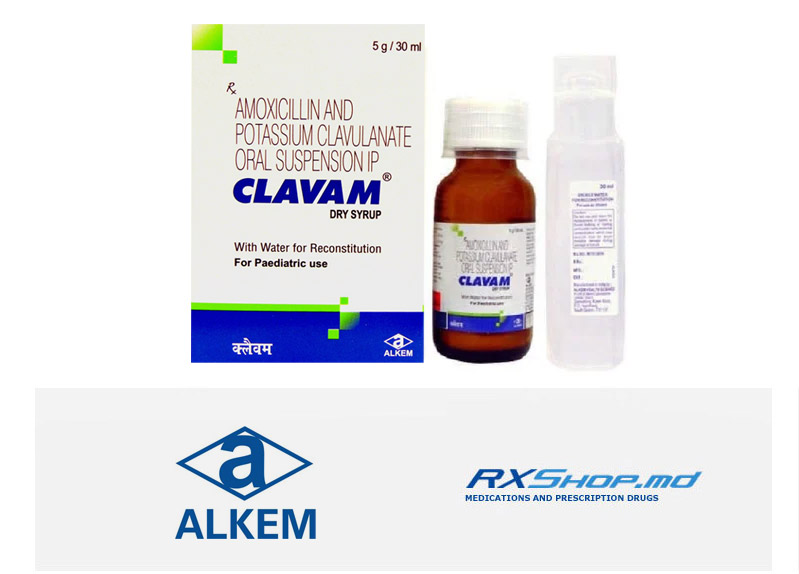
Clavam is an affordable generic Amoxicillin + Potassium Clavulanate combination antibiotic — manufactured by Alkem Laboratories, one of India's leading pharmaceutical companies. Clavam provides the same broad-spectrum β-lactamase-protected antibacterial coverage as branded Augmentin at a significantly lower cost, with an extensive range of formulations from infant drops to high-strength adult tablets supporting all age groups.
The combination works through complementary mechanisms. Amoxicillin is the active antibiotic component, inhibiting bacterial cell wall synthesis through penicillin-binding protein interaction. Potassium Clavulanate is a β-lactamase inhibitor with minimal direct antibacterial activity — instead, it serves as a "suicide inhibitor" of β-lactamase enzymes that many bacteria produce to inactivate β-lactam antibiotics. By neutralising these resistance enzymes, Clavulanate protects Amoxicillin from degradation, dramatically extending the spectrum to include β-lactamase producing organisms.
Clavam provides effective coverage against an expanded range of pathogens including β-lactamase producing Haemophilus influenzae, Moraxella catarrhalis, Escherichia coli, some Klebsiella species, and methicillin-sensitive Staphylococcus aureus (MSSA). It also adds anaerobic coverage particularly against Bacteroides species — making it valuable in pediatric practice where mixed infections are common.
Clavam is widely used for treatment of acute bacterial otitis media, acute bacterial sinusitis, lower respiratory tract infections, urinary tract infections, skin and soft tissue infections, dental infections, and various pediatric bacterial infections. Alkem produces Clavam in multiple formulations including Clavam Drops for infants, Clavam Kid pediatric suspension, Clavam 625 standard tablets (500/125 mg), and Clavam DS high-strength tablets (875/125 mg).
Standard adult dosing is one Clavam DS tablet twice daily for most indications. Pediatric dosing is weight-based with appropriate suspension or drops. Taking the medication with food substantially reduces gastrointestinal effects from the Clavulanate component.
Common side effects include diarrhea (more frequent than plain Amoxicillin), rash, and yeast infections. Clavam provides global access to this essential broad-spectrum antibiotic combination at affordable cost across all age groups.

Free prescription
Discrete packaging
Have questions?
Quality Assurance

- Toddler Otitis Media: For toddler acute otitis media using Clavam Kid suspension for weight-based dosing;
- School Age Otitis Media: For school-age children with acute otitis media using pediatric Clavam Forte or chewable tablets;
- Childhood Sinusitis: For pediatric acute bacterial sinusitis where β-lactamase coverage is needed;
- Resistant Pediatric Otitis: For pediatric ear infections that have not responded to plain Amoxicillin;
- Pediatric Pneumonia: For pediatric community-acquired pneumonia requiring β-lactamase coverage;
- Pediatric Skin Infection: For pediatric skin and soft tissue infections caused by MSSA or mixed flora;
- Pediatric UTI: For pediatric urinary tract infections caused by susceptible Gram-negative organisms;
- Pediatric Dental Infection: For pediatric dental abscesses where anaerobic coverage is needed;
- Periorbital Cellulitis: For periorbital cellulitis in children where Haemophilus coverage is critical;
- Peritonsillar Abscess: For peritonsillar abscess (Quinsy) requiring broad-spectrum oral therapy after drainage;
- Erysipelas Mixed Flora: For erysipelas with risk of mixed flora or treatment failure;
- Mastitis Lactating: For acute bacterial mastitis in lactating women requiring broad-spectrum coverage;
- Periodontitis: For severe periodontitis as adjunctive therapy with mechanical scaling;
- Streptococcal Carrier Pediatric: For Group A Streptococcus carriage eradication in children;
- Recurrent Pyelonephritis: For recurrent kidney infections requiring broader oral coverage;
- Post Trauma Wound Care: For contaminated traumatic wounds requiring mixed aerobic-anaerobic coverage;
- Adult Sinusitis Treatment Failure: For adult sinusitis with treatment failure on first-line antibiotics;
- Adult Bronchitis Exacerbation: For adult chronic bronchitis exacerbations with β-lactamase producing pathogens;
- Bite Wound Outpatient: For outpatient bite wound management with anaerobic coverage;
- Acute Cholangitis Outpatient: For mild outpatient acute cholangitis with susceptible biliary pathogens;
- Travel Antibiotic Family Range: Family travel antibiotic supply with both pediatric and adult formulations available.
- Less Pain: Reduction in pain associated with infections requiring expanded antibiotic spectrum;
- Better Wound Healing: Wounds heal as both aerobic and anaerobic bacteria clear;
- Less Ear Pain: Relief from persistent or resistant ear infection pain — particularly important in children;
- Less Sinus Pain: Reduction in facial pressure and pain of resistant sinusitis;
- Less Cough: Resolution of productive cough in lower respiratory infections;
- Better Breathing: Improvement in respiratory symptoms as resistant respiratory infections resolve;
- Less Tooth Pain: Resolution of dental infection pain with anaerobic coverage;
- Less Burning Urination: Resolution of dysuria in UTI;
- Better Sleep: Resolution of nighttime symptoms during pediatric infection recovery;
- Better Appetite: Restoration of normal appetite as systemic infection resolves;
- Better Energy: Recovery from systemic infection-related fatigue;
- Faster Recovery: Resolution of resistant infections that failed plain Amoxicillin therapy;
- Better Daily Function: Return to school, work, and normal activities;
- Brand Clavam: Affordable Alkem Laboratories Indian generic with established international quality manufacturing;
- Generic Amoxicillin Clavulanate: Affordable generic combination expanding global access to broad-spectrum therapy;
- Augmentin Equivalent: Same Amoxicillin/Clavulanate combination as branded Augmentin with bioequivalent profile;
- Clavam Drops: Infant drop formulation supports accurate dosing in babies and young infants — key Clavam-specific advantage;
- Clavam Kid: Pediatric suspension (200/28.5 mg per 5 mL) supports weight-based dosing in toddlers and young children;
- Clavam Forte: Stronger pediatric suspension (400/57 mg per 5 mL) for higher-dose pediatric therapy in severe infections;
- Clavam DS: Adult double-strength tablets (875/125 mg) support twice-daily dosing with reduced pill burden;
- Multi Age Antibiotic Range: Complete formulation range from infant drops to adult tablets — single brand for family use;
- Beta Lactamase Inhibitor Combo: Clavulanate neutralises β-lactamase resistance enzymes — extends Amoxicillin spectrum;
- Extended Antibiotic Spectrum: Covers β-lactamase producing organisms that plain Amoxicillin cannot treat;
- Anaerobic Coverage Antibiotic: Adds anaerobic activity particularly against Bacteroides — key for dental and mixed infections;
- MSSA Coverage: Active against methicillin-sensitive Staphylococcus aureus through Clavulanate protection;
- Resistant Pediatric Therapy: For pediatric infections where resistance to standard antibiotics is suspected;
- Treatment Failure Rescue: Effective when plain Amoxicillin has failed due to β-lactamase resistance;
- Alkem Generic Quality: International quality manufacturing standards meeting global bioequivalence requirements;
- Family Antibiotic Brand: Single brand serves entire family from infants through adults with appropriate formulations;
- Pediatric Family Doctor Standard: Standard prescription in pediatric and family medicine practice for second-line antibiotic therapy;
- Pregnancy Safe Combination: Considered safe during pregnancy when broader spectrum antibiotic is needed;
- Breastfeeding Safe Antibiotic: Safe during lactation for postpartum mastitis and other maternal bacterial infections;
- WHO Essential Medicine: Listed on the WHO Model List of Essential Medicines for broad-spectrum antibiotic therapy;
- Affordable Combination Antibiotic: Significantly cheaper than branded Augmentin for sustained therapy — family access;
- Take With Food: Food substantially reduces gastrointestinal side effects from the Clavulanate component;
- Stable Storage: Tablets stable at room temperature, oral suspension requires refrigeration after reconstitution;
- Weight Based Pediatric Dosing: Pediatric suspensions and drops support accurate weight-based dosing across age groups;
- Globally Available: Widely supplied in Indian and international markets — trusted Alkem manufacturing.
Generic Clavam (Amoxicillin and Potassium Clavulanate 125 mg / 31.25 mg) Medication guide:
📖 What is Clavam and how it works
Clavam is a fixed-dose oral antibiotic combination pairing amoxicillin, a broad-spectrum aminopenicillin, with potassium clavulanate, a specialised molecule that neutralises the bacterial defence enzyme most often responsible for penicillin failure. The pairing turns a familiar penicillin into a targeted tool that can beat organisms which routinely destroy amoxicillin on its own.
🔬 Two active molecules, one bacterial target
Amoxicillin does the killing by blocking bacterial cell-wall assembly. Clavulanate protects it by sacrificing itself to the enzyme beta-lactamase that would otherwise cleave the amoxicillin ring. Together they cover pathogens that amoxicillin alone can no longer reach.
Manufactured by Alkem Laboratories, Clavam is supplied in adult tablets, dispersible paediatric formulations, and oral suspensions in fixed 7 to 1 and 14 to 1 amoxicillin-to-clavulanate ratios. The choice of ratio depends on the target pathogen and the total daily amoxicillin exposure needed.
| Component | Drug class | Role in Clavam |
|---|---|---|
| Amoxicillin | Aminopenicillin (beta-lactam) | Bactericidal cell-wall inhibitor |
| Potassium clavulanate | Beta-lactamase inhibitor | Protects amoxicillin from enzymatic breakdown |
Because clavulanate only protects and does not kill on its own, Clavam is chosen when a clinician suspects the target organism produces beta-lactamase — a growing share of respiratory, skin, dental, and bite-wound pathogens. Where beta-lactamase is uncommon, plain amoxicillin remains first choice and the combination offers no advantage but higher diarrhoea rates.
🕑 Heritage and development timeline
The molecular story behind Clavam spans four decades of discovery, from a British soil sample in the early 1970s to modern high-dose extended-release formulations used against penicillin-resistant respiratory pathogens.
🕑 Development milestones
- 1974 — Discovery of clavulanic acid
- Reading and Cole at Beecham Research Laboratories, Surrey UK, isolate clavulanic acid from the soil bacterium Streptomyces clavuligerus. The molecule is a weak antibiotic but a potent irreversible inhibitor of bacterial beta-lactamases.
- 1977 — Rational combination
- Beecham chemists pair clavulanate with amoxicillin, already the leading oral aminopenicillin, to counter the rising beta-lactamase problem.
- 1981 — United Kingdom launch
- The combination first reaches British pharmacy shelves as an oral tablet marketed by Beecham.
- 1984 — United States approval
- FDA approval under NDA 050575 makes amoxicillin-clavulanate available across US primary care.
- 2002 — Extended release variant
- FDA approval of the 2000 mg / 125 mg twice-daily extended-release formulation for high-dose amoxicillin coverage of penicillin-resistant Streptococcus pneumoniae.
- Generic era
- Regional generics, including Clavam by Alkem Laboratories, supply Indian, Southeast Asian, and international markets with adult and paediatric formulations.
The pairing of an existing broad-spectrum penicillin with a beta-lactamase inhibitor became the template that later produced ampicillin-sulbactam, piperacillin-tazobactam, and the newer parenteral pairings such as ceftolozane-tazobactam and meropenem-vaborbactam — every one traces its concept to the 1974 clavulanate discovery.
Amoxicillin-clavulanate sits on the WHO Access group of the Essential Medicines List, meaning it is a first-line agent recommended for wide primary-care availability at reasonable cost — a status held by very few brand-derived combinations.
⚙️ Mechanism of action explained
Clavam works through two complementary molecular events happening at the same time in the same bacterial cell.
🧱 Step one — amoxicillin binds bacterial cell wall builders
Amoxicillin diffuses through the outer membrane and locks onto penicillin binding proteins (PBPs), the enzymes that stitch the peptidoglycan mesh of the bacterial cell wall. Blocked PBPs cannot cross-link peptides, so the growing cell wall weakens and the organism ruptures under its own osmotic pressure. This step is bactericidal.
🛡️ Step two — clavulanate disarms bacterial defence enzymes
Many resistant organisms secrete beta-lactamase enzymes that cleave the beta-lactam ring of amoxicillin before it can bind PBPs. Clavulanate mimics the beta-lactam ring closely enough to be a favoured target for these enzymes, but binds them irreversibly — the enzyme is permanently inactivated. Clavulanate is a suicide inhibitor: it sacrifices itself so amoxicillin can reach its target intact.
The synergy is essential: neither molecule alone would work against beta-lactamase producers. Clavulanate has almost no antibacterial activity of its own at physiological doses. Amoxicillin alone is destroyed within seconds by the same organisms. In combination they turn a lost prescription into an effective one.
Bactericidal versus bacteriostatic: Clavam is bactericidal — it does not merely halt bacterial growth, it triggers lysis. This matters in serious infections such as bone infection, endocarditis prophylaxis, and immunocompromised hosts, where mere growth suppression is inadequate for cure.
Because the mechanism depends on the bacterium actively synthesising cell wall, Clavam is most effective against organisms in their exponential growth phase. It has limited activity against organisms in stationary phase or biofilms, which is one reason why chronic bone or prosthetic-device infections often require prolonged parenteral therapy rather than short oral courses.
🧬 Beta-lactam class positioning today
Understanding where Clavam sits in the wider beta-lactam family clarifies both when it is the best choice and when a different agent is more appropriate.
| Beta-lactam family | Representative agents | Route | Where Clavam sits relative |
|---|---|---|---|
| Natural penicillins | Penicillin V, Penicillin G | Oral / IV | Clavam covers strep well but adds coverage of H. flu and staph |
| Aminopenicillins | Amoxicillin, ampicillin | Oral / IV | Clavam is amoxicillin plus beta-lactamase inhibitor |
| Antistaph penicillins | Dicloxacillin, nafcillin | Oral / IV | Clavam matches for MSSA plus adds gram-negative coverage |
| Antipseudomonal penicillins | Piperacillin-tazobactam | IV only | Clavam does NOT cover Pseudomonas |
| 1st generation cephalosporins | Cephalexin | Oral | Similar staph coverage, Clavam adds anaerobes |
| 3rd generation cephalosporins | Ceftriaxone, cefixime | Oral / IV | Broader gram-negative than Clavam |
| Carbapenems | Meropenem, ertapenem | IV only | Reserved for ESBL and resistant cases beyond Clavam |
🎯 Clavam positioning summary
Clavam is the go-to oral option when a clinician needs the trusted safety of an aminopenicillin plus resistance-conquering beta-lactamase inhibition without escalating to parenteral therapy. It bridges the gap between plain amoxicillin and IV combinations, keeping many infections in the outpatient setting.
Clavulanate itself belongs to a small family of beta-lactamase inhibitors that also includes sulbactam, tazobactam, and the newer non-beta-lactam inhibitors avibactam, relebactam, and vaborbactam. Clavulanate is the only member available orally in wide use.
🦠 Bacterial spectrum and coverage
The clavulanate addition extends amoxicillin coverage into three important resistance zones: beta-lactamase producing respiratory pathogens, community-acquired staphylococci, and gut anaerobes. It does not, however, close every gap.
✅ Reliably covered by Clavam
- Streptococcus pneumoniae including penicillin-intermediate strains at high dose
- Haemophilus influenzae including beta-lactamase producers
- Moraxella catarrhalis (nearly all beta-lactamase producers)
- Streptococcus pyogenes group A strep
- Methicillin susceptible Staphylococcus aureus (MSSA)
- Enterococcus faecalis (some UTI strains)
- Bacteroides fragilis group anaerobes (bite wounds, dental, aspiration)
- Fusobacterium, Prevotella, Peptostreptococcus oral anaerobes
- Escherichia coli non-ESBL community strains
- Klebsiella pneumoniae non-ESBL community strains
- Pasteurella multocida (cat and dog bite wounds)
- Eikenella corrodens (human bite wounds)
❌ Not covered by Clavam — do not use empirically
- Methicillin resistant Staphylococcus aureus (MRSA) — use doxycycline, TMP-SMX, or clindamycin
- Pseudomonas aeruginosa — use antipseudomonal beta-lactam or fluoroquinolone
- Extended-spectrum beta-lactamase (ESBL) producers — clavulanate cannot neutralise ESBL enzymes reliably at oral doses; carbapenems needed
- Atypicals: Mycoplasma pneumoniae, Chlamydia species, Legionella — use macrolide, doxycycline, or fluoroquinolone
- Enterococcus faecium — often ampicillin-resistant, requires vancomycin or linezolid
- Enterobacter, Serratia, Citrobacter AmpC producers — often derepress under beta-lactam pressure
- Mycobacteria including tuberculosis and non-tuberculous species
- Anaerobic Clostridium difficile — Clavam actually promotes CDI rather than treating it
💡 Clinical framing
Clavam is a community-acquired first-line agent. For infections acquired in hospital, long-term care, or with recent broad antibiotic exposure, the resistance landscape shifts toward ESBL, MRSA, and Pseudomonas — and empirical Clavam becomes inappropriate. In these settings culture-guided therapy or broader spectrum agents are needed.
💉 Pharmacokinetics and drug absorption
The absorption, distribution, and elimination of the two components differ enough that dosing intervals and food timing matter more for Clavam than for amoxicillin alone.
| Parameter | Amoxicillin | Clavulanate |
|---|---|---|
| Oral bioavailability | Approximately 74 to 92 percent | Approximately 60 to 75 percent (with food) |
| Peak serum time | 1 to 2 hours | 1 to 2 hours |
| Protein binding | Approximately 18 percent | Approximately 25 percent |
| Half-life | 1.0 to 1.5 hours | 1.0 to 1.5 hours |
| Volume of distribution | 0.3 L/kg | 0.2 L/kg |
| Elimination route | Renal, largely unchanged (60 to 70 percent) | Renal, partly metabolised (25 to 40 percent unchanged) |
| Tissue penetration | Middle ear, sinus, lung, urine — excellent | Middle ear, sinus, lung — adequate |
🍴 Why take Clavam with food
Clavulanate absorption is more predictable when the dose is taken at the start of a meal. Food also lowers gastric irritation and reduces the risk of vomiting, which is the most common reason parents discontinue paediatric suspensions. Amoxicillin absorption is minimally affected by food, so the timing is really about protecting the clavulanate component.
The pharmacodynamic parameter that predicts success is the fraction of the dosing interval that free amoxicillin concentration stays above the MIC of the target organism (fT>MIC). Studies by Andes and Craig set the target at 40 to 50 percent of the interval for beta-lactams — the driver behind twice or thrice daily dosing rather than once daily, and the reason why extended-release formulations were developed to keep T>MIC stretched for organisms with higher MICs.
Both molecules cross into cerebrospinal fluid poorly in the absence of inflamed meninges, which is why Clavam is not used for CNS infections. They cross the placenta and appear in breast milk in small amounts (see the pregnancy and lactation section).
🏥 FDA approved indications overview
The current United States package insert for amoxicillin-clavulanate lists the following labelled indications. Actual clinical use extends into off-label areas backed by IDSA and specialty society guidelines, discussed in later sections.
| FDA-approved indication | Typical target pathogens | Typical duration |
|---|---|---|
| Lower respiratory tract infections | S. pneumoniae, H. influenzae, M. catarrhalis | 5 to 10 days |
| Acute bacterial otitis media | S. pneumoniae, H. influenzae, M. catarrhalis | 5 to 10 days by age |
| Sinusitis | S. pneumoniae, H. influenzae, M. catarrhalis | 5 to 7 days adult, 10 to 14 paediatric |
| Skin and skin structure infections | MSSA, streptococci, mixed flora | 5 to 10 days |
| Urinary tract infections | E. coli, Klebsiella, Enterobacter, S. saprophyticus | 3 to 7 days |
Additional guideline-supported uses beyond the strict FDA label include animal and human bite wound treatment and prophylaxis, mild-to-moderate diabetic foot infection, dental infections with abscess, and outpatient community-acquired pneumonia in patients with comorbidities — each covered in the sections that follow.
📋 Dose selection by ratio
The 7 to 1 ratio (875 mg / 125 mg twice daily) delivers standard amoxicillin exposure and is used for most indications. The 14 to 1 ratio (1000 mg / 62.5 mg extended-release, 2 tablets twice daily) delivers high-dose amoxicillin without raising the clavulanate load — used for penicillin-resistant pneumococcus in sinusitis and pneumonia.
Every FDA indication assumes susceptible-organism infection. Empirical use is reasonable when local resistance patterns support Clavam coverage; culture confirmation is preferred whenever material can be obtained (middle ear tap, sinus puncture, wound swab, urine culture).
👂 Acute otitis media treatment
The management of acute otitis media (AOM) in children is one of the most rigorously guideline-defined indications for Clavam, thanks to the American Academy of Pediatrics 2013 Clinical Practice Guideline led by Lieberthal and colleagues.
👉 When Clavam is first-line rather than amoxicillin
- Amoxicillin was received within the past 30 days
- Purulent conjunctivitis present at the same time as AOM (otitis-conjunctivitis syndrome, near-universal beta-lactamase producing H. influenzae)
- Documented history of amoxicillin treatment failure
- Recurrent otitis with prior culture-proven resistant organism
| Population | Regimen | Duration |
|---|---|---|
| Children under 2 years, severe or bilateral | 90/6.4 mg/kg/day divided BID | 10 days |
| Children 2 to 5 years | 90/6.4 mg/kg/day divided BID | 7 days |
| Children 6 years and older | 90/6.4 mg/kg/day divided BID (adult 875/125 BID if greater than 40 kg) | 5 to 7 days |
🎓 Why high-dose 90 mg/kg/day
The 90 mg/kg/day amoxicillin target overcomes penicillin-intermediate Streptococcus pneumoniae in middle-ear fluid. The clavulanate is capped at 6.4 mg/kg/day to prevent the dose-related diarrhoea that scales with clavulanate exposure. Achieving this requires the 14 to 1 formulation or split doses of standard formulations under paediatrician guidance.
Response should be assessed at 48 to 72 hours. Persistent fever, ear pain, or unchanged otoscopy suggests treatment failure — options are switching to intramuscular ceftriaxone for three days, tympanocentesis with culture, or ENT referral for tympanostomy tube placement in recurrent cases.
Watchful waiting versus immediate Clavam
AAP allows observation without antibiotics in children over 2 years with non-severe unilateral AOM and access to close follow-up. When observation fails or when the initial presentation is severe or bilateral in young children, Clavam becomes appropriate. This reduces unnecessary antibiotic exposure without missing serious cases.
👊 Acute bacterial sinusitis therapy
Acute bacterial rhinosinusitis (ABRS) is one of the most over-prescribed diagnoses in outpatient medicine — most sinus symptoms are viral. The IDSA 2012 guideline chaired by Anthony Chow tightened diagnostic criteria and made Clavam the preferred first-line agent when bacterial cause is genuinely suspected.
🔍 Diagnostic criteria — treat only when one is met
- Symptoms persisting 10 or more days without improvement
- Severe onset: fever over 39 degrees Celsius plus purulent nasal discharge or facial pain lasting 3 to 4 consecutive days at illness start
- Worsening symptoms (double sickening) after initial viral URI improvement over 5 to 6 days
If none of these criteria applies, symptomatic care is appropriate and antibiotics should be withheld. Prescribing Clavam for a two-day sinus complaint is stewardship failure and exposes the patient to diarrhoea, rash, and downstream resistance for no benefit.
| Patient category | Regimen | Duration |
|---|---|---|
| Adult, no risk factors | 875/125 mg BID | 5 to 7 days |
| Adult with risk factors for resistance | 2000/125 mg extended-release BID (high-dose) | 7 to 10 days |
| Paediatric standard | 45/6.4 mg/kg/day BID | 10 to 14 days |
| Paediatric with risk factors | 90/6.4 mg/kg/day BID | 10 to 14 days |
🎯 Risk factors triggering high-dose regimen
Age under 2 or over 65, day-care attendance, prior antibiotic within 30 days, prior hospitalisation within 5 days, immunocompromised host, residence in region with pneumococcal resistance greater than 10 percent. Any one of these shifts the regimen to high-dose 2000/125 twice daily in adults or 90/6.4 mg/kg/day in children.
Response is expected at 3 to 5 days. Persistent symptoms warrant reassessment for atypical pathogens, resistant pneumococcus, structural sinus disease, dental source, or non-infectious cause such as allergic sinusitis. Repeat courses without diagnostic clarification are a hallmark of poor stewardship.
🎯 Community acquired pneumonia use
Clavam has a specific role in outpatient community-acquired pneumonia (CAP), defined by the joint 2019 American Thoracic Society and IDSA guideline led by Metlay and colleagues. It is not appropriate for severe or hospitalised pneumonia.
📄 When Clavam fits the CAP pathway
- Outpatient CAP with comorbidities
- Chronic heart, lung, liver, or renal disease, diabetes, alcoholism, malignancy, or asplenia. Regimen: Clavam 2000/125 BID plus a macrolide (azithromycin) or doxycycline for atypical coverage.
- Outpatient CAP after risk assessment
- CURB-65 or PSI score supports outpatient management, oxygen saturation adequate, patient reliable for follow-up.
- When macrolide resistance is high
- In regions where pneumococcal macrolide resistance exceeds 25 percent, beta-lactam plus doxycycline is often preferred over beta-lactam plus macrolide.
| CAP scenario | Recommended regimen |
|---|---|
| Healthy adult, no comorbidity | Amoxicillin monotherapy or doxycycline (Clavam not needed) |
| Adult with comorbidity | Clavam 2000/125 BID + azithromycin or doxycycline |
| Inpatient non-severe CAP | IV beta-lactam (ampicillin-sulbactam or ceftriaxone) + macrolide |
| ICU severe CAP | IV beta-lactam + macrolide or fluoroquinolone (not Clavam alone) |
| Aspiration pneumonia (community) | Clavam covers oral anaerobes plus common pathogens |
🕑 Duration
Minimum 5 days, extended to 7 days only if the patient remains symptomatic at day 5 or blood cultures show Staphylococcus aureus, Pseudomonas, or an unusual pathogen. Longer courses do not improve cure rates in stable patients and increase adverse events.
Signs of clinical failure at day 3 to 5 warrant reassessment: culture data, chest imaging for effusion or abscess, HIV status, alternate diagnosis (heart failure, pulmonary embolism, malignancy). Do not simply extend Clavam without a workup.
🧬 Skin and soft tissue infections
The 2014 IDSA Skin and Soft Tissue Infection guideline led by Dennis Stevens defines several distinct roles for Clavam based on the mechanism of infection and the likely microbiology.
🐕 Animal bite wounds — Clavam is first-line
Dog, cat, and other mammalian bites carry a mixed flora that includes Pasteurella multocida, staphylococci, streptococci, and oral anaerobes. The landmark Talan NEJM 1999 bacteriology study established this pattern. Clavam 875/125 BID for 5 to 7 days for treatment, or 3 to 5 days for post-exposure prophylaxis of high-risk wounds (facial, hand, deep puncture, immunocompromised host, delayed presentation).
🤝 Human bite wounds — Clavam first-line
Human bite flora adds Eikenella corrodens, which is characteristically clavulanate-sensitive but resistant to first-generation cephalosporins and clindamycin. This makes Clavam the preferred oral agent. Duration 7 to 10 days. Fight-bite hand wounds warrant hand surgery consultation and often IV therapy first.
🦶 Diabetic foot infection — mild to moderate
For mild to moderate DFI without limb-threatening features and without recent hospitalisation, IDSA guidelines list Clavam as an outpatient option. It covers streptococci, MSSA, and anaerobic gut flora that colonise diabetic wounds. Duration 1 to 2 weeks. Moderate-to-severe DFI or MRSA-suspected infection requires broader agents.
🔵 Cellulitis — consider MRSA risk first
Simple cellulitis in a non-purulent, non-abscess presentation is usually streptococcal and cephalexin or dicloxacillin suffices. Clavam is chosen when polymicrobial spread is suspected: perineal, perianal, or perirectal, decubitus-associated, or lymphedema-associated cellulitis. When MRSA is suspected (abscess, IV drug use, athlete, close-contact outbreak) add doxycycline, TMP-SMX, or clindamycin because Clavam does not cover MRSA.
| Wound type | Clavam suitability | Notes |
|---|---|---|
| Dog / cat bite | First-line | Rabies and tetanus prophylaxis alongside |
| Human bite | First-line | HIV and hepatitis exposure counselling |
| Simple cellulitis (leg) | Second-line to cephalexin | If MRSA suspected add coverage |
| Diabetic foot mild | First-line outpatient | Debridement and off-loading essential |
| Necrotising fasciitis | Not appropriate | Surgical emergency, IV broad-spectrum |
🚻 Urinary tract infections role
Clavam has a limited but specific role in urinary tract infection (UTI) management. For most uncomplicated cystitis in non-pregnant adults it is not first-line, but for several clearly defined situations it becomes the preferred oral option.
🎯 Where Clavam is appropriate for UTI
- Pregnancy UTI: preferred by many obstetric practices due to Category B safety profile and coverage of common uropathogens
- Complicated UTI or pyelonephritis in patients with sulfa allergy and no fluoroquinolone option
- Paediatric UTI: covers common paediatric uropathogens with a favourable safety profile in young children
- Culture-directed therapy when the isolate is Clavam-susceptible and the patient cannot tolerate alternatives
- Enterococcus faecalis UTI where ampicillin-sensitivity is confirmed and clavulanate broadens coverage of coexisting gram-negatives
| UTI scenario | Preferred first-line | Clavam role |
|---|---|---|
| Uncomplicated cystitis, non-pregnant adult | Nitrofurantoin, TMP-SMX, fosfomycin | Not first-line, higher AE profile |
| Pregnancy cystitis or bacteriuria | Amoxicillin-clavulanate or cephalexin | Preferred Category B |
| Pyelonephritis outpatient (mild) | Fluoroquinolone or ceftriaxone bridge | Alternative when FQ contraindicated |
| Paediatric UTI | Cephalexin, cefpodoxime, Clavam | Guideline supported |
| Recurrent cystitis, sulfa allergy | Nitrofurantoin, fosfomycin | Culture-directed only |
| ESBL producing E. coli UTI | Ertapenem, fosfomycin | Unreliable, not recommended |
💡 Duration
Cystitis in pregnancy: 5 to 7 days. Complicated UTI or pyelonephritis: 10 to 14 days. Paediatric UTI: 7 to 10 days for febrile UTI, shorter for afebrile cystitis. Follow-up urine culture is warranted in pregnancy and complicated cases to confirm eradication.
Local E. coli resistance to amoxicillin-clavulanate has been rising in some regions and now exceeds 20 percent in certain community isolates, which is why guideline panels have moved plain amoxicillin-clavulanate off first-line for uncomplicated cystitis. Antibiogram-driven prescribing remains essential.
💊 Adult dosing and administration
Adult Clavam dosing is built around two variables: the amoxicillin dose required for the target pathogen and the clavulanate ceiling that keeps diarrhoea manageable. All modern strengths fix the clavulanate at 125 mg per dose so that increasing amoxicillin does not increase gut side effects.
| Formulation | Adult dose | Interval | Typical indication |
|---|---|---|---|
| 250/125 mg tablet | 1 tablet | Every 8 hours | Mild UTI, dental, rarely used today |
| 500/125 mg tablet | 1 tablet | Every 8 or 12 hours | Mild respiratory or skin infection |
| 875/125 mg tablet | 1 tablet | Every 12 hours | Standard adult regimen |
| 1000/62.5 mg extended-release | 2 tablets (2000/125) | Every 12 hours | High-dose sinusitis, CAP, penicillin-resistant pneumococcus |
📍 Administration essentials
- Take at the start of a meal to improve clavulanate absorption and reduce nausea
- Swallow tablets whole with a full glass of water — do not crush the extended-release form
- Space doses evenly across the day: 12-hour intervals for BID, 8-hour intervals for TID
- Complete the full course even if symptoms resolve early — abbreviated courses drive resistance
- If a dose induces vomiting within 30 minutes, take a replacement dose; if later than 30 minutes, skip and resume at the next scheduled time
⚠️ Never substitute two 250/125 tablets for one 500/125 tablet
Two 250/125 tablets deliver 250 mg clavulanate total; one 500/125 tablet delivers only 125 mg. The higher clavulanate load doubles diarrhoea risk without any therapeutic gain. Always dose using the single-strength tablet closest to the intended amoxicillin exposure.
Duration ranges from 3 days for uncomplicated cystitis to 10 days for pneumonia and severe otitis, with most respiratory and skin indications falling in the 5 to 7 day band. Extending beyond the guideline duration provides no cure benefit but multiplies adverse events, C. difficile exposure, and downstream resistance selection.
👶 Pediatric dosing and suspensions
Paediatric Clavam dosing is weight-based and uses oral suspensions in graded amoxicillin-to-clavulanate ratios that let clinicians reach high amoxicillin exposures without triggering diarrhoea.
👶 Standard suspension formulations
- 125 mg / 31.25 mg per 5 mL — 4:1 ratio
- Older paediatric strength, largely replaced. Used when 45 mg/kg/day standard dosing is chosen.
- 200 mg / 28.5 mg per 5 mL — 7:1 ratio
- Standard dose formulation for children over 3 months for otitis, sinusitis, LRTI, and SSSI.
- 400 mg / 57 mg per 5 mL — 7:1 ratio
- Same ratio, higher concentration. Reduces volume for older children and easier compliance.
- 600 mg / 42.9 mg per 5 mL — 14:1 ratio ES formulation
- The high-amoxicillin, low-clavulanate suspension used for 90 mg/kg/day dosing against penicillin-intermediate pneumococcus in AOM and sinusitis.
| Age / weight | Standard dose | High dose (AOM, sinusitis) |
|---|---|---|
| 3 months and older, under 40 kg | 45/6.4 mg/kg/day divided BID | 90/6.4 mg/kg/day divided BID (ES formulation) |
| Under 3 months | 30 mg/kg/day of amoxicillin divided every 12 hours — use 125/31.25 suspension only | Not recommended in this age band |
| 40 kg and above | Adult regimens apply | Adult 875/125 BID or 2000/125 ES BID |
💧 Suspension preparation and storage
- Shake the bottle vigorously before every dose — the active drug settles at the bottom
- Once reconstituted, refrigerate the suspension
- Discard after 10 days for most formulations; check the individual bottle for the exact expiry
- Use an oral syringe or dosing cup rather than a household teaspoon — kitchen teaspoons range from 3 to 7 mL
- Rinse the mouth or offer water after each dose to reduce tooth staining risk (mild, reversible)
Vomiting and diarrhoea are the most common reasons for paediatric discontinuation. Taking the dose with the first bite of a meal, spreading intake across the whole meal, and offering probiotic-containing yoghurt or supplements are simple measures that meaningfully reduce dropout without affecting cure rates.
🍃 Renal dose adjustment guidance
Both amoxicillin and clavulanate are eliminated by the kidneys, so significant renal impairment requires either dose reduction or interval extension. The 875/125 tablet cannot be used at the lowest creatinine clearances because the fixed clavulanate load exceeds safe daily exposure.
| Creatinine clearance | Standard tablet options | Extended release |
|---|---|---|
| CrCl greater than 30 mL/min | No adjustment needed | No adjustment needed |
| CrCl 10 to 30 mL/min | 500/125 mg every 12 hours (do not use 875/125) | Contraindicated — use standard formulation |
| CrCl less than 10 mL/min | 250/125 or 500/125 mg every 24 hours | Contraindicated |
| Haemodialysis | 250/125 or 500/125 mg every 24 hours, dose after dialysis on dialysis days | Contraindicated |
⚠️ Why extended-release is contraindicated below CrCl 30
The 2000/125 ES formulation delivers 2000 mg amoxicillin per dose, and neither the amoxicillin nor the clavulanate can be cleared at safe rates when kidney function is impaired. Accumulation would produce toxic amoxicillin levels (neuromyotoxicity, seizures) and prolonged clavulanate exposure (increased hepatotoxicity signal). Only the standard formulations, with their smaller amoxicillin dose per interval, can be safely dose-adjusted.
💧 Dialysis considerations
Both amoxicillin and clavulanate are removed by haemodialysis. Dosing after the dialysis session ensures therapeutic levels through the next inter-dialytic interval. On non-dialysis days, dose every 24 hours. Peritoneal dialysis clears the drugs less efficiently — consult a nephrologist for chronic-use regimens.
Estimate renal function with either Cockcroft-Gault (older population, calibrated for many drug studies) or CKD-EPI (broader modern applicability). In acute kidney injury, use the lower measured or estimated value and reassess as function evolves. Paediatric dose adjustment for renal impairment uses the same interval-extension principle scaled to weight-based dosing.
💛 Hepatic considerations and safety
Clavam is metabolised only partly by the liver, so classic hepatic dose adjustment is not routinely required. What matters clinically is the well-documented risk of clavulanate-associated cholestatic hepatitis in patients with pre-existing liver disease or a prior hepatic reaction to the same agent.
⛔ Absolute contraindication
A previous episode of cholestatic jaundice or hepatic dysfunction from amoxicillin-clavulanate is an absolute contraindication to any future course. Recurrence risk on re-exposure is high, and the second episode is more severe and more prolonged than the first.
💛 Cautions in pre-existing liver disease
- Chronic hepatitis B or C: baseline elevated LFTs make monitoring for drug-induced signal harder
- Non-alcoholic fatty liver disease with fibrosis: lower reserve for any hepatic insult
- Cirrhosis: prefer a shorter course, monitor LFTs weekly if therapy extends beyond 7 days
- Prior alcohol-related liver disease: check baseline AST, ALT, ALP, bilirubin before starting
- Autoimmune hepatitis: any new AST or ALT rise on Clavam is presumed drug-related until proven otherwise
| Hepatic scenario | Clavam decision |
|---|---|
| Normal LFTs, no history | Full standard course, no special monitoring |
| Mild LFT elevation from other cause | Proceed, baseline documented, follow-up LFT if course exceeds 7 days |
| Cirrhosis Child-Pugh A or B | Shorter courses when possible, weekly LFTs during therapy |
| Prior cholestatic reaction to any beta-lactam | Avoid Clavam, choose alternative agent (macrolide, doxycycline, cephalosporin without clavulanate exposure history) |
| Prior cholestatic hepatitis from Clavam specifically | Absolute contraindication |
🤔 When to test LFTs during therapy
A patient who develops yellowing of the eyes or skin, right upper quadrant discomfort, unexplained fatigue, dark urine, or pale stools during a Clavam course should have LFTs, bilirubin fractionation, and alkaline phosphatase measured that day. Onset is typically 1 to 6 weeks after starting therapy but can occur up to 2 months after the course has ended.
The cholestatic hepatitis section that follows covers pathophysiology, recognition, and management in detail. Prevention starts here with baseline caution in high-risk patients.
💥 Drug interactions and warnings
Clavam has a relatively clean interaction profile compared with fluoroquinolones or macrolides, but four categories of interaction merit attention before prescribing.
🔴 Interactions requiring active management
- Warfarin
- Amoxicillin displaces warfarin from protein binding and disrupts vitamin-K-producing gut flora, prolonging INR by 1 to 3 units. Check INR at day 3 to 5 of therapy and 3 to 5 days after finishing. Dose adjustments are common.
- Methotrexate
- Amoxicillin reduces methotrexate renal clearance, raising serum levels and toxicity risk (mucositis, marrow suppression, hepatotoxicity). Avoid if possible, monitor methotrexate level and blood counts if unavoidable.
- Allopurinol
- Co-administration increases the incidence of maculopapular ampicillin rash up to threefold. Warn patients and physicians of expected skin reaction.
- Probenecid
- Blocks tubular secretion of amoxicillin, raising serum levels and prolonging half-life. Effect can be exploited therapeutically but usually is not.
🟡 Interactions worth flagging but usually manageable
- Combined oral contraceptives: theoretical reduction in effectiveness through altered gut flora is not supported by pharmacokinetic studies. Nonetheless, many patients still receive advice to use backup contraception during and 7 days after the course — a conservative practice
- Live oral typhoid vaccine (Ty21a): Clavam kills the vaccine organism. Space vaccine at least 3 days after finishing the antibiotic
- Mycophenolate: exposure can drop 10 to 20 percent through altered enterohepatic recirculation, potentially important in transplant recipients — monitor levels
- Digoxin: rare cases of increased digoxin levels through altered gut flora reported; check digoxin level in patients on chronic therapy
✅ Reassuringly clean interactions
No clinically significant interaction with statins, SSRIs, most antihypertensives, direct oral anticoagulants (apixaban, rivaroxaban, dabigatran), metformin, insulin, common asthma inhalers, or acetaminophen. Clavam is not a CYP inducer or inhibitor.
| Drug or class | Effect | Action |
|---|---|---|
| Warfarin | INR rise | Check INR day 3 to 5 during and after therapy |
| Methotrexate | Reduced clearance, toxicity risk | Avoid or monitor closely |
| Allopurinol | Increased rash incidence | Warn patient, consider alternative |
| Live oral vaccines | Vaccine inactivated | Space vaccine >=3 days after antibiotic |
| Combined oral contraceptives | Theoretical only | Reassure or advise backup as preference |
🤰 Pregnancy and lactation safety
Clavam sits in FDA pregnancy Category B, one of the safer antibiotic profiles available for pregnant patients. Human pregnancy data spanning several decades has not shown teratogenic signal, though a single 2010 study raised a question about neonatal necrotising enterocolitis that has not been reproduced.
🤰 Pregnancy safety summary
- Category B per FDA classification (pre-2015 letter system, still widely cited)
- No animal teratogenicity at up to 10 times human dose
- No consistent human birth defect signal in decades of use
- ORACLE II trial raised concern about NEC in preterm infants when Clavam was given in preterm labour without membrane rupture — leading to caution in that specific setting
- Standard antibiotic doses in urinary and respiratory infection have not shown similar signal
- Actively preferred for pregnancy UTI, sinusitis, and respiratory infection when a beta-lactamase producer is suspected
| Pregnancy indication | Clavam use |
|---|---|
| Asymptomatic bacteriuria | First-line 5 to 7 day course |
| Symptomatic cystitis | First-line 5 to 7 day course |
| Pyelonephritis in pregnancy | Alternative to IV ceftriaxone; oral bridge often possible |
| Sinusitis or otitis in pregnancy | Preferred when antibiotics genuinely indicated |
| Preterm labour without ROM | Avoid per ORACLE II signal — use alternative |
| Preterm PROM prophylaxis | Avoid; ampicillin plus erythromycin is standard |
👶 Lactation
Both amoxicillin and clavulanate transfer into breast milk in small amounts (about 0.5 to 1 percent of maternal weight-adjusted dose). No developmental or behavioural adverse effects have been documented in nursing infants. LactMed rates the combination compatible with breastfeeding. Watch for altered stool pattern, thrush, or diarrhoea in the infant — these are transient and rarely require discontinuation.
The pregnancy-safety edge is one of the main reasons Clavam remains prominent in obstetric prescribing. When the alternative would be a fluoroquinolone (contraindicated in pregnancy), tetracycline (contraindicated after 15 weeks), or TMP-SMX (avoided in first trimester and near term), Clavam becomes the natural choice for a beta-lactamase covering agent.
🤔 Common adverse effects overview
The Clavam adverse event profile is dominated by gastrointestinal symptoms and dermatologic reactions. Serious events (cholestatic hepatitis, C. difficile colitis, anaphylaxis) are the subject of dedicated sections that follow.
| Adverse event | Incidence | Typical timing | Management |
|---|---|---|---|
| Diarrhoea | 14 to 34 percent | Days 2 to 5 | Hydration, probiotics, complete course; escalate if bloody or fever |
| Nausea | 3 to 8 percent | First 24 to 48 hours | Take at start of meal; consider dose split |
| Vomiting | 1 to 5 percent | First 24 to 48 hours | Antiemetic if persistent; switch if dose is not tolerated |
| Rash (maculopapular) | 2 to 5 percent | Days 3 to 7 | Discontinue if severe or accompanied by fever |
| Vaginal candidiasis | 2 to 5 percent | During or shortly after course | Topical or oral antifungal |
| Oral candidiasis (thrush) | 1 to 3 percent | During or shortly after course | Nystatin swish and swallow |
| Headache | 1 to 3 percent | Variable | Symptomatic care |
| Tooth discolouration (children) | Rare, suspension-related | During course | Reversible with brushing; mostly cosmetic |
💡 Why Clavam causes more diarrhoea than plain amoxicillin
Clavulanate itself has direct prokinetic and osmotic effects on the gut in addition to promoting gut-flora disturbance. The rate of diarrhoea scales with the clavulanate dose, which is why fixed-ratio formulations that keep clavulanate constant while raising amoxicillin (the 14 to 1 ratio) matter clinically.
🥐 Practical tolerability tips
- Take each dose with the first bite of a meal — not on an empty stomach and not after the meal
- Consider a probiotic Lactobacillus or Saccharomyces boulardii supplement during and 5 days after therapy — meta-analyses show a modest reduction in antibiotic-associated diarrhoea
- Stay well hydrated, especially in warm weather or exercise
- Avoid new spicy or unusual foods during therapy to help attribute any GI symptoms correctly
- Continue routine dairy intake unless lactose intolerance is unmasked by transient gut flora disturbance
🧫 Diarrhea and C difficile risk
Antibiotic-associated diarrhoea (AAD) is by far the most common Clavam adverse event, and a small subset progresses to Clostridioides difficile infection (CDI), which requires specific treatment and can be life-threatening in older or comorbid patients.
💧 Spectrum of Clavam-related diarrhoea
- Simple AAD — approximately 14 to 34 percent of courses
- Loose or frequent stools, no fever, no blood, mild abdominal cramping. Resolves within 3 to 5 days of finishing therapy. Hydration and continued adherence to the antibiotic course.
- Moderate AAD — approximately 3 to 5 percent
- Watery stools multiple times per day, low-grade discomfort, no bloody stools. Consider probiotics, rehydration, and dose splitting. Continue treatment if the underlying infection warrants it.
- C. difficile infection — approximately 0.5 to 2 percent
- Frequent watery stools, fever, abdominal pain, sometimes bloody stools, elevated white count, colitis on imaging. Requires stool testing and directed treatment (oral vancomycin or fidaxomicin).
🔴 Red flags — stop Clavam and seek urgent evaluation
- Bloody stools or visible mucus
- Fever greater than 38.5 degrees Celsius during antibiotic course
- Severe abdominal pain, especially with distension
- More than 6 loose stools per day sustained beyond 24 hours
- Signs of dehydration: reduced urine output, dizziness, dry mouth
- Symptoms starting after the course ends (CDI can appear up to 8 weeks later)
| CDI risk factor | Relative risk |
|---|---|
| Age over 65 | 3 to 5x |
| Recent hospitalisation | 2 to 4x |
| Concomitant proton pump inhibitor | 1.5 to 2x |
| Prior CDI history | Very high, avoid Clavam if possible |
| Immunocompromised (transplant, chemotherapy) | 2 to 3x |
| Inflammatory bowel disease | 2x, also raises CDI severity |
🧪 Testing for CDI
If clinical picture suggests CDI, submit stool for C. difficile toxin PCR or GDH plus toxin EIA per local practice. Do not test asymptomatic patients or formed stools — positive results represent colonisation, not disease. Treatment is oral vancomycin (first-line) or fidaxomicin (for high recurrence risk); metronidazole is reserved for select cases and is no longer preferred initial therapy.
Do not use anti-motility agents such as loperamide when CDI is suspected — slowing gut transit worsens toxin exposure and increases complication risk. Rehydration and specific antibiotic therapy are the mainstays.
💛 Cholestatic hepatitis from clavulanate
The single most concerning uncommon Clavam adverse event is drug-induced cholestatic hepatitis. Larrey and colleagues established in J Hepatol 1992 that the clavulanate component — not amoxicillin — is the responsible agent, based on cases with clean amoxicillin re-exposure histories.
🔴 Key features
- Incidence approximately 1 in 1000 to 1 in 100,000 Clavam exposures
- Onset typically 1 to 6 weeks after starting therapy, occasionally up to 2 months after the course ends — a signature "delayed" hepatotoxicity
- Predominantly cholestatic pattern: elevated alkaline phosphatase and bilirubin, modest AST/ALT rise
- Risk factors: older age, male sex, prolonged therapy greater than 14 days, repeated courses
- HLA-A*02:01 and HLA-DRB1*15:01 haplotypes carry elevated genetic susceptibility but genotyping is not routine practice
💛 Recognition — warning signs
- Yellowing of the skin or whites of the eyes (jaundice)
- Dark, tea-coloured urine
- Pale or clay-coloured stools
- Right upper quadrant discomfort or fullness
- Unexplained fatigue and appetite loss
- Itching (pruritus) with or without visible rash — often the earliest complaint
- Symptoms starting during or up to 8 weeks after a Clavam course
| Laboratory pattern | Clavam cholestatic hepatitis typical values |
|---|---|
| Alkaline phosphatase (ALP) | 3 to 10 times upper limit |
| Total bilirubin | Elevated, predominantly direct (conjugated) |
| AST / ALT | Mild to moderate rise, less than 5 times upper limit |
| GGT | Elevated alongside ALP |
| R factor (ALT/ULN divided by ALP/ULN) | Less than 2 (cholestatic), typically less than 1 |
🩺 Management steps
- Discontinue Clavam immediately
- Order LFTs, GGT, bilirubin fractionation, hepatitis A/B/C serology, EBV/CMV if picture atypical
- Ultrasound to rule out biliary obstruction from stones or mass
- Consult hepatology if bilirubin greater than 3 times upper limit, INR rising, or encephalopathy
- Supportive care: hydration, avoid other hepatotoxins, pruritus symptom management with cholestyramine or ursodeoxycholic acid if severe
- Document the reaction clearly in the chart as a lifetime absolute contraindication to any amoxicillin-clavulanate formulation
- Report to national pharmacovigilance system (FDA MedWatch, EMA Yellow Card equivalents)
Most cases resolve fully within 3 to 4 months of discontinuation. Fulminant liver failure is rare but reported, particularly in older patients with delayed recognition. Re-exposure is the single most dangerous mistake and must be prevented by clear allergy-list documentation.
❗ Severe adverse effects reference
This section summarises the serious adverse events any Clavam prescriber must recognise on sight. Detailed discussion of individual categories appears in the sections that follow.
🚨 Serious events that mandate discontinuation and evaluation
- Anaphylaxis and severe IgE-mediated reaction
- Hives, angio-oedema, wheezing, throat tightness, hypotension — typically within minutes to 2 hours of a dose. Requires immediate epinephrine and emergency care. Lifetime contraindication to all penicillins.
- Cholestatic hepatitis
- Jaundice, dark urine, pruritus 1 to 6 weeks into or after therapy. Cover fully in section on cholestatic hepatitis.
- Clostridioides difficile colitis
- Bloody or watery stools, fever, elevated white count during or up to 8 weeks after therapy.
- Stevens Johnson syndrome and toxic epidermal necrolysis (SJS/TEN)
- Severe mucocutaneous reaction with sheet-like skin peeling and mucous membrane involvement. Rare but life-threatening. Immediate discontinuation and burn-centre style supportive care.
- DRESS syndrome
- Drug reaction with eosinophilia and systemic symptoms — extensive rash, fever, lymphadenopathy, hepatic involvement, sometimes myocarditis or nephritis. Onset typically 2 to 6 weeks into therapy.
- Acute interstitial nephritis
- Rising creatinine, eosinophiluria, sometimes rash and fever. Onset days to weeks. Discontinuation and consideration of steroids.
- Amoxicillin-induced crystalluria and nephrotoxicity
- Rare at oral doses, more common with high-dose IV amoxicillin in dehydrated patients. Ensure hydration.
- Haematologic effects
- Rare cases of thrombocytopenia, leukopenia, haemolytic anaemia, prolonged prothrombin time. Reversible with discontinuation.
- Aseptic meningitis
- Very rare beta-lactam class effect with fever, headache, meningism, and pleocytosis. Prompt CSF exclusion of bacterial cause is essential.
| Severe reaction | Onset window | Approximate incidence |
|---|---|---|
| Anaphylaxis | Minutes to 2 hours after dose | Approximately 1 in 5,000 to 1 in 50,000 |
| Cholestatic hepatitis | 1 to 6 weeks into or after therapy | Approximately 1 in 1,000 to 1 in 100,000 |
| C. difficile infection | During or up to 8 weeks after | Approximately 0.5 to 2 percent |
| SJS / TEN | 1 to 3 weeks after start | Less than 1 in 100,000 |
| DRESS | 2 to 6 weeks after start | Very rare |
| Acute interstitial nephritis | Days to weeks after start | Very rare |
| Aseptic meningitis | Days after start | Extremely rare |
📋 Universal safety principles for any Clavam course
- Document a full drug and food allergy history before prescribing, especially prior beta-lactam exposure
- Warn the patient about warning signs of anaphylaxis, hepatitis, C. difficile, and severe rash
- Ensure the patient knows to stop the drug and seek help if any red-flag symptom appears — not to complete the course out of habit
- Complete or partial course completion policies matter: for infections that need treatment, immediately choose an alternative agent
- Report significant adverse events to national pharmacovigilance systems so the safety database keeps improving
The remaining sections in this guide take each of the serious reaction categories in turn and go into greater detail on presentation, differential diagnosis, and management.
🌸 Hypersensitivity and rash reactions
Penicillin allergy is one of the most over-diagnosed labels in medicine. Roughly 10 percent of the general population carries a penicillin allergy label, but formal skin testing and oral challenge programmes confirm true IgE-mediated allergy in fewer than 1 percent. Getting the distinction right matters because unnecessary penicillin avoidance leads to broader antibiotic use, worse outcomes, and higher C. difficile rates.
🎯 Three categories of Clavam-related hypersensitivity
- Immediate (IgE-mediated) reactions
- Onset within 1 hour of a dose. Presentation: hives, angio-oedema, wheezing, throat tightness, hypotension, anaphylaxis. Lifetime avoidance of all penicillins; alternative antibiotic class. Cross-reactivity with cephalosporins is real but modest (2 to 3 percent with 1st and 2nd generation, less with 3rd).
- Delayed non-severe reactions
- Onset days after starting. Presentation: maculopapular rash without systemic features. Not IgE-mediated. Future penicillin use is often safe; formal allergy consultation recommended when clarification affects prescribing.
- Severe delayed reactions
- SJS, TEN, DRESS, acute interstitial nephritis, drug-induced liver injury. Onset 1 to 6 weeks. Lifetime avoidance mandatory.
| Clinical feature | IgE-mediated | Non-IgE (maculopapular) |
|---|---|---|
| Onset | Minutes to 1 hour | Days to weeks |
| Skin lesion type | Urticaria (hives), angio-oedema | Flat pink or red macules and papules |
| Distribution | Widespread, migratory | Trunk-predominant, spreading |
| Systemic features | Hypotension, wheeze, throat tightness possible | Usually absent |
| Future Clavam use | Lifetime avoidance | Often safe after allergy evaluation |
| Diagnostic test | Skin prick and intradermal testing | Patch test or drug provocation |
✅ Penicillin allergy de-labelling programmes
Structured allergy re-evaluation with skin testing followed by graded oral challenge safely removes the penicillin label in the majority of adults previously carrying it. This is particularly valuable in patients with recurrent infections, upcoming surgery requiring prophylaxis, or planned pregnancy. Referral to an allergist is worth arranging for anyone with a childhood-only history of "rash on amoxicillin" without documented anaphylaxis.
🧪 Amoxicillin rash and mononucleosis
One specific delayed rash reaction deserves its own section because it is common, benign, and misinterpreted in ways that permanently mislabel patients as penicillin-allergic. The amoxicillin rash in acute mononucleosis occurs in roughly 80 to 100 percent of children and young adults given amoxicillin or Clavam while incubating or infected with Epstein-Barr virus.
🧬 Classic clinical picture
- Adolescent or young adult presents with sore throat, tender cervical adenopathy, and fatigue
- Diagnosis is presumed to be bacterial pharyngitis (though it is actually EBV mononucleosis)
- Amoxicillin or Clavam prescribed for suspected strep throat
- Widespread maculopapular rash appears at day 3 to 7 of therapy
- Rash is symmetrical, blanching, trunk and extremities, sometimes itchy
- No hives, no wheeze, no throat tightness, no anaphylaxis
- Resolves over 5 to 10 days, sometimes leaving faint post-inflammatory discolouration
The mechanism is not IgE-mediated allergy. The rash is a viral-induced immune activation against amoxicillin metabolites in the presence of an active T-cell response to EBV. Re-exposure to amoxicillin outside the setting of active EBV infection is safe in almost all cases.
⚠️ Why this matters for lifetime prescribing
A child labelled "penicillin-allergic" after this reaction may spend the next 50 years receiving broader, costlier, and often less effective antibiotics for straightforward infections. Documenting the reaction accurately in the chart — noting coincident mononucleosis, absence of urticaria, and absence of systemic features — keeps the door open to future penicillin use.
| Feature | Amoxicillin mono rash | True penicillin allergy |
|---|---|---|
| Setting | Active or incubating EBV | Any time |
| Timing | Day 3 to 7 | Minutes to hours (immediate) or days (delayed) |
| Skin lesion | Maculopapular, symmetric, blanching | Hives (immediate) or maculopapular (delayed) |
| Itching | Mild or absent | Variable, often prominent |
| Systemic features | Only those of underlying mono | Anaphylaxis features if IgE-mediated |
| Future penicillin use | Safe outside EBV episode | Lifetime avoidance |
The safest approach when a young patient presents with sore throat and tender adenopathy is to confirm bacterial cause (rapid strep or throat culture) before starting a penicillin. A positive Monospot or heterophile antibody test in this setting redirects care away from antibiotics entirely.
🔬 Nephrotoxicity and renal safety
Clavam has a comparatively favourable renal profile, but three distinct nephrotoxic mechanisms warrant clinician awareness: acute interstitial nephritis, amoxicillin crystalluria, and simple dose-related accumulation in renal impairment.
🔬 Acute interstitial nephritis (AIN)
Immune-mediated tubular inflammation. Presentation: rising creatinine within days to 3 weeks of starting, sometimes with rash, fever, and blood or urine eosinophilia. Urinalysis shows white blood cells and white cell casts. Discontinue Clavam, ensure hydration, consider a short steroid course if creatinine continues to rise after stopping. Most cases resolve fully within weeks to months.
💧 Amoxicillin crystalluria
Rare with oral therapy, more common at high IV amoxicillin doses in dehydrated or oliguric patients. Amoxicillin precipitates as needle-shaped crystals in acidic urine, causing haematuria, flank pain, and occasionally obstruction. Prevention: maintain urine output above 1500 mL per day during high-dose therapy. Management: hydration and dose reduction if severe.
📊 Accumulation in renal impairment
Both molecules are renally cleared. At CrCl less than 30 mL/min the standard 875/125 tablet delivers too much clavulanate per day and must be replaced with 500/125. At CrCl less than 10 mL/min interval extension to every 24 hours is needed. Accumulation of amoxicillin at levels beyond 200 mcg/mL is associated with neuroexcitation, myoclonus, and seizure in severe renal failure — a rare but documented consequence of over-dosing at low renal function.
| Renal risk factor | Approach |
|---|---|
| Baseline eGFR less than 60 mL/min | Verify baseline function, plan for interval or dose adjustment |
| Concomitant nephrotoxins (NSAID, ACE inhibitor, contrast, vancomycin) | Monitor creatinine at day 3 to 5 and after therapy |
| Volume depletion, diuretic use | Ensure hydration before starting |
| Elderly patient | Estimate GFR by Cockcroft-Gault, do not rely on serum creatinine alone |
| Any new rash plus rising creatinine | Presume AIN, discontinue Clavam, involve nephrology |
💡 Practical framing
In healthy adults with normal renal function, Clavam causes no significant kidney injury at standard doses. The nephrotoxicity story is a caution for the elderly, the volume-depleted, and the polypharmacy patient where accumulation and AIN become plausible. Baseline creatinine and follow-up if therapy exceeds 7 to 10 days are prudent.
🦠 Superinfection and yeast overgrowth
Broad-spectrum antibiotics disturb the commensal flora that normally competes with fungi and resistant bacteria for growth space. Superinfection is the emergence of a new pathogen during or shortly after treatment, and Clavam sits in the moderate-risk band for these events.
🍞 Common Clavam-associated superinfections
- Vulvovaginal candidiasis
- Most common Clavam superinfection in women. Presents with white curd-like discharge, itching, and vulvar irritation. Managed with a single-dose oral fluconazole or a topical azole cream.
- Oral thrush (oropharyngeal candidiasis)
- White plaques on tongue, buccal mucosa, and palate. More common in denture wearers, elderly, and inhaled steroid users. Managed with nystatin swish and swallow or oral fluconazole.
- C. difficile colitis
- Covered separately in the diarrhoea section. The classic example of bacterial superinfection with a specific pathogen.
- Enterococcus and gram-negative overgrowth
- Rare in outpatients on short courses. More important in hospitalised patients on prolonged Clavam where flora shift can select for VRE or ESBL producers.
| Risk group | Elevated superinfection risk |
|---|---|
| Diabetic women | Vulvovaginal candidiasis |
| Prior recurrent yeast infection history | Vulvovaginal candidiasis |
| Inhaled corticosteroid user | Oral thrush |
| Elderly with dentures | Oral thrush and denture stomatitis |
| Immunocompromised (transplant, HIV, chemotherapy) | Multiple fungal and bacterial superinfections |
| Prolonged therapy (over 14 days) | Gut dysbiosis and resistant flora selection |
📋 Prevention pointers
- Keep therapy short — the guideline-recommended duration, not longer
- Offer prophylactic single-dose oral fluconazole to women with a history of Clavam-induced yeast infection
- Encourage yoghurt or probiotic supplementation during therapy in flora-sensitive patients
- Rinse mouth after inhaled steroid use when Clavam is co-prescribed
- Reassure patients that vaginal candidiasis and thrush are treatable and expected in a small subset
⚖️ Clavam vs amoxicillin alone
The most fundamental prescribing decision at the point of writing an amoxicillin script is: does this infection require the clavulanate protection or not? Getting this right avoids both under-treatment (using amoxicillin against a beta-lactamase producer) and over-treatment (adding clavulanate that provides no benefit but doubles diarrhoea rates).
| Clinical scenario | Amoxicillin alone | Clavam |
|---|---|---|
| Strep throat, group A | Preferred | Unnecessary, higher diarrhoea rate |
| Simple AOM, no risk factors | Preferred first-line | Only after amoxicillin failure or risk factors |
| AOM with amoxicillin in past 30 days | Not appropriate | Preferred |
| Otitis-conjunctivitis syndrome | Not appropriate (H. flu almost always beta-lactamase producing) | Preferred |
| Acute bacterial sinusitis (any) | Suboptimal per 2012 IDSA | Preferred first-line |
| Dental abscess prophylaxis | Adequate for most cases | When anaerobic involvement suspected |
| Animal or human bite | Inadequate (misses anaerobes and Pasteurella beta-lactamase) | Preferred first-line |
| Endocarditis prophylaxis | Preferred, 2 grams once | Unnecessary |
| H. pylori eradication | Standard component | Not indicated |
| Uncomplicated Lyme disease | Preferred if doxycycline contraindicated | Unnecessary |
✅ Amoxicillin alone is enough when
- Target pathogen does not produce beta-lactamase (strep, susceptible pneumococcus)
- Guideline first-line is amoxicillin (AOM, strep pharyngitis, endocarditis prophylaxis, H. pylori)
- Local antibiogram shows beta-lactamase rates in target organism below 15 percent
- Patient tolerates plain amoxicillin poorly and clavulanate would worsen it
➕ Clavulanate adds real value when
- Beta-lactamase producing H. influenzae or M. catarrhalis is likely
- Anaerobic coverage matters (bite wounds, aspiration, dental infections with abscess)
- Prior amoxicillin failure within 30 days
- Complicated skin infection with polymicrobial spread
- MSSA coverage needed and cephalexin is not preferred
⚖️ Clavam vs cephalexin comparison
Cephalexin is the most common first-generation cephalosporin and a routine primary-care oral antibiotic. It overlaps with Clavam in several indications, so choosing between them is a frequent point-of-care decision.
| Dimension | Clavam | Cephalexin |
|---|---|---|
| Class | Aminopenicillin plus BL inhibitor | 1st generation cephalosporin |
| MSSA coverage | Good | Good |
| Streptococcal coverage | Excellent | Excellent |
| H. influenzae coverage | Excellent (BL producers covered) | Poor |
| Anaerobic coverage | Good (bite wounds, dental) | Minimal |
| Gram-negative coverage | Moderate (E. coli, Klebsiella non-ESBL) | Limited |
| Diarrhoea rate | Higher (14 to 34 percent) | Lower (5 to 10 percent) |
| Cost | Low, generic | Very low, generic |
| Pregnancy category | B | B |
| Penicillin allergy | Contraindicated in IgE-mediated | 2 to 3 percent cross-reactivity (avoid if severe reaction) |
📍 When to prefer Clavam over cephalexin
- Respiratory infection where H. influenzae or M. catarrhalis coverage matters (sinusitis, AOM, LRTI)
- Bite wounds (Pasteurella, Eikenella, anaerobes not covered by cephalexin)
- Dental infection with abscess or anaerobic component
- Diabetic foot infection with polymicrobial flora
- Anaerobic aspiration risk in outpatient CAP
📍 When to prefer cephalexin over Clavam
- Simple cellulitis in a leg with no anaerobic concern
- Uncomplicated pregnancy UTI where patient prefers a lower diarrhoea agent
- MSSA skin and soft tissue infection without polymicrobial suspicion
- Recurrent strep throat requiring beta-lactam
- Any indication where the narrow spectrum of cephalexin is adequate and clavulanate load would only add adverse events
Clavam and cephalexin overlap enough that switching between them in mid-course therapy is often a clinical judgment rather than a resistance-driven decision. The gut disturbance advantage of cephalexin can be decisive in a patient already struggling with diarrhoea from a previous course.
⚖️ Clavam vs azithromycin comparison
Azithromycin dominates respiratory antibiotic prescribing in many primary care settings, but the two agents cover different pathogen sets and rising macrolide resistance has narrowed azithromycin's advantage.
| Dimension | Clavam | Azithromycin |
|---|---|---|
| Class | Beta-lactam plus BL inhibitor | Macrolide |
| S. pneumoniae coverage | Excellent (including penicillin-intermediate at high dose) | Poor in high-resistance regions (up to 40 percent macrolide-R) |
| H. influenzae coverage | Excellent | Moderate |
| Atypical pathogens (Mycoplasma, Chlamydia, Legionella) | None | Excellent |
| MSSA coverage | Good | Moderate |
| Anaerobic coverage | Good | Minimal |
| Dosing | Twice daily 5 to 10 days | Once daily 3 to 5 days |
| Diarrhoea rate | Higher | Lower |
| QT prolongation | None | Small but real, avoid with other QT drugs |
| Cardiovascular event signal | None | Small excess cardiovascular death signal, reviewed by FDA |
| Drug interactions | Warfarin, methotrexate, allopurinol | Multiple CYP3A4 interactions, QT drugs |
✅ When Clavam is preferred over azithromycin
- Acute bacterial sinusitis (2012 IDSA moved away from macrolide monotherapy due to resistance)
- Bite wounds and dental infections (macrolide misses key pathogens)
- Cellulitis needing MSSA plus streptococcal coverage
- Any patient on QT-prolonging medication
- Regions with pneumococcal macrolide resistance greater than 25 percent
➕ When azithromycin remains a good choice
- Community-acquired pneumonia in previously healthy adult (paired with a beta-lactam if comorbidity)
- Chlamydia or gonorrhoea genitourinary infection
- Mycoplasma or Chlamydia pneumonia in adolescents and young adults
- Penicillin-allergic patient with atypical respiratory infection
- Traveller's diarrhoea and shigellosis (outside FQ era)
In most respiratory infections a beta-lactam plus macrolide combination outperforms either agent alone, which is why guidelines pair them rather than treating them as equivalents. Clavam alone will miss atypicals; azithromycin alone will miss beta-lactamase producers.
⚖️ Clavam vs doxycycline comparison
Doxycycline is a tetracycline-class agent that has re-emerged as a first-line option for several outpatient indications thanks to its narrow-spectrum yet broad coverage and reliably low resistance. Comparing it with Clavam highlights the trade-off between BL inhibitor coverage and tetracycline versatility.
| Dimension | Clavam | Doxycycline |
|---|---|---|
| Class | Beta-lactam plus BL inhibitor | Tetracycline |
| S. pneumoniae coverage | Excellent | Good, some resistance |
| Atypical pathogens | None | Excellent |
| MRSA coverage | None | Good for community MRSA |
| Anaerobic coverage | Good | Moderate |
| Tick-borne infections | None | Preferred for Lyme, ehrlichiosis, RMSF |
| Malaria prophylaxis | None | First-line for chloroquine-resistant regions |
| Pregnancy | Category B, preferred | Avoided after 15 weeks (tooth staining) |
| Children under 8 | Safe | Avoided (permanent tooth staining risk from older tetracyclines — doxycycline safer, IDSA now allows short courses) |
| Photosensitivity | None | Notable, sun-avoidance counselling needed |
| Oesophagitis / pill-induced injury | Rare | Real risk, take with plenty of water sitting upright |
✅ When Clavam is preferred over doxycycline
- Pregnancy or breastfeeding (doxycycline restricted)
- Children under 8 (though doxycycline safer than legacy tetracyclines)
- Bite wounds requiring Pasteurella and anaerobe coverage
- Sinusitis where beta-lactamase producing H. influenzae dominates
- Otitis media (doxycycline not typically first-line)
➕ When doxycycline outperforms Clavam
- Community MRSA skin infection
- Community-acquired pneumonia in previously healthy adult
- Suspected tick-borne infection
- Chlamydia genital infection
- Acne, rosacea, and dermatologic long-course indications
- Traveller in a malaria-endemic region needing prophylaxis
- Penicillin-allergic patient with respiratory infection
The 2019 ATS-IDSA CAP guideline explicitly names doxycycline monotherapy as an outpatient first-line choice for healthy adults, further narrowing the routine outpatient respiratory infection niche where Clavam was traditionally reflex-prescribed.
🔄 When to choose an alternative
Clavam is a first-line agent for several indications but there are clear situations where prescribing an alternative achieves equal or better cure with lower adverse-event burden and less resistance selection pressure.
⛔ Do not use Clavam — alternatives mandatory
- Prior anaphylaxis to any penicillin — use macrolide, doxycycline, fluoroquinolone as appropriate
- Prior cholestatic hepatitis from Clavam — use cephalosporin or macrolide, never repeat exposure
- MRSA infection — use TMP-SMX, doxycycline, clindamycin, or IV vancomycin
- Pseudomonas infection — use antipseudomonal beta-lactam or FQ
- ESBL-producing organism confirmed by culture — use ertapenem or fosfomycin for UTI
- Atypical pneumonia (Mycoplasma, Chlamydia, Legionella) — use macrolide or FQ
- C. difficile colitis — oral vancomycin or fidaxomicin
- Preterm labour without ROM — ORACLE II NEC signal warrants alternative
🟡 Reconsider Clavam — often a better alternative exists
- Uncomplicated cystitis in non-pregnant adult — nitrofurantoin or fosfomycin outperforms Clavam
- Simple strep pharyngitis — amoxicillin alone is first-line, adding clavulanate only raises AE rate
- Non-severe leg cellulitis — cephalexin has similar coverage with lower diarrhoea rate
- Community-acquired pneumonia in healthy adult — amoxicillin or doxycycline monotherapy
- Recurrent AOM in a child who has already had two Clavam courses — consider ENT referral rather than another course
- Patient reporting significant diarrhoea in previous Clavam course — consider cephalosporin
| Situation | Alternative to Clavam |
|---|---|
| Penicillin allergy (IgE-mediated) | Doxycycline, macrolide, respiratory FQ |
| MRSA suspicion | TMP-SMX, doxycycline, clindamycin |
| Uncomplicated cystitis | Nitrofurantoin 5 days, fosfomycin single dose, TMP-SMX |
| Atypical respiratory infection | Azithromycin, doxycycline, respiratory FQ |
| Recurrent Clavam diarrhoea | Cephalexin, cefpodoxime, cefuroxime |
| Prior cholestatic hepatitis | Cephalosporin, macrolide, doxycycline |
| Severe renal failure without HD access | Adjusted-dose cephalosporin or FQ |
💡 The stewardship principle
Prescribing Clavam by reflex, because it is broad, is one of the leading drivers of preventable antibiotic-associated harm in primary care. Match spectrum to the target organism, choose the narrowest agent that will work, and reserve Clavam for situations where the clavulanate component is genuinely earning its place.
📦 Storage and stability instructions
Storage requirements differ between the tablet and suspension formulations, and small mistakes can markedly reduce potency of the clavulanate component in particular.
💊 Tablets and dispersible tablets
- Store at controlled room temperature (15 to 25 degrees Celsius)
- Keep in the original blister or bottle to protect from moisture
- Do not remove tablets from blister until ready to take
- Keep silica gel desiccant packet in bottle formulations
- Discard tablets past the printed expiry date — clavulanate degrades faster than amoxicillin
- Do not refrigerate tablets — humidity from condensation accelerates clavulanate breakdown
💧 Oral suspension
- The pharmacist reconstitutes the powder with purified water on dispensing
- After reconstitution, refrigerate the suspension and shake vigorously before each dose
- Discard the suspension after 10 days from reconstitution (check individual product label — some are 7 days)
- Do not freeze — freezing damages the amoxicillin crystal structure and reduces bioavailability
- Bring back to room temperature briefly before dosing if straight from cold refrigerator to reduce dose sting
| Formulation | Storage | Shelf life after opening |
|---|---|---|
| Tablet (all strengths) | Room temperature, dry | Until printed expiry |
| Extended-release tablet | Room temperature, dry | Until printed expiry |
| Powder for suspension (unopened) | Room temperature | Until printed expiry |
| Reconstituted suspension | Refrigerate 2 to 8 degrees Celsius | 10 days maximum |
⚠️ Signs of degradation
Discoloured tablets (brown speckling), broken or crumbling tablets, or a suspension that smells sour or looks separated indicates degradation. Discard and obtain a fresh supply rather than continuing the course.
Travel considerations: keep tablets in a carry-on bag when flying, protect from hold-luggage temperature extremes. Reconstituted suspensions do not travel well — if a trip exceeds the 10-day suspension shelf life, ask the pharmacy to dispense unreconstituted powder plus purified water separately.
⏰ Missed dose recovery steps
Missed doses are common with twice or thrice daily antibiotic regimens. The rule of thumb for Clavam is straightforward: catch up if the miss is caught within a reasonable window, otherwise skip and resume the schedule.
🕑 Basic rule by regimen
- Twice daily (every 12 hours)
- If less than 4 hours late, take the missed dose now and shift the next dose forward by the same amount. If more than 4 hours late but less than 8 hours from the next scheduled dose, skip and resume as scheduled. If very close to the next dose, skip and continue — never double-dose.
- Three times daily (every 8 hours)
- If less than 3 hours late, take now and shift. If more than half-way to next dose, skip and resume.
- Extended-release twice daily
- Same 4-hour catch-up rule. Do not split or crush the extended-release tablet.
⚠️ Do not double-dose
Taking two doses close together does not improve cure and doubles the clavulanate load reaching the gut — the driver of diarrhoea. If two doses are genuinely missed in a row, resume single dosing at the next scheduled time and consider extending the total course by one extra dose to make up total exposure.
| Scenario | What to do |
|---|---|
| Realise 1 hour late | Take now, shift schedule forward |
| Realise 6 hours late (BID) | Skip missed dose, resume at next scheduled time |
| Vomit within 30 min of taking | Take a replacement dose |
| Vomit after 30 min of taking | Do not replace, resume at next scheduled time |
| Miss two doses in a row | Resume single dosing, consider extending total course by 1 to 2 doses |
| Miss doses across a full day | Contact prescriber — whole day of missed antibiotic may require course reassessment |
💡 Improving adherence
- Set phone alarms for each dose during the whole course, not just the first day
- Anchor doses to routine meals: breakfast and dinner for BID, breakfast, lunch, dinner for TID
- Use a weekly pill organiser or a smartphone medication reminder app
- Keep a dose card visible on the refrigerator or bathroom mirror
- Ask a family member to prompt or verify each dose in high-risk patients (children, elderly)
Adherence to the full course matters most in infections where relapse or resistance risk is high: pyelonephritis, dental abscess, complicated skin infection, and pneumonia in comorbid patients. Whenever adherence falters in these settings, contact the prescriber rather than self-adjusting.
👵 Geriatric considerations and Beers criteria
Older adults account for a disproportionate share of Clavam prescribing and also of its serious adverse events. Physiological changes with age (slower renal clearance, altered gut flora, higher CDI susceptibility, greater polypharmacy) amplify the safety concerns that are manageable in younger patients.
👵 Amplified risks in the elderly
- Cholestatic hepatitis: risk rises with age, more severe course, slower recovery
- C. difficile colitis: 3 to 5 times higher risk than young adults, higher mortality
- Acute kidney injury: baseline lower renal reserve, more concomitant nephrotoxins
- Amoxicillin neurotoxicity in unrecognised renal impairment: myoclonus, seizures
- Drug interactions: higher rates of warfarin, methotrexate, digoxin, allopurinol co-prescription
- Falls and delirium secondary to volume shifts from severe diarrhoea
📋 Beers Criteria and STOPP/START
Clavam is not on the AGS Beers Criteria list of medications to avoid in older adults, but the guiding principle of "use with caution, review necessity" applies. STOPP criteria specifically flag broad-spectrum antibiotic use when a narrower spectrum would suffice — a stewardship rather than a safety flag.
| Geriatric prescribing check | Action |
|---|---|
| Estimate GFR before prescribing (do not rely on serum creatinine alone) | Use Cockcroft-Gault, adjust dose per renal section |
| Review current medications for interactions | Warfarin: plan INR check, methotrexate: consider alternative |
| Baseline LFTs if extended course expected | Document for comparison if symptoms arise |
| Ask about prior Clavam reactions | Prior cholestatic hepatitis is absolute contraindication |
| Assess CDI risk factors | Prior CDI, recent hospitalisation, PPI use |
| Counsel on warning signs | Jaundice, bloody diarrhoea, rash, confusion |
| Choose narrowest effective spectrum | Cephalexin or amoxicillin when adequate |
| Duration — shortest evidence-based | Do not extend courses "to be safe" |
🏥 Care facility residents
Nursing home and long-term care residents carry higher colonisation with resistant organisms and higher CDI incidence. Empirical Clavam is still reasonable for many infections but culture-directed therapy should be pursued when material is available. Reassess at day 3 to 5 — discontinue if the presumed infection turns out to be colonisation or a non-infectious mimic.
Recognising cognitive impairment in geriatric patients matters for adherence: a caregiver-supervised dosing plan or blister packaging reduces missed and extra doses. Follow-up call at day 3 to 5 catches early adverse events before they escalate.
💰 Cost generic and future outlook
Amoxicillin-clavulanate has been generic since the early 2000s and today ranks among the most affordable broad-spectrum oral antibiotics. Its production footprint spans India, China, and Europe, with the WHO listing on the Access group of the Essential Medicines List reflecting deliberate global affordability policy.
| Antibiotic | Typical outpatient course cost band (USD) | Generic status |
|---|---|---|
| Amoxicillin-clavulanate (Clavam) | 10 to 40 | Since early 2000s |
| Amoxicillin | 5 to 15 | Long generic |
| Cephalexin | 5 to 20 | Long generic |
| Azithromycin | 10 to 30 | Long generic |
| Doxycycline | 5 to 25 | Long generic |
| Ciprofloxacin | 10 to 25 | Long generic |
| Nitrofurantoin | 15 to 35 | Generic, some brand price pressure |
💰 Cost accessibility
Clavam remains one of the most affordable broad-spectrum antibiotics, with a full 7 to 10 day adult course commonly available under 40 US dollars even at private-payer retail. Regional generics such as the Alkem-manufactured Clavam bring price further down in markets where local generic manufacturing is well developed.
🔭 Future outlook
- Rising community resistance
- Community E. coli resistance to amoxicillin-clavulanate is rising in several regions, now approaching 20 percent for cystitis isolates. This trend is one of the reasons Clavam is not first-line for uncomplicated UTI in current guidelines.
- Newer beta-lactamase inhibitors
- Avibactam, relebactam, and vaborbactam pair with beta-lactams (ceftazidime, imipenem, meropenem) to reach ESBL, KPC, and other resistant enzyme families that clavulanate cannot address. These are IV-only and reserved for hospital use, so they complement rather than replace oral Clavam.
- Stewardship pressure
- Regulatory and guideline focus on reducing unnecessary broad-spectrum outpatient prescribing may slow overall Clavam use, redirecting to narrower agents where suitable. This is a positive trend for long-term ecological utility of the drug.
- Continued essential status
- The WHO Essential Medicines List and virtually every national primary-care formulary keep amoxicillin-clavulanate in the core-drug list. The combination is not going away — only being used more selectively.
The half-century arc from the 1974 clavulanate discovery to today's routine paediatric suspension in a primary-care office is a rare success story in antibiotic stewardship: an inexpensive, safe, broadly available oral drug that keeps millions of outpatient infections manageable without hospitalisation. Preserving its usefulness through disciplined prescribing is a shared clinician-and-patient responsibility.
⛔ Absolute contraindications and precautions
This closing section consolidates all situations where Clavam must not be used, or must be used only with specific safeguards. It is the reference to check before writing any Clavam prescription for a patient with a complex history.
⛔ Absolute contraindications — do not prescribe
- Prior anaphylaxis to any penicillin
- Including amoxicillin, ampicillin, penicillin V, penicillin G, benzathine penicillin, and any prior amoxicillin-clavulanate reaction with hives, angio-oedema, hypotension, or wheeze.
- Prior cholestatic hepatitis from amoxicillin-clavulanate
- Re-exposure risk is high and the recurrence is more severe. Never re-prescribe under any circumstances.
- Prior severe skin reaction from any penicillin
- Stevens-Johnson syndrome, TEN, DRESS, acute generalised exanthematous pustulosis. Lifetime avoidance of all penicillins.
- Prior amoxicillin-clavulanate-induced acute interstitial nephritis
- Re-challenge carries substantial recurrence risk.
- Infectious mononucleosis (relative)
- Almost universal maculopapular rash. Not truly contraindicated but strongly avoided because of mislabelling risk.
🟡 Relative contraindications and cautions — use only with specific safeguards
- Cephalosporin allergy with severe reaction history
- Cross-reactivity risk 2 to 3 percent for 1st and 2nd generation, lower for 3rd. Avoid if the cephalosporin reaction was severe.
- Severe renal impairment (CrCl less than 30) — ES formulation
- Standard-release formulations can be used with dose adjustment. Extended-release 2000/125 is contraindicated at this level.
- Pre-existing significant liver disease
- Baseline LFTs, weekly monitoring during extended courses, prefer shorter durations.
- Prior C. difficile infection
- Choose an alternative if possible. If Clavam is truly needed, warn patient about CDI recurrence signs and set low threshold for stool testing.
- Concurrent methotrexate therapy
- Avoid combination if possible. If unavoidable, monitor methotrexate levels and blood counts closely.
- Concurrent warfarin therapy
- Plan INR check at day 3 to 5 during and after the course, adjust warfarin dose as needed.
- Preterm labour without ROM in pregnancy
- ORACLE II signal of neonatal NEC — use alternative regimen.
- Neonate under 3 months
- Restricted to 30 mg/kg/day amoxicillin every 12 hours using 4:1 ratio suspension only. Do not use ES formulation.
| Warning sign during therapy | Action |
|---|---|
| Hives, wheezing, throat tightness, hypotension | Stop drug immediately, epinephrine, emergency care |
| Jaundice, dark urine, right upper quadrant pain | Stop drug, LFTs, hepatology consult if severe |
| Bloody or profuse watery diarrhoea, fever | Stop drug, stool C. difficile toxin test, treat if positive |
| Severe rash with mucous membrane involvement | Stop drug, assess for SJS/TEN, dermatology urgent |
| Rising creatinine with rash and fever | Stop drug, urinalysis, nephrology consult, possible steroids |
| Confusion, myoclonus in patient with poor renal function | Stop drug, check GFR, consider amoxicillin accumulation |
| Any warning sign starting up to 8 weeks after course | Take Clavam history seriously even after course completion |
📋 Populations requiring extra vigilance
- Adults over 65 with polypharmacy and renal decline
- Nursing home and long-term care residents with high CDI baseline risk
- Immunocompromised patients (transplant, HIV, chemotherapy) with elevated superinfection risk
- Patients with inflammatory bowel disease, where CDI is both more common and more severe
- Patients with any prior beta-lactam adverse event even if mild
- Pregnant patients in the preterm labour setting per ORACLE II data
- Patients on methotrexate, warfarin, or allopurinol concurrently
Used within these boundaries, Clavam remains one of the most useful oral antibiotics in primary care — broad enough to cover the majority of common community infections, narrow enough not to select routinely for the most difficult resistance patterns, cheap enough to be accessible, and safe enough for pregnancy and paediatric use. Careful selection of the right patient and the right indication is what preserves this usefulness for the next generation of prescribing.
Clavam — Frequently Asked Questions
-
What is Clavam (Amoxicillin and Potassium Clavulanate)?
Clavam is a combination antibiotic that includes amoxicillin and potassium clavulanate. It is used to treat various bacterial infections by preventing bacterial resistance and enhancing the antibiotic's effectiveness. -
How does Clavam work?
Clavam works by combining amoxicillin, which kills bacteria, with potassium clavulanate, which inhibits beta-lactamase enzymes produced by some bacteria, preventing them from breaking down amoxicillin. -
What types of infections does Clavam treat?
Clavam is effective against a wide range of infections, including respiratory tract infections, urinary tract infections, skin and soft tissue infections, ear infections, dental infections, and certain gastrointestinal infections. -
How should I take Clavam?
Clavam should be taken exactly as prescribed by your healthcare provider. It is typically taken every 8 or 12 hours with food to reduce stomach upset. -
Can I take Clavam with other medications?
Clavam can interact with certain medications, so it is important to inform your healthcare provider of all medications you are taking, including over-the-counter drugs and supplements. -
What are the common side effects of Clavam?
Common side effects include diarrhea, nausea, vomiting, and skin rash. These are generally mild and manageable. -
How can I manage diarrhea caused by Clavam?
Stay hydrated, eat a balanced diet, and consider taking probiotics to maintain healthy gut flora. If diarrhea is severe or persistent, contact your healthcare provider.
📚 Drug Description Sources:
The evidence base for Clavam (amoxicillin plus potassium clavulanate) synthesises FDA regulatory documentation, IDSA and AAP clinical guidelines, the pivotal beta-lactamase inhibitor pharmacology literature published by Beecham Research, and condition-focused evidence spanning acute otitis media, acute bacterial rhinosinusitis, community-acquired pneumonia, skin and soft-tissue infections, and animal-bite prophylaxis. Every citation below documents an aspect referenced in this medication guide.
🏛️ Regulatory documentation
- FDA NDA 050575 Augmentin approval, Beecham Laboratories, 1984 — original tablet strengths and paediatric suspension formulations approved for the United States market.
- FDA NDA 050725 Augmentin XR extended-release, 2002 — high-dose amoxicillin formulation for penicillin-resistant Streptococcus pneumoniae.
- EMA CHMP European public assessment reports for amoxicillin-clavulanate combinations including the ESCMID position papers.
- WHO Essential Medicines List (Access group) core listing for amoxicillin-clavulanate as first-line for community respiratory infections.
- US Package Insert current revision documenting 7:1 and 14:1 amoxicillin to clavulanate ratios and paediatric suspension concentrations.
📚 Clinical guidelines
- IDSA Acute Bacterial Rhinosinusitis Guidelines (Chow et al, Clin Infect Dis 2012;54:e72) — amoxicillin-clavulanate first-line, with high-dose regimen for risk factors.
- AAP Acute Otitis Media Clinical Practice Guideline (Lieberthal et al, Pediatrics 2013;131:e964) — amoxicillin-clavulanate for treatment failure or recent amoxicillin exposure.
- IDSA Skin and Soft Tissue Infection Guidelines (Stevens et al, Clin Infect Dis 2014;59:e10) — first-line for animal and human bite wounds.
- IDSA Diabetic Foot Infection Guidelines (Lipsky et al) — mild-to-moderate outpatient regimens include amoxicillin-clavulanate.
- ATS-IDSA Community-Acquired Pneumonia (Metlay et al, Am J Respir Crit Care Med 2019;200:e45) — high-dose amoxicillin-clavulanate for outpatient CAP with comorbidities.
🧪 Pharmacology research
- Reading C, Cole M. Clavulanic acid: a beta-lactamase-inhiting beta-lactam from Streptomyces clavuligerus. Antimicrob Agents Chemother 1977;11:852 — original discovery paper.
- Rolinson GN, Sutherland R. Semisynthetic penicillins. Adv Pharmacol Chemother 1973;11:151 — foundational amoxicillin pharmacology.
- Todd PA, Benfield P. Amoxicillin/clavulanic acid pharmacokinetic and clinical review. Drugs 1990;39:264 — comprehensive PK/PD reference.
- Kaye CM et al. Clavulanate serum protein binding and tissue penetration — otic, sinus, and lung concentration data.
- Andes DR, Craig WA. Pharmacodynamics of beta-lactams: T>MIC target 40-50 percent — dosing frequency rationale.
🩺 Condition-focused references
- Larrey D et al. Cholestatic hepatitis from amoxicillin-clavulanate. J Hepatol 1992 — landmark case series establishing clavulanate as the hepatotoxic component.
- Chow AW, Life-threatening head and neck infections — chapter references for high-dose parenteral amoxicillin-clavulanate.
- Pichichero ME. Acute otitis media in the era of high pneumococcal vaccine coverage — otopathogen shift and clavulanate role.
- Talan DA et al. Bacteriologic analysis of infected dog and cat bites. N Engl J Med 1999;340:85 — amoxicillin-clavulanate spectrum covers Pasteurella, anaerobes, and staphylococci.
- Hersh AL et al. Principles of judicious antibiotic prescribing for upper respiratory infections in pediatrics. Pediatrics 2013 — stewardship framework for choosing amoxicillin-clavulanate over broader agents.
🩺 Medical Expert Review:
Below are five clinicians and researchers whose peer-reviewed work directly informs the safe prescribing, dosing, and stewardship of amoxicillin plus potassium clavulanate for its principal indications.
Anthony W. Chow, MD, FRCPC, FIDSA
University of British Columbia, Division of Infectious Diseases — Vancouver, Canada
Dr Chow chaired the 2012 IDSA Clinical Practice Guideline for Acute Bacterial Rhinosinusitis (Clin Infect Dis 2012;54:e72), which repositioned amoxicillin-clavulanate as first-line therapy over amoxicillin monotherapy for adults and children with acute bacterial sinusitis. The high-dose recommendations for beta-lactamase-producing Haemophilus influenzae carriage regions trace directly to his committee work.
Allan S. Lieberthal, MD, FAAP
Kaiser Permanente Southern California, Pediatrics — Panorama City, California, USA
Dr Lieberthal was the lead author of the 2013 American Academy of Pediatrics Clinical Practice Guideline on the Diagnosis and Management of Acute Otitis Media (Pediatrics 2013;131:e964), the source document specifying amoxicillin-clavulanate 90/6.4 mg/kg/day for treatment failure at 48-72 hours or recent amoxicillin exposure within 30 days. His work shapes routine paediatric AOM prescribing worldwide.
Michael E. Pichichero, MD
Rochester Regional Health, Rochester General Hospital Research Institute — Rochester, New York, USA
Dr Pichichero directs one of the longest-running tympanocentesis surveillance programmes tracking middle-ear pathogens across the pneumococcal-conjugate vaccine era. His serial otopathogen studies quantified the rising share of beta-lactamase-producing Haemophilus influenzae after PCV rollout, providing the empirical basis for amoxicillin-clavulanate second-line positioning in AOM after amoxicillin failure.
David A. Talan, MD, FIDSA, FACEP
Olive View-UCLA Medical Center, Emergency Medicine and Infectious Diseases — Sylmar, California, USA
Dr Talan led the seminal Emergency Medicine Animal Bite Infection Study Group publications (N Engl J Med 1999;340:85) that characterised the Pasteurella-anaerobe-staphylococcal polymicrobial flora of dog and cat bites and established amoxicillin-clavulanate as the outpatient prophylaxis and treatment standard, later codified in IDSA SSTI guidelines.
Adam L. Hersh, MD, PhD
University of Utah, Division of Pediatric Infectious Diseases — Salt Lake City, Utah, USA
Dr Hersh authored the AAP Judicious Antibiotic Prescribing for Upper Respiratory Infections principles (Pediatrics 2013) and co-authored the CDC national outpatient antibiotic use surveillance analyses. His stewardship framework specifies when narrow-spectrum amoxicillin is preferred and when broadening to amoxicillin-clavulanate is truly indicated, a distinction referenced throughout this guide.
More Antibiotics Medications