Buy Ilosone (Erythromycin Estolate) Online — First-Generation Macrolide Antibiotic for Pertussis, Atypical Pneumonia & Penicillin-Allergic Strep

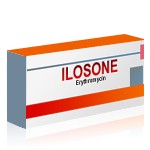
Ilosone is the original brand-name formulation of Erythromycin Estolate — a first-generation macrolide antibiotic developed by Eli Lilly. Erythromycin was the first macrolide antibiotic ever developed (discovered in 1949) and FDA-approved since 1952 — making it one of the oldest antibiotics still in clinical use. The estolate salt form (Ilosone) provides improved acid stability, higher serum concentrations, and better oral bioavailability than the base or stearate forms.
The active ingredient is Erythromycin Estolate, which is hydrolyzed in the body to release active Erythromycin. Erythromycin works by reversibly binding the 50S ribosomal subunit of susceptible bacteria — blocking the translocation step of bacterial protein synthesis. This mechanism was the foundation for the entire macrolide class, later refined into newer agents like Clarithromycin (Biaxin) and Azithromycin (Zithromax) with improved tolerability.
Erythromycin provides activity against Gram-positive cocci (Streptococcus, MSSA), atypical respiratory pathogens (Mycoplasma pneumoniae, Chlamydia pneumoniae, Legionella pneumophila), Bordetella pertussis (whooping cough), Corynebacterium diphtheriae (diphtheria), Treponema pallidum (syphilis), and several other clinically important organisms.
Ilosone is widely used for treatment of pertussis (whooping cough), atypical pneumonia, diphtheria, streptococcal infections in penicillin-allergic patients, rheumatic fever prophylaxis, Chlamydia trachomatis infections, and topical preparations for acne and ophthalmia neonatorum prophylaxis. Erythromycin's prokinetic effect on the GI tract also supports off-label use in diabetic gastroparesis.
The medication is available as 250 mg and 500 mg capsules and tablets, oral suspension, and topical formulations. Standard adult dosing is 250-500 mg every 6 hours. Treatment should not exceed 14 days due to cholestatic hepatitis risk.
Important safety considerations include significant gastrointestinal effects (nausea, cramping from prokinetic action), risk of reversible cholestatic hepatitis (particularly with Estolate form), QT prolongation, multiple CYP3A4 drug interactions, and infantile hypertrophic pyloric stenosis risk in newborns. Avoid Ilosone (Estolate) in pregnancy.
Free prescription
Discrete packaging
Have questions?
Quality Assurance

- Pertussis Prophylaxis: Standard post-exposure pertussis prophylaxis in household and close contacts;
- Whooping Cough Adult: For adult pertussis — increasingly common in adults due to waning vaccine immunity;
- Pediatric Pertussis: For pediatric whooping cough — particularly important due to severe infant disease;
- Atypical Pneumonia: For atypical community-acquired pneumonia caused by Mycoplasma, Chlamydia, or Legionella;
- Mycoplasma Pneumonia: For Mycoplasma pneumoniae respiratory infection particularly in pediatric patients;
- Legionnaires Disease: Historical first-line for Legionella pneumophila pneumonia — newer macrolides now preferred;
- Diphtheria: For Corynebacterium diphtheriae infection — adjunct to antitoxin therapy and contact prophylaxis;
- Diphtheria Carrier Eradication: For elimination of diphtheria carrier state in close contacts;
- Strep Pharyngitis Penicillin Allergic: For streptococcal pharyngitis in patients with severe penicillin allergy;
- Pediatric Strep Throat Allergic: For pediatric strep throat in penicillin-allergic children;
- Rheumatic Fever Prophylaxis: For long-term rheumatic fever prophylaxis in penicillin-allergic patients;
- Chlamydia Trachomatis: Alternative for chlamydial infections particularly in pregnancy when doxycycline is contraindicated;
- Pregnancy Chlamydia: For chlamydial infections during pregnancy where doxycycline is contraindicated;
- Campylobacter Enteritis: First-line for severe Campylobacter jejuni gastroenteritis;
- Acne Vulgaris Erythromycin: Topical and historical oral use for inflammatory acne — resistance now limits utility;
- Erythrasma: For erythrasma caused by Corynebacterium minutissimum — reddish-brown skin patches;
- Acne Rosacea: For inflammatory acne rosacea as oral or topical antibiotic therapy;
- Syphilis Penicillin Allergic: Alternative for primary and secondary syphilis in non-pregnant penicillin-allergic patients;
- Ophthalmia Neonatorum Prophylaxis: Topical erythromycin ointment for neonatal eye prophylaxis at birth;
- Gastroparesis Off Label: Off-label use for diabetic gastroparesis — exploits Erythromycin's prokinetic effect on motilin receptors;
- Lyme Disease Pregnancy: Selective alternative for Lyme disease in pregnant women when other agents are unsuitable;
- Bartonella Pregnant Allergic: For Bartonella infections in pregnant or penicillin-allergic patients.
- Less Whooping: Resolution of the characteristic inspiratory whoop in pertussis;
- Less Fever: Resolution of fever as bacterial infection responds to therapy;
- Less Sore Throat: Resolution of streptococcal pharyngitis pain in penicillin-allergic patients;
- Less Skin Inflammation: Reduction in inflammatory acne and rosacea lesions;
- Less Skin Patches: Resolution of erythrasma skin patches caused by Corynebacterium minutissimum;
- Less Eye Discharge: Topical erythromycin ointment prevents and treats neonatal ophthalmia;
- Less Diarrhea: Resolution of severe Campylobacter gastroenteritis;
- Better Gastric Emptying: Off-label benefit in diabetic gastroparesis — prokinetic effect on motilin receptors;
- Better Breathing: Improvement in respiratory symptoms as atypical pneumonia resolves;
- Less Pertussis Transmission: Reduces person-to-person pertussis transmission within households and close contacts;
- Better Energy: Recovery from infection-related fatigue;
- Better Daily Function: Return to school, work, and normal activities;
- Brand Ilosone: Original Eli Lilly brand of Erythromycin Estolate — established global clinical reputation since 1958;
- Generic Erythromycin Estolate: Affordable generic versions expand global access to estolate macrolide formulation;
- Erythromycin Estolate Salt: Lauryl sulfate ester provides improved acid stability and oral bioavailability over base form;
- Macrolide Antibiotic: The original macrolide class antibiotic from which all newer macrolides were derived;
- Macrolide Class Prototype: Prototype macrolide that established the entire class — foundation for Clarithromycin and Azithromycin;
- 50S Ribosomal Inhibitor: Inhibits bacterial protein synthesis at the 50S ribosomal subunit;
- Atypical Coverage Antibiotic: Activity against Mycoplasma, Chlamydia, and Legionella — key atypical respiratory pathogens;
- Pertussis First Line: First-line therapy for pertussis treatment and post-exposure prophylaxis — signature use;
- Diphtheria Therapy: First-line antibiotic component of diphtheria treatment alongside antitoxin;
- Pregnancy Compatible Antibiotic: Erythromycin base/ethylsuccinate accepted in pregnancy — estolate avoided due to hepatotoxicity;
- Penicillin Allergy Alternative Strep: Standard alternative for streptococcal infections in severe penicillin allergy;
- Prokinetic Antibiotic: Unique motilin receptor agonist activity — supports off-label use in gastroparesis;
- Ophthalmia Neonatorum Standard: Standard topical eye ointment for neonatal eye prophylaxis at birth;
- Acid Stable Macrolide: Estolate provides better acid stability than Erythromycin base — reliable oral absorption;
- Better Oral Bioavailability: Estolate form achieves higher serum levels than base or stearate;
- Pediatric Suspension Macrolide: Pediatric suspensions support weight-based dosing in children;
- Less Food Effect: Estolate absorption less affected by food — flexible dosing schedule;
- Mass Antibiotic Programmes: Used historically in mass treatment programmes for trachoma and other diseases;
- WHO Essential Medicine: Listed on the WHO Model List of Essential Medicines as foundational macrolide;
- 70 Plus Year Antibiotic History: One of the oldest antibiotics in clinical use — extensive real-world experience since 1952;
- GI Side Effects Common: Significant gastrointestinal upset (nausea, cramping) due to prokinetic motilin receptor effect;
- Cholestatic Hepatitis Warning: Estolate form has higher cholestatic hepatitis risk — particularly avoid in adults and pregnancy;
- Avoid In Pregnancy: Estolate form contraindicated in pregnancy — use base or ethylsuccinate forms instead;
- 14 Day Maximum Course: Treatment courses should not exceed 14 days to minimise cholestatic hepatitis risk;
- QT Monitoring: Avoid in patients with QT prolongation risk or on QT-prolonging medications;
- CYP3A4 Interactions: Significant CYP3A4 inhibitor — review medication list before use particularly statins;
- Pyloric Stenosis Risk Newborn: Associated with infantile hypertrophic pyloric stenosis in newborns under 2 weeks;
- Globally Available: Erythromycin estolate available in international markets in branded (Ilosone) and generic forms.
Generic Ilosone (Erythromycin 500 mg) Medication guide:
📖 What is Ilosone and where it fits in the modern macrolide toolkit
Ilosone is the original brand name for erythromycin estolate, a specific ester salt of the parent macrolide antibiotic erythromycin. Manufactured by Eli Lilly from 1958 until the early 2000s in the United States and still available as generic erythromycin estolate internationally, Ilosone represents one salt within a family of erythromycin formulations (base, stearate, ethylsuccinate, estolate) that offer different pharmacokinetic and tolerability profiles.
🎯 Where Ilosone fits in modern prescribing
Erythromycin retains niches in penicillin-allergic streptococcal pharyngitis, chlamydia treatment in pregnancy when azithromycin is not tolerated, pertussis when azithromycin is unavailable, and topical use for acne and neonatal ophthalmic prophylaxis. The estolate salt specifically is favoured in children for its taste-masking effect but carries a cholestatic hepatitis warning that limits adult use.
Erythromycin is available in multiple formulations: base, stearate, ethylsuccinate (EES), estolate, and gluceptate. Each salt has distinct absorption characteristics, tolerability, and adverse event profile. Ilosone (estolate) achieves the highest serum concentrations of any oral erythromycin salt but carries the highest hepatotoxicity signal.
| Formulation | Typical use |
|---|---|
| 250 mg estolate capsule | Adult pharyngitis, mild infection |
| 500 mg estolate capsule | Adult standard regimen |
| Estolate suspension 125 or 250 mg per 5 mL | Paediatric use (better taste than other salts) |
| Ophthalmic ointment 0.5 percent | Neonatal conjunctivitis prophylaxis |
| Topical gel or solution 2 percent | Acne vulgaris |
⚠️ Estolate cholestatic hepatitis signal
The estolate salt specifically carries a cholestatic hepatitis warning not present with other erythromycin salts (base, stearate, ethylsuccinate). Incidence is rare but the reaction may occur even after brief courses and is generally reversible on discontinuation. This is the single most important reason to know which erythromycin salt is being prescribed. Section 21 covers this in detail.
🕑 The history of erythromycin: from Streptomyces to Ilosone
The erythromycin story spans 75 years, from a 1949 soil sample in the Philippines to today's antibiotic stewardship reserving macrolides for specific evidence-based niches.
🕑 Development milestones
- 1949 — Discovery from Streptomyces erythreus
- McGuire and colleagues at Eli Lilly isolate erythromycin from a soil sample sent from the Philippines. Organism later renamed Saccharopolyspora erythraea.
- 1952 — Erythromycin base FDA approval
- First oral macrolide antibiotic marketed as Ilotycin.
- 1958 — Ilosone (estolate salt) FDA approval
- NDA 050207 approves the propionate ester salt (estolate) with improved taste and higher serum concentrations for paediatric use.
- 1960s — Widespread clinical use
- Erythromycin becomes standard alternative for penicillin-allergic streptococcal pharyngitis and a mainstay for outpatient respiratory infection.
- 1969 — Cholestatic hepatitis with estolate documented
- Case reports establish the specific hepatic toxicity of the estolate salt, leading to labelling changes.
- 1981 — Woodward total synthesis
- Robert Burns Woodward and colleagues publish complete total synthesis of erythromycin A, one of the great synthetic chemistry achievements of the 20th century.
- 1991 — Clarithromycin approval
- First advanced macrolide, better tolerated with twice-daily dosing.
- 1991 — Azithromycin approval
- Once-daily dosing, dramatically better GI tolerability. Begins displacing erythromycin from most outpatient indications.
- 1999 — Infantile pyloric stenosis signal
- Honein et al Lancet 1999 establishes link between neonatal erythromycin exposure and hypertrophic pyloric stenosis.
- 2004 — QT sudden death signal
- Ray et al NEJM 2004 documents oral erythromycin association with cardiovascular sudden death, especially with CYP3A4 inhibitor combinations.
- 2000s — Ilosone brand discontinued in US
- Lilly discontinues Ilosone brand in the United States due to declining prescribing. Generic erythromycin estolate remains available internationally.
The 75-year arc from broad first-line agent to reserved specific-indication drug reflects both the rise of better-tolerated successor macrolides and mounting evidence of the specific cardiovascular and hepatic signals that shaped modern prescribing patterns.
⚙️ How erythromycin blocks bacterial protein synthesis
Erythromycin kills bacteria by blocking protein synthesis at the ribosome. Understanding the mechanism explains both the spectrum and the specific resistance mutations that limit its use today.
🧱 Blocks 50S ribosomal subunit at 23S rRNA
Erythromycin binds the 23S ribosomal RNA component of the bacterial 50S ribosomal subunit near the peptidyl transferase centre. This physically obstructs the polypeptide exit tunnel and prevents the growing peptide chain from being extruded. Protein synthesis halts, growth stops, and the organism is contained until host immune clearance mops it up.
🔇 Bacteriostatic at typical serum levels
Erythromycin is bacteriostatic at typical achievable serum concentrations, becoming bactericidal only at high concentrations against highly susceptible organisms. This is why erythromycin works best in host with intact immune function and why it is not the drug for endocarditis or overwhelming sepsis.
🧬 The MLSb resistance family (macrolide-lincosamide-streptogramin)
Erythromycin binds the same ribosomal region targeted by clindamycin and streptogramins. Bacteria carrying erm genes (erythromycin ribosome methylase) modify the ribosomal binding site so all three drug classes lose efficacy. Some strains express this constitutively (all agents useless) and some inducibly (the D-test detects this). MLSb resistance is common in staphylococci, streptococci, and some enterococci and shapes clinical prescribing decisions in specific indications.
🧪 Other resistance mechanisms
- Efflux pumps: mefA and msrA genes actively expel macrolides from bacteria
- Ribosomal mutations: point mutations in 23S rRNA reduce erythromycin binding
- Enzymatic inactivation: rare esterases and phosphotransferases
- Community-acquired Streptococcus pneumoniae resistance to macrolides now exceeds 40 percent in some US regions
The mechanism also explains erythromycin's motilin agonist effect at high concentrations: erythromycin activates gastrointestinal motilin receptors, accelerating gastric emptying. This is the pharmacological basis for the drug's prominent GI side effects (30 to 50 percent of patients) and for its off-label use as a promotility agent in diabetic gastroparesis (typically at doses lower than antibacterial regimens).
🧬 Erythromycin among the macrolides: base, stearate, estolate, ethylsuccinate
Erythromycin is available in multiple ester and salt forms. Each has distinct absorption, tolerability, and side-effect profile. Understanding which salt is being prescribed matters clinically.
| Salt / Ester | Brand examples | Key features |
|---|---|---|
| Erythromycin base | E-Mycin, Erythrocin, Ery-Tab | Standard reference; enteric coating needed to survive stomach acid; food reduces absorption |
| Erythromycin stearate | Erythrocin Stearate | Similar to base; dissociates in intestine to release active drug |
| Erythromycin ethylsuccinate (EES) | E.E.S., Eryped | Better taste; hydrolyzed to base in body; commonly used paediatric formulation |
| Erythromycin estolate | Ilosone | Highest serum concentrations of any oral salt; cholestatic hepatitis warning |
| Erythromycin gluceptate | Ilotycin gluceptate | Intravenous formulation; largely obsolete |
| Erythromycin lactobionate | Erythrocin IV | Intravenous formulation |
💡 Which salt to prescribe
For adult use: enteric-coated erythromycin base is preferred to avoid the estolate hepatic signal. For paediatric use: ethylsuccinate (EES) is generally preferred over estolate for the same reason, though estolate's superior taste-masking makes it a reasonable option for short courses. For topical or ophthalmic use: salt selection is not clinically relevant since systemic absorption is minimal.
🔴 Estolate-specific concern
The estolate salt is contraindicated in adults with any pre-existing hepatic dysfunction and should be avoided in patients with a history of any drug-induced liver injury. In pregnant patients, azithromycin has largely replaced estolate erythromycin due to this signal.
🦠 What bacteria erythromycin covers today
Erythromycin has moderate gram-positive activity, useful atypical pathogen coverage, and specific niches against Bordetella pertussis and Campylobacter. It is not reliable for most gram-negatives, MRSA, or anaerobes.
✅ Reliably covered by erythromycin
- Streptococcus pyogenes (Group A strep) — where susceptible
- Streptococcus pneumoniae — where susceptible (rising resistance)
- Methicillin-susceptible S. aureus (MSSA) — where susceptible
- Bordetella pertussis (whooping cough)
- Chlamydia trachomatis including LGV
- Chlamydia pneumoniae and psittaci
- Mycoplasma pneumoniae
- Legionella pneumophila
- Campylobacter jejuni (enteric infection)
- Corynebacterium diphtheriae (diphtheria)
- Treponema pallidum (syphilis alternative in penicillin allergy)
- Ureaplasma urealyticum
❌ Not covered or unreliable
- MRSA — class-wide macrolide resistance
- Enterococcus — intrinsic resistance
- Most gram-negative Enterobacterales (E. coli, Klebsiella, Proteus, etc.)
- Pseudomonas aeruginosa
- Haemophilus influenzae — unreliable, azithromycin better
- Neisseria gonorrhoeae — widespread resistance
- Anaerobes (Bacteroides, Fusobacterium) — minimal above the diaphragm, none below
- Streptococcus pneumoniae macrolide-resistant strains — up to 40 percent in some regions
- MLSb-inducible staphylococci and streptococci
- Mycobacteria, fungi, and viruses
💡 Clinical framing
Think of erythromycin as a penicillin-allergy alternative for streptococci and MSSA plus an atypical pathogen agent. When the target is pertussis, atypical pneumonia, chlamydia in pregnancy, or streptococcal pharyngitis in penicillin-allergic patient, erythromycin has a legitimate role. When the target includes MRSA, gram-negatives, or anaerobes, choose a different agent.
💉 Absorption, distribution, and the 1.5 hour half-life
Erythromycin's pharmacokinetic profile is complicated by acid instability, variable absorption between salts, and the need for four-times-daily dosing that shapes real-world adherence.
| Parameter | Erythromycin base | Erythromycin estolate (Ilosone) |
|---|---|---|
| Oral bioavailability | 30 to 65 percent (variable) | Higher and more predictable |
| Peak serum concentration | 1 to 2 mg/L after 500 mg | 2 to 4 mg/L after 500 mg estolate |
| Peak time | 1 to 4 hours | 2 to 4 hours |
| Food effect | Reduces absorption of base and stearate; take on empty stomach | Not significantly affected by food (advantage) |
| Protein binding | 73 to 90 percent | Similar |
| Half-life | 1.5 hours — short, requires QID dosing | 1.5 to 2 hours |
| Volume of distribution | 0.6 to 0.9 L/kg | Similar |
| Metabolism | Extensive hepatic via CYP3A4; erythromycin is also a potent CYP3A4 inhibitor | Same |
| Elimination | Primarily biliary; less than 5 percent renal | Same |
| Dialysis | Not removed | Not removed |
🧬 Tissue penetration
- Lung parenchyma and macrophages
- Good intracellular concentration — useful against atypical intracellular pathogens (Legionella, Mycoplasma, Chlamydia).
- Middle ear and sinus
- Adequate for atypical pathogens but poor for Haemophilus influenzae.
- Prostate
- Poor — not for prostatitis.
- Cerebrospinal fluid
- Very poor even with inflamed meninges — not for CNS infection.
- Bile
- Very high concentration (10 to 40 times serum) — explains extensive biliary elimination and the cholestatic hepatitis signal specific to estolate.
The short half-life is the main practical limitation of erythromycin in adult prescribing: four-times-daily dosing has 30 to 40 percent lower completion rates than twice-daily or once-daily regimens, which is why azithromycin (once daily) and clarithromycin (twice daily) have displaced erythromycin from most outpatient indications.
🏥 FDA-approved indications and modern clinical use
The FDA label for erythromycin covers many indications reflecting decades of accumulated evidence. Modern use has narrowed substantially as azithromycin and other agents replaced it in most primary-care scenarios.
| FDA-approved indication | Modern positioning |
|---|---|
| Group A streptococcal pharyngitis (penicillin allergy) | Alternative when cephalosporins contraindicated |
| Skin and skin structure infections | Rarely used; other agents preferred |
| Respiratory tract infections | Azithromycin preferred |
| Pertussis (whooping cough) | Historic first-line; azithromycin now preferred |
| Chlamydial infections | Doxycycline preferred (2021 CDC); azithromycin second-line; erythromycin third-line |
| Chlamydia in pregnancy | Azithromycin single dose preferred; erythromycin alternative |
| Diphtheria | Erythromycin remains an option alongside penicillin |
| Syphilis (penicillin allergy) | Penicillin desensitisation preferred; erythromycin reserved |
| Neonatal conjunctivitis prophylaxis (ophthalmic) | Standard use in many regions |
| Acne vulgaris (topical) | Combined with benzoyl peroxide to reduce resistance |
| Rheumatic fever prophylaxis (penicillin allergy) | Long-term daily dosing where indicated |
📋 Off-label uses with clinical rationale
- Diabetic gastroparesis: motilin agonist effect at lower doses (250 mg TID before meals)
- Post-vagotomy or post-surgical ileus: prokinetic effect
- Bordetella pertussis chemoprophylaxis in close contacts
- Chancroid (Haemophilus ducreyi)
- Campylobacter jejuni enteritis when susceptibility supports
- Ophthalmic ointment for adult bacterial conjunctivitis
✅ Where erythromycin genuinely earns its role
Neonatal ophthalmic prophylaxis (ointment, no systemic absorption), topical acne treatment with benzoyl peroxide, chlamydia in pregnancy when azithromycin cannot be used, pertussis when azithromycin unavailable, and diabetic gastroparesis prokinetic use. These are the modern niches where erythromycin remains genuinely first-line or reasonable second-line.
👄 Strep pharyngitis: erythromycin as penicillin allergy alternative
Erythromycin has been used for streptococcal pharyngitis in penicillin-allergic patients since the 1950s. Modern guidelines still list it as an option though cephalosporins are usually preferred first for non-anaphylactic penicillin allergy.
👄 When erythromycin fits GAS pharyngitis
- Anaphylactic penicillin allergy (macrolides safe, cephalosporins avoided)
- Documented erythromycin susceptibility of local streptococci
- Patient who cannot tolerate cephalosporin
- Traditional practice in regions without cephalexin availability
⚠️ Growing resistance concern
- Community S. pyogenes macrolide resistance now exceeds 5 to 15 percent in many regions
- Rates over 30 percent reported in some East Asian countries
- Empirical erythromycin without susceptibility support may fail to eradicate GAS
- Bacteriologic cure failure raises rheumatic fever risk — not just symptom relief
| Population | Regimen | Duration |
|---|---|---|
| Adult, severe penicillin allergy | Erythromycin base 500 mg PO QID or 250 mg QID | 10 days |
| Adult (estolate salt) | Ilosone 250 mg PO QID | 10 days (monitor LFTs if extended) |
| Child under 40 kg | 40 mg/kg/day PO divided BID to QID | 10 days |
| Alternative for compliance | Azithromycin 12 mg/kg once daily | 5 days |
💡 The 10-day cure principle
The 10-day course length for streptococcal pharyngitis is set by the requirement for bacteriologic cure (eradication of GAS from the pharynx), not just clinical improvement. Shorter courses leave a higher fraction of patients as carriers, with real potential for post-streptococcal rheumatic fever. Modern azithromycin 5-day regimens achieve equivalent bacteriologic cure through much longer tissue half-life — a genuine advantage over erythromycin's 10-day QID regimen.
😷 Non-genital pertussis: whooping cough treatment role
Erythromycin was the historic first-line treatment for pertussis (whooping cough) for decades. Azithromycin has now replaced it as first-line per CDC guidance, due to superior tolerability, once-daily dosing, and equivalent efficacy, but erythromycin remains an option when azithromycin is unavailable or contraindicated.
😷 When erythromycin fits pertussis management
- Azithromycin unavailable (supply, cost, or formulary constraint)
- Documented azithromycin intolerance
- Neonatal pertussis: caution — both azithromycin and erythromycin carry pyloric stenosis risk, discussion with paediatrician essential (see section 24)
- Regions where erythromycin is standard by tradition or supply
- Adult pertussis where prokinetic side effect is not disabling
| Pertussis scenario | Regimen | Duration |
|---|---|---|
| Adult treatment | Erythromycin 500 mg PO QID | 14 days |
| Child treatment (over 1 month) | 40 to 50 mg/kg/day PO divided QID | 14 days |
| Adult chemoprophylaxis | Erythromycin 500 mg PO QID | 14 days |
| Infant under 1 month | Azithromycin PREFERRED; if erythromycin used, specialist consultation | 14 days |
⚠️ Pyloric stenosis concern in infants
Both erythromycin and azithromycin carry an association with infantile hypertrophic pyloric stenosis (IHPS) when used in neonates and young infants. The signal was first documented for erythromycin (Honein Lancet 1999) and later confirmed for azithromycin. In infants under 1 month, the CDC still recommends azithromycin over erythromycin for pertussis treatment but any macrolide use in this age group warrants counselling and monitoring for projectile vomiting.
Response is expected within 5 to 7 days of starting treatment. Persistent cough after 14 days does not indicate ongoing infection — the paroxysmal cough of pertussis can last for months even after successful bacteriologic eradication.
🤰 Chlamydia in pregnancy: when erythromycin still applies
Chlamydia in pregnancy is one of the specific indications where erythromycin retains a role. Azithromycin single dose is preferred first-line per CDC 2021, but erythromycin is a documented alternative when azithromycin is not tolerated.
🤰 When erythromycin fits chlamydia in pregnancy
- Azithromycin intolerance or documented allergy
- Azithromycin unavailable
- Prior azithromycin treatment failure with confirmed persistent chlamydia
- Historic practice in regions without azithromycin access
⚠️ Estolate salt CONTRAINDICATED in pregnancy
The estolate salt (Ilosone) is contraindicated in pregnancy due to hepatotoxicity signal in pregnant women. Use erythromycin base or ethylsuccinate instead. This is one of the clearest scenarios where salt selection matters clinically.
| Chlamydia scenario | First-line | Erythromycin regimen (if used) |
|---|---|---|
| Chlamydia in pregnancy | Azithromycin 1 g single dose | Base 500 mg PO QID x 7 days OR EES 800 mg QID x 7 days (NOT estolate) |
| LGV in pregnancy | Azithromycin weekly x 3 | Base 500 mg PO QID x 21 days |
| Neonatal chlamydia conjunctivitis | Erythromycin oral (specific paediatric role) | 50 mg/kg/day divided QID x 14 days |
👶 Neonatal chlamydia conjunctivitis and pneumonia
Erythromycin oral remains first-line for neonatal chlamydia conjunctivitis and chlamydial pneumonia. Ophthalmic prophylaxis at birth prevents but does not treat established infection — systemic erythromycin is needed for confirmed neonatal chlamydia. Discussion with paediatric infectious diseases about pyloric stenosis awareness accompanies this indication.
🖨️ Respiratory infections: atypical pneumonia coverage
Erythromycin covers atypical respiratory pathogens (Mycoplasma pneumoniae, Chlamydia pneumoniae, Legionella pneumophila) but has been displaced from routine respiratory infection prescribing by azithromycin and doxycycline.
🖨️ Respiratory positioning today
- CAP: NOT first-line. Amoxicillin, doxycycline, or azithromycin preferred (ATS-IDSA 2019)
- Atypical pneumonia (Mycoplasma, Chlamydia, Legionella): reasonable alternative when azithromycin or doxycycline unavailable
- Acute bacterial exacerbation of chronic bronchitis: rarely used
- Acute bacterial sinusitis: not preferred (amox-clav first-line)
- Otitis media: not preferred (poor H. flu coverage)
| Respiratory scenario | Preferred first-line | Erythromycin role |
|---|---|---|
| Outpatient CAP healthy adult | Amoxicillin or doxycycline | Alternative if others unavailable |
| Outpatient CAP with comorbidities | Amox-clav + azithromycin or doxycycline | Rarely used |
| Suspected Mycoplasma pneumonia | Doxycycline or azithromycin | Reasonable alternative |
| Suspected Legionella | Azithromycin or levofloxacin | Reasonable alternative |
| Sinusitis, otitis | Amoxicillin or amox-clav | Not preferred |
💡 Why erythromycin has faded from respiratory prescribing
Four factors: (1) rising macrolide resistance in S. pneumoniae (up to 40 percent in some regions), (2) four-times-daily dosing burden with poor real-world adherence, (3) high GI side effect rate (30 to 50 percent nausea, diarrhoea, vomiting), and (4) availability of better-tolerated azithromycin and clarithromycin from 1991. Together these have made erythromycin a rarely-chosen respiratory antibiotic in modern primary care.
🦴 Erythromycin for acne and rosacea
Topical erythromycin remains a routine acne treatment, particularly in combination with benzoyl peroxide. Systemic erythromycin for acne has been largely displaced by doxycycline and minocycline due to better tolerability and less resistance selection.
🦴 Erythromycin in dermatology
- Topical 2 percent gel or solution
- Applied twice daily to affected skin. Anti-inflammatory plus anti-Cutibacterium acnes effect. Systemic absorption minimal.
- Combination with benzoyl peroxide
- Products like Benzamycin combine erythromycin with benzoyl peroxide to reduce C. acnes resistance emergence — the standard modern approach for topical erythromycin acne treatment.
- Oral erythromycin for acne (historical)
- 250 to 500 mg BID to QID for moderate inflammatory acne. Largely replaced by doxycycline and minocycline for better tolerability.
- Pregnancy acne
- Topical erythromycin or topical clindamycin acceptable in pregnancy (doxycycline and minocycline avoided). Systemic erythromycin base for severe cases.
- Perioral dermatitis
- Topical erythromycin sometimes used; oral doxycycline more common.
| Dermatology scenario | Regimen |
|---|---|
| Mild inflammatory acne | Topical erythromycin 2 percent BID + BP |
| Moderate inflammatory acne in adult | Doxycycline first-line; erythromycin base 500 mg BID second-line |
| Moderate acne in pregnancy | Topical erythromycin + BP first; oral base 500 mg BID if needed |
| Rosacea papulopustular | Doxycycline first-line; erythromycin alternative |
⚠️ Anti-resistance combination
Long-term topical erythromycin monotherapy selects for macrolide resistance in Cutibacterium acnes. American Academy of Dermatology guidelines recommend combining topical erythromycin with benzoyl peroxide for extended acne courses to reduce resistance emergence. This applies equally to topical clindamycin acne treatment.
💊 Adult dosing schedules: the four-times-daily challenge
The four-times-daily adult dosing regimen is erythromycin's single biggest practical limitation. Real-world adherence to QID regimens averages 60 to 70 percent versus 85 to 90 percent for once-daily agents like azithromycin.
| Indication | Regimen | Duration |
|---|---|---|
| Streptococcal pharyngitis | 250 to 500 mg PO QID | 10 days |
| Skin and soft tissue infection | 500 mg PO QID | 7 to 10 days |
| Atypical pneumonia | 500 mg PO QID | 10 to 14 days |
| Pertussis | 500 mg PO QID | 14 days |
| Chlamydia in pregnancy | Base 500 mg PO QID or EES 800 mg QID | 7 days |
| LGV in pregnancy | 500 mg PO QID | 21 days |
| Diabetic gastroparesis (prokinetic) | 50 to 250 mg PO TID before meals | Per response |
📍 Administration essentials
- Base and stearate: take on empty stomach (1 hour before or 2 hours after meals) for best absorption
- Estolate (Ilosone) and ethylsuccinate: not significantly affected by food; take with meals to reduce GI upset
- Space doses evenly across day: 6-hour intervals for QID
- Take with a full glass of water
- Complete the full course — especially the 10-day pharyngitis course where bacteriologic cure prevents rheumatic fever
- If nausea or vomiting is severe, discuss with prescriber; may need dose reduction or agent switch
⚠️ Maximum daily doses
Adult maximum 4 grams per day for severe infection. Doses above this rarely improve outcome but multiply GI intolerance and cardiovascular signal. Extended courses (14 days for pertussis, 21 days for LGV) should not exceed the standard daily dose.
👶 Pediatric dosing and the taste question
Paediatric erythromycin dosing is weight-based. The estolate (Ilosone) salt has traditionally been favoured in children for its superior taste-masking, though the ethylsuccinate (EES) salt is now more commonly prescribed to avoid the cholestatic hepatitis signal.
👶 Paediatric dosing bands
- Standard oral course
- 30 to 50 mg/kg/day divided QID for streptococcal pharyngitis, skin infection, atypical pneumonia. Maximum 2 g/day.
- Severe infection or pertussis
- 40 to 50 mg/kg/day divided QID for 14 days.
- Neonatal chlamydia conjunctivitis or pneumonia
- 50 mg/kg/day divided QID for 14 days — specific paediatric first-line role. Discuss pyloric stenosis awareness with paediatric ID.
- Infants under 1 month for pertussis
- Azithromycin PREFERRED. If erythromycin used, specialist involvement essential.
| Weight | 40 mg/kg/day divided QID (per dose) | Volume of 250 mg/5 mL suspension |
|---|---|---|
| 10 kg | 100 mg | 2 mL |
| 15 kg | 150 mg | 3 mL |
| 20 kg | 200 mg | 4 mL |
| 30 kg | 300 mg | 6 mL |
| 40 kg | Adult regimen | Use tablet |
💧 The taste question
- Erythromycin base has a bitter, unpleasant taste in suspension
- Estolate (Ilosone) suspension has the best taste of any oral salt — children accept it more readily
- Ethylsuccinate (EES) suspension is intermediate: better than base, less good than estolate
- Refrigerate reconstituted suspension and shake vigorously before each dose
- Discard after 14 days per manufacturer label
- Mix with a small amount of chocolate syrup or fruit puree immediately before dosing to mask taste
🔴 Infantile pyloric stenosis warning
Erythromycin exposure in the first 2 weeks of life increases risk of hypertrophic pyloric stenosis significantly (Honein Lancet 1999). Warn parents about projectile vomiting after feeds. Watch for palpable pyloric olive on abdominal exam. This risk decreases sharply after the first month of life but remains a consideration for the youngest infants. See section 24 for detail.
🍃 Renal and hepatic dose adjustments
Erythromycin has a favourable renal profile (mostly biliary elimination, so renal impairment usually needs no adjustment) but hepatic considerations dominate: the drug undergoes extensive hepatic metabolism and can itself cause hepatotoxicity, especially the estolate salt.
🍃 Renal impairment — no adjustment usually needed
- Mild, moderate CKD (CrCl greater than 30): no adjustment
- Severe CKD (CrCl less than 30): dose reduction not usually required but monitor for ototoxicity signal at high doses
- Haemodialysis: not removed; no supplemental dose
- Peritoneal dialysis: negligible removal
- Elimination is primarily biliary; renal accounts for less than 5 percent
💛 Hepatic impairment — caution
- Any pre-existing liver disease: consider alternative agent
- Mild dysfunction (Child-Pugh A): use base or ethylsuccinate; avoid estolate
- Moderate to severe dysfunction: avoid erythromycin
- Prior erythromycin-induced hepatotoxicity: absolute contraindication
- Estolate salt: avoid in any patient with liver disease or prior hepatic drug reaction
| Organ dysfunction scenario | Erythromycin decision |
|---|---|
| Normal renal and hepatic function | Full standard dose |
| Severe CKD, dialysis-dependent | Standard dose; monitor ototoxicity at high doses |
| Compensated cirrhosis (Child-Pugh A) | Base or EES only, monitor LFTs; avoid Ilosone estolate |
| Decompensated cirrhosis (Child-Pugh B or C) | Avoid; use alternative agent |
| Prior erythromycin cholestatic hepatitis | Absolute contraindication class-wide |
🔴 Ototoxicity at high dose or in severe renal failure
Very high IV erythromycin doses in severe renal impairment can cause reversible sensorineural hearing loss. This is rare at oral outpatient doses. Section 23 covers this in detail.
💥 Drug interactions: the CYP3A4 problem
Erythromycin has one of the most extensive drug interaction profiles in medicine, driven by its potent inhibition of CYP3A4, a major metabolic pathway for many prescription drugs.
🔴 Interactions with life-threatening potential
- Ergot alkaloids (ergotamine, dihydroergotamine)
- CONTRAINDICATED. Erythromycin plus ergots causes ergot toxicity: severe peripheral vasospasm, ischaemia, gangrene, death.
- Terfenadine, astemizole, cisapride
- CONTRAINDICATED. Fatal ventricular arrhythmia risk. These drugs are largely off-market but historic combinations killed patients.
- Statins (simvastatin, lovastatin, atorvastatin high-dose)
- Erythromycin inhibits statin metabolism, raising serum levels and rhabdomyolysis risk. Hold statin during erythromycin course or use alternative macrolide (azithromycin has minimal interaction).
- QT-prolonging drugs
- Additive QT prolongation and torsades risk. Avoid combinations with amiodarone, sotalol, macrolide + fluoroquinolone concurrent use.
- Direct oral anticoagulants (apixaban, rivaroxaban, dabigatran)
- CYP3A4 inhibition raises anticoagulant levels; monitor for bleeding.
- Cyclosporine and tacrolimus
- Erythromycin raises immunosuppressant levels 2 to 5 fold; monitor levels closely.
🟡 Interactions requiring active management
- Warfarin: INR rise; check INR day 3 to 5 during and after
- Theophylline: elevated levels, seizure and arrhythmia risk; monitor level
- Digoxin: gut flora effect can raise digoxin levels 2 to 3 fold; monitor
- Carbamazepine, phenytoin: elevated levels, toxicity risk
- Benzodiazepines (triazolam, midazolam): prolonged sedation
- Buspirone, pimozide: raised levels
- Bromocriptine, cabergoline: raised levels
- Sildenafil and other PDE5 inhibitors: raised levels, prolonged effect
- Colchicine: raised levels, potential fatal toxicity in renal impairment
✅ Where erythromycin has fewer interactions than expected
Metformin, most cardiovascular drugs (except QT-prolonging), most SSRIs, acetaminophen, NSAIDs, insulin, inhaled asthma medications: no significant interaction with erythromycin. The CYP3A4 concern applies specifically to substrates of that enzyme, not universally.
Because of the interaction burden, azithromycin is often preferred over erythromycin in patients on complex medication regimens. Azithromycin has minimal CYP3A4 inhibition and fewer interactions overall. Ilosone estolate carries the same interaction profile as any erythromycin salt.
🤰 Pregnancy safety: erythromycin base preferred
Erythromycin is generally considered acceptable in pregnancy but the choice of salt matters significantly: base and ethylsuccinate are acceptable; estolate (Ilosone) is contraindicated.
⛔ Estolate (Ilosone) is CONTRAINDICATED in pregnancy
The estolate salt is associated with an increased incidence of cholestatic hepatitis in pregnant women. Reports estimate 10 percent incidence of hepatic dysfunction in second-trimester pregnant users of estolate. This is why the label formally contraindicates the estolate salt in pregnancy. Base and ethylsuccinate carry no such specific pregnancy hepatic signal.
🤰 Pregnancy safety summary (base and ethylsuccinate)
- FDA Category B for base and ethylsuccinate salts
- No teratogenic signal in human pregnancy registries
- Standard use for chlamydia in pregnancy when azithromycin not tolerated
- Standard use for pertussis treatment or prophylaxis in pregnancy
- Standard use for streptococcal pharyngitis in penicillin-allergic pregnant patient
- Topical formulations acceptable throughout pregnancy
| Pregnancy indication | Salt to use |
|---|---|
| Chlamydia in pregnancy (azithro not tolerated) | Base 500 mg QID or EES 800 mg QID x 7 days |
| Pertussis in pregnancy | Base or EES 500 mg QID x 14 days (azithromycin preferred) |
| Strep pharyngitis in pregnancy, penicillin-allergic | Base or EES 250-500 mg QID x 10 days |
| Acne in pregnancy | Topical erythromycin; oral base 500 mg BID if needed |
| Any pregnancy indication with Ilosone estolate | CONTRAINDICATED — switch to base or EES |
👶 Lactation
Erythromycin transfers into breast milk at moderate concentrations. LactMed rates erythromycin acceptable during lactation for short courses. Watch for altered stool pattern, thrush, or diarrhoea in the nursing infant. Note the pyloric stenosis association with maternal erythromycin during breastfeeding has been described in case reports for infants in the first few weeks of life — consider alternative agent when practical for infants under 1 month.
🔴 Erythromycin base versus estolate: cholestatic hepatitis signal
This is the key clinical distinction for Ilosone specifically. Understanding the salt differences drives prescribing decisions across all indications.
| Feature | Base / Stearate | Ethylsuccinate (EES) | Estolate (Ilosone) |
|---|---|---|---|
| Acid stability | Poor; requires enteric coating | Better | Excellent |
| Serum concentration | Standard | Higher than base | Highest |
| Food effect | Yes (take empty stomach) | Minimal | Minimal |
| Taste (suspension) | Bitter | Better | Best |
| Cholestatic hepatitis risk | Low | Low | Real, warning |
| Pregnancy use | Acceptable | Acceptable | Contraindicated |
| Extended courses (rheumatic fever prophylaxis) | Acceptable | Acceptable | Avoid |
| Paediatric use | OK | Preferred for suspension | Acceptable short course |
💡 Practical decision framework
- Adult, short course (10 to 14 days): base or EES preferred; estolate acceptable if brief and no liver history
- Adult, extended course (rheumatic fever prophylaxis, LGV 21 days): base or EES, avoid estolate
- Pregnant patient: base or EES, estolate absolutely contraindicated
- Paediatric suspension short course: any salt acceptable; EES most common modern choice
- Paediatric long course: base or EES to avoid cumulative estolate hepatic risk
- Any patient with prior liver disease or drug hepatotoxicity: avoid estolate entirely; consider alternative agent
🔴 The estolate paradox
Estolate has superior taste and higher serum concentrations, making it attractive for paediatric use. But those pharmacokinetic advantages come with the specific hepatic signal that makes it inappropriate for extended courses or any adult with liver risk factors. The trade-off explains why modern paediatric prescribers often choose ethylsuccinate over estolate: comparable efficacy without the salt-specific hepatic warning.
🤔 Nausea, vomiting, and diarrhea: the GI reality
Nausea, vomiting, abdominal cramping, and diarrhoea affect 30 to 50 percent of erythromycin recipients. This is the single most common reason patients discontinue their course early and switch to alternative agents.
🤔 Why erythromycin GI side effects are so common
Erythromycin activates motilin receptors in the upper gastrointestinal tract, accelerating gastric emptying and stimulating strong contractile activity. This is the same pharmacological effect exploited off-label for diabetic gastroparesis (at lower doses). At antibacterial doses, the motilin activation causes nausea, abdominal cramping, and diarrhoea in a large fraction of patients — a class-limiting feature that azithromycin and clarithromycin do not share.
| GI effect | Incidence | Management |
|---|---|---|
| Nausea | 20 to 40 percent | Take with light meal; consider antiemetic |
| Abdominal cramping | 15 to 30 percent | Reduce dose or switch agent |
| Vomiting | 5 to 15 percent | Antiemetic; switch if persistent |
| Diarrhoea | 10 to 20 percent | Hydration; watch for CDI |
| Anorexia | 10 to 20 percent | Encourage small frequent meals |
🥐 Tolerability tips
- Estolate and ethylsuccinate salts have less GI upset than base and stearate
- Take with a light meal to buffer stomach
- Space doses evenly, do not double up
- Consider dose reduction from 500 mg to 250 mg QID for moderate infections
- Consider probiotic during and 5 days after therapy
- Ginger tea or plain crackers can help mild nausea
- Stay well hydrated during diarrhoea
- If unable to tolerate, discuss with prescriber for switch to azithromycin, clarithromycin, or non-macrolide alternative
💡 When to switch
If vomiting prevents keeping the medication down, if diarrhoea reaches 6 or more loose stools per day, or if nausea disrupts daily function, contact prescriber for switch. In most indications, azithromycin (once-daily, dramatically better tolerated) is a straightforward substitute. For chlamydia in pregnancy specifically, azithromycin single dose is preferred first-line for exactly this tolerability reason.
💓 QT prolongation and cardiovascular signal
Erythromycin is a documented cause of QT prolongation and rare torsades de pointes. The signal was highlighted by Ray et al NEJM 2004 showing doubled sudden cardiac death rates in patients on oral erythromycin, especially when combined with CYP3A4 inhibitors.
💓 The Ray NEJM 2004 findings
- 2-fold increased sudden cardiac death during oral erythromycin courses
- 5-fold increase when combined with strong CYP3A4 inhibitors (verapamil, diltiazem, azoles)
- Effect mediated through QT prolongation and torsades de pointes
- Signal is dose-related and duration-related
- Effect resolves after finishing course
🔴 QT risk factors
- Known long QT syndrome
- Baseline QTc greater than 470 ms (male) or 480 ms (female)
- Uncorrected hypokalaemia, hypomagnesaemia, hypocalcaemia
- Bradycardia or heart block
- Concurrent QT-prolonging drugs (fluoroquinolones, azoles, amiodarone, sotalol, methadone, SSRIs)
- Concurrent strong CYP3A4 inhibitors (verapamil, diltiazem, azoles, protease inhibitors)
- Structural heart disease, reduced ejection fraction
- Female sex (baseline QTc slightly higher)
- Elderly
| Scenario | Action |
|---|---|
| Healthy adult, no QT drugs | Standard dosing, no ECG needed |
| On single QT-prolonging drug | Consider alternative (azithromycin has less QT signal); if erythromycin needed, baseline ECG |
| On multiple QT drugs | Avoid erythromycin; use alternative agent class |
| On strong CYP3A4 inhibitor | AVOID erythromycin (5x sudden death signal per Ray 2004) |
| Known long QT syndrome | Absolute contraindication |
💡 Azithromycin has lower QT signal
Azithromycin has a lower QT prolongation signal than erythromycin and clarithromycin, though it is not zero — the FDA issued a 2013 warning for azithromycin cardiovascular risk in high-risk patients. Still, for most QT-concerned patients, azithromycin is preferred over erythromycin as the practical macrolide of choice.
💛 Cholestatic hepatitis warning: the estolate red flag
Cholestatic hepatitis is the single most consequential adverse event associated specifically with the estolate salt (Ilosone). Recognising this reaction is essential because prompt discontinuation prevents progression and permanent liver damage in almost all cases.
💛 Estolate cholestatic hepatitis warning
Erythromycin estolate (Ilosone) carries a specific label warning for cholestatic hepatitis with fever, jaundice, and impaired liver function. Onset typically 10 to 25 days after starting therapy. Reversible on discontinuation in the great majority of cases. Not to be re-administered after any prior estolate reaction.
🔴 Recognition — warning signs
- Yellowing of skin or whites of eyes (jaundice)
- Dark, tea-coloured urine
- Pale or clay-coloured stools
- Right upper quadrant discomfort, tenderness
- Fever (feature that distinguishes from other cholestatic reactions)
- Nausea, vomiting, appetite loss
- Pruritus (itching) often prominent
- Onset typically 10 to 25 days after starting; can be earlier or later
| Laboratory pattern | Typical values |
|---|---|
| Alkaline phosphatase (ALP) | Elevated 3 to 10 times upper limit |
| Total bilirubin | Elevated, direct fraction predominant |
| AST / ALT | Modestly elevated (2 to 5 times upper limit) |
| GGT | Elevated in parallel with ALP |
| R factor (ALT/ULN divided by ALP/ULN) | Less than 2 (cholestatic pattern) |
🩺 Management steps
- Discontinue estolate immediately at first sign of jaundice, fever, or right upper quadrant tenderness
- Order LFTs, bilirubin fractionation, GGT, INR, hepatitis A/B/C serology
- Ultrasound to exclude biliary obstruction (stones, mass)
- Consult hepatology if bilirubin exceeds 3 times upper limit or coagulopathy present
- Supportive care: hydration, avoid other hepatotoxins
- Symptomatic pruritus management with cholestyramine or antihistamine if severe
- Document as lifetime absolute contraindication to erythromycin estolate
- Report to national pharmacovigilance system (FDA MedWatch)
Recovery typically occurs within 4 to 8 weeks of discontinuation. Fulminant liver failure is very rare but reported, especially when the drug is continued despite symptoms. Base and ethylsuccinate salts have no cross-reactivity for this specific reaction — patients who react to estolate can usually tolerate other erythromycin salts, though switching to a different antibiotic class is often preferred.
❗ Severe adverse effects checklist
This section consolidates the serious adverse events any erythromycin prescriber must recognise on sight.
🚨 Serious events mandating discontinuation
- Cholestatic hepatitis (estolate specifically)
- Jaundice, fever, right upper quadrant pain 10 to 25 days into course. Estolate salt-specific warning.
- QT prolongation and torsades de pointes
- Especially with CYP3A4 inhibitors or existing QT drugs. Doubled sudden cardiac death signal (Ray NEJM 2004).
- Ototoxicity (reversible sensorineural hearing loss)
- High IV dose, severe renal impairment. Rare with oral outpatient use.
- Infantile hypertrophic pyloric stenosis
- Infants under 2 weeks receiving erythromycin. Watch for projectile vomiting after feeds.
- Ergot toxicity (with concurrent ergotamine or dihydroergotamine)
- Peripheral vasospasm, ischaemia, gangrene. Contraindicated combination.
- Rhabdomyolysis (with concurrent statins)
- Muscle pain, weakness, dark urine, elevated CK. Hold statin during erythromycin.
- Anaphylaxis and severe hypersensitivity
- Rare but reported. Discontinue and treat.
- Stevens-Johnson syndrome / TEN
- Very rare. Immediate discontinuation, burn-centre care.
- C. difficile colitis
- Moderate CDI risk, higher with extended courses.
- Warfarin over-anticoagulation
- INR rise; check INR at day 3 to 5.
| Severe reaction | Onset window | Approximate incidence |
|---|---|---|
| Cholestatic hepatitis (estolate) | 10 to 25 days into course | 1 to 2 percent of adult estolate users |
| QT prolongation / torsades | During therapy | Rare, higher with CYP3A4 inhibitor combos |
| Ototoxicity (IV high dose or severe renal) | Days | Very rare with oral outpatient use |
| Pyloric stenosis (infants under 2 weeks) | Days to weeks | 7 to 10 fold baseline risk |
| C. difficile infection | During or up to 8 weeks after | 0.5 to 2 percent |
| Anaphylaxis | Minutes to 2 hours after dose | Very rare |
| SJS / TEN | 1 to 3 weeks | Very rare |
📋 Universal safety principles for any erythromycin course
- Confirm which salt is being prescribed (estolate has specific warnings)
- Screen for absolute contraindications: prior erythromycin hepatotoxicity, concurrent ergot alkaloids, concurrent contraindicated CYP3A4 substrates
- Review medication list for CYP3A4 substrates (statins, cyclosporine, warfarin, theophylline, benzodiazepines)
- Check baseline liver function if extended course or estolate salt planned
- Counsel patient about GI intolerability and warning signs of hepatic reaction
- Ensure patient knows to STOP the drug and seek help for red-flag symptoms (jaundice, severe abdominal pain, rash with fever)
- Consider azithromycin as alternative when practical (better tolerability, fewer interactions, shorter course)
The following sections take three additional serious reaction categories in turn: ototoxicity, infantile pyloric stenosis, and specific comparative agent considerations.
👂 Ototoxicity at high dose or renal impairment
Erythromycin-induced reversible sensorineural hearing loss is a rare but well-documented adverse event, seen almost exclusively at very high intravenous doses or in patients with severe renal impairment where the drug accumulates to unusual levels.
👂 Ototoxicity presentation
- Tinnitus (ringing in the ears) often the earliest symptom
- Gradual bilateral hearing loss, high frequencies affected first
- Fullness or pressure sensation in ears
- May be accompanied by vertigo in some cases
- Usually reversible on discontinuation within days to weeks
- Rare cases of permanent hearing loss when drug continued despite symptoms
🔴 Risk factors
- Very high IV doses (4 grams per day or higher)
- Severe renal impairment (CrCl less than 30) with any dose
- Elderly with reduced clearance
- Concurrent ototoxic drugs (aminoglycosides, vancomycin, loop diuretics, cisplatin)
- Extended duration of high-dose therapy
- Prior sensorineural hearing loss
💡 Practical framing
For outpatient oral erythromycin at standard doses (250 to 500 mg QID), ototoxicity is extremely uncommon. The signal is a hospital IV concern in severely ill or renally impaired patients. Nonetheless, any new tinnitus or hearing change during erythromycin should prompt clinical review and consideration of discontinuation.
👶 Pyloric stenosis: infant erythromycin risk
The association between neonatal erythromycin exposure and infantile hypertrophic pyloric stenosis (IHPS) was established by Honein et al Lancet 1999 after a cluster of cases following pertussis prophylaxis in newborns.
👶 The signal
- 7 to 10 fold increased risk of IHPS in infants under 2 weeks receiving erythromycin
- Risk decreases sharply after age 2 weeks
- Effect thought related to motilin agonist activity causing hypertrophic pyloric muscle contraction
- Azithromycin also associated (weaker signal), but preferred over erythromycin in this age group
- Applies to any erythromycin salt including estolate, ethylsuccinate, base
🚨 IHPS clinical features
- Projectile vomiting after feeds, usually non-bilious
- Onset typically 2 to 8 weeks of life
- Hungry infant despite vomiting
- Palpable pyloric olive on abdominal exam
- Weight loss or poor weight gain
- Dehydration and metabolic alkalosis in severe cases
- Diagnosis: ultrasound showing hypertrophied pylorus
| Neonatal scenario | Recommendation |
|---|---|
| Pertussis prophylaxis, infant under 1 month | Azithromycin preferred; both carry pyloric stenosis signal, discuss with parents |
| Neonatal chlamydia treatment | Erythromycin remains standard; counsel parents about IHPS awareness |
| Maternal erythromycin during breastfeeding of newborn | Consider alternative maternal antibiotic if newborn under 1 month |
| Ophthalmic erythromycin prophylaxis at birth | No signal (topical, no systemic absorption) |
⚠️ Parent counselling
If erythromycin is being prescribed to a newborn or nursed infant under 1 month, tell parents to watch for forceful projectile vomiting after feeds within 2 to 8 weeks of the exposure. Prompt paediatric evaluation with ultrasound is diagnostic. Surgical pyloromyotomy is definitive treatment with excellent outcomes.
⚖️ Erythromycin vs azithromycin comparison
Azithromycin has largely displaced erythromycin in modern outpatient prescribing due to superior tolerability, dosing convenience, and cleaner interaction profile.
| Dimension | Erythromycin | Azithromycin |
|---|---|---|
| Class | Macrolide (14-member ring) | Azalide (15-member ring) |
| Dosing frequency | Four times daily | Once daily |
| Course length | 7 to 14 days | 3 to 5 days |
| GI tolerability | 30 to 50 percent GI effects | 10 to 20 percent (dramatically better) |
| CYP3A4 inhibition | Potent (many interactions) | Minimal |
| QT prolongation | Moderate | Lower |
| H. influenzae coverage | Unreliable | Better |
| Cholestatic hepatitis (estolate) | Real (estolate salt) | Not applicable |
| Pertussis first-line | Historic | Modern (CDC) |
| Cost | Low, generic | Low, generic |
For nearly every indication where erythromycin was historically first-line, azithromycin is now the preferred choice unless specifically contraindicated. Erythromycin retains niches when azithromycin is unavailable, in specific paediatric chlamydia treatment, and in penicillin-allergic pregnant patients where salt selection matters (base or EES).
⚖️ Erythromycin vs clarithromycin comparison
Clarithromycin is a semi-synthetic macrolide with better bioavailability and twice-daily dosing.
| Dimension | Erythromycin | Clarithromycin |
|---|---|---|
| Dosing | Four times daily | Twice daily |
| Bioavailability | 30 to 65 percent | 50 to 55 percent (more predictable) |
| GI tolerability | Poor (30-50 percent) | Better (15-20 percent) |
| CYP3A4 inhibition | Potent | Also potent (similar interaction profile) |
| H. pylori eradication | Not indicated | Standard component |
| Mycobacterium avium complex | Not indicated | Component of MAC therapy |
| Metallic taste | No | Common patient complaint |
| QT prolongation | Moderate | Moderate |
Clarithromycin is preferred for H. pylori regimens and MAC therapy. For general respiratory or streptococcal indications, azithromycin is preferred over both erythromycin and clarithromycin due to superior tolerability and fewer interactions.
⚖️ Erythromycin vs Cleocin for gram-positive
Erythromycin and clindamycin (Cleocin) share overlapping gram-positive coverage but differ in anaerobic activity, CDI risk, and specific niches.
| Dimension | Erythromycin | Cleocin (clindamycin) |
|---|---|---|
| Streptococcal coverage | Good | Excellent + toxin suppression |
| MSSA | Good | Good |
| CA-MRSA | None | Good (D-test negative) |
| Anaerobes above diaphragm | Minimal | Good |
| Atypical pathogens | Yes | None |
| Pertussis, chlamydia | Yes | No |
| Necrotising fasciitis toxin suppression | None | Unique |
| CDI risk | Moderate | Highest (BLACK BOX) |
| Cross-resistance | MLSb with clindamycin | MLSb with erythromycin |
MLSb cross-resistance means D-test positive isolates are resistant to both. Erythromycin for atypicals and pertussis; clindamycin for anaerobes, toxin suppression, and bone. Different niches within overlapping ribosomal-binding class.
⚖️ Erythromycin vs doxycycline for atypicals
Doxycycline has largely replaced erythromycin for atypical respiratory infections and chlamydia treatment.
| Dimension | Erythromycin | Doxycycline |
|---|---|---|
| Atypical pathogens | Good | Excellent |
| Chlamydia | Yes | First-line 2021 CDC |
| Tick-borne infections | No | First-line all tick-borne |
| CA-MRSA | No | Yes |
| Dosing | Four times daily | Twice daily |
| GI tolerability | Poor | Better |
| Photosensitivity | No | 20 to 40 percent |
| Pregnancy | Acceptable (base/EES) | Restricted 2nd/3rd trimester |
| Cost | Low | Low |
Doxycycline for tick-borne infection, chlamydia, atypical pneumonia in non-pregnant adults. Erythromycin niche remains chlamydia in pregnancy, pertussis when azithromycin unavailable, and topical acne.
⚖️ Erythromycin vs amoxicillin for pharyngitis
Amoxicillin is first-line for streptococcal pharyngitis. Erythromycin is reserved for penicillin-allergic patients.
| Dimension | Erythromycin | Amoxicillin |
|---|---|---|
| Group A strep pharyngitis | Alternative in penicillin allergy | First-line |
| Streptococcal resistance | Rising (5-15+ percent) | No documented resistance |
| Dosing | Four times daily | Twice or three times daily |
| Duration | 10 days | 10 days |
| Bacteriologic cure | Good if susceptible | Reliable |
| GI tolerability | Poor | Excellent |
| Rash risk | Low | 2-5 percent (higher in mono) |
| Cost | Very low | Very low |
For penicillin-tolerant patients: amoxicillin. For non-anaphylactic penicillin allergy: cephalexin or cefadroxil preferred. For anaphylactic penicillin allergy: azithromycin usually preferred over erythromycin due to convenience; erythromycin remains an option.
🔄 When another antibiotic is a better choice
Erythromycin has specific niches but many scenarios call for a different agent.
⛔ Do NOT use erythromycin (mandatory alternatives)
- Prior erythromycin (any salt) severe adverse reaction
- Prior erythromycin cholestatic hepatitis
- Concurrent ergot alkaloids (contraindicated)
- Concurrent contraindicated CYP3A4 substrates (terfenadine, astemizole, cisapride, pimozide historical)
- Concurrent strong CYP3A4 inhibitor with QT drug (5x sudden death per Ray 2004)
- Estolate specifically: pregnancy, pre-existing liver disease, extended courses
- MRSA, gram-negative Enterobacterales infection, enterococcal infection
🟡 Reconsider erythromycin (better alternative usually exists)
- Uncomplicated respiratory infection: azithromycin or doxycycline preferred
- Chlamydia in non-pregnant adult: doxycycline first-line 2021 CDC
- Pertussis: azithromycin first-line CDC
- Streptococcal pharyngitis in non-severe penicillin allergy: cephalexin or cefadroxil preferred
- Acne: doxycycline first-line; topical erythromycin OK with BP combination
- Elderly with QT-prolonging medications: azithromycin has lower QT signal
- Patients on statins or cyclosporine: azithromycin has minimal CYP3A4 effect
✅ Where erythromycin genuinely earns its role
- Neonatal chlamydia conjunctivitis or pneumonia (specific paediatric first-line role)
- Chlamydia in pregnancy when azithromycin not tolerated (base or EES salt)
- Ophthalmic erythromycin ointment for neonatal prophylaxis
- Topical erythromycin plus benzoyl peroxide for acne
- Pertussis when azithromycin unavailable
- Diabetic gastroparesis (prokinetic use, low dose)
- Regions without azithromycin availability
✅ Where erythromycin still genuinely matters
Despite displacement in many indications, erythromycin retains genuine clinical value in specific niches where alternatives are inadequate.
✅ Modern erythromycin niches
- Neonatal ophthalmic prophylaxis
- Erythromycin 0.5 percent ointment applied to both eyes shortly after birth prevents Neisseria gonorrhoeae conjunctivitis. Standard practice in many regions.
- Chlamydia in pregnancy when azithromycin fails
- Base or EES 500 mg QID for 7 days as second-line pregnancy chlamydia treatment.
- Neonatal chlamydia infection
- Systemic oral erythromycin 50 mg/kg/day divided QID for 14 days treats confirmed neonatal chlamydia conjunctivitis or pneumonia.
- Diabetic gastroparesis prokinetic
- Low-dose erythromycin (50 to 250 mg TID before meals) activates motilin receptors and improves gastric emptying. Off-label but well-established.
- Topical acne treatment
- 2 percent gel or solution with benzoyl peroxide for inflammatory acne. Pregnancy-safe alternative to systemic tetracyclines.
- Cost-sensitive regions
- Universally available generic erythromycin remains an option where azithromycin or clarithromycin are unavailable or unaffordable.
💡 The salt-specific consideration
For each of these indications, salt selection matters. Topical formulations, ophthalmic use, and short paediatric courses can use any salt including estolate. Extended adult courses, pregnancy use, and prokinetic gastroparesis should use base or ethylsuccinate, avoiding estolate to sidestep the cholestatic hepatitis warning. Ilosone brand specifically was withdrawn from the US market but generic estolate remains available internationally.
📦 Storing Ilosone: capsule and suspension
Storage is straightforward.
📦 Storage
- Capsules and tablets: room temperature 15 to 25 degrees Celsius, dry
- Protect from light and humidity
- Enteric-coated formulations especially sensitive to moisture
- Oral suspension: refrigerate after reconstitution, shake before each dose
- Discard suspension after 14 days
- Do not use expired formulations
| Formulation | Storage | Shelf |
|---|---|---|
| Ilosone capsule 250, 500 mg | Room temperature, dry | Until expiry |
| Enteric-coated base tablet | Room temperature | Until expiry |
| Suspension reconstituted | Refrigerate | 14 days |
| Ophthalmic ointment | Room temperature | Until expiry |
| Topical gel or solution | Room temperature | Until expiry |
⏰ Missed dose: what to do
The four-times-daily schedule makes missed doses common. Simple rules.
⏰ Basic rule (QID regimen)
- Less than 3 hours late
- Take the missed dose now and shift next dose forward by same amount.
- More than 3 hours late
- Skip the missed dose and resume next scheduled dose. Do not double up.
- Two consecutive doses missed
- Resume single dosing at next scheduled time. Consider extending total course by one day.
⚠️ Do NOT double-dose
Taking two doses close together raises GI intolerability and does not improve outcome. Missing more than one dose per day of a QID regimen materially reduces bacteriologic cure — particularly problematic for the 10-day streptococcal pharyngitis course where rheumatic fever prevention depends on adequate exposure.
💡 Improving QID adherence
- Set four phone alarms: e.g. 8 am, 2 pm, 8 pm, 2 am (or breakfast/lunch/dinner/bedtime)
- Anchor doses to routine daily events
- Use a weekly pill organiser or smartphone app
- Consider whether azithromycin substitution is feasible for tolerability and adherence
- If missing many doses, discuss switch to twice-daily or once-daily alternative
👵 Elderly patients and QT prolongation
Elderly patients face amplified risks with erythromycin: higher QT signal, polypharmacy CYP3A4 interactions, and increased CDI risk.
👵 Amplified risks in elderly
- QT prolongation: baseline conduction abnormalities, more common concurrent QT drugs
- CDI: 5 to 10x higher baseline risk than young adults
- Drug interactions: statins, warfarin, digoxin, calcium channel blockers all common in elderly polypharmacy
- Ototoxicity: reduced renal clearance increases accumulation risk
- GI intolerability: less reserve to tolerate vomiting or dehydration
- Hepatic reserve: baseline lower for estolate cholestatic reaction
📋 Geriatric prescribing checks
- Review medication list carefully for CYP3A4 substrates (statins, cyclosporine, warfarin, digoxin, colchicine)
- Assess baseline QT interval if concurrent QT drugs present
- Consider azithromycin as safer alternative (lower QT signal, fewer interactions, once daily)
- Avoid estolate salt in elderly with any hepatic risk factor
- Baseline renal function estimation (Cockcroft-Gault)
- Counsel patient about GI intolerability and warning signs
- Consider narrower alternative when clinically appropriate
For elderly outpatient respiratory or streptococcal indications, azithromycin is almost always preferred over erythromycin in this age group. The QID dosing burden combined with the CYP3A4 interaction load makes erythromycin poorly suited to elderly patients when practical alternatives exist.
💰 Cost, generic availability, and future outlook
Erythromycin is universally generic and inexpensive but market-share has declined dramatically with the availability of better-tolerated azithromycin.
| Antibiotic | Course cost USD |
|---|---|
| Erythromycin base or EES generic | 5 to 20 |
| Erythromycin estolate (Ilosone) generic | 10 to 25 |
| Azithromycin | 10 to 30 |
| Clarithromycin | 15 to 40 |
| Doxycycline | 5 to 25 |
| Amoxicillin | 5 to 15 |
🔭 Future outlook
- Continued displacement
- Modern outpatient prescribing has largely moved from erythromycin to azithromycin. This trend will continue as long as azithromycin remains available and affordable.
- Ilosone brand withdrawal in US
- The estolate salt is no longer marketed under the Ilosone brand in the United States. Generic erythromycin estolate remains available internationally.
- Retained niches
- Neonatal ophthalmic prophylaxis, chlamydia in pregnancy (base/EES), diabetic gastroparesis, topical acne, and international pertussis care where azithromycin is unavailable will keep erythromycin clinically relevant for decades.
- Rising macrolide resistance
- S. pneumoniae macrolide resistance now exceeds 40 percent in many regions, narrowing empirical macrolide use in respiratory infection.
- WHO essential status
- Erythromycin remains on the WHO Essential Medicines List and will continue as a global primary care antibiotic in resource-limited settings.
⛔ Absolute contraindications and precautions
Final consolidation of all situations where erythromycin (including Ilosone estolate) must not be used or must be used with specific safeguards.
⛔ Absolute contraindications
- Prior anaphylaxis to any macrolide
- Class-wide avoidance.
- Prior erythromycin cholestatic hepatitis (especially estolate)
- Lifetime avoidance of estolate; caution with other salts.
- Concurrent ergot alkaloids (ergotamine, dihydroergotamine)
- Fatal peripheral vasospasm risk.
- Concurrent terfenadine, astemizole, cisapride, pimozide (historical)
- Fatal ventricular arrhythmia; these drugs largely off-market.
- Known long QT syndrome or torsades history
- Avoid; use non-macrolide alternative.
- Ilosone estolate specifically: pregnancy
- Cholestatic hepatitis risk in pregnant women; use base or EES instead.
🟡 Relative contraindications and cautions
- Concurrent statins
- Rhabdomyolysis risk; hold statin during course or use alternative macrolide.
- Concurrent warfarin
- INR rise; check INR day 3 to 5.
- Concurrent CYP3A4 substrates
- Cyclosporine, tacrolimus, theophylline, digoxin, benzodiazepines, colchicine — monitor levels or dose reduce.
- Concurrent QT-prolonging drugs
- Additive QT risk; consider alternative.
- Pre-existing hepatic disease
- Avoid estolate; use base or EES with LFT monitoring.
- Severe renal impairment
- Ototoxicity risk at high doses.
- Infants under 2 weeks
- Pyloric stenosis risk; azithromycin preferred where applicable.
- Prior C. difficile infection
- Consider alternative agent.
| Warning sign during therapy | Action |
|---|---|
| Jaundice, dark urine, RUQ pain (especially with fever) | Stop drug, LFTs, hepatology consult (estolate cholestatic hepatitis) |
| Muscle pain, weakness, dark urine (on statin) | Stop drug and statin; check CK for rhabdomyolysis |
| Palpitations, syncope | ECG for QT prolongation |
| Tinnitus or hearing change | Stop drug; audiology if persists |
| Projectile vomiting in infant under 2 weeks | Paediatric evaluation; ultrasound for pyloric stenosis |
| Bloody or profuse diarrhoea | Stop drug, stool C. diff test |
| Hives, wheezing, hypotension | Emergency: anaphylaxis, epinephrine, lifetime avoidance |
Used within these boundaries, erythromycin (including Ilosone estolate) retains genuine clinical value for specific indications where it earns its place: neonatal chlamydia treatment, pregnancy chlamydia when azithromycin fails, ophthalmic prophylaxis, topical acne treatment, and diabetic gastroparesis. Reserve for indications where it genuinely fits and select the appropriate salt for the clinical situation.
Ilosone — Frequently Asked Questions
-
What is Ilosone (Erythromycin)?
Ilosone is an antibiotic used for treating various bacterial infections. -
How does Ilosone work?
It works by inhibiting bacterial protein synthesis, stopping bacterial growth. -
What infections can Ilosone treat?
It treats respiratory tract infections, skin infections, and sexually transmitted diseases. -
How should I take Ilosone?
Follow your doctor's instructions, usually before meals. -
Can Ilosone be taken with food?
It's best taken on an empty stomach but can be taken with food if it causes stomach upset. -
What are common side effects of Ilosone?
Nausea, vomiting, abdominal pain, and diarrhea. -
Are there any severe side effects?
Severe reactions include liver problems, severe allergic reactions, and arrhythmia.
See all Ilosone questions (32)
📚 Drug Description Sources:
Evidence supporting Ilosone (erythromycin estolate) draws on FDA regulatory documentation dating to the 1958 approval by Eli Lilly, foundational macrolide pharmacology research, CDC pertussis treatment guidelines, IDSA respiratory and streptococcal pharyngitis guidelines, and decades of accumulated safety data covering the specific cholestatic hepatitis signal associated with the estolate salt.
🏛️ Regulatory documentation
- FDA NDA 050207 Ilosone erythromycin estolate capsules and suspension, Eli Lilly, 1958.
- FDA erythromycin base, stearate, and ethylsuccinate approvals across multiple manufacturers throughout 1950s-1970s.
- WHO Essential Medicines List Access group classification for erythromycin as core primary-care agent.
- US Package Insert current revision documenting cholestatic hepatitis warning specific to estolate salt.
- Ilosone brand was discontinued in the United States in the early 2000s but remains available as generic erythromycin estolate internationally.
📚 Clinical guidelines
- IDSA Group A Streptococcal Pharyngitis Guidelines (Shulman et al, Clin Infect Dis 2012;55:e86) — macrolides including erythromycin as alternative in severe penicillin allergy.
- CDC Pertussis Treatment Guidelines — erythromycin as historic first-line treatment for confirmed or suspected pertussis; azithromycin now preferred due to tolerability and QID vs single-dose burden.
- CDC Sexually Transmitted Infections Treatment Guidelines — erythromycin as alternative for chlamydia in pregnancy when azithromycin is not tolerated.
- ATS-IDSA Community-Acquired Pneumonia Guidelines (Metlay et al, Am J Respir Crit Care Med 2019;200:e45) — macrolide role in outpatient CAP.
- AAP Red Book Committee on Infectious Diseases — erythromycin ophthalmic ointment for neonatal conjunctivitis prophylaxis in some regions.
🧪 Pharmacology research
- McGuire JM et al. Original erythromycin discovery from Streptomyces erythreus (later renamed Saccharopolyspora erythraea) soil sample from Philippines, 1949 — Eli Lilly team.
- Woodward RB et al. Total synthesis of erythromycin A published in J Am Chem Soc 1981 — a major 20th century synthetic achievement establishing full molecular structure.
- Menninger JR, Otto DP. Erythromycin, carbomycin, and spiramycin inhibit protein synthesis by stimulating the dissociation of peptidyl-tRNA from ribosomes. Antimicrob Agents Chemother 1982.
- Nahata MC. Erythromycin estolate pharmacokinetics showing higher serum concentrations than other salts but with cholestatic hepatitis risk.
- Andes DR, Craig WA. Pharmacodynamics of macrolides emphasising time-above-MIC parameter.
🩺 Condition-focused references
- Long SS. Textbook of Pediatric Infectious Diseases and multiple pertussis surveillance publications establishing erythromycin as historic first-line and outlining current preference for azithromycin.
- Cooksey RC et al. Cholestatic hepatitis associated with erythromycin estolate case series informing the current label warning.
- Honein MA et al. Infantile hypertrophic pyloric stenosis after pertussis prophylaxis with erythromycin. Lancet 1999;354:2101 — landmark study establishing the neonatal pyloric stenosis risk.
- Ray WA et al. Oral erythromycin and the risk of sudden death from cardiac causes. N Engl J Med 2004;351:1089 — QT prolongation cardiovascular signal.
- DuPont HL. Enteric infection treatment guidance including erythromycin use for Campylobacter jejuni.
🩺 Medical Expert Review:
Below are five clinicians whose peer-reviewed work directly informs the modern use of erythromycin and Ilosone for its principal indications: pertussis, chlamydia in pregnancy, group A streptococcal pharyngitis in penicillin-allergic patients, enteric infection, and outpatient stewardship.
Sarah S. Long, MD, FAAP, FIDSA
Drexel University College of Medicine, St. Christopher Hospital for Children — Philadelphia, Pennsylvania, USA
Dr Long is a long-standing contributor to the American Academy of Pediatrics Red Book Committee and one of the leading US authorities on pertussis diagnosis and treatment. Her editorship of the Principles and Practice of Pediatric Infectious Diseases textbook has shaped generations of pertussis prescribing, including the shift from erythromycin to azithromycin as first-line based on tolerability and adherence data.
Kimberly G. Blumenthal, MD, MSc
Massachusetts General Hospital, Harvard Medical School — Boston, Massachusetts, USA
Dr Blumenthal leads the leading US penicillin allergy de-labelling programs and research on the downstream consequences of penicillin allergy labels. Her work is directly relevant to erythromycin prescribing because macrolides remain a common substitute for penicillin-allergic patients, and her de-labelling framework redirects patients back to first-line beta-lactams where safe, reducing unnecessary erythromycin exposure and its GI plus QT signals.
Herbert L. DuPont, MD, MACP
University of Texas Health Science Center Houston School of Public Health, Baylor College of Medicine — Houston, Texas, USA
Dr DuPont is one of the world's leading authorities on infectious diarrhea and traveler diarrhea. His decades of research on Campylobacter jejuni, Shigella, and other enteric infections supports macrolides including erythromycin as an important treatment option, particularly for Campylobacter where fluoroquinolone resistance has narrowed alternatives.
Kathryn M. Edwards, MD, FAAP
Vanderbilt University School of Medicine, Department of Pediatric Infectious Diseases — Nashville, Tennessee, USA
Dr Edwards is a global authority on pertussis vaccine development, treatment, and surveillance. Her research directly informs the current CDC pertussis chemoprophylaxis and treatment guidance in which erythromycin retains a role when azithromycin is unavailable or contraindicated, particularly in specific age or drug-interaction scenarios.
Aurora Pop-Vicas, MD, MPH
University of Wisconsin School of Medicine and Public Health — Madison, Wisconsin, USA
Dr Pop-Vicas leads inpatient and outpatient antibiotic stewardship research quantifying macrolide overuse and its downstream resistance and cardiovascular consequences. Her framework directs erythromycin (and macrolides generally) to specific evidence-based indications rather than the reflex outpatient respiratory use pattern that dominated primary care through the 1990s and early 2000s.
More Antibiotics Medications