Buy Neurontin (Gabapentin) Online — Original Pfizer Brand α2δ Ligand for Partial Seizures, Postherpetic Neuralgia & Neuropathic Pain

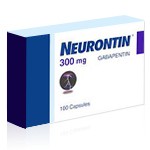
Neurontin is the original brand-name formulation of Gabapentin — developed by Parke-Davis (now Pfizer) and FDA-approved since 1993. As the original Gabapentin brand, Neurontin established the entire α2δ ligand drug class and pioneered the use of GABA-analog structures for treatment of partial seizures and neuropathic pain. Despite the development of many generic Gabapentin alternatives, Neurontin remains the most globally recognized brand in this drug class.
The active ingredient is Gabapentin, which works by binding to the alpha-2-delta subunit of voltage-gated calcium channels in neurons. This binding reduces presynaptic calcium influx, leading to decreased release of excitatory neurotransmitters including glutamate, substance P, and norepinephrine. Despite being structurally designed as a GABA analog, Gabapentin does not directly bind GABA receptors — its primary mechanism is calcium channel modulation.
Neurontin is FDA-approved for adjunctive therapy of partial (focal) seizures with or without secondary generalization in adults and children over 3 years, and for treatment of postherpetic neuralgia (PHN) following shingles infection. Beyond approved indications, Neurontin is extensively prescribed for diabetic peripheral neuropathy, chemotherapy-induced neuropathy, complex regional pain syndrome, spinal cord injury pain, phantom limb pain, multiple sclerosis pain, fibromyalgia, restless legs syndrome, generalized anxiety, alcohol withdrawal, and menopausal hot flashes.
The medication is available as 100 mg, 300 mg, and 400 mg capsules, 600 mg and 800 mg tablets, and 250 mg/5 mL oral solution. Standard adult dosing for partial seizures is 900-1800 mg daily in three divided doses, titrated up to 3600 mg/day. For postherpetic neuralgia, doses range from 1800-3600 mg daily.
Critical advantages include a favorable drug interaction profile because Gabapentin is not metabolized by CYP450 enzymes and is excreted unchanged in urine. Renal dose adjustment is essential in chronic kidney disease.
Common side effects include sedation, dizziness, ataxia, peripheral edema, and weight gain. Emerging concerns include misuse and dependence (Schedule V in some US states), DRESS syndrome (rare), and FDA class warning for suicidal ideation.
Free prescription
Discrete packaging
Have questions?
Quality Assurance

- Original Brand Postherpetic Neuralgia: FDA-approved for postherpetic neuralgia following shingles — original brand-name standard;
- Specialist Prescribed PHN: Specialist-preferred brand for chronic postherpetic neuralgia management;
- Persistent Postherpetic Neuralgia: For persistent PHN lasting beyond 3 months after shingles resolution;
- Pain Clinic Standard: Standard prescription brand in pain management clinics and neuropathic pain specialists;
- Hospital Discharge Neuropathic Pain: Standard hospital discharge brand for completing neuropathic pain treatment;
- Brand Familiar Adherence: Brand-name familiarity supports treatment adherence in patients comfortable with branded medications;
- Adult Diabetic Neuropathy: Off-label first-line for painful diabetic peripheral neuropathy in adults;
- Complex Regional Pain Syndrome: Off-label for complex regional pain syndrome (CRPS, RSD);
- Phantom Limb Pain: Off-label for phantom limb pain in amputees;
- Spinal Cord Injury Pain: Off-label for neuropathic pain in spinal cord injury patients;
- Multiple Sclerosis Pain: Off-label for central neuropathic pain in multiple sclerosis;
- HIV Neuropathy: Off-label for HIV-associated distal sensory neuropathy;
- Cancer Pain Adjunct: Off-label adjunct for cancer-related neuropathic pain components;
- Trigeminal Neuralgia Adjunct: Off-label adjunct for trigeminal neuralgia when carbamazepine is insufficient;
- Cervical Radiculopathy Off Label: Off-label for cervical radiculopathy with neuropathic pain component;
- Lumbar Radiculopathy Off Label: Off-label for lumbar radiculopathy and post-laminectomy pain;
- Burn Pain Adjunct: Off-label adjunct for neuropathic component of burn pain in burn unit patients;
- Vulvodynia: Off-label for vulvodynia and chronic genital neuropathic pain;
- Refractory Hiccups Adult: Off-label for refractory persistent hiccups in adult patients;
- Refractory Insomnia Adjunct: Off-label adjunct for refractory insomnia particularly with pain or anxiety component;
- Social Anxiety Off Label: Off-label use for social anxiety disorder in selected patients;
- Generalized Anxiety Off Label: Off-label use for generalized anxiety disorder with pain or sleep components;
- Pediatric Partial Seizures: FDA-approved adjunctive therapy for pediatric partial seizures in children over 3 years;
- Long Term Neuropathic Pain: Suitable for long-term daily maintenance therapy in chronic neuropathic pain conditions.
- Less Nerve Pain: Significant reduction in postherpetic neuralgia pain following shingles;
- Less Burning Pain: Reduction in characteristic burning quality of neuropathic pain;
- Less Tingling: Reduction in paresthesias and tingling associated with neuropathy;
- Less Shooting Pain: Reduction in shooting and lancinating neuropathic pain;
- Less Allodynia: Reduction in allodynia (pain from non-painful stimuli) characteristic of nerve damage;
- Less Phantom Limb Pain: Off-label benefit in phantom limb pain in amputees;
- Less Diabetic Foot Pain: Off-label benefit in painful diabetic peripheral neuropathy;
- Less Cancer Pain: Off-label adjunct effect on neuropathic component of cancer pain;
- Less Anxiety: Off-label reduction in anxiety symptoms;
- Better Sleep: Improved sleep quality with reduction of neuropathic pain;
- Better Daily Function: Return to normal activities with effective seizure or pain control;
- Less Opioid Use: Opioid-sparing effect in neuropathic pain reduces need for opioid analgesics;
- Better Functional Capacity: Restored ability to perform daily activities affected by chronic neuropathic pain;
- Brand Neurontin: Original Parke-Davis/Pfizer brand of Gabapentin with established global clinical reputation since 1993;
- Generic Gabapentin: Affordable generic versions available for cost-sensitive patients;
- Parke Davis Pfizer Heritage: Developed by Parke-Davis (acquired by Pfizer) with decades of pharmaceutical research and refinement;
- Original Alpha 2 Delta Ligand: Original drug establishing the α2δ ligand class — pioneer of this drug class;
- Gralise Extended Release: Extended-release formulation providing once-daily dosing for postherpetic neuralgia;
- Horizant Enacarbil Prodrug: Gabapentin enacarbil prodrug FDA-approved specifically for restless legs syndrome;
- Anticonvulsant Neuropathic Pain: Dual-action anticonvulsant and neuropathic pain medication with unique mechanism;
- Alpha 2 Delta Calcium Channel Modulator: Binds α2δ subunit of voltage-gated calcium channels — unique mechanism;
- Excitatory Neurotransmitter Reduction: Reduces glutamate, substance P, and norepinephrine release;
- Partial Seizure Adjunctive Standard: Standard adjunctive therapy for refractory partial seizures;
- Postherpetic Neuralgia First Line: First-line therapy for postherpetic neuralgia following shingles;
- Diabetic Neuropathy Standard: Standard off-label therapy for painful diabetic peripheral neuropathy;
- Favorable Drug Interaction Profile: Not metabolized by CYP450 enzymes — minimal drug interactions;
- Renal Excretion Unchanged: Excreted unchanged in urine — supports use in hepatic disease;
- No Therapeutic Monitoring: No therapeutic drug monitoring required — simplifies long-term management;
- Polypharmacy Safe: Safe for polypharmacy patients due to minimal drug interactions;
- Opioid Sparing Pain Therapy: Reduces need for opioids in neuropathic pain management;
- Specialist Trusted Brand: Brand trusted by neurologists, pain specialists, and primary care providers worldwide;
- Pediatric Anticonvulsant Approved: FDA-approved for pediatric partial seizures in children over 3 years;
- Elderly Friendly Anticonvulsant: Suitable for elderly patients with appropriate renal dose adjustment;
- Hospital Discharge Brand: Standard hospital discharge brand for completing neuropathic pain and seizure therapy;
- WHO Essential Medicine: Listed on the WHO Model List of Essential Medicines for epilepsy and neuropathic pain;
- 30 Plus Year Brand History: Extensive real-world safety and efficacy data since 1993 across billions of patient courses;
- Sedation Side Effect: Sedation, dizziness, and ataxia are common side effects — start low, go slow titration;
- Renal Dose Adjustment: Essential renal dose adjustment required in chronic kidney disease;
- Misuse Dependence Concerns: Emerging misuse and dependence concerns — Schedule V in some US states (Kentucky, Tennessee, Virginia, others);
- Suicidal Ideation Warning: FDA class warning for all anticonvulsants — monitor for suicidal thoughts;
- DRESS Syndrome Rare: Rare risk of DRESS syndrome — discontinue if drug rash with eosinophilia develops;
- Stable Storage: Capsules and tablets stable at room temperature — convenient for long-term therapy;
- Globally Available: Most globally recognised α2δ ligand brand — familiar to clinicians worldwide.
Generic Neurontin (Gabapentin 300 mg) Medication guide:
📖 What is Neurontin - the original Pfizer brand
Neurontin is the original brand-name formulation of gabapentin, developed by Parke-Davis (later Warner-Lambert, now Pfizer) and first approved by the FDA in December 1993. It occupies a unique position as the drug that established the entire alpha-2-delta ligand class and transformed neuropathic pain treatment globally. Despite generic availability since 2004, Neurontin remains the reference formulation against which generic gabapentin products are compared.
📊 Neurontin at a glance
- Drug class
- Alpha-2-delta calcium channel ligand; classified as anticonvulsant with broad neuropathic pain and other neurological indications
- Active ingredient
- Gabapentin (1-(aminomethyl)cyclohexaneacetic acid)
- Originator manufacturer
- Parke-Davis (1970s development); acquired by Warner-Lambert; acquired by Pfizer in 2000; Pfizer continues to market Neurontin brand
- FDA approval
- December 1993 for adjunctive therapy of focal (partial) onset seizures in adults; 2002 for postherpetic neuralgia; multiple additional expansions
- Formulations
- Capsules 100 mg, 300 mg, 400 mg; tablets 600 mg, 800 mg; oral solution 250 mg/5 mL
- Related product
- Horizant (gabapentin enacarbil) is a prodrug extended-release formulation by different manufacturer; approved for restless legs syndrome and postherpetic neuralgia
- Typical adult dose
- Neuropathic pain: 900-3600 mg/day divided into 3 doses; Epilepsy: 900-2400 mg/day divided; RLS: 300-1200 mg at bedtime
✅ The Neurontin transformation
- Established the alpha-2-delta ligand class - a novel mechanism distinct from prior anticonvulsants
- Transformed neuropathic pain treatment from anecdotal to evidence-based with 1998 pivotal PHN and DPN trials
- Achieved blockbuster status as a Pfizer product before generic entry
- Included on WHO Essential Medicines List
- Named to first-line status by NICE, NeuPSIG, AAN, and other major guidelines for neuropathic pain
- Currently one of the most prescribed medications globally
- Reference formulation for numerous global generic versions
- Successor drug pregabalin (Lyrica) built on Neurontin foundation
🔑 Brand vs generic distinction
Since gabapentin patent expiration in 2004 in the US, numerous generic manufacturers produce bioequivalent versions. However, Neurontin remains the reference formulation. Pfizer continues to market Neurontin at premium pricing while offering positioning around brand-name consistency, reliable manufacturing standards, and the historical evidence base built specifically on this formulation. For most patients, quality-manufactured generic gabapentin provides equivalent clinical benefit at substantially lower cost. Brand-name Neurontin is typically chosen when specific formulary requirements, prior positive experience, or patient preference dictates.
💡 The three-decade legacy
Neurontin represents a landmark in pharmaceutical development spanning three decades from 1993 launch. Its trajectory includes: initial approval as anticonvulsant, dramatic expansion into neuropathic pain from 1998 pivotal trials, controversial off-label marketing that led to the 2004 Franklin v. Pfizer settlement (430 million USD), transition to generic in 2004, continued dominance as first-line neuropathic pain therapy globally, and its foundational role for the successor drug pregabalin. Understanding Neurontin illuminates broader themes about pharmaceutical development, the neuropathic pain treatment landscape, and appropriate stewardship of enzyme-modulating anticonvulsants.
🕰️ History - Parke-Davis and 1993 FDA approval
Gabapentin's development from concept to FDA approval and beyond spans more than four decades of pharmaceutical history. Originally designed as a GABA analog for anticonvulsant activity by Parke-Davis in the 1970s, it eventually became one of the most commercially successful and clinically important medications of the modern era.
| Year | Development milestone |
|---|---|
| 1970s | Parke-Davis chemists synthesise gabapentin as a lipophilic GABA analog designed to cross the blood-brain barrier for anticonvulsant activity |
| 1980s | Preclinical anticonvulsant activity in animal seizure models; unexpected finding that gabapentin does not bind GABA receptors despite the design premise |
| 1993 | FDA approval of Neurontin (December 1993) for adjunctive treatment of adult partial (focal) onset seizures |
| 1994 | EMA (European) approval for adjunctive therapy in focal epilepsy |
| 1996 | Warner-Lambert acquires Parke-Davis; Neurontin becomes a Warner-Lambert product |
| 1998 | Two landmark JAMA trials published: Rowbotham for postherpetic neuralgia and Backonja for diabetic peripheral neuropathy — establishing gabapentin as evidence-based neuropathic pain therapy |
| 2000 | Pfizer acquires Warner-Lambert for approximately 90 billion USD; Neurontin becomes a Pfizer product |
| 2000 | Neurontin achieves blockbuster status with over 2.5 billion USD annual sales; extensive off-label use for many indications |
| 2002 | FDA approval for postherpetic neuralgia based on pivotal 1998 trial data |
| 2004 | Franklin v. Pfizer settlement — 430 million USD paid for illegal off-label marketing (details in dedicated section) |
| 2004 | US patent expiration; multiple generic manufacturers enter the market; Neurontin retail price collapses |
| 2005 | Successor drug pregabalin (Lyrica) FDA approved — higher-potency alpha-2-delta ligand also developed by Pfizer |
| 2011 | Horizant (gabapentin enacarbil) FDA approved for restless legs syndrome; ER prodrug formulation |
| 2017 | Kentucky classifies gabapentin as Schedule V controlled substance; subsequently followed by other US states |
| 2019 | FDA issues boxed warning about respiratory depression with gabapentinoids combined with opioids or in respiratory disease |
| 2020s | Continued global use with over 60 million US prescriptions annually; ongoing stewardship debates about appropriate use |
🔬 The GABA-analog origin
Parke-Davis chemists in the 1970s were exploring lipophilic GABA analogs that could cross the blood-brain barrier to deliver GABAergic activity centrally. Gabapentin was designed specifically for this purpose — a cyclohexane ring attached to a GABA-mimicking backbone to increase lipophilicity. Ironically, when tested pharmacologically, gabapentin was found not to bind GABA receptors. Its true molecular target, the alpha-2-delta subunit of voltage-gated calcium channels, was not identified until years later. Despite this mechanism mismatch with its original design premise, gabapentin's anticonvulsant activity in animal models led to continued development.
💰 The blockbuster years
In the late 1990s and early 2000s, Neurontin achieved peak sales of over 2.5 billion USD annually — largely driven by off-label use for bipolar disorder, anxiety, migraine, chronic pain, and other indications that were not FDA-approved. This aggressive off-label marketing led to the landmark 2004 Franklin whistleblower case and 430 million USD settlement (detailed in section 3). Post-generic entry in 2004, brand-name Neurontin revenue collapsed but overall gabapentin use continued to expand globally as generic prices made the drug affordable to hundreds of millions of patients worldwide.
⚖️ Franklin lawsuit and 430 million settlement legacy
The Franklin v. Pfizer case stands as one of the most significant pharmaceutical marketing lawsuits in US history. In 2004, Pfizer paid a 430 million USD settlement to resolve civil and criminal claims that its subsidiary Parke-Davis had illegally marketed Neurontin for numerous unapproved indications during the 1990s. This case fundamentally shaped modern pharmaceutical off-label marketing regulation.
📉 The Franklin case timeline
- 1996
- David Franklin, a former Parke-Davis medical liaison, files whistleblower lawsuit under the False Claims Act, alleging systematic off-label marketing of Neurontin
- 1990s
- Parke-Davis marketing activities included: paying physicians for consulting fees to prescribe off-label; sponsoring physicians to speak favorably about unapproved uses; ghostwritten medical journal articles; suppression of negative study data; targeted marketing for indications lacking evidence
- Off-label targets
- Bipolar disorder; anxiety disorders; migraine prophylaxis; attention deficit hyperactivity disorder; monotherapy epilepsy (approved only as adjunct); reflex sympathetic dystrophy; alcohol withdrawal
- 2004
- Pfizer (which had acquired Warner-Lambert/Parke-Davis) agrees to 430 million USD settlement including civil damages, criminal fines, and False Claims Act penalties
- Franklin receives
- Approximately 24 million USD as his qui tam whistleblower share
- Criminal admission
- Warner-Lambert pleaded guilty to promoting Neurontin for uses not approved by the FDA
📋 What the case established
- Federal prosecution of off-label marketing as fraud under the False Claims Act — groundbreaking legal principle
- Manufacturer liability for practices that predated their acquisition of the drug (Pfizer paid for Parke-Davis/Warner-Lambert conduct)
- Whistleblower framework for pharmaceutical fraud through qui tam actions
- Illegality of paying physicians to speak favorably about off-label uses in continuing medical education
- Prohibition of ghost-written articles designed to appear as independent medical publications
- Regulatory precedent influencing subsequent FDA enforcement against other companies
- Corporate Integrity Agreements for pharmaceutical companies as consequence of misconduct
⚠️ The paradox of the case
The Franklin case created a striking paradox: although Pfizer paid heavily for illegally marketing Neurontin for off-label indications, most of those off-label uses (postherpetic neuralgia, diabetic neuropathy, restless legs syndrome, various pain syndromes) subsequently gained genuine evidence support. The 1998 Rowbotham and Backonja JAMA trials transformed off-label PHN and DPN use into evidence-based therapy leading to FDA approval for PHN in 2002. The 2011 Horizant approval added RLS. This does not excuse the marketing misconduct — the fraud was in claiming efficacy without evidence and paying physicians to endorse unproven uses — but it illustrates the complex relationship between off-label prescribing, marketing conduct, and eventual evidence development.
💡 Impact on modern pharmaceutical practice
The Franklin case fundamentally reshaped pharmaceutical industry compliance frameworks: (1) Corporate Integrity Agreements now common as settlement components; (2) restrictions on physician speaker programs and consulting arrangements tightened; (3) transparency requirements for medical publication authorship increased; (4) FDA enforcement resources expanded for off-label marketing surveillance; (5) internal compliance programs at pharmaceutical companies expanded substantially; (6) subsequent cases against other companies (Merck, GSK, Johnson & Johnson) followed similar precedents. The 430 million USD Neurontin settlement was, at the time, one of the largest healthcare fraud settlements in US history and established the template for many subsequent enforcement actions.
✅ Bottom line for prescribers
Modern prescribers should be aware that: off-label prescribing itself remains legal and often appropriate when evidence-supported; manufacturers cannot legally promote off-label uses; physicians and prescribing decisions must be based on peer-reviewed evidence rather than marketing claims; and many current gabapentin uses that were once off-label are now either FDA-approved (PHN 2002; RLS via Horizant 2011) or supported by strong evidence base (DPN with AAN Level A) that developed independently of the earlier marketing controversy.
🧪 Chemistry - gabapentin as GABA analog structure
Gabapentin is a structural analog of the neurotransmitter GABA (gamma-aminobutyric acid), designed originally to enhance central nervous system penetration compared to GABA itself. Its cyclohexane ring modification increases lipophilicity while preserving core GABA-like structural features. Ironically, gabapentin does not bind GABA receptors — a discovery that led to identification of its true molecular target.
🧪 Chemical properties
- IUPAC name
- 1-(aminomethyl)cyclohexaneacetic acid
- Molecular formula
- C9H17NO2
- Molecular weight
- 171.24 g/mol
- Physical form
- White to off-white crystalline solid; freely soluble in water; low lipophilicity despite design intent
- Chirality
- Non-chiral; single molecular species; no enantiomer considerations
- Structural relationship to GABA
- GABA (H2N-CH2-CH2-CH2-COOH) has a linear 4-carbon backbone; gabapentin has the same 4-carbon backbone with an additional cyclohexane ring fused to the central carbon — creating a bicyclic amino acid
- Structural relationship to pregabalin
- Pregabalin (S-3-isobutyl-GABA) is a closely related alpha-2-delta ligand with an isobutyl group instead of gabapentin's cyclohexane ring; higher potency at the target
🔬 The design vs reality paradox
Gabapentin was designed in the 1970s at Parke-Davis specifically to mimic GABA while crossing the blood-brain barrier. The cyclohexane ring was added to increase lipophilicity beyond GABA's hydrophilic profile. However, when the compound was tested pharmacologically: (1) it did not bind GABA-A receptors like benzodiazepines or barbiturates; (2) it did not bind GABA-B receptors like baclofen; (3) despite this mechanism mismatch with its design intent, it showed clear anticonvulsant activity in animal seizure models. This unexpected finding launched years of research to identify the actual molecular target, eventually established as the alpha-2-delta subunit of voltage-gated calcium channels in the late 1990s.
| Formulation | Presentation | Typical use |
|---|---|---|
| Capsule 100 mg | White opaque capsule | Elderly, small dose adjustments, titration |
| Capsule 300 mg | Yellow opaque capsule | Most common adult dosing unit |
| Capsule 400 mg | Orange opaque capsule | Higher dose ranges |
| Tablet 600 mg | White scored tablet | Higher-dose regimens |
| Tablet 800 mg | White oval tablet | Highest available strength; refractory conditions |
| Oral solution 250 mg/5 mL | Clear colorless liquid | Pediatric, swallowing difficulty, gradual titration |
💡 Formulation flexibility
The multiple capsule and tablet strengths (100, 300, 400, 600, 800 mg) plus oral solution give substantial dosing flexibility. Standard titration typically uses 100 mg or 300 mg increments in elderly and pain patients; larger increments (300 or 400 mg) in younger epilepsy patients. The 250 mg/5 mL oral solution is valuable for children, adults with swallowing difficulties, and situations requiring finer dose adjustments. Note that Horizant (gabapentin enacarbil) is a separate prodrug formulation with different pharmacokinetics designed for once-daily extended-release therapy.
🧬 Mechanism - alpha-2-delta calcium channel modulation
Gabapentin's molecular target is the alpha-2-delta subunit of voltage-gated calcium channels. This binding was not identified for years after FDA approval, and the drug was originally believed to enhance GABAergic activity. The alpha-2-delta mechanism now defines the entire "gabapentinoid" drug class including pregabalin (Lyrica) and mirogabalin.
🧬 The alpha-2-delta mechanism
- Alpha-2-delta subunit - what it is
- Auxiliary subunit of voltage-gated calcium channels; regulates trafficking of channels to the cell membrane and modulates channel gating; particularly important for N-type and P/Q-type calcium channels at presynaptic terminals
- Distribution
- Widely expressed in central and peripheral nervous system; upregulated in pathological states including neuropathic pain and epilepsy
- Gabapentin binding
- Binds alpha-2-delta subtype 1 (Cav-alpha-2-delta-1) with high affinity; lower affinity to alpha-2-delta subtype 2; no binding to other calcium channel subunits or GABA receptors
- Functional consequence
- Reduced trafficking of alpha-2-delta-containing calcium channels to the membrane; reduced calcium influx during depolarisation; reduced neurotransmitter release at pathological (hyperactive) synapses
- Selectivity
- Preferential effect on pathological hyperactivity while sparing normal neurotransmission; explains favourable side effect profile compared to non-selective calcium blockade
- Onset of effect
- Days to weeks — requires gradual changes in channel trafficking rather than immediate blockade
🧠 What gabapentin does NOT do
- Does not directly enhance GABAergic transmission despite structural GABA analogy
- Does not bind GABA-A receptors like benzodiazepines or barbiturates
- Does not bind GABA-B receptors like baclofen
- Does not block sodium channels like phenytoin, carbamazepine, or lamotrigine
- Does not antagonise glutamate receptors like felbamate or perampanel
- Does not directly modulate serotonin or norepinephrine like duloxetine or TCAs
- Does not affect voltage-gated calcium channel opening directly — only trafficking and modulation
- Does not have significant activity at other neurotransmitter receptors at therapeutic concentrations
🤝 Clinical implications of the mechanism
- Preferential effect on pathological firing
- Explains efficacy in neuropathic pain (upregulated alpha-2-delta expression) and seizures without profound sedation seen with older anticonvulsants
- Gradual onset requiring titration
- Days to weeks for full effect — consistent with mechanism requiring changes in channel trafficking
- Cross-tolerance with pregabalin
- Same molecular target predicts substantial cross-tolerance and cross-reactivity between gabapentin and pregabalin
- Rationale for combination avoidance
- Combining gabapentin with pregabalin provides no additional efficacy but doubles adverse effect risk — same target saturates similarly
- Sedation and cognitive effects
- Result from modest calcium channel modulation in cortical and limbic circuits governing arousal and cognition
💡 Why the mechanism matters clinically
The alpha-2-delta mechanism explains gabapentin's distinctive clinical profile: efficacy in neuropathic pain conditions where nerve injury upregulates the target (postherpetic neuralgia, diabetic neuropathy, chronic pain from nerve compression); moderate onset requiring titration over weeks; broad activity across seizure types associated with pathological neuronal hyperactivity; and relatively selective effects compared to older anticonvulsants. The successor drug pregabalin exploits the same mechanism with higher potency, achieving similar efficacy at approximately one-tenth the dose while maintaining similar side effect profile.
📊 Pharmacokinetics - saturable absorption and nonlinear kinetics
Gabapentin has uniquely non-linear pharmacokinetics compared to most modern drugs. Its absorption is saturable at higher doses through active transport dependence — a mechanism that limits the clinical benefit of dose escalation beyond certain thresholds. This is a critical concept for effective prescribing.
📊 Key pharmacokinetic parameters
- Oral bioavailability
- Approximately 60 percent at 300 mg dose; approximately 42 percent at 800 mg dose; approximately 27 percent at 1200 mg dose — substantial decrease with dose escalation
- Saturable absorption mechanism
- Active transport via LAT1 transporter (large neutral amino acid transporter) in intestinal wall; saturates at higher doses reducing net absorption percentage
- Time to peak (Tmax)
- Approximately 2-3 hours after oral dose; food does not affect absorption significantly
- Volume of distribution
- Approximately 58 L in adults; distributes to CNS and peripheral tissues
- Protein binding
- Approximately 3 percent — essentially unbound; no displacement interactions
- Half-life
- Approximately 5-7 hours in adults with normal renal function; longer in elderly and CKD
- Metabolism
- None — gabapentin is not metabolised by humans; excreted unchanged in urine
- Elimination
- 100 percent renal; approximately 90 percent excreted unchanged in urine
| Dose per administration | Bioavailability | Practical implication |
|---|---|---|
| 100 mg | Approximately 80% | Full absorption |
| 300 mg | Approximately 60% | Standard dose unit; good absorption |
| 400 mg | Approximately 55% | Reduced compared to 300 mg |
| 600 mg | Approximately 42% | Substantial saturation |
| 800 mg | Approximately 42% | Plateau of absorption |
| 1200 mg | Approximately 27% | Diminishing returns from higher single doses |
🔬 Practical implications of saturable absorption
- Divided doses are more effective than single large doses — two 300 mg doses provide more total absorption than one 600 mg dose
- TID or QID dosing regimen is standard for higher total daily doses (over 1200 mg)
- Diminishing returns above 1800-2400 mg/day — further increases produce limited additional exposure
- Individual variability in LAT1 transporter activity affects response
- Food does not affect absorption — convenient for adherence
- Gabapentin enacarbil (Horizant) prodrug bypasses saturable absorption through different transporter
💡 The clean elimination advantage
Gabapentin's complete renal excretion with no hepatic metabolism produces distinctive advantages: no drug-drug interactions via CYP enzymes; safe in hepatic disease; no interactions with warfarin, statins, or other hepatically metabolised drugs; and predictable dose adjustment based on kidney function alone. This clean profile is one of the reasons gabapentin is preferred in patients with complex polypharmacy, hepatic disease, or concurrent medications. The trade-off is complete renal dependence — kidney disease requires careful dose adjustment to avoid accumulation and toxicity.
📋 FDA-approved indications and expansion history
Since 1993 initial approval, Neurontin has undergone multiple FDA indication expansions. Current approvals span epilepsy adjunctive therapy and postherpetic neuralgia, while additional evidence-based off-label uses (diabetic peripheral neuropathy, restless legs syndrome, others) represent standard clinical practice supported by professional guidelines.
| Year | FDA indication | Population |
|---|---|---|
| 1993 | Adjunctive therapy for focal (partial) onset seizures | Adults |
| 2000 | Pediatric extension for focal onset seizures | Children age 3-12 (adjunctive) |
| 2002 | Postherpetic neuralgia (PHN) | Adults |
| 2011 | Horizant (gabapentin enacarbil) for restless legs syndrome | Adults (moderate to severe primary RLS) |
| 2012 | Horizant expanded indication for postherpetic neuralgia | Adults |
📑 Current FDA-approved indications summary
- Postherpetic neuralgia (PHN)
- Primary FDA indication for Neurontin brand; based on 1998 Rowbotham JAMA pivotal trial and subsequent supporting data; first-line therapy per NeuPSIG guidelines
- Adjunctive treatment of focal onset seizures
- Approved for adults and pediatric patients age 3 and older with focal (partial) onset seizures; used as add-on to primary AED
- Restless legs syndrome (via Horizant only)
- Standard immediate-release gabapentin (Neurontin) not FDA-approved for RLS; Horizant (gabapentin enacarbil, ER prodrug) approved
✅ Evidence-based off-label uses
- Painful diabetic peripheral neuropathy (DPN) — AAN Level A evidence; NeuPSIG first-line; based on 1998 Backonja pivotal trial. Off-label but standard practice.
- Chemotherapy-induced peripheral neuropathy (CIPN) — supportive evidence; commonly used adjunctively
- Other neuropathic pain syndromes — central neuropathic pain, trigeminal neuralgia adjunct, complex regional pain syndrome, HIV-associated neuropathy
- Alcohol use disorder maintenance — ADA support; reduces cravings, improves sleep
- Hot flashes — postmenopausal, breast cancer patients; alternative to hormonal therapy
- Chronic refractory cough — specialist use; effective for select patients
- Fibromyalgia — alternative to pregabalin (Lyrica is FDA-approved for this)
- Anxiety in specific settings — where benzodiazepines are avoided
- Perioperative multimodal analgesia — opioid-sparing role
🌐 International indication landscape
Some jurisdictions have expanded gabapentin approvals beyond the US: several European countries have specific approvals for painful DPN and mixed neuropathic pain conditions. NICE guideline CG173 positions gabapentin as first-line for neuropathic pain in the UK. NeuPSIG (International Association for the Study of Pain) recommends gabapentinoids as first-line therapy for peripheral neuropathic pain internationally. The disconnect between narrow US FDA labeling and broad guideline-supported use is common with older drugs where manufacturers have not pursued additional formal indications post-generic entry.
🌐 Off-label uses across clinical practice
Beyond FDA-approved indications, gabapentin is used extensively off-label across many clinical scenarios. Some off-label uses are well-supported by evidence (DPN, RLS via IR formulation, alcohol use disorder), while others have varying levels of support. Understanding the evidence base for each off-label indication is essential for appropriate stewardship-informed prescribing.
🌐 Well-supported off-label uses
- Painful diabetic peripheral neuropathy — AAN Level A evidence; NeuPSIG first-line; Backonja JAMA 1998 pivotal
- Restless legs syndrome (RLS) — IR gabapentin off-label; Horizant ER FDA-approved; effective for moderate-severe RLS particularly with sleep initiation problems
- Central neuropathic pain — spinal cord injury, multiple sclerosis, stroke-associated pain
- Chemotherapy-induced peripheral neuropathy (CIPN) — adjunctive symptomatic therapy
- Alcohol use disorder — maintenance therapy for abstinence support; reduces cravings, improves sleep in early sobriety
- Chronic refractory cough — when other therapies have failed
- Hot flashes — postmenopausal, breast cancer survivors; effective alternative to hormone therapy
🔬 Additional off-label uses
- Complex regional pain syndrome (CRPS) — component of multimodal approach
- Perioperative multimodal analgesia — single-dose or short-course to reduce opioid requirements
- Fibromyalgia — alternative to pregabalin (FDA-approved)
- Anxiety in specific settings — where benzodiazepines avoided
- Chronic low back pain — NICE recommends against as evidence is limited
- Neuropathic itch — brachioradial pruritus, notalgia paresthetica
- Vulvodynia — some evidence in vulvar pain
- Trigeminal neuralgia adjunct — carbamazepine remains first-line
- Nystagmus — some improvement in acquired forms
- Uremic pruritus — dialysis patients with severe itch
- Migraine prophylaxis — limited efficacy; not preferred
| Off-label indication | Evidence strength | Clinical use |
|---|---|---|
| Diabetic peripheral neuropathy | Level A RCT evidence | First-line; standard practice |
| Restless legs syndrome (IR) | RCT evidence | First-line for moderate-severe |
| Chemo-induced neuropathy | Moderate evidence | Adjunctive symptomatic |
| Alcohol use disorder | ADA support | Maintenance therapy |
| Perioperative analgesia | Multiple RCTs | Multimodal approach |
| Chronic refractory cough | Moderate | Specialist referral |
| Hot flashes | RCT evidence | Alternative to hormonal therapy |
| Chronic low back pain | Limited | NICE recommends against |
⚠️ Stewardship considerations
The Franklin case aftermath has substantially tightened prescribing culture around off-label gabapentin use. Modern stewardship expects: (1) evidence-based off-label prescribing rather than aspirational; (2) documentation of indication and expected benefit; (3) regular reassessment of continued need; (4) awareness of abuse potential particularly in high-risk patients; (5) attention to concurrent CNS depressants due to 2019 respiratory depression warning; (6) preference for indications with RCT support over anecdotal use. The high volume of gabapentin prescribing globally reflects both legitimate uses and continued overprescribing in some settings.
💀 Postherpetic neuralgia - Rowbotham 1998 pivotal trial
Postherpetic neuralgia (PHN) is the primary FDA-approved indication for Neurontin (in addition to focal epilepsy). The landmark 1998 Rowbotham JAMA trial established gabapentin as an evidence-based PHN therapy and led to FDA approval for this indication in 2002. PHN remains a defining use of gabapentin today.
💀 Postherpetic neuralgia - the condition
- Definition
- Chronic neuropathic pain persisting for more than 3 months after resolution of the acute shingles (herpes zoster) rash
- Prevalence
- Approximately 15-20 percent of shingles patients over age 50 develop PHN; higher in elderly (up to 50 percent in patients over 80)
- Presentation
- Burning, aching, stabbing pain in the previous shingles dermatome; allodynia (pain from normally non-painful stimuli); hyperalgesia (exaggerated pain from painful stimuli); mechanical hypersensitivity
- Duration
- Months to years; often lifelong in severe cases; substantial impact on sleep, mood, quality of life
- Impact
- Depression, anxiety, sleep disturbance, functional impairment, social isolation; one of the most distressing chronic neuropathic pain conditions
- Prevention
- Shingrix vaccination (recombinant zoster vaccine) provides substantial reduction in both shingles and PHN incidence; recommended for age 50+
📈 The Rowbotham 1998 pivotal trial
- Published JAMA 1998;280:1837-1842 by Michael Rowbotham and colleagues at UCSF
- Multicenter, double-blind, placebo-controlled, randomised trial
- 229 patients with PHN persisting more than 3 months after shingles
- Gabapentin titrated to 3600 mg/day maximum vs placebo
- 8-week treatment duration
- Primary outcome achieved: significant reduction in average daily pain scores vs placebo
- Approximately 43 percent of gabapentin-treated patients achieved 50 percent pain reduction vs 12 percent placebo
- Significant improvements in sleep, mood, and quality of life measures
- Well-tolerated with predominant adverse effects being sedation and dizziness
- Established gabapentin as evidence-based PHN therapy; led to FDA approval in 2002
| PHN efficacy metric | Gabapentin typical result |
|---|---|
| Pain intensity reduction | Approximately 30-40 percent from baseline |
| 50 percent responder rate | Approximately 40-45 percent (vs 10-15 percent placebo) |
| Sleep quality improvement | Substantial (often reason patients continue therapy) |
| Quality of life measures | Meaningful improvement |
| Time to noticeable benefit | 1-2 weeks |
| Time to peak effect | 4-8 weeks |
| Effective dose range | 1800-3600 mg/day divided TID |
| Number Needed to Treat (NNT) | 7-8 for 50 percent pain reduction |
✅ PHN treatment positioning
- First-line therapy per NeuPSIG international guidelines
- NICE first-line alongside amitriptyline, pregabalin, duloxetine
- AAN considers gabapentin first-line for PHN
- Topical lidocaine 5 percent patch is alternative for focal PHN in older adults
- Tricyclic antidepressants (amitriptyline, nortriptyline) alternative
- Pregabalin (Lyrica) alternative with similar efficacy at lower doses
- Combination therapy may benefit refractory patients
- Opioids reserved for severe refractory cases due to abuse potential
💡 Prevention through vaccination
Shingrix (recombinant zoster vaccine) has substantially reduced the incidence of both shingles and postherpetic neuralgia in vaccinated populations. Vaccination is recommended for adults age 50 and older. As Shingrix uptake increases, the population burden of PHN is expected to decline, though gabapentin therapy will remain essential for patients who develop PHN despite vaccination or who were unvaccinated. Prevention through vaccination represents complementary strategy to gabapentin symptomatic treatment.
🩹 Diabetic peripheral neuropathy - Backonja pivotal trial
Diabetic peripheral neuropathy (DPN) is a major clinical use of gabapentin, supported by AAN Level A evidence based on the 1998 Backonja pivotal trial. DPN is not on the current Neurontin US FDA label but is a well-established off-label use with strong guideline support. Its widespread use reflects both the enormous DPN population (millions worldwide) and the strong evidence base.
🩹 Painful diabetic peripheral neuropathy
- Definition
- Neuropathic pain arising from diabetes-related peripheral nerve damage; typically length-dependent affecting feet and legs; occasionally hands
- Prevalence
- Approximately 20-30 percent of people with diabetes develop painful DPN; over 100 million patients globally
- Presentation
- Burning, tingling, aching, stabbing pain in feet and legs; typically bilateral and symmetric; worse at night; contact hypersensitivity; sleep disturbance common
- Course
- Progressive over years; typically chronic once established; may improve with glucose optimization but pain often persists
- Impact
- Sleep disturbance, depression, functional impairment, fall risk; significant quality of life burden
- Prevention
- Optimal glucose control is the primary preventive strategy; type 1 diabetes shows clearer prevention effect than type 2
📈 The Backonja 1998 pivotal trial
- Published JAMA 1998;280:1831-1836 by Miroslav Backonja and colleagues
- Multicenter, double-blind, placebo-controlled, randomised trial
- 165 patients with painful DPN for at least 3 months
- Gabapentin titrated to 3600 mg/day maximum vs placebo
- 8-week treatment duration
- Primary outcome achieved: significant reduction in daily pain scores vs placebo
- Approximately 60 percent responder rate vs 33 percent placebo
- Significant improvements in sleep, mood, and quality of life
- Well-tolerated with predominant adverse effects being sedation and dizziness
- Established gabapentin as evidence-based DPN therapy despite lack of FDA-approval for this indication
| DPN treatment options | Evidence level | Position |
|---|---|---|
| Gabapentin (Neurontin) | Level A | First-line |
| Pregabalin (Lyrica) | Level A; FDA-approved | First-line |
| Duloxetine (Cymbalta) | Level A; FDA-approved | First-line |
| Amitriptyline / TCAs | Level A | Alternative first-line |
| Tapentadol | Level A; FDA-approved | Second-line |
| Capsaicin topical | Moderate | Adjunctive |
| Alpha-lipoic acid | Modest | Adjunctive |
✅ Choosing gabapentin for DPN
- First-line therapy per AAN and NeuPSIG guidelines
- Approximately 60 percent respond meaningfully
- Sleep improvement often reason patients continue
- Clean drug interaction profile (advantage in polypharmacy patients on multiple cardiac and diabetes medications)
- Very low cost as generic (advantage in cost-constrained settings)
- Safe in hepatic disease (advantage in patients with fatty liver or diabetic hepatic issues)
- Requires renal function assessment (relevant in diabetic nephropathy)
- Alternative to duloxetine when SSRIs or SNRIs contraindicated
- Alternative to TCAs when cardiac disease or anticholinergic effects concerning
💡 The DPN treatment approach
Modern DPN treatment involves choice among four broadly equivalent first-line options: gabapentin, pregabalin, duloxetine, and TCAs. Selection depends on patient-specific factors: cardiovascular disease favours gabapentin/pregabalin over TCAs; cost favours gabapentin; renal impairment complicates gabapentin dosing; concurrent depression may favour duloxetine; concurrent anxiety may favour pregabalin. Combination therapy or sequential trials are common when initial monotherapy provides insufficient benefit. Glucose control optimization remains fundamental regardless of symptomatic pharmacotherapy.
🧠 Focal onset epilepsy adjunctive therapy
Adjunctive therapy for focal (partial) onset seizures is Neurontin's original 1993 FDA indication. While largely displaced by newer AEDs (levetiracetam, lamotrigine, oxcarbazepine) in modern first-line practice, gabapentin retains a role as an adjunctive AED in refractory epilepsy and in specific patient scenarios.
🧠 Focal onset seizures - gabapentin efficacy
- Original indication
- Adjunctive therapy in adults with focal onset seizures with or without secondary generalization — approved 1993
- Pediatric extension
- Age 3-12 approved 2000 as adjunctive therapy
- Efficacy
- Approximately 30 percent responder rate (50 percent seizure reduction) vs 15 percent placebo in adjunctive trials; more modest than newer AEDs
- Effective dose range
- 900-3600 mg/day divided TID; often used at lower end for adjunctive
- Modern positioning
- Not first-line for new-onset epilepsy; levetiracetam and lamotrigine preferred. Considered adjunctive in refractory epilepsy or specific scenarios.
| AED for new-onset focal epilepsy | Modern position |
|---|---|
| Levetiracetam | First-line |
| Lamotrigine | First-line |
| Oxcarbazepine | First-line |
| Zonisamide, lacosamide | Second-line |
| Carbamazepine | Second-line |
| Gabapentin (Neurontin) | Adjunctive in refractory |
| Phenytoin | Legacy use |
| Phenobarbital, primidone | Cost-constrained settings |
💡 When gabapentin remains useful in epilepsy
Modern scenarios where gabapentin is still reasonable for epilepsy: (1) adjunctive therapy for refractory focal seizures after multiple newer AEDs failed; (2) established stable long-term patients — do not switch unless compelling reason; (3) patients with concurrent neuropathic pain benefiting from dual effect; (4) elderly with complex polypharmacy where the clean interaction profile is advantageous; (5) cost-constrained settings where newer AEDs are unaffordable; (6) patients who cannot tolerate other AEDs. The efficacy for focal epilepsy is moderate compared to newer AEDs, but the clean profile and combination potential retain a role.
⚠️ Not for generalized epilepsy or absence
Gabapentin is FDA-approved only for focal (partial) onset seizures, not for generalized epilepsy syndromes. It should not be used as monotherapy for idiopathic generalized epilepsy including juvenile myoclonic epilepsy. It may worsen absence seizures. For these syndromes, valproate, levetiracetam, or lamotrigine are preferred. Gabapentin is also not appropriate for status epilepticus treatment.
🦵 Restless legs syndrome and gabapentin enacarbil
Restless legs syndrome (RLS) is a common but often underrecognised sensorimotor disorder. Gabapentin, particularly the extended-release prodrug formulation Horizant (gabapentin enacarbil), has become one of the preferred pharmacological treatments for moderate to severe primary RLS.
🦵 Restless legs syndrome
- Definition
- Urge to move the legs (usually accompanied by uncomfortable sensations), worse during periods of rest, partially or totally relieved by movement, worse in the evening or night
- Prevalence
- Approximately 2-3 percent of adults have clinically significant primary RLS; approximately 10 percent have some symptoms; higher in elderly
- Clinical impact
- Sleep disturbance is the primary consequence; often chronic insomnia; substantial quality of life impact; associated depression, anxiety
- Types
- Primary (idiopathic, often familial); secondary (iron deficiency, pregnancy, uremia, medication-induced)
- First evaluation
- Iron studies (ferritin, transferrin saturation) — iron replacement if ferritin below 75 mcg/L; withdraw offending medications where possible
💉 Horizant (gabapentin enacarbil)
- What it is
- Prodrug of gabapentin (gabapentin-3-carbonyloxymethyl-2-methylpropanoate); designed for extended-release absorption
- Approval history
- FDA approved 2011 for RLS; extended to PHN in 2012; developed by XenoPort, marketed by Arbor Pharmaceuticals in US
- Absorption advantage
- Bypasses saturable LAT1 transporter used by immediate-release gabapentin; more consistent absorption at higher doses; more predictable pharmacokinetics
- Dosing
- RLS: 600 mg once daily in evening; PHN: 600 mg twice daily
- Once-daily dosing advantage
- Better sleep coverage for RLS due to sustained release throughout night; simpler adherence
- Cost
- Branded Horizant substantially more expensive than generic immediate-release gabapentin; cost-benefit consideration for many patients
| RLS treatment approach | Position |
|---|---|
| Iron replacement (if ferritin below 75) | First step in evaluation |
| Withdrawal of offending medications | Address secondary causes |
| Gabapentin (IR, off-label) | First-line for moderate-severe |
| Horizant (gabapentin enacarbil) | First-line, FDA-approved |
| Pregabalin | Alternative first-line |
| Dopamine agonists (pramipexole, ropinirole, rotigotine) | Second-line due to augmentation risk |
| Levodopa | Intermittent use only; augmentation risk |
| Opioids (low-dose) | Refractory cases only |
✅ Why gabapentinoids became RLS first-line
- Effective for both sensory symptoms and sleep initiation
- No augmentation phenomenon (unlike dopamine agonists which cause worsening RLS over time in many patients)
- No compulsive behaviour risks (unlike dopamine agonists)
- Clean drug interaction profile
- Safe in most elderly patients
- Sleep improvement often exceeds sensory symptom improvement
- Horizant once-daily dosing convenient for chronic use
- Gabapentin IR much cheaper than Horizant with similar efficacy for many patients
💡 The augmentation issue and gabapentinoid preference
Historically, dopamine agonists (pramipexole, ropinirole) were RLS first-line. However, long-term use in 20-40 percent of patients produces augmentation — a phenomenon where RLS symptoms worsen, spread to earlier daytime hours, and become resistant to treatment. Gabapentinoids do not cause augmentation, and current international guidelines (IRLSSG, Movement Disorder Society) have shifted preference to gabapentinoids as first-line for moderate to severe RLS. This transition represents a major evolution in RLS treatment approach over the past decade.
💊 Adult dosing regimen and titration
Neurontin adult dosing differs substantially by indication. Neuropathic pain (PHN, DPN) uses higher total daily doses than epilepsy adjunctive therapy, while restless legs syndrome uses low bedtime dosing. Understanding the indication-specific approach is essential for effective prescribing.
| Indication | Starting dose | Target dose | Maximum |
|---|---|---|---|
| Postherpetic neuralgia | 300 mg at bedtime day 1 | 1800-3600 mg/day divided TID | 3600 mg/day |
| Diabetic peripheral neuropathy | 300 mg at bedtime day 1 | 1800-3600 mg/day divided TID | 3600 mg/day |
| Focal epilepsy (adjunctive) | 300 mg once daily day 1 | 900-2400 mg/day divided TID | 3600 mg/day |
| Restless legs syndrome | 100-300 mg at bedtime | 600-1200 mg at bedtime | 1800 mg/day |
| Alcohol use disorder | 300 mg TID | 900-1800 mg/day | 1800 mg/day typical |
| Hot flashes | 300 mg at bedtime | 900 mg/day divided | 2400 mg/day |
📈 Standard titration schedule for neuropathic pain
- Day 1
- 300 mg at bedtime (single dose)
- Day 2
- 300 mg twice daily (morning and bedtime)
- Day 3
- 300 mg three times daily (breakfast, dinner, bedtime)
- Days 4-14
- Titrate up to 600 mg TID (1800 mg/day) based on response and tolerability
- Days 15-28 (if inadequate)
- Further increases to 800-1200 mg TID (3600 mg/day maximum) — note saturable absorption diminishing returns
- Elderly slower titration
- Start 100 mg at bedtime; increase by 100 mg increments every 3-5 days; typical target 900-1800 mg/day
✅ Practical dosing tips
- Take with or without food — food does not significantly affect absorption
- Divide doses TID for higher totals — saturable absorption favours smaller more frequent doses
- Bedtime-weighted dosing shifts sedation to sleep time
- Consistent timing aids adherence and steady-state levels
- Do not chew or crush tablets unnecessarily (crushing acceptable if needed)
- Oral solution useful for children, swallowing difficulty, fine dose adjustments
- Alcohol avoidance — strong additive sedation risk; 2019 respiratory depression warning
- Never stop suddenly — withdrawal risk requires gradual taper
- Slower titration in elderly or those with prior CNS sensitivity
- Warn about first-week sedation — usually improves with continued therapy
💡 Dose-response consideration
Most neuropathic pain patients respond adequately at 1800-2400 mg/day. Doses above 2400 mg produce limited additional benefit due to saturable absorption and typically produce more adverse effects without proportional pain reduction. If a patient reaches 2400 mg/day without adequate response, alternative or combination therapy is more likely to help than further primary dose escalation. Some patients respond adequately to 900-1200 mg/day, particularly older adults; starting low and titrating to effect identifies these responders.
🧒 Pediatric dosing and weight-based approach
Pediatric Neurontin dosing for focal onset seizures uses weight-based schedules with faster clearance requiring proportionally higher doses. Approved for adjunctive therapy from age 3 for focal seizures; not FDA-approved for pediatric neuropathic pain (though used off-label).
| Age group (focal epilepsy) | Starting dose | Target dose | Maximum |
|---|---|---|---|
| Age 3-4 years | 10-15 mg/kg/day divided TID | 40 mg/kg/day divided TID | 50 mg/kg/day |
| Age 5-12 years | 10-15 mg/kg/day divided TID | 25-35 mg/kg/day divided TID | 50 mg/kg/day |
| Age 12+ years | Adult dosing (300 mg at bedtime day 1) | Adult target (900-2400 mg/day) | 3600 mg/day |
🧒 Pediatric titration principles
- Titration cadence
- Increase by 10-15 mg/kg/day every 3-5 days over 3 days to target
- Weight considerations
- Reassess dose with growth; younger children clear gabapentin faster than adults; higher weight-based mg/kg dose needed
- Formulation choice
- Oral solution (250 mg/5 mL) for younger children; capsules 100 mg for smaller units; larger capsules and tablets for older children who can swallow
- Faster clearance in children
- Half-life shorter (approximately 4-6 hours in young children) requiring TID dosing to maintain therapeutic exposure
- Behavioural adverse effects
- Particularly important to monitor — may present as hyperactivity, aggression, emotional lability, learning difficulties
🔴 Pediatric behavioural AE warning
Behavioural adverse effects including hyperactivity, aggression, emotional lability, hostility, and mood changes occur in approximately 5-10 percent of pediatric gabapentin users. In children under 12, these effects can be more prominent than in adults. Family should be prepared to observe and report behavioural changes early. Effects are often dose-dependent — reducing to the lowest effective dose often improves tolerability without loss of seizure control. If severe, alternative AED may be needed.
💡 Oral solution practical use
The 250 mg/5 mL oral solution provides flexibility for weight-based dosing and gradual titration. It should be measured with a calibrated oral syringe (not household teaspoons). The solution is refrigerated after opening per manufacturer's guidance. It can be mixed with water or juice immediately before administration if needed. Most children accept the solution without significant palatability issues. Long-term pediatric use should include cognitive and behavioural monitoring at each follow-up visit.
🫀 Renal dose adjustment across CKD stages
Renal dose adjustment is critical for gabapentin because 100 percent of the drug is excreted unchanged in urine. Without appropriate dose reduction in CKD, accumulation causes sedation, ataxia, myoclonus, and encephalopathy. Fortunately, the adjustment is straightforward and based directly on creatinine clearance.
| CrCl (mL/min) | CKD stage | Total daily dose adjustment | Typical regimen |
|---|---|---|---|
| Above 79 | Normal / CKD 1-2 | Full dose | 900-3600 mg/day TID |
| 50-79 | CKD 3a | Reduce 50% | 400-1400 mg/day BID |
| 30-49 | CKD 3b | Reduce 75% | 200-700 mg/day BID |
| 15-29 | CKD 4 | Reduce 85% | 100-300 mg once daily |
| Below 15 (no HD) | CKD 5 | Reduce 95% | 100-300 mg every 24-48 hours |
| Hemodialysis | CKD 5D | Special protocol | 200-300 mg post-HD after loading dose 300-400 mg |
🫀 Renal excretion characteristics
- Unchanged parent drug
- Approximately 100 percent excreted unchanged in urine via glomerular filtration; no active tubular secretion or metabolism
- Half-life in normal renal function
- Approximately 5-7 hours in adults with normal renal function
- Half-life in ESRD
- Prolonged to approximately 132 hours (5-6 days) without dialysis; substantial accumulation without dose adjustment
- Dialysis clearance
- Approximately 35 percent of body burden cleared in 4-hour hemodialysis session; requires post-HD supplement dose
- Peritoneal dialysis
- Slower removal than hemodialysis; adjust dose based on residual renal function
🔴 Accumulation toxicity - the classic scenario
A common preventable scenario: elderly patient on stable gabapentin therapy develops new sedation, confusion, ataxia, or myoclonus. Often the trigger is undetected declining renal function (dehydration from illness, new diuretic, contrast dye, NSAIDs, sepsis). Check eGFR promptly and reduce dose according to CKD stage. In severe cases, holding gabapentin and reassessing over 1-2 days may be needed. This scenario emphasises the importance of ongoing renal function monitoring in high-risk patients on chronic gabapentin. Also emphasises the need for medication reconciliation when patients' renal function changes.
✅ Practical renal dosing considerations
- Assess baseline eGFR before starting gabapentin, particularly in elderly
- Monitor kidney function during long-term therapy in high-risk patients (elderly, diabetes, cardiovascular disease)
- Adjust dose promptly when kidney function declines (e.g., acute kidney injury from any cause)
- Reassess dose when kidney function improves
- Symptoms of accumulation: sedation, ataxia, cognitive slowing, myoclonus, encephalopathy
- Hemodialysis timing: give post-dialysis supplement after the session, not before
- Overdose management in ESRD: dialysis is effective for removal
- Elderly with borderline renal function: use lowest effective doses; slow titration
💡 The predictable dose-adjustment advantage
The straightforward renal-dependence dosing of gabapentin is actually an advantage over drugs with complex metabolism. Kidney function can be measured easily via creatinine clearance calculation, and dose adjustment is proportional and predictable. Unlike drugs metabolised by variable hepatic enzymes with genetic polymorphisms (phenytoin, warfarin), gabapentin dose adjustment for kidney function follows a clear formula. This makes it particularly suitable for elderly patients with declining renal function and for CKD patients requiring anticonvulsant or neuropathic pain therapy — assuming appropriate ongoing monitoring.
🔗 Drug interactions - clean profile advantages
Gabapentin has one of the cleanest drug interaction profiles in the medication class. The absence of hepatic metabolism means no CYP-mediated interactions, no enzyme induction or inhibition effects, and safety with most concurrent medications. This is one of the primary advantages of Neurontin in complex polypharmacy patients.
✅ The clean interaction profile
- No CYP metabolism — no CYP-mediated drug-drug interactions
- No enzyme induction — safe with oral contraceptives (no reduced efficacy)
- No enzyme inhibition — safe with warfarin, statins, most cardiovascular drugs
- Minimal protein binding (approximately 3 percent) — no displacement of highly bound drugs
- No effect on other AEDs — safe combinations with any anticonvulsant class
- Safe with immunosuppressants including cyclosporine, tacrolimus
- Safe with chemotherapy agents (important in cancer patients with CIPN)
- Safe with antimicrobials including antifungals, antivirals, most antibiotics
- Safe with cardiovascular drugs including antihypertensives, antiarrhythmics
- Safe with diabetes medications (important given DPN indication)
| Concurrent medication | Effect on gabapentin | Management |
|---|---|---|
| Warfarin | No interaction | Ideal AED for anticoagulated patients |
| Oral contraceptives | No interaction | No dose adjustment needed |
| Statins | No interaction | Safe combination |
| Enzyme-inducing AEDs (phenytoin, carbamazepine, phenobarbital) | No effect on gabapentin PK | Safe combination |
| Valproate | No PK interaction | Compatible |
| Aluminum/magnesium antacids | Reduce gabapentin absorption ~20% | Separate administration by 2 hours |
| Cimetidine | Small increase in gabapentin levels (~10%) | No clinical adjustment needed |
| Naproxen | Small increase in gabapentin absorption | Not clinically significant |
| Opioids (all) | Additive CNS depression; respiratory depression risk | 2019 FDA warning; use with caution; monitor closely |
| Benzodiazepines | Additive CNS depression | Avoid combination when possible |
| Alcohol | Additive CNS depression and respiratory depression | Counsel abstinence |
| Pregabalin | Same target; additive effects; no additional benefit | Never combine |
🔴 The one significant clinical interaction - opioids
The 2019 FDA boxed warning about respiratory depression represents the most clinically significant gabapentin interaction concern. Gabapentin combined with opioids, benzodiazepines, or in patients with underlying respiratory disease (COPD, sleep apnea) substantially increases respiratory depression risk. Gomes BMJ 2018 documented increased opioid-related mortality with concurrent gabapentin. Modern prescribing requires careful risk assessment when combining these agents, patient education about warning signs, and consideration of alternatives when possible.
💡 Why the clean profile matters
Gabapentin's clean profile makes it the preferred AED for: transplant patients (immunosuppressants); oncology patients (chemotherapy including CIPN treatment); cardiac patients (multiple cardiovascular drugs); HIV patients (antiretrovirals); elderly with polypharmacy; hepatic disease patients. In these populations, the interaction advantage often outweighs efficacy considerations relative to newer AEDs. However, the opioid/CNS depressant interaction concern requires attention across all populations, particularly with the growing prescription opioid crisis awareness.
🤰 Pregnancy - Category C considerations and folate
Gabapentin is FDA Pregnancy Category C (animal studies show adverse effects; human data are limited). Its use in pregnancy requires individual risk-benefit assessment. Registry data have not shown major teratogenic signals, but the evidence base is more limited than for older AEDs.
🤰 Pregnancy risk assessment
- FDA category
- C — animal reproductive studies showed skeletal and organ effects at doses exceeding therapeutic; limited human data; use only if potential benefit justifies potential risk
- Malformation rate
- Approximately 3-4 percent in registry studies — not clearly elevated compared to background; substantially less than valproate (10.3%), phenytoin (6.4%), carbamazepine (5.5%)
- Registry data limitations
- EURAP and other AED pregnancy registries have limited numbers on gabapentin monotherapy exposure due to its off-label use for pain in women who often continue during pregnancy without epilepsy indication
- Neurodevelopmental data
- Very limited long-term follow-up data on cognitive development of children exposed in utero; no clear signals but insufficient to reassure completely
- Polytherapy risks
- Combining with other AEDs increases malformation risk; gabapentin combined with sedating drugs increases neonatal effects
📋 Pregnancy management principles
- Preconception planning: discuss risks; consider alternatives where possible
- Non-epilepsy indications: reconsider need; may be able to discontinue for pregnancy duration
- Neuropathic pain: often reasonable to trial non-pharmacological alternatives during pregnancy
- Epilepsy indication: continued therapy usually needed; risk-benefit favours continuation for seizure control
- Folate supplementation: 4-5 mg daily from before conception through first trimester (general AED practice)
- Monotherapy preferred: avoid polypharmacy to reduce cumulative teratogenic risk
- Lowest effective dose: minimise fetal exposure while maintaining maternal seizure control
- Level monitoring: pregnancy may alter PK; consider periodic levels
- Fetal ultrasound: anatomy scan 18-22 weeks; standard practice
- Postpartum: standard approach; consider PK reversion
| AED pregnancy positioning | Malformation rate | Position |
|---|---|---|
| Levetiracetam | 2.8% | Preferred |
| Lamotrigine | 2.9% | Preferred |
| Gabapentin (Neurontin) | 3-4% (limited data) | Acceptable |
| Oxcarbazepine | 3-5% | Acceptable |
| Carbamazepine | 5.5% | Acceptable |
| Phenytoin | 6.4% | Second-line |
| Valproate | 10.3% | AVOID |
💡 The pain vs epilepsy distinction
A crucial pregnancy-related distinction: for epilepsy patients, uncontrolled seizures pose direct risks to both mother and fetus (falls, trauma, hypoxia); therefore continuing AED therapy through pregnancy is essential and gabapentin's reasonable safety profile makes it acceptable. For neuropathic pain indications, discontinuation or dose reduction during pregnancy is often feasible; alternative approaches (topical lidocaine, non-pharmacological therapies, dose reduction) may be preferable. This context-specific approach reflects appropriate individualised care.
⚠️ Neonatal considerations
Infants born to mothers on gabapentin can experience: mild sedation, feeding difficulty, hypotonia in the immediate neonatal period. Withdrawal-type symptoms if maternal use has been chronic. Standard neonatal observation and pediatric coordination is important. Consider vitamin K supplementation for the newborn per general AED guidance (though gabapentin does not induce vitamin K-dependent factors like phenobarbital or phenytoin).
🍼 Breastfeeding safety and infant monitoring
Gabapentin is generally considered compatible with breastfeeding despite substantial transfer into breast milk. Infant serum levels remain low, and clinical adverse effects in breastfed infants are uncommon. The benefits of breastfeeding typically outweigh the modest risks.
🍼 Breast milk transfer
- Milk-to-plasma ratio
- Approximately 0.7-1.3; substantial transfer due to low protein binding and small molecular size
- Relative infant dose (RID)
- Approximately 1-4 percent of maternal weight-adjusted dose — below the traditional 10 percent RID threshold indicating acceptability
- Infant serum levels
- Approximately 12-36 percent of maternal serum levels — substantially subtherapeutic
- Clinical effects in breastfed infants
- Rare; occasional mild sedation reported; no consistent pattern of adverse effects; monitor for changes
- Newborn infant renal function
- Immature renal function in first days-weeks may slow gabapentin clearance in infants; more vigilant monitoring during this period
✅ Practical breastfeeding management
- Breastfeeding is generally acceptable with gabapentin monotherapy
- Individual counselling discussing benefits and modest risks
- Monitor infant for sedation, poor feeding, growth
- Newborns (first month): slower clearance; watch particularly closely
- Preterm infants: more vulnerable; extra vigilance
- Higher-dose mothers (over 3000 mg/day): consider infant serum monitoring if any concerns
- Timing dose after breastfeeding can theoretically reduce peak exposure but marginally
- No formula supplementation needed solely due to maternal gabapentin
- Combined AED therapy: assess additive infant exposure risk
- Alternative in high-risk situations: pumping and formula can be considered if infant symptomatic
👶 When to be more cautious
- Preterm or ill neonate with immature renal function
- Very high maternal doses (over 3600 mg/day)
- Combined AED therapy including sedating agents
- Infant showing sedation, poor feeding, or hypotonia
- Concurrent maternal opioid or benzodiazepine use (respiratory depression risk in infant)
- Renal impairment in the infant
- Any concern from paediatrician or parent
💡 The overall assessment
Gabapentin's breastfeeding profile is generally reassuring: RID below 10 percent, infant serum levels low, clinical adverse effects rare. In contrast to some AEDs where breastfeeding requires more careful consideration (phenobarbital, primidone), gabapentin is compatible with most breastfeeding scenarios. Coordinated care between obstetrics, neurology, and pediatrics is standard when women continue AED therapy through pregnancy and postpartum breastfeeding. For neuropathic pain indications rather than epilepsy, alternative approaches during breastfeeding may be preferred but continuation is not clearly contraindicated.
⚙️ Common adverse effects and tolerability
Neurontin has a generally manageable adverse effect profile with most effects being CNS-related, mild to moderate, and improving with continued therapy. Serious adverse effects are rare. However, several category-specific effects (weight gain, edema, respiratory depression risk with opioids) require attention.
| Adverse effect | Frequency | Onset | Course |
|---|---|---|---|
| Somnolence | Very common (20-30%) | First doses | Often improves; may persist |
| Dizziness | Common (15-25%) | First doses to weeks | Usually improves |
| Fatigue | Common (10-20%) | Weeks | Variable |
| Ataxia | Common (5-15%) | Weeks | Dose-related |
| Peripheral edema | Common (5-15%) | Weeks-months | Reversible; may persist |
| Weight gain | Common with chronic use | Months | Progressive |
| Cognitive effects | Occasional (5-10%) | Variable | Dose-related |
| Visual disturbances | Occasional | Variable | Diplopia, blurred vision, nystagmus |
| Nausea | Occasional (3-8%) | First doses | Usually improves |
| Behavioural effects (children) | 5-10% pediatric | Weeks | Reversible on discontinuation |
📊 Time course and evolution
- Initial phase (first 1-2 weeks): sedation, dizziness, headache common; usually mild-moderate
- Adaptation phase (weeks 2-6): many CNS effects improve as tolerance develops
- Chronic use (months-years): persistent CNS effects usually reflect ongoing sensitivity or high dose; weight gain and edema may develop
- Elderly patients: less accommodation; effects often more prominent
- Dose relationship: strong dose-response for most CNS effects
- Reversibility: most adverse effects resolve within days to weeks of dose reduction or discontinuation
✅ Practical mitigation strategies
- Slow titration particularly in elderly
- Bedtime-weighted dosing shifts sedation to sleep
- Adequate sleep hygiene
- Address concurrent CNS depressants where possible
- Alcohol avoidance counselling
- Renal function assessment for unexpected sedation
- Fall prevention in elderly
- Dose reduction if effects intolerable
- Family involvement in monitoring
- Consider switch to alternative if effects persist despite dose reduction
⚖️ Weight gain and peripheral edema
Weight gain and peripheral edema are among the most distressing chronic adverse effects of gabapentin. Both develop gradually over months of therapy and can be substantial in some patients. These effects are one of the main reasons patients discontinue chronic gabapentin therapy.
⚖️ Weight gain characteristics
- Prevalence
- Approximately 5-10 percent of chronic users gain clinically significant weight (over 5 percent body weight). Some patients gain substantially more (10-15 kg over years).
- Time course
- Onset typically within first 3-6 months. Gradual continuing gain over years. Rarely stabilises without intervention.
- Proposed mechanisms
- Increased appetite; carbohydrate craving; reduced physical activity from sedation; altered energy metabolism at hypothalamic level. Precise mechanism not fully understood.
- Dose relationship
- More pronounced at higher doses (2400-3600 mg/day) than lower doses.
- Reversibility
- Weight loss typically occurs slowly after discontinuation, but may not fully reverse.
🦵 Peripheral edema characteristics
- Prevalence
- Approximately 5-15 percent of chronic users develop peripheral edema, particularly of feet and ankles.
- Time course
- Can develop within weeks of starting or after dose increases. Often bilateral, symmetric.
- Mechanism
- Not fully understood. Not related to heart failure, kidney dysfunction, or venous insufficiency. Thought to involve increased capillary permeability. Does not respond well to diuretics.
- Severity range
- From mild (barely noticeable) to severe (uncomfortable, impacting mobility, shoe fitting). More prominent in elderly and patients with venous insufficiency.
- Reversibility
- Reversible with dose reduction or discontinuation, usually within days to weeks.
✅ Management strategies
- Weight monitoring: baseline weight; monthly during first year
- Dietary counselling: reduce caloric intake to compensate
- Exercise: regular activity if sedation permits
- Elevation of legs for peripheral edema
- Compression stockings for troublesome edema
- Reduce dose if edema or weight gain intolerable
- Switch to alternative (duloxetine is weight-neutral) if issues persist
- Do not use diuretics for gabapentin edema — poorly effective and add adverse effects
- Rule out other causes of edema (cardiac, renal, hepatic) before attributing to gabapentin
⚠️ Rule out other causes
Before attributing edema to gabapentin, rule out heart failure, kidney disease, hepatic disease, and venous insufficiency. Sudden onset of significant edema in a patient on stable gabapentin dose may suggest a new medical condition rather than drug effect. Persistent edema despite dose adjustment or discontinuation also warrants medical workup for other causes.
💡 Weight-neutral alternatives
Duloxetine is weight-neutral or causes slight weight loss — a substantial advantage over gabapentin for neuropathic pain in weight-conscious patients. For patients on gabapentin who develop unacceptable weight gain, switching to duloxetine (with appropriate cross-titration) is a reasonable strategy. Pregabalin shares gabapentin's weight gain effect. Tricyclic antidepressants also cause weight gain. If weight is a priority, duloxetine is often the best neuropathic pain choice.
😴 Sedation drowsiness and cognitive effects
Sedation, dizziness, and cognitive slowing are the most common adverse effects of Neurontin and are particularly important considerations for driving safety, work performance, and fall risk in elderly. These effects are typically most pronounced during titration and often diminish over weeks.
😴 CNS effects of Neurontin
- Sedation, somnolence
- 20-30 percent of users. Most prominent during titration and after dose increases. Often diminishes with continued therapy over 1-2 weeks.
- Dizziness
- 15-25 percent. May be positional or continuous. Falls risk in elderly.
- Ataxia
- 5-15 percent. Gait unsteadiness. More common at higher doses or in renal impairment.
- Cognitive slowing (brain fog)
- 5-10 percent. Difficulty concentrating, word-finding difficulty. Usually mild; can be prominent in some patients.
- Visual disturbances
- Diplopia, blurred vision, nystagmus. 2-5 percent. May affect driving vision.
- Coordination changes
- Reduced coordination and reaction time. Significant for driving and machine operation.
🔴 Driving safety considerations
- Do not drive during initial titration until you know how gabapentin affects you
- Wait at least 1-2 weeks at stable dose before driving
- Do not drive if experiencing sedation, dizziness, or visual disturbance
- Do not combine with alcohol or other CNS depressants when driving
- Elderly patients: assess driving safety at each dose increase
- Work responsibilities: consider job requirements (heavy machinery, safety-sensitive positions)
- DUI implications: some jurisdictions consider driving impaired on gabapentin equivalent to alcohol impairment
- Report new symptoms: any new sedation or dizziness during chronic therapy warrants reassessment
🔑 Managing CNS effects
- Slow titration: increase dose by 300 mg every 2-3 days rather than daily
- Bedtime-weighted dosing: larger dose at bedtime shifts sedation to sleep time
- Divide doses: TID reduces peak effects vs BID
- Dose reduction: if intolerable, reduce by 300 mg increments
- Address concurrent CNS depressants: reduce or discontinue where possible
- Adequate sleep: helps compensate for daytime sedation
- Assess renal function: unrecognised CKD can cause accumulation
- Consider alternatives if CNS effects intolerable despite dose adjustment
💡 Cognitive effects perspective
Gabapentin's cognitive effects are milder than phenytoin, phenobarbital, or benzodiazepines. Most patients tolerate therapeutic doses without significant cognitive impairment. However, in cognitively vulnerable populations (elderly, dementia, developmental delay), even mild cognitive effects matter. Baseline cognitive assessment before starting and monitoring during therapy helps identify patients who should reduce dose or switch to alternative therapy.
🚨 Side Effects Overview - Neurontin safety profile
This section serves as the Side Effects Overview anchor summarising the full adverse effect profile of Neurontin (gabapentin). Individual sections that follow explore specific effect categories in detail: respiratory depression 2019 FDA warning, withdrawal syndrome, abuse potential, suicidal ideation, elderly considerations, and comparative comparisons.
🚨 Serious adverse effects requiring immediate action
- Respiratory depression
- 2019 FDA boxed warning. Combined with opioids, benzodiazepines, alcohol, or in respiratory disease. Can be fatal. Emergency response.
- Suicidal ideation and behaviour
- AED class warning. Small but real increase in suicidal thoughts. Monitor especially in first months.
- Severe cutaneous reactions (rare)
- SJS/TEN/DRESS reported very rarely. Discontinue immediately; emergency care.
- Withdrawal syndrome
- Abrupt discontinuation of chronic use produces withdrawal symptoms; seizures in epilepsy patients.
- Anaphylaxis (rare)
- Angioedema; hypersensitivity reactions.
- Encephalopathy from accumulation
- In severe renal impairment without dose adjustment. Marked sedation, confusion, myoclonus.
- Suicidal ideation in adolescents
- Class warning particularly relevant; monitor closely.
📋 Common adverse effects by category
- Neurological (most common)
- Somnolence 20-30%; dizziness 15-25%; fatigue 10-20%; ataxia 5-15%; cognitive slowing 5-10%; visual disturbances 2-5%
- Constitutional
- Peripheral edema 5-15%; weight gain 5-10% chronic; fatigue overlap with somnolence
- Behavioural / psychiatric
- Depression 2-5%; anxiety 2-5%; hostility (particularly children) 5-10%; suicidal ideation class warning
- Gastrointestinal
- Nausea 3-8% (early); anorexia 3%; constipation 3-5%; generally mild
- Hematologic
- Rare mild thrombocytopenia; generally clean profile
- Endocrine/metabolic
- No significant effects; blood glucose neutral (relevant in diabetes)
- Dermatologic (rare)
- Mild rash 1-2%; SJS/TEN/DRESS very rare but reported
- Withdrawal-related
- Anxiety, insomnia, agitation on rapid discontinuation of chronic use
| Adverse effect concern | Real-world discontinuation rate |
|---|---|
| CNS effects (sedation, dizziness, cognitive) | Approximately 15-25 percent of starters |
| Weight gain | Approximately 3-5 percent chronic |
| Peripheral edema | Approximately 3-5 percent |
| Behavioural/mood effects | Approximately 3-5 percent |
| Overall discontinuation | Approximately 25-35 percent |
| Serious cutaneous reactions | Below 0.1 percent |
| Respiratory depression events | Rare but potentially fatal |
💡 Perspective on tolerability
Overall, gabapentin has a moderately favourable tolerability profile compared to older AEDs like phenytoin, phenobarbital, or carbamazepine. The main tolerability issues are CNS-related (sedation, dizziness) and body composition-related (weight gain, edema). Most patients tolerate gabapentin well long-term. The following sections examine specific serious concerns in detail: respiratory depression, withdrawal syndrome, abuse potential, suicidal ideation. Awareness of these categories allows early identification, prompt intervention, and appropriate patient counselling.
✅ What is NOT common with gabapentin
Notable absent concerns compared to other AEDs: No cardiac effects (unlike phenytoin, TCAs); no significant hepatotoxicity (unlike valproate); no gingival hyperplasia (unlike phenytoin); no hyponatremia (unlike carbamazepine, oxcarbazepine); no CYP enzyme induction (unlike phenytoin, phenobarbital); no bone marrow suppression (unlike carbamazepine, felbamate); no polycystic ovary syndrome risk (unlike valproate); no folate deficiency (unlike phenytoin, phenobarbital); no bone metabolism disruption comparable to enzyme-inducing AEDs. These absences of common problematic effects contribute to gabapentin's wide use.
🔴 Respiratory depression - 2019 FDA boxed warning
In December 2019, the FDA issued a boxed warning about serious breathing problems with gabapentinoids (gabapentin and pregabalin) when combined with opioids, benzodiazepines, or other CNS depressants, or in patients with underlying respiratory conditions. Deaths and near-deaths have been reported. This warning fundamentally changed prescribing practice for gabapentin combined with respiratory depressants.
🔴 The 2019 FDA safety warning
Based on multiple lines of evidence including:
- Gomes T et al. BMJ 2018: population-based study documenting increased opioid overdose death risk with concurrent gabapentin use
- FDA adverse event reporting system: 49 cases of serious respiratory depression associated with gabapentinoids (including 12 deaths) reported 2012-2017
- Underlying mechanisms: gabapentinoids potentiate opioid-induced respiratory depression through central effects on breathing
- Growing epidemiological signals during the opioid crisis era
🔴 Risk factors for respiratory depression
- Concurrent opioids (any dose, any opioid): oxycodone, hydrocodone, morphine, methadone, fentanyl
- Concurrent benzodiazepines
- Concurrent alcohol use
- Underlying COPD or other chronic respiratory disease
- Obstructive sleep apnea (particularly untreated)
- Elderly (age above 65, particularly above 75)
- Frailty and general debility
- Renal impairment (accumulation)
- Combined use of gabapentin plus pregabalin (do not combine)
- Recent initiation or dose escalation
| Clinical scenario | Recommendation |
|---|---|
| New gabapentin in opioid user | Assess risk; start low; slow titration; monitor closely |
| New opioid in gabapentin user | Reduce gabapentin if possible; start low opioid; monitor |
| Gabapentin plus benzodiazepine | Avoid combination when possible; if unavoidable, low doses; monitor |
| Gabapentin in COPD/OSA patient | Ensure appropriate management of respiratory condition; use lower doses; monitor SpO2 |
| Elderly on gabapentin+opioid | Highest risk; consider naloxone kit; frequent reassessment; try to eliminate one |
| Post-operative pain management | Single-dose gabapentin plus opioid can help reduce total opioid dose — balanced approach |
✅ Practical mitigation strategies
- Screen for risk factors before starting gabapentin (opioid use, respiratory disease, alcohol, benzodiazepines)
- Slow titration particularly in high-risk patients
- Educate patients and families about warning signs
- Consider naloxone kit if opioids concurrent
- Address respiratory conditions: ensure CPAP compliance in OSA; optimise COPD treatment
- Avoid alcohol: counsel abstinence during gabapentin therapy
- Monitor SpO2 in high-risk patients
- Warning signs to teach: extreme drowsiness, shallow or slow breathing, blue lips/fingernails, difficulty responding, unresponsive
- Emergency response: call emergency services immediately for any warning signs
💡 Balanced perspective
While the respiratory depression risk is real and serious, most patients on gabapentin plus opioid combinations do not experience clinically significant respiratory depression. The absolute risk is modest. However, the potential severity (death) justifies the FDA warning and careful management. In elderly patients on multiple CNS depressants for chronic pain, this becomes a substantial safety consideration that should influence prescribing decisions.
⬇️ Withdrawal syndrome and gradual taper protocol
Abrupt discontinuation of Neurontin after chronic use can produce a withdrawal syndrome requiring gradual taper. In patients with epilepsy, sudden withdrawal risks breakthrough seizures or status epilepticus. Withdrawal awareness is essential for both prescribers and patients.
⬇️ Withdrawal syndrome characteristics
- Onset
- Typically 12-48 hours after last dose. Can begin as early as 12 hours or as late as several days.
- Common symptoms
- Anxiety, insomnia, restlessness, agitation, sweating, tachycardia, tremor, nausea, gastrointestinal symptoms, muscle pain, sensory disturbances.
- Severe symptoms
- Confusion, disorientation, hallucinations (in severe cases). Breakthrough seizures in patients with epilepsy. Rare status epilepticus.
- Duration
- Peak symptoms 2-5 days; total duration 1-2 weeks.
- Risk factors for withdrawal
- Higher doses (over 1800 mg/day); longer duration of use (over 3 months); prior withdrawal experience; concurrent substance use disorder history.
📉 Recommended taper protocol
- Short-term use (under 2-4 weeks)
- Rapid taper acceptable: reduce by 300 mg every 1-2 days.
- Moderate-duration use (1-6 months)
- Standard taper: reduce by 300 mg per week over 4-8 weeks.
- Long-term use (over 6 months)
- Gradual taper: reduce by 100-300 mg every 1-2 weeks over 2-4 months.
- Very high dose (over 2400 mg/day)
- Extended taper: reduce by 300 mg every 1-2 weeks; can take 3-6 months.
- Adjust based on symptoms
- If withdrawal symptoms develop during taper, hold or increase dose slightly, then resume slower taper. Individualise based on tolerance.
- Substituting alternative agents
- If switching to alternative pain treatment, initiate alternative before starting gabapentin taper. For epilepsy, always continue effective AED while tapering gabapentin.
🔴 Never stop abruptly in epilepsy patients
In patients using Neurontin for epilepsy (as add-on to primary AED), abrupt withdrawal can precipitate breakthrough seizures or status epilepticus. Always taper gradually over weeks. If a new AED is being substituted, achieve therapeutic level of new AED before tapering gabapentin. This applies regardless of the seizure frequency history.
✅ Withdrawal management
- Planned taper: schedule follow-up during taper; adjust rate based on symptoms
- Emergency access: patient should have contact if symptoms are severe
- Supportive care: reassurance, sleep hygiene, gentle exercise
- Anxiety management: brief benzodiazepine (short-acting, low dose) if severe
- Physical symptoms: NSAIDs for muscle pain; hydration for GI symptoms
- Sleep support: melatonin, sleep hygiene; avoid new dependencies
- Behavioural support: cognitive behavioural therapy for anxiety symptoms
- Communication with patient: expect symptoms, reassure about temporary nature
💡 Practical implications for prescribers
Every Neurontin prescription should include education about not stopping suddenly. Patients should be reminded to contact the prescriber if they need to discontinue for any reason. Emergency departments and inpatient services should recognise that gabapentin is not one of the drugs they can simply hold at admission — withdrawal can develop within 12-48 hours. Include gabapentin in medication reconciliation and continue during hospitalisation.
💀 Abuse potential and controlled substance scheduling
Gabapentin abuse and misuse have become increasingly recognised since approximately 2015. While gabapentin has lower abuse potential than benzodiazepines or opioids, it produces reinforcing effects in some individuals (particularly those with substance use disorder history) and is a subject of growing stewardship concern. Multiple US states have scheduled gabapentin as a controlled substance.
💀 Abuse pattern characteristics
- Populations at higher risk
- Individuals with substance use disorder history (particularly opioid use disorder); patients on high-dose opioids; incarcerated populations; younger adults with polysubstance use.
- Desired effects sought
- Euphoria at high doses; sedation; enhancement of opioid effects; anxiolysis. Effects are milder than benzodiazepines or opioids.
- Typical abuse doses
- Often 3-6 grams per dose (10-20 tablets). Much higher than therapeutic doses. Sometimes intranasal or IV routes attempted.
- Combination with opioids
- Frequently combined with opioids to potentiate opioid high and prolong effects. Substantially increases overdose risk.
- Diversion patterns
- Multiple prescribers, cash purchases, filling early, requesting specific formulations, sharing/selling.
| US state scheduling | Status |
|---|---|
| Kentucky (2017) | Schedule V controlled substance |
| Tennessee (2018) | Schedule V |
| Virginia (2019) | Schedule V |
| Michigan (2019) | Schedule V |
| Multiple other states | Various tracking requirements; PDMP inclusion |
| Federal (DEA) | Not scheduled federally as of 2026 |
| UK (2019) | Class C controlled drug (Home Office) |
| Pregabalin (Lyrica) US | DEA Schedule V federally (2005) |
⚠️ Screening and monitoring
- Substance use disorder history screening before starting
- Prescription monitoring program (PDMP) check for prior gabapentin prescriptions
- Urine drug screening may be indicated in high-risk patients
- Regular follow-up during chronic therapy
- Assessment of therapeutic benefit at each visit
- Watch for red flags: multiple prescribers, cash payments, early refill requests, dose escalation not medically indicated
- Combination with opioids: extra vigilance
- Careful documentation of indication and response
✅ Practical stewardship
- Prescribe for evidence-based indication with defined therapeutic goal
- Use lowest effective dose
- Regular reassessment of continued need
- Discuss risks and benefits with patient
- Educate about non-medical use risks and combination dangers
- Coordinate with substance use disorder specialists when SUD history present
- Avoid concurrent gabapentin plus opioid where possible
- Consider alternative therapies in high-risk patients (topical agents, non-drug approaches)
💡 Perspective on risk magnitude
Most gabapentin users do not abuse or misuse the medication. Abuse rates in general population are estimated at 1-2 percent; substantially higher (up to 15-20 percent) in populations with substance use disorder history. Gabapentin remains an appropriate and useful medication for evidence-based indications in most patients. The challenge is identifying high-risk patients through screening and monitoring, and using alternative therapies where appropriate.
💔 Suicidal ideation AED class warning
All antiepileptic drugs including gabapentin carry an FDA class warning about increased risk of suicidal ideation and behaviour. Based on FDA 2008 meta-analysis of 199 AED trials, a small but statistically significant increase in suicidal ideation was found (approximately 0.43 percent versus 0.24 percent placebo). Awareness, monitoring, and prompt intervention are essential.
🧠 The FDA 2008 AED class warning
- Basis
- FDA meta-analysis of 199 placebo-controlled AED trials including gabapentin. Found small but statistically significant increase in suicidal ideation across the AED class.
- Magnitude of risk
- Absolute risk: 4.3 per 1000 AED-treated patients versus 2.4 per 1000 placebo-treated. NNH approximately 500 for suicidal ideation. Not a huge increase but important.
- Timing
- Onset often within first weeks of therapy. Continued elevated risk throughout treatment. Some rebound risk after discontinuation.
- Higher-risk populations
- Prior depression history; prior suicidal ideation; young adults (age 18-24 in some analyses); severe pain patients (chronic pain itself elevated suicide risk).
- Applies to all AEDs
- Class effect, not gabapentin-specific. Levetiracetam has additional concern for behavioural adverse effects.
🔑 Monitoring approach
- Baseline mental health assessment before starting
- Ask about mood, anxiety, suicidal thoughts at each visit
- Screen for depression (PHQ-2 or PHQ-9) during initial weeks
- Educate patient and family about warning signs
- Document mental health status in medical record
- Prompt psychiatric referral if concerns arise
- Emergency contact for crisis situations
- Consider discontinuation if new severe depression or suicidal ideation develops
🔴 Warning signs to teach patients and families
- New or worsening depression
- Thoughts of suicide or self-harm
- New anxiety, agitation, restlessness
- Panic attacks
- Aggression or hostility
- Impulsive behaviour
- Extreme mood changes
- Withdrawal from family and friends
- Talking about death or dying
- Giving away possessions
✅ Emergency response protocol
- Contact prescriber immediately for new suicidal thoughts
- Call emergency services or crisis hotline for immediate danger
- Do not leave the patient alone
- Remove potentially dangerous items from environment
- Provide emergency contact numbers
- Psychiatric evaluation urgently
- Consider hospitalisation if imminent risk
- Adjust or discontinue gabapentin as appropriate; taper if possible
- Address underlying depression with appropriate treatment
🧪 Balancing risks
The small increase in suicidal ideation risk must be balanced against the benefits of AED treatment (seizure control, pain relief). For most patients, the benefits substantially outweigh this modest risk. However, in patients with prior depression, suicidal ideation history, or concurrent risk factors, particular vigilance is required. This is not a reason to withhold gabapentin from most appropriate patients, but a reason for careful monitoring throughout therapy.
👴 Elderly considerations and fall risk
Elderly patients on Neurontin face substantially increased fall risk due to the combination of sedation, dizziness, ataxia, and cognitive effects. Falls in elderly can produce fractures, head injuries, and profound loss of independence. This is one of the most important considerations for gabapentin use in older adults.
🔴 Fall risk factors from gabapentin
- Sedation and cognitive slowing
- Reduced awareness and reaction time particularly during standing, walking, and navigating obstacles.
- Dizziness
- Both continuous and positional. Can be severe during initial titration.
- Ataxia and gait unsteadiness
- Direct cerebellar effect. Prominent in high doses or renal impairment.
- Visual disturbances
- Diplopia, blurred vision affect balance and navigation.
- Combined with other CNS depressants
- Additive effect with opioids, benzodiazepines, antihistamines, sleep medications common in elderly.
👴 Elderly fall prevention
- Baseline fall risk assessment before starting gabapentin
- Home safety evaluation: remove tripping hazards, adequate lighting, non-slip surfaces, grab bars
- Vision correction: current prescription glasses
- Physical therapy assessment for balance and strength
- Slower titration than in younger adults
- Lower target doses often adequate
- Consider bedtime-only dosing to shift sedation to sleep time
- Review all CNS depressants: minimise where possible
- Address renal function: adjust dose appropriately
- Alcohol counselling: avoid combining with alcohol
- Frequent reassessment: gait, balance, cognitive function
- Family involvement in monitoring
⚠️ When to consider alternative
- Prior falls with injury
- Baseline gait instability
- Multiple existing sedating medications
- Living alone without support
- Cognitive impairment
- Severe frailty
- Home safety concerns
- For neuropathic pain in these patients: consider topical lidocaine as first-line to avoid systemic effects
✅ The evidence base
Observational studies have documented approximately 1.5-2 fold increased fall risk in elderly gabapentin users. Fractures (particularly hip fractures) are the most serious consequence. This risk is real and important. However, the risk-benefit balance depends on the alternative options: for older adults with severe neuropathic pain, gabapentin often remains a reasonable choice, but with heightened attention to fall prevention measures.
⚔️ Neurontin vs Lyrica pregabalin comparison
Neurontin (gabapentin) vs Lyrica (pregabalin) is a defining comparison in modern neuropathic pain therapy. Both are alpha-2-delta ligands developed by Pfizer with the same molecular mechanism. Pregabalin is a successor drug with higher target potency; clinical differences are more nuanced than mechanism might suggest.
| Parameter | Neurontin (gabapentin) | Lyrica (pregabalin) |
|---|---|---|
| FDA approval year | 1993 | 2004 |
| Mechanism | Alpha-2-delta binding | Alpha-2-delta binding (higher affinity) |
| Target potency | Lower (higher doses needed) | 6-10 fold higher |
| Absorption | Saturable (LAT1); bioavailability drops with dose | Linear; approximately 90% bioavailable |
| Half-life | 5-7 hours | 6 hours |
| Typical dose range | 900-3600 mg/day divided TID | 150-600 mg/day divided BID |
| Dosing frequency | TID (BID acceptable at lower doses) | BID (some TID) |
| Titration time | 2-4 weeks to effective dose | 1-2 weeks to effective dose |
| FDA indications | Focal epilepsy, PHN | Focal epilepsy, PHN, DPN, fibromyalgia, spinal cord injury pain |
| Neuropathic pain efficacy | Effective (NNT 7-8) | Effective; similar NNT |
| Sedation profile | 20-30% | 15-25% (similar) |
| Weight gain | Common with chronic use | Common (similar magnitude) |
| Peripheral edema | 5-15% | 5-15% (similar) |
| Controlled substance | Not scheduled federally (some US states Schedule V) | DEA Schedule V federally |
| Cost (generic) | Very low | Low (generic since 2019) |
| Cross-tolerance | Yes (same target) | Yes (same target) |
| Combining both | Not recommended (same target) | Not recommended |
⚖️ When to choose which
- Choose Neurontin (gabapentin) when
- Cost is a priority (very cheap generic); patients with concern about controlled substance status; TID dosing acceptable; slower titration acceptable; established response to Neurontin previously
- Choose Lyrica (pregabalin) when
- Rapid titration desired; BID dosing preferred; fibromyalgia (specifically FDA approved); DPN with FDA labeling preference; predictable PK important (no saturable absorption); patient prefers BID; concurrent conditions favouring pregabalin
💡 The successor drug perspective
Pregabalin was designed to address several gabapentin limitations: saturable absorption at high doses, TID dosing, slow titration. It achieves these with higher target potency allowing lower doses and predictable linear PK. However, clinical outcomes in head-to-head trials are similar — both drugs produce similar efficacy and similar adverse effect profile. The choice often comes down to cost (gabapentin cheaper), dosing frequency preference, and prior response. Neither is clearly superior in blinded head-to-head trials for neuropathic pain.
⚠️ Never combine gabapentin plus pregabalin
Both drugs act on the same molecular target (alpha-2-delta subunit). Combining them provides no additional efficacy but doubles adverse effect risk including respiratory depression, sedation, cognitive impairment, and abuse potential. This is a common medication reconciliation error to avoid. Substitution (one for the other) requires transition planning; simultaneous use of both is not appropriate.
⚔️ Neurontin vs duloxetine for neuropathic pain
Neurontin vs duloxetine (Cymbalta) comparison illustrates the choice between two first-line neuropathic pain agents with distinctly different mechanisms. Duloxetine is a serotonin-norepinephrine reuptake inhibitor (SNRI); gabapentin is an alpha-2-delta ligand. Both are FDA-approved for DPN; both have Level A evidence. The choice depends on patient-specific factors.
| Parameter | Neurontin (gabapentin) | Duloxetine (Cymbalta) |
|---|---|---|
| Mechanism | Alpha-2-delta ligand | SNRI (serotonin-norepinephrine reuptake inhibitor) |
| FDA-approved for DPN | No (off-label but Level A) | Yes |
| Efficacy in DPN | Effective (NNT ~7) | Effective (NNT ~5-6) |
| Efficacy in PHN | Effective; FDA-approved | Modest; not preferred |
| Dosing | 900-3600 mg/day TID | 30-120 mg/day once daily |
| Dosing frequency | TID | Once daily (simpler) |
| Onset of effect | 1-2 weeks | 2-4 weeks |
| Sedation | Common (20-30%) | Less common |
| Weight gain | Common with chronic use | Weight-neutral or mild loss |
| Peripheral edema | 5-15% | Uncommon |
| Sexual dysfunction | Uncommon | Common (SNRI class effect) |
| Hyponatremia | None | SIADH risk (SNRI class) |
| Hepatic effects | None | Rare hepatotoxicity; monitor |
| Blood pressure effects | None | Can increase BP |
| Depression benefit | None | Yes (antidepressant effect) |
| Renal considerations | Dose adjustment required | Reduce if CrCl below 30 |
| Discontinuation syndrome | Yes; taper needed | Yes; taper needed (SNRI discontinuation) |
| Cost (generic) | Very low | Low |
⚖️ When to choose which
- Choose gabapentin when
- PHN (FDA-approved for gabapentin, not duloxetine); prior response to gabapentin; sedation acceptable/desired; not on hormonal issues; renal function allows dose adjustment; sexual function priority (avoid SNRIs); no concurrent depression needing treatment
- Choose duloxetine when
- Concurrent depression or anxiety (dual benefit); weight-conscious patient; once-daily dosing preferred; no significant hepatic disease; SIADH risk acceptable; sexual dysfunction acceptable trade-off; fibromyalgia (also FDA approved)
💡 The complementary approach
Gabapentin and duloxetine work through different mechanisms and can be combined in refractory neuropathic pain. Combination therapy provides additive analgesic effect in some patients who do not respond adequately to monotherapy. The trade-off is additive adverse effects. Sequential trial is often the starting approach: choose one based on patient factors; if inadequate response after 4-8 weeks of adequate dose, switch to the other or add the second agent. Combination is reasonable but doubles medication burden.
⚔️ Neurontin vs tricyclic antidepressants for pain
Tricyclic antidepressants (TCAs) — particularly amitriptyline and nortriptyline — remain a valid first-line option for neuropathic pain despite being much older drugs. The comparison with gabapentin illustrates classic tradeoffs between an older effective drug with substantial adverse effects and a newer drug with cleaner but potentially less complete profile.
| Parameter | Neurontin (gabapentin) | TCAs (amitriptyline, nortriptyline) |
|---|---|---|
| Mechanism | Alpha-2-delta ligand | Multiple: serotonin/norepinephrine reuptake, sodium channels, anticholinergic |
| Efficacy in PHN (NNT) | 7-8 | 3-5 (best for PHN) |
| Efficacy in DPN (NNT) | 7 | 5 |
| Cardiac effects | None | QTc prolongation, arrhythmia risk (particularly amitriptyline) |
| Anticholinergic effects | None | Substantial: dry mouth, constipation, urinary retention, cognitive effects |
| Orthostatic hypotension | Uncommon | Common; fall risk in elderly |
| Elderly considerations | Reasonable with dose adjustment | Beers criteria: avoid due to anticholinergic and orthostatic effects |
| Weight gain | Common with chronic use | Common |
| Sedation | 20-30% | Substantial (bedtime dosing preferred) |
| Overdose risk | Very safe in overdose | Substantial cardiotoxicity; fatal in overdose |
| Sleep improvement | Moderate | Substantial (particularly amitriptyline) |
| Cost | Very low | Very low |
| Renal function requirements | Dose adjustment | No specific adjustment |
| Effective dose for pain | 1800-3600 mg/day | 10-75 mg at bedtime (lower than antidepressant doses) |
⚖️ When to choose which
- Choose gabapentin when
- Elderly (avoid TCA anticholinergic and orthostatic effects); cardiac disease; BPH or urinary retention risk; glaucoma; delirium risk; polypharmacy patients; PHN indication with FDA labeling
- Consider TCAs (nortriptyline preferred over amitriptyline for elderly) when
- Younger patients without cardiovascular risk; sleep disturbance is major issue (bedtime TCA helps sleep); PHN in appropriate patients (best NNT); refractory to gabapentin; cost extreme concern; concurrent depression may benefit from higher-dose TCA (though SNRIs typically preferred)
🔴 TCA cautions
TCAs carry substantial risks that limit their modern use: cardiac arrhythmia particularly with amitriptyline in elderly or cardiac disease; anticholinergic effects (dry mouth, constipation, urinary retention, delirium in elderly); orthostatic hypotension with fall risk; substantial toxicity in overdose (potentially fatal at moderate ingestions); Beers criteria list amitriptyline as potentially inappropriate in elderly. Nortriptyline is preferred over amitriptyline for elderly due to less anticholinergic activity. TCAs at pain doses (10-75 mg at bedtime) are much lower than antidepressant doses but still carry these risks in vulnerable patients.
💡 The best-NNT paradox
TCAs have the lowest NNT (best efficacy) among neuropathic pain treatments for PHN and DPN. Despite this, they are not preferred first-line in modern practice because of their substantial adverse effect burden. This paradox illustrates the trade-off between efficacy and tolerability. In younger patients without cardiovascular risk who can tolerate TCA adverse effects, they remain highly effective. In elderly and complex patients, gabapentin's cleaner profile makes it preferred despite slightly lower efficacy magnitude.
🏷️ Neurontin brand versus generic substitution
The Neurontin brand versus generic gabapentin substitution question arises frequently. Since patent expiration in 2004, generic gabapentin has been widely available at substantially lower cost. In most cases, generic substitution is appropriate; however, several scenarios exist where brand-name Neurontin may be preferred.
🏷️ Brand vs generic key facts
- Generic gabapentin bioequivalence
- FDA-approved generics must demonstrate bioequivalence within 80-125 percent range compared to brand-name Neurontin at 90 percent confidence interval — the standard for AB-rated generic substitution
- Manufacturing standards
- All FDA-approved generics manufactured under Good Manufacturing Practice (cGMP); differences in inactive ingredients (excipients, colouring) but active ingredient identical
- Cost difference
- Brand Neurontin: 300-800+ USD/month depending on dose; Generic gabapentin: 5-30 USD/month at typical retail; 3-15x price differential
- Clinical equivalence
- For most patients, generic and brand provide equivalent clinical outcomes; substitution generally appropriate
- Patient perception
- Some patients report subjective difference in symptom control or side effects on generic vs brand; often related to inactive ingredients (colours, coating) or placebo effect
✅ Generic substitution typically appropriate
- Most new patients starting gabapentin therapy
- Cost-constrained patients or insurance requirements
- Non-epilepsy indications (neuropathic pain, RLS, alcohol use disorder)
- Patients with no prior brand vs generic experience
- Patients who tolerate generic well and achieve good response
- Global settings including cost-constrained health systems
⚠️ When brand-name Neurontin may be preferred
- Epilepsy patients stable on brand-name Neurontin — switching between formulations can affect seizure control (though bioequivalent by FDA standards)
- Patients with prior generic intolerance (though often related to specific manufacturer's excipients)
- Prior positive brand-name experience and preference for consistency
- Prior negative generic experience (specific manufacturer switch caused problems)
- Elderly with cognitive concerns where visual appearance consistency helps adherence
- Financial capability to pay premium for brand-name and preference for it
- Clinical trials or research settings where formulation consistency required
| Manufacturer scenarios | Consideration |
|---|---|
| Pharmacy switches generic manufacturers | May cause subtle differences; patient education about different tablet appearance |
| Insurance requires generic | Almost always appropriate for most patients |
| Patient requests brand | Prescribe "Dispense as Written" if generic contraindicated |
| Suspected generic issue | Try different generic manufacturer before assuming brand needed |
| Established stable epilepsy | Consider consistency; specific formulation may be preferable |
| Poor generic tolerability | Distinguish tolerability from response; try alternative generic first |
💡 The pragmatic approach
For most patients starting gabapentin therapy, generic gabapentin from any major FDA-approved manufacturer is appropriate. Brand-name Neurontin is reserved for specific scenarios: established stable epilepsy patients where consistency is prioritised; documented generic intolerance; patient preference willing to pay premium; clinical trials. The cost difference (often 10-30 fold) makes generic prescribing standard practice in most healthcare settings. The Neurontin brand persists as reference formulation and for specific niche use, but generic gabapentin is by far the more common prescription globally.
📦 Storage stability and shelf life
Neurontin formulations have standard storage requirements. Capsules, tablets, and oral solution all keep well at room temperature. No refrigeration required for capsules or tablets; oral solution should be refrigerated.
| Formulation | Storage conditions | Shelf life |
|---|---|---|
| 100 mg, 300 mg, 400 mg capsules | Below 25 degrees C, dry, original packaging | Until printed expiry |
| 600 mg, 800 mg tablets | Below 25 degrees C, dry, original packaging | Until printed expiry |
| Oral solution 250 mg/5 mL | Refrigerate (2-8 C); can be kept room temperature briefly | Until printed expiry |
| Horizant (gabapentin enacarbil) ER | Room temperature, dry, original packaging | Until printed expiry |
📦 Storage rules
- Original blister or bottle for extended storage of capsules/tablets
- Cool, dry location (not bathroom cabinet)
- Keep out of reach of children
- Do not use damaged tablets or capsules
- Discard past printed expiration date
- Oral solution: refrigerate; shake before each use; use within manufacturer's expiry after opening
- Travel-friendly at typical ambient temperatures for solid forms
- Do NOT freeze oral solution
✅ Practical tips
Gabapentin is very stable in typical storage conditions. Unlike some medications (phenytoin suspension) that have specific handling requirements, gabapentin is straightforward. The oral solution needs refrigeration but capsules and tablets are travel-friendly. In states where gabapentin is scheduled as controlled substance, standard controlled substance storage protocols apply (locked, tracking, secure disposal).
⏰ Missed dose management practical guidance
Missed dose management for Neurontin is relatively forgiving due to its predictable pharmacokinetics and moderate half-life. However, adherence remains important to avoid withdrawal symptoms and maintain pain control or seizure control.
⏰ Missed dose rules
- TID regimen (every 8 hours)
- If less than 4 hours late: take as soon as remembered. If more than 4 hours late: skip and take next dose at usual time. Do not double up.
- BID regimen (every 12 hours)
- If less than 6 hours late: take as soon as remembered. If more than 6 hours late: skip and take next dose at usual time.
- Once daily (Horizant, some RLS regimens)
- If less than 12 hours late: take as soon as remembered. If more than 12 hours late: skip and take next dose at usual time.
- Multiple doses missed
- If missed for 24+ hours, may experience withdrawal symptoms. Resume regular schedule at next dose time. Watch for withdrawal symptoms. Contact prescriber if significant symptoms.
🔴 Do not double dose
Doubling doses to compensate for missed ones can cause sedation, ataxia, and other adverse effects. Continue with regular schedule after any missed dose.
💡 Adherence tips
- Anchor doses to routine activities (breakfast, lunch, dinner for TID)
- Set phone alarms for each dose time
- Use weekly pill organiser
- Take with or without food (choose what fits routine)
- Bedtime dose can be largest to leverage sedation for sleep
- Keep spare doses at work, in bag, at home
- Never share medication with others
- Do not stop suddenly — taper if discontinuing
- Contact prescriber for adherence issues rather than skipping doses
💡 Adherence patterns in chronic use
Chronic gabapentin adherence rates are similar to other neuropathic pain medications. Common reasons for non-adherence: sedation, weight gain, edema, cognitive effects, cost concerns, perceived lack of benefit. Address specific concerns rather than assuming general non-compliance. Sometimes lower dose or alternative regimen improves both efficacy and adherence.
🔄 When to choose alternative therapy
Neurontin has broad useful roles but there are situations where alternatives are preferred. This section summarises when to reach for an alternative treatment.
⛔ Do not use Neurontin
- Prior severe hypersensitivity reaction to gabapentin
- Prior gabapentin-related SJS, TEN, or DRESS
- Absence seizures (not effective; may worsen)
- Myoclonic seizures (not effective; may worsen)
- Status epilepticus emergency (not appropriate)
- Untreated severe respiratory depression risk (particularly with opioids in unmonitored setting)
- Documented gabapentin abuse in the individual
- Acute nociceptive pain (not appropriate; use NSAIDs or opioids briefly)
🟡 Consider alternative
- Uncomplicated depression with pain (duloxetine dual benefit)
- Weight-conscious patient (duloxetine weight-neutral)
- Focal neuropathic pain (topical lidocaine as first-line)
- Newly diagnosed epilepsy (levetiracetam or lamotrigine first-line)
- Severe renal impairment where dose is limited
- Concurrent opioids for chronic pain (respiratory depression risk)
- Prior gabapentin abuse or diversion
- Elderly with high fall risk
- Cost is not a barrier and once-daily dosing preferred (duloxetine)
- Fibromyalgia (pregabalin FDA approved specifically)
✅ Where Neurontin genuinely fits well
Postherpetic neuralgia (FDA approved; first-line); painful diabetic peripheral neuropathy; restless legs syndrome (Horizant); adjunctive focal epilepsy; alcohol withdrawal and alcohol use disorder maintenance; chronic refractory cough; hot flashes in postmenopausal or breast cancer patients; anxiety in patients where benzodiazepines are avoided; multimodal perioperative analgesia; polypharmacy patients where interaction avoidance matters; hepatic disease patients (no hepatic metabolism); patients requiring inexpensive effective therapy.
🔄 Common alternatives
For PHN: topical lidocaine, pregabalin, TCAs (nortriptyline), duloxetine, capsaicin patch. For diabetic peripheral neuropathy: pregabalin, duloxetine, TCAs. For restless legs: pregabalin, gabapentin enacarbil (Horizant), iron replacement first, dopamine agonists second-line. For epilepsy: levetiracetam, lamotrigine (first-line); lacosamide, oxcarbazepine (add-on alternatives). For alcohol withdrawal: benzodiazepines (severe); topiramate, naltrexone, acamprosate (maintenance). For fibromyalgia: pregabalin, duloxetine, milnacipran (FDA approved). For anxiety: SSRIs, buspirone, cognitive behavioural therapy.
💰 Cost availability and future outlook
Neurontin (brand-name) is one of the most expensive gabapentin formulations, while generic gabapentin is among the most affordable neuropathic pain and epilepsy medications globally. Multiple generic manufacturers produce it at extremely low prices. Since patent expiration in 2004, generic cost has been minimal.
| Formulation and setting | Typical monthly cost USD |
|---|---|
| Brand-name Neurontin (US retail) | 300-800 monthly (depending on dose) |
| Generic gabapentin 300 mg TID (US retail) | 5-20 monthly |
| Generic gabapentin 800 mg TID (higher dose) | 15-40 monthly |
| Generic international | 1-15 monthly |
| Horizant (gabapentin enacarbil) brand | 300-500 monthly |
| Oral solution (pediatric) | 30-80 monthly generic |
| Comparative pregabalin (generic) | 20-60 monthly |
| Comparative duloxetine (generic) | 10-40 monthly |
🔭 Future outlook
- Continued high-volume use
- Gabapentin remains among the most prescribed medications globally. Continued growth in evidence-based indications (RLS, alcohol use disorder) partly offset by growing scepticism about weaker indications.
- Stewardship discussions ongoing
- Debates about appropriate use, controlled substance scheduling, respiratory depression warnings, and abuse concerns continue to shape prescribing.
- Newer alpha-2-delta ligands
- Mirogabalin (approved in Japan) is a newer alpha-2-delta ligand with more selective binding profile. Not widely available in US/Europe. Unclear whether will displace gabapentin.
- Novel neuropathic pain approaches
- Research into sodium channel selective blockers (VX-548 selective Nav1.8), TRPV1 modulators, and other approaches continues. Whether will displace gabapentinoids uncertain.
- Growing prevention emphasis
- Shingles vaccination (Shingrix) reduces PHN incidence — the primary Neurontin indication. Diabetes prevention reduces DPN. Better prevention may modestly reduce gabapentin need over time.
✅ Overall value
Neurontin represents one of the most impactful medications developed in the past three decades. Its transformation of neuropathic pain treatment, establishment of the entire alpha-2-delta ligand class, extensive utility across multiple indications, exceptionally clean pharmacokinetic profile enabling use in polypharmacy patients, safety in overdose, and extremely low generic cost since 2004 have made it foundational to modern outpatient practice. Its role continues to evolve as evidence accumulates for specific indications and stewardship considerations shape prescribing. For appropriate patients matched to appropriate indications with attention to individual risk factors, gabapentin delivers reliable, safe, and cost-effective therapy that few other medications can match. Three decades since its introduction as Neurontin, gabapentin continues to be one of the most widely prescribed medications globally, with its niche well established despite growing scrutiny of appropriate use.
⛔ Contraindications and precautions final summary
Final consolidation of all situations where Neurontin (gabapentin) must not be used, or must be used only with specific safeguards.
⛔ Absolute contraindications
- Prior severe hypersensitivity to gabapentin
- Anaphylaxis, angioedema, SJS, TEN, DRESS.
- Prior gabapentin-related severe cutaneous reaction
- Do not rechallenge.
- Documented gabapentin abuse in individual
- Alternative treatment needed.
- Absence seizures
- Not effective; may worsen.
- Myoclonic seizures
- Not effective; may worsen.
- Status epilepticus emergency
- Not appropriate.
- Acute nociceptive pain alone
- Wrong indication; use appropriate analgesics.
🟡 Relative contraindications and cautions
- Renal impairment
- Dose adjustment absolutely critical; monitor for accumulation.
- Concurrent opioids
- 2019 FDA respiratory depression warning; monitor closely.
- Concurrent benzodiazepines
- Additive CNS depression and respiratory depression.
- COPD, sleep apnea, other respiratory disease
- Elevated respiratory depression risk.
- Substance use disorder history
- Abuse potential; consider alternative.
- History of suicidal ideation
- AED class warning; monitor mood.
- Elderly with high fall risk
- Cognitive and gait effects; consider alternative.
- Pregnancy
- Category C; prefer alternatives when possible; folate if used chronically.
- Children under 3 years
- Not FDA approved.
- Concurrent alcohol use
- Additive CNS depression; counsel abstinence.
- Prior severe adverse effect to alpha-2-delta ligand
- Cross-reactivity with pregabalin possible.
| Warning sign during therapy | Action |
|---|---|
| Difficulty breathing, extreme drowsiness | Emergency care; check for respiratory depression |
| Widespread rash with fever, mucosal involvement | Emergency care; discontinue |
| Facial swelling, lymphadenopathy | Discontinue; DRESS evaluation |
| New suicidal thoughts or severe depression | Urgent psychiatric evaluation; consider discontinuation |
| Marked confusion, myoclonus, ataxia | Check renal function; assess for toxicity |
| Falls with injury | Assess dose; reduce if elderly; fall prevention measures |
| Seizure in patient with epilepsy | Reassess AED regimen; check adherence |
| Withdrawal symptoms | Resume dose; taper gradually if discontinuing |
| Dose escalation not medically indicated | Assess for abuse; consider alternative |
| Behavioural changes in children | Report; consider dose adjustment or discontinuation |
📋 Populations requiring extra care
- Patients on opioids or other CNS depressants
- Patients with COPD, sleep apnea, respiratory disease
- Renal impairment (dose adjustment)
- Elderly with polypharmacy
- Elderly with high fall risk
- Substance use disorder history
- History of suicidal ideation
- Depression history
- Children (behavioural effects, suicidal ideation)
- Adolescents (abuse potential, mood changes)
- Pregnancy and breastfeeding
- Prior alpha-2-delta ligand hypersensitivity
Used within these boundaries, Neurontin (gabapentin) remains one of the most valuable and widely used medications in modern outpatient practice. Its foundational role in postherpetic neuralgia and diabetic peripheral neuropathy as first-line neuropathic pain therapy, plus its established uses in restless legs syndrome via Horizant, adjunctive focal epilepsy, alcohol withdrawal, chronic refractory cough, hot flashes, and multimodal perioperative analgesia reflects three decades of clinical experience since its 1993 FDA approval as the original alpha-2-delta ligand marketed by Parke-Davis and now Pfizer. Its combination of proven efficacy in the landmark 1998 Rowbotham JAMA postherpetic neuralgia and Backonja JAMA diabetic peripheral neuropathy trials that transformed neuropathic pain treatment, exceptionally clean pharmacokinetic profile with no protein binding, no CYP metabolism, and no significant drug interactions from these mechanisms, safety in overdose, favourable tolerability with slow titration, WHO Essential Medicine-level access with extremely low generic cost since 2004 patent expiration, and effectiveness across multiple neurological and pain conditions have made it foundational to contemporary outpatient practice. Its 100 percent renal excretion mandates careful dose adjustment in kidney disease to avoid the classic encephalopathy from accumulation. The 2019 FDA warning about respiratory depression when combined with opioids, benzodiazepines, or in patients with respiratory disease, growing recognition of abuse potential with US state Schedule V scheduling in Kentucky, Tennessee, Virginia, and Michigan, AED class suicidal ideation warning, withdrawal syndrome with abrupt discontinuation, and long-term effects including weight gain and peripheral edema shape modern stewardship-informed prescribing. The 2004 Franklin v. Pfizer 430 million USD settlement for illegal off-label marketing represents a defining episode in pharmaceutical regulation history whose legacy continues to shape modern compliance frameworks. For appropriate patients matched to appropriate indications with careful risk factor assessment, dose adjustment for renal function, slow titration to minimise adverse effects, planned taper if discontinued, and continued reassessment of therapeutic benefit, Neurontin and generic gabapentin deliver reliable therapy with a track record of benefit to millions of patients globally. Three decades since introduction, Neurontin continues to occupy a defining position in neuropathic pain and epilepsy medicine that few other drugs can approach.
Neurontin — Frequently Asked Questions
-
What is Mysoline used for?
Mysoline is an anticonvulsant medication prescribed to control seizures, particularly in the treatment of epilepsy. -
How does Mysoline work?
Mysoline works by stabilizing electrical activity in the brain, preventing abnormal signals that can lead to seizures. -
Is Mysoline a first-line treatment for epilepsy?
Mysoline is often considered after other antiepileptic drugs, and its use depends on individual patient factors. -
Can Mysoline be used in combination with other antiepileptic drugs?
Mysoline is sometimes prescribed in combination with other antiepileptic medications for enhanced seizure control. -
What is the recommended dosage for Mysoline?
Dosage varies based on individual patient needs and medical condition. Your doctor will determine the appropriate dose. -
How quickly does Mysoline start working?
The onset of action varies, but patients may start experiencing a reduction in seizures within a few weeks. -
Can Mysoline cause drowsiness?
Drowsiness is a possible side effect of Mysoline. Avoid driving or engaging in activities requiring alertness until you know how it affects you.
See all Neurontin questions (30)
📚 Drug Description Sources:
The Neurontin (gabapentin) content on this page is compiled from peer-reviewed clinical literature, regulatory documents, professional pain and neurology society guidelines, and pharmacology reference databases. Neurontin has been in continuous clinical use since 1993 with an extensive evidence base across postherpetic neuralgia, diabetic peripheral neuropathy, focal epilepsy, and restless legs syndrome.
📚 Peer-reviewed clinical literature
- Rowbotham M et al. Gabapentin for the treatment of postherpetic neuralgia: a randomized controlled trial. JAMA 1998;280:1837-42 — the pivotal PHN trial establishing Neurontin efficacy
- Backonja M et al. Gabapentin for the symptomatic treatment of painful neuropathy in patients with diabetes mellitus: a randomized controlled trial. JAMA 1998;280:1831-6 — landmark DPN trial
- Serpell MG. Gabapentin in neuropathic pain syndromes: a randomised, double-blind, placebo-controlled trial. Pain 2002;99:557-66 — multiple neuropathic pain types
- Wiffen PJ et al. Gabapentin for chronic neuropathic pain in adults. Cochrane Database of Systematic Reviews 2017;6:CD007938 — definitive meta-analysis
- Finnerup NB et al. Pharmacotherapy for neuropathic pain in adults: a systematic review and meta-analysis (NeuPSIG). Lancet Neurology 2015;14:162-73 — guideline positioning
- Gomes T et al. Gabapentin, opioids, and the risk of opioid-related death: a population-based nested case-control study. BMJ 2018;362:k3097 — respiratory depression evidence
- Garcia-Borreguero D et al. Guidelines for the first-line treatment of restless legs syndrome. Sleep Med 2016;21:1-11 — RLS positioning
- Chincholkar M. Gabapentinoids: pharmacokinetics, pharmacodynamics and considerations for clinical practice. Br J Pain 2020;14:104-14 — comprehensive review
🏛️ Regulatory sources
- US FDA Prescribing Information: Neurontin (gabapentin) capsules 100 mg, 300 mg, 400 mg; tablets 600 mg, 800 mg; oral solution 250 mg/5 mL — Pfizer
- US FDA Prescribing Information: Horizant (gabapentin enacarbil) extended-release — Arbor Pharmaceuticals
- European Medicines Agency: gabapentin national authorisations
- UK Electronic Medicines Compendium (eMC): Neurontin gabapentin SmPC
- Health Canada Product Monograph: Neurontin gabapentin
- Australian TGA Product Information: Neurontin
- FDA MedWatch: 2019 boxed warning about respiratory depression with gabapentinoids
- Franklin v. Pfizer: 2004 US Department of Justice settlement documents (430 million USD)
- US state controlled substance scheduling records: Kentucky (2017), Tennessee (2018), Virginia (2019), Michigan (2019)
📖 Professional society guidelines
- Special Interest Group on Neuropathic Pain (NeuPSIG) of the International Association for the Study of Pain: neuropathic pain treatment guidelines
- American Academy of Neurology (AAN): practice parameter on painful diabetic neuropathy treatment
- International Restless Legs Syndrome Study Group (IRLSSG) treatment consensus
- NICE guideline CG173: Neuropathic pain in adults: pharmacological management in non-specialist settings
- NICE guideline NG217: Epilepsies in children, young people and adults
- American Diabetes Association Standards of Medical Care in Diabetes: diabetic peripheral neuropathy recommendations
- International Association for the Study of Pain (IASP) neuropathic pain diagnostic criteria and treatment consensus
- Movement Disorder Society and American Academy of Sleep Medicine RLS treatment guidelines
📊 Pharmacology and safety databases
- Sills GJ. The mechanisms of action of gabapentin and pregabalin. Curr Opin Pharmacol 2006;6:108-13 — foundational mechanism review
- Bockbrader HN et al. A comparison of the pharmacokinetics and pharmacodynamics of pregabalin and gabapentin. Clin Pharmacokinet 2010;49:661-9 — comparative PK
- DrugBank: gabapentin entry (DB00996)
- Micromedex Solutions: gabapentin monograph
- LactMed (NIH): gabapentin in breastfeeding
- Reprotox: gabapentin reproductive toxicology
- Poisindex: gabapentin overdose management
- Smith RV et al. Gabapentin misuse, abuse and diversion: a systematic review. Addiction 2016;111:1160-74 — abuse potential
🩺 Medical Expert Review:
The clinical content covering Neurontin (gabapentin) on this page has been guided by publications and clinical positions from established pain medicine and neuropathy research neurologists whose work has shaped modern gabapentinoid therapy. The card summaries below reflect the professional focus and institutional affiliations informing our editorial standards.
Prof Michael C Rowbotham, MD
Emeritus Professor of Neurology, UCSF; Scientific Director, California Pacific Medical Center Research Institute
Professor Rowbotham was the principal investigator of the pivotal Neurontin postherpetic neuralgia trial published in JAMA 1998, which established gabapentin as a first-line PHN therapy and led to FDA approval for this indication in 2002. His extensive contributions to neuropathic pain research including mechanisms of allodynia, quantitative sensory testing, and pharmacological trials continue to shape international neuropathic pain treatment guidelines and clinical practice.
Prof Miroslav Backonja, MD
Formerly University of Wisconsin School of Medicine and Public Health; leader in neuropathic pain research
Professor Backonja led the pivotal Neurontin diabetic peripheral neuropathy trial published in JAMA 1998, establishing gabapentin as an effective therapy for painful DPN. His long-standing research on neuropathic pain mechanisms, sensory profiling, and gabapentinoid effects has been foundational to the field. His work continues to influence AAN guidelines, NeuPSIG recommendations, and clinical treatment of painful diabetic neuropathy globally.
Prof Solomon Tesfaye, MD FRCP
Consultant Physician, Sheffield Teaching Hospitals NHS Foundation Trust; Honorary Professor of Diabetic Medicine, University of Sheffield
Professor Tesfaye is a leading authority on diabetic peripheral neuropathy pathophysiology and treatment. His NeurPSIG contributions, chairmanship of the Toronto Diabetic Neuropathy Expert Group, and his DPN pharmacotherapy research including gabapentinoid comparative studies have shaped international guidelines. His work with the American Diabetes Association and European neurology societies informs contemporary DPN treatment algorithms.
Prof Charles E Argoff, MD
Professor of Neurology, Albany Medical College; Director, Comprehensive Pain Center
Professor Argoff is a widely recognised pain medicine and neurology expert with extensive publications on neuropathic pain treatment. His clinical work on gabapentinoid use in postherpetic neuralgia, painful diabetic neuropathy, and complex neuropathic conditions has contributed to modern treatment approaches. His editorial roles with pain medicine journals and society leadership positions have shaped US clinical practice for neuropathic pain including gabapentin therapy.
Prof Anne Louise Oaklander, MD PhD
Associate Professor of Neurology, Massachusetts General Hospital and Harvard Medical School
Professor Oaklander is a leading investigator of small fiber neuropathy and complex peripheral nerve conditions, with extensive research on neuropathic pain mechanisms and treatment including gabapentinoid response. Her work on quantitative sudomotor axon reflex testing, skin biopsy diagnosis, and post-infectious neuropathy syndromes has advanced clinical understanding of the conditions where gabapentin therapy plays a central role.
More Anticonvulsants Medications