Buy Tegretol (Carbamazepine) Online — Iminostilbene Anticonvulsant & First-Line Therapy for Trigeminal Neuralgia, Partial Seizures & Bipolar I

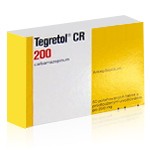
Tegretol is the original brand-name formulation of Carbamazepine — one of the most clinically important anticonvulsants in modern medicine and the established first-line therapy for trigeminal neuralgia. Originally developed by Geigy (now Novartis) and FDA-approved since 1968, Carbamazepine has been a foundational therapy for partial seizures, mixed seizure disorders, and trigeminal neuralgia for over five decades. It is also FDA-approved (as Equetro extended-release) for bipolar I disorder treatment.
The active ingredient is Carbamazepine, an iminostilbene anticonvulsant that works primarily through use-dependent blockade of voltage-gated sodium channels. By preferentially binding to sodium channels in their inactivated state, Carbamazepine reduces high-frequency neuronal firing characteristic of seizure activity and pain pathways. This mechanism makes Carbamazepine particularly effective for partial seizures and trigeminal neuralgia.
Tegretol is FDA-approved for partial seizures with complex symptomatology, generalized tonic-clonic seizures, mixed seizure patterns, trigeminal neuralgia (signature first-line use), and (as Equetro extended-release) acute manic and mixed episodes in bipolar I disorder. Off-label uses include glossopharyngeal neuralgia, painful diabetic neuropathy, and adjunctive treatment of refractory schizophrenia.
The medication is available in multiple formulations: Tegretol immediate-release tablets (100 mg chewable, 200 mg standard), Tegretol XR extended-release, Carbatrol extended-release capsules, Equetro for bipolar disorder, and 100 mg/5 mL oral suspension. Standard adult dosing starts at 200 mg twice daily, titrating up to a target of 800-1200 mg daily. Therapeutic drug monitoring is essential with target serum levels of 4-12 mcg/mL.
Critical safety warnings include boxed warnings for aplastic anemia/agranulocytosis and severe cutaneous adverse reactions (Stevens-Johnson syndrome, toxic epidermal necrolysis) — particularly elevated in patients carrying HLA-B*1502 (common in Asian populations, screening recommended). Additional concerns include hyponatremia (SIADH), hepatotoxicity, strong CYP3A4 induction with extensive drug interactions including reduced oral contraceptive effectiveness, auto-induction of own metabolism, teratogenicity, and the FDA class warning for suicidal ideation.
Free prescription
Discrete packaging
Have questions?
Quality Assurance
- Classical Trigeminal Neuralgia: For classical trigeminal neuralgia with characteristic lancinating facial pain;
- Atypical Trigeminal Neuralgia: For atypical trigeminal neuralgia with constant background pain plus paroxysmal exacerbations;
- Glossopharyngeal Neuralgia: For glossopharyngeal neuralgia — throat pain with similar paroxysmal pattern;
- Partial Seizures Complex Symptomatology: FDA-approved for partial seizures with complex symptomatology (psychomotor, temporal lobe);
- Generalized Tonic Clonic Seizures: FDA-approved for generalized tonic-clonic (grand mal) seizures;
- Mixed Seizure Patterns: FDA-approved for mixed seizure patterns including partial and generalized seizures;
- Simple Partial Seizures: For simple partial seizures without loss of consciousness;
- Bipolar I Acute Mania: Equetro extended-release FDA-approved for acute manic episodes in bipolar I disorder;
- Bipolar I Mixed Episodes: Equetro FDA-approved for acute mixed episodes in bipolar I disorder;
- Bipolar Maintenance Off Label: Off-label for bipolar I maintenance therapy in patients responsive to acute treatment;
- Bipolar Rapid Cycling: Off-label for bipolar rapid cycling and treatment-resistant bipolar disorder;
- Painful Diabetic Neuropathy: Off-label for painful diabetic peripheral neuropathy;
- Postherpetic Neuralgia Selective: Selective use for postherpetic neuralgia where Gabapentin is ineffective;
- Multiple Sclerosis Paroxysmal Pain: For paroxysmal pain in multiple sclerosis including MS-associated trigeminal neuralgia;
- Phantom Limb Pain Selective: Selective off-label use for phantom limb pain in amputees;
- Restless Legs Syndrome Off Label: Off-label for restless legs syndrome in selected patients;
- Refractory Schizophrenia Adjunct: Off-label adjunct for refractory schizophrenia with aggressive behavior;
- Alcohol Withdrawal Off Label: Off-label for alcohol withdrawal management and prevention of withdrawal seizures;
- Borderline Personality Adjunct: Off-label adjunct for borderline personality disorder mood instability and aggression;
- Pediatric Epilepsy Approved: FDA-approved for pediatric epilepsy with appropriate weight-based dosing;
- Adult Long Term Maintenance: Long-term maintenance therapy for chronic epilepsy and trigeminal neuralgia.
- Less Paroxysmal Pain: Reduction in paroxysmal nerve pain attacks lasting seconds to minutes;
- Less Seizures: Significant reduction in partial and generalized tonic-clonic seizure frequency;
- Better Seizure Control: Long-term seizure control with established therapeutic drug levels;
- Less Mania: Equetro reduces acute manic and mixed episode symptoms in bipolar I disorder;
- Better Mood Stability: Off-label mood stabilization in bipolar disorder maintenance therapy;
- Better Function With Tremor: Reduced functional impairment from trigeminal neuralgia paroxysms;
- Better Quality of Life: Seizure or neuralgia control restores normal functioning;
- Less Suicidality TN: Trigeminal neuralgia pain control reduces suicide risk in this notoriously distressing condition;
- Better Sleep: Resolution of nocturnal seizures and nighttime neuralgia attacks;
- Better Daily Function: Return to school, work, and normal activities;
- Better Pain Free Periods: Extended pain-free periods between trigeminal neuralgia attacks;
- Brand Tegretol: Original Geigy/Novartis brand of Carbamazepine with established global clinical reputation since 1968;
- Generic Carbamazepine: Affordable generic versions expand global access to foundational anticonvulsant therapy;
- Tegretol XR Extended Release: Extended-release formulation supports twice-daily dosing with smoother plasma levels;
- Carbatrol Extended Release: Shire/Takeda extended-release capsules — bead formulation allows sprinkling on food;
- Equetro Bipolar: Extended-release Carbamazepine specifically branded and FDA-approved for bipolar I disorder;
- Iminostilbene Anticonvulsant: Foundational iminostilbene class anticonvulsant with established mechanism;
- Sodium Channel Blocker: Use-dependent voltage-gated sodium channel blocker — selective for hyperactive neurons;
- Trigeminal Neuralgia Standard: First-line therapy for trigeminal neuralgia per international neurology guidelines;
- Partial Seizure Standard: Standard therapy for partial seizures with complex symptomatology — particularly temporal lobe;
- Bipolar Acute Mania Therapy: FDA-approved Equetro for acute manic and mixed episodes in bipolar I disorder;
- Mood Stabilizer Anticonvulsant: Established mood stabilizer for bipolar I disorder treatment;
- Pediatric Anticonvulsant Approved: FDA-approved for pediatric epilepsy with weight-based dosing protocols;
- Chewable Tablet Pediatric: 100 mg chewable tablets for pediatric administration;
- Affordable Anticonvulsant: Cost-effective anticonvulsant globally — supports access in resource-limited settings;
- WHO Essential Medicine: Listed on the WHO Model List of Essential Medicines for global epilepsy and trigeminal neuralgia care;
- 55 Plus Year Anticonvulsant History: Extensive real-world safety and efficacy data since 1968 across billions of patient courses;
- Aplastic Anemia Boxed Warning: Boxed warning for aplastic anemia and agranulocytosis — periodic CBC monitoring essential;
- SJS TEN Boxed Warning: Boxed warning for Stevens-Johnson syndrome and TEN — particularly elevated in HLA-B*1502 carriers;
- HLA-B*1502 Asian Screening: HLA-B*1502 testing recommended in Asian populations before starting Carbamazepine;
- HLA-A*3101 European Risk: HLA-A*3101 allele elevates SJS risk in European populations;
- Hyponatremia SIADH: SIADH-related hyponatremia is common — periodic sodium monitoring;
- Hepatotoxicity Monitoring: Hepatotoxicity requires periodic liver enzyme monitoring;
- Auto Induction Metabolism: Auto-induction of own metabolism during first weeks — dose adjustment usually needed;
- Strong CYP3A4 Inducer: Strong CYP3A4 induction — extensive drug interactions including oral contraceptives;
- Reduces Oral Contraceptives: Reduces oral contraceptive effectiveness — use additional contraception during therapy;
- Teratogenicity Pregnancy: Significant teratogenicity including neural tube defects — avoid during pregnancy when possible;
- Suicidal Ideation Class Warning: FDA class warning for all anticonvulsants — monitor for suicidal thoughts;
- Therapeutic Drug Monitoring: Essential periodic monitoring of serum Carbamazepine levels (target 4-12 mcg/mL);
- Stable Storage: Tablets and capsules stable at room temperature — convenient for long-term therapy.
Generic Tegretol (Carbamazepine 200 mg) Medication guide:
📖 What is Tegretol - original Novartis brand
Tegretol is the original brand-name formulation of carbamazepine, first synthesised at Geigy (now Novartis) in Basel in 1953 and introduced to European clinical practice in 1962. It received US FDA approval in 1968, initially for trigeminal neuralgia. Over six decades of clinical experience, Tegretol has become one of the foundational drugs of modern neurology and psychiatry, defining first-line treatment for trigeminal neuralgia and playing central roles in focal epilepsy and bipolar disorder management.
📊 Tegretol at a glance
- Drug class
- Iminostilbene anticonvulsant; voltage-gated sodium channel blocker; tricyclic structure related to but distinct from tricyclic antidepressants
- Active ingredient
- Carbamazepine (5H-dibenzo-b-f-azepine-5-carboxamide)
- Originator manufacturer
- Geigy (synthesised 1953); merged into Ciba-Geigy 1970; became Novartis 1996. Novartis continues to market Tegretol brand globally.
- FDA approval
- 1968 for trigeminal neuralgia; 1974 for focal (partial) and generalized tonic-clonic seizures; 2004 extended-release Equetro for bipolar mania
- Formulations
- Immediate-release tablets 200 mg; chewable tablets 100 mg; oral suspension 100 mg/5 mL; Tegretol-XR extended-release tablets 100, 200, 400 mg; Carbatrol extended-release capsules 100, 200, 300 mg; Equetro extended-release capsules for bipolar
- Typical adult dose
- Trigeminal neuralgia: 200-1200 mg/day divided; Epilepsy: 800-1200 mg/day divided; Bipolar (Equetro): 200-1600 mg/day divided
- Onset of effect
- Trigeminal neuralgia: days; Seizures: weeks with gradual titration; Bipolar: weeks
✅ Three distinct clinical roles
- Trigeminal neuralgia — the first indication and remains gold standard first-line therapy; approximately 70-80 percent response rate
- Focal (partial) onset seizures — historically primary AED; comparable efficacy to newer AEDs but tolerability concerns
- Bipolar I disorder — mood stabiliser for acute mania and maintenance; Equetro FDA-approved formulation
- Off-label uses — other neuropathic pain, restless legs, alcohol withdrawal in specific settings
⚖️ Modern positioning
Tegretol occupies a nuanced position in modern practice. For trigeminal neuralgia, it remains firmly first-line with unmatched clinical experience despite side effect concerns. For focal epilepsy, newer AEDs (levetiracetam, lamotrigine) have largely displaced it in modern first-line prescribing due to Tegretol's enzyme induction complexity, hyponatremia risk, and SJS/TEN concerns particularly in Asian populations. For bipolar disorder, it retains a role particularly for rapid cycling and mixed episodes, though lithium and other options are often preferred. Understanding when Tegretol still fits requires balancing its established efficacy against modern alternatives.
🔴 The HLA-B*15:02 pharmacogenetic imperative
One of the most important developments in carbamazepine prescribing history: the 2004 Chung Nature paper identifying HLA-B*15:02 as a strong genetic marker for SJS/TEN risk in patients of Asian ancestry (particularly Han Chinese, Thai, Malay, Filipino, Indian populations). The 2007 FDA safety communication recommends pre-treatment HLA-B*15:02 genotyping in patients of Asian ancestry before starting carbamazepine. Modern prescribing to Asian-ancestry patients requires genetic testing consideration. Details in section 18.
🕰️ History - Geigy 1962 and 1968 FDA approval
Carbamazepine's discovery and development spans seven decades from initial synthesis in 1953 to modern pharmacogenetics-guided prescribing. Its history represents a defining example of how a mid-20th century drug transformed multiple fields of medicine and continues to evolve with new evidence.
| Year | Development milestone |
|---|---|
| 1953 | Carbamazepine synthesised at Geigy in Basel by chemist Walter Schindler while exploring iminostilbene compounds related to imipramine antidepressant class |
| 1959-1961 | Initial pharmacological screening identifies anticonvulsant and analgesic activity distinct from imipramine antidepressant class |
| 1962 | Blom Lancet paper reports carbamazepine efficacy in trigeminal neuralgia — the foundational clinical publication |
| 1962 | European launch as Tegretol for trigeminal neuralgia and epilepsy |
| 1968 | FDA approval in US for trigeminal neuralgia |
| 1970 | Geigy merges with Ciba to form Ciba-Geigy; Tegretol becomes a Ciba-Geigy product |
| 1974 | FDA approval extended to focal onset seizures and generalized tonic-clonic seizures in adults and children |
| 1980s | Recognition of aplastic anemia risk; hematologic monitoring recommendations formalised; carbamazepine 10,11-epoxide active metabolite characterised |
| 1985 | Mattson NEJM VA cooperative study establishes carbamazepine as first-line for focal epilepsy alongside phenytoin |
| 1996 | Ciba-Geigy merges with Sandoz to form Novartis — the current manufacturer of Tegretol |
| 2000 | Tegretol-XR extended-release approved; simplifies BID dosing and reduces peak-related adverse effects |
| 2004 | Chung Nature paper identifies HLA-B*15:02 as strong genetic marker for SJS/TEN in Han Chinese patients — landmark pharmacogenetic discovery |
| 2004 | Equetro (extended-release capsules) FDA approved for acute manic and mixed bipolar I episodes |
| 2007 | FDA safety communication recommends pre-treatment HLA-B*15:02 genotyping in patients of Asian ancestry before carbamazepine |
| 2007 | SANAD trial published by Marson in Lancet comparing carbamazepine with newer AEDs for focal epilepsy |
| 2010s | Additional HLA associations identified (HLA-A*31:01 for European populations); expanded pharmacogenetics guidance |
| 2018 | EURAP registry publication confirms carbamazepine 5.5% teratogenicity rate; positions vs newer AEDs |
| 2020s | Continued first-line for trigeminal neuralgia; declining but persistent epilepsy use; ongoing pharmacogenetic implementation globally |
🔬 The serendipitous origin
Carbamazepine was synthesised by Geigy chemist Walter Schindler while exploring the iminostilbene chemical class related to imipramine (the first tricyclic antidepressant, also from Geigy in the same era). Rather than antidepressant activity, carbamazepine demonstrated anticonvulsant and analgesic properties in animal screening. The trigeminal neuralgia efficacy was recognised by Swedish neurologist Sten Blom, whose 1962 Lancet paper became the foundational clinical publication. This established carbamazepine as the first evidence-based pharmacotherapy for trigeminal neuralgia — a role it retains six decades later.
🔬 The pharmacogenetics transformation
The 2004 discovery by Chung and colleagues at Chang Gung Memorial Hospital in Taipei of the HLA-B*15:02 association with carbamazepine-induced SJS/TEN in Han Chinese patients was one of the most important pharmacogenetic breakthroughs in modern medicine. In carriers of HLA-B*15:02, carbamazepine SJS/TEN risk is approximately 1000-fold higher than non-carriers. The FDA responded with a 2007 safety communication recommending pre-treatment genotyping in Asian-ancestry patients — the first widely implemented pharmacogenetic test-recommended prescribing paradigm. This transformed carbamazepine safety in high-risk populations globally.
💡 Persistence despite alternatives
Six decades after introduction, Tegretol remains foundational because no newer drug has clearly displaced it for trigeminal neuralgia — oxcarbazepine (its close cousin) is the main alternative with similar mechanism but potentially better tolerability. For epilepsy, newer AEDs have moved to first-line but carbamazepine retains valid uses. The extensive clinical experience, established evidence base, low cost as generic, and unmatched trigeminal neuralgia efficacy sustain its clinical relevance in modern practice.
⚖️ Chemistry - iminostilbene tricyclic class structure
Carbamazepine belongs to the iminostilbene chemical class, a tricyclic structure that superficially resembles tricyclic antidepressants but has distinct pharmacological properties. The structural relationship with imipramine reflects their shared Geigy chemical origin in the 1950s, while functional divergence into anticonvulsant activity distinguishes carbamazepine.
⚖️ Chemical properties
- IUPAC name
- 5H-dibenzo[b,f]azepine-5-carboxamide
- Molecular formula
- C15H12N2O
- Molecular weight
- 236.27 g/mol
- Structure
- Tricyclic iminostilbene core (two fused benzene rings connected via seven-membered azepine ring); carboxamide functional group at position 5
- Solubility
- Very low water solubility (approximately 200 mg/L); moderate lipophilicity; complicates IV formulation; oral suspension requires shaking
- Physical form
- White crystalline solid; nearly odourless; slightly bitter taste (masked in chewable tablets)
- Structural relationships
- Related to imipramine (tricyclic antidepressant) by shared iminostilbene backbone; also related to oxcarbazepine (its ketone analog) and eslicarbazepine (S-licarbazepine acetate); all three share sodium channel blocker mechanism
🧪 The iminostilbene family
- Carbamazepine (Tegretol) — parent compound; anticonvulsant, trigeminal neuralgia, mood stabiliser; 1953 synthesis
- Oxcarbazepine (Trileptal) — 10-keto analog; reduced enzyme induction and better tolerability; 1990 introduction
- Eslicarbazepine acetate (Aptiom) — prodrug of S-licarbazepine active metabolite; once-daily dosing; 2013 FDA approval
- Imipramine (Tofranil) — structural cousin; tricyclic antidepressant; different clinical class
- Clomipramine, desipramine — related tricyclic antidepressants; not anticonvulsants
| Formulation | Manufacturer | Typical use |
|---|---|---|
| Tegretol IR tablets 200 mg | Novartis | Standard adult use; TID-QID dosing |
| Tegretol chewable tablets 100 mg | Novartis | Pediatric; adjustable dosing |
| Tegretol suspension 100 mg/5 mL | Novartis | Pediatric; swallowing difficulty |
| Tegretol-XR 100, 200, 400 mg | Novartis | BID dosing; smoother PK profile |
| Carbatrol XR capsules 100, 200, 300 mg | Takeda | BID dosing; alternative XR |
| Equetro XR capsules 100, 200, 300 mg | Validus | Bipolar disorder specifically |
| Generic carbamazepine various | Multiple | Widely available at low cost |
💡 Formulation choice matters
The choice among immediate-release, extended-release, and different XR formulations is not trivial. Different XR products (Tegretol-XR, Carbatrol, Equetro) have distinct release characteristics and are generally not directly interchangeable at the same total dose. Peak-related adverse effects (dizziness, diplopia) are more prominent with immediate-release than XR formulations. XR formulations enable BID dosing improving adherence versus TID-QID for IR. Equetro is specifically marketed for bipolar disorder though other XR products can be used for this indication. Prescribers should specify formulation clearly and avoid switching between XR products without careful consideration.
🧬 Mechanism - sodium channel blockade action
Carbamazepine's primary mechanism is use-dependent blockade of voltage-gated sodium channels in neuronal membranes. This mechanism reduces high-frequency neuronal firing characteristic of seizures and neuropathic pain while preserving normal synaptic transmission. Secondary mechanisms contribute to its unique clinical activity across epilepsy, trigeminal neuralgia, and bipolar disorder.
🧬 Primary mechanism - sodium channel blockade
- Voltage-gated sodium channels
- Carbamazepine binds to the inactivated state of voltage-gated sodium channels, prolonging the refractory period after each action potential
- Use-dependent action
- Preferential effect during high-frequency firing (typical of seizures and pain neuropathy); less effect on normal-frequency neurotransmission
- Frequency-dependent block
- Blockade increases with higher firing rates — ideal for pathological hyperactivity while sparing normal function
- Same family as phenytoin, lamotrigine, oxcarbazepine
- Shared mechanism explains similar efficacy in focal seizures; distinct binding sites explain different tolerability and interaction profiles
- Effect on absence and myoclonic seizures
- Sodium channel blockade may worsen absence and myoclonic seizures — contraindicated in these syndromes
🔬 Secondary and modulatory mechanisms
- Adenosine receptor modulation — may contribute to trigeminal neuralgia efficacy and anti-tremor effects
- Reduced synaptic glutamate release — secondary to sodium channel blockade
- GABAergic effects — possible modest enhancement at high doses
- Anticholinergic activity — contributes to some adverse effects (dry mouth, blurred vision)
- Mood stabilising mechanism — not fully understood; may involve calcium channel modulation and neuroprotective effects distinct from anticonvulsant activity
- Second messenger modulation — effects on cAMP, PKC in neurons potentially relevant to mood effects
| Sodium channel blocker AED comparison | Position |
|---|---|
| Carbamazepine (Tegretol) | Classic; enzyme inducer; SJS/TEN risk with HLA-B*15:02 |
| Oxcarbazepine (Trileptal) | Modified carbamazepine; less enzyme induction; hyponatremia more common |
| Eslicarbazepine (Aptiom) | Once-daily; refined tolerability profile |
| Phenytoin (Dilantin) | Older classic; nonlinear PK; cognitive effects |
| Lamotrigine (Lamictal) | Broader spectrum; SJS risk with rapid titration |
| Lacosamide (Vimpat) | Slow-inactivation modulator; newer; IV available |
💡 Why the mechanism matters clinically
The sodium channel mechanism explains carbamazepine's distinctive clinical profile: strong efficacy in focal seizures and trigeminal neuralgia where pathological high-frequency neuronal firing dominates; poor efficacy or worsening in absence seizures (mechanism unsuitable for thalamocortical spike-wave activity); mood stabilising effects through poorly understood secondary mechanisms; and its useful role for other neuropathic pain conditions where nerve hyperexcitability drives symptoms. The mechanism-based understanding informs why oxcarbazepine (same mechanism, different structure) has similar clinical uses with different tolerability, and why lamotrigine (same target, broader activity) has additional clinical roles that carbamazepine lacks.
🔬 Pharmacokinetics - autoinduction and epoxide active metabolite
Carbamazepine has uniquely complex pharmacokinetics among AEDs due to two key features: autoinduction of its own metabolism over the first 3-5 weeks of therapy, and an active 10,11-epoxide metabolite that contributes to both efficacy and toxicity. Understanding these features is essential for effective prescribing and dose titration.
📊 Key pharmacokinetic parameters
- Oral bioavailability
- Approximately 75-85 percent; suspension has faster peak than tablets; food may slow but not reduce total absorption
- Time to peak (Tmax)
- Approximately 4-8 hours for immediate-release tablets; longer for XR formulations; 1.5 hours for suspension
- Volume of distribution
- Approximately 0.8-1.4 L/kg
- Protein binding
- Approximately 75-80 percent (parent drug); 50 percent (epoxide metabolite)
- Half-life (initial single dose)
- Approximately 25-65 hours (before autoinduction)
- Half-life (chronic therapy after autoinduction)
- Approximately 12-17 hours (typically halved by autoinduction)
- Metabolism
- Hepatic via CYP3A4 (major) to 10,11-epoxide active metabolite; then hydrolysis to inactive dihydrodiol; UGT-mediated glucuronidation
- Elimination
- Predominantly hepatic; 72 percent as metabolites in urine; 28 percent in feces; less than 3 percent as parent drug in urine
🔴 Autoinduction phenomenon
- What it is
- Carbamazepine induces its own metabolism through CYP3A4 upregulation over the first 3-5 weeks of therapy; steady-state levels progressively fall despite unchanged dose
- Magnitude
- Levels can decline 30-50 percent from peak initial values over 3-4 weeks
- Time course
- Begins within 1 week; complete by approximately 3-5 weeks; new steady state established
- Clinical significance
- Dose escalation strategy must account for autoinduction; too-rapid escalation can produce excessive levels; too-slow escalation may allow breakthrough seizures
- Predictable pattern
- Standard titration protocols developed to accommodate autoinduction; usually requires dose increases at 2-week intervals
🧪 The 10,11-epoxide active metabolite
- Formation
- Carbamazepine converted by CYP3A4 to 10,11-epoxide (approximately 20 percent of dose)
- Activity
- Approximately equipotent to parent drug for anticonvulsant activity; contributes to both efficacy and toxicity
- Half-life
- Approximately 5-8 hours — shorter than parent drug
- Ratio to parent
- Typically 10-20 percent of parent drug levels; increases with valproate coadministration (valproate inhibits epoxide hydrolase)
- Clinical relevance
- Symptoms of carbamazepine toxicity (diplopia, ataxia, nausea) may occur at normal carbamazepine levels if epoxide accumulates; measure both when toxicity suspected
| Population | Half-life change | Dosing implications |
|---|---|---|
| Healthy adult chronic use | 12-17 hours | TID-QID; XR allows BID |
| Children | Shorter (8-19 hours) | Higher weight-based doses; more frequent dosing |
| Elderly | Slightly longer | Lower doses; slower titration |
| Hepatic impairment | Variable prolongation | Careful dose adjustment; alternative preferred |
| Pregnancy | Reduced levels | Levels drop 30-40%; may need dose increase |
| Concurrent enzyme inducers | Further reduced | Higher CBZ doses often needed |
| Concurrent CYP3A4 inhibitors | Prolonged | Dose reduction; monitor for toxicity |
💡 Why understanding PK matters
Carbamazepine's complex PK is one of the reasons newer AEDs (levetiracetam, lamotrigine) have displaced it for many indications. The autoinduction requires careful titration; the epoxide metabolite means clinical toxicity can occur at "therapeutic" parent drug levels; drug interactions are extensive; pregnancy PK changes require dose adjustment. Newer AEDs like levetiracetam offer linear PK, no autoinduction, and clean interaction profiles. However, for indications where carbamazepine has superior efficacy (trigeminal neuralgia), or in stable long-term patients doing well, its PK complexity is manageable with appropriate monitoring.
📋 FDA-approved indications and expansion history
Tegretol has one of the broadest FDA-approved indication portfolios among older AEDs, spanning epilepsy, trigeminal neuralgia, and bipolar disorder. Additional evidence-based off-label uses complement the formal approvals. Understanding the indication landscape is essential for appropriate positioning.
| Year | FDA indication | Population |
|---|---|---|
| 1968 | Trigeminal neuralgia | Adults |
| 1974 | Focal (partial) onset seizures | Adults and children age 6+ |
| 1974 | Generalized tonic-clonic seizures | Adults and children age 6+ |
| 1974 | Mixed seizure patterns | Adults and children (excluding absence-only) |
| 2000 | Tegretol-XR extended-release for above | All approved indications |
| 2004 | Equetro for acute manic and mixed bipolar I episodes | Adults |
📑 Current FDA-approved indications summary
- Trigeminal neuralgia
- First-line established therapy since 1968; unmatched clinical experience; typically 70-80 percent respond to adequate doses
- Focal (partial) onset seizures
- Adults and children age 6+; historically first-line; now second-line in many modern guidelines due to newer AED alternatives
- Generalized tonic-clonic seizures
- Adults and children age 6+; note NOT indicated for absence, myoclonic, or atonic seizures (may worsen)
- Bipolar I disorder (Equetro)
- Acute manic and mixed episodes; also used off-label for maintenance therapy; alternative to lithium and valproate
🔴 NOT indicated for
- Absence seizures — can worsen; use ethosuximide or valproate
- Myoclonic seizures — can worsen; use valproate or levetiracetam
- Atonic seizures — not effective; may worsen
- Status epilepticus — not appropriate; oral formulation only
- Neonatal seizures — phenobarbital or levetiracetam preferred
- Migraine prophylaxis — topiramate, valproate, or beta-blockers preferred
✅ Evidence-based off-label uses
- Glossopharyngeal neuralgia — similar to trigeminal neuralgia treatment; carbamazepine first-line
- Other neuropathic pain — postherpetic neuralgia (alternative to gabapentin), diabetic neuropathy (alternative to duloxetine)
- Restless legs syndrome — occasional use; gabapentin preferred first-line
- Alcohol withdrawal — some evidence for withdrawal seizure prevention; benzodiazepines remain standard
- Complex partial status epilepticus — oral loading in specific settings
- Post-traumatic stress disorder — limited evidence; SSRIs preferred
- Aggression in dementia — specialist use; generally not recommended due to fall risk
🌐 International indication landscape
Most jurisdictions parallel FDA approvals with some variations. Notable: NICE guideline CG173 recommends carbamazepine as first-line for trigeminal neuralgia in the UK. AAN and EFNS guidelines both position carbamazepine as first-line for trigeminal neuralgia. For epilepsy, NICE has increasingly favoured newer AEDs (levetiracetam, lamotrigine) as first-line with carbamazepine as reasonable alternative. For bipolar disorder, APA guidelines position carbamazepine as third-line after lithium and valproate for mania. These evolving positions reflect the accumulated evidence and stewardship considerations for older AED prescribing.
⚡ Trigeminal neuralgia - the classic first indication
Trigeminal neuralgia is the classic first indication for Tegretol and remains its most established clinical use. Since Blom's 1962 Lancet paper, carbamazepine has been first-line therapy for this condition with unmatched clinical experience. Approximately 70-80 percent of patients respond to adequate doses.
⚡ Trigeminal neuralgia - the condition
- Definition
- Unilateral, sudden, severe, brief, stabbing, recurrent pain in the distribution of one or more branches of the trigeminal nerve (typically V2, V3); often triggered by innocuous stimuli
- Prevalence
- Approximately 4 per 100,000 person-years; more common in women; typical onset over age 50
- Etiology
- Classical: vascular compression of trigeminal root (typically superior cerebellar artery); Secondary: MS plaques, tumours, structural lesions
- Clinical features
- Electric-shock-like pain lasting seconds; unilateral; typically V2 (maxillary) or V3 (mandibular) distribution; triggered by chewing, brushing teeth, cold air, touch, wind, talking; refractory periods between attacks
- Impact
- Substantial functional impairment; sleep disturbance; depression; nutritional problems from painful chewing; social isolation; suicide risk elevated
- Diagnostic criteria
- Cruccu Neurology 2016 international classification; MRI to exclude secondary causes
📈 Efficacy evidence for trigeminal neuralgia
- Blom Lancet 1962 — foundational open-label report of carbamazepine efficacy in trigeminal neuralgia
- Multiple randomised trials since have confirmed superior efficacy vs placebo
- Approximately 70-80 percent responder rate for meaningful pain reduction
- Approximately 50 percent achieve complete pain freedom at adequate doses
- Effect typically evident within days of therapeutic dose
- Level A evidence per AAN, EFNS, and NICE guidelines
- Positioned as first-line therapy in all major international guidelines
- Oxcarbazepine (Trileptal) shares similar efficacy but often better tolerated
| Trigeminal neuralgia treatment | Position |
|---|---|
| Carbamazepine (Tegretol) | First-line established therapy (Level A) |
| Oxcarbazepine (Trileptal) | First-line alternative; often better tolerated |
| Baclofen | Second-line or adjunct |
| Lamotrigine | Second-line; slower titration |
| Pregabalin, gabapentin | Alternatives; less robust evidence |
| Botulinum toxin injection | Adjunctive; specialist use |
| Microvascular decompression surgery | Surgical option; high efficacy in classical TN with vascular compression |
| Gamma knife radiosurgery | Non-invasive; specialist neurosurgical use |
| Percutaneous procedures (rhizotomy, thermocoagulation) | For medically refractory cases |
✅ Practical carbamazepine use in trigeminal neuralgia
- Start 100 mg twice daily; increase every 3-7 days by 200 mg/day
- Target 600-1200 mg/day divided TID-QID
- Some patients respond at 400-600 mg/day; others need up to 1600 mg/day
- Higher doses may increase side effects without proportional benefit
- Attempt tapering after 3-6 months of pain freedom to determine if drug still needed
- Pain remission may occur spontaneously; some patients need only intermittent therapy
- Adjunctive baclofen for refractory cases
- Consider surgical referral if refractory or intolerable adverse effects
💡 The enduring first-line role
Despite six decades of pharmacological advancement, no newer drug has clearly displaced carbamazepine as first-line for trigeminal neuralgia. Oxcarbazepine has similar efficacy with potentially better tolerability but shares the sodium channel mechanism. Newer AEDs like levetiracetam have not shown comparable trigeminal neuralgia efficacy. The mechanism-based understanding suggests sodium channel blockade is specifically important for trigeminal neuralgia's pathophysiology of demyelination-associated ectopic firing. This mechanistic fit explains why carbamazepine and oxcarbazepine remain uniquely effective for this condition even as newer AEDs have taken over other indications.
🧠 Focal onset seizures - primary AED role
Focal (partial) onset seizures have been a primary carbamazepine indication since 1974. The 1985 Mattson VA cooperative study established carbamazepine as first-line for focal epilepsy alongside phenytoin. However, newer AEDs (levetiracetam, lamotrigine) have largely displaced carbamazepine in modern first-line prescribing due to its enzyme induction complexity, hyponatremia risk, and SJS/TEN concerns.
🧠 Focal onset seizures - carbamazepine role
- FDA indication
- Approved 1974 for focal onset seizures with or without secondary generalization; monotherapy or adjunctive; adults and children age 6+
- Historical position
- From 1970s through 2000s, carbamazepine was one of the standard first-line AEDs for focal epilepsy alongside phenytoin
- Mattson NEJM 1985
- VA cooperative study of 622 patients comparing carbamazepine, phenobarbital, phenytoin, and primidone for focal and secondarily generalized seizures. Carbamazepine and phenytoin had superior overall composite outcomes; carbamazepine had best tolerability among the four
- Marson SANAD 2007 Lancet
- UK RCT comparing carbamazepine, gabapentin, lamotrigine, oxcarbazepine, and topiramate for focal epilepsy. Lamotrigine had best time to treatment failure; carbamazepine remained comparable in efficacy but had lower treatment retention
- Modern positioning
- Second-line in most modern guidelines; first-line only in cost-constrained settings or specific patient scenarios
| AED for new-onset focal epilepsy | Modern position |
|---|---|
| Levetiracetam | First-line |
| Lamotrigine | First-line (best SANAD retention) |
| Oxcarbazepine | First-line |
| Carbamazepine (Tegretol) | Second-line in modern practice |
| Zonisamide, lacosamide | Second-line |
| Phenytoin | Legacy use |
| Phenobarbital | Cost-constrained settings |
💡 When carbamazepine still fits for focal epilepsy
Despite modern positioning, scenarios where carbamazepine remains reasonable: (1) established stable long-term patients — do not switch unless compelling reason; (2) cost-constrained settings where newer AEDs are unaffordable (very inexpensive as generic); (3) patients with concurrent trigeminal neuralgia (dual benefit); (4) patients who have failed multiple newer AEDs; (5) developing countries where carbamazepine is widely available; (6) prior successful carbamazepine trial in same patient. In these scenarios, careful attention to HLA-B*15:02 status (Asian patients), hyponatremia monitoring, drug interaction management, and adverse effect surveillance are essential.
🔴 Contraindicated in idiopathic generalized epilepsy
Carbamazepine (like phenytoin and oxcarbazepine) can worsen absence, myoclonic, and atonic seizures. In patients with idiopathic generalized epilepsy syndromes (juvenile myoclonic epilepsy, juvenile absence epilepsy, childhood absence epilepsy), carbamazepine may precipitate or worsen these seizure types. Accurate seizure classification before starting is essential. For patients with mixed seizure types where absence or myoclonic seizures occur, valproate or levetiracetam are preferred over carbamazepine.
🌀 Generalized tonic-clonic seizures adjunctive use
Generalized tonic-clonic seizures (GTCS) are an approved carbamazepine indication when they occur secondarily from focal onset. However, for primary generalized tonic-clonic seizures in idiopathic generalized epilepsy syndromes, carbamazepine is not preferred due to potential worsening of concurrent absence or myoclonic seizures often present in these syndromes.
🌀 Generalized tonic-clonic seizures - carbamazepine position
- FDA indication
- Approved for generalized tonic-clonic seizures in adults and children age 6+; part of 1974 expansion from original trigeminal neuralgia indication
- Secondarily generalized
- Effective for GTCS that arise from focal onset with secondary generalization; typical presentation in adult focal epilepsy
- Primary generalized
- Effective for pure GTCS but limited utility in idiopathic generalized epilepsy syndromes where absence or myoclonic seizures also occur (can worsen)
- Modern positioning
- Not first-line for idiopathic generalized epilepsy; valproate (highest efficacy), levetiracetam (women of childbearing age), or lamotrigine preferred
| Seizure type | Carbamazepine efficacy | Notes |
|---|---|---|
| Focal onset (partial) seizures | Effective | Original 1974 indication; still valid though second-line |
| Secondarily generalized tonic-clonic | Effective | Both direct and via secondary spread |
| Primary generalized tonic-clonic | Effective (in pure form) | Not first-line; other seizures in IGE may worsen |
| Absence seizures | Not effective; may worsen | Contraindicated; use ethosuximide/valproate |
| Myoclonic seizures | May worsen | Contraindicated in JME |
| Atonic seizures | Not effective; may worsen | Alternative AED needed |
| Status epilepticus | Not appropriate | No IV form; oral only |
💡 The seizure classification imperative
Before starting carbamazepine, accurate seizure and syndrome classification is essential. EEG helps distinguish focal from generalized onset. In idiopathic generalized epilepsy syndromes (JME, juvenile absence epilepsy, epilepsy with GTCS alone), carbamazepine is not first-line and may worsen other seizure types. For mixed seizure patterns, valproate or levetiracetam provide broader coverage. Carbamazepine is best suited to focal epilepsy without generalized components or to pure GTCS in adults where focal onset has been reasonably ruled out.
🔴 Absence seizure worsening warning
Carbamazepine (along with phenytoin and oxcarbazepine) can substantially worsen absence seizures. Patients with generalized epilepsy syndromes that include absence seizures should not receive carbamazepine as first-line. If used at all in these syndromes, carbamazepine should be added only after seizure classification is clear and the patient has been stable on an absence-effective AED (ethosuximide, valproate) first. Misclassification of absence seizures as focal seizures can lead to inappropriate carbamazepine prescribing with clinical worsening — a common preventable clinical error.
🌑 Bipolar I disorder - mood stabiliser role
Bipolar I disorder is a formal FDA-approved indication for carbamazepine (specifically the Equetro extended-release capsule formulation, approved in 2004 for acute manic and mixed episodes). Carbamazepine is one of the classic anticonvulsant mood stabilisers alongside valproate and lamotrigine, though positioned as third-line after lithium and valproate in most modern APA guidelines.
🌑 Bipolar disorder - carbamazepine role
- FDA-approved for
- Equetro extended-release formulation approved 2004 for acute manic and mixed episodes of bipolar I disorder
- Off-label uses
- Maintenance treatment; treatment-resistant bipolar; rapid cycling; mixed states
- Efficacy
- Approximately 50 percent response rate for acute mania; comparable to lithium in some trials but often used when lithium fails or is contraindicated
- Specific niche
- May be particularly useful in rapid cycling (4+ episodes per year), mixed episodes, and treatment-resistant patients where lithium alone is inadequate
- Modern position
- APA guidelines position as third-line after lithium (first-line) and valproate (second-line); typically added when others fail or as combination therapy
| Bipolar mood stabiliser | Position |
|---|---|
| Lithium | First-line; classic mood stabiliser; suicide reduction evidence |
| Valproate (Depakote) | First-line for mania; effective in mixed states |
| Lamotrigine (Lamictal) | First-line for bipolar depression maintenance |
| Carbamazepine (Equetro) | Third-line; rapid cycling, mixed episodes, refractory cases |
| Second-generation antipsychotics | First-line for acute mania (olanzapine, quetiapine, risperidone) |
| Topiramate, oxcarbazepine | Alternative AED mood stabilisers |
🔬 Weisler 2004 pivotal trial
The 2004 J Clin Psychiatry pivotal trial by Weisler and colleagues established Equetro (extended-release carbamazepine) efficacy for acute manic and mixed episodes of bipolar I disorder. This multicenter, randomised, double-blind, placebo-controlled trial demonstrated significant reduction in Young Mania Rating Scale scores versus placebo. This trial led to the 2004 FDA approval for this indication. Subsequent studies have supported carbamazepine efficacy in maintenance therapy and treatment-resistant bipolar disorder, though evidence base is smaller than for lithium or valproate.
💡 When to consider carbamazepine for bipolar
Modern scenarios favouring carbamazepine for bipolar disorder: (1) lithium contraindicated (severe renal disease, cardiac disease, pregnancy planning); (2) valproate contraindicated (women of childbearing age due to teratogenicity, hepatic disease); (3) rapid cycling (4+ episodes/year) inadequately controlled with lithium; (4) mixed episodes with limited lithium/valproate response; (5) prior positive carbamazepine response; (6) combined bipolar + focal epilepsy diagnosis. Careful attention to HLA-B*15:02 status, drug interactions with other psychiatric medications, and adverse effects (weight gain, cognitive effects) is essential.
🌐 Off-label neuropathic and psychiatric uses
Beyond FDA-approved indications, Tegretol has evidence-based off-label uses across neuropathic pain conditions, psychiatric disorders, and specific specialist scenarios. Some off-label uses are well-supported (glossopharyngeal neuralgia, other neuropathic pain); others have varying levels of support.
🌐 Off-label neuropathic pain uses
- Glossopharyngeal neuralgia — similar to trigeminal neuralgia; carbamazepine first-line
- Postherpetic neuralgia (PHN) — alternative to gabapentin, TCAs, or pregabalin; less commonly used but effective in some patients
- Diabetic peripheral neuropathy — alternative option; gabapentinoids and SNRIs preferred
- Central neuropathic pain — spinal cord injury, multiple sclerosis pain; occasional use
- Complex regional pain syndrome (CRPS) — component of multimodal approach
- Cluster headache prophylaxis — limited evidence; verapamil first-line
- Small fiber neuropathy — specialist use
🔬 Additional off-label uses
- Alcohol withdrawal — some evidence for withdrawal seizure prevention and reduction of withdrawal symptoms; benzodiazepines remain standard
- Restless legs syndrome — occasional use; gabapentin preferred first-line
- Post-traumatic stress disorder — limited evidence; SSRIs preferred
- Aggression in dementia — specialist use; generally not recommended due to fall risk and cognitive effects
- Borderline personality disorder — mood instability; limited evidence
- Trigeminal autonomic cephalalgias — occasional adjunctive use
- Neuromyotonia — nerve hyperexcitability syndromes
- Tabes dorsalis pain — specific neuropathic pain of tertiary syphilis
| Off-label indication | Evidence strength | Clinical use |
|---|---|---|
| Glossopharyngeal neuralgia | Case series and clinical experience | First-line by analogy to trigeminal |
| PHN | Older evidence base | Alternative to gabapentinoids |
| DPN | Some evidence | Alternative; not preferred |
| Alcohol withdrawal | Small studies | Not standard; benzodiazepines preferred |
| Restless legs syndrome | Limited | Occasional |
| Cluster headache prophylaxis | Limited | Alternative to verapamil |
💡 The neuropathic pain positioning
For most neuropathic pain conditions other than trigeminal and glossopharyngeal neuralgia, newer options (gabapentin, pregabalin, duloxetine, TCAs) are preferred over carbamazepine due to better tolerability profiles and cleaner interaction profiles. Carbamazepine retains a role when these alternatives fail or are contraindicated. For the specific niche of trigeminal-like neuropathic pain syndromes involving cranial nerves and nerve compression pain, carbamazepine (or oxcarbazepine) remains the mechanism-based first choice. Understanding this specific mechanism-condition match explains carbamazepine's continued clinical relevance despite newer alternatives.
💊 Extended-release formulations Tegretol XR Carbatrol Equetro
Carbamazepine is available in multiple extended-release formulations that offer significant advantages over immediate-release: less frequent dosing, smoother peak-trough profile, reduced peak-related adverse effects, and better tolerability. Understanding the different XR products is essential for appropriate prescribing.
| Extended-release formulation | Manufacturer | Available strengths | Primary indication |
|---|---|---|---|
| Tegretol-XR | Novartis | 100, 200, 400 mg tablets | Epilepsy, trigeminal neuralgia |
| Carbatrol | Takeda | 100, 200, 300 mg capsules | Epilepsy |
| Equetro | Validus | 100, 200, 300 mg capsules | Bipolar I disorder mania |
| Generic ER carbamazepine | Multiple | Various strengths | Various uses |
💊 Formulation characteristics
- Tegretol-XR (Novartis)
- Tablet using OROS-like osmotic release technology; scored 200 and 400 mg tablets can be split; empty tablet shell visible in stool (does not indicate treatment failure); BID dosing
- Carbatrol (Takeda)
- Capsule containing beads with three release patterns (immediate, extended, delayed); can be opened and sprinkled on food; BID dosing
- Equetro (Validus)
- Same beaded formulation as Carbatrol but marketed specifically for bipolar disorder; BID dosing; more expensive as branded bipolar-specific product
- Bioequivalence considerations
- Different XR formulations are NOT necessarily bioequivalent; switching between XR products requires careful consideration and possibly serum level monitoring
✅ Advantages of extended-release
- BID dosing instead of TID-QID improves adherence
- Smoother peak-trough profile reduces peak-related adverse effects (dizziness, diplopia, ataxia)
- More consistent therapeutic levels throughout the day
- Reduced daytime sedation in some patients
- Bedtime-weighted dosing possible for evening peak effects
- Similar overall efficacy to IR at equivalent total daily doses
- Preferred by many prescribers for chronic maintenance therapy
⚖️ When IR vs XR
Immediate-release tablets and suspension remain useful for: initial titration allowing gradual dose adjustment; pediatric patients where suspension is needed; patients with swallowing difficulty (chewable IR or suspension); cost-constrained patients where generic IR is cheapest; patients requiring flexible dose adjustment. Extended-release formulations become preferred once maintenance dose is established, particularly for chronic long-term therapy where adherence and tolerability optimisation matter. Transition from IR to XR: total daily dose remains the same; simply divide into BID instead of TID-QID.
💡 The Equetro premium question
Equetro is essentially the same beaded ER formulation as Carbatrol but marketed and priced specifically for bipolar disorder. The clinical difference is negligible — both contain identical extended-release carbamazepine. Equetro carries the bipolar FDA labelling and comes at premium price. For patients with bipolar disorder, using Carbatrol (or generic ER carbamazepine) off-label for bipolar provides essentially the same clinical benefit at lower cost. Formal Equetro use may be preferred when insurance requires the branded bipolar-specific formulation or when clinicians prefer formal labelling for the psychiatric indication.
📊 Adult dosing regimen and titration
Tegretol adult dosing differs substantially by indication. Trigeminal neuralgia typically uses lower doses (200-1200 mg/day) than focal epilepsy (800-1200 mg/day) or bipolar disorder (400-1600 mg/day for Equetro). Slow titration is essential to accommodate autoinduction and minimise adverse effects.
| Indication | Starting dose | Target dose | Maximum |
|---|---|---|---|
| Trigeminal neuralgia | 100 mg twice daily | 400-800 mg/day divided | 1200 mg/day |
| Focal onset seizures (adult) | 200 mg twice daily | 800-1200 mg/day divided TID-QID | 1600 mg/day |
| Generalized tonic-clonic seizures | 200 mg twice daily | 800-1200 mg/day divided | 1600 mg/day |
| Bipolar I mania (Equetro) | 200 mg twice daily | 400-1000 mg/day divided BID | 1600 mg/day |
| Extended-release (Tegretol-XR) | 200 mg twice daily | Same total daily dose divided BID | Same maximum |
📈 Standard trigeminal neuralgia titration
- Week 1
- 100 mg twice daily (200 mg/day total) with food
- Week 2
- 200 mg twice daily (400 mg/day) if tolerated
- Week 3
- 200 mg three times daily (600 mg/day) if inadequate response
- Week 4+
- Increase by 200 mg every 2 weeks to effective dose (typically 400-800 mg/day)
- Pain-free maintenance
- Continue effective dose 3-6 months; attempt taper thereafter to determine ongoing need
💊 Standard epilepsy titration
- Week 1
- 200 mg twice daily (400 mg/day)
- Week 2
- 200 mg three times daily (600 mg/day)
- Week 3
- 200 mg four times daily or 400 mg TID (800 mg/day)
- Weeks 4-6
- Titrate to 1000-1200 mg/day based on response and tolerance; account for autoinduction
- Serum monitoring
- Check trough level after 3-4 weeks at target dose to establish steady state after autoinduction
✅ Practical dosing tips
- Take with food to reduce GI upset and slow absorption reducing peak effects
- Divide doses evenly throughout the day for IR formulations
- Bedtime-weighted dosing can shift peak sedation to sleep
- XR formulations allow BID dosing with smoother PK profile
- Do not chew or crush XR tablets/capsules; can open Carbatrol/Equetro capsules and sprinkle on food
- Consistent timing aids adherence and level consistency
- Never abrupt discontinuation — taper over weeks for chronic users
- Slower titration in elderly and those with prior CNS sensitivity
- HLA-B*15:02 testing in Asian ancestry patients before initiation
- Warn about first-weeks CNS effects — usually improve with continued therapy
💡 Dose-response considerations
Trigeminal neuralgia often responds at lower doses (400-800 mg/day) than epilepsy (800-1200 mg/day). Higher doses (over 1200 mg/day) increase adverse effects without proportional benefit in most patients. If response is inadequate at 1200 mg/day, alternative or combination therapy is typically more effective than further dose escalation. For bipolar disorder, target dose depends on response and tolerability; typically 400-1000 mg/day for maintenance.
🧒 Pediatric dosing and weight-based considerations
Pediatric Tegretol dosing uses weight-based schedules with careful attention to autoinduction, cognitive effects, and HLA testing in Asian-ancestry children. Approved from age 6 for focal and generalized tonic-clonic seizures.
| Age group | Starting dose | Target dose | Maximum |
|---|---|---|---|
| Under 6 years (off-label) | 10-20 mg/kg/day divided TID-QID | Individualised | Specialist supervision |
| Age 6-12 years | 100 mg twice daily | 20-30 mg/kg/day divided TID-QID | 1000 mg/day |
| Age 13-15 years | 200 mg twice daily | 400-1000 mg/day divided | 1000 mg/day |
| Age 16+ | Adult dosing | Adult target | 1600 mg/day |
🧒 Pediatric titration principles
- Titration cadence
- Increase by 100 mg/day every week; watch for adverse effects and autoinduction
- Weight-based dosing
- Younger children clear carbamazepine faster; higher mg/kg doses needed than adults
- Formulation choice
- Chewable 100 mg tablet or suspension 100 mg/5 mL for younger children; XR tablets/capsules for adolescents who can swallow
- Cognitive monitoring
- Assess school performance, attention, memory during titration and chronically; carbamazepine has lower cognitive burden than phenobarbital or primidone but not negligible
- Autoinduction in children
- Faster and more pronounced than adults; levels can drop 50 percent from initial values over 2-3 weeks
🔴 HLA-B*15:02 testing in Asian-ancestry children
The 2007 FDA safety communication recommending HLA-B*15:02 genotyping applies to all patients of Asian ancestry regardless of age. This is particularly important for pediatric patients where SJS/TEN can have devastating consequences. Testing should be considered before initiating carbamazepine in any Asian-ancestry child. In patients with positive HLA-B*15:02 result, alternative AED (levetiracetam, lamotrigine with slow titration and awareness of its own SJS risk) is strongly preferred. Details in section 18.
💡 Modern pediatric positioning
Carbamazepine remains a valid pediatric AED for focal epilepsy but is not first-line in modern guidelines. Levetiracetam has largely displaced it for new-onset pediatric focal epilepsy due to cleaner interaction profile, no autoinduction complexity, no HLA-related SCAR risk, and no hyponatremia concerns. Carbamazepine may still be preferred when: established stable long-term therapy; specific patient factors favour it; cost-constrained settings; concurrent trigeminal neuralgia. Attention to cognitive development, school performance, and HLA status remains essential in pediatric use.
🔄 Autoinduction and dose escalation strategy
Autoinduction is one of the most distinctive and clinically important features of carbamazepine pharmacology. Understanding and accommodating this phenomenon during dose titration is essential for effective prescribing. Ignoring autoinduction leads to loss of seizure control at what appeared to be therapeutic doses.
🔴 The autoinduction phenomenon in detail
- Mechanism
- Carbamazepine induces CYP3A4 (and other CYPs) through activation of nuclear receptors including pregnane X receptor (PXR); increased hepatic enzyme expression accelerates carbamazepine's own metabolism
- Time course
- Begins within days of initiation; complete by 3-5 weeks; new steady state established
- Magnitude
- Half-life shortens from initial 25-65 hours to steady-state 12-17 hours; serum levels typically decline 30-50 percent from post-titration peak values
- Clinical implication
- Serum levels checked immediately after reaching target dose will fall over the next 3-4 weeks; may require dose escalation to maintain therapeutic level
- Breakthrough seizure risk
- If dose is not adjusted during autoinduction, previously controlled seizures may recur as levels fall
🔄 Standard escalation strategy accommodating autoinduction
- Week 1
- Start 200 mg twice daily; low starting dose allows adaptation to sedation and other early effects
- Week 2
- Increase to 400 mg twice daily (800 mg/day) if tolerated; typical epilepsy target dose
- Week 3-4
- Autoinduction begins; levels may fall despite unchanged dose; may need additional 200-400 mg/day
- Week 4-5
- Reach post-autoinduction steady state; may need dose adjustment to maintain therapeutic level
- Week 6+
- Levels stable at new steady state; establish maintenance dose
- Serum level timing
- Check at week 2 (initial response), week 4-5 (post-autoinduction), then quarterly or as clinically indicated
| Situation | Response |
|---|---|
| Falling levels week 3-4 | Autoinduction — may increase dose if breakthrough seizures |
| Stable good control after week 5 | Post-autoinduction steady state; maintain current dose |
| Toxicity at target dose during titration | May be autoinduction not yet occurred; slow further titration |
| Concurrent enzyme inducer added | Further reduction in levels; may need CBZ dose increase |
| Concurrent enzyme inhibitor added | Level increase; may need CBZ dose decrease |
| Interrupted therapy for 5+ days | Autoinduction reverses; need to re-titrate at restart |
✅ Practical management principles
Modern carbamazepine titration protocols incorporate autoinduction knowledge: (1) start low, titrate slowly, allowing 2-4 weeks at each dose; (2) reach initial target dose by week 2-3; (3) recheck levels at week 4-5 after autoinduction completes; (4) adjust dose if needed at post-autoinduction steady state; (5) educate patient that dose may need adjustment during first month; (6) counsel about breakthrough seizure risk during transition. This approach yields effective therapy while minimising adverse effects from too-rapid escalation or breakthrough seizures from unaddressed autoinduction.
💡 Autoinduction reversal on discontinuation
When carbamazepine is discontinued, autoinduction reverses over 2-3 weeks. If restarted after longer than 5-7 days off therapy, treat as new initiation with re-titration. Enzyme induction effects on concurrent drugs (warfarin, oral contraceptives, statins) also reverse over 2-3 weeks post-discontinuation — requires careful monitoring during transition to prevent supratherapeutic levels of previously CYP-induced concomitant medications.
🔬 Serum level monitoring and therapeutic range
Therapeutic drug monitoring (TDM) for carbamazepine is standard practice due to its narrow therapeutic index, autoinduction complexity, and extensive drug interactions. Understanding target ranges, timing of measurements, and interpretation of both parent drug and epoxide metabolite levels is essential.
🔬 Therapeutic ranges
- Total carbamazepine (parent drug)
- Therapeutic range approximately 4-12 mcg/mL (17-51 micromol/L); epilepsy typically 8-12; trigeminal neuralgia often 4-10; individual response varies
- Carbamazepine-10,11-epoxide (metabolite)
- Typically 10-20 percent of parent drug level; approximately 0.5-2.5 mcg/mL; not routinely measured but important when clinical toxicity present at normal parent drug levels
- Toxic threshold
- Symptoms often occur at parent drug over 12-15 mcg/mL; severe toxicity at over 20 mcg/mL
- Timing of sample
- Trough level (before morning dose) most informative; consistent timing important for comparisons
- Interpretation caveats
- Levels are guides not absolute thresholds; some patients respond at lower levels; others tolerate higher levels; clinical response and adverse effects paramount
| Level pattern | Interpretation |
|---|---|
| Low level, breakthrough seizures | Autoinduction, non-adherence, or interacting drug; increase dose |
| Therapeutic level, good response | Continue current dose; recheck quarterly |
| Therapeutic level, poor response | Consider higher dose or alternative therapy |
| High level, toxicity symptoms | Dose reduction; check for interacting drugs |
| Normal parent, high epoxide | Check for valproate coadministration (inhibits epoxide hydrolase) |
| Sudden level drop on stable therapy | Check for new enzyme inducer, adherence changes, formulation switch |
✅ When to measure levels
- 2-3 weeks after starting to establish initial response
- 4-5 weeks after starting for post-autoinduction steady state
- Quarterly or every 6 months for stable maintenance patients
- Breakthrough seizures on established therapy
- Suspected non-adherence or dose omissions
- Suspected toxicity — unusual sedation, diplopia, ataxia, confusion
- Drug interaction concerns — before and after adding enzyme-inducing/inhibiting drugs
- Pregnancy monitoring — levels can decrease 30-40 percent
- Change of formulation or manufacturer — bioequivalence variation
- Dose adjustments — reassess levels 3-4 weeks after change
- Hepatic or renal function changes requiring dose reassessment
💡 TDM interpretation nuances
Serum levels are a guide, not an absolute target. Some patients respond well at 4-6 mcg/mL for trigeminal neuralgia; others need 10-12 mcg/mL for epilepsy control. Toxicity can occur at "therapeutic" parent drug levels when the epoxide metabolite is elevated (e.g., valproate coadministration inhibits epoxide hydrolase). Clinical response and adverse effects should always take precedence over absolute level values. TDM is most useful for: verifying adherence, guiding dose adjustments after interactions, investigating breakthrough seizures on stable therapy, and pregnancy monitoring where PK changes are substantial.
🔗 Drug interactions - major CYP3A4 inducer
Carbamazepine is one of the strongest CYP inducers among antiepileptic drugs. As a potent inducer of CYP3A4, CYP2C9, CYP2C19, and UGT enzymes, it produces extensive drug interactions affecting numerous concomitant medications. Every carbamazepine prescription requires careful medication reconciliation.
🔴 Major enzyme induction interactions
- CYP3A4 induction (strong)
- Affects: oral contraceptives, warfarin, statins, calcium channel blockers, immunosuppressants (tacrolimus, cyclosporine), HIV protease inhibitors, DOACs, corticosteroids, chemotherapy agents, opioids (methadone)
- CYP2C9 induction
- Affects: warfarin (S-enantiomer), phenytoin, NSAIDs
- CYP2C19 induction
- Affects: proton pump inhibitors, clopidogrel, some SSRIs
- UGT induction
- Affects: lamotrigine, morphine, oxazepam, valproate (partial)
- Time course
- Enzyme induction develops over 2-3 weeks of therapy; effects persist 2-3 weeks after discontinuation
| Concurrent medication | Interaction effect | Management |
|---|---|---|
| Oral contraceptives | Reduced efficacy; contraceptive failure risk | Alternative contraception (IUD, injectable) preferred |
| Warfarin | Reduced anticoagulation; unpredictable | More frequent INR monitoring; higher warfarin dose needed |
| DOACs (apixaban, rivaroxaban) | Reduced levels; thromboembolism risk | Consider warfarin instead |
| Statins | Reduced levels | Higher statin doses; consider alternatives |
| Immunosuppressants (tacrolimus, cyclosporine) | Reduced levels; rejection risk | Frequent level monitoring; avoid combination if possible |
| HIV protease inhibitors | Reduced levels; therapeutic failure | Alternative HIV regimen; specialist ID input |
| Chemotherapy agents | Variable; often reduced levels | Oncology consultation; consider alternative AED |
| Lamotrigine | Reduced lamotrigine levels via UGT induction | Adjust lamotrigine dose; monitor levels |
| Valproate (bidirectional) | Increases CBZ epoxide levels; CBZ reduces valproate levels | Complex; monitor both drugs and epoxide |
| Erythromycin, clarithromycin (CYP3A4 inhibitors) | Increased CBZ levels; toxicity risk | Avoid combination; use azithromycin or alternative |
| Fluconazole, itraconazole | Increased CBZ levels | Reduce CBZ dose; monitor levels |
| Grapefruit juice | Increased CBZ levels via CYP3A4 inhibition | Counsel avoidance |
| SSRIs (fluoxetine, fluvoxamine) | Increased CBZ levels via CYP inhibition | Monitor levels; sertraline safer |
| Alcohol | Additive CNS depression | Counsel abstinence |
🔗 Post-discontinuation considerations
Enzyme induction persists 2-3 weeks after carbamazepine discontinuation. If carbamazepine is stopped and concurrent medications require dose adjustment upward (which they did while on carbamazepine), those medications may become supratherapeutic within weeks of carbamazepine stop. Warfarin especially requires close monitoring during and after carbamazepine discontinuation — INR can rise rapidly. Contraceptive efficacy improves after enzyme induction resolves. Immunosuppressant dose adjustments may be needed. This delayed transition requires attention.
💡 The interaction lesson
Carbamazepine's extensive drug interaction profile is a primary reason for its declining use in modern polypharmacy patients. Every prescription requires careful medication review. In transplant patients, cardiovascular patients on multiple drugs, oncology patients on chemotherapy, HIV patients, and women needing hormonal contraception, carbamazepine's interactions can compromise treatment of concurrent conditions. Newer AEDs like levetiracetam lack enzyme induction and are increasingly preferred in polypharmacy scenarios. Carbamazepine remains valuable for specific indications (trigeminal neuralgia) but requires interaction management.
🧬 HLA-B pharmacogenetic testing in Asian ancestry
The HLA-B*15:02 pharmacogenetic testing recommendation represents one of the most important developments in carbamazepine prescribing safety. Since the 2004 Chung Nature paper and 2007 FDA safety communication, pre-treatment genotyping in patients of Asian ancestry has become standard of care. Understanding this pharmacogenetic risk is essential for safe carbamazepine prescribing globally.
🔴 HLA-B*15:02 - the genetic marker
- The allele
- HLA-B*15:02 is a specific allele of the HLA-B gene encoding class I major histocompatibility complex protein; strongly linked to carbamazepine-induced SJS/TEN in specific populations
- Prevalence in ancestry groups
- Han Chinese: 5-15 percent; Thai: 5-15 percent; Malay/Indonesian: up to 10-20 percent; Filipino: 10-15 percent; Indian: 2-6 percent; South Asian: variable; Japanese/Korean: below 1 percent; European/African/Native American: essentially zero
- Risk magnitude
- Carriers have approximately 500-1000 fold increased risk of carbamazepine-induced SJS/TEN compared to non-carriers
- Absolute risk in carriers
- Approximately 10 percent lifetime risk of SJS/TEN if exposed to carbamazepine (vs approximately 0.01 percent in non-carriers)
- Onset of reaction
- Typically within first 8 weeks of therapy in carriers; rare cases later
🧬 The pharmacogenetic testing recommendation
- FDA 2007 recommendation
- Pre-treatment HLA-B*15:02 genotyping recommended in patients of Asian ancestry (including Han Chinese, Thai, Malay, Filipino, South Asian, Indonesian) before starting carbamazepine
- Positive result
- HLA-B*15:02 positive: use alternative AED (levetiracetam, lamotrigine with slow titration, valproate); carbamazepine essentially contraindicated
- Negative result
- HLA-B*15:02 negative: substantially lower SJS/TEN risk; standard prescribing with usual precautions
- Prior use consideration
- Patients who have taken carbamazepine for more than 3 months without SJS/TEN are unlikely to develop it later; genotyping less critical for continuation of established therapy
- Cross-reactivity
- HLA-B*15:02 also associated with oxcarbazepine and phenytoin SJS/TEN — caution with alternative sodium channel blockers
| HLA allele | Population | Associated risk |
|---|---|---|
| HLA-B*15:02 | Asian ancestry (Chinese, Thai, Malay, Filipino) | SJS/TEN with CBZ, oxcarbazepine, phenytoin |
| HLA-A*31:01 | European, Japanese, Native American | DRESS and less severe SCARs with CBZ |
| HLA-B*58:01 | Han Chinese | SJS/TEN with allopurinol (not CBZ) |
| HLA-B*57:01 | Various | Abacavir hypersensitivity (not CBZ) |
✅ Practical testing approach
- Identify Asian ancestry patients: family origin from China, Taiwan, Thailand, Malaysia, Indonesia, Philippines, Vietnam, India, Pakistan, Bangladesh, Sri Lanka
- Order HLA-B*15:02 genotyping before starting carbamazepine
- Turnaround time: 1-2 weeks typically; delay carbamazepine initiation until result available
- Alternative AED if urgent treatment needed while awaiting result
- Document consent for genetic testing per local regulations
- Interpret result: positive means avoid CBZ; negative means standard prescribing
- Family implications: positive result has implications for siblings and children
- HLA-A*31:01 testing in European ancestry may also inform DRESS risk
- Cost consideration: testing typically 50-200 USD; substantially less than SJS/TEN treatment cost
- Insurance coverage: usually covered for FDA-recommended testing
💡 The pharmacogenetic implementation success
Implementation of HLA-B*15:02 testing in Taiwan, Hong Kong, Singapore, Malaysia, and Thailand has substantially reduced carbamazepine-induced SJS/TEN incidence in these populations. This represents one of the most successful pharmacogenetic implementations in modern medicine. Global implementation has been more variable, with routine testing standard in East and Southeast Asian settings but less consistent in Western countries where Asian-ancestry patient identification and testing may be missed. Modern prescribing should include Asian ancestry assessment and genotyping consideration for all new carbamazepine starts.
🤰 Pregnancy Category D and neural tube defects
Carbamazepine is FDA Pregnancy Category D with established teratogenic risk. It causes neural tube defects (particularly spina bifida), cardiac malformations, cleft lip/palate, and craniofacial abnormalities. The approximately 5.5 percent malformation rate per EURAP registry positions it as an intermediate-risk AED in pregnancy.
🔴 Teratogenic risk profile
- Overall malformation rate
- Approximately 5.5 percent major congenital malformations (EURAP data); substantially above background 2-3 percent; below valproate 10.3 percent
- Neural tube defects
- Approximately 0.5-1 percent absolute risk of spina bifida; 5-10 fold above background; folate supplementation essential
- Cardiac malformations
- Increased incidence of atrial septal defects, ventricular septal defects, pulmonary stenosis; specific pattern less pronounced than for other AEDs
- Craniofacial abnormalities
- Cleft lip/palate more common; distinctive facial phenotype possible with prolonged exposure
- Neurodevelopmental effects
- Modest reduction in cognitive test performance in exposed children vs unexposed (approximately 5-10 IQ points); much less pronounced than valproate
- Dose relationship
- Higher doses (over 1000 mg/day) associated with higher malformation risk; use lowest effective dose
- Polytherapy risks
- Combining with other AEDs substantially increases malformation risk
📋 Pregnancy management principles
- Preconception planning: discuss risks; consider switch to safer AED (levetiracetam, lamotrigine) before conception
- Folate supplementation: 4-5 mg daily from before conception through first trimester — critical for neural tube defect prevention
- Monotherapy preferred: avoid polypharmacy to reduce cumulative teratogenic risk
- Lowest effective dose: minimise fetal exposure while maintaining maternal seizure control
- Level monitoring: pregnancy PK changes reduce levels 30-40 percent; may need dose increase
- Fetal ultrasound: anatomy scan 18-22 weeks; consider fetal echocardiography
- Vitamin K supplementation: last month of pregnancy (10 mg/day oral) and newborn (1 mg IM); CBZ enzyme induction affects vitamin K-dependent factors
- Delivery planning: coordinate with neonatology for withdrawal management
- Postpartum: expect increased levels; may need dose reduction
| AED pregnancy safety | Malformation rate |
|---|---|
| Levetiracetam | 2.8% (favourable) |
| Lamotrigine | 2.9% (favourable) |
| Gabapentin | 3-4% (limited data) |
| Oxcarbazepine | 3-5% |
| Carbamazepine (Tegretol) | 5.5%; neural tube defects |
| Phenytoin | 6.4%; fetal hydantoin syndrome |
| Topiramate | 4-7%; cleft lip/palate |
| Valproate | 10.3%; severe neurodevelopmental risk |
⚖️ Trigeminal neuralgia in pregnancy
Trigeminal neuralgia patients considering pregnancy face a difficult choice: (1) discontinue carbamazepine and accept pain; (2) switch to oxcarbazepine (similar mechanism, similar teratogenicity concerns); (3) continue carbamazepine accepting teratogenic risk with folate supplementation and monitoring. Most guidance recommends discontinuing carbamazepine if possible during pregnancy planning, or switching to alternatives (baclofen, lamotrigine) that may have somewhat better pregnancy profiles. For patients with severe intractable trigeminal neuralgia where discontinuation is impractical, continued carbamazepine with high-dose folate and close monitoring is a defensible choice with full informed consent.
💡 Modern practice pattern
Carbamazepine is not preferred for women of childbearing potential in modern practice. Switching to levetiracetam or lamotrigine before conception is standard for epilepsy patients planning pregnancy. When carbamazepine is continued through pregnancy (for stable long-term epilepsy patients where change poses seizure risk, or for trigeminal neuralgia refractory to alternatives), close monitoring, level checking, folate supplementation, and fetal surveillance are essential. Post-delivery, the reverse transition (back to pre-pregnancy dosing) needs attention as levels rise.
🍼 Breastfeeding considerations and infant monitoring
Carbamazepine is generally considered compatible with breastfeeding despite transfer into breast milk. Infant serum levels reach approximately 20-30 percent of maternal levels but clinical adverse effects in breastfed infants are uncommon. The benefits of breastfeeding typically outweigh the modest risks.
🍼 Breast milk transfer characteristics
- Milk-to-plasma ratio
- Approximately 0.4-0.6 for carbamazepine; 0.5 for epoxide metabolite; substantial transfer due to lipophilic properties
- Relative infant dose (RID)
- Approximately 3-5 percent of maternal weight-adjusted dose — below the traditional 10 percent RID threshold indicating acceptability
- Infant serum levels
- Approximately 20-30 percent of maternal serum levels — sub-therapeutic but not negligible
- Clinical effects in breastfed infants
- Uncommon; occasional sedation, feeding difficulty, hepatic effects reported; usually mild if present
- Rare adverse effects
- Cases of transient cholestatic hepatitis, blood cell changes reported; requires monitoring
✅ Practical breastfeeding management
- Breastfeeding is generally acceptable with carbamazepine
- Individual counselling discussing benefits and modest risks
- Monitor infant for sedation, poor feeding, growth, jaundice
- Newborns (first month): slower clearance; watch particularly closely
- Preterm infants: more vulnerable; extra vigilance
- Higher-dose mothers (over 1000 mg/day): consider infant serum monitoring if concerns
- Baseline infant LFTs may be considered given rare hepatic effects
- No formula supplementation needed solely due to maternal carbamazepine
- Combined AED therapy: assess additive infant exposure risk
- Alternative in high-risk situations: pumping and formula can be considered if infant symptomatic
👶 When to be more cautious
- Preterm or ill neonate with immature metabolism
- High maternal doses (over 1200 mg/day)
- Combined AED therapy including sedating agents
- Infant showing sedation, poor feeding, or jaundice
- Signs of hepatic dysfunction in the infant
- Family history of adverse reactions to carbamazepine
💡 The postpartum challenge
The postpartum period brings sleep deprivation, hormonal changes, and increased seizure risk in women with epilepsy. Carbamazepine levels rise rapidly postpartum as pregnancy PK reverses; dose reduction back to pre-pregnancy level is often needed within 2-3 weeks postpartum. Adequate sleep support is critical because sleep deprivation is a major seizure trigger. If carbamazepine must be continued, careful coordination between obstetrics, neurology, pediatrics, and lactation consultants is essential.
⚙️ Common adverse effects and tolerability
Tegretol has a substantial adverse effect profile characteristic of its sodium channel blocker mechanism and enzyme-inducing properties. Common effects include CNS-related (sedation, dizziness, ataxia, diplopia) and metabolic-endocrine (hyponatremia, bone health effects). Serious cutaneous and hematologic reactions are rare but potentially life-threatening.
| Adverse effect | Frequency | Onset | Course |
|---|---|---|---|
| Dizziness | Common (20-30%) | First doses | Often improves |
| Somnolence | Common (15-25%) | First doses to weeks | Improves with time |
| Ataxia and coordination | Common (10-20%) | Weeks | Dose-related |
| Diplopia and visual disturbances | Common (10-20%) | Weeks | Peak-related; improves with XR |
| Nausea, vomiting | Common (10-15%) | First doses | Usually improves |
| Hyponatremia | Common (5-15%) | Weeks-months | Persistent; elderly higher risk |
| Mild rash | Common (5-10%) | First 4-8 weeks | Requires assessment |
| Fatigue | Occasional | Variable | Chronic possible |
| Cognitive slowing | Chronic (5-10%) | Weeks-months | Can persist |
| Mild transaminase elevation | Common early | First months | Usually asymptomatic; monitor |
📊 Time course and evolution
- Initial phase (first 1-2 weeks): Dizziness, sedation, nausea prominent; peak effects with immediate-release formulations
- Adaptation phase (weeks 2-6): CNS effects improve as tolerance develops and autoinduction reaches steady state
- Chronic use (months-years): Persistent effects reflect ongoing sensitivity or high dose; hyponatremia and bone effects develop over months
- Elderly patients: Less accommodation; effects often more prominent; higher fall risk
- Dose relationship: Strong dose-response for most CNS effects; peak levels particularly problematic
- Reversibility: Most adverse effects resolve within weeks of dose reduction or discontinuation
✅ Practical mitigation strategies
- Slow titration in all patients particularly elderly
- XR formulations reduce peak-related effects (dizziness, diplopia)
- Bedtime-weighted dosing shifts sedation to sleep
- Take with food to reduce GI upset
- Address concurrent CNS depressants where possible
- Alcohol avoidance counselling
- Fall prevention in elderly
- Monitor sodium periodically (every 3-6 months)
- Consider bone health monitoring in chronic users
- Dose reduction if effects intolerable
- Family involvement in monitoring behavioural or cognitive changes
🚨 Side Effects Overview - Tegretol safety profile
This section serves as the Side Effects Overview anchor summarising the full adverse effect profile of Tegretol (carbamazepine). Individual sections that follow explore specific effect categories in detail: SJS/TEN/DRESS serious cutaneous reactions, hyponatremia, aplastic anemia and hematologic effects, hepatotoxicity, cardiac conduction effects, cognitive effects, and suicidal ideation.
🚨 Serious adverse effects requiring immediate action
- Stevens-Johnson Syndrome / Toxic Epidermal Necrolysis (SJS/TEN)
- Rare but life-threatening; particularly in HLA-B*15:02 Asian patients. Widespread rash, blistering, mucosal involvement. Discontinue immediately; emergency care.
- Drug Reaction with Eosinophilia and Systemic Symptoms (DRESS)
- Rare but serious multi-organ hypersensitivity. Fever, rash, lymphadenopathy, hepatitis, eosinophilia. Associated with HLA-A*31:01.
- Aplastic anemia and agranulocytosis
- Rare but potentially fatal. Bone marrow suppression. Requires prompt CBC and hematology evaluation.
- Severe hepatotoxicity
- Rare but reported. Fulminant hepatic failure has occurred. Monitor LFTs.
- Severe hyponatremia
- SIADH-mediated; can cause confusion, seizures, coma if severe.
- Cardiac conduction abnormalities
- AV block, bradyarrhythmia, particularly in elderly with pre-existing conduction disease.
- Suicidal ideation
- AED class warning; monitor especially in first months.
- Withdrawal seizures
- From abrupt discontinuation of chronic therapy. Prevented by gradual taper.
📋 Common adverse effects by category
- Neurological (most common)
- Dizziness 20-30%; somnolence 15-25%; ataxia 10-20%; diplopia 10-20%; cognitive slowing chronic (variable)
- Gastrointestinal
- Nausea, vomiting 10-15% (early); dry mouth; anorexia; usually improves
- Metabolic-endocrine
- Hyponatremia 5-15% (elderly higher); vitamin D deficiency chronic; bone density reduction; thyroid function changes (via enzyme induction)
- Dermatologic
- Mild rash 5-10%; SJS/TEN/DRESS rare but serious
- Hematologic
- Mild leukopenia common (10-20%); aplastic anemia rare; thrombocytopenia rare
- Hepatic
- Mild transaminase elevation common; rare severe hepatotoxicity; jaundice
- Cardiovascular
- Bradyarrhythmia, AV block; elderly higher risk
- Behavioural/psychiatric
- Depression, agitation; suicidal ideation class warning
| Adverse effect concern | Real-world discontinuation rate |
|---|---|
| CNS effects (peak-related, chronic) | Approximately 15-20 percent of starters |
| Hyponatremia | Approximately 3-5 percent |
| Cutaneous reactions | Approximately 3-5 percent |
| Hematologic concerns | Approximately 1-2 percent |
| Overall discontinuation | Approximately 30-40 percent |
| Serious cutaneous reactions (SJS/TEN/DRESS) | Below 0.5 percent overall; higher in HLA-B*15:02 carriers |
| Aplastic anemia (severe) | Below 0.01 percent but potentially fatal |
💡 Perspective on tolerability
Carbamazepine has a less favourable tolerability profile than newer AEDs. Approximately 30-40 percent of starters discontinue therapy due to adverse effects — higher than levetiracetam or lamotrigine. However, patients who tolerate carbamazepine often benefit substantially, particularly for trigeminal neuralgia where efficacy is unmatched. The following sections examine specific serious concerns in detail: SJS/TEN/DRESS, hyponatremia, aplastic anemia, hepatotoxicity, cardiac conduction. Awareness of these categories allows early identification, prompt intervention, and appropriate patient counselling. In cost-constrained settings and for specific indications (trigeminal neuralgia), carbamazepine remains valuable despite tolerability challenges.
✅ What is NOT common with carbamazepine
Notable absent concerns compared to some other AEDs: No significant weight gain (unlike valproate); no polycystic ovary syndrome risk (unlike valproate); no gingival hyperplasia (unlike phenytoin); no folate deficiency as dominant issue (unlike phenobarbital, phenytoin); no significant renal toxicity; no permanent cerebellar effects comparable to chronic phenytoin. These absences of common problematic effects support carbamazepine's continued role in specific indications where its efficacy is essential and where its distinctive adverse effect profile is manageable.
🔴 SJS TEN DRESS - serious cutaneous reactions
Serious cutaneous adverse reactions (SCARs) are among the most feared complications of carbamazepine. Stevens-Johnson syndrome (SJS), toxic epidermal necrolysis (TEN), and DRESS syndrome are rare but potentially life-threatening. Carbamazepine has one of the highest SCAR rates among AEDs, closely linked to HLA-B*15:02 in Asian populations and HLA-A*31:01 in European populations.
🔴 Stevens-Johnson Syndrome / Toxic Epidermal Necrolysis
- Incidence with carbamazepine
- Approximately 1-6 per 10,000 new users overall; up to 5 percent in HLA-B*15:02 carriers of Asian ancestry (500-1000 fold increased risk)
- Timing
- Typically within first 8 weeks of therapy; rare cases later
- Genetic risk (Asian ancestry)
- HLA-B*15:02 strongest predictor in Han Chinese, Thai, Malay, Filipino, Indian populations; pre-treatment testing recommended per 2007 FDA
- Genetic risk (European ancestry)
- HLA-A*31:01 more common risk factor; particularly for DRESS and less severe reactions
- Clinical presentation
- Prodrome: fever, malaise, sore throat. Then widespread rash (often erythematous macules), followed by blistering, mucosal involvement (mouth, eyes, genitals), skin detachment
- Severity spectrum
- SJS: less than 10 percent body surface area detachment; TEN: over 30 percent; intermediate is SJS/TEN overlap
- Mortality
- SJS: approximately 5-10 percent; TEN: 30-50 percent. Higher in older patients and with delayed recognition.
🔴 DRESS syndrome
- Incidence with carbamazepine
- Approximately 1 per 1000 to 1 per 10,000 users; higher than SJS/TEN in some populations
- Onset
- Typically 2-8 weeks after starting; can be later
- Genetic association
- HLA-A*31:01 associated with DRESS in European and Japanese populations
- Classic features
- Fever; widespread rash; facial edema; lymphadenopathy; eosinophilia (over 1500/mm3); internal organ involvement (hepatitis, myocarditis, nephritis, encephalitis)
- Diagnosis
- RegiSCAR criteria combining fever, rash, eosinophilia, atypical lymphocytes, lymphadenopathy, internal organ involvement
- Mortality
- Approximately 10 percent; often related to hepatitis or infections during immunosuppressive treatment
| AED class | Relative SCAR risk |
|---|---|
| Carbamazepine (Tegretol) | Highest among AEDs; strongly associated with HLA-B*15:02 in Asians |
| Lamotrigine | High — SJS common with rapid titration |
| Phenytoin | High — SJS/TEN and DRESS classical |
| Oxcarbazepine | Moderate — cross-reactivity with carbamazepine common |
| Phenobarbital | Moderate |
| Zonisamide | Moderate (sulfa-related) |
| Levetiracetam | Very low — rare but reported |
| Gabapentinoids | Very low |
✅ Recognition and response
- Educate patients at initiation: any widespread rash with fever requires immediate assessment
- Emphasise mucosal symptoms: mouth sores, red painful eyes, genital ulcers, dysphagia
- Discontinue carbamazepine immediately if SCAR suspected
- Emergency evaluation: dermatology consult; hospital admission usually required
- Supportive care: fluid and electrolyte management; wound care; ophthalmology for eye involvement
- Search for other causes: viral infections, other medications, autoimmune disease
- Report to MedWatch or national pharmacovigilance system
- Contraindication for future: never rechallenge with carbamazepine after SCAR reaction
- Cross-reactivity awareness: oxcarbazepine and phenytoin share similar risk in HLA-B*15:02 carriers
- Alert patient to lifetime avoidance of related sodium channel blocker AEDs
💡 The prevention imperative
Pre-treatment HLA-B*15:02 genotyping in Asian ancestry patients has substantially reduced carbamazepine-induced SJS/TEN incidence in implementing populations (Taiwan, Hong Kong, Singapore, Thailand). This represents one of the most successful pharmacogenetic implementations globally. In non-implementing settings, awareness and Asian ancestry identification are essential. HLA-A*31:01 testing for European ancestry may inform DRESS risk though less strongly than HLA-B*15:02 for SJS/TEN.
💧 Hyponatremia and SIADH risk factors
Hyponatremia is a common and distinctive adverse effect of carbamazepine, occurring through syndrome of inappropriate antidiuretic hormone secretion (SIADH). It affects 5-15 percent of chronic users with higher rates in elderly. Severe cases can cause confusion, seizures, and coma. Regular monitoring is essential.
💧 Hyponatremia mechanism and features
- Mechanism
- SIADH-like effect: carbamazepine enhances ADH release from posterior pituitary and increases renal tubular sensitivity to ADH; leads to water retention and dilutional hyponatremia
- Prevalence
- 5-15 percent of chronic users have sodium below 135 mmol/L; approximately 3-5 percent below 130; approximately 1 percent severe (below 125)
- Time course
- Can develop within weeks of starting; more common with chronic use; may worsen over years
- Risk factors
- Elderly (over 65); concurrent diuretics (thiazides, loop); SSRIs (also can cause SIADH); heart failure; high-dose therapy; female sex; prior hyponatremia
- Symptoms
- Mild (130-135): often asymptomatic. Moderate (125-130): fatigue, headache, gait unsteadiness. Severe (below 125): confusion, seizures, coma. Rapid drops more symptomatic than gradual.
- Diagnosis
- Low serum sodium; low serum osmolality; inappropriately concentrated urine (osmolality over 100); euvolemic clinical exam
| Sodium level | Interpretation | Action |
|---|---|---|
| 135-145 (normal) | Normal | Continue; recheck periodically |
| 130-135 (mild) | Mild hyponatremia | Fluid restriction (below 1.5-2 L/day); recheck; monitor |
| 125-130 (moderate) | Moderate hyponatremia | Dose reduction; strict fluid restriction; consider alternative AED |
| Below 125 (severe) | Severe hyponatremia; potential emergency | Consider stopping CBZ; specialist consultation; hospitalisation if symptomatic |
✅ Monitoring approach
- Baseline sodium before starting
- Recheck at 2-4 weeks after starting or dose increase
- Every 3-6 months for stable patients on chronic therapy
- More frequent in high-risk patients: elderly, diuretics, SSRIs, heart failure
- If symptoms suggest hyponatremia: unexplained fatigue, confusion, gait unsteadiness
- If concurrent SIADH-inducing medications added: SSRIs, diuretics
- New falls or worsening cognition in elderly on stable therapy
🔴 Elderly are highest risk
Elderly patients on carbamazepine have substantially higher hyponatremia risk than younger adults. Combined risk factors (age, thiazide diuretics, SSRIs, heart failure) often cluster in this population. Sodium monitoring should be more frequent (every 3 months) in elderly. Fall risk is particularly concerning as hyponatremia-induced gait unsteadiness compounds general fall risk. In high-risk elderly, consider alternative AED (levetiracetam has no hyponatremia risk). Oxcarbazepine has similar or higher hyponatremia risk than carbamazepine and is not a solution.
🩸 Aplastic anemia and hematologic monitoring requirements
Hematologic effects of carbamazepine range from common mild leukopenia to rare but potentially fatal aplastic anemia. This distinctive risk profile requires baseline and periodic monitoring throughout therapy. Regular CBC monitoring is standard practice.
🩸 Hematologic effect spectrum
- Mild leukopenia
- 10-20 percent of chronic users have WBC below 4000; typically stable and clinically unimportant
- Neutropenia
- 2-5 percent have neutrophil counts below 1500; usually mild; concern if below 1000
- Thrombocytopenia
- Occasional (1-5 percent); usually mild; monitor
- Aplastic anemia
- Very rare (approximately 1 per 200,000 users) but potentially fatal; typically first months of therapy
- Agranulocytosis
- Very rare but life-threatening; severe neutropenia below 500; requires immediate hematology evaluation
- Pure red cell aplasia
- Very rare; isolated cases reported
- Hemolytic anemia
- Rare; typically idiosyncratic reaction
| Level of concern | Findings | Action |
|---|---|---|
| Normal | WBC over 4000; neutrophils over 1500 | Continue; routine monitoring |
| Mild leukopenia | WBC 3000-4000; neutrophils 1000-1500 | Continue with closer monitoring; usually stable |
| Moderate concern | Neutrophils 500-1000; falling trend | Consider dose reduction or alternative; hematology consultation |
| Severe (potential emergency) | Neutrophils below 500; agranulocytosis; pancytopenia | Discontinue immediately; urgent hematology evaluation; hospital admission if febrile |
✅ Monitoring approach
- Baseline complete blood count (CBC) before starting
- Recheck at 2-4 weeks, 3 months, 6 months during first year
- Every 6-12 months for stable long-term patients
- If symptoms suggest hematologic effect: unusual bruising, bleeding, frequent infections, fever, sore throat, fatigue, pallor
- More frequent monitoring in high-risk patients (concurrent bone marrow suppressive drugs)
- Fever with sore throat: consider neutropenia; urgent CBC
- Unexplained bruising or bleeding: check platelet count
- Fatigue with pallor: check hemoglobin
- Family/patient education: report warning signs promptly
💡 The mild leukopenia paradox
Mild leukopenia (WBC 3000-4000) is common with chronic carbamazepine and typically does not require intervention. The clinical challenge is distinguishing benign chronic mild leukopenia from evolving aplastic anemia. Key distinguishing features: aplastic anemia typically presents with pancytopenia (all cell lines affected), rapid decline, symptomatic presentation. Isolated stable mild leukopenia without other abnormalities is generally benign. When in doubt, hematology consultation and additional testing (reticulocyte count, peripheral smear, sometimes bone marrow biopsy) can clarify.
🫀 Hepatotoxicity - rare but serious reaction
Hepatotoxicity from carbamazepine ranges from common mild transaminase elevation to rare fulminant hepatic failure. Most hepatic effects are mild and asymptomatic, but serious reactions can occur particularly in the first months of therapy. Periodic LFT monitoring is standard practice.
🫀 Hepatic effect spectrum
- Mild transaminase elevation
- Very common (up to 25-50 percent) with therapy initiation; usually asymptomatic; often normalises with continued therapy
- Elevated GGT
- Very common (60-70 percent) reflecting enzyme induction; not indicative of hepatocellular injury alone
- Cholestatic hepatitis
- Uncommon; alkaline phosphatase and bilirubin elevation; jaundice; may be part of DRESS syndrome
- Hepatocellular hepatitis
- Uncommon; substantial ALT/AST elevation; may cause symptomatic hepatitis
- Granulomatous hepatitis
- Rare; distinctive pattern reported with carbamazepine
- Fulminant hepatic failure
- Very rare but potentially fatal; typically first months of therapy; can be idiosyncratic reaction
| LFT pattern | Interpretation | Action |
|---|---|---|
| Normal | No hepatic effect | Continue; routine monitoring |
| GGT elevation alone | Enzyme induction; not hepatocellular injury | Continue; note reflects induction not damage |
| ALT/AST 1-3x normal | Mild transaminase elevation | Continue with monitoring; recheck 2-4 weeks |
| ALT/AST 3-5x normal | Moderate hepatocellular injury | Recheck weekly; consider dose reduction; investigate other causes |
| ALT/AST over 5x normal | Substantial hepatocellular injury | Consider discontinuation; hepatology consultation |
| Bilirubin elevation with LFTs | Concerning for significant liver injury | Discontinue; urgent hepatology evaluation |
| Jaundice, encephalopathy | Fulminant hepatic failure — emergency | Discontinue immediately; hospital admission; hepatology urgently |
✅ Monitoring approach
- Baseline LFTs (ALT, AST, ALP, bilirubin, GGT) before starting
- Recheck at 2-4 weeks after starting or dose increase
- Every 3-6 months during first year
- Annually for stable long-term patients
- More frequent in high-risk patients (prior liver disease, concurrent hepatotoxic drugs, alcohol use)
- If symptoms suggest hepatitis: fatigue, nausea, anorexia, RUQ pain, jaundice, dark urine, pale stools
- Distinguish GGT alone (enzyme induction) from hepatocellular injury (elevated ALT/AST)
- Patient education: report warning signs promptly
- Coordinate with hepatology for elevated levels or concerning symptoms
💡 The GGT interpretation
Isolated GGT elevation is very common with carbamazepine and reflects enzyme induction rather than hepatocellular injury. GGT can rise 2-4 fold with chronic therapy without indicating liver damage. This is distinct from ALT/AST elevation which suggests hepatocellular effects. Prescribers and patients should not be alarmed by GGT elevation alone in the context of otherwise normal LFTs — it is a marker of induction, not damage. However, GGT elevation combined with ALT/AST elevation or bilirubin abnormalities warrants closer evaluation.
❤️ Cardiac conduction effects and elderly caution
Cardiac conduction effects of carbamazepine are less well-recognised than SJS/TEN or hyponatremia but clinically important, particularly in elderly. Carbamazepine can slow AV nodal conduction, precipitate bradyarrhythmia, and worsen pre-existing heart block. Baseline and periodic ECG monitoring is appropriate in high-risk patients.
❤️ Cardiac effects spectrum
- AV nodal conduction slowing
- Prolonged PR interval; asymptomatic in most patients; concerning if pre-existing conduction disease
- Sinus bradycardia
- Mild reduction in heart rate; usually asymptomatic; occasional symptomatic bradycardia
- First-degree AV block
- Occasional; usually asymptomatic and non-progressive
- Second and third-degree AV block
- Rare; concerning; particularly in elderly with pre-existing conduction disease; may require pacemaker
- Sinus node dysfunction
- Can precipitate sick sinus syndrome or worsen existing sinus node disease
- Bundle branch block
- Occasional; usually pre-existing but can be exacerbated
- Congestive heart failure exacerbation
- Rare; may relate to bradycardia and reduced cardiac output
🔴 High-risk populations
- Elderly (over 65) — higher rates of pre-existing conduction disease
- Prior heart block — substantial exacerbation risk
- Bundle branch block — may progress
- Sick sinus syndrome — may worsen
- Concurrent AV blocking drugs: beta blockers, calcium channel blockers (non-DHP), digoxin, amiodarone
- Concurrent bradycardia-inducing drugs: opioids, dexmedetomidine
- Structural heart disease: heart failure, coronary disease
- Congenital heart defects in pediatric patients
✅ Cardiac monitoring approach
- Baseline ECG before starting in elderly and high-risk patients
- Recheck ECG at 1-3 months in high-risk patients
- Annual ECG for stable elderly patients
- Symptoms warranting immediate ECG: dizziness, syncope, palpitations, fatigue with exercise
- Prolonged PR interval: monitor; usually acceptable if less than 240 ms
- Second-degree AV block or worse: consider alternative AED; cardiology consultation
- Symptomatic bradycardia: discontinue carbamazepine; cardiology evaluation
- Consider Holter monitoring if intermittent symptoms
- Coordinate with cardiology for patients with pre-existing conduction disease
💡 The elderly consideration
Elderly patients starting carbamazepine should have baseline ECG evaluation. Even patients without known cardiac disease may have subclinical conduction abnormalities that become clinically significant with carbamazepine. This is particularly important for elderly starting carbamazepine for trigeminal neuralgia where the drug is a first-line choice. Alternative AEDs like levetiracetam and gabapentin lack cardiac effects and may be preferred in elderly patients with cardiovascular concerns, though efficacy considerations may still favour carbamazepine for specific indications like trigeminal neuralgia.
🧠 Cognitive effects and chronic sedation
Cognitive effects with carbamazepine are less pronounced than with phenobarbital or primidone but not negligible. Chronic use can produce mild cognitive slowing, sedation, and reduced processing speed. These effects are particularly important in cognitively vulnerable populations (elderly, children, developmental disability).
🧠 Cognitive effects spectrum
- Sedation
- 15-25 percent of users report daytime somnolence; usually improves over first weeks but may persist
- Processing speed reduction
- Slower cognitive processing; delayed reactions; may affect work performance particularly in cognitively demanding tasks
- Attention and concentration
- Mild reduction in sustained attention; usually not dramatic
- Memory effects
- Mild subjective memory complaints; formal testing typically shows minimal effects
- Pediatric cognitive development
- Studies show less impact than phenobarbital/primidone; some school performance concerns; requires monitoring
- Dose relationship
- Higher doses (over 1200 mg/day) produce more cognitive effects; typically manageable at lower doses
🔴 Driving and safety considerations
Carbamazepine can impair driving through sedation, dizziness, diplopia, and cognitive slowing. Standard counselling: do not drive during initial titration until you know how carbamazepine affects you. Wait at least 1-2 weeks at stable dose. If drowsiness, dizziness, or visual disturbance persist, avoid driving. Additional considerations: assess concurrent alcohol (potentiates effects), other CNS depressants, and time of day when effects are worst. For patients with safety-sensitive occupations, dose scheduling and formulation choice (XR reduces peaks) matter.
✅ Management strategies
- Slow titration in all patients particularly elderly and children
- XR formulations reduce peak-related effects
- Bedtime-weighted dosing shifts sedation to sleep
- Adequate sleep hygiene reduces compounding effects
- Rule out contributing factors: renal function (accumulation), other sedating medications, sleep disorders
- Address concurrent CNS depressants: benzodiazepines, opioids, alcohol
- Dose reduction if sedation intolerable
- Cognitive assessment if chronic changes concerning
- School performance monitoring in pediatric patients
- Consider alternative if persistent significant impairment
💡 Comparative cognitive profile
Carbamazepine has lower cognitive burden than phenobarbital, primidone, and topiramate. Levetiracetam has minimal cognitive effects and is preferred when cognitive preservation is a priority. Lamotrigine and oxcarbazepine have cognitive profiles similar to carbamazepine. For cognitively vulnerable patients (elderly with mild cognitive impairment, children with developmental delay), levetiracetam or lamotrigine may be preferred first-line over carbamazepine when efficacy considerations permit.
⚖️ Suicidal ideation AED class warning
Carbamazepine, like all antiepileptic drugs, carries an FDA class warning about increased risk of suicidal ideation and behaviour. Based on FDA 2008 meta-analysis of 199 AED trials, a small but statistically significant increase in suicidal ideation was found. Awareness, monitoring, and prompt intervention are essential.
🧠 The FDA 2008 AED class warning
- Basis
- FDA meta-analysis of 199 placebo-controlled AED trials including carbamazepine. Found small but statistically significant increase in suicidal ideation across the AED class.
- Magnitude
- Absolute risk: 4.3 per 1000 AED-treated vs 2.4 per 1000 placebo-treated. NNH approximately 500. Not huge but important.
- Timing
- Onset often within first weeks of therapy. Continued elevated risk throughout treatment.
- Higher-risk populations
- Prior depression history; prior suicidal ideation; young adults (age 18-24); severe pain patients (chronic pain elevated suicide risk)
- Class effect
- Not carbamazepine-specific — applies to all AEDs including gabapentinoids, lamotrigine, levetiracetam
- Bipolar disorder complexity
- For bipolar patients on carbamazepine, distinguishing drug-related suicidal ideation from underlying bipolar depression is challenging but crucial
🔑 Monitoring approach
- Baseline mental health assessment before starting
- Ask about mood, anxiety, suicidal thoughts at each visit
- Screen for depression (PHQ-2 or PHQ-9) during initial weeks
- Standardised screening: Columbia Suicide Severity Rating Scale in high-risk patients
- Educate patient and family about warning signs
- Document mental health status in medical record
- Prompt psychiatric referral if concerns arise
- Emergency contact for crisis situations
- Consider discontinuation if new severe depression or suicidal ideation develops
- Coordination with mental health providers for patients with prior psychiatric history
🔴 Warning signs to teach patients and families
- New or worsening depression
- Thoughts of suicide or self-harm
- New anxiety, agitation, restlessness
- Panic attacks
- Aggression or hostility
- Impulsive behaviour
- Extreme mood changes
- Withdrawal from family and friends
- Talking about death or dying
- Giving away possessions
- Increased alcohol or substance use
🧪 Balancing risks
The small increase in suicidal ideation risk must be balanced against the benefits of carbamazepine treatment (seizure control, trigeminal neuralgia pain relief, bipolar mood stabilisation). For most patients, benefits substantially outweigh this modest risk. In patients with prior depression, suicidal ideation history, or concurrent risk factors, particular vigilance is required. This is not a reason to withhold carbamazepine from most appropriate patients but a reason for careful monitoring throughout therapy.
⚔️ Tegretol vs Trileptal oxcarbazepine comparison
Tegretol vs Trileptal (oxcarbazepine) is a defining comparison since oxcarbazepine was specifically developed as a modified carbamazepine analog with improved tolerability profile. Understanding the differences and appropriate use of each is essential for optimal sodium channel blocker prescribing.
| Parameter | Tegretol (carbamazepine) | Trileptal (oxcarbazepine) |
|---|---|---|
| FDA approval year | 1968 | 2000 |
| Chemical structure | Iminostilbene tricyclic | 10-keto analog of carbamazepine |
| Active species | Carbamazepine + 10,11-epoxide | MHD (monohydroxy derivative) — direct active metabolite |
| Mechanism | Sodium channel blocker | Sodium channel blocker (same mechanism) |
| Enzyme induction | Strong CYP3A4 inducer; extensive interactions | Weaker inducer; fewer interactions |
| Autoinduction | Yes; requires titration accommodation | No; simpler titration |
| Half-life | 25-65 hours initial; 12-17 hours steady state | MHD approximately 9 hours |
| Dosing frequency | TID-QID for IR; BID for XR | BID standard |
| Serum monitoring | Standard practice | Not routinely required |
| Trigeminal neuralgia efficacy | First-line (Level A) | First-line alternative; similar efficacy |
| Focal epilepsy efficacy | Effective (SANAD comparable) | Effective (SANAD comparable) |
| Hyponatremia | 5-15% | Higher (10-30%) |
| SJS/TEN | Higher; HLA-B*15:02 marker | Lower; some cross-reactivity with CBZ HLA marker |
| Aplastic anemia | Rare but reported | Very rare |
| Cross-reactivity for prior CBZ SCAR | N/A | 25-30% cross-reactivity; usually avoid |
| Cost (generic) | Very low | Low |
⚖️ When to choose which
- Choose Tegretol (carbamazepine) when
- Trigeminal neuralgia (established first-line, unmatched experience); cost is extreme priority (cheapest generic); established stable long-term patient; prior positive response
- Choose Trileptal (oxcarbazepine) when
- Focal epilepsy with need for cleaner interactions; polypharmacy patient; complex drug regimen; prior carbamazepine intolerance (but not SCAR); simpler titration desired; twice-daily dosing preferred
- Choose oxcarbazepine over carbamazepine in specific scenarios
- Concurrent hormonal contraception (less interaction); concurrent warfarin (less interaction); concurrent immunosuppressants; polypharmacy elderly with multiple drugs; women planning pregnancy (slightly better teratogenic profile)
🔴 Cross-reactivity concerns
Patients who developed SJS/TEN with carbamazepine have approximately 25-30 percent cross-reactivity risk with oxcarbazepine due to structural similarity. Oxcarbazepine is generally NOT a safe alternative after CBZ-induced SCAR — use levetiracetam, gabapentin, or other structurally unrelated AED instead. For patients with less severe carbamazepine adverse effects (dizziness, sedation, autoinduction issues) without SCAR, oxcarbazepine substitution is often reasonable and can improve tolerability.
💡 The improved analog concept
Oxcarbazepine represents pharmaceutical iteration on carbamazepine to address specific limitations: enzyme induction complexity, autoinduction, need for TDM. Oxcarbazepine achieves similar efficacy with simpler PK, fewer drug interactions, no autoinduction, and typically better tolerability. The trade-off includes higher hyponatremia risk and less clinical experience. For most modern first-line focal epilepsy cases where either drug would be considered, oxcarbazepine has practical advantages. For trigeminal neuralgia, both are Level A but carbamazepine retains slight preference due to unmatched clinical experience since 1962.
⚔️ Tegretol vs Depakote for bipolar mood
Tegretol vs Depakote (valproate) for bipolar disorder is an important comparison since both are mood stabilisers with anticonvulsant activity. Valproate is generally preferred first-line for mania while carbamazepine (Equetro) has specific niches including rapid cycling and mixed episodes.
| Parameter | Tegretol/Equetro (carbamazepine) | Depakote (valproate) |
|---|---|---|
| Mechanism | Sodium channel blocker | Multiple: Na, Ca, GABA |
| Bipolar approval | Equetro 2004 for acute mania and mixed | FDA-approved for mania (2000) |
| Position in bipolar | Third-line after lithium and valproate | First-line for mania, mixed states |
| Rapid cycling | May be particularly useful | Effective first-line option |
| Depression phase | Limited efficacy | Limited efficacy; lamotrigine preferred |
| Weight gain | Minimal | Substantial (5-30% of users) |
| Hepatotoxicity | Rare | Substantial risk; monitor LFTs |
| Pancreatitis | Rare | Reported |
| Thrombocytopenia | Rare | Common (dose-related) |
| Polycystic ovary syndrome | Not associated | Substantial risk in women |
| Hyponatremia | 5-15% (SIADH) | Not associated |
| Pregnancy risk | Category D (5.5%) | Category D (10.3%; severe neurodevelopmental risk) |
| Interactions | Extensive (enzyme induction) | Substantial (enzyme inhibition, protein binding) |
| SCAR risk | High; HLA-B*15:02 in Asians | Very low |
| Anticonvulsant efficacy | Focal onset only | Broad spectrum (focal + generalized) |
⚖️ When to choose which for bipolar
- Choose carbamazepine (Equetro) when
- Valproate contraindicated (hepatic disease, pregnancy planning, PCOS concerns); prior positive CBZ response; rapid cycling refractory to lithium/valproate; mixed episodes; weight is major concern; concurrent trigeminal neuralgia; combined bipolar + focal epilepsy
- Choose valproate (Depakote) when
- First-line mania in men or post-menopausal women; broad-spectrum epilepsy comorbid; rapid effect needed; concurrent migraine prophylaxis; higher acute efficacy needed; lithium contraindicated
- Choose lithium first for bipolar
- Suicide reduction is priority; renal function adequate; can adhere to level monitoring; classical bipolar (not rapid cycling); ability to avoid dehydration and interacting drugs
💡 The bipolar prescribing sequence
Modern bipolar disorder pharmacotherapy typically follows: (1) Lithium first-line if no contraindications and suicide prevention priority; (2) Valproate first-line for mania particularly rapid cycling and mixed episodes in men or postmenopausal women; (3) Lamotrigine for bipolar depression maintenance; (4) Second-generation antipsychotics (olanzapine, quetiapine, risperidone) for acute mania or depression; (5) Carbamazepine (Equetro) third-line for treatment-resistant, rapid cycling, or when other options contraindicated. Combination therapy is common in refractory cases.
⚔️ Tegretol vs Keppra for epilepsy control
Tegretol vs Keppra (levetiracetam) illustrates the classic old-vs-new AED comparison for focal epilepsy. Levetiracetam has largely displaced carbamazepine in modern first-line prescribing due to cleaner interaction profile, better tolerability, and simpler PK, though carbamazepine retains valid roles in specific scenarios.
| Parameter | Tegretol (carbamazepine) | Keppra (levetiracetam) |
|---|---|---|
| FDA approval year | 1968 | 1999 |
| Mechanism | Sodium channel blocker | SV2A binding |
| Seizure spectrum | Focal only (worsens absence/myoclonic) | Broad (focal, myoclonic, PGTC) |
| Focal onset efficacy | Effective (SANAD comparable) | Effective |
| Pharmacokinetics | Complex; autoinduction; active metabolite | Linear, predictable |
| Enzyme induction | Strong; extensive interactions | None |
| TDM required | Standard | Not routinely |
| Dosing frequency | TID-QID for IR; BID for XR | BID |
| Titration time | 2-4 weeks to effective dose | Days to 1-2 weeks |
| CNS effects | Dizziness, sedation, diplopia, ataxia | Somnolence, dizziness; behavioural signature |
| Hyponatremia | 5-15% | None |
| SJS/TEN | High; HLA-B*15:02 | Very rare |
| Aplastic anemia | Rare but reported | Not associated |
| Cardiac effects | Bradyarrhythmia, AV block | None |
| Behavioural effects | Uncommon | Common (irritability, aggression) |
| Pregnancy risk | 5.5% Category D | 2.8% (favourable) |
| IV formulation | No | Yes |
| Trigeminal neuralgia efficacy | First-line (Level A) | Not effective |
| Bipolar disorder | Effective (Equetro FDA) | Not indicated |
| Cost (generic) | Very low | Low |
⚖️ When to choose which
- Choose Tegretol (carbamazepine) when
- Trigeminal neuralgia (unmatched efficacy); combined trigeminal + epilepsy; bipolar disorder + epilepsy; established stable long-term epilepsy; cost extreme concern; prior positive CBZ response
- Choose Keppra (levetiracetam) when
- New-onset epilepsy in modern practice; women of childbearing age; polypharmacy patients; elderly with multiple conditions; concurrent chemotherapy or transplant medications; broad-spectrum coverage needed; Asian ancestry (avoid HLA-B*15:02 SCAR risk); rapid titration required; status epilepticus (IV available)
💡 The paradigm shift
Carbamazepine dominated focal epilepsy prescribing from the 1970s through 2000s. The past two decades have seen levetiracetam substantially displace carbamazepine for new-onset focal epilepsy at academic centres. Reasons: cleaner PK, no autoinduction, no enzyme induction complexity, no hyponatremia, no HLA-related SCAR risk, better teratogenic profile, IV formulation availability, broader-spectrum activity. Carbamazepine retains its position for trigeminal neuralgia (unmatched efficacy), stable long-term patients (do not switch what works), cost-constrained settings, and bipolar disorder. This shift represents one of the clearer examples of superior newer therapy displacing established older therapy in neurology, similar to but less complete than the phenytoin-to-levetiracetam transition.
👴 Elderly considerations and dose adjustment
Elderly patients on carbamazepine face substantial challenges including cardiac conduction risk, hyponatremia risk, cognitive vulnerability, fall risk, and complex polypharmacy interactions. In modern practice, carbamazepine is used cautiously in older adults with careful monitoring.
🔴 Elderly-specific concerns
- Hyponatremia vulnerability: higher rates (up to 25 percent); more symptomatic
- Cardiac conduction risk: pre-existing subclinical conduction disease common
- Fall risk: sedation, dizziness, ataxia, diplopia; hyponatremia contributes
- Cognitive effects: may worsen existing cognitive impairment
- Bone health: enzyme induction affects vitamin D; osteoporosis risk
- Polypharmacy interactions: enzyme induction affects many concurrent medications
- Reduced hepatic function: may affect metabolism
- Depression risk: elevated baseline in elderly
- Adherence challenges: cognitive changes may impact regimen compliance
- Renal function decline: less relevant than for renally excreted AEDs
👴 Elderly prescribing approach
- Reassess indication — is carbamazepine still needed vs alternative
- Baseline assessment: ECG, sodium, LFTs, CBC, cognitive status, medication list
- Lower starting dose: 100 mg twice daily
- Slower titration: every 2 weeks rather than weekly
- Lower target doses: often 400-800 mg/day adequate for trigeminal neuralgia
- XR formulations preferred: reduces peak effects (dizziness, diplopia)
- Concurrent medication review: identify enzyme induction interactions
- Sodium monitoring: every 3 months due to elevated hyponatremia risk
- Bone health measures: vitamin D, calcium, DXA scan, fall prevention
- Regular ECG: baseline and annually in high-risk patients
- Consider alternatives: levetiracetam avoids many elderly-specific concerns
| Elderly monitoring parameter | Frequency |
|---|---|
| Serum sodium | Baseline, 2-4 weeks, every 3 months |
| CBC | Baseline, 2-4 weeks, every 6 months |
| LFTs | Baseline, 2-4 weeks, annually |
| ECG | Baseline; repeat if cardiac symptoms; annually in high-risk |
| Serum carbamazepine level | Post-autoinduction; annually |
| Vitamin D level | Baseline; annually |
| Cognitive assessment | Baseline; annually |
| Fall risk assessment | Baseline; annually or after any fall |
💡 Alternative consideration
For elderly patients starting new AED therapy, alternatives often preferred over carbamazepine: levetiracetam (no CYP interactions, no hyponatremia, no cardiac effects, safe in overdose); lamotrigine (fewer interactions but slow titration required); gabapentin (renal excretion, no interactions). For trigeminal neuralgia in elderly, carbamazepine remains reasonable but oxcarbazepine (fewer interactions but higher hyponatremia risk) or lamotrigine may be alternatives. The specific patient factors and indication determine optimal choice.
📦 Storage stability and shelf life
Tegretol formulations have generally standard storage requirements with attention to protection from moisture. Tablets and capsules keep well at room temperature; oral suspension requires refrigeration in some markets.
| Formulation | Storage conditions | Shelf life |
|---|---|---|
| Tegretol IR tablets 200 mg | Below 30 degrees C; protect from moisture; original packaging | Until printed expiry |
| Tegretol chewable 100 mg | Below 30 degrees C; protect from moisture | Until printed expiry |
| Tegretol suspension 100 mg/5 mL | Below 30 degrees C; do not refrigerate; shake well before use | Until printed expiry |
| Tegretol-XR tablets 100, 200, 400 mg | Below 30 degrees C; protect from moisture; original packaging | Until printed expiry |
| Carbatrol XR capsules | Below 25 degrees C; protect from moisture | Until printed expiry |
| Equetro XR capsules | Below 25 degrees C; protect from moisture | Until printed expiry |
🔴 Critical - protect from moisture
Carbamazepine is particularly sensitive to moisture. Tablets stored in humid conditions (bathroom cabinets, tropical climates without air conditioning) can lose potency substantially through hydration of the crystalline structure. This can result in unpredictable bioavailability — potentially causing breakthrough seizures or dose miscalibration. Always store in the original blister pack or bottle with desiccant; never in pill organisers open to humidity for extended periods; discard tablets that appear discoloured or damaged.
📦 Storage rules
- Original blister or bottle for storage; keep desiccant if provided
- Cool dry location (not bathroom cabinet due to humidity)
- Keep out of reach of children
- Do not use damaged, discoloured, or unusually soft tablets
- Discard past printed expiration date
- Suspension: shake well before each dose; discard if separated appearance
- Travel: solid formulations tolerate typical ambient temperatures; avoid humid storage
- Do NOT split XR tablets; can open Carbatrol/Equetro capsules and sprinkle on food
- Weekly pill organisers acceptable for short-term use; original packaging for extended storage
✅ Practical tips
Carbamazepine is generally stable in normal storage conditions but requires attention to humidity. In tropical climates or during summer humidity, extra care is needed. Emergency medication supply (extra week's worth) is prudent given the importance of not missing doses. For patients travelling internationally to hot humid climates, insulated cases with desiccant can help preserve tablet integrity. Report unusual tablet appearance (discolouration, softening, crumbling) to the prescriber as potency may be compromised.
⏰ Missed dose management practical guidance
Missed dose management for Tegretol requires attention to prevent breakthrough seizures or trigeminal neuralgia flares. Single missed doses rarely cause acute problems due to accumulated levels, but multiple missed doses can precipitate seizures or return of pain. The complex three-drug PK (parent + epoxide) means effects continue for some time after missed doses.
⏰ Missed dose rules
- TID regimen (every 8 hours)
- If less than 4 hours late: take as soon as remembered. If more than 4 hours late: skip and take next dose at usual time. Do not double up.
- BID regimen (every 12 hours, XR formulations)
- If less than 6 hours late: take as soon as remembered. If more than 6 hours late: skip and take next dose at usual time.
- QID regimen (every 6 hours)
- If less than 2 hours late: take as soon as remembered. If more than 2 hours late: skip and take next dose at usual time.
- Multiple doses missed
- If missed for 24+ hours, breakthrough seizure risk increases. Resume regular schedule immediately. Contact prescriber if any seizure occurs or symptoms develop. Note interrupted therapy may reverse autoinduction.
🔴 Do not double dose
Doubling doses to compensate for missed ones can cause substantial dizziness, diplopia, ataxia, nausea, and cardiac effects. Continue with regular schedule after any missed dose. If concerned about breakthrough seizures or worsening trigeminal neuralgia, contact prescriber — do not self-administer extra doses. The complex PK means true "catch-up" is not possible.
💡 Adherence tips
- Anchor doses to routine activities (breakfast, dinner, bedtime)
- Set phone alarms for each dose time
- Use weekly pill organiser (short-term use only; watch humidity)
- Take with food to reduce GI upset
- Bedtime dose can be largest to leverage sedation for sleep
- Keep spare doses at work, in bag, at home
- Travel supply: extra week's worth beyond expected trip length
- Never share medication with others
- Do not stop suddenly — taper if discontinuing
- Contact prescriber for adherence issues rather than skipping doses
- XR formulations improve adherence through BID dosing
💡 Autoinduction reversal on interrupted therapy
If carbamazepine is interrupted for more than 5-7 days (missed doses, illness, hospital admission without continuation), autoinduction begins to reverse and steady state changes. When restarted, treat as new initiation with careful titration to avoid excessive levels and adverse effects. This is a common oversight in clinical practice — assuming restart at previous maintenance dose after interruption. Serum level monitoring after restart can guide safe transition back to therapeutic dose.
⛔ Contraindications and precautions final summary
Final consolidation of all situations where Tegretol (carbamazepine) must not be used, or must be used only with specific safeguards.
⛔ Absolute contraindications
- Prior severe hypersensitivity to carbamazepine
- Anaphylaxis, angioedema, SJS, TEN, DRESS — do not rechallenge.
- Prior SCAR from carbamazepine or oxcarbazepine
- Cross-reactivity ~25-30 percent; absolute contraindication.
- Bone marrow suppression (recent or current)
- Aplastic anemia, agranulocytosis, or history of these on carbamazepine.
- Absence seizures alone
- Not effective; may worsen.
- Myoclonic seizures
- Can worsen; contraindicated.
- Concurrent MAOIs
- Potentially fatal interaction; requires 14-day washout.
- Concurrent nefazodone
- Excessive levels via CYP3A4 inhibition; contraindicated.
- Concurrent boceprevir or telaprevir
- Reduced HIV/HCV drug efficacy; alternative HIV/HCV regimen needed.
- HLA-B*15:02 positive Asian ancestry patient
- Extreme SJS/TEN risk; use alternative AED.
🟡 Relative contraindications and cautions
- Renal impairment
- Modest dose adjustment; primarily hepatic metabolism reduces impact.
- Hepatic impairment
- Dose reduction and slower titration; monitor LFTs closely.
- Pregnancy
- Category D — 5.5% teratogenic risk; neural tube defects; folate supplementation essential.
- Breastfeeding
- Generally acceptable with monitoring; RID 3-5%.
- Elderly with high fall risk
- Cognitive and gait effects substantial; hyponatremia elevated risk.
- Cardiac conduction disease
- AV block, sick sinus syndrome — ECG monitoring; consider alternative.
- Prior psychiatric history
- Depression, suicidal ideation — heightened monitoring.
- Baseline hyponatremia or SIADH risk
- Alternative AED preferred; if used, close sodium monitoring.
- Concurrent hormonal contraception
- Reduced efficacy; alternative contraception needed.
- Concurrent immunosuppressants
- Reduced immunosuppressant levels; rejection risk in transplant patients.
- Concurrent warfarin or DOACs
- Reduced anticoagulation; monitoring or alternative needed.
| Warning sign during therapy | Action |
|---|---|
| Widespread rash with fever, mucosal involvement | Emergency care; discontinue; assess for SJS/TEN |
| Facial swelling, lymphadenopathy, eosinophilia | Discontinue; DRESS evaluation |
| Fever with sore throat, mouth ulcers | Emergency CBC; assess for agranulocytosis |
| Fatigue with pallor or bleeding | CBC; assess for aplastic anemia or thrombocytopenia |
| Jaundice, dark urine, anorexia | LFTs; assess for hepatotoxicity |
| Confusion, gait unsteadiness, new seizures | Check sodium; assess for hyponatremia |
| Dizziness, syncope, palpitations | ECG; assess for AV block or bradyarrhythmia |
| New suicidal thoughts or severe depression | Urgent psychiatric evaluation; consider discontinuation |
| Falls with injury | Assess dose; check sodium; fall prevention measures |
| Breakthrough seizures on stable therapy | Check adherence, level, precipitants, drug interactions |
| Withdrawal symptoms on adherence lapse | Resume regular schedule; do not double up |
📋 Populations requiring extra care
- Asian ancestry patients (HLA-B*15:02 testing)
- Prior barbiturate or aromatic AED-related severe cutaneous reaction
- Cardiac conduction disease
- Elderly with polypharmacy
- Elderly with high fall risk
- Prior psychiatric history
- Concurrent SIADH-inducing medications
- Pregnancy or planning pregnancy
- Women on hormonal contraception
- Transplant patients on immunosuppressants
- HIV patients on antiretrovirals
- Chemotherapy patients
- Anticoagulated patients (warfarin, DOACs)
- Baseline hepatic or hematologic abnormalities
- History of substance use disorder
Used within these boundaries, Tegretol (carbamazepine) remains foundational to modern neurological practice. Its central role as first-line therapy for trigeminal neuralgia with unmatched clinical experience since Blom's 1962 Lancet publication and 1968 FDA approval, its established position in focal onset epilepsy therapy following the 1974 FDA expansion and confirmation by landmark trials including the Mattson NEJM 1985 VA cooperative study and Marson Lancet 2007 SANAD trial, and its role as third-line mood stabiliser for bipolar I disorder following the 2004 FDA approval of the Equetro extended-release formulation based on the Weisler J Clin Psychiatry 2004 pivotal trial together reflect over six decades of accumulated clinical experience developed by Geigy and continued by Novartis. Its combination of proven efficacy across trigeminal neuralgia with approximately 70-80 percent responder rate, focal epilepsy monotherapy or adjunctive use, and bipolar disorder acute mania and mixed episodes, distinctive three-drug pharmacology involving the parent compound plus the active 10,11-epoxide metabolite formed via CYP3A4 metabolism, complex autoinduction pharmacokinetics requiring careful titration accommodation over 3-5 weeks, availability in immediate-release tablets, chewable tablets, oral suspension, Tegretol-XR extended-release, Carbatrol XR, and Equetro XR formulations providing prescribing flexibility, and continued availability as inexpensive generic globally with inclusion on WHO Essential Medicines List have made it foundational to contemporary neurological practice. The 2004 Chung Nature landmark identification of HLA-B*15:02 as strong genetic marker for SJS/TEN in Han Chinese and other Asian populations, followed by the 2007 FDA safety communication recommending pre-treatment genotyping in Asian-ancestry patients, has substantially reduced life-threatening cutaneous reactions in implementing populations and represents one of the most successful pharmacogenetic implementations in modern medicine. Its extensive CYP3A4 enzyme induction requires attention to concurrent medications including oral contraceptives, warfarin, direct oral anticoagulants, immunosuppressants, HIV medications, chemotherapy agents, and lamotrigine, where dose adjustments or alternative choices may be needed. Its 5.5 percent teratogenic risk from EURAP registry data with associated neural tube defects positions carbamazepine as a Category D drug requiring careful preconception planning and folate supplementation. Substantial adverse effect burden with SJS/TEN and DRESS rare but potentially life-threatening particularly in HLA-B*15:02 carriers, hyponatremia via SIADH affecting 5-15 percent of chronic users particularly in elderly, aplastic anemia extremely rare but potentially fatal requiring baseline and periodic CBC monitoring, hepatotoxicity ranging from common mild transaminase elevation to rare fulminant hepatic failure, cardiac conduction effects particularly in elderly requiring ECG monitoring, moderate cognitive effects that may affect work performance and driving, and withdrawal syndrome requiring months of gradual taper if discontinuation is needed all shape stewardship-informed prescribing that has increasingly emphasised newer anticonvulsants like levetiracetam and lamotrigine for new-onset focal epilepsy while retaining carbamazepine's central role in trigeminal neuralgia treatment and specific niches in bipolar disorder. For appropriate patients matched to appropriate indications with careful attention to HLA-B*15:02 status in Asian ancestry, dose adjustment for renal and hepatic function, slow titration to accommodate autoinduction and minimise adverse effects, periodic CBC, LFTs, sodium, and ECG monitoring, planned gradual taper if discontinued, and continued reassessment of therapeutic benefit, carbamazepine delivers reliable therapy with a track record of benefit spanning over six decades and hundreds of millions of prescribed courses globally. Since its 1968 FDA approval for trigeminal neuralgia and 1974 expansion to epilepsy, Tegretol has retained its position as one of the essential medications for both classical neurology and psychiatry in a way few drugs from its era can match.
Tegretol — Frequently Asked Questions
-
What is Tegretol, and how does it work?
Tegretol is an anticonvulsant medication that helps control seizures by stabilizing electrical activity in the brain. -
What conditions does Tegretol treat?
Tegretol is prescribed for epilepsy and various types of seizures. It is also used to manage certain neuropathic pain conditions. -
How should Tegretol be taken?
Tegretol is usually taken orally, with or without food. Follow your doctor's dosage instructions carefully. -
Is Tegretol safe for children?
Tegretol can be prescribed for children, but dosages are adjusted based on the child's weight and condition. -
Can Tegretol be taken with other medications?
Inform your doctor about all medications you are taking to avoid potential interactions with Tegretol. -
Does Tegretol cause weight gain?
Weight gain is not a common side effect of Tegretol. Report any significant changes in weight to your healthcare provider. -
What are the common side effects of Tegretol?
Common side effects may include dizziness, drowsiness, nausea, and rash. Report persistent or severe side effects to your doctor.
See all Tegretol questions (30)
📚 Drug Description Sources:
The Tegretol (carbamazepine) content on this page is compiled from peer-reviewed clinical literature, regulatory documents, professional epilepsy and psychiatry society guidelines, and pharmacology reference databases. Tegretol has been in continuous clinical use since 1962 with an extensive evidence base spanning trigeminal neuralgia, focal and generalized epilepsy, bipolar disorder, and pharmacogenetics-guided prescribing.
📚 Peer-reviewed clinical literature
- Blom S. Trigeminal neuralgia: its treatment with a new anticonvulsant drug (G32883). Lancet 1962;1:839-40 — the foundational trigeminal neuralgia paper
- Mattson RH et al. Comparison of carbamazepine, phenobarbital, phenytoin, and primidone in partial and secondarily generalized tonic-clonic seizures. NEJM 1985;313:145-51 — landmark VA cooperative study
- Chung WH et al. Medical genetics: a marker for Stevens-Johnson syndrome. Nature 2004;428:486 — HLA-B*15:02 pharmacogenetic discovery
- Marson AG et al. The SANAD study of effectiveness of carbamazepine, gabapentin, lamotrigine, oxcarbazepine, or topiramate for treatment of partial epilepsy. Lancet 2007;369:1000-15 — SANAD I trial
- Weisler RH et al. A multicenter, randomized, double-blind, placebo-controlled trial of extended-release carbamazepine capsules as monotherapy for bipolar disorder patients with manic or mixed episodes. J Clin Psychiatry 2004;65:478-84
- Wiffen PJ et al. Carbamazepine for chronic neuropathic pain and fibromyalgia in adults. Cochrane Database Syst Rev 2014;4:CD005451 — neuropathic pain meta-analysis
- Tomson T et al. Comparative risk of major congenital malformations with eight different antiepileptic drugs (EURAP). Lancet Neurology 2018;17:530-38 — carbamazepine teratogenicity data
- Cruccu G et al. Trigeminal neuralgia: New classification and diagnostic grading for practice and research. Neurology 2016;87:220-8 — international consensus
🏛️ Regulatory sources
- US FDA Prescribing Information: Tegretol (carbamazepine) tablets, chewable tablets, suspension — Novartis
- US FDA Prescribing Information: Tegretol-XR extended-release tablets — Novartis
- US FDA Prescribing Information: Carbatrol extended-release capsules — Takeda
- US FDA Prescribing Information: Equetro extended-release capsules (bipolar indication) — Validus Pharmaceuticals
- FDA 2007 safety communication: HLA-B*15:02 genotyping recommended before carbamazepine in patients of Asian ancestry
- European Medicines Agency: carbamazepine national authorisations
- UK Electronic Medicines Compendium (eMC): Tegretol carbamazepine SmPC
- Health Canada Product Monograph: Tegretol carbamazepine with HLA-B*15:02 warning
📖 Professional society guidelines
- International League Against Epilepsy (ILAE) evidence-based analyses of AED efficacy in monotherapy for adults with new-onset epilepsy
- American Academy of Neurology (AAN) and American Epilepsy Society (AES) practice parameters on AED selection
- American Academy of Neurology (AAN) evidence-based guideline: pharmacological treatment of trigeminal neuralgia
- European Federation of Neurological Societies (EFNS) guidelines on trigeminal neuralgia management
- NICE guideline NG217: Epilepsies in children, young people and adults (2022)
- NICE guideline CG173: Neuropathic pain in adults
- American Psychiatric Association (APA) practice guidelines for bipolar disorder treatment
- Clinical Pharmacogenetics Implementation Consortium (CPIC) guideline for HLA genotype and carbamazepine dosing
📊 Pharmacology and safety databases
- Patsalos PN, Perucca E. Clinically important drug interactions in epilepsy: general features and interactions between antiepileptic drugs. Lancet Neurology 2003;2:347-56 — enzyme-inducer AED interactions
- Bertilsson L. Clinical pharmacokinetics of carbamazepine. Clin Pharmacokinet 1978;3:128-43 — foundational PK review
- DrugBank: carbamazepine entry (DB00564)
- Micromedex Solutions: carbamazepine monograph
- LactMed (NIH): carbamazepine in breastfeeding
- Reprotox: carbamazepine reproductive toxicology
- Poisindex: carbamazepine overdose management
- PharmGKB: carbamazepine pharmacogenomics database
🩺 Medical Expert Review:
The clinical content covering Tegretol (carbamazepine) on this page has been guided by publications and clinical positions from established epileptologists and pharmacogenetics researchers whose work has shaped modern carbamazepine therapy. The card summaries below reflect the professional focus and institutional affiliations informing our editorial standards.
Prof Wen-Hung Chung, MD PhD
Director, Cancer Vaccine and Immune Cell Therapy Core Laboratory, Chang Gung Memorial Hospital, Taipei
Professor Chung led the landmark 2004 Nature paper identifying HLA-B*15:02 as a strong genetic marker for carbamazepine-induced Stevens-Johnson syndrome and toxic epidermal necrolysis in Han Chinese populations. His pharmacogenetics research fundamentally changed carbamazepine prescribing globally, leading to the FDA 2007 recommendation for pre-treatment HLA-B*15:02 genotyping in patients of Asian ancestry. His continued work on drug-induced hypersensitivity syndromes informs contemporary safe prescribing.
Prof Michael J Brodie, MD FRCP
Emeritus Professor of Neurology, University of Glasgow; former Director, Epilepsy Unit, Western Infirmary Glasgow
Professor Brodie is among the most prolific epilepsy clinical investigators globally with extensive contributions to AED comparative effectiveness including carbamazepine monotherapy studies. His long-term outcomes research from the Glasgow prospective cohort has informed international understanding of AED response patterns, drug resistance predictors, and comparative tolerability. His work continues to shape ILAE and national guideline recommendations for carbamazepine positioning in epilepsy therapy.
Prof Anthony G Marson, MD PhD
Professor of Neurology, University of Liverpool; Consultant Neurologist, The Walton Centre NHS Foundation Trust
Professor Marson led the pivotal SANAD I and SANAD II trials comparing carbamazepine and newer AEDs for new-onset epilepsy in UK practice. His work established the evidence base positioning newer AEDs relative to carbamazepine standard and shaped NICE guideline development. His research on AED effectiveness, treatment retention, and long-term seizure outcomes continues to inform international clinical practice for epilepsy therapy including carbamazepine positioning.
Prof Ilo E Leppik, MD
Professor of Neurology and Pharmacy, University of Minnesota; Director, MINCEP Epilepsy Care
Professor Leppik is a leading US authority on epilepsy in older adults with extensive contributions to AED pharmacology in geriatric populations. His research on carbamazepine and other AED dosing, drug interactions, and adverse effects in elderly patients has informed practice guidelines for this vulnerable population. His work on cognitive effects of AEDs and long-term care setting seizure management continues to shape US epilepsy practice.
Prof Josemir W Sander, MD PhD FRCP
Professor of Neurology and Clinical Epilepsy, UCL Queen Square Institute of Neurology, London; SEIN Netherlands
Professor Sander is a leading figure in international epilepsy research with extensive contributions to epilepsy epidemiology, prognosis studies, and long-term outcomes of AED therapy including carbamazepine. His work on National General Practice Study of Epilepsy and mortality in epilepsy including SUDEP research informs international understanding of epilepsy natural history. His editorial contributions with Epilepsia and other journals continue to shape epilepsy practice standards globally.
More Anticonvulsants Medications