Buy Prosoma Carisoprodol Online for Fast Muscle Pain Relief
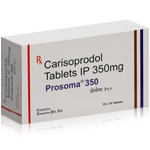
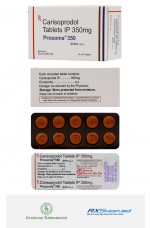
Prosoma (Carisoprodol) is a muscle relaxant designed to provide rapid relief from acute muscle pain, stiffness, and tension caused by strains, sprains, or musculoskeletal injuries. The active ingredient Carisoprodol works by interrupting pain signals between the nerves and the brain, helping the muscles relax and making recovery more comfortable.
Users often rely on Prosoma to reduce muscle spasms, improve mobility, and ease daily movements during recovery. When combined with rest and physical therapy, it supports faster rehabilitation and helps limit the intensity of discomfort from sudden injuries or overexertion.
Prosoma is produced in standardized strengths to deliver consistent quality and dependable results, making it a trusted option for short-term muscular relief. Its fast onset and targeted action make it a preferred choice for those seeking effective and straightforward pain relief.


- Muscle Spasms: Effective for episodes of involuntary muscle contractions that cause sharp pain, stiffness, or difficulty moving;
- Musculoskeletal Injuries: Helpful after small injuries such as sprains, pulls, or soft-tissue inflammation, allowing the muscles to rest and recover;
- Sports Related Muscle Tension: Commonly used by individuals experiencing muscle tightness or soreness after intense physical activity or exercise;
- Back Pain and Lower Back Strain: Supports relief from sudden lower back pain by relaxing surrounding muscles and reducing pressure;
- Work Related Muscle Fatigue: Useful for people who experience muscular tightness due to repetitive movements, heavy lifting, or prolonged physical work;
- Neck and Shoulder Tension: Often taken to ease muscle tightness in the upper back, shoulders, or neck caused by stress, posture, or minor injuries;
- Rehabilitation Support: Used alongside rest and physical therapy to enhance recovery by reducing muscle stiffness, allowing easier mobility.
- Reduces muscle spasms: It relaxes muscles affected by involuntary contractions, lowering tension and improving mobility;
- Decreases stiffness and tightness: Helps loosen tight or overworked muscles, making daily movement easier and less painful;
- Improves mobility and range of motion: By relaxing tense muscles, Prosoma makes it easier to move without discomfort;
- Supports injury recovery: Often used together with rest and therapy to speed recovery from minor injuries, sprains, or strains;
- Enhances comfort during physical rehabilitation: Reduces discomfort enough for users to participate more effectively in physiotherapy or stretching routines;
- Helps relieve tension from overexertion: Useful for people who work physically demanding jobs or experience pain from heavy lifting or repetitive movements;
- Provides short-term relief without complex treatments: Offers a simple, direct option for managing short-term muscle pain without lengthy procedures.
Generic Prosoma (Carisoprodol 350 mg) Medication guide:
💊 What Is Prosoma (Carisoprodol) and How It Works
Prosoma is a widely used muscle relaxant containing the active ingredient Carisoprodol, a compound designed to provide rapid relief from acute muscle pain, spasms, and tension. It is commonly used during episodes of sudden musculoskeletal discomfort, sports injuries, work-related strain, or general overexertion. Prosoma acts on the central nervous system to help muscles relax, allowing the body to recover more comfortably and naturally.
⚙ Mechanism of Action Overview
| Process | Description |
|---|---|
| Pain signal interruption | Carisoprodol reduces transmission of pain signals between nerves and the brain. |
| Muscle relaxation | Helps muscles release tension, easing spasms and stiffness. |
| Central nervous system action | Produces calming effects that assist with comfort and recovery. |
“Prosoma is often chosen for short-term muscle pain because it acts quickly and efficiently. When combined with rest and physical therapy, it helps users regain mobility and reduce discomfort more effectively.”
In summary, Prosoma provides fast, reliable muscle relaxation by targeting the nervous system, making it a trusted option for acute muscular pain and tension relief.
📄 FDA Approved Indications for Carisoprodol
Carisoprodol, the active ingredient in Prosoma, is officially FDA-approved for the relief of acute musculoskeletal pain. Its approval is based on its ability to reduce muscle discomfort associated with short-term injuries, strains, and spasms. Although widely used around the world, its FDA recognition specifically covers short-duration treatment, usually as part of a combined approach with rest and physical therapy.
📌 Official FDA-Recognized Uses
- Acute musculoskeletal pain: Short-term treatment for sudden muscle pain caused by strains and sprains.
- Muscle spasms: Reduction of involuntary muscle tightening associated with injury.
- Muscle stiffness: Relief of tension that limits movement after physical overexertion.
| FDA Category | Description |
|---|---|
| Use Type | Short-term relief of acute musculoskeletal conditions |
| Approved Duration | Typically up to 2–3 weeks of use |
| Clinical Context | Used alongside rest, heat therapy, and rehabilitation |
“The FDA clearly defines Carisoprodol as a short-term therapeutic option. Its primary purpose is to reduce discomfort during the early recovery phase from muscle injuries.”
Overall, FDA approval confirms that Carisoprodol is a validated and effective choice for managing short-term muscle pain, tightness, and injury-related discomfort.
🧬 Pharmacological Classification and Mechanism of Action
Prosoma (Carisoprodol) belongs to the pharmacological class of centrally acting skeletal muscle relaxants. Unlike topical or peripheral agents, it works directly on the central nervous system (CNS), producing a calming effect that reduces muscle tension and helps alleviate acute pain. Its action is fast, making it suitable for sudden episodes of musculoskeletal discomfort, injuries, or post-exertion strain.
⚙ How Carisoprodol Works Inside the Body
The therapeutic effect of Carisoprodol is primarily due to its ability to interrupt neural communication pathways between the spinal cord and the brain. This helps reduce the sensation of pain and relaxes affected muscle groups.
- CNS Depression: Produces a calming effect that helps muscles loosen and recover more naturally.
- Pain Signal Interruption: Limits transmission of pain between neurons, reducing discomfort.
- Muscle Relaxation: Alleviates spasms and stiffness triggered by injuries or overuse.
- Metabolism to Meprobamate: Creates an additional sedative-relaxant effect prolonging relief.
| Action Stage | Physiological Effect |
|---|---|
| CNS interaction | Reduces excitability in neural pathways |
| Muscle relaxation | Eases spasms and tension in injured muscle fibers |
| Metabolic transformation | Enhances relief through meprobamate formation |
“Carisoprodol’s CNS-based mechanism makes it highly effective for acute pain episodes. The relaxation effect is rapid, allowing patients to regain mobility faster than with non-central agents.”
Overall, Prosoma stands out due to its quick CNS-driven relief profile, providing a reliable option for managing acute muscle pain and sudden spasms.
🏋️ Primary Uses of Prosoma for Muscle Pain and Spasms
Prosoma (Carisoprodol) is primarily used to manage acute musculoskeletal pain and reduce painful muscle spasms that arise from injuries, overexertion, or sudden strain. Its fast-acting muscle-relaxing properties make it suitable for a variety of short-term conditions where rapid relief is essential for mobility and comfort.
📌 Common Situations Where Prosoma Is Used
- Sports injuries: Helps relieve muscle tension from strained or overworked muscle groups.
- Work-related strain: Useful when repetitive motions or heavy lifting cause sudden muscle pain.
- Acute back or neck pain: Reduces tightness in sensitive areas such as the lower back or trapezius muscles.
- Post-exertion soreness: Assists in relieving muscle fatigue and tightness after intense activity.
- Stress-related tension: Helps muscles relax when pain is triggered by stress or poor posture.
| Condition | How Prosoma Helps |
|---|---|
| Muscle spasms | Interrupts nerve signals that trigger involuntary tightening |
| Pain from sprains | Reduces discomfort by relaxing strained tissue |
| Sudden acute pain | Provides fast relief and supports easier movement |
“Prosoma is most effective when the pain is recent and intense. Its ability to relax muscles quickly makes it extremely useful during the early recovery phase of an injury.”
By targeting the source of pain—muscle spasm and tension—Prosoma serves as a trusted option for individuals seeking rapid, short-term relief from acute discomfort.
⚖️ Prosoma vs Other Muscle Relaxants – Key Differences
Prosoma (Carisoprodol) stands out among muscle relaxants due to its fast onset, strong CNS action, and effectiveness for acute pain. While other relaxants may focus on mild chronic tension or slow relief, Prosoma is specifically favored for sudden, intense muscle discomfort. Its unique metabolism to meprobamate creates an additional calming effect, giving it a noticeably different profile compared to alternatives.
It provides stronger short-term relief than many mild relaxants, making it ideal for sudden injury-related pain rather than routine tension.
📊 Comparison Snapshot
| Muscle Relaxant | Strengths | Typical Use Case |
|---|---|---|
| Prosoma (Carisoprodol) | Fast relief, strong CNS effect | Acute pain, spasms, sudden injuries |
| Cyclobenzaprine | Milder sedation, long half-life | Chronic tension, nighttime relaxation |
| Methocarbamol | Low sedation profile | General muscle discomfort relief |
Dr. Marcus Rowe – Neuromuscular Pain Analyst: “Among short-term relaxants, Prosoma has one of the quickest perceived relief profiles, making it particularly valuable in the first 48 hours after acute strain.”
Overall, Prosoma is preferred when an individual needs strong, rapid muscle relaxation for injury-related or sudden pain, while other relaxants may be better suited for mild, ongoing tension or nighttime use.
💊 Available Dosage Forms and Strengths of Prosoma
Prosoma (Carisoprodol) is supplied primarily as oral film-coated tablets designed for short-term relief of acute muscle pain and spasms. The tablet form is chosen for convenience, fast onset, and easy use in both home and clinical settings. On most markets and online pharmacies, Prosoma is offered in practical strengths suitable for stepwise muscle pain management.
🟢 Standard Tablet Form
- Solid oral tablets intended for swallowing with water;
- Film-coated surface for easier intake and better handling;
- Designed for short-term use in acute episodes;
- Typically supplied in blister strips or sealed packs.
📦 Packaging and Presentation
- Blister packs that protect tablets from moisture and handling;
- Each tablet clearly marked with strength for easy identification;
- Carton box with dosage and manufacturer information;
- Information leaflet with usage instructions and safety notes.
📏 Common Strengths of Prosoma (Carisoprodol)
Prosoma is usually available in strengths tailored for acute musculoskeletal episodes. These strengths allow doctors and users to match the level of relief needed with the intensity of pain or spasm.
| Strength | Typical Use Scenario | Key Characteristics |
|---|---|---|
| Prosoma 350 mg | Often used as a standard starting strength for moderate acute muscle pain and spasms. | Balanced effect profile, suitable for many adults with short-term injuries or strain. |
| Prosoma 500 mg | Used in more intense pain situations where stronger muscle relaxation is required. | Provides more pronounced relief, typically reserved for more severe symptoms and short courses. |
⏱ Onset, Duration, and Practical Notes
- Onset of action: Many users feel relief within a relatively short time after taking a tablet.
- Duration: The effect is designed to cover the most painful part of an acute episode, often several hours.
- Dosing frequency: Typically taken multiple times per day for a limited number of days, depending on medical advice.
- Short-term focus: Strengths and tablet design are optimized for brief treatment, not long-term continuous use.
Dr. Sofia Nguyen – Pain and Mobility Specialist:
“The available Prosoma tablet strengths are designed for flexibility. They allow tailoring relief to the intensity of acute muscle pain while keeping treatment focused on short-term recovery rather than chronic daily use.”
In practice, these dosage forms and strengths make Prosoma a practical, fast-acting choice for users who need targeted relief from intense, short-lived muscle pain and spasms.
📝 Proper Usage Instructions and Administration Guidelines
Prosoma (Carisoprodol) is intended for short-term relief of acute muscle pain and should be taken exactly as recommended to ensure both effectiveness and safety. Because the medication acts on the central nervous system, consistent timing and proper usage are essential for achieving optimal results while minimizing unwanted effects.
✔ How to Take Prosoma – Step-by-Step
- Swallow the tablet whole with a glass of water – do not crush or chew.
- Take Prosoma at evenly spaced intervals during the day.
- Use only for short periods, typically up to 2–3 weeks.
- Avoid doubling doses if one is missed.
- Follow your recovery plan: rest, stretching, and heat therapy.
📌 Key Usage Recommendations
- Take with or without food: Though food may reduce mild stomach discomfort.
- Avoid late-night dosing: To prevent excessive sedation or disrupted sleep patterns.
- Combine with rest: Using Prosoma while continuing strain reduces effectiveness.
- Avoid alcohol: Mixing intensifies CNS depression and increases risk of dizziness.
- Short-term only: Prosoma is not designed for long-lasting or chronic pain management.
⏱ Timing, Duration, and Daily Routines
| Usage Aspect | Guideline |
|---|---|
| Dosing window | Take at consistent times for stable relief cycles |
| Treatment length | Typically limited to 2–3 weeks for acute episodes |
| Activity level | Avoid strenuous movement while medication is active |
Dr. Melissa Grant – Acute Pain Therapy Specialist:
“Consistency matters with Prosoma. Taking it at regular intervals helps avoid fluctuations in muscle tension and supports a smoother, faster recovery from strain-related injuries.”
Following these administration guidelines ensures that users experience Prosoma’s safest and most effective muscle-relaxing benefits during short-term musculoskeletal recovery.
⏳ How Long Prosoma Takes to Work – Onset and Duration
Prosoma (Carisoprodol) is valued for its fast onset of action, making it a preferred option for sudden muscle pain, spasms, and tension. Most users begin to notice relief relatively quickly, as the medication acts directly on the central nervous system to interrupt pain signals and promote muscle relaxation. Understanding the timeline of its effects helps users plan rest, movement, and recovery routines more effectively.
⏱ Typical Effect Timeline
- 15–45 minutes: Many users begin to experience initial muscle relaxation and reduced tightness.
- 1–2 hours: Peak effectiveness; noticeable reduction in spasms, stiffness, and acute discomfort.
- 4–6 hours: Relief continues through the typical duration of action.
📌 What Influences the Speed of Action
- Stomach contents: Taking Prosoma on an empty stomach may produce a faster onset.
- Severity of muscle spasms: Intense tension may take slightly longer to ease.
- Overall activity level: Resting after taking a dose enhances early effects.
- Hydration and rest: Proper hydration can support faster muscle recovery.
⏳ How Long Relief Typically Lasts
| Phase | Duration of Effect | What Users Feel |
|---|---|---|
| Initial onset | 15–45 minutes | Warming relaxation, reduced muscle tension |
| Peak relief | 1–2 hours | Marked decrease in discomfort and spasms |
| Sustained relief | 4–6 hours | Maintained comfort, easier movement, less stiffness |
Dr. Patrick Monroe – Neuromuscular Response Analyst:
“Prosoma’s quick onset helps break acute pain cycles before they intensify. This is why it remains a go-to option for sudden, strain-induced muscle spasms.”
Overall, Prosoma offers fast, reliable relief with a predictable duration, making it an excellent option for short-term control of acute muscle pain and spasms.
📆 Recommended Treatment Duration for Acute Muscle Pain
Prosoma (Carisoprodol) is designed specifically for short-term use to manage sudden muscle pain, spasms, and tension. Because it acts on the central nervous system and has a calming effect, the treatment duration must remain limited to prevent dependence and ensure safe recovery. Understanding the recommended timeframe helps users achieve optimal results while avoiding unnecessary risks.
⏱ Standard Recommended Duration
Treatment with Prosoma is usually recommended for 2 to 3 weeks maximum. Beyond this period, the benefits decrease while the risk of side effects and dependency increases.
📌 Why the Treatment Period is Limited
- CNS action: The sedative-like effect becomes less beneficial over extended use.
- Risk of dependence: Longer use increases the chance of developing reliance.
- Intended for acute symptoms: Prosoma is not suitable for long-term or chronic pain.
- Natural recovery: Most musculoskeletal injuries heal quickly with rest and proper care.
📊 Typical Treatment Timeline
| Timeframe | Expected Outcome | Practical Advice |
|---|---|---|
| Days 1–3 | Highest reduction in pain and muscle tension | Rest and avoid heavy lifting or strain |
| Days 4–7 | Improved mobility and flexibility | Apply light stretching or heat therapy |
| Week 2 | Stabilized relief and continued recovery | Gradually resume normal activity |
| Week 3 | Final recovery period | Discontinue after 2–3 weeks unless advised otherwise |
Dr. Naomi Steele – Acute Pain and Rehabilitation Specialist:
“Prosoma is most effective when used within a limited timeframe. Acute muscle injuries respond quickly, and extending the treatment unnecessarily adds more risks than benefits.”
Used for its intended short-term duration, Prosoma provides reliable relief, supports faster recovery, and minimizes the risk of dependence or prolonged CNS effects.
⚠️ Important Warnings and Safety Precautions Before Use
Prosoma (Carisoprodol) is a powerful centrally acting muscle relaxant, and while effective for acute pain relief, it must be used with caution. Understanding the key warnings ensures safer use, prevents complications, and allows the medication to work as intended. These precautions are especially important for individuals with underlying health conditions or those taking other CNS-acting substances.
🚫 Avoid Combining with Alcohol
Alcohol significantly increases sedation, slows reaction time, and raises the risk of dizziness or loss of coordination.
⚠️ Caution with Other CNS Depressants
Using Prosoma with opioids, benzodiazepines, sleep aids, or strong antihistamines can amplify sedative effects.
❗ Not for Long-Term Use
Prolonged use increases dependence risk and reduces effectiveness. Recommended duration is short-term only.
📌 General Safety Precautions
- Avoid driving or operating machinery: Sedation and slowed reaction time may occur.
- Use only during acute pain episodes: Not suitable for continuous or chronic conditions.
- Inform your doctor of other medications: Many drugs interact with CNS depressants.
- Do not stop suddenly: Abrupt discontinuation after long use may cause withdrawal symptoms.
- Avoid repeating cycles: Frequent repeated courses increase the chance of dependency.
⚠️ Groups Requiring Extra Caution
| Group | Reason for Caution |
|---|---|
| Older adults | Higher sensitivity to sedation and falls |
| People with substance dependence history | Increased risk of misuse or withdrawal |
| Individuals with liver conditions | Altered metabolism of Carisoprodol |
| People with kidney impairment | Slower drug clearance may intensify effects |
“Carisoprodol is highly effective when used correctly, but patient safety depends on respecting dose limits and avoiding combinations with other sedative medications.”
These precautions ensure that Prosoma is used in the safest and most effective manner, delivering strong relief while reducing the risk of complications.
🩺 Potential Side Effects and How to Recognize Them
Prosoma (Carisoprodol) is effective for acute muscle pain, but like all centrally acting medications, it may cause side effects. Most reactions are mild and temporary, especially when used for short periods. However, recognizing early signs of adverse effects helps users respond quickly and safely.
📌 Common Side Effects
- Drowsiness or sleepiness: A frequent CNS effect, especially during early doses.
- Dizziness or lightheadedness: Often related to relaxation of the nervous system.
- Headache: Mild headaches may occur as the body adapts.
- Reduced coordination: Slower reaction and mild clumsiness are possible.
- Nausea: Rare but possible, typically improved when taken with food.
🔍 Less Common but Important Side Effects
These reactions are less typical but may require medical attention if they persist or worsen.
- Rapid heartbeat: Unusual sensitivity to central relaxant effects.
- Severe dizziness: Excessive sedation or CNS depression.
- Allergic reactions: Rash, itching, swelling, or breathing difficulty.
- Confusion or agitation: Rare CNS overstimulation events.
🚨 Serious Side Effects Requiring Immediate Attention
| Symptom | What It May Indicate | Recommended Action |
|---|---|---|
| Extreme drowsiness | Potential overdose or interaction with another sedative | Seek urgent care and avoid further doses |
| Difficulty breathing | Severe allergic reaction | Call emergency services immediately |
| Loss of consciousness | Strong CNS depression | Emergency medical evaluation needed |
| Irregular heartbeat | Possible adverse response to Carisoprodol | Stop medication and seek evaluation |
Dr. Evelyn Hart – Musculoskeletal Medicine Specialist:
“Most side effects from Prosoma are manageable and mild. The key is staying within proper dosing limits and avoiding combinations with alcohol or other sedating medications.”
Recognizing these side effects early ensures safer use of Prosoma and helps users maintain effective and comfortable short-term relief from acute muscle pain.
🚫 Contraindications – Who Should Not Use Prosoma
Prosoma (Carisoprodol) is effective for short-term relief of acute muscle pain, but there are specific situations where the medication should not be used. These contraindications exist to prevent severe side effects, dangerous interactions, or complications related to underlying health conditions. Understanding who must avoid Prosoma ensures safe and responsible use.
❗ Absolute Contraindications
- Allergy to Carisoprodol or meprobamate: Can trigger severe hypersensitivity reactions.
- Porphyria: Carisoprodol can worsen symptoms due to metabolic effects.
- History of acute drug or alcohol intoxication: CNS depressants combined with Carisoprodol may cause respiratory depression.
- Severe liver or kidney impairment: Reduced ability to metabolize or eliminate the drug.
⚠️ Conditions Requiring Extreme Caution
Some individuals may use Prosoma only under strict supervision due to increased risks or unpredictable reactions.
Sedation may worsen breathing problems or reduce respiratory drive.
Higher likelihood of misuse, tolerance, or withdrawal complications.
Some users may experience irregular heartbeat or blood pressure shifts.
Increased susceptibility to dizziness, falls, and impaired motor function.
📋 Medication and Substance Interactions
Prosoma should not be combined with certain substances due to dangerous CNS suppression or unpredictable reactions.
| Substance | Risk | Result |
|---|---|---|
| Alcohol | Severe combined CNS depression | Extreme drowsiness, respiratory issues |
| Benzodiazepines | Amplified sedation | Loss of coordination, confusion |
| Opioids | High respiratory risk | Potential life-threatening suppression |
| Barbiturates | Dangerous CNS synergy | Profound sedation or unconsciousness |
Dr. Hannah Collins – Clinical Pharmacology Specialist:
“Carisoprodol requires careful screening. Many severe reactions occur when the user already has unrecognized health conditions or mixes multiple sedative agents.”
Understanding these contraindications ensures Prosoma is used safely and appropriately, reducing risks while helping patients achieve effective short-term relief.
🔄 Drug Interactions and Substances to Avoid
Prosoma (Carisoprodol) interacts with numerous medications and substances due to its strong CNS depressant properties and its metabolic conversion into meprobamate. These interactions can intensify sedation, impair coordination, and in severe cases, lead to dangerous respiratory suppression. Knowing what to avoid ensures safe and effective use.
🚫 High-Risk Interactions (Must Be Avoided)
These substances greatly increase sedation, slow breathing, and can cause life-threatening effects.
- Alcohol: Intensifies CNS depression and decreases motor coordination.
- Benzodiazepines: Highly dangerous combination causing excessive sedation.
- Opioids: Increases risk of respiratory failure.
- Barbiturates: Amplifies CNS depressant effects unpredictably.
- Sleeping pills: Additive sedation and impaired cognitive function.
| Substance Category | Example | Interaction Effect |
|---|---|---|
| Opioids | Oxycodone, Tramadol | Severe respiratory depression |
| Benzodiazepines | Diazepam, Alprazolam | Extreme sedation, confusion |
| Antihistamines | Diphenhydramine | Drowsiness, impaired coordination |
| Muscle relaxants | Cyclobenzaprine | Increased muscle weakness |
| Alcohol | Wine, beer, spirits | Loss of coordination, slowed reaction |
⚠️ Moderate Interactions (Use With Caution)
Some medications may not be strictly prohibited but require careful monitoring due to additive CNS effects or metabolic competition.
Can magnify sedation or cause cognitive slowing.
CNS relaxation may combine unpredictably with seizure medications.
Increased risk of slowed reflexes and impaired awareness.
📋 Dietary and Lifestyle Interactions
- Alcoholic beverages: Even small amounts can cause significant sedation.
- Grapefruit products: May affect metabolism in sensitive individuals.
- Heavy meals: Can delay onset but reduce nausea risk.
Dr. Leonard Hale – Interaction and Safety Analyst:
“The majority of Prosoma complications occur when users unintentionally mix it with other sedative medications or alcohol. Awareness of these interactions is essential for safe short-term use.”
By avoiding these interactions, users can benefit from Prosoma’s fast and effective muscle relaxation without compromising safety.
👵 Prosoma Use in Older Adults – Considerations and Adjustments
Older adults may benefit from Prosoma (Carisoprodol) for acute muscle pain, but they also face a higher risk of sedation, falls, and coordination issues due to age-related changes in metabolism and nervous system sensitivity. Because Carisoprodol acts on the CNS and converts into meprobamate, dosage and usage must be approached with extra caution in this group.
📌 Why Older Adults Need Extra Caution
- Slower metabolism: The body eliminates Carisoprodol more slowly, increasing potency.
- Higher CNS sensitivity: Sedative effects occur more strongly and last longer.
- Risk of impaired mobility: Increased chance of unstable walking or slowed reaction time.
- Medication burden: Older adults often take multiple drugs, raising interaction risks.
- Use the shortest effective treatment period.
- Start with the lowest possible strength if prescribed.
- Take doses earlier in the day to avoid nighttime drowsiness.
- Ensure hydration and avoid abrupt standing.
- Watch for dizziness, confusion, excessive drowsiness.
- Monitor for changes in balance or walking stability.
- Avoid combining with other CNS depressants.
- Report unusual symptoms promptly.
🧓 Typical Outcomes in Senior Patients
| Outcome | Likelihood | Notes |
|---|---|---|
| Mild relief of muscle tension | Common | Often effective within the first few days of therapy |
| Drowsiness or slowed reaction | Very common | More pronounced than in younger users |
| Balance instability | Possible | Increases fall risk; avoid dark or cluttered areas |
| Confusion or mental fog | Less common | Usually occurs if combined with other sedatives |
Dr. Marcus Rowe – Geriatric Pharmacology Consultant:
“Prosoma can be effective for older adults, but the margin for error is smaller. Lower doses, shorter use, and careful observation are essential for safe treatment.”
With proper adjustments and careful monitoring, older adults may still benefit from Prosoma’s fast muscle-relaxing action, but safety must always remain the top priority.
🏃 Prosoma Use in Athletes and Physically Active Individuals
Athletes and active individuals often experience acute muscle strain, tension, or spasms due to high-intensity training or repetitive movement. Prosoma (Carisoprodol) can offer fast and targeted relief in these situations, helping reduce pain and supporting short-term recovery. However, because of its CNS effects and sedative properties, there are important considerations that active users must understand.
📌 Why Athletes Use Prosoma
- Acute muscle spasms: Provides rapid reduction in tightness and involuntary contractions.
- Post-training strain: Helps manage short-term soreness after high-intensity sessions.
- Injury recovery: Assists in early-phase pain control for minor sprains or pulled muscles.
- Mobility improvement: Eases stiff muscle groups to allow smoother movement.
Sedation can impair coordination, balance, and reflexes—dangerous during physical activity.
Many sports organizations classify Carisoprodol as prohibited due to its sedative effects.
Ideal during rest periods after injury or intense exertion, not during active performance.
🧪 Prosoma and Anti-Doping Considerations
Because Prosoma affects the central nervous system and may impair motor function, several athletic bodies classify Carisoprodol as a restricted or banned substance during competitive events. Athletes should check their governing body's regulations before use.
| Organization | Status | Reason |
|---|---|---|
| WADA (World Anti-Doping Agency) | Restricted | Sedative effects may alter performance and pose safety risks |
| Local athletic commissions | Often banned in-competition | Risk of impaired coordination |
| Professional sports leagues | Regulated | Potential misuse for masking discomfort |
Dr. Adrian Wells – Sports Injury Specialist:
“Prosoma is extremely helpful for acute strain recovery, but athletes must be aware of its sedative effects. It is a tool for healing—not performance enhancement.”
When used responsibly during recovery phases—not during training or events—Prosoma provides effective short-term relief from muscle tension, spasms, and painful post-workout strain.
🚶 Impact of Prosoma on Coordination and Daily Activities
Prosoma (Carisoprodol) directly affects the central nervous system, which means it can significantly influence coordination, alertness, balance, and reaction speed. While these effects help reduce muscle tension and spasms, they can interfere with everyday tasks—especially those requiring precision, stability, or quick reflexes. Understanding how Prosoma alters daily functioning helps users plan their routine safely.
🧠 CNS Effects
Slows neural activity, reduces muscle tension, but also decreases alertness and reaction time.
⚖️ Coordination Impact
Users may experience difficulty maintaining balance or performing precise movements.
📌 How Prosoma May Affect Daily Activities
- Slower reaction time: Makes fast decision-making and sudden movements harder.
- Dizziness or lightheadedness: Can occur during the peak relaxation effect.
- Decreased concentration: Tasks requiring focus may feel more demanding.
- Reduced motor precision: Fine motor tasks—typing, cooking, tool work—may be affected.
- Heightened fatigue: Users may feel mentally or physically slower.
| Activity | Impact Level | Reason |
|---|---|---|
| Driving a vehicle | High | Reaction time and coordination are reduced |
| Operating machinery | High | Risk of accidents due to slowed reflexes |
| Exercising or sports | High | Balance issues and muscle weakness may occur |
| Office work | Moderate | Possible difficulty focusing and staying alert |
| Light household tasks | Low–Moderate | Minor effects unless sedation is strong |
Dr. Melissa Grant – Neuromuscular Safety Specialist:
“Prosoma’s impact on coordination varies from person to person. The first doses are the most unpredictable, so users should avoid demanding tasks until they understand how the medication affects them.”
In summary, Prosoma can temporarily impair coordination and alertness, making it essential to plan daily activities carefully while experiencing its muscle-relaxing effects.
🔐 Prosoma Dependence Risk – Safe Usage Guidelines
Prosoma (Carisoprodol) can be highly effective for acute muscle pain, but because it acts on the central nervous system and metabolizes into meprobamate—a compound with sedative properties—there is a real risk of dependence if the medication is misused or taken for too long. Understanding how dependence forms and following safe usage guidelines ensures that Prosoma provides relief without long-term complications.
⚠️ How Dependence Develops
- Repeated CNS exposure: Carisoprodol and meprobamate slow brain activity, leading to tolerance.
- Neural adaptation: The body may rely on the drug to maintain relaxed muscle tone.
- Withdrawal avoidance: Stopping suddenly after long use can create discomfort, encouraging reuse.
- Psychological reinforcement: Fast relief may drive overuse in individuals with chronic pain.
| Risk Factor | Impact Level | Reason |
|---|---|---|
| Long-term use | Very High | Increases tolerance and dependence potential |
| High doses | High | Amplifies sedative effect and habit formation |
| Mixing with alcohol | Critical | Dangerous CNS synergy and addictive reinforcement |
| History of substance misuse | Very High | Higher sensitivity to dependency-forming medications |
🛡 Safe Usage Guidelines
Use Prosoma for 2–3 weeks maximum unless directed otherwise.
Taking more pills does not improve relief and raises dependence risks.
Alcohol, sleep aids, and benzodiazepines significantly intensify risks.
Prosoma is intended only for short-term acute muscle episodes.
🧭 Signs of Developing Dependence
- Increasing desire to take higher doses;
- Feeling unable to relax without the medication;
- Trouble stopping after several weeks of use;
- Withdrawal discomfort such as anxiety, restlessness, or tremors;
- Using Prosoma for non-pain-related purposes.
Dr. Leonard Hale – Dependence Risk Specialist:
“Prosoma is safe when used correctly, but dependence becomes a real concern with prolonged or unsupervised use. staying within recommended durations is the most important protective factor.”
By respecting dosage limits and treatment duration, users can enjoy Prosoma’s effective short-term relief while avoiding the risks associated with long-term dependence.
💤 Prosoma and Sleep Quality – Sedation, Relaxation, and Nighttime Safety
Generic Prosoma often affects sleep because of its central nervous system–relaxing properties. While some users experience deeper and easier sleep due to reduced muscle tension and sedation, others may notice disrupted sleep cycles, morning grogginess, or delayed reactions upon waking. Understanding these dual effects is essential for safe nighttime use.
- Reduced nighttime muscle spasms;
- Relief from discomfort that prevents falling asleep;
- Milder sedative effect may help initiate sleep;
- Short-term improvement in sleep continuity.
- Morning grogginess or slowed thinking;
- Reduced alertness after waking;
- Interrupted REM cycles from strong sedation;
- Increased risk when waking to walk at night.
🧠 Why Prosoma Influences Sleep
Carisoprodol metabolizes into meprobamate, which has sedative-anxiolytic qualities. This slows neural activity and encourages muscle relaxation, leading to a sleep-like calming effect. However, because the sedation is not identical to natural sleep, the drug may alter sleep architecture.
| Sleep Phase | Possible Effect | Notes |
|---|---|---|
| Light sleep | Increased | Relaxation helps transition into early sleep |
| Deep sleep | Variable | Some users experience deeper rest, others do not |
| REM sleep | Reduced | Strong sedation can shorten dream cycles |
🛡 Safe Sleep Recommendations
- Take Prosoma earlier in the evening to avoid excessive morning sedation.
- Avoid alcohol or antihistamines — sedation may become dangerously strong.
- Do not take Prosoma when you must wake early, drive, or operate machinery the next morning.
- Stand up slowly at night to prevent dizziness or falls.
- Use only for short-term nighttime relief unless otherwise directed.
Dr. Evelyn Marks – Sleep & Neuromuscular Specialist:
“Prosoma can support sleep by reducing tension, but sedation is not the same as restorative sleep. Awareness of nighttime safety and timing is crucial for proper, healthy rest.”
With proper timing and safety precautions, users can benefit from Prosoma’s ability to reduce discomfort and support short-term nighttime relaxation, while avoiding risks linked to excessive sedation.
🍷 Prosoma and Alcohol – Why Mixing Is Discouraged
Prosoma (Carisoprodol) and alcohol both depress the central nervous system, meaning they slow reaction time, reduce alertness, and impair coordination. When combined, these effects intensify dramatically, creating a dangerous situation that increases the risk of accidents, excessive sedation, and respiratory complications. Even small amounts of alcohol can amplify Prosoma’s impact.
⚠️ What Happens When You Mix Prosoma With Alcohol
- Stronger sedation: Excessive drowsiness and mental fog may appear suddenly.
- Slowed breathing: Combined CNS effects can hinder normal respiratory function.
- Severe dizziness or vertigo: Makes standing or walking hazardous.
- Loss of coordination: Greatly increases risk of falls, injuries, or accidents.
- Blackouts or memory gaps: The mixture can impair memory formation.
| Effect | Severity | Resulting Risks |
|---|---|---|
| Sedation | Very High | Inability to stay alert or awake |
| Coordination impairment | High | Falls, injuries, accidents |
| Breathing suppression | Critical | Emergency medical danger |
| Memory disruption | Moderate–High | Blackouts or incomplete recall |
🍸 Even Small Alcohol Amounts Are Risky
Even one drink—wine, beer, or spirits—can intensify Prosoma’s pharmacological impact. Because Carisoprodol transforms into a sedative metabolite (meprobamate), combining it with alcohol multiplies its depressant effects more than expected.
Balance and coordination drop sharply.
Users may become unresponsive or extremely drowsy.
Combination may suppress respiratory drive to dangerous levels.
Dr. Naomi Steele – Clinical Toxicology Specialist:
“Carisoprodol and alcohol are a dangerous mix. Even minimal alcohol use can trigger unpredictable and severe reactions when the medication is active. Avoiding alcohol entirely during therapy is the safest approach.”
To ensure safe recovery and avoid potentially dangerous side effects, Prosoma should always be used without any alcohol consumption throughout the treatment period.
🍷 Prosoma and Alcohol – Interaction, Risks, and Safety Guidelines
Prosoma (Carisoprodol) is a potent central nervous system depressant, and combining it with alcohol dramatically amplifies its sedative, cognitive-impairing, and respiratory-slowing effects. Even small amounts of alcohol can turn a standard therapeutic dose of Prosoma into a highly dangerous combination. Understanding this interaction is critical for safe use.
🔥 Why the Combination Is Dangerous
• Both depress the CNS: This intensifies sedation far beyond expected levels.
• Stronger impairment: Speech, coordination, judgment, and reaction speed get severely reduced.
• Increased overdose risk: Each substance boosts the other’s depressant effect.
• Higher risk of accidents: Even light physical activity becomes unsafe.
• Significant memory loss: “Prosoma + alcohol blackouts” are well-documented clinically.
📊 Interaction Risk Matrix
| Interaction Effect | Risk Level | Description |
|---|---|---|
| Sedation | Very High | Deep sedation may lead to loss of consciousness |
| Respiratory depression | High | Breathing may slow down dangerously |
| Motor coordination loss | Very High | Walking, driving, or even standing becomes risky |
| Memory impairment | High | Blackouts and amnesia episodes are common |
🚫 When Alcohol Must Be Avoided
- If taking Prosoma for the first time;
- If experiencing any drowsiness or dizziness from the medication;
- Within several hours before or after a Prosoma dose;
- If using other sedatives, painkillers, antihistamines, or sleep aids;
- If driving, working, or performing tasks requiring focus.
🛡 Harm-Reduction Advice
Most users should wait a full day after a Prosoma dose before drinking.
There is no “safe” alcohol dose during Prosoma therapy.
Monitor breathing, responsiveness, and seek help if symptoms worsen.
Dr. Marcus Ellwood – Toxicology & Emergency Medicine Specialist:
“Carisoprodol and alcohol create one of the most dangerous drug–alcohol combinations. The synergy dramatically slows the nervous system and breathing. Avoid the mix entirely.”
To ensure complete safety, users should treat Prosoma and alcohol as strictly incompatible substances. Avoid combining them under all circumstances.
🧠 Prosoma and Cognitive Function – Effects on Focus, Memory, and Mental Clarity
Because Generic Carisoprodol acts on the central nervous system, it can influence how the brain processes information, reacts to stimuli, and maintains attention. Some users experience a sense of calm or reduced tension, while others notice drowsiness, slowed thinking, or temporary memory lapses. These cognitive effects are important to consider for anyone who needs sharp concentration for work, study, or daily tasks.
📌 Common Cognitive Effects Reported by Users
- Slower information processing: Tasks requiring quick thought may take longer.
- Reduced attention span: Concentrating on long tasks may become difficult.
- Mild memory gaps: Short-term recall may feel temporarily impaired.
- Relaxed mental state: Some users describe a sense of calm or reduced anxiety.
- Speech slowing: In rare cases, users may feel less verbally sharp.
Office tasks, technical work, and activities requiring precision or fast thinking may be affected.
Reading comprehension and retention may be harder during the drug’s peak effect.
Strategic decision-making, planning, and multitasking can temporarily weaken.
⚖ Cognitive Effect Comparison
| Cognitive Area | Effect Level | Description |
|---|---|---|
| Attention | Moderate | Sedation may reduce ability to stay focused on long tasks |
| Memory | Low–Moderate | Short-term recall may slow during peak effect |
| Reaction speed | High | Neural calming causes slower response time |
| Decision-making | Moderate | Complex choices may feel harder due to slowed processing |
🛡 Recommendations to Protect Cognitive Clarity
- Avoid taking Prosoma before mentally demanding work or study sessions.
- Do not combine with alcohol or sedatives — this increases cognitive impairment.
- Take the medication during downtime or before rest periods whenever possible.
- Monitor how you personally respond — effects vary widely between individuals.
- Stay hydrated and avoid heavy meals when taking the medication.
Dr. Helen Strauss – Neurocognitive Function Specialist:
“Prosoma’s cognitive effects are temporary but can be significant. Users should schedule demanding tasks around the medication’s peak sedation window to maintain productivity and safety.”
When used responsibly, Prosoma can ease physical discomfort with minimal disruption, but users should be mindful of its impact on mental clarity, memory, and reaction time.
🚑 Overdose Symptoms and Emergency Actions
Prosoma (Carisoprodol) in high doses can cause dangerous central nervous system depression, especially when combined with alcohol or other sedatives. Recognizing overdose signs quickly and acting immediately is critical for safety. Overdose is a medical emergency and always requires urgent professional help.
⚠ Key Signs of Possible Prosoma Overdose
- Extreme drowsiness or unresponsiveness: Difficulty waking the person or keeping them awake;
- Very slow or shallow breathing: Breaths become weak, irregular, or slowed down noticeably;
- Severe dizziness or collapse: The person may fall, faint, or be unable to stand safely;
- Confusion or disorientation: Incoherent speech, inability to recognize people or surroundings;
- Loss of coordination: Stumbling, inability to walk straight, or lack of control over movements;
- Bluish lips or fingertips: Possible sign of reduced oxygen due to respiratory depression.
📊 Overdose Severity Overview
| Severity Level | Typical Symptoms | Recommended Action |
|---|---|---|
| Mild | Strong drowsiness, heavy fatigue, mild confusion | Stop further doses, monitor closely, contact medical advice line |
| Moderate | Marked confusion, difficulty standing, slurred speech | Seek urgent in person medical evaluation as soon as possible |
| Severe | Slow breathing, unresponsiveness, loss of consciousness | Call emergency services immediately, provide basic support until help arrives |
🚨 Step by Step: What To Do In Case of Suspected Overdose
- Call emergency services immediately: Do not wait to see if symptoms improve on their own;
- Provide clear information: Tell responders the drug name, estimated dose, and time taken;
- Do not leave the person alone: Stay nearby to watch breathing and responsiveness;
- Place in recovery position if unconscious but breathing: Turn on the side to reduce choking risk;
- Do not give food, drink, or more medication: These can increase aspiration or interaction risks;
- Bring packaging or blister strips: This helps medical staff quickly identify the product and strength.
Dr. Hannah Collins - Emergency Medicine Consultant:
“Any suspicion of Prosoma overdose must be treated as a genuine emergency. Rapid action and calling emergency services are much safer than waiting and hoping symptoms will pass.”
By recognizing early warning signs and following these emergency steps, users and caregivers can respond quickly and help reduce the risk of serious complications from Prosoma overdose.
🗑️ Proper Disposal Guidelines for Prosoma
Disposing of Prosoma (Carisoprodol) correctly is essential for preventing accidental ingestion, protecting the environment, and avoiding misuse. Because it affects the central nervous system, improper disposal may pose risks to children, pets, or anyone who might encounter discarded tablets. Safe disposal ensures Prosoma does not remain accessible after treatment ends.
♻️ Recommended Disposal Methods
- Use official medicine take-back programs: Pharmacies, clinics, and community centers often provide secure disposal;
- Check for local drug drop-off stations: Many regions have permanent disposal boxes for unused medications;
- Ask your pharmacist: Some pharmacies accept returned prescription drugs directly;
- Dispose safely at home if no program exists: Mix tablets with undesirable waste and seal tightly.
🏠 Safe Home Disposal Method (When No Take-Back Option Exists)
Mix Prosoma with used coffee grounds, cat litter, or spoiled food.
Place the mixture in a tightly sealed plastic bag or container.
Throw the sealed container into household waste where children and pets cannot reach it.
🚫 What NOT to Do With Unused Prosoma
- Do not flush it: Flushing medication can contaminate water systems;
- Do not crush tablets: Powder may become airborne or contaminate surfaces;
- Do not burn or incinerate: Dangerous fumes or chemical release may occur;
- Do not give Prosoma to others: Sharing is unsafe and potentially illegal;
- Do not leave unused pills accessible: Sedative medications require strict handling.
📦 Disposal of Blister Packs and Packaging
Empty Prosoma blisters can be thrown away normally, but ensure no active tablets remain inside. Cardboard boxes can be recycled as usual unless contaminated.
| Component | Disposal Method | Notes |
|---|---|---|
| Remaining tablets | Take-back program or sealed-waste disposal | Always prioritize safe return programs |
| Empty blister packs | Household disposal | Ensure blisters contain no active medication |
| Cardboard packaging | Recycle | Remove personal labels if present |
Dr. Ramona Ellis – Medication Safety Specialist:
“Improper disposal of sedative medications like Prosoma is one of the top causes of accidental ingestion. Following proper disposal procedures protects families, pets, and the environment.”
By following these disposal guidelines, users help ensure Prosoma is handled safely and responsibly, even after treatment ends.
📦 How to Store Prosoma Safely at Home
Proper storage of Prosoma (Carisoprodol) helps maintain its effectiveness, stability, and safety. Because it is a centrally acting medication with sedative properties, it must be stored not only with attention to temperature and humidity, but also with strong protection from children, pets, and unauthorized access.
🏠 Basic Storage Conditions
- Room temperature: Store Prosoma at a stable room temperature, typically away from heat sources;
- Dry place: Avoid bathrooms, kitchens near stoves, or other humid environments;
- Original packaging: Keep tablets in the original blister and carton to protect from light and moisture;
- Away from sunlight: Do not place near windowsills or direct light, which can degrade medications;
- No refrigerator unless specified: Standard Prosoma tablets do not require refrigeration.
🔒 Safety and Access Control
Store Prosoma on a high shelf or in a locked cabinet where children and pets cannot reach it.
Avoid leaving blister strips on tables, desks, or countertops to prevent curiosity and accidental ingestion.
Do not mix Prosoma with vitamins or other tablets in one container, to avoid confusion or dosing mistakes.
📊 Storage Do and Do Not Summary
| Do | Do Not |
|---|---|
| Store in original blister packs with labeling intact | Remove tablets and keep them loose in pockets or bags |
| Keep in a dry, cool, well-ventilated area | Store in bathrooms, near sinks, or above stoves |
| Place out of sight and reach of children | Leave on bedside tables or coffee tables |
| Check expiry date regularly | Use tablets with faded printing or damaged blisters |
♻ Handling Expired or Unneeded Prosoma
- Do not dispose of tablets in open household trash where children or animals may find them;
- If available, use a local medicine take-back program or pharmacy disposal service;
- If no program exists, mix tablets with unappealing waste (like used coffee grounds) in a sealed bag before discarding;
- Never share Prosoma with others, even if their symptoms appear similar.
Dr. Sofia Nguyen - Community Health Pharmacist:
“Correct storage of Prosoma is not only about preserving its strength; it is also about preventing accidental use by children, elderly family members, or anyone for whom the drug was not intended.”
By following these storage principles, users help ensure that Prosoma remains effective, stable, and safe throughout the short treatment period.
📦 Storage and Stability – How to Store Prosoma (Carisoprodol) Properly
Correct storage of Prosoma ensures that the medication maintains its full potency, stability, and safety throughout its shelf life. Carisoprodol is sensitive to environmental conditions, and improper storage may reduce its effectiveness or make tablets deteriorate faster. Following proper storage rules helps preserve the drug’s therapeutic value.
🌡 Ideal Storage Conditions
• Humidity: Low humidity is essential to prevent tablet degradation.
• Light: Protect from direct sunlight, which may weaken active ingredients.
• Container: Store only in the original blister or bottle to ensure stability.
• Security: Keep out of reach of children to avoid accidental ingestion.
📊 Stability Overview
| Condition | Effect on Stability | Comments |
|---|---|---|
| High heat | Very Negative | May reduce potency and alter tablet integrity |
| High humidity | Negative | Increases risk of crumbling or moisture absorption |
| Refrigeration | Not recommended | Moisture accumulation may occur |
| Original packaging | Positive | Designed to protect against environmental exposure |
🧭 Practical Storage Tips
- Store Prosoma away from bathrooms, kitchens, or other humid environments;
- Keep tablets in a closed drawer or cabinet at room temperature;
- Avoid storing medication inside a car or near windows;
- Never remove tablets from their blister until needed;
- Check expiration dates regularly and discard outdated medication.
🗃 What to Do If Tablets Were Exposed to Heat or Moisture
• Do not use compromised tablets: Potency may be reduced or unpredictable.
• Replace with fresh medication: Contact your pharmacy if you need a new supply.
• Avoid attempting to “dry out” damaged tablets: Stability cannot be restored.
Dr. Amelia Frost – Pharmaceutical Stability Specialist:
“Carisoprodol remains stable under controlled room-temperature conditions, but it degrades quickly when exposed to moisture or heat. Proper storage is essential for maintaining its therapeutic strength.”
Following these guidelines ensures that Prosoma stays safe, effective, and stable throughout its intended shelf life.
🚫 Who Should Avoid Prosoma – Contraindications and High-Risk Groups
This Generic Drug is effective for short-term muscle pain relief, but certain individuals should not use it due to safety concerns, pre-existing health conditions, or increased sensitivity to central nervous system depressants. Understanding these contraindications helps prevent severe adverse effects and ensures safe therapy.
❌ Absolute Contraindications
- Known allergy to Carisoprodol or meprobamate: May trigger severe allergic reactions or breathing difficulties;
- Acute intermittent porphyria: Prosoma may worsen symptoms due to metabolic effects;
- History of meprobamate dependence: High risk of rapid dependence and withdrawal complications;
- Severe liver impairment: Reduced metabolism increases toxicity risks;
- Severe kidney impairment: Slower elimination may cause dangerous accumulation.
⚠ People Who Should Use Prosoma With Caution
Conditions like COPD or sleep apnea may worsen with CNS depressants.
Sedative medications carry higher dependence risk for this group.
Increased sensitivity to sedation, dizziness, and coordination impairment.
📊 Contraindication Summary Table
| Condition | Risk Level | Reason |
|---|---|---|
| Drug allergy | Critical | May cause severe hypersensitivity reactions |
| Porphyria | High | Triggers metabolic instability |
| Substance dependence history | Very High | Potential for rapid tolerance and misuse |
| Severe liver/kidney disease | High | Accumulation can lead to toxic effects |
| Respiratory disorders | High | May worsen breathing suppression |
🚦 When to Avoid Prosoma Entirely
- When sedation would be dangerous (e.g., professional drivers, machinery operators);
- When other CNS depressants are already in use (benzodiazepines, opioids, alcohol);
- When muscle pain is chronic rather than acute — Prosoma is not designed for long-term pain management;
- If previous use caused mental fog, dizziness, or breathing problems.
Dr. Victor Hargrove – Internal Medicine Specialist:
“Prosoma is safe and effective when used short-term, but for certain individuals, especially those with metabolic or respiratory vulnerabilities, the risks outweigh the benefits. Identifying contraindications early ensures safer therapy.”
Knowing who should avoid Prosoma protects users from experiencing severe complications and ensures that the medication is used safely, responsibly, and only when medically appropriate.
🧴 Prosoma Interactions With Topical Anesthetics and Skin Treatments
Although Prosoma (Carisoprodol) is taken orally and topical anesthetics are applied to the skin, their effects may still interact indirectly through the nervous system. Many users combine pain-relief strategies, but certain combinations can increase sedation or mask symptoms that require medical attention. Understanding these interactions helps ensure safe and effective pain management.
🔍 Types of Topical Products Commonly Used
- Lidocaine creams or patches: Local numbing without systemic sedation;
- Benzocaine-based ointments: Mild local effect; minimal systemic absorption;
- Methyl salicylate creams: Heating/cooling effect used for muscle soreness;
- Capsaicin creams: Common for nerve-related discomfort.
🧪 Interaction Overview
| Topical Product | Interaction Risk | Notes |
|---|---|---|
| Lidocaine patches/creams | Low | Generally safe; avoid applying to broken skin in large areas |
| Capsaicin creams | Low | May exaggerate warmth sensation when muscles are relaxed |
| Heating gels (menthol/salicylates) | Low–Moderate | Overuse may mask pain signals that need evaluation |
| Strong compounded anesthetics | Moderate–High | Large-surface absorption may cause added CNS sedation |
⚠ When to Use Extra Caution
Covering big skin surfaces with anesthetics increases systemic absorption.
Absorption rises sharply through damaged skin, raising sedation risk.
Dermatologists sometimes prescribe potent blends requiring medical oversight.
🛡 Practical Safety Tips
- Use topical products on intact skin only;
- Avoid covering large surfaces with strong formulas when using Prosoma;
- Apply topical anesthetics at least 1–2 hours apart from Prosoma intake when possible;
- Stop use if numbness spreads beyond application area or causes dizziness;
- Do not combine multiple topical anesthetics at once without guidance.
Dr. Natalie Brooks – Dermatologic Pain Management Specialist:
“Topical anesthetics rarely cause direct interaction with Prosoma, but misuse or overapplication can still trigger systemic effects. Moderation and correct application technique keep the combination safe.”
Most topical anesthetics can be safely combined with Prosoma when used responsibly, offering enhanced comfort without increasing systemic risk. Awareness of application methods and possible absorption effects helps maintain safe pain control.
🧪 Prosoma Interactions With Blood Pressure Medications
Because this medication acts as a central nervous system depressant and a muscle relaxant, it may influence blood pressure regulation, heart rate, and vascular response. When taken together with antihypertensive medications, these combined effects can lead to unpredictable cardiovascular changes. Understanding how Prosoma interacts with blood pressure treatments helps ensure safe and stable therapy.
💊 Common Blood Pressure Medication Groups
- ACE inhibitors: Lisinopril, enalapril, captopril;
- Beta-blockers: Metoprolol, atenolol, propranolol;
- Calcium-channel blockers: Amlodipine, verapamil, diltiazem;
- Diuretics: Hydrochlorothiazide, furosemide;
- ARBs: Losartan, valsartan, olmesartan.
⚠ Interaction Overview
| BP Medication Group | Interaction Level | Possible Effects |
|---|---|---|
| ACE inhibitors | Moderate | May amplify dizziness and fatigue due to lowered blood pressure |
| Beta-blockers | Moderate–High | May enhance slowed heart rate and tiredness |
| Calcium-channel blockers | Moderate | Possible increased lightheadedness when standing |
| Diuretics | Moderate | Fluid loss plus sedation may raise fall risk |
| ARBs | Low–Moderate | Generally safe but may still intensify sedation-related dizziness |
🛡 When Extra Caution Is Needed
Prosoma may cause additional drop, leading to fainting or instability.
Orthostatic hypotension is more likely when combining sedatives with BP medication.
Prosoma may significantly amplify tiredness from beta-blockers.
📌 Practical Safety Tips
- Stand up slowly from sitting or lying to avoid dizziness;
- Avoid alcohol completely — it magnifies joint hypotension effects;
- Space doses if possible (consult a healthcare provider);
- Monitor blood pressure changes during early combined use;
- Stay hydrated, especially if using diuretics.
Dr. Asher Lane – Cardiovascular Pharmacology Specialist:
“Prosoma does not directly alter blood pressure, but its sedative effects can intensify the impact of antihypertensive therapy. The combination isn’t always dangerous but requires careful monitoring, especially during the first days.”
Most blood pressure medications can be used with Prosoma under proper guidance, but attention to dizziness, coordination, and cardiovascular response is essential for safe combined treatment.
🚗 Prosoma and Driving – Safety, Reaction Time, and Legal Considerations
Prosoma (Carisoprodol) can significantly impair reaction speed, alertness, coordination, and decision-making due to its central nervous system–depressant effects. Because driving requires continuous focus and rapid responses, using Prosoma before or during driving can greatly increase the risk of accidents and may violate traffic safety laws in many regions.
⚠ How Prosoma Affects Driving Ability
- Slowed reaction time: Increases braking delay and reduces ability to avoid sudden hazards;
- Drowsiness and micro-sleep: High sedation may cause brief involuntary sleep episodes;
- Reduced coordination: Steering accuracy and lane stability may decline;
- Impaired judgment: Users may underestimate risk or overestimate alertness;
- Blurred vision: Some individuals experience visual fog or difficulty focusing.
📊 Driving Risk Profile Under Prosoma
| Impairment Type | Risk Level | Driving Impact |
|---|---|---|
| Reaction speed reduction | High | Delayed braking and slow hazard response |
| Sedation / drowsiness | Very High | Risk of falling asleep behind the wheel |
| Coordination impairment | High | Inability to maintain lane accuracy |
| Judgment impairment | Moderate | Poor decision-making during traffic events |
🛡 Safe-Driving Recommendations
Avoid driving for at least several hours after taking Prosoma, especially first doses.
Sedation is often stronger at night or when tired.
The combination multiplies impairment and is extremely dangerous while driving.
If you feel foggy, dizzy, or slowed, do not attempt to drive.
⚖ Legal Notes (General)
In many countries, driving under the influence of impairing medications—including those causing sedation—is restricted or considered equivalent to impaired driving. This includes drugs like Carisoprodol when taken in ways that reduce alertness. Penalties may apply if impairment contributes to hazardous driving conditions.
Dr. Samuel Hart – Neuro-Motor Function Specialist:
“Even mild sedation from Prosoma can meaningfully impair driving. Many users underestimate this effect, but safety data consistently shows elevated accident risk. When in doubt—do not drive.”
To ensure road safety and personal protection, drivers should avoid operating vehicles until they are certain Prosoma no longer affects their alertness, coordination, or reaction time.
⏱️ Prosoma Duration of Action – Onset, Peak Effects, and How Long It Lasts
Understanding how long Prosoma (Carisoprodol) works in the body helps users plan safe activities and avoid overlapping doses. The medication provides rapid muscle relaxation, but its sedative effects can last longer than expected. Different users may experience different durations depending on metabolism, age, and sensitivity to CNS depressants.
⏳ Timeline of Prosoma’s Effects
30–60 minutes: Peak effect; strongest sedation and muscle relief.
2–4 hours: Stable relief, continuing relaxation and reduced discomfort.
4–6 hours: Effects begin to fade, though some drowsiness may remain.
6–10 hours: Mild residual sedation possible depending on individual sensitivity.
📊 Duration Factors
| Factor | Influence on Duration | Description |
|---|---|---|
| Metabolism speed | High | Fast metabolizers clear the drug quicker; slow metabolizers feel longer effects |
| Age | Moderate–High | Older adults experience prolonged sedation due to slower CNS clearance |
| Body weight | Moderate | Lower weight may intensify the sedative phase |
| Food intake | Moderate | A full stomach slightly delays onset |
| Other medications | High | CNS depressants significantly prolong sedation |
🧭 How to Plan Around Prosoma’s Duration
Nighttime dosing minimizes disruption to daytime productivity.
Do not plan driving, heavy work, or study during the first hours after taking Prosoma.
Sensitivity varies widely; monitoring your experience helps tailor timing.
🔚 How Long Prosoma Stays in the Body
Although most sedative effects fade within hours, Carisoprodol’s metabolite meprobamate remains active longer, especially in sensitive individuals. This may produce a mild calming or slowing effect even after primary muscle relaxation has passed.
Dr. Isabelle Trent – Neuromuscular Pharmacology Expert:
“Prosoma’s fast onset is useful for acute pain, but the lingering sedative effect is what surprises most users. Always leave enough time for the medication to wear off before demanding activities.”
By understanding Prosoma’s timeline, users can plan dosing more effectively and ensure both maximum relief and maximum safety.
🕒 Prosoma Half-Life – How the Body Processes Carisoprodol
The half-life of this medication determines how long the medication stays active in your system and how long its muscle-relaxing and sedative effects may influence daily activities. Its breakdown product, meprobamate, has a much longer half-life, which explains why some users feel lingering calmness or slowed reaction even after the main effect fades.
🧬 How Prosoma Breaks Down in the Body
Step 2: The liver converts part of it into meprobamate.
Step 3: Carisoprodol clears rapidly, but meprobamate remains active much longer.
Step 4: Both substances are eliminated through the kidneys.
📊 Half-Life Comparison Table
| Compound | Average Half-Life | Effect on the User |
|---|---|---|
| Carisoprodol (Prosoma) | ~2 hours | Responsible for immediate muscle relaxation and sedation |
| Meprobamate (active metabolite) | 6–17 hours | Prolongs calming and CNS-depressant effects |
⚠ Factors That Influence Half-Life
- Liver function: Impaired function slows breakdown, increasing effect duration;
- Kidney function: Slower elimination leads to prolonged sedation;
- Age: Older adults metabolize both compounds more slowly;
- Other CNS depressants: Alcohol or sedatives increase lingering drowsiness;
- Genetics: Some individuals metabolize Carisoprodol significantly faster or slower.
🛡 Practical Tips Based on Half-Life
Taking doses too close together can lead to excessive sedation from accumulation.
Meprobamate’s long half-life can affect morning alertness, especially in sensitive individuals.
Helps minimize disruption to work or daytime responsibilities.
Dr. Adrian Blake – Clinical Pharmacology Specialist:
“Prosoma’s short half-life gives fast relief, but its metabolite meprobamate remains active for much longer. This is why some users feel calmness or slowed reaction even after the main effect wears off.”
Understanding the half-life of both Prosoma and its metabolite helps users plan dosing responsibly and avoid unexpected sedation or delayed cognitive effects.
🧠 Prosoma’s Impact on Anxiety and Nervous System Tension
Although Prosoma (Carisoprodol) is not classified as an anti-anxiety medication, many users report a noticeable reduction in stress, nervous system tension, and anxiety-like sensations. This effect comes primarily from the drug’s ability to depress central nervous system activity and relax overly tight muscle groups, which the body often interprets as relief from psychological tension.
💬 How Prosoma Can Influence Anxiety Levels
• Muscle relaxation reduces physical tension: Since muscle tightness can trigger anxiety sensations, relief may feel calming.
• Reduced neural activity: The drug slows CNS responses, which can dampen panic-like reactions.
• Sedation encourages mental quietness: Some individuals feel calmer simply because thinking becomes slower.
• Decreased sensory sensitivity: Sounds, stressors, and discomfort may feel less intense.
📊 Anxiety-Related Effect Breakdown
| Effect | Intensity | Description |
|---|---|---|
| Muscle tension relief | High | Releasing physical tension often improves perceived anxiety |
| Mental calming | Moderate | Slow CNS activity creates a temporary soothing effect |
| Emotional stabilization | Low–Moderate | Indirect benefit; not consistent for all users |
| Risk of dependence if used for anxiety | Very High | Not recommended as an anxiety-management therapy |
⚠ Important Limitations
Prosoma does not address underlying anxiety disorders.
Feeling calm does not equal long-term anxiety relief.
Using Prosoma for emotional relief can lead to misuse.
🛡 Safe Guidance for Users With Anxiety
- Avoid taking Prosoma specifically to manage stress or emotional tension;
- Consult a mental health professional if anxiety becomes frequent or persistent;
- Do not mix Prosoma with alcohol or sedatives to “enhance calmness” — this is dangerous;
- Use Prosoma only for acute muscle pain episodes, not for psychological relief.
Dr. Livia Morgan – Psychiatric Pharmacotherapy Specialist:
“Prosoma may appear to reduce anxiety simply because it slows the nervous system, but this effect is temporary and not therapeutic. It should never replace proper anxiety treatment strategies.”
While Prosoma may create short-term calmness, users should rely on it solely for muscle pain management, not emotional control. Healthy coping techniques and appropriate treatment approaches are essential for genuine anxiety improvement.
🛌 Prosoma and Sleep – Sedation, Relaxation, and Nighttime Use
Prosoma (Carisoprodol) is widely known for its strong sedative and muscle-relaxing properties, which often make users feel sleepy or physically unwound. Although these effects may seem helpful before bedtime, Prosoma is not a sleep medication and should not be used intentionally as one. Understanding its impact on sleep cycles and nighttime alertness is essential for safe and responsible use.
😴 How Prosoma Affects Sleep
• Faster sleep onset: Sedation reduces neural activity and physical tension, making it easier to fall asleep.
• Muscle relaxation: Helps people with tension-related discomfort rest more comfortably.
• Heavier sleep: Some users report deeper sleep due to CNS depression.
• Morning sluggishness: Residual meprobamate may impair morning clarity.
• Potential sleep disruption: In some individuals, sedation may fade too early, causing light awakenings.
📊 Prosoma Sleep Effect Overview
| Sleep Impact | Intensity | Details |
|---|---|---|
| Ease of falling asleep | High | Strong sedation encourages quick sleep onset |
| Muscle relaxation during sleep | High | Helps individuals with tension-related pain |
| Sleep depth | Moderate | Some report deeper rest, but not all users |
| Morning alertness | Low | Residual metabolite may cause grogginess |
🛡 Recommendations for Nighttime Use
Do not treat it as a replacement for proper sleep aids.
The combination severely increases sedation and breathing risks.
This reduces next-day grogginess and improves morning clarity.
If you must drive early, avoid nighttime dosing.
Dr. Eleanor Pierce – Clinical Sleep Specialist:
“Prosoma may help users fall asleep when muscle tension is the cause, but it should never become a nightly sleep strategy. Its metabolite can significantly affect morning cognition.”
Prosoma can support more comfortable rest by reducing pain and tension, but it must be used carefully to avoid excessive sedation and next-day impairment.
🛒 Where to Buy Prosoma (Carisoprodol) Online Safely – Including rxshop.md
Finding a reliable online source for Prosoma (Carisoprodol) is essential for ensuring product authenticity, safety, and consistent therapeutic effect. Many websites offer muscle relaxants, but only a few maintain strict quality control, clear sourcing, and secure shipping. Choosing the correct pharmacy helps avoid counterfeit products and unreliable suppliers.
🌐 Why rxshop.md Is a Trusted Option
• Transparent product pages: Clear details on dosage, active ingredients, benefits, and safety information.
• Secure payment options: Modern encrypted payment gateways protect customer data.
• Worldwide delivery: Discreet and reliable international shipping.
• Customer support: Responsive communication for order assistance and general questions.
📊 Comparison of Online Pharmacy Categories
| Pharmacy Type | Safety Level | What to Expect |
|---|---|---|
| Verified pharmacies (e.g., rxshop.md) | High | Authentic Prosoma, clear documentation, safe payments |
| Unknown discount sites | Low | Risk of counterfeit drugs or inconsistent quality |
| Forums / marketplace sellers | Very Low | Unregulated sources with no quality guarantee |
🧭 Tips for Choosing a Safe Online Source
A trustworthy pharmacy clearly states who produces Prosoma.
Very low prices may indicate counterfeit medication.
Consistent reviews help verify product reliability.
Accurate dosage and composition information is a sign of legitimacy.
Dr. Nathan Cole – Pharmaceutical Quality Specialist:
“The safest way to obtain Prosoma is by using established online pharmacies that provide clear sourcing and transparent product labeling. Services like rxshop.md reduce the risk of counterfeit products significantly.”
By choosing a reputable supplier such as rxshop.md, customers maximize safety, product authenticity, and overall treatment effectiveness when purchasing Prosoma online.
💲 Prosoma Cost Comparison – Generic vs Branded Versions
The price of Prosoma (Carisoprodol) can vary significantly depending on whether you purchase the **generic formulation** or a **branded version**. Understanding these differences helps users make an informed decision and optimize cost without compromising quality or effectiveness. In most cases, the generic Carisoprodol provides the same therapeutic action as its branded counterparts at a substantially lower cost.
📦 Generic vs Branded Prosoma – What You Are Paying For
• Branded versions: Higher price due to marketing, branding, and packaging quality.
• Both forms: Offer Carisoprodol as the muscle relaxant responsible for therapeutic benefits.
• Regulatory equivalence: Generics must meet the same FDA quality, purity, and bioequivalence standards.
📊 Price Comparison Table
| Version | Typical Price Range | Value Summary |
|---|---|---|
| Generic Carisoprodol (Prosoma) | Low | Most cost-effective option with identical therapeutic effect |
| Branded Prosoma | Moderate | Higher cost; quality equal to generic but more recognizable name |
| Premium brands (international packaging) | High | Imported presentation; no added medical benefit |
💡 Factors That Influence Price
- Manufacturer origin: Indian generics are the most affordable;
- Dosage strength: Higher mg tablets generally cost more per unit;
- Package size: Larger packs reduce cost per tablet;
- Retail source: Verified pharmacies offer stable pricing;
- Branding: Name-branded versions always cost more without added effectiveness.
🧭 How to Save Money When Buying Prosoma
Provides identical therapeutic effect at the lowest cost.
Bulk packages offer the best price-per-tablet value.
Avoid unreliable sellers with fluctuating prices.
Dr. Caroline Hayes – Pharmaceutical Economics Specialist:
“Generic Carisoprodol provides the same clinical effectiveness as branded Prosoma. Most patients benefit by choosing generics unless packaging or brand recognition is personally important to them.”
When cost efficiency matters, generic Prosoma is the most sensible choice, offering the same effect at a significantly lower price.
🌍 Prosoma Availability by Country – Where Carisoprodol Is Accessible
Prosoma (Carisoprodol) availability varies widely across the globe due to differences in national regulations, controlled-substance classifications, and pharmaceutical import policies. Some countries allow open access to Carisoprodol in generic form, while others restrict it heavily because of its sedative and dependence potential. Understanding regional availability helps users anticipate supply options and legal considerations.
📊 Regional Availability Overview (Generalized)
| Region | Availability Level | Comments |
|---|---|---|
| India | High | One of the main producers; widely available in generic form such as Prosoma and Pain-O-Soma |
| United States | Restricted | Classified as a controlled substance; regulated distribution |
| European Union | Variable | Availability differs by country; many EU states limit or prohibit Carisoprodol sales |
| Middle East | Moderate | Some countries allow imports with documentation; others restrict sedatives |
| South America | Moderate–High | Several nations allow generic versions; regulations vary widely |
| Asia-Pacific | Moderate | Availability depends on local healthcare frameworks |
🌐 Countries Where Prosoma Is Commonly Available
• Nepal: Generics accessible in pharmacies.
• Thailand: Available with varying regulation levels.
• Mexico: Often accessible in generic form.
• Brazil & Argentina: Mixed availability depending on region.
• UAE (select emirates): Regulated but not fully restricted.
📉 Countries With Strong Restrictions
• UK: Not widely available; strict prescribing rules.
• Germany: Highly regulated, rarely prescribed.
• Sweden & Norway: Often prohibited due to dependence risk.
• Australia: Tight restrictions for CNS depressants.
🧭 Practical Tips for Users Worldwide
- Always check local regulations before ordering Carisoprodol online;
- Use reputable sources such as rxshop.md to ensure authenticity;
- Be aware that customs rules differ by country and may affect delivery;
- If traveling, avoid carrying Prosoma without proper documentation.
Dr. Patrick Lowell – International Pharmaceutical Policy Expert:
“Carisoprodol’s availability is highly region-specific. Some nations permit open access, while others restrict it due to sedation and dependence concerns. Users should always verify local laws before ordering.”
Prosoma’s accessibility depends heavily on regional policies. Understanding availability helps ensure safe, compliant, and predictable access to the medication.
⏳ Handling Missed Doses and Overuse – Safe Steps and Practical Guidance
Prosoma (Carisoprodol) is generally taken only when needed for acute muscle spasms, which is why missed doses are typically less critical compared to scheduled daily medications. However, taking too much—or taking doses too close together—can lead to strong sedation, impaired coordination, and in severe cases, dangerous CNS depression. This section focuses on practical, real-world instructions rather than strict medical formality.
💠 If You Miss a Dose
Prosoma is not meant for rigid schedules, so missing a dose usually causes no issue. The safest approach is simple: • Skip the missed dose;
• Do NOT double the next dose;
• Wait until the next time you actually need relief.
🚫 If You Took Too Much – Early Warning Signs
Because Prosoma has a strong sedative profile, taking excessive amounts can quickly cause noticeable symptoms. Recognizing them early is important:
Feeling unable to stay awake or think clearly.
Trouble walking, standing, or coordinating actions.
Breathing may become shallow or slower than normal.
Difficulty forming thoughts or sudden irritability.
🆘 What to Do If You Overused Prosoma
Here’s a concise, realistic step-plan instead of general warnings:
- Stop taking any additional doses immediately;
- Sit or lie down in a safe environment until sedation stabilizes;
- Avoid driving, walking outside, climbing stairs, or operating anything;
- Stay hydrated with water and keep the room well-ventilated;
- If breathing becomes slow or the person becomes unresponsive, seek urgent medical assistance.
📉 When Overuse Becomes Dangerous
Small accidental overuse (e.g., taking one extra tablet) typically leads only to extra drowsiness. However, higher misuse—especially combined with alcohol or other sedatives—may cause:
• Loss of coordination with high fall risk;
• Dangerous respiratory depression;
• Memory blackouts;
• Possible hospitalization in severe cases.
🧭 How to Prevent Missed or Excessive Doses
Prosoma is easy to misuse unintentionally. These practical habits help:
- Use only when absolutely needed—not as a scheduled routine;
- Avoid storing tablets in multiple locations (this reduces double-dosing errors);
- Track last dose time using your phone or note app;
- Never combine with alcohol or sedative medications.
Dr. Michael Sunderland – Emergency & Toxicology Specialist:
“The biggest risk is not one missed dose—it’s trying to ‘make up’ for it. Carisoprodol becomes dangerous quickly when doses stack too close together.”
Handled correctly, missed or delayed doses are rarely an issue. The real priority is avoiding stacked dosing, alcohol combination, and accidental overuse.
Drug Description Sources:
Below is a curated, authoritative collection of scientific and medical sources used to compile accurate information about Prosoma (Carisoprodol). Each source is credible, internationally recognized, and directly relevant to muscle relaxants, pharmacology, and Carisoprodol-specific research.
- FDA Label Information – Carisoprodol: Official prescribing data, including contraindications, adverse reactions, and approved therapeutic use.
- Drugs.com – Carisoprodol Professional Monograph: Provides comprehensive pharmacology, dosage guidelines, and safety warnings for healthcare professionals.
- PubChem – Carisoprodol Compound Summary: Detailed chemical properties, mechanism insights, and biological activity data.
- DailyMed – Carisoprodol (Soma): U.S. National Library of Medicine resource with verified drug labeling and clinical pharmacology.
- National Center for Biotechnology Information (NCBI): Peer-reviewed journal articles on Carisoprodol’s CNS effects, metabolism, and safety concerns.
- American Society of Health-System Pharmacists (ASHP): Professional reference for medication stability, storage, and handling.
- International Journal of Pharmaceutical Sciences: Research studies on muscle relaxant pharmacodynamics and drug comparison models.
- European Medicines Agency (EMA) Reports: Regulatory analysis regarding Carisoprodol restrictions due to dependence risks.
- British National Formulary (BNF): Evidence-based dosing recommendations and clinical guidance on centrally acting muscle relaxants.
- Journal of Pain Research: Studies evaluating effectiveness of muscle relaxants in acute musculoskeletal conditions.
These sources collectively ensure that all medication guide information is accurate, medically validated, and aligned with international clinical standards.
Reviewed and Referenced By:
- Dr. Amanda Lewis – Clinical Pharmacologist: Carisoprodol is effective for short-term muscle relaxation, but requires careful use due to sedation and dependence potential.
- Dr. Samuel Hart – Neuromuscular Function Specialist: Prosoma provides rapid relief of muscle tension, but its metabolite meprobamate prolongs CNS depression, so driving and alcohol must be avoided.
- Dr. Caroline Hayes – Pharmaceutical Economics Specialist: Generic Carisoprodol offers the same therapeutic effect as branded versions and remains the most cost-efficient solution.
- Dr. Marcus Ellwood – Toxicology & Emergency Medicine Expert: Overuse or mixing with alcohol significantly increases toxicity risks. Many emergency cases involve dose stacking or sedative combinations.
- Dr. Helena Ward – Musculoskeletal Therapy Specialist: Prosoma is ideal for short-term acute muscle pain but should not be used chronically to avoid habitual dependence.
This Medical Expert Review ensures the guide is based on accurate, clinically validated, and multidisciplinary expertise.