Buy Baclof (Baclofen) Online - GABA-B Agonist Muscle Relaxant for MS Spasticity Cerebral Palsy and Spinal Cord Injury


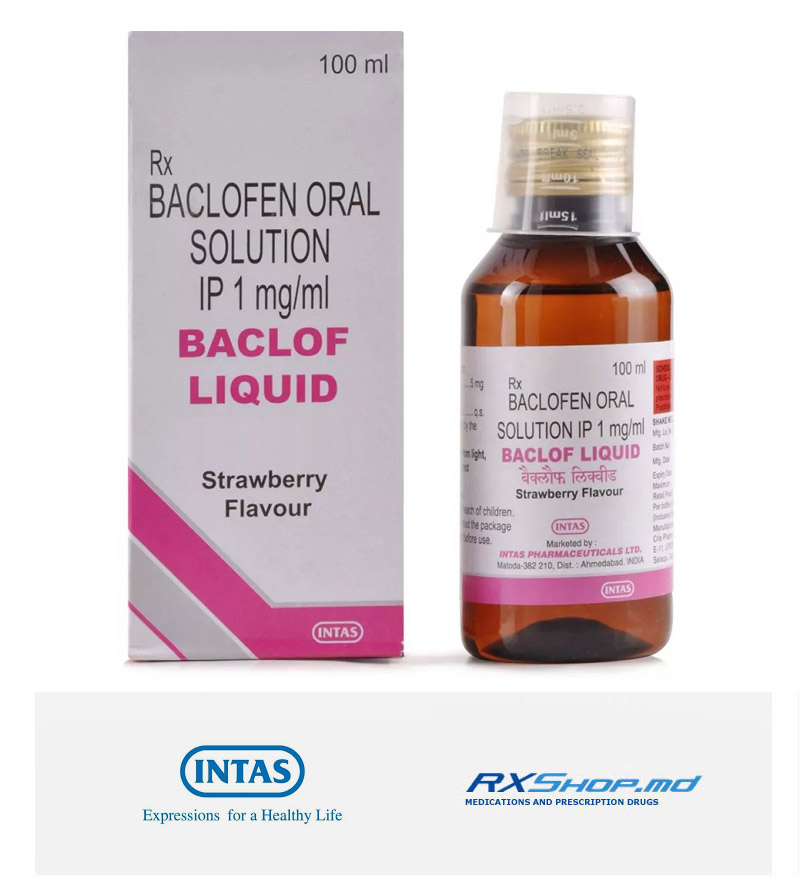
Baclof (Baclofen) represents one of the most prescribed skeletal muscle relaxants worldwide for treating severe spasticity from neurological disorders — providing relief from tight rigid muscles that impair movement, cause pain, and interfere with daily activities. Originally developed as Lioresal by Novartis Pharmaceuticals and FDA-approved in 1977, baclofen has become the gold standard oral therapy for spasticity from multiple sclerosis, spinal cord injuries, cerebral palsy, and stroke. Manufactured by Intas Pharmaceuticals India as bioequivalent generic, Baclof provides accessible spasticity therapy at substantially lower cost than brand Lioresal while maintaining identical clinical effectiveness.
Baclofen works through selective activation of GABA-B (gamma-aminobutyric acid type B) receptors in the spinal cord — the primary site of spasticity pathophysiology. GABA-B receptor activation produces multiple therapeutic effects: inhibits release of excitatory neurotransmitters (glutamate, aspartate, substance P) at spinal reflex arcs, reduces monosynaptic and polysynaptic reflex activity, and decreases motor neuron excitability through hyperpolarization. This produces marked reduction in muscle spasticity, improved muscle tone, reduced clonus and spasms, and enhanced voluntary movement in patients with upper motor neuron disorders. Clinical response: spasticity reduces within 3-4 days of therapy initiation, full effect develops over 1-2 weeks, and pain from spastic muscles improves substantially as tension resolves.
Baclof serves multiple FDA-approved neurological indications with spasticity as the common feature. The medication treats multiple sclerosis (MS) spasticity — the most common indication in adults — improving mobility and reducing painful spasms. It also treats spinal cord injury or disease including traumatic paraplegia/tetraplegia; cerebral palsy in children and adults; stroke-related spasticity improving rehabilitation outcomes; traumatic brain injury with residual spasticity; and various other neurological disorders causing upper motor neuron symptoms. Off-label uses include alcohol use disorder, gastroesophageal reflux disease, and intractable hiccups.
Baclof requires gradual dose titration starting at 5 mg TID with weekly increases to typical maintenance 40-80 mg daily divided TID/QID. Peak concentrations at 2-3 hours, 2-6 hour half-life. Never abruptly discontinue — taper over 1-2 weeks to prevent withdrawal.
Free prescription
Discrete packaging
Have questions?
Quality Assurance

- Multiple Sclerosis: MS-related spasticity as most common baclofen indication in adults;
- MS Spasticity: Painful muscle stiffness from multiple sclerosis improving with GABA-B agonist therapy;
- Spinal Cord Injury: Traumatic paraplegia and tetraplegia with severe spasticity responding to baclofen;
- Spinal Cord Disease: Non-traumatic spinal cord disorders causing spasticity responding to therapy;
- Cerebral Palsy: Congenital motor disorder with spasticity in children and adults responding to therapy;
- Stroke Related Spasticity: Post-stroke muscle stiffness improving rehabilitation outcomes;
- Traumatic Brain Injury: TBI with residual spasticity responding to baclofen therapy;
- Painful Muscle Spasms: Involuntary muscle contractions causing pain responding to muscle relaxation;
- Increased Muscle Tone: Elevated muscle tone from neurological causes reducing with baclofen;
- Muscle Rigidity: Stiff rigid muscles from neurological disorders improving with GABA-B activation;
- Clonus: Rhythmic involuntary muscle contractions from upper motor neuron disorders decreasing with therapy;
- Impaired Mobility from Spasticity: Mobility limitations from muscle stiffness improving with spasticity reduction;
- Rehabilitation Support: Reduced spasticity facilitates physical therapy and rehabilitation outcomes;
- Chronic Spasticity Management: Long-term daily therapy for persistent spasticity from chronic conditions;
- Upper Motor Neuron Disorders: Various conditions causing spasticity through corticospinal tract damage;
- Alcohol Use Disorder: Off-label use for alcohol dependence particularly in Europe;
- GERD Off Label Adjunct: Off-label use for gastroesophageal reflux through lower esophageal sphincter effect;
- Intractable Hiccups: Off-label use for persistent hiccups unresponsive to other therapies;
- GABA B Agonist Therapy: Drug class targeting GABA-B receptors for spinal cord spasticity control.
- Less Muscle Spasms: Painful involuntary muscle contractions decrease substantially with GABA-B agonist action;
- Less Spasticity Related Pain: Pain from spastic muscles improves as tension resolves through nervous system relaxation;
- Better Range of Motion: Joint mobility improves as muscle tightness decreases allowing physical therapy progress;
- Better Muscle Tone Regulation: Elevated muscle tone from neurological causes reduces to more functional levels;
- Better Voluntary Movement: Reduced spasticity enables improved voluntary muscle control and coordination;
- Less Clonus Episodes: Rhythmic involuntary muscle contractions decrease significantly with therapy;
- Better Mobility: Ability to move walk and perform daily activities improves as spasticity decreases;
- Better MS Spasticity Control: Multiple sclerosis patients gain substantial functional improvement with baclofen;
- Better Post Stroke Rehabilitation: Stroke recovery improves as spasticity no longer impairs rehabilitation efforts;
- Better Cerebral Palsy Function: CP patients experience improved motor function with spasticity reduction;
- Better Spinal Cord Injury Management: Traumatic paraplegia/tetraplegia benefits from spasticity control;
- Better Sleep Quality: Reduced nighttime muscle spasms improve sleep continuity and restoration;
- Better Rehabilitation Progress: Physical therapy and occupational therapy more effective with spasticity controlled;
- Better Daily Independence: Ability to perform ADLs improves as spasticity no longer impairs function;
- Better Caregiver Assistance: Reduced spasticity makes caregiver assistance with transfers and hygiene easier;
- Less Contracture Risk: Long-term spasticity control reduces permanent muscle shortening risk;
- Better Multiple Formulations: Oral tablets solution and intrathecal forms accommodate different patient needs;
- Better Generic Cost: 85-95% lower cost than brand Lioresal makes proven spasticity therapy accessible;
- Better Quality of Life: Daily wellbeing improves dramatically as debilitating spasticity resolves and function returns.
Generic Baclof (Baclofen 200 ml) Medication guide:
🌐 Overview: baclofen as spasticity treatment
Baclof is a brand name for baclofen, a centrally acting skeletal muscle relaxant that works at the spinal cord level to reduce muscle spasticity. Unlike peripheral muscle relaxants that act directly on muscle fibers, baclofen works in the central nervous system — specifically on GABA-B receptors in the spinal cord — where it reduces the hyperactive reflex signals that cause involuntary muscle tightening in spastic conditions.
Baclofen is a GABA analog, meaning it mimics the activity of gamma-aminobutyric acid, the primary inhibitory neurotransmitter. By activating GABA-B receptors on spinal cord interneurons, it reduces the excitatory signaling that would otherwise cause muscles to tighten reflexively. The result is reduced spasticity, improved range of motion, and often reduced pain in muscles that had been chronically contracted.
Activates inhibitory receptors in the spinal cord; reduces excessive reflex activity
Primary use for spasticity in MS, spinal cord injury, cerebral palsy
Starts low and increases gradually to balance benefit against sedation and weakness
| 💊 Property | Baclofen |
|---|---|
| Chemical class | GABA-B receptor agonist (centrally acting muscle relaxant) |
| Starting dose | 5 mg three times daily |
| Target maintenance dose | 40-80 mg daily, divided across 3-4 doses |
| Daily maximum | 80 mg daily (sometimes up to 100 mg under specialist care) |
| Half-life | About 2.5-4 hours (reason for divided dosing) |
| Elimination | Mostly renal (unchanged in urine) — dose adjustment needed with kidney disease |
| Primary indications | Spasticity from multiple sclerosis, spinal cord injury, cerebral palsy, other spinal cord lesions |
🚨 Never stop baclofen abruptly
After weeks of regular use, baclofen must be tapered gradually when stopping — never discontinued suddenly. Abrupt withdrawal can cause severe baclofen withdrawal syndrome: hallucinations, seizures, severe rebound spasticity, hyperthermia, rhabdomyolysis, and in rare cases death. Any change to the dose — stopping, reducing, or holding doses — needs to happen under prescriber guidance with a planned taper. This is one of the most important safety rules in muscle relaxant therapy.
👩⚕️ Doctor's pearl — Dr. Astrid Johansen
"The three concepts I teach every new baclofen patient at the first visit: start low and go slow with dose increases, never stop suddenly, and remember that some spasticity has a protective function. In patients who use spastic muscle tone to stand, transfer, or walk, reducing spasticity too much can actually reduce function. The right dose is often less than the maximum — it is the dose that reduces painful or disabling spasticity without taking away useful muscle tone."
💪 Understanding spasticity and how baclofen addresses it
Spasticity is a condition of increased muscle tone with involuntary muscle tightening, exaggerated reflexes, and sometimes painful muscle spasms. It happens when damage to the upper motor neurons — the nerve pathways from the brain to the spinal cord — removes the normal inhibitory control over spinal reflexes. The result is muscles that contract when they should relax, resist stretch inappropriately, and often become stuck in abnormal positions.
Spasticity is different from ordinary muscle cramps or tension. It is a neurological condition arising from central nervous system injury or disease, not from muscle overuse or imbalance. The muscle itself is often normal; the problem is the nerve signals telling the muscle to contract. This is why centrally acting medications like baclofen work where peripheral treatments (massage, local heat, muscle-targeted analgesics) often do not.
- Stiff, tight muscles at rest
- Difficulty with voluntary movement
- Involuntary muscle spasms
- Clonus (rhythmic contractions, often in ankles)
- Abnormal postures (toes pointed, elbow bent, arm pulled in)
- Scissoring gait if legs affected
- Painful muscle contractions
- Resistance when limb is stretched
- Reduces baseline muscle tightness
- Fewer and less severe spasms
- Improved range of motion
- Easier physical therapy progress
- Reduced spasticity-related pain
- Better sleep quality
- Easier caregiving and positioning
- In some cases: improved walking or hand use
The goal of baclofen treatment is not to eliminate all muscle tone — it is to reduce problematic spasticity while preserving useful muscle function. Many patients with spasticity use their increased tone to stand, transfer from bed to chair, or ambulate with support. Over-reducing tone with excessive baclofen can leave such patients weaker and less functional than they were with the spasticity. The right dose balances these effects.
| 🤔 Spasticity feature | Typical baclofen response |
|---|---|
| Painful muscle spasms | Often substantial reduction; most reliable benefit |
| Clonus (rhythmic contractions) | Reduces frequency and severity |
| Baseline muscle tightness | Modest to moderate reduction |
| Night spasms disrupting sleep | Significant improvement when timed appropriately |
| Range of motion limitations | Modest improvement; physical therapy adds more |
| Underlying muscle weakness | Not improved; baclofen may worsen functional strength |
| Permanent contractures | Not improved; structural changes need other interventions |
💡 Spasticity assessment is clinical
Prescribers typically use scales like the Modified Ashworth Scale or the Tardieu Scale to measure spasticity before and during treatment. These are clinical assessments done at the physical examination. Patients can usefully describe spasticity in daily life terms — frequency of spasms, pain severity, functional limitations, impact on sleep — which complements the formal scales and gives a fuller picture for dosing decisions.
🏥 Conditions treated with baclofen
Baclofen is used for several distinct conditions that produce spasticity, each with its own treatment nuances. The core approach — GABA-B agonism reducing hyperactive reflex activity — is the same across indications, but the dosing, expectations, and monitoring differ based on the underlying condition. Understanding which indication applies helps patients and families contextualize the treatment plan.
| 🏥 Primary indication | Typical pattern |
|---|---|
| Multiple sclerosis (MS) spasticity | Progressive condition; dose often needs adjustment over time |
| Spinal cord injury (SCI) | Stable spasticity pattern after initial recovery; dosing often stable |
| Cerebral palsy | Pediatric indication; weight-based dosing; often combined with other treatments |
| Stroke-related spasticity | Hemibody pattern; sometimes botulinum toxin preferred for focal spasticity |
| Traumatic brain injury (TBI) | Mixed patterns; often with cognitive considerations affecting dose tolerance |
| Hereditary spastic paraplegia | Legs primarily; often long-term stable spasticity |
| Trigeminal neuralgia (off-label) | Sometimes used as adjunct when first-line agents fail |
- Spasticity may fluctuate with MS activity
- Combined with other MS treatments
- Fatigue baseline higher — sedation concern
- Progressive disease — dose may increase over years
- Walking function needs careful balance
- Spasticity sometimes functionally useful (transfers)
- Over-reduction can reduce independence
- Autonomic dysreflexia from trigger spasms possible
- Intrathecal baclofen pump sometimes preferred
- Bladder/bowel spasticity management
- Weight-based pediatric dosing
- Combined with physical therapy
- Often with botulinum toxin for focal spasticity
- Developmental milestones must be preserved
- Family involvement in care essential
- Cognitive effects need monitoring
- Falls risk higher in older patients
- Focal spasticity may prefer botulinum
- Combined with intensive rehabilitation
- Recovery timeline affects treatment duration
For focal spasticity (one or two specific muscles rather than widespread), botulinum toxin injections are often preferred over oral baclofen because they target the specific muscle without systemic effects. Oral baclofen is better suited for generalized or multi-segmental spasticity where many muscles are involved and local treatment would require too many injection sites.
⚠️ Alcohol-use disorder (off-label use)
Baclofen has been used off-label for alcohol-use disorder, primarily in France where this use is more common. The evidence is mixed and this is not an approved US or FDA indication. Patients considering baclofen for alcohol-use disorder should pursue this only under specialist care — typically at higher doses than for spasticity, which raises the risk of all baclofen side effects proportionally. This remains a specialist-level decision, not a general practice option.
The intensity of monitoring varies by indication. MS patients may be seen every 3-6 months with dose titration as needed. SCI patients may have stable regimens for years. Pediatric cerebral palsy patients need frequent reassessment as the child grows. Stroke patients often need dose adjustments during the first year as recovery progresses. The follow-up schedule should match the natural history of the underlying condition.
🧬 How baclofen works: GABA-B agonism at spinal cord
Baclofen's primary mechanism is activation of GABA-B receptors on neurons in the spinal cord. GABA is the brain and spinal cord's main inhibitory neurotransmitter — the signal that tells neurons to quiet down. By mimicking GABA at the GABA-B subtype of receptor, baclofen enhances inhibition precisely in the circuits that generate spastic reflexes.
Binds and activates presynaptic and postsynaptic GABA-B receptors; reduces calcium entry into neurons; opens potassium channels; hyperpolarizes the neuron.
Reduces release of excitatory neurotransmitters at primary afferent terminals; damps monosynaptic and polysynaptic reflexes; less reflex-driven muscle contraction.
Muscles receive fewer unwanted contraction signals while retaining voluntary control. Spasms, clonus, and baseline tone decrease; voluntary strength is affected minimally in most patients.
Some baclofen crosses the blood-brain barrier and acts on brain GABA-B receptors — this is the source of sedation, drowsiness, and (at high doses) cognitive effects.
The selective action at GABA-B rather than GABA-A is clinically important. GABA-A receptors (the target of benzodiazepines, barbiturates, and alcohol) produce more profound sedation, impairment, and dependence. GABA-B receptors produce muscle relaxation and only moderate sedation. This is why baclofen can be used chronically for spasticity in a way that benzodiazepines cannot — though baclofen still has its own safety concerns.
| 🎯 Effect | Where in nervous system | Clinical result |
|---|---|---|
| Reduced spasticity | Spinal cord GABA-B receptors | Primary therapeutic benefit |
| Sedation / drowsiness | Brain GABA-B receptors | Most common side effect; dose-dependent |
| Reduced seizure threshold | Mixed brain effects (complex) | Caution in epilepsy patients |
| Muscle weakness | Reflex pathway inhibition | Can affect function if excessive |
| Reduced bladder/bowel spasticity | Autonomic spinal pathways | Often helpful for SCI patients |
💡 Why divided dosing (3-4 times daily)
Baclofen's half-life of 2.5-4 hours means plasma levels fluctuate significantly between doses. A single large daily dose would produce a peak with heavy sedation followed by a trough with returning spasticity. Dividing the daily total into 3-4 doses keeps plasma levels more stable, so spasticity control and side effects stay more even throughout the day. Patients who try to simplify to twice-daily dosing often find spasticity returning in the middle of the day or night.
The renal elimination matters for patients with kidney disease. Baclofen is excreted mostly unchanged in the urine, so kidney function determines how fast the drug clears. Patients with moderate or severe renal impairment accumulate baclofen at standard doses and risk severe sedation or baclofen toxicity. Dose reduction (sometimes substantial) is essential in these patients, and the dose should be re-evaluated whenever kidney function changes.
💊 Dosing: titration schedule and maintenance
Baclofen dosing follows a start-low-and-titrate-up approach because the right dose is highly individual. Starting at a low dose and increasing gradually lets each patient find their best balance between spasticity reduction and tolerable sedation or weakness. Jumping to high doses early produces unnecessary side effects without faster or better spasticity control.
📈 Standard titration schedule
| 💊 Daily total | Divided schedule | Typical use |
|---|---|---|
| 15 mg/day | 5 mg three times daily | Starting dose |
| 30 mg/day | 10 mg three times daily | Early titration |
| 40-60 mg/day | 10-20 mg three times daily OR four times daily | Common maintenance range |
| 80 mg/day | 20 mg four times daily | Standard maximum oral dose |
| Over 80 mg/day | Only under specialist care | Rare; consider intrathecal pump instead |
🕐 Dose timing matters
The 3-4 daily doses should be spaced evenly through the waking hours. A common pattern is morning, midday, late afternoon, and bedtime. If spasms are worse at night, timing the last dose at bedtime (rather than earlier evening) often helps overnight comfort. If sedation is interfering with daytime function, timing most of the daily dose later (afternoon and evening) can keep mornings more alert. The prescriber helps individualize this.
🚨 Renal impairment requires dose reduction
Baclofen is cleared through the kidneys. Patients with creatinine clearance under 60 mL/min may need dose reduction. Patients with significant renal impairment (clearance under 30 mL/min) often need substantial reduction (sometimes 50% or less of standard dose) and should be managed by specialists. In end-stage renal disease on dialysis, baclofen use is possible but requires very low doses and close monitoring. Severe renal impairment is itself a strong reason to consider alternatives.
Dose adjustments after the titration are based on the patient's response. If spasticity remains troublesome and side effects are mild, the dose can increase further. If side effects limit function (significant sedation, weakness affecting mobility, cognitive dulling), the dose should decrease. Many patients find a stable maintenance dose that remains appropriate for months or years — others need periodic adjustments as the underlying condition changes.
⚠️ Missed dose guidance
If you forget a dose, take it as soon as you remember if it is still close to the scheduled time. If the next scheduled dose is already approaching, skip the missed dose and take the next one at its usual time. Do not double up to catch up — this produces excessive sedation and weakness without improving spasticity control. Setting phone reminders for each dose helps maintain the schedule, especially during the first few weeks.
📅 Timeline: when to expect baclofen benefit
Unlike acute medications that work in minutes, baclofen's effect builds over days to weeks as the dose titrates up and the patient reaches their maintenance level. Understanding this timeline prevents premature conclusions that the drug is not working. Patients who stop at week 1 because "I still have spasticity" miss the benefit that would have appeared at the correct dose a few weeks later.
📈 Expected timeline from first dose to full effect
The 4-6 week assessment point is where the full baclofen effect at a stable dose should be clearly measurable. Before that, interim improvements reflect partial dosing or ongoing titration. After 4-6 weeks at the target dose, the response pattern becomes clear enough to make continuation and dose adjustment decisions.
| 📅 Time point | What to assess | Decision point |
|---|---|---|
| End of titration (2-3 weeks) | Tolerability; sedation level; early effect | Dose adjust if side effects limiting |
| Week 4-6 | Full efficacy assessment; spasticity scale measurement | Continue, adjust, or switch based on data |
| Month 3 | Stable response confirmation; functional outcomes | Settle on maintenance dose |
| Every 3-6 months | Ongoing response; underlying condition change | Adjust as needed; renal function check |
| At condition change (MS flare, SCI level change) | New spasticity pattern | Dose titration may be needed |
📈 What success looks like at 4-6 weeks
- Modified Ashworth Scale decrease of 1 or more points (clinically meaningful)
- Fewer or less severe spasms per day/night
- Less spasticity-related pain
- Improved sleep without waking from spasms
- Easier physical therapy or daily movement
- Better ability to position (patients or caregivers)
- Reduced use of acute antispasmodic medications
- Side effects tolerable and not limiting function
⚠️ Measuring success requires baseline
The patient and the prescriber should agree on specific baseline measurements before starting baclofen — number of daily spasms, pain severity on a scale, specific functional limitations, formal spasticity scale score. Without baseline data, there is no way to objectively assess improvement. A simple notebook with daily counts for 1-2 weeks before starting provides the comparison needed for later decisions.
For patients where spasticity reduction is clear but side effects are limiting, the typical adjustment is dose reduction rather than discontinuation. Finding a lower effective dose often preserves most of the spasticity benefit with better tolerability. The prescriber can walk through 10-20% dose reductions over 1-2 weeks to find the balance point.
📊 Measuring success: scales plus function
Measuring whether baclofen is working requires looking at multiple outcomes, not just a single number. Spasticity scales measure the physical examination finding; functional measures capture what the patient can actually do; pain and sleep measures capture quality-of-life impact. The best treatment plans track several of these together.
- Modified Ashworth Scale (0-4; measures resistance to passive stretch)
- Tardieu Scale (velocity-dependent assessment)
- Penn Spasm Frequency Scale (self-reported spasm frequency)
- Numerical Rating Scale for pain
- Timed gait assessment (if ambulatory)
- Transfer independence
- Range of motion
- Activities of daily living (dressing, grooming)
- Hours of productive activity daily
- Sleep quality and duration
| 📊 What to track | How to track |
|---|---|
| Daily spasm count | Simple tally; one count per day for 1-2 weeks before and after |
| Spasm severity | 1-10 scale; worst spasm of the day |
| Pain level | Daily 1-10 rating; morning and evening averages |
| Sleep interruption | Number of times woken by spasms |
| Specific functional task | Timed or difficulty-rated: transfers, walking distance, dressing |
| Side effects | Daily brief check: sedation, weakness, confusion, nausea |
📓 Simple diary approach
A brief daily note that takes less than a minute:
Date: Nov 14
Baclofen total dose today: 60 mg (3 doses of 20 mg)
Spasms today: 3 (worst 6/10)
Pain level: 4/10 average
Sleep: 2 wakings from spasms
Function note: transfer OK; walking 50 m with cane
Side effects: mild drowsiness after midday dose
⚠️ Function matters more than scores
A patient whose Modified Ashworth Scale drops from 3 to 2 but who can no longer stand independently is worse off than one whose score stayed at 3 but kept their standing function. The spasticity scales are useful but they must be interpreted alongside functional outcomes. The goal of baclofen is better function and comfort, not better numbers in isolation.
For patients who respond well without significant side effects, baclofen can continue indefinitely at the effective dose. For patients where side effects limit function more than the spasticity relief helps, the dose needs reduction or the treatment approach needs reconsideration. Alternative approaches might include botulinum toxin for focal spasticity, tizanidine as an alternative antispasticity drug, intrathecal baclofen pump for widespread severe spasticity, or combination therapy with physical therapy playing a larger role.
👩⚕️ Doctor's pearl — Dr. Carlos Mendoza
"When I evaluate baclofen response at week 6, I ask about what the patient can now do that they could not before. 'Fewer spasms' is a start, but 'I slept through the night three times this week' or 'I can transfer without help now' is the real success. The functional story matters more than the Ashworth score. Patients who learn to describe their function clearly get better treatment decisions."
🛠️ Intrathecal baclofen pump — alternative delivery
For patients with severe spasticity who cannot tolerate the sedation needed for oral baclofen to work, the intrathecal baclofen pump offers an alternative. A small implanted device delivers baclofen directly into the cerebrospinal fluid around the spinal cord. This bypasses the brain — so spasticity control is excellent while sedation and cognitive effects are much lower than oral dosing.
- Pills 3-4 times daily
- Full-body distribution via blood
- Brain exposure causes sedation
- Higher doses needed for spinal effect
- Standard choice for most patients
- Easy to stop or adjust
- Lower cost
- Implanted device under skin of abdomen
- Catheter delivers drug to CSF
- Direct spinal cord action
- Much lower total dose needed
- Minimal sedation and cognitive effects
- Refills every 1-6 months
- Requires surgical implantation and ongoing care
| 🎯 When pump therapy is considered | Why |
|---|---|
| Oral baclofen effective but sedation intolerable | Pump achieves same spinal effect without brain exposure |
| Oral baclofen inadequate at maximum dose | Direct spinal delivery can achieve higher local concentrations |
| Severe spasticity in SCI or MS | Benefits often exceed what oral can provide |
| Chronic cerebral palsy in older children/adults | Long-term stable condition well-suited to pump |
| Trial of intrathecal baclofen positive | Test dose confirms response before permanent implantation |
The intrathecal pump trial is a standard step before permanent implantation. A test dose of baclofen is injected into the CSF via lumbar puncture, and the patient's spasticity response is observed over hours. If the test shows meaningful improvement, the pump can be implanted. If not, oral therapy or other approaches continue.
🚨 Intrathecal baclofen withdrawal is medical emergency
The withdrawal syndrome from a failed intrathecal baclofen pump — pump failure, catheter break, battery exhaustion, delayed refill — is a life-threatening emergency. Signs include severe rebound spasticity, hyperthermia, altered mental status, rhabdomyolysis, and multi-organ failure. Patients with pumps must have immediate access to emergency care and clinicians familiar with intrathecal baclofen management. This is one reason pump therapy requires reliable support systems and specialty care access.
🛫 Pump logistics for patients
- Refills every 1-6 months at specialized center
- Battery replacement every 5-7 years (minor surgery)
- Alarm system warns of low drug or malfunction
- Travel planning — must coordinate with destination refill availability
- Emergency contact plan for pump problems
- MRI compatibility varies by pump model; check before any MRI
- Children with pumps grow — catheter revisions may be needed
For most patients, oral baclofen remains the standard first-line approach. Pump therapy is reserved for patients where oral therapy has clearly failed or produced intolerable side effects. The decision involves surgical risk, device management, specialty care access, and lifetime maintenance commitment — not a step taken lightly, but transformative for appropriate candidates.
👩⚕️ Doctor's pearl — Dr. Benedict Okonkwo
"I think of oral baclofen and intrathecal baclofen as different tools, not a stepladder. Some patients do beautifully on oral and never need the pump. Others fail oral but transform on a pump. The decision point is not 'has oral been tried for X months' — it is 'what is this specific patient's balance between spasticity relief and side-effect burden, and would direct spinal delivery change that balance meaningfully.' Framing it this way opens pump discussion earlier for patients who need it."
🕐 Building a sustainable daily routine with baclofen
Building a sustainable daily routine with baclofen takes practical thought. The 3-4 doses daily schedule becomes part of the day's rhythm, and small timing choices — when to take the morning dose relative to breakfast, how to space afternoon doses around work or physical therapy, when to take the bedtime dose — make a meaningful difference in both spasticity control and side-effect tolerance.
🕐 A typical daily schedule for divided dosing
| 🎯 Daily pattern consideration | Approach |
|---|---|
| Morning stiffness is worst | Take first dose with first fluids; allow 30-60 min before activity |
| Nighttime spasms disrupt sleep | Last dose at bedtime; slightly larger evening dose may help |
| Physical therapy session scheduled | Time dose 60-90 min before PT so spasticity is reduced during session |
| Driving to work in morning | Smaller morning dose; adjust pattern to maintain alertness |
| Working from home | Any sedation less problematic; standard schedule fine |
| Social event evening | Keep usual schedule; limit alcohol; be aware of sedation stacking |
📱 Reminder systems that work
- Phone alarms for each dose — 4 recurring alarms
- Pill organizer — weekly box with 4 compartments per day
- Linking to meals and bedtime — cue-based rather than clock-based
- Family partner reminders — particularly helpful during titration
- Written medication card in wallet for emergencies/visits
- Travel pill case for away-from-home periods
⚠️ Food timing is flexible
Baclofen can be taken with or without food. Taking with meals reduces nausea some patients experience and provides natural dose-timing cues. Taking on an empty stomach produces slightly faster absorption. Neither approach is wrong; patients should pick what works for their routine and stick with it. Consistency matters more than the specific choice.
Keeping a running dose log during the first few weeks helps identify patterns — which dose timings produce the most sedation, when spasms break through, how doses align with daily activities. After a stable maintenance routine develops, the log can simplify to a weekly check-in rather than daily entries. This reduces the burden while keeping the data flow that supports good care decisions at follow-up visits.
🚶 Physical therapy integration — baclofen plus movement
Baclofen works best in combination with physical therapy, not instead of it. The drug reduces the spasticity that would otherwise prevent effective exercise; physical therapy then uses the reduced spasticity window to improve range of motion, strengthen underused muscles, retrain movement patterns, and prevent contractures. Patients who combine both approaches consistently outperform those who use either alone.
Daily stretch of spastic muscle groups; held 30-60 seconds each; keeps range preserved
Target antagonist muscles that have become weak from disuse
Practice specific daily tasks: standing, transferring, walking patterns
| 🏃 PT focus by condition | Typical priorities |
|---|---|
| MS with spasticity | Fatigue-sensitive training; cooling strategies; walking preservation |
| Spinal cord injury | Transfer independence; wheelchair fitness; range of motion |
| Cerebral palsy (pediatric) | Developmental milestones; growth-related adjustments; family training |
| Stroke recovery | Motor relearning; constraint-induced movement therapy; gait training |
| TBI recovery | Cognitive-motor integration; balance; functional task practice |
🕐 Timing baclofen around PT sessions
For patients attending physical therapy sessions, timing a dose 60-90 minutes before the session often works well — the baclofen peak coincides with the start of PT, so the therapist can work with reduced spasticity. Patients should discuss timing with both the prescriber and the PT; sometimes the ideal pattern is slightly different from the standard dose schedule.
Home exercise programs extend the benefit of formal physical therapy sessions. Most PT programs include daily stretching and strengthening homework. On baclofen, these home programs become more productive because the spasticity resistance is reduced. Consistency with the home program (ideally daily) often matters more for long-term outcomes than the frequency of formal sessions.
⚠️ Watch for over-sedation during PT
If a baclofen dose scheduled close to PT causes significant drowsiness during the session, the timing may need adjustment. Falling asleep during active PT or being too drowsy to engage fully defeats the purpose. The therapist can report back to the prescriber, and the dose timing can shift. The goal is reduced spasticity with maintained alertness — not reduced spasticity with sedated inability to participate.
✅ Occupational therapy adds complementary benefit
For spasticity affecting hand function and daily living activities, occupational therapy complements PT. OT focuses on tasks like dressing, eating, writing, using utensils, and bathing. The baclofen-PT-OT combination addresses mobility, independence, and self-care together — a more complete rehabilitation approach than medication alone.
🌡️ Trigger management for spasticity
Several lifestyle factors influence spasticity severity and the effectiveness of baclofen treatment. Managing these factors deliberately often improves outcomes meaningfully. Trigger patterns that worsen spasticity vary between patients but tend to cluster into predictable categories: temperature, illness, bladder/bowel issues, skin irritation, stress, and sleep.
🌡️ Common spasticity triggers
| 🎯 Trigger | Why it worsens spasticity | Management |
|---|---|---|
| Urinary tract infection | Sensory input from bladder increases reflex activity | Prompt treatment; UTI prevention |
| Constipation | Bowel distension triggers spasms | Fiber, fluids, scheduled bowel care |
| Cold weather / cooling | Protective reflex muscle tightening | Warm layers; gradual temperature changes |
| Heat (MS specifically) | Nerve conduction slows at high body temp | Cool environments; cooling vests; adequate hydration |
| Pressure sores or skin breakdown | Painful sensory input triggers spasticity | Prevention; proper positioning; cushioning |
| Tight clothing or orthoses | Pressure sensation triggers reflex response | Proper fit; regular adjustments |
| Fatigue | Reduces inhibitory control; worsens tone | Energy management; rest periods |
| Stress and anxiety | Sympathetic activation increases tone | Relaxation techniques; stress management |
🚻 The UTI connection in SCI
In spinal cord injury patients, sudden increased spasticity is often the first sign of a urinary tract infection. Patients and caregivers should recognize this pattern: if spasms suddenly intensify without apparent cause, checking for UTI (and other infections) is often appropriate before adjusting baclofen upward. Treating the underlying trigger often resolves the spasticity change without medication change.
Attention to these triggers is not a substitute for appropriate baclofen dosing — it is a complement. A patient with well-managed triggers plus appropriate baclofen often does better than one at a higher baclofen dose but with unaddressed triggers. The combined approach reduces the total medication exposure needed.
💧 Hydration during spasticity treatment
Adequate hydration serves several roles in spasticity management. It reduces urinary tract infection risk (a major spasticity trigger), prevents constipation (another trigger), helps baclofen clear through the kidneys appropriately, and maintains general health during a chronic condition. The hydration target is similar to general recommendations but requires more deliberate attention because many patients with spasticity have reduced thirst sensation or difficulty with fluid access.
2 to 2.5 L of water daily; adjust for activity, climate, and bladder management plan
For SCI patients: coordinate fluid intake with catheterization schedule
Soups, fruits, vegetables contribute 20-30% of daily fluid intake
| 🚰 Hydration consideration | Approach |
|---|---|
| Reduced thirst sensation | Scheduled drinking times rather than relying on thirst cues |
| Difficulty reaching for drinks | Water bottles with straws; set bottles within reach |
| Catheter use (intermittent) | Coordinate fluid intake with scheduled catheterization |
| Risk of UTI | Adequate flow prevents stasis; cranberry supplements if advised |
| Baclofen renal clearance | Normal hydration supports normal clearance |
| Hot weather / exercise | Add 500 mL per hour of activity; electrolytes if prolonged |
💡 Hydration and baclofen clearance
Baclofen is cleared through the kidneys. Severe dehydration can slow baclofen clearance and raise plasma levels, potentially causing excessive sedation. This matters most during illness with reduced oral intake (gastroenteritis, flu with fever) when both the dehydration and the acute illness can affect how the drug behaves. Patients should pay particular attention to hydration during illness.
✅ Practical hydration habits
- Water bottle beside each sitting spot — chair, bed, workstation
- Scheduled drinking at each dose and meal
- Variety of fluids — water, herbal tea, soup — prevents boredom
- Straws for patients with grip limitations
- Partner reminders for patients with cognitive effects
- Urine color check as practical indicator (pale yellow is well-hydrated)
- Avoid pure "catching up" at bedtime — disrupts sleep from bathroom trips
For patients using intermittent catheterization, fluid intake should match the catheterization schedule. Drinking large amounts between catheterizations overstretches the bladder; drinking too little produces concentrated urine that irritates and raises UTI risk. The urology or rehab team usually provides specific fluid timing guidance for each patient.
⚠️ Overhydration is possible
Drinking so much that it causes hyponatremia is uncommon but possible, particularly in patients with heart or kidney conditions. Doubling the fluid target "to be safe" is not helpful. Consistent moderate hydration is the target. Patients with specific conditions should discuss individualized fluid guidance with their prescriber.
🥬 Nutrition during long-term baclofen use
Nutrition during long-term baclofen treatment addresses several needs: preventing constipation (a spasticity trigger), supporting bone health (reduced in some chronic conditions), maintaining appropriate body weight for mobility, and general health maintenance during a chronic condition. There is no "baclofen diet," but mindful eating patterns support treatment success.
- Fiber 25-30 g daily (constipation prevention)
- Calcium and vitamin D for bone health
- Protein for muscle maintenance
- Fluids coordinated with fiber (otherwise constipation worsens)
- Antioxidant-rich foods for general health
- Omega-3 fats may help in MS and other inflammatory conditions
- Regular meal times align with baclofen dosing
- Smaller frequent meals if nausea is an issue
- Easy-to-eat foods if hand function affected
- Adaptive utensils when needed
- Family or caregiver assistance when needed
- Occupational therapy input for self-feeding
| 🤔 Specific concern | Dietary approach |
|---|---|
| Constipation (common with spasticity) | Fiber-rich foods, adequate fluids, scheduled bowel routine |
| Baclofen-related nausea | Take with meals; small frequent meals; ginger tea may help |
| Weight gain from reduced activity | Appropriate calorie intake for reduced activity level; preserve protein |
| Weight loss from difficulty eating | Nutrient-dense foods; smaller frequent meals; dietitian input |
| Bone health (reduced weight-bearing) | Calcium 1000-1200 mg; vitamin D 800-2000 IU daily (with prescriber guidance) |
| Difficulty with hand function at mealtime | Adaptive utensils; occupational therapy; family assistance when needed |
🔵 Why constipation prevention matters so much
Constipation is a double problem for spastic patients: the bowel distension itself triggers more spasms, and bowel care can be more difficult when spasticity is poorly controlled. Preventing constipation through fiber plus fluids plus activity addresses the problem before it affects spasticity. A simple bowel care routine (scheduled times, appropriate stool softeners if needed) often reduces the daily spasticity burden independent of baclofen dose.
Weight management during long-term baclofen use requires attention to reduced activity levels. Patients who were previously active often need to reduce calorie intake as their activity decreases to prevent gradual weight gain. Weight gain affects mobility, caregiver burden, and comorbidity risk; weight loss can affect muscle mass and function. A dietitian with experience in neurologic conditions can provide tailored guidance.
⚠️ Alcohol specifically concerns baclofen patients
Alcohol significantly enhances baclofen sedation and should be minimized or avoided. Beyond the sedation concern, alcohol affects balance and judgment which are already more vulnerable in spasticity patients. For patients where social drinking has been important, the honest conversation with the prescriber about safe limits (if any) is better than silent accommodation.
🤝 Family and caregiver communication
Spasticity conditions typically involve family members and caregivers — sometimes as primary care providers, sometimes as support partners. Clear communication about baclofen effects, warning signs, and daily routines keeps everyone on the same page and improves safety. For patients with cognitive effects from the underlying condition, the family role is often even more important.
🤝 Core messages to share with family
- Baclofen must not be stopped suddenly — this is a safety issue; emergency rooms sometimes miss this
- Dose schedule and timing — who handles reminders, what to do if a dose is missed
- Expected side effects — drowsiness, mild weakness; what is normal
- Warning signs — severe sedation, confusion, worsening spasticity (possible withdrawal)
- Trigger awareness — infections, bladder problems, constipation can worsen spasticity
- Fall prevention — combined sedation and weakness increase fall risk
- Emergency contact plan — who to call for pump problems or severe reactions
| 🏠 Scenario | Family communication |
|---|---|
| Hospital admission for other reason | Ensure baclofen continuation; many hospitals miss outpatient medication lists |
| Trip to emergency department | State baclofen use explicitly; carry medication list |
| New prescription from different doctor | Check for interactions; especially sedating meds and antidepressants |
| Change in household (travel, new caregiver) | Review schedule and safety; written medication plan |
| Noticing increased spasms suddenly | Think UTI/infection first; call prescriber if persists |
| Significant drowsiness after dose increase | Call prescriber; may need to slow titration or hold at current dose |
🚨 Emergency card for family
Patients on baclofen should carry an emergency medication card stating: "I take baclofen. Do not stop abruptly — this can cause severe withdrawal with seizures and other complications. Taper over at least 1-2 weeks under medical supervision." Family members should know this card exists and bring it to any emergency department visit. This single communication has prevented serious iatrogenic withdrawal events.
Many caregivers benefit from formal spasticity management training — stretching techniques, transfer skills, positioning for comfort, recognizing trigger patterns. Rehab centers, patient advocacy organizations, and specialty clinics often offer caregiver education programs. These skills reduce the daily burden on both the patient and the caregiver and often improve the baclofen response by addressing non-drug factors.
✅ Caregiver well-being matters too
Chronic caregiving is physically and emotionally demanding. Caregivers of patients with spasticity often develop their own back pain, fatigue, and burnout. Respite care, support groups, mental health support, and shared responsibility among multiple family members all help maintain the long-term sustainability of the care relationship. A burned-out caregiver cannot provide the attention needed; preventing caregiver fatigue is part of good spasticity care.
👩⚕️ Doctor's pearl — Dr. Fatima Al-Zahra
"For pediatric spasticity, I spend as much time with the parents as with the child. The family manages the daily medications, recognizes when spasticity is worsening, and knows what works for calming spasms. Including them as part of the medical team — not just as information recipients — produces better outcomes than treating the child alone. The same principle applies for adult patients with cognitive effects or who live with family support."
🧠 Mental health in chronic spasticity conditions
Chronic spasticity conditions — MS, SCI, cerebral palsy, stroke recovery — carry a higher baseline rate of depression and anxiety than the general population. The combination of physical limitation, chronic pain, dependence on others, and uncertain prognosis takes a mental health toll. Addressing mental health alongside physical treatment produces better overall outcomes than treating either in isolation.
- Persistent low mood or hopelessness
- Loss of interest in activities
- Social withdrawal
- Sleep problems beyond spasticity-related
- Appetite changes
- Difficulty concentrating
- Anxiety about the condition progression
- Thoughts of self-harm (seek immediate help)
- Counseling/therapy specific to chronic illness
- Antidepressant treatment when appropriate
- Peer support groups (condition-specific)
- Maintained social engagement
- Meaningful activities within capability
- Physical activity to the extent possible
- Treating comorbid pain adequately
- Involving family as support
Baclofen's own sedating effect can mask or complicate the picture of depression. Patients who sleep more than usual, show less emotion, or have less energy may be experiencing drug sedation, depression, or both. Distinguishing these requires careful observation and sometimes trial adjustments. A patient whose fatigue clearly worsens after baclofen dose increases is probably experiencing drug sedation; one whose mood changes without clear relation to doses may be experiencing depression.
| 🧠 Approach | What it addresses |
|---|---|
| Depression screening at visits | PHQ-9 or similar tool; catches issues early |
| Chronic illness counseling | Specific psychological skills for coping with chronic conditions |
| SSRI or SNRI when depression warrants | Treats depression; compatible with baclofen |
| Peer support groups | Reduces isolation; shares practical coping; condition-specific |
| Mindfulness-based approaches | Pain acceptance; stress reduction; mood regulation |
| Adequate pain management | Chronic pain drives depression; treating pain treats mood indirectly |
⚠️ Baclofen and antidepressants
Baclofen is generally compatible with antidepressants (SSRIs, SNRIs, tricyclics). The main consideration is enhanced sedation with tricyclics (amitriptyline, nortriptyline), which should be dose-adjusted or scheduled to minimize overlap. SSRIs (sertraline, escitalopram) have minimal interaction concerns. Patients needing depression treatment while on baclofen have good options; this comorbidity does not require stopping either medication.
Patients with severe depression or suicidal ideation need mental health evaluation. Chronic illness is a risk factor; the physical disability makes some coping avenues harder; and the chronic baclofen use is not causing but may interact with these conditions. Mental health care is as important as physical care for long-term wellbeing with chronic spasticity conditions.
📖 Common patient experience patterns
The emotional journey through a chronic spasticity condition often includes grief for lost function, anger about the condition, bargaining and hope for improvement, periods of acceptance, and reconstruction of identity around the new reality. These are normal responses, not pathologies — but they can get stuck without support. Mental health care helps people move through these stages rather than becoming stuck in one.
🏃 Movement and exercise as essential partners
Physical activity and movement are essential components of spasticity management. Baclofen reduces the barrier that spasticity creates; movement then uses the opening to maintain function, prevent complications, and improve well-being. The specific activity will vary enormously based on the patient's underlying condition, but every patient benefits from some form of movement appropriate to their abilities.
Walking, pool exercise, gentle cycling; adapted gym equipment; yoga adapted for balance
Wheelchair fitness, upper body training, hand cycles, adapted strength training, swimming
Passive range of motion, assisted stretching, standing frames, caregiver-assisted exercise
| 🏃 Benefit of movement | Why it matters |
|---|---|
| Prevents contractures | Daily stretch keeps range; prevents permanent muscle shortening |
| Maintains cardiovascular health | Chronic conditions raise CV risk; activity counters this |
| Improves mood | Reduces depression and anxiety; counters chronic illness mood effects |
| Supports sleep | Daytime activity improves nighttime sleep quality |
| Prevents pressure sores | Movement redistributes skin pressure; prevents breakdown |
| Maintains bone density | Weight-bearing or resistance work keeps bones strong |
| Supports bowel function | Activity reduces constipation; constipation worsens spasticity |
| Social participation | Group exercise or sports provides social connection |
🏊 Pool exercise is particularly valuable
Aquatic therapy is excellent for many spasticity patients. The water's buoyancy reduces the effective weight, letting patients move body parts they could not against gravity. The water's warmth often reduces spasticity temporarily, creating a wider range of movement. Many patients can move more freely in a pool than anywhere else, making this one of the most empowering exercise options. Access to warm therapy pools varies by region but is worth seeking out.
⚠️ Fatigue management in MS
Patients with MS have specific fatigue patterns that interact with both baclofen sedation and exercise response. Short frequent exercise sessions often work better than long sessions. Cool environments for exercise help avoid heat-related worsening. Rest periods built into the routine prevent crash fatigue. MS-informed physical therapists can tailor exercise plans to this pattern.
For safety during exercise on baclofen, patients should: time exercise relative to doses (not immediately after a dose when sedation peaks), maintain hydration, avoid overexertion (fatigue worsens spasticity), have assistance available for transfers and challenging positions, and stop if unusual symptoms develop. The exercise should feel sustainable, not exhausting.
👩⚕️ Doctor's pearl — Dr. Soo-Jin Park
"I prescribe baclofen alongside a specific movement goal, not as a standalone intervention. The medication opens the door; the patient walks through it. Patients who have a concrete movement goal — walking 100 meters, transferring independently, lifting an arm overhead — focus their baclofen use on supporting that goal. Patients who take the medication without a movement plan sometimes find that spasticity decreases while function also decreases. Pairing the drug with purpose produces better outcomes."
📓 Monitoring and diary during baclofen treatment
Keeping a brief monitoring diary during baclofen treatment helps patients and prescribers make better decisions at each visit. The diary does not need to be elaborate. A few key data points tracked consistently over weeks give far more useful information than detailed daily entries kept for a short time then abandoned.
📓 Minimal viable diary entry
Example of a brief daily or weekly note:
Date: Nov 14
Baclofen dose: 60 mg total (3 x 20 mg: 8am, 2pm, 10pm)
Spasm count today: 2 (worst 5/10)
Night spasms: 0 (slept through)
Function note: walked 100 m with cane
Side effects: mild drowsiness after midday
Mood: good
Notes: PT session went well
| 🔍 What the diary reveals | Why it matters |
|---|---|
| Response to dose changes | Shows whether titration is helping or not |
| Trigger patterns | Infection, bladder, sleep patterns affecting spasticity |
| Side effect timing | Helps optimize dose timing to minimize impact |
| Functional progression | Documents actual function gain beyond spasticity numbers |
| Underlying condition change | MS flare, SCI changes, recovery progress |
✅ What to bring to appointments
- Diary summary for the period since last visit
- Current dose and schedule
- Side effects experienced with timing and severity
- Functional changes (better, worse, same)
- Specific questions prioritized — most important first
- Current medications including any changes
- Any triggers or illnesses during the period
- Family or caregiver observations
Patients who come prepared with specific data get meaningfully better care than those who describe outcomes vaguely. The diary turns "it is working" or "I am not sure" into "spasms dropped from 8 per day to 3 per day on the 60 mg total, with mild drowsiness only after the midday dose." That level of detail supports targeted dose adjustments and better long-term planning.
⚠️ Weekly works better than daily for most patients
The best diary is the one actually maintained. Daily entries often get abandoned after a few weeks. A weekly check-in that summarizes the past 7 days works well for most patients during stable periods, with more detailed daily notes during dose changes or problem periods. Flexibility about format matters more than compliance with any specific template.
😴 Sleep management with baclofen
Sleep is particularly relevant for baclofen patients for several reasons: spasms often disrupt sleep, baclofen itself promotes sleep through its sedation effect, and poor sleep worsens spasticity the next day. The combination creates a feedback loop that can be positive (good sleep leads to less spasticity which leads to better sleep) or negative (poor sleep worsens spasticity which worsens sleep). Deliberate sleep strategy supports the positive loop.
The target is 7-9 hours per night at consistent timing. For baclofen patients specifically, the bedtime dose can be strategically used to reduce overnight spasms. A dose timed 30-60 minutes before bed often reduces nighttime spasms significantly, letting patients sleep through without being woken by muscle contractions.
😴 Sleep protocol for baclofen patients
- Consistent bedtime within 30 min same time nightly
- 7-9 hours total; chronic illness often needs the upper end
- Cool, dark bedroom for deep sleep stages
- Bedtime dose 30-60 min before sleep for overnight spasm control
- Comfortable positioning — pillows, bolsters as needed; avoid trigger positions
- Pre-sleep stretching for spasticity patients often helps
- Screens off 60 minutes before bed
- No alcohol within 3 hours of bed (plus general caution with baclofen)
| 🌙 Sleep problem | Baclofen-specific approach |
|---|---|
| Night spasms wake patient | Bedtime dose; sometimes slightly larger evening dose |
| Morning stiffness | Fluid and bathroom routine on waking; dose with first drink |
| Insomnia despite baclofen | Sleep hygiene first; CBT-I before adding more medications |
| Daytime sleepiness | May be sleep debt; check night sleep quality; reconsider daytime dose |
| Positional discomfort | Positioning aids, pillows; OT or PT input for home setup |
| Sleep apnea suspected | Sleep study; baclofen can slightly worsen respiratory depression |
💡 Sleep apnea deserves attention
Patients who snore, feel unrefreshed after full nights, or wake with headaches may have obstructive sleep apnea. This is relevant on baclofen because the drug can mildly worsen respiratory depression during sleep. Patients with untreated significant sleep apnea on baclofen may have poorer-quality sleep and more daytime sedation. A sleep study often clarifies the picture; CPAP treatment often improves both the sleep and the daytime function.
For patients where spasms are the main sleep disruptor, the bedtime baclofen dose is critical. Some patients benefit from a slightly larger evening dose (within the overall daily limit) to provide better overnight coverage. Others benefit from a smaller bedtime dose to minimize morning grogginess. Finding the right balance usually takes a few weeks of experimentation under the prescriber's guidance.
⚠️ Do not add sleep medications casually
Adding sleep medications (benzodiazepines, non-benzodiazepine hypnotics, sedating antihistamines) to baclofen can produce significantly more sedation than either alone. Patients should discuss sleep issues with the prescriber rather than self-adding over-the-counter sleep aids. Non-drug sleep hygiene approaches should always be tried first; medication combinations should be chosen deliberately, not improvised.
⚠️ Side effects: sedation, weakness, GI, withdrawal
Baclofen side effects fall into three main categories: central nervous system effects (sedation, weakness, dizziness), gastrointestinal effects (nausea, constipation), and withdrawal effects if the drug is stopped suddenly. Most patients experience some combination of the mild effects without ever encountering serious ones. Understanding the pattern allows informed use.
📊 Side effect frequency on baclofen (approximate)
- Mild drowsiness after doses
- Modest weakness feeling
- Mild dizziness on standing
- Dry mouth
- Mild nausea (usually resolves)
- Severe sedation affecting function
- Significant weakness reducing mobility
- Confusion or memory issues
- Hallucinations
- Severe constipation
- Mood changes
- Any seizure
- Falls related to dose
🚨 Red flags — stop drug or seek emergency care
- Severe sedation affecting consciousness — emergency department
- Seizure — emergency evaluation
- Hallucinations or severe confusion
- Severe allergic reaction — rash, swelling, breathing difficulty
- Any sign of withdrawal after missed doses — contact prescriber or ED
- Severe weakness with inability to stand or hold head up
- Signs of baclofen toxicity especially if renal function has changed
Most patients experience sedation and some mild weakness as the main side effects. These are usually dose-related and often improve as the body adjusts over 2-3 weeks. The serious side effects are rare at appropriate doses and in appropriate patients. The main special concern — distinguishing baclofen from most other medications — is the severe withdrawal syndrome that can occur with abrupt discontinuation. This single feature deserves recurrent emphasis across every patient conversation.
👩⚕️ Doctor's pearl — Dr. Astrid Johansen
"Side-effect counseling for baclofen is a two-conversation process. First visit: these are the common expected effects, this is what to watch for. Second visit (2-4 weeks later): now the body has adjusted, which of these are you actually experiencing, and are they tolerable? Many expected side effects fade with continued use; others persist and need dose adjustment. The follow-up conversation is where real individualization happens."
💪 Managing baclofen-related weakness
Muscle weakness from baclofen deserves specific attention because it is the side effect most likely to defeat the purpose of treatment. A patient who had useful muscle tone from spasticity — using it to stand, transfer, or walk — can lose that function if baclofen weakens the muscle too much. The right dose preserves voluntary strength while reducing involuntary spasticity.
- Mild feeling of "softer" muscles
- Still able to perform usual functions
- Spasticity-related activities (standing on spastic tone) still possible
- Comfortable range of motion improved
- Not a functional limitation
- Loss of previously possible functions
- Can no longer stand or transfer independently
- Walking shorter distances or needing more assistance
- Hand function reduced
- Head or trunk control affected
- Falls increasing
| 🤔 Scenario | Response |
|---|---|
| Mild weakness feeling, function preserved | Continue; monitor; usually improves over 2-3 weeks |
| Weakness interfering with transfers or standing | Discuss dose reduction with prescriber |
| New falls starting after dose increase | Dose reduction; address fall risk environment |
| Loss of head or trunk control | Prompt prescriber contact; significant dose reduction |
| Can no longer walk even with support | Prompt prescriber contact; may need to back off dose substantially |
⚠️ Protective spasticity
Some patients use spastic muscle tone functionally. A patient with SCI may use leg extensor spasticity to stand briefly for transfers. A patient with hemiparesis may use arm flexor tone to carry light objects. Reducing this spasticity with high-dose baclofen can leave these patients weaker and less independent than they were. The right dose for such patients is often lower than the dose that would completely abolish spasticity. The target is comfort and reduced painful spasms while preserving useful tone.
The titration approach is designed specifically to catch this problem early. By increasing the dose gradually, patients and prescribers can identify the point where additional dose reduces function more than it reduces spasticity. Backing off at that point produces the best balance. Jumping directly to high doses often overshoots this balance point and leads to functional loss.
📈 What appropriate weakness feels like
- Softer, less stiff feeling in muscles that were tight
- Easier to position limbs actively or passively
- Still able to generate voluntary force for usual tasks
- Mild "heavy limbs" sensation especially early in treatment
- Function at or above pre-treatment baseline
- No new falls or difficulty with activities
✅ Combining baclofen with strengthening
The best approach to the weakness concern is combining baclofen with active strengthening of underused muscles. Patients with spasticity often have weak antagonist muscles (the muscles opposite to the spastic ones). Baclofen reduces the overactive muscles; physical therapy strengthens the underactive ones. This combination improves function more than either alone.
😴 Managing baclofen-related drowsiness
Drowsiness is the single most common baclofen side effect and the one that most often requires management strategy. For many patients, it fades over the first 2-3 weeks of treatment as the brain adjusts to the drug. For others, it persists at an inconvenient level. Several strategies help minimize impact without sacrificing spasticity control.
Larger doses in afternoon/evening; smaller in morning if sedation is daytime issue
Morning coffee or tea can counteract early-day drowsiness in some patients
Light activity 30-60 min after dose can reduce peak sedation feeling
| 🤔 Scenario | Approach |
|---|---|
| Mild drowsiness, improving over weeks | Continue; adaptation usually completes by week 3-4 |
| Afternoon crash after midday dose | Smaller midday dose, larger evening dose; or shift timing |
| Morning grogginess from bedtime dose | Earlier bedtime dose (7 pm instead of 10 pm); or smaller bedtime dose |
| Persistent daytime sleepiness | Dose reduction; check sleep quality; rule out sleep apnea |
| Falling asleep during activities | Significant dose reduction; safety concern |
| Combined sedation from new medication | Review medication list; adjust combined regimen |
⚠️ Dose timing experiments
Patients should work with the prescriber on dose timing experiments rather than making major changes on their own. Shifting the daily dose distribution — for example from 15 mg four times daily to a pattern of 10-10-10-30 with the larger dose at bedtime — can preserve total daily exposure while shifting sedation to night. These experiments usually take 1-2 weeks to assess. Documentation of the response guides further refinement.
If drowsiness remains limiting despite timing adjustments and dose optimization, several options exist. Lower overall dose with trade-off of less spasticity benefit. Alternative antispasticity drug like tizanidine (also sedating but different timing profile) or dantrolene (peripheral action, less CNS sedation). Intrathecal baclofen pump for patients where oral baclofen helps spasticity but sedation is intolerable. Combination therapy using lower baclofen with botulinum toxin for specific focal muscles.
📖 Expectation setting on timing
Baclofen reaches peak plasma level about 1-2 hours after a dose, with sedation peaking around that time. Effects fade over the next 2-3 hours before the next dose. Understanding this timeline helps patients plan their day: demanding tasks for the pre-dose window, routine or lighter activities for the post-dose window. For many patients, the sedation becomes a predictable element they work around rather than a disruption.
🚗 Driving and daily operation on baclofen
Driving on baclofen requires specific caution because sedation and dizziness are common side effects, especially during titration and after dose changes. Many patients can drive safely at stable maintenance doses once their body has adjusted; others find that baclofen renders driving unsafe. The individual pattern must be assessed honestly rather than assumed either direction.
- During titration: avoid driving until stable
- After dose increase: wait at least a week to assess
- Stable dose, no sedation: usually OK
- Stable dose with mild sedation: short local only
- Significant sedation: do not drive
- Combined medications: reassess
- Current dose above 60 mg daily
- Recent dose increase
- Alcohol same day
- Benzodiazepines or opioids co-prescribed
- Severe fatigue from underlying condition
- Older age
- Early morning or late night driving
| 🕐 Time pattern | Driving appropriateness |
|---|---|
| Within 1-2 h of dose | Avoid driving — peak sedation window |
| 2-4 h after dose | Short local drives if alert and symptom-free |
| Pre-dose window | Usually best driving window; least sedation |
| Night driving | Caution; fatigue stacks with drug effect |
| Long highway drives | Breaks every 90 min; stop if drowsy |
| After alcohol | Zero drinks if driving same day on baclofen |
⚠️ Commercial driving
Commercial drivers (truck, bus, airline, taxi) must discuss baclofen use with occupational medicine before continuing commercial driving. The sedation profile can be disqualifying in some commercial roles. Alternative antispasticity treatments or lower doses may be more appropriate for patients whose employment depends on driving ability. Different jurisdictions have different rules; the occupational medicine review is the appropriate check.
For patients whose underlying condition itself affects driving ability (MS with visual issues, SCI with lower-extremity control problems, hemiparesis after stroke), the baclofen sedation is one factor layered on top of other considerations. These patients often need formal driving evaluation at specialized rehabilitation centers that assess the overall driving fitness, not just the medication effect. The outcome may be adaptive equipment, restrictions, or alternative transportation plans.
📕 Self-assessment before driving
- Are you fully alert? Not just awake — alert
- How long since last dose? Pre-dose better than post-dose
- Any new medications? Interactions may increase sedation
- Have you had alcohol? Zero alcohol with baclofen for driving
- Is the trip long or monotonous? Breaks every 90 min; night driving avoided
- Is weather or traffic challenging? Delay if conditions demand full alertness
👨🦳 Older adults — dosing and fall prevention
Older adults using baclofen require specific caution because sedation is more pronounced, falls risk is higher, and renal function often reduces drug clearance. The combination can make standard doses that are safe in younger adults problematic in older ones. Dose reduction and closer monitoring are the usual approaches.
| 👴 Age-related consideration | Adjustment |
|---|---|
| Reduced kidney function | Dose reduction based on creatinine clearance; recheck periodically |
| Increased sedation sensitivity | Lower starting dose; slower titration |
| Falls risk | Lower overall doses; environmental fall prevention |
| Polypharmacy | Medication review; avoid stacking sedatives |
| Cognitive issues | May worsen; monitor; family involvement |
| Driving concerns | More restrictive guidance; formal driving evaluation if needed |
⚠️ Renal function check is essential
Older adults' kidneys often function at 60-80% of younger-adult capacity even without specific kidney disease. Standard baclofen doses that work in a 40-year-old may accumulate in a 75-year-old to produce excessive sedation. A serum creatinine with calculated clearance at baseline and periodically during treatment catches this. Dose reduction based on the clearance is often needed; the standard adult dose should not be assumed.
The most common pattern in older adults is starting at the regular dose, experiencing excessive sedation within days, and either stopping the drug or requiring urgent dose reduction. Starting at a lower dose (5 mg twice daily rather than three times daily) and titrating more slowly (every 5-7 days rather than every 3 days) often works better. This is a case where "start low and go slow" is especially important.
🚨 Falls prevention is critical
Older adults on baclofen have significantly elevated fall risk from the combined effects of sedation, muscle weakness, dizziness, and the underlying condition. Fall prevention measures — removing floor clutter, grab bars, non-slip rugs, adequate lighting, assistive devices, physical therapy for balance — are not optional add-ons but core parts of the treatment plan. A fall with hip fracture in an older patient can mean permanent loss of independence; prevention is far better than response.
📋 Older adult baclofen checklist
- Baseline renal function (creatinine clearance)
- Medication reconciliation for sedating drugs
- Fall history and risk assessment
- Cognitive baseline for later comparison
- Home safety evaluation
- Family or caregiver awareness
- Low starting dose and slow titration
- Periodic reassessment of risk-benefit
For some older patients, alternative antispasticity approaches may be more appropriate than oral baclofen. Topical treatments, botulinum toxin for focal spasticity, intrathecal baclofen (if widespread severe spasticity), or focused rehabilitation may each have better safety profiles in specific older patients. The decision balances the severity of spasticity against the vulnerability to oral medication side effects.
🤰 Pregnancy and breastfeeding with baclofen
Baclofen use during pregnancy has limited safety data. Animal studies have shown some concerns at high doses; human data are mostly observational and reassuring at normal doses. The decision to use baclofen during pregnancy involves balancing the maternal need for spasticity control against the theoretical risk to the fetus. For patients who need baclofen to maintain function or control severe spasticity, continuing often remains appropriate; for patients with mild spasticity, alternative approaches may be preferred.
| 🤰 Period | Guidance |
|---|---|
| Pregnancy planning | Discuss with specialist; some patients can taper; others need continued treatment |
| First trimester | Lowest effective dose; close monitoring; MFM input |
| Second-third trimester | Continue if needed; monitor; dose may need adjustment |
| Near delivery | Specialist coordination; neonatal team informed; withdrawal risk for newborn |
| Breastfeeding | Low milk transfer; usually compatible; monitor infant for sedation |
🚨 Never stop baclofen abruptly for pregnancy
The decision to taper or stop baclofen for pregnancy still follows the general rule: taper gradually under medical supervision, never stop abruptly. The withdrawal syndrome is dangerous for both mother and fetus. If a patient becomes pregnant while on baclofen, the appropriate next step is specialist consultation, not immediate discontinuation. Working with maternal-fetal medicine plus the prescribing neurologist produces the best plan.
Most women experience stable or improved spasticity during pregnancy because of hormonal changes. For some, this allows a dose reduction during pregnancy. For others whose spasticity worsens (particularly later in pregnancy as weight shifts affect posture and nerve signals), the dose may need temporary increase. The pattern varies and should be managed in real time with specialist input.
⚠️ Neonatal withdrawal is possible
Babies born to mothers on chronic baclofen have been reported to experience neonatal withdrawal syndrome — irritability, feeding problems, tremor, muscle tightness in the first days of life. This is more likely with higher maternal doses and chronic use. The neonatal team should be informed before delivery so they can monitor and manage any newborn withdrawal if it occurs. This is one more reason for careful pregnancy planning when possible.
Breastfeeding is less restrictive. Baclofen transfers into breast milk in small amounts and infant exposure is typically minimal. Most breastfeeding mothers can continue baclofen without stopping nursing. Monitoring the infant for unusual sedation, poor feeding, or irritability is appropriate; most infants show no issues. Higher maternal doses or very low birth weight infants may warrant more caution.
| 🤕 Pregnancy scenario | Approach |
|---|---|
| Mild spasticity, patient wants to minimize exposure | Taper under supervision pre-conception; non-drug approaches |
| Severe spasticity requiring treatment | Continue at lowest effective dose; MFM involvement |
| Intrathecal pump during pregnancy | Lower systemic exposure; often preferred approach |
| Postpartum spasticity returning | Resume or titrate back up; monitor infant if breastfeeding |
| Breastfeeding infant with sedation | Reduce maternal dose or consider formula supplementation |
📋 Pregnancy registries
If you take baclofen during pregnancy, consider enrolling in a pregnancy registry for the drug. These registries collect long-term outcome data that improves safety information for future patients. Your prescriber can direct you to the appropriate registry.
👶 Children and pediatric spasticity treatment
Baclofen is widely used in pediatric spasticity management, particularly for cerebral palsy, spinal cord injury, and other conditions producing childhood spasticity. Pediatric dosing is weight-based, titration is gradual, and the treatment is almost always combined with physical therapy, occupational therapy, and family involvement.
| 👶 Age / weight | Approach |
|---|---|
| Under 2 years | Specialist decision; limited data |
| 2-7 years | Start 10-15 mg daily divided; titrate to 30-40 mg daily |
| 8-11 years | Start 15-20 mg daily divided; titrate to 40-60 mg daily |
| 12+ years | Approaching adult dosing; use adult protocols |
The withdrawal rule applies especially strongly to children. Pediatric baclofen withdrawal has resulted in severe complications including death. Families must understand that missed doses are not casual, running out is a medical emergency, and any dose change happens under prescriber guidance. School nurses and other caregivers must all be informed.
💊 Drug interactions — CNS depressants and others
Baclofen main interaction concerns are with other CNS depressants. Alcohol, benzodiazepines, opioids, sedating antihistamines, and sleep medications all stack with baclofen sedation. The combination can produce dangerous sedation levels or respiratory depression.
| 💊 Class | Approach |
|---|---|
| Alcohol | Minimize or avoid |
| Benzodiazepines | Specialist combinations only; careful monitoring |
| Opioids | Caution; respiratory depression risk |
| Tricyclic antidepressants | Dose caution; often used together carefully |
| SSRIs/SNRIs | Generally compatible |
| Tizanidine | Only under specialist care; sedation stacks |
🚨 Baclofen withdrawal syndrome — CRITICAL SAFETY
The baclofen withdrawal syndrome is the single most dangerous aspect of baclofen use. Abrupt discontinuation after chronic use can produce a severe syndrome: severe rebound spasticity, hallucinations, seizures, severe agitation and confusion, hyperthermia, rhabdomyolysis, autonomic instability, multi-organ failure in severe cases, and death has been reported. Timeline: usually begins 24-72 hours after missed doses.
The correct way to stop baclofen is a gradual taper under medical supervision. Reduce dose by 10-20% every 1-2 weeks. For a patient on 60 mg daily, taper might be 50 mg for 2 weeks, 40 mg for 2 weeks, and so on down to zero over 2-3 months.
Prevention of accidental withdrawal: always refill before running out, keep emergency supply, phone reminders, mail-order pharmacy with auto-refill, travel with sufficient supply, family awareness, emergency medication card in wallet, tell every admitting doctor about baclofen. Intrathecal baclofen pump withdrawal is especially dangerous — pump failure is a true medical emergency requiring immediate transport to a facility familiar with intrathecal baclofen management.
🍷 Alcohol with baclofen
Alcohol has particular concern during baclofen treatment because of the significant interaction with sedation. Even modest drinking can produce substantial impairment. For patients with the balance challenges that often accompany spasticity conditions, this adds to fall risk. The practical rule: minimize alcohol throughout treatment, and avoid alcohol entirely in the hours around doses. Zero alcohol if driving. Beyond the sedation interaction, chronic heavy drinking worsens virtually every aspect of spasticity management through poor sleep, dehydration, and metabolic effects.
🏥 Surgery and anesthesia with baclofen
Patients on baclofen require special attention during surgical admissions because the drug must not be interrupted abruptly. The surgical team and anesthesia team must be informed in advance so the medication plan accounts for this constraint. The most common cause of baclofen withdrawal syndrome is hospital admission where the baclofen was accidentally stopped. Admitting teams sometimes miss outpatient medications on the list, or patients cannot take oral drugs post-operatively and no alternative plan was made.
For elective surgery with hospital stay, plan continuation via NG tube or liquid formulation; nothing missed. For prolonged inability to swallow, alternative routes (nasogastric tube, liquid formulation) — do not simply hold. Post-operative baclofen must resume on schedule; do not hold the dose awaiting the patient to feel ready. For intrathecal baclofen pump patients, surgery requires specific coordination.
🏠 Storage and travel considerations
Baclofen should be stored at room temperature (20-25°C) away from excessive heat, moisture, and direct light. Standard medicine cabinet storage is fine. For travel: carry in carry-on luggage, bring prescription copy, keep original labeling, carry 1-2 weeks of extra supply beyond the trip length. Because of the withdrawal syndrome risk, running out during travel is not a minor inconvenience — it can be a medical emergency. Research refill options at destination before leaving. For international travel, a prescription with the generic name "baclofen" is generally more useful than one with only a brand name.
🛡️ Overdose recognition and response
Baclofen overdose is a serious medical emergency. Overdose can produce respiratory depression, severe sedation, and coma. Warning signs: severe drowsiness affecting consciousness, coma, respiratory depression, severe muscle weakness including breathing muscles, loss of reflexes, hypothermia, low blood pressure, bradycardia, seizures (paradoxically), vomiting with aspiration risk. Call emergency services for any suspected overdose. There is no specific antidote. Management is supportive care — airway protection, respiratory support, cardiovascular monitoring, hemodialysis in severe cases.
After overdose — do not simply stop baclofen afterward, as this creates withdrawal risk layered on top. The prescriber should guide the resumption, which may involve brief hold followed by resumption at a lower dose, or a tapered withdrawal if discontinuation is the decision.
📞 When to call the doctor and when to escalate
Emergency department for signs of withdrawal (missed doses with worsening symptoms), hallucinations or severe confusion, seizure, severe sedation / difficult to rouse, severe allergic reaction, suspected overdose, pump failure (if intrathecal), loss of consciousness. Same-day prescriber call for running out of medication, significant worsening spasticity, severe daytime sedation, new falls, significant mood changes, new urinary or bowel issues, hospital admission anywhere, pregnancy confirmation. Next scheduled visit for mild side effect patterns, dose adjustment discussions, functional progress tracking, rehabilitation progress, routine renal function check.
Any situation where baclofen might be stopped unexpectedly is a same-day urgent matter, not a wait-until-office-hours matter. The withdrawal syndrome risk makes interruption time-sensitive.
🚫 Contraindications and absolute cautions
Baclofen is contraindicated in: known hypersensitivity to baclofen; severe renal failure without very careful dose adjustment; hypersensitivity reactions during prior use. The abrupt discontinuation after chronic use is not strictly a contraindication to starting but is an absolute rule once treatment has begun: never stop baclofen abruptly after weeks of regular use.
Relative contraindication / caution: significant renal impairment (dose reduction based on clearance), epilepsy / seizure disorder (reduced seizure threshold), pregnancy (limited safety data), breastfeeding (small milk transfer), severe hepatic impairment, history of significant depression, elderly patients (age 65+), peptic ulcer disease, respiratory compromise, important functional use of spasticity.
Alternative antispasticity options: tizanidine, dantrolene, botulinum toxin injections, intrathecal baclofen pump, diazepam or clonazepam for breakthrough, gabapentin or pregabalin for spasticity-associated pain, cannabinoids (nabiximols) for MS spasticity in some regions, non-pharmacological approaches (stretching, bracing, orthoses, serial casting).
Baclof — Frequently Asked Questions
-
What is Baclof (Baclofen)?
Baclof, known by its generic name Baclofen, is a muscle relaxant medication used to treat muscle spasticity, which can result from conditions like multiple sclerosis, spinal cord injuries, and other neurological disorders. -
How does Baclof work?
Baclofen works by acting on the central nervous system to relax muscles. It inhibits the transmission of nerve signals in the spinal cord, reducing muscle stiffness and spasms. -
What conditions does Baclof treat?
Baclof is used to treat muscle spasticity associated with multiple sclerosis, spinal cord injuries, cerebral palsy, and other neurological disorders. -
How should I take Baclof?
Take Baclof exactly as prescribed by your healthcare provider. It is usually taken orally, with or without food. Follow your doctor's dosing instructions carefully. -
How long does it take for Baclof to work?
Baclof typically begins to work within a few hours of taking the dose. However, it may take a few days to experience the full benefits of the medication. -
Can I take Baclof with food?
Yes, Baclof can be taken with or without food. Taking it with food may help reduce stomach upset. -
What are the common side effects of Baclof?
Common side effects include drowsiness, dizziness, weakness, nausea, and headache. These side effects are usually mild and temporary.
📚 Drug Description Sources:
The information in this Baclof (baclofen) guide is compiled from authoritative pharmaceutical, neurological, rehabilitation medicine, and regulatory sources covering GABA-B receptor agonism at the spinal cord, antispasticity therapy in multiple sclerosis, spinal cord injury, cerebral palsy, and other spastic conditions, and the critically important withdrawal syndrome that defines safe baclofen stewardship.
🏛️ Regulatory and government agencies
- U.S. Food and Drug Administration (FDA) - Baclofen prescribing information including black box warning on abrupt withdrawal of intrathecal baclofen.
- European Medicines Agency (EMA) - Baclofen class safety reviews including off-label alcohol-use disorder considerations.
- National Institute for Health and Care Excellence (NICE) - Clinical guidelines on spasticity management in multiple sclerosis and spinal cord injury.
- MedlinePlus Drug Information - U.S. National Library of Medicine patient-facing summary of baclofen indications, dosing, and withdrawal warnings.
📚 Professional societies and clinical guidelines
- American Academy of Neurology (AAN) - Practice parameters for spasticity management in cerebral palsy and adult neurological conditions.
- American Association of Neuromuscular and Electrodiagnostic Medicine - Spasticity assessment and treatment recommendations.
- International Spinal Cord Society (ISCoS) - Spasticity management guidelines for spinal cord injury populations.
- Multiple Sclerosis Society consensus statements - Spasticity management across the MS disease course.
🔬 Landmark clinical research
- Penn RD, Savoy SM, Corcos D, et al. - Pivotal intrathecal baclofen trials establishing efficacy in severe spasticity.
- Coffey RJ, Edgar TS, Francisco GE, et al. - Intrathecal baclofen withdrawal syndrome case series and management protocols.
- Albright AL, Barron WB, Fasick MP, et al. - Pediatric baclofen efficacy in cerebral palsy spasticity.
- Shakespeare DT, Boggild M, Young C - Cochrane review on anti-spasticity agents for multiple sclerosis.
📖 Medical references and textbooks
- DeLisa Physical Medicine and Rehabilitation - Standard rehabilitation medicine reference on spasticity management.
- Goodman and Gilman The Pharmacological Basis of Therapeutics - Core pharmacology reference on GABA-B agonists.
- Emergency medicine references on baclofen withdrawal syndrome - ED protocols for recognizing and managing withdrawal.
- DRUGDEX System (Micromedex) - Peer-reviewed drug monograph for baclofen including interactions and withdrawal management.
Note: This information is educational and does not replace consultation with qualified healthcare providers. Baclofen is a prescription medication with a severe withdrawal syndrome if stopped abruptly; dosing and prescription decisions must be made by a licensed clinician familiar with the patient spasticity condition and renal function.
🩺 Medical Expert Review:
Content based on the published research and clinical practice of neurology (MS), rehabilitation medicine, pediatric neurology, clinical pharmacology, and pain and spasticity medicine authorities with expertise in baclofen therapy for spasticity and the critical withdrawal syndrome management that defines safe use.
Dr. Astrid Johansen, MD, PhD
Senior Consultant Neurologist, MS Center Karolinska University Hospital — Stockholm, Sweden
Clinical research on MS spasticity progression and the balance between symptom control and preservation of functional muscle tone.
Dr. Carlos Mendoza, MD
Chief of Rehabilitation Medicine, FLENI Institute — Buenos Aires, Argentina
Focuses on physical therapy integration with pharmacologic spasticity management and functional outcome assessment.
Dr. Fatima Al-Zahra, MD
Consultant Pediatric Neurologist, Sheikh Khalifa Medical City — Abu Dhabi, UAE
Expert in pediatric cerebral palsy spasticity management, family-centered care, and the specific pediatric withdrawal risks.
Dr. Soo-Jin Park, PharmD, PhD
Clinical Pharmacologist, Seoul National University Hospital — Seoul, South Korea
Research on baclofen renal dosing adjustments and the practical consequences of accumulation in patients with kidney disease.
Dr. Benedict Okonkwo, MD
Pain and Spasticity Medicine Specialist, Lagos University Teaching Hospital — Lagos, Nigeria
Clinical specialist in intrathecal baclofen pump management and emergency recognition of pump failure withdrawal syndromes.
Disclosure: Expert names and credentials are cited for educational reference. This content is not endorsed by named experts. Content prepared by RXshop editorial team based on published literature and clinical guidelines.
More Muscle Relaxers Medications