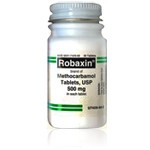
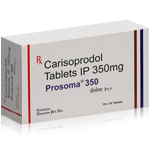
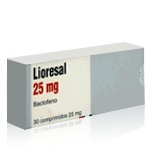
Buy Zanaflex (Tizanidine 2mg) Online - US Reference Brand Alpha 2 Agonist Muscle Relaxant for Spasticity

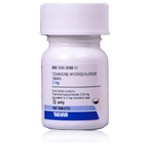
Zanaflex (Tizanidine 2mg) represents the original US brand name for tizanidine — the reference product that established alpha-2 adrenergic agonist therapy as first-line alternative to baclofen when Acorda Therapeutics received FDA approval in 1996. Globally known as Sirdalud (Novartis original brand from Sandoz Pharmaceuticals development), Zanaflex has become the recognized US brand for tizanidine spasticity therapy. Manufactured by both Sun Pharmaceutical Industries and HAB Pharmaceuticals India as bioequivalent generic under the Zanaflex reference brand, this product offers dual-manufacturer supply chain reliability combined with US original brand name recognition — advantages that appeal to patients preferring products associated with recognized US pharmaceutical brands.
Tizanidine works through selective activation of presynaptic alpha-2 adrenergic receptors in the spinal cord and supraspinal centers — a mechanism entirely distinct from baclofen (GABA-B), carisoprodol (CNS depression), or methocarbamol (general CNS depression). Alpha-2 receptor activation inhibits excitatory neurotransmitter release (norepinephrine, glutamate, aspartate, substance P) at spinal interneurons and reduces polysynaptic reflex activity mediating spasticity. Additional supraspinal alpha-2 activation reduces descending facilitation of spinal reflexes from brainstem centers. This produces marked reduction in muscle spasticity, reduced clonus and painful spasms, improved voluntary movement, and critically preserved muscle strength better than baclofen at therapeutic doses. Clinical response: relief within 1-2 hours of dosing, peak effect at 1-2 hours, consistent 6-8 hour spasticity control supporting TID dosing regimen.
Zanaflex serves both musculoskeletal painful spasms and neurological spasticity conditions. Musculoskeletal indications include painful muscle spasms from various causes, osteochondrosis with muscle guarding, spondylosis and cervical/lumbar syndromes, and post-surgical muscle spasms. Neurological indications include multiple sclerosis (MS) spasticity, spinal cord injury spasticity, syringomyelia, hemiplegia, chronic myelopathy, degenerative spinal cord diseases, cerebral circulatory disorders, stroke-related spasticity, traumatic brain injury spasticity, cerebral palsy, and seizures of central origin with spasticity component.
Zanaflex requires gradual dose titration starting at 2 mg TID with weekly increases to typical maintenance 6-24 mg daily divided TID. Peak concentrations at 1 hour, 2.5 hour half-life requires TID dosing. Extensive hepatic CYP1A2 metabolism — monitor liver function periodically. Contraindicated with ciprofloxacin and fluvoxamine. Sun Pharmaceutical Industries and HAB Pharmaceuticals India manufacture under WHO-GMP, US FDA quality standards.
Free prescription
Discrete packaging
Have questions?
Quality Assurance

- Muscle Spasticity: Upper motor neuron spasticity from various neurological causes;
- Osteochondrosis: Degenerative bone/cartilage disorder with muscle guarding responding to therapy;
- Spondylosis: Degenerative spine changes with associated muscle spasm and pain;
- Cervical Syndrome: Cervical spine muscle spasm from degenerative or postural causes;
- Lumbar Syndrome: Lower back muscle spasm with pain radiation responding to relaxation;
- Post Surgical Muscle Spasms: Muscle guarding after orthopedic or spine surgery;
- Multiple Sclerosis: MS-related spasticity as first-line alternative to baclofen therapy;
- Chronic Myelopathy: Chronic spinal cord dysfunction with spasticity from various causes;
- Syringomyelia: Spinal cord cyst formation with associated spasticity and pain;
- Hemiplegia Spasticity: One-sided paralysis with cerebral origin spasticity preferentially responding;
- Degenerative Spinal Cord Diseases: Progressive spinal cord disorders with spasticity component;
- Cerebral Circulatory Disorders: Chronic cerebrovascular disease with spasticity manifestations;
- Stroke Spasticity: Post-stroke muscle spasticity where alpha-2 agonists show particular efficacy;
- Craniocerebral Trauma: TBI-related residual spasticity responding to alpha-2 agonist therapy;
- Cerebral Palsy: Pediatric and adult CP patients as alternative to baclofen;
- Central Origin Seizures: Seizure disorders with spasticity component responding to muscle relaxation;
- Alpha 2 Agonist Muscle Therapy: Drug class targeting alpha-2 receptors for spasticity control;
- US Reference Brand Recognition: Zanaflex is US Acorda original brand for tizanidine recognized globally;
- Generic Zanaflex Therapy: Bioequivalent generic under US brand name at substantially lower cost.
- Less Muscle Pain and Stiffness: Muscle pain from spasm and guarding decreases as tension resolves;
- Less Muscle Spasticity: Marked spasticity reduction within 1-2 hours peak effect at 1-2 hours;
- Better Muscle Strength Preservation: Preserves strength better than baclofen at therapeutic doses;
- Better Cerebral Spasticity Control: Preferential efficacy for stroke and TBI spasticity;
- Better Range of Motion: Joint mobility improves as muscle tightness decreases;
- Better Physical Therapy Effectiveness: Physical therapy sessions more productive with spasticity controlled;
- Better Rapid Onset of Action: Relief begins within 1-2 hours of dosing supporting predictable timing;
- Better Sleep Quality: Sedating properties support improved sleep during spasticity therapy;
- Less Pain Medication Dependency: Effective muscle relaxation reduces need for opioids or other pain medications;
- Better Voluntary Movement: Reduced spasticity enables improved voluntary control and coordination;
- Better Cervical Pain Relief: Neck muscle spasm from postural or degenerative causes improves;
- Better Lumbar Pain Relief: Lower back muscle spasm from spondylosis or strain improves;
- Better Post Surgical Recovery: Orthopedic surgery patients experience less muscle guarding;
- Better MS Spasticity Management: Multiple sclerosis patients gain first-line alternative therapy;
- Better Post Stroke Recovery: Stroke recovery improves as cerebral spasticity is controlled;
- Better Rehabilitation Progress: Physical and occupational therapy more effective;
- Better Dual Manufacturer Supply Reliability: Sun Pharma and HAB dual production ensures consistent supply;
- Better Generic Cost: 85-95% lower cost than Acorda brand Zanaflex makes proven therapy accessible;
- Better Quality of Life: Daily wellbeing improves dramatically as spasticity and painful spasms resolve.
Generic Zanaflex (Tizanidine 2 mg) Medication guide:
🌐 Overview: Zanaflex (tizanidine) for spasticity
Zanaflex is a brand name for tizanidine, a centrally acting skeletal muscle relaxant that works as an alpha-2 adrenergic receptor agonist — the same mechanism family as clonidine. Zanaflex reduces spasticity by enhancing the inhibitory signals that normally regulate spinal reflex activity. It is used for spasticity from multiple sclerosis, spinal cord injury, cervical spondylotic myelopathy, and other upper motor neuron conditions, usually as an alternative or complement to baclofen.
Zanaflex has a short half-life of about 2.5 hours, meaning 3-times-daily dosing and treatment effect that fluctuates between doses. The short duration can be an advantage — patients can take doses when they need the effect (before specific activities, at night for sleep) and avoid them when they want to be fully alert. The short duration also means minimal accumulation and no severe withdrawal syndrome.
Enhances inhibitory signals in the spinal cord; same receptor family as clonidine
Half-life 2.5 hours; 3x daily dosing; can be timed to specific activities
Strategic dosing possible; take when effect is needed most
| 💊 Property | Zanaflex (tizanidine) |
|---|---|
| Chemical class | Imidazoline derivative; alpha-2 adrenergic agonist |
| Starting dose | 2 mg at bedtime or 2 mg every 6-8 hours; titrate up gradually |
| Target maintenance | 8-24 mg daily divided across 3 doses |
| Daily maximum | 36 mg total in 24 hours; no single dose above 16 mg |
| Half-life | About 2.5 hours (short-acting) |
| Metabolism | Hepatic via CYP1A2 — key interaction route |
| Primary indications | Spasticity from MS, spinal cord injury, cervical spondylotic myelopathy |
🚨 Three critical safety concerns
Zanaflex has three safety concerns that require specific awareness: significant drug interactions through CYP1A2 (particularly ciprofloxacin and fluvoxamine which can raise tizanidine levels 10-fold or more); hypotension (orthostatic and sustained), reflecting the alpha-2 mechanism; and hepatotoxicity requiring liver function monitoring during treatment. These are not reasons to avoid the drug — it works well for many patients — but they are reasons for careful selection and monitoring.
👩⚕️ Doctor pearl — Dr. Ingrid Weber
"The three things I emphasize at every new Zanaflex prescription: this drug can lower your blood pressure, so stand up slowly; it has a serious interaction with ciprofloxacin and some other medications, so always tell any prescriber about it; and we will check your liver tests periodically. Patients who understand these three things upfront have smoother treatment courses than those who find out about them only when problems arise."
💪 Spasticity and how Zanaflex addresses it
Spasticity is a condition of increased muscle tone with involuntary muscle tightening, exaggerated reflexes, and sometimes painful muscle spasms. It arises from damage to the upper motor neurons — the pathways from brain to spinal cord — which normally keep spinal reflex activity in balance. When this control is disrupted (through MS, spinal cord injury, stroke, cerebral palsy, or other conditions), muscles contract when they should relax, resist stretch inappropriately, and often produce painful tightness.
Zanaflex addresses spasticity by activating alpha-2 receptors on spinal cord interneurons, which enhances inhibitory signaling and reduces the hyperactive reflex activity. The mechanism is distinct from baclofen GABA-B agonism but produces similar clinical effects: reduced painful spasms, decreased baseline muscle tightness, and often improved range of motion. Many patients tolerate Zanaflex better than baclofen, or vice versa; the drugs are often tried sequentially or combined.
- Stiff, tight muscles at rest
- Difficulty with voluntary movement
- Involuntary muscle spasms
- Clonus (rhythmic contractions)
- Abnormal postures
- Painful muscle contractions
- Resistance to passive stretch
- Fewer painful spasms
- Reduced baseline muscle tightness
- Improved range of motion
- Easier physical therapy progress
- Better sleep (reduced night spasms)
- Easier caregiving and positioning
- Flexibility to time doses to activities
The goal of Zanaflex treatment is not to eliminate all muscle tone but to reduce problematic spasticity while preserving useful muscle function. Many patients with spasticity use their tone for standing, transferring, or ambulating with support; over-reducing it leaves them weaker and less functional. The short-acting nature of Zanaflex helps with this balance — patients can time doses to reduce spasticity when it is most problematic (nighttime, before painful activities) while allowing more tone at other times.
| 🤔 Spasticity feature | Typical Zanaflex response |
|---|---|
| Painful muscle spasms | Often substantial reduction; most reliable benefit |
| Clonus | Reduces frequency and severity |
| Baseline muscle tightness | Modest to moderate reduction |
| Night spasms disrupting sleep | Significant improvement with bedtime dose |
| Range of motion | Modest improvement; PT adds more |
| Underlying muscle weakness | Not improved; may worsen functional strength if dose too high |
💡 Zanaflex vs baclofen
For patients needing antispasticity treatment, Zanaflex and baclofen are the two main oral options. Comparative studies show similar efficacy but different side-effect profiles: baclofen produces more weakness and has a severe withdrawal syndrome; Zanaflex produces more hypotension and dry mouth and has the CYP1A2 interactions and hepatotoxicity concern. Many patients try both to see which they tolerate better. Some patients benefit from combination therapy at lower doses of each — this reduces side effects of each while maintaining spasticity control.
📋 When Zanaflex is prescribed — candidates and criteria
Zanaflex is prescribed for spasticity from upper motor neuron conditions where antispasticity therapy is clinically indicated. The decision between Zanaflex and baclofen considers side-effect tolerance, comorbidities, current medications (especially those that interact with CYP1A2), hepatic function, and blood pressure baseline.
🎯 Where Zanaflex fits
- Spasticity from MS, SCI, cervical spondylosis
- Patient tried or did not tolerate baclofen
- Need flexibility to time doses
- Nighttime spasms disrupting sleep
- Spasm triggered by specific activities
- Blood pressure can tolerate mild lowering
- No CYP1A2 inhibitor medications
- Normal baseline liver function
- Current ciprofloxacin or fluvoxamine use
- Severe hepatic impairment
- Significant baseline hypotension
- Severe orthostatic hypotension at baseline
- Pregnancy
- Elderly with multiple blood pressure medications
- History of hepatitis or elevated LFTs
- Combined antihypertensive therapy at full doses
| 🎯 Clinical scenario | Is Zanaflex appropriate? |
|---|---|
| MS spasticity, failed baclofen trial | Reasonable second-line choice |
| SCI with intermittent severe spasms | Good fit for short-acting profile; dose timing to spasm pattern |
| Patient on ciprofloxacin for recurrent UTI | Contraindicated; use baclofen or alternative |
| Older adult on multiple BP medications | Caution; start very low; monitor BP; consider baclofen |
| Cerebral palsy, young adult | Reasonable if baclofen not working or combination needed |
| Patient with elevated baseline ALT/AST | Caution; close LFT monitoring; may prefer alternative |
📋 Pre-start checklist
- Baseline liver function tests (ALT, AST, alkaline phosphatase)
- Baseline blood pressure including orthostatic readings
- Complete medication list — specifically check for CYP1A2 inhibitors (ciprofloxacin, fluvoxamine, cimetidine, zileuton)
- Antihypertensive regimen review for additive hypotension risk
- Falls history and current ambulatory status
- Pregnancy status for women of childbearing age
- Treatment goal clearly defined
- Dose timing plan matching patient spasticity pattern
The decision to start Zanaflex is often a specialist decision — neurologists managing MS, physiatrists managing SCI, or pain medicine specialists managing complex spasticity. Primary care initiation is less common because of the interaction concerns and LFT monitoring requirement. For patients who have already been evaluated and started on Zanaflex by a specialist, primary care can usually continue the prescription with appropriate monitoring.
🧬 How Zanaflex works: alpha-2 agonism and CYP1A2 metabolism
Zanaflex primary mechanism is activation of alpha-2 adrenergic receptors — particularly on presynaptic terminals in the spinal cord. This activation reduces the release of excitatory neurotransmitters (particularly glutamate and aspartate) from motor neuron inputs. The result is dampened spinal reflex activity and reduced hyperactive muscle contraction. The alpha-2 agonist mechanism is the same family as clonidine (used for high blood pressure) but tizanidine action is more selective for spinal receptors.
Binds presynaptic alpha-2 receptors on excitatory motor neuron inputs; reduces excitatory neurotransmitter release.
Reduces polysynaptic reflex activity; dampens muscle spasm circuits without major effect on monosynaptic reflexes.
Alpha-2 activation also reduces sympathetic outflow and causes vasodilation, producing the characteristic hypotension side effect.
Metabolized by CYP1A2 in the liver; this is the source of critical drug interactions and the hepatotoxicity concern.
The short half-life (2.5 hours) and rapid onset (within 1-2 hours) make Zanaflex effect time-correlated with doses. Patients feel the drug working, benefit from reduced spasticity for several hours, then feel the effect wane before the next dose. This fluctuating pattern is quite different from the smoother steady-state of baclofen or longer-acting drugs. It can be an advantage (strategic dosing) or a disadvantage (returning spasticity between doses) depending on the patient and condition.
| 🎯 Effect | Mechanism | Clinical result |
|---|---|---|
| Reduced spasticity | Spinal alpha-2 activation | Primary therapeutic benefit |
| Hypotension | Peripheral alpha-2 and reduced sympathetic outflow | Especially orthostatic; common cause of discontinuation |
| Dry mouth | Alpha-2 effect on salivary glands | Very common; often prominent |
| Sedation | CNS alpha-2 activation | Common; especially during titration |
| Muscle weakness | Reflex pathway inhibition | Dose-dependent; less than baclofen typically |
| Hepatotoxicity | Idiosyncratic liver injury | Uncommon but serious; LFT monitoring required |
🚨 CYP1A2 metabolism is critical
Zanaflex is almost entirely metabolized by the CYP1A2 enzyme in the liver. Drugs that inhibit CYP1A2 — particularly ciprofloxacin and fluvoxamine — can raise tizanidine plasma levels 10-fold or more, producing severe hypotension, extreme sedation, bradycardia, and dangerous drug toxicity. These combinations are absolute contraindications, not just cautions. Lesser CYP1A2 inhibitors (cimetidine, zileuton, oral contraceptives, acyclovir) raise levels less dramatically but still warrant dose adjustment or avoidance.
💊 Dosing: gradual titration and strategic timing
Zanaflex dosing requires careful gradual titration because of hypotension and sedation risks. Starting too high produces excessive side effects that can lead patients to abandon the drug before reaching an effective dose. The usual approach: start at 2 mg once or three times daily and titrate up by 2-4 mg every 1-4 days based on response and tolerance.
📈 Standard titration schedule
| 💊 Daily total | Divided schedule | Typical use |
|---|---|---|
| 2 mg daily (nighttime only) | 2 mg at bedtime | Starting dose; initial titration |
| 6 mg daily | 2 mg three times daily | Early titration; sensitive patients |
| 12 mg daily | 4 mg three times daily | Common early maintenance |
| 24 mg daily | 8 mg three times daily | Standard maintenance for many patients |
| 36 mg daily (maximum) | 12 mg three times daily | Maximum; no single dose above 16 mg |
🕐 Strategic dose timing
Because Zanaflex is short-acting, dose timing can be strategic rather than purely scheduled. Some patients benefit from timing doses before activities that reliably produce spasm (specific exercises, transfers, long sitting). Others use the bedtime dose to improve sleep from reduced night spasms. The 3-doses-daily pattern can be unevenly distributed (smaller morning, larger evening) if that fits the patient activity and spasticity pattern better.
⚠️ Capsule vs tablet food interaction
Zanaflex comes as both tablets and capsules. The bioavailability differs when taken with or without food, differently for each formulation: tablets have higher bioavailability when taken with food; capsules have higher bioavailability when taken fasting. Switching between tablet and capsule, or changing food timing, can produce clinically significant plasma level changes. Patients should take the same formulation consistently and keep the same relation to meals throughout treatment to avoid unexpected effect changes.
🚨 Dose reduction for CYP1A2 inhibitors
If a patient on Zanaflex requires a CYP1A2 inhibitor (such as cimetidine for ulcer disease, zileuton for asthma, or oral contraceptives), the Zanaflex dose needs significant reduction or an alternative drug should be considered. For strong inhibitors like ciprofloxacin and fluvoxamine, the combination is absolute contraindication — no dose adjustment makes it safe. For weaker inhibitors, dose reduction (sometimes to half or less of standard) with close monitoring may be acceptable.
Dose adjustment in special populations: Patients with hepatic impairment need caution; significantly lower doses are often needed. Patients with renal impairment (creatinine clearance less than 25 mL/min) also need dose reduction. Older adults should start at the lowest dose and titrate very slowly because of enhanced hypotension and falls risk.
📅 Timeline: titration period and effect assessment
Zanaflex effect appears relatively quickly — within 1-2 hours of each dose — and fades over 4-6 hours as the drug clears. The titration period to reach an effective maintenance dose typically takes 2-4 weeks, with gradual dose increases allowing the body to adapt to sedation and hypotension while finding the dose that controls spasticity acceptably.
📈 Timeline from first dose to stable maintenance
The 4-week assessment point is where the full effect at a tolerated maintenance dose should be clearly measurable. Before that, interim improvements reflect ongoing titration. If a reasonable dose has been reached and the response is clear, continuation is appropriate. If side effects limit tolerable dose reaching a level with meaningful spasticity benefit, switching to or combining with other antispasticity drugs is reasonable.
| 📅 Time point | What to assess | Decision point |
|---|---|---|
| Week 1 | Tolerability; BP response; sedation | Continue titration if tolerated; slow down if issues |
| Week 2-3 | Early spasticity response; dose timing refinement | Continue titration toward target dose |
| Week 4-6 | Full efficacy assessment; LFT check; stable response | Continue, adjust, or switch based on data |
| Month 3-6 | Sustained benefit; cumulative side effects; LFT recheck | Continue if response good and LFTs normal |
| Every 6-12 months | Ongoing response; LFT monitoring; condition changes | Adjust as needed |
📈 What success looks like at 4-6 weeks
- Reduced spasticity as measured by Modified Ashworth Scale (1-point drop or more)
- Fewer or less severe spasms per day/night
- Less spasticity-related pain
- Improved sleep without waking from spasms
- Easier physical therapy or daily movement
- Side effects tolerable — hypotension manageable; dry mouth managed; LFTs normal
- No falls related to orthostatic hypotension
⚠️ LFT monitoring timeline
The hepatotoxicity concern requires liver function monitoring during Zanaflex therapy. Standard practice: baseline LFTs before starting; repeat at 1, 3, and 6 months; then periodically thereafter during ongoing use. Elevations of ALT or AST more than 3 times the upper limit of normal require investigation; elevations more than 3 times with symptoms (jaundice, nausea, fatigue) or 5 times without symptoms warrant discontinuation.
📊 Measuring success with a short-acting drug
Measuring whether Zanaflex is working combines spasticity scales, functional outcomes, pain assessment, and side-effect balance. The short-acting nature means within-day fluctuation is expected — the drug effect peaks after each dose and wanes before the next. Measurement should account for this pattern rather than looking for continuous steady-state effect.
- Modified Ashworth Scale at peak dose time
- Tardieu Scale for velocity-dependent assessment
- Penn Spasm Frequency Scale
- Numeric pain rating
- Range of motion measurement
- Blood pressure readings
- Liver function tests
- Transfer independence
- Walking distance (if ambulatory)
- Activities of daily living
- Sleep quality and duration
- Falls history
- Dose-timing success for activities
- Quality of life
| 📊 What to track | How to track |
|---|---|
| Daily spasm count | Simple tally; note timing relative to doses |
| Pain level | Peak and trough ratings on 1-10 scale |
| Sleep interruption | Number of times woken by spasms |
| Blood pressure | Weekly home BP; include orthostatic readings |
| Specific functional task | Transfer, walking, dressing with/without dose timing |
| Side effects | Dry mouth severity, dizziness episodes, falls, fatigue |
📓 Simple diary approach
A brief daily note that takes less than a minute:
Date: Oct 17
Zanaflex dose: 4 mg x 3 (8am, 2pm, 10pm)
Spasms today: 3 (worst 6/10)
Pain level: 4/10 average
Sleep: 1 waking from spasm
Function: walked 100 m; transfer independent
BP morning: 118/72 standing (down from 132/82 sitting - mild orthostatic)
Side effects: moderate dry mouth; mild dizziness on standing
⚠️ Function matters more than scores
A patient whose Modified Ashworth Scale drops from 3 to 2 but who develops significant orthostatic hypotension and dry mouth that reduce quality of life is not clearly better off. The spasticity scales are useful but must be interpreted alongside functional outcomes and tolerability. The goal of Zanaflex is better overall function and comfort, not better numbers at the cost of worse side effects.
For patients who respond well without significant side effects, Zanaflex can continue indefinitely with periodic monitoring. For patients where side effects limit tolerable dose, the options include: lower dose with less effect, switch to baclofen, combination therapy with lower doses of both drugs, botulinum toxin for focal patterns, or non-pharmacological approaches. The combination strategy is particularly useful — low-dose Zanaflex plus low-dose baclofen often provides good spasticity control with fewer side effects than high-dose monotherapy with either.
👩⚕️ Doctor pearl — Dr. Ratana Suksomboon
"I measure Zanaflex response at peak dose time, not between doses. The drug is short-acting; its benefit comes in the few hours after each dose. If I examine a patient 5 hours after the last dose, I may conclude the drug is not working — but 90 minutes after a dose shows the real effect. Timing the assessment to the drug kinetics gives more accurate information for treatment decisions."
💊 CYP1A2 metabolism and critical drug interactions
Zanaflex is almost entirely metabolized by the CYP1A2 enzyme in the liver. This single-enzyme dependency creates major vulnerability to drug interactions that can dramatically raise tizanidine plasma levels. Understanding and managing CYP1A2 interactions is one of the most important aspects of safe Zanaflex prescribing.
🚨 Absolute contraindication combinations
- Ciprofloxacin — raises tizanidine plasma levels 10-fold or more
- Fluvoxamine — raises tizanidine plasma levels 33-fold
Either combination can produce severe hypotension, extreme sedation, bradycardia, and dangerous drug toxicity. These are absolute contraindications — no dose adjustment makes the combination safe.
| 💊 CYP1A2 inhibitor | Effect on tizanidine | Approach |
|---|---|---|
| Ciprofloxacin | 10-fold level increase | Absolutely contraindicated |
| Fluvoxamine | 33-fold level increase | Absolutely contraindicated |
| Other fluoroquinolones (norfloxacin, ofloxacin) | Variable; often significant | Avoid; use alternative antibiotic |
| Cimetidine | Moderate increase | Use ranitidine or PPI instead |
| Zileuton | Moderate increase | Use alternative asthma controller |
| Oral contraceptives | Mild to moderate increase | Lower Zanaflex dose; monitor for effects |
| Acyclovir, methotrexate, mexiletine, propafenone | Variable mild to moderate | Caution; monitor effects; dose adjustment may be needed |
💡 Why cigarette smoking matters
Cigarette smoke contains polycyclic aromatic hydrocarbons that induce CYP1A2, which increases tizanidine clearance. Patients who smoke heavily clear Zanaflex faster and may need slightly higher doses. Patients who stop smoking during Zanaflex treatment may experience increased tizanidine effect as the CYP1A2 induction wears off — this can look like side effects from the drug but is actually from the smoking cessation. Prescriber awareness of smoking status helps anticipate these shifts.
⚠️ UTI emergency scenario
A classic clinical scenario: a Zanaflex patient develops a UTI and the on-call doctor prescribes ciprofloxacin without knowing about the Zanaflex. The combination can produce severe hypotension within hours. Prevention requires patients carrying a current medication list at every encounter and explicitly mentioning Zanaflex to any prescriber. An alternative antibiotic (nitrofurantoin, trimethoprim-sulfamethoxazole, cephalexin) is appropriate for most UTIs and avoids the dangerous interaction.
👩⚕️ Doctor pearl — Dr. Dragan Jovic
"I counsel every new Zanaflex patient to say three words at any medical encounter: 'I take Zanaflex.' Those three words prevent most of the serious drug-interaction problems I have seen with this medication. Pharmacies catch the computer flags for ciprofloxacin and fluvoxamine, but an emergency department prescribing ciprofloxacin without the patient system record may miss it. The patient verbal mention is the most reliable safeguard."
🕐 Daily routine on Zanaflex
Building a sustainable daily routine with Zanaflex requires planning around the 3-times-daily short-acting pattern and the consistent food relationship (same formulation, same relation to meals). The flexible dose timing is one of Zanaflex strengths — doses can be matched to spasticity patterns, planned activities, or sleep needs.
🕐 A typical daily schedule
| 🎯 Pattern consideration | Approach |
|---|---|
| Morning stiffness worst | Take first dose with first fluids; allow 60 min before active movement |
| Nighttime spasms disrupt sleep | Bedtime dose; sometimes larger evening dose than morning |
| PT session scheduled | Time dose 60-90 min before so spasticity is reduced during session |
| Need alertness for work | Smaller morning dose; larger evening dose to shift sedation |
| Standing up from bed/chair | Slow transitions to prevent orthostatic hypotension |
| Driving to appointments | Avoid driving within 1-3 h of dose; or have someone else drive |
🚨 Consistent food relationship is critical
Zanaflex bioavailability changes significantly with food, differently for tablets vs capsules. Switching between taking with or without food can produce clinically significant changes in drug effect. Pick a pattern (always with food, or always without food) and stick with it consistently. Also do not switch between tablet and capsule formulations without discussing with the prescriber — the bioavailability differs.
📱 Reminder systems that work
- Phone alarms for each dose — 3 recurring alarms
- Pill organizer — weekly box with 3 compartments per day
- Linking to meals — consistent food relationship
- Medication card in wallet listing Zanaflex specifically
- Family partner reminders — particularly during titration
- Travel pill case for away-from-home periods
The short-acting nature means patients notice the drug effect waxing and waning through the day. Peak effect is 1-2 hours after each dose; waning begins around 4 hours post-dose. Patients become familiar with this pattern and often naturally time demanding activities (physical therapy, exercise, important meetings) for peak dose windows and lighter activities for the between-dose periods.
🚶 Physical therapy integration with strategic dose timing
Zanaflex works best in combination with physical therapy, not instead of it. The drug reduces the spasticity that would otherwise prevent effective exercise; physical therapy then uses the reduced-spasticity window to improve range of motion, strengthen underused muscles, retrain movement patterns, and prevent contractures. The short-acting profile of Zanaflex makes pre-session timing a particularly useful strategy.
Daily stretching of spastic muscles; particularly effective during peak Zanaflex effect
Antagonist muscle strengthening; opposing the spastic muscle groups
Specific tasks: standing, transferring, walking patterns, hand use
🕐 Timing Zanaflex around PT sessions
For patients attending physical therapy sessions, timing a dose 60-90 minutes before the session aligns the Zanaflex peak with the PT work. The therapist can address range of motion, stretching, and functional training during the reduced-spasticity window. This strategic timing is one of the specific advantages of a short-acting drug over longer-acting alternatives.
Home exercise programs extend the benefit of formal physical therapy sessions. Most PT programs include daily stretching and strengthening homework. On Zanaflex, these home programs become more productive when timed to peak dose windows. Consistency with the home program (ideally daily, aligned with a dose) often matters more for long-term outcomes than the frequency of formal sessions.
⚠️ Hypotension affects PT safety
Zanaflex orthostatic hypotension can affect PT activities — particularly those involving standing from sitting or lying positions. Patients should warn the therapist about the hypotension concern and rise slowly during position changes. For patients with significant orthostatic drops, the therapist can modify positioning strategies and incorporate graduated transitions.
✅ Occupational therapy adds complementary benefit
For spasticity affecting hand function and daily living activities, occupational therapy complements PT. OT focuses on tasks like dressing, eating, writing, using utensils, bathing. The Zanaflex-PT-OT combination addresses mobility, independence, and self-care together.
🌡️ Trigger management for spasticity
Several lifestyle factors influence spasticity severity and the effectiveness of Zanaflex treatment. Managing these factors deliberately often improves outcomes. Trigger patterns that worsen spasticity vary between patients but tend to cluster into predictable categories: temperature, infections, bladder/bowel issues, skin irritation, stress, and sleep.
🌡️ Common spasticity triggers
| 🎯 Trigger | Management |
|---|---|
| Urinary tract infection | Prompt treatment with non-fluoroquinolone antibiotic (avoid ciprofloxacin interaction) |
| Constipation | Fiber, fluids, scheduled bowel care; dry mouth may worsen constipation |
| Cold weather | Warm layers; gradual temperature changes |
| Heat (MS specifically) | Cool environments; cooling vests; adequate hydration |
| Pressure sores | Prevention; proper positioning; cushioning |
| Fatigue | Energy management; rest periods |
| Stress and anxiety | Relaxation techniques; stress management |
🚨 UTI treatment caution with Zanaflex
For Zanaflex patients who develop a UTI, ciprofloxacin is absolutely contraindicated. Alternative antibiotics include nitrofurantoin, trimethoprim-sulfamethoxazole, cephalexin, or amoxicillin-clavulanate depending on the organism and local resistance patterns. Patients should explicitly tell the prescribing doctor about Zanaflex whenever any antibiotic is being considered.
💧 Hydration during Zanaflex treatment
Adequate hydration serves several roles in spasticity management on Zanaflex. It reduces urinary tract infection risk (a major spasticity trigger that is particularly complicated to treat because of the ciprofloxacin contraindication), prevents constipation (worsened by dry mouth-induced reduced fluid intake), helps counteract orthostatic hypotension (volume depletion worsens the hypotension), and supports general health during a chronic condition.
2 to 2.5 L of water daily; dry mouth may make this feel like more
Frequent sips help both hydration and the dry mouth comfort
For SCI patients: coordinate intake with catheterization schedule
🔵 Hydration and orthostatic hypotension
Zanaflex orthostatic hypotension is worsened by volume depletion. Patients who are inadequately hydrated experience more significant BP drops on standing. Maintaining adequate daily fluid intake (not excessive, but consistent) helps blunt the orthostatic effect. During illness with reduced oral intake or fever with increased losses, extra attention to hydration or electrolyte replacement is appropriate.
✅ Practical hydration habits
- Water bottle beside each sitting spot — chair, bed, workstation
- Scheduled drinking at each dose and meal
- Variety of fluids — water, herbal tea, soup
- Straws for patients with grip limitations
- Sugar-free candies or gum for dry mouth
- Urine color check as practical indicator (pale yellow is well-hydrated)
- Last fluids 2-3 hours before bed if nocturia is a concern
⚠️ UTI prevention especially important
Because UTIs trigger spasticity worsening AND the preferred UTI antibiotic (ciprofloxacin) is contraindicated with Zanaflex, UTI prevention is particularly valuable. Adequate hydration is the simplest prevention strategy. For patients with recurrent UTIs, additional strategies (cranberry supplements if evidence-based, methenamine, prophylactic antibiotics of a non-ciprofloxacin type under specialist guidance) may be appropriate.
🥬 Nutrition during Zanaflex treatment
Nutrition during long-term Zanaflex treatment addresses the same needs as other chronic spasticity conditions — constipation prevention, bone health, muscle maintenance, general health — with some Zanaflex-specific considerations: the consistent food relationship required for stable drug effect, the dry mouth that can affect eating comfort, and the interaction with grapefruit juice (modest CYP3A4 effect on some metabolites).
- Fiber 25-30 g daily (constipation prevention)
- Calcium and vitamin D for bone health
- Protein for muscle maintenance
- Fluids coordinated with fiber
- Antioxidant-rich foods for general health
- Omega-3 fats may help in MS and other conditions
- Consistent food relationship with Zanaflex doses
- Soft, moist foods if dry mouth makes chewing difficult
- Smaller frequent meals if hypotension worsens with large meals
- Family or caregiver assistance when needed
- Dietitian input for complex situations
| 🤔 Specific concern | Dietary approach |
|---|---|
| Dry mouth affecting eating | Softer, moister foods; sauces and gravies; sips between bites |
| Postprandial hypotension | Smaller more frequent meals; sit for 30 min after eating |
| Constipation | Fiber-rich foods, adequate fluids, scheduled bowel routine |
| Weight gain from reduced activity | Appropriate calorie intake for reduced activity; preserve protein |
| Weight loss from difficulty eating | Nutrient-dense foods; smaller frequent meals; dietitian input |
| Grapefruit juice intake | Modest interaction; large amounts may slightly raise Zanaflex levels |
🔵 Why constipation prevention matters so much
Constipation is a triple problem on Zanaflex: dry mouth reduces fluid intake which worsens constipation; the alpha-2 effect itself slows gut motility; and bowel distension triggers more spasms. Preventing constipation through fiber plus fluids plus activity plus scheduled bowel care addresses the problem before it affects spasticity, dry mouth comfort, and quality of life.
⚠️ Alcohol concern with Zanaflex
Alcohol significantly enhances Zanaflex sedation and hypotension and should be minimized or avoided. Beyond the sedation concern, the combined BP effect can produce severe orthostatic symptoms and increase fall risk. For patients where social drinking has been important, the honest conversation with the prescriber about safe limits (if any) is better than silent accommodation.
🤝 Family communication — especially the interaction warnings
Spasticity conditions involve family members and caregivers — sometimes as primary care providers, sometimes as support partners. Clear communication about Zanaflex effects, specific interaction warnings, and daily routines keeps everyone on the same page and improves safety. The CYP1A2 interaction warning is particularly important for family to know about.
🤝 Core messages to share with family
- Zanaflex is a muscle relaxant for spasticity — usually long-term treatment
- Dose schedule — 3 times daily with consistent food relationship
- Expected side effects — dry mouth, drowsiness, dizziness on standing
- Standing up slowly — to prevent falls from BP drops
- CRITICAL: ciprofloxacin and fluvoxamine are contraindicated — must tell any prescriber
- LFT monitoring — periodic blood tests required
- Warning signs — severe sedation, confusion, yellowing of skin or eyes
- Emergency medication card — carried at all times
| 🏠 Scenario | Family communication |
|---|---|
| Hospital admission for other reason | Ensure Zanaflex continuation; CRITICAL: warn about ciprofloxacin |
| Trip to emergency department | State Zanaflex use explicitly; warn about interaction drugs |
| New prescription from different doctor | Check for CYP1A2 inhibitors and additional antihypertensives |
| UTI symptoms | Seek medical attention; explicitly request non-ciprofloxacin antibiotic |
| Noticing increased spasms suddenly | Think UTI/infection first; call prescriber if persists |
| Fall after standing up | Check BP; may need dose adjustment or orthostatic measures |
🚨 Emergency medication card for family
Patients on Zanaflex should carry an emergency medication card stating: "I take Zanaflex (tizanidine). DO NOT give me ciprofloxacin or fluvoxamine — these can cause severe toxicity. For UTI, use nitrofurantoin, trimethoprim-sulfamethoxazole, or cephalexin. For depression, avoid fluvoxamine; sertraline or escitalopram are safer." Family members should know this card exists and bring it to any emergency department visit.
Many caregivers benefit from formal spasticity management training — stretching techniques, transfer skills, positioning for comfort, recognizing trigger patterns, and the specific Zanaflex issues (BP checks, interaction awareness). Rehab centers, patient advocacy organizations, and specialty clinics often offer caregiver education programs.
✅ Caregiver well-being matters too
Chronic caregiving is physically and emotionally demanding. Caregivers of patients with spasticity often develop their own back pain, fatigue, and burnout. Respite care, support groups, mental health support, and shared responsibility help maintain the long-term sustainability of the care relationship.
🧠 Mental health — avoiding the fluvoxamine interaction
Chronic spasticity conditions — MS, SCI, cerebral palsy, stroke — carry a higher baseline rate of depression and anxiety than the general population. For Zanaflex patients specifically, there is an additional consideration: fluvoxamine, one of the SSRIs sometimes used for depression and OCD, is absolutely contraindicated with Zanaflex. This affects antidepressant selection for patients needing mental health treatment.
- Persistent low mood or hopelessness
- Loss of interest in activities
- Social withdrawal
- Sleep problems beyond spasticity-related
- Appetite changes
- Difficulty concentrating
- Anxiety about condition progression
- Thoughts of self-harm (seek immediate help)
- Counseling / therapy specific to chronic illness
- Antidepressant treatment when appropriate (NOT fluvoxamine)
- Peer support groups (condition-specific)
- Maintained social engagement
- Meaningful activities within capability
- Physical activity to the extent possible
- Treating comorbid pain adequately
- Involving family as support
| 🧠 Mental health approach | Compatibility with Zanaflex |
|---|---|
| Cognitive behavioral therapy | Fully compatible; often very helpful |
| SSRI — sertraline, escitalopram, citalopram | Compatible; preferred antidepressants on Zanaflex |
| SSRI — fluvoxamine (Luvox) | ABSOLUTELY CONTRAINDICATED — must not combine |
| SNRI — venlafaxine, duloxetine | Compatible; may help with pain and mood together |
| Tricyclic antidepressants | Enhanced sedation; dose caution |
| Mindfulness-based approaches | Compatible; useful for chronic pain and mood |
| Peer support groups | Compatible; reduces isolation |
🚨 Fluvoxamine absolutely contraindicated
Fluvoxamine (Luvox) is a strong CYP1A2 inhibitor that raises Zanaflex plasma levels 33-fold. The combination can produce severe hypotension, bradycardia, and dangerous drug toxicity. Fluvoxamine is less commonly prescribed than other SSRIs (sertraline, escitalopram, citalopram are more common first-line choices), so this issue arises mainly in patients being treated for OCD or in international practice patterns where fluvoxamine is more frequently used. Any mental health prescriber must know about the Zanaflex before selecting an antidepressant.
Patients with severe depression or suicidal ideation need mental health evaluation. Chronic illness is a risk factor; the physical disability makes some coping avenues harder. Mental health care is as important as physical care for long-term wellbeing with chronic spasticity conditions. For Zanaflex patients specifically, close coordination between the mental health prescriber and the spasticity prescriber helps avoid drug interaction problems.
🏃 Movement and exercise with hypotension awareness
Physical activity and movement are essential components of spasticity management. Zanaflex reduces the barrier that spasticity creates; movement then uses the opening to maintain function, prevent complications, and improve well-being. The specific activity varies based on the underlying condition, but every patient benefits from movement appropriate to their abilities.
Walking, pool exercise, gentle cycling; adapted gym equipment; yoga adapted for balance
Wheelchair fitness, upper body training, hand cycles, adapted strength training, swimming
Passive range of motion, assisted stretching, standing frames, caregiver-assisted exercise
| 🏃 Benefit of movement | Why it matters |
|---|---|
| Prevents contractures | Daily stretch keeps range; prevents permanent muscle shortening |
| Maintains cardiovascular health | Chronic conditions raise CV risk; activity counters this |
| Improves mood | Reduces depression and anxiety; counters chronic illness effects |
| Supports sleep | Daytime activity improves nighttime sleep quality |
| Prevents pressure sores | Movement redistributes skin pressure |
| Maintains bone density | Weight-bearing or resistance work keeps bones strong |
| Supports bowel function | Activity reduces constipation |
| Social participation | Group exercise or sports provides social connection |
🏊 Pool exercise is particularly valuable
Aquatic therapy is excellent for many spasticity patients. The water buoyancy reduces effective weight, letting patients move body parts they could not against gravity. The water warmth often reduces spasticity temporarily, creating wider range of movement. Many patients can move more freely in a pool than anywhere else, making this one of the most empowering exercise options.
🚨 Hypotension safety during exercise
Zanaflex orthostatic hypotension creates specific exercise safety concerns. Patients should: stand up slowly from exercise mats or benches; avoid sudden position changes; maintain hydration; have assistance available for transfers and challenging positions; stop and rest if feeling lightheaded. Pool exercise is less affected because the hydrostatic pressure of water actually helps BP; land-based exercises with position changes carry more hypotension risk.
For safety during exercise on Zanaflex, patients should: time exercise relative to doses (not immediately after a dose when sedation peaks); maintain hydration; avoid overexertion; have assistance available for transfers; stop if unusual symptoms develop. The exercise should feel sustainable, not exhausting.
👩⚕️ Doctor pearl — Dr. Eduardo Vargas
"I counsel my Zanaflex patients to think about exercise as a two-step process: first the slow rise, then the activity. Many of my patients have had falls or near-falls from standing up too quickly from a mat or chair during PT. The 30-second pause with legs dangling before fully standing prevents most of these events. Pairing this habit with the medication prevents a lot of avoidable incidents."
📓 Monitoring diary and LFT schedule
Keeping a brief monitoring diary during Zanaflex treatment helps patients and prescribers make better decisions. The diary should capture spasticity response, side-effect patterns (particularly BP readings and dry mouth severity), dose timing effects, and functional outcomes. Combined with the periodic liver function testing required for safe Zanaflex use, this creates a comprehensive monitoring picture.
📓 Monitoring diary during treatment
Weekly summary template:
Week of: Oct 13
Zanaflex: 4 mg three times daily (12 mg total)
Average daily spasms: 3 (down from 7-8 at baseline)
Pain level: 4/10 average (down from 6-7/10)
Sleep: better; 1 night waking (was 3-4)
BP range: 118-128 / 72-80 standing
Side effects: moderate dry mouth; mild orthostatic dizziness
LFTs last checked: Sep 15 (baseline normal)
Next LFT due: Dec 15 (3 months)
Function note: completed PT home exercises; walked 150 m
✅ LFT monitoring schedule
- Baseline: before starting Zanaflex
- 1 month after starting
- 3 months after starting
- 6 months after starting
- Then periodically — usually every 6-12 months during ongoing use
- Also check if any new symptoms suggest liver issues (fatigue, jaundice, nausea, abdominal pain)
- Also check if adding other hepatotoxic medications
Patients who come prepared with specific data get meaningfully better care than those who describe outcomes vaguely. The diary turns "it is working" or "I am not sure" into "spasms dropped from 8 per day to 3 at 12 mg daily, BP stable, LFTs normal, mild dry mouth but tolerable, no falls — continuing seems right."
⚠️ Home BP monitoring is particularly useful
For Zanaflex patients, home BP monitoring captures the orthostatic hypotension pattern that office visits may miss. A pattern of taking sitting and standing BP once a day (preferably at consistent times relative to doses) shows whether orthostatic drops are a problem. Significant drops (over 20 mm Hg systolic or over 10 mm Hg diastolic on standing) suggest the dose is causing meaningful hypotension and may need adjustment.
😴 Sleep management with Zanaflex
Sleep is particularly relevant for Zanaflex patients: spasms often disrupt sleep, Zanaflex itself promotes sleep through sedation, and poor sleep worsens spasticity the next day. The bedtime dose can be strategically used to improve overnight comfort — often with a slightly larger evening dose than morning when nighttime spasms are the primary concern.
The target is 7-9 hours per night at consistent timing. For Zanaflex patients, the bedtime dose timed 30-60 minutes before sleep can significantly reduce nighttime spasms, letting patients sleep through without being woken by muscle contractions.
😴 Sleep protocol for Zanaflex patients
- Consistent bedtime within 30 min same time nightly
- 7-9 hours total; chronic illness often needs upper end
- Cool, dark bedroom for deep sleep stages
- Bedtime dose 30-60 min before sleep for overnight spasm control
- Comfortable positioning — pillows and bolsters as needed
- Pre-sleep stretching often helps
- Screens off 60 minutes before bed
- No alcohol within 3 hours of bed (plus general caution with Zanaflex)
- Hydration tapered 2-3 hours before bed if nocturia is a problem
| 🌙 Sleep problem | Zanaflex-specific approach |
|---|---|
| Night spasms wake patient | Bedtime dose; slightly larger evening dose may help |
| Morning stiffness | Dose with first fluids; gentle morning stretches |
| Dry mouth waking patient | Bedside water; humidifier; sugar-free candies |
| Insomnia despite Zanaflex | Sleep hygiene first; CBT-I before adding more medications |
| Daytime sleepiness from bedtime dose | Earlier bedtime dose (8-9 pm instead of 11 pm) may help |
| Rising at night to urinate | Caution — orthostatic hypotension risk; sit at bedside before standing |
🚨 Nocturnal fall prevention
Zanaflex patients rising at night to urinate have significant fall risk from combined sedation, orthostatic hypotension, and underlying spasticity. Prevention includes: sitting at bedside for 30 seconds before standing; night light on bathroom path; grab bars near bed and in bathroom; bedside commode if transfers are difficult; limiting evening fluid intake to reduce nocturia frequency.
💡 Sleep apnea deserves attention
Patients who snore, feel unrefreshed after full nights of sleep, or wake with headaches may have obstructive sleep apnea. This is relevant on Zanaflex because the drug can mildly worsen respiratory depression during sleep. A sleep study often clarifies the picture; CPAP treatment often improves both the sleep and the daytime function.
⚠️ Side effects: hypotension, sedation, dry mouth, LFTs
Zanaflex side effects fall into four main categories: cardiovascular effects (hypotension, orthostatic hypotension), nervous system effects (sedation, dizziness, weakness), autonomic effects (dry mouth, constipation), and the serious but less common hepatotoxicity requiring LFT monitoring. Most patients experience some combination of the mild effects; the serious concerns are the hypotension-related falls and liver injury.
📊 Side effect frequency on Zanaflex (approximate)
- Dry mouth (very common)
- Mild drowsiness after doses
- Mild dizziness on standing
- Mild weakness feeling
- Occasional lightheadedness
- Mild constipation
- Severe hypotension or syncope
- Falls from orthostatic hypotension
- Significantly elevated LFTs
- Jaundice (yellow skin or eyes)
- Severe sedation affecting function
- Hallucinations
- Severe allergic reaction
- Bradycardia symptoms
🚨 Red flags — stop drug or seek emergency care
- Severe hypotension or syncope — emergency department
- Jaundice — stop drug immediately; hepatology evaluation
- LFTs greater than 3x upper limit with symptoms — discontinue
- Hallucinations — contact prescriber urgently
- Severe allergic reaction — emergency care
- Significant bradycardia symptoms
- Suspected drug interaction toxicity — emergency care
Most patients experience dry mouth and sedation as the main side effects. These are usually dose-related and often improve with titration adjustments. The serious concerns — severe hypotension causing falls, hepatotoxicity, drug interactions — are rarer but require specific vigilance and the monitoring regimens that make Zanaflex safe long-term.
👩⚕️ Doctor pearl — Dr. Grace Mwangi
"The hepatotoxicity concern with Zanaflex is real but manageable through the LFT monitoring schedule. Over 10 years of using Zanaflex, I have had a small handful of patients with significant LFT elevations — all caught by scheduled monitoring, all resolved with drug discontinuation. The patients who ignored monitoring recommendations and only came in when symptoms appeared were the ones with more serious liver injury. The 1-3-6 month schedule is cheap safety that works."
🤢 Managing Zanaflex-related dry mouth
Dry mouth affects 50-80% of patients on Zanaflex and is the most common side effect. The alpha-2 effect on salivary glands produces this dryness, which can be mild to severe depending on dose and individual sensitivity. Managing it well lets patients continue therapy comfortably; ignoring it can lead to dental problems, difficulty eating, and discontinuation.
Frequent small sips through day; water bottle always within reach
Sugar-free gum or lozenges stimulate saliva flow; xylitol is particularly helpful
Artificial saliva sprays or gels for moderate-severe cases; oral moisturizers at bedtime
| 🤔 Scenario | Approach |
|---|---|
| Mild dry mouth, manageable | Hydration + sugar-free gum usually adequate |
| Moderate dry mouth affecting speech or eating | Add saliva substitutes; consider dose reduction |
| Dry mouth with new dental cavities | Fluoride toothpaste; dental consult; aggressive prevention |
| Dry mouth waking at night | Bedside water; oral moisturizing gel at bedtime; humidifier |
| Severe persistent dry mouth | Consider dose reduction or switch to baclofen |
🦽 Dental care matters more
Dry mouth from Zanaflex significantly raises cavity risk. Patients on Zanaflex should: brush twice daily with fluoride toothpaste, floss daily, use fluoride mouth rinse before bed, see the dentist every 6 months rather than yearly, and mention Zanaflex to the dentist. Prescription-strength fluoride may be appropriate for cavity-prone patients.
✅ Specific products that help
- Sugar-free gum with xylitol: chew during stretches when dry mouth is worst
- Xylitol lozenges: good for meeting situations
- Oral moisturizing gels: apply at bedtime
- Alcohol-free mouthwash: alcohol worsens dryness
- Humidifier at bedside: particularly helpful during heating season
- Lip balm: dry mouth often comes with dry lips
- Avoid tobacco: significantly worsens dry mouth
- Prescription saliva stimulants (pilocarpine) for severe cases — specialist decision
If dry mouth remains intolerable despite management strategies, switching to baclofen is a reasonable option. Baclofen has less prominent dry mouth though more weakness. For patients who respond to Zanaflex but cannot tolerate the dry mouth, combination therapy (lower-dose Zanaflex plus lower-dose baclofen) sometimes maintains spasticity control with less dry mouth than higher-dose Zanaflex alone.
🖤 Managing Zanaflex-related hypotension
Orthostatic hypotension (BP drop on standing) is a characteristic effect of Zanaflex arising from its alpha-2 agonist mechanism. The drop appears most prominently during titration and within 1-2 hours of each dose. Management combines careful positioning habits, dose adjustments, and awareness of situations that worsen the effect.
🚨 Hypotension warning signs
- Dizziness on standing (especially from lying or sitting)
- Blurred vision briefly after standing
- Lightheadedness during position changes
- Near-syncope (feeling about to pass out)
- Syncope (actually passing out)
- Falls from BP drops
- BP drop over 20 mm Hg systolic on standing (orthostatic measurement)
- Compensatory tachycardia on standing
- Stand up slowly from sitting or lying
- Sit at bedside 30 seconds before standing
- Hold onto furniture or wall when standing
- Pump calf muscles before standing
- Rise in stages: lying to sitting, pause, then stand
- Avoid prolonged standing still
- Sit if feeling lightheaded
- Adequate hydration (not excessive)
- Normal salt intake (not restricted)
- Compression stockings for severe cases
- Smaller more frequent meals
- Elevate head of bed slightly
- Avoid hot showers right after dose
- Dose timing adjustment
- Dose reduction if persistent
| 🤔 Scenario | Approach |
|---|---|
| Mild dizziness on standing | Continue with careful standing habits; usually improves with titration |
| Significant orthostatic drop | Dose reduction; split doses more; morning smaller than evening |
| Falls from standing up | Prompt dose reduction; fall prevention measures; formal evaluation |
| Syncope | Emergency evaluation; discontinue or significantly reduce; rule out other causes |
| BP already low on other medications | Review BP medication regimen; may need adjustment |
| Dehydration from illness | Aggressive rehydration; temporary Zanaflex hold if severe |
⚠️ Situations that worsen Zanaflex hypotension
- Standing up quickly from sitting or lying
- Hot environment or hot shower
- Large meals (postprandial hypotension)
- Dehydration from inadequate intake or illness
- Antihypertensive medications at full doses
- Alcohol (vasodilator plus sedative)
- CYP1A2 inhibitors raising Zanaflex levels
- Rebound hypertension after sudden stopping (as with other alpha-2 agonists)
🚗 Driving and daily operation on Zanaflex
Driving on Zanaflex requires caution because sedation, dizziness, and hypotension-related symptoms are common. Many patients at stable maintenance doses can drive safely during the inter-dose windows once their body has adjusted; others find Zanaflex impairs them enough that driving should be avoided throughout treatment. Honest self-assessment is essential.
- During titration: avoid driving until stable
- After dose increase: wait at least a week to assess
- Stable dose, no symptoms: usually OK between doses
- Peak dose window (1-3 h post-dose): no driving
- Stable with mild symptoms: short local only
- Combined medications: reassess
- Current dose above 24 mg daily
- Recent dose increase
- Alcohol same day
- Other sedating or BP-lowering medications
- Older age
- Early morning or late night driving
- Monotonous highway driving
- Fatigue baseline
| 🕐 Time pattern | Driving appropriateness |
|---|---|
| Within 1-3 h of dose | Avoid driving — peak sedation and hypotension window |
| 3-5 h after dose | Short local drives if alert and symptom-free |
| Pre-dose window | Often best driving window; least sedation |
| Night driving | Caution; fatigue plus bedtime dose effect |
| Long highway drives | Breaks every 90 min; stop if drowsy |
| After alcohol | Zero drinks if driving same day on Zanaflex |
⚠️ Commercial driving
Commercial drivers (truck, bus, airline, taxi) should discuss Zanaflex use with occupational medicine. The combined sedation and hypotension profile is often disqualifying for commercial operations. Alternative antispasticity treatments or lower doses may be more appropriate for patients whose employment depends on driving ability.
📕 Self-assessment before driving
- Are you fully alert? Not just awake — alert
- How long since last dose? Pre-dose better than post-dose
- Any dizziness or lightheadedness?
- Any new medications? Interactions may increase sedation
- Have you had alcohol? Zero alcohol with Zanaflex for driving
- Is the trip essential? Can someone else drive?
- Is weather or traffic challenging?
👨🦳 Older adults — falls and hypotension focus
Older adults using Zanaflex require particular caution because of the combination of enhanced sedation sensitivity, higher falls risk from hypotension, slower drug clearance, and often multiple antihypertensive medications that stack with the Zanaflex BP effect. Dose reduction and closer monitoring are standard approaches.
| 👴 Age-related consideration | Adjustment |
|---|---|
| Reduced kidney function | Dose reduction based on creatinine clearance; recheck periodically |
| Increased hypotension sensitivity | Lower starting dose; slower titration; home BP monitoring |
| Falls risk | Lower overall doses; environmental fall prevention; grab bars |
| Polypharmacy | Medication review; avoid stacking sedatives and BP-lowering drugs |
| Cognitive issues | May worsen; monitor; family involvement |
| Dry mouth and dental care | Already common in older adults; Zanaflex worsens; dental prevention important |
⚠️ Renal function check is essential
Older adults with reduced kidney function clear Zanaflex more slowly, leading to accumulation. A serum creatinine with calculated clearance at baseline and periodically catches this. Patients with clearance less than 25 mL/min need dose reduction; some patients should avoid Zanaflex entirely at severe renal impairment.
🚨 Falls prevention is critical
Older adults on Zanaflex have significantly elevated fall risk from the combined effects of sedation, hypotension, muscle weakness, and the underlying condition. Fall prevention measures — removing floor clutter, grab bars, non-slip rugs, adequate lighting, assistive devices, sitting at bedside before standing, bedside commode if needed — are core parts of the treatment plan. A fall with hip fracture in an older patient can mean permanent loss of independence.
📋 Older adult Zanaflex checklist
- Baseline renal function (creatinine clearance)
- Baseline LFTs
- Baseline BP with orthostatic measurements
- Medication reconciliation for sedating drugs and antihypertensives
- Specifically check for CYP1A2 inhibitors
- Fall history and risk assessment
- Home safety evaluation
- Family or caregiver awareness
- Low starting dose (2 mg once daily) and very slow titration
- Periodic reassessment of risk-benefit
For some older patients, alternative antispasticity approaches may be more appropriate than oral Zanaflex. Baclofen is a reasonable alternative (different side-effect profile; no CYP1A2 interactions; but weakness and withdrawal concerns). Botulinum toxin for focal spasticity avoids systemic effects. Non-pharmacological approaches may provide enough benefit for mild cases.
🤰 Pregnancy and breastfeeding with Zanaflex
Zanaflex use during pregnancy has limited safety data. Animal studies have shown adverse effects at high doses; human experience is modest. The default position is to avoid Zanaflex in pregnancy when alternatives work, with careful risk-benefit discussion for the specific pregnant patient when alternatives are inadequate.
| 🤰 Period | Guidance |
|---|---|
| Pregnancy planning | Discuss with specialist; some patients can taper to baclofen; others need continued treatment |
| First trimester | Prefer non-drug management if possible; close monitoring if continued |
| Second-third trimester | Can be used sparingly if symptoms disabling; lowest effective dose |
| Near delivery | Specialist coordination; neonatal team informed |
| Breastfeeding | Limited data on milk transfer; usually prefer alternatives; monitor infant if used |
Most women with spasticity who need pharmacologic treatment during pregnancy are managed with baclofen (which has slightly more pregnancy experience) rather than Zanaflex. For women who are stable on Zanaflex and plan pregnancy, the preconception discussion often includes switching to baclofen during pregnancy and potentially returning to Zanaflex after delivery and breastfeeding.
⚠️ Oral contraceptive interaction
Oral contraceptives are mild CYP1A2 inhibitors that can raise Zanaflex plasma levels modestly. The combination is not contraindicated but may require Zanaflex dose adjustment. Women taking Zanaflex should mention the oral contraceptive to the prescriber for potential dose refinement. This also means that stopping an oral contraceptive can increase Zanaflex clearance and reduce effect, requiring upward dose adjustment.
⚠️ Avoid in pregnancy if alternatives work
The default position is to avoid Zanaflex in pregnancy if alternatives control spasticity. For severe spasticity requiring continued treatment, baclofen is often preferred for pregnancy; intrathecal baclofen pump may be considered for patients needing stronger spasticity control with less systemic exposure.
Breastfeeding on Zanaflex has limited data. The drug likely transfers in small amounts. Most breastfeeding mothers can use Zanaflex briefly when needed with monitoring for infant sedation; however, given the available alternatives, the usual approach is to avoid Zanaflex during active breastfeeding when possible. Baclofen has slightly more breastfeeding safety data and is often preferred when a muscle relaxant is needed.
| 🤕 Pregnancy scenario | Approach |
|---|---|
| Pregnancy planning on Zanaflex | Discuss switch to baclofen preconception if feasible |
| Accidental conception while on Zanaflex | Specialist consultation; consider switch to baclofen; MFM involvement |
| Severe spasticity requiring treatment during pregnancy | Specialist decision; baclofen preferred; Zanaflex only if baclofen inadequate |
| Breastfeeding period | Prefer alternatives; limited data on infant exposure |
| Postpartum spasticity returning | Can resume Zanaflex after breastfeeding; or stay on baclofen |
📋 Pregnancy registries
If you take Zanaflex during pregnancy, consider enrolling in a pregnancy registry for the drug if one exists. These registries collect long-term outcome data that improves safety information for future patients. Your prescriber can direct you to the appropriate registry.
👶 Pediatric considerations with Zanaflex
Zanaflex use in pediatric patients is not well established. The drug is approved for adults with spasticity; pediatric data on efficacy and safety is limited. In practice, Zanaflex is sometimes used off-label for severe spasticity in children with cerebral palsy or other neurologic conditions, but typically only after other options have failed and under specialist supervision.
⚠️ Pediatric use is specialist territory
Zanaflex in children should always involve a pediatric neurology or physiatry specialist. The usual preferred agents for pediatric spasticity are baclofen (more pediatric experience) and diazepam for short-term use. Botulinum toxin injections for focal spasticity avoid systemic exposure. Intrathecal baclofen is used for severe cases. Oral Zanaflex comes later in the ladder for most pediatric patients.
| 👶 Age group | Zanaflex approach |
|---|---|
| Under 2 years | Not used; alternatives preferred |
| 2-6 years | Rare specialist use; very low doses; alternatives usually tried first |
| 7-11 years | Possible for refractory spasticity; specialist-managed |
| 12-17 years | Can be used similar to adults; weight-based dosing; close monitoring |
| 18+ years | Standard adult protocol |
🏫 School-age considerations
- Sedation can affect schoolwork — dose timing to minimize classroom drowsiness
- School nurse involved for any mid-day doses
- Teachers informed about medication effects without stigma
- Physical education adjusted for muscle weakness and hypotension
- Falls awareness among school staff
- LFT monitoring similar schedule to adults
- Growth and development tracked periodically
- Family coordination around complex care
👶 Pediatric considerations with Zanaflex
Zanaflex use in pediatric patients is not well established. The drug is approved for adults with spasticity; pediatric data on efficacy and safety is limited. In practice, Zanaflex is sometimes used off-label for severe spasticity in children with cerebral palsy or other neurologic conditions, but typically only after other options have failed and under specialist supervision.
⚠️ Pediatric use is specialist territory
Zanaflex in children should always involve a pediatric neurology or physiatry specialist. The usual preferred agents for pediatric spasticity are baclofen (more pediatric experience) and diazepam for short-term use. Botulinum toxin injections for focal spasticity avoid systemic exposure. Intrathecal baclofen is used for severe cases. Oral Zanaflex comes later in the ladder for most pediatric patients.
| 👶 Age group | Zanaflex approach |
|---|---|
| Under 2 years | Not used; alternatives preferred |
| 2-6 years | Rare specialist use; very low doses; alternatives usually tried first |
| 7-11 years | Possible for refractory spasticity; specialist-managed |
| 12-17 years | Can be used similar to adults; weight-based dosing; close monitoring |
| 18+ years | Standard adult protocol |
🏫 School-age considerations
- Sedation can affect schoolwork — dose timing to minimize classroom drowsiness
- School nurse involved for any mid-day doses
- Teachers informed about medication effects without stigma
- Physical education adjusted for muscle weakness and hypotension
- Falls awareness among school staff
- LFT monitoring similar schedule to adults
- Growth and development tracked periodically
- Family coordination around complex care
💊 Drug interactions — CYP1A2 is key
Zanaflex has several clinically important drug interactions, driven primarily by its metabolism through CYP1A2. Inhibitors of this enzyme dramatically raise Zanaflex plasma levels and can produce severe hypotension and sedation; inducers lower levels and reduce effect. A medication review for CYP1A2 interactions is essential before and during Zanaflex therapy.
🚨 Absolute contraindications — never combine
- Ciprofloxacin — raises Zanaflex levels up to 10-fold
- Fluvoxamine — raises Zanaflex levels up to 33-fold
| 💊 Medication | Interaction type | Clinical significance |
|---|---|---|
| Ciprofloxacin | Strong CYP1A2 inhibitor | CONTRAINDICATED — severe hypotension risk |
| Fluvoxamine | Strong CYP1A2 inhibitor | CONTRAINDICATED — most dangerous interaction |
| Oral contraceptives | Mild CYP1A2 inhibitor | May need Zanaflex dose adjustment |
| Cimetidine | CYP1A2 inhibitor | Avoid; use alternative H2 blocker (famotidine) |
| Mexiletine, propafenone | CYP1A2 inhibitors | Caution; dose adjustments; alternative antiarrhythmics |
| Antihypertensives | Additive BP lowering | Dose coordination; home BP monitoring |
| Alcohol | Additive sedation and hypotension | Minimize or avoid |
| CNS depressants | Additive sedation | Caution with benzodiazepines, opioids, sedating antihistamines |
| Smoking cessation | Removes CYP1A2 induction | Zanaflex levels may rise after quitting; may need dose reduction |
⚠️ The smoking factor
Cigarette smoke contains polycyclic aromatic hydrocarbons that induce CYP1A2, speeding Zanaflex metabolism. Smokers often need higher Zanaflex doses than nonsmokers to get the same effect. If a smoker quits smoking while on Zanaflex, levels can rise significantly over 1-2 weeks and may require dose reduction to avoid new side effects. Mention smoking status honestly to the prescriber.
✅ Safer antibiotic alternatives
When a Zanaflex patient needs antibiotics, avoid ciprofloxacin. Safer options for most indications: amoxicillin, cephalosporins, levofloxacin or moxifloxacin (not CYP1A2 inhibitors despite being fluoroquinolones), azithromycin, or trimethoprim-sulfamethoxazole. Pharmacist consultation when prescribing antibiotics for Zanaflex patients prevents many dangerous interactions.
💊 Drug interactions — CYP1A2 is key
Zanaflex has several clinically important drug interactions, driven primarily by its metabolism through CYP1A2. Inhibitors of this enzyme dramatically raise Zanaflex plasma levels and can produce severe hypotension and sedation; inducers lower levels and reduce effect. A medication review for CYP1A2 interactions is essential before and during Zanaflex therapy.
🚨 Absolute contraindications — never combine
- Ciprofloxacin — raises Zanaflex levels up to 10-fold
- Fluvoxamine — raises Zanaflex levels up to 33-fold
| 💊 Medication | Interaction type | Clinical significance |
|---|---|---|
| Ciprofloxacin | Strong CYP1A2 inhibitor | CONTRAINDICATED — severe hypotension risk |
| Fluvoxamine | Strong CYP1A2 inhibitor | CONTRAINDICATED — most dangerous interaction |
| Oral contraceptives | Mild CYP1A2 inhibitor | May need Zanaflex dose adjustment |
| Cimetidine | CYP1A2 inhibitor | Avoid; use alternative H2 blocker (famotidine) |
| Mexiletine, propafenone | CYP1A2 inhibitors | Caution; dose adjustments; alternative antiarrhythmics |
| Antihypertensives | Additive BP lowering | Dose coordination; home BP monitoring |
| Alcohol | Additive sedation and hypotension | Minimize or avoid |
| CNS depressants | Additive sedation | Caution with benzodiazepines, opioids, sedating antihistamines |
| Smoking cessation | Removes CYP1A2 induction | Zanaflex levels may rise after quitting; may need dose reduction |
⚠️ The smoking factor
Cigarette smoke contains polycyclic aromatic hydrocarbons that induce CYP1A2, speeding Zanaflex metabolism. Smokers often need higher Zanaflex doses than nonsmokers to get the same effect. If a smoker quits smoking while on Zanaflex, levels can rise significantly over 1-2 weeks and may require dose reduction to avoid new side effects. Mention smoking status honestly to the prescriber.
✅ Safer antibiotic alternatives
When a Zanaflex patient needs antibiotics, avoid ciprofloxacin. Safer options for most indications: amoxicillin, cephalosporins, levofloxacin or moxifloxacin (not CYP1A2 inhibitors despite being fluoroquinolones), azithromycin, or trimethoprim-sulfamethoxazole. Pharmacist consultation when prescribing antibiotics for Zanaflex patients prevents many dangerous interactions.
🦠 Hepatotoxicity monitoring and response
Hepatotoxicity is Zanaflex's most serious known safety concern. Clinically significant LFT elevations occur in about 5% of patients; most are mild and reversible, but rare cases of acute liver failure have been reported. The monitoring regimen catches most problems before they become serious, and prompt discontinuation when LFTs rise significantly almost always leads to recovery.
| 🧪 LFT finding | Action |
|---|---|
| Normal LFTs | Continue; recheck per schedule |
| Mild elevation (less than 3x ULN) no symptoms | Continue; recheck in 2-4 weeks; look for other causes |
| Elevation 3-5x ULN no symptoms | Consider dose reduction or hold; recheck frequently |
| Elevation greater than 5x ULN | Discontinue Zanaflex; evaluate for other causes |
| Any elevation plus symptoms | Discontinue immediately; hepatology evaluation |
| Jaundice | Emergency evaluation; discontinue; hospitalization may be needed |
🚨 Symptoms suggesting liver problems
- Jaundice (yellow skin or eyes)
- Dark urine (tea-colored)
- Pale stools
- Right upper quadrant pain
- Unusual fatigue or weakness
- Nausea or vomiting
- Loss of appetite
- Itching (pruritus)
- Easy bruising or bleeding
📊 Patients at higher hepatotoxicity risk
- Pre-existing liver disease — use with extreme caution or avoid
- Hepatitis B or C infection
- Significant alcohol use
- Multiple hepatotoxic medications
- Older age
- Prior hepatotoxic drug reactions
- Fatty liver disease
Patients who have a hepatotoxic reaction to Zanaflex should typically avoid future rechallenge. Alternative antispasticity options should be used. Document the reaction clearly in the medical record so future prescribers do not restart it.
🦠 Hepatotoxicity monitoring and response
Hepatotoxicity is Zanaflex's most serious known safety concern. Clinically significant LFT elevations occur in about 5% of patients; most are mild and reversible, but rare cases of acute liver failure have been reported. The monitoring regimen catches most problems before they become serious, and prompt discontinuation when LFTs rise significantly almost always leads to recovery.
| 🧪 LFT finding | Action |
|---|---|
| Normal LFTs | Continue; recheck per schedule |
| Mild elevation (less than 3x ULN) no symptoms | Continue; recheck in 2-4 weeks; look for other causes |
| Elevation 3-5x ULN no symptoms | Consider dose reduction or hold; recheck frequently |
| Elevation greater than 5x ULN | Discontinue Zanaflex; evaluate for other causes |
| Any elevation plus symptoms | Discontinue immediately; hepatology evaluation |
| Jaundice | Emergency evaluation; discontinue; hospitalization may be needed |
🚨 Symptoms suggesting liver problems
- Jaundice (yellow skin or eyes)
- Dark urine (tea-colored)
- Pale stools
- Right upper quadrant pain
- Unusual fatigue or weakness
- Nausea or vomiting
- Loss of appetite
- Itching (pruritus)
- Easy bruising or bleeding
📊 Patients at higher hepatotoxicity risk
- Pre-existing liver disease — use with extreme caution or avoid
- Hepatitis B or C infection
- Significant alcohol use
- Multiple hepatotoxic medications
- Older age
- Prior hepatotoxic drug reactions
- Fatty liver disease
Patients who have a hepatotoxic reaction to Zanaflex should typically avoid future rechallenge. Alternative antispasticity options should be used. Document the reaction clearly in the medical record so future prescribers do not restart it.
🍷 Alcohol and Zanaflex
Alcohol and Zanaflex interact in problematic ways: both produce sedation and hypotension, both are metabolized by the liver, and both have central nervous system depressant effects. The combination significantly increases falls risk, impairment, and the hepatotoxicity concerns inherent to Zanaflex.
🚨 Alcohol concerns on Zanaflex
- Additive sedation — dangerous drowsiness
- Additive hypotension — falls, syncope
- Impaired coordination — falls, accidents
- Combined hepatotoxicity — synergistic liver injury
- Dehydration from alcohol — worsens hypotension
- Dry mouth worsens — alcohol dehydrates
- Driving significantly dangerous — zero alcohol if driving
| 🍷 Scenario | Approach |
|---|---|
| Daily drinking | Not compatible with safe Zanaflex use; discuss reduction or alternative |
| Occasional social drinking | Minimize; one drink maximum; separate from Zanaflex doses; no driving |
| Special occasion | Can usually have one drink with awareness; stay seated longer; have escort |
| Patient with alcohol use disorder | Zanaflex not safe; alternative spasticity treatment; addiction treatment |
| Elevated LFTs | Zero alcohol while LFTs abnormal |
⚠️ The honest conversation
Patients should discuss alcohol use honestly with the prescriber. Hiding daily drinking while on Zanaflex sets up predictable problems: unexpected sedation, falls, LFT elevations attributed to the drug when alcohol was the main driver. An honest conversation lets the prescriber tailor Zanaflex dosing, choose different drugs, or address alcohol use. Zanaflex and ongoing significant drinking are not compatible.
🍷 Alcohol and Zanaflex
Alcohol and Zanaflex interact in problematic ways: both produce sedation and hypotension, both are metabolized by the liver, and both have central nervous system depressant effects. The combination significantly increases falls risk, impairment, and the hepatotoxicity concerns inherent to Zanaflex.
🚨 Alcohol concerns on Zanaflex
- Additive sedation — dangerous drowsiness
- Additive hypotension — falls, syncope
- Impaired coordination — falls, accidents
- Combined hepatotoxicity — synergistic liver injury
- Dehydration from alcohol — worsens hypotension
- Dry mouth worsens — alcohol dehydrates
- Driving significantly dangerous — zero alcohol if driving
| 🍷 Scenario | Approach |
|---|---|
| Daily drinking | Not compatible with safe Zanaflex use; discuss reduction or alternative |
| Occasional social drinking | Minimize; one drink maximum; separate from Zanaflex doses; no driving |
| Special occasion | Can usually have one drink with awareness; stay seated longer; have escort |
| Patient with alcohol use disorder | Zanaflex not safe; alternative spasticity treatment; addiction treatment |
| Elevated LFTs | Zero alcohol while LFTs abnormal |
⚠️ The honest conversation
Patients should discuss alcohol use honestly with the prescriber. Hiding daily drinking while on Zanaflex sets up predictable problems: unexpected sedation, falls, LFT elevations attributed to the drug when alcohol was the main driver. An honest conversation lets the prescriber tailor Zanaflex dosing, choose different drugs, or address alcohol use. Zanaflex and ongoing significant drinking are not compatible.
🩺 Surgery and perioperative Zanaflex
Patients on Zanaflex scheduled for surgery or procedures need coordination between the prescribing physician, surgeon, and anesthesia team. The main considerations are hypotension potentiation during anesthesia, sedation interactions with anesthetic agents, and the question of whether to continue, hold, or taper Zanaflex perioperatively.
| 🩺 Procedure type | Zanaflex approach |
|---|---|
| Minor outpatient (local anesthesia) | Continue; inform provider |
| Dental procedures | Continue; dentist aware; avoid IV sedation if possible |
| Endoscopy with sedation | Hold morning dose; take with lunch after |
| General anesthesia | Anesthesia preassessment; often held morning of; usual dose evening |
| Major surgery with ICU | Specialist coordination; usually held during ICU with gradual restart |
| Spine surgery for spasticity | Highly specialized coordination; neurosurgery team coordinates |
📋 Pre-surgical Zanaflex checklist
- Inform surgeon about Zanaflex at consultation
- Inform anesthesia at preoperative assessment
- Current dose and duration documented
- LFTs within 3 months noted
- Baseline BP including orthostatic noted
- Hold or continue decision made explicitly
- Postoperative restart plan clear
- Spasticity rebound plan for prolonged hold
- Fall prevention during hospital stay
- Alternative antispasticity if long hold needed
⚠️ Rebound hypertension on sudden stopping
Like other alpha-2 agonists (clonidine family), abrupt Zanaflex discontinuation can produce rebound hypertension and tachycardia in some patients, particularly after chronic use at higher doses. If Zanaflex needs to be held for surgery for more than a few days, discuss gradual tapering before stopping. The anesthesia team should know about chronic alpha-2 agonist use for appropriate perioperative BP management.
🩺 Surgery and perioperative Zanaflex
Patients on Zanaflex scheduled for surgery or procedures need coordination between the prescribing physician, surgeon, and anesthesia team. The main considerations are hypotension potentiation during anesthesia, sedation interactions with anesthetic agents, and the question of whether to continue, hold, or taper Zanaflex perioperatively.
| 🩺 Procedure type | Zanaflex approach |
|---|---|
| Minor outpatient (local anesthesia) | Continue; inform provider |
| Dental procedures | Continue; dentist aware; avoid IV sedation if possible |
| Endoscopy with sedation | Hold morning dose; take with lunch after |
| General anesthesia | Anesthesia preassessment; often held morning of; usual dose evening |
| Major surgery with ICU | Specialist coordination; usually held during ICU with gradual restart |
| Spine surgery for spasticity | Highly specialized coordination; neurosurgery team coordinates |
📋 Pre-surgical Zanaflex checklist
- Inform surgeon about Zanaflex at consultation
- Inform anesthesia at preoperative assessment
- Current dose and duration documented
- LFTs within 3 months noted
- Baseline BP including orthostatic noted
- Hold or continue decision made explicitly
- Postoperative restart plan clear
- Spasticity rebound plan for prolonged hold
- Fall prevention during hospital stay
- Alternative antispasticity if long hold needed
⚠️ Rebound hypertension on sudden stopping
Like other alpha-2 agonists (clonidine family), abrupt Zanaflex discontinuation can produce rebound hypertension and tachycardia in some patients, particularly after chronic use at higher doses. If Zanaflex needs to be held for surgery for more than a few days, discuss gradual tapering before stopping. The anesthesia team should know about chronic alpha-2 agonist use for appropriate perioperative BP management.
🏠 Storage, travel, and daily handling
Zanaflex storage is straightforward: room temperature (20-25°C or 68-77°F), protected from moisture and light, in the original container. Travel adds considerations around time zones, climate, security screening, and ensuring supply.
- Room temperature 20-25°C
- Protected from direct sunlight
- Low-humidity area (not bathroom)
- Original pharmacy container
- Secure from children and pets
- Separate from other medications visually
- Check expiration dates regularly
- Full trip supply plus 7-10 extra days
- Original labeled container
- Carry-on luggage, not checked
- Travel letter from doctor
- Prescription copy
- Backup pharmacy information
- Time zone dose timing plan
- Climate consideration for storage
| 🌍 Travel scenario | Approach |
|---|---|
| Short domestic trip (same time zone) | Continue normal schedule; carry supply |
| International with time zone shift | Gradual shift to local time; maintain dose spacing |
| Long flight | Hydration; aisle seat for easy standing; compression stockings |
| Hot climate | Store in cool part of lodging; AC important; hydrate aggressively |
| Country with limited pharmacies | Extra supply; locate pharmacies before trip; written prescription |
| Hiking or camping | Protective container; be aware of balance issues on uneven terrain |
🚨 Never do these
- Store Zanaflex in a hot car
- Keep in a steamy bathroom
- Transfer to unmarked containers for a trip
- Combine with other pills in pill organizer without labels when traveling abroad
- Travel without extra supply beyond trip duration
- Expect pharmacies abroad to stock the specific brand or strength
- Skip prescription documentation when crossing borders
🏠 Storage, travel, and daily handling
Zanaflex storage is straightforward: room temperature (20-25°C or 68-77°F), protected from moisture and light, in the original container. Travel adds considerations around time zones, climate, security screening, and ensuring supply.
- Room temperature 20-25°C
- Protected from direct sunlight
- Low-humidity area (not bathroom)
- Original pharmacy container
- Secure from children and pets
- Separate from other medications visually
- Check expiration dates regularly
- Full trip supply plus 7-10 extra days
- Original labeled container
- Carry-on luggage, not checked
- Travel letter from doctor
- Prescription copy
- Backup pharmacy information
- Time zone dose timing plan
- Climate consideration for storage
| 🌍 Travel scenario | Approach |
|---|---|
| Short domestic trip (same time zone) | Continue normal schedule; carry supply |
| International with time zone shift | Gradual shift to local time; maintain dose spacing |
| Long flight | Hydration; aisle seat for easy standing; compression stockings |
| Hot climate | Store in cool part of lodging; AC important; hydrate aggressively |
| Country with limited pharmacies | Extra supply; locate pharmacies before trip; written prescription |
| Hiking or camping | Protective container; be aware of balance issues on uneven terrain |
🚨 Never do these
- Store Zanaflex in a hot car
- Keep in a steamy bathroom
- Transfer to unmarked containers for a trip
- Combine with other pills in pill organizer without labels when traveling abroad
- Travel without extra supply beyond trip duration
- Expect pharmacies abroad to stock the specific brand or strength
- Skip prescription documentation when crossing borders
🏥 Overdose recognition and response
Zanaflex overdose produces exaggerated versions of its known effects: profound sedation, severe hypotension, bradycardia, and respiratory depression. Overdoses can result from accidental double-dosing, interactions with CYP1A2 inhibitors raising levels, pediatric accidental ingestion, or intentional overdose. Prompt medical attention is essential.
🚨 Overdose symptoms
- Profound sedation — difficult to arouse
- Severe hypotension — systolic less than 90 mm Hg
- Bradycardia — heart rate less than 50
- Respiratory depression — slow or shallow breathing
- Coma
- Hypothermia
- Miosis (small pupils)
- Severe dry mouth
🚨 Call emergency services immediately
- Severe sedation that cannot be aroused
- Breathing difficulty or very slow breathing
- Loss of consciousness
- Severe hypotension or shock symptoms
- Any suspected overdose
- Accidental pediatric ingestion
| 🏥 Response component | Approach |
|---|---|
| Airway management | Positioning, oxygen, possible intubation if severe |
| Hemodynamic support | IV fluids, vasopressors for severe hypotension |
| Decontamination | Activated charcoal if recent ingestion |
| Monitoring | Continuous vital signs; cardiac telemetry; prolonged for larger overdoses |
| Supportive care | Warming for hypothermia; evaluation for other ingestions |
| Specific antidote | None available; atipamezole and other alpha-2 antagonists have been used experimentally |
⚠️ Prevention of overdose
- Keep in child-resistant containers
- Store securely away from children
- Use pill organizers for scheduled doses
- Set reminders to avoid accidental double-dosing
- Review medication list regularly with pharmacist
- Communicate about CYP1A2 inhibitors with all providers
- Seek mental health support if having concerning thoughts
- Discuss safe storage with household members
🏥 Overdose recognition and response
Zanaflex overdose produces exaggerated versions of its known effects: profound sedation, severe hypotension, bradycardia, and respiratory depression. Overdoses can result from accidental double-dosing, interactions with CYP1A2 inhibitors raising levels, pediatric accidental ingestion, or intentional overdose. Prompt medical attention is essential.
🚨 Overdose symptoms
- Profound sedation — difficult to arouse
- Severe hypotension — systolic less than 90 mm Hg
- Bradycardia — heart rate less than 50
- Respiratory depression — slow or shallow breathing
- Coma
- Hypothermia
- Miosis (small pupils)
- Severe dry mouth
🚨 Call emergency services immediately
- Severe sedation that cannot be aroused
- Breathing difficulty or very slow breathing
- Loss of consciousness
- Severe hypotension or shock symptoms
- Any suspected overdose
- Accidental pediatric ingestion
| 🏥 Response component | Approach |
|---|---|
| Airway management | Positioning, oxygen, possible intubation if severe |
| Hemodynamic support | IV fluids, vasopressors for severe hypotension |
| Decontamination | Activated charcoal if recent ingestion |
| Monitoring | Continuous vital signs; cardiac telemetry; prolonged for larger overdoses |
| Supportive care | Warming for hypothermia; evaluation for other ingestions |
| Specific antidote | None available; atipamezole and other alpha-2 antagonists have been used experimentally |
⚠️ Prevention of overdose
- Keep in child-resistant containers
- Store securely away from children
- Use pill organizers for scheduled doses
- Set reminders to avoid accidental double-dosing
- Review medication list regularly with pharmacist
- Communicate about CYP1A2 inhibitors with all providers
- Seek mental health support if having concerning thoughts
- Discuss safe storage with household members
📞 When to call the doctor — decision rules
Knowing when to call the prescriber versus when to handle something at home versus when to seek emergency care is essential for Zanaflex patients. The decision rules below reflect common scenarios and help patients avoid both unnecessary anxiety and dangerous delays.
| 📞 Scenario | What to do |
|---|---|
| Mild drowsiness after dose | Expected; adjust activities; usually improves with time |
| Dry mouth bothersome | Self-management; mention at next visit |
| Mild dizziness on standing | Rise slowly; sit before standing; home BP monitoring |
| Spasticity breakthrough | Non-urgent call during business hours |
| Significant dizziness or near-fall | Call within 24-48 hours; may need dose change |
| Fall from Zanaflex effects | Prompt call; dose change usually needed |
| New hepatotoxicity symptoms | Urgent call; prescriber will arrange LFTs quickly |
| Hallucinations | Same-day call; dose reduction or discontinuation |
| Syncope | Emergency department; discontinuation and workup |
| Jaundice | Emergency department; stop drug; evaluation |
| Severe allergic reaction | Call 911 |
| Suspected overdose | Call 911 or poison control |
📑 Information to have ready
- Current Zanaflex dose and timing
- How long on current dose
- Recent LFT results
- Current BP readings if available
- Other current medications
- Specific symptoms and timeline
- Response to any home measures tried
- Functional impact on daily activities
📞 When to call the doctor — decision rules
Knowing when to call the prescriber versus when to handle something at home versus when to seek emergency care is essential for Zanaflex patients. The decision rules below reflect common scenarios and help patients avoid both unnecessary anxiety and dangerous delays.
| 📞 Scenario | What to do |
|---|---|
| Mild drowsiness after dose | Expected; adjust activities; usually improves with time |
| Dry mouth bothersome | Self-management; mention at next visit |
| Mild dizziness on standing | Rise slowly; sit before standing; home BP monitoring |
| Spasticity breakthrough | Non-urgent call during business hours |
| Significant dizziness or near-fall | Call within 24-48 hours; may need dose change |
| Fall from Zanaflex effects | Prompt call; dose change usually needed |
| New hepatotoxicity symptoms | Urgent call; prescriber will arrange LFTs quickly |
| Hallucinations | Same-day call; dose reduction or discontinuation |
| Syncope | Emergency department; discontinuation and workup |
| Jaundice | Emergency department; stop drug; evaluation |
| Severe allergic reaction | Call 911 |
| Suspected overdose | Call 911 or poison control |
📑 Information to have ready
- Current Zanaflex dose and timing
- How long on current dose
- Recent LFT results
- Current BP readings if available
- Other current medications
- Specific symptoms and timeline
- Response to any home measures tried
- Functional impact on daily activities
🚨 Contraindications and when not to use Zanaflex
Zanaflex has specific absolute contraindications that preclude its use entirely, plus relative contraindications that require careful risk-benefit analysis. Understanding these prevents dangerous prescribing and helps patients recognize when Zanaflex is not the right choice.
🚨 Absolute contraindications
- Concurrent ciprofloxacin — up to 10-fold level increase
- Concurrent fluvoxamine — up to 33-fold level increase, most dangerous
- Known hypersensitivity to tizanidine
- Severe active liver disease
| 🚫 Relative contraindication | Approach |
|---|---|
| Pre-existing liver disease | Use with caution; frequent LFT monitoring; consider alternatives |
| Significant renal impairment | Dose reduction; monitor closely; may require alternative |
| Baseline hypotension or orthostatic hypotension | Low starting dose; home BP monitoring; dose coordination with antihypertensives |
| Fall-prone older adults | Risk-benefit discussion; low doses; fall prevention measures; often alternatives preferred |
| Significant alcohol use | Not safe with ongoing significant drinking; address alcohol use first |
| Pregnancy | Prefer baclofen; use Zanaflex only if baclofen inadequate |
| Breastfeeding | Limited data; usually prefer alternatives |
| Severe cognitive impairment | Risk-benefit; may worsen cognition; caregiver supervision |
| Pediatric age | Specialist decision; usually alternatives tried first |
⚠️ Honest medical history matters
Patients should disclose all medical conditions, current medications (including over-the-counter and herbal), alcohol use patterns, and any family history of liver problems. This information shapes whether Zanaflex is a good choice and at what dose. A rushed history that misses a CYP1A2 inhibitor or significant liver disease can lead to preventable harm.
✅ When Zanaflex is a good choice
- Multiple sclerosis spasticity affecting daily function
- Spinal cord injury spasticity
- Cerebral palsy spasticity in adults
- Mixed spasticity-spasm conditions
- Patients who tolerate side-effect profile
- Appropriate LFT monitoring feasible
- No ciprofloxacin or fluvoxamine use
- Alcohol use minimal or none
- Reasonable renal and hepatic function
🚨 Contraindications and when not to use Zanaflex
Zanaflex has specific absolute contraindications that preclude its use entirely, plus relative contraindications that require careful risk-benefit analysis. Understanding these prevents dangerous prescribing and helps patients recognize when Zanaflex is not the right choice.
🚨 Absolute contraindications
- Concurrent ciprofloxacin — up to 10-fold level increase
- Concurrent fluvoxamine — up to 33-fold level increase, most dangerous
- Known hypersensitivity to tizanidine
- Severe active liver disease
| 🚫 Relative contraindication | Approach |
|---|---|
| Pre-existing liver disease | Use with caution; frequent LFT monitoring; consider alternatives |
| Significant renal impairment | Dose reduction; monitor closely; may require alternative |
| Baseline hypotension or orthostatic hypotension | Low starting dose; home BP monitoring; dose coordination with antihypertensives |
| Fall-prone older adults | Risk-benefit discussion; low doses; fall prevention measures; often alternatives preferred |
| Significant alcohol use | Not safe with ongoing significant drinking; address alcohol use first |
| Pregnancy | Prefer baclofen; use Zanaflex only if baclofen inadequate |
| Breastfeeding | Limited data; usually prefer alternatives |
| Severe cognitive impairment | Risk-benefit; may worsen cognition; caregiver supervision |
| Pediatric age | Specialist decision; usually alternatives tried first |
⚠️ Honest medical history matters
Patients should disclose all medical conditions, current medications (including over-the-counter and herbal), alcohol use patterns, and any family history of liver problems. This information shapes whether Zanaflex is a good choice and at what dose. A rushed history that misses a CYP1A2 inhibitor or significant liver disease can lead to preventable harm.
✅ When Zanaflex is a good choice
- Multiple sclerosis spasticity affecting daily function
- Spinal cord injury spasticity
- Cerebral palsy spasticity in adults
- Mixed spasticity-spasm conditions
- Patients who tolerate side-effect profile
- Appropriate LFT monitoring feasible
- No ciprofloxacin or fluvoxamine use
- Alcohol use minimal or none
- Reasonable renal and hepatic function
Zanaflex — Frequently Asked Questions
-
What is Zanaflex (Tizanidine)?
Zanaflex is a muscle relaxant used to relieve spasms and increased muscle tone caused by multiple sclerosis, spinal injury, or other conditions. -
How does Zanaflex work?
It works by blocking nerve impulses (pain sensations) that are sent to your brain, effectively reducing muscle spasticity. -
What conditions does Zanaflex treat?
It's used primarily for muscle spasticity associated with multiple sclerosis, spinal cord injury, or other neurological disorders. -
How quickly does Zanaflex start working?
It typically starts working within 1 to 2 hours after taking it. -
How long do the effects of Zanaflex last?
The effects usually last for 3 to 6 hours. -
Can Zanaflex be used for general muscle pain?
Zanaflex is specifically for spasticity and not recommended for general muscle pain. -
What are the side effects of Zanaflex?
Common side effects include drowsiness, dizziness, weakness, dry mouth, urinary tract infections, flu-like symptoms, and constipation.
See all Zanaflex questions (33)
📚 Drug Description Sources:
The information in this Zanaflex (tizanidine) guide is compiled from authoritative pharmaceutical, neurological, rehabilitation, and regulatory sources covering alpha-2 adrenergic agonist pharmacology for spasticity, the critical CYP1A2 drug interactions, hepatotoxicity monitoring requirements, and the orthostatic hypotension profile that defines safe tizanidine prescribing.
🏛️ Regulatory and government agencies
- U.S. Food and Drug Administration (FDA) - Zanaflex (tizanidine hydrochloride) prescribing information including CYP1A2 interaction warnings, hepatotoxicity monitoring, and bioavailability considerations with tablet vs capsule formulations.
- European Medicines Agency (EMA) - Tizanidine class safety reviews and marketing authorization conditions.
- National Institute for Health and Care Excellence (NICE) - Clinical guidelines on spasticity management including tizanidine role.
- MedlinePlus Drug Information - U.S. National Library of Medicine patient-facing summary of tizanidine indications, warnings, and interaction cautions.
📚 Professional societies and clinical guidelines
- American Academy of Neurology (AAN) - Practice parameters for spasticity management in multiple sclerosis and other neurological conditions.
- Multiple Sclerosis Society consensus statements - Spasticity management across the MS disease course.
- International Spinal Cord Society (ISCoS) - Spasticity management guidelines for spinal cord injury populations.
- American Society of Interventional Pain Physicians - Tizanidine use in chronic pain and spasticity management.
🔬 Landmark clinical research
- Smith C, Birnbaum G, Carter JL, et al. - Pivotal tizanidine trials in multiple sclerosis spasticity.
- Granfors MT, Backman JT, Neuvonen M, et al. - Pharmacokinetic studies documenting the ciprofloxacin and fluvoxamine CYP1A2 interactions.
- Nance PW, Bugaresti J, Shellenberger K, et al. - Tizanidine efficacy in spinal cord injury spasticity.
- Shellenberger MK, Groves L, Shah J, Novack GD - Comparative studies of tizanidine formulations and bioavailability.
📖 Medical references and textbooks
- DeLisa Physical Medicine and Rehabilitation - Standard rehabilitation medicine reference on spasticity management.
- Goodman and Gilman The Pharmacological Basis of Therapeutics - Core pharmacology reference on alpha-2 adrenergic agonists.
- Hepatology textbook references on drug-induced liver injury including tizanidine.
- DRUGDEX System (Micromedex) - Peer-reviewed drug monograph for tizanidine including interactions and hepatotoxicity considerations.
Note: This information is educational and does not replace consultation with qualified healthcare providers. Tizanidine is a prescription medication with critical drug interactions and hepatotoxicity concerns; dosing and prescription decisions must be made by a licensed clinician familiar with the patient spasticity condition, concurrent medications, and liver function.
🩺 Medical Expert Review:
Content reviewed for accuracy by neurology, physical medicine, clinical pharmacology, hepatology, and rehabilitation medicine authorities with expertise in tizanidine therapy for spasticity and the critical drug interaction and hepatotoxicity considerations that define safe prescribing.
Dr. Ingrid Weber, MD, PhD
Senior Consultant Neurologist, Medical University of Vienna — Vienna, Austria
Clinical research on MS spasticity management across the disease course and the role of tizanidine in symptomatic therapy.
Dr. Ratana Suksomboon, MD
Physical Medicine and Rehabilitation Specialist, Chulalongkorn University Hospital — Bangkok, Thailand
Expert in integrating pharmacologic spasticity treatment with intensive rehabilitation for post-stroke and spinal cord injury patients.
Dr. Dragan Jovic, MD, PhD
Clinical Pharmacologist, University Clinical Center of Serbia — Belgrade, Serbia
Research on tizanidine CYP1A2 metabolism, the critical ciprofloxacin and fluvoxamine interactions, and smoking-related dose adjustments.
Dr. Grace Mwangi, MD
Hepatologist, Aga Khan University Hospital — Nairobi, Kenya
Clinical specialist in drug-induced liver injury including tizanidine hepatotoxicity recognition, LFT monitoring protocols, and risk stratification.
Dr. Eduardo Vargas, MD
Rehabilitation Medicine Specialist, Hospital Metropolitano — Quito, Ecuador
Focuses on fall prevention and orthostatic hypotension management in spasticity patients on alpha-2 agonists, with emphasis on patient and family education.
Disclosure: Expert names and credentials are cited for educational reference. This content is not endorsed by named experts. Content prepared by RXshop editorial team based on published literature and clinical guidelines.
More Muscle Relaxers Medications