Late Lyme Disease: Lyme Arthritis of the Knee, Heart Block, Facial Palsy and the 28-Day Doxycycline Course

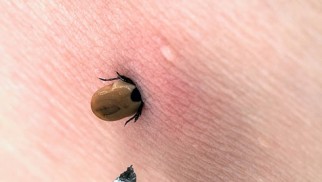
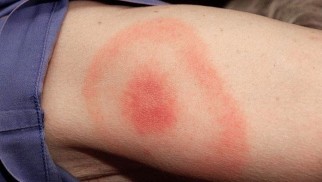
🦵 A knee that swells up like a balloon for no obvious reason, settles after a week or two, then comes back a month later. A sudden slow pulse and dizzy spells in a fit young adult. One side of the face drooping on a summer morning. All three can be late Lyme disease, a stage that appears weeks to months after a tick bite that many people never noticed. 🔍 Early Lyme disease, with its expanding red rash, is the stage most people know about and the easiest to treat. This guide is about what happens when the infection is missed or treated too briefly: Lyme arthritis, Lyme carditis, facial palsy and the nerve forms, how doctors confirm them, why a 28-day course of doxycycline is the usual starting point for the swollen knee, what to do when the swelling does not go away, and why months of antibiotics do not help the tiredness some people feel after treatment.
🕰️ Late Lyme disease: when the bite is long forgotten
🦠 Lyme disease is caused by spiral-shaped bacteria of the Borrelia burgdorferi group, passed to people by the bite of infected Ixodes ticks (deer ticks or sheep ticks). In the first days to weeks, most people get the erythema migrans rash, sometimes with fever, aches and tiredness. If the infection is not treated at that point, the bacteria can spread through the blood and settle in the joints, heart, nerves and skin. That is what doctors mean by early disseminated and late Lyme disease.
📖 Many people with late Lyme never saw a rash or a tick. The nymph stage of the tick is the size of a poppy seed, the bite does not hurt, and the rash can be on the back, behind the knee or in the hairline. For the rash stage, the single-dose doxycycline question after a bite and tick removal, see early Lyme disease after a tick bite. This article picks up where that one ends.
🧬 How Borrelia travels from the bite to the knee
🔬 Borrelia moves well through connective tissue and has ways of dodging the immune system for a while. The joint symptoms are mostly caused by the immune response to the bacteria inside the joint lining, which is why the swelling can be large while the pain is moderate. In a small group of people, that immune reaction keeps going after the bacteria have been killed, a point that matters a great deal for treatment later in this guide.
📅 Timeline from bite to late signs
Expanding rash, flu-like aches
Several rashes, facial palsy, meningitis, nerve pain
Carditis: heart block, palpitations, fainting
Lyme arthritis, usually the knee
Skin thinning (mainly Europe), rare late nerve damage
🦵 Lyme arthritis: the big swollen knee
💧 Lyme arthritis is the most common late form in North America. In older studies of people with the rash who were never given antibiotics, about 6 in 10 went on to have attacks of arthritis; with routine early treatment this is now much less common. The classic picture is one large joint, most often a knee, that becomes very swollen and warm, stays swollen for a few days to a few weeks, then settles and flares again. A Baker cyst behind the knee can form and sometimes burst, which mimics a blood clot in the calf.
🤔 People often describe the knee as “tight and huge but not as painful as it looks”. Fever is usually absent or mild. Small joints of the fingers are rarely involved, and a symmetrical pattern in both hands points away from Lyme and towards rheumatoid arthritis or another cause.
🔎 Lyme arthritis or another swollen joint?
🩺 A hot swollen knee has many possible causes, and some need urgent treatment. Doctors compare the pattern, the joint fluid and the blood tests before settling on Lyme arthritis.
| 🔎 Condition | 📋 Typical clues | 🧪 Key test |
|---|---|---|
| Lyme arthritis | One or a few large joints, big swelling, moderate pain, comes and goes, lives in or visited a tick area | Strongly positive Lyme IgG, joint fluid PCR |
| Septic arthritis | Severe pain, cannot bear weight or move the joint, high fever, rapid onset | Joint fluid culture, very high cell count |
| Gout or pseudogout | Sudden severe pain, red shiny skin, big toe or knee, older adults | Crystals in joint fluid |
| Reactive arthritis | After a gut or sexually transmitted infection, eye or urinary symptoms | History, infection tests |
| Rheumatoid arthritis | Small joints of both hands, morning stiffness, gradual onset | Rheumatoid factor, anti-CCP |
| Knee injury | Clear twist or blow, locking or giving way | Examination, MRI |
📖 For a plain comparison of the two most common long-term joint diseases, see osteoarthritis vs rheumatoid arthritis.
🩸 Blood tests: two-tier Lyme serology
🧪 Antibody tests are of little use in the first week of the rash, but by the time arthritis appears, almost everyone has a strongly positive IgG antibody result. A negative IgG test in a person with months of joint swelling makes Lyme arthritis very unlikely. Testing is done in two steps so that false positives are filtered out.
⚠️ Some private laboratories offer tests that are not validated, such as urine antigen tests, lymphocyte transformation tests or their own loose criteria for reading the immunoblot. These tests label many healthy people as infected and lead to months of unnecessary antibiotics. Ask whether the laboratory uses the standard two-tier method.
💉 Joint fluid tests and PCR
💧 When a knee is very swollen, a doctor will often draw off fluid with a needle. This relieves pressure and, more importantly, rules out a bacterial joint infection that would need emergency treatment. The fluid can also be tested for Borrelia DNA.
💊 First-line treatment: 28 days of oral antibiotics
📋 Current infectious disease guidelines recommend a 28-day course of one oral antibiotic for Lyme arthritis, whether or not there is a lot of fluid in the knee. Most people improve over the following weeks to a few months; the swelling often goes down slowly, and it is normal for the knee not to be fully back to normal on day 28.
💡 Doses for children are calculated by weight and set by the doctor. The choice between the three drugs depends mostly on allergy, pregnancy, age and side effects, not on one being much stronger than the others for the joint.
✅ Taking doxycycline correctly
💧 Doxycycline is effective and cheap, but a few habits decide whether a 28-day course is comfortable or miserable. The most common avoidable problem is a painful burn in the gullet from a capsule taken with too little water before lying down.
🔄 Amoxicillin and cefuroxime when doxycycline does not suit
🤰 Amoxicillin is the usual alternative in pregnancy, while breastfeeding and when doxycycline causes too much stomach upset or sun sensitivity. Its main side effects are diarrhoea, nausea and rash. People with a true penicillin allergy (hives, swelling or breathing trouble) should not take it. The older relative of doxycycline, Sumycin (Tetracycline), is not a guideline choice for Lyme arthritis: it needs four doses a day on an empty stomach, interacts more with food and minerals, and doxycycline has replaced it for tick infections.
💊 Cefuroxime axetil is an oral cephalosporin taken twice daily with food. It suits many people who cannot take doxycycline and have only a mild, non-allergic intolerance to penicillin. Anyone with a serious penicillin reaction in the past should tell the prescriber before starting it, as a small number react to both groups.
⛔ Why azithromycin is not used for Lyme arthritis
🧪 Macrolide antibiotics such as azithromycin kill Borrelia in the laboratory, but in trials of early Lyme disease they worked less well than doxycycline or amoxicillin and were followed by more relapses. For that reason guidelines keep Zithromax (Azithromycin) only as a reserve for the early rash stage in people who cannot take any of the three first-line drugs. It is not recommended for Lyme arthritis, carditis or the nerve forms.
🧭 What this means in practice:
🔹 If you were treated for late Lyme with a few days of azithromycin only, ask your doctor whether a proper 28-day course of a first-line drug is still needed.
🔹 Azithromycin keeps a real role in another tick infection, babesiosis, where it is combined with atovaquone; see babesiosis after a tick bite.
📈 What to expect during and after the course
⏳ Improvement in Lyme arthritis is usually gradual. The swelling tends to shrink over weeks, and the last bit of fluid can take up to three months to go. Doctors therefore wait a while after the course before deciding that treatment failed.
🌡️ A few people get a short flare of fever, chills and aches in the first day of treatment, the Jarisch-Herxheimer reaction, caused by dying bacteria releasing debris. It passes within a day and is not an allergy, but a new rash with itching, swelling of the lips or wheezing is, and needs prompt medical advice.
🚦 If the knee is still swollen: the next step
🤔 When swelling is clearly reduced but not gone, or comes back after a few months, doctors choose between a second antibiotic course and moving on to anti-inflammatory treatment. The decision rests on how much the knee has improved, not on antibody levels.
No more antibiotics. Watch for flares
A second 28-day oral course of the same or another first-line drug
IV ceftriaxone 2 g once daily for 2 to 4 weeks
Rheumatology referral for post-antibiotic arthritis
🔥 Post-antibiotic (refractory) Lyme arthritis
🧬 In a small share of people, mainly in North America, the knee stays swollen for months after two good antibiotic courses even though PCR tests of the joint fluid or tissue are negative. This is called post-antibiotic or antibiotic-refractory Lyme arthritis. Research points to an ongoing immune reaction in the joint lining, driven partly by leftover bacterial fragments and certain immune genes, rather than to living bacteria. More antibiotics do not help it; calming the inflammation does.
💊 Anti-inflammatory and rheumatology treatment
🩺 Treatment of the post-antibiotic stage is led by a rheumatologist and is similar to the care of other inflammatory arthritis. Most people eventually settle; the arthritis rarely lasts more than a few years, and with treatment the time is often much shorter.
| 💊 Treatment | 🎯 Role | ⚠️ Points to know |
|---|---|---|
| NSAIDs: Naprosyn (Naproxen), Motrin (Ibuprofen), Arcoxia (Etoricoxib) | Ease pain and reduce swelling, at any stage | Take with food; avoid with stomach ulcers, kidney disease, some heart conditions |
| Steroid injection into the knee | Quickly reduces fluid in a single joint | Usually given only after antibiotics are finished |
| Methotrexate: Methotrexate | Disease-modifying drug for months-long swelling | Once weekly dose, folic acid, blood test monitoring, no alcohol excess, not in pregnancy |
| Hydroxychloroquine | Milder disease-modifying option | Regular eye checks with long use |
| Biologic drugs | For the rare case that does not settle | Specialist only |
| Arthroscopic synovectomy | Removes inflamed joint lining | When medicines fail over many months |
🚶 Gentle movement keeps the thigh muscle from wasting while the knee is swollen. Long rest in a brace is not advised; walking within comfort, straight leg raises and short cycling sessions are usually fine once a doctor has excluded a joint infection.
💓 Lyme carditis: the heart block warning
⚡ Lyme carditis is uncommon, but it is the form that can be dangerous. Borrelia inflames the heart tissue, most often the electrical pathway between the upper and lower chambers. The result is atrioventricular (AV) heart block, which can change from mild to complete within hours, so the pulse may suddenly drop very low. It usually appears a few weeks to two months after the bite, often in young adults during the summer and autumn.
⚠️ Symptoms that suggest Lyme carditis:
🔹 Light-headedness, near-fainting or fainting.
🔹 Unusual tiredness and breathlessness on stairs.
🔹 A pulse that feels slow, skipping or irregular.
🔹 Chest discomfort or palpitations after time in tick areas.
🔹 Anyone with a recent Lyme rash who develops these symptoms needs an ECG the same day.
🏥 How Lyme carditis is treated
😶 Facial palsy and other nerve problems
🧠 Lyme bacteria can reach the nerves and the lining of the brain within weeks. Facial nerve palsy is the most common nerve sign, and a palsy on both sides of the face is a strong clue to Lyme in tick areas, because ordinary Bell palsy is almost always one-sided. Other forms include meningitis with headache and stiff neck, and radiculoneuritis: burning, shooting nerve root pain, often worse at night, sometimes with weakness.
💊 Doxycycline passes into the nervous system well enough that oral treatment works as well as IV ceftriaxone for most nerve forms, which spares many people a hospital stay. Facial palsy usually recovers over weeks to months; recovery is not faster with longer antibiotics.
🌍 Europe and North America: different late pictures
🗺️ Different Borrelia species dominate on each continent, and they favour different organs. This explains why a doctor in New England sees many swollen knees while a doctor in Central Europe sees more nerve and skin forms.
🖐️ Acrodermatitis chronica atrophicans
🧴 This late skin form develops slowly over months to years, usually in older adults in Europe. It starts as a bluish-red, doughy swelling over the back of a hand, a foot, a knee or an elbow, and over time the skin becomes thin, shiny and wrinkled like cigarette paper, with visible veins. It can come with numbness or tingling in the same limb. Antibody tests are strongly positive, and a skin biopsy confirms it. Treatment is oral doxycycline, amoxicillin or cefuroxime for 21 to 28 days; the colour and swelling improve, but thinned skin may not fully return to normal.
😴 Post-treatment Lyme disease syndrome
🔋 After correct treatment, a minority of people have fatigue, aches and trouble concentrating that last longer than six months. This is called post-treatment Lyme disease syndrome. Several controlled trials gave people months of extra antibiotics, IV or oral, and found no lasting benefit over placebo, while side effects such as line infections, gut infections and allergic reactions were real. The symptoms usually improve slowly with time.
Graded return to activity, sleep routine, treating low mood, pain relief, time
Months of antibiotics, unproven infusions, unvalidated tests
Thyroid, anaemia, sleep apnoea, depression, other tick infections
🗿 Myths about late Lyme disease
🤰 Pregnancy, children and older adults
| 👥 Group | 💊 Usual approach | 📝 Notes |
|---|---|---|
| Pregnancy and breastfeeding | Amoxicillin or cefuroxime | Doxycycline generally avoided; no proven harm to the baby when the mother is treated |
| Children | Amoxicillin, cefuroxime or doxycycline by weight | Short doxycycline courses are now accepted at any age; the doctor decides for a 28-day course |
| Older adults | Same drugs and courses | Check kidney function, blood thinners and stomach protection if NSAIDs are added |
| Penicillin allergy | Doxycycline first; cefuroxime only after discussing the allergy | Macrolides only if nothing else is possible |
🛡️ Preventing another infection
🌲 Having had Lyme disease does not protect against catching it again, and people who live in tick areas can be reinfected in a later season. A new rash after a new bite is a new infection, not a relapse, and is treated as early Lyme. Ticks in the same areas also carry other infections, such as spotted fevers, covered in spotted fever and typhus after tick bites.
🚨 When to see a doctor
⛔ Get medical help the same day if:
🔹 You feel faint, black out, or your pulse is very slow or irregular in the weeks after a tick bite or rash.
🔹 A joint becomes hot, very painful and impossible to move or bear weight on, especially with fever: this may be a bacterial joint infection.
🔹 One or both sides of the face droop, or you have a severe headache with a stiff neck.
🔹 The calf behind a swollen knee suddenly becomes painful and swollen: a burst Baker cyst and a blood clot look alike.
🔹 You get swelling of the lips or throat, wheezing or a widespread itchy rash on an antibiotic.
📆 Book a routine visit if a knee or ankle swells repeatedly without injury, especially if you live in or have visited a tick area in the past two years. Bring the dates of any tick bites, rashes and past antibiotic courses; they shorten the path to the right diagnosis.
❓ Frequently asked questions
What does Lyme arthritis feel like?
Usually one large joint, most often a knee, becomes very swollen and warm, with less pain than the size suggests. It settles and flares again over weeks or months.
How long after a tick bite can Lyme arthritis start?
Most often several months after the bite, but it can appear from about one month to two years later, often without a remembered rash.
What is the usual treatment for Lyme arthritis?
A 28-day oral course of doxycycline 100 mg twice daily, amoxicillin 500 mg three times daily or cefuroxime axetil 500 mg twice daily in adults.
Is azithromycin good for late Lyme disease?
No. Azithromycin is less effective than first-line drugs and is kept only for the early rash stage when doxycycline, amoxicillin and cefuroxime cannot be used.
What if my knee is still swollen after 28 days?
Swelling often keeps going down for up to three months. If it is only partly better, a second oral course is given; if there is little change, IV ceftriaxone may be used.
What is antibiotic-refractory Lyme arthritis?
Joint swelling that persists after two adequate antibiotic courses with negative PCR tests. It is immune inflammation and is treated by a rheumatologist with anti-inflammatory and disease-modifying drugs.
Can Lyme disease affect the heart?
Yes. Lyme carditis causes heart block with dizziness or fainting. It needs an ECG, often hospital monitoring and IV ceftriaxone, and usually resolves fully.
Is Lyme facial palsy treated with antibiotics?
Yes, usually with 14 days of oral doxycycline. The antibiotic clears the infection; the nerve then recovers over weeks to months.
Does a positive Lyme test after treatment mean I am still infected?
No. Antibodies can stay positive for years after cure. Doctors judge treatment success by symptoms and examination, not by repeat blood tests.
Do long courses of antibiotics help post-treatment Lyme symptoms?
No. Controlled trials found no lasting benefit from months of extra antibiotics, and they carry real risks. Symptoms usually improve slowly with supportive care.
📑 Sources and editorial
- 📘 Infectious disease society guidelines on prevention, diagnosis and treatment of Lyme disease
- 🧪 Public health laboratory guidance on two-tier Lyme serology and unvalidated tests
- 🦵 Rheumatology reviews of Lyme arthritis and post-antibiotic Lyme arthritis
- 💓 Cardiology reviews of Lyme carditis and heart block management
- 🧠 European and North American guidance on Lyme neuroborreliosis
- 💊 Randomised trials of prolonged antibiotics in post-treatment Lyme symptoms
- 📖 Related reading: early Lyme disease after a tick bite, babesiosis, spotted fever and typhus, osteoarthritis vs rheumatoid arthritis
- 🛒 Related products: Vibramycin (Doxycycline), Amoxil (Amoxicillin), Ceftin (Cefuroxime), Naprosyn (Naproxen), Arcoxia (Etoricoxib), Methotrexate
- 🩺 RXshop Editorial Team — reviewed by Emily Chen, MD — Internal medicine
Medical Disclaimer: The information in this article is for educational and informational purposes only and is not a substitute for professional medical advice, diagnosis, or treatment. Always seek guidance from a qualified healthcare provider with any questions you may have regarding a medical condition, and before starting, stopping or changing any medication.