Buy Methotrexate Online — Foundational Folate Analog Antimetabolite for Leukemia, Lymphoma, Breast Cancer, Severe Rheumatoid Arthritis & Severe Psoriasis

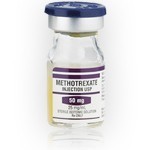
Methotrexate is one of the most versatile and longest-established pharmaceuticals in modern medicine — FDA-approved since 1953, making it one of the oldest chemotherapy agents still in continuous clinical use. Across more than seven decades, Methotrexate has earned a unique cross-disciplinary role: foundational chemotherapy for multiple cancers, gold-standard disease-modifying therapy for severe rheumatoid arthritis, first-line systemic therapy for severe psoriasis, and definitive single-dose treatment for ectopic pregnancy. Listed on the WHO Model List of Essential Medicines across oncology, rheumatology, dermatology, and reproductive health categories. Brand variations include Trexall, Rheumatrex, Otrexup (auto-injector), and Rasuvo (auto-injector) — the generic name has become the universally recognized identifier.
Pharmacology operates through competitive inhibition of dihydrofolate reductase (DHFR), the enzyme that converts dihydrofolate to tetrahydrofolate — an essential cofactor for purine and pyrimidine synthesis. By blocking DHFR, Methotrexate halts DNA synthesis specifically during S-phase, producing cytotoxic effect on rapidly dividing cells (cancer cells, lymphocytes, synovial cells). At low weekly doses (autoimmune indications), Methotrexate also produces anti-inflammatory effect via adenosine release at inflamed tissue sites. High-dose Methotrexate crosses the blood-brain barrier, enabling CNS prophylaxis in acute lymphoblastic leukemia. Half-life varies dose-dependently from 3-15 hours.
Methotrexate is FDA-approved for acute lymphoblastic leukemia (ALL) with CNS prophylaxis, choriocarcinoma and gestational trophoblastic disease, breast cancer (CMF regimen), osteosarcoma (high-dose), non-Hodgkin's lymphoma, mycosis fungoides, head and neck cancer, plus the rheumatology indications: severe rheumatoid arthritis, juvenile idiopathic arthritis (pediatric), and dermatology indication severe psoriasis. Established off-label uses include ectopic pregnancy, Crohn's disease, systemic lupus, vasculitis, GVHD prophylaxis, dermatomyositis, and selective multiple sclerosis.
Available as Methotrexate 2.5 mg oral tablets, plus IM/IV injections (25 mg/mL) and pre-filled auto-injectors. Dose ranges differ dramatically by indication: rheumatoid arthritis 7.5-25 mg once WEEKLY; psoriasis 10-25 mg weekly; ALL 3.3 mg/m² daily for 4-6 weeks; ectopic pregnancy 50 mg/m² IM single dose.
Clinical evidence supports Methotrexate as the foundational DMARD recommended by ACR, EULAR, ACR/EULAR, and BSR guidelines for rheumatoid arthritis first-line treatment, and by NCCN for multiple oncology indications including ALL CNS prophylaxis. Folic acid 1 mg daily supplementation is standard for autoimmune dosing.
Free prescription
Discrete packaging
Have questions?
Quality Assurance

- CNS Prophylaxis Leukemia: FDA-approved for CNS prophylaxis in ALL via intrathecal administration;
- Choriocarcinoma: FDA-approved for choriocarcinoma — historically curative single agent;
- Gestational Trophoblastic Disease: FDA-approved for gestational trophoblastic disease — first-line therapy;
- Breast Cancer CMF Regimen: FDA-approved for breast cancer in classic CMF (Cyclophosphamide/Methotrexate/5-FU) regimen;
- Osteosarcoma High Dose: FDA-approved for osteosarcoma high-dose methotrexate regimens;
- Non Hodgkins Lymphoma: FDA-approved for non-Hodgkin's lymphoma chemotherapy regimens;
- Mycosis Fungoides: FDA-approved for mycosis fungoides (cutaneous T-cell lymphoma);
- Head Neck Cancer: FDA-approved for head and neck squamous cell carcinoma;
- Severe Rheumatoid Arthritis: FDA-approved for severe RA — foundational DMARD, ACR/EULAR first-line;
- Juvenile Idiopathic Arthritis: FDA-approved for juvenile idiopathic arthritis (pediatric);
- Severe Psoriasis: FDA-approved for severe psoriasis — foundational systemic therapy;
- Psoriatic Arthritis: Off-label foundational therapy for psoriatic arthritis;
- Ectopic Pregnancy: Off-label gold-standard medical management of ectopic pregnancy — single 50 mg/m² IM dose;
- Crohns Disease: Off-label maintenance therapy for moderate-severe Crohn's disease;
- Ulcerative Colitis: Off-label maintenance therapy for ulcerative colitis;
- Systemic Lupus Erythematosus: Off-label for SLE arthritis manifestations;
- ANCA Associated Vasculitis: Off-label maintenance therapy for ANCA-associated vasculitis after induction;
- GVHD Prophylaxis Transplant: Off-label for graft-versus-host disease prophylaxis after hematopoietic transplant;
- Dermatomyositis Polymyositis: Off-label for dermatomyositis and polymyositis treatment;
- Multiple Sclerosis Selective: Off-label selective use in progressive multiple sclerosis;
- Bullous Pemphigoid: Off-label for bullous pemphigoid steroid-sparing therapy;
- Sarcoidosis Refractory: Off-label for refractory sarcoidosis;
- Reiter Syndrome: Off-label for reactive arthritis (Reiter syndrome).
- Better CNS Leukemia Protection: Intrathecal Methotrexate provides CNS prophylaxis in ALL;
- Curative Choriocarcinoma Response: Historically curative single-agent therapy for choriocarcinoma;
- Better Gestational Trophoblastic Outcomes: First-line therapy for gestational trophoblastic disease;
- Better Breast Cancer Outcomes CMF: Foundational component of classic CMF breast cancer regimen;
- Better Osteosarcoma Survival: High-dose Methotrexate improves osteosarcoma survival in pediatric/young adult patients;
- Less Lymphoma Burden: Effective in non-Hodgkin's lymphoma chemotherapy regimens;
- Better Mycosis Fungoides Control: Effective in mycosis fungoides cutaneous T-cell lymphoma;
- Less RA Joint Inflammation: Reduces inflammation and joint damage in severe rheumatoid arthritis;
- Less RA Disease Progression: Slows radiographic progression in rheumatoid arthritis — gold-standard DMARD benefit;
- Better RA Functional Outcomes: Improves functional outcomes (HAQ scores) in rheumatoid arthritis;
- Less RA Joint Erosion: Reduces joint erosion progression in RA — foundational benefit;
- Better JIA Pediatric Response: Effective in juvenile idiopathic arthritis — pediatric DMARD foundation;
- Less Psoriasis Plaque Severity: Substantially reduces psoriasis plaque severity in severe disease;
- Better Psoriasis Quality of Life: Substantial QoL improvement in severe psoriasis patients;
- Better Psoriatic Arthritis Response: Effective in psoriatic arthritis joint manifestations;
- Definitive Ectopic Pregnancy Management: Single 50 mg/m² IM dose definitively manages selected ectopic pregnancies — avoids surgery;
- Less Crohn's Disease Activity: Effective maintenance therapy in moderate-severe Crohn's disease;
- Less GVHD Severity Post Transplant: GVHD prophylaxis after hematopoietic stem cell transplant;
- Less Dermatomyositis Activity: Effective in dermatomyositis and polymyositis treatment;
- Better SLE Arthritis Manifestations: Off-label benefit for SLE arthritis manifestations;
- Better Vasculitis Maintenance: Off-label maintenance therapy after ANCA-associated vasculitis induction;
- Better Daily Function Multiple Diseases: Once-weekly dosing supports daily function across multiple chronic indications;
- Better Quality of Life: Substantial QoL improvement across cancer, rheumatology, dermatology indications;
- Better Compliance Once Weekly Autoimmune: Once-weekly oral dosing for autoimmune indications improves compliance;
- Brand Methotrexate Generic Established: Established generic-name brand recognition across 70+ years of use;
- Trexall Rheumatrex Brands: Brand variations include Trexall, Rheumatrex tablets and Otrexup, Rasuvo auto-injectors;
- Folate Analog DHFR Inhibitor: Folate analog / dihydrofolate reductase inhibitor — foundational antimetabolite mechanism;
- Adenosine Release Anti Inflammatory: ⭐ Adenosine release anti-inflammatory mechanism at low weekly doses;
- Multi Discipline Drug Oncology Rheum: ⭐ ⭐ Multi-discipline drug — oncology + rheumatology + dermatology + reproductive health;
- Oral IM IV Auto Injector: Multiple administration routes — oral + IM + IV + auto-injector;
- Crosses Blood Brain Barrier High Dose: Crosses blood-brain barrier at high doses — enables CNS prophylaxis;
- ACR EULAR Foundational DMARD: ACR, EULAR foundational DMARD for rheumatoid arthritis first-line;
- NCCN Recommended ALL CNS: NCCN-recommended for ALL CNS prophylaxis and multiple oncology indications;
- WHO Essential Medicine: Listed on the WHO Model List of Essential Medicines (oncology + rheumatology + reproductive health);
- 70 Plus Year Clinical History: 70+ years of clinical use since 1953 — OLDEST chemotherapy agent still in continuous use.
Generic Methotrexate (Methotrexate 2.5 mg) Medication guide:
📖 What Methotrexate Is and How It Works
Methotrexate is one of the oldest and most versatile drugs in modern medicine. Approved by the US FDA in 1953, it has lived two very different lives - as a foundational cancer chemotherapy drug and, at completely different doses and rhythms, as the anchor treatment for severe rheumatoid arthritis and psoriasis. The distance between these two uses is so large that a rheumatology client and an oncology client taking methotrexate can barely be said to be on the same drug.
The story began with Sidney Farber's 1948 New England Journal of Medicine paper showing aminopterin (methotrexate's predecessor) could induce remission in children with acute lymphoblastic leukaemia. That single paper is considered the founding moment of modern chemotherapy. Methotrexate replaced aminopterin within a few years because it was less toxic and easier to manage. Since then it has been used continuously across oncology, rheumatology, dermatology, and reproductive medicine.
The four main modern uses of Methotrexate
- 🦴 Rheumatoid arthritis and other autoimmune disease - foundational DMARD taken as a weekly low dose (7.5-25 mg)
- 🩹 Severe psoriasis and psoriatic arthritis - weekly low dose in dermatology
- 🎗️ Cancer chemotherapy - much higher doses (up to grams per square metre) with leucovorin rescue; leukaemia, lymphoma, breast cancer, osteosarcoma, and other malignancies
- 🏥 Ectopic pregnancy and gestational trophoblastic disease - single or multi-dose regimens as outpatient alternative to surgery
The mechanism is elegant. Methotrexate is a folate analog - a molecule closely resembling folic acid. It slips into the enzyme dihydrofolate reductase (DHFR) and blocks the conversion of dihydrofolate to tetrahydrofolate, the active folate the body needs for DNA and RNA synthesis. Without tetrahydrofolate, rapidly dividing cells cannot make new DNA. In cancer this halts tumour growth. At the much lower weekly doses used for autoimmune disease, methotrexate additionally triggers adenosine release, which independently calms inflammation - a mechanism entirely separate from DNA synthesis blockade.
Methotrexate is on the WHO Model List of Essential Medicines as both an antineoplastic agent and a disease-modifying antirheumatic drug - one of the very few drugs listed twice for two entirely different classes of disease. Generic tablets are available in most markets at very low cost. Auto-injector formulations (Otrexup, Rasuvo) and pre-filled syringes provide subcutaneous delivery for clients who need injection.
The single most important safety rule with methotrexate is weekly dosing for autoimmune indications, never daily. Daily dosing errors cause fatal myelosuppression and are among the most common serious medication errors documented globally. Section 8 covers this in depth.
This guide walks through what methotrexate does, the different clinical contexts where it fits, the practical realities of weekly dosing and monitoring, folic acid supplementation, the side effects that matter most (nausea, mucositis, liver toxicity, bone marrow suppression, pulmonary toxicity), the drug interactions that catch people out, and the absolute contraindication of pregnancy. Treat it as a companion to what your treating team tells you.
💊 Why Doctors Prescribe Methotrexate Across Many Diseases
Few drugs cover as many diseases as methotrexate. The list is unusually broad because the drug works on any rapidly dividing cell population and separately calms inflammation. Different diseases, same mechanistic hook. Understanding your specific indication shapes everything else - the dose, the rhythm, the monitoring, and what side effects to expect.
Rheumatoid arthritis and inflammatory arthritis
The largest global use by client numbers. Methotrexate is the anchor first-line DMARD in adult rheumatoid arthritis per ACR and EULAR guidelines. It works both as monotherapy and as the backbone of combinations with biologics (TNF inhibitors, IL-6 inhibitors) and targeted synthetic DMARDs (JAK inhibitors). Also used in juvenile idiopathic arthritis, psoriatic arthritis, and ankylosing spondylitis peripheral disease. Section 4 covers RA in depth.
Severe psoriasis and psoriatic arthritis
Second-line after topical therapy and phototherapy in moderate-to-severe plaque psoriasis, and one of the DMARDs of choice in psoriatic arthritis. Weekly low-dose regimen mirrors rheumatoid arthritis dosing. Section 5 covers dermatology and PsA use.
Cancer chemotherapy
The oldest use. Methotrexate features across a wide range of malignancies:
- Acute lymphoblastic leukaemia (ALL) - high-dose IV methotrexate and intrathecal methotrexate for CNS prophylaxis; foundational to childhood and adolescent ALL protocols
- Non-Hodgkin lymphoma - CNS prophylaxis and treatment in aggressive lymphomas
- Breast cancer - historical CMF regimen (cyclophosphamide, methotrexate, 5-FU); now largely superseded
- Osteosarcoma - high-dose methotrexate with leucovorin rescue as core protocol
- Bladder cancer - part of MVAC regimen
- Choriocarcinoma and gestational trophoblastic neoplasia - highly methotrexate-responsive
- Head and neck cancer - historical use, largely replaced
Ectopic pregnancy and gestational trophoblastic disease
Standard medical management of stable ectopic pregnancy meeting specific criteria (hCG below 5000, no fetal cardiac activity, no rupture). Also used as first-line treatment in low-risk gestational trophoblastic neoplasia after molar pregnancy. Section 6 covers this in depth.
Other autoimmune and inflammatory conditions
- Juvenile idiopathic arthritis (JIA) - weekly methotrexate is standard first-line DMARD
- Crohns disease and ulcerative colitis - second-line steroid-sparing option
- Dermatomyositis and polymyositis - immunosuppressive maintenance
- Sarcoidosis - steroid-sparing in chronic disease
- ANCA vasculitis - maintenance therapy after remission induction
- Systemic lupus erythematosus - occasional use for arthritis-dominant disease
- Uveitis - non-infectious inflammatory uveitis
- Graft-versus-host disease prophylaxis in bone marrow transplant
Why one drug for so many diseases
Methotrexate blocks DNA synthesis in dividing cells and separately calms inflammation through adenosine release. Fast-dividing cell populations - cancer cells, activated immune cells, rapidly turning-over psoriatic skin, trophoblastic tissue in an ectopic - all yield to the same drug. The mechanism explains both the breadth of use and the pattern of side effects, which mostly reflect the drug's effect on the body's own fast-dividing cell populations (bone marrow, GI lining, hair follicles).
Ask your treating team which specific condition methotrexate has been prescribed for and what the therapy plan looks like. Dose, schedule, and monitoring differ dramatically across indications, and expected side effects and warning signs shift accordingly.
🎗️ Methotrexate for Cancer - Oncology Uses Explained
Cancer was methotrexate's original indication and remains one of its most important uses. Oncology dosing is very different from rheumatology dosing - much higher, given intravenously or intrathecally, and often paired with leucovorin (folinic acid) rescue to protect normal cells from lethal toxicity.
Acute lymphoblastic leukaemia (ALL)
The founding indication and still central. Methotrexate appears throughout ALL protocols:
- Induction phase - intrathecal methotrexate as CNS prophylaxis begins early
- Consolidation phase - high-dose IV methotrexate (1000-5000 mg/m2 or higher) with leucovorin rescue
- CNS-directed therapy - repeated intrathecal methotrexate (typically 12 mg per dose) to prevent CNS relapse; replaced most cranial radiation in modern protocols
- Maintenance phase - low-dose oral or IM methotrexate weekly for 2-3 years combined with 6-mercaptopurine
Modern childhood ALL cure rates exceed 90 percent in high-income countries. Methotrexate is a large part of why.
Non-Hodgkin lymphoma
High-dose methotrexate for CNS prophylaxis in aggressive B-cell lymphomas at high CNS relapse risk (double-hit, testicular, breast involvement, high IPI). Also central to primary CNS lymphoma regimens where methotrexate crosses the blood-brain barrier at high doses. Intrathecal methotrexate for confirmed CNS disease.
Osteosarcoma
High-dose methotrexate (8-12 g/m2) with leucovorin rescue is one of the three drugs in the MAP regimen (methotrexate, adriamycin, cisplatin) that transformed osteosarcoma from a nearly universally fatal disease into one where 60-70 percent of localised cases are cured. Administration requires urinary alkalinisation, aggressive hydration, and careful serum methotrexate level monitoring.
Breast cancer
The historic CMF regimen (cyclophosphamide, methotrexate, 5-fluorouracil) was standard adjuvant chemotherapy for early breast cancer for two decades. Modern anthracycline and taxane regimens have largely replaced CMF for most clients, but the older regimen remains occasionally used in older or comorbid clients where anthracycline avoidance is preferred.
Bladder cancer
Methotrexate is one component of the MVAC regimen (methotrexate, vinblastine, adriamycin, cisplatin) for advanced urothelial cancer. Modern gemcitabine-cisplatin regimens have replaced MVAC as first-line for most clients, but dose-dense MVAC and its variants remain in the armamentarium.
Gestational trophoblastic neoplasia
Choriocarcinoma and other GTN are among the most chemosensitive tumours known. Single-agent methotrexate cures nearly all low-risk GTN. This remarkable responsiveness makes methotrexate first-line here even in the modern era.
High-dose methotrexate needs leucovorin rescue
At oncology doses methotrexate would kill normal cells without rescue. Leucovorin (folinic acid) bypasses the DHFR blockade in normal cells, restoring folate metabolism and rescuing bone marrow and GI lining. Timing is critical - leucovorin usually begins 24 hours after methotrexate. Serum methotrexate levels are measured to guide leucovorin dosing and duration. Kidney function must be preserved because methotrexate is renally cleared.
If methotrexate has been prescribed to you or a family member for cancer, the treatment plan, doses, and monitoring differ substantially from the rheumatology use most people think of. Cancer methotrexate is inpatient territory in most protocols, with careful supportive care built in.
🦴 Methotrexate for Rheumatoid Arthritis - Foundation DMARD
Rheumatoid arthritis is where methotrexate reaches the largest number of clients globally. The drug is the anchor of RA treatment - both as monotherapy and as the backbone of every combination regimen with biologics and targeted synthetic DMARDs. When rheumatologists talk about "methotrexate" without qualifying it, they almost always mean the weekly low-dose regimen used here.
What the guidelines say
Both the American College of Rheumatology (ACR) 2021 guidelines and the European Alliance of Associations for Rheumatology (EULAR) 2022 recommendations place methotrexate as first-line therapy for newly diagnosed rheumatoid arthritis. Specifically:
- Methotrexate monotherapy is the first choice unless contraindicated
- Escalation to combination therapy (biologic or JAK inhibitor plus methotrexate) when methotrexate alone is inadequate
- Methotrexate remains the backbone even when biologics are added - because biologics work better with methotrexate than alone
- Treat-to-target approach with regular disease activity measurement
The Weinblatt trial that changed rheumatology
The 1985 double-blind placebo-controlled trial by Michael Weinblatt and colleagues (NEJM 1985) was the turning point. Methotrexate substantially improved joint counts, pain, and function versus placebo in adults with established RA. A parallel trial by Williams and colleagues confirmed the finding. Together these papers established methotrexate as a genuine disease-modifying drug and opened the modern era of RA treatment where preventing joint damage became a realistic goal.
How methotrexate works in RA at low weekly doses
At the doses used in rheumatology (7.5-25 mg once weekly), the mechanism is not primarily DNA synthesis blockade. Instead:
- Adenosine release - methotrexate blocks a step in purine metabolism that leads to increased extracellular adenosine, which is strongly anti-inflammatory
- T-cell suppression - reduces activated T-cell proliferation in synovium
- Cytokine modulation - reduces TNF-alpha, IL-6, and other inflammatory cytokines
- Reactive oxygen species reduction in inflamed joints
- Anti-angiogenic effects on pannus formation
Typical RA dosing
| Parameter | Value |
|---|---|
| Starting dose | 10-15 mg once weekly |
| Titration | Increase by 5 mg every 4 weeks to target |
| Typical maintenance | 15-25 mg once weekly |
| Maximum | 25 mg weekly (oral); 30 mg weekly (subcutaneous) |
| Folic acid | 5 mg once weekly (day after MTX) or 1 mg daily |
| Time to effect | 6-12 weeks for full response |
What to expect in RA
- 🟢 About 30-50 percent of clients reach ACR50 response (50 percent improvement in joint counts and other measures) on methotrexate monotherapy
- 🟢 Adding a biologic or JAK inhibitor to methotrexate improves response rates further
- 🟢 Long-term methotrexate slows radiographic joint damage
- 🟢 Registry data show reduced all-cause and cardiovascular mortality in RA clients on methotrexate versus untreated
- 🟡 Response is slow - do not expect improvement in the first month; give it 12 weeks
- 🟡 Roughly 20-30 percent stop methotrexate within 2 years due to side effects or inadequate response
Methotrexate is not a cure. It is a disease-modifying treatment that suppresses inflammation, prevents joint damage, and preserves function. Stopping the drug typically brings the arthritis back within weeks to months in most clients. Most people continue for years - often indefinitely - if the balance of benefit and side effects remains favourable.
🩹 Methotrexate for Severe Psoriasis and Psoriatic Arthritis
Methotrexate has been used for severe psoriasis for over five decades. It is one of the traditional systemic therapies alongside ciclosporin and acitretin. In the modern era of biologics (TNF inhibitors, IL-17 inhibitors, IL-23 inhibitors), methotrexate's place has narrowed but remains important - particularly where cost, access, or specific comorbidities favour it over biologics.
When methotrexate is used in psoriasis
- Moderate-to-severe plaque psoriasis failing topical therapy and phototherapy
- BSA over 10 percent or PASI score in moderate-to-severe range
- Psoriasis with significant quality-of-life impact even at lower BSA (facial, genital, palmoplantar involvement)
- Psoriatic arthritis with peripheral joint involvement
- Erythrodermic or pustular psoriasis as one of the options
- Nail psoriasis with significant morbidity
- Where biologics are unaffordable, unavailable, or contraindicated (e.g., recent malignancy, active infection)
Typical dosing in psoriasis
Similar to rheumatology dosing:
- Starting dose 7.5-10 mg once weekly (or a test dose of 2.5-5 mg)
- Increase to 15-25 mg once weekly based on response
- Folic acid 5 mg weekly (day after MTX) or 1 mg daily
- Response typically seen at 6-12 weeks
- 60-70 percent PASI 75 response at week 16 in trials (though real-world numbers are lower)
Psoriatic arthritis
In psoriatic arthritis with peripheral joint involvement, methotrexate is one of the recommended DMARDs alongside sulfasalazine and leflunomide. Evidence for methotrexate in axial (spondylitis) psoriatic arthritis is weaker - biologics work better for axial disease. Combination methotrexate plus biologic is commonly used in more severe psoriatic arthritis mirroring the RA approach.
Liver monitoring is stricter in dermatology than rheumatology
Long-term methotrexate in psoriasis was historically associated with cirrhosis, particularly with cumulative doses over 1.5-2 grams. Modern dermatology guidelines rely on serial procollagen III N-terminal propeptide (PIIINP) testing or non-invasive fibrosis assessment (FibroScan, hepatic elastography) rather than the historical liver biopsy at cumulative dose thresholds. Alcohol restriction is stricter than in rheumatology, and MASLD/NAFLD screening matters. Section 18 covers liver toxicity in detail.
Biologics have changed the landscape
TNF inhibitors, IL-17 inhibitors (secukinumab, ixekizumab, bimekizumab), IL-23 inhibitors (guselkumab, risankizumab, tildrakizumab), and oral small molecules (apremilast, deucravacitinib) offer response rates far exceeding methotrexate for psoriasis (PASI 90 in 70-80 percent of clients on modern biologics versus PASI 75 in 40 percent on methotrexate in real-world data). Where cost and access allow, biologics have largely replaced methotrexate as first systemic therapy in high-income countries. Methotrexate remains the workhorse in resource-limited settings and continues to be used alongside biologics in psoriatic arthritis.
If methotrexate has been prescribed for psoriasis, expect gradual clearance over 12-16 weeks rather than dramatic early response. Combine with topical therapy and lifestyle measures (weight, alcohol, smoking) for best results.
🏥 Ectopic Pregnancy Termination With Methotrexate
Ectopic pregnancy - implantation of a pregnancy outside the uterus, usually in the fallopian tube - is a life-threatening condition. Untreated it ruptures and causes major intra-abdominal bleeding. For decades the only management was surgery. Since the early 1990s medical management with methotrexate has become an established alternative for selected clients meeting specific criteria.
Why methotrexate works for ectopic pregnancy
Trophoblastic tissue divides rapidly. Methotrexate blocks DNA synthesis in dividing cells. A single dose can halt trophoblast growth in a small, unruptured ectopic pregnancy, allowing the tissue to be resorbed by the body over weeks. The client avoids surgery, general anaesthesia, and salpingectomy in most cases.
Client selection criteria
Not every ectopic is suitable for medical management. Standard criteria include:
- 🟢 Haemodynamically stable - no signs of rupture or shock
- 🟢 Serum hCG below 5000 mIU/mL - higher levels reduce success rates
- 🟢 No fetal cardiac activity on ultrasound
- 🟢 Ectopic mass below 3.5-4 cm on imaging
- 🟢 No free fluid in the abdomen or minimal only
- 🟢 Normal baseline blood count, liver, and kidney function
- 🟢 No breastfeeding and no coexisting pregnancy that is desired
- 🟢 Ability and willingness to attend for hCG follow-up
- 🟢 No contraindication to methotrexate (immunodeficiency, active infection, pulmonary disease, peptic ulcer)
Dosing protocols
| Protocol | Regimen |
|---|---|
| Single-dose (most common) | 50 mg/m2 IM once; repeat once at day 7 if hCG not falling adequately |
| Two-dose | 50 mg/m2 IM on day 0 and day 4 |
| Multi-dose (higher hCG cases) | 1 mg/kg IM alternating days with leucovorin 0.1 mg/kg on off days, up to 4 doses of each |
Follow-up hCG monitoring
- hCG measured at day 4 and day 7 after treatment
- Adequate response = 15 percent or greater drop in hCG between day 4 and day 7
- Weekly hCG measurement then until undetectable
- Complete resolution typically takes 4-8 weeks
- Rising or plateauing hCG signals treatment failure - repeat dose or surgery needed
Warning signs after methotrexate for ectopic
- 🔴 Sudden severe abdominal pain - possible tubal rupture; go to hospital immediately
- 🔴 Shoulder tip pain - possible intra-abdominal bleeding
- 🔴 Feeling faint or dizzy - possible haemorrhage
- 🔴 Persistent heavy bleeding
- 🔴 Fever, mouth ulcers, unusual bruising - methotrexate side effects
After methotrexate for ectopic - important rules
- Reliable contraception for at least 3 months after methotrexate - the drug is teratogenic and remains in tissues for weeks
- Avoid NSAIDs, folic acid supplements, and folate-containing multivitamins in the days after treatment
- Avoid strenuous exercise and sexual intercourse until hCG resolves
- Alcohol restriction during treatment period
- Attend all follow-up hCG appointments - drop-off from follow-up is dangerous
Gestational trophoblastic disease (molar pregnancy, choriocarcinoma) is a related but distinct indication. Low-risk gestational trophoblastic neoplasia is highly methotrexate-responsive and often cured with single-agent methotrexate.
🔬 How Methotrexate Blocks Dihydrofolate Reductase
Methotrexate is an antimetabolite - a molecule that mimics a natural body substance closely enough to slip into an enzyme meant for the natural molecule, then block that enzyme's work. The natural substance methotrexate mimics is folic acid. The enzyme methotrexate blocks is dihydrofolate reductase (DHFR).
The folate pathway in one paragraph
Folic acid (vitamin B9) is essential for making thymidine and purines - the building blocks of DNA. Dietary folate enters cells, is converted to dihydrofolate (DHF), then converted by DHFR to tetrahydrofolate (THF), the active form. THF donates one-carbon units for synthesis of thymidine (a DNA base) and purines (adenine, guanine). Without active THF, cells cannot make new DNA and cannot divide.
What methotrexate does step by step
- Enters cells through the reduced folate carrier - the same transporter that brings natural folate in
- Undergoes polyglutamation inside cells (methotrexate polyglutamates persist for weeks - explaining why weekly dosing works)
- Binds DHFR with very high affinity - much tighter than natural DHF does
- Blocks conversion of DHF to THF - the folate pool becomes locked in the inactive DHF form
- Halts thymidine and purine synthesis
- Cells cannot make new DNA and cannot divide
- Rapidly dividing cells die (cancer cells, activated immune cells, trophoblast)
Why cancer cells and normal cells respond differently
Cancer cells divide rapidly and need continuous DNA synthesis - they are particularly vulnerable to methotrexate. Some normal cell populations also divide rapidly (bone marrow, intestinal lining, hair follicles) and these are where methotrexate side effects concentrate. Non-dividing cells (mature neurons, cardiac muscle) are largely spared.
The second mechanism - adenosine release
At the low weekly doses used in autoimmune disease, DNA synthesis blockade is only part of the story. Methotrexate also blocks a step in purine metabolism (AICAR transformylase) which leads to accumulation and release of extracellular adenosine. Adenosine is a potent anti-inflammatory signal that suppresses activated T-cells, macrophages, and neutrophils. This adenosine mechanism is likely the main way methotrexate helps rheumatoid arthritis at doses that barely affect DNA synthesis in most cells.
Leucovorin (folinic acid) rescue
Leucovorin (folinic acid, 5-formyl-THF) is the reduced form of folate that bypasses the DHFR blockade. Given after high-dose methotrexate, leucovorin restores folate metabolism in normal cells - which have intact folate transporters - and rescues bone marrow and GI lining from lethal toxicity. Cancer cells with reduced folate transporter expression may be relatively resistant to leucovorin rescue, allowing selective killing. Leucovorin rescue is why high-dose oncology methotrexate is tolerable at all.
Do not confuse folic acid with folinic acid (leucovorin)
Folic acid is the vitamin, given at 1-5 mg to reduce low-dose methotrexate side effects. Folinic acid (leucovorin) is the reduced active form used to rescue normal cells after high-dose oncology methotrexate. These are two different molecules with different uses. Do not substitute one for the other.
Understanding the mechanism helps make sense of why methotrexate causes the specific side effects it does, why folic acid supplementation reduces those side effects without blocking the anti-inflammatory benefit in RA, and why weekly dosing works despite the drug being cleared from blood within hours (the polyglutamated intracellular form persists much longer).
🛑 Weekly Not Daily - The Critical Methotrexate Rule
This is the single most important safety rule in the methotrexate guide. Read it, understand it, share it with anyone who helps manage your medications.
Methotrexate is dosed WEEKLY for all autoimmune indications
Rheumatoid arthritis, psoriasis, psoriatic arthritis, JIA, Crohns, sarcoidosis, and every other non-cancer indication use ONE dose ONCE per week. Daily dosing at rheumatology doses is a fatal error. The tablets look like any other pill and the mistake is very common.
Why daily dosing kills
Cumulative daily doses of what should be a weekly amount produce severe myelosuppression - bone marrow shutdown. Neutrophils, platelets, and eventually red cells fall dangerously. Sepsis and haemorrhage follow. Severe mucositis and skin necrosis develop. Without aggressive support (leucovorin, transfusions, filgrastim, intensive care) the error is often fatal. Numerous case reports and pharmacovigilance reviews from FDA, EMA, MHRA, TGA, and ISMP document deaths from this mistake year after year.
How the error happens
- Client misreads the label or forgets the weekly rhythm
- Prescription written as "methotrexate 2.5 mg daily" instead of "methotrexate 2.5 mg six tablets once weekly"
- Pharmacy dispensing error
- Family caregiver assumes daily like other medications
- Client stops on discharge from hospital and restarts wrongly
- Handover between primary care and specialist care miscommunication
- Confusion with folic acid (which IS daily in some regimens)
- Older client with cognitive difficulty and no medication supervision
Safeguards to build in
- 🟢 Take methotrexate on the same day every week - most people choose weekend or a memorable weekday
- 🟢 Weekly pillbox with only 7 slots - the compartment for the methotrexate day contains all week's tablets, other days empty
- 🟢 Store methotrexate separately from daily medications
- 🟢 Explicit label on the pack: "METHOTREXATE - WEEKLY ONLY - EVERY [DAY]"
- 🟢 Phone reminder labelled "Weekly methotrexate" with a weekly recurrence, not daily
- 🟢 Tell every doctor and pharmacist at every visit that you are on weekly methotrexate
- 🟢 Family and caregivers must know the rule - print it and stick to the fridge
- 🟢 Check every new prescription - if you see methotrexate written as daily, question it before taking
If daily dosing has been taken by mistake
- Stop methotrexate immediately
- Contact the treating team or attend emergency department
- Bring the packet and tell them exactly how many doses were taken over how many days
- Urgent blood count needed
- Leucovorin rescue may be started immediately depending on dose and time since exposure
- Admission for monitoring likely if any cumulative overdose has occurred
The weekly rule matters more than any other aspect of methotrexate management. If any confusion exists in your mind or your caregivers minds, resolve it before the next dose. Pharmacies in many countries now display printed warning stickers on methotrexate packs and repeat verbal counselling at every dispensing precisely because this error is so common and so lethal.
Oncology methotrexate is a different world. High-dose IV protocols are administered in hospital under direct supervision, with serum level monitoring, leucovorin rescue, and specialist oversight. The weekly rule applies specifically to outpatient oral or subcutaneous methotrexate for autoimmune and dermatologic indications.
📏 Methotrexate Doses - Low-Dose vs High-Dose Explained
Methotrexate dosing spans three orders of magnitude across its uses. The same drug is dosed at 7.5 mg once weekly for rheumatoid arthritis and at 12 grams in a single infusion for osteosarcoma. Understanding the dose ranges makes clear why methotrexate looks so different in the hands of a rheumatologist versus an oncologist.
Dose ranges across indications
| Indication | Typical dose | Route |
|---|---|---|
| Rheumatoid arthritis | 7.5-25 mg once weekly | Oral or subcutaneous |
| Severe psoriasis | 7.5-25 mg once weekly | Oral or subcutaneous |
| Juvenile idiopathic arthritis | 10-15 mg/m2 once weekly | Oral or subcutaneous |
| Ectopic pregnancy | 50 mg/m2 once (single-dose) | IM |
| ALL maintenance | 20 mg/m2 weekly | Oral or IM |
| ALL intrathecal (CNS) | 12 mg per dose | Intrathecal |
| Osteosarcoma | 8-12 g/m2 with leucovorin rescue | IV |
| Primary CNS lymphoma | 3-8 g/m2 with rescue | IV |
The three tiers of methotrexate dosing
- Low dose (7.5-25 mg WEEKLY) - autoimmune, dermatology, JIA. Oral or subcutaneous. Long-term outpatient. Folic acid supplementation. Weekly rhythm absolute.
- Intermediate dose (50-500 mg/m2) - ectopic pregnancy, some maintenance oncology protocols. IM or IV. Usually single or short-course dosing.
- High dose (1000 mg/m2 and above, up to 12 g/m2) - ALL consolidation, osteosarcoma, primary CNS lymphoma. IV in hospital only. Requires urinary alkalinisation, aggressive hydration, serum methotrexate level monitoring, and mandatory leucovorin rescue starting 24 hours after infusion.
Weight-based versus BSA-based dosing
Adult rheumatology and psoriasis use fixed weekly doses (not weight-based). Paediatric rheumatology and all oncology use body surface area (BSA) or weight-based dosing because the therapeutic window is narrower and pharmacokinetic scaling matters. High-dose oncology protocols additionally monitor serum methotrexate levels at defined timepoints to guide leucovorin duration.
Tablet strength and how doses are made up
- Oral tablets are typically 2.5 mg (some countries also 10 mg)
- A 15 mg weekly rheumatology dose = 6 tablets of 2.5 mg taken together once weekly
- A 25 mg weekly dose = 10 tablets of 2.5 mg once weekly
- Subcutaneous formulations (Otrexup, Rasuvo, Metoject) come in fixed strengths matching common weekly doses (7.5, 10, 12.5, 15, 17.5, 20, 22.5, 25, 30 mg per pen or syringe)
Dose changes should always come from the treating team based on response, side effects, and monitoring bloods. Do not adjust methotrexate dose on your own.
🌿 Folic Acid Supplementation During Methotrexate Therapy
Folic acid supplementation alongside methotrexate is standard of care in rheumatology and dermatology. It reduces the drug's bothersome and sometimes dangerous side effects without meaningfully reducing efficacy. The evidence is strong (Ortiz et al. Cochrane Review 2000 and many subsequent trials) and both ACR and EULAR guidelines recommend routine supplementation.
What folic acid supplementation prevents
- 🟢 Nausea and gastrointestinal upset
- 🟢 Mouth ulcers and stomatitis
- 🟢 Hair thinning
- 🟢 Mildly abnormal liver enzymes
- 🟢 Some myelosuppression
- 🟢 Improves long-term treatment persistence (fewer people stop methotrexate)
Common regimens
| Regimen | Details |
|---|---|
| Weekly high-dose (most common in UK/Europe) | Folic acid 5 mg once weekly, taken the day AFTER methotrexate (never same day) |
| Daily low-dose (common in USA) | Folic acid 1 mg daily EVERY day EXCEPT the methotrexate day |
| Folinic acid alternative | Folinic acid (leucovorin) 5 mg once weekly, 24-48 hours after methotrexate - reserved for clients not tolerating folic acid |
Why not the same day as methotrexate
Taking folic acid the same day as methotrexate reduces methotrexate uptake into cells (both compete for the reduced folate carrier) and can lower efficacy. Separating by at least 24 hours preserves the methotrexate effect while providing enough folate to prevent side effects in normal tissues. The methotrexate polyglutamates that persist in cells for days do not lose their effect from the following-day folate dose.
Does folic acid reduce methotrexate efficacy
A recurring concern historically, now largely resolved. The Cochrane review and multiple modern trials show that folic and folinic acid supplementation reduces side effects without meaningfully impairing efficacy. There is a very small reduction in disease activity scores in some analyses but the improvement in tolerability and long-term persistence more than compensates.
Do NOT confuse folic acid with folinic acid
Folic acid is the vitamin taken with weekly methotrexate for autoimmune indications. Folinic acid (leucovorin) is the rescue drug used after high-dose oncology methotrexate to prevent lethal toxicity. Both work at the folate pathway but they are different molecules with different roles. If your prescription says one, do not substitute the other.
Practical tips
- Take the weekly folic acid on the same day each week - the day after methotrexate is easiest to remember
- Combine dose organiser with clear labelling - two different colours help
- Do not double up if you miss a folic acid dose - just resume next scheduled dose
- Do not add extra folic acid supplements or folate-containing multivitamins without discussing with the treating team (they compete with methotrexate)
- Ectopic pregnancy protocol is different - folic acid is temporarily stopped during methotrexate treatment
If you are not currently on folic acid alongside your weekly methotrexate, ask your rheumatologist or GP. It is a small step that prevents most of the bothersome side effects.
💉 Methotrexate Tablets vs Injection - When Each Is Used
Methotrexate is available in oral tablets, pre-filled subcutaneous syringes and auto-injectors, and intravenous or intramuscular formulations for hospital use. Each has strengths. The choice matters for tolerability, absorption reliability, and cost.
Oral tablets - the standard starting point
- Usually 2.5 mg tablets taken as multiple tablets once weekly
- Cheapest option, widely available worldwide
- Absorption is 60-80 percent but variable
- Absorption saturates above 15 mg - higher oral doses give diminishing returns
- Food reduces absorption modestly (take on empty stomach or with light snack)
- Take with a full glass of water
- Do not crush, split, or handle broken tablets bare-handed (cytotoxic)
Subcutaneous injection - better tolerability at higher doses
- Pre-filled syringes (Metoject in Europe) or auto-injectors (Otrexup, Rasuvo in USA)
- Available in fixed strengths matching common weekly doses (7.5, 10, 12.5, 15, 17.5, 20, 22.5, 25, 30 mg)
- Once-weekly injection - self-administered at home after training
- Rotate injection sites (abdomen, thigh)
- Bioavailability approaches 100 percent - no absorption ceiling
- Significantly less nausea than oral
- More expensive than oral tablets
When to switch from oral to injection
- Nausea or vomiting from oral tablets not controlled by folic acid or antiemetic
- Oral dose has reached 15-20 mg weekly without adequate response - switch may boost bioavailability
- Clinical response inadequate on high oral dose
- Gastrointestinal absorption issues (inflammatory bowel disease, gastric surgery)
- Client preference and self-injection tolerance
- Client whose weekly-dosing safety is at risk with tablet packs
Intramuscular and intravenous methotrexate
- IM for ectopic pregnancy (50 mg/m2 single dose), some paediatric protocols, occasional adult rheumatology
- IV high-dose for oncology (osteosarcoma, ALL, lymphoma) in hospital only, with hydration, urinary alkalinisation, serum level monitoring, and leucovorin rescue
- Intrathecal (into cerebrospinal fluid) for CNS prophylaxis in ALL and CNS lymphoma - typically 12 mg per dose, given by specialist lumbar puncture
- These routes are not for home use - all done in clinical settings
Handling methotrexate safely at home
- 🔴 Methotrexate is cytotoxic - handle with the same care as chemotherapy
- 🔴 Do not crush or split tablets unless specifically instructed
- 🔴 Wash hands after handling tablets or injection devices
- 🔴 Do not open capsules or handle broken tablets bare-handed
- 🔴 Pregnant caregivers should avoid direct handling
- 🔴 Return unused tablets to pharmacy - cytotoxic waste stream
- 🔴 Store safely away from children
- 🔴 Used syringes and auto-injectors go in a sharps container, then returned to pharmacy
Discuss the tablet-versus-injection choice with your treating team if oral methotrexate is causing nausea or the response is inadequate at doses above 15 mg. In many countries the subcutaneous option is straightforward to switch to with a brief training session on self-injection.
🍽️ Food, Diet and Fluids on Methotrexate
Diet has a modest but real effect on methotrexate absorption and tolerability. The rules are practical rather than complicated.
Food and methotrexate absorption
- Food reduces oral methotrexate absorption modestly (about 10-15 percent)
- Taking on an empty stomach maximises absorption
- Taking with a light meal reduces nausea in clients who feel sick on empty stomach
- Consistency matters more than the specific approach - pick one habit and stick to it
- Subcutaneous injection bypasses absorption issues entirely
Foods and supplements that interact
- 🟡 Folate-fortified foods and supplements - can reduce methotrexate efficacy at very high folate intake; normal fortified cereals fine, but avoid megadose folate supplements without discussing
- 🟡 Multivitamins containing folic acid - the folic acid your rheumatologist prescribes is enough; extra folate from multivitamins may compete
- 🟡 Caffeine - very high intake (over 300 mg/day) may modestly reduce methotrexate efficacy through adenosine receptor blockade (methotrexate's anti-inflammatory mechanism partly runs through adenosine); moderate caffeine intake is fine
- 🟢 Green tea - occasional cups fine; not a concern at usual intake
- 🟢 Normal diet - no specific restrictions beyond alcohol (see Section 13)
Hydration matters
Methotrexate is cleared by the kidneys. Good hydration (2 litres of water most days) supports renal clearance and reduces the risk of accumulation in dehydrated states. This matters particularly for older clients, hot climates, and anyone with mild renal impairment. During acute illness with vomiting or diarrhoea, methotrexate accumulation risk rises with dehydration - discuss holding a dose with your treating team.
A note on obesity and diet
Methotrexate response in rheumatoid arthritis is reduced in obesity. Weight loss improves both disease activity and methotrexate efficacy. Mediterranean-style diets with fish, olive oil, vegetables, and whole grains have modest anti-inflammatory benefit alongside methotrexate. In psoriasis, weight loss significantly improves response to systemic therapy.
Practical routine
- Same day of the week, same approximate time
- With a small snack if empty-stomach dosing causes nausea
- Full glass of water
- Folic acid the next day at the same time
- Adequate hydration through the week
- Normal balanced diet - no methotrexate-specific restrictions
🍷 Alcohol Restrictions During Methotrexate Therapy
Alcohol and methotrexate is one of the more common practical questions. The answer differs by indication and by the client's individual liver risk. Blanket abstinence is often more restrictive than needed - blanket permission is dangerous. Reasoned moderation matters.
The problem alcohol creates
Both methotrexate and alcohol are hepatotoxic. Together the risk of liver injury multiplies. Long-term methotrexate can cause hepatic fibrosis and, rarely, cirrhosis. Adding heavy alcohol intake substantially raises the risk. Fatty liver disease (very common in the general population) amplifies both risks.
Practical alcohol limits
| Situation | Advised limit |
|---|---|
| Rheumatoid arthritis, normal liver | Up to 14 UK units per week (roughly 6-7 standard drinks) spread across the week |
| Psoriasis | Stricter - some guidelines advise abstinence; others up to 4-6 units per week |
| Any fatty liver disease (MASLD/NAFLD) | Abstinence advised |
| Any abnormal liver enzymes | Abstinence until resolved |
| Hepatitis B or C | Abstinence |
| Diabetes | Very low intake (increased fatty liver risk) |
| Any history of heavy alcohol use | Abstinence |
Why dermatology is stricter than rheumatology
Historic psoriasis literature linked long-term methotrexate to cirrhosis at cumulative doses above 1.5 grams, with alcohol identified as the major amplifier. Rheumatology data (RA clients often already have some inflammation-related liver changes) show lower cirrhosis risk with careful monitoring. Modern guidelines are less prescriptive than the historic "total abstinence" rule but psoriasis dermatology remains stricter than RA rheumatology by convention.
Timing around the methotrexate dose
- Avoid alcohol on the day of methotrexate dose
- Avoid alcohol for 24 hours after (some guidelines say 48 hours)
- Spread any allowed weekly intake across other days rather than binging
- Binge drinking (over 4 drinks in one session) is more dangerous than the same total spread out
Rules that apply always
- 🔴 No alcohol if liver enzymes are abnormal
- 🔴 No alcohol during induction or dose escalation
- 🔴 No alcohol if you have fatty liver disease
- 🔴 No alcohol during acute illness or dehydration
- 🔴 Report honest alcohol intake to your rheumatologist - they cannot help you manage risk without knowing
- 🔴 If you are struggling to keep to advised limits, discuss with the treating team - alternatives exist
Discuss your specific limit with your treating team. Individual factors (baseline liver enzymes, weight, other medications, comorbidities) matter more than any single blanket rule.
🚨 Methotrexate Side Effects - Complete Overview
Methotrexate causes side effects at every dose level. Most are manageable and reversible. Some require dose reduction, treatment interruption, or occasionally permanent discontinuation. Sections 15-22 cover the specific effects in depth. This section is the overview and warning-signs summary.
Side effect frequency in low-dose weekly regimens (RA, psoriasis)
| Effect | Frequency |
|---|---|
| Nausea, GI upset | 30-40 percent (reduced by folic acid) |
| Mouth ulcers, stomatitis | 10-20 percent |
| Fatigue and malaise 24-48 hours after dose | 15-25 percent |
| Hair thinning | 5-10 percent |
| Elevated liver enzymes | 15-30 percent (usually mild and transient) |
| Mild leukopenia or thrombocytopenia | 10-15 percent |
| Severe myelosuppression | 1-3 percent |
| Methotrexate pneumonitis | 1-3 percent |
| Serious infection | 2-5 percent per year |
| Discontinuation for side effects | 20-30 percent within 2 years |
Warning signs - contact treating team urgently
- 🔴 Fever, sore throat, or any infection symptoms - possible neutropenia
- 🔴 Unusual bruising, bleeding, or petechiae - possible thrombocytopenia
- 🔴 Severe mouth ulcers preventing eating or drinking - possible severe mucositis
- 🔴 Persistent dry cough or shortness of breath - possible pneumonitis
- 🔴 Yellow skin or eyes, dark urine, right upper quadrant pain - possible hepatotoxicity
- 🔴 Severe nausea and vomiting preventing tablet intake for over 24 hours
- 🔴 Widespread skin rash or blistering - possible severe cutaneous reaction
- 🔴 Accidental daily dosing - see Section 8
Post-dose fatigue and malaise
Many rheumatology and dermatology clients report a "methotrexate fog" - fatigue, nausea, and general malaise lasting 24-48 hours after the weekly dose. Taking the dose in the evening or before a rest day helps. Folic acid supplementation, adequate hydration, and switching from oral to subcutaneous injection can reduce these symptoms substantially.
The rest of this med guide breaks down each major side effect, why it happens, how it is monitored, and when to worry. Most people on long-term methotrexate reach a comfortable equilibrium with modest ongoing side effects. When the balance tips the other way, alternatives exist.
🤢 Nausea and GI Side Effects on Methotrexate
Nausea is the most common bothersome side effect of methotrexate at rheumatology and dermatology doses. It typically starts a few hours after the weekly dose and lasts 24-48 hours. Some clients also experience vomiting, abdominal pain, or diarrhoea. GI effects account for a large fraction of methotrexate dropouts within the first year.
Why methotrexate causes GI upset
- Direct effect on rapidly dividing intestinal lining cells
- Depletion of gut folate stores
- Central emetic pathway activation
- More common with oral dosing than subcutaneous (bypasses first-pass GI exposure)
Practical steps that usually help
- Confirm you are taking folic acid - the single biggest lever; 5 mg weekly (day after MTX) or 1 mg daily off-day. Improvement often within 2-4 weeks.
- Take methotrexate in the evening - sleep through the peak nausea period
- Split the weekly dose - some take half in morning, half 12 hours later (same day only, not spread across days)
- Take with a small snack - not full meal (reduces absorption too much)
- Antiemetic 30 minutes before dose - ondansetron 4-8 mg, metoclopramide 10 mg, or cyclizine as prescribed
- Switch to subcutaneous injection - bypasses GI absorption; nausea often improves significantly
- Increase folinic acid instead of folic acid - some clients tolerate folinic acid rescue better than folic acid
- Dose reduction - as a last resort if the above fails
Diarrhoea specifically
Less common than nausea but does occur. Usually settles within 2-3 days. Persistent diarrhoea (over a week) or blood in stool warrants review. Rule out infection. Consider methotrexate dose reduction. Rare cases of methotrexate-associated enteritis need drug discontinuation.
When to worry about nausea
- 🔴 Nausea with severe abdominal pain
- 🔴 Vomiting preventing all oral intake for over 24 hours
- 🔴 Nausea with jaundice or right upper quadrant pain (liver signal)
- 🔴 Coffee-ground vomit or blood in vomit
- 🔴 Rapid weight loss
- 🔴 Signs of dehydration (thirst, dizziness, low urine output)
Persistent nausea despite all the above measures is a reason to discuss stopping methotrexate. Alternative DMARDs (leflunomide, sulfasalazine, hydroxychloroquine) or biologics may be better tolerated. Do not silently endure severe nausea - talk to your team.
👄 Mouth Ulcers and Stomatitis on Methotrexate
Mouth ulcers and stomatitis (inflammation of the oral mucosa) are among the most characteristic methotrexate side effects. They reflect the drug's effect on rapidly dividing oral mucosal cells. Mild ulcers are common. Severe ulceration signals possible overdose or excessive dose accumulation and needs urgent review.
The spectrum
- 🟢 Mild - one or two small ulcers, resolve in a week; annoying but manageable
- 🟡 Moderate - multiple ulcers, painful, interfere with eating; usually resolve with dose reduction and folic acid optimisation
- 🔴 Severe - widespread painful ulceration, difficulty swallowing, weight loss risk; often signals overdose, drug interaction, or renal impairment causing methotrexate accumulation
Severe stomatitis is a red flag
Widespread painful oral ulceration in a client on methotrexate is a warning sign for methotrexate toxicity from overdose, drug interaction, or renal impairment. Urgent blood tests including full blood count, liver enzymes, and creatinine. Consider daily-dosing error (Section 8), NSAID interaction (Section 23), trimethoprim-sulfamethoxazole co-prescription (Section 22), or a sudden fall in kidney function.
Managing mild-to-moderate mouth ulcers
- Optimise folic acid supplementation first
- Chlorhexidine mouthwash twice daily helps healing
- Benzydamine mouthwash for pain
- Ice chips or cold water before eating
- Avoid spicy, acidic, or hot foods until healed
- Soft, cool foods (yogurt, smoothies, soft eggs)
- Alcohol-free mouthwashes only
- Good oral hygiene despite the pain - soft toothbrush
- Report to treating team if recurrent
Dose adjustment for recurrent stomatitis
- Increase folic acid dose if not maximum
- Switch to folinic acid (leucovorin) rescue instead
- Switch from oral to subcutaneous injection
- Reduce methotrexate dose
- Consider alternative DMARD if persistent despite the above
Mouth ulcers are one of the more manageable methotrexate side effects. They should not lead to abrupt drug discontinuation but do warrant a review of the folic acid regimen and, if severe, urgent bloods to exclude methotrexate accumulation.
💓 Hair Thinning and Skin Changes on Methotrexate
Hair thinning and skin changes are moderately common on methotrexate but rarely severe. Understanding what to expect helps distinguish normal from concerning.
Hair thinning
- Frequency 5-10 percent of clients on low-dose weekly methotrexate
- Diffuse thinning across the scalp - not the patchy hair loss of alopecia areata
- Typically noticeable at 3-6 months
- Usually mild - noticeable to the client, not always to others
- Reversible after methotrexate discontinuation - regrowth over months
- Improved by folic acid supplementation
- Severe hair loss (chemotherapy-style alopecia) does not occur at low weekly doses
Skin changes
- Photosensitivity - increased burning tendency; use SPF 50 sunscreen and cover up (Section 24 for detail)
- Skin dryness - moisturise regularly
- Nodulosis - firm subcutaneous nodules, especially on elbows and hands, in about 10 percent of RA clients on long-term methotrexate; usually harmless
- Radiation recall - previously irradiated skin can flare when methotrexate is started or dose escalated
- Sunburn recall - similar phenomenon at prior sunburn sites
- Herpes zoster - modestly increased risk; consider Shingrix vaccine before starting (Section 30)
Skin reactions that need urgent review
- 🔴 Widespread rash with blistering
- 🔴 Rash with mouth or eye involvement (possible Stevens-Johnson syndrome)
- 🔴 Peeling skin over large areas
- 🔴 New pustular eruption
- 🔴 Rash with fever
- 🔴 Non-healing skin ulcer
Skin cancer surveillance on long-term methotrexate
Long-term immunosuppressive therapy modestly raises non-melanoma skin cancer risk. Annual dermatologist check is worthwhile for clients on methotrexate for over 5 years, particularly if fair-skinned or with previous sun damage. Self-checks for new or changing moles. Rigorous sun protection year-round.
Nail changes
- Ridges, colour changes, brittleness can occur
- Usually mild and cosmetic
- Nail health improves with folic acid optimisation
- Paronychia (nail-fold infection) - possible; keep nails clean and dry
The skin and hair effects of methotrexate are almost all reversible after stopping and rarely limit long-term therapy on their own. Aggressive sun protection reduces both photosensitivity issues and skin cancer risk.
🟡 Liver Toxicity on Long-Term Methotrexate Therapy
Liver toxicity is one of methotrexate's most watched-for side effects. The spectrum runs from harmless mild enzyme elevations that resolve on their own, through fibrosis that develops silently over years, to (rarely) frank cirrhosis. Careful monitoring keeps most people safe.
The spectrum of liver effects
- 🟢 Transient enzyme elevation (15-30 percent of clients) - usually settles with dose reduction or short break; almost never leads to permanent injury
- 🟡 Persistent enzyme elevation - warrants investigation for other causes (alcohol, fatty liver, viral hepatitis, other drugs)
- 🟡 Hepatic fibrosis - silent progressive scarring, historically linked to cumulative methotrexate doses over 1.5 grams; often accompanies other risk factors
- 🔴 Cirrhosis - rare with modern monitoring; historic risk in psoriasis clients with heavy alcohol use or fatty liver
- 🔴 Acute hepatitis - rare; usually settles with drug cessation
Risk factors for methotrexate liver injury
- Alcohol intake (biggest modifiable risk)
- Obesity and metabolic syndrome
- Diabetes
- Existing fatty liver (MASLD/NAFLD)
- Chronic viral hepatitis B or C
- Other hepatotoxic drugs
- Long duration of therapy and high cumulative dose
- Psoriasis (higher risk than RA at same dose - reasons debated)
- Male sex (modest excess risk)
- Iron overload
Monitoring schedule
- ALT/AST and ALP baseline before starting
- Repeat at 4 weeks after starting or after dose change
- Then every 8-12 weeks when stable
- Also monitor albumin as a marker of synthetic liver function
- Consider baseline liver ultrasound in higher-risk clients
- FibroScan (transient elastography) every 1-2 years in long-term therapy - non-invasive fibrosis assessment
- PIIINP (procollagen III N-terminal propeptide) serial testing in some centres
- Liver biopsy is now rarely performed - reserved for unexplained persistent enzyme elevation or abnormal non-invasive tests
What to do if enzymes are elevated
| ALT/AST level | Typical action |
|---|---|
| Less than 2x upper limit of normal | Continue methotrexate; repeat in 2-4 weeks; check adherence to alcohol advice |
| 2-3x upper limit | Reduce dose; investigate other causes; increase folic acid |
| 3-5x upper limit | Hold methotrexate; recheck in 2 weeks; resume at reduced dose when normalised |
| Over 5x upper limit | Stop methotrexate; specialist hepatology review |
Warning signs of hepatotoxicity
- 🔴 Yellow skin or eyes (jaundice)
- 🔴 Dark tea-coloured urine
- 🔴 Pale (clay-coloured) stools
- 🔴 Right upper abdominal pain
- 🔴 Persistent severe fatigue
- 🔴 Nausea or vomiting with any of the above
- 🔴 Easy bruising or bleeding (advanced liver disease sign)
- 🔴 Swelling in legs or abdomen (advanced disease sign)
Long-term methotrexate liver injury is largely preventable through alcohol moderation, weight management, careful monitoring, and treatment of any co-existing fatty liver disease. Modern surveillance keeps most people safe.
🩸 Bone Marrow Suppression and Methotrexate Monitoring
Bone marrow suppression is the most dangerous methotrexate side effect. Severe myelosuppression can be fatal if unrecognised. Careful blood count monitoring throughout therapy is the safety net.
Why methotrexate suppresses bone marrow
Bone marrow contains rapidly dividing precursor cells for red cells, white cells, and platelets. Methotrexate blocks DNA synthesis in these dividing cells. At low weekly doses the effect is usually mild. At higher doses or when methotrexate accumulates (drug interactions, renal impairment, daily-dosing error), suppression can be profound.
What to watch on blood counts
- Neutrophil count - watch for drop below 1.5 x10^9/L; below 1.0 is dangerous
- Platelet count - watch for drop below 100 x10^9/L; below 50 is dangerous
- Haemoglobin - macrocytic anaemia (high MCV) is common and usually reflects folate depletion
- Total white cell count and lymphocyte count also useful
Monitoring schedule
- Baseline full blood count before starting
- Every 2 weeks for first 6 weeks
- Every 4-8 weeks for next 3-6 months
- Every 12 weeks once stable
- Additional bloods after any dose escalation
- Additional bloods during acute illness or new medication
- Section 26 covers the monitoring schedule in more detail
When bloods fall - decision rules
| Finding | Typical action |
|---|---|
| Neutrophils 1.5-2.0 | Continue; recheck in 2 weeks |
| Neutrophils 1.0-1.5 | Hold methotrexate; recheck in 1-2 weeks; resume at reduced dose when recovered |
| Neutrophils under 1.0 | Stop methotrexate; urgent review; possible leucovorin rescue and filgrastim |
| Platelets 100-150 | Continue with recheck |
| Platelets 50-100 | Hold and recheck in 1-2 weeks |
| Platelets under 50 | Stop methotrexate; urgent haematology review |
Emergency signs
- 🔴 Fever with neutropenia - medical emergency; broad-spectrum antibiotics within an hour
- 🔴 Unusual bruising or petechiae - possible severe thrombocytopenia; urgent bloods
- 🔴 Bleeding from gums or nose beyond usual
- 🔴 Blood in urine, stool, or vomit
- 🔴 Severe unexplained fatigue with breathlessness (anaemia signal)
Situations that trigger sudden myelosuppression
- Daily dosing error (Section 8)
- Concurrent trimethoprim or trimethoprim-sulfamethoxazole (Section 22)
- Concurrent high-dose NSAIDs, particularly in renal impairment (Section 23)
- Acute kidney injury (dehydration, sepsis, contrast) causing methotrexate accumulation
- New probenecid or other renal transport inhibitor
- Older client whose renal function has drifted downward without dose adjustment
The pattern of methotrexate myelosuppression is usually slow and detected on routine monitoring bloods. The dangerous situations are sudden accumulation events. Anyone on methotrexate should keep the treating team informed of new medications, acute illnesses, and any warning symptoms.
🫁 Methotrexate Pulmonary Toxicity - What to Watch
Methotrexate can cause a distinctive lung reaction called methotrexate pneumonitis. It is uncommon (1-3 percent of clients over a lifetime of therapy) but potentially serious and sometimes fatal. Recognition matters - the syndrome can progress rapidly if methotrexate is not stopped.
What methotrexate pneumonitis looks like
- Progressive dry cough - the most common early feature
- Shortness of breath at rest or on minimal exertion
- Fever - low-grade to moderate
- Fatigue and general malaise
- Chest X-ray - bilateral interstitial infiltrates
- Reduced oxygen saturation on pulse oximetry
- Can occur at any time in therapy - weeks or years after starting
- Not dose-dependent - can happen at any dose level
Any new persistent respiratory symptom on methotrexate is a red flag
Do not attribute a new dry cough or breathlessness to a cold. Contact the treating team. Chest X-ray and oxygen saturation are the first-line assessment. Methotrexate should be held until the cause is clarified.
Risk factors
- Pre-existing lung disease
- Rheumatoid arthritis (RA lung disease and MTX pneumonitis overlap - hard to distinguish)
- Diabetes
- Older age
- Hypoalbuminaemia
- Prior use of DMARDs
- Recent lung infection
Diagnosis and management
- Immediate cessation of methotrexate
- Chest X-ray and high-resolution CT of the thorax
- Exclude infection (blood cultures, sputum, viral swabs, sometimes bronchoscopy)
- Corticosteroids often used for confirmed pneumonitis
- Supplemental oxygen if hypoxic
- ICU care if respiratory failure develops
- Rheumatology and respiratory input needed
Do not restart methotrexate after confirmed pneumonitis
Rechallenge carries a high recurrence rate with worse severity. Alternative DMARDs or biologics should be substituted. Discuss with rheumatology before considering any exception.
Distinguishing pneumonitis from other lung problems
The differential includes: pneumonia (bacterial, PJP, viral, fungal), tuberculosis reactivation, rheumatoid lung disease progression, pulmonary embolism, heart failure. This is why chest imaging and often bronchoscopy are needed - the diagnosis affects both immediate treatment and long-term decisions about methotrexate.
Baseline chest X-ray and pulmonary function tests before starting methotrexate provide a reference point that helps interpret later symptoms. Screening for interstitial lung disease and asking about baseline respiratory symptoms is standard before methotrexate initiation in RA.
💧 Kidney Function and Methotrexate Dose Adjustment
Methotrexate is cleared almost entirely by the kidneys. Even modest renal impairment causes methotrexate to accumulate. Accumulation causes toxicity. Dose adjustment for renal function is therefore essential.
Methotrexate clearance basics
- Over 80 percent renally excreted unchanged
- Half-life extends dramatically in renal impairment
- Actively secreted by kidney tubules via specific transporters
- Drugs that compete for or block those transporters increase methotrexate levels (Section 22)
- Acidic urine reduces methotrexate solubility - contributes to crystal formation at high doses
Dose adjustment for eGFR
| eGFR (mL/min/1.73m2) | Low-dose weekly methotrexate |
|---|---|
| Over 60 | Standard dose |
| 30-60 | Reduce dose by 50 percent; monitor closely |
| Under 30 | Generally avoid methotrexate; if used, extreme caution and specialist input |
| Dialysis | Avoid methotrexate |
Monitoring renal function
- Serum creatinine and calculated eGFR before starting
- Every 8-12 weeks with routine bloods
- More often in older clients or those with borderline function
- Cystatin C sometimes preferred over creatinine in older or lower-muscle-mass clients
- After any acute illness or new medication with renal risk
Dangerous scenarios
- 🔴 Acute kidney injury on a stable methotrexate dose - dehydration, sepsis, contrast, new nephrotoxin
- 🔴 Older client whose eGFR has drifted down without dose adjustment
- 🔴 Adding NSAIDs in a client with borderline renal function
- 🔴 Contrast imaging in a methotrexate client with limited renal reserve
- 🔴 Recent gastroenteritis causing volume depletion
- 🔴 New ACE inhibitor or ARB reducing glomerular filtration
Practical rules
- Hold methotrexate during acute illness with dehydration until recovery
- Hold methotrexate around contrast imaging (24 hours before, 48 hours after)
- Ensure hydration during hot weather, exercise, travel
- Review all new prescriptions for renal or interaction risk
- Report to treating team any new NSAID use
High-dose oncology methotrexate is a different world with mandatory urine alkalinisation (sodium bicarbonate to keep urine pH above 7), aggressive IV hydration, serum methotrexate level monitoring, and leucovorin rescue. All this exists precisely because methotrexate accumulation in kidney failure is life-threatening at high doses.
💉 Methotrexate Drug Interactions Worth Knowing About
Methotrexate interacts with a range of medications. Most interactions raise methotrexate levels or amplify toxicity. Some are prescribing errors that should be avoided; others need dose adjustment and monitoring. Section 23 covers NSAIDs in detail because that interaction is common and important enough for its own section.
Combinations to avoid or use only with specialist input
- 🔴 Trimethoprim and trimethoprim-sulfamethoxazole (co-trimoxazole) - additive antifolate effect; can cause severe myelosuppression; avoid combination or hold methotrexate
- 🔴 Nitrous oxide (dental or surgical anaesthesia) - inactivates methionine synthase and worsens antifolate effect; avoid on methotrexate day and for 24 hours after
- 🔴 Probenecid - blocks methotrexate renal secretion; dangerous rise in methotrexate levels
- 🔴 Penicillins (high dose) - compete for renal tubular secretion; monitor closely
- 🔴 Ciprofloxacin (high dose) - reduces methotrexate clearance
- 🔴 Sulfonamides - both antifolate action and renal displacement
- 🔴 Doxycycline - reduces methotrexate clearance
- 🔴 Live vaccines - contraindicated (Section 30)
Common interactions worth flagging
- 🟡 NSAIDs - see Section 23 for detailed rules
- 🟡 Aspirin (high dose) - similar to NSAIDs; low-dose 75 mg aspirin usually safe
- 🟡 Proton pump inhibitors (omeprazole, esomeprazole) - can raise methotrexate levels particularly at high doses; usually fine at low weekly rheumatology doses
- 🟡 Ciclosporin - increases methotrexate levels; combined use in RA needs closer monitoring
- 🟡 Leflunomide - combined use is possible but liver toxicity risk is additive; needs monitoring
- 🟡 Retinoids (acitretin, isotretinoin) - additive liver toxicity in psoriasis; specialist decision
- 🟡 Live vaccines - avoid throughout methotrexate therapy
Combinations that are usually fine
- 🟢 Paracetamol (acetaminophen) at usual doses
- 🟢 Low-dose aspirin (75 mg for cardiovascular protection)
- 🟢 Most antihypertensives (except monitor when starting or dose-escalating ACE inhibitors, ARBs)
- 🟢 Statins
- 🟢 Metformin
- 🟢 Antihistamines
- 🟢 Prednisolone (commonly co-prescribed in RA)
- 🟢 Hydroxychloroquine (commonly combined)
- 🟢 Sulfasalazine (commonly combined - triple DMARD therapy)
- 🟢 Biologics (TNF inhibitors, etc.) - designed to combine with methotrexate
- 🟢 JAK inhibitors (tofacitinib, baricitinib, upadacitinib) - commonly combined
Rules to work by
- Tell every doctor and pharmacist you take methotrexate
- Check every new prescription with the pharmacist for methotrexate interactions
- Never take antibiotics without disclosing your methotrexate use
- Check over-the-counter cold and flu remedies (some contain aspirin or NSAIDs)
- Herbal supplements: liver-active herbs (kava, comfrey, high-dose green tea extract) worth avoiding
- Report any new medication to your rheumatologist at the next visit
Most interactions are avoidable with good communication between doctors and pharmacists. The dangerous interactions are those slipped in without anyone realising methotrexate is on board - trimethoprim being the most common example. Wear a medical alert or keep an updated medication list in your wallet.
💊 NSAIDs and Methotrexate - Rules That Matter
NSAIDs (non-steroidal anti-inflammatory drugs like ibuprofen, naproxen, diclofenac, meloxicam, and celecoxib) are commonly prescribed alongside methotrexate in rheumatoid arthritis and psoriatic arthritis for symptomatic relief. The combination is safe under most circumstances but carries specific risks worth understanding.
The interaction in detail
NSAIDs compete with methotrexate for renal tubular secretion, which can raise methotrexate levels. NSAIDs also reduce renal blood flow (via prostaglandin inhibition), which further reduces methotrexate clearance. In clients with normal renal function on low weekly methotrexate doses, the interaction is usually clinically insignificant. In clients with reduced renal function, dehydration, or high-dose methotrexate, the interaction can produce dangerous accumulation.
Practical rules
| Situation | NSAID rule |
|---|---|
| Low-dose weekly MTX, normal kidney function, occasional NSAID | Generally safe; take at usual doses |
| Regular daily NSAID on chronic weekly MTX | Common in RA; safe with monitoring; use lowest effective dose |
| Reduced kidney function (eGFR under 60) | Extra caution; prefer paracetamol; if NSAID essential, monitor bloods more often |
| Older client with borderline kidney function | Avoid NSAIDs if possible; use topical NSAID instead of oral |
| Acute illness with dehydration | Hold NSAIDs until recovery |
| High-dose oncology MTX | AVOID NSAIDs completely 48 hours before, during, and 72 hours after |
| Ectopic pregnancy MTX protocol | Avoid NSAIDs during treatment period |
Practical alternatives to NSAIDs
- Paracetamol (acetaminophen) - first-line for pain in methotrexate clients where NSAIDs are best avoided
- Topical NSAIDs (diclofenac gel) - minimal systemic absorption; safe alongside methotrexate
- Capsaicin cream for localised joint pain
- Heat and cold therapy
- Physical therapy
- If your rheumatoid arthritis is causing pain requiring regular NSAIDs, disease control may need optimisation - discuss with your rheumatologist
Check over-the-counter products carefully
- 🔴 Many cold and flu remedies contain ibuprofen or aspirin
- 🔴 Combination pain products often contain NSAIDs
- 🔴 Sports pain gels can be topical NSAIDs (usually fine) or contain other actives
- 🔴 Ask the pharmacist before buying any OTC pain or cold medicine
The NSAID-methotrexate combination is one of the most commonly encountered drug interaction questions in rheumatology. In most stable long-term rheumatology clients it is safe and even beneficial. The risk sits with sudden changes - new NSAID prescription, acute illness with dehydration, deteriorating kidney function - so ongoing communication and monitoring matter.
☀️ Sun Protection Rules While Taking Methotrexate
Methotrexate makes skin more sensitive to sunlight. Sun protection is important for immediate comfort (avoiding sunburn) and for long-term skin cancer prevention.
Sun-related effects on methotrexate
- Increased sunburn tendency - lower threshold for burning; the burn is faster and deeper
- Photosensitivity rash - itchy or scaly rash on sun-exposed areas
- Sunburn recall - previously sunburned skin can flare when methotrexate is started or dose escalated
- Radiation recall - previously irradiated skin can flare on methotrexate
- Increased non-melanoma skin cancer risk in long-term therapy
- Possibly increased melanoma risk - data conflicting; low concern at low weekly doses
Practical sun protection rules
- 🟢 Broad-spectrum sunscreen SPF 50 or higher daily on exposed skin
- 🟢 Reapply every 2 hours, more often when swimming or sweating
- 🟢 Broad-brimmed hat and UV-blocking sunglasses
- 🟢 UV-protective clothing (UPF 30+ or long sleeves/trousers of tight weave)
- 🟢 Seek shade between 11 AM and 3 PM
- 🟢 Extra care at high altitude and near water/snow/sand (UV reflection)
- 🟢 Do not use tanning beds
- 🟢 Extra care during and immediately after the weekly dose day
Skin surveillance
- Monthly self-check of skin - watch for new or changing moles, sores that do not heal, new scaly patches
- Annual dermatology check for anyone on methotrexate over 5 years, particularly fair-skinned or with prior sun damage
- Immediate review for any suspicious lesion
- Baseline photography helpful for comparison over time
Travel and holiday advice
- Do not stop methotrexate for holidays without discussing
- Pack sunscreen SPF 50+ - not always easy to buy abroad
- Consider taking methotrexate a day earlier so the peak photosensitivity is not during peak beach hours
- Time-zone changes - shift methotrexate day gradually if needed
- Vaccination review before travel (Section 30)
Vitamin D deserves a mention. Methotrexate does not directly deplete vitamin D, but the required sun avoidance reduces natural vitamin D synthesis. Check vitamin D level and supplement to maintain adequate levels - important for bone health, particularly in RA where steroids are often co-prescribed.
⏱️ What to Do If You Miss Methotrexate
Missing a methotrexate dose happens - forgotten routine, travel, illness, unavailable pharmacy. The rules for what to do differ by how late the missed dose is.
The core rule for weekly low-dose methotrexate
- Same day, remembered within a few hours: take it as soon as you remember
- Next morning, less than 24 hours late: take it and continue with usual weekly day next week
- 2-3 days late: take it, but be aware the next dose should still be on the usual weekly day - so the gap will be shortened; alternatively skip and resume next scheduled dose
- More than 3-4 days late: skip the missed dose and take the next dose at usual time
- Never double up
- Never take two doses within the same week
Longer gaps
- Missed 2 consecutive weeks: restart at usual dose; contact treating team if any concern
- Missed 3-4 weeks: discuss with treating team before restart; disease may have flared
- Missed over a month: call before restarting; may need fresh baseline bloods; disease flare likely
- Deliberately stopped by another doctor for a reason: do not restart without discussion
When missed doses become a pattern
Frequent missed doses signal a bigger issue. Common causes:
- 🔴 Side effects making the drug unpleasant - discuss folic acid optimisation, injectable switch, or dose reduction
- 🔴 Adherence system failure - upgrade to weekly pillbox, phone alarm, family cross-check
- 🔴 Cost - generic methotrexate is cheap in most markets; injection more expensive but still affordable
- 🔴 Disease feels controlled and client thinks it is safe to stop - it usually is not; RA and psoriasis flare within weeks to months of stopping
- 🔴 Ambivalence about long-term therapy - honest conversation with treating team
Practical adherence tools
- Weekly pillbox with 7 slots - only the methotrexate slot has tablets
- Phone alarm labelled clearly "Weekly methotrexate - [DAY]"
- Pair with an existing weekly habit (Sunday breakfast, Friday evening)
- Family member cross-check
- Adherence app with weekly recurrence
- Auto-refill prescription 2 weeks before running out
- Travel pack with extra doses
Do not silently stop methotrexate because of adherence difficulty. Talk to your treating team - solutions exist and continuing methotrexate is almost always better than silently dropping out.
🩸 Methotrexate Blood Test Monitoring Schedule
Blood test monitoring is the safety net that makes long-term methotrexate practical. Skipping monitoring is the single most preventable cause of serious harm. Understanding the schedule and knowing what is being watched helps clients keep the process on track.
Standard monitoring schedule
| Phase | Frequency |
|---|---|
| Baseline (before first dose) | FBC, U&E, LFTs, albumin, chest X-ray, hepatitis B/C serology, TB screening |
| Weeks 2, 4, 6 after starting | FBC, U&E, LFTs |
| Months 2-6 | FBC, U&E, LFTs every 4-8 weeks |
| Long-term stable (over 6 months) | FBC, U&E, LFTs every 12 weeks |
| After dose change | Return to 4-week frequency for 2-3 checks |
| After acute illness or new medication | Extra check if concern |
| Yearly review | Full assessment including liver imaging or FibroScan in long-term therapy |
What each test tells you
- Full blood count (FBC) - detects myelosuppression before it becomes dangerous; watch neutrophils and platelets specifically
- Creatinine and eGFR (U&E) - detects renal impairment that could cause methotrexate accumulation
- Liver function tests (LFTs) - ALT/AST for hepatocellular injury; ALP for cholestatic; albumin for synthetic function
- Vitamin D - baseline and periodic; often supplemented
- MCV - macrocytosis is common on methotrexate; usually reflects folate depletion, sometimes B12 deficiency
- Chest X-ray - baseline for pneumonitis reference; repeat if new respiratory symptoms
- FibroScan or PIIINP - long-term liver fibrosis surveillance in dermatology practice
Timing your blood test around the weekly dose
Blood tests are best taken midway between doses - typically 3-4 days after the last methotrexate dose. Testing the morning after methotrexate can show transient dips that do not reflect the average. Consistency matters more than exact timing - always at the same interval.
Do not skip monitoring
Long stable spells make it tempting to skip a monitoring check "just once". The problem is that methotrexate toxicity often presents late once already advanced. Sudden neutropenia or new hepatitis can develop quietly and be picked up only on scheduled bloods. Every skipped check is a missed opportunity. Shared care between rheumatology and primary care should not become an opportunity for slots to fall through the cracks.
Keeping track
- Ask for a copy of your results after each check
- Keep a running list of key values (neutrophils, platelets, ALT, creatinine) over time
- Report worsening trends even before the value crosses a "danger" threshold
- Bring the list to specialist appointments
- Watch for slow drift that shared-care between departments might miss
Monitoring is a partnership. The treating team orders tests and interprets them; you attend appointments, submit samples, and report symptoms. Together this keeps long-term methotrexate safe.
👶 Methotrexate in Children and Adolescents Explained
Methotrexate is used across paediatrics in two very different contexts - weekly low-dose therapy for juvenile idiopathic arthritis and other rheumatic disease, and high-dose intensive protocols for childhood cancer, especially acute lymphoblastic leukaemia.
Juvenile idiopathic arthritis (JIA)
- First-line DMARD in most JIA subtypes after inadequate response to NSAIDs and intra-articular steroid
- Dose 10-15 mg/m2 once weekly, subcutaneous preferred in children (better absorption, less nausea)
- Folic acid supplementation same principles as adults
- Weekly dosing rules absolute - paediatric education must be crystal clear for parents
- Time to effect 6-12 weeks
- Response rates similar to adults
- Combined with biologics (etanercept, adalimumab, tocilizumab) in more severe cases
Acute lymphoblastic leukaemia (ALL)
- Foundational to childhood ALL protocols
- Intrathecal methotrexate for CNS prophylaxis (typically 12 mg per dose)
- High-dose IV methotrexate (1000-5000 mg/m2) during consolidation, with mandatory leucovorin rescue
- Low-dose oral or IM methotrexate weekly during 2-3 year maintenance phase, combined with 6-mercaptopurine
- St. Jude and COG protocols set the international standard
- Cure rates for childhood ALL exceed 90 percent in high-income countries
Practical family guidance for weekly methotrexate
- One day of the week, always - families choose weekends or a memorable evening
- Subcutaneous injection often better tolerated than oral in children - less nausea
- Numbing cream (EMLA) before injection helps young children
- Rotate injection sites (thigh, abdomen, upper arm)
- Reward routines around dose day (favorite meal, movie night)
- Attend all blood test appointments
- Do not stop for common childhood illness without discussion
- Report fever, mouth ulcers, unusual bruising, new respiratory symptoms promptly
- Sun protection important; regular skin checks
- Live vaccines contraindicated - review immunisation history before starting
- School and nursery informed of the diagnosis and medication
Long-term considerations for children on methotrexate
- Growth monitoring - most children on methotrexate grow normally
- Vaccination catch-up before starting, then no live vaccines during therapy
- Fertility - low-dose weekly methotrexate does not appear to affect long-term fertility in either sex
- Transition to adult rheumatology - structured handover matters
- Contraception discussion in adolescence - teratogenic drug requires reliable contraception
- Alcohol education as teens - stricter rules than peers
Paediatric methotrexate therapy is specialist territory. Ask questions freely at every visit - the paediatric rheumatology or oncology team expects it.
👵 Methotrexate in Older Adults and Frailty
Older adults on methotrexate are common - RA typically presents in midlife and clients continue for decades, and psoriasis often needs systemic therapy in later life. Age-related considerations affect dose, monitoring, and risk profile.
What changes with age
- Renal function declines with age - even normal creatinine can hide a fallen eGFR
- Baseline haematological reserve lower - cytopenia more consequential
- Polypharmacy interactions rise - each new medication is a fresh risk
- Cognitive change affects adherence - weekly rule easier to confuse with daily medications
- Fall risk higher if fatigue increases
- Skin fragility increases
- Skin cancer surveillance more important
- Infection risk higher both from age and disease
Practical adjustments
- Lower starting dose - 7.5-10 mg weekly rather than 15 mg
- Renal function-based dose adjustment - reduce for eGFR under 60
- More frequent blood count monitoring, especially during titration
- Careful review of concurrent medications - NSAIDs, trimethoprim, ACE inhibitors deserve extra attention
- Family or caregiver involvement in weekly dosing rule
- Weekly pillbox particularly important
- Consider subcutaneous injection for reliable absorption
- Vaccination review including pneumococcal, flu, shingles (Shingrix), COVID-19
- Regular dermatology review for skin cancer surveillance
- Bone health - dual energy X-ray absorptiometry (DXA), calcium and vitamin D
Frailty over age
Age alone is a poor guide to what clients tolerate. A fit 78-year-old with rheumatoid arthritis can continue methotrexate indefinitely with good response. A frail 68-year-old with multiple comorbidities may struggle with monitoring demands or drug interactions. Individual assessment - looking at functional status, cognitive capacity, comorbidities, polypharmacy, social support - guides the plan better than age alone.
Older adults are more vulnerable to daily-dosing errors
The tragic case series of methotrexate deaths from daily-dosing error concentrates in older clients - polypharmacy, cognitive slippage, and cascading care handovers all raise risk. Family and caregivers must know the weekly rule. Community pharmacy dosing systems (weekly blister packs) should mark methotrexate visibly.
Discuss dose, monitoring frequency, and long-term plan with your treating team. Older clients often do very well on methotrexate for decades - the drug does not have to be scaled back purely because of age.
🤒 Sick Days and Infections on Methotrexate
Methotrexate can usually be continued through routine illness. Some specific situations warrant a pause or adjustment. Getting these rules right matters both for infection risk and for methotrexate accumulation risk.
Routine sick day rules
| Illness | Methotrexate action |
|---|---|
| Common cold, mild viral illness | Continue if well hydrated and can keep tablets down |
| Stomach bug, vomiting, diarrhoea | Hold methotrexate until eating and drinking normally |
| Fever above 38 C | Hold methotrexate; check for infection; check blood count |
| Bacterial infection needing antibiotics | Usually hold methotrexate during acute infection; resume after recovery; watch antibiotic choice for interactions |
| Surgery | Usually continue methotrexate through elective surgery; some centres hold 1-2 weeks around major surgery |
| Serious infection (sepsis, pneumonia) | Stop methotrexate; urgent medical care |
Neutropenic fever is an emergency
If your most recent blood count showed low neutrophils and you develop fever above 38 C, this is a medical emergency. Contact the treating team immediately or attend emergency department. Broad-spectrum antibiotics within an hour are essential. Do not wait to see if it settles.
Specific infection concerns on methotrexate
- Herpes zoster (shingles) - modestly increased risk; consider Shingrix vaccine before starting
- Reactivation of latent tuberculosis - screen before starting long-term methotrexate
- Hepatitis B reactivation - screen for prior infection; consider prophylaxis if HBsAg or anti-HBc positive
- Pneumocystis jirovecii pneumonia - uncommon on methotrexate alone; more concern in combination immunosuppression
- Bacterial pneumonia - somewhat increased risk; pneumococcal vaccination important
- Cellulitis - clients with RA joint deformities and skin fragility at higher risk
The trimethoprim trap
Trimethoprim (alone or as trimethoprim-sulfamethoxazole/co-trimoxazole) is a common antibiotic for urinary tract infections and other uses. It shares the antifolate mechanism with methotrexate. Combined use causes severe additive bone marrow suppression and has caused deaths. Any prescriber writing an antibiotic for a client on methotrexate must be told - alternative antibiotics exist for essentially every indication where trimethoprim would be used.
Hospital admission
- Tell the admitting team you are on methotrexate
- Blood counts on admission if not recent
- Do not accept trimethoprim without discussion
- Do not accept NSAIDs in acute kidney injury without discussion
- Ensure the discharge summary specifies weekly methotrexate dose and folic acid regimen
- Any missed dose during admission - clarify the plan for restart before leaving
Common sense applies for common illness - continue if well, hold if unwell enough to affect eating, drinking, or absorbing. Call the treating team when the situation is unclear.
📅 Vaccinations and Live Vaccines on Methotrexate
Vaccinations during methotrexate need care. Methotrexate is mildly immunosuppressive at therapeutic doses. Live vaccines carry risk of infection from the vaccine strain. Inactivated vaccines are safe and important.
Live vaccines - avoid
- 🔴 MMR (measles, mumps, rubella)
- 🔴 Varicella (chickenpox)
- 🔴 Live zoster (Zostavax - largely replaced by inactivated Shingrix)
- 🔴 Yellow fever
- 🔴 BCG
- 🔴 Oral polio
- 🔴 Live nasal flu (use injectable inactivated flu instead)
- 🔴 Rotavirus in infants
- 🔴 Oral typhoid (Ty21a)
Inactivated vaccines - safe and important
- 🟢 Annual flu vaccine (inactivated injection) - strongly recommended
- 🟢 Pneumococcal (PCV13/PCV15/PCV20 and PPV23) - strongly recommended
- 🟢 COVID-19 vaccines
- 🟢 Shingrix (recombinant zoster) - safe and strongly recommended, particularly in older methotrexate clients
- 🟢 Hepatitis B (if not already immune)
- 🟢 Meningococcal ACWY and B where indicated
- 🟢 HPV in appropriate age groups
- 🟢 Tdap (tetanus, diphtheria, pertussis)
- 🟢 Injectable typhoid for travel
- 🟢 Rabies (pre-exposure or post-exposure)
- 🟢 Hepatitis A for travel
- 🟢 Japanese encephalitis (inactivated)
Timing before starting methotrexate
Where possible, complete vaccination catch-up before starting methotrexate. This is particularly important for live vaccines that will be off-limits later. Delay methotrexate initiation by 2-4 weeks after a live vaccine where clinically reasonable. Adult MMR, varicella, and inactivated Shingrix are the main considerations. Zostavax is now largely replaced by inactivated Shingrix which is preferred and safe throughout methotrexate therapy.
Vaccine response on methotrexate
Antibody response to vaccines is somewhat reduced on methotrexate. For most vaccines the response is still clinically useful. For flu vaccine, some rheumatology guidelines suggest holding methotrexate for 2 weeks after vaccination to improve response - discuss with your treating team. Two-dose schedules (Shingrix, hepatitis B) may need attention to ensure both doses are given.
Household contacts
Household contacts of methotrexate clients can receive most live vaccines without special precaution. The main exception is oral polio (avoided in developed countries anyway). Rotavirus-vaccinated infants should have careful nappy hygiene by immunosuppressed household members for 4 weeks. Chickenpox-vaccinated children rarely shed enough virus to matter but any rash after vaccination should be covered.
Vaccination is one of the most cost-effective safety measures for methotrexate clients. Discuss annual flu vaccine and Shingrix specifically at your yearly review.
🚫 Pregnancy Warning - Methotrexate Is Contraindicated
Methotrexate is teratogenic and abortifacient. Pregnancy during methotrexate therapy is contraindicated for both women and their partners. This is one of the most absolute rules in rheumatology and dermatology prescribing.
Fetal risks of methotrexate exposure
- Aminopterin/methotrexate embryopathy - characteristic pattern of craniofacial defects, limb anomalies, growth restriction
- Miscarriage rate substantially increased
- Structural malformations - CNS defects, cardiac defects, limb reduction, cleft palate
- Fetal growth restriction
- Third trimester exposure - bone marrow suppression in newborn, possible haematological toxicity
- Methotrexate is used deliberately to terminate ectopic pregnancy - this alone tells you it kills trophoblast reliably
Contraception rules
| Client | Contraception rule |
|---|---|
| Women of reproductive age | Reliable contraception throughout methotrexate and for at least 6 months after stopping |
| Men of reproductive age (older EULAR guidance) | Historically contraception throughout and 3-6 months after - more recent data suggests low actual risk to fetus from paternal methotrexate; current guidelines are relaxing but individual counselling matters |
| After ectopic pregnancy methotrexate | Contraception for at least 3 months |
| After high-dose oncology methotrexate | Specialist counselling; longer waiting periods |
Planning pregnancy on methotrexate
- Discuss pregnancy plans at least 6 months in advance with rheumatologist
- Stop methotrexate at least 3-6 months before attempting conception (guidelines vary; discuss individually)
- Fold in folic acid supplementation at pre-pregnancy dose (400 micrograms daily minimum)
- Switch to pregnancy-compatible DMARD if disease control needed - sulfasalazine, hydroxychloroquine, azathioprine, certolizumab (biologic), and some other TNF inhibitors are options
- Multidisciplinary care - rheumatology, obstetrics, sometimes maternal-fetal medicine
- Do not restart methotrexate until breastfeeding is complete
If pregnancy is confirmed while on methotrexate
- Stop methotrexate immediately
- Start high-dose folic acid 5 mg daily
- Contact rheumatology and obstetrics urgently
- Referral to maternal-fetal medicine specialist for counselling
- Detailed fetal imaging - anatomic scan and echocardiography
- Options discussion - continuation with monitoring versus termination based on gestational age and individual circumstances
- Alternative disease control for pregnancy - pregnancy-compatible DMARDs and biologics available
The paternal question
Historic concerns about paternal methotrexate exposure causing birth defects have been largely reassured by recent large registry studies showing no clear excess of malformations in babies fathered by men taking low-dose methotrexate. Current EULAR guidance no longer mandates paternal contraception, though counselling is still advised. Individual discussion with the treating team helps navigate the evolving evidence.
Methotrexate teratogenicity is a real and important risk. Explicit contraception discussion at every rheumatology visit is standard. Do not skip this conversation - the drug is otherwise so valuable that it is worth managing the reproductive planning carefully.
🛑 Methotrexate Contraindications - When to Avoid
Situations where methotrexate should not be given, or must be stopped, or requires special caution.
Absolute contraindications
- Pregnancy - teratogenic and abortifacient
- Breastfeeding - drug transfers into milk
- Known hypersensitivity to methotrexate
- Severe hepatic impairment - Child-Pugh B or C cirrhosis, active hepatitis
- Severe renal impairment - eGFR under 30
- Bone marrow failure or severe cytopenia at baseline
- Active serious infection - stabilise first
- Active peptic ulcer disease
- Immunodeficiency syndromes
- Alcohol dependence unable to abstain
Relative contraindications - use with caution and specialist input
- Chronic hepatitis B or C
- Moderate renal impairment (eGFR 30-60) - reduce dose, monitor closely
- Fatty liver disease (MASLD/NAFLD)
- Existing chronic lung disease with reduced pulmonary reserve
- Poor adherence potential - cognitive impairment without adequate support
- Prior severe drug-induced pneumonitis or hepatotoxicity from other drugs
- Non-healing skin ulcer
- Prior secondary malignancy from cytotoxic exposure (relative)
- Inability to attend for monitoring
Reasons to stop methotrexate permanently once started
- Methotrexate pneumonitis (do not rechallenge)
- Severe cytopenia unresponsive to dose reduction
- Persistent liver enzyme elevation despite dose reduction
- Established hepatic fibrosis or cirrhosis
- Non-healing methotrexate-associated skin ulcer
- Development of lymphoproliferative disorder
- Pregnancy planning
- Development of malignancy where methotrexate is contraindicated
- Persistent severe intolerance despite optimisation
Do not stop methotrexate on your own without discussion
Rheumatoid arthritis and psoriasis flare within weeks of stopping methotrexate. Silent discontinuation - without an alternative in place - leads to disease flare, joint damage, worse outcomes, and often the need for higher-dose therapy later. Almost every reason to consider stopping methotrexate has an alternative that keeps the underlying disease controlled. Always discuss before stopping.
Contraindications look intimidating but for the great majority of RA, psoriasis, and JIA clients methotrexate is safe long-term. The contraindication list guides careful selection at the start and vigilance during therapy - it is not a barrier to using the drug when it is right for the person.
📦 Breastfeeding, Storage, Travel and Yearly Review
Final practical topics for long-term methotrexate therapy - breastfeeding rules, storage and travel logistics, surgical considerations, and the yearly review checklist that keeps years of treatment on track.
Breastfeeding - not compatible with methotrexate
- 🔴 Methotrexate transfers into breast milk
- 🔴 Bone marrow suppression risk to infant
- 🔴 Complete breastfeeding before restarting methotrexate, or formula-feed if methotrexate cannot be delayed
- 🔴 Discuss postnatal disease control plan before delivery
- 🔴 Pregnancy-compatible DMARDs and biologics can bridge the postnatal breastfeeding period
Storage
- Room temperature under 25 C in original packaging
- Protect from light and moisture
- Not in bathroom (humidity)
- Not in hot car
- Out of reach of children and pets - cytotoxic
- Weekly pillbox stores away from daily medications
- Subcutaneous pens - room temperature; do not freeze
- Do not use past expiry
- Return unused tablets or pens to pharmacy for cytotoxic waste disposal
Travel
- Pack in hand luggage - not checked
- Take 30 percent extra supply
- Original packaging with pharmacy label for customs
- Travel letter from treating team for long trips or overseas travel
- Time zones - shift methotrexate day gradually if crossing over 4 hours
- Sun protection critical in hot climates (Section 24)
- Vaccinations - no live vaccines; discuss destination with treating team
- Insect-bite prevention if travelling to malaria area (methotrexate does not exclude malaria prophylaxis - most options are compatible)
- Travel insurance - declare RA/psoriasis/other condition and methotrexate
- Injection pens - portable cooler bag for long journeys
Surgery on methotrexate
- Tell every surgeon and anaesthetist
- Blood count check before elective surgery
- Most elective surgery can proceed on methotrexate - infection and wound healing data reassuring
- Some centres hold methotrexate 1-2 weeks around major surgery, particularly joint replacement
- Guidelines vary - discuss with rheumatology and surgery
- Avoid nitrous oxide anaesthesia on the methotrexate day and for 24 hours after (severe additive antifolate effect)
- Watch for AKI perioperatively - dose adjustment or hold if kidney function drops
Yearly review checklist
- Full blood count
- Renal function (creatinine, eGFR)
- Liver function tests including albumin
- Vitamin D and calcium
- Disease activity score (DAS28 in RA, PASI in psoriasis)
- Skin surveillance - full-body check
- Cardiovascular risk assessment (BP, lipids, glucose) - RA carries excess CV risk
- Bone density (DXA) - consider particularly if on concurrent steroids
- Vaccination status (flu, pneumococcal, Shingrix, COVID)
- Contraception discussion in reproductive-age women
- Alcohol intake honest conversation
- Liver imaging or FibroScan every 1-2 years in long-term therapy
- Chest X-ray if new respiratory symptoms since last review
- Medication reconciliation - flag interactions
- Discussion of whether to continue, adjust dose, or consider taper if disease in sustained remission
A closing thought
Methotrexate is one of medicine's most quietly consequential drugs. It transformed childhood leukaemia from fatal to curable in the 1950s. It transformed rheumatoid arthritis from progressively disabling to controllable in the 1980s. It has kept ectopic pregnancies from becoming surgical emergencies. It sits on the WHO Essential Medicines List and remains affordable worldwide. Taken faithfully with weekly dosing discipline, folic acid supplementation, and regular blood monitoring, it delivers meaningful benefit over years or decades. The rules matter - weekly not daily, contraception when relevant, alcohol moderation, prompt attention to warning signs - but within those rules methotrexate is safe, effective, and inexpensive. Few drugs justify quite so much loyalty from the specialties that use them.
Methotrexate — Frequently Asked Questions
-
What is Methotrexate?
Methotrexate is a medication used to treat certain types of cancer, rheumatoid arthritis, and psoriasis. -
How does Methotrexate work?
It works by slowing or stopping the growth of cancer cells and suppressing the immune system. -
What types of cancer is Methotrexate used to treat?
It's used for leukemias, breast cancer, lung cancer, and lymphoma, among others. -
Can Methotrexate be used for arthritis?
Yes, it's effective in treating rheumatoid arthritis and other autoimmune conditions. -
Is Methotrexate used in psoriasis treatment?
Methotrexate can be used to treat severe psoriasis by reducing the rate of skin cell growth. -
What is the usual dosage for Methotrexate?
Dosage varies based on the condition being treated and individual response. -
How is Methotrexate administered?
It can be taken orally, intramuscularly, intravenously, or subcutaneously.
See all Methotrexate questions (33)
📚 Drug Description Sources:
The information in this Methotrexate (MTX) guide is drawn from pharmaceutical, medical, and regulatory sources covering oncology, rheumatology, dermatology, and reproductive health. Content reflects more than seventy years of clinical experience since methotrexate's first US FDA approval in 1953, when Sidney Farber established its role in childhood leukaemia, through its transformation into the foundational disease-modifying antirheumatic drug for rheumatoid arthritis after the pivotal MTX trials of the 1980s.
🏛️ Regulatory and government agencies
- FDA (US Food and Drug Administration) - methotrexate US approval 1953 for acute lymphoblastic leukaemia; 1988 approval for rheumatoid arthritis; auto-injector approvals for Otrexup (2013) and Rasuvo (2014); current DailyMed prescribing information
- EMA (European Medicines Agency) - methotrexate European authorisation across oncology and rheumatology indications; 2019 EMA safety review of weekly dosing errors
- MHRA (UK Medicines and Healthcare products Regulatory Agency) - methotrexate summary of product characteristics and repeated safety alerts on weekly dosing
- Health Canada - methotrexate product monographs and Health Canada advisory on dosing errors
- TGA (Australian Therapeutic Goods Administration) - methotrexate product information and repeated safety alerts
- WHO Model List of Essential Medicines - methotrexate listed both as antineoplastic and as disease-modifying antirheumatic
- ISMP (Institute for Safe Medication Practices) - methotrexate weekly-dosing errors flagged as high-alert medication
📚 Professional societies and clinical guidelines
- ACR (American College of Rheumatology) 2021 RA Guidelines - methotrexate as anchor first-line DMARD in adult rheumatoid arthritis
- EULAR (European Alliance of Associations for Rheumatology) 2022 RA Recommendations - methotrexate positioning across the RA treatment algorithm
- NICE (UK) Rheumatoid Arthritis Guidelines - methotrexate initiation and monitoring in adult RA
- AAD (American Academy of Dermatology) Psoriasis Guidelines - methotrexate in severe plaque psoriasis and psoriatic arthritis
- NCCN Guidelines: Acute Lymphoblastic Leukemia - high-dose methotrexate and intrathecal methotrexate protocols
- NCCN Guidelines: Breast Cancer - CMF (cyclophosphamide, methotrexate, 5-FU) historical regimens
- ACOG (American College of Obstetricians and Gynecologists) Practice Bulletin on Ectopic Pregnancy - single-dose and multi-dose methotrexate protocols
- ASCO (American Society of Clinical Oncology) Guidelines - methotrexate use across oncology settings
🔬 Landmark clinical research
- Farber and Diamond NEJM 1948 - the original demonstration that aminopterin (methotrexate's predecessor) induced remission in childhood leukaemia; the founding moment of chemotherapy
- Weinblatt et al. NEJM 1985 - double-blind placebo-controlled trial of methotrexate in rheumatoid arthritis; established the drug as effective DMARD, opening the modern era of RA treatment
- Williams et al. Arthritis Rheum 1985 - a parallel MTX efficacy trial that confirmed the Weinblatt findings
- Ortiz et al. Cochrane Review 2000 - folic and folinic acid supplementation reduces methotrexate toxicity without impairing efficacy
- Stovall et al. Fertil Steril 1993 - single-dose methotrexate for ectopic pregnancy; established the outpatient regimen
- Bijlsma et al. Lancet 2016 (CARERA trial) - methotrexate as anchor of combination therapy in early RA
- PsA MIPA Study (Kingsley et al. Ann Rheum Dis 2012) - methotrexate efficacy in psoriatic arthritis
📖 Medical references and textbooks
- Kelley and Firestein's Textbook of Rheumatology - the standard rheumatology reference; RA and MTX chapters
- DeVita, Hellman and Rosenberg's Cancer Principles and Practice of Oncology - antimetabolite and MTX chapters across leukaemia, lymphoma, breast cancer, and osteosarcoma
- Bolognia Dermatology - methotrexate in severe psoriasis and dermatology
- Goodman and Gilman Pharmacological Basis of Therapeutics - folate antimetabolite pharmacology chapter
- Williams Hematology - childhood ALL protocols and CNS prophylaxis
- Wintrobe's Clinical Hematology - methotrexate in haematologic malignancies
- UpToDate - methotrexate clinical monographs across all major indications
- Lexicomp and Micromedex - methotrexate drug interactions and dosing databases
Note: This information is educational and does not replace consultation with a rheumatologist, oncologist, dermatologist, or obstetrician. Methotrexate requires regular blood count, liver, and kidney monitoring. Weekly dosing rules for autoimmune indications are absolute. Always follow the treating team's instructions and report symptoms promptly.
🩺 Medical Expert Review:
Content based on the published research and clinical practice of authorities in rheumatology, medical oncology, dermatology, and reproductive medicine - the four main disciplines where methotrexate sits in daily practice. The following experts represent authoritative research and clinical practice perspectives on Methotrexate use across its full range of indications.
Prof. Michael E. Weinblatt, MD
John R. and Eileen K. Riedman Professor of Medicine; Co-Director, Center for Arthritis and Joint Diseases, Brigham and Women's Hospital; Harvard Medical School — Boston, Massachusetts, USA
Prof. Weinblatt led the 1985 NEJM double-blind placebo-controlled trial that established methotrexate as an effective disease-modifying antirheumatic drug for rheumatoid arthritis. His scholarship over four decades on methotrexate efficacy, tolerability, combination therapy, and long-term outcomes has directly shaped how the drug is used in rheumatology worldwide. He is among the most cited rheumatology researchers of the modern era.
Prof. Josef S. Smolen, MD
Emeritus Professor of Rheumatology, Division of Rheumatology, Medical University of Vienna — Vienna, Austria
Prof. Smolen has chaired multiple iterations of the EULAR recommendations for the management of rheumatoid arthritis and has authored many of the seminal papers positioning methotrexate as the anchor drug of RA treatment. His scholarship on treat-to-target strategy, methotrexate-anchored combinations with biologics and JAK inhibitors, and remission-oriented care shapes European rheumatology practice.
Prof. Ching-Hon Pui, MD
Fahad Nassar Al-Rashid Chair of Leukemia Research; Chair, Department of Oncology, St. Jude Children's Research Hospital; Professor of Pediatrics and Pathology, University of Tennessee Health Science Center — Memphis, Tennessee, USA
Prof. Pui is one of the most cited paediatric oncologists in the world and has led the modern evolution of childhood acute lymphoblastic leukaemia protocols where high-dose methotrexate and intrathecal methotrexate remain foundational. His scholarship on ALL treatment intensification, CNS-directed methotrexate therapy, and survivorship has been directly incorporated into international ALL protocols.
Prof. Alan Menter, MD
Chief Emeritus, Division of Dermatology, Baylor University Medical Center; Baylor Scott and White Health — Dallas, Texas, USA
Prof. Menter chaired the American Academy of Dermatology psoriasis treatment guidelines across multiple editions covering methotrexate use in moderate-to-severe plaque psoriasis. His scholarship on dosing, liver safety monitoring, folic acid supplementation, and transitions to biologic therapy has shaped how methotrexate is used in dermatology globally.
Prof. Kurt T. Barnhart, MD, MSCE
William Shippen Jr. Professor of Obstetrics and Gynecology and Epidemiology; Vice Chair, Reproductive Sciences, Perelman School of Medicine, University of Pennsylvania — Philadelphia, Pennsylvania, USA
Prof. Barnhart is a leading authority on ectopic pregnancy diagnosis and medical management. His scholarship on single-dose and multi-dose methotrexate protocols, patient selection criteria, hCG surveillance, and treatment failure prediction has been incorporated into ACOG practice bulletins and shapes obstetric management of ectopic pregnancy worldwide.
More Cancer Medications