Buy Cleocin (Clindamycin) Online — Lincosamide Antibiotic for Anaerobic Infections, MRSA & Severe Streptococcal Diseases

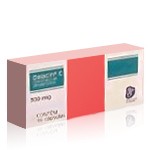
Clavam is an affordable generic Amoxicillin + Potassium Clavulanate combination antibiotic — manufactured by Alkem Laboratories, one of India's leading pharmaceutical companies. Clavam provides the same broad-spectrum β-lactamase-protected antibacterial coverage as branded Augmentin at a significantly lower cost, with an extensive range of formulations from infant drops to high-strength adult tablets supporting all age groups.
The combination works through complementary mechanisms. Amoxicillin is the active antibiotic component, inhibiting bacterial cell wall synthesis through penicillin-binding protein interaction. Potassium Clavulanate is a β-lactamase inhibitor with minimal direct antibacterial activity — instead, it serves as a "suicide inhibitor" of β-lactamase enzymes that many bacteria produce to inactivate β-lactam antibiotics. By neutralising these resistance enzymes, Clavulanate protects Amoxicillin from degradation, dramatically extending the spectrum to include β-lactamase producing organisms.
Clavam provides effective coverage against an expanded range of pathogens including β-lactamase producing Haemophilus influenzae, Moraxella catarrhalis, Escherichia coli, some Klebsiella species, and methicillin-sensitive Staphylococcus aureus (MSSA). It also adds anaerobic coverage particularly against Bacteroides species — making it valuable in pediatric practice where mixed infections are common.
Clavam is widely used for treatment of acute bacterial otitis media, acute bacterial sinusitis, lower respiratory tract infections, urinary tract infections, skin and soft tissue infections, dental infections, and various pediatric bacterial infections. Alkem produces Clavam in multiple formulations including Clavam Drops for infants, Clavam Kid pediatric suspension, Clavam 625 standard tablets (500/125 mg), and Clavam DS high-strength tablets (875/125 mg).
Standard adult dosing is one Clavam DS tablet twice daily for most indications. Pediatric dosing is weight-based with appropriate suspension or drops. Taking the medication with food substantially reduces gastrointestinal effects from the Clavulanate component.
Common side effects include diarrhea (more frequent than plain Amoxicillin), rash, and yeast infections. Clavam provides global access to this essential broad-spectrum antibiotic combination at affordable cost across all age groups.
Free prescription
Discrete packaging
Have questions?
Quality Assurance

- Intra Abdominal Infection: With aminoglycoside for intra-abdominal infections providing anaerobic coverage;
- Pelvic Inflammatory Disease: For PID with anaerobic component — often combined with aminoglycoside;
- CA MRSA Skin Infection: For community-acquired MRSA skin and soft tissue infections — oral alternative to Bactrim;
- Necrotizing Fasciitis: Critical adjunct for necrotizing fasciitis — suppresses bacterial toxin production;
- Streptococcal Toxic Shock: Adjunctive therapy for streptococcal toxic shock syndrome — inhibits superantigen production;
- Staphylococcal Toxic Shock: Adjunctive therapy for staphylococcal toxic shock syndrome — reduces toxin synthesis;
- Aspiration Pneumonia: For aspiration pneumonia where anaerobic mouth flora are major pathogens;
- Lung Abscess: For pulmonary abscess caused by aspirated anaerobic mouth flora;
- Severe Dental Abscess: For severe dental abscesses with anaerobic infection — standard penicillin-allergic alternative;
- Odontogenic Infection: For severe odontogenic infections requiring anaerobic coverage in penicillin-allergic patients;
- Osteomyelitis: For bone infection caused by MSSA or anaerobes — excellent bone penetration;
- Septic Arthritis: For septic arthritis caused by MSSA, Streptococcus, or anaerobes in penicillin-allergic patients;
- Acne Vulgaris Topical: Topical formulation (Cleocin T) for inflammatory acne vulgaris;
- Bacterial Vaginosis: Cleocin Vaginal 2% cream for bacterial vaginosis treatment;
- Endocarditis Prophylaxis Penicillin Allergic: For endocarditis prophylaxis in penicillin-allergic patients before dental procedures;
- Toxoplasmosis: With pyrimethamine for cerebral toxoplasmosis in HIV-positive patients (sulfa-allergic alternative);
- PCP Pneumonia Alternative: With primaquine for Pneumocystis pneumonia treatment in sulfa-allergic patients;
- Babesiosis: With quinine for severe Babesia infection (tick-borne intra-erythrocytic protozoal disease);
- Group B Strep Prophylaxis Penicillin Allergic: For Group B Strep prophylaxis in penicillin-allergic pregnant women with high-risk allergy;
- Pediatric Bone Infection: For pediatric osteomyelitis caused by MSSA or anaerobes with excellent bone penetration;
- Mastoiditis: For mastoiditis with anaerobic flora or in penicillin-allergic patients;
- Penicillin Allergic Anaerobic: Standard alternative for anaerobic infections in penicillin-allergic patients;
- IV Oral Step Down: For oral step-down therapy following IV Clindamycin treatment in hospital.
- Less Pain: Reduction in pain associated with abscesses, necrotizing infections, and bone infections;
- Better Wound Healing: Resolution of CA-MRSA skin and soft tissue infections;
- Less Pus Drainage: Resolution of purulent drainage from infected wounds and abscesses;
- Less Bone Pain: Resolution of pain in osteomyelitis as bone infection clears;
- Less Joint Pain: Resolution of pain in septic arthritis as joint infection clears;
- Less Pelvic Pain: Resolution of pain in pelvic inflammatory disease;
- Less Tooth Pain: Resolution of pain in severe dental abscesses with anaerobic infection;
- Better Energy: Recovery from severe systemic infection-related fatigue;
- Lifesaving Toxin Reduction: Critical role in necrotizing fasciitis and toxic shock — suppresses bacterial toxin production;
- Better Acne: Topical Cleocin T improves inflammatory acne lesions;
- Less Vaginal Discharge: Cleocin Vaginal resolves bacterial vaginosis-associated discharge;
- Faster Recovery: Most patients show clinical improvement within 48-72 hours;
- Better Daily Function: Return to normal activities as serious infection resolves;
- Brand Cleocin: Original Pfizer brand of Clindamycin with established global clinical reputation since 1970;
- Generic Clindamycin: Affordable generic versions expand global access to essential lincosamide therapy;
- Dalacin C Equivalent: Same Clindamycin molecule as international brand Dalacin C — widely used internationally;
- Lincosamide Antibiotic: Foundational lincosamide class antibiotic with established mechanism and clinical applications;
- 50S Ribosomal Inhibitor: Inhibits bacterial protein synthesis at the 50S ribosomal subunit;
- Bacterial Toxin Suppression: Unique among antibiotics — suppresses bacterial toxin production in addition to killing bacteria;
- Anaerobic Bacteria Coverage: Excellent coverage of Bacteroides, Fusobacterium, and Peptostreptococcus anaerobes;
- CA MRSA Coverage: Active against community-acquired MRSA strains — key oral therapy option;
- Bone Penetration Antibiotic: Excellent bone penetration supports oral step-down therapy in osteomyelitis;
- Necrotizing Fasciitis Therapy: Critical adjunct in necrotizing soft tissue infections — lifesaving toxin suppression;
- Toxic Shock Therapy: Standard adjunctive therapy for streptococcal and staphylococcal toxic shock syndromes;
- Dental Penicillin Alternative: Standard alternative for dental infections in penicillin-allergic patients;
- Penicillin Allergic Standard: Standard alternative for anaerobic and Gram-positive infections in penicillin-allergic patients;
- Endocarditis Prophylaxis Alternative: AHA-recommended alternative for endocarditis prophylaxis in penicillin-allergic patients;
- Cleocin T Topical: Topical solution, gel, and lotion formulations for inflammatory acne treatment;
- Cleocin Vaginal: 2% vaginal cream for bacterial vaginosis treatment;
- Pediatric Suspension Clindamycin: Oral pediatric suspension supports accurate weight-based dosing for children;
- IV Oral Switch Clindamycin: IV and oral forms support hospital-to-home discharge with bone-joint infection therapy;
- WHO Essential Medicine: Listed on the WHO Model List of Essential Medicines for serious bacterial infections;
- 50 Plus Year Antibiotic History: Extensive real-world safety and efficacy data since 1970 across billions of patient courses;
- C Difficile Risk Warning: Boxed warning — high risk for C. difficile colitis including severe pseudomembranous colitis;
- Diarrhea Monitoring: Report new or worsening diarrhea immediately — can indicate serious C. difficile infection;
- Take With Water: Capsules taken with full glass of water to prevent esophageal ulceration;
- Avoid With Lying Down: Do not take immediately before lying down — reduces esophageal ulceration risk;
- Stable Storage: Capsules stable at room temperature — oral suspension is stable at room temperature for 2 weeks;
- Globally Available: Widely supplied in international markets in branded (Cleocin, Dalacin C) and generic forms.
Generic Cleocin (Clindamycin 150 mg) Medication guide:
📖 What is Cleocin and how it works
Cleocin is the original brand name for clindamycin, a lincosamide-class antibiotic that has occupied a specific niche in infectious diseases since 1969. It is chosen when clinicians need gram-positive coverage plus reliable anaerobic activity plus tissue penetration deep enough for bone, dental, and abscess cavities — a combination that few other oral agents match at reasonable cost.
🎯 Where Cleocin fits in modern prescribing
Cleocin is not a broad-spectrum drug of first resort. It is chosen for specific problems: streptococcal toxic shock (to suppress toxin production), community MRSA when susceptibility is confirmed, deep dental abscesses, prosthetic joint or bone infection, aspiration pneumonia, and pelvic inflammatory disease. Each indication traces back to a documented pharmacological property of the molecule.
Manufactured by Pfizer as the original Cleocin brand and available worldwide as generic clindamycin, the drug is supplied in 150 mg and 300 mg oral capsules, an oral pediatric suspension (75 mg per 5 mL), intravenous phosphate injection, topical gel and lotion for acne, and vaginal cream and ovule for bacterial vaginosis.
| Formulation | Common use |
|---|---|
| Oral capsule 150 mg or 300 mg | Systemic outpatient infection: SSTI, dental, bone, PID step-down |
| Oral solution 75 mg per 5 mL | Pediatric dosing at 8 to 25 mg/kg/day divided QID |
| IV phosphate 300 to 900 mg | Hospital use: toxic shock, necrotising fasciitis, severe PID |
| Topical gel 1 percent | Acne vulgaris |
| Vaginal cream 2 percent | Bacterial vaginosis (alternative to metronidazole) |
This medication guide focuses on the systemic oral formulation used for outpatient infection management. Topical and vaginal use are covered separately in section 18. The drug carries a well-known FDA black-box warning for Clostridioides difficile colitis, treated in depth in section 20 — a signal that shapes every prescribing decision.
🕑 Heritage and development timeline
The clindamycin story spans six decades of continuous clinical use, from a synthetic chlorine substitution on the natural lincomycin molecule to today's use in strep toxin suppression and community MRSA management.
🕑 Development milestones
- 1962 — Lincomycin discovery
- Isolated from Streptomyces lincolnensis soil bacterium in Lincoln, Nebraska (hence the name). First lincosamide-class antibiotic.
- 1967 — Chemical modification to clindamycin
- Magerlein and Birkenmeyer at Upjohn substitute a chlorine for hydroxyl in position 7, tripling potency and improving oral absorption.
- 1969 — FDA approval
- NDA 050162 Cleocin Hydrochloride capsules approved. Upjohn later becomes Pharmacia then Pfizer.
- 1972 — Parenteral phosphate ester
- Cleocin Phosphate injection approved for serious anaerobic and streptococcal infection.
- 1974 — Pseudomembranous colitis link established
- Larson and colleagues at Massachusetts General publish the connection between clindamycin and severe diarrhoeal colitis. The pathogen is later identified as Clostridioides difficile and the FDA adds a black-box warning.
- 1988 — Stevens toxin-suppression paper
- JID 1988;158:23 demonstrates that adding clindamycin to penicillin dramatically improves survival in invasive group A strep, uncovering the drug's unique ability to shut off streptococcal exotoxin production.
- 2000s — Community MRSA epidemic
- CA-MRSA becomes the dominant cause of outpatient skin infection. Clindamycin emerges as one of very few oral options with reliable activity, spawning the D-test methodology to detect inducible resistance.
- 2015 — Head-to-head SSTI trial
- Miller et al NEJM 2015;372:1093 directly compares clindamycin with TMP-SMX for uncomplicated skin infection; cure rates similar, giving clinicians modern outpatient evidence.
The most striking feature of clindamycin's development is that decades of resistance emergence in some pathogens (rising Bacteroides fragilis, MLSb-inducible staph) have been offset by newly recognised roles in strep toxin suppression, community MRSA, and dental prophylaxis in penicillin-allergic patients. Few antibiotics with a 1969 launch remain this central to prescribing.
⚙️ Mechanism of action explained
Clindamycin has a single primary molecular target and a secondary anti-toxin effect that together explain both its narrow clinical footprint and its irreplaceable role in specific infections.
🧱 Primary action — blocks bacterial protein synthesis
Clindamycin binds the 23S ribosomal RNA component of the bacterial 50S ribosomal subunit at the peptidyl transferase centre. This blocks the transpeptidation step of protein elongation. Bacteria cannot build new proteins, growth stops, and at sufficient concentration cell death follows. This mechanism is shared with macrolides and streptogramins — hence the MLSb family designation and the phenomenon of cross-resistance among the three classes.
🔇 Secondary action — suppresses streptococcal toxin production
Because clindamycin inhibits ribosomal protein synthesis, it also blocks the production of exotoxins that streptococci (and some staphylococci) release. In group A streptococcal necrotising fasciitis and toxic shock syndrome, the exotoxins are the direct cause of shock, capillary leak, and multi-organ failure. Penicillin kills the organism but does nothing to the toxins already being produced; clindamycin shuts off toxin production at the ribosome. The two-drug combination was first demonstrated by Dennis Stevens in animal and human studies (JID 1988) and is codified in IDSA SSTI guidelines.
Clindamycin is described as bacteriostatic at typical serum concentrations and bactericidal at higher concentrations achieved in tissue or with the intravenous formulation. The transition is organism-dependent and matters clinically only in high-inoculum infection where bactericidal action is preferred.
The Eagle effect: At very high organism density (large abscess, necrotising fasciitis), penicillin loses efficacy because the streptococci enter stationary phase and stop expressing penicillin-binding proteins. Harry Eagle first described this in 1948. Clindamycin does not require actively dividing organisms because ribosomal protein synthesis continues in stationary phase — this is the pharmacological basis for the modern clindamycin-plus-penicillin recommendation.
Clindamycin does not cross the blood-brain barrier reliably, which is why it is not used for CNS infections despite its broad gram-positive activity. It does penetrate bone, dental tissue, abscess cavities, and lung parenchyma at 40 to 60 percent of serum levels — the pharmacokinetic footprint that shapes its indication list.
🧬 Lincosamide class positioning today
The lincosamide family is small and clindamycin is by far its most-used member. Understanding where lincosamides sit among protein-synthesis inhibitors clarifies both the drug's advantages and its resistance vulnerabilities.
| Ribosome-targeting class | Representative agents | Binding site | Cross-resistance with Cleocin |
|---|---|---|---|
| Lincosamides | Clindamycin, lincomycin | 50S rRNA | Cleocin is the class |
| Macrolides | Erythromycin, azithromycin, clarithromycin | 50S rRNA (overlap) | MLSb cross-resistance real |
| Streptogramins | Quinupristin-dalfopristin | 50S rRNA | MLSb cross-resistance |
| Oxazolidinones | Linezolid, tedizolid | 50S rRNA distinct site | Minimal |
| Tetracyclines | Doxycycline, minocycline | 30S rRNA | Independent |
| Aminoglycosides | Gentamicin, amikacin | 30S rRNA | Independent |
🧬 The MLSb resistance mechanism
Bacteria carrying erm genes (erythromycin ribosome methylase) modify the ribosomal binding site so macrolides, lincosamides, and streptogramins B all fail. Some strains express this constitutively (all agents useless) and some inducibly — the strain appears clindamycin-susceptible on standard testing but resistance emerges during treatment. This is why the D-test exists (section 23): it exposes inducible resistance before the clinician commits to therapy.
🎯 Where clindamycin still wins
Despite MLSb resistance concerns, clindamycin remains the only oral agent in the lincosamide family with meaningful bone penetration, exceptional dental tissue distribution, and the unique anti-toxin effect against group A streptococci. Linezolid shares the anti-toxin property in some studies but is orders of magnitude more expensive and toxic on prolonged use.
🦠 Bacterial spectrum and coverage
Clindamycin has a distinctive coverage profile: strong on gram-positive cocci and anaerobes above the diaphragm, moderate on Bacteroides fragilis (with rising resistance concern), and essentially useless against gram-negative aerobes.
✅ Reliably covered by Cleocin
- Streptococcus pyogenes (group A strep) — excellent, including toxin suppression role
- Streptococcus pneumoniae — good for macrolide-susceptible strains
- Viridans group streptococci — oral flora, dental infection
- Streptococcus agalactiae (group B) — used in penicillin-allergic pregnant patients pending susceptibility
- Methicillin susceptible Staphylococcus aureus (MSSA)
- Methicillin resistant Staphylococcus aureus (MRSA) only when D-test negative and inducible resistance excluded
- Peptostreptococcus, Peptococcus — oral and gut anaerobic cocci
- Prevotella, Porphyromonas, Fusobacterium — oral anaerobes, dental abscess flora
- Bacteroides fragilis group — moderate, resistance now 20 to 40 percent in some regions
- Actinomyces species — chronic granulomatous infection
- Toxoplasma gondii — alternative to sulfadiazine in HIV-related toxoplasmic encephalitis
- Pneumocystis jirovecii — with primaquine, second-line for PCP in TMP-SMX intolerance
- Babesia species — with quinine or atovaquone, for babesiosis
❌ Not covered by Cleocin — do not use empirically
- Enterococcus faecalis and E. faecium — intrinsic resistance
- Enterobacterales (E. coli, Klebsiella, Enterobacter, Serratia, Citrobacter) — poor to no activity
- Pseudomonas aeruginosa — no activity
- Haemophilus influenzae — unreliable
- Neisseria meningitidis and gonorrhoeae — not recommended
- Atypicals: Mycoplasma pneumoniae, Chlamydia species, Legionella — no activity
- Clostridioides difficile — clindamycin actually SELECTS for CDI, cannot treat it
- Mycobacteria including tuberculosis and non-tuberculous species
- Nocardia — no reliable activity
- Any organism producing constitutive MLSb resistance
💡 Clinical framing of the spectrum
Think of Cleocin as an above-the-diaphragm anaerobic and gram-positive drug. It excels at dental, sinus, aspiration, and oral-flora infections. It weakens below the diaphragm because B. fragilis resistance has risen; metronidazole is a more reliable choice for intra-abdominal anaerobic coverage. It has no useful gram-negative role — if the target flora contains E. coli or other Enterobacterales, add a second agent or choose a different regimen.
💉 Pharmacokinetics and drug absorption
Clindamycin has one of the more favourable pharmacokinetic profiles among lincosamide-class agents: high oral bioavailability, wide tissue distribution including bone and dental tissue, and mostly hepatic metabolism — the last making renal dose adjustment usually unnecessary.
| Parameter | Value |
|---|---|
| Oral bioavailability | Approximately 90 percent — among the highest of oral antibiotics |
| Peak serum concentration | 2 to 3 mg/L after 150 mg oral dose, 4 to 5 mg/L after 300 mg |
| Peak time | 45 to 60 minutes |
| Food effect | Modest delay in absorption, total bioavailability unchanged — take with water to reduce oesophageal irritation risk |
| Protein binding | Approximately 92 to 94 percent to alpha-1 acid glycoprotein |
| Half-life | 2 to 3 hours in normal renal and hepatic function |
| Volume of distribution | Approximately 1 L/kg — wide distribution |
| Metabolism | Primarily hepatic via CYP3A4 to inactive N-demethyl and sulfoxide metabolites |
| Elimination | 10 percent unchanged in urine, 4 percent in bile; extensive faecal excretion of parent and metabolites |
| Dialysis removal | Negligible — no supplemental dose needed after HD or PD |
🧬 Tissue penetration profile — where clindamycin shines
- Bone
- 40 to 60 percent of serum concentration — one of the highest among oral antibiotics, making it a preferred choice for MSSA and streptococcal osteomyelitis.
- Dental tissue and gingival crevicular fluid
- Excellent, exceeds serum level in inflamed gum tissue — the pharmacokinetic basis for the drug's dental prophylaxis role.
- Abscess and pus
- Penetrates well and retains activity in the acidic, low-oxygen environment where beta-lactams and aminoglycosides falter.
- Lung parenchyma and alveolar macrophages
- Concentrates in phagocytes to intracellular levels 40-fold higher than serum — useful for aspiration pneumonia with anaerobic component.
- Cerebrospinal fluid
- Very poor even with inflamed meninges — do not use for CNS infection.
Pharmacodynamically clindamycin is best described as an AUC/MIC agent, meaning total drug exposure over 24 hours matters more than peak concentration or time-above-MIC. Standard three or four times daily dosing achieves the AUC target for most susceptible organisms. Missed doses meaningfully lower exposure, so adherence is unusually important.
🏥 FDA approved indications overview
The FDA label for Cleocin is written broadly: "serious infections caused by susceptible strains of the designated organisms." The label lists organism groups rather than specific clinical syndromes, so the practical indication list has been shaped by decades of guideline body-of-evidence rather than by the package insert alone.
| Approved clinical use | Typical pathogens | Typical duration |
|---|---|---|
| Lower respiratory tract infection (including empyema and lung abscess) | Anaerobes, streptococci, MSSA | 2 to 6 weeks depending on cavity |
| Skin and skin structure infection | MSSA, streptococci, D-test negative CA-MRSA | 5 to 14 days |
| Female pelvic and genital tract infection | Anaerobes, streptococci | 14 days for PID |
| Intra-abdominal infection (adjunctive) | Anaerobes with gram-negative coverage from another agent | 4 to 7 days after source control |
| Septicaemia due to susceptible strains | Streptococci, MSSA | 14 days minimum after clearance |
| Bone and joint infection | MSSA, streptococci, susceptible MRSA | 4 to 6 weeks acute, longer for chronic |
📋 Guideline-supported uses beyond the strict FDA label
- Necrotising fasciitis and streptococcal toxic shock syndrome (IDSA SSTI 2014, toxin-suppression adjunct)
- Dental infection with anaerobic component
- Endocarditis dental prophylaxis in penicillin-allergic patients (AHA, refined by 2021 update)
- Community MRSA outpatient SSTI when D-test negative (IDSA MRSA 2011)
- Aspiration pneumonia in outpatient setting
- Bacterial vaginosis (topical formulation, CDC)
- Toxoplasmic encephalitis in HIV (alternative to sulfadiazine)
- Pneumocystis jirovecii pneumonia with primaquine (second-line to TMP-SMX)
- Babesiosis with quinine (parasite co-treatment)
Off-label use rests on decades of pharmacologic rationale (excellent bone and abscess penetration, anaerobic and gram-positive coverage) and outcome studies. Clinicians should still confirm susceptibility whenever possible and remain vigilant for the black-box CDI risk regardless of indication.
🧬 Anaerobic infections primary role
Anaerobic infection was the original commercial rationale for clindamycin. For above-the-diaphragm anaerobes it remains a leading oral choice; for below-the-diaphragm anaerobes metronidazole has largely taken over because of rising Bacteroides fragilis resistance.
🦠 Anaerobic organisms and clindamycin activity
- Above the diaphragm (oral, sinus, dental, pulmonary)
- Peptostreptococcus, Prevotella, Porphyromonas, Fusobacterium, Actinomyces — excellent activity, greater than 95 percent susceptibility in most surveillance data. Clindamycin is a leading empirical choice.
- Below the diaphragm (colon, pelvic)
- Bacteroides fragilis group has developed 20 to 40 percent resistance in North American surveillance since 2000. Bacteroides thetaiotaomicron and Bacteroides ovatus show even higher resistance. Metronidazole and beta-lactam plus BL inhibitor combinations are usually preferred for empirical intra-abdominal anaerobic coverage.
- Clostridium species (non-difficile)
- Clostridium perfringens and other clostridia are generally susceptible — important for necrotising soft-tissue infection with gas gangrene where clindamycin adds anti-toxin effect.
| Anaerobic infection type | Clindamycin role | Alternative |
|---|---|---|
| Dental abscess with anaerobic component | First-line oral | Amoxicillin-clavulanate |
| Aspiration pneumonia | First-line outpatient | Amoxicillin-clavulanate, moxifloxacin |
| Lung abscess | Preferred oral component | Amoxicillin-clavulanate |
| Empyema | Reasonable component | Broader IV agent plus source control |
| Necrotising fasciitis (any organism) | Always add for toxin suppression | Linezolid alternative |
| Intra-abdominal anaerobic infection | Not preferred due to B. fragilis resistance | Metronidazole, piperacillin-tazobactam, ertapenem |
| Anaerobic gynaecologic infection (mild) | Reasonable, follow local resistance | Metronidazole plus doxycycline |
| Chronic sinusitis with anaerobic component | Guideline supported | Amoxicillin-clavulanate high dose |
💡 Empirical anaerobic choice
A useful mental shortcut: above the diaphragm think clindamycin, below the diaphragm think metronidazole. When infection crosses that boundary or the target flora is uncertain, use a beta-lactam plus beta-lactamase inhibitor combination (amoxicillin-clavulanate for outpatient, piperacillin-tazobactam or ertapenem for inpatient) which covers anaerobes above and below the diaphragm with lower resistance concern.
🦠 Skin and soft tissue infections
The community MRSA epidemic that began around 2000 turned clindamycin into a routine outpatient skin-infection option, backed by paediatric surveillance data and the Miller NEJM 2015 head-to-head trial. Clindamycin is chosen when reliable oral MRSA activity is needed and D-test excludes inducible resistance.
👉 When Cleocin is a good SSTI choice
- Purulent skin infection (abscess, boil, folliculitis) with likely CA-MRSA in region with adequate clindamycin susceptibility
- Non-purulent cellulitis with streptococcal or MSSA suspicion, penicillin-allergic patient
- Recurrent MRSA carriage with prior clindamycin-susceptible strains
- Paediatric SSTI where TMP-SMX contraindicated (sulfa allergy, young infant with G6PD)
- Necrotising fasciitis (always add clindamycin regardless of specific organism for toxin suppression)
- Streptococcal toxic shock syndrome (adjunct to penicillin)
⚠️ When NOT to use Cleocin for SSTI
- D-test positive isolate — inducible resistance will emerge during therapy
- Regional clindamycin susceptibility below 85 percent for CA-MRSA (some parts of USA have dropped this low)
- Diabetic foot infection with polymicrobial gram-negative involvement
- Bite wounds (Pasteurella, Eikenella not covered)
- Uncomplicated cellulitis where cephalexin or dicloxacillin would work equally with lower CDI risk
- Prior C. difficile infection history
- Purulent cellulitis where source control (drainage) is the actual necessary intervention rather than antibiotic escalation
| SSTI type | Regimen and duration |
|---|---|
| Small abscess or boil after drainage | Drainage may be adequate alone; if antibiotic needed, clindamycin 300 to 450 mg PO QID for 5 days |
| Uncomplicated cellulitis, penicillin-allergic | 300 mg PO QID for 5 to 10 days |
| Purulent SSTI with likely MRSA (D-test negative) | 300 to 450 mg PO QID for 5 to 10 days |
| Streptococcal TSS or necrotising fasciitis | 900 mg IV every 8 hours plus penicillin G, source control, ICU care |
| Paediatric SSTI | 10 to 30 mg/kg/day divided QID, 5 to 10 days |
⚖️ The Miller 2015 evidence
The NEJM 2015 trial (Miller et al 372:1093) randomised 524 outpatients with uncomplicated skin infection to clindamycin or TMP-SMX. Cure rates were similar (about 80 percent for each), diarrhoea somewhat more common with clindamycin, and side-effect profiles otherwise similar. This gives modern head-to-head evidence that either agent can be a reasonable outpatient choice, with local resistance and patient factors guiding selection.
🦷 Dental and oral infections
Clindamycin's combination of streptococcal, staphylococcal, and oral anaerobic coverage plus exceptional dental tissue penetration makes it a long-standing choice for dental abscess and one of the few options for endocarditis dental prophylaxis in penicillin-allergic patients.
🦷 Oral flora Cleocin covers well
- Viridans group streptococci — the dominant dental commensals
- Peptostreptococcus, Peptoniphilus — anaerobic gram-positive cocci
- Prevotella species — pigmented anaerobic rods, key in periodontitis
- Porphyromonas gingivalis — central periodontitis pathogen
- Fusobacterium nucleatum — oral spirochete-associated infection
- Actinomyces species — chronic cervicofacial infection
- Eikenella corrodens — oral commensal, human bite wounds (limited activity)
| Dental scenario | Regimen | Duration |
|---|---|---|
| Acute dental abscess (small, drained) | Source control alone often adequate; if antibiotic 300 mg PO QID | 3 to 7 days |
| Cellulitis of dental origin | 300 to 450 mg PO QID | 7 to 10 days |
| Severe dental infection with fascial spread | 600 to 900 mg IV every 8 hours | Until improvement then step-down to oral, 14 days total |
| Ludwig angina | IV clindamycin plus airway assessment, ENT referral | 14 to 21 days |
| Endocarditis dental prophylaxis (penicillin-allergic) | 600 mg PO single dose 60 minutes before procedure | Single dose only |
🏥 AHA 2021 endocarditis prophylaxis update
The 2021 focused update from the American Heart Association narrowed clindamycin's prophylaxis role because of CDI risk, now favouring cephalexin (2 grams) or doxycycline (100 mg) in penicillin-allergic patients when the reaction was not IgE-mediated. Clindamycin remains recommended when the penicillin reaction was anaphylactic or severe delayed — the situation where cross-reactivity with cephalosporins is a real concern.
Response is expected at 48 to 72 hours. Persistent swelling or fever demands dental drainage and imaging for deeper fascial extension rather than antibiotic escalation. Source control is the actual cure in most dental infections; antibiotics support that, they do not replace it.
🦴 Bone and joint infections
Clindamycin's 40 to 60 percent bone penetration puts it among the most useful oral agents for osteomyelitis and prosthetic joint infection caused by susceptible organisms. It is a workhorse for MSSA, streptococcal, and D-test negative MRSA bone infection, particularly in paediatric osteomyelitis where the alternative agents (linezolid, rifampin combinations, IV vancomycin) carry higher toxicity or logistical burden.
🦴 Where Cleocin fits in bone infection
- Acute haematogenous osteomyelitis, paediatric
- MSSA or streptococcal — clindamycin at 30 to 40 mg/kg/day divided QID after clinical stabilisation on IV therapy. Typical total course 4 weeks minimum.
- Adult acute osteomyelitis, MSSA
- 300 to 450 mg PO QID, often as step-down from IV cefazolin or nafcillin. Duration 4 to 6 weeks acute, longer for chronic.
- MRSA osteomyelitis, D-test negative isolate
- Reasonable oral step-down from IV vancomycin. Duration 4 to 6 weeks minimum. Combination with rifampin considered for prosthetic material retention.
- Prosthetic joint infection, susceptible organism
- Component of oral suppressive regimen after debridement or as chronic suppression when explant is not feasible. Combined with rifampin when staphylococci involved.
- Diabetic foot osteomyelitis (adjunctive)
- Adds gram-positive and anaerobic coverage alongside a broader gram-negative agent (fluoroquinolone or beta-lactam).
| Bone infection scenario | Regimen | Total duration |
|---|---|---|
| Paediatric MSSA acute osteo | IV cefazolin 3 to 5 days then clindamycin 30-40 mg/kg/day QID | 4 weeks |
| Adult MSSA vertebral osteo | IV nafcillin 2 weeks then clindamycin 450 mg QID | 6 weeks |
| Adult MRSA osteo, D-test neg | IV vancomycin 2 to 4 weeks then clindamycin 450 mg QID | 6 to 8 weeks |
| PJI oral suppression staphylococcal | Clindamycin 300 mg QID plus rifampin 300 to 450 mg BID | 3 to 6 months minimum |
| Diabetic foot osteomyelitis | Clindamycin plus fluoroquinolone or beta-lactam | 4 to 6 weeks after debridement |
📋 Monitoring during prolonged therapy
CBC and LFTs at baseline and every 2 to 4 weeks during courses longer than 4 weeks. Watch for C. difficile diarrhoea throughout — the risk is cumulative and higher with long courses. Discuss the D-test result explicitly with the patient and document susceptibility clearly — treatment failure from unrecognised inducible resistance is preventable.
Explant of infected hardware, debridement of devitalised bone, and appropriate source control matter as much as antibiotic choice in bone infection cure. Clindamycin cannot rescue a case where necrotic bone is left in place or a foreign body harbours biofilm-embedded bacteria that no oral agent can penetrate at effective concentration.
👩 Pelvic inflammatory disease treatment
Clindamycin has a specific historic role in pelvic inflammatory disease (PID) management, primarily in the parenteral clindamycin plus gentamicin regimen for hospitalised patients and in bacterial vaginosis treatment via the topical formulation. Its coverage of anaerobes and streptococci fits the polymicrobial pelvic flora that drives PID.
🏥 When Cleocin fits PID management
- Hospitalised PID with tubo-ovarian abscess
- IV clindamycin 900 mg every 8 hours plus IV gentamicin loading dose then maintenance. CDC-recommended parenteral regimen since the 1980s. Add doxycycline for chlamydial coverage during and after IV phase.
- Post-operative gynaecologic infection
- Post-caesarean endometritis, post-hysterectomy vaginal cuff infection — clindamycin plus gentamicin is a standard regimen.
- Bacterial vaginosis (topical formulation)
- Topical vaginal cream 2 percent for 5 to 7 days — CDC alternative to metronidazole. Not the systemic oral formulation for BV.
- Outpatient PID
- Systemic clindamycin is NOT first-line outpatient PID — CDC preferred regimen is ceftriaxone plus doxycycline plus metronidazole. Clindamycin oral is reserved for specific allergy scenarios or step-down.
| Gynaecologic scenario | Clindamycin role | Alternative |
|---|---|---|
| Outpatient PID | Second-line; CDC prefers ceftriaxone plus doxycycline plus metronidazole | Metronidazole covers anaerobes |
| Hospitalised PID | IV clindamycin plus gentamicin standard regimen | Cefotetan plus doxycycline |
| Tubo-ovarian abscess | Standard component, source control if not resolving in 72 hours | Piperacillin-tazobactam plus doxycycline |
| Post-caesarean endometritis | Clindamycin plus gentamicin | Ampicillin-sulbactam |
| Bacterial vaginosis | Topical vaginal cream, not oral | Metronidazole oral or gel |
| Group B strep in labour, penicillin-allergic | Only if susceptibility confirmed; D-test needed | Cefazolin if non-severe penicillin reaction |
🕑 Duration and follow-up
PID total antibiotic duration is 14 days. Hospitalised patients transition from IV to oral once improved (typically 48 to 72 hours after clinical response). Follow-up at 72 hours confirms improvement in pain, fever, and CRP. Sexual partner treatment for chlamydia and gonorrhoea is essential; PID recurs rapidly if the partner remains untreated.
Clindamycin's role in gynaecology has been shaped by decades of parenteral use plus the CDC bacterial vaginosis guidance. It is not the outpatient first-line PID agent, but for hospitalised or complicated pelvic infection it remains a reliable, guideline-anchored component.
💊 Adult dosing and administration
Adult Cleocin dosing balances two variables: the MIC of the target organism (higher MICs for CA-MRSA and B. fragilis require higher doses) and the tolerability ceiling imposed by diarrhoea and gastrointestinal upset that scales with total daily exposure.
| Formulation | Standard adult dose | Interval | Common indication |
|---|---|---|---|
| 150 mg oral capsule | 1 capsule | Every 6 hours (QID) | Mild SSTI, step-down bone infection |
| 300 mg oral capsule | 1 capsule | Every 6 or 8 hours | Standard SSTI, dental, aspiration |
| 450 mg oral capsule | 1 capsule (300 + 150) | Every 6 hours | CA-MRSA SSTI, bone infection |
| 600 mg oral (single dose) | 2 x 300 mg capsules | One-time 60 min before dental procedure | Endocarditis prophylaxis |
| 300 to 600 mg IV | Moderate serious infection | Every 6 to 8 hours | Inpatient PID, dental fascial spread |
| 900 mg IV | Severe or life-threatening | Every 8 hours | Necrotising fasciitis, streptococcal TSS, complicated PID |
📍 Administration essentials
- Take each dose with a full glass of water (at least 240 mL) and remain upright for 30 minutes — clindamycin capsules can cause oesophageal irritation and ulceration when they lodge in the oesophagus
- Food does not affect total bioavailability but modest food intake reduces nausea — taking with a light meal is preferred
- Space doses evenly: q6h for four-times-daily, q8h for three-times-daily. Peak-to-trough consistency matters for AUC/MIC target
- Complete the full course — sub-therapeutic exposure selects for MLSb resistance
- Do not crush or open capsules for children unable to swallow — use the paediatric oral solution instead
⚠️ Maximum daily doses
Oral: 1800 mg per day in most indications, up to 2400 mg per day in severe MRSA or PJI oral suppression scenarios. IV: 4800 mg per day maximum, reserved for necrotising fasciitis, toxic shock, or severe intra-abdominal infection. Higher IV doses do not improve outcome and multiply the CDI and hepatotoxicity signal.
Duration ranges from a single dose for endocarditis dental prophylaxis to 6 to 8 weeks or longer for bone infection and PJI. Extending beyond the guideline duration provides no cure benefit but dramatically multiplies CDI risk, DRESS risk, and superinfection with resistant flora.
👶 Pediatric dosing considerations
Paediatric Cleocin dosing is weight-based and uses the palatable oral solution (75 mg per 5 mL) for children who cannot swallow capsules. The paediatric dose per kilogram is higher than the adult mg/kg equivalent because children clear clindamycin faster.
👶 Paediatric dosing bands
- Neonate (0 to 1 month)
- Only under specialist neonatologist guidance, hospital setting. Dosing 15 to 20 mg/kg/day divided q6 to q8h with careful CNS monitoring due to underdeveloped hepatic metabolism.
- Infant 1 to 12 months
- 20 to 40 mg/kg/day divided QID. Oral solution or IV phosphate as clinical severity dictates.
- Child over 1 year, standard indication
- 8 to 25 mg/kg/day divided QID for uncomplicated SSTI, dental, sinusitis.
- Child over 1 year, severe or MRSA
- 30 to 40 mg/kg/day divided QID for CA-MRSA SSTI, osteomyelitis, or septic arthritis with confirmed clindamycin susceptibility.
- Adolescent 40 kg or greater
- Adult regimens apply. Cap at 1800 mg per day oral.
| Weight | Standard SSTI (25 mg/kg/day QID) volume per dose | Severe MRSA (40 mg/kg/day QID) volume per dose |
|---|---|---|
| 10 kg | 4.2 mL (63 mg) | 6.7 mL (100 mg) |
| 15 kg | 6.3 mL (94 mg) | 10 mL (150 mg) |
| 20 kg | 8.3 mL (125 mg) | 13.3 mL (200 mg) |
| 30 kg | 12.5 mL (188 mg) | 20 mL (300 mg) |
| 40 kg | Adult regimen 300 mg QID | Adult regimen 450 mg QID |
💧 Oral solution practicalities
- The oral solution has a bitter, unpleasant taste that persists after swallowing — a leading reason for paediatric non-adherence
- Refrigeration is not required and paradoxically thickens the syrup; store at room temperature
- Mix with a small amount of chocolate syrup or fruit puree immediately before dosing to mask taste; do not premix and store
- Use an oral syringe or graduated dosing cup, never a household teaspoon
- Discard the reconstituted solution after 2 weeks per the manufacturer expiry rule
⚠️ Paediatric CDI awareness
Children on clindamycin are not immune to C. difficile infection. Any watery diarrhoea, fever, or bloody stool during or up to 8 weeks after therapy warrants clinical assessment and stool testing. Paediatric CDI can be severe, sometimes requiring hospitalisation.
🍃 Renal and hepatic considerations
Clindamycin is metabolised almost entirely by the liver and excreted largely in bile and faeces, with less than 10 percent appearing unchanged in urine. This distribution means renal impairment usually does not require dose adjustment, but significant hepatic impairment does.
🍃 Renal impairment — usually no adjustment needed
- Mild to moderate CKD (CrCl 30 to 90 mL/min): standard dose, no adjustment
- Severe CKD (CrCl less than 30): standard dose, no adjustment
- Haemodialysis: not removed by HD, no supplemental dose needed
- Peritoneal dialysis: negligible removal, standard dose
- Anuric ESRD off dialysis: standard dose, monitor for accumulation with prolonged use
💛 Hepatic impairment — adjustment and caution
- Mild hepatic dysfunction (Child-Pugh A): standard dose, monitor LFTs if course exceeds 7 days
- Moderate hepatic dysfunction (Child-Pugh B): consider reducing dose by 25 to 50 percent, LFTs weekly
- Severe hepatic dysfunction (Child-Pugh C): reduce dose 50 percent and monitor LFTs and drug levels closely; consider alternative agent when practical
- Cirrhosis with ascites: prefer shorter courses; encephalopathy risk from any drug adds to concern
- Cholestatic liver disease: baseline elevated LFTs make monitoring harder; document baseline before starting
| Organ dysfunction scenario | Cleocin decision |
|---|---|
| Normal renal and hepatic function | Full standard dose per indication |
| Severe CKD, dialysis-dependent | Standard dose, timing not tied to dialysis |
| Compensated cirrhosis (Child-Pugh A) | Standard dose, baseline LFTs, follow-up if long course |
| Decompensated cirrhosis (Child-Pugh B or C) | Reduce dose 25 to 50 percent, weekly LFTs, prefer alternative if practical |
| Acute severe hepatitis | Avoid clindamycin; use alternative agent |
| Prior clindamycin hepatotoxicity | Absolute contraindication to re-challenge |
💡 Combined renal and hepatic dysfunction
Patients with both kidney and liver disease (hepatorenal syndrome, decompensated cirrhosis with acute kidney injury, alcoholic liver disease with volume depletion) accumulate clindamycin metabolites and are at higher risk of CDI. Use the lowest effective dose, shortest reasonable course, and consider an agent with a cleaner elimination profile if therapeutically acceptable.
The combination of hepatic metabolism and biliary excretion means clindamycin is largely spared from renal adjustment surprises, but this same profile puts a real ceiling on its use in severe liver disease. Baseline LFTs before any prolonged course are a small investment that catches drug-induced hepatotoxicity before it becomes symptomatic.
💥 Drug interactions and warnings
Clindamycin has a moderate interaction footprint dominated by three concerns: neuromuscular blocker potentiation during surgery, CYP3A4 metabolism (both as substrate and moderate inhibitor), and warfarin exposure.
🔴 Interactions requiring active management
- Neuromuscular blocking agents (NMBs)
- Clindamycin has intrinsic pre- and post-junctional NMB activity. Concurrent atracurium, cisatracurium, rocuronium, vecuronium, or succinylcholine during surgery can cause prolonged neuromuscular blockade and respiratory depression. Inform the anaesthetist explicitly. Use a shorter-acting NMB and monitor with train-of-four.
- Warfarin
- Clindamycin disrupts vitamin-K producing gut flora and can raise INR by 1 to 3 units. Check INR at day 3 to 5 of therapy and 3 to 5 days after finishing. Dose adjustments common.
- Strong CYP3A4 inducers (rifampin, phenytoin, carbamazepine)
- Reduce clindamycin serum levels by 25 to 50 percent — may cause treatment failure. When used in combination (e.g. clindamycin plus rifampin for PJI), the interaction is intentional or accepted; when a background enzyme inducer is present, consider higher clindamycin dose.
- Strong CYP3A4 inhibitors (ketoconazole, ritonavir, clarithromycin)
- Raise clindamycin serum levels 30 to 50 percent, potentially increasing toxicity signal. Consider dose reduction if signs of accumulation emerge.
🟡 Interactions worth flagging
- Macrolides (erythromycin, clarithromycin, azithromycin): shared 50S ribosomal binding site — theoretical antagonism, avoid concurrent use for the same infection
- Combined oral contraceptives: minor theoretical effect on gut flora; backup contraception is often recommended but pharmacokinetic data show no consistent effect
- Live oral typhoid vaccine (Ty21a): clindamycin inactivates the vaccine organism, space vaccine at least 3 days after finishing
- Digoxin: rare cases of increased digoxin levels through altered gut flora; check level in patients on chronic therapy
- Cyclosporine and tacrolimus: modest CYP3A4 interaction, monitor levels in transplant recipients
✅ Reassuringly clean interactions
No clinically significant interaction with statins, SSRIs, most antihypertensives, direct oral anticoagulants, metformin, insulin, or acetaminophen at standard doses. Clindamycin is not a QT-prolonging agent and does not add to macrolide or fluoroquinolone QT effects when used sequentially.
| Drug or class | Effect | Action |
|---|---|---|
| Neuromuscular blockers (surgery) | Prolonged blockade, respiratory depression | Inform anaesthetist, monitor train-of-four |
| Warfarin | INR rise 1 to 3 units | INR day 3 to 5 during and after therapy |
| Rifampin (intentional combo) | Lower clindamycin levels 25 to 50 percent | Accept for PJI regimen; use higher clindamycin dose |
| Macrolides (concurrent) | Antagonism at ribosome | Avoid combined for same infection |
| Live oral vaccines | Vaccine inactivated | Space vaccine at least 3 days after |
🤰 Pregnancy and lactation safety
Clindamycin sits in FDA pregnancy Category B, one of the safer antibiotics available for pregnant patients. Human data spanning decades has not shown teratogenic signal, and LactMed rates the drug compatible with breastfeeding.
🤰 Pregnancy safety summary
- FDA Category B per pre-2015 letter classification
- No animal teratogenicity signal at doses up to 10 times human exposure
- Human pregnancy registry data across decades of use consistent with no consistent birth defect signal
- Preferred for pregnancy-related dental infection, aspiration pneumonia, and post-partum endometritis when the infection warrants antibiotics
- Topical vaginal cream widely used for bacterial vaginosis in pregnancy (though CDC prefers oral metronidazole)
- Post-partum endometritis regimen with gentamicin is standard obstetric practice
| Pregnancy indication | Cleocin use |
|---|---|
| Dental abscess | Reasonable second-line; amoxicillin or amox-clav preferred first |
| Endocarditis dental prophylaxis, penicillin-allergic | Standard use, single dose 60 min before |
| Post-caesarean endometritis | Clindamycin plus gentamicin is standard regimen |
| Bacterial vaginosis in pregnancy | Topical cream or oral clindamycin acceptable; CDC prefers oral metronidazole |
| Group B strep intrapartum prophylaxis | Only in severe penicillin allergy WITH confirmed clindamycin-susceptible GBS isolate and D-test negative |
| Necrotising fasciitis in pregnancy | Standard use with penicillin, source control, obstetric multidisciplinary |
👶 Lactation
Clindamycin transfers into breast milk at low concentrations (about 1 to 2 percent of maternal weight-adjusted dose). No developmental or behavioural adverse effects have been documented in nursing infants. LactMed rates the drug compatible with breastfeeding. Monitor the infant for altered stool pattern, thrush, or diarrhoea — usually transient and rarely requiring discontinuation. Advise the nursing parent to report bloody or profuse infant diarrhoea, given the CDI black-box signal.
The safety profile positions clindamycin well for obstetric use where penicillin allergy limits beta-lactam options and where anaerobic coverage matters (post-caesarean endometritis, chorioamnionitis, necrotising infection). It is not the reflex first choice for all pregnancy infections — the CDI risk applies just as much in pregnancy, and simpler agents suffice for many indications.
🧴 Topical and vaginal formulations
Beyond the systemic oral and IV formulations, clindamycin is marketed as topical gel and lotion 1 percent for acne and vaginal cream 2 percent and vaginal ovule for bacterial vaginosis. These formulations have distinct pharmacokinetics, adverse event profiles, and CDI considerations.
🌌 Topical formulation for acne
- Cleocin T gel or lotion 1 percent
- Applied twice daily to affected skin. Targets Cutibacterium acnes (formerly Propionibacterium) plus anti-inflammatory effect.
- Systemic absorption
- About 1 to 5 percent of applied dose absorbed — enough for measurable serum levels, low enough that CDI risk is minimal but not zero.
- Combination products
- Available combined with benzoyl peroxide (BenzaClin, Duac, Onexton) — the combination reduces resistance emergence in C. acnes.
- Typical duration
- Weeks to months for acne management. Extended topical use raises resistance concerns; combining with benzoyl peroxide is the standard mitigation.
🌸 Vaginal formulation for bacterial vaginosis
- Cleocin Vaginal Cream 2 percent
- 5 grams intravaginally at bedtime for 3 or 7 nights (product-specific). CDC alternative to oral metronidazole for bacterial vaginosis.
- Cleocin Vaginal Ovule
- 100 mg suppository intravaginally at bedtime for 3 nights. Same indication and CDC positioning.
- Latex product warning
- Both formulations contain mineral oil that can weaken latex or rubber condoms and diaphragms for up to 72 hours after use. Advise alternative contraception during and after therapy.
- Pregnancy use
- CDC allows topical vaginal use in pregnancy for BV but prefers oral metronidazole because of accumulated safety data. Discuss with obstetric provider.
| Formulation | Indication | Duration |
|---|---|---|
| Cleocin T gel or lotion 1 percent | Acne vulgaris | Weeks to months |
| Cleocin Vaginal Cream 2 percent | Bacterial vaginosis | 3 or 7 nights per label |
| Cleocin Vaginal Ovule 100 mg | Bacterial vaginosis | 3 nights |
| Combined benzoyl peroxide gel | Acne with resistance mitigation | Long-term maintenance |
⚠️ Local adverse events
Topical: dryness, peeling, mild burning, contact dermatitis. Photosensitivity is uncommon. Vaginal: vulvovaginal candidiasis in 10 to 20 percent, local irritation, discharge. Both can cause systemic CDI in rare cases despite low systemic absorption — report bloody diarrhoea during or up to 8 weeks after topical or vaginal use.
🤔 Common adverse effects overview
The Cleocin adverse event profile is dominated by gastrointestinal symptoms. Diarrhoea rates are among the highest of any commonly prescribed oral antibiotic, and progression to Clostridioides difficile colitis is the black-box concern discussed in the next section.
| Adverse event | Incidence | Typical timing | Management |
|---|---|---|---|
| Diarrhoea (non-CDI) | 20 to 30 percent | Days 2 to 7 | Hydration, probiotic; escalate to CDI evaluation if bloody or febrile |
| Nausea | 10 to 20 percent | First 48 hours | Take with light meal; antiemetic if severe |
| Vomiting | 2 to 5 percent | First 48 hours | Consider IV bridge if oral not tolerated |
| Metallic or bitter taste | 10 to 15 percent | During dosing | Sugar-free lozenge or gum; resolves after course |
| Rash (maculopapular) | 3 to 10 percent | Days 3 to 14 | Discontinue if extensive or accompanied by fever |
| Vaginal candidiasis | 3 to 8 percent | During or shortly after course | Topical or oral antifungal |
| Oral candidiasis (thrush) | 2 to 5 percent | During or shortly after course | Nystatin swish and swallow |
| Elevated LFTs | 1 to 3 percent | During prolonged course | Repeat, monitor trend; discontinue if greater than 3 times upper limit |
| Oesophageal irritation | 1 to 3 percent | Any time | Full glass water, remain upright 30 min; consider oral solution if persistent |
💡 Why Cleocin diarrhoea is so common
Clindamycin has a dramatic effect on colonic flora, especially anaerobes that normally compete with Clostridioides difficile for space and nutrients. Suppression of these commensals allows both non-CDI antibiotic-associated diarrhoea (20 to 30 percent of courses) and the more serious CDI (approximately 1 to 3 percent of courses, but with a much higher relative risk than most antibiotics). This is a class effect and is not reduced by taking with food.
🥐 Tolerability tips
- Take each capsule with a full glass of water and remain upright for 30 minutes
- Consider a probiotic (Lactobacillus or Saccharomyces boulardii) during and 5 days after therapy — meta-analyses show modest reduction in antibiotic-associated diarrhoea
- Stay well hydrated and monitor for warning signs of CDI (see next section)
- Avoid new spicy foods during therapy to help attribute GI symptoms correctly
- Continue routine dairy intake unless lactose intolerance is unmasked
- Watch for any rash and photograph early findings for later documentation
🔴 C difficile black box warning
The Cleocin package insert opens with a black-box warning for pseudomembranous colitis due to Clostridioides difficile. This is the single most consequential safety concern of clindamycin therapy and shapes every prescribing decision for the drug.
🔴 FDA BLACK BOX WARNING
"Clostridium difficile associated diarrhoea (CDAD) has been reported with use of nearly all antibacterial agents, including Cleocin, and may range in severity from mild diarrhoea to fatal colitis... Cleocin should be reserved for serious infections where less toxic antimicrobial agents are inappropriate. It should not be used in patients with nonbacterial infections such as most upper respiratory tract infections."
🔬 Why clindamycin carries the highest CDI risk
- Broad suppression of colonic anaerobic flora that normally competes with C. difficile
- C. difficile is intrinsically resistant to clindamycin — it thrives when competitors are removed
- Population studies show adjusted odds ratio 15 to 20 for CDI within 90 days of clindamycin exposure — the highest of any commonly used antibiotic
- Historical outbreaks in the 1970s and 1980s were the trigger for identifying C. difficile as a distinct pathogen (Larson MassGen 1974, Bartlett Boston 1978)
- Modern hypervirulent BI/NAP1/027 strain has amplified the CDI mortality signal since 2003
| CDI presentation | Timing | Approximate incidence with Cleocin |
|---|---|---|
| Simple antibiotic-associated diarrhoea (not CDI) | Days 2 to 7 of therapy | 20 to 30 percent |
| Mild to moderate CDI | Days 5 of therapy to 8 weeks after | 1 to 3 percent |
| Severe CDI with pseudomembranous colitis | Days 7 to 30 | 0.3 to 1 percent |
| Fulminant CDI (toxic megacolon, sepsis) | Days 7 to 30 | Less than 0.1 percent, but potentially fatal |
🚨 Red flags — stop Cleocin and seek urgent evaluation
- Watery diarrhoea 4 or more times per day lasting beyond 24 hours
- Bloody stools or visible mucus
- Fever greater than 38.5 degrees Celsius during antibiotic course
- Severe abdominal pain, especially with distension or tenderness
- Signs of dehydration: reduced urine output, dizziness, dry mouth, orthostatic symptoms
- Symptoms starting after the course ends — CDI can appear up to 8 weeks post-antibiotic
- Any patient with prior CDI history developing new diarrhoea
🧪 Diagnosis and treatment
- Stop clindamycin immediately and choose an alternative antibiotic for the original infection if still active
- Send stool for C. difficile toxin PCR or GDH plus toxin EIA per local practice — do not test asymptomatic patients (positive equals colonisation not disease)
- Start empirical treatment when clinical suspicion high while awaiting results
- First-line treatment: oral vancomycin 125 mg QID or fidaxomicin 200 mg BID for 10 days
- Metronidazole is reserved for select cases and no longer preferred initial therapy per 2018 IDSA update
- Do not use anti-motility agents (loperamide) — slows toxin clearance and worsens outcome
- Severe CDI: hospital admission, IV fluids, surgical consultation for possible colectomy if toxic megacolon
The black-box warning has practical consequences: clindamycin should not be a reflex outpatient antibiotic. Every prescription warrants a mental check that the infection is serious enough and no safer alternative exists. Patients with prior CDI, hospitalisation within 90 days, PPI use, elderly, or immunocompromised status carry amplified CDI risk — prefer an alternative agent for these groups when clinically feasible.
🌸 Skin reactions and DRESS syndrome
Clindamycin causes a range of cutaneous reactions from benign maculopapular rash through severe drug reactions with eosinophilia and systemic symptoms (DRESS), Stevens-Johnson syndrome (SJS), and toxic epidermal necrolysis (TEN). Recognition of the transition from benign to serious is the critical clinical skill.
🌸 Spectrum of skin reactions
- Benign maculopapular rash
- 3 to 10 percent of courses. Onset days 3 to 14. Flat pink or red macules and papules, symmetrical, trunk and extremities, sometimes mildly itchy. No systemic features. Usually resolves within days of discontinuation.
- Urticarial reaction
- Rare with clindamycin. If hives, angio-oedema, wheezing, or throat tightness within hours of a dose, treat as IgE-mediated allergy — discontinue, epinephrine if severe, lifetime avoidance.
- Fixed drug eruption
- Recurring localised skin patch (dark, purplish, sometimes with blister) appearing in the same location each time the drug is used. Not dangerous but establishes lifetime avoidance.
- DRESS syndrome
- Rare severe delayed reaction. Extensive rash with facial oedema, fever, lymphadenopathy, eosinophilia, and organ involvement (hepatitis, nephritis, myocarditis). Onset typically 2 to 8 weeks after starting. Requires immediate discontinuation and specialist management.
- Stevens-Johnson syndrome / TEN
- Very rare mucocutaneous emergency. Sheet-like skin sloughing with mucous membrane involvement (eyes, mouth, genitals). Life-threatening. Immediate discontinuation, burn-centre style supportive care, transfer to specialist unit.
⚠️ DRESS warning features — discontinue immediately
- Extensive rash covering more than 50 percent of body surface
- Facial oedema, particularly around eyes and mouth
- Fever greater than 38 degrees Celsius
- Enlarged lymph nodes in neck, axillae, or groin
- Eosinophil count greater than 1500 per microlitre
- Elevated AST or ALT (drug-induced hepatitis component)
- Rising creatinine (drug-induced interstitial nephritis component)
- Onset 2 to 8 weeks after starting clindamycin
| Feature | Benign rash | DRESS / SJS / TEN |
|---|---|---|
| Skin distribution | Symmetrical trunk, extremities | Extensive, may involve face, mucosa |
| Fever | Usually absent | Present, often high |
| Lymphadenopathy | Absent | Present |
| Blood counts | Normal | Eosinophilia in DRESS |
| Liver function | Normal | Elevated in DRESS |
| Mucous membrane involvement | Absent | Common in SJS/TEN |
| Onset | Days 3 to 14 | DRESS 2 to 8 weeks, SJS/TEN 1 to 3 weeks |
📋 Management framework
For any new rash during clindamycin therapy, obtain vitals, blood count, eosinophil count, LFTs, and creatinine. If systemic features present or extent is greater than 10 percent BSA, discontinue and refer. For benign-appearing localised rash without systemic features, close observation may be adequate but low threshold for stopping. Document any severe reaction clearly for lifetime avoidance and inform allergy specialist.
❗ Severe adverse effects reference
This section consolidates the serious adverse events any Cleocin prescriber must recognise on sight. Detailed discussion of individual categories appears in the sections that follow.
🚨 Serious events that mandate discontinuation and evaluation
- Clostridioides difficile colitis (BLACK BOX)
- Watery or bloody diarrhoea, fever, abdominal pain, elevated white count, during or up to 8 weeks after therapy. Highest CDI risk ratio of any commonly prescribed antibiotic. Immediate discontinuation, stool testing, oral vancomycin or fidaxomicin.
- DRESS syndrome
- Extensive rash, facial oedema, fever, lymphadenopathy, eosinophilia, hepatitis. Onset 2 to 8 weeks. Immediate discontinuation, specialist care.
- Stevens-Johnson syndrome / TEN
- Sheet-like skin sloughing with mucous membrane involvement. Life-threatening. Burn-centre supportive care.
- Anaphylaxis
- Rare with clindamycin (no cross-reactivity with penicillin family). Hives, angio-oedema, wheezing, throat tightness, hypotension within minutes to 2 hours. Epinephrine, emergency care.
- Hepatotoxicity and cholestatic hepatitis
- Elevated LFTs, jaundice, right upper quadrant pain. Onset days to weeks. Reversible on discontinuation in most cases.
- Prolonged neuromuscular blockade
- Post-anaesthetic respiratory depression when clindamycin given intraoperatively with an NMB. Inform anaesthetist.
- Oesophageal ulceration
- Retrosternal pain, odynophagia after capsule swallowed with insufficient water or supine. Endoscopic confirmation may show ulcer at the level of the aortic arch.
- Haematologic effects
- Rare thrombocytopenia, leukopenia, eosinophilia (may herald DRESS), agranulocytosis. Check CBC in patients on prolonged therapy.
- Acute interstitial nephritis
- Rising creatinine, sometimes with rash and fever. Very rare. Discontinuation and steroid consideration.
| Severe reaction | Onset window | Approximate incidence |
|---|---|---|
| C. difficile infection (BLACK BOX) | During or up to 8 weeks after | 1 to 3 percent, highest of any antibiotic |
| DRESS syndrome | 2 to 8 weeks | Rare, less than 1 in 10,000 |
| SJS / TEN | 1 to 3 weeks | Very rare, less than 1 in 100,000 |
| Anaphylaxis | Minutes to 2 hours after dose | Very rare |
| Hepatotoxicity | Days to weeks | 1 to 3 percent LFT elevation, less than 0.5 percent symptomatic |
| Prolonged NM blockade | Intraoperative | Rare with careful monitoring |
| Oesophageal ulceration | Any time with poor administration | 1 to 3 percent |
| Haematologic dyscrasia | Days to weeks | Very rare |
📋 Universal safety principles for any Cleocin course
- Document a full drug and food allergy history, particularly prior clindamycin or lincosamide exposure
- Warn the patient about warning signs of CDI, hepatitis, and severe rash
- Ensure the patient knows to stop the drug and seek help if any red-flag symptom appears — not to complete the course out of habit
- Inform any planned anaesthetist about clindamycin use if the patient is scheduled for surgery within 7 days
- Report significant adverse events to national pharmacovigilance systems (FDA MedWatch)
- Choose the shortest evidence-based duration — the longer the course, the higher the cumulative CDI risk
- Reserve Cleocin for indications where its unique benefits (toxin suppression, bone penetration, oral MRSA option) outweigh the black-box CDI signal
The remaining sections in this guide take the additional serious reaction categories in turn (inducible resistance, neuromuscular blockade, hepatotoxicity, and oesophageal ulceration) and cover presentation, differential diagnosis, and management in depth.
🧪 Inducible clindamycin resistance D-test
The D-test is a straightforward disc-diffusion assay that reveals whether a staphylococcal isolate that appears clindamycin-susceptible on standard testing carries an inducible mechanism that would trigger resistance during therapy. Skipping this test in Staphylococcus aureus infection has caused documented treatment failures.
🧪 The mechanism the D-test detects
Bacteria carrying the erm gene (erythromycin ribosome methylase) can express it either constitutively or inducibly. Constitutive expression makes the organism resistant to erythromycin AND clindamycin from the start — standard testing catches this. Inducible expression means the strain appears clindamycin-susceptible on standard testing, but exposure to erythromycin (or clindamycin itself, at sub-inhibitory concentrations) turns on the erm gene and full resistance emerges within days of starting therapy. The D-test unmasks this by placing an erythromycin disc near a clindamycin disc.
| D-test result | Visual pattern | Clinical interpretation |
|---|---|---|
| D-test NEGATIVE | Round zone around clindamycin disc | Isolate is genuinely clindamycin-susceptible — safe to prescribe |
| D-test POSITIVE | D-shaped clindamycin zone flattened on side facing erythromycin disc | Inducible resistance present — do NOT use clindamycin |
| Both discs resistant | No zones around either disc | Constitutive MLSb resistance — standard result caught this |
⚠️ When D-test is mandatory before Cleocin
- Any Staphylococcus aureus isolate (MSSA or MRSA) reported clindamycin-susceptible with erythromycin-resistant profile
- Coagulase-negative staphylococci from clinically significant sites (prosthetic joint, endocarditis, deep bone)
- Group B streptococcus intended for intrapartum prophylaxis when penicillin allergy limits options
- Beta-haemolytic streptococci (groups B, C, G) causing invasive infection when clindamycin is being considered
📋 Practical workflow
- Request D-test explicitly if the laboratory does not perform it automatically on erythromycin-resistant staphylococci
- Turnaround is typically 24 hours after culture identification — plan initial empirical coverage accordingly
- When D-test result is pending in an infection where clindamycin is the target agent, bridge with vancomycin or an alternative until susceptibility is confirmed
- Document the D-test result in the electronic record for future reference in recurrent infection
- Do not accept a clindamycin-susceptible report at face value if erythromycin resistance is also reported — ask specifically for D-test
The D-test is one of those small laboratory refinements that has quietly prevented many treatment failures. In modern practice it is a routine expectation of any Staphylococcus aureus workup, but clinician awareness matters when the report comes back ambiguous or the local laboratory does not perform it by default.
🧠 Neuromuscular blockade risk
Clindamycin has intrinsic neuromuscular blocking activity that adds to the effect of surgical muscle relaxants. This is a genuine perioperative concern often overlooked in outpatient prescribing when the patient later goes to surgery.
🧠 The mechanism
Clindamycin acts both pre-junctionally (reducing acetylcholine release) and post-junctionally (blocking acetylcholine receptor binding) at the neuromuscular junction. The effect is small when clindamycin is used alone but additive with anaesthetic neuromuscular blocking agents (NMBs) such as atracurium, cisatracurium, rocuronium, vecuronium, pancuronium, and succinylcholine. The clinical result is prolonged paralysis after anaesthesia end and delayed recovery of spontaneous ventilation.
| Clinical scenario | Risk profile | Action |
|---|---|---|
| Cleocin outpatient, no upcoming surgery | Minimal | No specific action |
| Cleocin outpatient, elective surgery within 7 days | Real, additive with NMBs | Inform anaesthetist at pre-op assessment |
| Cleocin as surgical prophylaxis on the day of surgery | Real, standard operating consideration | Monitor train-of-four intraoperatively |
| Cleocin IV in ICU on a ventilated patient | Real if concurrent NMB infusion | Adjust NMB infusion, document interaction |
| Pre-existing myasthenia gravis | Amplified, potentially crisis-triggering | Avoid clindamycin or use with neurology input and close observation |
| Prior post-op prolonged recovery on clindamycin | Documented signal | Avoid re-exposure without anaesthesia consultation |
🤝 Perioperative communication
- Include clindamycin exposure in every pre-operative medication review, including outpatient courses within 7 days of surgery
- Ask the patient specifically about any recent antibiotic use during anaesthesia pre-assessment
- When clindamycin is used as surgical prophylaxis (penicillin-allergic patients), the anaesthetist plans NMB choice and dose accordingly — usually favouring shorter-acting agents such as rocuronium or cisatracurium with train-of-four monitoring
- Sugammadex reversal is available for aminosteroid NMBs (rocuronium, vecuronium) and effectively reverses residual blockade
- Neostigmine plus glycopyrrolate is the reversal for benzylisoquinolinium agents (atracurium, cisatracurium)
💡 Myasthenia gravis considerations
Patients with myasthenia gravis have reduced acetylcholine receptor reserve. Clindamycin's baseline NMB effect can precipitate myasthenic crisis with respiratory failure. Aminoglycosides carry the same risk with even greater intensity. When clindamycin is unavoidable in myasthenia gravis, involve neurology, ensure baseline forced vital capacity is documented, and monitor for worsening ptosis or breathing.
💛 Hepatotoxicity and jaundice risk
Clindamycin causes elevated liver enzymes in 1 to 3 percent of courses, with symptomatic hepatitis and jaundice in fewer than 0.5 percent. The pattern is usually hepatocellular or mixed rather than pure cholestatic, distinguishing it from the amoxicillin-clavulanate liver signature.
💛 Recognition — warning signs
- Yellowing of the skin or whites of the eyes (jaundice)
- Dark, tea-coloured urine
- Pale or clay-coloured stools
- Right upper quadrant discomfort or fullness
- Unexplained fatigue and appetite loss
- Itching (pruritus) with or without visible rash
- Symptoms starting during therapy or up to 4 weeks after the course ends
| Laboratory pattern | Clindamycin hepatotoxicity typical values |
|---|---|
| AST / ALT | Elevated, often 3 to 10 times upper limit — predominantly hepatocellular |
| Alkaline phosphatase | Mild elevation, less than 3 times upper limit |
| Total bilirubin | Elevated in symptomatic cases, direct plus indirect |
| R factor (ALT/ULN divided by ALP/ULN) | Greater than 5 (hepatocellular pattern) |
| Eosinophil count | Sometimes elevated if reaction has hypersensitivity component (DRESS overlap) |
🔴 Risk factors for symptomatic hepatotoxicity
- Pre-existing liver disease (any cause, especially cirrhosis or NAFLD with fibrosis)
- Concomitant hepatotoxic agents: acetaminophen at high doses, statins, methotrexate, isoniazid
- Prolonged therapy greater than 14 days
- Older age (over 65)
- Alcohol use disorder with baseline enzyme elevation
- DRESS overlap with hypersensitivity features
📋 Management steps
- Discontinue Cleocin immediately when transaminases exceed 3 times upper limit or symptoms of hepatitis present
- Repeat LFTs including AST, ALT, ALP, bilirubin fractionation, GGT, INR
- Rule out other causes: hepatitis A/B/C serology, EBV/CMV if picture atypical, ultrasound for biliary obstruction, acetaminophen level if overdose plausible
- Assess for DRESS features (eosinophilia, fever, rash, lymphadenopathy) — overlaps with drug-induced hepatitis
- Supportive care: hydration, avoid other hepatotoxins, monitor INR trend for synthetic function
- Consult hepatology if bilirubin exceeds 3 times upper limit, INR rising, or encephalopathy develops
- Document the reaction clearly as a lifetime contraindication to future clindamycin exposure
- Report to national pharmacovigilance system
Most cases resolve fully within 4 to 8 weeks of discontinuation. Fulminant liver failure is extremely rare but reported, particularly with delayed recognition or in patients with pre-existing liver disease. Baseline LFTs before starting any prolonged clindamycin course (greater than 7 days) provide a comparator for early detection.
💧 Esophageal irritation and swallowing
Clindamycin capsules are a well-recognised cause of pill oesophagitis when swallowed with too little water, in the supine position, or immediately before lying down. Reported cases include oesophageal ulceration at the level of the aortic arch where the oesophagus narrows and the capsule can lodge for prolonged local acid exposure.
🔴 Presentation of pill oesophagitis
- Retrosternal chest pain radiating to the back, often mistaken for cardiac pain
- Odynophagia (pain on swallowing) with each meal
- Dysphagia (difficulty swallowing) as ulcer causes stricture
- Onset within 24 to 72 hours of a poorly administered dose
- Symptoms often persist for 1 to 2 weeks even after clindamycin is discontinued
📌 Prevention — the three rules
- Take each capsule with a full glass of water (at least 240 mL)
- Remain upright (sitting or standing) for at least 30 minutes after swallowing
- Do not take a dose immediately before lying down for sleep or a nap
| Risk group | Adjustment |
|---|---|
| Elderly with reduced oesophageal motility | Supervised administration, extra water, upright 45 minutes |
| Bedridden patient | Sit patient upright at 45 degrees or greater for administration |
| Difficulty swallowing pills | Switch to oral solution (75 mg per 5 mL) |
| Prior pill oesophagitis history | Oral solution or IV formulation preferred |
| Achalasia or oesophageal stricture | Avoid capsule form, use oral solution |
| Head and neck cancer with radiation | Extra caution, prefer oral solution |
🩹 If pill oesophagitis develops
- Discontinue the capsule form immediately
- Switch to oral solution if the underlying infection still requires clindamycin, or an IV formulation, or a different antibiotic class
- Start a proton pump inhibitor (omeprazole 40 mg daily or equivalent) for acid suppression while healing
- Advise soft, cool, non-irritating diet for 1 to 2 weeks
- If severe pain, dysphagia, or bleeding persists beyond 5 days, arrange upper endoscopy to assess ulcer depth and rule out stricture formation
- Document the reaction in the electronic record so future clinicians choose solution or IV formulation
Pill oesophagitis is a purely mechanical adverse event and is entirely preventable with correct administration technique. Patients who receive clindamycin should be counselled explicitly on the three rules at the first fill, not left to discover the risk through experience.
⚖️ Cleocin vs vancomycin comparison
Vancomycin is the traditional intravenous workhorse for gram-positive infection, particularly MRSA. Comparing it with Cleocin highlights the intravenous-versus-oral trade-off and the different tissue distribution profiles.
| Dimension | Cleocin | Vancomycin |
|---|---|---|
| Class | Lincosamide | Glycopeptide |
| Route | Oral (90 percent bioavailable), IV | IV for systemic; oral only for CDI (not systemically absorbed) |
| MRSA coverage | Only if D-test negative | Excellent, first-line IV |
| MSSA | Good | Good but nafcillin or cefazolin preferred |
| Streptococcal coverage | Excellent, plus toxin suppression | Excellent, no toxin suppression |
| Anaerobic coverage | Above-diaphragm good | None |
| Enterococcus | None | Good until VRE emerges |
| Bone penetration | 40 to 60 percent of serum | 20 to 30 percent of serum |
| CNS penetration | Poor | Improves with inflamed meninges, higher dose needed |
| CDI risk | Highest of any antibiotic (BLACK BOX) | Low for IV vancomycin |
| Nephrotoxicity | Very rare | Real, requires level monitoring |
| Ototoxicity | None | Rare at therapeutic doses |
| Cost | Low, generic | Low, generic |
✅ When Cleocin is preferred over vancomycin
- Oral outpatient therapy needed (vancomycin IV requires infusion access)
- Bone infection where high tissue penetration matters
- Streptococcal toxic shock (unique toxin suppression)
- Dental infection with anaerobic component
- Aspiration pneumonia with anaerobic coverage need
- Renal impairment where vancomycin nephrotoxicity risk elevated
➕ When vancomycin outperforms Cleocin
- Severe or life-threatening MRSA infection where D-test unknown
- MRSA bacteraemia or endocarditis
- MRSA meningitis (CSF penetration matters)
- Enterococcus infection (Cleocin has no activity)
- Prior CDI history (Cleocin BLACK BOX risk)
- Any invasive infection where oral bioavailability is uncertain (vomiting, ileus)
In practice, severe MRSA infection often starts on IV vancomycin then transitions to oral clindamycin (or linezolid or TMP-SMX) once susceptibility is confirmed by D-test and patient stability allows outpatient therapy. This IV-to-oral bridge is a common workflow for osteomyelitis, endocarditis-treatment step-down, and complicated SSTI.
⚖️ Cleocin vs TMP-SMX comparison
Trimethoprim-sulfamethoxazole (TMP-SMX, Bactrim) and Cleocin overlap substantially in outpatient community MRSA management. The 2015 Miller NEJM trial directly compared them for uncomplicated skin infection with similar cure rates.
| Dimension | Cleocin | TMP-SMX |
|---|---|---|
| CA-MRSA | Good if D-test negative | Reliable |
| MSSA | Good | Good |
| Streptococcal coverage | Excellent | Poor to unreliable |
| Anaerobic coverage | Above-diaphragm good | Minimal |
| Gram-negative coverage | None | Broad (E. coli, Klebsiella, Enterobacter, some Pseudomonas) |
| Pneumocystis jirovecii | Second-line with primaquine | First-line |
| Dosing | Four times daily | Twice daily |
| CDI risk | Highest (BLACK BOX) | Moderate |
| Skin rash | 3 to 10 percent | 3 to 8 percent (sulfa reaction) |
| Renal effects | Very rare | Creatinine rise via tubular secretion inhibition; hyperkalaemia |
| Sulfa allergy | No sulfa moiety, safe | Contraindicated |
| Pregnancy | Category B, safe | Avoid first trimester and near term |
✅ When Cleocin is preferred over TMP-SMX
- Streptococcal component suspected (Cleocin covers strep, TMP-SMX does not reliably)
- Sulfa allergy
- Pregnancy first trimester or late third trimester
- Chronic kidney disease where TMP-SMX creatinine effect is concerning
- Concomitant medications interacting with TMP-SMX (warfarin, methotrexate, ACE inhibitors, spironolactone)
- Necrotising infection where toxin suppression matters
➕ When TMP-SMX outperforms Cleocin
- Prior CDI or high CDI risk (avoid Cleocin)
- Twice-daily dosing preferred over four-times
- UTI component or gram-negative co-infection
- Prior D-test positive Staphylococcus aureus
- Simple purulent abscess without streptococcal features
The two agents are so evenly matched in outpatient community MRSA management that regional resistance patterns and individual patient factors (allergies, pregnancy, medications) often decide the choice rather than one drug being systematically better. Miller 2015 gives clinicians modern evidence that either is acceptable in appropriately selected patients.
⚖️ Cleocin vs metronidazole comparison
Metronidazole is the classic below-the-diaphragm anaerobic agent. Comparing it with Cleocin clarifies the "above versus below the diaphragm" rule and highlights the different toxicity profiles.
| Dimension | Cleocin | Metronidazole |
|---|---|---|
| Class | Lincosamide | Nitroimidazole |
| Above-diaphragm anaerobes | Excellent | Poor (Actinomyces, Propionibacterium, oral streptococci not covered) |
| Below-diaphragm anaerobes (Bacteroides fragilis) | Moderate, rising resistance | Excellent, stable |
| Gram-positive aerobes | Good | None |
| C. difficile treatment | CAUSES CDI, cannot treat | Historically used, now reserved for select cases |
| Trichomonas, Giardia | None | First-line antiparasitic activity |
| Bacterial vaginosis | Alternative topical | First-line |
| Toxin suppression in strep TSS | Unique advantage | None |
| Alcohol interaction | None | Disulfiram-like reaction (flushing, nausea, tachycardia) |
| CDI risk | Highest (BLACK BOX) | Low |
| Peripheral neuropathy risk | Not typical | Real with prolonged use greater than 4 weeks |
✅ When Cleocin is preferred over metronidazole
- Above-diaphragm anaerobic infection (dental, sinus, oral, aspiration pneumonia)
- Streptococcal toxic shock (toxin suppression)
- Gram-positive component present alongside anaerobes
- Alcohol use disorder or patient unable to abstain during therapy
- Prolonged therapy (metronidazole risks peripheral neuropathy)
➕ When metronidazole outperforms Cleocin
- Below-diaphragm intra-abdominal or pelvic anaerobic infection (B. fragilis reliable)
- Bacterial vaginosis (first-line)
- Trichomoniasis, giardiasis, amoebic infection
- Prior CDI or high CDI risk
- Any infection where the black-box CDI signal of Cleocin outweighs its advantages
The two agents are complementary rather than competitive in polymicrobial infection. In a diabetic foot infection with mixed anaerobic flora, a common regimen is clindamycin above the wound bed plus metronidazole for gut anaerobes, alongside a gram-negative coverage agent. Combining them adds no value in simpler infections and doubles the adverse event burden.
⚖️ Cleocin vs amoxicillin-clavulanate
Amoxicillin-clavulanate is the routine broad outpatient anaerobic-plus-gram-positive agent. It is Cleocin's most common alternative for penicillin-tolerant patients with respiratory, sinus, dental, or SSTI indications.
| Dimension | Cleocin | Amoxicillin-clavulanate |
|---|---|---|
| Class | Lincosamide | Aminopenicillin plus BL inhibitor |
| Streptococcal coverage | Excellent | Excellent |
| Toxin suppression | Unique | None |
| MSSA coverage | Good | Good |
| MRSA coverage | Good if D-test negative | None |
| Anaerobic coverage | Above-diaphragm good, B. fragilis moderate | Broad above and below diaphragm |
| Gram-negative coverage | None | Moderate (E. coli, H. flu, non-ESBL) |
| Bone penetration | 40 to 60 percent | Moderate 15 to 30 percent |
| Dental tissue penetration | Excellent | Good |
| Dosing | Four times daily | Twice daily |
| Diarrhoea rate | 20 to 30 percent | 14 to 34 percent |
| CDI risk | Highest | Moderate |
| Penicillin allergy | Safe (no cross-reactivity) | Contraindicated in IgE-mediated |
✅ When Cleocin is preferred over amoxicillin-clavulanate
- Penicillin allergy (IgE-mediated or severe delayed)
- CA-MRSA suspected (amox-clav has no MRSA activity)
- Necrotising fasciitis or streptococcal TSS (toxin suppression)
- Bone infection where higher penetration matters
- Deep dental infection with fascial spread
➕ When amoxicillin-clavulanate outperforms Cleocin
- Bite wounds (Pasteurella, Eikenella not covered by Cleocin)
- Sinusitis or otitis (H. influenzae not covered by Cleocin)
- Twice-daily dosing preferred for adherence
- Below-diaphragm anaerobic component with polymicrobial gram-negative flora
- Prior CDI or elevated CDI risk (Cleocin BLACK BOX)
- Uncomplicated dental abscess without systemic features (amox-clav is guideline first-line, Cleocin second-line)
Amoxicillin-clavulanate is the reflex outpatient choice for many indications where Cleocin would also work; Cleocin becomes the answer specifically when penicillin allergy, MRSA, or toxin suppression tips the balance. Neither is systematically better — the choice is patient- and infection-specific.
🔄 When to choose an alternative
Cleocin has specific advantages in defined situations but there are clear scenarios where prescribing an alternative achieves equal or better cure with dramatically lower black-box CDI risk.
⛔ Do not use Cleocin — alternatives mandatory
- Prior CDI — use vancomycin, cephalexin, or narrow beta-lactam per indication
- Prior clindamycin hepatotoxicity or DRESS — lifetime avoidance
- D-test positive Staphylococcus aureus — use TMP-SMX, doxycycline, or IV vancomycin
- Enterococcus infection — use ampicillin, vancomycin, or linezolid
- Gram-negative infection as monotherapy — use fluoroquinolone, TMP-SMX, or beta-lactam
- Meningitis — use ceftriaxone plus vancomycin (Cleocin does not penetrate CSF)
- Uncomplicated cystitis — use nitrofurantoin, TMP-SMX, or fosfomycin
- Strep pharyngitis — amoxicillin is first-line, Cleocin only for severe penicillin allergy
- Uncomplicated URI — most are viral, no antibiotic needed
🟡 Reconsider Cleocin — often a better alternative exists
- Uncomplicated leg cellulitis, streptococcal — cephalexin has similar coverage with lower CDI risk
- Simple dental abscess without fascial spread — amoxicillin or amox-clav is guideline first-line
- Uncomplicated otitis media — amoxicillin first-line
- Sinusitis — amox-clav first-line per IDSA
- CA-MRSA outpatient SSTI without streptococcal features — TMP-SMX or doxycycline avoids CDI signal
- Elderly patient with polypharmacy and high CDI risk — look for narrower alternative
- Patient with previous Cleocin diarrhoea — risk is higher on re-exposure
| Situation | Alternative to Cleocin |
|---|---|
| Penicillin allergy, mild delayed rash | Cephalexin (cross-reactivity 2 to 3 percent) or macrolide |
| CA-MRSA outpatient SSTI | TMP-SMX or doxycycline (both cover MRSA) |
| Uncomplicated cystitis | Nitrofurantoin, fosfomycin, TMP-SMX |
| Simple cellulitis (streptococcal or MSSA) | Cephalexin, dicloxacillin |
| Sinusitis or otitis media | Amoxicillin or amox-clav |
| Simple dental abscess | Amoxicillin or amox-clav |
| Intra-abdominal anaerobes | Metronidazole, ertapenem, piperacillin-tazobactam |
| Meningitis | Ceftriaxone plus vancomycin |
| Prior CDI history | Choose any alternative with lower CDI signal |
💡 The stewardship principle
Prescribing Cleocin by reflex, because it is familiar and covers gram-positives, is one of the leading drivers of outpatient CDI. The FDA black-box warning is explicit: reserve for serious infections where less toxic alternatives are inappropriate. Match spectrum to the target organism, choose the narrowest agent that will work, and reserve Cleocin for situations where its unique advantages (toxin suppression, bone penetration, oral MRSA option) genuinely earn the CDI risk.
📦 Storage and stability instructions
Storage requirements differ between the capsule, oral solution, and IV formulations. Small mistakes with the oral solution in particular can markedly change its consistency and dosability.
💊 Capsules (150 mg and 300 mg)
- Store at controlled room temperature (15 to 25 degrees Celsius)
- Keep in the original blister or bottle to protect from moisture
- Do not remove capsules from blister until ready to take
- Discard capsules past the printed expiry date
- Do not refrigerate capsules — condensation on removal accelerates degradation
- Protect from direct sunlight
💧 Oral solution (75 mg per 5 mL)
- Store at room temperature only — refrigeration causes the solution to thicken and become difficult to pour or measure accurately
- Shake the bottle before every dose
- Discard after 2 weeks from reconstitution (check individual product label)
- Use an oral syringe or graduated dosing cup, never a household teaspoon
- Do not freeze
- Keep away from direct heat and sunlight
| Formulation | Storage | Shelf life after opening |
|---|---|---|
| Capsule 150 mg or 300 mg | Room temperature, dry | Until printed expiry |
| Oral solution reconstituted | Room temperature, NOT refrigerated | 2 weeks |
| IV phosphate vial (unreconstituted) | Room temperature | Until printed expiry |
| IV admixture (in NS or D5W) | Room temperature or refrigerated | 24 hours room temp, 32 days refrigerated for standard concentrations |
| Topical gel or lotion 1 percent | Room temperature, avoid heat | Until printed expiry |
| Vaginal cream 2 percent | Room temperature | Until printed expiry |
⚠️ Signs of degradation
Discoloured capsules (dark spots), broken or crumbling capsules, oral solution that has separated or turned brownish, or a strong chemical smell all indicate degradation. Discard and obtain a fresh supply rather than continuing the course.
Travel considerations: keep capsules in carry-on luggage when flying, protect from checked-baggage temperature extremes. Reconstituted oral solutions do not travel well — if a trip exceeds the 2-week shelf life, ask the pharmacy to dispense a fresh bottle at the destination if possible.
⏰ Missed dose recovery steps
Missed doses are common with the four-times-daily Cleocin schedule. The rule is straightforward: catch up if caught within a reasonable window, otherwise skip and resume the schedule to avoid double-dosing.
🕑 Basic rule by regimen
- Four times daily (every 6 hours)
- If less than 2 hours late, take the missed dose now and shift the schedule forward by the same amount. If more than 2 hours late but not close to the next dose, take now and resume normal schedule. If very close to the next dose (less than 2 hours away), skip the missed dose and take the next as scheduled — never double-dose.
- Three times daily (every 8 hours)
- If less than 3 hours late, take now and shift. If more than half-way to next scheduled dose, skip and resume normal schedule.
- Twice daily (uncommon regimen)
- If less than 4 hours late, take now and shift. Otherwise skip.
⚠️ Do not double-dose
Taking two doses close together does not improve cure and multiplies the diarrhoea and CDI risk. If two doses are genuinely missed in a row, resume single dosing at the next scheduled time and inform the prescriber — extended missed exposure in critical infection (bone, endocarditis, PJI) may warrant course adjustment.
| Scenario | What to do |
|---|---|
| Realise 30 min late | Take now, shift schedule forward |
| Realise 4 hours late on QID regimen | Skip missed dose, resume at next scheduled time |
| Vomit within 30 min of taking | Take a replacement dose with water |
| Vomit after 30 min of taking | Do not replace, resume at next scheduled time |
| Miss two doses in a row | Resume single dosing, contact prescriber for critical infection |
| Miss doses across a full day | Contact prescriber — whole day of missed antibiotic may require course reassessment |
💡 Improving adherence to a four-times-daily schedule
- Set four phone alarms at meal times plus bedtime: 8 am, 2 pm, 8 pm, 2 am (or adjust for lifestyle)
- Anchor doses to routine meals: breakfast, lunch, dinner, and a bedtime snack with water
- Use a weekly pill organiser or smartphone medication reminder app
- Keep a dose card visible on the refrigerator or bathroom mirror
- Ask a family member to prompt or verify each dose in high-risk patients (children, elderly, cognitively impaired)
- Consider three-times-daily 300 mg dosing if approved by prescriber for tolerability, reducing dose burden while maintaining coverage
Adherence matters most in serious infections where relapse or resistance risk is high: bone infection, endocarditis prophylaxis and treatment, PJI, invasive strep, deep dental. Whenever adherence falters in these settings, contact the prescriber rather than self-adjusting.
👵 Geriatric considerations amplified
Older adults account for a disproportionate share of Cleocin's serious adverse events. Age amplifies every safety concern of the drug — especially the CDI black-box signal, drug interactions with polypharmacy, and prolonged neuromuscular blockade from concurrent surgery.
👵 Amplified risks in the elderly
- C. difficile colitis: 5 to 10 times higher risk than young adults, with much higher mortality (up to 15 percent in severe elderly CDI)
- Prolonged neuromuscular blockade when concurrent surgery required — delayed emergence and post-op respiratory failure
- Drug interactions: high rates of warfarin, NMB, opioid, benzodiazepine co-prescription
- Oesophageal ulceration: reduced oesophageal motility and swallowing coordination
- Dehydration and falls secondary to severe diarrhoea or CDI
- Hepatotoxicity: baseline liver function decline lowers reserve
- Cognitive effects from severe illness and hospitalisation
📋 Beers Criteria and stewardship
Cleocin is not explicitly on the AGS Beers Criteria list, but the black-box CDI warning and elderly-amplified consequences argue for caution equivalent to a Beers-flagged agent. STOPP criteria specifically flag broad-spectrum antibiotic use when a narrower alternative would suffice — a strong argument to look for cephalexin, amoxicillin, or amox-clav first in the elderly.
| Geriatric prescribing check | Action |
|---|---|
| Verify no prior CDI history | Prior CDI is a strong reason to choose alternative |
| Review current medications for interactions | Warfarin: plan INR check; NMB planned surgery: inform anaesthetist |
| Baseline LFTs if extended course expected | Document for comparison if hepatotoxicity develops |
| Assess swallowing ability | If any concern, use oral solution instead of capsule |
| Reinforce full glass water and upright 30 minutes rule | Family member supervision if needed |
| Counsel on CDI warning signs | Any watery or bloody diarrhoea — stop drug, contact clinic |
| Choose narrowest effective spectrum | Cephalexin, amoxicillin, or amox-clav when adequate |
| Duration — shortest evidence-based | Do not extend courses in elderly |
🏥 Care facility residents
Nursing home and long-term care residents carry higher C. difficile colonisation rates at baseline (up to 30 percent in some facilities) and much higher CDI incidence when broad antibiotics are used. Empirical Cleocin in this population is a high-CDI-risk decision. Culture-directed therapy is preferred whenever material can be obtained, and reassessment at day 3 to 5 to de-escalate is essential.
Follow-up call at day 3 to 5 catches early adverse events (diarrhoea, rash, oesophagitis) before they escalate. Family or caregiver involvement in monitoring and reporting substantially improves early recognition of CDI, hepatotoxicity, and drug interactions in cognitively impaired elderly patients.
💰 Cost generic and future outlook
Clindamycin has been generic since the 1980s and today ranks among the most affordable oral antibiotics. Its production footprint spans India, China, and Europe, with WHO Essential Medicines List inclusion (Access group) reflecting deliberate global affordability policy.
| Antibiotic | Typical outpatient course cost band (USD) | Generic status |
|---|---|---|
| Clindamycin (Cleocin) | 15 to 40 | Since 1980s |
| Amoxicillin | 5 to 15 | Long generic |
| Amoxicillin-clavulanate | 10 to 40 | Long generic |
| Cephalexin | 5 to 20 | Long generic |
| TMP-SMX (Bactrim) | 5 to 15 | Long generic |
| Doxycycline | 5 to 25 | Long generic |
| Metronidazole | 5 to 15 | Long generic |
| Linezolid | 200 to 800 | Generic since 2015 but still costly |
💰 Cost accessibility
Cleocin remains affordable relative to newer MRSA agents like linezolid, though somewhat more expensive per course than amoxicillin or cephalexin. Regional generic manufacturers bring prices down further in Indian, Asian, and Eastern European markets. Availability is universally strong — supply chain interruptions have been rare.
🔭 Future outlook
- Continued CA-MRSA role
- Regional clindamycin resistance in CA-MRSA has stabilised in the 15 to 25 percent range in most US surveillance. As long as D-test is available and used, clindamycin retains an outpatient MRSA niche.
- Rising Bacteroides fragilis resistance
- B. fragilis resistance has reached 40 percent in some regions, further narrowing clindamycin's below-diaphragm anaerobic role and pushing more prescribing to metronidazole and beta-lactam plus BL inhibitor combinations.
- Toxin suppression role remains unique
- No other oral agent replicates the strep exotoxin suppression effect at reasonable cost. Linezolid shares the property in some in-vitro data but is orders of magnitude more expensive and toxic on prolonged use. Cleocin will continue to be added to penicillin for streptococcal TSS and necrotising fasciitis for the foreseeable future.
- CDI stewardship pressure
- Every stewardship programme flags clindamycin as a high-CDI-risk agent. Outpatient prescribing has declined by 30 to 40 percent in some US health systems since 2015, replaced by TMP-SMX, doxycycline, or narrower beta-lactams. This is a positive trend for population CDI incidence.
- Enduring essential status
- Despite narrowing indications, WHO Essential Medicines List inclusion and universal generic availability keep clindamycin in the global antibiotic toolkit. It is not going away — only being used more selectively.
The half-century arc from 1967 Upjohn synthesis to today's guideline-anchored role in streptococcal toxin suppression and community MRSA management is a story of an oral drug that has repeatedly found new indications while losing some old ones. Preserving its usefulness through disciplined prescribing — guided by the black-box CDI warning — is a shared clinician-and-patient responsibility.
⛔ Absolute contraindications and precautions
This closing section consolidates all situations where Cleocin must not be used, or must be used only with specific safeguards. It is the reference to check before writing any Cleocin prescription for a patient with a complex history.
⛔ Absolute contraindications — do not prescribe
- Prior anaphylaxis to clindamycin or lincomycin
- Hives, angio-oedema, wheezing, throat tightness, hypotension after any lincosamide. Lifetime avoidance of the whole class. No cross-reactivity with penicillins.
- Prior clindamycin-induced DRESS syndrome
- Recurrence risk is high and typically more severe. Lifetime absolute contraindication.
- Prior clindamycin-induced Stevens-Johnson syndrome or TEN
- Lifetime absolute avoidance.
- Prior clindamycin-induced hepatotoxicity or jaundice
- Re-exposure risk is high. Lifetime avoidance.
- Prior clindamycin-associated C. difficile infection
- CDI recurrence rate approaches 30 to 40 percent on re-exposure to any high-risk antibiotic. Choose alternative.
🟡 Relative contraindications and cautions — use with safeguards
- Any prior C. difficile infection (not necessarily clindamycin-associated)
- Amplified CDI recurrence risk. Choose alternative if possible; if clindamycin unavoidable, warn patient of red-flag signs and set low threshold for stool testing.
- Severe hepatic impairment (Child-Pugh C)
- Reduce dose 50 percent, monitor LFTs weekly, prefer alternative if practical.
- Myasthenia gravis
- Baseline neuromuscular effect can precipitate myasthenic crisis. Neurology consultation and baseline forced vital capacity before use.
- Concurrent neuromuscular blocker (perioperative)
- Inform anaesthetist, adjust NMB choice and dose, monitor train-of-four.
- Concurrent warfarin
- Plan INR checks at day 3 to 5 during and after therapy.
- Concurrent strong CYP3A4 inducer (rifampin, phenytoin, carbamazepine)
- Consider higher clindamycin dose to overcome reduced serum levels. For intentional rifampin combination in PJI, this is expected.
- Elderly with polypharmacy and CDI risk factors
- Prefer narrower alternative; if clindamycin needed, close counselling and follow-up.
- Difficulty swallowing or oesophageal disease
- Use oral solution instead of capsule to avoid pill oesophagitis.
- D-test positive Staphylococcus aureus
- Inducible resistance will emerge during therapy. Use alternative agent.
- Meningitis or CNS infection
- Poor CSF penetration. Do not use as monotherapy for CNS infection.
| Warning sign during therapy | Action |
|---|---|
| Watery or bloody diarrhoea, fever, abdominal pain | Stop drug, stool C. difficile toxin test, treat with vancomycin or fidaxomicin if positive |
| Jaundice, dark urine, right upper quadrant pain | Stop drug, LFTs, hepatology consult if severe |
| Extensive rash, facial oedema, fever, eosinophilia | Stop drug, assess for DRESS, dermatology or allergy urgent |
| Skin sloughing with mucous membrane involvement | Stop drug, burn-centre transfer, dermatology emergency |
| Hives, wheezing, throat tightness, hypotension | Stop drug immediately, epinephrine, emergency care |
| Retrosternal chest pain, odynophagia | Assess for pill oesophagitis, switch to oral solution or IV, PPI |
| Post-op prolonged emergence from anaesthesia | NMB reversal, document interaction, avoid future intraoperative combination |
| Any warning sign starting up to 8 weeks after course | Take Cleocin history seriously even after course completion (CDI window) |
📋 Populations requiring extra vigilance
- Adults over 65 with polypharmacy and elevated CDI baseline risk
- Nursing home and long-term care residents with high CDI colonisation
- Immunocompromised patients (transplant, HIV, chemotherapy)
- Patients with inflammatory bowel disease (CDI amplified)
- Patients with prior CDI history
- Patients scheduled for surgery within 7 days (NMB interaction)
- Patients with myasthenia gravis
- Patients on warfarin, methotrexate, or CYP3A4 modulators
- Patients with pre-existing liver disease
- Patients with dysphagia or oesophageal disease (pill oesophagitis)
Used within these boundaries, Cleocin remains a genuinely useful antibiotic — the oral MRSA option when D-test allows, the toxin-suppression adjunct for streptococcal necrotising infection, the high-bone-penetration choice for osteomyelitis, and the anaerobic workhorse for above-the-diaphragm infection. Careful selection of the right patient and the right indication is what preserves this usefulness against the ever-present black-box CDI risk.
Cleocin — Frequently Asked Questions
-
What is Cleocin (Clindamycin)?
Cleocin is an antibiotic used to treat a variety of bacterial infections. -
How does Cleocin work?
It works by stopping the growth of bacteria. -
What types of infections does Cleocin treat?
It's effective for skin infections, respiratory infections, and certain types of pelvic infections. -
How should I take Cleocin?
Take it as directed by your doctor, usually three to four times per day. -
Can Cleocin be taken with food?
Yes, taking it with food can help reduce stomach upset. -
What are common side effects of Cleocin?
Common side effects include nausea, vomiting, joint pain, and diarrhea. -
Are there any serious side effects of Cleocin?
Serious side effects include severe diarrhea, allergic reactions, and liver problems.
See all Cleocin questions (32)
📚 Drug Description Sources:
Cleocin (clindamycin) evidence spans FDA regulatory documentation dating to 1969, IDSA and CDC clinical guidelines for skin, dental, and gynaecologic infections, foundational lincosamide pharmacology research, and condition-focused references covering toxin suppression in group A streptococcal infection, community MRSA management, anaerobic bacteriology, and pelvic inflammatory disease. Every citation below documents an aspect referenced in this medication guide.
🏛️ Regulatory documentation
- FDA NDA 050162 Cleocin Hydrochloride capsules, Upjohn (later Pfizer), 1969 — original approval for oral clindamycin.
- FDA NDA 050441 Cleocin Phosphate injection — parenteral form for hospital use in serious anaerobic and streptococcal infections.
- FDA NDA 050615 Cleocin T topical gel and lotion — approval for acne vulgaris.
- FDA NDA 050645 Cleocin Vaginal Cream / Ovule — approval for bacterial vaginosis.
- WHO Essential Medicines List Access group inclusion for clindamycin oral formulations as first-line anaerobic and penicillin-allergy alternative agent.
- United States Package Insert current revision documenting black-box warning for pseudomembranous colitis associated with Clostridioides difficile.
📚 Clinical guidelines
- IDSA Practice Guidelines for Skin and Soft Tissue Infections (Stevens et al, Clin Infect Dis 2014;59:e10) — clindamycin as first-line adjunct in group A streptococcal necrotising fasciitis and toxic shock syndrome.
- IDSA MRSA Guidelines (Liu et al, Clin Infect Dis 2011;52:285) — clindamycin as oral option for community MRSA skin infection when D-test negative.
- ACOG Practice Bulletin on Pelvic Inflammatory Disease — clindamycin plus gentamicin regimen for hospitalised PID.
- American Heart Association Endocarditis Prophylaxis Guidelines — clindamycin as first-line dental prophylaxis in penicillin-allergic patients (subsequently narrowed by 2021 update).
- CDC Bacterial Vaginosis Treatment Guidelines — topical clindamycin cream as first-line alternative to metronidazole.
🧪 Pharmacology research
- Magerlein BJ, Birkenmeyer RD, Kagan F. Chemistry of lincomycin. Synthesis of clindamycin. J Med Chem 1967 — original synthetic derivation.
- Leclercq R, Courvalin P. Bacterial resistance to macrolide, lincosamide and streptogramin antibiotics by target modification (MLSb). Antimicrob Agents Chemother 1991;35:1267 — foundational resistance mechanism paper.
- Fiebelkorn KR et al. Practical disk diffusion method for detection of inducible clindamycin resistance in Staphylococcus aureus and coagulase-negative staphylococci (D-test methodology). J Clin Microbiol 2003;41:4740.
- Steigbigel NH. Reviews of clindamycin pharmacokinetics with peak 2 to 3 mg/L after 150 mg PO and tissue penetration into bone, dental, and abscess sites at 40 to 60 percent of serum.
- Andes DR, Craig WA. Pharmacodynamics of lincosamides demonstrating that AUC/MIC ratio best predicts efficacy for time-dependent kill.
🩺 Condition-focused references
- Stevens DL et al. The Eagle effect revisited: efficacy of clindamycin, erythromycin, and penicillin in the treatment of streptococcal myositis. J Infect Dis 1988;158:23 — landmark evidence for adding clindamycin to penicillin in invasive strep.
- Coyle EA et al. Influences of linezolid, penicillin, and clindamycin on suppression of protein toxin production in group A streptococci. Antimicrob Agents Chemother 2003;47:1752 — toxin-suppression mechanism.
- Kaplan SL et al. Three-year surveillance of community-acquired Staphylococcus aureus infections in children. Clin Infect Dis 2005;40:1785 — paediatric CA-MRSA clindamycin experience.
- Miller LG et al. Clindamycin versus TMP-SMX for uncomplicated skin infection. N Engl J Med 2015;372:1093 — head-to-head trial in outpatient SSTI.
- McDonald LC et al. Clinical Practice Guidelines for Clostridium difficile Infection in Adults. Clin Infect Dis 2018;66:e1 — CDI incidence, clindamycin as classic high-risk agent.
🩺 Medical Expert Review:
Below are five clinicians whose peer-reviewed work directly informs the modern use of clindamycin for its principal indications: streptococcal toxin suppression, community MRSA, anaerobic infection, bone infection, and pelvic inflammatory disease.
Dennis L. Stevens, MD, PhD, FIDSA
Boise VA Medical Center and University of Washington — Boise, Idaho, USA
Dr Stevens authored the seminal J Infect Dis 1988 study establishing that adding clindamycin to penicillin suppresses group A streptococcal protein toxin production and outperforms penicillin monotherapy in invasive strep infection and toxic shock syndrome. He chaired the 2014 IDSA SSTI Practice Guidelines, which codified clindamycin as first-line adjunct for necrotising fasciitis and streptococcal toxic shock, an indication where no other oral agent matches its documented toxin-suppression effect.
Sheldon L. Kaplan, MD, FIDSA, FAAP
Baylor College of Medicine and Texas Children Hospital — Houston, Texas, USA
Dr Kaplan directs the longest continuous US surveillance of community-acquired Staphylococcus aureus in children (Clin Infect Dis 2005;40:1785). His serial reports on paediatric CA-MRSA susceptibility patterns and clindamycin outcomes are the empirical basis for keeping clindamycin as an oral MRSA option in paediatric skin and bone infection when D-test confirms susceptibility.
Loren G. Miller, MD, MPH, FIDSA
Harbor-UCLA Medical Center, Division of Infectious Diseases — Torrance, California, USA
Dr Miller led the practice-changing NEJM 2015 randomised trial (N Engl J Med 2015;372:1093) directly comparing clindamycin with trimethoprim-sulfamethoxazole for uncomplicated skin infection. His finding of comparable cure rates gives clinicians modern head-to-head evidence for outpatient oral choice, informing the alternative-agent discussion in this guide.
Elie F. Berbari, MD, FIDSA
Mayo Clinic, Division of Infectious Diseases — Rochester, Minnesota, USA
Dr Berbari co-authored the IDSA Practice Guidelines for Prosthetic Joint Infection and multiple Mayo Clinic osteomyelitis outcome studies. His work supports clindamycin as one of the highest-bone-penetration oral agents for MSSA and streptococcal osteomyelitis, informing the bone and joint infection section of this guide.
Sharon L. Hillier, PhD
University of Pittsburgh Magee-Womens Research Institute, Reproductive Infectious Diseases — Pittsburgh, Pennsylvania, USA
Dr Hillier is the leading US researcher on bacterial vaginosis and its role in pelvic inflammatory disease. Her landmark studies underpin CDC guidance recommending topical clindamycin cream as a first-line BV alternative and the parenteral clindamycin-gentamicin regimen for hospitalised PID with tubo-ovarian abscess.
More Antibiotics Medications