Arthritis Medications Guide — NSAIDs, DMARDs, JAK Inhibitors, Gout Treatment
Arthritis is not a single disease but a term describing over 100 conditions affecting joints and surrounding tissues. Affecting approximately 350 million people worldwide, arthritis is a leading cause of disability. Modern treatments have transformed outcomes for many arthritis types - from anti-inflammatory drugs and DMARDs to targeted biologics and JAK inhibitors. This comprehensive guide covers all major arthritis medication classes including NSAIDs (Arcoxia (Etoricoxib)), DMARDs (Arava, Lefuheal), JAK inhibitors (Olumiant (Baricitinib)), and urate-lowering therapy for gout (Zyloprim (Allopurinol)).
🦴 What Is Arthritis
Arthritis literally means "joint inflammation" but the term encompasses over 100 different diseases affecting joints, surrounding tissues, and other connective structures. Common symptoms include pain, stiffness, swelling, and reduced range of motion. Arthritis can range from mild aches to severely disabling conditions.
Different arthritis types have different causes, treatments, and prognoses. Osteoarthritis is the most common form - a wear-and-tear condition affecting cartilage. Rheumatoid arthritis is an autoimmune disease where the immune system attacks joints. Gout results from crystal deposits in joints. Understanding the specific type is essential for effective treatment.
Key facts about arthritis:
- Over 100 different types of arthritis
- Affects 350 million people worldwide
- Leading cause of disability globally
- Affects all ages - not just elderly
- Women more commonly affected for most types
- No universal cure but many treatments available
- Early treatment crucial for autoimmune types
- Lifestyle factors matter significantly
- Modern medications transformed outcomes for many types
📊 Arthritis Statistics and Impact
| Statistic | Details |
|---|---|
| Global arthritis cases | Approximately 350 million people |
| US adults with arthritis | Approximately 58.5 million (23 percent) |
| Osteoarthritis (most common) | Approximately 528 million worldwide |
| Rheumatoid arthritis | Approximately 18 million globally |
| Gout | Approximately 41 million worldwide |
| Ankylosing spondylitis | Approximately 1.5 million (US) |
| Psoriatic arthritis | 30 percent of psoriasis patients |
| Juvenile arthritis | Approximately 300,000 children (US) |
| Gender distribution | Women 2-3x more affected (most types) |
| Annual US healthcare cost | Approximately $304 billion |
🦴 Types of Arthritis
Osteoarthritis (OA)
Most common arthritis type - a degenerative joint disease resulting from cartilage breakdown. Age, obesity, joint injuries, and genetics are risk factors. Typically affects hands, knees, hips, spine.
- Wear-and-tear condition
- Symptoms develop gradually
- Morning stiffness less than 30 minutes
- Pain with activity, relief with rest
- Joint stiffness after inactivity
- Bone spurs may develop
- Treatment: NSAIDs, weight loss, physical therapy, joint injections, surgery for severe cases
Rheumatoid Arthritis (RA)
Autoimmune disease where the immune system attacks joints. Symmetric involvement of small joints in hands and feet is typical. Can affect other body systems.
- Autoimmune condition
- Symmetric joint involvement
- Morning stiffness over 1 hour
- Systemic symptoms (fatigue, low fever)
- Extra-articular manifestations possible
- Blood tests: rheumatoid factor, anti-CCP
- Early diagnosis and treatment essential
- Treatment: DMARDs (Arava), biologics, JAK inhibitors (Olumiant)
Gout
Crystal-induced arthritis caused by uric acid crystal deposits in joints. Extremely painful acute attacks typically affect the big toe first.
- Caused by high uric acid levels
- Sudden severe pain (often at night)
- Red, swollen, extremely tender joint
- First metatarsophalangeal joint (big toe) most common
- Risk factors: diet (red meat, seafood, alcohol), obesity, kidney disease
- Treatment: acute (NSAIDs, colchicine, steroids); prevention (Zyloprim (Allopurinol))
Psoriatic Arthritis
Autoimmune arthritis associated with psoriasis. Affects 30 percent of people with psoriasis. Distinctive features include dactylitis (sausage digits) and nail changes.
Ankylosing Spondylitis
Chronic inflammatory arthritis of the spine and sacroiliac joints. Typically starts in young adulthood, more common in males. Can lead to spinal fusion in severe cases.
Juvenile Arthritis
Arthritis in children under 16. Multiple subtypes. Requires pediatric rheumatology care. Early treatment prevents long-term disability.
Other Types
- Lupus arthritis (systemic lupus erythematosus)
- Reactive arthritis (post-infection)
- Infectious arthritis (septic joint)
- Fibromyalgia (not true arthritis but often included)
- Pseudogout (calcium pyrophosphate)
- Sjogren syndrome
⚠ Common Arthritis Symptoms
Joint symptoms:
- Pain - most common; varies by activity
- Stiffness - especially morning or after inactivity
- Swelling - warmth, redness in inflammatory types
- Reduced range of motion
- Grinding sensations (crepitus)
- Weakness around joint
- Joint deformity (progressive disease)
- Symmetric involvement (RA) vs asymmetric (OA, gout)
Systemic symptoms (autoimmune types):
- Fatigue
- Low-grade fever
- Weight loss
- Muscle aches
- Skin rashes (psoriatic, lupus)
- Eye inflammation
- Rheumatoid nodules
- Anemia
🔍 How Arthritis Is Diagnosed
Arthritis diagnosis requires comprehensive evaluation including history, physical examination, and often laboratory and imaging tests.
Clinical Assessment
- Detailed medical and family history
- Pattern of joint involvement
- Symptom duration and progression
- Morning stiffness duration
- Extra-articular symptoms
- Physical examination of joints
- Range of motion assessment
Laboratory Tests
- Complete blood count (CBC) - anemia, elevated white cells
- ESR and CRP - inflammation markers
- Rheumatoid factor (RF) - for RA
- Anti-CCP antibodies - more specific for RA
- ANA - autoimmune diseases
- Uric acid - gout
- Joint fluid analysis - definitive for gout, infection
- HLA-B27 - ankylosing spondylitis, reactive arthritis
Imaging
- X-rays - shows joint damage, bone spurs, erosions
- MRI - detects early inflammation, soft tissue involvement
- Ultrasound - synovial inflammation, effusions
- CT scan - complex joint anatomy
- Bone scan - for suspected inflammation locations
💊 NSAIDs and COX-2 Inhibitors
NSAIDs (Non-Steroidal Anti-Inflammatory Drugs) are cornerstone treatments for many arthritis types, providing pain relief and reducing inflammation.
Arcoxia (Etoricoxib)
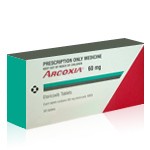
Arcoxia (Etoricoxib 60mg) is a selective COX-2 inhibitor providing anti-inflammatory and analgesic effects with reduced GI side effects compared to traditional NSAIDs.
How COX-2 Inhibitors Work
- Selectively block cyclooxygenase-2 (COX-2) enzyme
- COX-2 produces inflammatory prostaglandins
- Blocking reduces pain, inflammation, fever
- Spares COX-1 that protects stomach lining
- Fewer GI side effects than traditional NSAIDs
Uses
- Osteoarthritis - pain and inflammation
- Rheumatoid arthritis - symptom control
- Ankylosing spondylitis
- Acute gouty arthritis
- Acute musculoskeletal pain
- Post-surgical pain
Advantages
- Lower risk of GI ulcers vs traditional NSAIDs
- Once-daily dosing
- Effective anti-inflammatory action
- Good analgesic effect
- Available in multiple strengths
Important considerations:
- Cardiovascular risk - contraindicated in established heart disease
- Blood pressure elevation
- Kidney effects - avoid in kidney disease
- Fluid retention
- Not for heart attack/stroke risk patients
- Interaction with warfarin, ACE inhibitors
- Regular blood pressure monitoring

💊 DMARDs - Disease-Modifying Anti-Rheumatic Drugs
DMARDs (Disease-Modifying Anti-Rheumatic Drugs) are treatments that not only relieve symptoms but also slow or stop disease progression in autoimmune arthritis. Early aggressive DMARD therapy has revolutionized rheumatoid arthritis outcomes.
Arava and Lefuheal (Leflunomide)
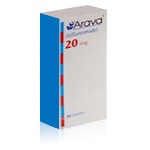
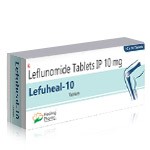
Arava (Leflunomide 10mg) and Lefuheal (Leflunomide 10mg) are conventional synthetic DMARDs.
How Leflunomide Works
- Inhibits dihydroorotate dehydrogenase enzyme
- Blocks pyrimidine synthesis
- Reduces T-cell and B-cell proliferation
- Decreases immune-mediated joint damage
- Slows joint erosion progression
- Full effect takes 4-8 weeks
Uses of Leflunomide
- Rheumatoid arthritis - primary indication
- Psoriatic arthritis
- Sometimes used off-label for other autoimmune conditions
- Alone or with other DMARDs
- Alternative when methotrexate not tolerated
Important Considerations
Serious warnings for leflunomide:
- Hepatotoxicity - regular liver monitoring required
- Bone marrow suppression - regular blood counts
- Serious infections - suppressed immunity
- Peripheral neuropathy
- Interstitial lung disease - rare but serious
- TERATOGENIC - contraception essential for both partners
- Very long half-life (weeks) - washout procedure if pregnancy planned
- Requires TB screening before starting
- Vaccination history important
Common Side Effects
- Diarrhea (very common)
- Nausea
- Elevated liver enzymes
- Hair thinning
- Rash
- Hypertension
- Weight loss

Other Conventional DMARDs
- Methotrexate - most commonly used DMARD, anchor drug for RA
- Sulfasalazine - alternative or combination
- Hydroxychloroquine - milder DMARD, often for lupus

💊 JAK Inhibitors - Olumiant
Olumiant (Baricitinib 4mg) is a targeted synthetic DMARD - a JAK (Janus kinase) inhibitor representing modern precision arthritis therapy.
How JAK Inhibitors Work
- Block JAK1 and JAK2 enzymes
- Interrupt inflammatory cytokine signaling
- Reduce immune cell activation
- Decrease inflammation in joints
- Oral once-daily medication (advantage over injectable biologics)
- Faster onset than conventional DMARDs
Uses
- Moderate to severe rheumatoid arthritis - when conventional DMARDs fail
- Alopecia areata (approved 2022)
- Atopic dermatitis (severe)
- COVID-19 (hospitalized patients requiring oxygen)
- Various inflammatory conditions
Advantages Over Biologics
- Oral administration (vs injections)
- No antibody development
- Rapid onset (weeks not months)
- Small molecules - shorter half-life
- Convenient for patients
JAK inhibitor warnings (FDA boxed warnings):
- Serious infections - TB, opportunistic infections
- Malignancies - lymphoma, other cancers
- Cardiovascular events - heart attack, stroke
- Blood clots - deep vein thrombosis, pulmonary embolism
- Death in some populations
- TB screening required before starting
- Hepatitis B screening - reactivation risk
- Not first-line - reserved for TNF inhibitor failures
Considerations
- Adjust dose for kidney impairment
- Avoid live vaccines during treatment
- Regular blood monitoring (CBC, lipids, liver)
- Herpes zoster (shingles) reactivation risk
- Higher risk in over 65, smokers
💊 Zyloprim (Allopurinol) for Gout
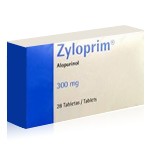
Zyloprim (Allopurinol 300mg) is the most commonly prescribed urate-lowering medication for chronic gout management and prevention.
How Allopurinol Works
- Inhibits xanthine oxidase enzyme
- Reduces uric acid production
- Lowers blood uric acid levels
- Prevents crystal formation in joints
- Allows dissolution of existing crystals
- Reduces gout attack frequency
Uses of Allopurinol
- Chronic gout - primary indication for prevention
- Tophaceous gout - visible urate deposits
- Kidney stones (uric acid)
- Tumor lysis syndrome prevention (cancer treatment)
- Certain rare metabolic conditions
Important Points About Allopurinol
Key considerations:
- Do NOT start during acute attack - can worsen it
- Start low, go slow - reduces attack risk
- Colchicine or NSAID coverage for first 3-6 months
- Target uric acid under 6 mg/dL (5 in tophi)
- HLA-B*5801 screening in high-risk populations (Asian) - severe skin reaction risk
- Lifelong treatment for chronic gout
- Do not stop even after uric acid normalizes
- Missing doses can trigger attacks
Common Side Effects
- Skin rash (up to 10 percent)
- Gastrointestinal upset
- Elevated liver enzymes
- Headache
- Initial gout flares (paradoxical, common first months)
Serious Side Effects
- Allopurinol hypersensitivity syndrome - rare but serious
- Stevens-Johnson syndrome
- Toxic epidermal necrolysis
- DRESS syndrome
- Bone marrow suppression
- Interstitial nephritis

💊 Other Arthritis Treatments
Corticosteroids
- Powerful anti-inflammatory drugs (prednisone, methylprednisolone)
- Oral, injectable, or intra-articular
- Fast symptom relief
- Long-term use has significant side effects (osteoporosis, diabetes, weight gain)
- Best for short-term flares or bridge therapy
Biologic DMARDs
Biologics are large protein molecules targeting specific parts of the immune system:
- TNF inhibitors - etanercept, adalimumab, infliximab
- IL-6 inhibitors - tocilizumab, sarilumab
- B-cell inhibitors - rituximab
- T-cell modulators - abatacept
- IL-17 inhibitors - for psoriatic arthritis, spondyloarthritis
- Injected or infused; expensive; effective for many
Acute Gout Attack Treatment
- NSAIDs - first-line if no contraindications
- Colchicine - especially early in attack
- Corticosteroids - oral, injectable, intra-articular
- Rest and ice
- Continue urate-lowering therapy during attacks
💚 Non-Medication Treatments
Essential non-medication interventions:
- Physical therapy - improves function and strength
- Occupational therapy - joint protection strategies, assistive devices
- Regular exercise - low-impact activities like swimming, cycling
- Weight management - critical for OA of weight-bearing joints
- Anti-inflammatory diet - Mediterranean, omega-3 rich
- Adequate sleep - crucial for pain and inflammation
- Stress management
- Hot and cold therapy
- Assistive devices - braces, canes, orthotics
- Acupuncture - some evidence for OA
- Tai chi and yoga - beneficial for many arthritis types
- Quit smoking - smoking worsens RA outcomes
- Limit alcohol - especially for gout
- Surgery - joint replacement for severe cases
Gout-Specific Diet
- Limit purine-rich foods - red meat, organ meats, seafood
- Avoid high-fructose corn syrup - increases uric acid
- Limit alcohol - especially beer
- Stay well hydrated
- Dairy may help - reduces uric acid
- Cherries - some evidence for gout
- Coffee - may reduce risk
- Vitamin C - modest uric acid reduction
👩 Special Populations
Pregnancy
- Leflunomide CONTRAINDICATED - teratogenic, washout required
- NSAIDs avoided (especially third trimester)
- Hydroxychloroquine considered safe
- Some biologics safer than others
- RA often improves during pregnancy
- Pre-pregnancy planning essential
Elderly
- NSAID risks higher - GI bleeding, kidney effects, cardiovascular
- Falls risk from medications
- Drug interactions more common
- OA very common in elderly
- Consider topical NSAIDs first
Children
- Pediatric rheumatology care essential
- Juvenile idiopathic arthritis has several subtypes
- Growth and development monitoring
- Some biologics approved for children
- Early treatment prevents long-term disability
🤔 Common Myths About Arthritis
- Myth: Arthritis only affects old people
- Fact: Arthritis affects all ages including children (juvenile arthritis affects 300,000 US children). Many types like RA typically start in young adulthood.
- Myth: Cracking knuckles causes arthritis
- Fact: Studies show no link between knuckle cracking and arthritis development. The sound comes from gas bubbles in joint fluid.
- Myth: Exercise makes arthritis worse
- Fact: Regular appropriate exercise IMPROVES arthritis symptoms. Inactivity worsens stiffness and weakens supporting muscles.
- Myth: Weather causes arthritis flares
- Fact: Scientific evidence is weak. Some patients feel worse in certain weather but studies show inconsistent results.
- Myth: There is nothing you can do
- Fact: Modern treatment has revolutionized arthritis care. Many patients achieve remission or dramatic improvement with proper treatment.
- Myth: Gout only affects overweight men who drink
- Fact: While these are risk factors, gout affects women (especially postmenopausal), thin people, and non-drinkers. Genetics play significant role.
🚨 When to See a Doctor
EMERGENCY - seek immediate care for:
- Suddenly very red, hot, painful joint (possible septic joint)
- High fever with joint symptoms
- Severe unexplained joint pain
- Sudden inability to move joint
- Severe allergic reaction to medication
See doctor promptly for:
- Persistent joint pain lasting more than 2 weeks
- Morning stiffness lasting over 30 minutes
- Joint swelling, redness, warmth
- Symmetric joint involvement
- Difficulty performing daily activities
- Weight loss with joint pain
- Fatigue with joint pain
- Family history of autoimmune disease
- First gout attack for proper diagnosis
- Frequent gout attacks
- Any joint deformity developing
🌟 Key Takeaways
Essential points about arthritis:
- Arthritis includes over 100 conditions affecting joints
- Different types need different treatments
- Osteoarthritis most common - wear-and-tear
- Rheumatoid arthritis - autoimmune, symmetric
- Gout - crystal-induced, extremely painful
- NSAIDs like Arcoxia reduce pain and inflammation
- DMARDs like Arava and Lefuheal slow autoimmune arthritis
- JAK inhibitors like Olumiant for severe cases
- Urate-lowering with Zyloprim prevents gout attacks
- Early treatment crucial for autoimmune arthritis
- Combination of medication + non-medication approach best
- Regular exercise essential
- Weight management important
- Dietary factors matter (especially gout)
- Regular monitoring during treatment
- Modern treatment allows most patients to live fully
Important Medical Disclaimer: This educational guide provides general information about arthritis and does not constitute individualized medical advice. Arthritis diagnosis and treatment requires evaluation by qualified rheumatologist or physician. Different arthritis types have different treatments - proper diagnosis essential. NSAIDs including COX-2 inhibitors (Arcoxia) carry cardiovascular, renal, and gastrointestinal risks - contraindicated in certain conditions. DMARDs like leflunomide (Arava, Lefuheal) require regular blood monitoring for liver function and blood counts. Leflunomide is teratogenic - contraception essential for both partners, and washout procedure required if pregnancy planned. JAK inhibitors like Olumiant carry FDA boxed warnings for serious infections, malignancies, cardiovascular events, and thrombosis. Allopurinol (Zyloprim) can cause severe hypersensitivity reactions including Stevens-Johnson syndrome - report any rash immediately. Do not start allopurinol during acute gout attack. All arthritis medications have specific contraindications and require medical supervision. Early aggressive treatment of autoimmune arthritis prevents joint damage and disability. Regular monitoring including blood tests, imaging, and clinical assessment essential. Vaccination status should be updated before starting immunosuppressive medications. TB screening required before starting biologics or JAK inhibitors. Live vaccines contraindicated with immunosuppressive therapy. Special populations including pregnant women, elderly, children require specialized approaches. Combining medication with physical therapy, exercise, weight management, and lifestyle changes provides best outcomes. Never stop arthritis medications without medical guidance - can cause flares. Information here should complement but never replace direct professional medical guidance from qualified rheumatology providers.
More Arthritis Medications