Buy Zyloprim (Allopurinol 100mg 300mg) Online - Original GSK Brand Zydus Intas Xanthine Oxidase Inhibitor for Gout

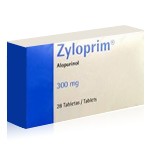
Zyloprim (Allopurinol 100 mg and 300 mg) represents the foundational xanthine oxidase inhibitor therapy - the standard first-line urate-lowering medication for chronic gout prevention and hyperuricemia management for over 55 years. Originally developed by Gertrude Elion and George Hitchings at Burroughs Wellcome and FDA-approved in 1966, allopurinol contributed to the 1988 Nobel Prize in Physiology or Medicine awarded to Elion and Hitchings for their pioneering work on drug design based on cellular metabolism. This revolutionary approach established rational drug design principles still used today. Zyloprim on rxshop.md is manufactured by Zydus Pharmaceuticals and Intas Pharmaceuticals Ltd - two established Indian pharmaceutical companies with WHO-GMP certification, US FDA-inspected manufacturing facilities, and comprehensive rheumatology and metabolic disease product portfolios.
Allopurinol works as a competitive xanthine oxidase inhibitor providing effective uric acid production reduction through multiple pharmacological pathways. First, allopurinol competitively inhibits xanthine oxidase enzyme blocking the terminal steps of purine metabolism. Second, xanthine oxidase inhibition prevents conversion of hypoxanthine to xanthine and xanthine to uric acid reducing endogenous uric acid production. Third, allopurinol increases urinary excretion of more soluble hypoxanthine and xanthine precursors. Fourth, allopurinol is metabolized to oxypurinol (alloxanthine) - a long-acting active metabolite that provides continued xanthine oxidase inhibition. Fifth, allopurinol reduces serum uric acid preventing monosodium urate crystal deposition in joints, kidneys, and soft tissues over time.
Zyloprim primary FDA indications include chronic gout management with symptomatic hyperuricemia (either primary gout or gout secondary to hematologic disorders), prevention of tumor lysis syndrome during cancer chemotherapy induction, recurrent calcium oxalate kidney stones in patients with hyperuricosuria, and Lesch-Nyhan syndrome rare genetic hyperuricemia disorder. Common off-label uses include secondary hyperuricemia from various causes and uric acid kidney stone prevention.
Zyloprim is available on rxshop.md in four product options across two strengths (100 mg and 300 mg) with pack sizes of 100 and 150 (bestseller) tablets - accommodating long-term chronic gout management therapy. Standard dosing initiated at low dose (100 mg daily) and gradually titrated upward based on serum uric acid target (typically less than 6 mg/dL, or less than 5 mg/dL in tophaceous gout). Take after meals to reduce gastrointestinal upset. Ensure adequate hydration during initial therapy phase.
Free prescription
Discrete packaging
Have questions?
Quality Assurance


- Chronic Gout: Long-term recurring gout with sustained hyperuricemia requiring urate-lowering maintenance therapy over years;
- Hyperuricemia: Elevated serum uric acid above 6.8 mg/dL causing crystal formation and joint damage;
- Uric Acid Kidney Stones: Kidney stones composed of uric acid crystals precipitating in acidic urine causing pain;
- Tophaceous Gout: Advanced gout with visible urate crystal deposits (tophi) in joints ears and soft tissues;
- Tumor Lysis Syndrome: Life-threatening chemotherapy complication from massive cancer cell breakdown releasing uric acid rapidly;
- Lesch Nyhan Syndrome: Rare inherited genetic disorder causing severe hyperuricemia and self-injurious behavior in children;
- Gouty Arthritis: Painful joint inflammation from urate crystals typically affecting big toe first metatarsophalangeal joint;
- Recurrent Gout Attacks: Repeated acute gout flares requiring long-term urate-lowering prevention therapy for control;
- Uric Acid Nephropathy: Kidney damage from urate crystal deposition in renal tubules causing progressive dysfunction;
- Calcium Oxalate Stones: Recurrent calcium oxalate kidney stones in patients with hyperuricosuria elevated urine uric acid;
- Chemotherapy Hyperuricemia: Elevated uric acid during cancer chemotherapy from massive tumor cell breakdown;
- Secondary Hyperuricemia: Elevated uric acid caused by medications, kidney disease, or blood disorders rather than primary gout;
- Urolithiasis: Kidney stone disease requiring reduction of uric acid production for stone prevention;
- Podagra: Acute gout affecting big toe first metatarsophalangeal joint - classic presentation of gout;
- Uric Stone Disease: Uric acid crystal formation in kidneys causing recurrent painful stone passage over years;
- Hemoblastosis Hyperuricemia: Elevated uric acid from blood cancers causing rapid cellular turnover and purine metabolism;
- Xanthine Oxidase Inhibition: Blocking enzyme responsible for uric acid production from hypoxanthine and xanthine precursors;
- Purine Metabolism Disorders: Various inherited or acquired disorders of purine catabolism causing elevated uric acid levels;
- Uric Acid Level Prevention: Long-term maintenance therapy to prevent uric acid elevation and downstream complications.
- Fewer Gout Attacks: Dramatic reduction in frequency of acute gout flares over months of continuous therapy;
- Less Joint Pain: Progressive reduction in chronic gouty joint pain as urate crystal deposits gradually dissolve;
- Prevents Tophi Formation: Prevention of new urate crystal deposits in joints ears and soft tissues over years;
- Dissolves Existing Tophi: Gradual dissolution of visible urate crystal deposits with sustained target uric acid levels;
- Prevents Kidney Stones: Prevention of uric acid kidney stone formation through reduced urinary uric acid excretion;
- Protects Kidney Function: Prevention of urate nephropathy protecting long-term kidney function in chronic hyperuricemia;
- Less Joint Damage: Reduced progression of gouty erosive joint damage preserving long-term joint architecture;
- Better Joint Mobility: Improved joint range of motion as chronic inflammation resolves with sustained therapy;
- Prevents Tumor Lysis Syndrome: Prevention of life-threatening hyperuricemia during cancer chemotherapy induction;
- Prevents Chronic Gout Progression: Prevention of progression from intermittent attacks to chronic tophaceous gouty arthritis over years;
- Better Daily Function: Improved ability to perform daily activities with reduced joint pain and inflammation frequency;
- Better Sleep Quality: Improved sleep as nocturnal gout flares diminish with sustained urate-lowering therapy;
- Long Acting Effect: Once-daily dosing convenience through long-acting active metabolite oxypurinol effect;
- Once Daily Convenience: Simple once daily dosing schedule supporting long-term adherence for chronic therapy;
- Reduces ER Visits: Substantial reduction in emergency room visits and hospitalizations for acute gout flares;
- Prevents Work Absences: Reduced work absences from disabling acute gout attacks affecting quality of life;
- Excellent Tolerability: Well-tolerated therapy for lifelong use with generally mild side effects in most patients;
- Lower Cardiovascular Risk: Potential cardiovascular risk reduction through improved endothelial function from uric acid lowering;
- Better Quality of Life: Improved daily functioning and quality of life as recurrent painful gout attacks resolve.
Generic Zyloprim (Allopurinol 100 mg) Medication guide:
💊 What Is Zyloprim Allopurinol Xanthine Oxidase
Zyloprim is the brand name for allopurinol - the foundational xanthine oxidase inhibitor therapy for chronic gout management, hyperuricemia treatment, and tumor lysis syndrome prevention. Originally developed by Nobel Prize recipients Gertrude Elion and George Hitchings and FDA-approved in 1966, allopurinol has become one of the most widely used medications globally with nearly six decades of clinical experience. The Zyloprim products available on RXshop are the Zydus Pharmaceuticals and Intas Pharmaceuticals generic versions.
Allopurinol works through inhibition of xanthine oxidase - the enzyme that converts hypoxanthine to xanthine and xanthine to uric acid. This reduces uric acid production, lowering serum urate levels and preventing crystal deposition that drives gout attacks and complications.
📊 Zyloprim at a glance summary
| Attribute | Detail |
|---|---|
| Generic name | Allopurinol |
| Drug class | Xanthine oxidase inhibitor (urate-lowering therapy) |
| Innovator | Burroughs Wellcome (now GlaxoSmithKline) |
| Generic manufacturers | Zydus Pharmaceuticals; Intas Pharmaceuticals Ltd. |
| FDA approval | September 1966 - nearly 60 years of clinical use |
| Nobel connection | Developed by Gertrude Elion and George Hitchings (1988 Nobel Prize in Physiology or Medicine) |
| Formulations | 100 mg and 300 mg film-coated tablets |
| Standard dosing | 100 mg starting, titrated to serum urate target - typically 300 mg daily; max 800 mg |
| Primary indications | Chronic gout, hyperuricemia (secondary to malignancy or otherwise), tumor lysis syndrome prevention, uric acid nephrolithiasis prevention |
✨ What makes allopurinol distinctive today
✅ Clinical strengths
Nearly six decades of clinical use. Once-daily oral convenience at maintenance dose. Excellent efficacy for lowering serum urate. Affordable generic availability globally. Well-established dose titration approach. Compatible with anti-inflammatory prophylaxis. Effective across gout severity and tumor lysis prevention.
⚠️ Safety considerations
Allopurinol Hypersensitivity Syndrome - serious skin reactions (SJS, TEN, DRESS) possible. HLA-B*5801 allele testing recommended in appropriate populations. Renal impairment dosing adjustment essential. Serious drug interaction with azathioprine and mercaptopurine (life-threatening). Initiation-associated gout flares require prophylaxis. Not for acute gout attacks.
📌 Where Zyloprim fits in modern practice
- Chronic gout management: First-line urate-lowering therapy per ACR/EULAR guidelines
- Hyperuricemia treatment: When elevated urate warrants intervention
- Tumor lysis syndrome prevention: Before chemotherapy in appropriate malignancies
- Uric acid stone prevention: Reduces recurrent nephrolithiasis
- Long-term therapy: Chronic conditions typically require ongoing therapy
- Combination with prophylactic anti-inflammatory: During initiation to prevent mobilization flares
🔗 Not appropriate for acute gout attack
⚠️ Zyloprim does not treat acute gout attacks
Allopurinol is not appropriate for acute gout attack treatment - it does not reduce inflammation or pain during acute attacks. Starting allopurinol during an acute attack can worsen or prolong the attack through urate mobilization.
Acute gout attacks require anti-inflammatory therapy - NSAIDs, colchicine, or corticosteroids. Allopurinol is initiated after acute attack resolution (typically 1-2 weeks) with concurrent anti-inflammatory prophylaxis to prevent initiation-associated flares.
Takeaway: Zyloprim (allopurinol) is the foundational xanthine oxidase inhibitor for chronic gout, hyperuricemia, and tumor lysis prevention - nearly 60 years of clinical use since 1966 FDA approval. Nobel Prize-recognized development by Elion and Hitchings. Zydus and Intas generic manufacturers support affordable global access. Not for acute gout attacks - requires initiation after attack resolution with prophylactic anti-inflammatory coverage.
📖 History Allopurinol Development Since 1966
The allopurinol story reflects one of pharmacology history's most influential drug development successes - a Nobel Prize-recognized therapy that transformed gout management and enabled many cancer chemotherapy approaches through tumor lysis prevention.
📆 Allopurinol development milestones
| Year | Milestone | Significance |
|---|---|---|
| 1950s | Elion and Hitchings begin work at Burroughs Wellcome | Systematic approach to nucleoside analog development |
| 1956 | 6-Mercaptopurine synthesized (Elion, Hitchings) | Foundational cancer chemotherapy agent |
| Early 1960s | Allopurinol synthesized to reduce 6-MP metabolism | Originally to allow lower chemotherapy doses |
| 1963-1964 | Rundles studies at Duke establish gout efficacy | Foundational gout evidence |
| September 1966 | FDA approves Zyloprim for gout and hyperuricemia | Transformed gout therapy globally |
| 1970s-1990s | Widespread global adoption | Standard urate-lowering therapy |
| 1988 | Nobel Prize in Physiology or Medicine (Elion, Hitchings, Black) | Recognition of rational drug design contributions |
| 1990s-2000s | Generic era begins globally | Substantially reduced cost; expanded access |
| 2004 | Chung et al. Nature identifies HLA-B*5801 hypersensitivity association | Landmark pharmacogenomic discovery |
| 2009 | Febuxostat FDA approval | Alternative xanthine oxidase inhibitor |
| Present | Foundational urate-lowering therapy globally | Modern gout treat-to-target approach |
🔬 The rational drug design origin
Allopurinol emerged from Gertrude Elion and George Hitchings systematic approach to rational drug design at Burroughs Wellcome. Their work developing nucleoside analogs led to multiple foundational medications:
- 6-Mercaptopurine (1956): Foundational leukemia chemotherapy
- Azathioprine (1957): Immunosuppressive for transplantation
- Allopurinol (1963): Xanthine oxidase inhibitor
- Acyclovir (1978): Antiviral revolution
- Zidovudine (1986): First HIV therapy
The rational drug design approach - understanding target enzyme mechanisms and designing molecules to interact with them specifically - was foundational to modern pharmaceutical research.
🎗️ The Nobel Prize recognition
✅ 1988 Nobel Prize acknowledgment
Gertrude Elion and George Hitchings shared the 1988 Nobel Prize in Physiology or Medicine with Sir James Black for "discoveries of important principles for drug treatment." Their rational drug design approach - illustrated by allopurinol and related medications - influenced generations of pharmaceutical research. Elion notably lacked a doctoral degree but earned the highest scientific recognition through pioneering discoveries.
📊 Interesting historical origin
Interesting historical fact: allopurinol was originally developed not for gout but to enhance 6-mercaptopurine efficacy in leukemia treatment. By inhibiting xanthine oxidase (which breaks down 6-MP), allopurinol was intended to allow effective 6-MP doses at reduced administered amounts. During this work, its uric acid-lowering effect was recognized, leading to gout indication development. This serendipitous discovery of gout benefit ultimately became allopurinol primary use.
🌍 Global impact and modern positioning
Today allopurinol holds a stable and central position in global medicine:
- WHO Essential Medicines List: Included as essential medicine
- ACR and EULAR gout guidelines: First-line urate-lowering therapy
- Global availability: One of most widely available medications worldwide
- Affordable generic access: Multiple generic manufacturers
- Tumor lysis prevention: Standard oncology supportive care
- Modern treat-to-target framework: Serum urate goal-directed titration
- Continued relevance: Despite newer alternatives (febuxostat), allopurinol remains foundational
👤 The HLA-B*5801 modern development
A major 21st century development in allopurinol use is the 2004 identification by Chung et al. of HLA-B*5801 allele association with severe cutaneous adverse reactions. This pharmacogenomic discovery transformed safety practices:
- HLA-B*5801 prevalence varies by ethnicity: High in Han Chinese, Thai, Korean populations (10-20%); lower elsewhere
- Association with SJS/TEN and DRESS: Substantially elevated risk
- Screening recommendations: Test in high-prevalence populations before initiation
- Alternative agents for HLA-B*5801 positive: Consider febuxostat
- Landmark pharmacogenomic translation to clinical practice
Takeaway: Allopurinol emerged from Elion and Hitchings rational drug design at Burroughs Wellcome - originally intended to enhance 6-MP chemotherapy, serendipitously identified as urate-lowering agent. FDA approved 1966 for gout and hyperuricemia. Nobel Prize recognition 1988 acknowledged the broader rational drug design approach. Modern era shaped by HLA-B*5801 pharmacogenomic discovery (2004). Today foundational urate-lowering therapy globally with treat-to-target framework.
🧪 Chemistry Xanthine Oxidase Inhibitor Structure
Allopurinol is chemically a purine analog structurally similar to hypoxanthine - the natural substrate of xanthine oxidase. This structural mimicry underlies the mechanism: allopurinol competes with hypoxanthine at the enzyme active site, blocking uric acid production.
🧪 Chemical identity summary
| Property | Value |
|---|---|
| Chemical name | 1H-pyrazolo[3,4-d]pyrimidin-4-ol |
| Molecular formula | C5H4N4O |
| Molecular weight | 136.11 g/mol |
| Chemical class | Purine analog (pyrazolopyrimidine) |
| Physical form | White to off-white crystalline powder |
| Solubility | Very slightly soluble in water; sparingly soluble in ethanol |
| Active metabolite | Oxypurinol (alloxanthine) - long-acting active metabolite |
🧬 Structural mimicry of hypoxanthine
Allopurinol structural similarity to hypoxanthine is central to its function:
Hypoxanthine (natural substrate)
Purine base with pyrimidine and imidazole rings. Natural substrate for xanthine oxidase - converted to xanthine, then to uric acid. Product of nucleotide metabolism.
Allopurinol (drug)
Structural analog with pyrazole ring replacing imidazole ring. Binds xanthine oxidase active site as competitive inhibitor. Also serves as substrate producing oxypurinol.
🔬 Oxypurinol - the active metabolite
Understanding oxypurinol is essential to allopurinol pharmacology:
- Formation: Allopurinol converted to oxypurinol by xanthine oxidase itself
- Also called alloxanthine: Structural analog of xanthine
- Long half-life: Approximately 15-20 hours (much longer than parent allopurinol)
- Non-competitive inhibitor: Different binding mechanism than allopurinol
- Primary active species: Most therapeutic effect via oxypurinol
- Renal elimination: Cleared unchanged in urine
- Accumulates in renal impairment
🧪 Chemical differences from other xanthine oxidase inhibitors
| XO inhibitor | Chemical class | Distinctive feature |
|---|---|---|
| Allopurinol | Purine analog (pyrazolopyrimidine) | Foundational; competitive inhibitor; active metabolite oxypurinol |
| Febuxostat | Non-purine (thiazolecarboxylic acid) | Non-purine structure; primarily hepatic metabolism; alternative for HLA-B*5801 positive patients |
| Oxypurinol | Xanthine analog | Allopurinol active metabolite; investigational as separate agent |
| Tisopurine | Purine analog | Related historical compound |
📦 Zyloprim formulations available
Zydus and Intas Zyloprim are available in two tablet strengths supporting standard dose titration:
| Strength | Primary use |
|---|---|
| 100 mg tablets | Starting dose; renal impairment dosing; dose titration increments |
| 300 mg tablets | Standard maintenance dose; convenient once-daily dosing at typical target dose |
| Package sizes | 100 tablets or 150 tablets (bestseller) |
All Zyloprim formulations are film-coated tablets, bioequivalent to the innovator product per standard pharmacokinetic studies. The two-strength availability enables the recommended dose titration approach from 100 mg starting to typically 300 mg maintenance.
🔬 Manufacturing and quality
Both Zydus and Intas allopurinol manufacturing meets regulatory standards:
- Indian generic manufacturers: Large-scale production capacity
- Regulatory approvals: Multiple national and international bodies
- Bioequivalence to innovator: Standard PK equivalence demonstrated
- Consistent quality: Meets manufacturing standards
- Global supply: Multiple facilities support reliable availability
Takeaway: Allopurinol is a purine analog (pyrazolopyrimidine) structurally similar to hypoxanthine - the natural xanthine oxidase substrate. This structural mimicry enables competitive inhibition. Converts to active metabolite oxypurinol (alloxanthine) with long half-life (15-20 hours) providing sustained effect. Two tablet strengths (100 mg, 300 mg) support dose titration approach. Zydus and Intas Indian manufacturing supports global generic access.
🔬 Mechanism Xanthine Oxidase Inhibition Explained
Allopurinol works through inhibition of xanthine oxidase - the enzyme responsible for the final two steps of purine metabolism producing uric acid. Understanding this mechanism explains both the therapeutic effects across indications and the specific safety and interaction profile.
🧬 The purine metabolism pathway
Understanding uric acid production requires knowing the purine metabolism pathway:
- Purines from diet or cell breakdown: DNA/RNA breakdown, dietary purines
- Purines converted to hypoxanthine: Enzymatic conversion
- Hypoxanthine to xanthine: First xanthine oxidase step
- Xanthine to uric acid: Second xanthine oxidase step
- Uric acid excreted: Primarily renal, some intestinal
🔬 Xanthine oxidase inhibition mechanism
Allopurinol interrupts this pathway:
- Allopurinol competes with hypoxanthine at xanthine oxidase active site
- Enzyme converts allopurinol to oxypurinol: Interestingly, xanthine oxidase catalyzes its own inhibitor formation
- Oxypurinol non-competitively binds enzyme: Different binding mode than parent
- Combined effect: Substantially reduced xanthine oxidase activity
- Reduced xanthine to uric acid conversion: Serum uric acid falls
- Hypoxanthine and xanthine accumulate: More soluble than uric acid; excreted safely
📊 The uric acid reduction cascade
| Step | Effect |
|---|---|
| Serum uric acid reduction | Typically 30-50% reduction with appropriate dose |
| Below saturation threshold | Serum urate below 6-7 mg/dL preferred; below 5 for severe gout |
| Prevention of new crystal formation | MSU crystals do not deposit at subsaturation urate |
| Dissolution of existing crystals | Reversed diffusion allows tissue crystals to dissolve over months-years |
| Reduced gout attack frequency | Over time as crystal burden decreases |
| Prevention of tophi formation | Long-term benefit |
| Reduced kidney stone risk | Uric acid stone prevention |
🎯 Clinical implications by indication
| Indication | Mechanism relevance |
|---|---|
| Chronic gout | Sustained urate reduction prevents crystal deposition and dissolves existing crystals over time |
| Hyperuricemia | Direct urate lowering when clinically warranted |
| Tumor lysis prevention | Prevents massive urate load from cancer cell breakdown |
| Uric acid stones | Prevents supersaturation and crystal precipitation |
| Uric acid nephropathy | Prevents crystal deposition in kidney |
🎮 Comparison with alternative urate approaches
Allopurinol mechanism differs from other urate management approaches:
- Allopurinol (xanthine oxidase inhibitor): Reduces urate production
- Febuxostat (xanthine oxidase inhibitor): Similar mechanism, non-purine structure
- Uricosurics (probenecid, benzbromarone, lesinurad): Increase urate excretion via URAT1 blockade
- Uricase (rasburicase, pegloticase): Enzymatic urate degradation
- Different mechanisms may combine: Rare but possible for severe/refractory cases
🩸 Beyond urate - other allopurinol effects
Allopurinol has some additional effects beyond urate reduction:
- Antioxidant effects: Reduced xanthine oxidase reduces reactive oxygen species
- Endothelial function improvement: Some evidence for CV benefit
- Cardiovascular outcomes: Some studies suggest reduced CV events with allopurinol
- Blood pressure effects: Modest BP reduction in some patients
- These are secondary considerations - primary indication remains urate-related
✅ Modern treat-to-target approach
✅ Serum urate as therapeutic target
Modern gout management uses serum urate as the therapeutic target:
- Standard target: Serum urate below 6 mg/dL (360 micromol/L)
- Severe gout or tophaceous: Below 5 mg/dL (300 micromol/L)
- Dose titration: Start low (100 mg), increase to achieve target
- Regular monitoring: Serum urate every 2-5 weeks during titration
- Sustained achievement: Long-term maintenance to prevent recurrence
🕑 Time course of clinical effect
Allopurinol effect follows predictable time course:
- Serum urate reduction: Within days of starting
- Full effect at given dose: Approximately 2-3 weeks
- Reduced attack frequency: May take months as crystal burden reduces
- Tophi resolution: Months to years for tissue crystal dissolution
- Long-term benefit: Requires sustained therapy
- Loss of benefit if discontinued: Urate rises back within weeks
Takeaway: Allopurinol competitively inhibits xanthine oxidase - the enzyme producing uric acid. Metabolized to long-acting oxypurinol which also inhibits the enzyme non-competitively. Reduces serum urate typically 30-50%. Modern practice uses treat-to-target approach - titrating dose to achieve serum urate below 6 mg/dL (or below 5 for severe cases). Full clinical benefit develops over months as crystal burden reduces. Some secondary CV benefit through antioxidant effects.
📊 Pharmacokinetics Absorption Metabolism Elimination Profile
Allopurinol pharmacokinetics are dominated by rapid conversion to the long-acting active metabolite oxypurinol which sustains therapeutic effect and shapes dosing decisions particularly in renal impairment.
📊 Pharmacokinetic profile summary
| Parameter | Value | Clinical implication |
|---|---|---|
| Oral bioavailability | Approximately 80% (allopurinol); good oxypurinol formation | Reliable oral dosing |
| Time to peak allopurinol (Tmax) | Approximately 1-2 hours | Rapid absorption |
| Time to peak oxypurinol | Approximately 3-5 hours | Reflects conversion time |
| Food effect | Minor effect on absorption | Take with food to minimize GI upset |
| Protein binding | Minimal for both allopurinol and oxypurinol | No displacement concerns |
| Volume of distribution | Approximately 1.6 L/kg (oxypurinol) | Wide distribution |
| Allopurinol half-life | Approximately 1-2 hours | Short; not clinically dominant |
| Oxypurinol half-life | Approximately 15-20 hours (normal renal function) | Supports once-daily dosing |
| Elimination | Renal - oxypurinol excreted unchanged in urine | Renal impairment substantially prolongs half-life |
| Time to steady state | Approximately 1-2 weeks at maintenance dose | Serum urate assessment appropriate after this period |
🕑 Absorption and onset
Allopurinol has favorable absorption characteristics:
- Rapid absorption: Peak allopurinol levels within 1-2 hours
- Good bioavailability (~80%): Reliable oral dosing
- Minimal food effect: Take with food to reduce GI upset
- Once-daily dosing possible: At standard maintenance doses (300 mg)
- Split dosing: Higher doses often split (e.g., 400+ mg twice daily)
- Rapid steady state: Full pharmacologic effect within 1-2 weeks
🔬 The prodrug-metabolite relationship
Allopurinol to oxypurinol conversion is central to pharmacology
Allopurinol itself has short half-life (~1-2 hours). Its active metabolite oxypurinol has much longer half-life (~15-20 hours) and provides most sustained clinical effect. This means allopurinol functions somewhat like a prodrug - although parent drug has activity, most therapeutic benefit comes from accumulated oxypurinol during ongoing therapy. This explains why once-daily dosing works despite short parent half-life.
💧 Renal elimination importance
Both allopurinol and oxypurinol are primarily eliminated renally:
- Approximately 80% renal elimination overall
- Oxypurinol excreted unchanged in urine
- Renal impairment substantially affects clearance: Half-life prolongs to 40+ hours in severe impairment
- Dose adjustment essential in renal impairment
- Not typically dialyzable in usual doses
- Volume depletion can transiently affect clearance
👤 Steady state considerations
Steady state achievement matters for practical dosing:
- Approximately 1-2 weeks at maintenance dose
- Longer with each dose escalation
- Serum urate assessment appropriate at steady state: 2-5 weeks after dose changes
- Don't titrate too quickly: Allow adequate assessment time
- Loading dose not typically used: Slow titration standard
- Discontinuation: Effect diminishes over 1-2 weeks after stopping
🕑 Half-life comparison across renal function
| Renal function | Oxypurinol half-life |
|---|---|
| Normal (eGFR >90) | ~15-20 hours |
| Mild impairment (eGFR 60-89) | ~20-25 hours |
| Moderate impairment (eGFR 30-59) | ~25-35 hours |
| Severe impairment (eGFR <30) | ~40+ hours |
| End-stage renal disease | Substantially prolonged; dose reduction essential |
👤 Special population considerations
- Elderly: Renal function decline warrants monitoring; start lower dose
- Renal impairment: Dose adjustment essential (see section 16)
- Hepatic impairment: Modest effect on allopurinol conversion
- Pediatric: Weight-based dosing supported (see section 14)
- Volume depletion: Transient PK changes possible
- Dialysis patients: Individual assessment - some drug removal
👤 Practical PK implications
- Once-daily dosing: Standard for maintenance
- Split dosing: Consider for higher doses (400+ mg)
- Take with food: Reduce GI effects
- Steady state 1-2 weeks: Wait before serum urate assessment
- Renal impairment dose reduction essential
- Consistent daily timing
Takeaway: Allopurinol has short half-life (~1-2 hours) but converts to active metabolite oxypurinol with long half-life (~15-20 hours in normal renal function) supporting once-daily dosing. Primary renal elimination means renal impairment substantially prolongs half-life - dose adjustment essential. Steady state 1-2 weeks. Take with food to reduce GI effects.
📋 Indications Gout Hyperuricemia Tumor Lysis
Allopurinol has multiple approved indications spanning rheumatology, oncology supportive care, and nephrology. Understanding the framework across indications guides appropriate use.
📋 Approved indications framework
| Indication | Approach |
|---|---|
| Chronic gout | First-line urate-lowering therapy - treat to serum urate target |
| Hyperuricemia (chronic) | When clinically warranted; typically alongside gout or with complications |
| Hyperuricemia secondary to chemotherapy | Tumor lysis syndrome prevention in appropriate cancers |
| Uric acid nephropathy | Treatment and prevention of uric acid kidney damage |
| Recurrent uric acid nephrolithiasis | Prevention of recurrent uric acid stones |
| Recurrent calcium oxalate stones with hyperuricosuria | Some evidence for benefit |
🦶 Chronic gout - primary indication
Chronic gout is the most common allopurinol use:
- ACR/EULAR first-line urate-lowering therapy
- Long-term chronic treatment typical
- Treat-to-target approach: Serum urate below 6 mg/dL (or below 5 for severe)
- Combined with anti-inflammatory prophylaxis during initiation to prevent mobilization flares
- Dose titration from 100 mg starting to typically 300 mg or higher as needed
- Sustained therapy prevents recurrent attacks and tophi
🩸 Hyperuricemia beyond gout
Hyperuricemia treatment considerations:
- Asymptomatic hyperuricemia: Generally not treated (not indication in most cases)
- Hyperuricemia with gout: Standard indication
- Hyperuricemia with kidney stones: Warranted for prevention
- Very high serum urate (typically >13 mg/dL): May warrant treatment even without symptoms due to nephropathy risk
- Hyperuricemia secondary to lymphoproliferative or myeloproliferative disorders: Prophylaxis often warranted
🎗️ Tumor lysis syndrome prevention
Tumor lysis syndrome (TLS) prevention is important allopurinol use:
- Tumor lysis syndrome: Metabolic emergency from rapid cancer cell breakdown
- Massive urate release: Uric acid nephropathy risk
- Concurrent electrolyte disturbances: Hyperkalemia, hyperphosphatemia, hypocalcemia
- High-risk chemotherapy scenarios: Acute leukemias, high-grade lymphomas particularly
- Allopurinol prophylaxis: Started before or with chemotherapy
- Standard dose for TLS prevention: 200-400 mg daily (adult); higher in some scenarios
- Combined with adequate hydration and urinary alkalinization historically
- Rasburicase alternative: For higher-risk TLS scenarios
🪨 Uric acid stone prevention
Uric acid nephrolithiasis prevention:
- Recurrent uric acid stones: Standard indication
- Hyperuricosuria (elevated urinary uric acid)
- Combined with hydration and urinary alkalinization
- Some benefit for calcium oxalate stones with hyperuricosuria
- Long-term therapy typical
👤 Off-label uses with some evidence
Beyond approved indications, allopurinol has been studied for:
- Cardiovascular disease prevention: Some evidence for benefit particularly in patients with gout and CVD
- Hypertension: Modest BP effects
- Endothelial dysfunction: Antioxidant effects
- Kawasaki disease: Rare use in some scenarios
- Leishmaniasis (historical): Rare use in specific parasitic infections
- Some inflammatory conditions: Investigational
❌ When allopurinol is not appropriate
Allopurinol is not appropriate for:
- Acute gout attacks: Different intervention needed (NSAIDs, colchicine, corticosteroids)
- Asymptomatic hyperuricemia in most patients
- Isolated hyperuricosuria without stones or complications
- Non-inflammatory joint conditions
- Non-urate-related conditions
- Patients with known allopurinol hypersensitivity
👤 Modern gout management framework
Modern comprehensive gout management includes:
- Acute attack management: Anti-inflammatory therapy (NSAIDs, colchicine, corticosteroids)
- Long-term urate-lowering therapy: Allopurinol first-line typically
- Anti-inflammatory prophylaxis during initiation: Prevent mobilization flares
- Dose titration to serum urate target
- Lifestyle modifications: Diet, alcohol, weight, hydration
- Comorbidity management: Hypertension, obesity, CKD, CVD
- Long-term maintenance for chronic condition
Takeaway: Allopurinol has multiple approved indications - chronic gout (primary), hyperuricemia in appropriate contexts, tumor lysis syndrome prevention, uric acid nephrolithiasis prevention. Not for acute gout attacks. Treat-to-target approach with serum urate goal directs dose titration. Modern gout management combines urate-lowering therapy, acute attack management, and comprehensive lifestyle and comorbidity approach.
🦶 Chronic Gout Treatment Framework Modern
Chronic gout is the primary allopurinol indication - representing the vast majority of clinical use globally. Understanding modern gout treatment framework and allopurinol specific role supports optimal patient outcomes.
🦶 Gout overview and pathophysiology
Gout is a common inflammatory arthritis caused by monosodium urate (MSU) crystal deposition - resulting from persistent hyperuricemia. Affects approximately 4% of US adults; more common in men, older adults, and specific populations. Presentation ranges from acute attacks to chronic tophaceous disease.
🕑 Gout progression stages
| Stage | Characteristics |
|---|---|
| Asymptomatic hyperuricemia | Elevated urate without symptoms; not typically treated with allopurinol |
| Acute gouty arthritis | Sudden severe joint pain, redness, swelling; typically monoarticular |
| Intercritical gout | Between attacks; asymptomatic periods |
| Chronic tophaceous gout | Established crystal deposits; tophi; joint damage |
| Advanced gouty arthropathy | Chronic joint destruction; functional impairment |
🎯 Modern gout treatment framework
Contemporary gout management follows ACR (2020) and EULAR guidelines:
| Phase | Approach |
|---|---|
| Acute attack management | NSAIDs, colchicine, or corticosteroids - prompt treatment |
| Prevention of future attacks | Urate-lowering therapy - allopurinol first-line |
| Anti-inflammatory prophylaxis during ULT initiation | Low-dose colchicine or NSAID for 3-6 months |
| Treat-to-target | Serum urate below 6 mg/dL (or below 5 for severe/tophaceous) |
| Long-term maintenance | Continued therapy indefinitely for most patients |
| Lifestyle modifications | Diet, alcohol, weight, hydration - complement pharmacotherapy |
| Comorbidity management | Hypertension, obesity, CKD, CVD, metabolic syndrome |
💊 When to initiate urate-lowering therapy
ACR 2020 guidelines recommend urate-lowering therapy for:
- 2 or more gout flares per year: Standard indication
- Tophaceous gout: Any presence of tophi
- Radiographic damage from gout
- Chronic kidney disease stage 3 or higher
- Serum urate greater than 9 mg/dL
- Urolithiasis history
- Consider after first flare in some scenarios
💊 Allopurinol in gout - positioning
✅ First-line urate-lowering therapy per ACR/EULAR
Allopurinol is first-line urate-lowering therapy per current guidelines:
- Broad efficacy: Effective across gout severity
- Established safety profile (with appropriate patient selection)
- Cost-effective - generic availability
- Nearly 60 years of clinical experience
- Compatible with essentially all other RA and gout therapies
- Alternative: febuxostat when allopurinol not tolerated or HLA-B*5801 positive
👤 Standard dose titration approach
Modern practice uses graduated dose titration:
- Start at 100 mg daily (or 50 mg in significant renal impairment)
- Check serum urate at 2-5 weeks
- Increase by 100 mg every 2-5 weeks until target achieved
- Typical maintenance: 300 mg once daily
- May go higher: Up to 800 mg daily if needed (with monitoring)
- Split dosing for >300 mg sometimes preferred
- Continue titration until target achieved
- Maintain at effective dose long-term
👤 Anti-inflammatory prophylaxis during initiation
⚠️ Mobilization flares can occur during initiation
Starting allopurinol can trigger gout attacks through urate mobilization - existing crystals begin dissolving, releasing urate that can precipitate acute inflammation. This paradoxical effect makes anti-inflammatory prophylaxis essential during initiation:
- Low-dose colchicine: 0.6 mg once or twice daily
- Alternative: low-dose NSAID (e.g., naproxen 250 mg twice daily)
- Duration: Typically 3-6 months during titration
- Continue until stable at target urate and no recent attacks
- Do not start allopurinol during acute attack - defer 1-2 weeks after resolution
👤 Treat-to-target implementation
The treat-to-target approach transforms gout outcomes:
- Standard target: serum urate below 6 mg/dL (360 micromol/L)
- Tophaceous or severe gout: below 5 mg/dL
- Below saturation threshold: Prevents new crystal formation
- Allows existing crystals to dissolve: Over months to years
- Reduced attack frequency over time
- Reduced tophi burden
- Better functional outcomes
👤 Lifestyle modifications alongside therapy
Comprehensive gout management includes lifestyle approach:
- Weight management: Obesity elevates urate and gout risk
- Alcohol reduction: Particularly beer (high purine); moderate spirits acceptable
- Dietary purines: Moderate red meat, organ meats, some seafood
- Fructose-containing beverages: Sugar-sweetened drinks worsen hyperuricemia
- Hydration: Adequate fluid intake
- Dairy products: May be protective
- Cherries and cherry products: Some evidence for benefit
- Coffee (unsweetened): Modestly protective per epidemiology
👤 Comorbidity management
Gout patients often have important comorbidities:
- Hypertension: Common - address vigorously; avoid uricosuric-affecting drugs when possible
- Obesity: Weight loss beneficial
- Diabetes: Common comorbidity
- Cardiovascular disease: Elevated risk; comprehensive management
- Chronic kidney disease: Common; affects dosing decisions
- Metabolic syndrome: Common cluster
- Dyslipidemia
Robert A. Terkeltaub, MD — University of California San Diego
“Allopurinol remains foundational urate-lowering therapy for chronic gout management. Modern practice uses dose titration to serum urate target (typically below 6 mg/dL) rather than fixed dose approach. Careful titration and monitoring enables substantial patient benefit. HLA-B*5801 screening in appropriate populations reduces severe hypersensitivity reactions.”
Takeaway: Allopurinol is first-line urate-lowering therapy for chronic gout per ACR/EULAR guidelines. Modern practice uses dose titration to serum urate target (below 6 mg/dL, below 5 for severe/tophaceous). Anti-inflammatory prophylaxis during initiation prevents mobilization flares. Long-term maintenance therapy typical. Lifestyle modifications and comorbidity management complement pharmacotherapy. Comprehensive approach transforms gout outcomes.
🩸 Hyperuricemia Management Approach Overview
Hyperuricemia management extends beyond gout treatment. Understanding when hyperuricemia warrants intervention supports appropriate allopurinol use across clinical contexts.
🩸 Hyperuricemia definitions and prevalence
Hyperuricemia is elevated serum urate - typically defined as:
- Standard threshold: greater than 6.8 mg/dL (physiologic saturation point)
- Laboratory-defined: often greater than 7 mg/dL (men) or greater than 6 mg/dL (women)
- Prevalence in general population: Approximately 20% of US adults
- Most hyperuricemia is asymptomatic
- Approximately 10-20% of hyperuricemic patients develop gout
👤 When hyperuricemia warrants treatment
✅ Treatment typically warranted
- Hyperuricemia with gout (any presentation)
- Hyperuricemia with urolithiasis
- Uric acid nephropathy
- Very elevated urate (typically >12-13 mg/dL) even without symptoms
- Tumor lysis syndrome risk with chemotherapy
- Lymphoproliferative or myeloproliferative disorders
🔵 Treatment typically NOT indicated
- Asymptomatic hyperuricemia (most cases)
- Mild hyperuricemia without complications
- No history of gout or stones
- Address modifiable factors first (diet, medications)
- Screen for and treat underlying causes
🔬 Causes of hyperuricemia
Hyperuricemia results from urate overproduction or underexcretion:
- Underexcretion (~90% of cases): Reduced renal urate clearance
- Overproduction (~10% of cases): Excessive urate synthesis
- Combined patterns often occur
👤 Causes of underexcretion
- Chronic kidney disease
- Diuretics (particularly thiazides, loop): Common cause
- Aspirin (low doses): Modest effect
- Cyclosporine, tacrolimus: Post-transplant common
- Dehydration/volume depletion
- Metabolic syndrome, obesity
- Alcohol (particularly beer)
- Hypothyroidism, hyperparathyroidism
👤 Causes of overproduction
- Lymphoproliferative disorders
- Myeloproliferative disorders
- Hemolytic anemia
- Rhabdomyolysis
- Tumor lysis syndrome
- Rare enzymatic disorders (HGPRT deficiency, PRPP synthetase overactivity)
- Dietary excess: High purine intake
- Fructose-heavy diet
💊 Allopurinol for hyperuricemia (not gout)
For hyperuricemia warranting treatment outside gout context:
- Dose approach similar: Titrate to target
- Target may vary: Lower typically less critical than for gout
- Standard target: below 6-7 mg/dL
- Underlying condition management: Address root causes
- Modifiable factor address: Diuretics, alcohol, diet, medications
- Monitor for gout attack development
👤 Addressing modifiable causes first
Before or alongside allopurinol, address:
- Diuretic use: Consider alternative if possible
- Alcohol intake: Reduction beneficial
- Diet: Address high purine intake, fructose
- Hydration: Adequate fluid intake
- Weight: Loss beneficial
- Cyclosporine/tacrolimus: Individual assessment (may not be changeable)
- Hypothyroidism/hyperparathyroidism: Address underlying
👤 Chronic kidney disease and hyperuricemia
CKD-hyperuricemia relationship is complex:
- CKD causes hyperuricemia through reduced renal clearance
- Hyperuricemia may worsen CKD: Some evidence for direct kidney damage
- Whether treating asymptomatic hyperuricemia in CKD helps: Under investigation
- Treatment when gout or stones present: Standard indication
- Allopurinol dose adjustment in CKD: Essential (see section 16)
🪨 Uric acid stones consideration
Uric acid nephrolithiasis is important allopurinol indication:
- Uric acid stones form in acidic urine (low urinary pH)
- Recurrent stones warrant prevention
- Allopurinol reduces urinary uric acid load
- Combined with hydration and urinary alkalinization (potassium citrate)
- Also effective for calcium oxalate stones with hyperuricosuria
- Long-term therapy typical
👤 Practical hyperuricemia management framework
- Confirm hyperuricemia: Repeat measurement
- Assess for indications: Symptoms, complications, elevated risk
- Identify contributing factors: Medications, diet, alcohol, comorbidities
- Address modifiable factors first if possible
- Consider treatment when warranted: Not for most asymptomatic cases
- If treatment initiated: Standard allopurinol titration to target
- Long-term monitoring: Urate, kidney function, symptoms
Takeaway: Most asymptomatic hyperuricemia does not warrant treatment. Allopurinol is indicated for hyperuricemia with gout, urolithiasis, uric acid nephropathy, very elevated urate levels, and tumor lysis syndrome prevention. Address modifiable factors (diuretics, alcohol, diet, weight) alongside or before pharmacotherapy. Standard titration approach applies. Comprehensive assessment guides appropriate treatment decisions.
🎗️ Tumor Lysis Syndrome Prevention Framework
Tumor lysis syndrome (TLS) prevention represents an important non-gout allopurinol indication - preventing metabolic emergency from massive cancer cell breakdown during chemotherapy or radiation.
🎗️ Tumor lysis syndrome overview
Tumor lysis syndrome (TLS) is a metabolic emergency resulting from rapid tumor cell death releasing intracellular contents into circulation. Consequences include:
- Hyperuricemia: Massive urate release from purine metabolism
- Hyperphosphatemia: Phosphate release
- Hyperkalemia: Potassium release
- Hypocalcemia: Secondary to hyperphosphatemia
- Acute kidney injury: Multiple mechanisms including urate crystal deposition
- Cardiac arrhythmias: From electrolyte disturbances
- Multi-organ failure in severe cases
👤 TLS risk stratification
| Risk category | Examples |
|---|---|
| High risk | Acute lymphoblastic leukemia with high WBC; Burkitt lymphoma; high-grade lymphomas with bulky disease |
| Intermediate risk | Some intermediate-grade lymphomas; CLL with high WBC; multiple myeloma with bulk |
| Low risk | Low-grade lymphomas; solid tumors most cases; localized disease |
| Additional risk factors | Pre-existing renal impairment; elevated baseline urate; dehydration; large tumor burden |
💊 Allopurinol TLS prevention
Allopurinol prevents urate elevation during tumor lysis:
- Start before or concurrent with chemotherapy
- Typical adult dose: 300 mg daily; may increase to 400-600 mg in higher risk
- Continue during high-risk period: Typically 3-7 days after chemotherapy start
- Combined with adequate hydration
- Historically combined with urinary alkalinization (less commonly used now)
- Monitor urate, electrolytes, renal function
🔬 Alternative TLS prevention approach
For higher-risk TLS scenarios, alternatives include:
- Rasburicase (recombinant urate oxidase): Rapidly reduces existing urate; used in high-risk TLS
- Combined with hydration
- Faster onset than allopurinol: Effect within hours
- Higher cost than allopurinol
- G6PD deficiency contraindication
- Preferred for high-risk scenarios per some guidelines
👤 Allopurinol vs rasburicase decision framework
Allopurinol appropriate for
- Low-to-intermediate risk TLS scenarios
- Prophylactic use before chemotherapy
- Cost-conscious settings
- Standard TLS prevention
- Patients without severe hyperuricemia at baseline
Rasburicase preferred for
- High-risk TLS scenarios
- Established TLS with elevated urate
- Rapid urate reduction needed
- Severe baseline hyperuricemia
- Cost and G6PD not concerns
👤 Combined TLS management
Comprehensive TLS prevention and management includes:
- Risk stratification before chemotherapy
- Prophylactic urate-lowering: Allopurinol or rasburicase per risk
- Aggressive hydration: Maintain urine output
- Monitor electrolytes and urate: Baseline and during treatment
- Monitor renal function
- Cardiac monitoring: For hyperkalemia and arrhythmias
- Address electrolyte disturbances promptly
- Renal replacement therapy if severe AKI
👤 TLS in specific malignancies
- Acute lymphoblastic leukemia (ALL): High risk with high WBC; standard TLS prophylaxis
- Acute myeloid leukemia (AML): Variable risk based on WBC and disease
- Burkitt lymphoma: Very high risk; rasburicase often preferred
- Diffuse large B-cell lymphoma: Intermediate-high risk with bulky disease
- Chronic lymphocytic leukemia: Risk varies; some scenarios warrant prevention
- Multiple myeloma: Variable risk
- Solid tumors: Generally lower risk; specific scenarios warrant attention
👤 Pediatric TLS considerations
Pediatric TLS has specific considerations:
- Acute lymphoblastic leukemia: Common pediatric malignancy with TLS risk
- Weight-based allopurinol dosing: See section 14
- Enhanced hydration considerations
- Rasburicase widely used in pediatric high-risk
- Pediatric oncology specialist care
👤 Post-TLS considerations
After TLS event or high-risk period:
- Continue allopurinol during high-risk period
- Reassess need periodically
- Discontinuation once TLS risk period passes
- Continued urate-lowering only if gout or ongoing indication
- Renal function assessment
👤 Practical TLS prevention framework
- Assess TLS risk: Malignancy type, tumor burden, baseline factors
- Choose prophylactic agent: Allopurinol vs rasburicase
- Baseline labs: Urate, phosphate, potassium, calcium, creatinine
- Initiate prophylaxis before or with chemotherapy
- Ensure adequate hydration
- Monitor labs during treatment
- Address disturbances promptly
- Coordinate with oncology team
Takeaway: Tumor lysis syndrome prevention is important allopurinol indication - preventing metabolic emergency from massive cancer cell breakdown. Standard for low-to-intermediate risk scenarios; rasburicase preferred for high-risk. Combined with hydration, electrolyte monitoring, and comprehensive supportive care. Oncology-coordinated approach across risk stratification, prophylaxis choice, and monitoring. Adult typical dose 300 mg daily; higher for elevated risk. Weight-based dosing in pediatric use.
🪨 Uric Acid Kidney Stone Considerations
Uric acid nephrolithiasis is a significant allopurinol indication - preventing recurrent stones and preserving kidney function. Understanding stone chemistry, risk factors, and combined management approach supports comprehensive care.
🪨 Uric acid stone overview
Uric acid stones account for approximately 5-10% of all kidney stones. Distinctive characteristics:
- Radiolucent on plain X-ray: Unlike calcium stones
- Visible on CT and ultrasound
- Form in acidic urine (pH less than 5.5)
- Can dissolve with alkalinization - unique among stone types
- Associated with metabolic syndrome and diabetes
- Higher recurrence rate than calcium stones
🔬 Uric acid stone pathophysiology
Uric acid stone formation involves three key factors:
- Acidic urine (low urinary pH): Most important factor
- Hyperuricosuria (elevated urinary uric acid): Contributory
- Low urine volume: Increases supersaturation
👤 Risk factors for uric acid stones
- Metabolic syndrome: Insulin resistance associated with low urinary pH
- Diabetes mellitus: Strong association
- Obesity
- Gout: Higher stone risk
- Chronic diarrhea: Bicarbonate loss and volume depletion
- High protein or purine diet
- Chemotherapy-induced hyperuricemia
- Genetic conditions: Some rare disorders
- Certain medications
💊 Allopurinol for uric acid stone prevention
Allopurinol reduces urinary uric acid excretion:
- Typical dose: 200-300 mg daily; adjust to serum urate response
- Combined with alkalinization: Not typically first-line alone
- For recurrent stone patients: Standard prevention approach
- Hyperuricosuria targeted: Reduce urinary uric acid to less than 800 mg/day (men) or 750 mg/day (women)
- Long-term therapy typical
👤 Combined stone prevention strategy
✅ Comprehensive stone prevention approach
Effective uric acid stone prevention combines multiple approaches:
- Urinary alkalinization: Potassium citrate typically 30-60 mEq daily (target urinary pH 6.0-6.5)
- Adequate hydration: Target urine output greater than 2 L/day
- Allopurinol for hyperuricosuria: Reduces uric acid load
- Dietary modifications: Reduce animal protein, purines, salt
- Weight loss if obese
- Diabetes management
Alkalinization alone can dissolve existing uric acid stones - unique advantage among stone types.
👤 Alkalinization approach
Urinary alkalinization is often first-line:
- Potassium citrate: Preferred agent - 30-60 mEq daily in divided doses
- Sodium bicarbonate: Alternative if potassium concerns
- Target urinary pH: 6.0-6.5
- Monitor urinary pH: Home pH strips
- Effective for prevention and dissolution of existing uric acid stones
- Well-tolerated for most patients
👤 When allopurinol added to alkalinization
- Recurrent stones despite alkalinization
- Significant hyperuricosuria (over 1000 mg/day)
- Multiple concurrent stone risk factors
- Rapid stone formation history
- Combined uric acid and calcium oxalate stones
🔬 Calcium oxalate stones with hyperuricosuria
Interesting cross-indication:
- Hyperuricosuria promotes calcium oxalate crystallization
- Mechanism: Uric acid crystals nucleate calcium oxalate
- Allopurinol reduces this risk even for calcium oxalate stones
- Some evidence for benefit in calcium oxalate stone recurrence
- Consideration in specific patient scenarios
👤 Monitoring stone prevention effectiveness
- 24-hour urine collection: Baseline and periodic assessment
- Urinary uric acid, calcium, oxalate, citrate, volume, pH
- Serum urate periodically
- Renal function
- Symptomatic monitoring - stone episodes
- Imaging as clinically indicated
👤 Practical stone prevention framework
- Confirm uric acid stone type: Analysis of passed stone if available
- 24-hour urine metabolic evaluation
- Assess risk factors: Diet, comorbidities, medications
- Address modifiable factors: Diet, hydration, weight
- Initiate alkalinization: Potassium citrate typically first-line
- Assess response: Urinary pH, symptoms
- Add allopurinol if inadequate response or significant hyperuricosuria
- Long-term monitoring and adjustment
- Urology and nephrology coordination
👤 Lifestyle modifications for stone prevention
- Adequate hydration: 2-3 L water daily; more in hot climates
- Reduce animal protein: Especially organ meats, seafood
- Moderate sodium intake: Excessive salt promotes stones
- Reduce fructose-heavy beverages
- Weight management: Obesity increases stone risk
- Adequate dietary calcium: Paradoxically protective (not restricting)
- Address metabolic syndrome and diabetes
Takeaway: Uric acid stones account for 5-10% of kidney stones. Prevention approach combines urinary alkalinization (potassium citrate), hydration, dietary modification, and allopurinol for hyperuricosuria. Alkalinization is unique to uric acid stones - can dissolve existing stones. Allopurinol added when alkalinization inadequate or significant hyperuricosuria. Comprehensive metabolic evaluation guides individualized approach.
🔗 Combination Therapy with Other Agents
Allopurinol combination therapy - with anti-inflammatory prophylaxis during initiation and rarely with other urate-lowering agents - is common in modern gout practice. Understanding combination principles supports effective use.
🔗 Common allopurinol combinations
| Combination | Purpose |
|---|---|
| Allopurinol + colchicine prophylaxis | Prevent mobilization flares during initiation - standard approach |
| Allopurinol + NSAID prophylaxis | Alternative to colchicine for flare prophylaxis |
| Allopurinol + low-dose corticosteroid | Alternative when NSAIDs and colchicine not appropriate |
| Allopurinol + uricosuric (rare) | Refractory hyperuricemia in select patients |
| Allopurinol + hydration/alkalinization | Uric acid stone prevention |
👤 Anti-inflammatory prophylaxis - standard combination
⚠️ Anti-inflammatory prophylaxis essential during initiation
Anti-inflammatory prophylaxis during allopurinol initiation is essential - mobilization flares are common and can undermine adherence. Options:
- Low-dose colchicine 0.6 mg once or twice daily: Standard choice
- Low-dose NSAID: Naproxen 250 mg twice daily typical
- Low-dose corticosteroid: Prednisolone 5-10 mg daily when NSAIDs/colchicine contraindicated
Duration: Typically 3-6 months during dose titration and stabilization at target urate.
👤 Colchicine prophylaxis considerations
Colchicine is standard prophylactic choice:
- Standard dose: 0.6 mg once or twice daily
- Dose reduction in renal impairment: 0.3 mg daily if eGFR less than 30
- Dose reduction in hepatic impairment: Individual assessment
- Interactions with statins: Careful attention
- Interactions with strong CYP3A4 inhibitors: Reduce colchicine dose
- Well-tolerated by most patients
- GI effects most common: Diarrhea
👤 NSAID prophylaxis considerations
NSAIDs alternative for prophylaxis:
- Standard: Naproxen 250 mg twice daily
- Alternative NSAIDs acceptable
- Standard NSAID contraindications apply: Renal, GI, CV considerations
- Elderly caution
- Concurrent PPI consideration for GI protection
- Consider colchicine preferred in some patients
👤 Corticosteroid prophylaxis considerations
Low-dose corticosteroids when other options not appropriate:
- Low-dose prednisolone: 5-10 mg daily
- When NSAIDs and colchicine contraindicated
- Minimize duration if possible
- Standard corticosteroid considerations: BP, glucose, bone, infection
- Taper as tolerance to allopurinol confirmed
🔬 Combination with other urate-lowering agents
Rarely, allopurinol combined with other urate-lowering agents:
- Allopurinol + uricosuric (probenecid, benzbromarone): Rare refractory cases
- Combined mechanisms: Reduce production + increase excretion
- Requires specialist care
- Enhanced monitoring
- Not typical combination
👤 What NOT to combine with allopurinol
⚠️ Life-threatening interactions
Certain drug combinations are dangerous:
- Azathioprine: Allopurinol substantially increases azathioprine toxicity - reduce azathioprine to 25% of dose if concurrent use unavoidable
- 6-Mercaptopurine: Same interaction as azathioprine - reduce 6-MP substantially
- Combined with febuxostat: Not appropriate - use one xanthine oxidase inhibitor
👤 Combination with lifestyle interventions
Allopurinol combined with lifestyle modifications:
- Weight management
- Alcohol moderation
- Dietary modification: Purines, fructose
- Hydration
- Dairy products: May be protective
- Coffee: Modestly protective per epidemiology
- Comprehensive approach enhances outcomes
👤 Practical combination framework
- Confirm allopurinol indication
- Choose anti-inflammatory prophylaxis: Colchicine typically
- Address contraindications to prophylactic agents
- Screen for dangerous drug interactions: Azathioprine, 6-MP
- Initiate allopurinol at low dose
- Titrate allopurinol to target
- Continue prophylaxis 3-6 months typically
- Discontinue prophylaxis once stable
- Continue allopurinol maintenance
👤 When to consider febuxostat instead
Febuxostat rather than allopurinol combination in some scenarios:
- Allopurinol hypersensitivity history
- HLA-B*5801 positive in high-risk populations
- Allopurinol inadequate response despite max dose
- Severe renal impairment preventing adequate allopurinol dosing
- Consider individual patient factors
Takeaway: Anti-inflammatory prophylaxis during allopurinol initiation is essential - colchicine typically 0.6 mg once or twice daily for 3-6 months prevents mobilization flares. NSAID or corticosteroid alternatives when colchicine contraindicated. Life-threatening interaction with azathioprine and 6-mercaptopurine requires substantial dose reduction of these agents. Comprehensive combination with lifestyle interventions optimizes outcomes.
🌍 Modern Positioning and Generic Access
The Zyloprim products available reflect the modern global generic pharmaceutical landscape - Zydus Pharmaceuticals and Intas Pharmaceuticals generic allopurinol formulations supporting affordable global access to foundational gout therapy.
🌍 Modern allopurinol positioning
Allopurinol holds a stable and central position globally:
- WHO Essential Medicines List
- First-line urate-lowering therapy per ACR (2020) and EULAR guidelines
- Included in essentially all national gout guidelines
- Standard tumor lysis syndrome prevention
- Nearly 60 years of clinical experience
- Well-established safety monitoring framework
- Broadly available globally with affordable generic access
🇮🇳 Zydus Pharmaceuticals overview
Zydus is a major Indian pharmaceutical company:
- Founded: 1952 in Ahmedabad, India
- One of India's largest pharmaceutical companies
- Global generic manufacturing capacity
- Broad therapeutic portfolio: Cardiovascular, gastrointestinal, respiratory, oncology, and more
- Regulatory approvals: Multiple national and international bodies including US FDA
- Presence in 50+ countries
🇮🇳 Intas Pharmaceuticals overview
Intas is another major Indian pharmaceutical company:
- Founded: 1976 in Ahmedabad, India
- Diverse generic and biosimilar portfolio
- Substantial international presence
- Regulatory approvals across major markets
- Substantial manufacturing capacity
- Rheumatology and diverse therapeutic areas
📦 Zyloprim formulations available
| Attribute | Detail |
|---|---|
| Manufacturers | Zydus Pharmaceuticals; Intas Pharmaceuticals Ltd. |
| Strengths available | 100 mg, 300 mg film-coated tablets |
| Package sizes | 100 tablets or 150 tablets (bestseller) |
| Regulatory status | Multiple national and international approvals |
| Bioequivalence | Demonstrated to innovator product |
✅ Bioequivalence and quality
✅ Generic quality equivalent to innovator
Zydus and Intas generic allopurinol demonstrate bioequivalence to innovator product through standard pharmacokinetic studies. Peak concentration, AUC, and time to peak fall within the 80-125% bioequivalence limits accepted by regulators worldwide.
Clinical outcomes with generic allopurinol match innovator product performance across approved indications. Multiple generic manufacturers ensure competitive supply and accessible pricing globally.
💰 Access-oriented pricing
Generic allopurinol - including Zydus and Intas Zyloprim - is available at substantially affordable prices. This has supported:
- Global access: Even in cost-conscious healthcare settings
- Long-term therapy affordability: Important for chronic condition
- Compliance support: Cost not a barrier for most patients
- Public health impact: Widespread urate management possible
🌍 Global generic allopurinol landscape
Multiple manufacturers produce generic allopurinol globally:
- Zydus (Zyloprim): Available on RXshop
- Intas (Zyloprim): Available on RXshop
- Cipla: Major Indian manufacturer
- Sun Pharma: Large Indian pharmaceutical
- Various regional manufacturers in specific markets
👤 Continued relevance despite alternatives
Allopurinol maintains foundational role despite alternatives:
- Nearly 60 years of clinical experience
- Established efficacy and safety framework
- Cost-effectiveness
- Broad availability
- Well-known prescriber familiarity
- Alternatives (febuxostat) for specific scenarios
👤 The evolving gout treatment landscape
Modern gout treatment landscape:
- Allopurinol - first-line xanthine oxidase inhibitor (foundational)
- Febuxostat - alternative xanthine oxidase inhibitor (particularly for allopurinol-intolerant or HLA-B*5801 positive)
- Uricosurics - increase urate excretion (probenecid, benzbromarone, lesinurad)
- Uricases - enzymatic urate degradation (pegloticase for refractory tophaceous gout)
- Anti-inflammatory approaches for acute attacks
👤 Patient perspective on modern therapy
- Once-daily oral convenience: Favorable for adherence
- Long-term commitment: Chronic use for chronic condition
- Substantial benefit potential: Reduced attacks, tophi resolution
- Affordable therapy: Not a cost barrier for most
- Well-known drug: Prescriber and patient familiarity
- Structured monitoring supports safety
👤 Access considerations globally
Allopurinol access varies by region but generally excellent:
- Developed markets: Widely available; generic options
- Emerging markets: Substantial availability supported by Indian manufacturers
- Cost-limited settings: Generic options reduce cost barrier
- Insurance coverage: Generally well-covered
- Direct-to-patient supply: Enables access when needed
Takeaway: Zydus and Intas Zyloprim provide affordable generic access to allopurinol. Global generic manufacturing supports broad availability. Modern positioning includes first-line urate-lowering therapy for chronic gout and standard tumor lysis prevention. Continued relevance despite alternatives (febuxostat) due to established safety, efficacy, cost-effectiveness, and prescriber familiarity. Nearly 60 years of clinical experience underlies confidence.
💊 Adult Dosing Standard Titration Approach
Allopurinol dosing follows a graduated titration approach to serum urate target - starting low and increasing every 2-5 weeks until target achieved. This modern approach differs from historical fixed-dose prescribing and enables individualized treatment.
💊 Standard adult dosing framework
| Phase | Dose | Duration | Purpose |
|---|---|---|---|
| Starting dose | 100 mg once daily (or 50 mg if significant renal impairment) | 2-5 weeks | Assess tolerance; establish baseline |
| Titration | Increase by 100 mg every 2-5 weeks | Until target achieved | Reach serum urate target below 6 mg/dL |
| Typical maintenance | 300 mg once daily | Ongoing | Standard target dose for many patients |
| Higher maintenance if needed | 400-800 mg daily (split dosing preferred) | Ongoing | For patients needing higher dose to achieve target |
| Maximum recommended | 800 mg daily | Do not exceed | No additional benefit; increased AE risk |
🕑 Dose titration timing
Structured titration approach:
- Start at 100 mg daily in most patients (50 mg in significant renal impairment)
- Check serum urate at 2-5 weeks
- Increase by 100 mg if target not achieved
- Continue titrating every 2-5 weeks until target achieved
- Typical target dose: 300 mg once daily
- Higher doses if needed to reach target
- Split dosing preferred for greater than 300 mg
- Continue anti-inflammatory prophylaxis during titration
🕑 Timing and administration
- Once daily oral administration: Standard for maintenance dose 300 mg
- Split dosing: For doses greater than 300 mg (e.g., 200 mg twice daily for 400 mg)
- Take with food: Reduces GI upset - important recommendation
- Adequate hydration: Support renal function
- Consistent daily timing: Supports habit and adherence
- Swallow tablets whole with water: Do not crush or chew unless specifically directed
- Missed dose: Take when remembered if within 12 hours; skip if closer to next dose
✅ Treat-to-target dosing principle
✅ Dose titration to serum urate target
The dose is guided by serum urate response, not by fixed prescription:
- Standard target: serum urate below 6 mg/dL (360 micromol/L)
- Severe/tophaceous target: below 5 mg/dL (300 micromol/L)
- Some patients achieve target at 100-200 mg
- Some patients need 400-600 mg
- Occasional patients need up to 800 mg
- Individual variation is substantial - titrate to individual patient
❤️ Do not exceed maximum dose
⚠️ Maximum 800 mg daily
Do not exceed 800 mg daily - higher doses do not provide additional urate lowering but do increase adverse effect risk including hypersensitivity and hematologic effects.
If serum urate target not achieved at 800 mg, consider alternative approaches: adherence review, addressing modifiable factors, adding uricosuric (rare), or switching to febuxostat.
👤 Dose adjustment considerations
- Renal impairment: Lower starting dose; slower titration (see section 16)
- Elderly: Consider 50-100 mg starting; monitor renal function
- Concurrent medications: Address interactions (azathioprine, 6-MP require major dose adjustments)
- Hepatic impairment: Modest effect; monitor LFTs (see section 17)
- Volume status: Ensure adequate hydration
- Tolerance issues: Consider slowing titration or dose reduction
🕑 Duration considerations
Allopurinol is typically long-term therapy:
- Chronic gout: Ongoing lifelong therapy for most patients
- Tumor lysis prevention: Short course - during high-risk chemotherapy period
- Uric acid stones: Long-term prevention
- Reassess periodically: Every 6-12 months for continued indication
- Discontinuation: Serum urate rises within weeks; gout may recur
- Do not discontinue during acute gout attack
🕑 Time to clinical effect
- Serum urate reduction: Within days of starting
- Steady state at given dose: Approximately 2-3 weeks
- Reduced attack frequency: Over weeks to months
- Tophi resolution: Months to years for tissue crystal dissolution
- Sustained benefit requires ongoing therapy
📋 Practical dosing checklist
- Baseline comprehensive assessment including renal function, HLA-B*5801 in appropriate populations
- Confirm indication: Chronic gout, hyperuricemia, TLS prevention, or stones
- Initiate anti-inflammatory prophylaxis (colchicine or alternative)
- Start allopurinol at 100 mg daily (or reduced dose in renal impairment)
- Serum urate check at 2-5 weeks
- Titrate by 100 mg every 2-5 weeks until target achieved
- Continue prophylaxis for 3-6 months during titration
- Long-term maintenance at effective dose
- Periodic monitoring: Serum urate, renal function, CBC, LFTs
- Address any adverse effects promptly
Takeaway: Allopurinol dosing follows graduated titration - start 100 mg, increase by 100 mg every 2-5 weeks to serum urate target (below 6 mg/dL standard; below 5 for severe). Typical maintenance 300 mg; may need up to 800 mg maximum. Split dosing for greater than 300 mg. Take with food. Anti-inflammatory prophylaxis during titration essential. Long-term therapy typical for chronic conditions.
👶 Pediatric Dosing Considerations Framework
Pediatric allopurinol use is primarily for tumor lysis syndrome prevention in cancer treatment - pediatric gout is rare. Understanding weight-based dosing, pediatric-specific considerations, and family framework supports appropriate use.
👶 Pediatric use context
Pediatric allopurinol scenarios:
- Tumor lysis syndrome prevention: Most common pediatric use - acute lymphoblastic leukemia, high-grade lymphomas
- Hyperuricemia in specific hematologic conditions
- Rare inherited disorders: Lesch-Nyhan syndrome, HPRT deficiency, PRPP synthetase overactivity
- Pediatric gout: Rare - typically secondary to metabolic disorders
- Uric acid stones in pediatric: Occasional
💊 Weight-based pediatric dosing
| Age/weight | Dose approach |
|---|---|
| Under 6 years | 150 mg daily typical starting dose; individualized per weight |
| 6-10 years | 300 mg daily typical; individualized per weight |
| Over 10 years | Adult dosing approach may apply based on weight |
| Weight-based calculation | 10-20 mg/kg/day divided or 200-400 mg/m2/day |
| Maximum | Typically 400 mg/day in pediatric use |
🎗️ Pediatric TLS prevention
The primary pediatric indication:
- Acute lymphoblastic leukemia: Most common pediatric malignancy with TLS risk
- Standard TLS prevention regimen: Allopurinol + aggressive hydration
- Weight-based dosing: 10 mg/kg/day divided (max 400 mg)
- Start before chemotherapy: 24-48 hours prior typical
- Continue during high-risk period: Typically 3-7 days
- Rasburicase alternative for high-risk scenarios
- Combined electrolyte and renal monitoring
❤️ Pediatric hypersensitivity considerations
⚠️ Hypersensitivity risk in pediatric
Allopurinol hypersensitivity reactions can occur in children:
- Rash: Most common presentation in pediatric
- Severe reactions (SJS/TEN) rare but possible
- HLA-B*5801 screening consideration in high-prevalence populations
- Prompt discontinuation for any concerning rash
- Dermatology consultation for severe cases
👤 Pediatric-specific considerations
- Weight-based dosing: Individualized per patient size
- Formulation: Tablets can be crushed for younger children if needed (verify with pharmacist)
- Growth monitoring: Track over time
- Development assessment: Cognitive, physical
- Pediatric oncology or specialist involvement
- Family understanding of medication
- School and activity considerations: Normal activities generally
👤 Rare inherited enzymatic disorders
Some rare pediatric conditions warrant allopurinol:
- Lesch-Nyhan syndrome: HPRT deficiency - severe hyperuricemia; allopurinol prevents complications
- Partial HPRT deficiency: Kelley-Seegmiller syndrome
- PRPP synthetase overactivity: Purine overproduction
- These conditions require specialist care
- Long-term allopurinol therapy typical
👤 Pediatric monitoring schedule
| Timeframe | Monitoring focus |
|---|---|
| Baseline | CBC, LFTs, renal function, uric acid, electrolytes; HLA-B*5801 in appropriate populations |
| During TLS use | Daily uric acid, electrolytes, renal function, urine output |
| Chronic use follow-up | Regular labs; symptom review; growth; development |
| Watch for rash particularly first 2 months | Prompt evaluation of any skin changes |
👨👧 Family and patient education
Key education points for pediatric families:
- Purpose of medication: Age-appropriate explanation
- Give with food: Reduce GI upset
- Adequate hydration important
- Watch for rash: Report any skin changes immediately
- Continue as prescribed even when feeling well
- Report any concerning symptoms: Fever, rash, unusual fatigue
- Regular follow-up appointments important
👤 When to discontinue in pediatric use
- TLS use: after chemotherapy high-risk period
- Hypersensitivity reaction: Immediate discontinuation
- Rash appearance: Hold and evaluate
- Adequate control achieved for chronic conditions
- Family/patient decision considerations
👤 Transition from pediatric to adult care
For adolescents transitioning:
- Structured transition process
- Adult dosing approach as weight/maturity indicate
- Continued specialist involvement for underlying condition
- Enhanced patient responsibility for own care
- Adherence support during transition
Takeaway: Pediatric allopurinol is primarily used for tumor lysis syndrome prevention in cancer therapy - typically 10 mg/kg/day divided (max 400 mg). Rare inherited enzymatic disorders warrant long-term use. Pediatric gout is rare. Weight-based dosing approach; enhanced hypersensitivity vigilance particularly first 2 months. Family education and structured monitoring essential. Pediatric oncology or specialist involvement standard.
🧓 Elderly Dosing Enhanced Monitoring Considerations
Elderly patients represent the largest allopurinol user population - gout prevalence increases substantially with age. Understanding elderly-specific considerations supports safe effective use in this population.
🧓 Elderly-specific considerations
Adults over 65 years form the majority of gout patients:
- Gout prevalence increases with age: Up to 10% of men over 75
- Renal function decline with age: Affects allopurinol clearance
- Higher baseline comorbidity burden
- Polypharmacy common: Multiple drug interactions possible
- Reduced physiological reserve
- Enhanced hypersensitivity risk consideration
- Fall risk considerations
📊 Age-related PK changes
| PK parameter | Elderly change |
|---|---|
| Absorption | Similar to younger adults |
| Distribution | Modest changes with body composition |
| Metabolism (to oxypurinol) | Similar |
| Renal clearance | Age-related decline |
| Oxypurinol half-life | May be prolonged due to reduced renal function |
| Accumulation potential | Enhanced with declining renal function |
❤️ Elderly-specific adverse effect amplification
⚠️ Elderly adverse effect considerations
Adverse effects may be more clinically significant in elderly:
- Hypersensitivity risk: Higher risk with concurrent diuretics or renal impairment
- Rash progression: More vigilant monitoring needed
- GI effects: Elderly less tolerant
- Bone marrow suppression: Reduced hematologic reserve
- Renal effects: Compounded by age-related decline
- Drug interactions: Polypharmacy amplifies concerns
💊 Elderly dosing approach
For elderly patients on allopurinol:
- Start at 50-100 mg daily (lower than younger adults)
- Slower titration: Increase every 4-8 weeks rather than 2-4
- Renal function-based adjustment: Address concurrently
- Careful monitoring: More frequent labs
- Avoid overshoot: Titrate to target, not beyond
- Consider whether alternatives may be preferred in select cases
🔍 Enhanced elderly monitoring
For elderly patients on allopurinol:
- Baseline comprehensive assessment: Renal function critical
- Enhanced first-2-months monitoring: Watch for rash and hypersensitivity
- Renal function every 3-6 months
- CBC periodically
- LFTs periodically
- Symptom review each visit
- Medication reconciliation regularly
- Falls assessment periodically
💊 Elderly polypharmacy considerations
Elderly patients often take multiple medications:
- Diuretics: Common - address as contributing to hyperuricemia
- Antihypertensives: Standard use appropriate
- Warfarin: Allopurinol interaction - INR monitoring
- Cyclosporine (post-transplant): Interaction requires attention
- ACE inhibitors + thiazides: Combined with allopurinol may increase hypersensitivity risk
- Ampicillin/amoxicillin: May increase rash risk
- Concurrent 6-MP or azathioprine: Life-threatening interaction (rare in elderly)
- Statins: Standard concurrent use
👤 Elderly hypersensitivity risk factors
⚠️ Elderly hypersensitivity risk factors
Several factors increase hypersensitivity risk in elderly:
- Renal impairment: Reduced clearance may increase reaction risk
- Concurrent diuretics (particularly thiazides)
- Higher starting dose than appropriate
- Concurrent ACE inhibitors + thiazides
- HLA-B*5801 in appropriate ethnic populations
Address these factors before initiation - lower starting dose, adjust concurrent medications where possible, HLA testing where indicated.
📋 Practical elderly management framework
- Comprehensive baseline assessment including renal function, medications, comorbidities
- HLA-B*5801 testing in appropriate populations
- Address modifiable factors - diuretics, medications, weight
- Start at 50-100 mg
- Slow titration to target
- Enhanced early monitoring: Weekly first 4 weeks for rash
- Regular ongoing monitoring
- Anti-inflammatory prophylaxis during titration
- Address adverse effects promptly
- Reassess need periodically
👤 When alternatives may be preferred in elderly
- Severe renal impairment limiting adequate dosing
- Prior allopurinol hypersensitivity
- HLA-B*5801 positive with high-risk ethnicity
- Multiple concerning drug interactions
- Very frail with limited life expectancy
- Consider febuxostat or alternative approach
Takeaway: Elderly represent the largest allopurinol user population due to age-related gout prevalence. Start at 50-100 mg daily (lower than younger adults) with slower titration every 4-8 weeks. Enhanced hypersensitivity vigilance particularly first 2 months. Address renal function decline, polypharmacy, and comorbidities. Consider febuxostat alternative in select scenarios. Comprehensive baseline assessment and structured monitoring essential.
💧 Renal Impairment Dosing Adjustment Details
Renal impairment is a critical consideration for allopurinol dosing - oxypurinol is primarily renally eliminated, and accumulation in renal impairment increases hypersensitivity risk and other adverse effects. Modern approach balances safety with achieving therapeutic serum urate targets.
💧 Renal elimination importance
Allopurinol and oxypurinol renal considerations:
- Oxypurinol primarily renally eliminated - unchanged in urine
- Half-life prolongs substantially with declining renal function
- Accumulation in renal impairment increases adverse effect risk
- Historical concern about hypersensitivity in CKD
- Modern data support cautious use with appropriate dosing
- Not typically effectively dialyzed at usual doses
💊 Traditional renal dosing framework
| Renal function (eGFR) | Traditional dose approach |
|---|---|
| Normal (>90) | Standard dosing to target (typically 300 mg) |
| Mild impairment (60-89) | Standard dosing with monitoring |
| Moderate impairment (30-59) | Consider 100-200 mg daily starting |
| Severe impairment (15-29) | 50-100 mg daily or every other day |
| End-stage renal disease (<15) | 50 mg daily or 100 mg every 2-3 days |
| Hemodialysis | 50-100 mg 3x weekly post-dialysis |
👤 Modern treat-to-target approach in CKD
✅ Modern approach balances safety with target achievement
Recent evidence supports careful dose titration to serum urate target even in CKD, not just fixed dose reduction:
- Start low: 50-100 mg daily depending on CKD severity
- Slow titration: Every 4-8 weeks rather than 2-4
- Enhanced monitoring: Renal function, CBC, symptoms, rash
- Target achievement is possible: Even in CKD with appropriate titration
- Modern evidence supports higher doses when needed for target achievement in CKD - not just historical fixed low doses
- Individualized decisions: Balance risk vs benefit
👤 Baseline renal assessment
Before initiating allopurinol:
- Serum creatinine and eGFR
- Urinalysis if concerns: Proteinuria, hematuria
- Volume status assessment
- Review nephrotoxic concurrent medications
- Consider CKD stage for dosing decision
❤️ Severe renal impairment considerations
⚠️ Severe renal impairment - enhanced attention
In severe renal impairment (eGFR less than 30):
- Very low starting dose (50 mg)
- Careful titration
- Enhanced hypersensitivity vigilance - CKD elevates baseline risk
- Enhanced monitoring: Renal function, CBC, symptoms, rash
- Consider febuxostat as alternative - not renally eliminated to same degree
- Nephrology involvement often appropriate
- Individual risk-benefit assessment
🔍 Renal monitoring during therapy
- Baseline eGFR
- Follow-up every 3-6 months
- More frequent in existing CKD or declining function
- More frequent with concurrent nephrotoxic medications
- Prompt evaluation if creatinine rises
- Dose adjustment for changes
👤 CKD-hyperuricemia relationship
Complex interaction:
- CKD causes hyperuricemia: Reduced renal urate clearance
- Hyperuricemia may worsen CKD: Some evidence for direct kidney damage
- Treating gout in CKD is standard: When symptomatic or with stones
- Whether treating asymptomatic hyperuricemia benefits CKD: Under investigation - mixed evidence
- Comprehensive kidney care alongside gout management
🔬 Dialysis considerations
Allopurinol in dialysis patients:
- Individual assessment - not standard approach
- Very low doses if used: 50-100 mg 3x weekly post-dialysis
- Some drug removal by hemodialysis
- Enhanced hypersensitivity risk
- Alternative approaches often preferred: Febuxostat, other
- Nephrology involvement essential
👤 Volume status and acute changes
Volume and acute renal changes require attention:
- Volume depletion: Transient renal function reduction
- Acute illness: May affect drug clearance
- Diuretic changes: May affect volume and urate handling
- Contrast exposure: Rare cause of acute renal injury
- Consider holding allopurinol during acute severe illness
📋 Practical renal management framework
- Baseline eGFR assessment
- Select appropriate starting dose per renal function
- Consider febuxostat if renal impairment severe
- HLA-B*5801 testing in appropriate populations
- Address concurrent nephrotoxic medications
- Slow titration in renal impairment
- Enhanced hypersensitivity monitoring
- Ongoing renal monitoring per protocol
- Nephrology involvement in complex cases
Takeaway: Renal impairment is critical for allopurinol dosing - oxypurinol primarily renally eliminated. Traditional approach reduces dose substantially in CKD; modern evidence supports careful titration to target even in CKD with enhanced monitoring. Severe renal impairment warrants very low starting doses, enhanced hypersensitivity vigilance, and consideration of febuxostat alternative. Nephrology involvement in complex cases.
💛 Hepatic Impairment Dosing Considerations Details
Hepatic impairment considerations for allopurinol are less prominent than for many medications - primary elimination is renal, not hepatic. However, monitoring during therapy remains important, and hepatic effects can occur.
💛 Hepatic considerations overview
Allopurinol hepatic characteristics:
- Limited hepatic metabolism
- Conversion to oxypurinol partially involves hepatic xanthine oxidase
- Elimination primarily renal, not hepatic
- Hepatic effects can occur: LFT elevations, rare severe hepatotoxicity
- Not typically requiring dose adjustment for hepatic impairment
- Monitoring important throughout therapy
💊 Hepatic impairment dosing framework
| Hepatic status | Allopurinol approach |
|---|---|
| Normal hepatic function | Standard dosing with routine monitoring |
| Mild-moderate impairment (Child-Pugh A-B) | Standard dosing with enhanced LFT monitoring |
| Severe impairment (Child-Pugh C) | Individual assessment; cautious use with monitoring |
| Active hepatitis | Address underlying condition; individual assessment |
| Prior severe hepatic reaction to allopurinol | Do not use |
🔬 Common hepatic effects
Allopurinol hepatic effects when they occur:
- Mild LFT elevations most common: Uncommon overall (~1-2%)
- Usually asymptomatic
- Typically first few months of therapy
- Usually reversible on discontinuation
- Severe hepatotoxicity rare: Sometimes part of hypersensitivity syndrome (DRESS)
- Fulminant hepatic failure very rare
👤 Risk factors for hepatic effects
- Pre-existing liver disease
- Alcohol use
- Concurrent hepatotoxic medications
- Viral hepatitis
- Fatty liver disease
- Part of allopurinol hypersensitivity syndrome (DRESS)
🔍 LFT monitoring approach
Standard hepatic monitoring:
- Baseline LFTs: ALT, AST, alkaline phosphatase, bilirubin, albumin
- Check periodically: Every 3-6 months in most patients
- More frequent in high-risk: Existing liver disease, alcohol, hepatotoxic combinations
- Investigation of significant elevations
❤️ LFT elevation management
⚠️ LFT elevation management approach
- ALT/AST less than 3x ULN: Continue with monitoring; investigate contributing factors
- ALT/AST 3-5x ULN: Consider dose reduction or interruption; investigate
- ALT/AST greater than 5x ULN: Discontinue allopurinol; comprehensive evaluation
- Any bilirubin elevation with transaminases: Serious - discontinue and evaluate urgently
- Rash with LFT elevation: Concerning for DRESS - discontinue immediately
💛 Hepatic warning signs
⚠️ Symptoms warranting immediate evaluation
- Jaundice - yellowing of skin or eyes
- Dark urine - tea-colored
- Right upper quadrant pain or tenderness
- Unusual fatigue or malaise
- Nausea and loss of appetite especially new
- Itching without rash
- Fever with hepatic symptoms - concerning for DRESS
👤 DRESS syndrome and hepatic effects
DRESS syndrome (allopurinol hypersensitivity) often involves hepatic effects:
- Marked LFT elevations characteristic
- Fever and rash typically present
- Multi-organ involvement
- Eosinophilia
- Hepatic component may be prominent
- Requires immediate discontinuation and evaluation
- Corticosteroid therapy often used
👤 Alcohol counseling
Alcohol considerations:
- Alcohol worsens hyperuricemia and gout independent of allopurinol
- Modest additive hepatic risk with allopurinol
- Substantial reduction recommended: Beneficial for gout regardless
- Beer particularly problematic: High purine content
- Individual counseling based on use patterns
👤 After hepatic event
Following significant hepatic reaction:
- Discontinue allopurinol
- Comprehensive evaluation - rule out viral, autoimmune, other drugs
- Consider hepatology consultation for severe or persistent
- Alternative urate-lowering therapy: Febuxostat consideration
- Long-term hepatic monitoring
- Address contributing factors (alcohol, other drugs)
📋 Practical hepatic framework
- Baseline LFT assessment
- Address risk factors: Alcohol, other hepatotoxins
- Initiate at standard dose in most patients
- Enhanced monitoring in higher-risk patients
- Standard ongoing LFT monitoring
- Prompt investigation of concerning changes
- Discontinuation for significant hepatic events
Takeaway: Allopurinol hepatic considerations are less prominent than many medications - primary elimination is renal, not hepatic. No dose adjustment typically needed for hepatic impairment. LFT monitoring throughout therapy standard. Mild elevations common (~1-2%); serious hepatotoxicity rare. DRESS syndrome (hypersensitivity) often involves hepatic effects - discontinue immediately if rash + fever + LFT elevation. Alternative therapy (febuxostat) after significant hepatic event.
🔗 Drug Interactions Overview and Management
Allopurinol has a substantial drug interaction profile with several clinically critical interactions - most notably life-threatening effects with azathioprine and mercaptopurine, plus hypersensitivity-elevating combinations and other important interactions.
🔗 Interaction mechanism categories
Allopurinol interactions occur through several mechanisms:
- Xanthine oxidase inhibition affects other drug metabolism: Azathioprine, 6-MP, theophylline
- Hypersensitivity-elevating combinations: ACE inhibitors + thiazides, ampicillin
- Effects on warfarin metabolism
- Effects on cyclosporine levels
- Additive effects with other bone marrow suppressants
💊 Major drug interactions summary
| Drug/class | Effect | Management |
|---|---|---|
| Azathioprine | Substantial toxicity increase - life-threatening | Reduce azathioprine to 25% of usual dose if combination unavoidable |
| 6-Mercaptopurine | Same interaction as azathioprine - life-threatening | Reduce 6-MP substantially (typically to 25% of usual dose) |
| Warfarin | Increased anticoagulant effect possible | Enhanced INR monitoring; possible warfarin dose adjustment |
| Cyclosporine | Increased cyclosporine levels possible | Monitor cyclosporine levels; possible dose adjustment |
| Theophylline | Increased theophylline levels possible | Monitor theophylline levels; possible dose adjustment |
| Ampicillin/amoxicillin | Increased rash risk (approximately 20% vs 3%) | Awareness; consider alternative antibiotics; monitor for rash |
| ACE inhibitors | Increased hypersensitivity risk particularly with thiazides | Enhanced hypersensitivity monitoring |
| Thiazide diuretics | Increased hypersensitivity risk especially in renal impairment | Consider addressing diuretic if possible; enhanced monitoring |
| Chlorpropamide | Increased hypoglycemic effect | Enhanced glucose monitoring |
| Vidarabine (rare use) | Neurotoxicity potentiation | Avoid combination |
| Cyclophosphamide | Enhanced bone marrow suppression | Enhanced CBC monitoring |
❤️ Azathioprine and 6-MP - life-threatening interaction
⚠️ Life-threatening interaction with azathioprine and 6-MP
This is the most important allopurinol drug interaction:
- Mechanism: Xanthine oxidase normally metabolizes 6-MP (active metabolite of azathioprine); allopurinol inhibits this metabolism
- Effect: Substantially increased 6-MP levels - severe bone marrow suppression possible
- Life-threatening: Pancytopenia, sepsis, death reported
- Management if combination essential: Reduce azathioprine or 6-MP to 25% of usual dose
- Prefer avoiding combination: Use alternative urate-lowering therapy (febuxostat) or alternative immunosuppressant
- Comprehensive medication reconciliation essential - screen for these agents before starting allopurinol
👤 Warfarin interaction detail
Warfarin interaction requires attention:
- Mechanism: Possible metabolism effects; may increase warfarin levels
- Effect: Increased INR possible (variable magnitude)
- Management: Enhanced INR monitoring; possible warfarin dose reduction
- Not always clinically significant - individual variation
- Monitor closely when starting or stopping allopurinol
👤 Cyclosporine interaction (post-transplant)
Post-transplant patients often use both:
- Increased cyclosporine levels possible
- Enhanced monitoring cyclosporine levels
- Enhanced nephrotoxicity potential
- Individual patient management
- Transplant team involvement
❤️ Hypersensitivity-elevating combinations
⚠️ Combinations elevating hypersensitivity risk
Certain combinations amplify hypersensitivity risk:
- ACE inhibitors + thiazide diuretics + allopurinol: Particular concern in renal impairment
- Ampicillin/amoxicillin + allopurinol: Rash risk approximately 20% vs 3% baseline
- Renal impairment amplifies these combinations
- Address diuretic use if possible
- Alternative antibiotics when possible
- Enhanced monitoring for rash
👤 Theophylline interaction
- Mechanism: Theophylline metabolized by xanthine oxidase
- Effect: Increased theophylline levels possible
- Management: Monitor theophylline levels; possible dose adjustment
- Clinical significance: Variable
👤 Other interactions of note
- Chlorpropamide (sulfonylurea): Increased hypoglycemic effect
- Cyclophosphamide: Enhanced bone marrow suppression
- Antacids (aluminum containing): Modest reduction in absorption
- Grapefruit juice: No significant interaction
- Alcohol: Worsens gout independent of allopurinol
👤 Not clinically significant interactions
Some concerns are actually not clinically significant:
- Most CYP450 substrates: Limited allopurinol CYP interaction
- Colchicine: No significant interaction (used together for prophylaxis)
- Standard antihypertensives (except thiazides with hypersensitivity)
- Statins: Standard use appropriate
- NSAIDs: Compatible (used together sometimes)
- Standard analgesics
📋 Interaction management framework
- Complete medication reconciliation before starting allopurinol
- CRITICAL: Screen for azathioprine and 6-mercaptopurine
- Address warfarin coadministration: Enhanced INR monitoring plan
- Address diuretic and ACE inhibitor combinations
- Address concurrent nephrotoxic medications
- Enhanced hypersensitivity monitoring for high-risk combinations
- Patient education about avoiding OTC concerns
- Report new medications during therapy
Takeaway: Allopurinol has substantial drug interaction profile with life-threatening interaction with azathioprine and 6-mercaptopurine (reduce these to 25% of usual dose if combination unavoidable, or use alternative). Warfarin (INR monitoring), cyclosporine (levels), theophylline (levels) require attention. Hypersensitivity-elevating combinations - ACE inhibitors + thiazides, ampicillin/amoxicillin. Comprehensive medication reconciliation before initiation essential.
🤰 Pregnancy Considerations and Planning Framework
Allopurinol pregnancy considerations are less prominent than for many medications - allopurinol crosses the placenta but data suggests minimal teratogenic risk. However, use during pregnancy is typically limited to specific scenarios where benefits outweigh risks.
🤰 Pregnancy considerations overview
Allopurinol in pregnancy:
- Crosses the placenta
- FDA historical Category B (older classification - no evidence of harm in animals)
- Limited human pregnancy data
- Animal studies: No clear teratogenic effect at therapeutic doses
- Case reports of use during pregnancy: Generally favorable outcomes
- Not first-line during pregnancy - benefit vs risk assessment
- Discontinuation typically preferred if possible
👤 Pregnancy scenarios and allopurinol
| Scenario | Approach |
|---|---|
| Chronic gout on allopurinol, planning pregnancy | Consider discontinuation before conception if feasible; individual assessment |
| Chronic gout on allopurinol, pregnancy occurs | Assess whether continuation warranted; typically discontinue if disease stable |
| Severe hyperuricemia during pregnancy | Individual assessment; may need continuation |
| Tumor lysis syndrome prevention during pregnancy | Use if oncologic indication |
| Inherited metabolic disorders | May need continuation; specialist care |
🔬 Available pregnancy data
What is known about allopurinol pregnancy exposure:
- Multiple case reports and small series - generally favorable outcomes
- No clear pattern of teratogenicity identified
- Some rare case reports of anomalies - causation unclear
- Animal studies generally reassuring at therapeutic doses
- High-dose animal studies show fetal effects
- Limited controlled data
👤 When discontinuation appropriate
For most gout patients planning pregnancy or pregnant:
- Chronic stable gout: Consider discontinuation
- Short-term absence of therapy often acceptable
- Gout attacks during pregnancy treatable with alternatives
- Discontinuation typically preferred over unnecessary exposure
- Individual risk-benefit assessment
👤 When continuation may be appropriate
Some scenarios warrant continued allopurinol:
- Severe uncontrolled gout with frequent attacks
- Severe hyperuricemia
- Inherited enzymatic disorders (Lesch-Nyhan, others)
- Uric acid nephropathy
- Tumor lysis syndrome prevention during chemotherapy
- Post-transplant with hyperuricemia complications
👤 Acute gout management in pregnancy
For acute gout attacks during pregnancy:
- NSAIDs: Avoid in third trimester; caution earlier
- Colchicine: Some safety data; specialist input
- Corticosteroids: Often preferred acute management in pregnancy
- Local corticosteroid injection: For accessible joints
- Multidisciplinary care: Rheumatology and obstetrics
👤 Chronic urate management during pregnancy
For patients needing chronic urate-lowering during pregnancy:
- Individual case assessment
- Rheumatology and maternal-fetal medicine involvement
- Discuss risks and benefits transparently
- Monitor pregnancy closely
- Consider febuxostat if available - though pregnancy data limited
- Ongoing reassessment
👤 Preconception planning
For women with gout planning pregnancy:
- Discuss pregnancy plans as early as possible
- Assess disease control and stability
- Consider whether continued therapy essential
- Plan discontinuation if appropriate
- Comprehensive gout risk assessment before discontinuation
- Anti-inflammatory prophylaxis planning if flares expected
- Follow-up plan during pregnancy
👤 If unplanned pregnancy occurs
If pregnancy occurs on allopurinol:
- Assess exposure timing and dose
- Rheumatology and obstetrics consultation
- Consider discontinuation: Individual decision
- Fetal surveillance: Standard prenatal care
- Data generally reassuring: Most exposures have favorable outcomes
- Documentation of exposure
👤 Male allopurinol use and pregnancy
Male allopurinol considerations for pregnancy:
- No established teratogenic effect from paternal exposure
- Continued use during partner pregnancy typically not prohibitive
- Individual assessment
- Standard fertility considerations
👤 Fertility considerations
Allopurinol fertility effects:
- Limited human fertility data
- No established significant impact on fertility
- Animal studies do not show major fertility effects
- Individual assessment for fertility concerns
Takeaway: Allopurinol pregnancy considerations less concerning than many medications - historical Category B, generally reassuring case reports and animal data. However, not first-line during pregnancy - typically discontinue if chronic stable gout; continue only when benefits outweigh risks (severe uncontrolled disease, inherited disorders, TLS prevention). Individual assessment with rheumatology and obstetrics involvement. Acute gout in pregnancy treatable with corticosteroids.
🤱 Breastfeeding Considerations and Alternative Options
Allopurinol breastfeeding considerations are generally favorable compared to many DMARDs - the drug passes into breast milk in small amounts, but infant outcomes have been generally reassuring in available reports.
🤱 Breastfeeding considerations overview
Allopurinol in breastfeeding:
- Passes into breast milk in small amounts
- Oxypurinol also present in breast milk
- Infant exposure calculated at approximately 1-5% of maternal dose
- Case reports of use during breastfeeding: Generally favorable infant outcomes
- Not contraindicated: Case-by-case assessment
- LactMed and similar databases suggest cautious use acceptable
👤 Breastfeeding decision framework
✅ Considerations favoring use
- Established maternal need for therapy
- Available data generally reassuring
- Small breast milk exposure
- Difficult to interrupt for chronic condition
- Alternative therapies limited during breastfeeding
🔵 Considerations for caution
- Very young infants (particularly newborns)
- Premature infants
- Infants with existing health concerns
- Limited long-term follow-up data
- Alternative approaches may be preferred in some scenarios
🔬 What is known about breast milk excretion
Available breast milk data:
- Allopurinol milk levels: Approximately maternal serum levels or lower
- Oxypurinol milk levels: Similar
- Infant plasma levels: Very low in reported cases
- Estimated infant dose: Approximately 0.1-0.4 mg/kg/day
- Relative infant dose: Approximately 1-5% of maternal weight-adjusted dose
- Well below infant therapeutic doses
👤 Infant considerations
Considerations for the breastfeeding infant:
- Monitor for unusual symptoms: Rash, GI symptoms, unusual sleepiness
- Growth and development monitoring
- Consider timing of feeds: Not typically necessary but option
- Any concerning symptoms warrant evaluation
- Premature or ill infants: Enhanced consideration
👤 Postpartum management scenarios
| Scenario | Approach |
|---|---|
| Established chronic gout, breastfeeding | Case-by-case; often acceptable to continue with monitoring |
| New postpartum initiation | Individual assessment; often defer if breastfeeding |
| Postpartum flare | Acute management first (corticosteroids acceptable in breastfeeding); allopurinol later |
| Tumor lysis prevention | Individual assessment; may warrant use |
| Inherited disorders | Specialist care; often continue therapy |
👤 Individualized decision-making
Multiple factors inform the decision:
- Maternal condition severity: How essential is allopurinol
- Available alternatives: Nothing perfectly equivalent
- Duration of therapy needed
- Infant age and health: Newborn vs older infant
- Breastfeeding importance: Personal, medical, cultural factors
- Individual counseling supports informed decision-making
👤 Practical postpartum planning
- Prenatal planning: Discuss postpartum management during pregnancy
- Decision on breastfeeding: Individual choice
- Timing considerations: Postpartum gout flare risk
- Alternative approaches for acute flares: Corticosteroids often used
- Follow-up plan
- Infant monitoring approach
- Long-term therapy planning
👤 Alternative approaches during breastfeeding
For those preferring to avoid allopurinol during breastfeeding:
- Delay allopurinol until breastfeeding ends if disease permits
- Anti-inflammatory management of flares: Corticosteroids, colchicine (some safety data)
- Lifestyle modifications: Diet, hydration, weight management
- Address diuretic use if contributing
- Febuxostat data limited - similar considerations
👤 Postpartum gout flare context
Postpartum gout considerations:
- Postpartum flares may occur
- Rapid fluid shifts and hormonal changes
- Acute management with corticosteroids often preferred in breastfeeding
- Colchicine has some safety data in breastfeeding
- NSAIDs case-by-case
- Address root cause (uric acid) later
👤 Long-term breastfeeding therapy
For extended breastfeeding periods:
- Reassess need periodically
- Consider whether alternative approaches acceptable
- Individual balance of maternal need vs infant exposure
- Pediatric input if concerns about infant
- Ongoing monitoring both mother and infant
👤 Discussion points with mothers
- Allopurinol not contraindicated but not first choice
- Small breast milk exposure
- Generally reassuring case reports
- Individual decision considers maternal need, alternatives, infant factors
- Monitor infant for unusual symptoms
- Consultation between rheumatology, obstetrics, and pediatrics valuable
- Can defer allopurinol if disease permits
Takeaway: Allopurinol breastfeeding considerations generally favorable - passes into milk in small amounts (~1-5% of maternal dose), case reports and pharmacokinetic data generally reassuring. Not contraindicated but case-by-case decision. Consider deferring if disease permits or infant very young/premature. Acute postpartum gout flares treatable with corticosteroids or colchicine. Individual balance of maternal need vs infant exposure.
⚠️ Common Adverse Effects Framework Overview
Most allopurinol users tolerate treatment well. Understanding the common adverse effects framework - what to expect, what to report, and typical patterns - supports good outcomes and appropriate monitoring.
📊 Adverse effect frequency framework
| Frequency category | Examples with allopurinol |
|---|---|
| Very common (>10%) | None specifically |
| Common (1-10%) | Rash (2-3%), gout flares during initiation (mobilization), diarrhea, nausea, headache |
| Uncommon (0.1-1%) | Elevated LFTs, drowsiness, malaise, taste alterations |
| Rare (0.01-0.1%) | Severe hypersensitivity (SJS, TEN, DRESS), hepatitis, cytopenias, nephritis |
| Very rare | Peripheral neuropathy, gynecomastia, alopecia, cataracts |
💊 Common adverse effects to expect
Most frequent effects that may occur:
- Rash: Common - 2-3% typically mild but requires monitoring for progression
- Mobilization gout flares: Very common during initiation - reason for prophylaxis
- GI effects: Nausea, diarrhea - usually mild
- Headache: Common but usually mild
- Drowsiness: Uncommon
- Taste alterations: Uncommon; usually transient
🩹 Rash - critical to monitor
⚠️ Any rash requires evaluation
Rash is the most concerning common allopurinol adverse effect because it can herald severe hypersensitivity syndrome:
- Simple maculopapular rash most common: Approximately 2-3%
- Timing: Typically first 2 months of therapy
- Any rash requires evaluation: Cannot distinguish benign from serious without assessment
- Discontinue for any concerning features: Blistering, mucous membrane involvement, systemic symptoms, fever
- Progression to SJS/TEN/DRESS possible - severe skin reactions
- Prompt medical evaluation for any rash
👤 Mobilization flares during initiation
Paradoxical acute flares during initiation:
- Very common: Approximately 60-80% without prophylaxis
- Mechanism: Urate mobilization from existing crystals
- Reason for anti-inflammatory prophylaxis
- Colchicine or NSAID prophylaxis dramatically reduces frequency
- Continue prophylaxis 3-6 months during titration
- Not a reason to discontinue allopurinol
👤 GI effects
Gastrointestinal effects:
- Nausea: Usually mild - take with food helps
- Diarrhea: Occasional
- Abdominal discomfort: Usually mild
- Dyspepsia: Occasional
- Loss of appetite: Uncommon
- Rarely severe
👤 CNS effects
Central nervous system effects:
- Headache: Common but usually mild
- Drowsiness: Uncommon
- Dizziness: Uncommon
- Fatigue: Occasional
- Very rare severe CNS effects
👤 Effects that may improve with time
Some initial effects may diminish:
- Nausea and mild GI upset: Often improves; take with food
- Headache: May diminish
- Mobilization flares: Diminish as urate crystal burden reduces
👤 Effects that may persist
- Rash (if occurs): Usually requires discontinuation
- Rare severe effects: Persistent or progressive
❤️ Effects requiring immediate attention
⚠️ Symptoms requiring prompt medical attention
- Any rash - benign vs severe indistinguishable initially
- Severe rash with blistering, peeling, or mucous membrane involvement - SJS/TEN concern
- Rash with fever, malaise, or lymphadenopathy - DRESS concern
- Jaundice, dark urine, or right upper quadrant pain - hepatic
- Signs of serious infection
- Unusual bruising or bleeding - hematologic
- Difficulty breathing or facial swelling - severe allergic reaction
- Reduced urine output - renal
🔬 Adverse effect management approach
- Assess severity and impact
- Rule out other causes
- Any rash: prompt evaluation - do not continue without assessment
- Mild GI effects: continue with food; usually improve
- Concerning effects: discontinue and evaluate
- Severe effects: immediate discontinuation and medical care
🔍 Monitoring during ongoing therapy
- Watch for rash particularly first 2 months
- Symptom review each visit
- Serum urate periodically to confirm target
- Renal function every 3-6 months
- CBC and LFTs periodically
- Disease activity assessment
Takeaway: Common allopurinol adverse effects include rash (2-3%), mobilization gout flares during initiation, GI effects, and headache. Rash is the most concerning common effect - can herald severe hypersensitivity syndrome (SJS/TEN/DRESS) - any rash requires prompt evaluation. Mobilization flares are the reason for anti-inflammatory prophylaxis during initiation. Serious effects (hypersensitivity syndrome, hepatitis, cytopenias) are rare but require awareness.
📋 Side Effects Comprehensive Reference Summary
This section provides comprehensive overview of the allopurinol side effect profile organized by organ system - the reference summary for what to know, what to monitor, and what warrants immediate attention. Detailed organ-system discussions follow in subsequent sections.
📊 Side effect profile at a glance
| Category | Common concerns | Serious concerns (rare) |
|---|---|---|
| Skin/hypersensitivity | Rash (2-3%) | Stevens-Johnson syndrome, TEN, DRESS syndrome |
| Gout mobilization | Flares during initiation (very common without prophylaxis) | Prolonged severe flares |
| Hepatic | Mild LFT elevations (uncommon) | Severe hepatitis (often part of DRESS) |
| Renal | Minimal direct renal effects | Interstitial nephritis (rare) |
| Hematologic | Mild cytopenias (uncommon) | Pancytopenia (rare, often hypersensitivity) |
| Gastrointestinal | Nausea, diarrhea (usually mild) | Rarely severe |
| CNS | Headache, drowsiness | Very rare severe effects |
| Cardiovascular | Minimal direct CV effects (may have benefit) | Very rare CV events |
🚨 Hypersensitivity - primary safety focus
⚠️ Hypersensitivity is the primary allopurinol safety concern
Hypersensitivity reactions define allopurinol safety profile:
- Common rash: Most patients with reactions have simple rash
- Allopurinol Hypersensitivity Syndrome (AHS): Severe multi-system reaction
- Stevens-Johnson syndrome (SJS): Life-threatening skin reaction
- Toxic epidermal necrolysis (TEN): Most severe form
- DRESS syndrome: Drug reaction with eosinophilia and systemic symptoms
- HLA-B*5801 allele association: Genetic predisposition
- Higher risk in Asian populations
🧬 The HLA-B*5801 story
⚠️ HLA-B*5801 pharmacogenomic risk
Landmark 2004 discovery by Chung et al. transformed allopurinol safety practice:
- HLA-B*5801 allele strongly associated with severe cutaneous reactions
- Prevalence varies by ethnicity: High in Han Chinese, Thai, Korean (10-20%); lower elsewhere
- Screening recommended before allopurinol in high-prevalence populations
- Alternative agents for HLA-B*5801 positive patients: Febuxostat
- Not universally screened: Cost-effective only in high-prevalence populations
👤 Sections that follow in this med guide
The subsequent sections drill into specific safety areas with detailed discussion:
- Allopurinol Hypersensitivity Syndrome detail
- Stevens-Johnson syndrome and TEN specific
- HLA-B*5801 testing and risk assessment
- Hepatic effects and monitoring
- Renal effects
- Hematologic effects
- Non-severe skin reactions
- Gastrointestinal effects
- Cardiovascular considerations
- Overdose management
👤 Framework for adverse event thinking
- Any rash requires prompt evaluation: Central practice principle
- Hypersensitivity risk factors: Renal impairment, diuretics, HLA-B*5801, ampicillin
- HLA-B*5801 screening in appropriate populations
- First 2 months are highest risk period for hypersensitivity
- Mobilization flares are expected and preventable with prophylaxis
- Serious effects are rare but require awareness
- Individual variation in tolerance
- Structured monitoring supports safety
👤 Risk factors for severe reactions
Recognize elevated risk populations:
- HLA-B*5801 positive
- Han Chinese, Thai, Korean ethnicity (high HLA-B*5801 prevalence)
- Renal impairment
- Concurrent diuretics (particularly thiazides)
- Higher allopurinol starting doses
- Concurrent ACE inhibitors + thiazides
- Elderly with polypharmacy
❤️ What to report and when
⚠️ Immediately report or seek attention for
- Any rash - benign vs serious requires evaluation
- Severe rash with blistering, peeling, mucous membrane involvement
- Rash with fever, malaise, lymphadenopathy
- Jaundice, dark urine, right upper quadrant pain
- Signs of serious infection
- Unusual bruising or bleeding
- Difficulty breathing or facial swelling
- Reduced urine output
Report to prescriber promptly:
- Persistent gout flares despite prophylaxis
- Persistent GI symptoms
- New or persistent headache
- New medications being considered
Wen-Hung Chung, MD, PhD — Chang Gung Memorial Hospital, Taiwan
“The HLA-B*5801 allele association with allopurinol severe cutaneous adverse reactions transformed our understanding of pharmacogenomic risk. Screening high-prevalence populations before allopurinol initiation prevents devastating reactions. This is a landmark example of translating genetic discovery to clinical practice.”
Takeaway: Allopurinol side effect profile is dominated by hypersensitivity considerations (rash spectrum from mild to severe SJS/TEN/DRESS). HLA-B*5801 pharmacogenomic risk drives screening in high-prevalence populations. First 2 months are highest risk period. Mobilization flares are expected and preventable with anti-inflammatory prophylaxis. Serious effects (severe hypersensitivity, hepatitis, cytopenias, interstitial nephritis) are rare but require awareness. Any rash requires prompt evaluation.
🚨 Allopurinol Hypersensitivity Syndrome Detail Overview
Allopurinol Hypersensitivity Syndrome (AHS) is the most serious allopurinol adverse effect - a severe multi-system reaction with substantial mortality. Understanding recognition, risk factors, and management is essential for safe practice.
🚨 Allopurinol Hypersensitivity Syndrome overview
⚠️ AHS is serious and can be fatal
Allopurinol Hypersensitivity Syndrome is a severe idiosyncratic reaction with characteristic features:
- Severe skin reactions - often maculopapular, may progress to SJS/TEN
- Fever - typically high
- Multi-organ involvement - hepatic, renal, hematologic
- Eosinophilia often present
- Overall mortality up to 25% in severe cases
- Requires prompt recognition and discontinuation
🔬 AHS clinical features
The classic AHS presentation includes:
- Skin manifestations: Rash - often widespread, may progress to blistering
- Fever: Often high, may precede rash
- Lymphadenopathy: Generalized
- Hepatic dysfunction: Elevated transaminases, sometimes jaundice
- Renal dysfunction: Elevated creatinine, sometimes acute kidney injury
- Hematologic abnormalities: Eosinophilia typical, sometimes cytopenias
- Systemic symptoms: Malaise, fatigue
🕑 AHS timing
Timing characteristics of AHS:
- Most cases within first 8 weeks of therapy
- Some cases up to several months into therapy
- Rarely occurs after year of therapy
- Progression can be rapid once initiated
- Not typically dose-dependent - can occur at any dose
👤 AHS risk factors
Recognize elevated risk populations:
- HLA-B*5801 positive - strongest genetic risk factor
- Han Chinese, Thai, Korean ethnicity - high HLA-B*5801 prevalence
- Renal impairment - substantial risk factor
- Concurrent diuretics (particularly thiazides)
- Concurrent ACE inhibitors + thiazides
- Higher starting doses - relative to renal function
- Elderly patients - amplified by comorbidities
🚨 DRESS syndrome variant
⚠️ DRESS syndrome (Drug Reaction with Eosinophilia and Systemic Symptoms)
DRESS is an important form of AHS with specific features:
- Delayed onset: Typically 2-8 weeks after initiation
- Extensive skin rash: Often maculopapular
- Fever
- Lymphadenopathy
- Eosinophilia and atypical lymphocytes
- Multi-organ involvement: Hepatic, renal, pulmonary, cardiac
- May persist or recur even after discontinuation
Management: Immediate discontinuation, hospitalization typical, systemic corticosteroids, supportive care.
👤 AHS recognition and diagnosis
Recognition requires clinical suspicion:
- New rash on allopurinol: Always evaluate carefully
- Fever with rash: Concerning combination
- Systemic symptoms: Fatigue, malaise, lymphadenopathy
- Laboratory findings: Elevated LFTs, creatinine, eosinophilia
- Skin biopsy may help in some cases
- Rule out infection: Similar presentation possible
- Dermatology consultation for confirmation
❤️ AHS management
⚠️ AHS management is urgent
- Immediate allopurinol discontinuation
- Hospitalization typically warranted
- Supportive care: IV fluids, electrolyte management
- Systemic corticosteroids: Often used - prednisolone 1-2 mg/kg or equivalent
- Skin care: Similar to burn care in severe cases
- Multi-organ support: Renal, hepatic, hematologic as needed
- Dermatology and specialist consultation
- Monitoring for progression: Serial exams and labs
- ICU care for severe cases
- Prolonged recovery typical - weeks to months
👤 AHS mortality and outcomes
AHS outcomes:
- Overall mortality: Approximately 25% in severe cases
- Higher mortality with elderly, renal impairment, delayed recognition
- Survivors: May have prolonged recovery
- Long-term sequelae possible: Skin, hepatic, renal
- Early recognition and management improves outcomes
👤 After AHS event
Following AHS survival:
- Permanent allopurinol contraindication
- Document reaction in medical alert
- Alternative urate-lowering therapy consideration: Febuxostat
- Cross-reactivity concerns with febuxostat exist in some patients
- Careful reintroduction of urate-lowering therapy
- Long-term monitoring for sequelae
- Family screening consideration: HLA-B*5801 in relatives
👤 Prevention strategies
✅ AHS prevention approaches
Multiple strategies reduce AHS risk:
- HLA-B*5801 screening in high-prevalence populations
- Alternative therapy (febuxostat) for HLA-B*5801 positive
- Low starting dose (100 mg or 50 mg in renal impairment)
- Slow dose titration
- Address renal impairment with appropriate dosing
- Address concurrent diuretics if possible
- Enhanced monitoring first 2 months
- Patient education on rash reporting
👤 Patient education for AHS prevention
Critical patient education points:
- Report any rash immediately - do not delay
- Do not attribute rash to other causes without evaluation
- Watch for fever with rash - concerning combination
- Understand serious hypersensitivity possibility
- Emergency contact information
- Discontinue immediately if concerning features
Takeaway: Allopurinol Hypersensitivity Syndrome (AHS) is the most serious allopurinol adverse effect - severe multi-system reaction with up to 25% mortality in severe cases. Includes DRESS syndrome variant. HLA-B*5801 positive status, renal impairment, and diuretics elevate risk. First 8 weeks highest risk period. Prompt recognition, immediate discontinuation, hospitalization, corticosteroids, and multi-organ support essential. Prevention through screening, appropriate dosing, and patient education about rash reporting.
🩹 Stevens-Johnson Severe Skin Reactions Detail
Stevens-Johnson Syndrome (SJS) and Toxic Epidermal Necrolysis (TEN) are the most severe cutaneous forms of allopurinol hypersensitivity - life-threatening skin reactions with substantial mortality requiring immediate recognition and management.
🩹 SJS and TEN overview
⚠️ SJS and TEN - life-threatening skin emergencies
Stevens-Johnson syndrome (SJS) and toxic epidermal necrolysis (TEN) represent a spectrum of severe cutaneous adverse reactions:
- SJS: Less than 10% body surface area (BSA) skin detachment
- SJS/TEN overlap: 10-30% BSA involvement
- TEN: Greater than 30% BSA involvement
- Both involve mucous membranes
- Substantial mortality: SJS ~5%, TEN ~30%
- Allopurinol among the most common drug causes
🔬 SJS and TEN presentation
Classic SJS/TEN clinical features:
- Prodromal phase: Fever, malaise, upper respiratory symptoms 1-3 days before rash
- Painful skin: Precedes visible lesions
- Skin lesions: Erythematous macules progressing to blisters
- Nikolsky sign: Skin separation with gentle pressure
- Skin detachment: Sheet-like desquamation
- Mucous membrane involvement: Oral, ocular, genital, gastrointestinal
- Systemic symptoms: Fever, malaise, multi-organ involvement
👤 Mucous membrane involvement
Mucous membrane involvement is characteristic:
- Oral mucosa: Painful ulcerations, difficulty eating
- Ocular: Conjunctivitis, corneal involvement - vision-threatening
- Genital mucosa: Painful ulcerations
- GI tract: Rare but reported
- Respiratory tract: Bronchial involvement rare but serious
- Ophthalmology involvement essential for ocular
🕑 SJS/TEN timing
Timing characteristics:
- Most cases within first 8 weeks of allopurinol therapy
- Median onset: 3-4 weeks after initiation
- Rarely late onset: Some cases months into therapy
- Progression can be rapid: Days from first symptoms to severe involvement
- Not dose-dependent in typical range
👤 SJS/TEN diagnostic criteria
SCORTEN scoring system for prognosis:
- Age greater than 40
- Heart rate greater than 120
- Malignancy history
- Body surface area involvement greater than 10%
- Serum urea greater than 10 mmol/L
- Serum bicarbonate less than 20 mmol/L
- Serum glucose greater than 14 mmol/L
- Higher scores predict higher mortality
❤️ SJS/TEN management approach
⚠️ SJS/TEN requires urgent burn-unit-style care
- Immediate allopurinol discontinuation
- Discontinue all non-essential medications
- Transfer to burn unit or ICU: Similar care to burn patient
- Meticulous skin care: Wound management essential
- Fluid and electrolyte management: Significant losses
- Temperature management
- Infection prevention and treatment
- Ophthalmology involvement for eye care
- Pain management
- Nutrition support
- Consider systemic therapy: Cyclosporine, IVIG, corticosteroids (controversial)
- Multidisciplinary team: Dermatology, ophthalmology, ICU, burn specialist
👤 SJS/TEN mortality
Mortality varies substantially:
- SJS: approximately 5% mortality
- SJS/TEN overlap: approximately 15%
- TEN: approximately 25-30% mortality
- Sepsis is major cause of death
- Multi-organ failure
- Elderly, comorbid, delayed recognition worsen outcomes
👤 Long-term sequelae
Survivors often have persistent sequelae:
- Skin: Hyperpigmentation, scarring
- Ocular: Chronic dry eye, corneal scarring, vision loss possible
- Mucous membranes: Persistent lesions or scarring
- Nail changes
- Psychological: PTSD common after severe episode
- Long-term follow-up essential
👤 After SJS/TEN survival
Following SJS/TEN survival:
- Permanent allopurinol contraindication - ABSOLUTE
- Medical alert bracelet essential
- Documentation across medical records
- Family HLA-B*5801 screening consideration
- Alternative urate-lowering therapy carefully considered: Febuxostat, but cross-reactivity possible
- Multidisciplinary long-term care
👤 SJS/TEN with allopurinol - risk factors
- HLA-B*5801 positive - strongest association
- Han Chinese, Thai, Korean ethnicity
- Renal impairment
- Higher starting doses relative to renal function
- Concurrent diuretics
- Elderly with polypharmacy
👤 Prevention approaches
- HLA-B*5801 screening in high-prevalence populations
- Alternative for HLA-B*5801 positive
- Low starting dose (50-100 mg)
- Slow titration
- Address renal impairment with appropriate dose
- Enhanced monitoring first 8 weeks
- Patient education: Report any rash immediately
Takeaway: Stevens-Johnson syndrome (SJS) and toxic epidermal necrolysis (TEN) are life-threatening severe cutaneous adverse reactions - SJS <10% BSA, TEN >30% BSA. Substantial mortality (5-30%). Allopurinol among common causes. Prodromal fever precedes painful skin and progression to blistering with sheet-like desquamation and mucous membrane involvement. Requires urgent burn-unit-style care with immediate discontinuation, wound management, infection prevention, and multidisciplinary team. Long-term sequelae common in survivors. Absolute contraindication to future allopurinol.
🧬 HLA-B5801 Testing and Risk Assessment
HLA-B*5801 allele testing represents a landmark pharmacogenomic application - genetic risk assessment guiding drug selection to prevent severe adverse reactions. The 2004 discovery has transformed allopurinol safety practice in specific populations.
🧬 HLA-B*5801 discovery overview
The landmark discovery:
- Chung et al. Nature 2004 - identified strong HLA-B*5801 association with allopurinol-induced Stevens-Johnson syndrome and TEN
- Han Chinese population studied initially: 100% of SJS/TEN cases HLA-B*5801 positive vs 15% of controls
- Confirmed in Thai, Korean, Japanese populations subsequently
- Weaker association in European populations
- Landmark pharmacogenomic clinical application
📊 HLA-B*5801 prevalence by ethnicity
| Ethnicity/population | HLA-B*5801 prevalence |
|---|---|
| Han Chinese | Approximately 10-15% |
| Thai | Approximately 8-10% |
| Korean | Approximately 6-12% |
| Japanese | Approximately 1-2% |
| Southeast Asian (Filipino, Vietnamese) | Variable, often elevated |
| African/African American | Approximately 3-6% |
| European | Approximately 1-3% |
| Hispanic/Latino | Variable, often 1-5% |
👤 HLA-B*5801 clinical significance
The clinical impact of HLA-B*5801 positivity:
- Substantially elevated SJS/TEN risk: Odds ratio often 500-1000x baseline
- DRESS syndrome risk elevated
- Allopurinol Hypersensitivity Syndrome risk elevated
- Absolute risk still moderate: Not all HLA-B*5801 positive develop reactions
- Negative test does not eliminate risk: But substantially reduces it
✅ Screening recommendations
✅ HLA-B*5801 screening recommendations
Current guidelines recommend HLA-B*5801 testing in:
- Han Chinese ethnicity: ACR 2020 conditional recommendation
- Thai, Korean populations
- Other Asian populations with elevated prevalence
- Consider in other populations at prescriber discretion
- Not universally recommended for all populations - cost-effectiveness varies
👤 ACR 2020 recommendations
American College of Rheumatology 2020 gout guidelines:
- Conditional recommendation for HLA-B*5801 testing before allopurinol in Southeast Asian descent and African American populations
- Enhanced consideration in patients with renal impairment
- HLA-B*5801 positive: alternative agent recommended - typically febuxostat
- HLA-B*5801 negative: standard allopurinol approach with usual precautions
🔬 Testing methodology
HLA-B*5801 testing:
- Blood test: Standard laboratory test
- Various methodologies: PCR-based, sequencing
- Results typically available within days-weeks
- Test once per patient: Genetic status does not change
- Cost varies: Insurance coverage varies
- Increasingly accessible
👤 Interpretation of HLA-B*5801 result
| Test result | Interpretation |
|---|---|
| HLA-B*5801 positive | Substantially elevated risk of severe cutaneous reaction; alternative agent (febuxostat) recommended |
| HLA-B*5801 negative | Substantially reduced risk (but not zero); standard allopurinol approach with usual precautions |
| Test not performed | Individual assessment; consider risk factors and ethnicity |
👤 Cost-effectiveness considerations
HLA-B*5801 testing cost-effectiveness varies:
- Highly cost-effective in high-prevalence populations
- Cost-effectiveness less clear in low-prevalence populations
- One-time test provides lifetime information
- Prevents devastating severe reactions
- Modern genetic testing costs declining
- Access varies by healthcare system
👤 When HLA-B*5801 positive
If HLA-B*5801 positive:
- Alternative urate-lowering therapy: Febuxostat typically preferred
- Enhanced counseling about allopurinol risks if allopurinol still considered
- Family screening consideration: First-degree relatives at similar risk
- Document in medical record
- Medical alert consideration
👤 When HLA-B*5801 negative
If HLA-B*5801 negative:
- Standard allopurinol approach appropriate
- Usual precautions still apply - not zero risk
- Rash still requires prompt evaluation
- Other risk factors still relevant: Renal impairment, diuretics
- Standard monitoring
👤 Practical HLA-B*5801 framework
- Assess patient ethnicity and risk factors
- Consider HLA-B*5801 testing in high-prevalence populations
- Order test before starting allopurinol if screening indicated
- Wait for results before initiation if feasible
- Alternative therapy if positive
- Standard approach with precautions if negative
- Document test result in medical record
- Consider family screening if positive
👤 Broader pharmacogenomic implications
The HLA-B*5801 story illustrates broader points:
- Genetic variation affects drug response
- Population-specific pharmacogenomic considerations
- Cost-effective screening for specific populations
- Model for other pharmacogenomic applications
- Personalized medicine advancement
Takeaway: HLA-B*5801 pharmacogenomic testing enables genetic risk assessment before allopurinol initiation. High prevalence in Han Chinese, Thai, Korean populations warrants screening per ACR 2020 conditional recommendation. Substantially elevated SJS/TEN risk if positive - alternative (febuxostat) preferred. Negative test substantially reduces but does not eliminate risk. Landmark pharmacogenomic clinical application supporting personalized medicine approach.
💛 Hepatic Effects and Enzyme Elevations
Hepatic effects with allopurinol range from common mild transaminase elevations to rare severe hepatotoxicity - often as part of hypersensitivity syndrome. Understanding the spectrum and monitoring approach supports safe use.
💛 Hepatic effect spectrum
| Hepatic effect | Frequency | Clinical significance |
|---|---|---|
| Mild ALT/AST elevation (less than 3x ULN) | Uncommon (~1-2%) | Usually asymptomatic; monitor |
| Moderate elevation (3-5x ULN) | Rare | Requires investigation |
| Marked elevation (greater than 5x ULN) | Very rare | Discontinue; evaluate |
| Symptomatic hepatitis | Very rare | Serious - often part of hypersensitivity |
| Granulomatous hepatitis | Very rare | Specific pathology pattern reported |
| Fulminant hepatic failure | Extremely rare | Often DRESS syndrome context |
👤 Common hepatic patterns
When allopurinol causes hepatic effects:
- Usually within first 3 months of therapy
- Typically asymptomatic mild elevations
- Reversible on discontinuation typically
- Hepatocellular pattern typical (ALT/AST predominant)
- Cholestatic pattern less common
- Mixed patterns possible
- DRESS/AHS involves hepatic effects - not isolated hepatic reaction typically
🔬 Risk factors for hepatic effects
- Pre-existing liver disease
- Alcohol use
- Concurrent hepatotoxic medications
- Viral hepatitis
- Fatty liver disease
- Elderly with polypharmacy
- Higher doses
🔍 LFT monitoring approach
Standard hepatic monitoring:
- Baseline LFTs: ALT, AST, alkaline phosphatase, bilirubin, albumin
- Check at 2-4 weeks after initiation
- Check periodically: Every 3-6 months
- More frequent in high-risk patients
- Investigation of significant elevations
❤️ LFT elevation management algorithm
⚠️ LFT elevation management
- ALT/AST less than 3x ULN: Continue with monitoring; investigate contributing factors
- ALT/AST 3-5x ULN: Consider dose reduction or interruption; investigate
- ALT/AST greater than 5x ULN: Discontinue allopurinol; evaluate
- Any bilirubin elevation with transaminases: Serious - discontinue urgently
- Rash with LFT elevation: DRESS concern - discontinue immediately
- Fever with LFT elevation: DRESS concern
💛 Hepatic warning signs
⚠️ Symptoms warranting immediate evaluation
- Jaundice - yellowing of skin or eyes
- Dark urine
- Right upper quadrant pain or tenderness
- Unusual fatigue
- Nausea and loss of appetite especially new
- Itching without visible rash
- Fever with hepatic symptoms - DRESS concern
- Any concurrent rash - urgent evaluation
👤 DRESS syndrome hepatic component
Hepatic effects often part of DRESS syndrome:
- Marked LFT elevations characteristic
- Fever and rash typically concurrent
- Multi-organ involvement
- Eosinophilia
- Requires immediate discontinuation
- Systemic corticosteroids often used
- Multidisciplinary care
👤 Isolated hepatic hypersensitivity
Rare isolated hepatic reactions occur:
- Granulomatous hepatitis reported
- Cholestatic hepatitis
- Vanishing bile duct syndrome (rare)
- Individual case reports
- Discontinuation and hepatology consultation
👤 Investigating LFT elevations
When LFTs rise during allopurinol therapy:
- Confirm elevation: Repeat testing
- Review timing: Correlation with allopurinol, other medications
- Rule out other causes: Viral hepatitis, autoimmune, alcohol, other drugs
- Assess for hypersensitivity features: Rash, fever, eosinophilia
- Consider imaging: Ultrasound if concerning
- Consider hepatology consultation: Complex cases
- Serologic workup as indicated
👤 After hepatic event
Following significant hepatic reaction:
- Discontinue allopurinol
- Comprehensive evaluation
- Assess for hypersensitivity syndrome
- Hepatology consultation for severe cases
- Alternative urate-lowering therapy: Febuxostat consideration
- Cross-reactivity possible - individualized decision
- Long-term monitoring
👤 Alcohol counseling
- Alcohol worsens gout independent of allopurinol
- Modest additive hepatic risk with allopurinol
- Beer particularly problematic: High purine content
- Substantial reduction beneficial
- Individual counseling based on use patterns
👤 Practical hepatic framework
- Baseline LFT assessment
- Address risk factors: Alcohol, other hepatotoxins
- Standard dose initiation and titration
- Enhanced monitoring in high-risk patients
- Regular ongoing LFT monitoring
- Prompt investigation of concerning changes
- Discontinuation for significant hepatic events
- Consider DRESS if rash, fever, LFT elevation
Takeaway: Hepatic effects with allopurinol range from common mild transaminase elevations (~1-2%) to rare severe hepatotoxicity often part of DRESS syndrome. Baseline and periodic LFT monitoring standard. Any rash + fever + LFT elevation = concern for DRESS - immediate discontinuation. Alternative therapy (febuxostat) after significant hepatic event. Alcohol counseling important.
💧 Renal Effects and Function Monitoring
Renal effects with allopurinol include rare interstitial nephritis as part of hypersensitivity syndrome and general renal considerations related to hyperuricemia and its treatment. The relationship between allopurinol, uric acid, and kidney function is complex.
💧 Renal effect spectrum
| Renal effect | Frequency | Clinical significance |
|---|---|---|
| Minimal direct renal effects | Most common | Allopurinol typically well-tolerated renally |
| Modest creatinine changes | Uncommon | Usually not clinically significant |
| Acute interstitial nephritis | Rare | Often part of hypersensitivity syndrome |
| Xanthine nephropathy | Very rare | Xanthine crystal deposition in kidney |
| Nephrotic syndrome | Very rare | Individual case reports |
| Acute kidney injury (part of AHS) | Rare | DRESS syndrome multi-organ involvement |
👤 Interstitial nephritis
Allopurinol-associated interstitial nephritis:
- Rare but reported
- Often part of hypersensitivity syndrome
- Isolated cases also reported
- Presentation: Rising creatinine, sometimes fever, sometimes rash
- Urinalysis: Eosinophils sometimes present
- Biopsy: Characteristic pathology if performed
- Management: Discontinuation; corticosteroids sometimes used
- Usually reversible with prompt discontinuation
🔬 Xanthine nephropathy
Very rare complication:
- Mechanism: Blocked conversion causes xanthine accumulation
- Xanthine crystals can deposit in kidney
- Reported particularly in: Tumor lysis syndrome, some inherited disorders
- Prevention: Adequate hydration during high uric acid load scenarios
- Very uncommon in typical use
✅ Beneficial renal effects
✅ Allopurinol may have beneficial renal effects
Beyond direct effects, allopurinol may protect renal function in some scenarios:
- Prevention of uric acid nephropathy: Reduces urate crystal formation in kidney
- Prevention of uric acid stones
- Prevention of tumor lysis-associated AKI
- Some evidence for CKD progression reduction in patients with hyperuricemia (under investigation)
- Antioxidant effects may benefit renal endothelium
👤 CKD-allopurinol relationship complexity
Complex bidirectional relationship:
- CKD causes hyperuricemia (reduced clearance)
- Hyperuricemia may worsen CKD (some evidence for direct kidney damage)
- Allopurinol may slow CKD progression in some patients (mixed evidence)
- Standard indication for gout in CKD: Standard practice
- Asymptomatic hyperuricemia in CKD: Under investigation whether treatment helps
🔍 Renal monitoring during therapy
- Baseline creatinine and eGFR
- Follow-up every 3-6 months
- More frequent in existing CKD
- Monitor for rising creatinine
- Investigation of significant changes
- Consider volume depletion or other causes
❤️ When to discontinue for renal issues
⚠️ Renal issues warranting reassessment
- Substantial creatinine rise: Investigate; may need discontinuation
- Suspected interstitial nephritis: Discontinue; investigate
- Acute kidney injury: Discontinue; supportive care
- Rash + rising creatinine: Concerning for AHS with renal involvement
- Fever + rash + rising creatinine: DRESS concern
👤 Renal warning signs for patients
- Reduced urine output
- Swelling of legs, ankles, or face
- Unusual fatigue
- Nausea or loss of appetite
- Muscle cramping
- Any rash concurrent with these symptoms
👤 Managing renal function changes
If renal function deteriorates on allopurinol:
- Assess for other causes: Volume, medications, illness
- Consider whether allopurinol contributing
- Consider hypersensitivity syndrome
- Dose adjustment for CKD if appropriate
- Discontinuation for suspected drug-related AKI
- Nephrology consultation for complex cases
👤 Preventing xanthine nephropathy
In high-risk scenarios (tumor lysis particularly):
- Adequate hydration: Maintain urine output
- Monitor renal function closely
- Consider rasburicase for high-risk TLS
- Address volume status
👤 Practical renal framework
- Baseline renal assessment
- Dose per renal function (see section 16)
- Adequate hydration
- Regular renal function monitoring
- Assessment of concerning changes
- Discontinuation for renal hypersensitivity
- Nephrology involvement in complex cases
Takeaway: Allopurinol renal effects mostly minor - allopurinol typically well-tolerated renally at appropriate dose. Rare interstitial nephritis often part of hypersensitivity syndrome. Very rare xanthine nephropathy in specific scenarios. Allopurinol may have beneficial renal effects preventing uric acid nephropathy and stones. Baseline and periodic monitoring standard. Discontinue for suspected drug-related AKI or hypersensitivity involvement.
🩸 Hematologic Effects Cytopenia Considerations
Hematologic effects with allopurinol are generally uncommon but can be serious - particularly as part of hypersensitivity syndrome or with dangerous drug interactions like azathioprine and mercaptopurine.
🩸 Hematologic effect spectrum
| Hematologic effect | Frequency | Clinical significance |
|---|---|---|
| Mild cytopenias | Uncommon | Usually manageable |
| Eosinophilia | Common with hypersensitivity | Marker of AHS/DRESS |
| Aplastic anemia | Very rare | Serious - life-threatening |
| Pancytopenia | Rare | Often hypersensitivity or drug interaction |
| Agranulocytosis | Rare | Severe neutropenia |
| Thrombocytopenia | Uncommon | Variable severity |
| Hemolytic anemia | Very rare | Uncommon reaction |
👤 Common patterns
Allopurinol hematologic effects when they occur:
- Eosinophilia: Marker of hypersensitivity - important sign
- Mild cytopenias: Usually not clinically significant
- Timing: Often first months of therapy
- Reversible on discontinuation typically
- Rare severe events require awareness
🔬 Mechanisms of hematologic effects
- Hypersensitivity mechanism: Immune-mediated bone marrow effects
- Direct effects: Possible in some cases
- Drug interaction effects: Substantial with azathioprine/6-MP
- Idiosyncratic reactions
❤️ Azathioprine and 6-MP interaction - life-threatening
⚠️ Life-threatening pancytopenia with azathioprine/6-MP
The most important hematologic concern:
- Mechanism: Xanthine oxidase normally metabolizes 6-MP; allopurinol blocks this
- Effect: Substantially increased 6-MP levels
- Consequence: Severe bone marrow suppression, pancytopenia, sepsis, death
- Management: Reduce azathioprine or 6-MP to 25% of usual dose if combination essential
- Better: use alternative urate-lowering therapy or alternative immunosuppressant
- Comprehensive medication reconciliation before initiation
👤 Eosinophilia as hypersensitivity marker
Eosinophilia is important warning sign:
- Component of DRESS syndrome criteria
- May precede other systemic manifestations
- Absolute eosinophil count greater than 700-1000 concerning
- Combined with rash and fever: DRESS concern
- Prompt evaluation warranted
🔍 CBC monitoring approach
Standard hematologic monitoring:
- Baseline CBC with differential and platelets
- Check at 2-4 weeks after initiation
- Every 3-6 months periodic monitoring
- More frequent in high-risk patients
- More frequent with concurrent bone marrow suppressants
- Investigation of significant changes
❤️ Cytopenia management framework
⚠️ Cytopenia management
- Mild cytopenias: Investigate contributing factors; enhanced monitoring
- Moderate cytopenias: Consider dose reduction; comprehensive evaluation
- Severe cytopenias: Discontinue; hematology consultation
- Pancytopenia: Immediate discontinuation; urgent hematology; supportive care
- Assess for concurrent hypersensitivity features
🩸 Serious hematologic effects
⚠️ Serious hematologic events require urgent action
Serious rare hematologic events:
- Aplastic anemia: Bone marrow failure
- Pancytopenia: All cell lines depressed
- Agranulocytosis: Severe neutropenia
- Symptoms: Fever, infection, bleeding, extreme fatigue, pallor
Management: Immediate discontinuation, hospitalization, hematology consultation, supportive care including transfusions and antibiotics.
👤 Patient symptom awareness
Symptoms suggesting hematologic effects:
- Unusual bruising or bleeding
- Petechiae - small red-purple spots
- Recurrent or unusual infections
- Extreme fatigue
- Pallor
- Fever with any of above
👤 Risk factors for hematologic effects
- Azathioprine or 6-mercaptopurine concurrent use (major)
- Other bone marrow suppressants
- Chemotherapy
- Elderly with reduced marrow reserve
- Renal impairment
- Underlying hematologic disorders
- Hypersensitivity syndrome context
👤 After hematologic event
Following significant hematologic reaction:
- Discontinue allopurinol
- Comprehensive hematologic evaluation
- Consider hematology consultation
- Long-term monitoring for recovery
- Alternative urate-lowering therapy consideration
- Address contributing factors
- Documentation for future medication decisions
👤 Practical hematologic framework
- Baseline CBC assessment
- Screen for azathioprine/6-MP concurrent use - CRITICAL
- Address other bone marrow suppressants
- Regular CBC monitoring per protocol
- Assessment of concerning changes
- Discontinuation for significant events
- Hematology involvement in complex cases
Takeaway: Hematologic effects with allopurinol generally uncommon but can be serious - particularly with azathioprine/6-MP interaction (life-threatening pancytopenia) or as part of hypersensitivity syndrome. Eosinophilia is important marker of hypersensitivity. Baseline and periodic CBC monitoring standard. Serious events (aplastic anemia, pancytopenia, agranulocytosis) rare but require immediate discontinuation and hematology consultation. CRITICAL to screen for azathioprine/6-MP before initiation.
🩹 Skin Reactions Beyond Severe Types
Beyond severe hypersensitivity syndromes (covered in sections 23-24), allopurinol can cause various non-severe skin reactions. Understanding the full spectrum and appropriate management supports comprehensive skin adverse effect assessment.
🩹 Skin reaction spectrum overview
| Skin reaction type | Frequency | Severity |
|---|---|---|
| Simple maculopapular rash | Most common (~2-3%) | Usually mild but requires evaluation |
| Urticaria (hives) | Uncommon | Usually mild-moderate |
| Pruritus without rash | Uncommon | Typically mild |
| Fixed drug eruption | Uncommon | Recurrent lesions at same sites |
| Photosensitivity | Uncommon | Enhanced sun sensitivity |
| Erythema multiforme | Uncommon | May precede SJS |
| Stevens-Johnson syndrome | Rare - covered separately | Life-threatening |
| Toxic epidermal necrolysis | Very rare - covered separately | Life-threatening |
| DRESS syndrome | Rare - covered separately | Life-threatening |
👤 Simple maculopapular rash
The most common allopurinol skin reaction:
- Approximately 2-3% of users
- Timing: Typically first 2-4 weeks of therapy
- Appearance: Fine erythematous papules on trunk and extremities
- Usually pruritic
- May resolve with continued use in some cases - or may progress
- Cannot distinguish benign vs serious without evaluation
- Discontinuation often preferred to avoid progression
❤️ Any rash requires evaluation
⚠️ Even mild rash requires prompt evaluation
Any rash on allopurinol requires prompt medical evaluation because:
- Cannot distinguish benign from serious initially
- Progression to SJS/TEN possible
- DRESS syndrome may develop
- Early recognition improves outcomes if serious
- Delay can be dangerous
Discontinue and evaluate rather than "wait and see" - the risks of severe reaction outweigh the inconvenience of temporary discontinuation.
👤 Concerning features requiring urgent care
Features suggesting severe reaction:
- Blistering or skin peeling
- Mucous membrane involvement: Oral, ocular, genital
- Fever with rash
- Systemic symptoms: Fatigue, malaise, lymphadenopathy
- Painful skin (often precedes SJS)
- Widespread involvement
- Progressive worsening
- Facial swelling or difficulty breathing
👤 Urticaria (hives)
Urticaria specifically:
- Elevated raised itchy lesions
- May be transient or persistent
- Often immediate hypersensitivity reaction
- Angioedema may accompany: Facial or extremity swelling
- Severe angioedema with difficulty breathing: Emergency
- Discontinue and evaluate
👤 Fixed drug eruption
Distinctive pattern:
- Recurrent lesions at same anatomical sites
- Sharply demarcated erythematous plaques
- Post-inflammatory hyperpigmentation
- Requires discontinuation to prevent recurrence
- Allopurinol among known causes
👤 Photosensitivity
Enhanced sun sensitivity:
- Uncommon but can occur
- Sun exposure produces exaggerated sunburn
- Sun protection important during therapy if occurring
- Sunscreen and protective clothing
- Usually not requiring discontinuation
👤 Managing non-severe rash
For non-severe rash without concerning features:
- Assess for concerning features - rule out severe reaction
- Consider dermatology consultation
- Discontinue allopurinol in most cases
- Symptomatic management: Antihistamines, topical corticosteroids
- Consider alternative urate-lowering therapy (febuxostat)
- Rechallenge with allopurinol rarely appropriate - usually contraindicated
👤 Rechallenge considerations
Rechallenge with allopurinol after skin reaction:
- Generally not recommended - risk of severe reaction on rechallenge
- Absolutely contraindicated after SJS/TEN/DRESS
- Consider alternative agent instead: Febuxostat
- Cross-reactivity with febuxostat possible in some patients
- Desensitization protocols exist but rarely used - very specific circumstances
👤 Patient education for skin monitoring
- Report any rash immediately - do not wait
- Watch for any skin changes
- Monitor for fever with rash
- Report mucous membrane symptoms
- Report painful skin sensations
- Watch for progressive worsening
- Seek emergency care for concerning features
👤 Prevention strategies
- HLA-B*5801 screening in appropriate populations
- Low starting dose
- Slow titration
- Address renal impairment appropriately
- Address concurrent diuretics if possible
- Alternative therapy for high-risk patients
- Enhanced monitoring first 2 months
👤 After skin reaction
Following skin reaction to allopurinol:
- Discontinue allopurinol
- Document reaction type and severity
- Medical alert consideration for severe reactions
- Alternative urate-lowering therapy planning
- Long-term skin monitoring
- Rechallenge generally not recommended
Takeaway: Beyond severe hypersensitivity syndromes, allopurinol skin reactions include simple maculopapular rash (most common ~2-3%), urticaria, fixed drug eruption, and photosensitivity. Any rash requires prompt evaluation - cannot distinguish benign from serious initially. Concerning features (blistering, mucous membrane involvement, fever, systemic symptoms) warrant urgent care. Discontinuation typically preferred over "wait and see". Alternative therapy (febuxostat) after skin reaction; rechallenge with allopurinol generally not recommended.
🍽️ Gastrointestinal Effects Overview Detail
Gastrointestinal effects with allopurinol are generally mild and manageable - not among the most concerning aspects of therapy. Understanding common patterns and management supports patient tolerability.
🍽️ Common GI effects overview
| GI effect | Frequency | Typical pattern |
|---|---|---|
| Nausea | Common (~1-5%) | Usually mild; take with food helps |
| Diarrhea | Common (~1-3%) | Usually mild |
| Abdominal discomfort | Common | Usually mild |
| Dyspepsia | Common | Upper GI discomfort |
| Loss of appetite | Uncommon | Occasional |
| Vomiting | Uncommon | Generally mild if occurs |
| Taste alterations | Uncommon | Metallic taste possible |
| Constipation | Uncommon | Less common than diarrhea |
👤 Common GI symptom management
Most GI effects are mild and manageable:
- Take with food: Reduces nausea and GI upset - important recommendation
- Adequate hydration: Support GI comfort
- Symptoms often improve with continued use
- Dose reduction may help if problematic
- Split dosing for higher doses reduces peak GI exposure
- Rarely requires discontinuation
👤 Nausea specifically
Nausea considerations:
- Usually mild: Not typically severe
- Often improves with continued use
- Take with food: Helps substantially
- Symptomatic antiemetics if bothersome
- Consider dose split or reduction if persistent
- Rule out other causes if severe
👤 Diarrhea considerations
Diarrhea considerations:
- Usually mild and self-limited
- Often improves with continued use
- Dietary modifications may help
- Adequate hydration important
- Symptomatic treatment if bothersome
- Consider infectious causes if acute severe
- Rarely requires discontinuation
❤️ When GI effects warrant attention
⚠️ GI symptoms warranting evaluation
- Persistent severe nausea/vomiting
- Substantial weight loss
- Bloody stools or vomiting blood
- Severe abdominal pain
- Signs of dehydration: Dry mouth, reduced urination, dizziness
- Persistent severe diarrhea
- Fever with GI symptoms
- Any concurrent rash - concerning for hypersensitivity
👤 Distinguishing GI adverse effect from other causes
Consider other causes when GI symptoms occur:
- Gastroenteritis: Acute onset, may have fever
- Other medications: NSAIDs, colchicine (used for gout prophylaxis) often cause GI
- Colchicine specifically: GI effects very common with colchicine
- Underlying GI conditions: IBD, IBS
- Dietary factors
- Anxiety or other conditions
👤 Colchicine GI effects context
Important to distinguish:
- Colchicine (often used with allopurinol for prophylaxis) has substantial GI effects
- Diarrhea very common with colchicine
- May be attributed to allopurinol but actually colchicine
- Consider colchicine dose reduction if GI intolerance
- Alternative prophylaxis (NSAID) if colchicine problematic
👤 Taste alterations
Taste changes considerations:
- Uncommon but reported
- Metallic taste most common description
- Usually transient
- Not requiring discontinuation typically
- May affect appetite
- Zinc supplementation sometimes helps
👤 Dietary considerations
Practical dietary approaches:
- Take allopurinol with food - reduces GI upset
- Adequate hydration
- Avoid known triggers: Individual patterns
- Small frequent meals: Better tolerated than large meals
- Address concurrent alcohol: Reduces multiple concerns
- Ginger or peppermint for nausea if helpful
- BRAT approach if diarrhea: Bananas, rice, apples, toast
👤 Practical GI management framework
- Assess GI symptom pattern
- Rule out other causes: Concurrent medications, infection, underlying conditions
- Take with food - essential recommendation
- Symptomatic treatment for mild effects
- Consider dose reduction or split if persistent
- Investigation of severe symptoms
- Discontinuation for severe intractable effects
- Rule out hypersensitivity if concurrent rash
👤 Rare severe GI complications
Very rare serious GI effects:
- Severe hepatic effects - covered in section 26
- GI bleeding: Rare direct effect; consider concurrent NSAID contribution
- Pancreatitis: Very rare case reports
- Individual case reports of various rare effects
Takeaway: Allopurinol GI effects are generally mild - nausea, diarrhea, abdominal discomfort, dyspepsia. Usually manageable with taking allopurinol with food. Often improves with continued use. Consider colchicine (used for prophylaxis) as source of GI effects - often attributed to allopurinol but actually colchicine. Severe or persistent GI symptoms warrant evaluation and possibly discontinuation. Rule out hypersensitivity if concurrent rash.
❤️ Cardiovascular Considerations Overview and Effects
Cardiovascular considerations with allopurinol are generally favorable - the drug has minimal direct adverse CV effects and may actually provide cardiovascular benefit in gout patients. This section covers the CV profile and its relationship to gout management.
❤️ Cardiovascular effects overview
Allopurinol CV effects profile:
- Minimal direct adverse CV effects
- Possible beneficial CV effects in gout patients
- Reduced cardiovascular event rates per some observational data
- Endothelial function improvement - antioxidant mechanism
- Modest blood pressure reduction in some patients
- Contrast with febuxostat CV concerns per CARES trial
✅ Potential CV benefits
✅ Allopurinol may provide cardiovascular benefit
Multiple lines of evidence suggest allopurinol may benefit cardiovascular outcomes:
- Reduced xanthine oxidase reduces oxidative stress
- Antioxidant effects benefit endothelial function
- Hyperuricemia associated with CV risk: Reducing may benefit
- Observational studies suggest reduced CV events in gout patients on allopurinol
- Modest BP reduction in some patients
- May reduce heart failure hospitalization per some evidence
These effects are not established sufficiently to indicate allopurinol solely for CV benefit, but they are favorable secondary considerations.
👤 Cardiovascular risk in gout patients
Important context - gout patients have elevated CV risk:
- Gout associated with increased CV events
- Hyperuricemia associated with hypertension, CAD, stroke, heart failure
- Metabolic syndrome common comorbidity
- Effective urate lowering may benefit CV outcomes
- Comprehensive CV risk management important for gout patients
👤 Allopurinol vs febuxostat CV comparison
| Feature | Allopurinol | Febuxostat |
|---|---|---|
| Direct CV effects | Minimal; possibly beneficial | CARES trial suggested elevated CV mortality vs allopurinol |
| FDA boxed warning | None for CV | Boxed warning for CV mortality added 2019 |
| Preferred for CV risk patients | Yes (per most guidelines) | Not preferred; individual assessment |
| CARES trial findings | Comparator - lower CV events | Higher CV events |
| ACR 2020 recommendation | First-line urate-lowering therapy | Alternative when allopurinol not tolerated or contraindicated |
🔬 Hypertension and allopurinol
Blood pressure considerations:
- Hyperuricemia associated with hypertension
- Some evidence for modest BP reduction with allopurinol
- Not typically prescribed solely for BP
- Complementary to standard antihypertensive therapy
- Address BP comprehensively in gout patients
- Diuretic-associated hyperuricemia may improve with alternative antihypertensive
👤 Heart failure considerations
Heart failure and allopurinol:
- Chronic heart failure often complicated by hyperuricemia and gout
- Diuretic use elevates urate
- Some evidence for allopurinol benefit in heart failure
- Reduced heart failure hospitalization per some studies
- Standard use appropriate in HF with gout indication
👤 Cardiovascular risk factor management
Comprehensive CV management for gout patients:
- Blood pressure optimization
- Lipid management
- Diabetes management if present
- Smoking cessation
- Weight management
- Physical activity
- Aspirin for CV protection in appropriate patients per general guidelines
- Address alcohol (gout and CV benefits both)
- Regular CV risk reassessment
👤 Very rare CV events
Rarely reported CV events with allopurinol:
- Bradycardia (very rare)
- Vasculitis as part of hypersensitivity syndrome
- Other rare individual case reports
- Not typical concerns
👤 When to monitor CV in allopurinol patients
CV monitoring during allopurinol therapy:
- Standard CV risk assessment as for any patient with comorbidities
- Blood pressure monitoring
- Lipid panel periodically
- Address CV risk factors
- No specific CV monitoring related to allopurinol itself
- Comprehensive care for gout patients
👤 Patient education on CV aspects
- Allopurinol may benefit CV as well as gout
- Address CV risk factors comprehensively
- Standard emergency signs for CV events: Chest pain, dyspnea, stroke symptoms
- Report any concerning CV symptoms
👤 Interactions with CV medications
Allopurinol compatibility with CV medications:
- Antihypertensives: Standard compatible use
- ACE inhibitors + thiazides: Increased hypersensitivity risk (see section 18)
- Statins: Standard compatible use
- Aspirin: Compatible for cardioprotection
- Warfarin: Interaction - INR monitoring (see section 18)
- Beta-blockers, calcium channel blockers: Standard use
Takeaway: Allopurinol has minimal adverse direct CV effects and may actually provide cardiovascular benefit in gout patients through antioxidant mechanisms and hyperuricemia reduction. Contrast with febuxostat which has FDA boxed warning for CV mortality per CARES trial. Comprehensive CV risk management important for gout patients (elevated CV risk baseline). Standard compatibility with CV medications with attention to specific interactions (ACE + thiazides, warfarin).
🆘 Overdose Management and Supportive Care
Allopurinol overdose is uncommon and generally not life-threatening at typical exposures. Understanding overdose presentation, management, and prevention supports safe use.
🆘 Overdose scenarios
Overdose can occur through several scenarios:
- Accidental double dosing
- Pediatric accidental ingestion
- Elderly with cognitive impairment
- Confusion about dose during titration
- Intentional overdose: Self-harm
🔬 Overdose presentation
Allopurinol overdose typically presents with:
- GI symptoms: Nausea, vomiting, diarrhea
- Elevated LFTs possible
- Renal impairment possible in massive overdose
- CNS effects rare
- Hematologic effects rare with acute overdose
- Generally not life-threatening at typical overdose exposures
- Reports of survival with massive overdoses (up to 20 g)
✅ Generally favorable safety profile in overdose
✅ Allopurinol has relatively favorable overdose profile
Compared to many medications, allopurinol has relatively favorable overdose profile. Massive overdoses (up to 20 g reported) have generally resulted in survival with supportive care. Not life-threatening at typical overdose exposures. However, medical evaluation still warranted for any suspected overdose.
❤️ Overdose management approach
⚠️ Overdose requires medical evaluation
Any suspected allopurinol overdose requires medical evaluation. Contact poison control center or seek emergency care.
Do not induce vomiting. Do not give activated charcoal without medical guidance. Bring the medication packaging to medical evaluation. Provide accurate dose and timing information.
👤 Medical overdose management
Medical management typically includes:
- Initial assessment: Vital signs, level of consciousness, symptom evaluation
- Laboratory studies: CBC, comprehensive metabolic panel, LFTs, coagulation studies
- Consider activated charcoal: If presentation within 1-2 hours of ingestion
- Supportive care: IV fluids, symptom management
- Hydration: Support renal function
- Consider forced diuresis in massive overdose: Alkaline diuresis may enhance elimination
- Hemodialysis: Can remove drug in massive overdose or severe renal impairment
- Observation: Extended monitoring appropriate
- Symptom-specific management
👤 Symptom-specific management
- GI symptoms: Antiemetics; hydration
- Hepatic elevation: Monitor; supportive care
- Renal impairment: Hydration; monitor; hemodialysis if severe
- Any concurrent rash: Rule out hypersensitivity contribution
👤 Hemodialysis in severe overdose
Hemodialysis considerations:
- Both allopurinol and oxypurinol removable by dialysis
- Not typically needed for typical overdose
- Consider in massive overdose or severe renal impairment
- Nephrology consultation for decision
👤 Prevention approaches
Overdose prevention strategies:
- Medication safety education: Clear instructions
- Reminder systems: Pill boxes, alarms
- Storage safety: Away from children, secure storage
- Caregiver involvement: For patients with cognitive impairment
- Medication reconciliation: Avoid duplicate dosing
- Depression screening
- Limit dispensing: Smaller quantities for patients with suicide risk
👤 Special populations in overdose
- Pediatric: Even therapeutic adult doses concerning for small children - keep secure
- Elderly with dementia: Caregiver medication management
- Mental health concerns: Enhanced supervision; consider alternative approaches
👤 Poison control resources
Immediate resources for overdose:
- Local poison control center: Country-specific number
- Emergency services: For severe presentations
- Hospital emergency department: Comprehensive evaluation
- Bring medication packaging
👤 Post-overdose considerations
After overdose recovery:
- Reassess allopurinol continuation
- Address contributing factors
- Enhanced medication management going forward
- Consider caregiver medication administration if appropriate
- Reduced dispensing quantities if concerns
👤 Distinct from hypersensitivity
Important distinction:
- Overdose (excessive dose): Amplified GI, some hepatic effects; relatively benign at typical overdoses
- Hypersensitivity (idiosyncratic reaction): Serious multi-system; can occur at therapeutic doses
- Different mechanisms and management
- Do not confuse: Some allopurinol adverse effects (like AHS) occur at normal doses
Takeaway: Allopurinol overdose is uncommon and generally not life-threatening - relatively favorable overdose profile even at massive doses (up to 20 g reported). Management is supportive - no specific antidote. Activated charcoal early; consider hemodialysis for massive overdose or severe renal impairment. Distinct from hypersensitivity which occurs at therapeutic doses through idiosyncratic mechanisms. Prevention through medication safety education, storage security, and appropriate patient selection.
🔄 Alternative Urate Lowering Therapies Options
Understanding how allopurinol compares to alternative urate-lowering therapies supports informed prescribing decisions. Modern gout management has several effective options across different mechanisms.
🔬 Urate-lowering therapy class overview
Modern urate-lowering therapies span mechanisms:
- Xanthine oxidase inhibitors (reduce production): Allopurinol, febuxostat
- Uricosurics (increase excretion): Probenecid, benzbromarone, lesinurad
- Uricases (degrade urate): Rasburicase (acute), pegloticase (refractory)
- Different mechanisms enable different applications
📊 Detailed alternative comparison
| Agent | Mechanism | Key features |
|---|---|---|
| Allopurinol | Xanthine oxidase inhibition | Foundational; first-line; nearly 60 years experience |
| Febuxostat | Xanthine oxidase inhibition (non-purine) | Alternative XO inhibitor; FDA boxed warning for CV mortality; useful in HLA-B*5801 positive |
| Probenecid | Uricosuric (URAT1 inhibition) | Older uricosuric; requires adequate renal function; contraindicated in stones |
| Benzbromarone | Uricosuric | Available in some countries; hepatotoxicity concern |
| Lesinurad | Uricosuric (URAT1) | Newer; used in combination with XO inhibitor |
| Rasburicase | Recombinant urate oxidase | For tumor lysis syndrome; rapid effect; G6PD contraindication |
| Pegloticase | PEGylated urate oxidase | For refractory tophaceous gout; IV infusion; immunogenicity concern |
👤 When allopurinol preferred
✅ Allopurinol preferred when
- Initial urate-lowering therapy for gout (first-line)
- Cardiovascular disease or risk factors present (vs febuxostat)
- Cost consideration favors generic
- No allopurinol contraindications
- HLA-B*5801 negative or low-prevalence population
- Tumor lysis syndrome prevention
- Uric acid stone prevention
🔵 Alternative preferred when
- Allopurinol hypersensitivity history
- HLA-B*5801 positive in high-risk populations
- Allopurinol inadequate response at maximum dose
- Severe renal impairment limiting adequate allopurinol dosing
- Individual patient contraindications
👤 Febuxostat detail
Febuxostat is the main alternative xanthine oxidase inhibitor:
- Non-purine structure - different from allopurinol chemistry
- Hepatic metabolism (not renal): Advantage in renal impairment
- Once-daily dosing: 40 mg or 80 mg
- No HLA-B*5801 association - alternative for positive patients
- FDA boxed warning for CV mortality per CARES trial (2019)
- Not preferred for CV risk patients
- Cross-reactivity with allopurinol possible in some patients
❤️ CARES trial and febuxostat CV warning
⚠️ CARES trial reshaped febuxostat use
The CARES trial (2018) compared febuxostat to allopurinol in gout patients with cardiovascular disease:
- Higher all-cause and CV mortality with febuxostat vs allopurinol
- FDA boxed warning added 2019
- Febuxostat use recommended only after allopurinol inadequate or contraindicated
- Enhanced consideration in CV risk patients
- Individual risk-benefit assessment
👤 Uricosurics detail
Uricosurics increase renal urate excretion:
- Probenecid: Older option; requires adequate renal function (eGFR >30-50); contraindicated in stones
- Benzbromarone: Available in some countries; effective but hepatotoxicity concerns
- Lesinurad: Newer; only in combination with XO inhibitor; renal considerations
- Increase stone risk: Careful in stone formers
- Require good renal function typically
- Alternative to or combined with XO inhibitor
👤 Uricases (specialized use)
Uricase enzymes:
- Rasburicase: IV recombinant urate oxidase - primarily tumor lysis syndrome
- Pegloticase: IV PEGylated urate oxidase - refractory tophaceous gout
- Rapid dramatic urate reduction
- Specialist use
- G6PD deficiency contraindications
- Immunogenicity concerns with pegloticase
👤 Non-pharmacologic urate approaches
Non-drug interventions:
- Weight loss: Substantial benefit
- Dietary purine reduction
- Alcohol reduction: Particularly beer
- Fructose reduction
- Adequate hydration
- Dairy consumption (protective)
- Coffee (protective)
- Cherries and cherry products
- Complement pharmacotherapy
👤 Practical selection framework
- Confirm urate-lowering indication
- Assess patient factors: Renal function, CV risk, ethnicity, prior reactions
- Screen HLA-B*5801 in high-prevalence populations
- First-line allopurinol in most patients
- Address non-pharmacologic factors
- Anti-inflammatory prophylaxis during initiation
- Titrate to target
- Consider alternatives if allopurinol inadequate or contraindicated
- Comprehensive gout management
👤 Sequential and combination approaches
Modern approaches may involve sequential or combination therapy:
- Allopurinol ? febuxostat if inadequate
- XO inhibitor + uricosuric combination: Rare refractory cases
- Pegloticase for truly refractory tophaceous gout
- Individualized approach based on response and tolerability
Takeaway: Allopurinol is first-line urate-lowering therapy but multiple alternatives exist. Febuxostat is main XO inhibitor alternative - useful in HLA-B*5801 positive but FDA boxed warning for CV mortality per CARES trial. Uricosurics (probenecid, others) increase excretion. Uricases (rasburicase, pegloticase) for specialized use. Non-pharmacologic approaches complement pharmacotherapy. Individualized selection considers patient factors, contraindications, and response.
🔍 Monitoring During Therapy Structured Approach
Effective allopurinol monitoring supports safe long-term use. A structured monitoring approach - baseline assessment, initial follow-up, and ongoing surveillance - enables early detection of concerning changes and appropriate response.
🔍 Comprehensive monitoring framework
Allopurinol monitoring spans multiple domains:
- Serum urate: Central for treat-to-target dosing
- Hypersensitivity surveillance: Rash monitoring particularly first 2 months
- Hepatic: LFTs periodically
- Hematologic: CBC monitoring
- Renal: Given renal elimination and CKD implications
- Adverse effects: Symptom review
- Disease activity: Gout attack frequency, tophi
- Comorbidity management
👤 Baseline assessment
Before initiating allopurinol:
- Comprehensive history: Prior liver, renal, hematologic issues; medications; ethnicity; alcohol
- Physical examination: Joints, tophi if any, BP
- Baseline vitals: BP, weight
- Baseline labs: Serum urate, CBC with differential, ALT/AST/AP/bilirubin/albumin, creatinine/eGFR, electrolytes
- Consider HLA-B*5801 testing in high-prevalence populations
- Medication reconciliation: CRITICAL - screen for azathioprine/6-MP
- Address modifiable factors: Diuretics, alcohol
- Screen for contraindications
👤 Monitoring schedule
| Timeframe | Monitoring |
|---|---|
| Baseline | Complete assessment as above |
| First 2 months | Enhanced rash surveillance; report any rash immediately |
| Week 2-4 after starting | Serum urate; CBC; LFTs; symptom review |
| Every 2-5 weeks during titration | Serum urate; assess response; titrate dose |
| Once at target dose | Serum urate confirmation; stability |
| Every 3-6 months maintenance | Serum urate; renal function; symptoms |
| Every 6-12 months | CBC, LFTs; comprehensive review |
| Annually | Comprehensive review; adherence; ongoing indication |
👤 Serum urate monitoring
Central monitoring parameter:
- Standard target: below 6 mg/dL (360 micromol/L)
- Severe/tophaceous target: below 5 mg/dL
- Check every 2-5 weeks during titration
- Confirm at target before extending intervals
- Every 3-6 months maintenance
- Recheck if attacks recur
👤 What to assess at each visit
- Symptom review: Adverse effects, rash, gout symptoms
- Adherence assessment
- Serum urate result review
- Weight measurement
- Physical examination: Joints, tophi, skin
- Laboratory results review
- Disease activity assessment: Attack frequency, tophi
- Medication reconciliation
- Continued need assessment
- Comorbidity management review
❤️ Concerning changes triggering evaluation
⚠️ Findings warranting prompt evaluation
- Any rash - central practice principle
- Fever with rash or systemic symptoms - concerning for AHS
- LFT elevations - especially greater than 3x ULN
- Cytopenias
- Rising creatinine
- Eosinophilia
- Recurrent gout attacks despite therapy
- Signs of severe hypersensitivity
👤 When to reassess continued need
Ongoing allopurinol need should be periodically reassessed:
- Every 6-12 months at minimum
- Continued indication persists for chronic gout - do not typically discontinue
- Adherence assessment
- Adverse effects assessment
- Target maintenance confirmed
- Long-term therapy is standard for chronic gout
👤 Home monitoring by patient
Patients can contribute to monitoring:
- Skin self-examination: Report any rash immediately
- Symptom diary: Gout attacks, adverse effects
- Attack log: Frequency, triggers
- Medication log
- Report new medications being considered
- Understand monitoring importance for safety
👤 Disease activity assessment
Gout-specific assessment:
- Attack frequency and severity
- Tophi presence and size
- Joint examination
- Functional impact
- Quality of life
- Radiographic assessment as indicated
👤 Discontinuation considerations
Allopurinol discontinuation planning:
- Not typically discontinued for chronic gout - lifelong therapy standard
- Serum urate rises within weeks after discontinuation
- Gout attacks may recur
- Discontinuation for adverse effects: Alternative agent typically
- Discontinuation for pregnancy planning in some patients
- TLS use short-term: Discontinuation after high-risk period
👤 Long-term outcomes assessment
- Attack frequency reduction
- Tophi resolution (months-years)
- Radiographic stability
- Kidney function preservation
- Quality of life
- CV risk factor management
Takeaway: Structured allopurinol monitoring supports safe long-term use - baseline comprehensive assessment, initial intensive rash surveillance first 2 months, then treat-to-target serum urate monitoring during titration and long-term maintenance monitoring. Key elements include serum urate (treat-to-target), rash surveillance, CBC/LFTs periodically, renal function, and disease activity. Home rash monitoring by patients essential. Long-term therapy is standard for chronic gout.
🗣️ Patient Counseling Points Comprehensive Framework
Effective patient counseling supports safe and effective allopurinol use. Comprehensive counseling covers understanding the medication, taking it correctly, monitoring responsibilities, warning signs, and lifestyle considerations.
👤 Understanding the medication
Foundational patient understanding:
- What allopurinol is: Urate-lowering therapy for chronic gout, hyperuricemia, or stones
- What it does: Reduces uric acid production; prevents crystal deposition
- How it works: Inhibits enzyme that makes uric acid
- Long-term therapy: Chronic ongoing use for chronic gout
- Not for acute attacks: Different medication needed for attacks
- Time to full benefit: Weeks to months for attack reduction
- Serum urate target guides dose
🕑 Taking the medication
Practical instructions:
- Once daily oral administration (or split for higher doses)
- Take with food: Reduces GI upset - important
- Adequate hydration: Support renal function
- Take at same time each day
- Swallow tablets whole with water
- Missed dose: Take when remembered if same day; skip if closer to next dose
- Do not double dose
- Continue prescribed regimen even when feeling well
❤️ Rash - CRITICAL patient education
⚠️ Report ANY rash immediately
The most important patient education point:
- Report ANY rash immediately - do not wait
- Do not attribute rash to other causes without evaluation
- Watch for fever with rash - concerning combination
- Watch for painful skin, blistering, or peeling - severe reaction signs
- Watch for mucous membrane involvement - mouth, eyes, genital sores
- Understand serious hypersensitivity is possible
- Emergency care for concerning features
👤 What to expect
Expected effects and timing:
- Serum urate reduction: Within days of starting
- Attack frequency reduction: Over weeks to months
- Tophi resolution: Months to years
- Anti-inflammatory prophylaxis for 3-6 months initially: To prevent mobilization flares
- Mobilization flares possible during initiation: Reason for prophylaxis
- Dose titration to individualized target
- Long-term therapy needed
👤 Mobilization flare education
Important to explain paradoxical flares:
- Allopurinol can trigger gout attacks during initiation
- This is expected and typically self-limited
- Do not stop allopurinol during a flare
- Anti-inflammatory prophylaxis helps prevent flares
- Long-term benefit outweighs initial flares
- Attack frequency reduces after initial period
👤 Warning signs - immediate attention
Seek immediate medical care for:
- Any rash - primary warning
- Severe rash with blistering or peeling - SJS/TEN concern
- Rash with fever, malaise, or lymphadenopathy - DRESS concern
- Mucous membrane sores - mouth, eyes, genitals
- Difficulty breathing or facial swelling - severe allergic reaction
- Jaundice or dark urine - hepatic
- Unusual bruising or bleeding - hematologic
- Signs of serious infection
👤 Symptoms to report to prescriber
Report at next visit or sooner if concerning:
- Persistent gout flares despite prophylaxis
- Persistent nausea or GI symptoms
- New medications being considered
- Any concerning general symptoms
- Weight changes
- New health conditions
👤 Medications and interactions
- Complete medication list: Keep prescriber informed of all medications
- CRITICAL: azathioprine or 6-mercaptopurine - life-threatening interaction
- Warfarin: Enhanced INR monitoring needed
- New antibiotics: Ampicillin/amoxicillin increase rash risk
- OTC medications: Report to prescriber
- Supplements: Report supplements
- Colchicine: Often prescribed together for prophylaxis
- Take with food: Reduces GI effects
👤 Lifestyle factors
- Weight management: Beneficial for gout
- Alcohol reduction: Particularly beer
- Dietary purines: Moderate red meat, organ meats, some seafood
- Fructose reduction: Reduce sugar-sweetened beverages
- Adequate hydration
- Dairy products: May be protective
- Cherries and cherry products: Some benefit
- Coffee (unsweetened): Modestly protective
- Regular physical activity
👤 Comorbidity management
Address concurrent conditions:
- Hypertension: Address vigorously
- Diabetes: Standard management
- Cardiovascular disease: Comprehensive care
- Kidney disease: Nephrology involvement if significant
- Metabolic syndrome: Comprehensive approach
👤 Special situation guidance
- Surgery or dental procedures: Inform provider about allopurinol
- Pregnancy planning: Discuss with prescriber
- Breastfeeding: Individual discussion
- Travel: Bring adequate supply in original packaging
- Acute illness: Report to prescriber
- New medications: Verify compatibility with allopurinol
👤 Storage and disposal
- Room temperature storage
- Original packaging: Keep in original container
- Secure storage: Away from children
- Expired medications: Dispose per local pharmacy guidance
- Unused medication: Return to pharmacy - do not share
👤 Follow-up and monitoring
- Attend scheduled follow-up appointments
- Complete recommended lab monitoring - serum urate central
- Symptom tracking useful for visits
- Discuss ongoing therapy
- Communicate openly about concerns
- Understand long-term therapy for chronic condition
Takeaway: Effective patient counseling for allopurinol covers understanding the medication, taking it correctly (with food), critical rash reporting, mobilization flare expectations during initiation, warning signs requiring attention, medication interactions (CRITICAL azathioprine/6-MP), and comprehensive lifestyle and comorbidity management. Report any rash immediately - most important safety point. Regular follow-up and open communication support optimal outcomes.
⛔ Contraindications and Warnings Comprehensive Overview
This section provides comprehensive summary of allopurinol contraindications and warnings - the situations where allopurinol should NOT be used and where enhanced caution required. Understanding these is essential for safe prescribing and patient self-assessment.
⛔ Absolute contraindications
⚠️ Absolute contraindications - do not use
- Known hypersensitivity to allopurinol or any excipient
- Prior severe hypersensitivity reaction to allopurinol - SJS, TEN, DRESS, AHS
- Prior anaphylaxis to allopurinol
🚨 Hypersensitivity-related considerations
⚠️ Hypersensitivity risk factors requiring enhanced caution
The following elevate hypersensitivity risk substantially:
- HLA-B*5801 positive - alternative agent recommended (febuxostat)
- Han Chinese, Thai, Korean ethnicity without HLA-B*5801 screening
- Renal impairment - especially severe
- Concurrent diuretics (particularly thiazides)
- Concurrent ACE inhibitors + thiazides
❤️ Life-threatening drug interactions
⚠️ Life-threatening drug interactions
- Concurrent azathioprine or 6-mercaptopurine without substantial dose reduction - life-threatening pancytopenia risk
- If combination essential: Reduce azathioprine or 6-MP to 25% of usual dose
- Better: use alternative urate-lowering therapy (febuxostat) or alternative immunosuppressant
💧 Renal considerations
⚠️ Renal considerations requiring caution
- Severe renal impairment (eGFR less than 30) - very low starting dose; consider alternative
- End-stage renal disease - individual assessment; often alternative preferred
- Dialysis dependence - individual assessment
- Enhanced hypersensitivity risk in renal impairment
💛 Hepatic considerations
⚠️ Hepatic contraindications
- Severe hepatic impairment (Child-Pugh C) - individual assessment; cautious use with monitoring
- Active severe hepatitis
- Prior severe hepatic reaction to allopurinol
🤰 Pregnancy considerations
⚠️ Pregnancy considerations
- Pregnancy: Not first-line during pregnancy; individual assessment
- Consider discontinuation if chronic stable gout planning pregnancy
- Continue only when benefits clearly outweigh risks (severe disease, TLS, inherited disorders)
🔗 Drug combination cautions
⚠️ Drug combinations requiring attention
- Azathioprine/6-MP - life-threatening (see above)
- Warfarin - enhanced INR monitoring needed
- Cyclosporine - increased levels; enhanced monitoring
- Ampicillin/amoxicillin - increased rash risk
- ACE inhibitors + thiazides - hypersensitivity risk
- Theophylline - level monitoring
- Do not combine with febuxostat (same drug class)
📊 Comprehensive contraindication summary table
| Category | Contraindications and cautions |
|---|---|
| Hypersensitivity | Prior severe reaction; HLA-B*5801 positive; high-prevalence ethnicity without screening |
| Drug combinations | Azathioprine/6-MP (life-threatening); ampicillin/amoxicillin; ACE + thiazides |
| Renal | Severe impairment (very low dose or alternative); ESRD; dialysis |
| Hepatic | Severe impairment; active severe hepatitis; prior severe hepatic reaction |
| Pregnancy/lactation | Not first-line pregnancy; individual assessment lactation |
| Risk factors | Concurrent diuretics amplify hypersensitivity; renal impairment amplifies risk |
👤 Relative contraindications requiring caution
Some situations require substantial caution rather than absolute avoidance:
- Elderly patients - enhanced monitoring; lower starting dose; slower titration
- Moderate renal impairment - dose adjustment
- Moderate hepatic impairment - enhanced monitoring
- Alcohol use - reduce given multiple concerns
- Concurrent hepatotoxic drugs - enhanced LFT monitoring
- Chronic hepatitis carriers - individual assessment
- Diabetes with renal considerations
- Hematologic disorders - enhanced CBC monitoring
👤 Self-assessment before use
Patients should verify with prescriber:
- Any history of severe reaction to allopurinol?
- Any history of severe skin reactions to medications?
- What is your ethnicity? (HLA-B*5801 consideration)
- Any current infections or illness?
- Any liver or kidney disease?
- Are you pregnant, planning pregnancy, or breastfeeding?
- What medications are you taking? (CRITICAL - azathioprine, 6-MP, warfarin, others)
- Do you take diuretics?
- Do you drink alcohol regularly?
- Any planned surgical procedures?
👤 When contraindications develop
If contraindications develop during ongoing therapy:
- Any rash: Discontinue and evaluate
- Severe hypersensitivity reaction: Permanent discontinuation; medical alert
- New severe renal impairment: Reassess dosing; consider alternative
- Significant hepatic reaction: Discontinue; evaluate
- New pregnancy: Individual assessment; often discontinue
- New azathioprine/6-MP prescription: Address interaction urgently
👤 Alternative approaches when allopurinol contraindicated
When allopurinol contraindicated, alternatives:
- Febuxostat - main XO inhibitor alternative
- Uricosurics - probenecid (with adequate renal function), lesinurad (combination)
- Pegloticase - refractory tophaceous gout
- Non-pharmacologic: Weight, diet, alcohol reduction
- Rheumatology consultation for complex situations
Takeaway: Allopurinol has multiple contraindications and cautions organized around hypersensitivity (prior reactions, HLA-B*5801, high-prevalence ethnicity), life-threatening drug interactions (azathioprine/6-MP), renal impairment (severe requiring alternative), hepatic impairment (severe), pregnancy considerations, and specific drug combinations. Careful pre-prescribing assessment essential. When contraindications develop during therapy, discontinuation and alternative approaches needed. Multiple alternative urate-lowering therapies available (febuxostat first alternative).
Zyloprim — Frequently Asked Questions
-
What is Zyloprim used for?
Zyloprim is primarily used to treat gout and hyperuricemia. It helps prevent gout attacks by reducing uric acid production in the body. -
How does Zyloprim work?
Zyloprim inhibits the enzyme xanthine oxidase, which is involved in the production of uric acid from purines in the body, thereby lowering uric acid levels. -
Who should not take Zyloprim?
Individuals with a known hypersensitivity to allopurinol or who have had severe skin reactions to it should not take Zyloprim. -
Can Zyloprim be used to treat kidney stones?
Yes, Zyloprim can help prevent the formation of uric acid kidney stones by reducing uric acid levels in the urine. -
How long does it take for Zyloprim to start working?
While the effect on uric acid levels can be seen within a few days, it may take several weeks or longer to notice a significant reduction in gout attacks. -
What are the common side effects of Zyloprim?
Common side effects include rash, gastrointestinal upset, and elevated liver enzymes. Severe side effects, though rare, can include hypersensitivity reactions and Stevens-Johnson syndrome. -
Can Zyloprim cause an acute gout attack?
Starting Zyloprim can sometimes trigger an acute gout attack. Physicians often prescribe anti-inflammatory medications concurrently at the start of treatment to prevent this.
See all Zyloprim questions (32)
📚 Drug Description Sources:
📚 Regulatory sources
- US Food and Drug Administration (FDA) - Zyloprim prescribing information; September 1966 initial approval; boxed warning framework; hypersensitivity considerations.
- European Medicines Agency (EMA) - Allopurinol product characteristics across EU member states.
- Health Canada - Product monograph with monitoring requirements.
- Therapeutic Goods Administration (Australia) - Allopurinol Product Information.
🔬 Clinical trials and evidence
- Becker et al. NEJM 2005 - Foundational allopurinol vs febuxostat gout efficacy trial (APEX).
- Coiffier et al. J Clin Oncol 2008 - Guidelines for management of pediatric and adult tumor lysis syndrome.
- Chung et al. Nature 2004 - HLA-B*5801 allele association with allopurinol Stevens-Johnson syndrome/TEN discovery.
- Hung et al. PNAS 2005 - Confirmatory HLA-B*5801 hypersensitivity study.
- Perez-Ruiz et al. Arthritis Care Res 2014 - Serum urate target treatment approach.
🏥 Professional guidelines
- American College of Rheumatology (ACR) - 2020 Gout Management Guideline with allopurinol first-line urate-lowering therapy positioning.
- European Alliance of Associations for Rheumatology (EULAR) - Gout management recommendations.
- British Society for Rheumatology (BSR) - Gout management guidance with dose titration protocols.
- American Society of Clinical Oncology (ASCO) - Tumor lysis syndrome prevention guidelines.
🎓 Educational and reference
- UpToDate allopurinol monograph - Comprehensive clinical reference covering gout, hyperuricemia, and tumor lysis prevention.
- Martindale The Complete Drug Reference - Pharmacology, adverse effects, and interaction data.
- Goodman and Gilman The Pharmacological Basis of Therapeutics - Xanthine oxidase inhibitor pharmacology.
- BNF (British National Formulary) - UK prescribing reference with monitoring schedules.
🩺 Medical Expert Review:
Robert A. Terkeltaub, MD
Professor of Medicine, University of California San Diego; former Chief of Rheumatology at VA San Diego Healthcare System; internationally recognized gout expert; contributor to ACR gout management guidelines; over 300 peer-reviewed publications on crystal arthropathies.
"Allopurinol remains foundational urate-lowering therapy for chronic gout management. Modern practice uses dose titration to serum urate target (typically below 6 mg/dL) rather than fixed dose approach. Careful titration and monitoring enables substantial patient benefit. HLA-B*5801 screening in appropriate populations reduces severe hypersensitivity reactions."
Hyon K. Choi, MD, DrPH
Professor of Medicine, Harvard Medical School; Director of Rheumatology Epidemiology and Clinical Research at Massachusetts General Hospital; leading researcher on gout epidemiology, cardiovascular associations, and treatment outcomes.
"Effective allopurinol therapy provides not only gout attack reduction but also improvements in cardiovascular risk profile and mortality outcomes. Achieving and maintaining serum urate target through appropriate dose titration is central to modern gout management. The dose-response relationship is well-established."
Fernando Perez-Ruiz, MD, PhD
Rheumatologist at Cruces University Hospital, Bilbao, Spain; contributor to EULAR gout management recommendations; extensive publications on urate-lowering therapy optimization and treat-to-target approach.
"The EULAR treat-to-target approach for gout uses serum urate as the therapeutic target - typically below 6 mg/dL and below 5 mg/dL in tophaceous or severe cases. Allopurinol dose titration from starting dose upward supports achievement of target while minimizing adverse effect risk. Long-term therapy is standard for chronic gout."
Wen-Hung Chung, MD, PhD
Director of the Department of Dermatology and the Cancer Vaccine and Immune Cell Therapy Core Laboratory, Chang Gung Memorial Hospital, Taiwan; lead author of the landmark 2004 Nature paper first identifying HLA-B*5801 association with allopurinol Stevens-Johnson syndrome.
"The HLA-B*5801 allele association with allopurinol severe cutaneous adverse reactions transformed our understanding of pharmacogenomic risk. Screening high-prevalence populations before allopurinol initiation prevents devastating reactions. This is a landmark example of translating genetic discovery to clinical practice."
Michael A. Becker, MD
Professor Emeritus of Medicine, University of Chicago; senior investigator on foundational allopurinol and febuxostat comparative trials (APEX); over 40 years of gout research; contributor to modern gout management framework.
"Allopurinol has been foundational urate-lowering therapy for nearly six decades. Modern practice emphasizes dose titration to serum urate target, careful attention to hypersensitivity risk factors, and appropriate combination with anti-inflammatory prophylaxis during initiation to prevent mobilization flares. Well-managed allopurinol therapy transforms gout outcomes."
More Arthritis Medications