Cancer Treatment Guide — Hormonal Therapy, Chemotherapy, Prevention, Screening
Cancer is a group of over 100 diseases characterized by uncontrolled cell growth affecting virtually every body system. Approximately 20 million new cases are diagnosed worldwide yearly, making it a leading cause of death globally. Modern oncology combines multiple treatment approaches - surgery, radiation, chemotherapy, hormonal therapy, and targeted therapies - to achieve cure or long-term control. This educational guide covers major cancer types, treatment principles, and specific medications including hormonal therapies for breast cancer (Nolvadex (Tamoxifen), Arimidex (Anastrozole)), anti-androgens for prostate cancer (Calutide, Casodex, Eulexin (Flutamide)), chemotherapy agents (Cytoxan (Cyclophosphamide), Methotrexate), and cytoreductive therapy (Hydrea (Hydroxyurea)).
Critical Notice: Cancer treatment MUST be supervised by qualified oncology specialists. Never self-diagnose, self-treat, or modify treatment without direct medical guidance. Cancer medications have serious side effects requiring specialist monitoring. This guide provides educational information only - it is NOT a substitute for professional oncology care.
🧬 What Is Cancer
Cancer is not a single disease but a group of over 100 related conditions characterized by uncontrolled cell growth and spread. Normal cells grow, divide, function, and die in a controlled manner. Cancer cells escape these controls, multiplying abnormally and often invading surrounding tissues or spreading to distant sites (metastasis).
Cancer can develop in almost any tissue or organ. It arises from genetic mutations that disrupt normal cell regulation. These mutations may be inherited, caused by environmental factors, or occur randomly during cell division. Understanding cancer as a biological process helps explain why treatments and outcomes vary so much between different cancer types.
Key facts about cancer:
- Over 100 different types of cancer
- 20 million new cases yearly worldwide
- Approximately 10 million deaths annually
- 1 in 5 people develop cancer in lifetime
- Highly variable outcomes by cancer type
- Many cancers now curable or treatable long-term
- Prevention possible for many types
- Early detection improves outcomes dramatically
- Treatment requires multidisciplinary specialists
📊 Cancer Statistics and Global Impact
| Statistic | Details |
|---|---|
| Global cases yearly | Approximately 20 million |
| Global deaths yearly | Approximately 10 million |
| Lifetime risk (developed nations) | Approximately 40 percent |
| Most common cancer worldwide | Breast cancer (2.3 million yearly) |
| Most common cancer in men | Prostate and lung cancer |
| Most common cancer in women | Breast and cervical cancer |
| Leading cause of cancer deaths | Lung cancer |
| Cancer survivors globally | Approximately 44 million |
| 5-year survival improvements | Dramatic gains across most cancers |
| Preventable cancer proportion | Approximately 30-50 percent |
🔬 How Cancer Develops
Cancer development is a multi-step process involving accumulation of genetic mutations that disrupt normal cell regulation.
The Hallmarks of Cancer
- Sustained proliferative signaling - constant growth signals
- Evading growth suppressors
- Resisting cell death (apoptosis)
- Enabling replicative immortality - unlimited divisions
- Inducing angiogenesis - creating blood supply
- Activating invasion and metastasis
- Reprogramming energy metabolism
- Evading immune destruction
Risk Factors for Cancer
Modifiable risk factors:
- Tobacco use - single largest preventable cause
- Excessive alcohol consumption
- Obesity and inactivity
- Poor diet (processed foods, low fiber)
- Excessive sun exposure
- Occupational exposures (asbestos, chemicals)
- Certain infections (HPV, hepatitis B/C, H. pylori)
- Radiation exposure
- Certain hormones
Non-modifiable risk factors:
- Age - risk increases substantially
- Family history/genetics
- Inherited mutations (BRCA, Lynch syndrome)
- Race/ethnicity
- Sex - certain cancers gender-specific
- Reproductive history (for certain cancers)
⚠ Common Cancer Warning Signs
Consult healthcare provider for:
- Unexplained weight loss
- Persistent fatigue
- New lump or thickening
- Persistent cough or hoarseness
- Change in bowel or bladder habits
- Unusual bleeding or discharge
- Persistent indigestion or difficulty swallowing
- Changes in mole or wart
- Non-healing sores
- Persistent pain without clear cause
- Recurring fevers or night sweats
- New neurological symptoms
- Persistent breathing difficulty
These symptoms have many possible causes - most are NOT cancer. However, persistent symptoms warrant medical evaluation.
🔍 Cancer Diagnosis
Cancer diagnosis involves multiple steps to confirm cancer, identify type, and determine extent.
Diagnostic Approaches
- Clinical evaluation - detailed history and physical
- Laboratory tests - blood tests, tumor markers
- Imaging studies - X-ray, CT, MRI, PET, ultrasound
- Biopsy - definitive diagnosis
- Genetic and molecular testing
- Bone marrow examination (blood cancers)
- Endoscopy - direct visualization
Cancer Staging
| Stage | Description |
|---|---|
| Stage 0 | In situ - not yet invasive |
| Stage I | Small, localized, no spread |
| Stage II | Larger, may involve nearby lymph nodes |
| Stage III | Larger, more lymph node involvement |
| Stage IV | Metastatic - spread to distant sites |
TNM staging system - most common formal system:
- T - Tumor size and extent
- N - Nodes (lymph node involvement)
- M - Metastasis (distant spread)
💊 Overview of Cancer Treatment
Modern cancer treatment uses multiple approaches, often in combination, tailored to specific cancer type, stage, and patient characteristics.
Main Treatment Modalities
- Surgery - remove tumor
- Radiation therapy - targeted radiation
- Chemotherapy - cytotoxic drugs
- Hormonal therapy - block hormone-driven cancers
- Targeted therapy - specific molecular targets
- Immunotherapy - harness immune system
- Stem cell transplant - for blood cancers
- Precision medicine - based on tumor genetics
Treatment Goals
- Curative - eliminate cancer completely
- Adjuvant - after primary treatment to reduce recurrence
- Neoadjuvant - before surgery to shrink tumor
- Palliative - control symptoms, extend life
- Maintenance - prevent recurrence long-term
💊 Hormonal Therapy for Breast Cancer
Hormonal (endocrine) therapies treat hormone receptor-positive breast cancers by blocking estrogen effects or lowering estrogen levels. Available for approximately 70 percent of breast cancers.
Nolvadex (Tamoxifen)
Nolvadex (Tamoxifen 10mg) is a selective estrogen receptor modulator (SERM) used for decades in breast cancer treatment.
How Tamoxifen Works
- Blocks estrogen receptors in breast tissue
- Prevents estrogen from stimulating cancer cells
- Acts as estrogen agonist in other tissues (bone, uterus)
- Effective in pre- and postmenopausal women
- Typically taken for 5-10 years
Uses
- Adjuvant treatment of hormone receptor-positive breast cancer
- Metastatic breast cancer
- Ductal carcinoma in situ (DCIS)
- Risk reduction in high-risk women
- Male breast cancer
Important Considerations
Tamoxifen serious risks:
- Blood clots (DVT, PE) - increased risk
- Stroke risk elevated
- Uterine cancer - increased risk
- Cataracts
- Menopausal symptoms (hot flashes, night sweats)
- Vaginal discharge or bleeding
- Mood changes
- Weight changes
Arimidex (Anastrozole)
Arimidex (Anastrozole 1mg) is an aromatase inhibitor that blocks estrogen production in postmenopausal women.

How Aromatase Inhibitors Work
- Block aromatase enzyme
- Aromatase converts androgens to estrogens
- Reduces peripheral estrogen production
- Effective only in postmenopausal women
- Different mechanism than tamoxifen
Uses
- Postmenopausal breast cancer (hormone receptor-positive)
- Adjuvant therapy
- Advanced breast cancer
- Sometimes for pre-menopausal women with ovarian suppression
Considerations
- Bone loss - significant concern; monitor bone density
- Joint pain and stiffness - common
- Hot flashes
- Fatigue
- Cardiovascular effects
- Cholesterol changes
- Vaginal dryness
💊 Anti-Androgen Therapy for Prostate Cancer
Anti-androgens block testosterone and other male hormones that drive prostate cancer growth. Essential in prostate cancer treatment.
Bicalutamide-Based Anti-Androgens
Casodex and Calutide (Bicalutamide)
Casodex (Bicalutamide 50mg) and Calutide (Bicalutamide 50mg) are non-steroidal anti-androgens commonly used in prostate cancer.
How Bicalutamide Works
- Binds androgen receptors
- Blocks testosterone effects on prostate cells
- Slows or stops cancer growth
- Usually combined with other therapies
- Non-steroidal - fewer systemic effects than steroidal alternatives
Uses
- Advanced prostate cancer
- Combined androgen blockade (with GnRH agonist)
- Adjuvant therapy after prostatectomy or radiation
- Sometimes as monotherapy in specific cases
Eulexin (Flutamide)
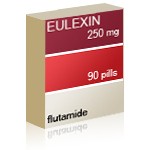
Eulexin (Flutamide 250mg) is another non-steroidal anti-androgen with similar mechanism.
Common Anti-Androgen Side Effects
Anti-androgen therapy side effects:
- Gynecomastia (breast tissue growth in men)
- Breast tenderness
- Hot flashes
- Reduced libido
- Erectile dysfunction
- Liver toxicity (requires monitoring - flutamide especially)
- Fatigue
- Diarrhea
- Rare: severe skin reactions
- Nausea
- Elevated liver enzymes

💊 Chemotherapy Agents
Cytoxan (Cyclophosphamide)
Cytoxan (Cyclophosphamide 50mg) is a widely-used alkylating chemotherapy agent effective against many cancer types.

How Cyclophosphamide Works
- Prodrug activated in liver
- Alkylates DNA, causing damage
- Interferes with cell division
- Preferentially affects rapidly dividing cells
- Also has immunosuppressive effects
Uses
- Breast cancer
- Lymphomas (Hodgkin, non-Hodgkin)
- Leukemia
- Multiple myeloma
- Ovarian cancer
- Certain sarcomas
- Autoimmune diseases (immunosuppression)
- Preparation for bone marrow transplant
Important Considerations
Serious side effects and monitoring:
- Bone marrow suppression - low blood counts
- Nausea and vomiting
- Hair loss
- Bladder toxicity (hemorrhagic cystitis) - increased fluid intake helps
- Bladder cancer - long-term risk
- Infertility - often permanent
- Secondary malignancies
- Cardiotoxicity - high doses
- Infection risk
- Requires careful monitoring

Methotrexate
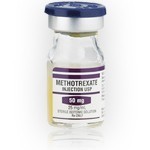
Methotrexate (2.5mg) is an antifolate chemotherapy agent with wide use in cancer and autoimmune conditions.
How Methotrexate Works
- Inhibits dihydrofolate reductase
- Blocks folate metabolism
- Interferes with DNA synthesis
- Especially affects rapidly dividing cells
- Effective against many cancer types
- Also treats inflammatory conditions
Uses in Cancer
- Acute lymphoblastic leukemia (ALL)
- Non-Hodgkin lymphoma
- Osteosarcoma
- Choriocarcinoma
- Head and neck cancers
- Breast cancer
- Bladder cancer
Non-Cancer Uses
- Rheumatoid arthritis
- Severe psoriasis
- Psoriatic arthritis
- Some autoimmune conditions
Important Considerations
Methotrexate serious warnings:
- Bone marrow suppression
- Liver toxicity - regular monitoring
- Lung toxicity (pneumonitis) - can be fatal
- Kidney toxicity - especially high doses
- Severe mucositis (mouth sores)
- TERATOGENIC - contraception required
- Rare: severe skin reactions
- Deadly interactions with NSAIDs at high doses
- Leucovorin rescue for high-dose therapy
- Folate supplementation with low-dose therapy
💊 Hydrea (Hydroxyurea)
Hydrea (Hydroxyurea 500mg) is a cytoreductive agent used for various hematologic conditions.
How Hydroxyurea Works
- Inhibits ribonucleotide reductase
- Blocks DNA synthesis
- Reduces cell proliferation
- Selectively affects rapidly dividing cells
- Also increases fetal hemoglobin (sickle cell)
Uses
- Chronic myeloid leukemia (CML) - historically
- Polycythemia vera
- Essential thrombocythemia
- Myeloproliferative disorders
- Sickle cell disease - reduces pain crises
- Head and neck cancer (with radiation)
Considerations
- Bone marrow suppression
- Skin ulcers (especially legs)
- Nail changes
- Fever
- Rare secondary malignancies (long-term)
- Teratogenic - contraception essential
- Requires regular blood monitoring
🍟 Supportive Care
Supportive care manages symptoms and treatment side effects, improving quality of life during cancer treatment.
Essential supportive care components:
- Pain management
- Anti-emetic therapy (nausea/vomiting)
- Nutritional support
- Infection prevention and treatment
- Anemia management
- Fatigue management
- Psychological support
- Physical therapy
- Palliative care
- Spiritual support
- Family support
- Fertility preservation when appropriate
- Survivorship planning
💚 Cancer Prevention
Approximately 30-50 percent of cancers are preventable through lifestyle modifications and screening.
Primary Prevention Strategies
- Do not use tobacco - most important prevention
- Maintain healthy weight
- Physical activity - 150 minutes weekly
- Healthy diet - fruits, vegetables, whole grains
- Limit alcohol
- Sun protection
- HPV vaccination
- Hepatitis B vaccination
- Safe sex practices
- Occupational safety
- Avoid radiation when possible
- Environmental awareness
Cancer Screening Recommendations
| Cancer Type | Test | Recommended For |
|---|---|---|
| Breast | Mammography | Women 40-74 years |
| Cervical | Pap/HPV testing | Women 21-65 years |
| Colorectal | Colonoscopy or stool tests | Adults 45-75 years |
| Lung | Low-dose CT | Heavy smokers 50-80 years |
| Prostate | PSA + digital exam | Men 55-69 (discuss with doctor) |
| Skin | Skin examination | High-risk individuals |
👩 Family History and Hereditary Cancers
Approximately 5-10 percent of cancers are hereditary. Knowing family history can guide screening and prevention.
Common Hereditary Cancer Syndromes
- BRCA1/BRCA2 mutations - breast, ovarian cancer
- Lynch syndrome - colorectal, endometrial, others
- Familial adenomatous polyposis (FAP)
- Li-Fraumeni syndrome
- Cowden syndrome
- Multiple endocrine neoplasia (MEN)
- Von Hippel-Lindau disease
When to Consider Genetic Counseling
- Multiple family members with same cancer
- Cancer diagnosed at young age
- Rare cancers
- Multiple primary cancers in same person
- Cancer in both paired organs (both breasts, kidneys)
- Known family cancer syndrome
- Ashkenazi Jewish ancestry (higher BRCA rates)
🤔 Common Myths About Cancer
- Myth: Cancer is a death sentence
- Fact: Many cancers are highly treatable, and 5-year survival rates continue improving. Millions of cancer survivors live full lives.
- Myth: Cancer is contagious
- Fact: Cancer itself cannot spread between people. Some infections that can cause cancer (HPV, hepatitis B/C) are transmissible.
- Myth: Alternative therapies alone can cure cancer
- Fact: Evidence-based conventional treatments have transformed cancer outcomes. Rejecting proven treatment for alternative-only approaches typically worsens outcomes.
- Myth: Chemotherapy is worse than cancer
- Fact: Modern chemotherapy has better side effect management. Benefits typically far outweigh temporary side effects. Refusing treatment usually worse.
- Myth: Sugar feeds cancer
- Fact: While excess sugar contributes to obesity (a risk factor), sugar itself does not "feed" cancer differently than normal cells. Balanced diet best.
- Myth: Cancer is inevitable if you have family history
- Fact: Family history increases risk but does not guarantee cancer. Screening, prevention, and sometimes preventive treatments can significantly reduce risk.
🚨 When to See a Doctor
EMERGENCY - seek immediate care for:
- Severe unexplained bleeding
- Difficulty breathing
- Severe chest pain
- New severe headache
- Sudden weakness or paralysis
- Signs of severe infection (during chemotherapy)
- Fever over 100.4F on chemotherapy
- Uncontrolled vomiting
- Signs of severe allergic reaction
See doctor promptly for:
- Any persistent unexplained symptoms
- New lumps
- Unexplained weight loss
- Persistent fatigue
- Changes in bowel/bladder habits
- Persistent cough
- Change in mole or skin
- Family history of cancer
- Age-appropriate cancer screening
- Concerns about symptoms
🌟 Key Takeaways
Essential points about cancer:
- Cancer is over 100 different diseases
- 20 million new cases yearly worldwide
- Many cancers now curable or treatable long-term
- Modern treatment uses multiple approaches
- Hormonal therapies: Nolvadex (Tamoxifen), Arimidex (Anastrozole) for breast cancer
- Anti-androgens: Calutide, Casodex, Eulexin for prostate cancer
- Chemotherapy: Cytoxan (Cyclophosphamide), Methotrexate
- Cytoreductive: Hydrea (Hydroxyurea)
- Prevention possible for 30-50 percent of cancers
- Tobacco use is single largest preventable cause
- Cancer screening saves lives
- Family history important - genetic counseling for high-risk
- Early detection dramatically improves outcomes
- Specialist oncology care essential
- Multiple treatment modalities often combined
- Supportive care crucial during treatment
Critical Medical Disclaimer: This educational guide provides general information about cancer and cancer medications and does NOT constitute individualized medical advice, diagnosis, or treatment recommendations. Cancer treatment requires evaluation and supervision by qualified oncology specialists (medical oncologists, surgical oncologists, radiation oncologists) with access to complete medical records, imaging, pathology, and multidisciplinary team consultation. Cancer diagnosis and staging require extensive testing including biopsy, imaging, and specialized laboratory analyses. Treatment selection depends on cancer type, stage, molecular characteristics, patient health, and multiple other factors. All cancer medications carry significant risks including bone marrow suppression, organ toxicity, secondary malignancies, infertility, and severe adverse reactions. Hormonal therapies including tamoxifen and aromatase inhibitors increase blood clot risk. Tamoxifen increases uterine cancer risk. Anti-androgens require liver monitoring. Chemotherapy agents like cyclophosphamide cause bone marrow suppression, hemorrhagic cystitis, and secondary cancers. Methotrexate has narrow therapeutic index with serious risks including bone marrow suppression, liver toxicity, and pulmonary toxicity. Hydroxyurea requires regular blood monitoring and skin surveillance. All cancer drugs are teratogenic - contraception essential. Never self-diagnose cancer or self-treat with cancer medications - proper diagnosis and specialist supervision essential. Cancer treatment is highly individualized - what works for one patient may not for another. Symptoms of cancer are non-specific and have many other possible causes - persistent unexplained symptoms warrant medical evaluation but rarely indicate cancer. Screening guidelines vary by risk factors and should be discussed with primary care providers. Family history evaluation and genetic counseling appropriate for high-risk individuals. Special populations including children, pregnant women, elderly, and those with organ dysfunction require highly specialized approaches. Emergency signs during cancer treatment require immediate medical attention. Complete oncology care includes supportive services (pain management, nutrition, mental health, palliative care) alongside disease-directed treatment. Information here should complement but never replace direct professional medical guidance from qualified oncology specialists.
More Cancer Medications


