Cardiovascular Medications Guide — Anticoagulants, Antiplatelets, Heart Failure
Cardiovascular disease (CVD) is the leading cause of death worldwide, responsible for approximately 17.9 million deaths yearly. It encompasses conditions affecting the heart and blood vessels including coronary artery disease, heart failure, arrhythmias, peripheral artery disease, and thromboembolic conditions. Modern cardiovascular medications have transformed outcomes - from anticoagulants preventing strokes to antiplatelets preventing heart attacks, from digoxin controlling heart failure to newer agents managing peripheral artery disease. This comprehensive guide covers major cardiovascular medications including anticoagulants (Coumadin (Warfarin)), antiplatelets (Persantine (Dipyridamole)), peripheral artery disease treatment (Pletal (Cilostazol)), heart failure/arrhythmia therapy (Lanoxin (Digoxin)), and orthostatic hypotension treatment (Gutron (Midodrine)).
❤ What Is Cardiovascular Disease
Cardiovascular disease is not a single condition but a group of disorders affecting the heart and blood vessels. The cardiovascular system - heart, arteries, veins, and capillaries - delivers oxygen and nutrients throughout the body. When any part fails, serious consequences follow.
Cardiovascular disease encompasses many conditions: coronary artery disease (blocked heart arteries), heart failure (weakened heart pump), arrhythmias (abnormal rhythms), valvular disease (heart valve problems), peripheral artery disease (blocked leg arteries), cerebrovascular disease (stroke), and venous thromboembolism (blood clots). While hypertension is closely linked, this guide focuses on other cardiovascular conditions.
Key facts about cardiovascular disease:
- Leading cause of death worldwide
- 17.9 million deaths yearly globally
- 523 million people living with CVD
- Preventable in many cases
- Multiple medication classes available
- Individual risk factors important
- Lifelong management typically required
- Regular monitoring essential
- Modern treatment dramatically improved outcomes
📊 Cardiovascular Disease Statistics
| Statistic | Details |
|---|---|
| Global CVD deaths yearly | Approximately 17.9 million (32 percent all deaths) |
| Living with CVD globally | Approximately 523 million people |
| US adults with CVD | Approximately 127 million |
| Heart attacks yearly (US) | Approximately 805,000 |
| Strokes yearly (global) | Approximately 12.2 million |
| Heart failure prevalence | Approximately 64 million globally |
| Atrial fibrillation | Approximately 33 million globally |
| Peripheral artery disease | Approximately 200 million globally |
| Preventable CVD proportion | Approximately 80 percent |
| Annual US healthcare cost | Approximately $378 billion |
💓 Types of Cardiovascular Disease
Coronary Artery Disease (CAD)
Blockage of arteries supplying the heart muscle, usually from atherosclerosis (cholesterol plaque buildup). Can cause angina (chest pain), heart attack, and heart failure.
Heart Failure
Heart cannot pump effectively to meet body needs. Can be from weakened muscle (systolic) or stiff muscle (diastolic). Causes fatigue, shortness of breath, swelling.
Arrhythmias
Abnormal heart rhythms. Include atrial fibrillation (irregular rapid rhythm from atria), ventricular tachycardia, bradycardia (slow rhythm), SVT (fast rhythms from atria). Some cause blood clots requiring anticoagulation.
Valvular Heart Disease
Heart valves fail to open or close properly. Causes include aging, infection, congenital defects. May require surgical repair or replacement.
Peripheral Artery Disease (PAD)
Atherosclerosis affecting arteries of legs (mainly). Causes leg pain with walking (claudication), poor wound healing, potential limb loss. Also indicates elevated heart attack/stroke risk.
Cerebrovascular Disease (Stroke)
Blood vessel disease affecting brain. Includes ischemic stroke (blockage), hemorrhagic stroke (bleeding), and transient ischemic attack (TIA). Leading cause of disability.
Venous Thromboembolism (VTE)
Blood clots in veins (deep vein thrombosis) that can travel to lungs (pulmonary embolism). Potentially fatal. Anticoagulation is main treatment.
Orthostatic Hypotension
Blood pressure drops significantly on standing. Causes dizziness, fainting, falls. Multiple causes including neurological conditions, medications, dehydration.
⚠ Cardiovascular Warning Signs
EMERGENCY - Call 911 for:
- Chest pain or pressure (possible heart attack)
- Pain radiating to arm, jaw, back
- Sudden weakness/numbness on one side (stroke)
- Sudden difficulty speaking (stroke)
- Sudden severe headache (stroke)
- Sudden vision problems
- Severe shortness of breath
- Rapid, irregular heartbeat with symptoms
- Loss of consciousness
- Severe leg pain with swelling (possible clot)
Non-Emergency Warning Signs
- Persistent fatigue
- Shortness of breath with usual activities
- Swelling in legs or ankles
- Rapid weight gain (fluid retention)
- Persistent cough
- Difficulty exercising
- Racing or fluttering heart
- Leg pain when walking that improves with rest (claudication)
- Cold or numb feet
- Slow-healing wounds on legs/feet
- Dizziness
- Frequent fainting
🔍 Cardiovascular Diagnosis
Multiple tools help diagnose cardiovascular disease.
Common Diagnostic Tests
- Electrocardiogram (ECG/EKG) - electrical activity, rhythm
- Echocardiogram - ultrasound of heart structure and function
- Stress tests - exercise or medication-induced
- Cardiac catheterization - direct artery visualization
- CT angiography - non-invasive imaging
- Cardiac MRI - detailed heart imaging
- Holter monitor - 24-48 hour rhythm monitoring
- Event monitor - longer-term recording
- Ankle-brachial index - PAD screening
- Doppler ultrasound - blood flow in vessels
Blood Tests
- Complete blood count
- Lipid panel
- Blood glucose/HbA1c
- Kidney function
- Cardiac enzymes (troponin) for heart attack
- BNP for heart failure
- D-dimer for clot screening
- INR for warfarin monitoring
💊 Anticoagulation - Coumadin (Warfarin)
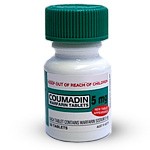
Coumadin (Warfarin 5mg) is a vitamin K antagonist anticoagulant used for over 60 years. Despite newer options, it remains widely used and essential for certain conditions.
How Warfarin Works
- Blocks vitamin K-dependent clotting factor synthesis
- Reduces factors II, VII, IX, X
- Prolongs blood clotting time
- Prevents new clot formation
- Allows existing clots to be broken down
- Takes 3-7 days for full effect
Uses
- Atrial fibrillation - stroke prevention
- Deep vein thrombosis (DVT) - treatment and prevention
- Pulmonary embolism - treatment and prevention
- Mechanical heart valves - lifelong anticoagulation
- Post-stroke prevention (specific cases)
- Antiphospholipid syndrome
- Certain hereditary clotting disorders
Warfarin Monitoring
Essential warfarin management:
- INR blood test - measures clotting time
- Target INR usually 2.0-3.0 (varies by condition)
- Higher target (2.5-3.5) for mechanical valves
- Weekly testing when starting
- Monthly testing when stable
- More frequent with dose changes, illness, new medications
- Consistent testing lab recommended
Diet and Warfarin
- Vitamin K consistency important - NOT avoidance
- Green leafy vegetables (kale, spinach, broccoli) high in vitamin K
- Consistent daily intake maintains stable INR
- Sudden diet changes affect warfarin
- Discuss diet with anticoagulation team
Warfarin risks and warnings:
- Bleeding - major risk (nose, gums, gastrointestinal, urinary, brain)
- Bruising easily
- Skin necrosis - rare but serious
- Purple toe syndrome
- Numerous drug interactions - hundreds of medications affect INR
- Alcohol interaction
- TERATOGENIC - contraception essential
- Report all bleeding, dark stools, blood in urine
- Avoid activities with high injury risk
💊 Antiplatelet Therapy - Persantine (Dipyridamole)
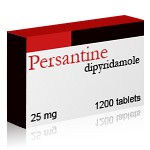
Persantine (Dipyridamole 100mg) is an antiplatelet agent with multiple mechanisms of action.
How Dipyridamole Works
- Inhibits platelet aggregation
- Blocks adenosine uptake
- Inhibits phosphodiesterase
- Increases cyclic AMP in platelets
- Causes vasodilation
- Reduces blood clot formation
Uses
- Stroke prevention (combined with aspirin)
- After mechanical heart valve surgery (with warfarin)
- Prevention of thromboembolism
- Cardiac stress testing (IV form)
- Some peripheral vascular conditions
Considerations
- Often combined with aspirin
- Extended-release form + aspirin available (Aggrenox)
- Bleeding risk (though less than anticoagulants)
- Headache common
- May trigger chest pain in patients with severe CAD
- Interactions with adenosine

💊 Peripheral Artery Disease - Pletal (Cilostazol)
Pletal (Cilostazol 100mg) is used specifically for intermittent claudication (leg pain from PAD).
How Cilostazol Works
- Inhibits phosphodiesterase-3
- Increases cyclic AMP in platelets and vascular smooth muscle
- Vasodilator effect
- Antiplatelet action
- Improves walking distance
- Requires 2-3 months for full effect
Uses
- Intermittent claudication - primary indication
- Improves pain-free walking distance
- Improves quality of life in PAD
- May be used with other PAD treatments
Important cilostazol warnings:
- CONTRAINDICATED in heart failure - increased mortality risk
- Increased bleeding risk
- Take on empty stomach
- Common: headache, diarrhea, palpitations
- Avoid grapefruit juice
- Discontinue if no benefit after 3 months
💊 Heart Failure and Arrhythmias - Lanoxin (Digoxin)
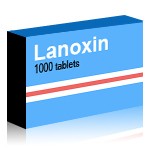
Lanoxin (Digoxin 250mcg) is a cardiac glycoside derived from foxglove plant, in medical use for over 200 years.
How Digoxin Works
- Inhibits sodium-potassium ATPase pump
- Increases intracellular calcium
- Enhances heart muscle contraction (positive inotropy)
- Slows heart rate through vagal stimulation
- Slows AV node conduction
- Improves cardiac output in heart failure
Uses
- Heart failure - symptom control
- Atrial fibrillation - rate control
- Atrial flutter
- Supraventricular tachycardia
- Certain other rhythm disorders
Critical digoxin considerations:
- Narrow therapeutic window - blood levels required
- Toxicity potentially fatal
- Signs of toxicity - visual changes (yellow-green halos), nausea, vomiting, confusion, arrhythmias
- Dose adjust for kidney function
- Low potassium increases toxicity
- Many drug interactions
- Regular blood level monitoring
- Antidote available for severe toxicity (digoxin immune Fab)

💊 Orthostatic Hypotension - Gutron (Midodrine)
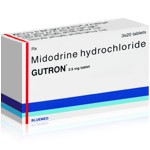
Gutron (Midodrine 2.5mg) treats symptomatic orthostatic hypotension - blood pressure that drops significantly on standing.
How Midodrine Works
- Prodrug converted to active desglymidodrine
- Selective alpha-1 adrenergic agonist
- Causes vasoconstriction
- Increases blood pressure
- Improves standing blood pressure
- Does not affect brain (peripheral action)
Uses
- Symptomatic orthostatic hypotension
- Autonomic dysfunction
- Multiple system atrophy
- Pure autonomic failure
- Neurogenic orthostatic hypotension
- Sometimes for chronic fatigue with POTS
Important midodrine warnings:
- SUPINE HYPERTENSION - very high BP when lying flat
- DO NOT take within 4 hours of bedtime
- Elevate head of bed
- Contraindicated in uncontrolled hypertension
- Avoid in urinary retention
- Common: goosebumps, tingling scalp, urinary urgency
- Monitor blood pressure carefully
- Only for symptomatic patients
⚠ Cardiovascular Medication Side Effects and Monitoring
Bleeding Risk (Warfarin, Antiplatelets)
Report immediately:
- Blood in urine
- Dark tarry stools
- Vomiting blood
- Severe headache with visual changes
- Any prolonged bleeding
- Excessive bruising
- Falls (especially head injury)
- Coughing up blood
Drug Interactions
Cardiovascular medications have extensive interactions:
- Warfarin: interacts with hundreds of medications, foods, supplements
- Digoxin: many interactions affect blood levels
- Cilostazol: avoid with CYP3A4 inhibitors, grapefruit
- Dipyridamole: with adenosine, aspirin
- Midodrine: with other vasoconstrictors, MAOIs
Always inform all providers about cardiovascular medications. Pharmacist review essential.
💚 Non-Medication Approaches
Essential lifestyle interventions:
- Quit smoking - single most important change
- Regular exercise - 150 minutes weekly
- Mediterranean or DASH diet
- Maintain healthy weight
- Limit alcohol
- Stress management
- Adequate sleep (7-9 hours)
- Blood pressure control
- Cholesterol management
- Diabetes control
- Sleep apnea treatment
- Dental hygiene (gum disease linked to heart disease)
- Vaccinations (flu, pneumonia, COVID)
- Regular medical checkups
PAD-Specific Interventions
- Supervised exercise programs
- Walking programs (walk to onset of pain, rest, repeat)
- Foot care and inspection
- Proper footwear
- Wound care
- Aggressive cardiovascular risk factor modification
Heart Failure Self-Care
- Daily weight monitoring
- Sodium restriction (usually less than 2g daily)
- Fluid restriction if severe
- Medication adherence
- Report weight gain (2 lbs overnight or 5 lbs in a week)
- Report worsening symptoms
- Cardiac rehabilitation
👩 Special Populations
Elderly
- Higher bleeding risk with anticoagulants
- Digoxin dose reduction usually needed
- Fall risk consideration
- Multiple medication interactions
- Kidney function changes affect dosing
- Individualized approach essential
Kidney Disease
- Digoxin requires dose adjustment
- Warfarin appropriate with monitoring
- Some medications avoided in severe CKD
- Regular kidney function monitoring
Pregnancy
Warfarin CONTRAINDICATED in pregnancy - severe fetal harm. Alternative anticoagulants (heparins) used. Discuss preconception planning with cardiologist and obstetrician. Some cardiovascular medications also require adjustment in pregnancy.
🤔 Common Myths About Cardiovascular Disease
- Myth: Heart disease is a mans disease
- Fact: Cardiovascular disease is the leading cause of death for both men and women. Women often have atypical symptoms and are undertreated.
- Myth: Only elderly get cardiovascular disease
- Fact: Cardiovascular disease can occur at any age, including young adults. Risk increases with age but starts building young.
- Myth: You cannot exercise with heart disease
- Fact: Appropriate exercise BENEFITS most heart conditions. Cardiac rehabilitation programs supervise safe exercise progression.
- Myth: Heart attacks always involve severe chest pain
- Fact: Heart attacks can present with subtle symptoms - especially in women, elderly, and diabetics. Fatigue, jaw pain, back pain, nausea may be main symptoms.
- Myth: Warfarin patients cannot eat green vegetables
- Fact: Consistency, not avoidance, is key. Eat consistent amounts of vitamin K foods - your warfarin dose is adjusted accordingly.
- Myth: Once you have heart disease, its over
- Fact: Modern treatments have dramatically improved outcomes. Many people live full active lives after cardiovascular events with proper treatment.
🚨 When to See a Doctor
EMERGENCY - Call 911 for:
- Chest pain or pressure
- Signs of stroke (weakness, numbness, speech difficulty, vision changes)
- Severe shortness of breath
- Signs of pulmonary embolism
- Severe bleeding
- Loss of consciousness
- Severe leg pain with swelling
- Coughing up blood
See doctor promptly for:
- New heart symptoms
- Worsening heart failure symptoms
- Medication side effects
- Bleeding while on anticoagulation
- Falls (especially on warfarin)
- New medication starts
- Signs of digoxin toxicity
- Persistent leg pain with walking
- Cardiovascular risk factor evaluation
- Family history assessment
🌟 Key Takeaways
Essential points about cardiovascular medications:
- Cardiovascular disease is leading cause of death worldwide
- 17.9 million deaths yearly globally
- Multiple conditions require different treatments
- Anticoagulation: Coumadin (Warfarin) - requires INR monitoring
- Antiplatelet: Persantine (Dipyridamole) - stroke prevention
- PAD treatment: Pletal (Cilostazol) - improves walking distance
- Heart failure/arrhythmia: Lanoxin (Digoxin) - narrow therapeutic window
- Orthostatic hypotension: Gutron (Midodrine) - supine hypertension concern
- Bleeding is major concern with anticoagulants/antiplatelets
- Regular monitoring essential for most medications
- Extensive drug interactions common
- Lifestyle changes essential complement
- Multidisciplinary approach best
- Emergency signs must be recognized
- 80 percent of cardiovascular disease preventable
Important Medical Disclaimer: This educational guide provides general information about cardiovascular conditions and medications and does not constitute individualized medical advice. Cardiovascular disease requires evaluation and management by qualified healthcare providers including cardiologists, vascular specialists, and primary care physicians. All cardiovascular medications have specific dosing, monitoring, and safety requirements. Warfarin (Coumadin) is high-risk medication requiring regular INR monitoring, careful management of drug and food interactions, and awareness of bleeding risks. Dipyridamole (Persantine) may trigger chest pain in patients with severe coronary disease. Cilostazol (Pletal) is CONTRAINDICATED in heart failure due to increased mortality risk. Digoxin (Lanoxin) has narrow therapeutic window - toxicity can be fatal; requires regular blood level monitoring and awareness of visual symptoms, GI symptoms, and rhythm changes. Midodrine (Gutron) causes supine hypertension - do not take within 4 hours of bedtime. All anticoagulants and antiplatelets significantly increase bleeding risk requiring vigilance for signs including blood in urine/stool, prolonged bleeding, unusual bruising, and severe headache. Emergency signs including chest pain, stroke symptoms, and severe shortness of breath require immediate emergency medical care. Many cardiovascular medications have extensive drug interactions - inform all healthcare providers about all medications, supplements, herbs, and over-the-counter products. Regular follow-up with cardiovascular team essential. Special populations including elderly, pregnant women, and those with kidney disease require adjusted approaches. Warfarin CONTRAINDICATED in pregnancy - severe fetal harm. Comprehensive cardiovascular care includes medications, lifestyle modifications (smoking cessation, exercise, diet, weight management, stress reduction), risk factor control (blood pressure, cholesterol, diabetes), and appropriate monitoring. Cardiac rehabilitation programs available for many patients. Fall prevention important, especially on anticoagulants. Never stop cardiovascular medications abruptly without medical guidance. Information here should complement but never replace direct professional medical guidance from qualified cardiovascular specialists.
More Cardiovascular Medications