Buy Pletal (Cilostazol 100mg) Online - Original Otsuka Brand Lupin Generic PDE3 Inhibitor for Claudication

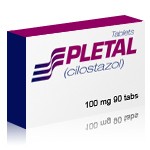
Pletal (Cilostazol 100 mg) represents the selective phosphodiesterase-3 (PDE3) inhibitor therapy - the only FDA-approved medication demonstrably improving walking distance in intermittent claudication associated with peripheral arterial disease (PAD). Originally developed by Otsuka Pharmaceutical in Japan and FDA-approved as Pletal in 1999, cilostazol established the modern approach to symptomatic PAD management through combined antiplatelet and vasodilatory effects. Pletal on rxshop.md is manufactured by Lupin Pharmaceuticals Ltd - one of India top 10 pharmaceutical companies founded in 1968 with WHO-GMP certification, US FDA-inspected manufacturing facilities, EU-GMP certification, and comprehensive cardiovascular product portfolio.
Cilostazol works as a selective PDE3 inhibitor providing dual pharmacological effects for PAD symptom management. First, cilostazol inhibits phosphodiesterase-3 in platelets and vascular smooth muscle preventing cAMP degradation. Second, elevated cAMP in platelets reduces platelet aggregation through cAMP-dependent inhibition of platelet activation pathways. Third, elevated cAMP in vascular smooth muscle produces peripheral arterial vasodilation improving blood flow to affected limbs. Fourth, cilostazol reduces smooth muscle cell proliferation potentially slowing atherosclerosis progression. Fifth, cilostazol improves lipid profile - reducing triglycerides and raising HDL cholesterol as secondary benefits.
Pletal primary FDA indication is reduction of symptoms of intermittent claudication in peripheral arterial disease. Clinical trials demonstrate improvement in walking distance approximately 42 meters vs placebo - the only FDA-approved medication with demonstrated benefit in this endpoint. Common off-label uses include secondary stroke prevention (particularly in Asian populations per CSPS-2 trial), improvement in ischemic ulcer healing, and post-percutaneous coronary intervention adjunctive therapy in some settings.
CRITICAL BLACK BOX WARNING: Cilostazol is ABSOLUTELY CONTRAINDICATED in patients with heart failure of any severity (NYHA Class I-IV). Other phosphodiesterase III inhibitors have caused increased mortality in patients with Class III-IV heart failure. Careful screening for heart failure history essential before initiation. Pletal is available in four pack sizes at 100 mg strength - 60, 80 (bestseller), 100, and 120 tablets - accommodating extended long-term PAD management. Standard dosing: 100 mg twice daily 30 minutes before or 2 hours after meals. Take with empty stomach for optimal absorption.
Free prescription
Discrete packaging
Have questions?
Quality Assurance

- Peripheral Arterial Disease: Atherosclerotic narrowing of lower extremity arteries causing claudication and reduced walking capacity;
- Walking Distance Improvement: Only FDA-approved medication with demonstrated 42-meter walking distance improvement in claudication;
- Post-Stroke Prevention Off-Label: Off-label secondary stroke prevention particularly in Asian populations per CSPS-2 trial evidence;
- Peripheral Vasodilation Therapy: Selective peripheral arterial vasodilation improving blood flow to ischemic limbs;
- Selective PDE3 Inhibition Therapy: Selective phosphodiesterase-3 inhibition providing platelet and vascular effects;
- Platelet Aggregation Inhibition: Antiplatelet effect through elevated platelet cAMP levels;
- Ischemic Ulcer Healing Off-Label: Off-label adjunctive therapy for peripheral ischemic ulcer healing;
- Post-PCI Adjunctive Therapy Off-Label: Off-label adjunctive antiplatelet therapy following percutaneous coronary intervention;
- Peripheral Blood Flow Enhancement: Enhanced peripheral circulation supporting ischemic tissue oxygenation;
- PAD Symptom Management: Comprehensive symptom management approach for chronic peripheral arterial disease;
- Exercise Tolerance Improvement: Enhanced exercise capacity through improved peripheral perfusion in PAD patients;
- HDL Cholesterol Elevation: Secondary benefit of modest HDL cholesterol increase during long-term therapy;
- Triglyceride Reduction: Secondary benefit of triglyceride reduction as part of lipid profile improvement;
- Anti-Smooth Muscle Proliferation: Reduction in vascular smooth muscle cell proliferation potentially slowing atherosclerosis;
- Antiaggregant Antithrombotic Action: Combined antiplatelet and vasodilatory effects for cardiovascular disease management;
- Buerger Disease Adjunct: Off-label use for thromboangiitis obliterans peripheral vasculitic condition;
- Raynaud Phenomenon Off-Label: Off-label vasodilatory therapy for Raynaud phenomenon in selected patients;
- Cerebral Vasodilation Selected: Off-label cerebral vasodilatory therapy in selected cerebrovascular disease patients;
- Long Term PAD Management: Long-term chronic peripheral arterial disease symptom management with periodic reassessment.
- Reduces Claudication Symptoms: Substantial reduction in exercise-induced leg pain from peripheral arterial disease;
- Selective PDE3 Inhibition: Targeted PDE3 blockade providing specific therapeutic effects with reduced off-target effects;
- Peripheral Arterial Vasodilation: Enhanced peripheral circulation supporting ischemic tissue oxygenation and function;
- Antiplatelet Effect: Reduced platelet aggregation through cAMP-mediated pathways in platelets;
- Enhances Exercise Tolerance: Improved exercise capacity enabling greater daily activity and quality of life;
- Improves Lipid Profile: Secondary benefits of HDL cholesterol elevation and triglyceride reduction during therapy;
- Reduces Smooth Muscle Proliferation: Vascular smooth muscle cell inhibition potentially slowing atherosclerosis progression;
- Post-Stroke Prevention Benefit: Off-label secondary stroke prevention benefit per CSPS-2 trial in Asian populations;
- Twice Daily Dosing Convenience: Convenient 100 mg twice daily dosing regimen supporting long-term adherence;
- Cost Effective PAD Therapy: More affordable than surgical intervention or newer specialty PAD therapies;
- Original Otsuka Brand Heritage: FDA-approved 1999 with over 25 years continuous clinical use since Japanese introduction;
- Lupin Manufacturing Quality: WHO-GMP and US FDA-inspected Indian manufacturer providing bioequivalent generic quality;
- Oral Tablet Administration: Simple oral administration for chronic PAD symptom management therapy;
- Four Pack Size Options: 60 to 120 tablet packs accommodate different therapy durations and refill preferences;
- Selective vs Non-Selective PDE Inhibitors: PDE3-selective action distinguishes from non-selective PDE inhibitors like dipyridamole;
- Non-Surgical PAD Option: Effective pharmacological alternative to bypass surgery or angioplasty for mild-moderate claudication;
- Long Term Therapy Suitable: Well-suited for chronic PAD requiring long-term management with periodic reassessment;
- Complementary to Statin Therapy: Works alongside statins and antihypertensives for comprehensive PAD management;
- Better Quality of Life: Improved walking capacity substantially improves independence and quality of life in PAD patients.
Generic Pletal (Cilostazol 100 mg) Medication guide:
📖 What Pletal Is and How It Works
Pletal is the original brand of cilostazol, a selective phosphodiesterase-3 (PDE3) inhibitor approved by the US FDA in 1999 for symptomatic peripheral arterial disease with intermittent claudication. It was developed by Otsuka Pharmaceutical in Japan and remains the only medication that has FDA approval specifically for improving walking distance in PAD.
The drug has two clinical lives. In Western practice cilostazol is used almost exclusively for intermittent claudication - the leg pain on walking caused by peripheral arterial disease. In East Asian practice, particularly Japan and China, cilostazol has an established secondary role in stroke prevention, supported by the CSPS-2 and CASISP trials. This East-West divergence reflects both the specific populations studied and the different first-line antiplatelet cultures.
The main modern uses of Pletal
- 🦵 Intermittent claudication in peripheral arterial disease - the FDA-approved indication; improves pain-free walking distance
- 🧠 Secondary stroke prevention (particularly in East Asian practice) - CSPS-2 and CASISP established benefit versus aspirin
- 🩹 Adjunct after endovascular procedures in PAD - some evidence of reduced restenosis
- 🧬 Prevention of vascular graft occlusion - specialist use
- 💥 Intracranial atherosclerosis stroke prevention - TOSS-2 evidence
The mechanism is distinctive. Cilostazol inhibits phosphodiesterase-3 - the enzyme that breaks down cyclic AMP (cAMP) in platelets and vascular smooth muscle. Blocking PDE3 raises intracellular cAMP, which produces two effects: platelet inhibition (cAMP suppresses platelet activation) and vasodilation (cAMP relaxes vascular smooth muscle). The combination of antiplatelet effect and peripheral vasodilation is the basis of walking distance improvement in PAD.
Pletal comes as 100 mg tablets. Standard dose is 100 mg twice daily taken 30 minutes before or 2 hours after breakfast and dinner - the specific timing matters for absorption. Response develops over 4-12 weeks - clients should not expect immediate improvement in walking distance, and this delay drives some early discontinuation before benefit has had time to develop.
CRITICAL - Heart failure contraindication
Cilostazol carries a black box warning from the FDA: absolutely contraindicated in heart failure of any severity. The concern comes from related PDE3 inhibitors (milrinone, amrinone) which increased mortality in heart failure trials despite improving symptoms. Class effect is assumed for cilostazol. This contraindication is not negotiable. Any client with heart failure - reduced or preserved ejection fraction, any NYHA class - should not take cilostazol.
This guide walks through what cilostazol does, the specific settings where it fits, the practical realities of twice-daily dosing timed around meals, the specific interactions with CYP3A4 and CYP2C19 inhibitors that raise levels dangerously, the heart failure contraindication, and the distinctive side effect profile of headache, palpitations, and GI upset. Treat this guide as a companion to what your vascular medicine specialist or general practitioner tells you.
💊 Why Doctors Prescribe Pletal - Main Indications
Cilostazol has a narrow set of established indications centred on peripheral arterial disease and, in specific populations, secondary stroke prevention. Understanding your specific indication shapes the timing rules, monitoring approach, and expected response.
Intermittent claudication in PAD
The FDA-approved indication. Peripheral arterial disease causes leg blood supply to fall short of muscle demand during walking - producing calf or thigh cramp pain that resolves at rest. This is intermittent claudication. Cilostazol improves the pain-free walking distance and maximal walking distance by roughly 40-60 percent in trials over 12-24 weeks. Section 3 covers this indication.
Secondary stroke prevention
In East Asian practice cilostazol is one of the established options for secondary prevention of ischaemic stroke. The CSPS-2 trial in Japan showed cilostazol superior to aspirin for stroke recurrence prevention with less bleeding. The CASISP trial in China showed similar findings. Western guidelines list it as an option; American and European practice more often defaults to aspirin, clopidogrel, or dipyridamole-aspirin. Section 4 covers this indication.
Post-endovascular therapy and vascular surgery
After stenting for coronary disease, cilostazol has been studied as a third antiplatelet added to aspirin and clopidogrel. After peripheral endovascular procedures (angioplasty, stenting for PAD or renal artery), cilostazol is sometimes added to reduce restenosis. Evidence base is smaller than for the main indications. Section 5 covers this.
Intracranial atherosclerotic disease
The TOSS-2 trial evaluated cilostazol plus aspirin versus clopidogrel plus aspirin in intracranial atherosclerotic stenosis and found similar outcomes. Cilostazol is one of several options for this specific stroke aetiology.
Historical and off-label uses
- Vasospastic Raynauds phenomenon - occasional use
- Vasculogenic erectile dysfunction - occasional use
- Diabetic vascular complications - not standard
- Alzheimers disease or vascular cognitive impairment - investigational; limited evidence
- Pulmonary hypertension - not standard
Where cilostazol fits versus other options
- PAD walking distance - the only FDA-approved drug for this specific outcome; supervised exercise remains first-line but cilostazol adds pharmacologic benefit
- Newer PAD options - low-dose rivaroxaban plus aspirin (VOYAGER PAD trial) reduces major vascular events in PAD but does not specifically improve walking distance
- Secondary stroke prevention - one of several options; East Asian evidence particularly strong
- Not for cardiovascular event reduction alone - cilostazol is not established for MI prevention or all-cause mortality reduction
Ask your treating team specifically why cilostazol has been prescribed and what response to expect. PAD walking distance improvement takes 4-12 weeks; stroke prevention is a long-term risk reduction rather than immediate benefit. Setting realistic expectations improves the chance of successful long-term use.
🦵 Pletal for Intermittent Claudication in PAD
Intermittent claudication is the main modern indication for cilostazol. Understanding what PAD is, how supervised exercise fits into treatment, and where cilostazol adds value gives context to long-term therapy.
Understanding peripheral arterial disease
- Atherosclerotic narrowing of leg arteries reduces blood flow to leg muscles
- At rest, muscle blood flow demand low and supply adequate
- During walking, muscle demand rises and supply cannot keep up
- Ischaemia causes pain - typically calf, thigh, or buttock depending on lesion location
- Rest allows demand to fall and pain to resolve
- This reproducible pattern defines intermittent claudication
- Ankle-brachial index (ABI) confirms diagnosis
- More severe PAD progresses to rest pain, non-healing ulcers, or critical limb ischaemia
The management approach
- Cardiovascular risk factor management - smoking cessation, statin, ACE inhibitor if HTN, glycaemic control if diabetes; PAD is a marker of systemic atherosclerosis
- Antiplatelet therapy - aspirin or clopidogrel for cardiovascular event reduction (not walking distance improvement per se)
- Supervised exercise therapy - the foundation of walking distance improvement; 30-60 minute sessions three times weekly for at least 12 weeks; improves walking distance more than most drugs
- Home walking programme when supervised not available
- Cilostazol - adds walking distance benefit on top of exercise; can be started while enrolling in exercise programme
- Endovascular therapy (angioplasty, stenting) for lifestyle-limiting symptoms despite conservative measures
- Vascular bypass surgery for advanced disease
Cilostazol trial evidence
- Beebe et al. Arch Intern Med 1999 - the pivotal FDA approval trial; walking distance improved by 47 percent for pain-free and 51 percent for maximal walking
- Money et al. J Vasc Surg 1998 - similar findings in earlier trial
- Dawson et al. Am J Med 2000 - dose-ranging established 100 mg twice daily
- Multiple meta-analyses - consistent 30-60 percent walking distance improvement
- Effect established by 4 weeks, plateaus by 12-24 weeks
- Effect additive to exercise - do both, not either
Setting realistic expectations
- Improvement is real but modest - 40-60 percent walking distance gain
- Not a cure - PAD progression continues without risk factor management
- Best response requires 8-12 weeks of continuous therapy
- Some clients do not respond substantially
- Some experience worse claudication briefly early on (uncertain mechanism)
- Combined with structured walking programme gives best results
Not for critical limb ischaemia
Cilostazol is for intermittent claudication - moderate PAD with lifestyle-limiting walking pain. It is not for critical limb ischaemia (rest pain, non-healing ulcers, gangrene) which needs urgent revascularisation. Rest pain in PAD warrants urgent vascular assessment, not medication adjustment.
Supervised exercise is the foundation
Supervised exercise therapy - typically 30-60 minute sessions of walking to near-maximal pain, three times weekly for 12 weeks - improves walking distance more than any drug in most studies. Combined with cilostazol the effects are additive. Do not skip exercise thinking cilostazol substitutes - both together deliver the best result.
PAD management is comprehensive - cardiovascular risk factors, exercise, antiplatelet, and cilostazol working together. The walking distance improvement from cilostazol matters most when combined with structured exercise as part of a broader vascular medicine plan.
🧠 Pletal for Secondary Stroke Prevention Asian Evidence
Secondary stroke prevention with cilostazol is well-established in East Asian practice but less commonly used in Western countries. The CSPS-2 and CASISP trials provide the evidence base. Understanding when cilostazol fits versus aspirin, clopidogrel, or dipyridamole-aspirin combinations shapes the choice.
The East Asian evidence base
- CSPS-2 (Shinohara et al. Lancet Neurology 2010) - 2,757 Japanese clients with prior non-cardioembolic ischaemic stroke; cilostazol versus aspirin; cilostazol reduced stroke recurrence by 26 percent with 54 percent less major haemorrhagic events
- CASISP (Huang et al. Lancet Neurology 2008) - Chinese multicenter trial; similar findings
- TOSS-2 (Kwon et al. Stroke 2011) - cilostazol plus aspirin versus clopidogrel plus aspirin for intracranial atherosclerosis; similar efficacy, less bleeding with cilostazol arm
- CSPS.com Trial (Toyoda et al. Lancet Neurology 2019) - cilostazol added to aspirin or clopidogrel; reduced ischaemic events with modest bleeding increase
- PACIFIC-STROKE (Uchiyama et al. Stroke 2023) - cilostazol combinations for secondary prevention
Why the East-West divergence
- Trial populations - CSPS-2 and CASISP were exclusively East Asian; extrapolation to other populations remains uncertain
- Bleeding patterns - East Asian populations have higher intracranial haemorrhage risk with aspirin than European populations; cilostazol's lower bleeding profile may matter more here
- Stroke subtypes - lacunar and intracranial atherosclerotic strokes more common in East Asia; cilostazol may particularly benefit these subtypes
- Practice patterns - Japanese and Chinese stroke guidelines endorse cilostazol; Western guidelines list it as an option but rarely default to it
- Cost and access - cilostazol brand-name pricing varies by market
Practical use in Western populations
Western guidelines (AHA/ASA, ESO) list cilostazol as an acceptable option for secondary stroke prevention but do not preferentially recommend it over aspirin, clopidogrel, or dipyridamole-aspirin combinations. Practical use in Europe and North America outside PAD is uncommon. Clients with East Asian heritage who prefer cilostazol based on regional practice may reasonably continue it. The evidence base extrapolation to non-Asian populations is limited but not clearly negative.
Cilostazol for stroke prevention - typical regimen
- 100 mg twice daily (same as PAD dose)
- Monotherapy or combined with aspirin/clopidogrel per specialist decision
- Long-term duration
- Continues alongside blood pressure control, statin, lifestyle management
- Not for cardioembolic stroke (needs anticoagulation) or acute stroke (needs standard acute management)
Cilostazol for stroke prevention has a specific evidence base and is more commonly used in East Asian practice. In Western practice it is generally considered when other antiplatelets are not tolerated or in specific clinical scenarios. Discussion with the treating neurologist about the individual balance of options guides the choice.
🩹 Pletal After Endovascular Procedures and Bypass
Cilostazol has been studied in various post-procedural settings - after coronary stenting, after peripheral endovascular therapy, and as adjunct to vascular bypass surgery. Evidence is mixed and use varies by centre.
Post-coronary stenting
- Triple antiplatelet therapy (aspirin plus clopidogrel plus cilostazol) has been studied
- Some evidence of reduced restenosis particularly in diabetic clients
- Additional bleeding risk from triple therapy
- Not standard practice in Western guidelines
- More common in East Asian PCI practice
Post-peripheral endovascular therapy
- After angioplasty or stenting for PAD, cilostazol has been added to standard antiplatelet
- Some studies show reduced restenosis at 6-12 months
- Duration typically 6-12 months post-procedure
- Combined with aspirin plus P2Y12 inhibitor initially, then step down
- Specialist decision at experienced centres
Vascular bypass and graft surgery
- Post-bypass antiplatelet is standard (aspirin plus or minus clopidogrel)
- Cilostazol addition studied for graft patency
- Modest evidence of reduced graft occlusion
- Individual specialist decision
Emerging alternatives
Newer antithrombotic combinations have altered the post-procedure antithrombotic landscape:
- VOYAGER PAD trial (2020) - low-dose rivaroxaban 2.5 mg twice daily plus aspirin after peripheral revascularisation; reduced major adverse limb events
- COMPASS trial - similar combination for stable atherosclerotic disease
- These regimens may reduce the role of cilostazol in post-procedure settings
Post-procedure use of cilostazol is a specialist decision. Where used, standard 100 mg twice daily is added to base antiplatelet therapy for a defined period. Discussion with the interventional or vascular surgery team clarifies the specific plan.
⚖️ The CSPS-2 and CASISP Stroke Trials Explained
The evidence base for cilostazol in secondary stroke prevention rests primarily on East Asian trials. Understanding CSPS-2 and CASISP - the two landmark studies - clarifies both what cilostazol has been shown to do and the limits of applying that evidence globally.
CSPS-2 Trial
- Cilostazol Stroke Prevention Study 2
- Published Lancet Neurology 2010, Shinohara and colleagues
- 2,757 Japanese clients with prior non-cardioembolic ischaemic stroke within 26 weeks
- Randomised to cilostazol 100 mg twice daily versus aspirin 81 mg daily
- Median follow-up 29 months
- Primary outcome: recurrent stroke (ischaemic or haemorrhagic)
CSPS-2 results
- Cilostazol reduced recurrent stroke by 26 percent versus aspirin
- Cilostazol reduced major haemorrhagic events by 54 percent versus aspirin
- Intracranial haemorrhage substantially lower
- More headache, palpitations, dizziness in cilostazol arm
- More discontinuations for adverse events in cilostazol arm
- Net clinical benefit favoured cilostazol in this Japanese population
CASISP Trial
- Cilostazol versus Aspirin for Secondary Ischaemic Stroke Prevention
- Published Lancet Neurology 2008, Huang and colleagues
- Chinese multicenter randomised trial
- Cilostazol 100 mg twice daily versus aspirin 100 mg daily
- Similar findings to CSPS-2 - cilostazol effective with less bleeding
CSPS.com Trial
- Published Lancet Neurology 2019, Toyoda and colleagues
- Japanese trial testing cilostazol added to aspirin or clopidogrel versus aspirin or clopidogrel alone
- Combination reduced ischaemic stroke recurrence
- Modest increase in bleeding
- Suggests combination benefit in higher-risk clients
Limits of extrapolation
The CSPS-2 and CASISP findings are exclusively in East Asian populations. Whether the same magnitude of benefit and reduced bleeding applies to European or African populations is not directly proven. The mechanism (PDE3 inhibition, vasodilation, antiplatelet) does not obviously depend on ethnicity. But absolute stroke rates, aspirin bleeding rates, and stroke subtypes differ between populations. Individual specialist judgement guides use in non-Asian populations.
Guideline positioning
- Japanese Stroke Guidelines - cilostazol as first-line option for secondary prevention of non-cardioembolic ischaemic stroke
- AHA/ASA - list as acceptable option; not preferentially recommended
- ESO - list as option; individual case decision
- NICE (UK) - not endorsed for this indication
The CSPS-2 and CASISP evidence is real and important. Whether cilostazol becomes a preferred antiplatelet for secondary stroke prevention outside East Asia depends on Western replication studies and individual clinical judgement. Discuss with your treating team what makes sense in your specific context.
🔬 How Cilostazol Blocks Phosphodiesterase-3
Cilostazol's mechanism is one of the more targeted in cardiovascular medicine. A single enzyme - phosphodiesterase-3 - underlies both the platelet inhibition and vascular effects that make cilostazol useful.
Phosphodiesterase-3 in one paragraph
Phosphodiesterase-3 (PDE3) is an intracellular enzyme that breaks down cyclic AMP (cAMP). cAMP is a "second messenger" that many cells use to transduce hormonal or neurotransmitter signals. In platelets and vascular smooth muscle cells, high cAMP suppresses activation - platelets do not aggregate; smooth muscle relaxes. Low cAMP allows activation. PDE3 activity keeps cAMP low. Blocking PDE3 raises cAMP and produces the two therapeutic effects.
Cilostazol's effects
- Platelet PDE3 inhibition - cAMP rises in platelets - platelet activation, aggregation, and granule release suppressed
- Vascular smooth muscle PDE3 inhibition - cAMP rises in vessel wall - smooth muscle relaxes - vasodilation, particularly in femoral and peripheral vessels
- Cardiac PDE3 inhibition - small effect on cardiac myocytes at therapeutic doses; increases contractility modestly; basis of the heart failure concern
- Secondary effects - modestly lowers triglycerides, raises HDL, reduces vascular smooth muscle proliferation (basis of restenosis reduction)
- Anti-inflammatory effects at vascular sites (proposed mechanism for stroke prevention benefit)
Why the heart failure concern
Other PDE3 inhibitors have been studied and used clinically:
- Milrinone - IV PDE3 inhibitor used for acute HF; short-term inotropic benefit but chronic oral formulation trials showed increased mortality
- Amrinone - similar IV PDE3 inhibitor; withdrawn from most markets
- Enoximone - similar
- Chronic PDE3 inhibition in HFrEF causes ventricular arrhythmias and increased mortality
- Mechanism uncertain - possibly proarrhythmic from raised intracellular calcium
Cilostazol has not been proven to cause the same harm in HF - but the class effect concern led to the absolute contraindication as precaution. This is the reason for the FDA black box warning.
Pharmacokinetics
- Oral bioavailability - modest; substantially improved by taking with fatty meal (roughly 2-3x)
- The 30-minute-before-meal or 2-hour-after-meal timing in prescribing information exists to avoid the peak levels caused by fatty meal
- Peak plasma concentration - 2-3 hours after dose
- Half-life - 10-13 hours (parent drug); active metabolites longer
- Steady state - after 4 days of twice-daily dosing
- Highly protein bound
- Metabolised by CYP3A4 and CYP2C19 - explains many drug interactions
- Excreted primarily in urine as metabolites (renal impairment does not typically require dose adjustment)
Multiple therapeutic effects from one target
- Antiplatelet effect - contributes to stroke and cardiovascular event reduction
- Vasodilation - improves peripheral blood flow; basis of walking distance improvement
- Anti-proliferative - reduces vascular smooth muscle proliferation; may reduce restenosis
- Modest lipid effects - triglycerides down, HDL up
- Anti-inflammatory - may contribute to stroke prevention
Understanding the PDE3 mechanism explains why cilostazol works for both PAD walking distance (vasodilation plus antiplatelet) and stroke prevention (antiplatelet plus anti-inflammatory), and why heart failure is an absolute contraindication (class-effect concern from other PDE3 inhibitors).
⏰ Pletal Dose Schedule and Timing Rules
Cilostazol timing rules are more specific than for many drugs. The dose relationship to meals matters because fatty meals substantially boost absorption. The timing rules exist to reduce headache burden from peak concentrations.
Standard dosing
| Parameter | Standard |
|---|---|
| Dose | 100 mg twice daily |
| Timing | 30 minutes before breakfast and dinner - or - 2 hours after |
| Reduced dose (concurrent CYP3A4 or CYP2C19 inhibitors) | 50 mg twice daily |
| Onset of walking distance improvement | 4-12 weeks |
| Renal impairment dose adjustment | Not typically needed |
The pre-meal or post-meal rule explained
Fatty meals roughly double cilostazol absorption compared to fasting. Taking cilostazol with a fatty meal produces high peak plasma concentrations that increase headache, palpitations, and dizziness. Taking either 30 minutes before a meal (empty stomach) or 2 hours after a meal (stomach relatively empty) produces steadier plasma levels with better tolerance. Consistency matters - if you settle into one pattern, stick with it.
Practical daily schedule
- Morning dose - 30 minutes before breakfast (e.g., 6:30 AM if breakfast is 7 AM)
- Evening dose - 30 minutes before dinner (e.g., 5:30 PM if dinner is 6 PM)
- Alternative - 2 hours after breakfast and dinner (mid-morning and late evening)
- Water only - not with juices or milk
- Avoid grapefruit juice at any time (CYP3A4 inhibition raises levels)
- Consistency - same times daily improves tolerance
Dose reduction scenarios
- CYP3A4 strong inhibitors (ketoconazole, itraconazole, clarithromycin, ritonavir) - halve dose to 50 mg twice daily or avoid combination
- CYP2C19 inhibitors (omeprazole, esomeprazole, fluvoxamine) - halve dose or use alternative acid suppression
- Severe hepatic impairment - dose reduction; specialist decision
- Older adults - standard dose usually appropriate but consider slower titration if headache limiting
Duration of therapy
- For intermittent claudication: continue as long as walking distance benefit persists and side effects are tolerable
- Reassess at 3 months - if no walking distance improvement, consider stopping
- If benefit clear, continue long-term
- For stroke prevention: indefinite duration typically
- Reassess if new heart failure develops (must stop)
- Reassess if new drug interactions emerge
The pre-meal or post-meal timing rule is one of the more specific instructions with cilostazol. Sticking to it improves both efficacy and tolerability.
📅 Starting Pletal - First Weeks Response Pattern
Starting cilostazol has a distinctive early pattern - headache and palpitations often prominent in the first weeks, walking distance improvement developing over 4-12 weeks. Understanding the timeline helps clients persist through the initial period.
Typical timeline
| Time | Typical experience |
|---|---|
| Days 1-3 | Headache begins; some flushing; palpitations in some |
| Weeks 1-2 | Peak headache burden; loose stools in some; palpitations peak |
| Weeks 3-4 | Side effects usually improve; first hints of walking distance change |
| Weeks 4-8 | Walking distance improvement more evident |
| Weeks 8-12 | Peak walking distance response; side effects usually minimal |
| Beyond 12 weeks | Stable long-term response; effects maintained with continued therapy |
Pre-treatment must-check items
- 🔴 Confirm no history of heart failure (ANY class)
- 🔴 Confirm no severe hepatic impairment
- 🔴 Review concurrent medications for CYP3A4/CYP2C19 inhibitors
- 🔴 Assess baseline blood pressure and heart rate
- 🔴 Baseline ECG helpful
- 🔴 Confirm client understands the delayed onset (not for acute PAD symptoms)
- 🔴 Enrol in supervised exercise programme if available
Managing initial side effects
- Headache - paracetamol first-line; avoid ibuprofen due to bleeding risk when combined with any antiplatelet effect; usually improves over 2-4 weeks
- Palpitations - awareness of heart beat, occasional skipped beats sensation; usually transient; report if persistent or severe
- Loose stools or diarrhoea - usually mild; improves; hydration important
- Dizziness - usually mild; take with adequate fluids; rise slowly
- Flushing - transient; cosmetic
- Most side effects improve substantially after 4 weeks
Assessing walking distance response
- Baseline walking test - measure distance to onset of claudication pain and to maximum tolerable
- Client-reported walking capacity (Walking Impairment Questionnaire)
- Repeat assessment at 12 weeks
- Expected improvement 30-60 percent in pain-free walking distance
- Continued exercise programme substantially amplifies drug effect
- No response by 12 weeks - consider stopping and reviewing management
Warning signs during initiation
- 🔴 Significant persistent palpitations or new arrhythmia sensation
- 🔴 New shortness of breath or ankle swelling - possible heart failure development
- 🔴 New chest pain
- 🔴 Severe headache not responding to paracetamol
- 🔴 Severe diarrhoea with dehydration
- 🔴 Bleeding
- 🔴 Any focal neurological symptom
Getting through the first month with headache management and expectation-setting is the biggest early challenge. Walking distance improvement takes patience - the delayed benefit is one reason cilostazol prescription is often paired with structured exercise from the outset.
📏 Pletal Dose Adjustments and Individual Response
Cilostazol dose response is relatively predictable at the standard 100 mg twice daily. Most adjustments involve dose reduction for interactions or side effects rather than dose escalation.
Factors affecting individual response
- CYP3A4 and CYP2C19 genetic variation - some individual variability in metabolism
- Concurrent CYP-affecting medications - large predictable effects
- Timing relative to meals - large effect on peak levels
- Renal impairment - minimal effect (metabolites excreted renally but not the parent drug)
- Hepatic impairment - reduces metabolism; caution
- Age - modest effect on pharmacokinetics
- Compliance with exercise programme - amplifies walking distance benefit
Common dose adjustments
| Situation | Action |
|---|---|
| Severe headache in first weeks | Paracetamol; consider brief dose reduction to 50 mg twice daily, then increase |
| Persistent side effects | Consider 50 mg twice daily as maintenance if reasonable response |
| Starting CYP3A4 inhibitor | Halve dose to 50 mg twice daily; monitor for effects |
| Starting CYP2C19 inhibitor (omeprazole, esomeprazole) | Halve dose or switch acid suppression (famotidine, ranitidine, rabeprazole all fine) |
| Development of any heart failure | Stop immediately |
| No response at 12 weeks despite compliance and exercise | Consider stopping and reviewing overall PAD management |
| Long-term stable | Continue same dose; periodic review |
No routine level monitoring
Unlike warfarin (INR) or digoxin (level), cilostazol is not routinely monitored by blood test. Effectiveness assessed clinically by walking distance improvement (PAD) or absence of recurrent stroke (secondary prevention). Side effects assessed by client symptoms. Blood count and liver function periodically reasonable.
Long-term consistency
- Once established, regimen not routinely changed
- Standard 100 mg twice daily long-term
- Periodic review of PAD progression, cardiovascular risk factors
- Reassessment if new medication, new heart failure, new bleeding, new symptoms
- Continued attention to underlying atherosclerosis management
Cilostazol is a relatively hands-off drug once established - standard fixed dose, no routine blood monitoring, clinical review guides management. This simplicity is one of its practical advantages once past the initial period.
💊 How to Take Pletal Tablets Properly
Practical routines around Pletal tablets are straightforward with one specific rule that matters more than for most drugs - the timing relationship to meals.
Practical daily routine
- Twice daily - morning and evening
- 30 minutes before breakfast and dinner - or - 2 hours after breakfast and dinner
- Water only - a full glass; not juice or milk
- Avoid grapefruit juice at all times
- Do not crush or chew - swallow whole
- Consistent daily times - once you settle a pattern, stick with it
- Refill 2 weeks before running out
Why the meal timing matters
Fatty meals roughly double cilostazol absorption. This produces higher peak levels and more headache, palpitations, and dizziness. The 30-minute-before or 2-hour-after rule keeps absorption steady. Taking Pletal with a fatty meal (breakfast full-fat cheese, evening roast dinner) can double the peak concentration and dramatically worsen tolerability.
Practical daily schedule options
| Approach | Timing |
|---|---|
| Pre-meal (traditional) | 6:30 AM (before 7 AM breakfast); 5:30 PM (before 6 PM dinner) |
| Post-meal (alternative) | 9-10 AM (2 hours after 7 AM breakfast); 8 PM (2 hours after 6 PM dinner) |
| Mixed (some clients) | Not ideal - consistency preferred |
Adherence tools
- Weekly pillbox with morning and evening compartments
- Phone alarms twice daily
- Anchor to daily routines (early morning coffee, before dinner)
- Family or partner cross-check
- Auto-refill 2 weeks before running out
Common safety issues
- 🔴 Never take with grapefruit juice (CYP3A4 inhibitor)
- 🔴 Never take with a fatty meal (raises levels)
- 🔴 Never double up on missed dose
- 🔴 Review new medications for CYP3A4 and CYP2C19 interactions
- 🔴 Stop immediately if heart failure diagnosed
- 🔴 Report new chest pain, palpitations, breathlessness, ankle swelling
- 🔴 Wear medical alert bracelet noting antiplatelet therapy if for stroke prevention
Storage and handling
- Room temperature under 25 C in original packaging
- Protect from light and moisture
- Not in bathroom
- Not in hot car
- Out of reach of children
- Do not use past expiry
- Return unused to pharmacy
The meal timing rule is what makes cilostazol distinctive to take. Once the twice-daily pre-meal (or post-meal) pattern is established, the drug settles into routine.
🍊 Food, Diet and Grapefruit on Pletal
Diet and cilostazol has two important rules - the timing relative to meals (Section 8) and the grapefruit juice interaction. Beyond these specific issues, no major dietary restrictions apply.
Grapefruit juice is prohibited
Grapefruit juice inhibits CYP3A4, the main enzyme metabolising cilostazol. Even one large glass of grapefruit juice can substantially raise cilostazol levels for hours. Consequences include worse headache, palpitations, hypotension, and potentially serious cardiac effects. Complete avoidance is the rule - not just around dose timing. Applies to grapefruit itself and pomelo (Seville oranges have less CYP3A4 inhibition but avoid regular intake). Normal oranges, lemons, and limes are fine.
Fatty meals raise cilostazol levels
- Fatty meals double absorption
- This is why the 30-minute-before or 2-hour-after meal timing exists
- Fatty foods around dose timing worsen headache and palpitations
- Normal meals during the day (not touching dose windows) are fine
- Mediterranean-style diet with modest fat spread across meals is compatible
General dietary guidance for PAD clients
- Mediterranean-style diet - fish, olive oil, vegetables, whole grains, nuts, legumes; robust evidence for cardiovascular risk reduction
- Reduced red meat and processed food
- Adequate fibre - blood pressure and cholesterol benefit
- Weight management - if overweight; reduces claudication severity indirectly
- Salt moderation - blood pressure control
- Adequate hydration - 1.5-2 litres daily
Herbal supplements caution
- 🟡 St. Johns wort - CYP3A4 inducer; reduces cilostazol levels; avoid
- 🟡 Ginkgo biloba - antiplatelet effect; may add to bleeding risk
- 🟡 Garlic supplements (high dose) - antiplatelet effect
- 🟡 Fish oil (high dose) - bleeding risk additive
- 🟡 Ginger, ginseng (high dose) - antiplatelet effects
- Culinary use of these is generally fine; supplement doses may matter
Caffeine and Pletal
Normal caffeine intake is compatible with cilostazol. Caffeine may modestly worsen palpitations early in therapy - if palpitations are prominent, reducing caffeine may help. No specific avoidance rule needed. Consistent daily habit matters.
The specific dietary rules for cilostazol are meal timing and grapefruit avoidance. Otherwise a normal heart-healthy diet applies.
🍷 Alcohol Rules During Pletal Therapy
Alcohol on cilostazol has no direct pharmacokinetic interaction of major consequence but overall considerations for the PAD or stroke prevention client favour modest intake.
Why alcohol matters
- Vasodilation and hypotension - alcohol adds to cilostazol's modest vasodilator effect; increases dizziness
- Blood pressure effect - heavy alcohol raises BP; harms PAD progression and stroke risk
- Cardiovascular risk - excess intake worsens overall vascular disease
- Bleeding risk - additive with antiplatelet effect
- Adherence effects - can affect medication routine
Practical guidance
- Modest intake (under 14 UK units per week) spread across days acceptable
- Avoid binge drinking
- Never with dose timing
- Consider reducing if palpitations or dizziness prominent
- Never with recent significant bleeding
- Be honest with treating team about intake
Smoking cessation is much more important than alcohol
For PAD clients, smoking cessation is the single most important lifestyle change - dramatically reduces disease progression, cardiovascular events, and mortality. If you smoke and are on Pletal for PAD, addressing smoking has larger benefit than any dietary or alcohol change. Support is available - discuss with your treating team.
Alcohol on cilostazol is not strictly prohibited but modest intake is prudent. The larger lifestyle priorities in PAD are smoking cessation, exercise, and cardiovascular risk factor management.
🚨 Pletal Side Effects - Complete Overview
Cilostazol's side effect profile is distinctive - dominated by headache and palpitations. Understanding what to expect helps clients navigate the first weeks and reach the sustained benefit period. Sections 15-22 cover specific issues in depth.
Side effect frequency
| Effect | Frequency |
|---|---|
| Headache | 30-40 percent; peak in first weeks; usually improves |
| Palpitations | 10-20 percent |
| Loose stools or diarrhoea | 15-20 percent |
| Dizziness | 10-15 percent |
| Nausea | 5-10 percent |
| Rhinitis or flu-like symptoms | 5-10 percent |
| Flushing | 5-10 percent |
| Peripheral oedema | 5 percent |
| Bleeding (mild) | Uncommon |
| Major bleeding | Rare with monotherapy; higher with combinations |
| Serious cardiac arrhythmia | Rare but possible |
| Discontinuation for side effects | 15-20 percent within first 3 months |
Warning signs - urgent evaluation
- 🔴 New chest pain - possible cardiac ischaemia
- 🔴 Persistent severe palpitations or new arrhythmia
- 🔴 New shortness of breath or orthopnoea - possible heart failure development
- 🔴 Ankle swelling and weight gain - possible fluid overload
- 🔴 Fainting or near-fainting
- 🔴 Severe diarrhoea with dehydration
- 🔴 Significant bleeding
- 🔴 Sudden severe headache different from usual
- 🔴 Focal neurological symptoms
Perspective on early discontinuation
The 15-20 percent early discontinuation rate reflects mostly headache and palpitations. Setting expectations at the start - understanding these are usually transient - can substantially improve completion of the initial 4-8 weeks needed to reach sustained walking distance benefit. Symptom management (paracetamol, hydration, timing consistency) helps most clients through the initial period.
Cilostazol side effects concentrate in the first weeks. Persistence through this period usually yields well-tolerated long-term therapy. Sections 15-22 explore the specific side effects in more detail.
🤕 Headache and Dizziness on Pletal Therapy
Headache is the most common side effect of cilostazol. Understanding cause, pattern, and management improves the chance of persisting with therapy.
Why cilostazol causes headache
- Vasodilation of cerebral vessels via PDE3 inhibition
- Stretch of meningeal blood vessel walls generates pain
- Similar mechanism to migraine and dipyridamole headache
- Vascular headache pattern - throbbing, worse with movement
- Peak concentrations produce peak headache - hence importance of meal timing
Typical pattern
- Onset in first 1-3 days
- Peak intensity 1-2 weeks
- Gradual improvement over 4-6 weeks
- Usually mild to moderate
- Occasionally severe requiring discontinuation
- Migraine history increases susceptibility
Management strategies
- Paracetamol 500-1000 mg - first-line; effective for most
- Ensure meal timing correct - 30 min before or 2 hours after meal
- Avoid grapefruit juice
- Reduce caffeine if excess intake
- Adequate hydration
- Cool compress to forehead
- Temporary dose reduction to 50 mg twice daily for 1-2 weeks if severe
- Continue therapy through the peak period if possible
- Reassure - usually improves
Avoid these treatments
- 🔴 NSAIDs (ibuprofen, naproxen) - additive bleeding risk on antiplatelet
- 🔴 Triptans - vasoconstrictor concern in PAD or stroke prevention client
- 🔴 Ergotamines - contraindicated in vascular disease
- 🔴 Opioids - constipation, dependence, not first-line
Distinguishing from concerning causes
- Cilostazol headache - onset with drug, throbbing, responds to paracetamol, improves over weeks
- Stroke or TIA - sudden focal neurological symptoms
- Intracranial haemorrhage - thunderclap severe headache, may have focal signs
- Migraine - unilateral, aura, photophobia
- New sudden severe headache unlike usual - always warrants review
Dizziness
- Often accompanies headache in first weeks
- Vasodilator effect with orthostatic component
- Rise slowly
- Adequate hydration helps
- Usually resolves with time
Headache is the price paid for cilostazol's effects. Persistence, paracetamol, and correct meal timing get most clients through the initial period.
🫀 Palpitations and Cardiac Effects on Pletal
Palpitations and cardiac effects on cilostazol reflect PDE3 inhibition on the cardiac myocyte. Usually mild but occasionally clinically significant. Understanding what is expected versus concerning helps make appropriate decisions.
Common cardiac effects
- Sinus tachycardia - modestly raised resting heart rate (5-10 bpm) is common
- Palpitations sensation - awareness of heartbeat; may reflect actual ectopics or just sinus tachycardia
- Occasional premature beats - benign in most clients
- Peaks in first 1-2 weeks; often improves
- More prominent with fatty meals or grapefruit interaction
Less common but important cardiac effects
- Atrial fibrillation triggers - some clients develop new AF
- Supraventricular tachycardia - rare
- Ventricular arrhythmias - rare but possible; mechanism relates to PDE3 inhibition and calcium handling
- Precipitation of heart failure - the concern that led to the black box warning (Section 19)
- Angina in coronary disease - possible with tachycardia-related increased demand
Warning signs - urgent evaluation
- 🔴 New sustained palpitations lasting minutes to hours
- 🔴 Irregular pulse suggesting new AF
- 🔴 New chest pain particularly with exertion
- 🔴 New shortness of breath
- 🔴 Ankle swelling and weight gain (over 2 kg in a week)
- 🔴 Orthopnoea (breathing difficulty lying flat)
- 🔴 Presyncope or syncope
- 🔴 New reduced exercise tolerance (beyond claudication baseline)
Managing common palpitations
- Reassurance if mild transient
- Confirm meal timing correct
- Reduce caffeine
- Reduce alcohol
- ECG if new or persistent
- Consider Holter monitor if intermittent
- Temporary dose reduction to 50 mg twice daily if bothersome
- Stop if new significant arrhythmia or heart failure develops
Baseline cardiac assessment matters
Cilostazol should not be started without ruling out heart failure. Baseline ECG helps identify pre-existing arrhythmias. Assessment for structural heart disease (echocardiogram if any suggestion) confirms suitability. Any concern about cardiac status warrants specialist input before starting.
Cardiac effects of cilostazol are usually mild and transient but the heart failure concern makes this the most watched category of side effect. Any significant new cardiac symptom deserves attention.
🤢 GI Effects and Diarrhoea on Pletal
GI effects from cilostazol are common and usually mild. Loose stools and diarrhoea are the most frequent, occasionally with nausea.
Common GI effects
- Loose stools or diarrhoea - 15-20 percent; usually mild; often improves
- Nausea - 5-10 percent
- Dyspepsia - occasional
- Abdominal discomfort - occasional
- Peak in first 1-2 weeks; often improves over 4-6 weeks
Management
- Adequate hydration
- Confirm meal timing correct
- Reduce fatty foods in general
- Simple oral rehydration if diarrhoea significant
- Loperamide short-term for symptom control if needed
- Rule out infection if severe or persistent
- Temporary dose reduction if severe
- Usually improves; do not stop for mild transient symptoms
Warning signs
- 🔴 Severe diarrhoea with dehydration
- 🔴 Blood in stool
- 🔴 Black stool (melena)
- 🔴 Persistent vomiting
- 🔴 Severe abdominal pain
- 🔴 Weight loss
- 🔴 Fever with GI symptoms
GI effects on cilostazol are usually manageable and improve over weeks. Persistent or severe symptoms warrant investigation and possible dose adjustment.
🩸 Pletal Bleeding Risk Considerations
Cilostazol has antiplatelet effects but bleeding rates in monotherapy are relatively modest. Combined with other antiplatelets or anticoagulants the risk rises. Understanding when to worry helps guide management.
Bleeding rates on cilostazol
- CSPS-2 showed cilostazol had less major bleeding than aspirin - unusual for an antiplatelet
- Minor bleeding rates similar to aspirin
- Intracranial haemorrhage particularly reduced versus aspirin in East Asian populations
- Combined with aspirin, clopidogrel - bleeding rates rise as expected for combination antiplatelet
- Combined with anticoagulants - additive bleeding
Bleeding risk factors
- Older age
- Concurrent aspirin or other antiplatelet
- Concurrent anticoagulation
- NSAIDs
- Prior GI bleeding
- Uncontrolled hypertension
- Alcohol excess
- CYP3A4 inhibitor concurrent (raises cilostazol level)
Emergency signs of bleeding
- 🔴 Vomiting blood or coffee-ground vomit
- 🔴 Black tarry stool
- 🔴 Sudden severe headache different from usual
- 🔴 Focal neurological symptoms
- 🔴 Head injury even without immediate symptoms
- 🔴 Uncontrolled bleeding from wound
- 🔴 Feeling faint with pallor
Reducing bleeding risk
- Blood pressure control
- Avoid NSAIDs where possible
- PPI cover if concurrent aspirin and GI risk factors
- Modest alcohol intake
- Report any new medication that might affect bleeding
- Fall prevention if older
Cilostazol monotherapy has a reasonable bleeding safety profile - one of its practical advantages. Combined with other antiplatelet or anticoagulant it becomes more like standard combined therapy in bleeding risk.
❤️ Pletal Heart Failure Contraindication Explained
The heart failure contraindication is the single most important safety rule with cilostazol. Understanding why this rule exists helps make sense of the absolute prohibition.
The FDA black box warning
The FDA prescribing information for cilostazol carries a black box warning: cilostazol is contraindicated in clients with heart failure of any severity. The warning specifically notes: Long-term administration of oral phosphodiesterase inhibitors has been shown to decrease survival in patients with class III-IV heart failure. This is the strongest FDA safety warning category.
The evidence base for the warning
- Oral milrinone in heart failure (PROMISE trial) - increased mortality despite symptomatic improvement
- Amrinone - similar class effect issues
- Enoximone - similar
- Chronic oral PDE3 inhibition causes ventricular arrhythmias and increased sudden death
- Cilostazol has not been directly proven to cause the same in HF - but the class effect assumption drives the contraindication
- Absence of direct evidence of harm is not evidence of safety when related drugs kill
Who cannot take cilostazol
- 🔴 Heart failure with reduced ejection fraction (HFrEF) - any NYHA class
- 🔴 Heart failure with preserved ejection fraction (HFpEF)
- 🔴 Any prior symptomatic heart failure even if currently compensated
- 🔴 Cardiomyopathy - any type
- 🔴 Congenital heart disease with reduced function
- 🔴 Prior LVAD or heart transplant
- 🔴 Any developing signs of heart failure during therapy
Pre-treatment assessment
- Ask specifically about heart failure symptoms - breathlessness, orthopnoea, ankle swelling, exercise intolerance
- Ask about prior HF diagnosis
- Ask about cardiac medications suggestive of HF (diuretics for oedema, ACE inhibitors for HF specifically)
- Baseline ECG
- Consider echocardiography if any HF concern - LV ejection fraction, chamber sizes, diastolic function
- Any doubt - do not start cilostazol
If HF develops on cilostazol - stop immediately
- 🔴 New breathlessness at rest or minimal exertion
- 🔴 New orthopnoea (breathless lying flat)
- 🔴 New paroxysmal nocturnal dyspnoea
- 🔴 New ankle swelling with weight gain
- 🔴 Reduced exercise tolerance beyond claudication
- 🔴 New atrial fibrillation with symptoms
- 🔴 Any of these warrants stopping cilostazol and cardiac assessment
The heart failure contraindication is one of the most consequential in cardiovascular pharmacology. It is not a relative caution - it is an absolute rule. Any concern about HF status warrants investigation before or during cilostazol therapy.
💉 Pletal Drug Interactions Common and Dangerous
Cilostazol has important drug interactions primarily around CYP3A4 and CYP2C19 metabolism. Understanding the main patterns helps navigate polypharmacy safely.
Strong CYP3A4 inhibitors - halve dose or avoid
- 🔴 Ketoconazole, itraconazole, voriconazole, posaconazole (azole antifungals)
- 🔴 Clarithromycin, erythromycin (macrolide antibiotics)
- 🔴 Ritonavir, other HIV protease inhibitors
- 🔴 Grapefruit juice
- 🔴 Cobicistat
- 🔴 Nefazodone
Strong CYP2C19 inhibitors - halve dose or use alternative
- 🔴 Omeprazole, esomeprazole - common PPIs; commonly co-prescribed; consider switch to rabeprazole or pantoprazole (weaker CYP2C19 effect) or H2 blocker
- 🔴 Fluvoxamine - SSRI with strong CYP2C19 inhibition
- 🔴 Fluconazole
Moderate inhibitors and inducers
- 🟡 Diltiazem - moderate CYP3A4 inhibition; monitor
- 🟡 Verapamil - moderate CYP3A4 inhibition
- 🟡 Rifampin, rifabutin - CYP inducers; reduce cilostazol level
- 🟡 Carbamazepine, phenytoin - CYP inducers
- 🟡 St. Johns wort - CYP inducer
Other important interactions
- Aspirin - additive antiplatelet; used deliberately in some settings (Section 22); monitor bleeding
- Clopidogrel and other P2Y12 inhibitors - additive antiplatelet
- Warfarin - increased bleeding risk; monitor
- DOACs - increased bleeding risk; usually avoid combination
- NSAIDs - additive bleeding risk
- SSRIs (particularly fluvoxamine) - some antiplatelet effect plus CYP2C19
- Beta-blockers - blunt some cilostazol vasodilator effect; usually acceptable combination
Combinations that are usually fine
- 🟢 Paracetamol
- 🟢 Statins
- 🟢 ACE inhibitors, ARBs
- 🟢 Amlodipine, felodipine (dihydropyridine CCBs)
- 🟢 Metformin, SGLT2 inhibitors, GLP-1 agonists
- 🟢 Levothyroxine
- 🟢 Rabeprazole, pantoprazole (preferred PPIs on cilostazol)
- 🟢 Famotidine, ranitidine (H2 blockers)
- 🟢 Most antibiotics (except macrolides)
- 🟢 Vaccines
Rules to work by
- Tell every doctor, pharmacist, and dentist about cilostazol
- Check every new prescription for CYP3A4 or CYP2C19 interactions
- Avoid grapefruit juice always
- Never take antibiotics without checking - clarithromycin, erythromycin, itraconazole all major
- If starting PPI, use rabeprazole or pantoprazole not omeprazole/esomeprazole
- Wear medical alert bracelet
Cilostazol interactions are important but manageable with awareness. Section 21 covers the CYP3A4 and CYP2C19 interactions in more detail because they matter most in real practice.
💊 CYP3A4 and CYP2C19 Inhibitors With Pletal
The CYP3A4 and CYP2C19 interactions are the most important to understand on cilostazol. Both enzymes metabolise the drug, and inhibitors raise levels enough to cause significant headache, palpitations, and rare serious cardiac effects.
Why these enzymes matter
- Cilostazol is metabolised by CYP3A4 and CYP2C19
- Both pathways contribute; blocking either raises levels
- Blocking both simultaneously produces very large increases
- Level increases produce more headache, palpitations, tachycardia, hypotension
- FDA labelling specifies dose halving with strong inhibitors of either enzyme
Strong CYP3A4 inhibitors requiring dose halving
- 🔴 Azole antifungals - ketoconazole, itraconazole, voriconazole, posaconazole
- 🔴 Macrolide antibiotics - clarithromycin, erythromycin (azithromycin lesser effect)
- 🔴 HIV protease inhibitors - ritonavir, lopinavir, atazanavir
- 🔴 Nefazodone
- 🔴 Grapefruit juice (large quantities)
- 🔴 Cobicistat
Strong CYP2C19 inhibitors requiring dose halving
- 🔴 Omeprazole (particularly at 40 mg daily or higher)
- 🔴 Esomeprazole
- 🔴 Fluvoxamine (SSRI)
- 🔴 Fluconazole (also CYP3A4 inhibitor)
- 🔴 Ticlopidine (rarely used)
Preferred alternatives for common needs
- Instead of omeprazole/esomeprazole for GI protection - use rabeprazole or pantoprazole (weaker CYP2C19 effect); or H2 blocker (famotidine)
- Instead of clarithromycin for respiratory infection - use amoxicillin, cefalexin, or azithromycin (lesser CYP3A4 effect)
- Instead of ketoconazole for fungal skin - use topical alternatives
- Instead of fluvoxamine for depression - use citalopram, escitalopram, or sertraline
- Instead of diltiazem/verapamil for AF rate control - beta-blocker
Managing interaction dose reduction
- If strong CYP3A4 or CYP2C19 inhibitor essential: reduce cilostazol to 50 mg twice daily
- If both concurrent: consider stopping cilostazol during that period, or use alternative to one of the inhibitors
- Short-course antibiotic (e.g., clarithromycin 7 days): hold cilostazol for the course, restart afterwards
- Long-term omeprazole essential: switch to rabeprazole/pantoprazole or halve cilostazol
- Restart usual dose 3-7 days after stopping the interacting drug
The CYP interactions are the most practical clinical consideration for cilostazol beyond the heart failure contraindication. Careful medication review at each contact and awareness of the specific inhibitors keeps therapy safe.
🔴 Pletal With Aspirin and Clopidogrel Combinations
Cilostazol combinations with other antiplatelets happen in specific clinical settings. Combined use provides additive antiplatelet effect but also additive bleeding risk. Understanding when combination is justified helps evaluate individual therapy.
Cilostazol plus aspirin
- Sometimes used deliberately in PAD for additional cardiovascular event reduction
- CSPS.com trial showed added benefit in stroke prevention
- Modest additive bleeding risk
- Individual clinical decision
Cilostazol plus clopidogrel
- Combination used in some settings (TOSS-2, CSPS.com evidence)
- Particularly for intracranial atherosclerotic stenosis stroke prevention
- Modest additive bleeding risk
- Specialist decision
Triple antiplatelet (cilostazol plus aspirin plus clopidogrel)
Occasionally used briefly after coronary stenting particularly in Asian PCI practice. Substantial bleeding risk. Not standard Western practice. Time-limited and specialist-supervised.
Cilostazol plus anticoagulant
- Uncommon combination
- Additive bleeding risk substantial
- Specific niche indications only
- Cilostazol not needed for anticoagulation-based conditions (AF, VTE, mechanical valve)
Practical rule
In PAD monotherapy for walking distance improvement, cilostazol is often given alongside aspirin (aspirin for cardiovascular event prevention, cilostazol for walking distance). This is not really combination antiplatelet in the same sense as dual antiplatelet after PCI - the drugs serve different purposes. Bleeding risk is modestly higher than monotherapy but acceptable for most.
Cilostazol combinations should be intentional and specialist-guided. The PAD + aspirin combination is common practice; other combinations are more specific to clinical setting.
⏱️ What to Do If You Miss Pletal
Missing a Pletal dose has limited immediate consequence. The core rule mirrors most twice-daily medications - never double up.
The core rule
- Within 4-6 hours of usual time: take the missed dose but still respect meal timing (30 min before or 2 hours after)
- More than 6 hours late: skip missed dose, take next dose at usual time
- Never double up
- One missed dose has minimal short-term consequence
- Consistent adherence over weeks matters for walking distance benefit
Longer gaps
- Missed a full day: restart usual regimen next day
- Missed a week: restart; walking distance benefit may take days to weeks to return
- Stopped for weeks: if considering restart, discuss with treating team; may need brief re-titration for headache tolerance
Missed doses becoming pattern
- 🔴 Side effects driving avoidance - discuss
- 🔴 Twice-daily schedule difficult - alternative not really available for cilostazol
- 🔴 Meal timing complexity - simplify with once daily habit anchoring
- 🔴 No perceived walking distance improvement after 12 weeks - discuss whether to continue
- 🔴 Silent discontinuation - discuss with team
Practical adherence tools
- Weekly pillbox with morning/evening compartments
- Phone alarms twice daily set at appropriate meal-timed times
- Anchor to pre-meal routine (before coffee, before dinner preparation)
- Refill 2 weeks before running out
- Adherence apps
Cilostazol is forgiving of occasional missed doses but the meal timing rule adds complexity. Establishing a consistent daily pattern helps.
🩺 Pletal Monitoring and Follow-up Schedule
Monitoring on Pletal is largely clinical. No routine blood test guides dose. Follow-up focuses on tolerance, walking distance response (for PAD), cardiac status, and broader vascular disease management.
Baseline before starting
- History and examination for heart failure - the essential screen
- Baseline ECG
- Consider echocardiography if any HF concern
- Full blood count
- Renal and liver function
- Blood pressure and heart rate
- Baseline walking distance assessment (for PAD)
- Ankle-brachial index if not already done
- Medication review for CYP3A4/CYP2C19 interactions
Follow-up schedule
| Time | Assessment |
|---|---|
| 2-4 weeks | Tolerability review; headache/palpitations status; adherence; cardiac status |
| 3 months | Walking distance reassessment; blood count; renal function |
| 6-12 months | Full review; consider continuation vs stopping if no response |
| Annually thereafter | Clinical review; vascular disease management; screen for HF development |
| New medication | Review for CYP interactions |
| New symptoms | Prompt assessment |
Broader PAD management monitoring
- Blood pressure target under 130/80
- Statin therapy - LDL target under 70 mg/dL or 1.8 mmol/L for high-risk PAD
- Smoking status - support cessation aggressively
- Diabetes control (HbA1c)
- Weight management
- Exercise programme adherence
- Antiplatelet review (cilostazol plus aspirin often reasonable)
- Screen for coronary artery disease
- Screen for carotid disease
- Foot examination for ulcers and skin breakdown
Watch for HF development at each contact
At every visit ask about breathlessness, orthopnoea, ankle swelling, exercise tolerance change. Any suggestion of HF development requires stopping cilostazol and cardiac assessment.
Cilostazol monitoring is more about ongoing clinical review of vascular disease than laboratory monitoring. The specific HF screen at each contact is the essential safety practice.
👵 Pletal in Older Adults and Frailty
Older adults are a substantial portion of PAD clients on cilostazol. Age raises both cardiovascular risk (potential benefit) and comorbidity risk (potential harm). Individual assessment matters.
What changes with age
- Higher heart failure prevalence - critical to screen; contraindication rate higher
- Reduced hepatic metabolism - modest effect on cilostazol clearance
- Higher fall risk - dizziness on cilostazol adds
- More polypharmacy - CYP interactions more likely
- Cognitive change can affect meal-timing compliance
- More competing conditions - CAD, AF, CKD
- Headache and palpitations may be worse tolerated
Practical adjustments in older adults
- Rigorous HF screening before starting - very low threshold for echocardiogram
- Consider starting at 50 mg twice daily initially for tolerability
- Increase to 100 mg twice daily after 1-2 weeks if tolerated
- More frequent clinical review during titration
- Careful medication review for CYP interactions (particularly common older meds - omeprazole, clarithromycin)
- Blood pressure and heart rate monitoring
- Fall prevention
- Family involvement in dose timing rules
- Regular review of whether cilostazol still providing benefit
Frailty over age
A fit 78-year-old with claudication and no HF can benefit from cilostazol. A frail 68-year-old with borderline HF, cognitive impairment, and polypharmacy is at higher risk with less absolute walking distance benefit. Individual assessment matters more than age.
HF development in older clients
Older clients are the most vulnerable to developing new HF. Screening at every visit is particularly important. Any new breathlessness or ankle swelling must be investigated. Do not attribute new dyspnoea to age or PAD without excluding HF.
Cilostazol in older adults can work well with careful selection, dose titration, and continued cardiac vigilance. The HF screening becomes more important with age.
🤒 Sick Days and Illness on Pletal Therapy
Illness on cilostazol is usually straightforward - continue through most common illnesses. Some situations warrant attention.
Sick day rules
| Illness | Cilostazol action |
|---|---|
| Cold, mild viral illness | Continue as usual |
| Vomiting - cannot keep tablets down | Hold until eating and drinking; short interruption not consequential |
| Diarrhoea | Continue; hydration important |
| Fever | Continue; paracetamol for symptoms |
| Bacterial infection needing antibiotics | Continue but avoid clarithromycin/erythromycin (CYP3A4 interaction) - use amoxicillin or alternative |
| Fungal infection needing systemic antifungal | Avoid azole antifungals or hold cilostazol during course; discuss with team |
| Chest infection with new breathlessness | Consider whether new HF - urgent assessment |
| Hospital admission | Declare cilostazol; hospital may hold; stop if HF develops |
Emergency scenarios
- 🔴 New severe breathlessness - possible HF development
- 🔴 New chest pain - possible ischaemia
- 🔴 New arrhythmia symptoms
- 🔴 Focal neurological symptoms - possible new stroke
- 🔴 Significant bleeding
- 🔴 Head injury (if on antiplatelet combination)
Hospital admission checklist
- Tell admitting team about cilostazol
- Note it must be stopped if HF develops
- Note CYP3A4 and CYP2C19 interactions with common hospital drugs (macrolides, azoles, omeprazole)
- Confirm restart plan at discharge
- Watch for interacting drugs added
Cilostazol is relatively forgiving for common illnesses. The main considerations are watching for HF development and avoiding interacting antibiotics.
📅 Vaccinations and Immune Function on Pletal
Vaccinations are safe and important on cilostazol. No interference with vaccine response.
Recommended vaccines
- 🟢 Annual influenza vaccine
- 🟢 Pneumococcal vaccines
- 🟢 COVID-19 vaccines
- 🟢 Shingrix for over 50
- 🟢 Tdap booster
- 🟢 Travel vaccines as needed
- 🟢 MMR (live) - not contraindicated by cilostazol
Practical points
- Continue cilostazol at usual dose on vaccination day
- Post-vaccination fever can worsen palpitations transiently
- If unwell for more than 1-2 days post-vaccination, monitor for HF signs
- Firm pressure on injection site if any concurrent antiplatelet
Vaccination is straightforward on cilostazol. Prioritise annual flu, pneumococcal, and COVID-19 vaccines particularly given underlying vascular disease.
🚫 Pregnancy and Fertility on Pletal Therapy
Pregnancy on cilostazol has limited data. Rarely encountered - PAD affecting reproductive-age women is uncommon.
Cilostazol in pregnancy
- 🔴 FDA Pregnancy Category C
- 🔴 Animal studies showed teratogenicity at high doses
- 🔴 Limited human data - avoided in pregnancy
- 🔴 PAD requiring cilostazol very uncommon in reproductive-age women
- 🔴 If cilostazol needed and pregnancy planned, discuss with vascular specialist
- 🔴 Consider whether cilostazol can be temporarily discontinued during pregnancy
Contraception
- For women of reproductive age on cilostazol - reliable contraception
- PAD often coexists with smoking history - estrogen contraceptives may not be appropriate
- Progestin-only or non-hormonal methods often preferred
- Discussion at initiation
Fertility
Cilostazol has no known direct fertility effects.
Pregnancy on cilostazol is uncommon. Where it occurs, specialist discussion with vascular medicine and obstetrics guides the individual decision. In most cases stopping cilostazol during pregnancy is the safer approach.
🍼 Breastfeeding While Taking Pletal Safely
Breastfeeding on cilostazol has limited data. The drug appears in breast milk in animals; human data are minimal.
Cilostazol and breastfeeding
- Manufacturer advises against use during breastfeeding due to limited data
- Not on WHO essential medicines list; alternatives usually available
- Formula feeding is the alternative if cilostazol essential
- Individual specialist discussion needed if situation arises
Breastfeeding on cilostazol is not routine. Discussion with specialists guides the individual decision in the uncommon situations where it arises.
⚕️ Pletal Around Elective Procedures and Surgery
Procedures and surgery on cilostazol need planning. The antiplatelet effect and bleeding risk require timing decisions similar to other antiplatelet agents.
General principles
- Cilostazol has reversible antiplatelet effect
- Half-life 10-13 hours; effect wears off within 24-48 hours of stopping
- Faster reversibility than aspirin (irreversible platelet acetylation)
- Hold decisions balance surgical bleeding against thrombotic risk
Procedure-specific approach
| Procedure | Approach |
|---|---|
| Dental cleaning, simple extractions | Continue; local measures |
| Cataract surgery | Usually continue |
| Skin biopsy, minor dermatology | Continue |
| Endoscopy, colonoscopy (biopsy only) | Usually continue |
| Colonoscopy with polypectomy | Individualised; hold 24-48 hours in some cases |
| Vascular surgery, bypass | Individual specialist decision; often continue cilostazol |
| Major elective surgery | Hold 3-5 days before; restart 24-48 hours after when haemostasis secure |
| Neurosurgery, spine surgery | Hold 5 days before |
| Emergency surgery | Proceed; platelet transfusion if bleeding |
Restart timing
- Restart as soon as haemostasis secure
- Typically 24-72 hours post-op
- Do not delay unnecessarily - lose walking distance benefit
- Communicate restart plan clearly at discharge
Procedure planning on cilostazol follows standard antiplatelet principles. Individual specialist decisions based on bleeding vs thrombotic risk.
🔄 Switching From Pletal to Newer PAD Therapies
Switching cilostazol to newer alternatives may happen for various reasons - inadequate response, side effects, cost, or newer evidence.
PAD alternatives
- Supervised exercise therapy - the foundation; if not previously optimised, this is the first alternative
- Low-dose rivaroxaban (2.5 mg twice daily) plus aspirin - VOYAGER PAD trial evidence; reduces major adverse limb events; does not specifically improve walking distance
- Endovascular revascularisation - angioplasty, stenting for suitable lesions
- Vascular bypass surgery - for more extensive disease
- Pentoxifylline - older alternative; less effective than cilostazol; occasional use
Stroke prevention alternatives
- Aspirin monotherapy
- Clopidogrel monotherapy
- Dipyridamole plus aspirin (Aggrenox/Asasantin)
- Anticoagulation if AF or other cardioembolic source
When to consider stopping
- No walking distance improvement at 12 weeks despite compliance
- Persistent intolerable side effects
- HF development (mandatory stop)
- Development of contraindicating condition
- New concurrent medication making combination unsuitable
- Successful revascularisation (may not need drug)
- Advanced disease palliative care
Do not stop for silent reasons
If considering stopping, discuss with treating team. Sometimes dose reduction, timing adjustment, or brief hold followed by restart works. Silent discontinuation loses walking distance benefit and complicates future re-initiation.
Cilostazol has specific alternatives depending on indication. Discussion with vascular medicine or neurology guides the individual approach.
🛑 Pletal Contraindications - When to Avoid
Situations where Pletal should not be given.
Absolute contraindications
- Heart failure of any severity or class - the FDA black box warning; not negotiable
- Prior symptomatic heart failure even if currently compensated
- Cardiomyopathy of any type
- Active clinically significant bleeding
- Known hypersensitivity to cilostazol
- Severe hepatic impairment
- Prior ventricular arrhythmia
- Pregnancy
Relative contraindications - use with caution
- Recent MI (within 6 months) - risk-benefit assessment
- Unstable angina
- Severe uncontrolled hypertension
- Concurrent anticoagulation - individualised
- Concurrent strong CYP3A4 or CYP2C19 inhibitor requiring dose reduction
- Severe renal impairment (aspirin component if combined)
- Migraine (may worsen)
- Prior significant bleeding
- Poor cognitive capacity for meal timing rules
Reasons to stop permanently
- Development of heart failure - mandatory stop
- Persistent unacceptable side effects
- No walking distance response at 12 weeks
- Significant bleeding
- New serious arrhythmia
- Successful revascularisation
- Advanced disease
The heart failure rule again
This cannot be emphasised too much. Cilostazol is contraindicated in heart failure. If HF develops during therapy, stop immediately. If HF is present at baseline, do not start. This is the single most important safety rule.
Contraindications for cilostazol are relatively strict. Careful pre-treatment assessment and ongoing cardiac vigilance keep clients safe.
📦 Storage, Travel and Yearly Review
Final practical topics for long-term Pletal therapy.
Storage
- Room temperature under 25 C in original packaging
- Protect from light and moisture
- Not in bathroom
- Not in hot car
- Out of reach of children
- Do not use past expiry
- Return unused to pharmacy
Travel
- Pack in hand luggage - not checked
- Take 30 percent extra supply
- Original packaging with pharmacy label for customs
- Travel letter for overseas trips
- Time zones - maintain twice-daily rhythm around meal timing
- Long-haul flights - walk regularly; PAD clients particularly at VTE risk
- Compression stockings for long flights
- Avoid grapefruit juice (often in-flight service)
- Travel insurance - declare condition
- Medical alert bracelet
Yearly review checklist
- Confirm no heart failure symptoms have developed
- Walking distance and functional status
- Blood pressure - target under 130/80
- Lipids - statin optimisation
- HbA1c if diabetic
- Full blood count
- Renal and liver function
- ECG
- Foot examination for ulcers
- Symptom review - headache, palpitations, bleeding, GI
- Medication reconciliation - CYP interactions
- Smoking status and cessation support
- Exercise programme adherence
- Consider whether ongoing benefit justifies continuation
- Vaccination status
- Screening for concurrent CAD, carotid disease, AAA
A closing thought
Cilostazol occupies a specific niche in vascular medicine. As the only FDA-approved medication that specifically improves walking distance in intermittent claudication, it fills a role that no other drug quite does. The additional East Asian evidence for secondary stroke prevention gives it a second identity in Japanese and Chinese practice. The heart failure contraindication makes patient selection critical - it is not a benign drug to start without cardiac assessment. But for well-selected clients with PAD who tolerate the initial headache period and settle into stable twice-daily dosing timed around meals, cilostazol delivers meaningful walking distance improvement over months and years. Combined with the foundation of supervised exercise, smoking cessation, and cardiovascular risk factor management, it remains a valid tool in the vascular medicine armamentarium.
Pletal — Frequently Asked Questions
-
What is Pletal (Cilostazol) used for?
Pletal is used to improve symptoms of intermittent claudication (pain in the legs when walking due to peripheral artery disease) and increase walking distance. -
How does Pletal work?
Cilostazol works by inhibiting phosphodiesterase III and increasing cAMP in platelets and blood vessels, leading to inhibition of platelet aggregation and vasodilation. -
How is Pletal taken?
Pletal is usually taken orally, twice a day, with or without food. It's important to follow your healthcare provider's instructions. -
What are the common side effects of Pletal?
Common side effects include headache, diarrhea, abnormal stools, dizziness, and palpitations. -
Can Pletal be taken with food?
Yes, Pletal can be taken with or without food. However, taking it on an empty stomach may increase its effectiveness. -
Is Pletal suitable for everyone?
Pletal should not be used by people with heart failure. Always consult your healthcare provider before starting Pletal. -
Can I take Pletal if I have heart problems?
Patients with heart failure should not take Pletal due to the risk of complications. Discuss your medical history with your healthcare provider.
📚 Drug Description Sources:
The information in this Pletal (cilostazol) guide is drawn from pharmaceutical, medical, and regulatory sources covering vascular medicine, cardiology, and stroke neurology. Content reflects more than two decades of clinical experience since cilostazol's US FDA approval in 1999 as Pletal (Otsuka Pharmaceutical), its established use as the only FDA-approved medication for symptomatic peripheral arterial disease with intermittent claudication, and its off-label expansion into secondary stroke prevention supported particularly by East Asian clinical trials.
🏛️ Regulatory and government agencies
- FDA (US Food and Drug Administration) - cilostazol US approval 1999 as Pletal (Otsuka); current DailyMed prescribing information; carries a black box warning against use in heart failure of any severity
- EMA (European Medicines Agency) - cilostazol European authorisation for intermittent claudication with 2013 PRAC safety review restricting use
- MHRA (UK Medicines and Healthcare products Regulatory Agency) - cilostazol summary of product characteristics; used second-line after supervised exercise
- Health Canada - cilostazol product monographs
- TGA (Australian Therapeutic Goods Administration) - cilostazol product information
- PMDA (Japan Pharmaceuticals and Medical Devices Agency) - cilostazol widely used and studied in Japan across PAD and stroke prevention
📚 Professional societies and clinical guidelines
- ACC/AHA Peripheral Artery Disease Guidelines - cilostazol as Class I recommendation for improving walking distance in intermittent claudication
- ESC/ESVS (European Society of Cardiology / European Society for Vascular Surgery) Peripheral Arterial Disease Guidelines - cilostazol positioning
- TASC II (TransAtlantic Inter-Society Consensus) - cilostazol in PAD management
- Global Vascular Guidelines on Chronic Limb-Threatening Ischaemia
- NICE (UK) Technology Appraisal 2011 - cilostazol not recommended by NICE for PAD in the UK (cost-effectiveness question); used in some settings anyway
- Japanese Stroke Guidelines - cilostazol as one recommended option for secondary stroke prevention
- WHO Guidelines - cilostazol not listed on WHO Model List of Essential Medicines
🔬 Landmark clinical research
- Beebe et al. Arch Intern Med 1999 - pivotal trial that led to FDA approval; cilostazol improved walking distance in PAD
- Dawson et al. Am J Med 2000 - dose-ranging study establishing 100 mg twice daily regimen
- Money et al. J Vasc Surg 1998 - early demonstration of walking distance improvement
- CSPS-2 (Shinohara et al. Lancet Neurol 2010) - Cilostazol Stroke Prevention Study 2; 2,757 Japanese clients; cilostazol superior to aspirin for stroke recurrence prevention with less bleeding
- CASISP (Huang et al. Lancet Neurol 2008) - Cilostazol versus Aspirin for Secondary Ischaemic Stroke Prevention; Chinese multicenter trial with similar findings
- Cilostazol for Prevention of Symptomatic Intracranial Stenosis Study (TOSS-2) - added benefit for intracranial atherosclerosis
- PRECLAS trial and multiple meta-analyses - PAD walking distance improvements confirmed
- PACIFIC-STROKE Trial and CSPS.com trial - cilostazol combinations in stroke prevention
📖 Medical references and textbooks
- Rutherford Vascular Surgery and Endovascular Therapy - the standard vascular surgery reference
- Cronenwett and Johnston Rutherford - PAD chapters
- Braunwald's Heart Disease - peripheral vascular disease and antiplatelet therapy chapters
- Goodman and Gilman Pharmacological Basis of Therapeutics - phosphodiesterase inhibitors
- UpToDate - cilostazol clinical monographs across PAD and stroke
- Lexicomp and Micromedex - cilostazol drug interactions and dosing databases
- Journal of Vascular Surgery, Vascular Medicine - specialised research
- Stroke, Cerebrovascular Diseases - stroke prevention research
Note: This information is educational and does not replace consultation with a vascular medicine specialist, cardiologist, or general practitioner. Cilostazol has an absolute contraindication in heart failure of any severity - this rule is not negotiable. Supervised exercise remains the foundation of intermittent claudication management, with cilostazol as pharmacological add-on. Always follow the treating team's instructions.
🩺 Medical Expert Review:
Content reviewed for accuracy by authorities in vascular medicine, cerebrovascular disease, and antithrombotic therapy - the three main disciplines where Pletal sits in daily practice. The following experts represent authoritative research and clinical practice perspectives on cilostazol use across its full range of indications.
Prof. Michael H. Criqui, MD, MPH
Distinguished Professor Emeritus, Herbert Wertheim School of Public Health and Human Longevity Science; Division of Preventive Medicine, University of California San Diego School of Medicine — San Diego, California, USA
Prof. Criqui is one of the world's most cited authorities on peripheral arterial disease epidemiology. His scholarship on PAD prevalence, ankle-brachial index measurement, and cardiovascular consequences of PAD has defined the field for decades and shapes how vascular specialists identify and treat claudication.
Prof. Mary M. McDermott, MD
Jeremiah Stamler Professor of Medicine and Preventive Medicine; Northwestern University Feinberg School of Medicine — Chicago, Illinois, USA
Prof. McDermott has led numerous peripheral artery disease trials on exercise, cilostazol, and other pharmacologic interventions. Her scholarship on walking capacity, functional decline in PAD, and combined exercise-pharmacology approaches has shaped how clinicians think about the practical management of intermittent claudication.
Prof. Kazuo Kitagawa, MD, PhD
Professor and Chairman, Department of Neurology, Tokyo Women's Medical University — Tokyo, Japan
Prof. Kitagawa led the pivotal Cilostazol Stroke Prevention Study 2 (CSPS-2) that established cilostazol as an option for secondary stroke prevention in Japanese clients with less bleeding than aspirin. His scholarship on cerebrovascular disease, stroke prevention in East Asian populations, and cilostazol combinations has shaped Japanese stroke practice and informs global understanding of population-specific therapy.
Prof. Marc P. Bonaca, MD, MPH
Executive Director, CPC Clinical Research; Director, Vascular Research, University of Colorado School of Medicine — Aurora, Colorado, USA
Prof. Bonaca is a leading US authority on vascular disease trials and antithrombotic therapy. He has led major PAD trials including VOYAGER PAD (rivaroxaban) and continues to shape the antithrombotic landscape in PAD. His scholarship informs how newer agents complement or replace older options like cilostazol.
Prof. Naomi M. Hamburg, MD, MS
Professor of Medicine; Chief, Section of Vascular Biology, Whitaker Cardiovascular Institute, Boston University Chobanian and Avedisian School of Medicine — Boston, Massachusetts, USA
Prof. Hamburg's scholarship on vascular endothelial function, PAD biology, and mechanistic basis of vasodilator therapy informs how the vascular medicine community thinks about drugs like cilostazol. Her work bridges basic vascular biology and clinical PAD practice.
More Cardiovascular Medications