Buy Persantine (Dipyridamole 25mg / 100mg) Online - Original Boehringer Brand German Remedies Antiplatelet

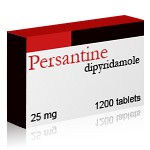
Persantine (Dipyridamole 25 mg / 100 mg) represents the foundational antiplatelet and coronary vasodilator therapy - the reference dipyridamole formulation providing established platelet inhibition and coronary vasodilation for thromboembolism prevention after heart valve replacement, secondary stroke prevention (combined with aspirin), and coronary artery imaging in myocardial perfusion studies. Originally developed by Boehringer Ingelheim and FDA-approved as Persantine in 1961, dipyridamole has over 60 years of continuous clinical use as reference antiplatelet-vasodilator agent worldwide. Persantine on rxshop.md is manufactured by German Remedies - division of Cadila Healthcare (Zydus Lifesciences), one of India top 5 pharmaceutical companies with WHO-GMP certification and US FDA-inspected manufacturing facilities.
Dipyridamole works through multiple pharmacological mechanisms providing combined antiplatelet and vasodilatory effects. First, dipyridamole inhibits adenosine reuptake by platelets, endothelium, and red blood cells increasing extracellular adenosine concentrations. Second, elevated adenosine activates adenosine A2 receptors on platelets increasing platelet cAMP through adenylate cyclase stimulation. Third, dipyridamole inhibits phosphodiesterase preventing cAMP degradation further elevating platelet cAMP levels. Fourth, elevated platelet cAMP reduces platelet aggregation and platelet activation. Fifth, adenosine A2 receptor activation on coronary vascular smooth muscle produces coronary vasodilation - the basis for dipyridamole use in myocardial perfusion stress testing.
Persantine serves comprehensive cardiovascular indications including adjunctive therapy with warfarin for prevention of postoperative thromboembolism after cardiac valve replacement (primary FDA indication), secondary stroke prevention in combination with aspirin (Aggrenox combination), coronary artery imaging in pharmacological stress testing when exercise not feasible, and off-label uses including peripheral vascular disease adjunct therapy and hypertensive pulmonary hypertension management. Two strength availability (25 mg and 100 mg) enables flexible individualized dosing across indications.
Persantine is available in two dose strengths - 25 mg and 100 mg tablets - each in 100 and 150-pill pack sizes (150-pill bestseller). Standard oral dosing for thromboembolism prevention 75-100 mg four times daily as adjunct to warfarin. Standard stroke prevention 200 mg (extended-release) twice daily combined with aspirin. Contraindicated in hypersensitivity to dipyridamole and severe hepatic impairment. Requires monitoring for hypotension particularly in patients with unstable angina or recent myocardial infarction.
Free prescription
Discrete packaging
Have questions?
Quality Assurance

- Secondary Stroke Prevention: Combined with aspirin (Aggrenox formulation) for prevention of recurrent stroke in patients with prior TIA or ischemic stroke;
- Coronary Artery Imaging Stress Testing: IV form used for pharmacological stress testing in myocardial perfusion imaging when exercise not feasible;
- Warfarin Adjunctive Therapy: Anticoagulation enhancement in prosthetic heart valve patients with adequate warfarin management;
- Platelet Aggregation Inhibition: Multi-mechanism antiplatelet effect through adenosine and phosphodiesterase pathways;
- Coronary Vasodilation: Adenosine A2 receptor-mediated coronary artery vasodilation;
- Transient Ischemic Attack Prevention: Prevention of recurrent transient ischemic attacks in cerebrovascular disease;
- Ischemic Stroke Prevention: Combined dipyridamole plus aspirin therapy for recurrent stroke reduction per ESPS-2 trial evidence;
- Prosthetic Valve Anticoagulation: Standard adjunctive therapy for mechanical prosthetic heart valve patients;
- Peripheral Vascular Disease Off Label: Off-label adjunctive therapy for peripheral arterial disease and intermittent claudication;
- Antiplatelet Therapy: Alternative antiplatelet agent for aspirin-intolerant patients;
- Cerebrovascular Disease Management: Comprehensive antiplatelet therapy for chronic cerebrovascular disease;
- Post-CABG Antiplatelet Off Label: Off-label antiplatelet therapy following coronary artery bypass surgery;
- Adenosine Reuptake Inhibitor: Increases extracellular adenosine providing antiplatelet and vasodilatory effects;
- Phosphodiesterase Inhibitor: Non-selective PDE inhibitor elevating platelet cAMP levels;
- Myocardial Perfusion Imaging: Pharmacological stress agent for cardiac imaging studies (IV form);
- Pulmonary Hypertension Off Label: Off-label use for pulmonary arterial hypertension through vasodilation;
- Historical Angina Therapy: Historical use for chronic stable angina (superseded by modern therapies);
- Aggrenox Combination Component: Fixed-dose dipyridamole plus aspirin combination for stroke prevention;
- Long Term Antiplatelet Therapy: Suitable for long-term chronic antiplatelet management with established safety profile.
- Reduces Stroke Recurrence: Substantial reduction in recurrent stroke risk when combined with aspirin per ESPS-2 trial;
- Multi-Mechanism Antiplatelet Action: Adenosine reuptake and phosphodiesterase inhibition provide comprehensive platelet inhibition;
- Elevates Platelet cAMP: Reduced platelet aggregation and activation through cAMP-mediated pathways;
- Coronary Vasodilation: Adenosine A2 receptor-mediated coronary blood flow enhancement;
- Complements Warfarin Therapy: Effective adjunct providing additional thromboembolism protection with warfarin anticoagulation;
- Aspirin Combination Synergy: Combined dipyridamole plus aspirin provides greater stroke prevention than either alone;
- Aspirin Intolerant Alternative: Alternative antiplatelet for patients unable to take aspirin;
- Long Term Safety Record: Over 60 years continuous clinical use with well-established safety profile;
- Oral Tablet Convenience: Simple oral administration for chronic antiplatelet therapy;
- Two Strength Dosing Flexibility: 25 mg and 100 mg strengths enable precise individualized titration;
- Original Boehringer Ingelheim Heritage: FDA-approved 1961 with over 60 years continuous clinical use worldwide;
- German Remedies Cadila Manufacturing: Zydus Lifesciences division with WHO-GMP and US FDA-inspected quality;
- Effective Cardiac Imaging Agent: IV form provides pharmacological stress for myocardial perfusion imaging;
- Prosthetic Valve Standard Therapy: Historic standard adjunct therapy for prosthetic heart valve patients;
- Extended Release Formulation Available: Twice-daily ER formulation improves adherence compared to QID immediate release;
- Cost Effective Therapy: More affordable than newer antiplatelet agents (clopidogrel, prasugrel, ticagrelor);
- Reduced TIA Frequency: Prevention of recurrent transient ischemic attacks in cerebrovascular disease;
- Multiple Pack Size Options: 100 and 150 pill packs accommodate different therapy durations and refill preferences;
- Better Quality of Life: Effective thromboembolism and stroke prevention substantially improves quality of life and reduces cardiovascular event anxiety.
Generic Persantine (Dipyridamole 25 mg) Medication guide:
📖 What Persantine Is and How It Works
Persantine is the original brand of dipyridamole, an antiplatelet and coronary vasodilator drug approved by the US FDA in 1961. Boehringer Ingelheim developed dipyridamole originally as a coronary vasodilator for angina - the vasodilating property proved useful but its long-term impact on angina outcomes was disappointing. The drug found its lasting clinical niche only decades later when its antiplatelet properties were characterised and applied to secondary stroke prevention.
Dipyridamole has an unusual dual mechanism. It inhibits phosphodiesterase in platelets (raising cyclic AMP, reducing platelet activation) and separately inhibits cellular reuptake of adenosine (increasing extracellular adenosine, which further raises platelet cAMP through the A2 receptor and causes coronary vasodilation). Together these effects produce moderate antiplatelet action that complements rather than duplicates aspirin, plus vasodilation useful for pharmacologic cardiac stress testing.
The main modern uses of Persantine
- 🧠 Secondary stroke prevention combined with aspirin - the ESPS-2 and ESPRIT trials established this indication; standard modified-release formulation is Aggrenox (in US) or Asasantin Retard (in Europe)
- ❤️ Adjunct to warfarin after mechanical heart valve replacement - reduces thromboembolism in specific higher-risk mechanical valve situations
- 📸 Pharmacologic myocardial perfusion stress imaging - IV dipyridamole vasodilates coronary vessels for stress test in clients unable to exercise
- 🧬 Occasional use in various vascular conditions - historical uses in peripheral vascular disease largely superseded
Persantine comes in 25 mg and 100 mg immediate-release tablets. The combination product Aggrenox (in the US) contains 200 mg extended-release dipyridamole plus 25 mg aspirin per capsule, taken twice daily. In Europe similar combined products (Asasantin Retard, Persantin Retard) are widely available. IV dipyridamole solution is used exclusively for pharmacologic stress testing.
Standard oral maintenance dose for stroke prevention is 200 mg extended-release plus 25 mg aspirin, twice daily (Aggrenox regimen) - this is what most modern prescribing follows. Immediate-release dipyridamole (Persantine 25 mg or 100 mg tablets) can be given three or four times daily as an alternative regimen. The extended-release combination is preferred because of steadier drug levels and simpler dosing.
The distinctive side effect of dipyridamole is headache - a direct consequence of adenosine-mediated cerebral vasodilation. Headaches affect a majority of clients initially, are usually manageable, and often improve over 2-4 weeks of therapy. Understanding this pattern helps clients persevere through the first weeks and reach the sustained secondary stroke prevention benefit.
This guide walks through what dipyridamole does, the specific settings where it fits, the practical realities of twice-daily dosing, headache management, the specific rules around pharmacologic stress testing (particularly caffeine avoidance), the interactions with adenosine that matter, and the contraindications including recent MI, severe coronary disease, and severe bronchospasm. Treat this guide as a companion to what your neurologist, cardiologist, or general practitioner tells you.
💊 Why Doctors Prescribe Persantine - Main Indications
Dipyridamole has a narrow but meaningful set of current indications. Modern practice has narrowed the field to secondary stroke prevention, mechanical valve adjunct, and pharmacologic stress testing. Older indications like peripheral vascular disease have largely been supplanted by newer antiplatelet options.
Secondary stroke prevention
The largest current indication. After an ischaemic stroke or transient ischaemic attack of non-cardioembolic origin, dipyridamole plus aspirin reduces the risk of recurrent stroke. The ESPS-2 trial and ESPRIT trial established this combination as more effective than aspirin alone. The PRoFESS trial showed similar efficacy versus clopidogrel monotherapy. Guidelines position dipyridamole plus aspirin, clopidogrel monotherapy, and aspirin monotherapy as acceptable options - the choice depends on tolerance, cost, and clinical factors. Section 3 covers this indication.
Mechanical heart valve thromboembolism prevention
In some clients with mechanical heart valves on warfarin, adding dipyridamole (or aspirin) further reduces thromboembolism risk - at the cost of additional bleeding risk. Modern practice varies; some centres use warfarin alone, others add low-dose aspirin, others use dipyridamole. Individualised on valve type, position, and thromboembolic risk factors. Section 4 covers this.
Pharmacologic cardiac stress testing
For clients unable to exercise adequately, IV dipyridamole (or its close alternative regadenoson) can pharmacologically stress the coronary circulation for myocardial perfusion imaging. Dipyridamole vasodilates normal coronary vessels; diseased vessels cannot dilate as much, revealing perfusion defects. Given in a supervised setting with cardiac monitoring. Section 5 covers this in depth.
Historical uses now uncommon
- Stable angina - was the original indication in 1961; not effective long-term for angina outcomes; supplanted by beta-blockers, calcium channel blockers, nitrates, and revascularisation
- Peripheral arterial disease - clopidogrel, aspirin, and cilostazol have taken over
- Deep vein thrombosis prophylaxis - anticoagulants preferred
- Retinal artery disease - specialist use only
Off-label and emerging uses
- Some interventional cardiology settings - post-stenting protocols in specific contexts
- Nephrology - occasional use in immune complex renal disease (immunomodulatory effects)
- Antiviral properties - dipyridamole has been investigated for various viral illnesses including COVID-19; not standard therapy
- Sickle cell disease - investigated for potential red cell effects; not standard
Guideline positioning summary
Secondary stroke prevention guidelines (AHA/ASA, ESO, NICE) list dipyridamole plus aspirin as one of the recommended first-line antiplatelet regimens for non-cardioembolic ischaemic stroke, alongside clopidogrel monotherapy and aspirin monotherapy. Choice depends on individual factors. In practice, the extra headache burden and twice-daily dosing sometimes tip the balance toward once-daily clopidogrel in the modern era. Pharmacologic stress testing remains an established and important indication for IV dipyridamole worldwide.
Ask your treating team specifically why dipyridamole has been prescribed and whether it is being used as monotherapy, in combination with aspirin, or as adjunct to warfarin. The context shapes the specific practical rules and side effect expectations.
🧠 Persantine for Secondary Stroke Prevention
Secondary stroke prevention - reducing the risk of another stroke after a first ischaemic event - is the main current oral indication for dipyridamole. Understanding where it fits alongside aspirin and clopidogrel makes sense of contemporary antiplatelet choice in stroke medicine.
The stroke recurrence problem
- After a first ischaemic stroke or TIA, the risk of a recurrent stroke is high
- Roughly 10 percent within the first year
- Roughly 30 percent within 5 years without treatment
- Antiplatelet therapy reduces this risk by roughly 20-25 percent
- Blood pressure control, statins, lifestyle modification, and treating causal conditions (AF, carotid disease) all contribute
Dipyridamole plus aspirin evidence
Three major trials shaped the modern position:
- ESPS-2 (Diener et al. J Neurol Sci 1996) - 6,602 clients with prior stroke or TIA; four arms (placebo, aspirin alone, dipyridamole alone, both); combination reduced recurrent stroke by 37 percent versus placebo, more than either agent alone
- ESPRIT (Halkes et al. Lancet 2006) - 2,739 clients; combination reduced recurrent stroke, MI, or vascular death versus aspirin alone by 20 percent
- PRoFESS (Sacco et al. NEJM 2008) - 20,332 clients; dipyridamole plus aspirin versus clopidogrel monotherapy showed similar recurrent stroke rates; dipyridamole arm had more headaches and higher discontinuation rate
Modern antiplatelet options for secondary stroke prevention
| Option | Notes |
|---|---|
| Aspirin 75-100 mg daily | Cheapest; effective; often first choice |
| Clopidogrel 75 mg daily | Once-daily; slightly more effective than aspirin (CAPRIE trial); slightly more expensive |
| Dipyridamole ER 200 mg + aspirin 25 mg twice daily (Aggrenox) | Twice-daily; effective; headache burden particularly early |
| Dual antiplatelet (aspirin plus clopidogrel) | Short-term after high-risk TIA or minor stroke (CHANCE, POINT trials); typically 21-90 days then step down |
| Ticagrelor (with aspirin) | SOCRATES and THALES trials; alternative in specific stroke settings |
Which client benefits most from dipyridamole plus aspirin
- Non-cardioembolic ischaemic stroke or TIA
- Client tolerating aspirin
- Able to accept twice-daily dosing
- Willing to tolerate initial headache burden
- Not cardioembolic (AF requires anticoagulation, not antiplatelet)
- Not severe cardiac disease (relative contraindication - see Section 32)
- Not intolerant of aspirin
Not for cardioembolic stroke
Strokes caused by cardiac emboli (mostly from atrial fibrillation, but also from mechanical valves, left ventricular thrombus, etc.) need anticoagulation, not antiplatelet therapy. Dipyridamole plus aspirin is inferior to anticoagulation for AF stroke prevention. Correctly categorising the stroke mechanism drives the correct therapy - and antiplatelets are for atherothrombotic and small-vessel disease, not cardioembolic.
Comprehensive secondary prevention alongside antiplatelet
- Blood pressure control (target under 130/80 in many)
- Statin therapy (LDL target under 70 mg/dL or 1.8 mmol/L in high risk)
- Smoking cessation
- Diabetes management
- Weight management and physical activity
- Screening for AF where relevant
- Carotid artery evaluation and intervention if severe stenosis
- Mediterranean-style diet
Dipyridamole plus aspirin is one of three reasonable first-line options for non-cardioembolic secondary stroke prevention. The choice reflects side effect tolerance, cost, adherence considerations, and clinical factors. Discussion with your neurologist or GP about which fits best matters.
❤️ Persantine After Mechanical Heart Valve Replacement
Mechanical heart valves have a strong thrombogenic surface requiring lifelong effective anticoagulation with warfarin. Adding an antiplatelet agent (dipyridamole or aspirin) reduces thromboembolism further in certain higher-risk situations, at the cost of increased bleeding.
Why add antiplatelet to warfarin in mechanical valves
- Warfarin alone leaves residual thromboembolism risk (roughly 1-2 percent per year)
- Historical studies showed dipyridamole plus warfarin reduced embolism compared with warfarin alone
- More modern studies show low-dose aspirin (75-100 mg) also reduces thromboembolism
- Trade-off: additive bleeding risk (major bleeding roughly doubles)
- Guidelines recommend antiplatelet addition in specific higher-risk mechanical valve situations
Who should get antiplatelet plus warfarin
- Older-generation mechanical valve (caged-ball, tilting-disc)
- Mechanical mitral valve (higher thrombogenic risk than aortic)
- Multiple mechanical valves
- Prior thromboembolism despite therapeutic INR
- Concurrent AF
- Left atrial enlargement
- Left ventricular dysfunction
- Hypercoagulable state
- Coronary artery disease (aspirin serves dual purpose)
Modern guideline positioning
Both ACC/AHA and ESC/EACTS Valvular Heart Disease Guidelines recommend adding low-dose aspirin (75-100 mg) to warfarin in mechanical valve clients with additional risk factors. Dipyridamole is an alternative in some jurisdictions. In practice aspirin has largely displaced dipyridamole in this indication because of once-daily dosing, lower cost, and dual role covering coronary artery disease.
Increased bleeding risk
Adding any antiplatelet to warfarin roughly doubles the risk of major bleeding. Client selection matters. Clients with high HAS-BLED score, prior bleeding, uncontrolled hypertension, or advanced age may be net worse off with combination therapy. The decision balances the residual thromboembolism risk on warfarin alone against the incremental bleeding risk of adding antiplatelet.
Dipyridamole dose in this indication
- Traditional dose 75-100 mg three or four times daily (immediate-release)
- Or 200 mg twice daily (extended-release)
- Combined with warfarin at usual mechanical valve INR target
- Some centres use dipyridamole alone in place of aspirin; others use both
- Increasingly, aspirin plus warfarin is preferred over dipyridamole plus warfarin
DOAC contraindication for mechanical valves
DOACs are absolutely contraindicated in mechanical heart valves - the RE-ALIGN trial with dabigatran showed worse outcomes. Anticoagulation must be with warfarin. Antiplatelet addition (dipyridamole or aspirin) can be considered separately based on individual risk profile.
Mechanical valve anticoagulation is a specialist area. Discussion with your cardiologist about whether to add dipyridamole, aspirin, or continue warfarin alone should be individualised to your specific valve, position, and thromboembolic risk.
📸 Persantine for Pharmacologic Cardiac Stress Testing
IV dipyridamole is one of the pharmacologic stressors used for myocardial perfusion imaging when a client cannot exercise adequately. The test relies on dipyridamole's coronary vasodilation to reveal areas supplied by diseased vessels that cannot dilate normally.
Why exercise stress alternative is sometimes needed
- Unable to exercise (arthritis, deconditioning, orthopaedic issues)
- Cannot reach target heart rate (beta-blocker use)
- Cannot interpret exercise ECG (left bundle branch block, paced rhythm, digoxin effect)
- Pre-operative risk stratification in clients unable to exercise
- Some specific coronary anatomy requiring pharmacologic assessment
How pharmacologic stress works
Dipyridamole (or adenosine, or regadenoson) causes maximal coronary vasodilation - roughly 4-fold increase in coronary flow in normal vessels. Diseased coronary arteries (with fixed stenosis) cannot dilate proportionately. The result is heterogeneous flow - normal vessels get more flow, diseased vessels less. Nuclear tracer (thallium-201 or technetium-99m sestamibi) distribution reveals this heterogeneity as perfusion defects. Areas supplied by diseased vessels appear as photon-deficient regions on imaging.
The dipyridamole stress protocol
- Client pre-screening (avoid contraindications - severe asthma, recent MI, unstable angina)
- 24-hour caffeine avoidance (methylxanthines block adenosine receptors and blunt the test)
- Hold theophylline or other methylxanthines 24-48 hours prior
- IV access, cardiac monitoring, resuscitation available
- Dipyridamole 0.56 mg/kg infused over 4 minutes
- Radiotracer injected 3-4 minutes after infusion completes
- Continued monitoring for symptoms
- Aminophylline available for reversal if severe symptoms (100-125 mg IV)
- SPECT or PET imaging follows
Contraindications to dipyridamole stress test
- 🔴 Acute MI within 48 hours
- 🔴 Unstable angina
- 🔴 Severe uncontrolled hypertension
- 🔴 Severe symptomatic asthma or bronchospasm
- 🔴 Severe COPD with active wheezing
- 🔴 Systolic BP under 90 mmHg
- 🔴 High-grade AV block without pacemaker
- 🔴 Recent caffeine intake (blunts test)
- 🔴 Known dipyridamole hypersensitivity
Common side effects during test
- Flushing
- Chest discomfort (not always ischaemic - dipyridamole itself can cause)
- Headache
- Dizziness
- Nausea
- Hypotension
- Occasional bronchospasm
- Most effects settle rapidly; aminophylline reverses if severe
Alternatives to dipyridamole for pharmacologic stress
- Adenosine - shorter half-life; more transient effect; requires continuous infusion
- Regadenoson - selective A2A agonist; single injection; less bronchospasm risk than dipyridamole or adenosine; increasingly preferred in modern practice
- Dobutamine - increases heart rate and contractility; alternative when vasodilator contraindicated (severe asthma); more time-consuming
Section 31 covers preparation for a dipyridamole stress test in detail. If you have been referred for one, the key preparation rules are 24-hour caffeine avoidance and disclosure of asthma or bronchospasm history.
🔗 Dipyridamole Aspirin Combination Aggrenox Explained
The most common way dipyridamole is prescribed in modern practice is as the fixed-dose combination with aspirin - marketed as Aggrenox in the US and Asasantin Retard (or Persantin Retard) in Europe. Understanding the rationale for combination and the specific dosing helps make sense of this widely used product.
The rationale for combination
- Complementary mechanisms - aspirin blocks thromboxane A2 pathway; dipyridamole works through cAMP/adenosine pathway; targets different aspects of platelet activation
- Additive effect - combination reduces stroke recurrence more than either alone (ESPS-2)
- Modest aspirin dose (25 mg twice daily) - lower total daily aspirin (50 mg) than typical monotherapy (75-100 mg); may reduce GI bleeding compared to 100 mg
- Extended-release dipyridamole - steadier serum levels, twice-daily dosing acceptable
- Single capsule - simplifies adherence
Aggrenox / Asasantin Retard composition
- 200 mg extended-release dipyridamole per capsule
- 25 mg immediate-release aspirin per capsule
- Twice daily (morning and evening)
- Total daily dose: 400 mg dipyridamole + 50 mg aspirin
- Capsule contains both components in fixed ratio
- Should be swallowed whole - do not open capsule
Alternative regimens if combination unavailable
- Aspirin 25-50 mg twice daily plus dipyridamole IR 75-100 mg three or four times daily
- Aspirin 75-100 mg once daily plus dipyridamole ER 200 mg twice daily (separate tablets)
- The combination capsule is preferred where available for adherence reasons
- Dipyridamole IR at 75-100 mg three or four times daily produces equivalent antiplatelet effect but requires more frequent dosing
Practical daily routine
- One capsule morning (with breakfast)
- One capsule evening (with dinner)
- Take with water
- With or without food (food slightly reduces GI upset)
- Do not open, crush, or chew the capsule
- If a capsule is missed, take when remembered unless close to next dose; never double up
Headache burden in combination
Headache is the dominant early side effect - roughly 30-40 percent of clients experience it in the first weeks. Two approaches help:
- Gradual titration - some centres start with once-daily capsule for 1-2 weeks, then twice daily (though the fixed-dose combination is not designed for once-daily use, and evidence supports twice-daily from the start)
- Paracetamol for headache - first-line; effective in most
- Headache typically improves over 2-4 weeks of continued therapy
- Discontinuation for headache in the PRoFESS trial was substantially higher for dipyridamole plus aspirin than for clopidogrel alone
Not the same as taking aspirin plus dipyridamole separately
The extended-release dipyridamole in Aggrenox provides steadier drug levels than immediate-release dipyridamole taken multiple times daily. Do not substitute immediate-release dipyridamole 200 mg twice daily for the extended-release formulation - peaks and troughs are different. Both formulations work but the fixed-dose combination gives the specific pharmacokinetics tested in the pivotal trials.
Aggrenox and Asasantin Retard are the most common ways clients encounter dipyridamole today. Understanding the composition, twice-daily dosing, and expected headache pattern helps make sense of the prescription.
🔬 How Dipyridamole Blocks Adenosine and Phosphodiesterase
Dipyridamole works through two complementary mechanisms - phosphodiesterase inhibition and adenosine reuptake inhibition. Both converge on raising platelet cyclic AMP levels, which suppresses platelet activation. Understanding these mechanisms explains both the therapeutic effects and the characteristic side effects.
Mechanism 1 - phosphodiesterase inhibition
- Platelets contain phosphodiesterase enzymes that break down cAMP and cGMP
- cAMP normally suppresses platelet activation - low cAMP allows activation
- Dipyridamole inhibits platelet phosphodiesterase
- cAMP levels rise
- Platelet activation, aggregation, and granule release suppressed
- Antithrombotic effect at sites of vascular injury
Mechanism 2 - adenosine reuptake inhibition
- Adenosine is a naturally released signalling molecule
- Normally rapidly taken up into cells by equilibrative nucleoside transporter 1 (ENT1)
- Dipyridamole blocks ENT1
- Extracellular adenosine levels rise
- Adenosine binds A2A receptors on platelets - activates adenylyl cyclase - raises cAMP - suppresses activation
- Adenosine also binds A2A receptors on vascular smooth muscle - relaxes vessels - vasodilation
- Adenosine also acts on cerebral vessels (headache) and coronary vessels (basis of stress test)
Why dipyridamole complements aspirin
Aspirin acetylates cyclooxygenase-1 (COX-1) in platelets, blocking thromboxane A2 synthesis. This addresses one pathway of platelet activation. Dipyridamole raises cAMP through independent mechanisms, addressing a different pathway. The two drugs suppress different aspects of platelet activation - hence the additive effect demonstrated in ESPS-2.
The vascular effects
- Cerebral vasodilation - causes headache; also relevant in migraine considerations
- Coronary vasodilation - the basis of pharmacologic stress testing; also potential steal syndrome in coronary disease
- Systemic vasodilation - can cause hypotension particularly at high doses
- Bronchial adenosine effects - can trigger bronchospasm in asthma clients
Pharmacokinetics
- Oral bioavailability - variable (20-70 percent) due to first-pass metabolism
- Extended-release formulation - smoothes absorption curve
- Peak plasma level - 2-3 hours after IR dose; 6-8 hours after ER
- Half-life - biphasic; terminal 10-12 hours
- Highly protein bound - drug interactions possible via displacement
- Hepatic metabolism - glucuronide conjugation
- Excreted in bile - enterohepatic recirculation
- Not dialysable
Caffeine blocks the adenosine mechanism
Caffeine and other methylxanthines (theophylline, aminophylline) are adenosine receptor antagonists. They block the effects of raised extracellular adenosine at A2A receptors. This is why caffeine avoidance is essential before pharmacologic stress testing with dipyridamole - caffeine within 24 hours blunts the test and makes it uninterpretable. Aminophylline is used deliberately to reverse severe dipyridamole side effects during stress tests.
Understanding the adenosine mechanism explains why dipyridamole causes headaches (cerebral vasodilation), why coffee interferes with stress testing (adenosine antagonism), and why the drug has the specific side effect profile it does.
⏰ Persantine Dose Schedule and Timing Rules
Dipyridamole dose schedule differs between the extended-release combination product (Aggrenox / Asasantin Retard) and the immediate-release monotherapy tablets. Understanding which regimen you are on and why matters.
Standard dosing by indication
| Indication | Regimen |
|---|---|
| Secondary stroke prevention (Aggrenox) | 200 mg ER dipyridamole + 25 mg aspirin twice daily |
| Secondary stroke prevention (IR) | 75-100 mg IR three to four times daily plus separate aspirin |
| Mechanical valve adjunct | 75-100 mg three or four times daily (or ER 200 mg twice daily) plus warfarin |
| Cardiac stress test (IV) | 0.56 mg/kg over 4 minutes; single administration |
Timing rules for oral dipyridamole
- Twice-daily ER (Aggrenox) - morning and evening; 10-12 hours apart
- Three-times daily IR - roughly 8 hours apart, aligned to meals
- Four-times daily IR - every 6 hours
- With food - reduces GI upset; slight absorption benefit
- Consistent timing matters more than exact hour
- Do not open ER capsules - releases drug immediately, changes pharmacokinetics
The bedtime dose consideration
Some clients experience worse dizziness or hypotension in the morning if the last dose is taken very late. Evening dose is typically taken with dinner (6-7 PM) rather than at bedtime. This is different from many other cardiovascular medications - the vasodilation from dipyridamole can accumulate through the night with orthostatic issues on rising.
Practical daily schedule for Aggrenox
- Morning capsule with breakfast (7-8 AM)
- Evening capsule with dinner (6-7 PM)
- Water, not with grapefruit juice
- Space at least 8-10 hours apart
- Consistency helps sustained antiplatelet effect
Dose adjustment for renal or hepatic function
- Dipyridamole is hepatically metabolised
- No specific dose reduction for renal impairment
- Caution in severe hepatic impairment
- Aspirin component - avoid at eGFR under 30 particularly if bleeding risk factors present
- Elderly - standard dose usually, but consider slower titration if headache limiting
If headache is severe in first weeks
- Take with food (some benefit)
- Paracetamol first-line for headache relief
- Consider brief once-daily dosing for 1-2 weeks then twice daily (though evidence base for this titration approach is limited)
- Reassure - headache usually improves over 2-4 weeks
- Persistent severe headache may need switch to alternative antiplatelet
Twice-daily consistent dosing is the practical foundation for dipyridamole-based stroke prevention. Once the routine is established most clients continue for years with modest maintenance effort.
📅 Starting Persantine - First Weeks Approach
Starting dipyridamole - particularly the fixed-dose combination Aggrenox for stroke prevention - has a distinctive early pattern dominated by headache. Understanding what to expect and how to manage the initiation period improves the chance of successful long-term therapy.
The typical initiation experience
- Headache often begins within the first days of starting
- Peak intensity in the first 1-2 weeks
- Gradual improvement over 2-4 weeks
- Roughly 30-40 percent of clients experience meaningful headache
- Roughly 10 percent discontinue therapy for headache
- Once past the initial period, most clients continue for years without issue
The gradual titration option
Some prescribers use a titration approach for the first 1-2 weeks to reduce headache burden - one capsule at night for a week, then progressing to full twice-daily. This is not the FDA-approved regimen and evidence base is limited, but many practitioners find it improves initial tolerability. Discuss with your treating team whether this approach fits your situation. If clinical urgency requires full antiplatelet effect from day one (very recent high-risk stroke), full-dose start with headache management is preferred.
Headache management strategies
- Paracetamol 500-1000 mg at first sign of headache; effective for most; safe with dipyridamole
- Take with food - slight absorption benefit and reduced GI upset
- Hydration - adequate fluid intake helps
- Cool compress to forehead
- Rest in dark room during peak headache
- Reduce caffeine - both because dipyridamole disrupts adenosine effects (caffeine may paradoxically not help these headaches) and because caffeine withdrawal itself causes headache
- Avoid NSAIDs combined with dipyridamole plus aspirin (bleeding risk) unless specifically directed
- Reassurance that headache usually improves
Symptoms to monitor early
- Headache - character, severity, response to paracetamol
- Dizziness on standing
- Nausea or GI upset
- Any unusual bleeding (from combination with aspirin)
- Flushing
- Chest discomfort (uncommon but worth noting)
- Wheeze or breathing difficulty in known asthmatics
Symptoms that need urgent review
- 🔴 Sudden severe headache different from usual dipyridamole headache
- 🔴 Focal neurological symptoms (arm/leg weakness, speech difficulty, vision changes) - possible new stroke or TIA
- 🔴 New chest pain
- 🔴 Severe dizziness or syncope
- 🔴 Wheeze or shortness of breath
- 🔴 Any significant bleeding
- 🔴 Rash
When to consider switching
- Severe headache not responding to paracetamol after 4 weeks
- Significant impact on quality of life or work
- Bleeding complications
- GI intolerance from aspirin component
- Clopidogrel monotherapy is the most common alternative
- Aspirin monotherapy also acceptable
- Discussion with neurologist or GP
Getting through the first month is the biggest challenge with dipyridamole-based stroke prevention. Once past that, most clients continue for years with well-tolerated therapy. The early headache burden is real but often manageable with information, paracetamol, and persistence.
📏 Persantine Dose Adjustments and Individual Response
Dipyridamole dose response varies less between individuals than for many drugs. The main adjustments are between formulations rather than dose finding. Understanding what can and cannot be adjusted helps set realistic expectations.
Factors affecting individual response
- Bioavailability variability - substantial (20-70 percent oral); explains individual level differences
- Age - modest effect on pharmacokinetics
- Body weight - larger clients may have lower effective concentration but standard fixed dosing works for most
- Concurrent medications - some interactions raise or lower level (Section 20)
- Hepatic function - metabolism affected by cirrhosis; caution
- Baseline platelet function - responsiveness varies but not routinely measured
Standard adjustments
| Situation | Typical action |
|---|---|
| Severe headache in first weeks | Paracetamol, hydration, consider gradual titration |
| Persistent headache beyond 4 weeks | Consider switch to alternative antiplatelet |
| Bleeding on combination | Hold; investigate; reconsider combination vs monotherapy |
| Bronchospasm in known asthmatic | Discontinue; alternative antiplatelet |
| Hypotension symptoms | Review other blood pressure medications; consider evening timing adjustment |
| Long-term stable | Continue same regimen; periodic clinical review |
No routine level or platelet function monitoring
Unlike warfarin (INR) or digoxin (serum level), dipyridamole is not routinely monitored by blood test. Platelet function tests have been used in research but do not routinely guide dose in clinical practice. Effectiveness is judged clinically by absence of recurrent stroke events. Side effects are judged by client symptoms.
Long-term consistency
- Once established, the regimen is not routinely changed
- Same dose for years
- Periodic review of overall vascular risk (statin, BP, lifestyle)
- Reassessment if new bleeding, new stroke event, or planned procedure
- Consider deprescribing in advanced age or advanced comorbidity if bleeding risk exceeds benefit
The clopidogrel switch decision
If dipyridamole plus aspirin is not tolerated, clopidogrel monotherapy is the most common switch. The PRoFESS trial showed similar efficacy between the two options; the choice often comes down to tolerability. Once-daily clopidogrel is simpler to take. Discuss with your neurologist if considering the switch.
Dipyridamole is a relatively hands-off drug once established - no regular blood monitoring, standard fixed dose, clinical review rather than laboratory-driven adjustment. This simplicity is one of its practical advantages once past the initial headache period.
💊 How to Take Persantine Tablets Properly
Practical routines around Persantine and Aggrenox tablets are straightforward. The key discipline is twice-daily consistency and awareness of the specific rules around not opening extended-release capsules.
Practical daily routine
- Twice daily - morning and evening for Aggrenox / ER dipyridamole
- Three or four times daily for IR dipyridamole regimens
- Same times each day - consistency helps steady antiplatelet effect
- With water - a full glass
- With food - preferred; reduces GI upset and slightly improves absorption
- Do not open ER capsules - releases drug immediately, changes pharmacokinetics
- Do not chew or crush IR tablets unless specifically instructed
- Refill 2 weeks before running out
Anchor doses to daily habits
- Morning capsule with breakfast
- Evening capsule with dinner
- Weekly pillbox with morning/evening compartments
- Phone alarms at each dose time
- Family or partner cross-check for those with cognitive concerns
Capsule opening prohibited
Aggrenox and Asasantin Retard capsules contain extended-release dipyridamole beads plus immediate-release aspirin. Opening the capsule and taking the contents defeats the ER design - dipyridamole is absorbed all at once, causing peak concentrations, worse headache, and shorter duration of effect. If the client cannot swallow capsules, alternative regimens with IR dipyridamole tablets should be arranged - not opening of ER capsules.
Common medication safety issues
- 🔴 Never double up on missed dose
- 🔴 Avoid additional aspirin from OTC products (Aggrenox already contains aspirin)
- 🔴 Avoid NSAIDs that would add to bleeding risk
- 🔴 Any new medication - check for interaction
- 🔴 Report any planned procedure to allow anticoagulation planning
- 🔴 Never take an extra dose for a bad headache - dose does not cause headache in dose-response manner
- 🔴 Wear medical alert bracelet noting antiplatelet therapy
Storage and handling
- Room temperature under 25 C in original packaging
- Protect from light and moisture
- Not in bathroom
- Not in hot car
- Out of reach of children
- Do not use past expiry
- Return unused capsules to pharmacy
Bleeding awareness
- Aggrenox contains aspirin - antiplatelet bleeding risk
- Watch for nosebleeds beyond usual, gum bleeding, easy bruising
- Any dark stools, blood in urine, coffee-ground vomit - urgent review
- Head injury - low threshold for medical review even without symptoms
- Menstrual heavy bleeding - discuss with team
Twice-daily consistent dosing with careful attention to not opening ER capsules covers most practical requirements. Once the routine is established the medication becomes background - continuing long-term with minimal daily management.
☕ Food, Diet and Caffeine on Persantine
Diet on dipyridamole is straightforward for daily oral therapy but has one critical rule around pharmacologic stress testing - complete caffeine avoidance for 24 hours. The mechanism explains why caffeine matters specifically for this drug.
Caffeine and dipyridamole - two different rules
- Daily oral dipyridamole (Aggrenox) - moderate caffeine intake is compatible; consistent daily habit matters more than absolute amount; caffeine may modestly reduce some effects but not clinically important for stroke prevention
- Pharmacologic stress test with IV dipyridamole - complete caffeine avoidance for 24 hours prior is essential; caffeine blocks adenosine A2A receptors and blunts the test
Complete caffeine avoidance 24 hours before stress test
- 🔴 No coffee (regular or decaf - even decaf has some caffeine)
- 🔴 No tea (regular or green)
- 🔴 No chocolate
- 🔴 No cola or caffeinated soft drinks
- 🔴 No energy drinks
- 🔴 No caffeine-containing medications (Anadin Extra, Solpadeine, Excedrin, Panadol Extra)
- 🔴 Hold theophylline or aminophylline 24-48 hours before
- 🔴 Section 31 covers stress test preparation in detail
Daily oral dipyridamole and diet
- No major dietary interactions with daily oral dipyridamole
- Take with food to reduce GI upset
- Normal caffeine intake acceptable if consistent
- Alcohol - modest intake acceptable (Section 13)
- Grapefruit juice - minimal interaction; occasional intake fine
- Standard heart-healthy diet supports overall stroke prevention
Stroke prevention diet foundation
- Mediterranean-style diet - fish, olive oil, vegetables, whole grains, nuts, legumes
- Reduced red meat and processed food
- Adequate hydration - 1.5-2 litres daily
- Modest salt restriction (under 5 g daily) for blood pressure
- Weight management
- Alcohol modest at most
- Regular physical activity as tolerated
Herbal supplements caution
- 🟡 Ginkgo biloba - antiplatelet effect; may add to bleeding risk on Aggrenox
- 🟡 Garlic (high-dose supplements) - antiplatelet effect
- 🟡 Ginseng - variable platelet effects
- 🟡 Ginger (high-dose) - antiplatelet effect
- 🟡 Fish oil (over 3 g daily) - bleeding risk additive
- 🟡 Vitamin E (high doses) - antiplatelet effect
- Culinary use of any of these is fine; supplement doses may matter
Daily oral dipyridamole has few dietary restrictions. The critical rule around caffeine applies specifically to IV pharmacologic stress testing and is one of the most important preparation steps for that procedure.
🍷 Alcohol Rules During Persantine Therapy
Alcohol on dipyridamole does not have direct pharmacokinetic interactions of major consequence, but overall considerations for the client on Aggrenox for stroke prevention favour modest intake at most.
Why alcohol matters on antiplatelet therapy
- GI bleeding risk - alcohol damages gastric mucosa; combined with aspirin in Aggrenox this increases upper GI bleeding risk
- Direct antiplatelet effect - alcohol has some platelet-inhibiting activity; adds modestly to combined antiplatelet effect
- Blood pressure effect - alcohol raises BP; harms secondary stroke prevention
- Atrial fibrillation trigger - can trigger new AF (holiday heart syndrome)
- Fall risk - dizziness and postural issues on Aggrenox already; alcohol adds
- Overall stroke risk - heavy intake independently raises stroke risk
Practical guidance
| Situation | Recommendation |
|---|---|
| Stroke recovery, otherwise well | Modest intake (up to 14 UK units per week) acceptable; spread out |
| Hypertension part of stroke aetiology | Substantial reduction (under 7 units per week) |
| AF newly diagnosed | Minimise - can trigger further AF episodes |
| Prior GI bleeding | Minimal or none - combined with aspirin the risk multiplies |
| Falls history | Minimal or none |
| Depression and stroke | Depression common post-stroke; be mindful of using alcohol as coping |
Binge drinking is particularly dangerous
Binge drinking (4 or more drinks in a session) triggers acute BP rises, can cause AF, dramatically increases fall risk with antiplatelet-associated bleeding, and can trigger stroke directly. Modest consistent intake spread across the week with alcohol-free days is much safer than periodic binges.
Practical rules
- Alcohol-free days between drinking days
- Never drink to excess
- With food, never on empty stomach
- Hydration alongside
- Be honest with treating team about intake
- Support systems if alcohol use is an issue - depression and alcohol misuse both common after stroke
Alcohol on Aggrenox is not strictly prohibited but reducing intake supports both secondary stroke prevention and reduces bleeding risk. Modest consistent drinking with alcohol-free days is the practical target.
🚨 Persantine Side Effects - Complete Overview
Dipyridamole's side effect profile is dominated by headache and dizziness from adenosine-mediated vasodilation. The aspirin component of Aggrenox adds GI upset and bleeding risk. Sections 15-22 cover the specific issues in depth.
Side effect frequency for Aggrenox (from PRoFESS)
| Effect | Frequency |
|---|---|
| Headache | 30-40 percent early; improves over weeks |
| Dizziness | 15-25 percent |
| Nausea | 10-15 percent |
| Dyspepsia | 10-15 percent (aspirin component) |
| Diarrhoea | 5-10 percent |
| Fatigue | Common but hard to attribute solely to drug |
| Flushing | Uncommon at oral doses; common with IV stress test |
| Hypotension | Uncommon; usually mild |
| Bleeding (aspirin-related) | Similar to aspirin monotherapy |
| Major bleeding | 1-2 percent per year (mostly GI, some intracranial) |
| Bronchospasm | Rare with oral; more concern with IV stress test |
| Discontinuation for side effects | 10-15 percent within a year (mostly headache in first weeks) |
Warning signs - contact treating team urgently
- 🔴 Sudden severe headache different from usual - possible stroke or intracranial haemorrhage
- 🔴 Focal neurological symptoms (arm/leg weakness, speech difficulty, vision loss)
- 🔴 New chest pain - possible ischaemia (steal syndrome)
- 🔴 Uncontrolled bleeding
- 🔴 Vomiting blood or black stools
- 🔴 Severe wheeze or shortness of breath
- 🔴 Severe dizziness or syncope
- 🔴 Head injury - low threshold for medical review even without symptoms (on aspirin)
Perspective on side effects
The PRoFESS trial showed that clients discontinued Aggrenox at higher rates than clopidogrel, mostly because of headache. But for those who tolerated it, stroke prevention benefit was similar. The trade-off is real - headache is the price of the additional antiplatelet mechanism. Understanding this in advance improves the chance of successfully completing the initiation period and reaching sustained benefit.
Most Aggrenox side effects are manageable with information, symptomatic treatment, and time. The dangerous ones (major bleeding, allergic reactions, unrecognised bronchospasm) are worth watching for but uncommon.
🤕 Headache and Dizziness on Persantine
Headache is the defining early side effect of dipyridamole. Understanding what causes it, what to expect, and how to manage it improves the chance of persisting with successful long-term antiplatelet therapy.
Why dipyridamole causes headache
- Dipyridamole raises extracellular adenosine
- Adenosine acts on cerebral vessels causing vasodilation
- Cerebral vasodilation stretches meningeal blood vessel walls
- Meningeal nerve fibres detect stretch and generate pain
- Similar mechanism to migraine
- Vascular headache pattern - throbbing, worse with movement or straining
The typical headache pattern
- Onset - within first few doses (day 1-3)
- Character - throbbing, sometimes bilateral, temporal or frontal
- Intensity - mild to moderate; occasionally severe
- Duration - hours; often follows dose timing
- Peak burden - first 1-2 weeks
- Improvement - gradual over 2-4 weeks
- Long-term - most clients past 4 weeks have minimal headache
- Migraine history can predispose to worse initial headache
Management strategies
- Paracetamol 500-1000 mg at onset or prophylactically - safe with Aggrenox; effective for most
- Take with food to reduce absorption peaks
- Adequate hydration - dehydration worsens
- Cool compress to forehead
- Rest in dark room during peak
- Gradual titration approach - one capsule daily for 1-2 weeks, then twice daily (informal; not FDA approved regimen)
- Reassure client that improvement typically comes with persistence
- Consider switching if severe and persistent beyond 4 weeks despite management
Avoid these treatments for dipyridamole headache
- 🔴 NSAIDs (ibuprofen, naproxen) - additive bleeding risk with aspirin in Aggrenox
- 🔴 Triptans (sumatriptan) - vasoconstrictor; theoretical concern with antiplatelet stroke prevention client; discuss with team
- 🔴 Ergotamine - vasoconstrictor; contraindicated in cerebrovascular disease
- 🔴 Aspirin extra - already contained in Aggrenox; more aspirin does not help headache
- 🔴 Codeine or opioids - constipation, dependence, not first-line
Distinguishing dipyridamole headache from concerning causes
- Dipyridamole headache - onset with drug start, follows dose timing, throbbing, responds to paracetamol, improves over weeks
- Stroke or TIA - sudden, focal neurological deficit, may include headache but not the only feature
- Intracranial haemorrhage - sudden thunderclap severe headache, may have neurological deficit
- Cerebral venous sinus thrombosis - progressive headache with focal signs or seizures
- Migraine - unilateral, with aura, photophobia, phonophobia, nausea
- Sudden severe unfamiliar headache - always warrants urgent review, particularly on antiplatelet
Dizziness
- Often accompanies headache
- Vasodilation with orthostatic component
- Rise slowly from lying or sitting
- Consider timing of dose relative to activity
- Improves over weeks similar to headache
- Distinguish from neurological cause (new stroke)
Headache is the price paid for the additional antiplatelet mechanism dipyridamole provides. Knowing that it usually improves gives clients the confidence to persist through the initiation period. Paracetamol as needed is the pragmatic approach.
🩸 Bleeding Risk on Persantine Therapy
Bleeding on Aggrenox is largely driven by the aspirin component. Dipyridamole itself has modest antiplatelet effect but does not substantially raise major bleeding rates. Combined with aspirin the overall bleeding profile is similar to aspirin monotherapy.
Bleeding risk with Aggrenox
- Major bleeding - roughly 1-2 percent per year (similar to aspirin monotherapy)
- GI bleeding - roughly 3-5 percent lifetime; the most common serious bleeding
- Intracranial haemorrhage - roughly 0.5-1 percent per year
- Minor bleeding (bruising, epistaxis, gum bleeding) - common
- Comparable to aspirin monotherapy; not substantially higher
- Higher than antiplatelet-free but the stroke reduction typically outweighs
Bleeding risk factors
- Older age
- Prior GI bleeding or peptic ulcer disease
- Uncontrolled hypertension
- Concurrent anticoagulation
- Concurrent NSAIDs
- Concurrent corticosteroids
- Concurrent SSRIs
- Alcohol excess
- Liver disease
- Chronic kidney disease
- Helicobacter pylori infection
- Falls
Reducing bleeding risk practically
- 🟢 Consider PPI (omeprazole, esomeprazole, lansoprazole) for older clients or those with GI risk factors - reduces GI bleeding by roughly half
- 🟢 Blood pressure control (under 140/90 or as advised)
- 🟢 Test and treat Helicobacter pylori if not previously done
- 🟢 Avoid NSAIDs, corticosteroids where possible
- 🟢 Modest alcohol at most
- 🟢 Fall prevention
- 🟢 Soft toothbrush; electric razor
- 🟢 Avoid contact sports
- 🟢 Report any bleeding early
Emergency signs
- 🔴 Vomiting blood or coffee-ground vomit
- 🔴 Black tarry stool (melena) or fresh blood per rectum
- 🔴 Blood in urine beyond a streak
- 🔴 Sudden severe headache different from dipyridamole pattern
- 🔴 Focal neurological symptoms - possible intracranial haemorrhage
- 🔴 Head injury even without immediate symptoms
- 🔴 Uncontrolled bleeding from any wound
- 🔴 Feeling faint or dizzy with pallor - possible internal bleeding
Bleeding management
- Minor bleeding - direct pressure; local measures; usually settles
- Nosebleeds - pinch soft nose 10 minutes; lean forward; ice pack
- Cuts - direct pressure longer than usual
- Major bleeding - emergency department; stop Aggrenox; platelet transfusion may be considered
- Intracranial haemorrhage - emergency neurosurgery consultation; platelet transfusion for critical cases
- Head injury - CT scan regardless of symptoms
Bleeding on antiplatelet stroke prevention is a known risk. Careful selection, risk factor management, PPI cover for higher-risk clients, and prompt attention to any concerning symptoms keep the balance favourable in most people.
🔽 Persantine and Hypotension Considerations
Hypotension from dipyridamole reflects its vasodilator activity. Usually mild but can be clinically significant in older clients, those with volume depletion, and those on multiple blood pressure medications.
Why dipyridamole lowers BP
- Raises extracellular adenosine
- Adenosine binds A2A receptors on vascular smooth muscle
- Vasodilation reduces systemic vascular resistance
- Modest effect at oral doses; larger effect with IV bolus (stress test)
- Orthostatic component in some clients
Who is at risk
- Older adults with baroreflex impairment
- Concurrent antihypertensive medications
- Concurrent alpha-blockers for BPH
- Volume depletion (diuretics, poor intake, illness)
- Autonomic failure (Parkinsons, MSA, diabetes)
- Recent MI or reduced cardiac output
- Aortic stenosis (fixed obstruction)
Practical management
- Rise slowly from lying to sitting to standing
- Adequate hydration
- Time morning dose after breakfast
- Review other BP medications for optimisation
- Home BP monitoring standing and sitting
- Compression stockings if severe postural symptoms
- Consider switch to alternative antiplatelet if symptomatic
Warning signs
- 🔴 Persistent dizziness on standing
- 🔴 Syncope
- 🔴 Falls attributable to dizziness
- 🔴 Consistent home BP under 90 systolic
- 🔴 Chest pain with dizziness (could suggest coronary ischaemia)
Hypotension is usually not a major issue with oral dipyridamole. In vulnerable clients it warrants attention. The IV stress test setting has more pronounced hypotension - managed by trained cardiac staff.
💥 Coronary Steal Syndrome and Persantine Explained
Coronary steal syndrome is a phenomenon relevant to dipyridamole in specific clients with coronary artery disease. It underlies both a theoretical concern with chronic dipyridamole therapy and the diagnostic mechanism of the pharmacologic stress test.
How steal syndrome works
- Normal coronary vessels dilate maximally under dipyridamole (adenosine mechanism)
- Vessels supplying ischaemic myocardium are already maximally dilated at baseline (endogenous adenosine from the ischaemia)
- Ischaemic vessels cannot dilate further
- Blood flow shifts to newly dilated normal vessels
- Ischaemic areas receive less perfusion - the blood is "stolen" from them
- Can worsen ischaemia in vulnerable coronary segments
Clinical implications
- Basis of the pharmacologic stress test - reveals ischaemic areas on imaging
- Rare cause of chest pain during test - happens in perhaps 5-10 percent of stress tests
- Reason for contraindication in recent MI or unstable angina - risk of precipitating further ischaemia
- Not clinically important with chronic oral therapy in stable clients - the slower pharmacokinetics avoid the peak vasodilator effect that IV bolus produces
- Theoretical concern in severe unstable CAD - most clinicians avoid or use with caution
Warning signs during stress test
- 🔴 New or worsening chest pain
- 🔴 ST depression on ECG
- 🔴 Dysrhythmia
- 🔴 Severe hypotension
- 🔴 Managed by aminophylline reversal and standard cardiac care
Chronic oral dipyridamole and CAD
In stable coronary artery disease, chronic oral dipyridamole at doses used for stroke prevention does not typically cause clinical steal syndrome. The pharmacokinetics do not produce the peak vasodilator effect of IV bolus. Nevertheless, clients with severe stable angina, recent MI, or unstable coronary disease should have specialist review before starting - the balance of stroke prevention versus theoretical coronary concern needs individual assessment.
Practical implications for oral therapy
- Avoid in unstable angina
- Avoid within 4-6 weeks of MI
- Caution in severe stable angina - discuss alternatives
- Consider clopidogrel monotherapy as alternative
- Report new anginal symptoms while on therapy
- Steal syndrome as clinical event is uncommon with oral therapy
Steal syndrome is more relevant to the stress test setting than chronic oral therapy. Its existence explains contraindications in unstable coronary disease and adds a layer of specialist consideration for clients with significant CAD who would benefit from dipyridamole for stroke prevention.
🫁 Persantine and Bronchospasm Concerns
Bronchospasm from dipyridamole is a specific concern in clients with reactive airways disease. Adenosine can trigger bronchoconstriction in asthmatic clients - a mechanism that matters more for IV stress testing than chronic oral therapy but warrants awareness.
Why adenosine causes bronchospasm in asthma
- Adenosine binds A2B receptors on bronchial mast cells
- Triggers release of histamine and other inflammatory mediators
- Bronchoconstriction in susceptible clients
- Also direct bronchial smooth muscle effects
- Effect is amplified in reactive airways
- Not usually a problem in non-asthmatic clients
Contraindications and cautions
- 🔴 Severe symptomatic asthma or bronchospasm - IV stress test contraindicated
- 🔴 Severe COPD with active wheezing - contraindicated for stress test
- 🔴 Prior bronchospasm during IV dipyridamole - do not rechallenge
- 🟡 Well-controlled asthma - relative contraindication; may consider regadenoson or dobutamine instead
- 🟡 COPD without active bronchospasm - relative caution
- 🟡 Oral therapy in stable asthma - usually safe but monitor initially
Warning signs during IV administration
- Chest tightness
- Wheeze
- Shortness of breath
- Cough
- Reduced oxygen saturation
- Managed by aminophylline reversal, bronchodilators, oxygen, standard bronchospasm care
Practical rules for asthma clients on oral therapy
- Well-controlled asthma is generally not a contraindication to Aggrenox
- Continue usual asthma inhalers as prescribed
- Report any wheeze, chest tightness, or new asthma exacerbation
- Consider alternative antiplatelet if any breathing concerns
- Clopidogrel does not have this specific bronchospasm concern
Aspirin component adds respiratory concerns
Aggrenox contains aspirin which can trigger aspirin-exacerbated respiratory disease (Samter's triad) in susceptible clients - asthma, nasal polyps, and aspirin sensitivity. Any client with known aspirin sensitivity should not take Aggrenox. Alternative regimens (clopidogrel alone) avoid both the aspirin and the dipyridamole concerns.
Bronchospasm from dipyridamole is primarily a stress test concern. Oral therapy is generally safe in stable well-controlled asthma but any respiratory concern warrants discussion and possible switch to a non-adenosine-mediated antiplatelet.
💉 Persantine Drug Interactions Worth Knowing About
Dipyridamole has a modest interaction profile with specific important considerations - particularly around adenosine, methylxanthines, and additive bleeding risk from other antiplatelets or anticoagulants.
Adenosine-related interactions
- 🔴 Adenosine (IV, used for supraventricular tachycardia) - dipyridamole potentiates adenosine effects up to 4-fold; reduce adenosine dose by 75 percent if given to a client on dipyridamole
- 🔴 Methylxanthines (caffeine, theophylline, aminophylline, pentoxifylline) - block adenosine receptors; antagonise dipyridamole effect; caffeine avoidance for stress test
- 🔴 Regadenoson - other adenosine A2A agonist; not used together
Additive bleeding interactions
- 🟡 Warfarin - additive bleeding risk; combination sometimes used deliberately (mechanical valves) but with awareness
- 🟡 Direct oral anticoagulants (DOACs) - additive bleeding risk; combination usually avoided
- 🟡 Other antiplatelet agents (clopidogrel, prasugrel, ticagrelor, cilostazol) - additive antiplatelet effect; triple therapy generally avoided
- 🟡 NSAIDs - additive bleeding risk and GI mucosal damage; avoid where possible
- 🟡 SSRIs and SNRIs - modest additive bleeding risk via platelet serotonin depletion
- 🟡 Corticosteroids - additive GI bleeding risk with aspirin component
Aspirin component interactions (Aggrenox)
- All aspirin interactions apply
- Anticoagulants - bleeding risk
- Methotrexate - aspirin can raise MTX levels
- ACE inhibitors, ARBs - reduced hypotensive effect at higher aspirin doses; not usually significant at 25 mg twice daily
- Sulfonylureas - increased hypoglycaemia risk
- Uricosurics (probenecid) - reduced uric acid excretion
- Alcohol - increased GI mucosal damage
BP-affecting interactions
- 🟡 Antihypertensives generally - additive BP-lowering; monitor
- 🟡 PDE5 inhibitors (sildenafil, tadalafil) - additive vasodilator effect; caution
- 🟡 Alpha-blockers - orthostatic hypotension additive
Combinations that are usually fine
- 🟢 Paracetamol (preferred pain reliever)
- 🟢 Statins
- 🟢 ACE inhibitors, ARBs, beta-blockers, CCBs at usual doses
- 🟢 Metformin, SGLT2 inhibitors
- 🟢 Levothyroxine
- 🟢 PPIs (often specifically added to reduce GI bleeding risk)
- 🟢 Most antibiotics
- 🟢 Vaccines
Rules to work by
- Tell every doctor, pharmacist, and dentist about Aggrenox/dipyridamole
- Check every new prescription for interactions
- Avoid over-the-counter NSAIDs unless specifically directed
- Check cold and flu remedies for hidden aspirin or NSAIDs
- Never take herbal antiplatelet supplements without checking
- Wear medical alert bracelet noting antiplatelet therapy
- Keep an updated medication list
Interactions with dipyridamole are relatively few but the adenosine-related interactions are distinctive. Sections 21 and 22 cover specific antiplatelet and anticoagulant combinations in more detail.
💊 Persantine With Aspirin and Other Antiplatelets
Dipyridamole with aspirin is the standard stroke prevention combination. Adding other antiplatelet agents on top is generally avoided outside specific specialist situations. Understanding what combinations work and what should be avoided helps navigate complex antithrombotic management.
Dipyridamole plus aspirin (Aggrenox)
- The evidence-based combination
- ESPS-2 and ESPRIT established benefit
- Bleeding rates similar to aspirin monotherapy
- Standard regimen 200 mg ER dipyridamole + 25 mg aspirin twice daily
Combinations to avoid
- 🔴 Aggrenox plus clopidogrel - triple antiplatelet; not routinely justified; bleeding risk high
- 🔴 Aggrenox plus prasugrel or ticagrelor - triple antiplatelet; specialist only
- 🔴 Dipyridamole plus aspirin plus warfarin - triple therapy; only in mechanical valve settings and time-limited
- 🔴 Aggrenox plus DOAC - additive bleeding; specialist only
Specific clinical scenarios
- Recent PCI in a client on Aggrenox - short-term dual antiplatelet often needed; specialist decides how to manage overlap
- New AF in a client on Aggrenox - switch to anticoagulation (warfarin or DOAC); antiplatelet not adequate for AF stroke prevention
- New coronary artery disease requiring dual antiplatelet - typically stop Aggrenox and use aspirin plus P2Y12 inhibitor
- Recurrent stroke despite Aggrenox - specialist review; may switch antiplatelet or add other measures
Dual antiplatelet after high-risk TIA or minor stroke
The CHANCE and POINT trials established that short-term (21-90 days) aspirin plus clopidogrel is superior to aspirin monotherapy for the first weeks after high-risk TIA or minor stroke. This is a specific limited-duration indication - not Aggrenox territory. After the acute period, transition to single antiplatelet (options include dipyridamole plus aspirin, clopidogrel alone, or aspirin alone) for chronic secondary prevention.
Switching between antiplatelet options
- Aggrenox to clopidogrel - straight switch; stop Aggrenox, start clopidogrel next day
- Aggrenox to aspirin monotherapy - straight switch; continue aspirin
- Clopidogrel to Aggrenox - straight switch
- Aspirin to Aggrenox - straight switch
- No cross-titration usually needed
Antiplatelet therapy in stroke prevention should be single agent long-term. Combinations are for specific clinical situations under specialist care. Aggrenox provides the dipyridamole plus aspirin combination in a convenient single product.
🔴 Persantine and Anticoagulant Combinations
Dipyridamole combined with anticoagulants is a specific higher-bleeding-risk scenario used deliberately in some mechanical valve settings and cautiously in others. Understanding when combination is justified helps evaluate individual therapy.
Dipyridamole plus warfarin
- Mechanical heart valve - specific recommendation in higher-risk clients (Section 4)
- Additive bleeding risk - roughly doubles compared to warfarin alone
- Modern preference - aspirin instead of dipyridamole for this indication
- Where used - traditionally 75-100 mg three or four times daily added to warfarin at target INR 2.5-3.5
- Monitoring - standard warfarin INR plus attention to bleeding
Aggrenox plus warfarin - generally avoided
The combination of Aggrenox (which contains aspirin) plus warfarin is triple antithrombotic therapy - aspirin, dipyridamole, and warfarin. Bleeding risk is substantial. Modern practice generally avoids this combination. If both indications exist (mechanical valve requiring anticoagulation and stroke prevention need), the usual approach is warfarin plus low-dose aspirin, not Aggrenox plus warfarin.
Dipyridamole plus DOAC
- Not a standard combination
- Additive bleeding risk
- DOACs are for AF or VTE - antiplatelet not adequate for AF alone but sometimes combined for CAD
- Specific scenarios (AF plus recent PCI) may need combination briefly
- Individual specialist decision
The bleeding calculation
- Anticoagulant alone - baseline bleeding rate 1-2 percent per year for major bleeding
- Add aspirin - roughly doubles
- Add Aggrenox - similar to adding aspirin plus dipyridamole; substantial additive
- Add clopidogrel - triple therapy; substantial bleeding
- Client selection matters - HAS-BLED score guides risk assessment
- PPI cover reduces GI bleeding roughly by half
Modern practical decisions
- AF stroke prevention - anticoagulation (warfarin or DOAC); antiplatelet not adequate; do not combine unless specific coronary indication
- Mechanical valve - warfarin; consider adding low-dose aspirin (not Aggrenox) in higher-risk clients
- Stroke prevention (non-cardioembolic) - antiplatelet (Aggrenox, clopidogrel, or aspirin monotherapy)
- New AF in a client on Aggrenox - switch to anticoagulation; discontinue Aggrenox
- Recent PCI plus AF plus previous stroke - complex; specialist team decides on brief triple therapy versus double
Combining antiplatelet with anticoagulant should be a considered specialist decision, not routine. When indicated (specific mechanical valve settings, brief peri-PCI period), monitor closely for bleeding. Where possible, single-agent therapy is safer.
⏱️ What to Do If You Miss Persantine
Missing a Persantine or Aggrenox dose has limited immediate consequence. Consistency over months matters more than perfect daily timing.
The core rule
- Within a few hours of usual time: take the missed dose
- More than 4-6 hours late and next dose approaching: skip missed dose, take next dose at usual time
- Never double up
- One or two missed doses have minimal consequence
- Consistent adherence over months matters more than perfect timing
Longer gaps
- Missed a day: restart usual regimen next day
- Missed a week: restart; consider whether headache burden might restart (usually not after initial period)
- Stopped for weeks: discuss with treating team; may need brief re-titration for headache
- Silent discontinuation: raises stroke recurrence risk; discuss honest reasons for stopping with treating team
When missed doses become a pattern
- 🔴 Side effects making the drug unpleasant - discuss switch to alternative
- 🔴 Twice-daily schedule difficult - once-daily clopidogrel may fit better
- 🔴 Cognitive difficulty - family involvement, pillbox
- 🔴 Cost - discuss alternatives
- 🔴 Feeling well without it - discuss but do not silently stop
Practical adherence tools
- Weekly pillbox with morning/evening compartments
- Phone alarms twice daily
- Anchor to meals
- Adherence apps
- Refill 2 weeks before running out
Dipyridamole is forgiving of occasional missed doses in the short term. Long-term consistency is what delivers the stroke prevention benefit.
🩺 Persantine Monitoring and Follow-up Schedule
Monitoring on Persantine is largely clinical rather than laboratory-based. Unlike warfarin (INR) or digoxin (levels), dipyridamole does not have a routine blood test guiding dose. What monitoring does exist focuses on side effects, other secondary prevention parameters, and periodic clinical review.
Baseline before starting
- Full blood count
- Renal function
- Liver function
- Blood pressure
- Review of concurrent medications
- Assessment of contraindications (recent MI, unstable angina, severe asthma)
- Documentation of baseline neurological status
Follow-up schedule
| Time | Assessment |
|---|---|
| 2-4 weeks | Headache tolerance; adherence; any bleeding; BP; continuation decision |
| 3 months | Full clinical review; blood count |
| Every 6-12 months | Full clinical review; blood pressure; lipids; blood count; renal function |
| Any new symptom | Prompt assessment |
| New medication | Review for interactions |
Broader secondary stroke prevention monitoring
- Blood pressure - target under 130/80 in many; measure at least yearly
- Lipids and statin - LDL target under 70 mg/dL or 1.8 mmol/L high-risk
- Diabetes - HbA1c if diabetic
- Weight and lifestyle
- Screening for AF if not previously present (particularly cryptogenic stroke)
- Carotid imaging if not previously done
- Vaccination status
Symptoms to track
- Headache pattern (persistent or improved)
- Dizziness
- Bleeding (nosebleeds, bruising, GI, urinary)
- GI upset from aspirin component
- Chest pain (uncommon but concerning)
- Wheeze in asthmatic clients
- Any new neurological symptoms - possible recurrent stroke or TIA
Ongoing monitoring for Aggrenox focuses on tolerability and broader secondary prevention. The relatively low-key monitoring profile is one advantage of long-term antiplatelet therapy compared to anticoagulation.
👵 Persantine in Older Adults and Frailty
Older adults are a substantial portion of stroke prevention clients. Age raises both stroke risk and bleeding risk. Individual balance matters more than absolute rules.
What changes with age
- Higher stroke recurrence risk - benefits from prevention are larger absolute
- Higher bleeding risk - GI and intracranial haemorrhage rates rise with age
- Higher fall risk - dizziness on dipyridamole adds; falls with antiplatelet cause serious bleeding
- More polypharmacy - more interactions
- Cognitive change can affect adherence to twice-daily schedule
- More competing conditions - CAD, HF, AF, CKD all common
- Headache burden may be worse initially - some evidence of higher discontinuation in older adults
Practical adjustments in older adults
- Standard dose usually appropriate but consider gradual titration
- More attention to headache management
- PPI cover strongly considered (age is a GI bleeding risk factor)
- Blood pressure control aggressive - reduces both stroke and intracranial bleeding risk
- Fall prevention (home safety, physiotherapy, appropriate aids)
- Weekly pillbox for adherence
- Consider once-daily clopidogrel as alternative
- Assess capacity for twice-daily adherence in cognitively impaired
Frailty over age
A fit 82-year-old with well-controlled BP and no falls can benefit substantially from Aggrenox. A frail 72-year-old with recurrent falls, cognitive impairment, and polypharmacy is at high bleeding risk with limited absolute stroke reduction. Individual assessment beats chronological age.
Recognising toxicity in older adults
- 🔴 New falls - review for postural hypotension
- 🔴 New confusion - consider intracranial haemorrhage particularly after head injury
- 🔴 New anaemia - possible occult GI bleeding
- 🔴 Persistent headache after months - reassess
- 🔴 Any concerning symptom on stable therapy - consider drug-related
Deprescribing consideration
In advanced age or terminal illness, secondary stroke prevention may not add proportionate value. Deprescribing can reduce bleeding risk and simplify medication burden. Discuss as part of periodic review. Life expectancy and personal preferences guide the decision.
Older adults benefit from Aggrenox stroke prevention but individual assessment matters. Careful monitoring, comorbidity management, and periodic reassessment keep the balance favourable.
🤒 Sick Days and Illness on Persantine Therapy
Illness on Aggrenox is usually straightforward - the drug does not require immediate hold for most common illnesses. Some specific situations warrant attention.
Sick day rules
| Illness | Persantine action |
|---|---|
| Cold, mild viral illness | Continue as usual |
| Vomiting - cannot keep tablets down | Hold until eating and drinking; short interruption not usually consequential |
| Diarrhoea | Continue; hydration matters |
| Fever | Continue; paracetamol for symptom relief |
| Bacterial infection needing antibiotics | Continue; review antibiotic for interaction (fewer with Aggrenox than with warfarin) |
| Asthma exacerbation | Continue; treat asthma; if severe or recurrent consider switch to non-adenosine antiplatelet |
| Hospital admission | Declare Aggrenox; usually continues; hold for surgery per protocol |
Emergency scenarios during illness
- 🔴 New focal neurological symptoms - possible recurrent stroke
- 🔴 Severe headache different from usual dipyridamole pattern
- 🔴 Bleeding (GI, urinary, unusual bruising)
- 🔴 Head injury
- 🔴 Severe wheeze or respiratory distress
- 🔴 Chest pain
Hospital admission
- Tell admitting team about Aggrenox and stroke history
- Confirm continuation plan
- Hold before elective surgery per protocol (Section 30)
- Note the antiplatelet status if trauma or emergency surgery
- Review of concurrent new medications for interactions
- Any new bleeding needs attention
Aggrenox is relatively forgiving for common illnesses. The main considerations are bleeding risk from combined therapy plus illness effects, and any need to hold around procedures.
📅 Vaccinations and Immune Function on Persantine
Vaccinations are safe on Aggrenox and important for overall vascular health.
Recommended vaccines
- 🟢 Annual influenza vaccine - reduces cardiovascular and stroke events post-infection
- 🟢 Pneumococcal vaccines
- 🟢 COVID-19 vaccines
- 🟢 Shingrix (recombinant zoster) for over 50
- 🟢 Tdap booster
- 🟢 Travel vaccines as needed
- 🟢 MMR (live) - not contraindicated by Aggrenox
Injection site bleeding consideration
- Aggrenox contains aspirin - modest bleeding tendency
- Apply firm pressure to injection site for 5-10 minutes
- Use fine needle (23-25 gauge)
- Deltoid preferred site
- No need to hold Aggrenox for vaccination
- Occasional haematoma but rarely severe
Vaccination is straightforward on Aggrenox. Prioritise annual flu, pneumococcal, COVID, and Shingrix vaccines - vaccine-preventable illness in stroke survivors is worth avoiding.
🚫 Pregnancy and Fertility on Persantine Therapy
Pregnancy on dipyridamole is uncommon but the drug has an acceptable safety profile from limited data.
Dipyridamole in pregnancy
- FDA Pregnancy Category B - animal studies show no fetal harm; limited human data
- No teratogenic effects documented in available literature
- Used in some antiphospholipid syndrome pregnancy protocols
- Used in some mechanical valve pregnancy scenarios
- The aspirin component of Aggrenox has more concerns (particularly high dose or late pregnancy)
Aspirin component in pregnancy
- 🔴 Low-dose aspirin (75-100 mg) is safe in pregnancy - widely used for preeclampsia prevention
- 🔴 Higher-dose aspirin third trimester - premature ductus arteriosus closure risk
- 🔴 Peri-delivery bleeding risk considered
- 🔴 Aggrenox aspirin component (50 mg total daily) is low dose
- 🔴 Discuss with obstetrics if pregnancy planned or occurs
Pregnancy planning
- Discuss with neurologist or GP
- Review underlying stroke aetiology - some causes need specific pregnancy management
- Consider whether antiplatelet still indicated (some post-stroke clients can transition after years)
- Some clients continue Aggrenox; others switch to aspirin monotherapy
- Multidisciplinary care with obstetrics
Fertility considerations
Dipyridamole has no known direct fertility effects. The underlying condition (prior stroke, mechanical valve) matters more than the medication for pregnancy planning.
Dipyridamole in pregnancy is uncommon and specialist-guided. The aspirin component drives more of the decision than dipyridamole itself.
🍼 Breastfeeding While Taking Persantine Safely
Breastfeeding on dipyridamole has limited data. Small amounts appear in breast milk; the clinical significance for infants appears minimal.
Dipyridamole and breastfeeding
- Low levels in breast milk
- No adverse infant effects documented in available literature
- LactMed database considers it acceptable with monitoring
- Aspirin component - considered acceptable at low doses in breastfeeding
- Watch infant for unusual bruising, irritability (unlikely at these doses)
Practical approach
- Discuss with treating team and paediatrician
- If Aggrenox essential and breastfeeding preferred, considered generally acceptable
- If Aggrenox essential and safety concern, formula feeding is alternative
- If stroke prevention can be simplified to aspirin monotherapy, some clients switch during breastfeeding
Breastfeeding on Aggrenox is generally considered acceptable but individual discussion with the treating team and paediatrician is appropriate.
⚕️ Persantine Around Elective Procedures and Surgery
Elective procedures and surgery require planning around antiplatelet therapy. Aggrenox needs to be held before most surgeries but not all - understanding when and how long informs procedure planning.
General principles
- Balance surgical bleeding risk against stroke recurrence risk during hold
- Aggrenox platelet effect persists for platelet lifespan (roughly 7-10 days) because aspirin permanently acetylates COX-1
- Dipyridamole reversible effect is shorter (48 hours)
- Individual procedure bleeding risk varies substantially
- Bridging not usually needed for antiplatelet (unlike anticoagulant)
Procedure-specific approach
| Procedure | Approach |
|---|---|
| Dental cleaning, simple extractions | Continue; local haemostatic measures |
| Cataract surgery | Usually continue |
| Skin biopsy, minor dermatology | Continue |
| Colonoscopy (no polypectomy) | Continue |
| Colonoscopy with polypectomy | Individualised; often continue aspirin, hold dipyridamole 48 hours |
| Endoscopy with biopsy | Often continue |
| Cardiac catheterisation | Continue |
| Major elective surgery | Hold Aggrenox 5-7 days before; restart 24-48 hours after when haemostasis secure |
| Neurosurgery, spine surgery | Hold 7-10 days before; specialist decision on restart |
| Emergency surgery | Proceed; platelet transfusion if bleeding |
Restart timing
- Restart as soon as haemostasis secure - typically 24-72 hours post-op
- Do not delay unnecessarily - stroke risk during hold
- Some centres use aspirin monotherapy during hold period as bridge
- Communicate restart plan clearly at discharge
Aggrenox around procedures needs individual planning. Communication between neurologist/GP and the surgical team - and a clear restart plan - keeps clients safe.
🔄 Switching From Persantine to Newer Antiplatelets
Switching between antiplatelet options happens for various reasons - intolerance, cost, adherence, or evolving evidence. Understanding the alternatives helps navigate the choice.
The main alternatives
- Clopidogrel 75 mg daily - once-daily P2Y12 inhibitor; simpler regimen; similar efficacy to Aggrenox in PRoFESS
- Aspirin 75-100 mg daily - simplest; cheapest; still effective
- Ticagrelor (with aspirin) - some evidence in specific stroke settings (THALES)
- Cilostazol - alternative particularly in Asian populations
When to consider switching from Aggrenox
- Persistent severe headache beyond 4 weeks despite paracetamol
- GI intolerance from aspirin component
- Bleeding complications
- Twice-daily dosing adherence problem
- New indication for anticoagulation (AF, VTE)
- New coronary intervention needing different antiplatelet
- Aspirin sensitivity or true aspirin allergy
- Client preference
Practical switch approach
- Discuss with treating team
- Straight switch usually appropriate (no cross-titration)
- Stop Aggrenox one day, start new antiplatelet next day
- Follow-up review at 4-8 weeks to assess new tolerance
- Continued vigilance for bleeding or ischaemic events
When Aggrenox is preferable to alternatives
- Stable client tolerating well
- Cost advantage in specific markets
- Access to clopidogrel limited
- Client preference for combination
- Specific individual factors favouring the combined mechanism
Antiplatelet choice for secondary stroke prevention is individualised. Both Aggrenox and clopidogrel are reasonable first-line options. Switching between them is straightforward when needed.
🛑 Persantine Contraindications - When to Avoid
Situations where Persantine or Aggrenox should not be given, or must be stopped, or requires special caution.
Absolute contraindications
- Known hypersensitivity to dipyridamole (or aspirin for Aggrenox)
- Active peptic ulcer disease - aspirin component
- Active clinically significant bleeding
- Acute MI or unstable angina - risk of coronary steal
- Severe symptomatic asthma or reactive airways - bronchospasm risk
- Aspirin-exacerbated respiratory disease (Samter's triad) - Aggrenox contains aspirin
- Children under 16 with viral illness - Reye syndrome risk from aspirin
- Severe uncontrolled hypertension
Relative contraindications - use with caution
- Stable coronary artery disease with anginal symptoms
- Recent MI (over 4-6 weeks, stable)
- Prior GI bleeding
- Uncontrolled hypertension
- Severe renal impairment (aspirin component concerns)
- Severe hepatic impairment
- Concurrent anticoagulation
- History of falls with prior significant injury
- Aortic stenosis (fixed obstruction)
- Migraine (may worsen initially)
- Well-controlled asthma or COPD (monitor)
Reasons to stop permanently
- Major bleeding
- Severe intolerance despite management
- New indication for anticoagulation (usually replaces antiplatelet)
- New coronary intervention needing different antiplatelet regimen
- Development of severe asthma or bronchospasm on therapy
- Development of aspirin sensitivity
- Advanced age with high bleeding risk exceeding benefit
- Palliative goals in advanced disease
Discuss any stopping with treating team
Silent discontinuation of secondary stroke prevention raises recurrence risk. Almost every reason to stop has an alternative - switch antiplatelet, adjust dose, add PPI cover. Discuss before stopping.
Contraindications rarely prevent Aggrenox use in well-selected clients. Careful selection at the start and ongoing monitoring balance benefit against risks.
📦 Storage, Travel and Yearly Review
Final practical topics for long-term Persantine and Aggrenox therapy - storage and travel logistics, and the yearly review checklist.
Storage
- Room temperature under 25 C in original packaging
- Protect from light and moisture
- Not in bathroom
- Not in hot car
- Out of reach of children (aspirin component particularly)
- Do not use past expiry
- Return unused to pharmacy
Travel
- Pack in hand luggage - not checked
- Take 30 percent extra supply
- Original packaging with pharmacy label for customs
- Travel letter from treating team for overseas trips
- Time zones - shift doses gradually if crossing over 4 hours
- Long-haul flights - walk regularly, hydration, compression stockings for VTE prevention
- Medical alert bracelet noting antiplatelet therapy
- Travel insurance - declare condition and medication
- Head injury or bleeding while abroad - low threshold for medical review
Yearly review checklist
- Confirm indication and continuation still appropriate
- Blood pressure - target under 130/80 or as advised
- Lipid profile - statin optimisation
- Blood count and renal function
- HbA1c if diabetic
- Symptom review - headache, dizziness, bleeding, GI, respiratory
- Medication reconciliation - flag interactions
- Fall risk assessment
- Screening for AF if not previously detected
- Carotid imaging follow-up if applicable
- Alcohol intake conversation
- Weight and lifestyle
- Vaccination status
- Deprescribing discussion in appropriate contexts
- Consider once-daily alternative if adherence difficult
A closing thought
Persantine has an unusual history. Developed originally as a coronary vasodilator in 1961, it disappointed for that use over decades. Rather than being discarded, its antiplatelet properties were characterised and applied in secondary stroke prevention - where the ESPS-2 and ESPRIT trials established its combined benefit with aspirin. It sits alongside clopidogrel and aspirin monotherapy as a reasonable first-line antiplatelet regimen for non-cardioembolic stroke prevention. The characteristic headache and twice-daily dosing keep it from being the simplest choice for many, but for those who tolerate it, it delivers meaningful long-term stroke reduction at very modest cost. Dipyridamole's adenosine mechanism also gave nuclear cardiology one of its most useful pharmacologic stressors - a second life for a drug whose first career underwhelmed. Taken faithfully twice daily with attention to headache management in the early weeks, dipyridamole plus aspirin remains a valid tool in the stroke prevention armamentarium.
Persantine — Frequently Asked Questions
-
What is Persantine (Dipyridamole) used for?
Persantine is used to prevent blood clots in patients who have undergone heart valve surgery. It's also used in combination with other drugs, like aspirin, to reduce the risk of stroke and in cardiac stress testing. -
How does Persantine work?
It works by inhibiting the action of platelets, preventing them from forming clots. Additionally, it has a vasodilatory effect, improving blood flow in coronary arteries. -
When should Persantine not be used?
It should be avoided in patients with hypersensitivity to dipyridamole or any component of the formulation, unstable angina, or severe coronary artery disease without medical supervision. -
Can Persantine be taken with aspirin?
Yes, Persantine is often prescribed with aspirin to enhance its antiplatelet effects, particularly for stroke prevention. -
What are the side effects of taking Persantine?
Common side effects include headache, dizziness, nausea, and diarrhea. Less common side effects may include rash, itching, and palpitations. -
How is Persantine administered for cardiac stress testing?
In stress testing, it's given intravenously to dilate the heart's arteries, simulating exercise in patients unable to physically exercise. -
Is Persantine safe during pregnancy?
The safety of Persantine during pregnancy has not been established. It should only be used if clearly needed and under a doctor's supervision.
See all Persantine questions (32)
📚 Drug Description Sources:
The information in this Persantine (dipyridamole) guide is drawn from pharmaceutical, medical, and regulatory sources covering neurology, cardiology, vascular medicine, and nuclear cardiology. Content reflects more than six decades of clinical experience since dipyridamole's original US FDA approval in 1961 as Persantine (Boehringer Ingelheim), its subsequent expansion into stroke prevention through the pivotal ESPS-2 and ESPRIT trials, and its established use as a pharmacologic stressor in myocardial perfusion imaging.
🏛️ Regulatory and government agencies
- FDA (US Food and Drug Administration) - dipyridamole US approval 1961 as Persantine (Boehringer Ingelheim); Aggrenox (dipyridamole extended-release plus aspirin) approved 1999; current DailyMed prescribing information
- EMA (European Medicines Agency) - dipyridamole European authorisation across antiplatelet and imaging indications; Asasantin Retard (combined product) authorised across Europe
- MHRA (UK Medicines and Healthcare products Regulatory Agency) - dipyridamole summary of product characteristics
- Health Canada - dipyridamole product monographs
- TGA (Australian Therapeutic Goods Administration) - dipyridamole product information
- NICE (UK) Technology Appraisals - modified-release dipyridamole in stroke prevention
📚 Professional societies and clinical guidelines
- AHA/ASA (American Heart Association / American Stroke Association) Secondary Stroke Prevention Guidelines - dipyridamole plus aspirin as one of the first-line options
- ESO (European Stroke Organisation) Guidelines - similar recommendations
- ACC/AHA Valvular Heart Disease Guidelines - dipyridamole as adjunct to warfarin in some mechanical valve settings
- ACCP (American College of Chest Physicians) Antithrombotic Therapy Guidelines - dipyridamole in stroke and vascular disease
- SNMMI/ASNC (Society of Nuclear Medicine and Molecular Imaging / American Society of Nuclear Cardiology) Guidelines - pharmacologic stress testing protocols
- NICE Stroke Guidelines - UK-specific recommendations on antiplatelet choice
- CADISS (Cervical Artery Dissection in Stroke Study) and related dissection stroke guidance
🔬 Landmark clinical research
- ESPS-2 Trial (Diener et al. J Neurol Sci 1996) - European Stroke Prevention Study 2; 6,602 clients; dipyridamole plus aspirin superior to either agent alone for stroke recurrence
- ESPRIT Trial (Halkes et al. Lancet 2006) - European/Australasian Stroke Prevention in Reversible Ischaemia Trial; 2,739 clients; confirmed benefit of dipyridamole plus aspirin over aspirin alone
- PRoFESS Trial (Sacco et al. NEJM 2008) - 20,332 clients; compared dipyridamole plus aspirin versus clopidogrel; similar recurrent stroke rates; more headaches and discontinuations in the dipyridamole arm
- Various dipyridamole imaging validation studies - established diagnostic sensitivity and safety of pharmacologic stress protocols
- Antithrombotic Trialists Collaboration meta-analyses - dipyridamole positioning across cardiovascular disease
📖 Medical references and textbooks
- Bradley Neurology in Clinical Practice - stroke prevention chapters
- Louis Merritt's Neurology - secondary stroke prevention
- Braunwald's Heart Disease - antiplatelet therapy and pharmacologic stress testing
- Zaret and Beller Clinical Nuclear Cardiology - pharmacologic stress protocols
- Goodman and Gilman Pharmacological Basis of Therapeutics - antiplatelet drug pharmacology
- UpToDate - dipyridamole and stroke prevention monographs
- Lexicomp and Micromedex - dipyridamole drug interactions and dosing databases
- Stroke journal, Cerebrovascular Diseases - specialised research
Note: This information is educational and does not replace consultation with a neurologist, cardiologist, or general practitioner. Dipyridamole is often prescribed as part of a broader secondary prevention plan after stroke. Timing around cardiac stress testing has specific rules (caffeine avoidance, medication interactions). Always follow the treating team's instructions.
🩺 Medical Expert Review:
Content reviewed for accuracy by authorities in cerebrovascular medicine, cardiovascular imaging, and antithrombotic therapy - the three main disciplines where Persantine sits in daily practice. The following experts represent authoritative research and clinical practice perspectives on dipyridamole use across its full range of indications.
Prof. Hans-Christoph Diener, MD, PhD
Senior Professor of Neurology and Neuroepidemiology; Department of Neurology and Center for Translational Neuro- and Behavioral Sciences, University Hospital Essen — Essen, Germany
Prof. Diener is one of the most cited stroke neurologists in the world. He led the pivotal European Stroke Prevention Study 2 (ESPS-2) that established dipyridamole plus aspirin as an effective combination for secondary stroke prevention. His scholarship on antiplatelet therapy trial design, migraine, headache, and neurovascular disease continues to shape guideline recommendations globally.
Prof. Ralph L. Sacco, MD, MS (in memoriam)
Former Miller Professor and Chairman of Neurology; Executive Director, Evelyn F. McKnight Brain Institute, University of Miami Miller School of Medicine — Miami, Florida, USA
Prof. Sacco led the PRoFESS trial - the largest secondary stroke prevention trial ever conducted (over 20,000 clients) - which compared dipyridamole plus aspirin with clopidogrel. His scholarship on secondary stroke prevention, race-ethnicity in stroke, and population-level cerebrovascular epidemiology shaped US stroke guidelines throughout his career. His legacy continues to inform how clinicians choose between antiplatelet options.
Prof. L. Jaap Kappelle, MD, PhD
Professor of Neurology, Department of Neurology and Neurosurgery, Brain Center Rudolf Magnus, University Medical Center Utrecht — Utrecht, Netherlands
Prof. Kappelle was among the leaders of the ESPRIT trial that confirmed dipyridamole plus aspirin superiority over aspirin alone for secondary stroke prevention. His scholarship on cerebrovascular disease, transient ischaemic attack, and secondary prevention continues to shape European stroke practice.
Prof. Philip M.W. Bath, DSc, FRCP, FMedSci
Stroke Association Professor of Stroke Medicine; Head, Stroke Trials Unit, Mental Health and Clinical Neurosciences, School of Medicine, University of Nottingham — Nottingham, UK
Prof. Bath has led numerous UK stroke trials on antiplatelet therapy, blood pressure management, and secondary prevention. His scholarship on secondary stroke prevention strategies including dipyridamole, dual antiplatelet timing, and treatment individualisation has directly informed international stroke practice.
Prof. Rory Hachamovitch, MD, MSc
Section Head, Nuclear Cardiology; Cardiovascular Imaging, Robert and Suzanne Tomsich Department of Cardiovascular Medicine, Cleveland Clinic — Cleveland, Ohio, USA
Prof. Hachamovitch is a leading US authority on pharmacologic stress testing and myocardial perfusion imaging. His scholarship on dipyridamole and regadenoson stress protocols, imaging risk stratification, and outcome prediction has shaped how pharmacologic cardiac stress testing is performed globally. His work informs both the safety and diagnostic accuracy of dipyridamole-based imaging.
More Cardiovascular Medications