Buy Coumadin (Warfarin) Online — Bristol-Myers Squibb Vitamin K Antagonist Anticoagulant for AF Stroke Prevention, DVT, PE & Mechanical Heart Valves

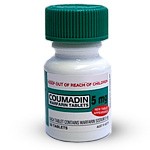
Coumadin is the original brand-name formulation of Warfarin Sodium manufactured by Bristol-Myers Squibb (originally developed by DuPont) — the foundational vitamin K antagonist (VKA) anticoagulant that has shaped cardiovascular thromboprophylaxis since 1954. FDA-approved for over 70 years, Warfarin remains one of the most prescribed and most studied anticoagulants in clinical history, with over 30 million prescriptions filled annually in the United States alone. Listed on the WHO Model List of Essential Medicines. International brand equivalents include Jantoven (Upsher-Smith) and Marevan (UK/international). Despite the introduction of newer direct oral anticoagulants (DOACs), Coumadin retains essential and irreplaceable roles in specific clinical scenarios — most notably mechanical heart valves, where it remains the only approved anticoagulant.
Pharmacology operates through inhibition of vitamin K epoxide reductase (VKORC1), the enzyme responsible for recycling reduced vitamin K. By blocking this enzyme, Warfarin reduces hepatic synthesis of the vitamin K-dependent clotting factors (II, VII, IX, X) and the anticoagulant proteins C and S. The result is dose-dependent anticoagulation measured by the International Normalized Ratio (INR). Long terminal half-life of approximately 36-42 hours supports stable once-daily dosing once steady state is reached. Hepatic CYP2C9 metabolism with pharmacogenomic considerations: CYP2C9 and VKORC1 genetic polymorphisms affect individual dose requirements, supporting personalized dosing in selected patients.
Coumadin is FDA-approved for atrial fibrillation stroke prevention, mechanical heart valves (irreplaceable role), bioprosthetic heart valves (selective), deep vein thrombosis (DVT) treatment and prevention, pulmonary embolism (PE) treatment and prevention, post-MI thromboembolism prevention, and reduction of recurrent MI risk. Off-label established uses include antiphospholipid syndrome, mitral stenosis with atrial fibrillation, and cancer-associated thrombosis.
Available as Coumadin tablets in 9 strengths: 1, 2, 2.5, 3, 4, 5, 6, 7.5, and 10 mg — the broadest titration range of any anticoagulant. Dosing is individualized to INR target (typically 2-3 for most indications, 2.5-3.5 for mechanical mitral valves).
Clinical evidence base is unmatched: foundational trials including AFASAK, SPAF, BAATAF, and ACTIVE-W established Warfarin's stroke prevention benefit in atrial fibrillation. ACC/AHA, ESC, and CHEST guidelines continue to recommend Warfarin for specific indications where DOACs are contraindicated.
Free prescription
Discrete packaging
Have questions?
Quality Assurance

- Non Valvular AF: For non-valvular atrial fibrillation stroke prevention (target INR 2-3);
- Valvular AF: For valvular atrial fibrillation — mitral stenosis + AF;
- Mechanical Heart Valves Only Option: FDA-approved for mechanical heart valves — UNIQUE indication, only approved anticoagulant;
- Mechanical Aortic Valve: For mechanical aortic valves (target INR 2-3 or 2.5-3.5 by valve type);
- Mechanical Mitral Valve: For mechanical mitral valves (target INR 2.5-3.5);
- Bioprosthetic Valves Selective: FDA-approved for selective use ? bioprosthetic heart valves (first 3 months post-surgery);
- Deep Vein Thrombosis DVT: FDA-approved for DVT treatment and secondary prevention;
- Pulmonary Embolism PE: FDA-approved for pulmonary embolism treatment and secondary prevention;
- VTE Venous Thromboembolism: For venous thromboembolism prevention and treatment;
- Post MI Thromboembolism Prevention: FDA-approved for post-MI thromboembolism prevention;
- Recurrent MI Reduction: FDA-approved for reduction of recurrent MI risk in selected patients;
- Antiphospholipid Syndrome: Off-label for antiphospholipid syndrome — preferred anticoagulant (DOACs less effective);
- Triple Positive APS: For triple-positive antiphospholipid syndrome — Warfarin preferred over DOACs;
- Cancer Associated Thrombosis: Off-label for cancer-associated thrombosis (selective use);
- LV Thrombus Post MI: For left ventricular thrombus after MI;
- Cerebral Venous Sinus Thrombosis: For cerebral venous sinus thrombosis after initial heparin;
- Heparin Induced Thrombocytopenia: For HIT after platelet recovery (selective transition);
- Hypercoagulable States: For inherited hypercoagulable states (Factor V Leiden, prothrombin mutation);
- Mitral Stenosis AF: For mitral stenosis with atrial fibrillation;
- Recurrent VTE Indefinite: For indefinite anticoagulation in recurrent unprovoked VTE.
- Better Stroke Prevention Mechanical Valves: Effective stroke prevention with mechanical heart valves — UNIQUE indication;
- Better Mechanical Valve Anticoagulation: Only approved anticoagulant for mechanical heart valves — signature use;
- Less DVT Progression: Effective treatment and prevention of deep vein thrombosis;
- Less PE Recurrence: Effective treatment and secondary prevention of pulmonary embolism;
- Less VTE Recurrence: Reduces recurrent venous thromboembolism risk;
- Better Post MI Thromboembolism Prevention: Effective post-MI thromboembolism prevention;
- Less Recurrent MI Risk: Reduces recurrent MI risk in selected patients;
- Better Antiphospholipid Syndrome Outcomes: Preferred anticoagulant for triple-positive antiphospholipid syndrome (DOACs less effective);
- Better Cancer Associated Thrombosis: Effective option for cancer-associated thrombosis treatment;
- Better LV Thrombus Resolution: Effective for left ventricular thrombus resolution after MI;
- Better Cerebral Venous Thrombosis Outcomes: Effective for cerebral venous sinus thrombosis after initial heparin;
- Better Hypercoagulable State Management: Effective for inherited hypercoagulable states;
- Better Cost-Effective Anticoagulation: ⭐ Cost-effective vs newer DOAC anticoagulants;
- Better Pharmacogenomic Personalization: CYP2C9 and VKORC1 testing enables personalized dosing;
- Better Fine-Titration Capability: 9 tablet strengths (1-10 mg) enable finest titration of any anticoagulant;
- Better Daily Function: Once-daily oral dosing supports return to normal daily activities;
- Better Compliance Once Daily: Once-daily dosing improves long-term anticoagulation compliance;
- Better INR Monitoring Visibility: Established INR monitoring provides clear anticoagulation visibility;
- Better Reversal Available: Reversible with vitamin K, fresh frozen plasma, or 4F-PCC if needed;
- Brand Coumadin Bristol Myers: Original Bristol-Myers Squibb (DuPont) brand of Warfarin — foundational since 1954;
- Generic Warfarin: Affordable generic Warfarin versions expand global anticoagulation access;
- Jantoven Marevan International: Same Warfarin molecule as Jantoven (Upsher-Smith) + Marevan (international);
- Nine Tablet Strengths: ⭐ 9 strength options (1/2/2.5/3/4/5/6/7.5/10 mg) — finest titration capability;
- Vitamin K Antagonist VKA: Foundational vitamin K antagonist (VKA) class anticoagulant;
- VKORC1 Vitamin K Epoxide Reductase: Inhibits vitamin K epoxide reductase (VKORC1) — targeted mechanism;
- Vitamin K Dependent Factors II VII IX X: Reduces vitamin K-dependent clotting factors II, VII, IX, X synthesis;
- INR International Normalized Ratio: Established INR monitoring — clear anticoagulation visibility and safety control;
- Long Half Life 36 42 Hours: Long half-life 36-42 hours supports stable once-daily dosing;
- Hepatic CYP2C9 Metabolism: Hepatic CYP2C9 metabolism with pharmacogenomic considerations;
- Mechanical Heart Valves Only Option: ⭐ Only approved anticoagulant for mechanical heart valves — UNIQUE role;
- AFASAK SPAF BAATAF Trials: Foundational AFASAK, SPAF, BAATAF landmark trials — AF stroke prevention evidence;
- Guideline Recommended ACC AHA ESC: ACC/AHA, ESC, CHEST guideline-recommended foundational anticoagulant;
- WHO Essential Medicine: Listed on the WHO Model List of Essential Medicines;
- 70 Plus Year Clinical History: 70+ years of clinical use since 1954 — most studied anticoagulant in history.
Generic Coumadin (Warfarin 5 mg) Medication guide:
📖 What Coumadin Is and How It Works
Coumadin is the original brand of warfarin sodium, an oral anticoagulant approved by the US FDA in 1954. Warfarin is one of the great serendipity stories of medicine - the compound was originally discovered as the substance responsible for haemorrhagic disease in cattle grazing on spoiled sweet clover silage during the harsh Wisconsin winter of the 1920s. Karl Link at the University of Wisconsin isolated the compound in 1940 and patented it as a rodenticide in 1948. It was registered under "WARF" (Wisconsin Alumni Research Foundation) plus "arin" from coumarin - hence warfarin.
Warfarin's transformation from rat poison to human medicine happened almost by accident. In 1951 a US Army soldier attempted suicide by consuming a rodenticide containing warfarin and survived with intensive supportive care. The event prompted studies in humans that confirmed warfarin's safety at controlled doses. President Dwight Eisenhower took warfarin after a heart attack in 1955 - a landmark event that helped establish the drug's legitimacy in medicine.
The main modern uses of Coumadin
- 🧠 Stroke prevention in atrial fibrillation - the largest single use worldwide
- 🦵 Treatment and prevention of deep vein thrombosis (DVT) and pulmonary embolism (PE)
- ❤️ Mechanical heart valve anticoagulation - warfarin remains the only approved option; DOACs are contraindicated
- 🧬 Antiphospholipid syndrome (APS) - particularly triple-positive APS where DOACs are inferior
- 🧠 Left ventricular thrombus after myocardial infarction or in dilated cardiomyopathy
- ❤️ Post-cardiac surgery, LVAD anticoagulation, and rheumatic mitral valve disease with AF
The mechanism is elegant. Warfarin blocks the enzyme vitamin K epoxide reductase (VKORC1) in the liver. Vitamin K in its reduced form is required as a cofactor for the post-translational carboxylation of clotting factors II (prothrombin), VII, IX, and X, as well as anticoagulant proteins C and S. Blocking VKORC1 prevents recycling of vitamin K after each carboxylation reaction. The liver runs out of reduced vitamin K. New clotting factors made cannot be fully activated. The blood becomes less coagulable. Response is measured by the international normalised ratio (INR), which reflects the reduction in vitamin K-dependent clotting activity.
Coumadin comes in nine tablet strengths (1, 2, 2.5, 3, 4, 5, 6, 7.5, and 10 mg) to allow precise individual dose titration. In some countries different manufacturers use standardised tablet colours to reduce dispensing errors. Standard onset is slow - the anticoagulant effect is not clinically established until day 3-5, and stable INR takes 1-2 weeks. The plasma half-life is roughly 36-42 hours, which is why dose changes take days to fully register in the INR.
Direct oral anticoagulants (DOACs) - dabigatran, rivaroxaban, apixaban, edoxaban - have largely replaced warfarin in nonvalvular atrial fibrillation and VTE over the past decade in high-income countries. Warfarin retains its place where DOACs are contraindicated (mechanical valves, triple-positive APS, severe renal impairment, severe hepatic impairment, some drug interaction contexts), where cost matters (warfarin is much cheaper), and in stable long-term users who prefer to continue.
This guide walks through what warfarin does, the different clinical settings where it fits, the practical realities of INR monitoring and dose titration, the food and drug interactions that catch people out, the bleeding risks that matter most, the absolute contraindication of pregnancy, and the emergency management of overdose and haemorrhage. Warfarin is one of the most rewarding drugs to use well and one of the most dangerous to use badly. Treat this guide as a companion to what your anticoagulation clinic or specialist team tells you.
💊 Why Doctors Prescribe Coumadin - Main Indications
Warfarin is prescribed across a set of specific indications where reducing blood clot risk clearly outweighs the drug's bleeding risk. Understanding your specific indication shapes the target INR range, duration of therapy, and monitoring intensity.
Atrial fibrillation stroke prevention
The largest single use globally. Atrial fibrillation is a chaotic atrial rhythm that allows blood to pool and clot in the left atrial appendage. Emboli can travel to the brain and cause stroke. Warfarin at target INR 2-3 reduces the annual stroke risk by roughly two-thirds in nonvalvular AF. DOACs have supplanted warfarin as first-line in nonvalvular AF in most guidelines but warfarin remains standard where DOACs are contraindicated. Section 3 covers this in depth.
Deep vein thrombosis and pulmonary embolism
After an initial course of parenteral anticoagulation (LMWH or unfractionated heparin) in acute DVT or PE, warfarin extends anticoagulation for 3-6 months (provoked events) or indefinitely (unprovoked or high-risk). Target INR 2-3. Modern practice increasingly uses DOACs from the outset, but warfarin remains in use particularly for cancer-associated VTE in some contexts, severe renal impairment, or for cost. Section 4 covers this.
Mechanical heart valve anticoagulation
Mechanical prosthetic heart valves have a strong thrombogenic surface. Without effective anticoagulation, valve thrombosis and systemic embolism are near-inevitable. Warfarin is the only approved anticoagulant for mechanical valves. DOACs are absolutely contraindicated after the RE-ALIGN trial showed dabigatran caused worse outcomes. Target INR is higher than for AF - typically 2.5-3.5 for mechanical aortic or mitral valves depending on generation and location. Section 5 covers this.
Antiphospholipid syndrome
Antiphospholipid syndrome (APS) is an autoimmune condition where autoantibodies cause recurrent arterial or venous thrombosis and pregnancy loss. Triple-positive APS (all three antibody types positive) is best treated with warfarin, not DOACs - the TRAPS trial showed rivaroxaban was inferior. Single-positive APS may be treated with DOACs in specific settings. Section 6 covers APS anticoagulation.
Left ventricular thrombus and other cardiac indications
- LV thrombus after anterior MI - warfarin for 3-6 months typically
- Dilated cardiomyopathy with LV thrombus
- Rheumatic mitral valve disease with atrial fibrillation - warfarin (not DOACs)
- Post-cardiac surgery bridging
- Left atrial appendage thrombus
- LVAD (left ventricular assist device) anticoagulation
Less common indications
- Cerebral venous sinus thrombosis - warfarin for 3-6 months typically
- Splanchnic vein thrombosis (portal, mesenteric, hepatic vein)
- Unusual site VTE - upper limb, jugular, ovarian vein
- Recurrent VTE despite adequate DOAC - occasional switch to warfarin
- Some inherited thrombophilias with severe thrombosis history
Where warfarin still wins over DOACs
- Mechanical prosthetic heart valves - warfarin only
- Triple-positive antiphospholipid syndrome - warfarin superior
- Severe renal impairment (eGFR under 15 or dialysis) - DOACs contraindicated or under-tested
- Rheumatic mitral stenosis with AF - warfarin only
- Some drug interactions where DOAC levels are unpredictable
- Cost or access constraints - warfarin is a fraction of DOAC cost
- Stable long-term users not wanting to change
- Extreme body weight (BMI over 40 or under 18) - DOAC data limited
Ask your treating team which specific indication warfarin has been prescribed for and what the target INR range is - it makes a real difference to the plan.
🧠 Coumadin for Atrial Fibrillation Stroke Prevention
Atrial fibrillation is the most common sustained cardiac arrhythmia and one of the most consequential causes of stroke. Warfarin's role in reducing this stroke risk was established by the SPAF trials of the 1990s and expanded upon over decades. Even in the modern DOAC era, warfarin remains a valid option for many AF clients.
Why atrial fibrillation causes stroke
In AF the atria fibrillate chaotically instead of contracting effectively. Blood pools in the left atrial appendage. Clots form in the stagnant blood. When they dislodge, they travel to the brain and cause embolic stroke. AF-associated strokes are typically severe - large territory infarcts causing significant disability or death.
Assessing stroke risk - CHA2DS2-VASc score
The CHA2DS2-VASc score estimates annual stroke risk in nonvalvular AF:
- C - Congestive heart failure (1 point)
- H - Hypertension (1)
- A2 - Age 75 or over (2)
- D - Diabetes (1)
- S2 - prior Stroke or TIA (2)
- V - Vascular disease (1)
- A - Age 65-74 (1)
- Sc - Sex category female (1)
Score 2 or above in men, or 3 or above in women - anticoagulation recommended. Score 1 in men (2 in women) - anticoagulation considered. Score 0 - no anticoagulation.
Assessing bleeding risk - HAS-BLED score
HAS-BLED estimates annual major bleeding risk on anticoagulation:
- H - Hypertension uncontrolled
- A - Abnormal liver or kidney function
- S - Stroke history
- B - Bleeding history or predisposition
- L - Labile INRs
- E - Elderly (over 65)
- D - Drugs (NSAIDs, antiplatelets) or alcohol
Score 3 or higher indicates higher bleeding risk - warrants careful attention, not necessarily anticoagulation avoidance.
Trial evidence
- SPAF I-III trials (1990-1996) - established warfarin's stroke reduction in nonvalvular AF; roughly two-thirds reduction in stroke rate
- AFASAK, BAATAF, CAFA, SPINAF - parallel trials confirming warfarin benefit
- Hart et al. meta-analysis 2007 - warfarin superior to aspirin, aspirin plus clopidogrel, and placebo
- ACTIVE-W trial 2006 - warfarin better than dual antiplatelet therapy for AF stroke prevention
- RE-LY, ROCKET-AF, ARISTOTLE, ENGAGE AF-TIMI 48 (2009-2013) - DOACs versus warfarin trials; established DOACs as first-line for most nonvalvular AF; each DOAC non-inferior or superior on stroke with less intracranial bleeding
Target INR and dosing
- Target INR range 2.0-3.0 for nonvalvular AF
- Individual dose varies enormously (0.5 mg to 15 mg or more daily)
- Time in therapeutic range (TTR) matters - aim for over 70 percent
- Poor TTR (below 60 percent) is a strong reason to switch to a DOAC
- Regular INR monitoring - every 4-6 weeks when stable, more often when adjusting
Where warfarin still fits in AF
- Rheumatic mitral stenosis with AF - warfarin only
- Mechanical prosthetic heart valve with AF - warfarin only
- Severe renal impairment (eGFR under 15 or dialysis) - warfarin often preferred
- Extreme body weight (over 120 kg or under 50 kg) - DOAC data limited
- Cost or access barrier to DOACs
- Stable long-term warfarin users with good TTR who prefer to continue
- Some drug interactions where DOAC levels would be unpredictable
Discuss with your treating team whether warfarin or a DOAC is right for you. Both are effective in most nonvalvular AF - the choice depends on individual factors including comorbidities, cost, adherence, and preference.
🦵 Coumadin for Deep Vein Thrombosis and Pulmonary Embolism
Deep vein thrombosis (DVT) and pulmonary embolism (PE) - collectively venous thromboembolism (VTE) - are common and dangerous. Untreated proximal DVT progresses to PE in a significant proportion of cases. Untreated PE has a mortality of roughly 30 percent. Effective anticoagulation dramatically reduces recurrence and mortality.
Warfarin's traditional role in VTE
For decades warfarin was the standard oral anticoagulant for VTE treatment and secondary prevention. Initial parenteral anticoagulation (LMWH or unfractionated heparin) is given until warfarin has taken effect, with overlap of at least 5 days and INR in therapeutic range for 24 hours. Modern practice has largely shifted to DOAC monotherapy from day 1 (apixaban, rivaroxaban) or after a lead-in period of LMWH (dabigatran, edoxaban), but warfarin remains in use in specific contexts.
Duration of anticoagulation after VTE
| VTE type | Duration |
|---|---|
| Provoked (surgery, trauma, immobilisation) DVT/PE | 3 months typically |
| Unprovoked proximal DVT or PE | At least 3 months; then reassess for indefinite therapy |
| Recurrent unprovoked VTE | Indefinite anticoagulation |
| Cancer-associated VTE (active cancer) | As long as cancer is active; LMWH or DOAC often preferred over warfarin |
| Antiphospholipid syndrome VTE | Indefinite; warfarin preferred over DOACs |
| Distal (calf) DVT | 3 months or shorter; some managed with surveillance only |
Initial treatment with warfarin
- Start therapeutic parenteral anticoagulation (LMWH such as enoxaparin at treatment dose) immediately
- Start warfarin on day 1 or day 2 alongside LMWH
- Overlap for at least 5 days AND until INR is in therapeutic range for 24 hours
- Stop LMWH when both conditions are met
- Continue warfarin for planned duration
- Target INR 2.0-3.0 for standard VTE
- Target INR 2.5-3.5 for some high-risk situations (recurrent VTE while therapeutic, mechanical valve, some APS)
Why overlap with LMWH matters
Warfarin takes 3-5 days to fully suppress vitamin K-dependent clotting factors. Protein C (a natural anticoagulant with shorter half-life) is reduced first, creating a brief prothrombotic window in the first 24-48 hours. LMWH bridging protects against clot progression during this window. Skipping overlap risks warfarin-induced skin necrosis (Section 16) and clot progression.
DOACs versus warfarin for VTE
Large trials (RE-COVER, EINSTEIN, AMPLIFY, Hokusai-VTE) showed DOACs are:
- Non-inferior to warfarin for VTE recurrence prevention
- Associated with less major bleeding (especially intracranial)
- Simpler for clients - no INR monitoring; fixed dosing
- Preferred for most nonvalvular, non-APS VTE where cost and renal function allow
Where warfarin still preferred in VTE
- Antiphospholipid syndrome VTE (particularly triple-positive)
- Severe renal impairment
- Extreme body weight extremes
- Cost or access constraint
- Long-term stable warfarin users who prefer to continue
- Some drug interactions
- Some inherited thrombophilias with severe recurrent VTE
Discuss the specific duration and target INR with the treating team. VTE anticoagulation is one of the more complex clinical judgments in medicine - balancing recurrence risk against bleeding risk over months to years.
❤️ Coumadin for Mechanical Heart Valve Anticoagulation
Mechanical heart valves are lifelong prosthetic replacements. Modern mechanical valves are highly durable but have a thrombogenic surface that requires permanent effective anticoagulation. Warfarin is the only approved anticoagulant for mechanical valves - DOACs are contraindicated after the RE-ALIGN trial with dabigatran showed unacceptable harm.
Why mechanical valves need warfarin
- The mechanical surface activates coagulation continuously
- Without effective anticoagulation, valve thrombosis and systemic embolism follow within weeks to months
- Warfarin (a factor II, VII, IX, X inhibitor) works well; DOACs (single-factor inhibitors) do not provide equivalent protection
- The RE-ALIGN trial with dabigatran (2013) was stopped early due to increased thromboembolism and bleeding versus warfarin
- Later trials of other DOACs in mechanical valves have also shown inferiority or equivalence with no bleeding advantage
- Current guidelines (ACC/AHA, ESC/EACTS) uniformly state DOACs are contraindicated in mechanical valves
Target INR by valve type and location
| Valve situation | Target INR |
|---|---|
| Newer bileaflet aortic valve, no risk factors | 2.5 (range 2-3) |
| Newer bileaflet aortic valve with risk factors | 3.0 (range 2.5-3.5) |
| Mechanical mitral valve | 3.0 (range 2.5-3.5) |
| Older-generation valves (caged-ball, tilting-disc) | 3.0 (range 2.5-3.5) |
| Multiple mechanical valves | 3.0 (range 2.5-3.5) |
| Mechanical valve plus AF or prior thromboembolism | 3.0 (range 2.5-3.5); often plus low-dose aspirin 75 mg |
Bioprosthetic (tissue) valves are different
Bioprosthetic valves (pericardial or porcine) have lower thrombogenic risk. They typically need 3-6 months of warfarin after surgery, then may transition to aspirin monotherapy or, if AF develops, DOAC or warfarin. Bioprosthetic valves have limited durability (10-20 years) but avoid lifelong anticoagulation - the trade-off individual clients discuss with cardiothoracic surgery.
Never miss warfarin doses with a mechanical valve
Even a few days of subtherapeutic INR raises the risk of valve thrombosis substantially. Valve thrombosis is a surgical emergency with mortality of 10-15 percent. Missed doses, illness with vomiting, drug interactions causing subtherapeutic INR - all warrant urgent attention. Contact your anticoagulation clinic or cardiologist for any prolonged interruption.
Pregnancy with mechanical valves
Anticoagulation in pregnancy with a mechanical valve is one of the most challenging clinical situations. Warfarin is teratogenic (Section 28). Options in pregnancy include:
- LMWH throughout pregnancy (guidelines increasingly favour)
- Warfarin (except first trimester) with LMWH substitution around delivery
- Low-dose warfarin (under 5 mg daily) has lower teratogenicity risk but not zero
- Requires specialist obstetric and cardiology input from pre-conception
Warning signs of valve dysfunction
- 🔴 Reduced or absent mechanical clicking (self-audible in most bileaflet valves)
- 🔴 New shortness of breath
- 🔴 New reduced exercise tolerance
- 🔴 New stroke or systemic embolism
- 🔴 Fever with valve involvement (endocarditis)
- 🔴 Recent INRs below target range
Mechanical valve anticoagulation is a lifelong partnership between client, anticoagulation clinic, and cardiology team. Warfarin remains the drug of choice - safe, effective, and inexpensive when managed well.
🧬 Coumadin for Antiphospholipid Syndrome Treatment
Antiphospholipid syndrome (APS) is an autoimmune condition where the body produces antibodies against phospholipid-binding proteins. These antibodies cause a paradoxically increased risk of thrombosis (both arterial and venous) and pregnancy complications. Warfarin remains the anchor of long-term anticoagulation for APS-related thrombosis - and importantly, DOACs are inferior in some APS subgroups.
Diagnosing APS
Sydney criteria - clinical plus laboratory findings:
- Clinical: vascular thrombosis (venous, arterial, or small vessel) OR pregnancy morbidity (recurrent early loss, late loss, severe preeclampsia)
- Laboratory: lupus anticoagulant positive OR anticardiolipin antibody positive OR anti-beta-2-glycoprotein-I positive - on two occasions at least 12 weeks apart to confirm persistent positivity
- Triple-positive = all three antibody types persistently positive; highest thrombotic risk
- APS is diagnosed by clinical event plus persistent laboratory finding - transient antibody positivity does not qualify
Anticoagulation in APS
- Venous APS thrombosis (first event) - warfarin, target INR 2.0-3.0
- Arterial APS thrombosis - warfarin, target INR 2.0-3.0 (some experts use 2.5-3.5) plus low-dose aspirin
- Recurrent thrombosis on warfarin at therapeutic INR - increase target to INR 2.5-3.5 or 3.0-4.0; consider additional low-dose aspirin
- Catastrophic APS (multi-organ thrombosis) - intensive anticoagulation, immunosuppression, plasma exchange
- Anticoagulation is usually lifelong in APS-related thrombosis
- Pregnancy in APS - LMWH with low-dose aspirin (warfarin contraindicated)
Why DOACs are inferior in triple-positive APS
The TRAPS trial (Pengo et al. Blood 2018) randomised triple-positive APS clients to rivaroxaban versus warfarin and was stopped early due to excess arterial thromboembolism (particularly stroke) in the rivaroxaban arm. Similar signals seen for other DOACs in APS. Guidelines (2019 EULAR, ISTH 2020) now specifically recommend warfarin over DOACs for triple-positive APS. Single-positive APS with venous thrombosis may be treated with DOACs but the evidence is more nuanced and warfarin remains a valid choice.
Lupus anticoagulant confounds INR measurement
The lupus anticoagulant antibody can interfere with the prothrombin time (PT) reagent, making INR values falsely appear normal or elevated. In APS, INR should be measured on point-of-care meters that use specific reagents not affected by lupus anticoagulant, or use anti-Xa or ecarin-based chromogenic assays where available. Discuss with your anticoagulation clinic - they may use special testing protocols.
Coexisting autoimmune disease
Many APS clients have coexisting systemic lupus erythematosus (SLE). This affects overall management - hydroxychloroquine (recommended in SLE) has thrombosis-reducing effects independent of anticoagulation. Immunosuppression choice matters. Multidisciplinary care with rheumatology, haematology, and obstetrics as needed.
Practical points for APS clients on warfarin
- Confirm target INR range with your treating team
- Understand your antibody profile - single-positive vs triple-positive changes management
- Never accept a DOAC switch without specialist input
- Report any new neurological symptom, chest pain, breathlessness, or leg swelling
- Pregnancy planning requires early referral to specialist obstetrics
- Consider medical alert (bracelet or wallet card) noting APS and warfarin
APS is a specialist condition managed collaboratively between haematology, rheumatology, and often other specialties. Long-term warfarin is a central pillar of care.
🔬 How Warfarin Blocks the Vitamin K Cycle
Warfarin's mechanism is one of medicine's more elegant biochemical stories. It exploits the vitamin K cycle, the pathway by which multiple clotting factors are converted from their inactive precursor form into functional coagulation proteins. Understanding this mechanism explains why warfarin works, why it takes days to work, why vitamin K reverses it, and why so many drugs and foods interact with it.
The vitamin K-dependent proteins
Six blood-related proteins require vitamin K-dependent gamma-carboxylation to function:
- Factor II (prothrombin) - central to coagulation
- Factor VII - extrinsic pathway; shortest half-life (6 hours)
- Factor IX - intrinsic pathway
- Factor X - common pathway
- Protein C - natural anticoagulant with short half-life
- Protein S - cofactor for protein C
Warfarin reduces the functional (fully carboxylated) forms of all six.
The vitamin K cycle step by step
- Vitamin K quinone (dietary) enters the liver
- Reduced to vitamin K hydroquinone (KH2) - the active cofactor
- Gamma-glutamyl carboxylase uses KH2 to activate clotting factors (adding a carboxyl group to specific glutamate residues, allowing calcium binding)
- In the process KH2 is oxidised back to vitamin K epoxide
- Vitamin K epoxide reductase (VKORC1) converts the epoxide back to vitamin K quinone
- The cycle repeats
Where warfarin fits in
Warfarin inhibits VKORC1 - blocking the recycling step. Vitamin K accumulates as the useless epoxide. The liver runs out of reduced vitamin K. New clotting factors are made without proper carboxylation - they cannot bind calcium and cannot participate in coagulation effectively. As functional factors are metabolised and cleared over 24-72 hours, coagulation potential declines.
Why warfarin onset is slow
- Warfarin blocks synthesis of NEW active factors, not existing circulating factors
- Existing circulating factors must be cleared through their normal half-lives
- Factor VII half-life 6 hours - falls first (this shortens the prothrombin time within 24-36 hours)
- Factor IX half-life 24 hours
- Factor X half-life 30-40 hours
- Factor II (prothrombin) half-life 60-72 hours - falls last
- Full anticoagulant effect not achieved until day 5-7
The paradoxical early thrombotic window
Protein C (a natural anticoagulant) has a short half-life (8 hours) similar to factor VII. In the first 24-48 hours after starting warfarin, protein C activity falls before factor II and X have declined much - creating a transient prothrombotic imbalance. This is why:
- LMWH bridging is essential in acute VTE while warfarin ramps up
- Warfarin-induced skin necrosis (Section 16) can occur in protein C-deficient individuals during initiation
- Loading doses of warfarin (over 10 mg) are avoided in most modern protocols
Warfarin has two enantiomers - S and R
- S-warfarin is 3-5 times more potent than R-warfarin
- S-warfarin is metabolised primarily by CYP2C9
- R-warfarin is metabolised primarily by CYP3A4 and CYP1A2
- Drugs affecting CYP2C9 (fluconazole, amiodarone, some SSRIs, some anticonvulsants) have big effects on warfarin
- Genetic variation in CYP2C9 explains part of individual dose variability (Section 22)
Understanding the vitamin K cycle explains most of what makes warfarin distinctive - the slow onset, the diet interactions, the drug interactions, the vitamin K reversal, and the individual variability. It also explains why INR monitoring is essential - the drug's effect depends on so many variables that fixed dosing does not work.
📊 INR - The Number That Guides Coumadin Dosing
The international normalised ratio (INR) is the number that guides every warfarin dose. Without INR monitoring warfarin is essentially unusable. Understanding what the INR measures, what target ranges apply, and how it responds to dose changes makes long-term warfarin much easier to manage.
What INR measures
- INR is derived from the prothrombin time (PT)
- PT measures how long it takes plasma to clot after adding thromboplastin and calcium
- PT reflects factors I, II, V, VII, and X - the extrinsic and common pathways
- INR is PT expressed as a ratio to normal, standardised across laboratories using the international sensitivity index (ISI)
- A normal person has an INR of approximately 1.0
- An INR of 2.0 means blood takes twice as long to clot as normal
- An INR of 3.0 means three times normal
Standard target INR ranges
| Indication | Target INR |
|---|---|
| Nonvalvular AF stroke prevention | 2.0-3.0 (target 2.5) |
| DVT/PE treatment or prevention | 2.0-3.0 (target 2.5) |
| Antiphospholipid syndrome | 2.0-3.0 (some experts 2.5-3.5) |
| Mechanical aortic valve, low risk | 2.0-3.0 (target 2.5) |
| Mechanical aortic valve, higher risk | 2.5-3.5 (target 3.0) |
| Mechanical mitral valve | 2.5-3.5 (target 3.0) |
| Recurrent VTE while therapeutic | 2.5-3.5 (target 3.0) |
| Post-MI LV thrombus | 2.0-3.0 (target 2.5) |
Interpreting INR values
- INR under 1.5 - virtually no anticoagulant effect; high risk of thrombosis in an anticoagulated indication
- INR 1.5-2.0 - subtherapeutic for most indications; increased thrombotic risk
- INR 2.0-3.0 - therapeutic for most standard indications
- INR 3.0-4.0 - therapeutic for higher-target indications (mechanical valves, some APS)
- INR 4.0-5.0 - supratherapeutic for most; increased bleeding risk; hold dose typically
- INR 5.0-9.0 - clearly supratherapeutic; hold warfarin; consider low-dose oral vitamin K
- INR above 9.0 - urgent action needed; oral vitamin K; usually no active bleeding
- Any INR with active bleeding - urgent reversal (Section 30)
Time in therapeutic range (TTR)
Not every INR needs to be in range every time - what matters over months is the proportion of time the INR spends within target. TTR is calculated by the Rosendaal linear interpolation method. TTR over 70 percent is considered good control. TTR under 60 percent suggests poor control and is a strong reason to switch to a DOAC or intensify monitoring. Consistent lifestyle (diet, alcohol, medications) is the single biggest driver of good TTR.
Point-of-care INR testing
- Finger-prick INR meters (CoaguChek, ProTime) allow home testing
- Point-of-care testing correlates well with laboratory INR in most clients
- Home self-testing (patient self-testing) with clinic dose adjustment - improves TTR
- Home self-management (patient self-testing and self-dosing) - suitable for trained motivated clients; further improves TTR
- Point-of-care meters can be inaccurate at very high INRs or in APS with lupus anticoagulant - laboratory testing needed in specific situations
The INR is your single most useful number when on warfarin. Ask what your value is at every check. Keep a personal record. Notice trends - a series of low INRs or high INRs before an out-of-range value tells you the direction of drift and helps predict adjustments.
📅 Starting Coumadin - First Weeks and Bridging Therapy
Starting warfarin is a specific process. The first 1-2 weeks are the most intensive - frequent INR checks, dose changes, and often bridging with LMWH depending on the indication. Understanding the initiation process reduces anxiety and improves adherence.
Initial dosing approaches
- Standard adult without frailty: 5 mg once daily for 2 days, then adjust by INR (Fennerty regimen or similar)
- Older or frail client: 2-3 mg once daily initial dose
- Known CYP2C9 or VKORC1 variant: reduced starting dose per pharmacogenetic protocol
- Loading doses above 10 mg: avoided in modern practice - increase bleeding without faster stable anticoagulation
Bridging therapy - when and why
Warfarin takes 5-7 days to fully suppress coagulation. For indications where waiting is dangerous, parenteral anticoagulation is given alongside warfarin until the INR is therapeutic. Situations requiring bridging:
- Acute DVT or PE - bridging essential to prevent clot progression
- Mechanical valve initiation - bridging typically used
- Recent stroke with reason for anticoagulation - individualised
- Protein C or S deficiency - to protect against skin necrosis (Section 16)
- Stable long-term client stopping DOAC to switch to warfarin - simpler; brief overlap
How bridging works
- Day 1: Start therapeutic LMWH (e.g., enoxaparin 1 mg/kg twice daily or 1.5 mg/kg once daily) or unfractionated heparin
- Day 1 or 2: Start warfarin 5 mg (or lower dose for frail/older clients)
- Days 3-4: First INR check
- Days 5-7: Continue both; adjust warfarin dose by INR
- Day 5+ AND INR in range for 24 hours: Stop LMWH
- Continue warfarin alone; INR monitoring continues
Situations where bridging is NOT needed
- Chronic stable AF with low immediate stroke risk - typically no bridging; start warfarin, monitor INR, allow gradual anticoagulation
- Prevention indications (long-term) - the extra bleeding risk of bridging often outweighs the thrombotic benefit
- Restarting warfarin after brief interruption - if the underlying indication is not acute
- Preoperative resumption in many surgical cases per BRIDGE trial evidence
The BRIDGE trial changed periprocedural practice
Historically many AF clients undergoing surgery had LMWH bridging around warfarin interruption. The BRIDGE trial (Douketis et al. NEJM 2015) in AF clients showed that no bridging was non-inferior for thromboembolism with less major bleeding - for most clients with low-to-moderate stroke risk. Bridging is now reserved for higher-risk clients (mechanical valve, recent stroke, very high CHA2DS2-VASc score, prior thromboembolism during warfarin interruption).
Typical first-week schedule
- Day 1: warfarin 5 mg (standard adult)
- Day 2: warfarin 5 mg
- Day 3-4: check INR; adjust dose
- Day 5-7: check INR; continue adjusting
- By day 10-14: usually approaching stable dose
- Then INR check weekly until stable
- Then every 2 weeks, gradually extending to every 4-6 weeks
The initiation period is intensive but ends. Once you and your anticoagulation team understand your individual response, monitoring becomes routine. Keep an INR record from day one - it helps identify patterns over time.
📏 Coumadin Dose Adjustments and Individual Response
Warfarin dose response is enormously variable between individuals. Two people the same size, age, and diagnosis can need doses tenfold different. Understanding what drives this variability - and how doses are adjusted - takes the mystery out of the process.
What drives individual warfarin sensitivity
- CYP2C9 genetic variation - roughly 15 percent of variance; slower metabolisers need less
- VKORC1 genetic variation - roughly 25 percent of variance; certain variants are much more sensitive to warfarin
- Age - older clients need less
- Body weight - larger clients often need slightly more
- Dietary vitamin K intake - higher intake needs more warfarin; lower intake needs less
- Concurrent medications - many drugs raise or lower warfarin effect
- Alcohol intake - acute alcohol raises INR, chronic alcohol lowers
- Liver function - impaired synthesis needs less warfarin
- Thyroid function - hyperthyroid needs less; hypothyroid needs more
- Ethnicity - East Asian populations tend to need less; African populations tend to need more (largely genetic)
Typical maintenance dose range
- Median adult maintenance: 5 mg daily
- Range: 0.5 mg to 15 mg daily
- Some clients need alternating doses (5 mg some days, 7.5 mg others) to fine-tune
- Weekly total dose is a useful concept when adjusting
General principles of dose adjustment
| INR result (target 2-3) | Typical action |
|---|---|
| Below 1.5 | Increase weekly dose by 10-20 percent |
| 1.5-1.9 | Increase by 5-10 percent |
| 2.0-3.0 | No change; continue current dose |
| 3.1-3.9 | Reduce weekly dose by 5-10 percent OR hold 1 day and reduce |
| 4.0-4.9 | Hold dose 1-2 days; reduce weekly dose by 10-20 percent |
| 5.0-9.0 (no bleeding) | Hold; consider low-dose oral vitamin K 1-2.5 mg |
| Over 9.0 (no bleeding) | Hold; oral vitamin K 2.5-5 mg; urgent recheck |
Think in weekly totals, not just daily
Warfarin's long half-life means daily variability matters less than weekly total. If someone is taking 35 mg per week (5 mg daily), adjustments often mean going to 32.5 or 40 mg per week. This translates to alternating tablet strengths on different days (e.g., 5 mg six days plus 2.5 mg one day = 32.5 mg weekly). Anticoagulation clinics think in these terms; understanding it helps make sense of dose changes.
Common reasons INR drifts
- Diet change - salad/greens increase or decrease
- Alcohol - acute binge raises INR; regular heavy drinking lowers
- New medication started or stopped (see Sections 19-21)
- Acute illness - infection, heart failure exacerbation
- Missed doses
- Poor absorption (diarrhoea, nausea)
- Weight change
- Thyroid function change
- Travel or change in routine
- Herbal or over-the-counter product added
Practical tips
- Do not adjust your own dose without anticoagulation clinic input unless trained in patient self-management
- Report any new medication, herbal, or alcohol change to your clinic
- Keep an INR diary - trends are more informative than single values
- Do not chase transient INR blips - warfarin's long half-life means over-adjustment causes swings
- Ask what your target range is and what your recent INRs have been
Individual variability is one of warfarin's defining features. Once your team has learned your personal dose response, adjustments become smaller and less frequent. Stability is the reward for consistency in diet, alcohol, medications, and adherence.
⏰ How to Take Coumadin Tablets Properly
The practical routines around Coumadin tablets are straightforward. The single most important habit is taking the tablets at the same time each day and keeping consistency in diet, alcohol, and other medications. Warfarin rewards consistency.
Practical daily routine
- Same time each day - evening is traditional (allows dose adjustment after morning INR result) but any consistent time works
- With water - a full glass
- With or without food - food does not significantly affect warfarin absorption; consistency more important than timing with meals
- Multiple tablet strengths - your prescription may include different strengths for different days; check the label carefully
- Do not crush tablets unless specifically instructed; can be halved for dose flexibility if scored
- Store away from heat and moisture - kitchen counter beats bathroom cabinet
- Refill 2 weeks before running out - long-term therapy needs active management
Colour coding by strength
In many countries different tablet strengths are colour-coded (though colours differ by manufacturer and country):
- 1 mg - typically brown or pink
- 2 mg - typically lavender
- 2.5 mg - typically green
- 3 mg - typically tan
- 4 mg - typically blue
- 5 mg - typically peach
- 6 mg - typically teal
- 7.5 mg - typically yellow
- 10 mg - typically white
Colours differ by manufacturer. Do not rely on colour alone - always read the label and confirm the strength.
Anchor the dose to a daily habit
- Evening meal - traditional choice; allows morning INR-guided change
- Before bed with nighttime routine
- Phone alarm labelled "Warfarin" or "Coumadin"
- Weekly pillbox - single most effective adherence tool; refill same day each week
- Keep the pack visible - kitchen counter beats bathroom cabinet
- Family or partner cross-check for those with cognitive concerns
Different doses on different days
Warfarin dosing often uses alternating daily doses to achieve a target weekly total. For example, 5 mg six days plus 7.5 mg on Wednesdays = 37.5 mg weekly average of 5.36 mg daily. This looks confusing but is standard practice. Write the schedule on the pillbox or use a chart the anticoagulation clinic provides. Never assume - always check the exact daily dose your clinic has prescribed.
Common medication safety issues
- 🔴 Different pharmacies may dispense different-coloured tablets - always check strength on label
- 🔴 Do not switch between generic warfarin manufacturers frequently - subtle bioavailability differences can affect INR
- 🔴 Never take double dose to make up for a missed dose (Section 23)
- 🔴 Do not add over-the-counter products without telling anticoagulation clinic
- 🔴 Report changes in diet, alcohol, illness to your clinic
- 🔴 Wear a medical alert (bracelet or wallet card) noting warfarin
Storage and handling
- Room temperature under 25 C in original packaging
- Protect from light and moisture
- Not in bathroom
- Not in hot car
- Out of reach of children and pets - accidental warfarin ingestion is a medical emergency
- Do not use past expiry
- Return unused tablets to pharmacy
Warfarin routines settle into habit within weeks. The intensive early weeks give way to a stable pattern of daily dosing, INR checks every 4-6 weeks, and periodic adjustments. Discipline pays off - stable warfarin is safe warfarin.
🥗 Food, Diet and Vitamin K on Coumadin
Food and diet on warfarin is the single most commonly misunderstood topic. The old advice to avoid green vegetables entirely is wrong and outdated. The right advice is consistency - eat what you like, but eat similar amounts of vitamin K-containing foods week to week.
Why vitamin K matters
Warfarin blocks vitamin K recycling. Dietary vitamin K provides fresh supply. High dietary vitamin K can partially overcome warfarin's effect - lowering the INR. Low dietary vitamin K raises the INR. Large swings in vitamin K intake cause the INR to drift up or down between checks. Consistent intake keeps the INR stable at whatever dose your clinic has settled on.
Foods highest in vitamin K
- 🟢 Kale, spinach, collard greens, mustard greens, turnip greens - very high
- 🟢 Brussels sprouts, broccoli - high
- 🟢 Swiss chard, watercress, parsley - high
- 🟢 Lettuce (particularly romaine and dark leaf varieties) - moderate to high
- 🟢 Cabbage, cauliflower, asparagus - moderate
- 🟢 Green beans, green peas, avocado - lower but significant
- 🟢 Green tea (in large quantities) - can contain enough vitamin K to matter
- 🟢 Natto (fermented soybeans) - very high; can cause dramatic INR drops
The right approach - consistency, not avoidance
- 🟢 Eat green vegetables - they are part of a healthy diet
- 🟢 Aim for consistent daily or weekly intake - same rough amount most days
- 🟢 If you rarely eat green vegetables, do not start suddenly - or discuss dose adjustment
- 🟢 If you eat green vegetables regularly, keep eating them - your warfarin dose is already calibrated to your intake
- 🟢 A single "green salad day" occasionally will not dramatically shift the INR
- 🟢 A week of daily kale smoothies after months of no leafy greens will
Other foods and beverages
- 🟡 Cranberry juice - some reports of raised INR; probably overstated but avoid large regular quantities
- 🟡 Grapefruit juice - modest effect via CYP3A4; occasional intake fine, large daily quantities avoided
- 🟡 Pomegranate juice - some interaction reports; moderate intake acceptable
- 🟡 Green tea - moderate intake fine; very large quantities (litres daily) contain enough vitamin K to matter
- 🟡 Mango, papaya - individual case reports of INR interaction; moderate intake fine
- 🟡 Ginger, garlic, ginkgo, ginseng - the "four Gs" - increase bleeding risk in high supplement doses; culinary use fine
- 🟡 Fish oil supplements (high dose) - additive bleeding effect at gram doses; typical dietary fish fine
- 🟡 Vitamin E (high dose) - additive antiplatelet effect at high supplement doses
Herbs and supplements to avoid on warfarin
- 🔴 St. Johns wort - reduces warfarin effect; strong inducer of metabolism
- 🔴 Green tea extract high dose supplements
- 🔴 Coenzyme Q10 - some reports of reduced INR
- 🔴 Dong quai - increases INR
- 🔴 Danshen - increases INR
- 🔴 Boldo, fenugreek - increase INR
- 🔴 Chondroitin, glucosamine - variable INR effects; monitor if starting
- 🔴 Chamomile (high intake) - some interaction reports
- 🔴 Cannabis (heavy use) - reported to raise INR
Practical dietary approach
- Continue your usual diet - warfarin dose is calibrated to it
- If you start a diet change (weight loss, new fitness plan, cultural cuisine change), warn your clinic
- Avoid sudden weeks of unusually heavy green vegetable intake
- Avoid sudden weeks of complete avoidance
- Do not start new supplements or herbs without checking
- Report any diet-related INR shifts to your clinic
Warfarin does not demand a restrictive diet. It demands a consistent one. This distinction matters - it is one of the most under-appreciated aspects of long-term warfarin care.
🍷 Alcohol Rules During Coumadin Therapy
Alcohol interacts with warfarin in complex ways depending on quantity and pattern of consumption. Modest occasional alcohol is compatible with warfarin. Binge drinking is dangerous. Chronic heavy drinking causes chaotic INR control and severe bleeding risk.
Two separate mechanisms
- Acute alcohol raises INR - competitive inhibition of warfarin metabolism; single episode of heavy drinking can spike INR
- Chronic heavy alcohol lowers INR - long-term drinking induces CYP enzymes that metabolise warfarin faster
- Alcohol also directly damages the liver, reducing clotting factor synthesis - complex effect on INR
- Alcohol impairs judgment and adherence
- Alcohol increases fall risk - and falls on warfarin cause serious bleeding
Practical alcohol limits
| Pattern | Recommendation |
|---|---|
| Occasional 1-2 drinks with meal | Generally acceptable; keep consistent |
| Daily 1-2 drinks | Warfarin dose calibrated to this intake - be consistent; do not increase suddenly |
| Weekly binge (4+ drinks in one session) | Dangerous - INR spikes; fall risk; bleeding risk multiplied |
| Daily heavy drinking | Unsafe with warfarin; unstable INR; liver damage adds bleeding risk |
| Recent liver disease | Abstinence advised |
| Recent bleeding episode | Abstinence during recovery |
The right rule
Under 14 UK units per week spread across the week, no more than 3 in one sitting, several alcohol-free days weekly. This is roughly the same as general population recommendations - warfarin does not demand abstinence, but does demand steadiness. A pattern of moderate consistent intake is compatible with stable INR. Binges are dangerous. Falls, subdural haematoma, and GI bleeding are the specific catastrophes to prevent.
Warfarin plus alcohol plus falls = serious harm
A fall on warfarin can cause subdural haematoma (bleeding around the brain) that presents days later with headache, confusion, or weakness. Alcohol dramatically increases fall risk. Alcohol dramatically increases INR variability. The combination is one of the leading causes of warfarin-associated death. If you cannot moderate alcohol intake, discuss the anticoagulation plan with your treating team - alternative approaches may be safer.
Practical rules
- Be honest with your anticoagulation clinic about intake - they cannot help you manage risk without knowing
- Note recent alcohol before an INR check - explains sudden variation
- Change of routine (wedding, holiday, retirement) - flag to clinic
- Persistent unstable INR - alcohol is a common cause worth investigating
- Alcohol-free days between drinking days
- Never drink to excess on warfarin
Warfarin is one of the drugs where honest alcohol conversations with the treating team make a big difference. Most modest drinkers can continue their habits. Heavy drinkers need to reconsider.
🚨 Coumadin Side Effects - Complete Overview
Warfarin's side effect profile is dominated by bleeding - the on-target consequence of its mechanism. Other side effects are less common but include some rare and serious complications. Sections 15-22 cover specific issues in depth. This section is the overview.
Side effect frequency
| Effect | Frequency |
|---|---|
| Minor bruising and bleeding | Common - most clients experience easy bruising, occasional epistaxis or gum bleeding |
| Clinically relevant non-major bleeding | 2-4 percent per year |
| Major bleeding | 1-3 percent per year |
| Intracranial haemorrhage | 0.3-1 percent per year (highest in older clients) |
| Warfarin-induced skin necrosis | Rare (0.01-0.1 percent) |
| Purple toe syndrome | Rare |
| Cholesterol emboli syndrome | Rare |
| Hair loss | Occasional; usually mild and reversible |
| Nausea, diarrhoea | Occasional; usually mild |
| Rash, skin reactions | Uncommon |
| Osteoporosis (long-term) | Modest signal in long-term therapy |
| Discontinuation for side effects | Lower than for many drugs; most clients continue long-term |
Emergency signs - call 999/ambulance or attend ED immediately
- 🔴 Sudden severe headache - possible intracranial haemorrhage
- 🔴 Sudden confusion, weakness, speech difficulty - possible stroke or intracranial bleed
- 🔴 Loss of consciousness
- 🔴 Head injury with any impact - even without immediate symptoms
- 🔴 Uncontrolled bleeding from any site
- 🔴 Vomiting blood or coffee-ground vomit
- 🔴 Black tarry stool (melena) or fresh blood per rectum in large amount
- 🔴 Blood in urine
- 🔴 New severe abdominal pain
- 🔴 Vaginal bleeding beyond usual pattern
- 🔴 Painful new red/purple skin lesion - possible warfarin skin necrosis
Warning signs - contact anticoagulation clinic same day
- 🟡 Prolonged nosebleeds (over 20 minutes)
- 🟡 Persistent gum bleeding
- 🟡 Excessive menstrual bleeding
- 🟡 Blood in urine or occasional streak in stool
- 🟡 Unusual widespread bruising
- 🟡 Bruises without recall of injury
- 🟡 INR result substantially outside target range
- 🟡 New medication started - check for interaction
- 🟡 New illness with vomiting or diarrhoea
Bleeding risk factors
- Age over 65 (particularly over 75)
- Prior major bleeding
- Prior stroke
- Recent surgery
- Concurrent antiplatelet therapy
- NSAIDs
- Alcohol excess
- Liver disease
- Renal impairment
- Poor INR control (labile INR)
- Uncontrolled hypertension
- Falls history
- Anaemia at baseline
Warfarin is safer than its reputation with careful use - but demands respect for the bleeding risk. Every bleeding sign matters. Every INR out of range needs attention. The safety net is monitoring and prompt communication with the treating team.
🩸 Bleeding Risk on Coumadin - What to Watch
Bleeding is the main risk of warfarin. It ranges from minor (occasional gum bleed, easy bruising) through moderate (nosebleed needing help, heavy period) to severe (GI bleed, intracranial haemorrhage). Recognising bleeding early and responding correctly is the essential safety skill for long-term warfarin users.
Bleeding severity categories (ISTH definitions)
- 🟢 Minor bleeding - not requiring medical attention; bruising, gum bleeding, occasional epistaxis
- 🟡 Clinically relevant non-major bleeding - requires medical attention or drop in haemoglobin under 2 g/dL; nosebleed needing packing, prolonged bleeding needing evaluation
- 🔴 Major bleeding - fatal, or in critical anatomical site (intracranial, spinal, retroperitoneal, pericardial, intraocular, intramuscular with compartment syndrome), or associated with 2 g/dL haemoglobin drop or 2-unit transfusion
Emergency major bleeding signs
- 🔴 Sudden severe headache or new neurological symptom
- 🔴 Loss of consciousness or confusion
- 🔴 Head injury - any impact needs urgent assessment
- 🔴 Vomiting blood or coffee-ground material
- 🔴 Black tarry stool or fresh blood per rectum in significant amount
- 🔴 Blood in urine beyond a streak
- 🔴 Severe abdominal pain
- 🔴 Uncontrolled bleeding from any wound or orifice
- 🔴 Feeling faint, dizzy, breathless - possible internal haemorrhage
- 🔴 Rapid heart rate with pallor - possible blood loss
Common minor bleeding management
- Nosebleed: pinch soft part of nose for 10 minutes; lean forward not back; ice pack on bridge of nose; if not stopping after 20 minutes seek help
- Gum bleeding: soft toothbrush; avoid vigorous flossing when INR high; salt water rinse; report to dentist
- Skin cut: direct pressure for 15-20 minutes; may need longer than usual; steri-strips or glue for larger cuts
- Menstrual heavy bleeding: often needs anticoagulation review; tranexamic acid may help; discuss with gynaecology
- Bruising: ice pack early; usually resolves over 1-2 weeks; monitor size
Immediate steps for any significant bleeding
- Apply direct pressure to accessible bleeding sites
- Do not take next warfarin dose without checking
- Call anticoagulation clinic or emergency services depending on severity
- Bring your anticoagulation record (recent INRs, dose, indication)
- Note timing of last warfarin dose
- Report any recent new medication, illness, dose change
- Head injury on warfarin - always urgent CT scan even without symptoms
Reducing bleeding risk practically
- Fall prevention - lighting, hazards at home, balance exercises
- Blood pressure control (target under 140/90 or as advised)
- Soft toothbrush; electric razor over blade
- Contact sports avoided
- Cycling helmet, seatbelts always
- Avoid NSAIDs (Section 21)
- Moderate alcohol
- Report any new medication to anticoagulation clinic
- Wear medical alert (bracelet or wallet card)
Bleeding on warfarin is manageable when identified early. The dangerous situations are hidden internal bleeding, intracranial haemorrhage after head injury, and rapidly progressive GI bleeding. Prompt medical attention for any concerning symptom is the correct response.
🧤 Skin Necrosis on Warfarin - Rare Emergency
Warfarin-induced skin necrosis is a rare but devastating complication that occurs almost exclusively in the first 3-10 days of warfarin therapy. It presents as painful red or purple skin patches that progress to necrosis (tissue death) if not recognised and treated quickly.
Who is at risk
- Protein C deficiency (heterozygous or homozygous) - the classic risk factor
- Protein S deficiency - similar mechanism
- Antithrombin deficiency
- Antiphospholipid syndrome
- Loading doses of warfarin above 10 mg - now avoided in modern practice
- Female sex - roughly 4:1 female to male
- Fatty tissue areas - breast, thighs, buttocks, abdomen
- Middle age peak
Why it happens
Protein C has a much shorter half-life (8 hours) than the vitamin K-dependent clotting factors (24-72 hours). When warfarin is started, protein C activity falls rapidly while factor II and X levels remain relatively preserved. This creates a brief prothrombotic state. In protein C-deficient individuals, this transient imbalance triggers microvascular thrombosis in fatty tissue with high blood flow, causing skin necrosis.
Warning signs - urgent evaluation
- 🔴 Painful red or purple skin patches, days 3-10 of warfarin
- 🔴 Common sites: breast, thigh, buttock, abdomen
- 🔴 Progression to dusky, bluish, or black colour
- 🔴 Well-defined edges
- 🔴 Blistering or ulceration follows if untreated
- 🔴 Any new painful skin lesion in early warfarin - always assess
Immediate management
- Stop warfarin immediately
- Administer vitamin K to reverse warfarin effect
- Start therapeutic parenteral anticoagulation (LMWH or heparin) - to prevent further clot progression
- Consider protein C concentrate if severe and protein C deficiency confirmed
- Wound care - may need debridement, plastic surgery, skin grafting
- Investigate for underlying thrombophilia
- Never rechallenge with warfarin without specialist input
- Alternative anticoagulation - DOAC (where indication allows) or long-term LMWH
Prevention
- Avoid loading doses over 10 mg
- Use LMWH bridging in the first 5-7 days when warfarin is being started for acute thrombosis
- In known protein C deficiency, use LMWH plus warfarin with careful low-dose start
- Screen for family history of warfarin skin necrosis before starting
- Report any early skin change during initiation
Warfarin-induced skin necrosis is rare but the images seen in medical textbooks are unforgettable - large areas of skin loss requiring reconstruction. Modern initiation practices (LMWH bridging, no high loading doses) have made this much less common than it once was.
🟣 Purple Toe Syndrome and Cholesterol Emboli
Purple toe syndrome and cholesterol emboli syndrome are two distinctive complications of warfarin - rarer than skin necrosis but worth recognising because they signal different underlying problems and need specific management.
Purple toe syndrome
- Purple or bluish discolouration of toes (or fingers)
- Usually appears 3-8 weeks after starting warfarin
- Blanches with pressure - the pattern is livedo-like or mottled
- Painful in some cases; asymptomatic in others
- Aggravated by lowered temperature or elevation
- Reflects microembolisation from atherosclerotic plaques loosened by anticoagulation - probably cholesterol crystals
- Different mechanism from acute limb ischaemia
Cholesterol emboli syndrome (atheroembolism)
- More systemic version of the same process
- Cholesterol crystals shed from unstable atherosclerotic plaques
- Multi-organ involvement - kidneys, skin, brain, bowel
- Presents with renal impairment, livedo reticularis, blue toes, occasional bowel ischaemia
- Eosinophilia sometimes seen on blood count
- Elevated inflammatory markers
- Sometimes triggered by anticoagulation, sometimes by cardiac catheterisation or vascular surgery, sometimes spontaneous
Diagnosis
- Clinical - characteristic appearance in a client on warfarin
- Skin biopsy - shows cholesterol crystals in small vessels (though biopsy may cause more damage than it clarifies)
- Renal biopsy in severe systemic disease - definitive but rarely needed
- Look for source - carotid, aortic, or coronary atherosclerotic plaques
- Eosinophilia and elevated ESR/CRP support diagnosis
Management
- Difficult decisions - stopping warfarin may allow the atherosclerotic source to heal, but the underlying thrombotic indication remains
- Alternative anticoagulation often considered - DOAC or LMWH; but if cholesterol emboli were triggered by anticoagulation, they may recur
- Statin therapy to stabilise atherosclerotic plaques
- Blood pressure control aggressively
- Supportive care - wound care for skin, dialysis if severe renal involvement
- Specialist input from vascular medicine and interventional radiology or cardiology
- Prognosis variable - mild cases resolve; severe systemic disease has high mortality
Warning signs
- 🔴 New purple or bluish discolouration of toes or fingers
- 🔴 Painful mottled skin (livedo reticularis)
- 🔴 New leg or foot pain unexplained
- 🔴 Rising creatinine on routine tests
- 🔴 New eosinophilia on FBC
- 🔴 Abdominal pain suggesting bowel ischaemia
These complications are rare and specialist to manage. If suspected, urgent referral to vascular medicine, nephrology, or general medicine depending on presentation is appropriate.
🦴 Coumadin Osteoporosis Risk Long-Term Use
Long-term warfarin use may modestly increase osteoporosis and fracture risk. The evidence is not overwhelming, and the effect is smaller than what steroids or aromatase inhibitors produce, but is worth understanding for clients on warfarin for years or decades.
Why warfarin might affect bone
- Vitamin K is a cofactor for osteocalcin - a bone protein involved in calcium binding
- Warfarin blocks vitamin K recycling, reducing osteocalcin carboxylation
- Under-carboxylated osteocalcin has reduced calcium-binding capacity
- Matrix Gla protein (another vitamin K-dependent bone protein) also affected
- Theoretical basis for reduced bone quality with long-term warfarin
What the evidence shows
- Observational studies show modest signal - roughly 25-30 percent increased fracture risk in long-term warfarin users vs matched controls
- The signal is stronger in older women, longer duration, and higher intensity anticoagulation
- Some meta-analyses find no significant effect, particularly after adjusting for confounders
- DOACs may have lower or no fracture risk versus warfarin in some cohort studies
- Fracture consequences on warfarin are worse - falls raise intracranial bleeding risk substantially
Bone health management on long-term warfarin
- DXA scan at some point during long-term therapy, particularly in postmenopausal women or older men
- Vitamin D 800-1000 IU daily (higher if deficient)
- Calcium 1000-1200 mg daily from diet and supplements combined
- Weight-bearing exercise as tolerated
- Fall prevention - lighting, hazards, balance exercises
- Smoking cessation
- Moderate alcohol
- Bisphosphonates or denosumab if osteoporosis established or high fracture risk
Vitamin K supplementation - conflicting evidence
Some studies suggest that moderate consistent dietary vitamin K improves warfarin INR stability without impairing anticoagulation, and may protect bone. Low-dose vitamin K supplementation (100-200 micrograms daily) has been trialled in this context. This is not standard practice but may become one of the considerations for clients with unstable INRs or osteoporosis on long-term warfarin - discuss with anticoagulation clinic.
The fall risk multiplication
Fracture on warfarin is worse than fracture without warfarin because:
- Fall-related head injury can cause subdural haematoma
- Perioperative bleeding risk higher for repair
- Anticoagulation interruption around surgery raises thrombotic risk
- Recovery slower with bruising and haematoma at fracture sites
Fall prevention has particular importance in long-term warfarin users.
The bone effect of warfarin is a subtle long-term consideration. It does not usually drive treatment decisions but adds weight to attention to bone health and fall prevention over years of therapy.
💉 Coumadin Drug Interactions - Common and Dangerous
Warfarin has more clinically important drug interactions than almost any other prescribed medication. Understanding the main patterns helps navigate the many new medications that may be added over years of therapy.
Drugs that INCREASE warfarin effect (raise INR, raise bleeding risk)
- 🔴 Antibiotics - many; particularly ciprofloxacin, levofloxacin, metronidazole, trimethoprim-sulfamethoxazole, clarithromycin, erythromycin - see Section 20
- 🔴 Azole antifungals - fluconazole is the strongest offender; also miconazole (even topical or gel)
- 🔴 Amiodarone - potent and sustained CYP2C9 inhibitor; warfarin dose needs to fall 30-50 percent
- 🔴 Statins - fluvastatin, rosuvastatin, simvastatin (higher doses) modestly raise INR
- 🔴 SSRIs and SNRIs - many raise bleeding risk via platelet effect; some also affect INR (citalopram, fluvoxamine)
- 🔴 Tramadol - raises INR
- 🔴 Paracetamol at higher doses - regular 4 g daily raises INR modestly
- 🔴 Allopurinol
- 🔴 Cimetidine
- 🔴 Omeprazole (some effect at higher doses)
- 🔴 Levothyroxine - hyperthyroid state raises warfarin sensitivity; adjust when starting or changing thyroxine dose
Drugs that DECREASE warfarin effect (lower INR, raise clotting risk)
- 🔴 Rifampin, rifabutin, rifapentine - powerful CYP inducers; can require doubling warfarin dose
- 🔴 Carbamazepine, phenytoin, phenobarbital, primidone - anticonvulsant inducers
- 🔴 St. Johns wort - herbal enzyme inducer
- 🔴 Barbiturates
- 🔴 Cholestyramine - binds warfarin in gut and reduces absorption
- 🔴 Vitamin K supplementation (obvious but sometimes accidental via multivitamins)
- 🔴 Sucralfate - reduces absorption
- 🔴 Enzalutamide, apalutamide - CYP3A4 inducers in prostate cancer therapy
Drugs that INCREASE bleeding risk WITHOUT much affecting INR
- 🔴 Aspirin - additive antiplatelet effect; combined bleeding risk substantial (Section 21)
- 🔴 Clopidogrel, prasugrel, ticagrelor - dual antiplatelet on warfarin is triple therapy - specialist decision
- 🔴 NSAIDs - direct platelet inhibition plus GI mucosal damage; multiplicative bleeding risk (Section 21)
- 🔴 SSRIs - platelet serotonin depletion; modest GI bleeding risk increase
- 🔴 SNRIs (venlafaxine, duloxetine) - similar effect
- 🔴 High-dose fish oil - antiplatelet effect at gram doses
- 🔴 High-dose vitamin E - antiplatelet at very high doses
Combinations that are usually fine
- 🟢 Paracetamol at standard doses (2 g or less daily)
- 🟢 ACE inhibitors, ARBs
- 🟢 Beta-blockers
- 🟢 Calcium channel blockers
- 🟢 Most statins at standard doses (atorvastatin, pravastatin) with INR monitoring at initiation
- 🟢 Metformin
- 🟢 SGLT2 inhibitors and GLP-1 agonists
- 🟢 Loop diuretics
- 🟢 Levothyroxine (with INR check after dose changes)
- 🟢 Most inhalers
- 🟢 Vaccines
Rules to work by
- Tell every doctor, pharmacist, dentist that you take warfarin
- Check every new prescription for warfarin interactions
- Never take a new antibiotic without notifying anticoagulation clinic
- Check over-the-counter cold/flu remedies (aspirin, ibuprofen content)
- Do not start supplements or herbs without checking
- Request an extra INR check 3-5 days after any interacting medication start
- Similar check after stopping an interacting medication (INR rebounds)
- Keep a medication list with you at all times
- Wear medical alert (bracelet or wallet card)
Warfarin drug interactions are numerous but manageable with good communication and extra INR checks around any change. Anticoagulation clinics see these interactions daily and have protocols to handle them.
💊 Antibiotics and Coumadin - Rules That Matter
Antibiotics are one of the most common causes of INR instability on warfarin. Most antibiotics affect INR through some combination of gut flora disruption (reducing vitamin K production) and direct CYP inhibition or induction. Extra INR monitoring is nearly always warranted when starting antibiotics.
Antibiotics with strongest INR effect (raise INR substantially)
- 🔴 Trimethoprim-sulfamethoxazole (co-trimoxazole, Bactrim, Septrin) - among the strongest; expect substantial INR rise
- 🔴 Ciprofloxacin, levofloxacin, moxifloxacin (fluoroquinolones)
- 🔴 Metronidazole - strong effect
- 🔴 Clarithromycin, erythromycin (macrolides)
- 🔴 Fluconazole, itraconazole, voriconazole, posaconazole (azole antifungals)
- 🔴 Metronidazole gel or topical - can raise INR
- 🔴 Miconazole oral gel - counter-intuitively strong INR effect from a topical
Antibiotics with moderate INR effect
- 🟡 Amoxicillin, amoxicillin-clavulanate - modest effect via gut flora
- 🟡 Doxycycline
- 🟡 Cephalosporins (particularly third-generation, extended-spectrum)
- 🟡 Vancomycin (oral) - via gut flora effect
- 🟡 Linezolid
Antibiotics that LOWER INR
- 🔴 Rifampin, rifabutin, rifapentine - powerful CYP inducers; can require warfarin dose doubling
- 🔴 Dicloxacillin, nafcillin - some case reports of lowered INR
Antibiotics with least warfarin interaction
- 🟢 Nitrofurantoin - minimal interaction; useful in UTI
- 🟢 Azithromycin - less effect than clarithromycin
- 🟢 Fosfomycin - single-dose UTI treatment; minimal effect
- 🟢 Pivmecillinam - UTI treatment; minimal effect
Managing antibiotic starts on warfarin
- Tell the prescriber you are on warfarin
- Ask for the antibiotic with least warfarin interaction where clinically reasonable
- Notify the anticoagulation clinic
- Extra INR check 3-5 days after starting antibiotic
- Anticipate dose reduction (typically 20-50 percent) for antibiotics that raise INR
- INR check again after antibiotic course completed (INR rebounds)
- Continue vigilance for bleeding through the antibiotic course
The trimethoprim trap
Trimethoprim-sulfamethoxazole for a urinary tract infection can push the INR from therapeutic to critical within days. Documented deaths from unrecognised warfarin-antibiotic interaction are almost always from co-trimoxazole plus warfarin. If co-trimoxazole is absolutely essential, dose reduction (30-50 percent) and INR monitoring every 2-3 days during the course is required. Nitrofurantoin or fosfomycin are preferable alternatives for most simple UTIs.
Any new antibiotic on warfarin is an occasion for extra vigilance. Do not accept an antibiotic without discussion with anticoagulation clinic when the situation allows.
🔴 NSAIDs Aspirin and Coumadin Bleeding Risk
NSAIDs and aspirin combined with warfarin substantially increase bleeding risk through multiple mechanisms. The combination is common (pain, arthritis, coronary artery disease) but demands careful thought and often specific safeguards.
Why the combination is so dangerous
- NSAIDs and aspirin inhibit platelet function - warfarin already impairs coagulation; the additive effect multiplies bleeding risk
- NSAIDs damage gastric and duodenal mucosa - creates bleeding sources that would not otherwise exist
- NSAIDs can increase INR modestly through protein binding displacement
- NSAIDs reduce renal function in susceptible clients - warfarin metabolism can change
- The result: GI bleeding rate on warfarin plus NSAID is roughly 3-4 times higher than warfarin alone
General rules
- 🔴 Avoid NSAIDs (ibuprofen, naproxen, diclofenac, indomethacin, ketorolac, meloxicam) where possible
- 🔴 Avoid aspirin above cardioprotective dose (75 mg) unless specifically indicated
- 🔴 COX-2 selective inhibitors (celecoxib, etoricoxib) reduce but do not eliminate GI bleeding risk; cardiovascular risk is a separate concern
- 🔴 Topical NSAIDs (diclofenac gel) have minimal systemic absorption; usually acceptable
- 🔴 PPI cover (omeprazole, esomeprazole) if any oral NSAID is essential
Practical pain management on warfarin
- Paracetamol (acetaminophen) - first-line; up to 3 g daily most days; up to 4 g short courses; check INR at higher doses
- Topical NSAIDs - diclofenac gel for musculoskeletal pain
- Topical capsaicin for localised joint pain
- Heat and cold therapy
- Physical therapy
- Codeine (short-term) - if paracetamol insufficient; watch for constipation, sedation
- Tramadol - can raise INR; monitor
- Nortriptyline or amitriptyline at low doses for chronic pain
- Gabapentin or pregabalin for neuropathic pain
Aspirin combinations - specific situations
- Warfarin plus low-dose aspirin 75 mg - used in some situations (mechanical valve, high-risk secondary prevention); increases bleeding modestly, benefit sometimes justifies
- Warfarin plus clopidogrel - dual therapy sometimes needed (recent PCI); specialist decision; time-limited
- Triple therapy (warfarin plus aspirin plus clopidogrel) - after recent PCI in AF client; very high bleeding risk; minimise duration, usually 1-3 months
- Aspirin alone in stable coronary artery disease with AF on warfarin - most guidelines now recommend warfarin alone (Section on AFIRE trial in DOAC discussion)
Over-the-counter traps
- 🔴 Many cold/flu remedies contain aspirin or ibuprofen
- 🔴 "Cold and flu" branded products often contain hidden NSAIDs
- 🔴 Aspirin-containing effervescent tablets (Alka-Seltzer)
- 🔴 Some antacids contain aspirin
- 🔴 Sports rubs sometimes contain aspirin derivatives
- 🔴 Always ask pharmacist before buying any OTC pain, cold, or joint product
- 🔴 Read active ingredient labels carefully
The general rule is simple - avoid NSAIDs and aspirin on warfarin unless specifically indicated and knowingly managed. Alternatives exist for almost every pain scenario. Discuss with your treating team rather than reaching for the ibuprofen bottle.
🧬 CYP2C9 VKORC1 Genetics and Warfarin Response
Genetic variation in two enzymes explains a large fraction of individual warfarin dose requirements. Pharmacogenetic testing before starting warfarin has been extensively studied and offers modest improvements in stability - though the added value versus standard careful monitoring has been debated.
CYP2C9 - the metaboliser
CYP2C9 metabolises the more potent S-enantiomer of warfarin. Reduced-function variants slow warfarin clearance and increase drug exposure:
- CYP2C9*1 - normal (wild-type); most common
- CYP2C9*2 - moderately reduced function; 10-20 percent of European populations
- CYP2C9*3 - substantially reduced function; 5-15 percent of European populations
- CYP2C9*5, *6, *8, *11 - variants more common in African populations; reduced function
- Carriers need substantially lower warfarin doses; risk of over-anticoagulation and bleeding higher during initiation
VKORC1 - the target
VKORC1 is the enzyme warfarin blocks. Genetic variants in the promoter region change how much VKORC1 is expressed. Lower expression means less enzyme to inhibit - less warfarin needed:
- VKORC1 -1639G>A (or 1173C>T) - the main variant studied
- GG genotype - normal warfarin sensitivity; higher doses needed
- GA genotype - intermediate sensitivity
- AA genotype - increased sensitivity; lower warfarin doses needed
- AA genotype frequency varies by ancestry - highest in East Asian populations (up to 90 percent), lower in European (10-15 percent), lowest in African populations (about 1 percent)
Combined impact
CYP2C9 and VKORC1 together explain roughly 30-40 percent of individual warfarin dose variability. A client with reduced-function CYP2C9 (*2 or *3 carrier) AND VKORC1 AA genotype may need only 1-2 mg daily. A client with normal CYP2C9 AND VKORC1 GG may need 7-10 mg daily. Ethnicity partly reflects these patterns - East Asian populations tend to need less warfarin; African populations tend to need more.
Pharmacogenetic-guided dosing evidence
- COAG trial (Kimmel et al. NEJM 2013) - genotype-guided initial dosing not superior to clinical dosing algorithm in the US population studied
- EU-PACT trial (Pirmohamed et al. NEJM 2013) - genotype-guided dosing improved time in therapeutic range modestly
- GIFT trial (Gage et al. JAMA 2017) - genotype-guided dosing reduced composite of major bleeding, INR over 4, and thromboembolism in older adult hip/knee replacement clients
- Consensus: pharmacogenetic testing has modest benefit; most jurisdictions do not do it routinely; some centres use it selectively
Dosing algorithms that incorporate genetics
- Warfarindosing.org - the Gage algorithm; freely available
- IWPC algorithm - International Warfarin Pharmacogenetics Consortium
- CPIC guidelines - Clinical Pharmacogenetics Implementation Consortium; specific dosing recommendations by genotype
- Algorithms combine age, weight, height, race, drug interactions, and genotype to predict starting dose
Where testing might make sense
- Very unusual dose requirements (needing under 1 mg daily or over 15 mg daily)
- Repeated bleeding at standard doses
- Suspected genetic reason for unstable INR
- Family history of warfarin sensitivity or resistance
- Complex initiation setting (planned major surgery, high-risk indication)
Most warfarin clients do not need pharmacogenetic testing. Careful monitoring picks up individual sensitivity within the first 1-2 weeks of therapy. Testing is a specialist tool for specific situations rather than routine practice.
⏱️ What to Do If You Miss Coumadin
Missing a warfarin dose is common over years of daily therapy. The rules differ from most other drugs because warfarin's effect lasts days, not hours, and doubling up is genuinely dangerous.
The core rule
- Within a few hours of usual time: take the missed dose now
- Same day, remembered later in the day: take it that evening (better than skipping)
- Missed dose realised the following day: skip the missed dose; take today's dose at usual time; contact anticoagulation clinic if this is a repeated pattern
- Never double up - doubling doses can cause dangerous over-anticoagulation days later
- Note the missed dose - tell the anticoagulation clinic at your next INR
Longer gaps
- Missed 2-3 consecutive doses: contact anticoagulation clinic; may need extra INR check
- Missed a week or more: contact clinic; may need to restart with monitoring; risk of thrombosis rises with subtherapeutic anticoagulation
- Missed dose due to hospital admission or illness: discuss the plan with anticoagulation clinic before resuming
Why never double up
Warfarin's effect peaks 24-72 hours after a dose. Doubling today's dose to make up for yesterday means tomorrow's INR will be much higher than intended. A single doubled dose can push INR from therapeutic to critical (over 5-6) within 2-3 days. Bleeding risk rises steeply. Missing one dose and continuing normally is far safer than doubling.
Frequent missed doses signal a bigger issue
- 🔴 Cognitive difficulty - discuss support system, pillbox, family involvement
- 🔴 Reminder system failure - upgrade tools
- 🔴 Depression or ambivalence about therapy - honest conversation
- 🔴 Complex dosing schedule (different doses on different days) - simplify if possible
- 🔴 Consider switch to DOAC where indication allows - fixed dosing simpler
Practical adherence tools
- Weekly pillbox refilled every Sunday
- Phone alarm labelled "Warfarin" or "Coumadin" with daily recurrence
- Anchor to existing routine (evening meal, bedtime, morning coffee)
- Blister packs from pharmacy for complex regimens
- Warfarin apps for adherence tracking and INR logging
- Family/partner cross-check for those with cognitive concerns
- Auto-refill prescription 2 weeks before running out
Consistency is the essential warfarin skill. Missed doses interrupt the steady state that keeps INR in range. Every extra INR check after missed doses is a chance to catch problems early.
🩸 Coumadin INR Monitoring Schedule and Testing
INR monitoring is the essential safety mechanism of warfarin therapy. The frequency and intensity of monitoring change substantially over the course of therapy - intensive at first, then routine and predictable when stable.
Standard monitoring schedule
| Phase | INR frequency |
|---|---|
| Days 3-5 after starting | First check |
| Days 5-14 | Every 2-3 days until stable |
| Weeks 3-6 | Weekly to twice-weekly |
| Weeks 6-12 | Every 2-4 weeks |
| Stable long-term | Every 4-6 weeks |
| Stable and using patient self-testing | Weekly self-tests possible; formal review monthly |
| After dose change | Recheck in 5-7 days |
| After new interacting medication | Recheck in 3-5 days |
| After acute illness or diet change | Extra check |
| Pre-procedure and post-procedure | Per specific protocol |
Testing options
- Laboratory venous INR - gold standard; done at anticoagulation clinic or GP surgery
- Point-of-care finger-prick meter - used at anticoagulation clinics; some clients own personal meters
- Patient self-testing - client tests own INR at home with own meter, reports result to clinic for dose adjustment
- Patient self-management - client tests own INR and adjusts own dose per protocol; requires training and stable clinical situation
Self-testing evidence
Multiple trials show that patient self-testing improves time in therapeutic range and reduces thromboembolic and bleeding events versus routine clinic monitoring in motivated, well-trained clients. Self-management gives similar or better results. Not everyone is suitable - requires manual dexterity, cognitive capacity, motivation, and a stable clinical situation. Discuss with your anticoagulation clinic if interested.
Other monitoring alongside INR
- Full blood count at baseline and periodically - watch for anaemia suggesting occult bleeding
- Renal and liver function at baseline; periodic
- Symptom review at each contact - bruising, bleeding, adherence
- Medication reconciliation - any new drugs?
- Diet or alcohol changes?
- Blood pressure - uncontrolled hypertension raises intracranial haemorrhage risk on warfarin
- Fall risk assessment periodically
Never skip monitoring
Missing INR checks is one of the most preventable causes of warfarin-associated harm. Even stable clients need periodic checks - subtle drift can develop over months. If you cannot get to the clinic, arrange alternative testing rather than skipping. Anticoagulation clinics see gaps in monitoring as a warning sign for whether warfarin remains the right choice.
The INR is your safety net. Attend every scheduled check. Bring your INR record. Ask about your value and target. This ongoing partnership between you and the anticoagulation team is what makes long-term warfarin safe.
👵 Coumadin in Older Adults and Frailty
Older adults are the largest group on warfarin - atrial fibrillation and VTE both rise steeply with age. Warfarin's benefit is often greatest here (highest baseline stroke risk in AF, most fragile clients from unopposed thrombosis) but so is bleeding risk. Careful management makes warfarin safe for most older clients.
What changes with age
- Lower warfarin dose requirement - typical maintenance often 2-4 mg daily vs 5-7 mg in younger adults
- Higher sensitivity to dose changes - INR responds more dramatically
- Higher intracranial haemorrhage risk - doubles with each decade above 65
- Higher fall risk - and falls cause serious bleeding
- More polypharmacy - drug interactions become more relevant
- Comorbidities add complexity - heart failure, CKD, cognitive impairment
- Adherence challenges - cognitive change, dispensing complexity
- Nutritional variability - reduced or changing intake affects INR
Practical adjustments
- Lower starting dose - 2-3 mg daily rather than 5 mg for frail older adults
- More frequent INR monitoring particularly during initiation
- Careful review of concurrent medications - many interactions matter
- Blister packs or weekly pillboxes reduce dispensing errors
- Family or caregiver involvement in dose management
- Blood pressure control (target under 140/90) - reduces intracranial bleeding risk
- Fall prevention (home safety review, physiotherapy for balance, appropriate footwear, hazards removed)
- Consider DOAC as an alternative in nonvalvular AF - fixed dosing, less monitoring, less intracranial bleeding
Warfarin vs DOAC in older adults
- DOACs (particularly apixaban) have less intracranial haemorrhage than warfarin in older adults
- DOAC dose reductions are protocolised for age, weight, renal function (varies by drug)
- No INR monitoring simplifies life for older clients and caregivers
- Fixed dosing avoids the drift and adjustments of warfarin
- Cost may still favour warfarin in some settings
- Renal function limits DOAC choice - warfarin remains option for eGFR under 15
- Long-term stable warfarin users often prefer to continue what works
Frailty over age
Chronological age is a poor guide. A fit 82-year-old with well-controlled AF and no falls can continue warfarin indefinitely with excellent benefit. A frail 72-year-old with multiple falls, cognitive impairment, and polypharmacy may need very careful risk-benefit reconsideration. Comprehensive geriatric assessment is more informative than any single number.
Do not under-anticoagulate older AF clients
Registry data show older adults with AF are often under-treated, given aspirin instead of anticoagulation, or given no antithrombotic therapy at all. Age alone is not a reason to withhold anticoagulation. Aspirin is not an adequate substitute for warfarin or DOACs in AF stroke prevention. The evidence supports anticoagulation for eligible older clients unless a strong contraindication is present.
Older adults benefit from warfarin - often substantially. The management just requires more thought, more support, and more careful monitoring than younger clients.
🤒 Sick Days Illness and Coumadin Adjustments
Acute illness commonly disrupts warfarin control. Understanding when to hold, when to check INR extra, and when to seek urgent care makes illness periods safer.
Common illness and INR
| Illness | Typical INR effect |
|---|---|
| Fever (any cause) | Raises INR - increased metabolism of clotting factors |
| Diarrhoea and vomiting | Can raise or lower INR - reduced vitamin K absorption raises; poor drug absorption lowers |
| Bacterial infection needing antibiotics | Antibiotic itself usually raises INR (Section 20) |
| Heart failure exacerbation | Raises INR - reduced hepatic clotting factor synthesis |
| New hyperthyroidism | Raises INR - increased factor turnover |
| New hypothyroidism | Lowers INR - reduced factor turnover |
| Poor oral intake for days | Usually raises INR - reduced vitamin K intake |
Sick day rules
- Mild cold, uncomplicated viral illness: continue warfarin; extra INR if illness lasts over a few days
- Vomiting or diarrhoea preventing tablet retention: hold warfarin until eating and drinking; INR check after 24-48 hours
- Fever above 38 C: continue warfarin; extra INR check
- Bacterial infection needing antibiotics: continue warfarin; INR check 3-5 days after antibiotic start
- Hospital admission: declare warfarin immediately; INR check on admission; anticoagulation plan documented
- Serious illness with poor prognosis: discuss anticoagulation continuation - balance benefit vs bleeding risk
Emergency scenarios during illness
- 🔴 Vomiting blood or coffee-ground vomit
- 🔴 Black stool
- 🔴 Severe headache during any illness
- 🔴 Head injury from fall during illness
- 🔴 INR result over 5 without bleeding - contact clinic
- 🔴 INR result over 9 - urgent contact needed
- 🔴 Confusion or drowsiness beyond expected from illness itself
Hospital admission checklist
- Tell the admitting team you are on warfarin - immediately on arrival
- Note the indication and target INR range
- Provide list of concurrent medications, especially recent changes
- Baseline INR on admission
- Discuss whether warfarin continues or holds during admission
- Bridging with LMWH if warfarin held for over 2-3 days in a high-risk indication
- Do not accept a discharge without a clear anticoagulation plan and follow-up INR arrangement
- Beware new interacting medications started in hospital
Poor oral intake specifically
Any illness that dramatically reduces food intake for days shifts the INR. Poor oral intake means less dietary vitamin K, which raises INR effect. Combined with the illness itself and often antibiotics, the INR can rise significantly. Extra checks are warranted. Enteral feeds and TPN both have specific vitamin K considerations - the treating hospital team should manage this.
Illness periods are the times when otherwise stable warfarin clients get into trouble. Vigilance, extra INR checks, and communication with the anticoagulation clinic get most people through safely.
📅 Vaccinations and Immune Function on Coumadin
Vaccinations are generally safe on warfarin. There is no significant interaction with vaccine mechanism, but the injection technique matters - deep intramuscular injection can cause a haematoma at the injection site in anticoagulated clients.
Vaccines that are safe on warfarin
- 🟢 Annual influenza vaccine - strongly recommended
- 🟢 Pneumococcal vaccines - recommended for older adults and higher-risk
- 🟢 COVID-19 vaccines
- 🟢 Shingrix (recombinant zoster) - recommended for over 50
- 🟢 Tdap booster
- 🟢 Hepatitis A and B
- 🟢 Meningococcal vaccines
- 🟢 MMR (live) - not contraindicated by warfarin (unlike immunosuppression)
- 🟢 Yellow fever, typhoid - generally safe with attention to injection site
Injection site considerations
- Subcutaneous vaccines (usually shorter needle, less deep) - very safe, minimal bleeding risk
- Intramuscular vaccines - most vaccines are IM; use of a fine needle (23-25 gauge) reduces bleeding
- Apply firm pressure to injection site for 5-10 minutes after IM injection - prevents haematoma
- Deltoid injection preferred over larger muscle sites
- Do not need to interrupt warfarin for routine vaccination
- Occasional haematoma at injection site - self-limiting; ice pack helps
Vaccination priorities for warfarin clients
- Annual flu - reduces cardiovascular events, avoids illness-related INR disruption
- Pneumococcal - PCV13/PCV15/PCV20 and PPV23 as per age and risk
- COVID-19 - reduces severe illness that would destabilise anticoagulation
- Shingrix - recommended for those over 50
- Vaccinations before surgery where possible - avoid illness during recovery
Practical points
- Tell the vaccinator you are on warfarin
- They may use fine needle and apply firm pressure afterwards
- Warfarin dose does not need adjustment for routine vaccination
- Any illness after vaccination should prompt an INR check within a week
- Post-vaccination fever can raise INR temporarily
- Travel vaccinations - discuss timing and destinations with anticoagulation clinic
Vaccination is a straightforward safety measure for warfarin clients. Do not skip immunisations because of anticoagulation - the risks of vaccine-preventable illness on warfarin are higher than any small vaccination-related concern.
🚫 Pregnancy Warning - Coumadin Is Contraindicated
Warfarin is teratogenic. Pregnancy on warfarin is contraindicated in most contexts. Understanding the specific risks and the alternative approaches during pregnancy is essential for any woman of reproductive age on warfarin.
Fetal risks of warfarin exposure
- Warfarin embryopathy - characteristic pattern of nasal hypoplasia, stippled epiphyses, growth restriction; roughly 5 percent risk with first-trimester exposure at doses over 5 mg daily; lower risk at lower doses
- Fetal CNS abnormalities - can occur with any-trimester exposure; brain haemorrhage, ventriculomegaly, microcephaly, agenesis of corpus callosum
- Fetal or placental haemorrhage - risk throughout pregnancy
- Fetal death or miscarriage - substantially increased
- Preterm delivery
- Neonatal haemorrhage during and after delivery if warfarin taken near term - warfarin crosses placenta and fetus is anticoagulated
Contraception rules
- Reliable non-hormonal contraception during warfarin therapy in premenopausal women
- Copper IUD - preferred; no interaction; effective
- Barrier methods - effective if consistently used
- Tubal ligation or partner vasectomy - definitive options
- Levonorgestrel IUD (Mirena) - low systemic hormone exposure; acceptable; also treats warfarin-induced heavy menstrual bleeding
- Hormonal contraceptives (combined oral contraceptive, patch, ring) - contain estrogen which raises thrombotic risk; generally avoided in women on warfarin for prior thrombosis
- Progestin-only contraceptives - acceptable; do not raise thrombotic risk significantly
Pregnancy planning
- Pre-conception counselling essential - discuss risks and alternatives
- Switch to LMWH (enoxaparin, dalteparin, tinzaparin) before attempting conception if warfarin is essential for the underlying condition
- Continue LMWH throughout pregnancy in most cases
- Multidisciplinary care - obstetrics, cardiology or haematology, maternal-fetal medicine
- High-risk delivery planning - LMWH held around planned delivery, resumed within hours after
- Postpartum warfarin restart is safe (compatible with breastfeeding - Section 29)
Mechanical valve pregnancy - the hardest scenario
Anticoagulation for mechanical valves during pregnancy is one of the most challenging clinical dilemmas. LMWH is safer for the fetus but has higher valve thrombosis rates. Warfarin has better valve protection but is teratogenic. Guidelines (ESC 2018, ACC/AHA 2020) offer several strategies:
- Full-course LMWH throughout pregnancy (increasingly favoured)
- LMWH first trimester, warfarin second trimester, LMWH near delivery
- Low-dose warfarin (under 5 mg daily) throughout pregnancy - lower embryopathy risk but not zero
- Requires specialist multidisciplinary care from pre-conception
If pregnancy is confirmed on warfarin
- Contact treating team immediately - do not stop warfarin abruptly if valve prosthesis in place
- Urgent referral to maternal-fetal medicine specialist
- Discussion of continuation vs discontinuation based on indication
- Switch to LMWH usually first step in most non-valve indications
- Detailed fetal imaging - anatomic scan and echocardiography
- Discussion of options based on gestational age at diagnosis
Do warfarin doses matter for embryopathy risk
Retrospective studies suggest doses under 5 mg daily have lower rates of warfarin embryopathy than higher doses. This has led some guidelines to accept warfarin in specific pregnancy scenarios (mechanical valves) at low doses when LMWH is not tolerated or where valve thrombosis risk is very high. This is a specialist decision, not something to negotiate individually.
Pregnancy while on warfarin needs early planning and specialist care. Modern approaches with LMWH bridging make safe pregnancy possible for most women who need lifelong anticoagulation.
🍼 Breastfeeding While Taking Coumadin Safely
Warfarin and breastfeeding, unlike warfarin and pregnancy, is a straightforward compatibility story. Warfarin does not appear in clinically significant amounts in breast milk. Breastfed infants of mothers on warfarin do not become anticoagulated.
Warfarin is compatible with breastfeeding
- 🟢 Warfarin is highly protein-bound - very little enters breast milk
- 🟢 The small amount that does enter breast milk is not clinically significant to the infant
- 🟢 Studies measuring INR in breastfed infants of warfarin-taking mothers show no anticoagulation
- 🟢 Endorsed by American Academy of Pediatrics, WHO, and major professional societies
- 🟢 No routine monitoring needed for the infant
- 🟢 Vitamin K is given to all newborns routinely - covers any theoretical concern
Postpartum anticoagulation strategy
- Restart warfarin after delivery when bleeding risk allows (usually within 24-48 hours)
- Overlap with LMWH until INR is therapeutic
- Continue breastfeeding freely alongside warfarin
- Newborn should receive routine vitamin K prophylaxis at birth (already standard)
- No monitoring of the infant needed
- If infant is preterm or has liver dysfunction, discuss with paediatrics - rare scenario where infant vitamin K supplementation is reconsidered
Postpartum period specifics
- Elevated thromboembolic risk in the postpartum period (up to 6 weeks) - anticoagulation particularly important
- Warfarin dose requirement may change from pre-pregnancy - initial re-titration usually needed
- Adherence challenges during newborn care - support system matters
- Home INR self-testing can be particularly useful in this period
- Bleeding risk from postpartum uterus is a consideration in first days - specialist balance
Comparison with other anticoagulants in breastfeeding
- LMWH - safe in breastfeeding; not absorbed orally by infant even if some in milk
- Unfractionated heparin - safe; not absorbed orally by infant
- DOACs - not recommended in breastfeeding; limited data; concerns about infant exposure
- Warfarin - preferred oral anticoagulant during breastfeeding based on established safety data
Postpartum women who need long-term anticoagulation and want to breastfeed can safely combine warfarin with breastfeeding. This is one of the few areas where warfarin has a clear advantage over DOACs.
⚕️ Coumadin Reversal and Bleeding Emergencies
Bleeding on warfarin ranges from minor to life-threatening. Rapid reversal of anticoagulation is possible with multiple approaches - the choice depends on severity, urgency, and specific clinical situation.
The reversal tools
- Vitamin K1 (phytomenadione) - restores vitamin K supply so the liver can make new functional clotting factors; oral or IV; effect over 6-24 hours
- Prothrombin complex concentrate (PCC, 4-factor PCC like Beriplex, Octaplex, Kcentra) - contains factors II, VII, IX, X; rapid reversal within 15-30 minutes; preferred for major bleeding
- Fresh frozen plasma (FFP) - older approach; slower; larger volumes needed; often causes fluid overload; PCC preferred where available
- Recombinant activated factor VII - rarely used; specialist decision
- Warfarin cessation alone - INR drift down over 2-5 days without reversal
Reversal by scenario
| Situation | Action |
|---|---|
| INR 4-5, no bleeding | Hold 1-2 doses; recheck; resume at reduced dose |
| INR 5-9, no bleeding | Hold warfarin; consider low-dose oral vitamin K 1-2.5 mg; recheck 24-48 hours |
| INR over 9, no bleeding | Hold warfarin; oral vitamin K 2.5-5 mg; urgent recheck; hospital assessment |
| Any INR with major bleeding | Emergency: 4-factor PCC + IV vitamin K 5-10 mg; hospital urgent |
| Any INR with minor bleeding | Hold warfarin; assess source; local measures; oral vitamin K if INR elevated |
| Urgent surgery needed within hours | PCC + IV vitamin K 5-10 mg; recheck INR before proceeding |
Vitamin K dosing nuances
- Low-dose oral vitamin K (1-2.5 mg) - lowers INR over 24 hours without full reversal; suitable for high INR without bleeding where warfarin is to be resumed
- Higher-dose oral vitamin K (5 mg) - can cause warfarin resistance for days; usually avoided unless full reversal wanted
- IV vitamin K (5-10 mg over 30 minutes) - fastest oral vitamin K action; used with PCC in major bleeding; do not give as bolus (rare anaphylactoid reactions)
- Do not use subcutaneous vitamin K - unreliable absorption
- After vitamin K reversal for a mechanical valve client - warfarin restart may be difficult for days; specialist bridging needed
Major bleeding emergency protocol
- Attend emergency department immediately or call ambulance
- Bring INR record, medication list, indication for anticoagulation
- Emergency INR and full blood count
- Group and crossmatch blood
- IV access; fluid resuscitation as needed
- 4-factor PCC dose based on INR and body weight (typically 25-50 units/kg)
- IV vitamin K 5-10 mg over 30 minutes
- Address bleeding source - endoscopy for GI bleed, imaging for intracranial, surgery for continuing haemorrhage
- Recheck INR after PCC to confirm reversal
- Decisions about restarting anticoagulation after bleeding controlled - individualised; often can restart within days for essential indications
Restarting anticoagulation after major bleeding
- Balance ongoing bleeding risk against thrombotic risk without anticoagulation
- For GI bleeding - typically resume anticoagulation within 1-2 weeks after bleeding controlled
- For intracranial haemorrhage - individualised; often 1-4 weeks; specialist decision
- For traumatic bleeding - after healing
- Consider switch to DOAC where indication allows and DOAC not the cause
- Consider LAA (left atrial appendage) occlusion for AF with contraindication to anticoagulation
- IVC filter for VTE with contraindication to anticoagulation (temporary, retrievable)
Warfarin reversal is well-established and effective. Any client on warfarin should know where the nearest emergency department is and have their INR record accessible. Reversal in serious bleeding is fast and reliable with modern PCC availability.
🔄 Switching From Coumadin to Direct Oral Anticoagulants
Direct oral anticoagulants (DOACs) have revolutionised anticoagulation for nonvalvular indications over the past decade. Many long-term warfarin users are candidates for switching. Understanding the specifics helps navigate the decision.
The DOACs
- Dabigatran (Pradaxa) - direct thrombin (factor IIa) inhibitor; 150 mg twice daily standard; renal excretion; reversal agent idarucizumab
- Rivaroxaban (Xarelto) - factor Xa inhibitor; 20 mg once daily with food (AF); once daily dosing simplifies adherence
- Apixaban (Eliquis) - factor Xa inhibitor; 5 mg twice daily standard; lowest bleeding rates of the DOACs in most analyses
- Edoxaban (Lixiana, Savaysa) - factor Xa inhibitor; 60 mg once daily; dose reduced for weight or renal function
- All DOACs have reversal agents available - idarucizumab (for dabigatran) and andexanet alfa (for Xa inhibitors), plus 4-factor PCC as generic reversal
When switching warfarin to DOAC makes sense
- Poor INR control (TTR below 60 percent) despite good adherence
- Prior warfarin-related bleeding (particularly intracranial)
- Frequent INR monitoring difficult (rural setting, mobility, adherence to appointments)
- Multiple drug interactions affecting warfarin
- Client preference for fixed dosing
- Absence of contraindication (see below)
When DOACs are contraindicated - warfarin must continue
- 🔴 Mechanical prosthetic heart valve - all DOACs contraindicated
- 🔴 Rheumatic mitral stenosis with AF - warfarin only
- 🔴 Triple-positive antiphospholipid syndrome - DOACs inferior
- 🔴 Severe renal impairment (eGFR under 15 or dialysis) - dabigatran contraindicated; other DOACs limited data
- 🔴 Pregnancy and breastfeeding - DOACs not established as safe
- 🔴 Extreme body weight (over 120 kg or under 50 kg) - DOAC data limited
- 🔴 Certain drug interactions - some anticonvulsants, rifampin, some HIV medications, some antifungals
- 🔴 Cost or access barrier - DOACs more expensive than warfarin in most settings
How the switch is done
- Confirm DOAC eligibility (indication, renal function, weight, drug interactions)
- Stop warfarin
- Check INR - start DOAC when INR falls below threshold (typically INR under 2.0 for most DOACs; under 2.5 for edoxaban)
- Take first DOAC dose at scheduled time
- No overlap needed
- No INR monitoring afterwards
- Renal function check at intervals (usually 6-12 months)
- Follow-up with prescribing team to confirm tolerability
Switching back to warfarin from DOAC
- Sometimes needed - renal function decline, cost issue, unmanaged bleeding on DOAC, new mechanical valve, new APS diagnosis
- Start warfarin 2-3 days before stopping DOAC (to allow warfarin onset)
- Stop DOAC when INR is therapeutic
- Continue INR monitoring as usual
Should stable warfarin users switch to DOAC
A stable long-term warfarin user with good TTR and no bleeding is not obviously better off on a DOAC. The theoretical advantages (fixed dose, less monitoring, less intracranial bleeding) may not translate to individual benefit for someone whose warfarin is working. Discuss with your treating team - the decision depends on your specific circumstances, preferences, and any drift in warfarin control.
The DOAC era has expanded anticoagulation options substantially but not replaced warfarin. Warfarin remains the drug for mechanical valves, severe renal impairment, triple-positive APS, and cost-constrained settings. The choice is individualised and evolves over time.
🛑 Coumadin Contraindications - When to Avoid
Situations where warfarin should not be started, or must be stopped, or requires special caution.
Absolute contraindications
- Pregnancy (except specific mechanical valve scenarios)
- Active major bleeding
- Recent intracranial haemorrhage - relative; individualised timing for restart
- Severe uncontrolled hypertension (over 180/110)
- Documented warfarin hypersensitivity
- Documented warfarin-induced skin necrosis in the past
- Malignant hypertension
- Recent haemorrhagic stroke without adequate secondary prevention control
- Severe thrombocytopenia (platelets under 50)
- Inability to attend for INR monitoring or no support system
Relative contraindications - use with caution
- Prior major GI bleeding (particularly variceal)
- Advanced liver disease (Child-Pugh B or C)
- Severe renal impairment
- Frequent falls with poor mobility
- Dementia with poor adherence support
- Active alcohol dependence
- Non-compliance with prior anticoagulation
- Uncontrolled bleeding disorders
- Very high fall risk with prior injury falls
- Endocarditis (specific: unstable clots may embolise on anticoagulation)
Reasons to stop warfarin permanently once started
- Life-threatening bleeding on warfarin where continued anticoagulation would be dangerous
- Recurrent bleeding despite optimisation
- Warfarin-induced skin necrosis
- Pregnancy - switch to LMWH
- Completion of planned therapeutic course (e.g., 3 months for provoked DVT)
- Successful catheter ablation of AF returning to sinus rhythm (in some cases)
- Left atrial appendage occlusion device successfully placed
- End-of-life care where anticoagulation no longer meets goals
Never stop warfarin on your own without discussion
Sudden warfarin cessation without an alternative in place risks thromboembolism - stroke in AF, PE in VTE, valve thrombosis in mechanical valves. Even for planned procedures the anticoagulation clinic should orchestrate the pause. Almost every reason to consider stopping has an alternative - dose adjustment, symptom management, LMWH bridging, DOAC switch, LAA occlusion for AF. Always discuss before stopping.
Alternatives when warfarin is contraindicated
- DOAC - for nonvalvular indications when eligible
- LMWH - for pregnancy or short-term situations
- Left atrial appendage occlusion (Watchman device) - for AF with anticoagulation contraindication
- IVC filter - for VTE with anticoagulation contraindication (temporary retrievable device preferred)
- Antiplatelet therapy - much less effective than warfarin in AF but occasionally the only tolerated option
- No anticoagulation with acceptance of thromboembolism risk in specific end-of-life or high-bleeding-risk scenarios
Contraindications look intimidating but for the great majority of clients with valid indications, warfarin remains safe and effective long-term. Careful selection at the start and ongoing monitoring balance benefit against bleeding risk.
📦 Storage, Travel, Surgery and Yearly Review
Final practical topics for long-term Coumadin therapy - storage and travel logistics, surgical considerations, and the yearly review checklist.
Storage
- Room temperature under 25 C in original packaging
- Protect from light and moisture
- Not in bathroom
- Not in hot car
- Out of reach of children and pets - warfarin poisoning is a medical emergency
- Weekly pillbox helps adherence and travel
- Different strengths in clearly labelled compartments
- Do not use past expiry
- Return unused tablets to pharmacy
Travel
- Pack in hand luggage - not checked
- Take 30 percent extra supply
- Original packaging with pharmacy label for customs
- Travel letter from anticoagulation clinic for overseas trips - notes warfarin, indication, target INR, dose
- Bring INR record and recent results
- Time zones - shift dose gradually if crossing over 4 hours; the exact time is less critical than daily consistency
- Travel insurance - declare condition and warfarin
- Plan INR monitoring during long trips
- Diet abroad - unusual cuisines can change vitamin K intake significantly; keep somewhat consistent
- Long flights - compression stockings, walk regularly, hydration; do not need extra anticoagulation dose
- Wear medical alert (bracelet or wallet card noting warfarin)
Surgery on warfarin
- Tell every surgeon and anaesthetist about warfarin and indication
- Minor procedures (skin biopsy, dental extraction, cataract surgery) - often continue warfarin
- Dental extraction - usually continue warfarin at INR under 3.5; local haemostatic measures (tranexamic acid mouthwash, packing)
- Cataract surgery - continue warfarin; local techniques safe
- Colonoscopy - polypectomy of small polyps often done on warfarin; larger interventions may need pause
- Major surgery - hold warfarin 5 days before; bridge with LMWH if high thrombotic risk; recheck INR before surgery; restart warfarin day of or day after surgery
- Urgent surgery - reverse with PCC and IV vitamin K; may still delay 6-12 hours for reversal
- Mechanical valve or high-risk AF - bridging often needed around any major surgery; discuss with anticoagulation clinic and cardiology
The BRIDGE trial changed periprocedural management
Historically most AF clients had LMWH bridging around warfarin interruption for surgery. The BRIDGE trial (Douketis et al. NEJM 2015) showed no bridging was non-inferior for thromboembolism with less major bleeding for most AF clients. Bridging is now reserved for higher-risk clients (mechanical valve, recent stroke, very high CHA2DS2-VASc, prior thromboembolism during interruption).
Yearly review checklist
- Review indication - is anticoagulation still needed and at what target?
- Review CHA2DS2-VASc and HAS-BLED (or equivalent) - has risk profile changed?
- Time in therapeutic range (TTR) review over past 6-12 months
- Full blood count, renal function, liver function
- Blood pressure - controlled to under 140/90 (or target as advised)
- Bleeding events in past year - number, severity, source
- Fall history - any falls need review of risk-benefit
- Medication reconciliation - flag new interactions
- Alcohol intake honest conversation
- Diet stability
- Discuss DOAC alternative where indication and eligibility allow
- Consider LAA occlusion in AF client with recurrent bleeding
- Bone health, vaccination status, general health check
- Advance care planning where appropriate
A closing thought
Warfarin is one of the most consequential drugs ever added to the medical arsenal. It was born as rat poison in a Wisconsin laboratory, adopted by Presidents and prime ministers, and has quietly prevented millions of strokes, pulmonary emboli, and valve thromboses over seven decades. The DOAC era has narrowed its territory but not replaced it - mechanical valves, triple-positive antiphospholipid syndrome, severe renal impairment, and cost-constrained settings all keep warfarin firmly in the anticoagulation toolkit. Taken faithfully with attention to consistency in diet, alcohol, and medications, and monitored regularly with INR checks, warfarin delivers profound benefit at very modest cost. It rewards discipline and punishes carelessness in equal measure. It sits on the WHO Essential Medicines List for good reason. The half-century since President Eisenhower took his first tablet after a heart attack has been kind to that molecule - and to the millions who have taken it since.
Coumadin — Frequently Asked Questions
-
What is Coumadin (Warfarin)?
Coumadin, also known as Warfarin, is a blood thinner used to prevent blood clots. -
How does Coumadin work?
It works by inhibiting the synthesis of certain clotting factors, which are dependent on Vitamin K. -
What conditions is Coumadin used to treat?
It's used to treat and prevent blood clots in conditions like atrial fibrillation, deep vein thrombosis (DVT), and pulmonary embolism. -
How is Coumadin administered?
Coumadin is taken orally, usually as a tablet. -
What is the usual dosage for Coumadin?
Dosages vary based on individual risk factors and blood test results, particularly INR levels. -
Are there any dietary restrictions while on Coumadin?
Yes, you should maintain a consistent intake of Vitamin K-rich foods, as Vitamin K can affect how Warfarin works. -
What are the side effects of Coumadin?
Common side effects include bleeding, bruising easily, and nausea.
See all Coumadin questions (33)
📚 Drug Description Sources:
The information in this Coumadin (warfarin sodium) guide is drawn from pharmaceutical, medical, and regulatory sources covering cardiology, haematology, vascular medicine, and anticoagulation practice. Content reflects more than seven decades of clinical experience since warfarin's original approval as a rodenticide in 1948, its adaptation as an oral anticoagulant in humans, and its US FDA approval as Coumadin in 1954. Warfarin's discovery story is one of the great serendipitous chapters of pharmaceutical history - traced from cattle bleeding to death on spoiled sweet clover silage in the 1920s Wisconsin winter to a compound isolated by Karl Link at the University of Wisconsin.
🏛️ Regulatory and government agencies
- FDA (US Food and Drug Administration) - warfarin US approval 1954 as Coumadin (Endo Products, later Bristol-Myers Squibb); current DailyMed prescribing information
- EMA (European Medicines Agency) - warfarin European authorisation across anticoagulant indications
- MHRA (UK Medicines and Healthcare products Regulatory Agency) - warfarin summary of product characteristics; UK yellow-tablet colour coding scheme (0.5 white, 1 brown, 3 blue, 5 pink)
- Health Canada - warfarin product monographs
- TGA (Australian Therapeutic Goods Administration) - warfarin (Marevan and Coumadin brands) product information
- WHO Model List of Essential Medicines - warfarin listed as core essential medicine for anticoagulation
- ISMP (Institute for Safe Medication Practices) - warfarin listed as a high-alert medication
📚 Professional societies and clinical guidelines
- ACCP (American College of Chest Physicians) Antithrombotic Therapy Guidelines - foundational anticoagulation reference across editions
- ACC/AHA/HRS Atrial Fibrillation Guidelines - anticoagulation choice in AF including CHA2DS2-VASc and HAS-BLED
- ESC (European Society of Cardiology) Atrial Fibrillation Guidelines - European AF management
- ACC/AHA Valvular Heart Disease Guidelines - anticoagulation for mechanical prostheses
- NICE (UK) Atrial Fibrillation and VTE Guidelines - warfarin positioning in the UK
- ASH (American Society of Hematology) VTE Guidelines - venous thromboembolism management
- ISTH (International Society on Thrombosis and Haemostasis) Guidelines - antiphospholipid syndrome, unusual anticoagulation settings
- British Society for Haematology Warfarin Guidelines - UK-specific dosing and monitoring guidance
- CPIC (Clinical Pharmacogenetics Implementation Consortium) Warfarin Guidelines - CYP2C9 and VKORC1-guided dosing
🔬 Landmark clinical research
- Link K.P. Circulation 1959 - the original history of warfarin's discovery from spoiled sweet clover disease
- SPAF Trials (Stroke Prevention in Atrial Fibrillation, 1990s) - established warfarin as effective stroke prevention in nonvalvular AF; reduced stroke by roughly two-thirds
- AFASAK, BAATAF, CAFA, SPINAF trials - parallel AF anticoagulation studies confirming warfarin benefit
- Hart et al. Annals of Internal Medicine 2007 - meta-analysis of antithrombotic therapy in AF establishing warfarin's clear superiority over aspirin
- RE-LY, ROCKET-AF, ARISTOTLE, ENGAGE AF-TIMI 48 - the pivotal DOAC versus warfarin trials (dabigatran, rivaroxaban, apixaban, edoxaban) that reshaped AF anticoagulation in the 2010s
- Ansell J. et al. Chest 2008 - ACCP consensus on warfarin pharmacology and management
- Hylek E. et al. NEJM 2003 - warfarin outcomes in older adults; bleeding risk analysis
- Cannegieter S. et al. NEJM 1995 - warfarin for mechanical heart valve anticoagulation
📖 Medical references and textbooks
- Hoffman Hematology: Basic Principles and Practice - anticoagulation chapters; VTE and AF management
- Braunwald's Heart Disease - atrial fibrillation and valvular disease anticoagulation chapters
- Ansell's Managing Oral Anticoagulation Therapy - dedicated reference on warfarin practice
- Goodman and Gilman Pharmacological Basis of Therapeutics - antithrombotic drugs chapter
- UpToDate - warfarin clinical monographs across indications
- Lexicomp and Micromedex - warfarin drug interactions and INR management databases
- Anticoagulation Forum resources - patient and clinician-facing warfarin materials
- Thrombosis UK, Blood Clot Alliance, National Blood Clot Alliance - patient-facing warfarin guides
Note: This information is educational and does not replace consultation with a cardiologist, haematologist, anticoagulation clinic, or specialist nurse. Warfarin requires regular INR monitoring throughout therapy. Individual dosing varies enormously and depends on diet, other medications, illness, and genetics. Always follow the treating team's instructions and report bleeding, bruising, or missed doses promptly.
🩺 Medical Expert Review:
Content based on the published research and clinical practice of authorities in anticoagulation, cardiology, and haematology - the three main disciplines where Coumadin sits in daily practice. The following experts represent authoritative research and clinical practice perspectives on warfarin use across its full range of indications.
Prof. Jack Hirsh, OC, MD, FRCPC, FRACP, FRCP(Edin), DSc
Emeritus Professor of Medicine; Founding Director, Hamilton Regional Laboratory Medicine Program, McMaster University — Hamilton, Ontario, Canada
Prof. Hirsh is one of the most cited authorities on antithrombotic therapy in the world. He led decades of the American College of Chest Physicians (ACCP) Antithrombotic Guidelines which defined how warfarin is used globally. His scholarship on warfarin pharmacology, INR standardisation, bleeding prediction, and heparin bridging protocols shaped the entire modern approach to oral anticoagulation.
Prof. Elaine M. Hylek, MD, MPH
Professor of Medicine, Section of General Internal Medicine; Director, Thrombosis and Anticoagulation Service, Boston University Chobanian and Avedisian School of Medicine — Boston, Massachusetts, USA
Prof. Hylek is a leading US authority on warfarin outcomes in real-world practice, particularly in older adults. Her scholarship on bleeding risk prediction, INR quality, warfarin in atrial fibrillation, and comparative effectiveness of DOACs versus warfarin has directly informed US practice and guideline updates. Her Boston Area Anticoagulation Trial for Atrial Fibrillation (BAATAF) work is foundational.
Prof. Sam Schulman, MD, PhD
Professor of Medicine, Division of Hematology and Thromboembolism, Department of Medicine; Thrombosis and Atherosclerosis Research Institute, McMaster University — Hamilton, Ontario, Canada
Prof. Schulman is a globally recognised authority on venous thromboembolism treatment duration and bleeding management. He co-authored the ISTH definitions of bleeding severity in clinical trials that shape how anticoagulant safety is measured. His scholarship on optimal duration of warfarin after DVT/PE, bleeding management, and periprocedural anticoagulation is foundational to modern practice.
Prof. Beverley J. Hunt, OBE, MD, FRCP, FRCPath
Professor of Thrombosis and Haemostasis, Kings College London; Consultant, Departments of Haematology, Rheumatology and Pathology, Guy's and St Thomas' NHS Foundation Trust — London, UK
Prof. Hunt is a leading UK authority on thrombosis and thrombophilia. She founded Thrombosis UK and has led national campaigns to improve VTE prevention. Her scholarship on antiphospholipid syndrome anticoagulation, pregnancy-associated thrombosis, and hospital-associated VTE prevention shapes UK practice. Warfarin remains central to APS anticoagulation practice she has helped define.
Prof. Alan S. Go, MD
Regional Medical Director for Clinical Trials; Chief, Cardiovascular and Metabolic Conditions Section, Division of Research, Kaiser Permanente Northern California; Adjunct Professor of Epidemiology and Biostatistics, UC San Francisco — Oakland, California, USA
Prof. Go led the ATRIA study - one of the largest real-world atrial fibrillation cohorts ever assembled - which quantified stroke and bleeding risk on warfarin in community practice and refined risk stratification. His scholarship on warfarin comparative effectiveness, DOAC transitions, and AF population health has directly informed contemporary practice.
More Cardiovascular Medications