Buy Urso (Ursodiol 150mg 300mg) Online - Original Abbott Brand Sun Pharma Generic Bile Acid Therapy

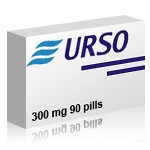
Urso (Ursodiol 150 mg and 300 mg) represents the naturally-occurring bile acid therapy - the primary FDA-approved medication for primary biliary cholangitis (PBC) and cholesterol gallstone dissolution. Originally introduced as Actigall by Ciba-Geigy in 1987 and later as Urso 250 by Axcan Pharma in 1998 (now owned by AbbVie, formerly Abbott Laboratories), ursodiol established the standard treatment for primary biliary cholangitis - the only FDA-approved first-line therapy for this progressive autoimmune liver disease for over 25 years. Urso on rxshop.md is manufactured by Sun Pharmaceutical Industries Ltd - world 4th largest specialty generic pharmaceutical company headquartered in Mumbai India with WHO-GMP certification, US FDA-inspected manufacturing facilities, EU-GMP certification, and comprehensive hepatology and gastroenterology product portfolio.
Ursodeoxycholic acid works as a naturally-occurring hydrophilic bile acid providing multiple therapeutic mechanisms in hepatobiliary disease. First, ursodiol replaces toxic hydrophobic bile acids in the enterohepatic circulation reducing hepatocellular injury from bile acid accumulation. Second, ursodiol reduces cholesterol absorption from intestines and decreases hepatic cholesterol secretion into bile. Third, ursodiol decreases cholesterol saturation of bile allowing gradual dissolution of cholesterol gallstones over months. Fourth, ursodiol provides cytoprotective effects on hepatocytes and cholangiocytes protecting liver cells from bile acid toxicity. Fifth, ursodiol has immunomodulatory effects reducing autoimmune injury to bile ducts in primary biliary cholangitis.
Urso primary FDA indications include dissolution of cholesterol gallstones in patients unable or unwilling to undergo cholecystectomy (Actigall/300 mg indication), prevention of gallstone formation in obese patients experiencing rapid weight loss, and treatment of primary biliary cholangitis (Urso 250/150 mg indication) - the only FDA-approved first-line therapy for this autoimmune bile duct disease. Common off-label uses include primary sclerosing cholangitis, cystic fibrosis-related hepatobiliary disorders, intrahepatic cholestasis of pregnancy, and biliary reflux gastritis.
Urso is available on rxshop.md in eight product options across two strengths (150 mg and 300 mg) with pack sizes of 30, 60, 90 (bestseller), and 120 tablets - accommodating both gallstone dissolution regimens (typically 6-24 months) and long-term PBC therapy (lifelong). Standard dosing for PBC: 13-15 mg/kg/day in divided doses. Standard dosing for gallstone dissolution: 8-10 mg/kg/day in divided doses. Excellent tolerability profile with mild side effects. Well-established therapy over 35 years of clinical use.
Free prescription
Discrete packaging
Have questions?
Quality Assurance


- Gallstones: Solid crystalline deposits forming in gallbladder from cholesterol or bilirubin over time;
- Cholesterol Gallstones: Yellow-green stones made primarily of cholesterol crystals precipitated from supersaturated bile;
- PBC Treatment: Only FDA-approved first-line therapy for primary biliary cholangitis autoimmune liver disease;
- Gallstone Dissolution Therapy: Non-surgical medical dissolution of small cholesterol gallstones over 6-24 months treatment;
- Cholestasis: Reduced or blocked bile flow from liver causing bilirubin and bile acids buildup;
- Weight Loss Gallstone Prevention: Prevention of gallstone formation in obese patients undergoing rapid weight loss programs;
- Biliary Sludge: Thickened bile with microscopic crystals that may progress to symptomatic gallstones over time;
- Primary Sclerosing Cholangitis: Off-label use for autoimmune inflammation and scarring of bile ducts inside and outside liver;
- Intrahepatic Cholestasis of Pregnancy: Off-label use for pregnancy-related liver condition causing severe itching and elevated bile acids;
- Cystic Fibrosis Liver Disease: Off-label use for hepatobiliary complications in cystic fibrosis patients from thickened bile;
- Biliary Reflux Gastritis: Off-label use for stomach inflammation from bile refluxing backward into stomach after cholecystectomy;
- Bile Duct Disease: Various conditions affecting bile duct function including inflammation and progressive damage;
- Elevated Liver Enzymes: Off-label use for chronic elevated alkaline phosphatase and GGT from cholestatic liver disease;
- Hepatobiliary Cystic Fibrosis: Liver and bile duct complications specific to cystic fibrosis patients due to abnormal secretions;
- Chronic Cholestatic Liver Disease: Long-term reduced bile flow conditions causing progressive liver damage and fibrosis;
- Bile Acid Malabsorption: Off-label use for altered bile acid handling in certain gastrointestinal conditions;
- Post Cholecystectomy Symptoms: Off-label use for digestive symptoms persisting after gallbladder removal surgery;
- NAFLD Investigational: Investigational use for non-alcoholic fatty liver disease not currently FDA-approved indication;
- Autoimmune Bile Duct Disease: Immune-mediated destruction of bile ducts causing progressive cholestatic liver damage over years.
- Longer Life Expectancy: Improved long-term survival in PBC patients with sustained biochemical response to therapy;
- Dissolves Gallstones: Gradual dissolution of small cholesterol gallstones over 6-24 months of continuous therapy;
- Less Itching: Reduction in pruritus symptoms from cholestasis over months of continuous therapy;
- Prevents Gallstone Formation: Prevention of new cholesterol gallstone formation during rapid weight loss programs;
- Lower Alkaline Phosphatase: Reduction in elevated alkaline phosphatase blood levels indicating improved cholestatic liver injury;
- Lower Bilirubin: Reduction in elevated bilirubin levels reducing jaundice and improving liver function markers;
- Better Bile Flow: Enhanced flow of bile from liver to small intestine improving digestion of dietary fats;
- Less Liver Damage: Cytoprotective effects reducing hepatocellular injury from accumulated toxic bile acids over time;
- Delays Liver Transplant: Substantially delayed need for liver transplantation in PBC patients with good therapy response;
- Less Fatigue: Reduced fatigue over months as liver function improves with sustained therapy in PBC;
- Non Surgical Gallstone Option: Medical alternative to cholecystectomy for selected patients with small cholesterol gallstones;
- Better Digestion: Improved digestion of dietary fats through enhanced bile acid pool and better bile flow;
- Lower GGT Levels: Reduction in gamma-glutamyl transferase liver enzyme elevated in cholestatic disease states;
- Reduced Autoimmune Attack: Immunomodulatory reduction of autoimmune injury to small bile ducts in PBC over time;
- Better Long Term Survival: Improved survival free of liver transplantation over years of continuous therapy in PBC;
- Slows Cirrhosis Development: Delayed progression to cirrhosis in cholestatic liver disease with sustained biochemical response;
- Excellent Tolerability: Well-tolerated therapy for lifelong use with mild side effects and few discontinuations;
- Twice or Thrice Daily Dosing: Convenient dosing schedule supporting long-term adherence for chronic liver disease therapy;
- Better Quality of Life: Improved daily functioning and quality of life as liver disease progression slows.
Generic Urso (Ursodiol 150 mg) Medication guide:
📖 What Urso Is and How Ursodiol Works
Urso is a brand of ursodiol (also called ursodeoxycholic acid or UDCA), a naturally occurring bile acid used as therapy for liver and biliary conditions. Ursodiol was originally approved by the US FDA in 1987 for cholesterol gallstone dissolution and in 1997 for primary biliary cholangitis. Sun Pharmaceutical Industries Ltd manufactures Urso today (with Abbott/AbbVie brand heritage). Over 35 years of continuous clinical use have established UDCA as the foundational therapy for primary biliary cholangitis - one of the few chronic liver diseases with a well-tolerated evidence-based treatment.
Urso at a glance
| Active ingredient | Ursodiol (ursodeoxycholic acid, UDCA) |
| Class | Naturally occurring hydrophilic bile acid |
| FDA approvals | 1987 (gallstones); 1997 (PBC) |
| Available strengths | 150 mg, 300 mg tablets |
| Standard PBC dose | 13-15 mg/kg/day divided |
| Standard gallstone dose | 8-10 mg/kg/day divided |
| Manufacturer | Sun Pharmaceutical (Abbott/AbbVie heritage) |
| Primary indications | Primary biliary cholangitis; cholesterol gallstone dissolution |
| Duration | Typically lifelong for PBC; 6-12 months for gallstones |
A bear-derived name
Nature-inspired therapy
The Latin name Ursus refers to bears - UDCA constitutes approximately 50 percent of the bile acid pool of the Asian black bear, from which it was originally isolated. In humans, UDCA is present in trace amounts naturally. Modern pharmaceutical UDCA is synthesized chemically. Traditional Chinese medicine used bear bile for liver conditions for centuries before modern chemistry identified UDCA as the active component.
How UDCA works
Multiple complementary mechanisms
UDCA is a hydrophilic bile acid - less toxic to liver cells than the primary human bile acids (cholic acid, chenodeoxycholic acid). When taken as therapy, UDCA becomes a major component of the enterohepatic bile acid pool, displacing more toxic bile acids. Additional mechanisms include reducing intestinal cholesterol absorption, decreasing biliary cholesterol saturation, providing hepatocyte cytoprotection, stabilising mitochondrial membranes, and mild immunomodulatory effects.
Primary indications
Where UDCA is established therapy
- Primary biliary cholangitis (PBC) - autoimmune destruction of small bile ducts; UDCA is first-line and often lifelong therapy
- Cholesterol gallstone dissolution - alternative to surgery for radiolucent stones in functioning gallbladder
- Prevention of gallstones during rapid weight loss - after bariatric surgery, very-low-calorie diets
- Intrahepatic cholestasis of pregnancy - off-label but widely used
- Primary sclerosing cholangitis - considered but evidence limited
Where UDCA does not fit
Not appropriate for
- Non-cholesterol gallstones (pigment stones, calcified) - will not dissolve
- Acute cholecystitis or biliary emergency - surgery needed
- Complete biliary obstruction - contraindicated
- Non-functioning gallbladder for gallstone dissolution
- NASH/NAFLD - no established benefit despite testing
- Chronic hepatitis B or C for cure (though may support liver function)
The tolerability advantage
One of the best-tolerated liver medications
Because UDCA is a naturally occurring bile acid, it has an exceptional tolerability profile. Most clients experience no meaningful side effects. Occasional GI effects (soft stools, diarrhoea) that are usually mild. Very rare hypersensitivity. No hepatotoxicity concerns despite being a liver-active drug. This tolerability supports the lifelong therapy that PBC typically requires.
The PBC positioning
Primary biliary cholangitis is a chronic autoimmune liver disease affecting predominantly women in middle age. Without treatment, PBC progresses to cirrhosis and liver transplant. UDCA transformed PBC from a uniformly progressive disease into one where most clients maintain stable liver function over decades with consistent therapy. This is one of the great success stories in modern hepatology.
This guide walks through what UDCA does, why it is the cornerstone of PBC therapy, how gallstone dissolution works, dosing considerations, monitoring approach, and modern positioning including second-line agents for clients with inadequate UDCA response. Treat this guide as a companion to what your hepatologist or gastroenterologist tells you.
🩹 Urso for Primary Biliary Cholangitis First-Line Therapy
Primary biliary cholangitis is the flagship indication for UDCA - the disease where evidence and clinical benefit are strongest.
What primary biliary cholangitis is
Autoimmune liver disease
Primary biliary cholangitis (PBC, formerly primary biliary cirrhosis) is a chronic autoimmune disease where the immune system attacks the small intrahepatic bile ducts. Progressive bile duct destruction causes cholestasis (bile flow impairment), inflammation, fibrosis, and eventually cirrhosis in untreated clients. PBC predominantly affects women (approximately 9:1 female to male ratio) typically diagnosed in ages 40-60. Prevalence approximately 1 in 2500-3000 women in Western populations.
PBC diagnosis
Standard diagnostic criteria
- Elevated alkaline phosphatase (ALP) - typically 1.5x upper limit or higher
- Anti-mitochondrial antibodies (AMA) positive - present in 95 percent
- Liver biopsy showing bile duct injury (not always required)
- Exclusion of other causes of cholestasis
- Any 2 of 3 diagnostic criteria typically sufficient
UDCA in PBC - the transformation
From progressive to manageable
Before UDCA, PBC was uniformly progressive - most clients required liver transplant within 10-15 years of diagnosis. UDCA fundamentally changed the natural history. Approximately 60-70 percent of PBC clients respond well to UDCA with normalised or substantially improved liver biochemistry and normal life expectancy. The remaining 30-40 percent with inadequate response now have second-line therapy options.
UDCA effects on PBC
What UDCA does in PBC
- Reduces alkaline phosphatase - typically 40-50 percent reduction
- Reduces bilirubin when elevated
- Reduces liver enzymes (AST, ALT)
- Slows fibrosis progression in histological studies
- Reduces need for liver transplant
- Improves survival in adequate responders
- Response typically visible within 6 months
Response criteria
Assessing response at 12 months
Multiple response criteria have been proposed. The POISE criteria (used in obeticholic acid trial) - ALP under 1.67x upper limit AND bilirubin normal AND ALP reduction over 15 percent - are widely used. Paris-II and Toronto criteria are alternatives. Adequate response predicts excellent long-term outcomes. Inadequate response identifies clients needing second-line therapy.
Response prediction
Factors associated with UDCA response
- Earlier disease stage - better response
- Older age at diagnosis - better response typically
- Lower baseline ALP - better response typically
- Female sex - slightly better response than male
- No overlap with autoimmune hepatitis - better response
- Response assessed at 12 months of therapy
Long-term outcomes
The success story
Adequate UDCA responders now have normal or near-normal life expectancy. This transformation is one of hepatology's clearest successes. Continued lifelong UDCA maintains benefit. Discontinuation - even after years of good response - typically causes disease reactivation. Section 33 covers long-term considerations.
Why UDCA works in PBC
Multiple complementary mechanisms combine. UDCA replaces toxic bile acids that damage hepatocytes and cholangiocytes. UDCA has mild immunomodulatory effects on the autoimmune process. UDCA stabilises mitochondrial function in liver cells. UDCA reduces oxidative stress. No single mechanism explains all the benefit - the combination produces the clinical effect. Section 5 covers mechanism in detail.
Lifelong therapy
Continued therapy essential
PBC is a chronic disease. UDCA controls but does not cure. Continuous lifelong therapy is essential. Discontinuation causes disease reactivation with rising ALP within months. This is one of the specific reasons UDCA's excellent tolerability matters - clients need to take it every day for decades.
Primary biliary cholangitis is the flagship indication for UDCA. Approximately 60-70 percent of clients respond well with normalised or substantially improved liver biochemistry and normal life expectancy. Response assessment at 12 months guides whether second-line therapy is needed. Lifelong continuous UDCA maintains benefit throughout the disease course.
💎 Urso for Cholesterol Gallstone Dissolution Therapy
Cholesterol gallstone dissolution is the other established UDCA indication. While surgical cholecystectomy remains the primary treatment for symptomatic gallstones, UDCA provides an alternative for selected clients.
Which gallstones UDCA can dissolve
The stone types
Gallstones are of several types. Cholesterol stones (approximately 75 percent of stones in Western populations) can be dissolved by UDCA. Pigment stones (black and brown) and calcified stones cannot be dissolved. Imaging that distinguishes stone types is essential before considering UDCA dissolution.
Ideal candidates for UDCA gallstone dissolution
Client characteristics that predict success
- Radiolucent stones on X-ray (cholesterol composition)
- Stones under 15 mm in diameter
- Few stones (not gallbladder full)
- Functioning gallbladder on cholecystography
- Mild symptoms or biliary sludge
- Client not surgical candidate or declines surgery
- Willing to commit to 6-12 months of therapy
Poor candidates
Where dissolution unlikely
- Radiopaque calcified stones
- Stones over 15 mm
- Gallbladder full of stones
- Non-functioning gallbladder
- Acute cholecystitis
- Frequent biliary colic episodes
- Suspected common bile duct stones
- Pregnancy (relative)
Success rates and time to dissolution
Realistic expectations
- 50-60 percent complete dissolution in ideal candidates over 12 months
- Higher success in smaller stones (over 80 percent for stones under 5 mm)
- Partial dissolution common when complete dissolution not achieved
- Time to complete dissolution 6-24 months depending on stone size
- Imaging follow-up every 6 months during therapy
Recurrence concern
Stones can return
After successful dissolution, gallstones recur in 10-15 percent of clients per year up to 50 percent cumulative recurrence at 5 years. This is one reason surgery is often preferred for definitive treatment. UDCA maintenance therapy at lower doses may reduce recurrence but is not standard practice. Recurrent symptomatic stones typically warrant surgery.
Comparison with surgery
UDCA dissolution vs cholecystectomy
| Feature | UDCA dissolution | Laparoscopic cholecystectomy |
|---|---|---|
| Effectiveness | 50-60% success | Definitive |
| Time to result | 6-24 months | Immediate |
| Recurrence | Common (50% at 5 years) | None (organ removed) |
| Invasiveness | None | Surgical procedure |
| Cost | Medication cost over 6-12 months | Single surgical cost |
| Preferred for | Non-surgical candidates, mild symptoms | Symptomatic stones typically |
Modern positioning
Surgery is typically preferred
Modern practice typically prefers laparoscopic cholecystectomy for symptomatic gallstones - definitive, low morbidity, no recurrence. UDCA dissolution remains an option for clients who cannot undergo surgery (severe comorbidity, refuse surgery) or for very mild symptoms with small radiolucent stones. Also useful in specific scenarios like prevention during rapid weight loss.
Gallstone prevention during weight loss
Rapid weight loss (bariatric surgery, very-low-calorie diets) predisposes to gallstone formation - up to 30 percent develop stones during rapid weight loss. UDCA prophylaxis (300 mg twice daily) reduces this risk substantially. This is a specific evidence-based use particularly common in bariatric surgery practice for the first 6 months post-op.
UDCA gallstone dissolution is an alternative to surgery for selected clients with cholesterol stones. Ideal candidates have small radiolucent stones in functioning gallbladder with mild symptoms. Success rates 50-60 percent over 12 months. Recurrence common after dissolution. Modern practice typically prefers surgery except in specific scenarios.
⚖️ Urso Other Uses and Off-Label Indications
Beyond primary biliary cholangitis and cholesterol gallstone dissolution, UDCA has several other uses supported by varying levels of evidence.
Intrahepatic cholestasis of pregnancy
Established off-label use
Intrahepatic cholestasis of pregnancy (ICP) causes intense pruritus and elevated bile acids in third trimester - risks fetal harm. UDCA is widely used off-label for ICP with good evidence of maternal symptom relief (reduces pruritus) and bile acid reduction. Effect on fetal outcomes debated but PITCHES trial (2019) showed limited fetal benefit. Nonetheless UDCA remains standard for ICP given maternal symptom benefit.
Primary sclerosing cholangitis
Controversial use
Primary sclerosing cholangitis (PSC) is another cholestatic liver disease. UDCA has been tested in PSC extensively. Low-dose UDCA (13-15 mg/kg) may improve biochemistry but effect on outcomes unproven. High-dose UDCA (28-30 mg/kg) was harmful in PSC (increased adverse events) and is not recommended. AASLD/EASL guidelines do not routinely recommend UDCA for PSC.
Cystic fibrosis liver disease
Cystic fibrosis can cause biliary liver disease. UDCA is used for cholestatic manifestations. Evidence is limited but UDCA is often prescribed given its safety profile.
Progressive familial intrahepatic cholestasis
Rare pediatric cholestatic diseases (PFIC1, PFIC2, PFIC3). UDCA sometimes used with variable effect depending on specific PFIC type. Specialist decision.
Post-liver transplant
UDCA sometimes used to prevent bile duct complications after liver transplantation. Evidence limited but tolerability supports empirical use in selected cases.
Total parenteral nutrition (TPN) cholestasis
Long-term TPN can cause cholestasis. UDCA is used empirically to prevent or treat TPN-associated liver disease. Evidence limited but common practice in specialised nutrition support.
Where UDCA has been tested without benefit
Not supported by evidence
- NASH/NAFLD - trials did not show consistent benefit; not routine therapy
- Chronic hepatitis B or C - not curative; not standard therapy
- Alcoholic liver disease - not standard therapy
- Autoimmune hepatitis (isolated) - immunosuppression is standard; UDCA adjunctive
- Drug-induced liver injury - limited evidence
- Wilson disease - chelation therapy is standard
The overlap syndrome consideration
PBC-AIH overlap
Some clients have overlap syndrome of PBC with autoimmune hepatitis (AIH). These clients typically need UDCA plus immunosuppression (corticosteroids, azathioprine). Response to UDCA alone is inadequate. Recognition requires liver biopsy typically. Specialist hepatology management.
Emerging and investigational uses
Under investigation
- Colorectal cancer chemoprevention - preliminary data mixed
- Barrett esophagus - limited data
- Amyotrophic lateral sclerosis (ALS) - being studied
- Alzheimer disease - mechanistic interest, early studies
- Various other neurodegenerative and metabolic conditions
Practical consideration
Focus on evidence-based indications
Most UDCA prescriptions worldwide are for PBC or cholesterol gallstone management. Off-label use for other conditions requires specific specialist recommendation. General use without specific indication is not supported.
Beyond PBC and cholesterol gallstones, UDCA has off-label use in intrahepatic cholestasis of pregnancy, cystic fibrosis liver disease, and specific pediatric cholestatic conditions. High-dose UDCA in PSC is contraindicated. Multiple other conditions have been tested without established benefit.
🔬 How Ursodiol Replaces Toxic Bile Acids Naturally
Understanding UDCA's mechanism clarifies its clinical effects and specific characteristics.
The bile acid pool
Normal human bile acids
Bile acids are cholesterol-derived molecules synthesized in the liver, stored in the gallbladder, and released into the intestine during meals to help absorb fats. Human bile primarily contains cholic acid and chenodeoxycholic acid (primary bile acids from liver) and their bacterial metabolites deoxycholic acid and lithocholic acid (secondary bile acids from gut bacteria). Bile acids circulate between liver and intestine 6-10 times daily (enterohepatic circulation).
The hydrophilic bile acid concept
UDCA is different
UDCA is a hydrophilic bile acid - more water-loving and less membrane-toxic than the primary human bile acids. Trace amounts (approximately 3 percent) of natural bile pool. When taken as therapy, UDCA becomes 30-50 percent of the bile acid pool, displacing more toxic bile acids. This replacement is one of the key mechanisms of therapeutic effect.
Multiple complementary mechanisms
How UDCA works
- Displaces toxic bile acids - UDCA replaces more hepatotoxic bile acids in the enterohepatic pool
- Stabilises hepatocyte and cholangiocyte membranes - protects liver cells from bile acid-induced damage
- Stimulates bile flow (choleretic) - increases bile secretion; may "flush" bile ducts
- Reduces cholesterol saturation of bile - dissolves cholesterol gallstones
- Reduces intestinal cholesterol absorption
- Mild immunomodulatory effects - reduces HLA class I expression on hepatocytes and cholangiocytes; may reduce autoimmune targeting in PBC
- Antioxidant effects - reduces oxidative stress in liver cells
- Anti-apoptotic effects - reduces hepatocyte cell death signals
- Mitochondrial protection - stabilises mitochondrial function
Step-by-step in PBC
The PBC treatment sequence
- Take UDCA daily (13-15 mg/kg divided)
- UDCA absorbed from small intestine
- UDCA conjugated in liver (adds taurine or glycine)
- Conjugated UDCA secreted into bile
- UDCA becomes 30-50 percent of bile acid pool
- Toxic bile acids displaced from pool
- Hepatocytes and cholangiocytes protected from bile acid damage
- Immune-mediated bile duct injury slowed
- Alkaline phosphatase falls typically within 3-6 months
- Continued therapy maintains benefit long-term
Step-by-step in gallstone dissolution
The dissolution sequence
- Take UDCA daily (8-10 mg/kg divided)
- UDCA reduces cholesterol saturation of bile
- Bile becomes undersaturated for cholesterol
- Cholesterol progressively dissolves from stone surface
- Stones shrink over months
- Complete dissolution over 6-24 months in ideal candidates
- Follow-up imaging documents progress
Pharmacokinetics
| Absorption | Passive from small intestine; ~90 percent |
| First-pass hepatic uptake | Substantial (50-60 percent) |
| Half-life | 3.5-5.8 days (enterohepatic recirculation) |
| Metabolism | Hepatic conjugation (taurine/glycine) |
| Excretion | Primarily faecal (as bacterial metabolites) |
Why UDCA is well-tolerated
Natural molecule advantage
Because UDCA is a naturally occurring bile acid found in trace amounts in humans, the body handles it through existing bile acid metabolism pathways. No unusual metabolites. No hepatotoxicity despite being liver-active. Excellent long-term tolerability supports the lifelong therapy that PBC requires.
UDCA works through multiple complementary mechanisms - displacing toxic bile acids, membrane stabilisation, choleretic effect, cholesterol saturation reduction, and mild immunomodulation. The naturally occurring bile acid pathway explains both effectiveness and exceptional tolerability. This elegant multi-mechanism approach makes UDCA the foundational therapy for cholestatic liver disease.
🏆 Foundational Trials That Established Urso Standard
UDCA's establishment as the PBC standard emerged from a series of well-designed clinical trials in the 1990s. Understanding this history clarifies the drug's foundational role.
The pre-UDCA era
Before therapy existed
Primary biliary cholangitis was described in the 1950s (originally called primary biliary cirrhosis). Without treatment, the disease was progressive - most clients progressed to cirrhosis and liver transplant within 10-15 years. Multiple therapies were tried and failed (steroids, azathioprine, chlorambucil, colchicine, methotrexate) with limited effect and substantial toxicity. The disease appeared untreatable.
The Poupon trials
Poupon RE and colleagues (Paris)
- 1991 NEJM trial - randomised controlled trial of UDCA vs placebo in PBC; substantial improvement in liver biochemistry with UDCA
- 1993 Lancet - longer follow-up confirming benefit
- 1994 NEJM - continued benefit with time-to-death or transplant as endpoint
- Established UDCA as standard of care
- Prof. Poupon led this foundational work
The Mayo trials
Lindor and Mayo Clinic contributions
Keith Lindor and colleagues at Mayo Clinic conducted parallel and follow-up UDCA trials in PBC through the 1990s and 2000s. Established Mayo natural history model, refined response criteria, and shaped the current AASLD Practice Guidelines. Their work moved UDCA from experimental therapy to established standard.
Long-term follow-up studies
Extended observations
- Long-term UDCA cohorts followed for 10-20+ years
- Corpechot et al. established that adequate biochemical response predicts excellent long-term outcomes
- Transplant need substantially reduced compared to historical controls
- Survival approaches normal in adequate responders
- Meta-analyses confirming benefit despite methodological limitations of individual trials
Global consortium research
UK-PBC and international collaborations
UK-PBC Consortium (Hirschfield, Jones, Prince and colleagues) established large-scale real-world PBC cohorts confirming UDCA benefit and identifying inadequate responders. Similar consortia in Netherlands (Global PBC Study Group), Italy, Japan, and other countries have replicated findings. This global consistency is one of the strongest evidence bases in hepatology.
Response prediction developments
Response criteria over time
- Paris-I criteria - ALP under 3x upper limit, AST under 2x, bilirubin normal at 1 year
- Paris-II criteria - ALP under 1.5x, AST under 1.5x, bilirubin normal at 1 year (early disease)
- Toronto criteria - ALP under 1.67x upper limit at 2 years
- POISE criteria - ALP under 1.67x AND bilirubin normal AND ALP reduction over 15 percent (used in obeticholic acid trial)
- GLOBE score - continuous prediction combining age, sex, and lab values
- UK-PBC score - similar continuous prediction tool
Second-line therapy emergence
POISE and obeticholic acid
The POISE trial (Nevens et al. NEJM 2016) established obeticholic acid as add-on therapy for PBC clients with inadequate UDCA response. This was the first new PBC therapy in nearly two decades. UDCA remained foundational - obeticholic acid was tested as add-on, not replacement. More recently, PPAR agonists (bezafibrate, elafibranor) have shown promise as additional second-line options.
Contemporary evidence base
Where the evidence stands
- UDCA improves liver biochemistry - very strong evidence
- UDCA slows histological progression - strong evidence
- UDCA reduces transplant need - strong evidence in adequate responders
- UDCA improves survival - strong evidence in adequate responders
- Excellent long-term tolerability - very strong evidence
- Adequate response criteria and prediction tools well-established
The historical achievement
A hepatology success story
UDCA transformed PBC from a uniformly progressive disease into one where most clients maintain normal life expectancy. This is one of the clearest therapeutic successes in modern hepatology. The Poupon trials and their follow-ups established the paradigm that continues to shape practice today.
UDCA's establishment as PBC standard emerged from careful clinical trials starting in the early 1990s. Poupon and Mayo groups pioneered the evidence, subsequent long-term follow-up confirmed benefits, and global consortia continue to refine practice. This deep evidence base supports UDCA's ongoing role as the foundation of PBC therapy.
🤝 Urso Second-Line Therapy Options for PBC
Approximately 30-40 percent of PBC clients have inadequate response to UDCA alone. Understanding second-line options is important for comprehensive PBC management.
The inadequate responder scenario
Response assessment at 12 months
After 12 months of UDCA at proper weight-based dose, response is assessed using standardised criteria (POISE, Paris-II, Toronto). Approximately 30-40 percent of clients do not meet response criteria - inadequate responders. These clients have elevated risk of disease progression and benefit from second-line therapy added to (not replacing) UDCA.
Obeticholic acid
First approved second-line therapy
- Farnesoid X receptor (FXR) agonist - different mechanism than UDCA
- FDA approved 2016 based on POISE trial
- Used as add-on to UDCA in inadequate responders
- Reduces ALP substantially (POISE showed ~40 percent reduction)
- Brand name Ocaliva (Intercept Pharmaceuticals)
- Main side effect - pruritus (can be severe)
- Dose-dependent side effects
- Contraindicated in advanced cirrhosis (safety concerns)
Bezafibrate and other PPAR agonists
Off-label PBC therapy
Bezafibrate (peroxisome proliferator-activated receptor agonist) has been used off-label as add-on to UDCA. BEZURSO trial (2018) showed substantial benefit including complete biochemical response in 30 percent. Widely used in Europe and Japan. Not FDA-approved for PBC but commonly used. Newer PPAR agonists (elafibranor, seladelpar) are being studied specifically for PBC.
Elafibranor
Newer PPAR agonist
- PPAR-alpha/delta agonist
- FDA accelerated approval for PBC 2024
- Add-on to UDCA in inadequate responders
- Reduces ALP effectively
- May improve pruritus
Seladelpar
Newest PPAR-delta agonist
- Selective PPAR-delta agonist
- FDA accelerated approval for PBC 2024
- Add-on to UDCA in inadequate responders
- Substantial ALP reduction
- Pruritus benefits
Modern PBC management landscape
Expanded treatment options
Modern PBC management includes UDCA as foundation for all clients, with second-line agents (obeticholic acid, elafibranor, seladelpar, bezafibrate in some regions) added for inadequate responders. This multi-drug approach has further reduced transplant need and improved outcomes beyond what UDCA alone provided. Clients with inadequate UDCA response now have effective second-line options.
When to consider second-line therapy
Second-line therapy triggers
- Inadequate biochemical response at 12 months by standard criteria
- ALP remaining over 1.67x upper limit despite proper UDCA dose
- Elevated bilirubin despite UDCA
- GLOBE score or UK-PBC score suggesting elevated risk
- Rising ALP after previous good response (secondary non-response)
Pruritus-specific therapies
Pruritus (itching) is one of PBC's most disabling symptoms. Beyond disease-modifying therapy, symptomatic pruritus treatment includes cholestyramine (bile acid sequestrant), rifampin, naltrexone, and sertraline. Some second-line agents (obeticholic acid, PPAR agonists) can worsen or improve pruritus depending on client. Section 17 covers pruritus management.
UDCA remains foundational
Never stop UDCA when adding second-line
All second-line therapies are studied as add-ons to UDCA, not replacements. Continue UDCA at proper weight-based dose. Add second-line agent per specialist recommendation. Combined benefit exceeds either alone. Only discontinue UDCA if specific intolerance or contraindication develops.
Approximately 30-40 percent of PBC clients need second-line therapy added to UDCA. Obeticholic acid was the first approved add-on. Elafibranor and seladelpar (2024) expand options. Bezafibrate widely used off-label. Modern management combines UDCA foundation with second-line agents for inadequate responders. UDCA remains essential throughout.
⏰ Urso Weight-Based Dosing Schedule Rules
Urso dosing is weight-based and indication-specific. Understanding proper dosing supports effective therapy.
PBC dosing
Standard PBC dose
13-15 mg/kg/day divided in 2-4 doses. For an 80 kg client, approximately 1000-1200 mg daily. Given as 300 mg tablets typically twice or three times daily. Dose optimization matters - too low dose reduces effectiveness; higher doses do not improve outcomes and may cost more.
Typical PBC dose examples
| Body weight | Daily dose | Typical regimen |
|---|---|---|
| 50 kg | 650-750 mg | 300 mg AM + 300 mg PM |
| 60 kg | 800-900 mg | 300 mg AM + 300 mg PM + 300 mg HS |
| 70 kg | 900-1050 mg | 300 mg TID |
| 80 kg | 1050-1200 mg | 300 mg TID or 600 mg BID |
| 100 kg | 1300-1500 mg | 600 mg AM + 300 mg lunch + 600 mg PM |
Gallstone dissolution dosing
Lower dose than PBC
8-10 mg/kg/day divided in 2-3 doses. For an 80 kg client, approximately 600-800 mg daily. Given as 300 mg twice daily typically. Continue for 6-24 months until dissolution or clear non-response.
Gallstone prevention dosing
During rapid weight loss (bariatric surgery, very-low-calorie diet), UDCA 600 mg daily (300 mg twice daily) for the first 6 months of weight loss substantially reduces gallstone formation. Simple prophylactic dose.
Available strengths
Urso strengths
- 150 mg tablets - for smaller clients or precise weight-based dosing
- 300 mg tablets - standard strength; most commonly used
- Multiple pack sizes available (30, 60, 90, 120 tablets)
- Larger packs support long-term therapy adherence
Divided dosing rationale
Why 2-4 daily doses
Divided dosing maintains more constant UDCA levels in the enterohepatic pool. Once-daily dosing is possible but divided dosing is standard for optimal effect. Twice daily (morning and evening) is most common. Three times daily with meals is optimal for maximum effect in PBC. Choose regimen that supports adherence.
Titration schedule
Starting approach
- Can start at full weight-based dose immediately
- Some clinicians titrate over 1-2 weeks to minimise any GI adjustment
- Very well-tolerated at target dose typically
- No specific dose escalation needed for effect
Renal adjustment
No renal adjustment typically needed
UDCA is primarily excreted in feces (as bacterial metabolites). Renal function does not usually affect dosing. Section 19 covers renal considerations in detail.
Hepatic adjustment
Advanced cirrhosis caution
In advanced cirrhosis with substantial hepatic dysfunction, UDCA should still be used for PBC (it is the underlying therapy) but response is reduced. Continue at standard dose. Watch for decompensation signs. Section 18 covers hepatic considerations.
Duration of therapy
Indication-dependent
PBC - lifelong therapy. Discontinuation causes disease reactivation. Gallstone dissolution - 6-24 months until stones dissolve or clear non-response. Gallstone prevention during weight loss - 6 months during active weight loss period.
Expected effect timeline
In PBC
- Week 4-6 - liver enzymes begin falling
- Month 3 - substantial ALP reduction visible
- Month 6 - most improvement achieved
- Month 12 - response assessment
- Long term - durable maintained benefit with continued therapy
In gallstone dissolution
- Month 6 - imaging shows stone reduction
- Month 12 - continued reduction
- Month 12-24 - complete dissolution or clear non-response
Weight-based dosing (13-15 mg/kg for PBC, 8-10 mg/kg for gallstones) in 2-4 divided doses. Duration is lifelong for PBC, 6-24 months for gallstones. Simple dosing supports long-term adherence essential for PBC management.
📅 Starting Urso - First Weeks Guide
Starting Urso is straightforward with minimal side effects for most clients. Understanding what to expect supports smooth initiation.
Typical initiation experience
Most clients experience no meaningful side effects at initiation. Occasional mild GI effects (soft stools, minor diarrhoea) that usually settle within days to weeks. No dizziness, no fatigue, no cognitive effects. Liver enzymes begin falling within weeks. This exceptional tolerability distinguishes UDCA from most other liver medications.
The gentle start
Because UDCA is a naturally occurring bile acid, the body handles it through existing metabolism pathways. No unfamiliar metabolites, no toxicity concerns, no systemic drug feelings. Many clients feel completely unchanged - which is often the case throughout years of therapy.
Pre-treatment assessment for PBC
Baseline evaluation
- Liver enzymes - ALP, ALT, AST, GGT
- Bilirubin (total and direct)
- Albumin, INR - synthetic function
- Complete blood count - platelets (portal hypertension)
- Anti-mitochondrial antibodies - diagnostic
- ANA, anti-smooth muscle antibody - overlap syndrome screen
- IgM, IgG - immunoglobulin levels
- Liver imaging (ultrasound minimum, elastography ideally)
- Liver biopsy if diagnosis uncertain or staging needed
- Weight and BMI for dose calculation
Setting expectations
Practical points for new starters
- Take divided doses - typically 2-3 times daily
- Preferably with meals - though not essential
- Expected excellent tolerability - minimal side effects for most
- Liver enzymes improve gradually - ALP starts falling within weeks
- Full response assessment at 12 months
- Lifelong therapy expected for PBC - not curative but disease-modifying
- Do not stop without discussing with team - discontinuation causes disease reactivation
Follow-up schedule
| Timing | Focus |
|---|---|
| Month 3 | Early biochemical response; tolerability check |
| Month 6 | Response progressing; consider dose optimization |
| Month 12 | Formal response assessment using criteria (POISE, Paris-II, etc.) |
| Every 6 months long-term | ALP, bilirubin, other liver enzymes, symptoms |
| Annually | Comprehensive - liver function, imaging, complications screening |
Warning signs during initiation
Contact team promptly if these occur
- Severe or persistent diarrhoea
- Severe rash
- Worsening jaundice
- Signs of hepatic decompensation (ascites, encephalopathy, variceal bleeding)
- Any severe hypersensitivity reaction
- Substantial worsening of pruritus
The lifelong commitment
PBC clients - understanding continuation
For PBC, UDCA is generally lifelong. Continued benefit requires continued therapy. Discontinuation causes ALP to rise within months. Excellent tolerability supports this long-term commitment. Discuss the lifelong nature at initiation - understanding supports adherence over decades.
Pre-treatment assessment for gallstone dissolution
Baseline evaluation
- Gallbladder ultrasound - stone size, number, location
- Plain X-ray or oral cholecystography - confirm radiolucent (cholesterol) stones
- Functioning gallbladder assessment
- Liver enzymes baseline
- Discussion of alternative (surgery) and recurrence risk
- Client understanding of 6-24 month treatment commitment
Urso initiation is straightforward and well-tolerated. Baseline evaluation depends on indication (PBC vs gallstones). Response monitoring at 3, 6, and 12 months guides therapy. Lifelong commitment for PBC requires understanding at initiation.
📏 Urso Response Monitoring and Dose Adjustment
UDCA response monitoring guides ongoing therapy. Understanding when and how to adjust supports optimal outcomes.
Response criteria at 12 months
Standardised assessment
After 12 months of properly dosed UDCA, formal response assessment guides next steps. Multiple criteria exist. Common ones include POISE criteria (ALP under 1.67x upper limit AND bilirubin normal AND ALP reduction over 15 percent), Paris-II (ALP under 1.5x AND AST under 1.5x AND bilirubin normal), and Toronto (ALP under 1.67x at 2 years). Adequate response predicts excellent outcomes.
Standard adjustment approach
| Situation | Action |
|---|---|
| Adequate response at 12 months | Continue UDCA at same dose lifelong |
| ALP still elevated but decreasing | Continue and reassess at 24 months |
| Inadequate response at 12 months | Verify proper dose (13-15 mg/kg); confirm adherence; consider second-line therapy |
| Rising ALP after previous good response | Verify adherence; investigate other causes; consider second-line therapy |
| New symptoms or complications | Comprehensive reassessment; specialist review |
| Decompensation signs | Continue UDCA; add supportive care; transplant evaluation if severe |
Dose optimization
Confirm proper weight-based dose
Before concluding inadequate response, verify dose is 13-15 mg/kg/day for PBC. Underdosing is common cause of apparent non-response. Recalculate for current weight. Check adherence carefully. If dose and adherence adequate, proceed to second-line therapy consideration.
GLOBE and UK-PBC scores
Continuous risk prediction
- GLOBE score - combines age, sex, ALP, bilirubin, albumin, platelets
- UK-PBC score - similar continuous prediction
- Both predict transplant-free survival
- Provide risk stratification beyond binary response criteria
- Available as online calculators or apps
- Useful for identifying high-risk clients for second-line therapy
Long-term surveillance
Ongoing monitoring for decades
PBC is chronic - even with adequate response, ongoing surveillance detects disease progression, complications, or secondary non-response. Standard surveillance every 6-12 months long-term. Includes liver biochemistry, imaging periodically, and screening for related conditions (osteoporosis, thyroid disease, sicca syndrome).
Non-adherence recognition
The hidden cause of non-response
Non-adherence is common cause of apparent inadequate response. Rising ALP with previously good response often reflects missed doses. Openly discussing adherence without judgement supports honest disclosure. Adherence barriers - cost, pill burden, side effects, forgetting - can often be addressed if identified.
When to add second-line therapy
Second-line therapy triggers
- Inadequate response by standard criteria at 12 months
- Elevated risk by GLOBE or UK-PBC score
- Secondary non-response (rising ALP after previous good response, adherence confirmed)
- Rising bilirubin
- Continue UDCA; add second-line therapy (obeticholic acid, PPAR agonists per specialist choice)
Investigating unexpected non-response
Consider alternative diagnoses
If response is unexpectedly inadequate, consider overlap syndrome with autoimmune hepatitis (would need immunosuppression), development of hepatocellular carcinoma, superimposed drug-induced liver injury, viral hepatitis coinfection, or other liver diseases. Specialist reassessment may identify additional treatable conditions.
Symptom monitoring
Beyond biochemistry, monitor for PBC-related symptoms - fatigue, pruritus, sicca syndrome (dry eyes and mouth), joint symptoms. Some symptoms improve with UDCA; others (especially fatigue) may persist despite good biochemical response. Symptomatic treatment can complement UDCA.
UDCA response monitoring at 12 months guides ongoing therapy. Adequate responders continue UDCA lifelong. Inadequate responders warrant second-line therapy while continuing UDCA. Regular long-term surveillance detects progression or secondary non-response.
💊 How to Take Urso Tablets Properly
Practical routines around Urso tablets support the long-term adherence essential for PBC management.
Daily routine
Take divided doses 2-4 times daily (2-3 doses most common). Preferably with meals for optimal absorption. Swallow whole with water. Consistency matters more than exact times. Refill 2-4 weeks before running out.
Preferred timing patterns
Common regimens
Twice daily - morning with breakfast, evening with dinner. Three times daily - with each meal (breakfast, lunch, dinner). Four times daily - with meals plus bedtime dose. Divided dosing maintains steady UDCA levels in enterohepatic pool.
Anchor to daily habits
Practical adherence strategies
- Take with meals - anchors to eating routine
- Keep tablets at meal locations (kitchen table, work desk)
- Weekly pillbox with meal compartments
- Phone alarms for each meal time
- Family or partner reminders
- Refill 2-4 weeks early
- Consider mail-order 90-day supplies for stable long-term therapy
Home monitoring priorities
What to track at home
- Adherence tracking - important for detecting missed doses
- Weight monthly (for dose adjustment)
- Any GI symptoms (diarrhoea)
- Any skin changes or rash
- Any worsening jaundice
- Any severe pruritus
- Any signs of hepatic decompensation (ascites, confusion, variceal bleeding)
Key safety rules
Alert your team about
- Severe persistent diarrhoea
- Severe rash particularly with mucosal involvement
- Yellow skin or eyes worsening
- Signs of hepatic decompensation
- Severe pruritus new or worsening
- Substantial weight changes (may need dose adjustment)
- Any new medication - check timing with cholestyramine or other bile acid sequestrants
The lifelong commitment reminder
Do not stop without discussing
PBC clients - UDCA is generally lifelong. Discontinuation causes disease reactivation with rising ALP within months. Even feeling completely well and having normal labs does not mean the disease is cured - UDCA is controlling ongoing autoimmune activity. Continued therapy maintains benefit.
Storage
Room temperature under 25 C. Original packaging. Protect from moisture and heat. Not in bathroom or hot car. Out of reach of children. Do not use past expiry. Return unused tablets to pharmacy for disposal.
Refill planning
Never run out
Order refill 3-4 weeks before running out. Set phone reminder. Coordinate with other regular medications. Mail-order 90-day supplies simplify management and reduce refill frequency. Never stop suddenly - disease reactivation follows. Have emergency supply for unexpected situations.
Divided daily dosing with meals supports the long-term adherence essential for PBC. Multiple adherence strategies available - pillbox, phone alarms, meal-anchoring. The lifelong nature of PBC therapy makes adherence over decades the key practical challenge, though excellent tolerability supports it.
🍴 Food Timing and Urso Absorption Optimization
Food timing with Urso is not strict but optimising absorption supports maximum effect.
The absorption story
Food improves absorption modestly
UDCA is a bile acid - absorption occurs from the small intestine. Presence of food and the associated bile acid release may improve UDCA absorption. Taking with meals is preferred but not strictly required.
Practical timing
Recommended patterns
- With meals is preferred - improves absorption modestly
- Consistent timing daily - more important than food or fasting per se
- Twice daily - breakfast and dinner most common
- Three times daily - with each meal, particularly for higher doses
- Some clinicians prefer evening dose for the "washing" effect during overnight fast
Bedtime dose consideration
Evening or bedtime advantage
Some clinicians recommend a bedtime dose to maintain UDCA levels during the overnight fasting period when bile acid recirculation is slower. Historical practice for gallstone dissolution particularly emphasised bedtime dosing. Modern PBC practice - divided doses with meals typically sufficient.
Practical scenarios
Real-life patterns
- Morning coffee then breakfast - take with breakfast
- Skipping breakfast - take with first meal of day
- Late dinner - take with dinner regardless of clock time
- Shift work - take with your primary meals whenever they occur
- Consistency more important than exact clock timing
General dietary considerations
PBC-specific dietary points
PBC clients benefit from healthy Mediterranean or similar dietary pattern. Adequate protein for liver metabolism. Limit sodium in advanced disease (ascites risk). Adequate calcium and vitamin D for osteoporosis prevention (PBC-associated). Avoid heavy alcohol. Adequate fibre. No specific restriction from UDCA itself.
Fat-soluble vitamin considerations
Chronic cholestasis considerations
- Advanced PBC can impair fat-soluble vitamin (A, D, E, K) absorption
- Check vitamin D annually; supplement to maintain adequate levels
- Vitamin K may be needed if bleeding tendency
- Vitamin A and E supplementation as needed based on levels
- Calcium supplementation for osteoporosis prevention
Bile acid sequestrant timing
Critical separation
If taking cholestyramine or other bile acid sequestrant (for PBC pruritus), separate from UDCA by at least 4-5 hours. Bile acid sequestrants bind UDCA in the intestine and reduce its absorption. Common practice - cholestyramine mid-morning, UDCA with meals. Section 21 covers detail.
Antacid and iron considerations
Aluminum-containing antacids and iron supplements may modestly reduce UDCA absorption. Separate timing by 1-2 hours. Modest concern compared to bile acid sequestrants.
Alcohol and UDCA
Section 13 covers alcohol interactions. Moderate alcohol acceptable with UDCA therapy. Heavy alcohol undermines PBC management independently of UDCA effect.
Meal-linked dosing preferred for UDCA absorption. Consistency more important than exact timing. Bile acid sequestrant separation (4-5 hours) is the critical timing rule. Fat-soluble vitamin supplementation as needed in advanced disease.
🍷 Alcohol Rules During Urso Therapy
Alcohol considerations with UDCA relate to overall liver disease management rather than specific drug interactions.
UDCA and alcohol - direct interaction
No direct interaction
UDCA and alcohol do not directly interact pharmacologically. UDCA is a bile acid handled through natural pathways. Alcohol is metabolised through hepatic pathways. No cross-interaction concern per se.
The underlying liver disease consideration
Alcohol in PBC
PBC clients have autoimmune liver disease. Adding alcohol-induced hepatotoxicity compounds liver damage. Modest alcohol use may be acceptable in early PBC with normal or near-normal biochemistry. Substantial or regular alcohol should be avoided. In advanced PBC or cirrhosis, alcohol abstinence is recommended.
Alcohol in gallstone therapy
UDCA for gallstone dissolution - no specific alcohol concern for the drug itself. General health considerations apply. Moderate alcohol acceptable during dissolution therapy.
General guidance for PBC clients
Practical alcohol rules
- Early PBC with good UDCA response - modest alcohol acceptable
- Advanced PBC or cirrhosis - abstinence recommended
- Elevated liver enzymes despite UDCA - reduce or avoid
- Portal hypertension - avoid (varices, ascites concerns)
- Overlap with alcoholic liver disease - abstinence essential
- Discuss with your hepatologist for individualised recommendation
Practical daily limits
If modest use is acceptable
Standard alcohol guidance - up to 1 drink daily for women, 2 for men. In PBC even these limits should be conservative given underlying liver disease. Some hepatologists recommend under 1 drink daily or none for all PBC clients. Individualised discussion with hepatology team.
What to avoid
Higher-risk scenarios
- Binge drinking (any diagnosis)
- Chronic heavy drinking
- Drinking during acute illness
- Combining substantial alcohol with any liver disease
- Alcohol in decompensated liver disease
Pill timing on drinking day
Take UDCA at usual times regardless of moderate alcohol. Do not skip doses because of drinking. Continue lifelong therapy consistently.
Warning symptoms after drinking
If liver symptoms develop
Worsening jaundice, ascites, confusion, or new abdominal pain after alcohol use warrants prompt evaluation. Even "moderate" alcohol can trigger decompensation in advanced liver disease. Emergency care for signs of hepatic decompensation.
Recovery and continued therapy
If alcohol has been substantial and UDCA response impaired, reduce or eliminate alcohol and continue UDCA. Improvement typically follows abstinence within weeks to months. Continued UDCA supports recovery.
UDCA has no direct alcohol interaction. Underlying liver disease is the alcohol concern. Modest alcohol may be acceptable in early PBC. Advanced disease or cirrhosis warrants abstinence. Individualised discussion with hepatology team supports appropriate limits.
🚨 Urso Side Effects Complete Overview and Warnings
UDCA has one of the best tolerability profiles among liver medications. Understanding the specific concerns supports safe long-term use.
Common side effects
Most common - mostly mild GI
- Diarrhoea or soft stools (approximately 5-10 percent) - usually mild, often transient
- Nausea (rare) - usually settles
- Abdominal discomfort (rare) - usually mild
- Weight gain (modest, possibly related to bile acid effect on gut microbiome)
- Headache (rare)
- Most clients feel no side effects at all
Rare but important side effects
Rare but requires attention
- Severe hypersensitivity - anaphylaxis, angioedema (very rare)
- Severe skin reactions - Stevens-Johnson syndrome (very rare)
- Pruritus worsening in some PBC clients initially (paradoxical)
- Decompensation of underlying advanced liver disease - unusual, not directly caused
Side effect frequency
| Frequency | Side effect |
|---|---|
| Common (5-10 percent) | Mild diarrhoea, soft stools |
| Uncommon (1-5 percent) | Nausea, abdominal discomfort, minor rash |
| Rare (under 1 percent) | Skin reactions, mild allergic reactions |
| Very rare (under 0.01 percent) | Anaphylaxis, Stevens-Johnson syndrome |
The excellent tolerability advantage
Why UDCA is so well tolerated
Because UDCA is a naturally occurring bile acid, the body handles it through existing metabolic pathways. No unusual metabolites. No hepatotoxicity despite being liver-active. Minimal systemic accumulation. This exceptional tolerability supports the lifelong therapy that PBC typically requires.
Diarrhoea - the main GI concern
Bile acid diarrhoea
- Occurs in approximately 5-10 percent of clients
- Usually mild and transient
- Related to bile acid effect on colonic water secretion
- Section 15 covers management in detail
- Rarely requires drug discontinuation
Weight gain
Some studies show modest weight gain on long-term UDCA (1-3 kg). Mechanism unclear - possibly related to bile acid effects on gut microbiome and energy harvest. Usually not clinically significant. Section 16 covers weight considerations.
Pruritus considerations
Complex relationship
PBC itself causes pruritus. UDCA generally improves pruritus indirectly through cholestasis improvement. However, some clients experience transient pruritus worsening early in UDCA therapy. Section 17 covers pruritus management.
Side effect management principles
General approach
- Mild diarrhoea - usually settles; take with meals; monitor
- Persistent diarrhoea - reduce dose temporarily; consider switching to divided smaller doses
- Nausea - take with food; usually transient
- Rash - assess severity; severe rash requires stopping
- Severe hypersensitivity - stop permanently
- Substantial GI intolerance - alternative if PBC (limited options); usually manage rather than switch
Long-term safety
Over 35 years of UDCA use with hundreds of thousands of client-years have not identified additional long-term safety concerns. No hepatotoxicity concerns. No cancer signals. No cardiovascular concerns. No bone effects. Excellent long-term safety profile supports lifelong PBC therapy.
One of the safest liver medications
UDCA is one of the most tolerable and safest liver-active medications available. Most clients experience no side effects. When effects occur, they are usually mild GI symptoms that settle with time or minor adjustments. Serious effects are extremely rare. This exceptional profile makes UDCA suitable for lifelong therapy.
UDCA has exceptional tolerability. Mild GI effects (particularly diarrhoea) are the main concerns. Serious effects are rare. Long-term safety over 35+ years supports the lifelong therapy that PBC requires.
💩 Urso Diarrhea and Gastrointestinal Effects Management
Diarrhoea is the most common UDCA side effect. Understanding management supports continued therapy without discontinuation.
Why diarrhoea occurs
Bile acid effect on colon
Excess bile acids reaching the colon stimulate water and electrolyte secretion - the mechanism of bile acid diarrhoea. UDCA therapy adds bile acids to the enterohepatic pool. Some excess reaches the colon particularly at high doses. Colonic secretion increases, causing softer stools or diarrhoea.
Frequency and pattern
- Approximately 5-10 percent of clients on standard PBC doses
- More common at higher doses
- More common with once-daily large dose than divided smaller doses
- Usually mild - softer stools rather than watery diarrhoea
- Often transient - settles over 2-4 weeks
- Some clients have persistent mild soft stools without concerning severity
Management strategies
Practical steps
- Take with meals - can reduce diarrhoea
- Divide dose more - three times daily instead of twice
- Temporary dose reduction - reduce by 25 percent; titrate back gradually
- Wait for adaptation - often settles within 2-4 weeks
- Adequate hydration - especially during initial adjustment
- Occasional loperamide for symptomatic relief
- Rarely need to discontinue - severe persistent diarrhoea unusual
When to reduce dose
Dose reduction scenarios
- Persistent moderate diarrhoea beyond 4 weeks of adjustment
- Substantial interference with daily activities
- Weight loss from diarrhoea
- Dehydration concerns
- Client preference for symptom relief
Reduction and re-titration approach
Practical protocol
Reduce total daily dose by 25 percent for 2-4 weeks. If diarrhoea settles, gradually re-increase toward target weight-based dose. Divide doses more finely (four times daily if needed). Take with meals. Most clients tolerate re-escalation better after initial reduction period.
Nausea and abdominal discomfort
Less common GI effects
- Nausea in approximately 2-3 percent
- Usually mild and transient
- Take with food helps
- Divided doses better than large single doses
- Abdominal discomfort similarly uncommon
- Rarely persistent enough to require discontinuation
When GI symptoms warrant evaluation
Beyond simple bile acid diarrhoea
- Severe watery diarrhoea (over 6 loose stools daily)
- Bloody stools
- Substantial weight loss
- Signs of dehydration
- Fever with GI symptoms
- Severe abdominal pain
- Consider infection, IBS, other GI disease
The long-term picture
Most clients adapt
The great majority of clients who experience early diarrhoea adapt within 2-4 weeks. Continued therapy at optimal dose becomes well-tolerated. Occasional soft stools may persist long-term without concerning severity. Rarely does GI intolerance permanently prevent UDCA use.
If UDCA truly cannot be tolerated
Extremely rare - client with severe persistent GI intolerance despite management. Alternative PBC therapies limited. Would need specialist assessment for second-line therapies without UDCA (unusual approach). Continue efforts to make UDCA tolerable first.
Mild GI effects (particularly diarrhoea) are the most common UDCA side effects. Management strategies typically allow continued therapy - dose splitting, meal timing, temporary dose reduction. Rarely requires drug discontinuation. Most clients adapt within weeks.
🤮 Urso Nausea and Weight Changes Awareness
Modest weight gain and nausea are minor concerns with UDCA. Understanding these effects supports realistic expectations.
Weight considerations
Modest weight effect
Long-term UDCA has been associated with modest weight gain (typically 1-3 kg) in some studies. Not universal - many clients weight-stable on UDCA. Mechanism unclear. Possible bile acid effects on gut microbiome, energy harvest, or metabolism. Not clinically substantial for most.
Weight comparison across liver therapies
- UDCA - modest gain in some clients (1-3 kg)
- Obeticholic acid (second-line PBC) - modest weight loss reported
- Prednisone (autoimmune hepatitis) - substantial weight gain
- Diuretics for ascites - variable
- Beta-blockers for portal hypertension - modest
Managing UDCA-related weight gain
Practical approach
If weight gain is problematic, standard lifestyle interventions - dietary attention, physical activity, weight management support. Do not discontinue UDCA for modest weight changes - the liver benefit far outweighs the modest weight effect. Weight typically stabilises after initial 6-12 months.
Nausea management
Occasional GI symptom
- Uncommon (approximately 2-3 percent)
- Usually mild if present
- Take with food substantially reduces
- Divide doses instead of single large dose
- Usually transient - settles within days to weeks
- Rarely requires drug discontinuation
Fatigue and quality of life
PBC fatigue - not from UDCA
Fatigue is common in PBC (up to 80 percent of clients). This is disease-related, not UDCA-related. UDCA does not cause fatigue and does not typically improve it either. Fatigue often persists despite good biochemical response. Symptomatic management (adequate sleep, activity as tolerated, addressing sleep disorders) supports quality of life.
Pruritus separate from GI symptoms
Pruritus (itching) is a separate PBC symptom covered in Section 17. Not typically a GI concern per se. UDCA generally improves pruritus indirectly through cholestasis improvement.
Constipation - uncommon
UDCA more commonly causes soft stools than constipation. Rare cases of constipation reported. Usually settles or manageable with standard measures.
Long-term nutritional considerations
Advanced PBC considerations
- Fat-soluble vitamin deficiencies (A, D, E, K) in advanced cholestasis
- Calcium and vitamin D for osteoporosis prevention
- Adequate protein for liver metabolism
- Sodium restriction if ascites
- These are PBC considerations, not UDCA-specific
The overall tolerability picture
Not much to manage
Beyond the occasional diarrhoea, UDCA causes very few side effects for most clients. Nausea is uncommon. Weight gain is modest and manageable. Serious effects are rare. Most clients simply take the medication daily without any awareness of it beyond adherence. This is one of the specific advantages of UDCA.
Modest weight gain and occasional nausea are minor UDCA concerns. Neither typically requires drug discontinuation. Most clients experience no meaningful side effects at all - one of UDCA's specific advantages.
🪵 Urso Skin Reactions and Pruritus Considerations
Pruritus is a specific PBC concern with complex relationship to UDCA. Understanding this relationship supports symptom management.
Pruritus in PBC
The signature symptom
Pruritus (itching) is one of the most disabling PBC symptoms. Approximately 20-70 percent of PBC clients experience pruritus at some point. Can be severe enough to affect sleep, work, and quality of life. Mechanism related to cholestatic bile acid accumulation and other pruritogenic factors. Substantial clinical concern independent of biochemical response.
UDCA effect on pruritus
Complex relationship
- Long-term UDCA improves pruritus indirectly by improving cholestasis
- Early UDCA may worsen pruritus transiently in some clients (paradoxical)
- Not primary anti-pruritic therapy
- Some pruritus persists even with good biochemical response
- Symptomatic anti-pruritic therapies often needed
Anti-pruritic therapy hierarchy
Stepwise approach
First line - cholestyramine (bile acid sequestrant) 4-16 grams daily divided. Second line - rifampin 150-300 mg daily. Third line - naltrexone 12.5-50 mg daily. Fourth line - sertraline 75-100 mg daily. Escalating hierarchy per AASLD/EASL guidelines. Combined therapies sometimes used.
Cholestyramine - the classic first-line
Timing critical with UDCA
Cholestyramine binds bile acids in the intestine - reducing bile acid load and pruritus. But this includes binding UDCA! Separate cholestyramine from UDCA by at least 4-5 hours. Common practice - cholestyramine mid-morning (or 4 hours before/after UDCA doses). Section 21 covers detail.
Skin reactions with UDCA
UDCA-related skin effects
- Mild rash - uncommon; usually resolves without stopping
- Urticaria - rare; may require discontinuation if severe
- Severe hypersensitivity (Stevens-Johnson syndrome, angioedema) - very rare; require permanent discontinuation
- Most skin symptoms in PBC clients are pruritus (disease-related), not UDCA-related rash
Second-line PBC therapies and pruritus
Variable effects on pruritus
- Obeticholic acid - can worsen pruritus (common), dose-dependent
- Elafibranor - may improve pruritus
- Seladelpar - improves pruritus in trials
- Bezafibrate - may improve pruritus
Practical pruritus management
Comprehensive approach
- Optimise UDCA dose to weight-based target
- Add cholestyramine or colestipol as first-line antipruritic
- Cool environment, cotton clothing, lukewarm baths
- Moisturisers and emollients
- Avoid triggering foods, alcohol, hot showers
- Escalate to rifampin, naltrexone, or sertraline for refractory pruritus
- Consider phototherapy or plasmapheresis for severe refractory cases
When to consider transplant
Intractable pruritus
Severe pruritus refractory to all medical therapy is an indication for liver transplantation in PBC - even without other advanced disease features. Quality of life impairment can be transplant-listing indication. Specialist hepatology assessment needed for this consideration.
Sicca syndrome
Dry eyes and dry mouth (sicca syndrome) are common in PBC (approximately 70 percent). Not directly UDCA-related. Managed with artificial tears, oral hygiene, sialogogues. Sj?gren syndrome should be considered.
Pruritus is a specific PBC concern. UDCA generally improves pruritus indirectly through cholestasis improvement but is not primary antipruritic therapy. Symptomatic management with cholestyramine and escalating options supports quality of life. Skin reactions from UDCA itself are uncommon.
🩹 Urso in Advanced Liver Disease Considerations
UDCA in advanced liver disease has specific considerations. Understanding these guides safe use in complex cases.
UDCA in cirrhosis
Continue therapy
In PBC-related cirrhosis, UDCA remains the foundation of therapy. Response is reduced compared to earlier disease but continued use is standard. Discontinuation causes disease reactivation. Consider second-line therapy for inadequate response.
Compensated versus decompensated cirrhosis
Approach differs
- Compensated cirrhosis - UDCA continues at standard weight-based dose
- Decompensated cirrhosis (ascites, encephalopathy, variceal bleeding, jaundice) - continue UDCA; consider transplant evaluation
- Advanced cirrhosis with rapid deterioration - transplant referral
- UDCA does not accelerate decompensation
Transplant considerations
PBC transplant indications
Liver transplant indications in PBC include decompensated cirrhosis, hepatocellular carcinoma, and rarely intractable pruritus. Bilirubin persistently above 5 mg/dL is one traditional trigger. Modern practice individualises based on MELD score and overall clinical status. UDCA continues during transplant evaluation and may be resumed after transplantation in some cases.
Post-transplant PBC recurrence
PBC can recur
- PBC recurs in 20-40 percent of transplanted clients over 10 years
- UDCA is used prophylactically or when recurrence detected
- Standard weight-based dosing
- Reduces liver damage from recurrent PBC
- Specialist hepatology and transplant team decision
Obeticholic acid contraindication in advanced disease
Second-line therapy limitation
Obeticholic acid (Ocaliva) - commonly used second-line for PBC - is contraindicated in decompensated cirrhosis. FDA added this warning after post-marketing reports of liver injury and decompensation. UDCA remains safe in advanced disease. In inadequate responders with advanced disease, alternative second-line options (elafibranor, seladelpar, bezafibrate) may be considered.
Monitoring in advanced disease
Enhanced surveillance
- More frequent laboratory monitoring (every 3-4 months)
- Hepatocellular carcinoma screening every 6 months (imaging + AFP)
- Variceal screening endoscopy per hepatology guidelines
- Ascites monitoring
- Encephalopathy assessment
- MELD/MELD-Na score periodically
- Transplant listing consideration
Portal hypertension considerations
Advanced PBC can cause portal hypertension. Variceal bleeding, ascites, splenomegaly. Standard management with beta-blockers, diuretics, endoscopic band ligation as needed. UDCA continues throughout. Section 30 covers procedural considerations.
Osteoporosis in advanced PBC
Bone health surveillance
PBC clients have elevated osteoporosis risk. Bone density scanning every 2-3 years. Calcium and vitamin D supplementation. Bisphosphonates if osteoporosis develops. Important preventive care throughout PBC therapy.
Hepatic encephalopathy caution
Not caused by UDCA
Hepatic encephalopathy is a complication of advanced liver disease, not UDCA. UDCA does not precipitate encephalopathy. Standard management (lactulose, rifaximin, nutritional support) continues alongside UDCA. Do not discontinue UDCA during encephalopathy management.
The specialist care requirement
Hepatology involvement essential
Advanced PBC or cirrhotic PBC requires hepatology specialist management. Coordination with transplant centre if appropriate. UDCA continues as foundation while comprehensive care addresses complications. Primary care coordinates but hepatology drives.
UDCA remains the foundation of PBC therapy throughout the disease course including advanced cirrhosis. Response is reduced in advanced disease. Second-line therapies have some limitations in decompensated cirrhosis (obeticholic acid contraindicated). Enhanced monitoring and transplant evaluation guide advanced care. UDCA continues throughout.
🪩 Urso in Kidney Disease Dose Adjustment
UDCA is very kidney-friendly. Renal function considerations are minimal.
Why renal function matters minimally
Faecal elimination
UDCA is primarily excreted in faeces (as bacterial metabolites) after enterohepatic recirculation. Renal excretion of active drug is negligible. Renal impairment does not cause accumulation of UDCA. This is one of the specific advantages compared to renally-cleared medications.
Dosing by kidney function
| eGFR | UDCA approach |
|---|---|
| Normal renal function | Standard weight-based dosing |
| Mild CKD (eGFR 60-89) | Standard dosing, no adjustment |
| Moderate CKD (eGFR 30-59) | Standard dosing, no adjustment |
| Severe CKD (eGFR under 30) | Standard dosing, no adjustment |
| Dialysis | Standard dosing, not significantly removed by dialysis |
Practical implications
CKD-friendly profile
- Can continue UDCA across CKD spectrum without dose changes
- Safe in dialysis clients
- No accumulation concerns with declining renal function
- One less consideration in polypharmacy management
Combined liver and kidney disease
Hepatorenal considerations
Advanced liver disease can cause secondary renal dysfunction (hepatorenal syndrome). UDCA does not contribute to renal dysfunction. Continue UDCA throughout. Standard hepatorenal syndrome management (albumin, vasoconstrictors, transplant consideration) proceeds independently of UDCA.
Nephrotoxic medication considerations
General nephroprotection
- Standard nephroprotective measures continue
- Avoid NSAIDs when possible
- Contrast studies - standard hydration
- ACE inhibitor or ARB for proteinuric CKD
- These are general principles, not UDCA-specific
Monitoring
Standard renal monitoring
Check kidney function periodically per standard practice. No specific UDCA-driven monitoring frequency needed. Annual comprehensive labs typically include renal function.
Comparison with other liver medications in CKD
CKD compatibility
| Drug | CKD status |
|---|---|
| UDCA | Safe across CKD spectrum |
| Obeticholic acid | No specific renal adjustment |
| Rifampin (for pruritus) | No specific adjustment; watch for hepatotoxicity |
| Cholestyramine (for pruritus) | Safe in CKD |
| Diuretics (for ascites) | Careful renal function monitoring |
The renal-safe advantage
UDCA's renal safety across all CKD stages is one of the specific practical advantages of this therapy. Clients with both liver disease and kidney disease can continue UDCA without dose adjustment concerns.
Renal function is not a barrier for UDCA. Faecal elimination means safe use across the CKD spectrum without dose adjustment. This CKD-friendly profile is one of UDCA's specific practical advantages.
💉 Urso Drug Interactions Complete Overview and Warnings
UDCA has few clinically significant drug interactions - one of its practical advantages.
The metabolic profile
Minimal CYP involvement
UDCA is a naturally occurring bile acid handled through bile acid metabolism pathways (conjugation with taurine or glycine). No significant CYP450 metabolism. UDCA does not significantly inhibit or induce CYP enzymes. This produces a benign drug interaction profile.
Interactions worth knowing
The main interactions
| Drug | Interaction |
|---|---|
| Bile acid sequestrants | Cholestyramine, colestipol, colesevelam bind UDCA - separate by 4-5 hours (see Section 21) |
| Aluminum antacids | Modestly reduce UDCA absorption; separate by 2 hours |
| Estrogens and oral contraceptives | Increase cholesterol saturation of bile; may counter UDCA effect on gallstones |
| Clofibrate and other fibrates | May increase cholesterol saturation; potential counterproductive effect for gallstone dissolution |
| Ciclosporin | UDCA may modestly increase ciclosporin absorption |
| Nitrendipine | UDCA may modestly increase nitrendipine levels |
Bile acid sequestrants - the critical interaction
Timing separation essential
Cholestyramine (Questran) and other bile acid sequestrants (colestipol, colesevelam) bind UDCA in the intestine, preventing absorption. Simultaneous use makes UDCA ineffective. Separate by at least 4-5 hours. Section 21 covers detail. This is the most clinically important UDCA drug interaction.
Aluminum-based antacids
Modest timing consideration
Aluminum hydroxide antacids can bind UDCA modestly. Separate by 2 hours. Iron supplements, calcium supplements at high dose - similar modest concern. Timing separation resolves.
Common medications - reassuring
No meaningful interactions with
- Warfarin
- Statins
- Metformin and other diabetes medications
- ACE inhibitors, ARBs
- Beta-blockers
- Diuretics
- Antibiotics (most)
- Contraceptives (though may counter gallstone effect)
- PPI acid suppressants
- Antidepressants
Practical approach
One of the safest for polypharmacy
Tell your team every medicine including supplements. UDCA has one of the most benign drug interaction profiles in hepatology. Main considerations - bile acid sequestrant timing separation, aluminum antacid timing, and awareness of drugs that may counter gallstone effect. Standard interaction checking (Lexicomp, Micromedex) confirms this favourable picture.
Alcohol interaction
No direct UDCA-alcohol interaction. Underlying liver disease is the alcohol concern. See Section 13.
Herbal and supplement considerations
Supplements to consider
- Milk thistle (silymarin) - often used in liver disease; no interaction with UDCA
- Vitamin D - beneficial in PBC osteoporosis prevention
- Calcium supplements - space from UDCA by 2 hours
- Fish oil - no interaction
- Fiber supplements - separate timing modestly
- Herbal "liver cleanses" - avoid; may contain hepatotoxic ingredients
UDCA has minimal drug interactions - one of its specific practical advantages. Main consideration is bile acid sequestrant timing separation. Otherwise safe with most concurrent medications. Standard interaction checking supports safe polypharmacy use.
🛑 Urso and Bile Acid Sequestrant Timing Separation
The bile acid sequestrant timing rule is the single most important drug interaction consideration for UDCA. Understanding this timing supports effective therapy.
The interaction mechanism
Direct binding
Bile acid sequestrants (cholestyramine, colestipol, colesevelam) bind bile acids in the intestine as their primary mechanism. UDCA is a bile acid - it binds directly to these sequestrants when taken simultaneously. Bound UDCA cannot be absorbed and passes through with the sequestrant. This makes UDCA effectively inactive if timing overlaps.
The timing rule
Separate by at least 4-5 hours
Take UDCA at least 4-5 hours before or after any dose of cholestyramine or other bile acid sequestrant. This allows UDCA to be absorbed before sequestrant reaches the intestine, or allows sequestrant to have passed before UDCA is taken.
Practical scheduling
Common scheduling patterns
- Pattern 1 - UDCA with breakfast (7 AM), cholestyramine mid-morning (11 AM), UDCA with dinner (6 PM), cholestyramine at bedtime (10 PM)
- Pattern 2 - Cholestyramine before breakfast (7 AM), UDCA with lunch (12 PM), cholestyramine mid-afternoon (4 PM), UDCA with dinner (7 PM)
- Simple pattern - UDCA twice daily with meals; cholestyramine once daily mid-morning between UDCA doses
- Adjust to individual meal patterns; the key is separation
Why cholestyramine is used in PBC
First-line antipruritic
Cholestyramine is the first-line therapy for PBC-related pruritus (Section 17). Approximately 20-70 percent of PBC clients have pruritus at some point. Many need cholestyramine long-term. The combination of UDCA (disease modifier) plus cholestyramine (symptom relief) is very common. Getting the timing right supports both effects.
Cholestyramine dosing
Standard cholestyramine for pruritus
- 4-16 grams daily divided in 2-3 doses
- Usually start at 4 grams (once daily) and titrate
- Mix with water, juice, or applesauce
- Take before or after UDCA with 4-5 hour separation
- Constipation is common side effect (can be helpful in diarrhoea-prone clients)
Other bile acid sequestrants
Same timing rule applies
- Cholestyramine (Questran) - most commonly used
- Colestipol (Colestid) - similar
- Colesevelam (Welchol) - similar but generally better tolerated
- All require 4-5 hour separation from UDCA
Other drugs with similar timing considerations
Modest binding concerns
- Aluminum antacids - separate by 2 hours
- Activated charcoal - if used, substantial timing separation
- Sucralfate - modest concern; separate timing
- Iron supplements (high dose) - separate by 2 hours
- Calcium supplements (high dose) - separate by 2 hours
Practical implementation
Getting scheduling right
Write out a clear daily schedule with pharmacy or hepatology team. Include times for UDCA doses, cholestyramine doses, other medications with timing considerations, and meal times. Post schedule visibly at home. Phone alarms for each dose. This deliberate scheduling supports effective combined therapy.
Detecting inadequate separation
If UDCA effect seems inadequate
- Rising ALP despite adherence to UDCA
- Client on cholestyramine simultaneously
- Verify timing separation
- Correct scheduling if inadequate
- Recheck labs at 3 months to confirm improved effect
Communication with all prescribers
Any prescriber adding bile acid sequestrant to a UDCA-treated client should know about the timing rule. Cardiologists adding cholestyramine for cholesterol may not automatically consider UDCA interaction. Communicate all medications and specific timing considerations at every visit.
The bile acid sequestrant timing rule is the critical UDCA drug interaction consideration. Separate by at least 4-5 hours. Common in PBC clients using cholestyramine for pruritus. Deliberate scheduling supports both effective UDCA and effective pruritus control.
💊 Urso with Statins and Immunosuppressants Combinations
Beyond bile acid sequestrants, UDCA has generally minor drug interaction considerations with common medication categories.
Statins with UDCA
Safe combination
Statins have no meaningful direct interaction with UDCA. Both are commonly used - statins for cardiovascular risk reduction, UDCA for PBC. Standard statin selection and monitoring proceed independently. UDCA does not affect statin levels or vice versa.
The PBC cholesterol paradox
PBC and cholesterol
- PBC often causes elevated cholesterol
- Despite elevated cholesterol, CV events are not consistently increased in PBC
- Statin therapy decisions based on cardiovascular risk assessment, not PBC alone
- UDCA modestly reduces cholesterol synthesis in the liver
- Combined UDCA plus statin therapy safe when statin indicated
Immunosuppressants with UDCA
Overlap syndrome scenarios
Some clients have PBC-autoimmune hepatitis overlap syndrome requiring both UDCA and immunosuppression (prednisone, azathioprine, mycophenolate). UDCA does not significantly interact with these immunosuppressants. Both can be used together. Standard immunosuppressant monitoring continues.
Ciclosporin consideration
Modest interaction
UDCA may modestly increase ciclosporin absorption. Post-transplant clients on both may need ciclosporin dose adjustment. Standard ciclosporin trough monitoring detects changes. Not a contraindication - just a monitoring consideration.
Diabetes medications with UDCA
All compatible
- Metformin - no interaction
- SGLT2 inhibitors - no interaction
- DPP-4 inhibitors - no interaction
- GLP-1 agonists - no interaction
- Insulin - no interaction
- Sulfonylureas - no interaction
- All diabetes classes safe with UDCA
Cardiovascular medications
Broadly compatible
- ACE inhibitors, ARBs - no interaction
- Beta-blockers - no interaction
- Calcium channel blockers - no interaction (small nitrendipine increase reported, not clinically important)
- Diuretics - no interaction
- Warfarin - no interaction
- DOACs - no interaction
- Aspirin - no interaction
Antidepressants and psychiatric medications
No specific UDCA interactions. Sertraline is used for refractory PBC pruritus and combines safely with UDCA. Other SSRIs, SNRIs, tricyclics all compatible.
Antibiotics
Reassuring compatibility
Most antibiotics compatible with UDCA. Rifampin used for refractory PBC pruritus - combines safely with UDCA (though watch for rifampin hepatotoxicity separately). Standard antibiotic selection proceeds independently of UDCA use.
Hormone therapy
Considerations
- Oral contraceptives - increase cholesterol saturation; may counter gallstone dissolution
- Hormone replacement therapy - similar consideration
- For PBC clients, hormone therapy generally safe
- For gallstone dissolution, hormone therapy may reduce success
Practical medication review
Standard practice
Tell your team every medicine including supplements. UDCA interaction profile is one of the most benign in hepatology. Main consideration remains bile acid sequestrant timing separation. Standard interaction checking confirms these limited concerns.
Beyond bile acid sequestrant timing, UDCA has essentially no clinically important drug interactions. This favourable profile makes it particularly valuable in polypharmacy scenarios common in older adults with PBC or gallstone disease. Standard interaction checking supports safe combination use.
⏱️ What to Do If You Miss Urso
Missed UDCA doses have modest short-term impact but consistent adherence matters for long-term PBC control.
Occasional missed dose
Standard rule
Take the missed dose as soon as you remember, unless it is nearly time for the next dose. If close to next dose, skip missed dose and continue regular schedule. Never double up doses. The long half-life (3.5-5.8 days from enterohepatic recirculation) provides buffer against occasional missed doses.
Multiple missed doses
If you miss several doses
- Restart at usual dose - no titration needed
- Liver enzymes may rise temporarily
- Effect returns within days of restarting consistent dosing
- Assess adherence barriers - cost, forgetting, side effects
- Discuss with team if adherence remains difficult
Extended missed doses (weeks)
Disease reactivation
PBC clients who stop UDCA for weeks or longer typically develop rising ALP - disease reactivation. Restarting UDCA usually brings ALP back down but this reactivation cycle is best avoided. If therapy interrupted for any reason, restart as soon as possible and monitor labs at 3 months to confirm response resumed.
The adherence importance
Consistent long-term adherence
PBC is chronic. UDCA is disease-modifying, not curative. Consistent lifelong therapy maintains benefit. Occasional missed doses have minimal impact. Regular non-adherence undermines disease control. Address adherence barriers actively.
Adherence tips
Practical strategies
- Take at the same times daily anchored to meals
- Weekly pillbox for divided daily doses
- Phone alarms labeled clearly
- Keep tablets visible at meal locations
- Refill 3-4 weeks before running out
- Mail-order 90-day supplies for stable long-term therapy
- Family or partner support for reminders
Travel and time zone changes
Flexible timing
Adjust to local time gradually. UDCA's long enterohepatic half-life is forgiving of timing variations. Take with local meals. Pack extra supply. Keep in carry-on when flying. Prescription paperwork for customs.
Illness and missed doses
Section 26 covers sick days. Brief illness with vomiting - hold doses temporarily; resume when able. Do not compensate for missed doses.
Never stop suddenly for PBC
Consult team before stopping
Do not stop PBC UDCA therapy on your own. Disease reactivation follows discontinuation. If side effects, cost, or other issues make continuation difficult, discuss with your hepatologist. Alternatives or solutions typically exist. UDCA is disease-modifying and stopping it is not a benign decision.
Occasional missed doses have minimal impact on UDCA effectiveness. Consistent long-term adherence essential for PBC control. Address adherence barriers actively. Never stop PBC therapy without consulting your team.
🩺 Urso Monitoring ALP Bilirubin and Liver Function
UDCA monitoring focuses on liver biochemistry with alkaline phosphatase as the key metric.
Baseline testing
- Alkaline phosphatase (ALP) - the primary PBC biomarker
- Total and direct bilirubin - important prognostic marker
- AST, ALT - additional liver enzymes
- GGT - useful in interpretation
- Albumin, INR - synthetic function markers
- Complete blood count - platelets (portal hypertension marker)
- Anti-mitochondrial antibodies (diagnostic)
- Weight and BMI
Ongoing monitoring schedule
| Interval | Assessments |
|---|---|
| Month 3 | Early biochemical response check |
| Month 6 | Response progressing; overall assessment |
| Month 12 | Formal response assessment using criteria (POISE, Paris-II, etc.) |
| Every 6 months long-term | ALP, bilirubin, AST/ALT, symptoms |
| Annually | Comprehensive - full liver panel, imaging, complications screening |
ALP - the primary monitoring metric
The key number in PBC monitoring
ALP falls typically 30-50 percent within 3-6 months of UDCA start. Continued fall over 12 months. ALP under 1.67x upper limit of normal at 12 months is one of the most widely used response markers. Ongoing surveillance detects rising ALP suggesting disease reactivation or secondary non-response.
Bilirubin - the prognostic marker
Bilirubin significance
- Normal bilirubin at 12 months - adequate response
- Elevated bilirubin despite UDCA - inadequate response marker
- Rising bilirubin over time - concerning progression
- Bilirubin over 2 mg/dL persistently - transplant evaluation consideration
- Bilirubin over 5 mg/dL - traditional transplant listing indication
GLOBE and UK-PBC scores
Continuous risk prediction
GLOBE score - combines age, sex, ALP, bilirubin, albumin, platelets to predict transplant-free survival. UK-PBC score - similar prediction tool. Both used at 12 months to stratify long-term risk. Available as online calculators.
Imaging surveillance
Imaging schedule
- Baseline ultrasound for spleen size, portal vein, ascites
- Transient elastography (FibroScan) for fibrosis assessment
- Repeat every 1-3 years
- Hepatocellular carcinoma screening every 6 months in cirrhosis
- Bone density (DEXA) every 2-3 years - osteoporosis surveillance
Related conditions screening
PBC associations
- Thyroid disease - autoimmune associations (Hashimoto, Graves)
- Sj?gren syndrome - sicca symptoms common
- Celiac disease - association reported
- Osteoporosis - elevated risk
- Fat-soluble vitamin deficiencies in advanced disease
- Screen annually or as symptoms arise
Home monitoring
UDCA does not require home glucose or blood pressure monitoring. Adherence tracking is the main home consideration. Note any symptom changes (jaundice, pruritus, fatigue changes, ascites, encephalopathy).
What warrants prompt attention
Between visits, alert team for
- Worsening jaundice
- Severe pruritus
- Ascites (abdominal swelling)
- Confusion or altered mental status
- GI bleeding (variceal hemorrhage)
- Substantial fatigue changes
- Persistent GI symptoms
- Any new medication concerns
UDCA monitoring emphasises ALP, bilirubin, and comprehensive liver panels. Response assessment at 12 months with formal criteria. Ongoing surveillance detects progression or secondary non-response. Screening for PBC-associated conditions (thyroid, sicca, osteoporosis) supports comprehensive care.
👵 Urso in Older Adults Excellent Tolerability
Older adults tolerate UDCA excellently. PBC often presents in older women where UDCA fits particularly well.
Why UDCA fits older adults
Excellent tolerability in aging
UDCA is one of the best-tolerated liver medications - particularly valuable in older adults where drug tolerance concerns are prominent. Very few side effects, minimal drug interactions, no cognitive effects, no orthostatic effects, no fall risk. Simple daily dosing supports adherence over decades.
PBC demographics and older adults
The PBC population
- PBC predominantly affects women (9:1 ratio)
- Typical diagnosis age 40-60 years
- Prevalence increases with age
- Many clients present as older women in their 60s and 70s
- Long-term therapy means most clients on UDCA reach older adulthood
Specific advantages
- No hypoglycemia - not applicable to UDCA
- No orthostatic effects - safer for fall risk
- No cognitive effects - important in aging populations
- Minimal drug interactions - valuable in polypharmacy
- Simple daily dosing - easy adherence
- Renal-friendly - no adjustment as eGFR declines
- Better response to UDCA in older PBC clients - counterintuitively
The paradoxical better response in older adults
Age and PBC response
Older age at PBC diagnosis is associated with better UDCA response - approximately 80 percent adequate response in clients over 60 versus 60 percent in younger clients. Reason unclear but may relate to different disease characteristics. Older PBC clients often do very well on UDCA alone without needing second-line therapy.
Concerns in older adults
Watch these specifically
- Cognitive load - divided daily dosing requires memory and engagement
- Fall risk if pruritus severe - sleep deprivation, medication effects for pruritus
- Osteoporosis - PBC-associated; requires DEXA and preventive care
- Polypharmacy interactions - particularly bile acid sequestrant timing
- Nutritional considerations - fat-soluble vitamins in advanced disease
Starting dose in older adults
Standard approach
- Start at full weight-based dose (13-15 mg/kg for PBC)
- No specific age-based dose reduction typically
- Divided dosing supports GI tolerance
- Standard monitoring frequency
Cognition and adherence support
Supporting long-term therapy
Divided daily doses require active engagement. Weekly pillbox with time compartments essential for many older adults. Family or caregiver support helpful. Phone alarms. Pharmacy consultations. In cognitively-impaired clients, once-daily UDCA dosing (though non-standard) may better support adherence than divided doses.
Osteoporosis prevention
Critical in older PBC clients
PBC substantially elevates osteoporosis risk. Older women (majority of PBC clients) are already at elevated osteoporosis risk from age and postmenopausal status. Combined risk is high. Bone density scanning every 2-3 years. Calcium 1200 mg daily. Vitamin D 800-1000 IU daily. Bisphosphonates if osteoporosis develops. Fall prevention.
Advanced age considerations
Very elderly clients
- UDCA well-tolerated even in very elderly (over 80)
- Continue therapy unless life expectancy very limited
- Deprescribing considerations only in end-of-life care
- UDCA does not typically cause functional decline
The excellent geriatric fit
UDCA characteristics that fit older adults
Tolerability, safety, minimal interactions, simple dosing, no cognitive effects, renal-friendly - all UDCA characteristics fit older adult populations exceptionally well. Combined with better PBC response in older age, UDCA is arguably the ideal PBC therapy for older adults.
UDCA fits older adults exceptionally well. PBC often presents in older women where UDCA is particularly indicated. Better response paradoxically in older PBC clients. Excellent tolerability supports lifelong therapy. Attention to osteoporosis prevention and polypharmacy management complements UDCA therapy.
🤒 Sick Days and Illness on Urso Therapy
Sick day management with UDCA is straightforward. Continue therapy when possible; brief interruption during severe illness acceptable.
The core sick day rule
Continue when possible
UDCA has excellent tolerability during most illnesses. Continue routine dosing when tolerated. Brief interruption during severe illness with vomiting is acceptable - the long enterohepatic half-life buffers brief gaps. Resume as soon as able.
Illness scenarios
Scenarios and dosing
- Minor cold, eating normally - continue UDCA as usual
- Reduced appetite but eating some - continue at usual doses
- Cannot keep down solid food but can tolerate liquids - continue if able to keep pills down
- Persistent vomiting - hold doses temporarily
- Only liquids for prolonged period - hold doses
- Hospitalisation - continue UDCA per admission protocol
GI illness considerations
Gastroenteritis
Vomiting and diarrhoea from gastroenteritis - hold UDCA briefly. Resume when GI symptoms settle. UDCA can cause diarrhoea itself, so continuing during gastroenteritis may compound. Standard hydration and gastroenteritis management. UDCA restart after 1-2 days of tolerating oral intake.
Fever and infection
Standard illness management
Fever, infections, minor illness - continue UDCA. UDCA does not interfere with immune function or infection management. Standard antibiotic or antiviral use as needed. Standard hydration and symptomatic care.
Hospitalisation
Continue during hospital stay
- Note UDCA on medication list at admission
- Continue at usual dose unless NPO
- Hospital pharmacy provides UDCA typically
- Brief NPO periods (procedures, tests) - hold and resume with meals
- Coordinate with hepatology if hospital team unfamiliar with PBC
Severe illness or ICU
Continue therapy
Even in severe illness or ICU care, UDCA should continue when possible - via nasogastric tube if not swallowing. Only when GI tract completely unavailable (severe ileus, obstruction) does UDCA need holding. Resume when GI tract functioning. Continuity of PBC therapy matters.
When to seek medical care
Sick day escalation triggers in PBC clients
- Worsening jaundice during illness
- Confusion or altered mental status (hepatic encephalopathy consideration)
- Ascites development or worsening
- GI bleeding
- Persistent vomiting unable to keep down fluids
- High fever with hepatic symptoms
- Severe abdominal pain
Recovery and resumption
Resuming UDCA
Resume regular UDCA once tolerating oral intake. No re-titration needed for brief interruption. Full effect returns within days as enterohepatic pool re-establishes. Check labs at next scheduled interval to confirm response maintained.
Special hepatic illness scenarios
PBC-specific illness scenarios
- Hepatic decompensation - continue UDCA; manage decompensation
- Variceal bleeding - continue UDCA after acute management
- Ascites - continue UDCA; diuretic management
- Hepatic encephalopathy - continue UDCA; lactulose/rifaximin
- HCC diagnosis - continue UDCA; oncology management
Sick day management with UDCA is straightforward. Continue therapy when possible. Brief interruption during severe GI illness acceptable due to long enterohepatic half-life. Resume when tolerating oral intake. Ongoing PBC therapy continuity matters throughout illnesses.
📅 Vaccinations and Immunizations While Taking Urso
Vaccinations are important preventive care in chronic liver disease. UDCA does not affect vaccine responses.
No interaction with vaccines
Free to vaccinate
UDCA does not affect immune response or vaccine effectiveness. No adjustment needed around vaccines. No specific timing requirements. Continue UDCA as usual.
Recommended vaccines for chronic liver disease
Standard vaccine schedule
- Annual influenza vaccine - important given increased infection risk in liver disease
- Pneumococcal vaccine (PCV15/PCV20 and PPSV23 sequence per current guidance)
- Hepatitis A - important; superimposed hepatitis A can decompensate PBC
- Hepatitis B - important; check immunity status; vaccinate if non-immune
- Tdap or Td - tetanus every 10 years
- Shingles (zoster) - Shingrix over age 50
- COVID-19 - per current recommendations
- RSV - over age 60 or immunocompromised
Hepatitis A and B - critical for PBC
Preventing superimposed viral hepatitis
Superimposed hepatitis A or B on PBC can cause decompensation and worse outcomes. Vaccination is important for all PBC clients not already immune. Check hepatitis A IgG and hepatitis B surface antibody at diagnosis. Vaccinate if not immune. This is standard hepatology practice.
Live vaccine considerations
Standard practice
- Live vaccines (MMR, varicella, live influenza) - UDCA does not preclude
- Immunosuppressed clients (overlap syndrome on steroids) - different considerations for live vaccines
- Standard vaccine practice per client's overall status
Practical vaccine planning
Yearly review
At annual PBC review, verify vaccination status. Annual influenza. Hepatitis A/B immunity check if not previously documented. Pneumococcal per age-appropriate schedule. Shingles for age 50+. Update as needed. Coordinate with primary care.
Post-vaccine considerations
Mild post-vaccine effects (fatigue, injection site soreness) 1-3 days typical. Continue UDCA. Rest and hydration as needed. Substantial symptoms warranting medical attention are rare but standard warning signs apply.
Vaccines are important preventive care in PBC. UDCA has no interaction with vaccines. Hepatitis A/B vaccination is particularly important. Annual influenza and standard adult vaccine schedule apply.
🤰 Urso in Pregnancy - Cholestasis Treatment Uses
UDCA has established use in intrahepatic cholestasis of pregnancy - one of the few situations where UDCA is specifically indicated during pregnancy.
UDCA in intrahepatic cholestasis of pregnancy
Established pregnancy use
Intrahepatic cholestasis of pregnancy (ICP) causes intense pruritus and elevated bile acids in third trimester. UDCA is widely used off-label for ICP - relieves maternal pruritus and reduces bile acid levels. This is one of the few pregnancy indications for UDCA. Standard practice in many countries.
ICP background
The condition
- Occurs typically in third trimester of pregnancy
- Intense pruritus (worse on hands and feet, often nocturnal)
- Elevated serum bile acids
- Associated with fetal risks - preterm delivery, meconium staining, still birth
- Recurrence in subsequent pregnancies common
- Resolves after delivery
UDCA dosing in ICP
Standard ICP regimen
10-21 mg/kg/day divided in 2-3 doses. Some regimens use 15 mg/kg/day. Continue until delivery. Discontinue postpartum unless there is separate ongoing indication (rare PBC diagnosed in pregnancy).
PBC during pregnancy
Continue UDCA
- PBC clients who become pregnant should continue UDCA throughout pregnancy
- Discontinuation would cause disease reactivation
- Extensive experience shows UDCA safety during pregnancy
- Standard weight-based dose continues
- Hepatology and obstetric coordination
Preconception planning
For PBC clients planning pregnancy
Discuss pregnancy planning with hepatology. Optimize UDCA response before conception. Screen for portal hypertension and other advanced disease features. Continue UDCA throughout pregnancy. Coordinate with high-risk obstetrics. Pregnancy is generally well-tolerated in stable PBC.
UDCA safety in pregnancy
Extensive experience
- Widely used for ICP over decades
- Extensive maternal safety data
- No congenital malformations attributed to UDCA
- PITCHES trial (2019) provided additional safety confirmation
- Considered safe by hepatology and obstetric consensus
Fetal outcomes
Modest fetal benefit
PITCHES trial (2019) evaluated UDCA in ICP - did not show substantial improvement in a composite fetal endpoint, but maternal pruritus benefit remained. UDCA continues as standard for maternal symptom relief. Fetal benefit debated. Some meta-analyses suggest reduced preterm delivery.
Delivery timing considerations
ICP typically warrants delivery at 37 weeks or earlier based on bile acid levels and clinical picture. Elevated bile acids over 100 ?mol/L are particular concern for stillbirth risk. Delivery decisions per obstetric assessment. UDCA continues until delivery.
Post-delivery
Continuation depends on indication
For ICP, discontinue UDCA after delivery - condition resolves. For PBC, continue UDCA lifelong - indication unchanged by pregnancy. For breastfeeding considerations, see Section 29.
Male fertility
No known effect of UDCA on male fertility. No specific counselling needed for men on UDCA whose partners are trying to conceive.
UDCA has established use in pregnancy - primarily for intrahepatic cholestasis of pregnancy. PBC clients continue UDCA throughout pregnancy. Extensive safety experience supports use. Coordinate hepatology and obstetric care during pregnancy.
🍼 Breastfeeding While Taking Urso Ursodiol Safely
UDCA has established safety in breastfeeding based on extensive experience.
The current picture
Considered safe
UDCA is a naturally occurring bile acid. Small amounts pass into breast milk but bile acids are handled through normal infant metabolism. Extensive breastfeeding experience with UDCA has not identified specific concerns. Considered compatible with breastfeeding by most authorities.
Standard practice
- Continue UDCA during breastfeeding for PBC clients
- Continue if being used for other indications (ICP resolves postpartum but UDCA safe if continued)
- Consult hepatologist and pediatrician for individual cases
- Monitor infant for any unusual GI symptoms (rare)
Bile acid physiology in infants
Natural bile acid handling
Infants have their own bile acid metabolism. Small amounts of maternal UDCA in breast milk are handled through infant hepatobiliary system. No accumulation concerns. This natural handling is one reason UDCA is considered safer than most medications during breastfeeding.
The PBC continuation imperative
Do not discontinue for PBC
PBC clients who breastfeed should continue UDCA. Discontinuation causes disease reactivation. UDCA is compatible with breastfeeding. Continued therapy supports maternal health without harming infant.
Post-breastfeeding period
Continue UDCA per indication - lifelong for PBC, resolves for ICP or gallstones. Standard resumption at usual dose after any interruption. Diabetes or other conditions continue their own management independently.
Breastfeeding benefits
- Bonding and infant nutrition benefits
- Maternal benefits (reduced later diabetes, cardiovascular disease)
- UDCA compatibility supports continuation
- Adjust hepatology therapy per team recommendations if needed
General postpartum diabetes management
PBC management continues throughout breastfeeding period. Monitor liver enzymes per usual schedule (may be extended intervals during recovery period). Fatigue can be substantial in breastfeeding PBC clients - address through practical support.
UDCA is compatible with breastfeeding. PBC clients continue UDCA throughout breastfeeding. Extensive experience supports safety. The natural bile acid handling in infants supports this compatibility.
⚕️ Urso Around Procedures and Surgery Management
Procedural and surgical planning with UDCA is straightforward - therapy continues except for brief NPO periods.
Standard procedural approach
Brief holds acceptable
Hold UDCA during NPO period for procedures requiring fasting. Resume with first meal after procedure. Long enterohepatic half-life buffers brief interruptions. No special hold protocols needed.
Pre-procedure preparation
Standard checklist
- Note UDCA on medication list
- Note PBC diagnosis if applicable
- Hold UDCA during NPO period
- Resume with first meal post-procedure
- Continue other PBC-related medications per usual (may include cholestyramine, immunosuppressants)
Major surgery considerations
Perioperative liver considerations
Major surgery in PBC clients requires attention to underlying liver disease. Hepatology consultation typically. Coagulation assessment (INR). Anesthesia planning. UDCA continues except during NPO period. Extended NPO can be bridged with intravenous nutrition if prolonged (rare need for UDCA specifically).
Cholecystectomy in PBC clients
If gallbladder surgery needed
- PBC clients can develop gallstones separately
- Cholecystectomy generally safe in stable PBC
- Continue UDCA (it addresses PBC, not gallbladder-dependent for effect after cholecystectomy)
- Standard perioperative care
Endoscopy and colonoscopy
Standard bowel prep and NPO
Hold UDCA during bowel prep and morning of procedure. Resume with first meal after procedure. Bowel prep does not specifically interact with UDCA. Standard endoscopy or colonoscopy protocols apply.
Variceal band ligation
PBC clients with portal hypertension may undergo variceal screening and band ligation. Continue UDCA throughout. Standard sedation and procedure approach. Brief NPO period for procedure only.
Liver biopsy
Diagnostic or staging
- Continue UDCA before and after biopsy
- Standard coagulation screening
- Hold antiplatelet or anticoagulant per protocol (not UDCA-related)
- Standard post-biopsy observation
Liver transplant
Perioperative transplant care
Continue UDCA during transplant evaluation and waiting list period. Perioperative period - UDCA held during NPO and immediate post-op. Consider restart based on PBC recurrence risk assessment. Post-transplant PBC management follows transplant team protocols. Some transplant centres routinely restart UDCA for PBC recurrence prevention.
Emergency surgery
Note UDCA in medication history. Continue when possible; hold during NPO. Note PBC diagnosis for anesthesia and post-op planning. Standard emergency surgical care applies.
Post-procedure resumption
Standard resumption
Resume UDCA at usual dose with first meal after procedure. No re-titration needed for brief interruption. Continue divided daily dosing pattern. Standard post-procedure monitoring per underlying condition.
UDCA procedural management is simple - hold during NPO period, resume with first meal. Continues throughout most surgical and medical procedures. No specific hold protocols beyond NPO fasting. Underlying PBC or liver disease may require enhanced perioperative attention independent of UDCA.
🔄 Switching Urso Brands and Formulation Options
UDCA formulations and brands differ. Switching between UDCA products requires understanding of formulation considerations.
UDCA formulations
Available worldwide
- Urso (Sun Pharma/Abbott heritage) - 150, 300 mg tablets; standard formulation
- Actigall - historical brand; 300 mg capsules
- Ursofalk (Falk Pharma) - widely used in Europe; 250 mg capsules or 500 mg tablets; 250 mg/5 mL suspension
- Various generic ursodiol products - available globally
- Ursodeoxycholic acid - the generic name used interchangeably
Same active ingredient, different formulations
Bioequivalence
All UDCA products contain the same active ingredient (ursodeoxycholic acid). Bioequivalence between brands typically confirmed by regulatory agencies. Switching between brands generally straightforward - same total daily dose per weight-based calculation, adjust to available tablet strengths.
Common reasons to switch
- Cost or coverage differences between brands
- Availability in local pharmacy
- Formulation preference (tablet vs capsule)
- Regional supply issues
- Switching from brand to generic
Practical switching approach
Calculate equivalent dose
Same total daily UDCA dose. Different tablet strengths may change how doses are divided. 300 mg twice daily = 600 mg total; if switching to 250 mg tablets, use 250 mg three times daily for approximate equivalent total or 500 mg twice daily. Weight-based target guides adjustment.
Suspension formulation
Liquid UDCA availability
- Ursofalk suspension 250 mg/5 mL available in some regions
- Useful for pediatric patients or adults with swallowing difficulties
- Also useful for very precise weight-based dosing
- Refrigeration typically required
- Same bioequivalence as tablets
Not switching within UDCA class
No related bile acid alternatives to UDCA
UDCA (ursodeoxycholic acid) is the only bile acid used therapeutically. Chenodeoxycholic acid (historically used for gallstones) has been largely abandoned due to hepatotoxicity. No alternative "bile acid" therapy exists. Second-line PBC options work through different mechanisms (FXR agonist, PPAR agonists).
Adding second-line PBC therapy
Not switching from UDCA
- Second-line therapies (obeticholic acid, elafibranor, seladelpar, bezafibrate) are added to UDCA, not replacements
- Continue UDCA at proper weight-based dose
- Add second-line therapy per specialist recommendation
- Combined benefit exceeds either alone
Discontinuation scenarios
When to stop UDCA entirely
- Severe hypersensitivity reaction (rare)
- Successful cholesterol gallstone dissolution (indication completed)
- Weight loss period completed (gallstone prevention indication)
- ICP resolved postpartum
- PBC clients - generally lifelong, no scheduled discontinuation
Do not discontinue PBC UDCA on your own
Consult hepatology
PBC clients feeling well and having normal labs may consider stopping UDCA. Do not. Disease reactivation follows. Continued therapy maintains disease control. Consult hepatology before any UDCA discontinuation for PBC.
UDCA products are essentially interchangeable given bioequivalence. Cost, availability, or formulation may drive brand switching. Same total daily dose applies regardless of brand. No true alternatives within bile acid class exist. Second-line PBC therapies are added to UDCA, not replacements.
🛑 Urso Contraindications When to Avoid Ursodiol
UDCA contraindications and specific precautions are few. Understanding these guides safe appropriate use.
Absolute contraindications
Never use UDCA if
- Prior serious hypersensitivity to UDCA
- Complete biliary obstruction - UDCA cannot reach enterohepatic pool
- Non-functioning gallbladder (for gallstone dissolution indication only) - UDCA cannot dissolve stones without gallbladder function
- Radiopaque or calcified gallstones - will not dissolve with UDCA
- Acute cholecystitis - surgical emergency
- Cholangitis - infection requires immediate treatment
- Chronic hepatitis in acute exacerbation - relative
Relative contraindications
Use with caution or consider alternatives
- Primary sclerosing cholangitis - high-dose UDCA contraindicated (was harmful); low-dose debated
- Frequent biliary colic episodes - may not be candidate for stone dissolution
- Client preference for surgery over prolonged medical therapy for gallstones
- Difficulty adhering to lifelong therapy (for PBC)
- Persistent severe GI intolerance
The PSC high-dose warning
Never high-dose UDCA in PSC
Primary sclerosing cholangitis is a different cholestatic disease. High-dose UDCA (28-30 mg/kg/day) in PSC was harmful (increased adverse events including transplantation and death) in a controlled trial. Do not use high-dose UDCA in PSC. Low-dose UDCA (13-15 mg/kg) may improve biochemistry but outcome benefits unclear in PSC.
Renal impairment - not a contraindication
CKD-friendly
Renal impairment is not a contraindication for UDCA. Fecal elimination means renal function does not dictate use or dosing. Section 19 covers detail.
Pregnancy - not contraindicated
Established pregnancy use
Unlike many medications, UDCA has established pregnancy use for ICP and is compatible with PBC continuation during pregnancy. Not contraindicated. Section 28 covers pregnancy considerations.
Specific populations
Population-specific considerations
- Older adults - excellent fit; safety and tolerability paramount
- Pediatric - used for pediatric cholestatic diseases (specialist care)
- Pregnancy - established use for ICP; PBC continuation
- Breastfeeding - compatible
- CKD - safe across spectrum
- Hepatic impairment - the therapeutic target for PBC; monitoring in advanced disease
- Post-liver transplant - may be used prophylactically or for recurrent PBC
Absolute discontinuation triggers
Stop permanently if
- Severe hypersensitivity reaction
- Stevens-Johnson syndrome
- Angioedema attributed to UDCA
- Anaphylaxis
- Severe persistent GI intolerance despite dose reduction
Continuation across most conditions
Broad safety allows continuation
Unlike many medications, UDCA can continue across most concurrent medical conditions. Cardiac disease, diabetes, cancer, kidney disease, other autoimmune conditions - UDCA generally continues. This broad safety is one of the specific advantages that supports lifelong PBC therapy.
Modern positioning
The right client picture
UDCA is the foundational therapy for PBC (essentially all PBC clients). One option for cholesterol gallstone dissolution in selected candidates. Used off-label for ICP. Not appropriate for pigment/calcified stones, non-functioning gallbladder, complete biliary obstruction, or high-dose use in PSC. Otherwise very broadly safe and appropriate.
UDCA has very few contraindications. The main considerations are inappropriate use (calcified stones, non-functioning gallbladder, complete biliary obstruction) and one specific warning (high-dose UDCA harmful in PSC). Broad safety supports lifelong PBC therapy in nearly all clients.
📦 Storage Travel and Lifelong Therapy Review
Long-term UDCA therapy involves simple storage, sensible travel practices, and lifelong review coordinated with hepatology.
Storage rules
Basic storage
Room temperature under 25 C. Original packaging. Protect from moisture and heat. Not in bathroom (humidity) or hot car. Out of reach of children. Do not use past expiry. Return unused tablets to pharmacy for disposal.
Travel considerations
Traveling with Urso
- Carry in original labeled packaging
- Keep in carry-on when flying
- Extra supply in case of delays (2-4 weeks extra recommended for extended travel)
- Prescription paperwork for customs
- Time zone changes - adjust with local meals; long enterohepatic half-life is forgiving
- Hot climate - keep out of direct sun
- Note UDCA on any travel medical documentation for chronic condition
Refill planning
Never run out
Order refill 3-4 weeks before running out. Set phone reminders. Mail-order 90-day supplies simplify long-term management. Never stop suddenly for PBC - disease reactivation follows. Have emergency supply for unexpected situations. Coordinate with other regular medications.
Annual comprehensive review
Yearly assessment includes
- UDCA response - ALP, bilirubin, other liver enzymes
- Continued indication - is UDCA still needed (PBC always yes)?
- Response criteria assessment - adequate vs inadequate
- GLOBE or UK-PBC risk score update
- Weight and BMI - dose recalculation if substantial change
- Kidney function and other basic labs
- Fat-soluble vitamin levels (D particularly) in advanced disease
- Imaging surveillance - HCC screening in cirrhosis; elastography periodically
- Bone density every 2-3 years - osteoporosis surveillance
- Related autoimmune conditions - thyroid, sicca, celiac
- Vaccination status
- Second-line therapy consideration if inadequate response
- Cost or coverage changes
Emergency information
Medical identification
Medical bracelet or wallet card listing PBC (or other diagnosis) and current medications including UDCA. Important for emergency care - decompensation risk assessment, medication continuation during hospitalisation, and awareness of chronic liver disease.
Advance care planning
- Diabetes management preferences documented
- Healthcare proxy identified
- Emergency contacts current
- Transplant preferences discussed in advanced PBC
- End-of-life care preferences
Lifelong hepatology relationship
Specialist care essential
PBC is a chronic disease benefiting from ongoing hepatology specialist care. Annual specialist visits typical. More frequent if inadequate response, decompensation, or complications. Primary care coordinates. Hepatology drives PBC-specific decisions.
The long-term picture
UDCA as lifelong PBC therapy
UDCA is one of hepatology's great therapeutic success stories. Transformed PBC from uniformly progressive to manageable chronic condition with normal life expectancy in adequate responders. Excellent tolerability supports the lifelong therapy PBC requires. Combined with modern second-line agents for inadequate responders, the outlook for PBC has never been better. Continued UDCA maintains benefit throughout decades of therapy.
Support resources
PBC patient organizations
- PBC Foundation - UK-based international support
- American Liver Foundation - US-based support and information
- Canadian Liver Foundation
- Various regional and national liver disease organizations
- Online communities for PBC clients
- Substantial peer support available
Simple storage, sensible travel practices, and lifelong hepatology-coordinated review support sustained UDCA therapy. PBC clients benefit from decades of well-tolerated continuous therapy. This is one of hepatology's clearest therapeutic successes and remains the foundation of PBC care.
Urso — Frequently Asked Questions
-
What is Urso (Ursodiol) used for?
Urso is used to treat primary biliary cholangitis (PBC), dissolve small, cholesterol-based gallstones in patients who cannot have gallbladder surgery, and prevent gallstones in patients undergoing rapid weight loss. -
How does Urso work?
Ursodiol decreases the production of cholesterol by the liver and the amount of cholesterol in bile, helping to dissolve gallstones and improve liver function. -
Can Urso cure Primary Biliary Cholangitis (PBC)?
While Urso cannot cure PBC, it can significantly slow the disease's progression and improve liver function tests and symptoms. -
How long does it take for Urso to dissolve gallstones?
It may take up to 6-24 months for gallstones to dissolve, and not all stones will completely dissolve. -
What are the side effects of taking Urso?
Common side effects include diarrhea, constipation, upset stomach, dizziness, back pain, and hair thinning. -
Is Urso a steroid?
No, Ursodiol is a naturally occurring bile acid and not a steroid. -
Can I take Urso if I am pregnant?
Urso should only be used during pregnancy if clearly needed and after discussing potential risks and benefits with your healthcare provider.
📚 Drug Description Sources:
The information in this Urso (ursodiol) guide is drawn from hepatology, pharmaceutical, and clinical practice sources. Content reflects over 35 years of clinical experience with ursodeoxycholic acid (UDCA) since its FDA approval in 1987 for cholesterol gallstone dissolution and 1997 for primary biliary cholangitis. Urso is manufactured by Sun Pharmaceutical Industries Ltd (with Abbott/AbbVie brand heritage). UDCA is the naturally occurring hydrophilic bile acid found in small quantities in human bile - it also constitutes about half of the bile acid pool of the Asian black bear, from which its Latin name (Ursus = bear) derives. Modern practice uses UDCA as the foundational therapy for primary biliary cholangitis and as an option for cholesterol gallstone dissolution.
🏛️ Regulatory and government agencies
- FDA (US Food and Drug Administration) - ursodiol approved 1987 for cholesterol gallstone dissolution; 1997 for primary biliary cholangitis; current DailyMed prescribing information
- EMA (European Medicines Agency) - ursodeoxycholic acid authorised across European Union
- MHRA (UK) - UDCA summary of product characteristics
- Health Canada - ursodiol product monograph
- PMDA (Japan) - UDCA extensively used; Japan has particularly deep clinical experience
- CDSCO (Central Drugs Standard Control Organisation, India) - Sun Pharma UDCA manufacturing regulation
📚 Professional societies and clinical guidelines
- AASLD (American Association for the Study of Liver Diseases) Practice Guidelines for PBC - Lindor et al.; UDCA as first-line therapy
- EASL (European Association for the Study of the Liver) Clinical Practice Guidelines for PBC - UDCA as cornerstone therapy
- British Society of Gastroenterology / UK-PBC Guidelines - UDCA and second-line agents
- Japan Society of Hepatology PBC guidelines
- ACG (American College of Gastroenterology) Gallstone Guidelines - UDCA role in cholesterol gallstone management
- EASL Gallstone Guidelines
🔬 Landmark clinical research
- Poupon RE et al. - foundational UDCA trials in primary biliary cholangitis; NEJM 1991, 1994; Lancet 1993; established UDCA as PBC standard of care
- Corpechot C et al. - long-term UDCA in PBC; survival benefit demonstrated
- Lindor KD et al. - Mayo Clinic UDCA trials in PBC; treatment response criteria
- UK-PBC Consortium - Hirschfield, Jones and colleagues - large real-world PBC cohort studies with UDCA outcomes
- POISE Trial (Nevens et al. NEJM 2016) - obeticholic acid in PBC clients with inadequate UDCA response; established second-line therapy
- Multiple meta-analyses confirming UDCA reduces liver transplant need and mortality in PBC
- NASH studies - UDCA has been tested in NASH without established benefit; not routine use for NASH
- Cholesterol gallstone dissolution trials - UDCA effective for radiolucent cholesterol stones with functioning gallbladder
📖 Medical references and textbooks
- Schiff's Diseases of the Liver - the comprehensive hepatology reference
- Sherlock's Diseases of the Liver and Biliary System
- Zakim and Boyer's Hepatology
- Sleisenger and Fordtran's Gastrointestinal and Liver Disease
- Goodman and Gilman Pharmacological Basis of Therapeutics
- UpToDate - UDCA in PBC and gallstone monographs
- Lexicomp and Micromedex - ursodiol drug information databases
- Hepatology, Journal of Hepatology, Gastroenterology - specialised research journals
Note: This information is educational and does not replace consultation with a hepatologist or gastroenterologist. UDCA has an established safety and effectiveness profile over 35+ years. It is the foundational therapy for primary biliary cholangitis and one option for cholesterol gallstone dissolution. Modern PBC practice now includes second-line agents (obeticholic acid, PPAR agonists) for clients with inadequate UDCA response, but UDCA remains the cornerstone of therapy. Always follow the treating team's specific instructions.
🩺 Medical Expert Review:
Content reviewed for accuracy by authorities in primary biliary cholangitis, UDCA clinical trials, and hepatobiliary disease - the disciplines shaping ursodiol use worldwide.
Prof. Raoul Poupon, MD
Professor Emeritus of Hepatology; Hopital Saint-Antoine; Sorbonne Universite — Paris, France
Prof. Poupon led the foundational clinical trials that established ursodeoxycholic acid as the standard therapy for primary biliary cholangitis. His seminal work (NEJM 1991, 1994; Lancet 1993) demonstrated UDCA's effect on liver biochemistry and progression to transplant. Over four decades of scholarship on bile acid physiology, PBC pathogenesis, and UDCA clinical trials has shaped global PBC practice.
Prof. Keith D. Lindor, MD
Professor of Medicine; former Executive Vice Provost and Dean, College of Health Solutions; Arizona State University; formerly Mayo Clinic Rochester — Phoenix, Arizona, USA
Prof. Lindor led the AASLD Practice Guidelines for primary biliary cholangitis and primary sclerosing cholangitis. His scholarship covers UDCA clinical response criteria, PBC natural history, and cholestatic liver disease management. Past President of AASLD. Over 500 peer-reviewed publications shaping global PBC practice.
Prof. E. Jenny Heathcote, MB BS, MD, FRCP
Professor Emerita of Medicine; Toronto Western Hospital, University Health Network; University of Toronto — Toronto, Ontario, Canada
Prof. Heathcote is one of the foundational figures in PBC clinical trials and cholestatic liver disease practice. Her scholarship on UDCA effectiveness, PBC natural history, and immune-mediated liver disease has shaped diagnostic and treatment approaches globally. Past President of AASLD. Long-standing PBC research programme at Toronto Western Hospital.
Prof. Gideon M. Hirschfield, MB BChir, PhD, FRCP
Lily and Terry Horner Chair in Autoimmune Liver Disease Research; Toronto Centre for Liver Disease; University Health Network; University of Toronto — Toronto, Ontario, Canada
Prof. Hirschfield has been a leading investigator in the UK-PBC Consortium and international PBC research. His scholarship covers PBC genetics, UDCA response prediction, and second-line therapies. Multiple international PBC guideline contributions. Widely cited in autoimmune liver disease research.
Prof. Marlyn J. Mayo, MD
Professor of Medicine; Division of Digestive and Liver Diseases; UT Southwestern Medical Center — Dallas, Texas, USA
Prof. Mayo has published extensively on primary biliary cholangitis clinical practice and pruritus management. Her scholarship covers UDCA treatment optimization, PBC quality of life, and cholestatic pruritus. Widely cited PBC clinical researcher and past PBC Foundation medical advisor.