Buy Zyloprim (Allopurinol 100mg 300mg) Online - Original GSK Brand Zydus Intas Xanthine Oxidase Inhibitor for Gout

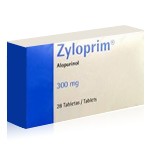
Zyloprim (Allopurinol 100 mg and 300 mg) represents the foundational xanthine oxidase inhibitor therapy - the standard first-line urate-lowering medication for chronic gout prevention and hyperuricemia management for over 55 years. Originally developed by Gertrude Elion and George Hitchings at Burroughs Wellcome and FDA-approved in 1966, allopurinol contributed to the 1988 Nobel Prize in Physiology or Medicine awarded to Elion and Hitchings for their pioneering work on drug design based on cellular metabolism. This revolutionary approach established rational drug design principles still used today. Zyloprim on rxshop.md is manufactured by Zydus Pharmaceuticals and Intas Pharmaceuticals Ltd - two established Indian pharmaceutical companies with WHO-GMP certification, US FDA-inspected manufacturing facilities, and comprehensive rheumatology and metabolic disease product portfolios.
Allopurinol works as a competitive xanthine oxidase inhibitor providing effective uric acid production reduction through multiple pharmacological pathways. First, allopurinol competitively inhibits xanthine oxidase enzyme blocking the terminal steps of purine metabolism. Second, xanthine oxidase inhibition prevents conversion of hypoxanthine to xanthine and xanthine to uric acid reducing endogenous uric acid production. Third, allopurinol increases urinary excretion of more soluble hypoxanthine and xanthine precursors. Fourth, allopurinol is metabolized to oxypurinol (alloxanthine) - a long-acting active metabolite that provides continued xanthine oxidase inhibition. Fifth, allopurinol reduces serum uric acid preventing monosodium urate crystal deposition in joints, kidneys, and soft tissues over time.
Zyloprim primary FDA indications include chronic gout management with symptomatic hyperuricemia (either primary gout or gout secondary to hematologic disorders), prevention of tumor lysis syndrome during cancer chemotherapy induction, recurrent calcium oxalate kidney stones in patients with hyperuricosuria, and Lesch-Nyhan syndrome rare genetic hyperuricemia disorder. Common off-label uses include secondary hyperuricemia from various causes and uric acid kidney stone prevention.
Zyloprim is available on rxshop.md in four product options across two strengths (100 mg and 300 mg) with pack sizes of 100 and 150 (bestseller) tablets - accommodating long-term chronic gout management therapy. Standard dosing initiated at low dose (100 mg daily) and gradually titrated upward based on serum uric acid target (typically less than 6 mg/dL, or less than 5 mg/dL in tophaceous gout). Take after meals to reduce gastrointestinal upset. Ensure adequate hydration during initial therapy phase.


Free prescription
Discrete packaging
Have questions?
Quality Assurance


- Chronic Gout: Long-term recurring gout with sustained hyperuricemia requiring urate-lowering maintenance therapy over years;
- Hyperuricemia: Elevated serum uric acid above 6.8 mg/dL causing crystal formation and joint damage;
- Uric Acid Kidney Stones: Kidney stones composed of uric acid crystals precipitating in acidic urine causing pain;
- Tophaceous Gout: Advanced gout with visible urate crystal deposits (tophi) in joints ears and soft tissues;
- Tumor Lysis Syndrome: Life-threatening chemotherapy complication from massive cancer cell breakdown releasing uric acid rapidly;
- Lesch Nyhan Syndrome: Rare inherited genetic disorder causing severe hyperuricemia and self-injurious behavior in children;
- Gouty Arthritis: Painful joint inflammation from urate crystals typically affecting big toe first metatarsophalangeal joint;
- Recurrent Gout Attacks: Repeated acute gout flares requiring long-term urate-lowering prevention therapy for control;
- Uric Acid Nephropathy: Kidney damage from urate crystal deposition in renal tubules causing progressive dysfunction;
- Calcium Oxalate Stones: Recurrent calcium oxalate kidney stones in patients with hyperuricosuria elevated urine uric acid;
- Chemotherapy Hyperuricemia: Elevated uric acid during cancer chemotherapy from massive tumor cell breakdown;
- Secondary Hyperuricemia: Elevated uric acid caused by medications, kidney disease, or blood disorders rather than primary gout;
- Urolithiasis: Kidney stone disease requiring reduction of uric acid production for stone prevention;
- Podagra: Acute gout affecting big toe first metatarsophalangeal joint - classic presentation of gout;
- Uric Stone Disease: Uric acid crystal formation in kidneys causing recurrent painful stone passage over years;
- Hemoblastosis Hyperuricemia: Elevated uric acid from blood cancers causing rapid cellular turnover and purine metabolism;
- Xanthine Oxidase Inhibition: Blocking enzyme responsible for uric acid production from hypoxanthine and xanthine precursors;
- Purine Metabolism Disorders: Various inherited or acquired disorders of purine catabolism causing elevated uric acid levels;
- Uric Acid Level Prevention: Long-term maintenance therapy to prevent uric acid elevation and downstream complications.
- Fewer Gout Attacks: Dramatic reduction in frequency of acute gout flares over months of continuous therapy;
- Less Joint Pain: Progressive reduction in chronic gouty joint pain as urate crystal deposits gradually dissolve;
- Prevents Tophi Formation: Prevention of new urate crystal deposits in joints ears and soft tissues over years;
- Dissolves Existing Tophi: Gradual dissolution of visible urate crystal deposits with sustained target uric acid levels;
- Prevents Kidney Stones: Prevention of uric acid kidney stone formation through reduced urinary uric acid excretion;
- Protects Kidney Function: Prevention of urate nephropathy protecting long-term kidney function in chronic hyperuricemia;
- Less Joint Damage: Reduced progression of gouty erosive joint damage preserving long-term joint architecture;
- Better Joint Mobility: Improved joint range of motion as chronic inflammation resolves with sustained therapy;
- Prevents Tumor Lysis Syndrome: Prevention of life-threatening hyperuricemia during cancer chemotherapy induction;
- Prevents Chronic Gout Progression: Prevention of progression from intermittent attacks to chronic tophaceous gouty arthritis over years;
- Better Daily Function: Improved ability to perform daily activities with reduced joint pain and inflammation frequency;
- Better Sleep Quality: Improved sleep as nocturnal gout flares diminish with sustained urate-lowering therapy;
- Long Acting Effect: Once-daily dosing convenience through long-acting active metabolite oxypurinol effect;
- Once Daily Convenience: Simple once daily dosing schedule supporting long-term adherence for chronic therapy;
- Reduces ER Visits: Substantial reduction in emergency room visits and hospitalizations for acute gout flares;
- Prevents Work Absences: Reduced work absences from disabling acute gout attacks affecting quality of life;
- Excellent Tolerability: Well-tolerated therapy for lifelong use with generally mild side effects in most patients;
- Lower Cardiovascular Risk: Potential cardiovascular risk reduction through improved endothelial function from uric acid lowering;
- Better Quality of Life: Improved daily functioning and quality of life as recurrent painful gout attacks resolve.
Zyloprim — Frequently Asked Questions
-
What is Zyloprim used for?
Zyloprim is primarily used to treat gout and hyperuricemia. It helps prevent gout attacks by reducing uric acid production in the body. -
How does Zyloprim work?
Zyloprim inhibits the enzyme xanthine oxidase, which is involved in the production of uric acid from purines in the body, thereby lowering uric acid levels. -
Who should not take Zyloprim?
Individuals with a known hypersensitivity to allopurinol or who have had severe skin reactions to it should not take Zyloprim. -
Can Zyloprim be used to treat kidney stones?
Yes, Zyloprim can help prevent the formation of uric acid kidney stones by reducing uric acid levels in the urine. -
How long does it take for Zyloprim to start working?
While the effect on uric acid levels can be seen within a few days, it may take several weeks or longer to notice a significant reduction in gout attacks. -
What are the common side effects of Zyloprim?
Common side effects include rash, gastrointestinal upset, and elevated liver enzymes. Severe side effects, though rare, can include hypersensitivity reactions and Stevens-Johnson syndrome. -
Can Zyloprim cause an acute gout attack?
Starting Zyloprim can sometimes trigger an acute gout attack. Physicians often prescribe anti-inflammatory medications concurrently at the start of treatment to prevent this.
See all Zyloprim questions (32)
More Arthritis Medications