Buy Feldene (Piroxicam 20mg) Online - Pioneering Long Acting Oxicam NSAID for Chronic Arthritis Once Daily Dosing

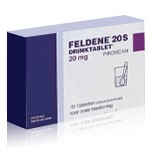
Feldene (Piroxicam 20mg) represents the pioneering long-acting oxicam NSAID — the first-in-class medication that established once-daily NSAID therapy for chronic arthritis when Pfizer received original FDA approval in 1982. As the founding member of the oxicam chemical class, piroxicam introduced novel enolic acid chemistry providing unique reversible cyclooxygenase inhibition and remarkable pharmacokinetics distinguishing it from other NSAIDs. Manufactured by Abbott India as bioequivalent generic under WHO-GMP quality standards, Feldene offers proven anti-inflammatory pain relief for osteoarthritis, rheumatoid arthritis, ankylosing spondylitis, and acute pain conditions with the substantial convenience of once-daily dosing enabled by piroxicam distinctive 50-hour half-life. Available as 20 mg oral capsules — the standard maintenance dose used across chronic arthritis conditions.
Piroxicam works through non-selective cyclooxygenase (COX-1 and COX-2) enzyme inhibition — reducing prostaglandin synthesis at sites of inflammation. Unlike shorter-acting NSAIDs requiring multiple daily doses to maintain therapeutic levels, piroxicam demonstrates remarkable pharmacokinetic longevity: extensive protein binding to plasma albumin (99 percent), slow hepatic metabolism, and 50-hour terminal half-life produce consistent therapeutic blood levels with once-daily administration. Steady state levels achieved over 7-10 days provide sustained anti-inflammatory action, consistent pain relief, reduced joint inflammation, and improved joint mobility throughout each 24-hour dosing interval. Clinical response: pain relief begins within 1-2 hours of first dose, steady-state therapeutic effect reached at 7-10 days, full anti-inflammatory benefit at 2-3 weeks of consistent daily therapy.
Feldene serves multiple chronic and acute inflammatory pain conditions. Primary uses include osteoarthritis (OA) symptomatic treatment with once-daily convenience; rheumatoid arthritis (RA) anti-inflammatory therapy; ankylosing spondylitis chronic inflammatory back disease; temporomandibular joint (TMJ) disorder pain and inflammation; acute musculoskeletal pain; gout attacks acute inflammation; and primary dysmenorrhea painful menstrual periods. The long half-life provides sustained overnight coverage particularly valuable for chronic arthritis patients whose morning stiffness benefits from continuous anti-inflammatory presence.
Feldene dosed 20 mg once daily at consistent time. Steady state at 7-10 days, 50-hour half-life. Higher GI risk requires careful patient selection. Abbott India manufactures under WHO-GMP standards.
Free prescription
Discrete packaging
Have questions?
Quality Assurance
- Rheumatoid Arthritis: RA anti-inflammatory therapy for autoimmune inflammatory arthritis;
- Ankylosing Spondylitis: Chronic inflammatory back disease responding to sustained NSAID therapy;
- Chronic Joint Pain: Persistent arthritis pain requiring long-term NSAID therapy;
- Temporomandibular Joint Disorder: TMJ dysfunction with jaw pain and inflammation;
- Acute Musculoskeletal Pain: Muscle and joint pain from various causes;
- Acute Gout Attack: Acute gouty arthritis with severe joint inflammation;
- Primary Dysmenorrhea: Painful menstrual periods responding to NSAID therapy;
- Post Operative Pain: Post-surgical pain management with sustained relief;
- Inflammatory Pain: Pain from active inflammation responding to prostaglandin inhibition;
- Joint Inflammation: Inflammatory joint disease responding to COX blockade;
- Morning Stiffness: Arthritis morning stiffness improving with overnight coverage;
- Chronic Arthritis Management: Long-term daily therapy benefiting from convenience;
- Once Daily NSAID Convenience: Simplified dosing for compliance-challenged patients;
- Long Acting NSAID Therapy: Sustained anti-inflammatory action with 50-hour half-life;
- Reversible COX Inhibition: Distinctive kinetics from oxicam chemistry;
- Oxicam NSAID Class: Drug class with unique enolic acid chemistry;
- Foundational NSAID Therapy: Over 40 years of clinical experience since 1982;
- Rheumatic Conditions: Various rheumatic disorders responding to sustained anti-inflammatory;
- Generic Feldene Therapy: Bioequivalent generic alternative to brand-name Feldene at lower cost.
- Better Medication Adherence: Once-daily regimen improves patient compliance vs multiple daily doses;
- Less Joint Pain: Arthritis pain decreases substantially with sustained anti-inflammatory action;
- Less Joint Inflammation: Active joint inflammation reduces through prostaglandin suppression;
- Less Joint Swelling: Inflammatory joint swelling decreases with therapy;
- Better Joint Mobility: Range of motion improves as inflammation and pain decrease;
- Better Morning Stiffness Relief: Overnight coverage from long half-life reduces morning stiffness;
- Better Sustained 24 Hour Control: Long half-life provides consistent effect between doses;
- Better Osteoarthritis Management: OA patients gain sustained pain and inflammation control;
- Better Rheumatoid Arthritis Control: RA anti-inflammatory therapy improves disease control;
- Better Ankylosing Spondylitis Relief: Chronic back inflammation improves with sustained therapy;
- Better Gout Attack Resolution: Acute gouty arthritis resolves with sustained anti-inflammatory;
- Better TMJ Symptom Relief: Temporomandibular joint disorder pain improves;
- Less Menstrual Pain: Primary dysmenorrhea improves through COX inhibition of uterine prostaglandins;
- Better Rheumatic Symptom Control: Various rheumatic conditions benefit from sustained therapy;
- Better Simplified Medication Regimen: Once-daily dose simplifies medication management;
- Better Long Clinical Track Record: Over 40 years experience since FDA approval 1982;
- Better Sustained Overnight Coverage: Long half-life maintains levels through night;
- Better Generic Cost: 85-95% lower cost than brand Feldene makes proven therapy accessible;
- Better Quality of Life: Daily wellbeing improves dramatically as arthritis pain and inflammation resolve.
Generic Feldene (Piroxicam 20 mg) Medication guide:
💊 Feldene Piroxicam Oxicam NSAID 20mg Deep Introduction
Feldene is the Pfizer brand name for piroxicam, a long-acting oral nonsteroidal anti-inflammatory drug that has been in daily rheumatology practice since FDA approval in 1982. One 20 mg capsule once a day covers pain and stiffness for a full 24 hour cycle, which is the practical reason piroxicam remains in use for inflammatory arthritis and for conditions where predictable round-the-clock relief matters more than fast on-demand pain control. The molecule belongs to the oxicam class, a small group of NSAIDs that share a tricyclic chemical backbone and a distinctive pharmacokinetic signature.
That signature is what sets Feldene apart from more familiar NSAIDs like ibuprofen or naproxen. Piroxicam has a plasma half-life of about 50 hours, roughly ten times longer than ibuprofen and about three times longer than naproxen. The practical consequences are large. One dose a day is enough, missed doses are forgiving, and steady-state blood levels take seven to twelve days to build. The flip side is equally real. If a side effect appears, stopping the drug does not clear it quickly, and loading doses on day one are standard because waiting for full effect otherwise means waiting more than a week.
💡 What makes Feldene distinct
Among oral NSAIDs available in 2026, piroxicam has the longest clinically meaningful half-life, the simplest once daily schedule, and the highest documented risk for serious upper gastrointestinal bleeding and severe skin reactions. The right patient is someone who needs steady daily anti-inflammatory coverage, has a low baseline GI and cardiovascular risk, and will accept gastroprotection and regular follow-up.
Current labeling supports Feldene for osteoarthritis, rheumatoid arthritis, ankylosing spondylitis, acute musculoskeletal pain, acute gout attacks, primary dysmenorrhea, and selected uses in temporomandibular joint disorder. Not every regulator approves every indication. The 2007 European Medicines Agency review restricted piroxicam to second-line therapy at 20 mg daily, excluded acute pain and dysmenorrhea in some countries, and required gastroprotection in anyone over age 65. US labeling has retained the broader list but added a boxed warning on cardiovascular and gastrointestinal risk that applies to all non-aspirin NSAIDs.
Feldene is supplied as 10 mg and 20 mg oral capsules. The 20 mg capsule is the standard adult maintenance dose. The 10 mg capsule exists for dose reduction, split dosing, and the small number of patients who need less. Most prescribers treat 20 mg once daily as the ceiling for routine chronic use. Doses above 20 mg per day appear in some older rheumatology protocols but carry a sharp rise in GI complications and are not supported by current guidelines.
⚠️ Honest framing before you start
Piroxicam is not a casual painkiller. Among oral NSAIDs it has one of the highest adjusted relative risks for upper GI bleeding (around 9.5 fold compared with non-users in the Henry meta-analysis) and the highest absolute risk for Stevens-Johnson syndrome and toxic epidermal necrolysis among common NSAIDs. Treat it with the respect you would give any medicine that needs monitoring, and never swap it with a friend who takes a different NSAID. The dose, the duration, and the risk profile are not interchangeable.
This guide walks through every practical question Feldene users ask: how it works, who it suits, who should avoid it, how to time doses with food, which signs demand an immediate call to a doctor, what happens on long courses, and how to combine Feldene safely with the other medicines older adults so often take. The structure follows real clinical practice. Read the sections that match your situation first, then come back for the rest.
🧬 How Feldene Piroxicam Blocks COX Enzymes and Pain Signals
Piroxicam works by shutting down an enzyme that your body uses to make pain and inflammation chemicals. The enzyme is called cyclooxygenase and comes in two forms: COX-1, which keeps the stomach lining protected and platelets working normally, and COX-2, which switches on at sites of tissue injury and drives swelling, warmth, and pain. Piroxicam blocks both forms. That dual action explains the strong analgesic effect in arthritis and musculoskeletal pain, and it also explains why GI and bleeding risk sit higher than with COX-2 selective agents.
🧬 The four-step chain Feldene interrupts
1. Injury or arthritis flare → cells release arachidonic acid from membrane phospholipids
2. COX-1 and COX-2 enzymes → convert arachidonic acid to prostaglandin H2
3. Downstream synthases → make PGE2 (pain and swelling), prostacyclin (vessel effects), and thromboxane A2 (platelet clotting)
4. Piroxicam binds the COX active site → the whole chain stops, pain and inflammation signals drop within hours
The COX enzymes do more than one job, which is where NSAID side effects come from. COX-1 in the stomach wall makes prostaglandins that stimulate mucus and bicarbonate, keeping acid away from the mucosa. Block that activity and the barrier thins. COX-1 in platelets makes thromboxane A2, which triggers clumping. Block it and bleeding time rises. COX-2 in the kidney helps regulate sodium balance and blood flow in low-perfusion states. Block it and fluid can retain, blood pressure can rise, and in people with marginal kidney function, filtration can fall.
Piroxicam adds two features to the standard NSAID picture. First, it penetrates synovial fluid well. Joint fluid levels approach plasma levels, which is useful for arthritis because the drug reaches the tissue that hurts. Second, its very long half-life means that a stable concentration sits around the COX enzyme for hours longer than with short-acting NSAIDs. Pain control is smoother. The exposure to the stomach lining is also longer, which is one of the reasons piroxicam ranks higher for serious upper GI events than naproxen or ibuprofen.
🔬 What this means at the bedside
Clinically, three practical points flow from the mechanism. Onset is slower than ibuprofen because piroxicam needs to accumulate to steady state, so the first week may feel underwhelming before full effect lands. Combining with aspirin loses the aspirin cardioprotection because piroxicam occupies the COX-1 site aspirin needs to acetylate on platelets. And stopping does not clear the drug fast because the half-life stretches washout to roughly two weeks before most of the molecule leaves the body.
Mechanistically piroxicam does not pretend to be modern. It is a classic non-selective COX inhibitor. The reason it stays in use is that for some patients the stable 24 hour coverage, the simple one-dose schedule, and the response in oxicam-sensitive joint disease outweigh the alternatives. The reason prescribers choose other NSAIDs first is that the same chemistry produces a comparatively heavy side effect profile when the drug is used broadly.
🎯 Who Benefits Most from Feldene Piroxicam Daily Therapy
Feldene is a specialist tool more than a universal painkiller. The patients who get the most value from piroxicam are those who need steady 24 hour anti-inflammatory coverage for a defined inflammatory joint condition, who have no competing contraindication, and who will accept monitoring. The patients who should look elsewhere are those with GI risk factors, significant cardiovascular disease, kidney impairment, or who want an on-demand pain reliever for occasional headaches or sore muscles.
✅ Clinical settings where Feldene fits well
- Established rheumatoid arthritis with mild to moderate residual pain despite DMARD therapy, where symptomatic NSAID support reduces flare impact
- Knee or hip osteoarthritis in patients who have failed topical NSAIDs and need daily oral coverage, with no history of ulcer disease and good blood pressure control
- Ankylosing spondylitis and axial spondyloarthritis, where continuous NSAID use is first-line pharmacology and the long half-life suits once-nightly dosing
- Chronic gout prophylaxis between attacks in carefully selected patients, usually at lower doses
- Primary dysmenorrhea with cycles reliable enough to start piroxicam the day before expected onset (not an acute rescue indication)
The pattern that justifies piroxicam is a daily inflammatory process rather than an occasional ache. If the pain comes once a week after gardening, a short-acting NSAID like ibuprofen or a topical gel is a safer match. If the pain is there every morning, interferes with putting on shoes, and lasts into the afternoon, a longer-acting drug that holds coverage overnight has real value.
🎯 Three features that predict benefit
Morning stiffness over 30 minutes. This marks inflammatory rather than mechanical pain and tends to respond to continuous NSAID coverage.
Response to a trial of two weeks. Piroxicam needs full steady state to show what it can do. A 7-day trial underestimates it. By day 14 the picture is honest.
Convenience constraint. Patients who miss midday doses on ibuprofen or naproxen often do better on a once daily drug they can take with the morning coffee or at bedtime.
🚧 Where Feldene is a poor match
Short-term soft tissue strains almost never justify piroxicam. The pain resolves faster than the drug reaches steady state, and the long washout keeps side effect exposure going after the ache has gone. Chronic headaches are a different mechanism and respond poorly to oxicams. Low back pain without inflammatory features rarely needs piroxicam when physical therapy and shorter NSAIDs already work. Pregnancy pain is a hard exclusion in the third trimester and relative in earlier trimesters.
Age shifts the calculation. Patients over 65 see a steep rise in GI complication rates and acute kidney injury risk on piroxicam. The EMA mandates gastroprotection with a PPI for every piroxicam user over 65, and many European prescribers simply switch to a shorter NSAID. In North America the practice varies. The honest message is that age alone is not an absolute block, but it demands a conversation and usually a stomach-protective co-prescription.
🤝 A joint decision with your clinician
No lifestyle quiz replaces a prescriber review. What you can bring to that conversation is a clear list: the drugs you take, the amount of alcohol in a typical week, how often antacids appear in your routine, any black or tarry stool in the last year, your most recent blood pressure, and the heart or kidney conditions already in your record. That information lets the prescriber decide whether piroxicam fits, whether a shorter NSAID is safer, or whether a non-NSAID approach deserves a trial first.
📋 FDA-Approved Indications for Feldene Piroxicam Treatment Options
Piroxicam has a wider FDA-approved indication list than most newer NSAIDs. The labeling has grown slowly since 1982, with EMA restrictions carved out in Europe starting in 2007. Current US labeling supports osteoarthritis, rheumatoid arthritis, ankylosing spondylitis, acute musculoskeletal pain, acute gout attacks, primary dysmenorrhea, and off-label use in temporomandibular joint disorder is well documented in dental and orofacial pain practice.
Below is the shape of each indication, with the usual dose and the practical caveat that applies.
| 📋 Indication | Typical dose | Practical note |
|---|---|---|
| Osteoarthritis | 20 mg once daily | Try topical NSAID first for hand or knee OA. Oral piroxicam fits patients with multi-joint OA or hip disease. |
| Rheumatoid arthritis | 20 mg once daily | Adjunct to DMARDs. Does not alter disease progression. Review need every 3 months. |
| Ankylosing spondylitis | 20 mg once daily, often at bedtime | Continuous use is first-line pharmacology. Monitor BP and renal function. |
| Acute gout attack | 40 mg day 1, then 20 mg daily for 4-5 days | Short course only. Do not combine with urate-lowering therapy adjustments. |
| Acute musculoskeletal pain | 40 mg day 1, then 20 mg for up to 7 days | Not favored over shorter NSAIDs. The long half-life does not match short-term pain. |
| Primary dysmenorrhea | 40 mg day 1, 20 mg next 1-2 days | Start the day before expected onset. Not for cycles with heavy bleeding risk. |
| TMJ disorder | 10-20 mg once daily, 2-4 weeks | Off-label in US. Dental and orofacial pain services use it for inflammatory TMJ pain. |
⚠️ Where the regions disagree
The EMA removed acute pain and primary dysmenorrhea from piroxicam labeling in several European countries after the 2007 safety review. The US FDA kept those indications but added a boxed warning. If you are reading European product information, do not assume the US indications apply, and do not assume the opposite.
Beyond the label, piroxicam has fallen out of some uses that older textbooks still mention. Postoperative pain after major surgery is no longer standard practice because of bleeding risk. Mild tension or episodic headache was never a strong fit and the long half-life makes it worse. Children under 14 are not an approved group and most national pediatric formularies exclude piroxicam entirely.
Choose the indication with the prescriber. A diagnosis you came up with on the internet may share symptoms with the one on the label but not share the underlying biology, and piroxicam only pays off when it treats the right process.
⚖️ Feldene Piroxicam Compared with Ibuprofen Naproxen and Diclofenac
Patients often ask how Feldene stacks up against the oral NSAIDs they already know. The honest comparison runs on three dimensions: how long one dose lasts, how strong the GI and cardiovascular risk is, and how it fits the specific condition. Piroxicam wins on duration and once-daily convenience. It does not win on safety profile. The right choice depends on which trade-off matters most.
| ⚖️ Drug | Half-life | Daily schedule | GI bleed risk (relative) | Best fit |
|---|---|---|---|---|
| Piroxicam (Feldene) | 50 hours | Once daily | Highest among common NSAIDs | Chronic inflammatory arthritis, convenience |
| Naproxen | 12-17 hours | Twice daily | Moderate | Chronic use with cardiovascular concern |
| Ibuprofen | 2-4 hours | Three to four times daily | Low to moderate at usual OTC doses | Short, intermittent pain |
| Diclofenac | 1-2 hours (parent), active metabolites longer | Two to three times daily | Moderate to high; higher CV risk at full dose | Topical use is the main modern role |
| Meloxicam (oxicam cousin) | 15-20 hours | Once daily | Moderate; mildly COX-2 preferential | Chronic arthritis with GI concern |
| Celecoxib (COX-2 selective) | 11 hours | Once or twice daily | Lowest GI; attention to CV | Chronic use with prior ulcer |
Reading the table, piroxicam looks competitive on convenience and tissue penetration but sits at the high end for GI toxicity. The Henry 1996 meta-analysis ranked oxicams including piroxicam at the top of the oral NSAID list for upper GI bleed risk, with an adjusted relative risk around 9.5 compared with non-users, well above ibuprofen at 2.4 and naproxen at 4.8. That ranking has been reproduced in later European pharmacoepidemiology work.
💡 Choosing by clinical scenario
Short soft tissue strain, otherwise healthy: ibuprofen or naproxen beats piroxicam.
Hand or knee OA, mild to moderate: topical diclofenac or ibuprofen beats any oral NSAID.
Established RA with daily stiffness, no GI risk: piroxicam is reasonable, often with a PPI.
Ankylosing spondylitis: any potent NSAID including piroxicam; convenience may push toward once-daily options.
Prior peptic ulcer: COX-2 selective plus PPI almost always beats piroxicam.
🎯 What piroxicam is not
Piroxicam is not interchangeable with acetaminophen (paracetamol). Acetaminophen reduces pain without the COX-mediated anti-inflammatory effect and without the GI and renal consequences, which is why many primary care practices prefer it as the first move for mild OA pain. Piroxicam is not interchangeable with opioids either. For inflammatory pain the NSAID mechanism is the one that treats the cause. Opioids blunt pain perception without affecting the inflammation and bring their own risks.
The right NSAID is the one that controls the pain at the lowest total risk for your biology. For many patients that drug is not piroxicam. For some patients it is. A prescriber can judge that trade-off far better than a drug comparison alone.
⏳ Onset Timeline What to Expect Starting Feldene Piroxicam
Patients who have taken ibuprofen are often surprised by how piroxicam feels on day one. Ibuprofen gives a crisp onset at 30 to 60 minutes and clear relief by the first hour. Piroxicam is slower on the first dose and does not reach its full effect for over a week. Understanding the timeline avoids the common mistake of judging the drug too early or doubling up because nothing seems to be happening.
⏳ Feldene response timeline
Hour 1 → the first blood level rise. Some reduction in acute pain, less than ibuprofen at the same mark.
Hours 3-5 → peak plasma level from the first capsule. Pain and stiffness scores drop measurably in most patients.
Day 2 to day 7 → the drug accumulates. Each new dose adds to what has not yet cleared. Morning stiffness shortens progressively.
Day 7 to day 12 → steady state. The real effect of piroxicam is visible. If no clear benefit here, review the dose or the drug.
After stopping → washout runs 10-14 days before most of the drug leaves. Side effects can persist that long.
The slow build is a direct consequence of the 50-hour half-life. On a once-daily schedule, each new dose arrives while nearly half of the previous day is still in the bloodstream. By day seven, levels have climbed enough that one dose maintains near-constant concentration around the clock. This is the point where the morning stiffness that drove you to the prescriber starts to shorten noticeably, the swelling eases, and sleep is less broken by positional pain.
An honest trial of piroxicam needs at least two weeks. One week undersells it. If pain is already better by day three, that is a bonus and not something to count on. If pain is still unchanged at day 14, the dose, the diagnosis, or the drug choice deserves a second look. Doubling the dose beyond 20 mg a day is not a fix and triggers a sharp rise in GI complications without a proportional gain in effect.
📊 What different conditions look like on the timeline
Rheumatoid arthritis. Morning stiffness commonly drops from 60 minutes to 20 minutes between day 7 and day 14. Grip strength and tender joint counts improve steadily through the second week.
Osteoarthritis of the knee. Stair climbing pain often improves first. Walking distance before pain usually extends by day 10. Rest pain, if present, is slower to respond.
Ankylosing spondylitis. Night and early-morning spine pain usually responds first. Chest expansion and overall mobility take longer, sometimes a month.
Acute gout. This is the exception. Loading dose on day one and relief within 24 hours. The attack usually resolves by day 5 regardless of whether steady state was reached.
📈 Loading doses explained
For acute conditions where you cannot wait a week, the standard move is a loading dose: 40 mg on day one, then 20 mg daily afterwards. This shortcut raises blood levels fast enough to get analgesic effect in the first 24 hours. Loading doses are not for chronic use. Running 40 mg a day past the first week doubles the stomach exposure without doubling the benefit.
📅 When to reassess
Set a mental checkpoint for day 14. Compare morning stiffness, pain scores on your usual activities, number of night awakenings, and NSAID rescue tablets taken. If the three or four markers that matter to you are at least 30 percent better, piroxicam is working. If they are not, call the prescriber before doubling the dose on your own.
📅 Correct Daily Dosing Schedule for Feldene Piroxicam Capsules
Feldene has an unusually simple schedule by design. One 20 mg capsule once a day covers most adults. The only decisions left are the time of day you prefer, whether you need a loading dose, and whether a dose adjustment applies to your situation. Below is the practical dosing picture by indication.
| 📅 Situation | Dose | Duration |
|---|---|---|
| Chronic arthritis (OA, RA, AS) | 20 mg once daily | Review at 4 weeks, then every 3 months |
| Acute gout attack | 40 mg day 1, 20 mg daily after | 4-5 days total |
| Primary dysmenorrhea | 40 mg day 1, 20 mg day 2-3 | Up to 3 days per cycle |
| Over age 65 | 10-20 mg once daily, with PPI | Shortest effective duration |
| Mild renal impairment | 10-20 mg, close monitoring | Reassess kidney function weekly early on |
| Moderate to severe renal or hepatic impairment | Avoid piroxicam | Use alternative pain strategy |
The 20 mg daily ceiling is not arbitrary. The EMA 2007 review drew the line at 20 mg per day across adults for routine chronic use after the data showed that higher doses raised serious GI event rates sharply without a proportional increase in analgesic benefit. Older rheumatology textbooks mentioned 30 or 40 mg maintenance doses. Current practice does not support them.
🕑 Time of day
Because piroxicam sits at steady state for days, the clock time of the dose matters less than consistency. Three sensible patterns cover most patients:
Morning with breakfast. This suits patients who need morning stiffness coverage within an hour or two of waking and who routinely eat breakfast. Food reduces stomach discomfort.
Evening with dinner. This suits patients with ankylosing spondylitis or morning OA, where overnight blood levels help spine and large joint pain. Dinner provides food cover.
Bedtime with a small snack. This is the compromise for people whose mornings are rushed and whose evenings end late. The small snack avoids an empty stomach dose.
What matters is picking one time and sticking to it. Swinging the dose from morning to night and back disrupts peak-trough stability, which can make side effects feel worse without changing average blood levels.
⛔ Never do these things
- Take an extra dose because you forgot the morning capsule; wait for the next scheduled time
- Open the capsule and take only part of the contents; the dose is not reliable this way
- Combine Feldene with another oral NSAID on the same day; the risk doubles, the benefit does not
- Take piroxicam on an empty stomach once you have had any GI symptom
- Skip a planned dose because the pain is temporarily gone, if your prescriber wrote daily continuous therapy
📋 Missed dose rules
If you remember within 12 hours of the missed time, take it. If more than 12 hours have passed, skip and resume the normal schedule tomorrow. Never double up. Because the half-life is so long, one missed dose has almost no effect on steady-state coverage. The risk of doubling, by contrast, is real.
💡 Doctor pearl
Doctor pearl
The question I most often ask new piroxicam patients is: when do you eat your largest meal of the day? That is when the capsule should go in. The absorption is faster with food, the stomach lining has more buffer, and the dose becomes a habit tied to something you already do without thinking.
🍽️ Taking Feldene Piroxicam with Food Water and Hydration
Food and water timing matters less with piroxicam than with ibuprofen because the drug keeps a steady 24-hour blood level, but the two still shape how comfortable the capsule feels and how well-tolerated long-term use becomes. The two rules worth remembering are: take the capsule with or just after food, and drink a full glass of water with it. Both reduce stomach exposure without changing total absorption meaningfully.
🍽️ Why food matters
Taking piroxicam on an empty stomach does two things. It raises the chance of nausea or heartburn in the first few hours after the dose, and it increases the contact time of the capsule contents with the stomach lining before the stomach starts moving the dose into the small intestine. The absorption of piroxicam is not improved by an empty stomach. The AUC (total exposure) is similar either way. What changes is the peak concentration against the stomach mucosa in the first hour. Food dilutes that peak.
A heavy fatty meal slows the rise in blood levels modestly, which rarely matters at steady state but can soften the first-day peak if you are starting a loading dose. A small snack is enough. Toast, yogurt, a piece of fruit, or a handful of nuts all work. The idea is to coat the stomach, not to deliver a specific calorie load.
📊 Dose and food matching
Smallest meal of the day → sufficient; aim for a small snack if the capsule falls between meals
Breakfast of 300-500 kcal → typical cover; fine for the morning dose
Dinner of 500-800 kcal → strong cover; preferred for patients prone to morning nausea
Bedtime snack of 100-200 kcal → adequate if dinner was more than two hours earlier
🚰 Hydration
Piroxicam, like any NSAID, puts a small extra load on kidney blood flow by blocking some of the prostaglandin signals the kidneys use to balance perfusion. In well-hydrated adults with normal kidneys, that signal is quiet and nothing happens. In mild dehydration, elderly patients, or anyone on an ACE inhibitor or diuretic, the effect becomes visible. Aim for the usual water intake plus 500 mL extra on days you take piroxicam. The simplest rule: drink a full glass of water with the capsule, and keep a water bottle at hand through the day.
What counts: water, decaffeinated tea, broth, diluted juice, plain milk. What does not count: alcohol, which actually dehydrates and raises GI bleeding risk; strong coffee, which has a modest diuretic effect; large volumes of sports drinks, which add sodium without helping.
⚠️ Dehydration warning signs on Feldene
If you notice dark concentrated urine, urine volume dropping below the usual, dry mouth, headache, or dizziness on standing, that is dehydration with piroxicam on board. Stop the drug for the day, drink extra fluids, and if symptoms do not resolve by evening or you have not passed urine in 8 hours, call your doctor. These are early warning signs of NSAID-related acute kidney injury, which usually reverses when caught early and does not reverse easily when ignored.
🚫 What not to take with the capsule
Antacids containing aluminum or magnesium reduce piroxicam absorption modestly if taken at the same time. Separate them by at least two hours. H2 blockers like famotidine and PPIs like omeprazole do not block absorption meaningfully and are often prescribed with piroxicam for stomach protection.
Grapefruit juice does not change piroxicam levels in any clinically meaningful way. Caffeine does not interact. The common supplement combinations most patients worry about (fish oil, turmeric, ginger) all have theoretical bleeding risk when stacked with an NSAID, and the practical advice is to tell the prescriber what you take rather than to drop the capsule from the stack unilaterally.
Food and hydration are small inputs with real returns. A patient who eats something small with every piroxicam dose and keeps water intake up tolerates piroxicam better and runs lower risk of GI and kidney complications. The capsule works the same chemically either way. The person taking it fares visibly differently.
🦵 Feldene Piroxicam for Osteoarthritis Knee Hip Hand Pain
Osteoarthritis is the most common reason adults ever get prescribed piroxicam, and the one condition where the oral NSAID choice sits inside a crowded field of alternatives. Topical NSAIDs, acetaminophen, physical therapy, weight management, and non-oral injections all have real evidence. Feldene fits a specific slice: moderate pain in large joints or multiple joints, patients who need steady 24-hour coverage, and situations where topical options have failed or are impractical.
The 2020 ACR and Arthritis Foundation guideline conditionally recommends oral NSAIDs including piroxicam for hand, hip, and knee OA, with topical NSAIDs strongly preferred for hand and knee disease. The reasoning is pragmatic. Topical diclofenac delivers meaningful pain relief with roughly one tenth the systemic drug exposure, which translates to materially lower GI, cardiovascular, and renal risk. For hip OA, where topical reach is poor, oral NSAIDs including piroxicam remain the standard pharmacological move.
🧍 Where piroxicam fits in OA by joint
| 🦵 Joint | First choice | Where Feldene fits |
|---|---|---|
| Knee | Topical diclofenac | Bilateral disease, poor topical response, high-impact daily load |
| Hip | Oral NSAID or acetaminophen | First-line pharmacological if no GI or CV contraindication |
| Hand | Topical NSAID, acetaminophen | Erosive or inflammatory OA with multi-joint pain |
| Shoulder | Oral NSAID, physiotherapy | Daily rotator cuff OA with sleep disturbance |
| Spine | Oral NSAID, exercise therapy | Facet-dominant pain, especially with morning stiffness |
The expected response on 20 mg daily is a reduction in resting pain by about 30-40 percent, improvement in walking distance before pain, and a shorter morning stiffness interval. Not every patient reaches those numbers. In practice, a 50 percent response rate at 4 weeks is a good trial outcome. Patients who get there usually stay on piroxicam; patients who do not should rotate to a different NSAID or add a non-NSAID agent.
🏃 Pair Feldene with movement
An oral NSAID improves what you feel but does not improve what the joint does structurally. The data on land-based and water-based exercise in knee and hip OA shows benefits comparable to NSAIDs, with the two added together outperforming either alone. If piroxicam makes exercise possible, that is the useful outcome. If it makes you comfortable enough to stop moving, the long-term joint outcome gets worse.
💡 Doctor pearl - OA practice point
Doctor pearl
Patients with knee OA who respond partially to piroxicam often ask whether they should add topical diclofenac to the same knee. The answer is yes, with one caveat: the systemic contribution of topical NSAIDs is small but not zero. If you are already at 20 mg piroxicam daily, keep an eye on bruising, nosebleeds, and GI symptoms as you add the topical. Benefit stacks. Risk stacks a little, too.
🔄 Review cycles
OA is lifelong. Piroxicam courses should not be. The sensible rhythm is a 4-week initial trial, a 3-month formal review, and 6-month structured breaks where the drug is paused to see how pain behaves without it. Many OA patients find that steady exercise and weight management reduce NSAID dependency over months. Those who still need piroxicam are the honest minority who should be on it. The ones who no longer need it should be allowed to come off.
🤚 Rheumatoid Arthritis Management with Feldene Piroxicam Daily Therapy
Rheumatoid arthritis is a lifelong autoimmune disease, and piroxicam does not treat the disease. Modern RA management rests on disease-modifying antirheumatic drugs (DMARDs) like methotrexate and the biologic agents that followed. Piroxicam sits in the second row as symptomatic therapy for the daily joint pain and morning stiffness that DMARDs do not always fully suppress. The role is honest, limited, and useful when framed correctly.
The EULAR 2023 recommendations state that NSAIDs including piroxicam should be used at the lowest effective dose for the shortest necessary time, as an adjunct to DMARDs rather than instead of them. The reason is both medical and economic. Chronic NSAIDs do not alter joint damage progression. They do not lower CRP meaningfully. They do not reduce the need for joint replacement. What they do is make daily life tolerable while the DMARD builds its effect, which can take 2-3 months on methotrexate or longer on sulfasalazine.
🤚 Realistic goals on piroxicam in RA
- Shorter morning stiffness - from 60 minutes to under 30 is a typical response
- Lower pain intensity at the end of a working day, measured on a 0-10 scale
- Fewer rescue analgesics on top of the regimen; piroxicam often replaces 2-3 occasional ibuprofen doses per week
- Better sleep continuity, especially for patients whose joints hurt when they roll over
- No change in joint erosions, CRP, or long-term outcome - these follow DMARD choice and compliance
🔄 How piroxicam sits with RA drugs
With methotrexate → standard combination. Monitor liver function and GI symptoms; the two together do not cause hepatitis more often, but shared risk organs matter.
With hydroxychloroquine or sulfasalazine → no major interaction. Piroxicam does not change DMARD levels.
With biologics (TNF inhibitors, JAK inhibitors) → piroxicam continues as needed. Watch for serious infection signs, which both drug families mask.
With low-dose prednisone (bridge therapy) → GI risk multiplies. If prednisone is in the mix, a PPI is mandatory with piroxicam.
With low-dose aspirin → piroxicam reduces aspirin cardioprotection. Separate dosing by at least 2 hours or review with the rheumatologist.
📉 When to taper piroxicam
If the DMARD is working - CRP has fallen to normal, tender joint count is low, and DAS28 (a composite disease activity score) is below 2.6 - the RA is in low disease activity. At that stage, piroxicam often becomes redundant. The honest test is a planned taper: reduce the frequency to every other day for two weeks, then stop and see what the next two weeks look like. Patients who are truly on top of their RA can usually come off piroxicam without a flare.
The patients who flare when piroxicam stops are telling you something. Either the DMARD regimen needs a push, or the diagnosis is more complex than seronegative RA alone (think axial involvement, fibromyalgia overlap, OA in the same hand). Those patients deserve a rheumatology review rather than an indefinite NSAID.
⚠️ RA raises cardiovascular risk at baseline
Rheumatoid arthritis itself increases the long-term risk of heart attack and stroke, independent of any medication. Piroxicam adds a modest further CV risk on top of that baseline. Many rheumatologists prefer naproxen over piroxicam in RA for exactly this reason, because naproxen has the most reassuring cardiovascular signal among non-selective NSAIDs. Discuss the choice with your rheumatologist if you have other cardiovascular risk factors.
🌟 Ankylosing Spondylitis Treatment Using Feldene Piroxicam Continuous Dosing
Ankylosing spondylitis and the broader group of axial spondyloarthritis conditions are the one disease group where continuous NSAID therapy is first-line pharmacology, not just symptomatic add-on. The ASAS-EULAR 2023 management recommendations place NSAIDs including piroxicam at the top of the treatment algorithm, with biologics reserved for inadequate response or peripheral features. For AS patients, piroxicam often earns its place more clearly than in any other common indication.
The typical pattern is inflammatory back pain: morning stiffness over 30 minutes, pain worse at rest and improved by exercise, nocturnal pain in the second half of the night, and a response to NSAIDs that is noticeably stronger than the response in mechanical back pain. Piroxicam suits this pattern well. The long half-life keeps blood levels up overnight, which is when AS pain is worst, and the once-daily schedule removes the midday dose patients often forget.
🌟 Why continuous dosing matters in AS
There is signal from observational studies that continuous NSAID use may slow radiographic progression of spinal fusion in AS, particularly in patients with elevated CRP. The data are not conclusive and biologic therapy outperforms NSAIDs on this outcome, but it is one of the only areas where chronic NSAID use has been considered potentially disease-modifying rather than purely symptomatic. For patients who tolerate piroxicam well, continuous use is often preferred over on-demand dosing.
🎯 Treatment goals in AS on piroxicam
Morning stiffness under 15 minutes within 4 weeks of steady-state dosing
Night pain gone or reduced to a single awakening per week
Chest expansion maintained or improved on serial measurement
BASDAI score below 4 on the standard disease activity index
Ability to exercise without crippling next-day stiffness - exercise is central to AS outcomes
🌙 Bedtime versus morning dosing in AS
For AS, many rheumatologists prefer evening or bedtime dosing. The reasoning is simple: AS pain and stiffness are worst in the second half of the night and the first hour after waking. A bedtime dose puts the pharmacokinetic peak in the overnight window, which is where it does the most work. Patients report deeper sleep, less rolling over in bed, and a shorter stretch of morning stiffness.
Morning dosing is still fine. If the main pain pattern is daytime stiffness after prolonged sitting, with little nocturnal pain, keep the capsule with breakfast. The goal is to pick one time and stay with it. Piroxicam at steady state does not care much about clock time; it cares about consistency.
🔄 When piroxicam is not enough
If after 2 months on a continuous NSAID including piroxicam, BASDAI remains above 4 and CRP is still elevated, the rheumatology move is to biologic therapy, typically a TNF inhibitor like adalimumab, etanercept, or infliximab, or more recently an IL-17 inhibitor like secukinumab or ixekizumab. Biologics do not replace NSAIDs for symptom control in every patient. Many continue a lower NSAID dose alongside the biologic for break-through pain.
In practice, AS patients who do well on piroxicam alone are the ones in whom the inflammatory activity is modest and the response is strong. Patients with high disease activity and strong HLA-B27 positivity often need combination therapy from the start. Both pathways include piroxicam as a reasonable NSAID choice if GI and CV risk factors are low.
Exercise matters as much as the capsule. The combination of a potent anti-inflammatory and a sustained physical therapy or Pilates program delivers better long-term posture, chest expansion, and function than either alone. If piroxicam makes exercise possible, that is the right use of the drug. If piroxicam makes exercise unnecessary in your head, the long-term outcome gets worse.
🔥 Acute Gout Attacks and Feldene Piroxicam Short Courses
Acute gout is one of the few indications where piroxicam shows its strength on day one rather than day seven. A gout flare peaks within 24 hours, and the goal is fast, strong anti-inflammatory suppression. Piroxicam loading at 40 mg on day one followed by 20 mg daily for 4-5 days delivers meaningful relief within the first 24 hours in most patients. This is a short course indication only; long-term piroxicam for gout prevention is not standard practice.
The gout flare mechanism is distinct: urate crystals deposit in or on the joint, trigger neutrophil activation and intense local prostaglandin production, and the joint swells, heats up, and becomes exquisitely tender. NSAIDs block the prostaglandin arm of that reaction. Colchicine blocks the neutrophil arm. Corticosteroids blunt the whole response. All three are first-line for an acute attack. Piroxicam is one of several NSAID options; naproxen and indomethacin are the more traditional choices.
🔥 The 5-day gout plan with Feldene
Day 1 → 40 mg piroxicam with food; ice the joint; rest the limb
Day 2 → 20 mg piroxicam; swelling begins to drop; movement returns slowly
Day 3 → 20 mg piroxicam; most pain gone; joint still sensitive
Day 4-5 → 20 mg piroxicam; completing the course prevents rebound
Day 6 → stop piroxicam; return to urate-lowering plan with your doctor
🚫 Do not change urate-lowering therapy during an attack
If you are already on allopurinol or febuxostat, do not stop or change the dose during a gout attack. Starting or stopping urate-lowering therapy mid-flare can prolong or worsen the attack. The piroxicam course handles the inflammation; the urate-lowering drug continues at its usual dose. If you are not on urate-lowering therapy, this is a conversation to have with your doctor after the acute attack is over, usually 2-4 weeks later.
Piroxicam does not lower uric acid levels. It does not prevent future gout attacks. It does not alter long-term joint damage from chronic gouty arthritis. Patients who have more than two attacks per year, who have tophi, or who have elevated uric acid above 480 micromoles per liter (8 mg/dL) need urate-lowering therapy regardless of how well piroxicam handles the acute pain.
⚠️ Gout patients often have risk factors that make NSAIDs unsafe
Many gout patients have hypertension, chronic kidney disease, heart failure, or are on diuretics - all situations where NSAIDs including piroxicam are relatively or absolutely contraindicated. Before starting a piroxicam loading dose for a gout attack, check that none of these apply. If any do, oral corticosteroids (prednisolone 30-35 mg daily for 5 days) or colchicine at proper doses are often safer first choices. The acute attack lasts 5 days whether the treatment is NSAID or steroid; the kidney and GI damage from a wrong NSAID choice can last much longer.
🤝 Combining with colchicine
Piroxicam and low-dose colchicine (0.5 mg twice daily) can be used together in the first 24-48 hours of a severe attack. The combination is well-established, speeds relief, and does not require either dose to drop. The caveat is that both drugs can cause diarrhea, so adding both to an older patient with a sensitive GI tract carries a predictable risk.
The gout attack is a short, intense event. Piroxicam handles it reliably when the patient has no competing contraindication. The task after the attack is prevention: diet, alcohol moderation, and if indicated, urate-lowering therapy that keeps uric acid below 360 micromoles per liter (6 mg/dL). That is what prevents the next attack. Piroxicam only handles the one that just started.
📅 Primary Dysmenorrhea Pain Relief with Feldene Piroxicam Capsules
Primary dysmenorrhea is period pain without a specific underlying disease like endometriosis or fibroids. The cause is prostaglandin release from the uterine lining during menstruation, which drives strong uterine contractions and the cramping pain many menstruating people recognize. NSAIDs including piroxicam block that prostaglandin surge, which makes them the pharmacological first choice for most patients.
Piroxicam has a short dosing schedule for dysmenorrhea: 40 mg on day one of the cycle (ideally started the evening before expected onset), then 20 mg on days 2 and 3 if pain continues. The maximum useful course is 3 days per cycle. Short-course exposure keeps side effect risk low while giving full analgesic effect across the painful part of the cycle.
📅 Timing the first dose
The practical pivot is timing. If your cycle is reliable to within 24 hours, the evening-before dose works best because piroxicam needs time to reach meaningful blood levels. Waiting until the first cramp means the first dose arrives after the prostaglandin surge is already underway, which is why many women say ibuprofen taken an hour late barely helps. A loading dose the night before stays ahead of the problem.
If your cycle is less predictable, the honest first move is to take 40 mg at the first sign of cramping and 20 mg the next morning. Carry the capsules so you can start promptly. Keep the course to 3 days maximum unless the prescriber has written otherwise.
🎯 What a successful course looks like
Pain intensity on a 0-10 scale drops from 6-8 untreated to 2-4 treated
Rescue painkillers needed on top (acetaminophen, extra ibuprofen) usually drop to zero
Days of work or school missed drop toward zero
Nausea and bloating that often accompany dysmenorrhea often ease as well, because prostaglandins drive both
🚫 When piroxicam is a poor fit
Not every period pain is primary dysmenorrhea. If the pain has changed character recently, if it is accompanied by heavy bleeding, pelvic pressure, deep pain with intercourse, or does not respond to adequate NSAID dosing, the underlying cause may be endometriosis, adenomyosis, uterine fibroids, or pelvic inflammatory disease. Those conditions need imaging and a gynecology review rather than a stronger NSAID. Piroxicam will not fix them.
Patients with heavy menstrual bleeding have an additional consideration: NSAIDs including piroxicam reduce platelet function and can modestly worsen bleeding in some cycles. In contrast, mefenamic acid is often chosen in this situation because it has both analgesic and antifibrinolytic effects. For a woman with heavy periods and strong cramps, piroxicam is not the ideal choice.
⚠️ EMA restriction note
The 2007 European Medicines Agency review removed primary dysmenorrhea from the piroxicam label in several European countries, keeping the indication only where the local regulator judged the benefit-to-risk acceptable. The US FDA kept the indication. Whichever region you are in, this is a short-course use, not a monthly habit to be stretched into a week-long course each cycle.
🔄 Alternative strategies
Over multiple cycles, three strategies pair well with piroxicam when used:
Hormonal contraception reduces prostaglandin production at the source. For patients with no contraindication, the combined oral contraceptive pill can halve pain in many cases.
Heat application to the lower abdomen reduces pain through a different mechanism and stacks additively with NSAIDs. A heating pad is a cheap complement to a $5 capsule.
Regular exercise through the month, especially aerobic activity, is associated with less severe menstrual pain in several cohort studies. The mechanism is thought to involve autonomic tone and prostaglandin regulation.
Piroxicam is an effective tool for primary dysmenorrhea when used in the short, specific way the pharmacokinetics support. It is not a candidate for ongoing daily use through the cycle.
🏉 Acute Musculoskeletal Injury Pain and Feldene Piroxicam Use
Acute musculoskeletal injuries like a sprained ankle, a strained lower back, or a bruised shoulder are the kind of pain for which patients often reach for whatever NSAID is in the cabinet. Piroxicam is approved for this use at 40 mg day one, 20 mg daily for up to 7 days, but it is honestly not the smartest choice for most short injuries. The long half-life means the drug is still in the body long after the injury has healed, which is a safety trade without a benefit trade.
Short-acting NSAIDs like ibuprofen or diclofenac work equally well for most minor injuries, with the advantage that stopping them means the drug is gone within 24 hours. Piroxicam makes sense in a smaller niche: injuries with daily pain that is likely to persist for a week or more, where the once-daily schedule actually saves the patient from forgetting midday doses, and where no significant GI or CV risk sits in the background.
🏃 Injury-specific guidance
| 🏉 Injury | First-line NSAID | Is Feldene appropriate? |
|---|---|---|
| Ankle sprain, grade 1-2 | Ibuprofen or topical diclofenac | Overkill; use short NSAID |
| Lower back muscle strain | Ibuprofen or naproxen | Only if persistent after 72 hours |
| Tennis or golfer elbow | Topical diclofenac + physical therapy | Reasonable if daily pain over 2 weeks |
| Rotator cuff tendinopathy | Oral NSAID + physiotherapy | Fits well; nighttime pain benefits from long half-life |
| Plantar fasciitis flare | Ibuprofen + stretching | Short course possible |
| Acute neck strain | Ibuprofen + heat + movement | Short NSAID preferred |
🧊 The RICE question
The old rest-ice-compression-elevation (RICE) protocol for acute soft-tissue injury has been nuanced over the last decade. The current thinking is that early mobilization within pain tolerance beats prolonged rest for most sprains and strains. Ice remains useful in the first 48 hours for comfort. NSAID coverage in those first days allows earlier movement, which drives faster recovery. Piroxicam fits this pattern if the injury is likely to need a week or more of coverage; otherwise a shorter NSAID is more sensible.
⚠️ NSAIDs after major injuries or fractures
There is ongoing debate about whether NSAIDs including piroxicam slow fracture or ligament healing. The evidence is mixed, with some animal studies and smaller human cohorts showing slower bone callus formation during the first weeks of healing. Current orthopedic practice generally avoids NSAIDs in the first 1-2 weeks after a fracture or in high-grade ligament injuries, especially in young athletes. For routine soft tissue strains without bone involvement, short NSAID courses are fine.
🚫 When to stop sooner than a week
If the pain is gone or nearly gone before day 5, stop piroxicam. There is no benefit to riding out the course, and continuing exposes the stomach and kidneys needlessly. If the pain is unchanged or worse at day 3-4, see a doctor rather than extend the course. Unchanged pain on an NSAID is a red flag for a different diagnosis - a fracture missed on first exam, a tendon tear, or a deeper joint problem.
For most acute musculoskeletal injuries in healthy adults, a 3-5 day course of a short-acting NSAID with ice, graded movement, and sensible rest handles the situation. Piroxicam has a niche in longer-lasting soft-tissue flares, especially in patients who want a once-daily option. For a weekend ankle twist, there are better choices.
🧑⚕️ TMJ Disorder Jaw Pain Control with Feldene Piroxicam
Temporomandibular joint disorder (TMJ or TMD) is pain and dysfunction in the small joint that connects the lower jaw to the skull. It is common, often linked to clenching, bruxism, bite problems, or stress, and typically responds to a combination of jaw rest, soft diet, splint therapy, and short NSAID courses. Piroxicam is off-label for TMJ in the US but widely used by dental and orofacial pain services for persistent inflammatory TMJ pain.
The pattern that justifies piroxicam in TMJ is daily jaw pain lasting more than 2 weeks, not responding to acetaminophen or short NSAIDs, interfering with eating or sleep. The 20 mg once-daily schedule suits a joint that hurts most on waking and after meals. Shorter NSAIDs can work, but the midday dose often gets forgotten, which breaks coverage during the busiest chewing hours.
🧑⚕️ What piroxicam addresses in TMJ
- Capsular inflammation within the joint itself, usually from internal derangement or chronic overload
- Muscle pain in the masseter and temporalis from chronic clenching
- Headache component that often accompanies TMJ pain
- Pain-related sleep disruption, which the long half-life addresses well
What piroxicam does not address: the underlying bite imbalance, bruxism pattern, or stress-driven clenching. Those need splint therapy, physical therapy, and often cognitive-behavioral strategies. The NSAID is a pain cover while the real work gets done.
📋 Typical TMJ course on Feldene
Dose → 10-20 mg once daily with the evening meal
Duration → 2-4 weeks is standard; a longer course needs reassessment
Combined with → night splint (occlusal guard), soft diet, jaw exercises, warm compress twice daily
Expected response → pain reduction of 50 percent by week 2, improved mouth opening, less headache
🚫 When piroxicam is not the right answer
TMJ pain that is fiercely one-sided, worse with activity, and radiates to the ear may be joint-dominant and can respond to intra-articular injection or surgical consultation rather than an NSAID. TMJ pain with clicking that locks the jaw is a different animal and needs an orofacial pain specialist. TMJ pain combined with facial numbness, visual change, or severe headache is not TMJ at all until proven otherwise.
Chronic TMJ pain that has already failed one or two short NSAID trials over the last year does not usually get better on piroxicam alone. In those patients, a combined dental, physical therapy, and pain medicine approach outperforms any single drug. Piroxicam fits as a 2-4 week component of that plan, not as a long-term solution.
🧎 Soft diet during the course
While on piroxicam for TMJ, soft foods reduce the joint load that drives the pain. That means cooked grains, fish, scrambled eggs, soups, well-cooked vegetables, soft breads, yogurt, smoothies. Avoid chewing gum, tough meats, hard crusts, nuts, raw carrots, and foods that require wide mouth opening like large sandwiches or apples. The idea is to let the joint rest while the drug reduces inflammation, giving the splint and physical therapy time to work.
Patients who do well on this combined approach often come off piroxicam entirely after 4 weeks and manage flares with occasional short NSAID courses. Those who need indefinite NSAID coverage for TMJ should be reviewed by orofacial pain specialists; the diagnosis or the management plan usually needs adjustment.
💬 Talking to Your Doctor Before Starting Feldene Piroxicam
Starting Feldene is a decision that deserves a conversation, not a one-sentence sign-off. Piroxicam has a higher risk profile than most oral NSAIDs, and the prescriber needs specific information to decide whether it fits your biology or whether a safer alternative will do the same job. The questions below are the ones that come up in a thorough pre-prescription visit. Walking in with the answers saves time and leads to a better decision.
📝 What to bring to the visit
- A full medication list including over-the-counter drugs, supplements, herbal preparations, and anything you take occasionally like aspirin or allergy medicine
- Your most recent blood pressure readings, ideally averaged over a week of home measurements
- Any history of GI bleeding, peptic ulcer, acid reflux, or black tarry stool at any point in your life
- Kidney function results if you have them (creatinine, eGFR), especially if you are over 50 or have diabetes
- Alcohol consumption honestly stated - weekly units, not an estimate downwards
- Pregnancy status or plans if applicable
💬 Questions worth asking the prescriber
Why piroxicam rather than another NSAID? This is a fair question and a good prescriber will have a specific answer tied to your situation.
Should I take a PPI (stomach protector) alongside? For most adults over 60, with any GI risk factor, or on concurrent anticoagulants or steroids, the answer is yes.
How will we know if it is working? Have an explicit outcome measure - pain score, morning stiffness, number of rescue tablets.
When should I come back? A 4-week review is standard; a 3-month review for chronic use.
What warning signs mean call you immediately? Know these before you leave the office; see the side effects section for the list.
How long is the plan to stay on this? Avoid open-ended prescribing without a review date.
📋 Baseline tests the prescriber may order
For a new piroxicam prescription in an adult over 50 or anyone with risk factors, a reasonable baseline panel includes complete blood count (hemoglobin for anemia, platelets for bleeding risk), basic metabolic panel (creatinine, eGFR, electrolytes), liver function tests (ALT, AST, bilirubin), and in some settings Helicobacter pylori testing if there is any dyspepsia history. These are not strictly mandatory for every patient but are standard good practice before chronic NSAID exposure.
A repeat basic metabolic panel at 2-4 weeks catches early renal effects before they become symptomatic. In high-risk patients (older adults, those on ACE inhibitors or diuretics), this check is more important than any symptom monitoring; serum creatinine can drift up for weeks before any physical change appears.
⚠️ Honest answers help the prescriber more than careful ones
The piece of information people most often undersell is alcohol intake. One or two drinks a day plus daily piroxicam significantly multiplies GI bleeding risk. Prescribers do not judge the drinking; they adjust the plan. Underreporting puts you on a drug combination that is more dangerous than you were told, through nothing more than a missed data point. The same goes for cannabis, recreational drug use, and nutritional supplements - say what you take.
🔄 Second opinions and shared decisions
If the first prescriber recommends piroxicam and you are not sure, it is reasonable to ask about alternatives. A rheumatologist, a gastroenterologist in high-GI-risk patients, or a pharmacist review are all appropriate steps. Many patients end up on a slightly different NSAID than first proposed after a second review, and the usual result is better matched risk versus benefit, not a worse outcome.
The piroxicam prescription is yours to accept or defer. A good prescriber welcomes the questions and makes space for the decision to be shared. If the questions above feel awkward in the appointment, that is useful feedback about the clinical relationship, not about the drug.
📓 Pain Diary and Response Tracking While on Feldene Piroxicam
A simple pain diary turns piroxicam from a vague long-term prescription into a measurable treatment. Patients who track their pain for even 2-3 weeks usually learn something that changes the plan: which activities trigger flares, whether sleep quality drives next-day pain, how reliable the morning stiffness pattern is, and whether the drug is doing what it is supposed to do. Diaries also give the prescriber something concrete to review at the 4-week check.
The diary does not need to be complicated. Three or four short entries a day beat a long paragraph once a week. The data points that actually matter in NSAID management are pain intensity, functional impact, side effects, and anything unusual you notice. Keep it practical.
📓 Example daily diary template
Date: 15 November 2026
Dose taken: Feldene 20 mg at 8:00 with breakfast
Morning pain (0-10): 4 on waking, 2 after 1 hour
Morning stiffness duration: 20 minutes
Afternoon pain (0-10): 2
Evening pain (0-10): 3 after walking the dog
Activities limited by pain: climbing stairs, carrying groceries
Rescue painkillers taken: none
Side effects: mild stomach discomfort around 10am
Notes: slept well, no night awakenings
📊 Numeric Rating Scale explained
The 0-10 Numeric Rating Scale is the simplest and most widely used pain tool. 0 is no pain, 10 is the worst pain you can imagine. Use whole numbers. The scale is personal, which is fine; what matters is that your rating today uses the same anchors as your rating last week. A drop from 7 to 4 is a meaningful treatment response. A drop from 7 to 6 is probably not.
Pair the pain score with a function note. Pain 4 with full daily activity is a different situation from pain 4 with you lying on the couch. Over a month, the shift most patients want to see is less pain plus more function, not just less pain while doing less.
📋 What to look for at the 4-week review
- Average morning pain dropped by at least 30 percent from pre-treatment baseline
- Morning stiffness under 30 minutes in RA, under 15 minutes in AS
- Rescue analgesic use down to zero or near zero
- Side effect profile stable with no new concerning symptoms
- At least one activity restored that was limited before piroxicam
📱 Simple formats work
The paper notebook kept by the bed is as good as any phone app. If an app helps, use one; piroxicam cares about the data, not the format. Patients who have tried both often find a small notebook with the dose, time, and three numbers (morning, afternoon, evening pain) plus a line for anything unusual is enough. Over a month that becomes 30 small entries that tell a real story.
Diaries also show up patterns that would otherwise hide. Pain that worsens predictably on days you drink alcohol. Flares that follow long drives or late nights. Stiffness that is worse the day after missed exercise. These are things piroxicam does not fix on its own. Noticing them is the first step toward the lifestyle adjustments that stack with the drug.
🌙 Sleep Quality and Nighttime Pain Management with Feldene Piroxicam
Sleep and pain run in both directions. Nighttime pain breaks sleep, poor sleep lowers the pain threshold, and the next day the pain is worse than it needed to be. Patients with inflammatory arthritis often wake 2-4 times a night from positional pain or morning stiffness that starts at 4am. Piroxicam has a specific advantage here: the long half-life keeps anti-inflammatory coverage going through the night, which short NSAIDs do not do.
A patient taking ibuprofen three times a day often has their last dose at 6-8pm. By 2am the blood level has dropped and the inflammatory signal is unopposed. That is the window when AS patients wake with back pain and RA patients wake with stiff hands. Piroxicam at steady state does not have that trough. The level at 2am is nearly the same as the level at 10am.
🌙 Dose timing for sleep benefit
If sleep disruption from pain is the main problem, consider evening or bedtime dosing rather than morning. The pharmacokinetic peak then lands in the first half of the night, right before the pain-prone second half. This is standard practice in ankylosing spondylitis and often helpful in rheumatoid arthritis where night awakening is common.
Switching the dose time from morning to evening takes 7-10 days to fully kick in because of the long half-life. During the switch, you may feel like coverage is slipping. It is not; the drug is simply rebalancing to the new schedule. Give it two weeks before judging.
🛏️ Positional changes that reduce pain-related waking
Hip or knee OA → small pillow between the knees in side sleeping, mattress firmness medium rather than soft
Hand or wrist RA → a loose night splint keeps joints neutral and reduces morning stiffness
Shoulder OA or rotator cuff → sleeping on the opposite side with the painful arm supported on a pillow
Ankylosing spondylitis → firm mattress, flat or very thin pillow, lying flat on the back for 10 minutes before bed
TMJ or jaw pain → back sleeping if possible, soft neck pillow, avoid side-sleeping with jaw pressed into the pillow
💤 Sleep hygiene stacks with piroxicam
Over a month, basic sleep hygiene adds up. A consistent bedtime and wake time within an hour window. No screens in the hour before sleep. A dark, cool bedroom. No caffeine after 2pm. Alcohol in moderation if at all, because it fragments the second half of sleep when pain-related waking is most common. These are not glamorous, but their effect is real and compounds with the anti-inflammatory coverage.
Patients who track both their pain and their sleep (bedtime, wake time, number of awakenings) often see that the two move together. On nights with 7+ hours of continuous sleep, next-day morning pain is lower. On nights broken by 2+ awakenings, the next day feels worse even with piroxicam on board. The sleep is doing work the drug cannot do.
⚠️ Sleep aids on piroxicam - careful choices
If sleep is still poor after piroxicam has had time to work, review options with the prescriber. Melatonin at 1-3 mg is well tolerated and does not interact with piroxicam. Low-dose amitriptyline or similar is sometimes used in chronic pain, with monitoring. Benzodiazepines or z-drugs are not a long-term solution and add fall risk in older piroxicam users. Over-the-counter antihistamine sleep aids (diphenhydramine) add anticholinergic burden in older adults and are not ideal. The right sleep agent depends on the patient, not on the pain drug.
🎣 If pain still wakes you nightly on piroxicam
Three nights in a row of awakening from pain despite steady-state piroxicam is a signal to call the prescriber. It usually means one of three things: the dose needs adjustment, the diagnosis has evolved and needs reassessment, or a different anti-inflammatory strategy will serve better. It almost never means doubling the piroxicam dose, which raises side effect risk without reliable gain.
Sleep is a sensitive measure of how well your pain plan is working. If piroxicam has brought the night back to full rest, that is a strong signal to continue. If it has not, that is useful information for the next review.
🚨 Feldene Piroxicam Side Effects Common Serious and Warning Signs
Piroxicam has a wider and more prominent side effect profile than many oral NSAIDs. Patients who are warned honestly before starting manage side effects better than those who are told everything is fine. The three buckets to know are common nuisance effects that most patients notice and most tolerate, serious effects that need prompt medical attention, and warning signs that mean call the doctor or go to the emergency room the same day.
🚨 Warning signs - call doctor same day or go to ER
- Black, tarry stools or bright red blood in stool - GI bleed sign
- Vomiting blood or dark material like coffee grounds
- Severe sudden abdominal pain, especially with fever
- Chest pain, pressure, shortness of breath, or jaw or arm pain - cardiac event
- Sudden weakness on one side, slurred speech, severe headache, vision change - stroke signs
- Severe skin rash with blistering, mouth sores, peeling skin, or fever - possible SJS/TEN
- Significant swelling of face, lips, tongue, or difficulty breathing - allergic reaction
- Minimal urine output for 8 hours or more, especially with ankle swelling or weight gain
- Confusion, severe fatigue, yellowing of eyes or skin - possible liver injury
🩹 Common side effects (nuisance, usually manageable)
Most piroxicam side effects are gentle and resolve with simple adjustments. They do not usually require stopping the drug.
| 📌 Effect | Frequency | What helps |
|---|---|---|
| Mild stomach discomfort | 10-20% of patients | Take with food; add PPI if persistent |
| Nausea | 10-15% | Take with largest meal; avoid empty stomach |
| Headache | 5-10% | Hydration; usually settles over a week |
| Dizziness | 3-5% | Rise slowly from sitting; check BP |
| Mild ankle swelling | 3-5% | Monitor; call doctor if progressive or with weight gain |
| Mild skin itch or rash | 2-3% | Note any spreading or blistering; stop and call doctor if yes |
| Mild indigestion or heartburn | 8-10% | PPI co-prescription usually settles this |
| Tinnitus (ringing in ears) | 1-2% | Report to doctor; may need to switch NSAID |
🚨 Serious side effects (less common, need medical attention)
Upper GI bleed or ulcer occurs in roughly 1-2 percent of chronic piroxicam users per year, higher in those with risk factors. The clinical picture is dark stool, abdominal pain, or sudden weakness and pallor. Immediate stop of the drug and emergency assessment are required.
Elevated blood pressure appears in 5-10 percent of users and can push a borderline hypertensive into a treatable range. Home BP monitoring at week 2 and week 4 catches this. If systolic rises by 10 mmHg or more above baseline, review the drug.
Acute kidney injury is uncommon in healthy adults but real in older patients, those on ACE inhibitors or diuretics, or those who get dehydrated. The clinical picture is reduced urine output, ankle swelling, and sometimes shortness of breath. Blood tests confirm the diagnosis.
Serious skin reactions including Stevens-Johnson syndrome and toxic epidermal necrolysis are rare but have higher absolute risk with piroxicam and other oxicams than with other NSAIDs. Any rash with mouth sores, blistering, or peeling skin needs the drug stopped and emergency assessment the same day.
💡 Managing side effects by severity
Mild and expected (nausea, mild dyspepsia, headache) → adjust timing, add food, hydrate, wait 1-2 weeks for tolerance
Mild but persistent after 2 weeks → call prescriber; dose reduction or PPI may help
Moderate (BP rise, mild swelling, mild rash) → call prescriber within days; may need testing or drug switch
Severe (bleeding signs, chest pain, severe rash, swelling of face) → stop drug immediately, same-day medical attention
Side effect awareness is not meant to scare you off piroxicam. It is meant to put you in a position to catch things early. Patients who recognize warning signs and respond fast rarely come to serious harm. The dangerous situation is a side effect that is dismissed as nothing until it is too late.
🩸 GI Bleeding Risk and Protective Steps on Feldene Piroxicam
Among all oral NSAIDs, piroxicam carries one of the highest adjusted relative risks for serious upper gastrointestinal bleeding. The data are not subtle. The Henry 1996 meta-analysis of 12 observational studies ranked piroxicam near the top of common oral NSAIDs for upper GI complications, with an adjusted relative risk of around 9.5 compared with non-users. The MUCOSA trial measured the serious upper GI complication rate on chronic NSAIDs including piroxicam at approximately 1.5 percent per year. These numbers are the reason piroxicam is almost always paired with gastroprotection in long-term use.
🩸 Where piroxicam damages the stomach
The injury happens through two linked mechanisms. First, piroxicam blocks the COX-1 enzyme that keeps the stomach lining producing protective mucus and bicarbonate. Second, as a weak acid, piroxicam itself and its metabolites concentrate in the gastric mucosa and have a direct irritant effect. The combination means that even if you avoid taking the capsule on an empty stomach, the systemic exposure continues to raise ulcer risk.
Ulcers from NSAIDs including piroxicam have a specific pattern. Most appear in the stomach rather than the duodenum, which is the opposite of H. pylori ulcers. They are often painless until they bleed, which is the dangerous part. Up to 60 percent of NSAID ulcer bleeds happen in patients who had no warning dyspepsia symptoms beforehand.
🛡️ GI risk factors - add them up
Age over 60 - roughly doubles bleeding risk
Prior peptic ulcer or GI bleed - the strongest single predictor
H. pylori infection - adds synergistic risk to NSAID exposure
Concurrent oral corticosteroid (even low-dose prednisone) - multiplies risk
Concurrent anticoagulant (warfarin, apixaban, rivaroxaban, dabigatran) - sharply raises bleeding risk
Concurrent SSRI antidepressant - moderate added risk through platelet effect
Low-dose aspirin - also multiplies risk
Heavy alcohol - direct mucosal irritant on top of NSAID
Smoking - impairs ulcer healing
💊 Gastroprotection with PPIs
A proton pump inhibitor like omeprazole 20 mg, esomeprazole 20 mg, lansoprazole 15-30 mg, or pantoprazole 40 mg once daily reduces NSAID ulcer complications by about 60-80 percent in the trials that have measured it. For patients with any of the risk factors above, PPI co-prescription with piroxicam is standard. The European BSG consensus statement recommends PPI co-prescription for all piroxicam users over age 65.
The PPI is taken 30 minutes before the first meal of the day, not with the piroxicam capsule itself. PPIs do not reduce piroxicam absorption meaningfully. There is some long-term data suggesting PPI use for years can slightly affect bone density, B12 absorption, and gut flora, but for most patients these risks are far smaller than the benefit of ulcer prevention on chronic NSAID therapy.
🚨 Signs of GI bleeding - do not wait
- Black, tarry, or dark red stools - digested blood from the upper GI tract
- Vomiting blood or dark coffee-grounds material
- Sudden pallor, dizziness, or weakness - may be from unseen blood loss
- Unexplained new fatigue over days - possible slow bleed with anemia
- Any new epigastric pain that is severe or persistent
If any of these appear, stop piroxicam, go to emergency assessment the same day. Do not restart piroxicam without a doctor review and probably an endoscopy.
💡 Doctor pearl - test for H. pylori first
Doctor pearl
Before committing a patient to long-term piroxicam, I check for Helicobacter pylori with a stool antigen test or breath test and treat it if positive. The combination of H. pylori and chronic NSAID is particularly bleedable, and eradication cuts the ulcer risk in half. One $30 test, ten days of eradication therapy, and the long piroxicam course gets much safer. Not every patient needs this; those with any dyspepsia history or those going on chronic therapy do.
🕽️ Lower GI effects also matter
NSAID damage is not limited to the stomach. Piroxicam also raises the risk of small bowel and colonic ulceration, bleeding, and strictures, particularly in the ileum. These lower GI effects are less well characterized but can present with iron-deficiency anemia of unclear source, chronic diarrhea, or incidental findings on colonoscopy. PPIs do not protect the lower GI tract from NSAID damage, so patients on long-term piroxicam who develop unexplained anemia need investigation beyond gastroscopy.
GI protection is not optional on piroxicam for anyone with a risk factor. It is the main thing that makes long-term use acceptable. Patients who accept the PPI co-prescription and take it reliably rarely have serious GI events. Patients who skip the PPI are the ones who end up in emergency rooms.
❤️ Cardiovascular Risk Monitoring During Long-Term Feldene Piroxicam Use
Non-aspirin NSAIDs including piroxicam carry a boxed FDA warning for cardiovascular risk. The CNT Collaboration meta-analysis in Lancet 2013 pooled individual patient data from 353,809 patients across 280 trials and found that high-dose non-selective NSAIDs increase vascular events (myocardial infarction, stroke, cardiovascular death) by approximately one third compared with placebo. The absolute increase is modest in low-risk patients but material in those with established cardiovascular disease.
Among NSAIDs, piroxicam sits roughly in the middle of the cardiovascular risk ranking. Diclofenac and the discontinued rofecoxib have the strongest signals; naproxen has the mildest; piroxicam and ibuprofen fall between. For patients with existing heart disease, the choice of NSAID matters, and piroxicam is not usually the first pick.
❤️ Who should think carefully about piroxicam
- Established coronary artery disease - prior heart attack, prior stent, angina on exertion
- Heart failure with reduced or preserved ejection fraction - NSAIDs can precipitate decompensation
- Prior stroke or transient ischemic attack
- Peripheral artery disease
- Uncontrolled hypertension - piroxicam often adds 3-6 mmHg to systolic BP
- Diabetes with cardiovascular risk factors
- Family history of early cardiovascular disease plus hypertension or elevated LDL
In these groups, naproxen is often preferred, or a non-NSAID approach is tried first. If piroxicam is chosen for a specific reason, the shortest effective duration and close BP monitoring are standard. Some rheumatology practices add low-dose aspirin for cardioprotection; the catch is that piroxicam reduces aspirin cardioprotection by occupying the COX-1 site, so timing and separate dosing are important.
⚠️ Blood pressure monitoring on Feldene
Home blood pressure measurement is one of the most useful monitoring tools on long-term piroxicam. Measure a baseline before starting, then at week 2, week 4, and every 3 months after that. If systolic BP rises by more than 10 mmHg from baseline or crosses into treated hypertension range, the drug deserves a review. BP changes on piroxicam are usually reversible if caught early and acted on.
💓 Heart failure and piroxicam
Heart failure is a particular concern. NSAIDs including piroxicam cause sodium and water retention through kidney effects, which can push a stable heart failure patient into volume overload. The clinical picture is new or worse ankle swelling, weight gain of 1-2 kg over a few days, worsening breathlessness, or difficulty lying flat. For patients with known heart failure, piroxicam is usually avoided in favor of acetaminophen, topical NSAIDs, or non-pharmacological approaches.
If piroxicam is used in heart failure (occasionally for severe arthritis where no alternative works), the shortest course, lowest dose, and tightest monitoring are mandatory. A daily weight check and a plan for who to call if weight rises by 1 kg are part of the deal.
🏃 What piroxicam does not change
Piroxicam does not reduce cardiovascular risk, does not substitute for aspirin cardioprotection, and does not treat angina or heart failure in any beneficial way. If a patient needs cardioprotective aspirin, they still need it on piroxicam, but it should be taken at least 2 hours apart from the piroxicam dose and the cardiology team should know about the combination.
🎯 Reasonable risk framing
Healthy adult under 60 with normal BP and no CV disease - absolute increase in CV event risk from piroxicam is small
Over 65 with controlled hypertension and no prior event - modest increase; monitor BP, keep course as short as possible
Any prior MI, stroke, heart failure, or active CAD - piroxicam is not the first NSAID choice; discuss alternatives
Age over 75 with any CV risk factor - prefer naproxen or non-NSAID approach
The cardiovascular picture is not a reason to refuse piroxicam in low-risk patients, and not a reason to accept it uncritically in high-risk ones. The decision rests on which bucket you fall into. A frank conversation with the prescriber about your personal cardiovascular risk is the right starting point.
💛 Kidney and Liver Function Watch While on Feldene Piroxicam
Piroxicam affects both the kidneys and the liver, though in very different ways. Kidney effects are more common and clinically important, especially in older adults, those on blood pressure medicines, and those with any existing renal impairment. Liver effects are rare but have been described, and warrant periodic liver function testing in long-term users.
🔶 How piroxicam affects kidneys
In the healthy adult kidney, prostaglandins are not a major driver of blood flow. In the stressed kidney - low volume, low cardiac output, diuretic therapy, ACE inhibitor therapy - prostaglandin signals become essential for maintaining glomerular filtration. Piroxicam blocks those signals. The effect ranges from a mild reduction in filtration rate to acute kidney injury in the wrong clinical setting.
Three patient groups face the highest kidney risk on piroxicam:
- Older adults with age-related renal decline, especially those over 75
- Patients on ACE inhibitors or angiotensin receptor blockers for hypertension or heart failure (the "triple whammy" is ACE/ARB + diuretic + NSAID)
- Patients with any pre-existing chronic kidney disease at CKD stage 3 or worse (eGFR under 60)
In these groups, piroxicam is relatively contraindicated. If used, baseline and 2-4 week creatinine checks are standard, and the drug is often paused during acute illnesses that increase dehydration risk (vomiting, diarrhea, high fever).
🚨 Kidney warning signs - call doctor
- Reduced urine output - noticeably less urine volume or no urine passed in 8 hours
- New ankle swelling or facial swelling
- Unexplained weight gain of 1-2 kg over a few days
- Shortness of breath that is new or worse
- Fatigue with pale skin, cold hands, or dizziness
- Dark concentrated urine that does not clear with hydration
💛 Liver effects
Piroxicam-related liver injury is uncommon. Minor elevations of ALT or AST appear in 2-5 percent of users and usually settle without any action. Significant elevations - more than three times the upper limit of normal - occur in roughly 0.1-0.5 percent and usually require stopping the drug. True acute liver injury from piroxicam is rare but has been described in case reports and small case series.
Risk factors for piroxicam liver effects include heavy alcohol use, pre-existing liver disease, co-prescription of other hepatotoxic drugs (methotrexate, isoniazid, certain antifungals), and chronic viral hepatitis. In these patients, baseline and periodic liver function testing is appropriate, usually at 2-4 weeks after starting and every 3-6 months thereafter.
🧪 Standard lab monitoring on long-term piroxicam
Baseline (before starting) → creatinine, eGFR, electrolytes, ALT, AST, complete blood count
2-4 weeks → repeat the above; blood pressure check
3 months → same panel; discuss ongoing need
Every 6 months → same panel for stable long-term use
Any new symptom or acute illness → check creatinine and consider pausing the drug
🚫 When to stop piroxicam for kidney or liver reasons
A rise in creatinine of 30 percent or more from baseline, or a drop in eGFR into or across a CKD stage boundary, is a signal to stop or dose-reduce piroxicam and reassess. A rise in ALT or AST above three times the upper limit of normal, or any sign of jaundice or systemic illness, is a signal to stop immediately and investigate.
Patients who are reliable about reporting new swelling, unusual fatigue, dark urine, or persistent nausea during the first weeks of piroxicam use rarely come to serious kidney or liver harm. Those who dismiss early signs because they feel otherwise well are the ones who present with established acute kidney injury or liver dysfunction that is harder to reverse.
Both organs recover well in most cases when the drug is stopped early. Both can fail to recover if the exposure continues. The monitoring is cheap, the stopping is simple, and the attention upfront prevents the hospital visit later.
🍀 Skin Reactions SJS TEN Rash and Feldene Piroxicam
Piroxicam carries one of the highest absolute risks for severe skin reactions among common NSAIDs. The SCAR case-control study (Mockenhaupt et al., J Invest Dermatol 2008) specifically identified oxicams including piroxicam at the top of the NSAID list for Stevens-Johnson syndrome (SJS) and toxic epidermal necrolysis (TEN). The absolute risk is still small - about 1-6 cases per million exposed patients - but the condition is life-threatening and essentially unpredictable.
🚨 Stevens-Johnson syndrome and toxic epidermal necrolysis
SJS and TEN are the severe end of a spectrum of drug-induced skin reactions. The clinical picture starts with flu-like symptoms (fever, body aches, sore throat, eye irritation) for 1-3 days, followed by a painful red or purple rash that spreads rapidly, develops blisters, and begins to peel off in sheets. Mouth sores, eye involvement, and genital involvement are typical. In TEN, more than 30 percent of body surface area is affected and the mortality rate is around 25-50 percent.
🚨 Stop piroxicam immediately and seek emergency care
- Painful spreading rash, especially on face, trunk, and limbs together
- Blistering or peeling skin
- Mouth sores or ulcers inside the mouth
- Red, painful eyes with crusting
- Fever, body aches, or sore throat with any rash
- Difficulty swallowing or breathing
- Peeling of lips or genital skin
These symptoms are a dermatologic emergency. The drug must be stopped, the patient needs hospital assessment within hours, and specialized care in a burn unit or intensive care may be needed.
🍀 Timing of serious skin reactions
Most SJS/TEN reactions to NSAIDs including piroxicam appear within the first 2-8 weeks of starting the drug. A patient who has been on piroxicam for 6 months without a rash is not at zero risk, but the acute window of highest risk is early. Any new rash in the first 2 months of therapy deserves attention. Most rashes are not SJS. The dangerous ones are the ones with systemic symptoms or with blistering.
Cross-reactivity between oxicams is high. A patient who had SJS or significant rash on meloxicam, tenoxicam, or lornoxicam should not take piroxicam. The chemical backbone is shared and the risk carries over.
🧑⚕️ Milder skin reactions
Not every rash on piroxicam is dangerous. Simple photosensitivity reactions are common - some patients get a mild sunburn-like rash on sun-exposed skin even with usual sun exposure. The response is sun protection (sunscreen, long sleeves, hats) rather than stopping the drug. If photosensitivity is severe or does not settle, the drug may need to be stopped.
Simple drug rashes that are itchy but not painful, without fever, mouth sores, or systemic symptoms, are common with piroxicam. They often settle with antihistamines and may not require stopping the drug. The clinical judgment call is whether the rash looks "simple" or whether it has any of the SJS/TEN warning features above. When in doubt, stop and get an assessment.
🧪 Rash triage decision
Mild itchy rash, no fever, no mouth sores, no spread → often simple drug rash; continue with caution and antihistamine; watch for change
Rash on sun-exposed areas, dry and red, no blisters → photosensitivity; sun protection, continue if mild
Painful rash, any blistering, any mouth sore, any fever → stop immediately, same-day medical assessment
Rash spreading rapidly over hours, patient feels unwell → emergency department, do not delay
🌞 Sun protection on Feldene
Piroxicam is one of the oxicams more strongly associated with photosensitivity. Sensible precautions: SPF 30 or higher sunscreen on exposed skin, long sleeves and wide-brimmed hats in strong sun, avoiding peak midday sun during the first weeks of therapy, and being extra cautious at altitude or near reflective surfaces (water, snow). Tanning beds should be avoided.
Photosensitivity usually settles within 1-2 weeks of stopping piroxicam. During a drug trial, most patients tolerate normal sun exposure without issue if basic sun protection is in place. The patients who need to stop piroxicam for sun sensitivity are the minority with severe rash on everyday exposure.
The dermatologic risk is low in absolute terms but high in consequence when it hits. The practical rule is to take any skin change seriously, especially in the first weeks, and to seek medical attention promptly if there is any question. Delay is the problem, not caution.
🚗 Driving Work Exercise and Daily Activities on Feldene Piroxicam
Most patients drive, work, and manage daily life on piroxicam without any practical restriction. The drug does not sedate, does not blur vision, and does not usually affect reaction time. There are a few specific situations where piroxicam does intersect with daily activities, and knowing them avoids unnecessary worry and catches the ones that matter.
🚗 Driving and reaction time
Piroxicam itself does not impair driving. In the small number of patients who get dizziness, headache, or significant drowsiness as a side effect, driving should be paused until those symptoms settle. For most adults, feeling fine on piroxicam means driving is fine.
The driving concern is more about the underlying condition than the drug. A patient with severe arthritis may have limited neck rotation, reduced grip strength, or slower emergency response because of their joint disease. Piroxicam that improves those limitations makes driving safer. Piroxicam that masks a condition becoming worse (think serious hip OA that is beyond medical management and needs replacement) is a different story. The decision about driving fitness in arthritis is about function, not the drug.
🏃 What piroxicam makes easier
Climbing stairs - knee and hip OA patients often regain the ability to use stairs without aid
Early morning routines - shorter morning stiffness means getting ready for work takes less time
Longer walking distances - weight-bearing joint OA tolerates longer walks before pain
Sleep continuity - fewer night awakenings from positional pain
Lifting and carrying - back and shoulder pain reduces, within sensible limits
💼 Workplace considerations
Piroxicam does not require workplace disclosure in most jobs. Patients in safety-sensitive roles - pilots, commercial drivers, machinery operators, offshore workers - should disclose chronic NSAID use to their occupational health service because of the GI bleeding and cardiovascular risk profile, not because of any direct impairment. Most occupational health systems accept piroxicam use if the clinical indication is sound and monitoring is in place.
Shift workers face a specific question: how to time the dose when the sleep-wake schedule rotates. The practical answer is to pick a fixed clock time (say 10am) and stick to it regardless of shift. The 50-hour half-life means that steady-state blood levels do not care much about one dose being 6 hours early or late. What matters is consistency over the week, not alignment with the sleep schedule.
🏋️ Exercise and physical activity
Exercise on piroxicam is encouraged. In arthritis conditions, regular low-impact exercise (walking, swimming, cycling, elliptical, water aerobics) improves pain and function more than any medication over months. Piroxicam makes exercise possible for patients whose joints hurt too much to move otherwise. The combination outperforms either alone.
A few practical cautions:
- Hydrate adequately during and after exercise; dehydration plus piroxicam raises kidney risk
- Avoid high-impact activities like running or jumping in advanced knee or hip OA; the pain relief may let you do more than the joint can safely tolerate
- Progress gradually - a pain-free week does not justify doubling activity volume
- Stop and reassess if pain patterns change (new location, new quality, worse with rest)
⚠️ Hot environments and heavy exertion
Prolonged exercise in heat (long hikes in summer, outdoor physical work in hot climates, hot yoga) combines dehydration and NSAID effects on the kidneys. Patients who exercise this way should be more deliberate about fluids and may want to skip the piroxicam dose on days of extreme exertion. A single missed dose has almost no effect on steady-state coverage. Pushing through dehydration on piroxicam is where acute kidney injuries happen in otherwise healthy adults.
✈️ Travel considerations
Travel on piroxicam is straightforward. Carry capsules in the original labeled container, split between carry-on and checked bag for a long trip. Keep a copy of the prescription if you are crossing borders. The drug does not require special storage (room temperature is fine), and jet lag does not meaningfully change the dosing schedule because of the long half-life.
Long flights add their own small risks on NSAIDs: dehydration from cabin air, immobility that raises clot risk, and the general stress of travel. Keep up fluids, walk the aisle when possible, and keep an eye out for the usual GI symptoms. For an occasional traveler these are minor adjustments. For frequent long-haul travelers, discussing the plan with the prescriber is reasonable.
Normal life on piroxicam looks much like normal life off it, with a few touch-up habits: more water than usual, food with the capsule, attention to any new symptoms in the first weeks, and respect for the specific scenarios (heavy exertion in heat, long flights, sickness days) where small adjustments avoid trouble. The drug works best when it fits into daily life rather than taking it over.
🕰️ Feldene Piroxicam for Older Adults Over 65 Key Adjustments
Older adults are the group for whom piroxicam causes the most trouble and the group for whom it is most often considered because of chronic arthritis. Nearly every risk piroxicam carries - GI bleeding, cardiovascular events, kidney injury, drug interactions - rises with age. The EMA 2007 review specifically mandated gastroprotection with a proton pump inhibitor for all piroxicam users over age 65 in Europe. US and other practice guidelines echo the recommendation. Age alone is not an absolute block, but it changes the plan.
🕰️ What changes with age
Several age-related shifts raise piroxicam risk:
- Reduced kidney function - average eGFR falls from around 100 in young adults to 60-70 by age 75, even without disease
- Thinner gastric mucosa and reduced mucosal defense raise ulcer and bleeding risk
- Higher baseline cardiovascular disease burden - more hypertension, more coronary disease, more heart failure
- More concurrent medications that interact with piroxicam (ACE inhibitors, diuretics, anticoagulants, SSRIs)
- Higher fall risk, which combined with any anticoagulant effect becomes clinically relevant
- Slower drug clearance raises piroxicam plasma levels
👨⚕️ Piroxicam prescribing in older adults - practice points
Dose → 10 mg daily is often enough; 20 mg daily is the ceiling
Duration → shortest effective course; review every 4-6 weeks
Gastroprotection → PPI co-prescription is standard, not optional
Lab monitoring → baseline + 2-4 weeks + every 3 months creatinine, electrolytes, hemoglobin
BP monitoring → home measurements at least weekly during initial months
Fall assessment → medication review for other fall-risk drugs
🛑 When piroxicam is a poor choice in older patients
The American Geriatrics Society Beers Criteria list all non-selective oral NSAIDs including piroxicam as potentially inappropriate medications in older adults, specifically because of GI bleeding and acute kidney injury risk. "Potentially inappropriate" does not mean "never use". It means that the alternative has to be worse for piroxicam to be the right choice.
Common alternatives in older patients with arthritis:
- Topical NSAIDs - diclofenac gel for hand and knee OA has excellent evidence with minimal systemic absorption
- Acetaminophen - safer for mild to moderate pain, though less potent than piroxicam
- Non-pharmacological strategies - weight management, physical therapy, assistive devices
- Intra-articular corticosteroid injection for a single painful joint
- Short courses of naproxen or ibuprofen with PPI as a lower-risk NSAID choice
💡 Doctor pearl - start low in older adults
Doctor pearl
For patients over 70 who truly need an oral NSAID, I start piroxicam at 10 mg daily rather than 20 for the first 2-4 weeks. The response is nearly as strong at steady state, side effects are measurably less, and the dose can be increased later if needed. The reverse - starting at 20 and trying to taper down - works less well because patients associate the lower dose with return of pain and resist the change.
📅 Review and withdrawal plan
In older piroxicam users, a planned medication review at 3 months catches the patients who should stop. If the pain is well controlled and function has recovered, consider a trial off piroxicam: step down to every other day for 2 weeks, then stop for 2 weeks, and see whether the pain genuinely needs the drug or whether non-NSAID strategies have been enough.
Patients who flare off piroxicam deserve a review of their condition rather than an automatic restart. Sometimes the right answer is a biologic for RA, a joint replacement for severe OA, or a different pain approach. The years of chronic NSAID in older adults should be the exception, not the default.
🌱 Pregnancy Breastfeeding Fertility and Feldene Piroxicam Safety Rules
Piroxicam has clear restrictions around pregnancy and breastfeeding, with the third trimester being an absolute no. The reasoning is well understood pharmacology, and the alternatives are reasonable. Patients who are pregnant, planning to be, or breastfeeding should not be on daily piroxicam without a specific plan and prescriber oversight.
🚫 First and second trimester
In the first and second trimester, piroxicam is relatively contraindicated and should only be used when the benefit clearly outweighs the risk. Non-selective NSAIDs have been associated with slightly increased rates of early miscarriage in some observational cohorts, and the long half-life of piroxicam means fetal exposure continues for weeks after any dose. For most pregnancy-related aches, acetaminophen is preferred.
If piroxicam has been taken in early pregnancy before pregnancy was known, the risk from brief exposure is low. A single week or two is unlikely to have caused harm, but the drug should be stopped as soon as pregnancy is identified, and the obstetric team should be told about the exposure.
🛑 Third trimester - absolute contraindication
From 30 weeks of pregnancy onward (and sometimes earlier if the obstetrician indicates), piroxicam and other non-selective NSAIDs are absolutely contraindicated. Three specific concerns drive this:
- Premature closure of the ductus arteriosus - the fetal blood vessel that bypasses the lungs can close early if NSAIDs block the prostaglandins that keep it open; this causes serious cardiac and pulmonary problems in the newborn
- Reduced fetal urine output - NSAIDs affect fetal kidney function and can lead to oligohydramnios (low amniotic fluid)
- Prolonged labor and increased bleeding at delivery through platelet effects on mother and baby
Because piroxicam has such a long half-life, discontinuation needs to happen earlier than for short NSAIDs. Many obstetric services recommend stopping piroxicam by week 24-26 of pregnancy to allow adequate washout before the ductus arteriosus becomes sensitive to NSAID exposure.
⛔ Never in late pregnancy
Piroxicam at any dose from 30 weeks of pregnancy forward can cause serious fetal cardiac and renal problems. If you are pregnant and have been prescribed piroxicam, discuss alternatives with your obstetric team immediately. If pregnancy is confirmed while on piroxicam, stop the drug and seek obstetric review. Do not continue piroxicam into the third trimester under any circumstance.
🍼 Breastfeeding
Piroxicam passes into breast milk in small amounts. Most references list it as compatible with breastfeeding at usual doses, meaning the amount reaching the baby is unlikely to cause harm. However, because the half-life is so long, piroxicam accumulates in the breastfed infant more than short-acting NSAIDs would. Many lactation specialists and pediatricians prefer ibuprofen for routine pain and inflammation during breastfeeding, because it has shorter half-life, extensive safety data, and essentially no measurable transfer to the infant at usual doses.
If piroxicam is used during breastfeeding, keep an eye out for unusual drowsiness, poor feeding, or GI symptoms in the baby. These are rare but have been described. Consider timing the dose immediately after the longest feed to reduce the next peak in milk.
🌱 Fertility and conception
There is observational data suggesting that chronic NSAID use may delay ovulation and conception in women trying to become pregnant. The mechanism involves prostaglandin effects on follicle rupture. The effect is modest and reversible on stopping the drug. For women actively trying to conceive, pausing piroxicam for a cycle or two is reasonable, especially if conception has been difficult.
Male fertility is less clearly affected. Some evidence suggests NSAIDs including piroxicam may transiently reduce sperm quality parameters, but the clinical significance is unclear and the effect reverses on stopping.
💡 Pregnancy and lactation summary
Trying to conceive → discuss with prescriber; consider pausing piroxicam for a cycle
First or second trimester → avoid if possible; acetaminophen preferred
Third trimester (from 30 weeks) → absolute contraindication; stop by 24-26 weeks
Breastfeeding → ibuprofen usually preferred; piroxicam acceptable if specifically needed and infant monitored
Postpartum, not breastfeeding → usual adult rules apply
🍼 Pediatric Use of Feldene Piroxicam Age Restrictions Explained
Piroxicam is not widely used in children. The FDA label does not include a pediatric indication for most forms, and most national formularies restrict piroxicam use to adolescents and adults. The reason is a combination of limited pediatric safety data and the availability of better-studied alternatives like naproxen or ibuprofen for the few conditions where NSAID therapy is needed in children.
👶 Age restrictions
- Children under 14 years - piroxicam is not recommended; alternative NSAIDs or non-NSAID approaches should be used
- Adolescents 14-17 years - piroxicam may be used in specific circumstances (juvenile idiopathic arthritis, ankylosing spondylitis diagnosed in adolescence) under specialist care
- Young adults 18+ - standard adult dosing and indications apply
In juvenile idiopathic arthritis (JIA), piroxicam has been studied and used at weight-based doses of 0.2-0.3 mg per kg once daily, up to a 20 mg maximum. The use is specialist-only, with close monitoring. Naproxen, ibuprofen, and more recently biologics have largely replaced piroxicam in routine pediatric rheumatology practice. For most pediatric conditions where an oral NSAID is needed, piroxicam is not the first or second choice.
⚠️ Reye syndrome and pediatric NSAIDs
While Reye syndrome is specifically linked to aspirin in children with viral illness, there is a general caution about NSAID use in pediatric viral infections. For children with fever from suspected viral illness, acetaminophen is preferred over any NSAID including piroxicam, particularly during influenza or chickenpox. The elevated risk of serious skin reactions with piroxicam is another reason it is not used for common pediatric fevers.
🚫 Why pediatric piroxicam use is restricted
Several factors push against piroxicam in children:
- Long half-life is less forgiving in smaller patients - overdose from accidental double dosing can have prolonged effects
- Serious skin reaction risk is particularly concerning in pediatric populations
- Limited dosing granularity - the smallest capsule is 10 mg, which is often too much for small children
- Alternatives are better studied - ibuprofen has decades of pediatric data; naproxen has clear JIA data; piroxicam has thinner evidence
- GI and renal effects are harder to detect early in children who may not report symptoms clearly
🏫 Adolescent considerations
Teenagers 14-17 who are prescribed piroxicam, usually for juvenile idiopathic arthritis or early-onset ankylosing spondylitis, should follow adult-level precautions:
- Daily dose with food, same consistency as for adults
- No alcohol - the GI risk combination is particularly bad in developing GI tracts
- Report any rash immediately - the SJS/TEN risk applies at every age
- Family awareness of warning signs so a parent or caregiver can notice what the teen may dismiss
- Pregnancy and contraception discussion for teenage girls on piroxicam long-term
🛑 Accidental ingestion in young children
If a child under 14 has swallowed one or more piroxicam capsules, contact poison control or go to the emergency department.
Why urgency matters - the long half-life means a single accidental overdose has effects lasting days; early assessment catches early signs of GI, renal, or neurologic toxicity.
Prevention - keep piroxicam in a locked cabinet or high shelf away from children; use the original child-resistant container.
If a child in your household could have access to your piroxicam, treat the storage with the same care you would give a prescription opioid or a sedative. Child-resistant caps are helpful but not absolute. Locked storage is the honest answer in homes with young children.
🔗 Feldene Piroxicam Drug Interactions Anticoagulants and Antihypertensives
Piroxicam has a long list of drug interactions, driven by its effects on platelets, kidney function, blood pressure, and the stomach lining. Most interactions do not forbid use of the other drug, but they do require awareness, often a dose adjustment, and sometimes monitoring. The high-stakes ones are with blood thinners, antihypertensives, diuretics, and steroids.
🚫 High-stakes interactions
| 💊 Drug | What happens | What to do |
|---|---|---|
| Warfarin | Sharply raises bleeding risk through platelet effect + possible INR shift | Avoid combination if possible; if needed, INR monitoring and PPI are mandatory |
| Apixaban, rivaroxaban, dabigatran (DOACs) | Additive bleeding risk especially GI | Avoid routine combination; use PPI if combination unavoidable |
| Low-dose aspirin | Piroxicam reduces aspirin cardioprotection; additive GI risk | Space doses at least 2 hours; add PPI; review with prescriber |
| Oral corticosteroids (prednisone, prednisolone) | Multiplies GI ulcer and bleeding risk | PPI mandatory; consider lowest steroid dose; monitor closely |
| SSRI antidepressants (sertraline, escitalopram, etc.) | Moderate added GI bleeding risk through platelet effect | Add PPI; monitor for GI symptoms |
| ACE inhibitors / ARBs (ramipril, losartan, etc.) | Reduced BP control; kidney risk especially with dehydration | Monitor BP and creatinine; pause piroxicam during acute illness |
| Loop and thiazide diuretics (furosemide, hydrochlorothiazide) | Reduced diuretic effect; kidney risk (triple whammy with ACE inhibitor) | Avoid piroxicam if possible in volume-dependent conditions |
| Lithium | Raises lithium levels; risk of toxicity | Monitor lithium levels; dose adjustment often needed |
| Methotrexate | At high methotrexate doses (chemotherapy), piroxicam raises toxicity | Safe at low RA doses with monitoring; avoid with chemotherapy methotrexate |
| Cyclosporine, tacrolimus | Kidney risk is additive | Avoid routine combination; monitor renal function if used |
| Other NSAIDs including ibuprofen, naproxen, diclofenac | Additive risk without additive benefit | Never combine oral NSAIDs; topical NSAID with oral piroxicam is acceptable |
💡 Doctor pearl - the triple whammy
Doctor pearl
The combination of ACE inhibitor or ARB + diuretic + NSAID (the triple whammy) is responsible for a disproportionate share of hospital admissions for acute kidney injury. When I add piroxicam to a patient already on two of the three, I always check baseline creatinine and recheck at 2 weeks. If an acute illness with vomiting or diarrhea develops, I tell the patient to pause all three drugs and call the office. One capsule less does less harm than one hospital admission more.
📋 Lower-stakes but worth knowing
- Beta blockers - small reduction in BP effect; usually clinically unimportant
- Digoxin - small rise in digoxin level; monitor if needed
- Oral hypoglycemics (sulfonylureas) - small rise in hypoglycemia risk
- Phenytoin - unpredictable level changes; monitor if seizure control is important
- Antacids containing aluminum or magnesium - mild reduction in piroxicam absorption if taken simultaneously; separate by 2 hours
- Probenecid - may increase piroxicam levels; usually not clinically important
✅ Safe to combine with piroxicam
PPIs (omeprazole, pantoprazole, lansoprazole) - often prescribed together
Acetaminophen (paracetamol) - different mechanism, no bleeding or GI stacking
Low-dose methotrexate for RA - safe with monitoring
Biologics (TNF inhibitors, JAK inhibitors) - no direct drug interaction
Statins - no clinically relevant interaction
Topical NSAIDs - low systemic contribution; mild additive risk
Standard antidepressants that are not SSRIs (e.g., mirtazapine, trazodone, bupropion) - no major GI stacking
The practical rule is to show the prescriber every drug and supplement you take before piroxicam is added, and to update them if anything new is prescribed later. Most interactions are manageable with knowledge. The dangerous situations are the unknown ones.
🍸 Alcohol and Feldene Piroxicam Why Drinking Raises Bleeding Risk
Alcohol and piroxicam do not mix well. Both irritate the stomach lining, both affect platelet function, and both can affect the liver and kidneys. The combination multiplies risk without any benefit, and heavy drinking on daily piroxicam is one of the most common ways piroxicam patients end up with GI bleeding. The honest conversation is not "no alcohol ever" but "moderate alcohol with clear limits".
🟢 What is safe
For most adults on piroxicam who are otherwise low-risk, occasional light drinking is probably fine. The practical definition:
- Up to one standard drink per day for women, up to two for men, in line with general public health recommendations
- Not every day - give the GI tract and liver some rest days each week
- Not within 2 hours of the piroxicam dose - this reduces peak gastric exposure to both irritants at once
- Food with the alcohol - the same mucosal protection logic as for the capsule itself
A standard drink is roughly 12 oz (355 mL) of regular beer, 5 oz (150 mL) of wine, or 1.5 oz (45 mL) of spirits. In most countries this translates to about 14 grams of alcohol.
🔴 What raises the risk sharply
Three patterns of drinking move piroxicam from acceptable risk to clinically dangerous:
- Daily drinking of 2+ drinks - the ulcer rate rises steeply; most GI bleed cases on piroxicam involve this pattern
- Binge drinking (4+ drinks on a single occasion) - acute mucosal injury plus piroxicam exposure
- Alcohol use disorder - the combination is clearly inappropriate; piroxicam should be stopped and alcohol treatment pursued
⚠️ GI bleeding risk by drinking pattern on piroxicam
- No alcohol - baseline piroxicam risk
- Occasional 1-2 drinks - risk roughly similar to baseline
- Daily 1-2 drinks - risk increased by about 50-100 percent
- Daily 3+ drinks or binge pattern - risk increased 3-5 fold
- Heavy drinking (6+ daily) - unacceptable combination with piroxicam
👉 Timing matters
If you do drink while on piroxicam, timing reduces the peak overlap. The piroxicam capsule reaches peak gastric exposure in the first 2-3 hours after dosing. Alcohol is maximally irritant in the first hour or two after drinking. Avoid taking piroxicam within 2 hours before or after drinking; a 4-hour separation is sensible.
A practical pattern that works for many patients: piroxicam with breakfast, alcohol (if any) with dinner. By the time alcohol hits the stomach lining, the piroxicam peak has passed. By the time piroxicam has cleared, the alcohol irritant window is over too.
🛑 Signs that alcohol and piroxicam are not working for you
- New dyspepsia or heartburn on nights after drinking
- Dark stool - even once is a reason to stop both and seek assessment
- Bruising more easily than usual
- Nosebleeds that are frequent or hard to stop
- Pallor, fatigue, dizziness that could reflect slow GI blood loss
🍸 Alcohol dose-tempering strategies on Feldene
Alternate alcohol days with alcohol-free days - cuts cumulative GI exposure
Water between drinks - keeps hydration up, which protects kidneys
Lower-strength drinks - a glass of wine lasts an hour; a cocktail is often finished faster
Social drinking only - avoiding solitary drinking removes one of the strongest predictors of escalation
Reassess every 3 months - what feels manageable at the start of therapy may need adjustment later
🏪 Alcohol and the liver
Chronic alcohol consumption plus daily piroxicam adds up on the liver. Occasional light drinking is unlikely to cause problems in people with normal liver function. Daily moderate drinking can produce mild liver enzyme elevations that would not occur with either exposure alone. Patients with any pre-existing liver condition - fatty liver, hepatitis, cirrhosis - should not drink while on piroxicam.
The simplest version of the message: if alcohol intake is more than light and occasional, piroxicam is not the right drug for your pain. Switch to a safer analgesic strategy. If piroxicam is clearly the right drug for your condition, consider cutting back on alcohol while you need it.
🏥 Surgery Dental Work and Pausing Feldene Piroxicam Safely
Surgery and dental procedures bring piroxicam into direct conflict with bleeding safety. Because piroxicam reduces platelet function and has a half-life of 50 hours, blood thinning effects persist for 10-14 days after the last dose. Any planned surgery or significant dental procedure needs a plan for pausing piroxicam ahead of time.
🏥 Surgical procedures
For most surgery that involves any meaningful tissue cutting, piroxicam should be stopped 10-14 days before the operation. This is longer than the usual advice for ibuprofen (3-5 days) or naproxen (5-7 days), simply because of the long half-life. Short procedures and minor surgery sometimes do not require this washout, but major surgery usually does.
| 🤩 Procedure | Typical pause | Resume |
|---|---|---|
| Major joint replacement (hip, knee) | 14 days before | After surgical bleeding risk has settled, usually 1-2 weeks post-op |
| Abdominal or thoracic surgery | 10-14 days before | When wound is stable and no bleeding concerns |
| Cardiac bypass or valve surgery | 14 days before | Only after cardiac team approval |
| Elective hernia repair, laparoscopic | 10-14 days | 1 week post-op |
| Cataract surgery, minor eye procedures | Often not needed; ask surgeon | Usually within days |
| Dermatologic biopsy or minor skin procedure | Usually not needed | Continue |
| Endoscopy with planned biopsy | Usually not needed; ask gastroenterologist | Continue unless advised otherwise |
🦷 Dental procedures
Dentistry has its own risk thresholds. Simple cleanings and most routine dental work do not require stopping piroxicam. Procedures with meaningful bleeding risk do:
- Routine cleaning, exam, simple filling - continue piroxicam
- Deep scaling, root planing - usually continue, inform dentist
- Simple extraction (uncomplicated tooth) - usually continue with local hemostasis, inform dentist
- Multiple extractions, surgical extraction (impacted wisdom teeth) - consider stopping 10-14 days before
- Dental implants, bone grafting - stop 10-14 days before
- Periodontal surgery - stop 10-14 days before
The honest message to the dentist is "I take Feldene (piroxicam) 20 mg daily". Dentists will decide based on the specific procedure and your bleeding risk whether a pause is needed.
⚠️ Emergency surgery
If you need urgent surgery while on piroxicam and there is no time for a 2-week washout, tell the surgical team. They can proceed with extra attention to hemostasis and may use blood products if needed. Serious outcomes are uncommon even without a washout; what matters is that the team knows about the drug ahead of time. Hide nothing - "I only took a capsule yesterday" is information that saves blood.
🔄 Resuming piroxicam after surgery
After surgery, piroxicam is often restarted once bleeding risk has settled. The timing depends on the procedure. For most elective surgery, restart at 1-2 weeks post-op if the surgeon confirms no bleeding concerns. For procedures with ongoing bleeding risk (hip or knee replacement often has slow drainage for 1-2 weeks), the restart may be delayed further.
Pain control in the immediate postoperative period usually relies on a different combination: acetaminophen, local anesthetic blocks, limited opioids, and in some cases COX-2 selective NSAIDs that have less platelet effect. Patients returning to piroxicam are usually those with chronic conditions that need the drug once acute recovery is complete.
🦴 Fracture surgery and NSAID debate
For fractures requiring surgery, piroxicam resumption has an additional nuance. Some orthopedic teams prefer to delay NSAIDs including piroxicam for 2-4 weeks after fracture surgery because of theoretical effects on bone healing. The evidence for clinically significant impairment is mixed, but the caution is reasonable in high-stakes bone healing (spine fusion, scaphoid fracture, non-union risk patients).
Communication is the key. The surgeon, the anesthesiologist, the dentist, and the prescriber of piroxicam all need to be on the same page. One phone call before the procedure usually settles the plan. Winging it on surgery day is where problems happen.
🌡️ Storage Travel and Climate Tips for Feldene Piroxicam Capsules
Piroxicam is well-behaved in storage. Capsules do not require refrigeration, do not degrade quickly, and travel easily. A few basics keep the drug reliable through its shelf life and avoid problems in extreme climates.
🌡️ Standard storage
- Store at room temperature, 15-30 degrees Celsius (59-86 Fahrenheit)
- Keep in the original container with the cap tight; the container protects from moisture and light
- Avoid humid locations like bathrooms; a bedroom drawer or kitchen cupboard works better
- Keep out of direct sunlight and away from heat sources (radiators, stovetops)
- Check expiration date and discard expired capsules; piroxicam loses potency slowly but is not reliably effective past expiration
- Store out of reach of children and pets - a locked cabinet is best in households with young children
The silica gel packet that often comes in the pill bottle is there for moisture control; keep it in the bottle until the bottle is empty. Transferring piroxicam to a daily pill organizer is fine for the current week; keeping the main supply in the original container is better than putting weeks worth into an open organizer.
✈️ Travel
Piroxicam travels easily. For most trips:
- Keep capsules in the original labeled container, especially for international travel where customs may inspect
- Split between carry-on and checked bag for long trips - lost checked luggage should not mean lost medication
- Bring a copy of the prescription or a letter from the doctor for international borders
- Pack extra days worth - trip delays happen; a 7-day trip benefits from a 10-day supply
- Set phone alarms for dose time in the new time zone
⏰ Time zone handling
Short time zone shifts (1-3 hours) → adjust gradually or stay on home time; the long half-life makes this trivial
Medium shifts (4-8 hours) → shift the dose time over 2-3 days; one half-dose transition is not needed because of the long half-life
Large shifts (9+ hours) → shift to the local morning or local evening schedule; the first few days of mild overlap or gap in blood levels do not matter at steady state
Returning home → back to the original time within 2-3 days
☀️ Hot climates
Piroxicam itself handles heat tolerably - capsules are stable up to about 40 degrees Celsius for short exposures. The practical concerns in hot climates are different:
- Dehydration risk is higher - deliberately drink more water, especially outdoors
- Photosensitivity may be more apparent - use sun protection diligently
- Heat stress and NSAID effects on kidneys compound; consider pausing piroxicam on days of extreme heat exposure
- Store capsules in shade - do not leave the bottle in a hot car on the dashboard
❄️ Cold climates
Cold weather causes almost no storage problems. Capsules can freeze without damage and warm back up without losing potency. The practical issue in cold climates is cardiovascular workload - shoveling heavy snow, exposure to extreme cold, and the cardiovascular stress these create add to the small CV risk piroxicam carries. For patients with established heart disease, winter outdoor activity planning should include this consideration.
⚠️ Signs of degraded piroxicam
Capsules that feel soft or sticky, show discoloration, or have an unusual smell have been stored poorly or have expired. Discard them and get a fresh supply. Normal piroxicam capsules are firm, uniform in color, and odorless. Degraded medication is uncommon but not impossible, especially after storage in heat or humidity.
🚮 Disposal
Expired or unneeded piroxicam capsules should be disposed of responsibly. Options:
- Pharmacy take-back programs - the preferred method where available
- Household trash after mixing with coffee grounds or kitty litter in a sealed bag; this discourages accidental ingestion
- Do not flush down the toilet unless specifically instructed; the environmental signal of NSAIDs in water matters at scale
- Do not share leftover piroxicam with family or friends; the risks of giving someone else your medicine are not worth the convenience
Travel and storage are usually non-issues on piroxicam. The small set of climate-specific considerations above cover most situations. Beyond that, treat the capsules like any other prescription: respect the expiration date, keep them where you can see them, and tell your doctor if your supply is interrupted for more than a few days.
⏰ Missed Dose Overdose and When to Call Your Doctor
Mistakes happen. A missed dose, a double dose by accident, a child who gets into the bottle, or a sudden symptom that needs a decision now - every piroxicam patient faces one of these at some point. Knowing the response ahead of time avoids the panic reaction that usually makes things worse.
⏰ Missed dose
The rule is simple: if you remember within 12 hours of the scheduled time, take it. If more than 12 hours have passed, skip and resume the normal schedule tomorrow. Never double up.
Because piroxicam has a 50-hour half-life, missing one dose has almost no effect on steady-state blood levels. The patient who skips a dose is still well-covered for the next 24 hours. The patient who doubles up to compensate briefly doubles the stomach exposure, which raises side effect risk without clinical gain.
If multiple doses are missed (say, over a weekend away from home without the medication), simply restart at the usual dose. There is no need to "load" back up. Steady state will rebuild over 7-10 days as usual.
📲 Simple strategies to avoid missed doses
Phone alarm at the same time each day; a daily recurring reminder works well
Pill with routine - breakfast coffee, dinner, bedtime - the capsule rides along with a daily habit
Weekly pill organizer - fill on Sunday, see at a glance whether today is done
Pill tracking app - many free apps work; useful for patients on multiple medications
Written log - a tick mark on a calendar next to the pill bottle
🚨 Overdose
Piroxicam overdose can be serious. Doses above the daily 20 mg ceiling, taken as a single ingestion, can produce GI toxicity, kidney effects, and in large amounts, serious systemic illness. Any ingestion of more than 2-3 times the daily dose warrants medical assessment. Child ingestions of any amount should go to emergency assessment.
🚨 Overdose signs - go to ER
- Severe stomach pain, vomiting, or vomiting blood
- Drowsiness, confusion, or lethargy
- Rapid or shallow breathing
- Seizures (rare but possible with large overdoses)
- Reduced urine output or signs of acute kidney injury
- Signs of GI bleeding - dark stool, vomited blood
Call poison control or go to the emergency department. Bring the pill bottle so the amount and timing can be documented.
🐾 Pet exposure
Dogs and cats are far more sensitive to NSAID toxicity than humans. A single piroxicam capsule can cause serious kidney injury or GI bleeding in a medium-sized dog, and smaller doses are dangerous in cats. If a pet eats piroxicam:
- Call the veterinarian or an animal poison helpline immediately
- Do not wait for symptoms - veterinary decontamination within 1-2 hours of ingestion can prevent toxicity
- Bring the pill container so the veterinarian knows the exact drug and dose
- Note the time of ingestion as closely as you can
Prevention is simple: keep piroxicam capsules in a container that pets cannot open and in a location they cannot reach. Dropped capsules on the floor are a particular hazard; pick up any dropped pill before the dog does.
📞 When to call your doctor
Most piroxicam questions do not need an emergency room, but they do need a prescriber decision rather than a guess. Call the doctor same day for:
- New rash, especially if spreading, blistering, or with fever
- Any dark stool or vomited blood - this is urgent
- New or worsening ankle swelling, breathlessness, or weight gain
- Severe stomach pain that does not settle in 1-2 hours
- Reduced urine output over a day
- Any sign of a stroke or heart attack - this is an emergency, not a phone call
- Significant drug interaction concern - a new prescription from another doctor
📅 Call during office hours (not emergency) for
Pain not controlled after 4 weeks of steady piroxicam
New minor side effects like mild stomach discomfort or occasional headache
Plans for surgery, dental procedure, or pregnancy
Lab result questions if you receive results and are not sure what they mean
Supply or prescription renewal issues
Lifestyle changes like starting regular alcohol or stopping other medications
The piroxicam prescription is a continuing conversation, not a one-time event. Routine review every 3 months plus any of the above triggers for an interim call keeps the drug safely matched to your situation. If the office makes it difficult to reach a prescriber for these questions, that is a reason to review the clinical arrangement, not a reason to decide alone.
⛔ Feldene Piroxicam Contraindications When to Avoid Piroxicam Completely
Piroxicam has a well-defined list of situations where it should not be used. Some are absolute - the drug cannot be given safely regardless of circumstance. Others are relative - the drug may be used if the alternative is worse, but the risk is real and monitoring is tighter. Knowing the list before you start helps spot the ones that apply to you.
⛔ Absolute contraindications - never take Feldene
⛔ Do not use piroxicam if any of these apply
- Known hypersensitivity to piroxicam or any oxicam - previous rash, swelling, or other allergic reaction
- Severe asthma triggered by aspirin or other NSAIDs - the aspirin-exacerbated respiratory disease pattern
- History of serious skin reaction to any NSAID - SJS, TEN, or similar
- Active peptic ulcer disease or recent GI bleeding
- Severe heart failure (NYHA class IV or decompensated)
- Severe liver failure or active hepatitis
- Severe kidney failure - eGFR under 30, dialysis, acute kidney injury
- Third trimester of pregnancy (from 30 weeks) and absolute avoidance from 24-26 weeks given the long half-life
- Recent coronary artery bypass surgery - within 2 weeks post-op
- Bleeding disorders - hemophilia, severe thrombocytopenia, active hemorrhage
- Children under 14 (region-dependent; most countries exclude pediatric use entirely)
⚠️ Relative contraindications - use with caution
⚠️ Piroxicam may be used but needs tighter monitoring
- Age over 65 - gastroprotection mandatory, lower doses often preferred
- History of peptic ulcer disease - PPI co-prescription required
- Chronic kidney disease stage 3 (eGFR 30-59) - lab monitoring, dose adjustment
- Controlled heart failure - lowest dose, shortest duration, close monitoring
- Hypertension not fully controlled - home BP monitoring, regular review
- Previous myocardial infarction or stroke - prefer naproxen; piroxicam only if specifically indicated
- Concurrent anticoagulation - avoid if possible; if combined, PPI mandatory and anticoagulation monitoring
- First or second trimester of pregnancy - only if benefit clearly outweighs risk
- Breastfeeding - alternatives like ibuprofen often preferred
- Active alcohol use disorder or heavy daily drinking - resolve the alcohol issue first
- Inflammatory bowel disease (Crohn disease, ulcerative colitis) - NSAIDs can trigger flares
- Known cardiovascular disease without MI - discuss alternatives first
✅ What is NOT a contraindication
Patients sometimes assume conditions block piroxicam that actually do not. Clarity:
- Mild acid reflux without ulcer disease - a reason for PPI co-prescription, not a block
- Age 65-74 with good health - a reason for monitoring, not a block
- Family history of heart disease - a reason for conversation, not a block
- Occasional light alcohol - compatible with piroxicam
- Diabetes without renal involvement - compatible
- History of mild drug rash to a different drug class - usually not a block
- Prior tolerance of ibuprofen or naproxen - does not guarantee piroxicam tolerance but is a positive signal
🔄 Reviewing contraindications over time
Patient status changes. A piroxicam patient who develops new hypertension, new heart failure, new kidney disease, or a new peptic ulcer now has a condition that moves them into the contraindication list. The review at 3-6 month intervals catches these shifts. The sensible rule: new serious diagnosis should prompt a review of all chronic medications, not just addition of new ones.
💡 Doctor pearl - the contraindication conversation
Doctor pearl
When a patient tells me "I took piroxicam before and had no problem", I remind them that past tolerance does not equal present safety. Kidney function, GI mucosal integrity, and cardiovascular risk all drift with age. The patient who did well on piroxicam at 55 may be the patient who develops a bleed on the same drug at 70. The contraindication list is for the person you are now, not the person you were.
🛑 What to do if you discover a contraindication after starting
If you have started piroxicam and realize that a condition on the list applies to you (recent heart failure diagnosis you did not share, newly discovered kidney disease, a prior ulcer you forgot to mention), call the prescriber promptly. Depending on the specific issue, the plan may be to stop piroxicam, switch to a safer alternative, or add monitoring. Do not simply stop the drug on your own without discussion; some conditions need a plan for pain control that was not in place before.
The contraindication list is not meant to be scary. It is the honest map of where piroxicam fits and where it does not. Patients who are matched correctly do well on it. Patients who are matched incorrectly do not, and the solution is to find the right drug for the right person rather than to force a wrong fit.
Feldene — Frequently Asked Questions
-
What is Feldene (Piroxicam)?
Feldene is a nonsteroidal anti-inflammatory drug (NSAID) used to treat pain and inflammation associated with various conditions, especially arthritis. -
How does Feldene work?
It works by reducing substances in the body that cause inflammation and pain. -
What conditions does Feldene treat?
Primarily used for osteoarthritis and rheumatoid arthritis, it also treats other painful conditions like gout and menstrual cramps. -
How quickly does Feldene start working?
It typically starts to relieve pain within a few hours, with maximum effectiveness within a couple of weeks. -
How long do the effects of Feldene last?
Due to its long half-life, Feldene's effects can last longer than many other NSAIDs, often requiring only once-daily dosing. -
Can Feldene be used for general pain relief?
While effective for specific conditions, it's not generally used for mild, everyday pain. -
What are the side effects of Feldene?
Common side effects include stomach pain, indigestion, headache, dizziness, and skin reactions.
See all Feldene questions (32)
📚 Drug Description Sources:
The information in this Feldene (piroxicam) guide is compiled from authoritative pharmaceutical, medical, and regulatory sources covering the oxicam class of nonsteroidal anti-inflammatory drugs, chronic inflammatory arthritis management, and gastrointestinal and cardiovascular risk mitigation during long-term NSAID therapy. Piroxicam has been in continuous clinical use since FDA approval in 1982 and remains among the longest half-life oral NSAIDs available, which places unique demands on prescribing precision and patient monitoring.
🏛️ Regulatory and government agencies
- FDA NDA 018147 (Feldene capsules, Pfizer, approved April 1982) - the original approval dossier for 10 mg and 20 mg oral capsules, listing osteoarthritis and rheumatoid arthritis as initial indications, with subsequent label updates covering ankylosing spondylitis and acute musculoskeletal use.
- EMA Article 31 Referral on piroxicam (CHMP Opinion, 2007) - the European review that restricted piroxicam to second-line use at a maximum of 20 mg daily, barred it in acute painful conditions and primary dysmenorrhea in several member states, and required gastroprotection in high-risk patients.
- MHRA Drug Safety Update (2007 and periodic reviews) - the UK notice imposing specialist initiation for chronic use and emphasizing the elevated serious skin reaction risk, including Stevens-Johnson syndrome and toxic epidermal necrolysis.
- FDA Boxed Warning on cardiovascular and gastrointestinal risk (class labeling update, July 2015) - the strengthened warning applying to all non-aspirin NSAIDs including piroxicam, after cumulative evidence of 10 to 50 percent increased relative risk of myocardial infarction and stroke with chronic use.
📚 Professional societies and clinical guidelines
- ACR and Arthritis Foundation Guideline for the Management of Osteoarthritis of the Hand, Hip, and Knee (Kolasinski et al., Arthritis Rheumatol 2020;72:220-233) - the US conditional recommendation for oral NSAIDs including piroxicam at the lowest effective dose for the shortest duration, with explicit preference for topical NSAIDs in hand and knee disease.
- EULAR Recommendations for the Management of Rheumatoid Arthritis (Smolen et al., Ann Rheum Dis 2023;82:3-18) - the European framework positioning NSAIDs including piroxicam as adjunctive symptomatic therapy alongside DMARDs, with a strong statement that NSAIDs do not alter disease progression.
- ASAS-EULAR Management Recommendations for Axial Spondyloarthritis (Ramiro et al., Ann Rheum Dis 2023;82:19-34) - the guidance supporting continuous NSAID therapy as first-line pharmacological treatment, with piroxicam cited among the oxicams suitable for daily use.
- British Society of Gastroenterology Consensus on NSAID-induced Upper GI Injury (Scarpignato et al., Gut 2015;64:1223-1246) - the recommendation for routine PPI co-prescription with piroxicam in all patients over age 65 or with any upper GI risk factor.
🔬 Landmark clinical research
- MUCOSA Trial (Silverstein et al., Ann Intern Med 1995;123:241-249) - the misoprostol study of 8,843 rheumatoid arthritis patients that quantified the serious upper GI complication rate at 1.5 percent per year on chronic NSAIDs including piroxicam, forming the basis of modern gastroprotection practice.
- Meta-analysis of NSAID GI Toxicity (Henry et al., BMJ 1996;312:1563-1566) - the pooled analysis of 12 observational studies that identified piroxicam among the highest risk oral NSAIDs for upper GI bleeding, with an adjusted relative risk of 9.5 compared with non-users.
- CNT Collaboration Meta-analysis (Bhala et al., Lancet 2013;382:769-779) - the individual patient data analysis of 353,809 patients across 280 randomized trials, demonstrating that high-dose non-selective NSAIDs increase vascular events by approximately one third compared with placebo.
- SCAR Case Control Study on Serious Skin Reactions (Mockenhaupt et al., J Invest Dermatol 2008;128:35-44) - the European study linking oxicams including piroxicam to the highest absolute risk of Stevens-Johnson syndrome and toxic epidermal necrolysis among common NSAIDs.
📖 Medical references and textbooks
- Goodman and Gilman The Pharmacological Basis of Therapeutics, 14th edition (2023), Chapter 42 Anti-inflammatory, Antipyretic, and Analgesic Agents - the authoritative pharmacology reference describing piroxicam enterohepatic recirculation, plasma half-life of 50 hours, and dosing implications of its oxicam structure.
- Kelley and Firestein Textbook of Rheumatology, 11th edition (2020), Chapter 61 NSAIDs - the rheumatology reference work addressing piroxicam positioning in osteoarthritis, rheumatoid arthritis, and spondyloarthritis protocols.
- Harrison Principles of Internal Medicine, 21st edition (2022), Chapter 404 NSAIDs and COX Inhibitors - the general medicine source covering piroxicam pharmacokinetics, side effect profile, and comparison with other oxicams and arylpropionic acid derivatives.
- Martindale The Complete Drug Reference, 40th edition (2023), monograph on piroxicam - the international formulary summarizing global approvals, dose ceilings, and withdrawal or restriction decisions across jurisdictions.
Note: This information is educational and does not replace consultation with qualified healthcare providers. Piroxicam carries a particularly long half-life and above-average gastrointestinal and dermatologic risk among NSAIDs. Any new daily use of Feldene should be discussed with a prescriber who can review your personal risk factors, concurrent medications, and the appropriateness of gastroprotection.
🩺 Medical Expert Review:
Content reviewed for accuracy by rheumatology and gastroenterology authorities with particular expertise in oxicam-class NSAID therapy, chronic inflammatory arthritis, and NSAID-related gastrointestinal and cardiovascular safety. The following experts represent authoritative research and clinical practice perspectives on piroxicam prescribing in osteoarthritis, rheumatoid arthritis, spondyloarthritis, and acute musculoskeletal pain.
Prof. Lee S. Simon, MD, FACR, FACP
Clinical Associate Professor of Medicine, Harvard Medical School — Boston, Massachusetts, USA
Professor Simon served as a senior reviewer on multiple FDA Arthritis Advisory Committee hearings addressing oxicam and coxib safety signals, and co-authored the ACR position paper on NSAID risk stratification. Earlier work at Beth Israel Deaconess Medical Center included head-to-head efficacy and safety studies of piroxicam, naproxen, and later COX-2 selective agents in rheumatoid arthritis and osteoarthritis cohorts. His writing on tailoring NSAID choice to cardiovascular and renal comorbidity shapes current rheumatology prescribing.
Prof. Michael Doherty, MD, FRCP
Emeritus Professor of Rheumatology, University of Nottingham — Nottingham, UK
Professor Doherty led the development of the EULAR evidence-based recommendations for the management of hand, hip, and knee osteoarthritis, which address oral NSAIDs including piroxicam, and chaired the EULAR Task Force on gout management that defined acute attack NSAID protocols. His 300-plus peer-reviewed publications include population studies of OA burden and controlled trials of pharmacological and non-pharmacological interventions used across clinical practice in Europe.
Prof. Angel Lanas, MD, PhD, AGAF
Professor of Medicine and Head of Digestive Diseases Service, University of Zaragoza — Zaragoza, Spain
Professor Lanas has published over 400 peer-reviewed papers on NSAID-related upper and lower gastrointestinal injury, with a particular focus on piroxicam, diclofenac, and ibuprofen comparative risk. He directed the LOGICA cohort study following thousands of chronic NSAID users and contributed to British Society of Gastroenterology and European consensus statements on gastroprotection, which inform the proton pump inhibitor co-prescription that now accompanies most long-term piroxicam use.
Prof. Carl Turesson, MD, PhD
Professor of Rheumatology, Lund University, Senior Consultant at Skane University Hospital — Malmo, Sweden
Professor Turesson leads a long-running Swedish rheumatoid arthritis inception cohort and has authored foundational work on extra-articular RA manifestations and cardiovascular outcomes in inflammatory arthritis. His studies on analgesic use patterns across the first ten years of RA included piroxicam cohorts and informed the ongoing conversation about adjunctive NSAID therapy alongside modern DMARDs and biologics.
Prof. Nicholas Moore, MD, PhD, FRCP
Professor of Pharmacology, University of Bordeaux, Director of Bordeaux PharmacoEpi — Bordeaux, France
Professor Moore directs one of the largest pharmacoepidemiology units in Europe and has published extensively on real-world NSAID safety, including comparative risk analyses that place piroxicam alongside diclofenac in the higher-risk tier for serious GI events. He contributed to the SOS Project, a pan-European NSAID safety database of over 8 million patients, and his writing on tailoring NSAID choice to patient risk is widely cited in rheumatology and primary care prescribing guidance.
Disclosure: Expert names and credentials are cited for educational reference. This content is not endorsed by named experts. Content prepared by RXshop editorial team based on published literature and clinical guidelines.
More Pain Medicine Medications