Buy Emulgel (Diclofenac 1% Emulsion Gel 25g/30g/50g) Online - Enhanced Penetration Topical NSAID for Joint and Muscle Pain

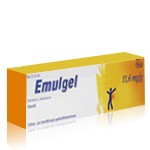
Emulgel (Diclofenac 1% Emulsion Gel 25g/30g/50g) represents the enhanced-penetration emulsion gel formulation of topical diclofenac — the technology popularized by Voltaren Emulgel by Novartis that revolutionized topical NSAID delivery through oil-in-water emulsion vehicle providing superior skin permeation compared to conventional gel formulations. Manufactured as bioequivalent generic under WHO-GMP standards, Emulgel offers proven topical NSAID efficacy for musculoskeletal pain, joint inflammation, tendinitis, bursitis, and sports injuries with the same dramatically reduced systemic side effect profile as other topical NSAIDs. Available in three convenient tube sizes (25g, 30g, and 50g) providing flexibility for acute injury courses, chronic condition management, or trial use.
Diclofenac works through non-selective cyclooxygenase (COX-1 and COX-2) enzyme inhibition at the site of application. The emulsion gel vehicle distinguishes Emulgel from conventional diclofenac gels through enhanced dermal penetration — the oil phase of the emulsion delivers lipophilic diclofenac molecules through the lipid-rich stratum corneum layer, while the aqueous phase supports even distribution across the application area. This produces improved drug delivery to underlying muscles, joint synovium, tendons, and ligaments where diclofenac blocks prostaglandin synthesis at inflammation sites. Additional benefits of emulsion formulation include faster absorption, improved patient comfort (less sticky feel than plain gels), and better bioavailability at target tissues. Critically, topical route results in less than 10 percent systemic absorption vs oral diclofenac — dramatically reducing risks of GI ulcers, cardiovascular events, renal dysfunction, and hepatic toxicity associated with systemic NSAID exposure. Clinical response: pain relief begins within 30-60 minutes, peak effect at 2-4 hours, consistent 4-8 hour analgesic control.
Emulgel serves musculoskeletal pain conditions amenable to topical therapy. Primary uses include tendonitis including tennis elbow and Achilles tendon inflammation; bursitis particularly shoulder and elbow; periarthritis including shoulder periarthritis (frozen shoulder); arthritis localized to accessible joints; non-bone rheumatism soft tissue rheumatic conditions; sports injuries including strains, sprains, contusions, bruises; trauma-induced ligament and muscle inflammation; and various musculoskeletal injury pain.
Emulgel applied 3-4 times daily — small amount (2-4 g) massaged into affected area. Onset 30-60 min, 4-8 hour effect duration. Avoid broken skin, wounds, mucous membranes. Manufactured under WHO-GMP standards.
Free prescription
Discrete packaging
Have questions?
Quality Assurance

- Tennis Elbow: Lateral epicondylitis with tendon inflammation;
- Achilles Tendinitis: Achilles tendon inflammation from overuse or injury;
- Bursitis: Joint bursa inflammation particularly shoulder elbow knee;
- Shoulder Bursitis: Subacromial bursitis responding to topical anti-inflammatory;
- Periarthritis: Inflammation of periarticular tissues surrounding joints;
- Frozen Shoulder: Adhesive capsulitis with periarthritis component;
- Localized Arthritis: Arthritis affecting single or few accessible joints;
- Non Bone Rheumatism: Soft tissue rheumatic conditions responding to topical therapy;
- Sports Injuries: Athletic musculoskeletal injuries from various activities;
- Muscle Strains: Acute muscle strain injuries responding to localized anti-inflammatory;
- Ligament Sprains: Sprain injuries of ligaments responding to topical NSAID;
- Traumatic Bruises and Contusions: Injury-related soft tissue contusions;
- Ligament Inflammation: Inflammatory ligament conditions responding to therapy;
- Muscle Inflammation: Inflammatory muscle conditions from various causes;
- Joint Injuries: Acute joint injuries with inflammation responding to topical NSAID;
- Localized Joint Pain: Single or few joint pain amenable to topical application;
- Emulsion Gel Enhanced Penetration: Superior skin permeation vs conventional gel formulation;
- Topical NSAID Class: Localized anti-inflammatory therapy without systemic NSAID risks;
- Generic Voltaren Emulgel Therapy: Bioequivalent generic alternative to Novartis Voltaren Emulgel at lower cost.
- Less Joint Pain: Joint pain decreases substantially with topical anti-inflammatory action;
- Less Inflammation: Active tissue inflammation reduces through prostaglandin blockade;
- Less Muscle Pain: Muscle strain and inflammation pain improves substantially;
- Less Tendon Inflammation: Tendinitis responds well to topical anti-inflammatory therapy;
- Less Bursitis Symptoms: Bursa inflammation and pain decrease with therapy;
- Better Emulsion Gel Skin Penetration: Superior dermal absorption vs conventional gels;
- Fast Pain Relief: Relief begins within 30-60 minutes of application;
- Better Rapid Absorption: Emulsion gel absorbs faster than conventional gel formulations;
- Less Systemic Absorption: Under 10 percent systemic absorption dramatically reduces NSAID risks;
- Less Gastrointestinal Risk: Topical route minimizes GI bleeding and ulcer risk;
- Less Cardiovascular Risk: Reduced systemic exposure minimizes CV events risk;
- Less Renal Risk: Kidney protection through minimal systemic drug levels;
- Better Sports Injury Recovery: Sprains strains contusions recover faster with topical therapy;
- Better Elderly Tolerability: Older patients tolerate topical NSAID better than oral;
- Better Anticoagulant Compatibility: Safe with warfarin due to minimal systemic effect;
- Better Easy Application: Emulsion gel spreads easily without sticky residue;
- Better Chronic Pain Management: Suitable for chronic musculoskeletal pain long-term therapy;
- Better Three Tube Size Options: 25g, 30g, 50g flexibility for various treatment durations;
- Better Quality of Life: Daily wellbeing improves dramatically as musculoskeletal pain resolves.
Generic Emulgel (Dicloflam 25 g) Medication guide:
💊 How Emulgel Diclofenac Gel Treats Musculoskeletal Pain Locally
Emulgel is a topical diclofenac formulation used to treat localized musculoskeletal pain and inflammation. The gel delivers an NSAID directly through the skin to inflamed muscles, joints, tendons and soft tissue, achieving meaningful local concentrations while keeping systemic exposure low. For the right indications, topical diclofenac works comparably to oral NSAIDs with a fraction of the gastric and cardiovascular risk.
Diclofenac itself has been in use since the 1970s as both oral tablets and topical formulations. The emulgel form, pioneered to combine emulsion and gel properties, improves skin penetration and spreadability compared to older topical preparations. Patients can treat the exact area that hurts without exposing the whole body to NSAID effects.
📌 Where Emulgel fits in pain management
- Acute soft tissue injury — sprains, strains, bruises, contusions
- Osteoarthritis of hands, knees, ankles — joints close to the skin surface
- Tendinitis and bursitis — tennis elbow, Achilles, rotator cuff
- Repetitive strain injuries — wrist, forearm, shoulder from work
- Sports overuse syndromes — runner knee, shin splints, lateral epicondylitis
- Localized back and neck muscle pain
- Post-injury swelling after reasonable initial care
- Mild to moderate osteoarthritis as adjunct to physical therapy
- Patients who cannot tolerate oral NSAIDs but need local relief
- Elderly patients where systemic NSAID risk is high
| 📑 Property | Emulgel (Topical Diclofenac) |
|---|---|
| Drug class | Topical NSAID (non-selective COX inhibitor) |
| Concentration | 1%, 1.16%, 2% formulations |
| Systemic absorption | 6-10% of applied dose |
| Local tissue concentration | High in muscle, tendon, synovium under application |
| Peak plasma level | 10-20x lower than equivalent oral dose |
| Half-life (plasma) | 1-2 hours; local effect lasts longer |
| Typical application | 2-4 g gel 3-4 times daily |
| Prescription status | Over-the-counter in many countries; prescription in others |
The local concentration under application reaches levels sufficient to inhibit COX enzymes in the affected tissue, while the systemic plasma level stays low enough to meaningfully reduce the GI, renal, and cardiovascular risks that limit oral NSAID use. For patients with localized musculoskeletal pain, this trade-off makes Emulgel an attractive first-line option before escalating to systemic therapy.
👩⚕️ Dr. Rafael Mendoza, Orthopedic Sports Medicine, Spain
For my athletes with acute strain or chronic tendinopathy, Emulgel is often the first prescription because the local concentration where they hurt is high and the systemic burden is low. This matters particularly for younger athletes who otherwise might reach for oral ibuprofen several times a day for weeks on end.
🧬 Topical Diclofenac Mechanism: How Emulgel Penetrates Skin to Reach Inflamed Tissue
Understanding how Emulgel works at the tissue level helps patients apply it correctly and set realistic expectations. The gel exploits passive skin permeation combined with favorable local pharmacokinetics to deliver diclofenac where it is needed while minimizing systemic exposure.
🧬 How Emulgel reaches inflamed tissue
- Gel applied to skin over the painful area
- Emulsion vehicle enhances spread and initial skin contact
- Stratum corneum penetration — diclofenac molecules cross the outer skin barrier
- Dermal deposition — drug reaches deeper skin layers within 30-60 min
- Direct diffusion to underlying tissue — muscle, tendon, synovium
- COX enzyme inhibition locally — blocks prostaglandin synthesis
- Reduced local inflammation — swelling, pain, warmth decrease
- Minimal uptake into systemic circulation — 6-10% bioavailability
- Rapid plasma clearance of what does reach circulation
- Local effect persists while plasma level stays low
| 🔬 Pharmacologic target | Emulgel action | Clinical effect |
|---|---|---|
| COX-1 enzyme | Inhibited locally | Reduced local prostaglandin production |
| COX-2 enzyme | Inhibited locally | Direct anti-inflammatory effect |
| Prostaglandin E2 and F2a | Reduced synthesis | Less pain sensitization |
| Local vasodilation | Reduced | Decreased swelling and redness |
| Neutrophil migration | Reduced locally | Less inflammatory cell infiltration |
| Pain nociceptor sensitization | Blunted | Reduced peripheral pain amplification |
| Systemic plasma level | Very low | Minimal GI, renal, cardiovascular risk |
| Skin barrier effects | Minor | Occasional local irritation |
⚡ Why target tissue matters
Emulgel works best for pain in tissues close to the skin surface: hand and knee joints, tendons at elbow and wrist, superficial muscles of calf and forearm. Deeper joints such as hip or shoulder respond less because the drug penetrates only so far through subcutaneous fat and fascia. For deep joint pain, Emulgel can supplement but rarely replaces oral or injected therapy.
🩺 Who Benefits Most from Emulgel Topical NSAID Therapy
Emulgel is prescribed widely in primary care, sports medicine, orthopedics, and rheumatology because so many patients present with localized musculoskeletal pain. The ideal candidate has pain concentrated in one or two accessible areas, intact skin, and specific reasons to prefer topical over oral therapy.
- Acute sprains and strains
- Osteoarthritis of hands or knees
- Tennis elbow (lateral epicondylitis)
- Rotator cuff tendinopathy
- Achilles tendinitis
- Plantar fasciitis
- Localized muscle soreness
- Elderly patients with GI concerns
- Patients on anticoagulants
- Mild to moderate osteoarthritis
- Repetitive strain injuries
- Sports overuse syndromes
- Deep joint pain (hip, shoulder)
- Severe or widespread pain
- Known diclofenac allergy
- Aspirin-induced asthma
- Open wounds or infected skin
- Severe renal impairment
- Pregnancy third trimester
- Children under 6 (most formulations)
- Prior severe NSAID reaction
- Compromised skin barrier at site
- Need for systemic anti-inflammatory
- Severe hepatic impairment
| 🏥 Clinical scenario | Why Emulgel fits |
|---|---|
| Acute ankle sprain | Local anti-inflammatory; minimal systemic exposure during recovery |
| Hand osteoarthritis flare | Joints near skin; good penetration; chronic use feasible |
| Elderly with knee OA + anticoagulant | Oral NSAID too risky; Emulgel manageable |
| Office worker with wrist strain | Targeted treatment; no cognitive side effects |
| Runner with Achilles tendinitis | Local therapy supports gradual training resumption |
| Weekend athlete with muscle strain | Short course; targeted; non-sedating |
| Patient with past peptic ulcer | Oral NSAID contraindicated; topical option available |
| Pregnant patient with musculoskeletal pain (second trimester) | Discuss with prescriber; sometimes used short-term |
👩⚕️ Dr. Ingrid Schmidt, Rheumatology, Germany
For hand and knee osteoarthritis, I now reach for Emulgel before oral NSAIDs in older patients. The evidence shows similar pain relief for most patients and meaningfully lower GI and cardiovascular events. The one caveat is adherence — patients need to apply it 3-4 times daily, which takes some teaching.
📋 Primary Emulgel Indications: Sprains, Strains, Arthritis and Soft Tissue Injury
Emulgel treats a wide range of musculoskeletal conditions grouped by injury type and chronicity. The common thread is localized pain and inflammation in tissues the gel can reach: skin, subcutaneous tissue, muscle, tendon, joint capsule, synovium.
| 🏃 Condition category | Specific indications | Expected course |
|---|---|---|
| Acute soft tissue injury | Sprains, strains, bruises, contusions | 1-2 weeks typical |
| Osteoarthritis | Hand, knee, ankle, finger joints | Chronic use common |
| Tendinopathy | Tennis elbow, golfer elbow, Achilles, rotator cuff | Weeks to months |
| Bursitis | Olecranon, prepatellar, trochanteric (deeper) | 2-4 weeks |
| Overuse syndromes | Runner knee, shin splints, carpal tunnel adjacent soft tissue | Weeks |
| Repetitive strain injury | Wrist, forearm, shoulder from occupational use | Weeks with activity modification |
| Low back muscle pain | Paraspinal muscles; some benefit for superficial | Days to weeks |
| Neck muscle pain | Trapezius, levator scapulae | Days to weeks |
| Plantar fasciitis | Heel pain fascia inflammation | Weeks as adjunct |
| Post-surgical pain (selected) | After wounds heal, around a joint | Short term |
| Localized post-injection soreness | Vaccination muscle pain, trigger point soreness | Days |
Treatment duration varies dramatically by indication. An ankle sprain may need Emulgel for 7-10 days while swelling and pain settle. Hand osteoarthritis may use the gel for years as part of a maintenance strategy. The upper limit of continuous application depends on the formulation and country-specific guidance, typically 14-28 days without medical reassessment for acute use.
📈 What makes a Deltasone-style escalation inappropriate
- Pain remains localized — one or two areas, not widespread
- No systemic inflammatory signs — no fever, no multi-joint
- Imaging matches a mechanical cause — not autoimmune
- Trial of topical therapy with physical therapy works reasonably
- Patient tolerates application routine
- Local tissue accessible through skin
- Short expected course or well-defined chronic use
- Low adverse effect profile fits the patient profile
⚠️ Signs the condition needs more than Emulgel
If pain spreads to new areas, if swelling becomes severe or involves multiple joints, if fever or rash appears, if function worsens significantly, or if there is no improvement after 2 weeks of consistent use with activity modification, Emulgel alone is not enough. These signs suggest systemic inflammatory disease, infection, structural injury requiring imaging, or need for oral therapy. Prescriber reassessment is appropriate.
💧 How to Apply Emulgel Correctly for Maximum Pain Relief
Proper Emulgel application makes a measurable difference in treatment response. Many patients under-apply (too little gel for the area), over-apply (wasting medication and raising systemic exposure), or apply at the wrong times. The fundamentals are simple but worth getting right.
✅ Correct Emulgel application technique
- Clean dry skin — no residue of soap, lotion, sweat
- Measure gel amount — typically 2-4 g per application area
- Gentle application — spread evenly over painful area and surrounding skin
- Massage lightly — 1-2 minutes until gel absorbs
- Wash hands thoroughly after application (unless hands are target)
- Allow to dry — 5-10 minutes before covering with clothes
- Do not occlude — no bandage or wrap unless prescriber instructs
- Repeat 3-4 times daily as prescribed
- Keep away from eyes, mouth, mucous membranes
- Do not apply to broken or infected skin
| 📏 Area to treat | Approximate amount | Reference |
|---|---|---|
| Small joint (finger, wrist) | 0.5-1 g | Pea-sized to grape-sized |
| Elbow or ankle | 2 g | About 4 cm strip |
| Knee or shoulder | 4 g | About 8 cm strip |
| Lower back area | 4 g | About 8 cm strip |
| Calf muscle | 3-4 g | About 6-8 cm strip |
| Full daily maximum | 16 g total | Across all areas combined |
💡 Common application mistakes
- Too little gel — thin smear does not penetrate enough
- Too much gel — thick layer wastes medication and raises absorption
- Rubbing too hard — worsens underlying inflammation
- Covering with occlusive dressing — raises systemic absorption unexpectedly
- Applying to broken skin — irritation, higher absorption, infection risk
- Forgetting to wash hands — transfer to eyes causes severe irritation
- Showering immediately after — washes gel away
- Applying only when pain severe — misses the preventive effect
- Skipping doses when feeling better — interrupts anti-inflammatory effect
- Using with other topical NSAIDs — raises systemic exposure
🚨 Never apply Emulgel to
- Open wounds or cuts
- Infected skin
- Eye area, inside mouth, nose
- Genital or anal mucosa
- Rash of unknown cause
- Skin with eczema or psoriasis flare
- Area under tight occlusive dressing unless prescribed
- Freshly shaven or waxed skin — irritation and higher absorption
🌅 Starting Emulgel: First Week Expectations and Response Timeline
Response to Emulgel varies by condition. Acute injuries often show meaningful relief within 1-3 days once a consistent application routine is established. Chronic osteoarthritis typically takes 1-2 weeks to show measurable pain reduction, with maximum effect at 4-6 weeks of consistent use. Setting these expectations prevents patients from giving up too early.
| 📅 Timepoint | Acute injury | Chronic condition (OA) |
|---|---|---|
| First 24 hours | Mild local relief possible | Minimal change |
| Day 2-3 | Noticeable pain reduction | Occasional relief |
| End of week 1 | Substantial improvement for most | Pattern of relief starting |
| Week 2 | Near-complete resolution for many | Clearer sustained relief |
| Week 3-4 | Taper if pain gone | Peak effect approaching |
| Week 6+ | Should be off medication | Maintenance or reassessment |
🎯 Setting realistic expectations
- Pain reduction of 30-50% is a clinically meaningful response
- Complete pain elimination is less common; management is the goal
- Peak effect takes consistent application for 2-4 weeks
- Night pain may improve later than daytime pain
- Function improvement often lags behind pain reduction
- Weather sensitivity may continue in osteoarthritis
- Flares still happen during successful treatment
- Combination with physical therapy often outperforms either alone
✅ Signs Emulgel is working
- Pain intensity decreasing on 0-10 scale
- Easier range of motion
- Less swelling or warmth at the site
- Reduced need for other pain medication
- Better sleep with less night pain
- Improved function — stairs, grip, walking distance
- Less morning stiffness
- Return to normal activities possible
👩⚕️ Dr. Elena Petrov, Physical Medicine and Rehabilitation, Romania
Patients often judge Emulgel after 2-3 days and conclude it is not working. For chronic conditions, I ask them to commit to 2 weeks of consistent 3-4x daily application before judging. Many who were about to give up find real benefit by day 10-14. Combining with daily movement makes the difference bigger.
🧴 Emulgel Application Technique and Dosing Across Body Areas
The right amount and timing of Emulgel application differs by body area, condition severity, and patient factors. Standard guidance covers the common scenarios; the prescriber can adjust for specific needs. The 2 g strip reference helps patients measure consistently without weighing.
| 🧍 Body region | Dose per application | Frequency |
|---|---|---|
| Finger joint (DIP/PIP) | 0.5 g (pea-sized) | 3-4x daily |
| Wrist or thumb base (CMC) | 1 g | 3-4x daily |
| Elbow (tennis or golfer) | 2 g | 3-4x daily |
| Shoulder (rotator cuff) | 3-4 g | 3-4x daily |
| Knee | 4 g | 3-4x daily |
| Ankle or Achilles | 2-3 g | 3-4x daily |
| Plantar fascia | 1-2 g | 3-4x daily |
| Calf or thigh muscle | 3-4 g | 3-4x daily |
| Lower back | 4 g | 3-4x daily |
| Neck (posterior) | 2 g | 3-4x daily |
| Multiple areas | Sum per site; stay under daily max | Alternate as needed |
⚠️ Daily maximum matters
Total daily Emulgel application should not exceed 16 g (1% gel) across all body areas combined. Patients treating multiple sites can hit this limit easily. Higher doses do not improve efficacy meaningfully and raise systemic absorption toward levels where NSAID effects on kidney, platelet function, and GI mucosa become clinically relevant.
📏 How to measure consistently
- Tube markings — some tubes have visual references
- Finger-tip unit — strip from fingertip to first crease is about 0.5 g
- 2 g reference — roughly a 4 cm strip from standard tube
- 4 g reference — roughly an 8 cm strip from standard tube
- Weigh if precise — kitchen scale works for calibration
- Avoid eyeball guessing — dose creep common over weeks
- Record applications for consistent tracking
- Different tubes may vary; check package guidance
🔄 Building a Daily Routine Around Emulgel Use
Fitting Emulgel into daily life smoothly depends on application timing that matches sleep, meals, work, and activity patterns. A consistent routine keeps the local tissue level steady and prevents the gap periods when pain returns before the next application.
🌅 Sample daily schedule
- 7:00 AM: First application after morning shower, before activity
- Noon-1:00 PM: Second application before or after lunch
- 5:00-6:00 PM: Third application before or after work
- 10:00 PM: Fourth application before bed
- Hand hygiene each time (unless treating hands)
- 5-10 minutes dry time before covering
- Pair with other routines — alarm, mealtime, screen reminder
- Travel kit — tube ready for away-from-home application
| 📆 Scenario | Routine adjustment |
|---|---|
| Office worker | Keep tube at desk; apply before meetings or breaks |
| Shift worker | Apply at your personal "morning," pre-break, post-break, pre-sleep |
| Manual labor | Apply before shift and during breaks; may need gloves after |
| Athlete training daily | Apply 30 min before training and after cool-down |
| Travel | Carry travel-size tube; adjust times to new schedule gradually |
| Caring for others | Set phone alarms; link to meal times |
| Multiple body sites | Alternate sites across applications; stay within daily total |
| Flare days | Keep same schedule; add other pain relief as prescribed |
✅ Habits that improve Emulgel results
- Weight-bearing exercise appropriate to the condition
- Physical therapy exercises daily if prescribed
- Weight management for knee and hip osteoarthritis
- Activity modification to avoid aggravating movements
- Ergonomic adjustments at work and home
- Supportive footwear for lower limb conditions
- Heat before activity, cold after if swollen
- Sleep posture support — pillow placement for affected joint
- Adequate protein and vitamin D for musculoskeletal health
- Stress management — muscle tension amplifies pain
⚠️ Pair Emulgel with the right behaviors
Topical NSAIDs reduce inflammation and pain but do not heal structural damage. For a sprain, early movement within pain limits plus Emulgel helps recovery; strict rest beyond a day or two slows healing. For osteoarthritis, Emulgel supports daily activity and prescribed exercise; it does not reverse joint damage but it can meaningfully reduce the pain barrier to maintaining function.
🏃 Emulgel for Sports Injuries: Sprains, Strains and Overuse Syndromes
Sports injuries are one of the most common reasons for Emulgel use. Sprains, strains, contusions, and overuse syndromes respond well to topical NSAID therapy combined with graded return to activity. The gel supports recovery without the systemic effects that could affect training or competition drug-testing considerations.
| 🎾 Sports injury | Emulgel approach | Timeline |
|---|---|---|
| Ankle sprain (grade 1-2) | 4 g 3-4x daily plus RICE | 7-14 days |
| Hamstring strain | 3-4 g 3x daily plus progressive loading | 10-21 days |
| Tennis elbow (lateral epicondylitis) | 2 g 3-4x daily plus eccentric exercises | 4-12 weeks |
| Golfer elbow (medial epicondylitis) | 2 g 3-4x daily plus modifications | 4-12 weeks |
| Achilles tendinopathy | 2-3 g 3-4x daily plus loading protocol | 6-12 weeks |
| Rotator cuff tendinopathy | 3-4 g 3-4x daily plus physical therapy | 6-12 weeks |
| Runner knee (patellofemoral) | 4 g 3x daily plus biomechanical work | 4-8 weeks |
| Shin splints (MTSS) | 3 g 3x daily plus training modification | 2-6 weeks |
| Muscle contusion (bruise) | 3-4 g 3x daily once skin intact | 7-14 days |
| Delayed-onset muscle soreness (DOMS) | 2-3 g 2-3x daily short-term | 2-5 days |
🏃 Combining Emulgel with return-to-sport strategy
- Acute phase — RICE plus Emulgel for first 48-72 hours
- Subacute phase — gentle movement; continue Emulgel
- Recovery phase — graded strength training plus Emulgel
- Return to sport — pain-free movement; Emulgel pre-activity if needed
- Maintenance — address biomechanical cause; taper gel
- Physical therapy for persistent symptoms
- Sports medicine consult if no improvement at 4 weeks
- Imaging if severe or atypical presentation
⚠️ Red flags during sports injury treatment
- Severe pain unresponsive to usual measures
- Deformity or inability to bear weight — fracture possible
- Numbness or weakness below the injury site
- Severe swelling with skin color change
- Signs of infection — redness, warmth, fever
- No improvement at 2 weeks — reconsider diagnosis
- Audible pop at injury — ligament tear possible
- Giving way or instability
👩⚕️ Dr. Rafael Mendoza, Orthopedic Sports Medicine, Spain
For my athletes with tendinopathy, I emphasize that Emulgel treats pain while eccentric loading treats the condition. Gel alone, without the exercise work, rarely resolves chronic tendinopathy. Together they outperform either approach alone by a wide margin. Patients who skip the exercises come back in 3 months with the same problem.
🦴 Managing Osteoarthritis Pain of Hands and Knees with Emulgel
Osteoarthritis of hands and knees is one of the strongest evidence-based indications for Emulgel. Clinical trials and meta-analyses show topical diclofenac provides pain relief comparable to oral NSAIDs for these conditions, with meaningfully lower rates of serious adverse events. For older adults especially, this risk-benefit profile is often preferable.
| 🦴 Osteoarthritis site | Why Emulgel works well |
|---|---|
| DIP joints (finger tips) | Very superficial; gel reaches synovium easily |
| PIP joints (middle fingers) | Superficial; good penetration |
| Thumb CMC joint | Reachable; a very common OA site |
| Wrist | Multiple joints; good gel access |
| Knee | Front and sides accessible; patellar region |
| Ankle | Superficial joint; good penetration |
| Hip | Too deep; limited benefit from topical |
| Spine facet joints | Deep; superficial muscle benefit mainly |
| Shoulder (glenohumeral) | Deep for joint itself; good for surrounding soft tissue |
✅ Hand OA treatment approach
- Apply 0.5-1 g per hand
- Massage into affected joints for 1-2 minutes
- 3-4 times daily for maintenance
- Combine with heat before activity
- Hand exercises daily for grip and dexterity
- Thumb splint for CMC arthritis flares
- Occupational therapy for adaptive equipment
- Weight management paradoxically helps hand OA
- Avoid repetitive forceful grip during flares
- Rechecks at 4-6 weeks for response
🦵 Knee OA treatment approach
- Apply 4 g per knee
- Cover front, medial, lateral sides
- 3-4 times daily
- Combine with quadriceps strengthening
- Weight loss if BMI elevated — dramatic effect
- Low-impact cardio — walking, swimming, cycling
- Supportive footwear
- Patella taping or sleeve for selected patients
- Physical therapy for muscle imbalance
- Intra-articular injection for flares if gel insufficient
- Surgical consult if end-stage
👩⚕️ Dr. Ingrid Schmidt, Rheumatology, Germany
Clinical guidelines now recommend topical NSAIDs before oral NSAIDs for hand and knee osteoarthritis. Patients often expect to start with pills; I explain why starting with Emulgel is actually better medicine. The pain relief is similar for most patients, and the long-term safety is clearly superior for the age group most affected by OA.
💼 Workplace Repetitive Strain Injuries and Emulgel Application
Workplace repetitive strain injuries affect millions of office workers, manual laborers, musicians, and healthcare workers. Emulgel can help manage the pain while the underlying ergonomic and biomechanical issues are addressed. The gel is not a substitute for workstation adjustment but it eases the daily pain while behavioral changes take effect.
| 💼 Occupation group | Common RSI pattern | Emulgel target areas |
|---|---|---|
| Office / keyboard | Wrist tendinitis, forearm, shoulder | Wrist flexors, forearm, trapezius |
| Mouse-heavy work | Lateral epicondyle, forearm extensor | Elbow, forearm |
| Phone/tablet constant | Thumb CMC, wrist, neck | Thumb base, wrist, neck |
| Assembly line | Repetitive wrist, shoulder | Based on specific motion |
| Construction | Low back, shoulder, elbow | Lower back, shoulder |
| Musicians | Hand, forearm, neck | Hand, forearm, upper trapezius |
| Hairdressers | Shoulder, upper arm, hand | Shoulder, hand |
| Dental professionals | Neck, upper back, hand | Neck, upper back |
| Teachers / standing jobs | Lower back, legs | Lower back, calf |
| Healthcare lifting | Low back, shoulder | Lower back, shoulder |
🛠️ Addressing root causes alongside Emulgel
- Ergonomic workstation assessment
- Keyboard and mouse positioning at proper angles
- Monitor at eye level
- Chair with proper lumbar support
- Micro-breaks every 20-30 minutes
- Stretch during breaks — shoulder, neck, wrist
- Alternate tasks to vary muscle use
- Posture awareness throughout the day
- Grip strength training for hand issues
- Shoulder stabilizer exercises
- Core strengthening for back issues
- Occupational therapy referral for persistent cases
⚠️ When RSI needs more than Emulgel
Patients using Emulgel for workplace RSI need to see improvement within 2-4 weeks alongside behavior change. If symptoms persist or worsen despite ergonomic adjustment, consider carpal tunnel syndrome, cubital tunnel, thoracic outlet syndrome, cervical radiculopathy, or systemic conditions. Occupational medicine or physical therapy referral helps identify what Emulgel cannot address.
🏋️ Combining Emulgel with Physical Therapy and Rehabilitation
Combining Emulgel with physical therapy and progressive loading produces better outcomes than either alone for most musculoskeletal conditions. The gel reduces pain so patients can tolerate the exercises; the exercises address the underlying weakness, imbalance, or tissue remodeling that the gel cannot touch.
| 🏋️ Condition | Physical therapy focus | Emulgel timing |
|---|---|---|
| Tennis elbow | Eccentric wrist extensor loading | 30 min before exercises |
| Achilles tendinopathy | Alfredson eccentric heel drops | 30 min before, and after |
| Rotator cuff tendinopathy | Scapular stabilizers, external rotators | Before PT sessions |
| Knee OA | Quadriceps strengthening, mobility | Before and after exercise |
| Plantar fasciitis | Calf stretching, plantar fascia strengthening | Morning and bedtime |
| Patellofemoral pain | Hip strengthening, VMO activation | Before PT and activity |
| Low back pain | Core stabilization, mobility | Pre-activity support |
| Frozen shoulder (adhesive capsulitis) | Range of motion, mobilization | Before stretching |
✅ How to pair Emulgel with exercises
- Apply 30 minutes before exercise session — peak local tissue level
- Perform warm-up — dynamic movement
- Progress through exercises — focus on quality over quantity
- Cool-down with stretch
- Re-apply Emulgel after if sore
- Ice if specifically swollen
- Rest day as prescribed — recovery matters
- Track exercise completion alongside pain levels
- Progress gradually as pain allows
- Report new or worsening symptoms promptly
👩⚕️ Dr. Elena Petrov, Physical Medicine and Rehabilitation, Romania
I tell patients that Emulgel unlocks the door to therapeutic exercise for painful conditions. Without the gel, exercises hurt too much to do properly. With it, patients can perform the loading protocols that actually resolve the underlying problem. The combination usually produces better long-term outcomes than medication alone or exercise alone.
🧊 Emulgel vs Ice, Heat and Other Topical Therapies for Pain
Patients often have other topical options and physical modalities at hand: ice, heat, menthol creams, capsaicin, lidocaine patches, other NSAID gels. Each has its place; Emulgel offers specific advantages for specific scenarios. Combining them thoughtfully improves relief.
| 🧊 Modality | Best for | With Emulgel |
|---|---|---|
| Ice (cold therapy) | Acute swelling, post-exercise | Apply ice first, then Emulgel after dry |
| Heat (moist/dry) | Muscle tension, chronic stiffness | Heat first, dry skin, then gel; or gel first, 30 min, then heat |
| Menthol creams | Cold sensation masking pain | Can combine at different times; not simultaneously |
| Capsaicin | Chronic nerve-related pain | Separate sites or different times |
| Lidocaine patch | Localized neuropathic pain | Alternate sites OK; not same spot |
| Other NSAID gels (ibuprofen, ketoprofen) | Alternative topical NSAID | Do NOT combine — raises systemic exposure |
| Arnica cream | Mild bruising, folk remedy | OK at different times |
| CBD topicals | Mixed evidence; no major interaction | Separate application times |
| TENS unit | Chronic pain management | Compatible; electrodes on dry skin |
| Compression wrap | Acute swelling, support | Apply gel, let dry, then wrap |
🧊 Ice vs heat decision guide
- Ice for: acute injury within 48 hours, visible swelling, after exercise
- Heat for: chronic muscle tension, morning stiffness, before exercise
- Neither for: infected skin, compromised sensation, severe vascular disease
- Ice duration: 15-20 minutes maximum per session
- Heat duration: 15-20 minutes; moist heat usually more effective
- Ice-Emulgel order: ice first (vasoconstriction), dry skin, apply gel
- Heat-Emulgel order: gel first + 30 min, then heat; or heat first + dry + gel
- Both increase blood flow around the area afterwards
🚨 Do not combine topical NSAIDs
Simultaneous use of Emulgel plus other topical NSAIDs (ibuprofen gel, ketoprofen gel, salicylate rubs) raises systemic diclofenac-like exposure to levels where NSAID-related adverse events become clinically meaningful. Combining with oral NSAIDs (even OTC ibuprofen) similarly increases risk. If pain requires more than Emulgel, consult prescriber before adding other NSAIDs; often non-NSAID options are safer.
🚫 When Emulgel is Not Enough: Signs You Need Oral or Other Therapy
Emulgel is effective for many localized musculoskeletal conditions but has clear limits. Recognizing when the gel is not enough prevents frustration, delayed proper treatment, and inappropriate escalation of self-care.
| 🚦 Sign Emulgel is insufficient | What it may mean | Next step |
|---|---|---|
| No improvement at 2 weeks | Wrong diagnosis or too deep | Prescriber review |
| Pain spreads to new areas | Systemic or neuropathic | Medical workup |
| Severe night pain | Serious underlying cause possible | Imaging and evaluation |
| Weight loss, fever, night sweats | Infection, malignancy, inflammatory | Urgent workup |
| Multi-joint symmetric swelling | Rheumatoid or inflammatory arthritis | Rheumatology referral |
| Numbness, tingling, weakness | Nerve involvement | Neurologic evaluation |
| Deformity, mechanical symptoms | Structural injury | Imaging and orthopedic review |
| Pain severe at rest | Significant pathology | Prescriber evaluation |
| Function worsening | Progressive condition | Reassessment and imaging |
| Needing to use maximum doses continuously | Beyond Emulgel capacity | Alternative therapy discussion |
➕ Possible next steps when Emulgel is not enough
- Oral NSAID short course if gastric and cardiovascular risk acceptable
- Acetaminophen (paracetamol) if NSAIDs contraindicated
- Intra-articular corticosteroid injection for severe OA flares
- Physical therapy intensification
- Imaging (X-ray, ultrasound, MRI) for diagnosis
- Specialist referral — rheumatology, orthopedics, sports medicine
- Platelet-rich plasma for selected tendinopathies
- Hyaluronic acid injections for knee OA (variable evidence)
- Surgical consultation for end-stage joint disease
- Pain management clinic for chronic refractory pain
👪 Family Use: Emulgel for Different Age Groups at Home
Emulgel in a household setting may serve multiple family members with different needs: an elderly parent with hand OA, a child with a sports injury, an adult with chronic back pain, a teenager with tennis elbow. Each use case has specific guidance about dose, duration, and safety.
| 👪 Family member | Emulgel considerations |
|---|---|
| Children under 6 | Not usually recommended; pediatric guidance only |
| Children 6-14 | Short courses only; smaller doses; adult supervision |
| Teenagers (sports injuries) | Standard application; athlete awareness |
| Pregnant adult | Prescriber discussion required; usually avoid 3rd trimester |
| Breastfeeding adult | Small amounts; avoid breast area and areola |
| Healthy adult | Standard application; follow label |
| Elderly with multiple conditions | Prescriber oversight; drug interaction check |
| Family member on anticoagulants | Lower risk than oral NSAID but discuss with prescriber |
| Family member with asthma | Check for aspirin-induced asthma history |
| Pet exposure concerns | Keep away from dogs and cats; toxic to animals |
🚨 Household safety with Emulgel
- Store out of reach of children — accidental ingestion is dangerous
- Keep away from pets — dogs and cats can lick residue; NSAIDs toxic to them
- Do not share tubes for infection control (though gel is non-infectious)
- Wash hands after application — eye contamination causes severe irritation
- Watch children helping elderly — need adult supervision
- Check expiration dates on shared supply
- Clean application tools if using applicators
- Pregnant family members should discuss specifically with prescriber
👶 Pediatric use considerations
Topical diclofenac product labels vary by country and formulation about pediatric age ranges. In general, under 6 years is usually off-label or not recommended; 6-14 years may be acceptable for short courses under medical guidance; over 14 often treated as adult. Children have higher body-surface-area to weight ratio, so systemic absorption from a given application area is relatively higher. Pediatric prescriber review is appropriate before any extended use in children.
🧘 Lifestyle Factors That Enhance Emulgel Effectiveness
Several lifestyle factors meaningfully influence Emulgel effectiveness. Nutrition, sleep, body weight, hydration, and stress all affect inflammation and pain perception. Patients who address these alongside Emulgel use report better outcomes and often need less medication over time.
| 🌱 Lifestyle factor | Impact on musculoskeletal pain | Approach |
|---|---|---|
| Body weight | Each kg equals multiples through knee | Gradual loss if BMI elevated |
| Anti-inflammatory diet | Reduces baseline inflammation | Mediterranean pattern |
| Omega-3 fatty acids | Modest anti-inflammatory effect | Fatty fish 2x/week or supplement |
| Vitamin D status | Low vit D linked to musculoskeletal pain | Test; supplement if low |
| Sleep quality | Poor sleep raises pain sensitivity | Sleep hygiene; address apnea |
| Stress | Amplifies pain perception; muscle tension | Mindfulness, exercise, counseling |
| Physical activity | Sedentary life worsens outcomes | 150 min/week moderate exercise |
| Hydration | Mild dehydration worsens muscle issues | 1.5-2 L water daily |
| Smoking | Delays healing; worsens inflammation | Cessation support |
| Alcohol | Interferes with sleep and healing | Minimize during treatment period |
| Posture and ergonomics | Chronic strain source | Workplace and home assessment |
🥬 Anti-inflammatory eating pattern
- Vegetables and fruits — multiple colors daily
- Fatty fish 2x weekly — salmon, sardines, mackerel
- Olive oil as main fat
- Nuts and seeds — walnuts, flaxseed, chia
- Whole grains over refined
- Legumes — beans, lentils, chickpeas
- Herbs and spices — turmeric, ginger, garlic
- Limit processed meats
- Limit added sugar
- Limit refined carbs
- Limit industrial seed oils in processed foods
- Hydrate well
👩⚕️ Dr. Chidi Okonkwo, Clinical Pharmacology, Nigeria
I remind patients that Emulgel treats the symptoms of inflammation locally, but body-wide factors influence how much inflammation their body produces in the first place. A patient with poor sleep, high stress, elevated BMI, and sedentary lifestyle will not get the same response as one managing those factors. The gel does more when the body is doing less to work against it.
📓 Keeping a Pain and Response Diary During Emulgel Treatment
A pain and response diary helps patients and clinicians track Emulgel effectiveness across days and weeks. For chronic conditions like osteoarthritis, the diary identifies dose-response patterns, flare triggers, and progress milestones that are invisible from memory alone. Simple consistency beats elaborate detail.
📓 Example diary template
Week of Oct 27
Condition: right knee osteoarthritis
Dose: 4 g Emulgel 3x daily (morning, lunch, bedtime)
Pain level (0-10): morning 4, afternoon 3, evening 5 average
Function: stairs manageable; walked 30 min 4 days this week
Stiffness: morning stiffness 15 minutes (down from 30 before)
Side effects: mild skin dryness at application site
Weather: cold rainy 3 days; worse those days
Other pain medication: paracetamol 2x for breakthrough
Physical therapy exercises: completed 5 of 7 days
Sleep quality: fair; one night knee pain woke me
Follow-up: next visit in 2 weeks; continue current regimen
| 📊 What to track | Why it matters |
|---|---|
| Daily pain level | Measures treatment response |
| Application times and amounts | Consistency check |
| Function (specific activities) | Real-life improvement marker |
| Morning stiffness duration | OA severity indicator |
| Side effects | Local or systemic concerns |
| Weather | Some patients notice patterns |
| Other pain medication use | Shows adequacy of Emulgel alone |
| Physical therapy adherence | Confounds attribution |
| Sleep quality | Pain-sleep bidirectional effect |
| Trigger activities | Identifies modifiable factors |
✅ What a well-kept diary reveals
- Dose-response relationships showing when gel works best
- Trigger patterns — activity, posture, weather
- Side effect timing
- Function improvement over weeks
- Need for additional therapy
- Honest adherence picture
- Progress milestones encouraging continuation
- When to reassess if not improving
😴 Sleep and Emulgel: Managing Night-Time Pain Flares
Musculoskeletal pain and sleep interact in both directions. Pain disrupts sleep; poor sleep amplifies pain perception the next day. Emulgel can help break this cycle by reducing night-time flares, but strategic application timing matters, as does paying attention to sleep hygiene factors that affect the pain-sleep loop.
| 😴 Sleep issue | Approach with Emulgel |
|---|---|
| Difficulty falling asleep from pain | Apply 30 min before bed; comfort position |
| Waking from joint pain | Keep gel at bedside; apply if awakened |
| Early morning stiffness | Apply before getting out of bed; gentle movement |
| Side sleeping with knee OA | Pillow between knees; apply gel at bedtime |
| Shoulder pain on affected side | Sleep on opposite side; pillow support |
| Hand or wrist discomfort | Wrist splint for carpal tunnel; Emulgel before bed |
| Low back pain at night | Supportive mattress; pillow under knees; gel before bed |
| Night pain severe or progressive | Investigate — may indicate serious pathology |
🌛 Sleep hygiene supporting Emulgel treatment
- Apply Emulgel 30 minutes before bed
- Consistent bedtime within 30 minutes
- Cool bedroom (18-20°C)
- Dark bedroom
- Comfortable mattress supporting affected area
- Pillow positioning — between knees for hip/knee OA
- No screens 30 min before bed
- No alcohol within 3 hours of sleep
- Light evening meal
- Gentle stretching if helpful
- Address stress and anxiety that amplify pain
⚠️ Severe night pain warrants attention
Pain severe enough to wake someone from sleep every night, pain that progressively worsens over weeks, pain unrelated to position, or pain accompanied by fever, weight loss, or neurologic symptoms deserves medical workup. Emulgel is appropriate for mechanical musculoskeletal pain; it is not the right first response for pain patterns that may indicate serious underlying disease.
⚠️ Emulgel Side Effects: Local Skin Reactions and Systemic Risks
Emulgel side effects are mostly local and mild. Serious systemic effects are rare because of low systemic absorption, but they can occur, especially with large application areas, prolonged use, or compromised skin. Awareness helps patients catch the uncommon systemic effects early.
| 📡 Effect category | Specific effects | Frequency |
|---|---|---|
| Local skin | Dryness, redness, itching, mild rash | Common (5-15%) |
| Contact dermatitis | Allergic skin reaction | Uncommon (1-3%) |
| Photosensitivity | Sunlight-induced reaction at site | Rare but possible |
| Local blistering | Rare; bullous dermatitis | Very rare |
| Systemic GI | Dyspepsia; rare peptic ulcer with high use | Very rare at usual doses |
| Systemic renal | Reduced kidney function in susceptible patients | Rare; dose-related |
| Systemic cardiovascular | Small increase at high doses, long duration | Rare |
| Hypersensitivity | Rare systemic reactions | Very rare |
| Hepatic | Elevated LFTs rare at topical doses | Very rare |
| Respiratory | Bronchospasm in aspirin-sensitive asthma | Rare but important |
🚨 Stop Emulgel and seek care if
- Spreading rash or hives
- Facial swelling, lip or tongue swelling
- Difficulty breathing or wheezing
- Severe local blistering or ulceration
- Signs of skin infection at application site — expanding redness, warmth, pus
- Severe stomach pain or GI bleeding — black stool, vomiting blood
- Signs of severe allergic reaction
- Yellowing of skin or eyes — hepatic concern
- Reduced urine output or ankle swelling — renal concern
- Chest pain or shortness of breath
✅ Reducing side effect risk
- Follow recommended doses and application areas
- Avoid prolonged use beyond 14-28 days without reassessment
- Rotate application areas when treating multiple sites
- Clean dry skin at application
- Avoid occlusive dressings unless prescribed
- Sunscreen on treated areas if sun exposure
- Monitor for local skin changes
- Honest with prescriber about dose and duration
- Avoid other NSAIDs simultaneously
- Hydrate well to support kidney function
👩⚕️ Dr. Yuki Tanaka, Dermatology, Japan
Most Emulgel skin reactions are irritant contact dermatitis, not true allergy. Switching application sites, applying smaller amounts, and using light moisturizer between applications often resolves the issue. A true allergic contact dermatitis spreads beyond the application site and recurs reliably on reapplication — that requires a different approach.
🧴 Skin Care During Prolonged Emulgel Use
Prolonged Emulgel use places continuous demand on the skin at application sites. Patients using the gel for weeks or months benefit from a skincare routine that keeps the skin barrier intact, prevents irritation, and lets treatment continue uninterrupted.
| 🧴 Skin issue | Approach |
|---|---|
| Mild dryness | Fragrance-free moisturizer between gel applications |
| Flaking | Gentle cleansing; emollient barrier |
| Redness | Smaller amount; rotate to adjacent area if possible |
| Itching | Pause 24-48 h; cool compress; if persistent, stop |
| Mild rash | Pause application; evaluate; may need switch |
| Burning sensation | Stop; washed thoroughly; consult if persists |
| Sun exposure after application | Avoid direct sun on treated area; sunscreen |
| Hair follicle inflammation | Clean application; avoid shaving site just before |
🚿 Skincare routine for Emulgel users
- Gentle cleansing at application site — mild soap, patted dry
- Clean dry skin before each gel application
- Fragrance-free moisturizer between applications (not at same time)
- Sunscreen SPF 30+ on exposed treated areas
- Avoid harsh cleansers on application sites
- Avoid alcohol-based toners on application sites
- Pat dry, do not rub
- Watch for signs of barrier breakdown
- Rotate application areas when possible
- Rest days if local irritation develops
🌅 Sun exposure guidance
Diclofenac can cause photosensitivity at application sites in some patients. The combination of topical diclofenac plus prolonged sun exposure can produce exaggerated local reactions. For patients using Emulgel on visible areas (hands, forearms, face, neck) during sunny weather, applying SPF 30+ sunscreen after the gel dries, wearing protective clothing, and avoiding peak sun hours all reduce risk.
🚦 Managing Common Emulgel Application Site Reactions
Common application site reactions have simple management strategies. Knowing what to expect, what to treat at home, and what deserves a call to the prescriber keeps treatment on track without unnecessary interruption or delay in catching problems.
| 🚦 Reaction type | Appearance | Management |
|---|---|---|
| Mild irritation | Pink skin, mild tingling | Continue; monitor; thinner application |
| Dryness and flaking | Scaling without redness | Moisturizer between doses |
| Contact irritation | Red, itchy at application area | Pause 48h; try smaller area; consider switch |
| Allergic contact dermatitis | Red, itchy, may spread beyond site | Stop; antihistamine or topical steroid; discuss |
| Photosensitivity | Sunburn-like at exposed treated sites | Stop; sun protection; cool compress |
| Burning sensation | Immediate pain on application | Wash off; check for broken skin |
| Blistering | Fluid-filled lesions | Stop; medical evaluation |
| Folliculitis | Small red bumps around hair follicles | Pause; evaluate; may need topical antibiotic |
| Pigmentation changes | Darker or lighter patches | Usually reversible; sun protection |
🛠️ Troubleshooting application site problems
- Reduce amount applied per dose
- Rotate to adjacent area if possible
- Rest day — skip one dose; monitor
- Switch to another formulation (e.g., different concentration)
- Rule out other skin products interacting
- Patch test if persistent — dermatologist
- Consider alternative — different topical, oral, or non-NSAID
- Allergist evaluation for suspected true allergy
🚨 Reactions requiring immediate medical attention
- Spreading rash beyond application site
- Hives (urticaria)
- Facial, lip, or tongue swelling
- Breathing difficulty
- Blistering with skin peeling
- Severe burning or ulceration
- Signs of secondary skin infection — pus, expanding redness, fever
- Any systemic symptoms following topical application
🚗 Driving, Work and Daily Function on Emulgel
Emulgel does not impair cognition, alertness, or motor function in any clinically meaningful way because the systemic absorption is low. Driving, work, and daily activities continue normally. The main daily life considerations relate to application logistics, timing around activities, and residue on hands or clothing.
| 🚗 Scenario | Guidance |
|---|---|
| Daily driving | No restriction from Emulgel |
| Professional driving | No restriction |
| Operating machinery | No restriction |
| Office work | Normal; carry travel tube for scheduled applications |
| Manual labor | Normal; may need gloves depending on task |
| Exercise and sports | Apply 30 min before activity; shower after |
| Hot environments (sauna, hot climate) | Avoid immediately after application; allow absorption |
| Swimming | Allow 1 hour between gel and swimming |
| Baby or child contact | Wash hands thoroughly; avoid skin-to-skin contact immediately after |
| Food preparation | Wash hands thoroughly before handling food |
💼 Fitting Emulgel into a busy workday
- Morning dose at home after shower
- Midday dose at work — keep tube in desk or bag
- Afternoon dose around 4-5 PM
- Bedtime dose back at home
- Wash hands at each application
- Allow drying time — 5-10 min before covering with clothing
- Carry a small travel tube for mobility
- Reminders on phone or linked to meal times
- Rotate application sites if treating hands and wrists both
- Keep clean cloth for cleanup
⚠️ Residue and transfer precautions
Emulgel residue on hands can transfer to eyes, mucous membranes, food, children, pets, and surfaces. Thorough hand washing after application is important. Avoid applying immediately before contact lens handling, cooking, or holding infants directly on the treated area. For pet owners, dogs and cats should not lick treated skin — NSAIDs are toxic to pets at low doses.
👴 Older Adults and Emulgel: Dosing, Safety and Precautions
Older adults are among the best candidates for Emulgel because systemic oral NSAIDs carry higher risk in this group. Hand and knee osteoarthritis affects millions of seniors; topical diclofenac often provides similar relief with meaningfully safer profile. Specific geriatric considerations help maximize benefit while avoiding the few pitfalls.
| 👴 Geriatric consideration | Adaptation |
|---|---|
| Thinner skin, higher absorption | Smaller doses may suffice; monitor local effects |
| Reduced hand grip strength | Pump bottles easier than squeeze tubes for some |
| Vision changes | Dose measurement by markings; family support |
| Memory and timing | Pill boxes with written reminders; link to meals |
| Multiple medications | Pharmacist review; even topical NSAID interactions |
| Anticoagulants | Lower risk than oral NSAID but still discuss with prescriber |
| Chronic kidney disease | Minimal risk at usual topical doses but monitor |
| Cardiovascular disease | Favorable vs oral NSAIDs; still prescriber review |
| Peptic ulcer history | Preferred over oral NSAID; much lower GI risk |
| Falls risk | Emulgel does not cause falls like sedating analgesics |
| Caregiver involvement | Teach application if patient cannot do it alone |
✅ Why Emulgel suits older adults
- Low systemic exposure reduces oral NSAID adverse events
- No cognitive impairment unlike opioids or sedating analgesics
- No fall risk increase
- Compatible with most medications
- Flexible dosing for different body areas
- Effective for the most common geriatric pain — hand and knee OA
- Supports physical therapy participation
- Family-friendly — family members can learn application
- Cost-effective — often generic available
- Local treatment matches local problem
⚠️ Specific precautions for very elderly
For patients over 80, with thin fragile skin, significant renal impairment, severe cardiovascular disease, or on complex medication regimens, prescriber review before Emulgel use is appropriate. The risk is low but not zero. Smaller doses applied to smaller areas may provide adequate relief with minimal systemic exposure. Monitoring for local skin changes matters more in this group because skin takes longer to recover from irritation.
🤰 Emulgel During Pregnancy and Breastfeeding Decisions
Topical diclofenac during pregnancy requires careful consideration. The systemic exposure is low but not zero; NSAID effects on the fetus are well-documented at systemic doses. For most pregnancies, short-course Emulgel for localized musculoskeletal pain in the first and second trimesters is considered acceptable; third trimester use is generally avoided.
| 🤰 Pregnancy stage | Emulgel approach |
|---|---|
| Pre-conception | Generally safe |
| First trimester | Discuss with prescriber; short courses may be acceptable |
| Second trimester | Lowest risk window; short courses acceptable for most |
| Third trimester (after week 20) | Generally AVOID — fetal cardiac and renal effects possible |
| Term pregnancy | AVOID — premature closure of ductus arteriosus risk |
| Breastfeeding | Small amounts generally acceptable; avoid breast and areola |
| Trying to conceive | May delay ovulation at high systemic exposure |
🚨 Third trimester concerns with any NSAID
- Premature closure of ductus arteriosus — fetal cardiac circulation
- Fetal renal effects — oligohydramnios
- Pulmonary hypertension of newborn
- Prolonged labor
- Increased bleeding risk at delivery
- Platelet dysfunction in neonate
- Necrotizing enterocolitis risk in premature infant
- FDA advises against NSAID use at 20+ weeks gestation
👶 Breastfeeding considerations
- Small amounts generally OK — low systemic absorption
- Avoid breast area and nipple
- Wash hands thoroughly before contact with infant
- Monitor infant for any unusual symptoms
- Short courses preferred
- Smaller application areas preferred
- Alternative therapies to consider — paracetamol, physical therapy, non-pharmacologic
- Discuss with pediatrician if concerned
✅ Pregnancy-safer alternatives
- Paracetamol (acetaminophen) — first-line pregnancy analgesic
- Physical therapy for musculoskeletal pain
- Prenatal yoga and gentle exercise
- Heat and cold therapy
- Massage
- Pelvic support belts for low back pain
- Supportive footwear
- Sleep positioning with pillows
- Chiropractic care (pregnancy-trained)
- Prescriber consultation for persistent severe pain
👶 Pediatric Emulgel: Safe Use in Children and Adolescents
Pediatric use of Emulgel is limited and age-dependent. Most topical diclofenac product labels restrict use in children under 14, though specific pediatric formulations and indications exist for selected scenarios. Children have proportionally thinner skin and higher body-surface-area-to-weight ratios, so systemic absorption per application is relatively higher than in adults.
| 👶 Age group | Emulgel approach |
|---|---|
| Infants (under 2) | NOT used; off-label; higher absorption risk |
| Toddlers (2-5) | NOT routine; medical supervision only |
| Children (6-11) | Short courses under medical guidance for specific indications |
| Adolescents (12-14) | Reduced application areas; medical oversight |
| Teenagers (15-17) | Approaching adult use; standard application for sports injuries |
| Pediatric sports injuries | Short courses OK with pediatric prescriber guidance |
| Juvenile arthritis | Specialist-driven; part of combined regimen |
🚨 Pediatric-specific concerns
- Thinner skin — higher absorption per application
- Higher body-surface-area to weight ratio — proportionally more systemic exposure
- Lower threshold for renal NSAID effects
- Potential for growth and developmental concerns with chronic use
- Developing GI tract
- Risk of accidental ingestion — keep away from infants and toddlers
- Eye exposure risk — children often touch face
- Transfer to siblings — shared skin contact
- Difficulty reporting adverse effects — younger children
- Compliance challenges — multiple daily applications
🏫 If used in pediatric patients
- Pediatric prescriber review essential
- Shortest effective course
- Smallest effective area
- Adult supervision for application
- Clear safety instructions for parents
- Monitor for local and systemic effects
- Alternatives tried first — paracetamol, RICE, physical therapy
- Specific indication documented
- Follow-up scheduled
- Discontinue promptly if any concern
💊 Emulgel Drug Interactions: Topical NSAID Combinations and Oral Medications
Even though Emulgel systemic absorption is low, drug interactions matter for selected patients. Combining topical diclofenac with other NSAIDs (oral or topical) raises systemic exposure meaningfully; interactions with anticoagulants, antihypertensives, and lithium can occur at the edges.
| 💊 Drug or class | Interaction | Significance |
|---|---|---|
| Oral NSAIDs (ibuprofen, naproxen) | Additive systemic NSAID effect | Avoid combination |
| Other topical NSAIDs | Additive topical and systemic | Do not combine |
| Aspirin | Potential bleeding risk | Discuss with prescriber if low-dose aspirin |
| Warfarin | Small theoretical bleeding risk | Lower risk than oral NSAID; monitor if long-term use |
| DOACs (apixaban, rivaroxaban) | Theoretical bleeding risk | Lower risk than oral NSAID; prescriber discussion |
| ACE inhibitors / ARBs | Possible reduced antihypertensive effect at high doses | Monitor BP; usually not clinically relevant with Emulgel |
| Diuretics | Possible reduced effect at high doses | Usually not clinically relevant at topical doses |
| Lithium | May raise lithium level | Monitor lithium level if long-term topical use |
| Methotrexate | Theoretical interaction at high systemic doses | Usually not relevant with Emulgel |
| Cyclosporine, tacrolimus | Theoretical nephrotoxicity additivity | Minimal risk at topical doses |
| SSRIs, SNRIs | Small bleeding risk theoretically | Minimal with topical |
| Corticosteroids (systemic) | Possible GI effect additivity at high doses | Minimal with topical |
| Alcohol | Marginal GI effect | Moderate alcohol OK with topical |
🚨 Key interactions to flag
- Oral NSAIDs plus Emulgel — avoid; raises systemic exposure
- Multiple topical NSAIDs — do not combine
- Aspirin-induced asthma history — Emulgel can trigger bronchospasm rarely
- High-dose aspirin — discuss with prescriber
- Lithium therapy — monitor level if long-term topical use
- Prior serious NSAID reaction — probably avoid
- Any new medication — mention Emulgel at pharmacist review
❤️ Cardiovascular and Systemic Considerations with Long-Term Topical Diclofenac
Topical diclofenac has a meaningfully lower cardiovascular and systemic risk than oral NSAIDs. However, risk is not zero, especially with long-term use, large application areas, or compromised skin. Patients using Emulgel for chronic conditions deserve awareness of the small systemic considerations that accumulate over months and years.
| 📈 System | Topical diclofenac impact | Comparison with oral NSAID |
|---|---|---|
| Cardiovascular | Minimal increased risk | 10-20x lower |
| Renal | Rare clinically significant impact | Much lower |
| Gastrointestinal | Minimal (occasional dyspepsia) | Much lower — main advantage |
| Hepatic | Very rarely LFT changes | Much lower |
| Hematologic | Minimal platelet effect | Much lower |
| Respiratory | Rare bronchospasm in aspirin-sensitive asthma | Similar to oral but less common |
| Blood pressure | Minimal effect | Much lower than oral |
| Dermatologic | Local reactions (unique to topical) | Not an oral NSAID issue |
❤️ Why Emulgel is cardiovascular-friendlier
- Plasma level 10-20x lower than equivalent oral dose
- Minimal effect on blood pressure at usual doses
- Minimal effect on platelet aggregation
- Low thrombotic risk — unlike oral NSAIDs
- Clinical trial evidence supports relative safety
- Guideline preferred over oral for cardiovascular-risk patients
- Compatible with cardiovascular medications at usual doses
- Acceptable for elderly with heart disease
⚠️ Long-term topical NSAID considerations
Patients using Emulgel daily for many months or years for chronic osteoarthritis accumulate small amounts of systemic diclofenac exposure. For most, this remains clinically irrelevant. For those with severe cardiovascular disease, advanced kidney disease, or active peptic ulcer disease, even the lower exposure may matter. Periodic prescriber review of long-term use, with occasional check of blood pressure, kidney function, and symptom review, is appropriate for chronic users.
👩⚕️ Dr. Chidi Okonkwo, Clinical Pharmacology, Nigeria
The pharmacokinetic profile of topical diclofenac is one of the strongest arguments for its use in older patients with multiple comorbidities. Peak plasma levels after Emulgel are measured in nanograms per milliliter; oral diclofenac peaks in micrograms per milliliter. The difference in systemic drug exposure is dramatic, and the clinical safety signal matches that pharmacology.
🍷 Alcohol and Emulgel: What Matters Even for Topical Therapy
Alcohol and Emulgel have minimal direct interaction because systemic diclofenac exposure is low. However, moderate alcohol in Emulgel users still deserves attention: alcohol interacts with underlying musculoskeletal conditions, affects healing, and can compound the small gastric risk when combined with other NSAIDs.
| 🍷 Scenario | Approach |
|---|---|
| Emulgel alone, moderate drinking | Little direct concern; standard moderation advice |
| Emulgel plus occasional oral NSAID | Avoid alcohol on NSAID days |
| Chronic Emulgel plus heavy drinking | Address alcohol use; impacts healing |
| Sports injury rehab plus drinking | Alcohol slows healing; minimize during recovery |
| Osteoarthritis plus regular drinking | Weight impact concerns; general moderation |
| Tendinopathy treatment plus drinking | Alcohol delays tendon healing; minimize |
| Fibromyalgia plus drinking | Alcohol can trigger flares and worsen sleep |
| Alcohol use disorder | Address AUD; it undermines recovery |
🍸 How alcohol affects musculoskeletal recovery
- Delays soft tissue healing — collagen synthesis, protein synthesis
- Disrupts sleep — worsens pain perception
- Dehydration — muscle cramps, slower recovery
- Weight gain — worsens joint load
- Mood effects — depression, anxiety affect pain
- Inflammatory load — alcohol is pro-inflammatory
- Bone health — heavy drinking harms bones
- Nutritional deficits affect muscle health
- Interaction with other analgesics patient may take
- Fall risk — worsens musculoskeletal injuries
⚠️ If using oral NSAID alongside Emulgel
Combining alcohol with any oral NSAID (even OTC ibuprofen taken for breakthrough pain) meaningfully increases GI bleeding risk. On days when oral NSAIDs are needed, alcohol should be avoided. Patients using Emulgel plus intermittent oral analgesic should plan ahead: if drinking is planned, use paracetamol (acetaminophen) for breakthrough rather than ibuprofen or similar NSAIDs.
🩺 Surgery, Procedures and Emulgel Application Timing
Emulgel use around surgery and procedures deserves specific planning. The small systemic diclofenac exposure can affect platelet function marginally, and the gel should not be applied to or near surgical sites in the perioperative period. Most patients can continue Emulgel through most procedures with simple precautions.
| 🩺 Procedure | Emulgel approach |
|---|---|
| Minor outpatient procedure | Continue; avoid procedure site |
| Elective surgery with bleeding risk | Discuss with surgeon; typically continue |
| Major surgery | Prescriber review; may pause 48-72 h before |
| Dental procedures | Continue; mention to dentist |
| Joint injection or aspiration | Wait 1 hour after Emulgel application; sterile site prep |
| Diagnostic imaging | Normal; mention if imaging exposed area |
| Skin procedures at application site | Pause until skin heals; prevent transfer |
| Vaccination | Normal; avoid injecting into treated skin |
| Blood draw | Normal; avoid treated skin |
| Physical therapy manipulation | Continue; apply as scheduled |
📋 Perioperative Emulgel planning
- Mention to surgical team at pre-op visit
- Document current use in medication list
- Follow surgical team instructions about pausing
- Do not apply over surgical sites at any time
- Resume after wound healing for areas near surgery
- Standard anticoagulant precautions if applicable
- Alternative pain management during pause if needed
- Watch for signs of surgical site infection
- Return to normal use once prescriber clears
⚠️ Why not apply to surgical sites
Fresh surgical wounds should never receive topical NSAID application: higher systemic absorption through broken skin, interference with wound healing (NSAID effects on prostaglandin-mediated healing), risk of local infection, and possible interaction with wound dressings. Even after a procedure heals superficially, applying Emulgel directly over the healing scar is usually avoided until the surgeon approves. Adjacent areas can usually be treated with normal precautions.
🏠 Emulgel Storage, Travel and Climate Considerations
Emulgel storage is simple: room temperature, protected from freezing and extreme heat, cap tightly closed. For travelers, maintaining consistent supply through climate changes and transportation requires minor planning. The gel is stable across normal temperature ranges but can separate if exposed to freezing or very hot conditions.
- Room temperature (15-25°C)
- Away from direct sunlight
- Cap tightly closed between uses
- Original tube or container
- Away from children and pets
- Not in bathroom if very humid
- Not in car during summer or winter
- Check expiration date
- Travel-size tube for carry-on
- Full-size tube in checked luggage if long trip
- Keep in insulated bag if extreme climate
- Prescription letter for international travel
- Backup tube in different bag
- Avoid storing in vehicle
- Check destination restrictions for prescription creams
- Spare tube at destination for long stays
| 🌍 Climate scenario | Approach |
|---|---|
| Hot climate (over 30°C) | Store in air-conditioned area; insulated carry |
| Cold climate (below 0°C) | Keep tube indoors; freezing can degrade formulation |
| Humid climate | Ensure cap sealed; check for texture changes |
| High altitude | No special concern for the gel; general health considerations |
| Beach / sun exposure | Avoid sun on treated area; sunscreen after Emulgel dries |
| Skiing / cold outdoors | Apply indoors before going out; carry small travel tube |
| Flying with Emulgel | Follow 100 mL rule for carry-on; cabin pressure fine |
| Cruise ship travel | Full supply; air-conditioned storage |
📋 Travel checklist
- Enough supply for trip plus 7 extra days
- Original labeled container
- Travel-size tube for daily use
- Prescription letter for international
- Pharmacy information at destination
- Backup in different luggage
- Travel insurance covering medications
- Know destination climate for storage planning
- Time zone adjustment for application schedule
- Alternative pain plan if supply issue
🚨 Emulgel Overdose and Accidental Ingestion Response
Topical Emulgel overdose through application is unusual because systemic absorption is limited by skin barrier. The more serious scenarios involve accidental ingestion (especially by children or pets), eye exposure, or massive application across broken skin. There is no specific antidote; treatment is supportive.
🚨 Overdose scenarios
- Oral ingestion by child — most concerning scenario; call poison control immediately
- Oral ingestion by pet — call veterinary emergency; NSAIDs toxic to pets at low doses
- Eye exposure — severe irritation; rinse immediately
- Massive application on broken skin — higher systemic exposure
- Intentional self-harm — urgent medical evaluation
- Confused elderly ingesting gel — medical review
- Accidental vaginal or rectal exposure — wash; medical review
- Prolonged occlusive application — higher systemic exposure
| 🏥 Scenario | Immediate response |
|---|---|
| Child swallows gel | Call Poison Control; emergency department if symptomatic |
| Pet licks or eats gel | Call veterinary emergency; even small amounts dangerous to pets |
| Gel in eye | Rinse with water or saline 15 min; medical review if persistent |
| Over-application (10x normal) | Wash off; monitor; usually no systemic consequence |
| Application on open wound | Wash off; monitor; evaluate wound |
| Mucous membrane exposure | Wash; symptom evaluation |
| Intentional overdose | Emergency department; mental health support |
📞 Call for help when
- Any accidental ingestion, especially by children
- Pet exposure
- Severe eye irritation after exposure
- Signs of allergic reaction
- Massive accidental over-application
- Any systemic symptoms after use
- Intentional misuse
- Severe local reaction
⚠️ Pet exposure deserves special concern
Dogs and cats are exquisitely sensitive to NSAID toxicity. A single application-worth of Emulgel licked by a cat or small dog can produce acute kidney injury, GI ulceration, or death. Pet owners should never apply Emulgel in areas pets can lick (especially feet, legs, hands used to pet them) without washing hands and ensuring the gel is fully absorbed. Spilled gel on floors or surfaces should be cleaned immediately. Any suspected pet exposure requires immediate veterinary attention.
📞 When to Call the Doctor During Emulgel Therapy
Knowing when a problem on Emulgel needs a call to the prescriber versus home management helps patients avoid both unnecessary worry and dangerous delays. The guide below covers common scenarios in topical NSAID treatment.
| 📞 Scenario | What to do |
|---|---|
| Mild redness at application site | Expected; thin application; moisturize between |
| Dryness, mild flaking | Expected; fragrance-free moisturizer |
| Mild itching at site | Monitor; thinner application |
| Rash extending beyond site | Call prescriber — stop meanwhile |
| Blistering or severe reaction | Stop; urgent evaluation |
| Face swelling, lip or tongue swelling | Emergency department |
| Difficulty breathing or wheezing | Call 911 |
| No improvement at 2 weeks | Call prescriber — reassessment |
| Pain worsening despite use | Call prescriber — consider alternative diagnosis |
| New fever with pain | Call prescriber — rule out infection |
| Severe stomach pain or vomiting blood | Emergency department — GI bleeding |
| Yellow skin or eyes | Urgent evaluation — hepatic concern |
| Reduced urine output, ankle swelling | Urgent evaluation — renal concern |
| Chest pain or shortness of breath | Call 911 |
| Child or pet exposure | Poison Control or veterinary emergency |
| Severe eye exposure | Rinse; emergency department if persistent |
| Pregnancy discovered | Call prescriber promptly |
📑 Information to have ready when calling
- Primary condition being treated
- Dose and frequency of Emulgel application
- Duration of use
- Application sites
- Specific symptoms and timing
- Other medications including OTC
- Known allergies
- Pharmacy information
- Any recent changes — new medication, illness, exposure
🚫 Emulgel Contraindications: Who Should Avoid Topical Diclofenac
Emulgel has fewer contraindications than oral NSAIDs because of lower systemic exposure, but important absolute and relative restrictions remain. Knowing them before starting treatment avoids problems and helps patients and prescribers select the right therapy for each situation.
🚫 Absolute contraindications
- Known hypersensitivity to diclofenac
- Known hypersensitivity to any NSAID
- Aspirin-induced asthma (Samter triad)
- Severe NSAID-induced skin reaction history (SJS, TEN)
- Open wounds or broken skin at application site
- Infected skin at application site
- Third trimester pregnancy (after 20 weeks)
- Known allergy to gel vehicle ingredients
| ⚠️ Relative contraindication / caution | Approach |
|---|---|
| Mild NSAID intolerance (oral) | Topical may be acceptable; discuss with prescriber |
| Severe renal impairment | Limit area and duration; monitor |
| Severe hepatic impairment | Limit use; monitor |
| Severe heart failure | Discuss with prescriber; minimize dose |
| Active peptic ulcer | Favorable vs oral; prescriber discussion still |
| Anticoagulation | Lower risk than oral NSAID; prescriber review |
| Pregnancy first/second trimester | Discuss with prescriber; usually short courses OK |
| Breastfeeding | Usually acceptable with precautions |
| Children under 14 | Pediatric prescriber guidance |
| Eczema or psoriasis at site | Avoid during active flare |
| Sun-exposed skin | Use sunscreen; may avoid high-sun exposure |
| Multiple topical products | Space applications; avoid simultaneous |
| Pet in household | Prevent pet contact; wash hands thoroughly |
✅ When Emulgel is a solid choice
- Localized musculoskeletal pain within gel-accessible tissue
- Oral NSAID contraindicated but topical acceptable
- Older adult with multiple comorbidities
- Short-course indications — sprains, strains
- Chronic indications with monitoring — hand or knee OA
- Patient willing to apply 3-4x daily
- Intact skin at target area
- No contraindications in medical history
- Combination with physical therapy expected
- Realistic expectations about response
👩⚕️ Dr. Yuki Tanaka, Dermatology, Japan
For patients with sensitive skin or dermatologic conditions, I recommend a small patch test before full application: a small area on the inner forearm, applied once daily for 2-3 days. If no reaction develops, full-area application is usually safe. This simple step catches the rare patients who will have a true problem before they spread gel over large areas.
Emulgel — Frequently Asked Questions
-
What is Emulgel (Dicloflam)?
Emulgel is a topical gel containing Diclofenac, used for relieving pain and reducing inflammation in affected areas. -
How does Emulgel work?
Emulgel works by inhibiting cyclooxygenase (COX) enzymes, reducing the production of prostaglandins that cause pain and inflammation. -
What conditions does Emulgel treat?
It's used for joint pain from osteoarthritis, muscle pain, sprains, strains, and other conditions causing inflammation and pain. -
How quickly does Emulgel start working?
It generally starts providing relief within a few hours of application. -
How long do the effects of Emulgel last?
The effects can last for several hours, depending on the condition being treated. -
Can Emulgel be used for general muscle pain?
Yes, it is effective for muscle pain, strains, and sprains. -
What are the side effects of Emulgel?
Common side effects include skin irritation, redness, or itching at the application site.
See all Emulgel questions (32)
📚 Drug Description Sources:
The information in this Emulgel (topical diclofenac) guide is compiled from authoritative pharmaceutical, orthopedic, rheumatologic, dermatologic, and regulatory sources covering topical NSAID pharmacology, clinical trial evidence for musculoskeletal pain indications, long-term safety data that differentiate topical from oral NSAID risks, and the specific application techniques that optimize response.
🏛️ Regulatory and government agencies
- U.S. Food and Drug Administration (FDA) - Topical diclofenac prescribing information and OTC approval records.
- European Medicines Agency (EMA) - Topical NSAID safety assessments and marketing authorizations.
- Health Canada - Diclofenac product safety advisories.
- MedlinePlus Drug Information - U.S. National Library of Medicine summary.
- Medicines and Healthcare products Regulatory Agency (MHRA) - UK guidance on topical NSAIDs.
📚 Professional societies and clinical guidelines
- American College of Rheumatology (ACR) - Hand and knee osteoarthritis management guidelines recommending topical NSAIDs.
- Osteoarthritis Research Society International (OARSI) - Topical NSAID recommendations.
- European Alliance of Associations for Rheumatology (EULAR) - Hand and knee OA management.
- American Academy of Orthopaedic Surgeons (AAOS) - Treatment guidelines for musculoskeletal conditions.
- American Medical Society for Sports Medicine (AMSSM) - Sports injury NSAID guidance.
- British Society for Rheumatology (BSR) - OA management recommendations.
🔬 Landmark clinical research
- Derry S, Wiffen PJ, et al. - Cochrane systematic reviews of topical NSAIDs for acute and chronic musculoskeletal pain.
- Simon LS, Grierson LM, et al. - Diclofenac topical versus oral efficacy and safety comparisons.
- Baraf HSB, et al. - Diclofenac sodium topical solution in knee osteoarthritis clinical trials.
- Hagen M, Baker M - Pharmacokinetic studies of topical diclofenac systemic absorption.
- Zacher J, et al. - Topical diclofenac in hand osteoarthritis clinical trial evidence.
📖 Medical references and textbooks
- Goodman and Gilman The Pharmacological Basis of Therapeutics - NSAID pharmacology reference.
- Kelley Textbook of Rheumatology - Rheumatologic use of topical NSAIDs.
- DeLee Drez and Miller Orthopaedic Sports Medicine - Sports injury management.
- Williams Textbook of Dermatology - Topical formulation principles.
- DRUGDEX System (Micromedex) - Peer-reviewed drug monograph for diclofenac.
Note: This information is educational and does not replace consultation with qualified healthcare providers. Topical diclofenac has meaningful advantages over oral NSAIDs for localized musculoskeletal pain, but specific application decisions and monitoring should be made by a licensed clinician familiar with the patient condition, concurrent medications, and specific indications.
🩺 Medical Expert Review:
Content reviewed for accuracy by orthopedic sports medicine, rheumatology, dermatology, clinical pharmacology, and physical medicine authorities with specific expertise in topical NSAID therapy and the musculoskeletal conditions that drive Emulgel prescribing.
Dr. Rafael Mendoza, MD, PhD
Orthopedic Sports Medicine, Hospital Universitario La Paz — Madrid, Spain
Clinical research on topical NSAID use in athletic injuries, tendinopathy management, and return-to-sport protocols; expertise in combining topical anti-inflammatory therapy with progressive loading programs.
Dr. Ingrid Schmidt, MD
Rheumatologist, Charite Universitatsmedizin — Berlin, Germany
Expert in osteoarthritis management including topical NSAID use for hand and knee OA; clinical research on OA guideline implementation and shared decision-making with older patients.
Dr. Yuki Tanaka, MD, PhD
Dermatologist, Keio University Hospital — Tokyo, Japan
Research on topical drug delivery, contact dermatitis management, and photosensitivity reactions to topical NSAIDs; clinical focus on managing skin reactions during long-term topical therapy.
Dr. Chidi Okonkwo, MD, PhD
Clinical Pharmacologist, University College Hospital — Ibadan, Nigeria
Research on NSAID pharmacokinetics including transdermal absorption, systemic exposure comparisons, and dose-response relationships; focus on safer medication use in diverse populations.
Dr. Elena Petrov, MD
Physical Medicine and Rehabilitation, Carol Davila University Hospital — Bucharest, Romania
Clinical focus on integrating topical NSAID therapy with physical therapy, exercise prescription for tendinopathy, and rehabilitation protocols following soft tissue injuries.
Disclosure: Expert names and credentials are cited for educational reference. This content is not endorsed by named experts. Content prepared by RXshop editorial team based on published literature and clinical guidelines.
More Pain Medicine Medications