Buy Paracetamol 500mg Online - Safest First Line Non NSAID Analgesic and Antipyretic for Pain and Fever

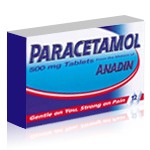
Paracetamol (500mg) represents the safest first-line analgesic and antipyretic medication worldwide — the reference non-NSAID pain reliever preferred when patients cannot use or should avoid NSAIDs. Known as paracetamol internationally and acetaminophen in the United States, this fundamental medication has been available since 1955 when McNeil Laboratories introduced it as Tylenol in the US, followed by GlaxoSmithKline Panadol globally. Manufactured by Cipla India under the Paracip brand as bioequivalent generic under WHO-GMP and US FDA-inspected quality standards, this product offers proven pain relief and fever reduction without the cardiovascular, gastrointestinal, renal, or bleeding risks associated with NSAIDs. Available as 500 mg oral tablets — the standard adult analgesic dose used for mild to moderate pain and fever reduction. The active ingredient is combined with pharmaceutical excipients including povidone, croscarmellose sodium, stearic acid, and starch.
Paracetamol works through distinctive central mechanisms differentiating it fundamentally from NSAIDs. Unlike ibuprofen, naproxen, or celecoxib which primarily inhibit peripheral cyclooxygenase enzymes producing anti-inflammatory action, paracetamol works predominantly in the central nervous system through several proposed mechanisms: central COX inhibition (particularly COX-3 in some studies), modulation of endocannabinoid system, serotonergic pathway effects, and increased excitability threshold of thalamic pain centers. This produces analgesia (pain relief) and antipyresis (fever reduction) but minimal anti-inflammatory effect — the key characteristic distinguishing paracetamol from NSAIDs. Clinical response: pain relief within 30-60 minutes, peak effect at 1-2 hours, consistent 4-6 hour analgesic action supporting 4-6 times daily dosing as needed.
Paracetamol serves mild to moderate pain from various causes and fever reduction across broad patient populations. Primary uses include headache and tension headache; toothache and dental pain; myalgia muscle pain; neuralgia nerve pain; back pain; arthralgia joint pain (though anti-inflammatory effect minimal); fever from various infectious and inflammatory causes; post-vaccination fever; menstrual cramps; cold and flu symptoms; and various pain syndromes of light and medium intensity. Uniquely safe in pregnancy, with anticoagulants, in children, and in patients with GI or CV concerns.
Paracetamol dosed 500-1000 mg every 4-6 hours as needed. Peak at 1-2 hours, 2-4 hour half-life. Maximum 4 grams daily (hepatotoxicity risk above). Cipla India under WHO-GMP standards.


Free prescription
Discrete packaging
Have questions?
Quality Assurance
- Toothache: Dental pain including post-procedure pain;
- Myalgia: Muscle pain from various causes;
- Neuralgia: Nerve pain responding to central analgesic;
- Back Pain: Mild to moderate back pain;
- Arthralgia: Joint pain requiring analgesic without anti-inflammatory;
- Mild to Moderate Pain: Pain syndromes of light and medium intensive level;
- Fever Reduction: Fever from infectious or inflammatory causes;
- Post Vaccination Fever: Fever following immunizations;
- Cold and Flu Symptoms: Aches pain and fever from upper respiratory infections;
- Menstrual Cramps: Primary dysmenorrhea pain relief;
- Post Operative Mild Pain: Post-surgical mild pain management;
- Pregnancy Safe Analgesic: Only OTC analgesic considered safe throughout all trimesters;
- Pediatric Safe Analgesic: Wide safety margin for children with appropriate dosing;
- Anticoagulant Safe Analgesic: Safe combination with warfarin and DOACs no bleeding risk;
- GI Safe Analgesic: No ulcer or bleeding risk unlike NSAIDs;
- Cardiovascular Safe Analgesic: No CV thrombotic event risk unlike NSAIDs;
- Renal Safe Analgesic: No adverse renal effects unlike NSAIDs;
- Aspirin Sensitive Asthma Safe: No bronchospasm risk unlike NSAIDs;
- Generic Paracetamol Therapy: Bioequivalent generic Cipla Paracip at substantially lower cost.
- Less Headache Pain: Tension headaches and various headache types respond effectively;
- Less Toothache Pain: Dental pain responds to central analgesic action;
- Less Muscle Pain: Myalgia from various causes improves;
- Less Back Pain: Mild to moderate back pain improves;
- Better Fever Reduction: Antipyretic action effectively reduces fever from various causes;
- Less Cold and Flu Symptoms: Body aches pain and fever from URI improve;
- Less Menstrual Pain: Primary dysmenorrhea decreases;
- Better Safety Profile: Unmatched safety across all major NSAID risks;
- No Cardiovascular Risk: Safe for patients with heart disease or CV risk factors;
- No GI Bleeding Risk: Safe for stomach and intestines unlike NSAIDs;
- No Renal Risk: Safe for kidneys at therapeutic doses unlike NSAIDs;
- No Anticoagulant Bleeding Risk: Safe with warfarin DOACs and antiplatelets;
- Better Pregnancy Safety: Only OTC analgesic considered safe throughout pregnancy;
- Better Pediatric Safety: Wide safety margin for children with appropriate dosing;
- Better Elderly Tolerability: Preferred choice in elderly avoiding NSAID risks;
- Better Asthma Compatibility: No bronchospasm risk unlike NSAIDs;
- Better Ulcer Patient Safety: Safe for peptic ulcer disease history patients;
- Better Generic Affordability: 85-95% lower cost than brand names makes proven therapy accessible;
- Better Quality of Life: Daily wellbeing improves as pain and fever resolve without safety compromises.
Generic Paracip (Paracetamol 500 mg) Medication guide:
💊 Paracip the Non-NSAID Analgesic for Pain and Fever
Paracip is the brand name used in India and much of the global supply chain for paracetamol, the pain and fever drug known in the United States as acetaminophen and sold there as Tylenol. Despite three names (paracetamol in Europe and most of the world, acetaminophen in the US, APAP as the medical shorthand), it is a single molecule with a single pharmacology.
What makes Paracip different from almost every other pain drug in the pharmacy is a single fact: it is not an NSAID. The ibuprofen, naproxen, celecoxib, and diclofenac family all share one blocking mechanism and one safety profile. Paracetamol sits in a category of its own. The practical consequences are large and worth laying out before anything else.
✅ What paracetamol does NOT do that NSAIDs do
🚫 Does not block platelets — no bleeding risk, no antiplatelet interference with aspirin
🚫 Does not irritate the stomach lining — no ulcer or GI bleeding risk at normal doses
🚫 Does not raise cardiovascular events at usual doses, with one small BP caveat covered later
🚫 Does not reduce kidney blood flow through prostaglandin suppression
🚫 Does not cross-react with aspirin-sensitive asthma (Samter triad)
🚫 Does not need a 20-week pregnancy cutoff — safe through delivery at normal doses
This missing side-effect profile is why paracetamol is the default analgesic for pregnant women, for patients on anticoagulants, for people with peptic ulcer history, for CKD patients past stage 3, for anyone on daily low-dose aspirin, and for infants. The drug does only two things well (block pain, lower fever) but it does them with a side-effect map so different from NSAIDs that it fills a role no other oral drug fills.
The one thing paracetamol does that NSAIDs do not: cause acute liver failure in overdose. The gap between a therapeutic dose (500 to 1000 mg) and a toxic dose (10 to 15 g in a healthy adult, less with alcohol or liver disease) is narrower than most patients realize. That hepatic risk is what makes the daily ceiling (4000 mg maximum, 3000 mg for safety) non-negotiable and what makes paracetamol poisoning the leading cause of acute liver failure in the US.
| 🎯 Paracetamol fits best when | Typical adult dose | Onset |
|---|---|---|
| Mild to moderate pain | 500 to 1000 mg every 4 to 6 hours | 30 to 60 minutes |
| Fever reduction, adult | 500 to 1000 mg every 6 hours | 45 to 60 minutes |
| Pediatric fever and pain | 10 to 15 mg per kg every 4 to 6 hours | 30 to 45 minutes |
| Headache or tension pain | 500 to 1000 mg at onset | 30 to 60 minutes |
| Osteoarthritis adjunct | 500 to 1000 mg three or four times daily | Days for cumulative effect |
| Pregnancy pain and fever | 500 to 1000 mg as needed, up to 3000 mg daily | 30 to 60 minutes |
Where paracetamol is weaker than NSAIDs is in inflammatory pain. Swollen joints, menstrual cramps driven by uterine prostaglandins, acute gout, and inflamed tendons all respond better to ibuprofen or naproxen than to paracetamol because the inflammatory signal is a prostaglandin-driven process and paracetamol does not block prostaglandins in peripheral tissue. For a non-inflammatory headache or a fever, paracetamol and ibuprofen are approximately equivalent.
💊 The three paracetamol headlines
✨ Safest first-line analgesic for most adult pain and fever when inflammation is not the driving mechanism
🚦 Narrow safety ceiling: 4000 mg daily maximum, 3000 mg if any liver risk, lower in cirrhosis
🏆 Workhorse for pediatric fever, pregnancy pain, elderly OA, and anyone with NSAID contraindications
The rest of this guide walks through what paracetamol does at the molecular level, how it is cleared, how to spot and manage overdose, how it compares with NSAIDs for the common pain scenarios, and the specific situations (hidden in combination products, chronic daily use, alcohol pairing) where safe habits matter most. The structure of the guide is different from the ibuprofen or naproxen guides because paracetamol lives in a different safety universe.
🧬 Why Paracetamol Is Not Classified as an NSAID
The question that most patients and even many clinicians get wrong about paracetamol is simple: is it an NSAID? The answer is no. Paracetamol belongs to the aniline analgesic class, a group of its own with only one commonly used drug (paracetamol itself) and a predecessor that was withdrawn (phenacetin, pulled worldwide in the 1980s because of kidney and bladder cancer links).
Why the confusion? Because paracetamol does one of the things NSAIDs do (lower fever) and partially does another (reduce mild pain), and because it is often prescribed alongside NSAIDs for combined pain relief. But the mechanism, the side effect profile, and the clinical niche are different enough that the distinction matters at every clinical decision.
🧬 The three big differences from NSAIDs
🎯 Weak COX blockade in peripheral tissue — paracetamol barely touches joint, stomach, or kidney COX enzymes
🧠 Central nervous system action — the pain relief is largely a brain and spinal cord effect, not a peripheral anti-inflammatory one
💚 No anti-inflammatory activity at usual doses — inflamed joints do not shrink on paracetamol the way they shrink on ibuprofen
The absence of peripheral COX blockade is why paracetamol is safe on the stomach, kidneys, and platelets. The absence of anti-inflammatory activity is why paracetamol is weaker than NSAIDs for arthritis flares, menstrual cramps, and acute gout. The central mechanism is why paracetamol works for headache, fever, and some chronic non-inflammatory pain where NSAIDs are also effective.
| Property | Paracetamol (Paracip) | NSAIDs (ibuprofen, naproxen) |
|---|---|---|
| Drug class | Aniline analgesic | Nonsteroidal anti-inflammatory |
| Main site of action | Central nervous system | Peripheral and central |
| Pain relief strength | Mild to moderate | Mild to severe |
| Fever reduction | Strong | Strong |
| Anti-inflammatory effect | Essentially none | Strong |
| GI ulcer risk | None at normal doses | Significant with daily use |
| Kidney risk | Minimal | Measurable in vulnerable groups |
| CV event risk | Minimal (BP rise at high dose) | Measurable at daily doses |
| Platelet effect | None | Reversible COX-1 blockade |
| Main danger | Liver failure in overdose | GI bleeding, kidney injury |
| Pregnancy status | First-line all trimesters | Avoid after 20 weeks |
| Pediatric availability | Approved from birth, specialist-guided | Ibuprofen from 6 months |
The practical implication of this table shows up in almost every pain decision. Headache in a pregnant patient? Paracetamol first, no exceptions. Mild knee pain in a 75-year-old on daily aspirin plus warfarin? Paracetamol first. Fever in an infant? Paracetamol if under 6 months, either paracetamol or ibuprofen after that. Acute gout flare? NSAID, because paracetamol does not touch the inflammation driving the attack.
💡 Doctor Pearl
A patient who tells a nurse I take Tylenol for my arthritis is often not getting much anti-inflammatory benefit, especially for RA, AS, or active OA flares. Paracetamol helps with chronic non-inflammatory pain and can take the edge off joint discomfort, but for truly inflammatory arthritis the honest response is to add or switch to an NSAID (if tolerated) rather than push paracetamol higher. More paracetamol does not become more anti-inflammatory.
One historical note that explains part of the lingering confusion. The predecessor to paracetamol was phenacetin, used from 1887 to the 1980s as a common fever remedy. Phenacetin is metabolized partly into paracetamol in the body, which is how paracetamol became the dominant product once chemists identified it as the active metabolite. Phenacetin itself was withdrawn because of chronic kidney damage and bladder cancer risk, both of which were caused by other metabolites that paracetamol does not produce. This is why paracetamol does not share the kidney cancer risk of its historical ancestor.
🧠 How Paracetamol Works Through Central Nervous Pathways
The mechanism of paracetamol is still partially debated after seventy years of use, which is itself unusual for such a widely prescribed drug. What is clear: paracetamol lowers pain and fever by acting mostly in the brain and spinal cord rather than at the site of injury. What is still being worked out: exactly which molecular targets carry the main effect.
The leading explanation is that paracetamol blocks a specific form of the cyclooxygenase enzyme (sometimes called COX-3, though its exact nature in humans is debated) that is active in the central nervous system but not in peripheral tissues such as joints or stomach lining. This selective central action would explain why paracetamol lowers fever (a brain thermostat effect) and relieves headache (central pain pathways) without the GI, platelet, or kidney effects of NSAIDs.
🧠 The three leading mechanism hypotheses
🔬 Central COX blockade — paracetamol inhibits a variant COX in brain tissue that NSAIDs reach less well, which resets the hypothalamic fever setpoint and dampens central pain signaling
🌿 Endocannabinoid pathway — paracetamol metabolite AM404 activates CB1 cannabinoid receptors in the brainstem, which contributes to analgesia and may explain the mild mood-smoothing effect some patients notice
🎚️ Serotonergic descending inhibition — paracetamol enhances descending serotonergic pain-inhibition pathways from brainstem to spinal cord, blocking pain signals before they reach the brain
All three mechanisms are supported by experimental evidence and probably contribute together rather than one dominating. The practical consequence of this central mechanism is that paracetamol works through the brain, which means its effect does not depend on prostaglandin levels at the injury site. This is why it works for headache (where the pain is largely a central phenomenon) and fever (a hypothalamic setpoint shift), and why it is weaker for peripheral inflammatory conditions.
🌡️ How paracetamol lowers fever step by step
🔹 Infection releases pyrogens into the bloodstream, which travel to the brain
🔹 Pyrogens trigger prostaglandin E2 production in the hypothalamus, raising the body temperature setpoint
🔹 Paracetamol crosses the blood-brain barrier within 30 minutes of an oral dose
🔹 Central COX blockade reduces prostaglandin E2 in the hypothalamus specifically
🔹 Setpoint drops back toward normal; body sheds heat through sweating and vasodilation
🔹 Temperature falls within 45 to 90 minutes of the dose
Where paracetamol works less well is in established peripheral inflammation. If an arthritis joint is already swollen, red, and warm, there is a large inflammatory process at the joint that depends on peripheral prostaglandins. Paracetamol does not reach those prostaglandins in meaningful quantities. The joint stays swollen; the patient may feel somewhat less pain through central pathways, but the mechanical consequence of inflammation (stiffness, loss of range of motion) is unchanged. This is why rheumatologists usually prefer NSAIDs for active inflammatory arthritis even in patients who tolerate paracetamol well.
The lack of a platelet effect follows directly from the central-only mechanism. Platelets live in the bloodstream, far from the central nervous system, and their COX-1 enzyme is largely unaffected by paracetamol doses. Patients on paracetamol can safely take daily low-dose aspirin without the timing dance required for ibuprofen. Platelet function on paracetamol is clinically normal.
The lack of a GI effect follows for the same reason. Stomach lining prostaglandins are not touched meaningfully by paracetamol. There is no erosion, no ulcer risk, no bleeding risk from local tablet irritation. Paracetamol can be taken on an empty stomach without harm, though some patients prefer to take it with a small snack to avoid any mild nausea.
These absent peripheral effects are the whole reason paracetamol fills the role it does. The central mechanism is not a weakness; it is the exact feature that makes paracetamol the first-choice drug in populations where NSAID side effects would be dangerous.
🧪 The NAPQI Pathway and Liver Metabolism Basics
Paracetamol metabolism is the single most important thing to understand about this drug. Everything safe about paracetamol and everything dangerous about it flows from how the liver handles it. Three pathways compete in the hepatocyte, and the balance between them determines whether paracetamol stays harmless or becomes toxic.
At normal therapeutic doses, about 90 percent of the swallowed paracetamol is cleared by two safe pathways: glucuronidation (about 60 percent) and sulfation (about 30 percent). These pair paracetamol with a bulky molecule that makes it water-soluble, and the kidneys flush it out. These two pathways are high-capacity and essentially infinite at normal doses.
The remaining 5 to 10 percent of paracetamol goes through a third pathway driven by the CYP2E1 enzyme, which turns paracetamol into a reactive molecule called NAPQI (N-acetyl-p-benzoquinone imine). NAPQI is toxic. Left on its own it binds to liver cell proteins and kills them. The liver normally handles this by immediately conjugating NAPQI with glutathione, which neutralizes it. In a healthy liver with adequate glutathione reserves, this pathway is also handled safely.
🧪 The three paracetamol clearance pathways at normal dose
🟢 Glucuronidation (60%) — safe, high-capacity, goes to the urine
🟢 Sulfation (30%) — safe, moderate-capacity, goes to the urine
🟡 CYP2E1 to NAPQI (5-10%) — produces toxic metabolite but is immediately neutralized by glutathione in a healthy liver
Toxicity happens when this balance breaks in one of three ways. First, large single ingestion (more than 10 to 15 grams at once) overwhelms the glucuronidation and sulfation pathways. More paracetamol funnels through CYP2E1, producing more NAPQI than glutathione can neutralize. Second, chronic high-dose use (sustained intake near or above 4000 mg daily for days) depletes glutathione reserves slowly. Even normal single doses then produce more NAPQI than the depleted system can handle. Third, CYP2E1 induction (chronic alcohol, isoniazid, phenytoin, carbamazepine) ramps up NAPQI production from any given paracetamol dose.
⚠️ The three paths to NAPQI accumulation
🚨 Acute overdose — single ingestion over 10 to 15 g (20 to 30 extra-strength tablets at once)
🚨 Therapeutic misadventure — sustained use at or above 4000 mg daily for days to weeks, especially in alcoholic patients or chronic malnutrition
🚨 CYP2E1 enzyme induction — chronic alcohol use, isoniazid, phenytoin, carbamazepine, St. John wort all upregulate the enzyme that makes NAPQI
The glutathione reserve is the single resource that stands between a therapeutic paracetamol dose and liver injury. In a well-nourished healthy adult, this reserve is substantial and recovers within 24 hours of being used. In certain groups it is chronically low:
- 🍷 Chronic alcohol users — ethanol depletes glutathione directly and induces CYP2E1
- 🍽️ Chronic malnutrition or recent severe weight loss — reduced raw materials for glutathione synthesis
- 💛 Advanced liver disease — impaired synthesis plus smaller hepatocyte reserves
- 🌕 Prolonged fasting or very low-calorie dieting — depletes glutathione over 48 to 72 hours
- 💊 Patients on enzyme inducers (isoniazid, phenytoin, rifampin, carbamazepine)
💡 Doctor Pearl
The reason the N-acetylcysteine antidote works for paracetamol overdose is that NAC serves as a glutathione precursor. It gives the liver the raw material to rebuild glutathione faster than the NAPQI accumulation can proceed. Given within 8 hours of ingestion, NAC prevents nearly all serious liver injury. Given between 8 and 24 hours, it still helps substantially. Given after 24 hours it is less effective but still worth trying for established hepatitis.
The therapeutic ceiling of 4000 mg per day was set to keep NAPQI production safely within the glutathione budget of a healthy adult. The reduced ceiling of 3000 mg per day for patients with any liver risk factor adds a safety margin for the groups above. The 2000 mg per day ceiling for cirrhosis is another step down because synthetic liver function is already impaired. These are not arbitrary numbers; they reflect the glutathione math.
Everything else in this guide (pediatric dosing, pregnancy use, overdose protocol, alcohol interaction, chronic liver disease dosing) comes back to this one metabolism diagram. If the glutathione reserve stays ahead of NAPQI production, paracetamol is a safe drug. If the balance tips the other way, acute liver failure can follow within days.
⏱️ Paracetamol Half-Life and Dosing Rhythm Explained
Paracetamol has an elimination half-life of about 2 hours in a healthy adult, which is similar to ibuprofen and much shorter than naproxen. Peak blood concentration is reached 30 to 60 minutes after an oral tablet, which is why patients notice relief quickly. The therapeutic effect lasts about 4 to 6 hours, which drives the standard every-4-to-6-hour dosing schedule.
This short half-life has three practical consequences that shape every daily use scenario. It supports frequent dosing (four times daily) to maintain steady relief. It leads to quick clearance when the drug is stopped. And it means the daily total can accumulate quickly if dosing creeps upward, because each tablet is a fresh dose that catches up with the previous one before the first has fully cleared.
⏱️ Paracetamol blood level after a single 1000 mg dose
Peak is quick (45 minutes), therapeutic window spans the first 6 hours, drug is essentially gone by 10 hours. Dosing every 6 hours matches this pattern.
Food modestly slows absorption without reducing total exposure. A full meal shifts the peak from 45 minutes to about 60 to 90 minutes and softens the peak height, but the total amount absorbed stays the same. For acute pain where speed matters (sudden headache, dental pain), taking paracetamol on a mostly empty stomach with a glass of water gives the fastest onset. For scheduled dosing in chronic use, food timing is a matter of preference, not safety.
✅ Practical dosing rules
⏰ Every 4 to 6 hours for scheduled dosing, up to four doses in 24 hours (3000 to 4000 mg total)
💧 Full glass of water with each dose to help absorption and prevent the tablet from sitting in the esophagus
🍽️ With or without food for most patients; empty stomach for fastest acute relief
📅 No loading dose needed because peak concentration arrives within an hour of a standard dose
🟢 Steady state in less than a day because the half-life is short; no 2 to 3 day ramp like naproxen
Three groups clear paracetamol more slowly than the standard 2-hour half-life suggests. In cirrhosis the half-life stretches to 4 to 5 hours because of reduced liver blood flow and enzyme capacity. In severe renal impairment the clearance of paracetamol metabolites slows, so the parent compound builds up slightly. In neonates and premature infants the metabolism is immature and the half-life can double to 4 hours. Each case leads to a dose reduction rather than a dose spacing adjustment.
The missed dose rule is simple. If you remember within 2 hours of the scheduled time, take the dose and continue the schedule. If more than 2 hours have passed, skip the dose and resume at the next scheduled time. Never double up. A doubled 2000 mg dose approaches the single-dose risk ceiling without proportionate benefit, and in a patient near their daily cap, this can push the 24-hour total above safe limits.
⚠️ The 24-hour total matters more than the single dose
Paracetamol toxicity is driven by cumulative daily exposure, not by any single tablet. A patient who takes 500 mg every 2 hours all day has taken 6000 mg in 24 hours, which crosses the safety ceiling even though each individual dose was small. The right mental model is track your daily total, not just the next tablet. If a daily log pushes above 3000 to 4000 mg, you have moved into risky territory.
💊 Paracip Strengths Formulations and IV Options
Paracetamol comes in more formulations than almost any other OTC drug. Oral tablets, orodispersible tablets, suspensions, suppositories, chewables, effervescents, intravenous solutions, and countless combination products. Each form has a specific use case. The strengths below cover the forms a patient is most likely to encounter.
In the US and most of the world the common oral strengths are 325 mg (regular), 500 mg (standard), 650 mg (extended-release), and 1000 mg (Extra Strength or combination products). The FDA reduced prescription combination tablets from 500 mg to 325 mg per tablet in 2011 to lower hidden-paracetamol overdose risk from Vicodin, Percocet, and similar fixed-dose products.
| Strength | Status | Primary use | Daily maximum tablets |
|---|---|---|---|
| 325 mg tablet (regular) | OTC / Rx combos | Mild pain, pediatric step-up, combination products | 12 (3900 mg) |
| 500 mg tablet (standard) | OTC | Adult headache, menstrual pain, mild muscle ache | 8 (4000 mg) — 6 if liver risk |
| 650 mg extended-release | OTC (Tylenol Arthritis) | OA pain, sustained coverage over 8 hours | 6 (3900 mg) |
| 1000 mg tablet (Extra Strength) | OTC single tabs | Moderate pain, dental pain, migraine | 4 (4000 mg) — 3 if liver risk |
| 160 mg per 5 mL suspension (pediatric) | OTC | Children, weight-based dosing | 75 mg per kg per 24 hours |
| Rectal suppository (120, 325, 650 mg) | OTC / Rx | Vomiting patients, post-op, young children | Dose by weight |
| Ofirmev IV 1000 mg (hospital) | Rx hospital | Post-op, inability to take oral drugs | 4000 mg (same ceiling) |
💊 Paracip and the global brand landscape
🌍 Paracip (Cipla) — India and global export, 500 mg standard tablet
🇺🇸 Tylenol (McNeil) — United States brand name since 1955
🇬🇧 Panadol (Haleon) — United Kingdom, Europe, and global brand
🇫🇷 Doliprane (Opella) — France and francophone countries
🇮🇹 Tachipirina (Angelini) — Italy
🇩🇪 Ben-u-ron (bene) — Germany
All are the same molecule at the same strength. Dose equivalence is one-to-one between brands.
The extended-release 650 mg form deserves special mention because its dosing math is non-intuitive. Each tablet is 650 mg (not 500) and releases over 8 hours (not 4 to 6). The daily cap of 6 tablets equals 3900 mg, which is just below the standard ceiling. Patients who switch between regular Tylenol and Tylenol Arthritis sometimes miscount; the per-tablet strength and the dosing interval are both different.
Rectal suppositories are the most useful form for a child who is vomiting with fever or an adult who cannot take oral medications post-operatively. The absorption is slower (peak at 2 to 3 hours instead of 1) and more variable, which is why hospitals often prefer IV paracetamol for sick post-op patients when the oral route is not working. For home use with a sick child, suppositories are a reliable backup when the suspension keeps coming back up.
👶 Pediatric suspension dosing is by weight
⚖️ The 160 mg per 5 mL suspension is dosed at 10 to 15 mg per kg per dose
🕞 Repeat every 4 to 6 hours as needed, maximum 5 doses in 24 hours
📁 Daily maximum: 75 mg per kg per 24 hours
📏 Use the dosing syringe or cup supplied with the bottle, not a kitchen spoon
The IV paracetamol (Ofirmev) is a hospital-only product used when a patient cannot take oral medications and when rapid pain control is needed. The dose and daily ceiling are the same as oral (1000 mg every 6 hours, 4000 mg daily maximum). The onset is slightly faster than oral (peak in 15 minutes versus 45 minutes) and the formulation avoids first-pass liver metabolism, though the overall liver exposure is unchanged over a dosing cycle.
One trap that catches patients: combining different strengths or formulations can easily lead to double-dosing. A patient who takes two 500 mg regular tablets plus one 650 mg Arthritis tablet in the same morning has already taken 1650 mg before the day really starts. Keeping to one formulation per episode of use helps the daily total stay accurate.
🌍 Paracetamol Acetaminophen and APAP Same Molecule
The same molecule has three names in common use, and the naming is one of the quiet sources of patient confusion. Paracetamol is the name used in Europe, the United Kingdom, India, Latin America, and most of the world. Acetaminophen is the name used in the United States, Canada, and Japan. APAP is the medical shorthand for N-acetyl-para-aminophenol, used on prescription labels and in combination product names.
The names come from different conventions. Paracetamol is contracted from the chemical name para-acetyl-amino-phenol. Acetaminophen is contracted from the same chemical name but with the N-acet-amino-phenol emphasis. Both are correct. Both refer to the same molecule with the same pharmacology.
🌍 The three names in context
🇬🇧 Paracetamol — UK, Europe, Australia, India, Russia, most of the world
🇺🇸 Acetaminophen — United States, Canada, Japan
📋 APAP (acronym) — medical shorthand on prescription labels, combination tablet names (hydrocodone-APAP, oxycodone-APAP)
🏷️ Tylenol, Panadol, Paracip, Doliprane, Calpol, Tachipirina — brand names for the same molecule in different countries
The practical importance of knowing all three names shows up in international travel, combination product recognition, and poison center calls. A US patient who takes Tylenol at home and travels to Europe needs to recognize that Panadol and paracetamol are the same drug, not an additional one. A patient reading a prescription for Vicodin ES (hydrocodone-acetaminophen 7.5-325) needs to recognize that APAP on the label is paracetamol and that it counts toward the daily paracetamol total.
| Context | Name likely used |
|---|---|
| US pharmacy label for Tylenol | Acetaminophen 500 mg |
| UK pharmacy label for Panadol | Paracetamol 500 mg |
| US prescription Vicodin tablet name | Hydrocodone-APAP 7.5-325 |
| US prescription Percocet tablet name | Oxycodone-APAP 5-325 |
| Indian Cipla brand (this product) | Paracetamol 500 mg (Paracip) |
| Cold medicine ingredient list | Acetaminophen or Paracetamol depending on country |
| Poison center call about overdose | Either name works; staff recognize all three |
⚠️ The APAP trap in US prescriptions
The APAP shorthand on US prescriptions for Vicodin, Percocet, Tylenol with Codeine, and similar fixed-dose products is paracetamol. A patient on Vicodin ES (hydrocodone-APAP 7.5-325) taking two tablets four times a day is getting 2600 mg of paracetamol daily from the prescription alone, before any OTC Tylenol is added on top. Reaching for Tylenol 500 mg three times daily on top of this routine pushes the total to 4100 mg daily, which is above the safety ceiling. This hidden combination is the leading cause of therapeutic misadventure cases that end up in the hospital.
In this guide, the words paracetamol, acetaminophen, and APAP are used interchangeably where context fits. The brand name Paracip refers specifically to the Cipla manufactured product sold through RXshop, which is the same chemical as Tylenol, Panadol, or any other brand at the same strength.
One more naming note. Patients sometimes see the term N-acetyl-p-aminophenol on technical labels or chemistry papers. This is the full chemical name from which both paracetamol and acetaminophen are contracted. It is not a different drug. It is simply the formal chemistry nomenclature that pharmacists and chemists use when precision matters.
🎯 What Paracetamol Is Approved and Used to Treat
Paracetamol has one of the shortest FDA approved indication lists among common analgesics, which seems surprising for such a widely used drug. The reason: paracetamol was approved for pain and fever as broad categories rather than for specific conditions. The absence of condition-specific approvals is a feature of the historical regulatory timeline, not a limitation of the drug.
The approved indications and the common off-label uses are listed below. Most paracetamol use in the real world falls under the broad pain and fever headings, with specific condition targeting handled by the prescriber as a judgment call rather than an on-label use.
🎯 FDA-approved indications
🟢 Mild to moderate pain — the broad category that covers headache, muscle ache, menstrual pain, dental pain, backache, minor arthritis pain
🌡️ Fever reduction — adult and pediatric antipyretic use
👶 Pediatric fever and pain — weight-based dosing from birth under specialist guidance, independent OTC use from 2 years
🏥 IV paracetamol (Ofirmev) — management of mild to moderate pain and reduction of fever in adults and children when oral administration is not feasible
The common off-label uses extend the drug into most of the pain scenarios that patients encounter day to day. These are not strict label indications but represent decades of accepted clinical practice backed by trial evidence.
| Common off-label use | Evidence quality | Typical dose |
|---|---|---|
| Osteoarthritis of knee or hip | Moderate (NSAIDs usually better) | 500 to 1000 mg three or four times daily |
| Tension-type headache | Strong | 1000 mg at onset |
| Migraine (mild to moderate) | Moderate | 1000 mg at onset, often with caffeine |
| Post-operative pain adjunct | Strong | 1000 mg every 6 hours scheduled |
| Low back pain (acute) | Moderate | 500 to 1000 mg every 6 hours |
| Dysmenorrhea (menstrual cramps) | Weak as monotherapy (NSAIDs better) | 1000 mg at onset of cycle, plus NSAID if tolerated |
| Pregnancy pain and fever | Strong (first-line) | 500 to 1000 mg every 6 hours |
| Pediatric vaccination fever | Strong (routine use) | 10 to 15 mg per kg at onset |
Where paracetamol is not the right choice stands out just as clearly. Inflammatory arthritis flares (RA, AS, gout, psoriatic) respond better to NSAIDs because the inflammation driver is prostaglandin-based. Nerve pain (sciatica, trigeminal neuralgia, diabetic neuropathy) responds poorly to paracetamol as monotherapy because the pain pathway is not primarily inflammatory or thermoregulatory. Severe acute pain often needs opioid or combination therapy because paracetamol alone has a modest ceiling.
🚫 What paracetamol does not treat well
💛 Acute inflammatory joint flares (RA, AS, gout) — NSAIDs are more effective
⚡ Nerve pain (sciatica, trigeminal neuralgia, diabetic neuropathy) as monotherapy
🦔 Infection itself — it lowers fever but does not treat the underlying bacteria or virus
😢 Depression, anxiety, insomnia — despite rare experimental use for mood
💔 Severe acute pain after major surgery as monotherapy — usually part of a multi-drug approach
The guide ahead walks through the two biggest safety themes (daily dose ceiling with hidden combination products, and the liver toxicity story), the specific populations where paracetamol is the preferred analgesic (pregnancy, elderly, CKD, aspirin users), and the practical patterns for daily use in each setting. The paracetamol metabolism and overdose material gets its own detailed treatment because this is the one place where getting the dose math wrong has serious consequences.
📅 Paracetamol Daily Ceiling 4000 or 3000 Milligrams
The daily paracetamol ceiling is one of those numbers that has quietly moved over the years. The label still says 4000 mg per day for a healthy adult. The real-world practice has drifted toward 3000 mg per day as a safer target, and this is now what hepatology guidelines, poison control centers, and most primary care clinicians recommend. The reason behind the shift is worth understanding because it is not academic hair-splitting; it reflects actual overdose patterns observed over the past 20 years.
The 4000 mg ceiling was set in the 1970s based on single-dose studies in healthy volunteers. It is still correct for a well-nourished healthy adult with no liver risk factors who is taking paracetamol for a short course. The problem is that in practice, patients who take paracetamol regularly often fit the safer than average profile less than the research assumes. Alcohol use, undiagnosed fatty liver, poor nutrition, enzyme-inducing medications, and chronic illness are all common and all shift the risk upward.
⚠️ The three paracetamol daily ceilings
🟢 4000 mg per day — original FDA label maximum for healthy adults, short-term use
🟡 3000 mg per day — modern practical safety ceiling for most adults, especially regular users
🟠 2000 mg per day — patients with chronic liver disease (cirrhosis, NAFLD, hepatitis)
🔴 Avoid or specialist supervision — patients with acute liver failure, severe cirrhosis, decompensated hepatic function
The Johnson and Johnson 2011 label change was telling. McNeil (the Tylenol maker) voluntarily lowered the recommended daily maximum for its Extra Strength 500 mg product from 4000 mg down to 3000 mg on the package label, keeping 4000 mg only in the prescribing information with specific instructions. The FDA did not require this; the company did it because real-world data showed that keeping users safely under the ceiling worked better with a lower stated target.
| Patient profile | Safe daily ceiling | Max duration at that dose |
|---|---|---|
| Healthy adult, short course (under 10 days) | 4000 mg | Up to 10 days |
| Healthy adult, chronic daily use | 3000 mg | Ongoing with annual LFT check |
| Adult over 65 with normal LFTs | 3000 mg | Ongoing |
| Regular drinker (3+ drinks per day) | 2000 mg or less | Short course only |
| Chronic liver disease (compensated) | 2000 mg | Short course, specialist input |
| Underweight or malnourished adult | 2500 mg | Short course |
| On isoniazid, phenytoin, carbamazepine | 2000 mg | Short course, monitor LFT |
💡 Doctor Pearl
The 3000 mg daily working ceiling is easier to remember than it looks: that is six 500 mg tablets or four 650 mg Arthritis tablets or three 1000 mg Extra Strength tablets. If a patient tells you they are taking paracetamol more often than this, they are already in the gray zone where routine LFT monitoring and a conversation about whether the drug is still earning its place belong.
Short-term exceeding of the 4000 mg ceiling is not an immediate crisis in a healthy person. A single day of 5000 mg in a healthy adult almost never produces liver injury. The danger is sustained excess over days to weeks, which is where the glutathione budget runs out and NAPQI starts to accumulate. The classic therapeutic misadventure case is a patient taking Vicodin 10-325 four times daily (containing 1300 mg paracetamol) plus Tylenol Extra Strength 1000 mg three times daily (3000 mg) for several days during a post-surgical recovery, hitting 4300 mg daily without realizing it.
📈 The staggered overdose pattern
🚨 A staggered overdose is cumulative paracetamol intake above the ceiling over several days without a single large ingestion
🤔 Signs are vague: fatigue, mild nausea, loss of appetite over several days
⚠️ This pattern is harder to diagnose than a single large overdose because labs appear less dramatic initially
📊 The Rumack-Matthew nomogram does not apply to staggered overdose; management is based on clinical judgment and liver function trajectory
🏥 Any patient with sustained paracetamol intake above 4000 mg per day for 3+ days with new symptoms needs ED evaluation
A simple home practice that catches most cumulative dosing errors: write down each paracetamol dose on a sheet of paper or phone note for the first 24 hours when starting any new regimen. Include combination products (Vicodin, Percocet, cold medicine) in the count. If the running total hits 3000 mg before mid-day, the schedule has drifted too fast and the next dose should wait or be skipped.
🕵️ Hidden Paracetamol in Combination Prescription and OTC Products
The single most common cause of accidental paracetamol overdose in the United States is hidden paracetamol in combination products. A patient takes their regular Tylenol for a headache and does not realize that their prescription Vicodin, their cold medicine, their flu capsule, and their sleep aid all contain paracetamol too. The daily total creeps above the ceiling without anyone noticing until liver labs come back wrong.
This hidden exposure is why the FDA ordered the 325 mg per tablet cap on prescription combinations in 2011 and why pharmacists now receive specific training to flag paracetamol-containing combinations when filling multiple prescriptions. For patients, the right skill is recognizing where paracetamol hides and tracking the daily total across all products.
🚨 Where paracetamol hides in prescription products
💊 Vicodin, Lortab, Norco — hydrocodone-APAP, 325 mg per tablet
💊 Percocet, Endocet, Roxicet — oxycodone-APAP, 325 mg per tablet
💊 Tylenol with Codeine (Tylenol #3, #4) — codeine-APAP, 300 mg per tablet
💊 Fioricet — butalbital-APAP-caffeine, 325 mg per tablet
💊 Ultracet — tramadol-APAP, 325 mg per tablet
💊 Darvocet — propoxyphene-APAP, withdrawn in 2010 but still occasionally encountered abroad
⚠️ Where paracetamol hides in OTC products
🤧 NyQuil, DayQuil — cold and flu formulas, 325 to 650 mg per dose
🤧 Theraflu, Tylenol Cold+Flu — multi-symptom cold formulas, 325 to 650 mg per dose
😴 Tylenol PM, Excedrin PM — sleep aids with paracetamol, 500 mg per tablet
🔱️ Excedrin Migraine, Excedrin Extra Strength — headache remedies, 250 to 500 mg per tablet (with aspirin and caffeine)
🏃 Pamprin, Midol — menstrual pain remedies with 500 mg paracetamol
🏥 Alka-Seltzer Plus Cold — some variants contain paracetamol, others do not; check the label
A classic therapeutic misadventure case illustrates how this adds up. A patient on Vicodin ES 7.5-325, two tablets four times daily for post-surgical pain is getting 2600 mg of paracetamol per day from the prescription alone. If that same patient adds Tylenol PM at night (500 mg per two-tablet dose) because the surgical pain is interrupting sleep, the daily total climbs to 3100 mg. Then adds DayQuil for an incidental cold (650 mg per dose, three doses per day = 1950 mg), the total jumps to 5050 mg, well above the ceiling. All of this is within normal recommended doses for each individual product.
| Product | Paracetamol per dose | Common daily total if taken as directed |
|---|---|---|
| Tylenol Extra Strength (1000 mg) | 1000 mg | Up to 3000 mg |
| Vicodin 5-300 or 7.5-325 | 300 to 325 mg | 1200 to 2600 mg (6 to 8 tabs daily) |
| Percocet 5-325 or 7.5-325 | 325 mg | 1300 to 2600 mg |
| NyQuil Cold+Flu dose | 650 mg | 1950 mg (3 doses daily) |
| Tylenol PM | 500 mg per 2-tablet dose | 500 to 1000 mg (bedtime) |
| Excedrin Migraine | 250 mg (plus aspirin and caffeine) | 1000 mg (4 doses daily) |
✅ A simple system to avoid hidden overdose
📋 Make a complete list of every prescription, OTC, and supplement you take; keep it on your phone
🔍 Check every label for the words paracetamol, acetaminophen, APAP, or contains paracetamol
💡 Ask the pharmacist at every new fill: Does this contain paracetamol? They know the answer and are glad to be asked
📱 Use a daily total tracker on paper or in a phone note when combining products
🚫 Avoid stacking cold medicine plus Tylenol plus Vicodin for the same episode of illness; pick one paracetamol source
The 2011 FDA 325 mg cap on prescription combination products was specifically designed to reduce the risk of this stacking. Before the cap, Vicodin ES had 750 mg paracetamol per tablet, which meant a standard eight-tablet-daily prescription gave 6000 mg paracetamol daily, already above the ceiling even without any OTC Tylenol added. The current 325 mg cap keeps the typical prescription daily total around 2600 mg, leaving room for occasional OTC addition without crossing the ceiling.
Patients on chronic opioid combination therapy for pain management are the group most at risk because the combination product is a daily routine and the paracetamol content fades into background. For these patients, the right move is to work with the prescriber to switch to a pure opioid (hydrocodone or oxycodone alone, without the paracetamol fixed combination) with any needed paracetamol added separately and tracked. This separates the two drugs and lets the daily total stay clear.
👶 Pediatric Paracetamol Dosing by Weight Not Age
Pediatric paracetamol is the most used drug in childhood medicine. Fever, teething pain, post-vaccination discomfort, ear infections, viral illnesses all commonly get paracetamol as the first intervention. Done correctly it is one of the safest drugs in the pediatric pharmacy. Done incorrectly it is a leading cause of pediatric liver injury hospitalizations.
Pediatric dosing is always by weight, not by age. Age brackets on OTC bottle labels are a convenient shortcut that assumes average weight for each age. If the child is above or below average for age (which is common), weight-based dosing is more accurate. The target is 10 to 15 mg per kg per dose, repeated every 4 to 6 hours as needed, with a maximum of 75 mg per kg per 24 hours for children. Infants under 3 months need specialist guidance.
👶 The pediatric paracetamol dosing standard
⚖️ Dose: 10 to 15 mg per kg per dose
⏰ Interval: every 4 to 6 hours as needed, no more than 5 doses in 24 hours
📅 Daily maximum: 75 mg per kg per 24 hours (lower than 80 to 90 mg per kg the old labels used)
👶 Age cutoff: OTC use from 2 years at home; under 2 years use only with pediatrician guidance
🛏️ Newborns under 3 months: hospital or specialist supervision only
| Child weight | Dose at 12 mg per kg | 160 mg per 5 mL suspension | Approximate age |
|---|---|---|---|
| 5 to 8 kg | 60 to 100 mg | 1.9 to 3 mL | 3 to 6 months |
| 9 to 13 kg | 110 to 160 mg | 3.5 to 5 mL | 6 to 24 months |
| 14 to 20 kg | 170 to 240 mg | 5 to 7.5 mL | 2 to 4 years |
| 21 to 27 kg | 250 to 325 mg | 8 to 10 mL (or 1 chewable 160 mg tablet) | 5 to 7 years |
| 28 to 36 kg | 325 to 430 mg | 10 to 13 mL (or 1 regular 325 mg tablet) | 8 to 10 years |
| 37 to 45 kg | 450 to 540 mg | 1 adult 500 mg tablet | 11 to 12 years |
| Over 45 kg | 500 mg to 1000 mg (adult range) | Adult tablets | 13+ years |
🚨 Pediatric situations that need medical attention
👶 Fever in an infant under 3 months — always clinical evaluation, do not treat at home
🌡️ Fever persisting more than 3 days in any child regardless of age
🤷 Child who is dehydrated (dry lips, sunken eyes, reduced urine) — rehydrate before paracetamol
🤢 Fever with persistent vomiting or inability to keep medications down
🔴 Rash that does not blanch under finger pressure — emergency, do not wait
😫 Unusual drowsiness, breathing changes, or confusion during fever
🏥 Known chronic illness (CKD, liver disease, immunocompromised child) with any fever
Pediatric overdose is a specific risk because the window between a correct dose and a toxic dose is narrow in a small child. A 15 kg toddler has a correct dose of about 180 mg; the toxic single ingestion is around 150 mg per kg, which for the same child is 2250 mg (equivalent to 70 mL of infant suspension or 7 adult 325 mg tablets). This is why child-resistant caps, locked medicine cabinets, and vigilance about accidental ingestion matter.
✅ A home-safety checklist for parents
🔒 Store on a top shelf or in a locked cabinet, out of reach and out of sight
🚬 Re-engage the child-resistant cap after every dose, even in a rush
📅 Record the dose and time on paper or a phone note to avoid double-dosing
📏 Use the dosing syringe or cup from the specific product, not a kitchen spoon
🛍️ Never present medicine as candy to encourage a reluctant child to take it
☎️ Keep the Poison Control number (1-800-222-1222 in the US) visible on the fridge
👨👩👧 Grandparent and caregiver households: do a walk-through at the start of a visit
The infant drops formulation (80 mg per 1 mL) was discontinued in the US in 2011 because of confusion with the children suspension (160 mg per 5 mL). The two formulations were commonly swapped and the concentrated drops caused accidental overdoses. All US pediatric paracetamol now ships as the 160 mg per 5 mL suspension, which simplifies dosing by removing the formulation ambiguity. In India, Europe, and other markets both formulations may still exist; parents switching countries should verify the strength before each dose.
Suppository paracetamol is a specific tool for the child who is vomiting with fever or who refuses to take oral medications. Dose by weight (10 to 15 mg per kg per dose) with suppository strengths of 80, 120, 325, or 650 mg available. Peak blood level is slower than oral (2 to 3 hours instead of 45 minutes) but reliable. Keep a few in the home medicine kit for the febrile child who throws up right after each oral dose.
🌱 Paracetamol During Pregnancy Across All Trimesters
Paracetamol during pregnancy is the one place where the paracetamol-versus-NSAID comparison flips entirely in paracetamol favor. NSAIDs are contraindicated after 20 weeks because they can close the fetal ductus arteriosus and cause oligohydramnios. Paracetamol has been used in pregnancy for more than 60 years with a safety record that places it as the default analgesic across all three trimesters.
The ACOG 2021 Committee Opinion states that paracetamol is the preferred analgesic in pregnancy at the lowest effective dose for the shortest necessary duration. The WHO Essential Medicines List for Reproductive and Maternal Health includes paracetamol as the first-line analgesic antipyretic. In practice, this means that for a pregnant patient with a headache, a mild fever, a back ache, or any pain not caused by an inflammatory condition, paracetamol is the first and often only drug a prudent clinician will suggest.
✅ Paracetamol in pregnancy at a glance
🌱 All three trimesters acceptable at usual adult doses (500 to 1000 mg every 6 hours as needed)
📅 Daily maximum 3000 mg during pregnancy (the slightly lower working ceiling, same as for other adults)
🚫 No specific trimester cutoff — unlike NSAIDs, no 20-week rule
🕝 Shortest necessary course because of recent research signals on neurodevelopment (discussed below)
👶 Safe during labor at full therapeutic doses
The neurodevelopmental research signal deserves honest treatment because it is often misquoted. A series of observational studies published between 2016 and 2021 noted statistical associations between prolonged in-utero paracetamol exposure and later ADHD or autism spectrum diagnoses in children. These findings prompted the 2021 Nature Reviews Endocrinology consensus statement signed by 91 international researchers calling for cautious use during pregnancy.
🧪 What the research actually shows and does not show
📊 Observational studies have reported small statistical associations between prolonged paracetamol use in pregnancy and later childhood neurodevelopmental outcomes
⚠️ These are associations, not proven causation — shared risk factors (underlying maternal illness, inflammation, genetic background) may explain some or all of the signal
📖 The 2021 international consensus statement recommended using paracetamol only when needed, at the lowest effective dose, for the shortest necessary time
🏥 Major obstetric bodies (ACOG, SMFM) continue to recommend paracetamol as the preferred analgesic in pregnancy because untreated maternal pain and fever carry their own risks
⚖️ The current balance is use when needed, do not avoid when needed, do not use habitually or in high dose for long periods
What this means in practice: a pregnant patient with a fever of 39 degrees should take paracetamol because untreated maternal fever is itself associated with fetal risks (neural tube defects in the first trimester, preterm labor later). A pregnant patient with occasional headaches should take paracetamol as needed. A pregnant patient taking 4000 mg of paracetamol daily for weeks for mild chronic back pain should discuss alternatives (physical therapy, massage, posture work) with their obstetrician.
| Pregnancy scenario | Paracetamol position |
|---|---|
| Mild headache, occasional | 500 to 1000 mg as needed; first-line |
| Fever above 38.5 Celsius | Take promptly; untreated maternal fever is a risk |
| Post-dental procedure pain | 500 to 1000 mg every 6 hours for 2 to 3 days |
| Chronic daily back pain | Non-drug measures first; paracetamol as needed, not scheduled |
| Labor pain (breakthrough during epidural wait) | Routine use at full adult doses |
| Chronic migraine | Specialist input; usually paracetamol at onset, triptans case-by-case |
| Postpartum perineal pain | Paracetamol 1000 mg every 6 hours scheduled for first few days; add ibuprofen if nursing allows |
💡 Doctor Pearl
For the pregnant patient with any pain or fever question, the right framing is paracetamol first unless there is a specific reason not to, and communicate with the obstetrician if daily or sustained use is needed. The alternatives (NSAIDs after 20 weeks, opioids any trimester) all carry heavier risk profiles for the fetus. Even the current neurodevelopmental research signals do not change the fundamental calculus: paracetamol remains the safest systemic analgesic in pregnancy.
Overdose management in pregnancy follows the same Rumack-Matthew nomogram and NAC protocol as in non-pregnant adults, with a few additional considerations. NAC crosses the placenta and reaches the fetus, which is protective. Hospitalization and hepatology consultation are standard. The pregnancy itself does not change the drug level thresholds for treatment, though obstetric monitoring runs in parallel with the medical workup.
🕰️ Paracetamol as First Line Analgesic in Older Adults
Paracetamol is often the default analgesic in older adults, specifically because the NSAID side effect profile (GI bleeding, kidney injury, blood pressure rise, CV events, drug interactions) scales up with age while the paracetamol side effect profile does not. Where an 80-year-old with hypertension, CKD stage 3, and daily aspirin cannot safely take ibuprofen, that same patient can usually take paracetamol with minimal risk.
The American Geriatrics Society Beers Criteria list paracetamol as the preferred first-line analgesic for older adults, specifically naming it as a safer alternative to oral NSAIDs. The ACR 2019 OA Guideline makes the same point for knee and hip osteoarthritis in older patients where oral NSAIDs would be risky.
🕰️ Why paracetamol fits older adults so well
🩸 No GI bleeding risk — the stomach lining stays untouched at normal doses
💦 No kidney blood flow effect — the aging kidney is not stressed further
💓 No CV event signal — the aging cardiovascular system does not carry extra risk
💊 No major drug interactions with the common polypharmacy regimens of older adults
📉 No BP rise at usual doses (small rise at 4000 mg daily per PATH-BP, discussed below)
The two cautions in older adults are liver function and cumulative dose tracking. Age-related reduction in liver blood flow and in glutathione reserves tightens the safety margin modestly. The practical response is to use the 3000 mg daily ceiling rather than the 4000 mg maximum, and to drop to 2000 mg daily for older adults with any history of liver disease, chronic alcohol use, or malnutrition.
| Older adult scenario | Preferred approach |
|---|---|
| Occasional mild pain or fever | Paracetamol 500 to 1000 mg as needed; first-line |
| Daily osteoarthritis pain | Paracetamol 500 to 1000 mg three times daily plus topical NSAID if needed |
| Patient on daily aspirin and warfarin | Paracetamol only; avoid NSAIDs entirely |
| CKD stage 3 to 4 | Paracetamol 500 mg three times daily; avoid oral NSAIDs |
| Elderly with recurrent falls | Paracetamol over opioids or sedatives; fall risk from drugs matters |
| End-of-life or palliative care comfort | Paracetamol baseline plus opioid breakthrough; standard comfort regimen |
| Elderly with established cirrhosis | Paracetamol 2000 mg daily maximum; specialist input |
📈 The PATH-BP finding and what it means for older adults
📊 PATH-BP (Circulation 2022) showed that chronic paracetamol 4000 mg daily raised systolic BP by about 5 mmHg in hypertensive patients over 2 weeks
📋 This nuances the historical view of paracetamol as completely BP-neutral at high chronic doses
💡 At the usual working ceiling of 3000 mg daily, this effect is smaller and often not measurable
🏥 For hypertensive older adults on chronic high-dose paracetamol, periodic BP monitoring is sensible
⚖️ This finding does not change paracetamol as first-line for most older adults; the alternative (NSAIDs) raises BP more and adds GI, renal, and CV risks
Falls are a specific concern in older adults, and paracetamol has a cleaner profile here than opioids, sedatives, muscle relaxants, or NSAIDs. The drug does not cause drowsiness, does not affect balance, does not interact with the drugs that cause orthostatic hypotension, and does not raise BP meaningfully at the 3000 mg daily working ceiling. For an older adult whose pain management choice is paracetamol or oxycodone, paracetamol wins on fall-risk alone even before the opioid dependence question enters the conversation.
For OA in the older adult, the modern approach is paracetamol scheduled around the clock at 500 to 1000 mg three or four times daily, plus a topical NSAID gel (diclofenac 1 percent) on the affected joint, plus weight management, physical therapy, and appropriate footwear. This multi-modality approach often controls OA pain as well as oral NSAIDs with substantially lower risk. Oral NSAIDs are reserved for the cases where this layered approach is not enough.
💡 Doctor Pearl
The classic frail older adult with knee OA on daily aspirin, hydrochlorothiazide, and lisinopril is exactly the patient for whom paracetamol was designed as the pain workhorse. Any oral NSAID in that patient risks acute kidney injury (the triple whammy: diuretic plus ACE plus NSAID) and GI bleeding. Paracetamol at 1000 mg three times daily (3000 mg total) with a topical NSAID gel will often control the pain adequately, with no addition to the kidney or GI risk picture.
🤝 Combining Paracetamol With Ibuprofen for Stronger Pain Relief
Paracetamol and ibuprofen work through different mechanisms (central versus peripheral COX blockade) and can be combined safely for stronger pain relief. The combination is often more effective than either drug alone, which is why many postoperative pain protocols open with scheduled paracetamol plus ibuprofen rather than reaching for an opioid.
The Oxford Bandolier NNT meta-analysis ranked the combination of paracetamol 1000 mg plus ibuprofen 400 mg at the top of the single-dose analgesic chart for postoperative dental pain, with an NNT of 1.5 for at least 50 percent pain relief. This is better than either paracetamol or ibuprofen alone (NNT 3.5 and 2.5 respectively) and matches or beats most prescription opioid analgesics at common doses.
🏆 The combination advantage
🎯 Different mechanisms stack: paracetamol central, ibuprofen peripheral
🔄 No competition at target enzymes: both drugs can bind their targets simultaneously
💚 Side effect pathways are separate: paracetamol liver risk and ibuprofen GI risk do not stack
📈 NNT 1.5 for the paracetamol-plus-ibuprofen combination in postoperative dental pain
🚨 Avoids opioid escalation in many postoperative and dental pain scenarios
The standard combination schedule for strong acute pain in an adult who can take both drugs looks like this:
💊 The paracetamol-plus-ibuprofen protocol
🔹 Hour 0: paracetamol 1000 mg + ibuprofen 400 mg together with water and a snack
🔹 Hour 6: paracetamol 1000 mg + ibuprofen 400 mg
🔹 Hour 12: paracetamol 1000 mg + ibuprofen 400 mg
🔹 Hour 18: paracetamol 1000 mg + ibuprofen 400 mg (last of the day)
📊 Daily totals: paracetamol 4000 mg (at the limit; use 3000 mg if any liver risk) + ibuprofen 1600 mg (safely below the ceiling)
🕝 Duration: typically 3 to 7 days for post-dental, post-surgical, or acute musculoskeletal pain
Some clinicians prefer staggered dosing (paracetamol at hour 0, ibuprofen at hour 3, paracetamol at hour 6, ibuprofen at hour 9) to provide more continuous coverage. The evidence is weaker for staggered versus simultaneous combined dosing. The combined approach is easier to track, has clearer timing, and matches the NNT data from Oxford Bandolier that showed the combination advantage.
| Clinical scenario | Paracetamol alone | Combination preferred |
|---|---|---|
| Occasional headache, mild | Yes — 1000 mg is usually enough | Only if 1000 mg fails |
| Dental extraction | Possible but weaker | Yes — best evidence for the pair |
| Postoperative moderate pain | Possible | Yes — routine in orthopedic protocols |
| Migraine attack | 1000 mg early can work | Yes — combination plus caffeine 65 mg |
| Pregnancy pain (any trimester) | Yes — NSAIDs avoided after 20 weeks | Combination only in first trimester with physician approval |
| Pediatric fever (over 2 years) | Yes for most | Alternating paracetamol and ibuprofen for persistent high fever (specialist discussion) |
⚠️ Keep both daily caps in view
Combining paracetamol and ibuprofen does not let either drug go above its own daily ceiling. The paracetamol 3000 to 4000 mg cap and the ibuprofen 1200 mg OTC (or 3200 mg prescription) cap each apply independently. If a patient needs more than four combination doses in 24 hours to control pain, the right next step is a prescriber conversation, not a higher dose of either drug.
The combination fits particularly well for post-dental procedure pain, where it has been studied extensively. The evidence is strong enough that many dental practices now hand patients a prescribed schedule of paracetamol 1000 mg plus ibuprofen 400 mg every 6 hours for the first 48 hours after an extraction or implant, with opioids kept as backup only. Patients consistently report pain control at least equal to opioid-containing regimens with none of the opioid side effects.
One trap: adding a cold medicine or sleep aid containing paracetamol on top of the combination schedule pushes the paracetamol daily total above the ceiling without the patient realizing. Section 10 covers hidden paracetamol in detail; the lesson here is that the combination protocol works safely when both drugs come from pure single-ingredient sources (plain paracetamol tablets, plain ibuprofen tablets) and the daily totals of each stay in view.
🦾 Paracetamol Versus NSAIDs for Osteoarthritis Pain
Osteoarthritis is where the paracetamol-versus-NSAID question comes up most often. Guidelines, patient experience, and clinical trial evidence have shifted over the past 20 years. The honest summary: for most OA patients, oral NSAIDs provide better symptom control than paracetamol, but paracetamol remains the right first choice in certain populations because the NSAID side effects are riskier than their modest extra benefit.
The ACR 2019 OA Guideline downgraded paracetamol from strongly recommended (the 2000 guideline) to conditionally recommended, specifically because recent meta-analyses showed that oral NSAIDs produce more pain and function improvement than paracetamol in OA trials. The guideline still recommends paracetamol as a reasonable first step for patients with NSAID contraindications and as an adjunct to NSAIDs for patients already on them.
🦾 The modern OA pain hierarchy
🔹 First-line: topical NSAID gel (diclofenac 1 percent) for knee or hand OA, exercise, weight management
🔹 Add paracetamol 500 to 1000 mg three times daily for additional baseline pain control
🔹 Oral NSAID (naproxen or ibuprofen) if topical plus paracetamol is not enough and no contraindications
🔹 Celecoxib if GI history makes other oral NSAIDs risky
🔹 Intra-articular corticosteroid for flared specific joints
🔹 Duloxetine 30 to 60 mg daily as an adjunct for chronic knee OA
🔹 Joint replacement for end-stage mechanical disease
Where paracetamol stays the first-line systemic drug is in the specific populations where NSAID side effects outweigh the modest extra pain relief:
| Patient profile | OA pain approach |
|---|---|
| Older adult with CKD and daily aspirin | Paracetamol + topical NSAID; oral NSAIDs avoided |
| Prior peptic ulcer disease | Paracetamol + topical NSAID; celecoxib + PPI if more needed |
| Heart failure NYHA Class III-IV | Paracetamol only; oral NSAIDs contraindicated |
| On therapeutic warfarin or DOAC | Paracetamol + topical NSAID (minimal systemic exposure) |
| Pregnancy at any trimester | Paracetamol is the only systemic NSAID-free option |
| Young healthy adult with OA | Oral NSAID (naproxen or ibuprofen) often preferred for stronger effect |
| Patient with chronic liver disease | Reduced-dose paracetamol (2000 mg daily); specialist input |
What paracetamol does well in OA is provide consistent baseline analgesia that holds pain down enough to maintain mobility and allow exercise. What paracetamol does not do is reduce joint inflammation, which is why some OA patients notice less dramatic relief than they would with ibuprofen. For a knee that is red, warm, and swollen (an inflammatory flare of OA), an NSAID or an intra-articular steroid injection is often needed to break the flare.
🔄 The scheduled paracetamol approach for OA
⏰ Four times daily: 500 to 1000 mg at 8 am, noon, 4 pm, 8 pm
📅 Daily total 3000 mg (six 500 mg tablets or three 1000 mg Extra Strength)
🧴 Add topical NSAID to the painful joint 4 times daily for layered coverage
🏃 Keep moving: paracetamol works best when paired with range-of-motion and strengthening exercise
⚖️ Weight management: every 5 kg of weight loss reduces knee OA symptoms substantially
🐸 Heat and cold locally: heat before activity, cold after acute flares
The Tylenol Arthritis (650 mg extended-release) was specifically formulated for OA because the twice-daily dosing is easier to maintain than four-times-daily regular Tylenol. Dose: 2 tablets every 8 hours (1300 mg per dose, 3900 mg daily total). For patients who struggle with four-times-daily tracking, this is a practical alternative that delivers the same anti-pain effect with simpler scheduling.
If paracetamol at 3000 mg daily plus topical NSAID plus physical measures is not controlling OA pain adequately, the right next step is reassessment with a clinician, not escalation to higher paracetamol doses. The paracetamol ceiling at 3000 to 4000 mg daily is not negotiable, and pushing above it does not meaningfully increase pain relief. The right escalations are: adding an oral NSAID with PPI if tolerated, intra-articular injection for a specific flared joint, adding duloxetine for chronic knee OA, or referring for consideration of joint replacement.
🌡️ Paracetamol for Fever Reduction Across Ages
Fever reduction is one of the two broad FDA-approved indications for paracetamol, and the drug is a workhorse for this job across all ages. Paracetamol lowers fever by resetting the hypothalamic temperature setpoint through central prostaglandin suppression, as described in Section 3. The result: temperature falls 45 to 90 minutes after a dose and the effect lasts about 4 to 6 hours.
The question most patients and parents ask is whether to treat fever at all. The honest answer is sometimes. Fever itself is rarely dangerous below 39.5 degrees Celsius (103 Fahrenheit) in an otherwise healthy adult or child. What paracetamol treats is the misery of fever: the headache, body aches, chills, inability to sleep, poor appetite. Treating the misery lets the patient rest and hydrate, which supports recovery.
🌡️ When to treat fever with paracetamol
🟢 Patient feels miserable — headache, aches, cannot sleep, cannot eat: treat
🟢 Fever above 39 degrees Celsius (102.2 F) with symptoms: treat
🟢 Pregnancy fever above 38.5 Celsius (101.3 F): treat promptly (fetal risk)
🟡 Low-grade fever and patient feels fine: optional, consider skipping and letting the fever do its job
🟡 Post-vaccination mild fever in a comfortable child: often fine to observe without treatment
🔴 Any fever in infant under 3 months: immediate clinical evaluation regardless of treatment plan
Paracetamol and ibuprofen are approximately equivalent for fever reduction in direct comparison studies, with ibuprofen producing slightly deeper and longer temperature drops. For practical home use, both work. The choice between them often comes down to:
| Situation | Pick paracetamol | Pick ibuprofen |
|---|---|---|
| Infant under 6 months | Yes (ibuprofen not approved under 6 months) | No |
| Pregnancy | Yes (NSAIDs avoided after 20 weeks) | First trimester only, specialist input |
| Dehydrated patient | Yes (ibuprofen risks kidneys when dry) | Not until rehydrated |
| Patient on daily aspirin | Yes (no aspirin interaction) | Timing restriction applies |
| High fever with intense body aches | OK | Yes (better for the aches) |
| Patient with heart failure or CKD | Yes (ibuprofen worsens both) | No |
| Patient with cirrhosis or chronic liver disease | Reduced dose only | Possibly preferred at low dose |
🚨 When fever needs a clinician, not more paracetamol
🏥 Fever lasting more than 3 days without an obvious cause
👶 Any fever in an infant under 3 months regardless of temperature
🤢 Fever with persistent vomiting, especially bile-stained or bloody
🔴 Fever with rash that does not blanch under pressure
😫 Stiff neck, confusion, severe headache, or sensitivity to light
🌊 Fever paired with difficulty breathing, severe abdominal pain, or dark urine
💊 Fever in someone on chemotherapy, biologics, or recent transplant
One widely held belief needs correcting: there is no magic temperature number at which fever reduction becomes mandatory. The old rule of waiting until the thermometer reads a specific level before giving paracetamol has no supporting evidence. Treat based on how the person feels, not based on the number. A patient with 38 degrees who feels wretched will benefit from paracetamol; a patient with 39 who feels tired but functional may not need it at that moment.
Alternating paracetamol and ibuprofen for persistent fever is a method many parents use, especially for high fever that is not fully responding to either drug alone. The AAP does not formally recommend this because of the complexity and dosing-error risk, but it is not banned either. The usual pattern is paracetamol at hour 0, ibuprofen at hour 3, paracetamol at hour 6, and so on. If alternation seems necessary, that is usually the moment to call a pediatrician rather than optimize the schedule at home.
Paracetamol does not treat the underlying cause of fever. It lowers the number on the thermometer and eases the misery, which supports comfort and recovery, but it does not shorten the illness itself. A viral fever that would last 3 days without treatment will last 3 days with treatment too; the patient just feels better during those 3 days. For bacterial infections, antibiotics are what treat the cause; paracetamol handles comfort while the antibiotics work.
💚 Paracetamol and Daily Aspirin Can Pair Safely
One of the most practical advantages of paracetamol is that it does not interfere with daily low-dose aspirin cardioprotection. Where ibuprofen requires a timing dance (aspirin first, wait 1 to 2 hours, then ibuprofen), paracetamol and aspirin can be taken at the same moment with no interaction concern. For the millions of patients on daily 81 mg aspirin for CV prevention, this makes paracetamol a much simpler pain companion.
The mechanism is straightforward. Low-dose aspirin works by permanently inactivating platelet COX-1. Ibuprofen can sit in the same enzyme pocket temporarily and block aspirin from reaching it, which cancels the cardioprotective effect for that day. Paracetamol does not block platelet COX-1 in any meaningful way at normal doses. There is no competition, no pocket to defend, no timing issue to manage.
✅ Why paracetamol and aspirin coexist cleanly
📍 No shared enzyme target — aspirin blocks platelet COX-1; paracetamol does not touch it meaningfully
🕝 No timing dance required — take them together at any time of day
🛡️ Aspirin cardioprotection stays intact — platelet function remains fully suppressed
🩸 No stacked bleeding risk — unlike NSAIDs added to aspirin, paracetamol does not multiply bleeding risk
💓 CV patients on aspirin can reach for paracetamol routinely without a cardiology consult
This is why cardiologists often specifically prefer paracetamol over ibuprofen for arthritis pain in their CV patients. The patient keeps full aspirin cardioprotection, gets symptom control from the paracetamol, and avoids any question about timing or interaction. For patients on dual antiplatelet therapy (aspirin plus clopidogrel after a stent, for example), paracetamol is also clean because it does not interact with the P2Y12 blockade of clopidogrel either.
| Combination | Status | Notes |
|---|---|---|
| Daily aspirin 81 mg + Paracetamol | Safe pairing | Take any time, no spacing needed |
| Daily aspirin 81 mg + Paracetamol + Ibuprofen | Add timing rule for ibuprofen | Aspirin first, wait 1 to 2 hours for ibuprofen |
| Clopidogrel + Paracetamol | Safe pairing | No interaction |
| Warfarin + Paracetamol short course | Safe — under 7 days at under 2000 mg daily | Minimal INR effect |
| Warfarin + Paracetamol chronic 3000 mg daily | Monitor INR | INR may rise modestly, check at 1 week |
| DOACs (apixaban, rivaroxaban) + Paracetamol | Safe pairing | No metabolism conflict |
The warfarin plus chronic high-dose paracetamol combination deserves its own note. Several studies have shown that patients on stable warfarin who start chronic daily paracetamol at 2000 mg or more may see their INR drift upward by 0.3 to 0.5 points over several weeks. The mechanism is incompletely understood (possibly a cumulative hepatic effect). The practical response is an INR check at 1 week after starting chronic high-dose paracetamol in a warfarin patient, with a repeat at 4 weeks if the first check shifted.
💡 Doctor Pearl
For a patient on daily aspirin who develops arthritis and asks what to take for pain, the default conversation should start with paracetamol rather than ibuprofen. The simpler drug interaction landscape, the equivalent efficacy for most non-inflammatory pain, and the preserved aspirin cardioprotection all favor paracetamol as the first choice. Oral NSAIDs come in only when paracetamol plus topical NSAID is not enough.
One more clean pairing worth mentioning: paracetamol plus caffeine as found in Excedrin Migraine and similar products. Caffeine 60 to 100 mg enhances the pain relief of paracetamol by about 40 percent in headache studies. The combination is particularly useful for migraine and tension headache. The caffeine content is small (less than a cup of coffee) so it does not cause sleep problems unless taken late in the day.
🏥 Paracetamol Preferred in Asthma Ulcer and Kidney Patients
This section flips the usual script. Where most pain medication sections list the groups who should avoid a drug, paracetamol has a long list of groups where it is specifically preferred over NSAIDs because the NSAID side effect profile would be dangerous. For these patients, paracetamol fills the pain and fever role that no other common oral analgesic can.
The populations below are the ones where paracetamol routinely wins the which analgesic decision over ibuprofen, naproxen, or celecoxib. In each case the deciding factor is a specific NSAID risk that paracetamol does not share.
🫁 Aspirin-Sensitive Asthma (Samter triad)
🥊 Patients with asthma, nasal polyps, and NSAID-triggered bronchospasm have a specific inability to tolerate COX-1 blockade
🚫 All NSAIDs (ibuprofen, naproxen, aspirin, diclofenac) are contraindicated
✅ Paracetamol is safe because it does not block peripheral COX-1 meaningfully
📈 Rare caveat: about 5% of Samter triad patients also have mild bronchospasm with high-dose paracetamol (over 1000 mg); low to standard doses usually tolerated
🩸 Peptic Ulcer Disease and GI Bleeding History
👸 Patients with prior ulcer, prior GI bleed, or active gastritis cannot safely take oral NSAIDs without PPI co-therapy
✅ Paracetamol is safe because it does not disrupt the gastric mucosal defense
📈 No PPI needed for paracetamol use at any dose
🔹 This is the biggest practical population where paracetamol is the default pain drug
💦 Chronic Kidney Disease
🏃 Patients with CKD stage 3 to 5 (eGFR under 60) are at risk of acute kidney injury from oral NSAIDs
🌅 The risk doubles if also on diuretic plus ACE inhibitor (the triple whammy)
✅ Paracetamol is safe at usual doses because it does not reduce renal prostaglandins meaningfully
🚫 Rare caveat: old data linking paracetamol to analgesic nephropathy was mostly about phenacetin (the withdrawn predecessor), not paracetamol itself
💓 Heart Failure and Established Coronary Disease
🏥 NYHA Class III to IV heart failure patients are at risk of decompensation from NSAID-induced sodium and fluid retention
💔 Daily NSAIDs raise CV event risk by one-third in CNT meta-analysis (except naproxen)
✅ Paracetamol is safe with respect to fluid retention and CV event risk at usual doses
📈 Small BP caveat: chronic 4000 mg daily may raise BP by about 5 mmHg per PATH-BP trial; use 3000 mg daily as the working ceiling
🌱 Pregnancy at Any Trimester
👶 NSAIDs are avoided after 20 weeks because of fetal renal and ductus arteriosus effects
✅ Paracetamol is the preferred analgesic across all three trimesters at usual doses
📋 ACOG and WHO both place paracetamol as first-line
📅 Use the 3000 mg daily working ceiling and the shortest necessary duration; chronic high-dose use merits an obstetric conversation
🕶️ Patients on Anticoagulants
🚫 Daily warfarin, apixaban, rivaroxaban, dabigatran all stack with NSAIDs for GI and intracranial bleeding risk
✅ Paracetamol has no antiplatelet effect and does not add bleeding risk
📈 Chronic high-dose paracetamol may raise INR modestly on warfarin; monitor at 1 week after starting
🔹 For acute pain in an anticoagulated patient, paracetamol is almost always the first choice
| Patient profile | Why paracetamol fits |
|---|---|
| Asthma with aspirin-sensitive bronchospasm | No COX-1 blockade in airway |
| Peptic ulcer or recent GI bleed | No gastric mucosal effect |
| CKD stage 3 to 5 | No renal prostaglandin effect |
| Heart failure NYHA Class III-IV | No sodium retention |
| Established coronary artery disease | No CV event signal |
| Pregnancy (any trimester) | No fetal ductus or renal effect |
| Daily anticoagulant (warfarin, DOAC) | No antiplatelet effect |
| Older adult on polypharmacy | Minimal interactions |
| Infant under 6 months (fever) | Approved under specialist care; ibuprofen not approved |
What this long list of safe for populations amounts to is a drug that fits almost every patient who would otherwise be excluded from oral NSAID therapy. Paracetamol is often the only systemic oral analgesic available to a given patient, which is why it holds its place as the most prescribed and most purchased analgesic in the world even though NSAIDs produce stronger pain relief in head-to-head trials for inflammatory conditions.
🚨 Paracip Side Effects Overview Across Body Systems
Paracetamol has one of the shortest side effect lists among common analgesics at normal therapeutic doses. The drug does not routinely cause GI upset, kidney stress, blood pressure changes, platelet effects, or CV events. The vast majority of patients who take paracetamol as directed experience no side effects at all. This is a different experience from NSAIDs, where mild stomach upset or fluid retention is common even in short courses.
The side effects that do occur fall into three categories: mild transient reactions at normal doses, rare serious hypersensitivity reactions that happen in a very small subset of patients, and liver injury which is overwhelmingly a function of overdose rather than normal use. The liver story is large enough that it gets its own detailed section after this overview.
| Frequency | Side effect | Timing | Usual response |
|---|---|---|---|
| Uncommon (1 to 3%) | Mild nausea or stomach discomfort | First dose or two | Take with small snack |
| Uncommon (1 to 3%) | Mild rash or itching | Any time | Stop and reassess |
| Rare (0.1 to 1%) | Elevated liver enzymes on routine labs | After weeks of daily high-dose use | Dose reduction, repeat labs |
| Rare (0.1 to 1%) | Mild BP rise at 4000 mg daily chronic | Over 2+ weeks | Lower to 3000 mg daily |
| Very rare (under 0.1%) | Severe hypersensitivity (angioedema, anaphylaxis) | Within hours of a dose | Emergency, lifelong avoidance |
| Very rare (under 0.01%) | Stevens-Johnson syndrome, TEN, AGEP | Days to weeks after exposure | Emergency, lifelong avoidance of paracetamol |
| Rare (overdose-dependent) | Acute liver failure | 24 to 96 hours after overdose | Hospital, NAC antidote |
| Overdose-dependent | Acute kidney injury | After hepatotoxicity in overdose | Supportive care, dialysis if needed |
🚨 Signals that need immediate medical attention
💔 Severe hives, swelling of face or throat, difficulty breathing after a paracetamol dose — anaphylaxis
🩸 Skin blistering with mucosal involvement (lips, eyes, genitals) — Stevens-Johnson syndrome
💛 Yellowing of eyes or skin, dark urine, right upper quadrant pain — possible liver injury
😴 Severe fatigue, nausea, loss of appetite after any paracetamol overdose or sustained high-dose use
🚨 Confusion or any mental status change — could signal advanced liver injury
🌊 Dark colored urine with reduced output — could signal kidney involvement
The Stevens-Johnson syndrome and toxic epidermal necrolysis reactions to paracetamol are extremely rare but important because they can be devastating when they occur. The FDA added a specific warning for these reactions to paracetamol products in 2013. Signs: fever plus a rapidly spreading rash with blisters, especially involving mucous membranes (mouth, eyes, genitals). Any patient developing these signs after paracetamol exposure needs immediate ED evaluation and must avoid paracetamol permanently afterward.
📈 The PATH-BP finding on blood pressure
📊 PATH-BP (Circulation 2022) studied 110 hypertensive adults randomized to paracetamol 4000 mg daily or placebo for 2 weeks
📈 Paracetamol group had systolic BP rise of about 5 mmHg compared to placebo
📋 This was new information because paracetamol had historically been considered BP-neutral
📉 At the 3000 mg daily working ceiling, the effect is smaller and often not clinically relevant
⚖️ Practical response: hypertensive patients on chronic high-dose paracetamol should have periodic BP monitoring, same as any patient on medications known to affect BP
What is not on this side effect list matters as much as what is. Paracetamol does not cause the GI bleeding, kidney blood flow reduction, platelet dysfunction, bronchospasm risk, CV event signal, or fluid retention that NSAIDs cause. For a patient who tolerates NSAIDs poorly, switching to paracetamol often clears up most of the symptoms the patient attributed to pain medicine in general.
Daily moderate paracetamol use (under 3000 mg daily) in a healthy adult is one of the safer drug exposures in the pharmacy. The ceiling on this story is overdose, which is covered in the next three sections because the pattern, the diagnosis, and the treatment all deserve their own detailed treatment.
💛 Paracetamol Hepatotoxicity Stages and Monitoring
The liver story is the central safety topic in paracetamol pharmacology. Everything safe about the drug at normal doses and everything dangerous about it at supratherapeutic doses comes back to how the liver handles the metabolism. This section walks through what liver injury looks like, how it is diagnosed, and what patient groups face elevated risk even at therapeutic doses.
Paracetamol hepatotoxicity has four classic clinical stages after a toxic exposure. Understanding the stages helps patients recognize warning signs and helps clinicians time interventions. The stages below describe the typical trajectory in untreated or inadequately treated paracetamol poisoning; NAC antidote (next section) can abort the sequence at any stage if given early enough.
💛 The four stages of paracetamol hepatotoxicity
🔹 Stage 1 (0 to 24 hours): few or no symptoms — mild nausea, vomiting, pallor, malaise, often attributed to I ate something wrong
🔹 Stage 2 (24 to 72 hours): apparent improvement, right upper quadrant tenderness, liver enzymes (AST, ALT) begin to climb silently
🔹 Stage 3 (72 to 96 hours): peak hepatotoxicity — ALT often 10,000+, jaundice, coagulopathy (INR rising), encephalopathy may develop, acute liver failure possible
🔹 Stage 4 (4 days to 2 weeks): recovery with full regeneration or progression to transplant or death if NAC was too delayed or ingestion too large
The deceptive pattern is the Stage 2 apparent improvement. A patient who took a large single overdose feels nauseous for a day, then feels better on day 2, and the family or the patient thinks the crisis has passed. During that time the liver enzymes are climbing silently. By day 3 the full picture emerges, and the window for NAC antidote is narrower. This is why any suspected paracetamol overdose needs ED evaluation immediately, not after waiting to see if symptoms develop.
🚨 Patient groups with elevated liver risk even at therapeutic doses
🍷 Chronic alcohol users — ethanol depletes glutathione and induces CYP2E1, both of which increase NAPQI accumulation
🍽️ Chronic malnutrition or recent severe weight loss — reduced glutathione reserves
💛 Cirrhosis or chronic hepatitis — impaired metabolism and lower reserves
🌕 Prolonged fasting or very low-calorie dieting — glutathione depletion over 48 to 72 hours
💊 Patients on enzyme inducers: isoniazid, phenytoin, carbamazepine, rifampin, St. John wort
🔩 Pediatric patients with febrile illness who are not eating well — combined dehydration and glutathione depletion
🤷 Postoperative patients who have been fasting plus taking combination opioid-paracetamol products
For these elevated-risk patients, the normal 4000 mg daily ceiling does not provide enough safety margin. The practical response is reduced dose, often 2000 to 3000 mg daily, with periodic liver function tests if the patient is on chronic therapy.
| LFT pattern | Interpretation | Action |
|---|---|---|
| ALT normal or under 1x ULN | No liver signal | Continue at current dose |
| ALT 1 to 3x ULN (mild) | Watch | Reduce to 2000 mg daily, repeat in 2 weeks |
| ALT 3 to 5x ULN (moderate) | Significant signal | Stop paracetamol, repeat in 2 weeks, hepatology consult if persists |
| ALT above 5x ULN, or jaundice, or INR rising | Severe injury | Stop immediately, ED evaluation, consider NAC even in therapeutic context |
💡 Doctor Pearl
The therapeutic misadventure pattern that drives most non-suicidal hospital admissions for paracetamol toxicity has a predictable shape: a patient taking regular Vicodin for post-surgical pain adds OTC Tylenol for breakthrough pain and NyQuil for a cold, pushing the paracetamol daily total above 4000 mg for several days. The patient does not realize the hidden paracetamol in each product. By day 4 to 5 the fatigue, nausea, and loss of appetite appear. By day 7 the LFTs are abnormal. Catching this pattern early requires the clinician to ask about every OTC product the patient has used, not just prescription medications.
Liver monitoring in chronic therapeutic paracetamol users is a reasonable annual check for patients taking the drug most days. The lab test is a routine basic metabolic panel plus liver enzymes (BMP + LFT), ideally timed to annual physical exams. The purpose is to catch early elevation before it becomes clinically significant. In most patients the labs stay clean; in a minority of patients the labs show mild elevation that prompts a dose conversation.
The reassuring part of the liver story: paracetamol liver injury in a patient taking the drug as directed is uncommon. The large body of hepatotoxicity cases that make headlines are almost all from overdose (intentional or therapeutic misadventure), not from on-label use. For a patient who respects the daily ceiling, tracks hidden paracetamol in combination products, and keeps alcohol modest, the liver risk is small.
🎯 Paracetamol Overdose Signs and Rumack-Matthew Nomogram
Paracetamol overdose is the leading cause of acute liver failure in the United States, overtaking viral hepatitis in the early 2000s. The pattern divides into intentional overdose (suicide attempts, often large single ingestions) and therapeutic misadventure (unintentional cumulative dosing above the ceiling over days). Both can produce life-threatening liver injury, but the clinical approach differs.
The Rumack-Matthew nomogram (first published 1975, revised 1981) is the single most used tool in paracetamol overdose management. It plots blood paracetamol concentration against time since ingestion for a single acute overdose, with a treatment line that defines who needs NAC antidote. The nomogram is one of the clearest examples of a decision tool that transformed emergency management of a toxic exposure.
🎯 How the Rumack-Matthew nomogram works
🕝 Measure blood paracetamol level at 4 hours or more after the acute ingestion (not earlier; the drug is still absorbing)
📊 Plot the level against time since ingestion on the nomogram chart
🚨 If the point falls on or above the treatment line (150 microgram per mL at 4 hours, falling to 75 at 8 hours, 37 at 12 hours), start NAC
✅ If below the line, NAC is not required but the patient is still observed for symptom development
⚠️ The 4-hour timing matters: levels drawn too early miss ongoing absorption and underestimate exposure
🚨 Signs that an overdose has happened
🤢 Nausea and vomiting within 12 hours of a large ingestion
😫 Fatigue, malaise, pale appearance — the body is already stressed by NAPQI
🤷 Right upper quadrant tenderness within 24 to 48 hours — early hepatic signal
🔱️ Mild confusion or lethargy — may precede frank encephalopathy
💛 Yellowing of eyes or skin — late sign, usually by day 3 to 4
🌊 Dark urine, reduced output — associated hepatorenal syndrome
🏥 Any confusion, bruising, or persistent vomiting — emergency, call for help immediately
The key response to any suspected paracetamol overdose:
- ☎️ Call Poison Control (1-800-222-1222 in the US) or the local equivalent immediately
- 🏥 Go to an emergency department within 4 hours of ingestion if possible; do not wait for symptoms
- 🍱 Bring the pill bottles, packaging, and anything else the patient may have taken for identification
- 🕞 Note the exact time of ingestion if known, or the earliest and latest possible times
- 📊 Expect a blood paracetamol level draw at 4 hours or later after ingestion; this guides the NAC decision
- 🚫 Do not induce vomiting at home; this was retired more than 20 years ago as evidence showed harm
- 🥄 Activated charcoal may be given in the ED if the patient arrives within 2 hours; this reduces absorption from the gut
📅 The timeline that drives NAC decisions
🔹 Within 8 hours of ingestion: NAC is nearly 100% protective against severe liver injury
🔹 8 to 24 hours: NAC still substantially helps; benefit decreases as time passes
🔹 24 to 36 hours: NAC is given even at this point for patients with established toxicity
🔹 Beyond 36 hours: NAC still used for patients with ongoing hepatotoxicity, though effectiveness drops
🔹 The take-home lesson: faster is better; do not wait to see if symptoms appear
⚠️ Staggered overdose does not fit the standard nomogram
The Rumack-Matthew nomogram was built for single acute overdoses, not for cumulative dosing above the ceiling over several days. In staggered overdose, the blood level does not reflect total body NAPQI exposure because the drug has been absorbing and clearing continuously. Management is based on clinical judgment, liver function trajectory, and the patient reported total paracetamol intake. Many patients with staggered overdose receive NAC based on symptom pattern and LFT changes rather than nomogram-based level alone.
The ingestion thresholds that typically prompt ED evaluation and NAC consideration are:
| Ingestion scenario | Threshold for ED evaluation |
|---|---|
| Adult, acute single ingestion | 7.5 g (15 Extra Strength tablets) or more |
| Adult, acute single ingestion in alcoholic or malnourished patient | 4 g (8 Extra Strength tablets) or more |
| Child, acute single ingestion | 150 mg per kg or more |
| Any ingestion above the daily ceiling with symptoms | Call Poison Control for guidance |
| Any intentional overdose regardless of dose | ED evaluation always required |
| Pediatric ingestion with unknown amount | Poison Control call, often ED evaluation |
The reassuring part of overdose management: paracetamol overdose has one of the most effective antidote protocols in medicine. Given within 8 hours of ingestion, N-acetylcysteine prevents severe liver injury in close to 100 percent of cases. Even delayed presentations with established hepatotoxicity benefit from NAC. The system of poison control centers, ED protocols, and the Rumack-Matthew nomogram all work together to make this one of the most survivable chemical overdoses when caught in time.
💊 NAC Antidote How Treatment Rescues the Liver
N-acetylcysteine (NAC) is the antidote for paracetamol overdose. It works by providing cysteine, the raw material the liver uses to make glutathione. By flooding the body with NAC, the hepatocytes can rebuild glutathione faster than the NAPQI buildup can consume it. The result: NAPQI is neutralized before it damages liver cell proteins, and acute hepatotoxicity is prevented or substantially reduced.
NAC was introduced into clinical practice in the early 1970s and formalized by Laurence Prescott and the Edinburgh group in a 1979 BMJ trial that established the current standard protocols. It is on the WHO Essential Medicines List and is stocked in essentially every emergency department in the developed world.
🧪 How NAC rescues the liver
🔹 Supplies cysteine — the amino acid that is the rate-limiting building block for glutathione synthesis
🔹 Directly scavenges NAPQI as a secondary mechanism — some NAC molecules neutralize NAPQI without the glutathione intermediate
🔹 Supports microvascular function in the inflamed liver, which helps surviving hepatocytes keep working
🔹 Reduces oxidative stress as a glutathione precursor with its own antioxidant activity
Two major NAC protocols exist for paracetamol overdose. The oral 72-hour protocol (Rumack 1981) and the intravenous 21-hour protocol (Prescott 1979 and updates). Modern practice has largely shifted to IV NAC because of its reliability and faster onset. The specific regimens below are for clinician reference; patients and families need only know that NAC exists, works, and is administered in the hospital.
| Protocol | Route | Dose schedule |
|---|---|---|
| Prescott 21-hour IV | Intravenous | 150 mg per kg over 60 min, then 50 mg per kg over 4 hr, then 100 mg per kg over 16 hr |
| Scottish 2-bag IV | Intravenous | Modified Prescott with fewer anaphylactoid reactions |
| Rumack 72-hour oral | Oral | 140 mg per kg loading, then 70 mg per kg every 4 hours for 17 doses |
| Extended protocol | Intravenous | Continued beyond standard duration for established hepatotoxicity or massive overdose |
🕝 The timing that drives NAC effectiveness
🔹 Started within 8 hours of ingestion: near 100% effective at preventing severe hepatotoxicity
🔹 Started 8 to 10 hours after ingestion: about 90% effective
🔹 Started 10 to 16 hours after ingestion: about 70% effective
🔹 Started 16 to 24 hours after ingestion: about 40% effective
🔹 Started beyond 24 hours: still worth giving if hepatotoxicity is established, though effectiveness is lower
Side effects of NAC are mostly mild. Oral NAC smells strongly of sulfur (rotten egg smell) which can cause nausea, so it is given diluted in juice or soda. IV NAC can cause anaphylactoid reactions in about 10 to 15 percent of patients, typically mild (flushing, mild rash, bronchospasm) and often during the loading dose. These reactions are managed by slowing the infusion rate and giving diphenhydramine; they rarely require stopping NAC entirely.
💡 Doctor Pearl
In mass overdoses or late presentations with established hepatotoxicity, modern practice has moved toward extended NAC infusions beyond the standard 21-hour protocol. The decision is made based on ongoing LFT trajectory, INR, and clinical judgment. The guiding principle: NAC is cheap, well tolerated, and effective; when in doubt about whether to continue, continuing is almost always the right call.
For patients and families, the key knowledge is: NAC works, it is standard treatment, and it is available in every hospital. If a loved one has taken a paracetamol overdose, the right action is to call Poison Control immediately and get to an ED, where NAC can be started based on the Rumack-Matthew assessment or clinical judgment. Fear of hospital treatment, embarrassment about intentional overdose, or confusion about whether to come in should not delay seeking care.
Beyond NAC, the hospital workup for paracetamol overdose typically includes serial LFTs (every 6 to 12 hours initially), INR tracking, basic metabolic panel for kidney function, blood glucose, and sometimes an ammonia level if encephalopathy is suspected. The King College criteria are used to decide whether a patient needs transplant evaluation; most patients recover with NAC alone, but a small minority with severe late-presenting cases need transfer to a transplant center.
The reassuring reality: most paracetamol overdoses recover fully with NAC treatment. Permanent liver damage or death is uncommon when the overdose is recognized within 24 hours. The system of poison control, ED protocols, and NAC availability makes paracetamol one of the most survivable toxic ingestions despite its reputation.
🍷 Paracetamol and Alcohol The Liver Interaction
Alcohol and paracetamol together is a specific drug interaction worth understanding because many patients encounter it in the ordinary course of life. A weekend of drinking plus hangover paracetamol, a dinner with wine plus arthritis dose, or a daily drinker on regular paracetamol all have their own risk profiles. The underlying biology is specific and the practical rules are clear.
The mechanism of the interaction is liver-specific. Chronic alcohol use does two things that worsen paracetamol metabolism: it induces the CYP2E1 enzyme (so more paracetamol funnels through the toxic NAPQI pathway) and it depletes glutathione reserves (so there is less of the neutralizing molecule when NAPQI arrives). Both effects move the metabolism balance toward hepatotoxicity even at paracetamol doses that would be safe in a non-drinker.
⚠️ What the FDA Boxed Warning says
The FDA paracetamol label warns that drinking three or more alcoholic drinks every day while taking paracetamol may increase the risk of severe liver damage. The warning is about the chronic daily combination, not about an occasional drink alongside a short course of paracetamol.
| Pattern | Risk level | Practical response |
|---|---|---|
| Occasional paracetamol plus occasional drink | Low | No special precaution for most adults |
| Weekend binge plus hangover paracetamol | Moderate | Keep paracetamol under 2000 mg daily on hangover day |
| Daily 1 to 2 drinks plus occasional paracetamol | Low to moderate | Use 3000 mg daily working ceiling |
| Daily 3+ drinks plus daily paracetamol | High | Reduce paracetamol to 2000 mg daily max; consider pausing alcohol or substituting pain management |
| Known alcoholic liver disease | Very high | Hepatology-guided dosing, often 2000 mg daily max |
| Alcohol use disorder in recovery | Moderate | Standard doses OK; CYP2E1 induction fades over weeks of abstinence |
The hangover scenario deserves specific attention because so many people reach for paracetamol the morning after. On hangover day the person is often dehydrated, mildly hypoglycemic, and still has residual ethanol metabolites in circulation. CYP2E1 is still induced from the previous day drinking. A single standard paracetamol dose for a hangover headache is usually fine in a healthy adult; keeping the daily total below 2000 mg and rehydrating well before taking it adds the right safety margin.
💡 Why paracetamol can beat ibuprofen for a hangover
🚫 Ibuprofen risks on hangover day include stomach irritation (ethanol has already stressed the gastric lining) and kidney stress (dehydration plus NSAID)
✅ Paracetamol at under 2000 mg daily avoids both of these issues
💧 Pair with hydration: a liter of water plus electrolyte drink alongside the paracetamol
🛏️ Rest and sleep are the actual treatments; paracetamol handles the headache component
🚫 Never add ibuprofen on top of paracetamol-plus-alcohol scenario without clear need
🚨 Signs that the alcohol-paracetamol combination has caused liver injury
🤢 Nausea and vomiting that is new or worse than usual hangover pattern
🤷 Right upper quadrant pain or tenderness
💛 Yellowing of eyes or skin (jaundice) a day or two after the combination
😫 Severe fatigue, confusion, or mental changes
🌊 Dark colored urine or reduced output
🏥 Any of the above after a weekend of drinking plus paracetamol = ED evaluation same day
The fasting alcoholic scenario is the most dangerous version of this interaction. A patient who has been drinking heavily, has not eaten well for several days, develops a headache or body ache, and takes paracetamol at therapeutic dose can develop therapeutic misadventure hepatotoxicity. The glutathione reserve is already depleted from alcohol and malnutrition, CYP2E1 is maximally induced, and the paracetamol clearance balance tips toward NAPQI accumulation even at normal doses. This is one of the quietly common patterns in hospital toxicology.
For patients in recovery from alcohol use disorder, the CYP2E1 induction fades over about 2 to 4 weeks of complete abstinence. By the end of a few months of sustained sobriety, paracetamol metabolism returns to the standard adult pattern. During the first month of recovery, keeping the paracetamol dose conservative (under 3000 mg daily) is sensible even if alcohol has stopped.
💡 Doctor Pearl
For the regular daily drinker who needs daily paracetamol for arthritis, the honest conversation is twofold: reduce alcohol or reduce paracetamol. Both at full dose compound into real hepatotoxicity risk over months. The hepatologist consult often lands on 2000 mg daily paracetamol maximum plus a conversation about alcohol reduction, with topical NSAIDs or physical therapy filling the pain management gap.
💛 Paracetamol in Chronic Liver Disease Reduced Not Banned
Patients with chronic liver disease often assume that paracetamol is contraindicated for them. The truth is the opposite: paracetamol at reduced dose is one of the safer analgesics in chronic liver disease, substantially safer than oral NSAIDs. The old teaching that liver patients should avoid paracetamol entirely has been retired, replaced with dose-adjusted use under hepatology guidance.
The reasoning is that chronic liver disease patients face serious risks from NSAIDs: GI bleeding from varices and portal hypertension, hepatorenal syndrome from reduced renal prostaglandins, and sodium retention worsening ascites. Oral NSAIDs are essentially contraindicated in cirrhosis. Opioids carry sedation and hepatic encephalopathy risks. Paracetamol, used at an appropriate reduced dose, often emerges as the safest systemic analgesic option.
💛 Paracetamol in chronic liver disease at a glance
📅 Compensated cirrhosis or stable chronic hepatitis: 2000 mg daily maximum
📅 Decompensated cirrhosis (ascites, encephalopathy, bleeding): under 2000 mg daily, specialist input
📅 Fatty liver disease (NAFLD) without cirrhosis: standard 3000 mg daily working ceiling applies
📅 Acute hepatitis: hold until recovery, then use reduced dose
📅 Post-transplant stable: standard dosing within 3000 mg daily working ceiling
The 2000 mg daily ceiling for cirrhosis gives a safety margin that accounts for the reduced synthetic function of the diseased liver. At this dose, the glutathione reserve is adequate for ongoing NAPQI neutralization even with impaired liver function. Above this dose, the margin shrinks and the risk of accumulating NAPQI-related injury rises.
| Liver condition | Paracetamol approach | Alternative |
|---|---|---|
| Compensated cirrhosis | 2000 mg daily max | Topical NSAID for localized pain |
| Decompensated cirrhosis | Under 2000 mg daily, hepatology input | Topical NSAID or specialist multimodal |
| Fatty liver (NAFLD, no cirrhosis) | 3000 mg daily working ceiling | Standard options |
| Chronic hepatitis B or C, stable | 2000 to 3000 mg daily based on fibrosis stage | Topical NSAID for localized |
| Acute viral or drug-induced hepatitis | Hold until recovery | Topical options, address pain cause |
| Alcoholic liver disease, actively drinking | 2000 mg daily max plus alcohol cessation | Pain management reassessment |
| Autoimmune hepatitis on prednisone | 3000 mg daily if LFTs stable | Standard options |
| Post-liver transplant, stable | 3000 mg daily working ceiling | Standard options |
🏥 Why paracetamol often beats the alternatives in cirrhosis
🚫 Oral NSAIDs can trigger GI bleeding from varices, hepatorenal syndrome, worsened ascites
🚫 Opioids carry risks of sedation, hepatic encephalopathy, constipation in cirrhosis
🚫 Gabapentinoids can precipitate encephalopathy in advanced cirrhosis
✅ Paracetamol at reduced dose fills the systemic analgesic role with the fewest downstream risks
🧴 Topical NSAIDs for localized pain give an additional minimally-systemic option
NAFLD (fatty liver disease) without cirrhosis is a different story. NAFLD affects roughly 25 percent of adults in developed countries and is overwhelmingly uncomplicated at the usual severity. For these patients, standard paracetamol dosing within the 3000 mg daily working ceiling is appropriate. The caveat is for patients with NASH (nonalcoholic steatohepatitis, the inflammatory form of NAFLD) or progression to fibrosis, where the 2000 mg daily cap becomes relevant.
💡 Doctor Pearl
For the cirrhosis patient with knee OA pain, the pain management stack is: paracetamol 500 mg three or four times daily (2000 mg total), plus topical diclofenac gel on the affected joint four times daily, plus physical therapy and weight management. This often provides adequate pain control without the GI, renal, or encephalopathy risks that oral NSAIDs or opioids would bring. The arrangement needs annual LFT monitoring and periodic hepatology review.
Patients with chronic liver disease who are on paracetamol should have LFTs checked at baseline, at 4 weeks after starting, and then every 3 to 6 months if continued chronically. Any upward trend in ALT or AST beyond baseline is a signal to reduce the dose further or pause the drug. INR and bilirubin matter too because they reflect synthetic function.
The take-home message: chronic liver disease does not mean paracetamol is banned. It means paracetamol is used at reduced dose with monitoring, often as the preferred systemic analgesic because the alternatives are worse. The old blanket rule to avoid paracetamol in liver disease has been retired in modern hepatology practice, replaced by dose-adjusted use under specialist guidance.
🍼 Paracetamol Compatibility With Breastfeeding and Postpartum
Breastfeeding and paracetamol is one of the easiest decisions in postpartum pharmacology. The amount transferred to breast milk is very small (less than 1 percent of the maternal weight-adjusted dose), the drug has decades of safety track record in nursing mothers, and no significant adverse effects have been documented in breastfed infants. The LactMed database classifies paracetamol as compatible with breastfeeding at the top safety tier.
For postpartum pain (perineal tearing, Cesarean recovery, uterine involution, breast engorgement, nipple soreness), paracetamol is the first-line systemic analgesic. The usual dose is 500 to 1000 mg every 6 hours scheduled for the first few days after delivery, often paired with ibuprofen for layered pain control. This combination gives most mothers adequate pain relief without the sedation that opioids would bring.
🍼 Paracetamol in breastfeeding at a glance
✅ Compatible at usual adult doses (3000 mg daily working ceiling)
👶 Negligible transfer to the infant — less than 1 percent of maternal weight-adjusted dose
🕝 Taking just after a feed (if the mother wants to minimize exposure) lets blood level peak between feeds; this is a comfort measure, not a safety need
🍱 Can be combined with ibuprofen for stronger postpartum pain relief (ibuprofen is also breastfeeding-compatible)
👶 Watch infant for unusual drowsiness or feeding changes (very rare at normal maternal doses)
Paracetamol crosses from maternal blood into breast milk by passive diffusion, with the peak milk concentration appearing about 1 to 2 hours after a maternal dose. The infant systemic exposure is minuscule because the volume of milk a typical infant takes per feed contains very little drug and the infant own liver clears paracetamol efficiently.
👶 Specific postpartum scenarios
🔹 Vaginal delivery with mild tearing: paracetamol 1000 mg every 6 hours for 2 to 3 days plus ibuprofen 400 mg every 6 hours (if tolerated); perineal ice packs
🔹 Vaginal delivery with episiotomy or significant tearing: paracetamol 1000 mg plus ibuprofen 600 mg every 6 hours scheduled for a week
🔹 Cesarean section: paracetamol 1000 mg every 6 hours scheduled plus ibuprofen 600 mg every 6 hours; opioids as backup only
🔹 Breast engorgement, mastitis: paracetamol 1000 mg every 6 hours plus warm compresses, frequent nursing, antibiotic if infected
🔹 Nipple pain, early breastfeeding: paracetamol 500 to 1000 mg as needed plus lactation consultant for latch review
Mothers who tried to avoid paracetamol during pregnancy because of the neurodevelopmental research signals can safely return to standard dosing during breastfeeding. The in-utero exposure concerns do not apply to breast milk transfer because the amounts and the developmental window are completely different.
💡 Doctor Pearl
For the first week postpartum, scheduled around-the-clock paracetamol plus ibuprofen is often more useful than as-needed dosing. The pain window is predictable, the inflammation is at its peak, and scheduled dosing prevents the catch-up pattern where pain breaks through and the mother is already behind. By week two, as healing progresses, both drugs can be tapered to as-needed, and most mothers can stop systemic analgesics entirely by week three.
One rare caveat: an infant with known G6PD deficiency may rarely have mild hemolytic sensitivity to paracetamol transferred through breast milk. This is unusual and does not change general recommendations. If a baby has known G6PD deficiency, discussing all maternal medications with the pediatrician is appropriate. For the vast majority of healthy infants, paracetamol in breast milk is a non-issue.
🧠 Paracetamol for Tension Headache and Migraine
Paracetamol works well for tension-type headache and mild to moderate migraine, with the standard dose of 1000 mg at onset providing meaningful relief in most patients within 60 minutes. The drug does not touch the vascular and neurogenic components of severe migraine the way triptans do, but it fills the first-line role for ordinary headache management.
Tension-type headache is the most common headache type: bilateral, pressing or tightening, mild to moderate intensity, not aggravated by routine physical activity, lasting 30 minutes to several hours. For these headaches, paracetamol 1000 mg at onset usually works, especially if combined with hydration, brief rest, and attention to triggers (missed meals, long screen time, poor posture, caffeine withdrawal).
🧠 Paracetamol for headache - the practical rules
🕝 Take 1000 mg at the first clear warning sign rather than when fully developed
💧 Pair with a full glass of water plus a small snack to speed absorption
☕ Add caffeine (coffee or tea) 60 to 100 mg for enhanced pain relief
🛏️ Rest in a quiet environment for the first hour; absorption improves at rest
🔄 Repeat 1000 mg at 6 hours if the headache persists; do not stack sooner
🚫 Do not exceed 3000 mg daily working ceiling even for persistent headache
Migraine responds to paracetamol better than many patients expect. Multiple randomized trials have shown that paracetamol 1000 mg provides significant migraine relief in mild to moderate attacks, especially when taken early. The combination of paracetamol 1000 mg plus aspirin 500 mg plus caffeine 65 mg (sold as Excedrin Migraine or equivalent) is specifically FDA approved for migraine and often works as well as a triptan for mild attacks.
📊 Headache severity and the right first drug
🔹 Mild tension headache: paracetamol 1000 mg at onset
🔹 Moderate tension headache: paracetamol 1000 mg + ibuprofen 400 mg at onset
🔹 Mild to moderate migraine: paracetamol 1000 mg or paracetamol + aspirin + caffeine combination
🔹 Moderate to severe migraine: triptan (sumatriptan, rizatriptan) with paracetamol as backup
🔹 Severe migraine with nausea: triptan plus antiemetic (metoclopramide, ondansetron)
🔹 Chronic migraine (over 15 days per month): neurology referral for preventive therapy
A pattern worth recognizing: patients who use any pain reliever (paracetamol, ibuprofen, triptans) more than 10 to 15 days a month for headache can develop medication overuse headache, a chronic daily headache driven by the painkiller itself. The irony is that the drug being used to treat headache becomes the cause. The treatment is a 2-month holiday from acute pain medications under clinical supervision, often with preventive therapy added. Patients using paracetamol daily for headache should discuss preventive strategies with a neurologist rather than escalate the acute dose.
🚨 Headaches that need urgent evaluation, not more paracetamol
⚡ Thunderclap headache reaching full severity in under 60 seconds
🤢 Headache after head trauma, especially with vomiting or drowsiness
🌡️ Headache with fever, neck stiffness, confusion, or new rash
🏃 Headache during exercise or sexual activity that is new for you
🤷 Headache with weakness or numbness on one side of the body
😴 Headache that is worse on lying down or that wakes you from sleep
👀 Headache with vision changes, blurring, or double vision
For pregnant patients with headache, paracetamol is the first-line choice because triptans and NSAIDs both carry pregnancy restrictions. The dose and schedule are the same as for non-pregnant adults (1000 mg at onset, repeat at 6 hours if needed, maximum 3000 mg daily). Severe or recurrent migraine during pregnancy warrants an obstetric and neurology discussion to work out an individualized plan.
For pediatric headache (common in children over 6 years), paracetamol at weight-based dose (10 to 15 mg per kg) is the standard first-line drug. The combination with ibuprofen can be used when paracetamol alone is not enough. Chronic headache in children deserves pediatric neurology evaluation rather than endless rounds of OTC drug trials.
💡 Doctor Pearl
The paracetamol-plus-caffeine combination (as in Excedrin or coffee alongside a plain paracetamol tablet) consistently outperforms paracetamol alone for headache in direct comparison studies, with the pain relief enhancement around 40 percent. For patients who already drink coffee or tea, having a cup alongside the paracetamol dose is a free upgrade in effectiveness. The caffeine content is small (less than a cup of coffee) in standard formulations, so it does not cause sleep problems unless taken late in the day.
🔧 Paracetamol in Postoperative Pain Management Protocols
Paracetamol is one of the backbones of modern multimodal postoperative pain management. Scheduled around-the-clock paracetamol combined with scheduled ibuprofen gives most patients adequate pain control after moderate surgery with substantially less opioid requirement than either drug alone or opioid-only regimens. This approach is now routine in orthopedic, gynecologic, abdominal, and dental surgical protocols.
The underlying evidence is strong. Oxford Bandolier meta-analyses showed that paracetamol 1000 mg plus ibuprofen 400 mg for postoperative pain had an NNT of 1.5 for at least 50 percent pain relief, better than most opioid regimens at common doses. The combination also reduces the sedation, nausea, respiratory depression, and dependence risk that come with opioid-only strategies.
🔧 The standard postoperative paracetamol protocol
🔹 Day of surgery through day 2: paracetamol 1000 mg every 6 hours scheduled plus ibuprofen 400 to 600 mg every 6 hours scheduled
🔹 Day 3 to 5: continue paracetamol scheduled, ibuprofen as needed only
🔹 Day 5 to 7: transition to as-needed paracetamol only
🔹 Opioid breakthrough: short-acting opioid in reserve for breakthrough pain not controlled by the scheduled combination
🔹 Daily totals: paracetamol 3000 to 4000 mg, ibuprofen 1600 to 2400 mg (both at ceiling but not above)
Scheduled dosing matters more here than in acute single-episode pain. Postoperative pain follows a predictable 48 to 72 hour peak after most surgeries. Scheduled around-the-clock dosing stays ahead of the pain during this window. As-needed dosing lets the pain build to full intensity before each dose, which patients experience as sharper peaks and troughs. The scheduled approach consistently rates better in patient satisfaction surveys.
| Procedure type | Paracetamol regimen | Add-on medications |
|---|---|---|
| Dental extraction | 1000 mg every 6 hours scheduled x 48 hours | Ibuprofen 400 mg every 6 hours |
| Minor hand or foot surgery | 1000 mg every 6 hours scheduled x 3 days | Ibuprofen 400 mg every 6 hours |
| Laparoscopic cholecystectomy | 1000 mg every 6 hours scheduled x 5 days | Ibuprofen 600 mg every 6 hours + short opioid course |
| Open abdominal surgery | 1000 mg every 6 hours scheduled x 7 days | IV paracetamol initially, then oral; opioid backup |
| Knee or hip arthroplasty | 1000 mg every 6 hours scheduled x 10 to 14 days | Ice, physical therapy, possibly nerve block, opioid backup |
| Cesarean section | 1000 mg every 6 hours scheduled x 7 days | Ibuprofen 600 mg every 6 hours (breastfeeding-safe); short opioid |
🏥 IV paracetamol (Ofirmev) in the hospital
📉 Ofirmev 1000 mg IV every 6 hours for the first 24 to 48 hours when oral intake is not reliable
⏱️ Peak effect in about 15 minutes after infusion, faster than oral tablet
🔄 Transitioned to oral paracetamol as the patient tolerates oral intake
📈 Same 4000 mg daily ceiling as oral; IV and oral count together
💰 Expensive compared with oral; used only when the oral route is not available
💡 Doctor Pearl
For patients with a history of opioid use disorder or those who want to avoid opioids after surgery, the scheduled paracetamol plus ibuprofen protocol often provides adequate pain control without any opioid at all. Many orthopedic and dental practices now offer this as the default rather than reserving it for opioid-avoiders. The small number of patients who need opioid breakthrough can access it, but the opioid is not front-loaded as the primary analgesic.
Patients should be aware that the scheduled approach needs clock discipline. Setting phone alarms for each paracetamol and ibuprofen dose during the first few days prevents missed doses that let pain break through. A pill organizer with the next few days of doses pre-sorted helps when the patient is tired or recovering and does not want to count pills with each dose.
For patients with any liver risk factor (chronic alcohol use, cirrhosis, malnutrition), the postoperative paracetamol dose should drop to 3000 mg daily working ceiling or 2000 mg daily for cirrhosis. The scheduled ibuprofen can usually run at full dose unless NSAID contraindications apply, in which case the paracetamol alone plus opioid backup becomes the primary approach.
🦷 Paracetamol for Dental Pain and Oral Procedures
Dental pain is one of the clearest wins for paracetamol combined with ibuprofen. Oxford Bandolier NNT data put the paracetamol 1000 mg plus ibuprofen 400 mg combination at the top of the single-dose analgesic chart specifically for postoperative dental pain. The combination outperforms every single-drug option and matches most prescription opioid-paracetamol combinations.
Dental practices around the world have shifted their postoperative pain protocols toward this layered approach over the past decade. The American Dental Association 2020 Clinical Practice Guideline on acute dental pain management recommends paracetamol plus ibuprofen as first-line for most procedures, with opioids reserved for breakthrough or when NSAIDs are contraindicated.
🦷 The post-dental procedure protocol
🔹 Opening dose: paracetamol 1000 mg + ibuprofen 400 mg immediately after procedure (or just before, if local anesthetic is wearing off)
🔹 Scheduled dosing: both drugs every 6 hours around the clock for 48 to 72 hours
🔹 Day 3 to 5: transition to as-needed dosing as pain subsides
🔹 Ice packs to the external cheek for the first 24 hours (reduces swelling, enhances the analgesic effect)
🔹 Opioid backup: short course only if the combination is not controlling pain
For patients with contraindications to ibuprofen (ulcer history, CKD, anticoagulant use), paracetamol alone at 1000 mg every 6 hours scheduled is the alternative. This gives a daily total of 4000 mg, which is at the standard ceiling and should be taken only for the duration of acute pain (typically 2 to 4 days). For patients who tolerate NSAIDs, the combination is more effective.
| Dental scenario | Pain management regimen |
|---|---|
| Routine filling or cleaning | Usually no analgesic needed; paracetamol 1000 mg if post-procedure soreness |
| Single tooth extraction | Paracetamol 1000 mg + ibuprofen 400 mg every 6 hours x 48 hours |
| Multiple extractions or impacted wisdom teeth | Same combination x 72 hours, opioid backup available |
| Dental implant placement | Paracetamol + ibuprofen x 3 days, then as needed |
| Root canal | Paracetamol + ibuprofen as needed, usually 1 to 2 days |
| Periodontal surgery | Scheduled combination x 5 to 7 days |
| Toothache before dental appointment | Paracetamol 1000 mg plus ibuprofen 400 mg; get to dentist within 24 to 48 hours |
🚨 Dental pain red flags beyond simple pain
🌡️ Fever with facial swelling — possible dental abscess, needs same-day evaluation
😫 Severe swelling under tongue or jaw — emergency for Ludwig angina
🌊 Difficulty swallowing or breathing — emergency, deep neck infection possible
😢 Pain that pulses with heartbeat and keeps the patient awake — likely requires drainage or root canal
🤔 Pain not responding to scheduled paracetamol + ibuprofen for 48 hours — antibiotic may be needed, see dentist urgently
💡 Doctor Pearl
Many dental practices used to default to Vicodin or Percocet prescriptions after extractions. Modern evidence shows that scheduled paracetamol plus ibuprofen provides equal or better pain control with none of the opioid downsides (nausea, constipation, sedation, dependence risk). Patients who are offered an opioid prescription for routine dental surgery can often decline it in favor of the scheduled OTC combination, and most do just as well.
One trap in dental pain: combining Vicodin or Percocet (which contain paracetamol) with additional OTC paracetamol. A patient on Vicodin ES two tablets every 6 hours is getting 1300 mg paracetamol daily from the prescription. Adding Tylenol 1000 mg three times daily pushes the total to 4300 mg, above the ceiling. The right practice is to pick one paracetamol source per episode of pain and track the daily total carefully.
For pediatric dental pain (post-extraction, baby tooth), paracetamol at weight-based dose is first-line. Ibuprofen can be added if the child is over 6 months and well-hydrated. Pediatric dental pain usually resolves within 48 hours; if pain persists beyond that or the child develops fever, pediatric dentistry evaluation is needed.
📋 Paracetamol Interactions With Prescription and Herbal Products
Paracetamol has one of the cleanest interaction profiles in the pharmacy. Unlike NSAIDs, which stack with aspirin, DOACs, lithium, SSRIs, and multiple antihypertensive classes, paracetamol has only a handful of clinically important interactions. For most patients on polypharmacy, paracetamol fits easily into the regimen.
The interactions that do exist sort into three categories: drugs that increase paracetamol liver risk, drugs whose levels paracetamol slightly affects, and drugs that increase paracetamol metabolism. The table below shows the clinically relevant ones.
| Interacting drug | Direction of effect | Clinical response |
|---|---|---|
| Warfarin | INR may rise with chronic high-dose paracetamol | Check INR 1 week after starting; adjust warfarin if needed |
| Isoniazid (anti-TB) | Induces CYP2E1, raises NAPQI production | Reduce paracetamol to 2000 mg daily during therapy; monitor LFT |
| Phenytoin | Induces CYP2E1, raises NAPQI production | Use 3000 mg daily working ceiling; LFT monitoring |
| Carbamazepine | Induces CYP2E1, raises NAPQI production | Reduce paracetamol to 2000 to 3000 mg daily |
| Rifampin | Induces CYP2E1 | Reduce paracetamol dose during therapy |
| St. John wort | Mild CYP induction | Use standard working ceiling; discuss with pharmacist |
| Metoclopramide | Speeds paracetamol absorption slightly | Clinically small; often used together in migraine protocols |
| Cholestyramine | Reduces paracetamol absorption if taken simultaneously | Separate by 2+ hours |
| Chronic alcohol (ethanol) | Induces CYP2E1, depletes glutathione | Reduce paracetamol to 2000 mg daily; see Section 23 |
| Zidovudine (HIV) | Possible increased hematologic toxicity | Monitor CBC with chronic paracetamol use |
💊 The CYP2E1 inducers deserve special attention
🔹 Isoniazid, phenytoin, carbamazepine, rifampin, chronic ethanol all upregulate the enzyme that converts paracetamol into toxic NAPQI
🔹 At normal paracetamol doses with chronic use of these drugs, more NAPQI is produced per dose
🔹 The practical response: reduce the paracetamol daily ceiling to 2000 to 3000 mg and periodically check LFTs
🔹 This is one of the quieter interaction patterns because the individual drugs are not themselves related to pain management, and clinicians sometimes miss the overlap
✅ What does NOT interact meaningfully with paracetamol
🔹 Low-dose aspirin (no antiplatelet interference)
🔹 DOACs (apixaban, rivaroxaban, dabigatran)
🔹 SSRIs (sertraline, escitalopram, fluoxetine)
🔹 Lithium (no renal interaction unlike NSAIDs)
🔹 ACE inhibitors, ARBs, beta blockers, calcium channel blockers (no BP interference at usual doses)
🔹 Diuretics (hydrochlorothiazide, furosemide)
🔹 Statins (atorvastatin, rosuvastatin)
🔹 Metformin and most diabetes medications
🔹 Thyroid hormone replacement
🔹 Birth control pills
🔹 Most antibiotics (except rifampin and isoniazid)
🔹 Most inhalers, allergy pills, and topical products
The warfarin interaction is the one clinically important interaction that affects many patients. Patients on stable warfarin who start chronic daily paracetamol at 2000 mg or more may see their INR drift upward by 0.3 to 0.5 points over several weeks. The practical response is an INR check 1 week after starting chronic high-dose paracetamol, with warfarin dose adjustment if the shift is clinically significant. Short-term paracetamol (under 7 days) at under 2000 mg daily does not usually require this check.
💡 Doctor Pearl
The HIV patient on isoniazid plus zidovudine is a specific scenario where multiple paracetamol interactions overlap. The isoniazid induces CYP2E1 (raising NAPQI production from any paracetamol dose), and zidovudine adds potential hematologic toxicity when paracetamol is used chronically. For these patients, keeping paracetamol under 2000 mg daily and using it only when needed is the right conservative approach.
The practical takeaway: before starting daily paracetamol, hand your prescriber or pharmacist a complete list of every medication, supplement, and OTC product you take. For most patients the review will show no interaction concerns at all. For the small subset with CYP2E1 inducers or warfarin, a quick dose adjustment or monitoring plan handles the overlap safely.
📅 Daily Routine for Chronic Paracetamol Therapy
Patients who take paracetamol daily or near-daily for arthritis, chronic pain, or long-term headache management benefit from a short routine that keeps the daily total in sight and catches early liver signals before they become significant. The routine is simpler than for daily NSAIDs because paracetamol has fewer monitoring requirements, but a few habits make the long-term use safer.
The core discipline is tracking the daily total. Unlike NSAIDs, where the main daily concern is BP and renal function, paracetamol daily use centers on the cumulative dose. Keeping the total at or under 3000 mg per day is the single most useful habit for long-term users.
✅ A daily routine for a Paracip patient on chronic therapy
🌅 Morning (8 am): paracetamol 500 to 1000 mg with breakfast
🕝 Midday (1 pm): paracetamol 500 to 1000 mg with lunch
🕟 Early evening (6 pm): paracetamol 500 to 1000 mg with dinner
🌜 Bedtime (as needed): paracetamol 500 to 1000 mg if pain is disturbing sleep
📊 Daily total target: 2000 to 3000 mg; log each dose on paper or phone to prevent drift above the ceiling
🔄 Weekly check: review the week total; if above 21,000 mg (3000 x 7), the routine is drifting high
Hidden paracetamol in cold medicines, combination opioids, and sleep aids was covered in Section 10. For the chronic daily paracetamol user, the risk is specifically about adding seasonal products on top of the baseline. During a cold or flu, the NyQuil or Theraflu is adding 650 mg per dose to the daily total, which can push the already-full daily budget above the ceiling. The practical response is to pause the chronic paracetamol dose during the days when a cold medicine is adding paracetamol, letting the illness formula fill the gap.
| Monitoring item | Baseline | Follow-up |
|---|---|---|
| Daily paracetamol total | Set at 3000 mg working ceiling | Review weekly |
| Liver enzymes (ALT, AST) | Before chronic use if any risk factor | Yearly or if symptoms appear |
| Basic metabolic panel | Not routinely needed for paracetamol | If other medications warrant it |
| Blood pressure | Baseline for hypertensive patients | Monthly if on 4000 mg daily (PATH-BP finding) |
| Weight | Not driven by paracetamol | Routine care |
| INR (if on warfarin) | Before starting chronic high-dose | 1 week after start, then routine warfarin schedule |
🚨 When to pause daily paracetamol and seek medical attention
🤢 New persistent nausea, loss of appetite, or vomiting — early hepatic signal
🤷 Right upper quadrant abdominal pain — especially if progressive
💛 Yellowing of eyes or skin — late sign, needs urgent evaluation
😫 Unexplained severe fatigue that is new since starting daily paracetamol
🌊 Dark colored urine or very light-colored stool
🔹 If any of the above: stop paracetamol, call clinician same day, request LFT
💡 The reassessment question every 3 months
❓ Is the paracetamol still helping? If pain is no better than when the drug stopped during a trial off, the drug is not earning its place
❓ Are there non-drug approaches (physical therapy, exercise, weight management, posture work) that could reduce the drug need?
❓ Has anything in the medication list changed that might interact (new CYP2E1 inducers, more alcohol, new NSAID)?
❓ Is the daily total staying at or under 3000 mg? If it has crept up, that is the time for a conversation about alternatives
❓ Are any new symptoms (fatigue, nausea, right upper quadrant discomfort) present that warrant LFT testing?
Patients who travel to high altitudes or hot climates or regions with limited water access should not need special precautions with paracetamol the way they do with NSAIDs. Paracetamol does not stress the kidneys with dehydration the way NSAIDs do. Routine hydration remains sensible but is not a specific drug-safety concern.
The best signal that daily paracetamol is still earning its place is stable function and symptom control over months. If pain is controlled, daily life is normal, LFTs are clean, and the daily total stays within the working ceiling, the arrangement is working. If any of these have drifted, that is the moment to review with a clinician whether the dose, the schedule, or the overall pain plan needs adjustment.
💡 Doctor Pearl
Patients who have been on daily chronic paracetamol for years without issue do not need to come off the drug just because the duration is long. The right conversation is: is the drug still helping, is the dose still under the working ceiling, are LFTs clean? If all three answers are yes, continuing is reasonable with annual lab review. Many older adults have been on daily paracetamol for OA pain for a decade or more without liver issues.
✈️ Paracetamol Travel Storage and Shelf Life
Paracetamol travels well and stores well. The tablet form is stable, does not need refrigeration, and keeps for years in a reasonable storage environment. The pediatric suspension has slightly more constraints. Both forms deserve a few practical rules for travel and household storage.
The standard storage conditions for paracetamol tablets are controlled room temperature of 15 to 30 degrees Celsius (59 to 86 Fahrenheit), with protection from moisture. In practice this means a dry cupboard or medicine cabinet in a normally climate-controlled home. A bathroom medicine cabinet is often not the right place because shower steam creates humidity cycles. A kitchen drawer away from the stove and dishwasher is usually a better choice.
✈️ Travel checklist for Paracip
🛄 Carry-on, not checked luggage — cargo hold temperatures can swing from freezing to tropical
🏷️ Original packaging with legible manufacturer label; essential if customs or security asks
📅 Keep an extra few days worth beyond your trip length in case of delays
🎒 For long trips, split supply between carry-on and personal bag so a lost bag does not strand you
👶 Pediatric suspension needs the original dosing device; replacements abroad may not match
🌍 Paracetamol is universally available OTC in most of the world under local brand names (see Section 3)
Hot cars kill medication effectiveness in a way that most patients underestimate. A car dashboard in direct summer sun can reach 70 degrees Celsius (160 Fahrenheit) within an hour. Paracetamol tablets exposed to that heat for a few hours lose potency and may show visible deformation. The practical rule: do not leave Paracip in a car during summer, and if you must transport in heat, use an insulated bag.
Cold weather is less damaging. Freezing a tablet does not degrade it the way heat does. The main cold-weather concern is for liquid pediatric suspensions, which can lose homogeneity if frozen and thawed. For a winter car trip with children, keep the suspension inside your coat pocket rather than in the trunk.
⚠️ Signs that a paracetamol tablet or suspension should be discarded
👀 Visible discoloration, chipping, or stuck-together tablets
👃 Strong vinegar or unusual chemical smell
🍼 Suspension that will not re-suspend after vigorous shaking
🐜 Any sign of insect activity or moisture inside the bottle
📅 Expiration date passed more than a year ago
Expiration dates on paracetamol are generally conservative. Research by the US military Shelf Life Extension Program has shown that most medications including paracetamol retain full or near-full potency years past the printed expiration date when stored properly. For personal use this is not a license to ignore the date, but it is a reason not to panic over a 6-month-expired tablet in an emergency. Discard tablets that are more than a year past expiration or that show any physical change.
International travel can involve different paracetamol brand names, which was covered in Section 7. The strength is usually consistent (500 mg is the global standard) but the brand name varies: Tylenol in the US, Panadol in the UK and much of the world, Doliprane in France, Tachipirina in Italy, Ben-u-ron in Germany, Calpol for pediatric suspension in India and UK, Paracip as the Cipla export brand. All refer to the same molecule; dose equivalence is one-to-one.
Air travel itself does not change paracetamol pharmacokinetics. The cabin pressure and dry air do modestly dehydrate passengers, but paracetamol does not stress the kidneys the way NSAIDs do, so this is not a specific drug-safety concern. Routine hydration during long flights remains sensible for general comfort.
💡 Doctor Pearl
For travelers to developing countries, paracetamol is one of the drugs you can usually find locally under some brand name. Carrying a modest supply from home is still recommended, but running out at a destination is less of a crisis for paracetamol than for less widely-available drugs. The main caution is to verify the strength when buying abroad (some countries sell 325 mg tablets, others 500 mg) and to recognize that the 500 mg standard is nearly universal.
Child-resistant caps on paracetamol bottles exist because pediatric paracetamol ingestion is one of the top five poison control call categories every year. The small child who finds the bottle, chews a chewable tablet or drinks the pleasant-tasting suspension, can reach a toxic dose quickly. Always re-engage the child-resistant cap after every dose, store on a high shelf or locked cabinet, and keep the Poison Control number (1-800-222-1222 in the US) visible in the kitchen.
⚖️ Choosing Between Paracetamol and NSAIDs for Pain
The paracetamol-versus-NSAID decision comes up constantly in daily pain management. The right choice depends on the pain type, the patient profile, and the planned duration of use. This section pulls the comparison into one place as a decision guide.
The guiding principle: paracetamol is safer for most patients and for most durations, but NSAIDs are more effective for pain driven by peripheral inflammation. The right choice usually matches the drug to both the mechanism of pain and the safety profile of the patient.
| Pain scenario | Paracetamol first | NSAID first | Combination best |
|---|---|---|---|
| Occasional tension headache | ✅ Yes | Equivalent | If one alone fails |
| Mild migraine | ✅ Yes (with caffeine) | Also effective | Paracetamol + aspirin + caffeine |
| Dental extraction pain | Backup only | Yes alone | ✅ Paracetamol + ibuprofen |
| Menstrual cramps | Weak alone | ✅ Yes (ibuprofen or naproxen) | If NSAID alone insufficient |
| Acute inflammatory arthritis flare | Insufficient | ✅ Yes (NSAID is the drug for inflammation) | Paracetamol as adjunct |
| OA chronic daily pain | ✅ First for most, plus topical NSAID | If paracetamol inadequate and no contraindications | Common strategy |
| Pediatric fever | ✅ Yes | Ibuprofen if over 6 months | Alternating only for high persistent fever |
| Pregnancy pain | ✅ Yes (only safe systemic choice) | Avoid after 20 weeks | First trimester only |
| Postoperative moderate pain | Core | Core | ✅ Scheduled combination routine |
| Elderly with CV disease and CKD | ✅ Yes | Avoid oral NSAIDs | Topical NSAID adjunct OK |
⚖️ The patient-side decision tree
❓ Is the pain driven by inflammation? (red, warm, swollen) → NSAID is more effective
❓ Does the patient have a contraindication to NSAIDs? (ulcer, CKD, HF, pregnancy after 20w, Samter asthma, anticoagulant) → Paracetamol is safer
❓ Is the duration short (under 10 days)? → Either acceptable in most patients
❓ Is the duration chronic? → Paracetamol favored unless strong inflammatory indication
❓ Is the pain severe enough to warrant combined approach? → Paracetamol + ibuprofen combination (if NSAIDs tolerated)
❓ Is this a child or elderly patient? → Paracetamol usually first-line in both groups
Why not just use paracetamol for everyone? Because for truly inflammatory pain (RA flare, acute gout, swollen tendinitis), paracetamol is substantially weaker than an NSAID. The inflammation is the driver, and NSAIDs block the inflammation, while paracetamol only works centrally.
Why not just use NSAIDs for everyone? Because for a large fraction of patients (pregnancy, CKD, GI ulcer history, heart failure, aspirin users, elderly polypharmacy), the NSAID safety profile makes them a worse choice than paracetamol even if they produce slightly stronger pain relief. The modest extra benefit is not worth the specific risks for these groups.
Why combine when possible? Because paracetamol and ibuprofen work through different mechanisms with different side effect pathways, and the combination usually produces more pain relief than either alone with no stacking of side effects. For patients who tolerate both drugs, the combination is often the best approach for acute moderate-to-severe pain.
💡 Doctor Pearl
The modern approach to most non-inflammatory pain in a patient without specific contraindications is: start with paracetamol, add topical NSAID if localized, add oral ibuprofen or naproxen if more is needed, combine the two for stronger acute pain, reserve opioids as backup only. This stepped approach keeps the lowest-risk drug as the baseline and layers additional therapy only as needed.
One quietly useful fact: paracetamol does not need to replace an NSAID when adding a drug. It can run in parallel. A patient on daily naproxen for RA can safely add paracetamol for breakthrough pain. A patient on daily paracetamol for OA can safely add short-course ibuprofen for an acute flare. The two drugs do not compete and the daily totals of each stay independent.
⛔ Paracip Contraindications When to Avoid Paracetamol
Contraindications to Paracip divide into two groups. The absolute contraindications are situations where paracetamol should not be given at any dose, by any route, for any reason. The relative contraindications are situations where the drug may be used with caution, usually at reduced dose, with monitoring, and ideally with alternatives considered first.
The absolute group is short compared with NSAIDs, reflecting the clean safety profile of the drug.
⛔ Absolute contraindications to Paracip
🚫 Known allergy or hypersensitivity to paracetamol (rare but serious)
🚫 Prior Stevens-Johnson syndrome, TEN, or AGEP related to paracetamol
🚫 Prior documented acute liver injury from a therapeutic dose (idiosyncratic hepatotoxicity)
🚫 Severe active liver failure (acute fulminant hepatitis, decompensated cirrhosis with encephalopathy)
🚫 Prior aspirin-type bronchospasm triggered by paracetamol (rare subset of Samter triad)
The relative group is longer but each situation has specific dose or duration adjustments that make the drug usable.
⚠️ Relative contraindications - use with caution and monitoring
💛 Compensated cirrhosis or chronic hepatitis — use 2000 mg daily maximum
🍷 Chronic heavy alcohol use (3+ drinks daily) — use 2000 mg daily max; address alcohol
🌕 Chronic malnutrition or recent severe weight loss — reduce dose, address nutrition
💊 On CYP2E1 inducers (isoniazid, phenytoin, carbamazepine, rifampin) — reduce to 2000-3000 mg daily
💓 Chronic 4000 mg daily use in hypertensive patient — monitor BP (PATH-BP finding); use 3000 mg working ceiling
🕶️ On stable warfarin — check INR 1 week after starting chronic high-dose paracetamol
👶 Infant under 3 months — only under pediatrician guidance
🌞 Severe G6PD deficiency — theoretical hemolysis risk at very high doses; usually not a practical concern
🤷 Severe renal impairment on dialysis — usual dose with awareness that metabolites accumulate
Not every warning is a contraindication. Many patients worry about paracetamol in situations where the drug is actually fine with normal precautions.
✅ What is NOT a contraindication to Paracip
📅 Age over 65 — paracetamol is often preferred in older adults
💓 Controlled hypertension on standard therapy at 3000 mg daily working ceiling
💦 Mild to moderate chronic kidney disease (eGFR above 30) — paracetamol is preferred over NSAIDs
🫁 Stable asthma without prior paracetamol reaction
🏃 History of diabetes with any kidney function
🍼 Breastfeeding at normal maternal doses
🌱 Pregnancy at normal doses for the shortest necessary duration
🏥 Fatty liver disease (NAFLD) without cirrhosis — standard dosing
💊 Daily aspirin or DOAC — no antiplatelet interference
💚 Prior stroke or MI — paracetamol is often the preferred analgesic here
👩⚕️ History of family member reaction (not personal reaction)
Before stopping paracetamol on a self-perceived contraindication, a patient should confirm the specific concern with a clinician or pharmacist. Many perceived contraindications are misunderstandings of general cautions. For instance, patients with Type 2 diabetes often believe they cannot take paracetamol; the actual rare concern (G6PD deficiency with very high doses) does not apply to typical diabetes management.
When paracetamol is genuinely not an option (very rare for most patients), the alternatives depend on the specific contraindication:
💊 Alternatives when paracetamol is contraindicated
🔹 Topical NSAID (diclofenac gel) for localized pain — minimal systemic exposure
🔹 Oral ibuprofen or naproxen if NSAIDs are not themselves contraindicated
🔹 Celecoxib for patients with GI contraindications to other NSAIDs
🔹 Topical capsaicin or lidocaine for neuropathic or localized pain
🔹 Short courses of opioid analgesics under supervision for severe pain where NSAIDs are also contraindicated
🔹 Non-drug approaches: physical therapy, massage, heat/cold, acupuncture, cognitive behavioral therapy for chronic pain
The last section-level reminder for the whole guide: Paracip (paracetamol) is a decades-trusted analgesic antipyretic with one of the safest side-effect profiles in the pharmacy at normal therapeutic doses. Most of the risk discussed across these 33 sections is overdose-related, and overdose is almost always preventable with awareness of hidden paracetamol in combination products and respect for the daily ceiling.
Used the way it was designed — at the lowest effective dose, for the shortest necessary time, with awareness of hidden sources, with a modest daily ceiling for liver protection, and with prompt medical attention if any warning signs appear — Paracip remains the first-choice systemic analgesic for most adults and the only safe systemic choice for several important patient groups (pregnancy, CKD, peptic ulcer history, heart failure, aspirin users). That specific niche is why it is the most widely used pain and fever drug in the world and why it holds its central place in both home medicine cabinets and hospital pharmacies.
Paracip — Frequently Asked Questions
-
What is Paracetamol (Paracip)?
Paracetamol, also known as acetaminophen in some regions, is a medication used to relieve pain and reduce fever. -
How does Paracetamol work?
It works by reducing the production of prostaglandins in the brain that cause pain and fever. -
What conditions does Paracetamol treat?
It's used for headaches, muscle aches, arthritis, backaches, toothaches, colds, and fevers. -
How quickly does Paracetamol start working?
It generally starts to relieve pain within an hour of ingestion. -
How long do the effects of Paracetamol last?
The effects typically last about 4 to 6 hours. -
Can Paracetamol be used for cold and flu symptoms?
Yes, it can reduce fever and alleviate pain associated with cold and flu symptoms. -
What are the side effects of Paracetamol?
When taken as directed, side effects are rare but can include allergic reactions, such as a rash or swelling.
See all Paracip questions (32)
📚 Drug Description Sources:
The information in this Paracip (paracetamol / acetaminophen) guide is drawn from authoritative regulatory, toxicological, and clinical research sources covering the most widely used analgesic antipyretic in the world, with more than 70 years of global clinical use and WHO Essential Medicines List status in both adult and pediatric categories. Paracetamol is the one major analgesic that sits outside the NSAID class, and this guide reflects that distinct safety profile.
🏛️ Regulatory and government agencies
- FDA NDA 008301 (Tylenol, approved 1951, OTC 1955) - original McNeil Laboratories prescription and over-the-counter approvals that launched acetaminophen worldwide
- FDA Drug Safety Communication (January 2011) - reduced prescription combination acetaminophen strength to 325 mg per tablet and strengthened the Boxed Warning for hepatotoxicity
- DailyMed acetaminophen prescribing information (last revised 2023) - current full text covering 4000 mg adult daily maximum, pediatric weight-based dosing, and overdose management with N-acetylcysteine
- WHO Essential Medicines List, 23rd edition (2023) - paracetamol listed in both the core adult and pediatric lists for pain and fever
- EMA Paracetamol Article 31 Referral (2017) - European safety review that reaffirmed 4000 mg daily maximum for adults and clarified pediatric weight-based ceilings
📚 Professional societies and clinical guidelines
- ACR Osteoarthritis Guideline (2019, Kolasinski et al., Arthritis Care Res 72:149-162) - conditional recommendation for acetaminophen as a first-line pharmacologic option in knee and hip OA, especially in patients with NSAID contraindications
- American Academy of Pediatrics clinical report on fever (2011, Sullivan and Farrar, Pediatrics 127:580-587) - endorses acetaminophen as a first-line antipyretic in children at 10 to 15 mg per kg every 4 to 6 hours
- AASLD Position Paper on Acetaminophen Hepatotoxicity (2019, Lee, Hepatology 70:2048-2055) - management of acetaminophen-induced acute liver failure with N-acetylcysteine protocols
- ACOG Committee Opinion on Analgesia in Pregnancy (2021) - acetaminophen as the preferred analgesic across all three trimesters at the lowest effective dose for the shortest duration
🔬 Landmark clinical research
- Rumack-Matthew Nomogram (Rumack and Matthew, Pediatrics 1975;55:871-876) - the single most used tool in acetaminophen overdose management, defining treatment thresholds based on blood level versus time after ingestion
- Prescott NAC Antidote Studies (Prescott et al., BMJ 1979;2:1097-1100) - the Edinburgh trials that established intravenous N-acetylcysteine as the standard antidote for acetaminophen poisoning
- ALF Study Group Cohort (Larson et al., Hepatology 2005;42:1364-1372) - documented acetaminophen as the leading cause of acute liver failure in the United States with specific dose-outcome relationships
- PATH-BP Trial (Macintyre et al., Circulation 2022;145:416-423) - 110 hypertensive patients showing that chronic acetaminophen 4000 mg daily raised systolic BP by about 5 mmHg, nuancing the historical view of acetaminophen as BP-neutral
📖 Medical references and textbooks
- Goodman and Gilman, 14th edition, Chapter 38 (Grosser, Smyth, FitzGerald) - acetaminophen pharmacology including the central COX hypothesis and NAPQI metabolism pathway
- Rumack Encyclopedia of Toxicology (3rd edition, 2014) - full reference on acetaminophen poisoning epidemiology, kinetics, and management across clinical scenarios
- LiverTox Database (NIDDK, continuously updated) - current reference on acetaminophen hepatotoxicity patterns, including the therapeutic misadventure versus intentional overdose distinction
- Micromedex and Lexicomp drug monographs (2024) - current interaction tables covering warfarin, isoniazid, phenytoin, and the sparse list of clinically important acetaminophen interactions
Note: This information is educational and does not replace consultation with qualified healthcare providers. Treatment decisions should be made in partnership with your physician based on your individual medical history, current medications, and specific health conditions.
🩺 Medical Expert Review:
Content based on the published research and clinical practice of hepatology, toxicology, and pharmacology authorities with documented research on acetaminophen metabolism, hepatotoxicity, and antidote protocols. The following experts represent the evidence base that shapes every dosing and safety choice in this guide.
Prof. William M. Lee, MD, FAASLD
Meredith Mosle Chair in Liver Disease, Division of Digestive and Liver Diseases, UT Southwestern Medical Center — Dallas, Texas, United States
Principal investigator of the Acute Liver Failure Study Group, the multi-center consortium whose Hepatology 2005 publication documented acetaminophen as the leading cause of acute liver failure in the US, driving the FDA 2011 label changes. Author of more than 300 papers on acetaminophen hepatotoxicity, NAC antidote protocols, and transplant decision-making in acetaminophen-induced liver failure.
Prof. Barry H. Rumack, MD, FACEP
Professor Emeritus of Pediatrics and Emergency Medicine, University of Colorado School of Medicine; Director Emeritus, Rocky Mountain Poison and Drug Center — Denver, Colorado, United States
Co-author of the 1975 Pediatrics paper that established the Rumack-Matthew nomogram, still the primary clinical tool for deciding when to treat acetaminophen overdose with NAC. His five decades of toxicology work shaped the US and international poison control approach to therapeutic misadventure, intentional overdose, and the 150 microgram per mL treatment line that defines modern NAC decisions.
Prof. Laurence F. Prescott, MD, FRSE
Emeritus Professor of Clinical Pharmacology, University of Edinburgh Medical School — Edinburgh, Scotland
Author of the BMJ 1979 Edinburgh trials that established intravenous N-acetylcysteine (NAC) as the standard antidote for acetaminophen poisoning, saving hundreds of thousands of lives since. His research continues to inform the 21-hour NAC regimen and the modern 2-bag Scottish Prescott protocol that forms the backbone of acute hepatology emergency practice worldwide.
Prof. Anne M. Larson, MD, FAASLD
Professor of Medicine, Director of Hepatology, University of Washington Medical Center — Seattle, Washington, United States
First author of the ALF Study Group 2005 Hepatology paper that documented acetaminophen as the single largest cause of acute liver failure in the United States, overtaking viral hepatitis. Her work defined the therapeutic misadventure versus intentional overdose distinction and shaped the US surveillance system for acetaminophen-related liver injury.
Prof. Sir Munir Pirmohamed, MB ChB, PhD, FRCP, FMedSci
David Weatherall Chair in Medicine, Director of the Wolfson Centre for Personalised Medicine, University of Liverpool — Liverpool, United Kingdom
Author of the BMJ 2004 landmark study on adverse drug reactions as a cause of hospital admissions and continuing research on acetaminophen idiosyncratic hepatotoxicity and personalized medicine. His work connects the acetaminophen metabolism pathway to pharmacogenomics research informing safer dosing in CYP2E1 variants.
Disclosure: Expert names and credentials are cited for educational reference. This content is not endorsed by named experts. Content prepared by RXshop editorial team based on published literature and clinical guidelines.
More Pain Medicine Medications


