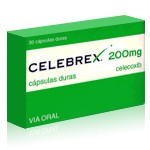
Buy Celeheal (Celecoxib 200mg) Online - Healing Pharma Bioequivalent Generic Celebrex COX 2 NSAID for Arthritis


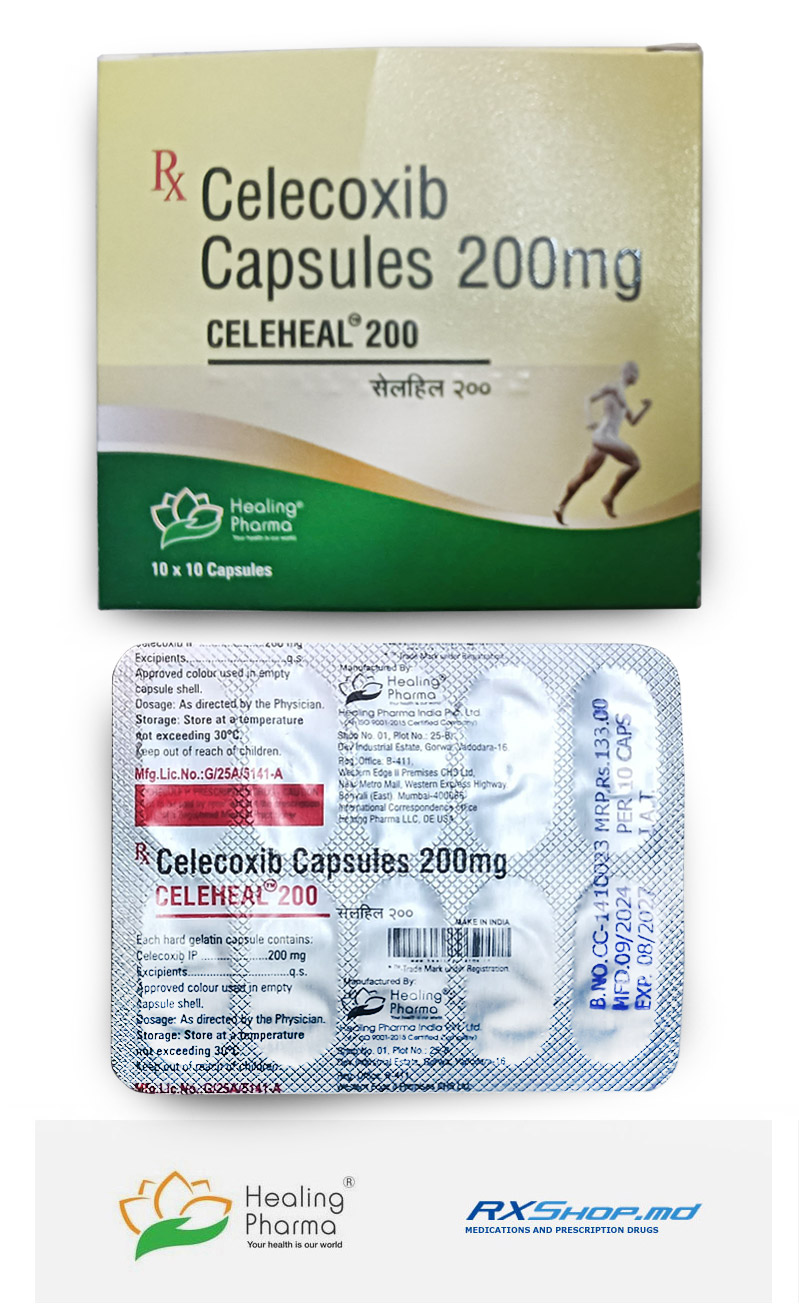
Celeheal (Celecoxib 200mg) represents the Healing Pharma India bioequivalent selective COX-2 inhibitor NSAID — a manufacturer-alternative to Cipla-branded Celebrex offering the same revolutionary first-in-class selective COX-2 inhibitor celecoxib in a convenient single 200 mg strength format. Manufactured by Healing Pharma India under WHO-GMP quality standards (same manufacturer as Zofran and Dapoforce on rxshop.md), Celeheal provides proven anti-inflammatory pain relief for osteoarthritis, rheumatoid arthritis, ankylosing spondylitis, and acute pain conditions with the same dramatically reduced gastrointestinal bleeding risk that made celecoxib the preferred NSAID for patients requiring long-term anti-inflammatory therapy. Originally developed by Searle/Pharmacia (now Pfizer) and FDA-approved as Celebrex in 1998, celecoxib established selective COX-2 blockade as the gold standard for GI-safer arthritis management.
Celecoxib works through selective cyclooxygenase-2 (COX-2) enzyme inhibition — blocking the inducible enzyme responsible for prostaglandin production at inflammation sites. Unlike traditional NSAIDs (ibuprofen, naproxen, diclofenac) that block both COX-1 and COX-2 causing gastric ulcers, celecoxib preferentially inhibits COX-2 with 10-20 fold selectivity, sparing gastric COX-1 which produces protective prostaglandins maintaining stomach mucosal integrity. Additionally, celecoxib preserves platelet function (COX-1 dependent) unlike traditional NSAIDs — providing better safety profile for patients on anticoagulants or with bleeding concerns. This produces reduced inflammation, relieved joint pain, improved joint mobility, and critically 50-60 percent lower risk of serious GI events compared to non-selective NSAIDs. Clinical response: pain relief within 45-60 minutes, peak effect at 3 hours, consistent 12-24 hour anti-inflammatory control.
Celeheal serves the same range of chronic and acute pain indications as brand-name Celebrex. Primary uses include osteoarthritis (OA) symptomatic treatment; rheumatoid arthritis (RA) anti-inflammatory therapy; juvenile rheumatoid arthritis in children 2 years and older; ankylosing spondylitis chronic inflammatory back disease; acute musculoskeletal pain; post-operative pain with reduced GI bleeding risk; primary dysmenorrhea painful menstrual periods; and familial adenomatous polyposis (FAP) as adjunct to reduce colonic polyps.
Celeheal typically dosed 200 mg once daily for OA (or 100 mg BID — but Celeheal comes in 200 mg only) or 200 mg twice daily for RA/AS. Peak at 3 hours, 11 hour half-life. Contraindicated in sulfa allergy (celecoxib is sulfonamide). Healing Pharma India manufactures under WHO-GMP standards.
Free prescription
Discrete packaging
Have questions?
Quality Assurance

- Rheumatoid Arthritis: RA anti-inflammatory therapy for autoimmune inflammatory arthritis;
- Juvenile Rheumatoid Arthritis: Pediatric RA in children 2 years and older;
- Ankylosing Spondylitis: Chronic inflammatory back disease responding to COX-2 inhibition;
- Acute Musculoskeletal Pain: Muscle and joint pain from various causes;
- Chronic Joint Pain: Persistent arthritis pain requiring long-term NSAID therapy;
- Post Operative Pain: Post-surgical pain management with reduced GI bleeding risk;
- Primary Dysmenorrhea: Painful menstrual periods responding to COX-2 selective inhibition;
- Familial Adenomatous Polyposis: FAP adjunct therapy reducing colonic polyps;
- Menstrual Cramps: Severe menstrual pain from uterine prostaglandin overproduction;
- Joint Inflammation: Inflammatory joint disease responding to selective COX-2 blockade;
- Joint Stiffness: Morning stiffness from arthritis improving with anti-inflammatory therapy;
- Inflammatory Pain: Pain from active inflammation responding to prostaglandin inhibition;
- GI Safety NSAID Alternative: Patients requiring NSAID with reduced ulcer and bleeding risk;
- Long Term NSAID Therapy: Chronic conditions requiring sustained anti-inflammatory therapy;
- Elderly Arthritis Therapy: Older patients where traditional NSAID GI risks concerning;
- Anticoagulant Compatible NSAID: Patients on blood thinners requiring reduced GI bleeding risk;
- Ulcer History NSAID Option: Patients with prior peptic ulcer requiring safer NSAID choice;
- Selective COX 2 Inhibitor Class: Drug class targeting inducible COX-2 while sparing constitutive COX-1;
- Healing Pharma Generic Celecoxib: Bioequivalent generic under Healing Pharma India WHO-GMP manufacturing.
- Less Joint Pain: Arthritis pain decreases substantially with selective COX-2 anti-inflammatory action;
- Less Joint Swelling: Active joint inflammation and swelling reduces through prostaglandin suppression;
- Less Joint Stiffness: Morning stiffness and joint tightness improve enabling normal function;
- Better Joint Mobility: Range of motion improves as inflammation and pain decrease;
- Less GI Bleeding Risk: Dramatically lower gastric ulcer and bleeding risk vs traditional NSAIDs;
- Less Gastric Ulcer Risk: COX-1 sparing preserves gastric mucosal protection;
- Better Long Term Safety: Safer profile for chronic daily NSAID therapy vs traditional agents;
- Better Osteoarthritis Management: OA patients gain sustained pain and inflammation control;
- Better Rheumatoid Arthritis Control: RA anti-inflammatory therapy improves disease control;
- Better Ankylosing Spondylitis Relief: Chronic back inflammation improves with therapy;
- Less Menstrual Pain: Primary dysmenorrhea improves through COX-2 inhibition of uterine prostaglandins;
- Less Platelet Effects: COX-2 selectivity spares platelet function unlike traditional NSAIDs;
- Better Convenient Dosing: Once or twice daily dosing supports medication adherence;
- Better Simple Single Strength Format: 200 mg only simplifies dose management without multi-strength choices;
- Better Elderly Tolerability: Older patients tolerate better than traditional NSAIDs;
- Better Anticoagulant Compatibility: Less GI bleeding risk enables use with warfarin or DOACs;
- Better Post Operative Pain Control: Surgical pain managed with reduced platelet effects;
- Better Generic Cost: 85-95% lower cost than brand Celebrex makes proven COX-2 therapy accessible;
- Better Quality of Life: Daily wellbeing improves dramatically as arthritis pain and inflammation resolve.
Generic Celeheal (Celecoxib 200 mg) Medication guide:
💊 Celeheal overview — COX-2 selective NSAID
Celeheal (celecoxib) is a selective COX-2 inhibitor — a type of non-steroidal anti-inflammatory drug (NSAID) that reduces inflammation and pain with less GI toxicity than traditional NSAIDs like ibuprofen or naproxen. The medication contains the same active ingredient (celecoxib) as other COX-2 selective agents and is used for osteoarthritis, rheumatoid arthritis, ankylosing spondylitis, acute pain, and dysmenorrhea.
💊 At a glance — what Celeheal is
- Class: Selective COX-2 inhibitor (NSAID subclass)
- Primary use: Osteoarthritis, rheumatoid arthritis, ankylosing spondylitis, acute pain
- Available forms: 100 mg and 200 mg capsules
- Typical adult dose: 100-200 mg once or twice daily (indication-dependent)
- Onset: Pain relief within 1-2 hours; peak anti-inflammatory in 1-2 weeks
- Duration: 12-24 hours
- Prescription: Required worldwide
- Generic availability: Yes
🚨 Black box warnings
- Cardiovascular risk: All NSAIDs including Celeheal carry a boxed warning for increased risk of serious cardiovascular thrombotic events, myocardial infarction, and stroke. Risk may increase with duration of use.
- CABG surgery: Celeheal is contraindicated for perioperative pain in coronary artery bypass graft surgery — increased MI and stroke risk documented with COX-2 inhibitors.
- GI risk: NSAIDs cause an increased risk of serious gastrointestinal adverse events including bleeding, ulceration, and perforation of the stomach or intestines, which can be fatal.
👩⚕️ Doctor pearl — Dr. Vikram Rao
"Celeheal earns its place in arthritis treatment because of its GI tolerance profile. Patients with osteoarthritis who could not tolerate ibuprofen because of stomach pain or who had a prior ulcer often do very well on Celeheal. The cardiovascular signal is real but modest, and for most arthritis patients the benefit of continued function outweighs that risk. The key is using the lowest effective dose for the shortest reasonable duration and checking blood pressure regularly."
Celeheal works by selectively blocking COX-2, the inducible cyclooxygenase enzyme responsible for prostaglandin production at sites of inflammation. Traditional NSAIDs block both COX-1 (which protects the stomach lining) and COX-2 (which drives inflammation). Celeheal spares COX-1, which reduces GI side effects by about 50% compared to older NSAIDs. The tradeoff is that COX-2 selective agents may slightly increase cardiovascular risk, so prescribing involves balancing GI protection against CV concern.
🧬 How Celeheal works — COX-2 selective inhibition
Celeheal (celecoxib) is a sulfonamide-based diarylheterocyclic COX-2 inhibitor. The medication selectively binds to the COX-2 enzyme active site, preventing conversion of arachidonic acid to prostaglandins at inflammation sites. Because COX-1 remains functional, gastric mucosal protection, platelet aggregation, and renal homeostasis are largely preserved compared to non-selective NSAIDs.
🧬 COX enzyme physiology
- COX-1 (constitutive): continuous production of protective prostaglandins; gastric mucosa, platelet thromboxane, renal blood flow
- COX-2 (inducible): triggered by inflammation, injury, cytokines; pain and inflammation prostaglandins
- Non-selective NSAIDs: block both — relief of inflammation but GI damage
- Celeheal (COX-2 selective): blocks mainly COX-2 — relief with less GI toxicity
- Cardiovascular effect: COX-2 inhibition reduces prostacyclin without blocking thromboxane; may tilt balance toward clotting
🌊 How Celeheal interrupts the inflammation cascade
Because Celeheal is chemically a sulfonamide, patients with sulfa drug allergies have cross-reactivity risk and should generally avoid it. The sulfa link is one of the reasons Celeheal is contraindicated in sulfa-allergic patients even though the clinical cross-reactivity rate is lower than once thought.
⚠️ GI protection vs CV risk tradeoff
The central decision in choosing Celeheal over traditional NSAIDs is this: GI toxicity is reduced about 50% (relevant for patients with prior ulcers, elderly, concurrent anticoagulants, high-dose aspirin users), but cardiovascular events are modestly increased (relevant for patients with heart disease, stroke history, or multiple CV risk factors). For a 65-year-old with osteoarthritis and prior ulcer, Celeheal is often the better choice. For a 65-year-old with coronary disease and no GI issues, naproxen may be safer. The decision is individualized.
🎯 Indications — where Celeheal works
Celeheal has multiple approved indications spanning arthritis, acute pain, and specific inflammatory conditions. The common thread is prostaglandin-driven inflammation and pain — conditions where reducing COX-2 activity relieves symptoms.
| 🎯 Indication | Typical dose | Duration pattern |
|---|---|---|
| Osteoarthritis | 200 mg once daily or 100 mg BID | Chronic; lowest effective dose |
| Rheumatoid arthritis | 100-200 mg BID | Chronic alongside DMARDs |
| Ankylosing spondylitis | 200 mg once daily; up to 400 mg daily | Chronic |
| Juvenile RA (age 2+, over 10 kg) | Weight-based 50-100 mg BID | Chronic alongside DMARDs |
| Acute pain | 400 mg initial, then 200 mg BID | Short course 3-7 days |
| Primary dysmenorrhea | 400 mg initial, then 200 mg BID | Days 1-3 of menses |
| Postoperative pain | 400 mg initial, then 200 mg BID | Short course; NOT after CABG |
| Low back pain acute | 200 mg BID; 5-7 days | Combined with activity modification |
✅ Where Celeheal really shines
The sweet spot for Celeheal is chronic arthritis in patients with GI risk factors — prior ulcer, elderly, concurrent anticoagulants, high-dose aspirin. The 50% reduction in GI toxicity compared to non-selective NSAIDs can mean the difference between tolerable arthritis treatment and no NSAID treatment at all. For patients with ankylosing spondylitis specifically, Celeheal is also one of the first-choice NSAIDs because of its efficacy and dosing flexibility.
🚨 Where Celeheal is not the right choice
- Perioperative CABG — absolute contraindication
- Significant coronary disease — naproxen often safer
- Sulfa drug allergy — cross-reactivity
- Advanced heart failure — fluid retention risk
- Severe kidney disease — CrCl under 30
- Third-trimester pregnancy — premature ductal closure
- Aspirin-induced asthma — serious reaction risk
📏 Dosing by indication and population
Celeheal dosing is indication-specific: lower doses (100-200 mg daily) for chronic arthritis use, higher doses (400 mg initial, 200 mg BID) for acute pain. The guiding principle is lowest effective dose for the shortest reasonable duration — this balance minimizes both GI and cardiovascular risk.
| 📏 Scenario | Adult dose | Max daily |
|---|---|---|
| OA maintenance | 200 mg once daily OR 100 mg BID | 200 mg |
| RA maintenance | 100-200 mg BID | 400 mg |
| Ankylosing spondylitis | 200 mg daily; can escalate to 400 mg | 400 mg |
| Acute pain / dysmenorrhea | 400 mg initial, then 200 mg BID | 800 mg on day 1 |
| Older adults (65+) | Start at lowest end of range | Case-by-case |
| Hepatic impairment moderate | Reduce by 50% | Half standard |
| Hepatic impairment severe | AVOID | — |
| Weight under 50 kg adult | Start at lowest end | Monitor |
⚠️ Dose in older adults and poor metabolizers
Celeheal is primarily metabolized by CYP2C9. Patients with CYP2C9 poor metabolizer genotype (about 1-3% of Caucasians, higher in some populations) accumulate higher levels in blood. These patients should start at 50% dose. Older adults, particularly those with low body weight, also need lower starting doses because of slower clearance and higher baseline cardiovascular risk.
| 👶 Pediatric JRA (weight-based) | Dose |
|---|---|
| Under 2 years | NOT recommended |
| 10-25 kg | 50 mg BID |
| Over 25 kg | 100 mg BID |
💡 Practical dosing tips
- Take with food to minimize GI effects (though less critical than with non-selective NSAIDs)
- Capsule can be opened and sprinkled on applesauce for difficulty swallowing
- Once-daily works for OA — split dosing improves tolerance for some
- Lowest effective dose after initial response established
- Reassess need every 3-6 months for chronic use
- Drug holidays during low-pain periods minimize cumulative CV exposure
- CYP2C9 poor metabolizer — start at half dose
- No tapering needed — can stop acutely without rebound
🕐 Timing and expected response
Celeheal timing is flexible compared to older NSAIDs. The 12+ hour half-life allows once-daily or twice-daily dosing, and the reduced GI toxicity means food timing matters less than with ibuprofen or naproxen. For chronic arthritis, consistency matters more than specific timing; for acute pain, loading dose with faster onset.
- Same time daily for consistency
- Morning for stiffness-prominent patients
- Evening if nocturnal pain dominant
- With breakfast or dinner if GI-sensitive
- Split BID dosing for RA
- Takes 1-2 weeks for full anti-inflammatory effect
- Loading dose 400 mg at onset
- Then 200 mg BID for 3-5 days
- Pain relief within 1-2 hours after first dose
- Taper off when pain resolves
- Not for breakthrough pain (slower onset than ibuprofen)
- Dysmenorrhea: start day 1 of menses
| 🛣️ Scenario | Approach |
|---|---|
| Morning stiffness RA | Dose at bedtime for overnight anti-inflammatory coverage |
| Daytime activity-related OA pain | Morning dose 30-60 min before activity |
| Pre-event (planned exertion) | Standard dose 1-2 hours before |
| Flaring arthritis | Can escalate to maximum dose briefly; reassess within 2 weeks |
| Dysmenorrhea | Start at first sign of symptoms day 1 of menses |
| Postoperative (non-cardiac) | Can start when oral intake resumed; opioid-sparing effect |
| Elderly with multiple medications | Same time as other morning or evening medications for pill-counting ease |
✅ Expectations for response
- Pain relief: within 1-2 hours of first dose
- Full anti-inflammatory effect: 1-2 weeks of consistent dosing
- Peak effect in chronic use: 2-4 weeks
- If no response after 2 weeks: reconsider diagnosis or try alternative
- If partial response: dose may need escalation (within approved range)
- If response then wanes: check adherence, GI absorption, other factors
- Can combine with acetaminophen for additive effect
- Avoid combining with other NSAIDs (additive toxicity, no added benefit)
👥 Who should and should not use Celeheal
Celeheal selection involves balancing GI protection against cardiovascular risk. Patients with GI risk factors benefit from COX-2 selectivity; patients with CV risk factors may do better with alternatives. Specific contraindications (sulfa allergy, CABG, aspirin-induced asthma) are absolute. The decision usually requires weighing individual factors.
- Osteoarthritis with GI risk factors
- Rheumatoid arthritis with prior ulcers
- Ankylosing spondylitis
- Elderly needing NSAID with GI protection
- Patients on anticoagulants needing NSAID
- Prior NSAID-induced GI bleeding
- Patients on high-dose aspirin
- Acute pain in GI-sensitive patients
- Dysmenorrhea in patients with GI issues
- Sulfa drug allergy history
- Aspirin-induced asthma or urticaria
- Perioperative CABG surgery
- Severe hepatic impairment (Child-Pugh C)
- Severe renal impairment (CrCl under 30)
- Advanced heart failure (NYHA III-IV)
- Active GI bleeding or ulcer
- Third-trimester pregnancy
- Known hypersensitivity to celecoxib
- Recent MI or stroke
| 🤔 Patient profile | Approach |
|---|---|
| 72-year-old, OA, prior ulcer | Good candidate; add PPI; low CV risk; monitor BP and renal function |
| 55-year-old, RA, coronary disease | Caution; consider naproxen if no GI issues; cardiology input |
| 45-year-old, dysmenorrhea | Good short-course candidate; standard dosing |
| Patient with sulfa allergy | AVOID; use ibuprofen, naproxen, or meloxicam |
| Patient needing CABG next week | CONTRAINDICATED perioperatively; stop and use alternatives |
| Patient on warfarin | Caution; monitor INR; PPI prophylaxis; alternative if possible |
| Pregnant woman, first trimester | Avoid when possible; acetaminophen preferred |
| Chronic kidney disease stage 3 | Caution; monitor; may avoid; nephrology input |
⚠️ The sulfa allergy question
Celeheal contains a sulfonamide side chain, but it is non-arylamine sulfonamide — the type that is less likely to cross-react with the arylamine sulfonamide antibiotics (sulfamethoxazole, etc.) that cause classic sulfa allergies. Studies suggest clinical cross-reactivity is under 5%. However, labeling still contraindicates celecoxib in sulfa-allergic patients, so prescribers typically avoid it when possible. For a patient with a severe sulfa reaction (Stevens-Johnson), avoid Celeheal. For a patient with a vague "sulfa allergy" (rash years ago), discussion of the risk-benefit is reasonable.
🚀 Starting Celeheal — baseline and first weeks
Starting Celeheal requires baseline assessment of cardiovascular, renal, hepatic, and GI risk, then matching dose to indication, and setting expectations for response timeline. For most patients the medication is well-tolerated from the first dose; monitoring during the first 2-4 weeks catches BP changes, edema, and renal effects early.
🏁 Before the first dose
- Baseline BP — NSAIDs raise BP in many patients
- Baseline renal function (creatinine, CrCl)
- Baseline LFTs if hepatic concern
- Weight for dosing in small or elderly patients
- Allergy history — sulfa, NSAID, aspirin
- GI risk assessment — prior ulcer, concurrent anticoagulants, aspirin
- Cardiovascular risk assessment — prior MI, stroke, heart failure
- Medication list — ACE inhibitors, diuretics, lithium, warfarin, methotrexate
- Pregnancy status if applicable
- Patient education on CV warning signs
👩⚕️ Doctor pearl — Dr. Lila Pavlovic
"The cardiovascular signal with Celeheal is real but should not be overread. For a 60-year-old with osteoarthritis and no coronary disease, the absolute increased MI risk is small. For a 60-year-old post-MI patient, that same risk is significant. Risk stratification before starting matters more than reflex avoidance. For patients at moderate CV risk, I prefer naproxen; for low CV risk with GI concerns, Celeheal is often the right choice. Regular BP monitoring during the first 4-6 weeks catches new hypertension early."
| 🚀 Scenario | Starting approach |
|---|---|
| Chronic OA, no risk factors | 200 mg daily; reassess in 2 weeks |
| Chronic OA, GI risk factors | 200 mg daily + PPI (omeprazole); reassess 2 weeks |
| RA, started on DMARD | 100 mg BID; rheumatology coordination |
| Ankylosing spondylitis | 200 mg daily; escalate to 400 mg if needed; rheumatology |
| Acute pain postoperative | 400 mg once, then 200 mg BID; 5-7 days |
| Older adult 75+ | 100 mg daily; close monitoring; shortest reasonable duration |
⚠️ First 2-4 weeks monitoring
- Home BP monitoring — log and report
- Edema watch — ankle swelling, weight gain
- GI symptoms — stomach pain, dark stools
- Rash — particularly within first 2 weeks
- Shortness of breath or chest pain — stop medication, emergency
- Repeat creatinine at 2-4 weeks if any renal concern
- Compliance check — is it being taken?
- Response assessment — pain and function improvement
📅 Daily routine with Celeheal
For chronic arthritis patients, Celeheal becomes part of the daily routine along with other arthritis-related activities: exercise, physical therapy, joint protection, weight management. The medication is just one piece; lifestyle measures amplify its effect and reduce the needed dose.
📅 Example daily schedule — OA patient on Celeheal
| 🏃 Activity | Celeheal consideration |
|---|---|
| Exercise | Encouraged; low-impact; Celeheal enables participation |
| Weight management | Weight loss reduces joint load; may reduce dose needed over time |
| Driving | No restriction; no sedation |
| Work | Compatible with all occupations |
| Social meals and alcohol | Compatible in moderation; limit alcohol for GI safety |
| Travel | Standard supply; no special handling |
| Hot or cold weather | Arthritis flares with cold; Celeheal continues; dress warmly |
| Flare periods | May temporarily increase dose; return to maintenance when controlled |
✅ Non-pharmacologic arthritis measures that amplify Celeheal
- Weight management — each pound of weight loss reduces knee load by 4 pounds
- Low-impact exercise — swimming, cycling, elliptical
- Strength training — muscles support joints
- Physical therapy — joint-specific programs
- Occupational therapy — joint protection techniques
- Heat for stiffness, cold for flares
- Adequate sleep — chronic poor sleep worsens pain
- Anti-inflammatory diet — Mediterranean pattern
- Smoking cessation — smokers have faster joint damage
- Joint supplements — glucosamine/chondroitin modest evidence; curcumin shows promise
💧 Hydration and anti-inflammatory diet
Hydration and diet matter during Celeheal use because NSAIDs affect kidneys and GI. Adequate fluid intake protects renal function; appropriate food choices reduce GI irritation and support anti-inflammatory effect. Patients who stay well-hydrated and eat anti-inflammatory foods often need lower Celeheal doses to maintain pain control.
2-3 liters daily; protects kidneys from NSAID effect
Fatty fish, leafy greens, berries, olive oil, nuts
Alcohol excess, high-sodium processed foods, refined sugars
| ✅ Beneficial foods | 🚫 Limit or avoid |
|---|---|
| Fatty fish (salmon, sardines, mackerel) 2-3x weekly | Processed meats; high salt content |
| Olive oil as primary fat | Trans fats and refined vegetable oils |
| Leafy greens (spinach, kale, arugula) | Excess alcohol (over 1 drink daily) |
| Berries and colorful vegetables | Sugary drinks and juices |
| Nuts and seeds (walnuts, flax, chia) | High-sodium soups and canned foods (raises BP) |
| Turmeric and ginger (modest anti-inflammatory) | Refined carbs and white sugar |
| Whole grains (quinoa, oats, brown rice) | Deep-fried foods |
| Green tea | Energy drinks (dehydrating) |
🚨 Dehydration + NSAIDs = renal injury
The combination of dehydration and NSAID use is a common cause of acute kidney injury. Patients who become dehydrated from illness (vomiting, diarrhea, hot weather, exercise) while on Celeheal can develop rapid decline in kidney function. Prevention: hold Celeheal during acute dehydration, resume when well-hydrated. Patients should know to stop the medication if they develop vomiting or diarrhea and are not drinking well.
⚠️ Sodium and blood pressure
NSAIDs including Celeheal raise blood pressure in many patients, partly through sodium retention. Patients on Celeheal should limit sodium intake (target under 2300 mg daily, ideally under 1500 mg for those with BP concerns). Processed foods are the main sodium source; home cooking with controlled seasoning is often the practical path. For patients with pre-existing hypertension, this dietary measure can offset much of the Celeheal-related BP rise.
🦴 Osteoarthritis management with Celeheal
Osteoarthritis is the most common Celeheal indication. Celeheal reduces OA pain and improves function, but works best alongside non-drug measures: weight management, exercise, physical therapy, joint protection. The medication alone rarely produces optimal outcomes; the combination of pharmacologic treatment plus lifestyle produces durable results.
| 🦴 OA treatment component | Role |
|---|---|
| Celeheal | Reduces pain and inflammation; enables activity |
| Weight management | Single biggest intervention for knee OA |
| Low-impact exercise | Maintains function; strengthens supporting muscles |
| Physical therapy | Joint-specific programs; teaches long-term maintenance |
| Topical NSAID (diclofenac gel) | Localized effect; minimal systemic exposure; good adjunct |
| Intra-articular corticosteroid injection | For flares; 2-4 per joint per year maximum |
| Hyaluronic acid injection | Modest evidence for knee OA |
| Joint replacement surgery | End-stage option; often remarkable function restoration |
📊 OA severity and treatment ladder
- Mild OA (occasional pain): acetaminophen; weight management; exercise
- Moderate OA (daily pain affecting function): add topical NSAID; begin oral NSAID (Celeheal) if needed; PT
- Severe OA (constant pain, significant disability): daily Celeheal; intra-articular injections; consider joint replacement
- End-stage OA: joint replacement; Celeheal continues for perioperative and remaining joints
- Flare management: temporary dose increase; ice; rest; activity modification
- Long-term goal: lowest effective dose maintaining function
👩⚕️ Doctor pearl — Dr. Vikram Rao
"For osteoarthritis patients, I view Celeheal as the medication that enables everything else. Pain prevents exercise; exercise strengthens the supporting muscles; strong muscles protect joints and reduce pain. If pain is severe enough that patients avoid walking, nothing else works. Starting Celeheal often restarts the virtuous cycle: less pain, more activity, better muscle support, less pain. The goal is not permanent high-dose medication but rather enough pain control to allow the activity that keeps joints functional long-term."
✅ Weight management is the single biggest OA intervention
For knee osteoarthritis, every pound of body weight loss reduces knee load by approximately 4 pounds per step. A 10-pound weight loss cumulatively reduces knee stress by thousands of pounds daily. Studies consistently show that 5-10% weight loss in overweight OA patients produces pain reduction comparable to or better than NSAID therapy, with no cardiovascular or GI side effects. For many OA patients, sustainable weight loss combined with low-dose Celeheal produces far better outcomes than high-dose Celeheal alone.
🦴 Rheumatoid arthritis — Celeheal as adjunct
Rheumatoid arthritis is a systemic autoimmune disease that requires disease-modifying antirheumatic drugs (DMARDs) as the backbone of treatment. Celeheal is used alongside DMARDs for symptomatic relief — pain, stiffness, inflammation — while the DMARDs work to prevent joint destruction. Celeheal alone is not adequate RA treatment.
| 🦴 RA medication class | Role |
|---|---|
| Methotrexate (anchor DMARD) | Foundation; disease-modifying; prevents joint damage |
| Hydroxychloroquine | Mild disease; often combined with methotrexate |
| Sulfasalazine | Alternative or combination DMARD |
| Biologic DMARDs (anti-TNF, etc.) | For inadequate response to methotrexate |
| JAK inhibitors | Oral biologic alternatives |
| Celeheal (NSAID) | Symptomatic; pain and stiffness relief |
| Low-dose prednisone | Flares; bridge therapy during DMARD onset |
🚨 Celeheal does NOT replace DMARDs in RA
A common and serious treatment error is giving RA patients only NSAIDs for pain relief without disease-modifying therapy. NSAIDs including Celeheal relieve symptoms but do not prevent joint destruction. RA patients need rheumatology referral and DMARD initiation within 3 months of diagnosis for best long-term outcomes. Patients on Celeheal alone for RA are at risk for progressive joint damage despite feeling better in the short term.
📋 Celeheal monitoring in RA patients
- Baseline and periodic BP, renal function, LFTs
- Methotrexate interaction — Celeheal raises methotrexate levels slightly; monitor
- Hepatitis B/C status if biologics are planned
- Infection risk — not from Celeheal but from DMARDs and biologics
- Disease activity measures (DAS28, CDAI) — dose Celeheal to activity
- Reduce or stop Celeheal as DMARDs achieve disease control
- Flares may warrant temporary Celeheal increase
✅ Treatment goals in RA
- Remission or low disease activity within 3-6 months
- Joint pain and swelling resolved on examination
- Normal inflammatory markers (CRP, ESR)
- Function preserved or restored
- No new joint damage on imaging over time
- Minimal medication side effects
- Patient-reported quality of life improvements
- Celeheal eventually tapered as disease control improves
🩸 Acute pain and dysmenorrhea protocols
Celeheal has specific short-course indications: acute pain (postoperative, musculoskeletal injury) and primary dysmenorrhea. For these uses, the dosing pattern differs from chronic arthritis: loading dose then standard dose for 3-7 days.
| 🩸 Acute scenario | Celeheal regimen |
|---|---|
| Postoperative pain (non-CABG) | 400 mg initial, then 200 mg BID; 3-5 days typical |
| Dental surgery pain | 400 mg initial, then 200 mg BID; 2-3 days |
| Acute musculoskeletal injury | 400 mg initial, then 200 mg BID; 3-5 days |
| Low back pain acute | 200 mg BID; 5-7 days; combine with activity modification |
| Primary dysmenorrhea | 400 mg initial, then 200 mg BID; days 1-3 of menses |
| Gout flare (if NSAID appropriate) | 400 mg initial, then 200 mg BID; 5-7 days |
| Tendonitis or bursitis | 200 mg BID; 5-7 days; rest and ice |
📅 Dysmenorrhea protocol
- Start at first symptom or at known menses onset
- Loading dose 400 mg
- Then 200 mg BID for days 1-3
- Combine with heat (heating pad on abdomen)
- Combine with rest during peak pain
- Hormonal contraceptives can be added for chronic dysmenorrhea
- If no response: evaluate for secondary dysmenorrhea (endometriosis)
- Avoid chronic monthly use beyond 3-6 months without reevaluation
🚨 Celeheal is CONTRAINDICATED after CABG
Perioperative COX-2 inhibitor use in coronary artery bypass graft (CABG) surgery was associated with significantly increased MI, stroke, and sternal wound complications in clinical trials. This is an absolute contraindication — the medication should not be used in the perioperative period of CABG, from immediately before surgery through at least 2 weeks after. For other cardiac surgeries, careful risk-benefit discussion with cardiothoracic surgery guides decision-making.
✅ Opioid-sparing effect
For postoperative pain management, combining Celeheal with acetaminophen and local anesthetics reduces opioid requirements significantly. The multimodal analgesia approach provides excellent pain control with fewer opioid side effects (nausea, constipation, sedation, respiratory depression). For hip and knee replacement patients specifically, Celeheal has become part of standard perioperative pain protocols because it reduces opioid use and speeds mobilization without the GI toxicity of traditional NSAIDs.
👩👩👧 Family communication
Family members supporting Celeheal patients can help with monitoring BP at home, watching for warning signs, encouraging exercise and weight management, and recognizing when to seek medical attention. The chronic nature of arthritis means family involvement is often sustained over years.
👩👩👧 Family briefing points
- What it is: COX-2 selective anti-inflammatory for arthritis and pain
- How it works: Blocks inflammation chemistry at pain and swelling sites
- Takes 1-2 weeks for full anti-inflammatory effect in chronic use
- Expected effects: Less pain and stiffness; better function
- Watch for: Chest pain, severe headache, leg swelling, dark stools, severe stomach pain, rash
- Help with: BP checks, exercise, weight management, hydration
- Avoid combining: Other NSAIDs (ibuprofen, aspirin at high doses)
- Alcohol: Limit to under 1 drink daily; GI protection
- Call doctor: New symptoms, no improvement, BP rise
- Call 911: Chest pain, stroke symptoms, severe allergic reaction, GI bleeding
| 📞 Situation | Family action |
|---|---|
| Starting Celeheal | Help with BP log; schedule follow-up appointments |
| Daily routine support | Pill reminders; walking companion; meal planning |
| BP rising | Log readings; call prescriber; may need dose change or alternative |
| Ankle swelling appearing | Daily weight check; call prescriber; limit salt |
| Dark stools or vomiting blood | Emergency department immediately |
| Chest pain or stroke symptoms | Call 911 immediately |
| New rash | Stop medication; call prescriber; take photo; monitor for spreading |
| Acute illness (vomiting, diarrhea) | Hold Celeheal; aggressive hydration; resume when well |
✅ Long-term family support
For chronic arthritis patients, family support sustained over years often determines outcomes more than any single medical intervention. Patients who have family members encouraging daily walks, helping with household tasks that strain painful joints, supporting weight management, and attending medical appointments typically do better than isolated patients. Simple interventions like a walking buddy, joint-friendly meal planning, and regular check-ins about pain and function amplify medical treatment effects substantially.
🧠 Mental health and chronic arthritis
Chronic pain and arthritis significantly affect mental health. Celeheal relieving pain often improves mood, sleep, and overall psychological wellbeing. However, chronic illness and pain carry independent risks for depression, anxiety, and sleep disorders that benefit from attention beyond pain control alone. The medication itself has minimal direct mental health effects.
🧠 Mental health landscape in chronic arthritis
- Depression: affects about 30% of chronic arthritis patients
- Anxiety: similar prevalence; often with depression
- Sleep disorders: very common; pain disrupts sleep
- Pain catastrophizing: amplifies pain experience
- Social isolation: pain limits participation
- Work disability: affects identity and finances
- Loss of role functions: parenting, hobbies, exercise
- Body image changes: joint deformity, mobility aids
| 🤔 Mental health concern | Approach |
|---|---|
| Mild low mood with pain | Pain control; exercise; social support; often improves |
| Clinical depression | Antidepressant and/or therapy; coordination with pain treatment |
| Anxiety about disease progression | Education about prognosis; cognitive behavioral therapy; sometimes medication |
| Insomnia from pain | Pain control at bedtime; sleep hygiene; CBT-I |
| Pain catastrophizing | CBT; mindfulness; pain psychology referral |
| Social withdrawal | Support groups; peer connections; graded re-engagement |
| Suicidal thoughts | Urgent evaluation; crisis resources; psychiatric care |
✅ Non-medication mental health supports
- Regular exercise — antidepressant effect comparable to medication
- Social connection — friends, family, support groups
- Cognitive behavioral therapy (CBT) — strong evidence for chronic pain and depression
- Mindfulness and meditation — reduces pain amplification
- Sleep hygiene — sleep affects mood significantly
- Hobbies and purpose — identity beyond illness
- Spiritual practices — for those who find meaning there
- Nature exposure — walks, parks, gardens
- Volunteering or purpose activities — contribution beyond self
⚠️ Antidepressant interactions with Celeheal
SSRIs and SNRIs commonly prescribed for depression have minor GI bleeding risk that can add to NSAID bleeding risk. For patients on both antidepressants and Celeheal, this combination deserves PPI prophylaxis (omeprazole, pantoprazole) particularly if any other GI risk factors are present. The combination is not contraindicated — just worth protecting against. Depression treatment should not be delayed because of Celeheal use.
🚶 Physical activity on Celeheal
Physical activity is one of the most important treatments for arthritis, and Celeheal enables activity by reducing pain. The combination of appropriate medication and the right exercise often produces better outcomes than either alone. The key is matching activity type to joint condition and individual tolerance.
Swimming, water aerobics, elliptical, cycling
Walking, hiking on gentle terrain, yoga, tai chi
Running, jumping, basketball, tennis (joint-dependent)
| 🏃 Activity | Celeheal consideration |
|---|---|
| Swimming | Ideal — non-weight-bearing; full-body strengthening |
| Water aerobics | Ideal — buoyancy reduces joint load; good for severe OA |
| Walking | Good; moderate load; most patients can continue |
| Cycling (stationary or outdoor) | Good; low joint impact; cardiovascular benefit |
| Elliptical trainer | Good; mimics running without impact |
| Yoga and tai chi | Excellent for balance, flexibility, strength; evidence for OA |
| Strength training | Essential; muscles support joints; proper form key |
| Running | Joint-dependent; soft surfaces; good shoes; may need reduction with OA |
| Contact sports | Case-by-case; injury risk; often reduce or modify |
💡 Exercise principles for arthritis
- Start low, go slow — even 10 minutes initially
- Consistency over intensity — daily light exercise beats intermittent intense
- Warm-up adequately — particularly important with arthritis
- Cool-down and stretch — prevents next-day stiffness
- Mix activities — cross-training reduces repetitive strain
- Listen to pain signals — sharp pain means stop; dull aching OK
- Flare adjustment — reduce during flares; do not stop entirely
- Weight management — biggest single intervention for lower-body OA
- Physical therapy — personalized program for your joints
- Celeheal timing — dose 1 hour before planned exercise session
✅ Exercise is medicine for arthritis
Strong evidence supports exercise as treatment for both osteoarthritis and rheumatoid arthritis. Studies show exercise reduces pain comparably to NSAIDs for mild-moderate OA, with cardiovascular, metabolic, and mental health benefits added. The challenge is starting and maintaining an exercise habit when pain discourages it. Celeheal removes much of the pain barrier; the exercise then addresses the underlying problem.
🏋️ Exercise programs for arthritis
Specific exercise programs designed for arthritis patients produce measurable improvements in pain and function. These programs typically combine cardiovascular, strength, flexibility, and balance training. Working with a physical therapist for initial program development, then transitioning to independent maintenance, is a common successful pattern.
| 🏋️ Exercise component | Target | Benefit |
|---|---|---|
| Aerobic (cardio) | 150 min/week moderate intensity | Cardiovascular health; weight management; mood |
| Strength training | 2-3x/week; all major muscle groups | Joint support; functional strength; metabolic health |
| Flexibility and range of motion | Daily; particularly morning | Reduces stiffness; maintains joint range |
| Balance training | 2-3x/week; particularly over 60 | Falls prevention; proprioception |
| Mind-body (yoga, tai chi) | 2-3x/week | Flexibility, balance, stress reduction |
| Functional training | Integrated into daily activities | Independence; daily task performance |
🏋️ Sample weekly schedule — moderate OA patient on Celeheal
- Monday: 30-min walk + 20-min strength training (lower body)
- Tuesday: 45-min water aerobics class OR swim
- Wednesday: 30-min walk + 20-min strength training (upper body)
- Thursday: Rest or gentle yoga (30-45 min)
- Friday: 30-min walk + 20-min strength training (lower body)
- Saturday: Longer activity — hike, bike ride, or recreation
- Sunday: Tai chi or restorative yoga (30-45 min)
- Daily: Morning stretching 10 min; evening joint care
👩⚕️ Doctor pearl — Dr. Vikram Rao
"For arthritis patients, the most sustainable exercise pattern is something they genuinely enjoy. The research supports swimming, walking, cycling, and yoga roughly equally for OA outcomes. The best exercise is the one the patient will actually do consistently over years. Celeheal removes the pain barrier that prevents starting; patient preference determines what continues. I never prescribe exercise without asking what the patient enjoys and can realistically fit into their life."
✅ Starting an exercise program
- Physical therapy consultation for personalized initial plan
- Baseline fitness assessment (6-minute walk, grip strength, flexibility)
- Realistic initial goals (10-15 minutes daily, not an hour)
- Progressive overload — gradually increase as tolerated
- Track progress — symptoms, function, enjoyment
- Buddy system or class — social accountability
- Low-cost options — walking is free; many communities have senior programs
- Adaptive equipment if needed (recumbent bike, pool noodles)
- Patience with setbacks — flares will happen; recovery is possible
📓 Symptom and medication diary
For chronic arthritis patients, a symptom and medication diary helps optimize Celeheal dosing, identify flare triggers, and inform decisions about dose adjustments or alternative treatments. Even brief weekly notes reveal patterns invisible from memory.
📓 Example diary entries
Week of Oct 25
Celeheal dose: 200 mg daily
Avg morning stiffness duration: 20 min (down from 45 min baseline)
Pain scale (0-10): avg 3 (down from 6 pre-treatment)
Function: walked 30 min daily; climbed stairs with ease
BP log: 128/78, 132/82, 126/76, 130/80, 128/78 (avg 129/79)
Weight: 78 kg (down 1 kg from last month)
Side effects: no edema; no GI symptoms; no rash
Exercise: 5 of 7 days achieved
Flare: 1 brief flare day 4; resolved by day 5
Notes: continuing current plan; follow-up in 4 weeks
| 📊 What to track | Why it matters |
|---|---|
| Morning stiffness duration | Key RA measure; longer = more active disease |
| Daily pain score | Objective measure of response |
| Function (activities completed) | Pain reduction only matters if function improves |
| Blood pressure | NSAIDs raise BP; critical safety measure |
| Weight | Edema (rapid gain) warning; weight management progress |
| Side effects | Patterns inform dose adjustment or switch |
| Exercise days achieved | Adherence to non-drug therapy |
| Flare patterns | Identifies triggers over time |
| Mood | Depression common in chronic pain |
✅ Diary benefits over time
- Objective response assessment — dose working or not
- Flare trigger identification — weather, stress, overactivity, specific foods
- Safety signal detection — BP creep, weight gain, side effect patterns
- Supports clinic visits with specific data
- Guides dose adjustments based on data not guess
- Documents functional improvement for insurance or disability
- Catches tolerance development if effect wanes
- Reveals exercise impact on symptoms
😴 Sleep and arthritis management
Sleep is deeply intertwined with arthritis management. Chronic pain disrupts sleep; poor sleep worsens pain the next day; the resulting cycle amplifies both. Celeheal breaking this cycle through improved pain control often produces dramatic sleep improvements independent of any sedative effect.
😴 Sleep considerations in arthritis
- Pain disrupts sleep — both initiation and maintenance
- Positioning — mattress and pillow support affect comfort
- Morning stiffness — worst after long immobility periods
- Night-time inflammation peaks for some patients
- Celeheal timing can target overnight comfort
- 7-9 hours target for most adults
- Chronic sleep deprivation worsens inflammation and pain thresholds
- Sleep apnea more common in arthritis populations
| 🌙 Sleep problem | Approach |
|---|---|
| Pain-related sleep onset difficulty | Bedtime Celeheal dose for overnight coverage; warm bath; comfort positioning |
| Night-time pain waking | Consistent dosing schedule; pillows for joint support; mattress evaluation |
| Early morning stiffness | Bedtime dose; gentle morning stretching; warm shower before activity |
| Insomnia despite pain control | Sleep hygiene measures; CBT-I; evaluate depression or anxiety |
| Daytime fatigue | Check sleep quality; rule out sleep apnea; depression evaluation |
| Restless legs | Iron studies; magnesium; specific treatment if persistent |
| Snoring and witnessed apnea | Sleep study; CPAP if indicated |
🛏️ Sleep comfort for arthritis patients
- Supportive mattress — medium-firm for most; adjustable for severe
- Pillow between knees if side-sleeping — reduces hip and lower back strain
- Pillow under knees if back-sleeping — reduces lower back strain
- Cervical support pillow for neck arthritis
- Adjustable bed for severe cases
- Warm bath before bed — relaxes muscles
- Consistent sleep schedule — same bedtime nightly
- Cool bedroom (18-20°C) — promotes deep sleep
- Dark environment — blackout curtains or sleep mask
- Celeheal timing — evening dose for night pain predominant patients
⚠️ Avoid sleep aids that worsen GI risk
For patients on Celeheal, sleep aids involving alcohol or NSAIDs for sleep are inappropriate. OTC "PM" formulations often contain diphenhydramine (safe) but some contain additional ibuprofen or aspirin, which combines dangerously with Celeheal. Check active ingredients carefully. For sleep medication needs, consult the prescriber about options compatible with Celeheal.
⚠️ Side effects: CV, GI, renal, skin
Celeheal side effects fall into four main categories: common and mild (headache, dyspepsia, diarrhea), cardiovascular (hypertension, edema, MI/stroke risk), gastrointestinal (ulcers, bleeding, perforation), and renal/skin/hepatic (kidney injury, rash, LFT elevation). The key safety advantage over non-selective NSAIDs is reduced GI toxicity; the main caution is cardiovascular risk.
📊 Side effect frequency on Celeheal (approximate)
- Mild headache
- Mild dyspepsia
- Occasional diarrhea
- Mild BP elevation
- Minor ankle swelling
- Mild fatigue
- Chest pain or shortness of breath
- Stroke symptoms (weakness, speech)
- Dark stools, vomiting blood
- Severe stomach pain
- Significant BP rise
- Rapid weight gain or severe edema
- Severe allergic reaction
- Rash spreading rapidly
- Jaundice
- Decreased urine output
🚨 Red flags — stop medication or seek emergency care
- Chest pain — 911
- Stroke symptoms — 911
- GI bleeding (dark stools, blood vomit) — emergency department
- Severe abdominal pain — emergency department
- Stevens-Johnson syndrome signs (rash + fever + mucous membrane involvement) — emergency
- Severe allergic reaction — 911
- Significant edema with dyspnea — emergency
- Acute kidney injury signs (decreased urine, confusion) — emergency
👩⚕️ Doctor pearl — Dr. Mikael Lindqvist
"The rash to watch for with Celeheal is rapid onset within 2 weeks of starting, particularly if it affects mucous membranes (lips, eyes, mouth) or is accompanied by fever. These features suggest the sulfonamide-related reactions that can progress to Stevens-Johnson syndrome or toxic epidermal necrolysis — rare but potentially fatal. A mild rash several months into treatment is much less concerning. The time-to-onset of rash is one of the most useful features for severity assessment."
❤️ Cardiovascular monitoring on Celeheal
Cardiovascular monitoring is essential for all patients on Celeheal. The medication raises blood pressure in a meaningful subset of patients, causes fluid retention, and modestly increases MI and stroke risk. Regular BP checks, weight monitoring, and awareness of cardiovascular warning signs form the core safety plan.
📊 CV monitoring schedule
- Baseline: BP, weight, ECG if cardiac history, lipid panel
- Week 2: BP, weight, symptom check
- Week 4: BP, weight, symptom check
- Month 3: BP, weight, renal function, LFTs
- Every 3-6 months thereafter: BP, weight, renal, LFTs
- Home BP monitoring: daily first 2 weeks, then weekly log
- Weight daily first 2 weeks to catch fluid retention
- Any symptom change: prompt reassessment
| 📈 BP finding | Action |
|---|---|
| BP stable at baseline | Continue; routine monitoring |
| BP rising 5-10 mm Hg | Monitor more closely; dietary salt reduction; weight management |
| BP rising over 10 mm Hg | Adjust antihypertensive OR reduce Celeheal OR switch to non-NSAID approach |
| New hypertension (over 140/90) | Lifestyle measures; antihypertensive initiation; reassess Celeheal need |
| Severe hypertension (over 160/100) | Stop Celeheal; aggressive BP management; alternative pain treatment |
| Hypertensive urgency (over 180/120) | Emergency department; stop Celeheal permanently if attributable |
⚠️ Edema management
- Daily weight to catch rapid gain
- Ankle swelling check — indent with finger pressure
- Weight gain over 2 kg in a week — call prescriber
- Dietary sodium reduction primary intervention
- Compression stockings for mild edema
- Leg elevation during rest
- Loop diuretic if persistent (coordinate with prescriber)
- Significant edema — may require Celeheal reduction or discontinuation
🚨 CV warning signs requiring emergency care
- Chest pain or pressure — particularly with exertion
- Shortness of breath at rest or with minimal activity
- Sudden weakness on one side of body
- Sudden speech difficulty or confusion
- Severe headache different from usual
- Vision changes sudden
- Palpitations with other symptoms
- Collapse or syncope
- → Call 911 — do not drive
🧻 GI protection with PPI co-therapy
Celeheal has about 50% less GI toxicity than non-selective NSAIDs, but GI bleeding and ulcers still occur. Patients with any additional GI risk factors benefit from PPI co-therapy (omeprazole, pantoprazole, lansoprazole). The combination provides maximum GI protection while maintaining the pain and anti-inflammatory benefit.
| 🧻 GI risk factor | PPI recommendation |
|---|---|
| No GI risk factors | PPI not routine; monitor symptoms |
| Age over 65 | PPI prophylaxis reasonable |
| Prior ulcer or GI bleed | PPI prophylaxis strongly recommended |
| Concurrent anticoagulant (warfarin, DOAC) | PPI prophylaxis strongly recommended |
| Concurrent low-dose aspirin | PPI prophylaxis strongly recommended |
| Concurrent corticosteroid | PPI prophylaxis strongly recommended |
| Concurrent SSRI | PPI prophylaxis reasonable |
| H. pylori infection history | Test and treat H. pylori; PPI prophylaxis |
| Alcohol use beyond moderate | Reduce alcohol; PPI prophylaxis if continuing |
✅ PPI prophylaxis options
- Omeprazole 20 mg daily — most studied; inexpensive
- Pantoprazole 40 mg daily — fewer drug interactions
- Lansoprazole 30 mg daily — well-tolerated
- Esomeprazole 20-40 mg daily — sometimes preferred for severe reflux
- Take 30-60 min before breakfast for optimal effect
- Long-term PPI considerations: B12, magnesium, bone density monitoring
- H2 blockers (famotidine) are less effective than PPIs for prophylaxis
- Antacids are not adequate prophylaxis
👩⚕️ Doctor pearl — Dr. Oluwaseun Adeyemi
"Even with a COX-2 selective NSAID like Celeheal, patients on low-dose aspirin for cardiovascular protection lose much of the GI safety advantage. The aspirin blocks COX-1 at low doses, and the combined effect approaches that of a traditional NSAID. For these patients, I always add PPI prophylaxis from day one. The GI protection of Celeheal plus PPI plus aspirin is still better than naproxen plus aspirin without PPI, but the gap is smaller than many prescribers realize."
🚨 GI bleeding warning signs
- Dark, tarry stools (melena) — upper GI bleeding
- Bright red blood in stool — lower GI bleeding
- Vomiting blood or coffee-ground material
- Severe stomach or abdominal pain
- Unexplained anemia (fatigue, pallor, shortness of breath)
- Lightheadedness or syncope
- Rapid heart rate at rest
- → Emergency department immediately
🚗 Driving on Celeheal
Driving on Celeheal is unrestricted for most patients. The medication has no sedating effect and does not impair cognition or reaction time. The main driving-related consideration is that chronic arthritis affecting the hands, shoulders, neck, or knees can affect driving ability independent of the medication.
- Standard Celeheal doses
- No sedation to worry about
- Commercial driving compatible
- Pilots and other alert-critical jobs
- Operating machinery
- Older adults (unlike many other arthritis drugs)
- Hand arthritis affecting steering
- Neck arthritis limiting shoulder check
- Shoulder arthritis limiting steering range
- Knee or ankle arthritis affecting pedal use
- Hip arthritis affecting car entry/exit
- Vision changes from aging alongside
| 🚗 Scenario | Consideration |
|---|---|
| Starting Celeheal, no other issues | Driving unchanged; standard rules |
| With antihypertensive adjustment | Watch for dizziness during BP med adjustment |
| Hand or wrist arthritis | Steering wheel modifications; power steering; occupational therapy |
| Neck arthritis | Mirror adjustments; blind-spot cameras; practice shoulder checks slowly |
| Severe knee or ankle OA | Automatic transmission; hand controls if severe; driving evaluation |
| Chronic opioid alongside Celeheal | Opioid is the sedating component; standard opioid driving precautions |
| Significant Celeheal-induced dizziness (uncommon) | Reassess cause; may be dehydration, BP change, or other |
✅ Celeheal preserves driving independence
For older patients with arthritis, maintaining driving ability is often important for independence. Celeheal, by reducing pain without sedation, often preserves driving that would otherwise become too painful to continue. For patients with hand or neck arthritis specifically, pain control through Celeheal, combined with vehicle modifications (easy-grip wheel covers, large mirrors, blind-spot monitoring), often maintains safe driving well into later life.
👨🦳 Older adults — use with monitoring
Older adults using Celeheal require heightened monitoring because of greater cardiovascular, GI, and renal vulnerability. However, Celeheal is often preferred over non-selective NSAIDs in geriatric arthritis management because of the better GI safety profile. The decision is nuanced and requires balancing multiple competing risks.
| 👴 Age-related consideration | Adjustment |
|---|---|
| Reduced renal function | Lower doses; more frequent creatinine monitoring |
| Higher baseline CV risk | BP monitoring more intense; shorter duration preferred |
| Higher GI bleeding risk | PPI prophylaxis routine; H. pylori testing |
| Falls risk | Not from Celeheal; from arthritis itself; address both |
| Polypharmacy | Review for warfarin, lithium, methotrexate, SSRIs, ACE inhibitors |
| Cognitive effects | None expected from Celeheal; preserves cognition unlike some analgesics |
| Heart failure | Caution; may worsen fluid retention |
| Dementia | Preserved cognition during pain treatment; preferred over anticholinergic alternatives |
⚠️ Beers Criteria context
The American Geriatrics Society Beers Criteria flags chronic NSAID use (including Celeheal) as potentially inappropriate in older adults, particularly those over 75 or with risk factors (heart failure, CKD, prior ulcer, concurrent anticoagulant). This does not mean Celeheal cannot be used but that alternatives should be considered: acetaminophen, topical NSAIDs, intra-articular injections, physical therapy. When Celeheal is used, lowest effective dose for shortest reasonable duration with aggressive monitoring.
📋 Older adult Celeheal checklist
- Baseline BP, renal function, LFTs
- Starting dose 100 mg daily (half standard)
- PPI prophylaxis routine (omeprazole or similar)
- H. pylori testing if GI risk
- Medication reconciliation for interactions
- Home BP monitoring first month
- Weight monitoring for fluid retention
- Follow-up at 4 weeks then every 3 months
- Non-drug measures emphasized (PT, weight management, exercise)
- Topical NSAID alternative considered for knee or hand OA
✅ Celeheal can still be the right choice in older adults
Despite the Beers Criteria flag, Celeheal is often the right choice for an older patient with painful arthritis when alternatives have failed. Acetaminophen alone frequently inadequate; opioids carry falls, confusion, and constipation risks; topical NSAIDs limited to specific joints. For a 72-year-old with disabling knee OA, a trial of low-dose Celeheal with monitoring is reasonable; the alternative may be chronic disability or opioid dependence, both worse outcomes.
🤰 Pregnancy and breastfeeding with Celeheal
Celeheal use during pregnancy carries trimester-specific concerns. First and second trimester use requires risk-benefit discussion; third trimester use is contraindicated because NSAIDs can cause premature closure of the fetal ductus arteriosus and other serious effects. Breastfeeding is relatively safe for short courses with awareness.
| 🤰 Period | Celeheal approach |
|---|---|
| Pregnancy planning | Discuss alternatives; some NSAIDs affect ovulation |
| Trying to conceive | Minimize use; acetaminophen preferred |
| First trimester | Avoid when possible; theoretical malformation concern |
| Second trimester | Can be used for severe inflammation; short courses |
| After 20 weeks gestation | Avoid — FDA warning on oligohydramnios risk |
| Third trimester (over 30 weeks) | CONTRAINDICATED — premature ductal closure |
| Labor | Avoid — may prolong labor and increase bleeding |
| Breastfeeding | Compatible for short courses; monitor infant |
🚨 FDA warning on NSAID use after 20 weeks
In 2020, the FDA strengthened warnings on NSAID use at or after 20 weeks of pregnancy due to oligohydramnios (low amniotic fluid) risk that can appear within days of starting the medication. For after 30 weeks gestation, NSAIDs including Celeheal are contraindicated due to premature closure of the ductus arteriosus. Pregnant women with chronic arthritis typically switch to acetaminophen, hydroxychloroquine, or other pregnancy-safer options during pregnancy.
✅ Pregnancy pain management ladder
- Step 1: Non-drug measures — rest, ice, physical therapy, support garments
- Step 2: Acetaminophen (safest throughout pregnancy)
- Step 3: Topical NSAID for localized pain (less systemic exposure)
- Step 4: Short-course NSAID in first or early second trimester if essential
- Step 5: Opioid short course for severe pain not responsive to above
- Avoid all NSAIDs after 20 weeks
- Chronic arthritis management: rheumatology coordination; pregnancy-compatible options
👶 Breastfeeding considerations
Celeheal passes into breast milk in very small amounts. For brief maternal use (acute pain, flare), breastfeeding is generally compatible — monitor the infant for signs of poor feeding, GI upset. For chronic maternal use during breastfeeding, the cumulative infant exposure is still very low but alternatives (ibuprofen or acetaminophen) have more pediatric safety data. Many lactation experts consider celecoxib compatible with breastfeeding at usual doses, particularly for the mother who had excellent response to it pre-pregnancy.
👶 Pediatric Celeheal — JRA focus
Celeheal is approved for juvenile rheumatoid arthritis (JRA) in children age 2 and older weighing at least 10 kg. Pediatric use is specialist-managed through pediatric rheumatology because JRA is a complex disease requiring DMARD coordination. Pediatric use for other indications (acute pain, OA) is rare and off-label.
| 👶 Pediatric scenario | Approach |
|---|---|
| Juvenile RA (age 2+, 10-25 kg) | 50 mg BID + DMARD + pediatric rheumatology |
| Juvenile RA (over 25 kg) | 100 mg BID + DMARD |
| Acute pediatric pain (over 2 years) | Off-label; usually ibuprofen or acetaminophen first |
| Dysmenorrhea in adolescent | Can be used; adult-like dosing for adolescent weight |
| Infant under 2 years | NOT recommended |
| Pediatric with cardiac history | Avoid; alternative NSAID or non-NSAID approach |
🏫 Pediatric considerations
- Pediatric rheumatology coordination essential for JRA
- DMARDs as backbone — Celeheal symptomatic adjunct
- Growth monitoring — JRA itself affects growth
- Capsule can be opened and sprinkled on applesauce for younger children
- School coordination for daytime dosing if needed
- Vaccination status up to date — particularly if biologics planned
- GI symptoms vigilance — children less able to describe
- Education of child and family about disease and treatment
⚠️ Pediatric alternative considerations
- Ibuprofen is first-line pediatric NSAID; well-studied
- Naproxen has longer duration; also pediatric experience
- Celeheal reserved for patients needing COX-2 selectivity benefit
- Acetaminophen for simple pain (no anti-inflammatory effect)
- Topical NSAIDs for focal joint issues
- Methotrexate and biologics are DMARD mainstays in pediatric RA
💊 Drug interactions
Celeheal has several clinically important drug interactions that require attention: NSAIDs reduce the effect of antihypertensives and increase bleeding risk with anticoagulants; celecoxib specifically is a CYP2C9 substrate with specific inducer/inhibitor concerns; and NSAIDs raise lithium and methotrexate levels.
| 💊 Drug / class | Interaction | Significance |
|---|---|---|
| Warfarin | Increased bleeding; both affected | Caution; INR monitoring; PPI prophylaxis |
| Direct oral anticoagulants (DOACs) | Increased bleeding risk | Caution; PPI prophylaxis; monitor |
| Low-dose aspirin (CV protection) | GI toxicity additive; aspirin benefit preserved | PPI prophylaxis; continue aspirin if indicated |
| Other NSAIDs | Additive toxicity, no benefit | AVOID combinations |
| ACE inhibitors / ARBs | Reduced BP effect; renal injury risk | Monitor BP, renal function |
| Diuretics | Reduced effect; renal injury risk | Monitor BP, electrolytes |
| Lithium | Reduced renal clearance; levels rise | Monitor lithium levels; dose adjust |
| Methotrexate | Reduced renal clearance; toxicity risk | Caution at high methotrexate doses |
| Fluconazole | CYP2C9 inhibition; raises Celeheal levels | Reduce Celeheal to 50% |
| Rifampin | CYP2C9 induction; lowers Celeheal levels | May need higher dose; monitor response |
| Corticosteroids | Additive GI ulcer risk | PPI prophylaxis |
| SSRIs/SNRIs | Additive GI bleeding risk | PPI prophylaxis |
| Digoxin | Reduced renal clearance of digoxin | Monitor digoxin levels |
| Alcohol | Additive GI toxicity | Limit to moderate; PPI if combined routinely |
🚨 Combinations requiring extra caution
- Celeheal + warfarin + aspirin ("triple therapy") — very high bleeding risk; usually avoid
- Celeheal + ACE inhibitor + diuretic ("triple whammy") — acute kidney injury risk particularly in dehydration
- Celeheal + lithium — monitor levels closely
- Celeheal + methotrexate high-dose — toxicity risk; low-dose MTX for RA usually fine
- Celeheal + another NSAID — no benefit, additive toxicity
- Celeheal + ongoing high-dose fluconazole — levels can rise significantly
✅ Common safe combinations
- Celeheal + acetaminophen — additive pain relief; safe combination
- Celeheal + PPI — recommended for most GI risk patients
- Celeheal + topical NSAID on different joint — usually fine
- Celeheal + methotrexate low-dose for RA — standard combination with monitoring
- Celeheal + biologic DMARDs — standard combination
- Celeheal + muscle relaxant — often combined for back pain
- Celeheal + gabapentin or pregabalin — compatible for neuropathic pain components
🦠 Renal monitoring and injury prevention
NSAIDs including Celeheal can cause renal injury through reduced renal blood flow (prostaglandin-dependent vasodilation blocked). The risk is highest in patients with pre-existing kidney disease, heart failure, dehydration, elderly, or those on ACE inhibitors and diuretics. Monitoring and prevention are standard care.
| 🦠 Renal risk category | Approach |
|---|---|
| Normal renal function, no risk factors | Standard dosing; routine monitoring |
| Older adults | Lower doses; creatinine every 3-6 months |
| Mild CKD (CrCl 60-89) | Caution; monitor every 3 months |
| Moderate CKD (CrCl 30-59) | Low dose; close monitoring; consider alternatives |
| Severe CKD (CrCl under 30) | AVOID |
| Heart failure | Caution; may worsen; weigh risk-benefit |
| On ACE inhibitor + diuretic | "Triple whammy" caution; hydration critical |
| Dehydration risk (acute illness) | Hold Celeheal until rehydrated |
🚨 Acute kidney injury warning signs
- Decreased urine output (under 400 mL/day)
- Dark concentrated urine
- Rapid weight gain from fluid retention
- Severe fatigue or malaise
- Confusion in older adults
- Ankle or facial swelling
- Shortness of breath from fluid overload
- Nausea and loss of appetite
- → Emergency evaluation; stop Celeheal; aggressive hydration if indicated
👩⚕️ Doctor pearl — Dr. Soo-Jin Park
"The patients I see with NSAID-related acute kidney injury almost always have a predictable combination: elderly patient on ACE inhibitor and diuretic for hypertension or heart failure, becomes dehydrated from vomiting or diarrhea, continues the NSAID through the illness. The injury is often reversible with early recognition and NSAID discontinuation, but delayed cases can lead to permanent CKD progression. The simple rule: hold Celeheal during any acute illness with dehydration risk, and resume only when fluid intake is back to baseline."
📊 Renal monitoring schedule
- Baseline: serum creatinine, calculated CrCl, electrolytes
- Week 2-4: repeat creatinine for high-risk patients
- Every 3 months: for patients at increased risk
- Every 6 months: for standard-risk patients
- With acute illness: check if any dehydration risk
- With medication changes: ACE inhibitor, diuretic adjustments
- Any symptom change: prompt check
- Creatinine rise 25%: investigate; reduce or stop Celeheal
🍷 Alcohol and Celeheal — moderate use OK
Alcohol and Celeheal interact mainly through additive GI toxicity. The COX-2 selectivity reduces NSAID-induced ulcer risk, but alcohol independently damages gastric mucosa through other mechanisms. The combination still raises bleeding risk. Celeheal has minimal effect on alcohol metabolism or sedation, so cognitive and driving effects of alcohol are unchanged.
🍷 Alcohol and Celeheal interaction summary
- Additive GI mucosal damage — raises ulcer and bleeding risk
- No sedation interaction (unlike older arthritis drugs)
- Both affect blood pressure — moderate alcohol modest effect; chronic heavy alcohol raises BP
- Both affect kidneys — alcohol dehydration + Celeheal renal effect
- Hepatic effect modest — moderate alcohol usually compatible
- Driving effects of alcohol — unchanged by Celeheal (standard alcohol rules)
| 🍷 Scenario | Approach |
|---|---|
| Occasional moderate drinker | 1 drink daily OK for women, up to 2 for men; monitor |
| Social drinking (occasional) | Compatible; eat with alcohol; PPI if any GI risk |
| Daily drinking (over 2 drinks) | PPI prophylaxis; discuss alcohol reduction |
| Heavy drinker (over 4 drinks daily) | High ulcer and bleeding risk; address alcohol first |
| Patient with alcohol use disorder | Address AUD; alternative pain treatment during active drinking |
| Occasional holiday heavy drinking | Not routine but one-off less concerning than chronic pattern |
| Prior GI bleeding patient | Zero or minimal alcohol; PPI continued |
⚠️ The lifestyle advantage of Celeheal
Unlike older arthritis drugs that interact dangerously with alcohol (sedating muscle relaxants, opioids), Celeheal permits moderate alcohol use for most patients. For arthritis patients who value social wine with dinner or occasional beer, Celeheal preserves this quality-of-life element better than many alternatives. The moderation rule still applies — GI protection and liver protection — but complete avoidance is not required for most patients.
🩺 Surgery and perioperative Celeheal
Celeheal perioperative management requires careful attention: contraindicated after CABG, generally stopped before major surgery, but useful for postoperative pain management (non-cardiac). The exact timing of stopping depends on surgery type and bleeding risk.
🚨 CABG contraindication
Celeheal is absolutely contraindicated for perioperative pain management in coronary artery bypass graft (CABG) surgery. Clinical trials showed increased MI, stroke, and sternal wound complications. The contraindication extends from immediately pre-op through at least 2 weeks post-op. Alternative pain management: multimodal regimen without COX-2 inhibitors, using acetaminophen, local anesthetics, and opioids.
| 🩺 Procedure type | Celeheal approach |
|---|---|
| CABG surgery | CONTRAINDICATED perioperatively |
| Other cardiac surgery | Cardiothoracic consultation; usually avoided |
| Major non-cardiac surgery (orthopedic, abdominal) | Stop 3-5 days before; resume after oral intake |
| Elective joint replacement | Stop 3-5 days before (bleeding minimal with COX-2); resume postop for multimodal pain |
| Minor outpatient surgery | May continue or hold 2-3 days; surgeon decision |
| Dental procedures | Usually continue; actually useful for post-dental pain |
| Endoscopy | Continue; no bleeding concern at mucosal level |
| Postoperative recovery (non-CABG) | Often restarted; opioid-sparing effect |
✅ Postoperative Celeheal benefits
- Opioid-sparing effect — reduces opioid dose needed by 30-40%
- Less postoperative nausea (fewer opioids)
- Less postoperative constipation (fewer opioids)
- Faster mobilization — less sedation than opioid-heavy regimens
- Shorter hospital stay in some studies
- Less respiratory depression risk
- Standard part of multimodal analgesia protocols
- Combined with acetaminophen and local anesthetics for best effect
📋 Pre-surgical Celeheal checklist
- Inform surgeon at pre-op consultation
- Inform anesthesia at pre-op assessment
- Verify no CABG planned
- Stop 3-5 days before major surgery (bleeding minimal with COX-2 but conservative)
- Alternative pain plan during the gap
- Postoperative restart timing clear
- Multimodal pain plan documented
- Chronic arthritis maintenance plan during surgery recovery
🏠 Storage and travel
Celeheal storage is simple: room temperature (20-25°C), protected from moisture and light, in the original container. The medication is stable and travel-friendly. Travel considerations include maintaining consistent dosing, international legal status, and keeping supply with you.
- Room temperature 20-25°C
- Protected from direct sunlight
- Low-humidity area (not bathroom)
- Original pharmacy container
- Secure from children
- Check expiration dates
- Keep schedule reminders handy
- Full trip supply plus 7-10 extra days
- Original labeled container
- Carry-on luggage
- Prescription letter for international travel
- Backup supply in checked bag
- Pharmacy information at destination
- Time zone dose timing plan
- PPI co-therapy if prescribed
| 🌍 Travel scenario | Approach |
|---|---|
| Short domestic trip | Continue normal schedule |
| International travel | Verify legal; prescription documentation; brand names vary |
| Long flight (over 6 hours) | Standard timing; walk every hour; hydrate |
| Hot climate | Aggressive hydration (renal safety); hat/sunscreen |
| Hiking or active trip | Pain control enables activity; hydrate for renal safety |
| Cruise with chronic arthritis | Standard supply; ship doctor also available |
| Acute illness during travel | Hold Celeheal if vomiting or diarrhea; resume when well |
📌 International brand names
Celecoxib is sold under various brand names internationally. The active ingredient celecoxib is the same across brands; dosing is identical. Read the active ingredient on packages when buying abroad to confirm equivalence.
🏥 Overdose recognition and response
Celeheal overdose is relatively uncommon and generally produces exaggerated versions of known side effects rather than unique toxicities. The main concerns are GI toxicity (ulceration, bleeding), renal impairment, hypertension, and rare cases of severe skin reactions. Treatment is supportive since there is no specific antidote.
🚨 Overdose symptoms
- Lethargy and drowsiness
- Nausea and vomiting
- Severe stomach pain
- GI bleeding
- Hypertension
- Acute kidney injury (decreased urine output)
- Severe hypotension or hypertension
- Respiratory depression (rare, high doses)
- Seizures (rare, very high doses)
- Coma (rare)
| 🏥 Treatment component | Approach |
|---|---|
| Decontamination | Activated charcoal if recent (within 1 hour) ingestion |
| GI monitoring | Hemoglobin trends; stool checks for blood; endoscopy if active bleeding |
| Renal monitoring | Creatinine; urine output; electrolytes |
| BP management | Antihypertensives if severe; IV fluids if hypotensive |
| GI protection | IV PPI for GI bleeding; endoscopic treatment if active ulcer bleed |
| Supportive care | Hydration; electrolyte correction; respiratory support if needed |
| Hemodialysis | Not useful; Celeheal highly protein-bound |
| Observation period | 24-48 hours; longer if severe |
🚨 Call Poison Control or emergency services
- Any suspected overdose
- Accidental pediatric ingestion
- Severe stomach pain or GI bleeding
- Decreased urine output
- Severe hypertension
- Confusion or altered mental status
- Any intentional overdose
⚠️ Overdose prevention
- Child-resistant containers
- Secure storage
- Clear schedule reminders to prevent double-dosing
- Review medication list regularly
- Mental health support if having concerning thoughts
- Awareness that OTC NSAIDs count toward total NSAID burden
📞 When to call the doctor
Knowing when to call the prescriber versus when to handle something at home versus when to seek emergency care prevents both unnecessary anxiety and dangerous delays. The decision rules below reflect common scenarios on Celeheal.
| 📞 Scenario | What to do |
|---|---|
| Mild headache after dose | Acetaminophen; hydration; usually resolves |
| Mild dyspepsia | Take with food; may add PPI; mention at next visit |
| Pain not improving in 2 weeks | Call prescriber; may need dose adjustment or alternative |
| Significant BP rise | Call prescriber; may need BP med or Celeheal change |
| Weight gain over 2 kg in a week | Call prescriber — fluid retention warning |
| Ankle or leg swelling | Call prescriber; may indicate fluid retention or CV issue |
| New rash | Stop medication; call prescriber; photograph it; monitor spread |
| Rash with fever or mucous membrane involvement | Emergency department — possible SJS/TEN |
| Dark stools or vomiting blood | Emergency department immediately |
| Severe stomach pain | Emergency department — rule out perforation |
| Chest pain or stroke symptoms | Call 911 immediately |
| Severe allergic reaction | Call 911 |
| Decreased urine output | Emergency evaluation — acute kidney injury |
| Suspected overdose | Call Poison Control or 911 |
📑 Information to have ready
- Current Celeheal dose and schedule
- How long on current dose
- Indication being treated
- Current BP readings if available
- Weight trend
- Other current medications
- Specific symptoms and timeline
- Response to home measures
- Any recent lab results
🚨 Contraindications and when alternatives are better
Celeheal has several absolute contraindications that must be respected, plus relative contraindications requiring careful risk-benefit analysis. The absolute contraindications include CABG surgery, sulfa allergy, aspirin-induced asthma, and advanced heart failure. Relative contraindications cover a range of cardiovascular, renal, and GI situations.
🚨 Absolute contraindications
- Known hypersensitivity to celecoxib or sulfonamides
- Aspirin-induced asthma, urticaria, or allergic reactions
- Perioperative CABG surgery
- Severe hepatic impairment (Child-Pugh C)
- Severe renal impairment (CrCl under 30 mL/min)
- Advanced heart failure (NYHA III-IV)
- Active GI bleeding or peptic ulcer disease
- Third-trimester pregnancy (over 30 weeks gestation)
- Recent myocardial infarction (within 6 weeks)
- Recent stroke (within 6 weeks)
| 🚫 Relative contraindication | Approach |
|---|---|
| Coronary artery disease (stable) | Caution; naproxen often safer; cardiology input |
| Prior MI (over 6 weeks ago) | Caution; shorter courses preferred |
| Prior stroke (over 6 weeks ago) | Caution; shorter courses |
| Peripheral vascular disease | Caution; monitor |
| Moderate CKD (CrCl 30-59) | Reduced dose; close monitoring; consider alternatives |
| Moderate hepatic impairment (Child-Pugh B) | 50% dose reduction |
| Prior ulcer or GI bleed | PPI prophylaxis required |
| Uncontrolled hypertension | Control BP first; then careful trial |
| Second-trimester pregnancy | Avoid when possible; short courses only if essential |
| CYP2C9 poor metabolizer | 50% dose reduction |
| Elderly over 85 years | Case-by-case; alternatives often preferred |
| Alcohol use beyond moderate | Address alcohol; PPI if continuing |
⚠️ Honest medical history matters
Patients should disclose all medical conditions, current medications, alcohol use, and any sulfa or NSAID allergies. Prior reactions to aspirin, ibuprofen, or sulfa antibiotics predict reactions to Celeheal. A rushed history that misses sulfa allergy or aspirin-induced asthma can lead to serious harm. If uncertain about a prior drug reaction, discussing the specifics with the prescriber before starting is worthwhile.
✅ When Celeheal is a good choice
- Chronic arthritis with GI risk factors
- Prior NSAID-induced ulcer or bleeding
- Elderly patients needing NSAID with GI protection
- Patients on anticoagulants needing NSAID
- Patients on high-dose aspirin
- Ankylosing spondylitis
- Short-course acute pain in GI-sensitive patients
- Dysmenorrhea in GI-sensitive patients
- No cardiovascular contraindications
- No sulfa or NSAID allergy
- Reasonable renal and hepatic function
Celeheal — Frequently Asked Questions
-
What is Celeheal used for?
Celeheal is commonly used to relieve pain and inflammation caused by conditions such as arthritis, ankylosing spondylitis, and menstrual cramps. It works by reducing substances in the body that cause inflammation. -
How does Celecoxib in Celeheal work?
Celecoxib is a COX-2 selective nonsteroidal anti-inflammatory drug (NSAID). It blocks the COX-2 enzyme responsible for producing prostaglandins, which are chemicals that cause pain and swelling in the body. -
Can Celeheal be taken daily?
Yes, in many cases Celeheal is taken once or twice a day depending on the condition being treated. However, it is important to follow your healthcare providers guidance for dosage and duration. -
Is Celeheal safe for long-term use?
Celeheal can be used long-term under medical supervision. However, prolonged use may increase the risk of cardiovascular issues or gastrointestinal problems, so periodic monitoring is recommended. -
What conditions can Celeheal treat?
Celeheal is effective in treating osteoarthritis, rheumatoid arthritis, ankylosing spondylitis, acute pain, and primary dysmenorrhea. It offers relief from both inflammation and joint stiffness. -
Can I take Celeheal with food?
Yes, taking Celeheal with food or milk can help reduce the risk of stomach upset, although it is also effective when taken on an empty stomach. -
Are there any common side effects of Celeheal?
Common side effects may include upset stomach, diarrhea, gas, or dizziness. These effects are usually mild and temporary. Serious reactions are rare but possible.
See all Celeheal questions (26)
📚 Drug Description Sources:
The information in this Celeheal (celecoxib) guide is compiled from authoritative pharmaceutical, rheumatology, cardiology, and regulatory sources covering COX-2 selective NSAID pharmacology, the cardiovascular and gastrointestinal safety data that shape clinical use, perioperative management guidelines, and chronic arthritis treatment approaches.
🏛️ Regulatory and government agencies
- U.S. Food and Drug Administration (FDA) - Celecoxib prescribing information including black box warnings for cardiovascular thrombotic events, GI bleeding, and the CABG contraindication.
- European Medicines Agency (EMA) - Celecoxib safety reviews across cardiovascular, renal, and GI endpoints.
- Health Canada - COX-2 inhibitor safety advisories and prescribing guidance.
- FDA 2020 NSAID pregnancy warning - Updated guidance on oligohydramnios risk after 20 weeks gestation.
📚 Professional societies and clinical guidelines
- American College of Rheumatology (ACR) - Guidelines for osteoarthritis and rheumatoid arthritis management including NSAID selection.
- European League Against Rheumatism (EULAR) - International consensus on arthritis treatment.
- American Heart Association (AHA) - NSAID cardiovascular safety statements.
- American Geriatrics Society Beers Criteria - Potentially inappropriate medications in older adults including NSAIDs.
🔬 Landmark clinical research
- CLASS trial (Silverstein FE, et al.) - Celecoxib Long-term Arthritis Safety Study comparing GI outcomes with non-selective NSAIDs.
- PRECISION trial (Nissen SE, et al.) - Prospective Randomized Evaluation Of Celecoxib Integrated Safety versus Ibuprofen Or Naproxen comparing cardiovascular safety.
- APC and PreSAP trials - Celecoxib in colorectal adenoma prevention including cardiovascular findings.
- FDA Arthritis Advisory Committee reviews - Composite CV and GI safety assessments.
📖 Medical references and textbooks
- Goodman and Gilman The Pharmacological Basis of Therapeutics - Core pharmacology reference on NSAIDs and COX-2 selective agents.
- Kelley Textbook of Rheumatology - Standard rheumatology reference on arthritis treatment.
- Harrison Principles of Internal Medicine - Pain and inflammation treatment principles.
- DRUGDEX System (Micromedex) - Peer-reviewed drug monograph for celecoxib.
Note: This information is educational and does not replace consultation with qualified healthcare providers. Celecoxib is a prescription medication with significant cardiovascular, gastrointestinal, and renal considerations; dosing and prescription decisions must be made by a licensed clinician familiar with the patient condition, concurrent medications, and risk factors.
🩺 Medical Expert Review:
Content reviewed for accuracy by rheumatology, cardiology, gastroenterology, nephrology, and dermatology authorities with expertise in COX-2 selective NSAID therapy and the cardiovascular, gastrointestinal, renal, and dermatologic considerations that define safe celecoxib prescribing across chronic arthritis and acute pain indications.
Dr. Vikram Rao, MD, DM
Rheumatology and Pain Medicine Specialist, Tata Memorial Centre — Mumbai, India
Clinical research on osteoarthritis and rheumatoid arthritis management with COX-2 selective agents, including risk stratification across the GI versus cardiovascular spectrum and generic celecoxib use in resource-conscious settings.
Dr. Lila Pavlovic, MD
Cardiologist, Clinical Center of Montenegro — Podgorica, Montenegro
Expert in NSAID cardiovascular safety assessment, blood pressure effects of COX-2 inhibitors, and perioperative decision-making for patients with cardiac disease.
Dr. Oluwaseun Adeyemi, MD
Gastroenterologist, Korle Bu Teaching Hospital — Accra, Ghana
Clinical focus on NSAID-induced GI complications including PPI prophylaxis protocols, H. pylori testing, and ulcer bleeding management in diverse populations.
Dr. Soo-Jin Park, MD, PhD
Nephrologist, Seoul National University Hospital — Seoul, South Korea
Research on NSAID-related renal injury including the triple-whammy combination risk, prevention strategies, and acute kidney injury management in chronic NSAID users.
Dr. Mikael Lindqvist, MD
Dermatology and Drug Allergy Specialist, Helsinki University Hospital — Helsinki, Finland
Focuses on drug-induced cutaneous reactions including the sulfonamide cross-reactivity question and recognition of severe cutaneous adverse reactions in NSAID users.
Disclosure: Expert names and credentials are cited for educational reference. This content is not endorsed by named experts. Content prepared by RXshop editorial team based on published literature and clinical guidelines.
More Pain Medicine Medications