Mitral Valve Prolapse: The Click and Murmur, Echo Follow-Up, Palpitations and When Beta Blockers Like Metoprolol Help

🫀 Many people first hear the words “mitral valve prolapse” after a doctor notices a click through the stethoscope, or after an echo scan ordered for something else. The name sounds alarming, and an internet search quickly turns up stories of panic attacks, chest pain, fainting and even sudden death. For the large majority of people, mitral valve prolapse is a lifelong, harmless variation of the valve that never needs surgery. 🔍 A smaller group develops a leak that grows over the years, and a very small group has rhythm problems that need closer care. This guide explains what the prolapse is, how the click and murmur are found, what the echo report means, how often it should be checked, why palpitations happen, when beta blockers such as metoprolol or propranolol help, how atrial fibrillation and dental work are handled, and when repair becomes the right step.
🫀 What mitral valve prolapse actually is
🚪 The mitral valve sits between the left atrium, the upper chamber that collects blood from the lungs, and the left ventricle, the main pumping chamber. It has two thin leaflets held by cord-like strings called chordae, which attach to small muscles in the ventricle wall. When the ventricle squeezes, the leaflets close tightly so blood goes forward into the aorta and not back into the atrium. In mitral valve prolapse, one or both leaflets are a little too large or too floppy, so they bulge back into the atrium like a parachute when the heart contracts. If the edges still meet, there is no leak. If they stop meeting well, some blood flows backwards, which is called mitral regurgitation.
📖 Older textbooks used names such as floppy mitral valve, billowing mitral valve or click-murmur syndrome. Today the diagnosis rests on a clear echo measurement, which removed many of the borderline labels given in the 1970s and 1980s, when the condition was thought to affect up to one woman in five.
👥 How common it is and who gets it
📊 Using modern echo criteria, large population studies find mitral valve prolapse in about 2 to 3 in 100 adults. It affects men and women roughly equally, although women are more often diagnosed because they are more often examined for palpitations or chest discomfort. It can run in families, and some relatives show a milder form on echo. People who are tall and slim, or who have a flat chest wall or a curved spine, have it more often, and it is part of several connective tissue conditions.
🧬 Two main kinds: Barlow disease and fibroelastic deficiency
🔬 Valve surgeons describe two typical patterns, and the difference matters for how the valve behaves over time and how it is repaired. Barlow disease means too much soft valve tissue, usually seen in younger adults, while fibroelastic deficiency means thin, weak tissue in older adults, where one string can suddenly snap.
🩺 The click and the murmur
👂 The classic finding is a short, sharp mid-systolic click, made as the bulging leaflet is suddenly pulled tight by its strings. If the valve leaks, a murmur follows the click until the end of the heartbeat. The timing changes with position, which is a useful bedside clue: anything that makes the ventricle smaller brings the click earlier and makes the murmur longer. Some people have only a click, some only a murmur, and many have neither, so a normal examination does not rule prolapse out.
🔎 How the diagnosis is made
📷 The key test is a transthoracic echocardiogram, an ultrasound scan of the heart through the chest wall. Prolapse is confirmed when a leaflet moves more than 2 mm above the ring of the valve in the long-axis view of the heart during contraction. The same scan grades any leak, measures the size and pumping of the left ventricle, the size of the left atrium and the pressure in the lungs. Other tests are added when needed.
📄 Echo report words explained
📝 Echo reports are written for doctors, and a few words can sound frightening out of context. The most important lines are the leak grade, the size of the left ventricle and the ejection fraction, because these decide the follow-up and, years later, the timing of any repair.
| 📄 Phrase on the report | 💬 What it means in plain words |
|---|---|
| Posterior or anterior leaflet prolapse | Which of the two leaflets bulges; the back (posterior) one is more common |
| Bileaflet prolapse | Both leaflets bulge, typical of Barlow disease |
| Trace or trivial MR | A tiny backflow that many healthy valves show; not a disease |
| Mild, moderate, severe MR | The size of the leak, which sets the next echo date |
| Flail leaflet | A string has broken and part of a leaflet flips into the atrium; usually a severe leak |
| LVEF | Ejection fraction, the share of blood pumped out per beat; in a leaky valve it should stay above 60% |
| LVESD | Size of the ventricle at the end of contraction; 40 mm or more matters in severe MR |
| Mitral annular disjunction (MAD) | The valve ring is attached a little away from the muscle; linked with extra beats in some people |
🤔 Symptoms people link to mitral valve prolapse
💭 Many people with prolapse feel completely well and learn about it by chance. Others describe palpitations, sharp chest twinges, tiredness, light-headedness on standing or a sense of anxiety. Careful population studies show that most of these symptoms are not more common in people with prolapse than in people without it, with the exception of palpitations, which are partly explained by extra beats. Symptoms from a severe leak are different and come later: breathlessness on effort, reduced exercise capacity, ankle swelling and a fast irregular pulse.
🧠 The old “MVP syndrome” and anxiety
📚 In past decades, prolapse was blamed for panic attacks, fatigue and a long list of vague symptoms under the name “mitral valve prolapse syndrome”. Later studies with strict echo criteria did not confirm that the valve causes anxiety or panic disorder, although both are common and can occur together. This matters, because a person with panic attacks who is told the valve is to blame may miss proper treatment for the panic itself, while a person with real valve symptoms should not be dismissed as anxious. 📖 If sudden waves of fear with a racing heart are the main problem, see panic disorder: when fear hits fast.
💓 Palpitations: what is usually behind them
📈 A monitor worn for one to fourteen days shows what the heart is doing when the symptom happens. In people with prolapse, the most common finding is harmless extra beats from the upper or lower chambers, followed by short runs of fast rhythm from the atria. The thump felt after an extra beat is actually the next normal beat, which is stronger than usual after the pause. Less often the monitor shows atrial fibrillation, and rarely complex runs of ventricular beats that need specialist care.
💊 When beta blockers help
🛡️ Beta blockers block the effect of adrenaline on the heart. They slow the heart rate, make extra beats less frequent and soften the thump that follows them. For people with prolapse whose main problem is bothersome palpitations or a fast heart rate, a low-dose beta blocker is the usual first medicine, after caffeine, alcohol, sleep and thyroid have been checked. Beta blockers do not change the shape of the valve, do not stop a leak from growing and are not needed when there are no symptoms.
⚖️ Beta blockers compared
📋 Several beta blockers work well; the choice depends on how often you want to take a tablet, other conditions such as asthma or migraine, and price. Metoprolol succinate once daily is a common first choice because it gives a steady effect over 24 hours. The doses below are usual adult ranges; the right dose for you is set by your doctor, starting low.
⚠️ Common side effects are tiredness in the first weeks, cold hands and feet, a slow pulse, dizziness on standing and vivid dreams. People with low resting blood pressure, which is common in slim people with prolapse, may feel worse on a full dose, so a small dose taken at night is often the starting point.
🗓️ Starting and stopping a beta blocker safely
📖 Practical rules for living with heart and blood pressure tablets, including what to do on sick days, are in living with blood pressure tablets.
🚫 Who should be careful with beta blockers
| 🚫 Situation | 📝 Why it matters |
|---|---|
| Asthma with wheeze | Non-selective propranolol can narrow airways; selective drugs at low dose are used only with care |
| Resting pulse below about 50, or heart block | The heart may slow too much |
| Low blood pressure or fainting on standing | Dizziness and falls can get worse |
| Taking verapamil or diltiazem | The combination can slow the heart dangerously |
| Diabetes on insulin or sulfonylureas | Warning signs of low sugar, such as shaking and fast pulse, are masked |
| Severe Raynaud phenomenon | Fingers may become colder and whiter |
💧 Mitral regurgitation: when the prolapse leaks
📏 Prolapse is the most common cause of primary mitral regurgitation in developed countries. In most people the leak stays trivial or mild for decades, but in a minority it slowly increases, and a broken string can turn a mild leak into a severe one overnight. A severe leak makes the left ventricle and left atrium stretch to handle the extra volume. For years the heart copes well and the person may feel nothing, which is why regular echo checks matter more than symptoms.
📅 How often to repeat the echo
🗓️ Follow-up is based on the size of the leak and on how the heart chambers respond. Without a real leak, a scan every three to five years is usually enough, and some cardiologists leave people with a tiny isolated prolapse to routine care. The intervals below follow the general pattern of valve guidelines; your cardiologist may shorten them if anything changes.
| 💧 Leak on the last echo | 📅 Usual next scan | 👀 Also watch |
|---|---|---|
| None or trace | 3 to 5 years, or if symptoms change | New murmur, palpitations |
| Mild | 3 to 5 years | Blood pressure, rhythm |
| Moderate | 1 to 2 years | Atrium size, effort tolerance |
| Severe, no symptoms | Every 6 to 12 months | LVEF, LVESD, lung pressure, AF |
| Severe with symptoms | Surgical review now | Repair options |
⚡ Arrhythmic mitral valve prolapse: the rare high-risk group
🧪 In recent years cardiologists have described a small subgroup of people, more often young women with Barlow-type bileaflet prolapse, who have frequent and complex ventricular extra beats and a slightly higher risk of dangerous rhythms. This is uncommon, and the overall risk of sudden death in prolapse remains very low, but a few warning features deserve a proper rhythm check. Cardiac MRI can show small areas of scarring in the papillary muscles that support the valve.
🧭 Atrial fibrillation and stroke prevention
📉 A leaking valve stretches the left atrium, and a stretched atrium is prone to atrial fibrillation, an irregular and often fast rhythm. Atrial fibrillation with prolapse is treated like atrial fibrillation in general: control the rate or rhythm, and decide on blood thinning from the stroke risk score. New atrial fibrillation in someone with a severe leak is also a sign that repair should be discussed sooner. 📖 The full stroke prevention approach is explained in atrial fibrillation: why stroke prevention comes first.
ECG or monitor shows AF
Age, blood pressure, diabetes, prior stroke, sex
If score is raised: a DOAC or Coumadin (Warfarin)
Beta blocker first; Lanoxin (Digoxin) may be added
Severe leak plus AF: discuss repair
💉 Warfarin needs regular INR blood tests and steady vitamin K intake. The practical side, including food and drug interactions, is covered in warfarin and INR: diet, interactions and bleeding risk.
🦷 Endocarditis and the dentist
🦠 Infective endocarditis is an infection of the heart valves, usually by bacteria from the mouth or skin entering the blood. A leaking prolapsed valve carries a somewhat higher risk than a normal valve, yet the absolute risk is still low. Current guidelines no longer advise routine antibiotics before dental work for people with mitral valve prolapse alone, because the risk from daily tooth brushing and chewing is far greater than from a single dental visit, and antibiotics carry their own risks of allergy and resistance.
🦷 What actually lowers the risk
🔹 Brush twice a day, clean between the teeth and see a dentist regularly; healthy gums matter most.
🔹 Antibiotic cover before dental work is still advised if you have had valve repair with a ring or other prosthetic material, a valve replacement, or a previous endocarditis.
🔹 Avoid tattoos and piercings in unclean settings and treat skin infections promptly.
🔹 Fever lasting more than a few days, night sweats and weight loss in someone with a leaky valve need blood cultures before any antibiotics are started.
🚶 Exercise, sport and daily life
🏃 For most people with prolapse and no more than a mild leak, there are no limits on exercise, work, travel or flying. Regular physical activity is good for the heart and often reduces the awareness of extra beats, which tend to appear at rest and fade as the heart rate rises. Competitive athletes, people with a severe leak, an enlarged ventricle or the arrhythmic features described above should have an exercise test and a tailored plan.
🧂 People who feel faint on standing often do better with enough fluid through the day and rising slowly from bed. Extra salt should only be added after a doctor confirms the blood pressure is low, never if it is high.
☕ Caffeine, stimulants and other triggers
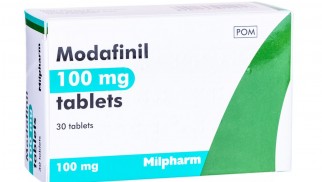
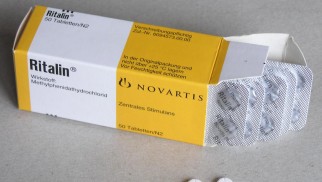
⚡ Extra beats are very sensitive to the chemistry of the day. Cutting back on the common triggers often reduces palpitations enough that no medicine is needed. Prescribed stimulants for ADHD or sleepiness, such as methylphenidate or modafinil, raise the heart rate a little and can bring on palpitations; prolapse without rhythm problems is not by itself a reason to avoid them, but the prescriber and cardiologist should know about both, and a baseline ECG and pulse check are sensible.
🩺 Blood pressure and the leaky valve
📈 High blood pressure makes the left ventricle push against more resistance, which can increase the amount of blood that leaks backwards. In people with prolapse and high blood pressure, treating the pressure to target is one of the most useful long-term steps. Beta blockers, ACE inhibitors and angiotensin receptor blockers such as Cozaar (Losartan) are common choices. However, when blood pressure is normal, vasodilator tablets are not recommended just to “protect” the valve in a severe primary leak without symptoms, because they have not been shown to delay surgery or change the outcome. If the ventricle weakens and heart failure develops, standard heart failure treatment is used; see chronic heart failure: when the heart runs low.
🤰 Pregnancy and mitral valve prolapse
👶 Pregnancy is usually well tolerated in women with prolapse and a mild or moderate leak. The extra blood volume of pregnancy can make the murmur sound different and extra beats more noticeable. Women with a severe leak, an enlarged or weakened ventricle or a history of serious rhythm problems should see a cardiologist before conception, ideally with a recent echo. Some beta blockers, such as metoprolol, are commonly continued in pregnancy when needed, while warfarin and ACE inhibitors or angiotensin receptor blockers need to be changed, so a plan made in advance avoids rushed decisions.
🔧 Repair, replacement and clip procedures
🏥 Surgery is considered when the leak is severe and either causes symptoms or starts to affect the heart, shown by an ejection fraction of 60% or less, a ventricle that measures 40 mm or more at the end of contraction, new atrial fibrillation or raised lung pressure. For prolapse, repairing the natural valve is strongly preferred over replacement, because a repaired valve lasts well, keeps the strings that support the ventricle and usually needs no long-term warfarin. In experienced centres, repair can be offered even before symptoms when the chance of a lasting repair is very high.
Reshapes leaflets, new chords, ring; first choice
Same repair through a small side incision in many centres
For people too high-risk for surgery
When repair is not possible; tissue or mechanical valve
💊 After a mechanical valve replacement, lifelong warfarin is needed and the newer blood thinners cannot be used. After repair with a ring, a short course of a blood thinner is sometimes given in the first months, and dental antibiotic cover applies from then on.
🗿 Myths and facts
📆 Living with prolapse over the years
🗂️ A simple personal record makes every future appointment more useful. Keep copies of each echo report and ECG, a list of medicines and a short symptom diary, and bring them when you see a new doctor. Many people go decades with nothing more than a scan every few years and a beta blocker during spells of extra beats.
🚨 When to see a doctor
⛔ Call emergency services if you have:
🔹 Fainting, especially during exercise, or a fainting spell with palpitations just before it.
🔹 Chest pain with sweating, breathlessness or nausea lasting more than a few minutes.
🔹 Sudden severe breathlessness, coughing pink frothy fluid or being unable to lie flat, which can follow a broken valve string.
🔹 Sudden weakness of one side, facial droop or trouble speaking.
⚠️ Book a prompt appointment if: breathlessness on stairs is new or growing, ankles swell, the pulse stays irregular, palpitations become frequent, or you have a fever for several days with a known leaky valve.
❓ Frequently asked questions
Is mitral valve prolapse dangerous?
For most people it is not. Most prolapsing valves never leak badly. A minority develop a severe leak or rhythm problems, which is why regular echo checks are advised.
How is mitral valve prolapse diagnosed?
With an echocardiogram. Prolapse is confirmed when a leaflet bulges more than 2 mm into the left atrium during contraction. The scan also grades any leak.
Does mitral valve prolapse cause palpitations?
Palpitations are common and are usually caused by harmless extra beats. A heart monitor worn during symptoms shows which rhythm is responsible.
Which beta blocker is best for mitral valve prolapse?
There is no single best one. Metoprolol succinate once daily is a common choice; bisoprolol, atenolol and propranolol are alternatives depending on other conditions such as asthma or migraine.
Can medicine stop the valve from getting worse?
No tablet has been shown to change the valve itself. Medicines control symptoms, rhythm and blood pressure; repair is the only treatment that fixes a severe leak.
How often do I need an echo?
With no or a mild leak, usually every 3 to 5 years. With a moderate leak every 1 to 2 years, and with a severe leak without symptoms every 6 to 12 months.
Do I need antibiotics before dental work?
Not for prolapse alone. Antibiotic cover is advised after valve repair with prosthetic material, valve replacement or a previous endocarditis.
Can I exercise with mitral valve prolapse?
Most people can exercise without limits. Those with a severe leak, an enlarged ventricle or complex rhythm problems need an individual plan from a cardiologist.
Does mitral valve prolapse cause anxiety?
Studies with modern echo criteria did not show that the valve causes anxiety or panic. Both are common and can coexist, and each needs its own assessment.
When is surgery needed for mitral valve prolapse?
When the leak is severe and causes symptoms, or when the echo shows the heart is affected, such as an ejection fraction of 60% or less or an enlarged ventricle. Repair is preferred over replacement.
📑 Sources and editorial
- 📘 International guidelines on the management of valvular heart disease and mitral regurgitation
- 📷 Echocardiography society recommendations on the definition and grading of mitral valve prolapse and regurgitation
- 📊 Population studies of the prevalence and outcome of mitral valve prolapse
- ⚡ Expert consensus statements on arrhythmic mitral valve prolapse and mitral annular disjunction
- 🦷 Guidance on the prevention of infective endocarditis
- 💊 Product information for metoprolol, bisoprolol, propranolol, atenolol, warfarin and digoxin
- 📖 Related reading: atrial fibrillation and stroke prevention, warfarin and INR, living with blood pressure tablets, chronic heart failure, panic disorder
- 🛒 Related products: Toprol XL (Metoprolol Succinate), Lopressor (Metoprolol), Zebeta (Bisoprolol), Inderal (Propranolol), Tenormin (Atenolol), Cozaar (Losartan), Coumadin (Warfarin), Lanoxin (Digoxin)
- 🩺 RXshop Editorial Team — reviewed by Robert Hayes, MD — Cardiology
Medical Disclaimer: The information in this article is for educational and informational purposes only and is not a substitute for professional medical advice, diagnosis, or treatment. Always seek guidance from a qualified healthcare provider with any questions you may have regarding a medical condition, and before starting, stopping or changing any medication.