Pneumocystis Pneumonia (PCP): Who Is at Risk, the Early Signs, Co-Trimoxazole Treatment and How Prophylaxis Prevents It


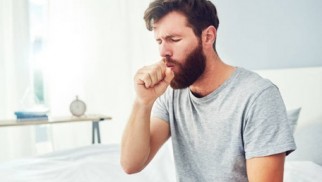
🫁 Most chest infections are caught from other people, last a week or two and clear up with rest or a short antibiotic course. Pneumocystis pneumonia, usually shortened to PCP, is different: it almost only strikes people whose immune defences are already weakened. It is caused by a fungus called Pneumocystis jirovecii that most of us breathe in during childhood without ever noticing. In a person with untreated HIV, after an organ or stem cell transplant, during chemotherapy, or on months of high-dose steroids, the same fungus can fill the air sacs and make breathing harder day by day. 🔍 This guide explains who is really at risk, the quiet early signs that are easy to dismiss, how doctors confirm the diagnosis, how co-trimoxazole (trimethoprim plus sulfamethoxazole) is used to treat and prevent it, when steroids are added, what to do with a sulfa allergy, and when breathlessness needs emergency care.
🍄 What Pneumocystis is and why healthy people rarely get sick
🔬 Pneumocystis jirovecii was long thought to be a parasite and was called Pneumocystis carinii, which is why the old name “PCP” stuck even after scientists reclassified it as a fungus. It lives only in the lungs of humans, cannot be grown in a normal laboratory and does not respond to the usual antifungal medicines such as fluconazole. Blood tests show that most children have met Pneumocystis by the age of four, and healthy adults carry it briefly from time to time without symptoms. The body keeps it under control mainly through CD4 T cells, a type of white blood cell that directs the immune response in the lungs.
💨 The fungus spreads through the air from person to person. When CD4 cells are destroyed by HIV or suppressed by medicines, the fungus multiplies freely, sticks to the lining of the air sacs and triggers inflammation that thickens the thin wall through which oxygen passes into the blood. The result is a pneumonia that steals oxygen long before it causes much coughing or noise in the chest.
👥 Who is really at risk
📋 PCP is not a danger for people with a normal immune system, so worrying about it after an ordinary cold makes no sense. The risk belongs to clearly defined groups, and doctors are expected to offer prevention to them in advance. The list below shows the main ones, from the highest risk to the moderate.
🩸 PCP and HIV: the CD4 count as a warning light
📉 Before effective HIV treatment existed, Pneumocystis pneumonia was the infection that first revealed AIDS in a large share of patients. Today it is much rarer, but it still appears in people who do not know they have HIV, who were diagnosed late or who stopped their treatment. The CD4 count is the best guide to risk. Above 200 cells per microlitre PCP is unusual; below 200 the risk rises steeply, and below 100 it is high. Oral thrush (white patches in the mouth), unexplained fever and weight loss are clinical signs that the immune system is failing and that the CD4 count is probably low.
💊 The real long-term protection is effective antiretroviral therapy. Modern once-daily regimens such as Viropil (Dolutegravir + Lamivudine + Tenofovir) or regimens built on Xapavir (Dolutegravir) suppress the virus, and the CD4 count then climbs back over months. Older combinations such as Combivir (Lamivudine + Zidovudine) are still used in some settings. 📖 How a first regimen is chosen and what to expect in the first year is covered in starting HIV treatment: the first regimen and the first year.
💉 PCP without HIV: steroids, transplants and cancer care
🏥 Since HIV treatment improved, a growing share of Pneumocystis pneumonia is seen in people who do not have HIV at all. These patients are often on several medicines that lower immunity at the same time: a transplant recipient taking tacrolimus and mycophenolate, a person with vasculitis on high-dose prednisolone plus cyclophosphamide, someone with lymphoma on chemotherapy and rituximab, or an older patient with lung fibrosis on months of steroids. The risk is often highest when the steroid dose is being reduced, because the immune system starts to react and the inflammation in the lungs suddenly flares.
🧪 Common medicines that add to the risk include long courses of prednisolone such as Predniheal (Prednisolone), Imuran (Azathioprine) and Methotrexate (Methotrexate). On their own, at the usual doses for arthritis, azathioprine and methotrexate carry a low risk; the danger rises when they are combined with high-dose steroids or other strong suppressants. 📖 Practical advice on infection checks and vaccines while on these drugs: living on immunosuppressants: monitoring, infection and vaccines.
⚖️ How PCP behaves with and without HIV
💡 The difference matters for patients and families. A transplant patient or someone on high-dose steroids who becomes breathless over two or three days should be seen the same day, not told to wait and see whether a cold improves.
🌡️ The early signs that are easy to miss
🔎 PCP rarely starts dramatically. The first sign is often that the stairs feel harder than usual or that a short walk leaves the person out of breath. The cough is usually dry, with little or no sputum, which is one reason it gets mistaken for a viral cough or for anxiety. Fever may be low. Doctors often find that the lungs sound almost normal through a stethoscope, while a finger oxygen monitor shows the level falling during walking.
⚠️ Steroids can hide fever and blunt the usual signs of infection. For anyone on long-term prednisolone, new breathlessness should be treated as a reason for a check, even without a temperature. A sudden sharp chest pain with worse breathing can mean a collapsed lung (pneumothorax), a known complication of PCP that needs emergency care.
📊 Why the oxygen level falls before the chest sounds change
🫁 In bacterial pneumonia, pus fills one part of the lung and doctors hear crackles in that area. In PCP the problem is spread thinly through both lungs: the walls of millions of air sacs become thick and foamy, so oxygen crosses slowly everywhere. At rest the body copes, but during effort the blood rushes through the lungs too fast to pick up enough oxygen. That is why doctors often ask the patient to walk or climb steps while wearing a finger oximeter.
🧪 How doctors confirm the diagnosis
🔬 Because the fungus cannot be grown in culture, the diagnosis relies on finding it directly in samples from the lungs, supported by blood tests and imaging. Treatment is usually started on suspicion, before every result is back, because a delay of a few days can change the outcome; the tests stay positive for some days after treatment begins.
📐 Mild, moderate or severe
📏 The severity of PCP is judged mainly by the oxygen level in arterial blood, because that decides whether tablets at home are enough, whether hospital care is needed and whether steroids should be added. Most people with confirmed PCP are treated in hospital at least for the first days, and only clearly mild cases with close follow-up are managed with tablets from the start.
| 📊 Severity | 🫁 Oxygen in arterial blood | 🏥 Usual setting |
|---|---|---|
| Mild | PaO2 above 70 mmHg (9.3 kPa) breathing room air | Tablets, close follow-up, sometimes at home |
| Moderate | PaO2 about 60 to 70 mmHg (8 to 9.3 kPa) | Hospital, steroids added |
| Severe | PaO2 below 60 mmHg (8 kPa), or rapid breathing at rest | Hospital, intravenous treatment, often high-dependency care |
💊 Co-trimoxazole: the first-choice treatment
✅ The medicine of choice for treating and preventing Pneumocystis pneumonia is co-trimoxazole, the combination of trimethoprim and sulfamethoxazole, sold as Bactrim DS (Sulfamethoxazole + Trimethoprim). The two parts block two steps of the same pathway the fungus uses to make folate, so together they work far better than either alone. It is effective, cheap, well absorbed by mouth and has decades of experience behind it. No other medicine has matched it in head-to-head trials.
📋 Treatment dose in adults
💊 Based on the trimethoprim part: 15 to 20 mg per kg per day, split into 3 or 4 doses
⚖️ For an adult of about 70 kg with mild to moderate PCP this is usually 2 double-strength tablets (960 mg each) three times a day
💉 Given by drip in severe disease, switched to tablets once the patient improves
📅 Total course: 21 days, often 14 to 21 days outside HIV
📊 Checks during treatment
🩸 Full blood count for low white cells and platelets
🧪 Potassium and sodium levels
🫘 Kidney function, with dose changes if it is reduced
🧬 Liver tests and a look at the skin for rash
📝 The dose is adjusted for weight and kidney function, so the exact number of tablets is always set by the treating doctor. Folinic acid (leucovorin) is not added during PCP treatment, because it was linked to treatment failure in studies.
🗓️ The 21-day course step by step
💊 When steroids are added
🔥 Killing large numbers of fungus releases material that fuels inflammation in the lungs, which is why breathing often worsens in the first days. In people with HIV and moderate or severe PCP, adding a steroid within 72 hours of starting co-trimoxazole lowers the risk of needing a ventilator and of death. The usual trigger is an arterial oxygen pressure below 70 mmHg (9.3 kPa) on room air. Outside HIV the evidence is less clear and specialists decide case by case, especially for people who were already on steroids when PCP appeared.
| 📅 Days | 💊 Usual oral prednisone or prednisolone dose |
|---|---|
| Days 1 to 5 | 40 mg twice a day |
| Days 6 to 10 | 40 mg once a day |
| Days 11 to 21 | 20 mg once a day |
📖 Prednisolone tablets such as Predniheal (Prednisolone) are used at the same doses. Steroids for PCP are always prescribed together with co-trimoxazole, never on their own, and blood sugar is checked during the course, especially in people with diabetes.
⚠️ Side effects of co-trimoxazole and how they are handled
💡 The high treatment doses cause more side effects than the low doses used for urine infections or prevention. People with HIV are especially prone to rash and fever from co-trimoxazole, often in the second week. Many side effects are manageable without stopping, but some need an immediate change of medicine.
💧 Drinking enough fluid helps protect the kidneys. A modest rise in creatinine is partly caused by trimethoprim blocking the way the kidney releases creatinine, so doctors look at the whole picture before calling it kidney damage.
🔗 Interactions worth knowing
| 💊 Medicine taken with co-trimoxazole | 📝 What can happen |
|---|---|
| Methotrexate | Higher methotrexate levels and dangerous bone marrow suppression; usually avoided together, or only with close blood monitoring |
| Warfarin | INR rises, bleeding risk; INR checked within days |
| ACE inhibitors, ARBs, spironolactone | Potassium can climb to dangerous levels |
| Sulfonylureas (glipizide, gliclazide) | Low blood sugar |
| Phenytoin | Higher phenytoin levels, unsteadiness |
| Azathioprine | Additive effect on white blood cells |
📋 A full medicine list, including over-the-counter products and supplements, should be shown to the doctor or pharmacist before a treatment course starts. The combination of methotrexate and co-trimoxazole deserves special attention, because both block folate and people with rheumatoid arthritis are among those who may be offered PCP prevention.
🚫 Allergy to sulfa drugs: the options
🤔 A history of “sulfa allergy” is common, but it is often a mild rash years ago or a stomach upset that was never a true allergy. Because co-trimoxazole works so much better than the alternatives, specialists often look at the details before giving it up. After a mild rash without blisters or fever, many people can take it again, sometimes by a gradual dose build-up called desensitisation under supervision. After a severe reaction such as Stevens-Johnson syndrome, toxic epidermal necrolysis or DRESS, it must never be used again.
→ often retried, or graded dose build-up
→ specialist advice, usually an alternative
→ never again, alternative only
🔄 Alternatives when co-trimoxazole cannot be used
💊 Second-line treatments are chosen by severity and by tests such as G6PD, an enzyme whose deficiency makes some of these drugs break down red blood cells. None of the alternatives is as reliable as co-trimoxazole, so the choice is made by an infectious disease or respiratory specialist.
📝 Clindamycin can cause diarrhoea, and rarely severe Clostridioides difficile colitis; any watery diarrhoea with cramps during or after the course should be reported. Ordinary antibiotics for chest infections, such as amoxicillin or azithromycin, do nothing against Pneumocystis, which is one reason a missed diagnosis can drag on through several useless courses.
🛡️ Prophylaxis: preventing PCP before it starts
📉 Prevention works remarkably well. A low daily dose of co-trimoxazole cuts the risk of PCP dramatically in every high-risk group, and the same dose also protects against toxoplasmosis and some bacterial infections in people with HIV. After a first episode of PCP, prevention is called secondary prophylaxis and starts as soon as the treatment course ends.
☑️ Should you ask about prevention? A checklist
📈 When prevention can stop
🔚 In HIV, prevention can usually stop once antiretroviral therapy has pushed the CD4 count above 200 for at least three months with the virus under control. Some guidelines also allow stopping when the CD4 count is between 100 and 200 but the viral load has been undetectable for several months. Outside HIV, prophylaxis usually continues for as long as the immune-suppressing treatment stays at high intensity, for example until the steroid dose has come down below about 15 to 20 mg a day, or for the first 6 to 12 months after a transplant, depending on the protocol of the treating centre.
Full treatment course
Antiretroviral therapy starts
Daily prevention tablet, CD4 checks
For 3 months: prevention can stop
🩸 Starting HIV treatment after PCP
⏱️ For people found to have HIV at the time of PCP, the question is when to start antiretroviral therapy. Studies support starting within about two weeks of beginning PCP treatment, rather than waiting until the end, because early therapy lowers the risk of further opportunistic infections and death. A small number of people develop immune reconstitution inflammatory syndrome (IRIS), where the recovering immune system attacks remaining fungus and breathing briefly worsens. It is managed by the HIV team, usually without stopping the antiretroviral drugs. 📖 Switching, viral blips and resistance later on are explained in HIV regimens: switching treatment, viral blips and drug resistance.
👅 Oral thrush and other clues of low immunity
👅 White patches on the tongue or inside the cheeks that can be wiped off, soreness on swallowing, or cracks at the corners of the mouth are signs of oral candidiasis. In an adult who is not on steroid inhalers, antibiotics or chemotherapy, thrush without a clear cause is a reason to test for HIV, and in a person known to have HIV it signals a high PCP risk whatever the last CD4 count was. Thrush itself is treated with antifungal tablets such as Diflucan (Fluconazole), but fluconazole does not protect against Pneumocystis, which needs co-trimoxazole.
🔍 Other clues that the immune system may be struggling:
🔹 Unexplained weight loss of more than a few kilograms
🔹 Night sweats or fever lasting weeks
🔹 Repeated shingles, or shingles at a young age
🔹 Long-lasting diarrhoea without a cause
🗿 Myths and facts about Pneumocystis pneumonia
🤱 Pregnancy, older age and kidney disease
🤰 PCP in pregnancy is serious for both mother and baby, so co-trimoxazole remains the treatment of choice in pregnancy, with extra folic acid often given outside the treatment course and the baby watched for jaundice if it was used close to delivery. Prevention during pregnancy is decided by the HIV or transplant team, weighing the low risk from the drug against the high risk of the infection.
👴 Older people and those with reduced kidney function are more prone to high potassium, low sodium and bone marrow effects. For them, doses are lowered according to kidney function and blood tests are taken more often, especially in the first two weeks. People on blood pressure tablets that hold potassium in the body may need a temporary change.
🏠 Recovery after Pneumocystis pneumonia
🚶 Breathlessness improves over weeks rather than days. Most people feel clearly better by the end of the treatment course, but stamina may take two to three months to return. Gentle walking that increases a little each day is usually encouraged. A follow-up visit checks oxygen on exertion, blood tests and, where relevant, the CD4 count and viral load. Smoking slows recovery of the lungs and raises the risk of other infections, so this is a good moment to stop.
Daily short walks, enough sleep, regular meals, every prevention tablet
Smoking, skipping antiretroviral doses, stopping prevention early
Flu, pneumococcal and COVID vaccines once stable
📖 If you are unsure whether a new chest infection needs hospital care, the general rules are explained in pneumonia or bronchitis: severity score and when to go in.
🚨 When to see a doctor urgently
⛔ Seek medical care the same day if you are in a risk group and:
🔹 You become short of breath on light effort, such as dressing or walking across a room.
🔹 A home oximeter shows 94% or less at rest, or a clear drop when you walk.
🔹 You have a dry cough and fever for more than a few days while on steroids, chemotherapy or after a transplant.
🔹 You get a sudden sharp chest pain with worse breathing, which can mean a collapsed lung: call emergency services.
🔹 While on co-trimoxazole you notice blisters, peeling skin, mouth sores or yellow eyes: stop the tablets and get help at once.
💬 What to tell the doctor: all medicines you take with doses (especially steroids and immune suppressants), your HIV status or last CD4 count if known, how long you have been breathless, and any past reaction to sulfa drugs.
❓ Frequently asked questions
What is Pneumocystis pneumonia?
It is a lung infection caused by the fungus Pneumocystis jirovecii. It affects people with weakened immunity, such as untreated HIV, transplant recipients and people on long high-dose steroids.
Why is it still called PCP?
The fungus used to be named Pneumocystis carinii. It was renamed Pneumocystis jirovecii, but the short form PCP is still used for Pneumocystis pneumonia.
Can a healthy person catch PCP?
Healthy people breathe in the fungus but almost never become ill. Pneumonia develops when CD4 cells are low or immune defences are suppressed by medicines.
What are the first symptoms of PCP?
Breathlessness on effort that worsens over days or weeks, a dry cough, low fever and tiredness. The oxygen level often falls on walking before the chest sounds change.
What is the treatment for Pneumocystis pneumonia?
Co-trimoxazole (trimethoprim plus sulfamethoxazole) for 21 days is first choice. Steroids are added when oxygen is low, and alternatives are used in sulfa allergy.
How many Bactrim DS tablets are used to treat PCP?
The dose depends on weight and kidney function. For an adult of about 70 kg with mild to moderate disease it is usually 2 double-strength tablets three times a day, set by the doctor.
Who needs PCP prophylaxis?
People with HIV and a CD4 count below 200, transplant recipients, some cancer patients, people on 20 mg prednisone or more for a month with other risks, and anyone who has had PCP before.
What is the usual prevention dose of co-trimoxazole?
One double-strength or one single-strength tablet daily, or one double-strength tablet three times a week, as chosen by the treating team.
What if I am allergic to sulfa drugs?
After a mild rash, a specialist may retry co-trimoxazole with a gradual dose build-up. After a severe reaction, alternatives such as clindamycin with primaquine, atovaquone, dapsone or pentamidine are used.
When can PCP prevention be stopped?
In HIV, usually when the CD4 count has stayed above 200 for at least three months on treatment. Outside HIV, when the immune-suppressing treatment has been reduced, as decided by the specialist.
📑 Sources and editorial
- 📘 Clinical guidelines on prevention and treatment of opportunistic infections in adults with HIV
- 🏥 Guidance on Pneumocystis prophylaxis in solid organ and stem cell transplant recipients
- 💊 Haematology and oncology recommendations on infection prevention during cancer treatment
- 🔬 Reviews of Pneumocystis pneumonia in patients without HIV, including steroid-related cases
- 🧪 Trials of adjunctive corticosteroids in moderate to severe Pneumocystis pneumonia
- 📋 Product information for trimethoprim with sulfamethoxazole, clindamycin and prednisolone
- 📖 Related reading: starting HIV treatment, HIV regimens and drug resistance, living on immunosuppressants, pneumonia or bronchitis
- 🛒 Related products: Bactrim DS (Sulfamethoxazole + Trimethoprim), Cleocin (Clindamycin), Predniheal (Prednisolone), Viropil (Dolutegravir + Lamivudine + Tenofovir), Xapavir (Dolutegravir), Diflucan (Fluconazole)
- 🩺 RXshop Editorial Team — reviewed by Emily Chen, MD — Internal medicine
Medical Disclaimer: The information in this article is for educational and informational purposes only and is not a substitute for professional medical advice, diagnosis, or treatment. Always seek guidance from a qualified healthcare provider with any questions you may have regarding a medical condition, and before starting, stopping or changing any medication.