Buy Sinequan (Doxepin) Online — Most Sedating TCA Antidepressant Also Used for Insomnia (Silenor) & Pruritus (Zonalon)

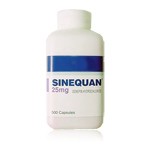
Sinequan is the original brand-name formulation of Doxepin — a tertiary amine tricyclic antidepressant (TCA) uniquely distinguished as the most potent H1 histamine antagonist of any medication, including dedicated antihistamines like diphenhydramine. Originally developed by Pfizer/Roerig and FDA-approved since 1969, Sinequan is one of the oldest TCAs still in clinical use. The unique pharmacology has supported FDA approval for diverse indications including major depression, anxiety, insomnia (as low-dose Silenor), and topical pruritus (Zonalon).
The active ingredient is Doxepin Hydrochloride, a tertiary amine TCA that works through serotonin and norepinephrine reuptake inhibition along with extraordinarily potent H1 histamine antagonism. Additional receptor effects include H2 histamine antagonism, anticholinergic activity, α1-adrenergic blockade, and sodium channel blockade. The dose-response curve is unique — at the very low doses used for insomnia (3-6 mg), Doxepin functions primarily as an antihistamine with minimal anticholinergic burden; at higher doses for depression (75-300 mg), full TCA pharmacology emerges.
Sinequan is FDA-approved for major depressive disorder, anxiety, insomnia (specifically as low-dose Silenor 3-6 mg tablets for sleep maintenance insomnia), and atopic dermatitis pruritus (as Zonalon 5% topical cream). Off-label uses include chronic urticaria, cholestatic and uremic pruritus, GERD-related insomnia, functional dyspepsia, fibromyalgia, and chronic neuropathic pain.
The medication is available as Sinequan 10, 25, 50, 75, 100, and 150 mg capsules, Silenor 3 and 6 mg tablets (insomnia only), 10 mg/mL oral concentrate solution, and Zonalon 5% topical cream. Standard adult depression dosing is 75-300 mg/day. For insomnia, Silenor 3-6 mg at bedtime is uniquely low and well-tolerated.
Critical safety considerations include the FDA boxed warning for suicidal ideation in pediatric/young adult patients, significant cardiotoxicity, severe sedation (most among TCAs), anticholinergic side effects, orthostatic hypotension, weight gain, lowered seizure threshold, dangerous overdose toxicity, MAOI contraindication, and Beers Criteria caution in elderly.
Free prescription
Discrete packaging
Have questions?
Quality Assurance

- Anxiety Disorders: FDA-approved for anxiety associated with depression or other psychiatric conditions;
- Depression With Anxiety: For depression with prominent anxiety symptoms — dual benefit single agent;
- Depression With Insomnia: For depression with prominent insomnia — sedating bedtime dose addresses both;
- Treatment Resistant Depression: For treatment-resistant depression where SSRIs/SNRIs have failed;
- Insomnia: FDA-approved as low-dose Silenor 3-6 mg specifically for sleep maintenance insomnia;
- Sleep Maintenance Insomnia: Silenor FDA-approved specifically for sleep maintenance — reduces nighttime awakenings;
- Elderly Insomnia: Silenor low-dose preferred in elderly avoiding benzodiazepine and Z-drug fall risk;
- Chronic Insomnia: For chronic insomnia requiring long-term therapy — no tolerance development;
- Atopic Dermatitis Pruritus: Zonalon 5% topical cream FDA-approved for atopic dermatitis pruritus;
- Lichen Simplex Chronicus: Zonalon for lichen simplex chronicus and other pruritic dermatoses;
- Chronic Urticaria: Off-label for chronic urticaria — exploits potent H1 antagonism beyond dedicated antihistamines;
- Cholestatic Pruritus: Off-label for cholestatic liver disease pruritus;
- Uremic Pruritus: Off-label for uremic pruritus in chronic kidney disease and dialysis patients;
- Refractory Itching: Off-label for refractory itching where standard antihistamines have failed;
- GERD Related Insomnia: Off-label use exploiting H2 antagonism for GERD-related insomnia;
- Functional Dyspepsia: Off-label for functional dyspepsia with visceral hypersensitivity;
- Fibromyalgia: Off-label for fibromyalgia with prominent sleep disturbance;
- Chronic Neuropathic Pain: Off-label for chronic neuropathic pain;
- Migraine Prophylaxis: Off-label for migraine prophylaxis particularly with insomnia comorbidity;
- Geriatric Depression Anxious: For geriatric depression with anxiety or insomnia at low starting doses;
- Long Term Insomnia Maintenance: Suitable for long-term insomnia maintenance therapy without tolerance.
- Less Depression: Reduction in major depressive disorder symptoms;
- Less Anxiety: FDA-approved anxiolytic benefit at standard doses;
- Better Sleep Onset: Strong sedating properties support rapid sleep onset at bedtime dosing;
- Better Sleep Maintenance: Silenor low-dose specifically improves sleep maintenance — reduces nighttime awakenings;
- Less Insomnia: FDA-approved (as Silenor) effective hypnotic for chronic insomnia;
- Less Itching Atopic Dermatitis: Zonalon 5% topical cream reduces atopic dermatitis pruritus;
- Less Itching Chronic Urticaria: Off-label reduction in chronic urticaria-associated itching;
- Less Cholestatic Itching: Off-label reduction in cholestatic liver disease pruritus;
- Less Uremic Itching: Off-label reduction in uremic pruritus in chronic kidney disease;
- Less Refractory Itching: Off-label benefit for itching refractory to standard antihistamines;
- Less GERD-Related Insomnia: Off-label benefit for sleep disturbed by GERD;
- Less Fibromyalgia Sleep Problems: Off-label improvement in fibromyalgia-related sleep disturbances;
- Less Migraine Frequency: Off-label reduction in migraine frequency in prophylactic use;
- Better Daily Function: Return to school, work, and normal activities with effective therapy;
- Better Quality of Life: Combined mood, anxiety, sleep, and itching improvement substantially improves quality of life;
- No Dependence Risk: Non-controlled, no dependence risk unlike benzodiazepines and Z-drug hypnotics;
- No Tolerance Insomnia: Generally no tolerance development for hypnotic effect — suitable for chronic insomnia;
- Brand Sinequan: Original Pfizer/Roerig brand of Doxepin with established global clinical reputation since 1969;
- Generic Doxepin: Affordable generic versions expand global access to most-sedating TCA therapy;
- Silenor Low Dose Insomnia: Silenor 3-6 mg tablets FDA-approved specifically for sleep maintenance insomnia;
- Zonalon Topical Cream: Zonalon 5% topical cream for atopic dermatitis pruritus;
- Prudoxin Topical: Prudoxin topical formulation for pruritic dermatoses;
- Tertiary Amine TCA: Foundational tertiary amine TCA structure with broad pharmacological activity;
- Most Potent H1 Antagonist: Most potent H1 histamine antagonist of any medication — unique distinguishing feature;
- Dual Serotonin Norepinephrine Reuptake Inhibition: Dual reuptake inhibition supports antidepressant and pain benefits;
- Dose Response Doxepin: Unique dose-response curve — antihistamine at low doses, TCA at higher doses;
- Most Sedating TCA: Most sedating tricyclic antidepressant — therapeutic for insomnia indications;
- Chronic Urticaria Therapy: Off-label for chronic urticaria refractory to standard antihistamines;
- Pruritus Standard Therapy: Off-label standard therapy for various refractory pruritic conditions;
- Topical Antipruritic: Zonalon topical formulation for direct application to itchy skin;
- Elderly Insomnia Safer: Silenor low-dose preferred in elderly avoiding benzodiazepine/Z-drug fall risk;
- Once Daily Bedtime Dosing: Convenient once-daily bedtime dosing for depression, anxiety, and insomnia indications;
- WHO Essential Medicine: Listed on the WHO Model List of Essential Medicines;
- 55 Plus Year TCA History: One of the oldest TCAs in clinical use — extensive real-world experience since 1969.
Generic Sinequan (Doxepin 10 mg) Medication guide:
📖 What Is Sinequan and Its Classic TCA Position
Sinequan is a brand of doxepin hydrochloride, a classic tertiary amine tricyclic antidepressant with distinctive triple indication profile unmatched by other TCAs. Approved by FDA in 1969 for depression and anxiety, doxepin has since gained FDA approvals for chronic insomnia (Silenor low-dose 2010) and chronic pruritus (topical Zonalon 1994) - making it unique among antidepressants with three distinct therapeutic applications requiring vastly different dose ranges.
📋 Sinequan essentials
- Generic name
- Doxepin hydrochloride
- Brand names
- Sinequan (original Pfizer, depression); Silenor (low-dose 3-6 mg for insomnia); Zonalon and Prudoxin (topical 5% cream for pruritus); Aponal (Europe); extensive generic availability
- Drug class
- Tricyclic antidepressant (TCA); tertiary amine subtype; dibenzoxepine chemical class
- FDA-approved indications - triple unique
- Major depressive disorder + anxiety (1969); chronic pruritus topical (Zonalon 1994); chronic insomnia Silenor low-dose (2010) - only antidepressant with all three approvals
- Original manufacturer
- Pfizer (Sinequan); Somaxon Pharmaceuticals (Silenor 2010, later Pernix); Zonalon originally Roberts Pharmaceutical
- Formulations
- Sinequan capsules 10, 25, 50, 75, 100, 150 mg; oral concentrate 10 mg/mL; Silenor tablets 3 and 6 mg; Zonalon/Prudoxin cream 5 percent
- Depression dose range
- 25-300 mg/day typically; often bedtime dosing given sedation
- Signature characteristics
- Most potent H1 histamine antagonist among TCAs; only TCA FDA-approved for insomnia; only TCA with topical FDA approval; substantial anticholinergic and sedation effects
| Sinequan distinguishing features | Clinical implication |
|---|---|
| Triple FDA indication (depression + insomnia + pruritus) | Unique multi-condition utility unmatched by other TCAs |
| Most potent H1 antagonist among TCAs | Basis for insomnia and pruritus indications; also substantial sedation and weight gain |
| Only TCA FDA-approved for insomnia (Silenor low-dose) | Unique 3-6 mg dose formulation for chronic insomnia |
| Only TCA with topical FDA approval | Zonalon and Prudoxin creams for chronic pruritus |
| AGS Beers Criteria dose-specific | High-dose inappropriate elderly; low-dose (Silenor 6 mg) acceptable |
| Substantial anticholinergic effects | TCA class concern; particularly problematic elderly at high doses |
| Cardiac sodium channel blockade in overdose | TCA overdose fatality risk shared with class |
| CYP2D6 primary metabolism | Pharmacogenomic considerations; drug interactions |
| Active metabolite N-desmethyldoxepin | Contributes to clinical effect; longer half-life |
| Six decades of clinical experience | Extensive real-world data; well-understood profile |
💡 The unique-among-TCAs positioning
Sinequan (doxepin) occupies distinctive niche among antidepressants with three separate FDA indications requiring very different dose ranges. Originally approved 1969 for depression like other TCAs, doxepin's uniquely potent H1 histamine antagonism led to development of topical Zonalon 1994 for chronic pruritus and low-dose Silenor 2010 for insomnia. This makes doxepin the only medication FDA-approved across all three indications - antidepressant, anti-insomnia, and antipruritic. Modern practice recognizes each indication has different appropriate dose ranges: depression 25-300 mg (substantial anticholinergic burden, TCA class concerns), insomnia 3-6 mg (minimal side effects at low dose, AGS Beers-acceptable in elderly), pruritus 5 percent topical (systemic exposure minimal). This dose-based indication tailoring makes doxepin uniquely versatile antidepressant with tailored applications for different clinical scenarios. Understanding the dose-indication relationship is critical for appropriate prescribing.
📜 Doxepin History From Pfizer Development to Modern Use
The doxepin story spans nearly six decades of clinical use with successive FDA approvals expanding indications across different medical specialties. From original 1969 Pfizer Sinequan approval for depression to 1994 topical pruritus approval to 2010 low-dose insomnia approval, doxepin illustrates how understanding of established medication can lead to entirely new therapeutic applications.
📅 Development timeline
- Late 1950s-1960s
- Pfizer research on tricyclic antidepressants building on imipramine/amitriptyline experience; synthesizes doxepin with unique dibenzoxepine scaffold
- 1969
- FDA approves Sinequan (doxepin) for depression and anxiety in United States - Pfizer
- 1970s-1980s
- Widespread depression and anxiety prescribing; recognition of substantial anticholinergic and sedation effects; sedation potentially therapeutic for depression with insomnia
- Late 1980s-1990s
- SSRIs emerge as first-line depression treatment; doxepin depression use declines with better-tolerated alternatives
- 1994
- Zonalon 5 percent topical cream approved for chronic pruritus in atopic dermatitis - first TCA topical approval; leverages potent H1 antagonism
- 2008
- Prudoxin topical 5 percent cream approved (similar to Zonalon)
- March 2010
- Silenor low-dose doxepin (3 and 6 mg) approved by FDA for insomnia - only TCA FDA-approved for insomnia; leverages selective H1 antagonism at low doses
- Krystal 2010
- Landmark Sleep publication establishing low-dose doxepin efficacy for sleep maintenance insomnia in elderly (basis for Silenor approval)
- 2017
- AASM clinical practice guideline (Sateia) recommends low-dose doxepin for sleep maintenance insomnia
- 2010s-2020s
- Doxepin depression use continues but limited role given SSRI/SNRI alternatives; low-dose Silenor and topical pruritus applications remain valuable niche uses; extensive generic availability
📌 Historical significance
- Original TCA depression approval (1969) - established doxepin among first-generation antidepressants
- First TCA topical approval (1994 Zonalon) - established topical antidepressant paradigm for pruritus
- Only TCA FDA-approved for insomnia (2010 Silenor) - novel low-dose repositioning as antihistamine sleep aid
- Krystal 2010 Sleep publication - landmark for low-dose doxepin efficacy establishing Silenor evidence base
- AASM 2017 guideline recommendation - endorsed low-dose doxepin for sleep maintenance
- Beers Criteria dose-specific positioning - unique doxepin dose-differentiated elderly recommendations
- Model of drug repurposing: same molecule at different doses treats different conditions through different mechanistic emphases
💡 From antidepressant to multi-indication
Doxepin represents fascinating example of drug repurposing through mechanistic understanding. Originally developed and approved as TCA antidepressant, the potent H1 histamine antagonism (originally considered adverse effect - substantial sedation and pruritus reduction) later became foundation for entirely new FDA indications. Zonalon 1994 leveraged topical H1 antagonism for pruritus without systemic anticholinergic burden. Silenor 2010 leveraged selective H1 antagonism at low doses (3-6 mg) for sleep - at these doses insufficient for antidepressant SERT/NET reuptake effects but sufficient for H1-mediated sleep effect. This dose-based mechanistic tailoring allows same molecule to serve three different indications: high doses for depression (multi-mechanism), low doses for insomnia (selective H1), topical for pruritus (local H1). Modern practice retains all three uses with appropriate dose selection for each. This model of drug repurposing has influenced development of other repositioned medications where different doses of same molecule serve different therapeutic purposes.
⚗️ Chemistry - Dibenzoxepine Tricyclic Structure
Doxepin has a distinctive dibenzoxepine chemical structure - tricyclic scaffold with central oxygen bridge distinguishing it from amitriptyline's all-carbon dibenzocycloheptene structure. This structural distinction contributes to doxepin's particularly potent H1 histamine antagonism (most potent among TCAs) enabling its unique multi-indication utility.
⚗️ Structural features
- Chemical name
- (E,Z)-3-(dibenzo[b,e]oxepin-11(6H)-ylidene)-N,N-dimethyl-1-propanamine hydrochloride
- Structural class
- Dibenzoxepine tricyclic; distinguishing central oxygen atom in 7-membered ring vs amitriptyline's all-carbon dibenzocycloheptene
- Amine type
- Tertiary amine (dimethylamino) - like amitriptyline, imipramine, clomipramine
- Stereochemistry
- Contains E/Z isomers (cis and trans forms) - commercial doxepin is 85:15 mixture of E:Z isomers
- Molecular weight
- Approximately 279 g/mol (base); 316 g/mol as hydrochloride salt
- Solubility
- Water-soluble hydrochloride salt; highly lipophilic base; excellent CNS penetration; also skin penetration enabling topical use
- Central oxygen significance
- The dibenzoxepine oxygen distinguishes doxepin from other TCAs; contributes to unique receptor binding profile particularly enhanced H1 affinity
🔬 Receptor binding profile - distinctive H1 potency
- Histamine H1 receptor: most potent H1 antagonist among TCAs (Ki approximately 0.24 nM); more potent than diphenhydramine; basis for insomnia and pruritus indications
- Serotonin transporter (SERT): potent inhibitor; contributes to antidepressant effect
- Norepinephrine transporter (NET): moderate inhibition; combined with SERT effect
- Muscarinic receptors: potent antagonist; substantial anticholinergic effects
- Alpha-1 adrenergic receptors: potent antagonist; substantial orthostatic hypotension
- 5-HT2 receptors: modest antagonism; may contribute to sedation and mood effects
- Sodium channels (cardiac and neuronal): TCA class blockade; QRS widening in overdose
- Alpha-2 adrenergic: modest antagonism
- Dopamine transporter (DAT): weak effect
| Receptor | Doxepin | Clinical relevance |
|---|---|---|
| H1 histamine | Most potent among TCAs (Ki ~0.24 nM) | Insomnia, pruritus indications; sedation |
| SERT | Potent | Antidepressant effect |
| NET | Moderate | Antidepressant contribution |
| Muscarinic | Potent | Substantial anticholinergic effects |
| Alpha-1 | Potent | Orthostatic hypotension |
| Sodium channels | TCA blockade | Overdose cardiotoxicity |
💡 The unusually potent H1 antagonism enables multiple indications
Doxepin's exceptionally potent H1 histamine antagonism (Ki ~0.24 nM) is the mechanistic basis for its unique multi-indication profile. This H1 affinity is: (1) more potent than diphenhydramine (a dedicated antihistamine); (2) substantially more potent than other TCAs; (3) potent enough that at very low doses (3-6 mg for Silenor), H1 antagonism dominates while other TCA effects (SERT/NET reuptake, muscarinic, alpha-1) remain subtherapeutic. This dose-selectivity enables the unique Silenor low-dose approach: at 3-6 mg, sleep-promoting H1 antagonism achieved without substantial anticholinergic burden or cardiac concerns. For topical Zonalon, systemic absorption produces low serum levels but sufficient local H1 antagonism for antipruritic effect. For depression doses (25-300 mg), full multi-mechanism TCA effects engage. Understanding this dose-mechanism relationship is fundamental to appropriate doxepin prescribing across its three indications.
🧠 TCA Mechanism Plus Unusually Potent H1 Antagonism
Doxepin mechanism varies substantially by dose and indication. At high depression doses (25-300 mg), full multi-mechanism TCA effects engage (SERT/NET reuptake + H1 + muscarinic + alpha-1). At low insomnia doses (3-6 mg), selective H1 antagonism dominates. Topical formulation produces primarily local H1 effects with minimal systemic exposure. This dose-mechanism relationship enables the unique triple-indication utility.
🧠 Depression mechanism (high doses 25-300 mg)
- Serotonin reuptake inhibition
- Blocks SERT preventing serotonin removal from synaptic cleft; substantial serotonergic effect at depression doses
- Norepinephrine reuptake inhibition
- Blocks NET; contributes to antidepressant effect; also active metabolite N-desmethyldoxepin more NE-selective
- 5-HT2A antagonism
- Modest effect potentially contributing to antidepressant response and sleep
- Downstream adaptations
- Weeks of chronic therapy: receptor downregulation and desensitisation; BDNF upregulation; neuroplasticity
- Therapeutic effect timeline
- Sleep and anxiolytic effect early (H1 antagonism immediate); antidepressant effect 2-4 weeks initial, 6-8 weeks full
😴 Insomnia mechanism (low-dose 3-6 mg Silenor)
- Selective H1 antagonism dominates
- At 3-6 mg doses, potent H1 histamine antagonism achieved (Ki ~0.24 nM ensures effective blockade); other receptor effects subtherapeutic
- Sleep maintenance mechanism
- H1 blockade in histaminergic neurons of tuberomammillary nucleus reduces wakefulness signalling; particularly effective for sleep maintenance (staying asleep) rather than sleep initiation
- No SERT/NET reuptake effect at low doses
- 3-6 mg doses insufficient for substantial serotonergic/noradrenergic effect; explains lack of typical SSRI-like effects at these doses
- Minimal anticholinergic burden
- 3-6 mg doses insufficient for substantial muscarinic effect; explains AGS Beers acceptability of low-dose vs high-dose
- Preserved sleep architecture
- Unlike benzodiazepines, low-dose doxepin does not substantially alter sleep architecture; increases sleep efficiency; no REM suppression
🧴 Pruritus mechanism (topical 5% + systemic)
- Topical H1 antagonism
- Local skin H1 receptor blockade reduces histamine-mediated itch signaling; particularly effective atopic dermatitis pruritus
- H2 antagonism (secondary)
- Also modest H2 antagonism contributing to antipruritic effect
- Systemic exposure via skin absorption
- Modest systemic absorption possible from topical application; may contribute to sedation with substantial topical use
- Oral doxepin for chronic pruritus
- Systemic effect useful for widespread pruritus; addresses depression/anxiety often comorbid with chronic itch
💡 The dose-mechanism relationship
Doxepin's unique dose-mechanism relationship makes it useful across three different indications with dramatically different dose ranges. The 100-fold dose range (3 mg for insomnia to 300 mg for depression) reflects different mechanistic emphases: selective H1 at low dose vs full multi-mechanism at high dose. This is not simply less of same effect - it's qualitatively different clinical experience: (1) Silenor 3-6 mg at bedtime produces primarily sleep effect with minimal anticholinergic burden, appropriate even for elderly; (2) Sinequan 25-300 mg produces full TCA effect for depression with substantial side effect profile; (3) Zonalon topical produces local antipruritic effect with minimal systemic exposure. Understanding this relationship prevents inappropriate dose escalation of Silenor for depression (would need substantial dose increase to become antidepressant) or inappropriate use of full-dose doxepin for uncomplicated insomnia (unnecessary anticholinergic burden). Patient counselling must emphasize which formulation and indication is being treated.
🔬 Pharmacokinetics - CYP2D6 Metabolism and Active Metabolite
Doxepin has pharmacokinetic properties characterized by CYP2D6 primary metabolism, active metabolite (N-desmethyldoxepin), and moderate half-life. These features support once-daily bedtime dosing but require attention to CYP2D6 polymorphism and drug interactions.
🔬 PK parameters
- Absorption
- Well-absorbed orally; Tmax approximately 2-4 hours
- Bioavailability
- Approximately 30 percent (substantial first-pass metabolism)
- Food effect
- Substantial food effect for Silenor: high-fat meal delays Tmax and increases exposure; Silenor should be taken on empty stomach (at least 3 hours after meal) for optimal insomnia effect and morning function
- Protein binding
- Approximately 80 percent
- Volume of distribution
- Large: approximately 20 L/kg; extensive tissue distribution including CNS
- Half-life
- Doxepin parent approximately 15 hours; active metabolite N-desmethyldoxepin approximately 31 hours; combined active moiety longer
- Steady-state
- Reached in approximately 7 days for combined parent + metabolite
- Active metabolite
- N-desmethyldoxepin (secondary amine); approximately half potency of parent for some effects; more NE-selective; contributes to clinical effect particularly at chronic dosing
- Metabolism
- Extensive hepatic: CYP2D6 primary (N-demethylation to active metabolite); CYP1A2 and CYP3A4 also contribute
- Elimination
- Primarily renal excretion of metabolites; less than 3 percent unchanged parent
🧬 CYP2D6 pharmacogenomics
- Poor metabolisers (7-10 percent of Caucasians)
- Higher doxepin parent levels; enhanced side effects; may need substantially lower doses
- Extensive metabolisers (normal, most common)
- Standard PK; predictable exposure at typical doses
- Ultra-rapid metabolisers (1-2 percent)
- Lower parent levels but higher metabolite; may need dose adjustment
- Concurrent CYP2D6 inhibitors
- Paroxetine, fluoxetine, bupropion, quinidine substantially increase doxepin levels; effectively convert metabolism to poor metaboliser status
💡 The active metabolite consideration
Doxepin's active metabolite N-desmethyldoxepin has substantial clinical implications: (1) longer half-life than parent (31 vs 15 hours) contributes to sustained effect; (2) more NE-selective than parent; (3) accumulates during chronic dosing meaning steady-state effect may differ from single-dose experience; (4) combined pharmacological effect involves both parent and metabolite. For Silenor low-dose insomnia use, the balance between H1-mediated sleep effect (peak with parent doxepin) and metabolite accumulation affects morning function. Silenor should be taken on empty stomach (at least 3 hours after meals) to reduce absorption variability and ensure morning function preservation. For depression use, both parent and metabolite contribute to therapeutic effect. Combined with CYP2D6 pharmacogenomic considerations, doxepin PK is more complex than newer antidepressants. This complexity is reasonable for depression treatment where response monitoring is standard but requires attention for low-dose insomnia use where morning function is important.
📋 FDA-Approved Indications - Depression, Insomnia, Pruritus
Doxepin has three distinct FDA-approved indications requiring vastly different dose ranges and formulations. This unique multi-indication profile positions doxepin among most versatile antidepressants with tailored applications across depression, insomnia, and pruritus.
| Indication | Formulation | Approval Year | Dose Range |
|---|---|---|---|
| Major depressive disorder | Sinequan capsules 10-150 mg | 1969 | 25-300 mg/day |
| Anxiety (historically included) | Sinequan capsules | 1969 | 25-150 mg/day |
| Chronic pruritus (atopic dermatitis) | Zonalon topical 5% cream | 1994 | Thin layer 4x daily |
| Chronic pruritus (alternative) | Prudoxin topical 5% cream | 2008 | Similar to Zonalon |
| Chronic insomnia (sleep maintenance) | Silenor tablets 3, 6 mg | 2010 | 3-6 mg bedtime |
📌 Off-label uses
- Chronic neuropathic pain (similar to amitriptyline off-label use); 25-75 mg bedtime
- Migraine prophylaxis; 25-75 mg bedtime
- Chronic tension-type headache; 25-75 mg bedtime
- Fibromyalgia; low doses similar to amitriptyline
- Urticaria (chronic idiopathic); leverages potent H1 antagonism
- Nocturnal enuresis (historical pediatric use)
- PTSD sleep disturbance; low doses for nightmares
- Fibromyalgia sleep component; low-dose doxepin
💡 The triple-indication uniqueness
Doxepin is the only medication with FDA approvals across three distinct therapeutic areas: (1) psychiatric (depression, anxiety); (2) sleep medicine (insomnia); (3) dermatology (pruritus). Additionally, the topical Zonalon/Prudoxin represents unique topical antidepressant application - no other TCA has topical FDA approval. This versatility is remarkable but requires clinical understanding: same medication at different doses and formulations serves different purposes. Modern practice varies by indication: for depression, sertraline and other SSRIs/SNRIs generally preferred first-line; doxepin depression use limited to specific circumstances. For chronic insomnia sleep maintenance, low-dose Silenor represents valuable option with AASM guideline recommendation. For chronic pruritus, topical doxepin (Zonalon/Prudoxin) is established option particularly for atopic dermatitis. Understanding which indication and appropriate formulation for each patient is critical for effective doxepin use.
🧩 Major Depressive Disorder Treatment With Sinequan
Major depressive disorder was doxepin's founding FDA indication (1969). Cipriani 2018 includes doxepin among effective antidepressants. However, modern practice generally reserves doxepin for specific circumstances given SSRI/SNRI availability with better tolerability. Doxepin depression use may particularly benefit patients with prominent insomnia or anxiety features.
🧩 Doxepin in MDD
- Efficacy positioning
- Effective antidepressant; Cipriani 2018 ranks among effective TCAs; comparable to amitriptyline for depression response
- Response rate
- Approximately 55-65 percent response; comparable to other TCAs and SSRIs
- Onset of effect
- Sleep and anxiolytic effects immediate (H1 antagonism); antidepressant effect 2-4 weeks initial, 6-8 weeks full
- Dosing for depression
- Start 25 mg at bedtime; titrate to 75-150 mg over 2-3 weeks; maximum 300 mg; usually bedtime dosing given substantial sedation
- Anxious depression
- Historical FDA anxiety approval; may be particularly useful for depression with anxiety component; alpha-1 and H1 effects provide anxiolytic-sedative benefit
- Depression with insomnia
- Particularly well-suited given substantial H1-mediated sleep effect combined with antidepressant action; single medication addresses both
- Modern positioning
- Reserved for treatment-resistant, specific patient profiles, or when TCA effect specifically indicated; SSRIs/SNRIs generally first-line
🌟 Depression scenarios where Sinequan may be appropriate
- Treatment-resistant depression not responding to SSRIs, SNRIs, mirtazapine
- Depression with severe insomnia: substantial sedation therapeutic; both indications addressed
- Depression with anxiety component: alpha-1 antagonism + H1 antagonism sedation useful
- Depression with chronic pruritus comorbidity: unique dual benefit
- Depression with previous doxepin response: consistent individual response history
- Depression with chronic pain: TCA analgesic effect similar to amitriptyline
| Antidepressant class in MDD | Modern positioning vs doxepin |
|---|---|
| SSRIs (sertraline, escitalopram) | Preferred first-line; substantially better tolerability |
| SNRIs (duloxetine, venlafaxine) | First or second-line alternatives |
| Bupropion | Alternative; weight-neutral, activating |
| Mirtazapine | Similar sleep+appetite benefits without TCA overdose concerns |
| Vortioxetine | Alternative with cognitive benefit |
| Doxepin (Sinequan) | Reserved for treatment-resistant; sedation+depression profile |
| Amitriptyline | Similar niche; amitriptyline more anticholinergic |
| Nortriptyline | Preferred TCA when TCA needed; secondary amine advantages |
💡 Modern doxepin depression positioning
Doxepin for depression today occupies specific niche similar to other tertiary amine TCAs. Modern practice generally uses SSRIs and SNRIs first-line for depression given: (1) substantially better tolerability profile; (2) safer overdose profile; (3) fewer drug interactions; (4) preferred pregnancy/breastfeeding safety data. Doxepin retains role for: treatment-resistant depression, depression with prominent insomnia (where sedation therapeutic), depression with chronic pruritus comorbidity (unique dual benefit), depression with previous doxepin response. When TCA is chosen for depression, nortriptyline (secondary amine) generally preferred over doxepin due to better tolerability. For depression with insomnia specifically, mirtazapine may provide comparable sleep+antidepressant benefit without TCA cardiotoxicity overdose concern. Combined with careful patient selection and appropriate monitoring, doxepin remains reasonable option in specific circumstances but not first-line for uncomplicated depression.
🌪️ Anxiety Disorders Treatment Applications
Anxiety was historically part of doxepin's original 1969 FDA approval alongside depression. Modern anxiety treatment generally uses SSRIs and SNRIs first-line, but doxepin retains role for anxiety with prominent insomnia or when TCA effect specifically indicated. The combination of substantial sedation and antidepressant effect can be therapeutic for anxious depression.
🌪️ Anxiety applications
- Historical FDA approval
- Included anxiety in original 1969 approval; broad "depression and anxiety" indication
- Modern anxiety treatment
- SSRIs (sertraline, escitalopram, paroxetine) and SNRIs (duloxetine, venlafaxine) first-line for anxiety disorders; better tolerability
- Anxious depression
- Doxepin may be useful when depression + anxiety with insomnia component - single medication addresses all three
- GAD off-label
- Occasional use for GAD particularly when insomnia prominent
- Panic disorder
- Less established than SSRIs; not preferred choice
- PTSD sleep disturbance
- Off-label low-dose use for PTSD nightmares and sleep disturbance
💡 The anxiety positioning shift
Doxepin's historical broad anxiety approval reflects 1969 era before SSRIs and modern anxiety-specific medications. Modern anxiety treatment has evolved substantially with SSRIs providing better tolerability, established evidence for specific anxiety disorders (panic, SAD, GAD, PTSD), and safer overdose profile. Doxepin anxiety use in modern practice is largely limited to anxious depression with insomnia (single-medication multi-symptom approach) or specific circumstances. For pure anxiety disorders, SSRIs remain first-line. For sleep disturbance in anxiety disorders, either low-dose Silenor doxepin or dedicated sleep medications may be preferable. Understanding this historical context helps position appropriate contemporary doxepin use.
💉 Chronic Pain Applications Similar to Amitriptyline
Chronic pain applications for doxepin parallel other TCA off-label uses similar to amitriptyline and nortriptyline. Established evidence supports TCA class effect for neuropathic pain, migraine prophylaxis, and fibromyalgia. Doxepin often used at low bedtime doses similar to other TCAs for pain applications.
💉 Doxepin in chronic pain (off-label)
- Neuropathic pain
- Off-label; TCA class effect; less-studied specifically than amitriptyline or nortriptyline but similar mechanism
- Dosing for pain
- 10-75 mg at bedtime typically; lower doses than depression; similar range to amitriptyline pain dosing
- Migraine prophylaxis
- Off-label; TCA class effect; amitriptyline has stronger evidence base
- Chronic tension-type headache
- Off-label; TCA class effect
- Fibromyalgia
- Off-label; sleep+pain benefits combined useful for fibromyalgia patients
- Chronic itch with pain component
- Unique doxepin advantage - addresses both itch and pain through single medication
💡 The chronic pain positioning
For chronic pain applications, amitriptyline and nortriptyline generally preferred TCAs given stronger evidence base. Doxepin represents reasonable alternative particularly when: sleep disturbance prominent (H1 antagonism useful); chronic itch comorbidity (unique doxepin advantage); patient response history favours doxepin. For neuropathic pain, IASP guidelines position TCAs (usually amitriptyline or nortriptyline named) as first-line pharmacotherapy. Doxepin can be used similarly but with recognition that specific evidence base is less than amitriptyline/nortriptyline. Combined with physical therapy, multimodal approach, and appropriate patient selection, doxepin provides reasonable chronic pain option in specific circumstances. For patients requiring pure pain-focused TCA, nortriptyline generally preferred over doxepin due to better tolerability.
😴 Chronic Insomnia and Silenor Low-Dose Formulation
Chronic insomnia treatment via low-dose doxepin (Silenor 3-6 mg) represents unique doxepin niche. FDA-approved 2010, Silenor is the only TCA approved for insomnia. AASM 2017 guideline recommends low-dose doxepin for sleep maintenance insomnia. The selective H1 antagonism at low doses provides sleep benefit without substantial anticholinergic burden.
😴 Silenor for chronic insomnia
- FDA approval March 2010
- Low-dose doxepin 3 and 6 mg approved for insomnia; only TCA FDA-approved for insomnia; Somaxon Pharmaceuticals
- Evidence base
- Krystal 2010 Sleep landmark trial; Roth 2007 dose-finding; Drake 2017 sleep maintenance efficacy
- AASM guideline recommendation
- Sateia et al. 2017 AASM clinical practice guideline recommends low-dose doxepin for sleep maintenance insomnia
- Primary benefit - sleep maintenance
- Particularly effective for staying asleep (sleep maintenance); improves sleep efficiency; reduces wake time after sleep onset (WASO)
- Dosing
- 6 mg standard adult dose; 3 mg for elderly or if 6 mg produces morning grogginess; take on empty stomach at least 3 hours after meal
- Non-addictive
- Unlike benzodiazepines and Z-drugs, no dependence or abuse potential; not scheduled substance
- Preserved sleep architecture
- Unlike benzodiazepines, does not substantially alter sleep architecture; preserves REM sleep
- Elderly appropriate
- AGS Beers Criteria acceptable at low doses (up to 6 mg); unlike high-dose doxepin (inappropriate); important for geriatric insomnia
🌟 When Silenor particularly well-suited
- Sleep maintenance insomnia: primary indication; more effective for staying asleep than sleep onset
- Elderly insomnia: AGS Beers acceptable low-dose; avoids benzodiazepine risks (falls, cognitive impact, dependence)
- Patients avoiding benzodiazepines: no dependence risk
- Patients avoiding Z-drugs: no complex sleep behavior concerns
- Chronic insomnia: long-term maintenance appropriate given non-addictive nature
- Patients preferring non-scheduled substance: prescriber flexibility
- Insomnia with anxiety component: modest anxiolytic effect at these doses
- Preserved sleep architecture desired: unlike benzodiazepines
🎯 Comparison with insomnia alternatives
- Silenor low-dose doxepin: non-addictive; AASM recommended; sleep maintenance focus; preserves architecture
- Benzodiazepines (temazepam, lorazepam): dependence risk; falls in elderly; alter sleep architecture
- Z-drugs (zolpidem, eszopiclone): dependence potential; complex sleep behaviors; sleep onset focus
- Ramelteon (melatonin agonist): non-addictive; sleep onset focus; expensive
- Trazodone off-label: sedating antidepressant used similarly but not FDA-approved for insomnia; less established evidence
- Mirtazapine off-label: sedating antidepressant if depression also present
- Suvorexant, lemborexant (orexin antagonists): newer class; expensive; sleep onset and maintenance
- Behavioral CBT-I: preferred first-line for chronic insomnia per AASM
💡 The Silenor niche
Silenor low-dose doxepin represents unique niche in insomnia pharmacotherapy: non-addictive antidepressant-derived medication with FDA insomnia approval based on selective H1 antagonism at very low doses. AASM 2017 guideline recommendation elevates its role among evidence-based options. For sleep maintenance insomnia particularly in elderly (where benzodiazepines and Z-drugs are problematic per Beers), Silenor represents excellent option. Cost consideration: Silenor 3 mg and 6 mg tablets can be expensive; some patients use generic doxepin oral concentrate to titrate to equivalent low doses (though FDA-labeled dosing uses Silenor tablets). CBT-I remains preferred first-line for chronic insomnia per AASM - Silenor is pharmacotherapy adjunct when CBT-I unavailable or inadequate. Combined with sleep hygiene, appropriate patient selection, and CBT-I when available, Silenor provides valuable evidence-based insomnia treatment option.
🧴 Chronic Pruritus Treatment - Systemic and Topical Options
Chronic pruritus treatment via topical doxepin (Zonalon/Prudoxin 5% cream) or oral doxepin represents another unique doxepin niche. Topical formulation FDA-approved 1994 for chronic pruritus in atopic dermatitis. Leverages potent H1 histamine antagonism for local antipruritic effect with minimal systemic exposure.
🧴 Topical doxepin for pruritus
- Zonalon FDA approval 1994
- Topical doxepin 5 percent cream approved for chronic pruritus in atopic dermatitis; first TCA topical FDA approval
- Prudoxin FDA approval 2008
- Similar topical doxepin 5 percent cream
- Application
- Thin layer 4 times daily; limit to 10 percent body surface area; duration limited to 8 days for FDA-labeled use
- Mechanism
- Local H1 (and H2) antagonism blocks histamine-mediated itch signaling; potent H1 affinity provides substantial local effect
- Systemic absorption
- Modest systemic absorption possible from topical application; may produce mild sedation with substantial use; usually minimal side effects
- Conditions particularly benefited
- Atopic dermatitis pruritus (FDA indication); lichen simplex chronicus; chronic idiopathic pruritus; nummular eczema
💊 Oral doxepin for chronic pruritus (off-label)
- Off-label systemic use
- Oral doxepin sometimes used for widespread pruritus or when topical inadequate
- Dosing
- 10-100 mg at bedtime typically; lower than depression dosing; leverages systemic H1 antagonism
- Chronic idiopathic urticaria
- Established off-label use; potent H1 antagonism useful for antihistamine-refractory cases
- Uremic pruritus
- Chronic kidney disease pruritus; off-label doxepin sometimes helpful
- Cholestatic pruritus
- Liver disease pruritus; occasional use
- Advantages
- Combined H1 antagonism + antidepressant effect useful for chronic pruritus with anxiety/depression comorbidity (common with severe chronic itch)
🎯 Chronic pruritus treatment framework
- Address underlying condition when identifiable (atopic dermatitis, xerosis, uremia, cholestasis)
- Topical corticosteroids for inflammatory conditions like atopic dermatitis
- Emollients for xerosis-related pruritus
- Systemic antihistamines (first-generation sedating like hydroxyzine, diphenhydramine)
- Topical doxepin (Zonalon/Prudoxin) for localized chronic pruritus
- Oral doxepin for widespread or refractory pruritus
- Gabapentin/pregabalin for neuropathic pruritus
- Mirtazapine alternative for nighttime pruritus
- Combined with psychological support - chronic pruritus substantially impacts mental health
💡 The pruritus doxepin niche
Doxepin represents valuable option in chronic pruritus treatment with unique multi-formulation availability. Topical Zonalon or Prudoxin provides FDA-approved option for localized atopic dermatitis pruritus with minimal systemic effects. Oral doxepin (off-label) provides systemic option for widespread chronic pruritus, particularly useful for treatment-resistant cases where dedicated antihistamines have failed. Yosipovitch and Staender research supports doxepin among pruritus pharmacotherapy options. For chronic pruritus patients with depression/anxiety comorbidity (common given substantial quality-of-life impact of chronic itch), oral doxepin's combined H1 antagonism + antidepressant effect provides dual benefit. Cost considerations: topical doxepin creams and oral generic doxepin generally affordable. Combined with underlying condition management, moisturizers, and psychological support, doxepin provides useful pruritus treatment option across various clinical scenarios.
⚖️ Sinequan Depression Doses Versus Low-Dose Silenor Insomnia
Understanding the dramatic dose difference between Sinequan depression doses (25-300 mg) and low-dose Silenor insomnia (3-6 mg) is critical for appropriate doxepin prescribing. This 100-fold dose range reflects different mechanistic emphases and produces qualitatively different clinical experiences.
| Aspect | Sinequan (Depression Doses) | Silenor (Low-Dose Insomnia) |
|---|---|---|
| Dose range | 25-300 mg/day | 3-6 mg bedtime |
| Formulation | Capsules 10-150 mg + oral concentrate | Tablets 3 mg or 6 mg only |
| Mechanism dominant | Full multi-mechanism TCA (SERT+NET+H1+muscarinic+alpha1) | Selective H1 antagonism |
| FDA indication | Depression + anxiety | Sleep maintenance insomnia only |
| Anticholinergic effects | Substantial | Minimal at low doses |
| Cardiac effects | Baseline ECG appropriate | Minimal at low doses |
| Orthostatic hypotension | Prominent at higher doses | Minimal at low doses |
| Weight gain | Substantial (TCA-typical) | Minimal |
| Sexual dysfunction | Common (TCA-typical) | Minimal at low doses |
| Overdose toxicity | Substantial (TCA cardiotoxicity) | Lower risk at very low doses |
| AGS Beers positioning | Inappropriate for elderly | Acceptable in elderly (up to 6 mg) |
| Antidepressant effect | Yes (established) | Insufficient dose for antidepressant effect |
| Adequate trial duration | 6-8 weeks for depression response | 1-2 weeks for insomnia response |
| Timing | Usually bedtime given sedation | Bedtime on empty stomach (3+ hours after meal) |
🔴 Critical: not interchangeable indications
- Silenor 6 mg is not "just less doxepin" - it's specifically formulated and studied for insomnia at doses insufficient for depression
- Depression patients need depression doses: 25-150 mg or higher - Silenor doses would be inadequate
- Chronic insomnia patients benefit from low doses: 3-6 mg Silenor - depression doses would produce unnecessary side effects
- Do not confuse indications: prescribe appropriate formulation for intended use
- Do not use Silenor for depression: dose insufficient for antidepressant response
- Do not use depression doses for pure insomnia: unnecessary anticholinergic burden and side effects
- Elderly insomnia can use low-dose doxepin: acceptable per Beers
- Elderly depression better with alternative: paroxetine and amitriptyline avoided; sertraline/mirtazapine often preferred
💡 The dose-defined indication principle
Doxepin exemplifies dose-defined indication principle: same molecule at different doses treats different conditions through different mechanistic emphases. This is more dramatic than simple dose-response - it's qualitatively different clinical use. Modern doxepin prescribing must specify the intended indication and choose appropriate formulation: Silenor 3-6 mg for insomnia (branded low-dose product with specific tablets), Sinequan 25-300 mg for depression (traditional formulation), Zonalon/Prudoxin topical for localized pruritus. Cost considerations vary: Silenor branded expensive; generic doxepin (used off-label at low doses) more affordable but less studied; Sinequan generic widely available; topical formulations moderately priced. For patients requiring insomnia treatment, prescribe Silenor specifically (or note off-label generic doxepin low-dose approach); for depression, prescribe Sinequan or generic doxepin at antidepressant doses; for pruritus, prescribe topical formulation or oral doxepin off-label. Understanding these distinctions prevents prescribing errors and optimizes therapy for intended indication.
📊 Adult Dosing Across Multiple Indications
Adult doxepin dosing varies dramatically by indication and formulation. Depression requires 25-300 mg range, chronic insomnia via Silenor uses 3-6 mg, topical pruritus uses 5 percent cream. Understanding indication-specific dosing prevents errors and optimizes therapy.
| Indication | Formulation | Starting | Target | Maximum |
|---|---|---|---|---|
| Depression (moderate) | Sinequan capsules | 25 mg bedtime | 75-150 mg | 300 mg |
| Depression (severe/hospitalized) | Sinequan capsules | 50 mg bedtime | 150-300 mg | 300 mg |
| Anxiety (historical) | Sinequan capsules | 25 mg | 25-150 mg | 150 mg |
| Chronic insomnia (Silenor) | Silenor tablets 3 or 6 mg | 6 mg bedtime | 3-6 mg | 6 mg |
| Chronic pruritus (topical) | Zonalon/Prudoxin 5% cream | Thin layer 4x daily | 4x daily up to 8 days | 10% BSA maximum |
| Chronic pruritus (oral off-label) | Sinequan capsules | 10-25 mg bedtime | 10-75 mg | 100 mg |
| Chronic pain (off-label) | Sinequan capsules | 10 mg bedtime | 10-75 mg | 100 mg |
| Chronic urticaria (off-label) | Sinequan capsules | 10-25 mg bedtime | 10-75 mg | 150 mg |
📊 Dosing principles
- Depression starting dose
- 25 mg at bedtime for outpatient depression; substantial sedation at initiation guides bedtime timing
- Depression titration
- Increase by 25 mg every 3-7 days as tolerated to target 75-150 mg; higher doses over subsequent 2-3 weeks if needed
- Silenor specific timing
- Take within 30 minutes of bedtime; on empty stomach at least 3 hours after eating; allow 7-8 hours for sleep before activities requiring alertness
- Topical Zonalon application
- Thin layer to affected areas 4 times daily; do not exceed 10 percent body surface area; do not use occlusive dressings; duration limited 8 days per FDA labeling
- Response assessment
- Sleep response 1-2 weeks; pain effect 4-6 weeks; depression response 6-8 weeks; adequate trial durations vary by indication
- Maintenance
- Depression: continue effective dose 6-12 months minimum; Silenor: long-term appropriate given non-addictive nature; topical: limited duration per acute pruritus episode
💡 The dose-indication precision imperative
Doxepin's dramatic dose range across indications requires precision in prescribing. Common errors include: prescribing full Sinequan doses for pure insomnia (unnecessary anticholinergic burden and side effects); prescribing Silenor doses for depression (subtherapeutic for antidepressant effect); confusing formulations between indications. Modern practice should specify indication and appropriate formulation: for depression prescribe Sinequan capsules 25-300 mg range; for chronic insomnia prescribe Silenor 3-6 mg specifically; for pruritus prescribe topical Zonalon/Prudoxin or oral off-label at low doses. Combined with appropriate patient counselling about which specific indication is being treated, prescribing errors can be avoided. For patients requiring dose-based indication changes (e.g., from Silenor insomnia to Sinequan depression treatment), formulation change with new dose specification is required rather than simple dose increase.
🧒 Pediatric Considerations for Doxepin
Doxepin pediatric use is off-label for essentially all applications. No FDA pediatric approval exists for Sinequan, Silenor, or topical formulations. Modern practice uses SSRIs (fluoxetine, escitalopram) for pediatric depression and specialist-guided approach for pediatric pruritus.
🧒 Pediatric considerations
- FDA approval status
- Not FDA-approved for any pediatric indication; all pediatric use off-label
- Black box warning applies
- Suicidality warning for antidepressants extends to doxepin; particular concern under age 25
- Pediatric depression - not preferred
- Fluoxetine (FDA-approved pediatric depression age 8+) and escitalopram (adolescents) preferred; TCAs generally not first-line pediatric depression
- Pediatric anxiety disorders
- SSRIs preferred; sertraline has pediatric OCD FDA approval age 6+
- Pediatric insomnia
- Silenor not approved for children; melatonin more common approach; behavioural interventions preferred
- Pediatric atopic dermatitis pruritus
- Topical Zonalon not approved for children under 12; topical corticosteroids, calcineurin inhibitors preferred; systemic antihistamines for itch
- Pediatric TCA class cardiac concerns
- Historical pediatric sudden cardiac death cases with desipramine; extreme caution with any TCA in children; baseline ECG essential
🔴 Pediatric-specific concerns
- Suicidality black box: highest concern under age 25
- Anticholinergic sensitivity: pediatric patients particularly sensitive
- Cardiac effects: pediatric hearts vulnerable; baseline ECG essential; TCA class historical concerns
- Overdose fatality risk: children particularly vulnerable to fatal ingestion
- Behavioural activation: pediatric patients may develop mania, aggression
- Developmental cognitive effects: unclear long-term impact
- Weight gain: particularly problematic for adolescent adherence
- Sedation impact on school: monitor daytime function
💡 Modern pediatric doxepin positioning
Doxepin pediatric use has substantially declined with availability of pediatric-approved alternatives. Modern practice generally does not use doxepin for pediatric depression, anxiety, insomnia, or pruritus - each indication has better-supported alternatives. For pediatric depression, fluoxetine is FDA-approved and preferred. For pediatric OCD, sertraline is FDA-approved. For pediatric insomnia, behavioural approaches and melatonin are preferred. For pediatric pruritus, topical corticosteroids and calcineurin inhibitors are first-line. When any doxepin pediatric use is considered, specialist involvement (pediatric psychiatry, dermatology, sleep medicine) is essential. Baseline ECG required. Family education about black box warning critical. Combined with alternative approaches, doxepin pediatric use is rarely appropriate in modern practice.
👴 Elderly Considerations - Preferred Low-Dose Approach
Doxepin elderly use requires dose-specific consideration. AGS Beers Criteria positions high-dose doxepin (over 6 mg) as potentially inappropriate but low-dose Silenor (3-6 mg) as acceptable option for insomnia. Understanding this dose-specific distinction guides appropriate elderly use.
🔴 AGS Beers Criteria dose-specific
- High-dose doxepin (over 6 mg)
- Listed as potentially inappropriate for elderly due to substantial anticholinergic effects, orthostatic hypotension, sedation; comparable to amitriptyline positioning
- Low-dose doxepin (up to 6 mg - Silenor)
- Acceptable option in elderly per Beers Criteria; unique dose-based distinction; minimal anticholinergic effects at this dose
- Rationale for dose-specific distinction
- Selective H1 antagonism at low doses provides sleep effect without substantial anticholinergic burden; at higher doses, multi-mechanism TCA effects create geriatric concerns
👴 Elderly-specific approach
- Elderly depression - avoid high-dose doxepin
- Sertraline, escitalopram, mirtazapine generally preferred for elderly depression; if TCA needed, nortriptyline preferred over doxepin (also Beers preferred TCA)
- Elderly insomnia - Silenor acceptable
- Silenor 3 mg often preferred starting dose for elderly (6 mg may be too sedating); AGS Beers acceptable; safer than benzodiazepines/Z-drugs in elderly
- Elderly pruritus - topical preferred
- Topical Zonalon/Prudoxin acceptable for localized pruritus; oral doxepin for widespread pruritus with caution given anticholinergic burden
- If high-dose doxepin absolutely needed
- Start 10 mg bedtime elderly; very slow titration; target 25-75 mg often adequate; substantially reduced compared to younger adults
- Fall risk assessment
- Orthostatic hypotension + sedation increases fall risk substantially at higher doses; less concern at Silenor doses
- Cognitive monitoring
- High-dose doxepin substantial cognitive impact from anticholinergic effects; assess regularly; low-dose Silenor much less concerning
- Cardiac assessment
- Baseline ECG for high-dose doxepin depression treatment; less critical for Silenor low dose
💡 The dose-specific elderly positioning
Doxepin exemplifies dose-specific medication safety concept in elderly practice. Same molecule at low dose (Silenor) is Beers-acceptable option for common geriatric problem (insomnia), while at high dose is Beers-inappropriate for another common geriatric problem (depression). This dose-specific distinction has substantial clinical implications: for elderly insomnia, Silenor represents valuable option avoiding benzodiazepine risks. For elderly depression, doxepin high dose should generally be avoided in favor of sertraline, mirtazapine, or if TCA needed, nortriptyline. Understanding this nuance prevents inappropriate application of general "avoid TCAs in elderly" rule that would exclude low-dose Silenor. Combined with careful patient assessment, monitoring, and appropriate alternatives for depression use, doxepin can be used safely across elderly populations when dose-appropriately prescribed. The Silenor niche for elderly sleep maintenance insomnia is particularly valuable.
🫀 Renal Impairment Considerations and Prescribing Notes
Doxepin renal impairment considerations are modest since drug undergoes extensive hepatic metabolism with minimal renal excretion of unchanged parent. Standard dosing generally acceptable across renal function ranges though metabolite accumulation may occur in severe impairment.
🫀 Renal impairment approach
- Elimination pathway
- Primarily hepatic metabolism; minimal unchanged parent renal excretion (less than 3 percent)
- Mild-moderate renal impairment
- No specific adjustment usually needed; standard adult dosing acceptable
- Severe renal impairment
- No specific adjustment usually needed for parent drug; monitor for metabolite accumulation and side effects
- Dialysis
- Not effectively removed (large Vd, high protein binding)
- Uremic pruritus consideration
- CKD patients with pruritus + depression may benefit from doxepin's dual antipruritic + antidepressant effect
- Elderly with renal impairment
- Combined age + renal considerations; use elderly starting doses and slow titration
💡 The CKD pruritus consideration
For chronic kidney disease patients with uremic pruritus, doxepin represents potentially useful option combining antipruritic H1 antagonism with antidepressant effect (depression common in CKD). Low doses similar to insomnia use (10-25 mg) may address pruritus without substantial anticholinergic burden. Combined with dedicated uremic pruritus treatments (gabapentin, difelikefalin), doxepin may provide adjunctive benefit particularly when depression comorbidity present. Standard renal impairment dosing acceptable given predominantly hepatic metabolism. For CKD patients requiring depression treatment, sertraline or mirtazapine may be first-line with doxepin reserved for treatment-resistant or specific circumstances where combined pruritus benefit desired.
🪶 Hepatic Impairment Dose Adjustments and Monitoring
Hepatic impairment substantially affects doxepin pharmacokinetics given extensive hepatic metabolism through CYP2D6, CYP1A2, and CYP3A4. Dose reduction and careful monitoring are essential in patients with significant liver disease.
🪶 Hepatic impairment approach
- Metabolism dependence
- Extensive hepatic metabolism via CYP2D6 primary, CYP1A2 and CYP3A4 secondary; hepatic impairment reduces clearance
- Mild hepatic impairment (Child-Pugh A)
- Standard dosing usually acceptable with monitoring; consider reduced starting dose
- Moderate hepatic impairment (Child-Pugh B)
- Reduce dose 25-50 percent; slower titration; monitor closely
- Severe hepatic impairment (Child-Pugh C)
- Substantial dose reduction; start 10 mg; very slow titration; consider alternative if possible
- Silenor in hepatic impairment
- Even low-dose Silenor 3 mg may produce higher exposure in hepatic impairment; monitor for excessive sedation
- Cholestatic pruritus consideration
- Cholestatic liver disease often causes substantial pruritus; doxepin (topical or low-dose oral) may help; careful dose adjustment given hepatic impairment
⚠️ Hepatic impairment concerns
- Reduced first-pass metabolism increases bioavailability
- Reduced CYP2D6/1A2/3A4 activity slows clearance
- Increased free drug fraction (reduced protein synthesis)
- Increased sedation risk
- Increased anticholinergic burden
- Cardiac risk considerations
- Concurrent medications also often affected
- Alcohol use often present - additive sedation and hepatotoxicity concerns
💡 Hepatic impairment individualized approach
For patients with hepatic impairment, careful dose reduction essential. Multiple CYP pathways provide some resistance to isolated CYP2D6 impairment but substantial hepatic disease affects all pathways. For hepatic impairment patients requiring depression treatment, alternatives with cleaner PK profiles may be preferred: sertraline (also hepatically metabolized but generally straightforward); mirtazapine (multiple pathways). For chronic pain management, gabapentinoids (renally cleared) may avoid hepatic dependence. For pruritus in cholestatic liver disease, careful low-dose doxepin (with dose reduction) or topical formulations may be reasonable. Combined with monitoring for excessive sedation and liver function, doxepin can be used cautiously in hepatic impairment. Severe Child-Pugh C may favor alternative choices.
💉 Drug Interactions Including CYP2D6 Concerns
Doxepin drug interactions center on CYP2D6 metabolism and pharmacodynamic TCA class effects. As a CYP2D6 substrate, doxepin concentrations are affected by CYP2D6 inhibitors. Pharmacodynamic interactions include serotonergic combinations, anticholinergic burden, and cardiac interaction concerns.
🚫 Absolute contraindications
- MAOIs (phenelzine, tranylcypromine, isocarboxazid, selegiline): fatal serotonin syndrome, hypertensive crisis; 14-day washout required both directions
- Linezolid, methylene blue: MAOI-like activity; same concern
- Cisapride, terfenadine, astemizole: QT prolongation risk; historical drugs largely withdrawn but principle applies
🧬 CYP2D6 interactions - primary metabolism
- Potent CYP2D6 inhibitors
- Paroxetine, fluoxetine, bupropion, quinidine, terbinafine substantially increase doxepin levels; effectively convert metabolism to poor metaboliser status
- Moderate CYP2D6 inhibitors
- Duloxetine, cimetidine - modest doxepin level increases
- CYP1A2 inhibitors
- Fluvoxamine, ciprofloxacin - modest doxepin increase via secondary pathway
- CYP3A4 inducers
- Rifampin, phenytoin, carbamazepine, phenobarbital may reduce doxepin levels
- Practical implication
- Concurrent SSRI (particularly paroxetine/fluoxetine) may require substantially reduced doxepin dose
⚠️ Pharmacodynamic interactions
- SSRIs, SNRIs: additive serotonergic effects; serotonin syndrome risk
- Tramadol, tapentadol: serotonergic + seizure threshold lowering
- Triptans, fentanyl, dextromethorphan: serotonergic combinations
- Anticholinergic drugs: substantially additive burden - antihistamines (diphenhydramine), some antipsychotics, antispasmodics, antiparkinsonian; particularly concerning elderly
- CNS depressants (additive sedation): benzodiazepines, opioids, alcohol, sedating antihistamines
- QT-prolonging drugs: methadone, ondansetron, fluoroquinolones, antipsychotics, antiarrhythmics
- Antihypertensives (clonidine, guanethidine): doxepin may reduce effectiveness
- Sympathomimetics: additive cardiovascular effects
- Antiepileptics: doxepin lowers seizure threshold
- Warfarin: may enhance anticoagulation; monitor INR
| Interaction category | Management |
|---|---|
| MAOI | Absolute avoid; 14-day washout |
| CYP2D6 inhibitors (SSRI, bupropion) | Reduce doxepin dose; monitor |
| Anticholinergic drugs | Minimize additive burden; elderly concern |
| CNS depressants | Educate; avoid alcohol; caution |
| QT-prolonging drugs | ECG monitoring; alternative |
| CYP3A4 inducers | May reduce doxepin; adjust |
| Warfarin | INR monitoring |
| Sympathomimetics | Cardiovascular monitoring |
🤰 Pregnancy Category C Considerations for Doxepin
Doxepin pregnancy considerations involve balancing untreated maternal condition risks with fetal safety. Pregnancy Category C: some animal studies show adverse effects but no controlled human studies. Extensive real-world experience over 5+ decades supports acceptable safety profile when needed, though sertraline remains preferred SSRI for pregnancy.
🤰 Pregnancy considerations
- FDA pregnancy category (former)
- Category C; FDA transitioned to descriptive labelling
- Malformation risk
- Most epidemiological studies do not show substantially increased major malformation risk; TCA class extensive pregnancy experience without specific concerns
- NOT Category D like paroxetine
- Unlike paroxetine (cardiac malformation signal), doxepin has no specific malformation concerns
- Late pregnancy exposure
- Neonatal adaptation syndrome possible: irritability, feeding difficulties, tremor, hypertonia; usually transient
- Anticholinergic effects on neonate
- May cause neonatal urinary retention, ileus; monitor
- Pregnancy pruritus
- Common in pregnancy; topical doxepin generally avoided given uncertain fetal safety; oral doxepin reserved for severe intractable cases
- Silenor in pregnancy
- Not preferred for pregnancy insomnia; behavioural approaches, sleep hygiene preferred; if pharmacotherapy needed, benzodiazepine short-term or diphenhydramine may be preferred
- Untreated maternal depression risks
- Substantial: preterm birth, low birth weight, impaired mother-infant bonding, postpartum depression, maternal suicide risk
✅ Pregnancy management approach
- Preconception planning: sertraline generally preferred SSRI for depression in pregnancy
- Established doxepin response depression: continuation considered if benefits outweigh risks; discuss with patient
- Chronic pruritus in pregnancy: severe cases may warrant systemic doxepin with caution; specialist involvement
- Late pregnancy considerations: discuss neonatal adaptation; consider taper before delivery
- Team approach: obstetrician, psychiatrist/prescriber, dermatologist as appropriate, pediatrician, patient
- Depression treatment critical: do not underemphasize untreated depression risks
💡 The pregnancy doxepin positioning
Doxepin during pregnancy is generally acceptable when clinical need justifies use, though sertraline is preferred SSRI for new depression therapy in pregnancy. For patients established on doxepin with good response who become pregnant, individualized risk-benefit assessment guides decision - some patients may continue if switching risks decompensation, others may switch to sertraline. For chronic pruritus in pregnancy, non-pharmacological approaches and safer alternatives should be explored first. TCAs have long pregnancy safety database providing reassurance beyond newer medications. Combined with individualized assessment and team approach, doxepin can be used appropriately during pregnancy in specific circumstances. For Silenor insomnia during pregnancy, behavioral approaches and sleep hygiene preferred first.
🍼 Breastfeeding Safety and Monitoring Considerations
Doxepin breastfeeding safety is more concerning than most antidepressants. Case reports of infant sedation and respiratory depression have led LactMed to characterize doxepin as generally avoid during breastfeeding. This distinguishes doxepin from most TCAs and SSRIs which are considered compatible.
🔴 Breastfeeding concerns - avoid preferred
- Breast milk transfer
- Doxepin and active metabolite N-desmethyldoxepin cross into breast milk; RID approximately 1-3 percent but concerning infant plasma levels reported
- Infant sedation concerns
- Case reports of infant sedation, respiratory depression associated with maternal doxepin; distinguishes doxepin from other TCAs
- LactMed classification
- Generally avoid during breastfeeding; alternative antidepressants preferred
- Preferred alternatives
- For breastfeeding mothers requiring antidepressant: sertraline is preferred SSRI; nortriptyline preferred TCA (safer than doxepin); mirtazapine acceptable
- Topical doxepin
- Zonalon/Prudoxin - avoid application to breasts; systemic absorption from other body areas modest but safest to avoid during breastfeeding
- Silenor low-dose
- Small case series but caution advised; if insomnia treatment absolutely needed, consider alternative or short-term use with infant monitoring
✅ Breastfeeding management
- Consider alternative antidepressant for breastfeeding mothers (sertraline first choice)
- If doxepin absolutely needed, close infant monitoring for sedation, respiratory depression, feeding difficulties
- Timing: bedtime dosing may reduce infant exposure through sleep-related feeding gap
- Postpartum depression treatment critical - untreated worse than treatment risks
- Team approach: primary care, psychiatry, pediatrics
- Consider formula feeding if doxepin continuation necessary and alternatives inadequate
💡 The breastfeeding avoid position
Doxepin's breastfeeding position distinguishes it from other antidepressants. Case reports of infant adverse effects (sedation, respiratory depression) with maternal doxepin have led to more cautious LactMed positioning than for other TCAs (amitriptyline, nortriptyline compatible) or SSRIs (sertraline preferred). For breastfeeding mothers requiring depression treatment, sertraline is generally first choice. For those established on doxepin considering breastfeeding, alternatives should generally be considered - switch preconception if possible or consider mixed feeding approach. For chronic pruritus treatment during breastfeeding, topical alternatives (corticosteroids, moisturizers) preferred; if severe systemic pruritus, consultation with dermatology and consideration of alternatives. Combined with maternal-infant care team, appropriate alternatives can be selected for breastfeeding mothers.
📋 Common Adverse Effects and Anticholinergic Burden
Sinequan adverse effects reflect TCA class pharmacology with particularly prominent sedation and anticholinergic burden. Understanding this profile helps set patient expectations and guides monitoring. Notable at depression doses; substantially less at low-dose Silenor formulation.
📋 Common adverse effect frequencies (depression doses)
- Sedation (40-50 percent - most prominent)
- Substantial; H1 histamine antagonism most potent among TCAs; therapeutic for insomnia+depression but problematic for daytime function
- Anticholinergic effects
- Dry mouth 30-40 percent, constipation 20-25 percent, blurred vision 10-15 percent, urinary retention occasional - substantial TCA burden
- Orthostatic hypotension
- 15-25 percent; alpha-1 blockade; fall risk in elderly
- Weight gain
- Substantial; H1 antagonism-mediated appetite increase; typical 3-6 kg over first year
- Fatigue
- Common; may persist
- Tremor
- 5-10 percent; fine postural
- Sexual dysfunction
- 20-30 percent; typical TCA class
- Cardiac effects
- Modest tachycardia, QT effects; ECG monitoring appropriate at depression doses
- Sweating
- Increased sweating occasional
- Confusion (elderly)
- Anticholinergic-mediated; concerning at high doses in elderly
😴 Silenor low-dose adverse effects (dramatically different)
- Somnolence
- Some patients report morning grogginess with 6 mg; usually less at 3 mg; food effect increases exposure so empty stomach important
- Anticholinergic effects
- Minimal at Silenor doses (3-6 mg) compared to depression doses; important for elderly acceptability
- Cardiac effects
- Minimal at low doses; no routine ECG required
- Weight and appetite effects
- Minimal at low doses; not typical Silenor concern
- Compared to benzodiazepines/Z-drugs
- Silenor lacks dependence potential, complex sleep behaviors, cognitive impact - substantial safety advantages
| Adverse effect | Sinequan (depression 75-150 mg) | Silenor (3-6 mg) |
|---|---|---|
| Sedation | 40-50% (prominent) | Modest; therapeutic |
| Dry mouth | 30-40% | Minimal |
| Constipation | 20-25% | Minimal |
| Orthostatic hypotension | 15-25% | Minimal |
| Weight gain | Substantial 3-6 kg | Minimal |
| Cognitive effects (elderly) | Substantial concern | Minimal |
| Cardiac (overdose) | TCA-typical concerning | Lower risk due to low dose |
| AGS Beers positioning | Potentially inappropriate | Acceptable |
💡 The dose-dependent adverse effect profile
Doxepin adverse effects are dramatically dose-dependent, differentiating clinical experience at Silenor low doses vs Sinequan depression doses. At depression doses (25-300 mg), substantial TCA-typical adverse effects: prominent sedation, anticholinergic burden, orthostatic hypotension, weight gain. At Silenor doses (3-6 mg), most adverse effects are minimal - primarily therapeutic sleep effect with limited other pharmacological engagement. This dose-dependence is why Silenor is Beers-acceptable while high-dose doxepin is Beers-inappropriate. Combined with appropriate dose-indication matching, adverse effect burden can be minimized. For depression requiring higher doses, patients should be counseled about substantial tolerability trade-off; for chronic insomnia at Silenor doses, tolerability generally excellent.
🚨 Side Effects Overview - Sinequan TCA Safety Profile
This anchor section serves as overview and navigation point for detailed side effect discussions in subsequent sections. Sinequan (doxepin) has substantial TCA adverse effect profile at depression doses with signature H1-mediated sedation and weight gain. Silenor low-dose formulation has dramatically better tolerability given selective H1 mechanism at low doses.
🚨 TCA safety framework - dose-dependent severity
- Anticholinergic effects (substantial at depression doses)
- Dry mouth, constipation, blurred vision, urinary retention; concerning particularly elderly high-dose use
- Cardiac effects
- Sodium channel blockade in overdose (primary fatality mechanism); QT prolongation; conduction effects
- Sedation - signature prominent
- Most potent H1 antagonist among TCAs; substantial sedation at all effective doses
- Orthostatic hypotension
- Alpha-1 blockade; substantial at depression doses; fall risk elderly
- Suicidality warning
- Antidepressant class black box; particular concern under age 25
- Discontinuation syndrome
- Cholinergic rebound possible; gradual taper appropriate
- Serotonin syndrome
- Risk with serotonergic combinations; MAOI absolute contraindication
- Weight gain - substantial
- H1-mediated appetite; substantial at depression doses; minimal at Silenor doses
- Sexual dysfunction
- TCA class effect; 20-30 percent typical
- Overdose - CRITICAL TCA cardiotoxicity
- Same fatal cardiotoxicity as amitriptyline; primary safety consideration; TCA class overdose fatality risk
| Section | Topic |
|---|---|
| 23 | Anticholinergic effects - substantial TCA class concern |
| 24 | Cardiac effects - sodium channel blockade |
| 25 | Sedation - signature prominent feature |
| 26 | Orthostatic hypotension |
| 27 | Suicidality warning boxed notice |
| 28 | Discontinuation syndrome |
| 29 | Serotonin syndrome recognition |
| 30 | Weight gain - substantial TCA concern |
| 31 | Sexual dysfunction |
| 32 | Overdose - CRITICAL TCA cardiotoxicity |
💡 The dose-specific tolerability profile
Sinequan (doxepin) tolerability profile is dramatically dose-dependent - unlike most medications where adverse effects are proportional to dose. At Silenor low doses (3-6 mg), tolerability is generally excellent with minimal anticholinergic burden, cardiac concerns, or weight effects. At depression doses (25-300 mg), full TCA class adverse effect profile emerges with substantial concerns. This dual profile requires precision in prescribing: understanding whether patient needs low-dose Silenor (well-tolerated insomnia treatment) or full-dose Sinequan (substantial-side-effect antidepressant treatment) is critical. For appropriate patient selection at each dose level, tolerability can be optimized. Combined with careful monitoring and understanding of dose-mechanism relationship, doxepin can provide effective treatment across its multiple indications despite substantial dose-dependent adverse effect profile.
👁️ Anticholinergic Effects - Substantial TCA Class Concern
Anticholinergic effects are substantial concern with doxepin at depression doses. As tertiary amine TCA with potent muscarinic antagonism, Sinequan produces prominent anticholinergic burden similar to amitriptyline. This burden is particularly problematic in elderly. Silenor low-dose formulation has minimal anticholinergic effects distinguishing it.
👁️ Anticholinergic effect profile (depression doses)
- Dry mouth (xerostomia)
- 30-40 percent of patients; often persistent throughout therapy; dental caries and gingivitis risk with long-term dry mouth
- Constipation
- 20-25 percent; may worsen with chronic use; requires proactive management
- Blurred vision
- 10-15 percent; ciliary muscle affected; may impair reading; usually adaptation over weeks
- Urinary hesitancy/retention
- Occasional; particularly problematic elderly men with BPH; may require dose adjustment
- Cognitive effects (elderly especially)
- Anticholinergic cognitive impact substantial; contributes to Beers inappropriate positioning at high doses
- Increased intraocular pressure
- Concerning in narrow-angle glaucoma; contraindication
- Delayed gastric emptying
- GI motility slowing; may complicate GERD, gastroparesis
- Anhidrosis
- Reduced sweating; heat intolerance
- Silenor low-dose difference
- At 3-6 mg doses, anticholinergic effects minimal; explains Beers-acceptable positioning
✅ Management strategies
- Dry mouth: sugar-free gum, frequent water, artificial saliva, dental care
- Constipation: fiber, hydration, physical activity, stool softeners, laxatives
- Blurred vision: reassure about adaptation; reading glasses; report if severe
- Urinary retention: monitor; alpha-blocker adjustment; may require dose reduction
- Cognitive effects: assess in elderly regularly; reduce total anticholinergic burden; alternative if problematic
- Glaucoma: eye examination before initiation; open-angle acceptable; narrow-angle avoid
- Heat exposure: caution in hot weather; hydration; recognize heat exhaustion
- Total burden assessment: minimize concurrent anticholinergic medications; ACB scale
💡 The anticholinergic burden - dose-dependent
Doxepin's anticholinergic burden at depression doses is substantial and comparable to amitriptyline - among most anticholinergic TCAs. Combined with common anticholinergic medications (antihistamines, antipsychotics, antispasmodics, antiparkinsonian) burden accumulates and associates with cognitive impairment, falls, and increased mortality particularly in elderly. Modern practice recognizes anticholinergic burden as legitimate concern warranting: (1) minimizing concurrent anticholinergic medications; (2) considering alternatives with cleaner profiles (SSRIs, mirtazapine) for depression; (3) preferring nortriptyline over doxepin when TCA needed; (4) using Silenor low-dose formulation when doxepin H1 antagonism specifically desired (insomnia) without anticholinergic burden. This dose-dependent nature of doxepin anticholinergic effects is unique advantage of Silenor formulation.
❤️ Cardiac Effects - Sodium Channel Blockade and Conduction
Cardiac effects represent primary safety concern of TCAs including doxepin. Sodium channel blockade produces QRS widening, QT prolongation, and conduction abnormalities. In overdose, cardiotoxicity is the primary cause of fatality. Baseline ECG and cardiac assessment are standard practice at depression doses.
🔴 Cardiac effect profile
- Sodium channel blockade
- Class 1A antiarrhythmic-like effect; slows myocardial conduction; QRS widening; primary electrophysiological concern
- QRS widening (therapeutic doses)
- Modest at depression doses; may worsen preexisting conduction abnormalities
- QT prolongation
- Dose-related; risk of torsades particularly at higher doses and with concurrent QT-prolonging medications
- Tachycardia
- Common; anticholinergic-mediated; 10-20 beats per minute increase typical
- Heart block
- Can worsen preexisting; caution with bundle branch block, atrioventricular block
- Overdose cardiotoxicity
- Primary fatality mechanism; QRS greater than 100 ms indicates severe toxicity; ventricular arrhythmias, cardiovascular collapse
- Sudden cardiac death risk
- Small but real increase particularly with concurrent cardiac disease; concern shared with all TCAs
- Silenor low-dose consideration
- Minimal cardiac effects at 3-6 mg doses; no routine ECG required for Silenor use
⚠️ Cardiac risk factors
- Preexisting cardiac disease (CAD, cardiomyopathy, heart failure)
- Preexisting conduction abnormalities
- Preexisting QT prolongation
- Concurrent QT-prolonging medications
- Electrolyte abnormalities
- Recent myocardial infarction (contraindication in acute setting)
- Advanced age with cardiac vulnerability
- Higher doses (depression range)
- Overdose situation
✅ Cardiac monitoring
- Baseline ECG (particularly for depression doses, elderly, cardiac history)
- Assess QRS width, QT/QTc interval, baseline rate and rhythm
- Repeat ECG after dose changes if depression doses used
- Periodic ECG in patients with cardiac history
- Avoid dose escalation if QRS widening greater than 25 percent or QTc greater than 500 ms
- Discontinue if new cardiac symptoms or substantial ECG changes
- Emergency preparedness for overdose - sodium bicarbonate first-line treatment
- Silenor doses generally do not require routine ECG monitoring
😴 Sedation and CNS Effects - Prominent Signature Feature
Sedation is doxepin's signature adverse effect and defining characteristic. As the most potent H1 histamine antagonist among TCAs, doxepin produces substantial sedation across all doses. This sedation is therapeutic for Silenor insomnia use and depression with insomnia, but potentially problematic for daytime function.
😴 Sedation profile
- Frequency (depression doses)
- 40-50 percent of patients experience substantial sedation; most prominent among TCAs; more than amitriptyline typically
- Mechanism
- Potent H1 histamine antagonism (Ki ~0.24 nM - most potent among TCAs); also 5-HT2A antagonism contribution
- Onset
- Peak sedation 1-3 hours after dose; may persist through night and into morning
- Silenor low-dose
- 3-6 mg produces sleep effect while minimizing morning grogginess; food effect increases exposure so empty stomach essential
- Tolerance development
- Partial tolerance over 1-2 weeks; substantial sedation may persist at depression doses
- Morning grogginess
- Common concern; food effect substantial for Silenor; food increases exposure and prolongs morning effect
🌟 Sedation as therapeutic vs bothersome
- Silenor: sedation is therapeutic goal: primary indication (insomnia)
- Depression with insomnia: dual benefit through bedtime dosing
- Depression without insomnia: sedation may be problematic; alternative may be preferred
- Working adults: bedtime dosing critical; morning function may still be impaired
- Driving safety: assess carefully; may impair for first hours after waking
- Elderly cognitive concerns: sedation may worsen daytime cognition at high doses
- Combined with other sedating medications: substantial additive effects
- Alcohol interaction: substantial additive sedation
✅ Sedation management
- Bedtime dosing standard for all indications
- Silenor: take 30 minutes before bed; empty stomach 3+ hours after meal
- Allow 7-8 hours sleep before activities requiring alertness
- Alcohol avoidance essential (substantial additive)
- Educate about driving safety early therapy
- Minimize concurrent sedating medications
- Dose reduction if excessive
- Alternative (non-sedating antidepressant) if sedation problematic for daytime function
💡 The sedation as feature
Doxepin's prominent sedation is both defining feature and defining challenge. For Silenor low-dose insomnia use, sedation is entire therapeutic mechanism. For Sinequan depression use, sedation is substantial trade-off - therapeutic for depression with insomnia but problematic for depression without insomnia. The dose-response for sedation is not linear: at low Silenor doses, substantial sleep effect with limited daytime carryover; at depression doses, substantial sedation may persist into daytime. Patient selection based on desired sedation profile is critical. For patients where sedation would be problematic, mirtazapine may offer alternative with insomnia+depression benefit but without TCA overdose concerns, or sertraline for depression without sedation. Understanding this defining feature guides appropriate patient selection.
📉 Orthostatic Hypotension - Alpha-1 Blockade Mechanism
Orthostatic hypotension is common with doxepin at depression doses due to potent alpha-1 adrenergic antagonism. In elderly patients, this contributes to fall risk and fractures. Careful monitoring and patient education reduce complications. Silenor low-dose has minimal orthostatic effects.
📉 Orthostatic hypotension profile
- Mechanism
- Alpha-1 adrenergic receptor blockade; potent (similar to amitriptyline); impairs reflex vasoconstriction on standing
- Frequency (depression doses)
- 15-25 percent report orthostatic symptoms; higher in elderly
- Definition
- Systolic BP drop greater than 20 mmHg or diastolic drop greater than 10 mmHg within 3 minutes of standing
- Symptoms
- Lightheadedness, dizziness on standing, blurred vision, weakness, occasional syncope
- Onset
- Early in therapy; partial tolerance over weeks; may persist
- Fall risk
- Elderly fall and fracture risk substantially increased; contributes to Beers inappropriate positioning
- Silenor low-dose difference
- Minimal alpha-1 blockade at 3-6 mg doses; substantially lower orthostatic risk than depression doses
✅ Prevention and management
- Measure baseline lying and standing BP
- Repeat orthostatic measurements early therapy and after dose changes
- Educate patient about slow position changes
- Adequate hydration
- Compression stockings if severe
- Address concurrent antihypertensives
- Fall prevention measures particularly elderly
- Dose reduction if severe
- Alternative (SSRI, mirtazapine) if problematic
☠️ Suicidality Warning Boxed Notice for Antidepressants
The FDA black box warning about suicidal ideation and behaviour applies to doxepin. Understanding this warning, monitoring approach, and clinical context guides appropriate use particularly in young patients. TCA overdose lethality provides additional consideration.
☠️ FDA black box suicidality warning
- Origin
- 2004 initial pediatric warning; 2007 expanded to young adults through age 24
- Absolute risk
- Approximately 4 per 100 exposed vs 2 per 100 placebo (absolute increase 2 per 100); represents suicidal thinking and behaviour, not completed suicide
- Age gradient
- Highest concern under age 25; no clear increased risk over age 25
- Timing
- Highest risk first 4 weeks and during dose changes
- TCA overdose lethality
- Separate concern - TCA overdose potentially fatal at doses accessible to typical prescriptions; SSRIs generally safer for suicidal patients
- Silenor overdose consideration
- Total Silenor prescription (30 tablets x 6 mg = 180 mg) still potentially concerning; less than depression dose accumulation
👉 Monitoring protocol (under age 25)
- Baseline suicidality assessment
- Weekly visits first 4 weeks
- Biweekly visits weeks 5-8
- Monthly visits weeks 9-12
- Then routine schedule with vigilance
- Family and patient awareness of warning signs
- Written safety plan
- Emergency contact information
- Consider small prescription quantities for suicidal patients
- Prompt psychiatric consultation for concerns
💡 The TCA suicide risk consideration
Modern practice for suicidal depression typically favors SSRIs and SNRIs first-line given substantially safer overdose profile. Doxepin depression treatment for suicidal patients should include: small prescription quantities; family involvement in medication storage; safety plan development; baseline cardiac assessment; prompt psychiatric follow-up. For chronic pain or pruritus use at low doses, typical prescriptions contain potentially concerning quantities - regardless of intended indication, overdose safety consideration applies. For Silenor insomnia use, quantities are typically lower reducing (though not eliminating) overdose concern. Untreated depression carries substantial suicide risk itself - treatment appropriately with reasonable safety consideration provides best outcomes. Doxepin should be used with appropriate consideration but not avoided in appropriate patients.
🔄 Discontinuation Syndrome and Taper Approach
Discontinuation syndrome with doxepin is generally moderate. Cholinergic rebound from anticholinergic effect discontinuation plus general TCA withdrawal features. Long half-life provides some cushion but taper still recommended.
🔄 Discontinuation syndrome features
- Cholinergic rebound
- GI upset (nausea, diarrhea, cramping), sweating, salivation, rhinorrhea; opposite of anticholinergic effects experienced during therapy
- General withdrawal symptoms
- Restlessness, anxiety, insomnia, mood changes, headache, dizziness
- Onset
- Usually 1-3 days after stopping; long half-life provides some cushion
- Duration
- Usually 1-3 weeks; often resolves without intervention
- Severity
- Generally less severe than paroxetine or venlafaxine discontinuation; TCA class typical
- Insomnia rebound with Silenor discontinuation
- Loss of sleep aid effect may result in insomnia return; important patient counselling
✅ Taper protocol
- Short-term use (weeks): may stop without taper
- Longer-term use (months+): gradual taper over 2-4 weeks
- Depression doses standard taper: reduce by 25-50 mg every 1-2 weeks
- Silenor discontinuation: reduce from 6 mg to 3 mg then discontinue; usually well-tolerated
- Symptom-based adjustment: pause or slow if symptoms emerge
- Educate about expected symptoms: distinct from depression relapse
- Insomnia rebound possibility: for Silenor users, discuss possibility that original insomnia may return
🔥 Serotonin Syndrome Recognition and Management
Serotonin syndrome risk applies to doxepin as serotonergic medication. Combining with MAOIs, other serotonergic drugs, or drugs with MAOI-like activity produces highest risk.
🔥 Serotonin syndrome features
- Mental status
- Agitation, restlessness, confusion, hallucinations, coma in severe cases
- Neuromuscular
- Clonus, tremor, hyperreflexia, muscle rigidity, myoclonus, seizures
- Autonomic
- Hyperthermia, tachycardia, hypertension, diaphoresis, mydriasis, diarrhea
- Diagnostic criteria (Hunter)
- Serotonergic agent plus one of: spontaneous clonus, inducible clonus with agitation/diaphoresis, ocular clonus with agitation/diaphoresis, tremor+hyperreflexia, hypertonia with temperature over 38°C plus ocular/inducible clonus
🔴 High-risk combinations
- MAOIs - absolute contraindication; 14-day washout
- Linezolid, methylene blue (MAOI-like activity)
- Tramadol, tapentadol - opioid + serotonergic
- Triptans
- Other SSRIs, SNRIs, TCAs
- Fentanyl, meperidine
- Dextromethorphan
- St John Wort
- MDMA
✅ Management
- Immediate discontinuation of all serotonergic drugs
- Supportive care: ABC, monitoring, IV fluids
- Aggressive cooling for hyperthermia
- Benzodiazepines for agitation, tremor, seizures
- Cyproheptadine (5-HT2A antagonist) in moderate-severe cases: 12 mg initial then 2 mg every 2 hours
- Intensive care for severe cases
- Duration: symptoms usually resolve 24-72 hours with treatment
⚖️ Weight Gain - Substantial TCA Concern in Chronic Therapy
Weight gain is substantial concern with doxepin at depression doses. Potent H1 antagonism substantially increases appetite; combined with sedation-related reduced activity produces meaningful weight gain over chronic therapy. Silenor low-dose has minimal weight effects.
⚖️ Weight gain profile
- Mechanism
- Potent H1 antagonism increases appetite (most among TCAs); reduced physical activity from sedation; possible direct metabolic effects
- Frequency and magnitude (depression doses)
- Substantial weight gain in most patients; typically 3-6 kg over first year; some patients gain substantially more
- Onset
- May begin within weeks; typically most gain in first 6 months
- Dose relationship
- Modest at low pain doses (25-75 mg); substantial at depression doses (100-300 mg); minimal at Silenor doses (3-6 mg)
- Comparison
- Substantial - comparable to amitriptyline; less than mirtazapine but more than most TCAs
- Cardiovascular concerns
- Substantial weight gain increases diabetes, cardiovascular disease, sleep apnea, joint problems risk
✅ Weight management strategies
- Baseline weight and periodic monitoring
- Nutritional counselling early therapy
- Regular physical activity emphasis
- Dietary approach: portion control, reduced calorie-dense foods
- Diabetes screening if substantial weight gain
- Realistic expectations discussion
- Consider alternative if weight becomes major concern (SSRI, bupropion weight-neutral)
💔 Sexual Dysfunction and Endocrine Effects
Sexual dysfunction with doxepin is typical TCA class concern. Approximately 20-30 percent experience some form. Combined SERT/NET reuptake inhibition and receptor effects contribute.
💔 Sexual dysfunction profile
- Frequency
- 20-30 percent report sexual dysfunction at depression doses; typical TCA class rate
- Types
- Reduced libido, erectile dysfunction (males), delayed orgasm, anorgasmia, reduced arousal
- Onset
- May emerge within weeks; often persistent
- Silenor low-dose
- Minimal sexual dysfunction at 3-6 mg doses; important consideration for insomnia patients where sexual function preservation valued
- Endocrine effects
- Occasional galactorrhea, gynecomastia (rare)
✅ Management approaches
- Open discussion at every visit
- Dose reduction if depression stable
- PDE-5 inhibitors for erectile dysfunction
- Address underlying depression contribution
- Switch consideration if problematic (mirtazapine, bupropion have lower sexual dysfunction)
🏥 Overdose - Critical TCA Cardiotoxicity and Fatality Risk
Overdose is the most critical safety concern with doxepin and TCAs generally. Doxepin overdose carries same fatal cardiotoxicity risk as amitriptyline. Recognition, prompt intervention with sodium bicarbonate, and appropriate patient selection prevent tragic outcomes.
🏥 Overdose profile - critical concern
- Threshold for toxicity
- Doses over 500 mg produce moderate toxicity; over 1000 mg severe; over 2500 mg often fatal without intensive care; children particularly vulnerable at lower doses
- Cardiac cardiotoxicity - primary fatality mechanism
- Sodium channel blockade produces QRS widening; QRS greater than 100 ms indicates severe toxicity; greater than 160 ms often fatal without treatment; ventricular arrhythmias, cardiovascular collapse
- Anticholinergic effects (severe)
- Delirium, hallucinations, hyperthermia, ileus, urinary retention; substantial anticholinergic toxidrome
- CNS effects
- Sedation progressing to coma; seizures; usually within first 6-12 hours
- Comparison with other antidepressants
- TCA overdose (all TCAs including doxepin) substantially higher fatality index than SSRIs; doxepin comparable to amitriptyline in overdose lethality
✅ Overdose management
- Emergency stabilization: ABC, IV access, cardiac monitoring, ICU care
- Activated charcoal if within 1-2 hours and airway protected
- Continuous ECG monitoring - watch for QRS widening progression
- Sodium bicarbonate: mainstay of treatment; IV boluses for QRS greater than 100 ms or severe acidosis; target pH 7.5-7.55
- Aggressive alkalinization with sodium bicarbonate infusion
- Benzodiazepines for seizures and agitation
- Hyperventilation for additional pH increase if intubated
- Vasopressors (norepinephrine preferred) for hypotension
- Consider lipid emulsion therapy for refractory cardiac toxicity
- Physostigmine controversial for anticholinergic delirium
- Extended monitoring - 24-48 hours minimum for significant ingestions
- Not effectively dialysed
- Psychiatric evaluation before discharge
💡 The overdose primary concern
TCA overdose fatality (Buckley BMJ 2002 fatality index approximately 15-20 times higher than SSRIs) has been fundamental to modern practice shift toward SSRIs as first-line antidepressants. For doxepin prescribing today, overdose consideration guides: (1) careful patient selection avoiding highest suicide risk when possible; (2) prescription of small quantities; (3) family involvement in medication supervision; (4) safety plan development; (5) baseline cardiac assessment. TCAs remain valuable therapy for appropriate patients - overdose concern should not prevent use in patients likely to benefit. For Silenor low-dose insomnia use, overdose concern is somewhat reduced but total prescription (30 x 6 mg = 180 mg) still potentially concerning. Combined with reasonable safety precautions, doxepin provides useful therapy for most appropriately selected patients.
📈 Monitoring Parameters Including ECG and Clinical Assessment
Ongoing monitoring during Sinequan therapy varies by indication and dose. Depression doses require substantial cardiac and clinical monitoring; Silenor low-dose requires primarily insomnia response assessment; topical formulations minimal systemic monitoring.
📈 Monitoring parameters by indication
- Depression severity (Sinequan depression use)
- PHQ-9 at baseline and follow-up; response = 50 percent reduction
- Sleep quality (Silenor use)
- Sleep diary; wake time after sleep onset (WASO); total sleep time; sleep efficiency; morning function
- Pruritus severity (topical/oral)
- Visual analog scale for itch intensity; sleep disruption from itch; quality of life
- Suicidality
- Assessment at every visit; particularly first weeks and dose changes
- Adverse effects
- Systematic screening: anticholinergic burden, sedation, orthostatic effects, weight changes, cardiac symptoms
- ECG monitoring
- Baseline for depression doses, elderly, cardiac history; repeat after depression dose changes; not required for Silenor low-dose
- Cognitive function (elderly)
- Baseline and periodic assessment at depression doses; less concern at Silenor doses
| Time point | Assessment focus |
|---|---|
| Baseline | Comprehensive assessment; ECG (depression doses/elderly/cardiac); orthostatic vitals; symptom scales; suicidality |
| Week 1-2 | Early tolerability (anticholinergic, sedation, orthostatic); adherence |
| Week 4-6 | Response assessment; dose optimization; ECG if depression dose increases |
| Week 8-12 | Full response assessment; adverse effect review |
| Every 3 months | Efficacy, tolerability, weight, medication changes |
| Annually | Comprehensive review; long-term maintenance planning; ECG if cardiac risk factors |
📦 Storage and Stability Requirements for Sinequan
Proper doxepin storage maintains potency across all formulations. Standard pharmaceutical storage practices apply with particular attention to child-safety given TCA overdose fatality risk.
📦 Storage requirements
- Temperature
- Room temperature 20-25°C (68-77°F); brief excursions 15-30°C acceptable
- Humidity
- Below 60 percent relative humidity
- Light exposure
- Protect from direct sunlight; original packaging appropriate
- Container
- Keep in original bottle with cap tightly closed
- Silenor specific
- Tablets stable at room temperature; keep dry
- Oral concentrate
- Doxepin oral concentrate: shake well before use; do not freeze; measure precisely with provided dropper
- Topical Zonalon/Prudoxin
- Cream tube at room temperature; cap tightly after use; do not freeze
- Child safety - critical
- Child-resistant caps essential; pediatric TCA overdose potentially fatal at low doses; store securely; lock box strongly recommended in households with children
- Disposal
- Take-back programs, pharmacy return, or approved disposal methods; do not flush; particularly important given overdose risk
✅ Storage practical tips
- Store away from moisture (not bathroom)
- Keep out of direct sunlight or hot areas
- Never transfer to unmarked containers
- Keep separate from other medications to avoid confusion (particularly Silenor vs Sinequan same-appearing generic doxepin)
- Critical: child-safety - lock box strongly recommended given TCA overdose fatality risk
- Consider small prescription quantities to reduce accumulation in home
- Topical creams: cap tightly to prevent contamination
- Return excess to pharmacy at end of therapy
🗣️ Patient Counseling and Education Essentials
Comprehensive patient education improves Sinequan outcomes through better adherence, adverse effect management, appropriate expectations, and understanding of doxepin's dose-indication complexity. Key counselling addresses TCA safety, appropriate use across indications, and overdose prevention.
🗣️ Essential counselling points
- Treatment expectations by indication
- Depression: 6-8 weeks for full effect; Insomnia (Silenor): sleep response 1-2 weeks; Pruritus (topical): itch reduction within days
- Which formulation for which indication
- Sinequan capsules for depression; Silenor tablets 3-6 mg for insomnia; Zonalon/Prudoxin cream for pruritus; do not confuse or substitute
- Bedtime dosing
- All oral doses at bedtime; sedation aligns with sleep
- Silenor specific timing
- Take 30 minutes before bed; empty stomach at least 3 hours after eating; allow 7-8 hours sleep before activities requiring alertness
- Substantial sedation expected
- Signature adverse effect; take at bedtime; avoid driving after taking; assess morning function
- Anticholinergic effects (depression doses)
- Dry mouth, constipation, blurred vision common; management strategies; less concern at Silenor doses
- Weight gain (depression doses)
- Substantial with chronic use; lifestyle strategies; less concern at Silenor doses
- Alcohol avoidance
- Substantial additive sedation; also increases CNS depression and overdose risk
- Do not stop suddenly
- Taper gradually for chronic use; cholinergic rebound possible
- Suicidality watch (under 25)
- Especially first weeks; family aware; contact clinician for concerning changes
- Critical - overdose risk emphasis
- Even accidental extra doses potentially dangerous; take exactly as prescribed; secure storage away from children; call poison control immediately for suspected overdose
- Drug interactions
- Inform all providers; MAOI absolute avoid; CYP2D6 interactions; anticholinergic burden
- Topical Zonalon specific
- Thin layer 4x daily; do not exceed 10 percent body surface area; do not use occlusive dressings; limit to 8 days per FDA labeling; do not apply to breasts if breastfeeding
- Missed dose
- Take as soon as remembered same day; skip if closer to next dose; do not double
🔴 When to seek immediate care
- Suicidal thoughts or plans
- Severe agitation or extreme restlessness
- Symptoms of serotonin syndrome (severe agitation, fever, muscle rigidity)
- CRITICAL: Any suspected overdose - call poison control (1-800-222-1222 in US) immediately
- Palpitations, chest pain, fainting, or new cardiac symptoms
- Signs of severe anticholinergic toxicity (confusion, hallucinations, high fever)
- Severe orthostatic symptoms with falls
- New mania or hypomania symptoms
- Severe allergic reaction
- Urinary retention
🚫 Contraindications - Absolute and Relative Considerations
This Contraindications anchor section consolidates absolute and relative contraindications to Sinequan (doxepin) therapy. Understanding these limitations is essential before initiation across all indications and formulations.
🚫 Absolute contraindications
- Concurrent MAOI use
- Absolute contraindication; fatal serotonin syndrome and hypertensive crisis; 14-day washout both directions required
- Known hypersensitivity
- Prior severe reaction to doxepin or excipients
- Acute recovery phase of myocardial infarction
- Cardiac conduction and arrhythmia concerns; contraindicated in early post-MI period
- Concurrent linezolid or IV methylene blue
- MAOI-like activity; serotonin syndrome risk
- Untreated narrow-angle glaucoma
- Anticholinergic effects may precipitate acute angle-closure attack
- Urinary retention
- Substantial urinary retention may be exacerbated by anticholinergic effects
⚠️ Relative contraindications
- Preexisting cardiac disease
- CAD, cardiomyopathy, heart failure, conduction abnormalities; baseline ECG; consider alternative
- Prolonged QT/QTc interval
- Congenital or acquired long QT syndrome; increased torsades risk
- Concurrent QT-prolonging drugs
- Additive QT effects; alternative or careful ECG monitoring
- Benign prostatic hyperplasia
- Urinary retention risk from anticholinergic effects; caution
- Severe hepatic impairment (Child-Pugh C)
- Reduced clearance; substantial dose reduction; consider alternative
- Uncontrolled seizure disorder
- Slight seizure threshold lowering; adequate anticonvulsant therapy
- Bipolar disorder without mood stabilizer
- Risk of mania induction
- Elderly at high-dose (over 6 mg per Beers)
- Beers inappropriate for elderly at depression doses; alternative preferred; Silenor low-dose acceptable
- Breastfeeding
- LactMed generally avoid; alternative antidepressants preferred
- High suicide risk with overdose access concern
- Consider SSRI/SNRI alternative given TCA overdose fatality risk
- Substantial polypharmacy with anticholinergic drugs
- Additive anticholinergic burden; particularly problematic elderly
- Pregnancy
- Category C; sertraline often preferred for new therapy
| Contraindication category | Reason and management |
|---|---|
| MAOI | Absolute; serotonin syndrome; 14-day washout |
| Acute post-MI period | Absolute; cardiac safety |
| Narrow-angle glaucoma untreated | Absolute; anticholinergic effect |
| Urinary retention | Absolute; anticholinergic effect |
| Cardiac disease | Relative; ECG assessment; alternative preferred |
| Elderly high-dose | Relative; Beers inappropriate; Silenor low-dose acceptable |
| Breastfeeding | Relative; sertraline preferred |
| High suicide risk | Relative; SSRI safer overdose |
| Severe hepatic | Relative; dose reduction; alternative |
| Bipolar without stabilizer | Relative; add stabilizer first |
💡 Pre-prescription checklist
Before initiating Sinequan or Silenor: (1) Verify MAOI absence and 14-day washout; (2) Cardiac history assessment; baseline ECG for depression doses, elderly, cardiac history; (3) Rule out narrow-angle glaucoma - eye examination if concern; (4) Rule out substantial urinary retention/BPH; (5) Comprehensive medication review including anticholinergic burden; (6) Confirm no bipolar disorder without mood stabilization; (7) Assess suicide risk; consider small prescription quantities; (8) Evaluate hepatic function; (9) Discuss pregnancy plans if relevant; (10) For elderly, distinguish high-dose (Beers-inappropriate) vs Silenor low-dose (acceptable); (11) Discuss overdose safety and secure storage; (12) Discuss expectations by indication; (13) Establish monitoring plan appropriate to dose and indication. Structured approach ensures safety while optimising therapeutic benefit.
✅ When Sinequan/Silenor is particularly well-suited
Doxepin is particularly appropriate for: (1) chronic insomnia sleep maintenance (Silenor low-dose 3-6 mg) - AASM recommended, Beers-acceptable in elderly, non-addictive; (2) chronic pruritus in atopic dermatitis (topical Zonalon/Prudoxin) - FDA-approved localized itch treatment; (3) depression with prominent insomnia (Sinequan depression doses) - single medication addresses both; (4) depression with anxiety and insomnia comorbidity - multi-symptom coverage; (5) treatment-resistant depression not responding to SSRIs/SNRIs; (6) chronic pruritus with depression/anxiety comorbidity - unique dual benefit; (7) chronic urticaria antihistamine-refractory (off-label) - potent H1 antagonism; (8) elderly insomnia where benzodiazepines/Z-drugs contraindicated (Silenor Beers-acceptable low-dose); (9) chronic pain with insomnia component; (10) cost-conscious patients where generic doxepin affordable. Less optimal for: (1) uncomplicated depression - SSRIs preferred first-line; (2) elderly depression at high doses - Beers inappropriate; (3) breastfeeding mothers - LactMed avoid; (4) high suicide risk without safety measures - SSRI safer overdose; (5) preexisting cardiac disease at depression doses; (6) narrow-angle glaucoma; (7) BPH with substantial retention concern; (8) polypharmacy with substantial anticholinergic burden. Alternatives include: SSRIs/SNRIs for depression; mirtazapine for depression+insomnia without TCA cardiotoxicity; nortriptyline for TCA when needed (better tolerability); benzodiazepines/Z-drugs for short-term insomnia (though dependence risks); topical corticosteroids for atopic dermatitis. Individual patient factors, comorbidities, and treatment goals guide selection. In appropriate patients, doxepin provides unique multi-indication utility across depression, insomnia, and pruritus with dose-tailored applications.
Sinequan — Frequently Asked Questions
-
What is Sinequan/Doxepin, and what is its primary purpose?
Sinequan/Doxepin is a medication belonging to the tricyclic antidepressant class, primarily used to treat depression and anxiety disorders. -
How long does it take for Sinequan/Doxepin to show results?
The time for noticeable improvements can vary from person to person. Typically, initial changes may be observed within a few weeks, but the full effect may take several months. -
Can I stop taking Sinequan/Doxepin once I experience improvements?
It is not recommended to stop taking the medication without consulting your doctor. Your doctor can help devise a gradual dose reduction plan to prevent potential negative effects. -
What are the potential side effects of using Sinequan/Doxepin?
Some possible side effects include drowsiness, dry mouth, and changes in weight. It's important to discuss any concerning symptoms with your doctor. -
Does Sinequan/Doxepin cause dependency?
No, Sinequan/Doxepin does not cause physical dependency. However, discontinuation should be done under a doctor's supervision. -
Can I consume alcohol while on Sinequan/Doxepin?
It's advisable to avoid alcohol consumption as it may intensify certain side effects such as drowsiness. -
What should I do if I miss a dose of Sinequan/Doxepin?
If a dose is missed, take it as soon as you remember. However, do not take an extra dose to compensate for the missed one.
See all Sinequan questions (29)
📚 Drug Description Sources:
Sinequan (doxepin) content is developed from primary FDA documentation, landmark clinical trials establishing multiple indications (depression, insomnia via Silenor low-dose, chronic pruritus via topical formulations), and extensive post-marketing safety surveillance over more than five decades of doxepin clinical use. Below are the specific references consulted for this medication guide.
📜 FDA Approvals and Regulatory History
- FDA Approval 1969 - Doxepin hydrochloride approved for depression and anxiety (as Sinequan by Pfizer)
- 1994 Zonalon topical 5% cream approved for chronic pruritus in atopic dermatitis
- 2008 Prudoxin topical 5% cream approved (similar to Zonalon)
- March 2010 Silenor - low-dose doxepin (3 and 6 mg) approved for insomnia; only TCA FDA-approved for insomnia
- FDA Prescribing Information (2024 current) - includes boxed suicidality warning for antidepressant use; TCA safety warnings
- Generic doxepin availability - extensively available since 1980s; multiple manufacturers
- American Geriatrics Society Beers Criteria - high-dose doxepin (over 6 mg) listed as potentially inappropriate; low-dose (up to 6 mg) may be acceptable in elderly
- American Academy of Sleep Medicine guidelines - low-dose doxepin recommended for sleep maintenance insomnia
📈 Landmark Clinical Trials and Meta-Analyses
- Cipriani et al. Lancet 2018 - network meta-analysis includes doxepin among effective antidepressants
- Krystal et al. Sleep 2010 - low-dose doxepin for chronic insomnia in elderly (Silenor approval)
- Roth et al. Sleep 2007 - doxepin insomnia dose-finding trials
- Yeung et al. Sleep Med Rev 2015 - doxepin for insomnia systematic review
- Drake et al. Sleep 2017 - doxepin sleep maintenance efficacy
- Yosipovitch et al. Br J Dermatol 2007 - topical doxepin for pruritus
- Drake and Kirkpatrick J Am Acad Dermatol 1994 - topical doxepin cream Zonalon approval trials
- Bostwick et al. Ann Pharmacother 2000 - doxepin in depression treatment
💉 Pharmacology and Sleep Medicine Literature
- Krystal Nat Sci Sleep 2015 - low-dose doxepin sleep mechanism review
- Kryger and Roth Sleep Medicine textbook - comprehensive sleep pharmacology
- Morin et al. Sleep Med Rev 2012 - chronic insomnia treatment approaches including doxepin
- Sateia et al. J Clin Sleep Med 2017 - AASM clinical practice guideline for pharmacologic treatment of chronic insomnia
- Preskorn et al. - doxepin CYP2D6 metabolism
- Yekehtaz et al. Iran J Psychiatry 2013 - doxepin depression comparative effectiveness
⚠️ Safety and Special Population Literature
- Buckley and McManus BMJ 2002 - TCA overdose fatality index including doxepin
- Isbister et al. Br J Clin Pharmacol 2004 - TCA overdose safety comparison
- American Geriatrics Society Beers Criteria 2019 - doxepin dose-specific positioning
- Yosipovitch and Bernhard N Engl J Med 2013 - chronic pruritus review including doxepin
- Standeer et al. Acta Derm Venereol 2020 - chronic pruritus European guidelines
- Misery et al. Br J Dermatol 2015 - neurodermatology and doxepin
- Boyer and Shannon N Engl J Med 2005 - serotonin syndrome recognition
- Body et al. Emerg Med J 2011 - TCA overdose ECG changes and management
🩺 Medical Expert Review:
The Sinequan (doxepin) medication guide is developed with input from clinical experts in sleep medicine, chronic insomnia research, chronic pruritus dermatology, and neurodermatology - reflecting doxepin's unique multi-indication profile. Below are the specialists who informed this content review.
Charles M. Morin, PhD, FRSC
Professor of Psychology and Canada Research Chair on Behavioral Sleep Medicine, Universite Laval; Director, Sleep Research Centre
Professor Morin is an internationally recognized authority on chronic insomnia research and cognitive behavioural therapy for insomnia (CBT-I). His extensive contributions to sleep medicine have shaped modern positioning of low-dose doxepin (Silenor) as valuable pharmacological option for sleep maintenance insomnia particularly in elderly patients.
Meir H. Kryger, MD, FRCPC
Professor of Medicine and Clinical Professor of Nursing, Yale University School of Medicine; Editor, Principles and Practice of Sleep Medicine textbook
Dr. Kryger is a distinguished authority on sleep medicine and editor of the definitive Principles and Practice of Sleep Medicine textbook. His extensive contributions to sleep pharmacology have advanced clinical understanding of doxepin's H1 antihistamine mechanism and appropriate positioning for chronic insomnia treatment.
Gil Yosipovitch, MD
Professor of Dermatology and Director, Miami Itch Center, Dr. Philip Frost Department of Dermatology and Cutaneous Surgery, University of Miami Miller School of Medicine
Dr. Yosipovitch is a leading international authority on chronic pruritus research and treatment. Through his direction of the Miami Itch Center, he has advanced clinical understanding of doxepin (both systemic and topical Zonalon) as valuable option for chronic itch conditions particularly with anxiety or depression comorbidity.
Sonja Staender, MD
Professor of Dermatology and Director, Center for Chronic Pruritus, Department of Dermatology, University Hospital Muenster
Professor Staender directs the Center for Chronic Pruritus at Muenster - one of the world's leading pruritus research centers. Her extensive contributions to European chronic pruritus guidelines have shaped modern positioning of doxepin among pruritus pharmacotherapy options.
Laurent Misery, MD, PhD
Professor of Dermatology, Head of Department of Dermatology, University Hospital of Brest; President, French Society of Dermatology
Professor Misery is a distinguished authority on neurodermatology and chronic itch mechanisms. His extensive research on skin-nervous system interactions has advanced understanding of doxepin mechanisms in chronic pruritus and neurodermatological conditions.
More Antidepressants Medications