Buy Paxil (Paroxetine) Online — SSRI Antidepressant with Broadest FDA-Approved Indication Range for Depression, Anxiety & Menopausal Hot Flashes

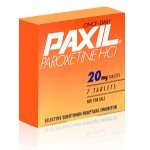
Paxil is the original brand-name formulation of Paroxetine — a selective serotonin reuptake inhibitor (SSRI) antidepressant with the broadest range of FDA-approved indications among SSRIs. Developed by GlaxoSmithKline and FDA-approved since 1992, Paxil is approved for major depressive disorder, generalized anxiety disorder, panic disorder, social anxiety disorder, OCD, PTSD, premenstrual dysphoric disorder, and (as Brisdelle) menopausal hot flashes — the broadest indication range of any single SSRI.
The active ingredient is Paroxetine Hydrochloride, an SSRI that works through highly selective inhibition of presynaptic serotonin reuptake transporters. Paroxetine has additional pharmacological properties not shared with other SSRIs: mild anticholinergic activity, weak histamine antagonism (sedation), and notably strong CYP2D6 enzyme inhibition that creates significant drug interaction concerns with tamoxifen, codeine, beta-blockers, and many antipsychotics.
Paxil is FDA-approved for major depressive disorder, generalized anxiety disorder, panic disorder, social anxiety disorder, OCD, PTSD, and premenstrual dysphoric disorder. The Brisdelle 7.5 mg formulation is FDA-approved for menopausal vasomotor symptoms (non-hormonal therapy). Off-label uses include body dysmorphic disorder, premature ejaculation, and irritable bowel syndrome.
The medication is available as Paxil 10, 20, 30, and 40 mg tablets, Paxil CR 12.5, 25, and 37.5 mg controlled-release tablets, Brisdelle 7.5 mg capsules, and Pexeva (paroxetine mesylate). Standard adult depression dosing starts at 20 mg once daily, with target 20-50 mg/day depending on indication.
Critical safety considerations include the FDA boxed warning for suicidal ideation in pediatric/young adult patients, the most severe SSRI discontinuation syndrome (mandatory slow taper essential), the most teratogenic profile among SSRIs with cardiac birth defects (avoid in pregnancy), strong CYP2D6 drug interactions (particularly reducing tamoxifen effectiveness), serotonin syndrome risk, the most sexual dysfunction among SSRIs, the most weight gain among SSRIs, hyponatremia in elderly, and bleeding risk.
Free prescription
Discrete packaging
Have questions?
Quality Assurance


- Generalized Anxiety Disorder (GAD): FDA-approved for generalized anxiety disorder;
- Panic Disorder: FDA-approved for panic disorder with or without agoraphobia;
- Social Anxiety Disorder / Social Phobia: FDA-approved for social anxiety disorder;
- OCD / Obsessive Compulsive Disorder: FDA-approved for obsessive-compulsive disorder;
- PTSD / Post Traumatic Stress Disorder: FDA-approved for post-traumatic stress disorder;
- PMDD / Premenstrual Dysphoric Disorder: FDA-approved for premenstrual dysphoric disorder;
- Menopausal Hot Flashes / Vasomotor Symptoms: Brisdelle 7.5 mg FDA-approved as non-hormonal therapy for menopausal hot flashes;
- Agoraphobia: For panic disorder with agoraphobia component;
- Comorbid Depression Anxiety: For comorbid depression and anxiety disorders — covers multiple FDA indications;
- Body Dysmorphic Disorder: Off-label for body dysmorphic disorder — OCD-spectrum condition;
- Premature Ejaculation: Off-label for premature ejaculation — serotonergic delay of orgasm;
- IBS / Irritable Bowel Syndrome: Off-label for IBS with comorbid anxiety or depression;
- Trichotillomania: Off-label for trichotillomania (hair-pulling disorder);
- Skin Picking Disorder: Off-label for excoriation disorder (skin-picking);
- Eating Disorders SSRI: Off-label adjunct for eating disorders including bulimia nervosa;
- Postpartum Depression: Off-label for postpartum depression (caution: breastfeeding considerations);
- Bipolar Depression Adjunct: Off-label adjunct for bipolar depression in patients on mood stabilizers;
- Geriatric Depression: For geriatric depression with lower starting doses to mitigate anticholinergic effects;
- Long Term Antidepressant Maintenance: Suitable for long-term maintenance therapy in chronic depression and anxiety.
- Less Depression: FDA-approved reduction in major depressive disorder symptoms;
- Less Anhedonia: Restoration of pleasure and interest in previously enjoyed activities;
- Better Concentration: Improvement in depression-related cognitive impairment;
- Better Appetite: Normalization of depression-related appetite disturbances;
- Less Anxiety: FDA-approved reduction in generalized anxiety disorder symptoms;
- Less Panic Attacks: FDA-approved reduction in panic attack frequency and severity;
- Less Social Anxiety: FDA-approved reduction in social anxiety symptoms enabling social functioning;
- Less Obsessions: FDA-approved reduction in intrusive obsessive thoughts in OCD;
- Less Compulsions: FDA-approved reduction in compulsive behaviors in OCD;
- Less PTSD Symptoms: FDA-approved reduction in PTSD hyperarousal and intrusion symptoms;
- Less PMDD Symptoms: FDA-approved reduction in premenstrual dysphoric disorder symptoms;
- Less Hot Flashes: FDA-approved (as Brisdelle) reduction in menopausal hot flash frequency and severity;
- Less Night Sweats: FDA-approved (as Brisdelle) reduction in menopausal night sweats;
- Better Body Image: Off-label improvement in body dysmorphic disorder symptoms;
- Better Ejaculation Control: Off-label delay of ejaculation supports premature ejaculation management;
- Less Suicidal Ideation: Long-term reduction in suicidal thoughts with effective depression treatment;
- Better Sleep: Sedating properties support sleep onset particularly with bedtime dosing;
- Better Daily Function: Return to school, work, and normal activities;
- Better Quality of Life: Substantial improvement in overall quality of life with effective therapy;
- Brand Paxil: Original GlaxoSmithKline brand of Paroxetine with established global clinical reputation since 1992;
- Generic Paroxetine: Affordable generic versions expand global access to broadest-indication SSRI therapy;
- Paxil CR Controlled Release: Controlled-release formulation supports smoother plasma levels and improved tolerability;
- Brisdelle Menopause: Low-dose 7.5 mg formulation FDA-approved specifically for menopausal hot flashes;
- Pexeva Paroxetine Mesylate: Alternative paroxetine mesylate salt form with similar therapeutic profile;
- Seroxat Equivalent: Same Paroxetine molecule as UK/international brand Seroxat;
- SSRI Antidepressant: First-line SSRI class antidepressant with established mechanism;
- Broadest FDA SSRI: Broadest range of FDA-approved indications of any single SSRI — covers 7+ indications;
- Single Drug Multi Disorder: Single drug therapy for patients with multiple comorbid psychiatric and menopausal conditions;
- Hot Flashes Non Hormonal: FDA-approved non-hormonal therapy for menopausal vasomotor symptoms — Brisdelle 7.5 mg;
- OCD FDA Approved: FDA-approved for OCD treatment in adults;
- PMDD FDA Approved: FDA-approved for premenstrual dysphoric disorder;
- Panic Disorder FDA Approved: FDA-approved for panic disorder with or without agoraphobia;
- Social Anxiety FDA Approved: FDA-approved for social anxiety disorder;
- PTSD FDA Approved: FDA-approved for post-traumatic stress disorder;
- Once Daily SSRI: Convenient once-daily dosing supports excellent adherence;
- WHO Essential Medicine: Listed on the WHO Model List of Essential Medicines for depression and anxiety care;
- 30 Plus Year SSRI History: Extensive real-world safety and efficacy data since 1992 across billions of patient courses.
Generic Paxil (Paroxetine 10 mg) Medication guide:
📖 What Is Paxil and Its High-Potency SSRI Profile
Paxil is a brand of paroxetine hydrochloride, one of the most widely prescribed SSRIs worldwide since its FDA approval in 1992. Paroxetine holds the broadest range of FDA-approved anxiety disorder indications among all SSRIs, including major depression, panic disorder, social anxiety disorder, generalized anxiety disorder, PTSD, OCD, and PMDD. Despite its extensive approvals and widespread use, paroxetine has a complex adverse effect profile distinguishing it from other SSRIs.
📋 Paxil essentials
- Generic name
- Paroxetine hydrochloride
- Brand name history
- Marketed as Paxil in North America; Seroxat in UK and Europe; Aropax in Australia; Paxil CR extended-release; Brisdelle low-dose 7.5 mg for menopausal hot flashes
- Drug class
- Selective serotonin reuptake inhibitor (SSRI); phenylpiperidine chemical class
- FDA-approved indications
- Major depressive disorder (1992), OCD (1996), panic disorder (1996), social anxiety disorder (1999), generalized anxiety disorder (2001), PTSD (2001), PMDD (Paxil CR), menopausal hot flashes (Brisdelle 7.5 mg)
- Original manufacturer
- GlaxoSmithKline (SmithKline Beecham); extensive generic availability worldwide since 2003
- Formulations
- Tablets 10, 20, 30, 40 mg; Paxil CR 12.5, 25, 37.5 mg controlled-release; Brisdelle 7.5 mg capsules (menopausal); oral suspension 10 mg/5 mL
- Adult dose range
- 10-60 mg once daily typically; 12.5-75 mg for Paxil CR; Brisdelle 7.5 mg for menopausal only
- Signature characteristics
- Broadest anxiety FDA approvals; potent SERT inhibition; weak muscarinic (most anticholinergic SSRI); short half-life leading to prominent discontinuation syndrome; Category D pregnancy (unique among SSRIs)
| Paxil distinguishing features | Clinical implication |
|---|---|
| Broadest FDA indication range among SSRIs | Established options for depression + all major anxiety disorders |
| Highest SERT selectivity among SSRIs | Potent serotonergic effect; may be advantageous for anxiety |
| Weak muscarinic effects (unique among SSRIs) | Most anticholinergic SSRI; contributes to sedation, weight gain, dry mouth |
| Nonlinear pharmacokinetics (CYP2D6 autoinhibition) | Disproportionate exposure increase with dose escalation; predictable only within therapeutic range |
| Shortest half-life among SSRIs (21 hours) | Prominent discontinuation syndrome; missed dose effects prominent |
| Potent CYP2D6 inhibitor | Substantial drug interactions; comparable to fluoxetine |
| Pregnancy Category D (cardiac malformation concern) | Unique among SSRIs; sertraline preferred in pregnancy |
| AGS Beers Criteria potentially inappropriate | Only SSRI on inappropriate list; strong anticholinergic in elderly |
| Most weight gain and sexual dysfunction among SSRIs | Long-term tolerability considerations; adherence impact |
| Brisdelle for menopausal hot flashes | First non-hormonal FDA-approved menopausal vasomotor therapy |
💡 The Paxil clinical positioning
Paxil occupies a distinctive niche among SSRIs based on its combination of broad anxiety disorder indications and complex tolerability profile. Its broad FDA approvals reflect extensive investment in clinical trials across depression and anxiety disorders during 1990s-early 2000s. However, its adverse effect profile has become progressively more concerning as long-term data accumulated: worst discontinuation syndrome among SSRIs, highest weight gain, highest sexual dysfunction rate, prominent anticholinergic effects, Category D pregnancy assignment, and Beers Criteria inappropriate-for-elderly listing. Modern practice generally favors sertraline or escitalopram over paroxetine as first-line for both depression and anxiety disorders due to better tolerability profile. Paroxetine retains role for patients with established response, treatment-resistant cases, and specific circumstances (Brisdelle for menopausal hot flashes provides unique non-hormonal option). Understanding both the substantial therapeutic benefits and the complex tolerability considerations guides appropriate paroxetine use.
📜 Paroxetine History From GSK Development to Modern Use
The Paxil story begins with SmithKline Beecham SSRI development in 1980s. Paroxetine emerged from research on selective serotonin reuptake inhibitors, receiving FDA approval in December 1992 as third SSRI to market (after fluoxetine and sertraline). Extensive clinical trial investment across anxiety disorders established paroxetine as most broadly indicated SSRI.
📅 Development timeline
- 1970s-1980s
- Ferrosan Denmark discovers paroxetine; SmithKline Beecham (later GlaxoSmithKline) licenses and develops
- 1991
- UK approval as Seroxat
- December 1992
- FDA approves Paxil for major depressive disorder in United States (third SSRI after fluoxetine 1987 and sertraline 1991)
- 1993-1995
- Rapid depression prescribing growth; early recognition of prominent discontinuation syndrome from missed doses
- 1996
- FDA approves Paxil for OCD; FDA approves Paxil for panic disorder - first SSRI approved for panic; established anxiety disorder positioning
- 1999
- FDA approves Paxil for social anxiety disorder (first SSRI SAD approval); Paxil CR (controlled-release) formulation approved
- 2001
- FDA approves Paxil for generalized anxiety disorder; FDA approves Paxil for post-traumatic stress disorder - first FDA-approved medication for PTSD
- 2003
- Paxil CR approved for PMDD; generic paroxetine becomes available in United States
- 2004-2005
- FDA suicidality black box warning for antidepressants; paroxetine pediatric use particularly concerning; pregnancy Category D assignment based on cardiac malformation data
- 2007
- Suicidality black box warning expanded to young adults through age 24
- 2013
- FDA approves Brisdelle (paroxetine 7.5 mg) for moderate-severe menopausal vasomotor symptoms - first non-hormonal FDA-approved therapy
- 2010s-2020s
- Continues among most-prescribed antidepressants globally; declining first-line depression positioning due to tolerability concerns; retains niche for specific anxiety disorders and menopausal indications
📌 Historical significance
- First SSRI FDA-approved for panic disorder (1996) - established SSRI anxiety positioning
- First SSRI FDA-approved for social anxiety disorder (1999)
- First medication FDA-approved for PTSD (2001) - historic PTSD treatment milestone
- Broadest anxiety approvals - 6 different anxiety-related conditions approved
- First non-hormonal FDA-approved menopausal vasomotor therapy (Brisdelle 2013)
- Discontinuation syndrome prototype - short half-life SSRI extensively studied for withdrawal reactions
- Extensive real-world safety data - 30+ years of clinical experience
- Post-marketing signals shaped SSRI class understanding - discontinuation research, pregnancy concerns
💡 From breakthrough to niche
Paroxetine's trajectory illustrates the pattern of SSRI class evolution. Approved as third SSRI in 1992, paroxetine benefited from GlaxoSmithKline's substantial investment in anxiety disorder clinical trials establishing broadest indication portfolio. During late 1990s and early 2000s, paroxetine was among most-prescribed antidepressants worldwide. Post-marketing data gradually revealed concerning tolerability issues: prominent discontinuation syndrome, cardiac malformation pregnancy signal, weight gain, sexual dysfunction, elderly anticholinergic concerns. As data accumulated and better-tolerated SSRIs (sertraline, escitalopram) matured with substantial data, modern practice has generally shifted preference away from paroxetine as first-line for most patients. However, paroxetine retains valuable role: patients with established response; treatment-resistant scenarios where paroxetine had prior benefit; specific niches like menopausal vasomotor symptoms (Brisdelle); and clinical situations where alternative options have been tried. Understanding both the historical positioning and modern considerations guides appropriate use.
⚗️ Chemistry - Phenylpiperidine SSRI Structure
Paroxetine belongs to phenylpiperidine chemical class, structurally distinct from other SSRIs which represent different chemical scaffolds. This structural uniqueness contributes to paroxetine's distinct pharmacological profile including highest SERT selectivity among SSRIs and unique muscarinic antagonism absent from other SSRIs.
⚗️ Structural features
- Chemical name
- (3S,4R)-3-[(2H-1,3-benzodioxol-5-yloxy)methyl]-4-(4-fluorophenyl)piperidine hydrochloride hemihydrate
- Structural class
- Phenylpiperidine derivative with piperidine ring, benzodioxol group, fluorophenyl substituent
- Stereochemistry
- Contains two chiral centers; therapeutic paroxetine is trans-(3S,4R) enantiomer; single stereoisomer
- Molecular weight
- Approximately 329 g/mol (base); 374 g/mol as hydrochloride hemihydrate
- Solubility
- Slightly soluble in water; lipophilic (LogP approximately 3.6); excellent CNS penetration
- Distinct from other SSRIs
- Unrelated to fluoxetine (arylpropanamine), sertraline (naphthalenamine), citalopram/escitalopram (phthalanes), or fluvoxamine (aralkylketone) - each SSRI has completely distinct chemical scaffold
🔬 Receptor binding profile
- Serotonin transporter (SERT): highest potency among SSRIs; Ki approximately 0.13 nM; sub-nanomolar affinity
- SERT selectivity: 100+ fold selective over NET and DAT; among most selective SSRIs
- Norepinephrine transporter (NET): weak effect at therapeutic doses; may contribute at higher doses
- Muscarinic receptors: unique among SSRIs - modest muscarinic antagonism (Ki ~110 nM); contributes to anticholinergic effects
- Histamine H1 receptors: modest binding; contributes to sedation and weight gain
- Alpha-1 adrenergic receptors: weak binding
- Nitric oxide synthase (nNOS): modest inhibition; may contribute to sexual dysfunction
- Dopamine transporter (DAT): weak effect at therapeutic doses
- Sigma receptors: minimal binding
| Target | Paroxetine Ki (nM) | Clinical relevance |
|---|---|---|
| Serotonin transporter (SERT) | ~0.13 nM (highest SSRI potency) | Primary therapeutic mechanism |
| Muscarinic M1 | ~110 nM (unique among SSRIs) | Anticholinergic effects |
| Norepinephrine transporter (NET) | ~40 nM (weak) | Minor at therapeutic doses |
| Histamine H1 | ~22 nM (modest) | Sedation, weight gain contribution |
| Nitric oxide synthase | Inhibition | Sexual dysfunction contribution |
💡 The paroxetine off-target uniqueness
Among SSRIs, paroxetine has the most complex receptor binding profile with off-target effects contributing substantially to its clinical profile. The muscarinic (anticholinergic) effect is essentially unique among SSRIs - other SSRIs have negligible anticholinergic effect while paroxetine has modest but clinically apparent muscarinic antagonism. This contributes to: dry mouth, constipation, sedation, weight gain, and elderly cognitive concerns leading to Beers Criteria potentially inappropriate designation. The H1 histaminergic effect further contributes to sedation and weight gain. The nitric oxide synthase inhibition may contribute to sexual dysfunction (although SSRI class effects predominate). Combined, these off-target effects explain many of paroxetine's distinctive tolerability characteristics that distinguish it from other SSRIs. Understanding this mechanistic basis helps predict which patients may particularly benefit or particularly struggle with paroxetine compared to alternatives.
🧠 SSRI Mechanism Plus Weak Muscarinic Effects
Paroxetine primary mechanism is potent selective serotonin reuptake inhibition combined with modest muscarinic antagonism absent from other SSRIs. This combined mechanism produces both therapeutic effects across depression and anxiety disorders and the distinctive anticholinergic-tinged side effect profile.
🧠 Primary mechanism - serotonin reuptake
- Serotonin transporter (SERT) inhibition
- Highly potent SERT blockade; among most potent SSRIs; blocks reuptake of serotonin into presynaptic neurons
- Synaptic serotonin increase
- Increased serotonin availability in synaptic cleft; enhanced serotonergic neurotransmission
- Downstream adaptations
- 2-6 weeks: 5-HT1A autoreceptor desensitization allows sustained serotonin release; postsynaptic receptor changes; BDNF upregulation; neurogenesis
- Therapeutic effect timeline
- Initial improvement 1-2 weeks; substantial response 4-6 weeks; full effect 8-12 weeks (up to 12 weeks for anxiety disorders)
🔬 Secondary mechanisms - unique among SSRIs
- Muscarinic antagonism (unique)
- Modest but clinically apparent anticholinergic effect; contributes to dry mouth, constipation, sedation; may contribute to cognitive effects particularly elderly
- Histamine H1 antagonism
- Modest; contributes to sedation and weight gain; more than most SSRIs but less than mirtazapine or TCAs
- Nitric oxide synthase inhibition
- Modest inhibition; may contribute to sexual dysfunction (though SSRI class effect predominates)
- Norepinephrine reuptake (mild)
- Weak effect at therapeutic doses; may become relevant at higher doses (over 40 mg)
🎯 Mechanism-condition mapping
- Major depressive disorder
- SSRI mechanism through serotonergic modulation and downstream neuroplasticity; 4-6 weeks for substantial response
- Panic disorder
- SERT inhibition modulates panic circuit; amygdala and brainstem regulation; may have initial worsening (activation) before improvement
- Social anxiety disorder
- Serotonergic modulation of social threat perception; amygdala regulation
- Generalized anxiety disorder
- Serotonergic effect on worry circuits; anticholinergic sedation may contribute early
- Post-traumatic stress disorder
- Serotonergic modulation of intrusive memories and hyperarousal
- OCD
- Higher-dose serotonergic effect modulates OCD circuit; may require 40-60 mg for OCD response
- Menopausal hot flashes
- Serotonergic modulation of thermoregulation; hypothalamic effect; 7.5 mg dose sufficient
💡 The unique-among-SSRIs mechanism
Paroxetine occupies a unique mechanistic position among SSRIs. While its serotonin reuptake inhibition is highly potent (arguably most potent among SSRIs), the additional muscarinic and histamine antagonism creates a hybrid profile between pure SSRIs (sertraline, escitalopram) and older TCAs. This has clinical implications: (1) sedation and anticholinergic effects like TCAs but generally less severe; (2) weight gain more than typical SSRIs; (3) potential utility for anxious patients with sleep problems (some patients benefit from mild sedation); (4) potential problems for elderly (anticholinergic burden concerns); (5) different withdrawal profile from other SSRIs due to loss of both serotonergic and cholinergic effects. Understanding this mechanism helps predict individual patient response and appropriate patient selection. For patients where cleaner SSRI profile is desired, sertraline or escitalopram may be preferred alternatives.
🔬 Pharmacokinetics - Nonlinear Kinetics and CYP2D6 Autoinhibition
Paroxetine has distinctive pharmacokinetic properties including nonlinear kinetics due to CYP2D6 autoinhibition, short half-life among SSRIs, and no active metabolites. These properties substantially influence dosing considerations and discontinuation profile.
🔬 PK parameters
- Absorption
- Well-absorbed orally; Tmax 5-6 hours for immediate-release; 6-10 hours for Paxil CR
- Bioavailability
- Approximately 50 percent (extensive first-pass metabolism)
- Food effect
- Modest food effect; can be taken with or without food; food may reduce nausea
- Protein binding
- Approximately 95 percent (primarily albumin and alpha-1 acid glycoprotein)
- Volume of distribution
- Large: approximately 8-10 L/kg; extensive tissue distribution
- Half-life
- Approximately 21 hours (shortest among SSRIs); dose-dependent due to nonlinear PK; supports once-daily dosing but produces prominent discontinuation effects
- Steady-state
- Reached in 7-14 days; longer than expected from half-life due to autoinhibition
- Active metabolites
- None active - unlike fluoxetine (norfluoxetine active) or venlafaxine (desvenlafaxine active); simplifies PK
- Metabolism
- Extensive hepatic: CYP2D6 primary (produces inactive metabolites); some CYP3A4
- Elimination
- Primarily renal excretion of metabolites; less than 3 percent unchanged parent in urine
🧬 CYP2D6 autoinhibition - the unique feature
- Mechanism
- Paroxetine potently inhibits CYP2D6 - the very enzyme responsible for its own metabolism; produces autoinhibition
- Nonlinear PK consequence
- Dose escalation produces disproportionate exposure increase; going from 20 mg to 40 mg may produce 3-4 fold exposure increase rather than expected 2-fold
- Clinical implication
- Slower titration recommended; wait to establish steady-state before dose increases; predict complex response to dose changes
- Discontinuation implication
- Loss of autoinhibition when discontinuing accelerates clearance; contributes to prominent discontinuation syndrome
- Poor metabolisers
- Naturally deficient CYP2D6 (7-10 percent of Caucasians); higher exposure; may need lower doses
- Effect on other drugs
- Substantial CYP2D6 inhibition effects concurrent medications (tamoxifen, opioids, TCAs, other CYP2D6 substrates)
💡 The paroxetine PK complexity
Paroxetine's pharmacokinetics are more complex than other SSRIs due to nonlinear kinetics from CYP2D6 autoinhibition. This has several important clinical implications: (1) titration should be slower than pure linear-kinetics medications; (2) plasma level changes with dose escalation are unpredictable and often greater than expected; (3) missed dose effects are prominent given short half-life; (4) discontinuation syndrome is prominent (loss of autoinhibition accelerates clearance); (5) drug interactions with CYP2D6 substrates are substantial and clinically important. The short half-life (21 hours vs sertraline 26h, citalopram 35h, escitalopram 27h, fluoxetine 4-6 days including norfluoxetine metabolite) is fundamental to the discontinuation syndrome prominence. For patients where predictable PK and easier discontinuation are important, fluoxetine (long half-life self-tapering effect) or sertraline may be preferred alternatives.
📋 FDA-Approved Indications - Broadest Among SSRI Class
Paroxetine has the broadest FDA-approved indication portfolio among all SSRIs. From initial 1992 depression approval, paroxetine acquired sequential anxiety disorder approvals establishing it as the most broadly indicated SSRI. Brisdelle (low-dose 7.5 mg formulation) uniquely provides FDA-approved non-hormonal menopausal vasomotor therapy.
| Indication | Approval year | Typical dose range |
|---|---|---|
| Major depressive disorder | 1992 | 20-50 mg/day |
| Obsessive-compulsive disorder | 1996 | 40-60 mg/day |
| Panic disorder (first SSRI approved) | 1996 | 10-40 mg/day (start low) |
| Social anxiety disorder (first SSRI approved) | 1999 | 20-60 mg/day |
| Generalized anxiety disorder | 2001 | 20-50 mg/day |
| Post-traumatic stress disorder (first medication approved) | 2001 | 20-50 mg/day |
| Premenstrual dysphoric disorder (Paxil CR) | 2003 | 12.5-25 mg CR daily or luteal phase |
| Menopausal vasomotor symptoms (Brisdelle - unique) | 2013 | 7.5 mg at bedtime |
📌 Off-label uses
- Premature ejaculation (well-established; SSRI class effect; 20 mg daily or intermittent)
- Body dysmorphic disorder (obsessive-related; higher doses)
- Chronic tension-type headache (less common than TCA use)
- Chronic pain (neuropathic) (less effective than duloxetine/TCAs for pain)
- Perimenopausal depression (dual benefit possible)
- Diabetic neuropathy (occasionally used)
- Post-stroke depression
- Fibromyalgia (less effective than duloxetine/pregabalin)
💡 The most-indicated SSRI reality
Paroxetine holds the broadest FDA indication portfolio among SSRIs, reflecting GlaxoSmithKline's substantial 1990s-2000s clinical trial investment. This is a genuine advantage: paroxetine has FDA-approved evidence for the major anxiety disorders and depression, providing insurance coverage stability and regulatory backing. In practical terms: (1) paroxetine is well-established option across depression and anxiety disorders; (2) FDA approval provides prescriber comfort and insurance backing; (3) real-world experience is extensive. However, modern practice often prefers alternatives even for the approved indications: (1) sertraline for depression, panic, PTSD, OCD (comparable efficacy, better tolerability); (2) escitalopram for depression, GAD (comparable efficacy, cleaner PK); (3) other SSRIs are typically off-label for these indications but still commonly used. The broad indication portfolio is important historical positioning but does not necessarily make paroxetine best choice for these indications. Individual patient factors, prior response, side effect concerns, and other considerations often favor alternatives despite paroxetine's broad approvals.
🧩 Major Depressive Disorder Treatment With Paroxetine
Major depressive disorder was the founding paroxetine indication (FDA approval 1992). Paroxetine has established efficacy for depression comparable to other SSRIs and antidepressants generally. However, modern practice often favors better-tolerated alternatives (sertraline, escitalopram) as first-line depression treatment.
🧩 Paroxetine in MDD
- Efficacy comparison
- Cipriani 2018 network meta-analysis ranks paroxetine among effective antidepressants; comparable to other SSRIs for depression response
- Response rate
- Approximately 55-65 percent response; comparable to other SSRIs and SNRIs
- Onset of effect
- Similar to other antidepressants: 2-4 weeks for initial improvement; 6-8 weeks for full effect
- Dosing for depression
- Start 20 mg; titrate to 20-50 mg based on response; higher doses (60 mg) occasionally needed but not usually clearly beneficial
- Depression subtypes
- Effective across depression subtypes; may be particularly useful when insomnia component prominent (sedation advantage)
- Anxious depression
- Often useful given paroxetine's established anxiety disorder efficacy; single medication may address both
🌟 Depression scenarios where paroxetine may be appropriate
- Anxious depression with prominent anxiety component: broad anxiety disorder efficacy
- Depression with insomnia: sedation may be therapeutic
- Depression with PTSD comorbidity: FDA approval for both
- Depression with panic disorder comorbidity: FDA approval for both
- Depression with social anxiety disorder: FDA approval for both
- Depression with previous paroxetine response: consistent individual response
- Menopausal depression (perimenopausal): paroxetine mechanism may address vasomotor symptoms too
| Antidepressant in MDD | Modern positioning vs paroxetine |
|---|---|
| Sertraline (Zoloft) | Preferred first-line; comparable efficacy; better tolerability; safer pregnancy |
| Escitalopram (Lexapro) | Preferred first-line; comparable efficacy; cleaner PK profile |
| Citalopram (Celexa) | Alternative; comparable efficacy |
| Duloxetine (Cymbalta) | SNRI alternative; particularly if pain comorbidity |
| Venlafaxine (Effexor) | SNRI alternative; may be more effective in treatment-resistant |
| Fluoxetine (Prozac) | Better discontinuation profile due to long half-life |
| Paroxetine (Paxil) | Reserved for specific scenarios; established response |
💡 The paroxetine depression positioning shift
Paroxetine's positioning for depression has evolved substantially from initial launch to modern practice. In 1990s-early 2000s, paroxetine was major depression treatment option. Post-marketing data has revealed concerning tolerability considerations (weight gain, sexual dysfunction, discontinuation syndrome, pregnancy Category D, elderly Beers inappropriate) that have shifted preference to sertraline and escitalopram for most patients. Cipriani 2018 meta-analysis found paroxetine among effective antidepressants but not clearly superior to alternatives with better tolerability. Modern practice: (1) SSRIs remain first-line for depression; (2) sertraline or escitalopram generally preferred among SSRIs; (3) paroxetine reserved for patients with established response, treatment-resistant with prior paroxetine benefit, or specific comorbidity scenarios (anxious depression, PTSD comorbidity). For young patients considering pregnancy, sertraline is preferred over paroxetine. For elderly, sertraline, escitalopram, or mirtazapine preferred over paroxetine (Beers Criteria). Understanding this shift guides appropriate contemporary use.
💥 Panic Disorder Treatment - Landmark SSRI Indication
Panic disorder was paroxetine's landmark first SSRI approval for anxiety (FDA 1996). This established SSRIs as effective panic disorder treatment displacing benzodiazepines and TCAs (imipramine) as first-line therapy. Paroxetine remains established option for panic disorder though sertraline is commonly preferred alternative.
💥 Paroxetine in panic disorder
- Historical significance
- First SSRI FDA-approved for panic disorder (1996); established SSRIs as first-line panic treatment
- Evidence base
- Ballenger and Wheadon landmark trials 1998; multiple positive randomized controlled trials
- Response rate
- Approximately 60-75 percent achieve substantial panic reduction; among most effective SSRIs for panic
- Dosing
- Start LOW: 10 mg for first week (avoid activation); increase to 20 mg; titrate to 20-40 mg based on response; some patients benefit from 40-60 mg
- Time to effect
- 4-6 weeks for panic frequency reduction; 8-12 weeks for substantial improvement
- Activation concern
- Some patients experience initial worsening of panic (activation); low start doses and slow titration reduce this concern; important patient counselling
- Discontinuation concern for panic patients
- Prominent discontinuation syndrome can mimic panic disorder recurrence; particular consideration for this indication
🎯 Panic disorder treatment framework
- First-line pharmacotherapy: SSRIs (sertraline, paroxetine, escitalopram, citalopram) or venlafaxine SNRI
- Paroxetine among most-studied SSRIs for panic: substantial evidence base
- CBT combination: substantial evidence; often preferred combination approach
- Benzodiazepines: adjunct early therapy for bridging; not preferred monotherapy
- TCAs (imipramine, clomipramine): historical option; largely displaced by SSRIs
- Long-term therapy typical: 12+ months minimum; often longer for recurrent panic
- Maintenance considerations: relapse common with discontinuation
- Alternative for paroxetine intolerance: sertraline first alternative; escitalopram
💡 The panic disorder paroxetine choice
Paroxetine established SSRI panic disorder treatment paradigm and remains among most-studied medications for this indication. However, sertraline (also FDA-approved for panic) is often preferred alternative due to better tolerability profile including less prominent discontinuation syndrome (relevant for panic patients where discontinuation symptoms can mimic panic recurrence). Escitalopram (off-label for panic in US but effective) provides another good option. For patients with established paroxetine panic response, continuation is often appropriate. For new panic patients, sertraline or escitalopram often preferred first-line before paroxetine. The activation phenomenon at initiation is particularly relevant for panic patients - starting at 10 mg for first week and slow titration prevents most activation problems. Combined with CBT/panic-focused therapy and gradual medication trial, most panic patients achieve substantial improvement. Understanding the long-term therapy expectation (12+ months typical, often longer) helps set realistic patient expectations.
👥 Social Anxiety Disorder Treatment With Paxil
Social anxiety disorder was another landmark paroxetine approval (FDA 1999) - first SSRI approved for SAD. Paroxetine established SSRI treatment paradigm for SAD, providing option beyond older benzodiazepine and MAOI therapies with substantially better tolerability profile.
👥 Paroxetine in social anxiety disorder
- Historical significance
- First SSRI FDA-approved for SAD (1999); established SSRIs as first-line SAD pharmacotherapy
- Evidence base
- Stein, Baldwin, Bandelow trials 1998-2005; substantial randomized controlled trial evidence
- Response rate
- Approximately 55-70 percent achieve substantial improvement; among most-studied SSRIs for SAD
- Dosing
- Start 20 mg; titrate to 20-60 mg based on response; may require higher doses than depression
- Time to effect
- 4-6 weeks for initial improvement; 8-12 weeks for substantial response; may continue improving over 6 months
- Generalized SAD
- Common form treated; multiple social situations avoided
- Performance-only SAD
- SSRI less clearly indicated; beta-blockers (propranolol) alternative for performance situations
🎯 SAD treatment framework
- First-line pharmacotherapy: SSRIs (paroxetine, sertraline, escitalopram) or venlafaxine SNRI
- CBT with exposure: highly effective; often preferred first-line or in combination
- Benzodiazepines: adjunct for severe situations; not preferred chronic use
- MAOIs (phenelzine): highly effective but reserved for treatment-resistant due to dietary/drug restrictions
- Beta-blockers: performance-only SAD; not effective for generalized SAD
- Long-term therapy typical: 12+ months minimum for generalized SAD
- Combined pharmacotherapy + CBT: often best outcomes
💡 SAD paroxetine positioning
Paroxetine established SSRI social anxiety disorder treatment paradigm and provides substantial evidence base. Sertraline (also FDA-approved for SAD) provides comparable alternative with better tolerability profile. Escitalopram is commonly used off-label for SAD with good evidence. For patients with established paroxetine SAD response, continuation is often appropriate. For new SAD patients, sertraline or escitalopram often preferred first-line. Combined with CBT with exposure (essential complement to pharmacotherapy), medication management provides comprehensive SAD treatment. Long-term therapy is typical - discontinuation often produces symptom recurrence. For performance-only SAD (public speaking anxiety), beta-blockers taken 30-60 minutes before performance are preferred over daily SSRI. Understanding these distinctions guides appropriate patient counselling.
🌪️ Generalized Anxiety Disorder Treatment
Generalized anxiety disorder is FDA-approved paroxetine indication (2001). Paroxetine provides substantial evidence-based option for GAD with efficacy comparable to other SSRIs and SNRIs. Sedation may be advantageous for GAD patients with prominent restlessness or insomnia.
🌪️ Paroxetine in generalized anxiety disorder
- Evidence base
- Rickels et al. landmark GAD trials 2003; substantial evidence base
- Response rate
- Approximately 55-65 percent achieve substantial improvement; comparable to other SSRIs and SNRIs
- Dosing
- Start 20 mg; titrate to 20-50 mg based on response; higher doses less clearly beneficial
- Time to effect
- 4-6 weeks for initial improvement; 8-12 weeks for substantial response
- Advantage in GAD
- Sedation may help patients with restlessness, insomnia; anticholinergic effects less problematic for younger patients
- Comorbid depression
- FDA-approved for depression too; single medication may address both
🎯 GAD treatment framework
- First-line pharmacotherapy: SSRIs (paroxetine, escitalopram, sertraline) or SNRI (duloxetine, venlafaxine)
- Escitalopram often preferred first-line: cleaner PK; less discontinuation syndrome
- Duloxetine advantageous: pain comorbidity; better tolerability
- CBT for anxiety: highly effective; complement to pharmacotherapy
- Buspirone: alternative or adjunct; less effective as monotherapy
- Benzodiazepines: adjunct for severe symptoms; not preferred chronic monotherapy
- Pregabalin: European approval (not US); may benefit patients not responding to SSRI
- Long-term therapy typical: 6-12+ months minimum
🧠 Post-Traumatic Stress Disorder Treatment Approach
Post-traumatic stress disorder was a landmark paroxetine approval (FDA 2001) - first medication FDA-approved specifically for PTSD. Along with sertraline (also 2001), paroxetine established SSRI treatment as PTSD pharmacotherapy standard.
🧠 Paroxetine in PTSD
- Historical significance
- First medications FDA-approved for PTSD (paroxetine and sertraline, both 2001); established SSRI PTSD treatment paradigm
- Evidence base
- Marshall, Beebe, Oldham et al. landmark trials 2001; large evidence base from combat and civilian PTSD trials
- Response rate
- Approximately 55-65 percent achieve substantial improvement; comparable to sertraline for PTSD
- Dosing
- Start 20 mg; titrate to 20-50 mg based on response; higher doses less clearly beneficial
- Time to effect
- 6-12 weeks for substantial response; PTSD may require longer adequate trial than depression
- Combat PTSD considerations
- Response rates may be lower for combat PTSD than civilian PTSD; often combined with trauma-focused therapy
- Symptom clusters addressed
- Intrusion (re-experiencing), avoidance, negative cognitions, hyperarousal all show improvement; hyperarousal may respond first
🎯 PTSD treatment framework
- Trauma-focused psychotherapy: first-line preferred (EMDR, CPT, prolonged exposure)
- Pharmacotherapy first-line: SSRIs (paroxetine, sertraline) or SNRI (venlafaxine)
- Combined therapy: often optimal outcomes
- VA/DoD guidelines: paroxetine and sertraline both recommended first-line
- Second-line pharmacotherapy: mirtazapine, prazosin (specifically for nightmares)
- Prazosin: specifically indicated for combat PTSD nightmares
- Benzodiazepines: generally avoided; may worsen PTSD
- Long-term therapy: often years; sustained treatment needed for chronic PTSD
💡 PTSD paroxetine choice
Paroxetine and sertraline are the two FDA-approved medications for PTSD. Both are first-line options with similar efficacy. Sertraline is often preferred due to better tolerability profile. Paroxetine remains established option particularly for patients with prior response. Combined with trauma-focused therapy (EMDR, prolonged exposure, cognitive processing therapy - the strongest evidence PTSD treatments), medication provides adjunctive benefit. VA/DoD PTSD guidelines recommend both paroxetine and sertraline as first-line pharmacotherapy. For combat PTSD with prominent nightmares, adjunctive prazosin (alpha-1 antagonist) is often used. Long-term therapy is typically necessary given PTSD chronicity. Discontinuation should be very gradual particularly given paroxetine's prominent discontinuation syndrome. Understanding these treatment considerations guides appropriate PTSD care.
🔁 Obsessive-Compulsive Disorder Treatment Considerations
Obsessive-compulsive disorder is FDA-approved paroxetine indication (1996). Paroxetine provides established SSRI option for OCD with efficacy comparable to other SSRIs. However, sertraline and fluoxetine are often preferred SSRI choices for OCD given better tolerability profile.
🔁 Paroxetine in OCD
- Evidence base
- Wheadon, Bushnell, Steiner OCD trials 1993; comparable efficacy to other SSRIs
- Response rate
- Approximately 45-55 percent achieve substantial improvement; typical SSRI OCD response
- Dosing for OCD
- Higher than depression: 40-60 mg typically; some patients benefit from 60 mg maximum
- Titration
- Start 20 mg; increase by 10-20 mg every 1-2 weeks; nonlinear PK produces disproportionate exposure at higher doses - monitor carefully
- Time to effect
- 8-12 weeks minimum for adequate trial; some patients may respond by 24 weeks
- CBT with ERP
- Essential complement to pharmacotherapy; combined therapy provides best outcomes
- Long-term therapy
- OCD typically chronic; long-term therapy often required; relapse common with discontinuation
🎯 OCD treatment framework
- First-line pharmacotherapy: SSRIs (sertraline, fluoxetine often preferred; paroxetine, fluvoxamine, citalopram also FDA-approved for OCD)
- Sertraline commonly preferred SSRI for OCD: better tolerability profile
- Fluoxetine advantageous: long half-life provides discontinuation cushion (relevant for chronic OCD therapy)
- Higher doses needed: OCD typically requires higher SSRI doses than depression (40-80 mg fluoxetine, 150-200 mg sertraline, 40-60 mg paroxetine)
- Clomipramine: gold standard TCA for OCD; more effective than SSRIs but worse tolerability
- CBT with ERP essential: exposure and response prevention
- Augmentation strategies: antipsychotic augmentation for treatment-resistant OCD
- Long-term treatment expected: OCD chronic; many patients need lifelong therapy
💡 The paroxetine OCD selection consideration
For OCD, paroxetine has established FDA approval and evidence base but is generally not first-choice SSRI in modern practice. Sertraline is often preferred (comparable efficacy, better tolerability, better pregnancy profile if relevant). Fluoxetine long half-life provides advantage for chronic OCD therapy where discontinuation issues would otherwise be problematic. Paroxetine's prominent discontinuation syndrome is particularly relevant for OCD where long-term therapy is standard and any missed doses can produce disruptive symptoms. For patients with established paroxetine OCD response, continuation is appropriate. For new OCD patients, sertraline or fluoxetine often preferred first-line. Combined with intensive CBT with ERP by specialized therapist, medication provides substantial OCD benefit. Understanding chronic nature of OCD and long-term treatment implications guides appropriate SSRI selection.
🌟 Off-Label Uses Including Menopausal Hot Flashes
Menopausal vasomotor symptoms represent paroxetine's unique off-label to on-label transition. The 2013 FDA approval of Brisdelle (paroxetine 7.5 mg) established paroxetine as first non-hormonal FDA-approved therapy for menopausal hot flashes. Additional off-label uses include premature ejaculation and other conditions where SSRI class effect provides benefit.
🌟 Menopausal vasomotor symptoms - unique niche
- Brisdelle (paroxetine 7.5 mg)
- FDA-approved 2013; first non-hormonal FDA-approved therapy for moderate-to-severe menopausal vasomotor symptoms (hot flashes, night sweats)
- Evidence base
- Stearns et al. JAMA 2003 initial trial; Simon et al. Obstet Gynecol 2013 Brisdelle registration trial
- Mechanism
- Serotonergic modulation of hypothalamic thermoregulation; substantially lower doses effective than for depression
- Dosing
- 7.5 mg at bedtime; low subtherapeutic dose for depression/anxiety - specific for vasomotor symptoms
- Response
- 40-50 percent reduction in hot flash frequency; less than estrogen therapy but substantial for patients who cannot or prefer not to use hormonal therapy
- Onset
- 1-4 weeks for initial improvement
- Duration
- Typically 6-12 months; may extend based on continued symptoms
- Populations benefiting most
- Women with contraindications to hormonal therapy (breast cancer survivors, cardiovascular concerns); women preferring non-hormonal option
🔴 Critical tamoxifen interaction (breast cancer)
Paroxetine is potent CYP2D6 inhibitor; tamoxifen requires CYP2D6 activation to endoxifen (active metabolite). Paroxetine + tamoxifen combination substantially reduces tamoxifen effectiveness - problematic for breast cancer survivors who might be prescribed paroxetine (or Brisdelle) for hot flashes. Prefer venlafaxine, escitalopram, or citalopram for hot flashes in tamoxifen patients. This drug interaction is one of the most clinically important paroxetine considerations - assess tamoxifen status before paroxetine prescription in any indication.
📌 Other off-label uses
- Premature ejaculation - well-established SSRI class effect; 20 mg daily or intermittent 4-6 hours pre-intercourse dosing
- Body dysmorphic disorder - obsessive-related; higher doses similar to OCD
- Chronic tension-type headache - occasional use; TCAs generally preferred
- Chronic pain (neuropathic) - less effective than duloxetine/TCAs for pain; not preferred
- Perimenopausal depression - dual benefit for depression + vasomotor symptoms
- Diabetic neuropathy - occasionally used; duloxetine preferred for FDA indication
- Post-stroke depression - SSRI class effect
- Fibromyalgia - less effective than duloxetine/pregabalin
- Impulse control disorders - kleptomania, compulsive shopping (less common use)
- Premature climacteric symptoms - vasomotor benefit before formal menopause
💡 The menopausal vasomotor unique positioning
Brisdelle (paroxetine 7.5 mg) represents paroxetine's unique clinical positioning as first non-hormonal FDA-approved menopausal vasomotor therapy. For patients with contraindications to hormonal therapy (breast cancer, cardiovascular disease, thromboembolic risk) or those preferring non-hormonal option, Brisdelle provides substantial evidence-based option. Effectiveness (~40-50 percent hot flash reduction) is less than estrogen therapy (~90 percent reduction) but substantial for target population. Alternatives include: venlafaxine (widely used off-label; often preferred for tamoxifen patients due to no CYP2D6 concern); escitalopram off-label; gabapentin. The Brisdelle 7.5 mg dose is important - this is specifically low-dose formulation, not full-strength paroxetine. Patients should be counselled that Brisdelle is not intended for depression or anxiety treatment. Critical caution: paroxetine + tamoxifen combination should be avoided given CYP2D6 interaction reducing tamoxifen effectiveness - particularly relevant for breast cancer survivors who commonly seek menopausal symptom relief.
💊 Immediate-Release Versus Controlled-Release Paxil CR
Paroxetine is available in immediate-release and controlled-release formulations providing dosing flexibility. Paxil CR provides smoother pharmacokinetic profile with potentially better tolerability for some patients. Brisdelle 7.5 mg represents specific low-dose formulation for menopausal indication.
| Formulation | Strengths | Key characteristics |
|---|---|---|
| Paxil immediate-release tablet | 10, 20, 30, 40 mg | Standard formulation; Tmax 5-6 hours; peak-related tolerability issues |
| Paxil CR (controlled-release) | 12.5, 25, 37.5 mg | Enteric-coated; Tmax 6-10 hours; smoother PK; better GI tolerability; do not crush |
| Paroxetine mesylate (Pexeva) | 10, 20, 30, 40 mg | Different salt form; comparable clinical effect |
| Brisdelle | 7.5 mg | Low-dose specifically for menopausal vasomotor symptoms; not for depression/anxiety |
| Oral suspension | 10 mg/5 mL | Useful for very slow titration or gradual taper |
💊 IR vs CR comparison
- Absorption profile
- IR peaks 5-6 hours; CR peaks 6-10 hours with smoother rise; CR designed for jejunal absorption
- Overall exposure
- Similar total exposure (AUC) between formulations at equivalent doses; different peak-trough profile
- Dose equivalence
- Paxil CR 12.5 mg ~ Paxil IR 10 mg; CR 25 mg ~ IR 20 mg; CR 37.5 mg ~ IR 30 mg (roughly)
- GI tolerability
- CR may reduce nausea due to enteric coating (jejunal absorption bypasses stomach); useful if nausea limits IR use
- Sedation timing
- CR later peak may spread sedation into next day; IR earlier peak may cluster sedation shortly after dose
- Compliance
- Both once-daily; similar compliance profile
- Cost
- CR often more expensive; both available generic
- Critical: do not crush or chew CR
- Enteric coating destroyed; produces immediate-release with much higher peak; can produce toxicity
🌟 When to choose CR vs IR
- CR preferred when: prominent GI intolerability with IR; peak-related side effects; specific PMDD indication (Paxil CR approval); patient preference; better tolerated CR available
- IR appropriate when: cost consideration; more predictable PK for titration; slow titration desired (10 mg increments available); PMDD luteal-phase dosing complex
- Brisdelle 7.5 mg specifically for: menopausal vasomotor symptoms only; not for depression/anxiety indications
- Oral suspension useful for: very slow taper protocols; pediatric dosing (unusual); dose reductions below 10 mg tablets
💡 The formulation choice practical guide
Most paroxetine prescriptions are Paxil IR (or generic paroxetine tablets) given cost advantage and simpler dose adjustment. Paxil CR provides useful alternative when peak-related tolerability is problematic - some patients experience less nausea, less sedation immediately after dose with CR formulation. For PMDD specifically, Paxil CR has the FDA approval and dosing flexibility including luteal-phase-only dosing (dosing only during premenstrual week). Brisdelle 7.5 mg is specifically for menopausal vasomotor symptoms - patients should understand this is not intended for depression or anxiety treatment. Oral suspension provides useful option for very slow taper protocols (particularly relevant given paroxetine's prominent discontinuation syndrome). The critical caution about CR formulation is to never crush or chew - this destroys the controlled-release mechanism and can produce toxicity. Combined with appropriate patient counselling about formulation-specific considerations, various paroxetine formulations meet different clinical needs.
📊 Adult Dosing Across Multiple Indications
Adult paroxetine dosing varies substantially by indication. Depression and most anxiety indications share similar dose ranges, while OCD requires higher doses. Understanding the appropriate dose for each indication guides effective use.
| Indication | Starting | Target | Maximum |
|---|---|---|---|
| Major depressive disorder | 20 mg | 20-50 mg | 50 mg (60 mg occasionally) |
| Panic disorder | 10 mg (activation caution) | 20-40 mg | 60 mg |
| Social anxiety disorder | 20 mg | 20-60 mg | 60 mg |
| Generalized anxiety disorder | 20 mg | 20-50 mg | 50 mg |
| PTSD | 20 mg | 20-50 mg | 50 mg |
| OCD (higher doses) | 20 mg | 40-60 mg | 60 mg (occasionally 80) |
| PMDD (Paxil CR) | 12.5 mg CR | 12.5-25 mg CR | 25 mg CR |
| Menopausal vasomotor (Brisdelle) | 7.5 mg | 7.5 mg (fixed) | 7.5 mg |
| Premature ejaculation (off-label) | 20 mg | 20 mg daily or PRN | 40 mg |
📊 Dosing principles
- Starting dose
- 20 mg standard for most indications; 10 mg for panic disorder to avoid activation; 12.5 mg CR for PMDD
- Titration
- Increase every 1-2 weeks by 10-20 mg based on response; slower for panic disorder; consider nonlinear PK (doses over 20 mg produce disproportionate exposure)
- Timing
- Once daily at bedtime typical (some sedation useful); can be given morning if activation predominates
- Food
- Can be taken with or without food; food may reduce nausea
- Missed dose
- Take as soon as remembered; skip if closer to next dose; short half-life means missed doses may produce mild withdrawal symptoms
- Duration
- Adequate trial 8-12 weeks; maintenance 6-12 months for depression; long-term for OCD, PTSD, panic disorder often 12+ months
- Discontinuation
- Very gradual taper essential given prominent discontinuation syndrome - reduce over 4-8+ weeks
💡 The higher-dose OCD consideration
OCD is the paroxetine indication requiring highest doses (40-60 mg vs 20-40 mg for other indications). This creates important considerations: (1) more prominent side effects at higher doses; (2) nonlinear pharmacokinetics produce disproportionate exposure increases at higher doses; (3) discontinuation syndrome likely more prominent from higher doses; (4) drug interactions more clinically important; (5) tolerability may limit dose escalation. For patients unable to tolerate paroxetine at OCD doses, alternative SSRIs (sertraline, fluoxetine) with better tolerability are often reasonable choices. Understanding indication-specific dosing guides appropriate treatment.
👴 Elderly Considerations and Reduced Dosing Approach
Paroxetine in elderly requires substantial caution. Unlike other SSRIs, paroxetine is listed on AGS Beers Criteria as potentially inappropriate for elderly due to strong anticholinergic properties. Alternative SSRIs (sertraline, escitalopram) or non-SSRI options (mirtazapine, duloxetine) are generally preferred in geriatric populations.
🔴 AGS Beers Criteria caution
- Beers positioning
- Paroxetine listed as potentially inappropriate for elderly (strong anticholinergic properties); unique among SSRIs on this list
- Rationale
- Substantially higher anticholinergic burden than other SSRIs; contributes to cognitive impairment, constipation, urinary retention, falls, orthostatic hypotension
- Preferred SSRI alternatives
- Sertraline, escitalopram, citalopram - all substantially less anticholinergic; preferred in elderly
- Non-SSRI alternatives
- Mirtazapine (sleep and appetite benefits); duloxetine (if pain comorbidity); vortioxetine
- Hyponatremia risk
- SSRI class SIADH risk elevated in elderly; may be higher for paroxetine
- Discontinuation particularly problematic
- Elderly patients may struggle more with prominent discontinuation syndrome; particular reason to avoid paroxetine when possible
👴 When paroxetine used in elderly
- Reduced starting dose
- Start 10 mg; consider even 5 mg using oral suspension for very frail patients
- Slower titration
- Increase every 2-4 weeks; watch for adverse effects; target 20-30 mg for depression often adequate
- Maximum dose
- Typically 40 mg in elderly (lower than younger adults); higher doses rarely justified
- Cognitive monitoring
- Assess cognitive function baseline and periodically; discontinue if cognitive impairment develops
- Fall risk assessment
- Address orthostatic hypotension risk; fall prevention measures
- Sodium monitoring
- Baseline and periodic sodium checks; particularly important elderly
- Bleeding risk
- SSRI GI bleeding risk elevated in elderly; PPI when concurrent NSAIDs, anticoagulants
💡 The Beers Criteria consideration - avoid when possible
Paroxetine's AGS Beers Criteria listing as potentially inappropriate for elderly is genuine concern requiring active consideration. In elderly depression or anxiety patients, alternative SSRIs (sertraline, escitalopram) or non-SSRI options (mirtazapine, duloxetine) should be considered first-line. Paroxetine may still be appropriate in specific elderly circumstances: (1) established response with paroxetine and stable tolerability; (2) treatment-resistant depression not responding to first-line alternatives; (3) specific anxiety disorder scenarios where paroxetine has shown particular benefit. When paroxetine is used in elderly, reduced starting doses (10 mg or lower), slower titration, cognitive monitoring, sodium monitoring, and fall prevention measures are essential. For elderly patients on long-term paroxetine, periodic reassessment of continued need and consideration of switching to less anticholinergic SSRI can be appropriate. Understanding the specific elderly concerns guides safer practice.
🫀 Renal Impairment Dose Adjustments and Monitoring
Renal impairment considerations for paroxetine are modest since parent drug undergoes extensive hepatic metabolism with minimal renal excretion of unchanged paroxetine. However, dose adjustment is recommended in severe renal impairment.
🫀 Renal impairment approach
- Elimination pathway
- Primarily hepatic metabolism (CYP2D6); minimal unchanged parent renal excretion (less than 3 percent)
- Mild-moderate renal impairment (CrCl 30-60 mL/min)
- Standard dosing acceptable; monitor for adverse effects
- Severe renal impairment (CrCl less than 30 mL/min)
- Start 10 mg; titrate slowly to typical target 20-40 mg maximum; some patients may accumulate metabolites
- End-stage renal disease
- Standard reduced dose approach; monitor closely
- Dialysis
- Not significantly removed by dialysis (large Vd, high protein binding); no supplemental dose after dialysis
- Elderly with renal impairment
- Combined considerations; even lower starting doses and slower titration
💡 Renal impairment practical approach
Paroxetine renal impairment considerations are less complex than for many medications given predominant hepatic metabolism. Standard adult dosing is generally acceptable in mild-moderate renal impairment. Severe renal impairment (CrCl less than 30 mL/min) warrants reduced starting dose and careful titration. Combined with elderly considerations (many severe renal impairment patients are elderly), this argues for cautious approach in this population. For elderly with severe renal impairment, sertraline or escitalopram (which have similar hepatic metabolism but cleaner tolerability profile) may be preferable choices. Combined with monitoring for adverse effects and cognitive function, paroxetine can be used in renal impairment patients when appropriate.
🪶 Hepatic Impairment Considerations for Paroxetine
Hepatic impairment substantially affects paroxetine pharmacokinetics since the drug undergoes extensive hepatic metabolism. Reduced dosing and careful monitoring are essential in patients with liver disease. This is more clinically significant than renal impairment considerations.
🪶 Hepatic impairment approach
- Metabolism dependence
- Extensive hepatic metabolism via CYP2D6 (primary) and CYP3A4; hepatic impairment significantly reduces clearance
- Mild hepatic impairment (Child-Pugh A)
- Standard dosing usually acceptable with monitoring
- Moderate hepatic impairment (Child-Pugh B)
- Reduce dose 50 percent; start 10 mg; slower titration
- Severe hepatic impairment (Child-Pugh C)
- Substantially reduced dose; start 10 mg; very slow titration; consider alternative
- Nonlinear PK amplification
- Autoinhibition of CYP2D6 combined with reduced hepatic function produces particularly complex PK; unpredictable exposure
- Acute hepatitis
- Substantially reduced clearance; hold or use very low doses
⚠️ Hepatic impairment concerns
- Reduced first-pass metabolism increases bioavailability
- Reduced CYP2D6 activity slows clearance
- CYP2D6 autoinhibition + reduced hepatic function unpredictable
- Increased free drug fraction (reduced protein synthesis)
- Increased risk of accumulation and toxicity
- Sedation and cognitive effects may be worse
- Concurrent medications also often affected
- Alcohol use often present - additive concerns
💡 Hepatic impairment consider alternatives
For patients with moderate-severe hepatic impairment, alternative antidepressants with cleaner metabolism profile may be preferable to paroxetine. Sertraline has similar hepatic metabolism but linear PK and less complex profile. Escitalopram provides another alternative. For pain-comorbid patients, gabapentinoids (renally cleared) may be preferred to avoid hepatic dependence entirely. When paroxetine is used in hepatic impairment, very low starting doses (10 mg or even lower using oral suspension), slow titration, and close monitoring for adverse effects are essential. The combination of nonlinear PK from CYP2D6 autoinhibition and reduced hepatic function makes paroxetine particularly complex in hepatic impairment - simpler alternatives are often preferable choices.
💉 CYP2D6 Inhibition and Signature Drug Interactions
Paroxetine drug interactions are among the most complex of all SSRIs due to potent CYP2D6 inhibition. Paroxetine both is metabolized by and inhibits CYP2D6, producing autoinhibition and substantial effects on other CYP2D6 substrates. The tamoxifen interaction is particularly clinically important.
🚫 Absolute contraindications
- MAOIs (phenelzine, tranylcypromine, isocarboxazid, selegiline): fatal serotonin syndrome; 14-day washout required both directions
- Linezolid, methylene blue: MAOI-like activity; same concern
- Thioridazine: CYP2D6 inhibition increases thioridazine levels; QT prolongation risk
- Pimozide: CYP2D6 inhibition increases pimozide levels; QT prolongation
🔴 The tamoxifen interaction - critical
Paroxetine potently inhibits CYP2D6. Tamoxifen requires CYP2D6 activation to endoxifen (active metabolite responsible for anti-estrogen effect). Paroxetine + tamoxifen combination substantially reduces endoxifen formation - potentially reducing tamoxifen effectiveness for breast cancer prevention/treatment. This interaction has been associated with increased breast cancer recurrence and mortality. Alternatives for breast cancer survivors requiring antidepressant or hot flash therapy: venlafaxine, citalopram, escitalopram (minimal CYP2D6 inhibition). This interaction should be checked for all women initiating paroxetine, particularly older women.
🧬 CYP2D6 substrates affected by paroxetine
- Tricyclic antidepressants
- Nortriptyline, desipramine, amitriptyline: substantially increased levels; may need TCA dose reduction 50-70 percent; overdose risk increased
- Beta-blockers (metoprolol, propranolol, carvedilol)
- Increased levels; enhanced bradycardia and hypotension; may need dose reduction
- Antipsychotics (haloperidol, risperidone, aripiprazole)
- Increased levels; enhanced extrapyramidal effects; adjust dose
- Codeine, tramadol, hydrocodone
- These require CYP2D6 activation for analgesic effect; paroxetine reduces analgesic effectiveness; alternative opioid selection needed
- Oxycodone, dextromethorphan
- Reduced clearance; increased effects and side effects
- Atomoxetine (Strattera)
- Substantially increased levels; ADHD medication dose adjustment needed
- Mexiletine, flecainide, propafenone
- Antiarrhythmics; increased levels; enhanced cardiac effects
- Tamoxifen (critical)
- Reduced active endoxifen formation; potentially reduced efficacy; alternative antidepressant preferred
⚠️ Serotonergic interactions
- Other SSRIs, SNRIs, TCAs: additive serotonergic effects; serotonin syndrome risk
- Tramadol, tapentadol: serotonergic + seizure threshold lowering
- Triptans: serotonergic addition
- Fentanyl, meperidine: serotonergic
- Dextromethorphan: potential additive
- St. John Wort: serotonergic; avoid
- MDMA: life-threatening additive
| Interaction category | Management |
|---|---|
| MAOI | Absolute avoid; 14-day washout |
| Tamoxifen (breast cancer) | Avoid; use venlafaxine, escitalopram, citalopram instead |
| Codeine/tramadol/hydrocodone | Reduced analgesic effect; alternative opioid (morphine, hydromorphone) |
| Thioridazine, pimozide | Absolute avoid |
| TCAs | Reduce TCA dose 50-70%; TDM guidance |
| Beta-blockers | Monitor for bradycardia; may need dose reduction |
| Antipsychotics | Monitor for EPS; may need dose adjustment |
| Serotonergic combinations | Educate about serotonin syndrome; monitor |
| Warfarin | INR monitoring; platelet effect increases bleeding |
| Digoxin | Reduced digoxin levels; monitor |
🤰 Pregnancy Category D Cardiac Malformation Concerns
Paroxetine is uniquely classified as Pregnancy Category D among SSRIs based on cardiac malformation concerns from first-trimester exposure. This unique pregnancy positioning makes paroxetine generally not preferred for pregnancy - sertraline is the SSRI of choice for pregnant patients when SSRI therapy is needed.
🔴 Category D - unique among SSRIs
- FDA pregnancy category (former)
- Category D since 2005; only SSRI in Category D; based on positive evidence of human fetal risk
- Cardiac malformation signal
- First-trimester paroxetine exposure associated with increased cardiovascular malformations, particularly ventricular septal defects and atrial septal defects; approximately 1.5-2 fold increase from baseline 1 percent to 1.5-2 percent
- Absolute vs relative risk
- Absolute increase small (0.5-1 percent additional) but relative increase substantial; meaningful concern for pregnancy planning
- Late pregnancy exposure
- Neonatal adaptation syndrome (irritability, feeding difficulties, tremor, respiratory distress); persistent pulmonary hypertension of newborn (PPHN); usually transient
- Sertraline preferred SSRI in pregnancy
- No cardiac malformation signal; extensive pregnancy safety data; preferred first-line for pregnancy depression/anxiety
- Preconception counselling
- Discuss with women of childbearing age; consider switch to sertraline if pregnancy planning
🤰 Pregnancy management approach
- Preconception planning: switch to sertraline preferred if planning pregnancy; discuss options
- Untreated depression risks: substantial (preterm birth, low birth weight, impaired bonding, maternal decompensation) - do not underemphasize
- Unplanned pregnancy on paroxetine: individualized decision; sudden discontinuation may risk relapse; consider gradual switch to sertraline
- Established response with paroxetine: risk-benefit assessment individualized; some patients may continue if switching risks decompensation
- Fetal echocardiography: consider in first-trimester paroxetine exposure to assess cardiac development
- Late pregnancy considerations: discuss neonatal adaptation and PPHN with team
- Delivery planning: pediatric team aware
- Postpartum follow-up: monitor neonate for adaptation symptoms
💡 The Category D consideration - substantial
Paroxetine Category D pregnancy classification (unique among SSRIs) creates important prescribing considerations. For women of childbearing age, the potential need for pregnancy in future should be discussed at prescribing decision - sertraline may be preferred first-line for these patients. For women established on paroxetine considering pregnancy, gradual switch to sertraline in preconception is often reasonable to avoid first-trimester paroxetine exposure while maintaining continuous treatment. For unplanned pregnancy on paroxetine, individualized assessment considers: current stability, prior treatment response, pregnancy trimester, risks of switching vs continuing. Consultation with maternal-fetal medicine and psychiatry helps guide complex decisions. The absolute cardiac malformation risk increase is small (0.5-1 percent additional), but meaningful in the context of choice between paroxetine and equally effective sertraline. Combined with untreated maternal depression risks which are also substantial, individualized care with informed decision-making provides best outcomes.
🍼 Breastfeeding Safety Profile and Considerations
Paroxetine breastfeeding safety is generally acceptable. Small amounts transfer to breast milk with low relative infant dose. Sertraline is often preferred SSRI for breastfeeding new therapy but paroxetine is compatible when established response.
🍼 Lactation considerations
- Breast milk transfer
- Low relative infant dose (RID) approximately 1-3 percent (well below 10 percent concerning threshold); low infant plasma levels typically
- Infant plasma levels
- Usually low or undetectable; less than parent serum levels
- LactMed classification
- Considered generally compatible with breastfeeding
- Reported infant effects
- Rare; no consistent adverse effect pattern; small case series reassuring
- Sertraline still preferred
- For new SSRI-eligible depression therapy in breastfeeding mothers, sertraline is generally preferred with most breastfeeding data
- Established response
- For mothers doing well on paroxetine before pregnancy, continuation during breastfeeding often appropriate
✅ Breastfeeding management
- Continue effective therapy in most cases
- Monitor infant for sedation, feeding difficulties, weight gain
- No routine infant plasma monitoring needed
- Postpartum depression particularly common time when maternal treatment essential
- Neonatal adaptation may complicate early breastfeeding if paroxetine continued through delivery
- Educate mother about signs to monitor
- Combined maternal-infant care team approach
💡 Breastfeeding paroxetine positioning
Paroxetine during breastfeeding is generally acceptable with low RID and reassuring safety data. For new SSRI therapy initiation in breastfeeding mothers, sertraline provides first choice given most extensive safety data. For mothers previously well on paroxetine and delivering while continuing, breastfeeding continuation with monitoring is often appropriate. Maternal postpartum depression treatment is critical - untreated depression substantially impacts mother-infant relationship and infant development. Combined maternal-infant care by primary care, psychiatry, and pediatrics guides best outcomes. For patients where paroxetine has been established antidepressant with good response, transition to sertraline is not routinely necessary just for breastfeeding.
🚨 Side Effects Overview - Paxil Tolerability Profile
This anchor section serves as overview and navigation point for the detailed side effect discussions in subsequent sections. Paxil has a distinctive adverse effect profile among SSRIs with several categories showing higher rates than other SSRIs - contributing to its complex tolerability positioning.
🚨 Paroxetine safety framework - distinctive concerns
- Anticholinergic effects (unique among SSRIs)
- Dry mouth, constipation, blurred vision, urinary hesitancy; substantially more than other SSRIs; contributes to Beers elderly concern
- Sexual dysfunction (highest among SSRIs)
- Approximately 40-70 percent; substantial reason for adherence problems and discontinuation
- Weight gain (most among SSRIs)
- Substantial with chronic use; H1 and muscarinic contribution; 4-8 kg mean over year for many patients
- Discontinuation syndrome (worst among SSRIs)
- Short half-life + autoinhibition loss + anticholinergic rebound; can be severe and prolonged; requires very gradual taper
- Sedation
- More than other SSRIs; H1 and muscarinic effects
- Suicidality warning
- Antidepressant class black box; particular concern under age 25
- Serotonin syndrome
- SSRI class effect; MAOI absolute contraindication
- Bleeding risk
- SSRI platelet effect; upper GI bleeding particularly with NSAIDs
- Hyponatremia (SIADH)
- SSRI class effect; particularly elderly
- Cognitive effects
- Emotional blunting; anticholinergic cognitive impact particularly elderly
| Section | Topic |
|---|---|
| 23 | Common adverse effects + anticholinergic burden (unique among SSRIs) |
| 24 | Sexual dysfunction - highest among SSRIs |
| 25 | Weight gain - highest among SSRIs |
| 26 | Sedation and anticholinergic effects |
| 27 | Suicidality warning boxed notice |
| 28 | Discontinuation syndrome - worst among SSRIs |
| 29 | Serotonin syndrome recognition |
| 30 | Bleeding risk and platelet effects |
| 31 | Hyponatremia and SIADH risk |
| 32 | Cognitive effects and emotional blunting |
💡 The tolerability framework - paroxetine unique among SSRIs
Paroxetine occupies distinctive tolerability position among SSRIs. Multiple domains show paroxetine as producing more concerning adverse effects than other SSRIs: sexual dysfunction (highest), weight gain (most), discontinuation syndrome (worst), sedation, anticholinergic burden (unique among SSRIs), and elderly cognitive concerns (Beers Criteria). This combination has led to shift in prescribing preference toward sertraline and escitalopram for new depression and anxiety treatment. However, paroxetine retains value: established therapeutic response for many patients; broad FDA indication portfolio; specific Brisdelle niche for menopausal vasomotor symptoms; long clinical experience. Understanding this tolerability positioning guides appropriate patient selection. For patients with established paroxetine response and reasonable tolerability, continuation is appropriate. For new patients, sertraline or escitalopram often preferred first-line unless specific indication favors paroxetine. Combined with careful monitoring and appropriate patient counselling, paroxetine provides useful therapy despite complex tolerability profile.
📋 Common Adverse Effects and Anticholinergic Burden
Paroxetine common adverse effects reflect SSRI class pharmacology plus unique anticholinergic burden. Unlike other SSRIs which have negligible anticholinergic activity, paroxetine produces clinically apparent muscarinic antagonism contributing to distinctive side effect profile.
📋 Common adverse effect frequencies
- Nausea (25-35 percent early)
- Common SSRI class effect; usually improves 1-2 weeks; take with food to reduce
- Dry mouth (20-25 percent) - anticholinergic
- Substantially more than other SSRIs (2-5 percent); paroxetine muscarinic effect; may persist
- Constipation (15-20 percent) - anticholinergic
- More than other SSRIs; paroxetine muscarinic effect
- Sedation/somnolence (20-25 percent)
- More than other SSRIs; H1 antagonism + muscarinic; may be beneficial or problematic
- Sexual dysfunction (40-70 percent)
- Highest among SSRIs; both sexes; often persistent
- Weight gain
- Most prominent among SSRIs; 4-8 kg mean over year for many patients
- Insomnia paradox
- Some patients experience insomnia rather than sedation; individual variation
- Dizziness (10-15 percent)
- Includes orthostatic component; H1 and alpha-1 contribution
- Blurred vision (5-10 percent)
- Anticholinergic; usually adaptation
- Sweating (10-15 percent)
- Common; may persist
- Tremor (5-10 percent)
- Fine postural; usually mild
| Adverse effect | Paroxetine | Other SSRIs (average) |
|---|---|---|
| Dry mouth | 20-25% | 2-5% |
| Constipation | 15-20% | 5-10% |
| Sedation/somnolence | 20-25% | 5-15% |
| Sexual dysfunction | 40-70% | 20-30% |
| Weight gain (long-term) | Substantial 4-8 kg | Modest 1-4 kg |
| Discontinuation syndrome | Substantial (worst SSRI) | Variable |
| Nausea (early) | 25-35% | 25-30% |
✅ Anticholinergic effects management
- Dry mouth: sugar-free gum, frequent water, artificial saliva, dental care
- Constipation: fiber, hydration, physical activity, stool softeners
- Blurred vision: usually adaptation; reading glasses if persistent
- Urinary hesitancy: monitor; particular concern elderly men with BPH
- Cognitive concerns: assess particularly elderly; anticholinergic burden concept relevant
- Consider alternative SSRI if anticholinergic effects problematic
💡 The paroxetine unique-among-SSRIs profile
Paroxetine occupies distinctive position among SSRIs with several adverse effects substantially more prominent than in other SSRI class members. The anticholinergic burden is essentially unique among SSRIs - other SSRIs have negligible muscarinic activity while paroxetine contributes clinically apparent dry mouth, constipation, and cognitive effects particularly in elderly. This anticholinergic profile is fundamental reason paroxetine appears on AGS Beers Criteria as potentially inappropriate for elderly (unique among SSRIs). Combined with other prominent adverse effects (sexual dysfunction, weight gain, discontinuation syndrome), paroxetine has more concerning tolerability profile than other SSRIs (sertraline, escitalopram, citalopram) in most patients. For appropriate patient selection, paroxetine may still be reasonable choice - some patients tolerate paroxetine well, and specific therapeutic circumstances may favor paroxetine. However, for new depression or anxiety treatment where multiple SSRIs are options, sertraline or escitalopram often preferred first-line due to cleaner tolerability profile.
💔 Sexual Dysfunction Most Prominent Among SSRIs
Sexual dysfunction with paroxetine is highest among all SSRIs - approximately 40-70 percent of patients experience some form. This is a substantial reason for adherence problems, treatment discontinuation, and reduced quality of life during long-term therapy.
🔴 Sexual dysfunction profile - highest SSRI rate
- Overall frequency
- 40-70 percent of patients; substantially higher than other SSRIs; comparable to fluvoxamine but generally higher
- Delayed orgasm and anorgasmia
- Most common; both sexes; often prominent complaint; used therapeutically for premature ejaculation
- Reduced libido
- 30-40 percent; may relate to underlying condition, SSRI, or both
- Erectile dysfunction
- 30-40 percent of men; substantial concern
- Genital anaesthesia
- Reduced genital sensation; may persist
- Onset
- Within days-weeks of starting therapy; may worsen with dose escalation
- Persistence
- Usually persists throughout therapy
- Mechanism
- SERT inhibition + NOS inhibition + muscarinic effects combine; paroxetine unique NOS effect may contribute more than other SSRIs
- Post-SSRI sexual dysfunction (PSSD)
- Rare persistent sexual dysfunction after discontinuation; paroxetine may have higher risk given prominent effects; recognized entity though mechanism unclear
✅ Management approaches
- Open discussion at every visit - patients often reluctant to mention
- Dose reduction if depression/anxiety stable - may help some patients
- PDE-5 inhibitors (sildenafil, tadalafil) - effective for men with erectile issues
- Bupropion augmentation - may improve sexual function alongside continued paroxetine
- Switch to alternative SSRI: sertraline, escitalopram have somewhat less sexual dysfunction; bupropion or mirtazapine have substantially less
- Drug holidays - controversial; may work for some but risks withdrawal given short half-life
- Couples counselling for relationship impact
- Realistic expectations discussion: SSRI sexual dysfunction is often unavoidable trade-off
- Recognize PSSD possibility: for patients considering discontinuation
💡 The sexual dysfunction quality-of-life impact
Sexual dysfunction is often the most common reason paroxetine patients discontinue therapy or fail to reach adequate response due to non-adherence. The 40-70 percent frequency (highest among SSRIs) means most paroxetine patients will experience some form. This has substantial quality of life impact and relationship implications. Modern practice increasingly recognizes sexual dysfunction as legitimate treatment consideration warranting: (1) proactive discussion at treatment initiation (many patients would prefer to know before starting); (2) baseline sexual function assessment; (3) regular assessment during treatment; (4) prompt intervention when problematic; (5) willingness to switch to alternative SSRI or non-SSRI antidepressant if adequate response allows. For patients where sexual function is particularly important (younger patients, patients with existing relationship intimacy), alternative antidepressants (bupropion, mirtazapine) with substantially less sexual dysfunction may be preferable choice over paroxetine. This positioning has shifted paroxetine away from first-line for younger patients where alternatives are equally effective.
⚖️ Weight Gain Highest Among SSRI Class
Weight gain with paroxetine is most prominent among SSRIs - substantial and often unwelcome adverse effect particularly for long-term therapy. Mechanism involves H1 histamine antagonism, muscarinic effects, and possible metabolic changes.
⚖️ Weight gain profile - most among SSRIs
- Mechanism
- H1 antagonism increases appetite; muscarinic effects contribute; possible metabolic effects; less physical activity from sedation
- Frequency
- Substantial weight gain in majority of patients over 6-12 months
- Magnitude
- 4-8 kg mean over first year; some patients gain 10+ kg; typically most in first 6 months then plateau
- Comparison
- Most among SSRIs; less than mirtazapine or TCAs; more than sertraline, escitalopram, citalopram, fluoxetine
- Long-term accumulation
- May continue slowly over years of chronic use
- Cardiovascular concerns
- Substantial weight gain increases diabetes, cardiovascular disease, sleep apnea, joint problems
✅ Weight management strategies
- Baseline weight and periodic monitoring
- Nutritional counselling early therapy
- Regular physical activity emphasis
- Dietary approach: portion control, reduced calorie-dense foods, avoid excess snacking
- Address concurrent medications with weight effects
- Diabetes screening if substantial weight gain
- Baseline metabolic panel; periodic follow-up
- Consider alternative SSRI (sertraline, escitalopram) with less weight gain if problematic
- Bupropion alternative particularly if weight-neutral goal important
- Weight loss support if substantial gain
💡 The chronic therapy weight consideration
For patients on long-term paroxetine therapy (years for depression, OCD, PTSD, panic disorder), cumulative weight gain represents important quality-of-life, health, and metabolic consideration. The 4-8 kg weight gain typical over first year translates to substantial cardiovascular risk increase over years - particularly concerning for patients starting therapy at healthy weight or already overweight. Modern practice increasingly considers metabolic health as legitimate treatment consideration: (1) proactive weight monitoring; (2) early intervention with lifestyle counselling; (3) willingness to switch to metabolically-neutral alternatives when weight gain is problematic. For patients where weight considerations are particularly important, alternative antidepressants (bupropion for weight-neutral or weight-reducing, sertraline or fluoxetine for less weight gain than paroxetine) may be preferable. Some patients accept weight gain in exchange for symptom control; individualized discussion allows informed decision-making. For elderly patients specifically, weight gain compounds cardiovascular and mobility concerns.
😴 Sedation and Anticholinergic Effects Profile
Sedation with paroxetine is more prominent than most other SSRIs due to combined H1 histamine and muscarinic antagonism. This sedation profile can be therapeutic advantage for anxious patients with insomnia or problematic for daytime function.
😴 Sedation profile
- Frequency
- 20-25 percent report sedation/somnolence; more than other SSRIs; sedation may be prominent early in therapy
- Mechanism
- H1 histamine antagonism (like TCAs); muscarinic antagonism contributes; some SERT effect
- Onset
- Peak sedation 4-6 hours after dose; typically 2-6 hours after morning dose
- Dose relationship
- Dose-dependent; higher doses more sedating; particularly problematic OCD dosing 40-60 mg
- Tolerance development
- Partial tolerance over 1-2 weeks; substantial sedation may persist
- Comparison
- More sedating than sertraline, escitalopram, citalopram, fluoxetine; comparable to fluvoxamine; less than amitriptyline
🌟 Sedation as therapeutic vs bothersome
- Bedtime dosing beneficial: aligns sedation with sleep; useful for anxious depression with insomnia
- GAD with prominent restlessness: sedation may help
- Panic disorder: sedation may reduce hyperarousal
- Depression with insomnia: dual benefit
- Working adults: consider bedtime dosing; may impair daytime function otherwise
- Elderly cognitive concerns: sedation compounds Beers cognitive concerns
- Driving safety: assess particularly early therapy
- Occupational function: some patients may need switch to less sedating SSRI
✅ Sedation management
- Bedtime dosing default (aligns with sleep)
- Take dose 30-60 minutes before intended sleep
- Avoid alcohol (additive sedation)
- Educate about driving safety early therapy
- Minimize concurrent sedating medications
- Reassure about partial tolerance over 1-2 weeks
- Consider morning dose if sedation problematic daytime and no insomnia benefit
- Dose reduction if excessive
- Alternative SSRI (sertraline, escitalopram) if sedation problematic and no therapeutic advantage
☠️ Suicidality Warning Boxed Notice for Antidepressants
The FDA black box warning about suicidal ideation and behaviour applies to paroxetine. Historically, paroxetine had particular scrutiny for pediatric suicidality signal contributing to the initial 2004 warning. Understanding this warning, monitoring approach, and clinical context guides appropriate use particularly in young patients.
☠️ FDA black box suicidality warning
- Origin
- 2004 initial pediatric warning; paroxetine pediatric depression trials contributed to signal; 2007 expanded to young adults through age 24
- Historical paroxetine pediatric data
- Paroxetine pediatric depression trials showed increased suicidal ideation vs placebo; contributed to broad SSRI pediatric caution; paroxetine not FDA-approved for any pediatric indication
- Absolute risk
- Approximately 4 per 100 exposed vs 2 per 100 placebo (absolute increase 2 per 100); represents suicidal thinking and behaviour, not completed suicide
- Age gradient
- Highest concern under age 25; no clear increased risk over age 25
- Timing
- Highest risk first 4 weeks and during dose changes
👉 Monitoring protocol (under age 25)
- Baseline suicidality assessment
- Weekly visits first 4 weeks
- Biweekly visits weeks 5-8
- Monthly visits weeks 9-12
- Then routine schedule with vigilance
- Family and patient awareness of warning signs
- Written safety plan
- Emergency contact information
- Consider alternative antidepressants for young patients (fluoxetine has pediatric FDA approvals with better safety data)
- Prompt psychiatric consultation for concerns
💡 Clinical context - young patient considerations
Paroxetine holds particular position regarding suicidality warning given historical role in pediatric SSRI concerns. Modern practice generally does not choose paroxetine for pediatric depression - fluoxetine (FDA-approved for pediatric depression) provides better-supported option. For young adults (age 18-24), initial monitoring is important but paroxetine may still be appropriate choice for anxiety disorders particularly if paroxetine has established response. Combined with age-appropriate monitoring, safety plan development, family involvement, and prompt access to psychiatric care, appropriate paroxetine use is feasible in young adults. For unclear cases, alternative SSRIs (sertraline, escitalopram) with cleaner suicidality data may be preferred. Untreated depression and anxiety in young patients carries substantial suicide risk itself; appropriate treatment with reasonable monitoring generally provides best outcomes. The historical association of paroxetine with pediatric suicidality signal deserves awareness but does not preclude appropriate adult use.
🔄 Discontinuation Syndrome - Worst Among SSRI Class
Discontinuation syndrome with paroxetine is the worst among SSRIs due to short half-life (21 hours), loss of CYP2D6 autoinhibition, and anticholinergic rebound. Recognition and gradual taper protocols are essential to prevent substantial patient distress.
🔄 Discontinuation syndrome features - worst among SSRIs
- Frequency
- 30-50 percent of paroxetine patients experience discontinuation symptoms with abrupt cessation; among highest SSRI rates
- Severity
- Often severe; can significantly disrupt function; among most severe SSRI discontinuation syndromes
- FINISH mnemonic
- Flu-like symptoms, Insomnia, Nausea, Imbalance (dizziness, vertigo), Sensory disturbances (electric shocks, tingling, brain zaps), Hyperarousal (irritability, agitation)
- Additional paroxetine-specific
- Cholinergic rebound (nausea, diarrhea, sweating); severe brain zaps particularly prominent
- Onset
- Usually within 1-3 days of stopping or missed dose; short half-life produces rapid onset
- Duration
- Usually 2-4 weeks; can persist longer particularly with prolonged prior use; some cases 6+ weeks
- Distinguish from relapse
- Discontinuation transient with characteristic features; relapse persistent with original depression/anxiety symptoms; important distinction
✅ Very gradual taper protocol
- Standard taper: reduce by 10 mg every 2-4 weeks
- Slower for sensitive patients: 5 mg decrements using oral suspension over 6-8 weeks or longer
- Very slow taper: hyperbolic taper approach - proportionally smaller reductions at lower doses
- Symptom-based adjustment: pause or slow if symptoms emerge; go back to previous dose and taper more slowly
- Consider bridging with fluoxetine: cross-taper to fluoxetine (long half-life) then taper fluoxetine - useful for very resistant discontinuation
- Educate about expected symptoms: distinct from relapse
- Time delay from complete cessation until symptoms fully resolve: 2-4 weeks typically
- Some patients cannot successfully discontinue: continued therapy or slower approach needed
💡 The paroxetine discontinuation reality
Paroxetine discontinuation syndrome is the most well-documented and severe among SSRIs. Even routine missed doses can produce noticeable withdrawal symptoms - highlighting the short half-life clinical implication. For patients considering paroxetine discontinuation, careful planning is essential: (1) discuss expectations before beginning taper; (2) reserve adequate time (weeks to months) for gradual discontinuation; (3) consider timing relative to life stressors; (4) plan for symptom management; (5) recognize possibility that discontinuation may not be feasible for some patients. The severity of paroxetine discontinuation contributes to prescribing preference shift toward SSRIs with easier discontinuation profile (fluoxetine long half-life provides self-tapering; sertraline moderate discontinuation) as first-line for new depression/anxiety therapy. However, some patients simply cannot successfully taper paroxetine and may need to continue indefinitely - understanding this reality guides realistic patient counselling. Combined with proactive slow taper planning and patience, most patients can eventually complete discontinuation.
🔥 Serotonin Syndrome Recognition and Management
Serotonin syndrome risk applies to paroxetine as a potent SERT inhibitor. Combining with MAOIs, other serotonergic drugs, or drugs with MAOI-like activity produces highest risk. Recognition and prompt management can be life-saving.
🔥 Serotonin syndrome features
- Mental status
- Agitation, restlessness, confusion, hallucinations, coma in severe cases
- Neuromuscular
- Clonus, tremor, hyperreflexia, muscle rigidity, myoclonus, seizures
- Autonomic
- Hyperthermia, tachycardia, hypertension, diaphoresis, mydriasis, diarrhea
- Diagnostic criteria (Hunter)
- Serotonergic agent plus one of: spontaneous clonus, inducible clonus with agitation/diaphoresis, ocular clonus with agitation/diaphoresis, tremor+hyperreflexia, hypertonia with temperature over 38°C plus ocular/inducible clonus
🔴 High-risk combinations
- MAOIs - absolute contraindication; 14-day washout
- Linezolid, methylene blue (MAOI-like activity)
- Tramadol, tapentadol - serotonergic + seizure threshold lowering + CYP2D6 interaction complicated
- Triptans
- Other SSRIs, SNRIs, TCAs
- Fentanyl, meperidine
- Dextromethorphan
- St John Wort
- MDMA (illicit)
✅ Management
- Immediate discontinuation of all serotonergic drugs
- Supportive care: ABC, monitoring, IV fluids
- Aggressive cooling for hyperthermia
- Benzodiazepines for agitation, tremor, seizures
- Cyproheptadine (5-HT2A antagonist) in moderate-severe cases: 12 mg initial then 2 mg every 2 hours
- Avoid antipyretics (ineffective)
- Intensive care for severe cases
- Duration: symptoms usually resolve 24-72 hours with treatment
🩸 Bleeding Risk and Platelet Serotonin Effects
SSRI-associated bleeding risk applies to paroxetine like other SSRIs. Platelet serotonin depletion impairs platelet aggregation. Upper GI bleeding is the most notable clinical manifestation particularly with concurrent NSAIDs or anticoagulants.
🩸 Bleeding risk profile
- Mechanism
- Platelet serotonin depletion from SERT inhibition; impaired platelet aggregation
- SSRI alone risk
- Approximately 2-fold increased upper GI bleeding vs no SSRI
- With concurrent NSAID
- Approximately 4-6 fold increased bleeding risk
- With concurrent anticoagulants
- Substantially increased risk; warfarin monitoring particularly important
- Other bleeding sites
- Postoperative bleeding; hemorrhagic stroke (small increased risk); intraoperative bleeding
⚠️ Risk factors
- Elderly age
- Prior GI bleeding history
- Peptic ulcer disease
- Concurrent NSAIDs (aspirin, ibuprofen, naproxen)
- Concurrent anticoagulants (warfarin, DOACs)
- Concurrent antiplatelet agents (clopidogrel)
- Glucocorticoid use
- Chronic alcohol excess
- Chronic kidney disease
- Perioperative period
✅ Prevention and management
- Assess bleeding risk factors before initiation
- Proton pump inhibitor when concurrent NSAIDs, anticoagulants, or antiplatelet
- Minimize concurrent NSAID use; consider acetaminophen alternative
- Warfarin: monitor INR closely
- Educate about warning signs: melena, hematemesis, blood in stools, unusual bruising
- Perioperative considerations - some surgeons recommend paroxetine discontinuation before major surgery
- Consider alternative in high-risk patients: bupropion, mirtazapine have lower bleeding risk
💧 Hyponatremia and SIADH Risk in Vulnerable Patients
Hyponatremia via SIADH occurs with paroxetine similarly to other SSRIs, particularly in elderly patients. Combined with paroxetine's Beers elderly concerns, hyponatremia represents important geriatric consideration.
💧 Hyponatremia profile
- Mechanism
- SSRI-induced inappropriate ADH secretion; water retention; dilutional hyponatremia
- Frequency
- Approximately 5 percent overall; substantially higher in elderly (up to 25 percent in some studies)
- Onset
- Usually first 2-4 weeks; can occur later
- Severity spectrum
- Most mild-moderate (Na 125-135); severe (below 125) uncommon
- Symptoms
- Mild often asymptomatic; Moderate: confusion, weakness; Severe: seizures, coma
⚠️ Risk factors
- Elderly age (over 65) - primary risk factor
- Female sex
- Low body weight
- Concurrent diuretics (particularly thiazides)
- Other SIADH-inducing drugs
- Baseline hyponatremia
- Reduced dietary sodium
- Excess water intake
- Underlying medical conditions (heart failure, cirrhosis)
- Recent starting or dose increase
✅ Monitoring and management
- Baseline sodium in elderly and high-risk patients
- Repeat within 2-4 weeks of starting
- Immediate check if suspicious symptoms
- Educate patients about warning signs
- Mild asymptomatic: monitor; consider fluid restriction
- Moderate: discontinue SSRI; fluid restriction; alternative
- Severe: hospitalization; careful correction
- After resolution: consider alternative
😐 Cognitive Effects and Emotional Blunting Considerations
Cognitive effects and emotional blunting are important paroxetine considerations particularly given anticholinergic contribution to cognitive concerns. Understanding these effects guides patient counselling and long-term treatment decisions.
🧠 Cognitive effects
- Anticholinergic cognitive impact
- Unique among SSRIs; contributes to cognitive slowing, memory concerns; particularly relevant elderly
- Dementia concern
- Long-term anticholinergic burden associated with dementia risk in epidemiological studies; paroxetine chronic use contributes to burden
- Cognitive slowing
- Some patients report mental dulling, reduced processing speed; more than other SSRIs typically
- Impact on function
- May affect work performance, academic function; particularly relevant students and cognitively demanding occupations
😐 Emotional blunting
- Frequency
- 30-60 percent report some blunting; 15-25 percent find it substantially bothersome; comparable to other SSRIs but with additional cognitive impact from anticholinergic effect
- Features
- Reduced emotional range (positive and negative); emotional detachment; reduced empathy; apathy
- Distinction from depression/anxiety
- Blunting reduces emotional range including capacity for joy; depression/anxiety may reduce mood but capacity for other emotions preserved
✅ Management
- Open discussion about emotional experiences
- Assess cognitive function periodically particularly elderly
- Dose reduction if symptoms stable
- Switch consideration to less anticholinergic SSRI (sertraline, escitalopram)
- Bupropion alternative for less emotional blunting
- Realistic expectations about long-term treatment
💡 The paroxetine long-term cognitive consideration
Long-term paroxetine use represents unique cognitive consideration among SSRIs due to combined SERT inhibition and anticholinergic burden. Epidemiological studies have suggested association between long-term anticholinergic medication use and dementia risk - paroxetine chronic use contributes to this burden. This does not mean paroxetine causes dementia, but suggests reasonable caution particularly for extended therapy in older patients. For patients requiring long-term SSRI therapy (chronic depression, OCD, PTSD, chronic anxiety), sertraline or escitalopram may be preferred over paroxetine given cleaner cognitive profile. Combined with periodic cognitive assessment particularly in older patients, ongoing consideration of whether alternative SSRI would be preferable is appropriate. For patients tolerating paroxetine well with good response, continuation is often appropriate but with awareness of chronic anticholinergic burden implications.
📈 Monitoring Parameters and Follow-Up Schedule
Ongoing monitoring during Paxil therapy combines clinical outcome assessment with safety surveillance including specific paroxetine concerns. Structured follow-up allows early identification of efficacy and safety issues.
📈 Monitoring parameters
- Depression severity (if depression)
- PHQ-9 at baseline and follow-up; response = 50 percent reduction
- Anxiety symptoms (if anxiety indication)
- GAD-7 for GAD; specific panic assessment; C-SSRS for suicidality
- OCD severity (if OCD)
- Y-BOCS at baseline and follow-up
- PTSD symptoms (if PTSD)
- PCL-5 or CAPS-5; assess all four symptom clusters
- Suicidality
- Assessment at every visit; particularly first weeks and dose changes
- Adverse effects
- Systematic screening: nausea, sedation, sexual dysfunction, weight, anticholinergic effects
- Weight monitoring
- Baseline; periodic follow-up; address early if concerning gain
- Sodium monitoring
- Baseline in elderly and vulnerable; repeat 2-4 weeks
- Drug interaction assessment
- Ongoing review; particular attention to CYP2D6 substrates and tamoxifen
- Cognitive function (elderly)
- Baseline and periodic assessment
| Time point | Assessment focus |
|---|---|
| Baseline | Symptom scales, comprehensive medication review, weight, sodium in vulnerable, tamoxifen check women, suicidality |
| Week 1-2 | Early tolerability (nausea, sedation), adherence, activation |
| Week 4-6 | Early response; dose optimization; sexual function inquiry |
| Week 8-12 | Full response assessment; symptom scale reassessment; adverse effect review; weight |
| Every 3 months | Efficacy, tolerability, weight, medication changes, continued need |
| Annually | Comprehensive review; long-term maintenance planning; cognitive assessment (elderly) |
💡 The multidimensional monitoring
Paroxetine monitoring reflects the broad indication portfolio (depression, multiple anxiety disorders, OCD, PTSD) and complex adverse effect profile. Structured symptom scale use (PHQ-9, GAD-7, Y-BOCS, PCL-5 as appropriate) provides objective outcome measures. Adverse effect surveillance is particularly important given paroxetine's distinctive profile - sexual dysfunction, weight gain, and cognitive effects all warrant proactive inquiry. For elderly patients, cognitive assessment particularly important given Beers concerns. Drug interaction assessment ongoing critical - tamoxifen check for women, CYP2D6 substrate assessment routine. Combined with symptom-focused outcome assessment and safety monitoring, structured follow-up guides safest and most effective paroxetine therapy.
📦 Storage and Stability Requirements for Paxil
Proper Paxil storage maintains potency throughout shelf life. Room temperature storage away from moisture and heat preserves formulation integrity. Standard pharmaceutical storage practices apply.
📦 Storage requirements
- Temperature
- Room temperature 20-25°C (68-77°F); brief excursions 15-30°C acceptable
- Humidity
- Below 60 percent relative humidity; avoid humid environments
- Light exposure
- Protect from direct sunlight; original packaging appropriate
- Container
- Keep in original bottle with cap tightly closed
- Paxil CR (controlled-release) - critical
- Do NOT crush or split - destroys controlled-release enteric coating; can produce toxicity; swallow whole with water
- Oral suspension
- If using suspension: shake well before use; cap tightly; do not freeze
- Shelf life
- Typically 24-36 months from manufacture; check expiration date
- Child safety
- Store out of reach of children; child-resistant caps
- Disposal
- Take-back programs, pharmacy return, or approved disposal methods; do not flush
✅ Storage practical tips
- Store in bedroom or kitchen cabinet away from moisture (not bathroom)
- Keep out of direct sunlight or hot areas
- Never transfer to unmarked containers
- Keep separate from other medications
- Store away from children and pets
- Check periodically for expiration and physical changes
- Travel: keep in original container with prescription label
- Return excess to pharmacy at end of therapy
- Never crush Paxil CR
🗣️ Patient Counseling and Education Essentials
Comprehensive patient education improves Paxil outcomes through better adherence, adverse effect management, appropriate expectations, and understanding of paroxetine-specific considerations. Key counselling covers treatment expectations, adverse effect management, and paroxetine-specific concerns.
🗣️ Essential counselling points
- Treatment expectations
- Depression: initial improvement 2-4 weeks; full effect 6-8 weeks; Anxiety disorders: 4-6 weeks initial; 8-12 weeks full response; OCD: may require 12+ weeks
- Once-daily dosing
- Take at consistent time; bedtime often preferred due to sedation
- Early nausea expected
- 25-35 percent experience nausea first 1-2 weeks; usually improves; take with food
- Sexual dysfunction possibility
- 40-70 percent - most patients experience some form; discuss openly; options available
- Weight gain monitoring
- Common with paroxetine; monitor; lifestyle intervention early
- Anticholinergic effects
- Dry mouth (unique to paroxetine among SSRIs), possible constipation; management approaches
- CRITICAL: Never stop suddenly
- Prominent discontinuation syndrome; very gradual taper essential; even missed doses may produce symptoms
- Alcohol restriction
- Substantial reduction or avoidance
- Suicidality watch (under 25)
- Especially first weeks; family aware; contact clinician for concerns
- Drug interactions - critical
- Inform all providers; check with pharmacist before any new medication; particular concerns with codeine/tramadol, tamoxifen, TCAs, beta-blockers; MAOI absolutely avoid
- Pregnancy - critical for women
- Category D; discuss preconception; sertraline preferred for pregnancy
- Missed dose
- Take as soon as remembered same day; skip if closer to next dose; do not double
- Paxil CR specifically
- Swallow whole; do not crush, chew, or split - destroys controlled-release mechanism
✅ Lifestyle recommendations
- Psychotherapy consideration: CBT complementary to medication
- Regular sleep schedule: important for depression and anxiety
- Physical activity: mood, anxiety, and weight benefit
- Balanced nutrition: address weight considerations
- Limit alcohol substantially: safety and depression concerns
- Stress management: essential complement
- Social connection: reduces isolation
- Dental care: dry mouth increases caries risk
- Long-term perspective: many conditions require sustained therapy
🔴 When to seek immediate care
- Suicidal thoughts or plans
- Severe agitation or extreme restlessness
- Symptoms of serotonin syndrome (severe agitation, fever, muscle rigidity, rapid heart)
- Signs of severe hyponatremia (confusion, seizures)
- Signs of GI bleeding (vomiting blood, black tarry stools)
- Severe allergic reaction
- New mania or hypomania symptoms
- Severe cognitive changes (particularly elderly)
- Persistent severe headache
🚫 Contraindications - Absolute and Relative Considerations
This Contraindications anchor section consolidates absolute and relative contraindications to Paxil (paroxetine) therapy. Understanding these limitations is essential before initiation. Paroxetine has more contraindications than most SSRIs due to its complex pharmacology and pregnancy Category D positioning.
🚫 Absolute contraindications
- Concurrent MAOI use
- Absolute contraindication; fatal serotonin syndrome risk; 14-day washout both directions required
- Known hypersensitivity
- Prior severe reaction to paroxetine or excipients
- Concurrent thioridazine
- CYP2D6 inhibition increases thioridazine; QT prolongation risk; contraindicated
- Concurrent pimozide
- CYP2D6 inhibition increases pimozide levels; QT prolongation; contraindicated
- Concurrent linezolid or IV methylene blue
- MAOI-like activity; serotonin syndrome
⚠️ Relative contraindications
- Pregnancy (Category D)
- Unique among SSRIs; sertraline strongly preferred for pregnancy
- Concurrent tamoxifen (breast cancer)
- CYP2D6 inhibition reduces tamoxifen effectiveness; use venlafaxine, escitalopram, citalopram instead
- Elderly patients (Beers Criteria)
- Only SSRI on Beers inappropriate list; strong anticholinergic; use sertraline, escitalopram, or mirtazapine preferably
- Narrow-angle glaucoma
- Anticholinergic effects may precipitate acute angle-closure; assess before initiation
- Benign prostatic hyperplasia
- Urinary retention risk from anticholinergic effects
- Concurrent codeine/tramadol/hydrocodone therapy
- Reduced analgesic effect; alternative opioid (morphine, hydromorphone); or alternative SSRI
- Concurrent TCAs
- Substantial CYP2D6 interaction; TCA dose reduction 50-70 percent; TDM guidance
- Bipolar disorder without mood stabilizer
- Risk of mania induction
- Severe hepatic impairment (Child-Pugh C)
- Reduced clearance; alternative preferred
- Severe renal impairment (CrCl less than 30)
- Reduced dose needed
- High GI bleeding risk
- Add PPI or alternative
- Uncontrolled seizure disorder
- Slight seizure threshold lowering; adequate anticonvulsant therapy
| Contraindication category | Reason and management |
|---|---|
| MAOI | Absolute; serotonin syndrome; 14-day washout |
| Thioridazine, pimozide | Absolute; QT concerns from CYP2D6 inhibition |
| Pregnancy | Relative; Category D; sertraline preferred |
| Tamoxifen (breast cancer) | Relative; use venlafaxine or citalopram |
| Elderly (Beers) | Relative; sertraline/escitalopram preferred |
| Codeine/tramadol | Relative; alternative opioid or SSRI |
| TCAs concurrent | Relative; TCA dose reduction 50-70%; TDM |
| Narrow-angle glaucoma | Relative; anticholinergic concern |
| Bipolar without stabilizer | Relative; add stabilizer first |
| Severe hepatic | Relative; reduce dose; alternative |
💡 Pre-prescription checklist
Before initiating Paxil: (1) Verify MAOI absence and 14-day washout; (2) Check for tamoxifen use in women (particularly older women); (3) Comprehensive medication review for CYP2D6 substrates - particularly codeine/tramadol/hydrocodone (reduced analgesic effect), TCAs (substantial dose reduction needed), beta-blockers, antipsychotics, atomoxetine; (4) Assess for narrow-angle glaucoma or BPH (anticholinergic concerns); (5) Confirm no bipolar disorder without mood stabilization; (6) Evaluate hepatic function; (7) Discuss pregnancy plans if relevant (women of childbearing age); (8) Assess bleeding risk; (9) For elderly, discuss Beers Criteria concern and consider alternatives; (10) Confirm indication and dose target; (11) Educate about expectations (2-4 weeks initial improvement, 6-12 weeks full response depending on indication); (12) Discuss discontinuation planning (very gradual taper expected); (13) Provide safety plan for suicidality concerns particularly under 25. Structured approach ensures safety while optimising therapeutic benefit.
✅ When paroxetine is particularly well-suited
Paxil (paroxetine) is particularly appropriate for: (1) anxious depression with prominent anxiety component (broad FDA anxiety approvals); (2) generalized anxiety disorder; (3) panic disorder with established response; (4) social anxiety disorder; (5) PTSD (FDA-approved with sertraline); (6) OCD (established option though sertraline/fluoxetine often preferred); (7) menopausal vasomotor symptoms as Brisdelle 7.5 mg (unique first-line non-hormonal FDA-approved option); (8) premature ejaculation off-label; (9) patients with established paroxetine response and stable tolerability; (10) depression + insomnia comorbidity (sedation may help). Less optimal for: (1) new depression therapy in general population where sertraline or escitalopram often preferred; (2) pregnancy planning or pregnant patients (Category D); (3) elderly (Beers Criteria inappropriate); (4) breast cancer patients on tamoxifen; (5) patients on codeine/tramadol/hydrocodone for pain (reduced analgesic effect); (6) patients where cleanest interaction profile needed; (7) pediatric patients (no FDA approvals; fluoxetine preferred); (8) patients where sexual function is particularly important consideration (highest SSRI sexual dysfunction); (9) patients where weight considerations are critical (most weight gain SSRI); (10) patients likely to require future discontinuation (worst SSRI discontinuation syndrome). Alternatives include: sertraline (broad indications, cleaner tolerability); escitalopram (depression, GAD); fluoxetine (long half-life, pediatric approvals); venlafaxine (SNRI alternative, safer with tamoxifen); non-SSRI options like bupropion or mirtazapine. Individual patient factors, comorbidities, concurrent medications, and treatment goals guide selection. In appropriate patients, paroxetine provides established, evidence-based therapy across depression and multiple anxiety disorders with well-understood profile despite complex tolerability considerations.
Paxil — Frequently Asked Questions
-
What is Paxil (Paroxetine)?
Paxil is a prescription medication containing paroxetine, classified as a selective serotonin reuptake inhibitor (SSRI) used primarily to treat depression, anxiety disorders, and other mental health conditions. -
How does Paxil work?
Paxil works by increasing the levels of serotonin, a neurotransmitter in the brain, which helps improve mood and alleviate symptoms of depression and anxiety. -
What conditions does Paxil treat?
Paxil is prescribed for major depressive disorder, generalized anxiety disorder, panic disorder, obsessive-compulsive disorder (OCD), social anxiety disorder, and post-traumatic stress disorder (PTSD). -
Is Paxil safe for children?
Paxil is not typically recommended for children and adolescents, and its use in this population should be carefully evaluated by a healthcare professional. -
Can Paxil be used during pregnancy?
The use of Paxil during pregnancy should be discussed with a healthcare provider, weighing potential benefits against risks, as it may be associated with certain birth defects. -
Is Paxil safe for breastfeeding?
Breastfeeding while on Paxil should be discussed with a healthcare provider, considering potential risks and benefits for both the mother and the infant. -
What is the recommended starting dose of Paxil?
The starting dose varies but is typically 20 mg once daily, with adjustments made based on individual response and tolerability.
📚 Drug Description Sources:
Paxil (paroxetine hydrochloride) content is developed from primary FDA documentation, landmark clinical trials across depression and anxiety disorder indications, extensive post-marketing safety surveillance, and comprehensive research literature accumulated over more than three decades of clinical use. Below are the specific references consulted for this medication guide.
📜 FDA Approvals and Regulatory History
- FDA Approval December 1992 - Paroxetine hydrochloride approved for major depressive disorder (GlaxoSmithKline as Paxil)
- FDA Panic Disorder Approval 1996 - first SSRI approved for panic disorder
- FDA OCD Approval 1996 - approved for obsessive-compulsive disorder
- FDA Social Anxiety Disorder Approval 1999 - first SSRI approved for SAD
- FDA Generalized Anxiety Disorder Approval 2001 - GAD approval
- FDA PTSD Approval 2001 - first medication FDA-approved for PTSD
- FDA Paxil CR Approval 1999 - controlled-release formulation
- FDA Brisdelle Approval 2013 - paroxetine 7.5 mg for menopausal vasomotor symptoms (first non-hormonal FDA-approved treatment)
- FDA Prescribing Information (2024 current) - includes boxed suicidality warning, pregnancy Category D specifically noted, comprehensive safety information
- Pregnancy Category D Assignment 2005 - based on cardiac malformation concern; unique among SSRIs
📈 Landmark Clinical Trials and Meta-Analyses
- Cipriani et al. Lancet 2018 - network meta-analysis of 21 antidepressants including paroxetine efficacy positioning
- Feighner and Boyer - depression trials 1990s establishing paroxetine antidepressant efficacy
- Ballenger and Wheadon panic disorder trials 1998
- Stein Baldwin Bandelow SAD trials 1998-2005
- Rickels et al. GAD trials 2003
- Marshall Beebe Oldham PTSD trials 2001
- Wheadon Bushnell Steiner OCD trials 1993
- Stearns et al. JAMA 2003 - paroxetine for menopausal hot flashes
- Simon et al. Obstet Gynecol 2013 - Brisdelle vasomotor symptom trial
💉 Pharmacology and Safety Literature
- Hiemke and Hartter Pharmacol Ther 2000 - SSRI pharmacology including paroxetine unique properties
- Bourin et al. CNS Drug Rev 2001 - paroxetine mechanism of action review
- Preskorn et al. - SSRI CYP2D6 inhibition comparison establishing paroxetine as potent CYP2D6 inhibitor
- Sanchez et al. Psychopharmacology 2014 - SSRI receptor binding comparison
- Haddad and Anderson Adv Psychiatr Treat 2007 - antidepressant discontinuation syndromes with paroxetine profile prominent
- Fava et al. Psychother Psychosom 2015 - withdrawal reactions after SSRI including paroxetine emphasized
⚠️ Safety Surveillance and Special Populations
- Chambers et al. N Engl J Med 2006 - persistent pulmonary hypertension newborn with SSRIs
- Kallen and Otterblad Olausson Reprod Toxicol 2007 - paroxetine cardiovascular malformations
- Bar-Oz et al. Clin Ther 2007 - paroxetine cardiac malformations meta-analysis
- Nulman et al. Am J Psychiatry 2012 - neurodevelopmental outcomes SSRI exposure
- American Geriatrics Society Beers Criteria 2019 - paroxetine listed as potentially inappropriate for elderly (strong anticholinergic)
- Boyer and Shannon N Engl J Med 2005 - serotonin syndrome recognition
- Coupland et al. BMJ 2011 - antidepressant safety in elderly including paroxetine hyponatremia
🩺 Medical Expert Review:
The Paxil (paroxetine) medication guide is developed with input from clinical experts in anxiety disorders pharmacotherapy, panic disorder research, PTSD treatment, mood disorders, and antidepressant discontinuation research. Below are the specialists who informed this content review.
Peter Roy-Byrne, MD
Professor Emeritus of Psychiatry and Behavioral Sciences, University of Washington School of Medicine
Dr. Roy-Byrne is an internationally recognized authority on panic disorder and anxiety disorder research. His extensive contributions to collaborative care models and anxiety disorder pharmacotherapy have shaped modern positioning of SSRIs including paroxetine as first-line anxiety disorder treatment.
Jonathan R. T. Davidson, MD
Emeritus Professor of Psychiatry and Behavioral Sciences, Duke University School of Medicine
Dr. Davidson is a distinguished authority on PTSD and trauma research. His extensive contributions including the Davidson Trauma Scale and Structured Interview for PTSD have advanced understanding of PTSD treatment. His research supported paroxetine PTSD approval as first FDA-approved medication for this indication.
Guy M. Goodwin, FMedSci, DPhil
Emeritus Professor of Psychiatry, University of Oxford; W. A. Handley Chair in Psychiatry; Past President, European College of Neuropsychopharmacology
Professor Goodwin is a leading authority on mood and anxiety disorder research. His extensive contributions to European guidelines for depression and anxiety disorders have shaped modern positioning of SSRIs including paroxetine across multiple indications.
Peter M. Haddad, MD, FRCPsych
Professor of Psychiatry, College of Medicine, Qatar University; Consultant Psychiatrist, Hamad Medical Corporation
Professor Haddad is an internationally recognized authority on antidepressant discontinuation syndrome. His extensive research has established the profile of SSRI discontinuation reactions with paroxetine as prototype short-half-life SSRI producing prominent discontinuation phenomenon.
Andrea Fagiolini, MD
Professor of Psychiatry, Department of Molecular and Developmental Medicine, University of Siena
Professor Fagiolini is a leading European authority on depression and mood disorder treatment. His extensive research on antidepressant pharmacotherapy including SSRI comparative effectiveness has contributed to European practice guidelines and positioning of paroxetine across mood and anxiety disorders.
More Antidepressants Medications