Antipsychotics Guide — Atypical Agents, Schizophrenia and Bipolar Treatment
Antipsychotics are essential medications for treating schizophrenia, bipolar disorder, and various psychotic conditions affecting approximately 24 million people worldwide with schizophrenia alone. Modern atypical antipsychotics have transformed treatment by offering effective control of positive symptoms (hallucinations, delusions) with better tolerability than older typical agents. This comprehensive guide covers all major atypical antipsychotics including Zyprexa (Olanzapine), Risperdal (Risperidone), Seroquel (Quetiapine), Geodon (Ziprasidone), Blonitas (Blonanserin), and Sizopin (Clozapine).
🧠 What Are Antipsychotics
Antipsychotics (also called neuroleptics or major tranquilizers) are medications that treat psychosis - a mental state characterized by loss of contact with reality, hallucinations, delusions, and disorganized thinking. First developed in the 1950s with chlorpromazine, antipsychotics revolutionized psychiatric care and enabled deinstitutionalization of mental health treatment.
Modern antipsychotics primarily work by blocking or modulating dopamine receptors in the brain, though most atypical agents also affect serotonin and other neurotransmitters. This mechanism reduces the excessive dopamine activity thought to underlie psychotic symptoms while modern drugs minimize the movement side effects that plagued older medications.
Key facts about antipsychotics:
- Over 20 antipsychotics in clinical use worldwide
- Two generations - typical (first-generation) and atypical (second-generation)
- First-line treatment for schizophrenia and psychotic disorders
- Also treat bipolar mania, depression augmentation, agitation
- 60-70 percent response to first antipsychotic tried
- Long-acting injectables available for maintenance
- Individual variation in response and side effects
- Long-term treatment typically required
- Regular monitoring essential for metabolic and cardiac effects
📊 Schizophrenia and Psychotic Disorder Statistics
| Statistic | Details |
|---|---|
| Global schizophrenia prevalence | Approximately 24 million people |
| Lifetime schizophrenia risk | Approximately 0.7 percent |
| Typical onset age | Late teens to mid-30s |
| Bipolar disorder prevalence | Approximately 40 million worldwide |
| Response to first antipsychotic | 60-70 percent |
| Treatment-resistant schizophrenia | Approximately 30 percent |
| Gender distribution | Approximately equal (men earlier onset) |
| Suicide risk (schizophrenia) | Approximately 5-10 percent lifetime |
| Life expectancy reduction | 10-25 years (medical comorbidities) |
| Global economic burden | Billions annually |
🤔 Understanding Psychosis and Schizophrenia
Schizophrenia
Schizophrenia is a serious mental disorder involving distorted thinking, perceptions, emotions, language, sense of self, and behavior. It typically emerges in late adolescence or early adulthood and requires lifelong management. Despite historical misconceptions, schizophrenia is NOT split personality disorder - it is a distinct neurobiological condition.
Symptoms of Psychosis
Positive symptoms (added to normal experience):
- Hallucinations - hearing, seeing, feeling things that are not there (auditory most common)
- Delusions - fixed false beliefs (paranoid, grandiose, referential)
- Disorganized thinking - jumping between topics, incoherent speech
- Disorganized behavior - unusual actions, agitation
- Catatonia - abnormal movements or stillness
Negative symptoms (loss of normal function):
- Reduced emotional expression (flat affect)
- Alogia - reduced speech
- Avolition - lack of motivation
- Anhedonia - inability to feel pleasure
- Social withdrawal
Cognitive symptoms:
- Attention problems
- Memory difficulties
- Executive dysfunction
- Poor decision-making
Other Conditions Treated with Antipsychotics
- Bipolar disorder - manic episodes and mixed states
- Bipolar depression - certain agents approved
- Schizoaffective disorder
- Major depressive disorder (augmentation)
- Treatment-resistant depression
- Psychotic depression
- Severe agitation
- Delirium (short-term)
- Tourette syndrome (specific agents)
- Behavioral disturbances in dementia (with caution)
- Severe OCD (augmentation)
- Autism-related irritability (specific agents)
- Nausea (some low-dose uses)
💊 Typical vs Atypical Antipsychotics
Typical (First-Generation) Antipsychotics
- Older class, developed 1950s-1970s
- Examples: chlorpromazine, haloperidol, fluphenazine
- Primarily block dopamine D2 receptors
- Effective for positive symptoms
- Higher rates of movement side effects (EPS, tardive dyskinesia)
- Less effective for negative symptoms
- Generally cheaper
- Still used in some situations, especially injectable forms
Atypical (Second-Generation) Antipsychotics
- Newer class, developed since 1990s
- All 6 medications on RXshop are atypical antipsychotics
- Block dopamine AND serotonin receptors
- Effective for positive AND negative symptoms
- Lower risk of movement side effects
- Higher risk of metabolic side effects (weight gain, diabetes)
- Now first-line for most psychotic conditions
- Include the medications discussed in this guide
| Feature | Typical (1st Gen) | Atypical (2nd Gen) |
|---|---|---|
| Primary target | Dopamine D2 | Dopamine + Serotonin |
| Positive symptoms | Effective | Effective |
| Negative symptoms | Less effective | Better efficacy |
| Movement effects (EPS) | High risk | Lower risk |
| Tardive dyskinesia | Higher risk | Lower risk |
| Metabolic effects | Less common | More common |
| Sedation | Variable | Variable |
🔬 How Antipsychotics Work
Antipsychotics work by modulating neurotransmitter systems, primarily dopamine and serotonin. Understanding mechanisms helps predict effects and side effects.
Dopamine System
- Excess dopamine activity in mesolimbic pathway associated with positive symptoms
- Antipsychotics block D2 dopamine receptors
- This reduces psychotic symptoms
- Blockade in other pathways causes side effects
- Nigrostriatal blockade causes movement effects
- Tuberoinfundibular blockade causes hormonal effects (prolactin)
Serotonin System (Atypical Antipsychotics)
- Block serotonin 5-HT2A receptors
- Increases dopamine release in some brain areas
- Reduces movement side effects
- May improve negative and cognitive symptoms
- Contributes to sedation and metabolic effects
Other Receptor Effects
- Histamine H1 - sedation, weight gain
- Alpha-adrenergic - orthostatic hypotension
- Muscarinic - anticholinergic effects (dry mouth, constipation)
- Various serotonin receptors - mood effects, appetite
💊 Zyprexa (Olanzapine)
Zyprexa (Olanzapine 15mg) is a widely-used atypical antipsychotic with strong efficacy for both psychotic and mood symptoms.
Uses
- Schizophrenia - acute and maintenance treatment
- Bipolar I disorder - manic and mixed episodes
- Bipolar maintenance therapy
- Treatment-resistant depression (with fluoxetine)
- Acute agitation (IM formulation)
Advantages
- Highly effective for both positive and negative symptoms
- Excellent mood-stabilizing properties
- Once-daily dosing
- Low risk of movement effects
- Available as orally disintegrating tablet
- Long-acting injectable available
Important considerations:
- Significant weight gain - among the most weight-gaining antipsychotics
- Metabolic syndrome - diabetes and dyslipidemia risk
- Sedation - especially early treatment
- Increased appetite
- Regular metabolic monitoring essential
- Baseline weight, glucose, lipids required
💊 Risperdal (Risperidone)
Risperdal (Risperidone 4mg) is one of the most prescribed atypical antipsychotics with broad indications.
Uses
- Schizophrenia - all phases
- Bipolar I disorder - acute manic and mixed episodes
- Autism spectrum disorder - irritability (approved for children)
- Behavioral disturbances in various conditions
Advantages
- Well-studied efficacy
- Multiple formulations (tablets, oral solution, dissolvable, long-acting injection)
- Approved for children and adolescents
- Effective for positive and negative symptoms
- Once or twice daily dosing
Considerations
- Prolactin elevation - highest among atypicals
- Sexual dysfunction, menstrual changes, galactorrhea
- Movement effects (EPS) more common at higher doses
- Weight gain (moderate)
- Orthostatic hypotension
- Sedation possible
- Metabolic effects less than olanzapine but present
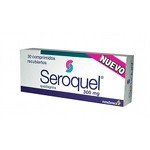
💊 Seroquel (Quetiapine)
Seroquel (Quetiapine 200mg) is an atypical antipsychotic with broad uses including several mood-related indications.
Uses
- Schizophrenia - acute and maintenance
- Bipolar I disorder - manic episodes
- Bipolar depression - both bipolar I and II
- Bipolar maintenance therapy
- Major depressive disorder - adjunctive treatment
- Anxiety (off-label at low doses)
- Insomnia (off-label at very low doses - controversial)
Advantages
- Broad indication spectrum
- Very low risk of movement effects
- Minimal prolactin elevation
- Available in extended-release (Seroquel XR)
- Effective mood stabilization
- Often used across life span
Considerations
- Sedation - often significant, especially initially
- Weight gain (moderate to significant)
- Metabolic syndrome risk
- Orthostatic hypotension
- Dizziness on standing
- Dry mouth
- Requires dose titration
💊 Geodon (Ziprasidone)
Geodon (Ziprasidone 80mg) is an atypical antipsychotic notable for its favorable metabolic profile.
Uses
- Schizophrenia - acute and maintenance
- Bipolar I disorder - acute manic/mixed episodes
- Bipolar maintenance (adjunct to lithium/valproate)
- Acute agitation (IM formulation)
Advantages
- Weight-neutral - major advantage
- Minimal metabolic effects
- Low prolactin elevation
- Effective for positive and negative symptoms
- IM formulation for acute agitation
Important considerations:
- MUST be taken with food (at least 500 calories) for adequate absorption
- QT prolongation - cardiac monitoring recommended
- Twice-daily dosing required
- Cannot combine with QT-prolonging drugs
- Movement effects (EPS) possible
- Sedation moderate
💊 Blonitas (Blonanserin)
Blonitas (Blonanserin 4mg) is a newer atypical antipsychotic more commonly used in Asian markets.
Characteristics
- Selective dopamine D2 and serotonin 5-HT2A antagonist
- Approved in Japan and other Asian countries for schizophrenia
- Less commonly used in Western markets
- Generally well-tolerated
Uses
- Schizophrenia - acute and maintenance
- Both positive and negative symptoms
Advantages
- Less metabolic effects than olanzapine or clozapine
- Less prolactin elevation than risperidone
- Less sedation than some agents
- Selective receptor profile
Considerations
- Movement effects (EPS) possible
- Akathisia (restlessness)
- Taken with food increases absorption
- Twice-daily dosing typical
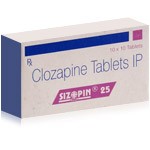
💊 Sizopin (Clozapine) - For Treatment-Resistant Cases
Sizopin (Clozapine 25mg) is unique among antipsychotics - the most effective agent for treatment-resistant schizophrenia but reserved for specific patients due to serious side effects requiring monitoring.
Uses
- Treatment-resistant schizophrenia - failed 2+ other antipsychotics
- Suicidality reduction in schizophrenia (only antipsychotic approved for this)
- Severe tardive dyskinesia (may improve with clozapine)
- Treatment-resistant bipolar disorder
Unique Advantages
- Most effective antipsychotic for resistant cases
- Effective when other antipsychotics fail
- Reduces suicide risk in schizophrenia
- Very low risk of movement effects
- Minimal tardive dyskinesia
- Can improve some cases of persistent tardive dyskinesia
Serious risks requiring monitoring:
- Agranulocytosis - potentially fatal blood cell drop; requires blood monitoring
- Weekly blood tests for first 6 months, then less frequent
- Registered patient system in most countries
- Myocarditis - heart inflammation risk
- Seizures - dose-related
- Metabolic syndrome - significant weight gain, diabetes
- Sedation - substantial
- Constipation - can be severe (bowel obstruction risk)
- Hypersalivation
- Orthostatic hypotension
When Clozapine Is Considered
Only after failure of at least 2 other antipsychotics at adequate doses and durations. Not first-line but essential option for patients who have not responded to other treatments. Despite serious risks, benefits often outweigh risks in treatment-resistant cases.
⚠ Common Side Effects Across Antipsychotics
Movement Effects (Extrapyramidal Symptoms - EPS)
Types of movement effects:
- Acute dystonia - sudden muscle contractions (early)
- Akathisia - inner restlessness, inability to sit still
- Parkinsonism - tremor, rigidity, slowness
- Tardive dyskinesia - involuntary movements developing after long use; may be permanent
Atypical antipsychotics have lower but not zero risk of these effects. Report any unusual movements to your doctor.
Metabolic Effects
- Weight gain - highest with Zyprexa and Sizopin
- Type 2 diabetes - increased risk
- Dyslipidemia - elevated cholesterol and triglycerides
- Metabolic syndrome - clustering of above
- Regular monitoring: weight, waist circumference, blood sugar, lipids
Cardiac Effects
- QT prolongation - especially Geodon
- Orthostatic hypotension - dizziness on standing
- Increased heart rate
- Myocarditis - rare but serious (especially Sizopin)
Other Effects
- Sedation and drowsiness
- Anticholinergic effects (dry mouth, constipation, blurred vision)
- Sexual dysfunction
- Prolactin elevation (especially Risperdal)
- Neuroleptic malignant syndrome (rare, life-threatening)
💉 Long-Acting Injectable Antipsychotics
Long-acting injectable (LAI) formulations provide sustained medication delivery over weeks or months, improving treatment adherence.
Advantages
- Guaranteed adherence when injection is administered
- Steady blood levels without daily peaks and troughs
- Reduced relapse rates
- No need to remember daily doses
- Regular healthcare contact
- Better long-term outcomes in many studies
Considerations
- Requires oral tolerability trial first
- Administered in clinic (usually monthly)
- Injection site reactions possible
- Cannot easily discontinue if side effects occur
- Higher cost initially
- Available for risperidone, olanzapine, and others
🎯 Antipsychotics for Non-Psychotic Conditions
Bipolar Disorder
Multiple antipsychotics approved for various bipolar disorder phases:
- Acute mania: Zyprexa, Risperdal, Seroquel, Geodon
- Bipolar depression: Seroquel, olanzapine + fluoxetine combination
- Maintenance: multiple options approved
Depression Augmentation
For treatment-resistant depression, antipsychotics can augment antidepressants:
- Seroquel XR - approved for MDD augmentation
- Olanzapine + fluoxetine combination
- Aripiprazole, brexpiprazole augmentation
Other Uses
- Severe agitation in various conditions
- Delirium (short-term)
- Behavioral symptoms in dementia (with caution - increased mortality)
- Severe OCD (augmentation)
- Autism-related irritability (risperidone, aripiprazole)
💚 Non-Medication Treatments
Best outcomes in schizophrenia and related conditions require comprehensive treatment combining medication with psychosocial interventions.
Essential non-medication treatments:
- Cognitive Behavioral Therapy for Psychosis (CBTp) - reduces symptom distress
- Family psychoeducation - improves outcomes significantly
- Assertive Community Treatment (ACT) - intensive team-based care
- Supported employment - vocational rehabilitation
- Social skills training
- Cognitive remediation - addresses cognitive symptoms
- Peer support programs
- Case management
- Housing support
- Substance use treatment when needed
- Physical health monitoring - metabolic, cardiovascular
- Regular exercise
- Healthy diet
- Sleep hygiene
- Stress management
🤔 Common Myths About Antipsychotics
- Myth: Antipsychotics are just chemical straightjackets
- Fact: Modern antipsychotics allow most patients to function normally in daily life. Older typical antipsychotics could cause significant sedation, but atypical agents are much better tolerated.
- Myth: Schizophrenia means split personality
- Fact: Schizophrenia is a distinct disorder involving hallucinations, delusions, and disorganized thinking - completely different from dissociative identity disorder.
- Myth: People with schizophrenia are violent
- Fact: People with schizophrenia are more often victims than perpetrators of violence. Most people with schizophrenia are not violent.
- Myth: You should stop antipsychotics when feeling better
- Fact: Stopping antipsychotics dramatically increases relapse risk. Most people with schizophrenia need lifelong treatment. Discontinuation only under medical supervision.
- Myth: Antipsychotics prevent recovery
- Fact: Effective antipsychotic treatment is essential for recovery. Untreated psychosis is more damaging than medication side effects.
- Myth: Schizophrenia is caused by bad parenting
- Fact: Schizophrenia is a neurobiological disorder with genetic and environmental risk factors. Not caused by parenting style or family dysfunction.
🚨 When to Seek Help
EMERGENCY - Call 911 or 988 for:
- Active suicidal or homicidal thoughts
- Severe psychotic symptoms causing safety concerns
- Command hallucinations (voices telling to harm self/others)
- Severe self-harm behaviors
- Neuroleptic malignant syndrome symptoms (fever, muscle rigidity, altered mental status)
- Signs of severe allergic reaction
See doctor promptly for:
- New hallucinations, delusions, or disorganized thinking
- First psychotic episode
- Return of symptoms after previous treatment
- New unusual movements (possible tardive dyskinesia)
- Significant weight gain
- Sexual dysfunction
- Sedation interfering with function
- Any concerning medication side effects
- Bipolar mood episode symptoms
- Severe agitation or aggression
🌟 Key Takeaways
Essential points about antipsychotics:
- Antipsychotics treat schizophrenia, bipolar disorder, and other psychotic conditions
- Modern atypical antipsychotics preferred over older typical agents
- Work primarily through dopamine (and often serotonin) modulation
- Zyprexa (Olanzapine) - effective, but significant weight gain
- Risperdal (Risperidone) - broad indications, elevated prolactin
- Seroquel (Quetiapine) - versatile, includes bipolar depression
- Geodon (Ziprasidone) - weight-neutral, must take with food
- Blonitas (Blonanserin) - selective, well-tolerated
- Sizopin (Clozapine) - most effective for treatment-resistant cases, requires blood monitoring
- Long-acting injectables improve adherence
- Metabolic monitoring essential - weight, glucose, lipids
- Movement effects lower with atypicals but still possible
- Never stop suddenly - relapse risk high
- Comprehensive treatment includes psychosocial interventions
- Long-term treatment typically required
- Regular follow-up with psychiatrist essential
Important Medical Disclaimer: This educational guide provides general information about antipsychotics and does not constitute individualized medical advice. Antipsychotics require prescription and management by qualified psychiatrist or specialist. Schizophrenia and psychotic disorders are serious mental health conditions requiring comprehensive evaluation, diagnosis, and treatment. Antipsychotic selection depends on diagnosis, symptom profile, previous treatment response, side effect tolerability, comorbidities, and patient preferences. Different medications have distinct side effect profiles: Zyprexa causes significant weight gain and metabolic effects; Risperdal elevates prolactin; Seroquel is sedating; Geodon requires food for absorption and can prolong QT interval; Sizopin (clozapine) requires regular blood monitoring due to agranulocytosis risk. All antipsychotics can cause extrapyramidal symptoms (EPS), tardive dyskinesia (potentially permanent), metabolic syndrome, cardiac effects, and rarely neuroleptic malignant syndrome (medical emergency). Regular monitoring essential including weight, blood pressure, glucose, lipids, ECG for some agents, and blood counts for clozapine. Special warning: antipsychotics increase mortality in elderly patients with dementia. Never stop antipsychotics abruptly - relapse and discontinuation syndrome risks. Never share or use leftover antipsychotics. Alcohol and other substances can dangerously interact. Pregnancy planning discussions essential for women of childbearing age - most antipsychotics have some fetal risks but untreated psychosis also carries risks. All psychotropic medications carry FDA warning for suicidal thoughts in patients under 25. Effective treatment combines medication with psychosocial interventions including CBT for psychosis, family psychoeducation, supported employment, and case management. Long-term treatment adherence essential - long-acting injectables help many patients. Information here should complement but never replace direct professional mental health guidance from qualified providers. If experiencing psychotic symptoms or safety concerns, seek immediate medical evaluation.
More Antipsychotic Medications