Buy Seroquel (Quetiapine) Online — AstraZeneca Atypical Antipsychotic with Broadest FDA Indications: Schizophrenia, Bipolar Mania & Depression, TRD Adjunct

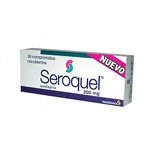
Seroquel is the original brand-name formulation of Quetiapine — one of the most-prescribed second-generation atypical antipsychotic medications in modern psychiatry. Developed by AstraZeneca and FDA-approved since 1997, Seroquel is distinguished by its broad FDA-approved indication range covering both psychotic and mood disorders — uniquely including FDA approval for bipolar depression as monotherapy and treatment-resistant depression as adjunct (Seroquel XR). The extended-release Seroquel XR formulation supports once-daily dosing.
The active ingredient is Quetiapine Fumarate, an atypical antipsychotic with potent 5-HT2A receptor antagonism, comparatively lower D2 receptor occupancy than other atypicals, strong α1-adrenergic antagonism, very strong H1 histamine antagonism (responsible for significant sedation), 5-HT1A partial agonism (contributing to anxiolytic and antidepressant effects), and weak M1 muscarinic antagonism. The active metabolite norquetiapine adds norepinephrine reuptake inhibition. Quetiapine exhibits unique dose-dependent pharmacology: low doses (25-50 mg) act primarily as antihistamine for sleep, mid doses (150-300 mg) as antidepressant, and high doses (400-800 mg) as full antipsychotic.
Seroquel is FDA-approved for schizophrenia in adults and adolescents 13-17 years, acute manic and mixed bipolar I episodes (adults and children 10-17 years), bipolar I maintenance, bipolar depression (as monotherapy — unique among atypicals), and treatment-resistant depression (as Seroquel XR adjunct). Off-label uses are extensive: insomnia (low-dose 25-50 mg), generalized anxiety disorder, PTSD, autism-related irritability, behavioral disturbances in dementia, and delirium.
The medication is available as Seroquel 25-400 mg IR tablets and Seroquel XR 50-400 mg extended-release tablets. Standard adult dosing: schizophrenia 300-800 mg/day, bipolar mania 400-800 mg/day, bipolar depression 300 mg/day (XR), MDD adjunct 150-300 mg/day (XR).
Critical safety considerations include the FDA boxed warning for increased mortality in elderly patients with dementia-related psychosis, boxed warning for suicidal ideation in pediatric/young adult patients with depression, significant weight gain, metabolic syndrome, severe sedation (most among modern atypicals), prominent orthostatic hypotension, rare cataracts, QT prolongation, mild hyperprolactinemia, tardive dyskinesia, and neuroleptic malignant syndrome.
Free prescription
Discrete packaging
Have questions?
Quality Assurance


- Adolescent Schizophrenia: FDA-approved for adolescent schizophrenia in patients 13-17 years;
- First Episode Psychosis: For first-episode psychosis treatment in young adults;
- Chronic Schizophrenia Maintenance: For long-term maintenance therapy in chronic schizophrenia;
- Treatment Resistant Schizophrenia: For schizophrenia not responsive to other atypical antipsychotics;
- Acute Manic Episode: FDA-approved for acute manic episodes in bipolar I disorder;
- Mixed Episodes Bipolar: FDA-approved for acute mixed episodes in bipolar I disorder;
- Pediatric Bipolar: FDA-approved for bipolar I in children and adolescents 10-17 years;
- Bipolar Maintenance: FDA-approved for bipolar I maintenance therapy;
- Bipolar Depression: FDA-approved as MONOTHERAPY for bipolar depression — signature unique indication among atypicals;
- Bipolar Mixed Features: For bipolar depression with mixed features;
- Treatment Resistant Depression (TRD): FDA-approved (Seroquel XR) as adjunct for treatment-resistant depression;
- MDD Adjunct: FDA-approved (Seroquel XR) as adjunct to antidepressants in major depressive disorder;
- Insomnia: Off-label low-dose (25-50 mg) hypnotic for chronic insomnia — common modern use;
- Sleep Maintenance Insomnia: For sleep maintenance insomnia — strong H1 sedation supports continuous sleep;
- Anxiety Disorders: Off-label for severe anxiety disorders with insomnia comorbidity;
- Generalized Anxiety Disorder (GAD): Off-label for generalized anxiety disorder;
- PTSD / Post Traumatic Stress Disorder: Off-label adjunct for PTSD particularly with nightmares and insomnia;
- Schizoaffective Disorder: Off-label for schizoaffective disorder with mood and psychotic symptoms;
- Parkinson Psychosis: Off-label for psychosis in Parkinson's disease — lowest EPS risk among atypicals;
- Autism Irritability: Off-label for irritability in autism spectrum disorders;
- Tourette Syndrome: Off-label for Tourette syndrome motor and vocal tics;
- Delirium: Off-label for hospital delirium management — ICU and palliative settings;
- Borderline Personality Disorder: Off-label adjunct for borderline personality disorder with mood instability or psychotic features;
- Long Term Maintenance Antipsychotic: Suitable for long-term maintenance therapy in chronic psychotic and bipolar disorders.
- Less Negative Symptoms: Improvement in negative symptoms of schizophrenia (apathy, social withdrawal, blunted affect);
- Better Reality Testing: Restoration of reality testing in psychotic patients;
- Less Manic Symptoms: Reduction in acute manic episode severity in bipolar I disorder;
- Less Mixed Episode Symptoms: Resolution of acute mixed bipolar episodes;
- Better Mood Stability: FDA-approved long-term mood stabilization in bipolar I maintenance;
- Less Bipolar Depression: FDA-approved reduction in bipolar I depressive episodes as monotherapy — signature unique benefit;
- Less Treatment-Resistant Depression: FDA-approved (Seroquel XR) adjunctive benefit in treatment-resistant depression;
- Better Mood: Antidepressant benefit through norquetiapine metabolite NE reuptake inhibition and 5-HT1A partial agonism;
- Less Anxiety: Off-label reduction in anxiety symptoms;
- Better Sleep Onset: Strong sedating properties support rapid sleep onset at bedtime dosing;
- Better Sleep Maintenance: Strong H1 antagonism supports continuous sleep without nighttime awakenings;
- Less Insomnia: Off-label low-dose hypnotic benefit for chronic insomnia (25-50 mg);
- Less PTSD Nightmares: Off-label reduction in PTSD-related nightmares with bedtime dosing;
- Less Parkinson Psychosis: Off-label benefit for psychosis in Parkinson's disease — lowest EPS risk among atypicals;
- Less Autism Irritability: Off-label reduction in autism-related irritability and aggression;
- Less Tics: Off-label reduction in Tourette syndrome motor and vocal tics;
- Less Delirium: Off-label reduction in hospital delirium symptoms;
- Less EPS Risk: Lowest extrapyramidal symptom risk among atypicals — advantage in Parkinson's and elderly patients;
- Less Prolactin Elevation: Lower hyperprolactinemia rates than risperidone;
- Better Daily Function: Return to social and occupational functioning with effective antipsychotic therapy;
- Better Quality of Life: Substantial improvement in quality of life with effective psychosis, bipolar, or TRD treatment;
- Fewer Hospitalizations: Effective maintenance therapy reduces hospitalisation rates in schizophrenia and bipolar disorder;
- Brand Seroquel: Original AstraZeneca brand of Quetiapine — one of the most globally recognized atypical antipsychotic brands since 1997;
- Generic Quetiapine: Affordable generic versions expand global access to second-generation atypical antipsychotic therapy;
- Seroquel XR Extended Release: Extended-release formulation supports once-daily dosing for improved adherence;
- Atypical Antipsychotic: Foundational second-generation atypical antipsychotic class;
- Dibenzothiazepine Antipsychotic: Dibenzothiazepine chemistry — distinct structural class among atypicals;
- Potent 5 HT2A Antagonism: Potent 5-HT2A receptor antagonism supports broad antipsychotic effects;
- 5 HT1A Partial Agonism: 5-HT1A partial agonism contributes anxiolytic and antidepressant effects;
- Norquetiapine Active Metabolite: Active norquetiapine metabolite adds norepinephrine reuptake inhibition — antidepressant contribution;
- Dose Dependent Pharmacology: Unique dose-dependent pharmacology — sleep at low dose, antidepressant at mid dose, antipsychotic at high dose;
- Broadest FDA Indication Range: Broadest FDA-approved indication range among atypicals — covers psychotic AND mood disorders;
- Bipolar Depression Monotherapy: FDA-approved bipolar depression monotherapy — unique distinction among atypicals;
- TRD Augmentation Standard: FDA-approved standard augmentation (Seroquel XR) for treatment-resistant depression;
- Pediatric Approved Antipsychotic: FDA-approved for adolescent schizophrenia (13-17) and pediatric bipolar (10-17);
- Parkinson Friendly Antipsychotic: Lowest EPS risk among atypicals — preferred in Parkinson's psychosis;
- WHO Essential Medicine: Listed on the WHO Model List of Essential Medicines;
- 25 Plus Year Antipsychotic History: Extensive real-world safety and efficacy data since 1997 across billions of patient courses.
Generic Seroquel (Quetiapine 25 mg) Medication guide:
📖 What Is Seroquel (Quetiapine) Atypical Antipsychotic
Seroquel (quetiapine) is a dibenzothiazepine atypical antipsychotic developed by AstraZeneca and approved by the FDA in 1997 for schizophrenia. Its distinctive pharmacology - loose D2 receptor binding with rapid dissociation - explains the characteristic combination of minimal extrapyramidal symptoms and minimal prolactin elevation. Quetiapine has the broadest FDA-approved mood coverage of any atypical antipsychotic, spanning schizophrenia, bipolar mania, bipolar depression (unique monotherapy indication), bipolar maintenance, and adjunct treatment of MDD (extended-release only).
| Distinguishing feature | Detail |
|---|---|
| Drug class | Dibenzothiazepine atypical antipsychotic (second-generation) |
| Original FDA approval | 1997 (schizophrenia adult) |
| Broadest mood coverage indication | Schizophrenia + bipolar mania + bipolar depression + bipolar maintenance + MDD adjunct XR |
| D2 binding kinetics | LOOSE binding with rapid dissociation - distinctive pharmacology |
| Manufacturer origin | AstraZeneca (originally Zeneca before 1999 merger) |
| Formulations | Immediate-release (IR) BID; Seroquel XR extended-release once daily (2007) |
| Active metabolite | Norquetiapine - substantial NET (norepinephrine transporter) inhibitor + 5-HT1A partial agonist - CONTRIBUTES to antidepressant effect |
| Generic availability | Since 2012 (US) |
| Signature clinical concerns | Substantial sedation (dose-dependent), moderate-substantial weight gain, orthostatic hypotension, metabolic effects |
| Signature advantages | Minimal EPS (distinguishing), minimal prolactin (distinguishing), bipolar depression FDA-approved, MDD adjunct approved |
🌟 Positioning among atypical antipsychotics
- The mood coverage champion
- Quetiapine is the atypical antipsychotic with broadest FDA-approved mood coverage - the only atypical approved for schizophrenia, bipolar mania, bipolar depression monotherapy, bipolar maintenance, AND adjunct MDD. This spectrum coverage represents distinctive clinical positioning for mood disorder specialists.
- Bipolar depression monotherapy - UNIQUE
- Quetiapine is the only atypical antipsychotic monotherapy FDA-approved for bipolar depression. Landmark BOLDER I (Calabrese 2005) and BOLDER II (Thase 2006) trials established this indication approved in 2006. Prior to this approval, bipolar depression had no FDA-approved treatments other than olanzapine/fluoxetine combination (Symbyax) which combines two agents. Quetiapine offered the first single-agent approach.
- The loose D2 binding pharmacology
- Quetiapine binds D2 receptors loosely with rapid dissociation kinetics - meaning drug releases quickly from D2 receptors allowing dopamine transient pulses to maintain physiologic function. This distinctive pharmacology explains: (1) minimal EPS at therapeutic doses; (2) minimal prolactin elevation; (3) different clinical positioning than tight-binding atypicals (risperidone, olanzapine).
- Signature tolerability trade-off
- Substantial sedation (highest among atypicals particularly at lower doses) + moderate-substantial weight gain + orthostatic hypotension characterize quetiapine tolerability - a specific signature that guides patient selection. In exchange, minimal EPS and minimal prolactin represent distinguishing advantages.
💡 Why Seroquel remains widely prescribed
Seroquel remains among the most widely prescribed antipsychotics globally. Reasons include: (1) broadest FDA mood coverage among atypicals - versatile across illness phases; (2) unique bipolar depression monotherapy indication filling important treatment gap; (3) MDD adjunct XR indication expanding beyond bipolar; (4) minimal EPS advantage particularly valuable for young patients and Parkinson disease patients requiring antipsychotic; (5) minimal prolactin advantage particularly valuable for reproductive-age patients concerned about sexual/reproductive effects; (6) versatile dose range - low doses for sedation/anxiety (off-label controversially) through high doses for schizophrenia acute; (7) generic availability enabling low-cost access; (8) extended-release Seroquel XR enabling once-daily dosing. For patients where sedation and moderate weight gain are acceptable trade-offs, Seroquel offers versatile therapy across mood and psychotic disorders.
📜 History of Quetiapine from AstraZeneca Development
Quetiapine emerged from Zeneca Pharmaceuticals (which became AstraZeneca in 1999 following merger with Astra AB). The compound was developed as part of the second wave of atypical antipsychotics after clozapine and risperidone, designed to combine efficacy with the atypical antipsychotic tolerability profile.
🕑 Historical timeline - key milestones
- Late 1980s Zeneca development program
- Zeneca research group targeted atypical antipsychotic development following clozapine (1989) and risperidone (early 1990s). Aimed for combined 5-HT2A/D2 profile with better tolerability
- Dibenzothiazepine chemistry approach
- Structurally related to clozapine (dibenzodiazepine) but modified to reduce hematologic toxicity while preserving atypical antipsychotic profile
- 1990-1996 pivotal clinical trials
- Multi-center schizophrenia trials; Small 1997 established foundational efficacy
- September 1997 FDA approval
- Seroquel approved for schizophrenia in adults; positioned as tolerability-focused atypical
- 1999 Zeneca/Astra merger creating AstraZeneca
- Corporate consolidation created AstraZeneca; Seroquel became major AstraZeneca product
- 2004 bipolar acute mania approval
- FDA approved Seroquel monotherapy for bipolar I acute mania based on Bowden 2005 and other pivotal trials
- 2006 BIPOLAR DEPRESSION approval - LANDMARK
- FIRST atypical antipsychotic monotherapy approved for bipolar depression; based on BOLDER I (Calabrese 2005) and BOLDER II (Thase 2006) landmark trials. Historic milestone - bipolar depression had lacked FDA-approved monotherapy prior. This approval established atypical antipsychotic role in bipolar depression treatment and remained unique for years
- 2007 Seroquel XR extended-release approval
- Once-daily extended-release formulation; improved adherence potential; retained same indications as IR
- 2007 bipolar maintenance approval
- FDA approved for bipolar I disorder maintenance treatment as adjunct to lithium or valproate
- 2009 MDD adjunct XR approval
- Seroquel XR approved as adjunct to antidepressants for major depressive disorder in adults (only atypical antipsychotic-mechanism antidepressant adjunct for MDD at that time other than aripiprazole 2007 and olanzapine/fluoxetine)
- 2009 pediatric approvals
- FDA approved for adolescent schizophrenia (13-17) and pediatric bipolar mania (10-17)
- 2012 US generic quetiapine availability
- Patent expiration opened generic market; substantial price reductions increased accessibility
- 2013 Leucht Lancet meta-analysis positioning
- Comprehensive antipsychotic comparative effectiveness placed quetiapine in mid-tier efficacy but distinctive positioning for mood coverage and tolerability profile
- 2010-2020 off-label prescribing scrutiny
- Increasing recognition of extensive off-label quetiapine prescribing (particularly low-dose 25-50 mg for sleep, anxiety) led to regulatory scrutiny; multiple lawsuits regarding metabolic effects and off-label promotion
💡 The AstraZeneca commercial success
Seroquel became one of the most commercially successful psychiatric medications ever, reaching peak annual sales exceeding $5 billion globally by 2010. The commercial success reflected: (1) versatile mood coverage enabling prescribing across multiple diagnoses; (2) tolerability profile perceived favorably vs olanzapine (less prolactin, less EPS despite similar weight gain); (3) sedation making it attractive for anxiety, insomnia, and agitation (largely off-label); (4) aggressive marketing including some off-label promotion that later resulted in legal settlements. Following 2012 generic availability, sales substantially declined but clinical use remains extensive given established evidence base and low generic cost. The bipolar depression 2006 approval remains among the most important atypical antipsychotic regulatory milestones - filling a genuine treatment gap and establishing atypical antipsychotic role in bipolar depression treatment paradigms.
🧪 Chemistry and Dibenzothiazepine Structure Details
Quetiapine's dibenzothiazepine chemical structure is structurally related to clozapine (dibenzodiazepine) but with modifications reducing hematologic toxicity. Chemical name: 2-(2-(4-dibenzo[b,f][1,4]thiazepin-11-yl-1-piperazinyl)ethoxy)ethanol. Molecular formula C21H25N3O2S. Molecular weight approximately 383.5 g/mol.
🧪 Chemistry and receptor pharmacology
- Chemical class
- Dibenzothiazepine atypical antipsychotic; structurally distinct from phenothiazines, butyrophenones, benzisoxazoles (risperidone), benzothiazolylpiperazine (ziprasidone); structurally related to clozapine dibenzodiazepine class
- Physical properties
- White to pale yellow crystalline powder; sparingly soluble in water; freely soluble in methanol and chloroform
- Ionization and pKa
- Weakly basic; pKa approximately 6.8 and 3.3 (two ionizable groups)
- Lipophilicity
- LogP approximately 2.9; good CNS penetration
| Receptor | Ki (nM) - quetiapine | Clinical significance |
|---|---|---|
| H1 histamine | 4.4 (VERY HIGH) | SUBSTANTIAL sedation; appetite/weight gain contribution; signature quetiapine feature |
| Alpha-1 adrenergic | 7.3 (high) | Orthostatic hypotension SIGNATURE; sedation |
| 5-HT2A | 220 (moderate) | Atypical antipsychotic feature; EPS reduction |
| Dopamine D2 | 245 (moderate) | Antipsychotic effect - RELATIVELY LOW affinity + loose binding |
| 5-HT1A | 2600 (weak parent, but norquetiapine STRONG partial agonist) | Mood-elevating effect via metabolite |
| Alpha-2 adrenergic | 75 (moderate) | Contribution to mood effects and cognition |
| Muscarinic M1 | 1020 (weak parent, but norquetiapine STRONG antagonist) | Anticholinergic effects via metabolite: dry mouth, constipation, cognitive |
| 5-HT2C | 3820 (weak) | Modest weight gain contribution |
| Norepinephrine transporter (NET) | Weak parent, norquetiapine SUBSTANTIAL NET inhibitor | ANTIDEPRESSANT effect via metabolite - explains MDD adjunct and bipolar depression efficacy |
| hERG (cardiac) | Modest binding | Modest QT prolongation |
💡 The norquetiapine metabolite - key to understanding Seroquel
Quetiapine's clinical profile cannot be understood by looking at parent drug pharmacology alone - the active metabolite norquetiapine has fundamentally different pharmacology that drives many clinical effects. Norquetiapine is a substantial norepinephrine transporter (NET) inhibitor (like an SNRI antidepressant), a potent 5-HT1A partial agonist (like buspirone or aripiprazole), and a substantial M1 muscarinic antagonist. The NET inhibition and 5-HT1A partial agonism together explain quetiapine's antidepressant efficacy in bipolar depression and MDD adjunct - effects that are underappreciated by focusing only on 5-HT2A/D2 antipsychotic mechanism. The M1 antagonism contributes to anticholinergic side effects (dry mouth, constipation) that are more common than the parent's weak M1 binding would suggest. This dual pharmacology (parent + metabolite) makes quetiapine functionally a combined atypical antipsychotic + NET inhibitor + 5-HT1A partial agonist - closer to an SNRI+antipsychotic combination than a pure atypical antipsychotic. Understanding this dual pharmacology explains quetiapine's distinctive mood coverage and tolerability profile.
⚙️ Mechanism of Action - Loose D2 Binding and Broad Receptor Profile
Quetiapine's mechanism combines loose D2 receptor binding with broad receptor pharmacology enhanced by active metabolite norquetiapine. The loose D2 binding kinetics fundamentally differentiate quetiapine from tight-binding atypicals and drive its distinctive tolerability advantages.
⚙️ Mechanism of action explained
- Dopamine D2 antagonism - loose binding kinetics
- Blocks mesolimbic D2 receptors reducing positive psychotic symptoms. Distinctive from tight-binding atypicals (risperidone) or typical antipsychotics (haloperidol) - quetiapine rapidly dissociates from D2 receptors allowing endogenous dopamine transient pulses to maintain normal function. D2 occupancy at therapeutic doses often only 30-60 percent - lower than other atypicals
- 5-HT2A antagonism - atypical antipsychotic feature
- Blocks 5-HT2A receptors contributing to atypical antipsychotic effect; disinhibits nigrostriatal dopamine reducing EPS risk; contributes to negative symptom improvement
- H1 histamine antagonism - SUBSTANTIAL sedation
- Very potent H1 blockade; explains substantial sedation particularly at lower doses (25-100 mg); contributes to appetite and weight gain; underlies off-label sleep aid use
- Alpha-1 adrenergic blockade - orthostasis
- Substantial alpha-1 blockade contributes to signature orthostatic hypotension and dizziness particularly during initial titration
- Norquetiapine NET inhibition - ANTIDEPRESSANT
- Active metabolite norquetiapine is substantial norepinephrine transporter inhibitor - functionally SNRI-like; explains antidepressant efficacy in bipolar depression and MDD adjunct beyond what parent D2/5-HT2A would predict
- Norquetiapine 5-HT1A partial agonism
- Active metabolite is substantial 5-HT1A partial agonist (like buspirone or aripiprazole) - contributes to anxiolytic and antidepressant effects
- Muscarinic effects (via norquetiapine)
- Norquetiapine substantial M1 antagonism contributes anticholinergic effects (dry mouth, constipation, cognitive impact) exceeding parent drug's weak M1 binding
| Dose range | Dominant pharmacology | Clinical role |
|---|---|---|
| 25-100 mg (LOW) | H1 histamine dominant - substantial sedation | Off-label sleep aid (controversial); anxiety off-label |
| 150-300 mg (MODERATE) | Alpha-1 blockade + emerging 5-HT2A/D2 | MDD adjunct XR effective range; bipolar depression starting range |
| 300-600 mg (BIPOLAR DEPRESSION) | Full receptor engagement + norquetiapine NET inhibition | Bipolar depression FDA-approved range (300 mg established from BOLDER) |
| 400-800 mg (SCHIZOPHRENIA/MANIA) | Full antipsychotic 5-HT2A/D2 blockade dominant | Schizophrenia and acute mania therapeutic range |
💡 The dose-dependent pharmacology shift
Quetiapine's clinical effects shift dramatically with dose - a distinguishing feature among atypicals. At low doses (25-100 mg) H1 histamine blockade dominates producing substantial sedation but limited antipsychotic effect - this is why low-dose quetiapine is used (controversially) for sleep and anxiety despite not being an ideal sleep aid or anxiolytic. At moderate doses (150-300 mg) receptor engagement broadens and NET inhibition via norquetiapine begins - this is the MDD adjunct XR effective range where antidepressant potentiation dominates over antipsychotic effect. At higher doses (300-600 mg) bipolar depression efficacy manifests. At highest doses (400-800 mg) full antipsychotic 5-HT2A/D2 blockade drives schizophrenia and mania effects. This dose-dependent pharmacology means low-dose quetiapine (25-100 mg) is essentially a very sedating antihistamine, not a genuine antipsychotic - a distinction poorly understood by many prescribers using low-dose quetiapine for sleep. Modern practice increasingly recognizes that low-dose off-label quetiapine for sleep is problematic - substantial adverse effect burden (weight gain, metabolic effects) without corresponding therapeutic benefit for insomnia. Understanding dose-dependent pharmacology guides appropriate quetiapine use.
🔬 Pharmacokinetics and Active Metabolite Norquetiapine
Quetiapine pharmacokinetics center on rapid absorption, CYP3A4 metabolism, and active metabolite norquetiapine formation. The IR and XR formulations differ substantially in absorption kinetics but not overall exposure. Understanding norquetiapine's independent PK is essential given its distinct pharmacology.
| Parameter | Value |
|---|---|
| Oral bioavailability | Approximately 100 percent |
| Time to peak (IR) | 1.5 hours (rapid absorption) |
| Time to peak (XR) | 6 hours (extended release) |
| Effect of food | IR: no significant effect. XR: high-fat meal substantially increases absorption - avoid taking with large meals |
| Protein binding | 83 percent |
| Half-life (quetiapine parent) | 6 hours - SHORT for antipsychotic |
| Half-life (norquetiapine) | 9-12 hours - contributes to prolonged effect |
| Dosing frequency (IR) | BID or TID typically given short half-life |
| Dosing frequency (XR) | Once daily - extended-release enables |
| Volume of distribution | 10 L/kg (large - extensive tissue distribution) |
| Primary metabolism | CYP3A4 hepatic metabolism (major); CYP2D6 minor |
| Active metabolite | N-desalkyl quetiapine (norquetiapine) - substantial NET inhibitor + 5-HT1A partial agonist |
| Elimination | Urine 73 percent (metabolites); feces 20 percent |
🔬 Seroquel IR vs XR - key differences
- Absorption kinetics
- IR: rapid absorption Tmax 1.5 hours - substantial peak-related sedation and orthostasis; XR: extended absorption Tmax 6 hours - smoother PK profile with less peak-related side effects
- Dosing schedule
- IR: BID or TID typically; XR: once daily preferably at evening (given sedation)
- Food consideration (XR-specific)
- XR should not be taken with high-fat meals (over 800 kcal) - substantially increases absorption; take on empty stomach or with light meal; IR unaffected by food
- Total daily exposure
- IR and XR at same total daily dose provide equivalent 24-hour exposure; interchange possible using same total daily dose
- Practical differences
- XR advantages: once-daily dosing improves adherence; smoother PK may reduce daytime sedation with evening dosing; IR advantages: dose flexibility, faster onset for acute mania; generic IR lower cost
🔬 CYP3A4 metabolism and interactions
- Primary CYP3A4 pathway
- CYP3A4 is major quetiapine metabolism; substantial vulnerability to CYP3A4 interactions
- Strong CYP3A4 inhibitors
- Ketoconazole, itraconazole, clarithromycin, ritonavir, grapefruit juice - substantially increase quetiapine levels; dose reduction required
- Strong CYP3A4 inducers
- Carbamazepine (SUBSTANTIAL 4-5 fold reduction), phenytoin, rifampin, St John Wort - reduce quetiapine substantially; may need substantial dose increases; particular concern with bipolar patients on carbamazepine
- CYP2D6 role
- Minor CYP2D6 contribution; genetic phenotype effects on quetiapine less prominent than for CYP2D6-primary drugs (risperidone, aripiprazole)
📋 FDA Indications - Broad Mood Coverage Approval
Seroquel has the broadest FDA-approved mood coverage among atypical antipsychotics, spanning schizophrenia, bipolar mania, bipolar depression (UNIQUE), bipolar maintenance, and adjunct MDD. This distinctive breadth positions quetiapine as the mood coverage champion of the atypical class.
| Indication | Age range | Year approved | Formulation |
|---|---|---|---|
| Schizophrenia (adult) | Adults 18+ | 1997 (original) | IR and XR |
| Schizophrenia (adolescent) | Adolescents 13-17 | 2009 | IR and XR |
| Bipolar I acute mania (adult monotherapy or adjunct) | Adults 18+ | 2004 | IR and XR |
| Bipolar I acute mania (pediatric) | Children/adolescents 10-17 | 2009 | IR and XR |
| Bipolar depression (monotherapy) - UNIQUE | Adults 18+ | 2006 - LANDMARK | IR and XR |
| Bipolar I maintenance (adjunct) | Adults 18+ | 2007 | IR and XR |
| MDD adjunct (XR only) | Adults 18+ | 2009 | XR ONLY |
💡 The mood coverage champion
Quetiapine's FDA indication breadth represents distinctive positioning among atypical antipsychotics. It is the only atypical approved for: bipolar depression monotherapy (unique among atypicals - only olanzapine/fluoxetine combination Symbyax also approved but as combination not monotherapy) + bipolar maintenance (adjunct) + adjunct MDD. The 2006 bipolar depression approval was historic - filling a treatment gap where FDA-approved options had been limited to Symbyax combination. The 2009 MDD adjunct approval extended atypical antipsychotic use into MDD treatment paradigms alongside aripiprazole (approved MDD adjunct 2007). This mood coverage breadth combined with schizophrenia and bipolar mania coverage makes quetiapine unique among atypical antipsychotics - versatile across the mood/psychosis spectrum.
🧠 Schizophrenia Treatment with Quetiapine
Schizophrenia was quetiapine's original 1997 FDA indication. While effective, quetiapine positioning in schizophrenia often reflects specific patient factors: patients requiring low prolactin, patients not tolerating EPS from other atypicals, or patients where sedation could support treatment adherence. CATIE (2005) confirmed effectiveness in real-world schizophrenia.
🧠 Schizophrenia efficacy evidence
- Small 1997 (foundational)
- Foundational pivotal trial establishing quetiapine efficacy for schizophrenia; supported 1997 FDA approval
- Arvanitis 1997
- Dose-response study establishing optimal dose range 300-750 mg daily for schizophrenia
- CATIE Study 2005 (Lieberman NEJM)
- Landmark real-world effectiveness trial comparing 5 antipsychotics; quetiapine showed acceptable effectiveness though numerically lower than olanzapine; better tolerated on prolactin and EPS but sedation problematic
- Leucht 2013 Lancet meta-analysis
- Network meta-analysis positioned quetiapine in mid-tier efficacy alongside ziprasidone and aripiprazole; less effective than olanzapine, risperidone, amisulpride; distinctive tolerability profile
- Adolescent schizophrenia trials
- Findling 2012 pediatric schizophrenia efficacy establishing 2009 adolescent approval
- Negative symptom effect
- Modest improvement; not as robust as cariprazine but comparable to other atypicals; 5-HT1A partial agonism via norquetiapine may support
🎯 Clinical positioning in schizophrenia treatment
- First-line atypical (guidelines)
- APA, NICE, WFSBP guidelines list quetiapine among first-line atypicals; established efficacy + generic availability + distinctive tolerability profile
- Acute schizophrenia dosing
- Titrate from 50-100 mg BID to target 400-800 mg daily divided BID (IR) or once daily (XR); need substantial dose for antipsychotic effect
- Maintenance therapy
- Effective long-term relapse prevention; typical maintenance 300-600 mg daily; lifelong treatment typically needed
- Preferred patient profiles
- Patients not tolerating prolactin elevation from risperidone; patients with EPS from typical antipsychotics; patients where sedation could aid sleep/agitation; patients with mood component (schizoaffective)
- Elderly with schizophrenia (not dementia)
- Minimal EPS advantage particularly valuable elderly (reduced fall risk from parkinsonism); lower doses often adequate; note dementia BOXED WARNING still applies
- Not preferred for
- Patients where substantial sedation problematic; obese or metabolically vulnerable patients (weight gain concern); patients requiring highest efficacy (olanzapine, risperidone, clozapine may be better)
⚖️ Bipolar I Acute Mania Treatment Applications
Bipolar I acute mania is a well-established quetiapine indication, approved as monotherapy or adjunct to lithium/valproate in 2004. Effective across severity ranges from moderate to severe mania including with psychotic features. Also approved for pediatric bipolar I mania in 2009 (ages 10-17).
⚖️ Bipolar mania efficacy evidence
- Bowden 2005 (adult monotherapy)
- Landmark 12-week monotherapy trial establishing quetiapine efficacy for acute bipolar I mania; supported 2004 FDA approval
- Sachs 2004 (adjunct)
- Quetiapine as adjunct to lithium or valproate; supported 2004 combination approval
- DelBello 2007 (pediatric bipolar mania)
- Landmark pediatric bipolar I mania efficacy; supported 2009 pediatric approval expansion
- Cipriani 2011 Lancet meta-analysis
- Comprehensive antimanic comparative effectiveness; quetiapine effective but modestly less than olanzapine, haloperidol, and risperidone; distinctive tolerability
- Onset of action
- Antimanic response 1-2 weeks (compared to risperidone 5-7 days); slightly slower onset than fastest antimanic atypicals
- Sedation advantage in agitated mania
- Substantial sedation may advantageously calm agitated manic patients; particular value in severely activated mania where sleep restoration therapeutic
🎯 Clinical positioning in bipolar mania
- Acute mania monotherapy
- Effective for moderate-severe acute mania; target 400-800 mg daily; rapid titration acceptable (50-100 mg day 1, escalate over 4-7 days)
- Adjunct to mood stabilizer
- Faster response than mood stabilizer monotherapy; enables lower doses; commonly combined with lithium or valproate
- Pediatric bipolar mania (10-17)
- FDA-approved pediatric bipolar indication; typical 400-600 mg daily; carefully titrated
- Bipolar maintenance
- FDA-approved adjunct to lithium or valproate for bipolar I maintenance (2007); typical maintenance 300-600 mg daily; long-term treatment appropriate
- Rapid cycling
- Reasonable option; combined with mood stabilizer for cycle attenuation; broad mood coverage useful across cycles
🌓 Bipolar Depression - Unique FDA Approval Indication
Bipolar depression is quetiapine's UNIQUE FDA indication - it is the only atypical antipsychotic FDA-approved as monotherapy for bipolar depression (olanzapine/fluoxetine combination Symbyax also approved but as combination). The 2006 approval was based on landmark BOLDER I (Calabrese 2005) and BOLDER II (Thase 2006) trials and represented historic milestone in bipolar disorder treatment.
🌓 BOLDER trials - landmark bipolar depression evidence
- BOLDER I (Calabrese 2005 Am J Psychiatry)
- BipOLar DEpRession (BOLDER) I - 8-week randomized double-blind placebo-controlled trial in 542 bipolar I and II depression patients; quetiapine 300 mg or 600 mg vs placebo; both doses substantially superior to placebo on MADRS with numerical superiority for 600 mg but 300 mg standard target
- BOLDER II (Thase 2006 J Clin Psychopharmacology)
- Replication study confirming quetiapine 300 mg and 600 mg efficacy for bipolar I and II depression; supported 2006 FDA approval
- Response and remission rates
- Response (50 percent MADRS reduction) approximately 55-60 percent quetiapine vs 40 percent placebo; remission (MADRS under 12) approximately 45-50 percent quetiapine vs 30 percent placebo - substantial clinical effect
- Efficacy across bipolar I and bipolar II depression
- Both bipolar I and II depression subtypes benefited; quetiapine remained one of few bipolar II depression evidence-based options
- EMBOLDEN I and II
- Follow-up trials confirming quetiapine XR efficacy for bipolar depression
- Onset of antidepressant effect
- Response typically apparent 1-2 weeks; substantial response 4-8 weeks; rapid antidepressant onset vs traditional antidepressants
- Absence of switch to mania
- Quetiapine treatment of bipolar depression does not carry the switch-to-mania risk associated with unopposed antidepressants in bipolar disorder
🎯 Clinical application in bipolar depression
- Target dose 300 mg daily
- Standard bipolar depression target based on BOLDER trials; can go to 600 mg if inadequate response; evening administration due to sedation
- Titration approach
- Day 1: 50 mg evening; Day 2: 100 mg evening; Day 3: 200 mg evening; Day 4+: 300 mg evening; adjust based on tolerability
- CANMAT bipolar depression positioning
- CANMAT bipolar depression guidelines list quetiapine as first-line monotherapy option for bipolar depression - one of the most highly-rated bipolar depression options
- Mechanism explanation
- Norquetiapine NET inhibition (SNRI-like) + 5-HT1A partial agonism + broad receptor engagement together drive antidepressant effect; distinct from pure antipsychotic mechanism
- Long-term bipolar depression prevention
- Continued quetiapine may prevent depressive recurrences given both acute efficacy and mechanism support; bipolar maintenance approval also supports
- Combined with mood stabilizer
- Commonly combined with lithium or lamotrigine for bipolar depression treatment; complementary mechanisms
💡 The bipolar depression treatment gap that quetiapine filled
Before 2006, bipolar depression had almost no FDA-approved treatments. Traditional antidepressants (SSRIs, SNRIs, TCAs) used unopposed in bipolar disorder carry substantial risks: (1) switch to mania or mixed states (approximately 10-25 percent risk); (2) rapid cycling induction; (3) accelerated illness progression; (4) potential worsening of overall bipolar course. The only FDA-approved bipolar depression treatment before 2006 was olanzapine/fluoxetine combination (Symbyax) - a specific combination product with combined atypical antipsychotic + SSRI. Quetiapine 2006 approval provided first single-agent atypical antipsychotic monotherapy for bipolar depression - a landmark treatment advance. This established the paradigm that atypical antipsychotic monotherapy could effectively treat bipolar depression without antidepressant-related mood switch risk. Subsequent quetiapine XR (same indication maintained), lurasidone (approved 2013 for bipolar I depression), and cariprazine (approved 2019 for bipolar I depression) followed. But quetiapine 2006 approval remains the historic milestone - the first single-agent atypical antipsychotic for bipolar depression. For patients with acute bipolar depression, particularly those where antidepressant switch risk concerning or previous antidepressant treatment problematic, quetiapine offers evidence-based mono therapy option.
🌟 Adjunct Treatment MDD - Extended-Release XR Only
Seroquel XR is FDA-approved as adjunct to antidepressants for major depressive disorder in adults (approved 2009). This indication represents distinct role - not for MDD monotherapy but for antidepressant augmentation when partial response to standard antidepressants. Only Seroquel XR (not IR) has this specific FDA indication.
🌟 MDD adjunct evidence
- Cutler 2009 (pivotal trial)
- Landmark MDD adjunct efficacy study; supported 2009 FDA XR adjunct approval
- El-Khalili 2010 (replication)
- Additional confirmatory MDD adjunct evidence
- Approved dose range
- 150 mg or 300 mg XR daily as adjunct; lower dose than bipolar depression
- Response magnitude
- Modest but statistically significant depression improvement vs continued antidepressant alone; effect size modest but clinically meaningful for partial responders
- Sleep and anxiety improvement
- Substantial improvements in sleep quality and anxiety symptoms in MDD; may partially explain modest total effect
- STAR*D context
- STAR*D established that many MDD patients have partial response to standard antidepressants; augmentation strategies including atypical antipsychotics became more prominent
🎯 Clinical application in MDD adjunct
- Target population
- MDD patients with partial response to standard antidepressants; typically after adequate SSRI or SNRI trial; not for first-line MDD treatment
- Starting dose
- 50 mg XR daily evening; titrate to 150 mg over 4 days if tolerated
- Combination approach
- Add to existing SSRI or SNRI; do NOT stop antidepressant when adding quetiapine
- Comparison with aripiprazole MDD adjunct
- Aripiprazole (approved 2007) is other main atypical MDD adjunct; aripiprazole activating vs quetiapine sedating; aripiprazole minimal weight vs quetiapine substantial weight; choice depends on patient factors
- Duration
- Reassess need after 6-12 months of response; some patients able to taper after sustained remission; others benefit from continuation
- Considerations before initiation
- Verify adequate antidepressant trial first; assess metabolic risk factors; discuss risk-benefit including weight gain concerns; consider aripiprazole if metabolic priority
📝 Off-Label Uses and Sleep Aid Considerations
Off-label quetiapine use is EXTENSIVE - particularly low-dose (25-100 mg) for sleep and anxiety, plus higher doses for various conditions. This extensive off-label prescribing has attracted regulatory and academic scrutiny. Understanding legitimate off-label applications vs problematic use is essential for appropriate prescribing.
🔴 FDA BOXED WARNING - elderly dementia-related psychosis
- Antipsychotic class warning
- All antipsychotics including quetiapine carry FDA boxed warning against use in elderly dementia patients
- Increased mortality
- Approximately 1.6-1.7 fold increased mortality vs placebo in elderly dementia patients; primarily cardiovascular deaths and infections
- Not approved for dementia behavioral symptoms
- Quetiapine (like all antipsychotics) should not be used for behavioral disturbances of dementia; nevertheless quetiapine historically among most prescribed for this off-label use given sedation and low EPS
⚠️ Off-label uses - problematic patterns
- Low-dose quetiapine for insomnia (25-100 mg) - CONTROVERSIAL
- Very common off-label use; substantial adverse effect burden (weight gain 2-5 kg, metabolic effects, orthostasis) without proportional insomnia benefit; NOT recommended by sleep medicine specialists; alternatives (trazodone, mirtazapine, doxepin low-dose) generally preferred; increasingly discouraged by evidence-based guidelines
- Low-dose quetiapine for anxiety (25-100 mg) - CONTROVERSIAL
- Common off-label anxiety use; limited evidence supporting; substantial adverse effect burden; SSRIs, buspirone, and behavioral therapy generally preferred
- Elderly dementia behavioral symptoms (BOXED WARNING)
- Historically common off-label use in nursing homes; substantial mortality risk; should be strongly discouraged
✅ Legitimate off-label applications
- Generalized anxiety disorder (GAD)
- Off-label but supported by evidence; some countries have approved indication; 150-300 mg range; typically after failed SSRI/SNRI trials
- Schizoaffective disorder
- Off-label but common; combined mood + psychotic symptoms suit quetiapine broad coverage
- PTSD (severe)
- Off-label; limited evidence for severe PTSD particularly with psychotic features or severe hyperarousal
- Borderline personality disorder
- Off-label; some evidence for emotional dysregulation; low-moderate doses
- Parkinson disease psychosis
- Off-label; historically used given minimal EPS advantage; clozapine and pimavanserin now preferred (pimavanserin FDA-approved for Parkinson psychosis 2016)
- Delirium (short-term)
- Off-label; low-dose quetiapine for delirium symptom management in hospital; short-term use
- OCD augmentation (treatment-resistant)
- Off-label; low-moderate dose augmentation for SSRI-resistant OCD; evidence modest
- Alcohol use disorder
- Off-label; some evidence for anxiety and sleep support in early sobriety; controversial given weight/metabolic effects
💡 The low-dose quetiapine sleep aid controversy
Extensive low-dose quetiapine prescribing for insomnia has been characterized as one of the most problematic off-label prescribing patterns in psychiatry. At doses of 25-100 mg, quetiapine functions essentially as very sedating antihistamine (H1 dominant) without genuine antipsychotic effect or FDA-approved indication for insomnia. Substantial adverse effect burden accumulates: weight gain often 2-5 kg over months, metabolic effects (elevated glucose, dyslipidemia), orthostatic hypotension with fall risk (particularly elderly), anticholinergic effects (dry mouth, constipation, cognitive), and modest QT prolongation. In exchange, sleep improvement is modest and comparable to safer alternatives (trazodone, mirtazapine, doxepin low-dose). Sleep medicine specialists and evidence-based guidelines increasingly discourage low-dose quetiapine for insomnia. Behavioral interventions (CBT-I) remain first-line for chronic insomnia. When pharmacological sleep aid needed, safer alternatives are readily available. Continued extensive low-dose quetiapine prescribing for sleep reflects prescriber familiarity, patient preference, and pharmaceutical industry historical marketing effects - but does not reflect current evidence-based practice.
🔄 Seroquel Compared to Other Atypical Antipsychotics
Seroquel comparison with other atypical antipsychotics reveals distinctive positioning - broadest mood coverage, minimal EPS, minimal prolactin, but substantial sedation and moderate-substantial weight gain.
| Feature | Quetiapine | Risperidone | Olanzapine | Aripiprazole |
|---|---|---|---|---|
| Class | Dibenzothiazepine | Benzisoxazole | Thienobenzodiazepine | Dihydroquinolinone |
| D2 mechanism | Full antagonism (LOOSE binding) | Full antagonism | Full antagonism | Partial agonism |
| Bipolar depression FDA-approved | YES (monotherapy - UNIQUE) | No | Combination Symbyax only | No |
| MDD adjunct FDA-approved | YES (XR only) | No | Combination Symbyax | YES |
| Sedation | SUBSTANTIAL (highest) | Modest | Substantial | Minimal (activating) |
| Weight gain | Moderate-substantial 3-10 kg | Moderate 2-5 kg | Substantial 5-15 kg | Minimal |
| Metabolic syndrome risk | High | Moderate | Very high | Low |
| EPS risk | Minimal (advantage) | Moderate (dose-dependent) | Low | Moderate akathisia |
| Prolactin elevation | Minimal (advantage) | Substantial (highest) | Modest | Actually reduces |
| Orthostatic hypotension | Substantial (signature) | Substantial | Modest | Modest |
| Anticholinergic burden | Modest (via norquetiapine) | Minimal | Substantial | Minimal |
| QT prolongation | Modest | Modest | Minimal | Minimal |
| Dosing | BID (IR) or once daily (XR) | Once daily or BID | Once daily | Once daily |
| Generic available | Yes (2012) | Yes (2008) | Yes (2011) | Yes (2015) |
🎯 When to choose Seroquel
- Bipolar depression (unique FDA indication)
- FDA-approved monotherapy; landmark BOLDER evidence; often first-line for acute bipolar I or II depression
- MDD adjunct (XR)
- FDA-approved; alternative to aripiprazole depending on patient factors (sedation vs activation)
- Bipolar disorder broad mood coverage
- Approved across acute mania + acute depression + maintenance - one-medication versatility
- Prolactin-sensitive patients
- Minimal prolactin advantage; alternative to risperidone for reproductive-age patients
- EPS-sensitive patients
- Minimal EPS advantage; particularly valuable Parkinson disease requiring antipsychotic, elderly with fall risk from parkinsonism
- Agitated mania needing sedation
- Substantial sedation may advantageously calm severely activated mania
- Cost-conscious situations
- Generic available since 2012; low-cost access
⚠️ When to consider alternatives instead
- Metabolic vulnerability (obesity, diabetes, dyslipidemia): aripiprazole or ziprasidone weight-neutral preferred
- Cost-conscious patients with metabolic vulnerability: aripiprazole now generic and weight-neutral
- Highest antipsychotic efficacy needed: olanzapine or clozapine more effective schizophrenia
- Sedation problematic: aripiprazole activating alternative
- Cardiovascular disease (except acute considerations): caution with orthostasis; alternatives
- Elderly with fall risk from orthostasis: minimal-orthostasis alternatives may be safer
- Elderly dementia-related psychosis: BOXED WARNING - avoid all antipsychotics
- Pure schizophrenia without mood component: risperidone or olanzapine may be preferred
- Low-dose sleep aid (25-100 mg): trazodone, mirtazapine, or doxepin low-dose safer
💡 The Seroquel positioning summary
Quetiapine occupies distinctive position in atypical antipsychotic landscape: broadest FDA mood coverage (schizophrenia + bipolar mania + bipolar depression UNIQUE + bipolar maintenance + MDD adjunct XR), minimal EPS distinguishing advantage, minimal prolactin distinguishing advantage - all valuable therapeutic features. Trade-offs include substantial sedation (signature), moderate-substantial weight gain and metabolic effects, and substantial orthostatic hypotension - a specific tolerability signature that guides patient selection. For appropriate patients where sedation and metabolic trade-offs acceptable (particularly bipolar depression where quetiapine unique indication or bipolar patients needing broad mood coverage), Seroquel remains among the most versatile and useful atypical antipsychotics. For patients where metabolic health, weight, or activation is priority, alternatives (aripiprazole, ziprasidone) are readily available. Individual patient factors and specific indication drive selection.
📊 Adult Dosing IR vs XR Formulations
Adult quetiapine dosing varies substantially by indication spanning bipolar depression (300 mg) through schizophrenia and mania (400-800 mg) with distinct IR and XR formulation considerations. Understanding indication-specific dose ranges is essential.
| Indication | Starting | Target | Maximum |
|---|---|---|---|
| Schizophrenia (IR) | 25 mg BID day 1, titrate | 400-800 mg daily divided BID | 800 mg daily |
| Schizophrenia (XR) | 300 mg evening day 1 | 400-800 mg once daily evening | 800 mg daily |
| Bipolar acute mania (IR) | 50 mg BID day 1 | 400-800 mg daily divided BID | 800 mg daily |
| Bipolar acute mania (XR) | 300 mg evening day 1 | 400-800 mg once daily evening | 800 mg daily |
| Bipolar depression (IR or XR) | 50 mg evening day 1 | 300 mg once daily evening | 600 mg daily |
| Bipolar maintenance (adjunct) | Continue effective acute dose | 400-800 mg daily typical | 800 mg daily |
| MDD adjunct (XR ONLY) | 50 mg evening day 1 | 150 mg or 300 mg once daily evening | 300 mg daily |
📊 Key dosing principles
- Bipolar depression 300 mg standard
- 300 mg established from BOLDER trials; 600 mg does not add substantial benefit for most patients; evening dosing helps with sedation timing; titrate rapidly over 4 days
- Schizophrenia and mania 400-800 mg
- Substantially higher dose required for full antipsychotic effect; loose D2 binding means higher doses needed for D2 occupancy; can titrate rapidly for acute presentations (schizophrenia over 4-7 days)
- MDD adjunct XR 150-300 mg only
- Lower dose than bipolar depression; adjunct to existing antidepressant; do NOT use IR for MDD adjunct (XR only FDA-approved)
- Evening administration preferred
- Substantial sedation makes evening dosing appropriate; timing dose 1-2 hours before bedtime; morning doses often cause daytime somnolence
- XR advantages
- Once-daily improves adherence; smoother PK reduces peak-related side effects; often better tolerated; MDD adjunct requires XR
- IR advantages
- More dose flexibility; generic potentially lower cost; faster onset useful for acute agitated mania
- Conversion IR to XR
- Same total daily dose; consolidate to once daily evening XR; smoother PK often improves tolerability
- Response assessment
- Schizophrenia: response 4-6 weeks; Bipolar mania: response 1-2 weeks; Bipolar depression: response 1-2 weeks with substantial by 4-8 weeks; MDD adjunct: response 2-6 weeks
💡 The dose-indication mismatch problem
Quetiapine dosing across indications spans an unusually wide range - 150 mg for MDD adjunct through 800 mg for schizophrenia - reflecting the dose-dependent pharmacology shift. This creates specific clinical issues: (1) low doses (25-100 mg) prescribed off-label for sleep provide minimal antipsychotic effect but full sedation and metabolic burden; (2) MDD adjunct XR range (150-300 mg) provides antidepressant effect through NET inhibition + broader receptor engagement but not full antipsychotic; (3) bipolar depression 300 mg leverages antidepressant + partial antipsychotic effect; (4) schizophrenia and mania require 400-800 mg for full antipsychotic. Prescribers should match dose to indication - avoid low-dose quetiapine for indications requiring genuine antipsychotic effect, and avoid full antipsychotic doses when only mild augmentation needed. Understanding the pharmacology-dose-indication triad guides appropriate use.
🧒 Pediatric Dosing Schizophrenia and Bipolar Mania
Quetiapine pediatric FDA approvals cover adolescent schizophrenia (13-17) and pediatric bipolar mania (10-17). Both were approved in 2009 based on Findling 2012 and DelBello 2007 pediatric evidence. Pediatric use requires careful attention to weight gain and metabolic effects which can be more prominent than in adults.
| Pediatric indication | Age range | Starting dose | Target dose | Maximum |
|---|---|---|---|---|
| Schizophrenia (adolescent) | 13-17 | 50 mg day 1 divided BID | 400-800 mg daily divided | 800 mg daily |
| Bipolar I mania (pediatric) | 10-17 | 50 mg day 1 divided BID | 400-600 mg daily divided | 600 mg daily |
🧒 Pediatric considerations
- Titration approach
- Day 1: 50 mg divided BID; Day 2: 100 mg divided BID; Day 3: 200 mg divided BID; Day 4: 300 mg divided BID; Day 5+: continue titrating to target based on tolerability
- DelBello 2007 pediatric bipolar mania evidence
- Landmark pediatric bipolar I mania efficacy study supporting 2009 approval
- Findling 2012 pediatric schizophrenia evidence
- Adolescent schizophrenia efficacy establishing basis for approval
- Pediatric autism NOT approved
- Unlike risperidone (5-16) and aripiprazole (6-17), quetiapine is NOT FDA-approved for autism-related irritability; some off-label use but not preferred atypical for autism
- No pediatric bipolar depression indication
- Adult bipolar depression indication is not extended to pediatric; some off-label pediatric bipolar depression use but not FDA-approved
- XR formulation pediatric
- Seroquel XR available for pediatric use in both indications; often preferred once tolerability established
- Response timing pediatric
- Pediatric bipolar mania: response 1-2 weeks; adolescent schizophrenia: response 4-6 weeks; may need longer for full effect
🔴 Pediatric-specific safety concerns
- Weight gain MORE PROMINENT pediatric: pediatric patients typically gain more than adult range; growth monitoring critical
- Metabolic effects prominent: glucose, lipid, insulin resistance concerns; pediatric metabolic monitoring
- Growth trajectory: length/height and weight monitoring; pubertal growth spurts vs medication-related
- Sedation impact on school: cognitive and academic performance; morning grogginess particularly problematic; evening dosing helps
- Suicidality monitoring under 25: standard antipsychotic monitoring
- Orthostatic hypotension: pediatric may be more sensitive; slow titration
- Family involvement essential: adherence support, side effect recognition, growth monitoring
- Behavioral therapy integration: pharmacotherapy alone insufficient; family therapy, individual therapy for pediatric bipolar
- Long-term treatment implications: metabolic and growth effects accumulate over years
💡 The pediatric metabolic vulnerability
Pediatric patients on quetiapine develop weight gain and metabolic effects more prominently than adults - a critical clinical concern given the long treatment horizon typical for pediatric bipolar and schizophrenia. Pediatric weight gain over first year averaging 3-8 kg is common with quetiapine, sometimes substantially more. Combined with pubertal changes and school-related lifestyle factors, pediatric quetiapine treatment can substantially impact metabolic health trajectory. Aripiprazole (weight-neutral, FDA-approved pediatric bipolar and autism) or ziprasidone (weight-neutral, requires food adherence) may be preferred pediatric alternatives when metabolic profile is priority - though efficacy considerations also matter. Pediatric quetiapine use requires: (1) baseline weight, height, BMI, glucose, lipids; (2) monthly weight monitoring first 3 months then quarterly; (3) glucose and lipids at 3 months then annually; (4) growth trajectory assessment; (5) family involvement in dietary and exercise support; (6) willingness to reassess and switch if substantial adverse metabolic impact. For pediatric bipolar depression specifically, quetiapine has no FDA approval - lurasidone (FDA-approved pediatric bipolar depression 2018) is a weight-favorable alternative when pediatric bipolar depression treatment needed.
👴 Elderly Considerations - Antipsychotic Special Warnings
Elderly quetiapine use requires substantial caution and specific boxed warning attention. FDA BOXED WARNING against use in elderly patients with dementia-related psychosis particularly important. Despite this, quetiapine has been historically among the most prescribed antipsychotics for elderly dementia behavioral symptoms - problematic pattern that should be avoided.
🔴 FDA BOXED WARNING - dementia-related psychosis
- Antipsychotic class warning
- All antipsychotics including quetiapine carry FDA boxed warning against use in elderly patients with dementia-related psychosis
- Increased mortality
- Approximately 1.6-1.7 fold increased mortality vs placebo in elderly dementia patients; primarily cardiovascular deaths and infections
- Historical off-label context
- Quetiapine has been historically among the most extensively off-label prescribed for elderly dementia behavioral symptoms given sedation and minimal EPS perception of safety; this pattern is problematic and should be avoided
- NOT approved for dementia behavioral symptoms
- Quetiapine should not be used for behavioral disturbances of dementia (agitation, aggression, psychosis in dementia)
- Non-pharmacological approaches preferred
- Behavioral interventions, environmental modifications, treating underlying medical issues, addressing sensory impairments, family caregiver education
👴 Elderly considerations for appropriate use
- Appropriate elderly indications
- Late-onset schizophrenia; elderly bipolar disorder; chronic schizophrenia continuing established therapy into elderly years; MDD with partial antidepressant response - all NOT dementia-related psychosis
- Reduced starting doses
- Start 25 mg BID (50 mg daily) IR or 50 mg XR; slower titration; smaller dose increments; typical elderly target 200-400 mg daily; often lower than younger adult target
- Orthostatic hypotension SIGNATURE concern
- Substantial alpha-1 blockade causes prominent orthostatic hypotension particularly in elderly; substantial fall risk with potential hip fracture consequences; slow titration essential; standing BP monitoring; consider evening dosing to minimize daytime standing hypotension
- Sedation particularly concerning elderly
- Substantial sedation may reduce daytime function; fall risk increased; cognitive impact; evening dosing preferred
- Minimal EPS advantage relevant elderly
- Minimal EPS reduces parkinsonism-related fall risk; important elderly advantage
- Metabolic effects less dominant elderly
- Weight gain less pronounced elderly than younger; but still monitoring appropriate
- Anticholinergic concerns via norquetiapine
- Norquetiapine M1 antagonism causes cognitive impact, dry mouth, constipation - particularly problematic elderly; adds to polypharmacy anticholinergic burden
- Drug interactions in polypharmacy
- CYP3A4 interactions especially concerning given elderly polypharmacy; antihypertensives increase orthostasis
💡 The elderly quetiapine sedation-orthostasis-cognitive burden
Quetiapine in elderly patients requires particular attention to compound effects of substantial sedation + substantial orthostatic hypotension + anticholinergic burden (via norquetiapine M1 antagonism). This combination substantially increases fall risk, cognitive impairment, and functional impact in elderly patients. Even for appropriate elderly indications (late-onset schizophrenia, elderly bipolar, MDD adjunct), quetiapine may be less optimal than alternatives with better elderly tolerability. Aripiprazole (activating, minimal orthostasis, minimal anticholinergic) may be preferred for elderly patients when possible. For elderly patients specifically requiring quetiapine (bipolar depression established response, sedation therapeutic goal), the lowest effective dose, slow titration, evening dosing, and careful orthostatic monitoring are essential. Dementia population absolutely should not receive quetiapine given BOXED WARNING and lack of therapeutic indication.
🫀 Renal Impairment Considerations and Prescribing Notes
Renal impairment does NOT require quetiapine dose adjustment given predominantly hepatic metabolism with minimal renal clearance of parent drug. Standard dosing acceptable across renal function ranges.
🫀 Renal impairment approach
- Elimination pathway
- Predominantly hepatic CYP3A4 metabolism; less than 1 percent excreted unchanged in urine; renal elimination is not significant pathway
- Mild-moderate renal impairment
- Standard dosing acceptable; no adjustment needed based on renal function
- Severe renal impairment
- Standard dosing acceptable though monitor for accumulation effects; individualize based on response
- Dialysis
- Not effectively removed by dialysis; standard dosing acceptable in dialysis patients
- Renal advantage
- Quetiapine is favorable atypical antipsychotic choice when renal impairment concern - one of few atypicals not requiring dose adjustment for renal impairment
💡 The renal advantage positioning
Quetiapine's minimal renal elimination represents specific clinical advantage in patients with renal impairment. Contrast with paliperidone (extensively renally cleared, requires substantial dose reduction), risperidone (moderate renal contribution, some adjustment), and ziprasidone (IM formulation cyclodextrin renal concerns). For patients with schizophrenia, bipolar, or MDD adjunct needs plus significant renal disease, quetiapine offers renal-safe atypical antipsychotic option. Dialysis patients can receive standard dosing. The renal advantage particularly matters for elderly patients where age-related renal decline is common - quetiapine dosing does not need renal adjustment as glomerular filtration declines.
🪶 Hepatic Impairment Dose Adjustments and Monitoring
Hepatic impairment substantially affects quetiapine pharmacokinetics given primary CYP3A4 hepatic metabolism. Substantial dose reduction required for moderate-severe hepatic impairment.
🪶 Hepatic impairment approach
- Metabolism dependence
- CYP3A4 hepatic metabolism is primary; hepatic impairment substantially reduces clearance
- Mild hepatic impairment (Child-Pugh A)
- Modest dose reduction; monitor for accumulation; consider starting 25 mg BID and slow titration
- Moderate hepatic impairment (Child-Pugh B)
- Start 25 mg once daily; increase by 25-50 mg increments; typical daily doses 100-300 mg; monitor sedation and orthostasis particularly
- Severe hepatic impairment (Child-Pugh C)
- Substantial caution; not adequately studied at extremes; consider alternative or start 25 mg once daily with very careful titration
- Alcohol considerations
- Chronic alcohol use often present in hepatic impairment; substantial additive CNS effects with quetiapine sedation; alcohol strongly discouraged
- Cirrhosis with ascites
- Volume of distribution may change; monitor closely; hepatic encephalopathy risk from CNS-depressant medications
🧬 Drug Interactions Including CYP3A4 Sensitivity
Quetiapine drug interactions center on CYP3A4 metabolism sensitivity and additive CNS/orthostatic effects. CYP3A4 interactions can substantially alter quetiapine exposure. Understanding these interactions supports safe co-prescribing.
🧬 CYP3A4 interactions
- Strong CYP3A4 inhibitors (SUBSTANTIAL increase)
- Ketoconazole, itraconazole, clarithromycin, ritonavir, indinavir, nefazodone - can increase quetiapine 5-8 fold; SUBSTANTIAL dose reduction required (reduce to one-sixth); monitor for sedation, orthostasis
- Moderate CYP3A4 inhibitors
- Erythromycin, fluconazole, verapamil, diltiazem, grapefruit juice - modest quetiapine increases; monitor
- Strong CYP3A4 inducers (SUBSTANTIAL decrease)
- Carbamazepine (4-5 fold DECREASE), phenytoin, rifampin, St John Wort, phenobarbital - substantially reduce quetiapine levels; may need substantial dose increases (4-5 fold); PARTICULAR CONCERN with bipolar patients on carbamazepine mood stabilizer
- Moderate CYP3A4 inducers
- Modafinil, dexamethasone - modest quetiapine decreases
⚠️ Clinically significant interactions
- CNS depressants (benzodiazepines, opioids, alcohol, sedating antihistamines): SUBSTANTIAL additive sedation given quetiapine already substantially sedating; strongly caution; alcohol avoidance
- Antihypertensive medications: substantial additive orthostatic hypotension; monitor BP; particular concern with alpha-blockers, ACE inhibitors, calcium channel blockers
- Dopamine agonists (levodopa, bromocriptine, ropinirole, pramipexole): quetiapine antagonizes dopaminergic effect; despite minimal EPS advantage, still antagonizes Parkinson medications
- QT-prolonging medications: modest additive QT prolongation; caution with Class Ia and III antiarrhythmics, moxifloxacin, other antipsychotics with QT concern
- Serotonergic drugs (SSRIs, SNRIs, MAOIs, tramadol): theoretical serotonin syndrome concern given norquetiapine serotonergic effects; monitor with combinations
- Lithium and valproate: commonly combined for bipolar; no PK interaction with quetiapine; monitor lithium levels particularly if dehydration or hepatic changes
- Anticholinergics: additive anticholinergic effects (norquetiapine M1 blockade); particular concern elderly with polypharmacy
- Metoclopramide: substantial additive EPS risk even though quetiapine minimal EPS alone
| Interaction category | Management |
|---|---|
| Strong CYP3A4 inhibitors (ketoconazole, ritonavir) | Reduce quetiapine dose to one-sixth if combination unavoidable |
| Strong CYP3A4 inducers (carbamazepine) | Substantial dose increases possibly needed (4-5 fold); particular bipolar concern |
| CNS depressants | Substantial additive sedation; educate; avoid alcohol; caution |
| Antihypertensives | Substantial additive orthostasis; monitor BP |
| Dopamine agonists | Quetiapine antagonizes despite minimal EPS profile |
| QT-prolonging drugs | Modest additive; caution with concurrent |
| Anticholinergics | Additive M1 burden via norquetiapine; monitor elderly |
| Lithium/valproate (commonly combined) | No PK interaction; monitor as usual |
🤰 Pregnancy Category C Considerations for Quetiapine
Quetiapine has among the most extensive pregnancy safety data of atypical antipsychotics. FDA Category C historically; National Pregnancy Registry for Atypical Antipsychotics (NPRAA) data supports acceptable use when clinically indicated.
🤰 Pregnancy considerations
- FDA pregnancy category (former)
- Category C; FDA transitioned to descriptive labeling
- Extensive pregnancy safety data
- Quetiapine has among the most extensive pregnancy safety data of atypical antipsychotics given widespread use for two decades; NPRAA and multiple international registries support
- Major malformation risk
- No substantially increased major malformation risk overall; background risk approximately 3 percent
- Third trimester considerations
- Neonatal extrapyramidal symptoms and withdrawal possible when exposure through third trimester; typically self-limited
- Preferred atypical if new therapy needed
- Quetiapine and olanzapine have most extensive pregnancy data; either reasonable choice for new atypical antipsychotic therapy in pregnancy
- Continuation of established therapy
- For patients stable on quetiapine before pregnancy, continuation is often more appropriate than switching (which risks decompensation)
- Bipolar depression in pregnancy consideration
- Quetiapine's bipolar depression indication particularly valuable pregnancy where lamotrigine or lithium options limited; substantial evidence base
- Untreated maternal psychiatric illness risks
- Substantial: preterm birth, low birth weight, pregnancy complications, postpartum psychosis, impaired mother-infant bonding, suicide risk
💡 The pregnancy safety data advantage
Quetiapine (along with olanzapine) has the most extensive atypical antipsychotic pregnancy safety data given widespread prescribing since 1997. Registry data (NPRAA), observational cohorts, and clinical experience support acceptable use during pregnancy when clinically indicated. For pregnant patients with bipolar disorder specifically requiring maintenance, quetiapine offers established option with broad mood coverage. For patients with schizophrenia, quetiapine or olanzapine are reasonable choices - haloperidol also has substantial historical pregnancy data if typical antipsychotic acceptable. For bipolar depression in pregnancy specifically, quetiapine has evidence-based role given both efficacy and pregnancy safety data. Untreated maternal psychiatric illness carries substantial risks that should not be underemphasized. Team approach with obstetrician + psychiatrist + patient essential.
🍼 Breastfeeding Safety Profile and Considerations
Quetiapine has among the most extensive breastfeeding safety data of atypical antipsychotics. Small amounts transfer to breast milk. LactMed generally acceptable position with monitoring.
🍼 Lactation considerations
- Breast milk transfer
- Quetiapine and norquetiapine transfer to breast milk; relative infant dose (RID) approximately 0.1-0.4 percent - very low
- LactMed classification
- Generally compatible with breastfeeding; considered among safer atypicals for breastfeeding given extensive data and low RID
- Extensive breastfeeding data
- Quetiapine has among most extensive lactation data of atypicals; often preferred atypical when breastfeeding required
- Monitor infant
- Sedation, feeding difficulties, developmental milestones; growth trajectory
- Timing of doses
- Consider timing evening dose after last nursing feed to minimize peak milk transfer
- Postpartum depression consideration
- If postpartum depression develops in bipolar patient, quetiapine established treatment option; combines mood coverage with breastfeeding compatibility
📋 Common Adverse Effects and Sedation Signature Concern
Quetiapine adverse effects center on substantial sedation as signature concern plus moderate-substantial weight gain, prominent orthostatic hypotension, and metabolic effects. Understanding this specific tolerability profile guides patient selection and management.
📋 Common adverse effect frequencies
- Somnolence (30-50 percent) - SIGNATURE
- SUBSTANTIAL - highest among common atypicals; H1 antagonism potent; often dose-limiting; may improve with tolerance but often persists; particular problem daytime dosing
- Dizziness and orthostatic hypotension (15-25 percent)
- Substantial alpha-1 blockade; prominent during titration; fall risk elderly; slow titration essential
- Weight gain (moderate-substantial, 3-10 kg)
- Substantial over first year; less than olanzapine but more than aripiprazole or ziprasidone; pediatric particularly prominent
- Dry mouth (10-20 percent)
- Anticholinergic effect via norquetiapine M1 antagonism; usually manageable
- Constipation (5-15 percent)
- Anticholinergic + antipsychotic-related; manageable with lifestyle and OTC agents
- Metabolic effects (moderate)
- Modest fasting glucose elevation; modest triglyceride and cholesterol increases; less than olanzapine but real
- EPS (minimal - ADVANTAGE)
- MINIMAL rate; less than 5 percent; distinctive advantage vs other atypicals
- Prolactin elevation (minimal - ADVANTAGE)
- MINIMAL prolactin effect; distinctive advantage vs risperidone substantial
- QT prolongation (modest)
- Modest QTc increase; not typically clinically significant in healthy patients
- Tachycardia (10-15 percent)
- Reflex tachycardia from alpha-1 blockade + anticholinergic; usually mild
- Nausea/dyspepsia (5-10 percent)
- Modest; usually improves
| Adverse effect | Quetiapine | Risperidone | Olanzapine | Aripiprazole |
|---|---|---|---|---|
| Sedation/somnolence | Substantial 30-50% (signature) | Modest 14-30% | Substantial 25-40% | Minimal (activating) |
| Orthostatic hypotension | Substantial (signature) | Substantial | Modest | Modest |
| Weight gain | Moderate-substantial 3-10 kg | Moderate 2-5 kg | Substantial 5-15 kg | Minimal |
| Metabolic risk | High | Moderate | Very high | Low |
| EPS at therapeutic dose | Minimal (advantage) | Moderate over 6 mg | Low | Moderate akathisia |
| Prolactin elevation | Minimal (advantage) | Substantial (highest) | Modest | Reduces |
| Anticholinergic burden | Modest (via norquetiapine) | Minimal | Substantial | Minimal |
💡 The sedation-metabolic trade-off signature
Quetiapine tolerability profile represents distinctive signature among atypical antipsychotics: substantial sedation (highest H1 antagonism) + moderate-substantial weight gain + prominent orthostatic hypotension in exchange for minimal EPS (distinctive) + minimal prolactin (distinctive) + broad mood coverage FDA indications. This specific trade-off guides patient selection: (1) patients where sedation is acceptable or therapeutic (severe insomnia component of bipolar depression, agitated mania, comorbid anxiety) may benefit; (2) patients where sedation is problematic (professional functioning demanding, cognitive priorities) may need alternatives; (3) patients where metabolic vulnerability primary concern may need alternatives (aripiprazole, ziprasidone); (4) patients where prolactin or EPS considerations from other atypicals problematic benefit from quetiapine advantages; (5) bipolar depression patients specifically benefit from unique FDA indication + evidence base + broad mood coverage. Understanding this trade-off framework enables informed patient-medication matching.
🚨 Side Effects Overview - Seroquel Safety Profile
This anchor section serves as overview and navigation point for detailed side effect discussions in subsequent sections. Seroquel has distinctive adverse effect profile among atypical antipsychotics with sedation as signature concern and minimal EPS/prolactin as distinguishing advantages.
🚨 Atypical antipsychotic safety framework - Seroquel profile
- Sedation - SIGNATURE concern
- Highest among atypicals; H1 antagonism potent; particularly at low doses; underlies off-label sleep aid use
- Metabolic effects - substantial weight gain
- Moderate-substantial 3-10 kg over first year; glucose and lipid changes; less than olanzapine but real
- Orthostatic hypotension - SIGNATURE
- Alpha-1 blockade prominent; fall risk elderly; slow titration essential
- EPS - MINIMAL (distinguishing advantage)
- Loose D2 binding kinetics; less than 5 percent rate; distinctive vs other atypicals
- Prolactin - MINIMAL (distinguishing advantage)
- Loose D2 binding kinetics; minimal effect; distinctive vs risperidone
- Suicidality considerations
- Antipsychotic class monitoring; particular attention under 25
- Discontinuation approach
- Gradual taper; psychiatric symptom recurrence risk; dopamine supersensitivity less prominent given loose D2 binding
- Neuroleptic malignant syndrome
- Rare but life-threatening; emergency management
- QT prolongation - modest
- Not typically clinically significant healthy patients; caution with combinations
- Cognitive effects and anticholinergic burden
- Norquetiapine M1 antagonism contributes anticholinergic burden; sedation-related cognitive impact
- Overdose - sedation and orthostasis primary
- Substantial sedation risk; usually recoverable with supportive care
| Section | Topic |
|---|---|
| 23 | Sedation - signature concern and sleep off-label context |
| 24 | Metabolic effects - substantial weight gain profile |
| 25 | Orthostatic hypotension - alpha-1 blockade signature |
| 26 | EPS - minimal rate advantage |
| 27 | Prolactin - minimal rate advantage |
| 28 | Suicidality considerations |
| 29 | Discontinuation and withdrawal |
| 30 | Neuroleptic malignant syndrome |
| 31 | QT prolongation and cardiovascular |
| 32 | Cognitive effects and anticholinergic considerations |
| 33 | Overdose considerations and management |
💡 The sedation-forward atypical safety profile
Seroquel adverse effect profile centers on sedation as signature concern combined with substantial weight gain and orthostatic hypotension - the specific tolerability signature that most differentiates quetiapine from other atypical antipsychotics. Minimal EPS and minimal prolactin represent distinguishing advantages that particularly matter for specific patient populations (Parkinson disease requiring antipsychotic, reproductive-age patients concerned about prolactin, patients with prior EPS from other antipsychotics). For appropriate patient selection where sedation and metabolic trade-offs acceptable and unique mood coverage FDA indications utilized (particularly bipolar depression), Seroquel offers versatile atypical antipsychotic therapy. Understanding this trade-off framework guides appropriate patient selection.
😴 Sedation - Signature Concern and Sleep Off-Label Context
Sedation is Seroquel's signature adverse effect concern - the tolerability feature that most distinguishes quetiapine from other atypical antipsychotics. Substantial H1 histamine antagonism drives potent sedation particularly at lower doses. Understanding the mechanism, magnitude, management, and the problematic off-label sleep aid pattern is essential.
😴 Sedation mechanism
- H1 histamine antagonism dominant
- Very potent H1 blockade (Ki 4.4 nM) drives substantial sedation; more potent H1 antagonism than most atypical antipsychotics; comparable to sedating antihistamines (diphenhydramine)
- Alpha-1 adrenergic blockade contribution
- Additional CNS depressant effect from alpha-1 blockade; contributes to sedation and dizziness
- Muscarinic contribution
- Norquetiapine M1 antagonism adds CNS depressant effect
- Dose-response pattern - PARADOXICAL
- Sedation may be MORE prominent at LOWER doses (25-100 mg) where H1 dominates; at higher doses (400-800 mg) full receptor engagement makes sedation relatively less prominent proportionally; paradoxical dose-sedation relationship
- Frequency
- 30-50 percent report substantial somnolence; highest among common atypicals
- Tolerance
- Partial tolerance over 1-3 weeks; some sedation may persist chronically
✅ Sedation management approaches
- Evening dosing: administer 1-2 hours before bedtime; time sedation with sleep; morning grogginess minimized
- XR formulation preferred: smoother PK reduces peak sedation; once-daily evening dosing
- Slow titration: helps tolerance development
- Avoid concurrent CNS depressants: alcohol, benzodiazepines, opioids substantially additive
- Educate about driving: substantial sedation particularly early therapy; assess before allowing driving
- Assess for job/functional impact: professionals with cognitive demands may find sedation problematic
- Dose optimization: use lowest effective dose for indication
- Consider switch if problematic: aripiprazole (activating) or ziprasidone if sedation major issue
⚠️ The problematic low-dose sleep aid off-label pattern
- The pattern
- Extensive off-label prescribing of low-dose quetiapine (25-100 mg) for chronic insomnia; among the most common off-label psychotropic prescriptions in some settings
- Why it developed
- Substantial H1 sedation makes quetiapine subjectively effective for sleep; not a controlled substance unlike benzodiazepines; perceived safety without dependence potential; aggressive pharmaceutical marketing historically
- Why it's problematic
- Full metabolic adverse effect burden (weight gain 2-5 kg/year, glucose changes, dyslipidemia) accumulates without corresponding therapeutic benefit; low-dose quetiapine is essentially a very expensive sedating antihistamine; safer alternatives exist
- Safer sleep aid alternatives
- Trazodone 25-100 mg (established for sleep); mirtazapine 7.5-15 mg (also sedating antidepressant); low-dose doxepin (3-6 mg for insomnia specifically); melatonin; behavioral CBT-I (first-line for chronic insomnia)
- Modern evidence-based practice
- Sleep medicine specialists and evidence-based guidelines increasingly discourage low-dose quetiapine for insomnia; CBT-I first-line for chronic insomnia; safer pharmacological alternatives preferred when medication needed
- Deprescribing initiative
- Growing recognition of low-dose quetiapine deprescribing importance particularly elderly; gradual taper with sleep hygiene support
💡 The sedation-as-therapy considerations
While low-dose off-label quetiapine for chronic insomnia is problematic, sedation can be therapeutically useful in specific contexts: (1) acute agitated mania where calming effect and sleep restoration important; (2) bipolar depression with severe insomnia component where 300 mg addresses both mood and sleep; (3) severe agitated schizophrenia where sedation supports treatment; (4) short-term inpatient sedation for severe agitation. In these contexts, sedation is not off-label side effect but part of therapeutic goal. For chronic outpatient management, if sedation initially therapeutic then persists as problematic side effect, switching to less-sedating atypical (aripiprazole activating) or reducing dose to minimum effective may improve tolerability. Understanding when sedation is therapeutic vs when problematic guides appropriate quetiapine use.
⚖️ Metabolic Effects - Substantial Weight Gain Profile
Quetiapine metabolic effects are moderate-substantial - less than olanzapine but more than aripiprazole or ziprasidone. Weight gain, glucose changes, and lipid effects require monitoring and management particularly for long-term treatment.
⚖️ Metabolic profile
- Weight gain (3-10 kg over first year)
- Moderate-substantial; less than olanzapine (5-15 kg) but more than risperidone (2-5 kg), aripiprazole (minimal), ziprasidone (neutral). H1 antagonism + 5-HT2C blockade + possible metabolic effects contribute
- Pediatric weight gain particularly prominent
- Pediatric patients may gain substantially more than adult range; growth trajectory concerns
- Glucose effects (modest-moderate)
- Modest fasting glucose elevation; increased diabetes risk; hemoglobin A1c may increase; less than olanzapine
- Lipid effects (modest-moderate)
- Modest-moderate triglyceride elevation; total and LDL cholesterol may increase; HDL may decrease
- Metabolic syndrome development
- Substantially increased risk vs baseline; cumulative over years; contributes to cardiovascular mortality in schizophrenia and bipolar patients
- ADA/APA 2004 rating
- HIGH metabolic risk rating; between olanzapine (highest) and moderate atypicals; requires monitoring
✅ Metabolic management
- Baseline monitoring per ADA/APA: weight, BMI, waist circumference, fasting glucose, lipid panel
- Weight monitoring monthly first 3 months, then quarterly
- Fasting glucose and lipid follow-up at 3 months, then annually
- Lifestyle counseling: diet, exercise, weight management
- Consider metformin adjunct if weight gain problematic (evidence supports for antipsychotic-induced weight gain)
- Statin therapy if lipid changes progress despite lifestyle
- Consider switching to metabolically-favorable atypical if substantial weight gain (aripiprazole, ziprasidone)
- Address other metabolic contributors: sedating combined medications, physical inactivity
- Endocrinology consultation if diabetes develops
- Dietary counseling emphasizing quality (Mediterranean diet, low glycemic) not just quantity
🫁 Orthostatic Hypotension - Alpha-1 Blockade Signature
Orthostatic hypotension is a signature quetiapine adverse effect driven by potent alpha-1 adrenergic blockade. Particularly prominent during initial titration and at higher doses. Substantial fall risk especially in elderly patients.
🫁 Orthostatic hypotension profile
- Mechanism
- Potent alpha-1 adrenergic receptor blockade prevents sympathetic vasoconstriction on standing; blood pressure drops on postural change
- Frequency
- Substantial - 15-25 percent report orthostasis; particularly during titration; substantial percentage develop symptomatic postural drops even after tolerance development
- Symptoms
- Dizziness on standing, lightheadedness, brief visual disturbance, occasional syncope; particularly first minutes after position change
- Dose-related
- More prominent at higher doses (400+ mg); titration-related peak drops more concerning than steady-state effect
- Elderly particular concern
- Substantial fall risk with potential hip fracture consequences; substantially higher morbidity/mortality if severe orthostatic drop leads to fall
- Tolerance development
- Partial tolerance over 1-3 weeks; some patients remain symptomatic chronically
✅ Orthostasis management
- Slow titration - especially initial doses; give tolerance time to develop
- Patient education about slow position changes: sit before standing, get up slowly, hold onto support
- Adequate hydration; salt intake if not contraindicated by other medical conditions
- Avoid heat and alcohol which worsen orthostasis
- Compression stockings for symptomatic patients
- Monitor standing BP during clinic visits particularly during titration
- Address concurrent antihypertensives if additive; may need reduction
- Fall prevention counseling particularly elderly
- Consider fludrocortisone for severe refractory orthostasis
- If severe and persistent, consider switch to less orthostasis-inducing atypical
🧍 EPS - Minimal Rate Distinguishing Advantage
Quetiapine has MINIMAL extrapyramidal symptoms - a distinctive advantage explained by loose D2 receptor binding with rapid dissociation. Less than 5 percent rate at therapeutic doses. Particularly valuable for patients where EPS from other antipsychotics has been problematic.
🧍 EPS profile - the minimal advantage
- Loose D2 binding kinetics mechanism
- Quetiapine rapidly dissociates from D2 receptors allowing endogenous dopamine transient pulses to maintain nigrostriatal function; EPS require sustained D2 blockade which loose binding avoids
- Akathisia (rare)
- Less common than with other atypicals; when occurs usually mild; substantial advantage vs aripiprazole (moderate akathisia)
- Parkinsonism (rare)
- Rare at therapeutic doses; distinctive advantage vs risperidone (dose-dependent), olanzapine (low but present)
- Dystonia (rare)
- Uncommon; slow titration further minimizes; particularly relevant advantage for pediatric and young adult patients
- Tardive dyskinesia (lower risk)
- Lower TD risk than tight-binding atypicals; still real risk with chronic use but reduced
🎯 Patient profiles benefiting from minimal EPS advantage
- Parkinson disease requiring antipsychotic: quetiapine and clozapine among few antipsychotics acceptable in Parkinson psychosis (pimavanserin FDA-approved 2016 also); minimal antagonism of Parkinson dopaminergic medications
- Prior EPS from other antipsychotics: patients with severe akathisia, parkinsonism, or dystonia from other agents often tolerate quetiapine well
- Elderly with baseline fall risk: parkinsonism-related fall risk avoided (though orthostatic fall risk remains)
- Pediatric and adolescent patients: lower EPS particularly important given developmental considerations
- Movement disorder patients: Huntington disease chorea, tardive dyskinesia treatment considerations
- First-episode psychosis younger patients: minimal EPS at initial exposure important
💡 The minimal EPS clinical significance
Quetiapine's minimal EPS profile represents genuine clinical advantage particularly valuable for specific patient populations. Parkinson disease patients requiring antipsychotic treatment historically had limited options given typical antipsychotic and even most atypical antipsychotic worsening of Parkinson motor symptoms. Quetiapine and clozapine were among few options, and quetiapine (without agranulocytosis monitoring requirement) became commonly used. In 2016 pimavanserin (Nuplazid) was FDA-approved specifically for Parkinson psychosis providing another option, but quetiapine remains commonly used given cost and familiarity. For patients with prior EPS problems from other antipsychotics, switching to quetiapine often provides symptom relief while maintaining antipsychotic effect. For elderly patients, the fall risk trade-off matters: quetiapine reduces parkinsonism-related fall risk but increases orthostasis-related fall risk - net benefit varies by individual. For pediatric patients where developmental considerations matter, minimal EPS reduces risk of chronic movement disorders. Combined with minimal prolactin (also loose D2 binding advantage), the tolerability profile makes quetiapine distinctive among atypicals.
🩸 Prolactin - Minimal Rate Distinguishing Advantage
Quetiapine has MINIMAL prolactin elevation - a distinctive advantage explained by loose D2 binding with rapid dissociation from tuberoinfundibular receptors. Substantial advantage vs risperidone (highest prolactin among atypicals). Particularly valuable for reproductive-age patients concerned about menstrual/sexual/reproductive effects.
🩸 Minimal prolactin profile
- Loose D2 binding mechanism
- Rapid quetiapine dissociation from tuberoinfundibular D2 receptors allows dopamine transient pulses to maintain normal prolactin inhibition; contrast with risperidone tight binding preventing dopamine inhibition
- Frequency
- Prolactin elevation approximately 5-10 percent (transient early therapy); much less than risperidone (30-50 percent) or typical antipsychotics
- Symptoms rare
- Galactorrhea, amenorrhea, gynecomastia, sexual dysfunction from prolactin - rare with quetiapine given minimal elevation
- Sexual function preservation
- Sexual dysfunction from prolactin elevation minimal; substantial advantage for reproductive-age patients; some sedation-related sexual side effects but less than prolactin-related dysfunction
- Menstrual function preservation
- Minimal effect on menstrual cycles vs risperidone substantial amenorrhea rate
- Bone health preservation
- Minimal prolactin means minimal secondary hypogonadism; bone health preserved vs risperidone chronic hyperprolactinemia bone loss
💡 The prolactin-sparing advantage
Quetiapine's minimal prolactin effect represents distinctive tolerability advantage particularly relevant for: (1) young female patients where menstrual disruption problematic - preserved normal menstrual function; (2) reproductive-age patients concerned about fertility - preserved reproductive hormones; (3) patients with sexual dysfunction concerns; (4) postmenopausal patients where bone health important; (5) male patients concerned about gynecomastia. This advantage over risperidone (substantial prolactin elevation) and typical antipsychotics may justify quetiapine selection when prolactin considerations matter. Combined with minimal EPS (also loose D2 binding advantage), quetiapine offers distinctive tolerability profile for patients where prolactin and EPS concerns are priorities.
☠️ Suicidality Considerations and Antipsychotic Warnings
Suicidality considerations reflect antipsychotic class concerns balanced against psychiatric illness suicide risk reduction. Quetiapine specifically has bipolar depression indication where suicide risk considerations particularly important.
☠️ Suicidality context
- Untreated bipolar disorder suicide risk
- Approximately 15 percent lifetime suicide risk in bipolar disorder; higher during depressive and mixed episodes; bipolar depression particularly high-risk
- Bipolar depression specific suicide risk
- Depression phase particularly dangerous; hopelessness, insomnia, energy imbalance; quetiapine bipolar depression indication addresses this high-risk phase
- Schizophrenia suicide risk
- Approximately 5-10 percent lifetime suicide risk; particularly first-episode; antipsychotic treatment generally reduces
- MDD suicide considerations
- Antidepressant black box warning for suicidality under 25; quetiapine XR MDD adjunct may share considerations
- Age under 25 monitoring
- Antipsychotic class monitoring; particular attention early therapy or dose changes
- Overdose safety
- Quetiapine overdose relatively safer than TCAs but substantial sedation risk; not typically fatal in isolated overdose
👉 Monitoring approach
- Baseline suicidality assessment
- Regular monitoring throughout treatment particularly bipolar depression phase
- Family and patient awareness of warning signs
- Written safety plan for high-risk patients
- Emergency contact information
- Consider small prescription quantities if overdose concern
- Prompt evaluation for concerning changes
- Address contributing factors: sleep disruption, substance use, life stressors
🔄 Discontinuation and Withdrawal Approach for Quetiapine
Quetiapine discontinuation should be gradual particularly after long-term use. Withdrawal symptoms tend to be less prominent than tight-binding atypicals due to loose D2 kinetics, but psychiatric symptom recurrence remains primary concern.
🔄 Discontinuation considerations
- Withdrawal symptoms - relatively mild
- Cholinergic rebound (nausea, diarrhea, sweating, insomnia) can occur; dopamine supersensitivity dyskinesia less common given loose D2 binding kinetics; overall less prominent than TCA withdrawal or some tight-binding atypicals
- Insomnia rebound
- SUBSTANTIAL insomnia rebound after discontinuation given loss of H1 antihistamine sedation; particularly problematic for patients using quetiapine primarily for sedation; can be severe
- Anxiety rebound
- Some patients report anxiety worsening after discontinuation; may reflect loss of anxiolytic effects (via 5-HT1A partial agonism and sedation)
- Psychiatric symptom recurrence
- Primary concern - abrupt discontinuation in schizophrenia or bipolar risks psychiatric decompensation
- Bipolar depression relapse
- Particular concern - quetiapine bipolar depression discontinuation may lead to depression relapse; loss of NET inhibition antidepressant effect
- Taper approach
- Gradual over weeks to months; typically reduce by 25 percent every 2-4 weeks; slower for long-term users
- Low-dose sleep deprescribing
- For patients on low-dose quetiapine for off-label sleep, deprescribing requires careful sleep hygiene support + potentially bridge sleep aid (trazodone) during transition
🔥 Neuroleptic Malignant Syndrome Recognition and Management
Neuroleptic malignant syndrome (NMS) is rare but life-threatening antipsychotic class complication. Quetiapine has lower NMS rates than tight-binding atypicals but still real risk requiring recognition and prompt management.
🔥 Neuroleptic malignant syndrome features
- Classic tetrad
- (1) Hyperthermia (over 38°C typically much higher); (2) Muscle rigidity (lead-pipe rigidity); (3) Autonomic dysfunction (tachycardia, labile BP, diaphoresis); (4) Altered mental status (confusion, delirium, coma)
- Laboratory findings
- Substantially elevated CK (muscle breakdown); leukocytosis; metabolic acidosis; myoglobinuria potentially causing acute kidney injury
- Frequency
- Rare (0.02-3 percent depending on definition); quetiapine likely lower rate than tight-binding atypicals given loose D2 kinetics; still real risk
- Onset
- Usually within first weeks of therapy or after dose increases; can occur later
- Mortality
- Historically 10-20 percent; modern with early recognition much lower
- Risk factors
- Dehydration, rapid dose escalation, high doses, concurrent antipsychotics, hot weather, elderly, prior NMS history
✅ NMS management
- IMMEDIATE discontinuation of all antipsychotic medications
- Emergency medical evaluation - ICU care typically needed
- Supportive care: ABC, IV fluids, cooling for hyperthermia
- Electrolyte correction, renal function support
- Benzodiazepines for agitation
- Dantrolene for muscle rigidity (specific treatment)
- Bromocriptine (dopamine agonist) - restoration of dopamine function
- Prevention of complications: rhabdomyolysis, DIC, aspiration pneumonia
- After recovery: risk-benefit assessment before any antipsychotic reintroduction; different agent preferred
❤️ QT Prolongation and Cardiovascular Effects Profile
Quetiapine QT prolongation is modest - less than ziprasidone but present. Combined with alpha-1 blockade orthostatic effects, cardiovascular considerations are meaningful for elderly and cardiac patients.
❤️ QT prolongation and cardiovascular profile
- Mean QTc effect
- Approximately 5-10 ms mean QTc increase at therapeutic doses; less than ziprasidone (10-20 ms); typically not clinically significant in healthy patients
- Torsades de pointes
- Rare with quetiapine alone; risk substantially higher with concurrent QT-prolonging drugs or electrolyte abnormalities
- Risk factors amplifying QT concern
- Baseline QTc prolongation, congenital long QT syndrome, concurrent QT-prolonging drugs, electrolyte abnormalities (hypokalemia, hypomagnesemia), elderly, cardiac disease, CYP3A4 inhibitor combinations increasing quetiapine levels
- Orthostatic hypotension - SIGNATURE
- Prominent alpha-1 blockade orthostasis (see section 25); combined cardiovascular concern with QT prolongation
- Tachycardia (10-15 percent)
- Reflex tachycardia from alpha-1 blockade; usually mild; may combine with anticholinergic tachycardia via norquetiapine M1
- Heart failure and cardiac disease
- Caution with existing cardiac disease; orthostasis concern; QT concern; not absolute contraindication
✅ Cardiac safety management
- Baseline ECG for elderly, cardiac history, concurrent QT-prolonging drugs, CYP3A4 inhibitor combinations
- Baseline electrolytes; correct low potassium and magnesium
- Avoid concurrent QT-prolonging medications when possible
- Monitor orthostatic BP particularly during titration
- Slow titration to minimize orthostasis
- Educate about warning signs: syncope, palpitations, dizziness
- Fall prevention counseling elderly
- Not for elderly dementia-related psychosis (BOXED WARNING)
- Address CYP3A4 interactions that increase quetiapine levels and QT effect
😐 Cognitive Effects and Anticholinergic Considerations
Quetiapine cognitive effects are modest but include anticholinergic contribution via norquetiapine M1 antagonism. Combined with substantial sedation, cognitive impact can be meaningful particularly elderly.
😐 Cognitive effects
- Attention and concentration
- Modest impact primarily via sedation; norquetiapine anticholinergic contribution; less than heavy anticholinergic atypicals (olanzapine, clozapine)
- Executive function
- May improve secondary to psychosis symptom improvement; anticholinergic burden can offset benefit
- Memory
- Norquetiapine M1 antagonism can affect memory; anticholinergic burden matters particularly elderly
- Sedation-related cognitive impact
- Substantial sedation contributes to cognitive slowing particularly daytime; evening dosing helps
- Comparison
- Better cognitive preservation than olanzapine (heavy anticholinergic) or clozapine; slightly worse than aripiprazole (minimal anticholinergic, activating)
- Elderly cognitive considerations
- Anticholinergic burden problematic elderly; adds to polypharmacy anticholinergic total; potentially precipitates dementia progression in vulnerable patients
- Pediatric school performance
- Sedation and cognitive effects may impact school performance; evening dosing critical for pediatric adherence and academic function
- Anticholinergic burden considerations
- Add to total anticholinergic burden - concurrent anticholinergics compound; use validated tools (Anticholinergic Cognitive Burden Scale) if concern
🏥 Overdose Considerations and Management Approach
Quetiapine overdose primary concerns are substantial sedation, orthostatic hypotension, tachycardia, and QT prolongation. Safer than TCA overdose but requires cardiac and respiratory monitoring. Fatalities rare in isolated overdose but common in combined overdose particularly with CNS depressants.
🏥 Overdose profile
- Primary concerns
- Substantial sedation progressing to coma; profound orthostatic hypotension; tachycardia; QT prolongation; respiratory depression at high doses; less commonly seizures
- Threshold for toxicity
- Overdoses to several grams (10-20+ grams) reported with recovery through supportive care; fatal outcomes possible with very large overdoses or combined ingestions
- CNS effects
- Sedation, ataxia, coma; occasional seizures at high doses
- Cardiovascular effects
- Substantial orthostatic hypotension; reflex tachycardia; QT prolongation; rarely torsades
- Respiratory effects
- Respiratory depression possible at very high doses; particular concern combined with opioids or benzodiazepines
- Fatalities
- Rare in isolated quetiapine overdose; more concerning with coingestions particularly alcohol, opioids, benzodiazepines
✅ Overdose management
- Emergency evaluation with cardiac and respiratory monitoring
- ABC, IV access; airway protection critical given substantial sedation
- Activated charcoal if within 1-2 hours and airway protected
- Continuous ECG monitoring
- Electrolyte optimization particularly potassium and magnesium
- IV fluids for hypotension
- Vasopressors if needed (avoid epinephrine which may worsen hypotension due to alpha blockade)
- Magnesium sulfate for torsades or substantial QT prolongation
- Benzodiazepines for agitation or seizures
- Respiratory support if respiratory depression
- Not effectively dialysed (highly protein bound, large Vd)
- Extended cardiac monitoring 24-48 hours minimum
- Psychiatric evaluation before discharge
📈 Monitoring Parameters Including Metabolic Panels
Quetiapine monitoring emphasizes metabolic parameters and orthostatic BP in addition to standard antipsychotic monitoring. Understanding what to monitor and when supports appropriate long-term care.
📈 Monitoring parameters
- Metabolic monitoring (per ADA/APA 2004)
- Baseline weight, BMI, waist circumference, fasting glucose, lipid panel; weight monthly first 3 months then quarterly; glucose and lipids at 3 months then annually; PARTICULARLY important given moderate-high metabolic risk
- Orthostatic BP (Seroquel-specific)
- Baseline BP; standing and sitting during initial titration; monitor at each visit particularly elderly and dose changes
- Symptom assessment
- Schizophrenia: PANSS or BPRS; Bipolar: YMRS for mania, MADRS for depression; MDD: PHQ-9 or MADRS
- Suicidality
- Assessment at every visit; particularly under 25 or bipolar depression phases
- EPS assessment (routine even given minimal profile)
- AIMS annually for TD screening chronic use; less concern than tight-binding atypicals but not zero risk
- Cognitive assessment
- Particularly elderly; anticholinergic burden monitoring; consider validated tools (Anticholinergic Cognitive Burden Scale)
- ECG (selected patients)
- Elderly, cardiac history, concurrent QT-prolonging drugs, CYP3A4 inhibitor combinations, electrolyte concerns
- Liver function tests
- Baseline; consider periodic monitoring; occasional hepatotoxicity reported
- Prolactin (not routine given minimal effect)
- Not routine given minimal effect; if symptomatic changes despite low expected risk, investigate
- Sedation impact assessment
- Ask about daytime somnolence, driving safety, functional impact; particular attention early therapy
📦 Storage and Patient Counseling Essentials
Proper Seroquel storage and comprehensive patient counseling support optimal outcomes. Storage is straightforward; counseling addresses key sedation, orthostasis, weight, and adherence considerations.
📦 Storage requirements
- Temperature
- Room temperature 20-25°C (68-77°F); brief excursions 15-30°C acceptable
- IR and XR both room temperature
- No refrigeration needed for either formulation
- Humidity and light
- Below 60 percent relative humidity; protect from direct sunlight
- Container
- Keep in original container with cap tightly closed
- Shelf life
- Typically 24-36 months from manufacture
- Child safety
- Store out of reach of children; child-resistant caps
- Disposal
- Take-back programs; do not flush
🗣️ Essential counseling points
- Take at bedtime (evening)
- Substantial sedation makes evening dosing preferred; time 1-2 hours before bedtime; avoid morning doses when possible
- XR must NOT be crushed or split
- Extended-release delivery destroyed if XR tablet crushed or split; swallow whole; if difficulty swallowing consider IR formulation
- XR food consideration
- Avoid high-fat meals (over 800 kcal) with XR - substantially increases absorption; take on empty stomach or light meal; IR unaffected
- Treatment expectations by indication
- Schizophrenia: response 4-6 weeks; Bipolar mania: 1-2 weeks; Bipolar depression: 1-2 weeks with substantial 4-8 weeks; MDD adjunct: 2-6 weeks
- Slow position changes
- Orthostatic hypotension particularly early therapy; sit before standing; get up slowly; hold onto support; fall risk especially elderly
- Substantial sedation expected
- Common initially; usually improves partially; caution with driving early therapy; assess before allowing driving
- Weight and metabolic awareness
- Track weight and BMI; lifestyle counseling (diet, exercise); tell prescriber if substantial gain; monitoring appointments
- Alcohol restriction
- Substantial additive sedation with alcohol; strongly avoid or substantial limitation
- Do not stop suddenly
- Psychiatric symptom recurrence risk; substantial insomnia rebound; taper gradually if discontinuation needed; work with prescriber
- Drug interactions
- Inform all providers; particular concern with ketoconazole/ritonavir (increase levels substantially), carbamazepine (decrease levels), grapefruit juice, sedating medications
- Emergency signs
- NMS symptoms (high fever, muscle rigidity, altered mental status) - IMMEDIATE emergency care; syncope; severe rash; cardiac symptoms
- Missed dose
- IR: take as soon as remembered if hours before next dose; skip if close to next dose. XR: same day take at usual bedtime; skip if next day approaching. Do not double
🔴 When to seek immediate care
- NMS symptoms: fever, muscle rigidity, altered mental status - EMERGENCY
- Syncope or severe dizziness with position change
- Cardiac symptoms (chest pain, palpitations, severe dizziness)
- Suicidal thoughts or plans
- Signs of diabetes: excessive thirst, urination, weakness
- Severe rash
- Severe abdominal pain (rare pancreatitis concern)
- New mania or psychotic symptoms
- Severe agitation or restlessness
🚫 Contraindications - Absolute and Relative Considerations
This Contraindications anchor section consolidates absolute and relative contraindications to Seroquel (quetiapine) therapy. Understanding these limitations is essential before initiation.
🚫 Absolute contraindications
- Known hypersensitivity to quetiapine
- Prior severe reaction; DRESS-like syndrome; anaphylaxis history
- History of NMS
- Prior neuroleptic malignant syndrome; recurrence risk; consider alternative
🔴 BOXED WARNINGS
1) Elderly patients with dementia-related psychosis: NOT approved for this use; substantially increased mortality (approximately 1.6-1.7 fold vs placebo).
2) Suicidality risk in pediatric and young adult patients (under 25) treated with antidepressants - relevant for MDD adjunct XR indication; monitor.
⚠️ Relative contraindications
- Substantial existing cardiovascular disease
- Orthostatic hypotension + modest QT prolongation concerns; slow titration; consider alternative if unstable
- Existing obesity or metabolic vulnerability
- Substantial weight gain and metabolic risk; consider metabolically-favorable alternatives (aripiprazole, ziprasidone)
- Diabetes mellitus
- Glucose effect concerns; monitor closely; consider alternatives if metabolic control priority
- Existing sedation-related functional concerns
- Substantial sedation may impair professional or family functioning; consider activating alternative (aripiprazole)
- Elderly patients
- Sedation + orthostasis + anticholinergic burden concerns; reduced doses; NOT for dementia-related psychosis (boxed warning); fall risk substantial
- Severe hepatic impairment
- Substantial dose reduction; consider alternative
- Seizure disorder
- Modest seizure risk; caution
- Pregnancy
- Category C; individual risk-benefit; NPRAA registry; substantial pregnancy data available
- Chronic insomnia (off-label pattern)
- Not appropriate use; safer alternatives available (trazodone, mirtazapine, CBT-I)
- Parkinson disease (favorable but check drugs)
- Minimal EPS advantage; still may modestly antagonize Parkinson medications; consider pimavanserin for Parkinson psychosis specifically
- Concurrent QT-prolonging medications
- Class Ia and III antiarrhythmics, moxifloxacin, other antipsychotics with QT concern; monitor
- Concurrent strong CYP3A4 inhibitors
- Substantial quetiapine level increases; reduce quetiapine dose to one-sixth if combination unavoidable
- Concurrent strong CYP3A4 inducers
- Carbamazepine particularly reduces quetiapine substantially; dose increases may be needed
| Contraindication category | Reason and management |
|---|---|
| Hypersensitivity | Absolute; use alternative |
| Prior NMS | Absolute; alternative preferred |
| Elderly dementia-related psychosis | BOXED WARNING; increased mortality |
| Substantial cardiovascular disease | Relative; orthostasis + QT concerns |
| Metabolic vulnerability/obesity | Relative; consider aripiprazole/ziprasidone |
| Diabetes | Relative; monitor glucose |
| Sedation-related functional concerns | Relative; consider aripiprazole activating |
| Severe hepatic impairment | Relative; substantial dose reduction |
| Strong CYP3A4 inhibitors | Reduce quetiapine to one-sixth if unavoidable |
| Strong CYP3A4 inducers | Substantial dose increases may be needed |
| Pregnancy/breastfeeding | Relative; extensive data supports acceptable use |
💡 Pre-prescription checklist
Before initiating Seroquel: (1) Confirm indication and appropriate patient selection; (2) Rule out elderly dementia-related psychosis (BOXED WARNING); (3) Baseline metabolic parameters (weight, BMI, waist, glucose, lipid panel per ADA/APA 2004) - particularly critical given moderate-high metabolic risk; (4) Baseline ECG for elderly, cardiac history, concurrent QT-prolonging drugs, CYP3A4 inhibitor combinations; (5) Comprehensive medication review for CYP3A4 interactions (major concern), QT-prolonging drugs, antihypertensives, dopamine agonists, other sedating medications; (6) Baseline BP and orthostatic assessment particularly elderly; (7) Assess suicide risk baseline particularly bipolar depression phase; (8) Discuss sedation expectations, driving safety early therapy; (9) Discuss orthostatic hypotension and slow position changes; (10) Discuss weight and metabolic considerations; (11) Discuss IR vs XR options if applicable; (12) For MDD adjunct - confirm adequate antidepressant trial first; (13) Establish monitoring plan including metabolic follow-up; (14) Written safety plan if indicated; (15) Family education particularly pediatric. Structured approach ensures safety while optimizing therapeutic benefit.
✅ When Seroquel is particularly well-suited
Quetiapine is particularly appropriate for: (1) bipolar depression (UNIQUE FDA-approved monotherapy - often first-line); (2) bipolar disorder needing broad mood coverage (mania + depression + maintenance all approved); (3) MDD with partial antidepressant response requiring adjunct (XR only); (4) prolactin-sensitive patients where risperidone concerning; (5) Parkinson disease requiring antipsychotic; (6) prior EPS from other antipsychotics; (7) patients where sedation can be therapeutic (agitated mania, bipolar depression with severe insomnia); (8) reproductive-age patients concerned about menstrual/sexual/reproductive prolactin effects; (9) pregnancy where extensive safety data supports; (10) breastfeeding where extensive lactation data supports; (11) renal impairment where no adjustment needed; (12) cost-conscious situations (generic available). Less optimal for: (1) metabolically vulnerable patients (obesity, diabetes, dyslipidemia) where aripiprazole/ziprasidone preferred; (2) patients requiring functional cognitive clarity where sedation problematic; (3) elderly dementia-related psychosis (BOXED WARNING); (4) elderly with substantial fall risk; (5) chronic insomnia (safer alternatives - trazodone, mirtazapine, doxepin low-dose); (6) simple anxiety without bipolar/psychosis context (SSRIs, buspirone preferred); (7) severe hepatic impairment; (8) concurrent strong CYP3A4 inhibitor unavoidable requiring substantial dose reduction; (9) treatment-resistant schizophrenia where clozapine may be preferred; (10) patients requiring long-acting injectable (aripiprazole Maintena, paliperidone palmitate, risperidone Consta - quetiapine has no LAI). Alternatives include: aripiprazole (activating, weight-neutral, MDD adjunct approved, autism approved), risperidone (broader pediatric range but prolactin), olanzapine (higher efficacy but substantial metabolic), ziprasidone (weight-neutral but QT and food adherence), lurasidone (bipolar depression approved 2013 with better metabolic profile), cariprazine (bipolar depression approved 2019 and negative symptoms). Individual patient factors guide selection.
Seroquel — Frequently Asked Questions
-
What is Seroquel (Quetiapine) used for?
Seroquel is used to treat several psychiatric conditions, including schizophrenia, bipolar disorder, and as an adjunct therapy for major depressive disorder. -
How does Seroquel work?
Seroquel works by altering the actions of chemicals (neurotransmitters) in the brain, particularly serotonin and dopamine, which can help to stabilize mood and reduce psychotic symptoms. -
What forms does Seroquel come in?
Seroquel is available in tablet form, including immediate-release and extended-release (Seroquel XR) versions. -
How should I take Seroquel?
Seroquel should be taken exactly as prescribed by your healthcare provider, usually once or twice a day with or without food. -
Can Seroquel be used in children?
Its use in children depends on the condition being treated. For some conditions, Seroquel may be prescribed for children as young as 10 years old. -
What are the common side effects of Seroquel?
Common side effects include drowsiness, dizziness, dry mouth, constipation, and weight gain. -
Can Seroquel cause weight gain?
Yes, weight gain is a potential side effect of Seroquel, often associated with long-term use.
See all Seroquel questions (32)
📚 Drug Description Sources:
The information in this Seroquel (quetiapine) guide is compiled from authoritative pharmaceutical, medical, and regulatory sources with attention to AstraZeneca development history through modern bipolar and schizophrenia clinical practice guidelines.
🏛️ Regulatory and government agencies
- FDA (US Food and Drug Administration) - Seroquel approval 1997 (schizophrenia adult); bipolar mania 2004; bipolar depression 2006 (landmark); Seroquel XR 2007; MDD adjunct XR 2009; pediatric expansions 2009; boxed warnings; prescribing information
- EMA (European Medicines Agency) - quetiapine European regulatory framework
- MHRA (UK) - quetiapine product characteristics and safety updates
- DailyMed (NIH/NLM) - current Seroquel prescribing information; medication guide
📚 Professional societies and clinical guidelines
- American Psychiatric Association (APA) - practice guidelines for schizophrenia and bipolar disorder
- Canadian Network for Mood and Anxiety Treatments (CANMAT) - bipolar disorder guidelines featuring quetiapine as first-line for multiple bipolar phases
- International Society for Bipolar Disorders (ISBD) - bipolar treatment guidelines
- British Association for Psychopharmacology (BAP) - bipolar treatment recommendations
- NICE (UK) - schizophrenia, bipolar guidelines; quetiapine recommendations
- World Federation of Societies of Biological Psychiatry (WFSBP) - schizophrenia treatment guidelines
🔬 Landmark clinical research
- Small 1997 - foundational schizophrenia efficacy establishing initial FDA approval
- Bowden 2005 - bipolar acute mania efficacy supporting 2004 approval
- Calabrese 2005 (BOLDER I) and Thase 2006 (BOLDER II) - LANDMARK bipolar depression trials supporting 2006 approval - first atypical antipsychotic monotherapy indication for bipolar depression
- Suppes 2009 - bipolar maintenance efficacy
- Cutler 2009 - MDD adjunct XR efficacy
- CATIE (Lieberman 2005) - real-world schizophrenia effectiveness
- Leucht 2013 Lancet - meta-analysis positioning quetiapine within atypical class
- DelBello 2007 - pediatric bipolar mania efficacy
- Findling 2012 - pediatric schizophrenia efficacy
📖 Medical references and textbooks
- Stahl Essential Psychopharmacology - quetiapine mechanism, dosing, clinical use
- Kaplan and Sadock Comprehensive Textbook of Psychiatry - quetiapine comprehensive coverage
- Goodman and Gilman Pharmacological Basis of Therapeutics - antipsychotic pharmacology
- Yatham Bipolar Disorder Handbook - quetiapine bipolar positioning
- Schatzberg Manual of Clinical Psychopharmacology - quetiapine practical guidance
- Ketter Handbook of Diagnosis and Treatment of Bipolar Disorders - clinical bipolar practice
- UpToDate - quetiapine monographs
- Lexicomp and Micromedex - drug interactions and dosing
Note: This information is educational and does not replace consultation with qualified healthcare providers. Individual medical circumstances vary substantially. Always follow prescriber instructions and report concerns promptly.
🩺 Medical Expert Review:
Content reviewed for accuracy by pharmaceutical and clinical psychiatric authorities with particular expertise in bipolar disorder, schizophrenia, and mood disorders relevant to quetiapine therapy. The following experts represent authoritative research and clinical practice perspectives on Seroquel (quetiapine) use.
Prof. Roger S. McIntyre, MD, FRCPC
Professor of Psychiatry and Pharmacology, University of Toronto Faculty of Medicine, Toronto, Ontario, Canada
Prof. McIntyre is one of the most cited researchers in bipolar disorder globally and a leading authority on mood disorders pharmacology. His research has substantially shaped CANMAT bipolar treatment guidelines and international treatment approaches. He has extensively investigated quetiapine positioning in bipolar depression and mood coverage across the illness spectrum, including comparative effectiveness with other atypical antipsychotics.
Prof. Eduard Vieta, MD, PhD
Director of Psychiatry and Psychology, Hospital Clinic; Professor of Psychiatry, University of Barcelona Faculty of Medicine, Barcelona, Spain
Prof. Vieta is an internationally recognized authority on bipolar disorder having chaired the International Society for Bipolar Disorders and contributed extensively to European bipolar treatment guidelines. His research spans bipolar acute mania, bipolar depression, maintenance therapy, and long-acting injectable strategies. He has led numerous international bipolar trials including comparative effectiveness studies involving quetiapine.
Prof. Joseph R. Calabrese, MD
Bipolar Disorders Research Chair, Case Western Reserve University School of Medicine; University Hospitals Cleveland Medical Center, Cleveland, Ohio, USA
Prof. Calabrese led the landmark BOLDER I trial (2005) that provided pivotal evidence supporting quetiapine's 2006 FDA approval for bipolar depression - the first atypical antipsychotic monotherapy indication for this challenging illness phase. His subsequent research has extensively investigated bipolar disorder treatment approaches and comparative effectiveness of mood stabilizing pharmacotherapy.
Prof. Melissa P. DelBello, MD
Chair of Psychiatry, University of Cincinnati College of Medicine; Cincinnati Children's Hospital, Cincinnati, Ohio, USA
Prof. DelBello is a leading authority on pediatric bipolar disorder pharmacology having conducted foundational research establishing evidence base for atypical antipsychotic use in children and adolescents with bipolar disorder. Her work on quetiapine pediatric bipolar mania supported FDA pediatric approval expansions and continues to influence pediatric psychiatric prescribing globally.
Prof. Michael Berk, MBBCh, MMed, FRACP, PhD
Alfred Deakin Professor of Psychiatry, IMPACT Institute, Deakin University School of Medicine, Geelong, Victoria, Australia
Prof. Berk is one of the most cited psychiatric researchers globally with extensive contributions to bipolar disorder neurobiology, staging models, and treatment. His research on inflammatory and neuroplasticity mechanisms in mood disorders has advanced understanding of how atypical antipsychotics including quetiapine may exert mood-stabilizing effects beyond dopamine-serotonin balance.
Disclosure: Expert names and credentials are cited for educational reference. This content is not endorsed by named experts. Content prepared by RXshop editorial team based on published literature and clinical guidelines.
More Antipsychotic Medications