Buy Sizopin (Generic Clozapine) Online — Affordable Gold-Standard Atypical Antipsychotic for Treatment-Resistant Schizophrenia & Suicidal Behavior Reduction

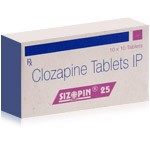
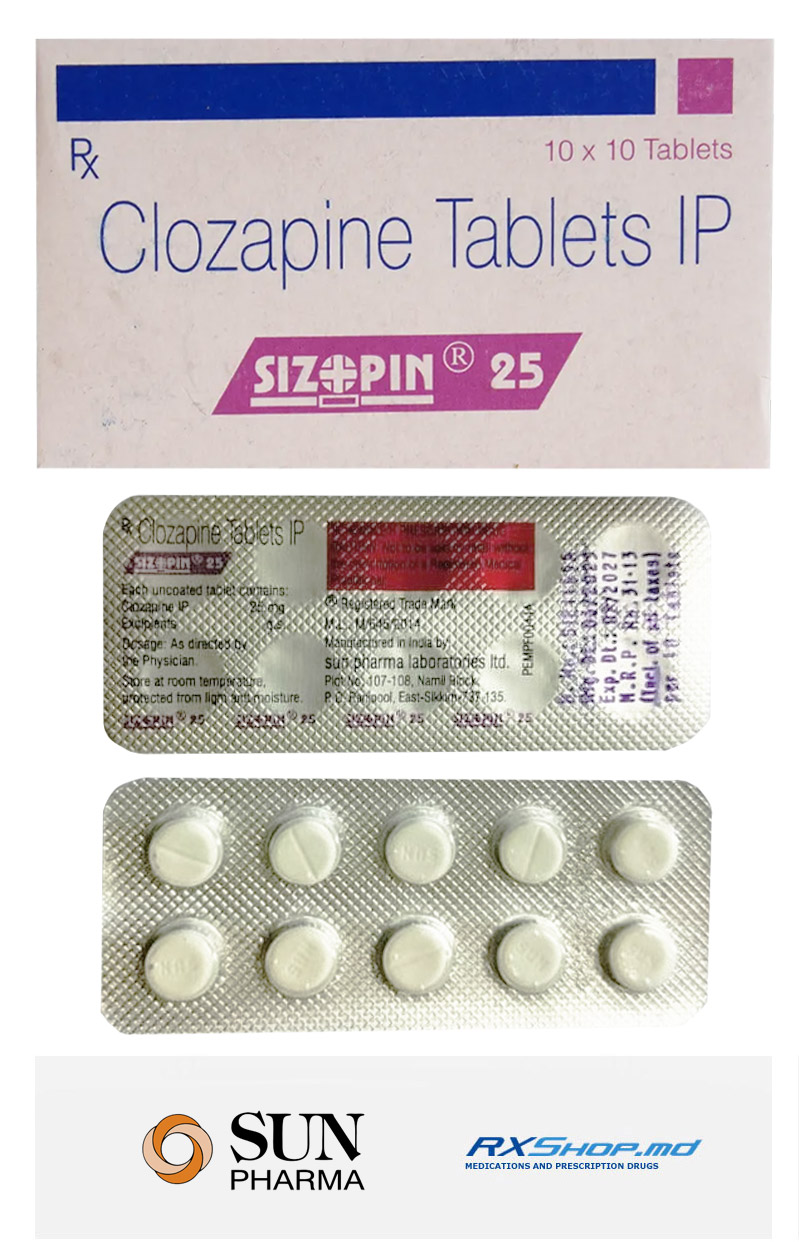
Sizopin is an affordable generic Clozapine — the most clinically effective antipsychotic medication ever developed and the gold standard therapy for treatment-resistant schizophrenia. Manufactured by Indian pharmaceutical companies (most notably Sun Pharma) to international quality standards, Sizopin provides the same therapeutic activity as the original branded Clozaril (Novartis) at significantly lower cost. Clozapine was the first atypical antipsychotic introduced (FDA-approved 1989) and remains the ONLY antipsychotic FDA-approved for reducing suicidal behavior in schizophrenia and schizoaffective disorder.
The active ingredient is Clozapine, a dibenzodiazepine atypical antipsychotic with uniquely broad receptor binding. Unlike other antipsychotics, Clozapine has comparatively weak D2 dopamine antagonism — its therapeutic effect derives from potent 5-HT2A antagonism, high-affinity D4 antagonism, 5-HT2C antagonism, α1/α2 adrenergic antagonism, strong M1 muscarinic antagonism, H1 histamine antagonism, and D1/D3 antagonism. The 'loose' D2 binding profile (rapid dissociation) explains Clozapine's near-absent extrapyramidal symptoms and tardive dyskinesia risk.
Sizopin is FDA-approved for treatment-resistant schizophrenia (failure of two or more adequate antipsychotic trials) and reducing recurrent suicidal behavior in schizophrenia and schizoaffective disorder. Off-label uses include treatment-resistant bipolar disorder, tardive dyskinesia management, Parkinson's psychosis (low dose), aggressive behavior in psychotic disorders, and severe borderline personality disorder.
The medication is available as Sizopin 25, 50, and 100 mg tablets. Standard adult dosing requires slow titration: start at 12.5 mg once or twice daily, increase by 25-50 mg/day every 1-2 days, with target maintenance dose of 300-450 mg/day (maximum 900 mg/day).
Critical safety considerations include FIVE FDA boxed warnings: severe neutropenia/agranulocytosis (requires WEEKLY/biweekly/monthly WBC and absolute neutrophil count monitoring), orthostatic hypotension and bradycardia during titration, dose-related seizures (up to 5% at high doses), myocarditis and cardiomyopathy, and increased mortality in elderly dementia. Additional concerns: significant weight gain, metabolic syndrome, severe constipation (potentially fatal ileus), sialorrhea (drooling), severe sedation, and rare pulmonary embolism.
Free prescription
Discrete packaging
Have questions?
Quality Assurance

- Schizophrenia After Two Failures: For schizophrenia after failure of two adequate antipsychotic trials;
- Suicidal Behavior Reduction: FDA-approved — the ONLY antipsychotic for reducing recurrent suicidal behavior in schizophrenia/schizoaffective;
- Schizoaffective Disorder: For schizoaffective disorder with refractory psychosis or suicidal behavior;
- Persistent Auditory Hallucinations: For persistent auditory hallucinations refractory to other antipsychotics;
- Chronic Severe Schizophrenia: For chronic severe schizophrenia with functional impairment;
- Schizophrenia Negative Symptoms Resistant: For prominent negative symptoms unresponsive to other atypicals;
- Schizophrenia Aggression: For aggressive behavior in schizophrenia — only antipsychotic with consistent benefit;
- Schizophrenia Violence Reduction: For reduction of violent behavior in psychotic disorders;
- Treatment Resistant Bipolar: Off-label for treatment-resistant bipolar disorder;
- Bipolar Mania Refractory: Off-label for refractory bipolar mania unresponsive to standard mood stabilizers and atypicals;
- Tardive Dyskinesia (TD): Off-label for tardive dyskinesia management — one of few antipsychotics that may improve TD;
- Parkinson Psychosis: Off-label low-dose for psychosis in Parkinson's disease — minimal EPS makes it suitable;
- Lewy Body Psychosis: Off-label low-dose for psychosis in Lewy body dementia;
- Hostility Aggression Psychotic: Off-label for severe hostility/aggression in psychotic disorders;
- Borderline Personality Severe: Off-label for severe borderline personality disorder with psychotic features and self-harm;
- Self Injury Severe: Off-label for severe self-injurious behavior unresponsive to other interventions;
- Polydipsia Psychogenic: Off-label for psychogenic polydipsia and hyponatremia in schizophrenia;
- Affordable Atypical Antipsychotic: For cost-conscious patients requiring most-effective antipsychotic therapy;
- Long Term Maintenance Antipsychotic: Suitable for long-term maintenance therapy in treatment-resistant schizophrenia.
- Less Negative Symptoms: Improvement in negative symptoms of schizophrenia — superior to other antipsychotics;
- Better Reality Testing: Restoration of reality testing in chronic treatment-resistant psychotic patients;
- Less Auditory Hallucinations: Significant reduction in persistent treatment-resistant auditory hallucinations;
- Less Persecutory Delusions: Reduction in persecutory delusions refractory to other antipsychotics;
- Better Cognitive Function: Improvement in psychosis-related cognitive impairment in treatment-resistant patients;
- Less Suicidal Behavior: FDA-approved reduction in recurrent suicidal behavior in schizophrenia/schizoaffective — signature unique benefit;
- Less Suicidal Ideation: Reduction in suicidal thinking in chronic schizophrenia patients;
- Less Aggression: Reduction in aggressive behavior in schizophrenia — only antipsychotic with consistent evidence;
- Less Violence: Reduction in violent behavior in psychotic disorders;
- Less Hostility: Reduction in hostility in chronic psychotic patients;
- Less Self-Injury: Off-label reduction in severe self-injurious behavior in borderline personality disorder;
- Less Tardive Dyskinesia: Off-label improvement in tardive dyskinesia — one of few antipsychotics that may improve TD;
- Less Parkinson Psychosis: Off-label benefit for psychosis in Parkinson's disease — minimal EPS makes it suitable;
- Less Treatment-Resistant Bipolar: Off-label benefit in treatment-resistant bipolar disorder;
- Less Refractory Mania: Off-label reduction in refractory manic episodes;
- Better Daily Function: Return to social and occupational functioning when previously not possible;
- Better Quality of Life: Substantial improvement in quality of life in treatment-resistant schizophrenia;
- Less Polydipsia: Off-label reduction in psychogenic polydipsia and risk of hyponatremia;
- Fewer Hospitalizations: Significant reduction in hospitalisation rates in treatment-resistant schizophrenia;
- Brand Sizopin: Affordable Indian Sun Pharma generic Clozapine with international quality manufacturing standards;
- Generic Clozapine: Affordable generic Clozapine expanding global access to gold-standard antipsychotic therapy;
- Clozaril Equivalent: Same Clozapine molecule as original Novartis brand Clozaril with bioequivalent therapeutic profile;
- FazaClo Equivalent: Same Clozapine molecule as FazaClo orally disintegrating tablets;
- Atypical Antipsychotic: The FIRST and prototype second-generation atypical antipsychotic;
- Dibenzodiazepine Antipsychotic: Dibenzodiazepine chemistry — distinct structural class among atypicals;
- Most Effective Antipsychotic: The most clinically effective antipsychotic ever developed — gold standard for TRS;
- Weak D2 Antagonism: Comparatively weak D2 antagonism — unique among effective antipsychotics;
- High Affinity D4 Antagonism: High-affinity D4 receptor antagonism — distinctive feature;
- Loose D2 Binding: 'Loose' D2 binding (rapid dissociation) explains minimal EPS and tardive dyskinesia risk;
- Minimal EPS Risk: Near-absent extrapyramidal symptoms — advantage in Parkinson's and EPS-sensitive patients;
- Minimal Tardive Dyskinesia: Near-absent tardive dyskinesia risk — even after long-term use;
- TRS Gold Standard: Gold standard for treatment-resistant schizophrenia per international guidelines;
- Anti Suicide FDA: The ONLY antipsychotic FDA-approved for reducing suicidal behavior in schizophrenia;
- Indian Quality Manufacturing: Indian Sun Pharma manufacturing meeting international quality and bioequivalence standards;
- WHO Essential Medicine: Listed on the WHO Model List of Essential Medicines for psychotic disorders;
- 35 Plus Year Clinical History: Extensive real-world safety and efficacy data since 1989 — the foundational atypical antipsychotic.
Generic Sizopin (Clozapine 25 mg) Medication guide:
📖 What Is Sizopin (Clozapine) - The Gold Standard Antipsychotic
Sizopin (clozapine) is a dibenzodiazepine atypical antipsychotic and the gold standard treatment for treatment-resistant schizophrenia. Discovered by Wander/Sandoz in 1958, clozapine is the parent compound of the atypical antipsychotic class and remains uniquely effective for patients who have failed multiple other antipsychotics. It is also the ONLY antipsychotic FDA-approved for reduction of suicide risk in schizophrenia or schizoaffective disorder - a distinction shared with no other medication in the class. Sizopin is a brand name for clozapine used internationally; original brand is Clozaril (Novartis/Sandoz).
| Distinguishing feature | Detail |
|---|---|
| Drug class | Dibenzodiazepine atypical antipsychotic - PARENT of atypical class |
| Original US FDA approval | 1990 (treatment-resistant schizophrenia) - after 1975 Finnish deaths and Kane 1988 landmark trial |
| Discovery | 1958 at Wander (Bern, Switzerland) - one of oldest antipsychotic molecules still in use |
| Primary FDA indication | Treatment-resistant schizophrenia (failed 2+ prior antipsychotic trials) |
| Second FDA indication (UNIQUE) | Reduction of suicide risk in schizophrenia/schizoaffective (2002) - ONLY antipsychotic |
| Original brand and manufacturer | Clozaril (Novartis/Sandoz); Sizopin international brand |
| Generic availability | Since 1998 (US); widely available worldwide |
| REMS program requirement | Clozapine REMS - mandatory absolute neutrophil count (ANC) monitoring; prescriber and pharmacy certification |
| Signature efficacy advantages | Gold standard treatment-resistant schizophrenia; ONLY suicide reduction indication; reduces aggression; may reduce tardive dyskinesia; minimal EPS; lowest all-cause mortality in real-world Finnish cohort (Tiihonen 2017) |
| Signature safety concerns | Agranulocytosis 0.4-1 percent; myocarditis (early therapy); cardiomyopathy; seizures dose-related; substantial weight gain and metabolic effects; sialorrhea 30-80 percent; constipation with ileus risk; orthostatic hypotension |
🌟 The unique position of clozapine in psychiatry
- Parent of atypical antipsychotic class
- Clozapine was the first atypical antipsychotic - defined the class before the term existed. Its combination of low EPS, 5-HT2A/D2 receptor profile, and superior efficacy for treatment-resistant patients established the paradigm that subsequent atypicals (risperidone, olanzapine, quetiapine, ziprasidone, aripiprazole) sought to replicate without agranulocytosis risk.
- Gold standard for treatment-resistant schizophrenia
- Approximately 30 percent of schizophrenia patients meet criteria for treatment resistance (failed 2+ antipsychotic trials at adequate dose and duration). Kane 1988 NEJM Study 30 established clozapine superiority for this population - approximately 30-60 percent response rate vs less than 5 percent with other antipsychotics. No other medication approaches clozapine efficacy in treatment-resistant schizophrenia.
- Only antipsychotic reducing suicide - UNIQUE
- The 2002 FDA indication for reduction of suicide risk in schizophrenia or schizoaffective disorder is unique among all antipsychotic medications. InterSePT trial (Meltzer 2003) established approximately 26 percent reduction in suicide attempts vs olanzapine over 2 years. This distinctive property may reflect broad receptor engagement, sustained treatment adherence promoted by superior efficacy, or specific serotonergic effects.
- The efficacy-safety trade-off framework
- Clozapine represents extreme efficacy-safety trade-off in psychiatry: superior efficacy for the sickest patients balanced against most complex safety profile of any antipsychotic. Understanding this trade-off - and appropriate patient selection where superior efficacy justifies complex monitoring - is essential for evidence-based clozapine use.
- Clozapine underutilization concern
- Despite clear evidence of superior efficacy for treatment-resistant schizophrenia, clozapine is substantially underutilized globally. Barriers include prescriber concerns about safety monitoring complexity, REMS program requirements, patient reluctance about blood tests, and lack of specialist availability. Modern psychiatric practice increasingly emphasizes appropriate clozapine use for treatment-resistant patients where evidence supports genuine benefit.
💡 When is clozapine appropriate?
Clozapine is specifically indicated for patients who have failed at least 2 adequate trials of other antipsychotics (typically an atypical + typical, or two atypicals) at therapeutic doses for adequate duration (typically 6-8 weeks each). This defines treatment-resistant schizophrenia and is the primary evidence-based indication. Secondary FDA indication is for reduction of suicide risk in schizophrenia or schizoaffective disorder - this may apply earlier in illness for high suicide risk patients. Third clinical application is aggression/violence in schizophrenia not responsive to other treatments. For these appropriate populations, clozapine offers superior efficacy that justifies the complex safety monitoring. For non-treatment-resistant patients, alternative atypicals (aripiprazole, ziprasidone, quetiapine, risperidone, olanzapine) provide effective treatment with substantially simpler safety profiles. Clozapine should NOT be used as first-line antipsychotic for typical schizophrenia patients.
📜 History of Clozapine - Discovery Withdrawal and Reintroduction
Clozapine has one of the most dramatic histories in modern psychopharmacology - from 1958 discovery through 1975 withdrawal after Finnish deaths, to 1990 US reintroduction after the landmark Kane 1988 trial established superior efficacy for treatment-resistant schizophrenia. The subsequent 2002 suicide reduction indication was a further landmark. This history shapes modern clozapine practice.
🕑 Historical timeline - key milestones
- 1958 Wander discovery
- Clozapine synthesized at Wander pharmaceutical (Bern, Switzerland) as part of tricyclic-related psychotropic screening; later Wander acquired by Sandoz
- 1960s early clinical development
- European clinical trials; distinctive lack of EPS notable; efficacy for schizophrenia demonstrated; introduced European markets late 1960s
- 1972 European approval
- Clozapine (Leponex) approved in various European countries for schizophrenia; used more freely without concern about agranulocytosis initially
- 1975 Finnish agranulocytosis deaths - WITHDRAWAL
- CRITICAL EVENT - 8 patients died from agranulocytosis in Finland (16 total cases identified); clozapine voluntarily withdrawn from most markets worldwide; continued in restricted use for treatment-resistant patients in some countries
- Late 1970s-1980s limited use continues
- Clozapine remained available in some European countries for treatment-resistant patients with mandatory blood monitoring; growing clinical impression of superior efficacy for refractory cases
- Kane 1988 NEJM Study 30 - LANDMARK
- Kane and colleagues published landmark 6-week randomized double-blind trial comparing clozapine vs chlorpromazine in 268 treatment-resistant schizophrenia patients (failed 3 prior antipsychotic trials); clozapine substantially superior (30 percent response vs 4 percent); established clozapine unique efficacy niche and rationale for reintroduction with mandatory monitoring
- 1990 US FDA reintroduction with mandatory blood monitoring
- FDA approved Clozaril for treatment-resistant schizophrenia with concurrent Clozaril National Registry establishing mandatory weekly blood monitoring; first medication with such comprehensive prescribing restrictions
- 1998 US generic clozapine availability
- Patent expiration opened generic market; multiple generics available; substantial cost reductions
- 2002 FDA suicide reduction indication - UNIQUE
- Based on InterSePT trial (Meltzer 2003), FDA approved clozapine for reduction of suicide risk in schizophrenia or schizoaffective disorder - first and only antipsychotic with this indication
- 2015 Clozapine REMS consolidation
- FDA consolidated multiple manufacturer-specific registries into single Clozapine REMS Program requiring prescriber and pharmacy certification, patient enrollment, and standardized monitoring
- 2017 Tiihonen real-world Finnish cohort
- Tiihonen 2017 landmark real-world Finnish national cohort study demonstrated clozapine associated with LOWEST all-cause mortality among all antipsychotics - a paradigm-shifting finding countering historical perception of clozapine as high-mortality medication
- 2021 FDA REMS modification
- Modified REMS reduced some prescribing burden while maintaining core safety monitoring requirements; ANC monitoring frequency simplified
💡 The Kane 1988 legacy and modern clozapine paradigm
Kane 1988 NEJM Study 30 is one of the most influential psychiatric trials ever published. Its methodology defined treatment-resistant schizophrenia (failure of at least 2 prior antipsychotic trials), established clozapine as gold standard for this population, and provided the empirical basis for FDA reintroduction with mandatory monitoring. The 30 vs 4 percent response rate represented one of the largest treatment effect sizes in psychiatric intervention research and remains a benchmark. The trial also established the paradigm of risk-benefit acceptance for high-efficacy medications with serious adverse effects - the principle that superior efficacy for otherwise untreatable patients can justify complex safety monitoring. Modern clozapine practice traces to Kane 1988. The Tiihonen 2017 finding that clozapine has lowest all-cause mortality among antipsychotics in real-world data suggests that despite agranulocytosis and other adverse effects, clozapine's superior efficacy translates into overall survival benefit through reduced suicide, reduced disease-related deaths, better medical adherence, and other pathways. This finding is counterintuitive given the boxed warnings but reflects the reality that untreated or inadequately treated schizophrenia carries substantial mortality that effective treatment mitigates. Modern clozapine paradigm emphasizes appropriate use, reduced barriers, and recognition of underutilization as clinical problem.
🧪 Chemistry and Dibenzodiazepine Structure Details
Clozapine's dibenzodiazepine chemical structure defined the atypical antipsychotic class. Chemical name: 8-chloro-11-(4-methyl-1-piperazinyl)-5H-dibenzo[b,e][1,4]diazepine. Molecular formula C18H19ClN4. Molecular weight approximately 326.8 g/mol. The dibenzodiazepine core is structurally related to but distinct from other antipsychotic chemical classes.
🧪 Chemistry and receptor pharmacology
- Chemical class
- Dibenzodiazepine atypical antipsychotic - PARENT compound of atypical class; structurally distinct from phenothiazines, butyrophenones, benzisoxazoles (risperidone), thienobenzodiazepine (olanzapine derivative), benzothiazolylpiperazine (ziprasidone), dibenzothiazepine (quetiapine derivative)
- Physical properties
- Yellow crystalline solid; sparingly soluble in water; soluble in acetone and chloroform
- Ionization
- Weakly basic; pKa approximately 7.6 and 3.7
- Lipophilicity
- LogP approximately 3.4; good CNS penetration
| Receptor | Ki (nM) | Clinical significance |
|---|---|---|
| Muscarinic M1 | 1.4 (VERY HIGH antagonist) | SUBSTANTIAL anticholinergic effects: dry mouth, constipation, cognitive; but PROTECTS from EPS |
| Muscarinic M4 | Partial agonist | SIALORRHEA signature (paradoxical drooling despite general anticholinergic effect via M4 activation) |
| H1 histamine | 1.1 (VERY HIGH) | SUBSTANTIAL sedation; substantial weight gain contribution |
| Alpha-1 adrenergic | 4.0 (very high) | SUBSTANTIAL orthostatic hypotension; fall risk elderly |
| 5-HT2A | 5.4 (very high) | Atypical antipsychotic hallmark; EPS reduction; cognitive preservation |
| Dopamine D4 | 21 (moderate) - PREFERENTIAL vs D2 | Distinctive D4 preferential binding vs D2; may contribute to efficacy in treatment-resistant patients |
| Dopamine D2 | 160 (RELATIVELY LOW - loose binding) | Antipsychotic effect; LOOSE binding kinetics (similar to quetiapine); explains minimal EPS + minimal prolactin |
| 5-HT2C | 10 (very high) | Substantial weight gain contribution |
| Alpha-2 adrenergic | 142 (moderate) | Contribution to mood effects |
| 5-HT1A | Partial agonist | May contribute to negative symptom improvement and antidepressant effect |
| Muscarinic M2, M3, M5 | Various affinities | Contribute to anticholinergic effects; tachycardia (M2) |
| hERG (cardiac) | Modest binding | Modest QT prolongation; less concern than ziprasidone |
💡 The multi-receptor promiscuous binding profile
Clozapine has the most extensive receptor binding profile of any antipsychotic in clinical use - promiscuous binding across dopaminergic, serotonergic, cholinergic, histaminergic, and adrenergic systems. This multi-receptor engagement likely explains both clozapine's superior efficacy (multiple mechanisms contributing to psychosis reduction) and its complex adverse effect profile (multiple receptor systems producing side effects). Key distinctive features: (1) D4 preferential binding vs D2 - hypothesized to contribute to efficacy in treatment-resistant patients where D2 blockade alone insufficient; (2) M1 muscarinic antagonism - substantial anticholinergic effects but PROTECTS from EPS (blocks striatal M1 balancing D2 blockade); (3) M4 muscarinic partial agonism - underlies sialorrhea paradox; (4) Very potent H1 antagonism - substantial sedation and weight gain; (5) Loose D2 binding kinetics like quetiapine - explains minimal EPS and minimal prolactin. This receptor promiscuity is difficult to replicate - subsequent atypical antipsychotics simplified receptor profiles seeking cleaner tolerability but at cost of efficacy in treatment-resistant patients. Only clozapine achieves the specific multi-receptor engagement pattern associated with unique treatment-resistant efficacy.
⚙️ Mechanism of Action - Multi-Receptor with D4 Preference
Clozapine's mechanism combines loose D2 binding, D4 preferential binding, potent 5-HT2A antagonism, and substantial muscarinic + histaminergic + adrenergic effects - a multi-receptor profile unmatched among antipsychotics. This complex mechanism drives both superior efficacy for treatment-resistant patients and complex adverse effect profile.
⚙️ Mechanism of action explained
- Dopamine D2 antagonism - loose binding
- Blocks mesolimbic D2 receptors reducing positive psychotic symptoms; RELATIVELY LOW D2 affinity + rapid dissociation similar to quetiapine; D2 occupancy typically only 40-60 percent at therapeutic doses - lower than other atypicals; explains minimal EPS and prolactin
- Dopamine D4 preferential binding
- D4 affinity substantially higher than D2 - one of clozapine's distinctive features; may contribute to efficacy in treatment-resistant patients where D2 blockade alone insufficient; hypothesized mesocortical dopamine modulation
- 5-HT2A antagonism - potent
- Very potent 5-HT2A blockade contributes to atypical antipsychotic effect; disinhibits nigrostriatal dopamine reducing EPS; may improve negative symptoms and cognition
- Muscarinic M1 antagonism - EPS protection
- Substantial M1 blockade in striatum balances D2 blockade; conceptually similar to concurrent anticholinergic use with typical antipsychotic; PROTECTS from EPS but causes anticholinergic side effects
- Muscarinic M4 partial agonism - SIALORRHEA
- Distinctive M4 partial agonism activates salivary secretion despite general anticholinergic effect; explains signature sialorrhea (drooling) 30-80 percent of patients; PARADOXICAL effect given anticholinergic profile
- H1 histamine antagonism - SUBSTANTIAL sedation
- Very potent H1 blockade drives substantial sedation particularly initial therapy; contributes to substantial weight gain
- Alpha-1 adrenergic blockade - SUBSTANTIAL orthostasis
- Substantial alpha-1 blockade drives signature orthostatic hypotension particularly initial titration; substantial fall risk especially elderly
- 5-HT1A partial agonism
- May contribute to negative symptom improvement, mood elevation, cognitive effects
- Suicide reduction mechanism (proposed)
- Not fully understood; may involve: (1) superior overall symptom control reducing suicide risk; (2) specific serotonergic effects mood-improving; (3) reduced impulsivity via specific receptor engagement; (4) treatment adherence promotion from superior efficacy; (5) reduction of depression comorbidity in schizophrenia
💡 The treatment-resistant efficacy mechanism hypothesis
Why does clozapine work when other antipsychotics fail? The mechanistic explanation remains incompletely understood but likely involves multi-receptor engagement pattern that other atypicals cannot replicate. Key hypotheses: (1) D4 preferential binding addresses mesocortical dopamine dysfunction underlying negative symptoms and cognitive deficits that other atypicals miss; (2) Combined loose D2 + potent 5-HT2A blockade optimizes atypical profile without EPS trade-off; (3) M1 blockade allows aggressive D2 blockade without EPS emergence; (4) M4 activation affects specific circuitry; (5) Multi-receptor effects on interconnected systems (dopamine + serotonin + acetylcholine + norepinephrine + histamine) achieve psychosis reduction through pathways single-receptor drugs cannot access. PET imaging research (Howes and colleagues) suggests treatment-resistant patients have distinct dopamine dysfunction patterns that respond specifically to clozapine's receptor engagement profile. Ongoing research continues investigating molecular mechanisms distinguishing clozapine responders from non-responders and identifying biomarkers for clozapine response.
🔬 Pharmacokinetics and CYP1A2 Primary Metabolism
Clozapine pharmacokinetics center on CYP1A2 primary metabolism - a distinctive feature vulnerable to smoking induction (major clinical concern) and important drug interactions. Understanding CYP1A2 sensitivity is essential for safe clozapine practice.
| Parameter | Value |
|---|---|
| Oral bioavailability | Approximately 27 percent (extensive first-pass) |
| Time to peak plasma (Tmax) | 2.5 hours |
| Effect of food | No significant effect on total absorption |
| Protein binding | 97 percent (highly bound) |
| Half-life (clozapine) | 12 hours (BID dosing supported) |
| Half-life (norclozapine metabolite) | Similar to parent - contributes to sustained effect |
| Volume of distribution | 5 L/kg (extensive tissue distribution) |
| Primary metabolism | CYP1A2 (major); CYP3A4 (minor); CYP2D6 (minor) - CYP1A2 IS PRIMARY |
| Active metabolite | N-desmethylclozapine (norclozapine) - pharmacologically active with distinct receptor profile |
| Elimination | Urine 50 percent (metabolites); feces 30 percent |
| Time to steady state | Approximately 3 days at constant dose |
| Therapeutic plasma level range | 350-600 ng/mL typical target; over 350 ng/mL response threshold |
🚬 Smoking effect - CRITICAL clinical concern
- Cigarette smoking induces CYP1A2
- Polycyclic aromatic hydrocarbons (from tobacco combustion) induce CYP1A2 substantially; can reduce clozapine plasma levels by approximately 50 percent in smokers vs non-smokers at same dose
- Smokers typically require higher doses
- Smokers often need 1.5-2 times higher doses to achieve therapeutic plasma levels (350-600 ng/mL); dose titration accounts for smoking status
- Smoking cessation CRITICAL concern
- When patient stops smoking, CYP1A2 induction reverses over 1-2 weeks; clozapine levels can INCREASE 2-fold or more without dose adjustment; substantial risk of clozapine toxicity (sedation, orthostasis, seizures); DOSE REDUCTION needed anticipatorily with smoking cessation
- Hospitalization consideration
- Hospitalization typically enforces smoking cessation - clozapine levels rise; monitor for toxicity; dose adjustment often needed
- E-cigarettes and vaping
- Nicotine itself does not induce CYP1A2; polycyclic aromatic hydrocarbons from combustion are the inducer; e-cigarettes/vaping do NOT have same effect as cigarettes (though effects on clozapine less well characterized than combustible tobacco)
🔬 Therapeutic drug monitoring - PLASMA LEVELS ESSENTIAL
- Target plasma level
- Trough level 350-600 ng/mL typical target for response; over 350 ng/mL correlates with response probability
- Sampling timing
- Trough level (12 hours after evening dose, immediately before morning dose) at steady state (minimum 3 days at constant dose)
- Non-linear kinetics
- Clozapine may exhibit non-linear kinetics; dose-plasma level relationship not entirely proportional; makes plasma level monitoring more useful than dose alone
- When to check levels
- Steady state after titration; inadequate response; suspected non-adherence; suspected toxicity; smoking status changes; CYP1A2-affecting drug changes; hospitalization
- Interpretation
- Below 350 ng/mL: likely subtherapeutic - increase dose; 350-600 ng/mL: therapeutic range; over 600 ng/mL: increased seizure risk - monitor carefully; over 1000 ng/mL: substantial toxicity concern; norclozapine/clozapine ratio also informative (typically 0.4-0.7)
📋 FDA Indications - Treatment-Resistant Schizophrenia and Suicide Reduction
Sizopin (clozapine) has TWO FDA indications - treatment-resistant schizophrenia (original 1990 approval) and reduction of suicide risk in schizophrenia or schizoaffective disorder (2002). The suicide reduction indication is UNIQUE among antipsychotics. The narrow FDA indication portfolio reflects clozapine's specific role as treatment-resistant option rather than first-line antipsychotic.
| Indication | Population | Year approved | Key evidence |
|---|---|---|---|
| Treatment-resistant schizophrenia | Adults failing at least 2 prior antipsychotic trials at adequate dose and duration | 1990 (US reintroduction) | Kane 1988 NEJM Study 30 - landmark 30% vs 4% response |
| Reduction of suicide risk in schizophrenia or schizoaffective (UNIQUE) | Patients at high suicide risk | 2002 | InterSePT (Meltzer 2003) - approximately 26% suicide attempt reduction |
🎯 Treatment-resistant schizophrenia criteria (Kane 1988 refined by TRRIP)
- Traditional Kane 1988 criteria
- Failure of at least 2 antipsychotic trials at adequate dose (chlorpromazine equivalent 400+ mg) for adequate duration (6 weeks each) with clinically significant persistent positive symptoms
- Modern TRRIP working group criteria (2017)
- International consensus criteria; failure of 2 antipsychotics from different classes; adequate dose (chlorpromazine equivalent) and duration (minimum 6 weeks each); persistent symptoms of moderate-severe severity; documented adherence (blood levels helpful)
- Approximately 30 percent of schizophrenia population
- Treatment-resistant schizophrenia represents approximately 30 percent of all schizophrenia patients - a substantial population where clozapine offers specific benefit
- Distinguish from non-adherence and inadequate treatment
- True treatment resistance vs pseudo-resistance from non-adherence, inadequate doses, inadequate duration, or comorbid conditions is critical distinction; plasma level monitoring helps confirm adequate exposure
💡 The narrow FDA indication reflects appropriate use
Clozapine's narrow FDA indication portfolio (treatment-resistant schizophrenia + suicide reduction only) reflects its specific therapeutic role rather than limitations. Other atypical antipsychotics have broad indications (multiple bipolar phases, MDD adjunct, autism irritability, etc.) but none match clozapine efficacy for treatment-resistant schizophrenia. The FDA approach recognizes: (1) clozapine's superior efficacy for specific population justifies complex safety monitoring; (2) risk-benefit does NOT favor clozapine for non-treatment-resistant patients where simpler alternatives are effective; (3) suicide reduction represents second distinct clinical benefit deserving separate indication. Clozapine should NOT be used as first-line antipsychotic - Kane 1988 methodology of trying 2+ other antipsychotics first is preserved in modern clozapine prescribing paradigm. This appropriate use framework maintains clozapine as gold standard for treatment-resistant patients while protecting non-treatment-resistant patients from unnecessary exposure to complex safety profile.
🧠 Treatment-Resistant Schizophrenia - Kane 1988 Landmark Study
Treatment-resistant schizophrenia is Sizopin's primary FDA indication and the clinical role where clozapine has no substitute. Kane 1988 NEJM Study 30 established this indication and remains one of the most influential psychiatric trials ever published. Modern practice recognizes clozapine as gold standard for treatment-resistant patients.
🧠 Kane 1988 landmark trial - the definitive evidence
- Study design
- Randomized double-blind trial in 268 treatment-resistant schizophrenia patients (failed 3 prior antipsychotic trials); clozapine vs chlorpromazine 6 weeks
- Primary results
- Clozapine 30 percent response vs chlorpromazine 4 percent (BPRS 20% reduction + CGI improvement); nearly 8-fold advantage for treatment-resistant patients
- Treatment-resistance definition
- Failure of at least 3 antipsychotic trials at adequate dose (chlorpromazine equivalent 1000+ mg for period trials) for adequate duration (6 weeks minimum); persistent moderate-severe symptoms
- Historical impact
- One of the largest treatment effect sizes ever demonstrated in psychiatric research; enabled 1990 US FDA reintroduction after 1975 withdrawal; established treatment-resistant schizophrenia as distinct clinical entity requiring specific approach; defined mandatory monitoring paradigm justifying serious adverse effect risk
- Subsequent replications
- Numerous replication studies confirmed clozapine superiority for treatment-resistant patients; response rates 30-60 percent typical vs 5-15 percent with other antipsychotics; effect size consistent
🔬 Modern evidence supplementing Kane 1988
- CATIE Phase 2 (McEvoy 2006)
- Effectiveness trial - clozapine substantially superior after olanzapine, risperidone, or quetiapine failure; response 44 percent vs 6-19 percent for other atypicals
- Leucht 2013 Lancet meta-analysis
- Comprehensive network meta-analysis - clozapine most effective antipsychotic overall (SMD -0.88 vs placebo, substantially larger than other atypicals)
- Tiihonen 2017 Finland real-world
- National cohort data 62,250 patients over 20 years - clozapine associated with LOWEST all-cause mortality among antipsychotics (paradigm-shifting finding)
- Howes PET imaging research
- Distinct dopamine dysregulation patterns in treatment-resistant patients that respond to clozapine specifically; may allow future biomarker-based selection
- Negative symptom effect
- Modest improvement in negative symptoms - not as robust as newer agents (cariprazine, amisulpride) but present
- Cognitive effect
- Mixed - some cognitive improvement from symptom control, but substantial anticholinergic burden can impair cognition; net effect variable
🎯 Modern treatment-resistant paradigm - when to initiate clozapine
- After 2 adequate antipsychotic trials (modern criteria)
- TRRIP working group and modern guidelines recommend clozapine after 2 failed antipsychotic trials (not 3 as Kane 1988 used); reduces delay to effective treatment
- Confirmed adequate exposure
- Adequate dose (chlorpromazine equivalent) and adequate duration (minimum 6 weeks each trial); plasma level monitoring where available confirms adherence and adequate exposure
- Long-acting injectable trial before clozapine (adherence concern)
- If non-adherence rather than true treatment resistance suspected, LAI antipsychotic trial before declaring treatment resistance appropriate
- Persistent symptoms rating
- Moderate-severe positive symptoms interfering with function; standardized rating (PANSS, BPRS) supports assessment
- Baseline preparation before initiation
- CBC/ANC baseline; ECG baseline; metabolic parameters; REMS enrollment; patient education; specialist involvement often appropriate
- Response assessment
- Substantial response often 3-6 months on adequate dose (350+ ng/mL plasma level); patience with titration; often longer to full response than other antipsychotics
💡 The clozapine underutilization problem
Despite clear evidence establishing clozapine as gold standard for treatment-resistant schizophrenia and Tiihonen 2017 real-world data showing lowest mortality among antipsychotics, clozapine is substantially underutilized globally. Estimates suggest only 20-30 percent of eligible treatment-resistant patients receive clozapine in the US, with substantial international variation (higher rates in Finland, UK, Australia; lower rates in US, France). Barriers include: (1) Prescriber discomfort with REMS monitoring; (2) Patient reluctance about weekly blood tests initially; (3) Limited specialist availability; (4) Institutional/systems barriers; (5) Cost/insurance issues for lab monitoring; (6) Historical perception of high mortality (countered by Tiihonen 2017 real-world data); (7) Delayed treatment resistance diagnosis; (8) Concern about complex adverse effect management. Modern initiatives (like the ACLAIM initiative, various academic centers of excellence) work to reduce these barriers. Appropriate clozapine use represents opportunity for substantial improvement in treatment-resistant schizophrenia outcomes. For appropriate patients, delaying clozapine initiation prolongs suffering, disability, hospitalization, and suicide risk. Modern paradigm emphasizes reducing barriers, streamlining monitoring, and encouraging evidence-based clozapine use for treatment-resistant patients.
🚨 Suicide Risk Reduction - InterSePT Trial and Unique FDA Approval
Reduction of suicide risk in schizophrenia or schizoaffective disorder is Sizopin's UNIQUE FDA indication - shared with no other antipsychotic medication. Based on the landmark InterSePT trial (Meltzer 2003), the 2002 FDA approval established clozapine as the only medication specifically approved for reducing suicide in schizophrenia population, one of the highest suicide-risk psychiatric conditions.
🚨 InterSePT trial - the pivotal evidence
- International Suicide Prevention Trial (InterSePT)
- 2-year randomized international trial in 980 schizophrenia or schizoaffective patients with high suicide risk (recent suicidal ideation, prior attempts, comorbid depression); clozapine vs olanzapine head-to-head
- Meltzer 2003 Arch Gen Psychiatry publication
- Meltzer and 21 international collaborators published pivotal results establishing clozapine superiority for suicide risk reduction
- Primary results
- Approximately 26 percent reduction in suicide attempts or hospitalizations to prevent suicide with clozapine vs olanzapine; sustained over 2-year follow-up; consistent across baseline severity
- FDA approval 2002
- Reduction of suicide risk indication approved based on InterSePT evidence; FIRST and ONLY antipsychotic with this indication
- Population context - substantial suicide risk
- Schizophrenia carries approximately 5-10 percent lifetime suicide risk (much higher than general population 1 percent); schizoaffective disorder similar; clozapine indication addresses this high-risk population
🔬 Suicide reduction mechanism hypotheses
- Superior symptom control
- Superior antipsychotic efficacy reduces psychotic-driven suicide (command hallucinations, persecutory delusions leading to suicide)
- Adherence and continuous exposure
- Better efficacy promotes continued treatment engagement; sustained antipsychotic exposure protects against suicide
- Multi-receptor mood effects
- 5-HT1A partial agonism + broad serotonergic engagement may have specific antidepressant/anti-suicidality effects distinct from D2 blockade
- Depression comorbidity reduction
- Substantial rates of comorbid depression in schizophrenia contribute to suicide risk; clozapine may specifically address this comorbidity
- Impulsivity reduction
- Multi-receptor effects on impulsivity may reduce impulsive suicide attempts
- Reduced substance abuse comorbidity
- Some evidence clozapine reduces comorbid substance use in schizophrenia which contributes to suicide risk
- Regular clinical contact
- REMS monitoring requires regular clinical contact - itself may support suicide risk assessment and intervention
🎯 Clinical application in suicide reduction
- Appropriate patient population
- Schizophrenia or schizoaffective disorder patients with history of suicide attempts, active suicidal ideation, or high risk factors (comorbid depression, substance abuse, prior violence)
- Not necessarily treatment-resistant first
- Suicide reduction indication may apply BEFORE meeting full treatment resistance criteria if suicide risk is dominant clinical concern; earlier clozapine consideration justified by suicide prevention
- Combined benefit - suicide reduction + treatment resistance
- Many patients qualify for both indications; combined benefit strengthens rationale for clozapine
- Long-term treatment expectation
- Suicide reduction benefit sustained with continued treatment; discontinuation may increase risk
- Comprehensive care approach
- Clozapine complements but does not replace comprehensive suicide risk assessment, safety planning, psychosocial interventions, and crisis resources
💡 The Tiihonen 2017 mortality paradox resolved
The Tiihonen 2017 real-world Finnish cohort finding that clozapine has LOWEST all-cause mortality among antipsychotics initially seems paradoxical given boxed warnings for agranulocytosis, myocarditis, dementia mortality, and various serious adverse effects. The paradox resolves through recognition that: (1) untreated or inadequately treated schizophrenia carries substantial mortality (suicide 5-10 percent lifetime, cardiovascular disease from disease-related factors, accidental deaths, other causes); (2) clozapine's superior efficacy translates to better overall disease control reducing disease-related mortality; (3) suicide reduction (unique FDA indication) contributes to reduced mortality; (4) REMS monitoring maintains regular medical contact promoting overall medical care; (5) severe adverse events are relatively rare and well-managed with monitoring; (6) treatment adherence is often better on clozapine given superior efficacy; (7) comorbid substance use may be reduced. The finding does not mean clozapine has no safety concerns - the specific concerns (agranulocytosis, myocarditis) remain real and require monitoring. But the overall risk-benefit calculus favors clozapine for appropriate patients even accounting for these serious concerns. This supports the modern paradigm of encouraging appropriate clozapine use for treatment-resistant patients and those at high suicide risk.
✊ Aggression and Violence in Schizophrenia Applications
Clozapine has specific efficacy for aggression and violence in schizophrenia - a valuable clinical application supported by Krakowski 2006 landmark comparative trial. This effect appears independent of overall antipsychotic efficacy and represents distinctive clozapine benefit for schizophrenia patients where aggression is clinical priority.
✊ Aggression reduction evidence
- Krakowski 2006 landmark comparative trial
- Randomized trial in 110 physically assaultive schizophrenia patients comparing clozapine, olanzapine, and haloperidol for aggression; clozapine substantially superior for reducing verbal and physical aggression
- Independent of psychotic symptom control
- Clozapine anti-aggression effect appears somewhat independent of psychotic symptom control - specific effect on aggression itself; distinct clinical property
- Frankle 2015 real-world evidence
- Real-world evidence confirming clozapine reduces violence in schizophrenia across various settings including forensic populations
- Mechanism hypothesized
- Multi-receptor engagement including 5-HT1A partial agonism, D4 preference, adrenergic effects may specifically reduce impulsive aggression; not fully understood
- Effect on institutional stays
- Clozapine reduces need for restrictive/institutional placements in aggressive schizophrenia patients; improves quality of life; reduces institutional costs
🎯 Clinical application - aggressive schizophrenia patients
- Appropriate patient population
- Schizophrenia or schizoaffective patients with persistent aggressive behavior despite other antipsychotic treatment; forensic populations; frequent physical assaults; verbal aggression severely impacting function
- Combined with treatment resistance
- Many aggressive schizophrenia patients also meet treatment-resistant criteria - dual indication supports clozapine use
- Off-label but supported by evidence
- Aggression reduction is not specific FDA indication but is well-supported off-label application; often accompanies treatment resistance or suicide risk indications
- Forensic and institutional settings
- Particularly valuable in forensic psychiatric hospitals, long-term care facilities, correctional psychiatric settings where aggression management is central concern
- Response timing
- Aggression reduction often earlier than antipsychotic response; noticeable within weeks; substantial improvement 2-3 months
🧍 Clozapine and Tardive Dyskinesia Treatment
Clozapine may reduce tardive dyskinesia (TD) - a distinctive property among antipsychotics where D2 antagonism typically causes rather than treats TD. Evidence supports clozapine consideration for TD management, particularly when TD emerges from other antipsychotic treatment.
🧍 Clozapine and tardive dyskinesia - the paradox
- TD paradox
- Traditional D2 antagonist antipsychotics cause TD; clozapine also blocks D2 but appears to reduce rather than worsen TD - paradoxical property
- Evidence base
- Multiple case series and small trials suggest clozapine reduces TD severity when patients switched from other antipsychotics; longer-term evidence more limited
- Proposed mechanisms
- Loose D2 binding + M1 anticholinergic protection; low incidence of new TD emergence; may reduce established TD via receptor rebalancing
- VMAT2 inhibitors also available
- Valbenazine (Ingrezza 2017) and deutetrabenazine (Austedo 2017) FDA-approved for TD; specific pharmacological treatment; consider before or with clozapine switch
- Clinical role
- Consider clozapine for TD patients who: (1) also meet treatment resistance criteria; (2) require ongoing antipsychotic treatment; (3) VMAT2 inhibitors insufficient; (4) TD severe and disabling
📝 Off-Label Uses Including Parkinson Psychosis
Off-label clozapine uses extend across specific psychiatric and neurological conditions where clozapine's unique properties provide benefit despite complex safety monitoring. All applications require careful risk-benefit consideration given REMS requirements.
🔴 FDA BOXED WARNINGS overview
Clozapine has MULTIPLE FDA BOXED WARNINGS distinguishing it from other atypicals:
- Agranulocytosis - 0.4-1 percent risk; requires REMS blood monitoring
- Seizures - dose-related risk up to 5 percent at high doses
- Myocarditis and cardiomyopathy - early therapy myocarditis particular concern
- Orthostatic hypotension and syncope - alpha-1 blockade
- Elderly dementia-related psychosis mortality - class warning
⚠️ Legitimate off-label applications
- Parkinson disease psychosis
- Off-label; clozapine and pimavanserin (Nuplazid 2016 FDA-approved) are safe options for Parkinson psychosis where other antipsychotics worsen motor symptoms; low doses (12.5-50 mg) typically used; minimal EPS advantage crucial
- Refractory bipolar disorder
- Off-label for bipolar disorder not responding to standard treatments; particularly rapid cycling or mixed states; requires substantial risk-benefit consideration
- Aggression and violence
- Off-label (though supported by Krakowski 2006 evidence); forensic populations; severe treatment-resistant aggression
- Schizoaffective disorder
- Suicide reduction FDA indication covers schizoaffective; treatment-resistant schizoaffective off-label but reasonable
- Psychosis in Huntington disease
- Off-label; minimal EPS may benefit patients with existing movement disorders
- Treatment-resistant OCD (rare)
- Off-label augmentation for severe treatment-resistant OCD; limited evidence; extreme cases only
- Lewy body dementia psychosis
- Off-label; extreme caution; boxed warning applies elderly dementia population; only when non-pharmacological approaches failed and psychosis severe
💡 Parkinson psychosis - the historical clozapine niche
Clozapine has been historically used for Parkinson disease psychosis because other antipsychotics dramatically worsen Parkinson motor symptoms through D2 blockade. Parkinson patients with medication-induced psychosis or Lewy body pathology psychosis have limited safe antipsychotic options. Clozapine's loose D2 binding and M1 anticholinergic protection make it uniquely tolerable in this population. Low doses (12.5-50 mg) typically effective and better tolerated. The 2016 FDA approval of pimavanserin (Nuplazid) - a 5-HT2A inverse agonist without D2 activity - provided the first alternative specifically approved for Parkinson psychosis. Pimavanserin has been increasingly used given no REMS requirement, but clozapine remains used for pimavanserin non-responders or where cost/access is issue. For patients with treatment-resistant schizophrenia who also have Parkinson disease (uncommon but occurs), clozapine addresses both concerns.
🔄 Sizopin Compared to Other Atypical Antipsychotics
Sizopin comparison with other atypical antipsychotics reveals unique position - the most efficacious antipsychotic (particularly for treatment-resistant patients) but with the most complex safety profile requiring REMS monitoring. This efficacy-safety trade-off framework guides appropriate patient selection.
| Feature | Clozapine | Olanzapine | Risperidone | Aripiprazole |
|---|---|---|---|---|
| Class | Dibenzodiazepine (PARENT) | Thienobenzodiazepine | Benzisoxazole | Dihydroquinolinone |
| D2 mechanism | Loose antagonism + D4 preference | Full antagonism | Full antagonism | Partial agonism |
| Treatment-resistant efficacy | GOLD STANDARD 30-60% | Moderate 5-15% | Moderate 5-15% | Modest |
| Suicide reduction indication | YES - UNIQUE FDA | No | No | No |
| Agranulocytosis | 0.4-1% (REMS required) | Very rare | Very rare | Very rare |
| Myocarditis risk (early therapy) | Substantial | Minimal | Minimal | Minimal |
| Seizure risk | Dose-related up to 5% high doses | Low | Low | Low |
| Sialorrhea (drooling) | 30-80% (signature) | Minimal | Minimal | Minimal |
| Weight gain | Substantial 5-15 kg (worst) | Substantial 5-15 kg | Moderate 2-5 kg | Minimal |
| EPS risk | Minimal (advantage) | Low | Moderate | Moderate akathisia |
| Prolactin elevation | Minimal (advantage) | Modest | Substantial | Reduces |
| Anticholinergic burden | Substantial (highest) | Substantial | Minimal | Minimal |
| Real-world mortality (Tiihonen 2017) | LOWEST | Higher | Higher | Higher |
| Monitoring complexity | HIGH - REMS + labs + ECG | Metabolic monitoring | Standard | Standard |
| Generic available | Yes (1998) | Yes (2011) | Yes (2008) | Yes (2015) |
🎯 When Sizopin is the right choice
- Treatment-resistant schizophrenia (PRIMARY)
- Failed 2+ prior antipsychotic trials at adequate dose and duration; TRRIP criteria met; superior efficacy justifies complex monitoring
- Suicide reduction in schizophrenia/schizoaffective (UNIQUE)
- High suicide risk patients; may consider before full treatment resistance if suicide risk dominant
- Aggression and violence in schizophrenia
- Persistent aggression despite other antipsychotics; forensic populations
- Parkinson disease psychosis
- Off-label but historical clozapine niche; low doses; pimavanserin alternative available
- Tardive dyskinesia with need for continued antipsychotic
- Off-label; consider VMAT2 inhibitors first
- Patients where sedation therapeutic
- Severe agitation, severe insomnia components of schizophrenia
⚠️ When Sizopin is NOT appropriate
- First-line antipsychotic for typical schizophrenia: alternatives with simpler safety profile appropriate
- Patient unable/unwilling to comply with REMS blood monitoring: alternatives required
- Prior clozapine agranulocytosis: absolute contraindication
- Uncontrolled seizure disorder: alternatives preferred given dose-related seizure risk
- Severe cardiovascular disease: myocarditis + orthostasis concerns; alternatives
- Uncontrolled diabetes or severe metabolic vulnerability: substantial metabolic effects; consider aripiprazole, ziprasidone
- Elderly dementia-related psychosis: BOXED WARNING - all antipsychotics avoided
- Paralytic ileus history or severe constipation risk: fatal ileus concern
- Pregnancy first-line new therapy: quetiapine/olanzapine have more data (though clozapine has substantial data)
💡 The efficacy-safety trade-off framework
Clozapine represents the extreme of efficacy-safety trade-off in modern psychiatric pharmacology. It has the most complex safety profile of any antipsychotic (REMS, agranulocytosis, myocarditis, seizures, constipation with ileus risk, substantial metabolic effects, orthostasis, sialorrhea) AND the highest efficacy for the sickest patients (treatment-resistant schizophrenia, suicide reduction, aggression). Understanding this trade-off is essential for appropriate use: (1) For patients where alternatives are effective, alternatives are preferred - simpler safety profile is genuine advantage; (2) For patients where alternatives have failed (treatment resistance) or specific benefits sought (suicide reduction, aggression), clozapine offers benefits alternatives cannot provide; (3) The complex safety profile is manageable with appropriate systems - REMS, specialist care, regular monitoring; (4) Underutilization of clozapine for appropriate patients is major clinical problem; (5) Overutilization for non-appropriate patients unnecessarily exposes them to safety concerns. Tiihonen 2017 real-world Finnish cohort finding lowest overall mortality for clozapine supports the risk-benefit analysis for appropriate patients. The clinical challenge is appropriate selection - matching clozapine to patients where superior efficacy translates into meaningful clinical benefit despite complex safety profile.
📊 Adult Dosing and Titration Approach
Adult clozapine dosing requires MANDATORY SLOW TITRATION to minimize orthostatic hypotension, sedation, and myocarditis risk. Rapid titration is DANGEROUS and has caused deaths. Understanding the specific titration schedule, target dose range, and plasma level monitoring is essential for safe clozapine practice.
🚨 MANDATORY slow titration - CRITICAL safety principle
- Day 1: 12.5 mg once or twice daily
- Extremely low starting dose; even lower than typical psychotropic starting doses; monitors for orthostatic hypotension, sedation, and initial tolerance
- Day 2: 25 mg BID (50 mg daily)
- First real dose; monitor BP (standing and sitting), pulse, sedation
- Subsequent titration - 25-50 mg increments
- Increase by 25-50 mg per day maximum; typically over 2-3 weeks to reach 300-450 mg daily; individualize based on tolerability and response
- Target dose 300-450 mg daily (typical)
- Most treatment-resistant patients require 300-450 mg daily divided BID; some patients need lower (200-300 mg), some higher (500-600 mg); plasma levels guide
- Maximum 900 mg daily
- FDA maximum but practically limited by side effects; over 600 mg substantially increases seizure risk; plasma levels over 1000 ng/mL substantial toxicity
- BID dosing typical
- Given 12-hour half-life, BID dosing preferred; larger dose at bedtime given sedation; morning dose smaller if daytime sedation problematic
| Day | Dose approach | Monitoring focus |
|---|---|---|
| Day 1 | 12.5 mg once or twice | BP standing/sitting, pulse, sedation |
| Day 2 | 25 mg BID (50 mg total) | BP, orthostasis, sedation |
| Days 3-7 | Increase 25-50 mg per day | BP, myocarditis symptoms (chest pain/dyspnea), fever |
| Week 2 | Reach 200-300 mg daily typically | CBC/ANC weekly (REMS), symptoms |
| Week 3-4 | Titrate to target 300-450 mg | Plasma levels, response assessment |
| Month 2-3 | Optimize based on plasma levels (target 350-600 ng/mL) | Ongoing REMS, response |
📊 Key dosing principles
- Plasma level monitoring
- Target trough 350-600 ng/mL; check at steady state after titration; helps distinguish inadequate dose from true non-response
- Response timing
- Substantial response often takes 3-6 months on adequate plasma level; patience with titration essential; do NOT declare non-response before adequate trial
- Missed doses require re-titration
- CRITICAL: if patient misses more than 48 hours of doses, must restart titration from beginning (12.5 mg day 1); rapid resumption at maintenance dose can cause severe orthostasis, seizures, death
- Smoking status affects dose
- Smokers typically need 1.5-2 times higher doses given CYP1A2 induction; smoking cessation requires anticipatory dose reduction (see section 18)
- Female patients often lower dose
- Women often achieve target plasma levels at lower doses than men (differences in CYP1A2 activity, body composition); plasma levels guide individualization
- Never abruptly discontinue
- Rebound psychosis + cholinergic rebound + potential rebound worsening; gradual taper if discontinuation needed
- Long-term maintenance
- Once therapeutic dose established, continue long-term; treatment-resistant schizophrenia is chronic illness requiring sustained treatment; response often improves further over months
💡 The missed-dose re-titration principle
Perhaps the most important safety principle in clozapine practice: if a patient misses more than 48 hours (typically defined as more than 2 days) of clozapine doses, they must be re-titrated from the beginning (12.5 mg day 1) rather than resuming at their maintenance dose. This is because the initial tolerance developed during titration (orthostatic tolerance, sedation tolerance, cardiac tolerance) reverses within 48-72 hours. Resuming at a maintenance dose after prolonged interruption can cause: (1) severe orthostatic hypotension with syncope and injury; (2) severe sedation with respiratory depression; (3) seizures at levels previously tolerated; (4) myocarditis-like syndromes; (5) death has been reported. Common scenarios triggering this concern include: hospitalization interrupting doses, patient non-adherence over weekend, medication supply interruption, patient traveling and missing doses, incarceration and delayed medication continuation. Prescriber and patient must both understand this principle. Anticipatory planning for potential interruptions (having supply, communication with alternative pharmacies, transition plans for admissions) helps prevent this problem. When re-titration required, use the standard 12.5 mg day 1 approach rather than trying to catch up quickly.
🧒 Pediatric Considerations for Clozapine Use
Clozapine pediatric use is OFF-LABEL - no FDA pediatric approval exists. Nevertheless, clozapine is used off-label for pediatric treatment-resistant schizophrenia when standard antipsychotics have failed. Pediatric use requires exceptional monitoring and specialist involvement given developing organ systems.
🧒 Pediatric considerations
- FDA approval status
- Not FDA-approved for any pediatric indication; all pediatric use off-label; requires specialist involvement
- Pediatric treatment-resistant schizophrenia (off-label)
- Off-label but supported by evidence; pediatric patients with severe treatment-resistant schizophrenia after failure of standard atypicals; requires specialist (child psychiatrist) involvement
- Kumra 2008 pediatric trial
- Landmark pediatric clozapine trial in adolescent schizophrenia establishing efficacy for treatment-resistant pediatric population; supports off-label use
- Pediatric dosing approach
- Start 12.5 mg once daily; slower titration than adults; typical target 200-400 mg daily; individualize based on plasma levels; specialist adjustment
- Pediatric-specific safety concerns
- Weight gain more prominent pediatric; metabolic effects concerning; growth trajectory monitoring; developmental considerations; substantial adverse effects require exceptional vigilance
- REMS applies to pediatric
- Full REMS blood monitoring requirements apply to pediatric patients; pediatric families require education about long-term monitoring commitment
🔴 Pediatric-specific concerns
- Weight gain more prominent: pediatric may gain substantially more than adult range; growth monitoring critical
- Metabolic effects: glucose, lipid, insulin resistance; pediatric metabolic monitoring per adapted guidelines
- Cardiac safety: baseline ECG mandatory; myocarditis vigilance particularly important pediatric
- REMS blood monitoring: family and patient must commit to lifelong blood testing schedule
- Sialorrhea social impact: pediatric sialorrhea particularly stigmatizing socially
- Cognitive effects: school performance monitoring; anticholinergic burden
- Long-term treatment implications: cumulative effects over developing years
- Family involvement essential: adherence support, monitoring adherence, side effect recognition
- Specialist involvement essential: pediatric psychiatry required
- Combined psychosocial interventions: family therapy, individual therapy, educational supports
💡 The pediatric treatment-resistant clozapine consideration
Pediatric treatment-resistant schizophrenia is fortunately rare (schizophrenia typically onset late adolescence-early adulthood), but when present carries substantial morbidity. Kumra 2008 established evidence supporting clozapine efficacy in adolescent treatment-resistant schizophrenia. For pediatric patients meeting treatment-resistance criteria (failed 2+ pediatric-appropriate antipsychotics), clozapine consideration is reasonable despite off-label status. Involvement of pediatric psychiatry specialist, comprehensive family education about REMS commitment, exceptional monitoring, and consideration of psychosocial treatment integration are essential. The extended treatment horizon typical for pediatric-onset schizophrenia magnifies both potential benefits (long-term efficacy) and potential concerns (cumulative safety exposure) - individualized decision-making with specialist involvement guides appropriate use.
👴 Elderly Considerations - Antipsychotic Special Warnings
Elderly clozapine use requires exceptional caution given multiple compounding concerns: BOXED WARNING for dementia mortality, prominent orthostatic hypotension with fall risk, substantial anticholinergic burden with cognitive concerns, and increased cardiac vulnerability to myocarditis and cardiomyopathy.
🔴 FDA BOXED WARNING - dementia-related psychosis
- Antipsychotic class warning
- All antipsychotics including clozapine carry FDA boxed warning against use in elderly dementia patients
- Increased mortality
- Approximately 1.6-1.7 fold increased mortality vs placebo in elderly dementia patients; primarily cardiovascular deaths and infections
- Clozapine and Lewy body dementia paradox
- Despite boxed warning, clozapine sometimes used off-label for Lewy body dementia psychosis given minimal EPS advantage where other antipsychotics dramatically worsen motor symptoms; exceptional risk-benefit assessment required; alternatives (pimavanserin) preferred when possible
- NOT approved for dementia behavioral symptoms
- Clozapine should not be routinely used for behavioral disturbances of dementia; non-pharmacological approaches preferred
👴 Elderly considerations for appropriate use
- Appropriate elderly indications
- Elderly with treatment-resistant schizophrenia; chronic schizophrenia patients continuing established clozapine into elderly years; NOT dementia-related psychosis (boxed warning); NOT first-line elderly antipsychotic
- Substantially reduced starting doses
- Start 6.25 mg BID (12.5 mg total) or even 6.25 mg once daily; very slow titration; typical elderly target 100-300 mg daily; lower than younger adult target
- Substantial orthostatic hypotension concern
- Elderly particularly vulnerable to alpha-1 blockade orthostasis; substantial fall risk with potential hip fracture consequences; extremely slow titration essential; standing BP monitoring
- Anticholinergic burden concern
- Substantial M1 antagonism causes cognitive impairment, urinary retention, constipation - all particularly problematic elderly; combined with polypharmacy anticholinergic burden
- Cardiac safety - critical
- Elderly more vulnerable to myocarditis and cardiomyopathy; baseline ECG mandatory; troponin monitoring during titration considered; exceptional cardiac vigilance
- Constipation and ileus risk substantial
- Elderly constipation and ileus risk substantially amplified; prophylactic laxatives; monitor for bowel obstruction
- REMS blood monitoring adherence
- Elderly may have difficulty with REMS blood testing frequency; systems support essential
- Drug interactions in polypharmacy
- Elderly typical polypharmacy; CYP1A2 interactions; sedating combinations; anticholinergic combinations; QT-prolonging drugs
💡 The elderly clozapine appropriate use framework
Clozapine in elderly patients requires exceptional attention to compound concerns: substantial anticholinergic burden + prominent orthostatic hypotension + cardiac vulnerability + constipation/ileus risk + BOXED WARNING for dementia population. Even for appropriate elderly indications (treatment-resistant schizophrenia in elderly, established elderly clozapine continuation), the risk-benefit profile is more complex than in younger patients. For elderly patients with true treatment-resistant schizophrenia where clozapine benefit is anticipated, use minimum effective doses (often 100-300 mg vs 300-450 mg younger adult target), extremely slow titration (weeks vs days), exceptional monitoring (cardiac, orthostatic, anticholinergic burden, bowel function), and consideration of specialist geriatric psychiatry involvement. For elderly dementia patients, the BOXED WARNING should be respected - alternatives (non-pharmacological interventions, pimavanserin for Lewy body/Parkinson psychosis if psychosis component) are generally preferred. When clozapine considered for elderly Lewy body dementia psychosis specifically, exceptional risk-benefit assessment and family discussion of BOXED WARNING mortality are essential.
🫀 Renal Impairment Considerations and Prescribing Notes
Renal impairment does NOT require substantial clozapine dose adjustment given predominantly hepatic metabolism with minimal renal clearance of parent drug. Standard dosing generally acceptable but monitor for accumulation.
🫀 Renal impairment approach
- Elimination pathway
- Predominantly hepatic CYP1A2 metabolism; minimal parent drug in urine; renal elimination of metabolites
- Mild-moderate renal impairment
- Standard dosing acceptable; monitor for accumulation
- Severe renal impairment
- Reduced starting dose (6.25 mg BID); slower titration; individualize based on response and plasma levels
- Dialysis
- Not effectively removed by dialysis (highly protein bound); standard dosing usually acceptable
- Combined renal and cardiac concerns
- Fluid balance in renal impairment interacts with orthostatic hypotension concerns; monitor carefully
🪶 Hepatic Impairment Dose Adjustments and Monitoring
Hepatic impairment substantially affects clozapine pharmacokinetics given primary CYP1A2 hepatic metabolism. Substantial caution and dose reduction required for moderate-severe hepatic impairment.
🪶 Hepatic impairment approach
- Metabolism dependence
- CYP1A2 hepatic metabolism is primary; hepatic impairment substantially reduces clearance
- Mild hepatic impairment (Child-Pugh A)
- Standard dosing acceptable with monitoring; consider reduced starting dose
- Moderate hepatic impairment (Child-Pugh B)
- Start 6.25 mg BID; slower titration; target reduced by approximately 50 percent; monitor plasma levels closely
- Severe hepatic impairment (Child-Pugh C)
- Not adequately studied; consider alternative; if used, exceptional caution with substantially reduced doses and intensive monitoring
- Baseline liver function tests
- Baseline LFTs before initiation; monitor during therapy; clozapine can cause hepatotoxicity in some patients requiring monitoring
- Alcohol considerations
- Chronic alcohol use often present in hepatic impairment; substantial additive CNS effects; alcohol strongly discouraged
🧬 Drug Interactions Including CYP1A2 and Smoking Effects
Clozapine drug interactions center on CYP1A2 metabolism sensitivity and additive CNS/anticholinergic effects. CYP1A2 interactions can substantially alter clozapine exposure. Understanding these interactions is essential for safe clozapine practice.
🚬 CYP1A2 interactions - CRITICAL for clozapine
- Fluvoxamine - EXTREME CYP1A2 inhibitor
- Fluvoxamine is by far the strongest clinical CYP1A2 inhibitor; can increase clozapine levels 5-10 FOLD; concurrent use requires SUBSTANTIAL clozapine dose reduction (typically to 1/4 or less of usual dose); some use fluvoxamine + low-dose clozapine intentionally to reduce clozapine dosing burden, but requires expertise
- Ciprofloxacin - strong CYP1A2 inhibitor
- Substantial CYP1A2 inhibition; can increase clozapine levels 2-3 fold; avoid combination when possible; if unavoidable (severe infection), monitor clozapine levels and consider dose reduction
- Other CYP1A2 inhibitors
- Enoxacin, oral contraceptives (modest), cimetidine (modest), grapefruit juice (modest) - can increase clozapine levels
- Caffeine (very heavy) modest effect
- Caffeine is CYP1A2 substrate; competitive interaction possible; modest effects; consistent caffeine intake preferred over dramatic changes
- CYP1A2 inducers - SMOKING critical
- Cigarette smoking (polycyclic aromatic hydrocarbons) most clinically important CYP1A2 inducer - reduces clozapine 50 percent; requires higher doses in smokers; smoking cessation requires anticipatory dose reduction (see section 5)
- Rifampin - strong CYP1A2 inducer
- Substantially reduces clozapine; may need substantial dose increases
- Phenytoin and carbamazepine
- Modest CYP1A2 induction; may reduce clozapine; anticonvulsant use often needed given seizure risk; combined dose optimization
⚠️ Other clinically significant interactions
- Other bone marrow suppressants (avoid combination): carbamazepine (agranulocytosis history), captopril, some antibiotics, chemotherapy agents - additive agranulocytosis risk; generally avoid combinations
- CNS depressants (benzodiazepines, opioids, alcohol): SUBSTANTIAL additive sedation; risk of respiratory depression and cardiovascular collapse particularly with high-potency benzodiazepines; historic concerns about IM benzodiazepine + clozapine deaths
- Antihypertensive medications: substantial additive orthostatic hypotension; monitor BP; particular concern with alpha-blockers, ACE inhibitors
- Anticholinergic medications: additive anticholinergic burden (already substantial); constipation, cognitive, urinary retention worsening; consider alternatives
- QT-prolonging medications: additive QT prolongation; caution
- Dopamine agonists (Parkinson medications): clozapine may antagonize despite loose D2 binding; usually less problematic than other antipsychotics
- Serotonergic drugs (SSRIs, SNRIs): may combine for negative symptom or depression treatment; monitor
- Anti-seizure medications: often needed given clozapine seizure risk at higher doses; valproate commonly combined; monitor plasma levels of both
| Interaction category | Management |
|---|---|
| Fluvoxamine (strongest CYP1A2 inhibitor) | Reduce clozapine to 1/4 or less; specialist expertise; plasma levels essential |
| Ciprofloxacin | Avoid; if unavoidable, reduce clozapine 50%, monitor levels |
| Smoking cessation | Anticipatory dose reduction (up to 50%); monitor for toxicity |
| Rifampin (CYP1A2 induction) | May require substantial dose increase; monitor levels |
| Bone marrow suppressants | Avoid combinations; particular carbamazepine concern |
| Benzodiazepines (particularly IM) | Substantial caution; oral preferred; monitor respiratory |
| Antihypertensives | Substantial additive orthostasis; monitor BP |
| Anticholinergics | Substantially additive; avoid or minimize |
🤰 Pregnancy Category B Considerations for Clozapine
Clozapine has distinctive pregnancy positioning - FDA Category B historically (unusual among antipsychotics; most are Category C), reflecting available animal data. Substantial clinical pregnancy safety data from decades of use supports acceptable use when clinically indicated in treatment-resistant patients.
🤰 Pregnancy considerations
- FDA pregnancy category (former)
- Category B - DISTINCTIVE among atypical antipsychotics (most Category C); reflected animal reproduction studies not showing teratogenicity; FDA transitioned to descriptive labeling
- Substantial clinical pregnancy data
- 30+ years of clinical use has generated substantial pregnancy safety data; NPRAA and international registries; no substantially increased major malformation risk
- Neonatal agranulocytosis potential concern
- Transient neonatal neutropenia has been reported; consideration for neonatal monitoring; usually self-limiting
- Third trimester considerations
- Neonatal sedation, hypotonia, extrapyramidal symptoms possible when exposure through third trimester; anticholinergic effects on newborn
- Continuation for treatment-resistant patients
- For treatment-resistant schizophrenia patients stable on clozapine, discontinuation risks substantial relapse; continuation often more appropriate; specialist management
- Untreated maternal treatment-resistant psychosis
- Substantial risks: preterm birth, low birth weight, pregnancy complications, postpartum psychosis, impaired mother-infant bonding, suicide risk; treatment-resistant patients particularly vulnerable
- REMS during pregnancy
- REMS blood monitoring continues during pregnancy; team coordination essential
💡 The pregnancy positioning framework
Clozapine pregnancy positioning reflects the reality that treatment-resistant schizophrenia patients on clozapine who become pregnant typically continue clozapine given: (1) risks of untreated treatment-resistant psychosis in pregnancy are substantial; (2) alternative antipsychotics have failed in these patients; (3) discontinuation risks decompensation, hospitalization, harm to mother and pregnancy; (4) substantial clinical safety data supports continuation with appropriate monitoring; (5) Category B (former) reflects relatively favorable safety data compared to Category C alternatives. For treatment-resistant patients requiring clozapine, pregnancy management involves: continuation of clozapine, close obstetric and psychiatric coordination, REMS monitoring continuation, third trimester consideration for neonatal effects, delivery planning, and postpartum monitoring including both maternal psychiatric status and neonatal effects. New pregnancy antipsychotic initiation in treatment-resistant patients would still favor clozapine given proven efficacy - alternatives are typically ineffective in this population.
🍼 Breastfeeding Safety Profile and Considerations
Clozapine breastfeeding is generally NOT recommended given potential for infant neutropenia and other serious effects. Contrasts with other atypical antipsychotics where breastfeeding is often acceptable. This limitation is important for reproductive-age patients considering clozapine treatment.
🍼 Lactation considerations - RESTRICTIVE
- Breast milk transfer
- Clozapine transfers to breast milk; measurable infant serum levels possible; relative infant dose (RID) approximately 1-3 percent
- Infant neutropenia concern
- Infant neutropenia has been reported; theoretical risk of infant agranulocytosis; concerning given serious potential consequences in developing infant
- Other infant adverse effects
- Sedation, cardiac effects, seizure risk theoretical - substantial adverse effect profile in adults extends to nursing infants
- Manufacturer recommendation
- Manufacturer recommends NOT to breastfeed while taking clozapine given potential serious infant adverse effects
- LactMed classification
- Concerns raised about clozapine breastfeeding safety; formula feeding often recommended
- Alternative decisions
- Options: (1) continue clozapine + formula feeding; (2) switch to breastfeeding-compatible atypical (quetiapine, olanzapine well-established) if clozapine can be discontinued without decompensation - often not feasible in treatment-resistant patients; (3) if breastfeeding priority, discussion of individual risk-benefit with monitoring
- Reproductive planning discussion
- Before pregnancy in clozapine-treated patients, discuss breastfeeding limitation as part of reproductive planning
💡 The breastfeeding trade-off for treatment-resistant patients
Clozapine's breastfeeding restriction represents genuine clinical limitation for reproductive-age treatment-resistant patients wanting to breastfeed. Unlike quetiapine or olanzapine where breastfeeding is generally acceptable, clozapine's infant neutropenia and serious adverse effect profile makes breastfeeding not recommended. This creates specific clinical challenges: (1) for patients wanting to breastfeed, need to weigh psychiatric benefit vs breastfeeding preference; (2) formula feeding is safe alternative but patient/family may have preferences; (3) switching to breastfeeding-compatible atypical typically not feasible in treatment-resistant patients given loss of efficacy; (4) individual decision-making with specialist involvement; (5) may involve mixed feeding approaches with substantial risk-benefit consideration. Discussion of these limitations should occur during pregnancy planning and again during pregnancy for patients considering breastfeeding.
📋 Common Adverse Effects and Complex Safety Profile
Clozapine adverse effects reflect its multi-receptor engagement pattern - the most complex adverse effect profile of any antipsychotic in clinical use. Understanding common effects and their management is essential for successful clozapine practice.
📋 Common adverse effect frequencies
- Sedation (40-60 percent) - SUBSTANTIAL
- Substantial - highest among common atypicals; H1 antagonism potent; often dose-limiting initial; partial tolerance
- Sialorrhea drooling (30-80 percent) - SIGNATURE
- DISTINCTIVE clozapine signature - most patients affected; M4 partial agonism paradox; particularly noticeable at night (pillow wetting); management with clonidine, sublingual atropine drops, glycopyrrolate
- Orthostatic hypotension (10-40 percent)
- Substantial alpha-1 blockade; fall risk elderly; slow titration mandatory
- Tachycardia (25 percent) - reflex + anticholinergic
- Substantial resting tachycardia; reflex from alpha-1 blockade + anticholinergic (M2 blockade); often persistent; benign in most patients but requires distinguishing from myocarditis
- Constipation (14-60 percent) - IMPORTANT
- Substantial anticholinergic effect; important given rare fatal ileus; prophylactic bowel regimen essential
- Weight gain (30 percent gain 10+ percent body weight)
- Substantial - among worst of atypicals; multi-receptor including 5-HT2C, H1, other mechanisms
- Metabolic effects (substantial)
- Substantial glucose, lipid, insulin resistance effects; diabetes risk substantially increased; among worst atypicals metabolically
- Dizziness (20 percent)
- Common; often orthostatic; may be persistent
- Fever (5-15 percent early therapy)
- Early therapy benign fever common - typically first weeks; must distinguish from serious causes (myocarditis, NMS, agranulocytosis, infection); low-threshold workup
- Nausea (5-15 percent)
- Usually improves; anticholinergic contribution
- Anticholinergic effects
- Dry mouth (paradoxically with sialorrhea), constipation, urinary retention, blurred vision, cognitive effects
- Sexual dysfunction
- Modest - less than tight-binding atypicals given minimal prolactin; sedation may contribute
- Seizures (dose-dependent, up to 5% high doses)
- Rare below 300 mg; 1-3 percent 300-600 mg; up to 5 percent over 600 mg; prophylactic anticonvulsant sometimes used at higher doses
| Adverse effect | Clozapine | Olanzapine | Risperidone | Aripiprazole |
|---|---|---|---|---|
| Sedation | Substantial 40-60% | Substantial 25-40% | Modest 14-30% | Minimal (activating) |
| Sialorrhea | 30-80% (SIGNATURE) | Minimal | Minimal | Minimal |
| Agranulocytosis | 0.4-1% (REMS) | Very rare | Very rare | Very rare |
| Weight gain | Substantial 5-15 kg | Substantial 5-15 kg | Moderate 2-5 kg | Minimal |
| Metabolic risk | Very high | Very high | Moderate | Low |
| Constipation | Substantial 14-60% | Moderate | Modest | Minimal |
| Seizures (dose-dependent) | 1-5% (highest) | Low | Low | Low |
| EPS at therapeutic dose | Minimal | Low | Moderate | Moderate akathisia |
| Prolactin elevation | Minimal | Modest | Substantial | Reduces |
| Anticholinergic | Substantial (highest) | Substantial | Minimal | Minimal |
💡 The complex safety profile requiring specialist management
Clozapine adverse effect profile is the most complex of any antipsychotic in current use - a signature multi-receptor engagement consequence. The tolerability challenges include: (1) SIGNATURE effects: agranulocytosis (REMS), sialorrhea 30-80 percent, substantial sedation, prominent tachycardia, substantial weight gain, substantial constipation; (2) Boxed warning specific concerns: agranulocytosis, myocarditis, seizures, orthostasis; (3) Class effects: dementia mortality warning, metabolic effects; (4) Long-term concerns: cardiomyopathy risk, chronic constipation with rare ileus, sustained weight gain. Understanding this complex profile guides several clinical principles: (1) systematic monitoring approach essential; (2) prophylactic interventions common (bowel regimen for constipation, monitoring troponin during titration for myocarditis, plasma level optimization to prevent seizures); (3) patient/family education substantial - understanding common effects, distinguishing from serious ones, when to report; (4) systems approach - REMS coordination, primary care coordination for medical issues; (5) specialist involvement often appropriate - clozapine centers of excellence recognized. Despite complexity, Tiihonen 2017 real-world data shows lowest overall mortality among antipsychotics - the complex safety profile is manageable and net benefit favors appropriate patients.
🚨 Side Effects Overview - Sizopin Safety Profile
This anchor section serves as overview and navigation point for detailed side effect discussions in subsequent sections. Sizopin has the most complex adverse effect profile of any antipsychotic - signature concerns include agranulocytosis (REMS), myocarditis, seizures, sialorrhea, and substantial metabolic effects.
🚨 Comprehensive clozapine safety framework
- Agranulocytosis - SIGNATURE life-threatening (BOXED WARNING)
- 0.4-1 percent risk; REMS mandatory ANC monitoring; unique clozapine signature; fatal if unrecognized
- REMS Program - mandatory blood monitoring
- Weekly first 6 months, biweekly next 6 months, monthly thereafter; prescriber/pharmacy certification
- Myocarditis and cardiomyopathy (BOXED WARNING)
- Early therapy myocarditis (first 1-2 months); long-term cardiomyopathy risk; troponin monitoring during titration
- Seizures (dose-related BOXED WARNING)
- Up to 5 percent at high doses; plasma level monitoring; prophylactic anticonvulsants sometimes needed
- Sialorrhea - SIGNATURE common (30-80%)
- M4 paradox; particularly distressing socially; multiple management options
- Constipation and bowel obstruction
- Substantial anticholinergic constipation; rare fatal paralytic ileus; prophylactic bowel regimen
- Metabolic effects - SUBSTANTIAL
- Among worst atypicals; substantial weight gain, glucose, lipid effects; diabetes risk
- Sedation, orthostasis, anticholinergic
- All substantial; slow titration; symptom management
- Neuroleptic malignant syndrome
- Rare but life-threatening; emergency management
- Discontinuation considerations
- Rebound psychosis; cholinergic rebound; gradual taper if discontinuation needed
- Overdose - substantial toxicity
- Substantial sedation, cardiovascular effects, seizures; supportive care
| Section | Topic |
|---|---|
| 23 | Agranulocytosis - signature life-threatening concern |
| 24 | REMS Program and mandatory blood monitoring framework |
| 25 | Myocarditis and cardiomyopathy - cardiac toxicity |
| 26 | Seizures - dose-dependent risk and management |
| 27 | Sialorrhea - signature common adverse effect |
| 28 | Constipation and bowel obstruction risks |
| 29 | Metabolic effects - substantial weight gain |
| 30 | Sedation, orthostasis, and anticholinergic effects |
| 31 | Neuroleptic malignant syndrome |
| 32 | Discontinuation and rebound considerations |
| 33 | Overdose considerations and management |
💡 The comprehensive management framework
Sizopin adverse effect profile requires comprehensive management framework distinct from other atypicals: (1) SYSTEMS approach with REMS coordination, specialist involvement, and primary care integration; (2) PROPHYLACTIC interventions embedded in routine care (bowel regimen for constipation, troponin monitoring during titration for myocarditis, plasma level optimization to minimize seizures); (3) SYSTEMATIC monitoring (weekly ANC monitoring per REMS, cardiac assessment, metabolic monitoring, plasma levels); (4) EDUCATION substantial for patients and families; (5) READY response for emergencies (agranulocytosis, myocarditis, NMS, seizures). Despite complexity, appropriate patient selection where clozapine benefit outweighs complexity (treatment-resistant schizophrenia, suicide risk reduction, aggression management) supports evidence-based use. Tiihonen 2017 real-world data showing lowest all-cause mortality for clozapine confirms that with appropriate management, the complex safety profile translates into net survival benefit rather than harm. Modern paradigm emphasizes evidence-based clozapine use with appropriate systems support - underutilization of clozapine for appropriate patients is the current clinical problem, not its complex safety profile.
🩸 Agranulocytosis - Signature Life-Threatening Concern
Agranulocytosis is the signature life-threatening adverse effect of clozapine - the concern that led to 1975 withdrawal after Finnish deaths and drove development of mandatory blood monitoring. Understanding the epidemiology, timing, mechanism, and management is essential for safe clozapine practice.
🩸 Agranulocytosis profile
- Definition
- Absolute neutrophil count (ANC) below 500 cells/mm3 (severe neutropenia) or below 1500 cells/mm3 (moderate neutropenia); associated with substantial infection risk
- Overall risk approximately 0.4-1 percent
- Substantially higher than other antipsychotics; represents lifetime cumulative risk on clozapine therapy
- Timing - highest in first 6 months
- Approximately 80 percent of agranulocytosis cases occur in first 6 months of therapy; peak around 3 months; risk declines substantially after 6 months but never disappears (requiring ongoing monitoring)
- Mechanism - idiosyncratic immune reaction
- Not dose-related; idiosyncratic immunologic reaction; possible clozapine metabolite haptenizes neutrophils leading to immune-mediated destruction; not a bone marrow suppression phenomenon
- Genetic risk factors (HLA-DQB1)
- HLA-DQB1*05:02 allele associated with substantially increased risk (particularly certain populations); pharmacogenetic testing possible but not routine; Sardinian and some African populations elevated risk
- Ethnic considerations
- Baseline benign ethnic neutropenia (BEN) common in African, Middle Eastern, some Mediterranean populations - lower baseline ANC without agranulocytosis; historically excluded these patients from clozapine; modern REMS recognizes this pattern
- Symptoms and infection risk
- Often asymptomatic until infection develops; symptoms of infection (fever, sore throat, malaise, mouth ulcers) require immediate evaluation; potentially fatal untreated
- Mortality (historical vs modern)
- Historical mortality 15-25 percent when unrecognized (Finnish 1975 deaths); modern with mandatory monitoring approximately 1-3 percent - substantially reduced by early detection and prompt intervention
✅ Agranulocytosis management
- Immediate clozapine discontinuation if ANC below 1000 cells/mm3 (severe neutropenia) - do not delay
- Hospitalization for severe neutropenia - reverse isolation, infection monitoring, prompt antibiotic empiric therapy if fever
- G-CSF (filgrastim) consideration - hematology consultation; growth factor to stimulate bone marrow recovery
- Infectious workup and empiric antibiotics for any fever - low threshold given no ability to fight infection
- ANC recovery monitoring - daily CBC until recovery; typical recovery 1-2 weeks
- Report to REMS and manufacturer - required
- NEVER rechallenge without exceptional review - after agranulocytosis, rechallenge generally contraindicated; rare exceptional rechallenge with prior agranulocytosis has been done but only in exceptional circumstances
- Alternative treatment planning - typically switch to different antipsychotic; olanzapine and quetiapine most commonly used post-clozapine agranulocytosis
💡 The clozapine rechallenge question
A recurrent clinical question is whether clozapine can be rechallenged after agranulocytosis in patients where alternative treatments have failed. The traditional answer has been absolute contraindication - once agranulocytosis occurs, clozapine should not be rechallenged. However, exceptional cases have been described where rechallenge was attempted successfully. These are rare and require: (1) failure of all alternative treatments; (2) severe morbidity from underlying disease; (3) exceptional risk-benefit assessment; (4) hematology consultation and consent; (5) extremely close monitoring; (6) understanding that recurrence risk is substantial. Rechallenge is NOT routine and should be considered only in exceptional academic centers with expertise. For most patients with clozapine-associated agranulocytosis, alternative antipsychotics should be used - typically olanzapine (structurally related but less agranulocytosis risk) or another atypical, or return to typical antipsychotic in rare circumstances. The clozapine underutilization problem does not extend to justifying rechallenge after documented agranulocytosis in most cases.
📡 REMS Program and Mandatory Blood Monitoring Framework
The Clozapine REMS (Risk Evaluation and Mitigation Strategy) Program is the FDA-mandated safety framework requiring specific prescriber and pharmacy certification, patient enrollment, and standardized blood monitoring. Understanding REMS is essential for anyone prescribing, dispensing, or receiving clozapine.
📡 REMS Program overview
- History
- 1990 initial Clozaril National Registry required for reintroduction after 1975 withdrawal; multiple manufacturer-specific registries; 2015 consolidated into single Clozapine REMS Program; 2021 modifications reduced some burden
- Required components
- (1) Prescriber certification through REMS website training; (2) Pharmacy certification; (3) Patient enrollment; (4) ANC monitoring per schedule; (5) ANC reporting to REMS before dispensing
- Prescriber certification
- Physicians and other prescribers complete online training through Clozapine REMS website; annual recertification; understanding of protocol required
- Pharmacy certification
- Retail and hospital pharmacies must be certified; verify ANC status before dispensing; report status to REMS
- Patient enrollment
- Patient consent and enrollment in REMS Program; unique identifier; enables tracking across pharmacies
| Treatment phase | ANC monitoring frequency | Rationale |
|---|---|---|
| First 6 months | WEEKLY | Highest agranulocytosis risk period |
| Months 7-12 | Every 2 weeks | Risk declining but continues |
| After 12 months | Monthly (lifelong) | Continued monitoring for late-onset agranulocytosis |
🔬 ANC thresholds and actions
- ANC over 1500 (normal general population)
- Continue clozapine; standard monitoring schedule
- ANC 1000-1499 (mild neutropenia)
- Continue clozapine with enhanced monitoring; check ANC 3 times weekly until returns to over 1500; document trend
- ANC 500-999 (moderate neutropenia)
- Interrupt clozapine; check ANC daily; consider hematology consultation; resume when ANC over 1000; enhanced monitoring after resumption
- ANC below 500 (severe neutropenia/agranulocytosis)
- DISCONTINUE clozapine permanently; hospitalization consideration; reverse isolation; hematology consultation; G-CSF consideration; do NOT rechallenge
- Benign ethnic neutropenia (BEN) adjustments
- Patients with BEN (documented baseline low ANC without clinical concern) may use adjusted thresholds; separate REMS category with lower thresholds; enables clozapine access for these populations
💡 REMS as safety framework and access barrier
The Clozapine REMS Program has enabled safe clozapine use since 1990 - documented dramatic reduction in agranulocytosis mortality from historical 15-25 percent to modern 1-3 percent through early detection. Without mandatory monitoring, clozapine could not be used safely given agranulocytosis risk. However, REMS also creates access barriers: (1) prescriber willingness limited by administrative burden; (2) patient adherence to blood testing schedule required; (3) pharmacy coordination; (4) rural areas may lack certified prescribers/pharmacies; (5) monitoring costs for uninsured patients. Modern efforts focus on: reducing unnecessary burden while maintaining safety; extending intervals for stable patients (already done in 2021 modifications); telemedicine and mobile blood collection; centers of excellence models; addressing benign ethnic neutropenia to expand access; policy advocacy. Balance of safety and access continues to evolve. For eligible patients, REMS should not be a reason to withhold clozapine - the program is manageable and clozapine benefits substantial for appropriate patients.
❤️ Myocarditis and Cardiomyopathy - Cardiac Toxicity
Myocarditis and cardiomyopathy are serious clozapine cardiac adverse effects - carrying FDA boxed warning. Early therapy myocarditis is particular concern (first 4-8 weeks), while long-term cardiomyopathy represents chronic cardiac toxicity risk. Recognition and prevention require specific monitoring approach.
❤️ Myocarditis - early therapy concern
- Frequency approximately 0.7-2 percent
- Substantially higher than other antipsychotics; systematic screening reveals higher rates than clinical suspicion
- Timing - first 4-8 weeks
- Peak risk first 4 weeks; approximately 80 percent within first 8 weeks; risk substantially declines after this window
- Mechanism - probable eosinophil-mediated immune reaction
- Eosinophilic myocarditis pattern on histology; immune-mediated similar to some drug hypersensitivity myocarditis; not dose-related
- Symptoms often subtle initially
- Chest pain, dyspnea, palpitations, fatigue, orthopnea; often attributed to clozapine general adverse effects (sedation, orthostasis); may be missed without specific evaluation
- Fever and flu-like symptoms
- Early therapy fever may signal myocarditis - not just benign clozapine fever; low threshold for cardiac workup
- Laboratory findings
- Substantially elevated CRP; troponin I or T elevation; ECG changes (ST-T changes); eosinophilia; BNP elevation if heart failure
- Diagnosis
- Echocardiogram (reduced ejection fraction, wall motion abnormalities); cardiac MRI more sensitive; endomyocardial biopsy definitive but rarely done
- Mortality
- 10-30 percent historically; modern with recognition and prompt discontinuation lower; sudden death possible in severe cases
💓 Cardiomyopathy - long-term concern
- Long-term risk approximately 0.05-0.5 percent
- Lower frequency than myocarditis but longer-term risk; may develop years into treatment
- Presentation - heart failure symptoms
- Dyspnea on exertion, orthopnea, edema, fatigue; may be attributed to metabolic effects or general poor health; requires specific evaluation
- Dilated cardiomyopathy pattern
- Echocardiogram shows reduced ejection fraction, ventricular dilatation; often reversible on discontinuation if detected early
- Risk factors
- Long duration of therapy; higher doses; prior myocarditis; substantial weight gain and metabolic effects
✅ Cardiac safety approach
- Baseline before initiation: ECG, echocardiogram (or documented normal recent), troponin, CRP, BNP
- Titration monitoring (first 8 weeks): troponin and CRP weekly; monitor symptoms; systematic evaluation for early warning signs
- Symptom-triggered evaluation: any chest pain, dyspnea, orthopnea, fatigue - immediate cardiac workup
- Fever workup during titration: don't assume benign - troponin, CRP, ECG
- Suspected myocarditis: immediate clozapine discontinuation; echocardiogram; cardiology consultation; supportive care
- Long-term monitoring: annual echocardiogram consideration in long-term patients; systematic assessment for heart failure
- Cardiomyopathy management: consider clozapine discontinuation vs continuation with cardiac management; individual risk-benefit
- Cardiology co-management: for patients with cardiac issues, ongoing cardiology involvement
💡 The myocarditis vigilance framework
Clozapine-induced myocarditis represents preventable morbidity and mortality when systematic vigilance is applied. The Australian systematic screening approach (troponin + CRP weekly during titration) has been shown to identify cases earlier than clinical evaluation alone and improve outcomes. Modern clozapine practice increasingly incorporates: (1) baseline cardiac assessment before initiation; (2) systematic troponin and CRP monitoring during first 4-8 weeks; (3) low threshold for cardiac evaluation of symptoms; (4) awareness that fever during titration may signal myocarditis not benign clozapine fever; (5) prompt discontinuation and cardiac workup if suspicion. This vigilance framework substantially reduces mortality from clozapine myocarditis. Combined with REMS blood monitoring and other safety systems, comprehensive monitoring makes clozapine safe for appropriate patients despite complex adverse effect profile.
⚡ Seizures - Dose-Dependent Risk and Management
Seizures are dose-dependent clozapine adverse effect - substantial concern at higher doses. Understanding the dose-plasma level-seizure relationship guides plasma level monitoring and prophylactic anticonvulsant use.
⚡ Seizure risk profile
- Dose-dependent relationship
- Below 300 mg daily: less than 1 percent seizure risk; 300-600 mg: approximately 1-3 percent; over 600 mg: up to 5 percent; above 900 mg substantial risk
- Plasma level relationship
- Seizure risk increases with plasma levels; over 600 ng/mL increased concern; over 1000 ng/mL substantial concern; plasma level monitoring guides dose optimization
- Rapid titration increases risk
- Faster titration schedules associated with higher seizure risk vs slow titration; supports mandatory slow titration approach
- Seizure types
- Tonic-clonic (grand mal) most common; also myoclonic, absence, complex partial; new-onset seizures in patients without prior seizure history
- Risk factors
- History of seizures or head injury; rapid dose escalation; high doses; concurrent seizure-lowering medications; electrolyte abnormalities; alcohol/substance withdrawal
- Timing
- Can occur any time; early therapy titration or dose changes particular risk periods
✅ Seizure prevention and management
- Slow titration mandatory (reviewed section 13)
- Plasma level monitoring to guide dose - target 350-600 ng/mL; avoid unnecessary escalation above this
- Prophylactic anticonvulsant at higher doses: valproate commonly used when clozapine over 600 mg daily; particularly if seizure history or high plasma levels
- Valproate considerations: valproate is CYP inducer - may modestly reduce clozapine; also can cause thrombocytopenia and hepatic effects; monitor
- Avoid seizure-lowering combinations: bupropion, tramadol, other seizure-threshold-lowering drugs
- EEG: consider if seizure suspected but not clear; some patients have subclinical EEG changes
- Acute seizure management: standard - ABC, IV benzodiazepine (lorazepam), airway protection
- After seizure: dose reduction; anticonvulsant initiation if not already; plasma level check
- Avoid abrupt discontinuation which may worsen underlying schizophrenia
💧 Sialorrhea - Signature Common Adverse Effect
Sialorrhea (excessive drooling) is the signature common clozapine adverse effect - affecting 30-80 percent of patients. The paradox of drooling despite general anticholinergic effect reflects M4 muscarinic partial agonism. Effective management options exist and are important for adherence and quality of life.
💧 Sialorrhea profile
- Frequency 30-80 percent
- Substantial variability; most patients affected to some degree; particularly noticeable at night (pillow wetting), during sleep, and periods of high sedation
- Mechanism paradox
- Clozapine has substantial anticholinergic effect (dry mouth typical) but M4 muscarinic partial agonism at salivary glands paradoxically STIMULATES salivation; net effect is drooling despite dry mouth in other tissues
- Impact - substantial quality of life
- Social embarrassment; night-time pillow wetting requiring towels; skin irritation around mouth; aspiration risk (particularly if sedated); dental hygiene concerns; contributes to non-adherence
- Not typically dose-limiting alone
- Persists at therapeutic doses; typically managed rather than requiring discontinuation; distinguishes from other adverse effects where dose reduction primary approach
✅ Sialorrhea management options
- Sublingual atropine drops: 1 percent ophthalmic solution 1-2 drops under tongue at bedtime; anticholinergic reduces salivation; cost-effective; commonly used
- Ipratropium bromide sublingual: nasal spray used sublingually; anticholinergic; commonly used
- Glycopyrrolate: 1-2 mg BID orally; anticholinergic; less CNS penetration than atropine; well-tolerated
- Clonidine: 0.1-0.2 mg PO; alpha-2 agonist reduces salivation; particularly useful nighttime; hypotension consideration
- Terazosin: alpha-1 antagonist; some evidence for sialorrhea (though may worsen orthostasis)
- Amitriptyline low dose: anticholinergic; historically used but adds anticholinergic burden
- Botulinum toxin salivary gland injection: for refractory cases; specialist procedure
- Behavioral approaches: pillow protectors, towels, positioning; supportive but not therapeutic
- Nighttime management priority: nighttime symptoms often most bothersome; bedtime clonidine or sublingual atropine
- Avoid dry mouth from other medications: paradox where general anticholinergics can worsen the M4-mediated effect
💡 The sialorrhea adherence consideration
Sialorrhea is often overlooked as clozapine adverse effect - perhaps because it doesn't appear medically dangerous compared to agranulocytosis or myocarditis. However, sialorrhea substantially impacts quality of life and treatment adherence. Patients report feeling stigmatized, embarrassed, having to wear towels at night, dealing with skin breakdown, and social withdrawal from the effect. Some patients discontinue clozapine specifically because of sialorrhea despite psychiatric benefit. Systematic assessment of sialorrhea and offering management options is essential clozapine practice. Multiple effective management options exist - sublingual atropine drops are often first-line given effectiveness and cost. For refractory cases, escalation through glycopyrrolate, clonidine, or botulinum toxin can achieve control. The clinical principle: don't let sialorrhea drive clozapine discontinuation without systematic management attempts, given the psychiatric benefits usually substantial.
🚽 Constipation and Bowel Obstruction Risks
Constipation is a substantial clozapine adverse effect requiring proactive management. Rare paralytic ileus is potentially fatal - clozapine has caused deaths from bowel obstruction. Prophylactic bowel regimen and monitoring for obstruction are essential clozapine practice.
🚽 Constipation and bowel obstruction risk
- Constipation frequency 14-60 percent
- Substantial anticholinergic constipation; among highest of atypicals; often persistent; requires proactive management
- Mechanism
- Substantial M1, M2, M3 muscarinic antagonism reduces gastrointestinal motility; alpha-2 agonism additional; combined effect substantial
- Paralytic ileus - rare but FATAL
- Approximately 0.3 percent risk; potentially fatal if untreated; approximately 15-30 percent mortality when occurs; deaths reported from bowel perforation, aspiration, sepsis
- Risk factors for ileus
- Long duration therapy; higher doses; concurrent anticholinergic medications; elderly; sedentary lifestyle; poor hydration; prior GI surgery or motility problems
- Warning signs
- Abdominal pain, distension, nausea, vomiting, absence of bowel movements 2+ days, absence of flatus, systemic signs (fever, tachycardia); may progress rapidly
- Assessment challenges
- Patients with schizophrenia may not communicate GI symptoms clearly; cognitive effects of medication may impair reporting; systematic assessment required
✅ Constipation and ileus prevention
- Prophylactic bowel regimen: consider starting laxatives when clozapine initiated - stool softeners (docusate 100 mg BID), fiber supplements, mild stimulants (senna) as needed
- Adequate hydration: 2+ liters fluid daily; particularly important given sedation may reduce fluid intake
- Dietary fiber: high-fiber diet; supplements if diet inadequate
- Physical activity: exercise supports GI motility; challenging in sedentary schizophrenia patients but important
- Regular bowel movement documentation: patient records bowel movement frequency; nursing home settings track systematically
- Weekly bowel assessment during titration: proactive questioning about constipation, straining, incomplete evacuation
- Avoid additional anticholinergics: minimize concurrent anticholinergic medications
- Osmotic laxatives: polyethylene glycol (PEG, Miralax) commonly used; consider daily if constipation despite prevention
- Stimulant laxatives: bisacodyl, senna if osmotics inadequate
- Rectal interventions: bisacodyl suppositories, enemas for refractory cases
- Emergency evaluation for suspected ileus: abdominal pain, distension, vomiting - immediate medical evaluation; abdominal X-ray or CT
- Ileus management: NG tube decompression, IV fluids, discontinue clozapine, hospitalization
💡 The prophylactic bowel regimen principle
Constipation and rare fatal paralytic ileus are among the most important preventable clozapine adverse effects. The clinical principle is prophylactic rather than reactive management: assume clozapine will cause constipation and start bowel regimen proactively rather than waiting for constipation to develop. This approach is standard in many clozapine centers of excellence. Basic prophylactic regimen: docusate 100 mg BID + senna 8.6 mg daily + polyethylene glycol 17 g daily if bowel movements less than daily. Systematic weekly assessment during titration and monthly ongoing. Family/patient education about constipation reporting. This proactive approach substantially reduces both symptomatic constipation and the rare fatal ileus. Combined with vigilance for warning signs of ileus (abdominal distension, absence of bowel movements 2+ days), the substantial GI mortality risk of clozapine can be effectively managed. This is another example of clozapine safety systems approach - preventive systems make complex safety profile manageable.
⚖️ Metabolic Effects - Substantial Weight Gain Profile
Clozapine metabolic effects are the most substantial of any antipsychotic - substantial weight gain, prominent glucose and lipid effects, and substantial diabetes risk. Combined with olanzapine, clozapine represents the highest metabolic risk in the atypical antipsychotic class.
⚖️ Metabolic profile
- Weight gain (substantial 5-15+ kg first year)
- Among highest atypical weight gain; approximately 30 percent of patients gain 10+ percent body weight; sustained over years; multi-receptor including 5-HT2C, H1, M1, and other mechanisms
- Diabetes risk substantially increased
- Approximately 2-3 fold increased new diabetes diagnosis risk; may occur even without substantial weight gain (direct pancreatic beta cell effects postulated); hyperglycemic emergencies (DKA) reported
- Lipid effects substantial
- Substantial triglyceride elevation; total and LDL cholesterol increases; HDL decreases; substantially worse than metabolically-favorable atypicals
- Metabolic syndrome development
- Substantially increased risk; cumulative over years of treatment; contributes to cardiovascular mortality
- ADA/APA 2004 rating
- HIGHEST metabolic risk rating alongside olanzapine; requires intensive monitoring and management
- Tiihonen 2017 mortality paradox
- Despite substantial metabolic effects, clozapine has lowest all-cause mortality among antipsychotics real-world - psychiatric benefits outweigh cardiovascular concerns overall; but individual patient management still requires metabolic vigilance
✅ Metabolic management
- Baseline monitoring per ADA/APA: weight, BMI, waist circumference, fasting glucose, lipid panel, HbA1c
- Weight monitoring monthly first 3 months, then quarterly
- Fasting glucose, lipid panel, HbA1c at 3 months, then annually (more frequent if abnormalities)
- Lifestyle counseling: diet (Mediterranean, low glycemic), exercise, weight management
- Metformin adjunct: evidence-based for clozapine-associated weight gain; start 500 mg BID; titrate to 1000 mg BID; can achieve modest weight loss (2-5 kg)
- Statin therapy if lipid changes progress despite lifestyle
- Diabetes management: standard treatment if develops; consider SGLT2 inhibitors, GLP-1 agonists for weight benefit
- Endocrinology consultation for diabetes management
- Cardiovascular risk assessment and management (blood pressure, cholesterol targets)
- Consider NOT switching from clozapine to metabolically-favorable atypical unless alternative treatment can maintain psychiatric stability - efficacy typically outweighs metabolic gain
😴 Sedation Orthostasis and Anticholinergic Effects
Sedation, orthostatic hypotension, and anticholinergic effects combine to create substantial clozapine tolerability burden - particularly early therapy. Understanding management of this combination is essential.
😴 Sedation, orthostasis, anticholinergic profile
- Sedation - substantial (40-60 percent)
- Very potent H1 antagonism; often dose-limiting initial therapy; partial tolerance over 2-4 weeks; may persist chronically at reduced intensity; evening dosing minimizes daytime effect
- Orthostatic hypotension - substantial (10-40 percent)
- Substantial alpha-1 blockade; particularly during titration; substantial fall risk especially elderly; slow titration mandatory; partial tolerance
- Anticholinergic effects - substantial
- M1 antagonism substantial: dry mouth (paradoxically with sialorrhea), constipation, urinary retention, blurred vision, tachycardia (M2), cognitive effects; contributes to complex tolerability
- Combined burden
- Combination creates substantial tolerability challenge; slow titration essential; symptom management supportive
✅ Combined management approach
- Slow titration mandatory (reviewed section 13)
- Evening dosing predominantly - larger dose at bedtime
- Patient education about slow position changes, driving safety, alcohol avoidance
- Adequate hydration for orthostasis
- Compression stockings for symptomatic orthostasis
- Constipation prevention (reviewed section 28)
- Urinary function monitoring - retention warning signs
- Dry mouth management: hydration, sugar-free gum, oral rinses
- Cognitive assessment - monitor for anticholinergic burden
- Avoid additional anticholinergic medications
- Dose reduction if intolerable - individualize
- Fall prevention counseling elderly
🔥 Neuroleptic Malignant Syndrome Recognition
Neuroleptic malignant syndrome (NMS) is rare but life-threatening antipsychotic class complication. Clozapine NMS can be atypical presentation (less rigidity given minimal D2 blockade) making diagnosis challenging.
🔥 Neuroleptic malignant syndrome features
- Classic tetrad
- (1) Hyperthermia; (2) Muscle rigidity (may be less prominent with clozapine given minimal D2 blockade); (3) Autonomic dysfunction; (4) Altered mental status
- Clozapine atypical NMS presentation
- Less rigidity than typical antipsychotic NMS given loose D2 binding; may present with hyperthermia, autonomic instability, delirium without classical rigidity; diagnosis more challenging
- Laboratory findings
- Elevated CK, leukocytosis, metabolic acidosis, myoglobinuria
- Frequency
- Rare (0.02-3 percent); clozapine may have lower rate than tight-binding atypicals given loose D2 kinetics
- Onset
- Can occur any time; particular risk during titration or dose changes
- Risk factors
- Dehydration, rapid titration, concurrent antipsychotics, hot weather, prior NMS history
✅ NMS management
- Immediate clozapine discontinuation
- Emergency medical evaluation - ICU care typically
- Supportive care: ABC, IV fluids, cooling
- Electrolyte correction, renal function support
- Benzodiazepines for agitation
- Dantrolene for rigidity
- Bromocriptine (dopamine agonist)
- Prevention of complications: rhabdomyolysis, DIC, aspiration
- After recovery: careful risk-benefit before any antipsychotic reintroduction; may consider clozapine cautiously if psychiatric need substantial and NMS well-managed
🔄 Discontinuation and Rebound Considerations
Clozapine discontinuation should be gradual whenever possible given substantial rebound psychosis, cholinergic rebound, and general antipsychotic withdrawal considerations. Emergency discontinuation (agranulocytosis, myocarditis, NMS) requires alternative antipsychotic quickly.
🔄 Discontinuation considerations
- Rebound psychosis - substantial concern
- Treatment-resistant schizophrenia patients typically have severe underlying illness; abrupt clozapine discontinuation can cause dramatic decompensation more severe than pre-clozapine baseline; supersensitivity psychosis
- Cholinergic rebound
- Substantial anticholinergic effect of clozapine means cholinergic rebound on discontinuation: nausea, vomiting, diarrhea, sweating, insomnia; can be severe
- Gradual taper preferred
- If elective discontinuation, taper by 25 percent every 2-4 weeks; slower for long-term users; requires alternative antipsychotic bridge typically
- Emergency discontinuation (agranulocytosis, myocarditis)
- Must be immediate for these emergencies; substantial rebound risk but preventing further clozapine adverse effects takes priority; alternative antipsychotic initiated quickly; supportive care
- Missed doses re-titration
- CRITICAL - if patient misses more than 48 hours doses, re-titrate from beginning (12.5 mg day 1) rather than resuming maintenance dose (reviewed section 13)
- Alternative antipsychotic considerations
- If discontinuing clozapine, next antipsychotic often disappointingly less effective; consider LAI options for adherence; may combine multiple antipsychotics; typically prior clozapine responder becomes treatment-resistant again
- Duration of treatment
- Treatment-resistant schizophrenia typically lifelong; discontinuation not routine goal; only for specific reasons
🏥 Overdose Considerations and Management Approach
Clozapine overdose primary concerns are substantial sedation, cardiovascular collapse, seizures, and respiratory depression. Substantial toxicity even at moderate overdose amounts. Not typically fatal in isolated overdose but requires intensive supportive care.
🏥 Overdose profile
- Primary concerns
- Substantial sedation progressing to coma; profound orthostatic hypotension and shock; seizures; respiratory depression; tachyarrhythmias; hypersalivation
- Toxicity threshold relatively low
- Substantial toxicity at 400-600 mg in clozapine-naive patients; 2000-4000 mg has been fatal; therapeutic patients have some tolerance but overdose still dangerous
- CNS effects
- Substantial sedation, ataxia, coma, respiratory depression; seizures possible; delirium
- Cardiovascular effects
- Profound orthostatic hypotension; reflex tachycardia; occasional bradycardia; QT prolongation; rare cardiac arrest
- Respiratory effects
- Respiratory depression particularly with high doses or combined ingestions; aspiration risk from sedation + hypersalivation
- Fatalities
- Isolated clozapine overdose fatalities occur; particularly concerning with coingestions (alcohol, opioids, benzodiazepines)
✅ Overdose management
- Emergency evaluation with cardiac and respiratory monitoring; ICU care typically
- ABC, IV access; airway protection critical - substantial sedation + hypersalivation aspiration risk
- Activated charcoal if within 1-2 hours and airway protected
- Continuous ECG monitoring
- Electrolyte optimization particularly potassium and magnesium
- IV fluids for hypotension
- Vasopressors if needed (avoid epinephrine which may worsen hypotension via alpha blockade unopposed)
- Benzodiazepines for seizures
- Anticholinergic symptoms may include tachycardia, retention - physostigmine occasionally considered but with caution
- Suction for excessive salivation
- Respiratory support if depression
- Not effectively dialysed (highly protein bound, large Vd)
- Extended cardiac monitoring 24-48 hours minimum
- Psychiatric evaluation before discharge; suicide risk assessment
- REMS coordination if resuming clozapine after recovery
📈 Monitoring Parameters - Comprehensive Framework
Clozapine monitoring requires the most comprehensive framework of any antipsychotic - combining REMS blood monitoring with cardiac, metabolic, plasma level, and other assessments. Understanding this framework is essential for safe clozapine practice.
📈 Comprehensive monitoring framework
- REMS Program ANC monitoring (MANDATORY)
- Weekly first 6 months, every 2 weeks months 7-12, monthly thereafter (lifelong); dispensing requires current ANC; benign ethnic neutropenia protocol adjustments
- Cardiac monitoring during titration
- Baseline ECG + echocardiogram before initiation; weekly troponin + CRP during first 4-8 weeks; symptom-triggered evaluation; annual echocardiogram consideration long-term
- Plasma level monitoring
- Target 350-600 ng/mL trough; check at steady state after titration; recheck for non-response, suspected non-adherence, smoking changes, drug interactions
- Metabolic monitoring (per ADA/APA)
- Baseline weight/BMI/waist/glucose/lipids; weight monthly first 3 months then quarterly; glucose/lipids/HbA1c at 3 months then annually (more if abnormal)
- Bowel function monitoring
- Weekly during titration; monthly ongoing; prophylactic bowel regimen; document bowel movement frequency
- Symptom assessment
- PANSS or BPRS for schizophrenia; suicide risk assessment; aggression assessment if indication
- Orthostatic BP
- Standing and sitting BP during titration; regular monitoring particularly elderly
- Liver function tests
- Baseline; periodic monitoring; occasional hepatotoxicity
- Sialorrhea assessment
- Systematic assessment; management options offered
- Fever workup
- Any fever during titration: troponin, CRP, CBC (agranulocytosis), infectious workup
- EPS assessment (limited concern)
- AIMS occasionally; less concern than tight-binding atypicals but not zero
- Smoking status documentation
- Document at initiation and updates; changes require dose adjustment consideration
📦 Storage and Patient Counseling Essentials
Proper Sizopin storage and comprehensive patient counseling support optimal outcomes. Storage is straightforward but counseling is extensive given the complex safety profile requiring patient/family engagement.
📦 Storage requirements
- Temperature
- Room temperature 20-25°C (68-77°F); brief excursions acceptable
- Humidity and light
- Below 60 percent relative humidity; protect from direct sunlight
- Container
- Keep in original container with cap tightly closed
- Shelf life
- Typically 24-36 months from manufacture
- Child safety
- Store out of reach of children; child-resistant caps
- Supply management
- Never let supply lapse - missed doses over 48 hours require re-titration; anticipate refills; travel supply planning
🗣️ Essential counseling points
- REMS blood monitoring commitment
- Weekly blood tests first 6 months, every 2 weeks months 7-12, monthly thereafter LIFELONG; dispensing requires current test; commitment essential for safety
- Do NOT miss doses over 48 hours
- CRITICAL - if 48+ hours doses missed, MUST re-titrate from beginning; contact prescriber; do not resume at maintenance dose (deaths reported); anticipate potential interruptions
- Take at bedtime primarily
- Substantial sedation; evening dosing preferred; larger dose at bedtime; time consistently
- Warning symptoms requiring immediate contact
- Fever, sore throat, mouth ulcers, malaise (agranulocytosis); chest pain, dyspnea, palpitations (myocarditis); seizures; severe abdominal pain (ileus); NMS symptoms; syncope
- Sialorrhea management
- Common; report to prescriber - effective treatments available; not a reason to discontinue without trying management
- Constipation prevention
- Take laxatives as prescribed; adequate fluids and fiber; report if bowel movements not daily; abdominal distension needs urgent evaluation
- Slow position changes
- Substantial orthostatic hypotension; sit before standing; get up slowly; fall risk; use handrails
- Alcohol restriction
- SUBSTANTIAL additive sedation with alcohol; strongly avoid; discuss substance use openly
- Smoking status
- Consistent smoking level important; discuss BEFORE stopping smoking (dose reduction needed); e-cigarettes don't have same effect as cigarettes but discuss with prescriber
- Weight and metabolic management
- Substantial weight gain expected; diet and exercise; report substantial gain; regular metabolic monitoring; may need diabetes/lipid treatments
- Driving safety
- Substantial sedation particularly early; do not drive until stable and assessed; may improve but caution ongoing
- Emergency information
- Carry medication list; medical ID considered; family/caregiver aware of medication; poison control number available
- Emergency signs requiring immediate care
- Multiple emergencies covered above; general rule - unusual symptoms during clozapine deserve immediate evaluation; do not delay
- Do not stop suddenly
- Gradual taper if discontinuation needed; work with prescriber
🔴 When to seek immediate emergency care
- Fever, sore throat, mouth ulcers, malaise - possible agranulocytosis - EMERGENCY
- Chest pain, dyspnea, palpitations, orthopnea - possible myocarditis - EMERGENCY
- Seizures - EMERGENCY
- Severe abdominal pain, distension, absent bowel movements, vomiting - possible ileus - EMERGENCY
- High fever, muscle rigidity, altered mental status - possible NMS - EMERGENCY
- Syncope or severe orthostasis
- Uncontrolled vomiting
- Signs of severe infection
- Signs of severe diabetes: excessive thirst, urination, weakness, altered mental status
- Suicidal thoughts or plans
🚫 Contraindications - Absolute and Relative Considerations
This Contraindications anchor section consolidates absolute and relative contraindications to Sizopin (clozapine) therapy. Understanding these limitations is essential before initiation - clozapine has more contraindications than most antipsychotics given complex safety profile.
🚫 Absolute contraindications
- Prior clozapine-induced agranulocytosis
- Absolute contraindication - recurrence risk substantial and life-threatening; exceptional rechallenge only in extreme circumstances
- Prior clozapine-induced myocarditis or cardiomyopathy
- Absolute contraindication for rechallenge; recurrence risk substantial
- Bone marrow disorders or preexisting neutropenia
- Absolute contraindication (except benign ethnic neutropenia protocol); underlying hematologic disease increases agranulocytosis risk substantially
- Uncontrolled epilepsy
- Substantial seizure risk; ideally control seizures first with anticonvulsant; if used, valproate prophylaxis and careful monitoring
- Paralytic ileus
- Absolute contraindication given substantial constipation and ileus risk
- Severe cardiovascular disease (uncompensated heart failure, unstable angina)
- Substantial cardiac risk from orthostasis, myocarditis, cardiomyopathy
- Concurrent medications that cause agranulocytosis (carbamazepine)
- Additive risk; carbamazepine particular concern; avoid combination
- Known hypersensitivity to clozapine
- Prior severe reaction
🔴 BOXED WARNINGS (multiple)
- Agranulocytosis - requires REMS blood monitoring
- Seizures - dose-related risk
- Myocarditis, cardiomyopathy, mitral valve incompetence
- Orthostatic hypotension, bradycardia, syncope
- Increased mortality in elderly patients with dementia-related psychosis
⚠️ Relative contraindications
- Patient unable or unwilling to comply with REMS monitoring
- Alternatives required; REMS adherence essential for safety
- Elderly (over 65)
- Increased risks; substantially reduced doses; NOT for dementia-related psychosis (boxed warning)
- Diabetes mellitus or metabolic vulnerability
- Substantial metabolic effects; monitor closely; alternatives if metabolic priority
- Severe hepatic impairment
- Substantial dose reduction; consider alternative
- Pregnancy - individual risk-benefit
- Category B; for treatment-resistant patients continuation often appropriate; discussion needed
- Breastfeeding - not recommended
- Manufacturer recommends against; infant neutropenia concern
- Concurrent CYP1A2 inhibitors
- Fluvoxamine, ciprofloxacin - substantial clozapine level increases; may require dose adjustment
- Concurrent QT-prolonging medications
- Additive QT concerns
- Recent bone marrow suppression from other cause
- Additional agranulocytosis risk factor
- Concurrent CNS depressants
- Substantial additive effects
| Contraindication category | Reason and management |
|---|---|
| Prior clozapine agranulocytosis | Absolute; substantial recurrence risk |
| Prior myocarditis/cardiomyopathy | Absolute; alternative required |
| Bone marrow disorders | Absolute (except BEN protocol) |
| Uncontrolled epilepsy | Absolute; control seizures first |
| Paralytic ileus | Absolute; substantial risk of recurrence |
| Severe unstable cardiovascular disease | Absolute (uncompensated HF, unstable angina) |
| Concurrent bone marrow suppressants | Avoid (particularly carbamazepine) |
| REMS non-compliance risk | Relative; alternatives required if truly unable |
| Elderly dementia-related psychosis | BOXED WARNING; increased mortality |
| Diabetes/metabolic vulnerability | Relative; substantial metabolic effects |
| Severe hepatic impairment | Relative; substantial dose reduction |
| Breastfeeding | Relative; manufacturer advises against |
| Fluvoxamine/ciprofloxacin | Substantial CYP1A2 interaction; dose adjustment or avoid |
💡 Pre-prescription checklist
Before initiating Sizopin (clozapine): (1) CONFIRM treatment resistance criteria - 2+ prior adequate antipsychotic trials with documented adherence; (2) Rule out pseudo-resistance (non-adherence, inadequate dose/duration, comorbidities); (3) Baseline CBC/ANC (must meet REMS threshold); (4) Baseline ECG + echocardiogram (or documented recent); (5) Baseline metabolic parameters (weight, BMI, waist, glucose, lipids, HbA1c); (6) Baseline liver function tests; (7) Comprehensive medication review for CYP1A2 interactions, bone marrow suppressants, QT-prolonging drugs, other clinically relevant interactions; (8) Rule out absolute contraindications (prior agranulocytosis, myocarditis, uncontrolled epilepsy, paralytic ileus); (9) REMS Program prescriber certification; patient enrollment; (10) Establish pharmacy dispensing pathway; (11) Detailed patient/family education about safety monitoring; (12) Coordinate primary care for medical management; (13) Prophylactic bowel regimen; (14) Sialorrhea management options; (15) Anticipate smoking status considerations; (16) Written safety plan for missed doses and emergencies; (17) Establish specialist involvement plan; (18) Metabolic monitoring plan; (19) Cardiac monitoring plan during titration; (20) Long-term treatment planning and coordination. Structured comprehensive approach ensures safety while optimizing therapeutic benefit.
✅ When Sizopin is particularly well-suited
Clozapine is particularly appropriate for: (1) treatment-resistant schizophrenia (PRIMARY - failed 2+ prior adequate antipsychotic trials); (2) schizophrenia or schizoaffective disorder patients at high suicide risk (UNIQUE FDA indication); (3) schizophrenia with persistent aggression despite other antipsychotics; (4) treatment-resistant schizophrenia with tardive dyskinesia; (5) Parkinson disease psychosis (off-label but historical niche); (6) patients where multiple other atypicals have failed; (7) patients with prior EPS from tight-binding atypicals plus treatment resistance; (8) patients able and willing to comply with REMS monitoring; (9) chronic institutional patients where regular monitoring feasible; (10) academic center patients with clozapine expertise availability. Less optimal for: (1) first-line antipsychotic for typical schizophrenia (alternatives simpler); (2) patients unable/unwilling to comply with REMS; (3) prior clozapine agranulocytosis or myocarditis (absolute); (4) preexisting bone marrow disorders (usually); (5) uncontrolled epilepsy; (6) severe cardiovascular disease; (7) severe metabolic vulnerability where alternatives could work; (8) elderly dementia-related psychosis (BOXED WARNING); (9) breastfeeding priority; (10) rural areas without certified prescribers/pharmacies. Alternatives include: olanzapine (structurally related, less agranulocytosis), risperidone (broader indications), aripiprazole (metabolically favorable), quetiapine (broad mood coverage, minimal prolactin), and typical antipsychotics in some circumstances. For treatment-resistant patients, however, clozapine remains gold standard with no substitute - the underutilization problem should not be perpetuated by prescribing alternatives that predictably will not work. Appropriate patient selection where clozapine benefits outweigh complex safety profile is the modern clinical challenge.
📚 Drug Description Sources:
The information in this Sizopin (clozapine) guide is compiled from authoritative pharmaceutical, medical, and regulatory sources reflecting the extensive clinical evidence base and complex safety profile of clozapine as the gold standard treatment-resistant schizophrenia therapy.
🏛️ Regulatory and government agencies
- FDA (US Food and Drug Administration) - Clozaril approval 1990 (treatment-resistant schizophrenia); reduction of suicide risk indication 2002 (UNIQUE); Clozapine REMS program (mandatory ANC monitoring); boxed warnings for agranulocytosis, myocarditis, seizures, orthostatic hypotension, dementia mortality
- EMA (European Medicines Agency) - clozapine European regulatory framework; equivalent indications
- MHRA (UK) - clozapine product characteristics; Clozaril Patient Monitoring Service (CPMS) blood monitoring
- Health Canada - clozapine Canadian regulatory framework
- Clozapine REMS Program (US) - required blood count monitoring, prescriber and pharmacy certification
- DailyMed (NIH/NLM) - current Clozaril prescribing information; medication guide
📚 Professional societies and clinical guidelines
- American Psychiatric Association (APA) - practice guidelines for schizophrenia treatment; clozapine as gold standard treatment-resistant
- Treatment Response and Resistance in Psychosis (TRRIP) Working Group - international treatment resistance criteria consensus
- Schizophrenia Patient Outcomes Research Team (PORT) - clozapine positioning in treatment algorithms
- NICE (UK) - schizophrenia guidelines; clozapine indication and monitoring
- World Federation of Societies of Biological Psychiatry (WFSBP) - schizophrenia treatment guidelines
- International Suicide Prevention Trial (InterSePT) principles - suicide reduction evidence
🔬 Landmark clinical research
- Kane 1988 NEJM (Study 30) - LANDMARK trial establishing clozapine superiority over chlorpromazine in treatment-resistant schizophrenia; foundation for 1990 FDA approval and modern treatment-resistant paradigm
- InterSePT (Meltzer 2003 Arch Gen Psychiatry) - International Suicide Prevention Trial establishing clozapine suicide reduction efficacy; supported 2002 FDA suicide reduction indication - UNIQUE among antipsychotics
- Krakowski 2006 - clozapine superiority for aggression and violence in schizophrenia
- CATIE Phase 2 (McEvoy 2006) - clozapine effectiveness after olanzapine, risperidone, quetiapine failures
- Leucht 2013 Lancet meta-analysis - positioned clozapine as most effective antipsychotic overall
- Tiihonen 2017 (Finland cohort) - real-world clozapine associated with lowest mortality among antipsychotics
- CLOZUK studies - genetic and clinical predictors of clozapine response
📖 Medical references and textbooks
- Meyer and Stahl The Clozapine Handbook - authoritative clozapine clinical practice guide
- Stahl Essential Psychopharmacology - clozapine mechanism, dosing, monitoring
- Kaplan and Sadock Comprehensive Textbook of Psychiatry - clozapine comprehensive coverage
- Goodman and Gilman Pharmacological Basis of Therapeutics - antipsychotic pharmacology
- Lieberman Textbook of Schizophrenia - clozapine treatment-resistant positioning
- Schatzberg Manual of Clinical Psychopharmacology - clozapine practical guidance
- UpToDate - clozapine monographs and monitoring guidelines
- Lexicomp and Micromedex - drug interactions and dosing
Note: This information is educational and does not replace consultation with qualified healthcare providers. Clozapine requires mandatory blood monitoring, cardiac assessment, and specialist involvement. Always follow prescriber instructions and report concerns promptly.
🩺 Medical Expert Review:
Content based on the published research and clinical practice of pharmaceutical and clinical psychiatric authorities with particular expertise in treatment-resistant schizophrenia, suicide prevention, and clozapine clinical use. The following experts represent authoritative research and clinical practice perspectives on Sizopin (clozapine).
Prof. Herbert Y. Meltzer, MD
Professor of Psychiatry, Northwestern University Feinberg School of Medicine, Chicago, Illinois, USA
Prof. Meltzer led the landmark International Suicide Prevention Trial (InterSePT) that established clozapine's unique suicide reduction efficacy in schizophrenia and schizoaffective disorder, supporting the 2002 FDA suicide risk reduction indication - unique among all antipsychotic medications. His decades of clozapine research have fundamentally shaped understanding of atypical antipsychotic mechanisms and treatment-resistant schizophrenia management globally.
Dr. Jonathan M. Meyer, MD
Clinical Professor of Psychiatry, University of California San Diego School of Medicine, La Jolla, California, USA
Dr. Meyer is a leading clinical authority on clozapine practical management, co-authoring the definitive Clozapine Handbook (with Stephen Stahl). His work on plasma level optimization, adverse effect management, and clozapine underutilization has substantially influenced modern clozapine clinical practice. He is widely recognized for teaching clozapine best practices to psychiatrists globally.
Prof. Robert W. Buchanan, MD
Professor of Psychiatry, Maryland Psychiatric Research Center (MPRC), University of Maryland School of Medicine, Baltimore, Maryland, USA
Prof. Buchanan is a leading authority on treatment-resistant schizophrenia and clozapine positioning within treatment algorithms. His research at the Maryland Psychiatric Research Center has contributed to Schizophrenia PORT recommendations and treatment resistance definitions. He has extensively investigated clozapine efficacy, adverse effects, and clinical decision-making for treatment-resistant patients.
Prof. Oliver D. Howes, MRCPsych, PhD
Professor of Molecular Psychiatry, Institute of Psychiatry Psychology and Neuroscience, King's College London; MRC London Institute of Medical Sciences, London, UK
Prof. Howes is an internationally recognized authority on schizophrenia neurobiology and treatment resistance. His pioneering PET imaging research has advanced understanding of dopamine dysregulation patterns predicting clozapine response, and he has led major treatment-resistant schizophrenia research initiatives contributing to TRRIP working group treatment resistance criteria and evidence-based clozapine positioning.
Prof. William G. Honer, MD, FRCPC
Professor and Head of Psychiatry, University of British Columbia Faculty of Medicine, Vancouver, British Columbia, Canada
Prof. Honer has led extensive research on clozapine clinical use and schizophrenia neurobiology. His work on clozapine augmentation strategies, comparative effectiveness with other antipsychotics, and long-term outcomes has substantially influenced Canadian and international treatment-resistant schizophrenia practice guidelines. He is widely recognized for advancing evidence-based clozapine positioning.
Disclosure: Expert names and credentials are cited for educational reference. This content is not endorsed by named experts. Content prepared by RXshop editorial team based on published literature and clinical guidelines.
More Antipsychotic Medications