Antipsychotics FAQ — Common Questions About Schizophrenia and Psychosis Treatment
1.What are antipsychotics and how do they work?
Antipsychotics (also called neuroleptics) are medications that treat psychosis - a mental state characterized by hallucinations, delusions, and disorganized thinking. First developed in the 1950s, they revolutionized psychiatric care.
How they work:
- Primarily block dopamine D2 receptors in the brain
- Modern atypical agents also block serotonin 5-HT2A receptors
- Reduce excessive dopamine activity associated with psychotic symptoms
- Effects on other neurotransmitter systems cause side effects
Available on RXshop:
2.What conditions do antipsychotics treat?
Antipsychotics treat many conditions beyond schizophrenia:
Primary indications:
- Schizophrenia - acute and maintenance treatment
- Schizoaffective disorder
- Bipolar I disorder - manic and mixed episodes
- Bipolar depression - certain agents
- Bipolar maintenance therapy
Other approved uses:
- Major depressive disorder - augmentation for treatment-resistant depression
- Psychotic depression
- Acute agitation (IM formulations)
- Autism spectrum disorder irritability (risperidone, aripiprazole)
- Tourette syndrome
Off-label uses (with caution):
- Severe OCD (augmentation)
- Behavioral disturbances in dementia (increased mortality warning)
- Delirium (short-term)
- Severe anxiety (specific situations)
- Insomnia (low-dose quetiapine - controversial)
3.What is the difference between typical and atypical antipsychotics?
Typical (first-generation) antipsychotics like haloperidol were developed 1950s-1970s. They primarily block dopamine D2 receptors and effectively treat positive symptoms but cause significant movement side effects.
Atypical (second-generation) antipsychotics like the ones on RXshop were developed since 1990s. They block BOTH dopamine and serotonin receptors, providing:
- Effective treatment of positive symptoms (hallucinations, delusions)
- Better treatment of negative symptoms (apathy, social withdrawal)
- Lower risk of movement side effects (EPS, tardive dyskinesia)
- Improved cognitive tolerability
- HIGHER risk of metabolic side effects (weight gain, diabetes)
- Now first-line treatment for most psychotic conditions
All 6 RXshop antipsychotics are atypical:
4.What is schizophrenia?
Schizophrenia is a serious mental disorder affecting approximately 24 million people worldwide. It involves distorted thinking, perceptions, emotions, language, and behavior. Typically emerges in late adolescence or early adulthood.
Symptoms grouped into three categories:
Positive symptoms (added to normal experience):
- Hallucinations (hearing/seeing things not there)
- Delusions (fixed false beliefs)
- Disorganized thinking and speech
- Unusual behavior
Negative symptoms (loss of normal function):
- Reduced emotional expression
- Reduced speech (alogia)
- Lack of motivation (avolition)
- Inability to feel pleasure (anhedonia)
- Social withdrawal
Cognitive symptoms:
- Attention problems
- Memory difficulties
- Executive dysfunction
Important: Schizophrenia is NOT split personality disorder. It is a distinct neurobiological condition, not caused by parenting or personal weakness. Modern treatment with antipsychotics allows most patients to function well.
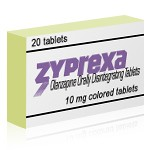
5.How is Zyprexa (Olanzapine) used?
Zyprexa (Olanzapine 15mg) is a widely-used atypical antipsychotic with strong efficacy for both psychotic and mood symptoms.
Uses:
- Schizophrenia (acute and maintenance)
- Bipolar I disorder (manic and mixed episodes)
- Bipolar maintenance therapy
- Treatment-resistant depression (with fluoxetine)
- Acute agitation (IM formulation)
Advantages:
- Highly effective for positive AND negative symptoms
- Excellent mood-stabilizing properties
- Once-daily dosing
- Low risk of movement effects
- Available as orally disintegrating tablet
- Long-acting injectable available
Important considerations:
- Significant weight gain - among the most weight-gaining antipsychotics
- Metabolic syndrome - diabetes and dyslipidemia risk
- Sedation - especially early treatment
- Increased appetite
- Regular monitoring of weight, glucose, and lipids essential
6.How is Risperdal (Risperidone) used?
Risperdal (Risperidone 4mg) is one of the most prescribed atypical antipsychotics with broad indications.
Uses:
- Schizophrenia (all phases)
- Bipolar I disorder (acute manic and mixed episodes)
- Autism spectrum disorder irritability (approved for children age 5+)
- Behavioral disturbances in various conditions
Advantages:
- Well-studied efficacy
- Multiple formulations (tablets, oral solution, dissolvable, long-acting injection)
- Approved for children and adolescents
- Effective for positive and negative symptoms
- Flexible dosing
Important considerations:
- Prolactin elevation - highest among atypical antipsychotics
- Sexual dysfunction, menstrual changes, breast enlargement
- Movement effects (EPS) more common at higher doses
- Moderate weight gain
- Orthostatic hypotension (dizziness on standing)
- Sedation possible
- Metabolic effects less than Zyprexa but present
7.What is Seroquel (Quetiapine) used for?
Seroquel (Quetiapine 200mg) is an atypical antipsychotic with the broadest range of approved uses.
Uses:
- Schizophrenia - acute and maintenance
- Bipolar I disorder - manic episodes
- Bipolar depression - both bipolar I and II (unique among atypicals)
- Bipolar maintenance therapy
- Major depressive disorder - adjunctive treatment (XR formulation)
- Anxiety (off-label at low doses)
- Insomnia (off-label at very low doses - controversial due to risks)
Advantages:
- Very broad indication spectrum
- Very low risk of movement effects
- Minimal prolactin elevation
- Effective for bipolar depression (uncommon feature)
- Available in extended-release form
- Well-tolerated by most patients
Common side effects: sedation (often significant), weight gain, metabolic effects, orthostatic hypotension, dizziness, dry mouth. Requires gradual dose titration.
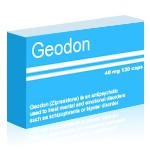
8.Why must Geodon be taken with food?
Geodon (Ziprasidone 80mg) has a unique requirement - it MUST be taken with food (at least 500 calories) for adequate absorption.
Why food matters:
- Without food, absorption reduced by 50 percent
- Fasting doses may not reach therapeutic levels
- Inconsistent absorption without meals
- Food does NOT need to be high-fat - just substantial
- Take twice daily with meals
Uses:
- Schizophrenia (acute and maintenance)
- Bipolar I disorder (acute manic/mixed)
- Acute agitation (IM formulation)
Advantages:
- Weight-neutral - major advantage over other atypicals
- Minimal metabolic effects
- Low prolactin elevation
- Effective for positive and negative symptoms
Important considerations:
- QT prolongation - cardiac monitoring recommended
- Cannot combine with other QT-prolonging drugs
- Twice-daily dosing required
- Movement effects (EPS) possible
- Moderate sedation
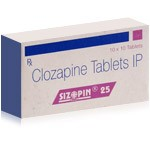
9.Why is Sizopin (Clozapine) special?
Sizopin (Clozapine 25mg) is unique - the most effective antipsychotic for treatment-resistant schizophrenia. Reserved for specific patients due to serious risks requiring monitoring.
Uses:
- Treatment-resistant schizophrenia - failed 2+ other antipsychotics
- Suicidality reduction in schizophrenia (only antipsychotic FDA-approved for this)
- Severe tardive dyskinesia (may improve with clozapine)
- Treatment-resistant bipolar disorder
Unique advantages:
- Most effective antipsychotic when others fail
- Only antipsychotic proven to reduce suicide risk in schizophrenia
- Very low risk of movement effects
- Minimal tardive dyskinesia risk
- Can improve some cases of persistent tardive dyskinesia
Serious risks requiring monitoring:
- Agranulocytosis - potentially fatal blood cell drop
- Weekly blood tests for first 6 months, then less frequent
- Registered patient monitoring system
- Myocarditis (heart inflammation) risk
- Seizures (dose-related)
- Significant weight gain and diabetes risk
- Substantial sedation
- Severe constipation (bowel obstruction risk)
- Hypersalivation
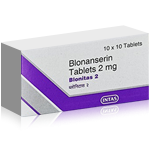
10.What is Blonitas (Blonanserin)?
Blonitas (Blonanserin 4mg) is a newer atypical antipsychotic more commonly used in Asian markets, particularly Japan.
Characteristics:
- Selective dopamine D2 and serotonin 5-HT2A antagonist
- Approved in Japan and other Asian countries for schizophrenia
- Less commonly used in Western markets
- Generally well-tolerated
Uses:
- Schizophrenia (acute and maintenance)
- Both positive and negative symptoms
Advantages:
- Less metabolic effects than Zyprexa or Sizopin
- Less prolactin elevation than Risperdal
- Less sedation than some other agents
- Selective receptor profile
- Weight-relatively-neutral compared to olanzapine
Considerations:
- Movement effects (EPS) possible
- Akathisia (restlessness) can occur
- Should be taken with food to increase absorption
- Twice-daily dosing typical
- Less prescribing experience in Western countries
11.What are extrapyramidal symptoms (EPS)?
Extrapyramidal symptoms (EPS) are movement side effects caused by antipsychotic blockade of dopamine in the brain motor pathways.
Types of EPS:
- Acute dystonia - sudden painful muscle contractions (early treatment); face, neck, tongue affected; treated with anticholinergics
- Akathisia - inner restlessness, inability to sit still; can be very distressing; often mistaken for anxiety worsening
- Parkinsonism - tremor, muscle rigidity, slowness, mask-like face; resembles Parkinson disease
- Tardive dyskinesia (TD) - involuntary movements developing after long treatment; may be permanent; face, tongue, extremities affected
Risk factors:
- Older typical antipsychotics higher risk
- Higher doses increase risk
- Elderly patients more vulnerable
- Female gender (for tardive dyskinesia)
- Long duration of treatment
- Risperdal has higher EPS risk among atypicals at higher doses
- Sizopin (Clozapine) has lowest EPS risk
Report ANY unusual movements to your doctor immediately. Early recognition and treatment prevent worsening.
12.What is metabolic syndrome from antipsychotics?
Metabolic syndrome is a serious side effect cluster from many atypical antipsychotics, particularly Zyprexa and Sizopin.
Components include:
- Significant weight gain - can be 10-30 pounds or more
- Increased abdominal fat
- Elevated blood sugar / type 2 diabetes
- Dyslipidemia - high cholesterol and triglycerides
- High blood pressure
- Increased cardiovascular risk
Risk by medication (highest to lowest):
Essential monitoring: baseline and regular weight, waist circumference, blood glucose/HbA1c, fasting lipid panel, blood pressure. Lifestyle interventions and medication changes may be needed.
13.What is tardive dyskinesia?
Tardive dyskinesia (TD) is a movement disorder that can develop after prolonged antipsychotic use. Involves involuntary repetitive movements that may become permanent even after stopping the medication.
Common movements:
- Facial grimacing and twitching
- Tongue movements (protrusion, chewing)
- Lip smacking or puckering
- Involuntary movements of arms, legs, trunk
- Finger tapping or piano-playing movements
Risk factors:
- Older typical antipsychotics - much higher risk
- Long duration of treatment
- Higher cumulative doses
- Elderly patients
- Women at higher risk
- Diabetes increases risk
Prevention and management:
- Use lowest effective dose
- Prefer atypical antipsychotics (lower risk)
- Regular assessment with standardized scales (AIMS)
- Early detection critical
- Consider switching to Sizopin (Clozapine) which may improve TD
- VMAT2 inhibitors (valbenazine, deutetrabenazine) approved for TD treatment
Report any unusual movements to your doctor promptly.
14.Can antipsychotics be used for bipolar disorder?
Yes, many antipsychotics are approved for bipolar disorder and often used as first-line treatments.
Antipsychotics for bipolar disorder available on RXshop:
Acute mania and mixed episodes:
Bipolar depression:
- Seroquel - approved for both bipolar I and II depression
- Olanzapine + fluoxetine combination
Maintenance therapy:
- Multiple options for preventing recurrences
- Often combined with lithium (Lithobid) or valproate
Advantages for bipolar:
- Rapid onset of effect (faster than lithium/valproate)
- Effective for psychotic features
- Injection formulations for adherence
15.How long should someone take antipsychotics?
Duration depends on the condition and individual factors, but most conditions require long-term treatment.
Schizophrenia:
- First episode: at least 1-2 years after remission
- Multiple episodes: typically indefinite/lifelong
- Stopping increases relapse risk 5-fold
- Each relapse may worsen long-term outcome
Bipolar disorder:
- Maintenance therapy typically long-term
- Duration depends on episode frequency and severity
- May be combined with mood stabilizers
Depression augmentation:
- Continued as long as depression treated
- Reassess periodically
Discontinuation considerations:
- Only under medical supervision
- Gradual taper over weeks to months
- Never stop suddenly - relapse and discontinuation symptoms
- Some conditions require lifelong treatment
- Regular reassessment of need
Long-term treatment is not failure - it is standard care for chronic psychiatric conditions, similar to insulin for diabetes.
16.What is neuroleptic malignant syndrome?
Neuroleptic malignant syndrome (NMS) is a rare but life-threatening reaction to antipsychotic medications. Requires immediate emergency treatment.
Classic symptoms (tetrad):
- High fever (often above 102F/39C)
- Severe muscle rigidity ("lead pipe")
- Altered mental status (confusion, coma)
- Autonomic instability (rapid heart rate, unstable blood pressure, sweating)
Additional signs:
- Elevated creatine kinase (muscle breakdown)
- White blood cell elevation
- Kidney injury
- Tremor and involuntary movements
Risk factors:
- Higher doses of antipsychotics
- Rapid dose increases
- IM injections
- Dehydration
- Physical restraints
- Warm temperatures
- Combined antipsychotics
Treatment:
- STOP antipsychotic immediately
- ICU care
- Aggressive cooling
- Fluid support
- Medications - dantrolene, bromocriptine, benzodiazepines
Mortality: approximately 5-20 percent with prompt treatment. Higher without recognition.
17.Can antipsychotics affect sexual function?
Yes, sexual dysfunction is common with antipsychotics, particularly those causing prolactin elevation. Affects both men and women.
Common sexual side effects:
- Reduced libido (sex drive)
- Erectile dysfunction
- Delayed or absent orgasm
- Vaginal dryness
- Menstrual changes
- Amenorrhea (missed periods)
- Galactorrhea (unwanted milk production)
- Breast enlargement (men and women)
- Retrograde ejaculation
Risk by medication:
- High risk: Risperdal (Risperidone) - highest prolactin elevation
- Moderate risk: Zyprexa, Geodon
- Lower risk: Seroquel - minimal prolactin elevation
- Lowest: Sizopin (Clozapine)
Management options:
- Discuss with prescribing psychiatrist
- Dose reduction if possible
- Medication switch
- Check prolactin levels
- PDE5 inhibitors for erectile dysfunction
- Do NOT stop medication without discussing
18.What are long-acting injectable antipsychotics?
Long-acting injectable (LAI) antipsychotics provide sustained medication delivery over weeks or months, improving treatment adherence.
Advantages:
- Guaranteed adherence when injection administered
- Steady blood levels without daily peaks and troughs
- Reduced relapse rates - shown in multiple studies
- No need to remember daily doses
- Regular healthcare contact
- Better long-term outcomes
- Family peace of mind
- Helpful for those with insight issues
Available LAI formulations:
- Risperidone (Consta - every 2 weeks; Perseris - monthly)
- Paliperidone (Invega Sustenna - monthly; Trinza - every 3 months; Hafyera - every 6 months)
- Olanzapine (Zyprexa Relprevv - every 2-4 weeks)
- Aripiprazole (Abilify Maintena - monthly)
- Haloperidol decanoate (monthly - typical)
- Fluphenazine decanoate (typical)
Considerations:
- Requires oral tolerability trial first
- Administered in clinic (usually monthly)
- Injection site reactions possible
- Cannot easily discontinue if side effects occur
- Higher cost initially, cost-effective long-term
19.Can antipsychotics be used during pregnancy?
Antipsychotic use during pregnancy requires careful risk-benefit analysis. Untreated psychosis carries significant risks for both mother and baby.
Considerations:
- Discontinuing antipsychotics during pregnancy carries high relapse risk
- Untreated schizophrenia associated with poor prenatal care, substance use
- All antipsychotics cross the placenta
- Individual risk-benefit assessment essential
Generally considered safer options:
- Second-generation (atypical) antipsychotics preferred over first-generation
- Haloperidol has longest pregnancy safety data among typicals
- Risperdal reasonably safe
- Lower doses when possible
Higher risk:
- Sizopin (Clozapine) - agranulocytosis risk in newborn
- Weight gain agents may worsen gestational diabetes
Third trimester concerns:
- Neonatal adaptation syndrome possible
- Withdrawal-like symptoms in newborn
- Extrapyramidal symptoms possible
Optimal approach: pre-pregnancy planning ideal, coordinate with psychiatrist and obstetrician, avoid abrupt medication changes, monitor mother and baby closely postpartum.
20.What are common drug interactions with antipsychotics?
Antipsychotics have many important drug interactions requiring careful medication review.
Central nervous system depressants:
- Alcohol - increased sedation
- Benzodiazepines - excessive sedation, respiratory depression
- Opioids - dangerous combination
- Other sedatives - additive effects
QT-prolonging drugs (especially with Geodon):
- Certain antibiotics (macrolides, fluoroquinolones)
- Certain antifungals
- Certain antiarrhythmics
- Methadone
- Do NOT combine multiple QT-prolonging drugs
CYP450 interactions:
- Sizopin levels increased by fluvoxamine, ciprofloxacin
- Sizopin levels decreased by smoking
- Risperdal - affected by CYP2D6 inhibitors
Other important interactions:
- Anticholinergic combinations - additive effects
- Antihypertensives - increased hypotension
- Levodopa - antipsychotics reduce effectiveness
- Lithium - increased neurotoxicity risk
Always inform ALL providers about all medications, supplements, and OTC drugs.
21.What non-medication treatments help schizophrenia?
Comprehensive schizophrenia treatment combines medication with evidence-based psychosocial interventions for best outcomes.
Evidence-based psychosocial treatments:
- Cognitive Behavioral Therapy for Psychosis (CBTp) - reduces symptom distress and improves functioning
- Family psychoeducation - significantly reduces relapse rates
- Assertive Community Treatment (ACT) - intensive team-based care in the community
- Supported employment - vocational rehabilitation
- Social skills training - practical daily living skills
- Cognitive remediation - addresses cognitive symptoms
- Peer support programs - lived experience mentorship
- Case management - coordinates care
- Housing support - stable housing critical
- Substance use treatment when needed
Lifestyle interventions:
- Physical health monitoring (metabolic, cardiovascular)
- Regular exercise - shown to improve outcomes
- Healthy diet - especially important given metabolic risks
- Sleep hygiene
- Stress management
- Avoiding substance use
Family/caregiver role:
- Family psychoeducation reduces relapse by 50 percent
- Low-conflict, calm environment helpful
- Support with medication adherence
- Watch for early warning signs
- Advocacy for treatment
22.When should I seek immediate help?
EMERGENCY - Call 911 or 988 for:
- Active suicidal or homicidal thoughts
- Severe psychotic symptoms with safety concerns
- Command hallucinations (voices telling to harm)
- Severe self-harm or aggressive behavior
- Neuroleptic malignant syndrome - fever, muscle rigidity, altered mental status
- Severe allergic reaction
- Chest pain, difficulty breathing (cardiac emergency)
- Seizures
Contact prescribing doctor promptly for:
- New or worsening psychotic symptoms
- Return of hallucinations or delusions after previous treatment
- New unusual movements (possible tardive dyskinesia)
- Significant weight gain
- Signs of diabetes (excessive thirst, urination)
- Severe sedation interfering with function
- Sexual dysfunction affecting relationships
- Mood changes on medication
- Any concerning medication side effects
- Missed doses or interruptions in treatment
Signs of relapse to watch for:
- Return of paranoid thoughts
- Withdrawal from family/friends
- Sleep changes
- Neglecting hygiene
- Confused thinking
- Hearing voices
Regular follow-up with psychiatrist essential - every 1-3 months for stable patients, more often during dose changes.
More Antipsychotic Medications