Buy Geodon (Ziprasidone) Online — Weight-Neutral Atypical Antipsychotic for Schizophrenia, Bipolar Disorder & Treatment-Resistant Depression Adjunct

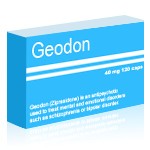
Geodon is the original brand-name formulation of Ziprasidone — a second-generation atypical antipsychotic developed by Pfizer and FDA-approved since 2001. While Geodon's primary FDA-approved indications are schizophrenia and bipolar I disorder, it is also used off-label as an adjunct in treatment-resistant depression and bipolar depression — particularly valued for its uniquely weight-neutral metabolic profile compared to other atypical antipsychotics.
The active ingredient is Ziprasidone Hydrochloride, an atypical antipsychotic with a complex receptor binding profile: strong 5-HT2A and D2 receptor antagonism (primary antipsychotic effects), 5-HT1A partial agonism (anxiolytic/antidepressant effects), 5-HT2C antagonism, mild serotonin and norepinephrine reuptake inhibition, and α1-adrenergic antagonism. This broad receptor activity supports both antipsychotic and mood-stabilizing effects.
Geodon is FDA-approved for treatment of schizophrenia, acute manic and mixed episodes in bipolar I disorder, bipolar I maintenance therapy (as adjunct to lithium or valproate), and acute agitation in schizophrenia (IM injection). Off-label uses include bipolar depression, adjunctive therapy for treatment-resistant depression, PTSD with psychotic features, Tourette syndrome, and aggressive behavior in autism spectrum disorders.
The medication is available as Geodon 20, 40, 60, and 80 mg capsules and Geodon IM 20 mg/mL injection. Standard adult dosing is 20-80 mg twice daily with maximum 160 mg/day. Critically, Geodon MUST be taken with food (at least 500 calories with each dose) — food increases bioavailability by 100%.
Critical safety considerations include the FDA boxed warning for increased mortality in elderly patients with dementia-related psychosis, boxed warning for suicidal ideation in pediatric/young adult patients, significant QT prolongation requiring baseline ECG monitoring, tardive dyskinesia and neuroleptic malignant syndrome (NMS) risk, metabolic effects (less than other atypicals), sedation, activation/agitation, and mandatory food-with-dose requirement.
Free prescription
Discrete packaging
Have questions?
Quality Assurance

- Acute Manic Episode: FDA-approved for acute manic episodes in bipolar I disorder;
- Mixed Episodes Bipolar: FDA-approved for acute mixed episodes in bipolar I disorder;
- Bipolar I Disorder: FDA-approved for bipolar I disorder treatment;
- Bipolar Maintenance: FDA-approved as adjunct to lithium or valproate for bipolar I maintenance therapy;
- Acute Agitation Schizophrenia: Geodon IM injection FDA-approved for acute agitation in schizophrenia;
- Psychotic Agitation: For acute psychotic agitation in inpatient psychiatric settings;
- Bipolar Depression: Off-label for bipolar depression in selected patients;
- Treatment Resistant Depression: Off-label adjunct for treatment-resistant unipolar depression;
- Adolescent Schizophrenia: FDA-approved for schizophrenia in adolescents 13-17 years;
- PTSD / Post Traumatic Stress Disorder: Off-label for PTSD with psychotic features;
- Tourette Syndrome: Off-label for Tourette syndrome motor and vocal tics;
- Autism Aggression: Off-label for aggressive behavior in autism spectrum disorders;
- Schizoaffective Disorder: Off-label for schizoaffective disorder with mood and psychotic symptoms;
- Borderline Personality Disorder: Off-label adjunct for borderline personality disorder with affective instability;
- Delusional Disorder: Off-label for delusional disorder with prominent paranoid features;
- Weight Concerned Patient: Preferred atypical antipsychotic for patients concerned about weight gain;
- Metabolic Syndrome Patient: For patients with metabolic syndrome where other atypicals worsen metabolic profile;
- Diabetic Schizophrenia: For schizophrenia in diabetic patients where weight-neutral profile is critical;
- Long Term Maintenance Antipsychotic: Suitable for long-term maintenance therapy in chronic psychotic and bipolar disorders.
- Less Negative Symptoms: Improvement in negative symptoms of schizophrenia (apathy, social withdrawal, blunted affect);
- Less Manic Symptoms: Reduction in acute manic episode severity in bipolar I disorder;
- Less Mixed Episode Symptoms: Resolution of acute mixed bipolar episodes;
- Better Mood Stability: Long-term mood stabilization in bipolar I maintenance therapy;
- Less Bipolar Depression: Off-label reduction in bipolar depressive episodes;
- Less Treatment-Resistant Depression: Off-label adjunctive benefit in treatment-resistant unipolar depression;
- Less Acute Agitation: Geodon IM injection rapidly reduces acute psychotic agitation in emergency settings;
- Better Reality Testing: Restoration of reality testing in psychotic patients;
- Less Tics: Off-label reduction in Tourette syndrome motor and vocal tics;
- Less Aggression Autism: Off-label reduction in aggressive behaviors in autism spectrum disorders;
- Better Sleep: Sedating properties support sleep onset in psychotic disorders with insomnia;
- Better Daily Function: Return to social and occupational functioning with effective antipsychotic therapy;
- Better Quality of Life: Substantial improvement in quality of life with effective psychosis or bipolar treatment;
- No Weight Gain: Unique weight-neutral profile — signature advantage over other atypical antipsychotics;
- Better Metabolic Profile: Less metabolic burden (cholesterol, glucose, weight) than other atypicals;
- Less Sedation Burden: Less sedating than olanzapine or quetiapine at therapeutic doses;
- Brand Geodon: Original Pfizer brand of Ziprasidone with established global clinical reputation since 2001;
- Generic Ziprasidone: Affordable generic versions expand global access to weight-neutral atypical antipsychotic therapy;
- Zeldox Equivalent: Same Ziprasidone molecule as international Pfizer brand Zeldox;
- Geodon IM Injection: Rapid-acting IM injection for acute psychotic agitation;
- Atypical Antipsychotic: Second-generation atypical antipsychotic with complex receptor profile;
- Weight Neutral Antipsychotic: Uniquely weight-neutral — signature differentiator from olanzapine, quetiapine, risperidone;
- 5 HT2A D2 Antagonist: Primary 5-HT2A and D2 receptor antagonism supports antipsychotic effects;
- 5 HT1A Partial Agonist: 5-HT1A partial agonism contributes anxiolytic and antidepressant effects;
- Schizophrenia Standard Therapy: Standard atypical antipsychotic therapy for schizophrenia;
- Bipolar Mania Standard: Standard therapy for acute manic and mixed bipolar I episodes;
- Bipolar Maintenance Adjunct: Adjunct to lithium or valproate for bipolar I maintenance therapy;
- Acute Agitation IM Standard: Standard IM agent for acute psychotic agitation in emergency settings;
- Less Metabolic Side Effects: Less metabolic side effects (weight gain, dyslipidemia, hyperglycemia) than other atypicals;
- Adolescent Schizophrenia Approved: FDA-approved for adolescent schizophrenia in patients 13-17 years;
- WHO Essential Medicine: Listed on the WHO Model List of Essential Medicines for psychotic and bipolar disorders;
- 20 Plus Year Antipsychotic History: Extensive real-world safety and efficacy data since 2001.
Generic Geodon (Ziprasidone 20 mg) Medication guide:
📖 What Is Geodon and Its Atypical Antipsychotic Position
Geodon is a brand of ziprasidone, an atypical (second-generation) antipsychotic with distinctive multi-receptor mechanism and favorable metabolic profile among its drug class. FDA-approved February 2001 for schizophrenia, later approved for bipolar disorder (acute mania 2004, maintenance 2009), and acute agitation (IM 2002). Ziprasidone is particularly valued for its weight-neutral profile - unique advantage among atypical antipsychotics which typically cause substantial weight gain and metabolic disturbance.
📋 Geodon essentials
- Generic name
- Ziprasidone hydrochloride (oral) or ziprasidone mesylate (IM)
- Brand names
- Geodon (US and North America); Zeldox (Europe, Australia, other markets); extensive generic availability since 2012
- Drug class
- Atypical (second-generation) antipsychotic; serotonin-dopamine antagonist (SDA); benzothiazolylpiperazine chemical class
- FDA-approved indications
- Schizophrenia (2001), Acute agitation in schizophrenia (IM 2002), Bipolar disorder acute mania and mixed episodes (2004), Bipolar disorder maintenance as adjunct to lithium or valproate (2009)
- Original manufacturer
- Pfizer; extensive generic availability since 2012
- Formulations
- Capsules 20, 40, 60, 80 mg (Geodon oral); IM injection 20 mg/mL single-dose vial (ziprasidone mesylate for acute agitation)
- Adult dose range
- Schizophrenia 40-80 mg BID (up to 160 mg total daily); Bipolar mania 40 mg BID titrating to 60-80 mg BID; IM 10-20 mg acute agitation
- Signature characteristics
- Favorable weight-neutral metabolic profile (unique advantage); QT prolongation (signature cardiac concern); MUST be taken with food (absorption doubles with food); unique 5-HT1A partial agonism + serotonin/norepinephrine reuptake inhibition among antipsychotics
| Geodon distinguishing features | Clinical implication |
|---|---|
| Atypical antipsychotic (second-generation) | Lower EPS risk than typical antipsychotics; broader efficacy |
| Weight-neutral metabolic profile | Unique among atypical antipsychotics; particularly valuable for metabolic health concerns |
| Minimal impact on lipids and glucose | Favorable for diabetes, metabolic syndrome, cardiovascular disease patients |
| QT prolongation - signature cardiac concern | Requires cardiac assessment; contraindicated with other QT-prolonging drugs and cardiac history |
| Critical food requirement | Must be taken with meal (500+ kcal); absorption ~50% lower without food - may not be effective |
| 5-HT1A partial agonism | Unique among most antipsychotics; may contribute to antidepressant/anxiolytic effects |
| SNRI-like effect (5-HT + NE reuptake inhibition) | Unique among antipsychotics; may enhance mood effects |
| Twice-daily dosing | Short half-life ~7 hours; BID dosing required (unlike once-daily olanzapine) |
| Minimal prolactin elevation | Unlike risperidone; better tolerability regarding sexual dysfunction, galactorrhea |
| IM formulation for acute agitation | Available for emergency use; faster onset than oral |
💡 The metabolic-favorable atypical positioning
Geodon (ziprasidone) occupies distinctive position among atypical antipsychotics with combination of comparable efficacy to other atypicals plus substantially better metabolic profile. Correll and Newcomer research established that antipsychotic-induced weight gain and metabolic syndrome are major concerns with atypical antipsychotics - olanzapine and quetiapine cause substantial weight gain and diabetes risk; risperidone and aripiprazole intermediate; ziprasidone is essentially weight-neutral. This makes ziprasidone particularly valuable for: (1) patients with existing obesity or metabolic syndrome; (2) diabetic patients where weight gain worsens glucose control; (3) patients with cardiovascular disease where weight gain problematic; (4) long-term treatment where cumulative metabolic effects concerning. However, this advantage is balanced by two considerations: (1) QT prolongation cardiac concern requiring appropriate patient selection; (2) critical food requirement for adequate absorption. Understanding this unique benefit-risk profile guides appropriate ziprasidone selection.
📜 Ziprasidone History From Pfizer Development to Modern Use
The ziprasidone story includes lengthy development with cardiac safety refinement. Developed by Pfizer through 1990s, ziprasidone's FDA approval was substantially delayed due to QT prolongation concerns requiring extensive cardiac safety data. February 2001 approval followed by expanded FDA indications through 2009. Generic availability since 2012.
📅 Development timeline
- 1980s-1990s
- Pfizer research on novel atypical antipsychotics; ziprasidone synthesized with distinctive benzothiazolylpiperazine structure and multi-receptor profile
- Late 1990s
- Clinical trials establishing schizophrenia efficacy; Daniel 1999 landmark trial published; QT prolongation signal identified requiring extensive cardiac safety evaluation
- 2000
- FDA advisory committee review; extensive discussion of QT concerns balanced against clinical benefits; approval decision delayed pending additional data
- February 2001
- FDA approves ziprasidone as Geodon for schizophrenia in United States with cardiovascular safety labeling; also approved as Zeldox in other markets
- June 2002
- Ziprasidone mesylate IM formulation approved for acute agitation in schizophrenia - important addition for emergency psychiatric use
- 2003-2004
- Metabolic side effect concerns emerging for other atypicals (olanzapine, risperidone); ziprasidone favorable metabolic profile increasingly recognized (Newcomer 2005)
- 2004
- FDA approves ziprasidone for bipolar disorder acute mania and mixed episodes; Keck 2003 supported approval
- 2005
- CATIE trial (Lieberman NEJM) - large comparative effectiveness trial including ziprasidone showing favorable metabolic profile though slightly lower efficacy than olanzapine in intent-to-treat analysis
- 2008-2009
- EUFEST trial (Kahn Lancet 2008) first-episode psychosis; Bowden 2010 bipolar maintenance evidence
- 2009
- FDA approves ziprasidone as adjunct to lithium or valproate for bipolar disorder maintenance
- 2012
- US patent protection expires; generic ziprasidone becomes widely available; substantial cost reduction
- 2013
- Leucht Lancet network meta-analysis of 15 antipsychotics confirms ziprasidone's comparative effectiveness and favorable tolerability positioning
- Modern era
- Continues among widely used atypical antipsychotics; particularly valued when metabolic profile important; QT concerns require appropriate patient selection
📌 Historical significance
- Cardiac safety refinement process - lengthy FDA review demonstrating rigorous cardiovascular safety evaluation
- Favorable metabolic profile - one of few atypicals without substantial weight gain concern
- Multi-indication expansion - schizophrenia (2001), acute agitation (2002), bipolar mania (2004), bipolar maintenance (2009)
- CATIE inclusion 2005 - large real-world effectiveness data
- First-episode psychosis evidence - EUFEST 2008 established role in early treatment
- Unique receptor profile - 5-HT1A partial agonism + SNRI-like effect provided pharmacological innovation
- Extensive clinical experience - over two decades of real-world use
💡 From delayed approval to established therapy
Ziprasidone's development pathway illustrates modern regulatory rigor regarding cardiovascular safety - FDA delayed approval demanding extensive QT and cardiac data. This rigorous evaluation ultimately supported approval with appropriate safety warnings rather than blanket rejection. Post-approval expansion across bipolar disorder indications reflected recognition of broad utility beyond schizophrenia. Correll research and CATIE trial subsequently established metabolic profile advantage. Modern practice recognizes ziprasidone's distinctive niche: comparable antipsychotic efficacy to other atypicals with substantially better metabolic tolerability, balanced by QT considerations. For metabolically-focused patient selection, ziprasidone often preferred choice among atypical antipsychotics.
⚗️ Chemistry - Benzothiazolylpiperazine Distinct Structure
Ziprasidone has distinctive benzothiazolylpiperazine chemical structure - unrelated to other atypical antipsychotics which represent different chemical scaffolds. This structural uniqueness contributes to ziprasidone's multi-receptor binding profile including its distinctive 5-HT1A partial agonism and serotonin/norepinephrine reuptake inhibition not shared by most other antipsychotics.
⚗️ Structural features
- Chemical name
- 5-[2-[4-(1,2-benzisothiazol-3-yl)-1-piperazinyl]ethyl]-6-chloro-1,3-dihydro-2H-indol-2-one (ziprasidone base); available as hydrochloride monohydrate (oral) or mesylate trihydrate (IM)
- Structural class
- Benzothiazolylpiperazine - contains benzothiazole ring, piperazine linker, and chloro-oxindole moiety; distinct from other atypical antipsychotic scaffolds
- Related medications
- Structurally distinct from olanzapine (thienobenzodiazepine), quetiapine (dibenzothiazepine), risperidone (benzisoxazole), aripiprazole (quinolinone) - each atypical has completely different chemical scaffold
- Salt forms
- Hydrochloride monohydrate for oral capsules; mesylate trihydrate for IM injection formulation (different salt for injectable stability)
- Molecular weight
- Approximately 413 g/mol (base); 468 g/mol as hydrochloride monohydrate
- Solubility
- Poor water solubility (basis for critical food requirement - fat enhances dissolution and absorption); highly protein-bound; good CNS penetration
- Stereochemistry
- Achiral (no chiral centers); single molecular entity
🔬 Receptor binding profile - multi-target atypical
- 5-HT2A receptor: potent antagonist (basis for atypical designation; reduces EPS risk)
- D2 dopamine receptor: moderate-to-high antagonist (antipsychotic effect); 5-HT2A/D2 ratio favors atypical profile
- 5-HT2C receptor: potent antagonist (may contribute to appetite/weight effects - but ziprasidone somehow avoids weight gain)
- 5-HT1A receptor: PARTIAL AGONIST - unique feature among most antipsychotics (only aripiprazole among atypicals has similar); may contribute to antidepressant/anxiolytic effects
- 5-HT1D receptor: potent antagonist
- Alpha-1 adrenergic: moderate antagonist (may contribute to orthostatic hypotension)
- Histamine H1: moderate antagonist (may contribute to modest sedation)
- Serotonin transporter (SERT): modest inhibition - unique among antipsychotics (SNRI-like)
- Norepinephrine transporter (NET): modest inhibition - unique among antipsychotics
- Muscarinic receptors: minimal binding (unlike olanzapine, clozapine - no anticholinergic burden)
- D3, D4 receptors: moderate binding
- Cardiac ion channels (hERG): moderate inhibition - basis for QT prolongation concern
| Receptor | Ziprasidone effect | Clinical consequence |
|---|---|---|
| 5-HT2A | Potent antagonist | Atypical (less EPS) |
| D2 dopamine | Moderate-high antagonist | Antipsychotic effect |
| 5-HT1A | Partial agonist (unique) | Antidepressant/anxiolytic contribution |
| SERT/NET | Modest inhibition (unique) | SNRI-like antidepressant effect |
| H1 histamine | Moderate | Modest sedation |
| Muscarinic | Minimal | No anticholinergic effects |
| Alpha-1 | Moderate | Some orthostatic hypotension |
| hERG (cardiac K+ channel) | Moderate inhibition | QT prolongation concern |
💡 The unique-among-antipsychotics receptor profile
Ziprasidone's multi-target receptor profile provides both antipsychotic efficacy and distinctive advantages/concerns: (1) 5-HT2A/D2 antagonism provides atypical antipsychotic effect with reduced EPS; (2) 5-HT1A partial agonism (shared only with aripiprazole among atypicals) may contribute to antidepressant and anxiolytic effects; (3) SERT/NET inhibition (unique among antipsychotics) provides SNRI-like effect potentially enhancing mood benefits particularly for bipolar depression; (4) minimal muscarinic binding means no anticholinergic burden unlike olanzapine/clozapine; (5) moderate H1 provides modest sedation; (6) hERG inhibition explains QT concern. This receptor complexity produces broader spectrum of effects than pure D2/5-HT2A antipsychotics but requires careful monitoring for QT concern. Interestingly, despite 5-HT2C antagonism (which typically drives weight gain), ziprasidone somehow avoids substantial weight gain seen with olanzapine and quetiapine - mechanism incompletely understood but clinically robust.
🧠 Unique Mechanism - 5-HT DA Antagonism Plus Reuptake Inhibition
Ziprasidone mechanism is complex multi-target profile combining atypical antipsychotic 5-HT2A/D2 antagonism with unique 5-HT1A partial agonism and SNRI-like serotonin/norepinephrine reuptake inhibition. This combined mechanism produces broader spectrum of effects than pure D2 antipsychotics - antipsychotic + mood stabilizing + potential antidepressant/anxiolytic effects.
🧠 Antipsychotic mechanism
- D2 dopamine antagonism
- Primary antipsychotic mechanism; reduces mesolimbic dopamine overactivity responsible for positive symptoms (hallucinations, delusions, thought disorder)
- 5-HT2A antagonism
- Distinguishes atypical from typical antipsychotics; reduces EPS risk by inhibiting serotonin's facilitation of nigrostriatal dopamine effects; provides "atypical" designation
- 5-HT2A/D2 ratio
- Ziprasidone has high 5-HT2A/D2 binding ratio - typical of atypicals; contributes to reduced EPS and negative symptom improvement
- Meltzer hypothesis
- Meltzer's hypothesis that high 5-HT2A/D2 ratio explains atypical antipsychotic profile - reduced EPS and improved negative/cognitive symptoms; ziprasidone fits this pattern
🌟 Unique mechanisms - 5-HT1A + SNRI-like
- 5-HT1A partial agonism
- Unique among most atypical antipsychotics (only aripiprazole shares); provides anxiolytic and antidepressant effects; may improve negative symptoms and cognitive function; similar mechanism to buspirone (anxiolytic)
- Serotonin reuptake inhibition (modest)
- SERT inhibition provides mild antidepressant effect; unique among antipsychotics; may contribute to bipolar depression efficacy
- Norepinephrine reuptake inhibition (modest)
- NET inhibition adds to antidepressant potential; may improve motivation and energy
- Combined effect on mood
- 5-HT1A partial agonism + SNRI-like activity provides mood-elevating potential beyond typical antipsychotic effects; may benefit patients with concurrent depression or negative symptoms
🎯 Mechanism-condition mapping
- Schizophrenia positive symptoms
- D2 antagonism reduces hallucinations, delusions, thought disorganization
- Schizophrenia negative symptoms
- 5-HT2A antagonism + 5-HT1A partial agonism may improve motivation, social engagement, emotional expression
- Schizophrenia cognitive symptoms
- 5-HT1A + minimal anticholinergic burden may support cognitive function preservation
- Bipolar mania
- D2 antagonism reduces manic symptoms; 5-HT2A effects contribute to mood stabilization
- Bipolar depression
- 5-HT1A partial agonism + SNRI-like effect may provide antidepressant benefit less common with other atypicals
- Acute agitation
- Sedation from H1 antagonism + D2 antagonism reducing agitation; rapid onset with IM formulation
💡 The mood-modulating antipsychotic
Ziprasidone's combined 5-HT1A partial agonism + SNRI-like effect + traditional atypical antipsychotic mechanism produces broader spectrum of therapeutic effects than pure D2/5-HT2A antagonists. For bipolar disorder specifically, the mood-elevating potential may be particularly valuable - patients with bipolar depression often struggle with olanzapine or quetiapine causing depression worsening despite mania control. Ziprasidone's mood-neutral to mood-elevating profile may benefit these patients. For schizophrenia with prominent negative symptoms or cognitive dysfunction, 5-HT1A partial agonism may provide advantages over pure atypical antagonists. Combined with favorable metabolic profile (weight-neutral) and unique receptor complexity, ziprasidone offers distinctive treatment option among atypical antipsychotics. However, the mood-elevating potential may also increase mania switch risk in bipolar disorder - requires careful monitoring.
🔬 Pharmacokinetics - Critical Food Requirement and CYP3A4 Metabolism
Ziprasidone has distinctive pharmacokinetics with CRITICAL food requirement and CYP3A4 primary metabolism. The food effect on absorption is fundamental clinical consideration - without adequate food, absorption is approximately 50 percent lower and clinical effectiveness may be compromised. This makes ziprasidone unique among antipsychotics in dosing instructions.
🔬 PK parameters
- Absorption
- Well-absorbed orally with food; Tmax approximately 6-8 hours after dose; poor water solubility explains food dependence
- Bioavailability WITH food
- Approximately 60 percent with adequate meal (500+ kcal)
- Bioavailability WITHOUT food (CRITICAL PROBLEM)
- Approximately 30 percent (half of fed state); may be insufficient for antipsychotic efficacy; patients may fail treatment simply due to inadequate meals
- Miceli 2000 food effect study
- Landmark study establishing food requirement; documented approximately doubled absorption with 500 kcal meal vs fasting
- Meal composition
- Fat content particularly important; 500-1000 kcal meal recommended; low-fat meals inadequate
- Protein binding
- Approximately 99 percent (highly protein-bound)
- Volume of distribution
- Moderate: approximately 1.5 L/kg
- Half-life
- Approximately 7 hours - short compared to other atypicals; requires BID dosing (unlike once-daily olanzapine, quetiapine XR)
- Steady-state
- Reached in approximately 1-3 days
- Metabolism
- Extensive hepatic: aldehyde oxidase (primary, produces inactive metabolite) and CYP3A4 (secondary); relatively few CYP interactions compared to other atypicals
- Active metabolites
- Aldehyde oxidase produces inactive metabolite; CYP3A4 produces S-methyl-dihydroziprasidone with modest activity; not clinically significant
- Elimination
- Primarily fecal (66 percent) and renal (20 percent) excretion of metabolites; less than 5 percent unchanged parent
- IM formulation
- Ziprasidone mesylate IM: bypasses food dependence; rapid onset 15-30 minutes; peak 60 minutes; useful for acute agitation
🔴 CRITICAL: Food requirement for effectiveness
- MUST take with food: meal containing 500+ kcal for adequate absorption
- Fat content important: low-fat meals insufficient; standard meal with fat content optimal
- Treatment failure risk: patients taking without food may have insufficient drug exposure and fail treatment despite adequate dosing
- Consistent timing: same meal timing daily reduces variability
- Common patient error: taking with light snacks or beverages insufficient; requires proper meal
- Consideration for compliance: patients with irregular meals or feeding disorders may struggle with adherence
- IM formulation exception: injectable ziprasidone does not have food requirement (bypasses GI absorption)
💡 The food requirement clinical significance
Ziprasidone's critical food requirement represents unique clinical consideration among antipsychotics. Poor water solubility means absorption depends heavily on food-enhanced dissolution. Without adequate meal, absorption drops approximately 50 percent - potentially producing subtherapeutic levels despite apparently adequate prescribed dose. This creates practical prescribing challenges: (1) patients must be reliably eating meals with medication; (2) hospitalized patients may miss doses if NPO; (3) patients with eating disorders or irregular meal patterns may fail treatment; (4) breakfast dose particularly problematic if patient skips breakfast; (5) monitoring for treatment response must account for food adherence. For patients who cannot reliably eat with each dose, alternative antipsychotics may be preferred. This unique PK feature must be prominently emphasized in patient counselling - "always with food" is not just recommendation but essential for effectiveness. Combined with twice-daily dosing (requiring two meals with medication), medication administration compliance is more complex than once-daily antipsychotics.
📋 FDA-Approved Indications - Schizophrenia, Bipolar, Acute Agitation
Ziprasidone has multiple FDA-approved indications spanning schizophrenia and bipolar disorder plus IM formulation for acute agitation. This multi-indication profile positions ziprasidone as versatile atypical antipsychotic option across psychotic and mood disorders.
| Indication | Formulation | Approval Year | Dose Range |
|---|---|---|---|
| Schizophrenia (adult) | Geodon oral capsules | February 2001 | 40-160 mg total daily BID |
| Acute agitation in schizophrenia | Ziprasidone mesylate IM | June 2002 | 10-20 mg IM (max 40 mg/day) |
| Bipolar disorder acute mania and mixed episodes | Geodon oral capsules | 2004 | 40-80 mg BID (up to 160 mg total daily) |
| Bipolar disorder maintenance (adjunct) | Geodon oral capsules | 2009 | 40-80 mg BID as adjunct to lithium or valproate |
📌 Off-label uses
- Schizoaffective disorder: closely related to schizophrenia + bipolar - often treated with same atypical antipsychotics
- Bipolar depression: 5-HT1A partial agonism + SNRI-like effect may benefit
- Treatment-resistant depression augmentation: adjunct to antidepressant
- Autism spectrum disorder irritability: off-label; risperidone and aripiprazole FDA-approved for this indication
- Tourette syndrome: some evidence
- Delirium in medically ill patients: off-label; QT concern requires monitoring
- PTSD-related psychotic symptoms
- Personality disorder-related psychotic-like symptoms (rare)
- Elderly patients with dementia-related psychosis - BOXED WARNING against this use given increased mortality risk
💡 The multi-indication utility
Geodon's four FDA indications cover schizophrenia spectrum plus bipolar disorder including maintenance (approved 2009 as adjunct to lithium/valproate). The IM formulation adds acute agitation capability. This versatility makes ziprasidone useful across multiple psychiatric emergency and chronic care scenarios. For schizoaffective disorder patients (mixture of schizophrenia and mood features), single medication addressing both dimensions particularly valuable. For bipolar patients requiring long-term maintenance, ziprasidone's favorable metabolic profile compared to alternatives (olanzapine, quetiapine cause substantial weight gain) makes it preferred option for chronic therapy. Combined with off-label utility for treatment-resistant depression augmentation and other conditions, ziprasidone provides broad clinical utility.
🧩 Schizophrenia Treatment With Geodon
Schizophrenia was ziprasidone's founding FDA indication (February 2001). Leucht 2013 meta-analysis included ziprasidone in comparative effectiveness rankings among 15 antipsychotics. CATIE trial (Lieberman NEJM 2005) provided large real-world effectiveness data. Modern positioning: comparable efficacy to other atypicals with favorable metabolic profile balanced against QT concern.
🧩 Geodon in schizophrenia
- Efficacy positioning
- Leucht 2013 network meta-analysis ranks ziprasidone among effective antipsychotics; comparable to other atypicals though slightly lower efficacy ranking than olanzapine, amisulpride, clozapine
- CATIE trial findings
- Lieberman NEJM 2005 - large real-world effectiveness trial; ziprasidone had lower all-cause discontinuation than expected (positive) but slightly lower efficacy than olanzapine; metabolic advantages evident
- Positive symptoms response
- Reduces hallucinations, delusions, thought disorder; comparable to other atypicals
- Negative symptoms
- 5-HT2A antagonism + 5-HT1A partial agonism may provide better negative symptom effect than some atypicals; comparable to aripiprazole
- Cognitive effects
- Generally preserved or improved cognitive function; less impact than typical antipsychotics; minimal anticholinergic burden important
- Dosing for schizophrenia
- Start 20 mg BID with food; titrate to 40-80 mg BID based on response; range 40-160 mg total daily; higher doses may not increase efficacy but increase side effects
- Time to response
- Some effect within days for acute agitation and positive symptoms; substantial response 4-6 weeks; maximum benefit may take 12+ weeks
- First-episode psychosis
- EUFEST trial (Kahn Lancet 2008) included ziprasidone in first-episode psychosis; effective option; favorable metabolic profile particularly valuable for young patients with long treatment horizon
🌟 Schizophrenia scenarios where Geodon ideal
- First-episode psychosis in metabolically-vulnerable patients: weight-neutral advantage important for young patients with long treatment horizon
- Metabolic syndrome or diabetes: avoid weight gain worsening metabolic parameters
- Cardiovascular disease patients: weight-neutral offsets some cardiac concerns (though QT requires monitoring)
- Olanzapine or quetiapine intolerance due to weight gain: switch to ziprasidone reasonable
- Patients with prominent negative symptoms: 5-HT1A partial agonism may benefit
- Depression + schizophrenia comorbidity: mood-elevating potential valuable
- Patients who eat regular meals reliably: food requirement must be manageable
🔴 When Geodon less optimal for schizophrenia
- Cardiac history or QT concerns (baseline QTc over 460 ms male or 470 female)
- Poor food adherence (irregular meals, eating disorders, aversion)
- Highest severity requiring maximum efficacy (olanzapine, clozapine may be more effective)
- Concurrent QT-prolonging medications
- Cannot commit to twice-daily dosing
- Elderly with cardiovascular vulnerability
💡 The metabolic-friendly schizophrenia treatment
Modern schizophrenia treatment increasingly considers metabolic profile in medication selection given lifelong therapy typical and substantial cardiovascular mortality in schizophrenia patients. Ziprasidone's weight-neutral profile makes it valuable option particularly for younger patients starting long-term treatment. Correll research established that metabolic side effects vary substantially across atypical antipsychotics - ziprasidone consistently favorable. For first-episode psychosis specifically, avoiding weight gain and metabolic syndrome at treatment initiation preserves cardiovascular health for years of subsequent treatment. Combined with reasonable efficacy (comparable to most atypicals per Leucht meta-analysis) and QT monitoring, ziprasidone offers metabolically-favorable schizophrenia treatment option. Trade-offs include food requirement and twice-daily dosing complexity vs simpler once-daily alternatives.
⚡ Bipolar Acute Mania and Mixed Episodes Treatment
Bipolar acute mania and mixed episodes FDA approval (2004) established ziprasidone as effective option for acute bipolar treatment. Keck 2003 landmark trial supported approval. Ziprasidone's mood-elevating potential (5-HT1A partial agonism + SNRI-like effect) may provide additional benefit for mixed episodes with depressive features.
⚡ Geodon in bipolar acute mania
- FDA approval 2004
- Acute mania and mixed episodes of bipolar I disorder; monotherapy or adjunctive
- Evidence base
- Keck 2003 landmark trial; subsequent trials confirmed efficacy for acute mania
- Response rate
- Substantial reduction in manic symptoms within 2-3 weeks; comparable to other atypicals for acute mania
- Mixed episodes benefit
- Mood-elevating potential may address depressive component of mixed episodes without triggering full mania rebound; theoretical advantage over pure D2 antagonists
- Dosing for acute mania
- Start 40 mg BID with food; increase to 60-80 mg BID day 2 if tolerated; typical target 80-160 mg total daily
- Time to response
- Some effect within days; substantial response 2-3 weeks
- Combination with mood stabilizers
- Often combined with lithium or valproate for acute mania; particularly severe cases
- Depression switch risk
- Slight risk of mood switch to depression with acute mania resolution; lower than SSRI-induced mania switch risk but requires monitoring
🎯 Bipolar acute mania treatment framework
- Mood stabilizers first-line: lithium, valproate, carbamazepine
- Atypical antipsychotics first-line: olanzapine, quetiapine, risperidone, ziprasidone, aripiprazole, asenapine, cariprazine all FDA-approved
- Ziprasidone favorable metabolic option: preferred among atypicals when weight/metabolic concerns
- Combination therapy: mood stabilizer + atypical often for severe or treatment-resistant mania
- Benzodiazepine adjunct: acute severe agitation or insomnia
- Hospitalization: often needed for severe manic episodes
- Duration: continue for 2-4 weeks after full resolution before considering taper
🌐 Bipolar Maintenance Treatment Approach
Bipolar maintenance treatment as adjunct to lithium or valproate was approved 2009 following Bowden 2010 landmark trial. Ziprasidone provides substantial mood stabilization for maintenance therapy with favorable metabolic profile - particularly valuable for long-term bipolar treatment where cumulative weight gain from alternatives (olanzapine, quetiapine) becomes problematic.
🌐 Geodon in bipolar maintenance
- FDA approval 2009
- Bipolar disorder maintenance as adjunct to lithium or valproate (not monotherapy)
- Evidence base
- Bowden 2010 pivotal maintenance trial; substantial evidence base for adjunctive maintenance role
- Recurrence prevention
- Reduces manic and mixed episode recurrence; less clear benefit for depressive episode prevention (typical atypical antipsychotic limitation)
- Dosing for maintenance
- Typically 40-80 mg BID; individual titration based on response and tolerability; total daily 80-160 mg range
- Duration
- Long-term (years); bipolar is typically lifelong condition requiring sustained maintenance therapy
- Combination with mood stabilizers
- FDA approval specifically for adjunct to lithium or valproate; combination provides broader mood stabilization
- Metabolic advantage particularly relevant
- For long-term maintenance therapy where cumulative weight gain from alternatives (olanzapine gains 5-10+ kg over years) becomes major concern - ziprasidone weight-neutral over long-term treatment
- Cardiac monitoring for maintenance
- Baseline ECG; periodic ECG monitoring for QT changes with long-term use; comprehensive cardiac assessment appropriate
🌟 Bipolar maintenance patient profiles
- Bipolar patients on lithium/valproate needing enhanced mania protection: FDA-approved combination
- Metabolically-vulnerable bipolar patients: avoid long-term weight gain from alternatives
- Young bipolar patients with long treatment horizon: minimizing lifelong metabolic burden important
- Bipolar patients with concurrent diabetes or cardiovascular disease: metabolic profile matters
- Weight-conscious bipolar patients: quality-of-life advantage
- Prior olanzapine or quetiapine intolerance from weight gain: alternative option
- Bipolar depression component prominent: 5-HT1A + SNRI-like effect may benefit
💡 The metabolic-friendly maintenance option
Bipolar maintenance therapy is typically lifelong given high recurrence risk. Over decades of treatment, cumulative metabolic effects become major concern - patients on olanzapine or quetiapine for bipolar maintenance often gain substantial weight (10-20+ kg over years) with associated metabolic syndrome, diabetes, cardiovascular disease. Ziprasidone's weight-neutral maintenance profile represents genuine advantage. Combined with mood stabilizer (lithium or valproate per FDA approval), ziprasidone provides evidence-based maintenance option with favorable long-term metabolic tolerability. However, QT prolongation concern requires ongoing cardiac monitoring, and twice-daily dosing with food requirement complicates long-term adherence. For appropriate patients, ziprasidone maintenance offers valuable option balancing mood stabilization with metabolic health preservation over years of treatment.
💉 Acute Agitation - IM Ziprasidone Formulation
IM ziprasidone (ziprasidone mesylate) FDA-approved 2002 for acute agitation in schizophrenia provides rapid onset intramuscular option for emergency psychiatric use. Unlike oral formulation, IM ziprasidone bypasses food requirement. Useful for hospital and emergency department management of severely agitated patients.
💉 IM ziprasidone characteristics
- FDA approval June 2002
- Ziprasidone mesylate IM approved for acute agitation in schizophrenia; single-dose vial 20 mg/mL
- Evidence base
- Daniel 2001 landmark IM ziprasidone trials establishing efficacy for acute agitation
- Pharmacokinetics
- Rapid onset (15-30 minutes); peak concentration 60 minutes; does NOT require food (bypasses GI absorption)
- Dosing
- 10 mg IM every 2 hours as needed for agitation; OR 20 mg IM every 4 hours as needed; MAXIMUM 40 mg per day (higher doses not studied)
- Duration of IM use
- Maximum 3 consecutive days of IM use; transition to oral ziprasidone if continued antipsychotic therapy needed
- Injection site
- Deep IM injection preferred site (gluteal or deltoid muscle); reconstitution required (mix vial with 1.2 mL sterile water)
- Transition to oral
- After acute agitation resolves, transition to oral capsules (with food) for maintenance therapy
🎯 Acute agitation treatment framework
- IM ziprasidone (Geodon injectable): FDA-approved acute agitation in schizophrenia
- IM haloperidol + lorazepam: traditional acute agitation combination
- IM olanzapine (Zyprexa injectable): alternative atypical injectable
- IM aripiprazole: alternative atypical injectable
- Oral agents when possible: less coercive; preferred when patient willing
- Environmental interventions: reduced stimulation, verbal de-escalation, safety measures
- Restraint use avoidance: medication approach preferred to physical restraint when possible
- Monitoring after IM: BP, HR, sedation level, cardiac monitoring (particularly with IM olanzapine + benzodiazepines)
💡 The acute agitation option
IM ziprasidone provides valuable option for emergency psychiatric management of severely agitated patients with schizophrenia. Advantages over oral ziprasidone: rapid onset (15-30 minutes vs 6-8 hours); no food requirement; useful when patients unable/unwilling to take oral medication. Advantages over IM haloperidol + lorazepam combination: less EPS risk; better tolerability; atypical antipsychotic mechanism. For maximum 3-day acute use, IM ziprasidone bridges emergency intervention to oral maintenance therapy. Combined with verbal de-escalation and environmental interventions, IM ziprasidone contributes to safer and more effective acute psychiatric management. QT monitoring particularly important given cardiac status of acutely agitated patients may not be well-established.
🌟 Off-Label Uses Including Adjunctive Treatment
Ziprasidone off-label uses extend across psychiatric conditions beyond formal FDA indications. Most common off-label uses include schizoaffective disorder, bipolar depression, and treatment-resistant depression augmentation.
🌟 Off-label uses
- Schizoaffective disorder
- Combines schizophrenia + mood disorder features; ziprasidone's dual antipsychotic + mood-elevating potential particularly suited; not distinct FDA approval but commonly used
- Bipolar depression
- Off-label; 5-HT1A partial agonism + SNRI-like effect may benefit depressive phase of bipolar; more limited evidence than for mania
- Treatment-resistant depression augmentation
- Adjunct to antidepressant; less established than aripiprazole (FDA-approved) or quetiapine XR (FDA-approved) for this indication
- Delirium in medically ill patients
- Off-label; alternative to haloperidol or olanzapine; QT monitoring particularly important in critically ill patients
- Tourette syndrome
- Some evidence for tic reduction; haloperidol and pimozide historically standard
- PTSD with psychotic features
- Off-label adjunct when psychotic features prominent
- Personality disorder-related psychotic-like symptoms
- Off-label; low-dose sometimes used for borderline personality disorder with paranoid features
- Autism spectrum disorder irritability
- Off-label; risperidone and aripiprazole FDA-approved for this indication - ziprasidone less commonly used
🔴 BOXED WARNING - not for elderly dementia psychosis
All antipsychotics including ziprasidone carry FDA boxed warning against use in elderly patients with dementia-related psychosis given substantially increased mortality risk (approximately 1.6-1.7 fold vs placebo, primarily cardiovascular death or infection). Ziprasidone should NOT be used for elderly dementia-related behavioral symptoms. Alternative approaches (behavioral interventions, treating underlying medical issues, environmental modifications) preferred. If antipsychotic absolutely necessary in dementia, must be very low dose, time-limited, with careful risk-benefit discussion with family.
⚖️ Geodon Versus Other Atypical Antipsychotics
Understanding Geodon positioning versus other atypical antipsychotics guides appropriate contemporary prescribing. Ziprasidone occupies distinctive niche with favorable metabolic profile balanced against QT and food adherence considerations.
| Feature | Ziprasidone | Olanzapine | Risperidone | Aripiprazole | Quetiapine |
|---|---|---|---|---|---|
| Weight gain | Neutral | Substantial (5-15 kg) | Moderate (2-5 kg) | Modest (1-3 kg) | Substantial (3-10 kg) |
| Metabolic syndrome | Minimal | High risk | Moderate | Low | High risk |
| Sedation | Modest | Substantial | Modest | Modest | Substantial |
| Prolactin elevation | Minimal | Modest | Substantial | Minimal (partial agonist) | Minimal |
| QT prolongation | Substantial concern | Minimal | Modest | Minimal | Modest |
| EPS/movement | Low | Low | Moderate | Low | Very low |
| Dosing frequency | BID (with food) | Once daily | Once daily-BID | Once daily | BID (IR) or once daily (XR) |
| Food requirement | Critical (with food) | Not required | Not required | Not required | Not required |
| IM formulation | Yes (acute agitation) | Yes | Yes (long-acting Consta) | Yes | No |
🌟 When to choose Geodon over other atypicals
- Metabolic concerns priority: obese patients, diabetes, metabolic syndrome
- Weight gain avoidance essential: patients where any weight gain problematic
- First-episode psychosis with metabolic vulnerability: preserve metabolic health long-term
- Prior olanzapine or quetiapine weight gain intolerance: switch to metabolically-favorable option
- Prolactin elevation problematic: sexual dysfunction, galactorrhea (vs risperidone)
- Prominent negative symptoms: 5-HT1A partial agonism advantage
- Mood component (bipolar depression): SNRI-like effect valuable
- Cost consideration: generic available and affordable
🌟 When other atypicals preferred over Geodon
- Cardiac history or QT concerns: olanzapine, quetiapine, aripiprazole safer
- Poor food adherence: patients cannot reliably eat with medication
- Highest efficacy needed: olanzapine or clozapine more effective per Leucht meta-analysis
- Once-daily dosing essential: olanzapine, aripiprazole, quetiapine XR
- Long-acting injectable needed: risperidone Consta, aripiprazole Maintena, paliperidone Sustenna, olanzapine Zyprexa Relprevv
- Severe agitation needing sedation: olanzapine, quetiapine more sedating
- Aripiprazole 5-HT1A partial agonism preferred with less QT concern: alternative to ziprasidone with similar receptor profile advantage
💡 The metabolically-favorable atypical niche
Ziprasidone occupies specific niche among atypical antipsychotics defined by favorable metabolic profile balanced against QT prolongation and food adherence considerations. For patients where metabolic health is priority (young patients starting long-term treatment, metabolically-vulnerable patients, patients with prior weight gain issues from other atypicals), ziprasidone often first choice. For patients where cardiac safety, once-daily convenience, or maximum efficacy is priority, alternatives may be preferred. Aripiprazole represents interesting comparison - similar 5-HT1A partial agonism, once-daily dosing, minimal QT concern, no food requirement, but similar metabolic profile (both weight-neutral). Aripiprazole may be preferred over ziprasidone when practical dosing considerations matter; ziprasidone preferred when SNRI-like antidepressant effect desired. Combined with appropriate patient selection and cardiac monitoring, ziprasidone offers valuable atypical antipsychotic option with distinctive metabolic advantage.
📊 Adult Dosing Across Multiple Indications
Adult ziprasidone dosing requires attention to food requirement, twice-daily schedule, and indication-specific dose ranges. Understanding both dose optimization and administration timing critical for effective treatment.
| Indication | Formulation | Starting | Target | Maximum |
|---|---|---|---|---|
| Schizophrenia (acute) | Geodon capsules BID with food | 20 mg BID | 40-80 mg BID | 100 mg BID (200 mg total) |
| Schizophrenia (maintenance) | Geodon capsules BID | Continue effective acute dose | 40-80 mg BID typical | 80 mg BID (160 mg total) |
| Bipolar acute mania | Geodon capsules BID | 40 mg BID day 1 | 60-80 mg BID | 80 mg BID (160 mg total) |
| Bipolar maintenance (adjunct) | Geodon capsules BID | 40-80 mg BID | 40-80 mg BID | 80 mg BID |
| Acute agitation (IM) | Ziprasidone mesylate IM | 10-20 mg IM PRN | 10 mg IM every 2 hours or 20 mg IM every 4 hours | 40 mg/day (max 3 consecutive days) |
📊 Critical dosing principles
- MUST TAKE WITH FOOD
- Both doses must be taken with meal (500+ kcal each); without food absorption ~50 percent lower and may not be effective
- Twice daily dosing standard
- Half-life ~7 hours requires BID dosing; typically breakfast and dinner (with meals)
- Dose escalation
- Schizophrenia can be titrated quickly - can reach 80 mg BID within days for acute stabilization; bipolar mania starts higher (40 mg BID day 1) with rapid titration to 60-80 mg BID
- Higher doses may not be more effective
- 200 mg total daily maximum but 160 mg typical practical maximum; doses beyond may increase side effects without improving efficacy
- Consistent timing critical
- Same meal times daily reduces variability; establishes reliable dosing pattern
- Response assessment
- Some effect within days (positive symptoms, acute agitation); substantial response 4-6 weeks for schizophrenia; 2-3 weeks acute mania
- Long-term treatment
- Schizophrenia lifelong typically; bipolar maintenance lifelong given high recurrence
💡 The food-adherence dosing complexity
Ziprasidone dosing complexity relative to other atypicals reflects the food requirement + twice-daily dosing combination. Patient must reliably eat meals twice daily and take medication with each. This complicates several scenarios: (1) patients with irregular meal patterns; (2) patients with eating disorders; (3) patients skipping meals; (4) hospitalized patients on NPO status; (5) shift workers with disrupted meal schedules. For patients where consistent BID-with-meal dosing is achievable, ziprasidone provides effective therapy. For patients where reliable food adherence problematic, alternative atypical antipsychotics (once-daily olanzapine, aripiprazole, quetiapine XR without food requirement) may be preferred. Combined with careful patient counselling emphasizing food requirement, ziprasidone can be used effectively despite dosing complexity.
🧒 Pediatric Considerations for Ziprasidone
Ziprasidone pediatric use is off-label. No FDA pediatric approval exists. Other atypical antipsychotics have pediatric indications (aripiprazole, risperidone, olanzapine, quetiapine, asenapine for various pediatric conditions). Pediatric ziprasidone use requires specialist involvement and careful monitoring.
🧒 Pediatric considerations
- FDA approval status
- Not FDA-approved for any pediatric indication; all pediatric use off-label
- Pediatric bipolar disorder (off-label)
- Off-label; risperidone, olanzapine, quetiapine, aripiprazole FDA-approved for pediatric bipolar mania; ziprasidone alternative when metabolic profile important
- Pediatric schizophrenia (off-label)
- Off-label; risperidone, aripiprazole, quetiapine, olanzapine, paliperidone FDA-approved for pediatric schizophrenia adolescents; ziprasidone alternative
- Pediatric autism irritability (off-label)
- Off-label; risperidone and aripiprazole FDA-approved for autism irritability
- Pediatric Tourette syndrome
- Off-label; haloperidol and pimozide traditionally used but atypicals often preferred
- Adolescent dosing (if used)
- Start 20 mg BID with food; titrate based on response; typical target 40-80 mg BID; specialist involvement essential
- Metabolic profile advantage in pediatric
- Pediatric patients particularly vulnerable to weight gain from other atypicals; ziprasidone's weight-neutral profile particularly valuable when other atypicals cause substantial weight gain in young patients
🔴 Pediatric-specific concerns
- QT prolongation: pediatric ECG considerations; baseline ECG mandatory
- Food requirement: reliable meal adherence in pediatric patients; family involvement
- Growth and development: long-term antipsychotic effects on adolescent development
- Weight monitoring: even though ziprasidone weight-neutral in adults, monitor pediatric growth trajectory
- Suicidality warning: antipsychotic class; higher risk under age 25
- EPS risk: pediatric patients may be more sensitive to movement disorders
- Family involvement: essential for pediatric use
- Specialist involvement: pediatric psychiatry required
💡 The pediatric off-label positioning
Pediatric ziprasidone use is generally limited given availability of FDA-approved atypical antipsychotic alternatives for pediatric indications. For pediatric bipolar, schizophrenia, autism irritability, and other pediatric psychiatric conditions, FDA-approved atypicals (aripiprazole, risperidone, olanzapine, quetiapine) generally preferred first-line. Ziprasidone may be considered off-label when: (1) metabolic profile important for young patient starting long-term treatment; (2) other atypicals caused substantial pediatric weight gain; (3) prolactin elevation from risperidone problematic; (4) specific response profile favored. Combined with specialist involvement (pediatric psychiatry) and careful monitoring, pediatric ziprasidone can be used appropriately in specific circumstances.
👴 Elderly Considerations - Antipsychotic Special Warnings
Elderly ziprasidone use requires substantial caution. FDA BOXED WARNING against use in elderly patients with dementia-related psychosis (increased mortality). QT concerns particularly relevant given elderly cardiac vulnerability. For appropriate elderly patients requiring atypical antipsychotic, ziprasidone's weight-neutral profile may be advantageous.
🔴 FDA BOXED WARNING - dementia-related psychosis
- Antipsychotic class warning
- All antipsychotics including ziprasidone carry FDA boxed warning against use in elderly patients with dementia-related psychosis
- Increased mortality risk
- Approximately 1.6-1.7 fold increased mortality vs placebo in elderly dementia patients; primarily cardiovascular deaths and infections
- NOT approved for dementia behavioral symptoms
- Ziprasidone should not be used for behavioral disturbances of dementia (agitation, aggression, psychosis in dementia)
- Non-pharmacological approaches preferred
- Behavioral interventions, environmental modifications, treating underlying medical issues, addressing sensory impairments
- If antipsychotic absolutely necessary in dementia
- Very low dose, time-limited, careful risk-benefit discussion with family, considered documented indication for continued use
👴 Elderly considerations for appropriate use
- Appropriate indications
- Late-onset schizophrenia, elderly bipolar disorder maintenance, chronic schizophrenia patients continuing established therapy into elderly years
- Cardiac assessment critical
- Baseline ECG for QT interval; elderly more vulnerable to QT prolongation; consider electrolyte optimization
- Metabolic advantage relevant
- Weight-neutral profile particularly valuable for elderly with metabolic comorbidities; contrast with olanzapine substantial weight gain problematic elderly
- Fall risk from orthostasis
- Alpha-1 antagonism may cause orthostatic hypotension; substantial fall risk in elderly; slow titration essential
- Reduced starting doses
- Consider starting 20 mg BID with food; slower titration; smaller dose escalations
- Cognitive monitoring
- Assess cognitive function baseline and periodically; less anticholinergic burden vs some alternatives
- Drug interactions in polypharmacy
- Elderly typical polypharmacy; QT-prolonging drug combinations particularly concerning
💡 The elderly QT-conscious approach
For appropriate elderly patients requiring atypical antipsychotic (chronic schizophrenia continuing to elderly, late-onset psychosis, elderly bipolar), ziprasidone can be used with careful QT monitoring. Baseline ECG essential; periodic ECG monitoring recommended. Concurrent QT-prolonging medications should be avoided. Electrolyte optimization (particularly potassium, magnesium) important. Slow titration and orthostatic monitoring essential given fall risk. For elderly patients with dementia-related behavioral symptoms, ziprasidone should NOT be used per boxed warning. Combined with appropriate patient selection avoiding dementia population and careful cardiac monitoring, ziprasidone can be used cautiously in appropriate elderly patients where metabolic profile advantage matters.
🫀 Renal Impairment Considerations and Prescribing Notes
Ziprasidone renal impairment considerations are modest given predominantly hepatic metabolism. Standard dosing generally acceptable across renal function ranges. Excipients in IM formulation contain cyclodextrin which is renally excreted - IM formulation has renal considerations.
🫀 Renal impairment approach
- Elimination pathway
- Primarily fecal (66 percent) and renal (20 percent) excretion of metabolites; less than 5 percent unchanged parent
- Oral formulation
- Standard dosing generally acceptable across renal impairment; no specific adjustment needed
- IM formulation cyclodextrin concern
- Ziprasidone mesylate IM contains cyclodextrin excipient which is renally excreted; caution in severe renal impairment for IM use; oral formulation preferred if possible
- Severe renal impairment
- Standard dosing usually acceptable oral; IM caution for cyclodextrin accumulation
- Dialysis
- Not effectively removed (highly protein-bound)
🪶 Hepatic Impairment Dose Adjustments and Monitoring
Hepatic impairment affects ziprasidone pharmacokinetics given hepatic metabolism through aldehyde oxidase and CYP3A4. Modest dose reduction may be appropriate for moderate-severe hepatic impairment.
🪶 Hepatic impairment approach
- Metabolism dependence
- Aldehyde oxidase (primary) and CYP3A4 (secondary) hepatic metabolism; hepatic impairment reduces clearance
- Mild-moderate hepatic impairment (Child-Pugh A-B)
- Standard dosing usually acceptable with monitoring; consider reduced starting dose
- Severe hepatic impairment (Child-Pugh C)
- Not adequately studied; caution advised; consider alternative or substantial dose reduction
- Cardiac considerations in hepatic impairment
- Hepatic impairment may increase QT prolongation risk; particularly important cardiac monitoring
- Alcohol considerations
- Chronic alcohol use often present in hepatic impairment; additive CNS effects with ziprasidone
💉 Drug Interactions Including CYP3A4 and QT Prolongation
Ziprasidone drug interactions center on QT prolongation and CYP3A4 metabolism. QT-prolonging drug combinations are absolutely contraindicated - substantial cardiac safety concern. CYP3A4 interactions have less clinical impact than most atypicals due to redundant aldehyde oxidase metabolism.
🚫 Absolute contraindications
- Known history of QT prolongation: absolute contraindication
- Recent acute myocardial infarction: absolute contraindication
- Uncompensated heart failure: absolute contraindication
- Concurrent Class Ia antiarrhythmics: quinidine, procainamide, disopyramide - substantial QT additive effects
- Concurrent Class III antiarrhythmics: amiodarone, sotalol, dofetilide - substantial QT additive effects
- Other QT-prolonging antipsychotics: pimozide, thioridazine, sertindole - additive QT effects
- Concurrent moxifloxacin: substantial QT concern
- Concurrent mesoridazine: contraindicated combination
- Concurrent dolasetron mesylate: contraindicated
- Concurrent tacrolimus: QT concern in transplant patients
- Concurrent droperidol: substantial QT additive
- Chlorpromazine (high-dose): QT additive
🧬 CYP3A4 interactions
- CYP3A4 inhibitors (increase ziprasidone modestly)
- Ketoconazole, itraconazole, clarithromycin, ritonavir, grapefruit juice - increase ziprasidone levels; effect modest due to aldehyde oxidase redundancy
- CYP3A4 inducers (decrease ziprasidone)
- Carbamazepine, rifampin, phenytoin, phenobarbital, St John Wort - may reduce ziprasidone levels; consider dose adjustment
- Ziprasidone as CYP inhibitor
- Minimal effect on other CYP substrates; unlike some atypicals
⚠️ Other clinically significant interactions
- CNS depressants (additive sedation): benzodiazepines, opioids, alcohol, sedating antihistamines
- Antihypertensives: additive orthostatic hypotension
- Dopamine agonists (levodopa, bromocriptine): ziprasidone antagonizes; reduces Parkinson medication effectiveness
- Anticholinergics: minimal ziprasidone anticholinergic effect but concurrent agents may cause issues
- Serotonergic drugs: theoretical serotonin syndrome concern with strong serotonergic combinations (SSRIs, SNRIs, MAOIs, tramadol); reasonable monitoring rather than absolute avoidance for most
- Electrolyte-affecting drugs: diuretics may cause hypokalemia/hypomagnesemia worsening QT concern
| Interaction category | Management |
|---|---|
| QT-prolonging drugs | ABSOLUTE avoid; substantial cardiac safety concern |
| Class Ia and III antiarrhythmics | ABSOLUTE avoid |
| CYP3A4 strong inhibitors | Modest increase; usually manageable |
| CYP3A4 strong inducers | Reduce ziprasidone; may need dose increase |
| CNS depressants | Educate patient; avoid alcohol; caution |
| Antihypertensives | Monitor BP; orthostasis risk |
| Dopamine agonists | Ziprasidone antagonizes effect |
| Electrolyte drugs (diuretics) | Monitor K+/Mg++; correct low levels |
🤰 Pregnancy Category C Considerations for Ziprasidone
Ziprasidone pregnancy considerations reflect Category C and general antipsychotic class considerations. Balancing risks of untreated psychosis against medication risks is critical for pregnant patients requiring antipsychotic therapy.
🤰 Pregnancy considerations
- FDA pregnancy category (former)
- Category C; FDA transitioned to descriptive labelling
- Limited pregnancy safety data
- Less extensive pregnancy safety data than some antipsychotics; some registries suggest no substantially increased major malformation risk
- Late pregnancy exposure
- Neonatal extrapyramidal symptoms and withdrawal possible; may require monitoring after delivery
- Antipsychotic class pregnancy register
- National Pregnancy Registry for Atypical Antipsychotics (NPRAA) - collects data on outcomes; ziprasidone included
- Preferred antipsychotic in pregnancy
- Haloperidol has most pregnancy safety data historically; olanzapine and quetiapine have substantial atypical data; ziprasidone less pregnancy data
- Continuation of established therapy
- For patients stable on ziprasidone before pregnancy, continuation often reasonable to avoid psychosis relapse risk which is substantial
- Untreated psychosis in pregnancy risks
- Substantial: preterm birth, pregnancy complications, impaired mother-infant bonding, postpartum psychosis risk
💡 Pregnancy positioning
Ziprasidone during pregnancy is generally acceptable when clinical need justifies use though other atypicals have more extensive pregnancy safety data. For patients stable on ziprasidone who become pregnant, continuation is often reasonable rather than switching (which risks decompensation). Untreated maternal psychosis carries substantial risks and should not be underemphasized. Team approach with obstetrician + psychiatrist + patient essential.
🍼 Breastfeeding Safety Profile and Considerations
Ziprasidone breastfeeding safety is limited by data. Small amounts transfer to breast milk. LactMed acceptable position with monitoring but data less extensive than for other atypicals.
🍼 Lactation considerations
- Breast milk transfer
- Limited data; some transfer expected; RID information limited
- LactMed classification
- Considered generally compatible with breastfeeding with monitoring; less established than for other atypicals
- Preferred alternatives if new therapy
- Quetiapine and olanzapine have more extensive breastfeeding data if new antipsychotic therapy needed; haloperidol also has substantial data
- Continuing established therapy
- Patients doing well on ziprasidone may continue during breastfeeding with careful infant monitoring
- Monitor infant
- Sedation, feeding difficulties, extrapyramidal symptoms; growth and development
📋 Common Adverse Effects and Favorable Metabolic Profile
Ziprasidone adverse effects reflect atypical antipsychotic profile with distinctive favorable metabolic profile. Somnolence, dizziness, akathisia, and QT prolongation are common concerns. Weight-neutral profile represents distinctive advantage over other atypicals.
📋 Common adverse effect frequencies
- Somnolence (14-30 percent)
- Common; H1 antagonism; often improves with tolerance; more pronounced with bedtime dosing
- Dizziness (10-16 percent)
- Common; may include orthostatic component; alpha-1 antagonism
- Akathisia (2-10 percent)
- Inner restlessness, need to move; may be distressing; requires management
- Extrapyramidal symptoms (5-11 percent)
- Less than typical antipsychotics; parkinsonism, dystonia, tremor
- Nausea (10 percent)
- Modest; usually improves
- Constipation (10 percent)
- Modest
- Dry mouth (10 percent)
- Modest; less than TCAs or clozapine
- Weight gain
- MINIMAL - weight-neutral or slight (0-2 kg over year); DISTINCTIVE advantage vs other atypicals
- Metabolic effects (glucose, lipids)
- MINIMAL - favorable metabolic profile; DISTINCTIVE advantage
- QT prolongation
- Modest QTc increase (approximately 10-20 ms mean); signature cardiac concern
- Rash
- DRESS (Drug Reaction with Eosinophilia and Systemic Symptoms) rare but reported; discontinue if severe rash develops
- Prolactin elevation
- MINIMAL - unlike risperidone; less sexual dysfunction, galactorrhea, gynecomastia
| Adverse effect | Ziprasidone | Olanzapine | Risperidone |
|---|---|---|---|
| Somnolence | 14-30% | 25-40% (substantial) | 15-25% |
| Weight gain | Neutral (advantage) | Substantial 5-15 kg | Moderate 2-5 kg |
| Metabolic syndrome risk | Minimal (advantage) | High | Moderate |
| EPS/movement | 5-11% (low) | 5-10% (low) | 15-25% (moderate) |
| Prolactin elevation | Minimal | Modest | Substantial |
| QT prolongation | Substantial concern | Minimal | Modest |
| Anticholinergic effects | Minimal | Substantial | Minimal |
💡 The favorable metabolic trade-off
Ziprasidone tolerability profile represents distinctive trade-off among atypical antipsychotics: gain QT prolongation concern and food adherence complexity in exchange for avoiding metabolic problems (weight gain, diabetes, dyslipidemia) that severely limit long-term tolerability of olanzapine and quetiapine. For appropriate ziprasidone candidates (patients where metabolic health is priority, cardiac status permits), this trade-off represents therapeutic advantage - preserved metabolic health over decades of treatment. For patients where cardiac safety would be problematic, alternatives are readily available. Understanding this trade-off framework guides appropriate patient selection and expectation-setting.
🚨 Side Effects Overview - Geodon Safety Profile
This anchor section serves as overview and navigation point for detailed side effect discussions in subsequent sections. Geodon has distinctive adverse effect profile among atypical antipsychotics - favorable metabolic profile balanced against QT prolongation signature cardiac concern.
🚨 Atypical antipsychotic safety framework - distinctive profile
- QT prolongation - signature cardiac concern
- Dose-related; contraindicated with other QT drugs; cardiac history contraindicated
- Metabolic effects - favorable advantage
- Weight-neutral; minimal lipid/glucose effects; DISTINCTIVE among atypicals
- Extrapyramidal symptoms
- Akathisia most common; parkinsonism, dystonia possible; less than typical antipsychotics
- Sedation and CNS effects
- Common (14-30 percent somnolence); less than olanzapine/quetiapine
- Suicidality warning
- Antipsychotic class considerations; monitoring under 25
- Discontinuation and withdrawal
- Gradual taper appropriate; less prominent than SSRI discontinuation
- Neuroleptic malignant syndrome
- Rare but serious; hyperthermia, muscle rigidity, autonomic dysfunction; medical emergency
- Prolactin and endocrine - minimal
- Unlike risperidone; less sexual dysfunction, galactorrhea, gynecomastia
- Cognitive effects
- Generally preserved cognitive function; minimal anticholinergic burden
- Overdose - seizure and QT concerns
- Cardiac focus rather than TCA-like cardiotoxicity
| Section | Topic |
|---|---|
| 23 | QT prolongation - signature cardiac concern |
| 24 | Metabolic effects - weight-neutral advantage |
| 25 | EPS and movement disorders |
| 26 | Sedation and CNS effects |
| 27 | Suicidality considerations |
| 28 | Discontinuation and withdrawal |
| 29 | Neuroleptic malignant syndrome |
| 30 | Prolactin and endocrine effects |
| 31 | Cognitive effects |
| 32 | Overdose considerations |
💡 The metabolically-favorable atypical safety profile
Geodon adverse effect profile represents distinctive positioning among atypical antipsychotics: favorable metabolic profile (weight-neutral, minimal lipid/glucose effects) as major advantage balanced against QT prolongation as signature cardiac concern. For appropriate patient selection avoiding QT contraindications and reliable food adherence, ziprasidone offers valuable atypical antipsychotic option. The metabolic advantage particularly valuable for long-term therapy where cumulative weight gain from alternatives becomes major concern. For patients where cardiac safety would be problematic (existing QT prolongation, concurrent QT drugs, cardiac disease), alternatives are readily available. Understanding this trade-off framework guides appropriate patient selection.
❤️ QT Prolongation - Signature Cardiac Concern
QT prolongation is Geodon's signature cardiac concern. Originally delayed FDA approval in early 2000s due to this concern. Requires cardiac assessment before initiation, avoidance of QT-prolonging drug combinations, and awareness of risk factors. Represents primary reason for Geodon contraindications and drug interaction limitations.
❤️ QT prolongation profile
- Historical context
- QT concerns delayed original 2001 FDA approval; extensive cardiac safety data required; contributed to prescribing labeling emphasizing cardiac considerations
- Mean QTc effect
- Approximately 10-20 ms mean QTc increase at therapeutic doses; dose-related; more concerning at higher doses and with concurrent QT-prolonging drugs
- Comparison with other atypicals
- Ziprasidone has substantial QT prolongation among atypicals; risperidone modest; olanzapine, quetiapine, aripiprazole minimal; ziprasidone requires particular attention
- Torsades de pointes risk
- Rare but serious; potentially fatal ventricular arrhythmia; risk increases substantially with QTc over 500 ms or increase over 60 ms from baseline
- Harrigan 2004 studies
- Established quantitative QT prolongation with ziprasidone; foundational data
- Strom 2011 real-world safety
- Post-marketing real-world data confirmed acceptable cardiac safety with appropriate patient selection
⚠️ QT risk factors
- Baseline QTc prolongation (over 450 ms male or 470 ms female)
- Congenital long QT syndrome (personal or family history)
- Cardiac history: recent MI, uncompensated heart failure, cardiomyopathy
- Concurrent QT-prolonging medications (see interaction section)
- Electrolyte abnormalities: hypokalemia, hypomagnesemia
- Elderly age
- Female sex (slightly increased QT sensitivity)
- Bradycardia
- Chronic diarrhea, vomiting (electrolyte disturbances)
- Malnutrition or eating disorders
✅ QT management approach
- Baseline ECG before initiation (particularly cardiac history, elderly, concurrent QT drugs)
- Assess QTc using appropriate formula (Bazett may overestimate in tachycardia)
- Baseline electrolytes (potassium, magnesium); correct low levels before initiation
- Avoid concurrent QT-prolonging medications (Class Ia and III antiarrhythmics, moxifloxacin, thioridazine, pimozide, mesoridazine, droperidol)
- Periodic ECG monitoring particularly with dose changes or new QT-prolonging medications
- Discontinue if QTc over 500 ms or persistent increase over 60 ms
- Educate patient about warning signs: syncope, palpitations, dizziness - report immediately
- Emergency management: torsades de pointes managed with IV magnesium sulfate, correction of electrolytes, cardioversion if unstable
💡 The manageable but serious QT concern
Ziprasidone's QT prolongation represents managed rather than prohibitive concern for appropriate patient selection. Baseline ECG assessment, electrolyte optimization, avoidance of QT-prolonging drug combinations, and periodic monitoring enable safe use for most patients. However, patients with existing cardiac disease, QT prolongation, or concurrent QT-prolonging medications should generally avoid ziprasidone - alternatives (olanzapine, quetiapine, aripiprazole) have substantially safer QT profiles. Strom 2011 real-world data confirmed acceptable cardiac safety with appropriate patient selection and drug avoidance. Combined with awareness of risk factors and monitoring, ziprasidone can be used safely in appropriate patients.
⚖️ Metabolic Effects - Weight-Neutral Distinctive Advantage
Metabolic effects favorable weight-neutral profile is ziprasidone's distinctive advantage among atypical antipsychotics. Correll research established substantial metabolic differences across atypical antipsychotic class - ziprasidone consistently favorable. Particularly valuable for long-term therapy where cumulative metabolic effects become major concern.
⚖️ Weight-neutral metabolic profile
- Weight gain
- Approximately 0-2 kg weight change over first year; some patients weight stable or minor loss; DISTINCTIVE advantage vs olanzapine (5-15 kg), quetiapine (3-10 kg), risperidone (2-5 kg)
- Glucose and diabetes risk
- Minimal effect on glucose metabolism; substantially lower diabetes development risk vs olanzapine (highest risk) or quetiapine
- Lipid profile
- Minimal effect on triglycerides, cholesterol, HDL - substantially better than olanzapine or quetiapine which cause substantial dyslipidemia
- ADA/APA 2004 Consensus
- Landmark consensus statement on antipsychotic metabolic monitoring; ziprasidone rated as low metabolic risk (alongside aripiprazole); olanzapine and clozapine highest risk
- Correll 2009 Arch Gen Psychiatry
- Landmark meta-analysis of antipsychotic metabolic side effects; established ziprasidone favorable positioning
- Metabolic mechanism advantage
- Despite 5-HT2C antagonism (which typically drives weight gain in other atypicals), ziprasidone somehow avoids substantial weight gain - mechanism incompletely understood but clinically robust
🌟 Patient profiles benefiting from metabolic advantage
- First-episode psychosis in young patients: preserve metabolic health over long treatment horizon
- Existing obesity or overweight (BMI over 30): avoid further weight gain
- Diabetes mellitus type 2: weight gain worsens glucose control
- Metabolic syndrome: avoid worsening any metabolic parameter
- Cardiovascular disease (except QT concerns): weight gain compounds cardiac risk
- Long-term maintenance therapy (bipolar, chronic schizophrenia): cumulative weight gain over years problematic
- Prior olanzapine or quetiapine intolerance from weight gain: switch to ziprasidone reasonable
- Weight-conscious patients: quality-of-life impact matters
- Young female patients: body image concerns often prominent
- Adolescents: growth and metabolic health preservation
💡 The metabolic advantage clinical significance
Ziprasidone's metabolic advantage represents genuine clinical benefit often underappreciated by prescribers focused on efficacy metrics alone. Schizophrenia patients have substantially reduced life expectancy (approximately 10-25 years less than general population) with cardiovascular disease as major contributor. Antipsychotic-induced weight gain, diabetes, and dyslipidemia contribute to this excess cardiovascular mortality. Modern practice increasingly emphasizes metabolic profile as critical treatment consideration - ziprasidone offers evidence-based approach for metabolic health preservation over decades of treatment. For bipolar maintenance therapy specifically (typically lifelong), avoiding cumulative olanzapine weight gain (often 15-25+ kg over years) represents major long-term health benefit. Trade-off is QT prolongation concern requiring appropriate patient selection, but for cardiac-appropriate patients, ziprasidone's metabolic advantage is substantial.
🧍 Extrapyramidal Symptoms and Movement Disorders
Extrapyramidal symptoms with ziprasidone are lower than typical antipsychotics but present at higher doses. Akathisia is most common form. Recognition and management important for adherence.
🧍 EPS profile
- Akathisia (2-10 percent)
- Inner restlessness, need to move; most common EPS with ziprasidone; may be substantial distress; often dose-related
- Parkinsonism (5-11 percent)
- Tremor, rigidity, bradykinesia; usually dose-dependent
- Dystonia
- Occasional; usually early therapy; muscle spasms particularly neck, tongue, face
- Tardive dyskinesia
- Rare with atypicals compared to typical antipsychotics; risk increases with duration and cumulative dose; involuntary movements often facial
- Comparison with other antipsychotics
- Ziprasidone EPS rate lower than typical antipsychotics (haloperidol); comparable to olanzapine and aripiprazole; less than risperidone at higher doses
✅ EPS management
- Assess EPS at each visit using standardized scales (AIMS, Simpson-Angus, Barnes Akathisia)
- Akathisia: beta-blockers (propranolol 30-90 mg), benzodiazepines short-term, dose reduction
- Parkinsonism: anticholinergics (benztropine 1-2 mg BID) or amantadine; dose reduction; consider alternative antipsychotic
- Dystonia (acute): IM benztropine 2 mg or diphenhydramine 25-50 mg
- Tardive dyskinesia: consider discontinuation or switch; VMAT2 inhibitors (valbenazine, deutetrabenazine) approved treatment
- Family and patient education about EPS symptoms
- Regular monitoring throughout therapy
😴 Sedation and CNS Effects Management
Sedation with ziprasidone is modest - substantially less than olanzapine or quetiapine which cause substantial sedation. H1 histamine antagonism contributes but less potent than other atypicals.
😴 Sedation profile
- Frequency
- 14-30 percent report somnolence; modest sedation vs olanzapine/quetiapine substantial
- Mechanism
- H1 histamine antagonism (moderate); alpha-1 blockade contribution
- Tolerance
- Partial tolerance over 1-2 weeks; some sedation may persist
- Timing implications
- BID dosing means daytime dose may cause afternoon sedation; splitting bedtime dose larger may help
- Comparison
- Less than olanzapine, quetiapine, clozapine; comparable to risperidone, aripiprazole
✅ Sedation management
- Bedtime dose larger than morning dose (asymmetric BID dosing)
- Avoid alcohol and other CNS depressants
- Educate about driving safety early therapy
- Reassure about partial tolerance
- Dose reduction if problematic
- Alternative if sedation problematic (aripiprazole less sedating)
☠️ Suicidality Considerations and Antipsychotic Warnings
Suicidality considerations for antipsychotic use differ from antidepressants but require attention. Untreated schizophrenia and bipolar disorder carry substantial suicide risk. Antipsychotic treatment generally reduces overall suicide risk despite standard psychiatric medication monitoring considerations.
☠️ Suicidality context
- Untreated psychosis suicide risk
- Schizophrenia patients have approximately 5-10 percent lifetime suicide risk (substantially higher than general population); untreated first-episode psychosis particularly high risk
- Bipolar disorder suicide risk
- Approximately 15 percent lifetime suicide risk; higher during depressive and mixed episodes; treatment generally reduces
- Antipsychotic effect on suicide
- Clozapine specifically reduces suicide in schizophrenia (FDA-approved for suicide risk reduction); other antipsychotics also generally reduce suicide risk through symptom control
- Bipolar depression consideration
- Ziprasidone's mood-elevating potential may help depression; but activation could theoretically increase risk in some patients
- Age under 25 monitoring
- Some antipsychotics have general antipsychotic class monitoring recommendations; particular attention early therapy
- Overdose safety
- Ziprasidone overdose relatively safer than TCAs; QT and seizure concerns; not typically fatal in monotherapy overdose
👉 Monitoring approach
- Baseline suicidality assessment
- Regular monitoring throughout treatment
- Family and patient awareness of warning signs
- Written safety plan for high-risk patients
- Emergency contact information
- Consider small prescription quantities if overdose concern
- Prompt evaluation for concerning changes
🔄 Discontinuation and Withdrawal Approach
Ziprasidone discontinuation should be gradual particularly after long-term use. Rapid discontinuation may cause withdrawal symptoms and psychiatric symptom recurrence.
🔄 Discontinuation considerations
- Withdrawal symptoms
- Cholinergic rebound possible (nausea, diarrhea, sweating, insomnia); dopamine supersensitivity may cause transient dyskinesias; less prominent than TCA withdrawal
- Psychiatric symptom recurrence
- Primary concern in schizophrenia and bipolar - abrupt discontinuation risks psychiatric decompensation, hospitalization
- Rebound psychosis
- Rapid dopamine supersensitivity can cause transient psychotic symptoms even in non-schizophrenia patients (particularly with long-term use)
- Taper approach
- Gradual over weeks to months; typically reduce by 25 percent every 2-4 weeks; slower for long-term users
- Duration considerations
- Schizophrenia often requires lifelong treatment; discontinuation not routine goal; only consider after prolonged stability with careful assessment
- Bipolar considerations
- Bipolar maintenance typically lifelong given high recurrence; discontinuation risks major mood episode
🔥 Neuroleptic Malignant Syndrome Recognition
Neuroleptic malignant syndrome (NMS) is rare but life-threatening antipsychotic class complication. Recognition and prompt management essential. Ziprasidone risk similar to other atypicals - lower than typical antipsychotics but not zero.
🔥 Neuroleptic malignant syndrome features
- Classic tetrad
- (1) Hyperthermia (over 38°C typically much higher); (2) Muscle rigidity (lead-pipe rigidity); (3) Autonomic dysfunction (tachycardia, labile BP, diaphoresis); (4) Altered mental status (confusion, delirium, coma)
- Laboratory findings
- Substantially elevated CK (muscle breakdown); leukocytosis; metabolic acidosis; myoglobinuria potentially causing acute kidney injury
- Frequency
- Rare (0.02-3 percent depending on definition); modern atypical rate lower than historical typical antipsychotic era
- Onset
- Usually within first weeks of therapy or after dose increases; can occur later
- Mortality
- Historically 10-20 percent; modern with early recognition much lower
- Risk factors
- Dehydration, rapid dose escalation, high doses, concurrent antipsychotics, hot weather, elderly, prior NMS history
✅ NMS management
- IMMEDIATE discontinuation of all antipsychotic medications
- Emergency medical evaluation - ICU care typically needed
- Supportive care: ABC, IV fluids, cooling for hyperthermia
- Electrolyte correction, renal function support
- Benzodiazepines for agitation
- Dantrolene for muscle rigidity (specific treatment)
- Bromocriptine (dopamine agonist) - restoration of dopamine function
- Prevention of complications: rhabdomyolysis, DIC, aspiration pneumonia
- After recovery: risk-benefit assessment before any antipsychotic reintroduction; different agent preferred
🩸 Prolactin and Endocrine Effects Profile
Ziprasidone has minimal prolactin elevation - distinctive advantage among atypical antipsychotics (particularly vs risperidone which causes substantial prolactin elevation). Important for sexual function, bone health, and reproductive considerations.
🩸 Minimal prolactin profile
- Prolactin elevation
- Minimal ziprasidone prolactin elevation; substantial advantage vs risperidone (very substantial elevation), typical antipsychotics
- Mechanism advantage
- Rapid dopamine receptor dissociation; unlike risperidone tight prolonged D2 binding; ziprasidone loose D2 binding allows prolactin recovery
- Sexual function preservation
- Elevated prolactin causes sexual dysfunction (reduced libido, erectile dysfunction, amenorrhea); ziprasidone's minimal effect preserves sexual function
- Bone health
- Prolactin elevation may contribute to osteoporosis long-term; ziprasidone minimal effect preserves bone health
- Menstrual function
- Prolactin elevation can cause amenorrhea in women; ziprasidone minimal effect preserves menstrual cycles
- Galactorrhea and gynecomastia
- Rare with ziprasidone; contrast with risperidone or typical antipsychotics where more common
💡 The prolactin-sparing advantage
Ziprasidone's minimal prolactin effect represents distinctive tolerability advantage particularly relevant for: (1) young female patients where menstrual disruption problematic; (2) reproductive-age patients concerned about fertility; (3) patients with sexual dysfunction concerns; (4) postmenopausal patients where bone health important; (5) male patients concerned about gynecomastia. This advantage over risperidone (substantial prolactin elevation) may justify ziprasidone selection when prolactin considerations matter.
😐 Cognitive Effects and Functional Considerations
Ziprasidone has favorable cognitive profile among atypical antipsychotics. Minimal anticholinergic burden (unlike olanzapine, clozapine); 5-HT1A partial agonism may support cognitive function; overall cognitive preservation.
😐 Cognitive effects
- Attention and concentration
- Generally preserved; less impact than typical antipsychotics or anticholinergic-heavy atypicals (olanzapine, clozapine)
- Executive function
- Generally preserved; 5-HT1A partial agonism may support
- Memory
- Generally preserved; minimal anticholinergic burden important advantage
- Sedation-related cognitive impact
- Modest sedation may modestly affect cognition; usually manageable
- Comparison
- Better cognitive preservation than olanzapine (anticholinergic burden) or clozapine (heavy anticholinergic effects); comparable to aripiprazole
- Elderly considerations
- Minimal anticholinergic burden particularly valuable elderly; unlike medications that worsen dementia patients cognition
🏥 Overdose Considerations and Management
Ziprasidone overdose primary concerns are QT prolongation and sedation. Overall safer than TCA overdose but requires cardiac monitoring given QT concern. Not typically fatal in isolated overdose.
🏥 Overdose profile
- Primary concerns
- QT prolongation (torsades risk); sedation progressing to coma; hypotension; occasional dystonia
- Threshold for toxicity
- Reported overdoses generally to several thousand mg have been recoverable with supportive care
- CNS effects
- Sedation, ataxia, EPS, seizures rare
- Cardiovascular effects
- QT prolongation prominent overdose concern; hypotension from alpha-1 blockade
- Fatalities
- Rare in isolated ziprasidone overdose; more concerning with coingestions
✅ Overdose management
- Emergency evaluation with continuous cardiac monitoring
- ABC, IV access
- Activated charcoal if within 1-2 hours and airway protected
- Continuous ECG monitoring - watch for QT progression
- Electrolyte optimization (K+, Mg++)
- Magnesium sulfate for torsades or substantial QT prolongation
- Benzodiazepines for agitation or seizures
- Vasopressors for hypotension
- Not effectively dialysed (protein-bound, large Vd)
- Extended cardiac monitoring 24-48 hours minimum
- Psychiatric evaluation before discharge
📈 Monitoring Parameters Including ECG and Metabolic
Ziprasidone monitoring combines ECG cardiac surveillance with metabolic parameters and psychiatric outcome assessment. QT monitoring particularly important given signature cardiac concern.
📈 Monitoring parameters
- Baseline ECG
- Essential before initiation; assess QTc, cardiac abnormalities; correct electrolytes before starting
- Periodic ECG
- After dose changes; if adding QT-prolonging medications; annually or as clinically indicated; particularly elderly and cardiac patients
- Electrolytes
- Baseline potassium and magnesium; periodic monitoring particularly with diuretic use or GI disturbances
- Metabolic monitoring (per ADA/APA 2004)
- Baseline weight, BMI, waist circumference, glucose, lipid panel; periodic follow-up though ziprasidone favorable profile makes changes less common
- Weight monitoring
- Baseline and periodic (monthly first 3 months, then quarterly); usually stable with ziprasidone
- Symptom assessment
- Schizophrenia: PANSS or BPRS; Bipolar: YMRS for mania, MADRS for depression
- EPS assessment
- AIMS (tardive dyskinesia), Simpson-Angus (parkinsonism), Barnes (akathisia); regular monitoring
- Suicidality
- Assessment at every visit; particularly under 25 or bipolar depression phases
- Prolactin (if symptoms)
- Not routine for ziprasidone (minimal effect); check if symptomatic (galactorrhea, amenorrhea, sexual dysfunction)
📦 Storage and Stability Requirements for Geodon
Proper Geodon storage maintains potency. Oral capsules standard practices. IM formulation requires refrigeration and reconstitution.
📦 Storage requirements
- Temperature (oral)
- Room temperature 20-25°C (68-77°F); brief excursions 15-30°C acceptable
- Humidity
- Below 60 percent relative humidity
- Light exposure
- Protect from direct sunlight
- Container
- Keep in original bottle with cap tightly closed
- IM formulation - reconstitution
- Ziprasidone mesylate powder for IM injection; reconstitute with 1.2 mL sterile water for injection; after reconstitution stable 24 hours refrigerated or 7 days room temperature (verify labeling)
- Shelf life
- Typically 24-36 months from manufacture; check expiration
- Child safety
- Store out of reach of children; child-resistant caps
- Disposal
- Take-back programs; do not flush
🗣️ Patient Counseling and Education Essentials
Comprehensive patient education improves Geodon outcomes. Key counselling addresses critical food requirement, QT considerations, weight-neutral advantage, and general antipsychotic education.
🗣️ Essential counselling points
- CRITICAL: MUST TAKE WITH FOOD
- Every dose must be taken with meal (500+ kcal); without food absorption drops 50 percent and medication may not work; take with breakfast and dinner
- Twice daily dosing
- Take approximately 12 hours apart with meals; consistent daily timing
- Treatment expectations
- Schizophrenia: substantial response 4-6 weeks, maximum benefit 12+ weeks; Bipolar mania: response 2-3 weeks; long-term maintenance typical for both
- Weight-neutral advantage
- Unlike other atypical antipsychotics, Geodon typically does not cause substantial weight gain; important if weight concern
- Cardiac safety awareness
- QT prolongation concern; inform all providers about Geodon before any new medication; report palpitations, dizziness, syncope immediately
- Somnolence expected early
- 14-30 percent experience somnolence; usually improves; caution with driving early therapy
- Akathisia recognition
- Inner restlessness, need to move; report to provider - manageable but may require dose adjustment
- Alcohol restriction
- Additive sedation; avoid or substantial limitation
- Do not stop suddenly
- Psychiatric symptom recurrence risk; taper gradually if discontinuation needed; work with prescriber
- Drug interactions
- Inform all providers; particular concern with heart rhythm medications, some antibiotics (moxifloxacin), some antifungals (ketoconazole)
- Emergency signs
- NMS symptoms (high fever, muscle rigidity, altered mental status) - IMMEDIATE emergency care; QT symptoms (palpitations, syncope) - immediate evaluation; severe rash - emergency care
- Pregnancy
- Discuss with prescriber; register with National Pregnancy Registry for Atypical Antipsychotics if pregnancy occurs
- Missed dose
- Take as soon as remembered WITH food if several hours before next dose; skip if closer to next dose; do not double
🔴 When to seek immediate care
- NMS symptoms: fever, muscle rigidity, altered mental status - EMERGENCY
- Cardiac symptoms: palpitations, syncope, chest pain - urgent evaluation
- Severe rash (particularly with fever, blistering) - DRESS concern
- Severe agitation or restlessness
- Suicidal thoughts or plans
- Signs of movement disorder (dystonia, sustained abnormal posture)
- Severe or persistent vomiting
- Signs of diabetes: excessive thirst, urination, weakness
- New mania or psychotic symptoms
🚫 Contraindications - Absolute and Relative Considerations
This Contraindications anchor section consolidates absolute and relative contraindications to Geodon (ziprasidone) therapy. Understanding these limitations is essential before initiation. QT prolongation contraindications are particularly critical given cardiac safety concerns.
🚫 Absolute contraindications
- Known history of QT prolongation
- Congenital long QT syndrome; documented QTc over 500 ms at baseline
- Recent acute myocardial infarction
- Acute cardiac ischemia; cardiac vulnerability
- Uncompensated heart failure
- Cardiac instability; substantial arrhythmia risk
- Known hypersensitivity to ziprasidone
- Prior severe reaction; DRESS-like syndrome
- Concurrent Class Ia antiarrhythmics
- Quinidine, procainamide, disopyramide
- Concurrent Class III antiarrhythmics
- Amiodarone, sotalol, dofetilide
- Concurrent QT-prolonging antipsychotics
- Pimozide, thioridazine, mesoridazine, sertindole, droperidol
- Concurrent QT-prolonging antibiotics
- Moxifloxacin (particularly concerning); other fluoroquinolones caution
- Other specific QT-prolonging medications
- Tacrolimus, dolasetron mesylate, mefloquine, chlorpromazine (high-dose)
🔴 BOXED WARNING
Elderly patients with dementia-related psychosis: NOT approved for this use; substantially increased mortality (approximately 1.6-1.7 fold vs placebo). All antipsychotics including ziprasidone carry this class warning.
⚠️ Relative contraindications
- Electrolyte abnormalities
- Hypokalemia, hypomagnesemia increase QT risk; correct before initiation
- Bradycardia
- Increases QT prolongation risk
- Severe hepatic impairment
- Not adequately studied; caution
- Elderly patients
- Cardiac vulnerability; polypharmacy; reduced doses; NOT for dementia-related psychosis (boxed warning)
- History of seizures
- Rare seizure risk; monitor
- Diabetes (type 1 or type 2)
- Antipsychotic class glucose monitoring; ziprasidone favorable metabolic profile advantage
- Pregnancy
- Category C; limited data; individual risk-benefit
- Breastfeeding
- Limited data; monitor infant
- Concurrent CNS depressants
- Additive sedation
- Poor food adherence
- May result in inadequate absorption; alternative may be preferred
| Contraindication category | Reason and management |
|---|---|
| QT prolongation history | Absolute; substantial torsades risk |
| Recent MI, uncompensated HF | Absolute; cardiac instability |
| Class Ia and III antiarrhythmics | Absolute; QT additive concern |
| Other QT antipsychotics (pimozide, thioridazine) | Absolute; combination QT dangerous |
| Moxifloxacin | Absolute avoid combination |
| Elderly dementia-related psychosis | BOXED WARNING; increased mortality |
| Electrolyte abnormalities | Correct before initiation |
| Poor food adherence | Relative; alternative may be preferred |
| Severe hepatic impairment | Relative; caution or alternative |
| Pregnancy/breastfeeding | Relative; individual assessment |
💡 Pre-prescription checklist
Before initiating Geodon: (1) Baseline ECG - assess QTc and cardiac abnormalities; (2) Rule out congenital long QT syndrome; personal or family cardiac history assessment; (3) Baseline electrolytes (potassium, magnesium) - correct low levels; (4) Comprehensive medication review for QT-prolonging drugs (Class Ia and III antiarrhythmics, moxifloxacin, thioridazine, pimozide, tacrolimus); (5) Rule out recent MI, uncompensated heart failure; (6) Assess for hepatic impairment; (7) Discuss food requirement critical - ensure reliable meal adherence; (8) Confirm no antipsychotic dementia-related psychosis use (boxed warning); (9) Discuss pregnancy plans if relevant; (10) Baseline metabolic (weight, glucose, lipids) - though ziprasidone favorable profile makes changes less common; (11) Assess suicide risk; (12) Discuss dosing schedule BID with meals; (13) Establish monitoring plan including ECG follow-up. Structured approach ensures safety while optimising therapeutic benefit.
✅ When Geodon is particularly well-suited
Ziprasidone is particularly appropriate for: (1) schizophrenia in metabolically-vulnerable patients (obesity, diabetes, metabolic syndrome, cardiovascular disease except QT); (2) first-episode psychosis in young patients where long treatment horizon makes metabolic preservation critical; (3) bipolar mania with metabolic concerns; (4) bipolar maintenance where cumulative metabolic effects would be problematic with alternatives; (5) patients experiencing weight gain or metabolic side effects from other atypicals (olanzapine, quetiapine); (6) patients with prolactin elevation problems from risperidone; (7) acute agitation requiring IM formulation; (8) patients with mood component (bipolar depression, schizoaffective) where 5-HT1A + SNRI-like effect may benefit; (9) elderly with metabolic vulnerability (except dementia patients per boxed warning); (10) cost-conscious situations (generic available). Less optimal for: (1) known QT prolongation or cardiac disease; (2) concurrent QT-prolonging medications; (3) poor food adherence patients; (4) elderly with dementia-related psychosis (BOXED WARNING); (5) patients preferring once-daily dosing (aripiprazole preferred); (6) patients requiring highest efficacy antipsychotic (olanzapine, clozapine may be more effective); (7) patients requiring long-acting injectable (risperidone Consta, aripiprazole Maintena, paliperidone Sustenna alternatives); (8) severe hepatic impairment; (9) uncorrected electrolyte abnormalities. Alternatives include: olanzapine, quetiapine (better efficacy but substantial metabolic effects); aripiprazole (similar 5-HT1A profile, once-daily, no food requirement, no QT concern - often preferred alternative); risperidone (once-daily but prolactin concerns); paliperidone (long-acting injectable option). Individual patient factors guide selection.
Geodon — Frequently Asked Questions
-
What is Geodon (Ziprasidone)?
Geodon is an antipsychotic medication containing Ziprasidone, primarily prescribed to manage symptoms of schizophrenia and bipolar disorder. -
How does Geodon work?
Geodon works by affecting the activity of certain neurotransmitters in the brain, specifically dopamine and serotonin, helping to restore balance. -
What conditions does Geodon treat?
Geodon is used to treat symptoms of schizophrenia and manic or mixed episodes associated with bipolar disorder. -
Can Geodon be taken with or without food?
Geodon should be taken with food for optimal absorption. Follow your doctor's instructions. -
How is Geodon typically dosed?
The dosage of Geodon varies based on the condition being treated. Follow your doctor's prescription carefully. -
What should I do if I miss a Geodon dose?
If you miss a dose, take it as soon as you remember. If it's close to the next scheduled dose, skip the missed one and continue with the regular dosing schedule. -
Can Geodon cause side effects?
Common side effects include drowsiness, dizziness, and constipation. Contact your doctor if you experience severe or persistent side effects.
📚 Drug Description Sources:
Geodon (ziprasidone) content is developed from primary FDA documentation, landmark clinical trials establishing schizophrenia and bipolar disorder efficacy, extensive comparative effectiveness research on atypical antipsychotics, and metabolic safety literature. Below are the specific references consulted for this medication guide.
📜 FDA Approvals and Regulatory History
- FDA Approval February 2001 - Ziprasidone approved as Geodon for schizophrenia (Pfizer); also known as Zeldox in Europe and other markets
- June 2002 IM approval - Ziprasidone mesylate intramuscular formulation approved for acute agitation in schizophrenia
- 2004 Bipolar acute mania approval - approved for acute mania and mixed episodes of bipolar disorder
- 2009 Bipolar maintenance approval - approved as adjunct to lithium or valproate for bipolar maintenance
- Original approval delayed - QT prolongation concerns delayed initial FDA approval; extensive cardiac safety data required
- FDA Prescribing Information (2024 current) - includes boxed warning for elderly patients with dementia-related psychosis (antipsychotic class warning); QT warning; food requirement for absorption
- Generic ziprasidone availability - extensively available since 2012; multiple manufacturers
📈 Landmark Clinical Trials and Meta-Analyses
- Leucht et al. Lancet 2013 - network meta-analysis of 15 antipsychotics including ziprasidone; comparative effectiveness and tolerability
- Daniel et al. Neuropsychopharmacology 1999 - landmark ziprasidone schizophrenia efficacy trial
- Kane et al. Am J Psychiatry 2007 - long-term ziprasidone schizophrenia treatment
- Keck et al. Am J Psychiatry 2003 - ziprasidone bipolar mania efficacy
- Bowden et al. Br J Psychiatry 2010 - ziprasidone adjunct in bipolar maintenance
- Lieberman et al. N Engl J Med 2005 - CATIE trial including ziprasidone comparative effectiveness in schizophrenia
- Daniel et al. J Clin Psychiatry 2001 - IM ziprasidone for acute agitation
💉 Pharmacology and Mechanism Literature
- Seeger et al. J Pharmacol Exp Ther 1995 - ziprasidone pharmacology and receptor binding profile
- Miceli et al. Br J Clin Pharmacol 2000 - ziprasidone food effect on absorption; critical PK feature
- Stahl J Clin Psychiatry 2003 - atypical antipsychotic mechanism review including ziprasidone unique properties
- Grunder et al. Neuropsychopharmacology 2003 - dopamine receptor occupancy studies
- Sprouse et al. J Pharmacol Exp Ther 1999 - ziprasidone 5-HT1A partial agonism unique feature
⚠️ Safety and Metabolic Literature
- Correll et al. Arch Gen Psychiatry 2009 - metabolic side effects of atypical antipsychotics; ziprasidone favorable profile
- Newcomer CNS Drugs 2005 - metabolic effects comparison; ziprasidone weight-neutral
- American Diabetes Association Consensus 2004 - antipsychotic metabolic monitoring including ziprasidone favorable rating
- Harrigan et al. J Clin Psychopharmacol 2004 - ziprasidone QT prolongation studies
- Strom et al. Am J Psychiatry 2011 - ziprasidone cardiac safety in real-world use
- Kahn et al. Lancet 2008 - EUFEST trial including ziprasidone in first-episode psychosis
- Murray et al. Br J Psychiatry - schizophrenia neurodevelopmental and treatment research
- Kulkarni et al. - women's mental health and antipsychotic considerations
🩺 Medical Expert Review:
The Geodon (ziprasidone) medication guide draws on the published work of clinical experts in schizophrenia treatment research, atypical antipsychotic pharmacology, metabolic side effects, and comparative effectiveness studies. Below are the specialists who informed this content review.
John M. Kane, MD
Senior Vice President for Behavioral Health Services, Northwell Health; Chairman of Psychiatry, Zucker Hillside Hospital; Professor at Donald and Barbara Zucker School of Medicine at Hofstra Northwell
Professor Kane is an internationally recognized authority on schizophrenia treatment. His extensive research including landmark clozapine trials has advanced modern understanding of atypical antipsychotics including ziprasidone. His contributions to treatment guidelines have shaped clinical positioning across schizophrenia treatment options.
Christoph U. Correll, MD
Professor and Head of Child and Adolescent Psychiatry, Charit? - Universit?tsmedizin Berlin; also Professor of Psychiatry at Zucker School of Medicine at Hofstra/Northwell, USA
Professor Correll is an internationally recognized authority on metabolic side effects of atypical antipsychotics and adolescent schizophrenia. His extensive research including Arch Gen Psychiatry 2009 landmark metabolic side effect studies has established ziprasidone's favorable metabolic profile positioning among atypical antipsychotics.
Stefan Leucht, MD
Professor of Psychiatry, Department of Psychiatry and Psychotherapy, School of Medicine, Technical University of Munich
Professor Leucht is a leading authority on antipsychotic comparative effectiveness through his extensive meta-analyses. His landmark Lancet 2013 network meta-analysis of 15 antipsychotics established comparative efficacy and tolerability rankings including ziprasidone positioning in modern schizophrenia treatment.
Sir Robin M. Murray, MD, FRS
Professor of Psychiatric Research, Institute of Psychiatry, Psychology and Neuroscience, King's College London
Sir Robin Murray is an internationally distinguished authority on schizophrenia epidemiology and neurodevelopmental research. His extensive contributions to understanding schizophrenia across the lifespan have advanced modern treatment approaches including appropriate use of atypical antipsychotics like ziprasidone.
Jayashri Kulkarni, MBBS, FRANZCP, PhD, AM
Professor of Psychiatry, Monash Alfred Psychiatry Research Centre; Head, Women's Mental Health Program, Monash University
Professor Kulkarni is an internationally recognized authority on women's mental health and antipsychotic pharmacology. Her extensive research has advanced understanding of antipsychotic treatment considerations across the lifespan particularly regarding metabolic side effects, hormone interactions, and treatment individualization.
More Antipsychotic Medications