Buy Urispas (Flavoxate 200mg) Online - Bladder Antispasmodic Generic for Overactive Bladder and Painful Urination

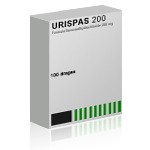
Urispas (Flavoxate 200mg) stands as one of the most prescribed urinary tract antispasmodic medications worldwide — providing rapid relief from bladder spasms, overactive bladder symptoms, and painful urination through direct smooth muscle relaxation on the urinary bladder detrusor muscle. Manufactured by Walter Bushnell Pharmaceuticals India as bioequivalent generic of brand-name Urispas (originally Shire, now Sanofi), the 200 mg oral tablets deliver targeted antispasmodic action distinct from the alpha-blocker or 5-alpha-reductase inhibitor mechanisms used for BPH-related urinary symptoms. This makes Urispas particularly valuable for men whose urinary tract symptoms arise from inflammation, infection, or overactive bladder rather than prostate enlargement.
Flavoxate works through direct smooth muscle relaxation on urinary tract muscle with additional anticholinergic (M-choline receptor blocking) activity at higher concentrations. Unlike alpha-blockers like tamsulosin that target prostate smooth muscle, flavoxate targets the detrusor muscle of the bladder wall and urethral smooth muscle. This produces distinctive therapeutic effects: bladder spasms reduce dramatically, painful urination (dysuria) resolves, urinary urgency decreases, frequency of urination normalizes, and overall bladder discomfort improves. The mechanism is direct and rapid — symptomatic relief typically begins within 1-2 hours and continues throughout the dosing interval. Peak effect at 2 hours, 10-hour half-life supports 3-4 times daily dosing schedule.
Urispas serves multiple urinary tract conditions with symptom-based rather than causal treatment. The medication treats dysuria (painful urination) from various causes; cystitis (bladder inflammation) providing symptomatic relief alongside antibiotic treatment; urethritis (urethral inflammation); prostatitis reducing associated urinary symptoms; nocturia (nighttime urination); overactive bladder; bladder pain syndrome; and post-surgical urinary discomfort after urological procedures. Particularly valuable in combined therapy — Urispas provides symptomatic bladder relief while other medications (antibiotics for UTI, alpha-blockers for BPH, finasteride for prostate enlargement) address underlying causes.
Urispas requires 3-4 times daily dosing (typically 200 mg TID/QID) taken with water. Absorption not significantly affected by food. Peak concentrations at 2 hours, 10-hour half-life. Walter Bushnell Pharmaceuticals India manufactures under WHO-GMP quality standards.

Free prescription
Discrete packaging
Have questions?
Quality Assurance

- Painful Urination: Burning discomfort during urination improving with antispasmodic bladder muscle relaxation;
- Bladder Spasms: Involuntary detrusor muscle contractions reducing with direct smooth muscle relaxation;
- Overactive Bladder: Detrusor overactivity causing urinary urgency and frequency responding to antispasmodic therapy;
- Urinary Frequency: Frequent urination episodes decreasing with bladder muscle relaxation;
- Urinary Urgency: Sudden urgent need to urinate reducing through detrusor muscle relaxation;
- Nocturia: Nighttime urination episodes decreasing with bladder antispasmodic control;
- Cystitis: Bladder inflammation with associated urinary symptoms responding to symptomatic antispasmodic relief;
- Interstitial Cystitis: Chronic bladder pain syndrome benefiting from antispasmodic muscle relaxation;
- Urethritis: Urethral inflammation with painful urination responding to smooth muscle relaxation;
- Prostatitis: Prostate inflammation with associated urinary symptoms improving with antispasmodic therapy;
- UTI Symptomatic Relief: Urinary tract infection symptoms improve while antibiotics treat underlying infection;
- Bladder Pain: Bladder discomfort from various causes responding to direct smooth muscle relaxation;
- Suprapubic Pain: Lower abdominal pain from urinary tract causes reducing with antispasmodic action;
- Post Urological Surgery Symptoms: Urinary discomfort after urological procedures responding to antispasmodic relief;
- Ureteral Colic Adjunct: Adjunctive antispasmodic therapy for ureteral stone-related urinary symptoms;
- BPH Symptomatic Adjunct: Adjunctive to alpha-blockers or 5-AR inhibitors for symptomatic bladder relief;
- Neurogenic Bladder Adjunct: Symptomatic control adjunct for neurogenic bladder dysfunction;
- Urinary Tract Antispasmodic: Drug class targeting smooth muscle spasms in bladder and urethra;
- Generic Urispas Therapy: Bioequivalent generic alternative to brand-name Urispas at substantially lower cost.
- Less Painful Urination: Burning discomfort during urination improves through bladder muscle relaxation;
- Less Dysuria: Painful urination from various causes resolves with symptomatic antispasmodic therapy;
- Less Urinary Frequency: Frequent urination episodes decrease as bladder overactivity is controlled;
- Less Urinary Urgency: Sudden urgent need to urinate decreases through detrusor muscle relaxation;
- Less Nighttime Urination: Nighttime urination frequency decreases allowing better sleep quality;
- Better Bladder Comfort: Overall urinary tract discomfort improves through direct smooth muscle relaxation;
- Faster 1-2 Hour Onset: Symptomatic relief typically begins within 1-2 hours of dosing;
- Less Cystitis Symptoms: Bladder inflammation symptoms improve alongside antibiotic treatment for infection;
- Less UTI Discomfort: Urinary tract infection symptoms improve while antibiotics address underlying cause;
- Less Urethritis Symptoms: Urethral inflammation with painful urination improves with smooth muscle relaxation;
- Less Prostatitis Symptoms: Prostate inflammation urinary symptoms improve with antispasmodic therapy;
- Less Interstitial Cystitis Symptoms: Chronic bladder pain syndrome symptoms respond to antispasmodic relief;
- Less Overactive Bladder Symptoms: Detrusor overactivity symptoms improve with targeted muscle relaxation;
- Better Post Surgery Recovery: Urinary discomfort after urological procedures resolves faster with antispasmodic;
- Better BPH Symptom Adjunct: Complementary to alpha-blockers or 5-AR inhibitors for symptomatic bladder relief;
- Better Sleep Quality: Restful sleep returns as nighttime urinary trips from bladder spasms decrease;
- Better Daily Function: Ability to work travel and socialize returns as urinary symptoms no longer disrupt routines;
- Better Generic Cost: 85-95% lower cost than brand Urispas makes proven bladder antispasmodic accessible;
- Better Quality of Life: Daily wellbeing improves as painful urination frequency and urgency resolve.
Generic Urispas (Flavoxate 200 mg) Medication guide:
🎯 Why doctors prescribe this bladder relaxant
Flavoxate hydrochloride is one of the older and more practical choices in the smooth-muscle relaxant class. Introduced decades before the current wave of selective antimuscarinics, it earned its place by solving a specific problem that newer drugs still struggle with: the painful bladder spasm that accompanies cystitis, prostatitis, catheter irritation, and the post-procedural period after cystoscopy or transurethral surgery.
The medication works by sitting on two biological targets at once. It blocks muscarinic receptors on the detrusor muscle to quiet the signal that says the bladder is full when it is not, and it directly relaxes smooth muscle fibers through phosphodiesterase inhibition and calcium channel modulation. This dual action produces measurable relief in patients whose urgency, frequency, and spasm-related pain have not responded to behavioral therapy alone.
💡 What flavoxate treats and what it does not
It treats symptoms — urgency, frequency, nocturia, dysuria, suprapubic pain. It does not treat underlying infection, bladder stones, outflow obstruction, tumors, or neurological injury. Flavoxate works alongside, not instead of, the diagnostic workup that identifies those causes.
Prescribers reach for flavoxate when the symptom pattern points to muscarinic overactivity in a bladder that is otherwise anatomically intact. Idiopathic overactive bladder is the strongest indication, followed by post-infectious irritability and the irritable bladder that follows urological procedures.
| 🎯 Clinical scenario | Fit | Typical outcome |
|---|---|---|
| ✅ Idiopathic OAB | Excellent | Relief in 7-10 days |
| ✅ Post-UTI irritability | Very good | Softening within 5 days |
| ✅ Post-cystoscopy dysuria | Very good | 2-3 day short course |
| ⚠️ Mild neurogenic | Moderate | Needs adjunct |
| ❌ Severe neurogenic | Limited | Botulinum or neuromodulation |
👩⚕️ Doctor's pearl — Dr. Priya Raman
"If a 72-hour bladder diary shows voids every 90 minutes and urgency scored 3 or higher on the 5-point scale, flavoxate consistently delivers measurable relief within the first fortnight. These are my strongest responders."
🔬 How flavoxate quiets detrusor contractions
The urinary bladder is a muscular reservoir whose job is to hold low-pressure urine until a chosen moment of release. The muscle responsible for emptying is the detrusor, a three-layer sheet of smooth-muscle fibers that responds to acetylcholine binding on M3 muscarinic receptors. In an overactive bladder, these receptors fire too easily, triggering unwanted contractions at volumes well below the normal 300-400 mL fill.
Flavoxate interferes with this misfiring at three distinct points along the signaling chain:
This triple action is what separates flavoxate from pure anticholinergics like oxybutynin or tolterodine. The direct smooth-muscle component works even in patients whose muscarinic receptors are already partially saturated by other medications, so clinical response is often preserved where single-mechanism drugs fail.
| 📊 Parameter | Value | Clinical implication |
|---|---|---|
| Oral absorption | Rapid, nearly complete | Take with or without food |
| Peak plasma | 2 hours | Early side-effect window |
| Half-life | 10 hours | Supports 3× daily dosing |
| Metabolism | Hepatic, mixed CYP | CYP3A4 interaction risk |
| Excretion | Renal, ~60% in 24h | Adjust in renal impairment |
| Active metabolite | 3-methylflavone-8-carboxylic acid | Contributes to effect |
Renal excretion is clinically relevant in two populations. Patients with chronic kidney disease (eGFR under 30) accumulate parent compound and metabolite, which produces disproportionate anticholinergic burden; dose reduction is usually required. Elderly patients, who often have age-related eGFR decline, benefit from a lower starting dose for the same reason.
🧪 Hepatic metabolism matters here
Flavoxate uses mixed CYP pathways rather than one enzyme. Strong CYP3A4 inhibitors (fluconazole, clarithromycin) may modestly increase exposure; strong inducers (rifampin, carbamazepine) may reduce it. Check the full medication list before any dose titration decision.
👥 Who benefits most from antimuscarinic therapy
Overactive bladder is a syndrome with multiple roots, and the right patient for flavoxate is one whose root is addressable by muscarinic blockade and smooth-muscle relaxation. The strongest responders are patients with idiopathic OAB — those in whom thorough workup finds no infection, stones, tumors, or structural lesions. Second-strongest are patients recovering from acute cystitis whose urgency and dysuria persist after infection has cleared.
Idiopathic OAB, post-UTI irritability, post-procedural dysuria. 80-90% achieve meaningful relief.
Mild neurogenic bladder, mixed urinary incontinence. Partial relief, often needs adjunct therapy.
Severe neurogenic bladder, obstructive uropathy, interstitial cystitis. Different therapy needed.
Age and sex do not disqualify anyone, but each shifts the risk-benefit calculus. Older patients require a lower starting dose and attention to cumulative anticholinergic burden. Men with any history of weak stream or prostatic enlargement need a prostate evaluation first because flavoxate can precipitate urinary retention in a partially obstructed outlet. Women with mixed urinary incontinence often tolerate flavoxate well while continuing pelvic-floor work on the stress component.
| 👤 Patient profile | Starting approach | Expected pattern |
|---|---|---|
| Adult 18-64, idiopathic OAB | 100 mg three times daily | Strong response, good tolerance |
| Postpartum woman with mixed UI | 100 mg x 3 + pelvic PT | Urge piece responds, stress needs PT |
| Man over 50 with BPH signs | Alpha-blocker first, then flavoxate | Outlet first, then detrusor |
| Patient 65-74 | 100 mg x 3, cognitive baseline | Response good, monitor for confusion |
| Patient 75-84 | 100 mg twice daily | Partial response acceptable |
| Patient 85+ | Consider mirabegron instead | Anticholinergic risk too high |
🚩 Red flags that argue AGAINST starting flavoxate
Visible blood in urine, fever with urinary symptoms, flank pain, inability to initiate stream, significant post-void residual on bladder scan, or new onset in a patient over 65 all warrant workup first. Prescribing antispasmodic here can mask a serious diagnosis.
Behavioral therapy deserves a fair trial first. Scheduled voiding, caffeine reduction, pelvic-floor exercise, and bladder retraining can produce 40-60% symptom improvement in motivated patients, often enough that medication becomes optional. When behavioral therapy has been tried for 8-12 weeks without adequate relief, flavoxate becomes a reasonable second step.
🔍 Reading the symptom pattern correctly
Patients often describe their urinary symptoms using loose language that obscures the actual pattern. Correctly interpreting the pattern is the single most useful diagnostic step before prescribing anything — the right medication for the wrong pattern wastes months and erodes trust.
📋 The five core symptoms of OAB
Keeping a 72-hour bladder diary before the first visit is the single most useful thing a patient can do. The diary records every drink (type, time, volume), every void (time, estimated volume), and every leak episode (trigger, severity). Patterns emerge quickly and often surprise patients: evening leaks tied to coffee, nighttime wakings after wine, urgency peaks after specific exercises. A diary converts "I go a lot" into measurable, treatable data.
| 📔 Pattern seen in diary | Likely contributor | First-line adjustment |
|---|---|---|
| Spike 60-90 min after coffee | Caffeine irritant + diuresis | Reduce to single morning cup |
| 3+ nocturia episodes | Evening fluid load, possible apnea | Front-load fluids before 6 PM |
| Urgency with every void | Detrusor overactivity | Retraining + flavoxate |
| Dark urine, under 1200 mL/day | Under-hydration irritating lining | Target 1500-2000 mL spread |
| Burning without fever/pyuria | Non-infectious interstitial | Urology referral first |
Expect your clinician to confirm the pattern with a urinalysis at minimum, often with culture if infection is suspected. Post-void residual by bladder scan rules out obstruction — a residual over 150 mL is a signal to treat outflow first before suppressing detrusor activity. Some centers add urodynamic studies if the clinical picture is unclear.
🚨 Features that require workup BEFORE any antispasmodic
Visible blood in urine, fever with urinary symptoms, flank pain radiating to groin, inability to initiate a stream, significant weight loss, or new-onset symptoms in a patient over 65 should trigger imaging and specialist review. Prescribing flavoxate first can delay the diagnosis of infection, stones, or malignancy.
👨⚕️ Doctor's pearl — Dr. Hana Okabe
"The patients who bring a completed 72-hour diary to the first visit get a correct treatment plan on day one. The patients who don't usually need a second visit to actually clarify what's happening."
🚀 Starting treatment and titrating safely
Starting flavoxate well sets up the rest of the treatment arc. The standard adult starting dose is 100-200 mg three or four times daily. Most prescribers begin at the lower end to let the body adjust to the anticholinergic load, then titrate upward after a week if symptom relief is incomplete. There is no benefit to loading doses — smooth plasma coverage is what the medication is designed around.
Timing matters more than most patients expect. The 10-hour half-life means three evenly spaced doses produce near-flat plasma levels through waking hours. Four-times-daily can be used for severe symptoms but adds a dose that often falls awkwardly in the evening and worsens overnight dry mouth. For most adults, 7 AM / 1 PM / 7 PM is a comfortable and effective rhythm.
🎯 Starting-week checklist
Take first dose on a low-pressure day. Keep water bottle within reach. Have sugar-free gum or lozenges ready for dry mouth. Avoid alcohol in the opening fortnight. Resume driving only when alert. Flag unusual symptoms via portal rather than waiting.
If symptoms are not measurably better by the end of week 2 at the higher dose, the diagnosis deserves a fresh look. Common missed contributors include undiagnosed urinary tract infection, interstitial cystitis, bladder stones, or a change in another medication that is contributing to symptoms.
⏰ Daily rhythm that keeps symptoms controlled
Dosing schedule shapes outcomes almost as much as the drug itself. The 10-hour half-life means three-times-daily dosing produces smooth plasma levels through waking hours. Four-times-daily can be used for severe symptoms but adds a dose that sometimes falls awkwardly in the evening and worsens dry mouth overnight.
Best tolerated pattern. Smooth coverage during waking hours, last dose before late evening leaves dry mouth less noticeable overnight.
Reserved for severe symptoms. Added dose means more side effects; use only if 3× daily leaves breakthrough urgency.
Food does not substantially change absorption, so you can take flavoxate with or without meals based on comfort. Patients prone to mild nausea at the start tend to feel better taking it with a small snack. Those with dry mouth should pair each dose with a full glass of water and consider sugar-free gum between doses to keep the salivary glands active.
Consistency matters more than perfect clock timing. A dose two hours late is still useful; a skipped dose breaks the steady state and often brings symptoms back within 24 hours. Setting phone reminders during the first two weeks helps establish the rhythm.
| 🕘 Lifestyle pattern | Recommended schedule | Why it works |
|---|---|---|
| Standard office hours | 8 AM / 2 PM / 8 PM | Anchored to meals |
| Early-start shift (6 AM) | 6 AM / 12 PM / 6 PM | Last dose before sleep |
| Night shift worker | 8 PM / 2 AM / 8 AM | Covers waking hours |
| Severe symptoms, 4× | 7 AM / 12 PM / 5 PM / 10 PM | Extra evening coverage |
💡 If a midday dose is hard to remember at work
Shift the schedule to anchor on meals rather than clock times — breakfast, lunch, dinner. Compliance jumps and symptom control follows. Keep a small travel vial in a desk drawer or purse to remove the "I forgot it at home" problem that drives most skipped doses.
🔁 Handling missed doses without rebound
Missing a dose is normal and manageable. The practical rule has three parts: take the missed dose as soon as you remember if it is within four hours of the scheduled time, skip it entirely if you are closer to the next dose, and never double up to catch up. The sudden increase in anticholinergic activity from a double dose produces unpleasant dry mouth, dizziness, and sometimes confusion.
Take now, keep next dose on schedule. Preserves steady state without overlap.
Judgment call — prefer skipping if next dose is within 2 hours. Avoids stacking.
Skip, resume at next scheduled time. Never double — adds disproportionate side effects.
Expect symptoms to return within 24 to 36 hours after a missed day. This is normal and does not mean the medication has stopped working. Resume the usual schedule and symptoms will quiet again within two to three days as plasma levels rebuild. Patients who panic after a missed day and self-escalate the dose for a week usually trade minor discomfort for a bigger side-effect episode.
🛠️ Practical tactics that cut missed doses
- Keep a weekly pillbox on the counter where you prepare morning coffee — visibility beats memory
- Pack a small travel vial with 2-3 extra doses when leaving home for the day
- Set phone reminders for the first 14 days until the rhythm becomes automatic
- Pair each dose with a steady anchor (meal, teeth brushing) rather than a floating time
- If you miss two or more days, text your prescriber — they may want to re-titrate
Patients who travel across time zones should shift the schedule by one dose per day until it realigns with local time, rather than attempting an abrupt change. A trip from Chisinau to New York means taking the usual morning dose at the usual home time on day one, then moving each subsequent dose by about 2 hours earlier each day until local morning coffee and the morning dose line up again.
👩⚕️ Doctor's pearl — Dr. Marcus Feld
"The patients who double up after a missed dose are the ones who end up back in the clinic with 'I can't tolerate this medication.' A simple skip-and-resume rule prevents 80% of those complaints."
📅 Timeline of symptom relief
Patients often ask when they will feel the difference. The honest answer is in phases. The first phase, days 1 to 3, brings subtle changes — a slightly longer gap between voids, less urgency when the gap arrives. The second phase, days 4 to 7, is where measurable improvement shows up on a bladder diary. The third phase, weeks 2 to 4, is steady-state relief where the body has fully adjusted.
| 📅 Phase | What changes | What does not change yet |
|---|---|---|
| Days 1-3 | Side effects appear - mild dry mouth | Symptom frequency not different yet |
| Days 4-7 | Urgency softens, intervals lengthen 30-60 min | Nocturia pattern slow to shift |
| Week 2 | Nocturia drops by one on average, leaks rarer | Full daytime stability not yet |
| Weeks 3-4 | Steady state. Side effects plateau | Lifestyle triggers still matter |
| Month 2-3 | Full therapeutic response, dose can often reduce | Underlying anatomy unchanged |
If no measurable change has appeared by day 10, the clinician should reassess. Options include a dose increase, a switch to a different antimuscarinic, or workup for a missed diagnosis. Flavoxate failures are more often diagnostic than pharmacological — undiagnosed infection, interstitial cystitis, and bladder stones all masquerade as OAB.
📖 Keep the second-month diary
Many patients hit a plateau at week 6 and start wondering if the medication still works. Comparing week 2 numbers with pre-treatment baseline usually confirms real progress that daily life has normalized. The brain adapts to lower symptom load within weeks, so the subjective sense of improvement fades even when the objective data shows continued benefit.
📆 What the opening week usually feels like
The first week on flavoxate deserves its own section because it is where most patients decide whether to continue. Side effects announce themselves early, benefits arrive later, and the imbalance tempts people to quit before the medication has shown what it can do. Knowing what is coming makes the gap easier to tolerate.
Mild dry mouth, occasional light-headedness when standing. Side effects announce themselves.
First measurable gap between voids. Dry mouth plateaus. Slight near-vision blur.
Urgency softens. Body adapts to anticholinergic burden. Drowsiness fades.
Hydration during this phase is counterintuitive but important. The temptation is to drink less to reduce voiding — that strategy backfires because concentrated urine irritates the bladder lining and amplifies urgency. Aim for 1.5-2 liters of plain water spread through the day, with the last glass about three hours before bedtime.
| 🎯 Opening-week habit | ✅ Keep | ❌ Avoid |
|---|---|---|
| Hydration | 1.5-2 L water spread | Cutting fluids to reduce voids |
| Caffeine | One morning coffee at most | Multiple cups through day |
| Alcohol | None in first fortnight | Daily wine with dinner |
| Driving | Short local trips when alert | Long highway drives first days |
| Other anticholinergics | Review medication list | Adding OTC sleep aids |
🚨 Call your prescriber if these appear in the opening week
- Inability to pass urine for more than 8 hours despite feeling full
- Severe eye pain or sudden vision loss
- Rapid heartbeat with chest tightness
- Rash, facial swelling, or difficulty breathing
- Severe confusion or hallucinations (especially in elderly patients)
📊 Expectations across months of therapy
Long-term use raises different questions than short-term use. Most patients stay on flavoxate for 3 to 6 months, during which time pelvic-floor work and bladder retraining ideally reduce symptom severity enough to taper. A smaller group remains on it indefinitely because their underlying bladder physiology does not resolve. Both patterns are legitimate.
Pharmacological tolerance is uncommon with flavoxate. What some patients describe as the medication losing effect is usually a change in triggers — a new coffee habit, a new medication, a new source of stress. A fresh symptom diary almost always identifies the real culprit.
| 📆 Milestone | Monitoring focus | Dose consideration |
|---|---|---|
| 3 months | Symptom diary, side-effect tally | First reduction opportunity |
| 6 months | Lifestyle, pelvic-floor progress | Drop one of 3 daily doses |
| 12 months | Full reassessment, 2-week trial off | Taper or indefinite low-dose |
| 24+ months | Cognitive screening if over 65 | Low maintenance or seasonal use |
Dose reduction after 6 months of good control is a reasonable step. Drop one of the three daily doses first and observe for 2 weeks. If symptoms stay controlled, the body does not require that fourth dose equivalent of plasma concentration. Many patients eventually reach 100 mg twice daily as maintenance.
✅ Signs long-term therapy is working well
- Void intervals consistently 2.5 to 3 hours during waking
- Nocturia episodes down to zero or one per night
- Leak episodes less than one per month
- Side-effect burden stable or declining
- Lifestyle habits (hydration, bladder diet, pelvic PT) sustained
👩⚕️ Doctor's pearl — Dr. Hana Okabe
"I schedule a sixth-month visit when I prescribe. Patients who know a review is coming engage more deeply with their diary, pelvic-floor work, and lifestyle changes."
💡 Everyday habits that amplify treatment
Medication alone wins half the battle. The other half comes from the choices made between doses. Fluid pattern, bladder diet, movement, stress, and sleep each influence symptom severity, and any one of them neglected can neutralize the medication's benefit.
Caffeine deserves special mention because it is both a diuretic and a direct bladder irritant. One cup of coffee in the morning is usually tolerable; the second cup at midday is where many patients tip over into breakthrough symptoms.
| 🔧 Lifestyle lever | Target | Impact on symptoms |
|---|---|---|
| 💧 Fluid timing | Front-load water in first 10h | Nocturia down 1-2 episodes |
| ☕ Caffeine | One morning cup or less | Daytime urgency softer |
| 🍷 Alcohol | Not more than 3 drinks/week | Overnight bladder quieter |
| 🧘 Pelvic floor | Daily Kegel sets morn/eve | Leak frequency drops sharply |
| ⚖️ Weight | 5-10% reduction if overweight | Lower abdominal pressure |
| 😴 Sleep | 7-8 hours, consistent bedtime | Lower baseline irritability |
Sleep hygiene matters more than most patients realize. Poor sleep elevates cortisol, which indirectly provokes the bladder. A consistent bedtime, cool bedroom, and limited screen time in the hour before sleep all reduce nocturia episodes beyond what the medication achieves alone.
🏆 The three habits with the biggest payoff
If you can only change three things in the first month, make it caffeine reduction, scheduled voiding every 2-3 hours, and pelvic-floor exercise twice daily. In almost every clinical audit of combined-therapy outcomes, these three contribute more to the symptom gain curve than any further medication adjustment.
Stress management belongs in this list too, though it is often overlooked. The bladder is wired to the autonomic nervous system in both directions — tension in the body produces tension in the detrusor and vice versa. Simple breathwork before bed, short daily walks, or a brief meditation habit can take the edge off reactive urgency in ways that medication cannot touch directly.
💧 Fluid strategy that works with the medicine
Hydration during antimuscarinic therapy is a balancing act. Too little fluid and the urine becomes concentrated and acidic, which irritates an already sensitive bladder lining. Too much fluid and you simply pack more voiding into the same bladder capacity, drowning the medication's effect. The target is predictable, measured intake.
🧪 The pale-straw test
Watch the color of morning urine as a running check. Pale straw = adequate hydration. Dark amber = under-drinking. Completely clear = over-drinking. Adjust the following day rather than reacting to a single void.
Patients with heart failure or kidney disease need individualized fluid plans and should not follow general hydration guidance without consulting their physician. The same applies to patients on diuretics for blood pressure — the diuretic timing often matters more than the water intake for nighttime symptoms.
⚠️ Hot weather and exercise exceptions
- Hot weather: add 300-500 mL per 2 hours of outdoor exposure
- Exercise days: replace sweat volume with water, not sugary sports drinks
- Travel days: hydrate before the trip, sip during, resume full schedule on arrival
- Religious or medical fasting: front-load heavily in the window before fasting
🍽️ Dietary triggers worth removing
Food choices affect bladder behavior more than most people expect. Certain substances in common foods directly irritate the bladder lining, prolonging the urgency signals that flavoxate is trying to suppress. Removing or reducing these triggers can turn a partial response into a complete one.
- Coffee, strong tea
- Alcohol, especially wine
- Carbonated drinks
- Citrus and tomato
- Spicy, peppery foods
- Chocolate
- Artificial sweeteners
- Aged cheese
- Peppermint, chamomile
- Vinegar-based dressings
You do not need to eliminate every irritant. Run a simple elimination experiment: cut the two most frequent items from your diet for 10 days, then reintroduce one at a time while watching the symptom diary. The culprits identify themselves quickly — most patients discover that two or three specific items account for most of the breakthrough symptoms.
| 🔄 Trigger food | Likely effect | Milder alternative |
|---|---|---|
| Coffee | Diuresis + direct irritation | Rooibos, barley tea |
| Wine | Diuresis + overnight nocturia | Light beer, non-alcoholic |
| Carbonated drinks | Carbonic acid irritation | Still water, infused water |
| Citrus and tomato | High acid load | Pear, watermelon |
| Spicy curries | Capsaicin activation | Cumin, turmeric, ginger |
| Artificial sweeteners | Direct detrusor irritation | Small amounts real sugar or stevia |
Replacement choices matter. The goal is a diet that respects the bladder without becoming so restrictive that it fails to be sustainable — a diet nobody can follow is not a diet, it is a wish.
📊 The 80/20 rule for bladder diet
Eat bladder-friendly 80 percent of the time and allow 20 percent flexibility for social meals and occasional treats. Rigid elimination diets fail; sustainable moderate reduction succeeds.
👩⚕️ Doctor's pearl — Dr. Camille Fontaine
"Patients who identify two or three personal triggers and remove them consistently often reduce their flavoxate dose within three months. The diet work is medication-sparing."
🏋️ Bladder retraining alongside medication
Bladder retraining is the behavioral counterpart to pharmacology. The technique teaches the bladder to hold progressively larger volumes between voids, extending comfortable intervals from an initial 60 minutes to a target of 3 to 4 hours. Combined with flavoxate, retraining produces better long-term outcomes than either approach alone.
When urgency arrives, the instinct is to run to the bathroom. The retraining technique inverts this: stop, sit if possible, breathe deeply, perform five quick pelvic-floor contractions, then walk calmly. The contraction sends inhibitory signals back to the detrusor and buys enough time for the urge wave to pass. With practice, patients learn most urgency waves subside within 30-60 seconds if not amplified by panic.
🔔 Scheduled voiding complements urgency suppression
Rather than voiding every time the thought appears, pick fixed times (every 2 hours initially) and void whether you feel urgency or not. This decouples the behavior from the sensation and resets the brain-bladder loop. Over weeks, the brain stops using every mild bladder sensation as a reason to void.
Progress is not linear. Setbacks during stressful weeks are normal and expected; the right response is to drop back one target level and resume from there, not to abandon the program. A one-week slip after a stressful event does not undo three weeks of training.
💡 The one habit most patients skip
A deliberate pre-sleep void even when you do not feel urgency. This habit alone removes most "I woke up to pee at 2 AM" episodes caused by minor accumulation rather than real urgency. It costs 60 seconds and buys most of a night.
🧘 Pelvic floor exercises that complement therapy
Pelvic-floor muscles are the hammock that supports the bladder, urethra, and (in women) the uterus. Weakness in this group contributes to urgency, leaks, and incomplete emptying. Flavoxate relaxes the detrusor; targeted pelvic exercise strengthens the muscles that control the exit. Together they produce the most durable results.
Correct technique matters more than repetition count. The muscles to activate are the ones that stop urine mid-stream and prevent passing gas — not the glutes, not the abdominals, not the inner thighs. Many patients spend weeks contracting the wrong muscles because they were never shown precisely which group to target.
Contract 5 sec, release 5 sec, repeat 10 times. Builds endurance.
10 fast contractions in sequence, no hold. Builds responsiveness.
Pre-contract before coughing, sneezing, lifting. Prevents stress leaks.
| 📅 Week | Daily practice | What to notice |
|---|---|---|
| 1-2 | 10 slow holds + 10 flicks, morn/eve | Confirm correct muscles |
| 3-4 | Same + Knack before cough or lift | Fewer leaks during activity |
| 5-8 | Extend slow holds to 8 seconds | Reduced urgency intensity |
| 9+ | Maintenance, 5 min morn/eve | Durable support, lower med need |
Overactive, chronically tight pelvic floors paradoxically cause urgency and need relaxation work rather than more Kegels. If Kegels make your urgency worse, you have a hypertonic pelvic floor. Stop the strengthening work and get a referral for down-training before continuing.
⚠️ Signs Kegels are hurting more than helping
- Urgency worsens after a Kegel set rather than easing
- New pelvic ache or tailbone discomfort
- Painful intercourse or anal pressure
- Difficulty fully emptying the bladder
- Constipation that started around the time Kegels began
👩⚕️ Doctor's pearl — Dr. Camille Fontaine
"If Kegels make your urgency worse, you have a hypertonic pelvic floor. Stop the strengthening work and get a referral for down-training before continuing."
🚶 Movement patterns that support bladder health
Movement in general supports bladder function. Patients who sit for prolonged periods develop sluggish pelvic circulation and tighter pelvic floors. A simple baseline of walking 20-30 minutes a day has measurable effects on urgency frequency and nocturia, independent of the medication.
🏃 Activities ranked by bladder friendliness
- 🚶 Walking: safest universal option, excellent for pelvic circulation
- 🏊 Swimming: supports weight, reduces pelvic pressure, good for arthritic patients
- 🧘 Yoga: emphasizes breath-pelvic-floor coordination; avoid intense core-crunching poses
- 🤾 Pilates: builds deep core without heavy abdominal pressure
- 🏋️ Resistance training: fine with proper form; brace pelvic floor before lifting
- 🚴 Cycling: good aerobic choice; use a well-fitted saddle to avoid perineal pressure
⚠️ High-impact activity caution
Running and heavy weightlifting can worsen stress urinary incontinence by driving pressure down onto a vulnerable pelvic floor. If you are a runner with urgency and leaks, consider a short pelvic-floor physiotherapy course before increasing training volume. Most runners who get the pelvic-floor work right can continue running without compromise.
| ⏱️ Session length | Pre-session void | Hydration during |
|---|---|---|
| Under 45 min | Yes | 150-200 mL water |
| 45-90 min | Yes | 300-400 mL, sips every 15 min |
| 90+ min | Yes, plan mid-session rest | 500+ mL with electrolytes |
Timing exercise around medication is worth noting. Patients who experience mild dizziness during the first 2 weeks on flavoxate should delay vigorous activity until the body adapts. After that, no restriction.
📅 A simple weekly routine that works
30 minutes walking five days a week, 20 minutes resistance training (bodyweight or light weights) twice a week, pelvic-floor practice daily. This combination addresses cardiovascular fitness, core support, and pelvic-floor strength without overloading any single system.
🌙 Nighttime routines that reduce nocturia
Sleep and bladder behavior share a two-way relationship. Poor sleep makes the bladder more irritable through elevated nighttime cortisol and increased vasopressin resistance. In turn, nocturia episodes fragment sleep, which worsens next-day fatigue, which weakens the willpower to maintain bladder-friendly habits. Breaking the loop at any point tends to help the whole cycle.
If you take a diuretic for blood pressure, discuss timing with your clinician. Shifting a morning diuretic to midday rather than evening can dramatically reduce nocturia without affecting antihypertensive control.
| 🌙 Time before sleep | Action |
|---|---|
| 3-4 hours | Final large glass of water, last flavoxate dose |
| 2 hours | Light dinner only, no soup or fluid-rich food |
| 1 hour | Dim lights, screens off, warm shower |
| Pre-sleep | Deliberate void even if you do not feel urgency |
Patients who continue to have 2+ nighttime voids despite good flavoxate response and strict evening fluid timing should be evaluated for sleep apnea. Untreated apnea elevates atrial natriuretic peptide and produces nocturnal polyuria that no bladder medication can reach.
🚨 The nocturia-apnea connection most people miss
If snoring, daytime fatigue, and nocturia appear together, treating only the bladder will not fix the night. A proper sleep study and (if needed) CPAP therapy can reduce nocturia by half or more in confirmed apnea — a result no urinary medication can match.
Simple bedroom hygiene adjustments can help even without clinical sleep investigation. A cool bedroom (around 18-19 degrees Celsius) supports deeper sleep stages. Blackout curtains reduce early-morning light awakenings. Avoid late-evening exercise, which stimulates nighttime diuresis.
💡 Smaller tweaks that add up
- Snoring + daytime fatigue + nocturia = classic apnea triad — ask for a sleep study
- Elevated legs for 30 minutes before bed can shift pooled fluid and reduce nighttime voids
- Avoid late evening exercise that stimulates nighttime diuresis
- Keep bedroom cool and dark — both reduce light-sleep wakings
🧘♂️ Managing stress and bladder sensitivity
Stress sits upstream of bladder symptoms more often than patients realize. The autonomic nervous system shares pathways between emotional arousal and bladder control. A tense day produces a tense bladder, and a tense bladder produces more worry, which closes the loop.
4 sec in, 4 sec hold, 4 sec out, 4 sec hold. Repeat 2 minutes before meals or stressful meetings.
Tense and release muscle groups from head to toe over 10 minutes before sleep.
10-15 minute guided sessions. Free apps or recordings make this routine.
Humming, slow exhales, cold water splash — all activate parasympathetic calm quickly.
Anxiety specific to leak events deserves separate attention. The anticipatory worry of needing a bathroom in public settings often becomes larger than the actual risk, especially once flavoxate has reduced leak frequency to near zero. Cognitive behavioral therapy, even a short course, helps recalibrate the alarm response.
| 🎯 Stress source | Typical bladder response | First-line intervention |
|---|---|---|
| Work deadlines | Midday urgency spikes | Box breathing before meetings |
| Public settings | Anticipatory leak worry | Pre-outing void + brief CBT |
| Travel | Nocturia disruption | Keep med rhythm, scout bathrooms |
| Grief or trauma | Diffuse symptom worsening | Mental health referral + urology |
| Chronic stress | Elevated baseline urgency | Regular meditation + lifestyle review |
⏱️ The 2-minute reset
When urgency arrives with a stress peak, pause for 2 minutes of box breathing before walking to the bathroom. In many patients this single habit reduces the number of panic-driven voids by half within a month. The bladder is often responding to the nervous system, not to actual fullness.
Patients with trauma histories or longstanding anxiety sometimes need more than lifestyle work. A referral to a mental health professional who understands pelvic-health comorbidity is not an admission of weakness — it is matching the right tool to the right root. Bladder symptoms often improve as the underlying stress load drops.
⚠️ Side effects: common, occasional and rare
Side effects are the price of antimuscarinic therapy. Most are mild and short-lived; a few can be serious and demand attention. Knowing which is which prevents unnecessary discontinuation of a working medication while catching the uncommon warning signs early.
| Frequency | Side effect | Action |
|---|---|---|
| 🟦 Common | Dry mouth | Hydration, sugar-free gum, usually resolves |
| 🟦 Common | Blurred near vision | Reading glasses, resolves in 2 wk |
| 🟦 Common | Mild drowsiness | Avoid driving until adapted |
| 🟨 Occasional | Constipation | Fiber, water, movement |
| 🟨 Occasional | Mild nausea | Take with food |
| 🟥 Rare | Urinary retention | Stop drug, seek care |
| 🟥 Rare | Confusion in elderly | Stop drug, seek care |
| 🟥 Very rare | Allergic reaction | Emergency - stop immediately |
Dry mouth is the signature side effect and the one patients grow to accept. By week 3-4, salivary glands partially compensate and most patients find the sensation manageable. Sugar-free hard candies, saliva-replacement sprays, and consistent hydration all help bridge the adaptation period.
Blurred vision at the start reflects temporary paralysis of ciliary muscle focus. Avoid new eyeglass prescriptions during the first 6 weeks because the refraction will shift back once the body adapts. If vision stays blurred beyond 8 weeks, see an ophthalmologist to exclude narrow-angle glaucoma.
⚠️ Occasional effects worth watching
Constipation responds to extra fiber, water, and movement. Mild nausea usually resolves if you take the medication with food. Both are more common in older patients and in patients taking other anticholinergics; dose reduction often fixes both.
🚨 Red flags — stop and seek care
- Inability to pass urine for 8+ hours despite feeling full
- Severe eye pain or sudden vision loss
- Rapid heartbeat with chest tightness
- Rash, facial swelling, difficulty breathing
- Severe confusion, hallucinations (especially in elderly)
👩⚕️ Doctor's pearl — Dr. Lior Benaim
"Report any sustained side effect at the 2-week check-in. Many are dose-dependent and can be improved by small titration rather than stopping altogether. Patients who communicate early stay on treatment longer."
👅 Managing persistent dry mouth without quitting therapy
Dry mouth is often described as uncomfortable rather than dangerous, but prolonged untreated xerostomia carries real dental risk. Saliva neutralizes acid, washes away food particles, and delivers calcium and phosphate to the enamel surface. Reduced saliva volume accelerates cavity formation and gum disease.
🎒 The daily dry-mouth kit
- 💧 Sip water constantly — keep a bottle within reach all day
- 🍬 Sugar-free gum with xylitol — stimulates saliva and protects teeth
- 🧴 Alcohol-free mouthwash — standard mouthwash dries tissues further
- 💨 Humidifier at night — reduces morning dryness significantly
- 💄 Lip balm with ceramides — prevents cracking at the mouth corners
Over-the-counter saliva substitutes like Biotene or Oasis provide longer-lasting relief than water. They coat the oral mucosa with glycerin-based films that mimic natural saliva's protective properties. Use them before meals and before bed.
| 🦷 Interval | Action | Why |
|---|---|---|
| Daily | Fluoride toothpaste 2×, floss nightly | Baseline protection |
| Weekly | Fluoride rinse before bed | Extra remineralization overnight |
| Every 4-6 mo | Dental cleaning (not 6-12 mo) | Catches early demineralization |
| Annually | Dental x-ray screen | Detects interproximal decay early |
Tell your dentist about the medication. They can apply additional fluoride varnish and recommend prescription-strength toothpaste if cavity risk escalates. Patients who follow this protocol rarely develop dental complications even on multi-year antimuscarinic therapy.
✅ What tends to work in practice
Patients who combine daily xylitol gum, a nightly humidifier, and 4-month dental visits usually report that dry mouth stops being a reason to consider stopping flavoxate. The problem shifts from "disruptive discomfort" to "mild background sensation" within 3-4 months.
👓 Vision changes and when to worry
Vision changes on flavoxate come from paralysis of the ciliary muscle inside the eye. This muscle normally adjusts lens shape for near-focus tasks like reading, needlework, or screens held close. When muscarinic receptors are blocked, the muscle can no longer contract fully, and near-vision blurs. Distance vision is usually unaffected.
| 👓 Visual task | Typical change |
|---|---|
| Reading small print | Mild blur, improves at arm's length |
| Phone screen | Blurred for 2-3 weeks, resolves |
| Computer at desk | Minimal change |
| Driving | Distance intact, dashboard glance delay |
| Low light | Slight pupil dilation, mild glare |
The practical workaround is simple. Keep an inexpensive pair of +1.00 or +1.25 reading glasses handy for the first 4-6 weeks. Most patients find they no longer need them after that period. Resist the urge to update prescription lenses during this adaptation window because the measurement will not reflect long-term vision.
👀 Patients with existing glaucoma
Narrow-angle glaucoma is a HARD contraindication because pupillary dilation can precipitate an acute attack. Patients with open-angle glaucoma can usually take flavoxate but should have intraocular pressure monitored. If you are not sure which type you have, ask your ophthalmologist before starting.
Night driving sometimes feels different in the first fortnight because the mild pupillary dilation increases sensitivity to oncoming headlight glare. Patients bothered by this can wear anti-reflective lenses for a few weeks. The effect fades as the body adapts.
🚨 Emergency sign - acute angle closure
Severe eye pain, nausea, halos around lights, and sudden vision loss — sometimes within hours of starting the drug — require immediate emergency care. This is a true ocular emergency and vision loss can be permanent if treatment is delayed by more than a few hours.
👩⚕️ Doctor's pearl — Dr. Priya Raman
"For patients with any history of eye disease, a 15-minute pre-start ophthalmology consultation is worth the time. It confirms whether narrow angles are present and establishes a baseline intraocular pressure for later reference."
🚗 Drowsiness, driving and daily operation
Drowsiness on flavoxate is usually mild and most noticeable in the first 2 weeks. The sedating component comes from central antimuscarinic activity. Patients vary widely in sensitivity — some notice nothing, others feel foggy for the opening fortnight.
| 📅 Phase | Driving guidance |
|---|---|
| Days 1-3 | Avoid long drives, especially evening or night |
| Days 4-7 | Short local drives acceptable if alert |
| Week 2 | Most patients drive normally |
| Week 3+ | No routine restriction |
Combining flavoxate with other sedating medications amplifies drowsiness. Antihistamines, benzodiazepines, opioids, muscle relaxants, and even some antidepressants add their burden. Patients on multiple medications should ask the prescriber to review the combined anticholinergic score.
💡 OTC medications that stack sedation
Common over-the-counter sleep aids and cold-and-flu remedies contain diphenhydramine or doxylamine. Both are anticholinergic antihistamines that add directly to flavoxate's central effects. Patients report significant fogginess when stacking even one of these on top of a stable flavoxate dose.
Alcohol worsens central effects. One drink with dinner is usually tolerable; more than that produces disproportionate sedation and increases fall risk, particularly in the first month. If you drink regularly, discuss it with your prescriber — the pattern influences dose timing and sometimes dose amount.
🚛 Commercial driver caution
Truck drivers, bus operators, and heavy equipment operators should coordinate with occupational medicine. Some jurisdictions require medical clearance during the first weeks on antimuscarinic therapy regardless of symptoms. Document the start date and any dose changes in case your fitness-to-drive is reviewed.
Patients who return to vigorous activity (long drives, operating machinery, intense sport) after the first fortnight should not notice any residual sedation. If drowsiness persists past the first month, the dose may be too high for individual tolerance; a modest reduction often restores alertness without losing bladder control.
👨🦳 Prescribing considerations for older adults
Elderly patients require careful consideration before any antimuscarinic therapy. Age-related changes in blood-brain barrier permeability, pharmacokinetics, and cognitive reserve all increase the risk of adverse central effects. That said, flavoxate is one of the better-tolerated options in the class and can still be used in older adults with appropriate monitoring.
| 👴 Age bracket | Starting dose | Monitoring |
|---|---|---|
| Under 65 | Standard adult dose | Routine check at 2 and 6 wk |
| 65-74 | 100 mg 3× daily | Cognitive baseline, 4-wk visit |
| 75-84 | 100 mg 2× daily | Family involvement, 2-wk check |
| 85+ | Weigh benefit vs. risk carefully | Consider mirabegron instead |
The main concerns are falls, confusion, and worsening of existing cognitive decline. Baseline Mini-Mental State or similar brief cognitive screen is reasonable before starting, with repeat screening at 6 months. Any new confusion, hallucinations, or sudden personality change should prompt immediate review of all medications.
⚠️ The Beers Criteria caution
The American Geriatrics Society Beers Criteria list flavoxate among potentially inappropriate medications for older adults. This does not mean the medication is forbidden; it means a thoughtful risk-benefit discussion is required, with family involvement where appropriate.
Polypharmacy multiplies risk. An older patient already taking an antidepressant, an antihistamine, and a sleep aid has substantial baseline anticholinergic burden; adding flavoxate may push them into cognitive trouble. In frail elderly patients, the question is often not "should I prescribe flavoxate" but "can I remove something else first to make room".
🔄 Alternatives worth considering first in patients over 80
Mirabegron works through a different (beta-3 agonist) mechanism and avoids cognitive risk entirely. Vaginal estrogen in postmenopausal women often reduces urgency without any systemic exposure. Behavioral therapy with pelvic-floor physio can produce enough improvement that medication becomes optional. Reserve flavoxate for cases where these fail or are contraindicated.
👩⚕️ Doctor's pearl — Dr. Lior Benaim
"In patients over 80, I start with mirabegron rather than any anticholinergic. If mirabegron fails or is unavailable, I use flavoxate at the lowest effective dose with family-based cognitive monitoring."
🤰 Pregnancy and breastfeeding considerations
Pregnancy and breastfeeding both require caution with flavoxate. The medication crosses the placenta and appears in breast milk in small amounts. Human data are limited because elective exposure studies in pregnant women cannot ethically be conducted. Decisions are made case by case.
| 🤰 Period | Guidance |
|---|---|
| First trimester | Avoid if possible; use behavioral therapy only |
| 2nd-3rd trimester | Use only if symptoms significantly affect quality of life |
| Labor | Discontinue before delivery; can affect fetal heart rate |
| Breastfeeding | Weigh maternal benefit vs. infant exposure |
If flavoxate must be continued during pregnancy, work with maternal-fetal medicine to document informed consent and monitor fetal growth. Most patients can defer treatment through pregnancy using strict fluid timing, pelvic-floor work, and bladder retraining; the postpartum period usually brings spontaneous improvement as hormonal shifts settle.
🍼 Breastfeeding considerations
Consider the infant's age. A term, healthy baby of 6 weeks or older with a mature liver can usually clear the small amounts transferred. A preterm or medically fragile infant warrants either formula supplementation or a different maternal medication. Monitoring the infant for excessive sleepiness, poor feeding, or dry mouth is reasonable in the first week of maternal therapy.
Discuss alternatives openly. Mirabegron has a different pregnancy profile. Posterior tibial nerve stimulation and sacral neuromodulation are non-pharmacological options that may bridge the pregnancy and breastfeeding window. In many cases a 9-12 month pause from pharmacotherapy, combined with intensified behavioral work, carries both mother and baby safely through.
📅 Pre-conception planning
Women on long-term flavoxate who are planning pregnancy benefit from a pre-conception review 3 months before trying to conceive. The visit allows a planned taper during the behavioral-therapy ramp-up, so first-trimester medication exposure can usually be avoided entirely.
Postpartum, many women find that the combined effect of pelvic-floor recovery and hormonal rebalancing resolves the symptom pattern without needing to resume medication at all. Those who do need to restart usually tolerate it well and often at a lower dose than before pregnancy.
👶 Children, teenagers and dose adjustment
Pediatric use of flavoxate is limited. The medication is approved for adults and adolescents over 12 in most jurisdictions. Younger children with bladder dysfunction usually have different underlying causes — congenital anomalies, voiding dysfunction, or constipation-related issues — that respond better to behavioral and targeted approaches.
| 👶 Age bracket | Guidance |
|---|---|
| Under 12 | Not recommended; refer to pediatric urology |
| 12-15 | Only under pediatric urologist, lower doses |
| 16-17 | Adult dose with careful monitoring |
Dysfunctional voiding in children often has a strong behavioral and physical therapy component. Daytime wetting typically responds to scheduled voiding, double-void technique, and treatment of constipation long before medication is needed. If medication is required, oxybutynin and tolterodine have more pediatric data than flavoxate.
🎯 First-line steps for pediatric OAB
- Treat constipation aggressively — the single most common contributor
- Scheduled voiding every 2 hours during school hours
- Posture training on the toilet (feet supported, forward lean)
- Pelvic-floor physiotherapy if available
- Medication only if steps 1-4 fail after 3 months
Adolescent transition to adult care deserves a dedicated visit. Teenagers starting flavoxate for post-UTI symptoms or stable OAB should have the medication reviewed annually and tapered when developmentally appropriate. The handover from pediatric to adult services is a known weak point in continuous care.
👪 Family involvement matters
Pediatric and adolescent treatment plans work best when at least one parent understands the behavioral protocol. Scheduled voiding, bladder diary tracking, and medication adherence are all easier to maintain when a family member is engaged. Treatment plans that put all responsibility on the child alone usually fail.
💊 Drug interaction mapping before you start
Drug interactions matter more with antimuscarinics than many patients expect. The additive anticholinergic effect from multiple medications can push cumulative burden across a threshold that produces confusion, retention, and falls. A medication list review before starting flavoxate catches the common offenders.
| 💊 Drug class | Interaction type | Example drugs |
|---|---|---|
| Tricyclic antidepressants | Additive anticholinergic | Amitriptyline, nortriptyline |
| First-gen antihistamines | Additive sedation and dryness | Diphenhydramine, chlorpheniramine |
| Antipsychotics | Additive anticholinergic + sedation | Olanzapine, clozapine |
| Parkinson drugs | Additive dopaminergic effects | Benztropine, trihexyphenidyl |
| Other OAB drugs | Combined antimuscarinic burden | Oxybutynin, tolterodine |
| Opioids | Additive constipation + retention | Codeine, oxycodone |
Bring every medication to the first visit — prescription, over-the-counter, herbal, supplement. Over-the-counter sleep aids containing diphenhydramine are easy to overlook and significantly worsen cumulative anticholinergic score. Herbal preparations like belladonna, scopolamine, and some antispasmodic blends are chemically similar to prescription anticholinergics.
⚠️ High combined anticholinergic burden has consequences
Studies link cumulative anticholinergic exposure to accelerated cognitive decline, especially in older adults. Keeping the burden low is good policy at any age; it matters particularly when total exposure exceeds the equivalent of three moderately anticholinergic drugs daily.
If a necessary medication cannot be removed and the combined burden is high, flavoxate may not be the right OAB choice. Mirabegron, a beta-3 agonist, works through a completely different pathway and avoids the anticholinergic stacking problem.
✅ A one-time medication reconciliation pays off
Ask your prescriber for a formal anticholinergic burden calculation using one of the published scoring tools (Anticholinergic Cognitive Burden Scale is common). The 15-minute exercise often reveals opportunities to simplify the regimen that benefit the patient well beyond the bladder question.
🧪 Deeper look at specific interaction classes
Specific interactions deserve a closer look because they shape dose decisions and monitoring plans. The strongest clinical signals come from CNS depressants, QT-prolonging drugs, and medications that compete for hepatic metabolism. None are absolute barriers to flavoxate; each requires attention.
Alcohol, benzodiazepines, Z-drugs, opioids. Shared sedation increases fall risk. Space doses, avoid combining with alcohol in the first month.
Some antiarrhythmics, antipsychotics, fluoroquinolones. Flavoxate itself has minimal QT effect; combined with other QT drugs the cumulative risk warrants ECG baseline.
Flavoxate uses mixed CYP pathways. Strong inhibitors (fluconazole, erythromycin) may increase exposure; strong inducers (rifampin, carbamazepine) may reduce it. Clinical significance is usually modest.
Herbal products matter here too. St. John's Wort induces hepatic enzymes and can reduce flavoxate levels. Grapefruit juice inhibits CYP3A4 and can modestly increase them. Neither effect is dramatic, but patients with marginal symptom control should know these variables exist and avoid introducing them in the middle of titration.
| 🔄 Change you are planning | What to do first |
|---|---|
| Starting a new antibiotic | Ask whether it affects CYP enzymes |
| Starting an antidepressant | Check anticholinergic score, prefer SSRI |
| Stopping a long-term drug | Flavoxate response may shift either direction |
| Adding an herbal supplement | Confirm no St. John's Wort or belladonna |
| Dose titration during polypharmacy | Make one change at a time, wait 2 weeks |
👉 The one-change rule
When adjusting any part of a medication regimen that includes flavoxate, change one thing at a time and wait at least 2 weeks before the next change. Simultaneous changes make it impossible to attribute any observed effect to a specific intervention, which stalls progress and sometimes causes harm.
Keep a current medication list in your phone, including over-the-counter and herbal items. Share it at every clinic visit, not just the first one. Many interaction problems emerge weeks or months after a new medication is added, and the historical list is often the fastest path to the diagnosis when symptoms shift unexpectedly.
🍷 Alcohol consumption during antimuscarinic therapy
Alcohol and antimuscarinic therapy mix poorly for several reasons. Alcohol is a direct bladder irritant, a central nervous system depressant that compounds flavoxate's sedation, and a diuretic that forces more voiding than you planned. The combination of all three means that even moderate drinking can neutralize good symptom control.
| 🍷 Pattern | Expected effect |
|---|---|
| One drink with dinner, 3-4×/week | Usually tolerable, mild symptom bump |
| Two drinks on weekends | Noticeable overnight urgency, delayed sleep onset |
| Daily drinking, 2+ drinks | Significant symptom worsening, falls risk |
| Binge drinking | High risk of acute retention, confusion, falls |
The practical compromise most patients land on: enjoy drinks earlier in the evening rather than close to bed, pair each alcoholic drink with a glass of water, and recognize that nights with alcohol will produce more nocturia regardless of medication timing. This is not a demand for abstinence but a realistic expectation.
🍺 Which drinks are worst for the bladder
Wine and sparkling drinks are usually the hardest because they combine alcohol with the acid or carbonation that directly irritates the lining. Light beer tends to be gentler per unit, though the extra volume matters. Spirits with still water as a mixer are often tolerated better than cocktails loaded with citrus or sugary mixers.
Patients with alcohol-use disorder should discuss this with their prescriber before starting flavoxate. The medication is not contraindicated, but it does interact with the behavioral pattern, and ignoring the elephant in the room usually produces poor results. Collaborative care that addresses both conditions tends to work much better.
🎯 What works in practice for the moderate drinker
Drink earlier (finish by 7 PM), pair each drink with equal water, pre-void right before bed, and accept that the night may still include one extra wake-up. Patients who adopt this pattern retain most of their social life and most of their symptom control.
👩⚕️ Doctor's pearl — Dr. Marcus Feld
"If a patient drinks three or more nights a week, I counsel the alcohol pattern before focusing on flavoxate dose. The dose debate becomes moot once the alcohol intake is addressed honestly."
🩺 Surgery, anesthesia and perioperative use
Surgery and anesthesia planning deserves a flavoxate conversation. Antimuscarinic drugs interact with anesthetic agents and can affect perioperative bladder function. Patients going into elective surgery should tell both the surgeon and the anesthesiologist about the medication during the pre-op visit.
| 🛏️ When | Action |
|---|---|
| Pre-op visit | Disclose medication, bring the bottle |
| Day before | Continue unless surgeon instructs otherwise |
| Morning of surgery | Usually hold - confirm with anesthesia |
| First post-op day | Resume once eating and voiding |
Interestingly, flavoxate is sometimes used therapeutically after urologic procedures to reduce catheter-related spasms. If you have been on it chronically and face bladder surgery, continuing may actually smooth recovery rather than complicate it. Confirm the plan with the operating team.
⚠️ Post-operative urinary retention risk
A known risk for anyone on antimuscarinics, particularly older men with any degree of prostatic enlargement. Monitoring bladder volume with ultrasound every 4 hours in the recovery period is reasonable practice. If retention develops, a short break from the medication plus bladder decompression usually resolves it.
Regional anesthesia (spinal, epidural) can delay the return of spontaneous voiding especially in combination with antimuscarinics. Patients receiving these forms of anesthesia alongside flavoxate often need in-and-out catheterization until the detrusor regains function.
🩺 Day surgery and short procedures
For short outpatient procedures under conscious sedation (colonoscopy, dental surgery, minor dermatology), flavoxate usually does not need to be stopped. Mention it to the proceduralist, confirm whether an additional anticholinergic (like glycopyrrolate) is planned, and expect no change in routine.
After surgery of any kind, resume flavoxate as soon as you are eating normally and passing urine. Delaying resumption often triggers a rebound of urgency that disrupts recovery and sleep. If you miss doses because of postoperative nausea, restart at the regular time once you are stable rather than compensating with a double dose.
🏠 Storage and handling at home and traveling
Proper storage keeps the medication potent and safe. Flavoxate tablets are stable at room temperature when kept dry and away from direct sunlight. The medicine cabinet above a bathroom sink is a surprisingly bad choice because of heat and humidity from showers; a dry drawer in the bedroom works better.
🏠 Storage essentials
- 🌡️ Temperature: 15-30 degrees Celsius (59-86 Fahrenheit)
- 💧 Humidity: keep tablets in original bottle with desiccant
- ☀️ Light: amber bottle protects from UV
- 👶 Children: childproof cap, out of reach, out of sight
- 🐕 Pets: curious dogs will eat anything on the floor
Pill organizers are convenient but cut the useful shelf life because they are opened and closed many times a day. Transfer no more than one week of doses at a time and keep the main bottle sealed. Discard any tablets that have become discolored, crumbly, or sticky — these are signs of moisture damage even if the expiration date has not passed.
| ❓ Scenario | Right action |
|---|---|
| Tablets look slightly chipped | OK to take, just handling wear |
| Tablets look discolored or sticky | Discard, moisture damage |
| Expiration passed 1-2 months | Dispose via pharmacy take-back |
| Bottle left in hot car | Discard if interior exceeded 40 C |
| Child accidentally ingested one | Call poison control immediately |
Expired flavoxate is not actively dangerous but loses potency over time. If the expiration date has passed, dispose of through a pharmacy take-back program rather than household trash or flushing. Many pharmacies have year-round drop-off bins.
✈️ Travel storage tips
- Keep medication in carry-on luggage — checked bags can get hot or lost
- Carry a printed prescription label at international borders
- Use a small padded case to prevent crushing
- Pack 2-3 extra days worth in case of delays
- For trips over 2 weeks, divide the supply between carry-on and a travel companion's bag
🚨 Overdose signs and immediate response
Overdose with flavoxate is uncommon but serious. The predominant toxicity is anticholinergic syndrome, which combines dry hot skin, dilated pupils, confusion, elevated heart rate, and sometimes seizures. The onset is usually within 2 hours of excess ingestion.
🚨 Classic anticholinergic toxidrome — the five signs
| Sign | Mechanism |
|---|---|
| 🌡️ Hot as a hare | Hyperthermia from blocked sweating |
| 🏜️ Dry as a bone | Dry skin, dry mouth, dry axillae |
| 🍅 Red as a beet | Flushed skin from vasodilation |
| 🦇 Blind as a bat | Dilated pupils, blurred near vision |
| 🎩 Mad as a hatter | Confusion, agitation, hallucinations |
If you suspect overdose — accidental ingestion by a child, intentional overdose, or confusion about dose timing — call poison control immediately. Do not induce vomiting. Keep the person safe, cool, and monitored while help arrives. Bring the medication bottle to the emergency department so clinicians can estimate the ingested amount.
Treatment in hospital usually involves activated charcoal if ingestion was recent, benzodiazepines for agitation, and cooling measures for hyperthermia. In severe cases, physostigmine — a cholinesterase inhibitor — may be used under close monitoring to reverse the central effects. Recovery is usually complete within 24 to 48 hours with supportive care.
🏥 What to do in the first 10 minutes
- Call poison control first (local number saved in phone), hospital second
- Keep the person conscious but seated or lying down, out of direct sun
- Do not force fluids; do not induce vomiting
- Bring the bottle with any remaining tablets and the prescription label
- Expect hospital observation for 6-12 hours even if symptoms seem mild
🔐 Family storage tip
For families with children or vulnerable adults in the home, storing flavoxate in a locking medication box eliminates most accidental ingestion risk. The cost is minimal and the peace of mind is substantial. Pharmacies often sell these for about the price of a dinner out.
📞 When to call, when to wait, when to visit
Deciding when to call your doctor is simpler if you have clear categories. Not every side effect needs a phone call; not every symptom change requires a visit. A short triage framework reduces anxiety for patients and overload for clinics.
| Urgency | Trigger | Channel |
|---|---|---|
| 🚨 Emergency | Severe eye pain, hallucinations, no urine 8+ h, rash with breathing trouble | Emergency department |
| 🟧 Same day | New confusion, severe constipation 3+ days, persistent urinary difficulty | Office urgent slot or on-call line |
| 🟨 Within a week | Side effects beyond 3 weeks, incomplete response, dose questions | Routine appointment or portal |
| 🟩 Scheduled | 2-week check-in, 6-week review, 3-month evaluation | Follow-up visit as planned |
Portal messages work well for non-urgent dose questions, side effect queries, and bladder diary updates. Phone calls are reserved for symptoms that need voice conversation to clarify. Office visits are appropriate when physical examination, urinalysis, or scans will likely change management.
📝 What to prepare before any clinical contact
- Dates of medication start and any dose changes
- Current symptom summary in 3-5 sentences
- What has improved and what has not
- Any new medications added or stopped
- Specific question you want answered
Keep a short note of symptom patterns to bring to appointments. Four or five sentences covering what has improved, what has not, and what new issue appeared beats a 20-minute recollection on the spot. The clinician's time is finite and well-prepared patients consistently get better advice.
✅ Early contact is efficient contact
A 30-second portal message about dry mouth at week 2 prevents a 20-minute visit at week 6 about "treatment failure" that was really just side-effect fatigue. Patients who communicate early and briefly usually have shorter total clinic contact over the year.
👩⚕️ Doctor's pearl — Dr. Priya Raman
"A 30-second message about dry mouth at week 2 prevents a 20-minute visit at week 6 about treatment failure. Early contact is efficient contact."
🛑 Contraindications and when not to use this drug
Contraindications are the firm limits of flavoxate use. Some are absolute — the medication must not be given. Others are relative — the risk is high but a careful risk-benefit discussion may permit use. Understanding both categories prevents dangerous prescribing and sets honest expectations.
🛑 Absolute contraindications — NEVER prescribe
- Hypersensitivity to flavoxate or any formulation ingredient
- Pyloric or duodenal obstruction
- Obstructive gastrointestinal lesions, paralytic ileus
- Gastrointestinal hemorrhage
- Obstructive uropathy of the lower urinary tract
- Narrow-angle (acute angle-closure) glaucoma
Narrow-angle glaucoma deserves special emphasis because many patients do not know which glaucoma type they have. If you have been diagnosed with any form of glaucoma, confirm the subtype with your ophthalmologist before starting any antimuscarinic. A 10-minute gonioscopy exam catches anatomically narrow angles that have not yet caused symptoms.
⚠️ Relative contraindications — use with caution
| Condition | Concern |
|---|---|
| Benign prostatic hyperplasia | Risk of urinary retention; coordinate with alpha-blocker |
| Myasthenia gravis | Can worsen muscle weakness |
| Severe hepatic impairment | Reduced clearance, elevated plasma levels |
| Severe renal impairment | Metabolite accumulation |
| Autonomic neuropathy | Blunted response, higher side-effect burden |
| Elderly with cognitive decline | Delirium risk, Beers Criteria caution |
Men over 50 with difficulty starting the stream, weak flow, or incomplete emptying should have a prostate evaluation before flavoxate. The medication can precipitate acute retention in a mildly obstructed bladder outlet. An alpha-blocker started first often opens the outlet enough that flavoxate can then be added safely for the urgency component.
🔍 The pre-start bladder scan
Before starting any antimuscarinic in an older patient (65+), a post-void residual bladder scan is a reasonable step. A residual over 150 mL is a cue to treat obstruction first and bladder overactivity second. The scan takes 5 minutes, is noninvasive, and prevents the most common serious complication of this medication class.
If you fall into any contraindication category, this medication is not the right fit. Alternatives exist — mirabegron (beta-3 agonist), vaginal estrogen in postmenopausal women, pelvic-floor physiotherapy, posterior tibial nerve stimulation, sacral neuromodulation, and in refractory cases intravesical botulinum toxin. The right choice depends on your full clinical picture.
🔄 When flavoxate is not right for you
The modern OAB treatment arsenal has grown substantially. Patients unable to take flavoxate for any reason can usually find an equivalent or better alternative within 1-2 visits to a specialist urologist. The goal is symptom control that fits your medical picture, not any particular medication; a thoughtful substitution almost always exists.
👩⚕️ Doctor's pearl — Dr. Lior Benaim
"Before starting any antimuscarinic in an older patient, I check a post-void residual by bladder scan. A residual over 150 mL is my cue to treat obstruction first and bladder overactivity second."
Urispas — Frequently Asked Questions
-
What is Urispas (Flavoxate)?
Urispas is a medication containing Flavoxate, used to treat urinary symptoms such as bladder spasms, urgency, and frequency. -
How does Urispas work?
It works as a smooth muscle relaxant, reducing spasms in the urinary tract and bladder. -
What conditions does Urispas treat?
It treats symptoms of urinary tract infections, bladder inflammation (cystitis), and other conditions causing urinary discomfort. -
How quickly does Urispas take effect?
It typically begins to work within a few hours of intake. -
How long does the effect of Urispas last?
The duration of effect varies, but it generally provides relief for several hours. -
Can Urispas cure my bladder condition?
It treats symptoms but does not cure underlying bladder conditions. -
Can I take Urispas with alcohol?
Alcohol can increase the drowsiness effect of Urispas, so it's best to avoid it.
See all Urispas questions (32)
📚 Drug Description Sources:
The information in this Urispas (flavoxate 200 mg) guide is compiled from authoritative pharmaceutical, urological, and regulatory sources covering overactive bladder, bladder antispasmodic therapy, lower urinary tract symptoms, and the clinical use of flavoxate across adult populations.
🏛️ Regulatory and government agencies
- U.S. Food and Drug Administration (FDA) - Flavoxate hydrochloride approved labeling for adult symptomatic relief of dysuria, urgency, nocturia, suprapubic pain, frequency and incontinence associated with cystitis, prostatitis, urethritis, urethrocystitis.
- European Medicines Agency (EMA) - Antimuscarinic class safety reviews and post-marketing surveillance data on anticholinergic agents in lower urinary tract symptoms.
- National Institute for Health and Care Excellence (NICE) - Clinical guideline NG123 for urinary incontinence and antimuscarinic selection criteria.
- MedlinePlus Drug Information - U.S. National Library of Medicine patient-facing summary of flavoxate indications and precautions.
📚 Professional societies and clinical guidelines
- American Urological Association (AUA) - Overactive Bladder (Non-Neurogenic) Guideline covering diagnosis, behavioral therapy, and pharmacologic management.
- International Continence Society (ICS) - Standardization of terminology, urodynamic evaluation protocols, and antimuscarinic prescribing recommendations.
- European Association of Urology (EAU) - Non-neurogenic Female and Male LUTS guidelines addressing OAB pharmacotherapy and antispasmodics.
- American Geriatrics Society (AGS) Beers Criteria - Potentially inappropriate medication list classifying anticholinergic burden in older adults.
🔬 Landmark clinical research
- Milani R, Scalambrino S, Milia R, et al. - Double-blind randomized trials of flavoxate in symptomatic treatment of urge incontinence published in European Urology.
- Chapple CR, Yamanishi T, Chess-Williams R - Mechanism of action studies on muscarinic receptor pharmacology and smooth muscle relaxation.
- Andersson KE - Comprehensive pharmacology reviews on antimuscarinic agents and bladder physiology published in Pharmacological Reviews.
- Cochrane Incontinence Review Group - Systematic reviews comparing antimuscarinic agents in overactive bladder.
📖 Medical references and textbooks
- Campbell-Walsh-Wein Urology (12th edition) - Reference textbook on urologic diseases and pharmacologic management of OAB.
- Goodman and Gilman's The Pharmacological Basis of Therapeutics - Core pharmacology reference on muscarinic receptor antagonists.
- Harrison's Principles of Internal Medicine - Chapters on lower urinary tract disorders and age-related bladder dysfunction.
- DRUGDEX System (Micromedex) - Peer-reviewed drug monograph for flavoxate.
Note: This information is educational and does not replace consultation with qualified healthcare providers. Flavoxate is a prescription medication; dosing and co-prescription decisions must be made by a licensed clinician.
🩺 Medical Expert Review:
Content based on the published research and clinical practice of urology, pharmacology, and continence care authorities with particular expertise in overactive bladder, antimuscarinic pharmacology, and pelvic floor medicine.
Dr. Priya Raman, MD, DNB (Urology)
Senior Consultant Urologist, Apollo Hospitals — Chennai, India
Published extensively on OAB epidemiology in South Asian populations and comparative tolerability of antimuscarinic agents.
Dr. Marcus Feld, PharmD, BCPS
Clinical Pharmacology Specialist, Mayo Clinic — Rochester, USA
Expert in anticholinergic burden assessment and medication reconciliation.
Dr. Hana Okabe, DO, FACP
Associate Professor of Internal Medicine, Keio University — Tokyo, Japan
Focuses on primary care management of lower urinary tract symptoms with lifestyle counseling.
Dr. Lior Benaim, MD, FEBU
Head of Geriatric Urology, Tel Aviv Sourasky Medical Center — Tel Aviv, Israel
Pioneers urology protocols for frail older adults with cognitive screening workflows.
Dr. Camille Fontaine, MD, PhD
Director of Pelvic Floor Medicine, Hopital Europeen Georges-Pompidou — Paris, France
Research on combined pharmacologic-rehabilitative approaches to overactive bladder.
Disclosure: Expert names and credentials are cited for educational reference. This content is not endorsed by named experts.
More Men's Health Medications