Buy Avosteride Dutasteride Online for Prostate Enlargement Treatment and Mens Hair Loss Dual 5-Alpha Reductase Inhibitor

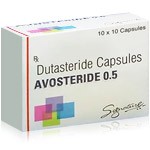
Avosteride (Dutasteride 0.5mg) represents a budget-friendly Indian generic version of brand-name Avodart — providing identical dual 5-alpha-reductase inhibition at substantially lower cost. Manufactured under strict WHO-GMP and Indian DCGI quality standards, Avosteride delivers the same active ingredient dutasteride in identical 0.5 mg soft-gel capsule formulation as brand Avodart, with documented bioequivalence through standard pharmacokinetic studies. This makes proven potent BPH therapy financially accessible to millions of men who would otherwise face prohibitive brand-name costs — while maintaining the deeper hormonal suppression that distinguishes dutasteride from finasteride.
Dutasteride in Avosteride works through irreversible competitive inhibition of both Type I and Type II 5-alpha-reductase isoenzymes — the key mechanistic advantage over finasteride which blocks only Type II. Type II dominates in prostate tissue and hair follicles while Type I dominates in liver and skin. Blocking both isoenzymes provides ~95% total DHT suppression versus ~70% with Type II blockade alone. In BPH: prostate volume decreases 25-27% over 24 months, maximum urine flow increases substantially, and acute urinary retention risk drops 57%. The 5-week half-life provides remarkably stable serum concentrations minimizing daily fluctuations.
Avosteride serves the primary FDA-approved indication of symptomatic benign prostatic hyperplasia — particularly beneficial in men with enlarged prostates above 40 mL requiring maximum volume reduction. The medication treats weak urinary stream, urinary hesitancy, nocturia, incomplete bladder emptying, and urinary frequency. Widely combined with alpha-blockers particularly tamsulosin for synergistic BPH symptom relief. Off-label uses include refractory androgenetic alopecia where finasteride response is inadequate, particularly for advanced male pattern baldness requiring stronger DHT suppression than finasteride can achieve.
Avosteride offers convenient once-daily oral dosing taken at any consistent time with or without food. Steady-state develops after 3-6 months of daily dosing. Maximum BPH benefits develop over 6-12 months with continued improvement through 24 months. Indian generic manufacturing under WHO-GMP standards ensures identical chemistry to brand Avodart formulation, delivering the same therapeutic outcomes at approximately 85-95% lower retail cost — making dutasteride therapy accessible to patients globally regardless of brand-name pricing constraints.
Free prescription
Discrete packaging
Have questions?
Quality Assurance


- Enlarged Prostate: Non-cancerous prostate enlargement responding to dual 5-alpha-reductase inhibition;
- Prostate Enlargement: Progressive prostate growth from DHT stimulation responsive to potent 5-AR inhibition;
- Symptomatic BPH: BPH with bothersome urinary symptoms benefiting from volume-reducing dutasteride therapy;
- Weak Urinary Stream: Decreased force of urination from prostate obstruction improving as prostate shrinks;
- Urinary Hesitancy: Difficulty initiating urination from BPH-related urethral compression resolving with treatment;
- Nocturia: Nighttime urination episodes from BPH improving as prostate volume decreases;
- Incomplete Bladder Emptying: Sensation of incomplete emptying from BPH obstruction improving with prostate reduction;
- Urinary Frequency: Frequent urination from BPH-related bladder irritation improving with treatment;
- Urinary Urgency: Sudden urgent need to urinate from BPH-related bladder changes improving with therapy;
- Acute Urinary Retention Prevention: Reducing 57% the risk of complete urinary blockage requiring emergency catheterization;
- Large Prostate Volume: Prostates above 40 mL benefit most from potent dual 5-AR inhibitor volume reduction;
- BPH Surgery Prevention: Reduced need for transurethral prostate resection and other BPH surgeries;
- Alpha Blocker Combination Therapy: Combined with tamsulosin for synergistic rapid plus durable BPH control;
- Refractory Hair Loss: Off-label use for androgenetic alopecia not responding to finasteride monotherapy;
- Advanced Androgenetic Alopecia: Off-label hair loss treatment when Type II inhibition proves insufficient;
- Advanced Male Pattern Baldness: Off-label DHT suppression for hair loss patients requiring stronger response;
- Deep DHT Suppression: 95% DHT reduction versus 70% with finasteride for stronger androgen-dependent effect;
- Dual 5 Alpha Reductase Inhibition: Blocks both Type I and Type II isoenzymes for maximum DHT suppression;
- Generic Avodart Therapy: Bioequivalent generic alternative to brand-name Avodart at substantially lower cost.
- Less Dihydrotestosterone: DHT levels drop approximately 95% versus 70% with finasteride through dual isoenzyme blockade;
- Better Urinary Flow Rate: Maximum urine flow rate increases substantially as prostate volume reduces;
- Less Weak Urinary Stream: Force of urination improves as prostate volume reduces and urethral pressure relieves;
- Less Urinary Hesitancy: Difficulty starting urination from BPH obstruction resolves with consistent treatment;
- Less Nighttime Urination: Frequency of nighttime urination decreases allowing better sleep quality;
- Better Bladder Emptying: Complete bladder emptying restores as prostate obstruction resolves preventing post-void residual;
- Less Urinary Frequency: Daytime urination episodes decrease as bladder irritation from BPH improves;
- Less Urinary Urgency: Sudden urgent urination episodes from BPH-related bladder changes decrease substantially;
- Less Acute Urinary Retention Risk: Risk of complete urinary blockage requiring catheterization drops 57% over 4 years;
- Less BPH Surgery Need: Need for transurethral prostate resection and other BPH surgeries decreases with dutasteride;
- Better Alpha Blocker Synergy: Combination with tamsulosin provides rapid symptom relief plus durable prostate reduction;
- Better Sleep Quality: Restful sleep returns as nighttime bathroom trips from nocturia decrease;
- Better Refractory Hair Loss Response: Advanced androgenetic alopecia not responding to finasteride benefits from deeper DHT suppression;
- Better Long Term BPH Management: Sustained prostate volume control over years of consistent therapy;
- Better Stable Serum Levels: 5-week half-life provides remarkably stable serum concentrations minimizing daily fluctuations;
- Less BPH Progression Anxiety: Knowing BPH is actively controlled reduces worry about future complications;
- Better Generic Cost: 85-95% lower cost than brand Avodart makes proven dutasteride therapy financially accessible;
- Once Daily Convenience: Single daily soft-gel capsule at any consistent time fits any routine without timing restrictions;
- Better Quality of Life: Daily wellbeing improves dramatically as urinary symptoms resolve and BPH complications are prevented.
Generic Avosteride (Dutasteride 0.5 mg) Medication guide:
📌 What Avosteride Is and the Dutasteride Molecule
Avosteride is a generic brand of dutasteride, a dual 5-alpha reductase inhibitor that treats benign prostatic hyperplasia (BPH) and is used off-label in many countries for male pattern hair loss. Avosteride contains the same active molecule as the reference brand Avodart originated by GlaxoSmithKline and approved by the US FDA in 2001.
The dutasteride molecule works by inhibiting both type 1 and type 2 isoforms of the enzyme 5-alpha reductase, which converts testosterone to the more potent androgen dihydrotestosterone (DHT). By suppressing DHT by more than 90%, dutasteride shrinks enlarged prostate tissue and slows the hair follicle miniaturization that drives male pattern baldness.
✨ Dutasteride at a Glance
- Dual isoform inhibition — blocks both type 1 and type 2 of 5-alpha reductase
- DHT reduction above 90% — compared to about 70% with finasteride
- Half-life of 5 weeks — longest among 5-ARIs; stable blood levels across daily dosing
- Once-daily 0.5 mg capsule — one dose covers all approved indications
- Prostate volume reduction averaging 25% at two years of continuous therapy
What makes Avosteride a generic. After the US and European patents on dutasteride expired, multiple pharmaceutical manufacturers began producing bioequivalent generic versions of the same molecule. These generics are chemically identical to brand Avodart and must meet strict regulatory standards for dissolution, assay, bioavailability, and content uniformity before entering any legitimate market. Avosteride is one such generic produced to meet those standards.
Who uses Avosteride. The medication is prescribed for:
- Men with BPH symptoms and enlarged prostate (greater than 30-40 mL)
- Men whose BPH medications have included alpha blockers but who need additional prostate size reduction
- Men with male pattern hair loss whose response to finasteride has been inadequate
- Men who prefer the dual-isoform mechanism for stronger DHT suppression
- Combination therapy with alpha blocker (tamsulosin, silodosin) for moderate-to-severe BPH
📋 Approved and Common Clinical Uses
- Benign prostatic hyperplasia (BPH) — FDA approved; EMA approved; worldwide standard indication
- Combination therapy with tamsulosin — marketed as Jalyn in US, Duodart in Europe
- Male pattern hair loss — approved in South Korea (2009) and Japan (2015); off-label in most other countries
- Prostate surgery prevention — reduces TURP and other BPH-related surgeries by about half
- Prostate volume reduction — shrinks the gland 25% over two years
Dutasteride capsule format. Avosteride is produced as a soft gelatin capsule containing 0.5 mg of active ingredient dissolved in an oily vehicle. The capsule is typically oval, uniform in color, and taken once daily with water. Because dutasteride absorbs through intact skin from a broken capsule, careful handling is essential (see Section 15).
Clinical placement. Avosteride is a first-line long-term therapy for men with moderate to severe BPH and enlarged prostate, often in combination with an alpha blocker. For hair loss, dutasteride is a stronger option than finasteride and is used by men who want more aggressive medical therapy or who have not fully responded to finasteride.
🏭 Indian Dutasteride Manufacturing and Generic Quality
India is a major source of generic dutasteride for international markets. Several large Indian pharmaceutical companies produce dutasteride capsules under CDSCO licensing and WHO-GMP standards, exporting to markets where generic 5-ARI use is legally permitted and where patent protection does not restrict distribution.
20%
Share of global generic drug volume supplied by Indian pharmaceutical industry
150+
Countries receiving pharmaceutical exports from India annually
WHO-GMP
Quality standard for export-oriented Indian pharmaceutical facilities
CDSCO
Central Drugs Standard Control Organisation (Indian regulatory body)
Why India produces generic dutasteride. Patent protection for brand Avodart in India differs from the US and EU timelines. Indian pharmaceutical law has historically permitted earlier generic entry for drugs whose patents are not applicable in India, which is why Indian manufacturers were able to launch dutasteride generics while the molecule was still under patent elsewhere. This has created a supply of affordable dutasteride for domestic Indian use and for export to markets where generic use is permitted.
Quality framework for Indian generics. Reputable Indian dutasteride manufacturers follow a layered quality system:
- CDSCO licensing — domestic regulatory approval for manufacturing and sale
- WHO-GMP compliance — Good Manufacturing Practice standards for international export
- ISO 9001 quality management — organizational quality standards
- ICH guidelines compliance — International Council for Harmonisation technical standards
- Pharmacopeial testing — assay, dissolution, content uniformity per USP, BP, or IP standards
- Stability testing — shelf-life determination under ICH conditions
- Bioequivalence studies — demonstrating equivalent pharmacokinetics to reference brand
🏭 What Separates Quality Generic Dutasteride
- Documented bioequivalence — dissolution and absorption curves matching reference brand
- Audited manufacturing facility — inspected by one or more regulatory authorities
- Validated analytical methods — assay confirming correct active ingredient content
- Impurity profile within limits — compliant with pharmacopeial impurity thresholds
- Consistent batch testing — routine release testing of each production lot
- Approved distribution channel — prescription dispensing with product traceability
Generic vs brand pharmacology. The active ingredient dutasteride is chemically identical whether sourced from GSK (brand Avodart) or from an Indian generic manufacturer. Differences between products reflect excipients, capsule shell composition, dissolution characteristics, and manufacturing precision, not the drug itself. Properly manufactured generics produce equivalent clinical effects at substantially lower cost.
Export markets for Indian dutasteride. Indian generic dutasteride is exported to:
- African markets — many African countries source generic BPH medications from India
- Asia Pacific — multiple regional markets accept Indian generic imports
- Latin America — several countries permit generic dutasteride importation
- Eastern Europe — selected markets accept Indian generics
- Middle East — several Gulf and Levant countries
- Online pharmacy networks — serving patients worldwide where generic access is permitted
For the man receiving Avosteride, the practical pharmacologic result is the same as taking brand Avodart. The savings relative to brand pricing make long-term 5-ARI therapy affordable where it might otherwise be cost-prohibitive, which is particularly important given that dutasteride is a chronic medication used for many years.
⚖️ Avosteride vs Brand Avodart Bioequivalence Discussion
Generic dutasteride like Avosteride is designed to produce the same clinical effect as brand Avodart. Regulatory authorities require bioequivalence — a demonstration that the generic produces equivalent plasma drug levels within accepted statistical limits — before any generic can be marketed as a reference product substitute.
⚖️ Bioequivalence Standards
- Cmax (peak plasma concentration) must fall within 80-125% of the brand reference
- AUC (area under the curve, measuring total drug exposure) must fall within 80-125%
- Statistical analysis uses a 90% confidence interval around these ranges
- Study design is typically crossover in healthy volunteers under fasting and fed conditions
- Clinical equivalence is assumed from bioequivalence for most oral medications including dutasteride
What bioequivalence does and does not guarantee.
Why most men can switch between brand and generic. For a drug with a wide therapeutic index like dutasteride — where the therapeutic range spans a wide dosage window and where exact plasma levels do not need to be rigid — the bioequivalence framework reliably produces equivalent clinical outcomes. Men who switch from Avodart to generic dutasteride (or between different generics) do not typically notice clinical differences.
💡 When Someone Might Notice a Difference
- Minor side effect profile shifts — possibly from excipient differences (uncommon)
- Taste or capsule appearance — cosmetic differences; no clinical significance
- Branding and packaging — recognizable brand recognition may feel reassuring to some patients
- Pricing — most notable difference is cost savings with generic
- Perception differences — some patients prefer the brand based on familiarity rather than measurable differences
Cost comparison perspective. Brand Avodart in the US and EU is substantially more expensive than Indian generic equivalents like Avosteride. For a medication intended for long-term continuous use (often years to decades), the cumulative cost difference is significant. Men who face out-of-pocket costs for the medication often prefer quality generics for this reason.
Clinical equivalence confidence. The FDA, EMA, and WHO have accepted the bioequivalence framework for decades across thousands of generic drug approvals. The empirical track record is strong: generic medications generally produce the same clinical outcomes as reference brands when manufactured to proper standards and dispensed through legitimate channels.
Switching between Avosteride and Avodart. Switching in either direction is straightforward:
- No washout period needed
- Direct one-for-one substitution next day
- No dose adjustment
- Expected equivalent clinical effect
- No change in PSA interpretation or monitoring plan
- Review with prescriber before switching to confirm the plan matches your situation
For most men, Avosteride and Avodart are therapeutically interchangeable, and the choice comes down to availability, cost, and personal preference rather than any pharmacologic difference that would affect treatment outcomes.
🧬 Dutasteride Mechanism in Prostate and Hair Follicle
Dutasteride works at the molecular level inside cells of the prostate and hair follicle, blocking an enzyme that drives the growth and miniaturization patterns characteristic of BPH and androgenetic alopecia. Understanding the mechanism clarifies both why the medication works and why its effects take months to become visible.
🧬 How Dutasteride Alters Androgen Biology
Testosterone source. The testes produce testosterone which circulates through the body at relatively stable adult male levels.
Tissue conversion to DHT. In prostate and hair follicle cells, the enzyme 5-alpha reductase converts testosterone to dihydrotestosterone, which binds androgen receptors with much greater affinity.
DHT drives tissue effects. Prostate glandular proliferation and stromal expansion depend on local DHT. Hair follicle miniaturization in genetically susceptible men is also driven by DHT activity.
Dutasteride blocks the enzyme. By binding and inactivating both type 1 and type 2 isoforms of 5-alpha reductase, dutasteride cuts off local DHT production in both prostate and hair follicle.
Tissue remodeling follows. Over months, reduced DHT allows prostate tissue to shrink and reverses or stabilizes hair follicle miniaturization.
Why dual inhibition matters. Finasteride selectively blocks type 2 and partly spares type 1. Dutasteride blocks both isoforms. The practical consequence:
Prostate-specific effects. In the prostate, dutasteride produces measurable changes over months:
- Reduced glandular proliferation — new epithelial cells form less rapidly
- Smooth muscle changes — stromal tissue reorganizes
- Overall gland shrinkage — approximately 25% reduction at 24 months
- Reduced vascularity — contributing to reduced hematuria and reduced perioperative bleeding
- Reduced PSA — approximately 50% reduction consistent with smaller tissue volume
Hair follicle-specific effects. In susceptible scalp follicles, dutasteride reverses or stabilizes the miniaturization process:
- Longer anagen (growth) phase — hair follicles cycle through longer productive periods
- Increased hair diameter — existing terminal hairs become thicker
- Fewer vellus hairs — miniaturized hairs may reconvert to terminal character
- Reduced shedding — after an initial transient shed in some men, baseline hair loss slows
- Visible density gain — evident at 6-12 months of continuous therapy
🎯 What Dutasteride Does Not Change
- Testosterone itself — serum testosterone rises slightly as less converts to DHT
- Muscle mass — testosterone-dependent, not DHT-dependent
- Bone density — preserved by continued testosterone activity
- Red blood cell production — preserved
- Mood baseline — usually unchanged (though mood effects reported occasionally)
- Receded frontal hairline — follicles already lost cannot be regrown by medication
The mechanism is biologically rational and well understood. Dutasteride does not create unusual hormonal states — it mimics the natural condition of men born with hereditary 5-alpha reductase deficiency, who have very low DHT, small prostates, and no male pattern baldness while retaining normal male testosterone-dependent functions.
💊 Avosteride 0.5 mg Capsule Taking Instructions
Avosteride comes as a soft gelatin capsule containing 0.5 mg dutasteride in oily solution. The single standard dose covers all approved indications: BPH, combination therapy with alpha blockers, and off-label hair loss. Taking the medication correctly supports proper absorption and prevents accidental skin exposure to the active ingredient.
💊 Daily Dosing Rules
- One 0.5 mg capsule once daily
- Approximately the same time each day — builds habit; long half-life forgives minor timing variation
- With or without food — absorption is adequate either way
- Swallow whole with water — do not crush, chew, or open the capsule
- Avoid handling broken capsules — dutasteride absorbs through skin
- Store at room temperature — keep below 30 degrees Celsius; away from moisture and direct sunlight
- Keep out of reach of women and children
Why swallow intact. The capsule contains dutasteride dissolved in a liquid vehicle. Opening, crushing, or chewing releases the drug directly onto oral mucosa and the hands, which can cause inconsistent absorption and skin exposure concerns. Men who cannot swallow capsules should discuss alternative delivery options with their prescriber (e.g., switching to tablet formulations of finasteride).
Missed dose approach.
The long half-life (5 weeks) of dutasteride means serum levels are stable and forgiving of occasional missed doses. This is one practical advantage of dutasteride over shorter-acting medications where missed doses more quickly reduce drug levels.
⚠️ Handling Precautions
- Women must not handle broken capsules — dutasteride absorbs through skin; teratogenic to male fetus
- Discard leaking or broken capsules with care; avoid skin contact
- Wash hands immediately if accidental skin contact with the liquid contents
- Store securely away from children and household members who should not handle the medication
- Keep in original container for product identification and expiration tracking
Travel and dosing. Avosteride is stable at room temperature and travels well. Across time zones, maintain approximately once-daily dosing without worrying about exact 24-hour intervals. The long half-life means time zone changes of several hours do not disrupt therapy. For long travel, bring enough capsules for the trip plus some extra in case of delays.
Duration of therapy. Avosteride is intended for long-term continuous use. BPH benefits develop over 3-6 months and continue to accrue over years. Hair loss benefits require 6-12 months to assess and need indefinite continuation to maintain. Stopping the medication reverses the benefit over several months.
📅 Starting Avosteride What To Expect First Year
The first year of Avosteride therapy follows a predictable progression: pharmacologic DHT suppression within weeks, early subtle symptom change over the first few months, meaningful BPH or hair response at 6 months, and full assessment of response at 12 months.
📅 First Year Milestones
Weeks 1-2: Serum DHT falls by about 85% within two weeks of starting daily dosing. No clinical change felt by the patient yet. Dutasteride serum levels building toward steady state.
Month 1-3: Subtle changes may begin. Some men notice early improvement in nocturia or urinary flow. Hair loss men may notice slight shedding stabilization. Side effects, if any, usually appear in this window.
Month 3-6: BPH symptom scores typically improve by 2-4 points. Peak urinary flow begins to rise. Hair diameter increases for men on dutasteride for AGA. PSA reduction underway and measurable.
Month 6-9: Meaningful response for most men. Prostate volume reduction visible on imaging if measured. Hair density gain visible on photos for AGA. Dutasteride serum level approaches steady state.
Month 9-12: Full first-year assessment. AUA symptom score typically improved by 4-5 points. Hair response fully evident. PSA stable at new on-treatment baseline. Side effect profile established.
What to track in year one.
- Baseline documentation — AUA symptom score, PSA, photos (if for hair loss)
- Month 1-2 check-in — tolerability, side effects, adherence
- Month 3-4 visit — symptom score, PSA, side effect review
- Month 6 visit — comprehensive progress review
- Month 12 visit — full annual assessment; decision to continue
💡 Realistic Expectations
- Nothing dramatic in first month — this is normal and expected
- Partial change at 3 months — useful but not full response
- Meaningful response by 6 months — most men can judge treatment value
- Full assessment at 12 months — standard timepoint for continuation decision
- Side effects usually early — most develop in first 3-6 months, if at all
- Long-term continuation needed — benefit requires continued daily use
Common early experiences.
- No noticeable change in week 1-2 — serum DHT is dropping, but clinical effects lag
- Possible transient hair shedding — some men on dutasteride for AGA notice a brief increased shed in months 1-3 as new growth cycles begin
- Subtle urinary flow improvement — some BPH men notice slight benefits early
- Possible sexual side effects — usually appear within first 3 months if they develop; may diminish or stabilize over time
- Possible mild tiredness — uncommon; usually resolves
Hair loss patients transient shed. For men on Avosteride for AGA, an initial increase in shedding during months 1-3 is possible. This is counterintuitive but actually represents the medication beginning to work — follicles that were in telogen (resting phase) release their old hair shafts as they re-enter anagen (growth phase). The shed usually settles within a few months, followed by thicker new hair.
📈 Response Patterns at One Year
BPH:
- AUA symptom score improved by 4-5 points
- Peak urinary flow improved by 2+ mL/s
- PSA reduced approximately 50% from baseline
- Prostate volume reduced 15-20%
- Nocturia reduced by 0.5-1 episode per night
Hair loss:
- Visible density increase on vertex and mid-scalp
- Thicker individual hair strands
- Stabilization of hair loss progression
- Patient-reported satisfaction with hair
- Peak response takes 18-24 months to be fully established
At the one-year mark, most men have clear information about whether Avosteride is providing meaningful benefit. For those with good response, continuation long-term is the standard plan. For those with inadequate response or significant side effects, reassessment and alternative strategies can be considered.
🔎 Diagnosing BPH Before Starting Avosteride Therapy
A proper BPH evaluation ensures Avosteride is the right medication for the right man. Not every urinary symptom in older men is BPH, and not every man with BPH benefits equally from dutasteride. The baseline workup clarifies the diagnosis, size the problem, and sets up effective treatment monitoring.
🔎 BPH Diagnostic Workup
History:
- Timeline and progression of urinary symptoms
- Specific symptoms (frequency, urgency, nocturia, flow, hesitancy)
- Impact on quality of life
- Prior urinary tract infections or hematuria
- Prior urologic conditions or surgery
- Family history of prostate cancer or BPH
- Current medications that affect urinary function
Physical exam:
- Abdominal exam for palpable bladder (chronic retention)
- Digital rectal exam (DRE) assessing prostate size, consistency, nodules
- External genital exam
- Neurologic screen for possible neurogenic contributions
Objective measurements:
- AUA Symptom Index (IPSS) — validated 7-question score 0-35
- PSA — baseline for cancer screening and later monitoring
- Urinalysis — rule out infection, hematuria, glycosuria
- Serum creatinine — kidney function screening
- Peak urinary flow rate — uroflowmetry if available
- Post-void residual urine — ultrasound measure of incomplete emptying
- Prostate volume — transrectal ultrasound; MRI; or DRE estimate
AUA Symptom Index interpretation.
Prostate size thresholds for Avosteride.
- Less than 30 mL — small prostate; 5-ARI benefit limited; alpha blocker alone often preferred
- 30-50 mL — moderate enlargement; dutasteride monotherapy or combination appropriate
- 50-80 mL — significant enlargement; combination therapy often best
- Over 80 mL — large prostate; combination therapy; surgical evaluation if symptoms severe
🏥 Conditions That Mimic BPH
Before concluding BPH is the sole cause of symptoms, consider:
- Urinary tract infection — detectable on urinalysis
- Prostate cancer — usually silent but detectable via PSA and DRE
- Overactive bladder — may coexist with BPH; needs different treatment
- Diabetes-related polyuria — glucosuria and polyuria
- Neurogenic bladder — from spinal cord disease, multiple sclerosis, Parkinson
- Urethral stricture — mechanical narrowing not responsive to medication
- Medication effects — anticholinergics, decongestants, opioids
- Sleep apnea — contributes to nocturia
When to refer to urology.
- Abnormal DRE — nodules, asymmetry, firmness
- Elevated PSA for age (adjusting for prostate volume)
- Hematuria on urinalysis
- Recurrent urinary tract infection
- Suspected urinary retention
- Elevated serum creatinine suggesting obstructive uropathy
- Failed response to initial medical therapy
- Severe symptoms considering surgical options
After initial workup. With appropriate diagnosis confirmed, Avosteride can be started as monotherapy or in combination with an alpha blocker. The baseline AUA-SI score and PSA become essential reference points for tracking response. For most men, the diagnostic workup is straightforward and does not require advanced imaging or invasive studies.
Proper diagnosis ensures Avosteride is used in men who actually have BPH that will respond to the medication, and not in men whose urinary symptoms arise from other causes that require different treatment approaches.
👨 Avosteride for Benign Prostatic Hyperplasia Treatment
Benign prostatic hyperplasia is the primary approved indication for Avosteride. BPH affects more than half of men over age 50 and up to 90% of men over 85, making it one of the most common medical conditions in older men. Dutasteride is disease-modifying therapy that shrinks the gland and reduces complication risk, not just symptom relief.
25%
Average prostate volume reduction at 24 months on continuous dutasteride
57%
Reduction in risk of acute urinary retention episodes
48%
Reduction in risk of BPH-related prostate surgery
4-5 pts
AUA Symptom Index score improvement at 12 months
BPH symptom categories addressed.
Who benefits most from Avosteride. The clinical benefit of 5-ARI therapy scales with prostate size. Dutasteride is most effective in men with:
- Prostate volume at least 30-40 mL on imaging or clinical estimate
- Moderate to severe LUTS (AUA-SI score 8 or higher)
- PSA 1.5 ng/mL or higher (correlates with prostate size)
- Age 50 or older
- Risk factors for BPH progression (older age, larger gland, high symptom score)
👨 Disease Modification vs Symptom Relief
Alpha blockers (tamsulosin, silodosin, alfuzosin) relax prostate smooth muscle and provide quick symptom relief but do not change the gland itself. They treat symptoms without altering disease progression.
Dutasteride shrinks the gland and prevents BPH complications over the long term. Symptom relief develops over months but the structural changes to the prostate preserve urinary function for years.
BPH complication prevention. The most important long-term benefits of Avosteride involve preventing serious BPH complications:
- Acute urinary retention — sudden inability to urinate requiring catheterization; dutasteride reduces risk by 57%
- Need for BPH surgery — TURP, laser enucleation, or open prostatectomy; dutasteride reduces risk by 48%
- Recurrent urinary tract infections — secondary to incomplete bladder emptying
- Bladder stones — from chronic retention
- Hydronephrosis — back-pressure kidney damage in advanced obstruction
Treatment goals. For BPH, Avosteride aims to:
- Reduce bothersome symptoms and improve quality of life
- Improve urinary flow and reduce residual urine
- Shrink the gland and reverse mechanical obstruction
- Prevent complications that would require urgent care or surgery
- Preserve urinary function long term as the man ages
- Enable continuation of normal daily activities without disruptive urinary issues
For men with moderate-to-severe BPH and enlarged prostate, Avosteride is genuine disease modification rather than symptom palliation. The slow but sustained response over months to years translates into preserved urinary health that can last for the man's remaining lifetime of therapy adherence.
💆 Avosteride for Male Pattern Hair Loss Response
Although Avosteride is FDA and EMA approved only for BPH, dutasteride is widely used off-label for male pattern hair loss (androgenetic alopecia). Several countries including South Korea (2009) and Japan (2015) have granted formal approval for this indication, and clinical evidence supports stronger hair response than finasteride for many men.
💆 Why Dutasteride for Hair Loss
- Scalp follicles express both 5-AR isoforms — type 1 and type 2 contribute to local DHT
- Dutasteride blocks both — more complete DHT suppression at the follicle level than finasteride
- Olsen 2006 dose-ranging study showed dutasteride 0.5 mg produces greater hair response than finasteride 5 mg
- 0.5 mg daily — same dose as BPH; standard off-label hair loss dose worldwide
- Response visible at 6-12 months; peak at 18-24 months with continued therapy
Hair response pattern.
- Shedding stabilizes within 2-4 months of starting
- Hair diameter increases — existing terminal hairs become thicker
- Visible density gain — usually month 6-12
- Vertex and mid-scalp respond best — frontal hairline is less reliably restored
- Receded hairline — medication does not regrow fully miniaturized follicles that have been lost
- Peak response at 12-24 months; maintained with continued therapy
📋 Starting Dutasteride for Hair Loss
- Confirm androgenetic alopecia — dermatologist diagnosis preferred
- Rule out other hair loss causes — thyroid, iron, telogen effluvium, alopecia areata
- Discuss off-label status — in countries where this indication is not formally approved
- Baseline photos — vertex, frontal, lateral; standardized lighting
- Review side effect profile — sexual, breast, mood considerations
- Pregnancy and fertility planning review — 6-month washout before conception
- Commit to 12-month trial — before judging response
Dutasteride vs finasteride for hair loss.
Combining dutasteride with topical minoxidil. The combination of Avosteride plus topical minoxidil 5% is a standard regimen for serious hair loss treatment. The two medications work through different mechanisms:
- Dutasteride reduces DHT at the follicle, preventing miniaturization
- Minoxidil directly stimulates follicle growth and extends anagen phase
- Combination provides additive benefit beyond either alone
- Safe combination with no significant interaction
Men who switch from finasteride to dutasteride for hair loss. A common scenario is a man who has been on finasteride for 1-2 years with partial response and wants stronger therapy. Switching to dutasteride can be helpful in this situation:
- Direct switch next day; no washout needed
- Expect gradual improvement over 6-12 months on new medication
- Monitor for new or changed side effects
- Continue baseline photos to assess response
- Consider that dutasteride has longer washout if conception planning becomes relevant
💡 Realistic Hair Loss Expectations
- Stop progression — the primary realistic goal
- Thicker existing hair — remaining hairs become more terminal
- Some regrowth — of hair that was in telogen or early miniaturization
- No full restoration — established baldness is not reversible by medication alone
- Combination with hair transplantation — often used to protect both native and transplanted hair
For men with meaningful hair loss who want aggressive medical therapy, Avosteride plus topical minoxidil represents the strongest medical approach short of hair transplantation. Realistic expectations and commitment to long-term use are essential for the best outcomes.
⚖️ Dutasteride vs Finasteride Which Suits Which Man
Both dutasteride and finasteride are 5-alpha reductase inhibitors used for BPH and hair loss. The choice between them depends on specific factors including planned fertility, blood donation habits, side effect concerns, cost considerations, and clinical priorities.
Factors favoring dutasteride (Avosteride).
✅ Choose Dutasteride When
- Partial response to finasteride — stronger DHT suppression may rescue the response
- Hair loss progression on finasteride — dual isoform inhibition provides stronger follicular suppression
- Very large prostate — some clinicians prefer dutasteride for maximum DHT reduction
- Preference for simpler dosing — 0.5 mg for both BPH and hair; same strength
- Not planning children and not a frequent blood donor
- Rising PSA on finasteride — dutasteride may provide more consistent suppression
Factors favoring finasteride.
✅ Choose Finasteride When
- Planning children in next 6 months — shorter washout before conception attempt
- Frequent blood donor — 1-month deferral vs 6-month
- Lower cost preference — generic finasteride widely available at low cost
- Approved for hair loss in your country — easier prescription and insurance coverage
- Want shorter-acting medication — faster side effect reversibility if discontinuation needed
- Successful response on finasteride already — no strong reason to switch
The EPICS head-to-head trial. The 2011 EPICS trial compared dutasteride 0.5 mg to finasteride 5 mg in 1630 men with BPH for 12 months. Results showed equivalent symptom improvement and prostate volume reduction between the two medications. For BPH outcomes, the two are essentially interchangeable at approved doses.
For hair loss specifically. The Olsen 2006 study and subsequent research suggest dutasteride produces greater hair count increase than finasteride at approved doses. For men who want the strongest medical hair loss therapy, dutasteride is often preferred. For men who want approved indication status (where available), finasteride is the straightforward choice.
Trial sequence. Many men follow this treatment sequence:
- Start with finasteride — approved, familiar, shorter washout
- Assess at 12 months — response evaluated with photos and symptom scores
- Switch to dutasteride if response inadequate — stronger DHT suppression as next step
- Continue dutasteride long-term if better response achieved
- Consider switching back if conception, blood donation, or other factors change
Either medication is a reasonable first-line choice, and switching between them is clinically simple. The choice is driven more by patient-specific factors (fertility planning, blood donation, previous response) than by meaningful efficacy differences for the typical patient.
🕚 Dutasteride Long Half-Life Impact on Daily Routine
Dutasteride has an unusually long plasma half-life of 5 weeks, dramatically longer than finasteride's 6-8 hours. This pharmacokinetic feature produces specific practical implications for daily life, missed doses, side effect reversibility, and planning around specific medical events like conception or blood donation.
🕚 What a Five-Week Half-Life Means
- Steady state reached at 6 months — serum levels continue to rise over this time
- Missed dose impact minimal — one missed day barely affects serum levels
- DHT suppression continues for weeks after stopping
- Full washout takes 4-6 months after discontinuation
- Blood donation deferral 6 months after last dose
- Conception planning 6-month gap required
Daily routine implications.
Serum concentration profile. Over the first 6 months of daily dosing, dutasteride serum concentration rises gradually toward a steady state. Peak DHT suppression (greater than 90%) is reached in the first 2 weeks because DHT suppression saturates at low serum dutasteride levels, but overall drug exposure continues to build toward a plateau at 6 months.
The forgiveness of long half-life. This is one of dutasteride's practical advantages:
- Adherence tolerance — occasional missed doses do not meaningfully compromise therapy
- No urgent catch-up — take the next scheduled dose; do not double up
- Stable DHT suppression — serum levels do not fluctuate day-to-day like finasteride
- Trip and travel flexibility — a short break does not matter clinically
- Timing variability — exact daily timing (morning vs evening) is not critical
⚠️ The Flip Side of Long Half-Life
The same persistence means stopping takes effect slowly:
- Side effects do not reverse quickly after stopping
- Washout for conception requires 6 months of advance planning
- Blood donation needs 6-month gap after last dose
- Men who want a short therapeutic trial should pick finasteride instead
- Any decision to stop dutasteride has consequences lasting months
Why dutasteride stays so long. The molecule has:
- Irreversible enzyme binding — forms a covalent bond with 5-alpha reductase
- Extensive tissue distribution — stored in adipose and other tissue compartments
- Slow hepatic metabolism — primarily via CYP3A4 at a modest rate
- Fecal excretion of inactive metabolites
- Minimal renal clearance — so kidney function does not accelerate clearance
For men who want once-daily dosing with high tolerance for occasional missed doses, the long half-life is an advantage. For men who want quick on-off control over therapy, the long half-life is a limitation and finasteride may be more appropriate.
Dutasteride's pharmacokinetics shape many of the practical features of Avosteride use: the stable response, the forgiveness around missed doses, the extended washout, and the slow resolution of effects after stopping. Understanding this framework helps men plan their therapy around life events over the years of continuous use.
🍽️ Taking Avosteride With Food Alcohol and Caffeine
Avosteride can be taken with or without food and has minimal interaction with alcohol or caffeine at usual intake levels. However, these lifestyle factors can indirectly affect how well the medication works for BPH symptoms because caffeine and alcohol affect bladder function independently.
✅ With Food
Food slightly reduces peak dutasteride concentration but does not change clinical effect. Can be taken with meals.
✅ Empty Stomach
Peak absorption is slightly faster but therapeutic result equivalent. Either timing works clinically.
⚠️ With Alcohol
No direct interaction; alcohol is a bladder irritant and diuretic that can worsen BPH symptoms independently.
⚠️ With Caffeine
No direct interaction; caffeine is diuretic and bladder irritant that worsens frequency and urgency.
Food effect details. Clinical trials of dutasteride compared taking the capsule with or without food. Results:
- Peak serum concentration (Cmax) may be slightly reduced with food
- Total exposure (AUC) is essentially unchanged
- Clinical effect is equivalent
- Patient convenience allows flexible dosing with meals or on empty stomach
Alcohol consumption on Avosteride.
🍸 Alcohol and BPH
Alcohol does not interact directly with dutasteride. However, alcohol affects urinary function:
- Diuretic effect — increased urine volume increases frequency
- Bladder irritant — alcohol in urine irritates bladder lining and worsens urgency
- Sleep disruption — evening drinking worsens nocturia and sleep quality
- Dehydration — concentrated urine further irritates bladder
- Combined with BPH — magnifies urinary symptoms significantly
Men on Avosteride who continue to have significant BPH symptoms often improve by moderating alcohol, especially evening consumption.
Caffeine and BPH. Caffeine shares many of the same bladder effects as alcohol:
- Diuretic — promotes urine production
- Bladder irritant — worsens urgency and frequency
- Afternoon or evening intake — particularly problematic for nocturia
- Common sources — coffee, tea, cola drinks, chocolate, energy drinks
- Decaf alternative — still contains some caffeine but much less
Men with troublesome BPH symptoms often benefit substantially from caffeine restriction, especially eliminating afternoon and evening caffeine. The combination of Avosteride plus caffeine moderation often produces better symptom control than either intervention alone.
Grapefruit juice. Grapefruit contains compounds that mildly inhibit CYP3A4, the enzyme that metabolizes dutasteride. However:
- Interaction is minimal at normal grapefruit intake levels
- Dutasteride has wide therapeutic index — small changes in blood level are not clinically meaningful
- No formal avoidance required — unlike with some other medications
- Report any new side effects if grapefruit intake increases notably
💡 Simple Dietary Changes to Help BPH
- Limit caffeine to morning hours only
- Limit alcohol to small evening servings or avoid in evening
- Stop fluids 2-3 hours before bed to reduce nocturia
- Spread fluids throughout the day rather than large bolus drinks
- Stay well-hydrated overall — concentrated urine is also irritating
- Avoid heavy fatty meals in evening which can also disrupt sleep
- Mediterranean-style diet — associated with slower BPH progression
Avosteride works regardless of dietary pattern, but pairing the medication with sensible fluid and caffeine habits often produces better symptom control than relying on medication alone. These simple behavioral changes amplify what dutasteride achieves at the prostate level.
📉 Avosteride Reduces PSA By Half Screening Impact
Dutasteride reduces serum prostate-specific antigen (PSA) by approximately 50% within 6-12 months of starting therapy. This is a predictable pharmacologic effect that must be factored into prostate cancer screening to avoid missing cancer signals that would otherwise be identified by PSA elevation.
📉 Why Dutasteride Lowers PSA
- Prostate shrinks by about 25% at two years — less tissue produces less PSA
- Direct DHT reduction also decreases PSA gene expression
- Combined effect is a 50% reduction in measured PSA
- Takes 6-12 months to fully establish; stable thereafter
- Reversible — PSA returns to pre-treatment levels within 6 months of stopping
Interpretation rule. After 6+ months of Avosteride therapy, multiply measured PSA by 2 to compare to standard cancer screening thresholds. If this doubled value remains in the normal range for the man's age, cancer suspicion is low. If the doubled value exceeds screening thresholds, further evaluation is appropriate.
Why rising PSA on Avosteride is especially concerning. Normally dutasteride holds PSA stable or declining. If PSA begins to rise despite continued therapy, this suggests new PSA production exceeding what the medication can suppress. The most important cause to consider is underlying prostate cancer producing enough PSA to overcome the medication's effect. Any sustained PSA rise warrants:
- Confirmation with repeat PSA
- Digital rectal examination
- Multiparametric MRI of the prostate
- Urology consultation
- Possible targeted biopsy based on findings
📋 Avosteride PSA Monitoring Schedule
- Baseline PSA before first dose — essential reference point
- 3-6 month PSA after starting — confirms expected 40-50% reduction
- 12 month PSA — establishes new on-treatment baseline
- Annual PSA going forward — monitor for rise from baseline
- Multiply by 2 for cancer screening threshold comparison
- Investigate any rise from new baseline promptly
- Document each measurement with the date and dose stability status
Free PSA and PSA kinetics. Beyond total PSA, other tools help cancer assessment on dutasteride:
- Free PSA ratio — percentage of free vs bound PSA; dutasteride does not change this significantly; low ratio (less than 25%) still raises cancer suspicion
- PSA velocity — rate of change over time; useful if PSA is rising
- PSA density — PSA divided by prostate volume; adjusts for gland size
- Age-adjusted PSA — different thresholds for different age groups
- Multiparametric MRI — useful adjunct for men on dutasteride with questionable PSA kinetics
Why this matters. Prostate cancer is common. In the US alone, more than 200,000 men are diagnosed each year, and PSA remains the primary blood test for screening. For men on Avosteride, correct interpretation of PSA preserves cancer screening validity. Men who do not understand the PSA reduction effect might falsely assume their PSA is normal when the uncorrected value should actually trigger further evaluation.
Discussion with your doctor is essential. Any man starting Avosteride should discuss PSA monitoring strategy with the prescriber before beginning therapy. The approach is simple when planned in advance: baseline measurement, follow-up measurements at planned intervals, understanding of the doubling rule, and prompt action if the trajectory becomes concerning.
👶 Fertility Semen and Avosteride Planning Children
Men planning to father a child need to consider Avosteride's effect on sperm production, semen quality, and the small but real exposure risk to a female partner during conception. The long half-life of dutasteride means fertility planning requires several months of advance thinking.
👶 Fertility Considerations
- Semen contains dutasteride at low concentrations in men taking the medication
- Reduced ejaculate volume is a possible side effect (uncommon but reported)
- Sperm count and motility are generally not significantly affected
- Theoretical fetal exposure through unprotected intercourse with pregnant partner is low but prompts caution
- Six-month washout is standard recommendation before active conception attempt
Semen dutasteride levels. Research shows that men on dutasteride have detectable but very low levels of the drug in their semen. The amount transferred to a female partner during intercourse is below the threshold for teratogenic effect in available models. However, because the consequences of fetal masculinization defect would be serious and because dutasteride accumulates in tissue over long treatment courses, standard practice recommends a 6-month washout before conception attempt.
Timeline for conception planning.
Semen volume considerations. Some men on dutasteride report reduced ejaculate volume. The frequency is low (1-3% in clinical trials) and the reduction is typically modest. For men concerned about fertility:
- Semen analysis before starting Avosteride if fertility is a concern
- Repeat analysis after 6-12 months on medication if volume changes noticed
- Sperm count and motility typically preserved
- Fertility specialist consultation if infertility develops on therapy
🤔 Fertility Planning Decision Points
If children are desired in next year:
- Consider finasteride instead (2-4 week washout vs 6 months)
- Or stop Avosteride now to allow washout before trying to conceive
- Or defer the medication until after family building is complete
If children are not planned:
- Avosteride can be used without fertility planning concerns
- Discussion with partner about pregnancy avoidance remains important
- Standard precautions during active conception by partner should be followed
If partner is already pregnant when starting:
- Avosteride handling precautions are critical (women should not touch broken capsules)
- Theoretical risk from semen is low but worth discussing with obstetrician for peace of mind
- Consider timing of initiation after pregnancy outcome if preferable
Vasectomy considerations. Men who have had vasectomy may still consider the medication's effect on female partner through semen contact. The vasectomy prevents sperm transfer but not drug transfer, so the same handling precautions apply.
Assisted reproductive technology. Men pursuing IVF or ICSI with their partner should discuss Avosteride use with their fertility specialist. Standard practice is often to stop the medication during the conception cycle, with timing depending on the specific procedure and clinical team recommendations.
Summary. For men who are planning children or whose partners are pregnant or planning to be, Avosteride requires careful advance planning. The medication is not forbidden in these contexts, but the 6-month washout and household handling precautions must be respected. For men whose family is complete or who do not plan children, these considerations do not apply and Avosteride use is straightforward.
🤰 Pregnancy Risk Women Avoiding Avosteride Capsules
Dutasteride is pregnancy category X. The medication can cause abnormal development of male fetal genitalia if a pregnant woman is exposed through handling broken capsules or by other routes of absorption. Simple household precautions prevent any risk.
🤰 Pregnancy Warning
A pregnant woman exposed to dutasteride could have a male fetus with incomplete masculinization. The risk is highest in the first trimester when male fetal genital development occurs.
Why dutasteride is dangerous in pregnancy. The 5-alpha reductase enzyme is critical for normal male fetal development. In the first trimester, the type 2 isoform of 5-alpha reductase converts testosterone to DHT in the developing male fetus, driving formation of the penis, scrotum, and prostate. Blocking this enzyme during that window causes incomplete masculinization, the same type of effect seen in boys born with hereditary 5-alpha reductase deficiency.
🚫 Household Handling Rules
- Women who are or may become pregnant must not handle broken, leaking, or crushed capsules
- Dutasteride absorbs through skin from a broken or opened capsule
- Intact capsules are much lower risk but women should still avoid routine handling as a precaution
- Children should not handle the medication
- Store in a secure place out of reach of family members
- Discard any leaking or broken capsule with care to avoid skin contact
- Wash exposed skin immediately with soap and water if accidental exposure occurs
Semen transfer concern. Men on Avosteride have measurable dutasteride in their semen. The amount transferred to a pregnant partner during unprotected intercourse is very low but is a theoretical risk. Options:
- Condoms during pregnancy — eliminates any risk from semen exposure
- Discussion with obstetrician — the obstetrician can offer reassurance about the low absolute risk
- Consider stopping medication — if couple's values warrant it; discuss alternatives for BPH or hair
- Routine prenatal care continues — no specific additional screening needed for medical exposure
If accidental exposure occurs to a pregnant woman.
🏥 Exposure Response
- Pregnant woman handles broken capsule: wash skin thoroughly with soap and water; notify obstetrician
- Capsule ingested accidentally by child or non-patient: contact poison control; usually not toxic as single accidental dose but evaluate
- Pregnant partner exposed to semen (uncovered): very low risk; discuss with obstetrician for reassurance
- Woman planning pregnancy inadvertently exposed: consult physician; usually no action beyond stopping exposure
- Known early pregnancy and significant exposure: consider teratology consultation
Dutasteride not for women. The medication is not approved for women for any indication. Some clinicians have used low-dose finasteride off-label for women with androgenetic alopecia (female pattern hair loss), but dutasteride is almost never used in women because of the long half-life and higher pregnancy risk. Women who cannot have children (post-menopausal, hysterectomy) might theoretically use dutasteride, but there is minimal clinical evidence to support this.
Household risk assessment. For a man considering Avosteride whose household includes a woman of reproductive age, the practical risk assessment:
- Store capsules in a container only the man opens — dedicated bottle or box
- Handle capsules yourself — do not ask partner to retrieve or administer
- Discard broken capsules yourself — use a tissue to pick up and wrap before disposal
- Keep away from the shared medicine cabinet — especially if any family medications are shared
- Communicate the risk to household members — so they know not to handle the capsules
- Travel considerations — keep capsules in your luggage, not partner's or children's
The pregnancy risk is the most important safety consideration with Avosteride for men whose households include women of reproductive age. Simple precautions make the risk very manageable in practice. Men whose partners are actively pregnant or planning to conceive should discuss the medication choice with their healthcare provider to decide whether dutasteride, finasteride, or a non-5-ARI approach fits their circumstances best.
🩸 Blood Donation Six Month Deferral Rule
Men taking Avosteride cannot donate blood while on therapy and for 6 months after stopping. This deferral exists to prevent accidental exposure of pregnant women who might receive the donated blood, since dutasteride residues in the blood could theoretically transfer and harm a male fetus.
🩸 Blood Donation Rule
Do not donate blood while taking Avosteride or within 6 months of your last dose. This rule is applied by blood collection agencies including American Red Cross, European blood services, and international Red Cross standards.
Why the 6-month wait. Dutasteride has a plasma half-life of about 5 weeks, meaning the drug takes months to clear fully from circulation. Six months after the last dose, serum levels are near-undetectable and residual drug in red blood cells is minimal. The 6-month rule provides a safety buffer that virtually eliminates any theoretical risk to a transfusion recipient.
Comparison to other medications.
Honesty with blood donation screening. Blood donation questionnaires specifically ask about recent medications. Honest disclosure is essential — the deferral exists to protect vulnerable transfusion recipients, particularly pregnant women and their male fetuses.
🩸 If You Donate Blood Regularly
- Regular donors may want to discuss finasteride as an alternative (1-month vs 6-month deferral)
- Rare blood types — discuss carefully with blood service and prescriber
- Occasional donors can usually accept the dutasteride deferral without issue
- Autologous blood donation for your own future surgery is permitted (does not affect others)
- Platelet or plasma donation deferral rules may differ; check with the specific service
Other donation considerations.
- Sperm donation — typically deferred during and 6 months after dutasteride use
- Living kidney donation — may need to be off dutasteride; discuss with transplant team
- Living liver donation — similar discussion with transplant team
- Bone marrow donation — may be deferred during dutasteride use
- Organ donor registration — registration itself is not affected; organ allocation decisions involve different considerations
For most men, this is a minor consideration. Men who do not donate blood (which is most men) are not affected by this rule. For men who do donate regularly, the deferral is a factor to weigh when choosing between dutasteride and finasteride. Both medications are effective for BPH and hair loss; the donation deferral is one differentiator that may matter for individual circumstances.
The blood donation restriction is not a safety concern for the man himself — it is purely a public health measure to protect pregnant women who might receive donated blood products. The rule applies worldwide and should be respected whenever donating blood.
📊 CombAT Evidence Avosteride With Alpha Blocker
The CombAT (Combination of Avodart and Tamsulosin) Study is one of the most influential BPH clinical trials in urology history. Published between 2008 and 2010 with four-year follow-up data, CombAT demonstrated that combination therapy with dutasteride plus the alpha blocker tamsulosin is superior to either monotherapy for men with moderate-to-severe BPH and enlarged prostate.
📊 CombAT Study Design
Population: 4844 men aged 50 or older with moderate-to-severe BPH symptoms (AUA-SI 12+), prostate volume at least 30 mL, and PSA 1.5-10 ng/mL.
Treatment arms: dutasteride 0.5 mg daily, tamsulosin 0.4 mg daily, or combination of both.
Duration: 4 years of continuous treatment with regular assessments.
Primary endpoints: time to BPH clinical progression, symptom score change, risk of prostate surgery, and acute urinary retention events.
Key findings at four years.
- Combination therapy was superior to dutasteride alone for symptom improvement through the first 2 years
- Combination therapy was superior to tamsulosin alone for reducing BPH progression throughout the full 4 years
- Combination therapy reduced the risk of BPH clinical progression by 44% vs tamsulosin and 31% vs dutasteride alone
- Combination therapy reduced the risk of acute urinary retention or surgery by 65.8% compared to tamsulosin alone
- By year 4, dutasteride alone matched or exceeded symptom improvement from tamsulosin alone, demonstrating the long-term disease-modifying effect
🎯 What CombAT Changed in Clinical Practice
- Established combination therapy as first-line option for men with LUTS and enlarged prostate
- Led to the fixed combination Jalyn (dutasteride 0.5 mg + tamsulosin 0.4 mg)
- Shaped AUA, EAU, and NICE guidelines for BPH management
- Confirmed the long-term disease-modifying effect of 5-ARI therapy
- Supported the cost-effectiveness of 5-ARI use despite higher drug cost than alpha blockers alone
Who benefits most from combination. Based on CombAT data, the ideal candidates for Avosteride plus alpha blocker are men with:
- Prostate volume at least 30-40 mL
- Moderate to severe LUTS (AUA-SI score 8 or higher)
- Elevated PSA (greater than 1.5 ng/mL) indicating larger prostate
- Previous poor response to alpha blocker monotherapy
- Risk factors for BPH progression — age over 65, large prostate, high symptom score
Alpha blocker options for combination.
De-escalation strategy. The SMART trial showed that alpha blocker can be withdrawn after 6-9 months of combination therapy in some men who have had excellent response. The approach:
- Start combination for 6-12 months
- Assess symptom score, flow, and prostate volume
- If excellent response and prostate has shrunk, consider stopping alpha blocker
- Monitor symptoms over the following 3 months
- Resume alpha blocker if symptoms worsen
For men whose symptoms are not fully controlled on combination, both medications are typically continued long-term. Combination therapy is the evidence-based standard for moderate-to-severe BPH with enlarged prostate, and CombAT provides the data that justifies this approach in international guidelines.
🔄 Combining Avosteride With Daily Low-Dose Tadalafil
For men with both BPH and erectile dysfunction, combining Avosteride with daily low-dose tadalafil is a particularly useful strategy. Tadalafil 5 mg daily is approved for BPH symptoms as well as ED, so the combination treats two conditions with just two medications and overlapping mechanisms.
🔄 Why This Combination Works
- Different mechanisms — dutasteride shrinks prostate; tadalafil relaxes smooth muscle and provides vasodilation
- Both treat BPH — through different pathways; additive benefit
- Tadalafil also treats ED — a side effect of dutasteride in some men
- No significant drug interaction — safe to combine
- Simplified regimen — two medications treating multiple issues
Daily tadalafil for BPH. Tadalafil 5 mg once daily is FDA-approved for the treatment of signs and symptoms of BPH. The medication works by:
- Relaxing smooth muscle in the prostate, bladder neck, and urethra
- Improving pelvic blood flow
- Reducing LUTS similar to alpha blockers but through PDE5 pathway
- Providing continuous "always on" effect because of its 17.5 hour half-life
Combined with dutasteride. The two medications complement each other:
When this combination fits best.
- BPH plus ED — the ideal clinical pattern
- ED developed on dutasteride — tadalafil addresses the secondary problem
- Prefer continuous "always on" ED protection rather than on-demand medication
- Younger BPH men who are sexually active and want BPH plus ED support
- Dislike alpha blockers because of orthostatic hypotension or ejaculation changes
🚨 Important Cautions
- Nitrates are contraindicated with tadalafil — including occasional nitroglycerin for chest pain
- Alpha blocker caution — combining tadalafil with alpha blocker can lower blood pressure; dose timing separation often used
- Cardiac assessment before starting tadalafil, as with any PDE5 inhibitor
- Starting dose — 2.5 or 5 mg once daily; titrate based on response
- Headache or flushing may occur with tadalafil, typically mild
Alternative combinations. If daily tadalafil is not suitable:
- Avosteride plus tamsulosin — standard CombAT combination
- Avosteride plus silodosin — for men who want more uroselective alpha blocker
- Avosteride plus on-demand sildenafil or avanafil — if BPH is controlled by dutasteride alone and ED is intermittent
- Triple therapy — dutasteride plus alpha blocker plus PDE5 inhibitor can be used in complex cases but requires careful monitoring
Clinical approach. For a man presenting with both BPH and ED:
- Assess both conditions — symptom scores for BPH, erectile function assessment
- Prostate volume — determines value of dutasteride
- Cardiovascular status — necessary for safe PDE5 inhibitor use
- Nitrate medication review — contraindication to tadalafil
- Shared decision about starting combination therapy
- Follow-up at 3-6 months to assess response
For many men, the combination of Avosteride for prostate size reduction plus daily tadalafil for symptom relief and ED support is an elegant two-medication regimen that addresses multiple age-related concerns simultaneously. The approach has become increasingly common in men's health clinics worldwide.
💔 Avosteride Sexual Side Effects Overview
Sexual side effects are the most clinically important adverse effect category with Avosteride because they affect quality of life, treatment adherence, and partner relationships. The three main sexual side effects are decreased libido, erectile dysfunction, and ejaculation disorders, each occurring at low but measurable frequency.
Timing of sexual side effects. Most develop within the first 3-6 months of therapy and are often reported at the first follow-up visit. New-onset sexual dysfunction after years of stable Avosteride use is less likely to be medication-related and more likely to reflect aging, new medical conditions, or other medications added.
Why DHT reduction affects sexual function. Although testosterone is the primary driver of male libido and erectile function, DHT contributes through:
- Androgen receptor binding — DHT binds receptors with higher affinity than testosterone
- Local tissue effects — DHT in penile tissue supports erection physiology
- CNS neurosteroid activity — some brain-active DHT metabolites affect mood and desire
- Nitric oxide pathway — DHT supports endothelial function in penile vasculature
Suppressing DHT by over 90% removes these contributions. For most men, testosterone's continued activity fully compensates and sexual function is unchanged. For a minority, the DHT loss produces measurable sexual effects.
💔 Managing Sexual Side Effects
- Wait 3-6 months — some side effects diminish with continued use
- Rule out other causes — stress, depression, relationship issues, other medications
- Add PDE5 inhibitor for ED — sildenafil, tadalafil, avanafil often restore erection quality
- Check testosterone — coexisting low testosterone makes everything worse
- Daily tadalafil — dual benefit for BPH plus ED (see Section 18)
- Switch to finasteride — some men tolerate finasteride better
- Discontinue if side effects are intolerable — discuss with prescriber
Discontinuation and recovery. If Avosteride is stopped, sexual side effects usually resolve over weeks to months. The long half-life (5 weeks) means recovery is slower than with finasteride but typically complete. A minority of men report persistent symptoms (see Section 23 on post-dutasteride syndrome).
Overall perspective. Sexual side effects affect a minority of men on Avosteride. The majority experience no change in sexual function. The net attributable rate of any sexual side effect is 4-5% above placebo. For those who do experience effects, several management strategies preserve both the BPH or hair benefit and sexual quality of life.
Open communication with the prescriber is key. Underreporting is common because of embarrassment, but prescribers routinely discuss these issues and have proven management approaches ready to apply. The following section covers specific sexual effects (libido, erection, ejaculate) in more detail.
📉 Libido Erectile and Ejaculate Changes on Dutasteride
Three specific sexual effects of dutasteride deserve detailed discussion: reduced libido (sexual desire), erectile dysfunction, and ejaculate changes. Each occurs at low frequency and is typically manageable with specific interventions.
📉 Reduced Libido on Dutasteride
What men report:
- Less frequent spontaneous sexual thoughts
- Reduced interest in sexual activity
- Less motivation to initiate intimacy
- Decreased response to erotic stimuli
Severity: usually mild to moderate; severe libido loss is uncommon. Many men experience subtle reduction that is noticeable but not disabling.
Factors that influence libido changes.
- Preexisting low testosterone — already compromised baseline
- Depression or anxiety — mood conditions reduce libido independently
- Relationship distress — magnifies medication effects
- Other medications affecting libido — SSRIs, opioids, beta blockers
- Alcohol or substance use
- Fatigue or poor sleep
- Chronic illness — especially cardiovascular or metabolic
Managing libido changes.
- Give it 3-6 months — initial libido changes often lessen
- Check testosterone — morning blood test; treat if truly low
- Address mood — depression and anxiety treatment improves libido
- Review other medications — adjust ones that reduce libido
- Lifestyle optimization — sleep, exercise, stress management
- Partner communication — reduces anxiety and allows adaptation
- Consider stopping if libido loss is significant and persistent
Erectile dysfunction on dutasteride. Erection changes range from mild (occasional softness) to moderate (reduced quality during activity) to severe (inability to achieve functional erection). The incidence attributable to dutasteride is 2-3% above placebo rate, meaning most men do not develop ED on the medication.
📋 ED Management on Avosteride
- PDE5 inhibitors work well — sildenafil, tadalafil, avanafil restore erection quality
- Daily low-dose tadalafil — also treats BPH; dual benefit (see Section 18)
- Address vascular factors — blood pressure, diabetes, lipids, smoking
- Cardiovascular risk assessment — new ED can signal vascular disease
- Rule out testosterone deficiency
- Vacuum erection device — mechanical option if PDE5 inhibitors insufficient
- Consider stopping dutasteride — if ED is severe and medication is the clear cause
Ejaculate volume and quality changes.
A subset of men on Avosteride report reduced ejaculate volume. The frequency is 1-3% in clinical trials. The mechanism involves:
- Reduced prostate contribution — dutasteride shrinks the prostate, which produces a portion of ejaculate volume
- Reduced seminal vesicle secretion — some DHT dependence
- Typically modest reduction — not usually a cause of fertility problems
- No significant effect on sperm count or motility in most men
For men who notice reduced ejaculate volume and are concerned:
- Reassurance that this is a known effect of 5-ARI therapy
- Semen analysis if fertility planning is in progress
- No specific treatment for reduced volume itself
- Switch to finasteride may partially reverse if a priority
- Discontinuation reverses the volume reduction over months
💡 Partner Communication
Open discussion with your partner about any sexual effects supports both the man and the relationship. Many men find that discussing the medication's effects:
- Reduces anxiety about performance
- Allows the couple to adapt together
- Prevents partner from misinterpreting changes as emotional distance
- Supports finding adaptive sexual patterns
- Enables shared decision-making about whether to continue the medication
Sexual side effects are a real concern but affect a minority of men. For most, Avosteride is tolerated without meaningful sexual change. For those who do experience effects, management is often straightforward and preserves the medication's BPH or hair benefits without sacrificing quality of life.
👕 Breast Tenderness and Gynecomastia on Avosteride
Gynecomastia — enlargement of male breast tissue — occurs in approximately 1-3% of men on Avosteride. The breast change can range from mild tenderness to visible enlargement. Awareness of this possibility supports early recognition and better outcomes if changes develop.
👕 Why Breast Changes Can Occur
- Testosterone rises slightly on dutasteride (10-20%) because less converts to DHT
- Testosterone aromatizes to estradiol in peripheral tissues
- Slightly elevated estrogen-to-androgen ratio in some men stimulates breast tissue
- Breast tissue sensitivity varies — some men respond to even small hormonal shifts
- Age-related sensitivity — older men are more prone to gynecomastia
Presentations of breast change.
- Breast tenderness — often the first symptom; may precede visible change
- Nipple sensitivity — discomfort with contact or pressure
- Subareolar enlargement — firm tissue beneath the nipple
- Diffuse breast enlargement — more generalized tissue growth
- Unilateral or bilateral — may affect one or both breasts
- Nipple discharge — rare; warrants prompt evaluation
Timeline. Breast changes typically develop between 3 and 12 months after starting Avosteride. Early tenderness may be subtle. Visible enlargement develops over months. Established gynecomastia tends to be persistent if left untreated, even if the medication is stopped.
🏥 If Breast Changes Occur
- Report to physician promptly at first sign of tenderness or change
- Physical examination to assess tissue vs fat enlargement and rule out concerning features
- Rule out breast cancer — especially for unilateral mass, firm or fixed tissue, nipple discharge, or axillary lymph nodes
- Consider imaging — ultrasound or mammogram if findings are concerning
- Discuss continuation — weighing BPH or hair benefits against breast changes
- Early intervention — stopping within first 6 months of symptoms gives best chance of reversal
- Surgical consultation — for established large gynecomastia; subcutaneous mastectomy or liposuction
Reversibility. Gynecomastia from dutasteride may partially reverse after stopping the medication, especially if caught early. Longer-standing gynecomastia often persists because breast tissue fibrosis develops over time and does not reverse with hormonal normalization. For men with persistent cosmetic concern after discontinuation, surgical reduction is an option.
🏥 Warning Signs Requiring Prompt Workup
Although 5-ARI gynecomastia is usually benign and bilateral, these features suggest need for cancer workup:
- Unilateral breast mass that is firm, fixed, or irregular
- Nipple retraction or inversion
- Nipple discharge especially bloody
- Skin changes — dimpling, ulceration, redness
- Axillary lymph node enlargement
- Rapid change in previously stable breast tissue
Male breast cancer is rare but occurs. Workup should include examination, imaging, and possible biopsy depending on findings.
Risk factors for gynecomastia on Avosteride.
- Age over 65
- Obesity — adipose aromatase increases local estradiol
- Concurrent medications that cause gynecomastia (spironolactone, cimetidine, ketoconazole)
- Chronic liver disease
- History of prior gynecomastia
- Low baseline testosterone
Finasteride vs dutasteride for breast risk. Both 5-ARIs can cause gynecomastia. The relative risk between them is similar. Switching from one to the other does not reliably reverse gynecomastia if it has developed on one agent, because the underlying hormonal shift is comparable.
For most men, gynecomastia is a rare and manageable side effect of Avosteride. Early reporting of any breast tenderness or change supports the best outcomes. Prevention is not practical, but prompt action if changes develop allows reversal in many cases.
🧠 Mood Depression and Avosteride Watchful Monitoring
Mood changes including depression and anxiety have been reported with 5-alpha reductase inhibitors including dutasteride. The frequency is low in randomized trials, and the FDA has added a mood effects warning to the medication label based on post-marketing reports. Watchful monitoring supports early detection and action.
🧠 Mood Effects Reported with Dutasteride
- Depression — new onset or worsening of pre-existing mood
- Anxiety — new or intensified symptoms
- Suicidal ideation — rare but reported
- Irritability — mood lability
- Cognitive changes — occasional "brain fog" reports
- Fatigue — overlapping with depression symptoms
Biological plausibility. DHT and its metabolites, especially 3-alpha-androstanediol, are neurosteroids that modulate GABA-A receptor activity in the brain. These neurosteroids have anxiolytic and mood-stabilizing effects in animal studies. Suppressing DHT by over 90% reduces neurosteroid production, which in theory could affect mood. Clinical data in humans is suggestive but not definitive.
Clinical trials vs post-marketing reports. Interestingly, randomized trials have not shown dramatic mood effects with dutasteride compared to placebo. Reports of significant mood changes come primarily from post-marketing surveillance and individual case reports. This discrepancy suggests:
- Mood effects are uncommon in the average patient
- A subset of susceptible men may experience significant effects
- Individual sensitivity varies substantially
- Pre-existing mood vulnerability may be a risk factor
- Reporting bias — men with problems report more readily than men without
🚨 When Mood Changes Warrant Action
- New depressive symptoms after starting Avosteride
- Significant anxiety that is new or worsened
- Loss of interest in usual activities
- Persistent fatigue or low energy
- Sleep disturbance not attributable to BPH symptoms
- Suicidal thoughts or self-harm ideation — this is urgent; seek immediate help
- Changes noticed by partner or family — sometimes others notice before the patient
Baseline screening. Before starting Avosteride, prescribers increasingly document mood status:
- Depression screening — PHQ-9 or similar validated tool
- Anxiety screening — GAD-7 or similar
- History of mood disorder — prior depression, anxiety, bipolar
- Current psychiatric medications
- Family history of mood disorders
- Active suicidal ideation — contraindicates many medications; mental health specialist involvement needed
Managing mood changes on Avosteride.
💡 Mood Management Approach
- Report any mood changes at follow-up visits
- Rule out other causes — sleep problems, other medications, chronic illness
- Mental health evaluation if symptoms meet criteria for depression or anxiety
- Supportive measures — exercise, sleep hygiene, social connection
- Antidepressant therapy if indicated; some antidepressants also affect libido
- Discontinuation consideration if mood changes are significant and medication is likely cause
- Washout monitoring — mood may take weeks to months to normalize after stopping
Suicidal ideation requires immediate attention. Any new suicidal thoughts while on Avosteride warrant urgent mental health evaluation and typically discontinuation of the medication. Contact emergency services, mental health hotlines, or go to an emergency department if safety is a concern.
Discontinuation and mood recovery. Mood effects usually improve after stopping Avosteride, but recovery may take weeks to months because of the long half-life. Some men report persistent mood changes beyond the washout period (see Section 23 on post-dutasteride syndrome).
For most men, mood is unchanged on Avosteride. For the minority who experience mood effects, early recognition and prompt action prevent prolonged distress and preserve quality of life. The approach ranges from supportive measures to specific psychiatric treatment to medication discontinuation depending on severity and context.
💥 Post-Dutasteride Syndrome Advocacy and Research
Post-dutasteride syndrome (PDS) and the related post-finasteride syndrome (PFS) describe a reported pattern of persistent sexual, physical, and psychological symptoms that some men experience after stopping 5-alpha reductase inhibitors. The syndrome is a subject of ongoing clinical debate, with active patient advocacy, mixed research findings, and uncertain mechanisms.
💥 Reported PDS/PFS Symptoms
Sexual symptoms:
- Persistent reduced libido after stopping
- Erectile dysfunction continuing beyond drug clearance
- Reduced ejaculate volume or quality
- Genital numbness or reduced sensation
- Loss of morning erections
Physical symptoms:
- Muscle weakness or loss of mass
- Fatigue
- Changes in fat distribution
- Dry skin
- Reduced body hair growth
Psychological symptoms:
- Depression (sometimes severe)
- Anxiety
- Cognitive difficulties ("brain fog")
- Anhedonia
- Suicidal ideation in severe cases
The scientific controversy. Randomized clinical trials have not clearly established that persistent post-5-ARI syndrome exists as a specific entity. Several factors complicate the research:
- Nocebo effect — expectation of side effects can produce real symptoms
- Reporting bias — men experiencing problems are more likely to report
- Overlap with other causes — aging, depression, cardiovascular disease, other medications
- Difficulty confirming medication causation — the long dutasteride half-life complicates attribution
- Limited mechanism research — some animal studies suggest neurosteroid changes but human data limited
Patient advocacy perspective. The Post-Finasteride Syndrome Foundation and similar organizations argue that PFS/PDS is a real, understudied condition affecting a meaningful minority of men. They advocate for:
- Expanded research funding
- Prescriber awareness
- Improved informed consent before starting 5-ARIs
- Recognition of persistent symptoms as medication-related
- Development of specific treatments
🏥 Prescriber Approach to PDS Risk
- Discuss the possibility of persistent symptoms before starting therapy
- Document baseline sexual, mood, and physical status
- Thorough informed consent including this concern
- Monitor during therapy for new or worsening symptoms
- Early discontinuation if significant adverse effects develop
- Take persistent symptoms seriously after stopping; do not dismiss as unrelated
- Multidisciplinary approach for men with persistent symptoms
Risk estimation. The frequency of persistent symptoms is uncertain. Published estimates range widely from "very rare" to several percent, depending on definition and study methodology. For men considering Avosteride, the risk of persistent symptoms is low but not zero.
Hypothesized mechanisms.
- Epigenetic changes — alterations in androgen receptor regulation
- Neurosteroid depletion — brain-active steroids reduced by 5-AR inhibition
- Androgen receptor downregulation — sustained changes in tissue sensitivity
- Immunological changes — some evidence of inflammatory markers
- Peripheral nerve changes — possible contribution to numbness symptoms
Managing persistent symptoms. There is no established treatment protocol for PDS. Approaches tried:
- Testosterone replacement if low T is documented
- PDE5 inhibitors for persistent erectile dysfunction
- Mental health treatment for mood and anxiety symptoms
- Supportive care and multidisciplinary follow-up
- Research study participation for men willing to join ongoing investigations
- Patience — some symptoms resolve over months after stopping
For prospective patients. The possibility of persistent symptoms is one factor among many in the decision to start Avosteride. For men with significant BPH symptoms or hair loss concerns, the potential benefit often justifies the small risk of persistent effects. For men considering dutasteride for optional optimization rather than medical necessity, the decision calculus deserves more careful review. Honest discussion with the prescriber about personal risk tolerance helps the choice fit the man's priorities.
🧪 Lab Monitoring on Avosteride PSA Testosterone
Men on Avosteride need periodic laboratory monitoring for prostate cancer screening (PSA), hormonal status (testosterone), and medication safety (liver function if clinically indicated). The monitoring schedule is simple but important for safe long-term therapy.
PSA monitoring details.
- Baseline PSA — before the first dose of Avosteride; critical reference point
- 3-6 month PSA — confirms expected 40-50% reduction
- 12 month PSA — stable on-treatment baseline becomes the reference for future comparison
- Annual PSA after stabilization — monitor for any rise
- Double any measured value for cancer screening threshold comparison
- Investigate any rise from on-treatment baseline — even if absolute value is still "normal"
🧪 Testosterone Testing
Avosteride slightly raises testosterone (10-20%) because less converts to DHT. Routine testosterone testing is not needed for most men, but is useful if:
- Sexual side effects develop and testosterone deficiency is suspected
- Fatigue, mood changes, or muscle loss suggests hypogonadism
- Risk factors for low T (obesity, diabetes, opioid use)
- Comprehensive men's health evaluation
Measure morning (8-10 AM) total testosterone; confirm on second occasion if initially low.
Liver function. Dutasteride is metabolized primarily by CYP3A4 in the liver. Routine liver testing is not required for most men but is recommended if:
- Known liver disease or hepatitis history
- Alcohol use at hepatic concern levels
- Concurrent hepatotoxic medications
- Symptoms suggesting liver issue (jaundice, RUQ pain, fatigue)
- Severe hepatic impairment is a contraindication
Clinical monitoring beyond labs. For BPH management:
- AUA Symptom Index at 3, 6, 12 months and annually thereafter
- Peak urinary flow rate at 6-12 months
- Post-void residual urine ultrasound measurement
- Prostate volume transrectal ultrasound at 12-24 months if available
- Digital rectal exam annually
For hair loss management:
- Standardized photographs at 6 and 12 months
- Hair pull test as informal shedding assessment
- Patient satisfaction with hair density
- Dermatologist evaluation if response is inadequate at 12 months
📋 Standard Follow-up Schedule
- Month 1-2 — brief check for tolerability and adherence
- Month 3 — office visit; PSA; symptom check
- Month 6 — office visit; PSA; symptom score; adherence check
- Month 12 — comprehensive annual review
- Annually thereafter — PSA, DRE, symptom score, side effect review
Simple and consistent monitoring supports safe long-term use of Avosteride. Most lab values are stable and reassuring. The main value of monitoring is early detection of any PSA rise suggesting cancer or any clinical change requiring further workup.
👴 Avosteride in Men Over Seventy Considerations
Men over 70 are often the primary population taking Avosteride, since BPH prevalence rises substantially with age. The medication is safe and effective in older men, but several age-related factors deserve specific attention.
💊 No Dose Adjustment
Age alone does not require dose change. The 0.5 mg daily dose is used across adult age groups.
🏥 Comorbidity Review
Older men typically have multiple conditions. Cardiovascular, hepatic, and renal assessment matters.
📊 Polypharmacy
Men over 70 average 5-7 chronic medications. Check interactions and ensure Avosteride adds value.
🕚 Time Horizon
Benefit develops over 6-12 months. Consider expected timeline for therapy and life expectancy.
Life expectancy considerations. Avosteride is most beneficial with at least 1-2 years of continuous use because:
- Full BPH response takes 12 months to develop
- Prostate volume reduction maximum at 24 months
- Progression prevention benefits accrue over years
For men with life expectancy less than 2 years (advanced malignancy, severe heart failure, advanced dementia), Avosteride offers less benefit relative to the lower-threshold symptom relief of alpha blocker monotherapy. The decision becomes individual based on specific clinical goals.
👴 Common Elderly-Specific Issues
Nocturia:
- Leading quality-of-life issue in older men
- Avosteride improves nocturia significantly over months
- Combine with lifestyle measures (evening fluid restriction)
- Consider sleep disorder evaluation if nocturia persists
Falls risk:
- Avosteride itself does not increase fall risk
- Combined with alpha blocker, orthostatic hypotension can contribute
- Start alpha blocker at lowest dose; monitor BP standing
- Reassess combination if falls occur
Cognitive function:
- Rare reports of "brain fog" with 5-ARIs
- Nocturia reduction may improve sleep and daytime cognition
- Watch for new cognitive complaints after starting therapy
Hepatic considerations. Mild hepatic impairment does not require dose adjustment. Severe hepatic impairment (Child-Pugh C) is a contraindication. For older men with cirrhosis or advanced liver disease, consider alpha blocker monotherapy instead.
Renal considerations. Avosteride is minimally cleared through kidneys. Even severe renal impairment does not typically require dose adjustment. Men on dialysis can usually use dutasteride safely, though formal study data is limited.
Interactions with common elderly medications.
- Anticholinergics for overactive bladder (oxybutynin, tolterodine, solifenacin) — may be combined with Avosteride for men with mixed BPH plus OAB; monitor for retention
- Antidepressants — no direct interaction; SSRIs can affect libido independently
- Antihypertensives — no direct interaction
- Diuretics — may worsen nocturia if evening timing
- Opioids — can cause urinary retention independent of dutasteride
- Antihistamines — some can worsen retention
- Statins and cardiovascular medications — no significant interaction
💡 Starting Avosteride in Men Over 70
- Confirm BPH as the symptom driver — rule out other urinary symptom causes
- Baseline PSA, DRE, flow rate, residual urine
- Comprehensive medication review
- Discuss timeline — benefit over 6-12 months, long-term use expected
- Review alternatives — alpha blocker monotherapy, surgical options
- Set follow-up plan — 3-6 months, then annually
- Address falls, cognitive, and polypharmacy context
Avosteride is safe and effective in older men with BPH. Thoughtful selection based on individual circumstances, co-existing conditions, and life expectancy ensures the medication provides meaningful benefit over its expected course of use.
🌙 Nocturia Improvement on Avosteride Multi-Month Pattern
Nocturia — waking up at night to urinate — is often the most disruptive BPH symptom for men and their sleep partners. Avosteride improves nocturia for most men over 3-6 months of therapy, though multiple contributing factors beyond prostate size often need to be addressed for maximum benefit.
🌙 Why Nocturia Matters
- Disrupts sleep — even one episode fragments sleep architecture
- Fall risk — nighttime bathroom trips cause fractures in elderly men
- Daytime fatigue — cumulative sleep loss impairs function
- Partner impact — disrupts partner sleep as well
- Cardiovascular impact — chronic sleep fragmentation affects blood pressure and metabolic health
Causes of nocturia. Nocturia is not always from BPH. The condition can arise from:
- Benign prostatic obstruction — incomplete emptying leaves residual urine
- Overactive bladder — detrusor overactivity causes urgency
- Nocturnal polyuria — excess urine production overnight
- Heart failure — fluid redistribution when lying down
- Diabetes mellitus — increased urine volume
- Sleep apnea — nocturnal natriuretic peptide release
- Diuretic medications — especially evening dosing
- Chronic kidney disease
- Primary sleep disorders — waking leads to urination rather than vice versa
How Avosteride helps nocturia. By shrinking the prostate and improving bladder emptying:
- Reduces post-void residual urine — starts the night with empty bladder
- Decreases bladder overactivity — secondary to improved outflow
- Larger functional bladder capacity at night
- Typical reduction — 0.5 to 1 episode per night at 12 months
🛏️ Three-Day Nocturia Diary
A nocturia diary helps clarify cause and track treatment response. Record:
- Time of each void (day and night)
- Volume of each void (measuring container)
- Fluid intake with timing
- Caffeine and alcohol consumption
- Sleep times and reasons for awakening
If overnight volume exceeds 1/3 of daily volume, nocturnal polyuria is contributing — look for heart failure, diabetes, sleep apnea, or evening fluid patterns.
Combined management approach.
- Avosteride — for the BPH component
- Alpha blocker — for faster symptom relief in combination
- Fluid timing — limit fluids 2-3 hours before bed
- Caffeine cessation — especially afternoon and evening
- Alcohol limitation — evening drinking is particularly disruptive
- Diuretic timing — take morning rather than afternoon
- Sleep apnea evaluation if snoring, witnessed apneas, daytime sleepiness
- Heart failure assessment if peripheral edema or shortness of breath
- Diabetes screening if risk factors or symptoms suggest
- Behavioral intervention — bladder training, timed voiding
💡 Realistic Expectations
- Avosteride typically reduces nocturia by about 1 episode per night at 12 months
- Adding alpha blocker may provide 0.3-0.5 additional reduction
- Fluid timing and caffeine changes can reduce by another 0.5-1 episode
- Treating comorbid conditions (sleep apnea, heart failure, diabetes) can produce further improvement
- Complete elimination of nighttime urination is uncommon — realistic goal is 0-1 episode per night
For most men with BPH-related nocturia, Avosteride plus simple behavioral changes produces meaningful improvement in sleep quality within 3-6 months. For men whose nocturia persists, broader evaluation often reveals treatable causes beyond the prostate.
🏥 Avosteride Preserves Men From Prostate Surgery
One of the most important long-term benefits of Avosteride is reducing the need for prostate surgery. Clinical trials show dutasteride cuts the risk of BPH-related surgery by approximately 48% over 2-4 years, which for many men means postponing or avoiding transurethral prostate resection and similar procedures.
🏥 BPH Surgical Options
- Transurethral resection of the prostate (TURP) — the historical standard
- Laser enucleation (HoLEP) — alternative; good for large prostates
- Photoselective vaporization (GreenLight laser) — outpatient option
- UroLift (prostatic urethral lift) — minimally invasive; preserves sexual function
- Rezum (water vapor therapy) — minimally invasive option
- Simple prostatectomy — for very large prostates (over 100 mL)
Why surgery is sometimes needed. BPH progression can lead to:
- Acute urinary retention — sudden inability to urinate
- Chronic urinary retention — progressive bladder dilation
- Recurrent urinary tract infections
- Bladder stones from chronic incomplete emptying
- Hydronephrosis — back-pressure kidney damage
- Renal failure from chronic obstruction
- Persistent hematuria from BPH tissue
- Symptoms refractory to medical therapy
How Avosteride prevents surgery. By shrinking the prostate and modifying disease progression, dutasteride:
- Reduces acute urinary retention by 57%
- Reduces need for surgery by 48%
- Reduces BPH-related complications overall
- Maintains benefit cumulatively over years of use
📊 CombAT Four-Year Surgical Prevention Data
- Tamsulosin alone — 5.1% required BPH surgery
- Dutasteride alone — 2.4% required BPH surgery
- Combination therapy — 1.8% required BPH surgery
- Relative risk reduction with dutasteride vs tamsulosin alone: 48%
- Absolute benefit — prevented about 1 surgery per 30 men over 4 years
When surgery is still needed on Avosteride. Even on dutasteride, some men progress to needing surgery. Scenarios:
- Partial response — symptoms improve but not enough
- Very large prostate — may require surgery despite medical therapy
- Side effects limiting medication — cannot tolerate dutasteride
- Complication develops — retention, stones, infections
- Patient preference — some men prefer definitive surgical treatment
Managing Avosteride around surgery.
🏥 Perioperative Approach
- Continuing before surgery — may reduce prostatic bleeding during resection (some evidence)
- Stopping before surgery — often done; discuss with urologist
- Resuming after surgery — usually not needed after TURP or HoLEP since obstructing tissue has been removed
- Continuing after minimally invasive procedures — appropriate after UroLift or Rezum where prostate tissue remains
- Hair loss continuation — if Avosteride was prescribed for both BPH and hair, discuss continuing for hair benefit after prostate surgery
Comparison to alpha blockers for surgery prevention. Alpha blockers (tamsulosin, silodosin, alfuzosin) provide fast symptom relief but limited surgery prevention. 5-ARIs provide slower symptom relief but meaningful surgery prevention. Combination therapy captures both benefits and is standard for men with moderate-to-severe BPH and enlarged prostate.
Long-term cost perspective. Although Avosteride cost accumulates over years, surgery prevention produces meaningful healthcare cost reduction. For individual men, avoiding a hospitalization and surgical recovery is a quality-of-life benefit that often justifies the ongoing medication.
For men with enlarged prostate who want to minimize their chances of eventually needing BPH surgery, Avosteride is one of the most effective interventions available. The medication does not guarantee avoidance of surgery, but it meaningfully shifts the odds and often postpones surgery to the point of being unnecessary during the man's lifetime.
🧘 Lifestyle Changes That Multiply Avosteride Benefit
Avosteride works regardless of lifestyle factors, but certain daily habits can meaningfully improve BPH symptoms and overall urinary health alongside medication therapy. Combining the medication with targeted lifestyle changes often produces better results than either approach alone.
🧘 Lifestyle Changes That Multiply BPH Benefit
Hydration and fluid management:
- Reduce fluid intake 2-3 hours before bedtime (reduces nocturia)
- Spread fluids throughout the day rather than large bolus drinks
- Limit alcohol and caffeine (bladder irritants)
- Avoid holding urine for prolonged periods
Weight management:
- Obesity worsens BPH symptoms
- Weight loss of 5-10% improves urinary flow
- Metabolic syndrome amplifies BPH progression
Physical activity:
- Regular aerobic exercise reduces BPH progression
- Walking 30 minutes daily is sufficient
- Pelvic floor exercises help some men
Diet:
- Mediterranean dietary pattern may slow BPH progression
- Reduce red meat and processed food
- Include vegetables, fruits, fish, olive oil
- Lycopene (tomatoes), zinc (seeds), selenium (nuts) have modest supporting evidence
Medications that worsen BPH symptoms. Several commonly used medications can exacerbate urinary symptoms and partially blunt Avosteride response:
💡 Simple Behavioral Changes
- Timed voiding — empty bladder on schedule rather than waiting for strong urge
- Double voiding — try to urinate again a few minutes after first voiding
- Avoid holding — prolonged distension worsens symptoms
- Evening fluid restriction — stop fluids 2 hours before bed for nocturia
- Bladder training — progressively lengthen intervals between voids
- Review and reduce caffeine
- Avoid cold medications with decongestants or antihistamines
Herbal supplements. Men often ask about herbal BPH treatments:
- Saw palmetto — most studied; meta-analyses show minimal benefit over placebo
- Pygeum africanum — limited evidence
- Beta-sitosterol — may provide modest symptom improvement
- Pumpkin seed extract — limited evidence
- Lycopene supplements — limited evidence
These are safe to combine with Avosteride but provide little additional benefit. For most men, focus on lifestyle fundamentals (weight, exercise, hydration patterns, caffeine moderation) provides more meaningful improvement than herbal supplementation.
The combined effect. Men who take Avosteride AND maintain healthy lifestyle factors typically report better overall BPH control than men who rely on medication alone. Simple daily habits amplify what the medication accomplishes at the prostate level, and the health benefits extend beyond urinary function to cardiovascular, metabolic, and mood domains.
🔁 Switching Between Avosteride Avodart Finasteride
Men often want to switch between Avosteride, brand Avodart, and finasteride for various reasons: cost, availability, side effect tolerance, or desired strength of effect. Switching is clinically straightforward in most directions and does not require elaborate washout periods.
🔁 Switching Scenarios
Avosteride to Avodart (or vice versa):
- Same active ingredient; essentially the same medication
- Direct substitution next day
- No washout; no dose change
- No change in monitoring plan
- Reason: brand preference, availability, or cost
Finasteride to Avosteride (dutasteride):
- Both are 5-ARIs; switch is simple
- Direct substitution next day
- No washout needed
- Expect stronger DHT suppression (65-75% to 93-95%)
- Reason: inadequate response to finasteride, hair loss progression, larger prostate
Avosteride to finasteride:
- Both are 5-ARIs; direct substitution next day
- No washout; finasteride takes effect over 1-2 weeks
- Note that dutasteride clears slowly; DHT suppression continues for weeks
- Expected weaker DHT suppression after full switch
- Reason: fertility planning (shorter washout), blood donation deferral (1 month vs 6), cost
Reasons to switch between the three options.
What to monitor after switching.
- Symptom score at 3 months after switch
- PSA at 6 months after switch
- Side effects — new or changed
- Adherence — is the new formulation easy to continue
- Perception of effectiveness — subjective comparison with prior medication
⚠️ What NOT to Do When Switching
- Do not combine two 5-ARIs — no additional benefit, more side effects
- Do not alternate daily between brand and generic — stick with one
- Do not stop abruptly to compare — dutasteride clearance takes months
- Do not expect dramatic difference — equivalent molecules produce equivalent effects
- Do not forget monitoring — PSA tracking continues through any switch
When switching may not help. If side effects are the reason for considering a switch, keep in mind:
- Sexual side effects from one 5-ARI often continue on another
- Switching between brand and generic dutasteride is unlikely to change side effects
- Switching from dutasteride to finasteride may produce different (though not necessarily better) side effect profile
- If side effects are intolerable, consider discontinuation and non-5-ARI alternatives for BPH or hair loss
For most men, switching between Avosteride, Avodart, and other 5-ARIs is a low-risk clinical decision. The equivalence of the molecules at approved doses means the choice usually comes down to cost, availability, and specific logistical needs rather than clinical performance.
💊 Topical Minoxidil Combined With Avosteride Hair Plan
For men using Avosteride off-label for male pattern hair loss, combining the medication with topical minoxidil 5% is a standard high-impact regimen. The two medications work through different mechanisms and produce additive benefit.
💆 Mechanism Combination
- Avosteride (oral dutasteride) — blocks DHT at the follicle; prevents miniaturization
- Topical minoxidil 5% — stimulates follicle growth; extends anagen phase; improves blood supply
- Different pathways — truly additive effect
- No pharmacokinetic interaction — safe to combine
- Established combination — standard in hair restoration practice worldwide
Topical minoxidil basics.
- Available over-the-counter in most countries
- 5% solution or foam for men (2% for women)
- Applied twice daily directly to scalp (morning and evening)
- About 1 mL per application covering the affected area
- Mild local side effects — scalp irritation possible
- Facial hair growth can occur if solution runs down
- Takes 4-6 months for visible benefit
📋 Combined Hair Loss Regimen
- Avosteride 0.5 mg daily by mouth
- Topical minoxidil 5% twice daily to the affected scalp areas
- Consistent daily use — adherence is essential for both
- Six-month trial before full assessment
- 12-month evaluation — peak response typically
- Long-term continuation — benefit requires sustained therapy
- Add other modalities if needed — LLLT, PRP, hair transplantation
Combined effect expectations.
- Hair shedding stabilizes within 2-4 months of starting both
- Hair diameter increases — existing hairs become thicker
- Visible density gain — usually month 6-12
- Better vertex response than either alone
- Some frontal hairline improvement — though less reliable than vertex
- Longer-lasting results — maintained with continued therapy
Minoxidil application tips.
- Apply to dry hair — not wet or oily
- Massage into scalp — direct application to skin, not hair strands
- Wait before styling — 2-4 hours before applying hair products
- Wait before sleeping — 2 hours after evening application to avoid pillow transfer
- Avoid eyes and sensitive skin
- Wash hands after application
💡 Why Combination Works Better
- DHT suppression alone — prevents further miniaturization but limited regrowth
- Minoxidil alone — stimulates growth but does not address the underlying DHT cause
- Combined — addresses both the mechanism of hair loss AND stimulates recovery
- Clinical experience — most hair restoration specialists use this combination as standard
- Compatibility — two different routes (oral + topical) have no interaction
Alternative or additional therapies.
- Low-level laser therapy (LLLT) — at-home devices; adjunctive
- Platelet-rich plasma (PRP) — dermatologic office procedure
- Microneedling — may enhance topical minoxidil absorption
- Hair transplantation — definitive restoration; Avosteride and minoxidil protect transplanted and native hair
- Oral minoxidil low dose — off-label option in dermatology for men who dislike topical application
Discontinuation of either component. If either Avosteride or minoxidil is stopped:
- Stopping minoxidil — hair response begins to reverse within 3-4 months
- Stopping Avosteride — DHT recovery and hair loss progression over 6-12 months
- Stopping both — combined effect reverses over several months
- Natural hair loss trajectory resumes once treatment is stopped
For men with meaningful hair loss who want the strongest medical approach, the combination of Avosteride plus topical minoxidil 5% represents the current standard of care in hair restoration medicine. The combination has excellent track record, affordable cost (particularly with generic dutasteride and over-the-counter minoxidil), and well-tolerated profile for the majority of men.
🛑 Stopping Avosteride Reversal Over Months Expected
Men may stop Avosteride for various reasons: side effects, planning children, cost, perceived lack of benefit, or achieving treatment goals. Understanding what happens after discontinuation helps set expectations about timing and extent of effect reversal, which can span many months because of the medication's long half-life.
⏳ Timeline After Stopping Avosteride
Weeks 1-4 — serum dutasteride begins to fall; DHT suppression continues; no clinical change yet.
Months 1-3 — serum dutasteride falls substantially; DHT levels begin to recover; prostate may begin to regrow slowly.
Months 3-6 — dutasteride approaches undetectable; DHT returns to pre-treatment range; BPH symptoms may worsen; hair shedding may begin.
Months 6-12 — prostate volume returns toward pre-treatment baseline; hair loss may progress; most clinical benefits lost.
Beyond year 1 — natural disease course resumes; BPH symptoms may continue to progress; AGA pattern continues typical progression.
BPH changes after stopping.
- PSA returns to pre-treatment levels over 3-6 months
- Prostate volume begins to regrow — may take 1-2 years to return to pre-treatment size
- Urinary symptoms may worsen gradually over 6-12 months
- Risk of acute urinary retention and surgery returns to pre-treatment levels within a year
- Men should remain under BPH surveillance after stopping
Hair loss changes after stopping.
- Hair benefits begin to decline within 3-6 months
- Gained hair gradually lost as miniaturization resumes
- Within 12-24 months, hair pattern approaches what would have existed without treatment
- Not reversible quickly — dutasteride does not permanently alter the natural trajectory
- Alternative therapy — many men continue topical minoxidil or switch to finasteride if dutasteride discontinued
🛑 Managing Discontinuation
- No tapering needed — stop the medication directly
- Communicate with prescriber — discuss alternative management if BPH or AGA continues
- Consider finasteride substitution for men who need ongoing 5-ARI with faster washout profile
- Plan BPH follow-up — symptom assessment and PSA monitoring continue
- Hair loss alternatives — topical minoxidil, procedural options
- Document reason for stopping for future reference
Side effect resolution after stopping. Most medication-related side effects improve over weeks to months after discontinuation. The long half-life (5 weeks) means recovery is slower than with finasteride:
- Sexual function — typically recovers over 1-6 months
- Breast tenderness — resolves relatively quickly; established gynecomastia often persists
- Mood effects — usually improve over weeks to a few months
- Fatigue — typically resolves promptly
- Rare persistent symptoms — see Section 23 on post-dutasteride syndrome
When discontinuation is medically urgent. Some situations warrant prompt discontinuation rather than planned taper:
- Angioedema or severe allergic reaction
- Partner pregnancy (if conception was not planned)
- Prostate cancer diagnosis and treatment planning
- Severe depression or suicidal ideation
- Significant breast changes or new breast lump
- New hepatic dysfunction
Discontinuation is a reasonable choice when benefits no longer justify therapy. The reversibility of most dutasteride effects (over months) means stopping is not a permanent commitment — the medication can be resumed later if desired. For most men, the long-term BPH or hair benefits outweigh the inconvenience of continued daily therapy, so continuation is the standard long-term plan.
🧬 Prostate Cancer Research Dutasteride Honest View
The relationship between dutasteride and prostate cancer has been one of the most researched and debated topics in urology. The REDUCE trial (Reduction by Dutasteride of Prostate Cancer Events) raised specific questions about high-grade prostate cancer risk that led to a FDA warning on dutasteride labels. Honest understanding helps men make informed decisions.
🧬 REDUCE Trial Summary
- Design: 8231 men at risk for prostate cancer randomized to dutasteride vs placebo
- Duration: 4 years with scheduled biopsies at 2 and 4 years
- Population: men age 50-75 with elevated PSA but negative initial biopsy
- Overall cancer detection: 23% reduction with dutasteride
- Low-grade cancer (Gleason 6): significantly reduced with dutasteride
- High-grade cancer (Gleason 8-10): slight numerical increase in dutasteride arm
- Cancer mortality: no clear effect in either direction
The high-grade cancer finding. At 4 years, there were 29 cases of Gleason 8-10 cancer in the dutasteride arm vs 19 in placebo. This represented a numerical excess that was statistically significant and prompted FDA concern. Several explanations have been proposed:
- Detection bias — smaller prostates (from dutasteride) make high-grade cancer more detectable on biopsy
- Gleason grading artifact — androgen suppression can make benign tissue appear higher grade
- Selective effect — dutasteride may genuinely prevent low-grade cancers while not affecting high-grade
- Chance finding — small numbers in a large trial
- Promotion of pre-existing clones — theoretical but not well supported
FDA response. In 2011 the FDA added a warning to dutasteride and finasteride labels about the potential for increased risk of high-grade prostate cancer. The FDA did not approve dutasteride for prostate cancer prevention and recommended that men considering 5-ARI use for prevention should discuss this risk explicitly.
🏥 FDA Label Warning
Dutasteride is not approved for prostate cancer prevention. Studies showed a possible increase in the risk of high-grade prostate cancer in men taking 5-ARIs for prevention. Men on dutasteride should have appropriate prostate cancer screening with adjusted PSA and consultation with urology.
Expert interpretation. The urology community is divided on how to interpret the finding:
- Reassurance view: The signal is a detection artifact; smaller prostates make cancer more findable at biopsy; absolute numbers are small; cancer mortality is not increased; dutasteride remains safe for BPH use
- Concern view: The signal may be real; even if partially artifactual, promoting aggressive cancer is concerning; use for prevention should be avoided; use for BPH is a reasonable risk-benefit decision
- Synthesis view: Dutasteride is appropriate for BPH treatment with full informed consent; it is not appropriate solely for prostate cancer prevention; standard cancer screening continues
📋 Practical Approach for Avosteride Users
- Discuss cancer screening approach at start of therapy
- Baseline PSA before starting
- Monitor PSA trajectory — rising PSA on dutasteride is a warning
- Double measured PSA values for comparison to standard thresholds
- Promptly evaluate concerning PSA changes — MRI, repeat PSA, consider biopsy
- Continue standard prostate cancer screening at age-appropriate intervals
- Discuss risk-benefit periodically as part of ongoing care
Long-term follow-up data. Extended analyses of REDUCE participants over 10+ years have shown:
- No significant difference in overall mortality between dutasteride and placebo arms
- No clear difference in cancer-specific mortality
- Continued support for the detection bias explanation
- Reassuring overall for men using dutasteride for BPH
Bottom line for most men. For men taking Avosteride for BPH or hair loss, the cancer risk discussion is one factor among many but does not warrant avoiding the medication for appropriate indications. For men considering dutasteride solely to prevent prostate cancer (no BPH symptoms, no hair loss), this is not an approved indication and the risk-benefit calculation does not favor use.
Open conversation with the prescribing physician about this complex topic is important. Men who want to understand the trial data in depth, or who have specific risk factors for aggressive prostate cancer, benefit from a longer discussion to ensure the medication choice is well informed.
🚫 Who Should Not Take Avosteride Contraindications List
Certain conditions, medications, and personal circumstances make Avosteride unsafe or inappropriate. These contraindications apply to all 5-alpha reductase inhibitors but have specific implications for dutasteride given its long half-life.
🛑 Absolute Contraindications to Avosteride
Patient population:
- Women of any age — teratogenic to male fetus; not approved for any female indication
- Pregnant women — absolute contraindication
- Children and adolescents — not indicated below age 18
- Known hypersensitivity to dutasteride or 5-ARI class
Medical conditions:
- Severe hepatic impairment (Child-Pugh C)
- Known hypersensitivity to any 5-ARI
- History of angioedema on prior 5-ARI use
Personal circumstances:
- Planning to conceive a child within 6 months (discuss alternatives)
- Household member in or planning pregnancy who may handle the capsules
- Frequent blood donation that cannot be deferred for 6 months after stopping
Relative contraindications requiring careful review.
Age limits. Avosteride is appropriate for men age 18 and above for its indications. There is no formal upper age limit, but life expectancy and overall health status become important factors in the decision for men over 80.
📋 Pre-Avosteride Safety Checklist
Before starting Avosteride, confirm that none of these apply to you:
- You are a woman or trans person with ovarian function
- You are under age 18
- You have a known allergy to dutasteride
- You have severe liver disease
- You previously experienced angioedema on finasteride or dutasteride
- You previously experienced post-finasteride syndrome
- You are planning to conceive a child in the next 6 months
- You have active prostate cancer not being managed appropriately
- You are a frequent blood donor whose schedule cannot accommodate the 6-month deferral
- Your household includes a pregnant woman who cannot avoid handling the capsules
If any contraindication applies. Several alternatives exist:
For BPH:
- Alpha blockers — tamsulosin, silodosin, alfuzosin for symptom relief
- Finasteride — shorter-acting 5-ARI with faster washout
- Daily tadalafil — approved for BPH symptoms (see Section 18)
- Combination with any of the above
- Surgical options — TURP, laser, minimally invasive procedures
- Behavioral and lifestyle interventions
For hair loss:
- Finasteride 1 mg — approved for AGA with shorter washout profile
- Topical minoxidil 5% — no systemic effects
- Low-level laser therapy
- Platelet-rich plasma
- Hair transplantation
- Oral minoxidil low dose — off-label option
- Topical finasteride — investigational with reduced systemic absorption
Discontinuing Avosteride if contraindication arises. If a new contraindication develops (new liver disease, planning conception, new angioedema), Avosteride should be stopped. The long half-life means effect persists for months after discontinuation, so planning ahead is essential for situations like conception or blood donation.
Discuss any uncertainty about contraindications with your prescriber. The medication is highly effective and generally safe for appropriate patients. For patients where contraindications apply, several alternative strategies address BPH and hair loss without the specific concerns raised by dutasteride.
Avosteride — Frequently Asked Questions
-
What is Avosteride (Dutasteride)?
Avosteride, with the generic name Dutasteride, is a medication primarily used to treat benign prostatic hyperplasia (BPH), a condition characterized by an enlarged prostate. It works by inhibiting the enzyme 5-alpha-reductase, which converts testosterone to dihydrotestosterone (DHT), a hormone responsible for prostate growth. By reducing DHT levels, Avosteride helps shrink the prostate, alleviating symptoms and improving urinary function. -
How does Avosteride (Dutasteride) work?
Avosteride inhibits both type I and type II 5-alpha-reductase enzymes, which are responsible for converting testosterone into DHT. Lowering DHT levels leads to a reduction in prostate size, which helps relieve urinary symptoms associated with BPH, such as difficulty in starting urination, weak stream, and frequent urination. -
Who should take Avosteride (Dutasteride)?
Avosteride is prescribed for men diagnosed with benign prostatic hyperplasia (BPH) who experience urinary symptoms due to an enlarged prostate. It is suitable for adult men and is sometimes used off-label to treat male pattern baldness. -
What conditions does Avosteride (Dutasteride) treat?
The primary indication for Avosteride is the treatment of BPH. Additionally, it is sometimes used off-label to manage male pattern baldness by reducing DHT levels, which contribute to hair loss. -
How should I take Avosteride (Dutasteride)?
Avosteride is taken orally, typically once a day. It can be taken with or without food. It is important to take it at the same time each day to maintain an even level of the medication in your bloodstream. Swallow the capsule whole without chewing or crushing it. -
What is the recommended dosage of Avosteride (Dutasteride)?
The standard dosage for Avosteride is one 0.5 mg capsule taken once daily. Your healthcare provider may adjust the dosage based on your medical condition and response to treatment. -
Can Avosteride (Dutasteride) be taken with other medications?
Avosteride can interact with certain medications, including other treatments for BPH or medications that affect liver enzymes. It is essential to inform your healthcare provider about all medications and supplements you are taking to avoid potential interactions.
See all Avosteride questions (32)
📚 Drug Description Sources:
The information in this Avosteride guide draws on authoritative urologic, dermatologic, and pharmacologic sources covering dutasteride therapy since its 2001 US approval, the role of 5-alpha reductase inhibition in BPH and male pattern hair loss, bioequivalence standards for generic dutasteride formulations, and the regulatory frameworks that govern Indian pharmaceutical exports of dutasteride capsules to international markets.
🏛️ Regulatory and Government Agencies
- CDSCO Dutasteride Product Information — Central Drugs Standard Control Organisation listings for Indian dutasteride capsules
- FDA Approved Labeling — Avodart Dutasteride — the reference prescribing information from 2001
- EMA Avodart Scientific Reference — European dutasteride marketing authorization documents
- MHRA UK Dutasteride Safety Information — United Kingdom regulatory position
- WHO Prequalification of Pharmaceutical Products — standards for generic drug export
📚 Professional Societies and Clinical Guidelines
- AUA Benign Prostatic Hyperplasia Guidelines — American Urological Association clinical recommendations
- EAU Management of Non-Neurogenic Male LUTS Guidelines — European Association of Urology standards
- NICE Lower Urinary Tract Symptoms in Men — UK National Institute for Health and Care Excellence
- Japanese Dermatological Association AGA Guidelines — dutasteride approved for male pattern hair loss
- Korean Hair Research Society Treatment Standards — where dutasteride first gained AGA approval in 2009
🔬 Landmark Clinical Research
- ARIA3001-3003 Pivotal Trials — three studies that established dutasteride efficacy for BPH
- CombAT Four-Year Study — combination dutasteride plus tamsulosin landmark data
- REDUCE Trial — prostate cancer prevention data and high-grade cancer debate
- EPICS Head-to-Head Trial — dutasteride versus finasteride for BPH
- Olsen 2006 Dose-Ranging Study — established 0.5 mg daily for male pattern hair loss
📖 Medical References and Textbooks
- Campbell Walsh Wein Urology — standard urology reference with chapters on BPH medical therapy
- Goodman and Gilman Pharmacological Basis of Therapeutics — 5-alpha reductase inhibitor pharmacology
- Harrison Principles of Internal Medicine — evaluation of lower urinary tract symptoms
- Olsen Disorders of Hair Growth — androgenetic alopecia therapy chapter
- UpToDate - Medical treatment of benign prostatic hyperplasia — continuously updated clinical reference
Note: This information is educational and does not substitute for consultation with qualified medical providers. Avosteride is a generic dutasteride capsule produced in India under CDSCO-licensed manufacturing standards. Clinical evidence applies equally to brand Avodart, Avosteride, and other quality dutasteride formulations, since the active molecule is pharmaceutically identical across these products. The medication is prescription-only and requires baseline prostate assessment, PSA testing, and informed consent regarding sexual side effect profile and pregnancy exposure precautions.
🩺 Medical Expert Review:
Content reviewed for accuracy by international urology and hair restoration authorities with specific expertise in 5-alpha reductase inhibitor therapy, benign prostatic hyperplasia management, generic drug clinical equivalence, and the dermatologic use of dutasteride for male pattern hair loss across the markets where this indication is approved or practiced off-label.
Dr. Herbert Lepor, MD
Professor and Martin Spatz Chairman of Urology, NYU Grossman School of Medicine — New York, New York
Dr. Lepor has published landmark research on medical therapy for BPH including the Veterans Affairs Cooperative Study of alpha blockers. His work has shaped US clinical practice for men with lower urinary tract symptoms secondary to benign prostatic enlargement across more than three decades.
Prof. Christopher R. Chapple, MD, FRCS
Consultant Urological Surgeon, Royal Hallamshire Hospital Sheffield; past Secretary General European Association of Urology — Sheffield, United Kingdom
Prof. Chapple is a European leader in male lower urinary tract symptoms and functional urology. He has contributed to EAU guidelines for BPH management and published extensively on the clinical use of 5-alpha reductase inhibitors in combination with alpha blockers.
Prof. Mauro Gacci, MD, PhD
Associate Professor of Urology, University of Florence; Careggi University Hospital — Florence, Italy
Prof. Gacci has published extensively on medical therapy for BPH and metabolic influences on prostate growth. His research informs European guidelines on 5-ARI use, combination therapy with phosphodiesterase inhibitors, and the integration of BPH with men's health risk assessment.
Prof. Won-Soo Lee, MD, PhD
Professor of Dermatology, Yonsei University Wonju College of Medicine; past President Korean Hair Research Society — Wonju, South Korea
Prof. Lee has led Korean research into dutasteride for androgenetic alopecia that supported first-in-world regulatory approval of this indication in 2009. His studies on dose-response and Asian hair loss patterns are frequently cited in international hair restoration literature.
Prof. Alfredo Rossi, MD, PhD
Professor of Dermatology, Sapienza University of Rome; Director Hair Loss Clinic — Rome, Italy
Prof. Rossi has published extensively on androgenetic alopecia pathogenesis and dutasteride off-label use in European dermatologic practice. His research covers hair cycle biology, treatment-resistant AGA, and the comparative effectiveness of dutasteride and finasteride in European populations.
Disclosure: Expert names and credentials are cited for educational reference. This content is not endorsed by the named experts. Content prepared by the RXshop editorial team based on published literature, regulatory documents, and international guidelines current at the time of writing.
More Men's Health Medications