Buy Tiova (Tiotropium Bromide 18mcg Rotacaps) Online - Cipla Generic Spiriva LAMA Inhaler with Rotahaler Device for COPD

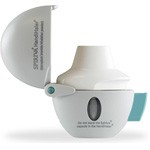
Tiova (Tiotropium Bromide 18mcg via Rotahaler) represents the Cipla India generic Long-Acting Muscarinic Antagonist (LAMA) bronchodilator providing the same tiotropium therapeutic action as brand-name Spiriva at substantially reduced cost. Manufactured by Cipla Limited India under WHO-GMP and US FDA-inspected quality standards, this product delivers 18 mcg tiotropium bromide via the Rotahaler — Cipla's proprietary dry powder inhaler device analogous to the Boehringer Ingelheim HandiHaler used with Spiriva. Both formulations provide the same 24-hour once-daily bronchodilation and gold standard COPD maintenance therapy per GOLD guidelines. As bioequivalent generic to Spiriva HandiHaler, Tiova with Rotahaler offers the proven anticholinergic bronchodilator benefits at accessible pricing making tiotropium LAMA therapy available to broader patient populations. Available as Rotacaps (dry powder capsules) delivered via Rotahaler dry powder inhaler device — patient loads single capsule for each daily dose.
Tiotropium bromide works through highly selective muscarinic M3 receptor antagonism with distinctive kinetic selectivity — the defining feature of LAMA class pharmacology. Tiotropium binds slowly to and dissociates slowly from M3 receptors (27-35 hour dissociation half-life) while dissociating rapidly from M2 receptors (3.6 hours) — producing sustained 24-hour bronchodilation while preserving M2 autoregulatory feedback that normally prevents excessive acetylcholine release. As a quaternary ammonium compound, tiotropium has minimal systemic absorption from inhaled route and does not cross the blood-brain barrier — resulting in favorable safety profile with excellent cardiovascular tolerability. This produces 24-hour bronchodilation from single daily inhalation, improved airway patency, reduced COPD exacerbations, improved lung function, decreased respiratory infections, and reduced daily symptom variability. Clinical response: onset within 30 minutes, peak effect at 1-4 hours, sustained action throughout 24-hour interval supporting simple once-daily morning dosing.
Tiova with Rotahaler serves the same indications as Spiriva HandiHaler. Primary uses include chronic obstructive pulmonary disease (COPD) as gold standard first-line LAMA maintenance therapy; chronic bronchitis; lung emphysema; and bronchial asthma particularly as add-on therapy in patients inadequately controlled on other therapies.
Tiova dosed one 18 mcg Rotacap once daily via Rotahaler device. Peak at 1-4 hours, 25-45 hour half-life. Cipla India under WHO-GMP, US FDA standards.


Free prescription
Discrete packaging
Have questions?
Quality Assurance
- COPD Maintenance Treatment: Long-term daily bronchodilator therapy for symptom control and disease management;
- Chronic Bronchitis: Long-term bronchial inflammation with productive cough and airflow limitation;
- Lung Emphysema: Alveolar destruction with irreversible airspace enlargement causing progressive airflow obstruction;
- Bronchial Asthma: Chronic inflammatory airway disease particularly as add-on maintenance therapy;
- COPD Exacerbation Prevention: Reduction of acute worsening episodes requiring hospitalization or emergency care;
- Asthma COPD Overlap: Patients with features of both conditions benefiting from LAMA bronchodilation;
- Severe Asthma Add On Therapy: Uncontrolled asthma despite inhaled corticosteroids and LABA combinations;
- Smoking Related COPD: Tobacco-induced chronic obstructive airway disease requiring long-term therapy;
- Once Daily Bronchodilator: Simple morning dosing supports excellent long-term adherence for chronic maintenance therapy;
- Reduced Exercise Tolerance: COPD with breathlessness limiting physical activity capacity;
- Chronic Airflow Limitation: Persistent airflow obstruction not fully reversible from various causes;
- Combination Bronchodilator Therapy: Combines effectively with LABA for enhanced dual bronchodilation;
- Triple Inhaler Therapy Component: LAMA component of LAMA/LABA/ICS triple therapy for severe COPD;
- Long Term Respiratory Care: Chronic obstructive respiratory disease requiring sustained maintenance therapy;
- COPD Hospitalization Prevention: Reduces exacerbation-related hospital admissions improving long-term outcomes;
- Long Acting Muscarinic Antagonist Class: First-in-class 24-hour anticholinergic bronchodilator for maintenance therapy;
- Cardiovascular Safe Bronchodilator: Preferred in cardiac COPD patients due to minimal cardiovascular effects vs beta-agonists;
- Cipla Generic Tiotropium: Bioequivalent Indian generic providing same therapeutic action as Spiriva at accessible cost;
- Generic Tiova Rotacaps Therapy: Cipla Rotahaler-based delivery system alternative to Boehringer HandiHaler formulation.
- Less COPD Exacerbations: Documented reduction in moderate-to-severe COPD flare-ups requiring hospitalization or emergency care;
- Better Breathing: Overall respiratory function improves substantially with sustained bronchodilation and reduced airway resistance;
- Better Lung Function: FEV1 improvement and sustained pulmonary function benefits per major clinical trials;
- Less Respiratory Infections: Improved airway clearance and reduced mucus stasis decrease infection frequency;
- Better Anticholinergic Mechanism: M3 receptor blockade prevents acetylcholine-induced bronchoconstriction throughout 24-hour dosing interval;
- Less Daily Symptom Variability: Consistent 24-hour bronchodilation reduces morning and evening symptom fluctuations;
- Better Exacerbation Prevention: Reduces both COPD and asthma acute worsening episodes preserving lung function trajectory;
- Better Once Daily Convenience: Simple morning dosing improves medication adherence critical for chronic maintenance therapy;
- Better Kinetic Selectivity Advantage: M3 slow dissociation with M2 rapid dissociation preserves autoregulatory feedback function;
- Less Systemic Side Effects: Minimal systemic absorption from inhaled route reduces adverse effects significantly;
- Less Cardiovascular Effects: Preferred bronchodilator in cardiac COPD patients due to negligible heart rate and BP effects;
- Better Elderly Tolerability: Excellent safety profile makes tiotropium preferred choice in elderly COPD patients;
- Better Rotahaler Device Delivery: Cipla proprietary DPI device provides reliable dry powder inhalation for daily use;
- Better Substantially Lower Cost: Cipla generic pricing makes gold standard LAMA therapy accessible to broader patient populations;
- Better Bioequivalent Spiriva Alternative: Same tiotropium active ingredient with equivalent clinical efficacy at reduced cost;
- Better Combination Therapy Compatibility: Combines effectively with LABA and ICS for step-up therapy in progressive disease;
- Better Exercise Tolerance: Improved airflow enables greater physical activity capacity and daily functioning;
- Better Quality of Life: Daily wellbeing improves substantially with sustained respiratory function and fewer symptoms;
- Better Long Term COPD Outcomes: Sustained maintenance therapy improves disease trajectory and preserves lung function over time.
Generic Tiotropium Bromide (Tiotropium with Rotahaler 18 mcg) Medication guide:
💊 Tiova 18 mcg Rotacaps - Cipla Generic Tiotropium Introduction
Tiova 18 mcg Rotacaps are the Cipla version of inhaled tiotropium bromide, the long-acting muscarinic antagonist (LAMA) first launched by Boehringer Ingelheim as Spiriva in 2002. Cipla brought Tiova to the Indian market and then to export jurisdictions as a once-daily maintenance bronchodilator for chronic obstructive pulmonary disease and, in selected patients, for severe asthma not fully controlled by inhaled corticosteroid and LABA. Each capsule holds a dry powder dose of 18 mcg tiotropium, which is loaded into the Rotahaler device and breathed in rather than swallowed.
What makes Tiova distinct from the originator is the device. Spiriva uses the HandiHaler for its 18 mcg capsule and the Respimat for the 2.5 mcg soft-mist spray; Tiova pairs its 18 mcg capsule with the Rotahaler, a smaller plastic breath-actuated inhaler developed decades earlier by Cipla for salbutamol and beclomethasone. The Rotahaler needs no battery, no counter, and no priming. It also delivers the dose only in response to the patient inspiratory flow, which is one of the design points this guide will revisit several times.
Tiova is a maintenance medicine, not a rescue inhaler. The onset of action is slow by inhaler standards: the first bronchodilation becomes detectable about 30 minutes after a correctly inhaled capsule and reaches full effect at steady state after one to two weeks of daily use. For sudden breathlessness or wheeze a short-acting bronchodilator such as salbutamol remains the right tool. Tiova takes care of the baseline tone of the airways; a rescue inhaler takes care of acute attacks.
🟢 Who Tiova Rotacaps suit well
Adults with moderate to severe COPD who need a steady 24-hour bronchodilator and prefer the simplicity of a single dose. Patients who can produce a deep, steady breath in (needed for the Rotahaler). Patients who have access to Cipla Rotacap refills through local pharmacies. Patients with severe asthma that is not fully controlled on inhaled corticosteroid plus LABA and who need a Step 4 or Step 5 add-on.
Access and cost matter here. Originator Spiriva remains available but at a price many patients outside high-income health systems cannot sustain month after month. Cipla developed Tiova precisely to put inhaled tiotropium within reach of patients in India and across the global south, and later across many other markets. The capsule chemistry, dose, and clinical effect remain the same molecule; the device and the price are what move.
🔁 Tiova and Spiriva - Bioequivalence of the Same Molecule
Patients and prescribers who have met tiotropium through Spiriva often ask whether Tiova delivers the same drug. The short answer is yes, with device-specific nuance. Tiotropium bromide 18 mcg is the identical molecule at the identical labelled dose. The capsule shell, the carrier lactose, and the Rotahaler device differ from Spiriva HandiHaler. Bioequivalence studies compare the amount of drug that reaches the bloodstream from each device and the time course of that exposure.
Both Cmax and AUC fall within the regulatory 80 to 125 percent bioequivalence window across published Cipla pharmacokinetic bridging studies.
Cmax is the peak plasma concentration a drug reaches after a dose; AUC (area under the curve) is the total amount of drug the body sees across the dosing interval. For inhaled drugs these are only part of the story because what matters most is the lung deposition, but both metrics still indicate whether the two formulations behave similarly.
| 🔁 Feature | Spiriva (originator) | Tiova (Cipla) |
|---|---|---|
| Molecule | Tiotropium bromide monohydrate | Tiotropium bromide monohydrate |
| Capsule strength | 18 mcg | 18 mcg |
| Device | HandiHaler (single-capsule) | Rotahaler (single-capsule) |
| Carrier | Lactose monohydrate | Lactose monohydrate |
| Required inspiratory flow | 30 L/min or more | 30 L/min or more |
| Daily dose | One capsule once daily | One capsule once daily |
| Manufacturer | Boehringer Ingelheim (Germany) | Cipla Limited (India) |
Why bioequivalence does not mean identical experience. Patients used to the HandiHaler notice small differences in Rotahaler sound (slight capsule rattle), mouth feel (coarser lactose at the back of the throat), and the pierce action (the Rotahaler twist is heavier than the HandiHaler button). None of these change the dose that reaches the airway. If a patient has been well on Spiriva and then switches to Tiova, the expectation should be clinical stability, not perceptible improvement or deterioration.
Switching between devices. This can be done without a washout. Patients finishing a Spiriva blister pack can start Tiova Rotacaps the next morning. The dose stays at one capsule daily. The only transition task is learning the Rotahaler technique, covered in the next sections.
🔧 How Rotacaps Work Inside the Rotahaler Device
Rotacaps are hard gelatin shells that contain a measured dose of tiotropium powder mixed with lactose. The capsule itself is not swallowed. It is placed inside the Rotahaler, pierced by two sharp pins when the device is twisted, and then emptied into the breath of the patient as they inhale. This simple mechanism has no battery, no electronics, and no dose counter, which is one reason the Rotahaler remains affordable in markets where sophisticated inhalers are not.
Powder particle size matters more than it sounds. The tiotropium molecule itself is small, but inside the Rotacap it is attached to much larger particles of carrier lactose. Only particles below about 5 micrometres reach the smaller airways where the drug needs to act. Larger lactose particles catch at the back of the throat and are swallowed. This is why the lactose taste after an inhalation is normal and expected; it also means the device design, the capsule freshness, and the patient inspiratory flow all affect how much drug actually reaches the lungs.
Why the Rotahaler needs a breath, not a push. Breath-actuated dry powder inhalers rely on the air you draw through the device to break the capsule content into fine particles. A pressurised metered-dose inhaler sprays the drug under pressure and does not care how hard you breathe. The Rotahaler cares deeply. A weak, shallow breath produces mostly throat deposition and poor lung dose. A long, deep breath carries the powder into the alveoli and small airways where tiotropium works.
What the pins do. Twisting the Rotahaler barrel pushes two sharp pins through opposite ends of the capsule. The holes are small, by design, so that air passing through the capsule chamber picks up powder gradually rather than dumping it in one gulp. The resulting swirl inside the chamber mixes air with powder and feeds the mix out through the mouthpiece as the patient breathes in. If a capsule is pierced twice, or if a damaged capsule is used, the aerodynamics change and the lung dose drops.
🔵 A Rotahaler is one patient, one device
The device is low cost, which is a feature not a bug. One Rotahaler per patient, replaced about every 6 to 12 months or whenever the twist action feels loose. Do not share devices between family members. Do not combine Tiova Rotacaps with a HandiHaler or any other dry powder inhaler. Device and capsule are tested together; mixing invalidates the design.
📋 Loading the Rotahaler - Six Steps From Open to Hold
The six steps of using a Rotahaler are easy to describe but take practice to perform smoothly. The common patient mistakes are: breathing out into the mouthpiece before inhaling (humid breath damages the capsule), piercing more than once (changes aerodynamics), inhaling too gently (powder stays in the device), and swallowing the capsule itself (will not help; swallowed tiotropium is poorly absorbed). The sequence below has been used in Rotahaler teaching clinics for 30 years.
Step 1 - Open the Rotahaler. Hold the device upright with the mouthpiece pointing up. Twist the clear chamber away from the mouthpiece until it clicks. A new or thoroughly cleaned Rotahaler opens smoothly without force. If the twist is stuck, do not use water or oil to loosen it; the device needs to be dry.
Step 2 - Load a Rotacap. Remove one Rotacap from its blister immediately before use, not hours before. Place the capsule into the opening at the base of the mouthpiece, with the capsule standing vertically. The capsule should slide down and sit snugly without rattling. Dry hands matter here: moist fingers can soften the capsule.
Step 3 - Close and pierce. Twist the chamber back to the closed position until it clicks. Hold the device upright. Press the two side buttons (or twist the barrel again, depending on your Rotahaler model) once and release. Both pins now pierce the capsule. Do not press again, because a second piercing changes the holes and reduces the dose.
Step 4 - Exhale away from the device. This step is the one most patients skip. Breathing out before inhaling empties the lungs and gives you more capacity for the inhalation that follows. Exhale to the side, not into the mouthpiece. Humid breath into the device damages the capsule content and reduces the dose.
Step 5 - Inhale deeply through the Rotahaler. Place lips around the mouthpiece, forming a tight seal. Draw a long, steady, deep breath in through the mouth, as if sipping thick drink through a straw. You should hear a faint rattle of the capsule inside the chamber; that is the capsule emptying. Inhale for as long as feels comfortable, typically 4 to 6 seconds. The deeper and steadier the breath, the more drug reaches the small airways.
Step 6 - Hold your breath, then exhale slowly. At the end of the inhalation, keep your breath held for about 10 seconds, or as long as feels comfortable without strain. This gives the fine powder time to settle on the airway walls instead of being swept back out. Then exhale through the nose, slowly. Open the Rotahaler and check the capsule: it should be empty, or nearly so, with the pierced holes visible.
👩⚕️ Doctor pearl — Dr. Emily Chen, MD, MPH
"The single technique mistake that quietly undermines Rotahaler patients is short, shallow breaths taken through the device like a cigarette drag. A good Tiova inhalation feels like a long slow pull from a thick milkshake. If the capsule still has powder left in it after use, the breath was too short. I ask patients to inhale, bring the device back to the chair with them, and open it in front of me."
Repeat the inhalation if your prescriber instructed it or if visible powder remains in the capsule after the first inhalation. In most patients one deep breath empties the capsule fully. The usual error is a short breath, not an insufficient dose; the fix is a slower deeper second attempt on the same capsule, not a second Rotacap.
💧 Pre-Inhalation Preparation That Protects Each Rotacap Dose
Before the Rotahaler goes near your mouth, three small habits protect the dose from being lost to moisture, temperature, or hurried handling. Each takes seconds. Together they are the difference between consistent Tiova delivery and the frustrating pattern of good days and bad days that patients sometimes blame on the medicine when the device was the real variable.
Hands and mouth should be dry. Rotacaps are hygroscopic, which means they absorb water from the air and from skin. A capsule handled by damp fingers softens on the surface and may stick to the piercing pins instead of being fully emptied. Dry your hands before opening the blister. If you have just rinsed your mouth, swallowed cold water, or had a sip of hot tea, wait two or three minutes before inhaling so the mouth is not wet.
Blister comes open last, not first. Each Rotacap is sealed into a blister card for a reason. The seal keeps moisture, light, and air out. Peel the foil backing of one blister pocket only when you are ready to load the capsule; do not pop a capsule out and leave it on the counter while you make coffee. A Rotacap left exposed to room air for 15 minutes already shows reduced powder flow in laboratory testing.
Device at room temperature. A Rotahaler brought in from a cold car to a warm house takes several minutes to warm up. Cold plastic can trap humidity on its surface. Give the device five minutes in your pocket or on the kitchen table before loading a capsule. Hot environments (direct sunlight on a kitchen counter, car dashboard) are a different problem and are covered in the storage section.
🔵 A 30-second pre-flight check before each dose
Hands dry - wipe on a towel if needed.
Mouth dry - wait a few minutes after a hot drink.
Rotahaler at room temperature - no condensation visible on the mouthpiece.
Capsule intact in blister - no cracks, no powder visible outside the capsule.
Nothing in the chamber from last time - previous empty capsule removed and discarded.
Sitting posture improves lung deposition. Standing or sitting upright gives the diaphragm room to move. Hunched posture, lying down, or using the device after bending forward reduces the depth of the inhalation. Patients who use the Rotahaler in bed often find the dose feels weaker on those days; standing or sitting up fixes it.
No talking, no eating, no laughing during the inhalation. Any of these breaks the seal between lips and mouthpiece and interrupts the airflow that carries the powder. Choose a time of day when you can give the inhalation 30 seconds of attention. Right after a morning stretch and before breakfast is a common choice; it also keeps the schedule consistent, which matters more than the exact clock time.
🟡 What a bad pre-inhalation looks like
Wet hands from washing dishes right before dosing. Hot drink two seconds before placing the mouthpiece. Blister pack carried in a pocket for an hour before use. Rotahaler sitting in a bathroom cabinet above a steamy shower. All of these quietly undercut the dose that reaches the airways and lead to the familiar complaint that the medicine seems to have stopped working.
🔬 The LAMA Mechanism - How Tiotropium Holds the M3 Receptor
Tiotropium is a long-acting muscarinic antagonist. It blocks the muscarinic acetylcholine receptors on airway smooth muscle, which is where the parasympathetic nervous system sends constrict signals that narrow the airways. By sitting on these receptors and refusing to come off quickly, tiotropium removes a major source of baseline bronchoconstriction and keeps the airways open through the day and night.
Three receptor subtypes matter in the airway: M1, M2, and M3. Tiotropium binds all three, but its clinical personality comes from how it treats M3 differently from M2.
Slow dissociation from M3 drives the 24-hour bronchodilation; faster release from M2 reduces heart rate side effects compared with non-selective anticholinergics.
Why slow dissociation from M3 matters. Older short-acting anticholinergics such as ipratropium fall off receptors within an hour or two, which is why they are used four times a day. Tiotropium holds on to the M3 receptor for over a day, which is why a single morning capsule covers 24 hours. The 35-hour M3 half-time on the receptor is the signature of this drug class and the reason once-daily dosing is clinically meaningful rather than aspirational.
Why faster release from M2 is a feature. M2 receptors in the airway act as a brake on acetylcholine release itself, and M2 receptors on the heart help control heart rate. A drug that stays long on M2 can paradoxically increase acetylcholine spill and raise heart rate. Tiotropium falls off M2 much more quickly than it falls off M3, which gives the molecule its favourable cardiovascular profile seen in the TIOSPIR trial of over 17,000 patients.
M3 block relaxes airway wall. Lumen widens, airflow improves, breathlessness falls.
M3 block reduces mucus hypersecretion. Sputum volume often falls modestly over weeks.
Reduces the night-time and early-morning constriction peaks driven by parasympathetic activity.
What tiotropium does not do. It does not reduce airway inflammation (that is the job of inhaled corticosteroids). It does not reverse smoking damage. It does not relax muscle on the arterial side of the circulation. It does not act on central nervous system muscarinic receptors in meaningful amounts, because very little inhaled tiotropium crosses into the brain compartment. Its action stays local to the airway, which is one of the reasons it is one of the few anticholinergics acceptable in older adults.
⏱️ Why One Tiova Capsule Covers Twenty-Four Hours of Breathing
Once-daily inhaled medicine sounds too convenient to be real to anyone who has lived with four-times-daily ipratropium or six-times-daily salbutamol. For tiotropium the kinetics support the simplicity. The drug reaches the airway wall within minutes of inhalation, embeds itself in M3 receptor binding sites, and comes off slowly enough that by the time the next morning dose arrives, the previous dose still covers meaningful ground.
What day one feels like. On the first morning you load, pierce, and inhale a Tiova Rotacap, the airway tone starts to fall within about 30 minutes. By two to three hours you may notice easier exertional breathing (one fewer pause while climbing stairs, less chest tightness after mild activity). The full-day coverage is not yet established on day one; the drug has not accumulated to the plateau where it sits on enough M3 receptors to buffer symptoms through the night.
What the first week looks like. Each daily inhalation adds to the pool of tiotropium already bound to receptors. By day 5 to 7 the morning trough (the point just before the next dose) sits at a level that keeps bronchodilation substantial throughout the 24-hour cycle. Patients often say this is when they stopped carrying their rescue inhaler everywhere.
| 📅 Time after dose | Pharmacology | What the patient feels |
|---|---|---|
| 0 to 30 min | Drug lands on epithelium; starts binding M3 | Nothing yet; mild lactose taste in mouth |
| 30 min to 3 h | Bronchodilation rises toward peak | Easier breathing during activity, less chest tightness |
| 3 to 12 h | Plateau of effect | Consistent day-time breathing comfort |
| 12 to 24 h | Slow decline, buffered by slow M3 release | Night and early morning covered; may feel a slight return of symptoms just before next dose |
Why the morning before the next dose is the softest point. By 20 to 24 hours after inhalation, the receptor occupancy has dropped from its peak but is still well above what short-acting anticholinergics ever reach. This is the trough. Patients who feel their breathing is noticeably worse in the hour before the next dose are usually either taking the dose too late in the day (push it earlier), or they need an added LABA or ICS, which is the usual next step in COPD management.
Missing a dose is forgivable. Because the drug accumulates and the receptor stays occupied, one missed dose does not undo weeks of therapy. The daily rhythm is important, but a Tuesday that gets skipped altogether rarely causes a flare if Wednesday catches up. The missed-dose section covers the exact rules.
📅 First Week on Tiova - What Each Day of Build-Up Feels Like
Starting Tiova is not a dramatic event, which is in itself a kind of information. Unlike a rescue inhaler, there is no sudden opening of the chest. Unlike an oral steroid, there is no mood boost or appetite change. The drug settles quietly into daily life. Setting expectations early helps patients stay on it through the slow build-up when they might otherwise doubt whether the capsule is doing anything.
Day 1. After the morning Rotacap, you may notice a mild dry taste at the back of the throat (the lactose carrier) and nothing much else for the first hour. By two to three hours, if you push yourself a little (a flight of stairs, a brisk walk), the breath may come easier than it did yesterday. Rescue inhaler use the rest of the day may already fall by one or two puffs.
Days 2 to 4. Each morning dose builds on the last. The early-morning cough that many COPD patients know well often softens by day three. Night-time breathlessness that led to a rescue inhaler at 4 am may stop happening. If you were not able to walk two blocks without pausing, the first block may begin to feel steady.
Day 5 to 7. Steady state. The receptor occupancy is now full across the 24-hour cycle. The clinical effect you have at this point is close to the maximum you will get from Tiova monotherapy. If this maximum is not enough for your day, the next conversation with your prescriber is about adding a LABA or ICS, not about increasing the Tiova dose, which does not improve with a second capsule.
Weeks 2 to 4. Life settles into a new rhythm. Rescue inhaler use typically drops by 60 to 70 percent in COPD. Morning sputum volume often falls. Sleep improves because night cough is lighter. Patients report they can hold a conversation during a flight of stairs. These are small changes that add up.
What is not Tiova working. A dramatic chest opening in the first hour is probably your rescue inhaler, not the Tiova. A sudden feeling of being more alert, a faster pulse, or jitteriness is not Tiova (that is more typical of beta-agonists or theophylline). Mouth dryness that lasts an hour is normal and will usually settle; mouth dryness that lasts the whole day on week two deserves attention and is covered in a later section.
Setting the daily time. Morning dosing is standard because the trough falls at night when breathing demand is lowest, which gives the dose a chance to cover the active waking hours when symptoms matter most. Patients who find morning rushed can choose any consistent time (same hour each day, within one hour). Switching the time by more than an hour or two moves the trough point and should be done gradually over several days.
🟢 Honest expectations for the first month on Tiova
A gradual improvement rather than a sudden one. Rescue inhaler use falls across weeks. Night cough softens. Sputum volume drops. Breathing during routine activity feels steadier. You still need your rescue inhaler for sudden tightness. The lactose taste after each dose is not a defect; it is normal. Mouth dryness in the first week is normal and tends to settle.
🧽 Rotahaler Cleaning and Device Care Between Daily Doses
A Rotahaler is a simple piece of moulded plastic, which is exactly what makes cleaning easy. There is no electronic counter to protect, no spring mechanism to oil, and no dose canister sealed inside. The maintenance habits below keep the device delivering a consistent lung dose through its service life of about six to twelve months.
After every dose. Open the Rotahaler, lift out and discard the empty pierced capsule shell, and close the device. If visible lactose powder sticks inside the chamber, tap the device gently against your palm to loosen it, then wipe the chamber with a dry tissue. Do not use water, and do not blow into the device; blowing adds moisture that can clump the next dose.
Once a week. Rinse the clear chamber only (not the piercing mechanism) with warm water, shake off excess water, and leave the chamber open on a clean towel for at least four hours to air dry fully. The piercing part never goes in water; wipe it with a dry cloth. The device needs to be fully dry before the next capsule is loaded. A damp chamber turns the next Rotacap into a soft paste.
| 🧽 Cleaning task | How often | What to use |
|---|---|---|
| Remove empty capsule | After every dose | Fingers; dispose of shell in household waste |
| Wipe chamber dry | After every dose if powder is visible | Dry clean tissue or lint-free cloth |
| Rinse chamber only | Once weekly | Warm tap water; no soap |
| Air-dry fully | After every rinse | Clean towel, four hours minimum |
| Replace Rotahaler | Every 6 to 12 months, or sooner if twist feels loose | New Rotahaler from pharmacy |
Signs the Rotahaler needs replacing. The twist feels loose, the piercing pins look blunt or bent, the capsule rattles too much (sign that the chamber has stretched), or the mouthpiece has cracks. A new device costs little; replacing one is cheaper than months of underdosed therapy.
Storage between doses. Keep the Rotahaler in its original box or a dust-free container at room temperature. Not in the bathroom cabinet (humidity), not on a sunny windowsill (heat), not in a kitchen drawer with greasy residue. A bedside table drawer or a bedroom shelf works. Keep it out of the reach of children and pets; the device is small and plastic enough that a curious toddler can carry it off.
✅ A Rotahaler that is well cared for
Twist action smooth and firm. No visible powder residue in the chamber. Mouthpiece dry and clean. Pins straight and sharp. Device dry to the touch. Stored upright in its box. Replaced according to the pharmacy schedule. Patients who follow this rhythm rarely complain that their Tiova has stopped working, because it has not.
🔍 Reading the Rotacap - Full, Pierced, Empty States
A Rotacap gives visible feedback at every stage of use. Before the dose, after the pierce, and after the inhalation, the capsule looks different. Learning to read those three states tells you whether the dose was delivered or not. More patients than you would think dose Tiova for weeks without ever opening the device after the inhalation to check what the capsule looks like.
Hard, firm, standing shape. Pale body, dark cap, printed Cipla logo visible. Rattles with powder. No cracks or dents. If damp or soft, discard and use another.
Two small holes visible, one at each end. The holes are clean punctures, not torn. Capsule still contains most of the powder. This is the state right after the pierce action, before inhalation.
Nearly weightless. Shell appears translucent because the powder is gone. Two pierce holes still visible. This is the correct end state - a successful dose was inhaled.
Full before use. Each Rotacap in its blister should look identical: hard shell, powder visible through the slightly translucent sides when held to the light, no cracks, no soft spots. Expired capsules, or capsules from a blister that has been exposed to humidity, feel soft to the touch. A soft capsule is not safe to use; the dose cannot be released reliably.
Pierced after loading. After the twist that pierces the capsule, the holes look clean and symmetrical. If one hole is big and ragged, the pin may be worn (device replacement). If the pierce feels like it did not go through (no resistance felt), the capsule may have slipped out of position; open the device and re-seat the capsule.
Empty after inhalation. This is the moment of truth. Open the Rotahaler straight after the inhalation; the capsule should be empty or nearly empty, standing in its chamber. If significant powder is still in the capsule, the breath was too shallow. Put the device back together, give a longer stronger inhalation on the same capsule, and check again.
🟡 Capsule still has powder - what to do
Re-close the Rotahaler and inhale the same capsule again, deeper and slower this time. Do not twist again (no second pierce). Do not throw the capsule out and start fresh - that is a waste. Do not swallow the capsule to make sure the dose is in - oral tiotropium is poorly absorbed and does not help. Second deep inhalation on the same capsule is almost always enough.
Common patient feedback that signals a problem. If you taste nothing after the inhalation and the capsule still looks full, the air flow was too weak; practice a slow steady breath with your prescriber or pharmacist. If the capsule stays whole after the twist (no visible holes), the pins may be bent (replace device). If every capsule from one blister pack looks soft or discoloured, the pack may have been stored badly (return to pharmacy for replacement).
⏰ Missed Dose Decisions on Once-Daily Tiova Rotacaps
Tiova is a once-daily maintenance dose. Missing one is survivable because the receptor stays occupied longer than 24 hours, but missing many strings together erodes the plateau that steady state has built. The decisions below are not rigid rules; they are the usual approach for an otherwise stable patient.
Take the dose as soon as you remember.
Carry on with your usual time the next day.
A small clock shift matters very little across 24 hours.
Skip the missed dose entirely.
Take the next dose at the usual morning time.
Never double up to catch up - no clinical gain, mild risk of eye and mouth side effects.
One missed day. The missed dose cuts the receptor occupancy by about 25 to 30 percent from the steady-state plateau. Most patients notice no symptom change at all; a minority with severe disease feel slightly tighter breathing or an extra rescue inhaler puff that day. Resume the next morning dose normally. No catch-up is needed.
Two or three missed days in a row. Receptor occupancy falls more. Symptoms often return in the second half of day two. Take the next scheduled dose and expect three to five days before you are back to the pre-gap level of comfort. Keep your rescue inhaler nearby. If the gap was due to running out of supply, make sure the next refill is sorted so this does not happen again.
A week or more. The pharmacological situation is close to starting fresh. Resume the morning dose when you have Rotacaps again; expect the first dose to feel like it did on day one of the original start, and the second week to feel like the first week of the original start. If symptoms during the gap were severe (increased rescue use, night waking, early-morning cough), the gap deserves a short conversation with your prescriber so additional support (brief oral steroid course if indicated) can be considered.
🔵 Build habits that prevent missed doses
Pair the dose with a daily anchor - morning coffee, brushing teeth, breakfast prep.
Keep the Rotahaler visible, not hidden - a bedside table or a coffee counter beats a drawer.
Refill a week before supply runs out - blister packs do not fail, people run out.
Phone alarm as backup - dismiss only after the capsule is in.
Carry a two-day emergency pack while travelling - delayed flights happen.
Why doubling up is pointless. Taking two Rotacaps in one day does not raise bronchodilation above what one capsule produces at steady state. The receptors that are not occupied in the morning will not be occupied by a second dose that evening either, because the plateau is already near maximum. The only thing a double dose adds is extra mouth dryness, a slightly higher chance of urinary hesitancy, and a greater lactose load.
🔧 Troubleshooting When Rotahaler Technique Falls Short
Patients who come back to clinic saying their Tiova has stopped working often have a Rotahaler problem rather than a drug problem. The device is forgiving when used correctly but unforgiving when the technique drifts. Several small symptoms give away the specific technique fault, and most of them have a quick fix.
The breath was too shallow or too short. Common cause is sucking the device like a cigarette. Fix: close the Rotahaler without re-piercing, take a long slow deep draw through the mouthpiece, hold your breath for 10 seconds. Open the device and check again. If still powder-filled, discuss with your pharmacist whether a different device (Spiriva HandiHaler, Respimat) is a better fit for your inspiratory flow.
Normal in the first week; usually from the lactose carrier hitting the back of the throat. Fix: breathe out away from the device, start the inhalation gently and smoothly instead of hard and fast, keep the inhalation steady. A sip of water afterwards helps clear the throat. Persistent cough beyond the first weeks is uncommon and should be mentioned to your prescriber.
Suggests very little powder reached the mouth and probably none reached the lungs. Fix: check that the capsule was pierced (open device and look at the empty capsule - two visible holes). Check the hands-dry rule and the exhale-first rule. Try again with a fresh Rotacap and watch the capsule after the breath. If still no taste, device may need replacing.
Blister pack has been exposed to humidity. Fix: discard the entire blister card, take a fresh one from a different box, store blisters in a cool dry drawer. Do not use capsules from a damp pack even if they look intact; the powder flow is compromised.
Pins may be worn or bent. Fix: replace the Rotahaler. Most pharmacies carry replacements. Until a new device arrives, you can use a HandiHaler from a Spiriva prescription on the same molecule, with the same technique (do not use Tiova Rotacaps in a HandiHaler without checking that the capsule fits the device chamber).
| 🔍 Symptom | Most likely cause | Quick fix |
|---|---|---|
| Breathless like before Tiova started | Technique drift over months | Pharmacist review of inhalation technique |
| Capsule stays whole in device | Pins blunt or capsule mis-seated | Re-seat capsule or replace Rotahaler |
| Capsule emptied but no breathing change | Powder deposited in throat not lung | Slower deeper draw; practice with pharmacist |
| Rotahaler whistle during inhalation | Breath too forceful at the start | Start slowly, build pace, keep steady |
When to switch devices. If after a careful review of technique, device state, and capsule freshness the Rotahaler still does not seem to deliver, discuss with your prescriber whether a different device suits your inspiratory flow better. Patients with very low peak inspiratory flow (common in advanced COPD and in frail older adults) sometimes do better with the Respimat soft-mist inhaler of originator Spiriva, which does not depend on patient effort to break the dose into fine particles.
🫁 Tiova in COPD and the GOLD Group Approach
Tiotropium sits at the heart of GOLD 2024 recommendations for COPD. Among the long-acting bronchodilators, LAMAs reduce exacerbations more than LABAs in head-to-head comparisons. Among LAMAs, tiotropium has the longest clinical track record (over two decades) and the deepest trial evidence. For most patients starting a once-daily LAMA, Tiova delivers the same molecule the GOLD committee was looking at when it wrote the recommendation.
Few symptoms, few exacerbations. Short-acting bronchodilator first. Tiova added only if symptoms persist. Many patients in this group do not need a LAMA at all.
More symptoms, few exacerbations. LABA plus LAMA combination preferred first choice. Tiova fits here as the LAMA component or as initial monotherapy if combination not accessible.
Frequent exacerbations. LABA plus LAMA plus ICS triple therapy preferred. Tiova remains the LAMA component in a stepped-up regimen; add rather than replace.
GOLD positioning for new patients. A patient newly diagnosed with COPD who has daily symptoms (shortness of breath on exertion, cough, sputum) and more than mild airflow obstruction will typically start on a LAMA or a LABA plus LAMA combination. Tiova Rotacaps are a legitimate LAMA choice at this step. Starting a LAMA first (rather than ICS) is standard because COPD is a muscle-tone disease more than an inflammatory one in most phenotypes.
Patients already on short-acting bronchodilators. Many patients come to Tiova after years of salbutamol or ipratropium nebulisers four times a day. Switching to a single daily Rotacap simplifies life, usually reduces short-acting bronchodilator use by about 50 percent in the first month, and gives better 24-hour coverage than the fragmented schedule it replaces. The salbutamol does not stop; it becomes rescue-only.
| 🏆 Clinical outcome | Evidence source | Approximate benefit |
|---|---|---|
| FEV1 improvement | UPLIFT, meta-analyses | 100 to 150 mL at trough, 150 to 200 mL at peak |
| Exacerbation reduction | UPLIFT, POET-COPD | About 14 percent fewer per year |
| Hospitalisation reduction | UPLIFT | About 14 percent fewer |
| Quality of life (SGRQ) | UPLIFT, long-term extensions | 2 to 3 unit improvement, sustained |
| Rescue inhaler use | UPLIFT, real-world | About 50 percent reduction in month 1 |
Dual bronchodilation beats monotherapy in symptomatic patients. Combining a LAMA (like tiotropium) with a LABA produces greater FEV1 improvement than either alone. If the patient on Tiova monotherapy still has daily symptoms after four to six weeks of consistent use, the next step is usually to add a LABA (formoterol, salmeterol, or indacaterol) rather than increase the Tiova dose. The Rotacap dose does not scale upward; adding a second drug class scales the regimen.
Triple therapy. Group E patients with frequent exacerbations benefit from adding inhaled corticosteroid on top of LABA plus LAMA. Tiova remains the LAMA component; the LABA and ICS come in a separate inhaler or in a single-inhaler triple formulation if accessible. The combination of inhaled drugs delivers the biggest exacerbation reduction and is the current standard of care for Group E COPD.
🌬️ Tiova in Severe Asthma - Step 4 and 5 Add-On Role
Tiotropium entered asthma care about a decade after it had established itself in COPD. The GINA guidelines added it as a Step 4 and Step 5 add-on in 2015, based primarily on the PrimoTinA-asthma trials. Tiova Rotacaps deliver the same molecule, which places them in the same asthma role: an add-on for severe or inadequately controlled asthma, not a replacement for inhaled corticosteroid.
PrimoTinA-asthma in short. Two parallel 48-week trials randomised 912 severe asthma patients on medium-to-high ICS plus LABA to tiotropium or placebo add-on. The tiotropium groups had significantly longer time to first severe exacerbation, better FEV1 at trough and peak, and modestly fewer episodes of asthma worsening. The pattern was consistent across phenotypes, which is why GINA added the recommendation across severity bands.
Which severe asthma patients respond best. Patients with fixed airflow obstruction (reduced post-bronchodilator FEV1 that does not fully reverse) tend to show the greatest FEV1 gain on tiotropium. Smokers with asthma, patients with longer disease duration, and patients with incomplete reversibility also respond well. Patients with purely eosinophilic allergic asthma may do better with a biologic (omalizumab, mepolizumab, dupilumab) if accessible.
Tiotropium in children with asthma. Studies in children aged 6 to 11 and 12 to 17 have shown benefit on FEV1 and symptom scores, though effects are more modest than in adults. The Tiova Rotacap is approved for adults in most jurisdictions; paediatric use typically involves Spiriva Respimat where available. For Tiova specifically, check your local prescribing information for age restrictions.
🔵 Who in severe asthma should discuss Tiova add-on with their prescriber
Adults still having regular symptoms despite medium-to-high ICS plus LABA. Patients with a history of one or more severe exacerbation per year. Patients with incomplete bronchodilator reversibility on spirometry. Patients where biologic therapy is not accessible due to cost or eligibility. Patients who smoke or have smoked (lower response to biologics, often decent response to LAMA).
What Tiova does not replace in asthma. It does not replace the inhaled corticosteroid, which remains the backbone of asthma care. It does not replace the rescue inhaler. It does not replace trigger management or avoidance of specific allergens. The LAMA sits on top of a strong anti-inflammatory base, not instead of it.
🥃 Dry Mouth From Tiova - Why It Happens and What Helps
Dry mouth is the most common side effect of inhaled tiotropium, and the one patients mention most often in clinic. It happens because the drug blocks muscarinic receptors on salivary glands as well as on airway smooth muscle. The salivary effect is modest with inhaled dosing (unlike oral anticholinergics, where it can be severe), but it is noticeable enough that many patients describe it as the one thing they would change about Tiova.
Who gets it:
- About 10 to 15 percent of patients report it in the first weeks
- Older patients report it more often (lower baseline saliva)
- Patients already on anticholinergic drugs (bladder medicines, some antihistamines, some antidepressants) often notice an addition
- In most patients it tapers over the first six weeks as oral tissues adapt
Why it usually fades. Early tiotropium dosing produces the greatest novelty for the salivary glands. Over weeks the glands adjust, and most patients report dry mouth returning to a background level that is noticeable only occasionally. The patients for whom it does not fade are typically those with additional anticholinergic burden from other drugs; reducing that burden often fixes the dry mouth without changing Tiova.
🔵 Practical dry mouth management
Rinse and spit after each Tiova dose - removes lactose and residual tiotropium from the mouth, reduces local anticholinergic effect on oral tissues.
Sip water through the day - small frequent sips beat large gulps.
Sugar-free gum or lozenges - stimulates saliva mechanically; xylitol-based products are preferred for dental health.
Humidifier at night - helps the patients who wake with a dry throat.
Avoid alcohol-based mouthwash - drying effect compounds the problem; prefer alcohol-free formulas.
Review other anticholinergic drugs - ask prescriber whether oxybutynin, tolterodine, promethazine, or amitriptyline can be reduced or replaced.
Dental implications. Reduced saliva increases risk of dental cavities and gum disease. Patients on long-term Tiova benefit from a dental check twice a year rather than annually, and from fluoride toothpaste at the higher-strength formulations some pharmacies carry on request. Dentists do not usually need to change procedures for a patient on inhaled tiotropium; the drug is not relevant to local anaesthesia or routine fillings.
👩⚕️ Doctor pearl — Sarah Mitchell, PharmD
"When a Tiova patient complains of persistent dry mouth after month two, I run through their whole medicine list rather than reach for a saliva substitute. In my clinic, four out of five have another anticholinergic drug (an overactive bladder tablet, a first-generation antihistamine for sleep, a tricyclic for pain) adding to the burden. Replacing that drug with a non-anticholinergic alternative often resolves the dry mouth without touching the Tiova."
When to escalate. If dry mouth is severe (difficulty eating, speech affected, oral thrush), does not respond to the measures above, and remains troubling after two months, discuss with your prescriber. Options include a trial of a different LAMA (umeclidinium, glycopyrronium), switching to a non-LAMA regimen (LABA plus ICS without LAMA), or a short dose holiday to confirm Tiova is the cause.
Dry mouth is not a signal of toxicity. Unlike oral anticholinergics, inhaled tiotropium does not cause systemic anticholinergic syndrome at labelled doses. Severe symptoms (dilated pupils, urinary retention, confusion, flushing, raised body temperature) are extremely rare with Tiova and almost always suggest another cause.
🚻 Tiova and Male Urinary Symptoms - BPH Considerations
Men with prostate enlargement or urinary retention history warrant a short conversation with their prescriber before starting Tiova. The muscarinic receptors tiotropium blocks on airway smooth muscle also sit on the bladder detrusor muscle. In men with narrow urethral outflow (benign prostatic hyperplasia), extra bladder relaxation can tip a struggling flow into urinary retention. The risk is small but real, and it is a predictable rather than an unpredictable one.
How common is it:
- Overall risk of new urinary symptoms on tiotropium is about 1 to 2 percent
- Risk is higher in men over 65 and in men with pre-existing BPH symptoms
- Risk is higher when tiotropium is combined with other anticholinergics (bladder medicines, some antihistamines)
- Women are not at the same risk because they lack the outflow obstruction
| 👨 Patient profile | Risk level with Tiova | Practical approach |
|---|---|---|
| Man under 50, no urinary symptoms | Very low | Standard prescribing |
| Man 50-65, mild hesitancy | Low to moderate | Baseline urology history; watch for change |
| Man 65+ with BPH on tamsulosin | Moderate | Continue BPH medicine; monitor flow |
| Man with past acute urinary retention | High | Specialist decision; alternative LAMA or non-LAMA regimen may be chosen |
| Man with narrow-angle glaucoma + BPH | High | Weigh benefit against two anticholinergic risks |
Signs that bladder emptying has slowed. Hesitancy at the start of urination (longer wait before flow starts), weaker stream, feeling of incomplete emptying, more trips to the bathroom at night. These are also normal BPH symptoms, so the key is change rather than baseline. A new or worsening pattern after Tiova starts deserves a prescriber call within a week.
🔴 Acute urinary retention - stop Tiova and seek help
Sudden inability to pass urine, lower abdominal fullness and pain, discomfort worsening over hours. This is a medical emergency, not something to wait out at home. Stop Tiova immediately. Attend an emergency department; catheterisation relieves the acute situation. After recovery, discuss alternative inhaled therapy with your prescriber.
If you already have well-controlled BPH. Men on tamsulosin, alfuzosin, or doxazosin for BPH, with stable urinary flow, can usually take Tiova without problems. The alpha-blocker opens the outflow and offsets much of the LAMA bladder effect. Keep taking the alpha-blocker as prescribed, watch for change in urinary pattern during the first weeks, and have a review appointment at month one.
Alternatives if urinary symptoms are a hard stop. If BPH makes any LAMA unsafe, options include LABA monotherapy (short of ideal for exacerbation prevention), LABA plus ICS without LAMA (acceptable for GOLD Group B who are not severe), or roflumilast (oral PDE4 inhibitor; different mechanism, different side effects). Discuss with a respiratory specialist which option matches your overall clinical picture.
👁️ Eye Care With Tiova - Protecting Against Narrow-Angle Glaucoma
Narrow-angle glaucoma is one of the few absolute reasons to avoid Tiova. The muscarinic receptors that tiotropium blocks on airway smooth muscle also sit in the iris and the ciliary body of the eye. A measurable amount of drug can reach the ocular surface when the inhalation technique is poor and some powder escapes around the mouthpiece. In an eye with a shallow anterior chamber, the pupil dilates slightly, the iris crowds the drainage angle, and the aqueous humour builds up fast. This is an acute angle-closure attack and it is a medical emergency.
Open-angle glaucoma on treatment: no restriction. Narrow angle (undilated or treated): extreme caution. Past acute angle-closure attack: absolute contraindication.
Open-angle vs narrow-angle glaucoma. These are two separate conditions. Open-angle glaucoma is the common chronic form, treated with eye drops, with a wide drainage angle on examination; patients can safely use Tiova because the angle does not close further with mild pupil dilation. Narrow-angle glaucoma, less common, has a narrow drainage angle that is at risk of sudden closure. Patients who have never had their angles checked but who have a family history of acute glaucoma or shallow anterior chambers need an ophthalmology assessment before starting Tiova.
How a Tiova-related attack would present. Sudden eye pain in one eye (often described as the eye feeling full), blurred vision, haloes around lights, nausea, sometimes vomiting. The eye looks red and the pupil may be mid-dilated and oval. This is a medical emergency; untreated acute angle closure can cause permanent vision loss within hours.
🚨 Signs of an acute glaucoma attack - treat as an emergency
- Sudden severe pain in one eye
- Blurred vision, haloes around lights
- Red eye with mid-dilated oval pupil
- Nausea or vomiting with the eye symptoms
- Firm feeling eye on gentle touch (compared to the other eye)
Attend eye emergency department immediately. Mention Tiova on arrival.
Technique that protects the eyes. A properly executed Rotahaler inhalation delivers almost all the drug into the lungs and almost none to the ocular surface. Technique faults that spill powder (loose lip seal around the mouthpiece, exhaling into the device, puffs with partial seal) raise ocular exposure. Keep the eyes closed during the inhalation and the breath-hold.
Washing after dose. Rinse your mouth, dry around the eyes with a clean towel if you felt any powder on your face, and wash your hands before touching your eyes to put in reading glasses or contact lenses. These habits reduce the already small chance of ocular exposure to effectively zero in normal use.
Patients already on glaucoma treatment. Open-angle glaucoma patients using latanoprost, timolol, or bimatoprost eye drops continue those drops unchanged. Tiova does not interfere with glaucoma medications. Routine eye pressure checks (every six months is standard) continue as usual. The eye team should know you are on Tiova, mainly so your record is complete.
📈 Monitoring Tiova Progress - FEV1, Symptoms, Rescue Puffs
Tiova is a slow-acting controller, and the patient who takes it carefully still needs to know whether it is doing its job. The three markers prescribers watch between appointments are FEV1 (lung function), daily symptom load, and rescue inhaler use. Each one is easy to track at home and easy to summarise in a two-sentence update at your next visit.
Trough FEV1 (just before the next dose) usually rises by 100 to 150 mL from baseline in COPD; peak FEV1 (one to three hours after the dose) rises by 150 to 200 mL. These numbers are averages; individual response varies. A rise below 60 mL at trough is a weaker response and may prompt a conversation about adding a LABA.
Stable patients on Tiova typically use their rescue inhaler fewer than two times per week. More frequent use (several times a day, every day) is a signal that control is not optimal and either device technique, the Rotacap itself, or the overall regimen needs review.
For COPD, a daily peak flow at home is not standard but it can be useful. For severe asthma on Tiova add-on, a daily morning peak flow is a reasonable habit; a drop of more than 20 percent from your best reading over two mornings is a worth-reporting change.
In COPD, annual spirometry at the clinic tracks the long-term FEV1 trajectory and whether tiotropium is still delivering. In asthma, spirometry every six to twelve months is reasonable. Both are more useful than frequent home measurements for anyone not already using a peak flow meter.
| 📋 What to track | How | Frequency |
|---|---|---|
| Rescue inhaler puffs | Note on phone each time | Daily |
| Night-time symptoms | Diary line in the morning | Daily |
| Walking tolerance | Note distance you walked before pausing | Weekly |
| Spirometry FEV1 | Clinic measurement | Annually (COPD), 6-12 months (severe asthma) |
| Rotahaler technique | Pharmacist observation | Every 6 months |
| Exacerbation count | Prescriber record of any oral steroid or antibiotic course | At every visit |
Red flags between visits. A sudden increase in rescue inhaler use, more than three nights of waking in a week, a new morning cough that was not there, chest tightness that persists through the day, or a trip to the emergency department all count as reasons for an earlier review. On Tiova, these signal that the regimen may need expansion (LABA add-on, ICS add-on, biologic in severe asthma) rather than Tiova dose change.
Stable looks like. Same morning routine for weeks, rescue inhaler puffs fewer than twice a week, same walking distance before pausing, no night waking from breathing, FEV1 unchanged from last clinic visit. Patients in this zone come to annual review for continuity but rarely need in-between appointments. Many stay here for years.
🚨 Common Tiova Side Effects and When to Call for Help
Tiova is one of the better-tolerated inhaled drugs in modern pulmonary care. Twenty years of post-marketing data on tiotropium across all delivery devices show a consistent side effect pattern: common ones that most patients tolerate, uncommon ones that are usually manageable, and rare serious ones that are the reason for the contraindications list at the end of this guide.
🔵 Common and usually manageable
Dry mouth (fades over weeks for most), mild throat irritation (settle after mouth rinsing), occasional cough with the first inhalations, lactose taste after each dose, slightly more sinus or upper respiratory infections than expected background. These are reasons to adjust technique and daily habits, not usually reasons to stop the drug.
🟡 Uncommon - mention at the next review
New constipation that lasts beyond two weeks, headache that is new and persistent, mild urinary hesitancy in men, hoarse voice. These are not emergencies, but they warrant discussion. Many respond to simple adjustments (fibre intake, hydration, a rinse-after-dose routine, review of other anticholinergic drugs).
🔴 Serious - stop Tiova and seek urgent help
Sudden eye pain with blurred vision in one eye (possible acute glaucoma), inability to pass urine (acute urinary retention), paradoxical bronchospasm (wheeze and tightness worsening immediately after a Tiova dose), swelling of the face or throat, a widespread rash. Any of these means do not take the next dose, call your prescriber or emergency services, and keep the device packaging to show the clinical team.
Paradoxical bronchospasm. This is a rare but recognised reaction where inhalation of the drug triggers tightening of the airways instead of opening them. It usually happens within minutes of inhalation. Use your rescue inhaler if symptoms allow, call for help if they do not, and do not take further Tiova doses until a prescriber has reviewed the event. Paradoxical bronchospasm is a hard contraindication to continuing the drug.
Hypersensitivity reactions. Lactose in Rotacaps is derived from milk, and patients with severe milk protein allergy have reported reactions. True IgE-mediated reactions are rare, but any new rash, swelling, or breathing difficulty immediately after a dose should be treated as a possible allergic reaction. Severe milk protein allergy is a reason to discuss alternative LAMA formulations with the prescriber.
🕰️ Older Adults on Tiova - Why This Molecule Suits Age
Among inhaled respiratory drugs, tiotropium is one of the more comfortable choices for older adults. The molecule reaches the airway and acts locally; very little is absorbed into the general circulation. Cardiac and neurological side effects at labelled doses are among the lowest of the long-acting bronchodilators. For a 78-year-old with COPD, Tiova often suits better than a theophylline or a short-acting bronchodilator used four times a day.
Once-daily simplicity. Low systemic absorption. Minimal cardiovascular effect. Modest cognitive impact. No dose adjustment for age alone.
Weak inspiratory flow (Rotahaler technique check), dry mouth with other anticholinergic drugs, BPH in men, narrow-angle glaucoma risk.
Severe frailty with low inspiratory flow, past acute glaucoma, past acute urinary retention, severe anticholinergic burden.
Inspiratory flow matters more than age. The Rotahaler needs about 30 L/min of inspiratory flow to break the capsule content into fine particles. Many older adults, especially frail ones or those with advanced emphysema, cannot generate that flow consistently. For them a soft-mist device (Spiriva Respimat) delivers the molecule without requiring force. Patients who have been on Tiova for years but whose breathing has deteriorated recently may benefit from a flow check at pharmacy; this is a one-minute test with a device called an In-Check DIAL that confirms whether the Rotahaler is still the right choice.
Anticholinergic burden. Elderly patients often take several drugs with mild muscarinic effects. Oxybutynin for bladder, promethazine for sleep, amitriptyline for pain, cyclobenzaprine for muscle spasm, hyoscine for cramps - each adds to the burden. The inhaled tiotropium component is small, but on top of several oral anticholinergics the sum can produce constipation, confusion, urinary hesitancy, and worsening dry mouth. A medicines review that targets anticholinergic burden is often the right path, rather than removing Tiova which usually earns its place.
Dementia and Tiova. Current data do not show a link between inhaled tiotropium and cognitive decline. The main concern is practical: a patient with advanced dementia may not use the Rotahaler reliably. Caregivers can supervise the dose, but if the patient is agitated by the inhaler ritual, or if dose timing becomes chaotic, moving to a nebulised short-acting bronchodilator four times a day with carer administration is sometimes a kinder choice.
✅ A good Tiova candidate at age 80
Still mobile enough to walk slowly across the room without severe breathlessness. Able to seal lips around a Rotahaler mouthpiece. Still generates about 30 L/min inspiratory flow (confirmed at pharmacy). Not on multiple other anticholinergic drugs. No past acute glaucoma or acute urinary retention. Has a family member or caregiver who can support the daily routine if needed.
Falls, bone health, and Tiova. Tiotropium does not increase fall risk. It also does not reduce fall risk. Falls in older adults with COPD are commonly linked to short bursts of hypoxia on activity rather than to the medicine. Keeping Tiova use consistent and treating the underlying lung disease well reduces the frequency of those hypoxic bursts and may indirectly reduce falls.
Palliative care and advanced disease. In very advanced COPD or during palliative care, the goal shifts from maximising lung function to maximising comfort. Tiova is often continued for comfort even when further gains are not expected, because stopping it can precipitate a flare in a frail patient. The decision to continue or stop belongs to the patient, family, and treating team together; there is no routine age at which the drug is withdrawn.
🧒 Tiova in Children - The Narrow Place for the Rotacap Below 18
Tiova 18 mcg Rotacaps are approved for adults in most jurisdictions. The paediatric use of tiotropium exists but travels on a different formulation (Spiriva Respimat 2.5 mcg soft mist) and in different age bands. This section covers what evidence there is for tiotropium in children with asthma and the practical boundaries around the Rotacap formulation specifically.
Age-wise evidence for tiotropium in asthma:
- Ages 6 to 11. PensieTinA-asthma trial showed FEV1 and symptom benefit at 5 mcg daily (Respimat formulation) added to ICS plus controller in severe asthma
- Ages 12 to 17. RubaTinA-asthma trial showed similar benefit at 5 mcg daily (Respimat)
- Age 18 and over. Approved for severe asthma add-on at Rotacap 18 mcg once daily
Why the Rotacap is adult. The 18 mcg Rotacap is a dose designed for adult COPD; it is higher than paediatric asthma studies have used. The Rotahaler also requires an inspiratory flow that most children under 10 cannot reliably generate. The paediatric form of tiotropium (Spiriva Respimat 2.5 mcg) uses a soft-mist device that does not depend on patient inspiratory flow, which is why it is the paediatric choice when tiotropium is indicated.
| 🧒 Age band | Tiova Rotacap use | Appropriate tiotropium form |
|---|---|---|
| Under 6 years | No role | Tiotropium not routinely used; specialist decision if considered |
| 6 to 11 years | Not used (Rotacap dose too high) | Spiriva Respimat 5 mcg daily where approved and accessible |
| 12 to 17 years | Not used (Rotacap dose too high) | Spiriva Respimat 5 mcg daily where approved and accessible |
| 18 and over | Standard adult dose, one Rotacap daily | Tiova Rotacaps, Spiriva HandiHaler, or Spiriva Respimat all appropriate |
Severe childhood asthma. Children with asthma that is not fully controlled on medium-to-high ICS plus LABA are the group where tiotropium adds value. In clinical trials these children saw modest FEV1 improvement and fewer symptom days on tiotropium. The absolute benefit is smaller than in adults because the baseline level of control on ICS plus LABA is often better in children. The decision to add tiotropium in a child is a specialist decision made in a paediatric asthma clinic, not a primary care decision.
🔵 If an adolescent has outgrown the Rotahaler
For teenagers reaching 18 who are moving from paediatric asthma care to adult care, switching from Spiriva Respimat 5 mcg to Tiova Rotacap 18 mcg is medically acceptable but is not automatic. The device skills differ; the dose is higher. Discuss timing with the respiratory team. If Rotahaler technique is poor at the transition, staying on Respimat or on an alternative LAMA in a modern dry powder device may serve better.
What children cannot do that adults can. Very young children cannot pierce a capsule, hold their breath for 10 seconds, or recognise when the capsule is empty. Adolescents can usually learn these steps but need teaching time. The Rotahaler is simpler than many devices to teach, but still requires several practice sessions with a pharmacist before being used independently.
Milk protein allergy in children. The lactose carrier in Rotacaps is derived from milk. Children with severe cow milk protein allergy may react to inhaled lactose; a dry powder inhaler without lactose carrier (or a liquid soft-mist device like Respimat) is a safer alternative in that specific group.
🌱 Tiova in Pregnancy - Why Inhaled Beats Oral Here
Pregnancy and inhaled bronchodilators sit in a reassuring position compared with many other drug classes: the inhaled route delivers very little drug to the systemic circulation, which means fetal exposure is minimal. Tiotropium specifically has no clear human teratogenicity signal across registry data, and the molecule crosses the placenta in only trace amounts after inhalation. For pregnant women with asthma or COPD that was previously controlled on Tiova, continuing is almost always the better option than stopping.
The core principles:
- Uncontrolled asthma in pregnancy is more dangerous than inhaled bronchodilator exposure
- Inhaled drugs are preferred over oral drugs when both options exist
- Tiova is a maintenance drug; its benefit comes from steady use, not one-off doses
- Pre-pregnancy conversations about controller strategy are better than during-pregnancy switches
What the registry data show. Multiple pregnancy registries have followed women on inhaled tiotropium through pregnancy. The data are reassuring: no clear excess of major congenital anomalies, no clear excess of pregnancy complications, no clear excess of neonatal problems. Numbers are smaller than for inhaled corticosteroids (longer registry history) but trends are consistent.
GINA guidance. For asthma, GINA recommends that controllers (ICS, LABA, and where used, LAMA) should be continued through pregnancy at the lowest effective dose that maintains control. Switching inhaled drugs during pregnancy is discouraged because it introduces a period of unstable control. If Tiova was already working before pregnancy, keep it going.
🔵 What to do if you discover you are pregnant on Tiova
Do not stop the capsule suddenly. Make a routine prescriber appointment to confirm the plan and to check that other medicines in your regimen are also pregnancy-appropriate. The usual outcome is to continue Tiova unchanged, with closer monitoring of respiratory control through the trimesters.
Trimester-specific considerations. First trimester is the period of organogenesis; inhaled tiotropium exposure in the first trimester has not been linked to malformations in registry data. Second trimester is usually the most stable breathing period; many women report their asthma is better than in non-pregnancy. Third trimester may see breathlessness increase from the mechanical effect of the growing uterus pushing on the diaphragm; this is not Tiova failing, and dose changes do not help.
Labour and delivery. Take the usual morning Tiova dose on the day of planned delivery or induction. For emergency delivery (unplanned caesarean), omitting a day is not harmful. Nebulised salbutamol remains the rescue option during labour if needed. The anaesthetic team should know you are on Tiova as a routine item on the drug list.
Pre-eclampsia and tiotropium. There is no specific interaction. Pre-eclampsia management (antihypertensive therapy, delivery timing) proceeds independently of the inhaler. Methyldopa, labetalol, and nifedipine are all compatible with Tiova.
Pregnancy planning while on Tiova. If you are planning a pregnancy and currently stable on Tiova, discuss timing with your prescriber. Options to review before conception: continuing Tiova (most common), switching to a different LAMA with more pregnancy data (umeclidinium has less data than tiotropium, so switching is often not preferred), or de-escalating to ICS plus LABA alone if asthma is milder than when Tiova was started. The default is continuing what works.
🍼 Tiova While Breastfeeding - Infant Exposure Reassurance
Breastfeeding on Tiova is compatible with normal infant care. Inhaled tiotropium produces very low systemic drug levels in the mother, and only a trace enters breast milk. The amount a nursing infant would receive from feeding is far below any dose that produces measurable pharmacological effect in a child. Decades of post-marketing experience support this reassurance.
The principles:
- Continue breastfeeding while taking Tiova; the mother respiratory stability matters for the baby too
- No special timing of doses relative to feeds is required
- No measurable effect expected on the infant at standard dosing
- Watch infant for the usual signs of any new feed problem, same as in any lactating mother
Why systemic exposure is low. Inhaled tiotropium reaches a plasma concentration far below oral anticholinergics. The fraction that reaches breast milk is a small fraction of a small concentration. The resulting infant exposure is estimated at well under 1 percent of the maternal dose per kilogram of infant per day. No infant pharmacological effect has been described in published case series.
No evidence for timing adjustments. Some drugs have been studied for feed-timing strategies (nurse before the dose, nurse at trough). For Tiova, the amount in milk is so small and the molecule is bound so tightly to airway tissue after inhalation that timing of feeds relative to the morning dose has no measurable impact. Feed when the baby needs feeding, dose Tiova when your routine says.
🟢 Reassurances for breastfeeding mothers
Continuing Tiova while nursing is standard practice. Your respiratory stability means more energy for feeding, better sleep, and lower risk of a flare that could require oral steroids or hospital admission. Oral steroids pass more readily into milk than inhaled tiotropium does. Keeping the lungs well with Tiova often means keeping steroid courses out of the picture, which the baby benefits from indirectly.
Premature infants and newborns. Even in the first weeks of life, inhaled maternal tiotropium does not reach amounts that affect the newborn. The usual precautions around any medicine while breastfeeding apply: speak with your paediatrician if you have specific concerns, especially if the infant has existing feeding problems or has been born very preterm.
Other inhaled drugs that pair with Tiova while breastfeeding. Inhaled corticosteroids (budesonide, fluticasone), inhaled LABAs (salmeterol, formoterol), inhaled rescue salbutamol, nebulised ipratropium - all are considered compatible with breastfeeding. The combination of Tiova and other inhaled asthma or COPD drugs does not create a cumulative milk exposure problem because each one has very low systemic absorption.
When to pause breastfeeding. Rarely. Severe maternal illness that requires systemic medications poorly compatible with breastfeeding (methotrexate for autoimmune disease, cytotoxics, certain radioactive compounds) can be a reason. Tiova by itself is not. If a short course of a specific drug incompatible with nursing is planned, pumping and discarding milk for the drug duration preserves the ability to resume feeding afterwards.
🫀 Tiova and Kidney Function - When eGFR Starts to Matter
Tiotropium is cleared primarily by the kidneys, which is unusual for an inhaled drug. About 70 percent of a systemically absorbed dose leaves the body unchanged in urine. For most patients this detail is academic because systemic absorption from inhalation is small to begin with. For patients with moderate-to-severe kidney impairment the detail matters more, and dose adjustments or specialist discussion become relevant.
Mild and moderate impairment: standard dosing with monitoring. Severe impairment: specialist decision, lower risk-benefit threshold.
| eGFR (mL/min/1.73 m2) | Tiova dose | What changes |
|---|---|---|
| Over 60 | Standard 18 mcg daily | Nothing; routine monitoring |
| 30 to 60 | Standard 18 mcg daily | Watch for anticholinergic side effects; check urinary symptoms in men |
| Under 30 | Specialist decision | Benefit must clearly outweigh risk; closer symptom monitoring |
| On haemodialysis | Specialist decision; usually acceptable | Inhaled drug not meaningfully removed by dialysis |
Why kidney function matters more here than for most inhalers. Many inhaled drugs are metabolised by the liver and have negligible kidney clearance. Tiotropium is different: it goes out through the kidneys mostly unchanged. In severe kidney impairment, the small amount of drug that was absorbed from inhalation accumulates slightly, raising plasma levels that are still low in absolute terms but higher than in a patient with normal kidneys. The clinical consequence is a modestly higher chance of anticholinergic side effects (dry mouth, constipation, urinary symptoms), not of serious toxicity.
eGFR is estimated glomerular filtration rate, the number on routine blood tests that estimates kidney filtering capacity. It is reported in mL/min/1.73 m2 of body surface area.
Older adults and kidney function. Many patients over 75 have eGFR in the 45 to 60 range even when feeling well. This is often age-related decline rather than disease. Tiova remains appropriate; the lower end of this eGFR range is a reason to be alert to anticholinergic side effects rather than to withhold the drug. Men over 75 with mildly reduced eGFR and BPH symptoms deserve particular attention to urinary flow at the first month on Tiova.
🔵 Practical kidney-related monitoring
Annual eGFR check - part of routine chronic disease care in COPD or severe asthma.
Baseline eGFR before Tiova start - know the number you are starting from.
Repeat eGFR after any new nephrotoxic drug - NSAIDs, aminoglycosides, iodinated contrast.
Dry mouth, constipation, urinary hesitancy - if these appear when eGFR is in the 30-60 range, review the anticholinergic burden.
Haemodialysis. Tiotropium is not meaningfully removed by dialysis because the small amount that enters the plasma binds tightly to proteins and distributes into tissues. A patient on dialysis can usually continue Tiova if the respiratory indication remains. The timing of the dose relative to dialysis does not matter; take at the usual morning time.
Peritoneal dialysis. Similar considerations. Tiotropium is not removed by peritoneal dialysis in significant amounts. Keep the morning dose consistent.
Acute kidney injury. A sudden drop in kidney function from any cause (dehydration, sepsis, contrast exposure, nephrotoxic drug) is not an acute emergency for Tiova dosing because the inhaled exposure is small. The surrounding clinical context (what caused the AKI) matters more than the Tiova dose itself. Keep taking the drug through the AKI unless specifically told otherwise by the renal or respiratory team.
💛 Liver Function and Tiova - Why Hepatic Impairment Rarely Matters
Unlike many respiratory drugs that lean heavily on the liver for clearance, tiotropium is largely a kidney drug. The small fraction of inhaled drug that reaches the systemic circulation is excreted mostly unchanged through urine; only a limited amount undergoes hepatic metabolism via CYP2D6 and CYP3A4. For patients with liver disease this means Tiova is one of the easier inhaled bronchodilators to continue safely.
What the labelling says. Standard prescribing information does not require dose adjustment for mild, moderate, or severe liver impairment. The data behind this statement are modest (specific studies in advanced liver disease are limited), but the pharmacokinetic rationale is strong: a drug that is mainly renally cleared does not accumulate in liver disease.
| 💛 Liver condition | Tiova approach | Notes |
|---|---|---|
| Normal liver | Standard 18 mcg daily | No adjustment, routine monitoring |
| Mild liver impairment | Standard dose | No adjustment required |
| Moderate liver impairment | Standard dose | No adjustment required; routine monitoring |
| Severe liver impairment (Child-Pugh C) | Specialist decision | Clinical judgement; limited specific data |
| Hepatitis B or C on treatment | Standard dose | No interaction with direct-acting antivirals |
Alpha-1 antitrypsin deficiency. This genetic condition causes both early COPD and liver disease. Tiova remains appropriate for the respiratory part. Patients should receive their alpha-1 replacement therapy (where accessible) independently; the two treatments do not interact.
Fatty liver (non-alcoholic steatohepatitis). No specific concern. Tiova dosing is unchanged. The muscular layer of airways and the metabolic status of liver cells are two separate problems; the drug does not worsen the liver condition.
Hepatic encephalopathy. Patients with cognitive changes from advanced liver failure may struggle with Rotahaler technique. The decision to continue Tiova in this setting is usually practical rather than pharmacological: can the patient reliably use the device? If not, a caregiver can supervise or an alternative delivery form (nebuliser with ipratropium short-acting bronchodilator for symptomatic use) may be more realistic.
🔵 Tiova in combined liver and kidney impairment
A patient with cirrhosis complicated by hepatorenal syndrome has reduced function of both organs. The kidney contribution matters more for Tiova than the liver contribution, because tiotropium clearance is kidney-dependent. In this combined setting, lean on the eGFR tier approach from the kidney section and treat the liver part as a non-issue for the inhaler specifically. The surrounding clinical complexity may dominate the decision; respiratory stability still matters and often Tiova is continued.
🔗 Tiova Drug Interactions - Anticholinergic Burden Matters Most
Tiova has fewer clinically significant drug interactions than most oral medicines, because inhaled tiotropium bypasses the gastrointestinal absorption step and reaches the bloodstream in only trace amounts. The interactions that matter are mostly pharmacodynamic (two drugs with similar effects adding up) rather than pharmacokinetic (one drug changing another drug concentration).
The key categories to watch:
- Other anticholinergic drugs - add to the muscarinic burden
- Oral tiotropium or other inhaled LAMAs - not to be given alongside Tiova
- Beta-blockers - compete with sympathetic bronchodilation
- Potassium-depleting drugs - add to any potassium loss from LABA if combined
| 💊 Drug class or specific drug | Interaction with Tiova | Practical approach |
|---|---|---|
| Another LAMA (umeclidinium, glycopyrronium, aclidinium) | Direct overlap, no additional benefit, extra side effects | Do not combine; choose one LAMA |
| Ipratropium (short-acting anticholinergic) | Overlap of muscarinic effect | Usually not combined routinely; nebulised ipratropium only during exacerbations |
| Oxybutynin, tolterodine, solifenacin (bladder) | Added anticholinergic burden | Monitor dry mouth, constipation; consider mirabegron (non-anticholinergic) alternative |
| Amitriptyline, nortriptyline (tricyclics) | Added anticholinergic burden | Consider SSRI alternative where clinically appropriate |
| Promethazine, chlorphenamine, diphenhydramine | Added anticholinergic burden | Use second-generation antihistamines (loratadine, cetirizine) |
| Non-selective beta-blockers (propranolol) | Can antagonise airway sympathetic tone | Prefer cardioselective beta-blocker (bisoprolol, metoprolol) |
| Diuretics plus LABA plus Tiova | LABA can lower potassium; added diuretic worsens it | Check serum potassium; add potassium-sparing component if needed |
| Hyoscine, cyclobenzaprine, orphenadrine | Added muscarinic burden | Review the indication; often removable in older adults |
| Common pain, blood pressure, cholesterol, diabetes drugs | No clinically meaningful interaction | Standard combination without concern |
The anticholinergic burden idea. Many drugs have mild muscarinic effects. Each one by itself is modest. Three or four of them together in an older patient produce the familiar picture of dry mouth, constipation, urinary hesitancy, blurred vision, and sometimes confusion. Tiova adds the smallest contribution of any of these drugs because it is inhaled, but it still counts in the sum. A medicines review that reduces the total burden often fixes side effect complaints without touching the respiratory drug.
🟡 Combinations to flag at the pharmacy
A new short course of ciprofloxacin for a urinary infection (not an interaction with Tiova, but a general care marker). A new oral oxybutynin for bladder (adds anticholinergic burden). A new amitriptyline for sleep or chronic pain (adds anticholinergic burden). A switch from a cardioselective beta-blocker to propranolol (airway concern). Each one is a reason to show the pharmacist your current medicine list before leaving.
Grapefruit, St John wort, and the usual suspects. These are not relevant for inhaled tiotropium at any typical dose. The hepatic metabolism contribution to overall clearance is too small for them to matter. The question of grapefruit interacting with your respiratory inhaler is one you can firmly answer with no.
Over-the-counter medicines. Most are fine. Watch for cold-and-flu combination tablets that contain first-generation antihistamines (chlorphenamine, promethazine, diphenhydramine) or anticholinergic stomach calmers (hyoscine). Second-generation antihistamines (loratadine, cetirizine, fexofenadine) do not cause the same addition.
🍷 Tiova and Alcohol - What the Combination Actually Does
Alcohol and inhaled tiotropium do not interact in a direct pharmacological way. The amount of Tiova that reaches the bloodstream is small, the metabolism route does not share pathways with alcohol metabolism, and there is no reported interference with liver enzymes. For most patients, moderate drinking does not change how Tiova works. The relevant considerations are indirect: alcohol affects breathing in its own ways, and heavy drinking undermines many of the lifestyle gains that make tiotropium useful.
What alcohol does separately in asthma and COPD:
- Direct airway reflex in some asthmatics (sulphites in wine, histamine in beer can trigger bronchospasm)
- Reduced respiratory drive in sleep after heavy drinking
- Dehydration that thickens mucus and worsens cough
- Worse sleep quality that compounds daytime symptoms
- Weight gain contributing to breathlessness on exertion
Sulphites in wine. Some asthmatics react to sulphite preservatives found in many wines, especially cheap red and some white wines. The reaction is a wheeze or chest tightness within an hour of drinking, often cleared by a rescue inhaler puff. If this is your pattern, lower-sulphite wines (many organic wines) or spirits may be better. Tiova does not change the sulphite reaction; it is a separate issue that happens on top of maintenance therapy.
Alcohol and sleep in COPD. Even moderate alcohol in the evening reduces sleep quality and relaxes upper airway muscles. In patients with COPD, especially those with any sleep-disordered breathing, this can mean more arousals and more oxygen desaturation overnight. Tiova continues to work through the night but cannot fix the alcohol-related arousals. Reducing evening alcohol often improves morning breathing more than any inhaler adjustment would.
🔵 Sensible drinking patterns on Tiova
Up to one standard drink per day for women, up to two for men, with at least two alcohol-free days a week. Drink water alongside. Avoid late-evening heavy drinking that disrupts sleep. If a particular wine or beer triggers wheeze within an hour, note it and avoid that type. Keep rescue inhaler accessible on drinking occasions.
Chronic heavy drinking. Patients with long-term heavy alcohol use have higher rates of pneumonia, worse exacerbation outcomes in COPD, and more hospital admissions. Tiova continues to deliver the LAMA effect, but the surrounding substrate is bad. If drinking is in the heavy range, discussing it with a prescriber or an addiction service is often the single most useful respiratory intervention possible, bigger than any dose adjustment of any inhaler.
Alcohol and other drugs on the regimen. Oral steroids used during exacerbations should not be taken with heavy alcohol (stomach ulcer risk). Theophylline (if the patient is on it alongside Tiova) is affected by alcohol more directly than tiotropium is. Benzodiazepines taken for anxiety can combine with alcohol to depress breathing dangerously. The LAMA itself is low-risk; the surrounding regimen may not be.
Zero alcohol is not required. Patients on Tiova do not need to abstain from alcohol unless there is a separate reason (liver disease, addiction history, specific trigger pattern). Moderate drinking is compatible. The capsule and the glass sit comfortably in the same evening.
✈️ Travelling With Tiova - Humidity, Heat, Time Zones
Travelling with Tiova is straightforward if a few environmental factors are respected. The Rotacaps themselves travel well in sealed blister packs. The Rotahaler device is small, light, and does not need batteries or special handling at airports. The vulnerabilities are heat, humidity, and the occasional illness picked up at a destination.
Packing basics. Carry the full course in the original box with the printed label. Many countries ask to see the pharmacy label if medicines are checked at customs. Include a short letter from your prescriber in English confirming the diagnosis (COPD or severe asthma), the medicine (tiotropium bromide 18 mcg Rotacaps), and your contact details. Keep the whole supply in hand luggage, not checked bags.
Humidity is the main hazard. Rotacaps absorb moisture from humid air once the blister foil is opened. In tropical destinations (Mumbai in monsoon, Bangkok, Singapore, Rio) the ambient humidity can soften capsules in hours. Keep the blister pack sealed until each morning dose. Store spare blisters inside a sealed plastic bag with a silica gel sachet (the kind that comes in shoe boxes) if humidity will be high for days.
Heat. The Rotacap tolerates up to about 30 Celsius without noticeable change. Above that, powder flow decreases and the dose becomes less consistent. Do not leave the box in a car in summer, on a beach bag in the sun, or on a hotel balcony. Air-conditioned rooms, hotel safes, or small travel-sized refrigerated pouches are all fine options.
| ✈️ Travel scenario | What to do with Tiova |
|---|---|
| Short trip 1 to 3 days | Stay on home time; take at the same local-clock hour |
| Time zone shift 1-6 hours | Shift gradually over 2-3 days to new morning time; or keep home time if trip is brief |
| Time zone shift 7-12 hours | Take the first morning after arrival; adopt new morning schedule from there |
| High-altitude trip (above 2500 m) | Continue Tiova; discuss altitude plans with prescriber if COPD moderate-severe |
| Humid tropical destination | Keep blisters sealed, use silica gel in storage container, air-conditioned storage preferred |
| Cold climate (below -10 Celsius) | Warm device to room temperature before use; condensation on cold plastic damages capsules |
Airports and security. Rotacaps and the Rotahaler go through standard security without problems. The device is plastic and does not need to be removed from hand luggage in most countries. Blister packs scan without question. Rescue inhalers (salbutamol metered-dose) are standard carry-on and do not count toward the liquid allowance.
Altitude. Above 2,500 metres oxygen levels fall and COPD symptoms may worsen. Tiova keeps working but does not compensate for low oxygen. Patients with moderate-to-severe COPD planning high-altitude travel (Lhasa, Cusco, Everest base camp trek) should discuss with their prescriber well before travel. Options include a trial at altitude on supplemental oxygen if indicated, or avoiding destinations above a specific altitude.
🔵 Travel kit for a Tiova user
Full Tiova supply plus 7 days extra - Original box, hand luggage.
Spare Rotahaler - Pins can bend, caps can crack.
Rescue salbutamol inhaler - Two canisters; one in main bag, one in day pack.
Prescriber letter in English - Diagnosis, drug list, allergies, emergency contact.
Silica gel sachet or sealed bag - For humid destinations.
Pulse oximeter - Useful at altitude or during intercurrent illness.
Illness while abroad. Chest infections caught during travel can trigger a COPD or asthma flare. The usual rules apply: increase rescue inhaler use, consider a prescribed rescue oral steroid course (patients with COPD often carry a rescue pack of prednisolone and antibiotic for exactly this), and contact local medical help if symptoms do not settle within 24 hours. Tiova itself is not changed during the illness; the surrounding treatment escalates.
🩺 Surgery and Peri-Operative Tiova Handling
Tiova is one of the simpler drugs to handle around surgery. The capsule is a once-daily maintenance treatment, the drug does not interact with anaesthetic agents in a clinically significant way, and omitting a dose on the morning of surgery does not undo weeks of benefit. For most procedures the question is practical rather than pharmacological: when the patient will have time to pierce a capsule and inhale carefully.
Minor and day-case surgery. Take the Tiova dose at the usual time on the morning of surgery. A small sip of water for the inhalation is normally permitted even during fasting. Confirm with the anaesthesia team in your pre-op appointment, not on the morning. Day-case eye surgery, dermatology, dental procedures, routine orthopaedic procedures, and routine endoscopy do not require any Tiova adjustment.
Major surgery. Continue Tiova through the day of surgery. The inhaled drug does not increase bleeding risk, does not interact with general anaesthetic induction agents or maintenance anaesthetics, and does not interfere with routine monitoring. Postoperative resumption usually happens on day one as soon as the patient is awake enough to use the Rotahaler.
Prolonged ileus or inability to swallow. The Rotacap is inhaled, not swallowed, so swallowing problems do not prevent Tiova use. The device needs a usable mouth seal and an inspiratory flow that may be reduced in the first hours after chest or abdominal surgery; delay the dose by a day if needed rather than fight through a bad inhalation. One missed day of maintenance LAMA is forgivable.
Day-case eye, ENT, dermatology, dental procedures.
Routine orthopaedic (joint replacement, fractures).
Routine abdominal (hernia, gallbladder).
Routine gynaecological and urological procedures.
Major thoracic surgery (lung resection).
Procedures requiring prone position for hours.
Surgery with planned post-op ventilation.
Any procedure where the patient is unlikely to use the Rotahaler for several days.
Chest surgery. Patients with COPD undergoing lung resection, cardiac surgery, or oesophageal surgery need careful respiratory optimisation before and after the operation. Tiova is usually continued because stopping it in the days before surgery is more likely to trigger an exacerbation than to simplify care. Resumption after chest surgery happens when the patient is extubated and can produce a usable inhalation.
Perioperative pneumonia or atelectasis. Lung complications after major surgery (atelectasis, pneumonia) are common in COPD patients. Tiova helps rather than hurts in this setting by keeping bronchodilation strong. Nebulised short-acting bronchodilators (salbutamol, ipratropium) are added as needed; they do not replace Tiova. Oral or intravenous steroids may be added for exacerbation treatment.
🔴 Flag before surgery
Any patient on Tiova with past narrow-angle glaucoma, past acute urinary retention, or new onset urinary symptoms since starting the inhaler should have these mentioned to the anaesthesia team. Postoperative anticholinergic drugs (hyoscine for travel sickness, oxybutynin for bladder spasm, antimuscarinic drops in the eye) could tip a borderline eye or bladder into trouble.
Dental procedures. No change to Tiova is needed. Local anaesthesia, standard dental drugs, antibiotic prophylaxis, and sedation if used are all compatible. For patients needing dry-mouth management during dental work, a reminder: Tiova contributes a modest baseline dryness, so a longer procedure may feel drier than it would in a non-user. Hydration before and after helps.
🚬 Smoking Cessation on Tiova - Why Quitting Multiplies the Benefit
Among all the interventions available in COPD care, smoking cessation produces the biggest effect on long-term outcomes. Tiova delivers consistent bronchodilation on top of whatever lung damage is already there. Stopping smoking changes what the drug is working on: a lung that is no longer being insulted every day. The combined effect of Tiova plus smoking cessation on exacerbations, FEV1 trajectory, and life expectancy is multiplicative, not additive.
What the evidence shows:
- Smoking cessation at any age slows FEV1 decline back toward normal non-smoker rates
- Patients who quit while on tiotropium have fewer exacerbations than patients on tiotropium who keep smoking
- The lung inflammation improvement from quitting potentiates the response to inhaled corticosteroids (if added)
- Mortality improvement from quitting outweighs any single-drug benefit in COPD trials
What Tiova does during a quit attempt. The capsule continues delivering the same once-daily dose. There is no interaction between tiotropium and any of the common cessation aids (nicotine replacement, varenicline, bupropion, cytisine). The usual experience is that the first weeks after quitting feel better than expected because the baseline cough and sputum fall, while the Tiova-driven bronchodilation stays stable. Many patients tell their prescriber Tiova started working better after they quit; what has actually improved is their baseline lung health.
Nicotine replacement. Patches, gum, lozenges, inhalers, and nasal spray are all compatible with Tiova. There is no additive risk and no interaction. The nicotine does not change tiotropium clearance; the combustion products of smoke were the issue, not nicotine itself. Combining long-acting patches with short-acting gum is a common strategy and does not conflict with the inhaler.
Varenicline (Chantix, Champix). No interaction with Tiova. Standard varenicline course (12 weeks) works in parallel with the respiratory maintenance.
Bupropion (Zyban). No interaction with Tiova. Standard bupropion course (7 to 12 weeks) is compatible. Note that bupropion lowers the seizure threshold slightly; patients with a seizure history should discuss alternatives with their prescriber before combining with any other drug.
Cytisine. Available in many parts of the world (eastern Europe, Russia, parts of Asia) as a lower-cost alternative to varenicline. No interaction with Tiova.
👩⚕️ Doctor pearl — Dr. Thomas Walsh, MD
"Patients tell me Tiova has lost its magic. Nine times out of ten the maintenance medicine is fine; what has changed is life around it. The single question I ask first is about smoking, because quitting during therapy makes the lungs quieter and the drug feels more effective; restarting during therapy makes the lungs noisier and the drug feels like it is not working. The capsule is doing the same thing it was last month; the context around it is doing something different."
Relapse to smoking. If a quit attempt fails and smoking resumes, Tiova continues to be useful. The exacerbation benefit is smaller in continuing smokers than in quitters, but it is still real. Keep taking the daily capsule. The next quit attempt can be any time; the typical quitter needs several attempts, and each one builds experience that increases the chance of the final one working.
Second-hand smoke. Living or working with heavy smokers reduces how much Tiova can achieve. The lungs continue to be insulted even if you do not smoke yourself. The impact is harder to measure than active smoking but is real. Where possible, reducing second-hand smoke exposure helps the inhaler do its job.
🏃 Daily Habits on Tiova - Exercise, Hydration, Sleep
Day-to-day lifestyle on Tiova is largely unrestricted. The drug does not demand dietary rules, does not require a specific exercise schedule, and does not interfere with sleep patterns. The habits that help are the ordinary ones that help any patient with chronic airway disease. The habits that interfere are those that interfere with inhaler technique or with the surrounding lung health.
Exercise. Patients on Tiova often become more active than they were. Easier breathing opens the door to walking further, stair climbing without stopping, and gentle resistance training. Pulmonary rehabilitation programmes combine Tiova with structured exercise and typically produce substantially greater quality-of-life gains than either intervention alone. If you have access to pulmonary rehabilitation, use it; if you do not, a brisk 20 to 30 minute walk most days is a workable substitute.
Timing exercise around Tiova. The bronchodilator effect at steady state is present throughout the 24-hour cycle, so there is no urgent reason to time exercise just after the morning dose. For patients still in the first week of therapy, exercising in the mid-morning (one to three hours after the capsule) may feel easier because that is when the daily peak is highest.
Hydration. Drink water across the day. Thick mucus in COPD responds to hydration more than to any mucolytic drug. Dry mouth from Tiova also benefits from frequent sipping. The target is not litres per day on a strict timetable; it is water available alongside your usual activities so that drinking a little often is easy.
Sleep. Tiova does not cause insomnia. If sleep worsens after starting the drug, look at other causes: a new LABA (salmeterol, formoterol) can cause mild stimulation in the first weeks; theophylline (if taken) is more likely to disturb sleep than tiotropium is; untreated sleep apnoea is common in COPD and gets missed. A simple screening question for sleep apnoea (do you snore loudly and feel unrefreshed in the morning?) is worth asking.
🔵 Daily habits that make Tiova work harder for you
Dose at the same time each day - within one hour, same morning routine.
Rinse your mouth after the dose - reduces dry mouth and oral lactose residue.
20 to 30 minutes of walking most days - builds exercise tolerance that layers on bronchodilation.
Smoke-free home and workplace - lets the drug work on undamaged airway.
Annual flu vaccine, pneumococcal vaccine as recommended - reduces infection-triggered exacerbations.
Prescriber review every 6-12 months - technique check, FEV1 check, medicine review.
Diet. No specific dietary rules apply. Patients with severe COPD often struggle with weight loss (muscle wasting from the chronic systemic effect of disease); a protein-rich diet helps. Patients with asthma occasionally have specific food triggers (sulphites, salicylates, dairy); those are personal and separate from Tiova. The one thing to avoid is deliberate dehydration, which thickens mucus and worsens cough.
Vaccinations. Annual influenza vaccine, pneumococcal vaccine series (PPV23 and PCV13 as recommended by local guidelines), zoster vaccine for those over 50, COVID-19 vaccinations according to local schedule. None interact with Tiova. All reduce the frequency of respiratory infections that would otherwise trigger exacerbations.
Pulmonary rehabilitation. If an organised programme is accessible, join. Six to eight weeks of structured exercise, education, and breathing techniques combined with Tiova is one of the most cost-effective interventions in COPD care. The gains in exercise capacity and quality of life typically exceed any that a single new drug would deliver.
📦 Storing Tiova Rotacaps at Home and Away From Home
Rotacap storage is simple when the main rules are kept in mind: cool, dry, dark, sealed. The capsule is more sensitive to the storage environment than most oral tablets because the dry powder flows differently once the ambient moisture creeps in. The practical consequences of bad storage are not drug degradation (the molecule is stable) but reduced dose delivery (the powder clumps and does not aerosolise properly).
Where to keep Tiova at home.
- Bedroom drawer or bedside table (cool, dry, consistent)
- Dedicated medicine cabinet in a hallway (not in bathroom)
- Kitchen cupboard away from stove, oven, kettle, dishwasher
- Living room drawer or shelf out of sunlight
Where not to keep Tiova.
- Bathroom medicine cabinet (humidity from showers)
- Kitchen counter near stove or window with afternoon sun
- Car glove box or boot (temperature swings)
- Office desk drawer in a hot room without air conditioning
- Window-facing shelf with direct sunlight
Temperature range. Standard storage is below 25 Celsius. Short excursions to higher temperatures (a hot summer week in a non-air-conditioned flat, a day in a warm car) do not destroy the drug but reduce dose consistency during that time. If you suspect a batch of Rotacaps has been in heat for extended periods, consider replacing them; the cost of a new blister pack is less than months of under-delivered therapy.
Humidity range. Keep sealed blisters in a dry environment. The foil backing on each blister pocket is the primary moisture barrier; keep it intact until the capsule is loaded. In humid climates (coastal cities, monsoon seasons, poorly ventilated flats), add a silica gel sachet to the storage container. A sealed plastic bag with silica gel inside a drawer works perfectly.
🟡 Signs a Rotacap batch has been stored badly
The capsule feels soft to touch rather than firm. The powder inside sounds damp rather than freely rattling. The capsule shell shows discolouration or cracks. The blister foil backing is loose or has been pierced accidentally. Lactose smell is unusual (rancid, sour, musty). Any of these signs means that pack should not be used; return to pharmacy if within the purchase window.
Expiry dates. Follow the printed expiry on the Rotacap box. Expired capsules are not necessarily harmful but their dose reliability drops. The Rotahaler device itself does not have an expiry but should be replaced every 6 to 12 months as covered in the device care section.
Disposal. Used empty capsule shells go in household waste. Unused expired blisters should ideally be returned to a pharmacy for safe disposal rather than into regular waste or down the drain. The amount of tiotropium is small, but routine medicine disposal via pharmacy is the environmentally responsible path.
Child and pet safety. Rotacaps look small and curious to a toddler or a dog. The tiotropium in a single capsule would not seriously harm a human adult if swallowed (oral absorption is very poor), but a child could choke on the capsule or treat it as a toy. Keep the box in a locked drawer in households with young children. For pets: dogs occasionally eat things they should not; a swallowed Rotacap is unlikely to cause serious trouble, but call a veterinarian if ingestion is observed.
Travel storage. Covered in the travel section. The short version: hand luggage, sealed blisters, out of direct sun, out of hot cars.
⛔ Tiova Contraindications - When Tiotropium Must Be Avoided
Contraindications for Tiova fall into three groups. The absolute group is small and specific; most patients will not be in it. The relative group is larger and consists of situations where prescribing is still possible but requires attention. The third group is the common misconceptions - conditions that patients and families often worry about but that are not actually contraindications.
🚫 Absolute contraindications - do not use Tiova
Severe hypersensitivity to tiotropium or any ingredient - Includes severe lactose carrier or milk protein reactions, past anaphylaxis to any LAMA. Rechallenge is not acceptable.
Past acute angle-closure glaucoma attack - The second attack risk is high and the eye consequence of a second attack can be irreversible.
Past acute urinary retention requiring catheterisation on a LAMA - The pattern tends to recur.
Paradoxical bronchospasm after a previous dose - Confirmed episode is a hard stop; alternative drug class needed.
Age under 18 (for the Tiova Rotacap formulation specifically) - The 18 mcg dose and the Rotahaler device are both adult-oriented; paediatric tiotropium uses the Respimat 5 mcg form.
⚠️ Relative contraindications - prescribe with care
Narrow-angle glaucoma that has not been definitively treated - Ophthalmology review preferred before starting; peripheral iridotomy if indicated.
Benign prostatic hyperplasia with symptoms but no history of retention - Treat with alpha-blocker first; start Tiova with monitoring.
Severe kidney impairment (eGFR under 30) - Benefit must clearly outweigh the modest increased risk of anticholinergic side effects.
High anticholinergic drug burden - Review and reduce the burden; keep Tiova if respiratory benefit is clear.
Low inspiratory flow - Rotahaler may not deliver dose adequately; consider Spiriva Respimat.
Advanced dementia - Caregiver supervision needed; practicality of inhaler use may make nebulised therapy a better choice.
✅ Not contraindications - common misunderstandings
Open-angle glaucoma on treatment - Tiova is compatible; eye pressure checks continue as usual.
Diabetes - No specific interaction with insulin or oral hypoglycaemics.
Mild to moderate kidney disease - No dose adjustment needed.
Pregnancy - Standard caution; uncontrolled asthma is riskier than Tiova.
Breastfeeding - Compatible with normal infant care.
Age over 65 - Not a contraindication; molecule actually suits older adults well.
Cardiovascular disease on standard therapy - TIOSPIR trial of 17,135 patients showed no excess cardiovascular mortality.
🚨 Stop Tiova and seek urgent help if any of these appear
- Sudden eye pain, blurred vision, haloes around lights, nausea with eye symptoms
- Inability to pass urine with lower abdominal fullness
- Immediate wheeze or chest tightness after a dose that is worse than usual breathing
- Facial swelling, throat tightness, difficulty swallowing after a dose
- Widespread rash appearing within hours of a dose
The safety screen above is checked at the first prescription and revisited at every annual review. If anything on the list changes (a new eye diagnosis, a new BPH episode, a new nephrotoxic drug, a cognitive deterioration), the next Tiova review may need to be sooner than usual. Patients who stay on the drug for years are those whose prescribers reassess the whole picture whenever health circumstances shift.
Tiotropium Bromide — Frequently Asked Questions
-
What is Tiotropium Bromide used for?
Tiotropium Bromide is used as a long-term treatment to relieve symptoms of chronic obstructive pulmonary disease (COPD), including bronchitis and emphysema, and may also be prescribed for asthma. -
How does Tiotropium Bromide work?
It works by relaxing the muscles around the airways in the lungs, which helps to open them and makes it easier to breathe. -
What is a Rotahaler?
A Rotahaler is a dry powder inhaler device used to administer Tiotropium Bromide capsules inhaled orally. -
How often should I use Tiotropium Bromide?
Tiotropium Bromide is typically used once daily. Follow your healthcare provider's instructions for the best results. -
Can Tiotropium Bromide cure COPD or asthma?
No, it does not cure COPD or asthma but is used to manage and alleviate the symptoms. -
What are the side effects of Tiotropium Bromide?
Common side effects include dry mouth, sore throat, sinus infections, and headache. Serious side effects can include allergic reactions and worsening of glaucoma. -
Is Tiotropium Bromide suitable for children?
The suitability of Tiotropium Bromide for children depends on specific conditions and should be determined by a healthcare provider.
See all Tiotropium Bromide questions (32)
📚 Drug Description Sources:
The information in this Tiova (tiotropium bromide 18 mcg Rotacaps, manufactured by Cipla Limited) guide is compiled from authoritative pharmaceutical, medical, and regulatory sources covering the long-acting muscarinic antagonist (LAMA) class, the Rotahaler dry powder delivery device, bioequivalence evidence between generic tiotropium and the originator Spiriva HandiHaler, and the clinical placement of once-daily inhaled anticholinergics in COPD and severe asthma.
🏛️ Regulatory and government agencies
- FDA NDA 021395 (Spiriva HandiHaler 18 mcg, approved 2004) - originator approval that established the safety and efficacy profile which generic tiotropium Rotacaps rely on through bioequivalence
- Central Drugs Standard Control Organisation (CDSCO), Government of India - approval of Cipla Tiova 18 mcg Rotacaps and the Rotahaler device for marketing in India and export jurisdictions
- EMA Spiriva Scientific Discussion - European marketing authorisation document detailing the pharmacokinetic and clinical outcomes of inhaled tiotropium 18 mcg daily
- WHO Model List of Essential Medicines (22nd edition) - includes inhaled tiotropium in the Section 25 respiratory tract medicines as an essential bronchodilator for COPD management globally
📚 Professional societies and clinical guidelines
- GOLD 2024 Report (Global Initiative for Chronic Obstructive Lung Disease) - positions tiotropium as a preferred LAMA for Group B and Group E COPD patients, with evidence-based recommendations on monotherapy, dual, and triple therapy
- GINA 2024 Report (Global Initiative for Asthma) - recognises tiotropium as add-on therapy from Step 4 for patients with history of exacerbations despite medium or high-dose ICS plus LABA
- Indian Chest Society and National College of Chest Physicians (India) Guidelines for Diagnosis and Management of COPD - specific guidance for the Indian clinical landscape where Tiova was first developed
- British Thoracic Society and SIGN Guideline on the Management of Asthma - placement of inhaled LAMAs in severe asthma care, including device selection considerations
🔬 Landmark clinical research
- UPLIFT Trial (Tashkin et al., New England Journal of Medicine 2008;359(15):1543-1554) - 5,993 COPD patients over 4 years on tiotropium; established the long-term benefit on symptoms, lung function and exacerbations that justifies continued use
- TIOSPIR Trial (Wise et al., New England Journal of Medicine 2013;369(16):1491-1501) - 17,135 patients compared HandiHaler and Respimat tiotropium versus placebo; no excess cardiovascular mortality at either device
- Cipla Rotahaler bioequivalence programme - pharmacokinetic bridging studies demonstrating Cmax and AUC equivalence between Tiova Rotacaps and originator Spiriva HandiHaler at the 18 mcg strength
- PrimoTinA-asthma Trials (Kerstjens et al., NEJM 2012;367(13):1198-1207) - 912 severe asthma patients; tiotropium add-on significantly delayed first exacerbation and improved lung function, underpinning GINA Step 4-5 use
📖 Medical references and textbooks
- Goodman and Gilmans The Pharmacological Basis of Therapeutics (14th edition), Chapter on Drugs Used to Treat Asthma and COPD - comparative pharmacology of ipratropium and tiotropium, including the M3 receptor dissociation kinetics that explain 24-hour duration
- Fishmans Pulmonary Diseases and Disorders (5th edition), Chapter on Pharmacotherapy of Airway Disease - clinical use of LAMAs by phenotype, device considerations, combination strategies
- Cates CJ, Cochrane Database of Systematic Reviews 2013 - safety meta-analysis of tiotropium delivered through HandiHaler and comparator devices in COPD
- Lexicomp and Micromedex Monographs - current dosing in renal impairment, interaction tables for anticholinergic burden, device-specific adverse events
Note: This information is educational and does not replace consultation with qualified healthcare providers. Tiova Rotacaps deliver the molecule through a specific device whose technique is a direct determinant of outcome; proper Rotahaler use is as important as the dose itself.
🩺 Medical Expert Review:
Content reviewed for accuracy against the published work of pulmonary medicine authorities with particular expertise in long-acting muscarinic antagonists, dry powder device delivery, severe asthma pharmacotherapy, and the clinical placement of tiotropium in global COPD care. The following experts represent authoritative research and clinical practice perspectives on the molecule that Tiova delivers.
Prof. Fernando J. Martinez, MD, MS
Chief, Division of Pulmonary and Critical Care Medicine, Weill Cornell Medicine — New York, United States
Prof. Martinez chairs multiple COPD clinical trials and sits on the GOLD Scientific Committee. His research on combination bronchodilator therapy, imaging-based phenotyping in the COPDGene cohort, and the IMPACT trial (NEJM 2018; 10,355 patients) on single-inhaler triple therapy frames the modern evidence that places tiotropium at the centre of once-daily LAMA options in COPD.
Prof. Mario Cazzola, MD, PhD, FERS
Professor of Respiratory Medicine, University of Rome Tor Vergata — Rome, Italy
Prof. Cazzola is the leading European authority on muscarinic antagonist pharmacology. His textbook Pharmacology and Therapeutics of Asthma and COPD (Handbook of Experimental Pharmacology) and more than 300 peer-reviewed publications set the standard for how prescribers understand M3 receptor kinetics, dual bronchodilation, and device-dependent lung deposition for inhaled tiotropium formulations including Tiova Rotacaps.
Prof. Nicola A. Hanania, MD, MS, FCCP, FRCP(C)
Director, Airways Clinical Research Center, Baylor College of Medicine — Houston, United States
Prof. Hanania led the PrimoTinA-asthma trial sub-analyses and multiple studies on tiotropium add-on in severe asthma. His work defines which severe asthma patients benefit most from a LAMA added to ICS and LABA, including the role of airway reversibility, bronchial hyperresponsiveness, and smoking history as predictors of tiotropium response.
Prof. Elisabeth H. Bel, MD, PhD
Emeritus Professor of Respiratory Medicine, Amsterdam UMC, University of Amsterdam — Amsterdam, Netherlands
Prof. Bel co-authored the ERS/ATS Guidelines on severe asthma and is a principal investigator in the U-BIOPRED consortium that defined severe asthma phenotypes. Her work on neutrophilic and fixed airflow obstruction asthma subtypes explains why some non-eosinophilic severe asthmatics respond to tiotropium add-on where biologics may not be the right first choice.
Prof. Stephen I. Rennard, MD
Larson Professor Emeritus of Pulmonary and Critical Care Medicine, University of Nebraska Medical Center — Omaha, United States
Prof. Rennard has 40 years of COPD research, including fundamental work on airway inflammation, mucus hypersecretion, and bronchodilator response. His contribution to the POET-COPD trial (NEJM 2011; 7,376 patients) and multiple device-comparison studies clarifies when a tiotropium Rotacap through a Rotahaler reaches lung deposition comparable to the originator HandiHaler form.
Disclosure: Expert names and credentials are cited for educational reference. This content is not endorsed by named experts. Content prepared by RXshop editorial team based on published literature, regulatory monographs, and current clinical guidelines.
More Respiratory Medications