Buy Atrovent (Ipratropium Bromide 20mcg) Online - First in Class SAMA Anticholinergic Inhaler for COPD and Asthma

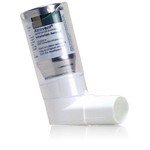
Atrovent (Ipratropium Bromide 20mcg per actuation) represents the foundational first-in-class anticholinergic bronchodilator inhaler that established muscarinic receptor antagonism as gold standard therapy for chronic obstructive pulmonary disease (COPD). Originally developed by Boehringer Ingelheim Pharmaceuticals and FDA-approved in 1986, ipratropium introduced the Short-Acting Muscarinic Antagonist (SAMA) class — providing bronchodilation through a mechanism entirely distinct from beta-2 agonists (albuterol) that had previously dominated inhaled bronchodilator therapy. Manufactured by Cipla India as bioequivalent generic under WHO-GMP and US FDA-inspected standards, Atrovent offers proven bronchodilator efficacy for COPD, chronic obstructive bronchitis, emphysema, and mild-moderate asthma. Available as 20 mcg per actuation metered-dose inhaler (MDI) — the standard inhaled dose used typically 4 times daily for maintenance or as needed for symptom relief.
Ipratropium bromide works through competitive antagonism of muscarinic M3 receptors on bronchial smooth muscle. In healthy respiratory function, acetylcholine released from parasympathetic vagus nerve terminals binds M3 receptors triggering bronchoconstriction via smooth muscle contraction and increased mucus secretion from submucosal glands. Ipratropium blocks these M3 receptors preventing acetylcholine-induced bronchoconstriction and reducing airway mucus production. As a quaternary ammonium compound, ipratropium has minimal systemic absorption from inhaled route and does not cross the blood-brain barrier — resulting in fewer systemic side effects than oral anticholinergics. This produces rapid bronchodilation, improved airway patency, reduced airway resistance, improved breathing, and relief from bronchospasm. Clinical response: onset within 15-30 minutes, peak effect at 1-2 hours, consistent 4-6 hour duration requiring 4 times daily dosing for maintenance.
Atrovent serves respiratory conditions with reversible bronchospasm. Primary uses include COPD treatment and prophylaxis as gold standard maintenance therapy; chronic obstructive bronchitis; lung emphysema; mild to moderate bronchial asthma particularly combined with beta-2 agonists; bronchospasm during surgical procedures; and various chronic obstructive airway diseases.
Atrovent typically dosed 2 puffs (40 mcg) four times daily for COPD maintenance or as needed for symptom relief. Peak at 1-2 hours, 1-2 hour half-life. Cipla India under WHO-GMP standards.
Free prescription
Discrete packaging
Have questions?
Quality Assurance
- COPD Maintenance Treatment: Long-term COPD symptom control;
- COPD Prophylaxis: Prevention of COPD exacerbations;
- Chronic Obstructive Bronchitis: Chronic bronchial airflow limitation;
- Lung Emphysema: Emphysema as part of COPD spectrum;
- Bronchial Asthma: Mild-moderate asthma particularly combined with beta-2 agonists;
- Acute Asthma Exacerbation Adjunct: Emergency room use combined with SABA for severe attacks;
- Bronchospasm: Reversible airway constriction from various causes;
- Surgical Bronchospasm: Bronchospasm during surgical procedures;
- Chronic Obstructive Airway Diseases: Various obstructive respiratory conditions;
- Reversible Airway Obstruction: Bronchoconstriction responding to anticholinergic action;
- Exercise Induced Bronchoconstriction: Prevention of exercise-related airway narrowing;
- Beta Agonist Intolerance Alternative: Alternative for patients unable to tolerate beta-agonists;
- Anticholinergic Bronchodilator Therapy: Drug class targeting muscarinic receptors for bronchodilation;
- SAMA Short Acting Muscarinic Antagonist: Short-acting anticholinergic bronchodilator class;
- Combination Bronchodilator Therapy: Combines synergistically with beta-2 agonists;
- COPD Exacerbation Treatment: Acute exacerbation management;
- Elderly Bronchodilator: Preferred in elderly due to safer profile than beta-agonists;
- Cardiovascular Safe Bronchodilator: Fewer CV effects than beta-agonists for cardiac patients;
- Generic Atrovent Therapy: Bioequivalent generic alternative at substantially lower cost.
- Better Airway Patency: Bronchial airways open for improved airflow;
- Less Airway Resistance: Reduced resistance improves breathing effort;
- Better Breathing: Overall respiratory function improves substantially;
- Less Airway Constriction: M3 blockade prevents bronchoconstriction;
- Less Mucus Production: Reduced airway mucus secretion from anticholinergic action;
- Better COPD Symptom Control: Chronic COPD symptoms improve with regular use;
- Less COPD Exacerbations: Reduced frequency of acute worsening episodes;
- Better Emphysema Symptoms: Emphysema patients gain airway improvement;
- Better Chronic Bronchitis Control: Chronic obstructive bronchitis symptoms improve;
- Better Asthma Adjunct Therapy: Combined with SABA for enhanced acute asthma response;
- Less Suffocation Attack Prevention: Prevention of bronchospasm-related breathing crises;
- Better Beta Agonist Synergy: Complementary bronchodilator mechanism enhances effect;
- Less Systemic Side Effects: Minimal systemic absorption from inhaled route;
- Less Cardiovascular Effects: Fewer heart rate and BP effects than beta-agonists;
- Less Tremor Effects: No skeletal muscle tremor unlike beta-agonists;
- Better Elderly Tolerability: Safer profile in elderly than beta-agonists;
- Better Cardiac Patient Safety: Fewer CV effects benefits cardiac COPD patients;
- Better Generic Affordability: 85-95% lower cost than brand Atrovent makes proven therapy accessible;
- Better Quality of Life: Daily wellbeing improves as respiratory function improves.
Generic Atrovent (Aerovent 20 mcg) Medication guide:
Atrovent (Ipratropium Bromide 20mcg per actuation) is the foundational first-in-class anticholinergic bronchodilator inhaler that established muscarinic receptor antagonism as gold standard therapy for chronic obstructive pulmonary disease (COPD). Developed by Boehringer Ingelheim Pharmaceuticals and FDA-approved in 1986, ipratropium introduced the Short-Acting Muscarinic Antagonist (SAMA) class providing bronchodilation through a mechanism entirely distinct from beta-2 agonists. As a quaternary ammonium compound with minimal systemic absorption from inhaled route, ipratropium delivers effective bronchodilation with substantially fewer systemic side effects than oral anticholinergics or beta-agonists — making it particularly valuable in elderly patients and those with cardiovascular disease. This comprehensive medication guide covers every aspect of Atrovent therapy from cholinergic nervous system physiology through mechanism, pharmacology, safety considerations, drug interactions, patient selection, inhaler technique, dosing strategies, and long-term management recommendations.
💊 Introduction to Atrovent
Atrovent is a prescription inhaled medication containing ipratropium bromide as its active ingredient. Ipratropium was developed by Boehringer Ingelheim Pharmaceuticals and received FDA approval in the United States in 1986 — establishing itself as the first inhaled anticholinergic bronchodilator and founding the Short-Acting Muscarinic Antagonist (SAMA) drug class. When introduced, ipratropium represented a paradigm shift in COPD therapy by providing an alternative mechanism to beta-2 agonists (albuterol) which had previously dominated inhaled bronchodilator therapy. This alternative mechanism proved particularly valuable for COPD patients whose disease responds better to anticholinergic bronchodilation than beta-2 agonist therapy.
The medication is manufactured worldwide by numerous generic pharmaceutical companies. The version sold under the Atrovent brand name on rxshop.md is manufactured by Cipla India — one of India largest pharmaceutical companies with over 85 years of manufacturing experience and US FDA-inspected facilities. Cipla maintains stringent WHO-GMP quality standards. Available as 20 mcg per actuation metered-dose inhaler (MDI) — the standard inhaled dose used typically 4 times daily for COPD maintenance therapy or as needed for symptom relief. Additional formulations available worldwide include inhalation solution (for nebulizer administration), inhalation powder (dry powder inhaler), and nasal spray forms (for allergic and non-allergic rhinitis).
Atrovent occupies a distinctive position in COPD management. While long-acting muscarinic antagonists (LAMAs like tiotropium/Spiriva, umeclidinium/Incruse) have largely replaced ipratropium as first-line maintenance therapy in modern COPD guidelines due to their once-daily convenience and superior sustained bronchodilation, Atrovent remains critically important for several reasons. First, its short duration of action makes it useful for as-needed symptom relief and acute exacerbation management. Second, it provides an affordable alternative for patients who cannot access more expensive LAMA therapy. Third, it combines synergistically with beta-2 agonists (albuterol) in the classic Combivent combination for enhanced acute bronchodilation. Fourth, it is often preferred in elderly patients and those with cardiovascular disease due to fewer systemic and cardiovascular effects compared to beta-2 agonists. This ongoing clinical relevance ensures Atrovent continues to have important therapeutic applications despite the availability of newer alternatives.
🔬 Understanding COPD and Bronchoconstriction
Understanding chronic obstructive pulmonary disease (COPD) and the physiology of bronchoconstriction is essential for appreciating how Atrovent treats this common respiratory condition.
What Is COPD
Chronic obstructive pulmonary disease (COPD) is a progressive respiratory disease characterized by persistent airflow limitation that is not fully reversible. COPD represents a spectrum encompassing:
COPD disease spectrum:
- Chronic bronchitis: Chronic productive cough with mucus hypersecretion for 3+ months per year for 2 years
- Emphysema: Destruction of alveolar walls with irreversible airspace enlargement
- Small airways disease: Bronchiolar inflammation and remodeling
- Vascular remodeling: Pulmonary vascular changes contributing to pulmonary hypertension
COPD Etiology
COPD develops from prolonged airway exposure to noxious particles or gases:
- Tobacco smoking: The leading cause worldwide (80-90 percent of cases)
- Environmental tobacco smoke: Second-hand smoke exposure
- Occupational exposures: Dust, fumes, chemical vapors
- Indoor air pollution: Biomass fuel burning particularly in developing countries
- Outdoor air pollution: Contributing factor in some populations
- Alpha-1 antitrypsin deficiency: Genetic COPD risk factor
- Respiratory infections in childhood
COPD Symptoms
COPD produces characteristic symptoms:
- Progressive shortness of breath (dyspnea): Initially exertional, later at rest
- Chronic productive cough: Particularly morning cough
- Chronic sputum production: Mucus hypersecretion
- Wheezing: Whistling breathing from airway narrowing
- Chest tightness
- Reduced exercise tolerance
- Frequent respiratory infections
- Fatigue from increased work of breathing
🧠 Cholinergic Nervous System in Bronchial Function
Understanding the cholinergic (parasympathetic) nervous system control of bronchial function is essential for understanding how Atrovent works.
Parasympathetic Airway Control
Airway smooth muscle tone is regulated primarily by the parasympathetic nervous system via the vagus nerve:
Cholinergic airway signaling cascade:
- Vagal nerve fibers release acetylcholine (ACh) at airway smooth muscle
- ACh binds muscarinic M3 receptors on bronchial smooth muscle cells
- M3 activation triggers intracellular calcium release via IP3 pathway
- Calcium activates smooth muscle contraction proteins
- Result: Bronchoconstriction (airway narrowing)
- Simultaneously ACh binds M3 receptors on submucosal glands
- Result: Increased mucus secretion
- Muscarinic M2 receptors provide autoinhibition preventing excessive ACh release
Vagal Tone in COPD
In COPD, increased vagal tone contributes to airflow limitation:
- Elevated resting bronchomotor tone from increased parasympathetic activity
- Chronic airway inflammation increases vagal reflex sensitivity
- Bronchoconstriction is largely reversible when parasympathetic signaling is blocked
- Anticholinergic therapy targets this reversible component of airflow limitation
🧬 Chemistry and Pharmacology of Ipratropium
Ipratropium bromide has the chemical formula C20H30BrNO3 with molecular weight approximately 412.4 g/mol. Structurally, ipratropium is a synthetic quaternary ammonium derivative of atropine — modified to prevent central nervous system penetration and reduce systemic anticholinergic effects while retaining potent muscarinic receptor antagonism at target respiratory tissues.
Mechanism of Action
Ipratropium mechanism cascade:
- Ipratropium inhaled and deposits on bronchial mucosa
- Local absorption at bronchial smooth muscle receptors
- Competitive antagonism of muscarinic M3 receptors
- Also blocks M1 (some effect) and M2 receptors (partial autoinhibition loss)
- Prevents acetylcholine-induced smooth muscle contraction
- Result: Bronchodilation and reduced airway resistance
- Simultaneous blockade of M3 on submucosal glands
- Result: Reduced airway mucus secretion
- Quaternary structure prevents blood-brain barrier crossing
- Result: Minimal CNS anticholinergic effects
Key Pharmacological Advantages
Ipratropium quaternary ammonium structure provides key advantages:
- Minimal systemic absorption from inhaled route (below 10 percent)
- Does not cross blood-brain barrier - no CNS anticholinergic effects
- Concentrated action at target respiratory tissues
- Fewer systemic side effects than oral anticholinergics
- Fewer cardiovascular effects than beta-2 agonists
- Well-tolerated in elderly patients and those with cardiovascular disease
Pharmacokinetic Profile
| Parameter | Value | Clinical Significance |
|---|---|---|
| Onset of bronchodilation | 15 to 30 minutes | Slower onset than SABA (2-3 min for albuterol) |
| Time to peak effect | 1 to 2 hours | Peak bronchodilation timing |
| Duration of action | 4 to 6 hours | Requires 4 times daily dosing (short-acting) |
| Half-life | 1 to 2 hours | Short systemic half-life |
| Systemic absorption (inhaled) | Under 10 percent | Minimal systemic exposure |
| Protein binding | Very low | Minimal displacement interactions |
| CNS penetration | Negligible | No central anticholinergic effects |
| Metabolism | Partial hepatic | Minor metabolic pathways |
| Elimination | Renal and fecal | Mixed elimination pathways |
🎯 Approved Indications
Primary Indications
- Chronic obstructive pulmonary disease (COPD) - maintenance treatment and prevention
- Chronic obstructive bronchitis
- Lung emphysema
- Bronchial asthma mild to moderate severity - particularly as adjunct
- Bronchospasm during surgical operations
Additional Uses
- Acute asthma exacerbations: Emergency room adjunctive therapy with SABA
- COPD exacerbations: Acute management combined with other therapies
- Allergic and non-allergic rhinitis: Nasal spray formulation
- Rhinorrhea (runny nose): Nasal spray
- Post-viral cough: When bronchospastic component
Off-Label Uses
- Exercise-induced bronchoconstriction
- Cystic fibrosis with bronchospasm
- Bronchiectasis with bronchospasm
Ideal Patient Selection
Atrovent therapy is most appropriate for:
- Patients with COPD requiring maintenance bronchodilator therapy
- Elderly COPD patients where systemic effects concerning
- Patients with cardiovascular disease where beta-agonists may cause CV effects
- Patients with beta-agonist intolerance or contraindications
- Asthma patients requiring adjunctive therapy to beta-2 agonists
- Acute severe asthma exacerbations combined with SABA
- Patients unable to access more expensive LAMA therapy
- Patients able to master inhaler technique
- Adults and children able to use inhalers properly
🚫 Contraindications
Absolute contraindications include:
- Hypersensitivity to ipratropium or atropine derivatives
- Hypersensitivity to soy lecithin or soy/peanut products (some MDI formulations)
Use with caution in:
- Narrow-angle glaucoma - anticholinergic effects may precipitate acute glaucoma if drug reaches eye
- Prostatic hyperplasia - anticholinergic effects may worsen urinary retention
- Bladder neck obstruction - urinary retention risk
- Myasthenia gravis
- Cystic fibrosis - GI motility considerations
- Pregnancy and lactation - use if benefit justifies risk
- Children under 12 - safety varies by formulation
⚠️ Precautions and Warnings
Not for Acute Asthma Emergency Alone
Atrovent slower onset limits emergency use as monotherapy:
Because ipratropium has 15-30 minute onset compared to 2-3 minutes for short-acting beta-2 agonists (SABAs like albuterol), Atrovent is NOT appropriate as monotherapy for acute severe asthma attacks or COPD exacerbations. Recommendations:
- Use SABA (albuterol) first for acute attacks
- Add ipratropium as adjunct for enhanced effect in severe attacks
- Combivent combination products contain both
- Always have rescue SABA available
Eye Exposure Prevention
Ipratropium contact with eyes can cause acute glaucoma attack in patients with narrow-angle glaucoma or eye irritation in others:
- Use MDI with proper technique to avoid eye contact
- Consider spacer device to reduce risk
- Nebulizer use: protect eyes with mask rather than mouthpiece for glaucoma patients
- If eye contact occurs: flush with water and seek evaluation if symptoms develop
Paradoxical Bronchospasm
Rarely, ipratropium can cause paradoxical bronchospasm particularly in aspirin-sensitive asthmatics. If wheezing worsens after use, discontinue and seek medical evaluation.
💉 Dosage and Administration
Standard MDI Dosing (20 mcg per actuation)
Adult MDI dosing:
- Standard maintenance: 2 puffs (40 mcg) 4 times daily
- Higher doses if needed: Up to 4 puffs (80 mcg) 4 times daily
- Maximum daily dose: 12 puffs (240 mcg) per 24 hours
- Interval between doses: Minimum 4 hours
- Timing: Consistent times daily (morning, midday, evening, bedtime)
Nebulizer Solution Dosing (500 mcg per dose)
- Adults and adolescents 12+: 500 mcg 3-4 times daily via nebulizer
- Children 6-12 years: 250 mcg 3-4 times daily
- Children under 6: 125-250 mcg 3-4 times daily (specialist supervision)
MDI Inhaler Technique
Proper MDI technique for maximum effect:
- Shake the inhaler well for 5-10 seconds
- Prime the inhaler if new or unused for extended period (spray into air)
- Exhale completely before inhaling medication
- Place mouthpiece in mouth forming a tight seal with lips
- Start slow deep inhalation and press canister once to release dose
- Continue slow deep inhalation for 3-5 seconds
- Hold breath for 10 seconds to allow medication deposition
- Exhale slowly through pursed lips
- Wait 30 seconds before second puff if needed
- Rinse mouth after use to reduce dry mouth
Spacer Device Recommendation
A valved holding chamber (spacer) is highly recommended especially for:
- Elderly patients with reduced coordination
- Children under 12 years
- Patients with poor inhaler technique
- Any patient wanting improved deposition
- Reduces medication loss and improves lung deposition
- Prevents eye exposure
📊 Clinical Effectiveness Data
| Indication | Response Rate |
|---|---|
| COPD maintenance therapy | Improved FEV1 and symptoms in majority |
| COPD exacerbation adjunct | Enhanced response combined with SABA |
| Chronic bronchitis | Significant symptom improvement |
| Emphysema | Airflow improvement in reversible component |
| Acute asthma exacerbation with SABA | Superior to SABA alone in severe attacks |
| Mild-moderate asthma | Effective as adjunct to beta-2 agonists |
| Comparison vs albuterol in COPD | Similar to superior in COPD (mechanism advantage) |
| Comparison vs LAMA (tiotropium) | LAMA superior for chronic maintenance |
⚠️ Side Effect Profile
Common Side Effects
Due to minimal systemic absorption, Atrovent has excellent tolerability:
- Dry mouth (xerostomia): Approximately 3-4 percent - most common local effect
- Cough: Approximately 3 percent
- Headache: Approximately 3 percent
- Bad taste in mouth: Occasional
- Throat irritation: Occasional
- Nausea: Uncommon
- Constipation: Uncommon
- Dizziness: Uncommon
- Urinary retention: Rare (particularly in men with BPH)
- Blurred vision: Rare (if drug contacts eyes)
- Increased intraocular pressure: Rare (glaucoma concern)
Serious Side Effects
Seek immediate medical attention for:
- Paradoxical bronchospasm - worsening wheezing after inhalation
- Acute glaucoma attack: severe eye pain, blurred vision, halos around lights
- Severe allergic reactions: facial swelling, difficulty breathing, hives
- Anaphylaxis
- Urinary retention unable to urinate
- Severe worsening of respiratory symptoms despite therapy
- Signs of anticholinergic toxicity - confusion, hallucinations (very rare)
🔄 Drug Interactions
Atrovent has few clinically significant interactions due to minimal systemic absorption:
| Drug Class | Interaction |
|---|---|
| Beta-2 agonists (albuterol, salmeterol) | Synergistic bronchodilation - beneficial combination |
| Long-acting muscarinic antagonists (tiotropium) | Avoid combination - additive anticholinergic effects |
| Other anticholinergics (oral) | Additive anticholinergic effects with high doses |
| Tricyclic antidepressants | Additive anticholinergic effects |
| Antihistamines (first generation) | Additive anticholinergic effects |
| Xanthines (theophylline) | Compatible - complementary bronchodilator mechanisms |
| Inhaled corticosteroids | Compatible - often used together in COPD/asthma |
🛡️ Special Populations
- Elderly Patients Over 65
- Preferred bronchodilator choice in elderly due to fewer systemic and cardiovascular effects than beta-agonists. Excellent tolerability. Ensure adequate inhaler technique. Consider spacer device. Monitor for anticholinergic effects if using higher doses.
- Pediatric Population
- MDI safety established in children 12+ years. Nebulizer safety in children 6+ years. Under 6 years requires specialist supervision. Use appropriate pediatric formulations and doses.
- Pregnancy
- Category B - considered relatively safe for asthma/COPD treatment during pregnancy. Minimal systemic absorption limits fetal exposure. Discuss with obstetrician.
- Lactation
- Small amounts may enter breast milk but minimal systemic exposure. Generally considered compatible with breastfeeding.
- Cardiovascular Disease Patients
- Preferred bronchodilator in CV disease due to minimal cardiovascular effects. No tachycardia, arrhythmia, or blood pressure elevation like beta-agonists. Safe in coronary artery disease, arrhythmias, hypertension.
- Narrow-Angle Glaucoma Patients
- Use with caution and proper technique to prevent eye exposure. Consider mask nebulizer instead of MDI. Ophthalmologist consultation recommended.
- Prostatic Hyperplasia Patients
- Anticholinergic effects may worsen urinary retention. Monitor for urinary symptoms. Rarely clinically significant with inhaled therapy.
- Renal or Hepatic Impairment
- No dose adjustment typically needed due to minimal systemic exposure from inhaled route.
- Beta-Agonist Intolerant Patients
- Excellent alternative for patients unable to tolerate beta-agonists due to tremor, palpitations, or arrhythmia. Different mechanism provides bronchodilation without beta-adrenergic effects.
🔬 Comparison with Other Bronchodilators
| Class | Example | Onset | Duration | Primary Use |
|---|---|---|---|---|
| SABA (short-acting beta-2 agonist) | Albuterol | 2-3 min | 4-6 hours | Acute relief asthma and COPD |
| SAMA (short-acting muscarinic antagonist) | Ipratropium (Atrovent) | 15-30 min | 4-6 hours | COPD maintenance and acute adjunct |
| LABA (long-acting beta-2 agonist) | Salmeterol, formoterol | 30 min | 12 hours | Chronic asthma and COPD maintenance |
| LAMA (long-acting muscarinic antagonist) | Tiotropium, umeclidinium | 30 min | 24 hours | COPD first-line maintenance |
| SABA + SAMA combination | Combivent (ipratropium + albuterol) | 2-3 min | 4-6 hours | Enhanced acute bronchodilation |
📆 Long-Term Use Considerations
Chronic Atrovent therapy for COPD:
- Excellent long-term safety profile: 35+ years experience
- Regular use vs as-needed: Both approaches acceptable in COPD
- Consider LAMA upgrade: Tiotropium or umeclidinium once-daily may improve outcomes
- Combination bronchodilator therapy: LAMA + LABA superior for many COPD patients
- Inhaled corticosteroid addition: For COPD with asthma component or frequent exacerbations
- Regular pulmonary function testing: Monitor FEV1 and disease progression
- Smoking cessation: Critical for disease progression
- Pulmonary rehabilitation: Complementary intervention
- Vaccination: Influenza, pneumococcal, COVID-19
- Regular medical review: COPD management optimization
When to Consider Upgrading Therapy
Consider upgrading from ipratropium to newer agents if:
- Frequent exacerbations despite ipratropium therapy
- Persistent symptoms not adequately controlled
- Poor adherence to 4x daily dosing - LAMA once-daily better
- Progressive disease requiring stronger bronchodilation
- Combination therapy needs - LAMA/LABA combinations available
📦 Storage and Inhaler Care
- Store MDI at room temperature between 15°C and 30°C (59°F and 86°F)
- Do not expose to temperatures above 40°C or direct sunlight
- Do not freeze the inhaler
- Keep mouthpiece clean by weekly wiping with dry cloth (not water)
- Do not use if canister is punctured or damaged
- Do not use past expiration date on canister
- Keep out of reach of children and pets
- Discard inhaler after specified number of doses (typically 200)
- Nebulizer solution: refrigerate opened vials as directed
- Do not share inhaler with others
👨⚕️ When to Contact Your Doctor
- Worsening breathing or bronchospasm after inhalation (paradoxical reaction)
- Signs of acute glaucoma: severe eye pain, blurred vision, halos
- Signs of allergic reaction: facial swelling, difficulty breathing
- Urinary retention or difficulty urinating
- Severe worsening of COPD or asthma symptoms
- Increased need for rescue inhaler
- New or worsening cough with blood
- Signs of infection: fever, colored sputum
- Persistent dry mouth or throat irritation
- Vision changes
- Anxiety, restlessness, or confusion (rare anticholinergic effects)
- Concerns about inhaler technique
- Considering upgrade to LAMA therapy
- Pregnancy planning or confirmed pregnancy
- Development of new medical conditions
🌟 Key Takeaways
Essential points about Atrovent (ipratropium) therapy:
- Atrovent is first-in-class SAMA anticholinergic bronchodilator FDA-approved in 1986
- Ipratropium is quaternary ammonium anticholinergic with minimal systemic absorption
- Works through muscarinic M3 receptor antagonism blocking acetylcholine bronchoconstriction
- Standard dose 2 puffs (40 mcg) 4 times daily for COPD maintenance
- Onset 15-30 minutes (slower than SABA), peak 1-2 hours, duration 4-6 hours
- Primary indication is COPD maintenance and exacerbation management
- NOT appropriate as monotherapy for acute severe asthma - use SABA first
- Excellent tolerability - dry mouth is most common side effect
- Preferred bronchodilator in elderly and cardiovascular disease patients
- Fewer systemic and CV effects than beta-2 agonists
- Does not cross blood-brain barrier - no CNS anticholinergic effects
- Combines synergistically with SABA (Combivent) for enhanced acute bronchodilation
- Proper inhaler technique essential - consider spacer device
- Protect eyes during administration to prevent glaucoma risk
- LAMA (tiotropium, umeclidinium) has replaced ipratropium as first-line maintenance in modern COPD guidelines
Important Medical Disclaimer: This medication guide provides general information about Atrovent (ipratropium bromide) and does not constitute individualized medical advice. Every patient situation is unique and requires evaluation by a qualified healthcare provider before starting continuing adjusting or discontinuing any medication. Do not use Atrovent without prescription from a qualified healthcare professional who has evaluated your specific respiratory condition. Atrovent is NOT appropriate as monotherapy for acute severe asthma attacks - always have a fast-acting rescue inhaler (SABA like albuterol) available for emergencies. Learn proper inhaler technique for maximum effectiveness. Prevent eye contact with medication to avoid glaucoma risk. Report worsening breathing symptoms, signs of allergic reactions, urinary retention, or vision problems to your healthcare provider promptly. If you experience concerning symptoms contact your healthcare provider promptly. The information provided here should complement but never replace direct professional medical guidance.
Atrovent — Frequently Asked Questions
-
What is Atrovent used for?
Atrovent is used to prevent and treat symptoms of bronchospasm related to COPD, including chronic bronchitis and emphysema, and can also be used for asthma management. -
How does Atrovent work?
It works by blocking muscarinic receptors in the airways, leading to relaxation of airway muscles and opening of the airways, making breathing easier. -
How quickly does Atrovent start working?
Atrovent begins to work within minutes, with peak effects seen in 1 to 2 hours after inhalation. -
How long does the effect of Atrovent last?
The effects of Atrovent can last up to 4-6 hours after inhalation. -
Can Atrovent be used for acute asthma attacks?
Atrovent is not the first choice for acute asthma attacks; it is primarily used for maintenance therapy to prevent bronchospasm. -
Is Atrovent a steroid?
No, Atrovent is not a steroid. It is an anticholinergic medication that helps to relax and open air passages in the lungs. -
Can Atrovent be used with other inhalers?
Yes, Atrovent can be used in combination with other inhalers, such as short-acting beta-agonists (e.g., albuterol) for better symptom control.
See all Atrovent questions (32)
More Respiratory Medications